Dr. Sangeetha Balakrishnan
PG Department of Chemistry
Women’s Christian College
Chennai – 600 006
Fire
25 January, 2017
Forensic Science
PCH/NM/01
Some Definitions
• Fire
Fire is the evolution of energy in the form of
light, heat and smoke.
Fuel + oxygen carbon dioxide + water +
energy
• Activation Energy
The energy required for this reaction to occur
is called activation energy.
This energy is required to break molecular
oxygen into atomic oxygen.
The Chemistry of Fire
The Fire Tetrahedron What can we do if we need to
stop a fire?
Classification of Fire
Fire
Natural
Fire
Accidental
Fire
Arson
Arson: The crime of setting fires willfully and
intentionally.
Also called: incendiary fires.
Investigation of a fire scene to
determine if it is arson
1. Eliminate all possible natural or accidental
causes of fire.
2. Have compelling evidence for arson.
a) Presence of a fire-setting device like a Molotov
Cocktail.
b) Presence of Fire Trail.
c) Presence of Point of Origin.
a) Molotov Cocktail
Bottle containing accelerant + wick  ignite  throw!
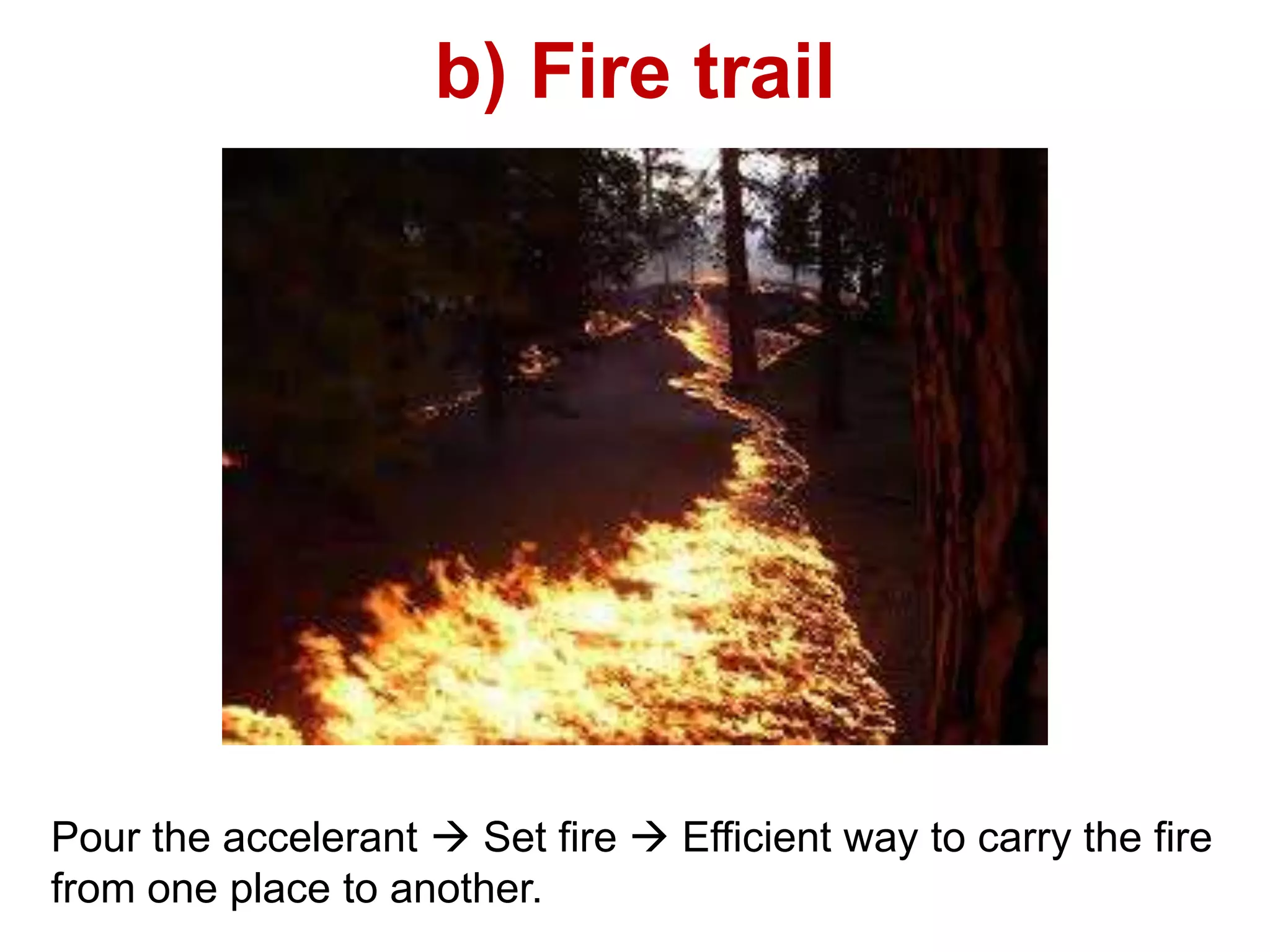
b) Fire trail
Pour the accelerant  Set fire  Efficient way to carry the fire
from one place to another.
c) The Point of Origin
• It is the location where the fire started.
• This is where the most extensive burning
takes place, and is the hottest!
• If an accelerant was used to start a fire, its
residue will be seen at the point of origin.
Characteristic Features of
Point of Origin
• V-Patterns of burning.
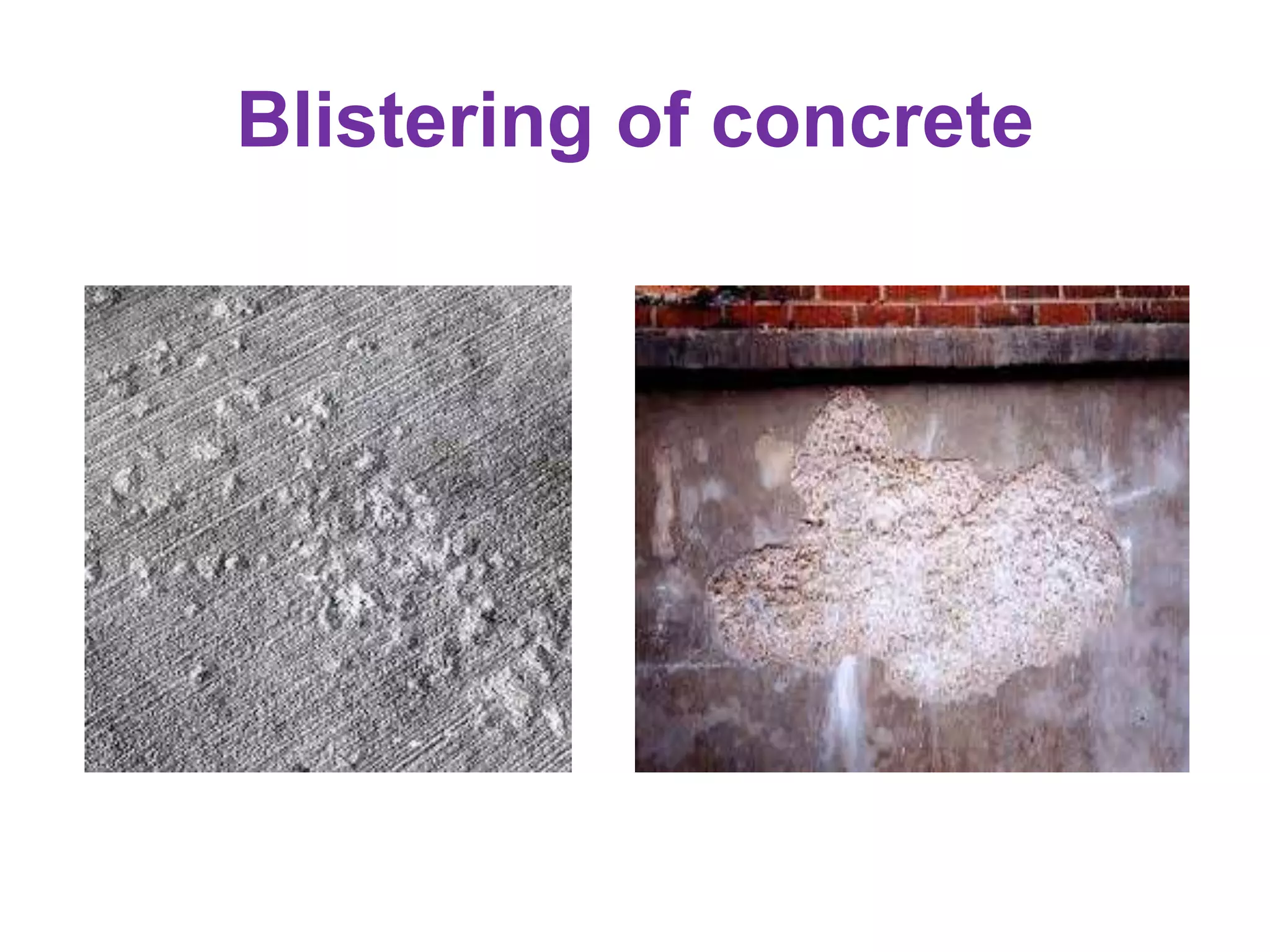
• Blistering of concrete.
• The beginning of a fire trail.
• The obvious presence of accelerants.
V-Pattern of burning
Blistering of concrete
Detection and Collection of
Accelerants
1. By hydrocarbon sensors.
2. By arson dogs.
3. By substances that absorb accelerants.
Give
examples of
such
substances.
Analysis of Fire Scene Residue
1. Separate the accelerant residue from the
material it was trapped in.
2. Concentrate these residues.
3. Analyse.
• Concentration Method: Passive Headspace
• Analysis: Gas-Chromatography/Mass
Spectrometry
Passive Headspace
Fire and arson

Fire and arson

  • 1.
    Dr. Sangeetha Balakrishnan PGDepartment of Chemistry Women’s Christian College Chennai – 600 006 Fire 25 January, 2017 Forensic Science PCH/NM/01
  • 2.
    Some Definitions • Fire Fireis the evolution of energy in the form of light, heat and smoke. Fuel + oxygen carbon dioxide + water + energy • Activation Energy The energy required for this reaction to occur is called activation energy. This energy is required to break molecular oxygen into atomic oxygen.
  • 3.
    The Chemistry ofFire The Fire Tetrahedron What can we do if we need to stop a fire?
  • 4.
    Classification of Fire Fire Natural Fire Accidental Fire Arson Arson:The crime of setting fires willfully and intentionally. Also called: incendiary fires.
  • 5.
    Investigation of afire scene to determine if it is arson 1. Eliminate all possible natural or accidental causes of fire. 2. Have compelling evidence for arson. a) Presence of a fire-setting device like a Molotov Cocktail. b) Presence of Fire Trail. c) Presence of Point of Origin.
  • 6.
    a) Molotov Cocktail Bottlecontaining accelerant + wick  ignite  throw!
  • 7.
    b) Fire trail Pourthe accelerant  Set fire  Efficient way to carry the fire from one place to another.
  • 8.
    c) The Pointof Origin • It is the location where the fire started. • This is where the most extensive burning takes place, and is the hottest! • If an accelerant was used to start a fire, its residue will be seen at the point of origin.
  • 9.
    Characteristic Features of Pointof Origin • V-Patterns of burning. • Blistering of concrete. • The beginning of a fire trail. • The obvious presence of accelerants. V-Pattern of burning
  • 10.
  • 11.
    Detection and Collectionof Accelerants 1. By hydrocarbon sensors. 2. By arson dogs. 3. By substances that absorb accelerants. Give examples of such substances.
  • 12.
    Analysis of FireScene Residue 1. Separate the accelerant residue from the material it was trapped in. 2. Concentrate these residues. 3. Analyse. • Concentration Method: Passive Headspace • Analysis: Gas-Chromatography/Mass Spectrometry
  • 13.