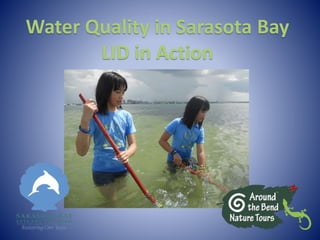
Water Quality in Sarasota Bay
LID in Action
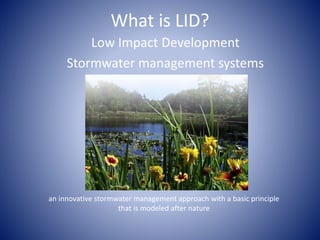
What is LID?
Low Impact Development
Stormwater management systems
an innovative stormwater management approach with a basic principle
that is modeled after nature
Low Impact Development Techniques
Rain Barrels & Cisterns
Rain Gardens
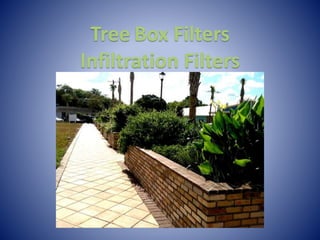
Tree Box Filters
Soil Amendments
Permeable Pavers
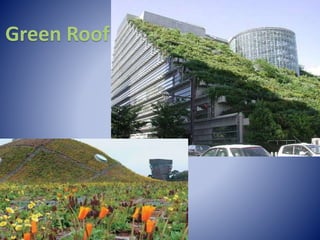
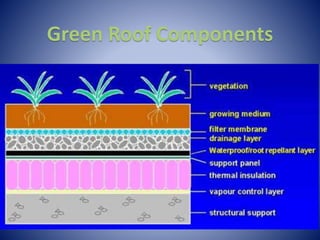
Green Roofs
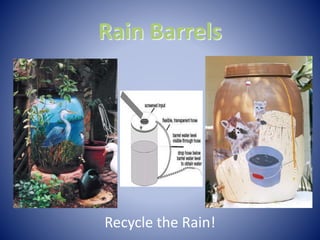
Rain Barrels
Recycle the Rain!
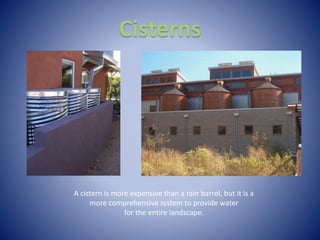
Cisterns
A cistern is more expensive than a rain barrel, but it is a
more comprehensive system to provide water
for the entire landscape.
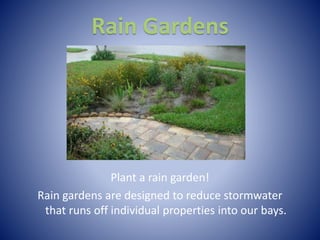
Rain Gardens
Plant a rain garden!
Rain gardens are designed to reduce stormwater
that runs off individual properties into our bays.
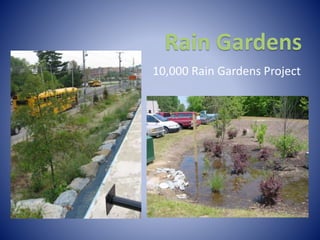
Rain Gardens
10,000 Rain Gardens Project
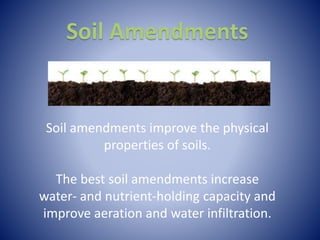
Soil Amendments
Soil amendments improve the physical
properties of soils.
The best soil amendments increase
water- and nutrient-holding capacity and
improve aeration and water infiltration.
Tree Box Filters
Infiltration Filters
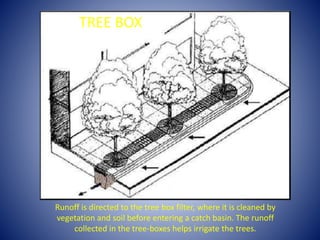
Runoff is directed to the tree box filter, where it is cleaned by
vegetation and soil before entering a catch basin. The runoff
collected in the tree-boxes helps irrigate the trees.
TREE BOX
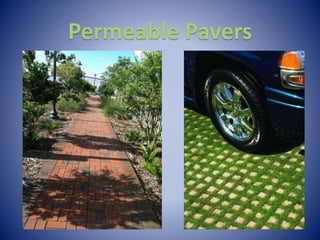
Permeable Pavers
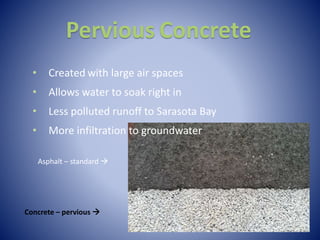
Pervious Concrete
Asphalt – standard 
Concrete – pervious 
• Created with large air spaces
• Allows water to soak right in
• Less polluted runoff to Sarasota Bay
• More infiltration to groundwater
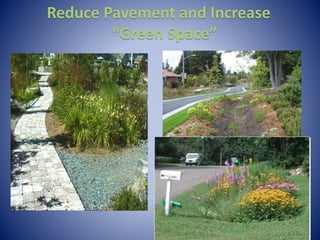
Reduce Pavement and Increase
“Green Space”
Green Roof
Green Roof Components
What are
your ideas?
Think about where you live
• What watershed do you live in?
• What can you do to protect your watershed?
• Could you use any of the low impact
development techniques presented here?
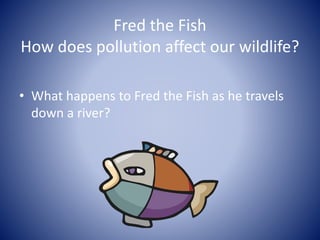
Fred the Fish
How does pollution affect our wildlife?
• What happens to Fred the Fish as he travels
down a river?
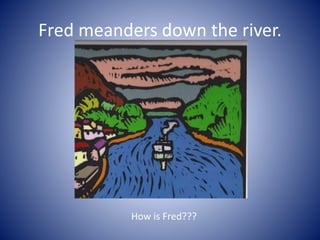
Fred meanders down the river.
How is Fred???
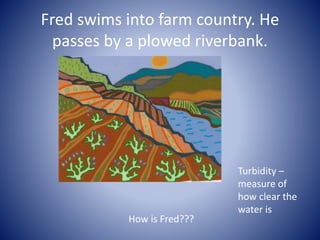
Fred swims into farm country. He
passes by a plowed riverbank.
How is Fred???
Turbidity –
measure of
how clear the
water is
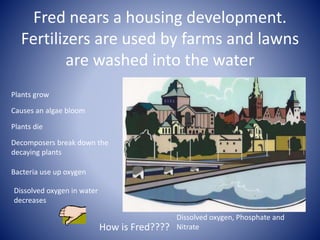
Fred nears a housing development.
Fertilizers are used by farms and lawns
are washed into the water
How is Fred????
Plants grow
Causes an algae bloom
Plants die
Decomposers break down the
decaying plants
Bacteria use up oxygen
Dissolved oxygen in water
decreases
Dissolved oxygen, Phosphate and
Nitrate
Fred now swims under a bridge.
How is Fred???
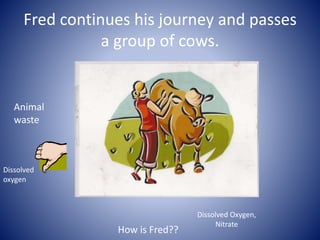
Fred continues his journey and passes
a group of cows.
How is Fred??
Dissolved Oxygen,
Nitrate
Animal
waste
Dissolved
oxygen
Fred swims past a park.
TRASH!!!!!!
How is Fred???
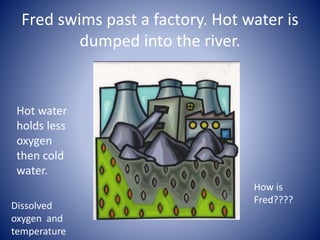
Fred swims past a factory. Hot water is
dumped into the river.
Hot water
holds less
oxygen
then cold
water.
How is
Fred????
Dissolved
oxygen and
temperature
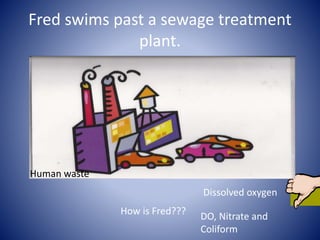
Fred swims past a sewage treatment
plant.
How is Fred???
Dissolved oxygen
Human waste
DO, Nitrate and
Coliform
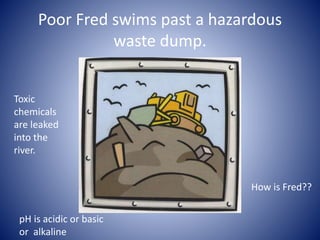
Poor Fred swims past a hazardous
waste dump.
Toxic
chemicals
are leaked
into the
river.
How is Fred??
pH is acidic or basic
or alkaline
How is Fred????
Water Quality Test
• Dissolved oxygen
• Temperature
• Turbidity
• Phosphate
• Nitrate
• pH
• Salinity
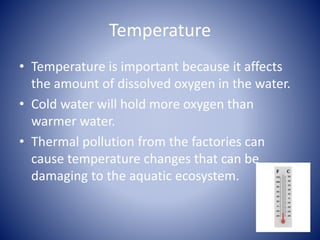
Temperature
• Temperature is important because it affects
the amount of dissolved oxygen in the water.
• Cold water will hold more oxygen than
warmer water.
• Thermal pollution from the factories can
cause temperature changes that can be
damaging to the aquatic ecosystem.
Dissolved Oxygen (DO)
Oxygen gas that is
dissolved in water
•DO is the most important to the
health of the water. All aquatic
animals need oxygen to survive.
•High levels of bacteria from
sewage or a large amount of
rotting plants can cause the % of
oxygen in the water to decrease.
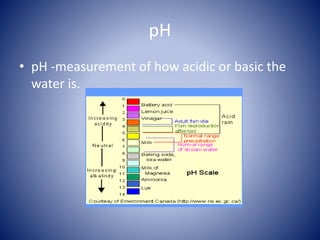
pH
• pH -measurement of how acidic or basic the
water is.
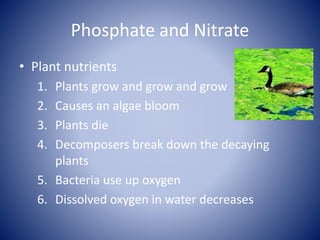
Phosphate and Nitrate
• Plant nutrients
1. Plants grow and grow and grow
2. Causes an algae bloom
3. Plants die
4. Decomposers break down the decaying
plants
5. Bacteria use up oxygen
6. Dissolved oxygen in water decreases
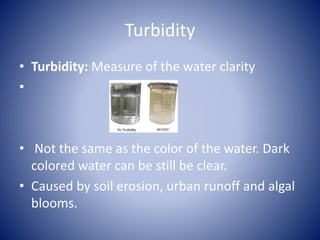
Turbidity
• Turbidity: Measure of the water clarity
•
• Not the same as the color of the water. Dark
colored water can be still be clear.
• Caused by soil erosion, urban runoff and algal
blooms.
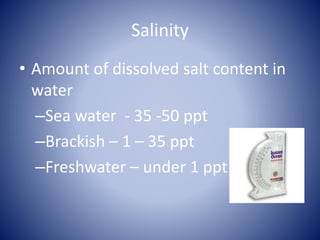
Salinity
• Amount of dissolved salt content in
water
–Sea water - 35 -50 ppt
–Brackish – 1 – 35 ppt
–Freshwater – under 1 ppt
Questions?

Field trip

  • 1.
    Water Quality inSarasota Bay LID in Action
  • 2.
    What is LID? LowImpact Development Stormwater management systems an innovative stormwater management approach with a basic principle that is modeled after nature
  • 3.
    Low Impact DevelopmentTechniques Rain Barrels & Cisterns Rain Gardens Tree Box Filters Soil Amendments Permeable Pavers Green Roofs
  • 4.
  • 5.
    Cisterns A cistern ismore expensive than a rain barrel, but it is a more comprehensive system to provide water for the entire landscape.
  • 6.
    Rain Gardens Plant arain garden! Rain gardens are designed to reduce stormwater that runs off individual properties into our bays.
  • 7.
    Rain Gardens 10,000 RainGardens Project
  • 8.
    Soil Amendments Soil amendmentsimprove the physical properties of soils. The best soil amendments increase water- and nutrient-holding capacity and improve aeration and water infiltration.
  • 9.
  • 10.
    Runoff is directedto the tree box filter, where it is cleaned by vegetation and soil before entering a catch basin. The runoff collected in the tree-boxes helps irrigate the trees. TREE BOX
  • 11.
  • 12.
    Pervious Concrete Asphalt –standard  Concrete – pervious  • Created with large air spaces • Allows water to soak right in • Less polluted runoff to Sarasota Bay • More infiltration to groundwater
  • 13.
    Reduce Pavement andIncrease “Green Space”
  • 14.
  • 15.
  • 17.
    What are your ideas? Thinkabout where you live • What watershed do you live in? • What can you do to protect your watershed? • Could you use any of the low impact development techniques presented here?
  • 18.
    Fred the Fish Howdoes pollution affect our wildlife? • What happens to Fred the Fish as he travels down a river?
  • 19.
    Fred meanders downthe river. How is Fred???
  • 20.
    Fred swims intofarm country. He passes by a plowed riverbank. How is Fred??? Turbidity – measure of how clear the water is
  • 21.
    Fred nears ahousing development. Fertilizers are used by farms and lawns are washed into the water How is Fred???? Plants grow Causes an algae bloom Plants die Decomposers break down the decaying plants Bacteria use up oxygen Dissolved oxygen in water decreases Dissolved oxygen, Phosphate and Nitrate
  • 22.
    Fred now swimsunder a bridge. How is Fred???
  • 23.
    Fred continues hisjourney and passes a group of cows. How is Fred?? Dissolved Oxygen, Nitrate Animal waste Dissolved oxygen
  • 24.
    Fred swims pasta park. TRASH!!!!!! How is Fred???
  • 25.
    Fred swims pasta factory. Hot water is dumped into the river. Hot water holds less oxygen then cold water. How is Fred???? Dissolved oxygen and temperature
  • 26.
    Fred swims pasta sewage treatment plant. How is Fred??? Dissolved oxygen Human waste DO, Nitrate and Coliform
  • 27.
    Poor Fred swimspast a hazardous waste dump. Toxic chemicals are leaked into the river. How is Fred?? pH is acidic or basic or alkaline
  • 28.
  • 29.
    Water Quality Test •Dissolved oxygen • Temperature • Turbidity • Phosphate • Nitrate • pH • Salinity
  • 30.
    Temperature • Temperature isimportant because it affects the amount of dissolved oxygen in the water. • Cold water will hold more oxygen than warmer water. • Thermal pollution from the factories can cause temperature changes that can be damaging to the aquatic ecosystem.
  • 31.
    Dissolved Oxygen (DO) Oxygengas that is dissolved in water •DO is the most important to the health of the water. All aquatic animals need oxygen to survive. •High levels of bacteria from sewage or a large amount of rotting plants can cause the % of oxygen in the water to decrease.
  • 32.
    pH • pH -measurementof how acidic or basic the water is.
  • 33.
    Phosphate and Nitrate •Plant nutrients 1. Plants grow and grow and grow 2. Causes an algae bloom 3. Plants die 4. Decomposers break down the decaying plants 5. Bacteria use up oxygen 6. Dissolved oxygen in water decreases
  • 34.
    Turbidity • Turbidity: Measureof the water clarity • • Not the same as the color of the water. Dark colored water can be still be clear. • Caused by soil erosion, urban runoff and algal blooms.
  • 35.
    Salinity • Amount ofdissolved salt content in water –Sea water - 35 -50 ppt –Brackish – 1 – 35 ppt –Freshwater – under 1 ppt
  • 36.