Field assignmentPart iBy Nicole Rikalo
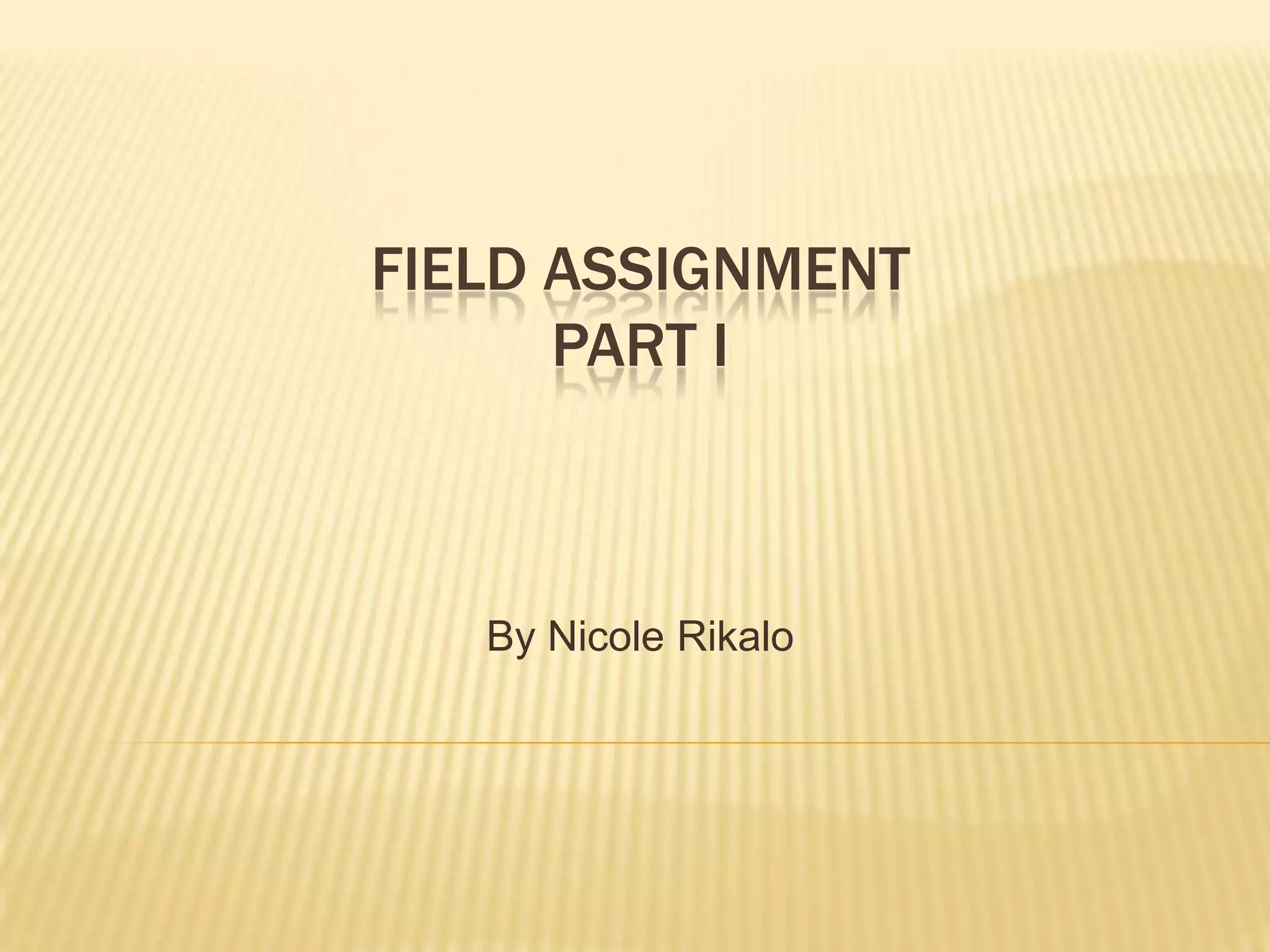
Pg. 116Igneous: Granite porphyry
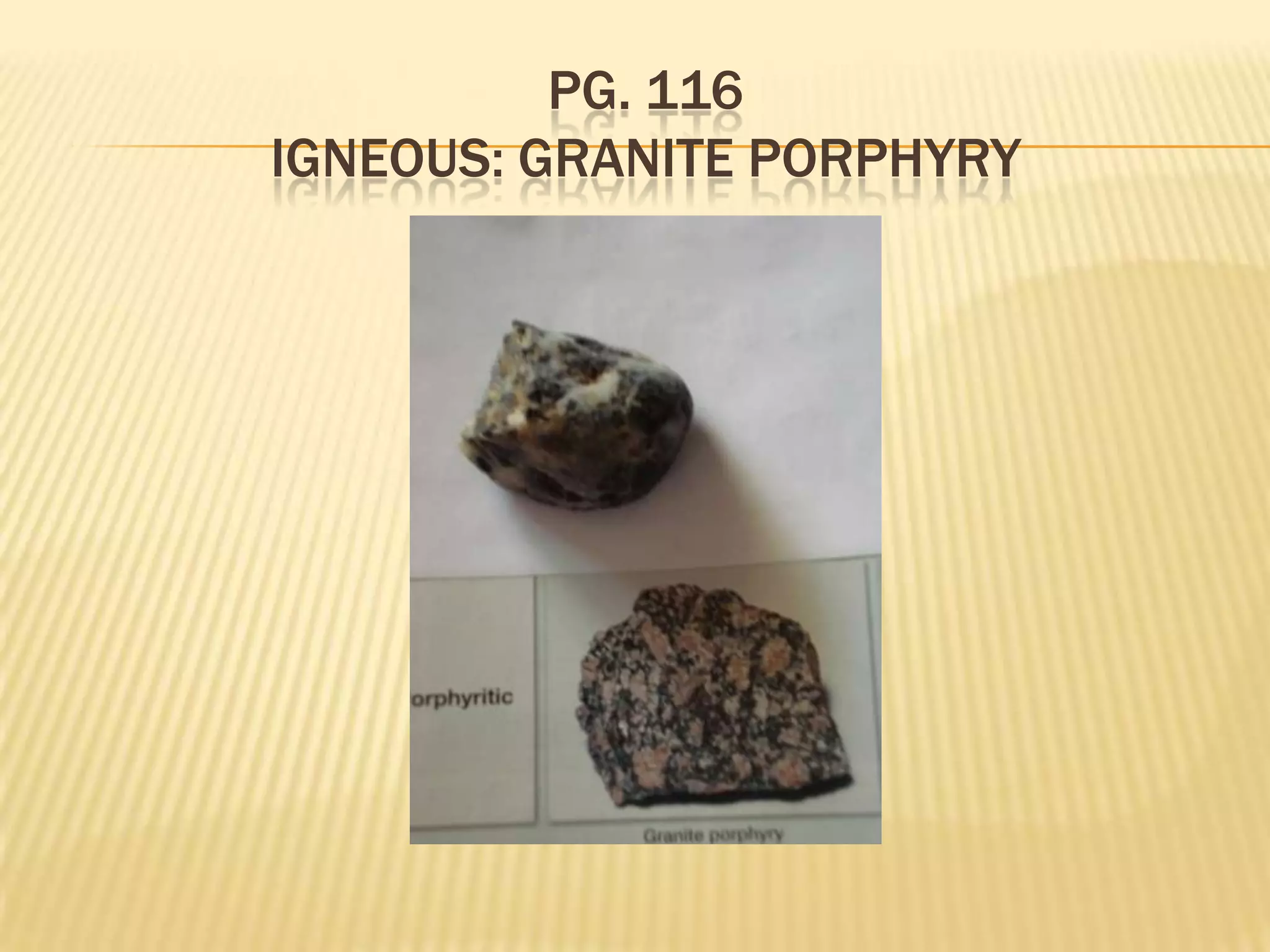
Pg. 208Sedimentary: Limestone
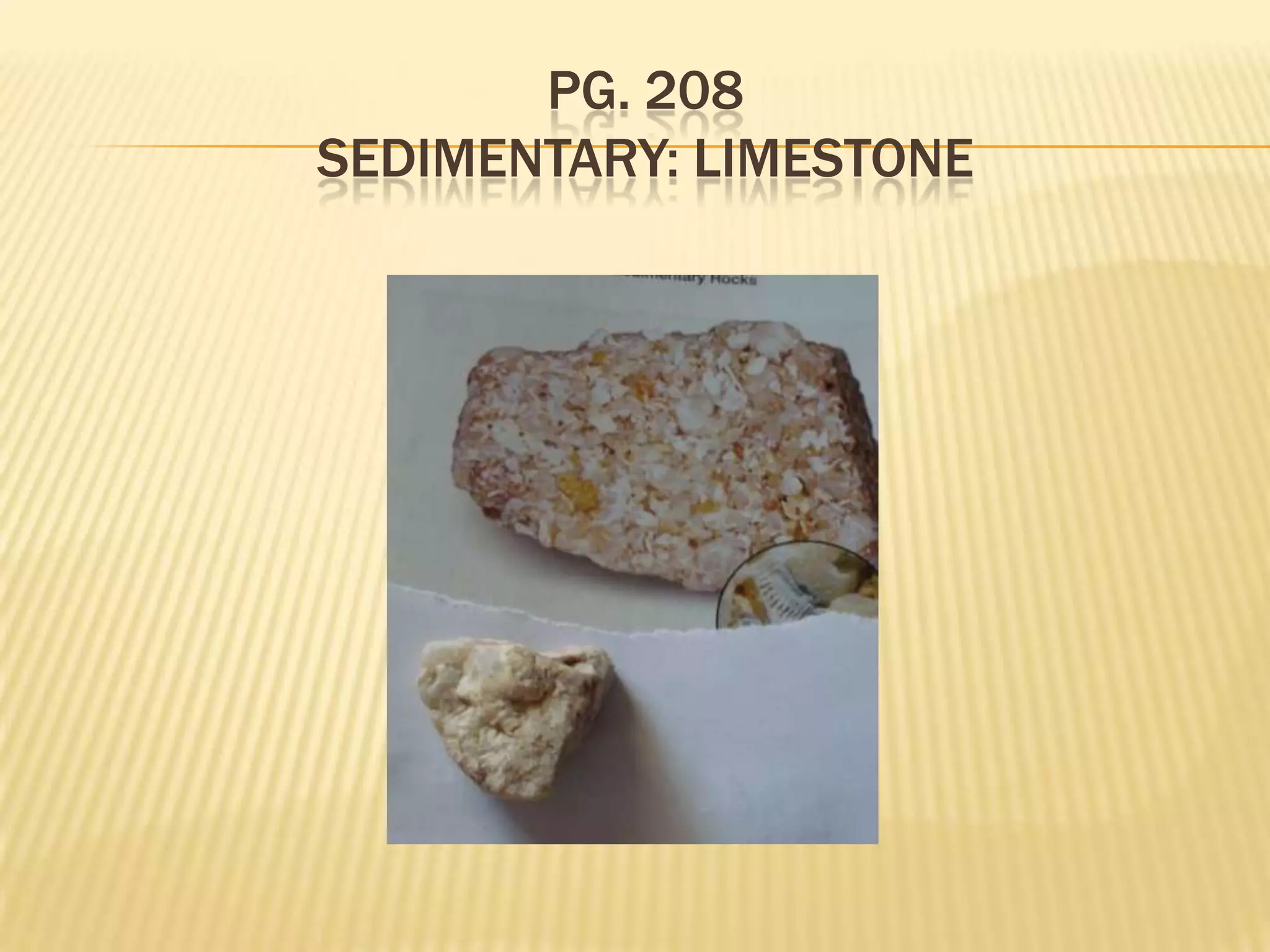
Pg. 211Sedimentary: Jasper
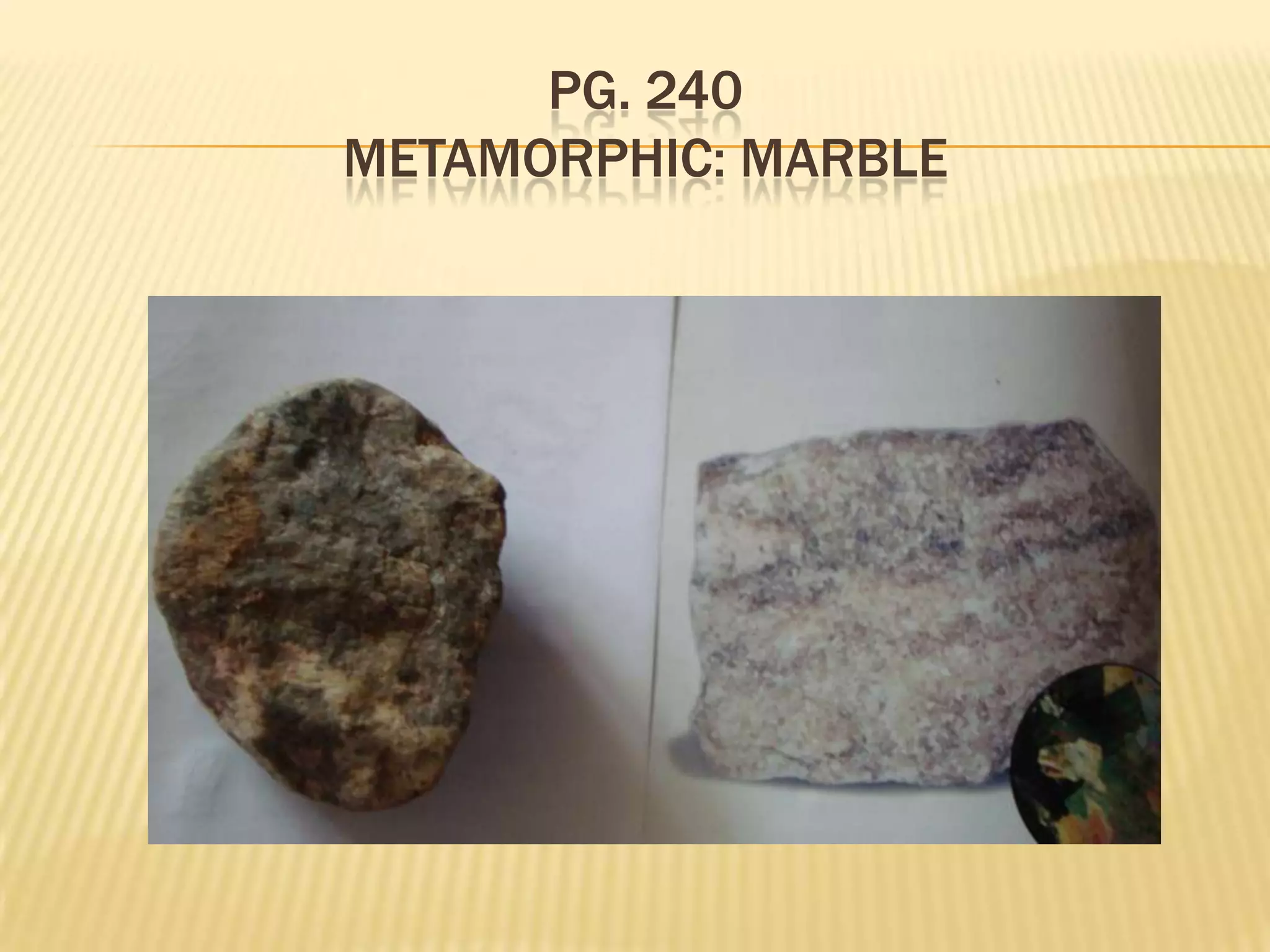
Pg. 240Metamorphic: Marble
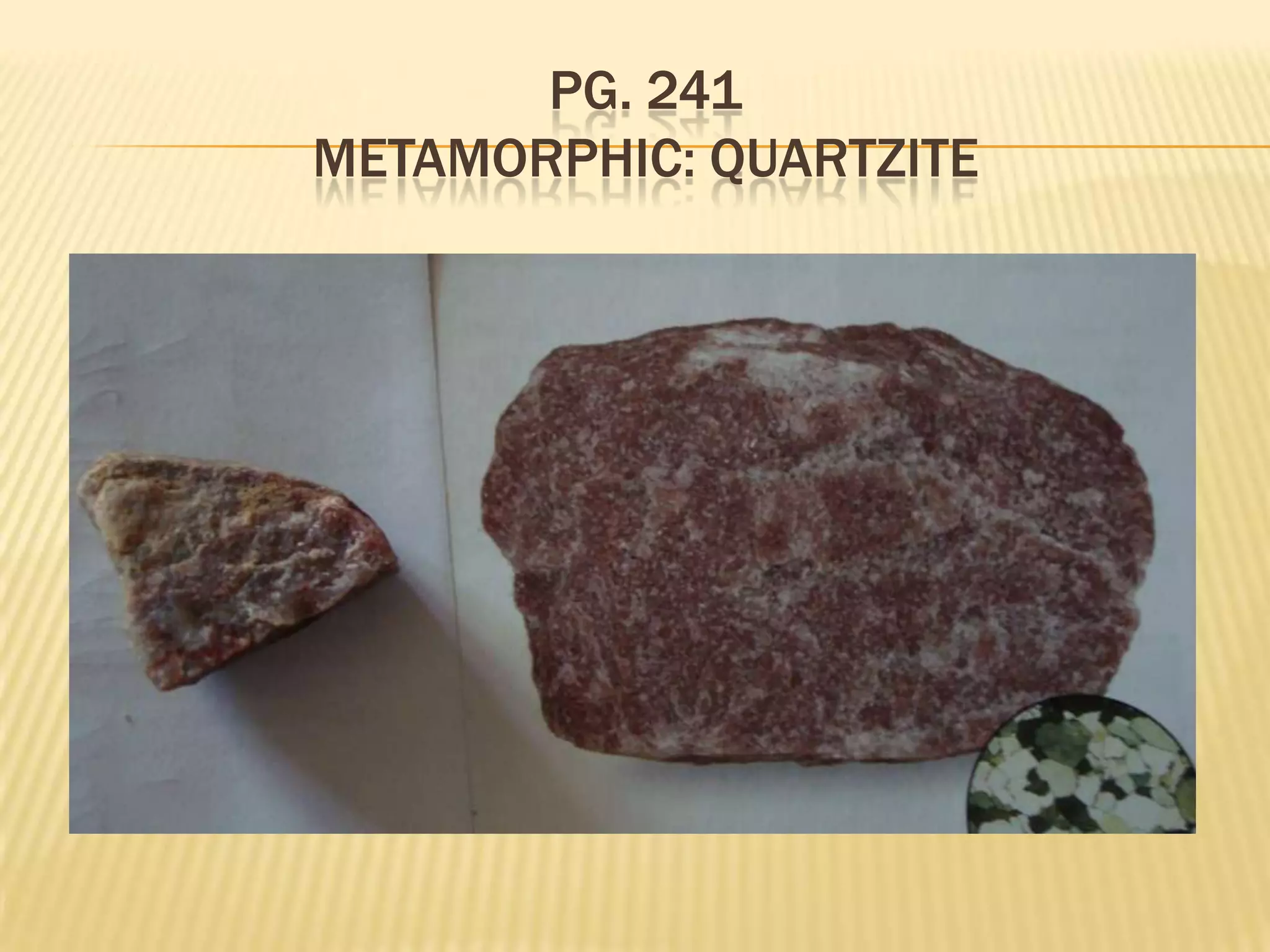
Pg. 241Metamorphic: Quartzite
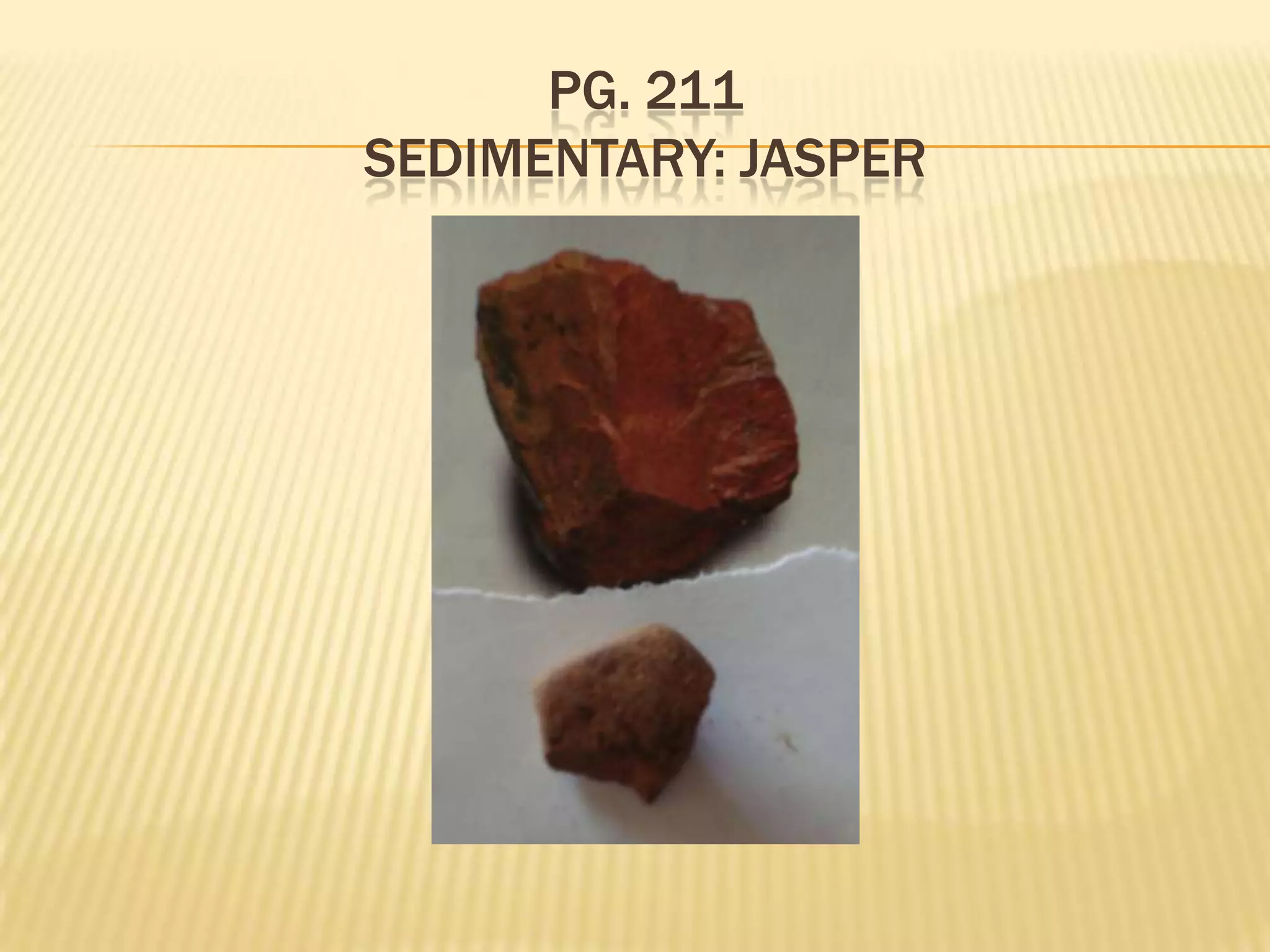
Area: warthan CreekWarthan Creek in Coalinga is where I found the rocks. Those rocks come from the foothills, and they end up in the creek when it rains and when the snow melts in the hills and mountains. The creek has been around for a long time, but it has gotten deeper as the water flows through each year. All the rocks above are rocks that are found in this area, so there is a wide variety of rocks found. There were a lot of granite rocks down there, and the water runs down them, and some parts break off and end up in other parts of the creek. The creek was a lot different than I was expecting because I did not expect there to be such a variety of rocks down there. The creek is larger than I thought, and there are different places to look for rocks.
identificationThe way I identified each of the rocks was I looked through the book and compared rocks to different pictures throughout the book. Once I found on that looked similar, I looked at the size of the grain and the color of the rocks and the patterns of each rock. The first place I started looking was on the charts for each type of rock, and I went from there. I tried to find the rocks that looked most similar to the rocks I found, then I looked at the colors to see if they looked similar, then I looked at the patterns of each of the rocks as well as the grain size.
Field assignmentPart II
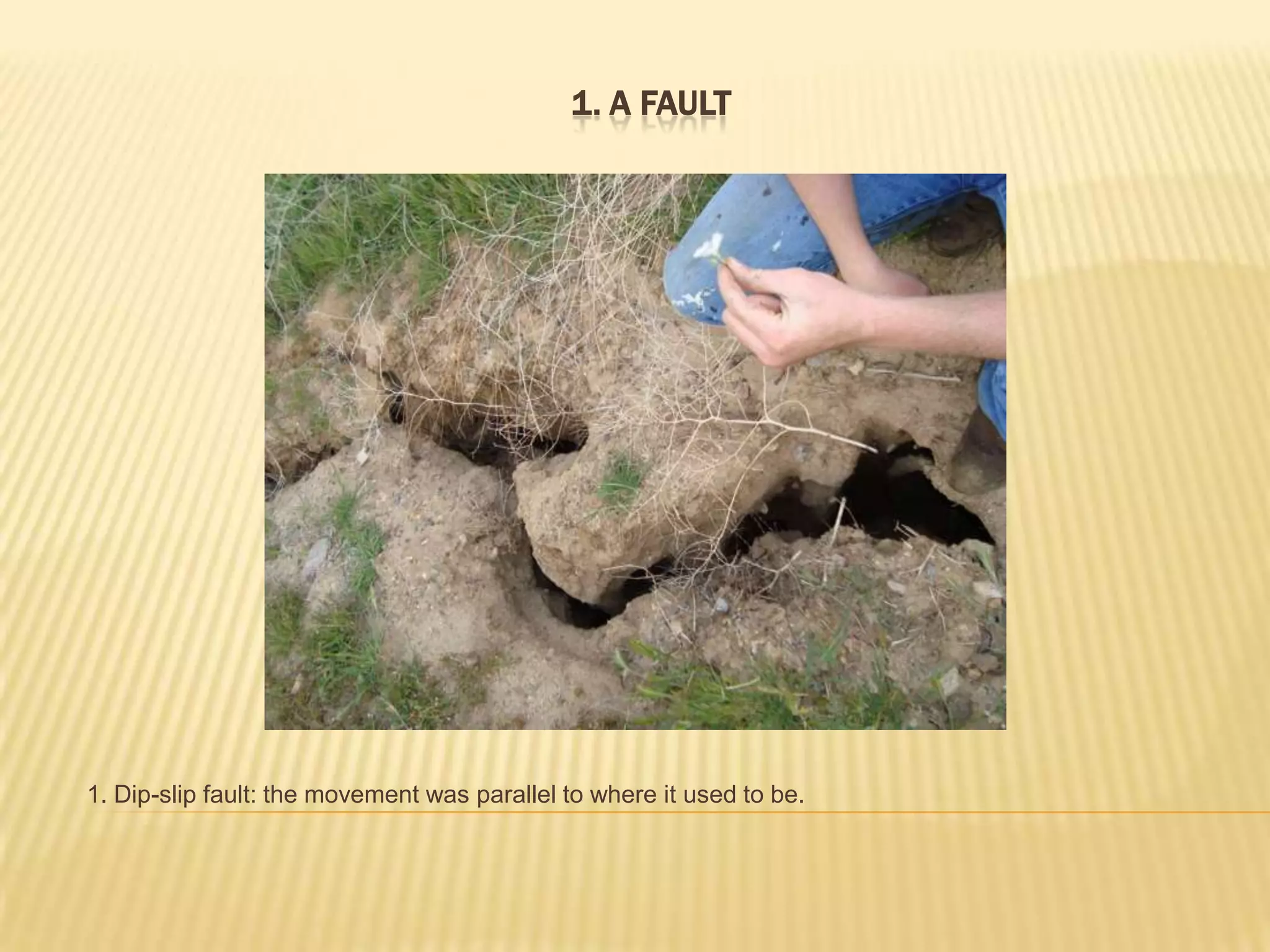
1. A Fault1. Dip-slip fault: the movement was parallel to where it used to be.
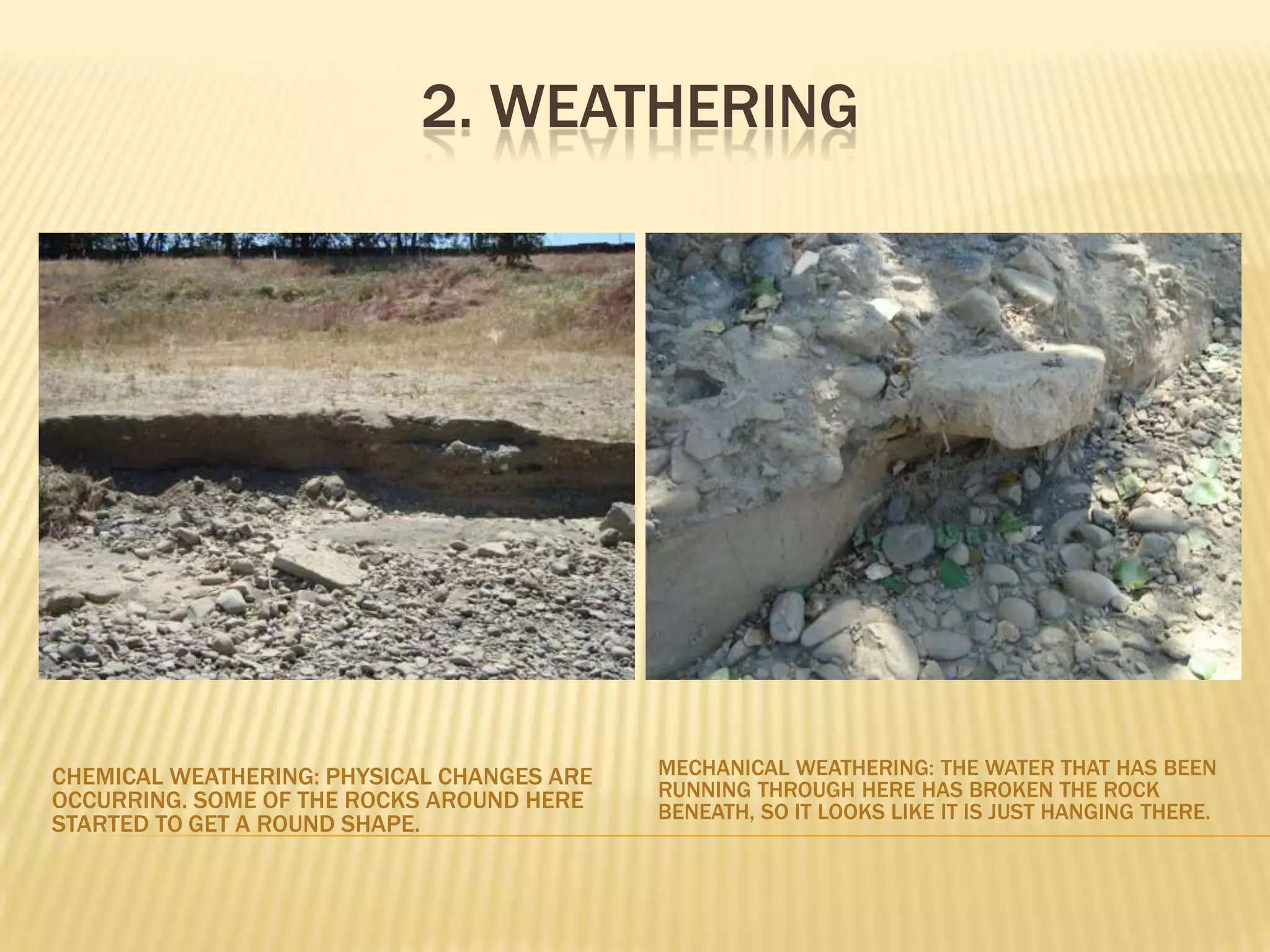
2. WeatheringMechanical Weathering: The water that has been running through here has broken the rock beneath, so it looks like it is just hanging there.Chemical Weathering: Physical changes are occurring. Some of the rocks around here started to get a round shape.
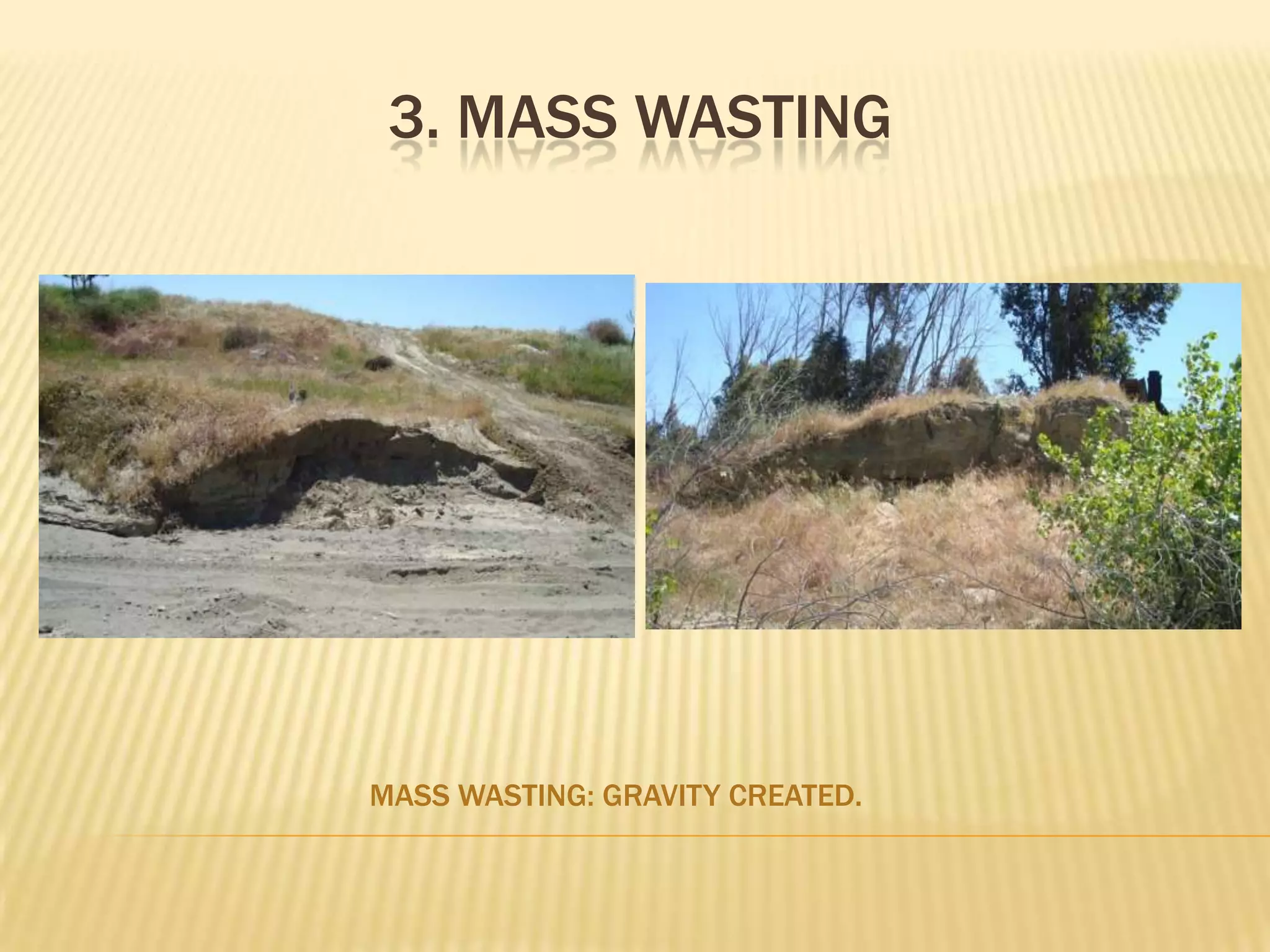
3. Mass wastingMass Wasting: Gravity created.
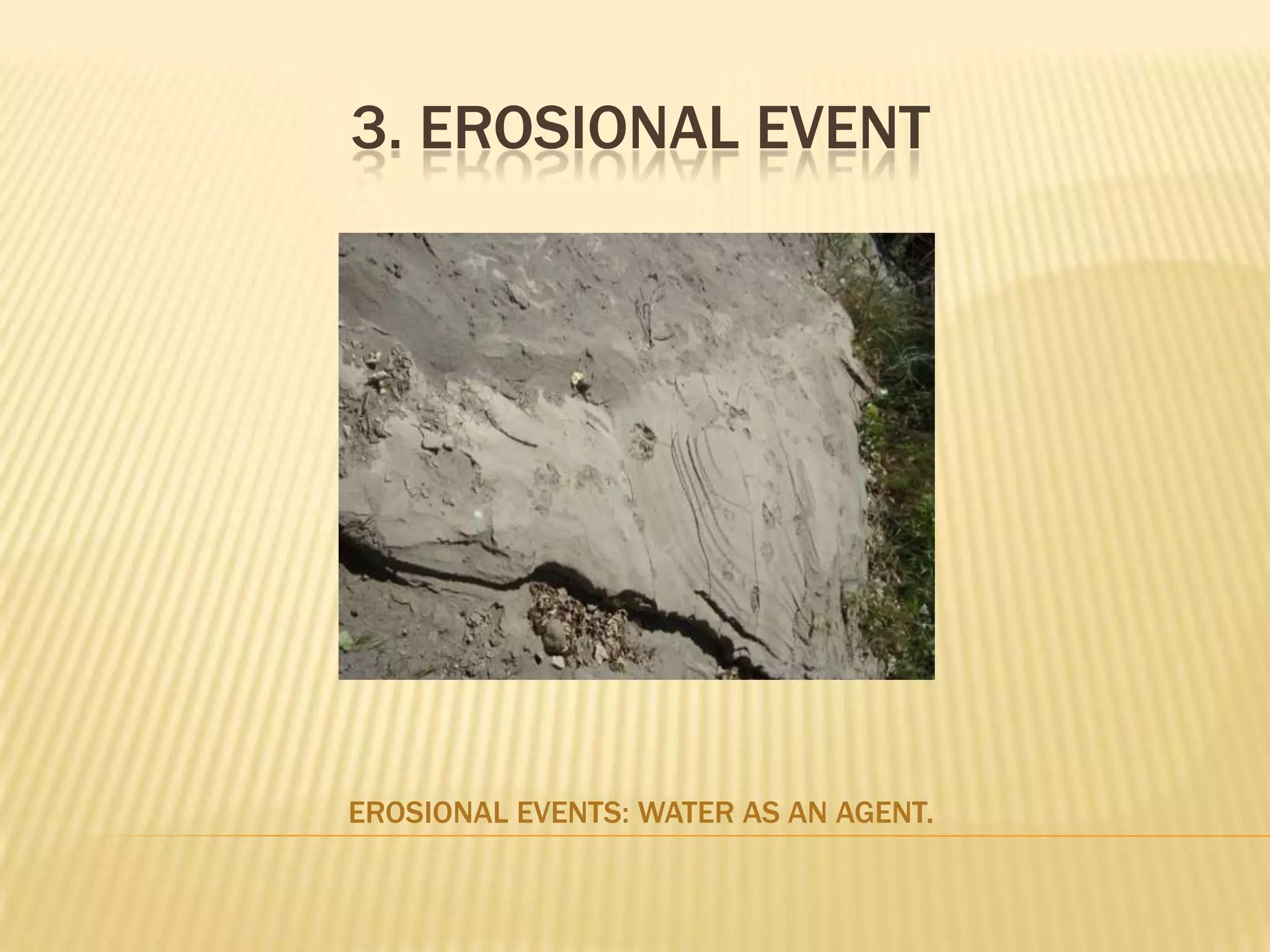
3. Erosional eventErosional Events: Water as an agent.
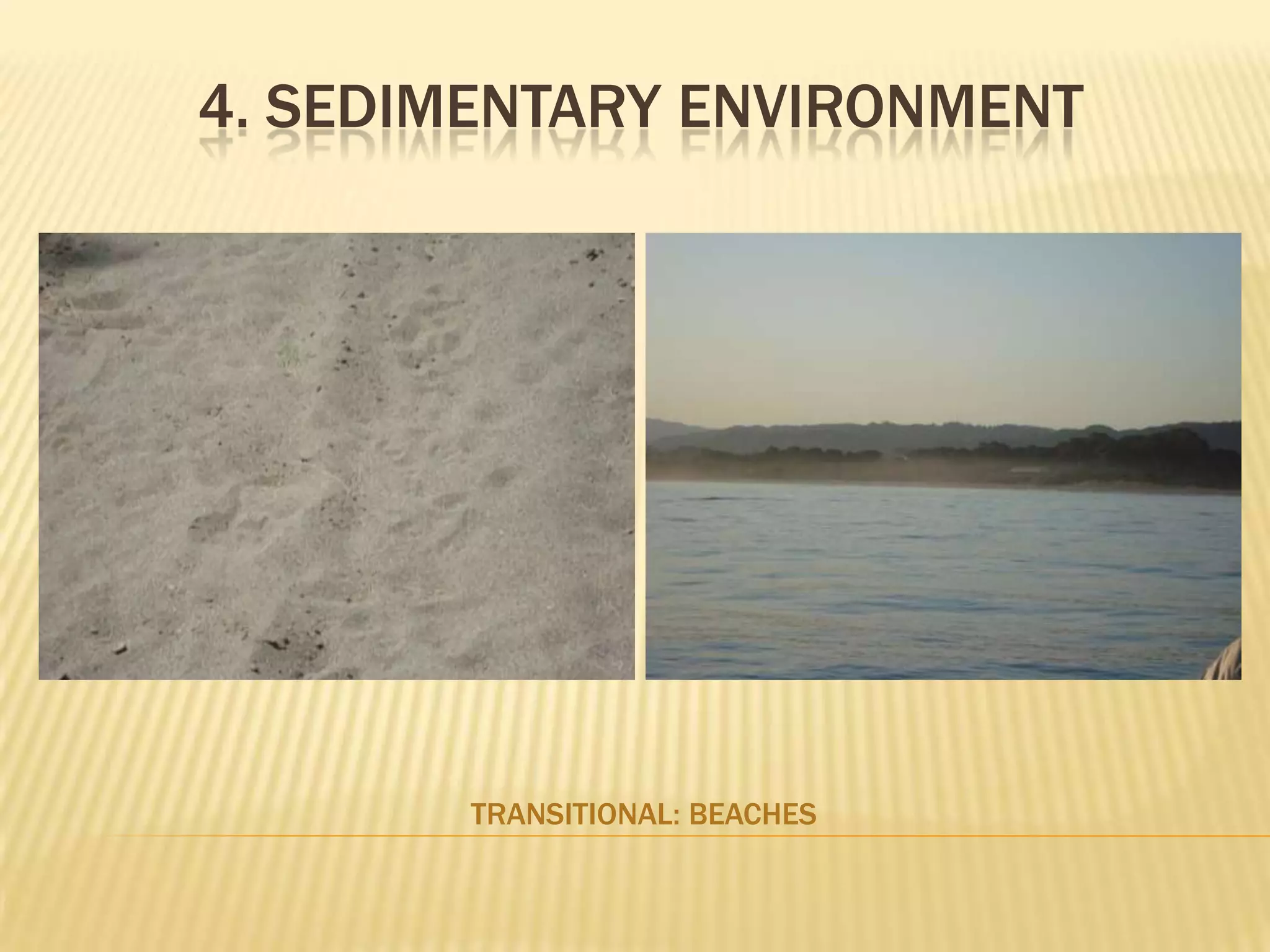
4. Sedimentary environmentTransitional: Beaches
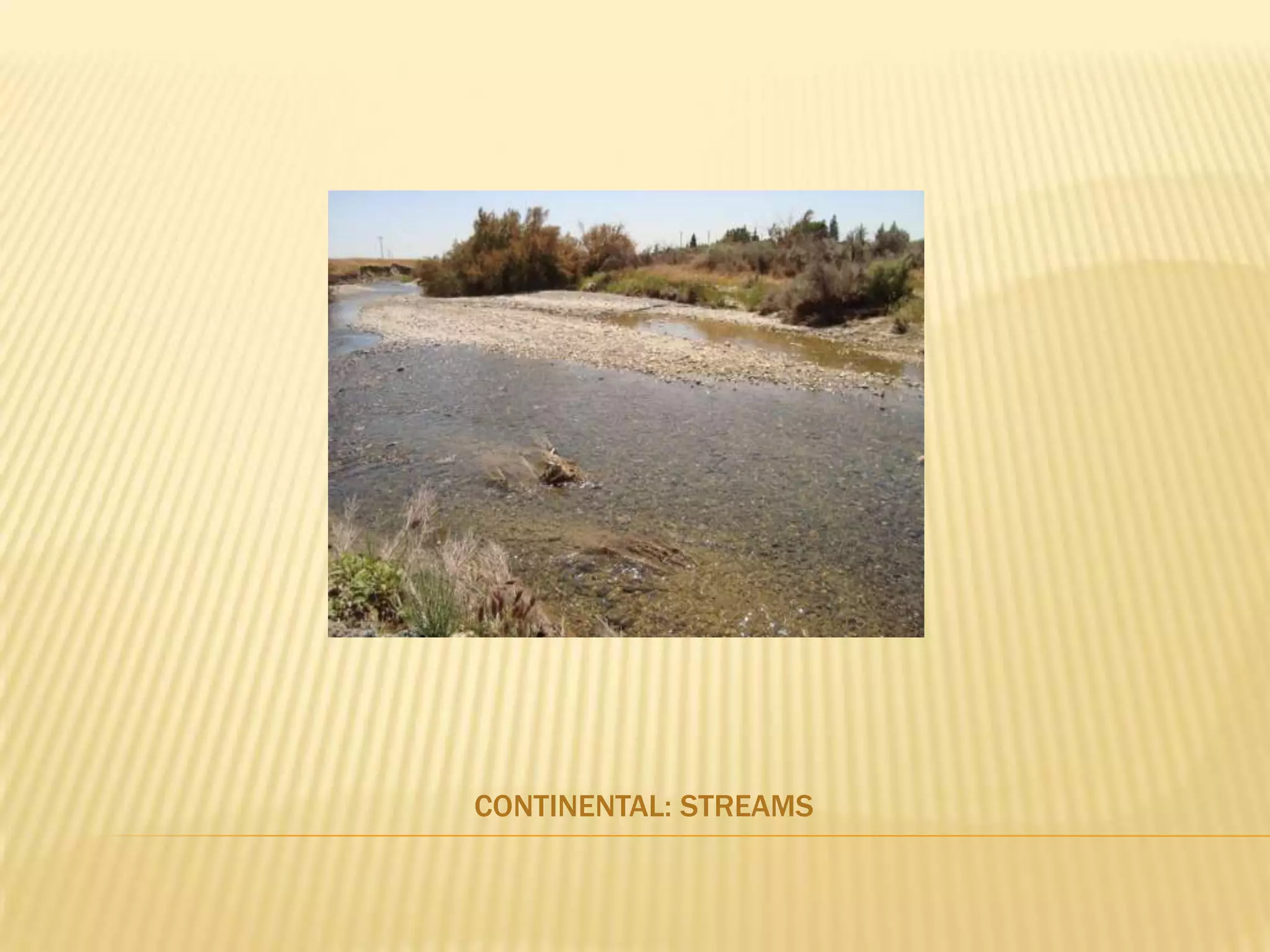
Continental: Streams
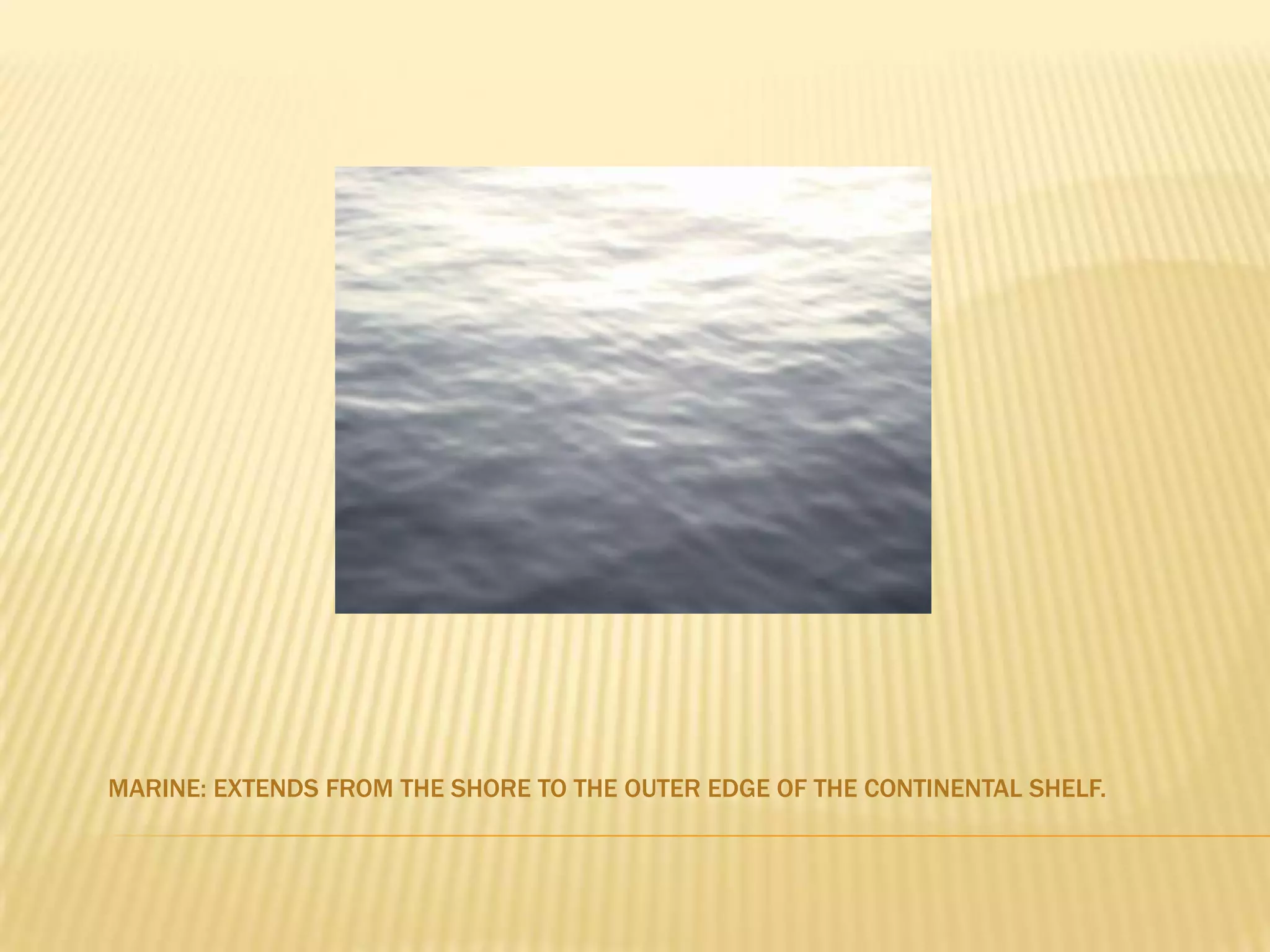
Marine: Extends from the shore to the outer edge of the continental shelf.
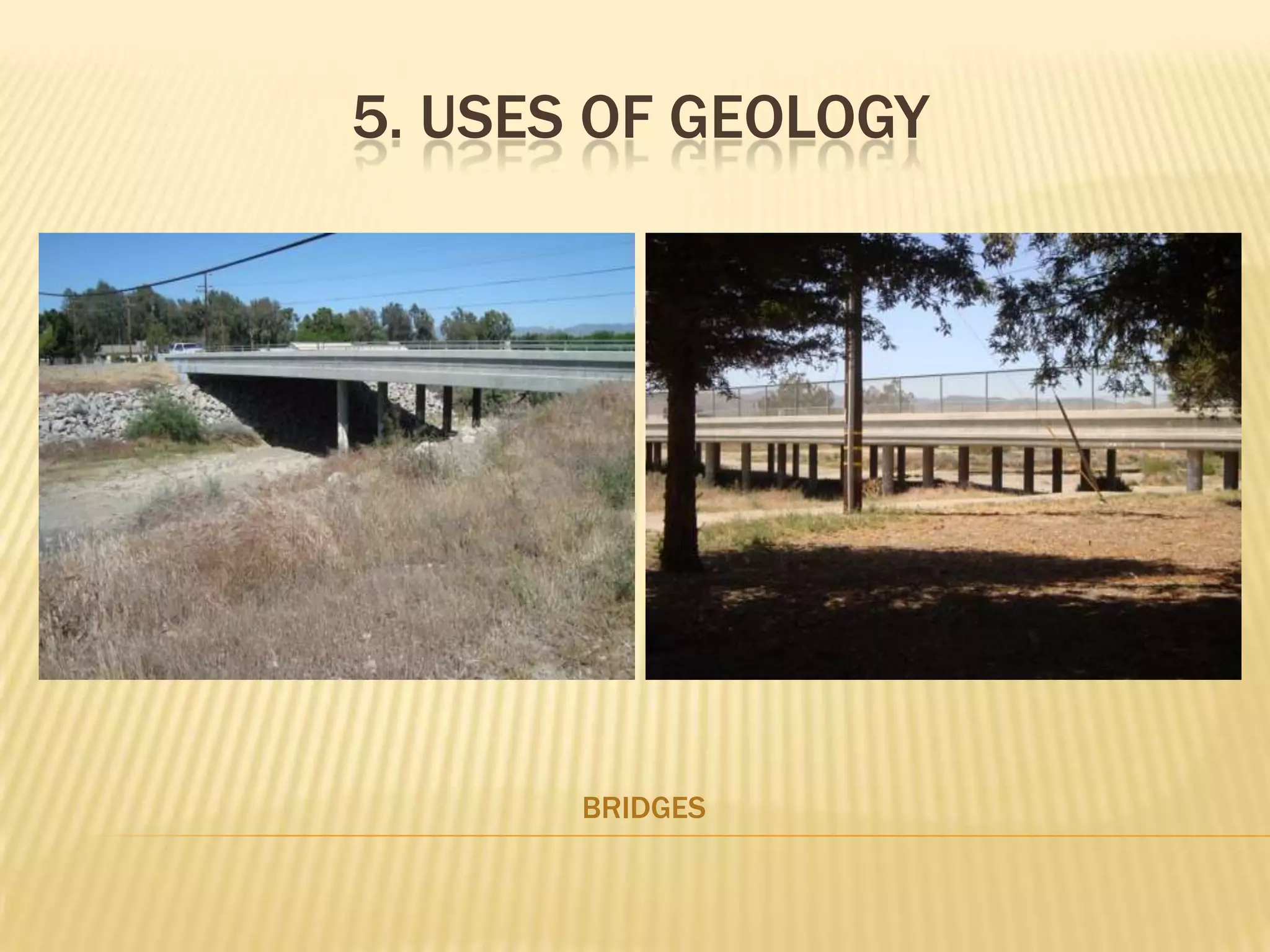
5. Uses of geologybridges
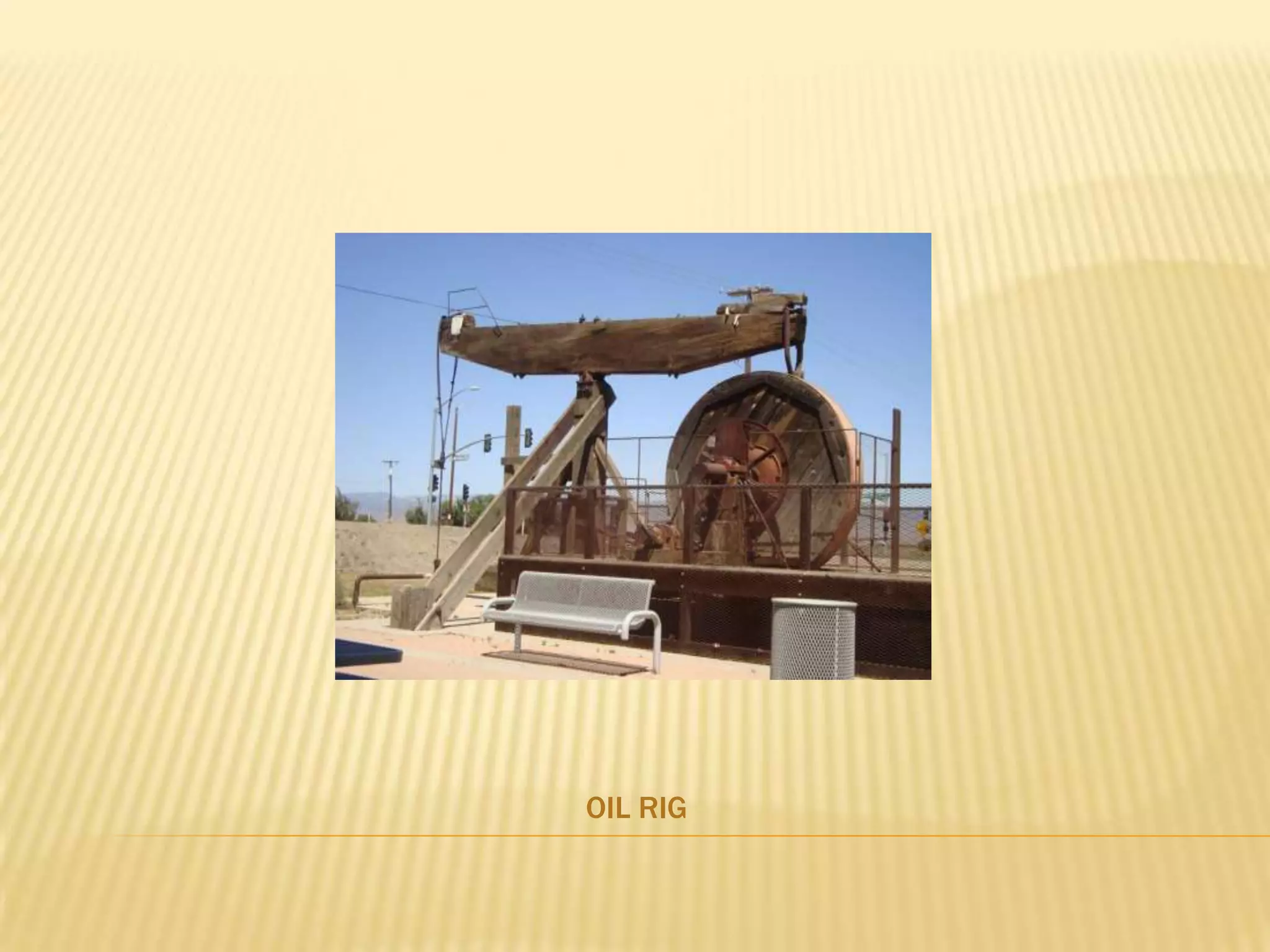
Oil rig

Field Assignment

  • 1.
  • 2.
  • 3.
  • 4.
  • 5.
  • 6.
  • 7.
    Area: warthan CreekWarthanCreek in Coalinga is where I found the rocks. Those rocks come from the foothills, and they end up in the creek when it rains and when the snow melts in the hills and mountains. The creek has been around for a long time, but it has gotten deeper as the water flows through each year. All the rocks above are rocks that are found in this area, so there is a wide variety of rocks found. There were a lot of granite rocks down there, and the water runs down them, and some parts break off and end up in other parts of the creek. The creek was a lot different than I was expecting because I did not expect there to be such a variety of rocks down there. The creek is larger than I thought, and there are different places to look for rocks.
  • 8.
    identificationThe way Iidentified each of the rocks was I looked through the book and compared rocks to different pictures throughout the book. Once I found on that looked similar, I looked at the size of the grain and the color of the rocks and the patterns of each rock. The first place I started looking was on the charts for each type of rock, and I went from there. I tried to find the rocks that looked most similar to the rocks I found, then I looked at the colors to see if they looked similar, then I looked at the patterns of each of the rocks as well as the grain size.
  • 9.
  • 10.
    1. A Fault1.Dip-slip fault: the movement was parallel to where it used to be.
  • 11.
    2. WeatheringMechanical Weathering:The water that has been running through here has broken the rock beneath, so it looks like it is just hanging there.Chemical Weathering: Physical changes are occurring. Some of the rocks around here started to get a round shape.
  • 12.
    3. Mass wastingMassWasting: Gravity created.
  • 13.
    3. Erosional eventErosionalEvents: Water as an agent.
  • 14.
  • 15.
  • 16.
    Marine: Extends fromthe shore to the outer edge of the continental shelf.
  • 17.
    5. Uses ofgeologybridges
  • 18.