Downloaded 21 times



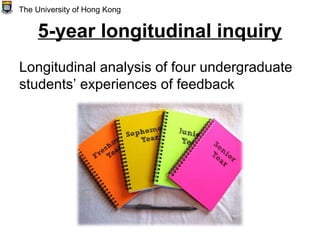
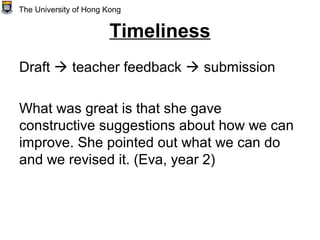
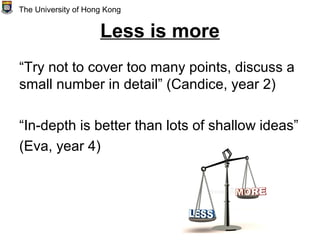

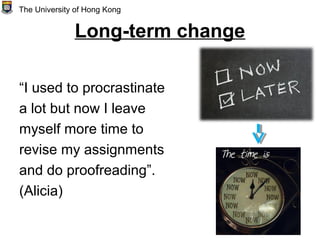


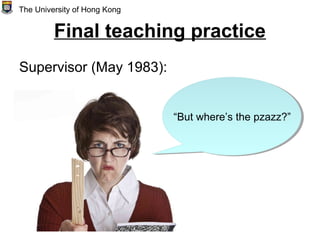




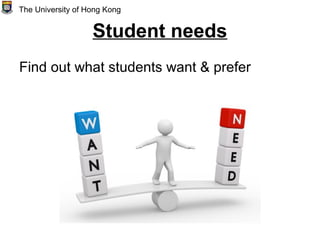
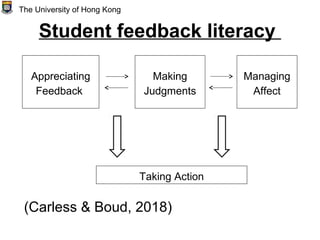
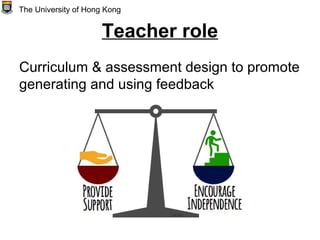
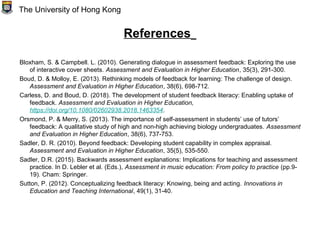


The document discusses student feedback literacy over the long term based on a longitudinal study of undergraduate students. It finds that while students initially value timely feedback, they later realize feedback is more useful if it focuses on a few key points in depth rather than many shallow comments. Students' engagement with feedback declines over time without opportunities for dialogue. The document argues for involving students more in feedback processes and designing curriculum to promote generating and acting on feedback in order to develop student feedback literacy.


