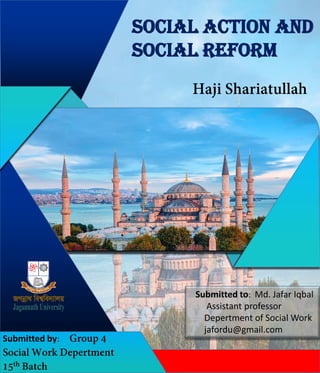
Social action and
social reform
Submitted by:
Submitted to: Md. Jafar Iqbal
Assistant professor
Depertment of Social Work
jafordu@gmail.com
Education
Faraji
Movem
ent
Objective
Contributi
on
Criticism
Important
for social
workers
CONTENTS
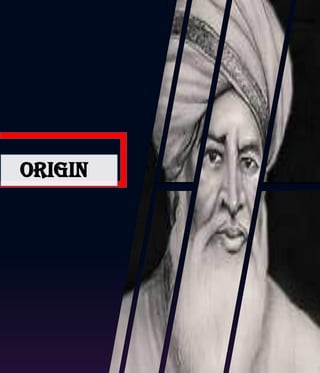
Origin
Origin
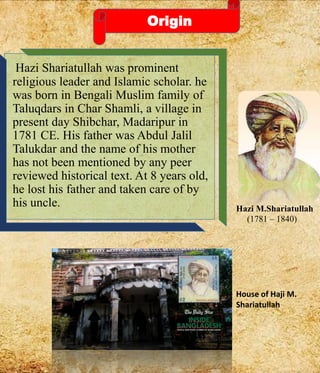
Hazi Shariatullah was prominent
religious leader and Islamic scholar. he
was born in Bengali Muslim family of
Taluqdars in Char Shamli, a village in
present day Shibchar, Madaripur in
1781 CE. His father was Abdul Jalil
Talukdar and the name of his mother
has not been mentioned by any peer
reviewed historical text. At 8 years old,
he lost his father and taken care of by
his uncle. Hazi M.Shariatullah
(1781 – 1840)
House of Haji M.
Shariatullah
At the age of 12,
Shariatullah ran away
Calcutta. There he
met a Quran teacher.
Under his observation,
Shariatullah learned
Arabic and Persian in
just 2 years. He
immigrated to
Makkah in 1799 and
returned in 1818
educated in religious
learning and Arabic
literature.
There is no higher educational background in his family.
He got education from Madrasaha al Rahimia.
The Faraizi movement was a reform
movement formed in Bengal in the
nineteenth century. In the early stages,
the goal of this movement was the
reform of religion. But later on this
movement, the tendency for socio-
economic reforms was noticed. The
word Faraizi originates from ‘Faraj’.
This means that the duty of Allah is
the duty of Allah. Therefore, Faraizi
refers to those whose purpose is to
implement religious duties. Haji
Shariatullah is the proponent of this
movement. According to him,
whether it is obvious or optional, the
Qur’an and the Sunnah. The Faraizi
movement spread to Dhaka, Faridpur,
Bakerganj (present Barisal),
Mymensingh, Tripura (present
Comilla), Chittagong and Noakhali
districts and Assam province.
Faraizi movement
1. Haji Shariatullah placed the
highest importance on the five
fundamental ideals of Islam. He
emphasized the full belief and
full practice in the Tawheed, and
he declared any deviation from
original beliefs or doctrines to be
‘Shirk’ and ‘Bidat’.
2. He banned many rituals related
to birth, marriage and death,
such as
six,patties,chilla,shabagastra
processions, Fatiha, Milad and
Ors.
3. PiruPuja, showed great shock towards Pir, also declared the
construction of Tajia in Maharam as a shirk.
4 He emphasized the importance of justice, social equality and
universal brotherhood of Muslims and preached the theory of
abolishing all kinds of social discrimination and colorful
superstition.
5. In the nineteenth century, the new zamindars imposed
many additional abwabs (illegal taxes) on the farmers who
were not approved by the government with the opportunity
of weakness of Muslims. Shariatullah protested against the
system and instructed his disciples not to pay these illegal
taxes to the zamindars.
6. The zamindars also banned the slaughter of cows on the
occasion of Eid-ul-Azha . But Shariatullah encouraged the
Muslims to ignore the ban on the Muslims to sacrifice the
traditional religious practices of the Muslims.
On the death of Haji Shariatullah
in 1840 his only son Muhsinuddin
Ahmad alias Dudu Miyan was
acclaimed the head of the Faraizi
Movement. It was under his
leadership that the Faraizi
movement Assumed agrarian
character. He organised the
oppressed peasantry Against the
oppressive landlords. Dudu Mia
died in Dhaka district in the 1862 .
Dudu Mia had no worthy
successors. So the movement
becomes weak due to lack of
leadership. On the other hand, the
movement was suppressed by the
nationalist movement of the
Indian National Congress. This is
how the Faraizi movement ended.
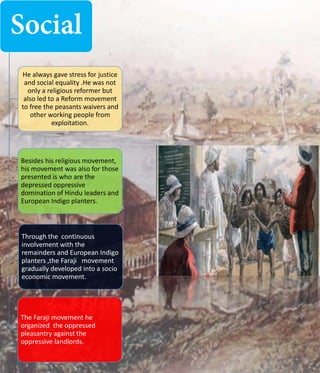
He always gave stress for justice
and social equality .He was not
only a religious reformer but
also led to a Reform movement
to free the peasants waivers and
other working people from
exploitation.
Besides his religious movement,
his movement was also for those
presented is who are the
depressed oppressive
domination of Hindu leaders and
European Indigo planters.
Through the continuous
involvement with the
remainders and European Indigo
planters ,the Faraji movement
gradually developed into a socio
economic movement.
The Faraji movement he
organized the oppressed
pleasantry against the
oppressive landlords.
• He has contribution in
economic fields also
• The landlords levied many
ABWABS over the above
normal rent and such
abwabs where the illegal in
the eyes of law. Many
abwabs were of religious
nature ,such as, cases on
kali Puja Durga Puja etc.
Sharitullah objected to this
predict and directed his
disciples not to pay this
illegal cases to the landlords.
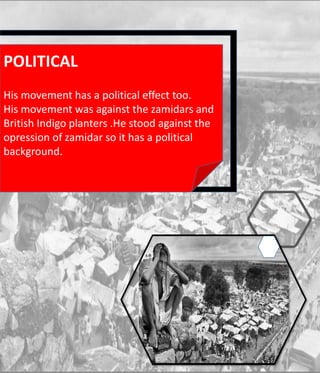
POLITICAL
His movement has a political effect too.
His movement was against the zamidars and
British Indigo planters .He stood against the
opression of zamidar so it has a political
background.
Lack of political education among it's leaders
Forcible induction of people.
His movement temporary worked Against the indigo planters and
zamindars but later weakend for various reasons including lack of
leadership.
Lack of competent leadership after the death of him and his son.
He didn’t call for the direct struggle against the English
The subsequent raise of Indian nationalism led to the supersession
of the Faraji movement.
He worked only for the betterment of the Muslim but there also live
Hindu, Boudha and christian.
As a student of social work we
know about social action, it’s
means an organised effort to
change or improve social and
economic institutions. It’s try to
make a changes our thinking,
our point of view and also our
life style. Haji Shariat Ullah
has brought a lot more
changes in all those areas of
our society. As a result, our
outlook on life has changed.
In other words, as a social
worker, it is important for
us to know about the
life of these social
reformers so that we
as a social worker can
bring change in the
present society.



Thank you

Farazi Movement.pdf

  • 1.
    Social action and socialreform Submitted by: Submitted to: Md. Jafar Iqbal Assistant professor Depertment of Social Work jafordu@gmail.com
  • 2.
  • 3.
  • 4.
    Origin Hazi Shariatullah wasprominent religious leader and Islamic scholar. he was born in Bengali Muslim family of Taluqdars in Char Shamli, a village in present day Shibchar, Madaripur in 1781 CE. His father was Abdul Jalil Talukdar and the name of his mother has not been mentioned by any peer reviewed historical text. At 8 years old, he lost his father and taken care of by his uncle. Hazi M.Shariatullah (1781 – 1840) House of Haji M. Shariatullah
  • 6.
    At the ageof 12, Shariatullah ran away Calcutta. There he met a Quran teacher. Under his observation, Shariatullah learned Arabic and Persian in just 2 years. He immigrated to Makkah in 1799 and returned in 1818 educated in religious learning and Arabic literature. There is no higher educational background in his family. He got education from Madrasaha al Rahimia.
  • 8.
    The Faraizi movementwas a reform movement formed in Bengal in the nineteenth century. In the early stages, the goal of this movement was the reform of religion. But later on this movement, the tendency for socio- economic reforms was noticed. The word Faraizi originates from ‘Faraj’. This means that the duty of Allah is the duty of Allah. Therefore, Faraizi refers to those whose purpose is to implement religious duties. Haji Shariatullah is the proponent of this movement. According to him, whether it is obvious or optional, the Qur’an and the Sunnah. The Faraizi movement spread to Dhaka, Faridpur, Bakerganj (present Barisal), Mymensingh, Tripura (present Comilla), Chittagong and Noakhali districts and Assam province. Faraizi movement
  • 9.
    1. Haji Shariatullahplaced the highest importance on the five fundamental ideals of Islam. He emphasized the full belief and full practice in the Tawheed, and he declared any deviation from original beliefs or doctrines to be ‘Shirk’ and ‘Bidat’. 2. He banned many rituals related to birth, marriage and death, such as six,patties,chilla,shabagastra processions, Fatiha, Milad and Ors. 3. PiruPuja, showed great shock towards Pir, also declared the construction of Tajia in Maharam as a shirk. 4 He emphasized the importance of justice, social equality and universal brotherhood of Muslims and preached the theory of abolishing all kinds of social discrimination and colorful superstition.
  • 10.
    5. In thenineteenth century, the new zamindars imposed many additional abwabs (illegal taxes) on the farmers who were not approved by the government with the opportunity of weakness of Muslims. Shariatullah protested against the system and instructed his disciples not to pay these illegal taxes to the zamindars. 6. The zamindars also banned the slaughter of cows on the occasion of Eid-ul-Azha . But Shariatullah encouraged the Muslims to ignore the ban on the Muslims to sacrifice the traditional religious practices of the Muslims.
  • 11.
    On the deathof Haji Shariatullah in 1840 his only son Muhsinuddin Ahmad alias Dudu Miyan was acclaimed the head of the Faraizi Movement. It was under his leadership that the Faraizi movement Assumed agrarian character. He organised the oppressed peasantry Against the oppressive landlords. Dudu Mia died in Dhaka district in the 1862 . Dudu Mia had no worthy successors. So the movement becomes weak due to lack of leadership. On the other hand, the movement was suppressed by the nationalist movement of the Indian National Congress. This is how the Faraizi movement ended.
  • 15.
    He always gavestress for justice and social equality .He was not only a religious reformer but also led to a Reform movement to free the peasants waivers and other working people from exploitation. Besides his religious movement, his movement was also for those presented is who are the depressed oppressive domination of Hindu leaders and European Indigo planters. Through the continuous involvement with the remainders and European Indigo planters ,the Faraji movement gradually developed into a socio economic movement. The Faraji movement he organized the oppressed pleasantry against the oppressive landlords.
  • 16.
    • He hascontribution in economic fields also • The landlords levied many ABWABS over the above normal rent and such abwabs where the illegal in the eyes of law. Many abwabs were of religious nature ,such as, cases on kali Puja Durga Puja etc. Sharitullah objected to this predict and directed his disciples not to pay this illegal cases to the landlords.
  • 17.
    POLITICAL His movement hasa political effect too. His movement was against the zamidars and British Indigo planters .He stood against the opression of zamidar so it has a political background.
  • 19.
    Lack of politicaleducation among it's leaders Forcible induction of people. His movement temporary worked Against the indigo planters and zamindars but later weakend for various reasons including lack of leadership. Lack of competent leadership after the death of him and his son. He didn’t call for the direct struggle against the English The subsequent raise of Indian nationalism led to the supersession of the Faraji movement. He worked only for the betterment of the Muslim but there also live Hindu, Boudha and christian.
  • 21.
    As a studentof social work we know about social action, it’s means an organised effort to change or improve social and economic institutions. It’s try to make a changes our thinking, our point of view and also our life style. Haji Shariat Ullah has brought a lot more changes in all those areas of our society. As a result, our outlook on life has changed. In other words, as a social worker, it is important for us to know about the life of these social reformers so that we as a social worker can bring change in the present society.
  • 22.
  • 23.