BY: MOHIT PANCHAL
15001515006
MCRM 1ST YEAR
WHAT IS SAFETY & WHY IT IS
IMPORTANT?
 Owners, Facilities Managers and their employees have a
clear legal and moral obligation to provide a safe physical
environment for residents, contractors and visitors to a
building.
 The provision of a safe environment is critical for the
long-term success of any building and presents an essential
aspect of the duty of care that must be demonstrated by
the various stakeholders with the ability to do so.
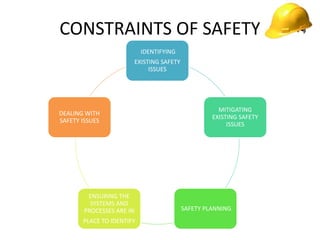
CONSTRAINTS OF SAFETY
IDENTIFYING
EXISTING SAFETY
ISSUES
MITIGATING
EXISTING SAFETY
ISSUES
SAFETY PLANNING
ENSURING THE
SYSTEMS AND
PROCESSES ARE IN
PLACE TO IDENTIFY
DEALING WITH
SAFETY ISSUES
What is a Safety Management
System?
• An SMS is a comprehensive and integrated system that
ensures that all work at the facility is conducted safely
• It should be fully documented, accessible and
comprehensible to those that need to use it
• It recognises the potential for errors and establishes
robust defences (control measures) which are fully
implemented, to ensure that errors do not result in
accidents or near misses
• It is comprises a set of work practices and procedures for
monitoring and improving the safety and health of all
aspects of the operation
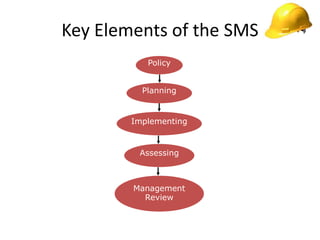
Key Elements of the SMS
Policy
Planning
Implementing
Assessing
Management
Review
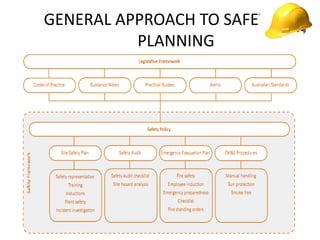
GENERAL APPROACH TO SAFETY
PLANNING
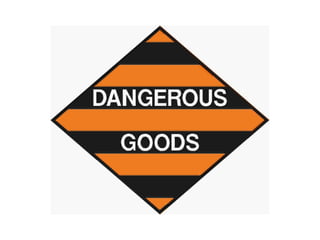
WHAT ARE DANGEROUS GOODS ?
'Dangerous goods' are materials or items with
hazardous properties which, if not properly
controlled, present a potential hazard to human
health and safety, infrastructure and/ or their means
of transport.
RISKS INVOLVED IN KEEPING
DANGEROUS GOODS
 Storage and use of dangerous goods and flammable
substances within apartment facilities has potential to
cause damage to property, the environment and the
building’s occupants.
The use of chemicals for routine activities such as
cleaning can give rise to significant impacts on indoor
environment quality, as well as affecting the health of
cleaners or those in the immediate facility.
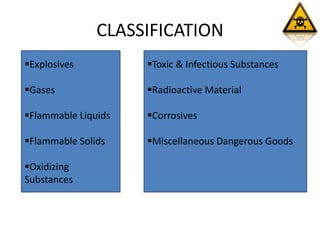
CLASSIFICATION
Explosives
Gases
Flammable Liquids
Flammable Solids
Oxidizing
Substances
Toxic & Infectious Substances
Radioactive Material
Corrosives
Miscellaneous Dangerous Goods
DANGEROUS GOODS MANAGEMENT
 Knowing the type and volume of each of the dangerous
goods used within the facility, and the disposal
requirements associated with each type
 Providing appropriate storage, signage and segregation
of dangerous goods
 Providing spill kits for clean-up of oil and diesel spills
 Ensuring Material Safety Data Sheets (MSDS) are
available
at the point of use for all dangerous goods
 Storing and using chemicals in accordance with MSDS
recommendations to avoid fumes and odours
 Storing flammable goods in a lockable metal fireproof
cabinet
 Ensuring service providers are adequately trained in the safe
storage and handling of the dangerous goods they use,
and incorporate requirements into contracts
 Ensure large volumes of dangerous goods are notified to the
relevant Authority (generally this is the Work Cover
Authority at the state government level) and that any
licensing requirements are adhered to.

Facility management safety

  • 1.
  • 2.
    WHAT IS SAFETY& WHY IT IS IMPORTANT?  Owners, Facilities Managers and their employees have a clear legal and moral obligation to provide a safe physical environment for residents, contractors and visitors to a building.  The provision of a safe environment is critical for the long-term success of any building and presents an essential aspect of the duty of care that must be demonstrated by the various stakeholders with the ability to do so.
  • 3.
    CONSTRAINTS OF SAFETY IDENTIFYING EXISTINGSAFETY ISSUES MITIGATING EXISTING SAFETY ISSUES SAFETY PLANNING ENSURING THE SYSTEMS AND PROCESSES ARE IN PLACE TO IDENTIFY DEALING WITH SAFETY ISSUES
  • 4.
    What is aSafety Management System? • An SMS is a comprehensive and integrated system that ensures that all work at the facility is conducted safely • It should be fully documented, accessible and comprehensible to those that need to use it • It recognises the potential for errors and establishes robust defences (control measures) which are fully implemented, to ensure that errors do not result in accidents or near misses • It is comprises a set of work practices and procedures for monitoring and improving the safety and health of all aspects of the operation
  • 5.
    Key Elements ofthe SMS Policy Planning Implementing Assessing Management Review
  • 6.
    GENERAL APPROACH TOSAFETY PLANNING
  • 8.
    WHAT ARE DANGEROUSGOODS ? 'Dangerous goods' are materials or items with hazardous properties which, if not properly controlled, present a potential hazard to human health and safety, infrastructure and/ or their means of transport.
  • 9.
    RISKS INVOLVED INKEEPING DANGEROUS GOODS  Storage and use of dangerous goods and flammable substances within apartment facilities has potential to cause damage to property, the environment and the building’s occupants. The use of chemicals for routine activities such as cleaning can give rise to significant impacts on indoor environment quality, as well as affecting the health of cleaners or those in the immediate facility.
  • 10.
    CLASSIFICATION Explosives Gases Flammable Liquids Flammable Solids Oxidizing Substances Toxic& Infectious Substances Radioactive Material Corrosives Miscellaneous Dangerous Goods
  • 11.
    DANGEROUS GOODS MANAGEMENT Knowing the type and volume of each of the dangerous goods used within the facility, and the disposal requirements associated with each type  Providing appropriate storage, signage and segregation of dangerous goods  Providing spill kits for clean-up of oil and diesel spills  Ensuring Material Safety Data Sheets (MSDS) are available at the point of use for all dangerous goods
  • 12.
     Storing andusing chemicals in accordance with MSDS recommendations to avoid fumes and odours  Storing flammable goods in a lockable metal fireproof cabinet  Ensuring service providers are adequately trained in the safe storage and handling of the dangerous goods they use, and incorporate requirements into contracts  Ensure large volumes of dangerous goods are notified to the relevant Authority (generally this is the Work Cover Authority at the state government level) and that any licensing requirements are adhered to.