EVALUATION OF GLYCEMIC RESPONSE OF ADDITION OF PIOGLITAZONE TO
GLIBENCLAMIDE AND METFORMIN HCL IN TYPE 2 DIABETIC PATIENTS ON COMPARISON WITH
GLIBENCLAMIDE AND METFORMIN MONOTHERAPY
A Dissertation Submitted
to
SRI VENKATESWARA UNIVERSITY,TIRUPATHI
In partial fulfillment for the award of degree in
MASTER OF PHARMACY
PHARMACOLOGY
By
D.SUKANYA
Reg; No.2800762009
Under the Guidance
Sri K V GOPINATH
PHARMACY DIVISION
SRI VENKATESWARA UNIVERSITY
TIRUPATI- 517502,(A.P),INDIA
APRIL - 2008
AIM
&
OBJECTIVE
Aim of the work
 To evaluate and compare the therapeutic response of
pioglitazone with glibenclamide and metformin vis-Ă -
vis the individual effects of each of these hypoglycemic
agents .
Objective of the work
 To evaluate the effects of the combination of pioglitazone with
glibenclamide and metformin vis-Ă -vis the individual effects of
each of these hypoglycemic agents.
 To compare the therapeutic efficacy or effect of the above
combination with metformin and its rational combinations
(retrospectively)
 To evaluate the possible best combination for managing diabetes
in standard care patients.
 To monitor adverse drug reactions.
 To evaluate the diabetic complications.
 To evaluate the etiology of diabetics.
 To calculate the Body Mass Index (BMI) as per the NIH software
and interpret with diabetes mellitus.
 To collect the demographic data based on One Touch Software.
Design of study
parallel case study design & retrospective study
Study Criteria
Inclusion criteria
The following categories of diabetic patients were included in the study.
 Patients belonging to Type 2 diabetes using pioglitazone, glibenclamide and
metformin Hydrochloride, and its rationale combinations.
 Body mass index > 23 and ≤ 45
 Systolic B.P ≤160 mm Hg and diastolic pressure ≤100 mm Hg.
 Hemoglobin > 12g/dl for males and > 10 g/dl for females.
 Serum creatinine < 1.5mg/dl for males and <1.4 mg/dl for female.
 Alanine aminotransferase ≤ 2.5x upper limit of normal.
 Thyroid-stimulating hormone levels ≤ the upper limit of the normal range and
the subject is clinically euthyroid
 No major illness or debility that in the investigators opinion prohibits the
subject from completing the study.
 Patients of age group 12 to 60 and above
 Patients who were willing to go for glucometer tests and related procedures.
 No use of oral or systemically injected glucocorticoids or use of weight loss
drug is allowed within the three months prior to randomization.
 Patients who are able to sign written informed consent.
Exclusion criteria
 Patients with chronic diseases like tuberculosis, severe heart diseases,
aspiration pneumonia, chronic obstructive pulmonary disease (COPD), and
cystic fibrosis.
 History of psychiatric disorder that will affect the subject’s ability to participate
in the study.
 History of alcohol or substance abuse within the 2 years prior to screening.
 Hypersensitivity to any of the drug or its combinations under study.
 Patient who are less than 90%compliant in drug usage.
 Voluntary withdrawal
 Pregnant women and children
The study has been divided into phases.
 Patients having clinical symptoms of diabetes.
 Review inclusion/exclusion criteria
 Diabetic diagnosis on basis of glucometer test (fasting and post prandial)
 Prescribing anti-diabetic drugs.
 Signing consent form by the patient.
 Designing of a standard data collection form to collect demographic data of
the patient (Annexure-I) or by using One Touch Software.
 Check patient’s Glucometer test.
 Assessment of outcome variables by standard statistical analysis.
Materials & Methodology
 Study Site
The study was conducted at TTD central hospital, Tirupati, Andhra Pradesh.
 Sample Size
Total 36 patients were screened and enrolled in the study, but only 15 diabetic
patients were satisfying the inclusion criteria
 Drugs
Glibenclamide, Metformin, pioglitazone
Drug profiles
Glibenclamide
 Systematic (IUPAC) name: 5-chloro-N-[2-[4-(cyclohexylcarbamoylsulfamoyl) phenyl]ethyl]-2-
methoxy-benzamide
Chemical data
 Formula: C23H28ClN3O5S
 Mol. mass: 494.004 g/mol
Pharmacokinetic data
 Protein binding: Extensive
 Metabolism: Hepatic hydroxylation (CYP2C9-mediated)
 Half life: 10 hours
 Excretion: Renal and biliary
Therapeutic considerations
 Routes :Oral
 Dose: 1.25mg,2.5mg,and 5mg
 Trade names: Daonil, Euglucon.
 Mechanism of action:“ inhibiting ATP-sensitive potassium channels in pancreatic beta cells”.
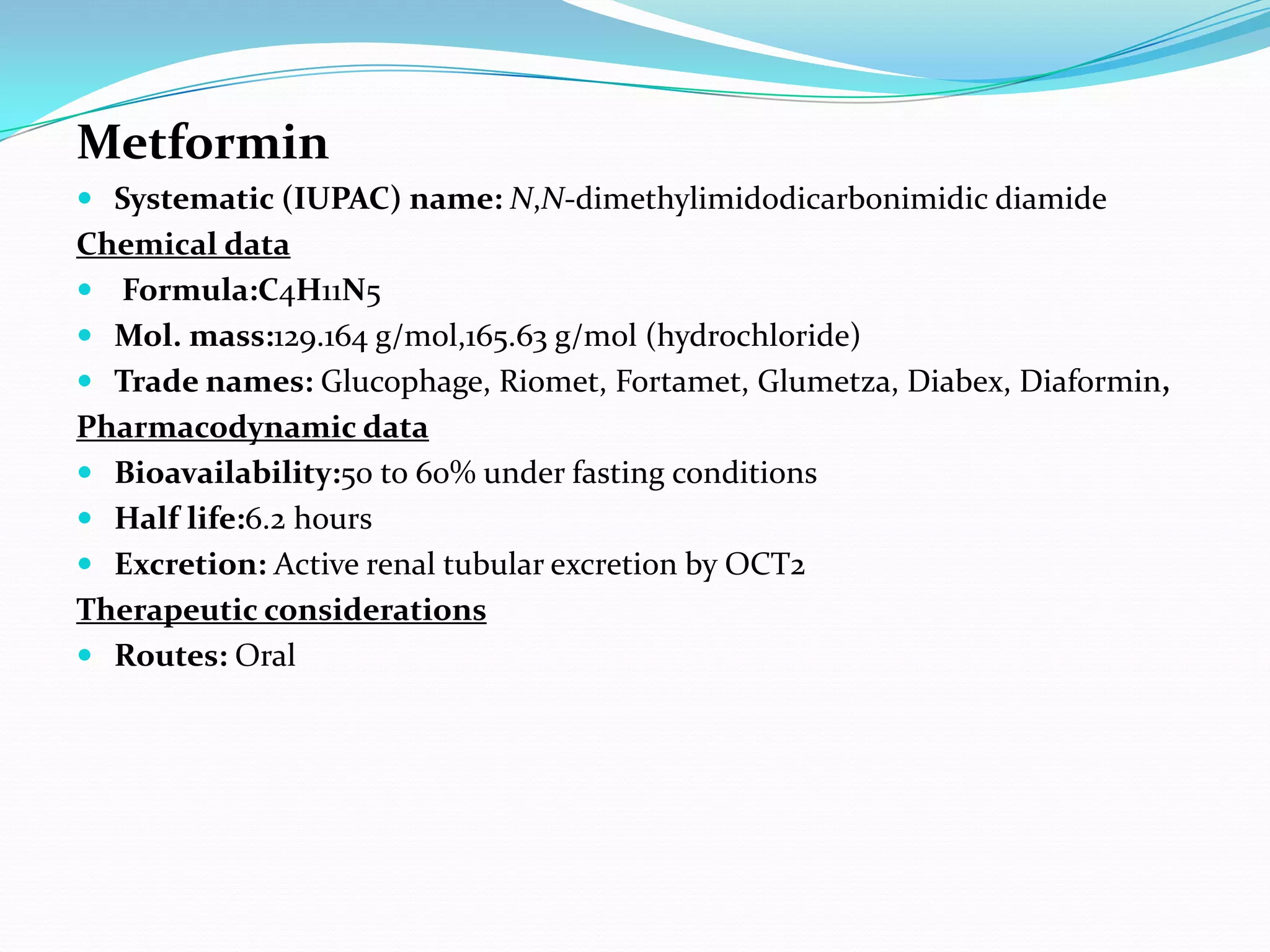
Metformin
 Systematic (IUPAC) name: N,N-dimethylimidodicarbonimidic diamide
Chemical data
 Formula:C4H11N5
 Mol. mass:129.164 g/mol,165.63 g/mol (hydrochloride)
 Trade names: Glucophage, Riomet, Fortamet, Glumetza, Diabex, Diaformin,
Pharmacodynamic data
 Bioavailability:50 to 60% under fasting conditions
 Half life:6.2 hours
 Excretion: Active renal tubular excretion by OCT2
Therapeutic considerations
 Routes: Oral
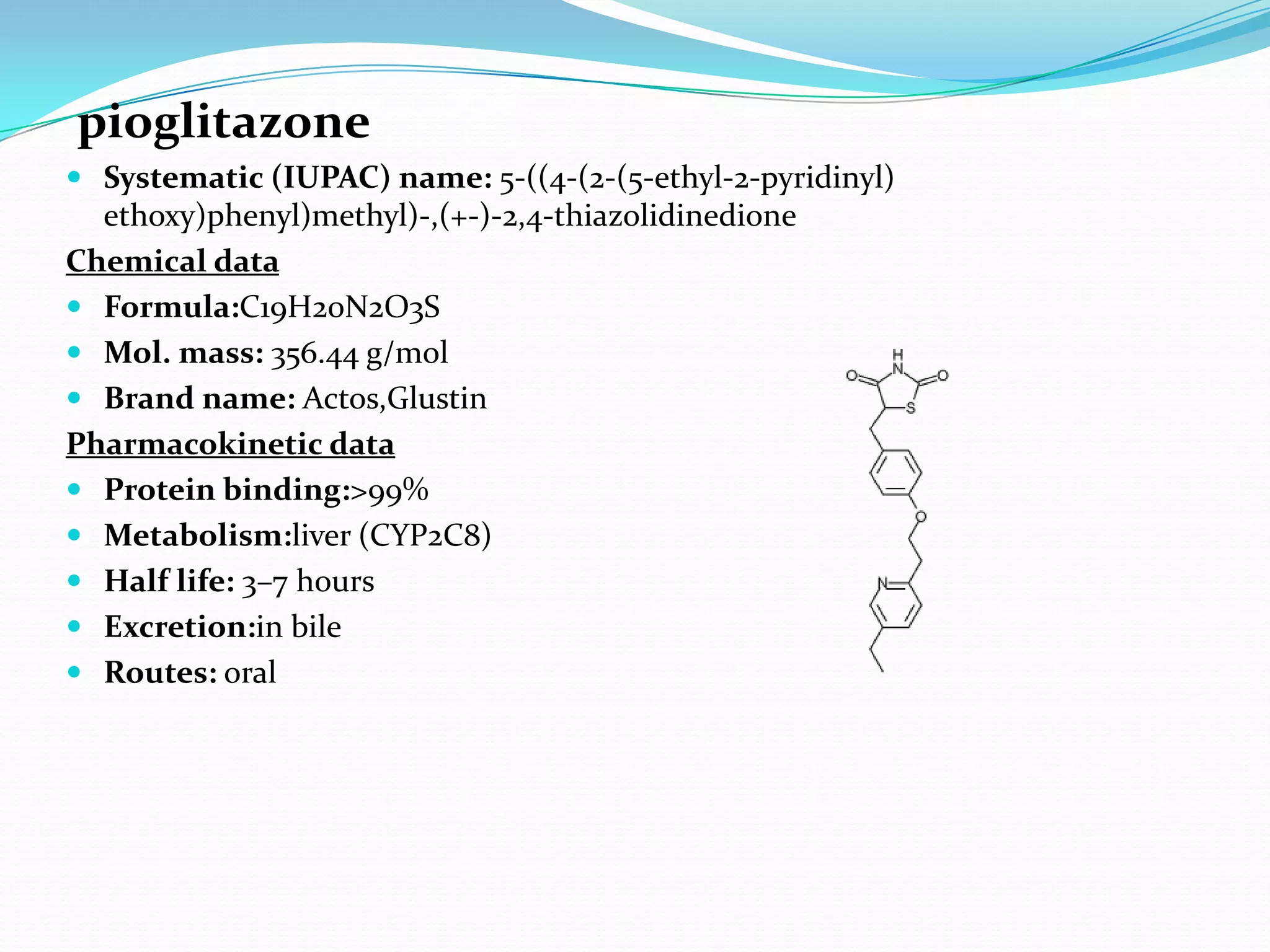
pioglitazone
 Systematic (IUPAC) name: 5-((4-(2-(5-ethyl-2-pyridinyl)
ethoxy)phenyl)methyl)-,(+-)-2,4-thiazolidinedione
Chemical data
 Formula:C19H20N2O3S
 Mol. mass: 356.44 g/mol
 Brand name: Actos,Glustin
Pharmacokinetic data
 Protein binding:>99%
 Metabolism:liver (CYP2C8)
 Half life: 3–7 hours
 Excretion:in bile
 Routes: oral
 Instruments
 Glucometer (Life Scan, INC, Milpitas, CA 95035, USA, made in China),
 hemocytometer,
 six-channel ECG machine,
 sphygmomanometer, and
 UV spectrophotometer
 Duration of Study
6 months
 Main Sources of Data
 Patient interview
 Patient case notes
 Personnel medication record
 Glucometer tests results
 Methodology
 Patients giving informed consent and satisfying the inclusion criteria will be included in
the study.
 They will undergo glucometer tests, pre and post prandial sugar level to confirm the
diabetic, by comparing with normal blood sugar level and also other related procedures
as specified in the inclusive criteria to screen the patients for the study.
 A fasting sugar level was measured at 8 AM of the day of testing, with 10 hr gap of the
overnight dinner meal and postprandial administration of glucometer.
 The blood sugar readings were noted along with normal diet and anti diabetic drug doses
prescribed by the physician.
 The outcome variables measured were noted. The results will be documented in a form.
 Patients were given anti diabetic drugs like metformin (M) alone in a 15 number of
diabetic patients for a period of 45 days continuous therapy at a rational drug dose.
 The same treatment was discontinued on the 46 th day and kept those people in
observation for 15 days without any antidiabetic as a wash out period and started the
second trail viz glibenclamide (GLIBEN) alone on 61 day and continued the same
procedure for 45 days from the day of second trail, and also tried with pioglitazone along
with glibenclamide plus metformin (P-GLIBEN-M) rational combination on 121 th day
and followed the same procedure.
 Glucometers were calibrated daily and therapeutic response of the anti diabetic drug(s)
under trial was noted every day in all patients while in sitting position.
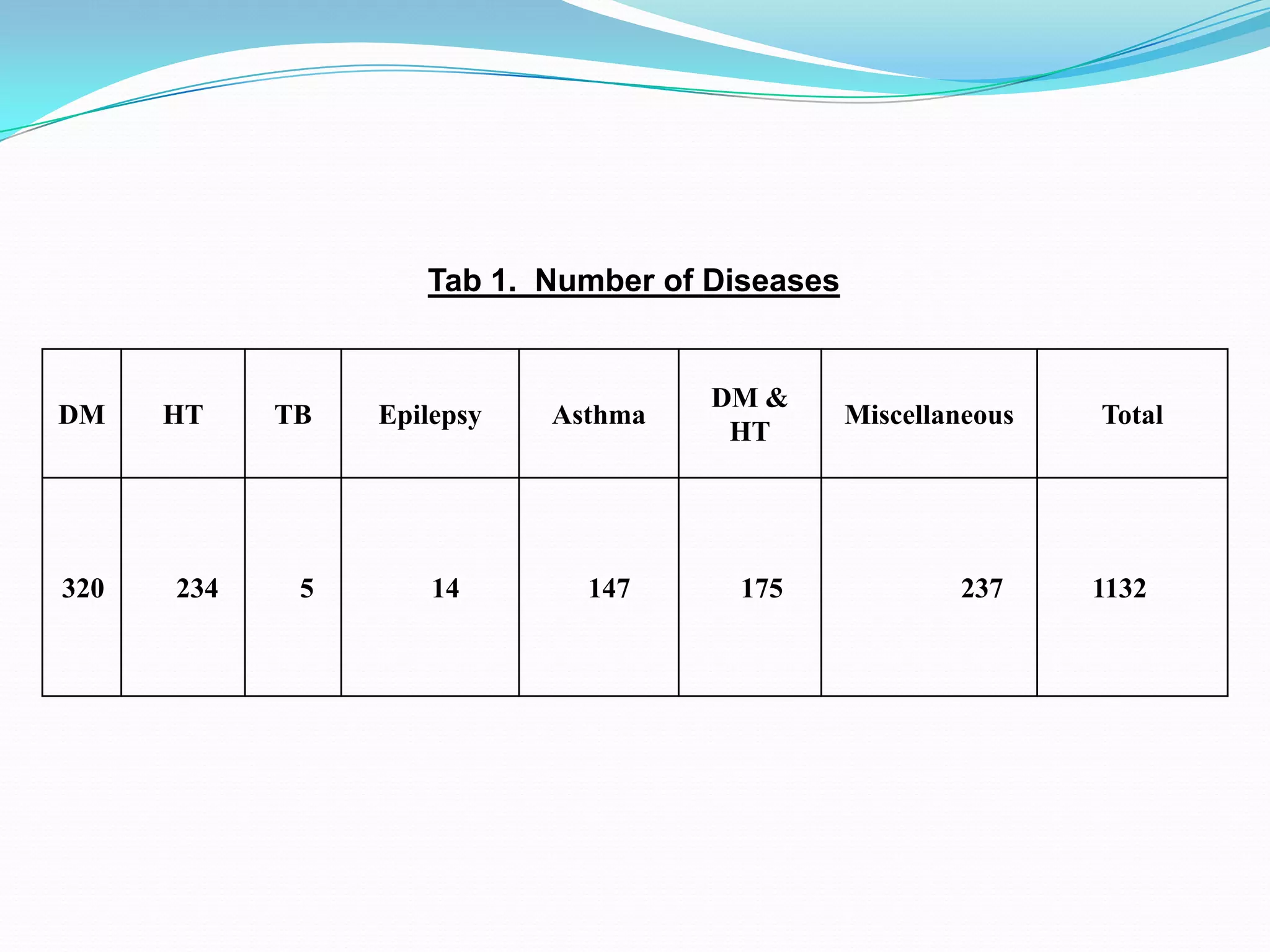
DM HT TB Epilepsy Asthma
DM &
HT
Miscellaneous Total
320 234 5 14 147 175 237 1132
Tab 1. Number of Diseases
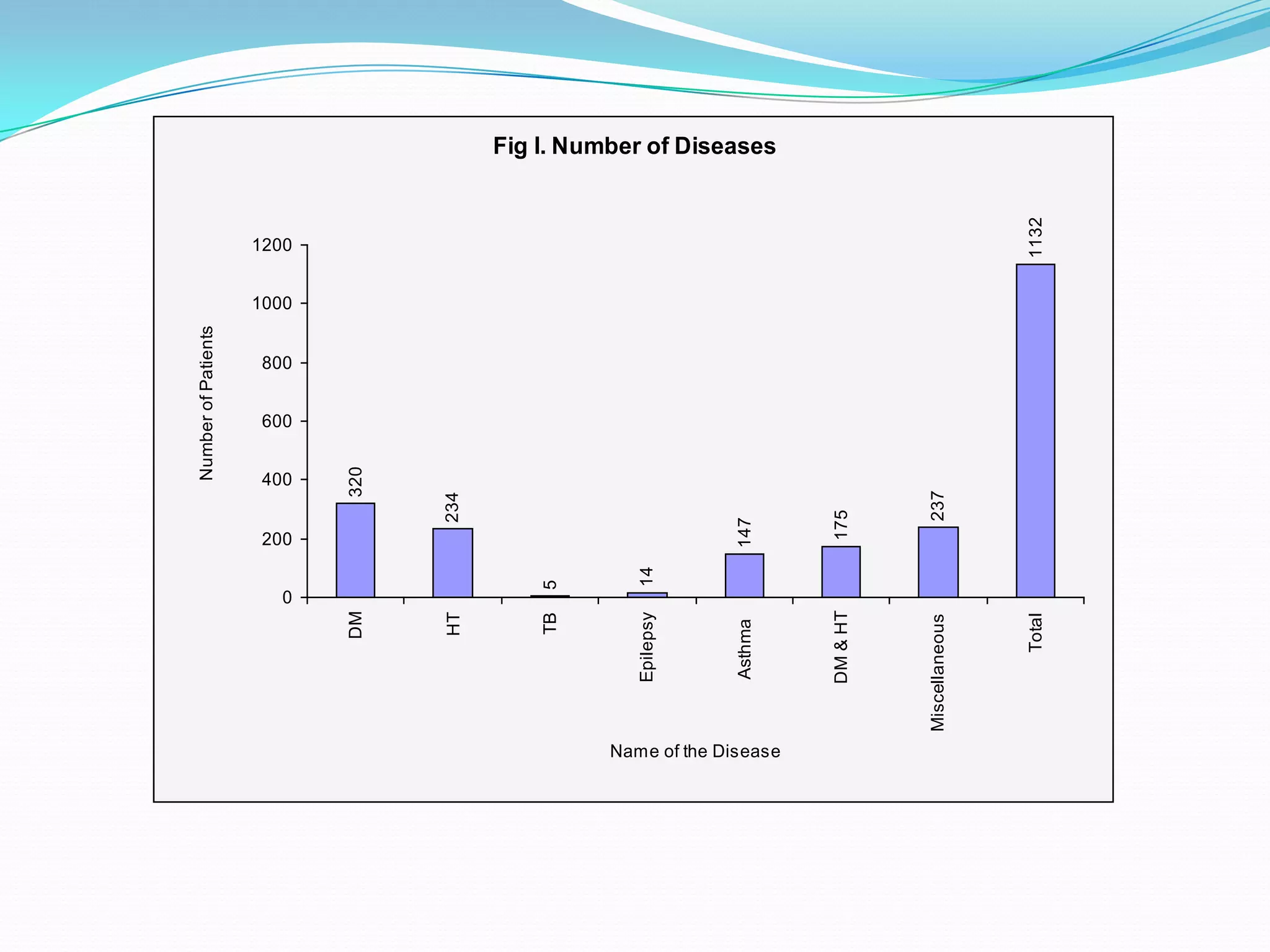
Fig I. Number of Diseases
5
14
147
175
237
1132
234
320
0
200
400
600
800
1000
1200
DM
HT
TB
Epilepsy
Asthma
DM&HT
Miscellaneous
Total
Name of the Disease
NumberofPatients
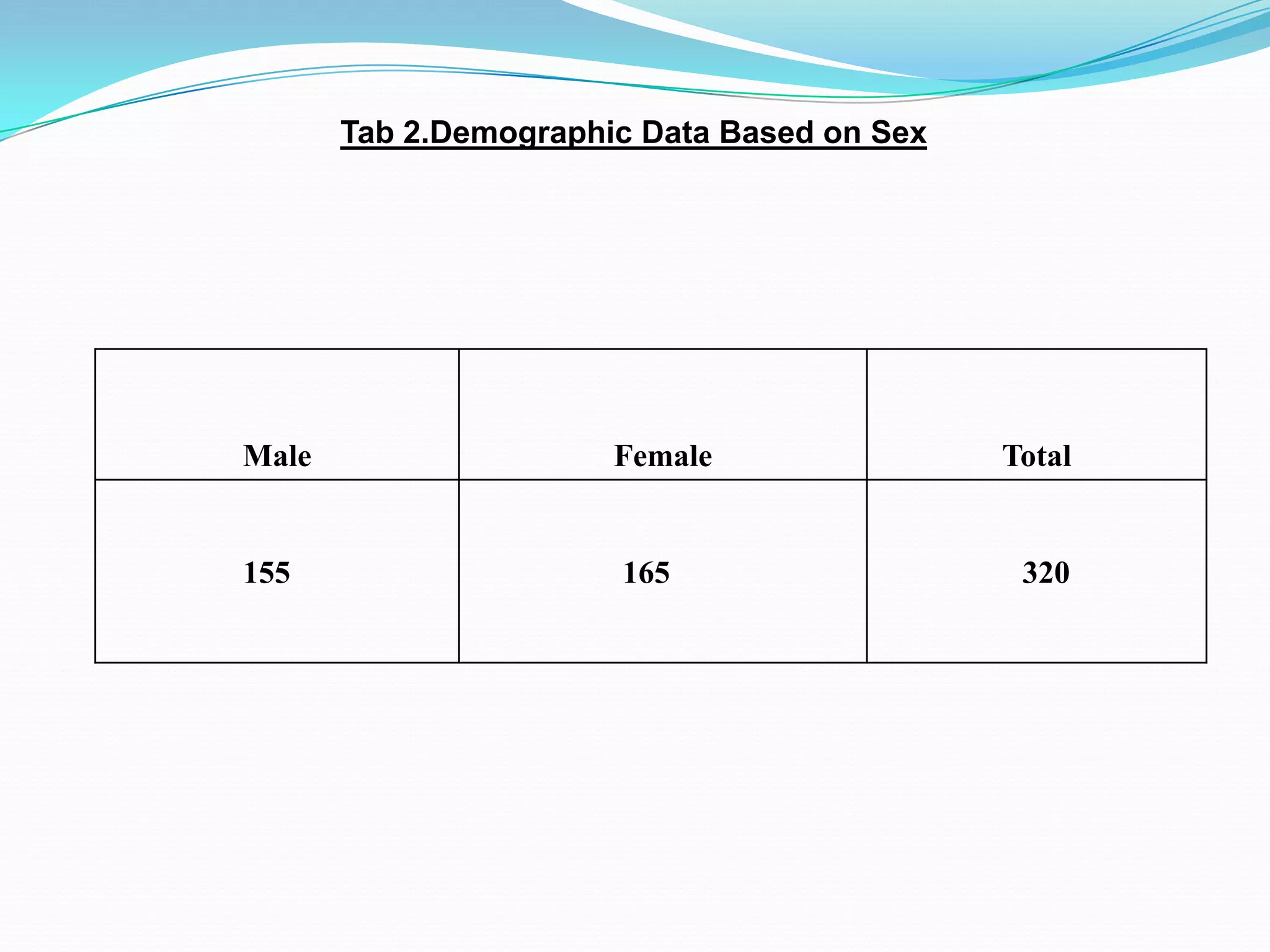
Male Female Total
155 165 320
Tab 2.Demographic Data Based on Sex
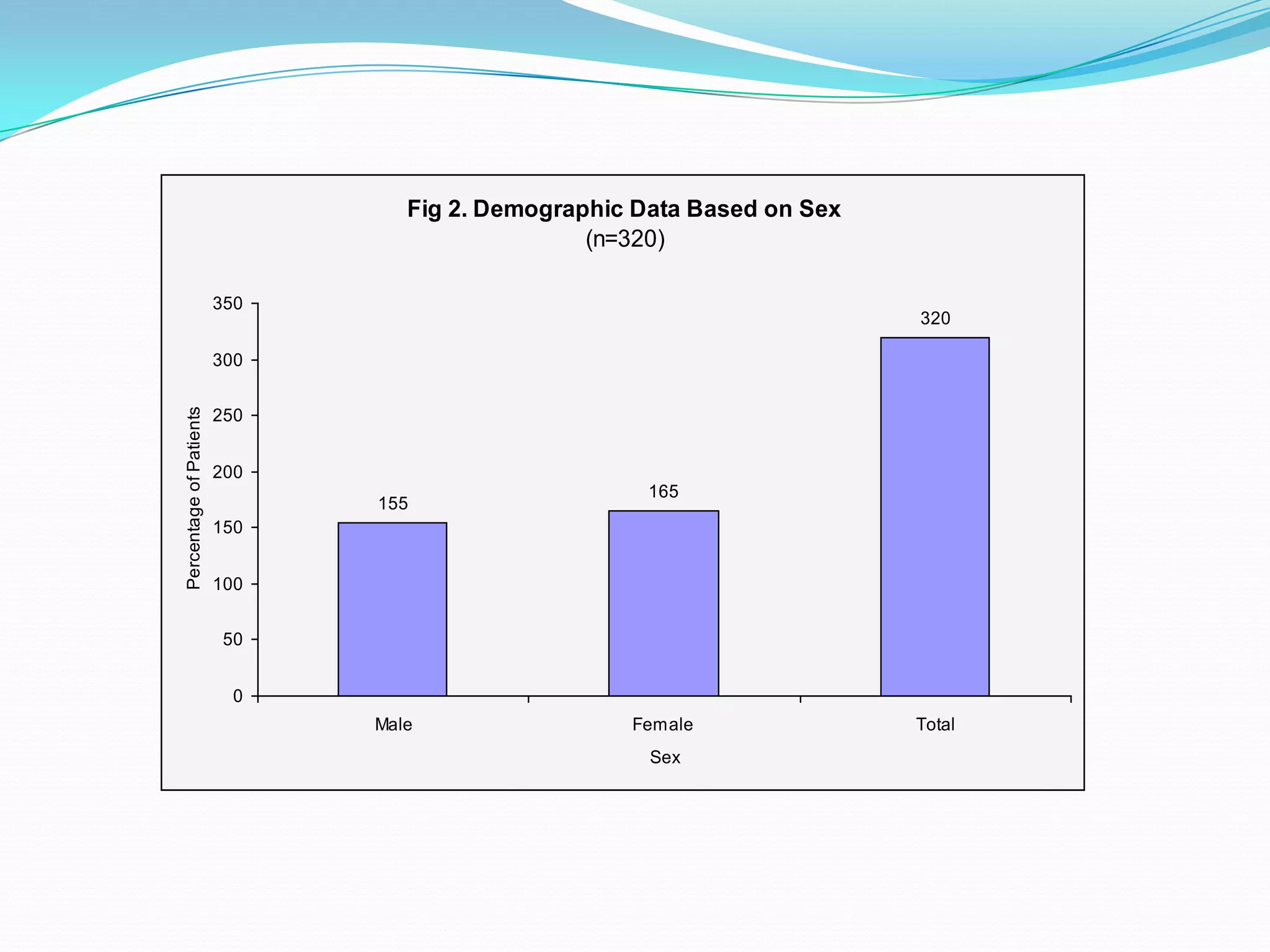
Fig 2. Demographic Data Based on Sex
(n=320)
155
165
320
0
50
100
150
200
250
300
350
Male Female Total
Sex
PercentageofPatients
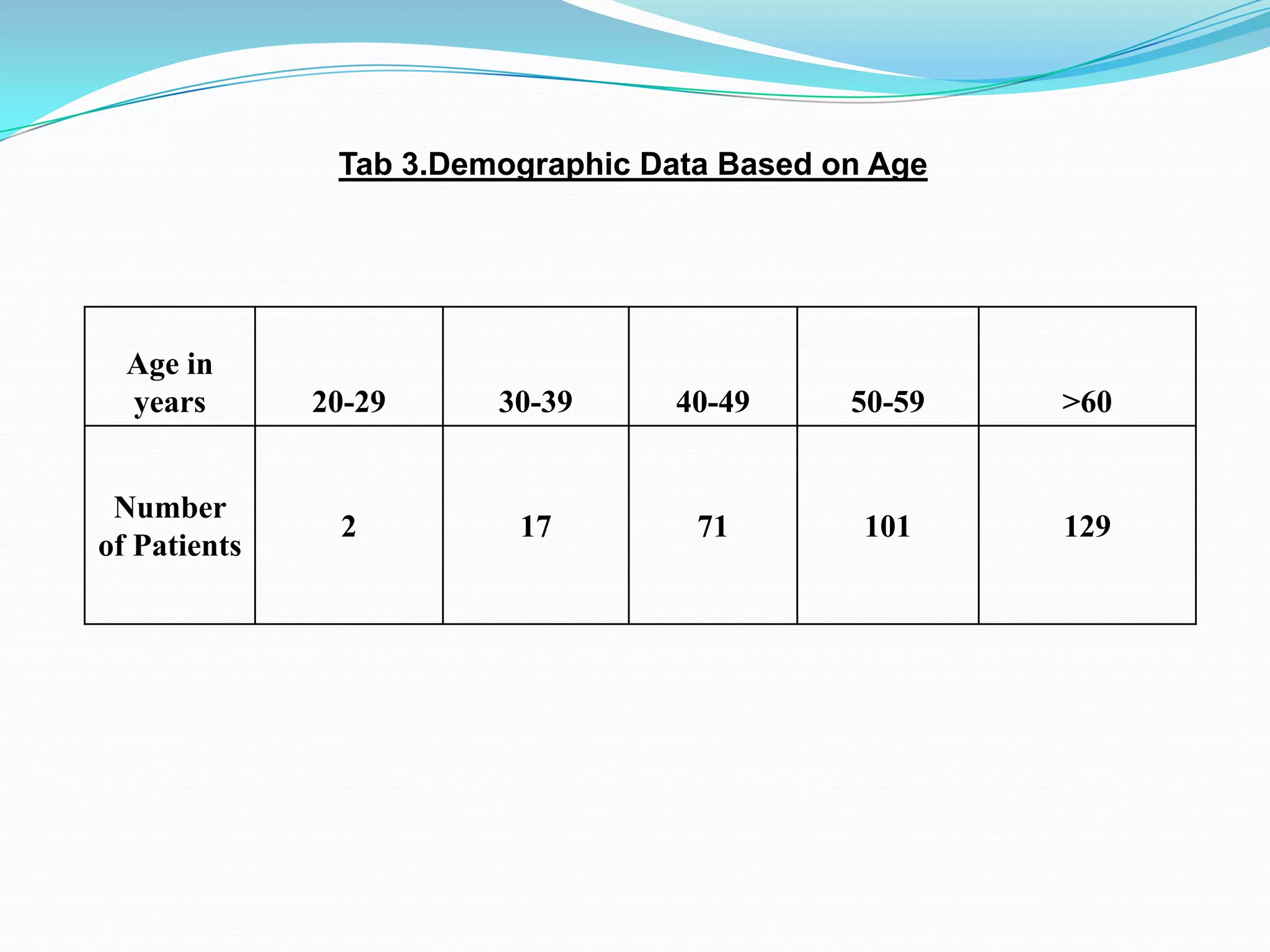
Age in
years 20-29 30-39 40-49 50-59 >60
Number
of Patients
2 17 71 101 129
Tab 3.Demographic Data Based on Age
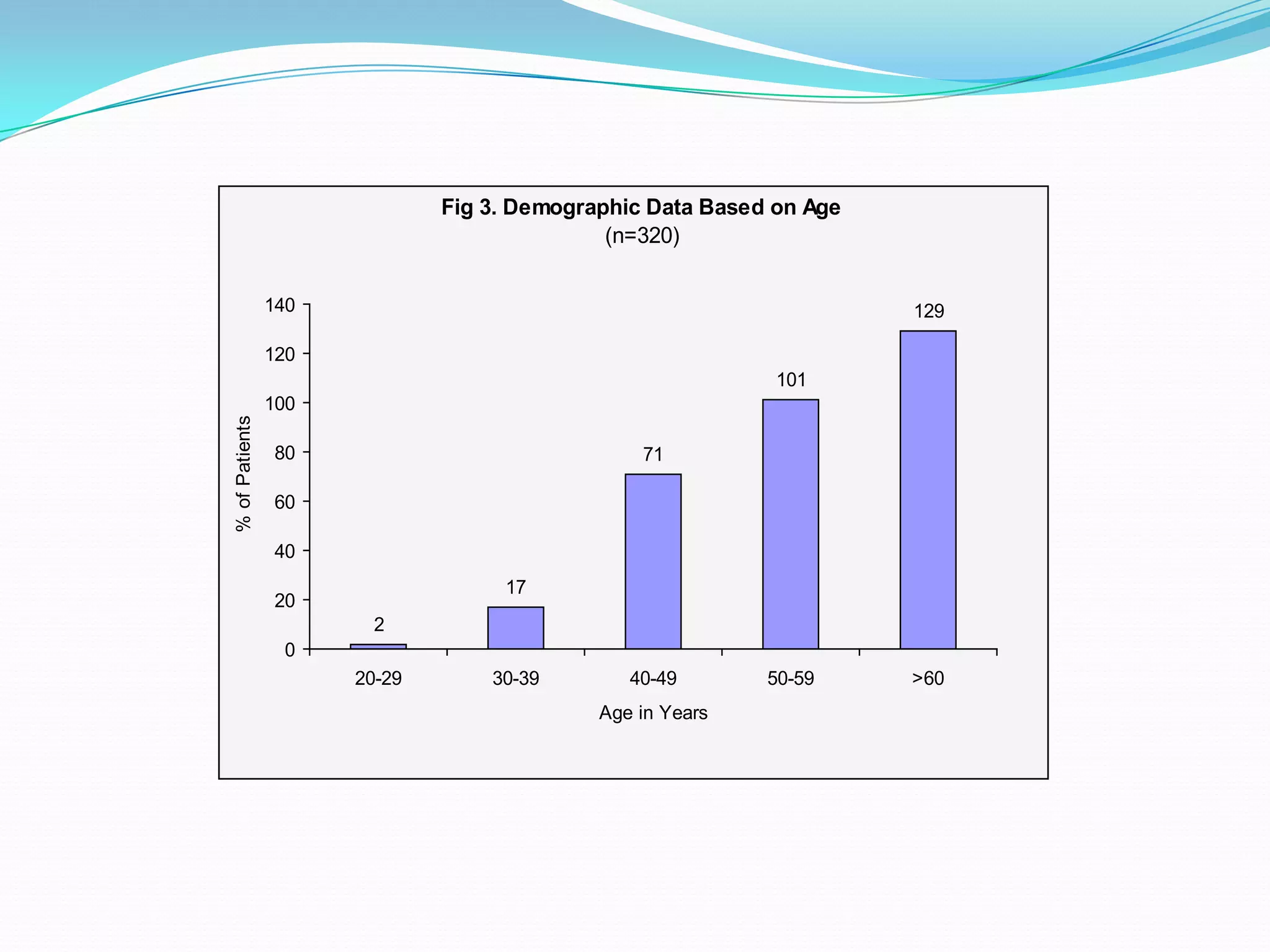
Fig 3. Demographic Data Based on Age
(n=320)
2
17
71
101
129
0
20
40
60
80
100
120
140
20-29 30-39 40-49 50-59 >60
Age in Years
%ofPatients
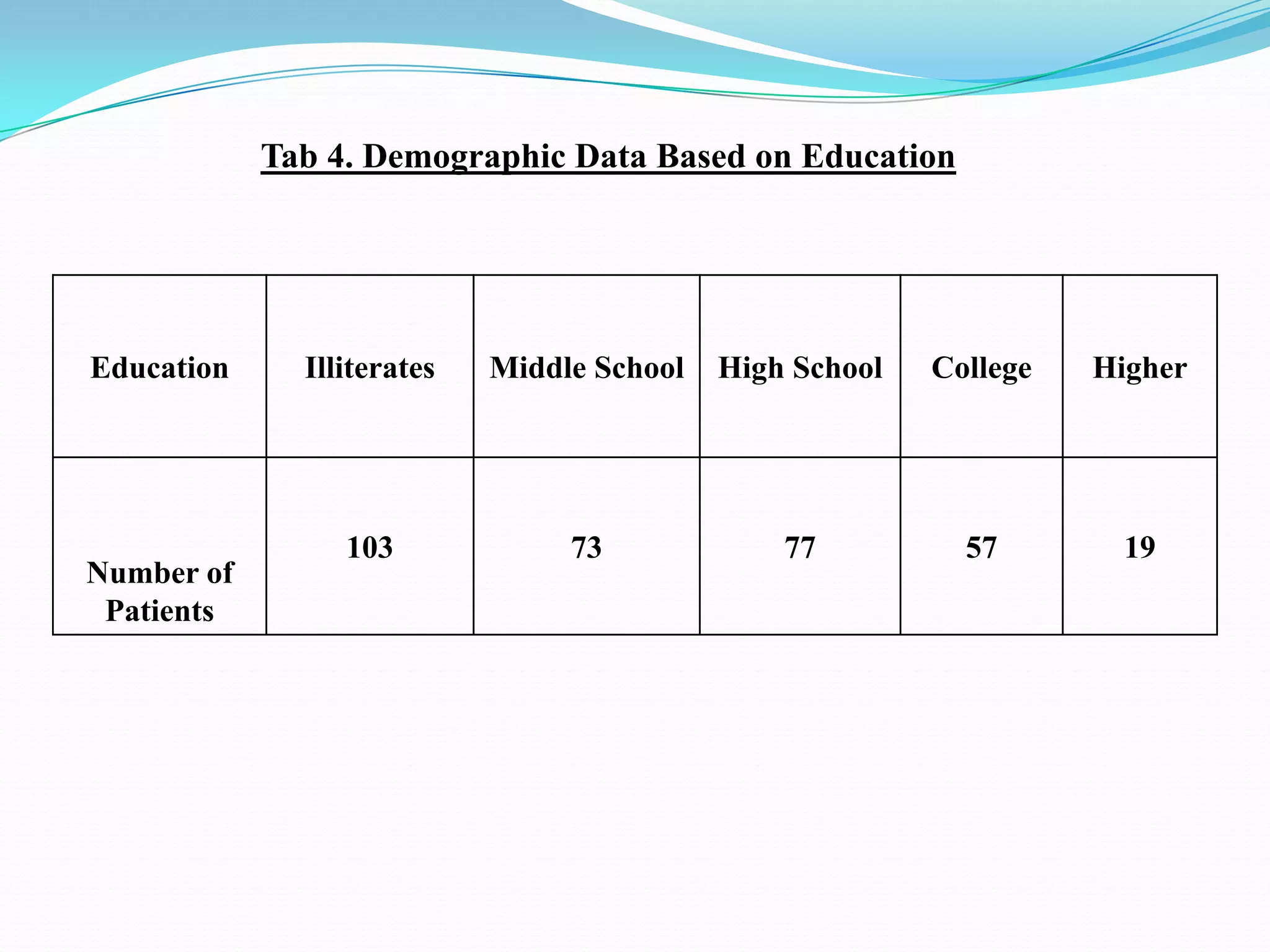
Tab 4. Demographic Data Based on Education
Education Illiterates Middle School High School College Higher
Number of
Patients
103 73 77 57 19
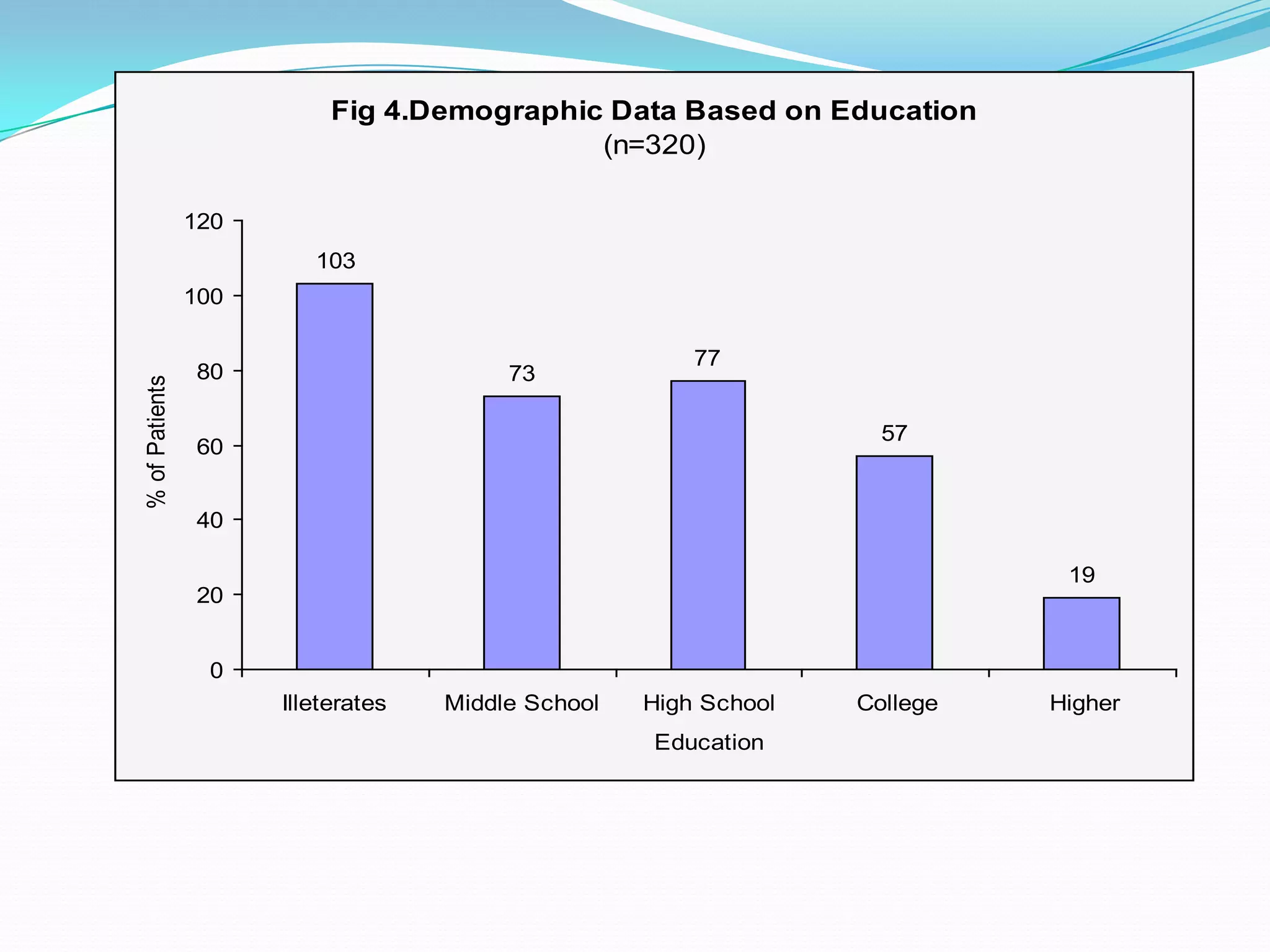
Fig 4.Demographic Data Based on Education
(n=320)
103
73
77
57
19
0
20
40
60
80
100
120
Illeterates Middle School High School College Higher
Education
%ofPatients
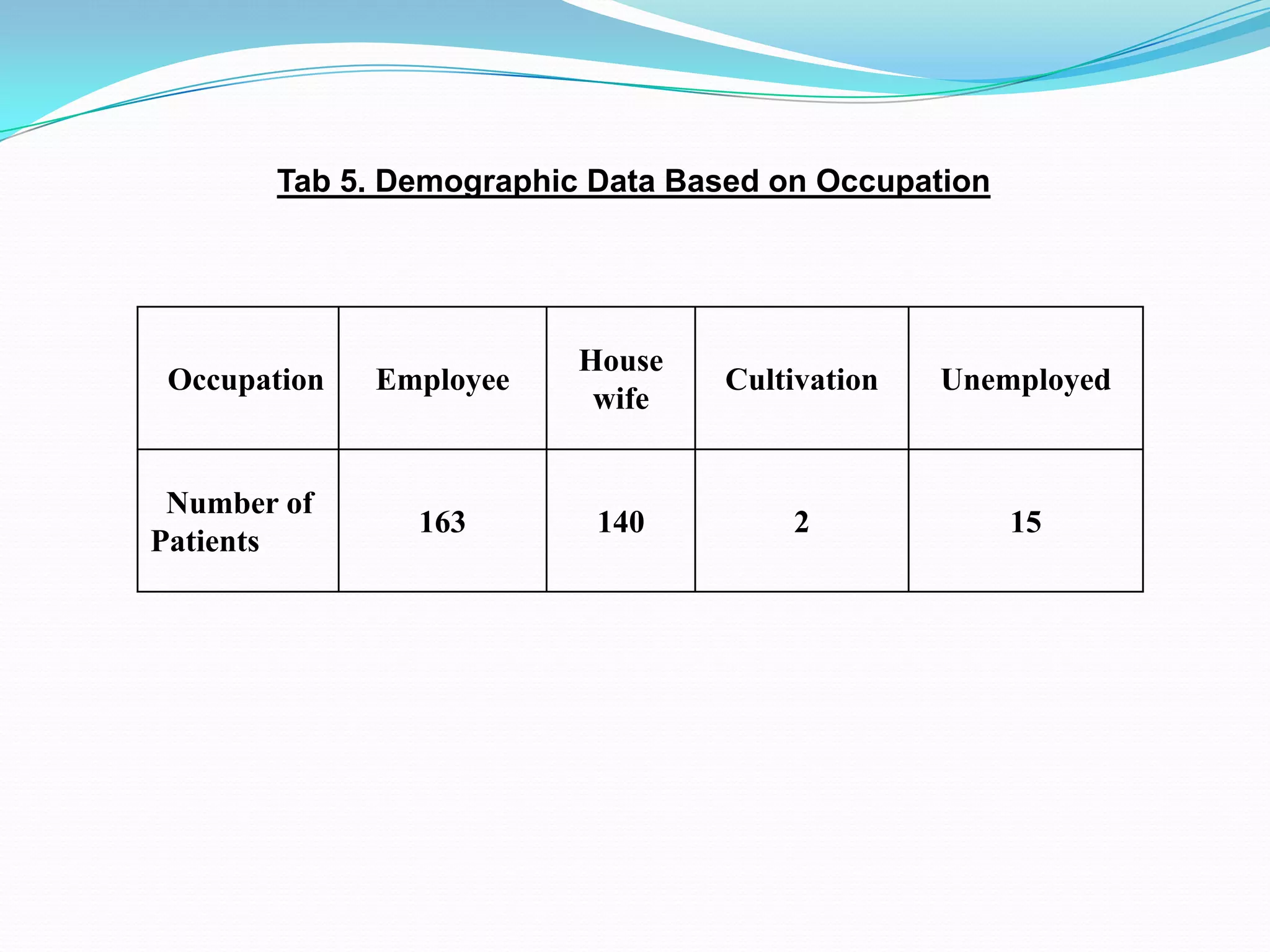
Occupation Employee
House
wife
Cultivation Unemployed
Number of
Patients
163 140 2 15
Tab 5. Demographic Data Based on Occupation
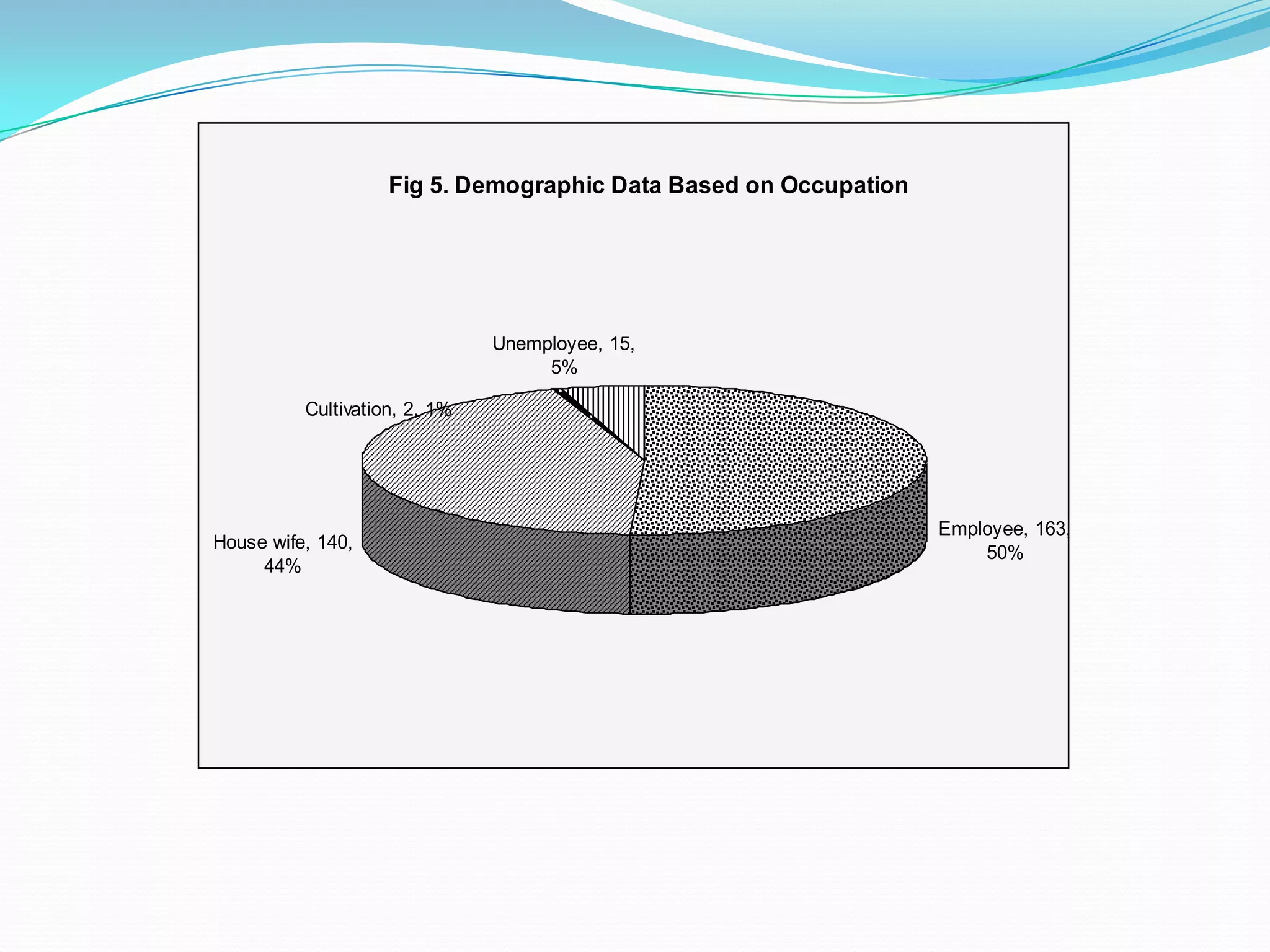
Fig 5. Demographic Data Based on Occupation
Employee, 163,
50%
House wife, 140,
44%
Cultivation, 2, 1%
Unemployee, 15,
5%
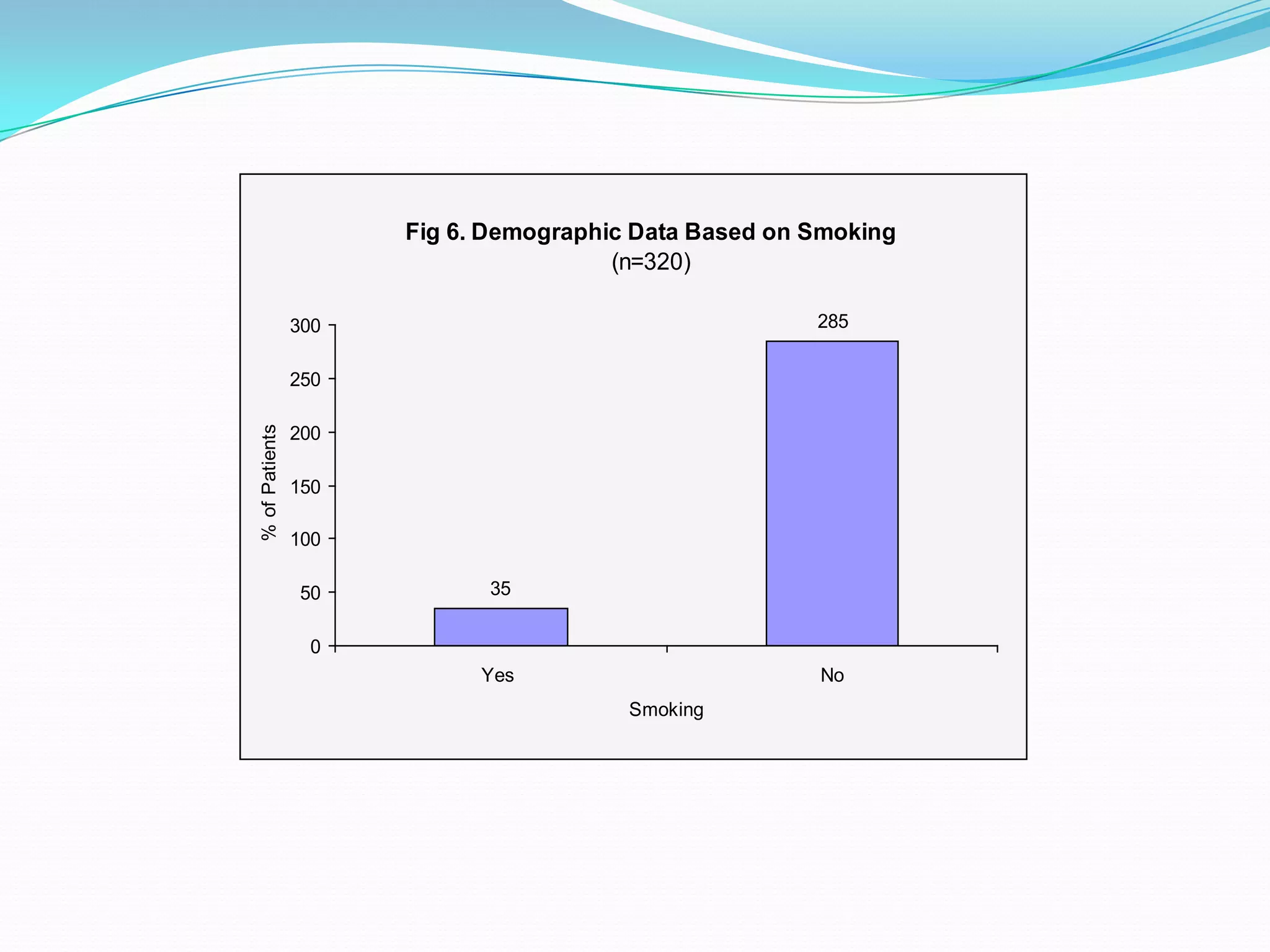
Fig 6. Demographic Data Based on Smoking
(n=320)
35
285
0
50
100
150
200
250
300
Yes No
Smoking
%ofPatients
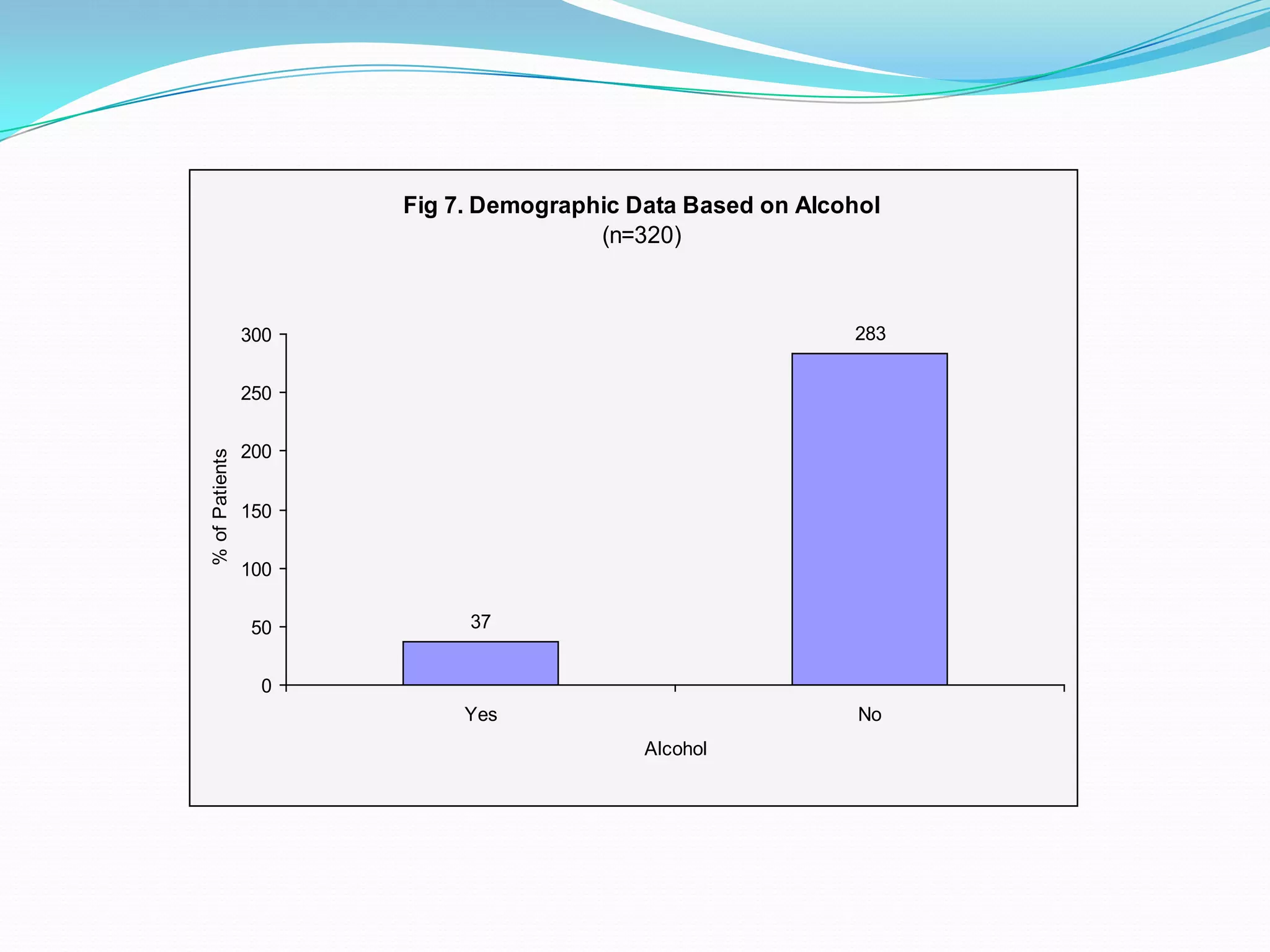
Fig 7. Demographic Data Based on Alcohol
(n=320)
37
283
0
50
100
150
200
250
300
Yes No
Alcohol
%ofPatients
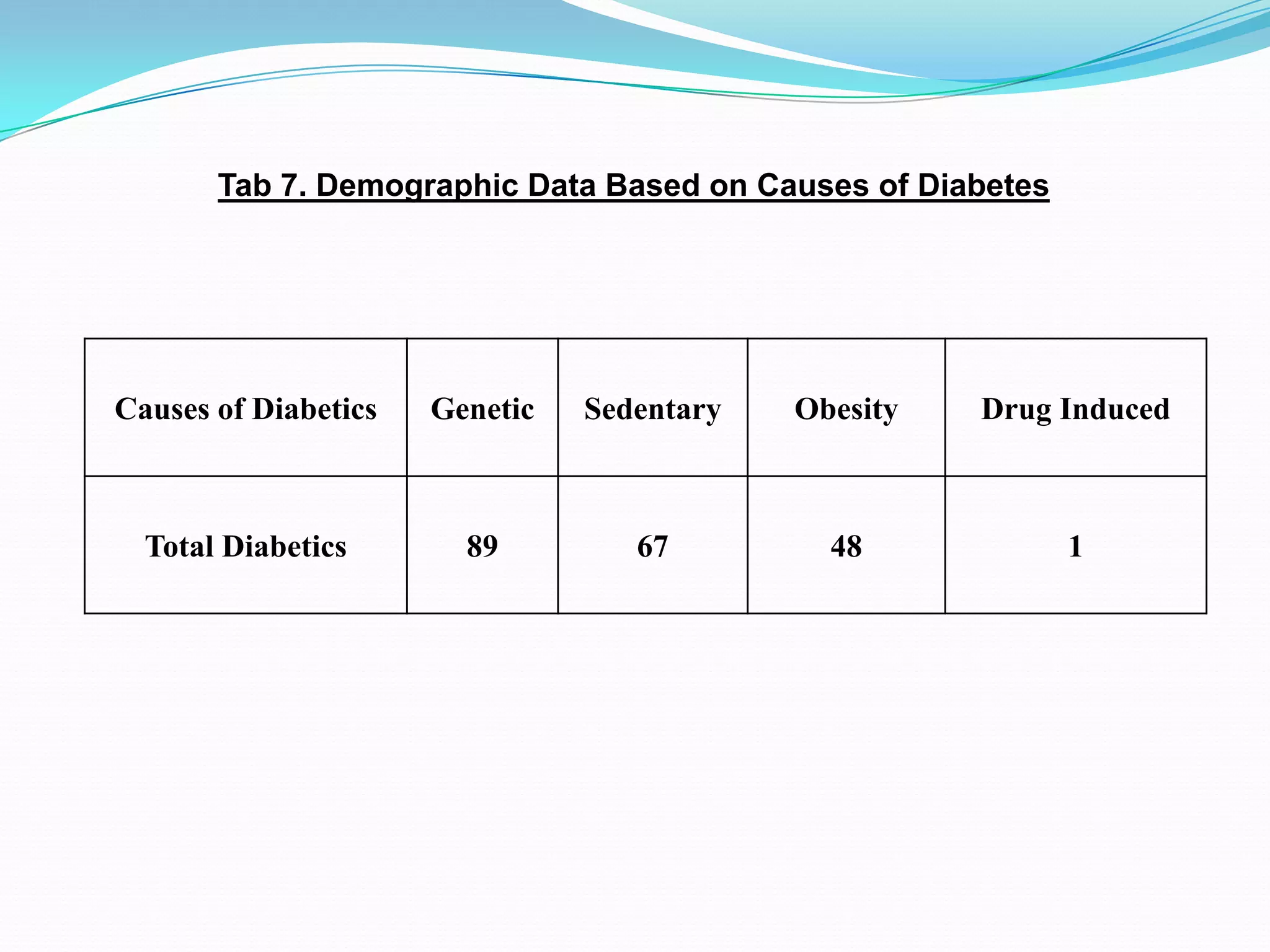
Causes of Diabetics Genetic Sedentary Obesity Drug Induced
Total Diabetics 89 67 48 1
Tab 7. Demographic Data Based on Causes of Diabetes
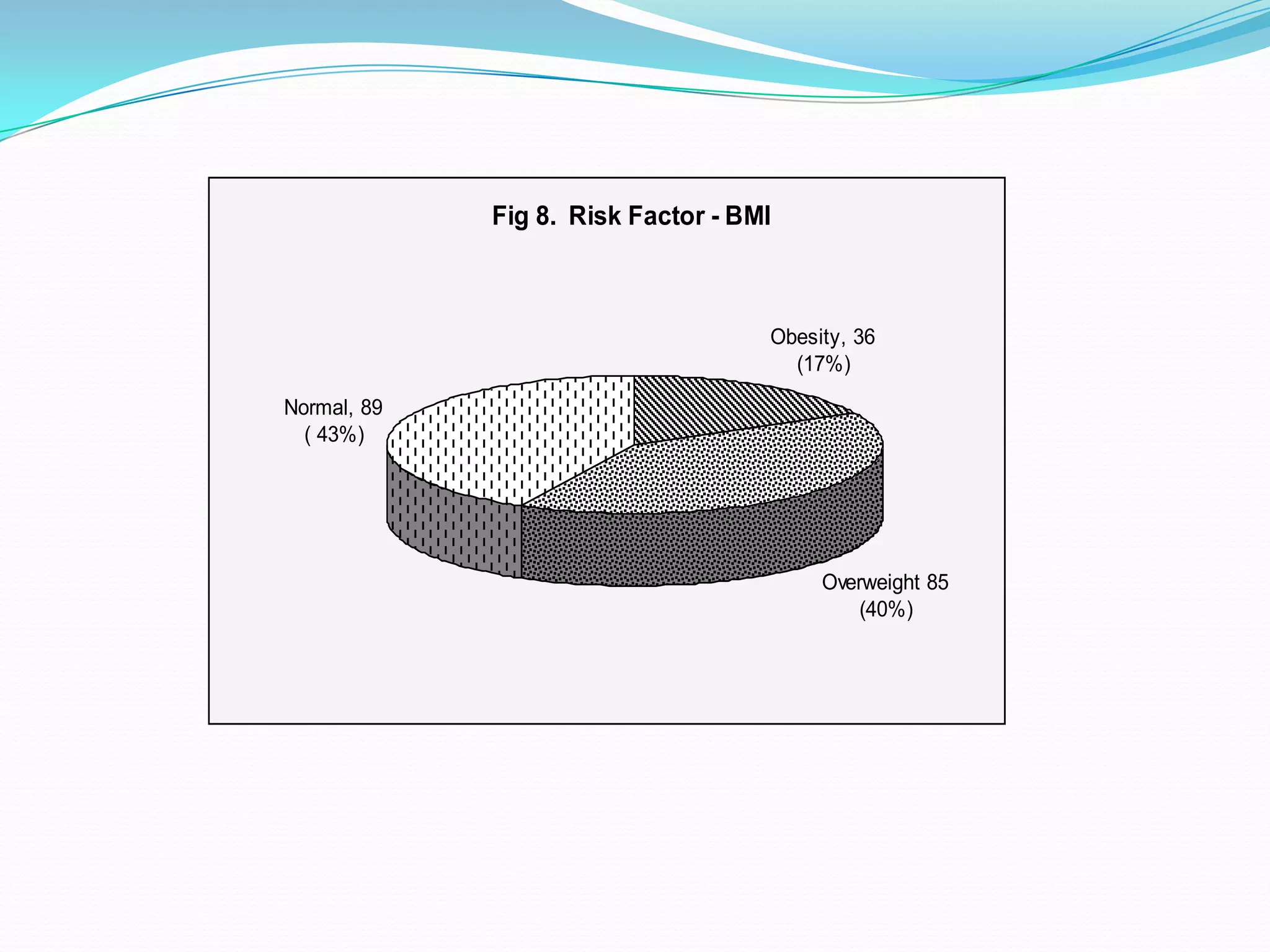
Fig 8. Risk Factor - BMI
Obesity, 36
(17%)
Overweight 85
(40%)
Normal, 89
( 43%)
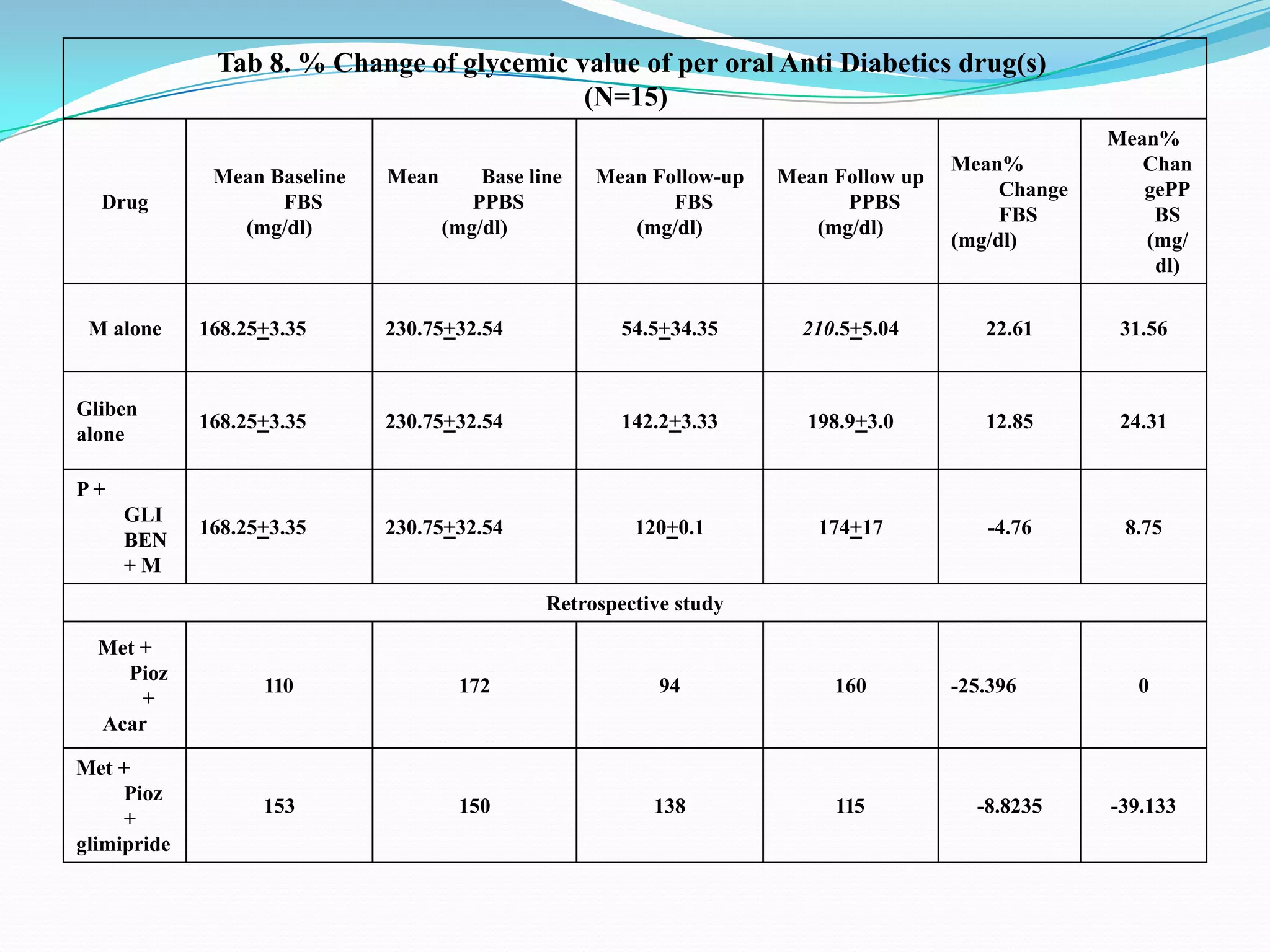
Tab 8. % Change of glycemic value of per oral Anti Diabetics drug(s)
(N=15)
Drug
Mean Baseline
FBS
(mg/dl)
Mean Base line
PPBS
(mg/dl)
Mean Follow-up
FBS
(mg/dl)
Mean Follow up
PPBS
(mg/dl)
Mean%
Change
FBS
(mg/dl)
Mean%
Chan
gePP
BS
(mg/
dl)
M alone 168.25+3.35 230.75+32.54 54.5+34.35 210.5+5.04 22.61 31.56
Gliben
alone
168.25+3.35 230.75+32.54 142.2+3.33 198.9+3.0 12.85 24.31
P +
GLI
BEN
+ M
168.25+3.35 230.75+32.54 120+0.1 174+17 -4.76 8.75
Retrospective study
Met +
Pioz
+
Acar
110 172 94 160 -25.396 0
Met +
Pioz
+
glimipride
153 150 138 115 -8.8235 -39.133
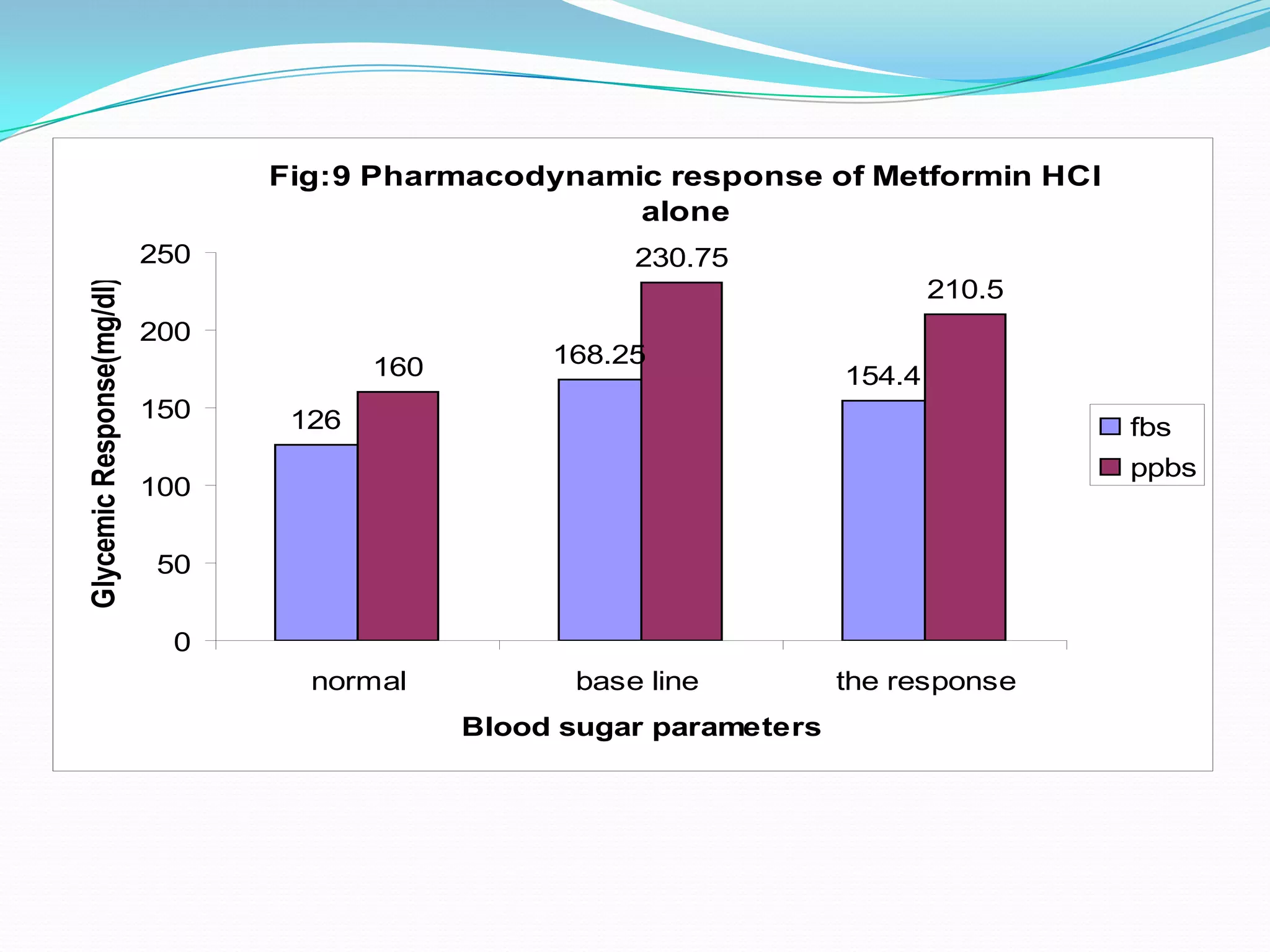
Fig:9 Pharmacodynamic response of Metformin HCl
alone
126
168.25
154.4160
230.75
210.5
0
50
100
150
200
250
normal base line the response
Blood sugar parameters
GlycemicResponse(mg/dl)
fbs
ppbs
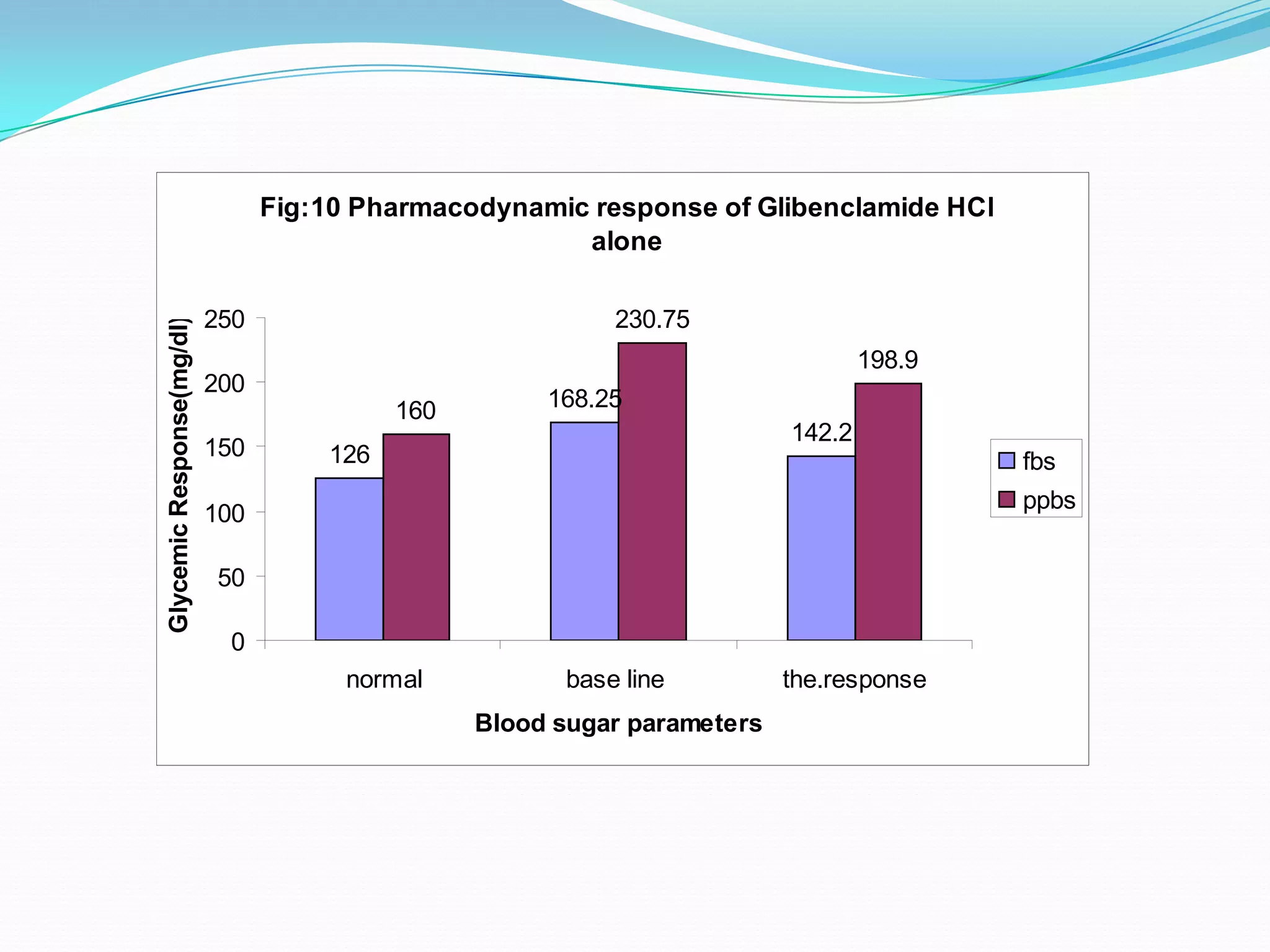
Fig:10 Pharmacodynamic response of Glibenclamide HCl
alone
126
168.25
142.2
160
230.75
198.9
0
50
100
150
200
250
normal base line the.response
Blood sugar parameters
GlycemicResponse(mg/dl)
fbs
ppbs
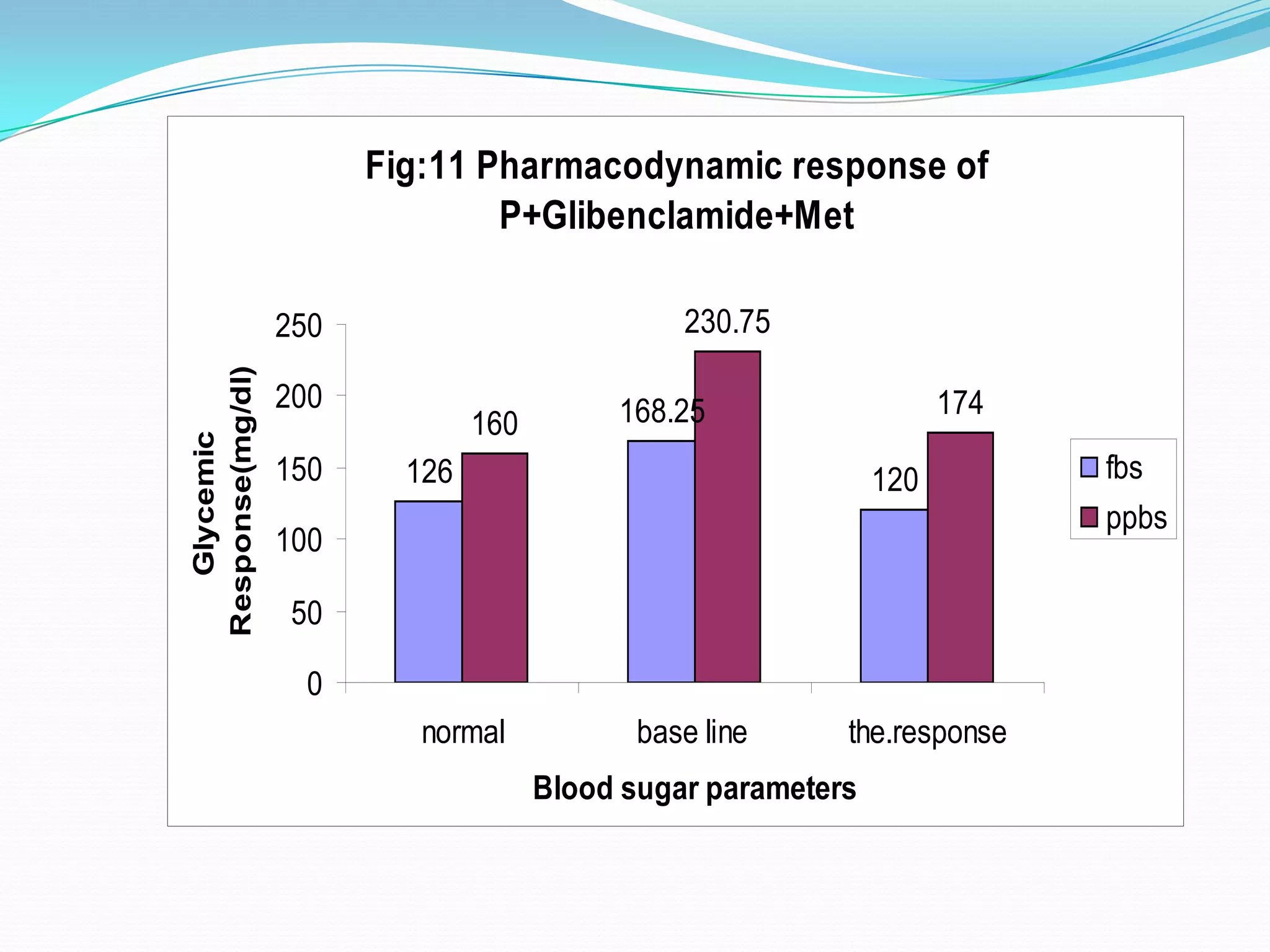
Fig:11 Pharmacodynamic response of
P+Glibenclamide+Met
126
168.25
120
160
230.75
174
0
50
100
150
200
250
normal base line the.response
Blood sugar parameters
Glycemic
Response(mg/dl)
fbs
ppbs
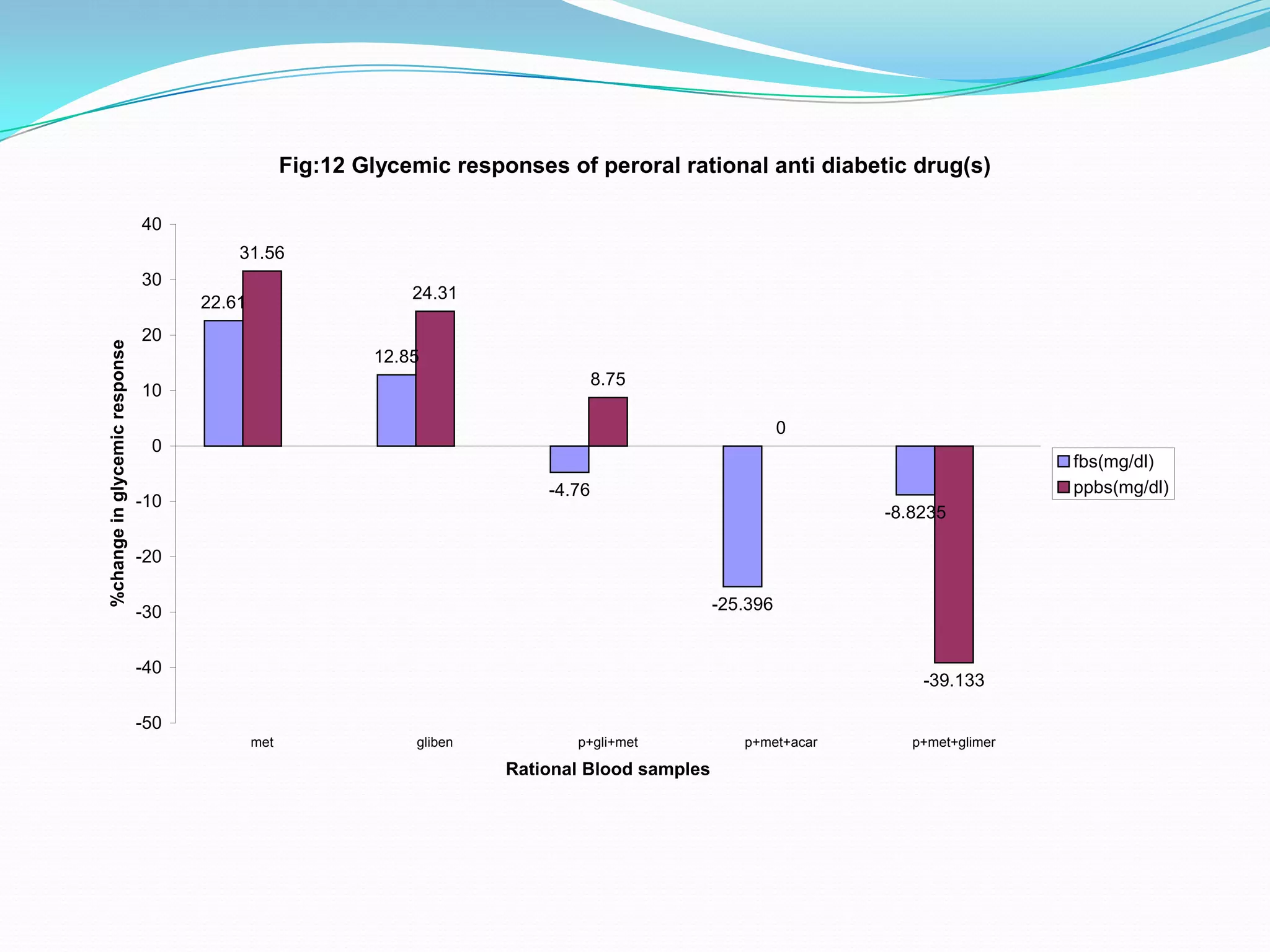
Fig:12 Glycemic responses of peroral rational anti diabetic drug(s)
22.61
12.85
-4.76
-25.396
-8.8235
31.56
24.31
8.75
0
-39.133
-50
-40
-30
-20
-10
0
10
20
30
40
met gliben p+gli+met p+met+acar p+met+glimer
Rational Blood samples
%changeinglycemicresponse
fbs(mg/dl)
ppbs(mg/dl)
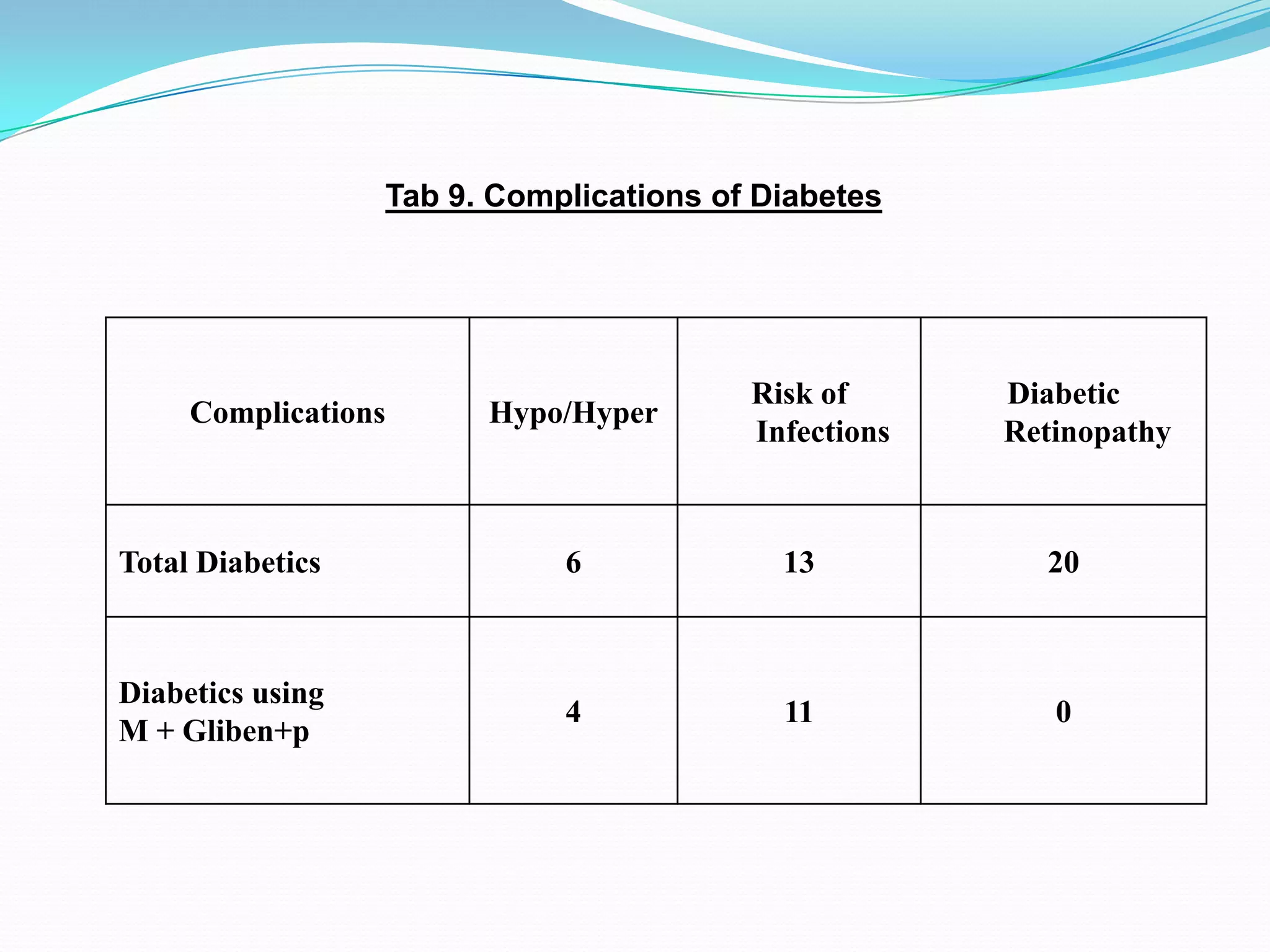
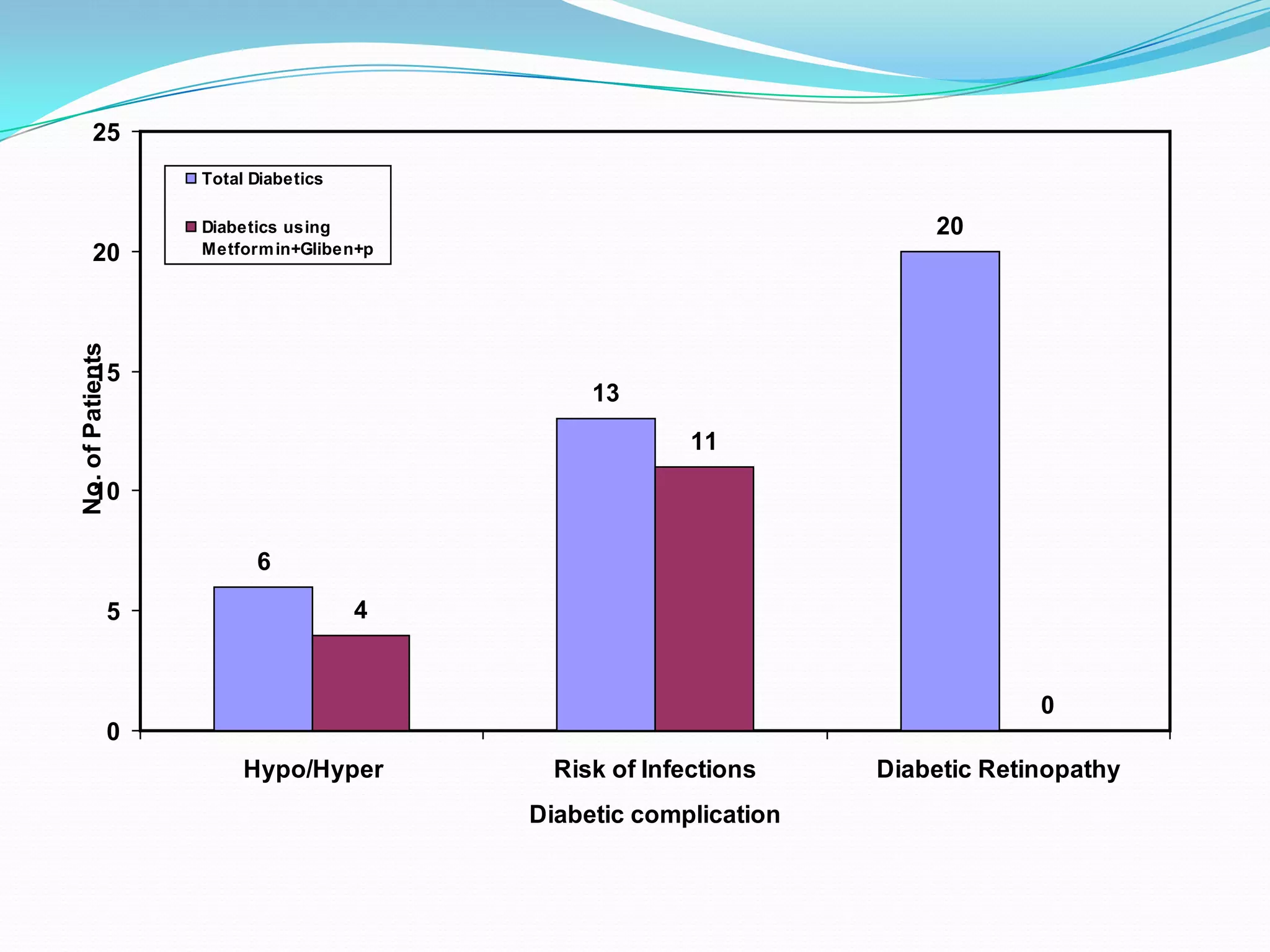
Complications Hypo/Hyper
Risk of
Infections
Diabetic
Retinopathy
Total Diabetics 6 13 20
Diabetics using
M + Gliben+p
4 11 0
Tab 9. Complications of Diabetes
6
13
20
4
11
0
0
5
10
15
20
25
Hypo/Hyper Risk of Infections Diabetic Retinopathy
Diabetic complication
No.ofPatients
Total Diabetics
Diabetics using
Metformin+Gliben+p
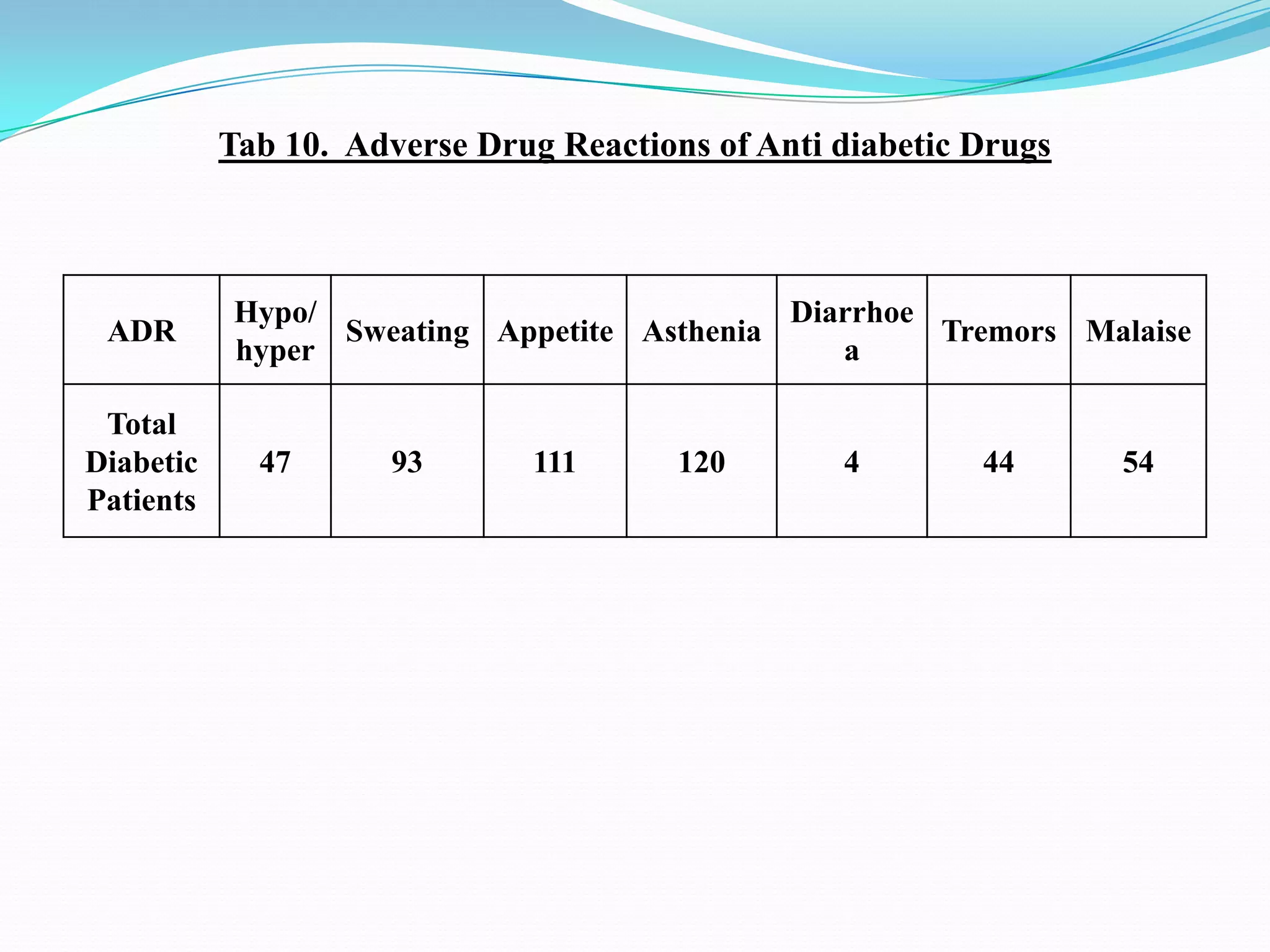
Tab 10. Adverse Drug Reactions of Anti diabetic Drugs
ADR
Hypo/
hyper
Sweating Appetite Asthenia
Diarrhoe
a
Tremors Malaise
Total
Diabetic
Patients
47 93 111 120 4 44 54
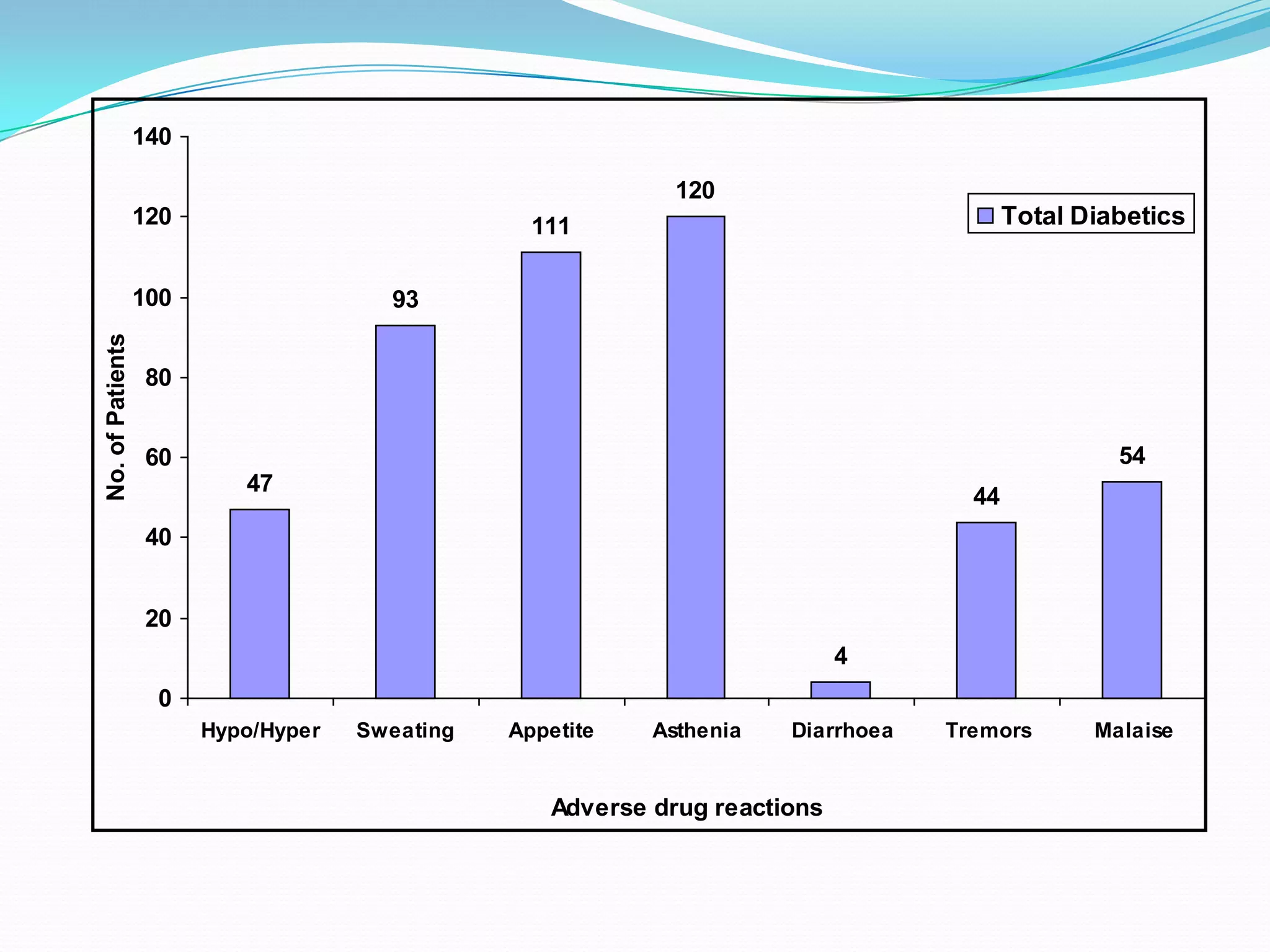
47
93
111
120
4
44
54
0
20
40
60
80
100
120
140
Hypo/Hyper Sweating Appetite Asthenia Diarrhoea Tremors Malaise
Adverse drug reactions
No.ofPatients
Total Diabetics
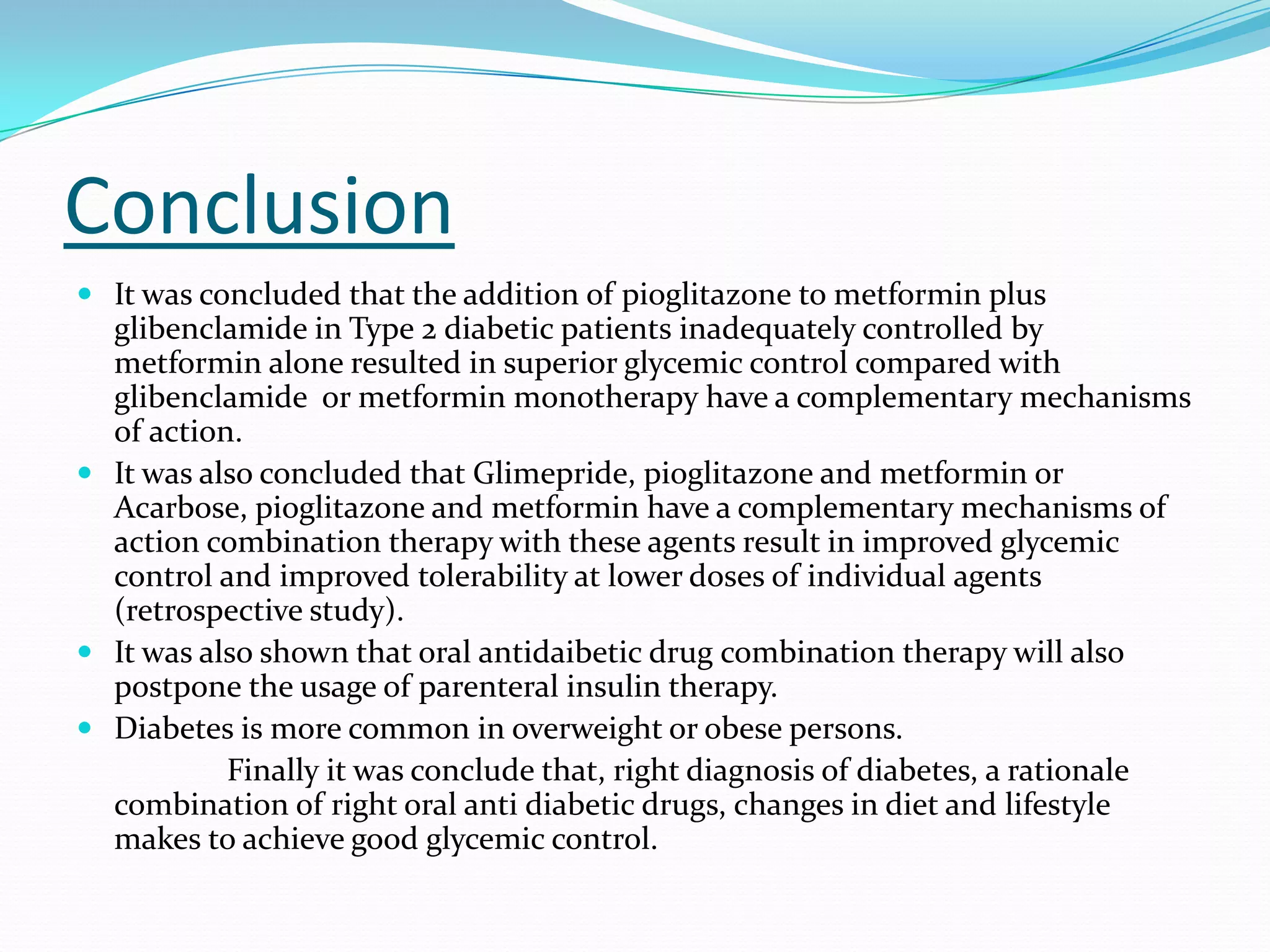
Conclusion
 It was concluded that the addition of pioglitazone to metformin plus
glibenclamide in Type 2 diabetic patients inadequately controlled by
metformin alone resulted in superior glycemic control compared with
glibenclamide or metformin monotherapy have a complementary mechanisms
of action.
 It was also concluded that Glimepride, pioglitazone and metformin or
Acarbose, pioglitazone and metformin have a complementary mechanisms of
action combination therapy with these agents result in improved glycemic
control and improved tolerability at lower doses of individual agents
(retrospective study).
 It was also shown that oral antidaibetic drug combination therapy will also
postpone the usage of parenteral insulin therapy.
 Diabetes is more common in overweight or obese persons.
Finally it was conclude that, right diagnosis of diabetes, a rationale
combination of right oral anti diabetic drugs, changes in diet and lifestyle
makes to achieve good glycemic control.
References
 IDF Chooses Blue Circle to Represent UN Resolution Campaign. Unite for Diabetes (17 March
2006).
 L M Tierney, S J McPhee, M A Papadakis (2002). Current medical Diagnosis & Treatment.
International edition. New York: Lange Medical Books/McGraw-Hill, 1203-1215. ISBN 0-07137688-7.
 World Health Organisation Department of Noncommunicable Disease Surveillance (1999).
Definition, Diagnosis and Classification of Diabetes Mellitus and its Complications (PDF).
 Rother, KI (2007). "Diabetes Treatment — Bridging the Divide". N Engl J Med 356 (15): 1499-1501.
 Mailloux, Lionel (2007-02-13). Template:Cite web
url=http://patients.uptodate.com/topic.asp?file=dialysis/15147/title=UpToDate Dialysis in
diabetic nephropathy /accessdate=2007-12-07 /format= /work=]] UpToDate Dialysis in diabetic
nephropathy]. UpToDate. Retrieved on 2007-12-07.
 Other "types" of diabetes. American Diabetes Association (August 25, 2005).
 Diseases: Johns Hopkins Autoimmune Disease Research Center. Retrieved on 2007-09-23.
 FDA Approves First Ever Inhaled Insulin Combination Product for Treatment of Diabetes.
Retrieved on 2007-09-09.
 Eberhart, MS; Ogden C, Engelgau M, Cadwell B, Hedley AA, Saydah SH (November 19, 2004).
"Prevalence of Overweight and Obesity Among Adults with Diagnosed Diabetes ---United States,
1988--1994 and 1999--2002". Morbidity and Mortality Weekly Report 53 (45): 1066-1068. Centers for
Disease Control and Prevention. Retrieved on 2007-03-11
 Arlan Rosenbloom, Janet H Silverstein (2003). Type 2 Diabetes in Children and Adolescents: A
Clinician's Guide to Diagnosis, Epidemiology, Pathogenesis, Prevention, and Treatment. American
Diabetes Association,U.S., 1. ISBN 978-1580401555.
 (1998) "Effect of intensive blood-glucose control with metformin on complications in overweight
patients with type 2 diabetes (UKPDS 34). UK Prospective Diabetes Study (UKPDS) Group". Lancet
352 (9131): 854-65. PMID 9742977.
 Walley AJ, Blakemore AI, Froguel P (2006). "Genetics of obesity and the prediction of risk for
health". Hum. Mol. Genet. 15 Spec No 2: R124-30. doi:10.1093/hmg/ddl215. PMID 16987875.
 Barrett TG (2001). "Mitochondrial diabetes, DIDMOAD and other inherited diabetes syndromes".
Best Pract. Res. Clin. Endocrinol. Metab. 15 (3): 325-43. doi:10.1053/beem.2001.0149. PMID 11554774.
 Sniderman, AD; Bhopal R, Prabhakaran D, Sarrafzadegan N, Tchernof A (2007). "Why might South
Asians be so susceptible to central obesity and its atherogenic consequences? The adipose tissue
overflow hypothesis". International journal of epidemiology 36 (1): 220–225. doi:10.1093/ije/dyl245.
PMID 17510078.
 Genuth S (Jan-Feb 2006). "Insights from the diabetes control and complications trial/epidemiology
of diabetes interventions and complications study on the use of intensive glycemic treatment to
reduce the risk of complications of type 1 diabetes.". Endocr Pract 12 (Suppl 1): 34-41. ISSN 1530-
891X. PMID 16627378.
 Lee CM, Huxley RR, Lam TH, et al (2007). "Prevalence of diabetes mellitus and population
attributable fractions for coronary heart disease and stroke mortality in the WHO South-East Asia
and Western Pacific regions". Asia Pacific journal of clinical nutrition 16 (1): 187–92. PMID 17215197.
 Seidell JC (2000). "Obesity, insulin resistance and diabetes--a worldwide epidemic". Br. J. Nutr. 83
Suppl 1: S5–8. PMID 10889785.
 Daneman D (2006). "Type 1 diabetes". Lancet 367 (9513): 847-58. PMID 16530579.
 Borch-Johnsen K, Joner G, Mandrup-Poulsen T, Christy M, Zachau-Christiansen B, Kastrup K, Nerup J (1984).
"Relation between breast-feeding and incidence rates of insulin-dependent diabetes mellitus. A hypothesis". Lancet
2 (8411): 1083-6. PMID 6150150.
 Naim Shehadeh, Raanan Shamir, Moshe Berant, Amos Etzioni (2001). "Insulin in human milk and the prevention of
type 1 diabetes". Pediatric Diabetes 2 (4): 175-177.
 Virtanen S, Knip M (2003). "Nutritional risk predictors of beta cell autoimmunity and type 1 diabetes at a young
age". Am J Clin Nutr 78 (6): 1053-67. PMID 14668264.
 Hyppönen E, Läärä E, Reunanen A, Järvelin MR, Virtanen SM (2001). "Intake of vitamin D and risk of type 1
diabetes: a birth-cohort study". Lancet. PMID 11705562.
 Lindström J, Ilanne-Parikka P, Peltonen M, Aunola S, Eriksson J, Hemiö K, Hämäläinen H, Härkönen P, Keinänen-
Kiukaanniemi S, Laakso M, Louheranta A, Mannelin M, Paturi M, Sundvall J, Valle T, Uusitupa M, Tuomilehto J
(2006). "Sustained reduction in the incidence of type 2 diabetes by lifestyle intervention: follow-up of the Finnish
Diabetes Prevention Study.". Lancet 368 (9548): 1673-9. PMID 17098085.
 Knowler W, Barrett-Connor E, Fowler S, Hamman R, Lachin J, Walker E, Nathan D (2002). "Reduction in the
incidence of type 2 diabetes with lifestyle intervention or metformin.". N Engl J Med 346 (6): 393-403. PMID
11832527.
 Bantle JP, Wylie-Rosett J, Albright AL, et al (2006). "Nutrition recommendations and interventions for diabetes--
2006: a position statement of the American Diabetes Association". Diabetes Care 29 (9): 2140–57. doi:10.2337/dc06-
9914. PMID 16936169.
 Gerstein H, Yusuf S, Bosch J, Pogue J, Sheridan P, Dinccag N, Hanefeld M, Hoogwerf B, Laakso M, Mohan V, Shaw J,
Zinman B, Holman R (2006). "Effect of rosiglitazone on the frequency of diabetes in patients with impaired glucose
tolerance or impaired fasting glucose: a randomised controlled trial". Lancet 368 (9541): 1096-105. PMID 16997664.
 Kjeldsen SE, Julius S, Mancia G, McInnes GT, Hua T, Weber MA, Coca A, Ekman S, Girerd X, Jamerson K, Larochelle
P, Macdonald TM, Schmieder RE, Schork MA, Stolt P, Viskoper R, Widimsky J, Zanchetti A; for the VALUE Trial
Investigators (2006). "Effects of valsartan compared to amlodipine on preventing type 2 diabetes in high-risk
hypertensive patients: the VALUE trial.". J Hypertens 24 (7): 1405-1412. PMID 16794491.
 Wasko MC, Hubert HB, Lingala VB, et al (2007). "Hydroxychloroquine and risk of diabetes in patients with
rheumatoid arthritis". JAMA 298 (2): 187-93. doi:10.1001/jama.298.2.187. PMID 17622600.
 Stuebe AM, Rich-Edwards JW, Willett WC, Manson JE, Michels KB (2005). "Duration of lactation and incidence of
type 2 diabetes". JAMA 294 (20): 2601–10. PMID 16304074.
 Sitasawad S, Deshpande M, Katdare M, Tirth S, Parab P. (2001) Beneficial effect of supplementation with copper
sulfate on STZ diabetic mice (IDDM). Diabetes Res Clin Pract May;52(2):77-84.
 Zhao HX, Mold MD, Stenhouse EA, Bird SC, Wright DE, Demaine AG, Millward BA. (2001) Drinking water
composition and childhood-onset Type 1 diabetes mellitus in Devon and Cornwall, England. Diabetic Med 18(9)
p709-717.This article modified in November 2007.
 Haskins K, et al (2003) "Immunology of diabetes II. Pathogenesis from mouse to man." Ann. N.Y. Academy of
Sciences 1005: 43. doi. 10.1196/annals.1288.006.
 Elliott RB Pilcher CC Fergusson DM Stewart AW 1996 A population based strategy to prevent insulin-dependent
diabetes using nicotinamide. J Pediatr Endocrinol Metab. 1996 Sep-Oct;9(5):501-9.
 Adler, A.I.; Stratton, I. M.; Neil, H.A.; et al (2000). "Association of systolic blood pressure with macrovascular and
microvascular complications of type 2 diabetes (UKPDS 36): prospective observational study". BMJ 321 (7258): 412–
419. ISSN 0959-8146. PMID 10938049.
 Vinik AI, Fishwick DT, Pittenger G (2004). "Advances in diabetes for the millennium: toward a cure for diabetes".
MedGenMed : Medscape general medicine 6 (3 Suppl): 12. PMID 15647717.
 Stratta RJ, Alloway RR. (1998). "Pancreas transplantation for diabetes mellitus: a guide to recipient selection and
optimum immunosuppression.". BioDrugs. 10 (5): 347-357. PMID 18020607.
 Shapiro AM, Ricordi C, Hering BJ, et al (2006). "International trial of the Edmonton protocol for islet
transplantation". N. Engl. J. Med. 355 (13): 1318-30. doi:10.1056/NEJMoa061267. PMID 17005949.
 Voltarelli, JC; Couri CE, Stracieri AB, Oliveira MC, Moraes DA, Pieroni F, Coutinho M, Malmegrim KC, Foss-Freitas
MC, Simoes BP, Foss MC, Squiers E, Burt RK. (2007). "Autologous nonmyeloablative hematopoietic stem cell
transplantation in newly diagnosed type 1 diabetes mellitus.". JAMA 297 (14): 1568-76. PMID 17426276.
 Rubino, F; Gagner M (2002). "Potential of surgery for curing type 2 diabetes mellitus". Ann. Surg. 236 (5): 554-9.
ISSN 0003-4932. PMID 12409659.
 Rubino, F; Forgione A, Cummings DE, et al (2006). "The mechanism of diabetes control after gastrointestinal
bypass surgery reveals a role of the proximal small intestine in the pathophysiology of type 2 diabetes". Ann. Surg.
244 (5): 741–9. PMID 17060767.
 Adams, TD; Gress RE, Smith SC, et al (2007). "Long-term mortality after gastric bypass surgery". N. Engl. J. Med.
357 (8): 753–61. doi:10.1056/NEJMoa066603. ISSN 0028-4793. PMID 17715409.
 Cohen, RV; Schiavon CA, Pinheiro JS, Correa JL, Rubino F (2007). "Duodenal-jejunal bypass for the treatment of
type 2 diabetes in patients with body mass index of 22-34 kg/m2: a report of 2 cases". Surg Obes Relat Dis. 3 (2):
195–7. doi:10.1016/j.soard.2007.01.009. PMID 17386401.
 Vasonconcelos, Alberto (2007-09-01). "Could type 2 diabetes be reversed using surgery?". New Scientist (2619): 11-13.
Retrieved on 2007-09-26.
 Nathan, D.M.; Cleary P.A., Backlund J.Y., et al (2005). "Intensive diabetes treatment and cardiovascular disease in
patients with type 1 diabetes". N. Engl. J. Med. 353 (25): 2643-53. doi:10.1056/NEJMoa052187. PMID 16371630.
 The Diabetes Control and Complications Trial Research Group (1995). "The effect of intensive diabetes therapy on
the development and progression of neuropathy". Annals of Internal Medicine 122 (8): 561-568. ISSN 0003-4819.
PMID 7887548.
 Harris MI, Flegal KM, Cowie CC, et al (1998). "Prevalence of diabetes, impaired fasting glucose, and
impaired glucose tolerance in U.S. adults. The Third National Health and Nutrition Examination
Survey, 1988-1994". Diabetes Care 21 (4): 518-24. PMID 9571335.
 Annette M. Chang and Jeffrey B. Halter (2003). Aging and insulin secretion. AJP - Endocrinology
and Metabolism. Retrieved on 2007-05-14.
 Diabetes and Aging. Diabetes Dateline. National Institute of Diabetes and Digestive and Kidney
Diseases (2002). Retrieved on 2007-05-14.
 Weiss J, Sumpio B (2006). "Review of prevalence and outcome of vascular disease in patients with
diabetes mellitus.". Eur J Vasc Endovasc Surg 31 (2): 143-50. PMID 16203161.
 American Diabetes Association (2005). Total Prevalence of Diabetes & Pre-diabetes. Retrieved on
2006-03-17.
 Narayan K, Boyle J, Thompson T, Sorensen S, Williamson D (2003). "Lifetime risk for diabetes
mellitus in the United States". JAMA 290 (14): 1884-90. PMID 14532317.
 Seniors and Diabetes. Elderly And Diabetes - Diabetes and Seniors. LifeMed Media (2006).
Retrieved on 2007-05-14.
 Dobson, M. (1776). "Nature of the urine in diabetes". Medical Observations and Inquiries 5: 298–
310.
 Patlak M (2002). "New weapons to combat an ancient disease: treating diabetes". FASEB J 16 (14):
1853. PMID 12468446.
 Von Mehring J, Minkowski O. (1890). "Diabetes mellitus nach pankreasexstirpation.". Arch Exp
Pathol Pharmakol 26: 371-387.
 Banting FG, Best CH, Collip JB, Campbell WR, Fletcher AA (1922). "Pancreatic extracts in the
treatment of diabetes mellitus". Canad Med Assoc J 12: 141–146.
 Himsworth (1936). "Diabetes mellitus: its differentiation into insulin-sensitive and insulin-
insensitive types". Lancet i: 127–130.
 Department of Health (Malta), 1897–1972:Annual Reports.
 Yalow RS, Berson SA (1960). "Immunoassay of endogenous plasma insulin in man". J. Clin. Invest.
39: 1157-75. PMID 13846364.
 EVALUATION OF GLYCEMIC RESPONSE OF ADDITION OF PIOGLITAZONE TO GLIBENCLAMIDE AND METFORMIN HCL IN TYPE 2 DIABETIC PATIENTS ON COMPARISON   WITH GLIBENCLAMIDE AND METFORMIN MONOTHERAPY

EVALUATION OF GLYCEMIC RESPONSE OF ADDITION OF PIOGLITAZONE TO GLIBENCLAMIDE AND METFORMIN HCL IN TYPE 2 DIABETIC PATIENTS ON COMPARISON WITH GLIBENCLAMIDE AND METFORMIN MONOTHERAPY

  • 1.
    EVALUATION OF GLYCEMICRESPONSE OF ADDITION OF PIOGLITAZONE TO GLIBENCLAMIDE AND METFORMIN HCL IN TYPE 2 DIABETIC PATIENTS ON COMPARISON WITH GLIBENCLAMIDE AND METFORMIN MONOTHERAPY A Dissertation Submitted to SRI VENKATESWARA UNIVERSITY,TIRUPATHI In partial fulfillment for the award of degree in MASTER OF PHARMACY PHARMACOLOGY By D.SUKANYA Reg; No.2800762009 Under the Guidance Sri K V GOPINATH PHARMACY DIVISION SRI VENKATESWARA UNIVERSITY TIRUPATI- 517502,(A.P),INDIA APRIL - 2008
  • 2.
  • 3.
    Aim of thework  To evaluate and compare the therapeutic response of pioglitazone with glibenclamide and metformin vis-à- vis the individual effects of each of these hypoglycemic agents .
  • 4.
    Objective of thework  To evaluate the effects of the combination of pioglitazone with glibenclamide and metformin vis-à-vis the individual effects of each of these hypoglycemic agents.  To compare the therapeutic efficacy or effect of the above combination with metformin and its rational combinations (retrospectively)  To evaluate the possible best combination for managing diabetes in standard care patients.  To monitor adverse drug reactions.  To evaluate the diabetic complications.  To evaluate the etiology of diabetics.  To calculate the Body Mass Index (BMI) as per the NIH software and interpret with diabetes mellitus.  To collect the demographic data based on One Touch Software.
  • 5.
    Design of study parallelcase study design & retrospective study Study Criteria Inclusion criteria The following categories of diabetic patients were included in the study.  Patients belonging to Type 2 diabetes using pioglitazone, glibenclamide and metformin Hydrochloride, and its rationale combinations.  Body mass index > 23 and ≤ 45  Systolic B.P ≤160 mm Hg and diastolic pressure ≤100 mm Hg.  Hemoglobin > 12g/dl for males and > 10 g/dl for females.  Serum creatinine < 1.5mg/dl for males and <1.4 mg/dl for female.  Alanine aminotransferase ≤ 2.5x upper limit of normal.
  • 6.
     Thyroid-stimulating hormonelevels ≤ the upper limit of the normal range and the subject is clinically euthyroid  No major illness or debility that in the investigators opinion prohibits the subject from completing the study.  Patients of age group 12 to 60 and above  Patients who were willing to go for glucometer tests and related procedures.  No use of oral or systemically injected glucocorticoids or use of weight loss drug is allowed within the three months prior to randomization.  Patients who are able to sign written informed consent.
  • 7.
    Exclusion criteria  Patientswith chronic diseases like tuberculosis, severe heart diseases, aspiration pneumonia, chronic obstructive pulmonary disease (COPD), and cystic fibrosis.  History of psychiatric disorder that will affect the subject’s ability to participate in the study.  History of alcohol or substance abuse within the 2 years prior to screening.  Hypersensitivity to any of the drug or its combinations under study.  Patient who are less than 90%compliant in drug usage.  Voluntary withdrawal  Pregnant women and children
  • 8.
    The study hasbeen divided into phases.  Patients having clinical symptoms of diabetes.  Review inclusion/exclusion criteria  Diabetic diagnosis on basis of glucometer test (fasting and post prandial)  Prescribing anti-diabetic drugs.  Signing consent form by the patient.  Designing of a standard data collection form to collect demographic data of the patient (Annexure-I) or by using One Touch Software.  Check patient’s Glucometer test.  Assessment of outcome variables by standard statistical analysis.
  • 9.
    Materials & Methodology Study Site The study was conducted at TTD central hospital, Tirupati, Andhra Pradesh.  Sample Size Total 36 patients were screened and enrolled in the study, but only 15 diabetic patients were satisfying the inclusion criteria  Drugs Glibenclamide, Metformin, pioglitazone
  • 10.
    Drug profiles Glibenclamide  Systematic(IUPAC) name: 5-chloro-N-[2-[4-(cyclohexylcarbamoylsulfamoyl) phenyl]ethyl]-2- methoxy-benzamide Chemical data  Formula: C23H28ClN3O5S  Mol. mass: 494.004 g/mol Pharmacokinetic data  Protein binding: Extensive  Metabolism: Hepatic hydroxylation (CYP2C9-mediated)  Half life: 10 hours  Excretion: Renal and biliary Therapeutic considerations  Routes :Oral  Dose: 1.25mg,2.5mg,and 5mg  Trade names: Daonil, Euglucon.  Mechanism of action:“ inhibiting ATP-sensitive potassium channels in pancreatic beta cells”.
  • 11.
    Metformin  Systematic (IUPAC)name: N,N-dimethylimidodicarbonimidic diamide Chemical data  Formula:C4H11N5  Mol. mass:129.164 g/mol,165.63 g/mol (hydrochloride)  Trade names: Glucophage, Riomet, Fortamet, Glumetza, Diabex, Diaformin, Pharmacodynamic data  Bioavailability:50 to 60% under fasting conditions  Half life:6.2 hours  Excretion: Active renal tubular excretion by OCT2 Therapeutic considerations  Routes: Oral
  • 12.
    pioglitazone  Systematic (IUPAC)name: 5-((4-(2-(5-ethyl-2-pyridinyl) ethoxy)phenyl)methyl)-,(+-)-2,4-thiazolidinedione Chemical data  Formula:C19H20N2O3S  Mol. mass: 356.44 g/mol  Brand name: Actos,Glustin Pharmacokinetic data  Protein binding:>99%  Metabolism:liver (CYP2C8)  Half life: 3–7 hours  Excretion:in bile  Routes: oral
  • 13.
     Instruments  Glucometer(Life Scan, INC, Milpitas, CA 95035, USA, made in China),  hemocytometer,  six-channel ECG machine,  sphygmomanometer, and  UV spectrophotometer  Duration of Study 6 months  Main Sources of Data  Patient interview  Patient case notes  Personnel medication record  Glucometer tests results
  • 14.
     Methodology  Patientsgiving informed consent and satisfying the inclusion criteria will be included in the study.  They will undergo glucometer tests, pre and post prandial sugar level to confirm the diabetic, by comparing with normal blood sugar level and also other related procedures as specified in the inclusive criteria to screen the patients for the study.  A fasting sugar level was measured at 8 AM of the day of testing, with 10 hr gap of the overnight dinner meal and postprandial administration of glucometer.  The blood sugar readings were noted along with normal diet and anti diabetic drug doses prescribed by the physician.  The outcome variables measured were noted. The results will be documented in a form.  Patients were given anti diabetic drugs like metformin (M) alone in a 15 number of diabetic patients for a period of 45 days continuous therapy at a rational drug dose.  The same treatment was discontinued on the 46 th day and kept those people in observation for 15 days without any antidiabetic as a wash out period and started the second trail viz glibenclamide (GLIBEN) alone on 61 day and continued the same procedure for 45 days from the day of second trail, and also tried with pioglitazone along with glibenclamide plus metformin (P-GLIBEN-M) rational combination on 121 th day and followed the same procedure.  Glucometers were calibrated daily and therapeutic response of the anti diabetic drug(s) under trial was noted every day in all patients while in sitting position.
  • 15.
    DM HT TBEpilepsy Asthma DM & HT Miscellaneous Total 320 234 5 14 147 175 237 1132 Tab 1. Number of Diseases
  • 16.
    Fig I. Numberof Diseases 5 14 147 175 237 1132 234 320 0 200 400 600 800 1000 1200 DM HT TB Epilepsy Asthma DM&HT Miscellaneous Total Name of the Disease NumberofPatients
  • 17.
    Male Female Total 155165 320 Tab 2.Demographic Data Based on Sex
  • 18.
    Fig 2. DemographicData Based on Sex (n=320) 155 165 320 0 50 100 150 200 250 300 350 Male Female Total Sex PercentageofPatients
  • 19.
    Age in years 20-2930-39 40-49 50-59 >60 Number of Patients 2 17 71 101 129 Tab 3.Demographic Data Based on Age
  • 20.
    Fig 3. DemographicData Based on Age (n=320) 2 17 71 101 129 0 20 40 60 80 100 120 140 20-29 30-39 40-49 50-59 >60 Age in Years %ofPatients
  • 21.
    Tab 4. DemographicData Based on Education Education Illiterates Middle School High School College Higher Number of Patients 103 73 77 57 19
  • 22.
    Fig 4.Demographic DataBased on Education (n=320) 103 73 77 57 19 0 20 40 60 80 100 120 Illeterates Middle School High School College Higher Education %ofPatients
  • 23.
    Occupation Employee House wife Cultivation Unemployed Numberof Patients 163 140 2 15 Tab 5. Demographic Data Based on Occupation
  • 24.
    Fig 5. DemographicData Based on Occupation Employee, 163, 50% House wife, 140, 44% Cultivation, 2, 1% Unemployee, 15, 5%
  • 25.
    Fig 6. DemographicData Based on Smoking (n=320) 35 285 0 50 100 150 200 250 300 Yes No Smoking %ofPatients
  • 26.
    Fig 7. DemographicData Based on Alcohol (n=320) 37 283 0 50 100 150 200 250 300 Yes No Alcohol %ofPatients
  • 27.
    Causes of DiabeticsGenetic Sedentary Obesity Drug Induced Total Diabetics 89 67 48 1 Tab 7. Demographic Data Based on Causes of Diabetes
  • 28.
    Fig 8. RiskFactor - BMI Obesity, 36 (17%) Overweight 85 (40%) Normal, 89 ( 43%)
  • 29.
    Tab 8. %Change of glycemic value of per oral Anti Diabetics drug(s) (N=15) Drug Mean Baseline FBS (mg/dl) Mean Base line PPBS (mg/dl) Mean Follow-up FBS (mg/dl) Mean Follow up PPBS (mg/dl) Mean% Change FBS (mg/dl) Mean% Chan gePP BS (mg/ dl) M alone 168.25+3.35 230.75+32.54 54.5+34.35 210.5+5.04 22.61 31.56 Gliben alone 168.25+3.35 230.75+32.54 142.2+3.33 198.9+3.0 12.85 24.31 P + GLI BEN + M 168.25+3.35 230.75+32.54 120+0.1 174+17 -4.76 8.75 Retrospective study Met + Pioz + Acar 110 172 94 160 -25.396 0 Met + Pioz + glimipride 153 150 138 115 -8.8235 -39.133
  • 30.
    Fig:9 Pharmacodynamic responseof Metformin HCl alone 126 168.25 154.4160 230.75 210.5 0 50 100 150 200 250 normal base line the response Blood sugar parameters GlycemicResponse(mg/dl) fbs ppbs
  • 31.
    Fig:10 Pharmacodynamic responseof Glibenclamide HCl alone 126 168.25 142.2 160 230.75 198.9 0 50 100 150 200 250 normal base line the.response Blood sugar parameters GlycemicResponse(mg/dl) fbs ppbs
  • 32.
    Fig:11 Pharmacodynamic responseof P+Glibenclamide+Met 126 168.25 120 160 230.75 174 0 50 100 150 200 250 normal base line the.response Blood sugar parameters Glycemic Response(mg/dl) fbs ppbs
  • 33.
    Fig:12 Glycemic responsesof peroral rational anti diabetic drug(s) 22.61 12.85 -4.76 -25.396 -8.8235 31.56 24.31 8.75 0 -39.133 -50 -40 -30 -20 -10 0 10 20 30 40 met gliben p+gli+met p+met+acar p+met+glimer Rational Blood samples %changeinglycemicresponse fbs(mg/dl) ppbs(mg/dl)
  • 34.
    Complications Hypo/Hyper Risk of Infections Diabetic Retinopathy TotalDiabetics 6 13 20 Diabetics using M + Gliben+p 4 11 0 Tab 9. Complications of Diabetes
  • 35.
    6 13 20 4 11 0 0 5 10 15 20 25 Hypo/Hyper Risk ofInfections Diabetic Retinopathy Diabetic complication No.ofPatients Total Diabetics Diabetics using Metformin+Gliben+p
  • 36.
    Tab 10. AdverseDrug Reactions of Anti diabetic Drugs ADR Hypo/ hyper Sweating Appetite Asthenia Diarrhoe a Tremors Malaise Total Diabetic Patients 47 93 111 120 4 44 54
  • 37.
    47 93 111 120 4 44 54 0 20 40 60 80 100 120 140 Hypo/Hyper Sweating AppetiteAsthenia Diarrhoea Tremors Malaise Adverse drug reactions No.ofPatients Total Diabetics
  • 38.
    Conclusion  It wasconcluded that the addition of pioglitazone to metformin plus glibenclamide in Type 2 diabetic patients inadequately controlled by metformin alone resulted in superior glycemic control compared with glibenclamide or metformin monotherapy have a complementary mechanisms of action.  It was also concluded that Glimepride, pioglitazone and metformin or Acarbose, pioglitazone and metformin have a complementary mechanisms of action combination therapy with these agents result in improved glycemic control and improved tolerability at lower doses of individual agents (retrospective study).  It was also shown that oral antidaibetic drug combination therapy will also postpone the usage of parenteral insulin therapy.  Diabetes is more common in overweight or obese persons. Finally it was conclude that, right diagnosis of diabetes, a rationale combination of right oral anti diabetic drugs, changes in diet and lifestyle makes to achieve good glycemic control.
  • 39.
    References  IDF ChoosesBlue Circle to Represent UN Resolution Campaign. Unite for Diabetes (17 March 2006).  L M Tierney, S J McPhee, M A Papadakis (2002). Current medical Diagnosis & Treatment. International edition. New York: Lange Medical Books/McGraw-Hill, 1203-1215. ISBN 0-07137688-7.  World Health Organisation Department of Noncommunicable Disease Surveillance (1999). Definition, Diagnosis and Classification of Diabetes Mellitus and its Complications (PDF).  Rother, KI (2007). "Diabetes Treatment — Bridging the Divide". N Engl J Med 356 (15): 1499-1501.  Mailloux, Lionel (2007-02-13). Template:Cite web url=http://patients.uptodate.com/topic.asp?file=dialysis/15147/title=UpToDate Dialysis in diabetic nephropathy /accessdate=2007-12-07 /format= /work=]] UpToDate Dialysis in diabetic nephropathy]. UpToDate. Retrieved on 2007-12-07.  Other "types" of diabetes. American Diabetes Association (August 25, 2005).  Diseases: Johns Hopkins Autoimmune Disease Research Center. Retrieved on 2007-09-23.  FDA Approves First Ever Inhaled Insulin Combination Product for Treatment of Diabetes. Retrieved on 2007-09-09.  Eberhart, MS; Ogden C, Engelgau M, Cadwell B, Hedley AA, Saydah SH (November 19, 2004). "Prevalence of Overweight and Obesity Among Adults with Diagnosed Diabetes ---United States, 1988--1994 and 1999--2002". Morbidity and Mortality Weekly Report 53 (45): 1066-1068. Centers for Disease Control and Prevention. Retrieved on 2007-03-11
  • 40.
     Arlan Rosenbloom,Janet H Silverstein (2003). Type 2 Diabetes in Children and Adolescents: A Clinician's Guide to Diagnosis, Epidemiology, Pathogenesis, Prevention, and Treatment. American Diabetes Association,U.S., 1. ISBN 978-1580401555.  (1998) "Effect of intensive blood-glucose control with metformin on complications in overweight patients with type 2 diabetes (UKPDS 34). UK Prospective Diabetes Study (UKPDS) Group". Lancet 352 (9131): 854-65. PMID 9742977.  Walley AJ, Blakemore AI, Froguel P (2006). "Genetics of obesity and the prediction of risk for health". Hum. Mol. Genet. 15 Spec No 2: R124-30. doi:10.1093/hmg/ddl215. PMID 16987875.  Barrett TG (2001). "Mitochondrial diabetes, DIDMOAD and other inherited diabetes syndromes". Best Pract. Res. Clin. Endocrinol. Metab. 15 (3): 325-43. doi:10.1053/beem.2001.0149. PMID 11554774.  Sniderman, AD; Bhopal R, Prabhakaran D, Sarrafzadegan N, Tchernof A (2007). "Why might South Asians be so susceptible to central obesity and its atherogenic consequences? The adipose tissue overflow hypothesis". International journal of epidemiology 36 (1): 220–225. doi:10.1093/ije/dyl245. PMID 17510078.  Genuth S (Jan-Feb 2006). "Insights from the diabetes control and complications trial/epidemiology of diabetes interventions and complications study on the use of intensive glycemic treatment to reduce the risk of complications of type 1 diabetes.". Endocr Pract 12 (Suppl 1): 34-41. ISSN 1530- 891X. PMID 16627378.  Lee CM, Huxley RR, Lam TH, et al (2007). "Prevalence of diabetes mellitus and population attributable fractions for coronary heart disease and stroke mortality in the WHO South-East Asia and Western Pacific regions". Asia Pacific journal of clinical nutrition 16 (1): 187–92. PMID 17215197.  Seidell JC (2000). "Obesity, insulin resistance and diabetes--a worldwide epidemic". Br. J. Nutr. 83 Suppl 1: S5–8. PMID 10889785.  Daneman D (2006). "Type 1 diabetes". Lancet 367 (9513): 847-58. PMID 16530579.
  • 41.
     Borch-Johnsen K,Joner G, Mandrup-Poulsen T, Christy M, Zachau-Christiansen B, Kastrup K, Nerup J (1984). "Relation between breast-feeding and incidence rates of insulin-dependent diabetes mellitus. A hypothesis". Lancet 2 (8411): 1083-6. PMID 6150150.  Naim Shehadeh, Raanan Shamir, Moshe Berant, Amos Etzioni (2001). "Insulin in human milk and the prevention of type 1 diabetes". Pediatric Diabetes 2 (4): 175-177.  Virtanen S, Knip M (2003). "Nutritional risk predictors of beta cell autoimmunity and type 1 diabetes at a young age". Am J Clin Nutr 78 (6): 1053-67. PMID 14668264.  Hyppönen E, Läärä E, Reunanen A, Järvelin MR, Virtanen SM (2001). "Intake of vitamin D and risk of type 1 diabetes: a birth-cohort study". Lancet. PMID 11705562.  Lindström J, Ilanne-Parikka P, Peltonen M, Aunola S, Eriksson J, Hemiö K, Hämäläinen H, Härkönen P, Keinänen- Kiukaanniemi S, Laakso M, Louheranta A, Mannelin M, Paturi M, Sundvall J, Valle T, Uusitupa M, Tuomilehto J (2006). "Sustained reduction in the incidence of type 2 diabetes by lifestyle intervention: follow-up of the Finnish Diabetes Prevention Study.". Lancet 368 (9548): 1673-9. PMID 17098085.  Knowler W, Barrett-Connor E, Fowler S, Hamman R, Lachin J, Walker E, Nathan D (2002). "Reduction in the incidence of type 2 diabetes with lifestyle intervention or metformin.". N Engl J Med 346 (6): 393-403. PMID 11832527.  Bantle JP, Wylie-Rosett J, Albright AL, et al (2006). "Nutrition recommendations and interventions for diabetes-- 2006: a position statement of the American Diabetes Association". Diabetes Care 29 (9): 2140–57. doi:10.2337/dc06- 9914. PMID 16936169.  Gerstein H, Yusuf S, Bosch J, Pogue J, Sheridan P, Dinccag N, Hanefeld M, Hoogwerf B, Laakso M, Mohan V, Shaw J, Zinman B, Holman R (2006). "Effect of rosiglitazone on the frequency of diabetes in patients with impaired glucose tolerance or impaired fasting glucose: a randomised controlled trial". Lancet 368 (9541): 1096-105. PMID 16997664.
  • 42.
     Kjeldsen SE,Julius S, Mancia G, McInnes GT, Hua T, Weber MA, Coca A, Ekman S, Girerd X, Jamerson K, Larochelle P, Macdonald TM, Schmieder RE, Schork MA, Stolt P, Viskoper R, Widimsky J, Zanchetti A; for the VALUE Trial Investigators (2006). "Effects of valsartan compared to amlodipine on preventing type 2 diabetes in high-risk hypertensive patients: the VALUE trial.". J Hypertens 24 (7): 1405-1412. PMID 16794491.  Wasko MC, Hubert HB, Lingala VB, et al (2007). "Hydroxychloroquine and risk of diabetes in patients with rheumatoid arthritis". JAMA 298 (2): 187-93. doi:10.1001/jama.298.2.187. PMID 17622600.  Stuebe AM, Rich-Edwards JW, Willett WC, Manson JE, Michels KB (2005). "Duration of lactation and incidence of type 2 diabetes". JAMA 294 (20): 2601–10. PMID 16304074.  Sitasawad S, Deshpande M, Katdare M, Tirth S, Parab P. (2001) Beneficial effect of supplementation with copper sulfate on STZ diabetic mice (IDDM). Diabetes Res Clin Pract May;52(2):77-84.  Zhao HX, Mold MD, Stenhouse EA, Bird SC, Wright DE, Demaine AG, Millward BA. (2001) Drinking water composition and childhood-onset Type 1 diabetes mellitus in Devon and Cornwall, England. Diabetic Med 18(9) p709-717.This article modified in November 2007.  Haskins K, et al (2003) "Immunology of diabetes II. Pathogenesis from mouse to man." Ann. N.Y. Academy of Sciences 1005: 43. doi. 10.1196/annals.1288.006.  Elliott RB Pilcher CC Fergusson DM Stewart AW 1996 A population based strategy to prevent insulin-dependent diabetes using nicotinamide. J Pediatr Endocrinol Metab. 1996 Sep-Oct;9(5):501-9.  Adler, A.I.; Stratton, I. M.; Neil, H.A.; et al (2000). "Association of systolic blood pressure with macrovascular and microvascular complications of type 2 diabetes (UKPDS 36): prospective observational study". BMJ 321 (7258): 412– 419. ISSN 0959-8146. PMID 10938049.  Vinik AI, Fishwick DT, Pittenger G (2004). "Advances in diabetes for the millennium: toward a cure for diabetes". MedGenMed : Medscape general medicine 6 (3 Suppl): 12. PMID 15647717.
  • 43.
     Stratta RJ,Alloway RR. (1998). "Pancreas transplantation for diabetes mellitus: a guide to recipient selection and optimum immunosuppression.". BioDrugs. 10 (5): 347-357. PMID 18020607.  Shapiro AM, Ricordi C, Hering BJ, et al (2006). "International trial of the Edmonton protocol for islet transplantation". N. Engl. J. Med. 355 (13): 1318-30. doi:10.1056/NEJMoa061267. PMID 17005949.  Voltarelli, JC; Couri CE, Stracieri AB, Oliveira MC, Moraes DA, Pieroni F, Coutinho M, Malmegrim KC, Foss-Freitas MC, Simoes BP, Foss MC, Squiers E, Burt RK. (2007). "Autologous nonmyeloablative hematopoietic stem cell transplantation in newly diagnosed type 1 diabetes mellitus.". JAMA 297 (14): 1568-76. PMID 17426276.  Rubino, F; Gagner M (2002). "Potential of surgery for curing type 2 diabetes mellitus". Ann. Surg. 236 (5): 554-9. ISSN 0003-4932. PMID 12409659.  Rubino, F; Forgione A, Cummings DE, et al (2006). "The mechanism of diabetes control after gastrointestinal bypass surgery reveals a role of the proximal small intestine in the pathophysiology of type 2 diabetes". Ann. Surg. 244 (5): 741–9. PMID 17060767.  Adams, TD; Gress RE, Smith SC, et al (2007). "Long-term mortality after gastric bypass surgery". N. Engl. J. Med. 357 (8): 753–61. doi:10.1056/NEJMoa066603. ISSN 0028-4793. PMID 17715409.  Cohen, RV; Schiavon CA, Pinheiro JS, Correa JL, Rubino F (2007). "Duodenal-jejunal bypass for the treatment of type 2 diabetes in patients with body mass index of 22-34 kg/m2: a report of 2 cases". Surg Obes Relat Dis. 3 (2): 195–7. doi:10.1016/j.soard.2007.01.009. PMID 17386401.  Vasonconcelos, Alberto (2007-09-01). "Could type 2 diabetes be reversed using surgery?". New Scientist (2619): 11-13. Retrieved on 2007-09-26.  Nathan, D.M.; Cleary P.A., Backlund J.Y., et al (2005). "Intensive diabetes treatment and cardiovascular disease in patients with type 1 diabetes". N. Engl. J. Med. 353 (25): 2643-53. doi:10.1056/NEJMoa052187. PMID 16371630.  The Diabetes Control and Complications Trial Research Group (1995). "The effect of intensive diabetes therapy on the development and progression of neuropathy". Annals of Internal Medicine 122 (8): 561-568. ISSN 0003-4819. PMID 7887548.
  • 44.
     Harris MI,Flegal KM, Cowie CC, et al (1998). "Prevalence of diabetes, impaired fasting glucose, and impaired glucose tolerance in U.S. adults. The Third National Health and Nutrition Examination Survey, 1988-1994". Diabetes Care 21 (4): 518-24. PMID 9571335.  Annette M. Chang and Jeffrey B. Halter (2003). Aging and insulin secretion. AJP - Endocrinology and Metabolism. Retrieved on 2007-05-14.  Diabetes and Aging. Diabetes Dateline. National Institute of Diabetes and Digestive and Kidney Diseases (2002). Retrieved on 2007-05-14.  Weiss J, Sumpio B (2006). "Review of prevalence and outcome of vascular disease in patients with diabetes mellitus.". Eur J Vasc Endovasc Surg 31 (2): 143-50. PMID 16203161.  American Diabetes Association (2005). Total Prevalence of Diabetes & Pre-diabetes. Retrieved on 2006-03-17.  Narayan K, Boyle J, Thompson T, Sorensen S, Williamson D (2003). "Lifetime risk for diabetes mellitus in the United States". JAMA 290 (14): 1884-90. PMID 14532317.  Seniors and Diabetes. Elderly And Diabetes - Diabetes and Seniors. LifeMed Media (2006). Retrieved on 2007-05-14.  Dobson, M. (1776). "Nature of the urine in diabetes". Medical Observations and Inquiries 5: 298– 310.  Patlak M (2002). "New weapons to combat an ancient disease: treating diabetes". FASEB J 16 (14): 1853. PMID 12468446.  Von Mehring J, Minkowski O. (1890). "Diabetes mellitus nach pankreasexstirpation.". Arch Exp Pathol Pharmakol 26: 371-387.  Banting FG, Best CH, Collip JB, Campbell WR, Fletcher AA (1922). "Pancreatic extracts in the treatment of diabetes mellitus". Canad Med Assoc J 12: 141–146.  Himsworth (1936). "Diabetes mellitus: its differentiation into insulin-sensitive and insulin- insensitive types". Lancet i: 127–130.  Department of Health (Malta), 1897–1972:Annual Reports.  Yalow RS, Berson SA (1960). "Immunoassay of endogenous plasma insulin in man". J. Clin. Invest. 39: 1157-75. PMID 13846364.