
Download to read offline




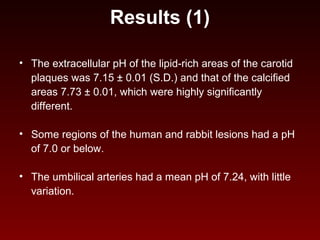
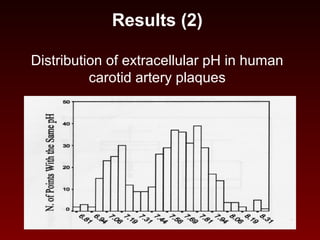
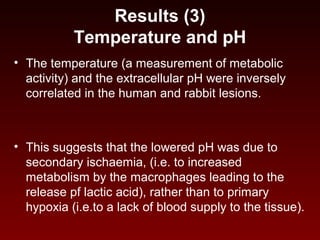



Macrophages in atherosclerotic lesions release lactic acid, lowering the extracellular pH. This study directly measured the pH of human and rabbit atherosclerotic lesions for the first time, finding lipid-rich areas had pH as low as 7.0. Regions with more macrophages had lower pH, inversely correlated with temperature, suggesting acidity arose from macrophage metabolism rather than hypoxia. These findings have implications for understanding how acidic pH affects processes like LDL oxidation and proteolysis in atherosclerosis.


