Presented byPresented by
Mahmoud farouk aliMahmoud farouk ali
Assistant lecturer of urologyAssistant lecturer of urology
Faculty of medicine, Assiut universityFaculty of medicine, Assiut university
Supervised bySupervised by
Ahmed El-Taher, MDAhmed El-Taher, MD
Professor of UrologyProfessor of Urology
Faculty of Medicine ,Assiut UniversityFaculty of Medicine ,Assiut University
Agenda
1-Historical aspects
2-Benefits and risks of sex
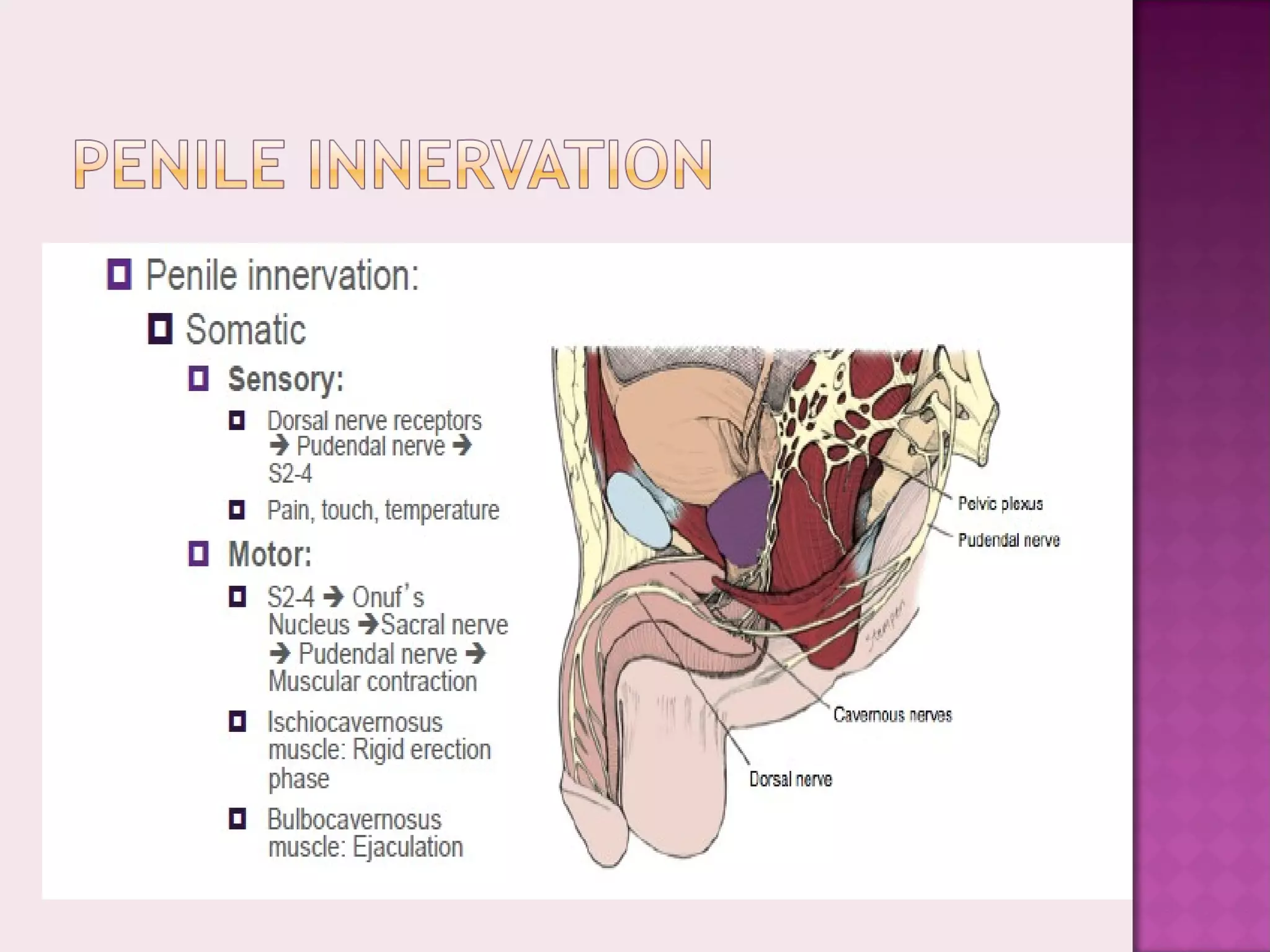
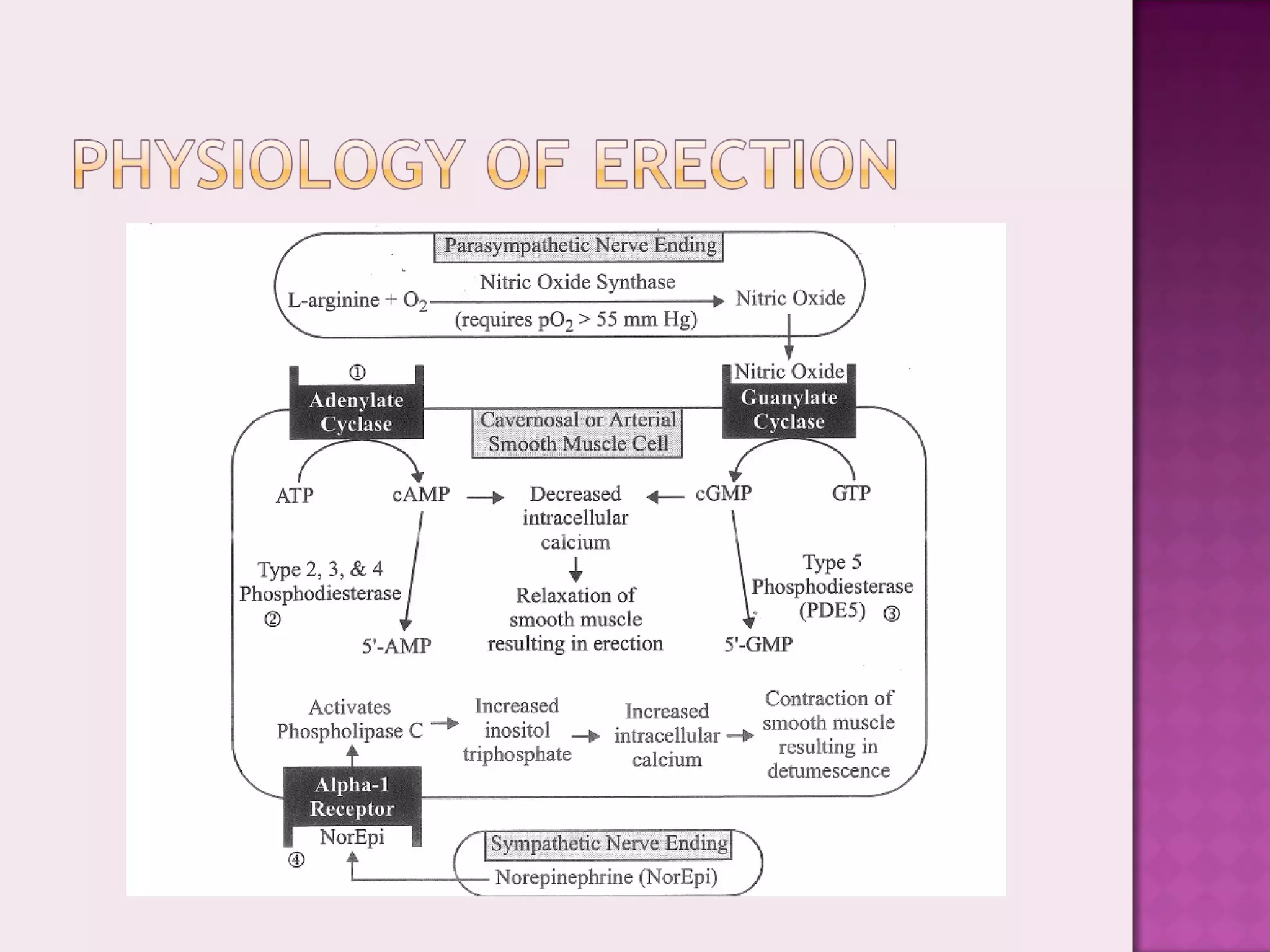
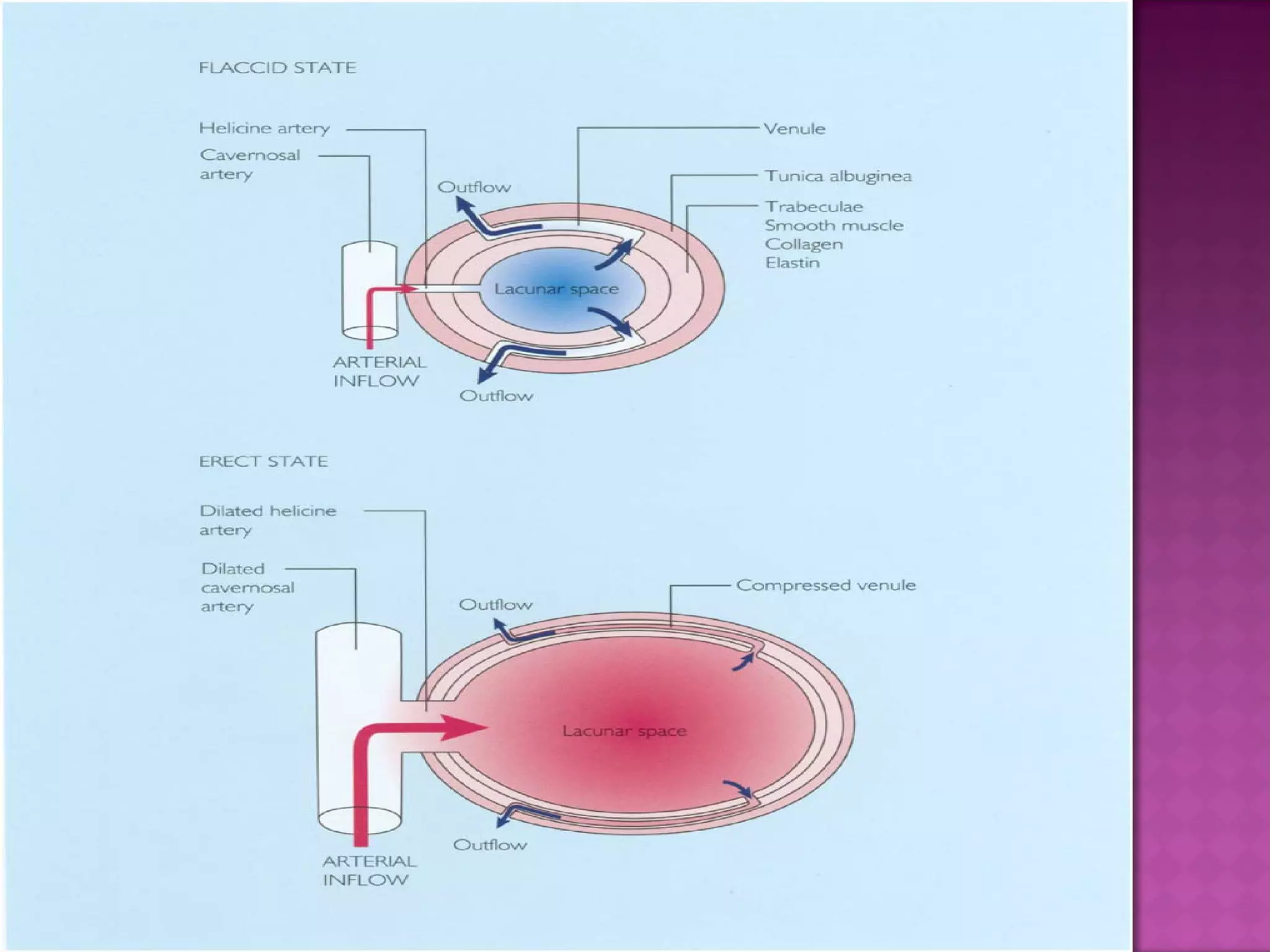
3-Anatomy and physiology of erection.
4-Definition and prevalence of E.D
5-Causes of E.D
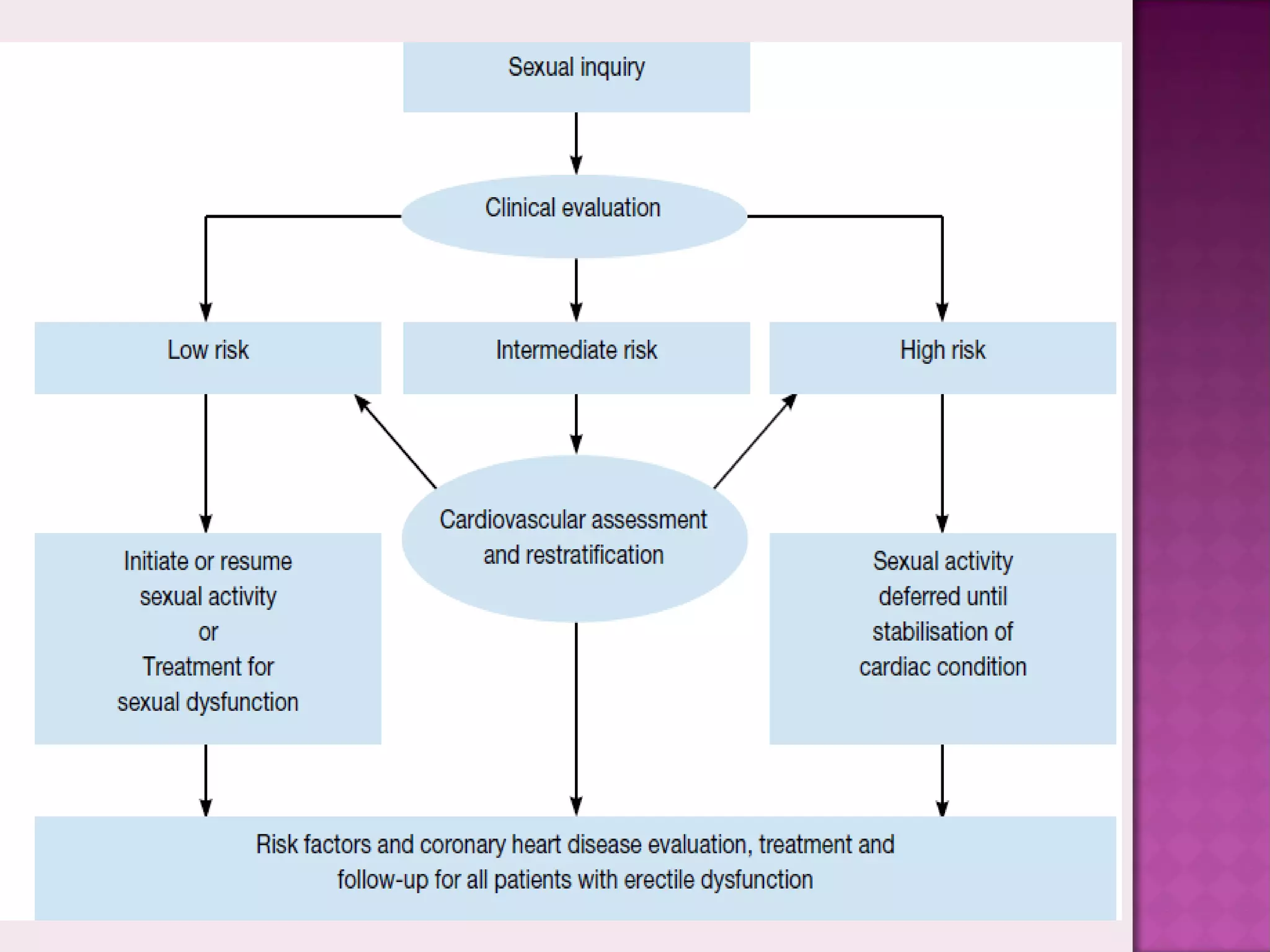
6-Evaluation of E.D
4-Treatment of E.D
General Risks
Sexually transmitted infections (STIs) .
Sexual activity directly cause death, particularly due
to coronary circulation complications, which is
sometimes termed coital death.
 Sexual activity increases the expression of a gene
called Delta FosB .Frequent engagement in sexual
activity on a regular (daily) basis can lead to the
overexpression of ΔFosB, inducing an addiction to
sexual activity.
Anatomical background
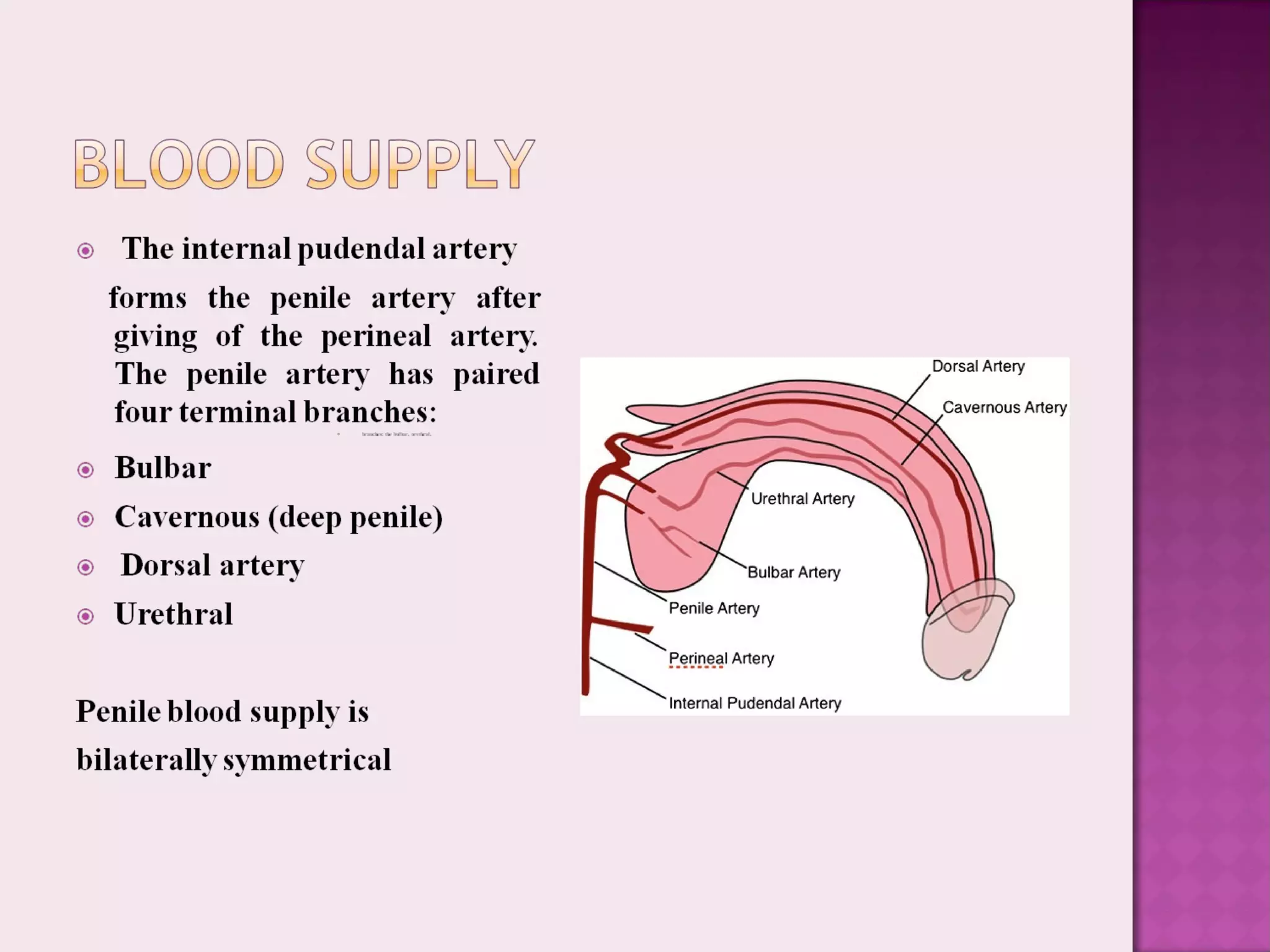
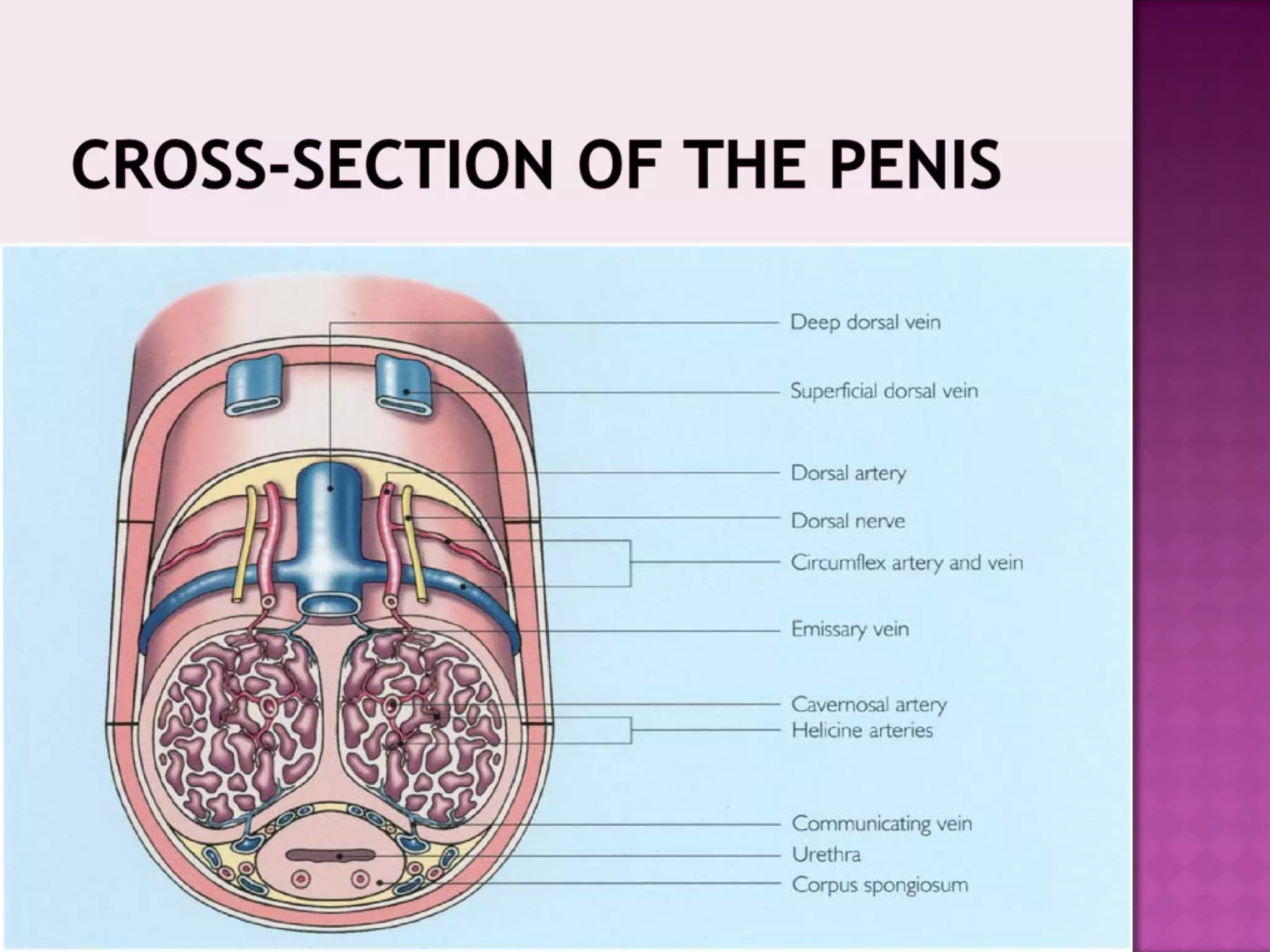
 Each cavernous artery pierces the ipsilateral cavernosal
tunica albuginea and It runs the length of the corpora
cavernosa giving off many tortuous branches, the helicine
arteries that open directly into the sinusoids of the
erectile tissue.
 Each dorsal artery lies beneath Buck’s fascia and They
are responsible for the engorgement of the glans during
erection.
The urethral arteries run through the corpus spongiosum
lateral to the urethra and supply blood to the corpus
spongiosum, the urethra, and the glans.
The bulbar arteries enter the bulb of
the penis supplying the proximal urethra and Cowper’s
gland.
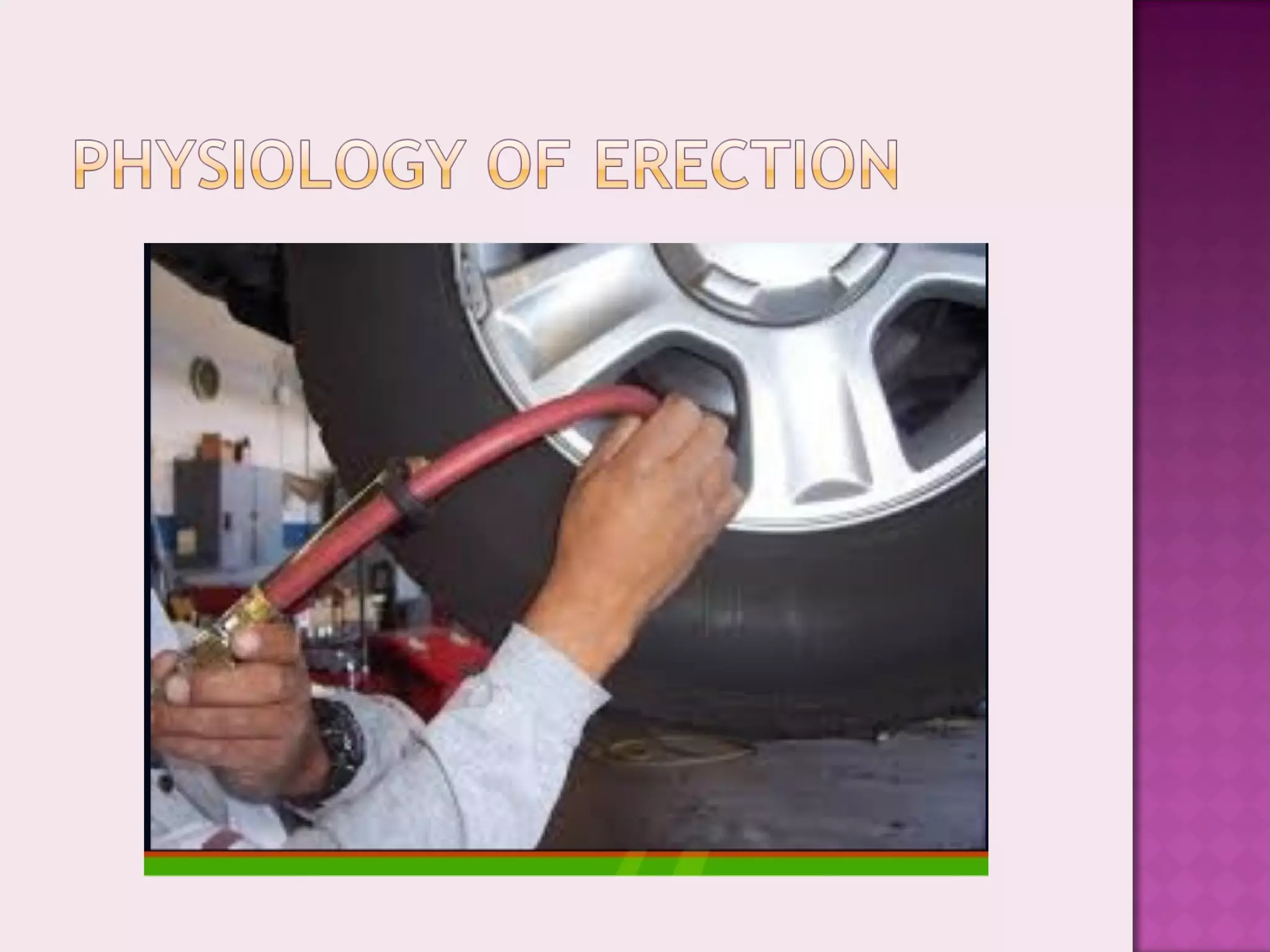
 Intact nerves (somebody to start the air
flow)
 Good blood flow to the penis (working
compressor tubing)
 Intact/healthy cavernosal tissue (a good
tire)
 The ability to block venous output from
the penis (no leak in the tire)
Persistent inability to attain and/or maintain
an erection sufficient to permit satisfactory
sexual performance.
( NIH consensus conference on
impotence1993 and AUA Guidline )
 Massachusetts Male Aging Study (MMAS)
 Prevalence –
Men 40-70yrs
 52% have ED
 Mild ED: 17%
 Moderate ED : 25%
 Complete ED : 10%
 ED prevalence increases with age
50% at age 50, 60% at age 60, 70% at age 70
E.D share the same risk factors of cardiovascular
disease:
 Lack of exercise,
 Obesity,
 Smoking,
 Hypercholesterolemia
 The metabolic syndrome
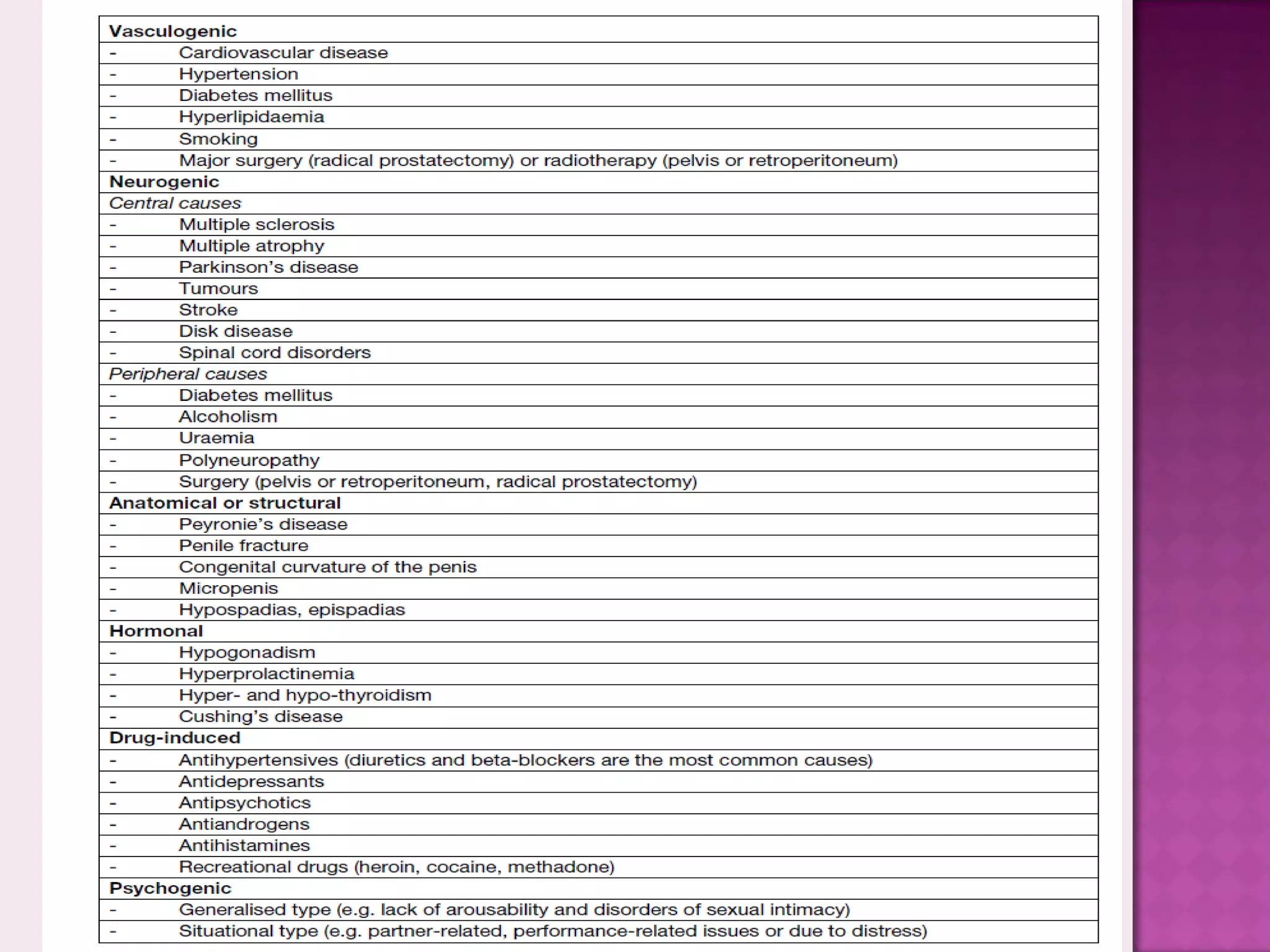
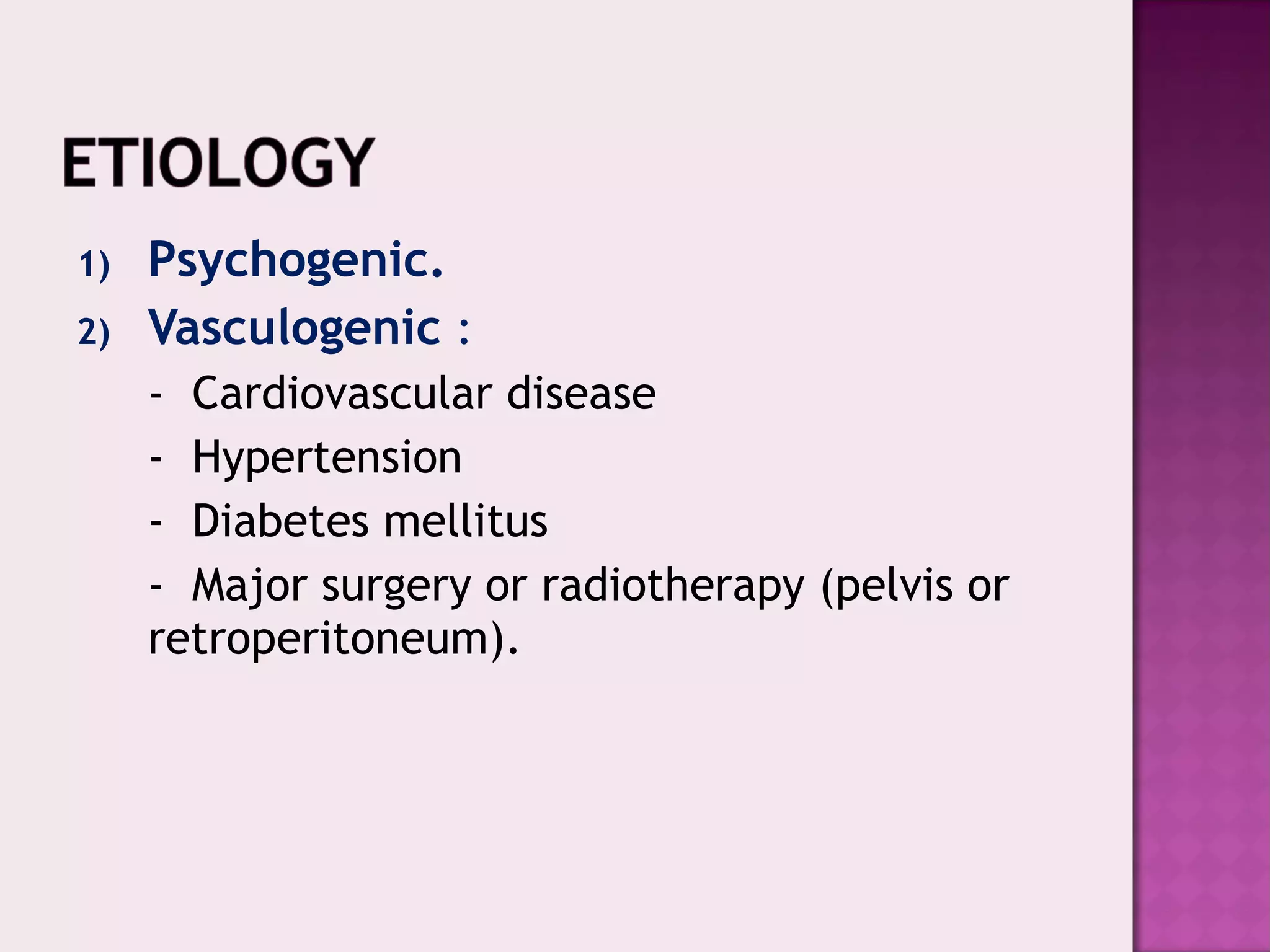
1) Psychogenic.
2) Vasculogenic :
- Cardiovascular disease
- Hypertension
- Diabetes mellitus
- Major surgery or radiotherapy (pelvis or
retroperitoneum).
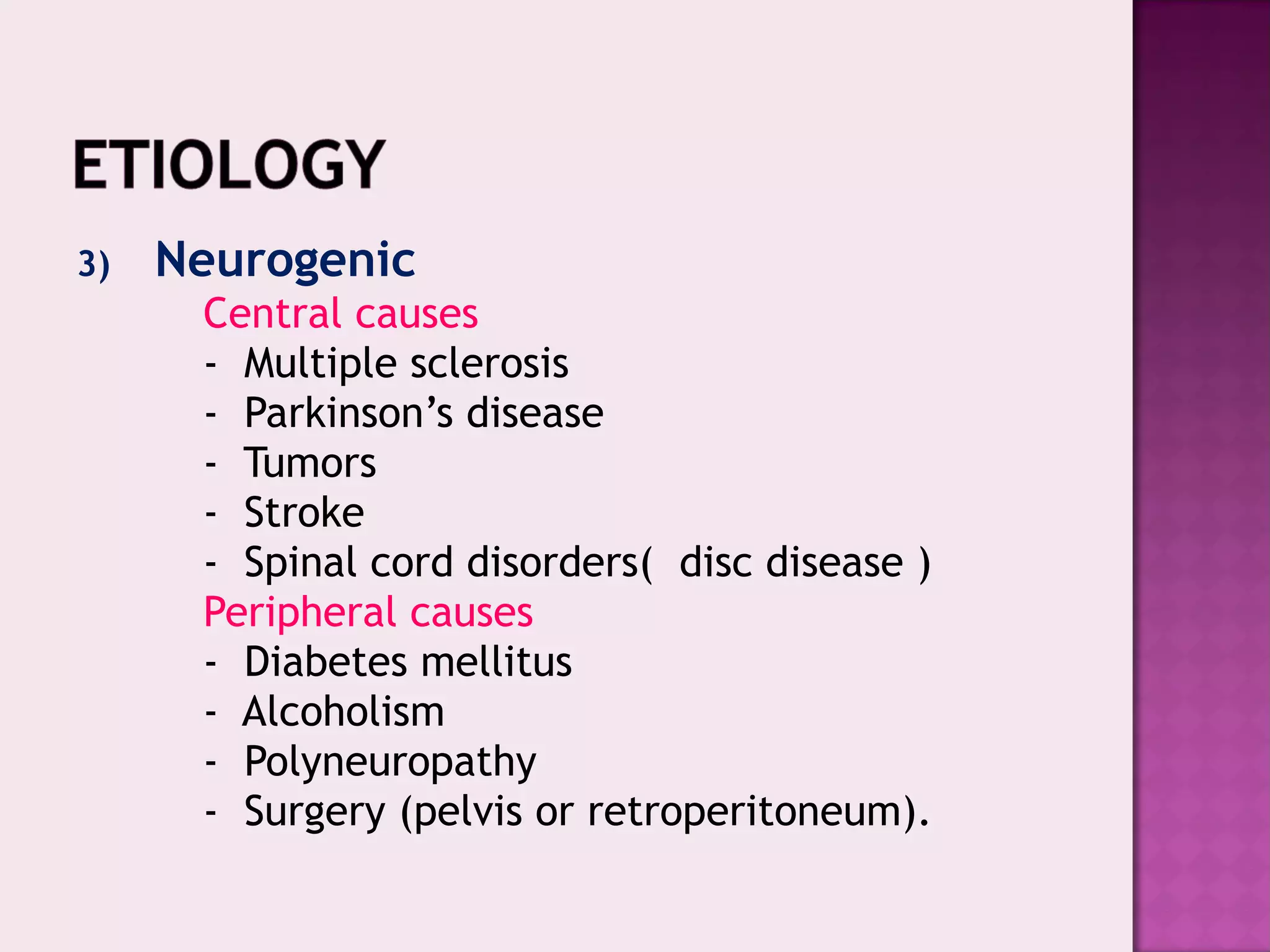
3) Neurogenic
Central causes
- Multiple sclerosis
- Parkinson’s disease
- Tumors
- Stroke
- Spinal cord disorders( disc disease )
Peripheral causes
- Diabetes mellitus
- Alcoholism
- Polyneuropathy
- Surgery (pelvis or retroperitoneum).
4) Anatomical / structural
- Peyronie’s disease
- Penile fracture
- Congenital curvature of the penis
5) Hormonal
- Hypogonadism
- Hyperprolactinemia
- Hyper-and hypothyroidism
- Cushing's disease.
6) Drug-induced
- Antihypertensives (beta-blocker,thiazide
and clonidine .less with ACE inhibitors )
- Antidepressants (tricyclic antidepressants
and MAO inihibitor)
- Antipsychotics
- Antiandrogens
- Antihistamines
- Recreational drugs (Heroin and cocaine)
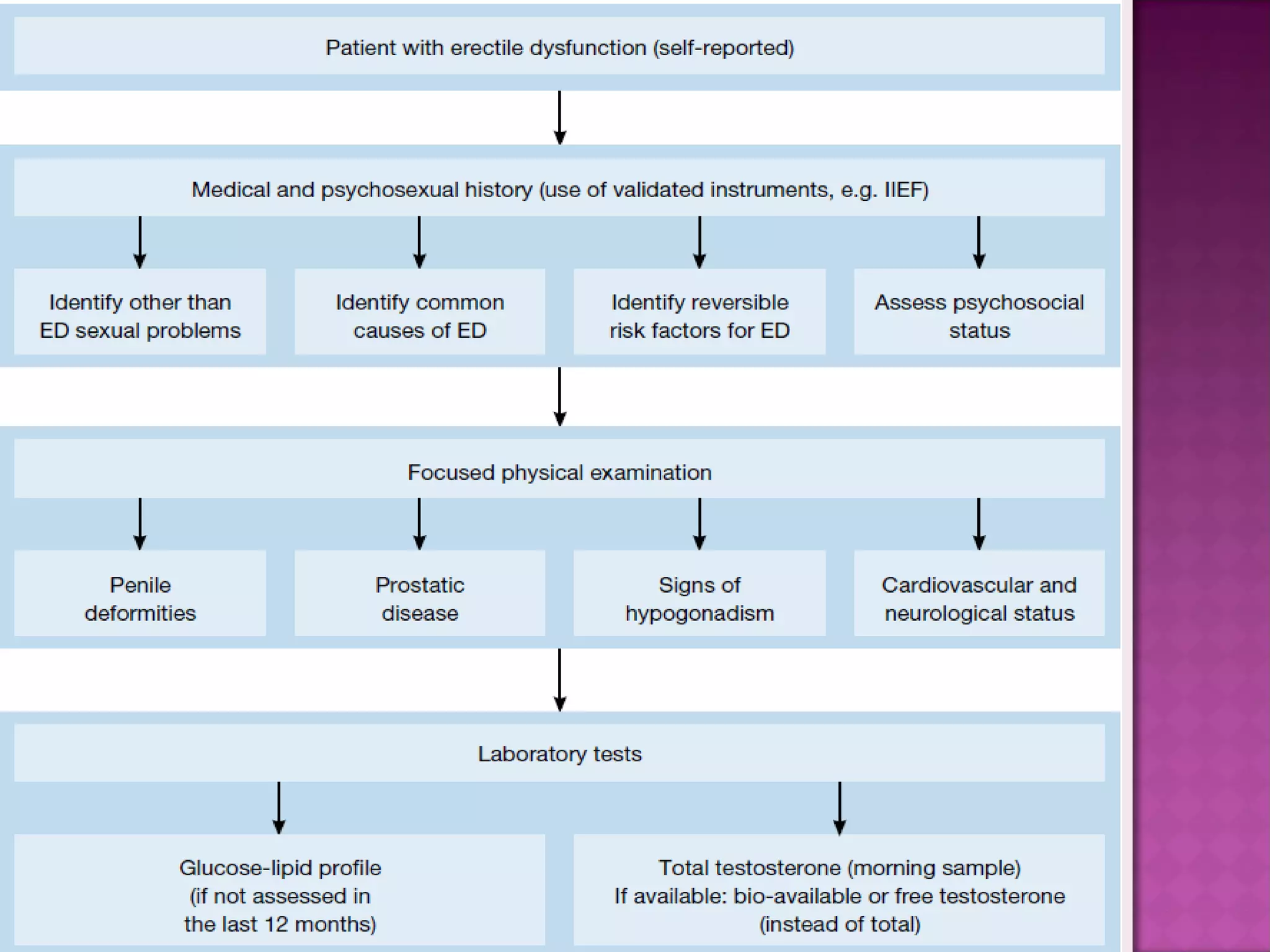
Medical,surgical,psychological,social,truama
and medication history.
Sexual history
 Sexual relationships ,
 Current emotional status
 Onset and duration of the erectile problem
 Previous treatments.
 Erotic and morning erections in terms of
rigidity and duration. .
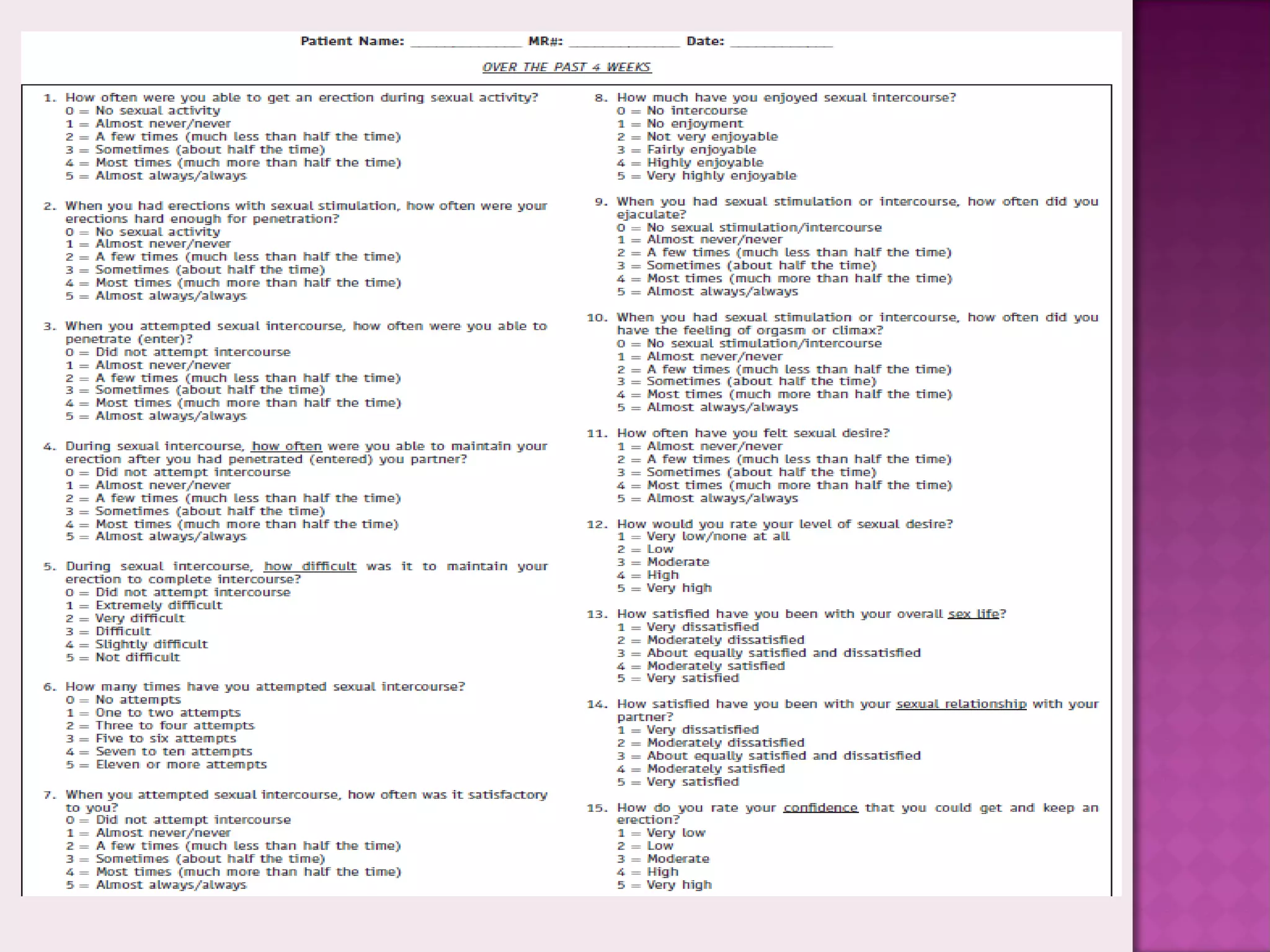
 The use of validated questionnaires such as
the International Index for Erectile Function
(IIEF).
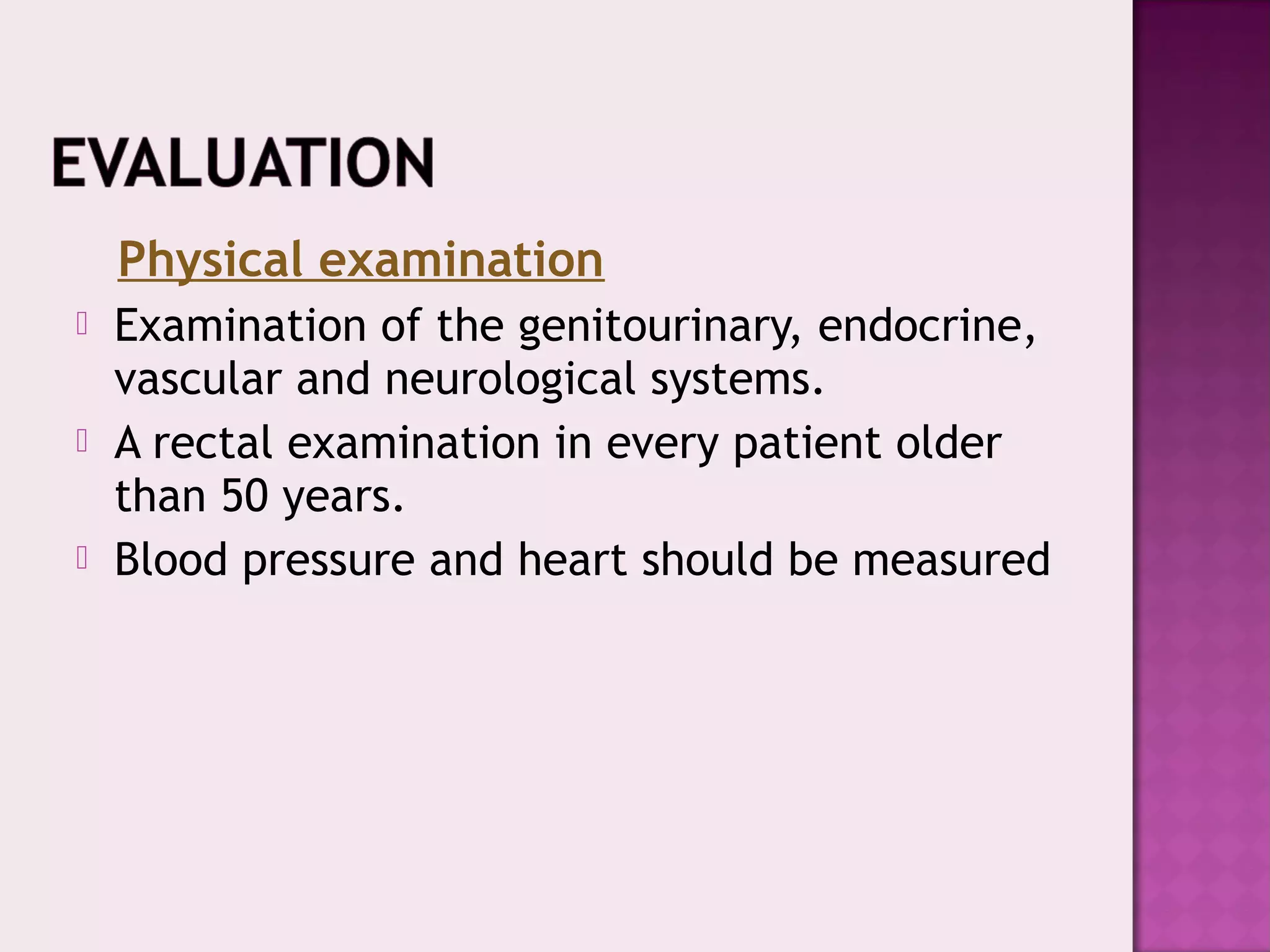
Physical examination
 Examination of the genitourinary, endocrine,
vascular and neurological systems.
 A rectal examination in every patient older
than 50 years.
 Blood pressure and heart should be measured
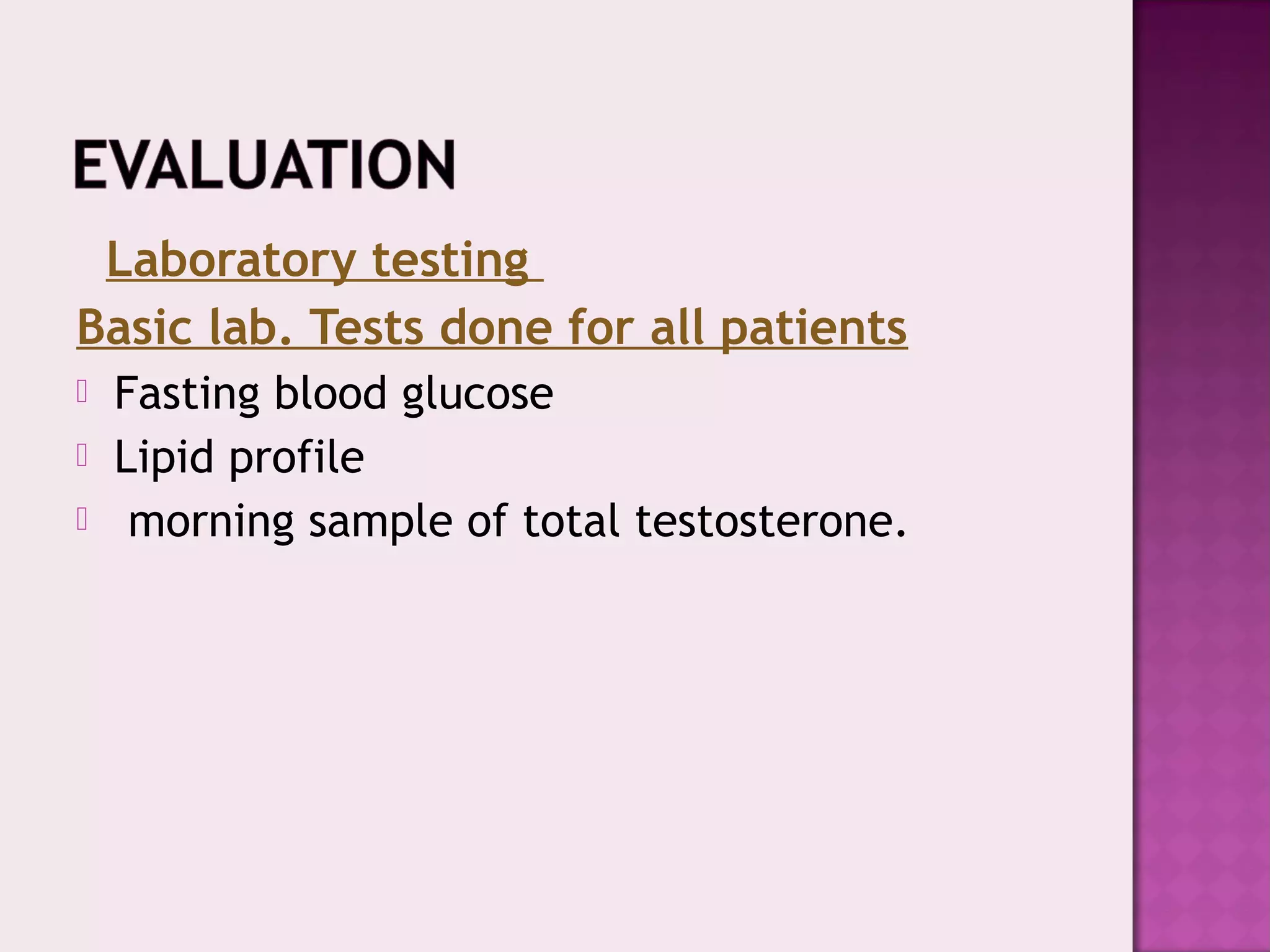
Laboratory testing
Basic lab. Tests done for all patients
 Fasting blood glucose
 Lipid profile
 morning sample of total testosterone.
• Primary erectile disorder (not caused by organic disease or
psychogenic disorder)
• Young patients with a history of pelvic or perineal trauma
who could benefit from potentially curative vascular surgery
• Patients with penile deformities that might require surgical
correction, e.g. Peyronie’s disease, congenital curvature
• Patients with complex psychiatric or psychosexual disorders
• Patients with complex endocrine disorders
• Specific tests may be indicated at the request of the patient or
his partner
• Medicolegal reasons, e.g. implantation of penile prosthesis,
sexual abuse
Specialized diagnostic tests
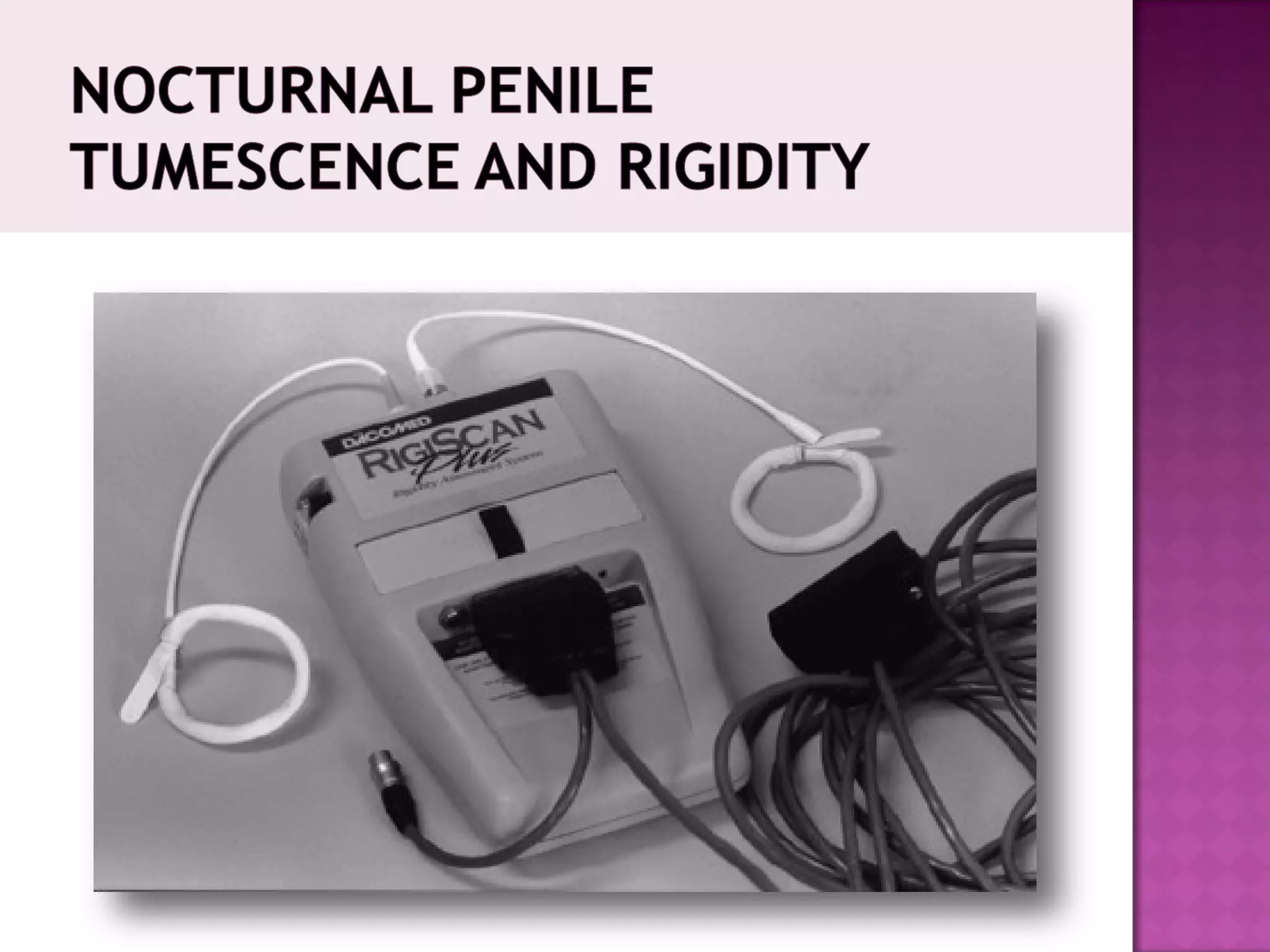
 Nocturnal penile tumescence and rigidity
 Vascular studies
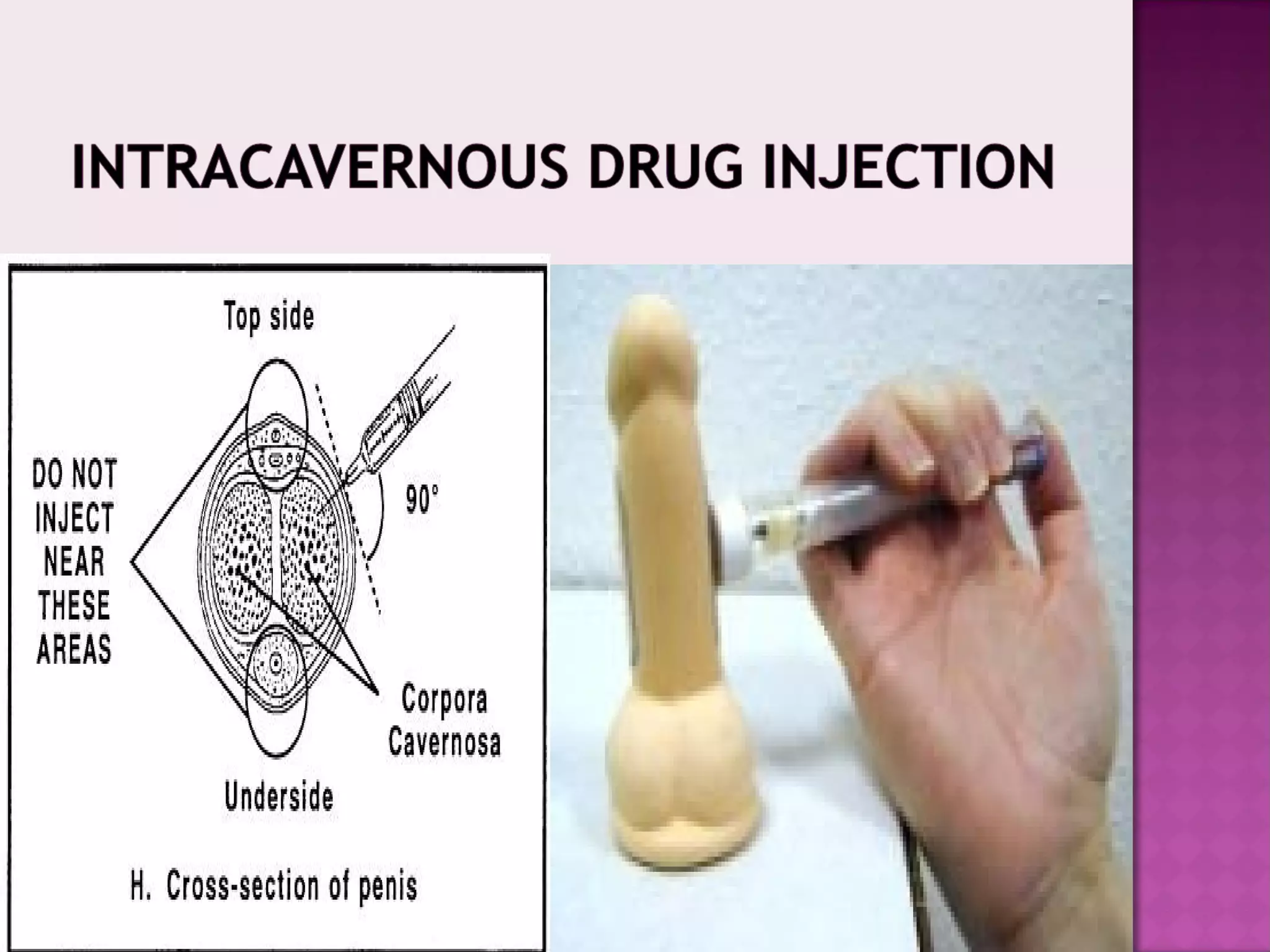
- Intracavernous vasoactive drug injection
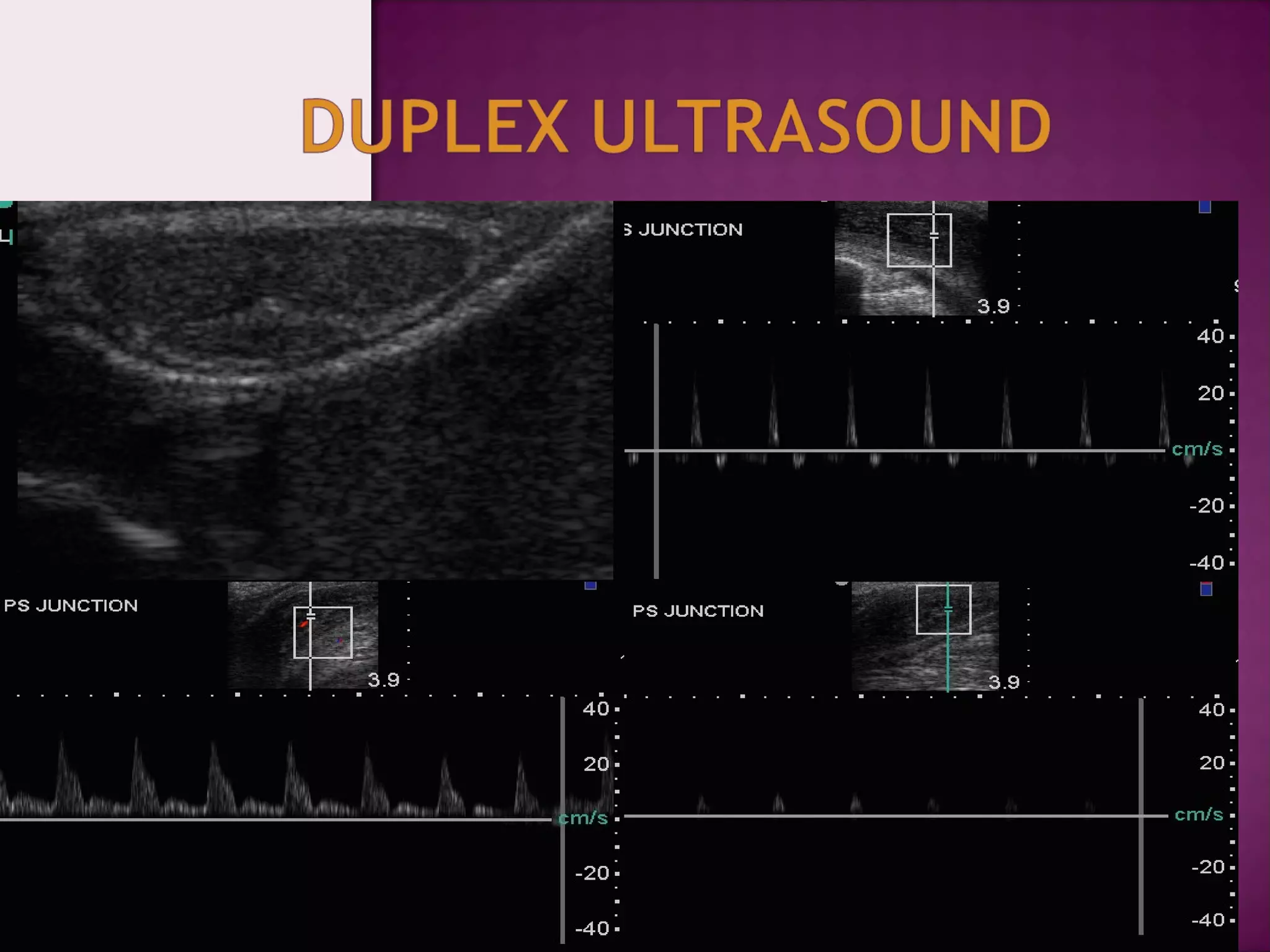
- Duplex ultrasound
There is no need to continue vascular investigation
when the duplex examination is normal
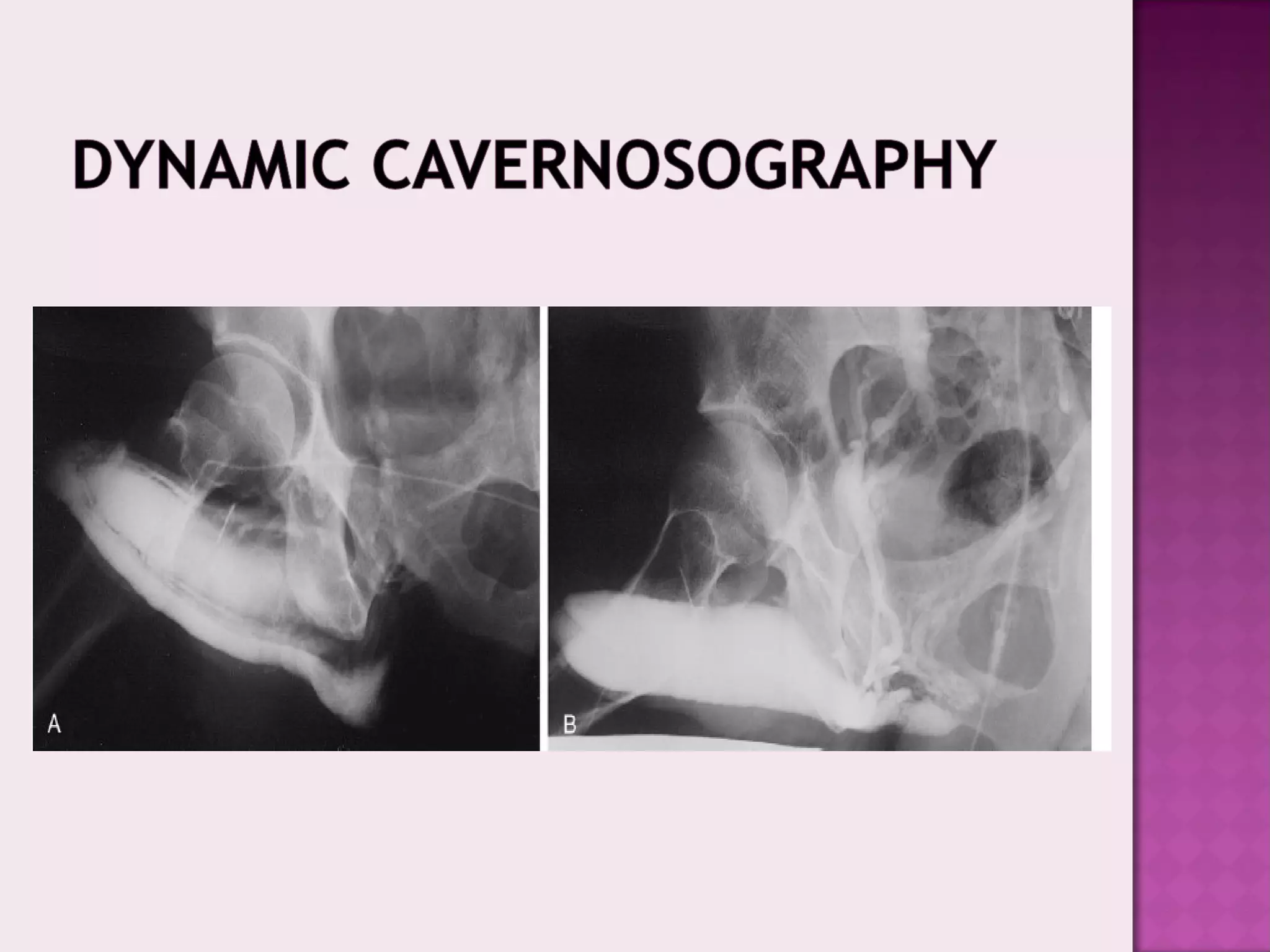
- Dynamic cavernosometry or cavernosography
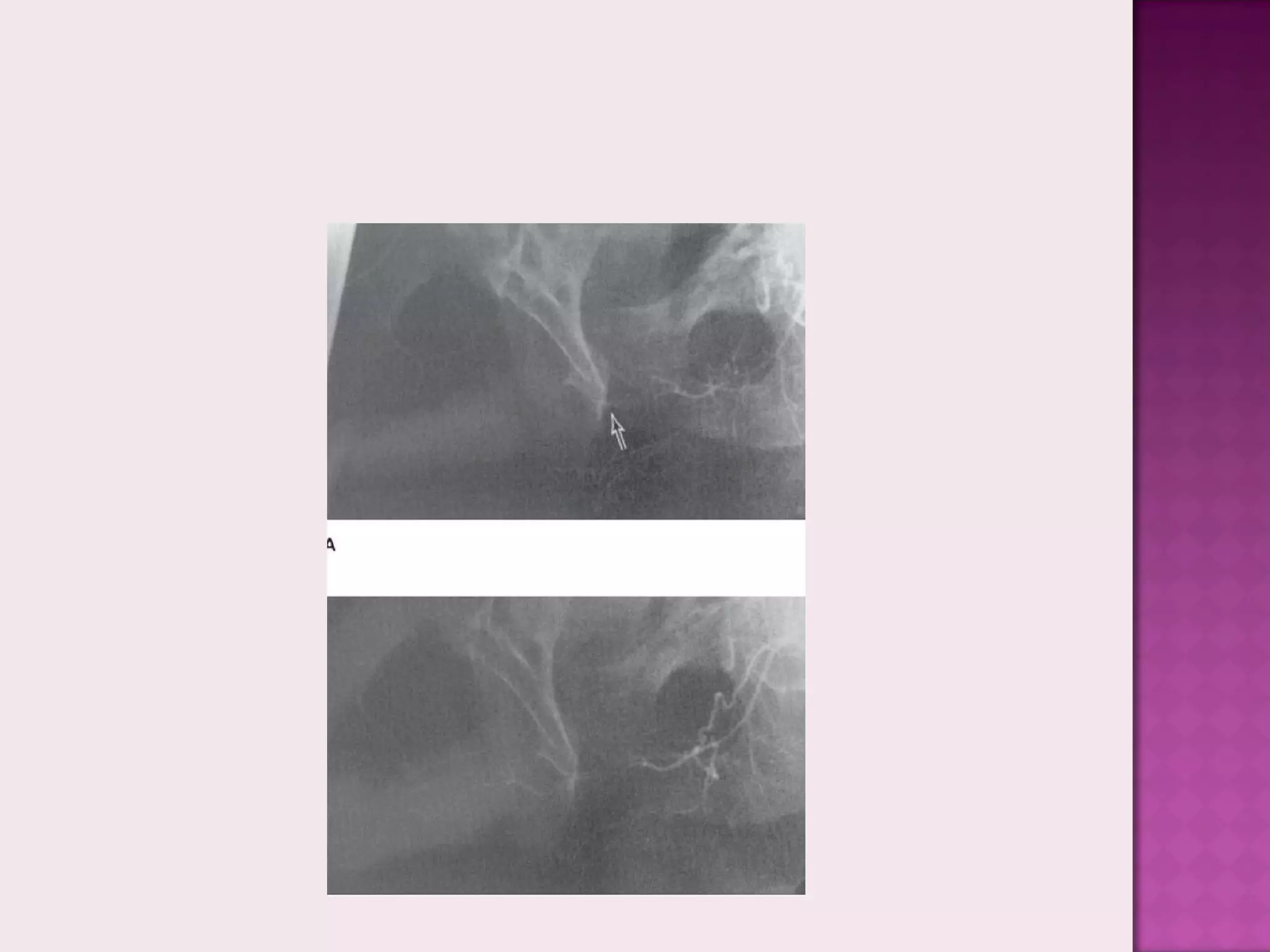
- Internal pudendal arteriography
For patients who are candidates for vascular reconstructive
surgery
 Neurological studies (e.g. bulbocavernosus reflex
latency).
 Endocrinological studies
 NPTR distinguish Psychogenic E.D from
organic E.D
 The nocturnal penile tumescence and rigidity
assessment should be done on at least two
nights.
 A positive test is a rigid erectile response
(unable to bend the penis) that appears
within 10 min after the intracavernous
injection and lasts for 30 min .
(Meuleman EJ and Diemont WL 1995).
 A good erection rule out veno-occlusive
disease.
 Poor erection:-veno-occlusive disease
-arterial insufficiency
-anxiety
-inadequate dose
 The primary goal in the management
strategy of a patient with ED is to determine
the aetiology of the disease and treat it
when possible, and not to treat the symptom
alone.
 modifiable or reversible factors, including
lifestyle or drug-related factors should be
modified first.
 As a rule, ED can be treated successfully but
cannot be cured. The only exceptions are
psychogenic ED, post-traumatic arteriogenic
ED in young patients, and hormonal causes
1-lifestyle modification
2-Treatment of curable E.D
3-Therapy for assisted erection
First –line therapy
Oral drugs (PDE5 and Apomorphine)
Topical pharmacotherapy
Intraurethral alprostadil (MUSE)
Second –line therapy
Vacuum constriction devices
Intracavernous injections
Third -line therapy
Penile prosthesi
 Avoid smoking
 Maintain ideal body weight
 Regular exercise
 Stop alcohol abuse
 Consider alternative for medication that
contriute to E.D
 Optimize management of D.M,HTN and heart
diseases
 1-Hormonal:
Testosterone replacement therapy
(intramuscular, oral, or transdermal) is
effective, but should only be used after
other endocrinological causes for testicular
failure have been excluded.
(Greenstein et al 2005)
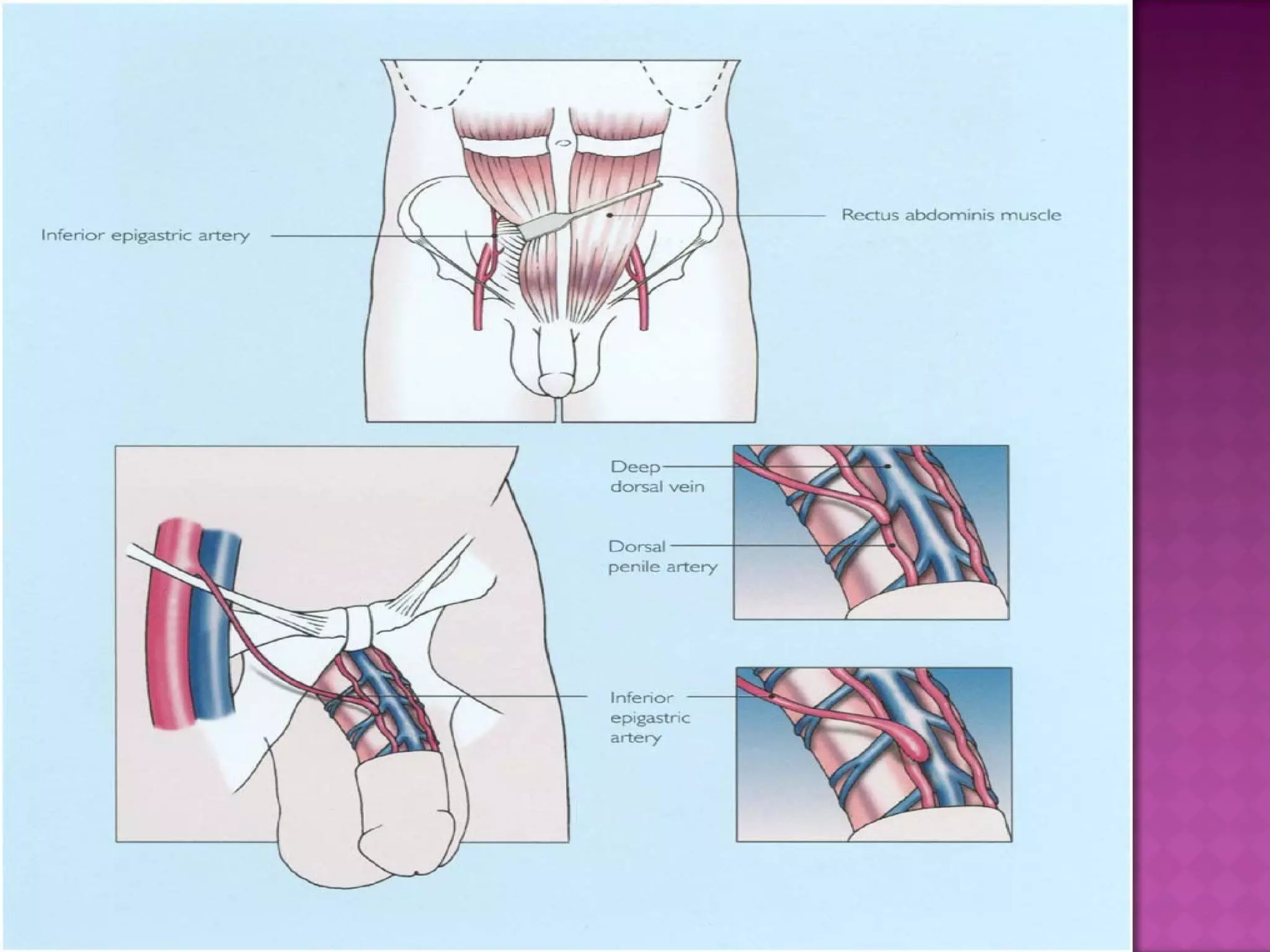
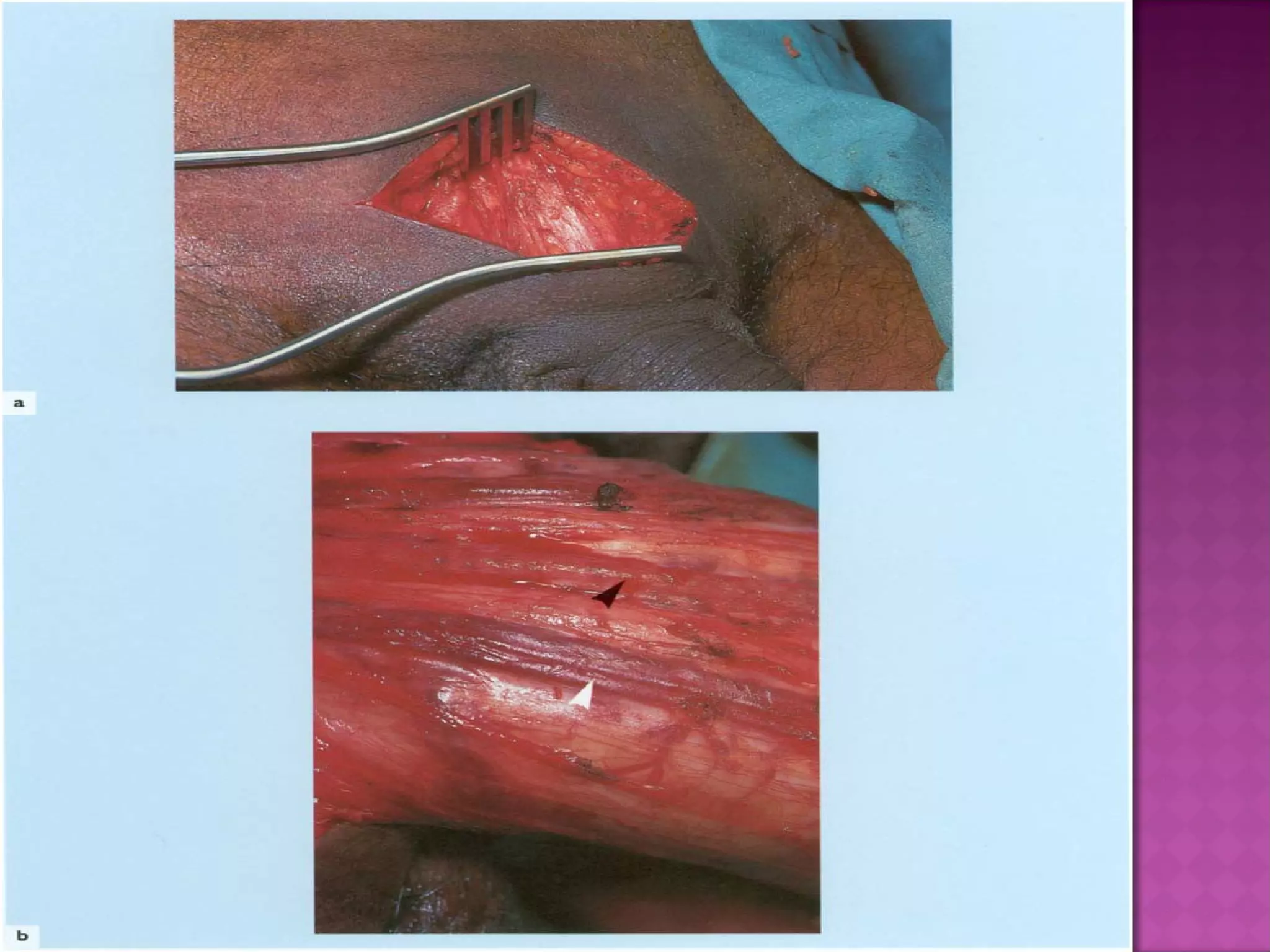
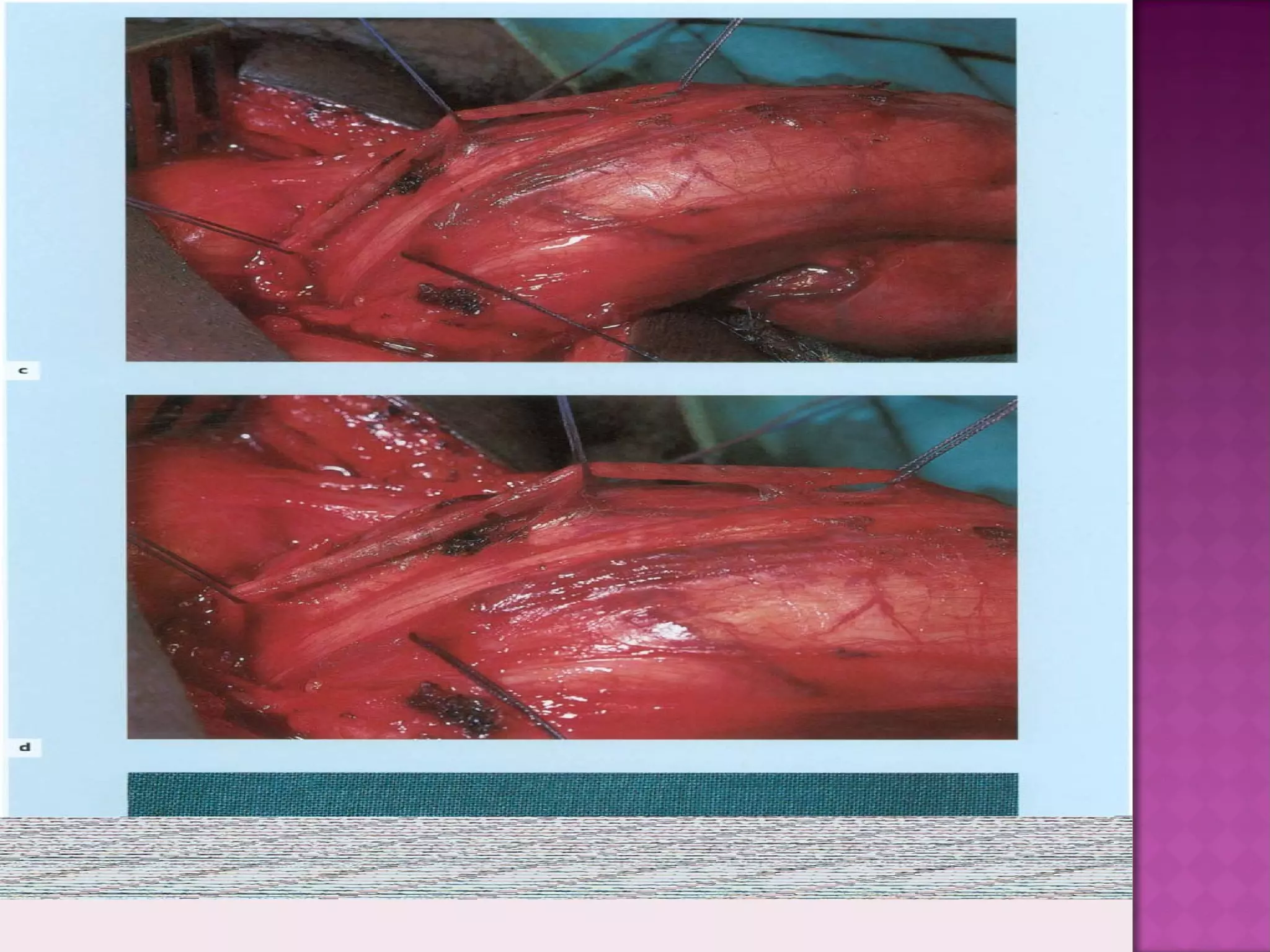
 2-Post-traumatic arteriogenic ED in young patients:
 In young patients with pelvic or perineal trauma, surgical
penile revascularisation has a 60-70% long-term success
rate
(Rao DS and Donatucci CF ,2001) .
 Vascular surgery for veno-occlusive dysfunction is no
longer recommended because of poor long-term results
(Wespes E et. Al 2003)
3 Psychosexual counselling :
 For patients with a significant psychological
problem, psychosexual therapy may be given
either alone or with another therapy for
assisted erection.
First line theray:
PDE 5 inhibitors:
It is recommended as first line
therapy according to the AUA
guidlines
Adverse events
 Headache, Flushing, Dyspepsia, Nasal
congestion and Dizziness
 Abnormal vision with Sildenafil and
Vardenafil only.
 Back pain and Myalgia with Tadalafil only.
Generic
name
Brand
name
Effect
of fatty
meal
T max
(hours)
T½
hours
Duratio
n of
action
(hours)
Start
dose
(mg)
Dose
range
(mg)
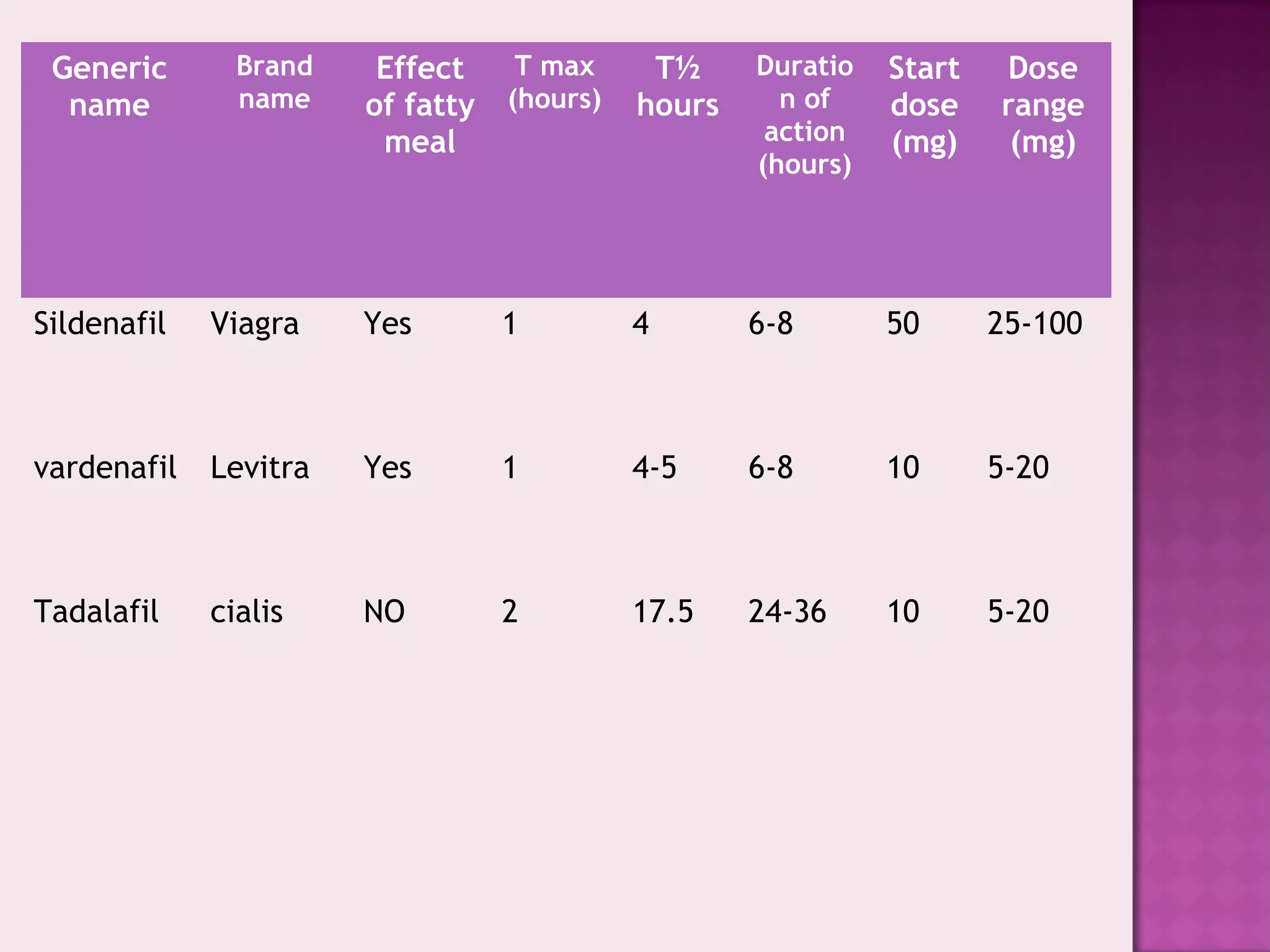
Sildenafil Viagra Yes 1 4 6-8 50 25-100
vardenafil Levitra Yes 1 4-5 6-8 10 5-20
Tadalafil cialis NO 2 17.5 24-36 10 5-20
 Drug interaction:
1- Nitrates:
totally contraindicated with PDE5 inhibitors
2- Antihypertensive drugs:
Co-administration of PDE5 inhibitors with
antihypertensive agents may result in small
additive drops in blood pressure, which are
usually minor.
Alpha blocker:
PDE 5 inhibitor should be used with caution with
alpha blocker for fear of profound hypotension
•Drugs that inhibit the CYP34A pathway will inhibit the
metabolic breakdown of PDE5 inhibitors. They include
ketoconazole, itraconazole, erythromycin, clarithromycin and
HIV protease inhibitors (ritonavir, saquinavir). Such agents may
increase blood levels of PDE5 inhibitors, so that lower doses
of PDE5 inhibitors are necessary.
•Drugs that induce the CYP34A pathway will enhance the
breakdown of PDE5 inhibitors .they include rifampin,
phenobarbital, phenytoin and carbamazepine. so that higher
doses of PDE5 inhibitors are required.
•Severe kidney or hepatic dysfunction :
1- Incorrect usage of the drugs (Timing,dose or
lack of sexual stimulation).
2- Inadequate patient education.
3- Unidentified hypogonadism.
4- Anxiety of performance.
5- Comorbidities.
6- Psychosocial factors.
7- Severe ED at presentation.
(CHELSEA et al 2006)
 1- Patient education.
 2- Improved of related co-morbid conditions.
 3- Normalizing testosterone level.
 4- Switching PDE5 inhibitors.
 5- Daily or continuous use of PDE5 inhibitors.
 6-Psychosocial counseling.
 7-Combined therapy.
1- Apomorphine sublingual
 centrally acting dopamine agonist .
 Nausea in 1/8 men.
 not FDA approved
2-Yohimbine hydrochloride
 centrally and peripherally active alpha-2
adrenergic antagonist
 HTN,anxiety,tachycardia,headache
 No better than placebo In blinded studies
3-Trazodone:
serotonin reuptake inhibitor (antidepressant)
associated with prolonged erections and
priapism.
4-Others:
 L-arginine
 Limaprost(PGE 1)
 Oral phentolamine :under trial
 No topical therapy has been approved and
currently these agents have no role in
treatment of ED.
(EUA Guidelines 2009)
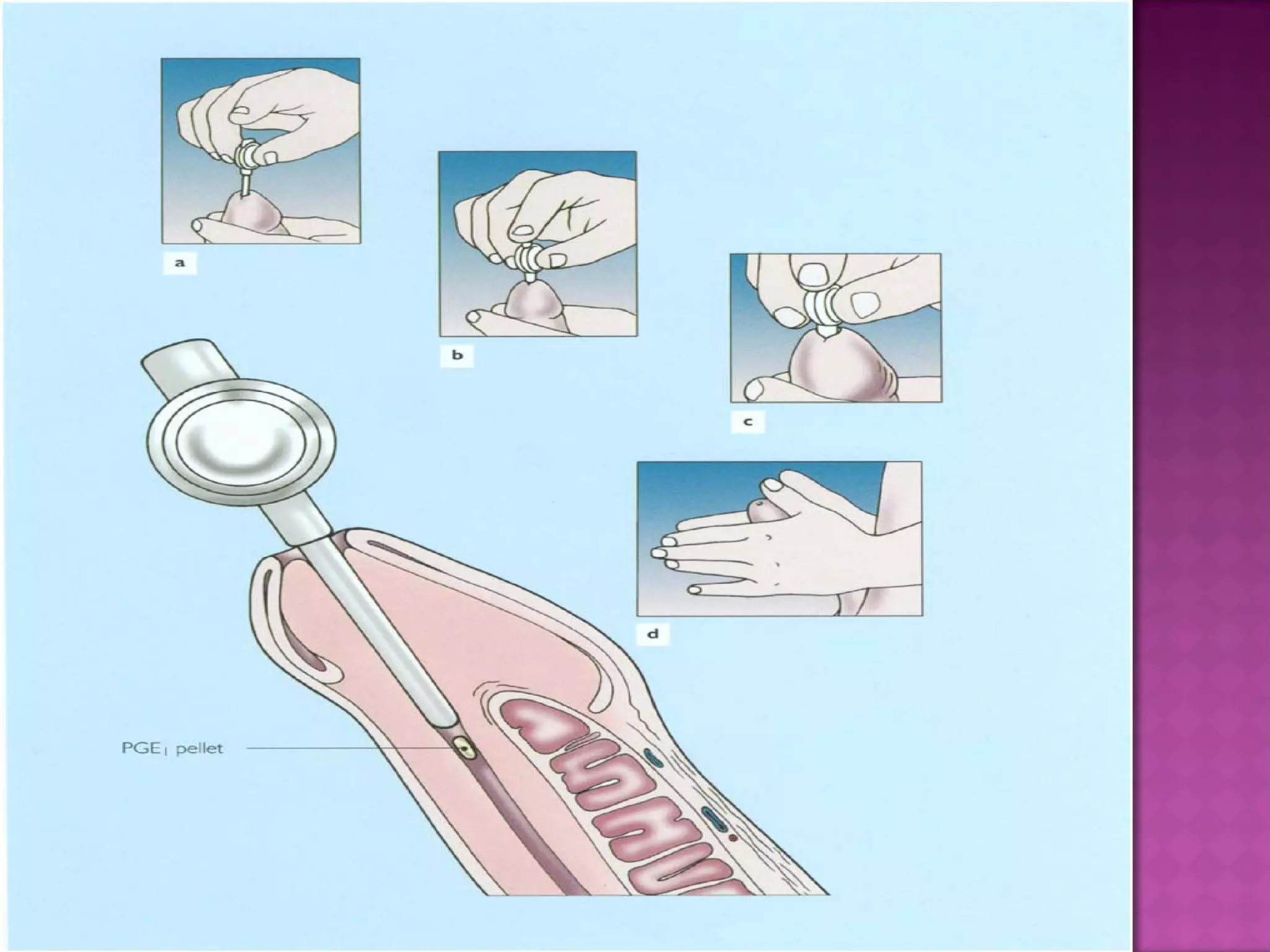
 Intraurthral alprostadil (PGE1)
 Introduced in 1990
 Mechanism:activate adenylate cyclase
 Erection starts 5-20 min after administration
 Contraindication: distal urethral stricure
significant angulation or fibrosis
balanitis or urethritis
sexual activity with pregnant female
 Side effects: pain,bleeding,priapism and
hypotension
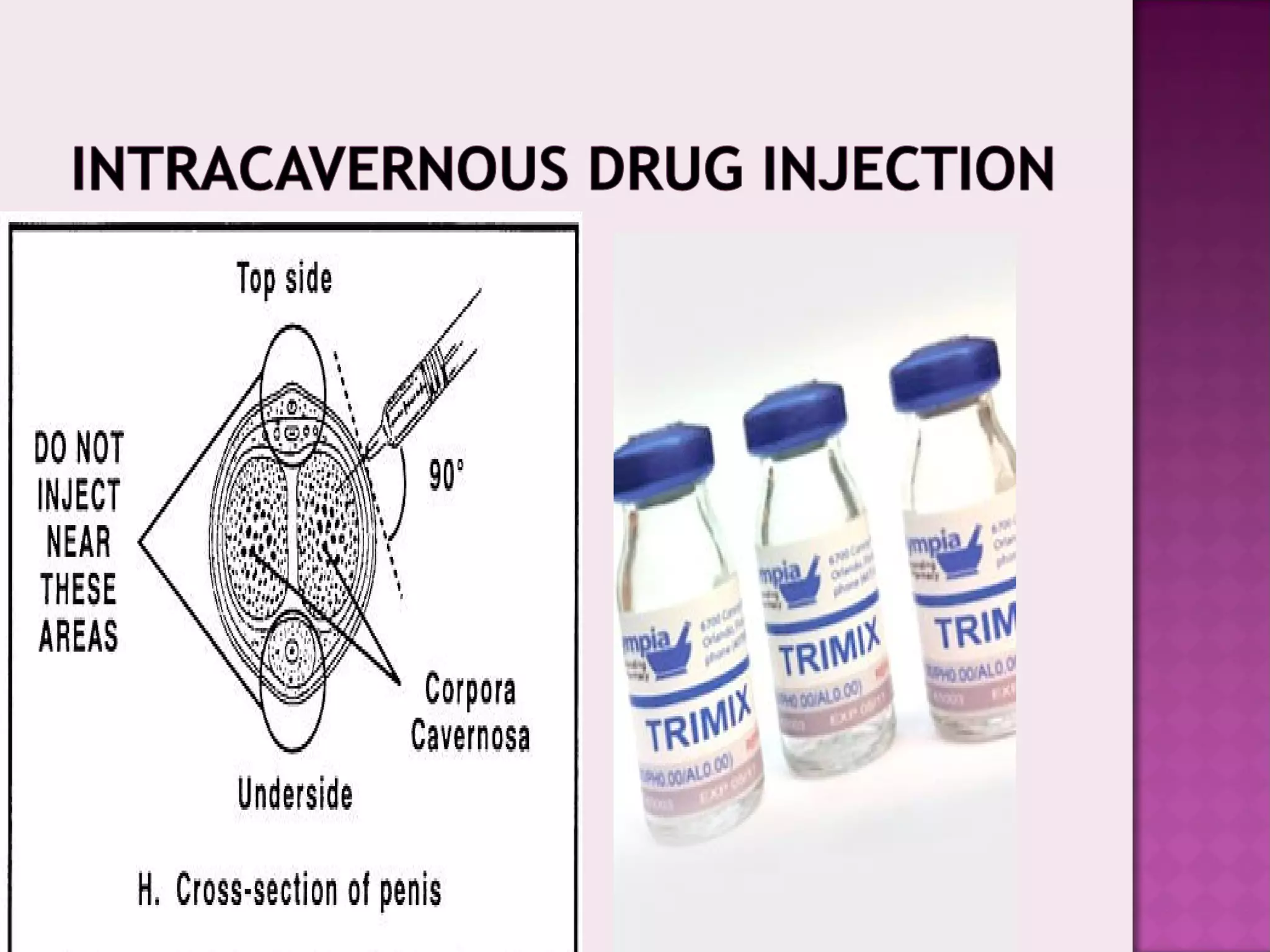
 Introduced in 1980
 3 main components used singly or in
combination:
1- PGE1–only FDA approved
2-Papaverine :non-specific PDE inhibitor
3- Phentolamine α-adrenergic receptor
antagonist (not used alone)
 Side effects:priapism, fibrosis (less with
PGE1) ,pain (less with papaverine), and
hypotension
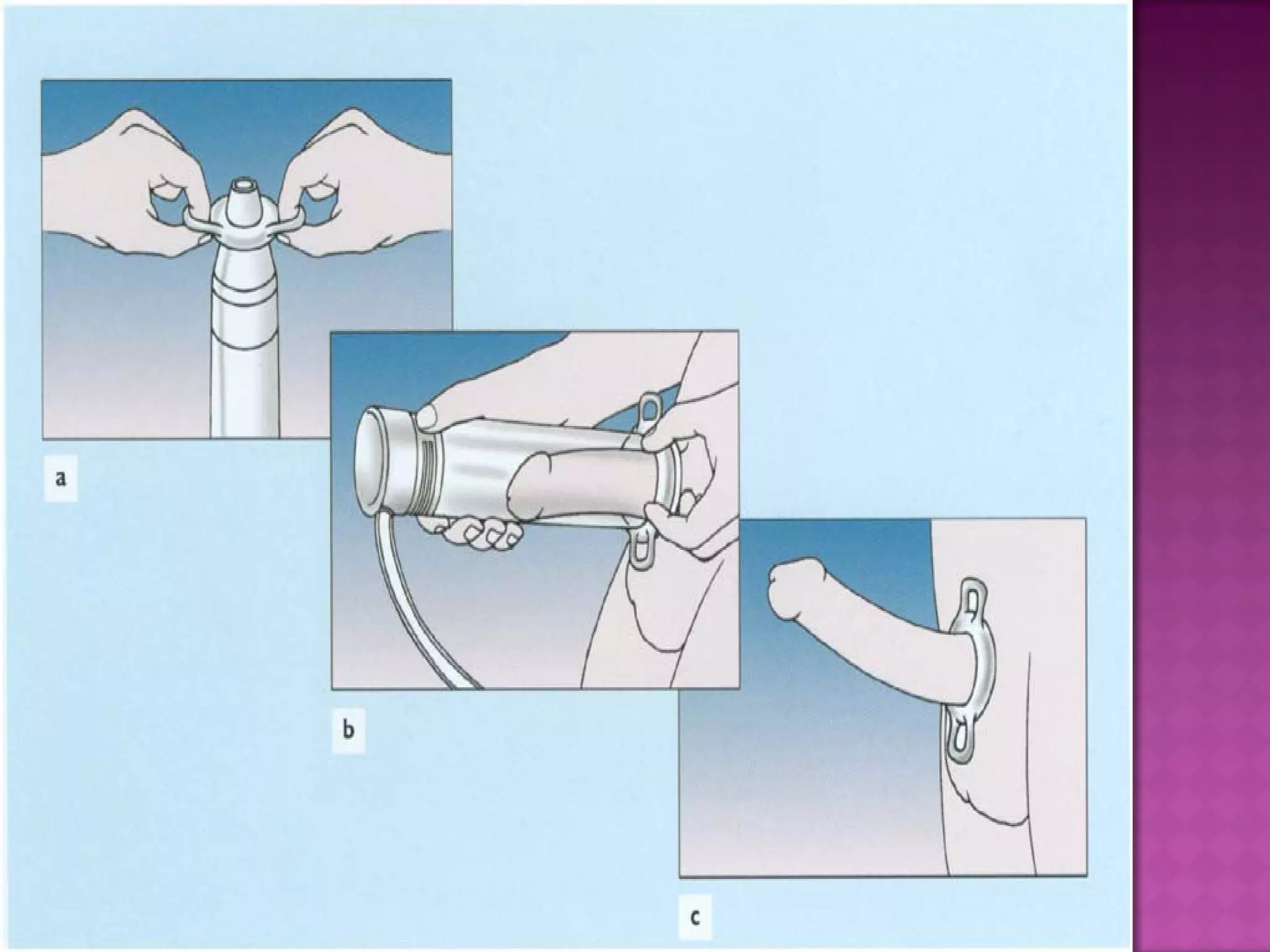
 Mechanically create negative pressure
surrounding penis
 Engorge penis with blood
 Ring to prevent venous leakage
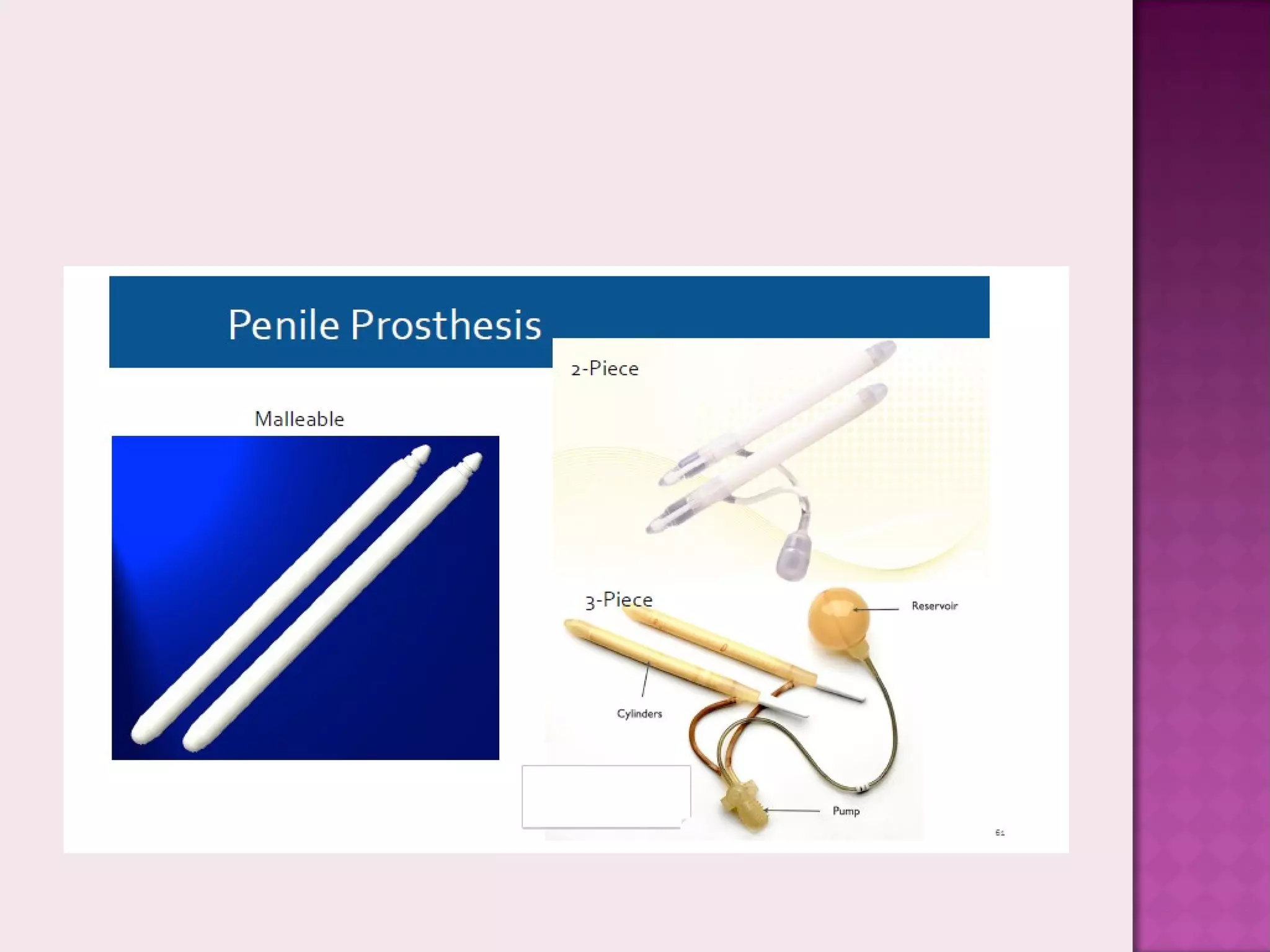
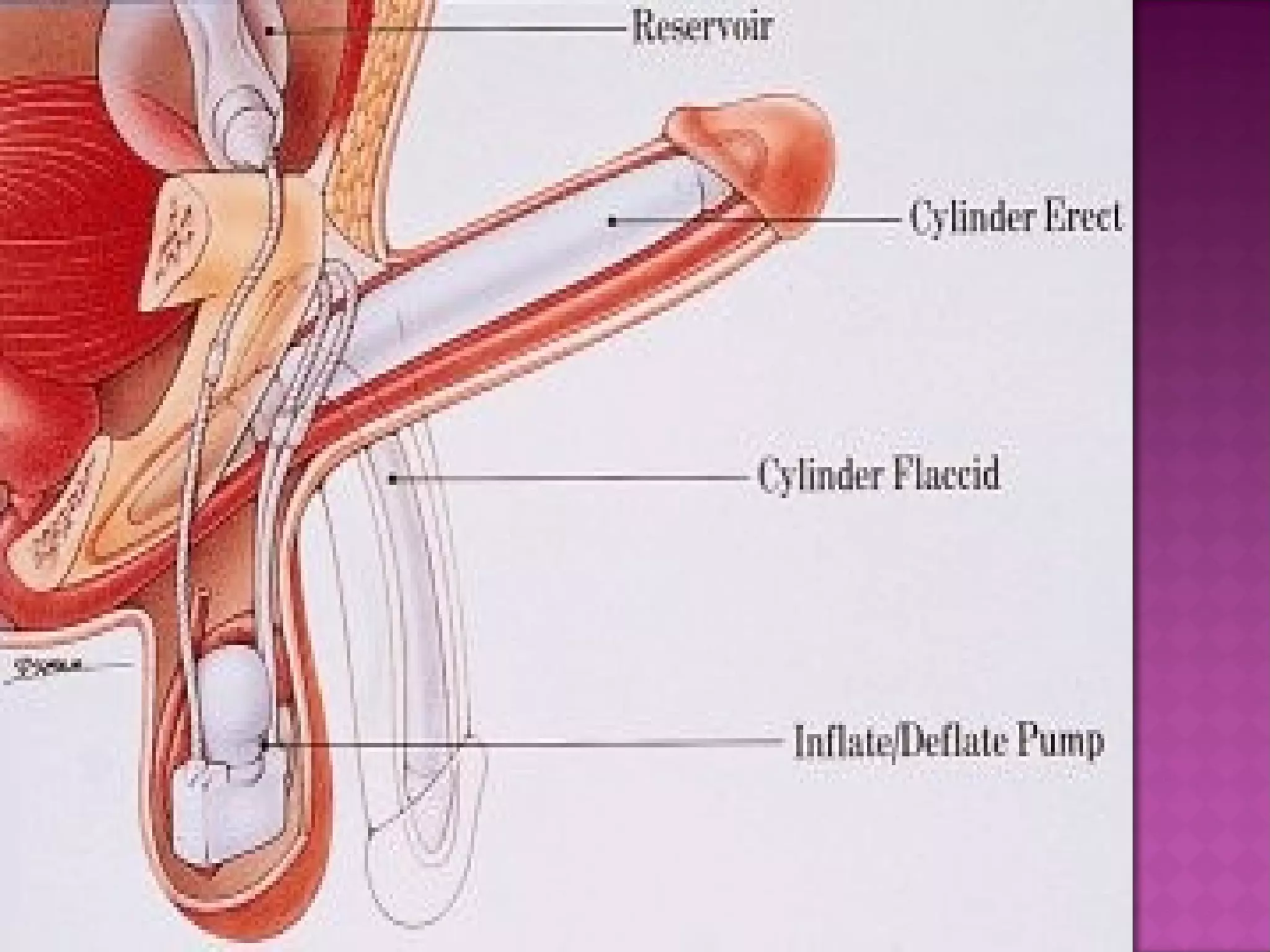
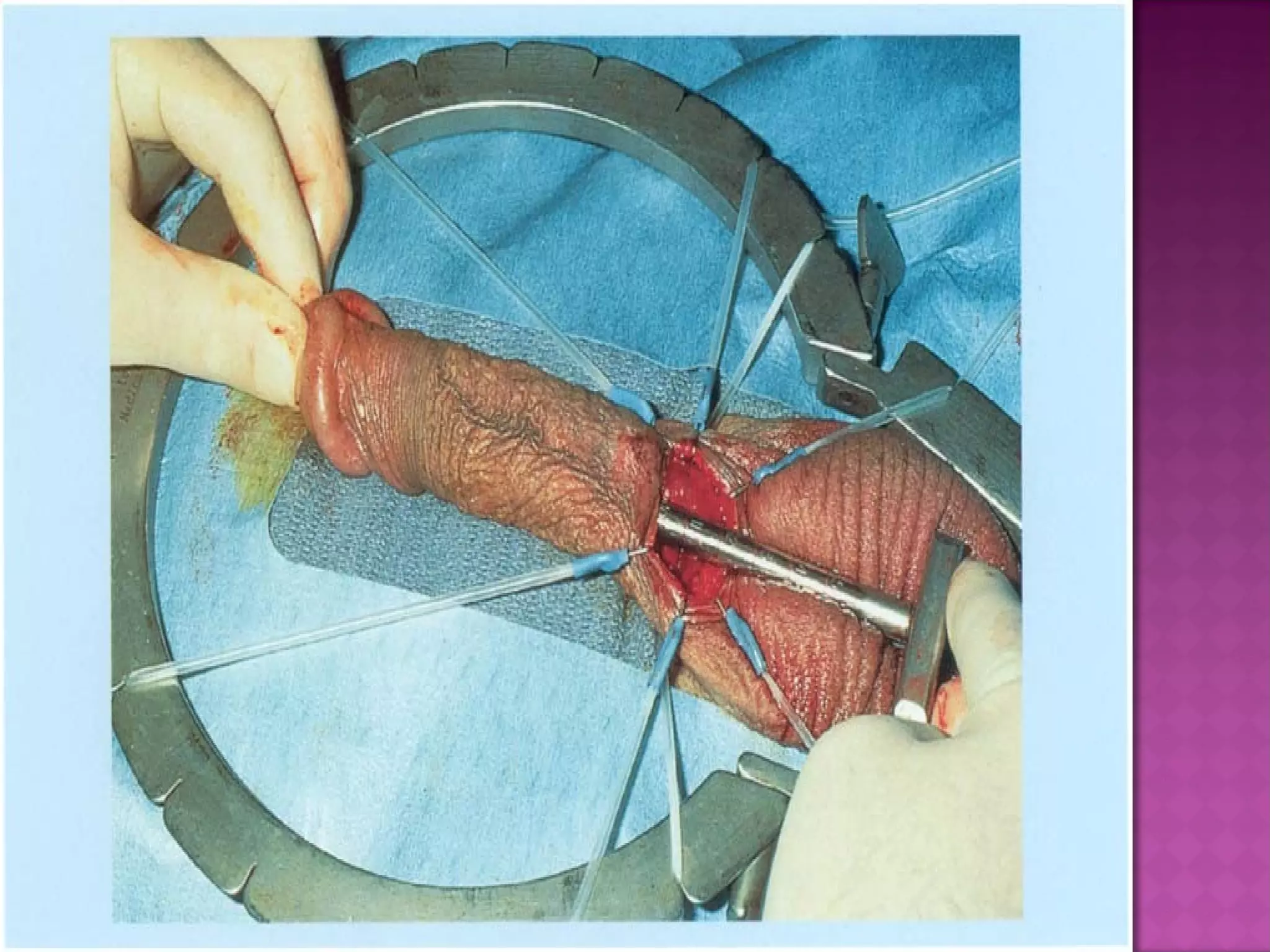
 The third line therapy after failure of other
lines.
 Has the the highest satisfaction rates (70-
87%) among treatment options for ED .
(EUA Guidelines 2009)
 The two main complications of penile
prosthesis implantation are mechanical
failure and infection.
1. Lifestyle changes and risk factor
modification must precede or accompany
ED treatment.
2. When a curable cause of ED is found, the
cause must be treated first.
3. Inadequate/incorrect prescription and poor
patient education are the main causes of a
lack of response to PDE5 inhibitors.
4. Penile implant is third-line therapy.
5. If YOU don’t ask your patient may be too
embarrassed to tell you
   a    daily dosing.
   b    reducing the frequency of sexual
intercourse attempts.
   c    increasing food intake with dosing.
   d    applying sexual stimulation.
   e    using twice-maximal dosages.
  
a -   arterial dilation and venous constriction.
   b -   relaxation of the ischiocavernous muscle.
   c -   arterial dilation, venous compression, and
sinusoidal relaxation.
   d -   contraction of the smooth muscles within
the corpus cavernosum.
   e -   filling and expansion of the sinusoidal
spaces by nitric oxide
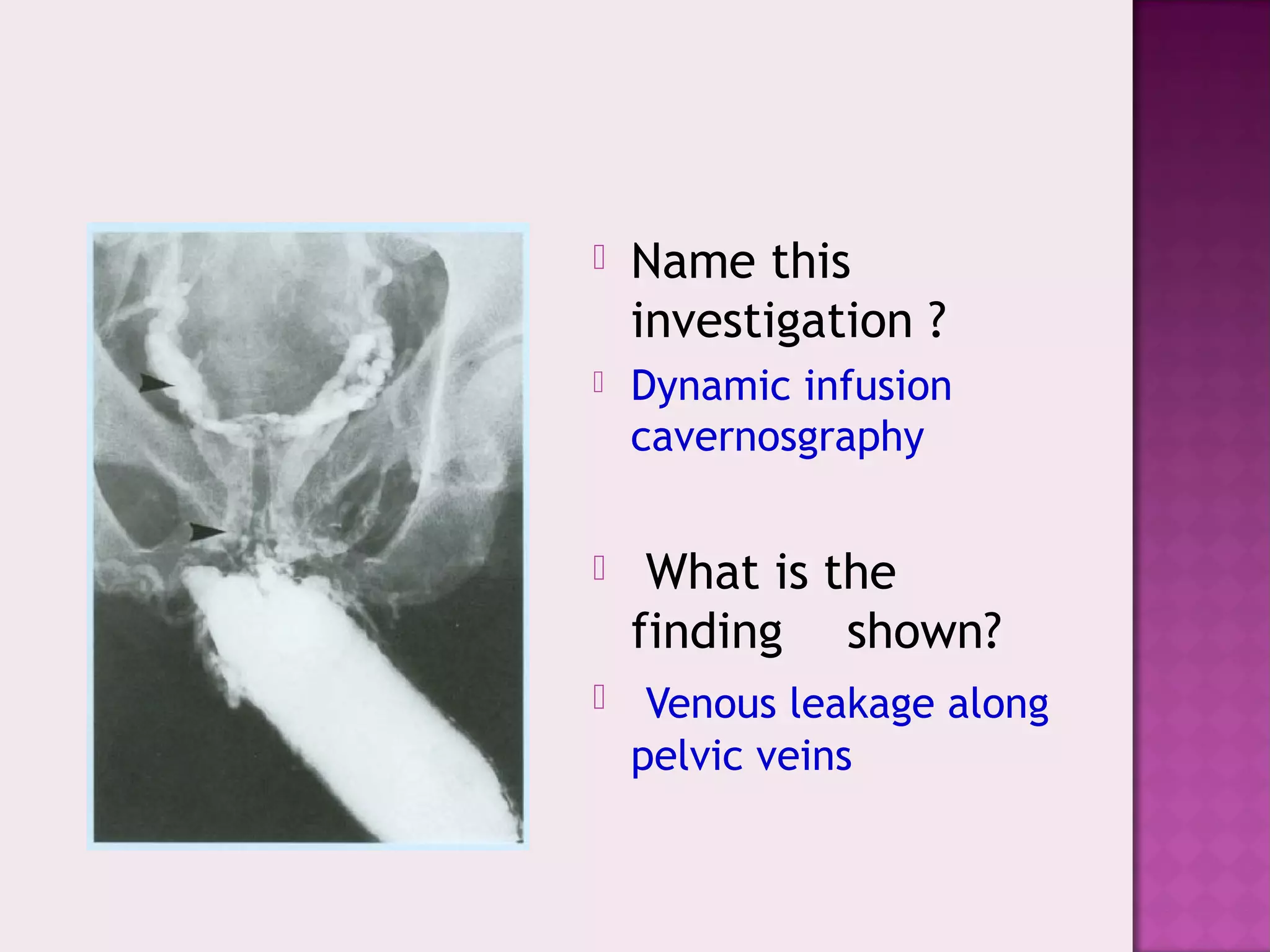
 Name this
investigation ?
 Dynamic infusion
cavernosgraphy
 What is the
finding shown?
 Venous leakage along
pelvic veins
Erectile dysfunction

Erectile dysfunction

  • 1.
    Presented byPresented by Mahmoudfarouk aliMahmoud farouk ali Assistant lecturer of urologyAssistant lecturer of urology Faculty of medicine, Assiut universityFaculty of medicine, Assiut university Supervised bySupervised by Ahmed El-Taher, MDAhmed El-Taher, MD Professor of UrologyProfessor of Urology Faculty of Medicine ,Assiut UniversityFaculty of Medicine ,Assiut University
  • 2.
    Agenda 1-Historical aspects 2-Benefits andrisks of sex 3-Anatomy and physiology of erection. 4-Definition and prevalence of E.D 5-Causes of E.D 6-Evaluation of E.D 4-Treatment of E.D
  • 10.
    General Risks Sexually transmittedinfections (STIs) . Sexual activity directly cause death, particularly due to coronary circulation complications, which is sometimes termed coital death.  Sexual activity increases the expression of a gene called Delta FosB .Frequent engagement in sexual activity on a regular (daily) basis can lead to the overexpression of ΔFosB, inducing an addiction to sexual activity.
  • 11.
  • 13.
     Each cavernousartery pierces the ipsilateral cavernosal tunica albuginea and It runs the length of the corpora cavernosa giving off many tortuous branches, the helicine arteries that open directly into the sinusoids of the erectile tissue.  Each dorsal artery lies beneath Buck’s fascia and They are responsible for the engorgement of the glans during erection. The urethral arteries run through the corpus spongiosum lateral to the urethra and supply blood to the corpus spongiosum, the urethra, and the glans. The bulbar arteries enter the bulb of the penis supplying the proximal urethra and Cowper’s gland.
  • 22.
     Intact nerves(somebody to start the air flow)  Good blood flow to the penis (working compressor tubing)  Intact/healthy cavernosal tissue (a good tire)  The ability to block venous output from the penis (no leak in the tire)
  • 23.
    Persistent inability toattain and/or maintain an erection sufficient to permit satisfactory sexual performance. ( NIH consensus conference on impotence1993 and AUA Guidline )
  • 24.
     Massachusetts MaleAging Study (MMAS)  Prevalence – Men 40-70yrs  52% have ED  Mild ED: 17%  Moderate ED : 25%  Complete ED : 10%  ED prevalence increases with age 50% at age 50, 60% at age 60, 70% at age 70
  • 25.
    E.D share thesame risk factors of cardiovascular disease:  Lack of exercise,  Obesity,  Smoking,  Hypercholesterolemia  The metabolic syndrome
  • 27.
    1) Psychogenic. 2) Vasculogenic: - Cardiovascular disease - Hypertension - Diabetes mellitus - Major surgery or radiotherapy (pelvis or retroperitoneum).
  • 28.
    3) Neurogenic Central causes -Multiple sclerosis - Parkinson’s disease - Tumors - Stroke - Spinal cord disorders( disc disease ) Peripheral causes - Diabetes mellitus - Alcoholism - Polyneuropathy - Surgery (pelvis or retroperitoneum).
  • 29.
    4) Anatomical /structural - Peyronie’s disease - Penile fracture - Congenital curvature of the penis 5) Hormonal - Hypogonadism - Hyperprolactinemia - Hyper-and hypothyroidism - Cushing's disease.
  • 30.
    6) Drug-induced - Antihypertensives(beta-blocker,thiazide and clonidine .less with ACE inhibitors ) - Antidepressants (tricyclic antidepressants and MAO inihibitor) - Antipsychotics - Antiandrogens - Antihistamines - Recreational drugs (Heroin and cocaine)
  • 31.
    Medical,surgical,psychological,social,truama and medication history. Sexualhistory  Sexual relationships ,  Current emotional status  Onset and duration of the erectile problem  Previous treatments.  Erotic and morning erections in terms of rigidity and duration. .  The use of validated questionnaires such as the International Index for Erectile Function (IIEF).
  • 33.
    Physical examination  Examinationof the genitourinary, endocrine, vascular and neurological systems.  A rectal examination in every patient older than 50 years.  Blood pressure and heart should be measured
  • 34.
    Laboratory testing Basic lab.Tests done for all patients  Fasting blood glucose  Lipid profile  morning sample of total testosterone.
  • 38.
    • Primary erectiledisorder (not caused by organic disease or psychogenic disorder) • Young patients with a history of pelvic or perineal trauma who could benefit from potentially curative vascular surgery • Patients with penile deformities that might require surgical correction, e.g. Peyronie’s disease, congenital curvature • Patients with complex psychiatric or psychosexual disorders • Patients with complex endocrine disorders • Specific tests may be indicated at the request of the patient or his partner • Medicolegal reasons, e.g. implantation of penile prosthesis, sexual abuse
  • 39.
    Specialized diagnostic tests Nocturnal penile tumescence and rigidity  Vascular studies - Intracavernous vasoactive drug injection - Duplex ultrasound There is no need to continue vascular investigation when the duplex examination is normal - Dynamic cavernosometry or cavernosography - Internal pudendal arteriography For patients who are candidates for vascular reconstructive surgery  Neurological studies (e.g. bulbocavernosus reflex latency).  Endocrinological studies
  • 41.
     NPTR distinguishPsychogenic E.D from organic E.D  The nocturnal penile tumescence and rigidity assessment should be done on at least two nights.
  • 43.
     A positivetest is a rigid erectile response (unable to bend the penis) that appears within 10 min after the intracavernous injection and lasts for 30 min . (Meuleman EJ and Diemont WL 1995).  A good erection rule out veno-occlusive disease.  Poor erection:-veno-occlusive disease -arterial insufficiency -anxiety -inadequate dose
  • 51.
     The primarygoal in the management strategy of a patient with ED is to determine the aetiology of the disease and treat it when possible, and not to treat the symptom alone.  modifiable or reversible factors, including lifestyle or drug-related factors should be modified first.  As a rule, ED can be treated successfully but cannot be cured. The only exceptions are psychogenic ED, post-traumatic arteriogenic ED in young patients, and hormonal causes
  • 52.
    1-lifestyle modification 2-Treatment ofcurable E.D 3-Therapy for assisted erection First –line therapy Oral drugs (PDE5 and Apomorphine) Topical pharmacotherapy Intraurethral alprostadil (MUSE) Second –line therapy Vacuum constriction devices Intracavernous injections Third -line therapy Penile prosthesi
  • 53.
     Avoid smoking Maintain ideal body weight  Regular exercise  Stop alcohol abuse  Consider alternative for medication that contriute to E.D  Optimize management of D.M,HTN and heart diseases
  • 54.
     1-Hormonal: Testosterone replacementtherapy (intramuscular, oral, or transdermal) is effective, but should only be used after other endocrinological causes for testicular failure have been excluded. (Greenstein et al 2005)
  • 55.
     2-Post-traumatic arteriogenicED in young patients:  In young patients with pelvic or perineal trauma, surgical penile revascularisation has a 60-70% long-term success rate (Rao DS and Donatucci CF ,2001) .  Vascular surgery for veno-occlusive dysfunction is no longer recommended because of poor long-term results (Wespes E et. Al 2003)
  • 59.
    3 Psychosexual counselling:  For patients with a significant psychological problem, psychosexual therapy may be given either alone or with another therapy for assisted erection.
  • 60.
    First line theray: PDE5 inhibitors: It is recommended as first line therapy according to the AUA guidlines
  • 61.
    Adverse events  Headache,Flushing, Dyspepsia, Nasal congestion and Dizziness  Abnormal vision with Sildenafil and Vardenafil only.  Back pain and Myalgia with Tadalafil only.
  • 62.
    Generic name Brand name Effect of fatty meal T max (hours) T½ hours Duratio nof action (hours) Start dose (mg) Dose range (mg) Sildenafil Viagra Yes 1 4 6-8 50 25-100 vardenafil Levitra Yes 1 4-5 6-8 10 5-20 Tadalafil cialis NO 2 17.5 24-36 10 5-20
  • 63.
     Drug interaction: 1-Nitrates: totally contraindicated with PDE5 inhibitors 2- Antihypertensive drugs: Co-administration of PDE5 inhibitors with antihypertensive agents may result in small additive drops in blood pressure, which are usually minor. Alpha blocker: PDE 5 inhibitor should be used with caution with alpha blocker for fear of profound hypotension
  • 64.
    •Drugs that inhibitthe CYP34A pathway will inhibit the metabolic breakdown of PDE5 inhibitors. They include ketoconazole, itraconazole, erythromycin, clarithromycin and HIV protease inhibitors (ritonavir, saquinavir). Such agents may increase blood levels of PDE5 inhibitors, so that lower doses of PDE5 inhibitors are necessary. •Drugs that induce the CYP34A pathway will enhance the breakdown of PDE5 inhibitors .they include rifampin, phenobarbital, phenytoin and carbamazepine. so that higher doses of PDE5 inhibitors are required. •Severe kidney or hepatic dysfunction :
  • 65.
    1- Incorrect usageof the drugs (Timing,dose or lack of sexual stimulation). 2- Inadequate patient education. 3- Unidentified hypogonadism. 4- Anxiety of performance. 5- Comorbidities. 6- Psychosocial factors. 7- Severe ED at presentation. (CHELSEA et al 2006)
  • 66.
     1- Patienteducation.  2- Improved of related co-morbid conditions.  3- Normalizing testosterone level.  4- Switching PDE5 inhibitors.  5- Daily or continuous use of PDE5 inhibitors.  6-Psychosocial counseling.  7-Combined therapy.
  • 67.
    1- Apomorphine sublingual centrally acting dopamine agonist .  Nausea in 1/8 men.  not FDA approved 2-Yohimbine hydrochloride  centrally and peripherally active alpha-2 adrenergic antagonist  HTN,anxiety,tachycardia,headache  No better than placebo In blinded studies
  • 68.
    3-Trazodone: serotonin reuptake inhibitor(antidepressant) associated with prolonged erections and priapism. 4-Others:  L-arginine  Limaprost(PGE 1)  Oral phentolamine :under trial
  • 69.
     No topicaltherapy has been approved and currently these agents have no role in treatment of ED. (EUA Guidelines 2009)
  • 70.
     Intraurthral alprostadil(PGE1)  Introduced in 1990  Mechanism:activate adenylate cyclase  Erection starts 5-20 min after administration  Contraindication: distal urethral stricure significant angulation or fibrosis balanitis or urethritis sexual activity with pregnant female  Side effects: pain,bleeding,priapism and hypotension
  • 72.
     Introduced in1980  3 main components used singly or in combination: 1- PGE1–only FDA approved 2-Papaverine :non-specific PDE inhibitor 3- Phentolamine α-adrenergic receptor antagonist (not used alone)  Side effects:priapism, fibrosis (less with PGE1) ,pain (less with papaverine), and hypotension
  • 74.
     Mechanically createnegative pressure surrounding penis  Engorge penis with blood  Ring to prevent venous leakage
  • 76.
     The thirdline therapy after failure of other lines.  Has the the highest satisfaction rates (70- 87%) among treatment options for ED . (EUA Guidelines 2009)  The two main complications of penile prosthesis implantation are mechanical failure and infection.
  • 80.
    1. Lifestyle changesand risk factor modification must precede or accompany ED treatment. 2. When a curable cause of ED is found, the cause must be treated first. 3. Inadequate/incorrect prescription and poor patient education are the main causes of a lack of response to PDE5 inhibitors. 4. Penile implant is third-line therapy. 5. If YOU don’t ask your patient may be too embarrassed to tell you
  • 81.
       a    dailydosing.    b    reducing the frequency of sexual intercourse attempts.    c    increasing food intake with dosing.    d    applying sexual stimulation.    e    using twice-maximal dosages.
  • 82.
       a -   arterial dilationand venous constriction.    b -   relaxation of the ischiocavernous muscle.    c -   arterial dilation, venous compression, and sinusoidal relaxation.    d -   contraction of the smooth muscles within the corpus cavernosum.    e -   filling and expansion of the sinusoidal spaces by nitric oxide
  • 83.
     Name this investigation?  Dynamic infusion cavernosgraphy  What is the finding shown?  Venous leakage along pelvic veins