ENVIRONMENTAL
PHARMACOLOGY
PG Guide- Dr. Shyamal Sinha
Presenter-Dr. Shivesh Gupta,
JR 2, GGMC, Mumbai
GOOD MORNING
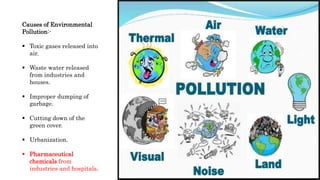
Causes of Environmental
Pollution:-
 Toxic gases released into
air.
 Waste water released
from industries and
houses.
 Improper dumping of
garbage.
 Cutting down of the
green cover.
 Urbanization.
 Pharmaceutical
chemicals from
industries and hospitals.
 Introduction
 History
 Sources and fate of Pharmaceuticals
 Effects on ecosystem and Human beings
 Environmental Toxicology
 Ecopharmacovigilance
 Summary
 References
 The environmental impact of Pharmaceutical
products is largely speculative and unmeasured.
 Pharmaceutical products are the substances used by
individuals for personal health or cosmetic reasons.
 The world health organisation (WHO) estimates that
about a quarter of the diseases facing mankind today
occurs due to prolonged exposure to these
environmental pollutants.
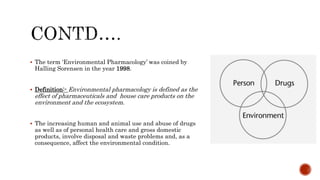
 The term ‘Environmental Pharmacology’ was coined by
Halling Sorensen in the year 1998.
 Definition:- Environmental pharmacology is defined as the
effect of pharmaceuticals and house care products on the
environment and the ecosystem.
 The increasing human and animal use and abuse of drugs
as well as of personal health care and gross domestic
products, involve disposal and waste problems and, as a
consequence, affect the environmental condition.
 Environmental Pharmacology involves study of:-
1. Gene-environment interaction.
2. Drug-environment interaction.
3. Toxin-environment interaction
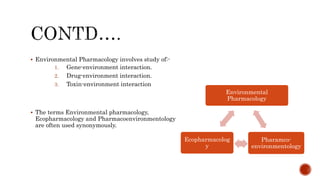
 The terms Environmental pharmacology,
Ecopharmacology and Pharmacoenvironmentology
are often used synonymously.
Environmental
Pharmacology
Pharamco-
environmentology
Ecopharmacolog
y
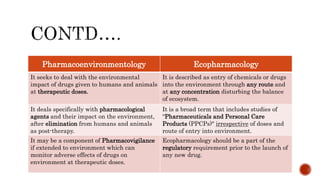
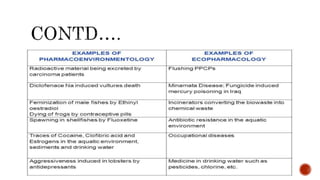
Pharmacoenvironmentology Ecopharmacology
It seeks to deal with the environmental
impact of drugs given to humans and animals
at therapeutic doses.
It is described as entry of chemicals or drugs
into the environment through any route and
at any concentration disturbing the balance
of ecosystem.
It deals specifically with pharmacological
agents and their impact on the environment,
after elimination from humans and animals
as post-therapy.
It is a broad term that includes studies of
“Pharmaceuticals and Personal Care
Products (PPCPs)" irrespective of doses and
route of entry into environment.
It may be a component of Pharmacovigilance
if extended to environment which can
monitor adverse effects of drugs on
environment at therapeutic doses.
Ecopharmacology should be a part of the
regulatory requirement prior to the launch of
any new drug.
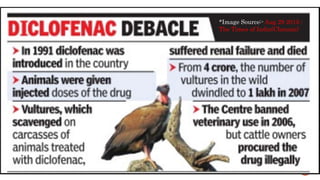
 In 1997- decline in the population of the Asian
white- backed vulture (Gyps bengalensis) and
Indian vultures (Gyps indicus) nesting in
Keoladeo Natural Park in North Western India.
 It was observed that they die after feeding on
cattle treated with Diclofenac, which was used
by veterinary doctors to treat cattle.
 Because of lack of proper detoxification pathway
for diclofenac in vultures, it’s ingestion leads to
visceral gout and subsequent renal failure and
death.
 This prompted the Indian Government to ban
the drug ‘diclofenac’ for veterinary use in 2006.
 The vulture population drastically reduced over
the years from 150 in 1997 to 25 in 2010.
*Image Source:- Aug 29 2015 :
The Times of India(Chennai)
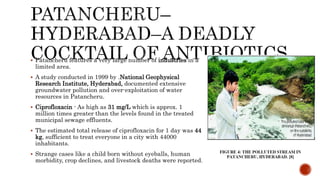
 Patancheru features a very large number of industries in a
limited area.
 A study conducted in 1999 by .National Geophysical
Research Institute, Hyderabad, documented extensive
groundwater pollution and over-exploitation of water
resources in Patancheru.
 Ciprofloxacin - As high as 31 mg/L which is approx. 1
million times greater than the levels found in the treated
municipal sewage effluents.
 The estimated total release of ciprofloxacin for 1 day was 44
kg, sufficient to treat everyone in a city with 44000
inhabitants.
 Strange cases like a child born without eyeballs, human
morbidity, crop declines, and livestock deaths were reported.
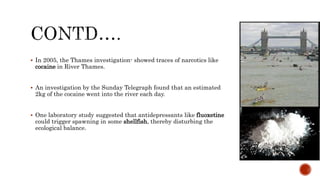
 In 2005, the Thames investigation- showed traces of narcotics like
cocaine in River Thames.
 An investigation by the Sunday Telegraph found that an estimated
2kg of the cocaine went into the river each day.
 One laboratory study suggested that antidepressants like fluoxetine
could trigger spawning in some shellfish, thereby disturbing the
ecological balance.
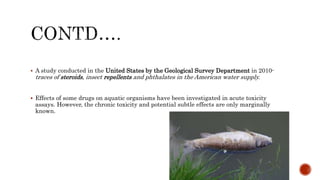
 A study conducted in the United States by the Geological Survey Department in 2010-
traces of steroids, insect repellents and phthalates in the American water supply.
 Effects of some drugs on aquatic organisms have been investigated in acute toxicity
assays. However, the chronic toxicity and potential subtle effects are only marginally
known.
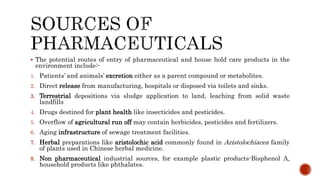
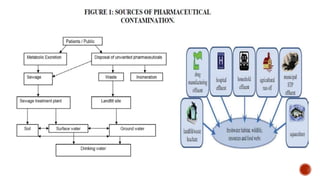
 The potential routes of entry of pharmaceutical and house hold care products in the
environment include:-
1. Patients’ and animals’ excretion either as a parent compound or metabolites.
2. Direct release from manufacturing, hospitals or disposed via toilets and sinks.
3. Terrestrial depositions via sludge application to land, leaching from solid waste
landfills
4. Drugs destined for plant health like insecticides and pesticides.
5. Overflow of agricultural run off may contain herbicides, pesticides and fertilizers.
6. Aging infrastructure of sewage treatment facilities.
7. Herbal preparations like aristolochic acid commonly found in Aristolochiacea family
of plants used in Chinese herbal medicine.
8. Non pharmaceutical industrial sources, for example plastic products-Bisphenol A,
household products like phthalates.
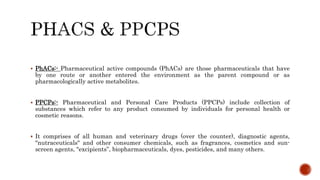
 PhACs:- Pharmaceutical active compounds (PhACs) are those pharmaceuticals that have
by one route or another entered the environment as the parent compound or as
pharmacologically active metabolites.
 PPCPs:- Pharmaceutical and Personal Care Products (PPCPs) include collection of
substances which refer to any product consumed by individuals for personal health or
cosmetic reasons.
 It comprises of all human and veterinary drugs (over the counter), diagnostic agents,
"nutraceuticals" and other consumer chemicals, such as fragrances, cosmetics and sun-
screen agents, "excipients”, biopharmaceuticals, dyes, pesticides, and many others.
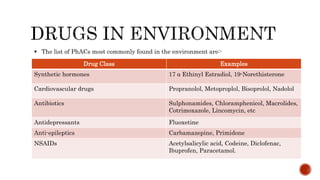
Drug Class Examples
Synthetic hormones 17 α Ethinyl Estradiol, 19-Norethisterone
Cardiovascular drugs Propranolol, Metoproplol, Bisoprolol, Nadolol
Antibiotics Sulphonamides, Chloramphenicol, Macrolides,
Cotrimoxazole, Lincomycin, etc
Antidepressants Fluoxetine
Anti-epileptics Carbamazepine, Primidone
NSAIDs Acetylsalicylic acid, Codeine, Diclofenac,
Ibuprofen, Paracetamol.
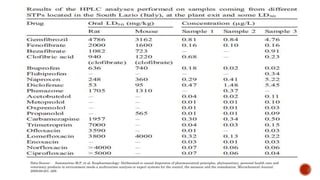
 The list of PhACs most commonly found in the environment are:-
Data Source:- Sammartino M.P, et al. Ecopharmacology: Deliberated or casual dispersion of pharmaceutical principles, phytosanitary, personal health care and
veterinary products in environment needs a multivariate analysis or expert systems for the control, the measure and the remediation. Microchemical Journal.
2008;88:201–209.
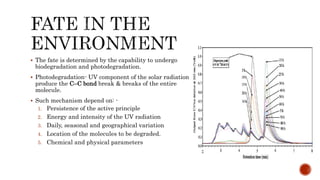
 The fate is determined by the capability to undergo
biodegradation and photodegradation.
 Photodegradation- UV component of the solar radiation
produce the C–C bond break & breaks of the entire
molecule.
 Such mechanism depend on: -
1. Persistence of the active principle
2. Energy and intensity of the UV radiation
3. Daily, seasonal and geographical variation
4. Location of the molecules to be degraded.
5. Chemical and physical parameters
Once PhACs enters the environment, they suffer
one of three fates which include:
1. Biodegradation into carbon dioxide and water.
2. Undergo some form of degradation to form
metabolites.
3. Persist in the environment unmodified.
 The term ‘Environmentally Persistent Pharmaceutical
Pollutants’ (EPPP)- International Society of Doctors for the
Environment (ISDE) in nomination 2010 of Pharmaceutical
and Environment.
 EPPP are the compounds that resist biodegradation by the
microbes and persist in the environment in active form.
 Different chemicals present at the same time, different
interactions- results are not sufficiently studied or
understood.
 EPPPs are already found in water all over the world.
 Half life of EPPPs depends on the environment- usually more than 1 year.
 Eg:- Clofibric acid, a metabolite of clofibrate can still be found in surface as well as well-
water.
 Concentrations of EPPs - 1ng to 1mg/L.
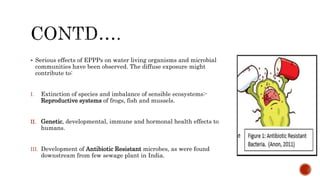
 Serious effects of EPPPs on water living organisms and microbial
communities have been observed. The diffuse exposure might
contribute to:
I. Extinction of species and imbalance of sensible ecosystems:-
Reproductive systems of frogs, fish and mussels.
II. Genetic, developmental, immune and hormonal health effects to
humans.
III. Development of Antibiotic Resistant microbes, as were found
downstream from few sewage plant in India.
 EPPPs from sewage sludge used as fertilizes- absorbed by soya,
and antibiotics have been found in the leaves.
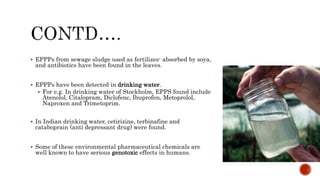
 EPPPs have been detected in drinking water.
 For e.g. In drinking water of Stockholm, EPPS found include
Atenolol, Citalopram, Diclofenc, Ibuprofen, Metoprolol,
Naproxen and Trimetoprim.
 In Indian drinking water, cetirizine, terbinafine and
cataboprain (anti depressant drug) were found.
 Some of these environmental pharmaceutical chemicals are
well known to have serious genotoxic effects in humans.
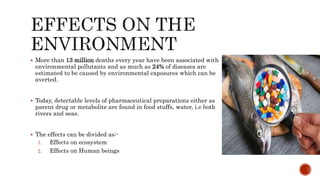
 More than 13 million deaths every year have been associated with
environmental pollutants and as much as 24% of diseases are
estimated to be caused by environmental exposures which can be
averted.
 Today, detectable levels of pharmaceutical preparations either as
parent drug or metabolite are found in food stuffs, water, i.e both
rivers and seas.
 The effects can be divided as:-
1. Effects on ecosystem
2. Effects on Human beings
 Drugs interact with the environment in diverse ways causing various
modifications and affect:-
1. Aquatic system
2. Biofilm layer
3. Ground water and surface water
4. Sewage systems
5. Other flora and fauna of the ecosystems.
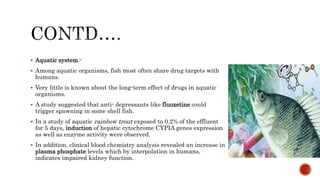
 Aquatic system:-
 Among aquatic organisms, fish most often share drug targets with
humans.
 Very little is known about the long-term effect of drugs in aquatic
organisms.
 A study suggested that anti- depressants like fluoxetine could
trigger spawning in some shell fish.
 In a study of aquatic rainbow trout exposed to 0.2% of the effluent
for 5 days, induction of hepatic cytochrome CYPIA genes expression
as well as enzyme activity were observed.
 In addition, clinical blood chemistry analysis revealed an increase in
plasma phosphate levels which by interpolation in humans,
indicates impaired kidney function.
 Furthermore, masculinization had been observed in female
marine snails exposed to tributylin (TBT), a biocide used in anti-
fouling paints.
 DDT – induced egg-shell thinning in birds is probably the best
example of reproductive impairment causing several population
declines in a number of raptor.
 Developmental exposure to the DDT complex has been formerly
linked to the induction of ovotestis in male western gulls.
 Distorted sex-organ development and function in alligators has
been linked with a DDT-complex spell into a lake in Florida in
USA.
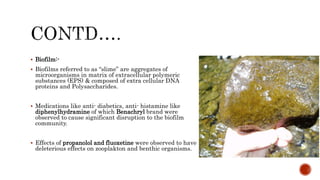
 Biofilm:-
 Biofilms referred to as “slime” are aggregates of
microorganisms in matrix of extracellular polymeric
substances (EPS) & composed of extra cellular DNA
proteins and Polysaccharides.
 Medications like anti- diabetics, anti- histamine like
diphenylhydramine of which Benachryl brand were
observed to cause significant disruption to the biofilm
community.
 Effects of propanolol and fluoxetine were observed to have
deleterious effects on zooplakton and benthic organisms.
 Ground and surface waters:-
 Ketoprofen and diclofenac are non steroidal anti-inflammatory
drugs (NSAIDS) often used for similar indications and both are
frequently found in surface waters.
 In another Indian study, five common non steroidal anti-
inflammatory drugs namely diclofenac, ketoprofen, naproxen,
ibuprofen and acetylsalicylic acid were detected in various
concentrations in surface water from 27 locations of the Kaveri
velar and Tami rapani Rivers in southern India.
 Acetylsalicylic acid was found at all sites and at considerately
higher concentrations of up to 660ng/l.
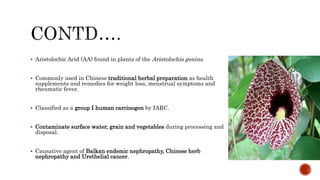
 Aristolochic Acid (AA) found in plants of the Aristolochia genius.
 Commonly used in Chinese traditional herbal preparation as health
supplements and remedies for weight loss, menstrual symptoms and
rheumatic fever.
 Classified as a group I human carcinogen by IARC.
 Contaminate surface water, grain and vegetables during processing and
disposal.
 Causative agent of Balkan endemic nephropathy, Chinese herb
nephropathy and Urethelial cancer.
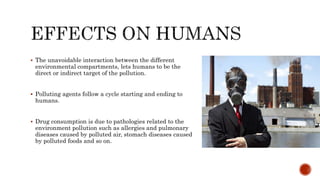
 The unavoidable interaction between the different
environmental compartments, lets humans to be the
direct or indirect target of the pollution.
 Polluting agents follow a cycle starting and ending to
humans.
 Drug consumption is due to pathologies related to the
environment pollution such as allergies and pulmonary
diseases caused by polluted air, stomach diseases caused
by polluted foods and so on.
 Autoimmune diseases:-
 Environmental exposure- development and or the exacerbation of autoimmune diseases.
 Aetiology of autoimmune diseases is multifactorial- genetic and environmental influences.
 Examples include:-
1. Crystalline silica exposure and the development of several autoimmune diseases including
RA, SSc, SLE and ANCA related vasculitis.
2. Solvent exposure and the development of Systemic Sclerosis.
3. Smoking and the development of seropositive RA.
4. UV radiation and the risk of development of multiple sclerosis (MS).
 Other chemicals - Inorganic mercury, Gold, Silica, Trichloroethylene, Organochlorine pesticides,
etc.
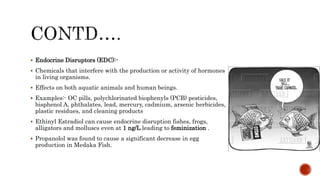
 Endocrine Disruptors (EDC):-
 Chemicals that interfere with the production or activity of hormones
in living organisms.
 Effects on both aquatic animals and human beings.
 Examples:- OC pills, polychlorinated biophenyls (PCB) pesticides,
bisphenol A, phthalates, lead, mercury, cadmium, arsenic herbicides,
plastic residues, and cleaning products
 Ethinyl Estradiol can cause endocrine disruption fishes, frogs,
alligators and molluscs even at 1 ng/L leading to feminization .
 Propanolol was found to cause a significant decrease in egg
production in Medaka Fish.
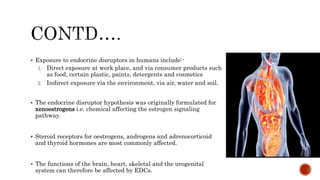
 Exposure to endocrine disruptors in humans include:-
1. Direct exposure at work place, and via consumer products such
as food, certain plastic, paints, detergents and cosmetics
2. Indirect exposure via the environment, via air, water and soil.
 The endocrine disruptor hypothesis was originally formulated for
xenoestrogens i.e. chemical affecting the estrogen signaling
pathway.
 Steroid receptors for oestrogens, androgens and adrenocorticoid
and thyroid hormones are most commonly affected.
 The functions of the brain, heart, skeletal and the urogenital
system can therefore be affected by EDCs.
 Potential effect in males:- EDCs has the potential to cause low sperm counts, testicular
cancer, undescended testes, etc.
 Potential effect in females:- Breast and reproductive organ tissue cancers, PCOD,
endometriosis, uterine fibroid and PID.
 Potential effect in children:-
Each year, nearly 1,500 children under 6 years old are treated in U.S. emergency
department as a result of accidental ingestion of buprenorphine.
Medications for high blood pressure, anti-diabetic drugs, analgesics, anti-arthritis, etc.
Impaired behaviour, mental, immune and thyroid functions in developing children.
 Other include precocious puberty, osteoporosis, foetal growth, child development, and Obesity.
 The term ‘Epigenetics’ refers to heritable changes in gene expression
without the accompanying alterations in the DNA sequence.
 Epigenetic mechanisms can be misdirected leading to diseases like
cancer.
 Commonly used pharmaceutical drugs can cause persistent epigenetic
changes by altering epigenetic homeostasis.
 Direct effects may be caused by drugs which affect chromatin
architecture or DNA methylation.
 Eg:- Hydrazine inhibits DNA methylation while isotretinoin has
transcription factor activity.
 Examples:-
 Diseases such as ‘tardive dyskinesia’ & drug induced SLE may be epigenetic in nature.
 May be involved in the aetiology of heart disease, cancer, neurological and cognitive
disorders, obesity, diabetes, infertility and sexual dysfunction.
 A study in New York City- children exposed in the womb to high levels of polycyclic
aromatic hydrocarbons (PAH)-were more likely to have asthma than those not exposed.
 Epigenetic changes have also been observed with children conceived with assisted
reproductive technologies- ‘Beckwith- Wiedemann syndrome’
 Toxic metals like nickel, chromium and arsenic have also been implicated to having
epigenetic effects.
 It is study of impacts of manmade pollutants and poisonous chemicals on the structure and
function of environment and ecosystem.
 Immense contribution in defining adverse biological effects due to toxins, drugs and
chemicals.
 The toxins or chemicals can be classified as:-
1. Carcinogens
2. Heavy metals
3. Air pollutants
4. Solvents
5. Pesticides
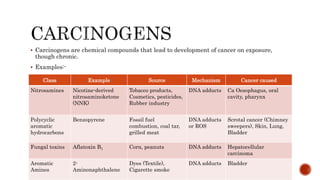
 Carcinogens are chemical compounds that lead to development of cancer on exposure,
though chronic.
 Examples:-
Class Example Source Mechanism Cancer caused
Nitrosamines Nicotine-derived
nitrosaminoketone
(NNK)
Tobacco products,
Cosmetics, pesticides,
Rubber industry
DNA adducts Ca Oesophagus, oral
cavity, pharynx
Polycyclic
aromatic
hydrocarbons
Benzopyrene Fossil fuel
combustion, coal tar,
grilled meat
DNA adducts
or ROS
Scrotal cancer (Chimney
sweepers), Skin, Lung,
Bladder
Fungal toxins Aflatoxin B1 Corn, peanuts DNA adducts Hepatocellular
carcinoma
Aromatic
Amines
2-
Aminonaphthalene
Dyes (Textile),
Cigarette smoke
DNA adducts Bladder
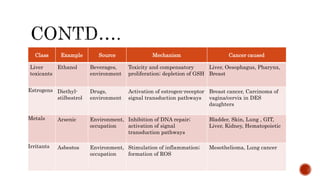
Class Example Source Mechanism Cancer caused
Liver
toxicants
Ethanol Beverages,
environment
Toxicity and compensatory
proliferation; depletion of GSH
Liver, Oesophagus, Pharynx,
Breast
Estrogens Diethyl-
stilbestrol
Drugs,
environment
Activation of estrogen-receptor
signal transduction pathways
Breast cancer, Carcinoma of
vagina/cervix in DES
daughters
Metals Arsenic Environment,
occupation
Inhibition of DNA repair;
activation of signal
transduction pathways
Bladder, Skin, Lung , GIT,
Liver, Kidney, Hematopoietic
Irritants Asbestos Environment,
occupation
Stimulation of inflammation;
formation of ROS
Mesothelioma, Lung cancer
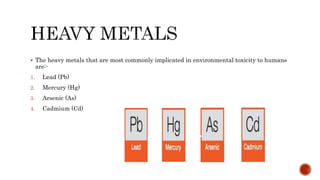
 The heavy metals that are most commonly implicated in environmental toxicity to humans
are:-
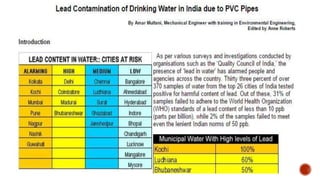
1. Lead (Pb)
2. Mercury (Hg)
3. Arsenic (As)
4. Cadmium (Cd)
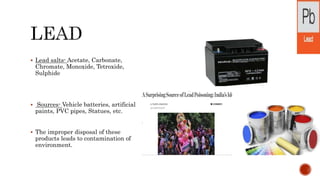
 Lead salts- Acetate, Carbonate,
Chromate, Monoxide, Tetroxide,
Sulphide
 Sources- Vehicle batteries, artificial
paints, PVC pipes, Statues, etc.
 The improper disposal of these
products leads to contamination of
environment.
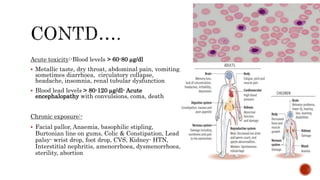
Acute toxicity:-Blood levels > 60-80 µg/dl
 Metallic taste, dry throat, abdominal pain, vomiting,
sometimes diarrhoea, circulatory collapse,
headache, insomnia, renal tubular dysfunction
 Blood lead levels > 80-120 µg/dl- Acute
encephalopathy with convulsions, coma, death
Chronic exposure:-
 Facial pallor, Anaemia, basophilic stipling,
Burtonian line on gums, Colic & Constipation, Lead
palsy- wrist drop, foot drop, CVS, Kidney- HTN,
Interstitial nephritis, amenorrhoea, dysmenorrhoea,
sterility, abortion
 Treatment of lead Poisoning:
 Acute poisoning with encephalopathy
CaEDTA 75 mg/kg/day IV infusion
BAL (Dimercaprol) 4 mg/kg iv , repeat 4 hrly
 For Chronic poisoning
Succimer (10mg/kg ,p.o.)
 Supportive treatment
Calcium gluconate IV
Thiamine- neurological manifestations
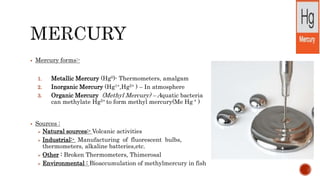
 Mercury forms:-
1. Metallic Mercury (Hg0)- Thermometers, amalgam
2. Inorganic Mercury (Hg1+,Hg2+ ) – In atmosphere
3. Organic Mercury (Methyl Mercury) – Aquatic bacteria
can methylate Hg2+ to form methyl mercury(Me Hg + )
 Sources :
 Natural sources:- Volcanic activities
 Industrial:- Manufacturing of fluorescent bulbs,
thermometers, alkaline batteries,etc.
 Other : Broken Thermometers, Thimerosal
 Environmental : Bioaccumulation of methylmercury in fish
 Acute toxicity:- Inhalation of vapours –acutely toxic to lungs
Symptoms- cough, tightness in chest, interstitial pneumonitis, metallic taste, nausea,
vomiting, diarrhoea, CNS toxicity
GI irritation on ingestion- vomiting, diarrhoea, abdominal pain, Kidney damage
 T/t-
Termination of exposure, respiratory support
Emesis, within 30-60 minutes of exposure, electrolyte & fluids balance
Dimercaprol (upto 24 mg/kg/day IM), DMSA or Penicillamine, NAC enhances body
clearance of methyl mercury salts.
 Chronic toxicity:-
Symptoms:- Tremors, emotional lability, insomnia, memory loss, cognitive deficits, manic
depressive psychosis (Mad as hatters)
 Other- Gingivostomatitis, Salivation, Acrodynia, Mercurialentis
 T/t- Chelation therapy –Dimercaprol i.v. 3-5mg/kg
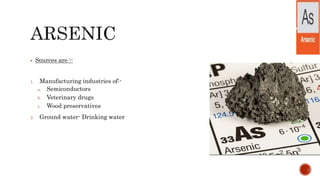
 Sources are :-
1. Manufacturing industries of:-
a. Semiconductors
b. Veterinary drugs
c. Wood preservatives
2. Ground water- Drinking water
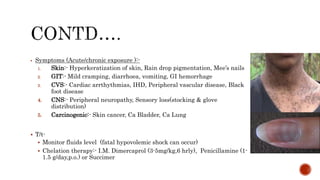
 Symptoms (Acute/chronic exposure ):-
1. Skin:- Hyperkeratization of skin, Rain drop pigmentation, Mee’s nails
2. GIT:- Mild cramping, diarrhoea, vomiting, GI hemorrhage
3. CVS:- Cardiac arrthythmias, IHD, Peripheral vascular disease, Black
foot disease
4. CNS:- Peripheral neuropathy, Sensory loss(stocking & glove
distribution)
5. Carcinogenic:- Skin cancer, Ca Bladder, Ca Lung
 T/t-
 Monitor fluids level (fatal hypovolemic shock can occur)
 Chelation therapy:- I.M. Dimercaprol (3-5mg/kg,6 hrly), Penicillamine (1-
1.5 g/day,p.o.) or Succimer
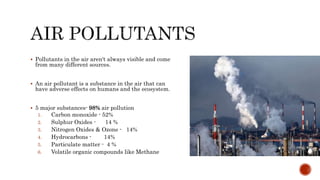
 Pollutants in the air aren't always visible and come
from many different sources.
 An air pollutant is a substance in the air that can
have adverse effects on humans and the ecosystem.
 5 major substances- 98% air pollution
1. Carbon monoxide - 52%
2. Sulphur Oxides - 14 %
3. Nitrogen Oxides & Ozone - 14%
4. Hydrocarbons - 14%
5. Particulate matter - 4 %
6. Volatile organic compounds like Methane
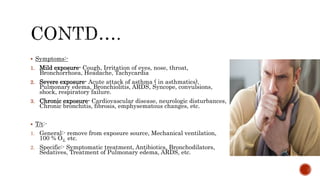
 Symptoms:-
1. Mild exposure- Cough, Irritation of eyes, nose, throat,
Bronchorrhoea, Headache, Tachycardia
2. Severe exposure- Acute attack of asthma ( in asthmatics),
Pulmonary edema, Bronchiolitis, ARDS, Syncope, convulsions,
shock, respiratory failure.
3. Chronic exposure- Cardiovascular disease, neurologic disturbances,
Chronic bronchitis, fibrosis, emphysematous changes, etc.
 T/t:-
1. General:- remove from exposure source, Mechanical ventilation,
100 % O2, etc.
2. Specific:- Symptomatic treatment, Antibiotics, Bronchodilators,
Sedatives, Treatment of Pulmonary edema, ARDS, etc.
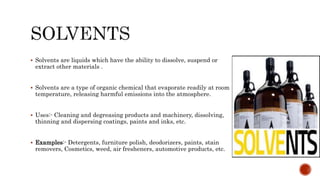
 Solvents are liquids which have the ability to dissolve, suspend or
extract other materials .
 Solvents are a type of organic chemical that evaporate readily at room
temperature, releasing harmful emissions into the atmosphere.
 Uses:- Cleaning and degreasing products and machinery, dissolving,
thinning and dispersing coatings, paints and inks, etc.
 Examples:- Detergents, furniture polish, deodorizers, paints, stain
removers, Cosmetics, weed, air fresheners, automotive products, etc.
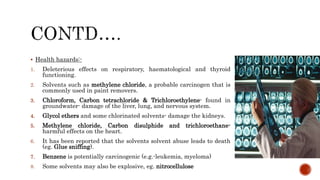
 Health hazards:-
1. Deleterious effects on respiratory, haematological and thyroid
functioning.
2. Solvents such as methylene chloride, a probable carcinogen that is
commonly used in paint removers.
3. Chloroform, Carbon tetrachloride & Trichloroethylene- found in
groundwater- damage of the liver, lung, and nervous system.
4. Glycol ethers and some chlorinated solvents- damage the kidneys.
5. Methylene chloride, Carbon disulphide and trichloroethane-
harmful effects on the heart.
6. It has been reported that the solvents solvent abuse leads to death
(eg. Glue sniffing).
7. Benzene is potentially carcinogenic (e.g.-leukemia, myeloma)
8. Some solvents may also be explosive, eg. nitrocellulose
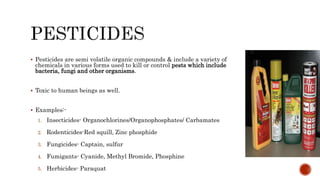
 Pesticides are semi volatile organic compounds & include a variety of
chemicals in various forms used to kill or control pests which include
bacteria, fungi and other organisms.
 Toxic to human beings as well.
 Examples:-
1. Insecticides- Organochlorines/Organophosphates/ Carbamates
2. Rodenticides-Red squill, Zinc phosphide
3. Fungicides- Captain, sulfur
4. Fumigants- Cyanide, Methyl Bromide, Phosphine
5. Herbicides- Paraquat
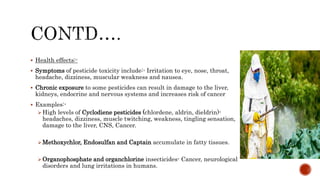
 Health effects:-
 Symptoms of pesticide toxicity include:- Irritation to eye, nose, throat,
headache, dizziness, muscular weakness and nausea.
 Chronic exposure to some pesticides can result in damage to the liver,
kidneys, endocrine and nervous systems and increases risk of cancer
 Examples:-
High levels of Cyclodiene pesticides (chlordene, aldrin, dieldrin)-
headaches, dizziness, muscle twitching, weakness, tingling sensation,
damage to the liver, CNS, Cancer.
Methoxychlor, Endosulfan and Captain accumulate in fatty tissues.
Organophosphate and organchlorine insecticides- Cancer, neurological
disorders and lung irritations in humans.
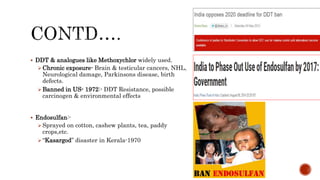
 DDT & analogues like Methoxychlor widely used.
Chronic exposure- Brain & testicular cancers, NHL,
Neurological damage, Parkinsons disease, birth
defects.
Banned in US- 1972:- DDT Resistance, possible
carcinogen & environmental effects
 Endosulfan:-
Sprayed on cotton, cashew plants, tea, paddy
crops,etc.
“Kasargod” disaster in Kerala-1970
 Biological pesticides/ Biopesticides are pesticides based on microorganisms
or natural products.
 Growing and concentrating naturally occurring organisms and or their
metabolites including bacteria, fungi, nematodes, proteins etc.
 Substitutes to synthetic chemical plant protection productions (PPPs).
 Divided into three major classes:
i. Microbial pesticides:- Which consist of bacteria, fungi or viruses and/or
their metabolites.
ii. Biochemical pesticides:- Naturally occurring substances that control or
monitor pests.
iii. Plant Incorporated Protectants (PIPs): Genetic material from other
species incorporated into their genetic material i.e. genetically modified
crops (GMCs).
 Examples of biopesticides include:-
i. Bacillus thuringiensis toxin (BE Toxin) genetically incorporated into plants as
insecticide.
ii. Entomopathogenic fungi (e.g. Beauveria bassiana, Lacanicillum spp.)
iii. Disease controlling agents such as Trichoderma spp and Ampelomyces quisqualis.
iv. Entomopathogenic viruses e.g. Cydia pomonella granulo virus.
v. Chitosan: Induce systemic resistance to allow the plant to defend itself against disease,
pathogen and pests.
vi. Natural plant derived products such as alkaloides terpenoids, phenolics, etc.
vii. Beneficial nematodes attacking insects e.g. Sleinernema fetiae
 Advantages:-
1. Non detection of harmful residues
2. Cost effective
3. Biodegradable
4. More effective.
 Disadvantages:-
1. High specificity
2. Slow pace of action
3. Variable efficacy
4. Organism acquire tolerance as living organisms evolving.
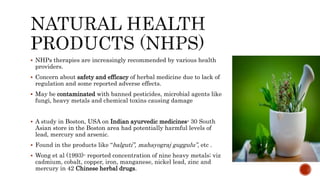
 NHPs therapies are increasingly recommended by various health
providers.
 Concern about safety and efficacy of herbal medicine due to lack of
regulation and some reported adverse effects.
 May be contaminated with banned pesticides, microbial agents like
fungi, heavy metals and chemical toxins causing damage
 A study in Boston, USA on Indian ayurvedic medicines- 30 South
Asian store in the Boston area had potentially harmful levels of
lead, mercury and arsenic.
 Found in the products like “balguti”, mahayograj guggulu”, etc .
 Wong et al (1993)- reported concentration of nine heavy metals; viz
cadmium, cobalt, copper, iron, manganese, nickel lead, zinc and
mercury in 42 Chinese herbal drugs.
 It Includes:-
1. Good Manufacturing Practices (GMP)
2. Disposal of Medicines
3. EU Regulations
4. US EPA ( Environmental Protection Agency)
5. WHO guidelines
6. Ecopharmacovigilance
 Good manufacturing practice or (GMP) :-
Practices and the systems required to be adapted in
pharmaceutical manufacturing, quality control and quality
system.
They cover the manufacture and testing of pharmaceutical or
drugs including active pharmaceutical ingredients, diagnostics,
foods from pharmaceutical industry worldwide.
 So far, emissions into the environment are not included.
 The unused or expired medicines can pose a hazard to public safety
and to the environment, if they are not safely disposed of.
 Some of the well established methods of disposal include:-
1. Medicine take back programs: Well established in advanced
countries but absent in developing economies.
2. Disposal in household trash: Placed in a sealed plastic bag to
prevent them from getting to the environment before they reach
the treatment sites.
3. Flushing of certain medicines: To prevent accidental ingestion by
children, pets or any other persons.
 The USA, Food and Drug Administration (FDA) have regulated
pharmaceuticals in the environment since 1977 under National
Environmental Policy Act of 1969.
 When a new drug is proposed for market, FDA requires the
manufacturer to conduct a risk assessment that estimates the
concentrations that will be found in the environment.
 If drug conc ≥1 part per billion, its assumed to pose acceptable
risks.
 The requirement for chronic rather than acute ecotoxicity testing.
 Developed in 2004, it directs that all members states should establish collection systems
for unused or expired medicines.
 Described a two-phased approach to evaluate Medicinal Products in environment.
1. Phase I- The environmental concentration of drug
2. Phase II- Physical, chemical and toxicological properties
 Disposal into the sewage system is still the legally accepted route of elimination.
 However, incineration at high temperature (1200˚C) is a preferred alternative to avoid
environmental pollution.
 In October 2010, the Secure and Responsible Drug Disposal Act of 2010 was enacted.
 Recommends on disposal of household pharmaceuticals.
 Take back events, mail – back and other collection programs initiated - collect old, expired,
unwanted prescription and over the counter pharmaceuticals from households.
 Recommends incineration as the preferred disposal method.
 Reduces the misuse and abuse of drugs.
 Prevent the practice of flushing consumer pharmaceuticals.
 The WHO guidelines for safe disposal of pharmaceutical wastes and unwanted large
quantities of drugs donated as part of humanitarian assistance during conflicts and natural
disasters.
 Arrive past or near their expiry date, inappropriate for the needs, labeled in a foreign
language sent in unwanted quantities.
 The guidelines:-
1. Disposal methods:-Return to donor or manufacturers, dispatch to landfill/ sewers, Burning
in open containers (small quantities), Incineration and Chemical decomposition.
2. Sorting:- Sort into categories e.g. expired or unwanted drugs, hazardous or potentially
hazardous, recyclable and non-recyclable materials, etc.
3. Recommended disposal methods by sorting leads to application of appropriate disposal
methods.
 In most developed countries (eg:- Sweden), there are regulatory requirements governing
the environmental risk assessment of pharmaceuticals.
 Environmental risk refers to the risk of toxicity to the aquatic environment.
 It involves generation of a risk quotient; i.e. the ratio of the predicted environmental
concentration (PEC) to the predicted no – effect concentration (PNEC) ratio i.e.(PEC:
PNEC).
 If risk quotient is >1 appropriate risk management measures are needed.
 It implies environmental protection from pharmaceutical contamination.
 World Health Organization (WHO)- “Ecopharmacovigilance is the science and activities
associated with the detection, evaluation, understanding, and prevention of adverse effects
of pharmaceuticals in the environment”.
 Ecopharmacovigilance includes a reference to the pollution of waters and soils with
pharmaceutical residues.
 It has drugs, cosmetics and household products as its focus thus, is an additional provision
for environment protection.
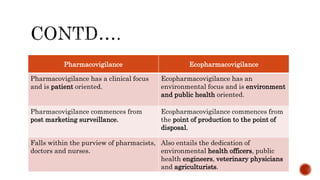
Pharmacovigilance Ecopharmacovigilance
Pharmacovigilance has a clinical focus
and is patient oriented.
Ecopharmacovigilance has an
environmental focus and is environment
and public health oriented.
Pharmacovigilance commences from
post marketing surveillance.
Ecopharmacovigilance commences from
the point of production to the point of
disposal.
Falls within the purview of pharmacists,
doctors and nurses.
Also entails the dedication of
environmental health officers, public
health engineers, veterinary physicians
and agriculturists.
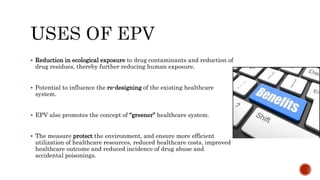
 Reduction in ecological exposure to drug contaminants and reduction of
drug residues, thereby further reducing human exposure.
 Potential to influence the re-designing of the existing healthcare
system.
 EPV also promotes the concept of “greener” healthcare system.
 The measure protect the environment, and ensure more efficient
utilization of healthcare resources, reduced healthcare costs, improved
healthcare outcome and reduced incidence of drug abuse and
accidental poisonings.
 The entry of pharmaceutical chemicals and drugs into the ecosystem has significance
public health implications of a serious concern and empirical evidences are making these
concerns more compelling.
 Targeted ecotoxicological studies are lacking almost entirely and such investigations are
required to focus on the subtle environmental effects of drug use. This will allow a
comprehensive risk assessment of pharmaceuticals in the future.
 The growing demand for more pharmaceuticals relative to world’s population growth may
place the public and environment at risk.
 All these factors necessitate the need for substances that are more biodegradable for the
manufacture of drugs by pharmaceutical companies.
 Tripathi K. D. Essentials of Medical Pharmacology; 7th Edition. New Delhi: Jaypee Brothers;
2013.
 Bosun Banjoko (2014). Environmental Pharmacology – An Overview, Pharmacology and
Therapeutics, Dr. Sivakumar Gowder (Ed.), InTech, DOI: 10.5772/57473. Available from:
http://www.intechopen.com.ololo.sci-hub.cc/books/pharmacology-and-therapeutics/environmental-
pharmacology-an-overview
 Rahman S.Z, et al. Environmental pharmacology: A new discipline. Indian J Pharmacol.
2006;38(4): 229-230.
 Valluri A. Ecopharmacology – In the Offing. International Journal of Scientific and Research
Publications. 2016;6(1):84-87.
 Sammartino M.P, et al. Ecopharmacology: Deliberated or casual dispersion of pharmaceutical
principles, phytosanitary, personal health care and veterinary products in environment needs a
multivariate analysis or expert systems for the control, the measure and the remediation.
Microchemical Journal. 2008;88:201–209.
 Farooq M, Goyal M et al. Ecopharmacology: an issue that needs urgent action. Int J Basic Clin
Pharmacol. 2016;5(5):2288-9.
THANK YOU

Environmental Pharmacology

  • 1.
    ENVIRONMENTAL PHARMACOLOGY PG Guide- Dr.Shyamal Sinha Presenter-Dr. Shivesh Gupta, JR 2, GGMC, Mumbai
  • 2.
  • 3.
    Causes of Environmental Pollution:- Toxic gases released into air.  Waste water released from industries and houses.  Improper dumping of garbage.  Cutting down of the green cover.  Urbanization.  Pharmaceutical chemicals from industries and hospitals.
  • 4.
     Introduction  History Sources and fate of Pharmaceuticals  Effects on ecosystem and Human beings  Environmental Toxicology  Ecopharmacovigilance  Summary  References
  • 5.
     The environmentalimpact of Pharmaceutical products is largely speculative and unmeasured.  Pharmaceutical products are the substances used by individuals for personal health or cosmetic reasons.  The world health organisation (WHO) estimates that about a quarter of the diseases facing mankind today occurs due to prolonged exposure to these environmental pollutants.
  • 6.
     The term‘Environmental Pharmacology’ was coined by Halling Sorensen in the year 1998.  Definition:- Environmental pharmacology is defined as the effect of pharmaceuticals and house care products on the environment and the ecosystem.  The increasing human and animal use and abuse of drugs as well as of personal health care and gross domestic products, involve disposal and waste problems and, as a consequence, affect the environmental condition.
  • 7.
     Environmental Pharmacologyinvolves study of:- 1. Gene-environment interaction. 2. Drug-environment interaction. 3. Toxin-environment interaction  The terms Environmental pharmacology, Ecopharmacology and Pharmacoenvironmentology are often used synonymously. Environmental Pharmacology Pharamco- environmentology Ecopharmacolog y
  • 8.
    Pharmacoenvironmentology Ecopharmacology It seeksto deal with the environmental impact of drugs given to humans and animals at therapeutic doses. It is described as entry of chemicals or drugs into the environment through any route and at any concentration disturbing the balance of ecosystem. It deals specifically with pharmacological agents and their impact on the environment, after elimination from humans and animals as post-therapy. It is a broad term that includes studies of “Pharmaceuticals and Personal Care Products (PPCPs)" irrespective of doses and route of entry into environment. It may be a component of Pharmacovigilance if extended to environment which can monitor adverse effects of drugs on environment at therapeutic doses. Ecopharmacology should be a part of the regulatory requirement prior to the launch of any new drug.
  • 10.
     In 1997-decline in the population of the Asian white- backed vulture (Gyps bengalensis) and Indian vultures (Gyps indicus) nesting in Keoladeo Natural Park in North Western India.  It was observed that they die after feeding on cattle treated with Diclofenac, which was used by veterinary doctors to treat cattle.  Because of lack of proper detoxification pathway for diclofenac in vultures, it’s ingestion leads to visceral gout and subsequent renal failure and death.  This prompted the Indian Government to ban the drug ‘diclofenac’ for veterinary use in 2006.  The vulture population drastically reduced over the years from 150 in 1997 to 25 in 2010. *Image Source:- Aug 29 2015 : The Times of India(Chennai)
  • 11.
     Patancheru featuresa very large number of industries in a limited area.  A study conducted in 1999 by .National Geophysical Research Institute, Hyderabad, documented extensive groundwater pollution and over-exploitation of water resources in Patancheru.  Ciprofloxacin - As high as 31 mg/L which is approx. 1 million times greater than the levels found in the treated municipal sewage effluents.  The estimated total release of ciprofloxacin for 1 day was 44 kg, sufficient to treat everyone in a city with 44000 inhabitants.  Strange cases like a child born without eyeballs, human morbidity, crop declines, and livestock deaths were reported.
  • 12.
     In 2005,the Thames investigation- showed traces of narcotics like cocaine in River Thames.  An investigation by the Sunday Telegraph found that an estimated 2kg of the cocaine went into the river each day.  One laboratory study suggested that antidepressants like fluoxetine could trigger spawning in some shellfish, thereby disturbing the ecological balance.
  • 13.
     A studyconducted in the United States by the Geological Survey Department in 2010- traces of steroids, insect repellents and phthalates in the American water supply.  Effects of some drugs on aquatic organisms have been investigated in acute toxicity assays. However, the chronic toxicity and potential subtle effects are only marginally known.
  • 14.
     The potentialroutes of entry of pharmaceutical and house hold care products in the environment include:- 1. Patients’ and animals’ excretion either as a parent compound or metabolites. 2. Direct release from manufacturing, hospitals or disposed via toilets and sinks. 3. Terrestrial depositions via sludge application to land, leaching from solid waste landfills 4. Drugs destined for plant health like insecticides and pesticides. 5. Overflow of agricultural run off may contain herbicides, pesticides and fertilizers. 6. Aging infrastructure of sewage treatment facilities. 7. Herbal preparations like aristolochic acid commonly found in Aristolochiacea family of plants used in Chinese herbal medicine. 8. Non pharmaceutical industrial sources, for example plastic products-Bisphenol A, household products like phthalates.
  • 16.
     PhACs:- Pharmaceuticalactive compounds (PhACs) are those pharmaceuticals that have by one route or another entered the environment as the parent compound or as pharmacologically active metabolites.  PPCPs:- Pharmaceutical and Personal Care Products (PPCPs) include collection of substances which refer to any product consumed by individuals for personal health or cosmetic reasons.  It comprises of all human and veterinary drugs (over the counter), diagnostic agents, "nutraceuticals" and other consumer chemicals, such as fragrances, cosmetics and sun- screen agents, "excipients”, biopharmaceuticals, dyes, pesticides, and many others.
  • 17.
    Drug Class Examples Synthetichormones 17 α Ethinyl Estradiol, 19-Norethisterone Cardiovascular drugs Propranolol, Metoproplol, Bisoprolol, Nadolol Antibiotics Sulphonamides, Chloramphenicol, Macrolides, Cotrimoxazole, Lincomycin, etc Antidepressants Fluoxetine Anti-epileptics Carbamazepine, Primidone NSAIDs Acetylsalicylic acid, Codeine, Diclofenac, Ibuprofen, Paracetamol.  The list of PhACs most commonly found in the environment are:-
  • 18.
    Data Source:- SammartinoM.P, et al. Ecopharmacology: Deliberated or casual dispersion of pharmaceutical principles, phytosanitary, personal health care and veterinary products in environment needs a multivariate analysis or expert systems for the control, the measure and the remediation. Microchemical Journal. 2008;88:201–209.
  • 19.
     The fateis determined by the capability to undergo biodegradation and photodegradation.  Photodegradation- UV component of the solar radiation produce the C–C bond break & breaks of the entire molecule.  Such mechanism depend on: - 1. Persistence of the active principle 2. Energy and intensity of the UV radiation 3. Daily, seasonal and geographical variation 4. Location of the molecules to be degraded. 5. Chemical and physical parameters
  • 20.
    Once PhACs entersthe environment, they suffer one of three fates which include: 1. Biodegradation into carbon dioxide and water. 2. Undergo some form of degradation to form metabolites. 3. Persist in the environment unmodified.
  • 21.
     The term‘Environmentally Persistent Pharmaceutical Pollutants’ (EPPP)- International Society of Doctors for the Environment (ISDE) in nomination 2010 of Pharmaceutical and Environment.  EPPP are the compounds that resist biodegradation by the microbes and persist in the environment in active form.  Different chemicals present at the same time, different interactions- results are not sufficiently studied or understood.
  • 22.
     EPPPs arealready found in water all over the world.  Half life of EPPPs depends on the environment- usually more than 1 year.  Eg:- Clofibric acid, a metabolite of clofibrate can still be found in surface as well as well- water.  Concentrations of EPPs - 1ng to 1mg/L.
  • 23.
     Serious effectsof EPPPs on water living organisms and microbial communities have been observed. The diffuse exposure might contribute to: I. Extinction of species and imbalance of sensible ecosystems:- Reproductive systems of frogs, fish and mussels. II. Genetic, developmental, immune and hormonal health effects to humans. III. Development of Antibiotic Resistant microbes, as were found downstream from few sewage plant in India.
  • 24.
     EPPPs fromsewage sludge used as fertilizes- absorbed by soya, and antibiotics have been found in the leaves.  EPPPs have been detected in drinking water.  For e.g. In drinking water of Stockholm, EPPS found include Atenolol, Citalopram, Diclofenc, Ibuprofen, Metoprolol, Naproxen and Trimetoprim.  In Indian drinking water, cetirizine, terbinafine and cataboprain (anti depressant drug) were found.  Some of these environmental pharmaceutical chemicals are well known to have serious genotoxic effects in humans.
  • 25.
     More than13 million deaths every year have been associated with environmental pollutants and as much as 24% of diseases are estimated to be caused by environmental exposures which can be averted.  Today, detectable levels of pharmaceutical preparations either as parent drug or metabolite are found in food stuffs, water, i.e both rivers and seas.  The effects can be divided as:- 1. Effects on ecosystem 2. Effects on Human beings
  • 26.
     Drugs interactwith the environment in diverse ways causing various modifications and affect:- 1. Aquatic system 2. Biofilm layer 3. Ground water and surface water 4. Sewage systems 5. Other flora and fauna of the ecosystems.
  • 27.
     Aquatic system:- Among aquatic organisms, fish most often share drug targets with humans.  Very little is known about the long-term effect of drugs in aquatic organisms.  A study suggested that anti- depressants like fluoxetine could trigger spawning in some shell fish.  In a study of aquatic rainbow trout exposed to 0.2% of the effluent for 5 days, induction of hepatic cytochrome CYPIA genes expression as well as enzyme activity were observed.  In addition, clinical blood chemistry analysis revealed an increase in plasma phosphate levels which by interpolation in humans, indicates impaired kidney function.
  • 28.
     Furthermore, masculinizationhad been observed in female marine snails exposed to tributylin (TBT), a biocide used in anti- fouling paints.  DDT – induced egg-shell thinning in birds is probably the best example of reproductive impairment causing several population declines in a number of raptor.  Developmental exposure to the DDT complex has been formerly linked to the induction of ovotestis in male western gulls.  Distorted sex-organ development and function in alligators has been linked with a DDT-complex spell into a lake in Florida in USA.
  • 29.
     Biofilm:-  Biofilmsreferred to as “slime” are aggregates of microorganisms in matrix of extracellular polymeric substances (EPS) & composed of extra cellular DNA proteins and Polysaccharides.  Medications like anti- diabetics, anti- histamine like diphenylhydramine of which Benachryl brand were observed to cause significant disruption to the biofilm community.  Effects of propanolol and fluoxetine were observed to have deleterious effects on zooplakton and benthic organisms.
  • 30.
     Ground andsurface waters:-  Ketoprofen and diclofenac are non steroidal anti-inflammatory drugs (NSAIDS) often used for similar indications and both are frequently found in surface waters.  In another Indian study, five common non steroidal anti- inflammatory drugs namely diclofenac, ketoprofen, naproxen, ibuprofen and acetylsalicylic acid were detected in various concentrations in surface water from 27 locations of the Kaveri velar and Tami rapani Rivers in southern India.  Acetylsalicylic acid was found at all sites and at considerately higher concentrations of up to 660ng/l.
  • 31.
     Aristolochic Acid(AA) found in plants of the Aristolochia genius.  Commonly used in Chinese traditional herbal preparation as health supplements and remedies for weight loss, menstrual symptoms and rheumatic fever.  Classified as a group I human carcinogen by IARC.  Contaminate surface water, grain and vegetables during processing and disposal.  Causative agent of Balkan endemic nephropathy, Chinese herb nephropathy and Urethelial cancer.
  • 32.
     The unavoidableinteraction between the different environmental compartments, lets humans to be the direct or indirect target of the pollution.  Polluting agents follow a cycle starting and ending to humans.  Drug consumption is due to pathologies related to the environment pollution such as allergies and pulmonary diseases caused by polluted air, stomach diseases caused by polluted foods and so on.
  • 33.
     Autoimmune diseases:- Environmental exposure- development and or the exacerbation of autoimmune diseases.  Aetiology of autoimmune diseases is multifactorial- genetic and environmental influences.  Examples include:- 1. Crystalline silica exposure and the development of several autoimmune diseases including RA, SSc, SLE and ANCA related vasculitis. 2. Solvent exposure and the development of Systemic Sclerosis. 3. Smoking and the development of seropositive RA. 4. UV radiation and the risk of development of multiple sclerosis (MS).  Other chemicals - Inorganic mercury, Gold, Silica, Trichloroethylene, Organochlorine pesticides, etc.
  • 34.
     Endocrine Disruptors(EDC):-  Chemicals that interfere with the production or activity of hormones in living organisms.  Effects on both aquatic animals and human beings.  Examples:- OC pills, polychlorinated biophenyls (PCB) pesticides, bisphenol A, phthalates, lead, mercury, cadmium, arsenic herbicides, plastic residues, and cleaning products  Ethinyl Estradiol can cause endocrine disruption fishes, frogs, alligators and molluscs even at 1 ng/L leading to feminization .  Propanolol was found to cause a significant decrease in egg production in Medaka Fish.
  • 35.
     Exposure toendocrine disruptors in humans include:- 1. Direct exposure at work place, and via consumer products such as food, certain plastic, paints, detergents and cosmetics 2. Indirect exposure via the environment, via air, water and soil.  The endocrine disruptor hypothesis was originally formulated for xenoestrogens i.e. chemical affecting the estrogen signaling pathway.  Steroid receptors for oestrogens, androgens and adrenocorticoid and thyroid hormones are most commonly affected.  The functions of the brain, heart, skeletal and the urogenital system can therefore be affected by EDCs.
  • 36.
     Potential effectin males:- EDCs has the potential to cause low sperm counts, testicular cancer, undescended testes, etc.  Potential effect in females:- Breast and reproductive organ tissue cancers, PCOD, endometriosis, uterine fibroid and PID.  Potential effect in children:- Each year, nearly 1,500 children under 6 years old are treated in U.S. emergency department as a result of accidental ingestion of buprenorphine. Medications for high blood pressure, anti-diabetic drugs, analgesics, anti-arthritis, etc. Impaired behaviour, mental, immune and thyroid functions in developing children.  Other include precocious puberty, osteoporosis, foetal growth, child development, and Obesity.
  • 37.
     The term‘Epigenetics’ refers to heritable changes in gene expression without the accompanying alterations in the DNA sequence.  Epigenetic mechanisms can be misdirected leading to diseases like cancer.  Commonly used pharmaceutical drugs can cause persistent epigenetic changes by altering epigenetic homeostasis.  Direct effects may be caused by drugs which affect chromatin architecture or DNA methylation.  Eg:- Hydrazine inhibits DNA methylation while isotretinoin has transcription factor activity.
  • 38.
     Examples:-  Diseasessuch as ‘tardive dyskinesia’ & drug induced SLE may be epigenetic in nature.  May be involved in the aetiology of heart disease, cancer, neurological and cognitive disorders, obesity, diabetes, infertility and sexual dysfunction.  A study in New York City- children exposed in the womb to high levels of polycyclic aromatic hydrocarbons (PAH)-were more likely to have asthma than those not exposed.  Epigenetic changes have also been observed with children conceived with assisted reproductive technologies- ‘Beckwith- Wiedemann syndrome’  Toxic metals like nickel, chromium and arsenic have also been implicated to having epigenetic effects.
  • 39.
     It isstudy of impacts of manmade pollutants and poisonous chemicals on the structure and function of environment and ecosystem.  Immense contribution in defining adverse biological effects due to toxins, drugs and chemicals.  The toxins or chemicals can be classified as:- 1. Carcinogens 2. Heavy metals 3. Air pollutants 4. Solvents 5. Pesticides
  • 40.
     Carcinogens arechemical compounds that lead to development of cancer on exposure, though chronic.  Examples:- Class Example Source Mechanism Cancer caused Nitrosamines Nicotine-derived nitrosaminoketone (NNK) Tobacco products, Cosmetics, pesticides, Rubber industry DNA adducts Ca Oesophagus, oral cavity, pharynx Polycyclic aromatic hydrocarbons Benzopyrene Fossil fuel combustion, coal tar, grilled meat DNA adducts or ROS Scrotal cancer (Chimney sweepers), Skin, Lung, Bladder Fungal toxins Aflatoxin B1 Corn, peanuts DNA adducts Hepatocellular carcinoma Aromatic Amines 2- Aminonaphthalene Dyes (Textile), Cigarette smoke DNA adducts Bladder
  • 41.
    Class Example SourceMechanism Cancer caused Liver toxicants Ethanol Beverages, environment Toxicity and compensatory proliferation; depletion of GSH Liver, Oesophagus, Pharynx, Breast Estrogens Diethyl- stilbestrol Drugs, environment Activation of estrogen-receptor signal transduction pathways Breast cancer, Carcinoma of vagina/cervix in DES daughters Metals Arsenic Environment, occupation Inhibition of DNA repair; activation of signal transduction pathways Bladder, Skin, Lung , GIT, Liver, Kidney, Hematopoietic Irritants Asbestos Environment, occupation Stimulation of inflammation; formation of ROS Mesothelioma, Lung cancer
  • 42.
     The heavymetals that are most commonly implicated in environmental toxicity to humans are:- 1. Lead (Pb) 2. Mercury (Hg) 3. Arsenic (As) 4. Cadmium (Cd)
  • 43.
     Lead salts-Acetate, Carbonate, Chromate, Monoxide, Tetroxide, Sulphide  Sources- Vehicle batteries, artificial paints, PVC pipes, Statues, etc.  The improper disposal of these products leads to contamination of environment.
  • 45.
    Acute toxicity:-Blood levels> 60-80 µg/dl  Metallic taste, dry throat, abdominal pain, vomiting, sometimes diarrhoea, circulatory collapse, headache, insomnia, renal tubular dysfunction  Blood lead levels > 80-120 µg/dl- Acute encephalopathy with convulsions, coma, death Chronic exposure:-  Facial pallor, Anaemia, basophilic stipling, Burtonian line on gums, Colic & Constipation, Lead palsy- wrist drop, foot drop, CVS, Kidney- HTN, Interstitial nephritis, amenorrhoea, dysmenorrhoea, sterility, abortion
  • 46.
     Treatment oflead Poisoning:  Acute poisoning with encephalopathy CaEDTA 75 mg/kg/day IV infusion BAL (Dimercaprol) 4 mg/kg iv , repeat 4 hrly  For Chronic poisoning Succimer (10mg/kg ,p.o.)  Supportive treatment Calcium gluconate IV Thiamine- neurological manifestations
  • 47.
     Mercury forms:- 1.Metallic Mercury (Hg0)- Thermometers, amalgam 2. Inorganic Mercury (Hg1+,Hg2+ ) – In atmosphere 3. Organic Mercury (Methyl Mercury) – Aquatic bacteria can methylate Hg2+ to form methyl mercury(Me Hg + )  Sources :  Natural sources:- Volcanic activities  Industrial:- Manufacturing of fluorescent bulbs, thermometers, alkaline batteries,etc.  Other : Broken Thermometers, Thimerosal  Environmental : Bioaccumulation of methylmercury in fish
  • 48.
     Acute toxicity:-Inhalation of vapours –acutely toxic to lungs Symptoms- cough, tightness in chest, interstitial pneumonitis, metallic taste, nausea, vomiting, diarrhoea, CNS toxicity GI irritation on ingestion- vomiting, diarrhoea, abdominal pain, Kidney damage  T/t- Termination of exposure, respiratory support Emesis, within 30-60 minutes of exposure, electrolyte & fluids balance Dimercaprol (upto 24 mg/kg/day IM), DMSA or Penicillamine, NAC enhances body clearance of methyl mercury salts.  Chronic toxicity:- Symptoms:- Tremors, emotional lability, insomnia, memory loss, cognitive deficits, manic depressive psychosis (Mad as hatters)  Other- Gingivostomatitis, Salivation, Acrodynia, Mercurialentis  T/t- Chelation therapy –Dimercaprol i.v. 3-5mg/kg
  • 49.
     Sources are:- 1. Manufacturing industries of:- a. Semiconductors b. Veterinary drugs c. Wood preservatives 2. Ground water- Drinking water
  • 50.
     Symptoms (Acute/chronicexposure ):- 1. Skin:- Hyperkeratization of skin, Rain drop pigmentation, Mee’s nails 2. GIT:- Mild cramping, diarrhoea, vomiting, GI hemorrhage 3. CVS:- Cardiac arrthythmias, IHD, Peripheral vascular disease, Black foot disease 4. CNS:- Peripheral neuropathy, Sensory loss(stocking & glove distribution) 5. Carcinogenic:- Skin cancer, Ca Bladder, Ca Lung  T/t-  Monitor fluids level (fatal hypovolemic shock can occur)  Chelation therapy:- I.M. Dimercaprol (3-5mg/kg,6 hrly), Penicillamine (1- 1.5 g/day,p.o.) or Succimer
  • 51.
     Pollutants inthe air aren't always visible and come from many different sources.  An air pollutant is a substance in the air that can have adverse effects on humans and the ecosystem.  5 major substances- 98% air pollution 1. Carbon monoxide - 52% 2. Sulphur Oxides - 14 % 3. Nitrogen Oxides & Ozone - 14% 4. Hydrocarbons - 14% 5. Particulate matter - 4 % 6. Volatile organic compounds like Methane
  • 52.
     Symptoms:- 1. Mildexposure- Cough, Irritation of eyes, nose, throat, Bronchorrhoea, Headache, Tachycardia 2. Severe exposure- Acute attack of asthma ( in asthmatics), Pulmonary edema, Bronchiolitis, ARDS, Syncope, convulsions, shock, respiratory failure. 3. Chronic exposure- Cardiovascular disease, neurologic disturbances, Chronic bronchitis, fibrosis, emphysematous changes, etc.  T/t:- 1. General:- remove from exposure source, Mechanical ventilation, 100 % O2, etc. 2. Specific:- Symptomatic treatment, Antibiotics, Bronchodilators, Sedatives, Treatment of Pulmonary edema, ARDS, etc.
  • 53.
     Solvents areliquids which have the ability to dissolve, suspend or extract other materials .  Solvents are a type of organic chemical that evaporate readily at room temperature, releasing harmful emissions into the atmosphere.  Uses:- Cleaning and degreasing products and machinery, dissolving, thinning and dispersing coatings, paints and inks, etc.  Examples:- Detergents, furniture polish, deodorizers, paints, stain removers, Cosmetics, weed, air fresheners, automotive products, etc.
  • 54.
     Health hazards:- 1.Deleterious effects on respiratory, haematological and thyroid functioning. 2. Solvents such as methylene chloride, a probable carcinogen that is commonly used in paint removers. 3. Chloroform, Carbon tetrachloride & Trichloroethylene- found in groundwater- damage of the liver, lung, and nervous system. 4. Glycol ethers and some chlorinated solvents- damage the kidneys. 5. Methylene chloride, Carbon disulphide and trichloroethane- harmful effects on the heart. 6. It has been reported that the solvents solvent abuse leads to death (eg. Glue sniffing). 7. Benzene is potentially carcinogenic (e.g.-leukemia, myeloma) 8. Some solvents may also be explosive, eg. nitrocellulose
  • 55.
     Pesticides aresemi volatile organic compounds & include a variety of chemicals in various forms used to kill or control pests which include bacteria, fungi and other organisms.  Toxic to human beings as well.  Examples:- 1. Insecticides- Organochlorines/Organophosphates/ Carbamates 2. Rodenticides-Red squill, Zinc phosphide 3. Fungicides- Captain, sulfur 4. Fumigants- Cyanide, Methyl Bromide, Phosphine 5. Herbicides- Paraquat
  • 56.
     Health effects:- Symptoms of pesticide toxicity include:- Irritation to eye, nose, throat, headache, dizziness, muscular weakness and nausea.  Chronic exposure to some pesticides can result in damage to the liver, kidneys, endocrine and nervous systems and increases risk of cancer  Examples:- High levels of Cyclodiene pesticides (chlordene, aldrin, dieldrin)- headaches, dizziness, muscle twitching, weakness, tingling sensation, damage to the liver, CNS, Cancer. Methoxychlor, Endosulfan and Captain accumulate in fatty tissues. Organophosphate and organchlorine insecticides- Cancer, neurological disorders and lung irritations in humans.
  • 57.
     DDT &analogues like Methoxychlor widely used. Chronic exposure- Brain & testicular cancers, NHL, Neurological damage, Parkinsons disease, birth defects. Banned in US- 1972:- DDT Resistance, possible carcinogen & environmental effects  Endosulfan:- Sprayed on cotton, cashew plants, tea, paddy crops,etc. “Kasargod” disaster in Kerala-1970
  • 58.
     Biological pesticides/Biopesticides are pesticides based on microorganisms or natural products.  Growing and concentrating naturally occurring organisms and or their metabolites including bacteria, fungi, nematodes, proteins etc.  Substitutes to synthetic chemical plant protection productions (PPPs).  Divided into three major classes: i. Microbial pesticides:- Which consist of bacteria, fungi or viruses and/or their metabolites. ii. Biochemical pesticides:- Naturally occurring substances that control or monitor pests. iii. Plant Incorporated Protectants (PIPs): Genetic material from other species incorporated into their genetic material i.e. genetically modified crops (GMCs).

  • 59.
     Examples ofbiopesticides include:- i. Bacillus thuringiensis toxin (BE Toxin) genetically incorporated into plants as insecticide. ii. Entomopathogenic fungi (e.g. Beauveria bassiana, Lacanicillum spp.) iii. Disease controlling agents such as Trichoderma spp and Ampelomyces quisqualis. iv. Entomopathogenic viruses e.g. Cydia pomonella granulo virus. v. Chitosan: Induce systemic resistance to allow the plant to defend itself against disease, pathogen and pests. vi. Natural plant derived products such as alkaloides terpenoids, phenolics, etc. vii. Beneficial nematodes attacking insects e.g. Sleinernema fetiae
  • 60.
     Advantages:- 1. Nondetection of harmful residues 2. Cost effective 3. Biodegradable 4. More effective.  Disadvantages:- 1. High specificity 2. Slow pace of action 3. Variable efficacy 4. Organism acquire tolerance as living organisms evolving.
  • 61.
     NHPs therapiesare increasingly recommended by various health providers.  Concern about safety and efficacy of herbal medicine due to lack of regulation and some reported adverse effects.  May be contaminated with banned pesticides, microbial agents like fungi, heavy metals and chemical toxins causing damage  A study in Boston, USA on Indian ayurvedic medicines- 30 South Asian store in the Boston area had potentially harmful levels of lead, mercury and arsenic.  Found in the products like “balguti”, mahayograj guggulu”, etc .  Wong et al (1993)- reported concentration of nine heavy metals; viz cadmium, cobalt, copper, iron, manganese, nickel lead, zinc and mercury in 42 Chinese herbal drugs.
  • 62.
     It Includes:- 1.Good Manufacturing Practices (GMP) 2. Disposal of Medicines 3. EU Regulations 4. US EPA ( Environmental Protection Agency) 5. WHO guidelines 6. Ecopharmacovigilance
  • 63.
     Good manufacturingpractice or (GMP) :- Practices and the systems required to be adapted in pharmaceutical manufacturing, quality control and quality system. They cover the manufacture and testing of pharmaceutical or drugs including active pharmaceutical ingredients, diagnostics, foods from pharmaceutical industry worldwide.  So far, emissions into the environment are not included.
  • 64.
     The unusedor expired medicines can pose a hazard to public safety and to the environment, if they are not safely disposed of.  Some of the well established methods of disposal include:- 1. Medicine take back programs: Well established in advanced countries but absent in developing economies. 2. Disposal in household trash: Placed in a sealed plastic bag to prevent them from getting to the environment before they reach the treatment sites. 3. Flushing of certain medicines: To prevent accidental ingestion by children, pets or any other persons.
  • 65.
     The USA,Food and Drug Administration (FDA) have regulated pharmaceuticals in the environment since 1977 under National Environmental Policy Act of 1969.  When a new drug is proposed for market, FDA requires the manufacturer to conduct a risk assessment that estimates the concentrations that will be found in the environment.  If drug conc ≥1 part per billion, its assumed to pose acceptable risks.  The requirement for chronic rather than acute ecotoxicity testing.
  • 66.
     Developed in2004, it directs that all members states should establish collection systems for unused or expired medicines.  Described a two-phased approach to evaluate Medicinal Products in environment. 1. Phase I- The environmental concentration of drug 2. Phase II- Physical, chemical and toxicological properties  Disposal into the sewage system is still the legally accepted route of elimination.  However, incineration at high temperature (1200˚C) is a preferred alternative to avoid environmental pollution.
  • 67.
     In October2010, the Secure and Responsible Drug Disposal Act of 2010 was enacted.  Recommends on disposal of household pharmaceuticals.  Take back events, mail – back and other collection programs initiated - collect old, expired, unwanted prescription and over the counter pharmaceuticals from households.  Recommends incineration as the preferred disposal method.  Reduces the misuse and abuse of drugs.  Prevent the practice of flushing consumer pharmaceuticals.
  • 68.
     The WHOguidelines for safe disposal of pharmaceutical wastes and unwanted large quantities of drugs donated as part of humanitarian assistance during conflicts and natural disasters.  Arrive past or near their expiry date, inappropriate for the needs, labeled in a foreign language sent in unwanted quantities.  The guidelines:- 1. Disposal methods:-Return to donor or manufacturers, dispatch to landfill/ sewers, Burning in open containers (small quantities), Incineration and Chemical decomposition. 2. Sorting:- Sort into categories e.g. expired or unwanted drugs, hazardous or potentially hazardous, recyclable and non-recyclable materials, etc. 3. Recommended disposal methods by sorting leads to application of appropriate disposal methods.
  • 69.
     In mostdeveloped countries (eg:- Sweden), there are regulatory requirements governing the environmental risk assessment of pharmaceuticals.  Environmental risk refers to the risk of toxicity to the aquatic environment.  It involves generation of a risk quotient; i.e. the ratio of the predicted environmental concentration (PEC) to the predicted no – effect concentration (PNEC) ratio i.e.(PEC: PNEC).  If risk quotient is >1 appropriate risk management measures are needed.
  • 70.
     It impliesenvironmental protection from pharmaceutical contamination.  World Health Organization (WHO)- “Ecopharmacovigilance is the science and activities associated with the detection, evaluation, understanding, and prevention of adverse effects of pharmaceuticals in the environment”.  Ecopharmacovigilance includes a reference to the pollution of waters and soils with pharmaceutical residues.  It has drugs, cosmetics and household products as its focus thus, is an additional provision for environment protection.
  • 71.
    Pharmacovigilance Ecopharmacovigilance Pharmacovigilance hasa clinical focus and is patient oriented. Ecopharmacovigilance has an environmental focus and is environment and public health oriented. Pharmacovigilance commences from post marketing surveillance. Ecopharmacovigilance commences from the point of production to the point of disposal. Falls within the purview of pharmacists, doctors and nurses. Also entails the dedication of environmental health officers, public health engineers, veterinary physicians and agriculturists.
  • 72.
     Reduction inecological exposure to drug contaminants and reduction of drug residues, thereby further reducing human exposure.  Potential to influence the re-designing of the existing healthcare system.  EPV also promotes the concept of “greener” healthcare system.  The measure protect the environment, and ensure more efficient utilization of healthcare resources, reduced healthcare costs, improved healthcare outcome and reduced incidence of drug abuse and accidental poisonings.
  • 73.
     The entryof pharmaceutical chemicals and drugs into the ecosystem has significance public health implications of a serious concern and empirical evidences are making these concerns more compelling.  Targeted ecotoxicological studies are lacking almost entirely and such investigations are required to focus on the subtle environmental effects of drug use. This will allow a comprehensive risk assessment of pharmaceuticals in the future.  The growing demand for more pharmaceuticals relative to world’s population growth may place the public and environment at risk.  All these factors necessitate the need for substances that are more biodegradable for the manufacture of drugs by pharmaceutical companies.
  • 74.
     Tripathi K.D. Essentials of Medical Pharmacology; 7th Edition. New Delhi: Jaypee Brothers; 2013.  Bosun Banjoko (2014). Environmental Pharmacology – An Overview, Pharmacology and Therapeutics, Dr. Sivakumar Gowder (Ed.), InTech, DOI: 10.5772/57473. Available from: http://www.intechopen.com.ololo.sci-hub.cc/books/pharmacology-and-therapeutics/environmental- pharmacology-an-overview  Rahman S.Z, et al. Environmental pharmacology: A new discipline. Indian J Pharmacol. 2006;38(4): 229-230.  Valluri A. Ecopharmacology – In the Offing. International Journal of Scientific and Research Publications. 2016;6(1):84-87.  Sammartino M.P, et al. Ecopharmacology: Deliberated or casual dispersion of pharmaceutical principles, phytosanitary, personal health care and veterinary products in environment needs a multivariate analysis or expert systems for the control, the measure and the remediation. Microchemical Journal. 2008;88:201–209.  Farooq M, Goyal M et al. Ecopharmacology: an issue that needs urgent action. Int J Basic Clin Pharmacol. 2016;5(5):2288-9.
  • 75.

Editor's Notes

  • #4 Pharmaceutical pollution is an emerging concern worldwide which has ill effects not only on the ecosystem but also on the human beings. So, it becomes an important issue to be addressed.
  • #7 It is an important science to be considered and evaluated as it is still in its infant stage in almost all parts of the world.
  • #11 Vultures are a keystone species and their decline is certain to adversely affect other wildlife, domestic animals and human beings, by posing the threat of outbreak of epidemics because of increase in the population of undecayed carcasses and feral dogs which pose a range of disease threats such as rabies in India.
  • #14 There is equally concern to human health sequel to the exposure to contaminated drinking water
  • #15 Pharmaceuticals have been detected in the environment, typically at ng/l to low μg/l in surface water. Easier access to drugs, health care products, gross domestic disinfectants etc leads to overuse or abuse and consequently more release and contamination.
  • #16 It is generally accepted that excretion of pharmaceuticals after human and veterinary therapeutic use dominates the global input of pharmaceuticals into the environment. Manufacturing effluent discharges and the disposal of unused drugs make a relatively small contribution to the overall environmental drug load.
  • #17 As they tend to dissolve relatively easily and don’t evaporate at normal temperatures, they often end up in soil and water bodies.
  • #18 Miscellaneous like Veterinary drugs, Fragrances, Cosmetics, Sun-screen, insecticides and pesticide products are contained in this group
  • #20 Chemical properties like pH , compounds such as nitrate, humate, OH radicals. Physical properties like temperature, humidity. It can be seen that to a decrease of the Naproxen active principle corresponds an increase of residues that in turn degrade to different residues that persist after 90 h of continuous irradiation by a simulating solar lamp
  • #22 There are documented evidences that some pharmaceuticals enter and persist in the environment (Ruhoy and Daughton 2008, Segura et al 2005).
  • #23 Despite the fact that clofibrate has been withdrawn from use long ago.
  • #26 Although the levels might not be toxic in a single exposure, low dose chronic toxicity should be anticipated.
  • #28 A growing number of pharmaceuticals are found in surface waters worldwide, raising concerns about their effects on aquatic organisms
  • #29 DDT- Dichloro-Diphenyl-Tricholore-ethane Other mammals affected include the Baltic grey and ringed seals, polar bear, rabbit and guinea pig.
  • #30 Important consideration is increased antibiotic resistance to bacterias like Legionella, Staph aureus and pseudomonas that are found commonly in biofilms.
  • #32 These findings, consequently led to ban on the use of Aristolochia containing herbal preparations in Europe and North America since 2001 and in Asia since 2003
  • #34 Mechanisms involved include activation of TLR; B Cell activation; impairment of T. helper 17 and T-regulatory cell immune function; modifications of self antigens; and alteration of DNA methylation profiles.
  • #35 Enter the aquatic system through improper medical waste disposal, runoff from land fill and sewage discharge.
  • #37 The paediatric group is unique with respect to environmental contaminants lot of hand to mouth activities ranging from food stuff to drug and plastic toys. Buprenorphine used alone or in combination with naloxone in certain prescription pain killers and other opioid drugs.
  • #40 Through micro array technology, large scale detection and quantification of mRNA transcripts and microRNA related to alterations in mRNA stability or gene regulation becomes feasible. Other omics technologies, notably proteomics and metabolomics soon joined in providing further fine tuning in the gathering and interpretation of toxicological data.
  • #42 Tetra chloro Dibenzo Dioxin
  • #44 Cities like Mumbai and Delhi are
  • #52 Sources included Industrial releases, Petroleum chemical emissions, vehicular emissions, burning of waste materials, etc.
  • #55 Though solvents prove to be very useful, they have quite a number of health hazards.
  • #56 It is therefore naïve to think that humans can totally avoid ingestion of pesticides and not have any health hazards of it.
  • #58 DDT- Dichloro-Diphenyl-Trichloroethane
  • #59 In the last two decades there had been conscious attempts to develop safe and environmentally friendly pesticides.
  • #62 The high prices and sometimes established side effects of synthetic drugs have caused many people to find alternatives in herbal medicine when faced with options Chemical toxins may come from unfavorable post harvest techniques, wrong storage conditions or through chemical treatment during storage period.
  • #63 Disposing of these contaminants properly is also important as it can protect the environment.
  • #65 some small number of medicines that may be especially harmful and in some cases fatal with just one dose, such medicine are flushed down the toilets or sinks as soon as they are no longer needed. Flushing method:- However, there should be caution in the application of this disposal method due to current environmental concern of xenobiotics.
  • #66 recognising that most pharmaceutical active ingredients are not acutely toxic but may have longer-term chronic effects on aquatic organisms at low levels.
  • #67 However the directive does not regulate how the collected pharmaceuticals should be handled.
  • #68 These are laws put in place enforced by the Drug Enforcement Administration’s (DEA) . to allow the public to dispose of their unwanted or expired controlled substance pharmaceuticals in a secure and responsible manner.
  • #69 Staff and storage space may be lacking and the pharmaceutical management system in disarray. Smaller quantities of pharmaceutical waste may accumulate in the absence of emergency situations due to lack of a routine system of distribution.
  • #70 Environmental hazard expresses the inherent environmentally damaging characteristics of the substance in terms of persistence, bioaccumulation and toxicity. The toxicity tests used are usually acute toxicity of fish, acute toxicity of Daphnia specie and growth inhibition test for algae. PEC- Maximum conc of drug expected to reach into the environment on subsequent use in patients. PNEC-which is the highest concentration of the substance that does not have a harmful effect in the environment (PNEC).
  • #73 So that only the most efficacious medications are presented in minimal doses and dispersed in quantities and for durations to ensure their full consumption and Minimal wastage and exposure to the environment.
  • #74 Need of ecopharmacovigilance to be applied globally. Otherwise, if pharmaceutical pollution continues so, it makes no sense to spend billion dollars on new drug development. Our contribution towards safe and healthy environment can prove to be a powerful approach that has the potential to affect much of life on Earth.