ECOPHARMACOLOGY
Presented by
Dr. Sajeena Jose. C
Department of Pharmacology
Amala Institute of Medical Sciences
INTRODUCTION
• The term ‘Environmental Pharmacology’ was coined
by Halling Sorensen in the year 1998.
• Environmental pharmacology is defined as the effect
of pharmaceuticals and house care products on the
environment and the ecosystem.
• The increasing human and animal use and abuse of drugs
as well as of personal health care and gross domestic
products, involve disposal and waste problems and, as a
consequence, affect the environmental condition.
• Environmental Pharmacology involves study of:-
1. Gene-environment interaction.
2. Drug-environment interaction.
3. Toxin-environment interaction
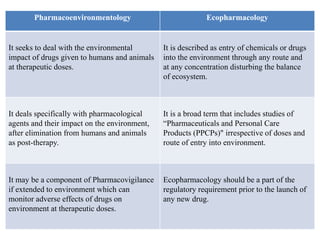
Pharmacoenvironmentology Ecopharmacology
It seeks to deal with the environmental
impact of drugs given to humans and animals
at therapeutic doses.
It is described as entry of chemicals or drugs
into the environment through any route and
at any concentration disturbing the balance
of ecosystem.
It deals specifically with pharmacological
agents and their impact on the environment,
after elimination from humans and animals
as post-therapy.
It is a broad term that includes studies of
“Pharmaceuticals and Personal Care
Products (PPCPs)" irrespective of doses and
route of entry into environment.
It may be a component of Pharmacovigilance
if extended to environment which can
monitor adverse effects of drugs on
environment at therapeutic doses.
Ecopharmacology should be a part of the
regulatory requirement prior to the launch of
any new drug.
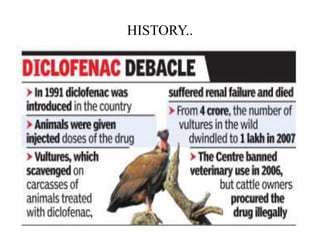
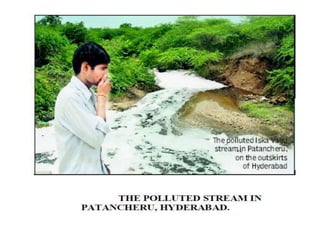
HISTORY..
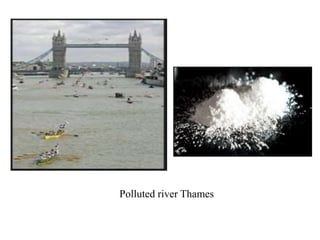
Polluted river Thames
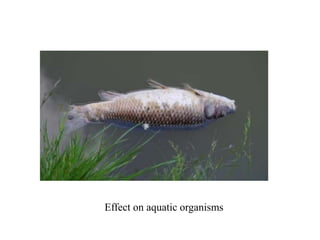
Effect on aquatic organisms
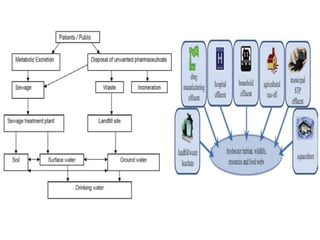
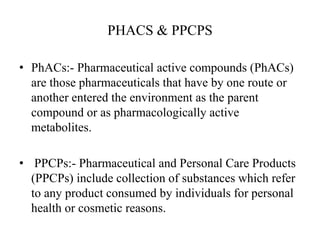
SOURCE OF PHARMACEUTICALS
• The potential routes of entry of pharmaceutical and
house hold care products in the environment include:-
1. Patients’ and animals’ excretion either as a parent
compound or metabolites.
2. Direct release from manufacturing, hospitals or
disposed via toilets and sinks.
3. Terrestrial depositions via sludge application to
land, leaching from solid waste landfills
4. Drugs destined for plant health like insecticides and
pesticides.
5. Overflow of agricultural run off may contain
herbicides, pesticides and fertilizers.
6. Herbal preparations like aristolochic acid commonly
found in Aristolochiacea family of plants used in
Chinese herbal medicine.
7. Non pharmaceutical industrial sources, for example
plastic products-Bisphenol A, household products like
phthalates.
PHACS & PPCPS
• PhACs:- Pharmaceutical active compounds (PhACs)
are those pharmaceuticals that have by one route or
another entered the environment as the parent
compound or as pharmacologically active
metabolites.
• PPCPs:- Pharmaceutical and Personal Care Products
(PPCPs) include collection of substances which refer
to any product consumed by individuals for personal
health or cosmetic reasons.
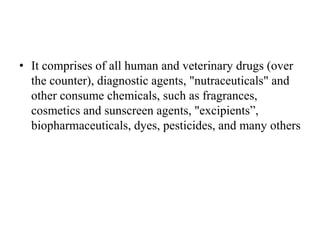
• It comprises of all human and veterinary drugs (over
the counter), diagnostic agents, "nutraceuticals" and
other consume chemicals, such as fragrances,
cosmetics and sunscreen agents, "excipients”,
biopharmaceuticals, dyes, pesticides, and many others
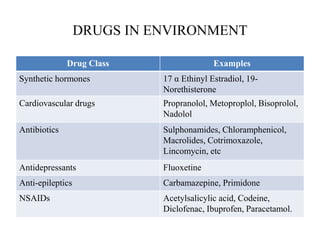
DRUGS IN ENVIRONMENT
Drug Class Examples
Synthetic hormones 17 α Ethinyl Estradiol, 19-
Norethisterone
Cardiovascular drugs Propranolol, Metoproplol, Bisoprolol,
Nadolol
Antibiotics Sulphonamides, Chloramphenicol,
Macrolides, Cotrimoxazole,
Lincomycin, etc
Antidepressants Fluoxetine
Anti-epileptics Carbamazepine, Primidone
NSAIDs Acetylsalicylic acid, Codeine,
Diclofenac, Ibuprofen, Paracetamol.
FATE IN THE ENVIRONMENT
• Once PhACs enters the environment, they suffer one
of three fates which include:
1. Biodegradation into carbon dioxide and water.
2. Undergo some form of degradation to form
metabolites.
3. Persist in the environment unmodified.
EPPP
• The term ‘Environmentally Persistent Pharmaceutical
Pollutants’ (EPPP)- International Society of Doctors
for the Environment (ISDE) in nomination 2010 of
Pharmaceutical and Environment.
• EPPP are the compounds that resist biodegradation
by the microbes and persist in the environment in
active form.
• Different chemicals present at the same time, different
interactions- results are not sufficiently studied or
understood.
• EPPPs are already found in water all over the world.
• Half life of EPPPs depends on the environment- usually
more than 1 year.
• Eg:- Clofibric acid, a metabolite of clofibrate can still be
found in surface as well as wellwater.
• Serious effects of EPPPs on water living organisms and
microbial communities have been observed. The diffuse
exposure might contribute to:
I. Extinction of species and imbalance of sensible
ecosystems: Reproductive systems of frogs, fish and
mussels.
II. Genetic, developmental, immune and hormonal health
effects to humans.
III. Development of Antibiotic Resistant microbes, as
were found downstream from few sewage plant in India.
• EPPPs from sewage sludge used as fertilizes- absorbed
by soya, and antibiotics have been found in the leaves.
• EPPPs have been detected in drinking water.
• For e.g. In drinking water of Stockholm, EPPS found
include Atenolol, Citalopram, Diclofenc, Ibuprofen,
Metoprolol, Naproxen and Trimetoprim.
• In Indian drinking water, cetirizine, terbinafine and
cataboprain (anti depressant drug) were found.
EFFECTS ON ECOSYSTEM
• Drugs interact with the environment in diverse ways
causing various modifications and affect:-
1. Aquatic system
2. Biofilm layer
3. Ground water and surface water
4. Sewage systems
5. Other flora and fauna of the ecosystems.
EFFECTS ON HUMANS
• Polluting agents follow a cycle starting and ending to
humans.
• Drug consumption is due to pathologies related to the
environment pollution such as allergies and
pulmonary diseases caused by polluted air, stomach
diseases caused by polluted foods and so on.
Autoimmune diseases:-
• Environmental exposure- development and or the
exacerbation of autoimmune diseases.
• Etiology of autoimmune diseases is multifactorial-
genetic and environmental influences.
• Examples include:-
1. Crystalline silica exposure and the development of
several autoimmune diseases including RA, SSc, SLE
and ANCA related vasculitis.
2. Solvent exposure and the development of Systemic
Sclerosis.
3. Smoking and the development of seropositive RA.
4. UV radiation and the risk of development of multiple
sclerosis (MS).
• Other chemicals - Inorganic mercury, Gold, Silica,
Trichloroethylene, Organochlorine pesticides,etc.
Endocrine Disruptors (EDC):-
• Chemicals that interfere with the production or activity
of hormones in living organisms.
• Effects on both aquatic animals and human beings.
• Examples:- OC pills, polychlorinated biophenyls (PCB)
pesticides, bisphenol A, phthalates, lead, mercury,
cadmium, arsenic herbicides, plastic residues, and
cleaning products
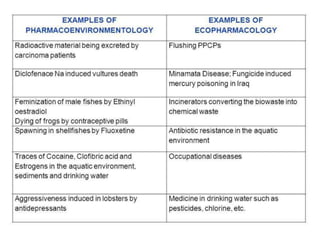
• Ethinyl Estradiol can cause endocrine disruption fishes,
frogs, alligators and mollusks even at 1 ng/L leading to
feminization .
• Propanolol was found to cause a significant decrease in
egg production in Medaka Fish.
• Potential effect in males:- EDCs has the potential to
cause low sperm counts, testicular cancer, undescended
testes, etc.
• Potential effect in females:- Breast and reproductive
organ tissue cancers, PCOD, endometriosis, uterine
fibroid and PID.
• Potential effect in children:- Each year, nearly 1,500
children under 6 years old are treated in U.S. emergency
department as a result of accidental ingestion of
buprenorphine.
• Medications for high blood pressure, anti-diabetic drugs,
analgesics, anti-arthritis, etc.
• Impaired behaviour, mental, immune and thyroid
functions in developing children.
• Other include precocious puberty, osteoporosis, foetal
growth, child development, and Obesity.
EPIGENETICS
• The term ‘Epigenetics’ refers to heritable changes in
gene expression without the accompanying alterations
in the DNA sequence.
• Epigenetic mechanisms can be misdirected leading to
diseases like cancer.
• Commonly used pharmaceutical drugs can cause
persistent epigenetic changes by altering epigenetic
homeostasis.
• Diseases such as ‘turdive dyskinesia’ & drug induced
SLE may be epigenetic in nature.
• May be involved in the etiology of heart disease, cancer,
neurological and cognitive disorders, obesity, diabetes,
infertility and sexual dysfunction.
• A study in New York City- children exposed in the
womb to high levels of polycyclic aromatic
hydrocarbons (PAH)-were more likely to have asthma
than those not exposed.
• Epigenetic changes have also been observed with
children conceived with assisted reproductive
technologies- ‘Beckwith- Wiedemann syndrome’
• Toxic metals like nickel, chromium and arsenic have also
been implicated to having epigenetic effects.
ENVIRONMENTAL TOXICOLOGY
• It is study of impacts of manmade pollutants and
poisonous chemicals on the structure and function of
environment and ecosystem.
• Immense contribution in defining adverse biological
effects due to toxins, drugs and chemicals.
• The toxins or chemicals can be classified as:-
1. Carcinogens
2. Heavy metals
3. Air pollutants
4. Solvents
5. Pesticides
HEAVY METALS
• The heavy metals that are most commonly implicated
in environmental toxicity to humans are:-
1. Lead (Pb)
2. Mercury (Hg)
3. Arsenic (As)
4. Cadmium (Cd)
LEAD
• Lead salts- Acetate, Carbonate,Chromate, Monoxide,
Tetroxide, Sulphide
• Sources- Vehicle batteries, artificial paints, PVC
pipes, Statues, etc.
• The improper disposal of these products leads to
contamination of environment.
MERCURY
• Mercury forms:-
1. Metallic Mercury (Hg0)- Thermometers, amalgam
2. Inorganic Mercury (Hg1+,Hg2+ ) – In atmosphere
3. Organic Mercury (Methyl Mercury) – Aquatic
bacteria can methylate Hg2+ to form methyl
mercury(Me Hg + )
Sources :
• Natural sources:- Volcanic activities
• Industrial:- Manufacturing of fluorescent bulbs,
thermometers, alkaline batteries,etc.
• Other : Broken Thermometers, Thimerosal
• Environmental : Bioaccumulation of methylmercury in
fish
ARSENIC
• Sources are :-
1. Manufacturing industries of:-
a. Semiconductors
b. Veterinary drugs
c. Wood preservatives
2. Ground water- Drinking water
PESTICIDES
• Pesticides are semi volatile organic compounds &
include a variety of chemicals in various forms used
to kill or control pests which include bacteria, fungi
and other organisms.
• Toxic to human beings as well.
• Examples:-
1. Insecticides- Organochlorines/Organophosphates/
Carbamates
2. Rodenticides-Red squill, Zinc phosphide
3. Fungicides- Captain, sulfur
4. Fumigants- Cyanide, Methyl Bromide, Phosphine
5. Herbicides- Paraquat
• Endosulfan:-
• Sprayed on cotton, cashew plants, tea, paddy crops,etc.
• “Kasargod” disaster in Kerala-1970
BIOPESTICIDES
• Biological pesticides/ Biopesticides are pesticides
based on microorganisms or natural products.
• Growing and concentrating naturally occurring
organisms and or their metabolites including bacteria,
fungi, nematodes, proteins etc.
• Substitutes to synthetic chemical plant protection
productions (PPPs).
• Divided into three major classes:
i. Microbial pesticides:- Which consist of bacteria, fungi
or viruses and/or their metabolites.
ii. Biochemical pesticides:- Naturally occurring
substances that control or monitor pests.
iii. Plant Incorporated Protectants (PIPs): Genetic
material from other species incorporated into their
genetic material i.e. genetically modified crops (GMCs).
PHARMACEUTICAL DISPOSAL &
ENVIRONMENT STANDARD
• It Includes:-
1. Good Manufacturing Practices (GMP)
2. Disposal of Medicines
3. EU Regulations
4. US EPA ( Environmental Protection Agency)
5. WHO guidelines
6. Ecopharmacovigilance
GOOD MANUFACTURING PRACTICE
• Practices and the systems required to be adapted in
pharmaceutical manufacturing, quality control and
quality system.
• They cover the manufacture and testing of
pharmaceutical or drugs including active
pharmaceutical ingredients, diagnostics, foods from
pharmaceutical industry worldwide.
DISPOSAL OF UNUSED MEDICINES
• The unused or expired medicines can pose a hazard to
public safety and to the environment, if they are not
safely disposed of.
• Some of the well established methods of disposal
include:-
1. Medicine take back programs: Well established in
advanced countries but absent in developing
economies.
2. Disposal in household trash: Placed in a sealed plastic
bag to prevent them from getting to the environment
before they reach the treatment sites.
3. Flushing of certain medicines: To prevent accidental
ingestion by children, pets or any other persons.
EUROPEAN UNION REGULATIONS
• Developed in 2004, it directs that all members states
should establish collection systems for unused or
expired medicines.
• Described a two-phased approach to evaluate
Medicinal Products in environment.
1. Phase I- The environmental concentration of drug
2. Phase II- Physical, chemical and toxicological
properties
• Disposal into the sewage system is still the legally
accepted route of elimination.
• However, incineration at high temperature (1200˚C) is a
preferred alternative to avoid environmental pollution.
UNITED STATES ENVIRONMENTAL
PROTECTION AGENCY
• In October 2010, the Secure and Responsible Drug
Disposal Act of 2010 was enacted.
• Recommends on disposal of household
pharmaceuticals.
• Take back events, mail – back and other collection
programs initiated - collect old, expired, unwanted
prescription and over the counter pharmaceuticals
from households.
• Recommends incineration as the preferred disposal
method.
• Reduces the misuse and abuse of drugs.
• Prevent the practice of flushing consumer
pharmaceuticals.
ENVIRONMENTAL RISK ASSESMENT
(ERA)
• Environmental risk refers to the risk of toxicity to the
aquatic environment.
• It involves generation of a risk quotient; i.e. the ratio
of the predicted environmental concentration (PEC)
to the predicted no – effect concentration (PNEC)
ratio i.e.(PEC: PNEC).
• If risk quotient is >1 appropriate risk management
measures are needed
ECOPHARMACOVIGILANCE
• World Health Organization (WHO)-
“Ecopharmacovigilance is the science and activities
associated with the detection, evaluation,
understanding, and prevention of adverse effects of
pharmaceuticals in the environment”.
• Ecopharmacovigilance includes a reference to the
pollution of waters and soils with pharmaceutical
residues.
• It has drugs, cosmetics and household products as its
focus thus, is an additional provision for environment
protection.
Uses of EPV:
• Reduction in ecological exposure to drug contaminants
and reduction of drug residues, thereby further reducing
human exposure.
• Potential to influence the re-designing of the existing
healthcare system.
• EPV also promotes the concept of “greener” healthcare
system.
• The measure protect the environment, and ensure more
efficient utilization of healthcare resources, reduced
healthcare costs, improved healthcare outcome and
reduced incidence of drug abuse and accidental
poisonings.

Ecopharmacology

  • 1.
    ECOPHARMACOLOGY Presented by Dr. SajeenaJose. C Department of Pharmacology Amala Institute of Medical Sciences
  • 2.
    INTRODUCTION • The term‘Environmental Pharmacology’ was coined by Halling Sorensen in the year 1998. • Environmental pharmacology is defined as the effect of pharmaceuticals and house care products on the environment and the ecosystem.
  • 3.
    • The increasinghuman and animal use and abuse of drugs as well as of personal health care and gross domestic products, involve disposal and waste problems and, as a consequence, affect the environmental condition. • Environmental Pharmacology involves study of:- 1. Gene-environment interaction. 2. Drug-environment interaction. 3. Toxin-environment interaction
  • 4.
    Pharmacoenvironmentology Ecopharmacology It seeksto deal with the environmental impact of drugs given to humans and animals at therapeutic doses. It is described as entry of chemicals or drugs into the environment through any route and at any concentration disturbing the balance of ecosystem. It deals specifically with pharmacological agents and their impact on the environment, after elimination from humans and animals as post-therapy. It is a broad term that includes studies of “Pharmaceuticals and Personal Care Products (PPCPs)" irrespective of doses and route of entry into environment. It may be a component of Pharmacovigilance if extended to environment which can monitor adverse effects of drugs on environment at therapeutic doses. Ecopharmacology should be a part of the regulatory requirement prior to the launch of any new drug.
  • 6.
  • 8.
  • 9.
  • 10.
    SOURCE OF PHARMACEUTICALS •The potential routes of entry of pharmaceutical and house hold care products in the environment include:- 1. Patients’ and animals’ excretion either as a parent compound or metabolites. 2. Direct release from manufacturing, hospitals or disposed via toilets and sinks. 3. Terrestrial depositions via sludge application to land, leaching from solid waste landfills
  • 11.
    4. Drugs destinedfor plant health like insecticides and pesticides. 5. Overflow of agricultural run off may contain herbicides, pesticides and fertilizers. 6. Herbal preparations like aristolochic acid commonly found in Aristolochiacea family of plants used in Chinese herbal medicine. 7. Non pharmaceutical industrial sources, for example plastic products-Bisphenol A, household products like phthalates.
  • 13.
    PHACS & PPCPS •PhACs:- Pharmaceutical active compounds (PhACs) are those pharmaceuticals that have by one route or another entered the environment as the parent compound or as pharmacologically active metabolites. • PPCPs:- Pharmaceutical and Personal Care Products (PPCPs) include collection of substances which refer to any product consumed by individuals for personal health or cosmetic reasons.
  • 14.
    • It comprisesof all human and veterinary drugs (over the counter), diagnostic agents, "nutraceuticals" and other consume chemicals, such as fragrances, cosmetics and sunscreen agents, "excipients”, biopharmaceuticals, dyes, pesticides, and many others
  • 15.
    DRUGS IN ENVIRONMENT DrugClass Examples Synthetic hormones 17 α Ethinyl Estradiol, 19- Norethisterone Cardiovascular drugs Propranolol, Metoproplol, Bisoprolol, Nadolol Antibiotics Sulphonamides, Chloramphenicol, Macrolides, Cotrimoxazole, Lincomycin, etc Antidepressants Fluoxetine Anti-epileptics Carbamazepine, Primidone NSAIDs Acetylsalicylic acid, Codeine, Diclofenac, Ibuprofen, Paracetamol.
  • 16.
    FATE IN THEENVIRONMENT • Once PhACs enters the environment, they suffer one of three fates which include: 1. Biodegradation into carbon dioxide and water. 2. Undergo some form of degradation to form metabolites. 3. Persist in the environment unmodified.
  • 17.
    EPPP • The term‘Environmentally Persistent Pharmaceutical Pollutants’ (EPPP)- International Society of Doctors for the Environment (ISDE) in nomination 2010 of Pharmaceutical and Environment. • EPPP are the compounds that resist biodegradation by the microbes and persist in the environment in active form.
  • 18.
    • Different chemicalspresent at the same time, different interactions- results are not sufficiently studied or understood. • EPPPs are already found in water all over the world. • Half life of EPPPs depends on the environment- usually more than 1 year. • Eg:- Clofibric acid, a metabolite of clofibrate can still be found in surface as well as wellwater.
  • 19.
    • Serious effectsof EPPPs on water living organisms and microbial communities have been observed. The diffuse exposure might contribute to: I. Extinction of species and imbalance of sensible ecosystems: Reproductive systems of frogs, fish and mussels. II. Genetic, developmental, immune and hormonal health effects to humans. III. Development of Antibiotic Resistant microbes, as were found downstream from few sewage plant in India.
  • 20.
    • EPPPs fromsewage sludge used as fertilizes- absorbed by soya, and antibiotics have been found in the leaves. • EPPPs have been detected in drinking water. • For e.g. In drinking water of Stockholm, EPPS found include Atenolol, Citalopram, Diclofenc, Ibuprofen, Metoprolol, Naproxen and Trimetoprim. • In Indian drinking water, cetirizine, terbinafine and cataboprain (anti depressant drug) were found.
  • 21.
    EFFECTS ON ECOSYSTEM •Drugs interact with the environment in diverse ways causing various modifications and affect:- 1. Aquatic system 2. Biofilm layer 3. Ground water and surface water 4. Sewage systems 5. Other flora and fauna of the ecosystems.
  • 22.
    EFFECTS ON HUMANS •Polluting agents follow a cycle starting and ending to humans. • Drug consumption is due to pathologies related to the environment pollution such as allergies and pulmonary diseases caused by polluted air, stomach diseases caused by polluted foods and so on.
  • 23.
    Autoimmune diseases:- • Environmentalexposure- development and or the exacerbation of autoimmune diseases. • Etiology of autoimmune diseases is multifactorial- genetic and environmental influences. • Examples include:- 1. Crystalline silica exposure and the development of several autoimmune diseases including RA, SSc, SLE and ANCA related vasculitis.
  • 24.
    2. Solvent exposureand the development of Systemic Sclerosis. 3. Smoking and the development of seropositive RA. 4. UV radiation and the risk of development of multiple sclerosis (MS). • Other chemicals - Inorganic mercury, Gold, Silica, Trichloroethylene, Organochlorine pesticides,etc.
  • 25.
    Endocrine Disruptors (EDC):- •Chemicals that interfere with the production or activity of hormones in living organisms. • Effects on both aquatic animals and human beings. • Examples:- OC pills, polychlorinated biophenyls (PCB) pesticides, bisphenol A, phthalates, lead, mercury, cadmium, arsenic herbicides, plastic residues, and cleaning products
  • 26.
    • Ethinyl Estradiolcan cause endocrine disruption fishes, frogs, alligators and mollusks even at 1 ng/L leading to feminization . • Propanolol was found to cause a significant decrease in egg production in Medaka Fish. • Potential effect in males:- EDCs has the potential to cause low sperm counts, testicular cancer, undescended testes, etc.
  • 27.
    • Potential effectin females:- Breast and reproductive organ tissue cancers, PCOD, endometriosis, uterine fibroid and PID. • Potential effect in children:- Each year, nearly 1,500 children under 6 years old are treated in U.S. emergency department as a result of accidental ingestion of buprenorphine.
  • 28.
    • Medications forhigh blood pressure, anti-diabetic drugs, analgesics, anti-arthritis, etc. • Impaired behaviour, mental, immune and thyroid functions in developing children. • Other include precocious puberty, osteoporosis, foetal growth, child development, and Obesity.
  • 29.
    EPIGENETICS • The term‘Epigenetics’ refers to heritable changes in gene expression without the accompanying alterations in the DNA sequence. • Epigenetic mechanisms can be misdirected leading to diseases like cancer. • Commonly used pharmaceutical drugs can cause persistent epigenetic changes by altering epigenetic homeostasis.
  • 30.
    • Diseases suchas ‘turdive dyskinesia’ & drug induced SLE may be epigenetic in nature. • May be involved in the etiology of heart disease, cancer, neurological and cognitive disorders, obesity, diabetes, infertility and sexual dysfunction. • A study in New York City- children exposed in the womb to high levels of polycyclic aromatic hydrocarbons (PAH)-were more likely to have asthma than those not exposed.
  • 31.
    • Epigenetic changeshave also been observed with children conceived with assisted reproductive technologies- ‘Beckwith- Wiedemann syndrome’ • Toxic metals like nickel, chromium and arsenic have also been implicated to having epigenetic effects.
  • 32.
    ENVIRONMENTAL TOXICOLOGY • Itis study of impacts of manmade pollutants and poisonous chemicals on the structure and function of environment and ecosystem. • Immense contribution in defining adverse biological effects due to toxins, drugs and chemicals.
  • 33.
    • The toxinsor chemicals can be classified as:- 1. Carcinogens 2. Heavy metals 3. Air pollutants 4. Solvents 5. Pesticides
  • 34.
    HEAVY METALS • Theheavy metals that are most commonly implicated in environmental toxicity to humans are:- 1. Lead (Pb) 2. Mercury (Hg) 3. Arsenic (As) 4. Cadmium (Cd)
  • 35.
    LEAD • Lead salts-Acetate, Carbonate,Chromate, Monoxide, Tetroxide, Sulphide • Sources- Vehicle batteries, artificial paints, PVC pipes, Statues, etc. • The improper disposal of these products leads to contamination of environment.
  • 36.
    MERCURY • Mercury forms:- 1.Metallic Mercury (Hg0)- Thermometers, amalgam 2. Inorganic Mercury (Hg1+,Hg2+ ) – In atmosphere 3. Organic Mercury (Methyl Mercury) – Aquatic bacteria can methylate Hg2+ to form methyl mercury(Me Hg + )
  • 37.
    Sources : • Naturalsources:- Volcanic activities • Industrial:- Manufacturing of fluorescent bulbs, thermometers, alkaline batteries,etc. • Other : Broken Thermometers, Thimerosal • Environmental : Bioaccumulation of methylmercury in fish
  • 38.
    ARSENIC • Sources are:- 1. Manufacturing industries of:- a. Semiconductors b. Veterinary drugs c. Wood preservatives 2. Ground water- Drinking water
  • 39.
    PESTICIDES • Pesticides aresemi volatile organic compounds & include a variety of chemicals in various forms used to kill or control pests which include bacteria, fungi and other organisms. • Toxic to human beings as well.
  • 40.
    • Examples:- 1. Insecticides-Organochlorines/Organophosphates/ Carbamates 2. Rodenticides-Red squill, Zinc phosphide 3. Fungicides- Captain, sulfur 4. Fumigants- Cyanide, Methyl Bromide, Phosphine 5. Herbicides- Paraquat
  • 41.
    • Endosulfan:- • Sprayedon cotton, cashew plants, tea, paddy crops,etc. • “Kasargod” disaster in Kerala-1970
  • 42.
    BIOPESTICIDES • Biological pesticides/Biopesticides are pesticides based on microorganisms or natural products. • Growing and concentrating naturally occurring organisms and or their metabolites including bacteria, fungi, nematodes, proteins etc. • Substitutes to synthetic chemical plant protection productions (PPPs).
  • 43.
    • Divided intothree major classes: i. Microbial pesticides:- Which consist of bacteria, fungi or viruses and/or their metabolites. ii. Biochemical pesticides:- Naturally occurring substances that control or monitor pests. iii. Plant Incorporated Protectants (PIPs): Genetic material from other species incorporated into their genetic material i.e. genetically modified crops (GMCs).
  • 44.
    PHARMACEUTICAL DISPOSAL & ENVIRONMENTSTANDARD • It Includes:- 1. Good Manufacturing Practices (GMP) 2. Disposal of Medicines 3. EU Regulations 4. US EPA ( Environmental Protection Agency) 5. WHO guidelines 6. Ecopharmacovigilance
  • 45.
    GOOD MANUFACTURING PRACTICE •Practices and the systems required to be adapted in pharmaceutical manufacturing, quality control and quality system. • They cover the manufacture and testing of pharmaceutical or drugs including active pharmaceutical ingredients, diagnostics, foods from pharmaceutical industry worldwide.
  • 46.
    DISPOSAL OF UNUSEDMEDICINES • The unused or expired medicines can pose a hazard to public safety and to the environment, if they are not safely disposed of. • Some of the well established methods of disposal include:- 1. Medicine take back programs: Well established in advanced countries but absent in developing economies.
  • 47.
    2. Disposal inhousehold trash: Placed in a sealed plastic bag to prevent them from getting to the environment before they reach the treatment sites. 3. Flushing of certain medicines: To prevent accidental ingestion by children, pets or any other persons.
  • 48.
    EUROPEAN UNION REGULATIONS •Developed in 2004, it directs that all members states should establish collection systems for unused or expired medicines. • Described a two-phased approach to evaluate Medicinal Products in environment. 1. Phase I- The environmental concentration of drug 2. Phase II- Physical, chemical and toxicological properties
  • 49.
    • Disposal intothe sewage system is still the legally accepted route of elimination. • However, incineration at high temperature (1200˚C) is a preferred alternative to avoid environmental pollution.
  • 50.
    UNITED STATES ENVIRONMENTAL PROTECTIONAGENCY • In October 2010, the Secure and Responsible Drug Disposal Act of 2010 was enacted. • Recommends on disposal of household pharmaceuticals. • Take back events, mail – back and other collection programs initiated - collect old, expired, unwanted prescription and over the counter pharmaceuticals from households.
  • 51.
    • Recommends incinerationas the preferred disposal method. • Reduces the misuse and abuse of drugs. • Prevent the practice of flushing consumer pharmaceuticals.
  • 52.
    ENVIRONMENTAL RISK ASSESMENT (ERA) •Environmental risk refers to the risk of toxicity to the aquatic environment. • It involves generation of a risk quotient; i.e. the ratio of the predicted environmental concentration (PEC) to the predicted no – effect concentration (PNEC) ratio i.e.(PEC: PNEC). • If risk quotient is >1 appropriate risk management measures are needed
  • 53.
    ECOPHARMACOVIGILANCE • World HealthOrganization (WHO)- “Ecopharmacovigilance is the science and activities associated with the detection, evaluation, understanding, and prevention of adverse effects of pharmaceuticals in the environment”. • Ecopharmacovigilance includes a reference to the pollution of waters and soils with pharmaceutical residues.
  • 54.
    • It hasdrugs, cosmetics and household products as its focus thus, is an additional provision for environment protection. Uses of EPV: • Reduction in ecological exposure to drug contaminants and reduction of drug residues, thereby further reducing human exposure. • Potential to influence the re-designing of the existing healthcare system.
  • 55.
    • EPV alsopromotes the concept of “greener” healthcare system. • The measure protect the environment, and ensure more efficient utilization of healthcare resources, reduced healthcare costs, improved healthcare outcome and reduced incidence of drug abuse and accidental poisonings.