Eco pharmacology
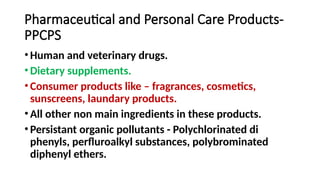
Pharmaceutical and Personal Care Products-
PPCPS
• Human and veterinary drugs.
• Dietary supplements.
• Consumer products like – fragrances, cosmetics,
sunscreens, laundary products.
• All other non main ingredients in these products.
• Persistant organic pollutants - Polychlorinated di
phenyls, perfluroalkyl substances, polybrominated
diphenyl ethers.
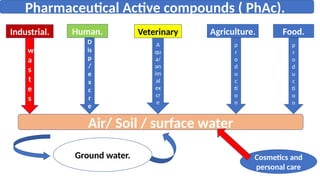
Pharmaceutical Active compounds ( PhAc).
Agriculture.
Veterinary
.
Human.
Industrial. Food.
w
a
s
t
e
s
D
is
p
/
e
x
c
r
e
A
qu
a/
an
im
al
ex
cr
e
p
r
o
d
u
c
ti
o
n
p
r
o
d
u
c
ti
o
n
Air/ Soil / surface water
Ground water. Cosmetics and
personal care
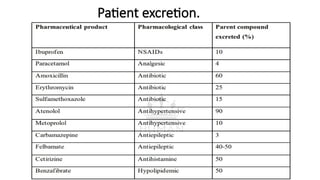
Patient excretion.
50th
anniversary.
#BeatPlasticPollution
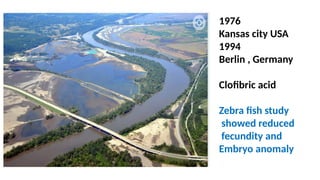
1976
Kansas city USA
1994
Berlin , Germany
Clofibric acid
Zebra fish study
showed reduced
fecundity and
Embryo anomaly
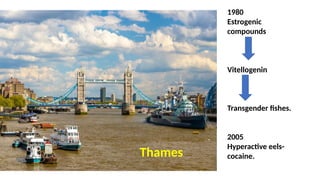
1980
Estrogenic
compounds
Vitellogenin
Transgender fishes.
2005
Hyperactive eels-
cocaine.
Thames
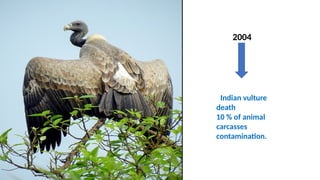
2004
Indian vulture
death
10 % of animal
carcasses
contamination.
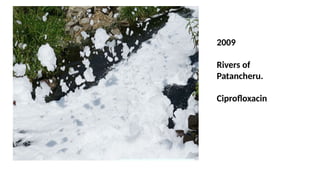
2009
Rivers of
Patancheru.
Ciprofloxacin
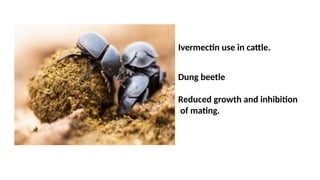
Ivermectin use in cattle.
Dung beetle
Reduced growth and inhibition
of mating.
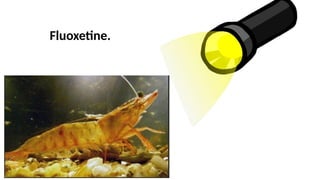
Fluoxetine.
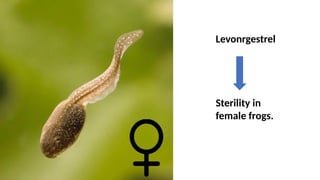
Levonrgestrel
Sterility in
female frogs.
Human impact.
• Crystalline silica- ANCA vasculitis, SLE, RA.
• Endocrine disrupting chemicals. ( EDCs)- precocious
puberty, testicular, breast cancers.
• Maternal exposure to polycyclic aromatic hydrocarbons-
serious breathing problems in children.
• Ecoshadow- Environmental impact of antibiotics.
Solution ?
•Ecopharmacology- entry of chemicals or drugs into the
environment through any route & concentration disturbing the eco
system.
• Enviornmental pharmacology- effect of pharmaceuticals and house
hold products in environment and ecosystem.
•Ecopharmacovigilance – science and activities pertaining to
detection , assessment, understanding and prevention of adverse
effects or other problems related to existence of pharmaceuticals in
environment.
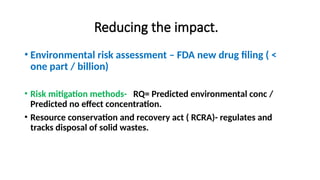
Reducing the impact.
• Environmental risk assessment – FDA new drug filing ( <
one part / billion)
• Risk mitigation methods- RQ= Predicted environmental conc /
Predicted no effect concentration.
• Resource conservation and recovery act ( RCRA)- regulates and
tracks disposal of solid wastes.
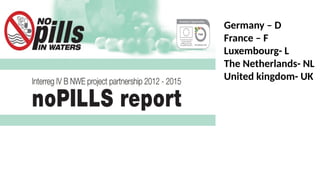
Germany – D
France – F
Luxembourg- L
The Netherlands- NL
United kingdom- UK
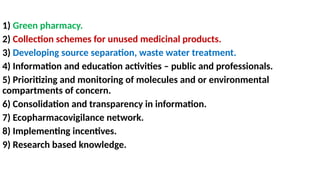
1) Green pharmacy.
2) Collection schemes for unused medicinal products.
3) Developing source separation, waste water treatment.
4) Information and education activities – public and professionals.
5) Prioritizing and monitoring of molecules and or environmental
compartments of concern.
6) Consolidation and transparency in information.
7) Ecopharmacovigilance network.
8) Implementing incentives.
9) Research based knowledge.
1) Ecopharmacology: an issue that needs urgent action , DOI:
http://dx.doi.org/10.18203/2319-2003.ijbcp20163279 .
2) Ecopharmacology - Is It a Necessity for Human Survival?, Review Article June 2021
Vol.:21, Issue:3, IJPPR.
3) Ecopharmacology – In the Offing Agnesh. Valluri, International Journal of Scientific
and Research Publications, Volume 6, Issue 1, January 2016 84 ISSN 2250-3153
4) Pharmaceuticals and Personal Care Products (PPCPs) An Emerging Issue. The
Groundwater Foundation P.O. Box 22558 Lincoln, NE 68516 402-434-2740 or 1-800-
858-4844 www.groundwater.org
5) Interreg IV B NWE project partnership 2012 - 2015 noPILLS report
6) Pharmaceutical residues in the aquatic system – a challenge for the future. nsights
and activities of the European cooperation project PILLS.
7) Ecopharmacovigilance: An environment safety issue ViThe Pharma Innovation
Journal 2018; 7(5): 234-239dhi Gautam, YP Sahni, Sachin Kumar Jain and Arpita
Shrivastav.
eeeeeeeeeeeeeeeeeeeeeeeeeeeeeeeeeeee.pptx

eeeeeeeeeeeeeeeeeeeeeeeeeeeeeeeeeeee.pptx

  • 1.
  • 2.
    Pharmaceutical and PersonalCare Products- PPCPS • Human and veterinary drugs. • Dietary supplements. • Consumer products like – fragrances, cosmetics, sunscreens, laundary products. • All other non main ingredients in these products. • Persistant organic pollutants - Polychlorinated di phenyls, perfluroalkyl substances, polybrominated diphenyl ethers.
  • 3.
    Pharmaceutical Active compounds( PhAc). Agriculture. Veterinary . Human. Industrial. Food. w a s t e s D is p / e x c r e A qu a/ an im al ex cr e p r o d u c ti o n p r o d u c ti o n Air/ Soil / surface water Ground water. Cosmetics and personal care
  • 4.
  • 5.
  • 6.
    1976 Kansas city USA 1994 Berlin, Germany Clofibric acid Zebra fish study showed reduced fecundity and Embryo anomaly
  • 7.
  • 8.
    2004 Indian vulture death 10 %of animal carcasses contamination.
  • 9.
  • 10.
    Ivermectin use incattle. Dung beetle Reduced growth and inhibition of mating.
  • 11.
  • 12.
  • 13.
    Human impact. • Crystallinesilica- ANCA vasculitis, SLE, RA. • Endocrine disrupting chemicals. ( EDCs)- precocious puberty, testicular, breast cancers. • Maternal exposure to polycyclic aromatic hydrocarbons- serious breathing problems in children. • Ecoshadow- Environmental impact of antibiotics.
  • 14.
  • 15.
    •Ecopharmacology- entry ofchemicals or drugs into the environment through any route & concentration disturbing the eco system. • Enviornmental pharmacology- effect of pharmaceuticals and house hold products in environment and ecosystem. •Ecopharmacovigilance – science and activities pertaining to detection , assessment, understanding and prevention of adverse effects or other problems related to existence of pharmaceuticals in environment.
  • 16.
    Reducing the impact. •Environmental risk assessment – FDA new drug filing ( < one part / billion) • Risk mitigation methods- RQ= Predicted environmental conc / Predicted no effect concentration. • Resource conservation and recovery act ( RCRA)- regulates and tracks disposal of solid wastes.
  • 17.
    Germany – D France– F Luxembourg- L The Netherlands- NL United kingdom- UK
  • 18.
    1) Green pharmacy. 2)Collection schemes for unused medicinal products. 3) Developing source separation, waste water treatment. 4) Information and education activities – public and professionals. 5) Prioritizing and monitoring of molecules and or environmental compartments of concern. 6) Consolidation and transparency in information. 7) Ecopharmacovigilance network. 8) Implementing incentives. 9) Research based knowledge.
  • 19.
    1) Ecopharmacology: anissue that needs urgent action , DOI: http://dx.doi.org/10.18203/2319-2003.ijbcp20163279 . 2) Ecopharmacology - Is It a Necessity for Human Survival?, Review Article June 2021 Vol.:21, Issue:3, IJPPR. 3) Ecopharmacology – In the Offing Agnesh. Valluri, International Journal of Scientific and Research Publications, Volume 6, Issue 1, January 2016 84 ISSN 2250-3153 4) Pharmaceuticals and Personal Care Products (PPCPs) An Emerging Issue. The Groundwater Foundation P.O. Box 22558 Lincoln, NE 68516 402-434-2740 or 1-800- 858-4844 www.groundwater.org 5) Interreg IV B NWE project partnership 2012 - 2015 noPILLS report 6) Pharmaceutical residues in the aquatic system – a challenge for the future. nsights and activities of the European cooperation project PILLS. 7) Ecopharmacovigilance: An environment safety issue ViThe Pharma Innovation Journal 2018; 7(5): 234-239dhi Gautam, YP Sahni, Sachin Kumar Jain and Arpita Shrivastav.