The Enlightenment   A New Way of Thinking
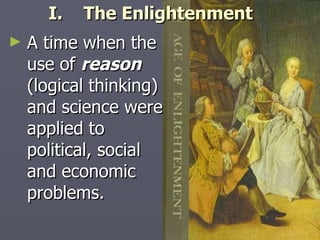
A time when the use of  reason   (logical thinking) and science were applied to political, social and economic problems.   I.  The Enlightenment
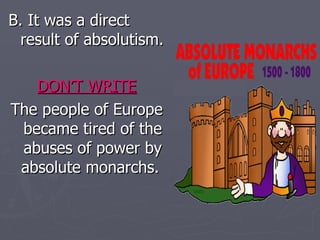
B. It was a direct result of absolutism. DON’T WRITE The people of Europe became tired of the abuses of power by absolute monarchs.
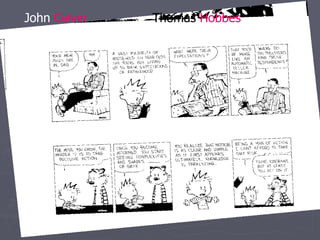
John  Calvin Thomas   Hobbes
II.   Thinkers A.  Philosophes : (“Lovers of Wisdom”)  Enlightenment thinkers who applied methods of science to improve society.
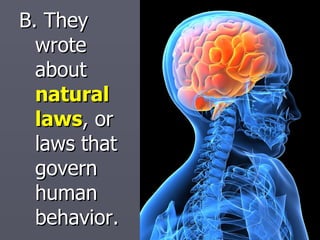
B. They wrote about  natural laws , or laws that govern human behavior.
 
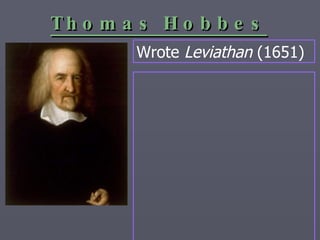
Thomas Hobbes Wrote  Leviathan  (1651)
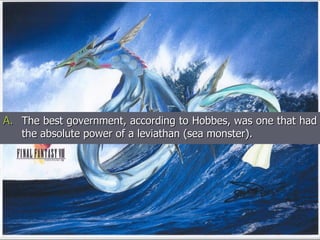
The best government, according to Hobbes, was one that had the absolute power of a leviathan (sea monster).
Views & Beliefs Man is naturally cruel and must be controlled. Man gives up rights for order to enter into a  social contract   – an agreement to give up man’s natural state to live in organized society.
Ideas on Gov’t A powerful gov’t must ensure order and obedience An absolute monarchy  Ideas on Gov’t
Impact Absolute monarchs used his ideas to justify their rule.  Impact
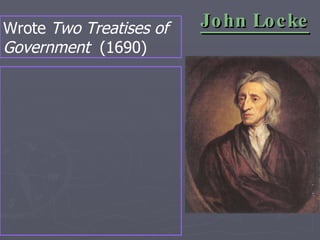
John Locke Wrote  Two Treatises of Government  (1690)
Views & Beliefs Man is naturally good & born equal Every man has  natural   rights- rights belonging to all humans (life, liberty and property) If gov’t fails the people, they have the right to overthrow it
Ideas on Gov’t Ideas on Gov’t Best gov’t is where leader is limited and is accepted by all citizens (democracy)
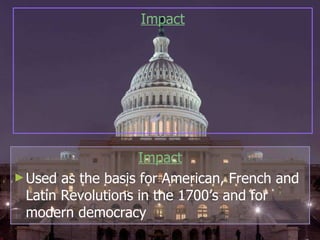
Impact Used as the basis for American, French and Latin Revolutions in the 1700’s and for modern democracy Impact
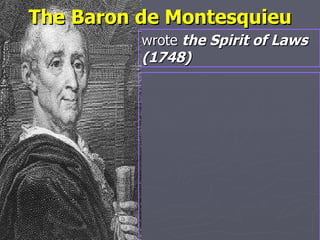
The   Baron de Montesquieu wrote  the Spirit of Laws (1748)
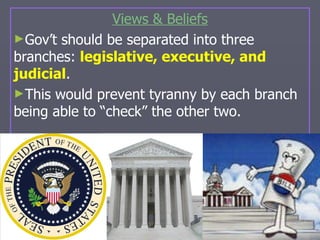
Views & Beliefs Gov’t should be separated into three branches:  legislative, executive, and judicial . This would prevent tyranny by each branch being able to “check” the other two.
Ideas on Gov’t Ideas on Gov’t Favored limited monarchy (studied British, Chinese, & Native American gov’t)
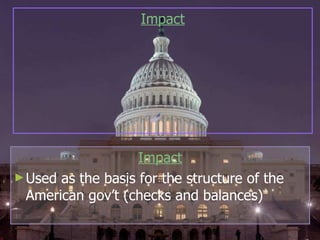
Impact Used as the basis for the structure of the American gov’t (checks and balances) Impact
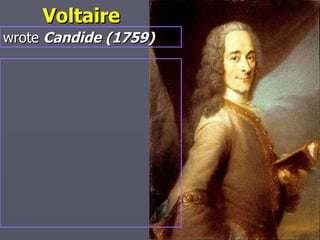
Voltaire wrote  Candide (1759)
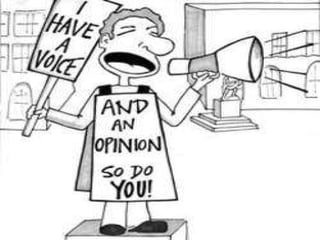
Views & Beliefs published more than 70 books about the  right to  free speech .  Promoted civil rights & religious toleration He targeted corrupted officials and offended the Catholic church.
Ideas on Gov’t Ideas on Gov’t Enlightened monarchs were best
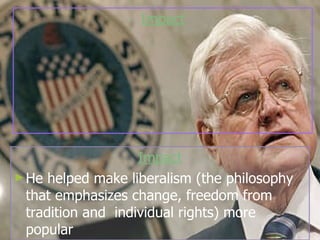
Impact He helped make liberalism (the philosophy that emphasizes change, freedom from tradition and  individual rights) more popular Impact
 
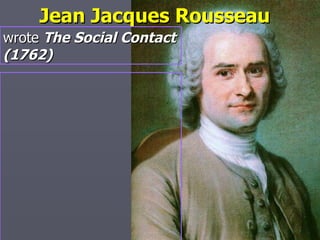
Jean Jacques Rousseau wrote  The Social Contact (1762)
Views & Beliefs People are naturally good but are corrupted by the inequality of society. People should give up some rights for the common good. The “general will” of the people is for good. He individual should be subordinate to the community.
Ideas on Gov’t Ideas on Gov’t Two Views Democracy –authority given to people  OR Communism- good of the community over the individual
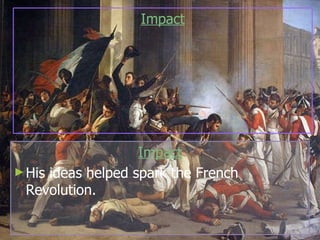
Impact His ideas helped spark the French Revolution. Impact
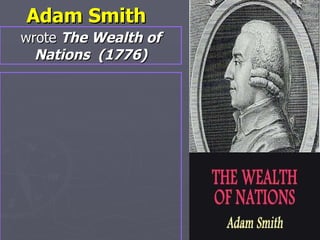
Adam Smith   wrote  The Wealth of Nations  (1776)
Views & Beliefs The  free market-  the natural forces of supply and demand, should be allowed to operate and regulate business.   (If there is a demand for goods, suppliers will meet it) Believed in  laissez-faire- allowing business to operate without gov’t interference.
Ideas on Gov’t Ideas on Gov’t Any gov’t that promotes laissez-faire economics
Impact Gave rise to capitalism and the Industrial Revolution  Impact
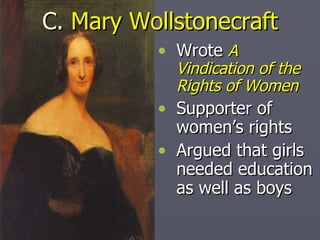
Wrote  A Vindication of the Rights of Women Supporter of women’s rights  Argued that girls needed education as well as boys C.  Mary Wollstonecraft
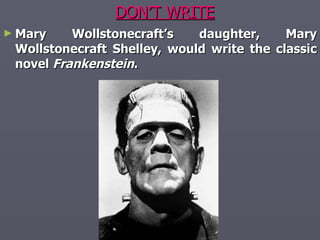
Mary Wollstonecraft’s daughter, Mary Wollstonecraft Shelley, would write the classic novel  Frankenstein . DON’T WRITE
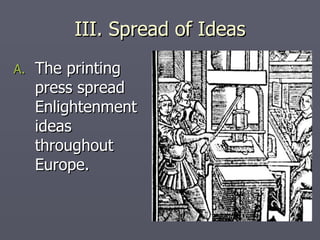
III. Spread of Ideas The printing press spread Enlightenment ideas throughout Europe.
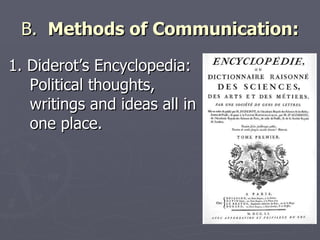
B.  Methods of Communication: 1. Diderot’s Encyclopedia: Political thoughts, writings and ideas all in one place.
2. Salons Informal social gatherings writers, artists, philosophers exchanged ideas & points of view Many women organized salons and used them to learn about the issues of the day.
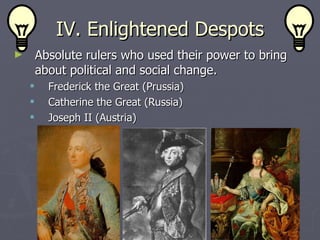
IV. Enlightened Despots Absolute rulers who used their power to bring about political and social change. Frederick the Great (Prussia) Catherine the Great (Russia) Joseph II (Austria)
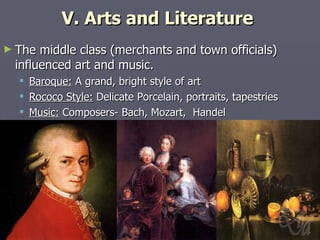
V. Arts and Literature  The middle class (merchants and town officials) influenced art and music. Baroque:  A grand, bright style of art Rococo Style:  Delicate Porcelain, portraits, tapestries Music:  Composers- Bach, Mozart,  Handel
VI. Effects Enlightenment ideas inspired a belief of personal freedom and equality. These concepts, along with challenges to authority, caused a growth of democracy. The Enlightenment would contribute to an age of  revolution!
 

Enlightenment

  • 1.
    The Enlightenment A New Way of Thinking
  • 2.
    A time whenthe use of reason (logical thinking) and science were applied to political, social and economic problems. I. The Enlightenment
  • 3.
    B. It wasa direct result of absolutism. DON’T WRITE The people of Europe became tired of the abuses of power by absolute monarchs.
  • 4.
    John CalvinThomas Hobbes
  • 5.
    II. Thinkers A. Philosophes : (“Lovers of Wisdom”) Enlightenment thinkers who applied methods of science to improve society.
  • 6.
    B. They wroteabout natural laws , or laws that govern human behavior.
  • 7.
  • 8.
    Thomas Hobbes Wrote Leviathan (1651)
  • 9.
    The best government,according to Hobbes, was one that had the absolute power of a leviathan (sea monster).
  • 10.
    Views & BeliefsMan is naturally cruel and must be controlled. Man gives up rights for order to enter into a social contract – an agreement to give up man’s natural state to live in organized society.
  • 11.
    Ideas on Gov’tA powerful gov’t must ensure order and obedience An absolute monarchy Ideas on Gov’t
  • 12.
    Impact Absolute monarchsused his ideas to justify their rule. Impact
  • 13.
    John Locke Wrote Two Treatises of Government (1690)
  • 14.
    Views & BeliefsMan is naturally good & born equal Every man has natural rights- rights belonging to all humans (life, liberty and property) If gov’t fails the people, they have the right to overthrow it
  • 15.
    Ideas on Gov’tIdeas on Gov’t Best gov’t is where leader is limited and is accepted by all citizens (democracy)
  • 16.
    Impact Used asthe basis for American, French and Latin Revolutions in the 1700’s and for modern democracy Impact
  • 17.
    The Baron de Montesquieu wrote the Spirit of Laws (1748)
  • 18.
    Views & BeliefsGov’t should be separated into three branches: legislative, executive, and judicial . This would prevent tyranny by each branch being able to “check” the other two.
  • 19.
    Ideas on Gov’tIdeas on Gov’t Favored limited monarchy (studied British, Chinese, & Native American gov’t)
  • 20.
    Impact Used asthe basis for the structure of the American gov’t (checks and balances) Impact
  • 21.
    Voltaire wrote Candide (1759)
  • 22.
    Views & Beliefspublished more than 70 books about the right to free speech . Promoted civil rights & religious toleration He targeted corrupted officials and offended the Catholic church.
  • 23.
    Ideas on Gov’tIdeas on Gov’t Enlightened monarchs were best
  • 24.
    Impact He helpedmake liberalism (the philosophy that emphasizes change, freedom from tradition and individual rights) more popular Impact
  • 25.
  • 26.
    Jean Jacques Rousseauwrote The Social Contact (1762)
  • 27.
    Views & BeliefsPeople are naturally good but are corrupted by the inequality of society. People should give up some rights for the common good. The “general will” of the people is for good. He individual should be subordinate to the community.
  • 28.
    Ideas on Gov’tIdeas on Gov’t Two Views Democracy –authority given to people OR Communism- good of the community over the individual
  • 29.
    Impact His ideashelped spark the French Revolution. Impact
  • 30.
    Adam Smith wrote The Wealth of Nations (1776)
  • 31.
    Views & BeliefsThe free market- the natural forces of supply and demand, should be allowed to operate and regulate business. (If there is a demand for goods, suppliers will meet it) Believed in laissez-faire- allowing business to operate without gov’t interference.
  • 32.
    Ideas on Gov’tIdeas on Gov’t Any gov’t that promotes laissez-faire economics
  • 33.
    Impact Gave riseto capitalism and the Industrial Revolution Impact
  • 34.
    Wrote AVindication of the Rights of Women Supporter of women’s rights Argued that girls needed education as well as boys C. Mary Wollstonecraft
  • 35.
    Mary Wollstonecraft’s daughter,Mary Wollstonecraft Shelley, would write the classic novel Frankenstein . DON’T WRITE
  • 36.
    III. Spread ofIdeas The printing press spread Enlightenment ideas throughout Europe.
  • 37.
    B. Methodsof Communication: 1. Diderot’s Encyclopedia: Political thoughts, writings and ideas all in one place.
  • 38.
    2. Salons Informalsocial gatherings writers, artists, philosophers exchanged ideas & points of view Many women organized salons and used them to learn about the issues of the day.
  • 39.
    IV. Enlightened DespotsAbsolute rulers who used their power to bring about political and social change. Frederick the Great (Prussia) Catherine the Great (Russia) Joseph II (Austria)
  • 40.
    V. Arts andLiterature The middle class (merchants and town officials) influenced art and music. Baroque: A grand, bright style of art Rococo Style: Delicate Porcelain, portraits, tapestries Music: Composers- Bach, Mozart, Handel
  • 41.
    VI. Effects Enlightenmentideas inspired a belief of personal freedom and equality. These concepts, along with challenges to authority, caused a growth of democracy. The Enlightenment would contribute to an age of revolution!
  • 42.