Enhancement Projects:
Improving Successful
Implementation in Minnesota
Annette Fiedler
Physical Development Director
Southwest RDC
Katie Caskey, AICP
Planning Program Coordinator
MnDOT
Ronda Allis
Principal Planner
MnDOT
Background and History
ISTEA & SAFETEA-LU
• Applications were conceptual ideas
• Often inaccurate cost estimates
• Projects frequently delayed or dropped after programmed
 MAP-21 & FAST
• New era, new project selection process
• Letter of intent step added
• Area Transportation Partnerships were challenged to keep projects from
slipping / dropping
2
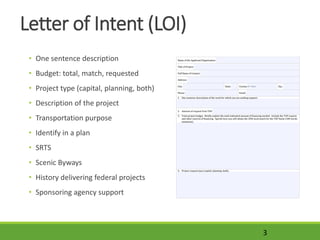
Letter of Intent (LOI)
• One sentence description
• Budget: total, match, requested
• Project type (capital, planning, both)
• Description of the project
• Transportation purpose
• Identify in a plan
• SRTS
• Scenic Byways
• History delivering federal projects
• Sponsoring agency support
3
SRDC LOI Review Process
• Started by asking – what are the typical
causes of project delays?
• Developed a check-list
• Scheduled meetings with RDC, project
applicant, project sponsor, and others
4
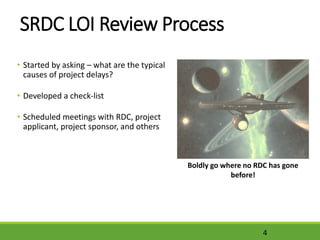
Boldly go where no RDC has gone
before!
LOI Review Process Adoption
 Year 1 –
• SRDC and District 7 developed process and used it to review all projects
 Year 2 –
• Two area transportation partnerships used the process
• SRDC pulled previously programmed projects into the process too
Year 3 –
• SRTS staff adopted several components of the process into their standalone
process
• Other ATPs expressed interest in the process
 Year 4 –
TBD, but likely more RDCs and ATPs will use a similar review process
What does the LOI review process include?
• At least one hour
• All partners at the table
• Listen to what the applicant wants to do
• Take them through the check list
Result: SRDC makes recommendations to strengthen the application
Face-to-Face LOI Review
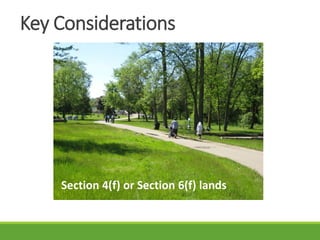
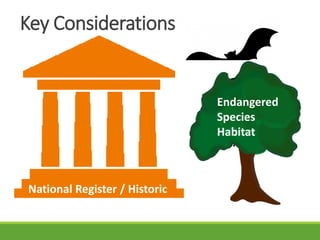
Key Considerations
Section 4(f) or Section 6(f) lands
Endangered
Species
Habitat
Key Considerations
National Register / Historic
Key Considerations
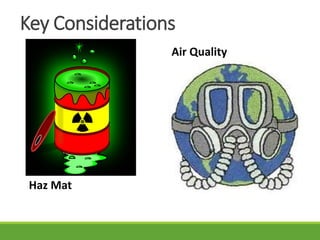
Haz Mat
Air Quality
Key Considerations
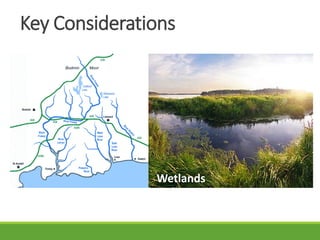
Wetlands
Key Considerations
Controversy?
Key Considerations
Key Considerations
Railroads
Utilities
Key Considerations
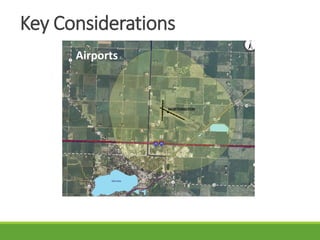
Airports
What issues do we usually catch?
• Connections – connections – connections
• Schools, sidewalks, street crossings, etc.
• ADA design
• Driveways, sidewalks
• Other ROW owners (roads, properties)
• Who is going to do the Preliminary Engineering and
design
• Budget
Typical Findings
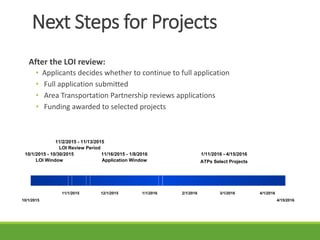
Next Steps for Projects
After the LOI review:
• Applicants decides whether to continue to full application
• Full application submitted
• Area Transportation Partnership reviews applications
• Funding awarded to selected projects
10/1/2015 4/15/2016
11/1/2015 12/1/2015 1/1/2016 2/1/2016 3/1/2016 4/1/2016
10/1/2015 - 10/30/2015
LOI Window
11/2/2015 - 11/13/2015
LOI Review Period
11/16/2015 - 1/8/2016
Application Window
1/11/2016 - 4/15/2016
ATPs Select Projects
Is it working?
• Better applications
• Less time spent on applications for projects that aren’t ready
• Improved project delivery – TBD (project’s under this process aren’t constructed
yet)
Benefits of the LOI Review Process
Questions?

Enhancement Projects: Improving Successful Implementation in Minnesota

  • 1.
    Enhancement Projects: Improving Successful Implementationin Minnesota Annette Fiedler Physical Development Director Southwest RDC Katie Caskey, AICP Planning Program Coordinator MnDOT Ronda Allis Principal Planner MnDOT
  • 2.
    Background and History ISTEA& SAFETEA-LU • Applications were conceptual ideas • Often inaccurate cost estimates • Projects frequently delayed or dropped after programmed  MAP-21 & FAST • New era, new project selection process • Letter of intent step added • Area Transportation Partnerships were challenged to keep projects from slipping / dropping 2
  • 3.
    Letter of Intent(LOI) • One sentence description • Budget: total, match, requested • Project type (capital, planning, both) • Description of the project • Transportation purpose • Identify in a plan • SRTS • Scenic Byways • History delivering federal projects • Sponsoring agency support 3
  • 4.
    SRDC LOI ReviewProcess • Started by asking – what are the typical causes of project delays? • Developed a check-list • Scheduled meetings with RDC, project applicant, project sponsor, and others 4 Boldly go where no RDC has gone before!
  • 5.
    LOI Review ProcessAdoption  Year 1 – • SRDC and District 7 developed process and used it to review all projects  Year 2 – • Two area transportation partnerships used the process • SRDC pulled previously programmed projects into the process too Year 3 – • SRTS staff adopted several components of the process into their standalone process • Other ATPs expressed interest in the process  Year 4 – TBD, but likely more RDCs and ATPs will use a similar review process
  • 6.
    What does theLOI review process include? • At least one hour • All partners at the table • Listen to what the applicant wants to do • Take them through the check list Result: SRDC makes recommendations to strengthen the application Face-to-Face LOI Review
  • 7.
    Key Considerations Section 4(f)or Section 6(f) lands
  • 8.
  • 9.
  • 10.
  • 11.
  • 12.
  • 13.
  • 14.
  • 15.
    What issues dowe usually catch? • Connections – connections – connections • Schools, sidewalks, street crossings, etc. • ADA design • Driveways, sidewalks • Other ROW owners (roads, properties) • Who is going to do the Preliminary Engineering and design • Budget Typical Findings
  • 16.
    Next Steps forProjects After the LOI review: • Applicants decides whether to continue to full application • Full application submitted • Area Transportation Partnership reviews applications • Funding awarded to selected projects 10/1/2015 4/15/2016 11/1/2015 12/1/2015 1/1/2016 2/1/2016 3/1/2016 4/1/2016 10/1/2015 - 10/30/2015 LOI Window 11/2/2015 - 11/13/2015 LOI Review Period 11/16/2015 - 1/8/2016 Application Window 1/11/2016 - 4/15/2016 ATPs Select Projects
  • 17.
    Is it working? •Better applications • Less time spent on applications for projects that aren’t ready • Improved project delivery – TBD (project’s under this process aren’t constructed yet) Benefits of the LOI Review Process
  • 18.

Editor's Notes

  • #3 4 outcome objectives – transportation purpose, advance projects in plans, support SRTS, ensure project delivery
  • #4 1 sentence description of the work for which you are seeking support: $$ requested from TAP: Total project $$. Explain the total estimated amount of financing needed. Include TAP request and other sources of financing, specifically how you will obtain the 20% match (100 words maximum): Project request type (capital, planning, both): Describe the work you want to do for which you are seeking TAP support. Provide a description of the project development activities for this project to date (250 words maximum): Describe how your project meets a transportation purpose (100 words max): List any adopted plans that your project has been identified in (statewide, regional, Safe Routes to School, Scenic Byways, etc.): Is the proposal an initiative of a local Safe Routes to School program?   Is the proposal located on a designated Scenic Byway? Yes/No Describe your organization and/or the sponsoring agency’s history with delivering Transportation Alternatives-type projects, including background working with federal funding requirements. If not applicable, identify the key steps and strategies that will be used to deliver the project (250 words maximum): Have you contacted representatives from the sponsoring agency, including elected officials and county engineers? If so, please describe what has resulted from this conversation and if you have written support for the project (50 words maximum):
  • #6 Connect to schedule a one hour meeting Provide electronic copy of LOI review questions Listen – is this at what stage are they in planning and development of the project? Is everyone on the same page? For one review I had 10 people at the table, county, city, school; and the school superintendent said he did not agree with the location of the project – a school board member took him out of the room and they returned about 5 minutes later – everyone agreed on the project. Planning? What plans – how much public involvement was there? TE Eligibility? Throughout you ask key questions to help them figure out who needs to take responsibility for what – in the application process, if they are funded who will take them through the development and construction of a federal project. Resolutions and Agreements? What is “required” and beyond – between applicant and sponsor. Where does the match come from? What if the project is more than estimates? Is there funds to pay that? ROW – always an issue Checklist – next page
  • #7 This slide for printed version