Downloaded 194 times
![Categories Of Emergence
1- Microorganisms that have not been known
previously and that cause new diseases (e.g.,
[SARS-CoV] , [MERS-CoV] and Zika virus.
2- Agents that have been known previously and
that cause new diseases (hantavirus in the U.S. in
1993 that caused respiratory distress instead of
kidney disease).](https://image.slidesharecdn.com/emerginginfections-161021140606/85/Emerging-infections-7-320.jpg)
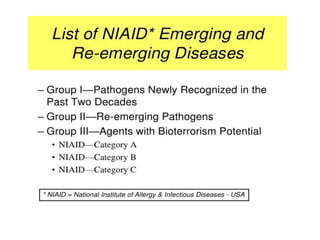
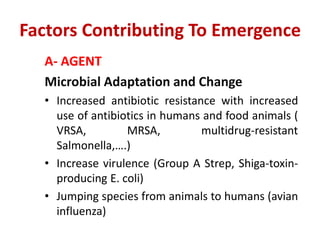
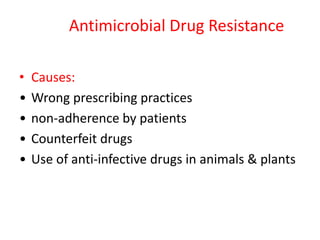
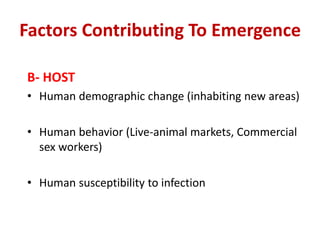
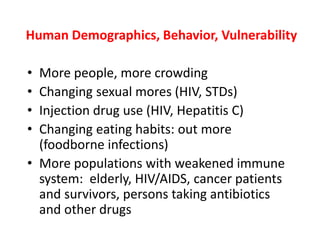
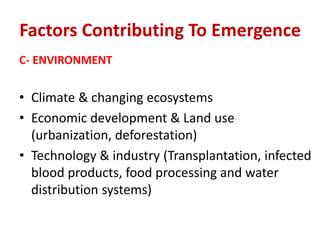
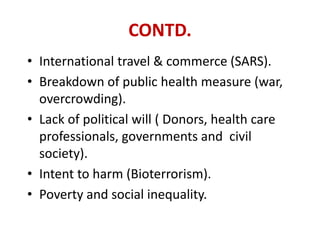
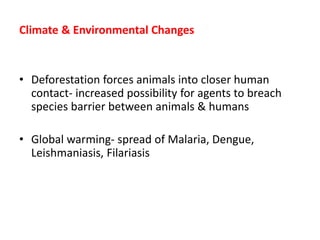
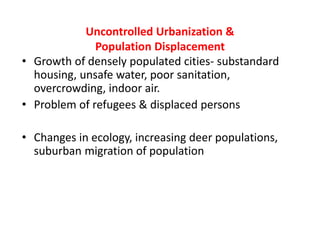
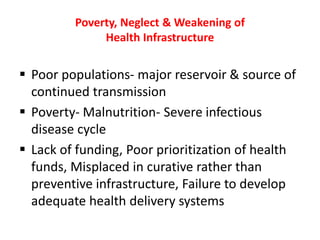
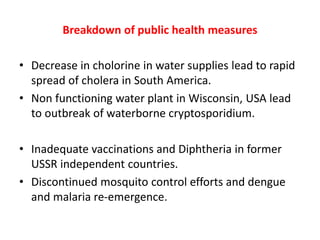
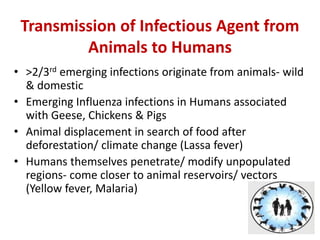
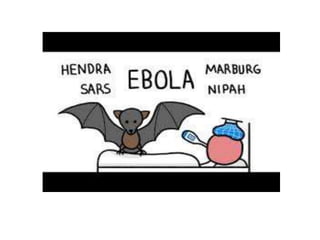
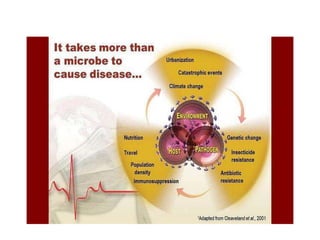
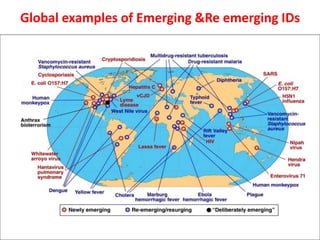
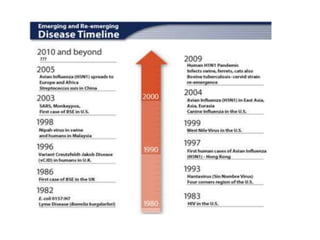
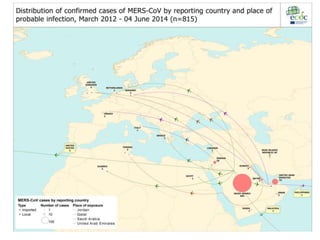
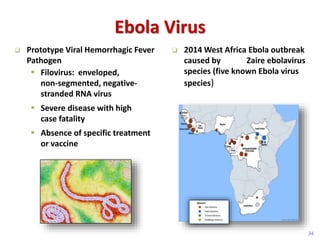
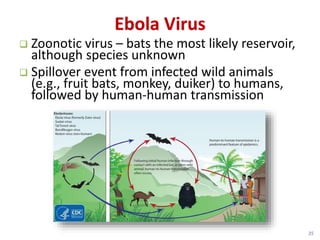
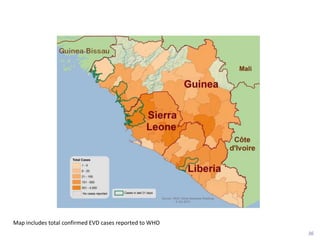
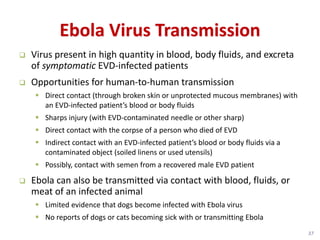
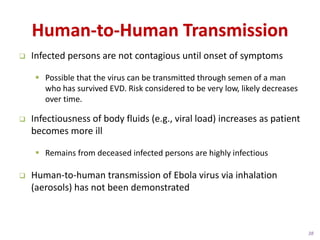
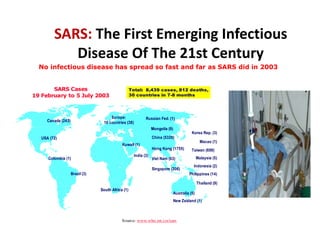
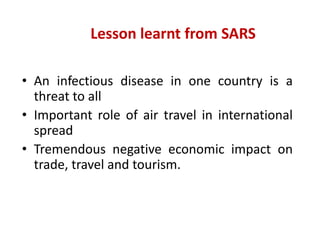
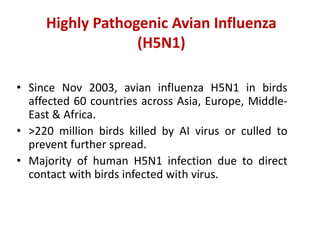
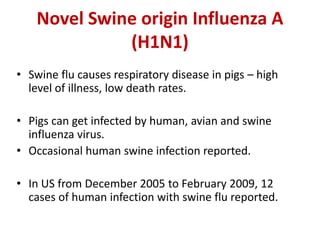
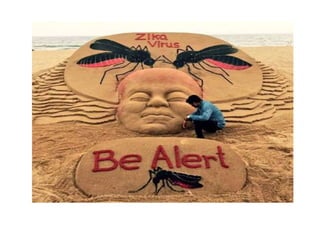
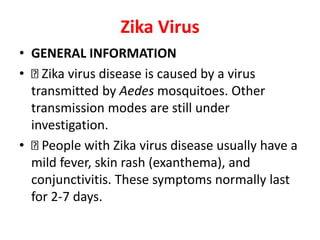
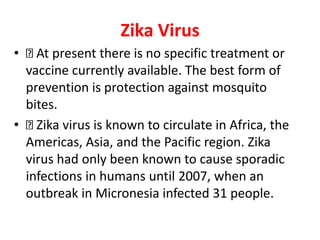
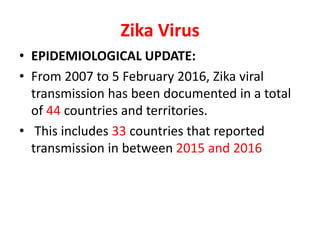
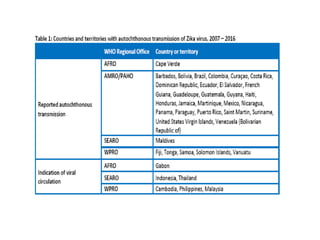
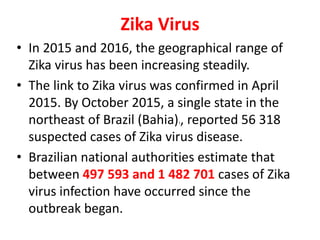
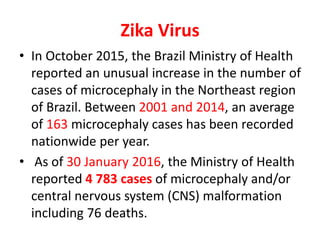
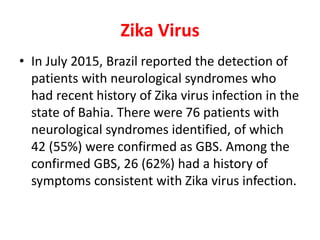
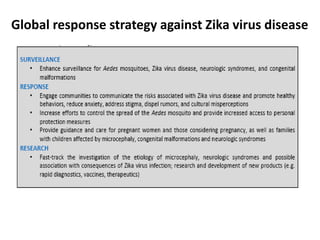
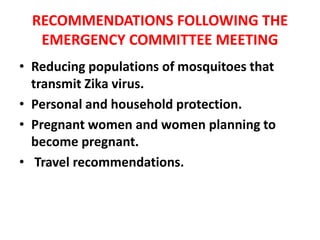
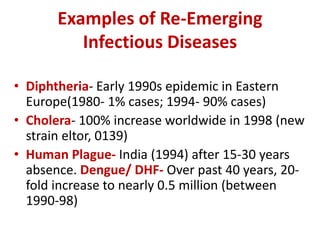
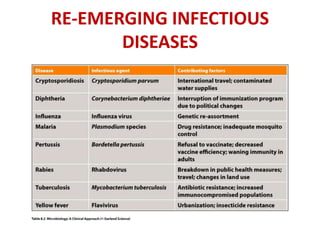
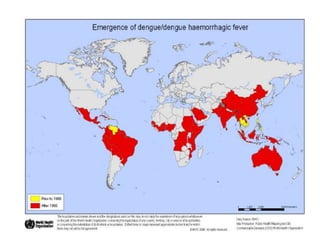
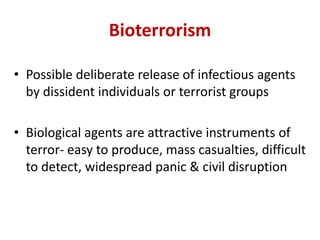
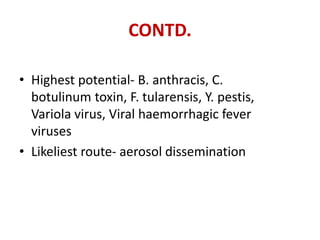
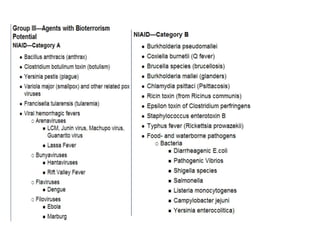
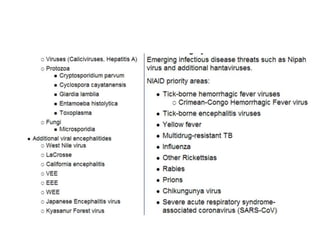
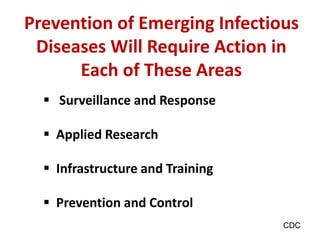
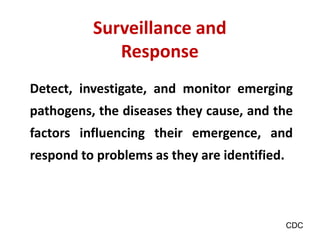
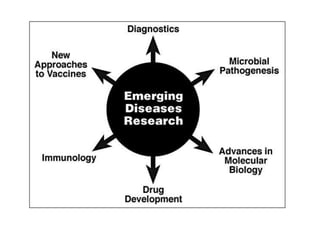
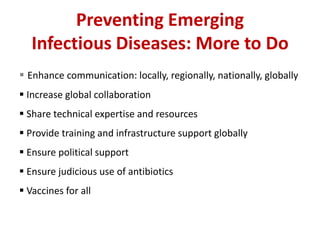


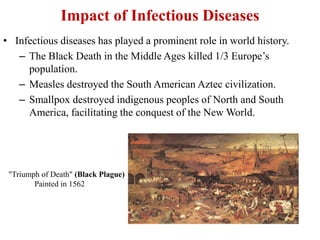
This document discusses emerging and re-emerging infectious diseases. It begins by quoting Girolamo Frascatoro who spoke about syphilis in the 15th century, noting diseases will reoccur. Microbes evolve faster than humans. Infectious diseases have significantly impacted history, like the Black Plague. Emerging diseases are new, while re-emerging were previously controlled but increasing. Factors contributing to emergence include microbial adaptation, human behavior, and environmental changes. Examples discussed are MERS, Ebola, SARS, avian influenza, Zika virus, and potential bioterrorism agents. Preventing emergence requires surveillance, research, infrastructure, training, and prevention/control strategies.


![CTEV [ clubfoot] DR ARUN LAL ,DR MOHAMED ASHRAF travancore medical college k...](https://cdn.slidesharecdn.com/ss_thumbnails/ctevclubfootdrarunlaldrmohamedashraftravancoremedicalcollegekollamkeralaindia-260208063247-18fc466c-thumbnail.jpg?width=640&height=640&fit=bounds)


