Emerging & Re-emerging
Infectious Diseases
PRESENTATION
BY
BASHARAT
RASHID
DEPT: OF TST
(PSM)
I
Outline Of Presentation
 Infectious diseases- trends
 Definition of emerging & re-emerging diseases
 Factors contributing to emergence
 Examples
 Public health response
Infectious Disease- Trends
 Receded in Western countries 20th
century
 Urban sanitation, improved housing,
personal hygiene, antisepsis & vaccination
 Antibiotics further suppressed morbidity &
mortality
Infectious Disease- Trends
 Since last quarter of 20th
century- New &
Resurgent infectious diseases
 Unusually large number- Rotavirus,
Cryptosporidiosis, HIV/AIDS, Hantavirus,
Lyme disease, Legionellosis,
Hepatitis C……
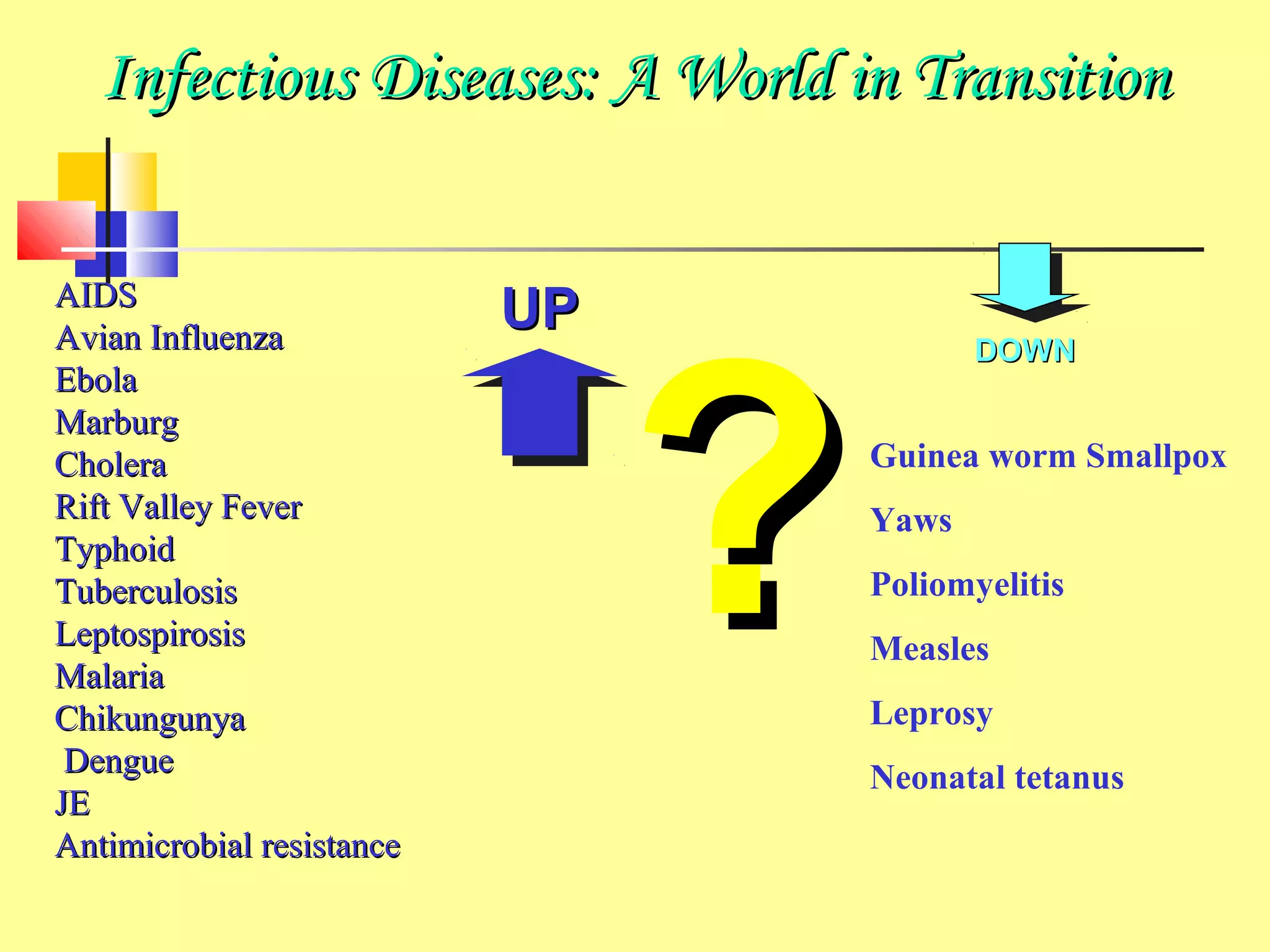
??
AIDSAIDS
Avian InfluenzaAvian Influenza
EbolaEbola
MarburgMarburg
CholeraCholera
Rift Valley FeverRift Valley Fever
TyphoidTyphoid
TuberculosisTuberculosis
LeptospirosisLeptospirosis
MalariaMalaria
ChikungunyaChikungunya
DengueDengue
JEJE
Antimicrobial resistanceAntimicrobial resistance
UPUP
Guinea worm Smallpox
Yaws
Poliomyelitis
Measles
Leprosy
Neonatal tetanus
DOWNDOWN
Infectious Diseases: A World in TransitionInfectious Diseases: A World in Transition
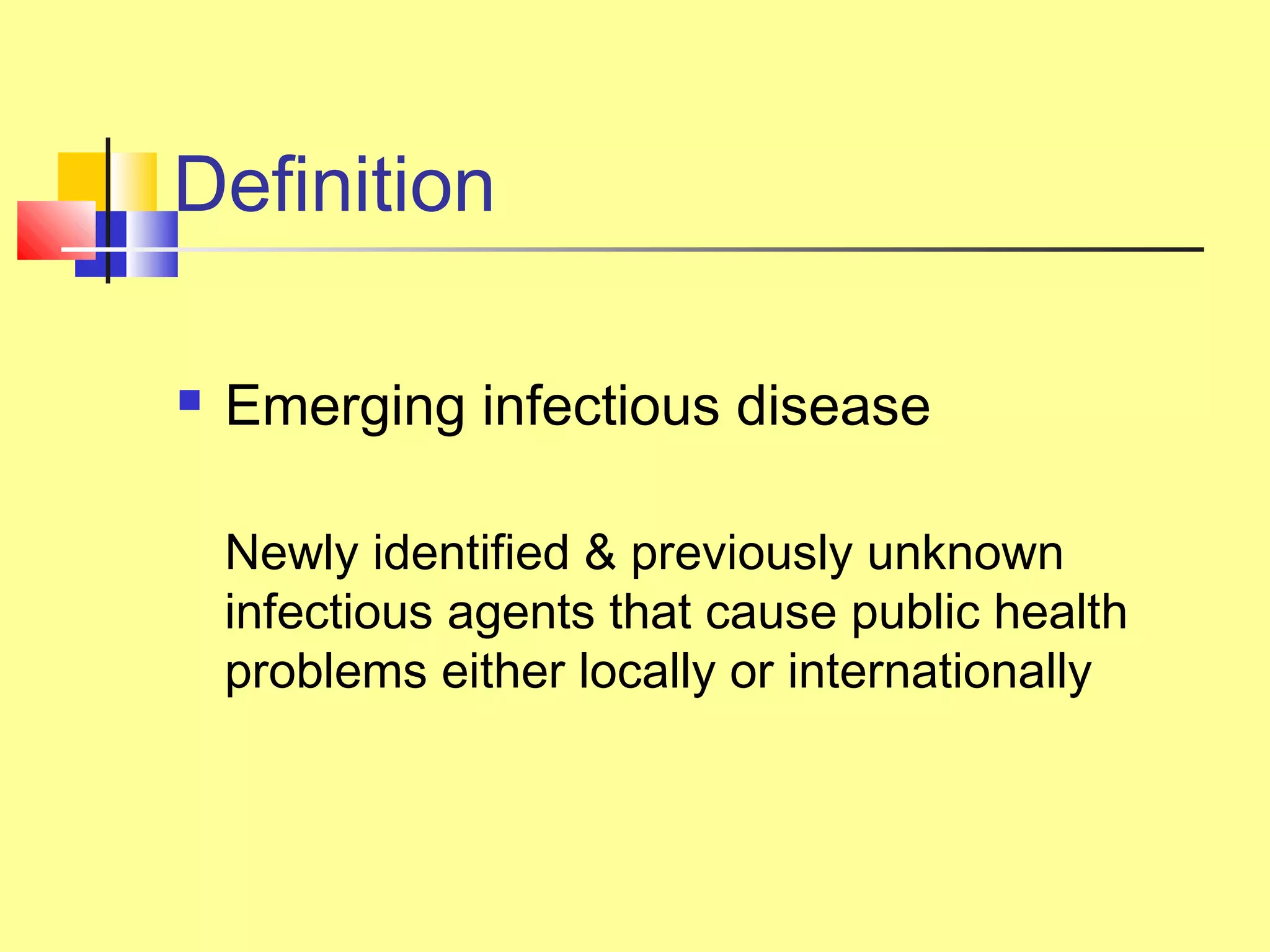
Definition
 Emerging infectious disease
Newly identified & previously unknown
infectious agents that cause public health
problems either locally or internationally
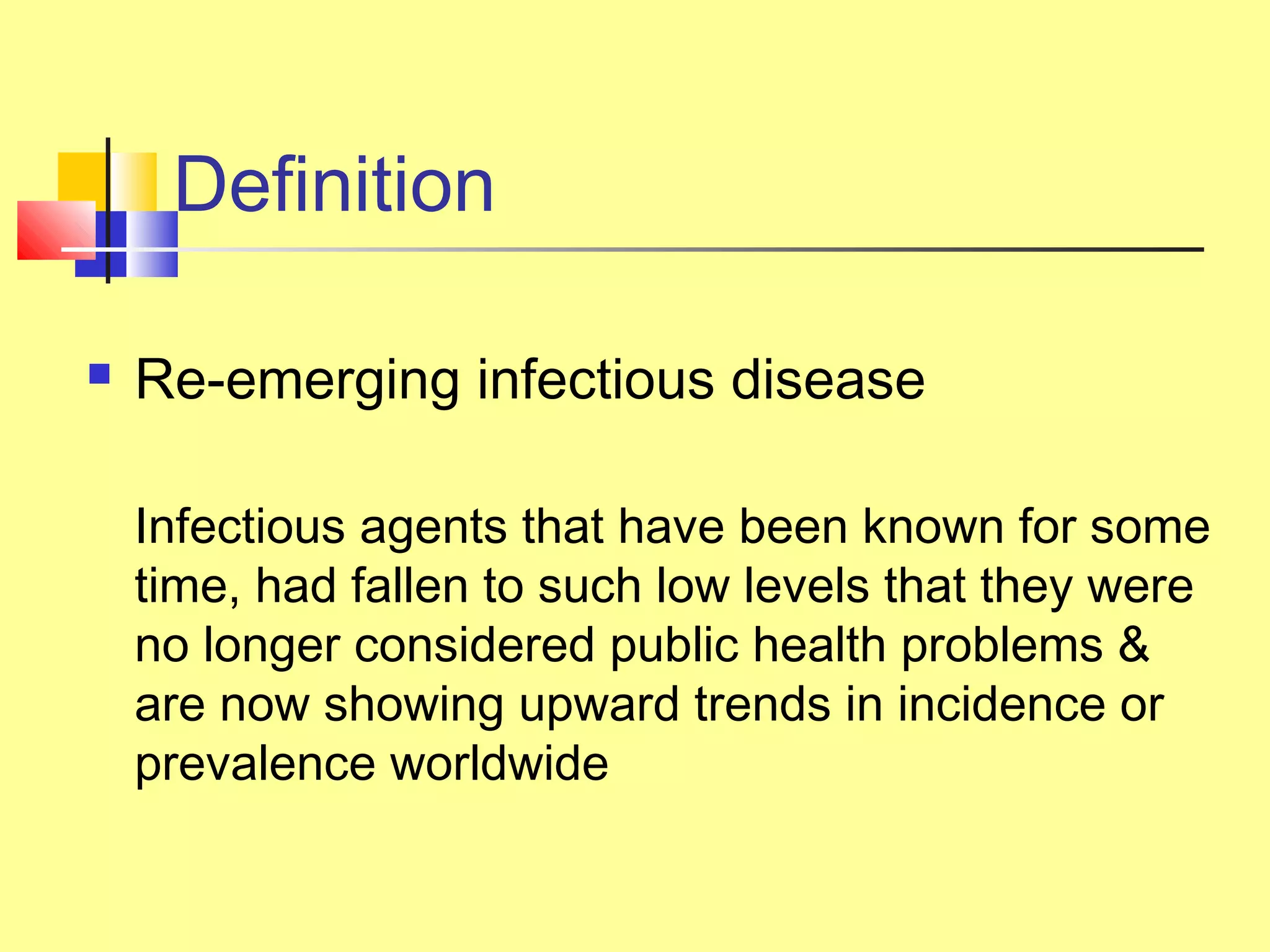
Definition
 Re-emerging infectious disease
Infectious agents that have been known for some
time, had fallen to such low levels that they were
no longer considered public health problems &
are now showing upward trends in incidence or
prevalence worldwide
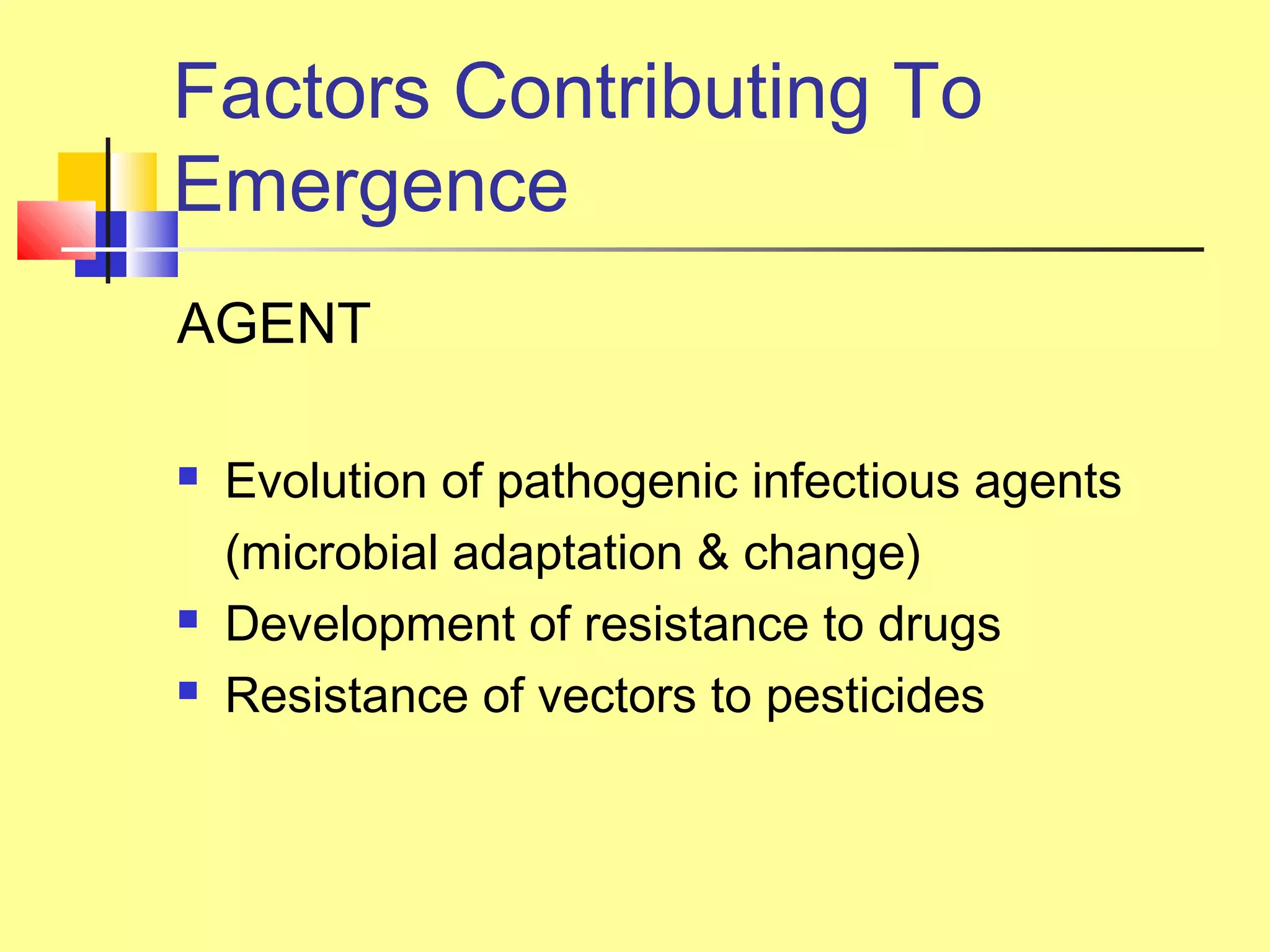
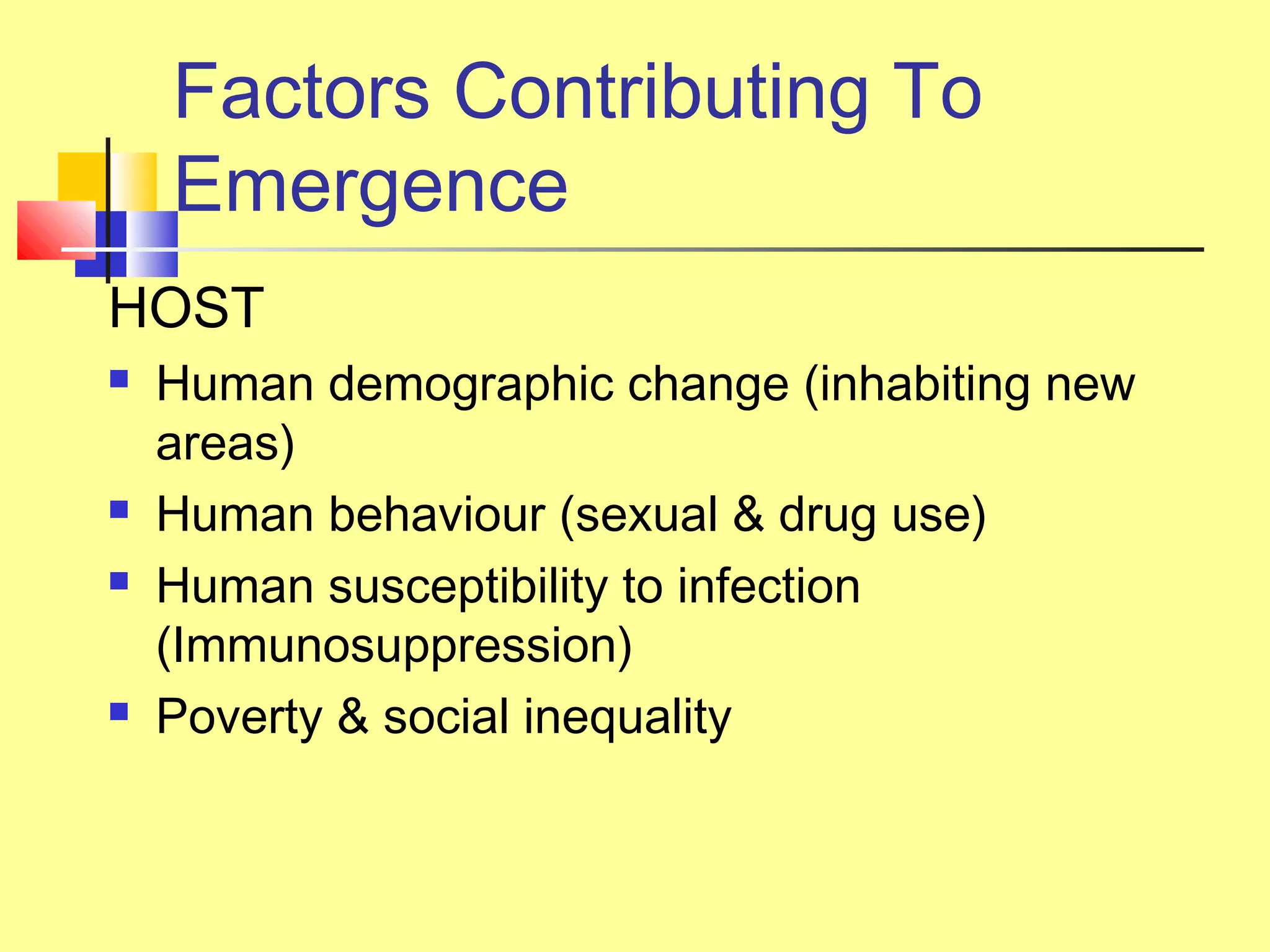
Factors Contributing To
Emergence
AGENT
 Evolution of pathogenic infectious agents
(microbial adaptation & change)
 Development of resistance to drugs
 Resistance of vectors to pesticides
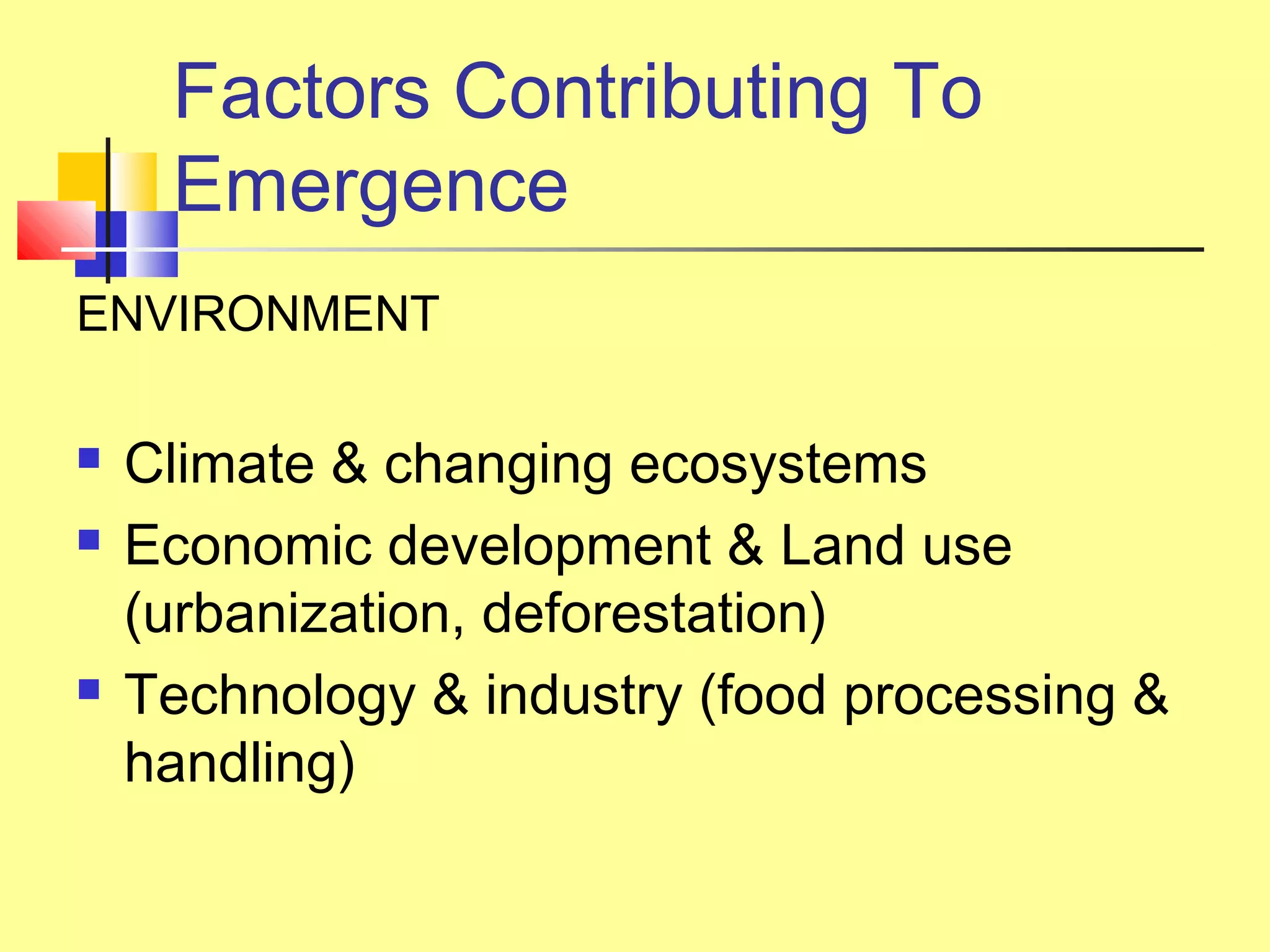
Factors Contributing To
Emergence
HOST
 Human demographic change (inhabiting new
areas)
 Human behaviour (sexual & drug use)
 Human susceptibility to infection
(Immunosuppression)
 Poverty & social inequality
Factors Contributing To
Emergence
ENVIRONMENT
 Climate & changing ecosystems
 Economic development & Land use
(urbanization, deforestation)
 Technology & industry (food processing &
handling)
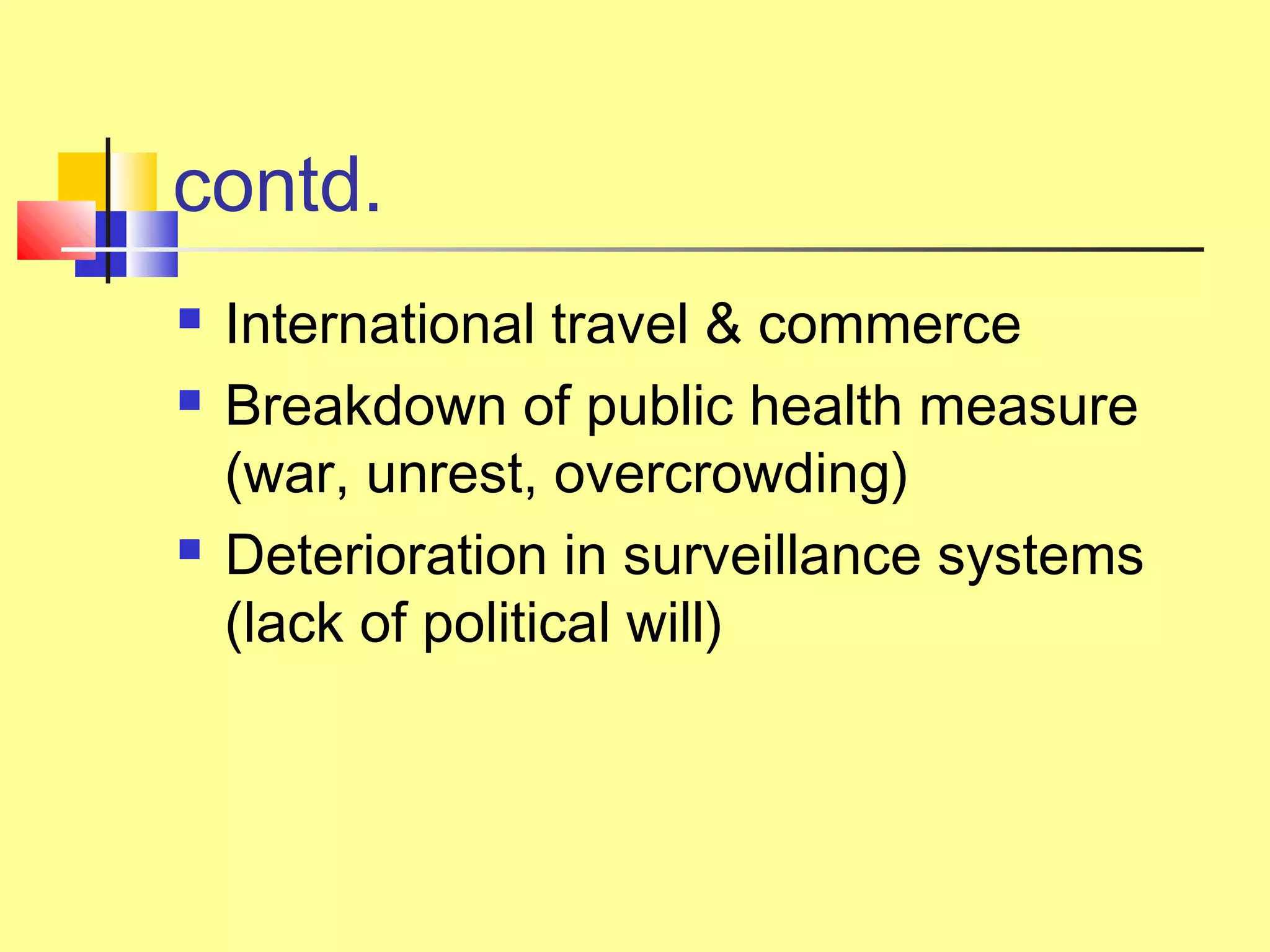
contd.
 International travel & commerce
 Breakdown of public health measure
(war, unrest, overcrowding)
 Deterioration in surveillance systems
(lack of political will)
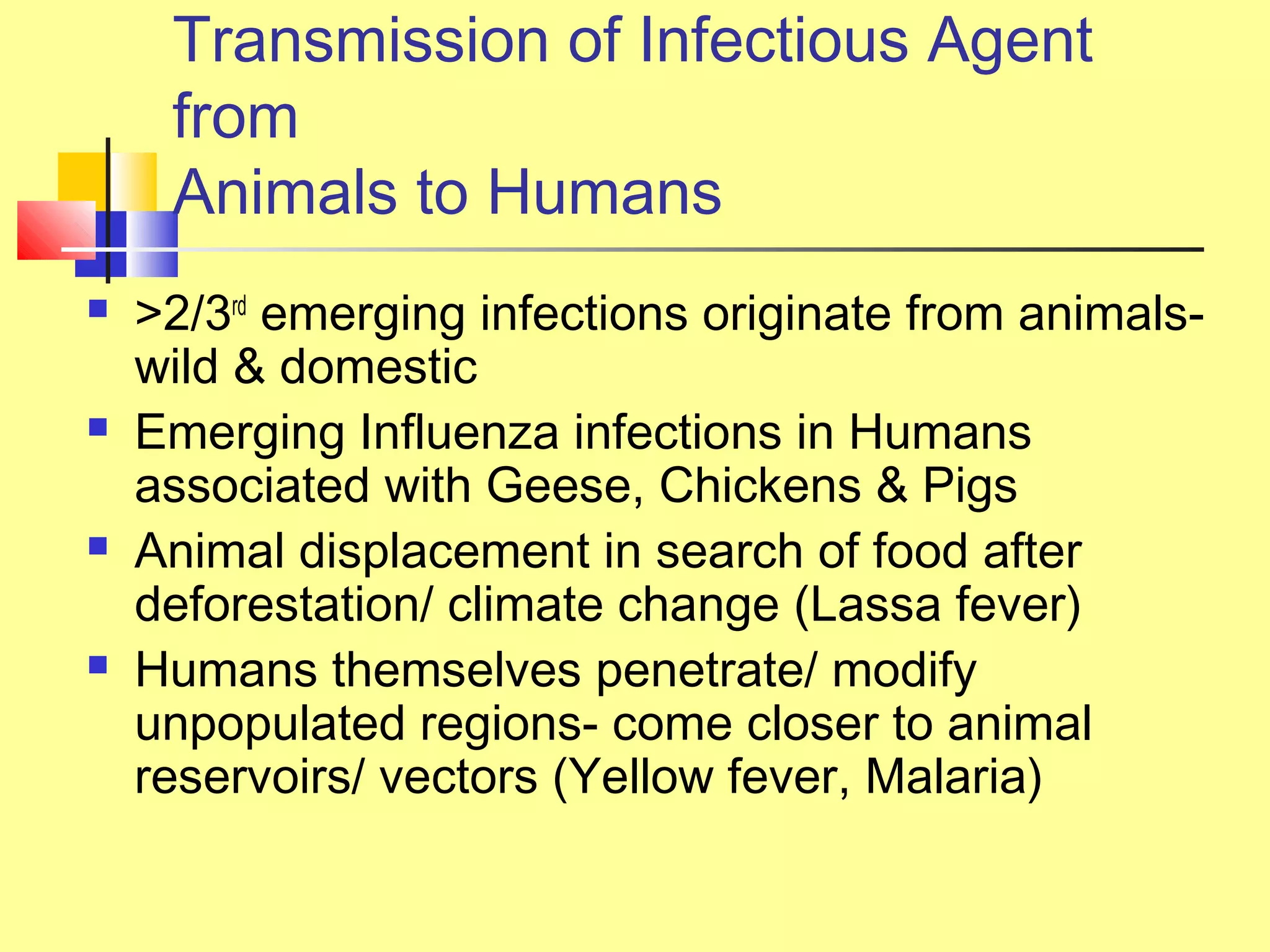
Transmission of Infectious Agent
from
Animals to Humans
 >2/3rd
emerging infections originate from animals-
wild & domestic
 Emerging Influenza infections in Humans
associated with Geese, Chickens & Pigs
 Animal displacement in search of food after
deforestation/ climate change (Lassa fever)
 Humans themselves penetrate/ modify
unpopulated regions- come closer to animal
reservoirs/ vectors (Yellow fever, Malaria)
Climate & Environmental
Changes
 Deforestation forces animals into closer human
contact- increased possibility for agents to breach
species barrier between animals & humans
 El Nino- Triggers natural disasters & related
outbreaks of infectious diseases (Malaria,
Cholera)
 Global warming- spread of Malaria, Dengue,
Leishmaniasis, Filariasis
Poverty, Neglect & Weakening of
Health Infrastructure
 Poor populations- major reservoir &
source of continued transmission
 Poverty- Malnutrition- Severe infectious
disease cycle
 Lack of funding, Poor prioritization of
health funds, Misplaced in curative rather
than preventive infrastructure, Failure to
develop adequate health delivery systems
Uncontrolled Urbanization &
Population Displacement
 Growth of densely populated cities- substandard
housing, unsafe water, poor sanitation,
overcrowding, indoor air pollution
 Problem of refugees & displaced persons
 Diarrhoeal & Intestinal parasitic diseases, ARI
Lyme disease (B. burgdorferi)- Changes in
ecology, increasing deer populations, suburban
migration of population
Human Behaviour
 Unsafe sexual practices (HIV, Gonorrhoea,
Syphilis)
 Changes in agricultural & food production
patterns- food-borne infectious agents (E. coli)
 Increased international travel (Influenza)
 Outdoor activity
Antimicrobial Drug Resistance
 Causes:
• Wrong prescribing practices
• non-adherence by patients
• Counterfeit drugs
• Use of anti-infective drugs in animals &
plants
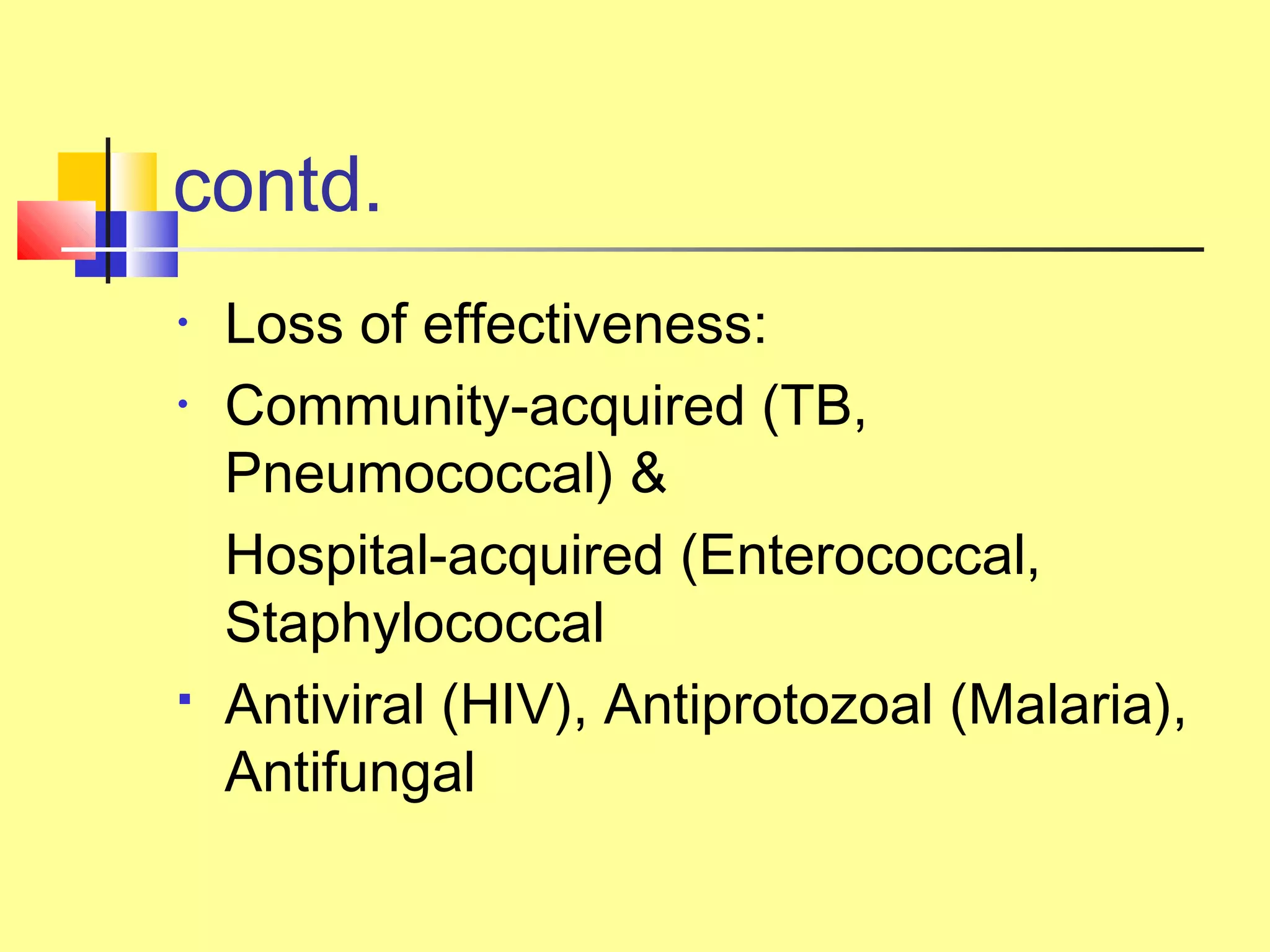
contd.
• Loss of effectiveness:
• Community-acquired (TB,
Pneumococcal) &
Hospital-acquired (Enterococcal,
Staphylococcal
 Antiviral (HIV), Antiprotozoal (Malaria),
Antifungal
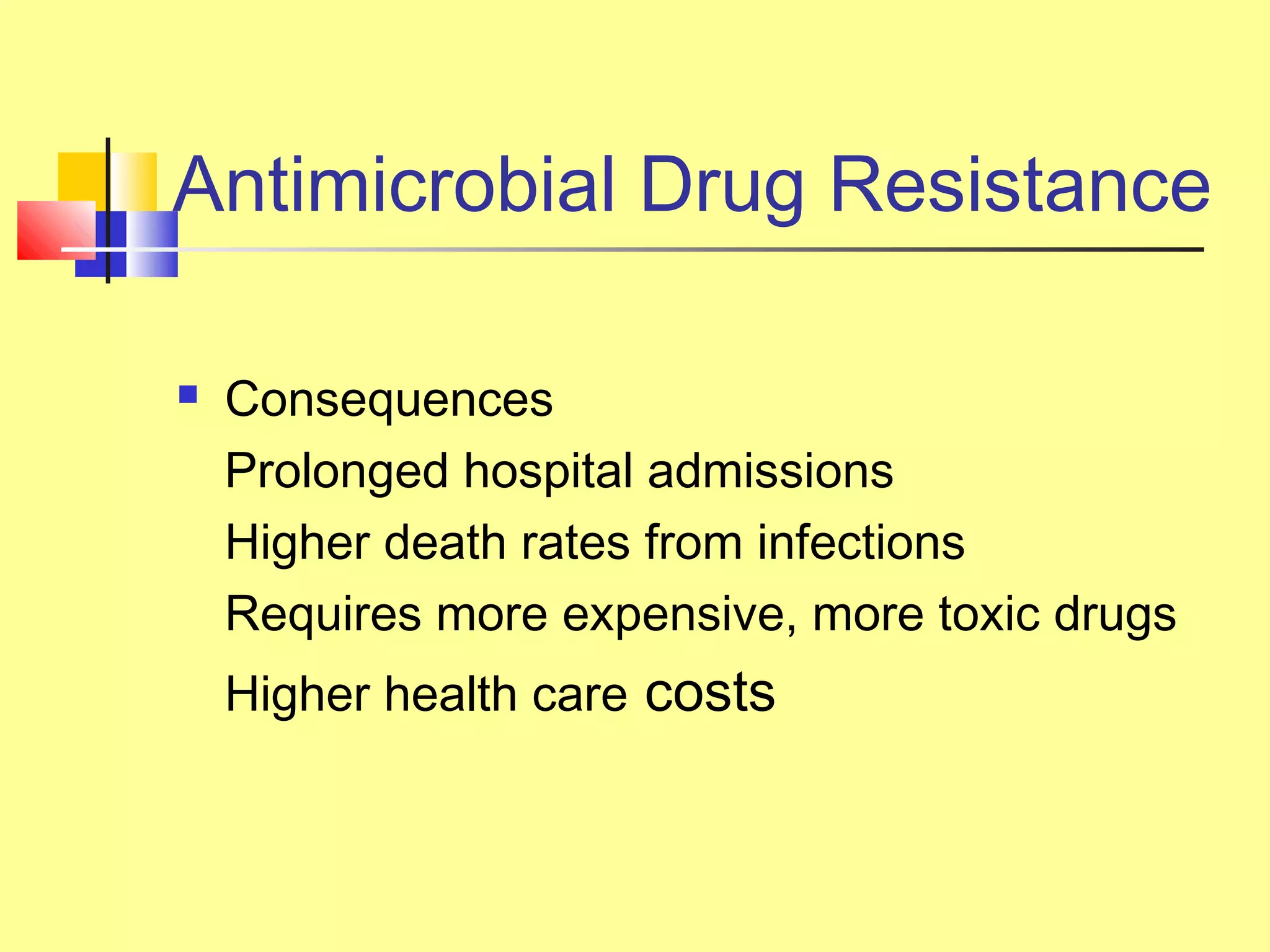
Antimicrobial Drug Resistance
 Consequences
Prolonged hospital admissions
Higher death rates from infections
Requires more expensive, more toxic drugs
Higher health care costs
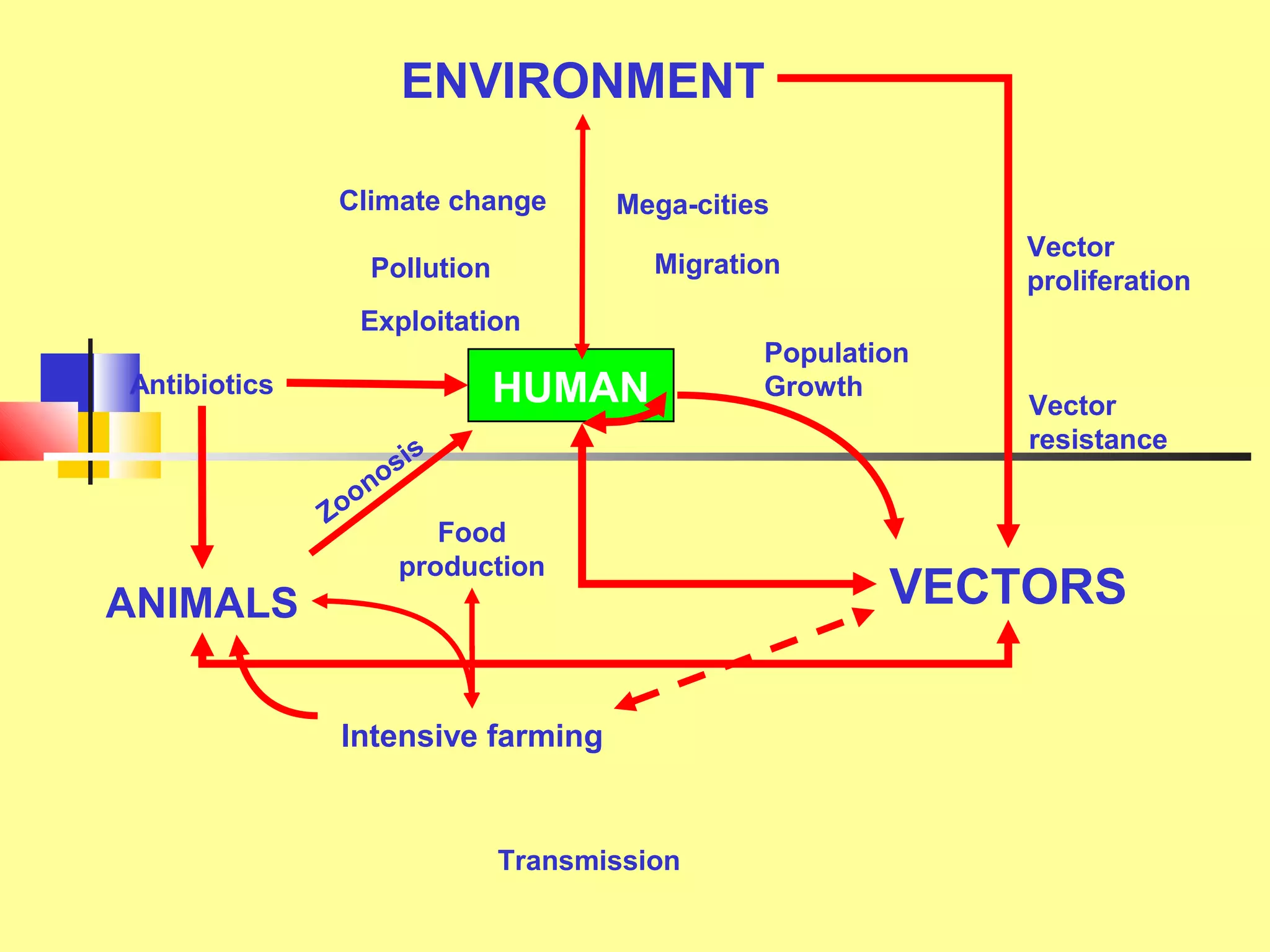
HUMAN
ANIMALS
ENVIRONMENT
VECTORS
Zoonosis
Population
Growth
Mega-cities
Migration
Exploitation
Pollution
Climate change
Vector
proliferation
Vector
resistance
Transmission
Antibiotics
Intensive farming
Food
production
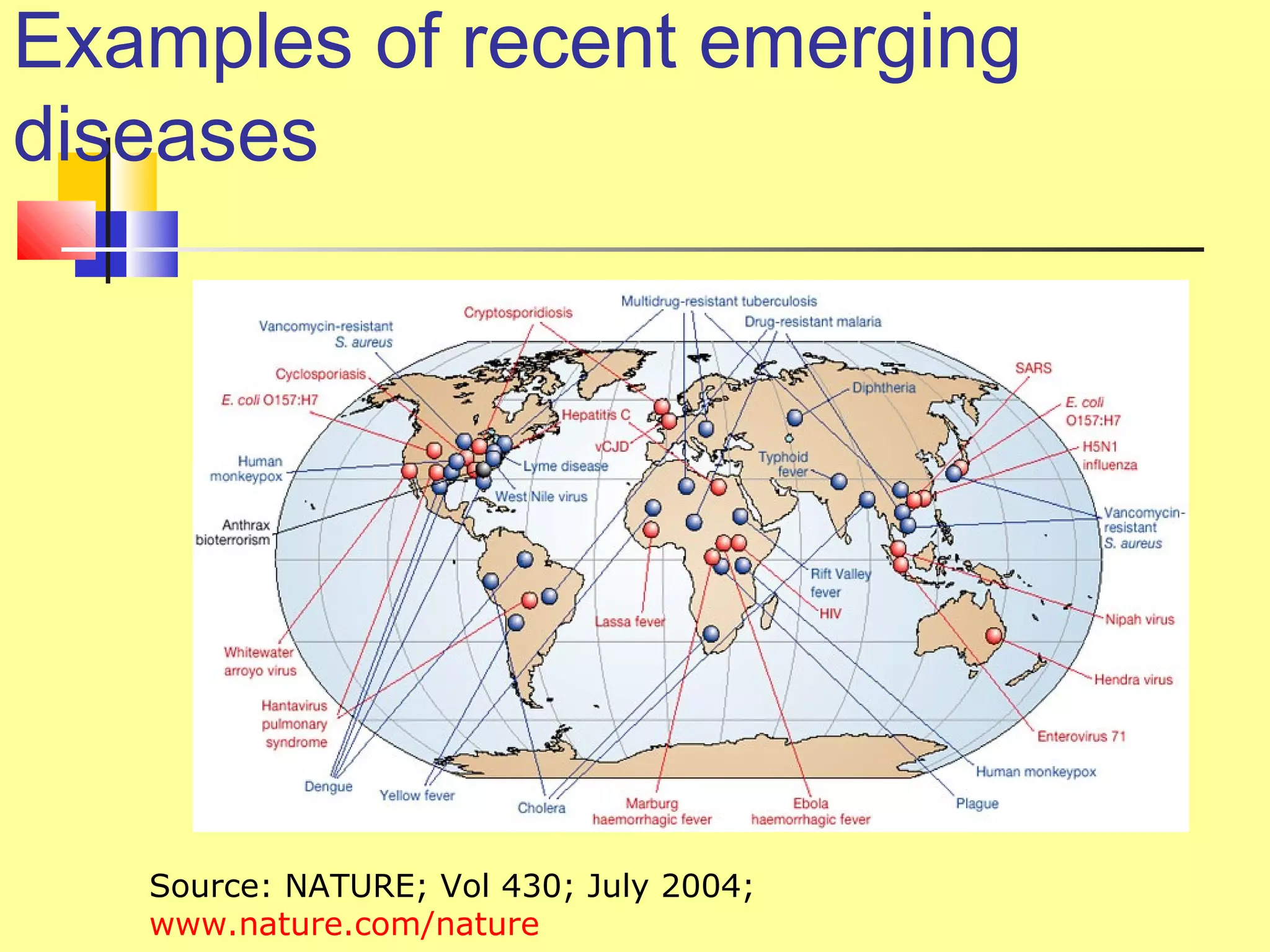
Examples of recent emerging
diseases
Source: NATURE; Vol 430; July 2004;
www.nature.com/nature
Examples of Emerging
Infectious Diseases
 Hepatitis C- First identified in 1989
In mid 1990s estimated global prevalence
3%
 Hepatitis B- Identified several decades
earlier
Upward trend in all countries
Prevalence >90% in high-risk population
contd.
 Zoonoses- 1,415 microbes are
infectious for human
Of these, 868 (61%) considered
zoonotic
70% of newly recognized pathogens
are zoonoses
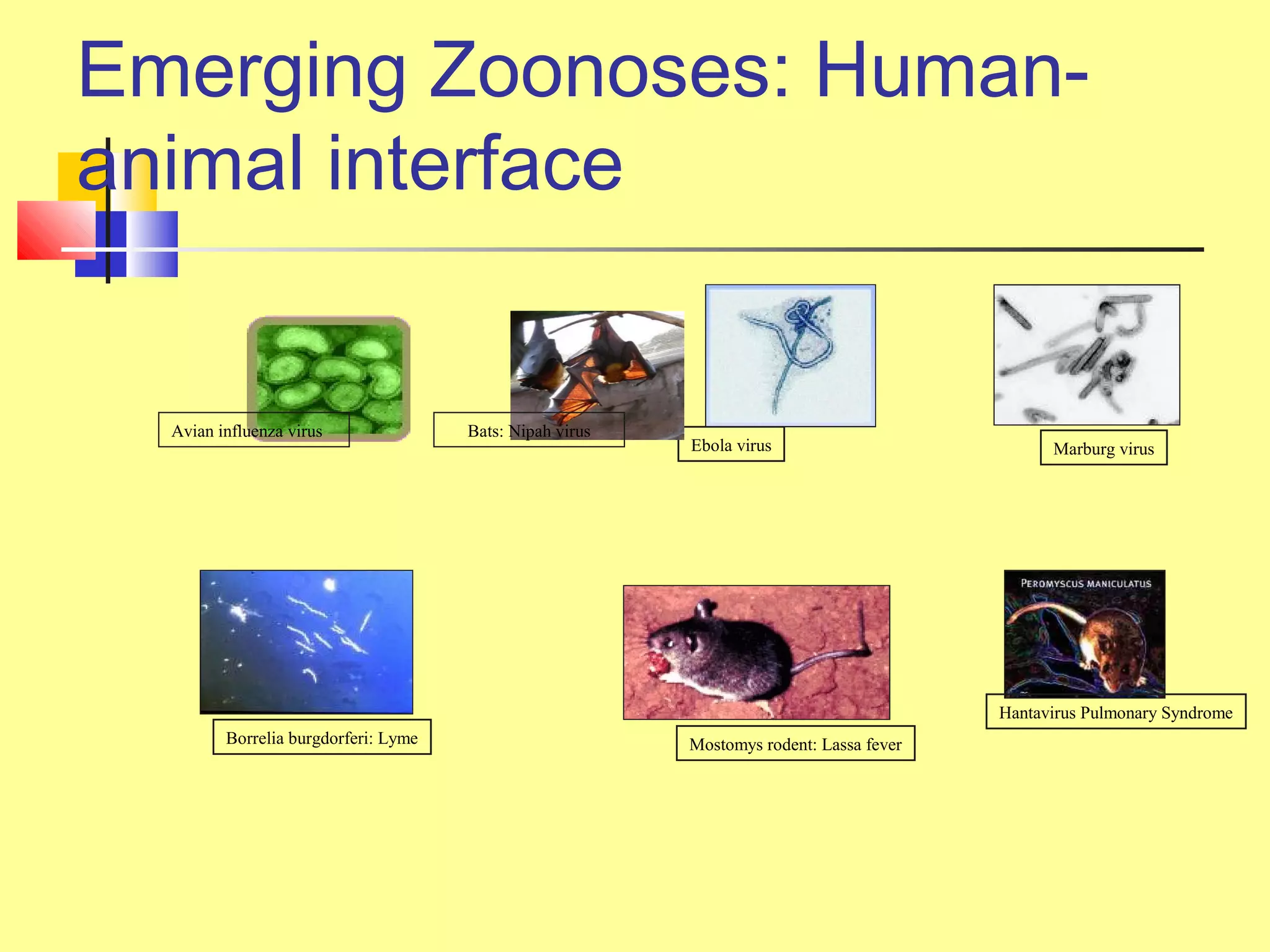
Emerging Zoonoses: Human-
animal interface
Marburg virus
Hantavirus Pulmonary Syndrome
Ebola virus
Borrelia burgdorferi: Lyme Mostomys rodent: Lassa fever
Avian influenza virus Bats: Nipah virus
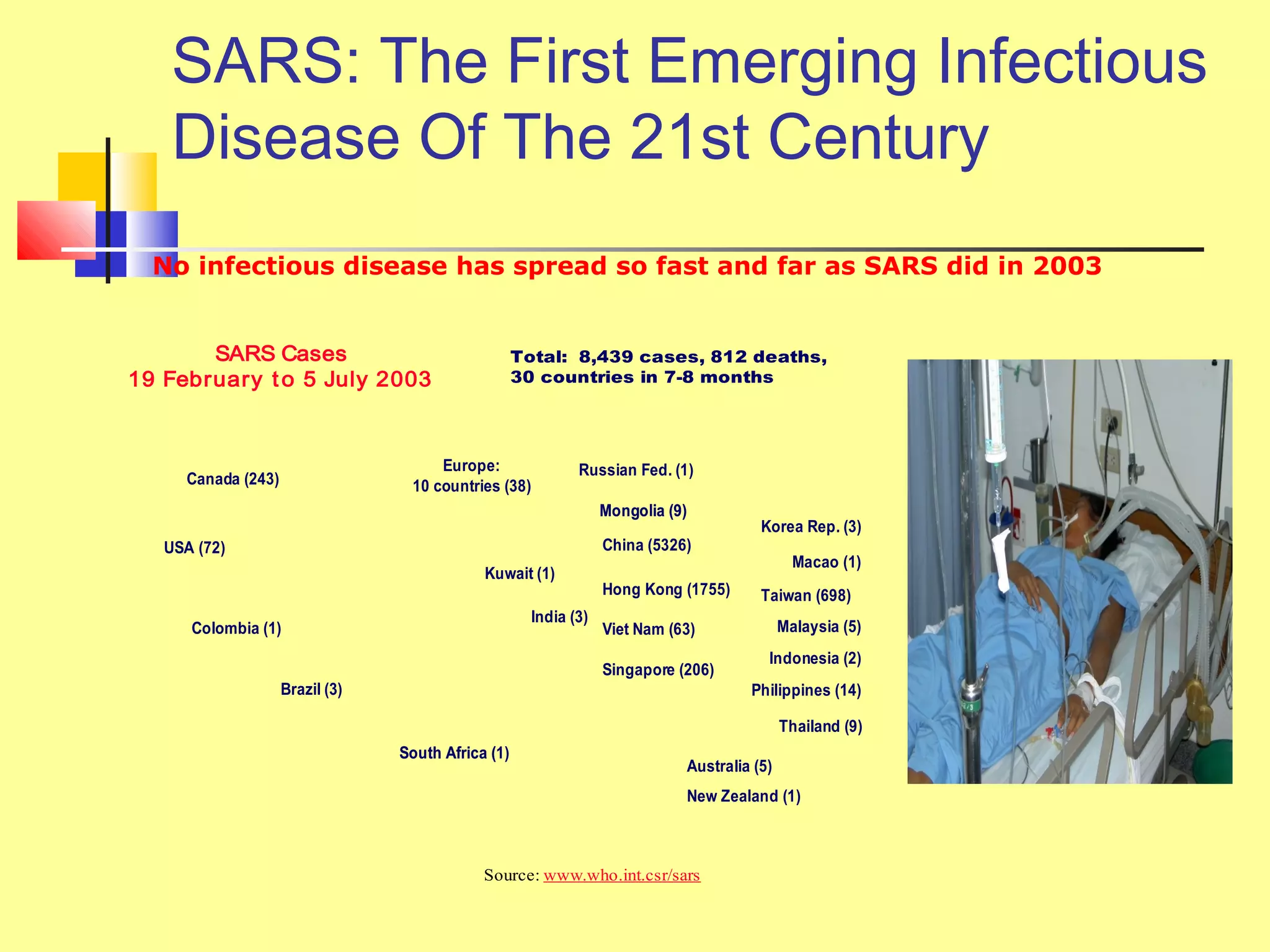
SARS: The First Emerging Infectious
Disease Of The 21st Century
SARS Cases
19 February to 5 July 2003
China (5326)
Singapore (206)
Hong Kong (1755)
Viet Nam (63)
Europe:
10 countries (38)
Thailand (9)
Brazil (3)
Malaysia (5)
South Africa (
Canada (243)
USA (72)
Colombia (1)
Kuwait (1)
South Africa (1)
Korea Rep. (3)
Macao (1)
Philippines (14)
Indonesia (2)
Mongolia (9)
India (3)
Australia (5)
New Zealand (1)
Taiwan (698)
Mongolia (9)
Russian Fed. (1)
Total: 8,439 cases, 812 deaths,
30 countries in 7-8 months
Source: www.who.int.csr/sars
No infectious disease has spread so fast and far as SARS did in 2003
Lesson learnt from SARS
 An infectious disease in one country is a
threat to all
 Important role of air travel in
international spread
 Tremendous negative economic impact
on trade, travel and tourism, estimated
loss of $ 30 to $150 billion
contd.
 High level commitment is crucial for
rapid containment
 WHO can play a critical role in
catalyzing international cooperation and
support
 Global partnerships & rapid sharing of
data/information enhances
preparedness and response
Highly Pathogenic Avian Influenza
(H5N1)
 Since Nov 2003, avian influenza H5N1 in birds
affected 60 countries across Asia, Europe,
Middle-East & Africa
 >220 million birds killed by AI virus or culled to
prevent further spread
 Majority of human H5N1 infection due to direct
contact with birds infected with virus
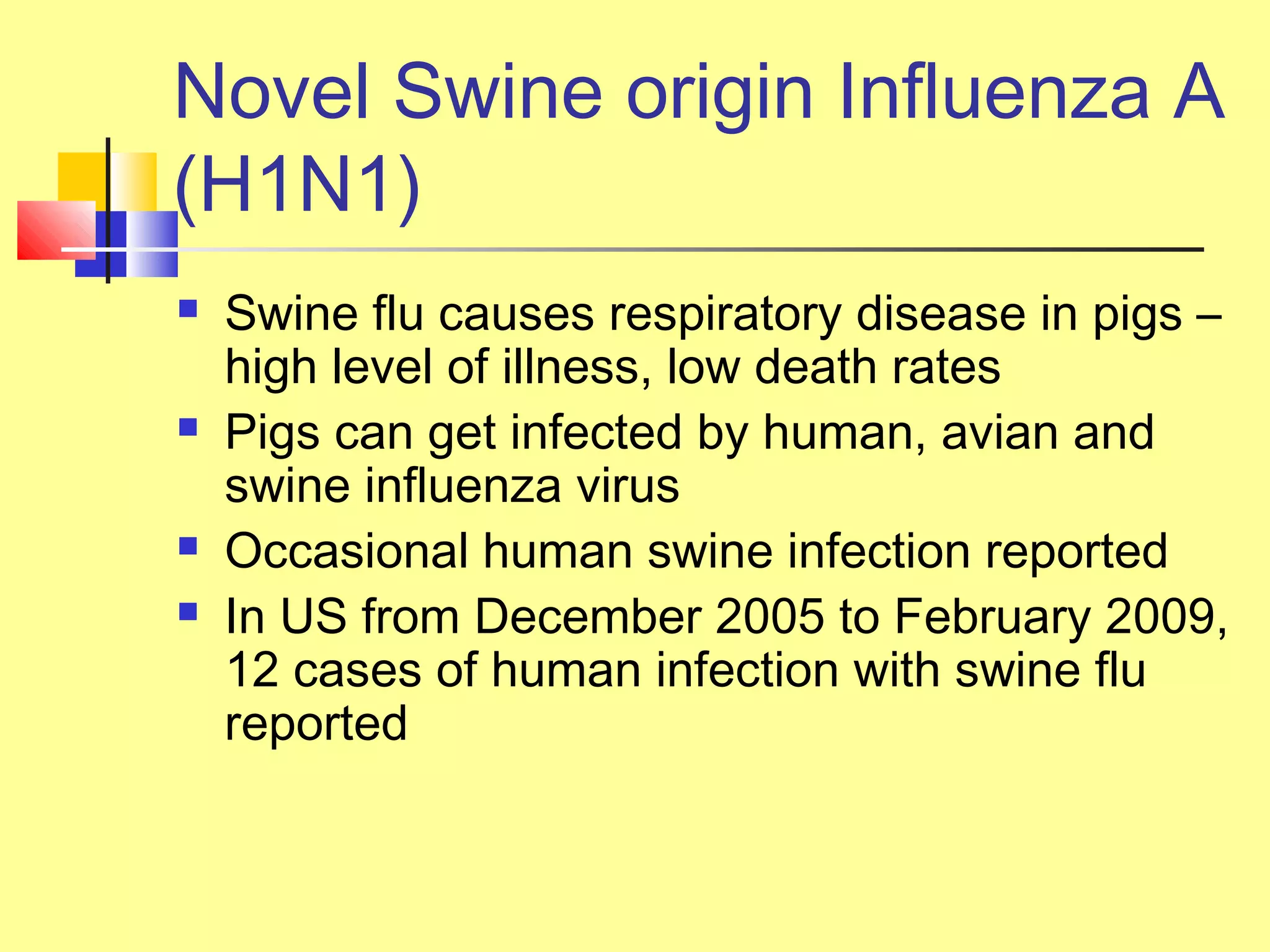
Novel Swine origin Influenza A
(H1N1)
 Swine flu causes respiratory disease in pigs –
high level of illness, low death rates
 Pigs can get infected by human, avian and
swine influenza virus
 Occasional human swine infection reported
 In US from December 2005 to February 2009,
12 cases of human infection with swine flu
reported
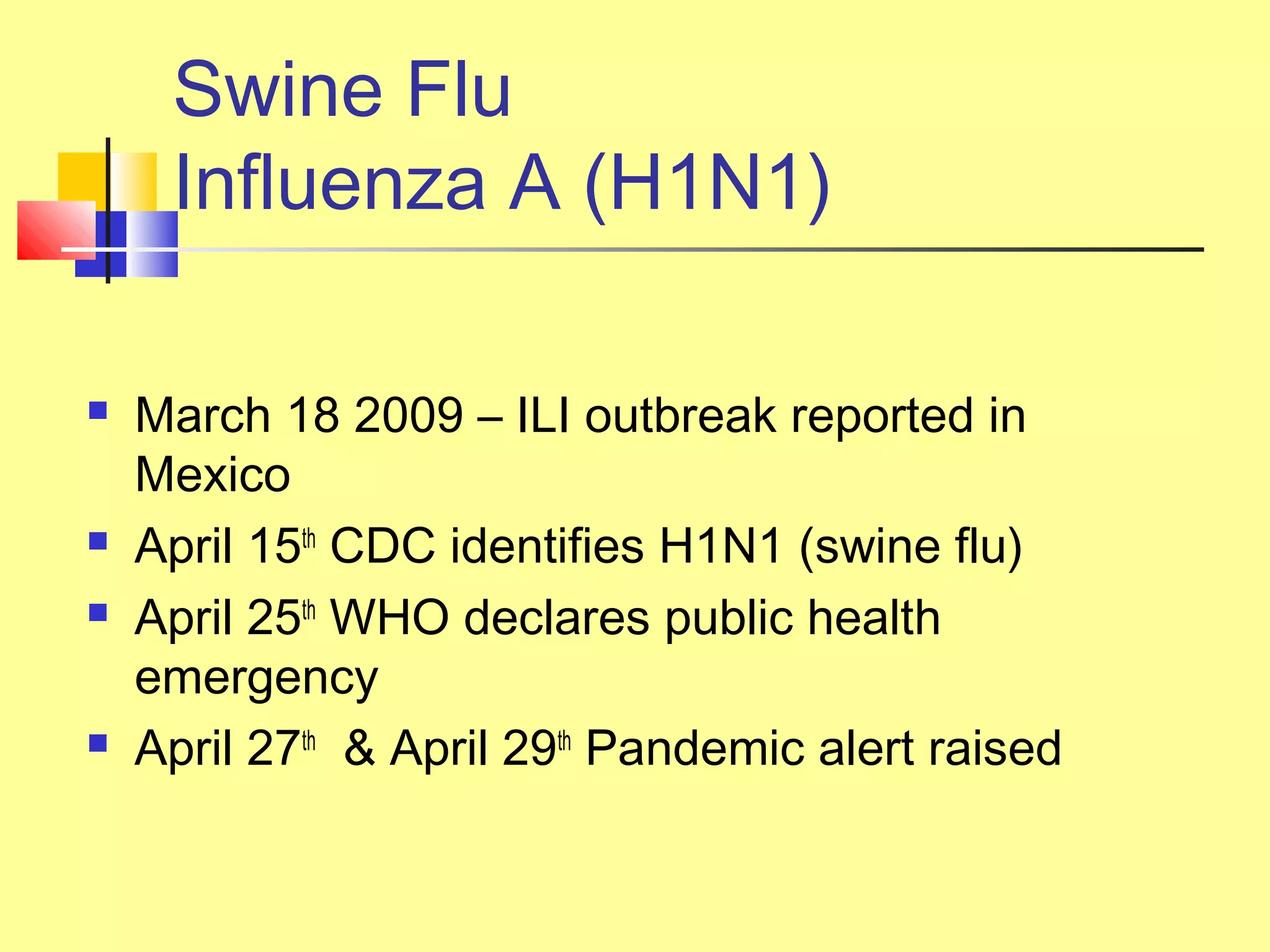
Swine Flu
Influenza A (H1N1)
 March 18 2009 – ILI outbreak reported in
Mexico
 April 15th
CDC identifies H1N1 (swine flu)
 April 25th
WHO declares public health
emergency
 April 27th
& April 29th
Pandemic alert raised
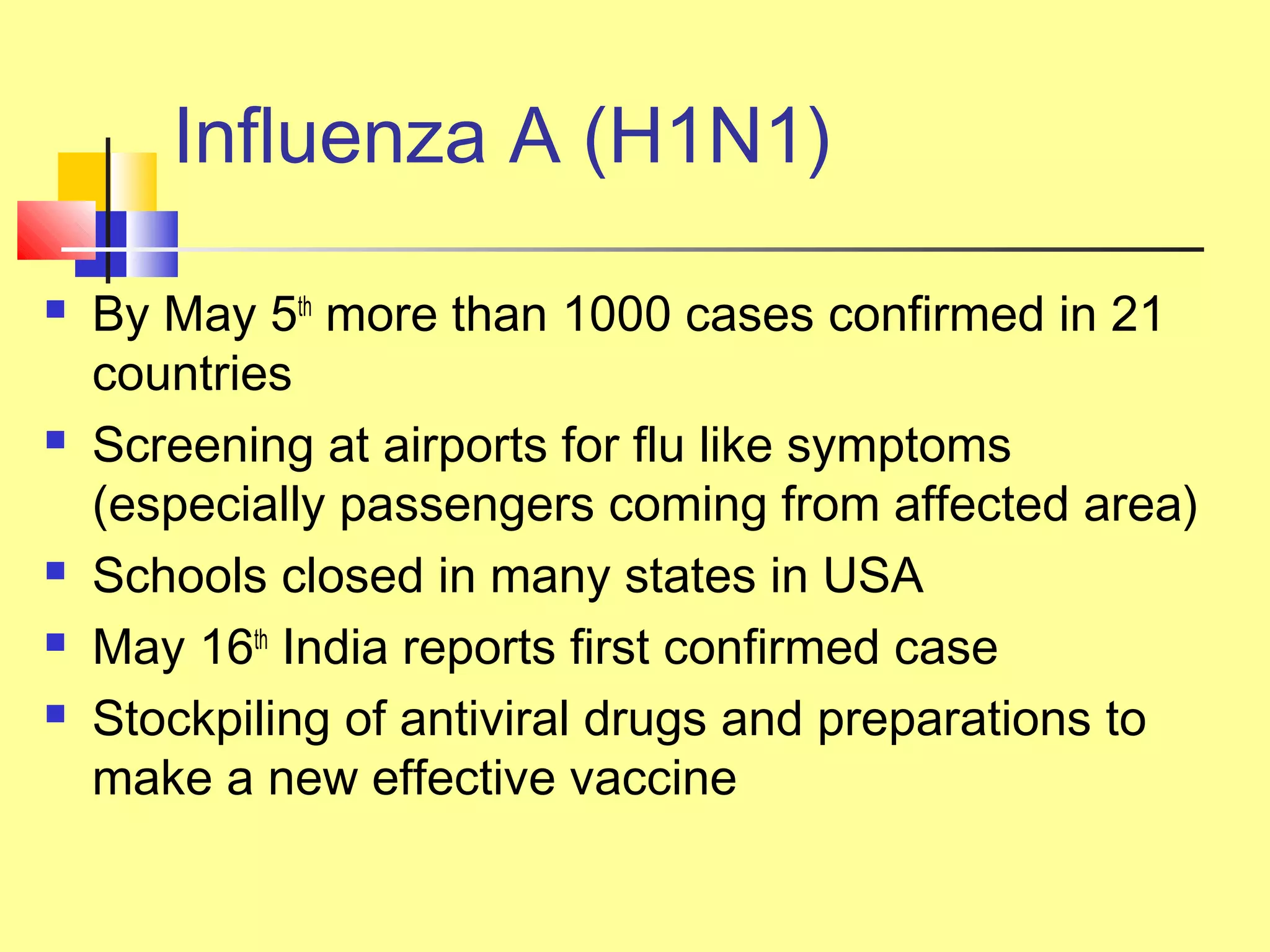
Influenza A (H1N1)
 By May 5th
more than 1000 cases confirmed in 21
countries
 Screening at airports for flu like symptoms
(especially passengers coming from affected area)
 Schools closed in many states in USA
 May 16th
India reports first confirmed case
 Stockpiling of antiviral drugs and preparations to
make a new effective vaccine
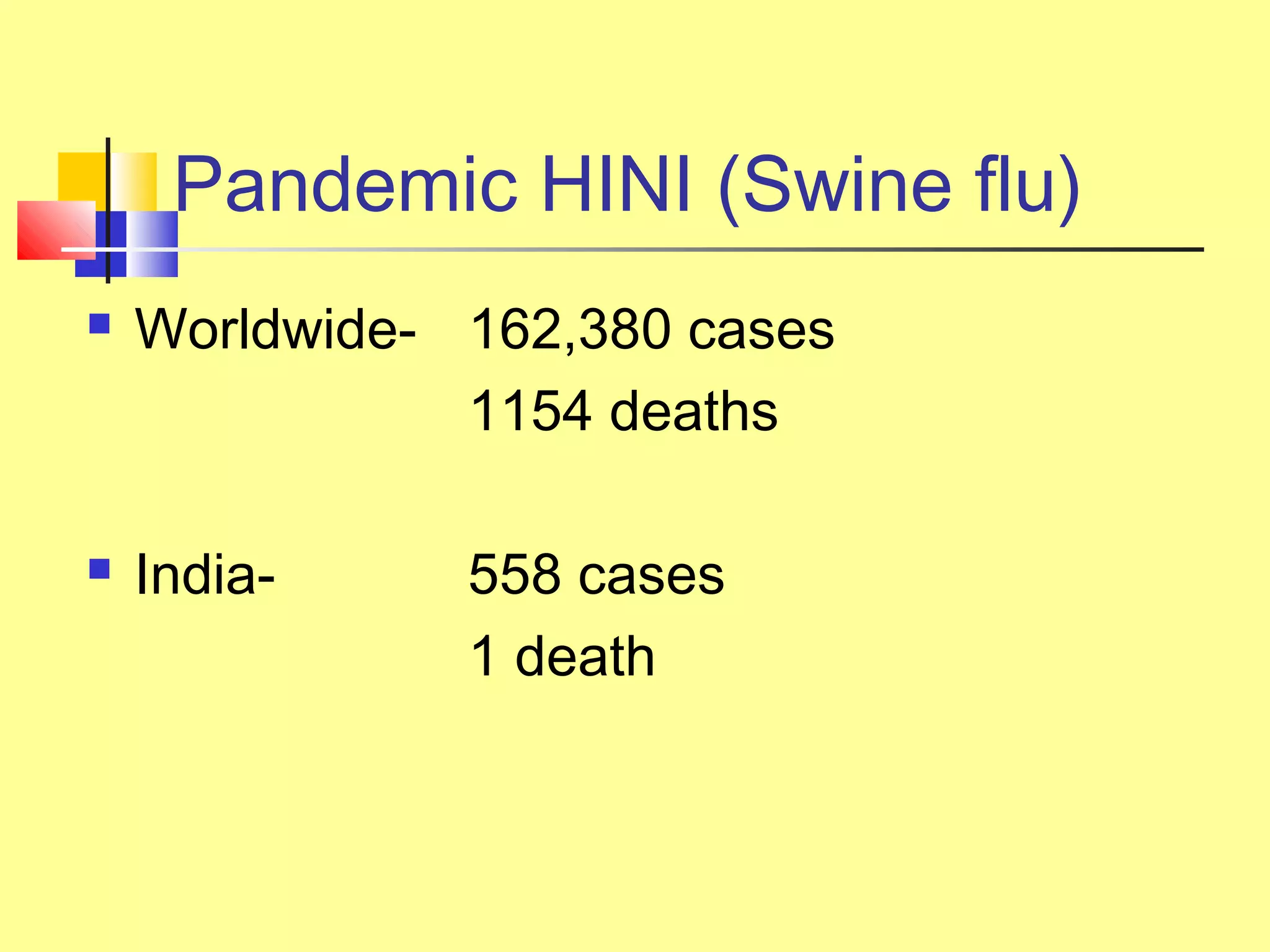
Pandemic HINI (Swine flu)
 Worldwide- 162,380 cases
1154 deaths
 India- 558 cases
1 death
Examples of Re-Emerging
Infectious Diseases
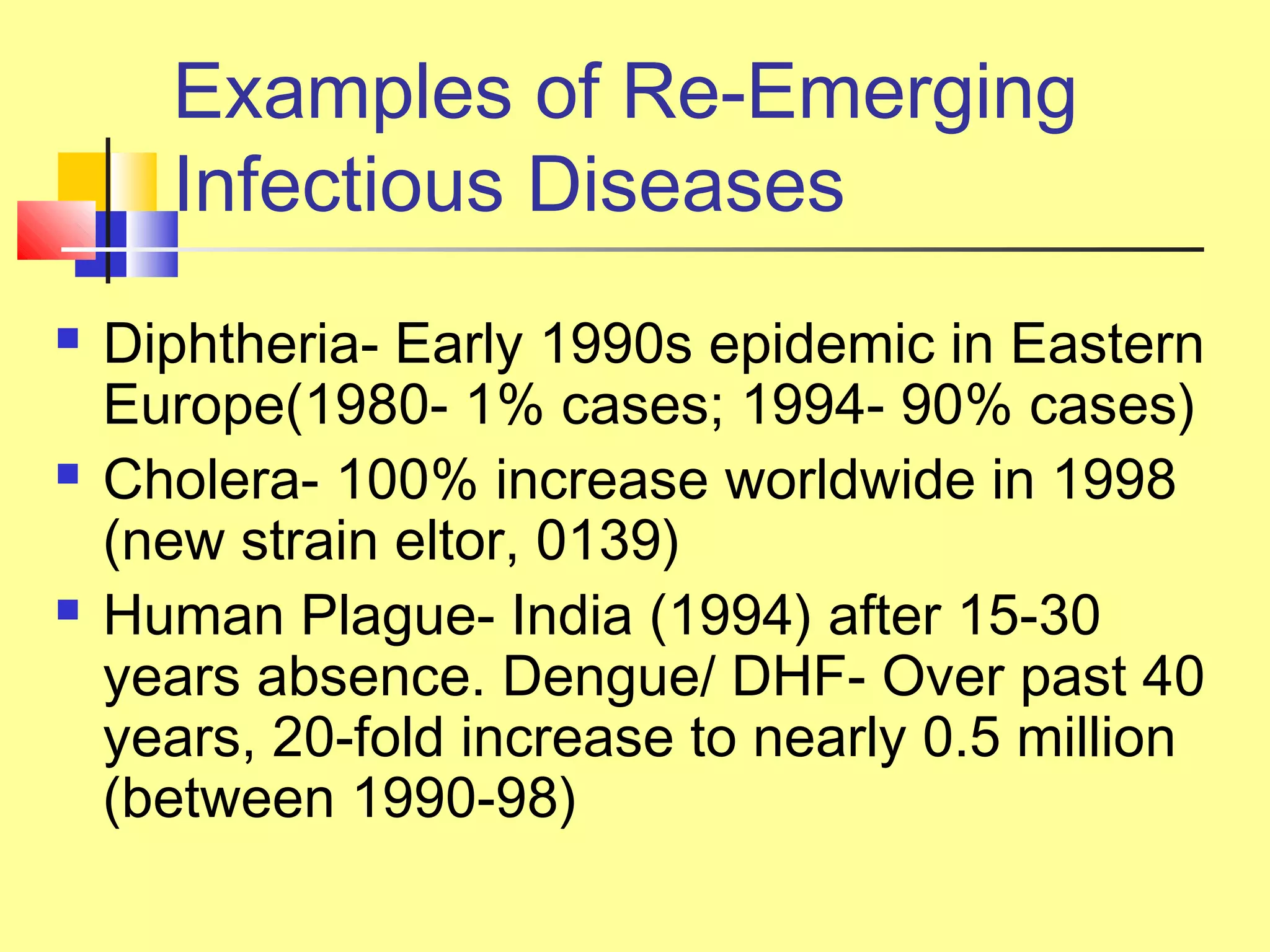
 Diphtheria- Early 1990s epidemic in Eastern
Europe(1980- 1% cases; 1994- 90% cases)
 Cholera- 100% increase worldwide in 1998
(new strain eltor, 0139)
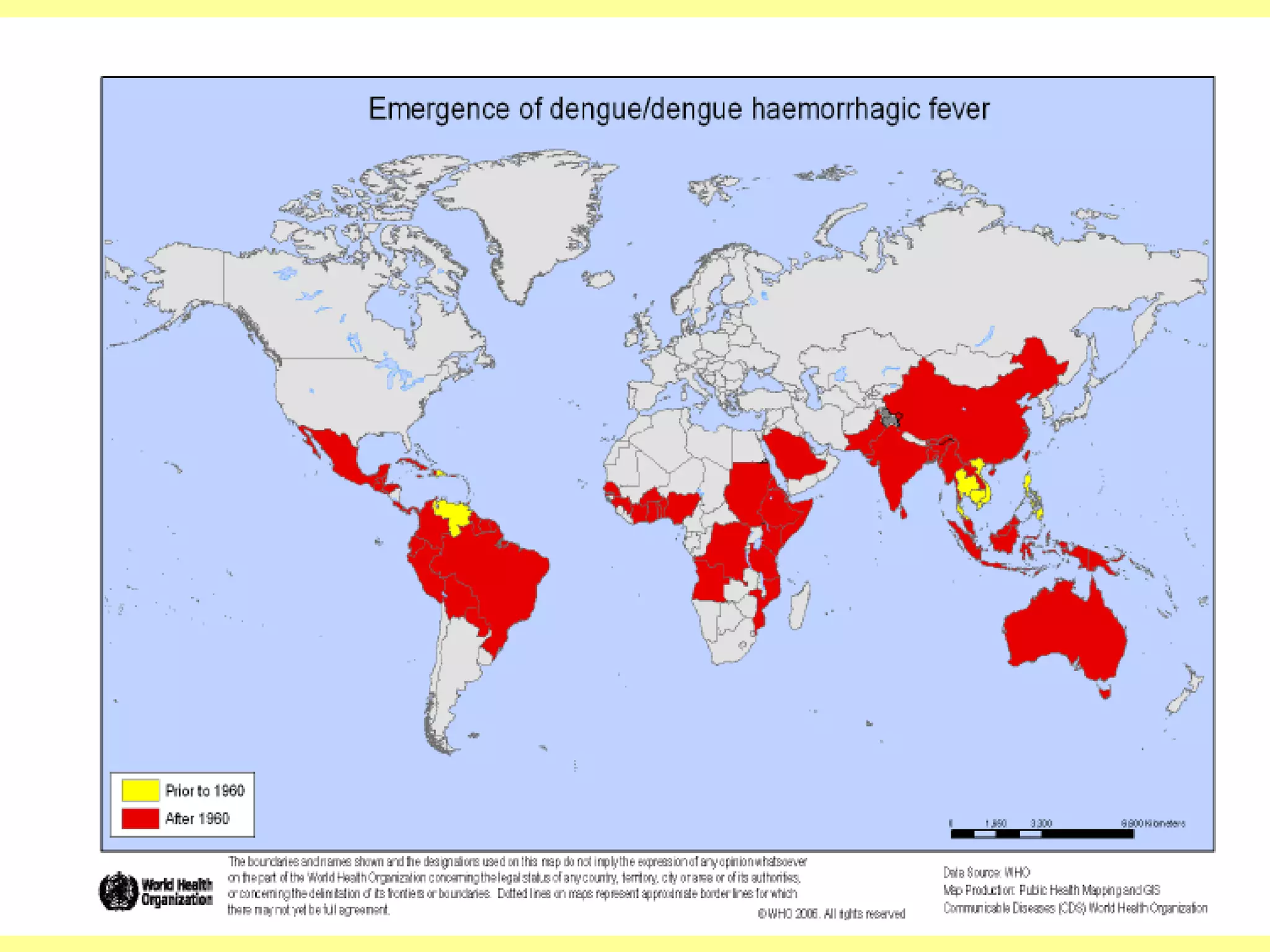
 Human Plague- India (1994) after 15-30
years absence. Dengue/ DHF- Over past 40
years, 20-fold increase to nearly 0.5 million
(between 1990-98)
Dr. KANUPRIYA CHATURVEDI
Bioterrorism
 Possible deliberate release of infectious
agents by dissident individuals or terrorist
groups
 Biological agents are attractive instruments
of terror- easy to produce, mass casualties,
difficult to detect, widespread panic & civil
disruption
contd.
 Highest potential- B. anthracis, C.
botulinum toxin, F. tularensis, Y. pestis,
Variola virus, Viral haemorrhagic fever
viruses
 Likeliest route- aerosol dissemination
Key Tasks in Dealing with Emerging
Diseases
 Surveillance at national, regional, global level
 epidemiological,
 laboratory
 ecological
 anthropological
 Investigation and early control measures
 Implement prevention measures
 behavioural, political, environmental
 Monitoring, evaluation
National surveillance:
current situation
 Independent vertical control
programmes
 Surveillance gaps for important
diseases
 Limited capacity in field epidemiology,
laboratory diagnostic testing, rapid field
investigations
 Inappropriate case definitions
contd.
 Delays in reporting, poor analysis of
data and information at all levels
 No feedback to periphery
 Insufficient preparedness to control
epidemics
 No evaluation
Solutions
Public health surveillance & response systems
 Rapidly detect unusual, unexpected, unexplained
disease patterns
 Track & exchange information in real time
 Response effort that can quickly become global
 Contain transmission swiftly & decisively
GOARN
Global Outbreak Alert & Response Network
 Coordinated by WHO
 Mechanism for combating international
disease outbreaks
 Ensure rapid deployment of technical
assistance, contribute to long-term epidemic
preparedness & capacity building
Solutions
 Internet-based information technologies
Improve disease reporting
Facilitate emergency communications &
Dissemination of information
 Human Genome Project
Role of human genetics in disease susceptibility,
progression & host response
Solutions
 Microbial genetics
Methods for disease detection, control & prevention
 Improved diagnostic techniques & new vaccines
 Geographic Imaging Systems
Monitor environmental changes that influence
disease emergence & transmission
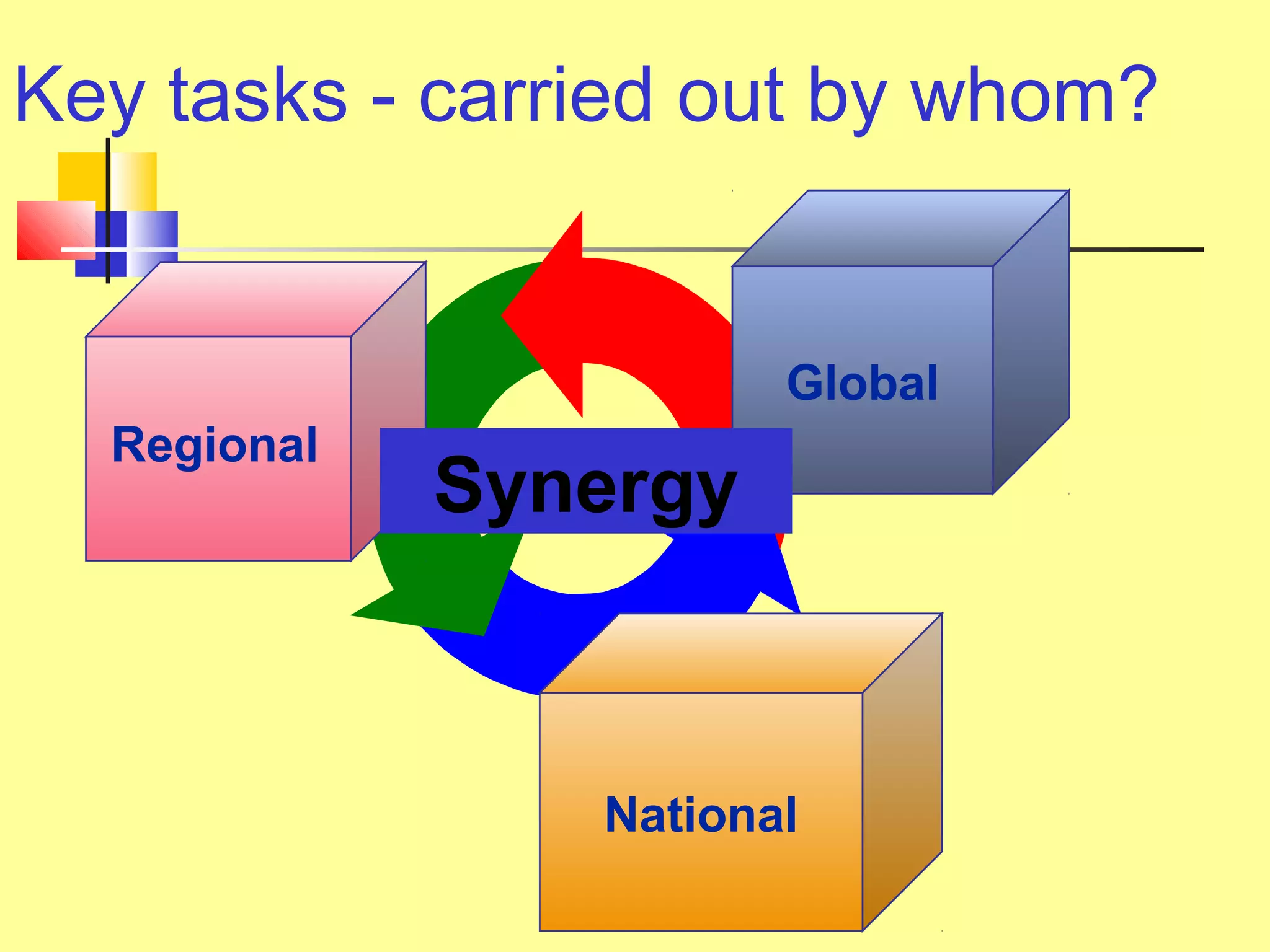
Key tasks - carried out by whom?
National
Regional
Global
Synergy
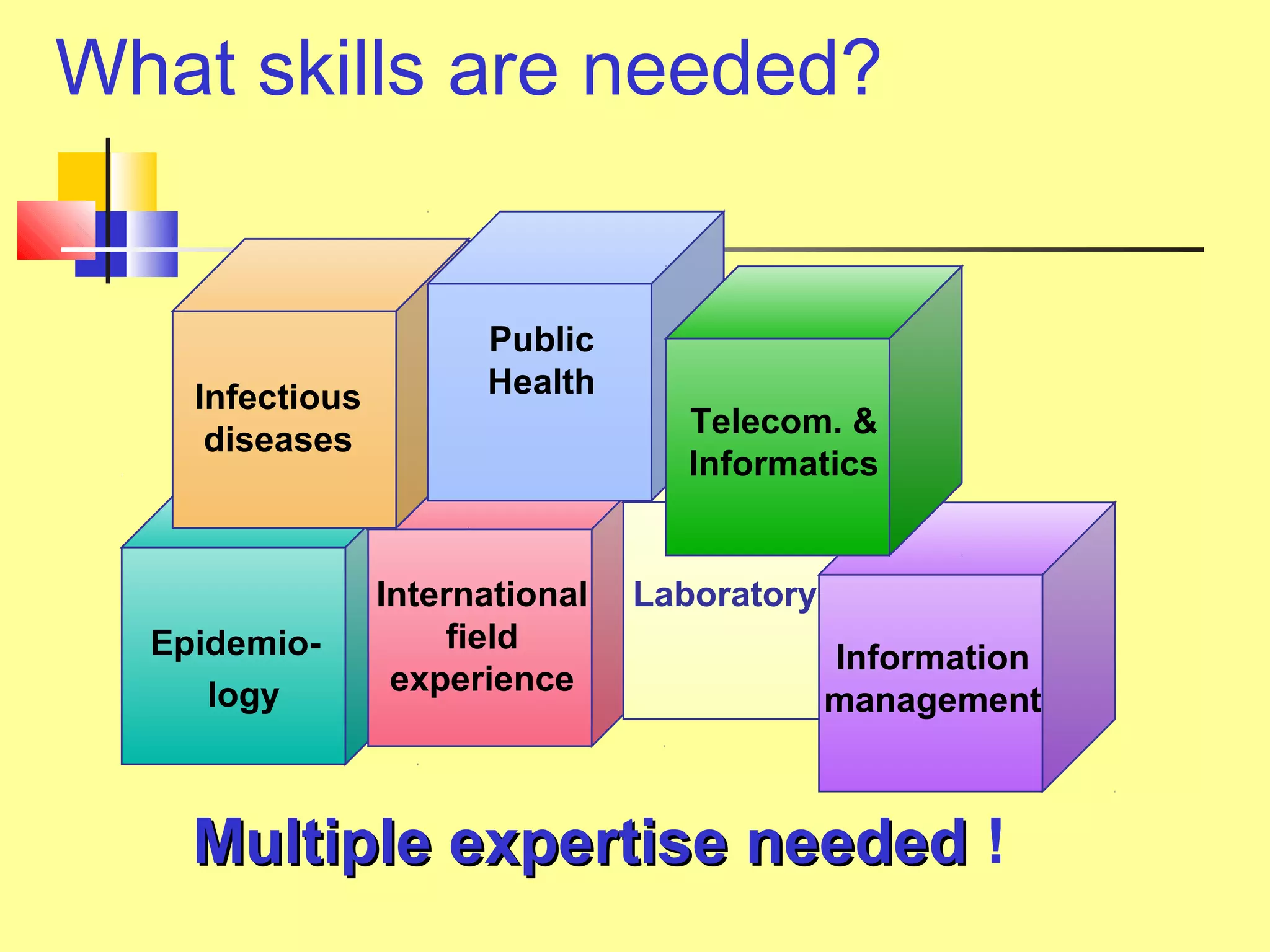
What skills are needed?
Multiple expertise neededMultiple expertise needed !
Infectious
diseases
Epidemio-
logy
Public
Health
International
field
experience
Information
management
Laboratory
Telecom. &
Informatics
The Best Defense (Multi-
factorial)
 Coordinated, well-prepared, well-
equipped PH systems
 Partnerships- clinicians, laboritarians
& PH agencies
 Improved methods for detection &
surveillance
contd.
 Effective preventive & therapeutic
technologies
 Strengthened response capacity
 Political commitment & adequate
resources to address underlying socio-
economic factors
 International collaboration &
communication
Message to take Home
 Stop self medication
 Controlling re- emerging diseases through
available cost-effective interventions such as
early diagnosis and prompt treatment
 Vector control measures are all important
 DOTS- best treatment for TB
 Research initiatives for treatment regimes
and improved diagnostics, drugs and
vaccines should be launched.
Contd......
 Strengthening epidemiological surveillance
and drug resistance surveillance mechanisms
and procedures with appropriate laboratory
support for early detection confirmation and
communication
 Research on dangerous diseases like Ebola
and other haemorrhagic fevers since their
natural history is unknown.
 THUS...........
 Need of the hour is therefore, for expanding
research on infectious disease agents, their
evolution, the vectors of the disease spread
and methods of controlling them and
vaccines and drug development
THANK YOU

Presentation on Emerging and reEmerging infectious diseases

  • 1.
    Emerging & Re-emerging InfectiousDiseases PRESENTATION BY BASHARAT RASHID DEPT: OF TST (PSM)
  • 2.
    I Outline Of Presentation Infectious diseases- trends  Definition of emerging & re-emerging diseases  Factors contributing to emergence  Examples  Public health response
  • 3.
    Infectious Disease- Trends Receded in Western countries 20th century  Urban sanitation, improved housing, personal hygiene, antisepsis & vaccination  Antibiotics further suppressed morbidity & mortality
  • 4.
    Infectious Disease- Trends Since last quarter of 20th century- New & Resurgent infectious diseases  Unusually large number- Rotavirus, Cryptosporidiosis, HIV/AIDS, Hantavirus, Lyme disease, Legionellosis, Hepatitis C……
  • 5.
    ?? AIDSAIDS Avian InfluenzaAvian Influenza EbolaEbola MarburgMarburg CholeraCholera RiftValley FeverRift Valley Fever TyphoidTyphoid TuberculosisTuberculosis LeptospirosisLeptospirosis MalariaMalaria ChikungunyaChikungunya DengueDengue JEJE Antimicrobial resistanceAntimicrobial resistance UPUP Guinea worm Smallpox Yaws Poliomyelitis Measles Leprosy Neonatal tetanus DOWNDOWN Infectious Diseases: A World in TransitionInfectious Diseases: A World in Transition
  • 6.
    Definition  Emerging infectiousdisease Newly identified & previously unknown infectious agents that cause public health problems either locally or internationally
  • 7.
    Definition  Re-emerging infectiousdisease Infectious agents that have been known for some time, had fallen to such low levels that they were no longer considered public health problems & are now showing upward trends in incidence or prevalence worldwide
  • 8.
    Factors Contributing To Emergence AGENT Evolution of pathogenic infectious agents (microbial adaptation & change)  Development of resistance to drugs  Resistance of vectors to pesticides
  • 9.
    Factors Contributing To Emergence HOST Human demographic change (inhabiting new areas)  Human behaviour (sexual & drug use)  Human susceptibility to infection (Immunosuppression)  Poverty & social inequality
  • 10.
    Factors Contributing To Emergence ENVIRONMENT Climate & changing ecosystems  Economic development & Land use (urbanization, deforestation)  Technology & industry (food processing & handling)
  • 11.
    contd.  International travel& commerce  Breakdown of public health measure (war, unrest, overcrowding)  Deterioration in surveillance systems (lack of political will)
  • 12.
    Transmission of InfectiousAgent from Animals to Humans  >2/3rd emerging infections originate from animals- wild & domestic  Emerging Influenza infections in Humans associated with Geese, Chickens & Pigs  Animal displacement in search of food after deforestation/ climate change (Lassa fever)  Humans themselves penetrate/ modify unpopulated regions- come closer to animal reservoirs/ vectors (Yellow fever, Malaria)
  • 13.
    Climate & Environmental Changes Deforestation forces animals into closer human contact- increased possibility for agents to breach species barrier between animals & humans  El Nino- Triggers natural disasters & related outbreaks of infectious diseases (Malaria, Cholera)  Global warming- spread of Malaria, Dengue, Leishmaniasis, Filariasis
  • 14.
    Poverty, Neglect &Weakening of Health Infrastructure  Poor populations- major reservoir & source of continued transmission  Poverty- Malnutrition- Severe infectious disease cycle  Lack of funding, Poor prioritization of health funds, Misplaced in curative rather than preventive infrastructure, Failure to develop adequate health delivery systems
  • 15.
    Uncontrolled Urbanization & PopulationDisplacement  Growth of densely populated cities- substandard housing, unsafe water, poor sanitation, overcrowding, indoor air pollution  Problem of refugees & displaced persons  Diarrhoeal & Intestinal parasitic diseases, ARI Lyme disease (B. burgdorferi)- Changes in ecology, increasing deer populations, suburban migration of population
  • 16.
    Human Behaviour  Unsafesexual practices (HIV, Gonorrhoea, Syphilis)  Changes in agricultural & food production patterns- food-borne infectious agents (E. coli)  Increased international travel (Influenza)  Outdoor activity
  • 17.
    Antimicrobial Drug Resistance Causes: • Wrong prescribing practices • non-adherence by patients • Counterfeit drugs • Use of anti-infective drugs in animals & plants
  • 18.
    contd. • Loss ofeffectiveness: • Community-acquired (TB, Pneumococcal) & Hospital-acquired (Enterococcal, Staphylococcal  Antiviral (HIV), Antiprotozoal (Malaria), Antifungal
  • 19.
    Antimicrobial Drug Resistance Consequences Prolonged hospital admissions Higher death rates from infections Requires more expensive, more toxic drugs Higher health care costs
  • 20.
  • 21.
    Examples of recentemerging diseases Source: NATURE; Vol 430; July 2004; www.nature.com/nature
  • 22.
    Examples of Emerging InfectiousDiseases  Hepatitis C- First identified in 1989 In mid 1990s estimated global prevalence 3%  Hepatitis B- Identified several decades earlier Upward trend in all countries Prevalence >90% in high-risk population
  • 23.
    contd.  Zoonoses- 1,415microbes are infectious for human Of these, 868 (61%) considered zoonotic 70% of newly recognized pathogens are zoonoses
  • 24.
    Emerging Zoonoses: Human- animalinterface Marburg virus Hantavirus Pulmonary Syndrome Ebola virus Borrelia burgdorferi: Lyme Mostomys rodent: Lassa fever Avian influenza virus Bats: Nipah virus
  • 25.
    SARS: The FirstEmerging Infectious Disease Of The 21st Century SARS Cases 19 February to 5 July 2003 China (5326) Singapore (206) Hong Kong (1755) Viet Nam (63) Europe: 10 countries (38) Thailand (9) Brazil (3) Malaysia (5) South Africa ( Canada (243) USA (72) Colombia (1) Kuwait (1) South Africa (1) Korea Rep. (3) Macao (1) Philippines (14) Indonesia (2) Mongolia (9) India (3) Australia (5) New Zealand (1) Taiwan (698) Mongolia (9) Russian Fed. (1) Total: 8,439 cases, 812 deaths, 30 countries in 7-8 months Source: www.who.int.csr/sars No infectious disease has spread so fast and far as SARS did in 2003
  • 26.
    Lesson learnt fromSARS  An infectious disease in one country is a threat to all  Important role of air travel in international spread  Tremendous negative economic impact on trade, travel and tourism, estimated loss of $ 30 to $150 billion
  • 27.
    contd.  High levelcommitment is crucial for rapid containment  WHO can play a critical role in catalyzing international cooperation and support  Global partnerships & rapid sharing of data/information enhances preparedness and response
  • 28.
    Highly Pathogenic AvianInfluenza (H5N1)  Since Nov 2003, avian influenza H5N1 in birds affected 60 countries across Asia, Europe, Middle-East & Africa  >220 million birds killed by AI virus or culled to prevent further spread  Majority of human H5N1 infection due to direct contact with birds infected with virus
  • 29.
    Novel Swine originInfluenza A (H1N1)  Swine flu causes respiratory disease in pigs – high level of illness, low death rates  Pigs can get infected by human, avian and swine influenza virus  Occasional human swine infection reported  In US from December 2005 to February 2009, 12 cases of human infection with swine flu reported
  • 30.
    Swine Flu Influenza A(H1N1)  March 18 2009 – ILI outbreak reported in Mexico  April 15th CDC identifies H1N1 (swine flu)  April 25th WHO declares public health emergency  April 27th & April 29th Pandemic alert raised
  • 31.
    Influenza A (H1N1) By May 5th more than 1000 cases confirmed in 21 countries  Screening at airports for flu like symptoms (especially passengers coming from affected area)  Schools closed in many states in USA  May 16th India reports first confirmed case  Stockpiling of antiviral drugs and preparations to make a new effective vaccine
  • 32.
    Pandemic HINI (Swineflu)  Worldwide- 162,380 cases 1154 deaths  India- 558 cases 1 death
  • 33.
    Examples of Re-Emerging InfectiousDiseases  Diphtheria- Early 1990s epidemic in Eastern Europe(1980- 1% cases; 1994- 90% cases)  Cholera- 100% increase worldwide in 1998 (new strain eltor, 0139)  Human Plague- India (1994) after 15-30 years absence. Dengue/ DHF- Over past 40 years, 20-fold increase to nearly 0.5 million (between 1990-98)
  • 34.
  • 35.
    Bioterrorism  Possible deliberaterelease of infectious agents by dissident individuals or terrorist groups  Biological agents are attractive instruments of terror- easy to produce, mass casualties, difficult to detect, widespread panic & civil disruption
  • 36.
    contd.  Highest potential-B. anthracis, C. botulinum toxin, F. tularensis, Y. pestis, Variola virus, Viral haemorrhagic fever viruses  Likeliest route- aerosol dissemination
  • 37.
    Key Tasks inDealing with Emerging Diseases  Surveillance at national, regional, global level  epidemiological,  laboratory  ecological  anthropological  Investigation and early control measures  Implement prevention measures  behavioural, political, environmental  Monitoring, evaluation
  • 38.
    National surveillance: current situation Independent vertical control programmes  Surveillance gaps for important diseases  Limited capacity in field epidemiology, laboratory diagnostic testing, rapid field investigations  Inappropriate case definitions
  • 39.
    contd.  Delays inreporting, poor analysis of data and information at all levels  No feedback to periphery  Insufficient preparedness to control epidemics  No evaluation
  • 40.
    Solutions Public health surveillance& response systems  Rapidly detect unusual, unexpected, unexplained disease patterns  Track & exchange information in real time  Response effort that can quickly become global  Contain transmission swiftly & decisively
  • 41.
    GOARN Global Outbreak Alert& Response Network  Coordinated by WHO  Mechanism for combating international disease outbreaks  Ensure rapid deployment of technical assistance, contribute to long-term epidemic preparedness & capacity building
  • 42.
    Solutions  Internet-based informationtechnologies Improve disease reporting Facilitate emergency communications & Dissemination of information  Human Genome Project Role of human genetics in disease susceptibility, progression & host response
  • 43.
    Solutions  Microbial genetics Methodsfor disease detection, control & prevention  Improved diagnostic techniques & new vaccines  Geographic Imaging Systems Monitor environmental changes that influence disease emergence & transmission
  • 44.
    Key tasks -carried out by whom? National Regional Global Synergy
  • 45.
    What skills areneeded? Multiple expertise neededMultiple expertise needed ! Infectious diseases Epidemio- logy Public Health International field experience Information management Laboratory Telecom. & Informatics
  • 46.
    The Best Defense(Multi- factorial)  Coordinated, well-prepared, well- equipped PH systems  Partnerships- clinicians, laboritarians & PH agencies  Improved methods for detection & surveillance
  • 47.
    contd.  Effective preventive& therapeutic technologies  Strengthened response capacity  Political commitment & adequate resources to address underlying socio- economic factors  International collaboration & communication
  • 48.
    Message to takeHome  Stop self medication  Controlling re- emerging diseases through available cost-effective interventions such as early diagnosis and prompt treatment  Vector control measures are all important  DOTS- best treatment for TB  Research initiatives for treatment regimes and improved diagnostics, drugs and vaccines should be launched.
  • 49.
    Contd......  Strengthening epidemiologicalsurveillance and drug resistance surveillance mechanisms and procedures with appropriate laboratory support for early detection confirmation and communication  Research on dangerous diseases like Ebola and other haemorrhagic fevers since their natural history is unknown.  THUS...........
  • 50.
     Need ofthe hour is therefore, for expanding research on infectious disease agents, their evolution, the vectors of the disease spread and methods of controlling them and vaccines and drug development
  • 51.

Editor's Notes

  • #4 Infectious diseases keep emerging and re-emerging . It is there fore imperative that while efforts for control of well established communicable disease must continue relentlessly, a regular vigil must be maintained on the behavior of emerging and re- emerging diseases.
  • #9 Increasing virulence of microbes like Influenza A virus, which exhibits frequent changes in its antigenic structure giving rise to new strains with endemic and pandemic propensities.
  • #10 Host factors contributing to emergence are: Mass migration of people provoked by natural and man made disaster with concomitant rehabilitation of displaced people in temporary human settlements under unhygienic conditions. Uninhibited and reckless industrialization leading to migration of labor population from rural to urban areas in unhygienic squatter settlements International travel as a result of trade and tourism contributing to global dispersion of disease agents, disease reservoirs and vectors Changes in lifestyle that promote unhealthy and risk prone behavior patterns affecting food habits and sexual practices. Declining immunity of as a result of HIV infection, which make him vulnerable to a host of infections.
  • #11 Environmental sanitation characterized by unsafe water supply , improper disposal of solid and liquid waste, poor hygienic practices and congested living conditions all contribute to emergence of infection. Climatic changes resulting from global warming inducing increased surface water evaporation , greater rainfall changes in the direction of bird migration and changes in the habitat of disease vectors are also contributory factors.
  • #26 SARS was first recognized at the end of February 2003 in Hanoi, Viet Nam. case, a middle-aged man business man who has traveled extensively in South-East Asia before becoming unwell, was admitted to hospital in Hanoi on 26 February 2003 with a high fever, dry cough, myalgia and mild sore throat. Over the following 4 days he developed symptoms of adult respiratory distress syndrome, requiring ventilator support, and severe thrombocytopenia. Despite intensive therapy he died on 13 March after being transferred to an isolation facility in Hong Kong SAR. On the basis of data from the SARS foci in Hanoi and Hong Kong SAR, the incubation period has been estimated to be 2.7 days, but usually 3.5 days. Attack rates of >56% among health care workers caring for patients with SARS is consistent in both the Hong Kong and Hanoi foci.
  • #29 Avian influenza (“bird flu”) is an infectious disease of birds caused by type A strains of the influenza virus. The infection can cause a wide spectrum of symptoms in birds, ranging from mild illness, which may pass unnoticed, to a rapidly fatal disease that can cause severe epidemics. Avian influenza viruses do not normally infect humans. However, there have been instances of certain highly pathogenic strains causing severe respiratory disease in humans. In most cases, the people infected had been in close contact with infected poultry or with objects contaminated by their faeces. Nevertheless, there is concern that the virus could mutate to become more easily transmissible between humans, raising the possibility of an influenza pandemic.
  • #34 In India, plague reemerged in August 1994, when it was detected in the Beed district of Maharashtra. This was followed by pneumonic plague in Surat in Gujarat state, resulting in over 50 deaths and inducing a mass exodus of people. Eventually plague was reported from 12 Indian states.
  • #42 The Global Outbreak Alert and Response Network (GOARN) is a technical collaboration of existing institutions and networks who pool human and technical resources for the rapid identification, confirmation and response to outbreaks of international importance. The Network provides an operational framework to link this expertise and skill to keep the international community constantly alert to the threat of outbreaks and ready to respond. The Global Outbreak Alert and Response Network contributes towards global health security by: combating the international spread of outbreaks ensuring that appropriate technical assistance reaches affected states rapidly contributing to long-term epidemic preparedness and capacity building.