BY: SADHISH JAIN
MBA PM-07
ROLL NO.44
ELECTRONIC BATCH RECORD
MANAGEMENT IN
PHARMACEUTICAL INDUSTRY
Electronic Batch Recording System
 Every phase of research & development, manufacturing,
quality control and product distribution must be
thoroughly documented and reviewed at every phase.
 Maintenance of these records is vital to the day-to-day
operation of every pharmaceutical company manufacturing
or marketing drugs and is necessary for establishing a
detailed audit trial for every lot of product manufactured.
 Pharmaceutical companies have traditionally used paper
(hard copy) to maintain production batch records (PBR).
 Also known as master production batch records (MPBR).
 Many companies are realizing that the burden of
paperwork can be lessened with the use of computer system
designed to manage this information.
Continue..
 In 1997 the FDA began to accept electronic batch
records systems. Since then, more and more
manufacturers have recognized the advantages of
automating the process of controlling batch records.
 Electronic Batch Record is designed for
comprehensive data collection, operator work
instruction execution and electronic batch record
reporting.
 EBR displays batch records and manufacturing work
instructions online, providing the advantage of
paperless data recording.
Continue…
 A successful implementation of an EBR system can
be challenging.
 If not applied effectively it actually increase the
burden of compiling batch records.
 EBR software system is available in wide Variety so it
is very much difficult to select suitable one.
Benefits Of EBR System
 Reduced cycle times.
 Improved accuracy & consistency of batch record.
 Cost avoidance.
 Increased speed of product changes and product
introductions.
 Electronic batch record helps to improve productivity.
 Helps to identify wrong material, expiry material.
 Reduction of administrative work for maintaining
manufacturing documents.
 Reducing the number of lost batches.
Strategic Option
 Four Types
Paper System
Document Management
Systems
Data Collection System
Manufacturing Execution
System
[MES]
1.Paper system
 It is the traditional method of maintaining the entire
batch record on paper forms and computer
printouts.
 A Research estimates that 80-90% of
pharmaceuticals are using this kind of
system till now.
 The movement of EBR has been slow.
2.Doc. Management System
 The paper documents are created during the
production process and they are scanned into
system.
 This can be performed at either intervals throughout
the production process, or when
production is completed.
3.Data Collection System
 This type of system captures batch record
information during the production process.
 Instead of paper the operators type the information
into a data capture device or
transfer it from manufacturing
equipment.
 Data capture devices are : Desktop, PLC, PDA etc.
4.Manufacturing Execution System[MES]
 Lacks the ability to capture all necessary data &
summarize it in a format useful as a batch record.
 It can be integrated with much of the
equipment and system used in
production.
Challenges
 All the companies realized that paper work are lessened
with use of EBR system so they are moving for paperless
manufacturing environment.
 FDA also forcing companies to switch completely into
electronic based system.
 Before implementing EBR system it is important to
understand the capabilities of the supporting system.
 It is important that manufacturers develop a strategic
plan for their implementation and validation
 This plan should include the objective of the system
supported by a return- on-investment analysis.
Conclusion
 From Above the Case it is concluded that the burdens of
paperwork are lessened with the use of EBR systems,
which has many advantages for the pharmaceutical
industry.
 Most of the pharmaceuticals are moving to paperless
manufacturing environments and are implementing a
score of solution.
 But still there are using of the traditional system.
 Although The FDA accepts hybrid Systems, industry
analysts expect that this will not for last long.
 As a result pressure may be placed on companies to
switch completely to EBR.
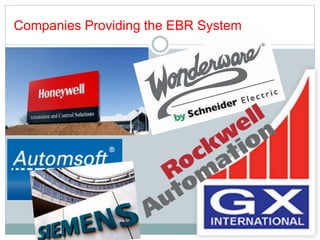
Companies Providing the EBR System
Electronic batch  record  management  in  pharmaceutical industry

Electronic batch record management in pharmaceutical industry

  • 1.
    BY: SADHISH JAIN MBAPM-07 ROLL NO.44 ELECTRONIC BATCH RECORD MANAGEMENT IN PHARMACEUTICAL INDUSTRY
  • 2.
    Electronic Batch RecordingSystem  Every phase of research & development, manufacturing, quality control and product distribution must be thoroughly documented and reviewed at every phase.  Maintenance of these records is vital to the day-to-day operation of every pharmaceutical company manufacturing or marketing drugs and is necessary for establishing a detailed audit trial for every lot of product manufactured.  Pharmaceutical companies have traditionally used paper (hard copy) to maintain production batch records (PBR).  Also known as master production batch records (MPBR).  Many companies are realizing that the burden of paperwork can be lessened with the use of computer system designed to manage this information.
  • 3.
    Continue..  In 1997the FDA began to accept electronic batch records systems. Since then, more and more manufacturers have recognized the advantages of automating the process of controlling batch records.  Electronic Batch Record is designed for comprehensive data collection, operator work instruction execution and electronic batch record reporting.  EBR displays batch records and manufacturing work instructions online, providing the advantage of paperless data recording.
  • 4.
    Continue…  A successfulimplementation of an EBR system can be challenging.  If not applied effectively it actually increase the burden of compiling batch records.  EBR software system is available in wide Variety so it is very much difficult to select suitable one.
  • 5.
    Benefits Of EBRSystem  Reduced cycle times.  Improved accuracy & consistency of batch record.  Cost avoidance.  Increased speed of product changes and product introductions.  Electronic batch record helps to improve productivity.  Helps to identify wrong material, expiry material.  Reduction of administrative work for maintaining manufacturing documents.  Reducing the number of lost batches.
  • 6.
    Strategic Option  FourTypes Paper System Document Management Systems Data Collection System Manufacturing Execution System [MES]
  • 7.
    1.Paper system  Itis the traditional method of maintaining the entire batch record on paper forms and computer printouts.  A Research estimates that 80-90% of pharmaceuticals are using this kind of system till now.  The movement of EBR has been slow.
  • 8.
    2.Doc. Management System The paper documents are created during the production process and they are scanned into system.  This can be performed at either intervals throughout the production process, or when production is completed.
  • 9.
    3.Data Collection System This type of system captures batch record information during the production process.  Instead of paper the operators type the information into a data capture device or transfer it from manufacturing equipment.  Data capture devices are : Desktop, PLC, PDA etc.
  • 10.
    4.Manufacturing Execution System[MES] Lacks the ability to capture all necessary data & summarize it in a format useful as a batch record.  It can be integrated with much of the equipment and system used in production.
  • 11.
    Challenges  All thecompanies realized that paper work are lessened with use of EBR system so they are moving for paperless manufacturing environment.  FDA also forcing companies to switch completely into electronic based system.  Before implementing EBR system it is important to understand the capabilities of the supporting system.  It is important that manufacturers develop a strategic plan for their implementation and validation  This plan should include the objective of the system supported by a return- on-investment analysis.
  • 12.
    Conclusion  From Abovethe Case it is concluded that the burdens of paperwork are lessened with the use of EBR systems, which has many advantages for the pharmaceutical industry.  Most of the pharmaceuticals are moving to paperless manufacturing environments and are implementing a score of solution.  But still there are using of the traditional system.  Although The FDA accepts hybrid Systems, industry analysts expect that this will not for last long.  As a result pressure may be placed on companies to switch completely to EBR.
  • 13.