 By poorly insulated Wires
 By ungrounded electrical equipment
 By using electrical equipment while in
contact with water
 By being stuck by lightening
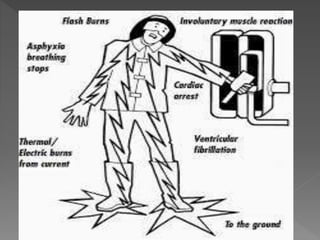
 An electric shock can have no injury at all
 Burns(which are the most comman)
 Cardiac arrest due to the electric effect on
the heart
 Muscle, nerve and destruction from a current
passing through the body
 Death(electrocution)
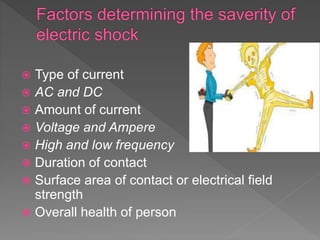
 Type of current
 AC and DC
 Amount of current
 Voltage and Ampere
 High and low frequency
 Duration of contact
 Surface area of contact or electrical field
strength
 Overall health of person
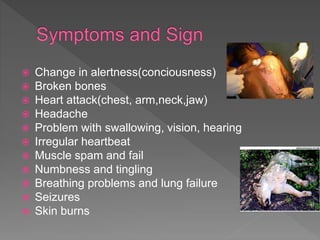
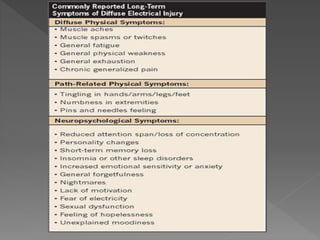
 Change in alertness(conciousness)
 Broken bones
 Heart attack(chest, arm,neck,jaw)
 Headache
 Problem with swallowing, vision, hearing
 Irregular heartbeat
 Muscle spam and fail
 Numbness and tingling
 Breathing problems and lung failure
 Seizures
 Skin burns
 Electrocardiogram
 Complete blood count
 Urine test for muscle enzymes
 X-ray
 CT Scan
 Diconnect the power supply,don’t even touch the
victim until you are sure that the power supply is
turned off.
 Be especially careful in wet areas such as
bathroom as water conducts electricity supply.
 If the current cant be turned off, use a non-
conducting object such as broom, chair, rug or
rubber doormat to push the person away from the
source of the current.
 Do not use wet or metal object, if possible stand on
something dry and does not conduct electricity,
such as rubber doormat or folded newpapers.
 Don’t touch the person with your bare hands
if the body is still touching the source of
electricity.
 Don’t apply ice,
butter,ointments,medication,fluffy cotton
dressings or adhesive bandages.
 Don’t remove dead skin or break bilsters if
the person has been burned.
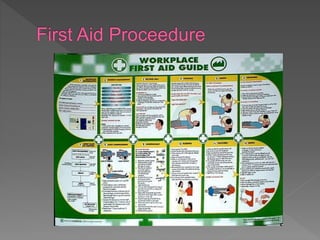
 Check for a person’s response and
breathing. it may be necessary to commence
cardiopulmonary resuscitation(CPR).
 Talk calmly and reassuringly to the person.
 Be calm and don’t panic
 Don’t forget to call ambulance in the mean
time.
 Examine patient completely, including for
treatment injuries.
 Resuscitation
 Analgesia
 Wound care
 Cardiac monitoring for 6 to 12 hours for
patient
 In addition to burn injuries, AC can freeze the
patient’s hand to the current source, while DC
can throw the patient causing injury.
 Although skin burns saverity does not predict
the degree of internal damage is more savere if
the skin has low resistance.
 Refer patients with significant electrical burns to
a specialized burns unit and if significant
internal damage is suspected, begin fluid
resuscitation.
Electric shock and their first aid

Electric shock and their first aid

  • 3.
     By poorlyinsulated Wires  By ungrounded electrical equipment  By using electrical equipment while in contact with water  By being stuck by lightening
  • 4.
     An electricshock can have no injury at all  Burns(which are the most comman)  Cardiac arrest due to the electric effect on the heart  Muscle, nerve and destruction from a current passing through the body  Death(electrocution)
  • 6.
     Type ofcurrent  AC and DC  Amount of current  Voltage and Ampere  High and low frequency  Duration of contact  Surface area of contact or electrical field strength  Overall health of person
  • 7.
     Change inalertness(conciousness)  Broken bones  Heart attack(chest, arm,neck,jaw)  Headache  Problem with swallowing, vision, hearing  Irregular heartbeat  Muscle spam and fail  Numbness and tingling  Breathing problems and lung failure  Seizures  Skin burns
  • 9.
     Electrocardiogram  Completeblood count  Urine test for muscle enzymes  X-ray  CT Scan
  • 10.
     Diconnect thepower supply,don’t even touch the victim until you are sure that the power supply is turned off.  Be especially careful in wet areas such as bathroom as water conducts electricity supply.  If the current cant be turned off, use a non- conducting object such as broom, chair, rug or rubber doormat to push the person away from the source of the current.  Do not use wet or metal object, if possible stand on something dry and does not conduct electricity, such as rubber doormat or folded newpapers.
  • 11.
     Don’t touchthe person with your bare hands if the body is still touching the source of electricity.  Don’t apply ice, butter,ointments,medication,fluffy cotton dressings or adhesive bandages.  Don’t remove dead skin or break bilsters if the person has been burned.
  • 12.
     Check fora person’s response and breathing. it may be necessary to commence cardiopulmonary resuscitation(CPR).  Talk calmly and reassuringly to the person.  Be calm and don’t panic  Don’t forget to call ambulance in the mean time.
  • 14.
     Examine patientcompletely, including for treatment injuries.  Resuscitation  Analgesia  Wound care  Cardiac monitoring for 6 to 12 hours for patient
  • 15.
     In additionto burn injuries, AC can freeze the patient’s hand to the current source, while DC can throw the patient causing injury.  Although skin burns saverity does not predict the degree of internal damage is more savere if the skin has low resistance.  Refer patients with significant electrical burns to a specialized burns unit and if significant internal damage is suspected, begin fluid resuscitation.