





Smile to Start our Day!
Juner O. Gultiano
• The study and practice of facilitating
learning and improving performance by
using appropriate technological resources.
• The use of technology in educational
settings: the instructional use of
computers, television, and other kinds of
electronic hardware and software.
1910 – 1980
• Silent films are produced for instructional use
but teachers do not use them frequently
• The first operational computer was put into
use. The early use of computers in education
was primarily found in mathematics, science
and engineering
• Schools start using technology, especially the
TV
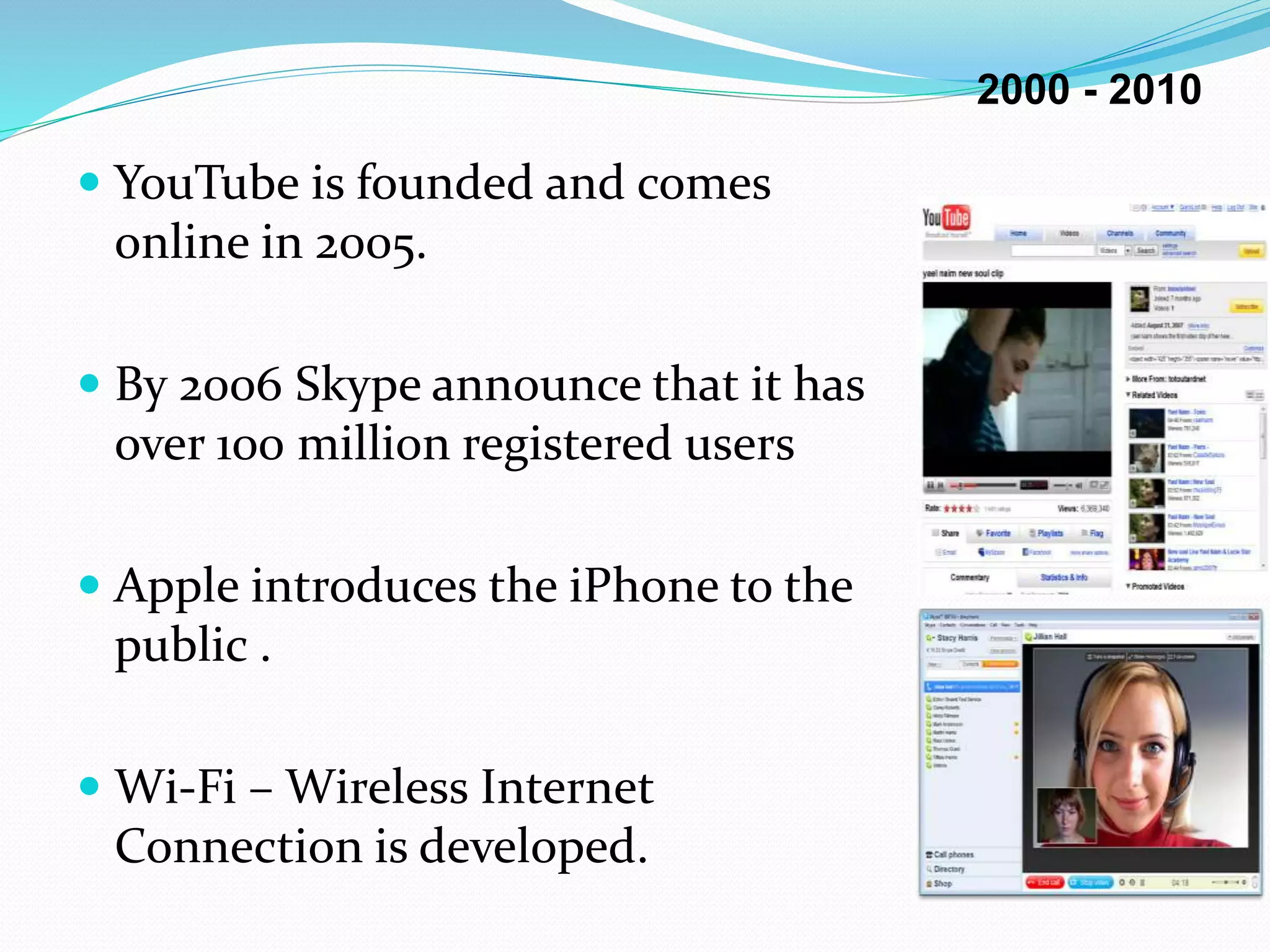
 YouTube is founded and comes
online in 2005.
 By 2006 Skype announce that it has
over 100 million registered users
 Apple introduces the iPhone to the
public .
 Wi-Fi – Wireless Internet
Connection is developed.
2000 - 2010
• Computer in the classroom
• Class website
• Class blogs and wikis
• Wireless classroom microphones
• Mobile devices
• Digital Games
• Interactive Whiteboards
• Podcasts
• Online media
Historio
graphy
Problems and Issues in the Philippine Educational System
Home Page
Internationa
lization
Emascula
tion
Fly-by-
night
Cultural
Insensitive
Abandon
ment
Substandard
Textbooks
Contractuali
zation
Specializa
tion
Copy-Pasting
Culture
Mcdonal
dized
Nonsustaina
bility
Poor Liberal
Art
Purveyor of
myth
Marginali
zation
Monolithic
education
Boring
Teachers
Victimized by the over-worked and
under-paid policy of the system of
the past and present dispensations.
Leads to the emasculation and
demoralization of their ranks.
Explains why the teaching profession is not
attracting the best and the brightest from the
crop of students anymore.
Sub-Menu
Teachers, more often than not, are
victimized by the over-worked and under-
paid policy of the system of the past and
present dispensations.
This leads to the emasculation and
demoralization of their ranks. This
probably explains why the teaching
profession is not attracting the best and
the brightest from the crop of students
anymore.
Sub-Menu
This is what we need
in the 21st Century.
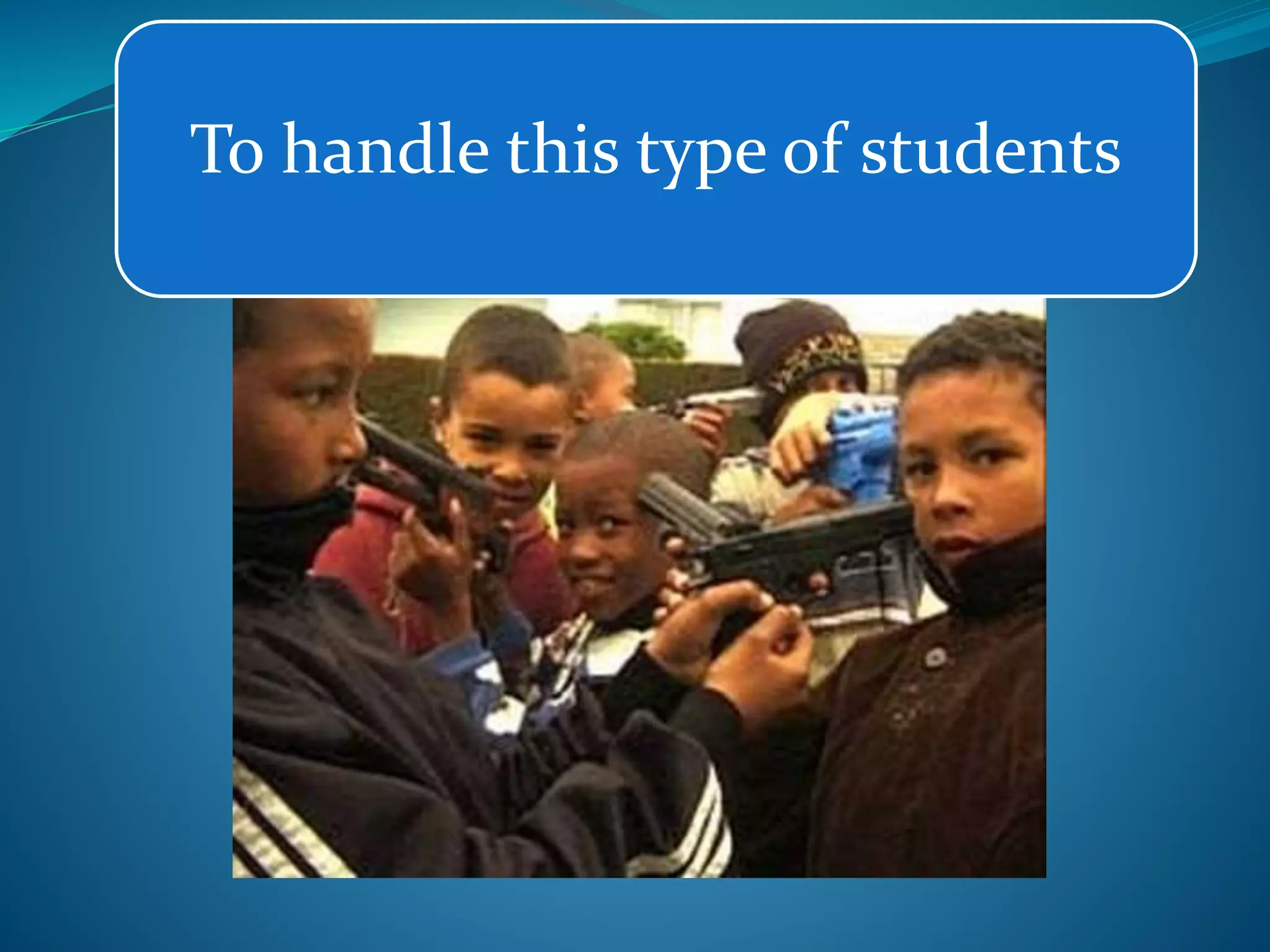
To handle this type of students
Or this type of students
With this type of students
Exciting! Bantog ra
mura ko ug
nakuyawan.
Keeping together is
progress…
Working together is
SUCCESS.
(Henry Ford)
Presenter:
Lecilyn B. Gultiano
The Role of Educational
Technology in Learning
“Technology
makes the
world a better
place.”
YES!!! or NO???
Activity: 
oThink of a learning
experience that the use
of “technology” helped
you learn.
Technology can…….
Play a traditional role. A
delivery vehicles for
instructional lessons.
Technology serves
as a teacher.
Constructivist role……
•or a partner in the
learning process.
•Technology is a learning
tool to learn with, not
from.
•Technology serves as a
medium in representing
what the learners knows
and he/she is learning.
Technology like
“COMPUTERS” is seen as
a productivity tool.
* Word Processing
* databases
*Spreadsheets
*Graphic programs
*Desktop Publishing
With the eruption of
“INTERNET” in mid 90’s
communications and
multimedia have dominated
the role of technology inside
the classroom.
Cont…
Active, constructive, intentional,
authentic, and cooperative
learning. It provides opportunities
for technology and learner
interaction for meaningful
learning.
From a constructivist
perspective, the following
are role of technology in
learning: (Jonassen, et al
1999)
Technology as tools
to support
knowledge
construction…..
For representing learners’
ideas, understanding and
beliefs for organized,
multimedia knowledge bases
by learners.
Technology as information
vehicles for exploring
knowledge to support
learning by constructing:
For accessing needed
information.
For comparing
perspectives, beliefs and
world views.
Technology as context to support
learning-by-doing:
For representing and
simulating meaning real-
world problems, situations
and context.
For representing
beliefs, perspectives,
arguments, and stories
of others.
For defining a safe,
controllable problem
space for student
thinking.
Technology as a social medium to
support learning by conversing:
For collaborating with
others.
•For discussing, arguing,
and building consensus
among members of a
community.
•For supporting discourse
among knowledge-
building communities.
Technology as intellectual partner
(Jonassen 1996) to support learning by
reflecting:
•For helping learners to
articulate and represent
what they know.
For reflecting on what
they have learned and
how they came to know
it.
For supporting learners
internal negotiations
and meaning making.
For constructing
personal
representations of
meaning for supporting
mindful thinking.
Whether used from the traditional
or constructivist point of view,
when USED effectively. Research
indicates that technology
“increases students’ learning,
understanding, and achievements
but also their motivation to
learn, encourage
collaborative learning and
supports the development of
critical thinking and problem
solving skills.”
Thank you! 
A personal timeline
of educational technology
Golda I. Torres
My definition of educational
technology
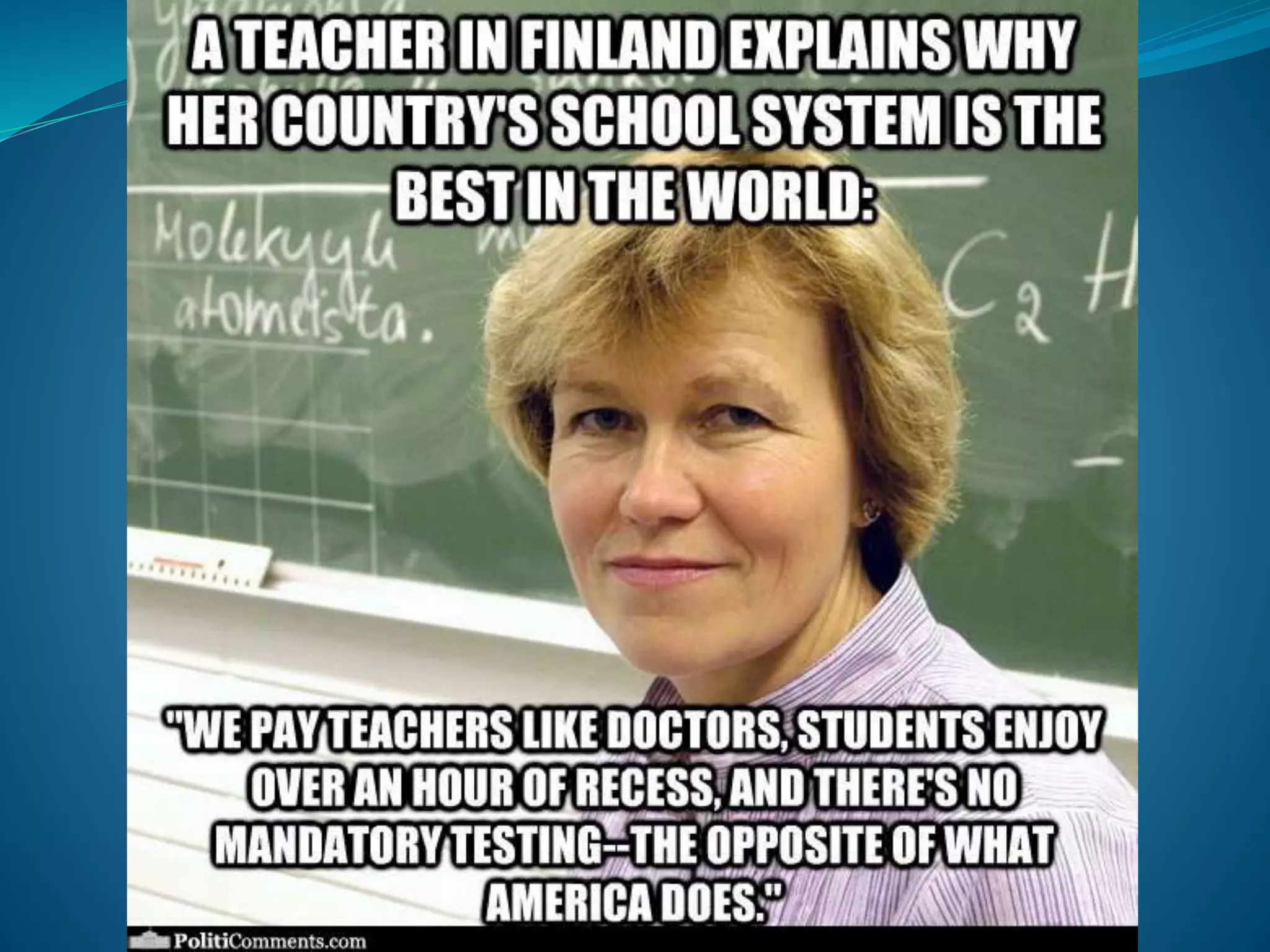
Technology is transforming education
today, and it will continue to do so
tomorrow. Educational technology uses
digital mediums to enhance teaching and
learning in the classroom and in online
environments.
Kindergarten technology
• Kid Pix
• Hands-on Learning Manipulative
• Art Activities/Projects
• Play-Doh
Technology now-a-days are so different compared to the past.
High School Technology
Elmo
Projectors
Mac Desktop
Computers
iPod
College technology
• Laptop Computers
• Email
• Blackboard Collaborate
• Social Networking (Skype/Facebook/Ning)
• PowerPoint/VoiceThread/Slide Share
• Google+
• Dropbox
• Elmo Projectors/Smart Boards
• iPads & iphones
A vivid
technology
learning
experience
Smart Board
Learned how to use the
smart board to provide
the students with a fun,
hands-on learning
experience.
A technology I want to use in
my classroom
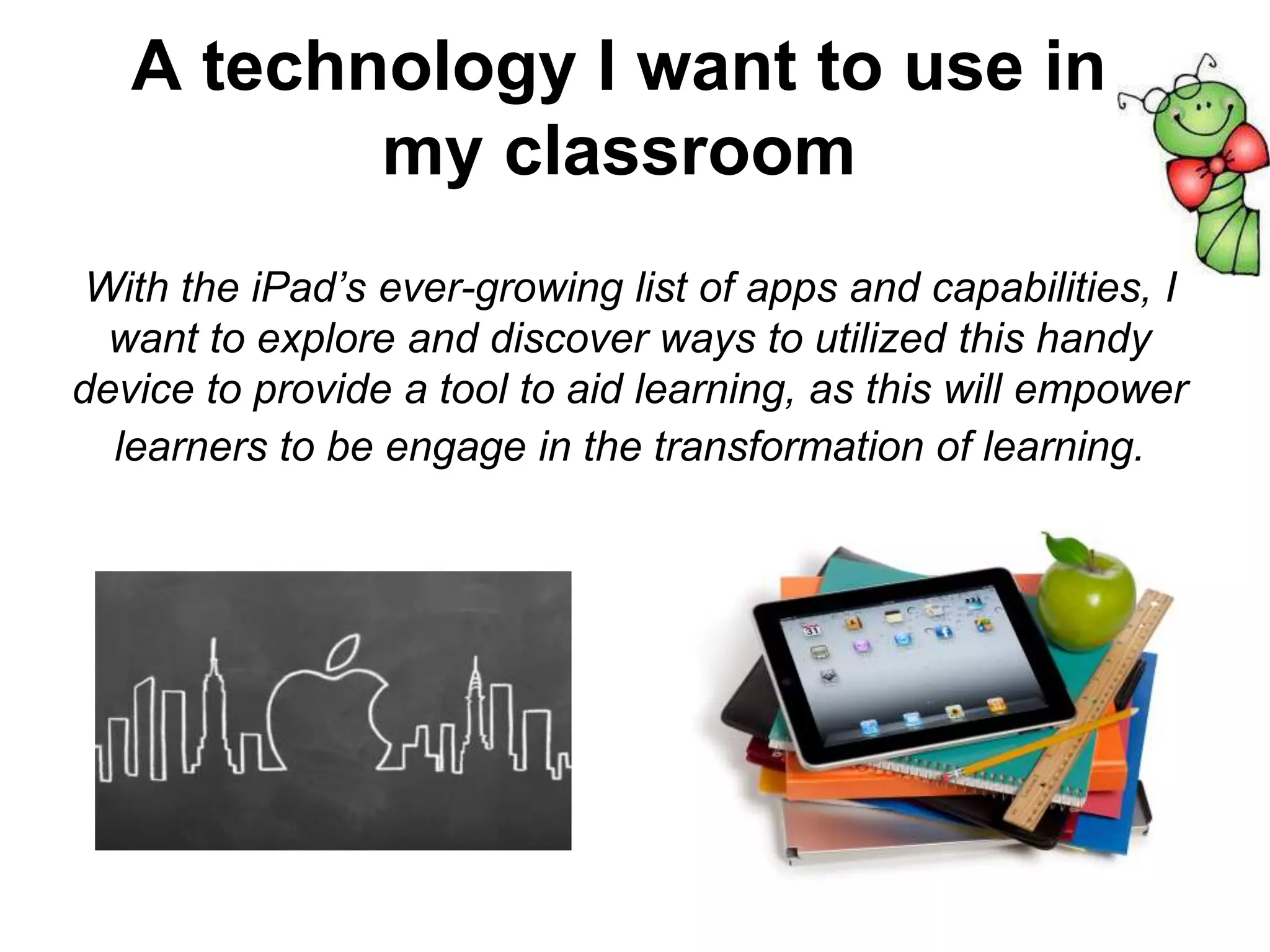
With the iPad’s ever-growing list of apps and capabilities, I
want to explore and discover ways to utilized this handy
device to provide a tool to aid learning, as this will empower
learners to be engage in the transformation of learning.
My vision of the classroom
of the future
As I close my eyes, I can
see all the students
having a iPad to use both
in and outside of the
classroom. No longer will
students have to be
hunched over with
overstuffed backpacks.
A challenge for teaching
To meet the challenges of
an always-evolving high-tech
society, educators need to
develop multiple forms of
computer and information
literacy to help improve
education.
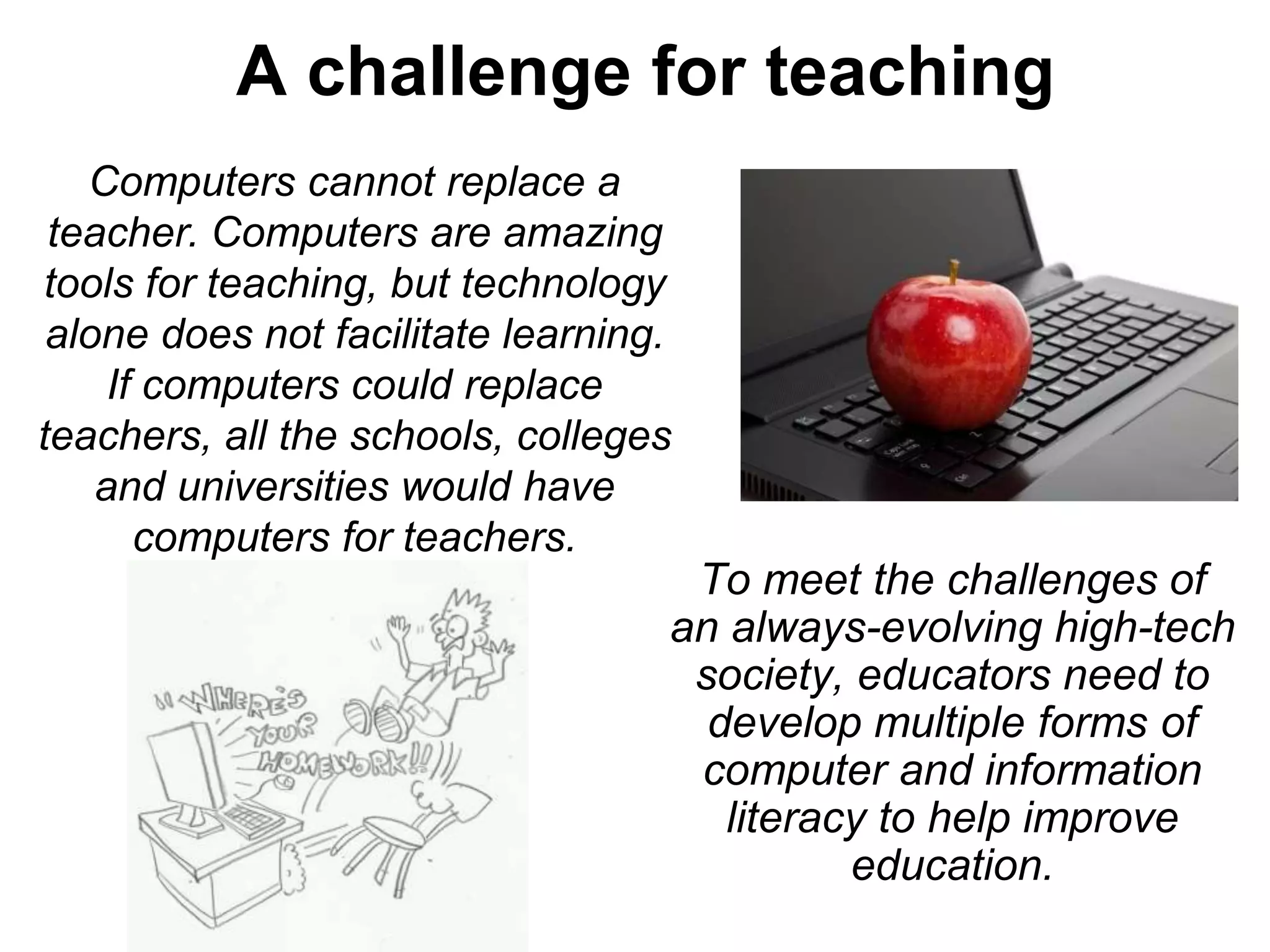
Computers cannot replace a
teacher. Computers are amazing
tools for teaching, but technology
alone does not facilitate learning.
If computers could replace
teachers, all the schools, colleges
and universities would have
computers for teachers.
Words of wisdom
Believe you can- And you can
When life gives you limes,
rearrange the letters until they
say smile.
Surround yourself with things
and people that inspire you.

Educational technology and innovation report