Introduction to
CSTE, CSQA, CMM
By: Ahmed ElAskalany, CSTE ,CSQA,
PMP, CQIA, ITIL
https://www.facebook.com/EdgeC
onsultancyInc
E-mail:
EdgeConsultancyInc@Gmail.com
Quality Assurance Institute
Implementation Approach
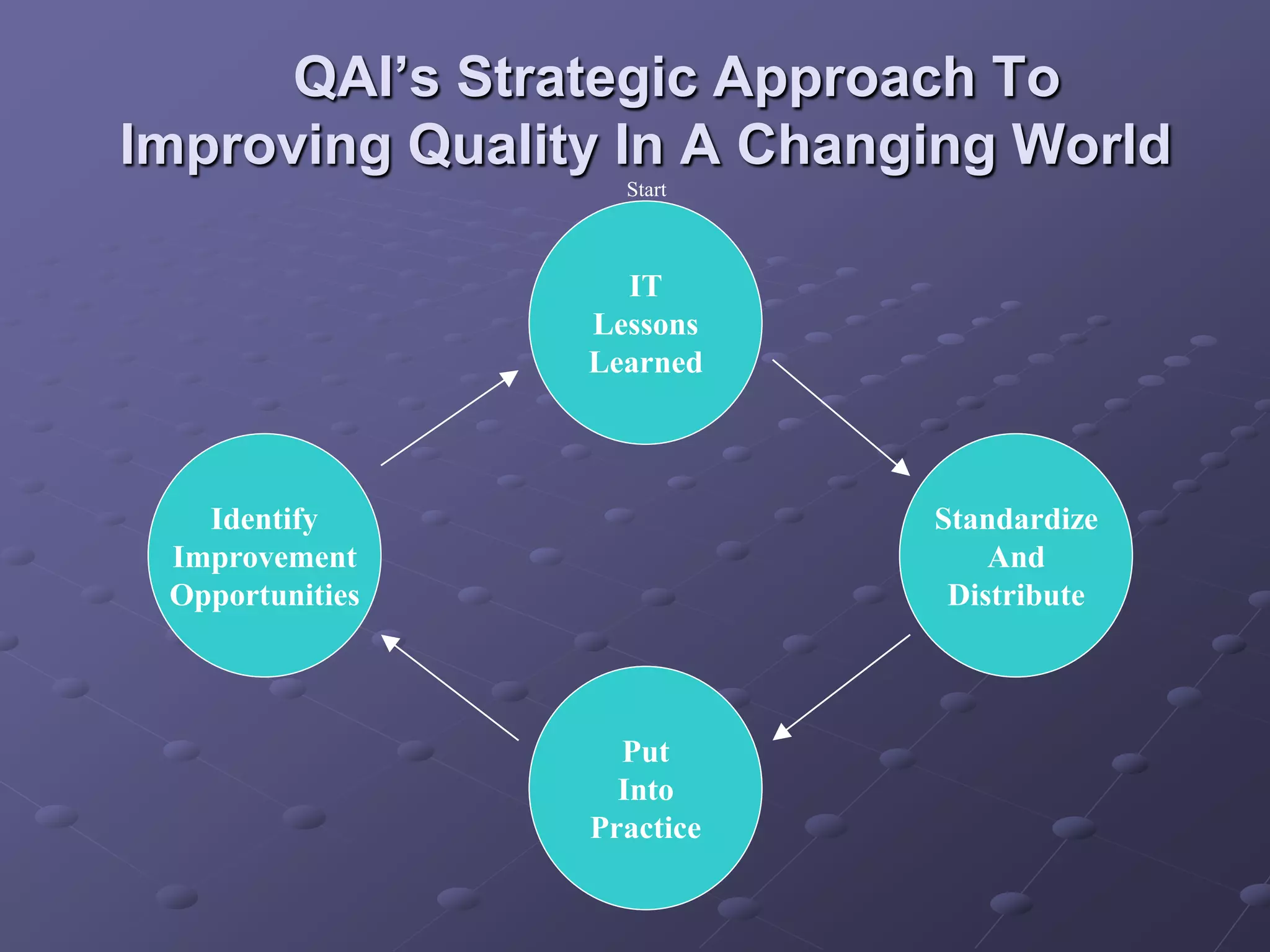
QAI’s Strategic Approach To
Improving Quality In A Changing World
Identify
Improvement
Opportunities
IT
Lessons
Learned
Standardize
And
Distribute
Put
Into
Practice
Start
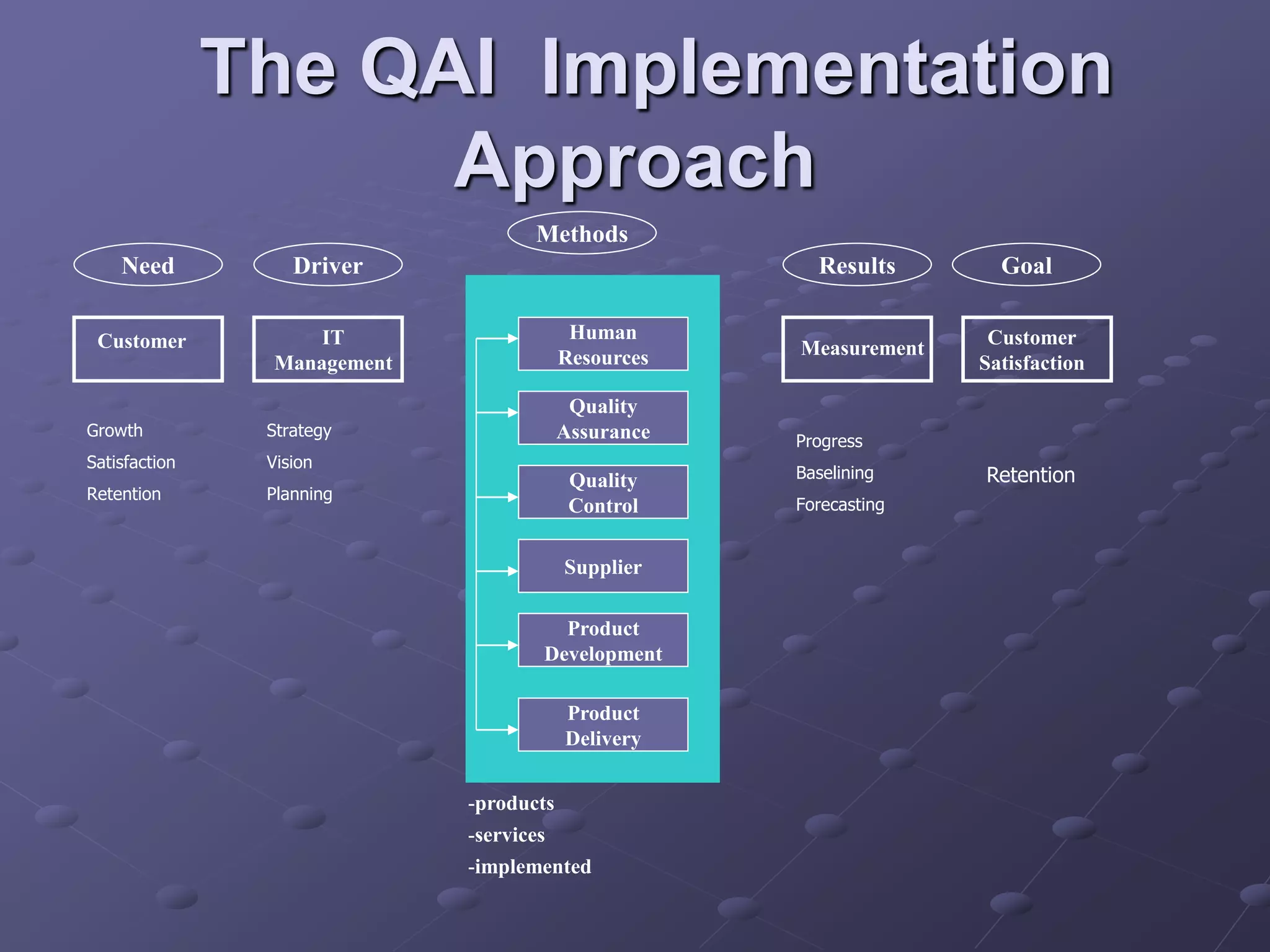
The QAI Implementation
Approach
Customer
Need Driver Results Goal
Methods
Human
Resources
Quality
Assurance
Quality
Control
Supplier
Product
Development
Product
Delivery
IT
Management
Measurement
Customer
Satisfaction
-products
-services
-implemented
Growth
Satisfaction
Retention
Strategy
Vision
Planning
Progress
Baselining
Forecasting
Retention
Generally Accepted Quality
Models
•ISO
•SEI CMM
•MALCOLM BALDRIGE
Critical Success Factors
•Committed Management
•Skilled Staff
•Effective Processes
•Continuous Improvement
Quality Skill Emphasis
•Preventive Skills -
Certified Software Quality Analyst (CSQA)
•Detective Skills -
Certified Software Test Engineer (CSTE)
CSQA Knowledge Domains
1. Quality Principles
3. Quality Models and Quality Assessment
5. Quality Assurance
7. Define, Build, Implement and Improve Work Processes
2. Software Development, Acquisition and Operation
4. Quality Management and Leadership
6. Quality Control Practices
8. Quantitative Methods
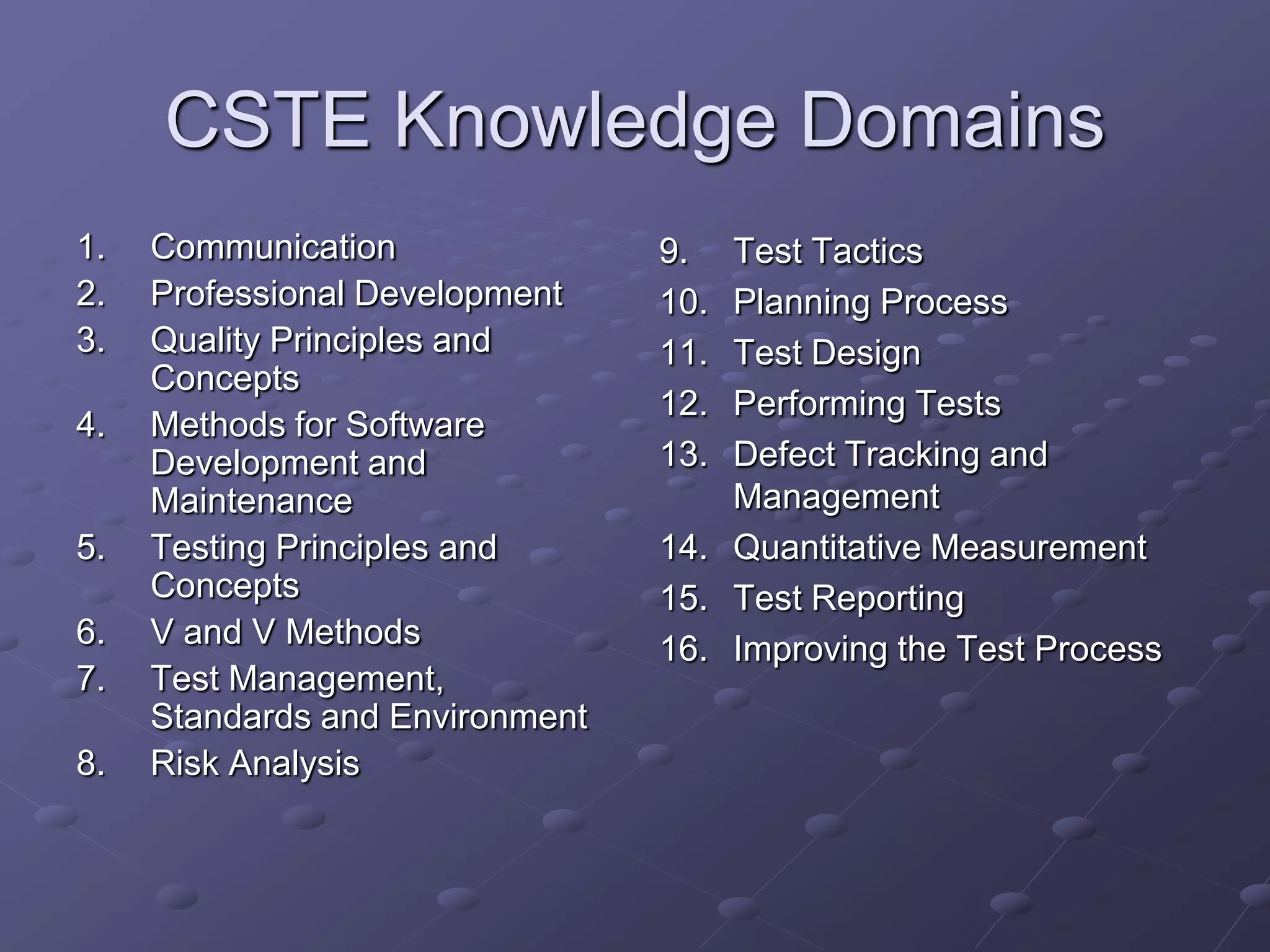
CSTE Knowledge Domains
1. Communication
2. Professional Development
3. Quality Principles and
Concepts
4. Methods for Software
Development and
Maintenance
5. Testing Principles and
Concepts
6. V and V Methods
7. Test Management,
Standards and Environment
8. Risk Analysis
9. Test Tactics
10. Planning Process
11. Test Design
12. Performing Tests
13. Defect Tracking and
Management
14. Quantitative Measurement
15. Test Reporting
16. Improving the Test Process
CMM
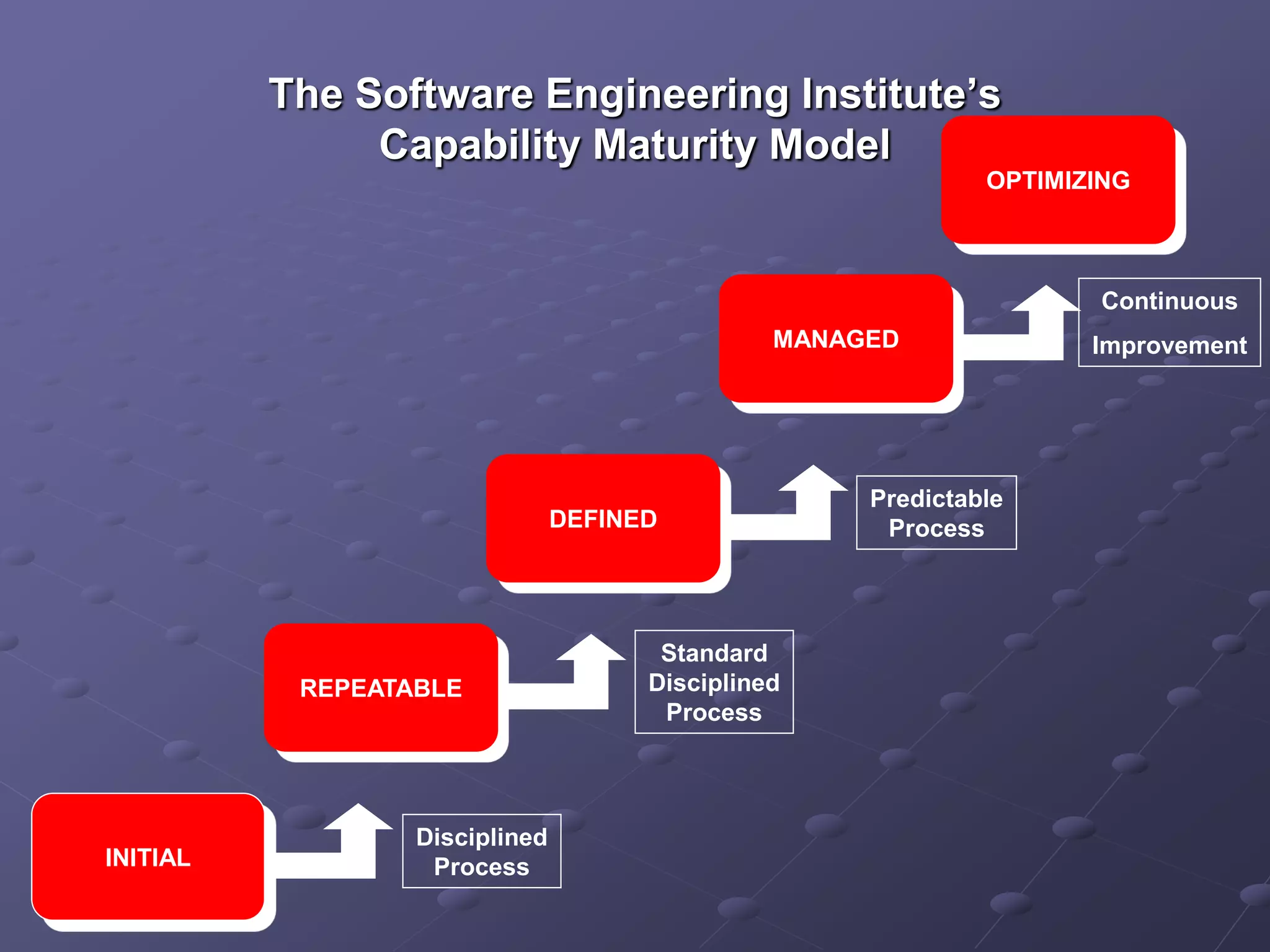
The Software Engineering Institute’s
Capability Maturity Model
OPTIMIZING
MANAGED
DEFINED
REPEATABLE
INITIAL
Disciplined
Process
Standard
Disciplined
Process
Predictable
Process
Continuous
Improvement
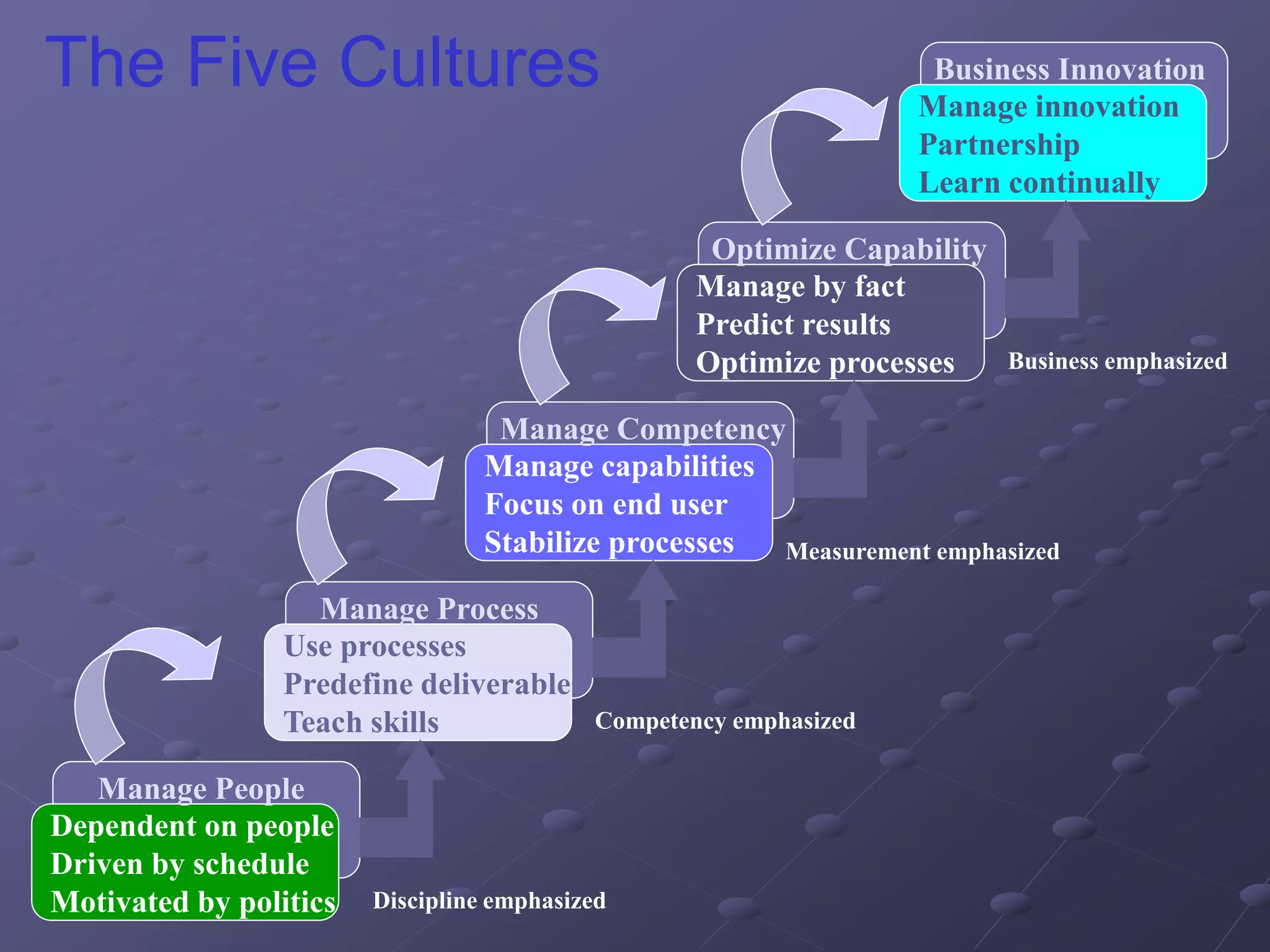
Dependent on people
Driven by schedule
Motivated by politics
Manage capabilities
Focus on end user
Stabilize processes
Manage innovation
Partnership
Learn continually
Use processes
Predefine deliverables
Teach skills
Manage by fact
Predict results
Optimize processes
Discipline emphasized
Competency emphasized
Measurement emphasized
Business emphasized
The Five Cultures
Manage People
Manage Process
Manage Competency
Optimize Capability
Business Innovation
Operational Definition of the CMM
• Commitment to perform
• Ability to perform
• Activities performed
• Measurement and analysis
• Verifying implementation
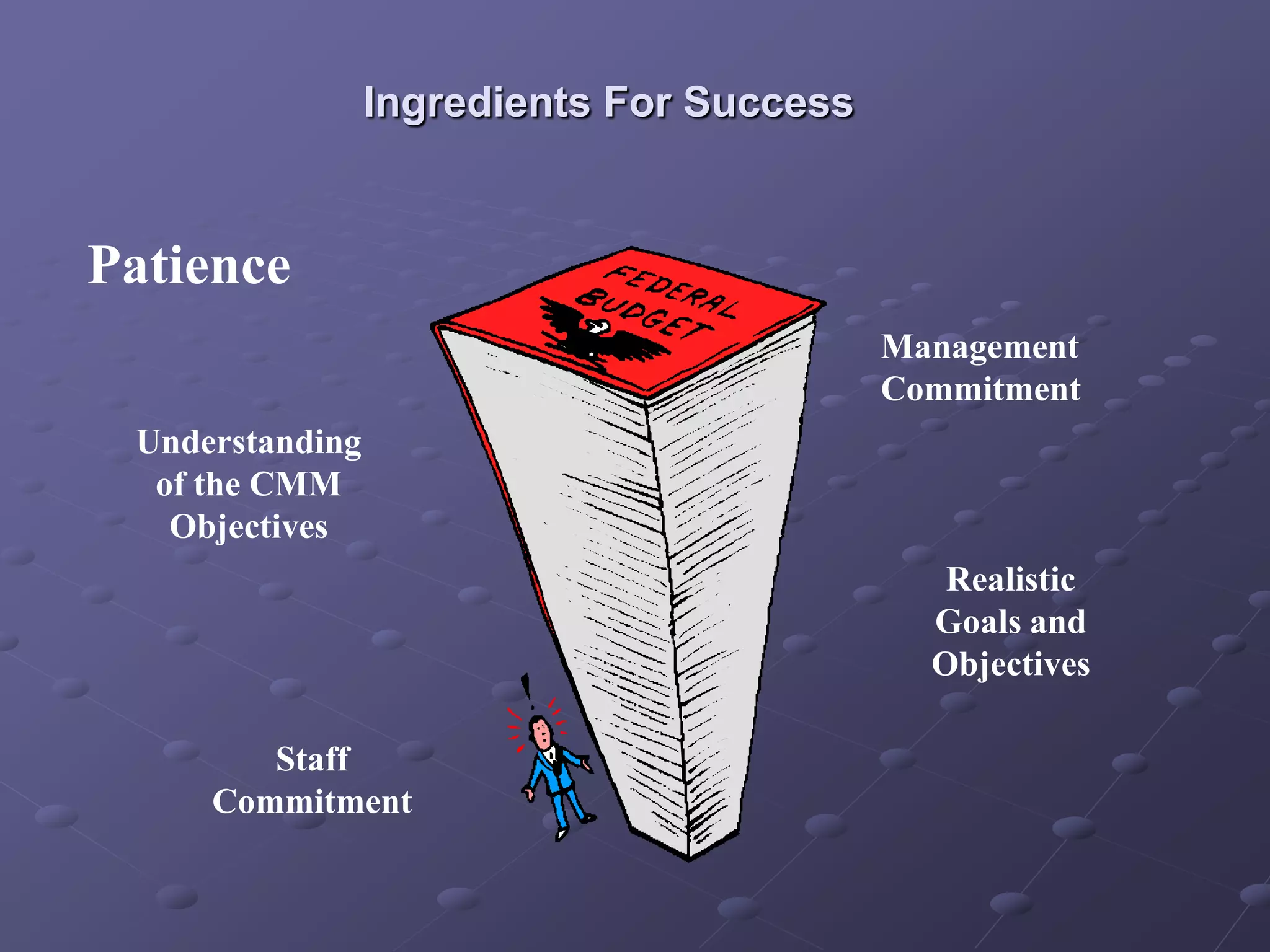
Ingredients For Success
Patience
Management
Commitment
Staff
Commitment
Realistic
Goals and
Objectives
Understanding
of the CMM
Objectives
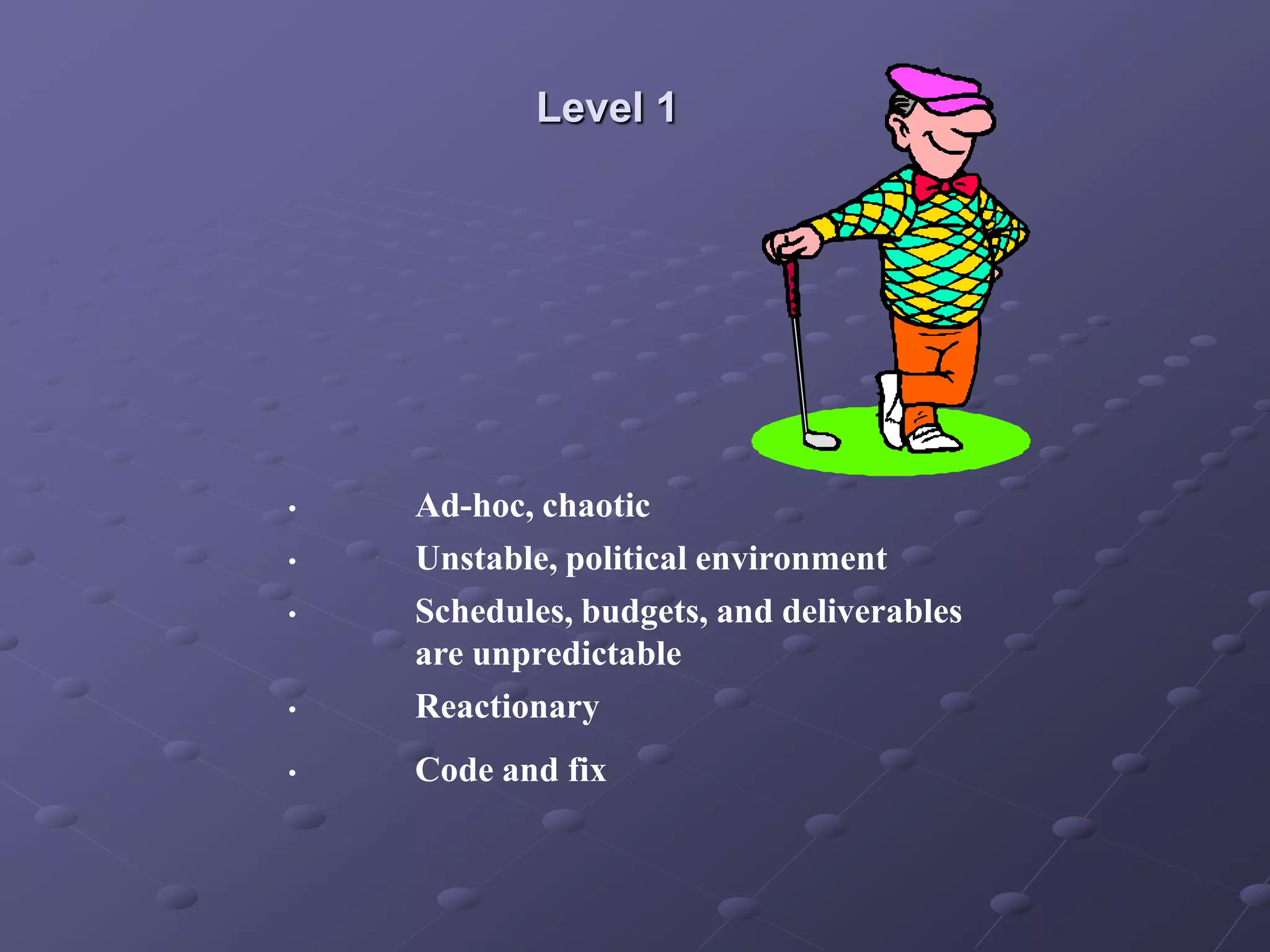
Level 1
• Ad-hoc, chaotic
• Unstable, political environment
• Schedules, budgets, and deliverables
are unpredictable
• Reactionary
• Code and fix
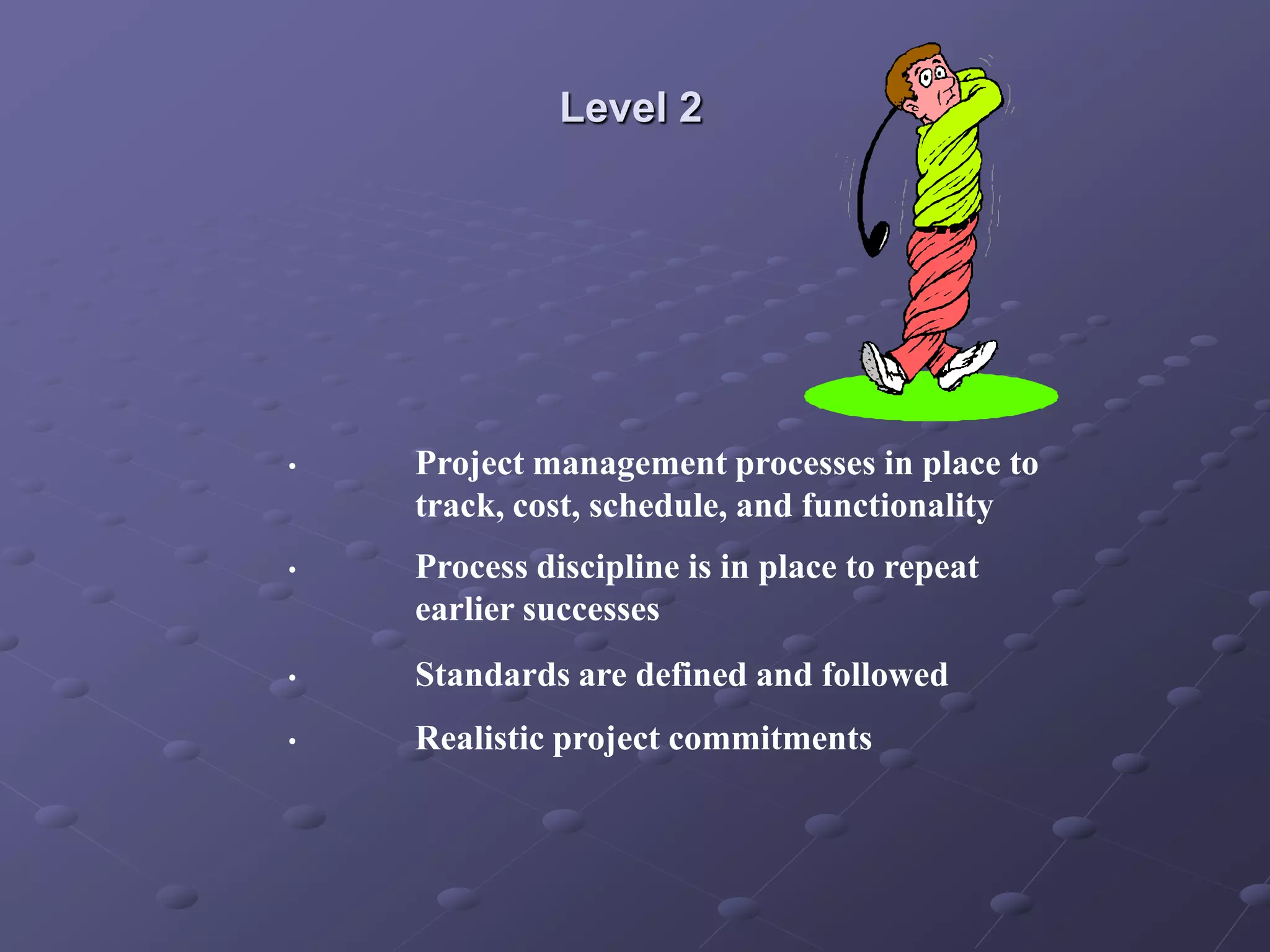
Level 2
• Project management processes in place to
track, cost, schedule, and functionality
• Process discipline is in place to repeat
earlier successes
• Standards are defined and followed
• Realistic project commitments
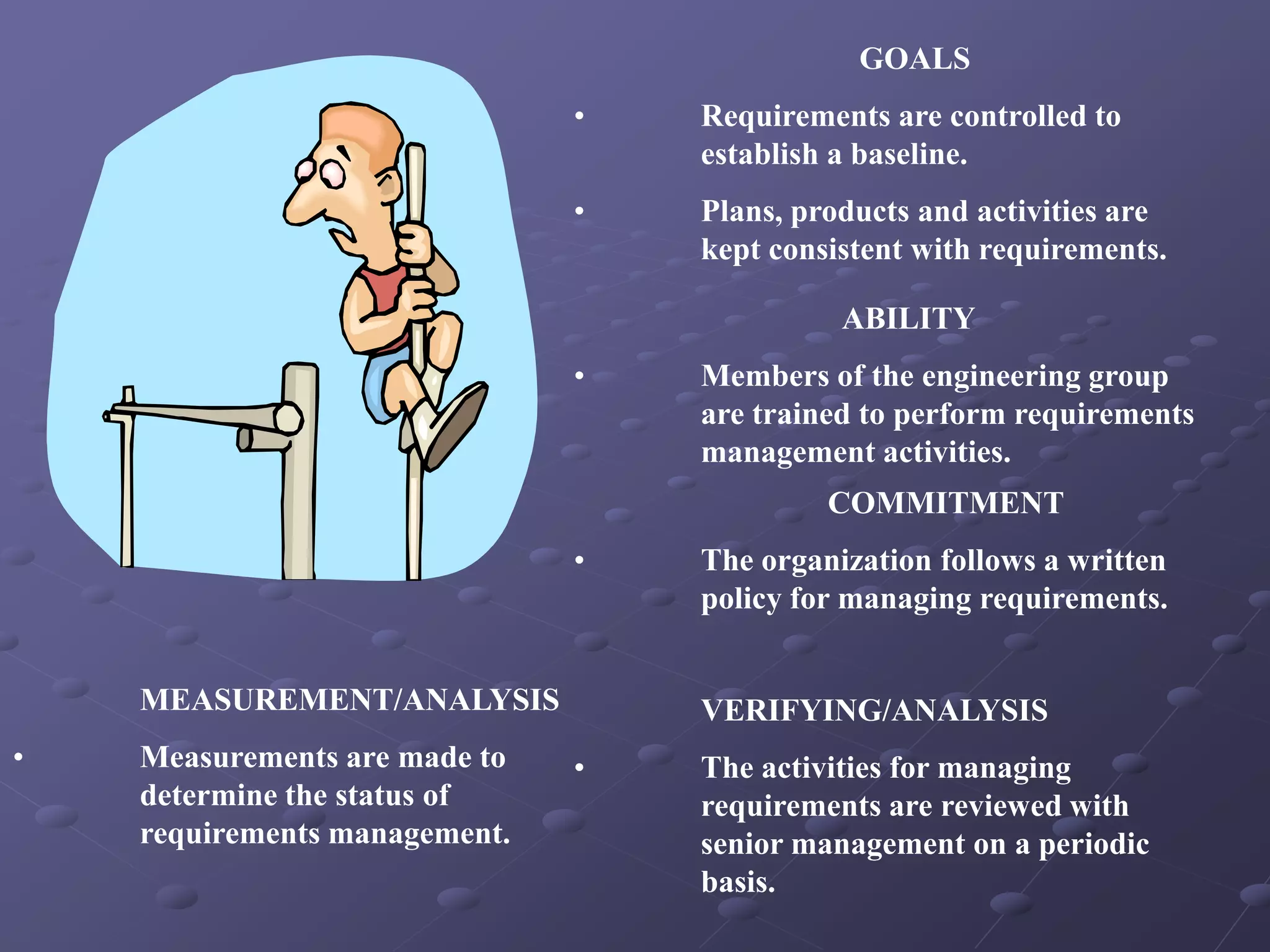
GOALS
• Requirements are controlled to
establish a baseline.
• Plans, products and activities are
kept consistent with requirements.
COMMITMENT
• The organization follows a written
policy for managing requirements.
ABILITY
• Members of the engineering group
are trained to perform requirements
management activities.
MEASUREMENT/ANALYSIS
• Measurements are made to
determine the status of
requirements management.
VERIFYING/ANALYSIS
• The activities for managing
requirements are reviewed with
senior management on a periodic
basis.
Level 3
• Management and engineering
integration into a standard software
process
• All projects use the standard software
process
• A group is responsible for the
organization’s software processes
Level 4
• Processes are measured and
operate within measurable limits.
• Detailed measures of the software
process and product are collected.
• The organization sets quantitative
quality goals for processes and
products.
Level 5
• Continuous improvement
• Innovative
• Root cause analysis
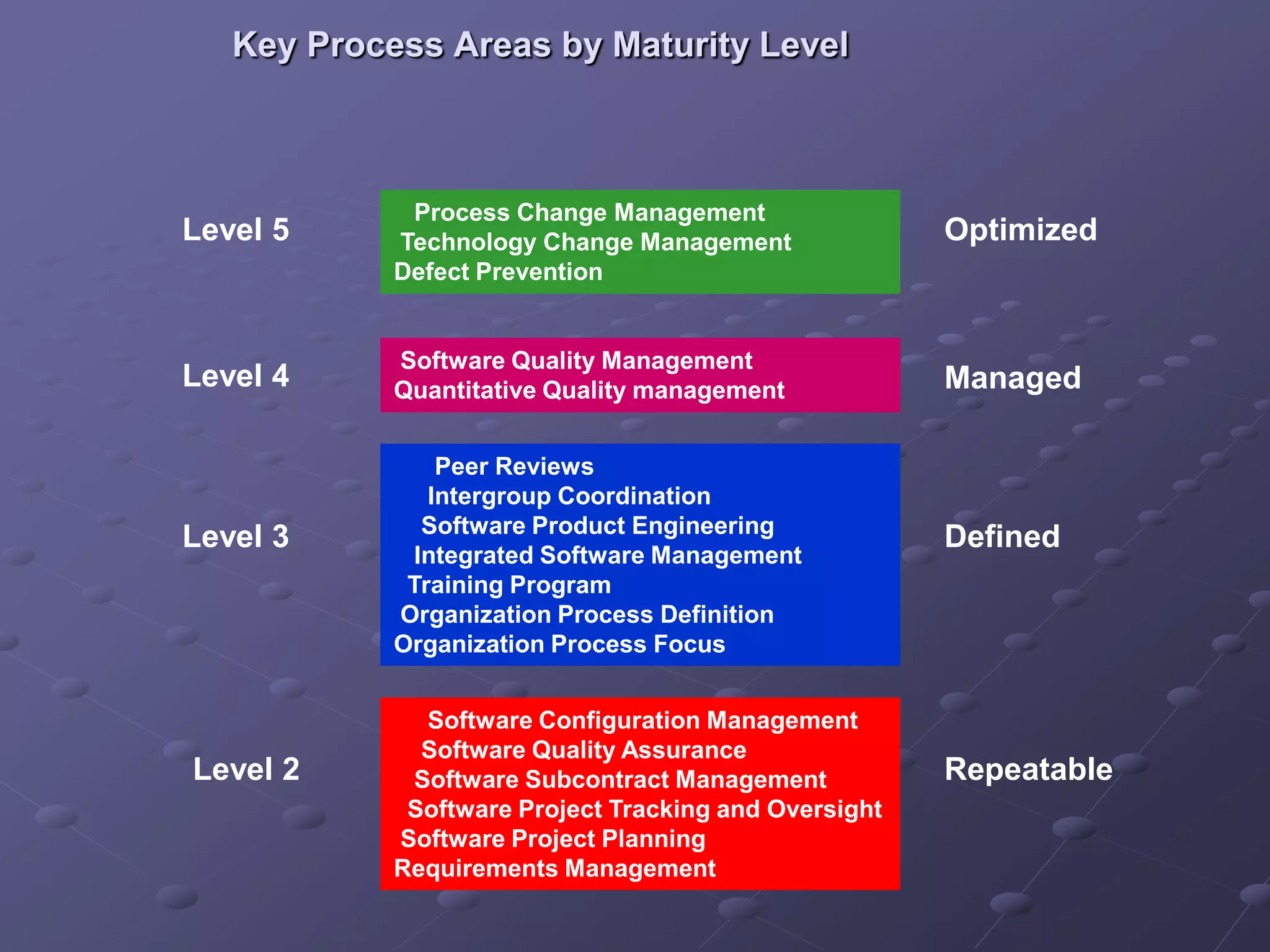
Key Process Areas by Maturity Level
Software Configuration Management
Software Quality Assurance
Software Subcontract Management
Software Project Tracking and Oversight
Software Project Planning
Requirements Management
Peer Reviews
Intergroup Coordination
Software Product Engineering
Integrated Software Management
Training Program
Organization Process Definition
Organization Process Focus
Software Quality Management
Quantitative Quality management
Process Change Management
Technology Change Management
Defect Prevention
Level 2 Repeatable
Level 3 Defined
Level 4 Managed
Level 5 Optimized
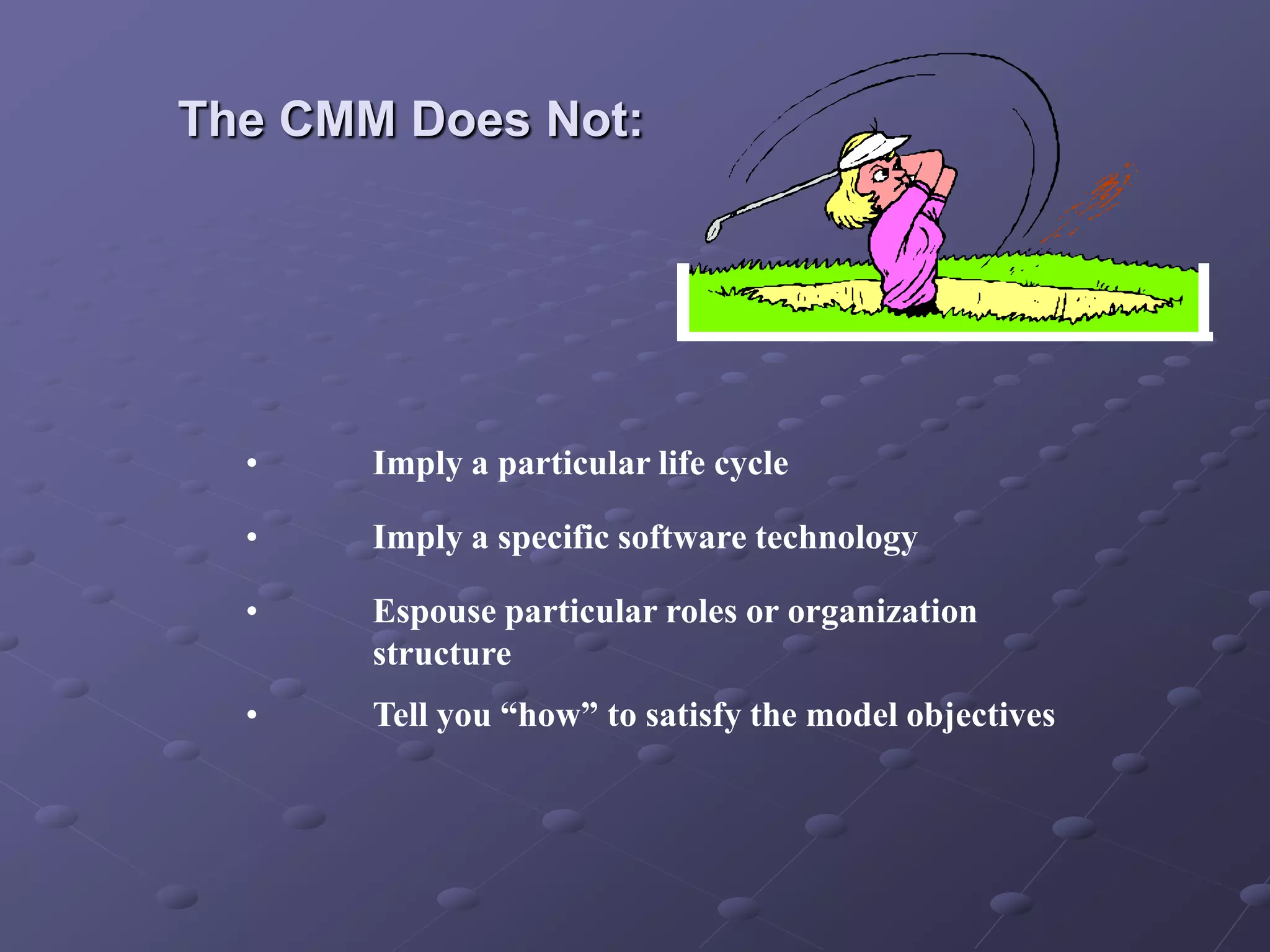
The CMM Does Not:
• Imply a particular life cycle
• Imply a specific software technology
• Espouse particular roles or organization
structure
• Tell you “how” to satisfy the model objectives
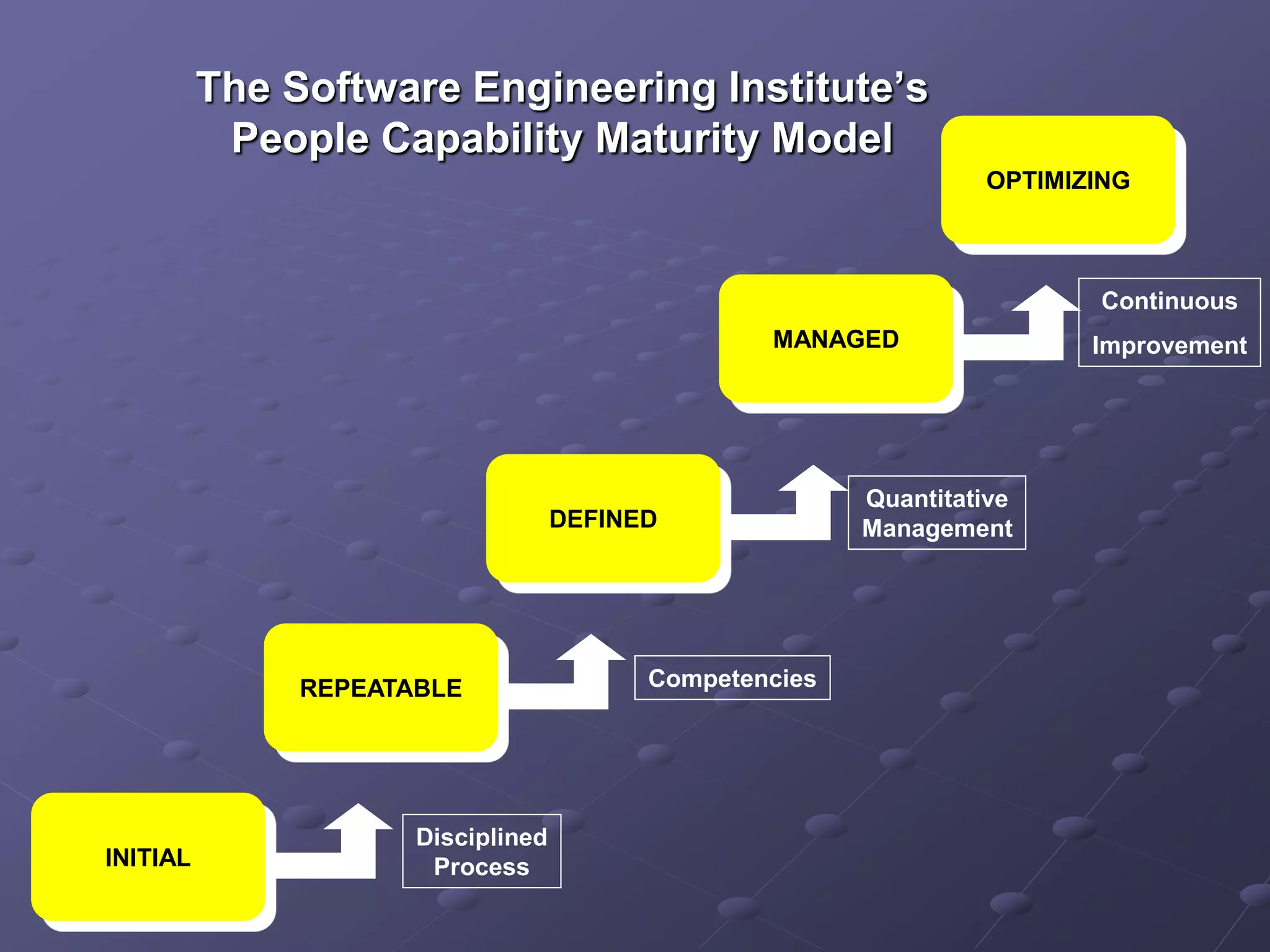
The Software Engineering Institute’s
People Capability Maturity Model
OPTIMIZING
MANAGED
DEFINED
REPEATABLE
INITIAL
Disciplined
Process
Competencies
Quantitative
Management
Continuous
Improvement
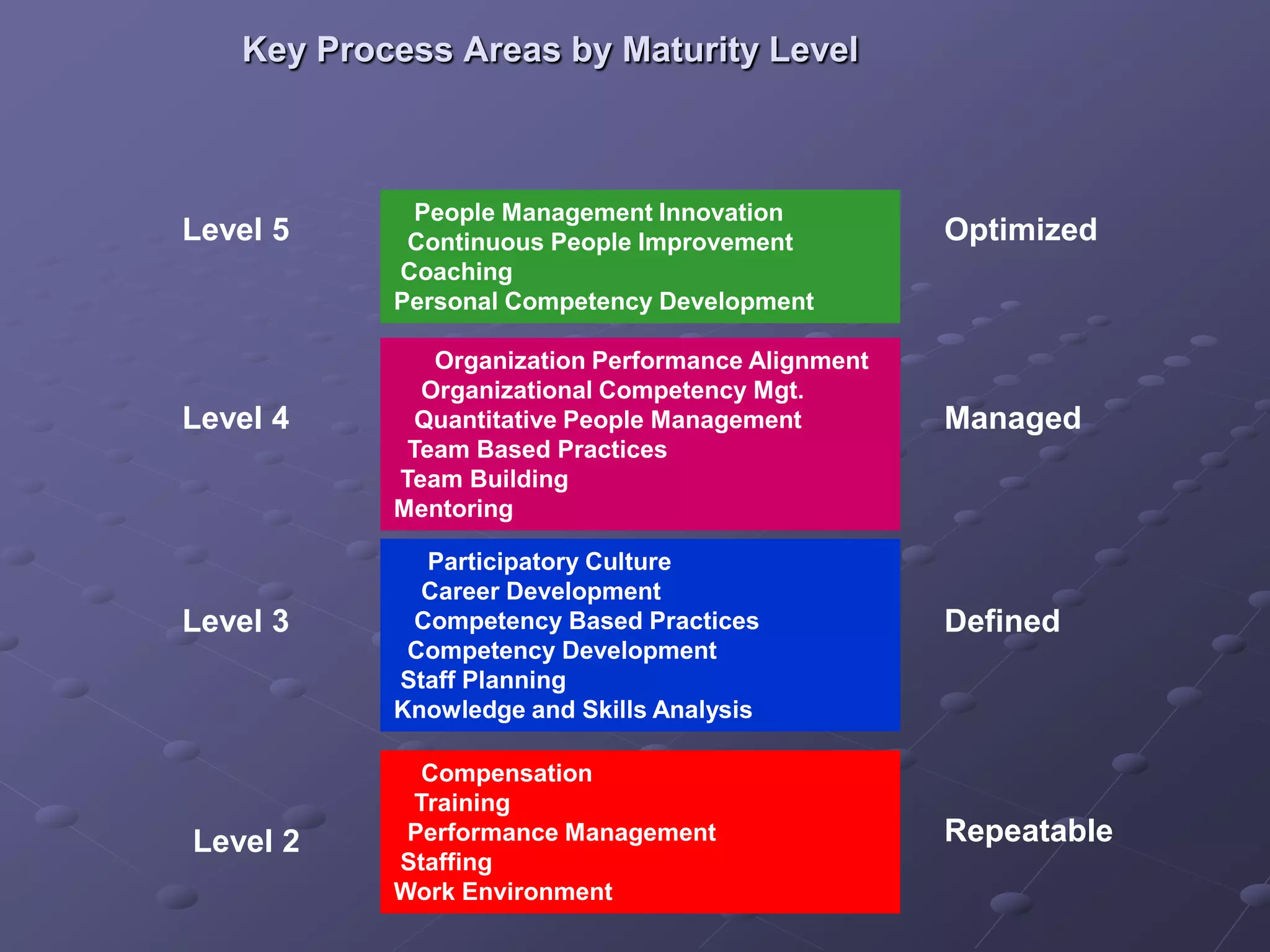
Key Process Areas by Maturity Level
Compensation
Training
Performance Management
Staffing
Work Environment
Participatory Culture
Career Development
Competency Based Practices
Competency Development
Staff Planning
Knowledge and Skills Analysis
Organization Performance Alignment
Organizational Competency Mgt.
Quantitative People Management
Team Based Practices
Team Building
Mentoring
People Management Innovation
Continuous People Improvement
Coaching
Personal Competency Development
Level 2 Repeatable
Level 3 Defined
Level 4 Managed
Level 5 Optimized
Q&A
Linked In - Ahmed El-Askalany, CSTE, CSQA, PMP,
CQIA, ITIL | LinkedIn
https://www.facebook.com/EdgeConsultancyInc
E-mail: EdgeConsultancyInc@Gmail.com

Edge presentation cmm_final CMMI CSTE CSQA

  • 1.
    Introduction to CSTE, CSQA,CMM By: Ahmed ElAskalany, CSTE ,CSQA, PMP, CQIA, ITIL https://www.facebook.com/EdgeC onsultancyInc E-mail: EdgeConsultancyInc@Gmail.com
  • 2.
  • 3.
    QAI’s Strategic ApproachTo Improving Quality In A Changing World Identify Improvement Opportunities IT Lessons Learned Standardize And Distribute Put Into Practice Start
  • 4.
    The QAI Implementation Approach Customer NeedDriver Results Goal Methods Human Resources Quality Assurance Quality Control Supplier Product Development Product Delivery IT Management Measurement Customer Satisfaction -products -services -implemented Growth Satisfaction Retention Strategy Vision Planning Progress Baselining Forecasting Retention
  • 5.
  • 6.
    Critical Success Factors •CommittedManagement •Skilled Staff •Effective Processes •Continuous Improvement
  • 7.
    Quality Skill Emphasis •PreventiveSkills - Certified Software Quality Analyst (CSQA) •Detective Skills - Certified Software Test Engineer (CSTE)
  • 8.
    CSQA Knowledge Domains 1.Quality Principles 3. Quality Models and Quality Assessment 5. Quality Assurance 7. Define, Build, Implement and Improve Work Processes 2. Software Development, Acquisition and Operation 4. Quality Management and Leadership 6. Quality Control Practices 8. Quantitative Methods
  • 9.
    CSTE Knowledge Domains 1.Communication 2. Professional Development 3. Quality Principles and Concepts 4. Methods for Software Development and Maintenance 5. Testing Principles and Concepts 6. V and V Methods 7. Test Management, Standards and Environment 8. Risk Analysis 9. Test Tactics 10. Planning Process 11. Test Design 12. Performing Tests 13. Defect Tracking and Management 14. Quantitative Measurement 15. Test Reporting 16. Improving the Test Process
  • 10.
  • 11.
    The Software EngineeringInstitute’s Capability Maturity Model OPTIMIZING MANAGED DEFINED REPEATABLE INITIAL Disciplined Process Standard Disciplined Process Predictable Process Continuous Improvement
  • 12.
    Dependent on people Drivenby schedule Motivated by politics Manage capabilities Focus on end user Stabilize processes Manage innovation Partnership Learn continually Use processes Predefine deliverables Teach skills Manage by fact Predict results Optimize processes Discipline emphasized Competency emphasized Measurement emphasized Business emphasized The Five Cultures Manage People Manage Process Manage Competency Optimize Capability Business Innovation
  • 13.
    Operational Definition ofthe CMM • Commitment to perform • Ability to perform • Activities performed • Measurement and analysis • Verifying implementation
  • 14.
  • 15.
    Level 1 • Ad-hoc,chaotic • Unstable, political environment • Schedules, budgets, and deliverables are unpredictable • Reactionary • Code and fix
  • 16.
    Level 2 • Projectmanagement processes in place to track, cost, schedule, and functionality • Process discipline is in place to repeat earlier successes • Standards are defined and followed • Realistic project commitments
  • 17.
    GOALS • Requirements arecontrolled to establish a baseline. • Plans, products and activities are kept consistent with requirements. COMMITMENT • The organization follows a written policy for managing requirements. ABILITY • Members of the engineering group are trained to perform requirements management activities. MEASUREMENT/ANALYSIS • Measurements are made to determine the status of requirements management. VERIFYING/ANALYSIS • The activities for managing requirements are reviewed with senior management on a periodic basis.
  • 18.
    Level 3 • Managementand engineering integration into a standard software process • All projects use the standard software process • A group is responsible for the organization’s software processes
  • 19.
    Level 4 • Processesare measured and operate within measurable limits. • Detailed measures of the software process and product are collected. • The organization sets quantitative quality goals for processes and products.
  • 20.
    Level 5 • Continuousimprovement • Innovative • Root cause analysis
  • 21.
    Key Process Areasby Maturity Level Software Configuration Management Software Quality Assurance Software Subcontract Management Software Project Tracking and Oversight Software Project Planning Requirements Management Peer Reviews Intergroup Coordination Software Product Engineering Integrated Software Management Training Program Organization Process Definition Organization Process Focus Software Quality Management Quantitative Quality management Process Change Management Technology Change Management Defect Prevention Level 2 Repeatable Level 3 Defined Level 4 Managed Level 5 Optimized
  • 22.
    The CMM DoesNot: • Imply a particular life cycle • Imply a specific software technology • Espouse particular roles or organization structure • Tell you “how” to satisfy the model objectives
  • 23.
    The Software EngineeringInstitute’s People Capability Maturity Model OPTIMIZING MANAGED DEFINED REPEATABLE INITIAL Disciplined Process Competencies Quantitative Management Continuous Improvement
  • 24.
    Key Process Areasby Maturity Level Compensation Training Performance Management Staffing Work Environment Participatory Culture Career Development Competency Based Practices Competency Development Staff Planning Knowledge and Skills Analysis Organization Performance Alignment Organizational Competency Mgt. Quantitative People Management Team Based Practices Team Building Mentoring People Management Innovation Continuous People Improvement Coaching Personal Competency Development Level 2 Repeatable Level 3 Defined Level 4 Managed Level 5 Optimized
  • 25.
    Q&A Linked In -Ahmed El-Askalany, CSTE, CSQA, PMP, CQIA, ITIL | LinkedIn https://www.facebook.com/EdgeConsultancyInc E-mail: EdgeConsultancyInc@Gmail.com