presents …
Moving Gamification
Beyond Points, Badges, and Leaderboards
Valary Oleinik
@valarywithawhy
valarywithawhy.com
Type in the
chat the name
of your
favorite game
and why you
like it
TRENDS
 How do I move beyond badges, levels and
leaderboards?
 What’s new in gamification thinking?
 What are the current trends in gamified learning and
what are tools needed to execute them?
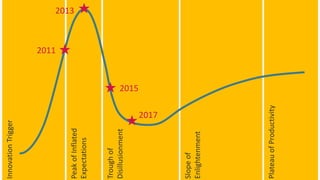
InnovationTrigger
PeakofInflated
Expectations
Troughof
Disillusionment
Slopeof
Enlightenment
PlateauofProductivity




2011
2013
2015
2017
GAMIFICATION
the use of game design
techniques, game thinking and
game mechanics to enhance
non-game contexts
GAMIFICATION
Method
Mindset
Process
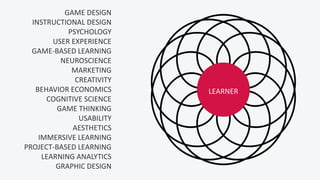
GAME DESIGN
INSTRUCTIONAL DESIGN
PSYCHOLOGY
USER EXPERIENCE
GAME-BASED LEARNING
NEUROSCIENCE
MARKETING
CREATIVITY
BEHAVIOR ECONOMICS
COGNITIVE SCIENCE
GAME THINKING
USABILITY
AESTHETICS
IMMERSIVE LEARNING
PROJECT-BASED LEARNING
LEARNING ANALYTICS
GRAPHIC DESIGN
LEARNER
DEFINITION
 What are the basic elements a game can be reduced
to?
 Which content types and learning / business needs
are appropriate for gamification?
 What are gamification strategies for different types of
content?
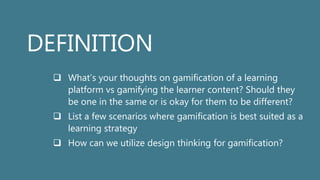
DEFINITION
 What’s your thoughts on gamification of a learning
platform vs gamifying the learner content? Should they
be one in the same or is okay for them to be different?
 List a few scenarios where gamification is best suited as a
learning strategy
 How can we utilize design thinking for gamification?
Fun is just another word for
learning.”
Raph Koster
“
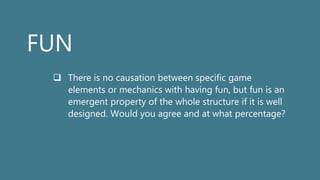
FUN
 There is no causation between specific game
elements or mechanics with having fun, but fun is an
emergent property of the whole structure if it is well
designed. Would you agree and at what percentage?
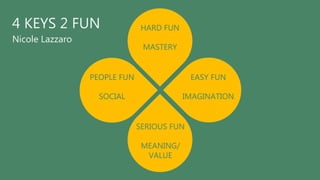
HARD FUN
MASTERY
SERIOUS FUN
MEANING/
VALUE
PEOPLE FUN
SOCIAL
EASY FUN
IMAGINATION
4 KEYS 2 FUN
Nicole Lazzaro
GAME Plan
GOALS
AUDIENCE
MECHANICS
EXPERIENCE
GOALS
AUDIENCE
MECHANICS
EXPERIENCE
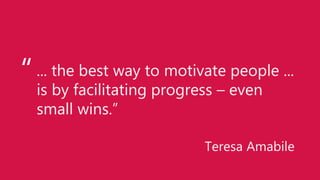
... the best way to motivate people ...
is by facilitating progress – even
small wins.”
Teresa Amabile
“
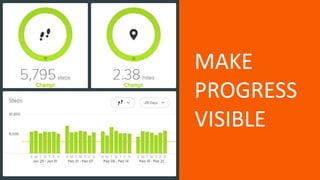
MAKE
PROGRESS
VISIBLE
GOALS & ASSESSMENTS
 How do you align the gamified elements of a very
technical course with the required professional
learning outcomes?
 How do I use gamification strategies in assessments?
 How is knowledge transfer measured through
gamification?
GOALS
AUDIENCE
MECHANICS
EXPERIENCE
The proper question is not, ‘how can people
motivate others?’ but rather, ‘how can people
create the conditions within which others will
motivate themselves?’”
Why We Do What We Do, Edward Deci
“
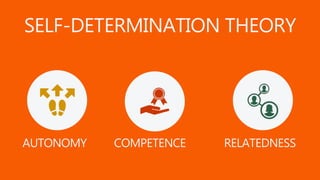
INTRINSIC EXTRINSIC
AUTONOMY COMPETENCE RELATEDNESS
SELF-DETERMINATION THEORY
AUDIENCE
 How the gamification will help learners to achieve the
learning objective?
 How can gamification improve regular e-learning and
m-learning delivery and consumption?
 Is there a game-theoretic explanation for why people
do (or don't) participate?
AUDIENCE
 [Existing gamification product] … Why are the
children finding [it] not exciting enough to use?
 Considerations when working with multi-cultural
audiences?
 How I can motivate my team / involve effectively, to
learn new technologies constantly
 What can make learner more involved in the training
other than story and game?
GOALS
AUDIENCE
MECHANICS
EXPERIENCE
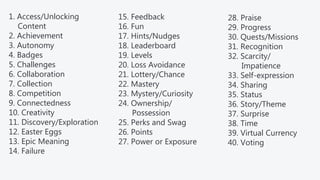
1. Access/Unlocking
Content
2. Achievement
3. Autonomy
4. Badges
5. Challenges
6. Collaboration
7. Collection
8. Competition
9. Connectedness
10. Creativity
11. Discovery/Exploration
12. Easter Eggs
13. Epic Meaning
14. Failure
28. Praise
29. Progress
30. Quests/Missions
31. Recognition
32. Scarcity/
Impatience
33. Self-expression
34. Sharing
35. Status
36. Story/Theme
37. Surprise
38. Time
39. Virtual Currency
40. Voting
15. Feedback
16. Fun
17. Hints/Nudges
18. Leaderboard
19. Levels
20. Loss Avoidance
21. Lottery/Chance
22. Mastery
23. Mystery/Curiosity
24. Ownership/
Possession
25. Perks and Swag
26. Points
27. Power or Exposure
MECHANICS
 Can leaderboards, points etc engage all types of
learner’s or is it detrimental for certain types?
 Do you think that leaderboards promote competitors
rather than team spirit?
 What is the key motivating factor in gamification if
there are no leaderboards, badges and so on?
 How do we keep the leaderboard motivated
throughout the learning?
MECHANICS
 Competition vs Collaboration - What do you think
should be the core of designing gamified learning
experience?
 How can you use gamification in online classes?
 How do you scale the content presented through a
gamified activity?
GOALS
AUDIENCE
MECHANICS
EXPERIENCE
EXPERIENCE & RESOURCES
 What are the parameters to decide that a given business
problem can be turned into a game and that is the best
solution given we have infinite resources, also how do we
decide the type of game to design?
 How do you include gamification, when you have a very
limited development time for your project ? How do you
work on an appropriate solution?
EXPERIENCE & RESOURCES
 Price
 When attempting to incorporate gamification into
learning I tend to run into resistance from management,
claiming that training materials with the extra "Fluff" takes
too long to justify the added cost, any suggestions for
overcoming these arguments?
 How do you manage risks in e-learning projects?
GAMES
 Can we start designing games that can blur the lines of
learning and entertainment?
 How do you see the role of off line physical games in
corporate learning?
 To what level games can be used while designing
courses for K-12 audience.
 Are there templates for non flash games? I will use
Unreal Engine.
THE FUTURE
 How efficient is gamification in an era when we are
moving towards Artificial Intelligence, Automation and
Machine Learning?
 The level or percentage of the work place activity is
being integrated in Gamification and have any data on
the same
 Going beyond Gamification - what are the options for
learner engagement
presents …
Moving Gamification
Beyond Points, Badges, and Leaderboards
Valary Oleinik
@valarywithawhy
valarywithawhy.com

eLearning Chatter session on Gamification

  • 1.
    presents … Moving Gamification BeyondPoints, Badges, and Leaderboards Valary Oleinik @valarywithawhy valarywithawhy.com
  • 2.
    Type in the chatthe name of your favorite game and why you like it
  • 4.
    TRENDS  How doI move beyond badges, levels and leaderboards?  What’s new in gamification thinking?  What are the current trends in gamified learning and what are tools needed to execute them?
  • 5.
  • 6.
    GAMIFICATION the use ofgame design techniques, game thinking and game mechanics to enhance non-game contexts
  • 7.
  • 8.
    GAME DESIGN INSTRUCTIONAL DESIGN PSYCHOLOGY USEREXPERIENCE GAME-BASED LEARNING NEUROSCIENCE MARKETING CREATIVITY BEHAVIOR ECONOMICS COGNITIVE SCIENCE GAME THINKING USABILITY AESTHETICS IMMERSIVE LEARNING PROJECT-BASED LEARNING LEARNING ANALYTICS GRAPHIC DESIGN LEARNER
  • 9.
    DEFINITION  What arethe basic elements a game can be reduced to?  Which content types and learning / business needs are appropriate for gamification?  What are gamification strategies for different types of content?
  • 10.
    DEFINITION  What’s yourthoughts on gamification of a learning platform vs gamifying the learner content? Should they be one in the same or is okay for them to be different?  List a few scenarios where gamification is best suited as a learning strategy  How can we utilize design thinking for gamification?
  • 11.
    Fun is justanother word for learning.” Raph Koster “
  • 12.
    FUN  There isno causation between specific game elements or mechanics with having fun, but fun is an emergent property of the whole structure if it is well designed. Would you agree and at what percentage?
  • 13.
    HARD FUN MASTERY SERIOUS FUN MEANING/ VALUE PEOPLEFUN SOCIAL EASY FUN IMAGINATION 4 KEYS 2 FUN Nicole Lazzaro
  • 14.
  • 15.
  • 16.
  • 17.
    ... the bestway to motivate people ... is by facilitating progress – even small wins.” Teresa Amabile “
  • 18.
  • 19.
    GOALS & ASSESSMENTS How do you align the gamified elements of a very technical course with the required professional learning outcomes?  How do I use gamification strategies in assessments?  How is knowledge transfer measured through gamification?
  • 20.
  • 22.
    The proper questionis not, ‘how can people motivate others?’ but rather, ‘how can people create the conditions within which others will motivate themselves?’” Why We Do What We Do, Edward Deci “
  • 23.
  • 25.
  • 26.
    AUDIENCE  How thegamification will help learners to achieve the learning objective?  How can gamification improve regular e-learning and m-learning delivery and consumption?  Is there a game-theoretic explanation for why people do (or don't) participate?
  • 27.
    AUDIENCE  [Existing gamificationproduct] … Why are the children finding [it] not exciting enough to use?  Considerations when working with multi-cultural audiences?  How I can motivate my team / involve effectively, to learn new technologies constantly  What can make learner more involved in the training other than story and game?
  • 28.
  • 29.
    1. Access/Unlocking Content 2. Achievement 3.Autonomy 4. Badges 5. Challenges 6. Collaboration 7. Collection 8. Competition 9. Connectedness 10. Creativity 11. Discovery/Exploration 12. Easter Eggs 13. Epic Meaning 14. Failure 28. Praise 29. Progress 30. Quests/Missions 31. Recognition 32. Scarcity/ Impatience 33. Self-expression 34. Sharing 35. Status 36. Story/Theme 37. Surprise 38. Time 39. Virtual Currency 40. Voting 15. Feedback 16. Fun 17. Hints/Nudges 18. Leaderboard 19. Levels 20. Loss Avoidance 21. Lottery/Chance 22. Mastery 23. Mystery/Curiosity 24. Ownership/ Possession 25. Perks and Swag 26. Points 27. Power or Exposure
  • 30.
    MECHANICS  Can leaderboards,points etc engage all types of learner’s or is it detrimental for certain types?  Do you think that leaderboards promote competitors rather than team spirit?  What is the key motivating factor in gamification if there are no leaderboards, badges and so on?  How do we keep the leaderboard motivated throughout the learning?
  • 31.
    MECHANICS  Competition vsCollaboration - What do you think should be the core of designing gamified learning experience?  How can you use gamification in online classes?  How do you scale the content presented through a gamified activity?
  • 32.
  • 34.
    EXPERIENCE & RESOURCES What are the parameters to decide that a given business problem can be turned into a game and that is the best solution given we have infinite resources, also how do we decide the type of game to design?  How do you include gamification, when you have a very limited development time for your project ? How do you work on an appropriate solution?
  • 35.
    EXPERIENCE & RESOURCES Price  When attempting to incorporate gamification into learning I tend to run into resistance from management, claiming that training materials with the extra "Fluff" takes too long to justify the added cost, any suggestions for overcoming these arguments?  How do you manage risks in e-learning projects?
  • 36.
    GAMES  Can westart designing games that can blur the lines of learning and entertainment?  How do you see the role of off line physical games in corporate learning?  To what level games can be used while designing courses for K-12 audience.  Are there templates for non flash games? I will use Unreal Engine.
  • 37.
    THE FUTURE  Howefficient is gamification in an era when we are moving towards Artificial Intelligence, Automation and Machine Learning?  The level or percentage of the work place activity is being integrated in Gamification and have any data on the same  Going beyond Gamification - what are the options for learner engagement
  • 38.
    presents … Moving Gamification BeyondPoints, Badges, and Leaderboards Valary Oleinik @valarywithawhy valarywithawhy.com