DYSMENORRHEA
Click to add subtitle
Click to add title
 Dysmenorrhea is a medical condition
of pain during menstruation that
interferes with daily activities.
 Menstrual pain is often used
synonymously with menstrual cramps,
but the latter may also refer to
menstrual uterine contractions, which
are generally of higher strength,
duration and frequency
 Dysmenorrhea can feature different kinds of
pain, including sharp, throbbing, dull,
nauseating, burning, or shooting pain.
 Dysmenorrhea may precede menstruation by
several days or may accompany it, and it
usually subsides as menstruation tapers off.
 Dysmenorrhea may coexist with excessively
heavy blood loss, known as menorrhagia.
 It is extremely common in adolescent
girls
 About 90% of high school girls suffer
from this condition
 Many are unaware of this condition and
effective solution for the same
CLASSIFICATION
 Dysmenorrhea can be classified as
either primary or secondary based on
the absence or presence of an
underlying cause.
 Secondary dysmenorrhea is
dysmenorrhea which is associated with
an existing condition.
Causes of secondary dysmenorrhea
 The most common cause of secondary
dysmenorrhea is endometriosis
 Other causes include
1. Pelvic congestion
2. Ovarian cysts
3. Adenomyosis
Pathology of primary dysm.
 Due to excessive synthesis of
prostaglandins and also leukotrines &
vasopressin
 These cause uterine hypercontractility
& ischaemic pain
Signs & symptoms
 The main symptom of dysmenorrhea is
pain concentrated in the
lower abdomen, in the umbilical region
or the suprapubic region of the
abdomen.
 It is also commonly felt in the right or
left abdomen.
 It may radiate to the thighs and
lower back.
 Symptoms often co-occurring with menstrual
pain include nausea and vomiting
 diarrhea or constipation,
 headache, dizziness, disorientation
 hypersensitivity to sound, light, smell and
touch,
 fainting, and fatigue.
 Symptoms of dysmenorrhea often begin
immediately following ovulation and can last
until the end of menstruation.
Diagnosis
 Medical history
 Pain history
 Pelvic exam
 Pap test
 In some cases laproscopy
Management
 NSAIDs are effective in relieving the
pain of primary dysmenorrhea
 hormonal contraception can improve or
relieve symptoms of primary
dysmenorrhea
 70-90% cases of adolescent primary
cases respond well to prostaglandin
inhibitors.
Alternative therapies
 Hypnosis
 Acupuncture
 Behaviour modification therapies
 Diet rich in omega-3 fatty acids, vitamin
E, vitamin B6
PT MANAGEMENT
 Focuses on pain relief
 Topical heat
 TENS
 Spinal manipulation to treat spinal
subluxation (2006 systematic review
found that overall no evidence)
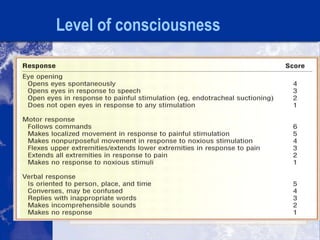
Level of consciousness
Dysmenorrhea and physiotherapy

Dysmenorrhea and physiotherapy

  • 1.
  • 2.
    Click to addtitle  Dysmenorrhea is a medical condition of pain during menstruation that interferes with daily activities.  Menstrual pain is often used synonymously with menstrual cramps, but the latter may also refer to menstrual uterine contractions, which are generally of higher strength, duration and frequency
  • 3.
     Dysmenorrhea canfeature different kinds of pain, including sharp, throbbing, dull, nauseating, burning, or shooting pain.  Dysmenorrhea may precede menstruation by several days or may accompany it, and it usually subsides as menstruation tapers off.  Dysmenorrhea may coexist with excessively heavy blood loss, known as menorrhagia.
  • 4.
     It isextremely common in adolescent girls  About 90% of high school girls suffer from this condition  Many are unaware of this condition and effective solution for the same
  • 5.
    CLASSIFICATION  Dysmenorrhea canbe classified as either primary or secondary based on the absence or presence of an underlying cause.  Secondary dysmenorrhea is dysmenorrhea which is associated with an existing condition.
  • 6.
    Causes of secondarydysmenorrhea  The most common cause of secondary dysmenorrhea is endometriosis  Other causes include 1. Pelvic congestion 2. Ovarian cysts 3. Adenomyosis
  • 7.
    Pathology of primarydysm.  Due to excessive synthesis of prostaglandins and also leukotrines & vasopressin  These cause uterine hypercontractility & ischaemic pain
  • 8.
    Signs & symptoms The main symptom of dysmenorrhea is pain concentrated in the lower abdomen, in the umbilical region or the suprapubic region of the abdomen.  It is also commonly felt in the right or left abdomen.  It may radiate to the thighs and lower back.
  • 9.
     Symptoms oftenco-occurring with menstrual pain include nausea and vomiting  diarrhea or constipation,  headache, dizziness, disorientation  hypersensitivity to sound, light, smell and touch,  fainting, and fatigue.  Symptoms of dysmenorrhea often begin immediately following ovulation and can last until the end of menstruation.
  • 10.
    Diagnosis  Medical history Pain history  Pelvic exam  Pap test  In some cases laproscopy
  • 11.
    Management  NSAIDs areeffective in relieving the pain of primary dysmenorrhea  hormonal contraception can improve or relieve symptoms of primary dysmenorrhea  70-90% cases of adolescent primary cases respond well to prostaglandin inhibitors.
  • 12.
    Alternative therapies  Hypnosis Acupuncture  Behaviour modification therapies  Diet rich in omega-3 fatty acids, vitamin E, vitamin B6
  • 13.
    PT MANAGEMENT  Focuseson pain relief  Topical heat  TENS  Spinal manipulation to treat spinal subluxation (2006 systematic review found that overall no evidence)
  • 14.