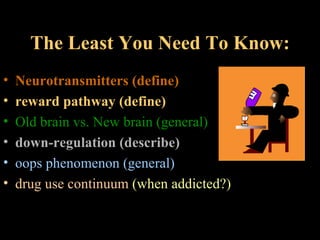
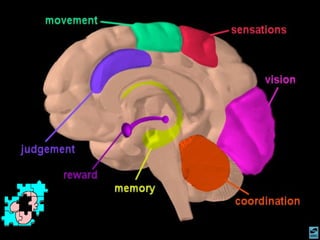
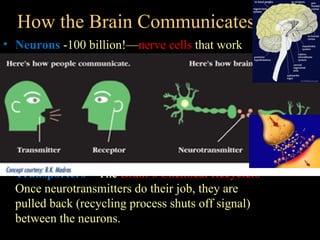
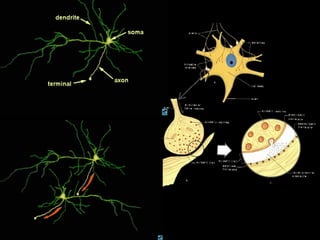
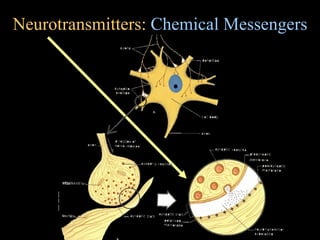
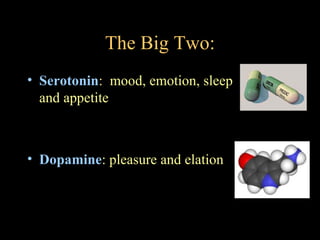
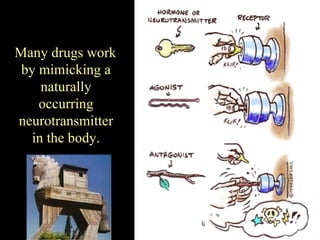
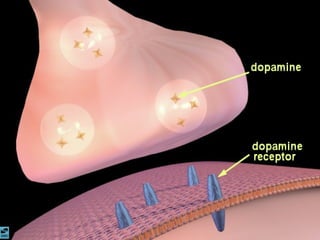
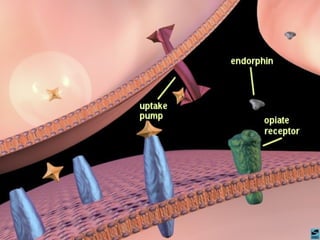
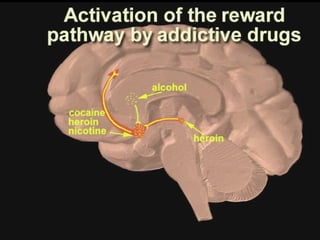
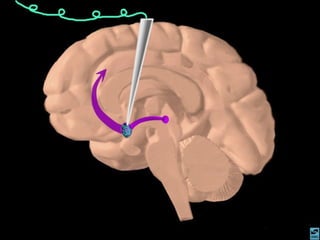
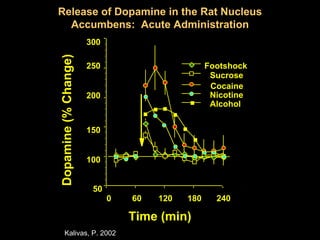
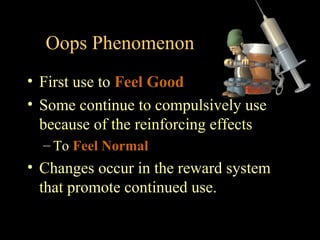
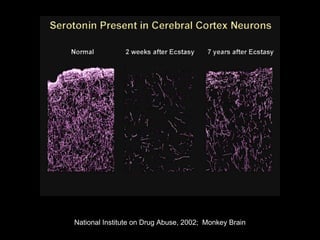
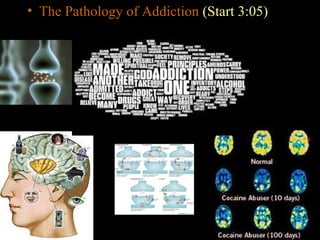
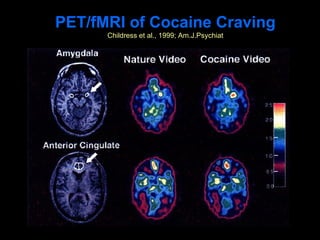
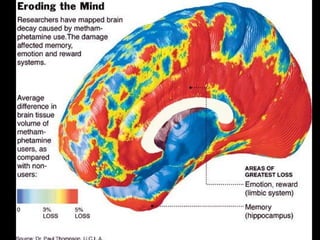
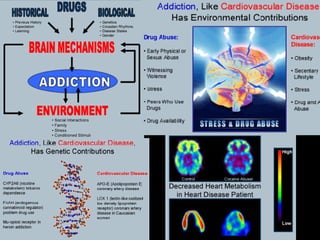
1. Addiction is associated with changes in the brain's reward system and neurotransmitters like dopamine and serotonin. Drugs hijack the brain's natural reward pathways, triggering feelings of pleasure.
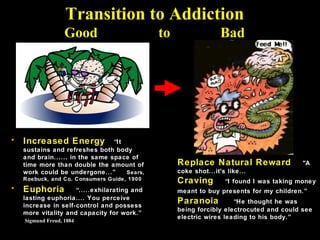
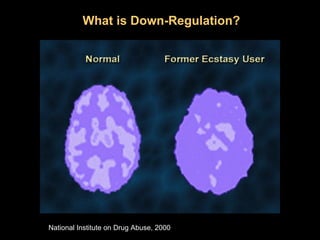
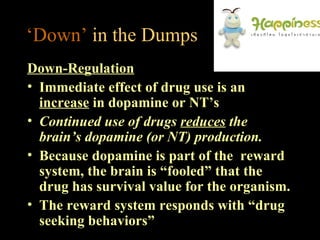
2. With repeated use, the brain adapts by reducing dopamine production and increasing the number of inhibitory neurotransmitter receptors. This leads to withdrawal symptoms when not on drugs, and cravings and compulsive drug seeking.
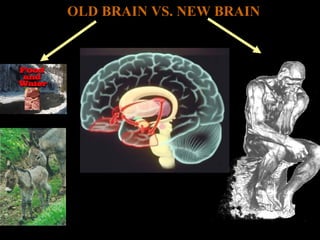
3. Addiction involves changes in both the old brain regions associated with pleasure and survival, and the new brain regions associated with self-control. This combination of reward pathways and impaired self-regulation promotes continued drug use despite negative consequences.










![ONFH[AVN HIP] -TRIPLE REGIME -A NOVAL SURGICAL CONCEPT .pptx](https://cdn.slidesharecdn.com/ss_thumbnails/onfhavnhip2026koaconcalicutdrgokuldevdrmashraf-260210064517-213ec005-thumbnail.jpg?width=640&height=640&fit=bounds)


