‘DOING’ VS. ‘HAVING’ PHILOSOPHY
 “Having” a philosophy involves having a collection of beliefs used
to guide his or her thoughts and actions.
GJC PHILOSOPHY
▪ The development of morally upright, civic-
minded and useful citizenry is the
responsibility of any educational institution.
DOING VS. HAVING PHILOSOPHY
 “Having” a philosophy involves having a collection of beliefs used
to guide his or her thoughts and actions.
 “Doing” philosophy involves having to question, scrutinize,
explore, evaluate, analyze, synthesize, and apply your beliefs. It is
critical thinking.
QUALITIES OF CRITICAL THINKERS
Qualities that characterize critical thinkers: open-minded,
knowledgeable, mentally active, curious, independent
thinkers, skilled discussants, insightful, self-aware,
creative and passionate.
COGNITIVE BIASES
 Systematic errors in thinking that can hinder critical thinking.
Anchoring
The first thing you judge influences your judgment of all
that follows.
Sunk Cost Fallacy
You irrationally cling to things that have already cost you
something.
Confirmation Bias
You favor things that confirm your existing beliefs.
Dunning-Kruger Effect
The more you know, the less confident you’re likely to be.
Self-serving Bias
You believe your failures are due to external factors, yet
you’re responsible for your successes.
Barnum Effect
You see personal specifics in vague statements by filling in
the gaps.
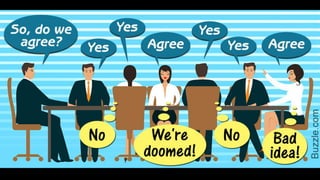
Groupthink
You let the social dynamics of a group situation override
the best outcomes.
Framing Effect
You allow yourself to be unduly influenced by context and
delivery.
Fundamental Attribution Error
You judge others on their character, but yourself on the
situation.
Halo Effect
How much you like someone, or how attractive they are,
influences your other judgments of them.
In-group Bias
You unfairly favor those who belong to your group.
Placebo Effect
If you believe you’re taking medicine it can sometimes
‘work’ even if it’s fake.
A nocebo effect is said to occur when negative
expectations of the patient regarding a treatment cause
the treatment to have a more negative effect than it
otherwise would have.
Bystander Effect
You presume someone else is going to do something in an
emergency situation.
Reactance
You’d rather do the opposite of what someone is trying to
make you do.
Spotlight Effect
You overestimate how much people notice how you look
and act.
SUMMARY
Critical thinking is “doing” philosophy. It is questioning,
scrutinizing, exploring, evaluating, analyzing, synthesizing,
and applying your beliefs.
Critical thinkers are open-minded, knowledgeable, mentally
active, curious, independent thinkers, skilled discussants,
insightful, self-aware, creative and passionate.
Cognitive biases are systematic errors in thinking that can
hinder critical thinking.
1. Delgado, A. (2021). Outline Introduction to Philosophy of the
Human Person. Cabanatuan City: Diego Printing Press. pp. 2 – 4
2. Chaffee, J. (2016). The Philosopher’s Way: A Text with Readings.
New York: Pearson.
3. Aguas, J.J. (2017). Philosophy: Toward an Understanding and
Appreciation of the Human Person. Quezon City: Abiva
Publishing House, Inc.
4. Cognitive Biases stuffing up your thinking.(n.d.). Retrieved from
https://yourbias.is/

'DOING PHILOSOPHY AS CRITICAL THINKING

  • 4.
    ‘DOING’ VS. ‘HAVING’PHILOSOPHY  “Having” a philosophy involves having a collection of beliefs used to guide his or her thoughts and actions.
  • 6.
    GJC PHILOSOPHY ▪ Thedevelopment of morally upright, civic- minded and useful citizenry is the responsibility of any educational institution.
  • 7.
    DOING VS. HAVINGPHILOSOPHY  “Having” a philosophy involves having a collection of beliefs used to guide his or her thoughts and actions.  “Doing” philosophy involves having to question, scrutinize, explore, evaluate, analyze, synthesize, and apply your beliefs. It is critical thinking.
  • 9.
    QUALITIES OF CRITICALTHINKERS Qualities that characterize critical thinkers: open-minded, knowledgeable, mentally active, curious, independent thinkers, skilled discussants, insightful, self-aware, creative and passionate.
  • 10.
    COGNITIVE BIASES  Systematicerrors in thinking that can hinder critical thinking.
  • 13.
    Anchoring The first thingyou judge influences your judgment of all that follows.
  • 15.
    Sunk Cost Fallacy Youirrationally cling to things that have already cost you something.
  • 17.
    Confirmation Bias You favorthings that confirm your existing beliefs.
  • 20.
    Dunning-Kruger Effect The moreyou know, the less confident you’re likely to be.
  • 21.
    Self-serving Bias You believeyour failures are due to external factors, yet you’re responsible for your successes.
  • 22.
    Barnum Effect You seepersonal specifics in vague statements by filling in the gaps.
  • 24.
    Groupthink You let thesocial dynamics of a group situation override the best outcomes.
  • 26.
    Framing Effect You allowyourself to be unduly influenced by context and delivery.
  • 27.
    Fundamental Attribution Error Youjudge others on their character, but yourself on the situation.
  • 29.
    Halo Effect How muchyou like someone, or how attractive they are, influences your other judgments of them.
  • 31.
    In-group Bias You unfairlyfavor those who belong to your group.
  • 32.
    Placebo Effect If youbelieve you’re taking medicine it can sometimes ‘work’ even if it’s fake. A nocebo effect is said to occur when negative expectations of the patient regarding a treatment cause the treatment to have a more negative effect than it otherwise would have.
  • 33.
    Bystander Effect You presumesomeone else is going to do something in an emergency situation.
  • 34.
    Reactance You’d rather dothe opposite of what someone is trying to make you do.
  • 36.
    Spotlight Effect You overestimatehow much people notice how you look and act.
  • 38.
    SUMMARY Critical thinking is“doing” philosophy. It is questioning, scrutinizing, exploring, evaluating, analyzing, synthesizing, and applying your beliefs. Critical thinkers are open-minded, knowledgeable, mentally active, curious, independent thinkers, skilled discussants, insightful, self-aware, creative and passionate. Cognitive biases are systematic errors in thinking that can hinder critical thinking.
  • 41.
    1. Delgado, A.(2021). Outline Introduction to Philosophy of the Human Person. Cabanatuan City: Diego Printing Press. pp. 2 – 4 2. Chaffee, J. (2016). The Philosopher’s Way: A Text with Readings. New York: Pearson. 3. Aguas, J.J. (2017). Philosophy: Toward an Understanding and Appreciation of the Human Person. Quezon City: Abiva Publishing House, Inc. 4. Cognitive Biases stuffing up your thinking.(n.d.). Retrieved from https://yourbias.is/