Critical thinking
Prepared by: Pooja Koirala
Lecturer
NMCTH
Introduction
• In today’s health care scenario, the nurse faces
increasingly complex issues and situations
resulting from
• advanced technology
• greater acuity of patients in hospital and
community settings
• an aging population
• complex disease processes
• ethical and cultural factors.
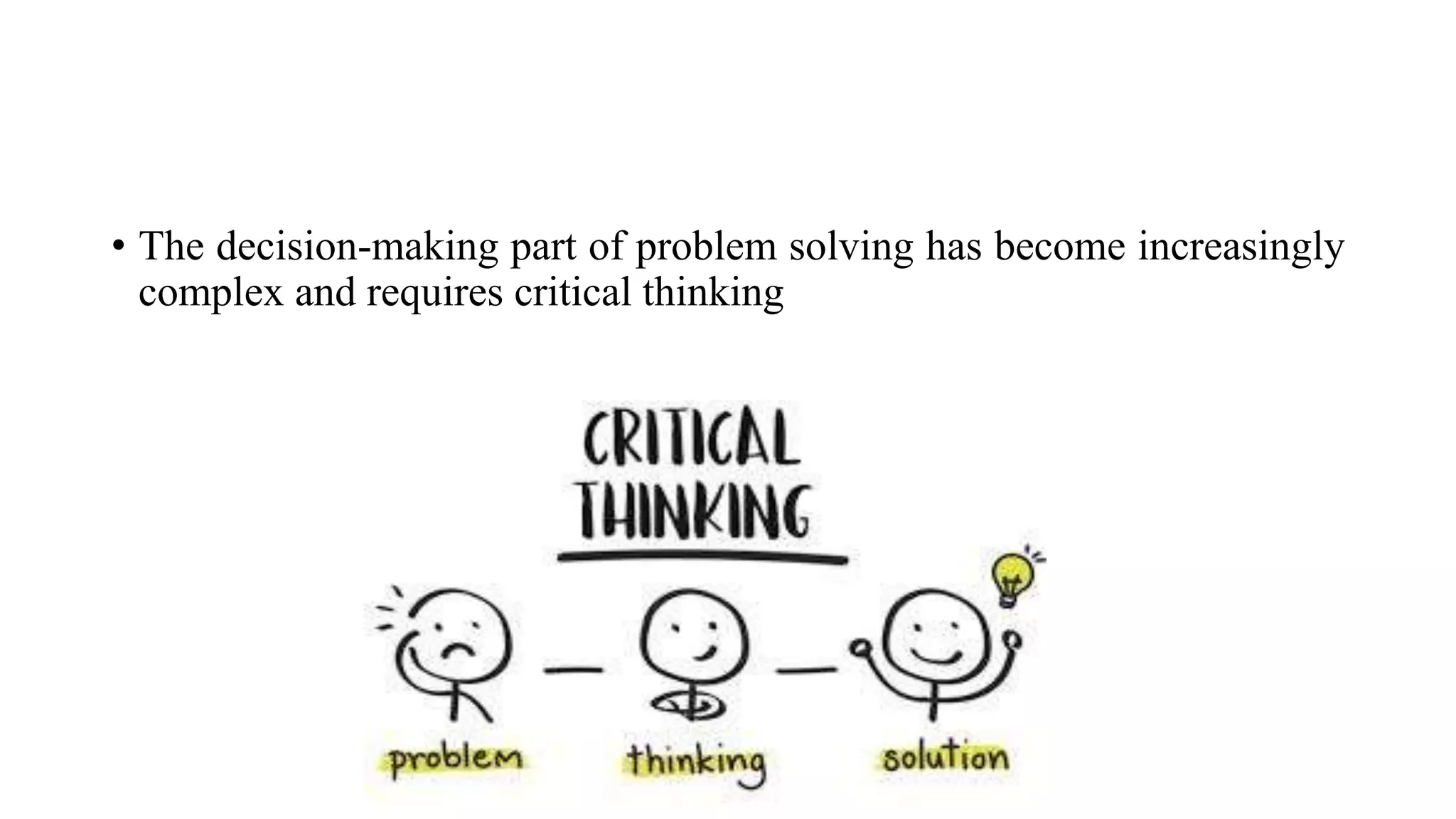
• The decision-making part of problem solving has become increasingly
complex and requires critical thinking
Definition
• Critical thinking is an active, organized, cognitive process used to
carefully examine one’s thinking and the thinking of others.
• Critical thinking is defined "as the process of purposeful, self-
regulatory judgment; an reflective, reasoning process" (Facione,
1990).
Critical thinking in nursing
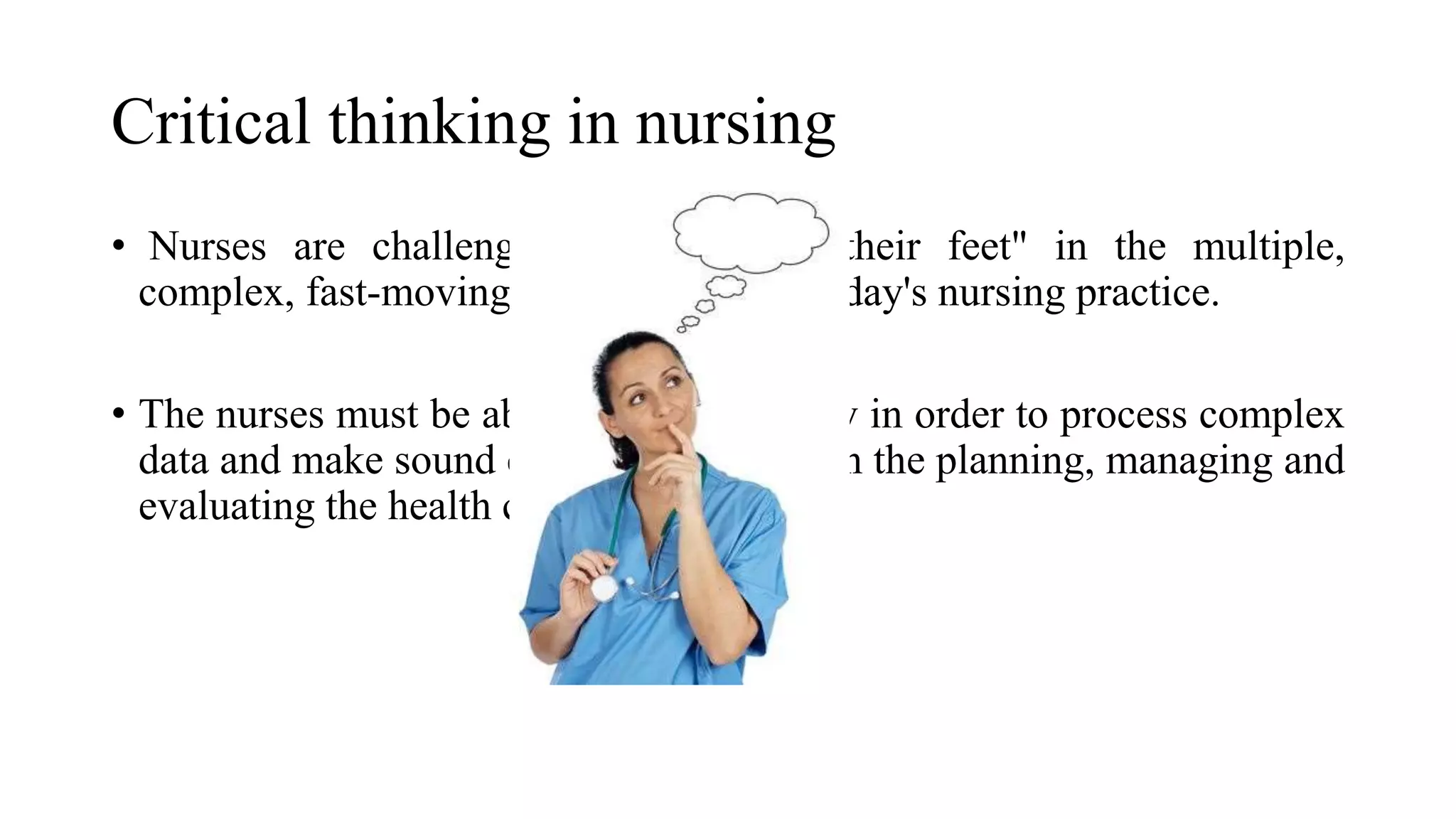
• Nurses are challenged to "think on their feet" in the multiple,
complex, fast-moving environments of today's nursing practice.
• The nurses must be able to think critically in order to process complex
data and make sound clinical judgments in the planning, managing and
evaluating the health care of their patients
Critical thinking in nursing cont…
• Critical thinking in nursing is the process of intentional higher level
thinking to define a client’s problem, perform/examine the evidence-
based practice in caring for the client and make choices in the delivery
of care.
• It is a complex, multidimensional cognitive process
Critical thinking in nursing cont…
• Each patient situation is viewed as unique and dynamic.
• The unique factors that the patient and nurse bring to the health care
situation are considered, studied, analyzed, and interpreted.
Importance of critical thinking in nursing
• To make accurate and appropriate clinical decisions in caring the
patients
• To solve problems and find solutions
• To plan care for each unique client and client problem
• To seek knowledge and use it to make clinical decisions and problem
solving
Importance of critical thinking in nursing
• To be able to think creatively when planning care for clients
• To recognize changes in patient status and improve patient care
through reflection.
• To ensure patient safety
Critical Thinking Skills
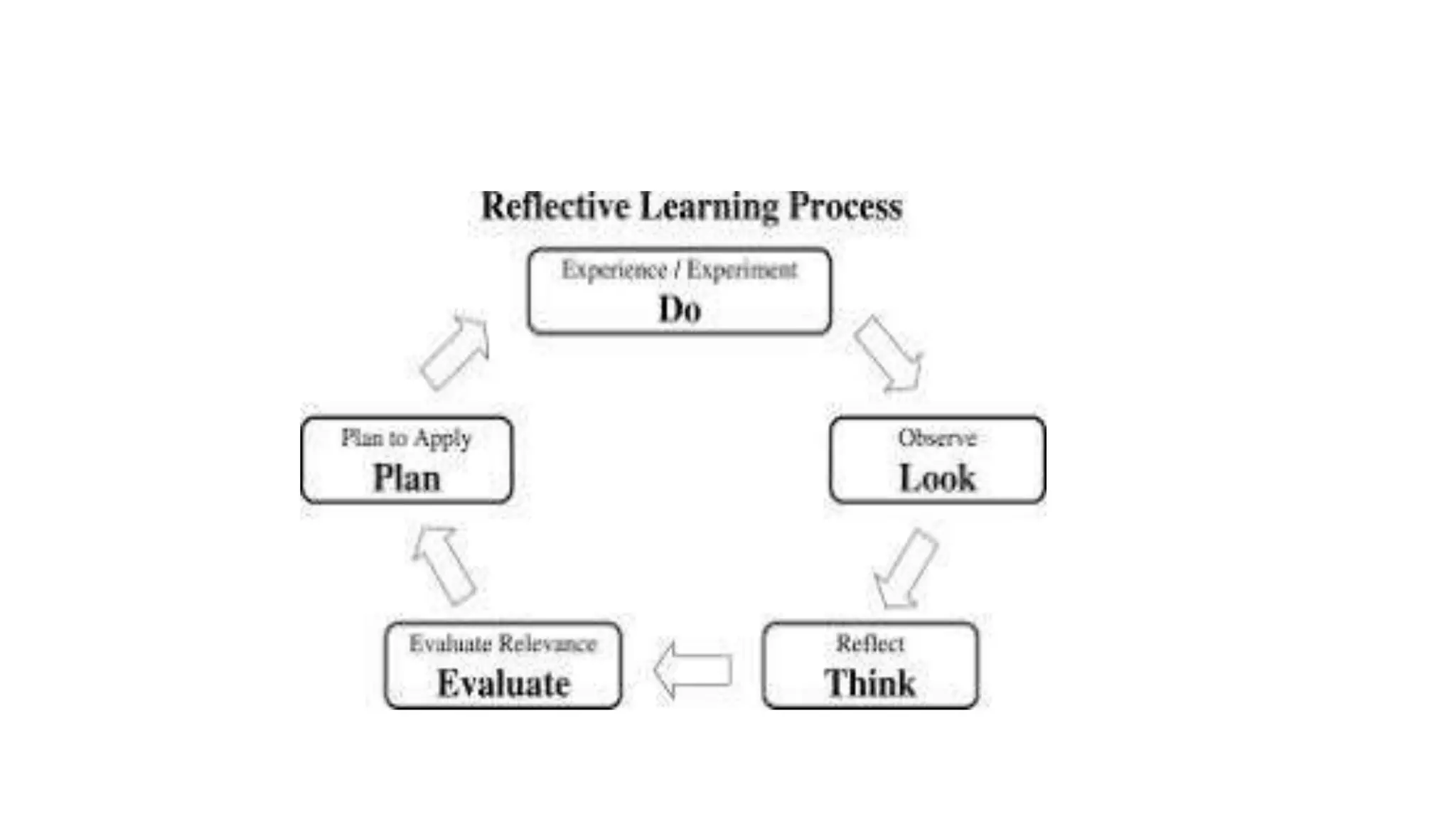
• A study by Asselin (2011) revealed that students who
reflected on new knowledge developed new insights
regarding practice.
• The insights nurses acquired led to changes in their
approach to practice.
• The skills involved in critical thinking are developed
over time through effort, practice, and experience.
Critical Thinking skills cont…
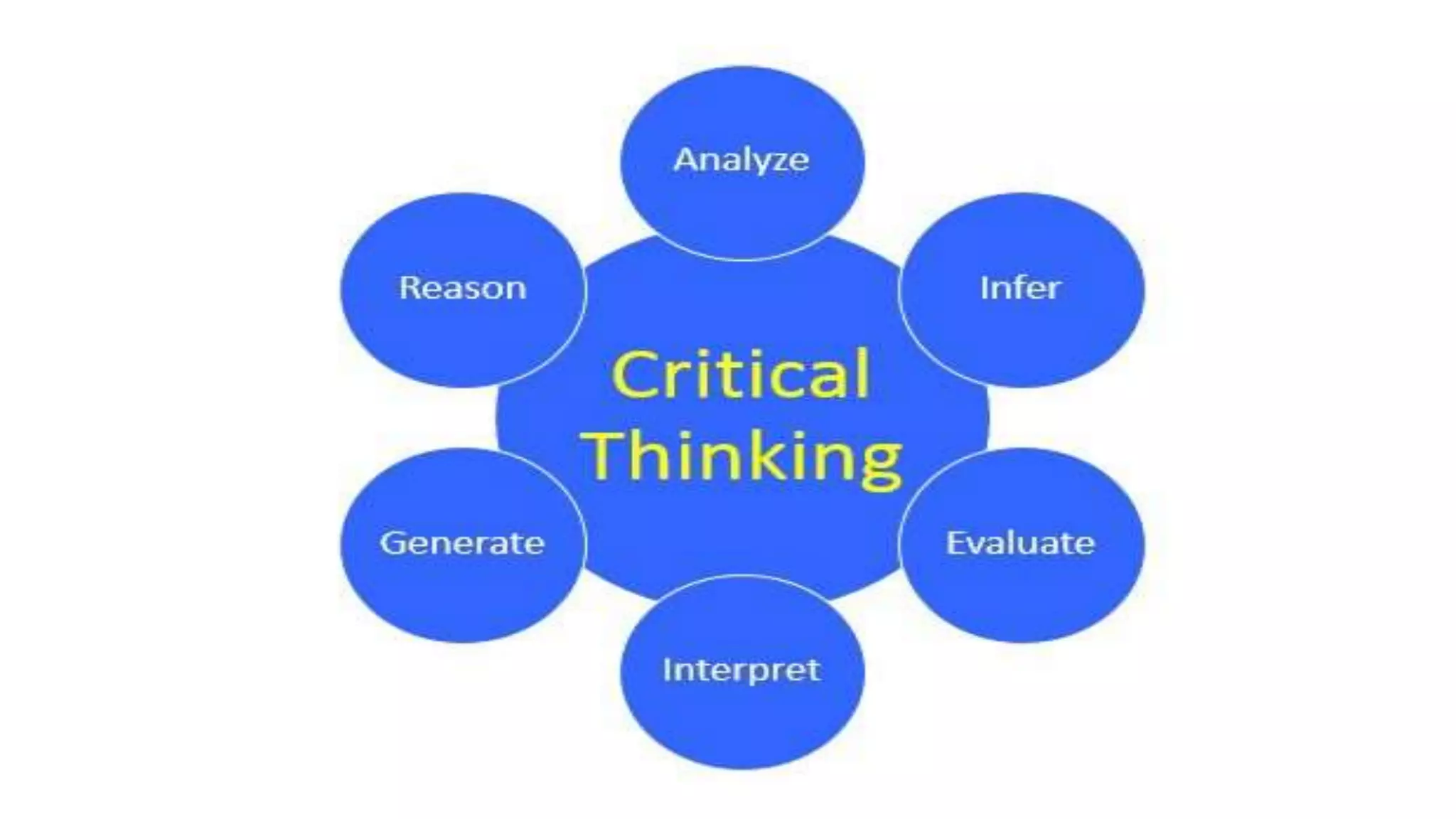
• Skills needed in critical thinking include interpretation, analysis,
evaluation, inference, explanation, and self-regulation.
Critical thinking skills
• Analysis – Analysis refers to the ability to identify the
component parts of the information and their
relationship. i.e. breaking information down in its part.
• Evaluation – Evaluative skills are those related to
assessing or judging the validity of an idea. i.e. judging
the value, credibility or strength or something.
•Inference – This relates to the ability to draw
conclusions based on the information that one is given
(which might be limited).
• Interpretation – Interpretation is the
understanding the meaning of information usually
in a format that is clear for a particular audience.
•Objectivity – Being objective means that you
evaluate an idea fairly, without bias.
•Explanation – Explanation refers to the ability to
clearly state information, and even add one's own
perspective to that information.
•Integrating: connecting and combining information to better
understand the relationship between the information .
•Reasoning – Reasoning refers to thinking logically about a question or
problem.
Critical thinking skills
• Generating: producing new information, ideas,
products or ways of viewing things
• Prioritizing: it involves giving weight to the
information, plan etc
• Problem Solving – Problem solving is another
important skill that involves analyzing a problem,
generating a solution, and implementing and then
assessing that plan.
• Fair / open mindness :
oCritical thinkers are fair-minded and make impartial judgments.
oThey assess all viewpoints with the same standards and do not base
their judgments on personal or group bias or prejudice
Skills required to enable critical thinking:
• concerned to become and remain well-informed
• alertness to opportunities to use critical thinking
• self-confidence in one’s own abilities to reason
• open-mindedness regarding divergent world views
• flexibility in considering alternatives and opinions
• understanding of the opinions of other people
Skills required to enable critical thinking
cont…
• honesty in facing one’s own biases, prejudices,
stereotypes, or egocentric tendencies
• prudence in suspending, making or altering judgments
• willingness to reconsider and revise views where
honest reflection suggests that change is warranted
Expert thinking and novice thinking
Expert thinking
• Experts notice features and meaningful patterns of
information that are not noticed by novices.
• Experts have acquired a great deal of content
knowledge that is organized in ways that reflect a deep
understanding of their subject matter.
• Experts’ knowledge cannot be reduced to sets of
isolated facts or propositions but, instead, reflects
contexts of applicability: that is, the knowledge is
“conditionalized” on a set of circumstances.
Expert thinking cont…
• Experts are able to flexibly retrieve important aspects of their
knowledge with little attention effort.
• Though experts know their disciplines thoroughly, this does not
guarantee that they are able to teach others.
• Experts have varying levels of flexibility in their approach to new
situations.
Novice thinking
• Novices don’t have knowledge on the specific domain
• Novices don’t have organized representations of things or events that
guides a persons thought and action
• Novices are not able to retrieve important aspects of their knowledge
with little attention effort.
Novice thinking cont…
• They do not have flexibility to deal with the new problems
Any queries??
Thank you

Critical thinking, Fundamentals of Nurisng

  • 1.
    Critical thinking Prepared by:Pooja Koirala Lecturer NMCTH
  • 2.
    Introduction • In today’shealth care scenario, the nurse faces increasingly complex issues and situations resulting from • advanced technology • greater acuity of patients in hospital and community settings • an aging population • complex disease processes • ethical and cultural factors.
  • 3.
    • The decision-makingpart of problem solving has become increasingly complex and requires critical thinking
  • 4.
    Definition • Critical thinkingis an active, organized, cognitive process used to carefully examine one’s thinking and the thinking of others. • Critical thinking is defined "as the process of purposeful, self- regulatory judgment; an reflective, reasoning process" (Facione, 1990).
  • 5.
    Critical thinking innursing • Nurses are challenged to "think on their feet" in the multiple, complex, fast-moving environments of today's nursing practice. • The nurses must be able to think critically in order to process complex data and make sound clinical judgments in the planning, managing and evaluating the health care of their patients
  • 6.
    Critical thinking innursing cont… • Critical thinking in nursing is the process of intentional higher level thinking to define a client’s problem, perform/examine the evidence- based practice in caring for the client and make choices in the delivery of care. • It is a complex, multidimensional cognitive process
  • 7.
    Critical thinking innursing cont… • Each patient situation is viewed as unique and dynamic. • The unique factors that the patient and nurse bring to the health care situation are considered, studied, analyzed, and interpreted.
  • 8.
    Importance of criticalthinking in nursing • To make accurate and appropriate clinical decisions in caring the patients • To solve problems and find solutions • To plan care for each unique client and client problem • To seek knowledge and use it to make clinical decisions and problem solving
  • 9.
    Importance of criticalthinking in nursing • To be able to think creatively when planning care for clients • To recognize changes in patient status and improve patient care through reflection. • To ensure patient safety
  • 10.
    Critical Thinking Skills •A study by Asselin (2011) revealed that students who reflected on new knowledge developed new insights regarding practice. • The insights nurses acquired led to changes in their approach to practice. • The skills involved in critical thinking are developed over time through effort, practice, and experience.
  • 11.
    Critical Thinking skillscont… • Skills needed in critical thinking include interpretation, analysis, evaluation, inference, explanation, and self-regulation.
  • 12.
    Critical thinking skills •Analysis – Analysis refers to the ability to identify the component parts of the information and their relationship. i.e. breaking information down in its part. • Evaluation – Evaluative skills are those related to assessing or judging the validity of an idea. i.e. judging the value, credibility or strength or something. •Inference – This relates to the ability to draw conclusions based on the information that one is given (which might be limited).
  • 13.
    • Interpretation –Interpretation is the understanding the meaning of information usually in a format that is clear for a particular audience. •Objectivity – Being objective means that you evaluate an idea fairly, without bias. •Explanation – Explanation refers to the ability to clearly state information, and even add one's own perspective to that information.
  • 14.
    •Integrating: connecting andcombining information to better understand the relationship between the information . •Reasoning – Reasoning refers to thinking logically about a question or problem.
  • 15.
    Critical thinking skills •Generating: producing new information, ideas, products or ways of viewing things • Prioritizing: it involves giving weight to the information, plan etc • Problem Solving – Problem solving is another important skill that involves analyzing a problem, generating a solution, and implementing and then assessing that plan.
  • 16.
    • Fair /open mindness : oCritical thinkers are fair-minded and make impartial judgments. oThey assess all viewpoints with the same standards and do not base their judgments on personal or group bias or prejudice
  • 20.
    Skills required toenable critical thinking: • concerned to become and remain well-informed • alertness to opportunities to use critical thinking • self-confidence in one’s own abilities to reason • open-mindedness regarding divergent world views • flexibility in considering alternatives and opinions • understanding of the opinions of other people
  • 21.
    Skills required toenable critical thinking cont… • honesty in facing one’s own biases, prejudices, stereotypes, or egocentric tendencies • prudence in suspending, making or altering judgments • willingness to reconsider and revise views where honest reflection suggests that change is warranted
  • 22.
    Expert thinking andnovice thinking
  • 23.
    Expert thinking • Expertsnotice features and meaningful patterns of information that are not noticed by novices. • Experts have acquired a great deal of content knowledge that is organized in ways that reflect a deep understanding of their subject matter. • Experts’ knowledge cannot be reduced to sets of isolated facts or propositions but, instead, reflects contexts of applicability: that is, the knowledge is “conditionalized” on a set of circumstances.
  • 24.
    Expert thinking cont… •Experts are able to flexibly retrieve important aspects of their knowledge with little attention effort. • Though experts know their disciplines thoroughly, this does not guarantee that they are able to teach others. • Experts have varying levels of flexibility in their approach to new situations.
  • 25.
    Novice thinking • Novicesdon’t have knowledge on the specific domain • Novices don’t have organized representations of things or events that guides a persons thought and action • Novices are not able to retrieve important aspects of their knowledge with little attention effort.
  • 26.
    Novice thinking cont… •They do not have flexibility to deal with the new problems
  • 27.
  • 28.