Depression
By Tom McCarthy
What is Depression?
• While we all feel sad, moody or low from time to time, some people
experience these feelings intensely, for long periods of time (weeks, months
or even years) and sometimes without any apparent reason. Depression is
more than just a low mood – it's a serious illness that has an impact on both
physical and mental health. (Beyondblue.org.au, 2015)
• You may have trouble doing normal day-to-day activities, and depression
may make you feel as if life isn't worth living. Depression is not a sign of
weakness or a negative personality. It is a major public health problem and
a treatable medical condition.
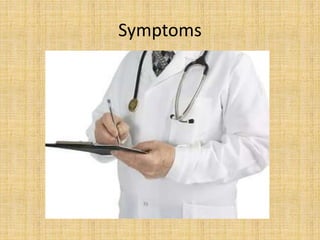
Symptoms
Emotional Symptoms
• Depression effects people in many different ways,
some people experience sadness and lose of interest
in life, others are plagued by sense of worthlessness,
guilt, lack of hope or suicidal tendencies. It is not as
simple as just feeling sad.
Physical Symptoms
• Unfortunately emotional pain can translate to physical
pain when one is depressed, it is not uncommon for
some one experiencing depression to have;
• Low energy and fatigue
• Insomnia
• Excessive sleep
• Persistent aches or pains, headaches, cramps, or
digestive problems that do not ease even with treatment
• Increased/decreased appetite
Who is at risk?
• The vast majority of people have experienced some
kind of depression in their life, whether it be from the
day to day stress of work or something else.
• According to scientists, genetics have a role to play in
it, having a parent or sibling with depression increases
your risk of developing the disorder.
• Women are twice as likely to develop depression as
men.
What causes Depression?
• There is no definite answer to what causes
depression, doctors believe that our brain
structure and chemical functions are the key.
• Scientists believe one must be biologically prone
to develop the disorder in the first place to
experience real depression. certain medications,
alcohol or substance abuse, hormonal changes, or
even the season can trigger depression within any
given person.
Treatment
• There are many ways people can deal with
depression whether it be through themselves,
others or the help of medication.
• The importing thing is to find out what
treatment suits the individuals needs.
Psychological Treatment
• Also known as talking therapies are designed to help the
patient change negative patterns of thinking and
behaviour and teach them ways to develop better coping
skills. This may not only help a person recover, but can
also stop depression reappearing down the track.
Cognitive behaviour therapy
• This is where the therapist identifies and
changes the way the patient thinks and deals
with stress and depression. This encourages
patients to think rationally about common
problems to help encourage a more realistic,
positive and problem solving approach to life.
Interpersonal therapy
• Where the therapist focuses on the
relationships in the patients life and finds out if
there are any links to the depression through
these.
• Recognising patterns in relationships can help
the patient understand what makes them
vulnerable to depression and understand the
link between the two.
Behaviour therapy
• Focusing on increasing the activity of the
patient, trying to get them more active and
enjoy being physical , in an effort to stop the
patterns of avoidance, withdrawal and
inactivity that make depression worse.
• This does not focus on changing the patients
beliefs or attitudes, instead on participating in
activities that have rewarding results.
Mindfulness Based Cognitive Therapy
• Involving pleasant thoughts and meditation to
stop patients minds wandering onto negative
thoughts to exacerbate depression.
• This is thought to be helpful in preventing
depression from returning because it allows
people to notice feelings of sadness and negative
thinking patterns early on, before they have
become fixed.
Medical Treatment
• The main medical treatment for depression is antidepressant medication.
The types of antidepressants are:
• SSRIs
• SNRIs
• RIMAs
• TCAs
• NaSSAs
• NARIs
• MAOIs
• There is a lot of negative and positive information about these treatments
out there. Some people believe it is bad to mess with your hormones while
others stick by it, at the end of the day it is up to the patient and how they
respond to it all.
Conclusion
• Depression is a hard thing to describe to someone who
has never truly experienced it. It is normal for a person
to feel down every now and then, but if this feeling
lingers there for an extended period there may be
more to it. Treatment will never be the same from
person to person, it is up to the individual to find what
suits them best.
• The fact is Depression needs to be spoken about, even
now it still doesn't get the coverage it needs. People
are to scared or ashamed to speak out about it and this
needs to change now.
References
• Beyondblue.org.au, (2015). beyondblue. [online]
Available at: http://www.beyondblue.org.au/the-
facts/depression [Accessed 17 May 2015].
• Mayoclinic.org,. (2015). Depression (major
depression) - Mayo Clinic. Retrieved 17 May 2015,
from http://www.mayoclinic.org/diseases-
conditions/depression/basics/definition/con-
20032977

Depression

  • 1.
  • 2.
    What is Depression? •While we all feel sad, moody or low from time to time, some people experience these feelings intensely, for long periods of time (weeks, months or even years) and sometimes without any apparent reason. Depression is more than just a low mood – it's a serious illness that has an impact on both physical and mental health. (Beyondblue.org.au, 2015) • You may have trouble doing normal day-to-day activities, and depression may make you feel as if life isn't worth living. Depression is not a sign of weakness or a negative personality. It is a major public health problem and a treatable medical condition.
  • 3.
  • 4.
    Emotional Symptoms • Depressioneffects people in many different ways, some people experience sadness and lose of interest in life, others are plagued by sense of worthlessness, guilt, lack of hope or suicidal tendencies. It is not as simple as just feeling sad.
  • 5.
    Physical Symptoms • Unfortunatelyemotional pain can translate to physical pain when one is depressed, it is not uncommon for some one experiencing depression to have; • Low energy and fatigue • Insomnia • Excessive sleep • Persistent aches or pains, headaches, cramps, or digestive problems that do not ease even with treatment • Increased/decreased appetite
  • 6.
    Who is atrisk? • The vast majority of people have experienced some kind of depression in their life, whether it be from the day to day stress of work or something else. • According to scientists, genetics have a role to play in it, having a parent or sibling with depression increases your risk of developing the disorder. • Women are twice as likely to develop depression as men.
  • 7.
    What causes Depression? •There is no definite answer to what causes depression, doctors believe that our brain structure and chemical functions are the key. • Scientists believe one must be biologically prone to develop the disorder in the first place to experience real depression. certain medications, alcohol or substance abuse, hormonal changes, or even the season can trigger depression within any given person.
  • 8.
    Treatment • There aremany ways people can deal with depression whether it be through themselves, others or the help of medication. • The importing thing is to find out what treatment suits the individuals needs.
  • 9.
    Psychological Treatment • Alsoknown as talking therapies are designed to help the patient change negative patterns of thinking and behaviour and teach them ways to develop better coping skills. This may not only help a person recover, but can also stop depression reappearing down the track.
  • 10.
    Cognitive behaviour therapy •This is where the therapist identifies and changes the way the patient thinks and deals with stress and depression. This encourages patients to think rationally about common problems to help encourage a more realistic, positive and problem solving approach to life.
  • 11.
    Interpersonal therapy • Wherethe therapist focuses on the relationships in the patients life and finds out if there are any links to the depression through these. • Recognising patterns in relationships can help the patient understand what makes them vulnerable to depression and understand the link between the two.
  • 12.
    Behaviour therapy • Focusingon increasing the activity of the patient, trying to get them more active and enjoy being physical , in an effort to stop the patterns of avoidance, withdrawal and inactivity that make depression worse. • This does not focus on changing the patients beliefs or attitudes, instead on participating in activities that have rewarding results.
  • 13.
    Mindfulness Based CognitiveTherapy • Involving pleasant thoughts and meditation to stop patients minds wandering onto negative thoughts to exacerbate depression. • This is thought to be helpful in preventing depression from returning because it allows people to notice feelings of sadness and negative thinking patterns early on, before they have become fixed.
  • 14.
    Medical Treatment • Themain medical treatment for depression is antidepressant medication. The types of antidepressants are: • SSRIs • SNRIs • RIMAs • TCAs • NaSSAs • NARIs • MAOIs • There is a lot of negative and positive information about these treatments out there. Some people believe it is bad to mess with your hormones while others stick by it, at the end of the day it is up to the patient and how they respond to it all.
  • 15.
    Conclusion • Depression isa hard thing to describe to someone who has never truly experienced it. It is normal for a person to feel down every now and then, but if this feeling lingers there for an extended period there may be more to it. Treatment will never be the same from person to person, it is up to the individual to find what suits them best. • The fact is Depression needs to be spoken about, even now it still doesn't get the coverage it needs. People are to scared or ashamed to speak out about it and this needs to change now.
  • 16.
    References • Beyondblue.org.au, (2015).beyondblue. [online] Available at: http://www.beyondblue.org.au/the- facts/depression [Accessed 17 May 2015]. • Mayoclinic.org,. (2015). Depression (major depression) - Mayo Clinic. Retrieved 17 May 2015, from http://www.mayoclinic.org/diseases- conditions/depression/basics/definition/con- 20032977