







Davis’s Pocket 
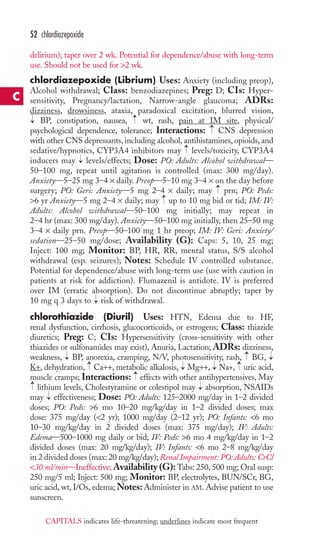
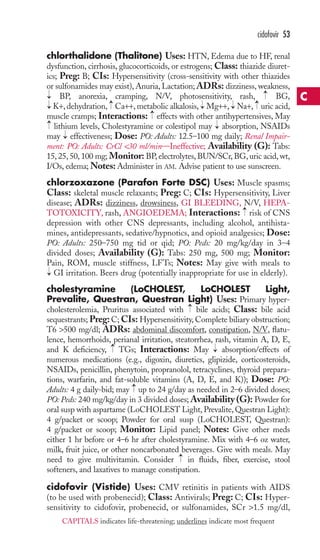
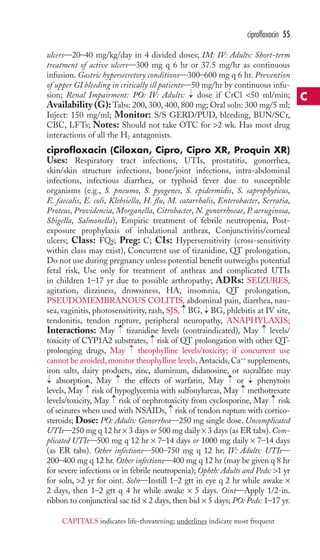
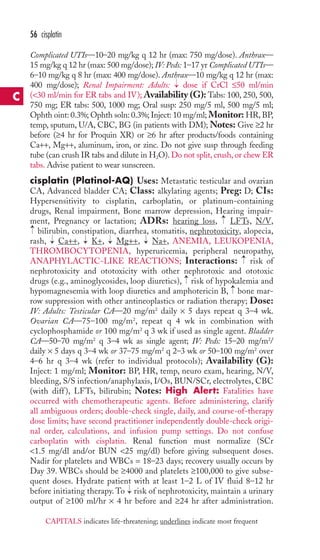
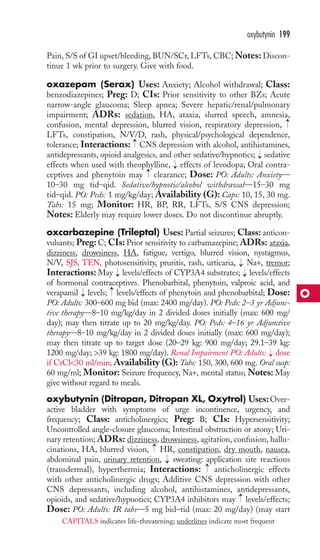
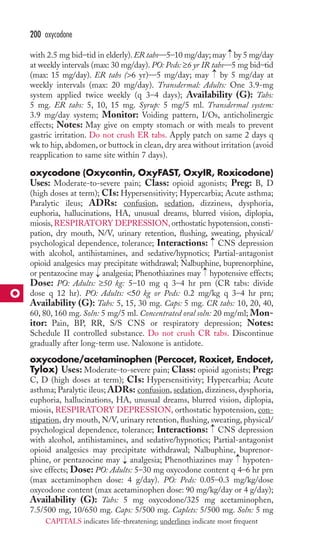
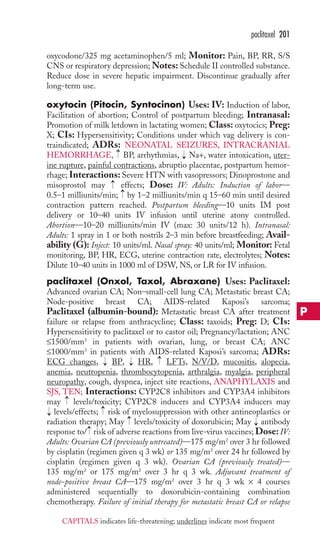
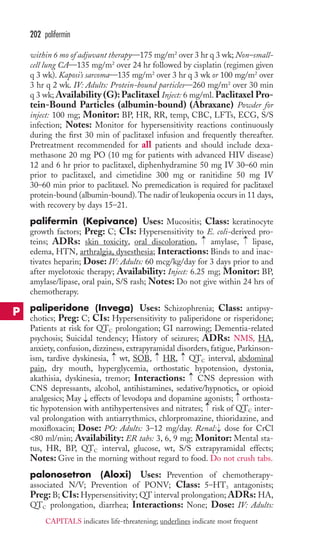
Clinical Drug 
Reference
Davis’s Pocket 
Clinical Drug 
Reference 
Shamim Tejani, PharmD 
Pediatric Clinical Pharmacist 
St. Joseph’s Hospital and Medical Center 
Phoenix, Arizona 
Cynthia A. Sanoski, B.S., PharmD, FCCP, BCPS 
Chair, Department of Pharmacy Practice 
Jefferson School of Pharmacy 
Thomas Jefferson University 
Philadelphia, Pennsylvania
F. A. Davis Company 
1915 Arch Street 
Philadelphia, PA 19103 
www.fadavis.com 
Copyright © 2009 by F. A. Davis Company 
Copyright © 2009 by F. A. Davis Company. All rights reserved. This book is 
protected by copyright. No part of it may be reproduced, stored in a retrieval 
system, or transmitted in any form or by any means, electronic, mechanical, 
photocopying, recording, or otherwise, without written permission from the 
publisher. 
Printed in the United States of America 
Last digit indicates print number 10 9 8 7 6 5 4 3 2 1 
Director of Content Development: Darlene D. Pedersen 
Senior Acquisitions Editor: Thomas A. Ciavarella 
Project Editor: Meghan K. Ziegler 
Design and Illustration Manager: Carolyn O’Brien 
As new scientific information becomes available through basic and clinical 
research, recommended treatments and drug therapies undergo changes. The 
author(s) and publisher have done everything possible to make this book 
accurate, up to date, and in accord with accepted standards at the time of 
publication. The author(s), editors, and publisher are not responsible for 
errors or omissions or for consequences from application of the book, and 
make no warranty, expressed or implied, in regard to the contents of the 
book. Any practice described in this book should be applied by the reader in 
accordance with professional standards of care used in regard to the unique 
circumstances that may apply in each situation. The reader is advised always to 
check product information (package inserts) for changes and new information 
regarding dose and contraindications before administering any drug. Caution 
is especially urged when using new or infrequently ordered drugs. 
ISBN-13: 978-0-8036-2078-0 
ISBN-10: 0-8036-2078-0 
Authorization to photocopy items for internal or personal use, or the internal 
or personal use of specific clients, is granted by F. A. Davis Company for 
users registered with the Copyright Clearance Center (CCC) Transactional 
Reporting Service, provided that the fee of $.25 per copy is paid directly to 
CCC, 222 Rosewood Drive, Danvers, MA 01923. For those organizations 
that have been granted a photocopy license by CCC, a separate system of 
payment has been arranged. The fee code for users of the Transactional 
Reporting Service is: 8036-2078-0/09 0 + $.25.
To my son, Cameron, the “transformer” who has changed my 
life forever. 
To my daughter, Sierra, the “big star” without whom I could 
not navigate. 
Your patience made this book possible. 
Shamim Tejani 
To my mother, Geraldine, whose continual love, support and guidance 
are present in all that I do. Thank you for your patience and under-standing 
as I worked on this important project. 
Cynthia Sanoski
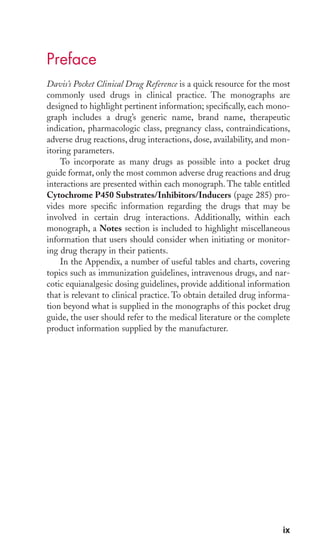
Table of Contents 
Preface ix 
Reviewers xi 
List of Abbreviations xiii 
Drug Monographs in Alphabetical Order by Generic Name 1 
Appendices 280 
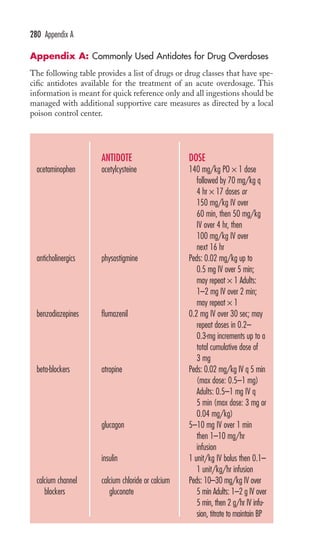
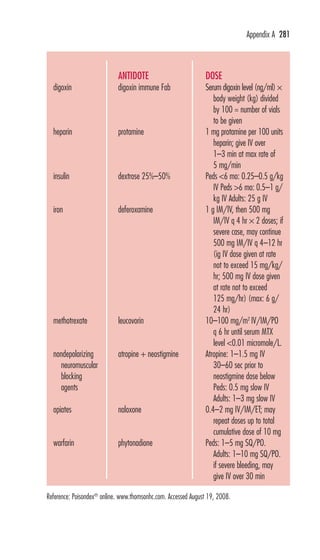
Appendix A. Commonly Used Antidotes for Drug 
Overdoses 280 
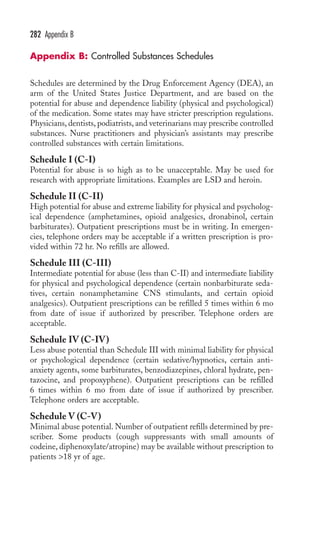
Appendix B. Controlled Substances Schedules 282 
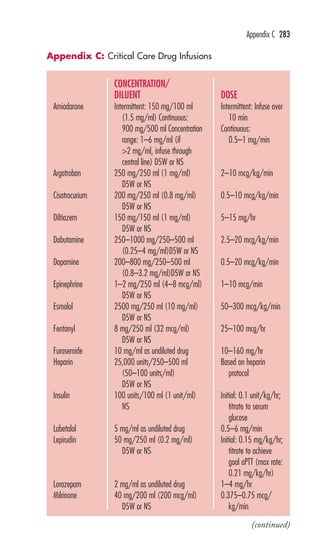
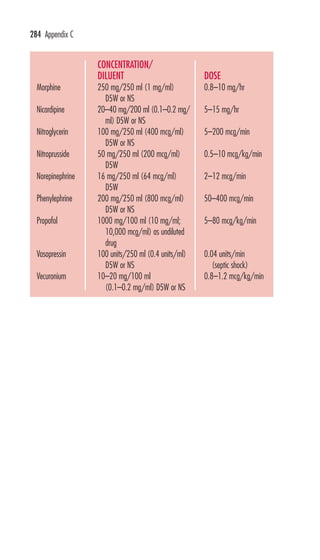
Appendix C. Critical Care Drug Infusions 283 
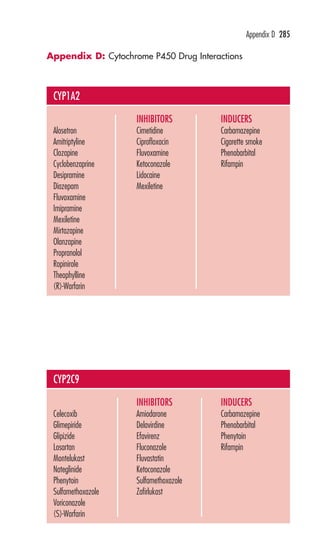
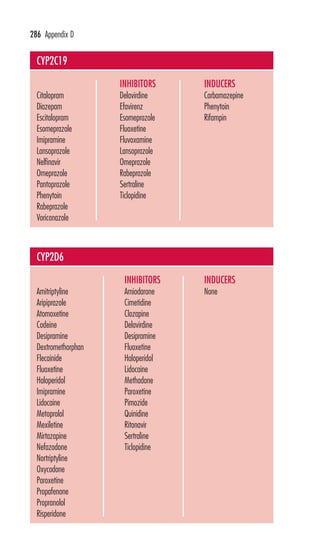
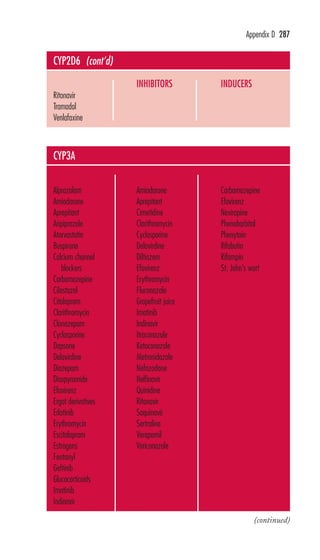
Appendix D. Cytochrome P450 Substrates/Inducers/ 
Inhibitors 285 
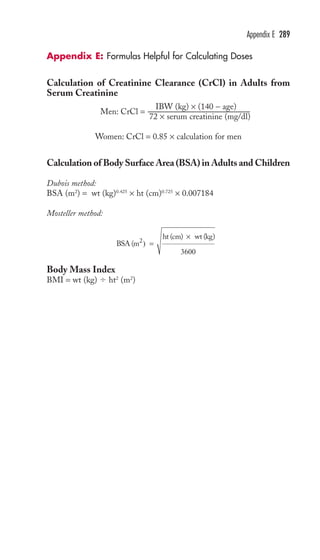
Appendix E. Formulas Helpful for Calculating Doses 289 
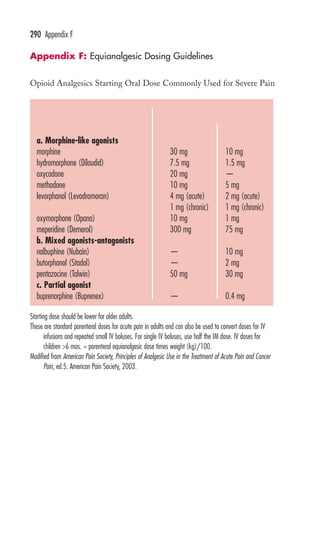
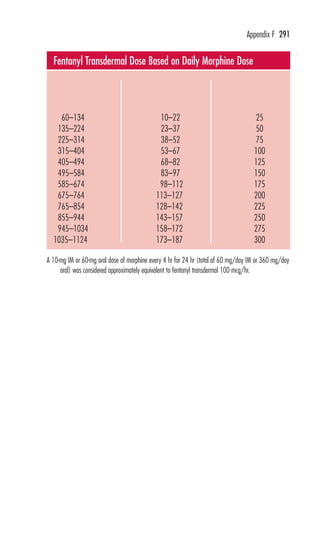
Appendix F. Equianalgesic Dosing Guidelines 290 
Appendix G. Insulins and Insulin Therapy 292 
Appendix H. Measurement Conversion Table 295 
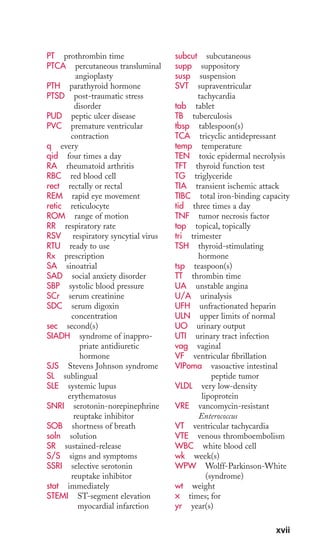
Appendix I. Pediatric Intravenous Medication Quick 
Reference Chart 296 
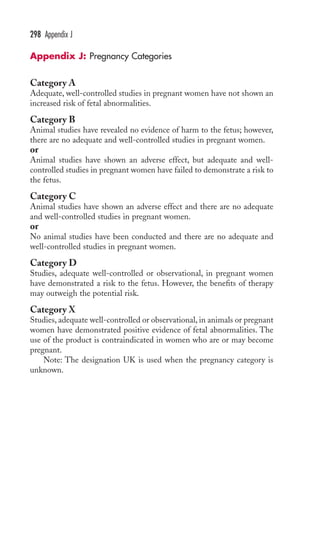
Appendix J. Pregnancy Categories 298 
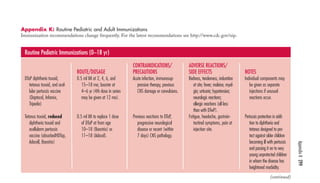
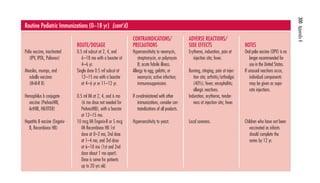
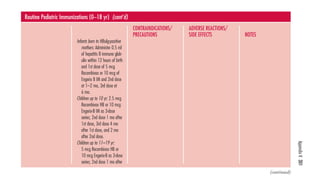
Appendix K. Routine Pediatric and Adult Immunizations 299 
Comprehensive Generic/Trade Index 301 
vii
Preface 
Davis’s Pocket Clinical Drug Reference is a quick resource for the most 
commonly used drugs in clinical practice. The monographs are 
designed to highlight pertinent information; specifically, each mono-graph 
includes a drug’s generic name, brand name, therapeutic 
indication, pharmacologic class, pregnancy class, contraindications, 
adverse drug reactions, drug interactions, dose, availability, and mon-itoring 
parameters. 
To incorporate as many drugs as possible into a pocket drug 
guide format, only the most common adverse drug reactions and drug 
interactions are presented within each monograph. The table entitled 
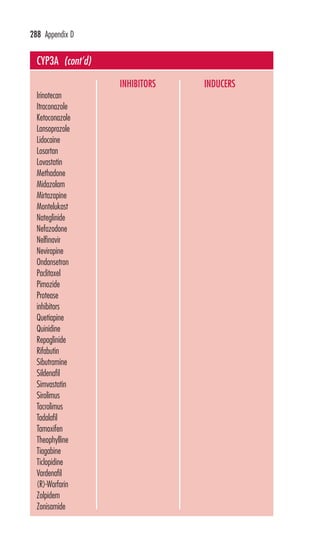
Cytochrome P450 Substrates/Inhibitors/Inducers (page 285) pro-vides 
more specific information regarding the drugs that may be 
involved in certain drug interactions. Additionally, within each 
monograph, a Notes section is included to highlight miscellaneous 
information that users should consider when initiating or monitor-ing 
drug therapy in their patients. 
In the Appendix, a number of useful tables and charts, covering 
topics such as immunization guidelines, intravenous drugs, and nar-cotic 
equianalgesic dosing guidelines, provide additional information 
that is relevant to clinical practice. To obtain detailed drug informa-tion 
beyond what is supplied in the monographs of this pocket drug 
guide, the user should refer to the medical literature or the complete 
product information supplied by the manufacturer. 
ix
Reviewers 
xi 
Naveed Ahmed, MPAS, PA-C 
Drexel University 
Hahnemann Physician Assistant 
Program 
Philadelphia, Pennsylvania 
Carole Berube, BSN, MSN, MA 
(Psychology), RN 
Professor Emerita in Nursing, 
Instructor in Health Sciences 
Bristol Community College 
Fall River, Massachusetts 
Mary Anne Crandall, RN, BS, 
MS, PhD, CLT, CCT 
Doctor Therapeutic Laser and 
Thermal Imaging Center 
Medford, Oregon 
Dori Gilman, MA 
LPN Coordinator, LPN & RN 
Instructor 
North Country Community 
College 
Saranac Lake, New York 
Cheryl Gilton, RN, BSN, Med 
Director, Pharmacy Technician 
Program 
Allegany College of Maryland 
Special Health Initiatives 
Cumberland, Maryland 
Catherine C. Goodman, PT, MBA 
Faculty Affiliate, Medical Writer 
(Medical Multimedia Group) 
University of Montana 
School of Pharmacy and Allied 
Health 
Missoula, Montana 
Ellen Wruble Hakim, PT, DScPT, 
MS, CWS, FACCWS 
Vice Chair for Professional 
Programs Director for 
Entry-Level DPT Program 
University of Maryland School 
of Medicine 
Department of Physical Therapy 
and Rehabilitation 
Baltimore, Maryland 
Ken Harbert, PhD, CHES, PA-C 
Dean and Program Director 
South College 
Knoxville, Tennessee 
Kris Hardy, CMA, RHE, CDF 
Medical Assistant Program 
Director/Instructor 
Brevard Community College 
Cocoa, Florida 
Marsha Hemby, ADN, CMA 
Department Chair, Medical 
Assisting 
Pitt Community College 
Greenville, North Carolina 
Mary Ann Laxen, PA-C, MAB 
Director, Physician Assistant 
Program 
University of North Dakota, 
School of Medicine and Health 
Sciences 
Grand Forks, North Dakota 
Kathy Makkar, PharmD 
Clinical Pharmacy Specialist, 
Cardiology 
Lancaster General Hospital 
Lancaster, Pennsylvania
Allison A. Morgan, MPA, PA-C 
Instructor 
Duquesne University 
John H. Rangos, Sr. 
School of Health Sciences 
Pittsburgh, Pennsylvania 
Patti Pagels, MPAS, PA-C 
Assistant Professor/Vice-Chair, 
Clinical Service 
University of North Texas Health 
Science Center 
Fort Worth, Texas 
Karen Snipe, CPhT, Med 
Pharmacy Technician Program 
Coordinator Department Head, 
Diagnostic & Imaging Services 
Trident Technical College 
Charleston, South Carolina 
Daniel Thibodeau, MHP, PA-C 
Assistant Professor, Physician 
Assistant Program 
Eastern Virginia Medical School 
Norfolk, Virginia 
Marilyn M. Turner, RN, CMA 
Medical Assisting Program 
Director 
Ogeechee Technical College 
Statesboro, Georgia 
xii
xiii 
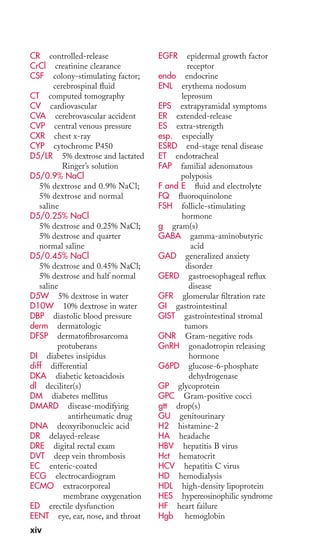
List of Abbreviations 
increase, increased 
decrease, decreased 
→ 
A1C glycosylated hemoglobin 
ABG arterial blood gas 
ABW actual body weight 
ac before meals 
ACE angiotensin-converting 
enzyme 
ACEI angiotensin-converting 
enzyme inhibitor 
ACLS advanced cardiac life 
support 
ACS acute coronary syndrome 
ACT activated clotting time 
AD Alzheimer’s disease 
ADH antidiuretic hormone 
ADHD attention-deficit hyper-activity 
disorder 
ADR adverse drug reaction 
AF atrial fibrillation 
AFl atrial flutter 
AIDS acquired immune 
deficiency syndrome 
alk phos alkaline phosphatase 
ALL acute lymphocytic leukemia 
ALT alanine aminotransferase 
AML acute myelogenous 
leukemia 
ANA antinuclear antibodies 
ANC absolute neutrophil count 
ANLL acute nonlymphocytic 
leukemia 
aPTT activated partial thrombo-plastin 
time 
ARB angiotensin receptor 
blocker 
ARDS adult respiratory distress 
syndrome 
ARF acute renal failure 
ASA aspirin 
ASM aggressive systemic 
mastocytosis 
AST aspartate aminotransferase 
ATP adenosine triphosphate 
AV atrioventricular 
Availability (G): 
generic availability 
AVM arteriovenous 
malformation 
BG blood glucose 
bid two times a day 
BMD bone mineral density 
BMI body mass index 
BMT bone marrow 
transplantation 
BP blood pressure 
BPH benign prostatic 
hyperplasia 
bpm beats per minute 
BSA body surface area 
BUN blood urea nitrogen 
BZ benzodiazepine 
Ca calcium 
CA cancer 
CABG coronary artery bypass 
graft 
CAD coronary artery disease 
cap capsule 
CAP community-acquired 
pneumonia 
CBC complete blood count 
CCB calcium channel blocker 
CEL chronic eosinophilic 
leukemia 
CK creatine kinase 
CKD chronic kidney disease 
CI contraindication 
CML chronic myelogenous 
leukemia 
CMV cytomegalovirus 
CNS central nervous system 
COMT catechol-O-methyltransferase 
COPD chronic obstructive 
pulmonary disease 
CP chest pain 
→
CR controlled-release 
CrCl creatinine clearance 
CSF colony-stimulating factor; 
cerebrospinal fluid 
CT computed tomography 
CV cardiovascular 
CVA cerebrovascular accident 
CVP central venous pressure 
CXR chest x-ray 
CYP cytochrome P450 
D5/LR 5% dextrose and lactated 
Ringer’s solution 
D5/0.9% NaCl 
5% dextrose and 0.9% NaCl; 
5% dextrose and normal 
saline 
D5/0.25% NaCl 
5% dextrose and 0.25% NaCl; 
5% dextrose and quarter 
normal saline 
D5/0.45% NaCl 
5% dextrose and 0.45% NaCl; 
5% dextrose and half normal 
saline 
D5W 5% dextrose in water 
D10W 10% dextrose in water 
DBP diastolic blood pressure 
derm dermatologic 
DFSP dermatofibrosarcoma 
protuberans 
DI diabetes insipidus 
diff differential 
DKA diabetic ketoacidosis 
dl deciliter(s) 
DM diabetes mellitus 
DMARD disease-modifying 
antirheumatic drug 
DNA deoxyribonucleic acid 
DR delayed-release 
DRE digital rectal exam 
DVT deep vein thrombosis 
EC enteric-coated 
ECG electrocardiogram 
ECMO extracorporeal 
membrane oxygenation 
ED erectile dysfunction 
EENT eye, ear, nose, and throat 
EGFR epidermal growth factor 
receptor 
endo endocrine 
ENL erythema nodosum 
leprosum 
EPS extrapyramidal symptoms 
ER extended-release 
ES extra-strength 
esp. especially 
ESRD end-stage renal disease 
ET endotracheal 
FAP familial adenomatous 
polyposis 
F and E fluid and electrolyte 
FQ fluoroquinolone 
FSH follicle-stimulating 
hormone 
g gram(s) 
GABA gamma-aminobutyric 
acid 
GAD generalized anxiety 
disorder 
GERD gastroesophageal reflux 
disease 
GFR glomerular filtration rate 
GI gastrointestinal 
GIST gastrointestinal stromal 
tumors 
GNR Gram-negative rods 
GnRH gonadotropin releasing 
hormone 
G6PD glucose-6-phosphate 
dehydrogenase 
GP glycoprotein 
GPC Gram-positive cocci 
gtt drop(s) 
GU genitourinary 
H2 histamine-2 
HA headache 
HBV hepatitis B virus 
Hct hematocrit 
HCV hepatitis C virus 
HD hemodialysis 
HDL high-density lipoprotein 
HES hypereosinophilic syndrome 
HF heart failure 
Hgb hemoglobin 
xiv
5-HIAA 5-hydroxyindoleacetic 
acid 
HIT heparin-induced 
thrombocytopenia 
HITTS heparin-induced 
thrombocytopenia and 
thrombosis syndrome 
HIV human immunodeficiency 
virus 
HMG-CoA 
hydroxymethyl glutaryl 
coenzyme A 
HPA hypothalamic-pituitary- 
adrenal 
hr hour(s) 
HR heart rate 
HRT hormone replacement 
therapy 
HSV herpes simplex virus 
5-HT 5-hydroxytriptamine 
(serotonin) 
HTN hypertension 
IE infective endocarditis 
IA intra-articular 
IBD inflammatory bowel disease 
IBW ideal body weight 
ICP intracranial pressure 
ICU intensive care unit 
IDDM insulin-dependent 
diabetes mellitus 
IL intralesional 
IM intramuscular 
in. inch(es) 
inhaln inhalation 
inject injection 
INR international normalized 
ratio 
I/O intake and output 
IOP intraocular pressure 
IPPB intermittent positive-pressure 
breathing 
IR immediate-release 
IS intrasynovial 
IT intrathecal 
ITP immune thrombocytopenic 
purpura 
IUD intrauterine device 
IV intravenous 
K potassium 
KCl potassium chloride 
kg kilogram(s) 
KS Kaposi’s sarcoma 
L liter(s) 
LA long-acting 
LD loading dose 
LDH lactic dehydrogenase 
LDL low-density lipoprotein 
LFT liver function test 
LH luteinizing hormone 
LHRH luteinizing hormone-release 
hormone 
LMWH low molecular weight 
heparin 
loz lozenge 
LR lactated Ringer’s solution 
LV left ventricular 
LVEF left ventricular ejection 
fraction 
LVH left ventricular 
hypertrophy 
M molar 
MAC Mycobacterium avium 
complex; monitored 
anesthesia care 
MAOI monoamine oxidase 
inhibitor 
max maximum 
mcg microgram(s) 
MD maintenance dose 
MDI metered dose inhaler 
MDRSP multi-drug resistant 
Streptococcus 
pneumoniae 
MDS myelodysplastic syndrome 
meds medications 
mEq milliequivalent(s) 
metab metabolic 
mg milligram(s) 
Mg magnesium 
MI myocardial infarction 
min minute(s) 
misc miscellaneous 
ml milliliter(s) 
mM millimole(s) 
xv
MMSE Mini-Mental State 
Examination 
mo month 
MPD myeloproliferative disease 
MRI magnetic resonance 
imaging 
MRSA methicillin-resistant 
Staphylococcus aureus 
MS multiple sclerosis 
MSSA methicillin-sensitive 
MUGA multiple-gated 
acquisition (scan) 
Na sodium 
NaCl sodium chloride 
NaPO4 sodium phosphate 
neb nebulizer 
NEC necrotizing enterocolitis 
neuro neurologic 
ng nanogram(s) 
NG nasogastric 
NIDDM noninsulin-dependent 
diabetes mellitus 
NMS neuroleptic malignant 
syndrome 
NPO nothing by mouth 
NRTI nucleoside reverse 
transcriptase inhibitor 
NS sodium chloride, normal 
saline (0.9% NaCl) 
NSAID nonsteroidal anti-inflammatory 
drug 
NSTEMI non-ST-segment 
elevation myocardial 
infarction 
N/V nausea and vomiting 
N/V/D nausea, vomiting, and 
diarrhea 
NYHA New York Heart 
Association 
OA osteoarthritis 
OCD obsessive-compulsive 
disorder 
ODT orally disintegrating 
tablets 
oint ointment 
OM otitis media 
ophth ophthalmic 
OTC over-the-counter 
oz ounce(s) 
PAD peripheral arterial 
disease 
PALS pediatric advanced life 
support 
PAT paroxysmal atrial 
tachycardia 
PBPC peripheral blood 
progenitor cell 
pc after meals 
PCA patient-controlled 
analgesia 
PCI percutaneous coronary 
intervention 
PCP Pneumocystis carinii 
pneumonia 
PCWP pulmonary capillary 
wedge pressure 
PDA patent ductus arteriosus 
PDE phosphodiesterase 
PE pulmonary embolism 
PEA pulseless electrical activity 
PFT pulmonary function test 
pg picogram(s) 
Ph+ Philadelphia chromosome 
positive 
PID pelvic inflammatory disease 
pkt packet 
PMDD premenstrual dysphoric 
disorder 
PNA postnatal age 
PO by mouth, orally 
PO4 phosphate 
PONV postoperative nausea 
and vomiting 
PPD purified protein derivative 
PPI proton pump inhibitor 
Preg pregnancy category 
preop preoperative, 
preoperatively 
prn as needed 
PSA prostate-specific antigen 
PSE portal-systemic 
encephalopathy 
PSVT paroxysmal supraventric-ular 
tachycardia 
xvi
PT prothrombin time 
PTCA percutaneous transluminal 
angioplasty 
PTH parathyroid hormone 
PTSD post-traumatic stress 
disorder 
PUD peptic ulcer disease 
PVC premature ventricular 
contraction 
q every 
qid four times a day 
RA rheumatoid arthritis 
RBC red blood cell 
rect rectally or rectal 
REM rapid eye movement 
retic reticulocyte 
ROM range of motion 
RR respiratory rate 
RSV respiratory syncytial virus 
RTU ready to use 
Rx prescription 
SA sinoatrial 
SAD social anxiety disorder 
SBP systolic blood pressure 
SCr serum creatinine 
SDC serum digoxin 
concentration 
sec second(s) 
SIADH syndrome of inappro-priate 
antidiuretic 
hormone 
SJS Stevens Johnson syndrome 
SL sublingual 
SLE systemic lupus 
erythematosus 
SNRI serotonin-norepinephrine 
reuptake inhibitor 
SOB shortness of breath 
soln solution 
SR sustained-release 
S/S signs and symptoms 
SSRI selective serotonin 
reuptake inhibitor 
stat immediately 
STEMI ST-segment elevation 
myocardial infarction 
subcut subcutaneous 
supp suppository 
susp suspension 
SVT supraventricular 
tachycardia 
tab tablet 
TB tuberculosis 
tbsp tablespoon(s) 
TCA tricyclic antidepressant 
temp temperature 
TEN toxic epidermal necrolysis 
TFT thyroid function test 
TG triglyceride 
TIA transient ischemic attack 
TIBC total iron-binding capacity 
tid three times a day 
TNF tumor necrosis factor 
top topical, topically 
tri trimester 
TSH thyroid-stimulating 
hormone 
tsp teaspoon(s) 
TT thrombin time 
UA unstable angina 
U/A urinalysis 
UFH unfractionated heparin 
ULN upper limits of normal 
UO urinary output 
UTI urinary tract infection 
vag vaginal 
VF ventricular fibrillation 
VIPoma vasoactive intestinal 
peptide tumor 
VLDL very low-density 
lipoprotein 
VRE vancomycin-resistant 
Enterococcus 
VT ventricular tachycardia 
VTE venous thromboembolism 
WBC white blood cell 
wk week(s) 
WPW Wolff-Parkinson-White 
(syndrome) 
wt weight 
× times; for 
yr year(s) 
xvii
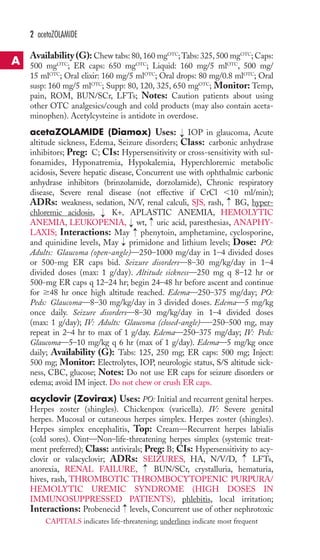
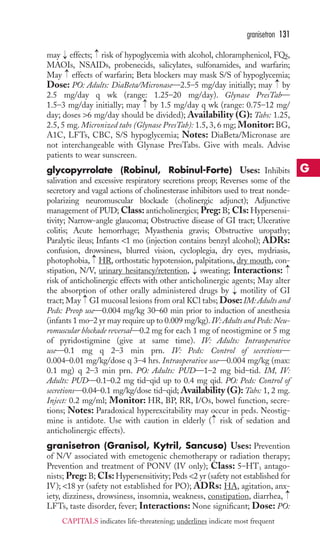
acetaminophen 1 
abacavir (Ziagen) Uses: HIV (in combination with other anti-retrovirals); 
Class: nucleoside reverse transcriptase inhibitors; Preg: C; 
CIs: Hypersensitivity (rechallenge may be fatal), Moderate-to-severe 
hepatic disease, Presence of HLA-B*5701 allele → 
( risk of hypersensitivity) 
Children, <3 mo (safety not established); ADRs: HA, HEPATOTOX-ICITY, 
N/V/D, rash, LACTIC ACIDOSIS, HYPERSENSITIVITY 
REACTIONS; Interactions: Alcohol → 
levels, May → 
methadone levels 
( in methadone dose may be needed); Dose: PO: Adults: 300 mg bid 
or 600 mg daily; PO: Peds: 3 mo–16 yr 8 mg/kg bid (max: 300 mg bid); 
Hepatic Impairment: PO: Adults: → 
dose if mild hepatic impairment; 
Availability: Tabs: 300 mg; Oral soln: 20 mg/ml; Monitor: S/S of 
hypersensitivity reactions (fever, rash, N/V/D, abdominal pain; malaise, 
fatigue, achiness; dyspnea, cough, pharyngitis); LFTs, TGs, viral load, 
CD4 count, amylase, CK; Notes: Not to be used as monotherapy; dis-continue 
if S/S of hypersensitivity reaction occur (do not rechallenge). All 
→ 
patients should be tested for presence of HLA-B*5701 allele before start-ing 
therapy; if present, alternative therapy should be used. 
acarbose (Precose) Uses: Type 2 DM (as monotherapy or with 
insulin or other oral hypoglycemic agent); Class: alpha-glucosidase 
inhibitors; Preg: B; CIs: Hypersensitivity, DKA, Cirrhosis, Inflammatory 
bowel disease, SCr >2 mg/dl; ADRs: abdominal pain, diarrhea, flatulence, 
LFTs; Interactions: Thiazides and loop diuretics, corticosteroids, phe-nothiazines, 
thyroid preparations, estrogens (conjugated), phenytoin, 
→ 
→ 
→ 
niacin, sympathomimetics, CCBs, and isoniazid may glucose, risk of 
hypoglycemia with sulfonylureas or insulin, May → 
digoxin levels; Dose: 
PO: Adults: 25 mg tid; may → 
q 4–8 wk prn (max: 50 mg tid if ≤60 kg or 
100 mg tid if >60 kg);Availability (G): Tabs: 25, 50, 100 mg; Monitor: 
A1C, postprandial glucose, S/S hypoglycemia when used with oral hypo-glycemic 
agents or insulin, LFTs; Notes: Does not cause hypoglycemia 
→ → 
when taken alone while fasting; may hypoglycemia when used with 
hypoglycemic agents; if hypoglycemia occurs, take form of oral glucose (e.g., 
glucose tabs, liquid gel glucose) and not sugar (acarbose blocks sugar absorp-tion); 
take with first bite of each meal tid. 
acetaminophen (Acephen, APAP, Aspirin Free Anacin, 
Cetafen, Feverall, Genapap, Liquiprin, Mapap, 
Panadol, Silapap, Tylenol, Valorin) Uses: Pain, Fever; 
Class: nonopioid analgesics; Preg: B; CIs: Hypersensitivity; ADRs: 
HEPATOTOXICITY(OVERDOSE), renal failure (high doses/chronic 
use), anemia, leukopenia, rash, urticaria; Interactions: Chronic high-dose 
acetaminophen (>2 g/day) may risk of bleeding with warfarin, 
→ 
risk of hepatotoxicity with alcohol, isoniazid, rifampin, rifabutin, pheny-toin, 
barbiturates, or carbamazepine; Dose: PO: Rect: Adults and Peds: 
> 12 yr 325–650 mg q 4–6 hr or 1 g 3–4 ×/day (max: 4 g/day [2 g/day in 
patients with hepatic/renal impairment]); PO: Rect: Peds: 1–12 yr 10–15 mg/ 
kg/dose (up to 20 mg/kg/dose for rectal) q 4–6 hr prn (max: 2.6 g/day); 
A 
CAPITALS indicates life-threatening; underlines indicate most frequent
Availability (G): Chew tabs: 80, 160 mgOTC;Tabs: 325, 500 mgOTC; Caps: 
500 mgOTC; ER caps: 650 mgOTC; Liquid: 160 mg/5 mlOTC, 500 mg/ 
15 mlOTC; Oral elixir: 160 mg/5 mlOTC; Oral drops: 80 mg/0.8 mlOTC; Oral 
susp: 160 mg/5 mlOTC; Supp: 80, 120, 325, 650 mgOTC; Monitor: Temp, 
pain, ROM, BUN/SCr, LFTs; Notes: Caution patients about using 
other OTC analgesics/cough and cold products (may also contain aceta-minophen). 
Acetylcysteine is antidote in overdose. 
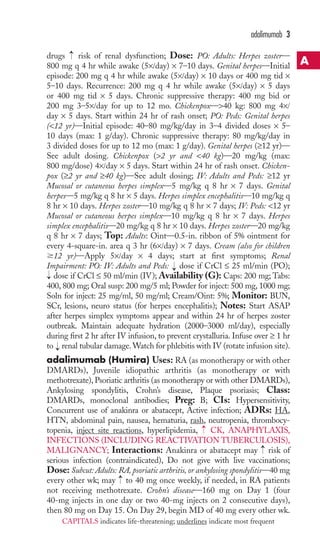
acetaZOLAMIDE (Diamox) Uses: IOP in glaucoma, Acute 
altitude sickness, Edema, Seizure disorders; Class: carbonic anhydrase 
inhibitors; Preg: C; CIs: Hypersensitivity or cross-sensitivity with sul-fonamides, 
Hyponatremia, Hypokalemia, Hyperchloremic metabolic 
acidosis, Severe hepatic disease, Concurrent use with ophthalmic carbonic 
anhydrase inhibitors (brinzolamide, dorzolamide), Chronic respiratory 
disease, Severe renal disease (not effective if CrCl 10 ml/min); 
ADRs: weakness, sedation, N/V, renal calculi, SJS, rash, BG, hyper-chloremic 
acidosis, K+, APLASTIC ANEMIA, HEMOLYTIC 
ANEMIA, LEUKOPENIA, wt, uric acid, paresthesias, ANAPHY-LAXIS; 
Interactions: May phenytoin, amphetamine, cyclosporine, 
and quinidine levels, May primidone and lithium levels; Dose: PO: 
Adults: Glaucoma (open-angle)—250–1000 mg/day in 1–4 divided doses 
or 500-mg ER caps bid. Seizure disorders—8–30 mg/kg/day in 1–4 
divided doses (max: 1 g/day). Altitude sickness—250 mg q 8–12 hr or 
500-mg ER caps q 12–24 hr; begin 24–48 hr before ascent and continue 
for 48 hr once high altitude reached. Edema—250–375 mg/day; PO: 
Peds: Glaucoma—8–30 mg/kg/day in 3 divided doses. Edema—5 mg/kg 
once daily. Seizure disorders—8–30 mg/kg/day in 1–4 divided doses 
(max: 1 g/day); IV: Adults: Glaucoma (closed-angle)–—250–500 mg, may 
repeat in 2–4 hr to max of 1 g/day. Edema—250–375 mg/day; IV: Peds: 
Glaucoma—5–10 mg/kg q 6 hr (max of 1 g/day). Edema—5 mg/kg once 
daily; Availability (G): Tabs: 125, 250 mg; ER caps: 500 mg; Inject: 
500 mg; Monitor: Electrolytes, IOP, neurologic status, S/S altitude sick-ness, 
CBC, glucose; Notes: Do not use ER caps for seizure disorders or 
edema; avoid IM inject. Do not chew or crush ER caps. 
acyclovir (Zovirax) Uses: PO: Initial and recurrent genital herpes. 
Herpes zoster (shingles). Chickenpox (varicella). IV: Severe genital 
herpes. Mucosal or cutaneous herpes simplex. Herpes zoster (shingles). 
Herpes simplex encephalitis, Top: Cream—Recurrent herpes labialis 
(cold sores). Oint—Non–life-threatening herpes simplex (systemic treat-ment 
preferred); Class: antivirals; Preg: B; CIs: Hypersensitivity to acy-clovir 
or valacyclovir; ADRs: SEIZURES, HA, N/V/D, LFTs, 
anorexia, RENAL FAILURE, BUN/SCr, crystalluria, hematuria, 
hives, rash, THROMBOTIC THROMBOCYTOPENIC PURPURA/ 
HEMOLYTIC UREMIC SYNDROME (HIGH DOSES IN 
IMMUNOSUPPRESSED PATIENTS), phlebitis, local irritation; 
Interactions: Probenecid → 
levels, Concurrent use of other nephrotoxic 
→ 
→ 
→ 
→ 
→ 
→ 
→ 
→ 
→ 
2 acetaZOLAMIDE 
A 
CAPITALS indicates life-threatening; underlines indicate most frequent
drugs risk of renal dysfunction; Dose: PO: Adults: Herpes zoster— 
800 mg q 4 hr while awake (5×/day) × 7–10 days. Genital herpes—Initial 
episode: 200 mg q 4 hr while awake (5×/day) × 10 days or 400 mg tid × 
5–10 days. Recurrence: 200 mg q 4 hr while awake (5×/day) × 5 days 
or 400 mg tid × 5 days. Chronic suppressive therapy: 400 mg bid or 
200 mg 3–5×/day for up to 12 mo. Chickenpox—40 kg: 800 mg 4×/ 
day × 5 days. Start within 24 hr of rash onset; PO: Peds: Genital herpes 
(12 yr)—Initial episode: 40–80 mg/kg/day in 3–4 divided doses × 5– 
10 days (max: 1 g/day). Chronic suppressive therapy: 80 mg/kg/day in 
3 divided doses for up to 12 mo (max: 1 g/day). Genital herpes (≥12 yr)— 
See adult dosing. Chickenpox (2 yr and 40 kg)—20 mg/kg (max: 
800 mg/dose) 4×/day × 5 days. Start within 24 hr of rash onset. Chicken-pox 
(≥2 yr and ≥40 kg)—See adult dosing; IV: Adults and Peds: ≥12 yr 
Mucosal or cutaneous herpes simplex—5 mg/kg q 8 hr × 7 days. Genital 
herpes—5 mg/kg q 8 hr × 5 days. Herpes simplex encephalitis—10 mg/kg q 
8 hr × 10 days. Herpes zoster—10 mg/kg q 8 hr × 7 days; IV: Peds: 12 yr 
Mucosal or cutaneous herpes simplex—10 mg/kg q 8 hr × 7 days. Herpes 
simplex encephalitis—20 mg/kg q 8 hr × 10 days. Herpes zoster—20 mg/kg 
q 8 hr × 7 days; Top: Adults: Oint—0.5-in. ribbon of 5% ointment for 
every 4-square-in. area q 3 hr (6×/day) × 7 days. Cream (also for children 
12 yr)—Apply 5×/day × 4 days; start at first symptoms; Renal 
Impairment: PO: IV: Adults and Peds: dose if CrCl ≤ 25 ml/min (PO); 
dose if CrCl ≤ 50 ml/min (IV); Availability (G): Caps: 200 mg; Tabs: 
400, 800 mg; Oral susp: 200 mg/5 ml; Powder for inject: 500 mg, 1000 mg; 
Soln for inject: 25 mg/ml, 50 mg/ml; Cream/Oint: 5%; Monitor: BUN, 
SCr, lesions, neuro status (for herpes encephalitis); Notes: Start ASAP 
after herpes simplex symptoms appear and within 24 hr of herpes zoster 
outbreak. Maintain adequate hydration (2000–3000 ml/day), especially 
during first 2 hr after IV infusion, to prevent crystalluria. Infuse over ≥ 1 hr 
to renal tubular damage.Watch for phlebitis with IV (rotate infusion site). 
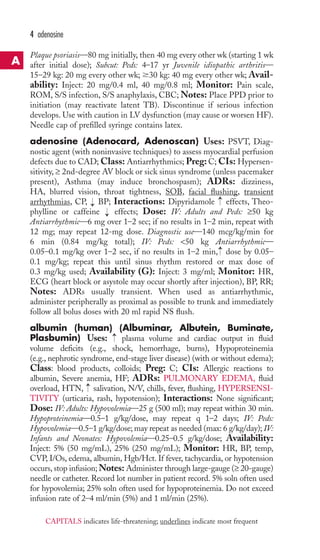
adalimumab (Humira) Uses: RA (as monotherapy or with other 
DMARDs), Juvenile idiopathic arthritis (as monotherapy or with 
methotrexate), Psoriatic arthritis (as monotherapy or with other DMARDs), 
Ankylosing spondylitis, Crohn’s disease, Plaque psoriasis; Class: 
DMARDs, monoclonal antibodies; Preg: B; CIs: Hypersensitivity, 
Concurrent use of anakinra or abatacept, Active infection; ADRs: HA, 
HTN, abdominal pain, nausea, hematuria, rash, neutropenia, thrombocy-topenia, 
inject site reactions, hyperlipidemia, CK, ANAPHYLAXIS, 
→ 
INFECTIONS (INCLUDING REACTIVATION TUBERCULOSIS), 
MALIGNANCY; Interactions: Anakinra or abatacept may → 
risk of 
serious infection (contraindicated), Do not give with live vaccinations; 
Dose: Subcut: Adults: RA, psoriatic arthritis, or ankylosing spondylitis—40 mg 
every other wk; may → 
to 40 mg once weekly, if needed, in RA patients 
not receiving methotrexate. Crohn’s disease—160 mg on Day 1 (four 
40-mg injects in one day or two 40-mg injects on 2 consecutive days), 
then 80 mg on Day 15. On Day 29, begin MD of 40 mg every other wk. 
→ 
→ 
→ 
→ 
adalimumab 3 
A 
CAPITALS indicates life-threatening; underlines indicate most frequent
4 adenosine 
Plaque psoriasis—80 mg initially, then 40 mg every other wk (starting 1 wk 
after initial dose); Subcut: Peds: 4–17 yr Juvenile idiopathic arthritis— 
15–29 kg: 20 mg every other wk; 30 kg: 40 mg every other wk; Avail-ability: 
Inject: 20 mg/0.4 ml, 40 mg/0.8 ml; Monitor: Pain scale, 
ROM, S/S infection, S/S anaphylaxis, CBC;Notes: Place PPD prior to 
initiation (may reactivate latent TB). Discontinue if serious infection 
develops. Use with caution in LV dysfunction (may cause or worsen HF). 
Needle cap of prefilled syringe contains latex. 
adenosine (Adenocard, Adenoscan) Uses: PSVT, Diag-nostic 
agent (with noninvasive techniques) to assess myocardial perfusion 
defects due to CAD;Class: Antiarrhythmics; Preg: C; CIs: Hypersen-sitivity, 
≥ 2nd-degree AV block or sick sinus syndrome (unless pacemaker 
present), Asthma (may induce bronchospasm); ADRs: dizziness, 
HA, blurred vision, throat tightness, SOB, facial flushing, transient 
arrhythmias, CP, BP; Interactions: Dipyridamole → 
effects, Theo-phylline 
→ 
or caffeine effects; Dose: IV: Adults and Peds: ≥50 kg 
→ 
Antiarrhythmic—6 mg over 1–2 sec; if no results in 1–2 min, repeat with 
12 mg; may repeat 12-mg dose. Diagnostic use—140 mcg/kg/min for 
6 min (0.84 mg/kg total); IV: Peds: 50 kg Antiarrhythmic— 
0.05–0.1 mg/kg over 1–2 sec, if no results in 1–2 min, → 
dose by 0.05– 
0.1 mg/kg; repeat this until sinus rhythm restored or max dose of 
0.3 mg/kg used; Availability (G): Inject: 3 mg/ml; Monitor: HR, 
ECG (heart block or asystole may occur shortly after injection), BP, RR; 
Notes: ADRs usually transient. When used as antiarrhythmic, 
administer peripherally as proximal as possible to trunk and immediately 
follow all bolus doses with 20 ml rapid NS flush. 
albumin (human) (Albuminar, Albutein, Buminate, 
Plasbumin) Uses: → 
plasma volume and cardiac output in fluid 
volume deficits (e.g., shock, hemorrhage, burns), Hypoproteinemia 
(e.g., nephrotic syndrome, end-stage liver disease) (with or without edema); 
Class: blood products, colloids; Preg: C; CIs: Allergic reactions to 
albumin, Severe anemia, HF; ADRs: PULMONARY EDEMA, fluid 
overload, HTN, → 
salivation, N/V, chills, fever, flushing, HYPERSENSI-TIVITY 
(urticaria, rash, hypotension); Interactions: None significant; 
Dose: IV: Adults: Hypovolemia—25 g (500 ml); may repeat within 30 min. 
Hypoproteinemia—0.5–1 g/kg/dose, may repeat q 1–2 days; IV: Peds: 
Hypovolemia—0.5–1 g/kg/dose; may repeat as needed (max: 6 g/kg/day); IV: 
Infants and Neonates: Hypovolemia—0.25–0.5 g/kg/dose; Availability: 
Inject: 5% (50 mg/mL), 25% (250 mg/mL); Monitor: HR, BP, temp, 
CVP, I/Os, edema, albumin, Hgb/Hct. If fever, tachycardia, or hypotension 
occurs, stop infusion;Notes: Administer through large-gauge (≥ 20-gauge) 
needle or catheter. Record lot number in patient record. 5% soln often used 
for hypovolemia; 25% soln often used for hypoproteinemia. Do not exceed 
infusion rate of 2–4 ml/min (5%) and 1 ml/min (25%). 
A 
CAPITALS indicates life-threatening; underlines indicate most frequent
albuterol (Accuneb, Proair HFA, Proventil HFA, Ventolin 
HFA, VoSpire ER) Uses: Bronchodilator for asthma or COPD, 
Prevents exercise-induced bronchospasm; Class: adrenergics; Preg: C; 
CIs: Hypersensitivity to adrenergic amines, Breastfeeding women and 
children 2 yr; ADRs: nervousness, restlessness, tremor, HA, insomnia, 
CP, palpitations, HR, angina, arrhythmias, N/V, BG, K+; Inter-actions: 
MAOIs or TCAs may CV effects, Beta blockers may thera-peutic 
effect, Diuretics may risk of hypokalemia; Dose: PO: Adults and 
Peds: 12 yr 2–4 mg tid or qid (start with 2-mg dose in elderly) (max: 
32 mg/day) or 4–8-mg ER tabs q 12 hr (max: 32 mg/day); PO: Peds: 
6–12 yr 2 mg tid or qid (max: 24 mg/day) or 4 mg ER tabs q 12 hr (max: 
24 mg/day); PO: Peds: 2–6 yr 0.1–0.2 mg/kg tid (max: 12 mg/day); 
Inhaln: Adults: Bronchospasm—MDI: 2 puffs q 4–6 hr prn; Neb: 1.25–5 mg 
q 4–8 hr prn. Acute asthma exacerbation—MDI: 4–8 puffs q 20 min for up to 
4 hr, then q 1–4 hr prn;Neb: 2.5–5 mg q 20 min × 3 doses, then 2.5–10 mg 
q 1–4 hr prn. Exercise-induced bronchospasm—MDI: 2 puffs 5–30 min 
before exercise; Inhaln: Peds: Bronchospasm—MDI (4 yr): 2 puffs q 
4–6 hr prn; MDI (≤4 yr): 1–2 puffs q 4–6 hr prn; Neb (4 yr): 
1.25–5 mg q 4–8 hr prn; Neb (≤4 yr): 0.63–2.5 mg q 4–6 hr prn. Acute 
asthma exacerbation—MDI (≥12 yr): 4–8 puffs q 20 min for up to 4 hr, 
then q 1–4 hr prn; MDI (12 yr): 4–8 puffs for up to 3 doses, then q 
1–4 hr prn; Neb (≥12 yr): 2.5–5 mg q 20 min × 3 doses, then 2.5–10 mg 
q 1–4 hr prn; Neb (12 yr): 0.15 mg/kg q 20 min × 3 doses, then 
0.15–0.3 mg/kg (max: 10 mg) q 1–4 hr prn. Exercise-induced 
bronchospasm—MDI (4 yr): 2 puffs 5–30 min before exercise; MDI 
(≤4 yr): 1–2 puffs 5 min before exercise; Availability (G): Tabs: 2, 
4 mg; ER tabs: 4, 8 mg; Oral syrup: 2 mg/5 ml; MDI: 90 mcg/inhaln; 
Inhaln soln: 0.63 mg/3 ml, 1.25 mg/3 ml, 2.5 mg/3 ml, 5 mg/ml; Mon-itor: 
Lung sounds, HR, BP, RR, PFTs, K+ (with neb or higher doses); 
Notes: Allow 1 min between inhalns (5 min before using other 
inhalers). Use spacer for children. Do not chew or crush ER tabs. 
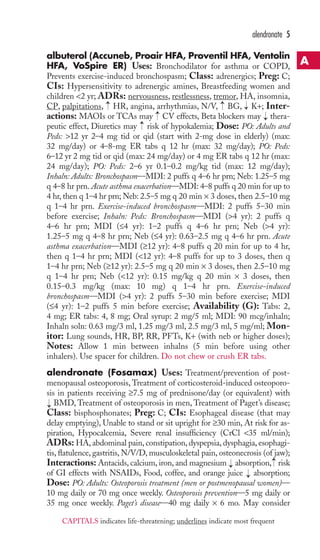
alendronate (Fosamax) Uses: Treatment/prevention of post-menopausal 
osteoporosis,Treatment of corticosteroid-induced osteoporo-sis 
in patients receiving ≥7.5 mg of prednisone/day (or equivalent) with 
BMD,Treatment of osteoporosis in men,Treatment of Paget’s disease; 
Class: bisphosphonates; Preg: C; CIs: Esophageal disease (that may 
delay emptying), Unable to stand or sit upright for ≥30 min, At risk for as-piration, 
Hypocalcemia, Severe renal insufficiency (CrCl 35 ml/min); 
ADRs: HA, abdominal pain, constipation, dyspepsia, dysphagia, esophagi-tis, 
flatulence, gastritis, N/V/D,musculoskeletal pain, osteonecrosis (of jaw); 
Interactions: Antacids, calcium, iron, and magnesium → 
absorption, → 
risk 
of GI effects with NSAIDs, Food, coffee, and orange juice → 
absorption; 
Dose: PO: Adults: Osteoporosis treatment (men or postmenopausal women)— 
10 mg daily or 70 mg once weekly. Osteoporosis prevention—5 mg daily or 
35 mg once weekly. Paget’s disease—40 mg daily × 6 mo. May consider 
→ 
→ 
→ 
→ 
→ 
→ 
→ 
alendronate 5 
A 
CAPITALS indicates life-threatening; underlines indicate most frequent
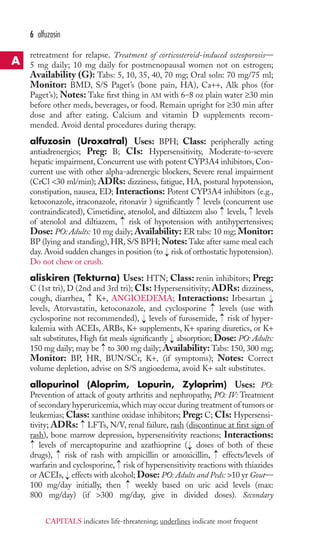
retreatment for relapse. Treatment of corticosteroid-induced osteoporosis— 
5 mg daily; 10 mg daily for postmenopausal women not on estrogen; 
Availability (G): Tabs: 5, 10, 35, 40, 70 mg; Oral soln: 70 mg/75 ml; 
Monitor: BMD, S/S Paget’s (bone pain, HA), Ca++, Alk phos (for 
Paget’s); Notes: Take first thing in AM with 6–8 oz plain water ≥30 min 
before other meds, beverages, or food. Remain upright for ≥30 min after 
dose and after eating. Calcium and vitamin D supplements recom-mended. 
Avoid dental procedures during therapy. 
alfuzosin (Uroxatral) Uses: BPH; Class: peripherally acting 
antiadrenergics; Preg: B; CIs: Hypersensitivity, Moderate-to-severe 
hepatic impairment, Concurrent use with potent CYP3A4 inhibitors, Con-current 
use with other alpha-adrenergic blockers, Severe renal impairment 
(CrCl 30 ml/min); ADRs: dizziness, fatigue, HA, postural hypotension, 
constipation, nausea, ED; Interactions: Potent CYP3A4 inhibitors (e.g., 
ketoconazole, itraconazole, ritonavir ) significantly levels (concurrent use 
contraindicated), Cimetidine, atenolol, and diltiazem also levels, levels 
of atenolol and diltiazem, risk of hypotension with antihypertensives; 
Dose: PO: Adults: 10 mg daily;Availability: ER tabs: 10 mg; Monitor: 
BP (lying and standing),HR, S/S BPH;Notes:Take after same meal each 
day.Avoid sudden changes in position (to risk of orthostatic hypotension). 
Do not chew or crush. 
aliskiren (Tekturna) Uses: HTN; Class: renin inhibitors; Preg: 
C (1st tri), D (2nd and 3rd tri); CIs: Hypersensitivity; ADRs: dizziness, 
cough, diarrhea, K+, ANGIOEDEMA; Interactions: Irbesartan 
levels, Atorvastatin, ketoconazole, and cyclosporine levels (use with 
cyclosporine not recommended), levels of furosemide, risk of hyper-kalemia 
with ACEIs, ARBs, K+ supplements, K+ sparing diuretics, or K+ 
salt substitutes, High fat meals significantly absorption; Dose: PO: Adults: 
150 mg daily; may be to 300 mg daily; Availability: Tabs: 150, 300 mg; 
Monitor: BP, HR, BUN/SCr, K+, (if symptoms); Notes: Correct 
volume depletion, advise on S/S angioedema, avoid K+ salt substitutes. 
allopurinol (Aloprim, Lopurin, Zyloprim) Uses: PO: 
Prevention of attack of gouty arthritis and nephropathy, PO: IV: Treatment 
of secondary hyperuricemia, which may occur during treatment of tumors or 
leukemias; Class: xanthine oxidase inhibitors; Preg: C; CIs: Hypersensi-tivity; 
ADRs: LFTs, N/V, renal failure, rash (discontinue at first sign of 
rash), bone marrow depression, hypersensitivity reactions; Interactions: 
levels of mercaptopurine and azathioprine → 
( doses of both of these 
drugs), → 
risk of rash with ampicillin or amoxicillin, → 
effects/levels of 
warfarin and cyclosporine, → 
risk of hypersensitivity reactions with thiazides 
or ACEIs, → 
effects with alcohol; Dose: PO: Adults and Peds: 10 yr Gout— 
100 mg/day initially, then → 
weekly based on uric acid levels (max: 
800 mg/day) (if 300 mg/day, give in divided doses). Secondary 
→ 
→ 
→ 
→ 
→ 
→ 
→ 
→ 
→ 
→ 
→ 
→ 
→ 
→ 
6 alfuzosin 
A 
CAPITALS indicates life-threatening; underlines indicate most frequent
hyperuricemia—600–800 mg/day in 2–3 divided doses given 1–2 days before 
chemotherapy or radiation; PO: Peds: 6–10 yr Secondary hyperuricemia— 
300 mg/day in 2–3 divided doses given 1–2 days before chemotherapy or 
radiation; PO: Peds: 6 yr Secondary hyperuricemia—150 mg/day in 3 divided 
doses given 1–2 days before chemotherapy or radiation; IV: Adults and Peds: 
10 yr Secondary hyperuricemia—200–400 mg/m2/day (max: 600 mg/day) in 
divided doses q 6–24 hr given 1–2 days before chemotherapy or radiation; 
IV: Peds: 10 yr Secondary hyperuricemia—200 mg/m2/day initially in divided 
doses q 6–24 hr given 1–2 days before chemotherapy or radiation; Renal 
Impairment: Adults and Peds: dose if CrCl 50 ml/min;Availability (G): 
Tabs: 100, 300 mg; Inject: 500 mg; Monitor: I/Os, BUN/SCr, CBC, uric 
acid, LFTs, rash, joint pain/swelling; Notes: Ensure adequate fluid 
intake (≥2500–3000 ml/day) to risk of kidney stones. May need to start 
colchicine or NSAIDs for acute attacks (continue for 3–6 mo of therapy). 
almotriptan (Axert) Uses: Acute treatment of migraines; Class: 
5-HT1 agonists; Preg: C; CIs: Hypersensitivity, CAD or significant CV 
disease, Uncontrolled HTN, Use of other 5-HT1 agonists or ergot-type 
drugs (dihydroergotamine) within 24 hr, Basilar or hemiplegic migraine, 
Concurrent or recent (within 2 wk) use of MAOI, CV risk factors (use only 
if CV status has been determined to be safe and first dose is administered 
under supervision); ADRs: CORONARY ARTERY VASOSPASM, 
MI/ISCHEMIA, VT/VF, nausea; Interactions: MAOI levels (concur-rent 
or recent [within 2 wk] use contraindicated), Use with other 
5-HT1 agonists or ergot-type compounds may risk of vasospasm (avoid 
use within 24 hr of each other), Use with SSRIs or SNRIs may risk 
of serotonin syndrome, Potent CYP3A4 inhibitors may levels; Dose: PO: 
Adults: 6.25–12.5 mg initially, may repeat in 2 hr (max: 2 doses in 24 hr); 
Hepatic/Renal Impairment: PO: Adults: 6.25 mg initially, may repeat in 2 hr; 
(max: 2 doses in 24 hr); Availability: Tabs: 6.25, 12.5 mg; Monitor: 
Pain/associated symptoms, Notes: Only aborts migraines (should not be 
used for prophylaxis). Administer as soon as migraine symptoms occur. 
alprazolam (Niravam, Xanax, Xanax XR) Uses: Anxiety 
disorders, Panic disorder, Anxiety associated with depression; Class: ben-zodiazepines; 
Preg: D; CIs: Hypersensitivity (cross-sensitivity with other 
BZs may exist), Acute narrow-angle glaucoma, Pregnancy/lactation, Con-current 
use of itraconazole or ketoconazole; ADRs: dizziness, drowsiness, 
→ 
lethargy, confusion, depression, blurred vision, constipation, N/V/D, wt, 
physical/psychological dependence, tolerance; Interactions: Use with 
alcohol, antidepressants, other BZs, antihistamines, and opioids CNS 
depression, CYP3A4 inhibitors may levels, CYP3A4 inducers may 
levels, Cigarette smoking → 
levels; Dose: PO: Adults: Anxiety disorders— 
0.25–0.5 mg bid or tid (max: 4 mg/day). Panic disorder—0.5 mg tid; 
may → 
by ≤1 mg/day q 3–4 days prn (max: 10 mg/day); ER tabs: 0.5–1 mg 
daily in AM; may → 
by ≤1 mg/day q 3–4 days (usual dose); PO: Geri: 
→ 
→ 
→ 
→ 
→ 
→ 
→ 
→ 
→ 
alprazolam 7 
A 
CAPITALS indicates life-threatening; underlines indicate mst frequent
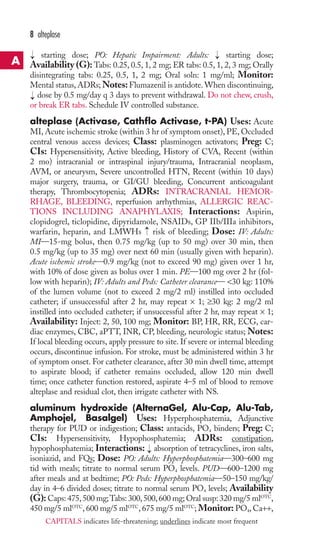
8 alteplase 
starting dose; PO: Hepatic Impairment: Adults: starting dose; 
Availability (G): Tabs: 0.25, 0.5, 1, 2 mg; ER tabs: 0.5, 1, 2, 3 mg; Orally 
disintegrating tabs: 0.25, 0.5, 1, 2 mg; Oral soln: 1 mg/ml; Monitor: 
Mental status, ADRs;Notes:Flumazenil is antidote.When discontinuing, 
dose by 0.5 mg/day q 3 days to prevent withdrawal. Do not chew, crush, 
or break ER tabs. Schedule IV controlled substance. 
alteplase (Activase, Cathflo Activase, t-PA) Uses: Acute 
MI,Acute ischemic stroke (within 3 hr of symptom onset), PE, Occluded 
central venous access devices; Class: plasminogen activators; Preg: C; 
CIs: Hypersensitivity, Active bleeding, History of CVA, Recent (within 
2 mo) intracranial or intraspinal injury/trauma, Intracranial neoplasm, 
AVM, or aneurysm, Severe uncontrolled HTN, Recent (within 10 days) 
major surgery, trauma, or GI/GU bleeding, Concurrent anticoagulant 
therapy, Thrombocytopenia; ADRs: INTRACRANIAL HEMOR-RHAGE, 
→ 
→ 
BLEEDING, reperfusion arrhythmias, ALLERGIC REAC-TIONS 
INCLUDING ANAPHYLAXIS; Interactions: Aspirin, 
clopidogrel, ticlopidine, dipyridamole, NSAIDs, GP IIb/IIIa inhibitors, 
warfarin, heparin, and LMWHs → 
risk of bleeding; Dose: IV: Adults: 
MI—15-mg bolus, then 0.75 mg/kg (up to 50 mg) over 30 min, then 
0.5 mg/kg (up to 35 mg) over next 60 min (usually given with heparin). 
Acute ischemic stroke—0.9 mg/kg (not to exceed 90 mg) given over 1 hr, 
with 10% of dose given as bolus over 1 min. PE—100 mg over 2 hr (fol-low 
with heparin); IV: Adults and Peds: Catheter clearance— 30 kg: 110% 
of the lumen volume (not to exceed 2 mg/2 ml) instilled into occluded 
catheter; if unsuccessful after 2 hr, may repeat × 1; ≥30 kg: 2 mg/2 ml 
instilled into occluded catheter; if unsuccessful after 2 hr, may repeat × 1; 
Availability: Inject: 2, 50, 100 mg; Monitor: BP, HR, RR, ECG, car-diac 
enzymes, CBC, aPTT, INR, CP, bleeding, neurologic status; Notes: 
If local bleeding occurs, apply pressure to site. If severe or internal bleeding 
occurs, discontinue infusion. For stroke, must be administered within 3 hr 
of symptom onset. For catheter clearance, after 30 min dwell time, attempt 
to aspirate blood; if catheter remains occluded, allow 120 min dwell 
time; once catheter function restored, aspirate 4–5 ml of blood to remove 
alteplase and residual clot, then irrigate catheter with NS. 
aluminum hydroxide (AlternaGel, Alu-Cap, Alu-Tab, 
Amphojel, Basalgel) Uses: Hyperphosphatemia, Adjunctive 
therapy for PUD or indigestion; Class: antacids, PO4 binders; Preg: C; 
CIs: Hypersensitivity, Hypophosphatemia; ADRs: constipation, 
hypophosphatemia; Interactions: → 
absorption of tetracyclines, iron salts, 
isoniazid, and FQs; Dose: PO: Adults: Hyperphosphatemia—300–600 mg 
tid with meals; titrate to normal serum PO4 levels. PUD—600–1200 mg 
after meals and at bedtime; PO: Peds: Hyperphosphatemia—50–150 mg/kg/ 
day in 4–6 divided doses; titrate to normal serum PO4 levels; Availability 
(G): Caps: 475, 500 mg;Tabs: 300, 500, 600 mg; Oral susp: 320 mg/5 mlOTC, 
450 mg/5 mlOTC, 600 mg/5 mlOTC, 675 mg/5 mlOTC; Monitor: PO4,Ca++, 
→ 
A 
CAPITALS indicates life-threatening; underlines indicate most frequent
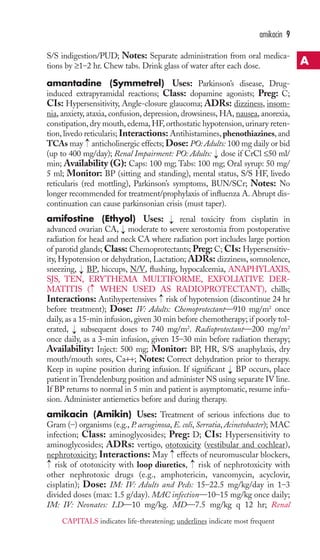
S/S indigestion/PUD; Notes: Separate administration from oral medica-tions 
by ≥1–2 hr. Chew tabs. Drink glass of water after each dose. 
amantadine (Symmetrel) Uses: Parkinson’s disease, Drug-induced 
extrapyramidal reactions; Class: dopamine agonists; Preg: C; 
CIs: Hypersensitivity, Angle-closure glaucoma; ADRs: dizziness, insom-nia, 
anxiety, ataxia, confusion, depression, drowsiness, HA, nausea, anorexia, 
constipation, dry mouth, edema,HF, orthostatic hypotension, urinary reten-tion, 
livedo reticularis; Interactions: Antihistamines, phenothiazines, and 
TCAs may anticholinergic effects; Dose: PO: Adults: 100 mg daily or bid 
(up to 400 mg/day); Renal Impairment: PO: Adults: dose if CrCl ≤50 ml/ 
min; Availability (G): Caps: 100 mg; Tabs: 100 mg; Oral syrup: 50 mg/ 
5 ml; Monitor: BP (sitting and standing), mental status, S/S HF, livedo 
reticularis (red mottling), Parkinson’s symptoms, BUN/SCr; Notes: No 
longer recommended for treatment/prophylaxis of influenza A. Abrupt dis-continuation 
can cause parkinsonian crisis (must taper). 
amifostine (Ethyol) Uses: renal toxicity from cisplatin in 
advanced ovarian CA, moderate to severe xerostomia from postoperative 
radiation for head and neck CA where radiation port includes large portion 
of parotid glands;Class: Chemoprotectants; Preg: C; CIs: Hypersensitiv-ity, 
Hypotension or dehydration, Lactation; ADRs: dizziness, somnolence, 
sneezing, BP, hiccups, N/V, flushing, hypocalcemia, ANAPHYLAXIS, 
SJS, TEN, ERYTHEMA MULTIFORME, EXFOLIATIVE DER-MATITIS 
( WHEN USED AS RADIOPROTECTANT), chills; 
→ 
Interactions: Antihypertensives risk of hypotension (discontinue 24 hr 
before treatment); Dose: IV: Adults: Chemoprotectant—910 mg/m2 once 
daily, as a 15-min infusion, given 30 min before chemotherapy; if poorly tol-erated, 
subsequent doses to 740 mg/m2. Radioprotectant—200 mg/m2 
once daily, as a 3-min infusion, given 15–30 min before radiation therapy; 
Availability: Inject: 500 mg; Monitor: BP, HR, S/S anaphylaxis, dry 
mouth/mouth sores, Ca++; Notes: Correct dehydration prior to therapy. 
Keep in supine position during infusion. If significant BP occurs, place 
patient in Trendelenburg position and administer NS using separate IV line. 
If BP returns to normal in 5 min and patient is asymptomatic, resume infu-sion. 
Administer antiemetics before and during therapy. 
amikacin (Amikin) Uses: Treatment of serious infections due to 
Gram (–) organisms (e.g., P. aeruginosa, E. coli, Serratia, Acinetobacter);MAC 
infection; Class: aminoglycosides; Preg: D; CIs: Hypersensitivity to 
aminoglycosides; ADRs: vertigo, ototoxicity (vestibular and cochlear), 
nephrotoxicity; Interactions: May → 
effects of neuromuscular blockers, 
risk of ototoxicity with loop diuretics, risk of nephrotoxicity with 
other nephrotoxic drugs (e.g., amphotericin, vancomycin, acyclovir, 
cisplatin); Dose: IM: IV: Adults and Peds: 15–22.5 mg/kg/day in 1–3 
divided doses (max: 1.5 g/day). MAC infection—10–15 mg/kg once daily; 
IM: IV: Neonates: LD—10 mg/kg. MD—7.5 mg/kg q 12 hr; Renal 
→ 
→ 
→ 
→ 
→ 
→ 
→ 
→ 
→ 
→ 
amikacin 9 
A 
CAPITALS indicates life-threatening; underlines indicate most frequent
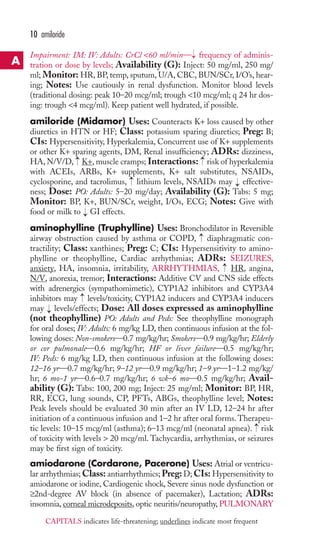
10 amiloride 
Impairment: IM: IV: Adults: CrCl 60 ml/min— → 
frequency of adminis-tration 
or dose by levels; Availability (G): Inject: 50 mg/ml, 250 mg/ 
ml; Monitor: HR, BP, temp, sputum, U/A, CBC, BUN/SCr, I/O’s, hear-ing; 
Notes: Use cautiously in renal dysfunction. Monitor blood levels 
(traditional dosing: peak 10–20 mcg/ml; trough 10 mcg/ml; q 24 hr dos-ing: 
trough 4 mcg/ml). Keep patient well hydrated, if possible. 
amiloride (Midamor) Uses: Counteracts K+ loss caused by other 
diuretics in HTN or HF; Class: potassium sparing diuretics; Preg: B; 
CIs: Hypersensitivity, Hyperkalemia, Concurrent use of K+ supplements 
or other K+ sparing agents, DM, Renal insufficiency; ADRs: dizziness, 
HA, N/V/D, K+,muscle cramps; Interactions: risk of hyperkalemia 
with ACEIs, ARBs, K+ supplements, K+ salt substitutes, NSAIDs, 
cyclosporine, and tacrolimus, lithium levels, NSAIDs may effective-ness; 
→ 
→ 
→ 
→ 
Dose: PO: Adults: 5–20 mg/day; Availability (G): Tabs: 5 mg; 
Monitor: BP, K+, BUN/SCr, weight, I/Os, ECG; Notes: Give with 
food or milk to → 
GI effects. 
aminophylline (Truphylline) Uses: Bronchodilator in Reversible 
airway obstruction caused by asthma or COPD, → 
diaphragmatic con-tractility; 
Class: xanthines; Preg: C; CIs: Hypersensitivity to amino-phylline 
or theophylline, Cardiac arrhythmias; ADRs: SEIZURES, 
→ 
anxiety, HA, insomnia, irritability, ARRHYTHMIAS, HR, angina, 
N/V, anorexia, tremor; Interactions: Additive CV and CNS side effects 
with adrenergics (sympathomimetic), CYP1A2 inhibitors and CYP3A4 
inhibitors may → 
levels/toxicity, CYP1A2 inducers and CYP3A4 inducers 
may → 
levels/effects; Dose: All doses expressed as aminophylline 
(not theophylline) PO: Adults and Peds: See theophylline monograph 
for oral doses; IV: Adults: 6 mg/kg LD, then continuous infusion at the fol-lowing 
doses: Non-smokers—0.7 mg/kg/hr; Smokers—0.9 mg/kg/hr; Elderly 
or cor pulmonale—0.6 mg/kg/hr; HF or liver failure—0.5 mg/kg/hr; 
IV: Peds: 6 mg/kg LD, then continuous infusion at the following doses: 
12–16 yr—0.7 mg/kg/hr; 9–12 yr—0.9 mg/kg/hr; 1–9 yr—1–1.2 mg/kg/ 
hr; 6 mo-1 yr—0.6–0.7 mg/kg/hr; 6 wk–6 mo—0.5 mg/kg/hr; Avail-ability 
(G): Tabs: 100, 200 mg; Inject: 25 mg/ml; Monitor: BP, HR, 
RR, ECG, lung sounds, CP, PFTs, ABGs, theophylline level; Notes: 
Peak levels should be evaluated 30 min after an IV LD, 12–24 hr after 
initiation of a continuous infusion and 1–2 hr after oral forms. Therapeu-tic 
→ 
levels: 10–15 mcg/ml (asthma); 6–13 mcg/ml (neonatal apnea). risk 
of toxicity with levels  20 mcg/ml. Tachycardia, arrhythmias, or seizures 
may be first sign of toxicity. 
amiodarone (Cordarone, Pacerone) Uses: Atrial or ventricu-lar 
arrhythmias;Class: antiarrhythmics;Preg: D; CIs: Hypersensitivity to 
amiodarone or iodine, Cardiogenic shock, Severe sinus node dysfunction or 
≥2nd-degree AV block (in absence of pacemaker), Lactation; ADRs: 
insomnia, corneal microdeposits, optic neuritis/neuropathy,PULMONARY 
A 
CAPITALS indicates life-threatening; underlines indicate most frequent
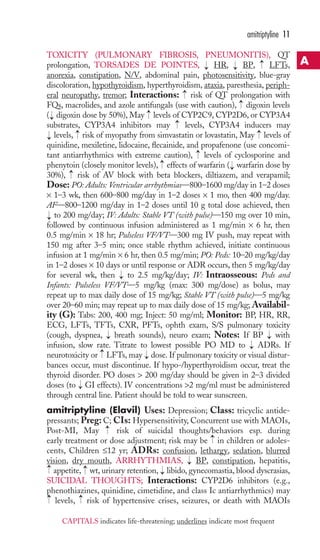
TOXICITY (PULMONARY FIBROSIS, PNEUMONITIS), QT 
prolongation, TORSADES DE POINTES, HR, BP, LFTs, 
anorexia, constipation, N/V, abdominal pain, photosensitivity, blue-gray 
discoloration, hypothyroidism, hyperthyroidism, ataxia, paresthesia, periph-eral 
neuropathy, tremor; Interactions: risk of QT prolongation with 
FQs, macrolides, and azole antifungals (use with caution), digoxin levels 
( digoxin dose by 50%), May levels of CYP2C9, CYP2D6, or CYP3A4 
substrates, CYP3A4 inhibitors may levels, CYP3A4 inducers may 
levels, → 
risk of myopathy from simvastatin or lovastatin, May → 
levels of 
quinidine, mexiletine, lidocaine, flecainide, and propafenone (use concomi-tant 
antiarrhythmics with extreme caution), levels of cyclosporine and 
phenytoin (closely monitor levels), effects of warfarin ( warfarin dose by 
30%), risk of AV block with beta blockers, diltiazem, and verapamil; 
Dose: PO: Adults: Ventricular arrhythmias—800–1600 mg/day in 1–2 doses 
× 1–3 wk, then 600–800 mg/day in 1–2 doses × 1 mo, then 400 mg/day. 
AF—800–1200 mg/day in 1–2 doses until 10 g total dose achieved, then 
to 200 mg/day; IV: Adults: Stable VT (with pulse)—150 mg over 10 min, 
followed by continuous infusion administered as 1 mg/min × 6 hr, then 
0.5 mg/min × 18 hr; Pulseless VF/VT—300 mg IV push, may repeat with 
150 mg after 3–5 min; once stable rhythm achieved, initiate continuous 
infusion at 1 mg/min × 6 hr, then 0.5 mg/min; PO: Peds: 10–20 mg/kg/day 
in 1–2 doses × 10 days or until response or ADR occurs, then 5 mg/kg/day 
for several wk, then to 2.5 mg/kg/day; IV: Intraosseous: Peds and 
Infants: Pulseless VF/VT—5 mg/kg (max: 300 mg/dose) as bolus, may 
repeat up to max daily dose of 15 mg/kg; Stable VT (with pulse)—5 mg/kg 
over 20–60 min; may repeat up to max daily dose of 15 mg/kg; Availabil-ity 
(G): Tabs: 200, 400 mg; Inject: 50 mg/ml; Monitor: BP, HR, RR, 
ECG, LFTs, TFTs, CXR, PFTs, ophth exam, S/S pulmonary toxicity 
(cough, dyspnea, → 
breath sounds), neuro exam; Notes: If BP → 
with 
infusion, slow rate. Titrate to lowest possible PO MD to ADRs. If 
neurotoxicity or LFTs, may dose. If pulmonary toxicity or visual distur-bances 
occur, must discontinue. If hypo-/hyperthyroidism occur, treat the 
thyroid disorder. PO doses  200 mg/day should be given in 2–3 divided 
doses (to GI effects). IV concentrations 2 mg/ml must be administered 
through central line. Patient should be told to wear sunscreen. 
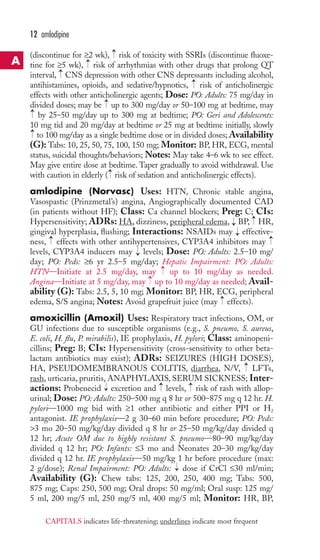
amitriptyline (Elavil) Uses: Depression; Class: tricyclic antide-pressants; 
Preg: C; CIs: Hypersensitivity, Concurrent use with MAOIs, 
Post-MI, May risk of suicidal thoughts/behaviors esp. during 
early treatment or dose adjustment; risk may be in children or adoles-cents, 
Children ≤12 yr; ADRs: confusion, lethargy, sedation, blurred 
vision, dry mouth, ARRHYTHMIAS, BP, constipation, hepatitis, 
appetite, wt, urinary retention, libido, gynecomastia, blood dyscrasias, 
SUICIDAL THOUGHTS; Interactions: CYP2D6 inhibitors (e.g., 
phenothiazines, quinidine, cimetidine, and class Ic antiarrhythmics) may 
levels, risk of hypertensive crises, seizures, or death with MAOIs 
→ 
→ 
→ 
→ 
→ 
→ 
→ 
→ 
→ 
→ 
→ 
→ 
→ 
→ 
→ 
→ 
→ 
→ 
→ 
→ 
→ 
→ 
→ 
→ 
→ 
→ 
→ 
amitriptyline 11 
A 
CAPITALS indicates life-threatening; underlines indicate most frequent
(discontinue for ≥2 wk), risk of toxicity with SSRIs (discontinue fluoxe-tine 
for ≥5 wk), risk of arrhythmias with other drugs that prolong QT 
interval, CNS depression with other CNS depressants including alcohol, 
antihistamines, opioids, and sedative/hypnotics, risk of anticholinergic 
effects with other anticholinergic agents; Dose: PO: Adults: 75 mg/day in 
divided doses; may be up to 300 mg/day or 50–100 mg at bedtime, may 
by 25–50 mg/day up to 300 mg at bedtime; PO: Geri and Adolescents: 
10 mg tid and 20 mg/day at bedtime or 25 mg at bedtime initially, slowly 
to 100 mg/day as a single bedtime dose or in divided doses;Availability 
(G): Tabs: 10, 25, 50, 75, 100, 150 mg; Monitor: BP, HR, ECG, mental 
status, suicidal thoughts/behaviors; Notes: May take 4–6 wk to see effect. 
May give entire dose at bedtime. Taper gradually to avoid withdrawal. Use 
with caution in elderly ( risk of sedation and anticholinergic effects). 
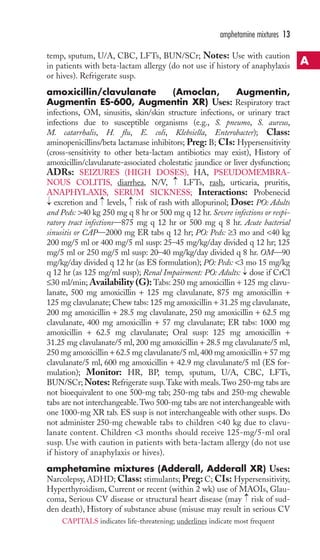
amlodipine (Norvasc) Uses: HTN, Chronic stable angina, 
Vasospastic (Prinzmetal’s) angina, Angiographically documented CAD 
(in patients without HF); Class: Ca channel blockers; Preg: C; CIs: 
Hypersensitivity; ADRs: HA, dizziness, peripheral edema, BP, HR, 
gingival hyperplasia, flushing; Interactions: NSAIDs may effective-ness, 
→ 
→ 
effects with other antihypertensives, CYP3A4 inhibitors may 
levels, CYP3A4 inducers may levels; Dose: PO: Adults: 2.5–10 mg/ 
day; PO: Peds: ≥6 yr 2.5–5 mg/day; Hepatic Impairment: PO: Adults: 
HTN—Initiate at 2.5 mg/day, may up to 10 mg/day as needed. 
Angina—Initiate at 5 mg/day, may up to 10 mg/day as needed; Avail-ability 
(G): Tabs: 2.5, 5, 10 mg; Monitor: BP, HR, ECG, peripheral 
edema, S/S angina; Notes: Avoid grapefruit juice (may effects). 
amoxicillin (Amoxil) Uses: Respiratory tract infections, OM, or 
GU infections due to susceptible organisms (e.g., S. pneumo, S. aureus, 
E. coli, H. flu, P. mirabilis), IE prophylaxis, H. pylori; Class: aminopeni-cillins; 
Preg: B; CIs: Hypersensitivity (cross-sensitivity to other beta-lactam 
antibiotics may exist); ADRs: SEIZURES (HIGH DOSES), 
HA, PSEUDOMEMBRANOUS COLITIS, diarrhea, N/V, LFTs, 
rash, urticaria, pruritis, ANAPHYLAXIS, SERUM SICKNESS; Inter-actions: 
→ 
→ 
Probenecid excretion and levels, risk of rash with allop-urinal; 
Dose: PO: Adults: 250–500 mg q 8 hr or 500–875 mg q 12 hr. H. 
pylori—1000 mg bid with ≥1 other antibiotic and either PPI or H2 
antagonist. IE prophylaxis—2 g 30–60 min before procedure; PO: Peds: 
3 mo 20–50 mg/kg/day divided q 8 hr or 25–50 mg/kg/day divided q 
12 hr; Acute OM due to highly resistant S. pneumo—80–90 mg/kg/day 
divided q 12 hr; PO: Infants: ≤3 mo and Neonates 20–30 mg/kg/day 
divided q 12 hr. IE prophylaxis—50 mg/kg 1 hr before procedure (max: 
2 g/dose); Renal Impairment: PO: Adults: → 
dose if CrCl ≤30 ml/min; 
Availability (G): Chew tabs: 125, 200, 250, 400 mg; Tabs: 500, 
875 mg; Caps: 250, 500 mg; Oral drops: 50 mg/ml; Oral susp: 125 mg/ 
5 ml, 200 mg/5 ml, 250 mg/5 ml, 400 mg/5 ml; Monitor: HR, BP, 
→ 
→ 
→ 
→ 
→ 
→ 
→ 
→ 
→ 
→ 
→→ 
→ 
→ 
→ 
→ 
→ 
12 amlodipine 
A 
CAPITALS indicates life-threatening; underlines indicate most frequent
temp, sputum, U/A, CBC, LFTs, BUN/SCr; Notes: Use with caution 
in patients with beta-lactam allergy (do not use if history of anaphylaxis 
or hives). Refrigerate susp. 
amoxicillin/clavulanate (Amoclan, Augmentin, 
Augmentin ES-600, Augmentin XR) Uses: Respiratory tract 
infections, OM, sinusitis, skin/skin structure infections, or urinary tract 
infections due to susceptible organisms (e.g., S. pneumo, S. aureus, 
M. catarrhalis, H. flu, E. coli, Klebsiella, Enterobacter); Class: 
aminopenicillins/beta lactamase inhibitors; Preg: B; CIs: Hypersensitivity 
(cross-sensitivity to other beta-lactam antibiotics may exist), History of 
amoxicillin/clavulanate-associated cholestatic jaundice or liver dysfunction; 
ADRs: SEIZURES (HIGH DOSES), HA, PSEUDOMEMBRA-NOUS 
COLITIS, diarrhea, N/V, LFTs, rash, urticaria, pruritis, 
ANAPHYLAXIS, SERUM SICKNESS; Interactions: Probenecid 
excretion and → 
levels, → 
risk of rash with allopurinol; Dose: PO: Adults 
and Peds: 40 kg 250 mg q 8 hr or 500 mg q 12 hr. Severe infections or respi-ratory 
tract infections—875 mg q 12 hr or 500 mg q 8 hr. Acute bacterial 
sinusitis or CAP—2000 mg ER tabs q 12 hr; PO: Peds: ≥3 mo and 40 kg 
200 mg/5 ml or 400 mg/5 ml susp: 25–45 mg/kg/day divided q 12 hr; 125 
mg/5 ml or 250 mg/5 ml susp: 20–40 mg/kg/day divided q 8 hr. OM—90 
mg/kg/day divided q 12 hr (as ES formulation); PO: Peds: 3 mo 15 mg/kg 
q 12 hr (as 125 mg/ml susp); Renal Impairment: PO: Adults: → 
dose if CrCl 
≤30 ml/min; Availability (G): Tabs: 250 mg amoxicillin + 125 mg clavu-lanate, 
500 mg amoxicillin + 125 mg clavulanate, 875 mg amoxicillin + 
125 mg clavulanate; Chew tabs: 125 mg amoxicillin + 31.25 mg clavulanate, 
200 mg amoxicillin + 28.5 mg clavulanate, 250 mg amoxicillin + 62.5 mg 
clavulanate, 400 mg amoxicillin + 57 mg clavulanate; ER tabs: 1000 mg 
amoxicillin + 62.5 mg clavulanate; Oral susp: 125 mg amoxicillin + 
31.25 mg clavulanate/5 ml, 200 mg amoxicillin + 28.5 mg clavulanate/5 ml, 
250 mg amoxicillin + 62.5 mg clavulanate/5 ml, 400 mg amoxicillin + 57 mg 
clavulanate/5 ml, 600 mg amoxicillin + 42.9 mg clavulanate/5 ml (ES for-mulation); 
Monitor: HR, BP, temp, sputum, U/A, CBC, LFTs, 
BUN/SCr;Notes: Refrigerate susp.Take with meals.Two 250-mg tabs are 
not bioequivalent to one 500-mg tab; 250-mg tabs and 250-mg chewable 
tabs are not interchangeable.Two 500-mg tabs are not interchangeable with 
one 1000-mg XR tab. ES susp is not interchangeable with other susps. Do 
not administer 250-mg chewable tabs to children 40 kg due to clavu-lanate 
content. Children 3 months should receive 125-mg/5-ml oral 
susp. Use with caution in patients with beta-lactam allergy (do not use 
if history of anaphylaxis or hives). 
amphetamine mixtures (Adderall, Adderall XR) Uses: 
Narcolepsy, ADHD;Class: stimulants; Preg: C; CIs: Hypersensitivity, 
Hyperthyroidism, Current or recent (within 2 wk) use of MAOIs, Glau-coma, 
→ 
Serious CV disease or structural heart disease (may risk of sud-den 
death), History of substance abuse (misuse may result in serious CV 
→ 
→ 
amphetamine mixtures 13 
A 
CAPITALS indicates life-threatening; underlines indicate most frequent
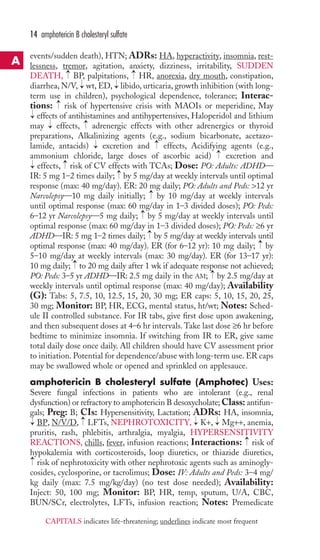
14 amphotericin B cholesteryl sulfate 
events/sudden death), HTN; ADRs: HA, hyperactivity, insomnia, rest-lessness, 
tremor, agitation, anxiety, dizziness, irritability, SUDDEN 
→ 
→ 
DEATH, BP, palpitations, HR, anorexia, dry mouth, constipation, 
diarrhea, N/V, → 
wt, ED, → 
libido, urticaria, growth inhibition (with long-term 
use in children), psychological dependence, tolerance; Interac-tions: 
risk of hypertensive crisis with MAOIs or meperidine, May 
→ 
→ 
effects of antihistamines and antihypertensives, Haloperidol and lithium 
may effects, adrenergic effects with other adrenergics or thyroid 
preparations, Alkalinizing agents (e.g., sodium bicarbonate, acetazo-lamide, 
→ 
→ 
→ 
antacids) excretion and effects, Acidifying agents (e.g., 
→ 
→ 
ammonium chloride, large doses of ascorbic acid) excretion and 
effects, → 
risk of CV effects with TCAs; Dose: PO: Adults: ADHD— 
IR: 5 mg 1–2 times daily; → 
by 5 mg/day at weekly intervals until optimal 
response (max: 40 mg/day). ER: 20 mg daily; PO: Adults and Peds: 12 yr 
Narcolepsy—10 mg daily initially; → 
by 10 mg/day at weekly intervals 
until optimal response (max: 60 mg/day in 1–3 divided doses); PO: Peds: 
6–12 yr Narcolepsy—5 mg daily; → 
by 5 mg/day at weekly intervals until 
optimal response (max: 60 mg/day in 1–3 divided doses); PO: Peds: ≥6 yr 
ADHD—IR: 5 mg 1–2 times daily; → 
by 5 mg/day at weekly intervals until 
optimal response (max: 40 mg/day). ER (for 6–12 yr): 10 mg daily; → 
by 
5–10 mg/day at weekly intervals (max: 30 mg/day). ER (for 13–17 yr): 
10 mg daily; → 
to 20 mg daily after 1 wk if adequate response not achieved; 
PO: Peds: 3–5 yr ADHD—IR: 2.5 mg daily in the AM; → 
by 2.5 mg/day at 
weekly intervals until optimal response (max: 40 mg/day); Availability 
(G): Tabs: 5, 7.5, 10, 12.5, 15, 20, 30 mg; ER caps: 5, 10, 15, 20, 25, 
30 mg; Monitor: BP, HR, ECG, mental status, ht/wt; Notes: Sched-ule 
II controlled substance. For IR tabs, give first dose upon awakening, 
→ 
and then subsequent doses at 4–6 hr intervals.Take last dose ≥6 hr before 
bedtime to minimize insomnia. If switching from IR to ER, give same 
total daily dose once daily. All children should have CV assessment prior 
to initiation. Potential for dependence/abuse with long-term use. ER caps 
may be swallowed whole or opened and sprinkled on applesauce. 
amphotericin B cholesteryl sulfate (Amphotec) Uses: 
Severe fungal infections in patients who are intolerant (e.g., renal 
dysfunction) or refractory to amphotericin B desoxycholate;Class: antifun-gals; 
Preg: B; CIs: Hypersensitivity, Lactation; ADRs: HA, insomnia, 
→ 
→ 
→ 
→ 
BP, N/V/D, LFTs,NEPHROTOXICITY, K+, Mg++, anemia, 
pruritis, rash, phlebitis, arthralgia, myalgia, HYPERSENSITIVITY 
REACTIONS, chills, fever, infusion reactions; Interactions: → 
risk of 
hypokalemia with corticosteroids, loop diuretics, or thiazide diuretics, 
risk of nephrotoxicity with other nephrotoxic agents such as aminogly-cosides, 
cyclosporine, or tacrolimus; Dose: IV: Adults and Peds: 3–4 mg/ 
→ 
kg daily (max: 7.5 mg/kg/day) (no test dose needed); Availability: 
Inject: 50, 100 mg; Monitor: BP, HR, temp, sputum, U/A, CBC, 
BUN/SCr, electrolytes, LFTs, infusion reaction; Notes: Premedicate 
A 
CAPITALS indicates life-threatening; underlines indicate most frequent
amphotericin B lipid complex 15 
with acetaminophen/NSAIDs, corticosteroids, and/or antihistamines 
30–60 min before infusion to → 
infusion reaction. Meperidine can be used 
to treat rigors. Lower incidence of nephrotoxicity compared to conven-tional 
amphotericin B (desoxycholate). 
amphotericin B desoxycholate (No Trade) Uses: Severe 
fungal infections; Class: antifungals; Preg: B; CIs: Hypersensitivity, 
Lactation; ADRs: HA, insomnia, BP, N/V/D, LFTs, 
NEPHROTOXICITY, K+, Mg++, anemia, pruritis, rash, phlebitis, 
arthralgia, myalgia, HYPERSENSITIVITY REACTIONS, chills, 
fever, infusion reactions; Interactions: risk of hypokalemia with cor-ticosteroids, 
→ 
→ 
→ 
→ 
→ 
→ 
loop diuretics, or thiazide diuretics, risk of nephrotoxicity 
with other nephrotoxic agents such as aminoglycosides, cyclosporine, or 
tacrolimus; Dose: IV: Adults: Test dose of 1 mg. If tolerated, give 
0.25 mg/kg/day (up to 1.5 mg/kg/day may be used, depending on type of 
infection); Bladder irrigation—Instill 50 mcg/ml solution into bladder 
daily × 5–10 days; IV: Peds and Infants: Test dose of 0.1 mg/kg (max: 1 
mg) or may give initial dose of 0.25–1 mg/kg/day over 6 hr (without test 
dose) (up to 1.5 mg/kg/day may be used); IT: Adults: 25–300 mcg q 48–72 
hr; to 500 mcg–1 mg as tolerated (max total dose: 15 mg); IT: Peds: 
25–100 mcg q 48–72 hr; → 
to 500 mcg as tolerated; Availability (G): 
Inject: 50 mg; Monitor: BP, HR, temp, sputum, U/A, CBC, BUN/SCr, 
electrolytes, LFTs, infusion reaction; Notes: Premedicate with acetamin-ophen/ 
NSAIDs, corticosteroids, and/or antihistamines 30–60 min before 
→ 
→ 
infusion to infusion reaction. Meperidine can be used to treat rigors. 
Adequate hydration and maintaining sodium balance may minimize 
nephrotoxicity. If BUN/SCr → 
significantly, may need to discontinue or 
consider switching to cholesteryl sulfate, lipid complex, or liposomal for-mulation. 
IT route used for cryptococcal meningitis. 
amphotericin B lipid complex (Abelcet) Uses: Severe 
fungal infections in patients who are intolerant (e.g., renal dysfunction) or 
refractory to amphotericin B desoxycholate; Class: antifungals; Preg: B; 
CIs: Hypersensitivity, Lactation; ADRs: HA, insomnia, BP, N/V/D, 
LFTs, NEPHROTOXICITY, → 
K+, → 
Mg++, anemia, pruritis, rash, 
phlebitis, arthralgia, myalgia, HYPERSENSITIVITY REACTIONS, 
chills, fever, infusion reactions; Interactions: risk of hypokalemia with 
corticosteroids, loop diuretics, or thiazide diuretics, risk of nephrotoxicity 
with other nephrotoxic agents such as aminoglycosides, cyclosporine, or 
tacrolimus; Dose: IV: Adults and Peds: 2.5–5 mg/kg daily (no test dose 
needed); Availability: Inject: 100 mg; Monitor: BP, HR, temp, sputum, 
U/A, CBC, BUN/SCr, electrolytes, LFTs, infusion reaction; Notes: 
Premedicate with acetaminophen/NSAIDs, corticosteroids, and/or antihis-tamines 
→ 
→ 
→ 
→ 
30–60 min before infusion to infusion reaction. Meperidine can be 
→ 
used to treat rigors. Lower incidence of nephrotoxicity and infusion reactions 
compared to conventional amphotericin B (desoxycholate). 
A 
CAPITALS indicates life-threatening; underlines indicate most frequent
amphotericin B liposome (AmBisome) Uses: Severe 
fungal infections in patients who are intolerant (e.g., renal dysfunction) 
or refractory to amphotericin B desoxycholate, Suspected fungal infec-tions 
in febrile neutropenic patients, Visceral leishmaniasis, Cryptococcal 
meningitis in HIV patients; Class: antifungals; Preg: B; CIs: Hyper-sensitivity, 
Lactation; ADRs: HA, insomnia, BP, N/V/D, LFTs, 
NEPHROTOXICITY, K+, Mg++, anemia, pruritis, rash, phlebitis, 
arthralgia, myalgia, HYPERSENSITIVITY REACTIONS, chills, fever, 
infusion reactions; Interactions: risk of hypokalemia with cortico-steroids, 
loop diuretics, or thiazide diuretics, risk of nephrotoxicity with 
other nephrotoxic agents such as aminoglycosides, cyclosporine, or 
tacrolimus; Dose: IV: Adults and Peds: Empiric therapy—3 mg/kg 
daily; Documented infections—3–5 mg/kg daily; Visceral leishmaniasis 
(immunocompetent)—3 mg/kg daily on Days 1–5, then 3 mg/kg daily on 
Days 14 and 21; Visceral leishmaniasis (immunosuppressed)—4 mg/kg daily on 
Days 1–5, then 4 mg/kg daily on Days 10, 17, 24, 31, and 38; Cryptococcal 
meningitis in HIV patients—6 mg/kg daily; Availability: Inject: 
50 mg; Monitor: BP, HR, temp, sputum, U/A, CBC, BUN/SCr, elec-trolytes, 
infusion reaction; Notes: No test dose needed. Premedicate 
with acetaminophen/NSAIDs, corticosteroids, and/or antihistamines 
30–60 min before infusion to infusion reaction. Meperidine can be used 
to treat rigors. Lower incidence of nephrotoxicity and infusion reactions 
compared to conventional amphotericin B (desoxycholate). 
ampicillin (Omnipen, Principen) Uses: Skin/skin structure 
infections, respiratory tract infections, OM, sinusitis, GU infections, 
meningitis, or septicemia due to susceptible organisms (e.g., S. aureus, 
H. flu, Listeria, Salmonella, Shigella, E. coli, Enterobacter, Klebsiella), IE 
prophylaxis; Class: aminopenicillins; Preg: B; CIs: Hypersensitivity 
(cross-sensitivity to other beta-lactams); ADRs: SEIZURES (HIGH 
DOSES), HA, PSEUDOMEMBRANOUS COLITIS, diarrhea, N/V, 
LFTs, rash, urticaria, pruritis, pain at IM or IV site, ALLERGIC 
REACTIONS INCLUDING ANAPHYLAXIS, SERUM SICKNESS; 
Interactions: Probenecid excretion and levels, risk of rash with 
allopurinol; Dose: PO: Adults and Peds: ≥ 20 kg 250–500 mg q 6 hr; 
PO: Peds: 20 kg 50–100 mg/kg/day divided q 6 hr (max: 4 g/day); IM: 
IV: Adults and Peds: ≥40 kg 250–500 mg q 6 hr (max: 12 g/day). IE 
prophylaxis—2 g 30–60 min before procedure. Meningitis—150–250 mg/ 
kg/day divided q 3–4 hr (max: 12 g/day); IM: IV: Peds: 40 kg 100–150 mg/ 
kg/day divided q 6 hr (max: 4 g/day). IE prophylaxis—50 mg/kg (not to 
exceed 2 g) 30–60 min before procedure. Meningitis—200–400 mg/kg/ 
day divided q 6 hr (max: 12 g/day); PO: IM: IV: Adults and Peds: 
dose if CrCl ≤50 ml/min; Availability (G): Caps: 250, 500 mg; Oral 
susp: 125 mg/5 ml, 250 mg/5 ml; Inject: 125, 250, 500 mg, 1, 2, 10 g; 
Monitor: HR, BP, temp, sputum, U/A, CBC, LFTs, BUN/SCr; 
Notes: Give on empty stomach ≥1 hr before or 2 hr after meals with full 
→ 
→ 
→ 
→ 
→ 
→ 
→ 
→ 
→ 
→ 
→ 
→ 
16 amphotericin B liposome 
A 
CAPITALS indicates life-threatening; underlines indicate most frequent
glass of water. Use with caution in patients with beta-lactam allergy (do 
not use if history of anaphylaxis or hives). 
ampicillin/sulbactam (Unasyn) Uses: Skin/skin structure infec-tions, 
intra-abdominal infections, or gynecological infections due to suscep-tible 
organisms (e.g., S. aureus, E. coli, Klebsiella, P. mirabilis, Enterobacter, 
B. fragilis); Class: aminopenicillins/beta lactamase inhibitors; Preg: B; 
CIs: Hypersensitivity (cross-sensitivity to other beta-lactam antibiotics may 
exist); ADRs: SEIZURES (HIGH DOSES), HA, PSEUDOMEM-BRANOUS 
COLITIS, diarrhea, N/V, LFTs, rash, urticaria, pruritis, pain 
at IM or IV site,ANAPHYLAXIS, SERUM SICKNESS; Interactions: 
Probenecid excretion and levels, risk of rash with allopurinol; Dose: 
Dose expressed as ampicillin/sulbactam IM: IV: Adults and Peds: 
≥40 kg 1.5–3 g q 6 hr; IM: IV: Peds: ≥1 yr 75 mg/kg q 6 hr (max: 12 g/day); 
Renal Impairment: IM: IV: Adults and Peds: dose if CrCl 30 ml/min; 
Availability (G): Inject: 1.5 g (1 g ampicillin + 500 mg sulbactam), 3 g 
(2 g ampicillin + 1 g sulbactam), 15 g (10 g ampicillin + 5 g sulbactam); 
Monitor: HR, BP, temp, sputum, U/A, CBC, LFTs, BUN/SCr; Notes: 
Use with caution in patients with beta-lactam allergy (do not use if history 
of anaphylaxis or hives). 
anakinra (Kineret) Uses: RA (in patients who have failed other 
DMARDs) (may be used with other DMARDs except for TNF blockers); 
Class: interleukin antagonists; Preg: B; CIs: Hypersensitivity, Active 
infection, Concurrent use of TNF blockers (e.g., adalimumab, etanercept, 
infliximab); ADRs: HA, diarrhea, nausea, neutropenia, injection site reac-tions, 
→ 
INFECTIONS, MALIGNANCY; Interactions: risk of serious 
infection with TNF blockers, including adalimumab, etanercept, and inflix-imab 
(contraindicated). Do not give with live vaccinations; Dose: Subcut: 
Adults: 100 mg daily; Renal Impairment: Subcut: Adults: dose if CrCl 
30 ml/min; Availability: Inject: 100 mg/0.67 ml; Monitor: Pain scale, 
ROM, S/S infection, CBC; Notes: Discontinue if serious infection 
develops. Needle cap of prefilled syringe contains latex. 
anastrazole (Arimidex) Uses: Postmenopausal hormone 
receptor—positive early breast CA, Postmenopausal hormone receptor— 
positive or unknown, locally advanced, or metastatic breast CA, Advanced 
postmenopausal breast CA with disease progression despite tamoxifen; 
Class: aromatase inhibitors; Preg: D; CIs: Pregnancy (potential harm to 
fetus or spontaneous abortion), Premenopausal women; ADRs: HA, 
weakness, dizziness, dyspnea, cough, edema, → 
BP, nausea, abdominal pain, 
anorexia, constipation, diarrhea, dry mouth, vomiting, → 
LFTs, pelvic pain, 
vaginal bleeding, rash, sweating, → 
wt, hypercholesterolemia, bone pain, 
osteoporosis, paresthesia, hot flashes; Interactions: Estrogen-containing 
therapies → 
effects.; Dose: PO: Adults: 1 mg daily; Availability: Tabs: 
1 mg; Monitor: LFTs, lipid panel, BMD;Notes: Vaginal bleeding may 
occur during first few wk after changing over from other hormonal therapy. 
→ 
→ 
→ 
→ 
→ 
→ 
anastrazole 17 
A 
CAPITALS indicates life-threatening; underlines indicate most frequent
18 anidulafungin 
anidulafungin (Eraxis) Uses: Candidemia and other candidal 
infections (intra-abdominal abscesses, peritonitis), Esophageal candidiasis; 
Class: echinocandins; Preg: C; CIs: Hypersensitivity, Children 
(safety not established); ADRs: dyspnea, → 
BP, diarrhea, → 
LFTs, 
flushing, rash, urticaria, → 
K+; Interactions: None noted; Dose: IV: 
Adults: Esophageal candidiasis—100 mg on Day 1, then 50 mg daily. 
Candidemia and other candidal infections—200 mg on Day 1, then 
100 mg daily; Availability: Inject: 50 mg, 100 mg; Monitor: HR, 
BP, temp, sputum, U/A, CBC, LFTs, K+; Notes: Administer at a rate 
≤ 1.1 mg/min to → 
infusion reactions. 
apomorphine (Apokyn) Uses: Acute, intermittent treatment of 
hypomotility, “off ” episodes due to advanced Parkinson’s disease; Class: 
dopamine agonists; Preg: C; CIs: Hypersensitivity to apomorphine or 
bisulfites, Concurrent use of 5-HT3 antagonists (granisetron, ondansetron, 
palonosetron, alosetron, dolasetron), Lactation, Conditions predisposing to 
QT prolongation → 
( risk of arrhythmias); ADRs: dizziness, hallucinations, 
somnolence, confusion, rhinorrhea, CP, orthostatic hypotension, HF, 
edema, QT prolongation, N/V, priapism, flushing, pallor, sweating, injection 
site pain, dyskinesia, yawning; Interactions: → 
risk of severe → 
BP and loss 
of consciousness with 5-HT3 antagonists (contraindicated), →risk of → 
BP 
with alcohol, antihypertensives, or vasodilators, Dopamine antagonists may 
effects, → 
risk of QT prolongation with other QT-prolonging drugs; 
Dose: Subcut: Adults: Give test dose of 0.2 mL (2 mg); if tolerates and 
responds to test dose, start with 0.2 ml (2 mg) prn to treat “off ” episodes; 
may → 
dose by 0.1 mL (1 mg) every few days as an outpatient. If tolerates, 
but does not respond to 2 mg test dose, give 0.4 ml (4 mg) at next “off ” 
period but no sooner than 2 hr after initial test dose; if tolerates and 
responds, start with 0.3 ml (3 mg) prn to treat “off ” episodes; may → 
dose by 
0.1 mL (1 mg) every few days as an outpatient. Only single doses should 
be used during a particular “off ” period. If 1 wk passes between doses, 
titration should be restarted at the 0.2-mL (2-mg) level. Doses should 
not exceed 0.6 mL (6 mg); Availability: Inject: 10 mg/mL; Monitor: 
BP (supine and standing), N/V, drowsiness, S/S Parkinson’s; Notes: 
Give trimethobenzamide 300 mg PO tid 3 days before therapy and con-tinue 
for at least the first 2 mo of therapy (do not use 5-HT3 antagonists). 
→ 
Prime the pen before every injection and after loading new cartridge. 
Inject subcut into stomach, upper arm, or upper leg. Store at room temp. 
Should be dosed in mL (not mg). Should not be used to prevent “off ” 
episodes. 
aprepitant (Emend) Uses: Prevention of acute and delayed N/V 
caused by highly or moderately emetogenic chemotherapy (with other 
antiemetics), Prevention of postoperative N/V; Class: neurokinin antag-onists; 
Preg: B; CIs: Hypersensitivity, Concurrent use with pimozide; 
ADRs: dizziness, fatigue, HA, weakness, constipation, diarrhea, hiccups; 
Interactions: Inhibits, induces, and is a substrate of CYP3A4; also 
A 
CAPITALS indicates life-threatening; underlines indicate most frequent
induces CYP2C9. May effects/toxicity of other CYP3A4 substrates 
including docetaxel, paclitaxel, etoposide, irinotecan, ifosfamide, imatinib, 
vinorelbine, vinblastine, vincristine, and midazolam (use with caution), 
CYP3A4 inhibitors may levels/effects, CYP3A4 inducers may levels/ 
effects, → 
levels of dexamethasone (regimen below in Dose section reflects 
50% dose → 
); similar effect occurs with methylprednisolone → 
( IV dose by 
25%, PO dose by 50%), May the effects of warfarin, oral contracep-tives, 
and phenytoin; Dose: PO: Adults: Chemotherapy—125 mg 1 hr 
before chemo, then 80 mg daily × 2 days (for highly emetogenic chemo, 
use with dexamethasone 12 mg PO 30 min before chemo, then 8 mg PO 
daily × 3 days and ondansetron 32 mg IV 30 min before chemo; for mod-erately 
emetogenic chemo, use with dexamethasone 12 mg PO 30 min 
before chemo and ondansetron 8 mg PO 30–60 min before chemo and 
8 hr later); Postoperative—40 mg within 3 hr before induction of anesthesia; 
Availability: Caps: 40, 80, 125 mg; Monitor: N/V, I/Os, INR (for 2 wk 
after tx in patients on warfarin);Notes: Use alternative method of contra-ception 
during and for 1 mo after therapy in patients taking oral contracep-tives. 
Should not be used for treatment of N/V. Not to be used chronically. 
argatroban (Argatroban) Uses: Prophylaxis or treatment of 
thrombosis in HIT, Anticoagulant in patients with HIT undergoing 
PCI; Class: thrombin inhibitors; Preg: B; CIs: Major bleeding, 
Hypersensitivity, Lactation; ADRs: BP, N/V/D, BLEEDING, 
ANAPHYLAXIS, fever; Interactions: risk of bleeding with 
antiplatelets, thrombolytics, or other anticoagulants; Dose: IV: Adults: 
HIT—2 mcg/kg/min continuous infusion; adjust infusion rate (max: 
10 mcg/min) based on aPTT (target: 1.5–3 × baseline). Patients undergoing 
PCI—350 mcg/kg bolus, then 25 mcg/kg/min continuous infusion 
(monitor ACT 5–10 min after bolus); if ACT 300–450 sec, start PCI; if 
ACT 300 sec, give bolus of 150 mcg/kg and infusion rate to 30 mcg/ 
kg/min (monitor ACT 5–10 min after bolus); if ACT 450 sec, infu-sion 
rate to 15 mcg/kg/min and check ACT 5–10 min later. Once ther-apeutic 
ACT achieved (300–450 sec), continue at current infusion rate; 
Hepatic Impairment: IV: Adults: Moderate hepatic impairment for HIT— 
0.5 mcg/kg/min continuous infusion; adjust infusion rate based on aPTT; 
Availability: Inject: 100 mg/ml; Monitor: BP, HR, CBC, aPTT (for 
HIT), ACT (for PCI), INR (if initiating warfarin), bleeding;Notes: For 
HIT, check aPTT 2 hr after starting infusion, and then daily once ther-apeutic. 
Start warfarin before discontinuing argatroban (combination 
causes INR). If on argatroban 2 mcg/kg/min, discontinue argatroban 
when INR 4 on combined therapy, and then recheck INR in 4–6 hr; if 
INR less than goal, resume argatroban until desired INR achieved. If 
on argatroban 2 mcg/kg/min, → 
to 2 mcg/kg/min and recheck INR in 
4–6 hr; then follow process above. No antidote available. 
aripiprazole (Abilify) Uses: Schizophrenia, Bipolar disorder, 
Depression (as adjunct to antidepressants), Agitation associated with 
→ 
→ 
→ → 
→ 
→ 
→ 
→ 
→ → 
aripiprazole 19 
A 
CAPITALS indicates life-threatening; underlines indicate most frequent
schizophrenia or bipolar mania; Class: atypical antipsychotics; Preg: C; 
CIs: Hypersensitivity, Lactation, Elderly patients with dementia-related 
psychosis have mortality risk; ADRs: akathisia, anxiety, dizziness, 
drowsiness, extrapyramidal reactions,HA, insomnia, restlessness, confusion, 
depression, impaired cognitive function, SEIZURES, SUICIDAL 
THOUGHTS, tardive dyskinesia, orthostatic hypotension, blurred vision, 
constipation, N/V, anorexia, dysphagia, wt, tremor, NMS, BG; 
Interactions: CYP3A4 inhibitors (e.g., ketoconazole) may levels 
( aripiprazole dose by 50%), CYP3A4 inducers (e.g., carbamazepine) may 
levels (double aripiprazole dose), CYP2D6 inhibitors (e.g., fluoxetine, 
paroxetine) may → 
levels → 
( aripiprazole dose by 50%); Dose: PO: Adults: 
Schizophrenia—10–15 mg daily; may → 
after ≥2 wk to 30 mg daily, if needed. 
Bipolar disorder—15–30 mg daily. Depression (adjunctive therapy)— 
2–5 mg daily; may further → 
dose in 5-mg increments, if needed (max: 
15 mg/day); PO: Peds: 13–17 yr. Schizophrenia—2 mg daily, then → 
to 5 mg 
daily after 2 days, then → 
to 10 mg daily after 2 days; may further → 
dose in 
5-mg increments, if needed (max: 30 mg/day); PO: Peds: 10–17 yr. Bipolar 
disorder—2 mg daily, then → 
to 5 mg daily after 2 days, then → 
to 10 mg daily 
after another 2 days; may further → 
dose in 5-mg increments, if needed 
(max: 30 mg/day); IM: Adults: Agitation—5.25–9.75 mg as single dose, may 
repeat dose at ≥2-hr intervals (max: 30 mg/day); if ongoing therapy needed, 
switch to PO; Availability: Tabs: 2, 5, 10, 15, 20, 30 mg; Orally disinte-grating 
tabs: 10, 15 mg; Oral soln: 1 mg/ml; Inject: 7.5 mg/ml; Monitor: 
Mental status, suicidal thoughts/behaviors (esp. in patients with depression), 
wt, BG, lipids, BP (sitting, standing), EPS, tardive dyskinesia, NMS; 
Notes: If CYP3A4 or CYP2D6 inhibitor is discontinued, → 
aripiprazole 
dose; if CYP3A4 inducer is discontinued, → 
aripiprazole dose. Can use soln 
instead of tabs (same dose up to 25 mg; if receiving 30 mg in tabs, should 
receive 25-mg dose of soln). 
asparaginase (Elspar) Uses: ALL; Class: antineoplastics; Preg: 
C; CIs: Previous hypersensitivity, Pancreatitis with previous therapy, His-tory 
of thrombosis or bleeding with previous therapy; ADRs: SEIZURES, 
agitation, coma, confusion, depression, fatigue, hallucinations, somnolence, 
N/V, anorexia, cramps, → 
LFTs, → 
bilirubin, PANCREATITIS, azotemia, 
rash, urticaria, → 
BG, THROMBOSIS, bone marrow depression, fever, 
ANAPHYLAXIS; Interactions: May → 
effects of methotrexate, When 
given IV, may → 
toxicity of vincristine and prednisone; Dose: IM: IV: Adults 
and Peds: Give intradermal test dose (see below for dose) prior to first dose. 
6000 units/m2 3 ×/week for 6–9 doses; Intradermal: Adults and Peds: Test 
dose—2 units; Availability: Inject: 10,000 units; Monitor: BP, HR, 
BUN/SCr, BG, LFTs, bilirubin, CBC (with diff), aPTT, PT/INR; Notes: 
High Alert: Fatalities have occurred with chemotherapeutic agents. 
Before administering, clarify all ambiguous orders; double-check single, 
daily, and course-of-therapy dose limits; have second practitioner independ-ently 
double-check original order and dose calculations. Do not confuse 
→→ 
→→ 
→ 
→ 
20 asparaginase 
A 
CAPITALS indicates life-threatening; underlines indicate most frequent
atazanavir 21 
asparaginase with pegaspargase. For IM, administer no more than 2 ml per 
injection site. Observe for 1 hr after test dose for reaction (wheal or 
erythema). 
aspirin (Ascriptin, Aspergum, Aspirtab, Bayer Aspirin, 
Bufferin, Easprin, Ecotrin, Halfprin, St. Joseph Adult 
Chewable Aspirin, ZORprin) Uses: Inflammatory disorders 
including RA, OA, and gout, Mild-to-moderate pain, Fever, Primary and 
secondary prevention of stroke, TIA, and MI; Class: salicylates; Preg: D; 
CIs: Hypersensitivity to aspirin, other salicylates, or NSAIDs, Bleeding 
disorders or thrombocytopenia, Children 16 yr with viral infection (may 
risk of Reye’s syndrome ), Pregnancy (may have adverse effects on fetus 
and mother and should be avoided esp. during 3rd tri); ADRs: tinnitus, 
GI BLEEDING, dyspepsia,HEPATOTOXICITY, N/V, abdominal pain, 
anorexia, anemia, rash, urticaria, ANAPHYLAXIS, LARYNGEAL 
EDEMA; Interactions: May → 
risk of bleeding with other 
antiplatelet drugs, warfarin, heparin, LMWHs, NSAIDs, or thrombolytics, 
although these agents are frequently used safely in combination, Ibuprofen 
may negate the cardioprotective effects of low-dose aspirin, → 
risk of GI 
irritation with NSAIDs and alcohol, May → 
methotrexate and valproic acid 
levels, Urinary acidification → 
reabsorption and may → 
salicylate levels, 
Alkalinization of the urine or the ingestion of large amounts of antacids 
excretion and → 
salicylate levels; Dose: PO: Rect: Adults: Pain/fever— 
325–650 mg q 4–6 hr (max: 4 g/day); Inflammation—2.4–3.6 g/day in 
divided doses (usual maintenance: 3.6–5.4 g/day in divided doses); MI 
prevention—75–162 mg/day (may require 325 mg/day for limited period of 
time in patients with stents) (160–325 mg/day should be used for treatment 
of MI); Stroke/TIA prevention—30–325 mg daily; PO: Rect: Peds: 
Pain/fever—2–11 yr: 10–15 mg/kg q 4–6 hr (max: 4 g/day); Inflammation— 
60–90 mg/kg/day in divided doses (usual maintenance: 80–100 mg/kg/day 
in divided doses); Availability (G): Tabs: 81, 325 mg; Chew tabs: 81 mg; 
Chewing gum: 227 mg; Buffered tabs: 325, 500 mg; EC tabs: 81, 162, 325, 
500, 650, 975 mg; ER tabs: 800 mg; Supp: 300, 600 mg; Monitor: Temp, 
pain, bleeding, S/S hypersensitivity, CBC, LFTs (high-dose); Notes: Do 
not crush or chew EC tabs. Do not take antacids within 1–2 hr of EC tabs. 
Give non–EC tab if MI suspected (should be chewed). Discard if tabs have 
vinegar-like odor. 
atazanavir (Reyataz) Uses: HIV (with other antiretrovirals); 
Class: protease inhibitors; Preg: B; CIs: Hypersensitivity, Severe 
hepatic impairment, Concurrent use of ergot derivatives, midazolam, 
triazolam, pimozide, rifampin, irinotecan, lovastatin, simvastatin, indinavir, 
nevirapine, or St. John’s wort, Infants 3 mo → 
( risk of kernicterus); ADRs: 
HA, insomnia, cough, → 
PR interval, abdominal pain, → 
bilirubin, diarrhea, 
jaundice, → 
LFTs, N/V, rash, → 
BG, → 
cholesterol, nephrolithiasis, fat redis-tribution, 
myalgia, fever; Interactions: Inhibits the CYP3A and UGT1A1 
→ 
→ 
enzyme systems. It is also a substrate of CYP3A, CYP3A4 inhibitors may 
A 
CAPITALS indicates life-threatening; underlines indicate most frequent
22 atenolol 
levels, CYP3A4 inducers may levels, May levels of CYP3A4 
substrates, May → 
levels of UGT1A1 substrates, → 
levels of ergot derivatives, 
midazolam, triazolam, pimozide, lovastatin, simvastatin, and irinotecan (con-traindicated), 
Tenofovir and efavirenz levels (when used together, add 
ritonavir 100 mg/day and atazanavir dose), Rifampin, nevirapine, and 
St. John’s wort levels (contraindicated), risk of hyperbilirubinemia with 
indinavir (contraindicated), Didanosine-buffered tabs or antacids may 
levels (give atazanavir 2 hr before or 1 hr after these drugs), saquinavir 
levels, Ritonavir levels ( atazanavir dose to 300 mg/day), risk of bleed-ing 
with warfarin, levels of rifabutin; rifabutin dose by 75%, levels of 
CCBs; diltiazem dose by 50% and monitor ECG, levels of fluticasone; 
consider alternative therapy; should not be used when ritonavir also used, 
levels of sildenafil, vardenafil, and tadalafil; dose of these agents, risk 
of myopathy with atorvastatin or rosuvastatin,H2 antagonists and PPIs may 
levels (separate doses by at least 10 hr and add ritonavir 100 mg/day) (do 
not use PPIs in treatment-experienced patients), levels of clarithromycin; 
clarithromycin dose by 50% or consider alternative therapy, May levels 
of hormonal contraceptives; use alternative non-hormonal contraceptive; 
Dose: PO: Adults: Therapy-naive—300 mg daily with ritonavir 100 mg 
daily or 400 mg daily if unable to tolerate ritonavir. If on efavirenz, give 
atazanavir 400 mg daily and ritonavir 100 mg daily with efavirenz 600 mg 
daily (all as single daily dose). If on tenofovir, give atazanavir 300 mg daily 
and ritonavir 100 mg daily with tenofovir 300 mg (all as single daily dose). 
Therapy-experienced with prior virologic failure—300 mg daily with ritonavir 
100 mg daily; PO: Peds: 6–17 yr Therapy-naive—15–24 kg: 150 mg daily 
with ritonavir 80 mg daily. 25–31 kg: 200 mg daily with ritonavir 100 mg 
daily. 32–38 kg: 250 mg daily with ritonavir 100 mg daily. ≥39 kg: 300 mg 
daily with ritonavir 100 mg daily. Therapy-experienced with prior virologic 
failure—25–31 kg: 200 mg daily with ritonavir 100 mg daily. 32–38 kg: 
250 mg daily with ritonavir 100 mg daily. ≥39 kg: 300 mg daily with 
ritonavir 100 mg daily; Renal Impairment: PO: Adults: If therapy-naive on 
HD, give 300 mg daily with ritonavir 100 mg daily;Hepatic Impairment: PO: 
Adults: If therapy-naive, dose to 300 mg daily; Availability: Caps: 100, 
150, 200, 300 mg; Monitor: Viral load, CD4 count, BG, LFTs, bilirubin, 
lipids, ECG; Notes: Not to be used as monotherapy. Use with caution in 
patients with cardiac conduction disorders.Take with food. Rash can occur 
within first 8 wk and usually resolves within 2 wk. 
atenolol (Tenormin) Uses: HTN, Angina/MI; Class: beta 
blockers; Preg: D; CIs: Hypersensitivity, Decompensated HF, Pul-monary 
→ 
→ 
edema, Cardiogenic shock, Bradycardia, ≥2nd-degree AV block 
(in absence of pacemaker); ADRs: fatigue, weakness, depression, dizzi-ness, 
drowsiness, nightmares, blurred vision, bronchospasm, HR, HF, 
PULMONARY EDEMA, BP, N/V/D, ED, libido, BG, 
BG; Interactions: risk of bradycardia with digoxin, diltiazem, vera-pamil, 
→ 
→→ 
or clonidine, effects with other antihypertensives, risk of 
→ 
→ 
→ 
→ 
→ 
→ 
→ 
→ 
→ 
→ 
→ 
→ 
→ 
→ 
→ 
→ 
→ 
→ 
→ 
→ 
→ 
→ 
→ 
→ 
→ 
→ 
→ 
→ 
A 
CAPITALS indicates life-threatening; underlines indicate most frequent
atorvastatin 23 
hypertensive crisis if concurrent clonidine discontinued, May alter the 
effectiveness of insulins or oral hypoglycemic agents, May the effects of 
beta1 agonists (e.g., dopamine or dobutamine); Dose: PO: Adults: 
Angina/post-MI—50–200 mg daily. HTN—25–100 mg; Renal Impairment: 
PO: Adults: → 
dose if CrCl ≤35 ml/min; Availability (G): Tabs: 25, 50, 
100 mg; Monitor: HR, BP, ECG, S/S HF, edema, wt, S/S angina, BG (in 
DM); Notes: Abrupt withdrawal may cause life-threatening arrhythmias, 
hypertensive crises, or myocardial ischemia. May mask S/S of hypo-glycemia 
(esp. tachycardia) in DM. 
→ 
atomoxetine (Strattera) Uses: ADHD; Class: selective norep-inephrine 
reuptake inhibitors; Preg: C; CIs: Hypersensitivity, Current or 
recent (within 2 wk) use of MAOIs, Narrow-angle glaucoma, Serious CV 
disease or structural heart disease (may risk of sudden death), May risk 
of suicidal thoughts/behaviors esp. during early treatment or dose adjust-ment; 
→ 
→ 
→ 
risk may be in children or adolescents; ADRs: fatigue, HA, 
→ 
insomnia, irritability, sedation, dizziness, BP, HEPATOTOXICITY, 
abdominal pain, constipation, dry mouth, N/V, dysmenorrhea, hot flashes, 
libido,ED, urinary retention, appetite, wt/growth,ANGIOEDEMA; 
Interactions: Concurrent use with MAOIs may result in serious, poten-tially 
→ 
→ 
→ 
→ 
fatal reactions (do not use within 2 wk of each other), risk of CV 
effects with albuterol or vasopressors (use cautiously), CYP2D6 inhibitors 
(e.g., quinidine, paroxetine, fluoxetine) may levels ( dose of atomoxetine); 
Dose: PO: Peds and Adolescents: 70 kg 0.5 mg/kg/day initially, may be 
after ≥3 days to target dose of 1.2 mg/kg/day, given as single dose in AM or 
in divided doses in AM and late afternoon/early evening (max: 1.4 mg/kg/ 
day or 100 mg/day, whichever is less). If taking concurrent CYP2D6 inhibitor 
(quinidine, fluoxetine, paroxetine)—0.5 mg/kg/day initially, may → 
if needed 
to 1.2 mg/kg/day after 4 wk; PO: Adults, Adolescents and Peds: 70 kg 
40 mg/day initially, may be → 
after ≥3 days to target dose of 80 mg/day given 
as single dose in the AM or divided doses in AM and late afternoon/early 
evening; may be further → after 2–4 wk up to 100 mg/day. If taking 
concurrent CYP2D6 inhibitor (quinidine, fluoxetine, paroxetine)—40 mg/day 
initially, may → 
if needed to 80 mg/day after 4 wk; Hepatic Impairment: PO: 
Adults and Peds: → 
dose for moderate or severe hepatic impairment; Avail-ability: 
→ 
→ 
→ 
Caps: 10, 18, 25, 40, 60, 80, 100 mg; Monitor: BP, HR, ECG, 
mental status, suicidal thoughts/behaviors, ht/wt, jaundice, LFTs; Notes: 
All children should have CV assessment prior to initiation. 
atorvastatin (Lipitor) Uses: Hypercholesterolemia, Primary and 
secondary prevention of CV disease; Class: HMG-CoA reductase 
inhibitors; Preg: X; CIs: Hypersensitivity, Liver disease, Pregnancy/ 
lactation; ADRs: HA, abdominal cramps, constipation, diarrhea, 
dyspepsia, flatulence, → 
LFTs, nausea, rash, RHABDOMYOLYSIS, 
myalgia; Interactions: CYP3A4 inhibitors may → 
levels/toxicity, CYP3A4 
inducers may → 
levels/effects, → 
risk of myopathy with cyclosporine, gemfi-brozil, 
erythromycin, clarithromycin, protease inhibitors, niacin (≥1 g/day), 
A 
CAPITALS indicates life-threatening; underlines indicate most frequent
→ 
→ 
24 atovaquone 
and azole antifungals (consider doses of atorvastatin), May digoxin 
levels, May effects of warfarin; Dose: PO: Adults: 10–80 mg daily; 
PO: Peds: 10–17 yr 10–20 mg/day; Availability: Tabs: 10, 20, 40, 
80 mg; Monitor: Lipid profile, LFTs, CK (if symptoms); Notes: Avoid 
grapefruit juice. 
atovaquone (Mepron) Uses: Treatment/prevention of PCP in 
patients unable to tolerate trimethoprim/sulfamethoxazole; Class: 
Antiprotozoals; Preg: C; CIs: Hypersensitivity; ADRs: anxiety, 
depression, HA, insomnia, cough, N/V/D, LFTs,rash, fever; Interac-tions: 
→ 
→→ 
→ 
Highly protein-bound drugs may levels, Rifampin levels; 
Dose: PO: Adults and Adolescents: 13–16 yr Prevention—1500 mg once 
daily with meal. Treatment—750 mg bid with a meal × 21 days; Avail-ability: 
Oral susp: 750 mg/5 ml; Monitor: BP, HR, lung sounds, 
→ 
sputum, CBC, LFTs; Notes: Give with food ( absorption). 
atropine (Atro-Pen) Uses: IM: IV: PO: → 
salivation and secretions, 
IV: Asystole or bradycardia, IM: IV: Antidote for anticholinesterase 
(organophosphate pesticide) poisoning, Ophth: Produces mydriasis and 
cycloplegia for examination of retina and optic disc; Class: anticholiner-gics; 
Preg: C; CIs: Hypersensitivity,Narrow-angle glaucoma,Tachycardia, 
Mobitz type II heart block, Obstructive disease of GI tract, Severe 
ulcerative colitis, Myasthenia gravis, BPH, Hepatic disease; ADRs: 
blurred vision, drowsiness, confusion, cycloplegia, photophobia, dry eyes, 
mydriasis, → 
HR, arrhythmias, palpitations, dry mouth, constipation, 
impaired GI motility, urinary hesitancy, dyspnea, flushing, → 
sweating; 
Interactions: → 
effects with other anticholinergics, including antihista-mines, 
TCAs, phenothiazines, and disopyramide, Anticholinergics may 
→ 
alter absorption of other orally administered drugs by GI motility; 
Dose: IM: IV: Subcut: PO: Adults: Inhibit salivation and secretions— 
0.4–0.6 mg 30–60 min preoperatively and repeat q 4–6 hr prn; IV: Adults: 
Asystole—1 mg q 3–5 min (max total cumulative dose: 3 mg). 
Bradycardia—0.5–1 mg q 5 min (max cumulative dose: 3 mg; Endotracheal: 
Adults: Asystole—2–2.5 mg (diluted in 10 ml of NSS or distilled water) 
administered down ET tube q 3–5 min; IM: Adults: Organophosphate 
poisoning—2 mg initially, then 2 mg q 10 min prn up to 
3 ×/total; IV: Adults: Organophosphate poisoning—1–5 mg initially; double 
dose q 5 min until muscarinic S/S diminish; may also be given as continuous 
infusion at 0.5–1 mg/hr; Ophth: Adults: Mydriasis/cycloplegia—Instill 
1–2 drops of 1% soln 1 hr before procedure; IM: IV: Subcut: PO: Peds: Inhibit 
salivation and secretions—5 kg: 0.01–0.02 mg/kg/dose (min: 0.1 mg/dose; 
max: 0.4 mg/dose) 30–60 min preop; 5 kg: 0.02 mg/kg/dose 30–60 min 
preop then q 4–6 hr prn; IV: Peds: Bradycardia— 0.02 mg/kg; may repeat q 
5 min (max total cumulative dose: 1 mg in children (2 mg in adolescents)); 
Endotracheal: Peds: Bradycardia—Use the IV dose and dilute in 
1–5 ml NSS before administering down ET tube; IM:Peds: Organophosphate 
A 
CAPITALS indicates life-threatening; underlines indicate most frequent
azithromycin 25 
poisoning—90 lbs: 2 mg initially, then 2 mg q 10 min prn up to 3 ×/total; 
40–90 lbs: 1 mg initially, then 1 mg q 10 min prn up to 3 ×/total; 15–40 lbs: 
0.5 mg initially, then 0.5 mg q 10 min prn up to 3 ×/total; IV: Peds: 
Organophosphate poisoning—0.03–0.05 mg/kg q 10–20 min until atropinic 
effects observed, then q 1–4 hr for ≥24 hr;Availability (G):Tabs: 0.4 mg; 
Inject: 0.05 mg/ml, 0.1 mg/ml, 0.4 mg/0.5 ml, 0.4 mg/ml, 1 mg/ml; Inject 
(auto-injector): 0.25 mg/0.3 ml, 0.5 mg/0.7 ml, 1 mg/0.7 ml, 2 mg/0.7 ml; 
Ophth soln: 1%; Monitor: HR, BP, RR, ECG, bowel sounds, I/Os; 
Notes: Physostigmine is antidote. Give undiluted via rapid IV injection. 
Slow IV administration (over 1 min) and IV doses 0.5 mg may cause par-adoxical 
bradycardia. 
azathioprine (Azasan, Imuran) Uses: Adjunct in prevention 
of renal transplant rejection, RA; Class: purine antagonists; Preg: D; 
CIs: Hypersensitivity, Pregnancy/lactation, Patients previously treated 
with alkylating agents (e.g., cyclophosphamide, melphalan, etc.) ( risk of 
malignancy); ADRs: anorexia, HEPATOTOXICITY, N/V/D, anemia, 
leukopenia, pancytopenia, thrombocytopenia, INFECTION, MALIG-NANCY; 
Interactions: risk of myelosuppression with antineoplastics, 
ACEIs, and other myelosuppressive agents, Allopurinol inhibits metabo-lism 
and may risk of toxicity ( azathioprine dose by 25–33%), 
Aminosalicylates (e.g., sulfasalazine, mesalamine, olsalazine) may risk 
of toxicity, May effects of warfarin; Dose: PO: IV: Adults and Peds: 
Renal transplant—3–5 mg/kg daily initially; MD: 1–3 mg/kg/day; PO: 
Adults and Peds: RA—1 mg/kg/day in 1–2 divided doses for 6–8 wk; may 
then by 0.5 mg/kg/day q 4 wk until response or up to 2.5 mg/kg/day, then 
by 0.5 mg/kg/day q 4–8 wk to minimal effective dose;Availability (G): 
Tabs: 50, 75, 100 mg; Inject: 100 mg; Monitor: S/S infection, BUN/SCr, 
CBC (with diff ), LFTs, wt, ROM/pain/joint swelling (for RA); 
Notes: If WBC 3000 or platelets 100,000, may need to dose or 
temporarily discontinue. For RA, if no improvement by 12 wk, consider 
refractory. 
azithromycin (AzaSite, Zithromax, Zmax) Uses: Respi-ratory 
tract infections, pharyngitis/tonsillitis, OM, skin/skin structure 
infections, urethritis/cervicitis/chancroid, or PID due to susceptible 
organisms (e.g., S. pneumo, S. pyogenes, S. aureus, M. catarrhalis, H. flu, 
Chlamydia, Mycoplasma, N. gonorrhoeae), Prevention or treatment of 
MAC infection in patients with advanced HIV, Bacterial conjunctivitis; 
Class: macrolides; Preg: B; CIs: Hypersensitivity to macrolides or 
ketolides; ADRs: PSEUDOMEMBRANOUS COLITIS, abdominal 
pain, N/V/D, → 
LFTs, rash; Interactions: Antacids may → 
levels, 
Nelfinavir may → 
levels, May → 
effects of warfarin, May → 
levels 
of CYP3A4 substrates, May → 
digoxin levels; Dose: PO: Adults: CAP, 
pharyngitis/tonsillitis, skin/skin structure infections—500 mg on Day 1, 
then 250 mg daily × 4 days. For CAP, may also use single 2-g dose of ER 
→ 
→ 
→ 
→ 
→ 
→ 
→ 
→ 
→ 
A 
CAPITALS indicates life-threatening; underlines indicate most frequent
susp (Zmax). Acute bacterial exacerbations of COPD—500 mg on Day 1, 
then 250 mg daily × 4 days or 500 mg daily × 3 days. Acute bacterial 
sinusitis—500 mg daily × 3 days or single 2-g dose of ER susp (Zmax). 
Chancroid/nongonococcal urethritis or cervicitis—1-g single dose. Gonococcal 
urethritis/cervicitis—2-g single dose. MAC—Prophylaxis: 1200 mg once 
weekly (alone or with rifabutin); Treatment: 600 mg daily (with etham-butol); 
PO: Peds: ≥6 months OM—30-mg/kg single dose (max: 1.5 g), or 
10 mg/kg daily × 3 days (max: 500 mg/day), or 10 mg/kg (max: 500 mg/ 
day) on Day 1, then 5 mg/kg (max: 250 mg/day) daily × 4 days. CAP— 
10 mg/kg (max: 500 mg/day) on Day 1, then 5 mg/kg (max: 250 mg/day) 
daily × 4 days. Pharyngitis/tonsillitis—12 mg/kg daily × 5 days (max: 
500 mg/day). Acute bacterial sinusitis—10 mg/kg daily × 3 days (max: 
500 mg/day). MAC—5 mg/kg daily (max: 250 mg/day) or 20 mg/kg 
(max: 1200 mg/dose) once weekly (alone or with rifabutin); IV: PO: Adults: 
CAP—500 mg IV daily for ≥ 2 days, then 500 mg PO daily for total of 
7–10 days; PID—500 mg IV daily for 1–2 days, then 250 mg PO daily for 
total of 7 days; Ophth: Adults and Peds: ≥1 yr 1 drop bid × 2 days, then 
1 drop daily × 5 days;Availability (G):Tabs: 250, 500, 600 mg; Oral susp: 
100 mg/5 ml, 200 mg/5 ml, 1 g/pkt; ER oral susp (Zmax): 2 g; Inject: 
500 mg; Ophth soln: 1%; Monitor: HR, BP, temp, sputum, U/A, CBC, 
LFTs; Notes: ER susp is not interchangeable with other susp. Give ER 
susp 1 hr before or 2 hr after meals. Do not use 1-g packet for children. 
baclofen (Kemstro, Lioresal) Uses: PO: Muscle spasms due to 
MS or spinal cord disorders, IT:Treatment of severe spasticity originating in 
the spinal cord;Class: skeletal muscle relaxants; Preg: C; CIs: Hypersen-sitivity; 
ADRs: SEIZURES (IT), confusion, dizziness, drowsiness, fatigue, 
weakness, HA, BP, nausea, constipation, urinary frequency, rash, ataxia, 
hypersensitivity reactions, hypotonia; Interactions: CNS depression 
with other CNS depressants including alcohol, antihistamines, opioids, and 
sedative/hypnotics; Dose: PO: Adults: 5 mg tid; may q 3 days by 
5 mg/dose (max: 80 mg/day) (may also give qid); IT: Adults: Screening dose— 
50–100 mcg (if 50 mcg, give in 25-mcg increments separated by 24 hr). If 
patient does not respond to 100-mcg test dose, should not be considered 
candidate for pump. MD—Double the screening dose that patient 
responded to and infuse over 24 hr; can be titrated to effect after first 24 hr; 
IT: Peds: Screening dose—25–100 mcg (if 50 mcg, give in 25-mcg incre-ments 
separated by 24 hr). If patient does not respond to 100-mcg test dose, 
should not be considered candidate for pump.MD—Double screening dose 
that patient responded to and infuse over 24 hr; can be titrated to effect 
after first 24 hr; Availability (G): Tabs: 10, 20 mg; Orally disintegrating 
tabs (Kemstro): 10, 20 mg; IT inject: 50 mcg/ml, 500 mcg/ml, 2000 mcg/ 
ml; Monitor: Muscle spasticity, neuro status;Notes: Discontinue gradu-ally 
over ≥2 wk (do not discontinue abruptly). For IT, resuscitative equip-ment 
should be immediately available for life-threatening or intolerable side 
effects. IT delivered by implantable IT pump. 
→ 
→ 
→ 
26 baclofen 
B 
CAPITALS indicates life-threatening; underlines indicate most frequent
beclomethasone (QVAR, Beconase AQ) Uses: Inhaln: 
Maintenance treatment of asthma (prophylactic therapy), Intranasal: 
Seasonal or perennial allergic or nonallergic rhinitis or prevention of 
recurrence of nasal polyps after surgical removal; Class: corticosteroids; 
Preg: C; CIs: Hypersensitivity, Acute asthma attack/status asth-maticus; 
ADRs: HA, dizziness, cataracts, dysphonia, epistaxis, nasal 
irritation, nasal stuffiness, oropharyngeal fungal infections, pharyngitis, 
rhinorrhea, sinusitis, sneezing, tearing eyes, nausea, bronchospasm, 
cough, wheezing, adrenal suppression (with dose, long-term therapy 
only), growth (children); Interactions: None noted; Dose: 
Inhaln: Adults and Peds: ≥12 yr. Previously on bronchodilators alone— 
40–80 mcg bid (max: 320 mcg bid). Previously on inhaled corticosteroids— 
40–160 mcg bid (max: 320 mcg bid); Inhaln: Peds: 5–11 yr Previously on 
bronchodilators alone—40 mcg bid (max: 80 mcg bid). Previously on 
inhaled corticosteroids—40 mcg bid (max: 80 mcg bid); Intranasal: Adults 
and Peds: ≥6 yr 1–2 sprays in each nostril bid (max: 2 sprays in each 
nostril bid); Availability: Inhaln aerosol (QVAR): 40 mcg/metered 
inhaln, 80 mcg/metered inhaln; Nasal spray (Beconase AQ): 42 mcg/ 
metered spray; Monitor: RR, lung sounds, PFTs, growth rate (in chil-dren), 
S/S asthma/allergies; Notes: After desired effect achieved, 
dose to lowest amount required to control symptoms (if possible). For 
asthma, use bronchodilator first and allow 5 min to elapse before 
using beclomethasone. Allow ≥1 min between oral inhalns of aerosol. 
Inhaler should not be used to treat acute asthma attack. When using 
inhaler, rinse mouth with water or mouthwash after each use to mini-mize 
fungal infections, dry mouth, and hoarseness. 
benazepril (Lotensin) Uses: HTN; Class: ACEIs; Preg: C 
(first tri), D (2nd and 3rd tri); CIs: Previous sensitivity/intolerance to 
ACEIs, CrCl 30 ml/min (children only), Children 6 yr (safety not 
established), Pregnancy/lactation; ADRs: dizziness, cough, BP, SCr, 
K+, rash, ANGIOEDEMA; Interactions: effects with other 
antihypertensives, risk of hyperkalemia with ARBs, K+ supplements, 
K+ salt substitutes, K+ sparing diuretics, or NSAIDs, NSAIDs may 
effectiveness, lithium levels; Dose: PO: Adults: 5–10 mg daily (5 mg if 
receiving diuretic); may gradually to 20–40 mg/day in 1–2 divided 
doses; PO: Peds: ≥6 yr 0.2 mg/kg daily; may up to 0.6 mg/kg/day (or 
40 mg/day); Renal Impairment: PO: Adults: dose if CrCl 30 ml/min; 
Availability (G): Tabs: 5, 10, 20, 40 mg; Monitor: BP, HR, 
BUN/SCr, K+; Notes: Correct volume depletion. Advise on S/S 
angioedema. Avoid K+ salt substitutes. 
benzonatate (Tessalon) Uses: Cough (nonproductive); Class: 
antitussives; Preg: C; CIs: Hypersensitivity (cross-sensitivity with other 
ester-type local anesthetics (tetracaine, procaine, etc.) may occur); ADRs: 
dizziness, HA, sedation, burning sensation in eyes, nasal congestion, 
constipation, GI upset, nausea, pruritus, skin eruptions, bronchospasm; 
→ 
→ 
→→ 
→ 
→ 
→ 
→ 
→ 
→ 
→ 
→ 
→ 
benzonatate 27 
B 
CAPITALS indicates life-threatening; underlines indicate most frequent
28 benztropine 
Interactions: Additive CNS depression may occur with antihistamines, 
alcohol, opioids, and sedative/hypnotics; Dose: PO: Adults and Peds: ≥10 yr 
100–200 mg tid;Availability (G): Caps: 100, 200 mg; Monitor: Cough, 
lung sounds; Notes: Swallow caps whole. Do not chew (may cause local 
anesthetic effect and choking). 
benztropine (Cogentin) Uses: Adjunctive treatment of Parkin-son’s 
disease, including drug-induced EPS and acute dystonic reactions; 
Class: anticholinergics; Preg: C; CIs: Hypersensitivity, Children 
3 yr, Angle-closure glaucoma, Tardive dyskinesia; ADRs: confusion, 
depression, hallucinations, sedation, weakness, blurred vision, dry eyes, 
mydriasis, → 
BP, → 
HR, constipation, dry mouth, ileus, N/V, urinary 
retention, → 
sweating; Interactions: → 
risk of anticholinergic effects 
with other anticholinergic agents, Counteracts cholinergic effects 
of bethanechol; Dose: PO: Adults: Parkinsonism—0.5–6 mg/day in 
1–2 divided doses; IM: IV: Adults: Acute dystonia—1–2 mg; PO: IM: 
IV: Adults: Drug-induced EPS—1–4 mg daily or bid; Availability (G): 
Tabs: 0.5, 1, 2 mg; Inject: 1 mg/ml; Monitor: S/S Parkinson’s, EPS, 
bowel function, I/Os, mental status, BP/HR (with IM/IV); Notes: IV 
route rarely used because onset is same as IM. 
betamethasone (Beta-Val, Celestone, Diprolene, 
Diprolene AF, Luxiq) Uses: PO: IM: Wide variety of chronic dis-eases 
including inflammatory, allergic, hemat, neoplastic, autoimmune 
disorders, IM: Antepartum therapy for fetal maturation in pregnant women 
(24–34 wk gestation) with preterm labor, Top: Inflammation and pruritis 
associated with various allergic/immunologic skin problems; Class: corti-costeroids; 
Preg: C; CIs: Hypersensitivity, Active untreated infections; 
ADRs: depression, euphoria, personality changes, restlessness, cataracts, 
BP, PEPTIC ULCERATION, anorexia, N/V, acne, hirsutism, petechiae, 
allergic contact dermatitis, atrophy, burning, dryness, folliculitis, hypertri-chosis, 
→ 
→ 
irritation, wound healing, adrenal suppression, BG, edema (long-term 
high doses), → 
K+,THROMBOEMBOLISM, → 
wt,muscle wasting, 
→ 
osteoporosis,muscle pain, cushingoid appearance, infection; Interactions: 
Additive hypokalemia with thiazide and loop diuretics, or amphotericin B, 
May → 
requirement for insulins or oral hypoglycemic agents, Phenytoin, 
phenobarbital, and rifampin may → 
levels, → 
risk of adverse GI effects with 
NSAIDs; Dose: PO: Adults and Peds: ≥13 yr Inflammatory conditions— 
0.6–7.2 mg/day in 2–4 divided doses; IM: Adults and Peds: ≥13 yr Inflamma-tory 
conditions—0.5–9 mg/day in 1–2 divided doses; IM: Adults: Antepartum 
therapy for fetal maturation—12 mg q 24 hr × 2 doses;Top: Adults and Peds: 
≥12 yr Apply to affected area(s) 1–3 times daily (depends on preparation and 
condition being treated); PO: Peds: ≤12 yr Inflammatory conditions— 
17.5–250 mcg/kg/day in 3–4 divided doses; IM: Peds: ≤12 yr Inflammatory 
conditions—17.5–125 mcg/kg/day in 2–4 divided doses; Top: Peds: Apply 
to affected area(s) daily;Availability (G): Oral soln: 0.6 mg/5 ml; Susp for 
inject (sodium phosphate and acetate): 6 mg (total)/ml; Aerosol foam: 
B 
CAPITALS indicates life-threatening; underlines indicate most frequent
bismuth subsalicylate 29 
0.12%; Cream: 0.05%, 0.1%; Gel: 0.05%; Lotion: 0.05%, 0.1%; Oint: 0.05%, 
0.1%; Monitor: Systemic therapy: S/S adrenal insufficiency, wt/ht (chil-dren), 
edema, electrolytes, BG, pain; Top: skin condition (inflammation, 
erythema, pruritis); Notes: Do not administer susp IV. Oints are more 
occlusive and preferred for dry, scaly lesions. Creams should be used on 
oozing or intertriginous areas (may cause more skin drying than ointments). 
Gels, aerosols, and lotions are useful in hairy areas. 
bevacizumab (Avastin) Uses: Metastatic colorectal CA (with IV 
5-fluorouracil), Unresectable, locally advanced, recurrent or metastatic non-squamous, 
non-small cell lung CA (with carboplatin and paclitaxel), 
Patients who have not received chemotherapy for metastatic HER2- 
negative breast CA (with paclitaxel); Class: monoclonal antibodies; Preg: 
C; CIs: Hypersensitivity, First 28 days after major surgery, Recent hemop-tysis 
or other serious recent bleeding; ADRs: RPLS, THROMBOEM-BOLIC 
→ 
EVENTS (E.G., STROKE/TIA, MI, VTE), HF, BP, 
non-GI fistulas, GI PERFORATION, anorexia, N/V/D, nephrotic syn-drome, 
proteinuria, BLEEDING, neutropenia, WOUND DEHIS-CENCE, 
impaired wound healing, infection, infusion reactions; Interac-tions: 
blood levels of the active metabolite of irinotecan; Dose: IV: 
→ 
Adults: Colorectal CA—5–10 mg/kg infusion q 14 days (with 5– 
fluorouracil-based chemotherapy). Non-small cell lung CA—15 mg/kg infu-sion 
q 3 wk. Breast CA—10 mg/kg infusion q 14 days;Availability: Inject: 
25 mg/ml; Monitor: BP, CBC, U/A, S/S GI perforation/fistula/wound 
dehiscence/bleeding/thromboembolic events/infusion reactions/HF/RPLS; 
Notes: Discontinue if GI perforation, fistula, wound healing complica-tions, 
serious bleeding, thromboembolic events, hypertensive crises, or 
nephrotic syndrome develops. Do not administer as IV push or bolus. 
bisacodyl (Correctol, Dulcolax, Fleet Laxative) Uses: 
Constipation, Bowel evacuation before radiologic studies or surgery; 
Class: stimulant laxatives; Preg: C; CIs: Hypersensitivity, Abdominal 
pain or obstruction, N/V; ADRs: abdominal cramps, nausea, diarrhea, rec-tal 
→ 
burning; Interactions: May the absorption of other orally adminis-tered 
drugs because of → 
motility, Milk or antacids may → 
effects; Dose: 
PO: Adults: 5–15 mg as single dose (may use up to 30 mg when complete 
bowel evacuation needed); PO: Peds: 6 yr 5–10 mg as single dose; Rect: 
Adults and Peds: 2 yr 10-mg single dose; Rect: Peds: 2 yr 5-mg single dose; 
Availability (G): EC tabs: 5 mgOTC; Supp: 10 mgOTC; Rectal susp: 10 mg/ 
30 mlOTC; Monitor: Bowel sounds, bowel movements; Notes: May be 
administered at bedtime for AM results. For tabs, taking on empty stomach 
will produce more rapid results; do not take within 1 hr of milk or antacids. 
Retain the supp or enema 15–30 min before expelling. 
bismuth subsalicylate (Bismatrol, Kaopectate, 
Kapectolin, Pepto-Bismol) Uses: Mild-to-moderate diarrhea 
or traveler’s diarrhea (due to E. coli), Treatment of PUD associated with 
B 
CAPITALS indicates life-threatening; underlines indicate most frequent
H. pylori (with anti-infectives); Class: adsorbents; Preg: C (1st and 2nd 
tri), D (3rd tri); CIs: Hypersensitivity to bismuth or aspirin, chickenpox 
or flu-like illness (contains salicylate, which can cause Reye’s syndrome), 
GI bleeding, Pregnancy (3rd tri); ADRs: tinnitus, constipation, gray-black 
stools, impaction (infants, debilitated patients), tongue discol-oration; 
Interactions: risk of toxicity with aspirin or other salicylates, 
May absorption of tetracycline; Dose: PO: Adults and Peds: 12 yr 
Antidiarrheal—2 tabs or 30 ml (15 ml of extra/maximum strength) q 
30–60 min prn (max: 8 doses/24 hr). H. pylori (adults only)— 524 mg qid 
(as 2 tabs, 30 ml of regular strength susp, or 15 ml of extra/maximum 
strength susp); PO: Peds: 9–12 yr Antidiarrheal—1 tab or 15 ml (7.5 ml of 
extra/maximum strength) q 30–60 min prn (max: 8 doses/24 hr); PO: 
Peds: 6–9 yr Antidiarrheal—10 ml (5 ml of extra/maximum strength) 
q 30–60 min prn (max: 8 doses/24 hr); PO: Peds: 3–6 yr Antidiarrheal— 
5 ml (2.5 ml of extra/maximum strength) q 30–60 min prn (max: 8 doses/ 
24 hr); Availability (G): Tabs: 262 mg; Chew tabs: 262 mg; Oral 
liquid: 262 mg/15 ml, 525 mg/15 ml; Monitor: Bowel sounds, bowel 
movements, I/Os, S/S dehydration, abdominal pain; Notes: May tem-porarily 
cause stools and tongue to appear gray-black. Contains salicylate 
(caution when also using aspirin). 
bisoprolol (Zebeta) Uses: HTN; Class: beta blockers; Preg: C; 
CIs: Hypersensitivity, Decompensated HF, Pulmonary edema, Cardio-genic 
shock, Bradycardia, ≥2nd-degree AV block, or sick-sinus syndrome 
(in absence of pacemaker); ADRs: fatigue, weakness, depression, dizzi-ness, 
drowsiness, nightmares, blurred vision, bronchospasm, BRADY-CARDIA, 
HF, PULMONARY EDEMA, BP, N/V/D, ED, libido, 
BG, BG; Interactions: risk of bradycardia with digoxin, dilti-azem, 
verapamil, or clonidine, effects with other antihypertensives, 
risk of hypertensive crisis if concurrent clonidine discontinued, May 
alter the effectiveness of insulins or oral hypoglycemic agents, May the 
effects of beta1 agonists (e.g., dopamine or dobutamine); Dose: PO: 
Adults: 2.5–5 mg daily; may be up to 10 mg daily (max: 20 mg/day); 
Renal Impairment: Hepatic Impairment: PO: Adults: dose if CrCl 
40 ml/min or with hepatitis or cirrhosis; Availability (G): Tabs: 5, 
10 mg; Monitor: HR, BP, ECG, S/S HF, edema, wt, BG (in DM); 
Notes: Abrupt withdrawal may cause life-threatening arrhythmias, 
hypertensive crises, or myocardial ischemia. May mask S/S of hypo-glycemia 
(esp. tachycardia) in DM. 
bivalirudin (Angiomax) Uses: Patients with unstable angina 
who are undergoing PTCA, Patients undergoing PCI (with GP IIb/IIIa 
inhibitor), Patients with or at risk of HIT and HITTS who are undergo-ing 
PCI; Moderate-to-high risk patients with acute coronary syndrome 
undergoing PCI; Class: thrombin inhibitors; Preg: B; CIs: Major 
bleeding, Hypersensitivity; ADRs: HA, → 
BP, → 
HR, HTN, N/V, 
abdominal pain, dyspepsia, BLEEDING, inject site pain, back pain, fever; 
→ 
→ 
→ 
→ 
→→ 
→ 
→ 
→ 
→ 
→ 
→ 
30 bisoprolol 
B 
CAPITALS indicates life-threatening; underlines indicate most frequent
→ → 
budesonide 31 
Interactions: risk of bleeding with antiplatelets, thrombolytics, or 
other anticoagulants; Dose: IV: Adults: 0.75 mg/kg bolus, then infusion 
of 1.75 mg/kg/hr for duration of PCI; monitor ACT 5 min after bolus and 
give additional 0.3 mg/kg bolus if needed. Continuing infusion (at rate of 
1.75 mg/kg/hr) for up to 4 hr post-procedure is optional. If needed, infu-sion 
may be continued beyond this initial 4 hr at a rate of 0.2 mg/kg/hr 
for up to 20 hr; IV: Adults: Acute coronary syndrome: 0.1 mg/kg bolus, 
then infusion of 0.25 mg/kg/hr. Prior to PCI, give additional bolus of 
0.5 mg/kg and infusion rate to 1.75 mg/kg/hr. Infusion should be dis-continued 
at end of PCI, with option to continue at 0.25 mg/kg/hr if GP 
→ 
IIb/IIIa inhibitor not used. Renal Impairment: IV: Adults: infusion rate if 
CrCl 30 ml/min (do not need to → 
bolus dose); Availability: Inject: 
250 mg; Monitor:BP,HR, CBC,ACT, bleeding;Notes: Initiate before 
PCI and give with aspirin. No antidote available. 
bleomycin (Blenoxane) Uses: Squamous cell carcinoma, lym-phomas, 
or testicular CA, Malignant pleural effusions (via intrapleural 
administration);Class: antitumor antibiotics; Preg: D; CIs: Hypersen-sitivity; 
ADRs: PULMONARY FIBROSIS, pneumonitis, stomatitis, 
anorexia, hyperpigmentation, mucocutaneous toxicity, alopecia, 
erythema, rash, urticaria, vesiculation, phlebitis, → 
wt, ANAPHYLAC-TOID 
REACTIONS, chills, fever; Interactions: Cisplatin or other 
→ 
nephrotoxic drugs may toxicity; Dose: IV: IM: Subcut: Adults and Peds: 
For lymphoma, give test dose of 1–2 units before first 2 doses (wait ≥1 hr 
before administering remainder of dose; if no reaction, follow 
regular dosing schedule). Dose  0.25–0.5 units/kg (10–20 units/m2) 
1–2 ×/wk. For Hodgkin’s lymphoma, if favorable response occurs, may 
MD to 1 unit/day or 5 units/wk IM or IV. May also be given as contin-uous 
→ 
IV infusion at 15 units/m2/day for 4 days; Intrapleural: Adults: 
60 units instilled for 4 hr, then removed; Renal Impairment: Adults and 
Peds: dose if CrCl 50 ml/min; Availability (G): Inject: 15 units, 
30 units; Monitor: BP, HR, RR, temp, lung sounds, CXR, PFTs, wt, 
BUN/SCr, CBC; Notes: High Alert: Fatalities have occurred with 
chemotherapeutic agents. Before administering, clarify all ambiguous 
orders; double-check single, daily, and course-of-therapy dose limits; 
have second practitioner independently double-check original order and 
dose calculations. Max cumulative lifetime dose: 400 units → 
( risk of pul-monary 
toxicity). Discontinue if pulmonary toxicity occurs. For 
→ 
intrapleural use, administer through thoracostomy tube. 
budesonide (Entocort EC, Pulmicort Respules, 
Pulmicort Flexhaler, Rhinocort Aqua) Uses: Inhaln: 
Maintenance treatment of asthma (prophylactic therapy), Intranasal: 
Seasonal or perennial allergic rhinitis, PO: Mild-to-moderate Crohn’s 
disease; Class: corticosteroids; Preg: B (inhaln, intranasal), C (PO); 
CIs: Hypersensitivity, Acute asthma attack/status asthmaticus; 
ADRs: HA, agitation, confusion, dizziness, drowsiness, insomnia, 
B 
CAPITALS indicates life-threatening; underlines indicate most frequent
32 bumetanide 
vertigo, cataracts, dysphonia, epistaxis, nasal irritation, nasal stuffiness, 
oropharyngeal fungal infections, pharyngitis, rhinorrhea, sinusitis, 
sneezing, tearing eyes, edema, → 
BP, → 
appetite, nausea, dyspepsia, 
bronchospasm, cough, wheezing, easy bruising, hirsutism, alopecia, 
striae, adrenal suppression → 
( dose, long-term therapy only), 
K+, → 
BG, → 
wt, → 
growth (children), cushingoid appearance; 
Interactions: CYP3A4 inhibitors may → 
levels, CYP3A4 inducers 
may → 
levels; Dose: Inhaln: Adults: 180–360 mcg bid (max: 720 mcg 
bid); Inhaln: Peds: ≥6 yr 180–360 mcg bid (max: 360 mcg bid); Inhaln: 
Peds: 1–8 yr (Respules) Previously on bronchodilators alone—0.5 mg 
daily or 0.25 mg bid (max: 0.5 mg/day); Previously on other inhaled 
corticosteroids—0.5 mg daily or 0.25 mg bid (max: 1 mg/day); Previ-ously 
on PO corticosteroids—1 mg daily or 0.5 mg bid (max: 1 mg/day); 
→ 
Intranasal: Adults and Peds: 6 yr 1 spray in each nostril daily (max: 
peds 12 yr = 2 sprays in each nostril daily; adults and peds 
≥12 yr = 4 sprays in each nostril daily); PO: Adults: Active Crohn’s 
disease—9 mg daily in AM for up to 8 wk; may repeat 8-wk course for 
recurring episodes; Maintenance of remission—6 mg daily for up to 
3 mo; once symptoms controlled, taper off; Availability: Inhaln 
powder (Flexhaler): 90 mcg/metered inhaln, 180 mcg/metered inhaln; 
Inhaln susp (Respules): 0.25 mg/2 mL, 0.5 mg/2 mL, 1 mg/2 mL; EC 
caps (Entocort EC): 3 mg; Nasal susp (Rhinocort Aqua): 32 mcg/ 
spray; Monitor: BP, HR, RR, lung sounds, PFTs, growth rate (in chil-dren), 
S/S asthma/allergies/Crohn’s disease, S/S adrenal insufficiency 
→ 
(PO); Notes: After desired effect achieved, dose to lowest amount 
required to control symptoms (if possible). For asthma, use bronchodilator 
first and allow 5 min to elapse before using budesonide. Inhaler should 
not be used to treat acute asthma attack.When using inhaler, rinse mouth 
with water or mouthwash after each use to minimize fungal infections, 
dry mouth, and hoarseness. Do not break, crush, or chew caps. 
bumetanide (Bumex) Uses: Edema due to HF, hepatic disease, 
or renal impairment; Class: loop diuretics; Preg: C; CIs: Hypersensi-tivity 
(cross-sensitivity with thiazides and sulfonamides may occur), 
Hepatic coma, Anuria, Severe electrolyte depletion, Critically ill or 
jaundiced neonates ( risk of kernicterus); ADRs: dizziness, HA, hear-ing 
→ 
→ 
→→ 
loss, tinnitus, BP, N/V/D, photosensitivity, rash, BG, uric 
→ 
→ 
→ 
→ 
acid, dehydration, Ca++, K+, Mg++, Na+, hypovolemia, metabolic 
alkalosis, muscle cramps, azotemia; Interactions: effects with other 
antihypertensives, May → 
lithium levels, → 
risk of ototoxicity with aminogly-cosides, 
→ 
→ 
NSAIDs may effectiveness, Dose: PO: Adults: 0.5–2 mg/day in 
1–2 doses; titrate to response (max: 10 mg/day); IM: IV: Adults: 0.5–1 mg/ 
dose, may repeat q 2–3 hr prn (max: 10 mg/day); PO: IM: IV: Peds: 
6 mo 0.015–0.1 mg/kg q 24–48 hr (max: 10 mg/day); Availability (G): 
Tabs: 0.5, 1, 2 mg; Inject: 0.25 mg/ml; Monitor: BP, HR, electrolytes, 
BUN/SCr, BG, uric acid, wt, I/Os, edema, Notes: 1 mg bumetanide = 
B 
CAPITALS indicates life-threatening; underlines indicate most frequent
40 mg furosemide. If giving bid, give last dose no later than 5 PM. Advise 
patient to wear sunscreen. 
bupivacaine (Marcaine, Sensorcaine) Uses: Local or 
regional anesthesia or analgesia for surgical, obstetric, or diagnostic pro-cedures; 
Class: local anesthetics; Preg: C; CIs: Hypersensitivity (cross-sensitivity 
with other amide local anesthetics [ropivacaine, lidocaine, 
mepivacaine, prilocaine]) may occur, Obstetrical paracervical block 
anesthesia; ADRs: SEIZURES, anxiety, dizziness, HA, blurred vision, 
tinnitus, CARDIAC ARREST, arrhythmias, HR, BP, N/V, pruritus, 
circumoral tingling/numbness, allergic reactions; Interactions: Additive 
toxicity may occur with concurrent use of other amide local anesthetics; 
Dose: Epidural: Adults and Peds: 12 yr 10–20 ml of 0.25% (partial-to-moderate 
block), 0.5% (moderate-to-complete block), or 0.75% (com-plete 
block) solution. Administer in increments of 3–5 ml allowing 
sufficient time to detect toxic S/S of inadvertent IV or IT administration. 
A test dose of 2–3 ml of 0.5% with epinephrine solution is recommended 
prior to epidural blocks; Caudal block: Adults and Peds: 12 yr 15–30 ml 
of 0.25% or 0.5% solution. A test dose of 2–3 ml of 0.5% with 
epinephrine solution is recommended prior to caudal blocks; Peripheral 
nerve block: Adults and Peds: 12 yr 5 ml of 0.25% or 0.5% solution (max 
dose: 400 mg); Sympathetic nerve block: Adults and Peds: 12 yr 
20–50 ml of 0.25% solution; Dental block: Adults and Peds: 12 yr 1.8- 
3.6 ml per site of 0.5% with epinephrine solution; Local Infiltration: 
Adults and Peds: 12 yr 0.25% soln infiltrated locally (max dose: 175 mg); 
Availability (G): Inject (with and without preservatives): 0.25%, 0.5%, 
0.75%; Monitor: BP, HR, RR, S/S systemic toxicity (circumoral 
tingling/numbness, tinnitus, metallic taste, dizziness, blurred vision, tremor, 
slow speech, irritability, twitching, seizures, arrhythmias); Notes: Solns 
containing preservatives should not be used for epidural or caudal blocks. 
buPROPion (Budeprion SR, Budeprion XL, Buproban, 
Wellbutrin, Wellbutrin SR, Wellbutrin XL, Zyban) 
Uses: Depression, Prevention of depression in patients with SAD (XL 
only), Smoking cessation (Zyban only); Class: dopamine reuptake in-hibitors; 
Preg: C; CIs: Hypersensitivity, Seizure disorder or receiving 
meds that seizure threshold (theophylline, antipsychotics, antidepres-sants, 
corticosteroids), History of bulimia or anorexia nervosa ( risk of 
seizures), Undergoing abrupt withdrawal of alcohol or sedatives, Concurrent 
use with MAOIs, Lactation, May risk of suicidal thoughts/behaviors esp. 
during early treatment or dose adjustment; risk may be in children or 
adolescents; ADRs: SEIZURES, agitation, dizziness, HA, insomnia, 
HR, anorexia, dry mouth, N/V/D, → 
wt, → 
wt, rash, tremor, → 
sweating; 
Interactions: → 
risk of toxicity with MAOIs (discontinue for ≥2 wk), 
amantadine, or levodopa, May → 
levels of CYP2D6 substrates, including 
TCAs, SSRIs, antipsychotics, beta-blockers, class Ic antiarrhythmics, 
→ 
→ 
→ 
→ 
→ 
→ 
→ 
buPROPion 33 
B 
CAPITALS indicates life-threatening; underlines indicate most frequent
34 busPIRone 
risk of seizures with phenothiazines, antidepressants, theophylline, cor-ticosteroids, 
or cessation of alcohol or BZs, Carbamazepine, phenytoin, 
or phenobarbital may levels/effects, Concurrent use with nicotine 
replacement may cause HTN; Dose: PO: Adults: IR—100 mg bid; after 
3 days, may to 100 mg tid (max: 450 mg/day). SR—150 mg daily in AM; 
after 3 days, may to 150 mg bid (max: 400 mg/day). XL—Depression: 
150 mg daily in AM; after 3 days, may to 300 mg daily (max: 
450 mg/day). SAD: 150 mg daily in AM; after 1 wk, may to 300 mg 
daily. Taper dose to 150 mg/day for 2 wk before discontinuing. Zyban— 
150 mg daily × 3 days, then 150 mg bid for 7–12 wk (doses should be 
≥8 hr apart) (initiate while smoking; discontinue smoking during 2nd wk 
of therapy); Hepatic Impairment: PO: Adults: dose in hepatic impair-ment; 
Availability (G): Tabs: 75, 100 mg; SR tabs: 100, 150, 
200 mg; Zyban: 150 mg; ER tabs (XL): 150, 300 mg; Monitor: BP,HR, 
mental status, suicidal thoughts/behaviors; Notes: Do not confuse 
bupropion with buspirone. Administer doses in equally spaced time 
increments to minimize risk of seizures. Risk of seizures in doses 
450 mg/day. Avoid giving at bedtime to insomnia. For SAD, begin 
therapy in autumn and continue through winter; begin to taper and dis-continue 
in early spring. For depression, may require ≥4 wk to see effect. 
Do not break, crush, or chew SR tabs, ER tabs, or Zyban. 
busPIRone (BuSpar) Uses: Anxiety disorders; Class: antianxiety 
agents; Preg: B; CIs: Hypersensitivity, Severe hepatic or renal 
impairment, Concurrent use with MAOIs; ADRs: dizziness, drowsiness, 
excitement, fatigue, HA, nervousness, blurred vision, insomnia, nausea, 
abdominal pain, diarrhea, dry mouth; Interactions: risk of HTN with 
MAOIs, CYP3A4 inhibitors may levels/toxicity, CYP3A4 inducers may 
levels/effects, Avoid concurrent use with alcohol; Dose: PO: Adults: 
7.5 mg bid; may by 5 mg/day q 2–3 days prn (max: 60 mg/day). If tak-ing 
potent CYP3A4 inhibitor—2.5 mg bid (daily with nefazodone); any 
should be based on clinical assessment;Availability (G): Tabs: 5, 7.5, 
10, 15, 30 mg; Monitor: Mental status, S/S anxiety; Notes: Does not 
cause physical or psychological dependence/tolerance. Do not confuse 
with bupropion. 
busulfan (Busulfex, Myleran) Uses: PO: CML, IV: With 
cyclophosphamide as conditioning regimen before allogeneic hematopoi-etic 
progenitor cell transplantation for CML; Class: alkylating agents; 
Preg: D; CIs: Hypersensitivity; ADRs: SEIZURES, anxiety, confusion, 
depression, dizziness, HA, insomnia, epistaxis, pharyngitis, PUL-MONARY 
FIBROSIS, cough, dyspnea, asthma, rhinitis, CARDIAC 
TAMPONADE (WITH HIGH-DOSE CYCLOPHOSPHAMIDE), 
CP, edema, BP, BP, HR, thrombosis, arrhythmias, HEPATIC 
VENO-OCCLUSIVE DISEASE, abdominal pain, anorexia, constipa-tion, 
→ 
→ 
→ 
→ 
→ 
dry mouth, dyspepsia, hematemesis, bilirubin, LFTs, N/V/D, 
→ 
→ 
→ 
→ 
→ 
→ 
→ 
→ 
→ 
→ 
→ 
→ 
→ 
→ 
B 
CAPITALS indicates life-threatening; underlines indicate most frequent
rectal discomfort, stomatitis, hepatomegaly, oliguria, SCr, dysuria, hema-turia, 
hemorrhagic cystitis, itching, rash, acne, alopecia, hyperpigmentation, 
sterility, Ca++, K+, Mg++, PO4 
, BONE MARROW DEPRES-SION, 
inflammation/pain at inject site, BG, arthralgia, myalgia, allergic 
reactions, chills, fever, infection; Interactions: Concurrent or previous 
(within 72 hr) use of acetaminophen may levels/toxicity, Itraconazole 
may levels/toxicity, Phenytoin may levels/effects, bone marrow sup-pression 
with other antineoplastics or radiation therapy; Dose: PO: Adults: 
Induction—1.8 mg/m2/day or 0.06 mg/kg/day until WBCs 15,000. 
Usual dose is 4–8 mg/day (range: 1–12 mg/day). Maintenance— 
1–3 mg/day; PO: Peds: 0.06–0.12 mg/kg/day or 1.8–4.6 mg/day. Titrate 
dose to maintain WBCs to 40,000; dose by 50% if WBCs = 
30,000–40,000. Discontinue when WBCs ≤20,000; IV: Adults: 0.8 mg/kg 
q 6 hr (dose based on IBW or ABW, whichever is less; in obese patients, 
base dosage on adjusted IBW) × 4 days (total of 16 doses); given in com-bination 
with cyclophosphamide; Availability: Tabs: 2 mg; Inject: 
6 mg/ml; Monitor: BP, HR, LFTs, bilirubin, BUN/SCr, CBC (with 
diff ), CXR, bleeding, S/S infection, I/Os, lung sounds; Notes: High 
Alert: Fatalities have occurred with chemotherapeutic agents. Before 
administering, clarify all ambiguous orders; double-check single, daily, and 
course-of-therapy dose limits; have second practitioner independently 
double-check original order, calculations, and infusion pump settings. Ad-minister 
IV through central venous catheter; premedicate with phenytoin 
to risk of seizures. Recovery of neutropenia at ~13 days; onset of throm-bocytopenia 
~5 days. 
butorphanol (Stadol, Stadol NS) Uses: Pain (including 
migraine for nasal spray), Analgesia during labor, Sedation before surgery; 
Class: opioid agonists/antagonists; Preg: C; CIs: Hypersensitivity, Opioid 
dependence (may precipitate withdrawal); ADRs: confusion, dizziness, 
insomnia, sedation, euphoria, HA, unusual dreams, blurred vision, nasal 
congestion, respiratory depression, → 
BP, palpitations,N/V, constipation, dry 
mouth, physical/psychological dependence, tolerance; Interactions: Use 
with extreme caution in patients receiving MAOIs (may produce severe, 
potentially fatal reactions), → 
CNS depression with other CNS depressants, 
alcohol, antihistamines, opioids, and sedative/hypnotics, May precipitate 
withdrawal in patients physically dependent on opioids, May → 
effects of 
concurrently administered opioids; Dose: IM: Adults: 2 mg q 3–4 hr prn 
(range: 1–4 mg). Preop—2 mg 60–90 min before surgery; IV: Adults: 1 mg 
q 3–4 hr prn (range: 0.5–2 mg); IM: IV: Adults: Labor—1–2 mg; may repeat 
after 4 hr; Intranasal: Adults: 1 mg (1 spray in 1 nostril); an additional dose 
may be given 60–90 min later. This sequence may be repeated in 3–4 hr. If 
pain is severe, an initial dose of 2 mg (1 spray in each nostril) may be given; 
may be repeated in 3–4 hr; Availability (G): Inject: 1 mg/ml, 2 mg/ml; 
Nasal spray: 10 mg/ml (1 mg/spray); Monitor: BP, HR, RR, pain 
(assess before and 30–60 min after IM, 5 min after IV, and 60–90 min 
→ 
→ 
→ 
→ 
→ 
→ 
→ 
→ 
→ 
→ 
→ 
→ 
butorphanol 35 
B 
CAPITALS indicates life-threatening; underlines indicate most frequent
after intranasal administration); Notes: High Alert: Accidental over-dosage 
of opioid analgesics has resulted in fatalities. Before administering, 
clarify all ambiguous orders; have second practitioner independently check 
original order, dose calculations, route of administration, and infusion 
pump programming. Potential for dependence/abuse with long-term use. 
Naloxone can be used as antidote. Schedule IV controlled substance. 
calcitonin (Fortical, Miacalcin) Uses: IM: Subcut: Paget’s 
disease of bone, Hypercalcemia, IM: Subcut: Intranasal: Treatment of 
postmenopausal osteoporosis; Class: hormones; Preg: C; CIs: Hyper-sensitivity 
to calcitonin or salmon, Pregnancy/lactation; ADRs: HA, 
rhinitis, epistaxis, nasal irritation, N/V, urinary frequency, rash, inject site 
reactions, arthralgia, back pain, ANAPHYLAXIS, facial flushing, 
swelling; Interactions: Previous bisphosphonate therapy may 
response to calcitonin; Dose: IM: Subcut: Adults: Postmenopausal 
osteoporosis—100 units every other day. Paget’s disease—100 units/day 
initially; MD is usually 50 units/day or every other day. Hypercalcemia— 
4 units/kg q 12 hr; if adequate response not achieved, may after 1–2 days 
to 8 units/kg q 12 hr, and then to 8 units/kg q 6 hr after 2 more days, if 
needed; Intranasal: Adults: Postmenopausal osteoporosis—1 spray/day in alter-nating 
nostrils; Availability: Inject (Miacalcin): 200 units/ml; Nasal 
spray (Miacalcin and Fortical): 200 units/spray; Monitor: BMD, Ca++, 
alk phos, S/S hypersensitivity, nasal mucosa/septum; Notes: Consider 
test dose in patients with suspected hypersensitivity. Subcut is preferred 
parenteral route (use IM if volume  2 ml). Refrigerate nasal spray. 
calcitriol (Calcijex, Rocaltrol) Uses: Treatment of hypocalcemia 
in patients undergoing chronic renal dialysis (IV and PO), Treatment of 
hypocalcemia in patients with hypoparathyroidism (PO), Treatment of 
secondary hyperparathyroidism in predialysis patients with moderate-to-severe 
CKD (PO);Class: fat-soluble vitamins; Preg: C; CIs: Hypersen-sitivity, 
Hypercalcemia, Vitamin D toxicity, Concurrent use of Mg++− 
containing antacids or other vitamin D supplements; ADRs: HA, seda-tion, 
weakness, photophobia, arrhythmias,HTN, abdominal pain, anorexia, 
constipation, dry mouth, LFTs, N/V, PANCREATITIS, polydipsia, 
wt, azotemia, polyuria, pruritus, → 
Ca++, pain at inject site, hyperthermia, 
bone pain, metastatic calcification, muscle pain, allergic reactions (pruritis, 
rash, urticaria); Interactions: Cholestyramine, colestipol, or mineral 
oil → 
absorption, Phenytoin or phenobarbital may → 
levels/effects, → 
risk 
of hypercalcemia with thiazide diuretics, Ca++-containing drugs, and 
vitamin D supplements, Corticosteroids may → 
effectiveness, → 
risk of 
arrhythmias with digoxin, → 
risk of hypermagnesemia with Mg++ − 
containing drugs; Dose: PO: Adults: Dialysis patients—0.25 mcg daily or 
every other day; if needed, may → 
by 0.25 mcg/day q 4–8 wk (range: 
0.5–1 mcg/day). Hypoparathyroidism—0.25 mcg daily; if needed, may → 
by 
0.25 mcg/day q 2–4 wk (range: 0.5–2 mcg/day). Predialysis—0.25 mcg 
→ 
→ 
→ 
→ 
36 calcitonin 
C 
CAPITALS indicates life-threatening; underlines indicate most frequent
O4 
daily; if needed, may up to 0.5 mcg/day; PO: Peds: Dialysis patients— 
0.25–1 mcg/day. Hypoparathyroidism—≥6 yr: 0.5–2 mcg/day; 1–5 yr: 
0.25–0.75 mcg/day; 1 yr: 0.04–0.08 mcg/kg/day. Vitamin-D dependent 
rickets—1 mcg daily; Familial hypophosphatemia—0.015–0.06 mcg/kg daily 
(max: 2 mcg/day); Hypocalcemia in CKD 10 kg: 0.1–0.25 mcg daily. 
Hypocalcemia in prematurity—1 mcg daily for the first 5 days of life; IV: 
Adults: 1–2 mcg (0.02 mcg/kg) 3× weekly during dialysis; may by 
0.5–1 mcg/dose q 2–4 wk (range: 0.5–4 mcg 3× weekly); IV: Peds: Dialysis 
patients—0.0075–0.025 mcg/kg 3× weekly during dialysis. Hypocalcemic 
tetany in prematurity—0.05 mcg/kg daily × 5–12 days; Availability (G): 
Caps: 0.25, 0.5 mcg; Oral soln: 1 mcg/ml; Inject: 1 mcg/ml; Monitor: 
Ca++, PO4, Mg++, alk phos, PTH, bone pain; Notes: Ca × PO4 product 
should be 70 (or patients at risk of calcification). Toxicity manifested as 
Ca++, P, and hypercalciuria. 
calcium carbonate (Calci-Chew, Caltrate, Maalox 
Antacid Caplets, Os-Cal, Oyst-Cal, Oystercal, Rolaids 
Calcium Rich, Titralac, Tums) Uses: Treatment and prevention 
of hypocalcemia, Adjunct in the prevention of postmenopausal 
osteoporosis, Indigestion/heartburn, Treatment of hyperphosphatemia in 
CKD; Class: minerals/electrolytes; Preg: C; CIs: Hypercalcemia, 
Renal calculi, Hypophosphatemia, Digoxin toxicity; ADRs: HA, consti-pation, 
; Interactions: Hypercalcemia 
N/V, renal calculi, Ca++, PO4 
→ 
risk of digoxin toxicity, absorption of tetracyclines, FQs, iron salts, 
zinc, thyroid hormones and bisphosphonates, → 
risk of → 
hypercalcemia 
with thiazide diuretics; Dose: PO: Adults: Prevention/treatment of 
hypocalcemia, osteoporosis—1–2 g/day in 3–4 divided doses. Antacid— 
0.5–1.5 g prn. Hyperphosphatemia in CKD—1 g with each meal, → 
to 
4–7 g as needed; PO: Peds: Supplementation—45–65 mg/kg/day in 4 
divided doses;Availability (G): Tabs: 364 mg (146 mg Ca)OTC, 600 mg 
(240 mg Ca)OTC, 1.25 g (500 mg Ca)OTC, 1.5 g (600 mg Ca)OTC; Chew 
tabs: 400 mg (161 mg Ca)OTC, 420 mg (168 mg Ca)OTC, 500 mg (200 mg 
Ca)OTC, 600 mg (222 mg Ca)OTC, 650 mg (260 mg Ca)OTC, 750 mg 
(300 mg Ca)OTC, 850 mg (340 mg Ca)OTC, 1 g (400 mg Ca)OTC, 1.177 g 
(471 mg Ca)OTC, 1.25 g (500 mg Ca)OTC;Gum: 250 mg (100 mg Ca) OTC, 
500 mg (200 mg Ca)OTC; Caps: 364 mg (146 mg Ca)OTC, 1.25 g (500 mg 
Ca)OTC; Oral susp: 1.25 g (500 mg Ca)/5 mlOTC; Oral powder: 4 g (1.6 g 
Ca)/tspOTC; Monitor: S/S hypo-/hypercalcemia and hypo-/hyperphos-phatemia, 
heartburn, abdominal pain, bowel sounds, electrolytes, PTH 
(for CKD); Notes: Do not take within 1–2 hr of other medications, if 
possible. 
calcium chloride (No Trade) Uses: Treatment of hypocalcemia, 
hyperkalemia and hypermagnesemia, CCB toxicity; Class: minerals/ 
electrolytes; Preg: C; CIs: Hypercalcemia, Digoxin toxicity; ADRs: 
HA, tingling, syncope, CARDIAC ARREST, arrhythmias, HR,consti-pation, 
→ 
→ 
N/V, renal calculi, Ca++, phlebitis; Interactions: Hypercalcemia 
→ 
→ 
→ 
→ 
→ 
→ 
→ 
→ 
calcium chloride 37 
C 
CAPITALS indicates life-threatening; underlines indicate most frequent
38 calcium gluconate 
→ 
→ 
risk of digoxin toxicity, risk of hypercalcemia with thiazide diuretics; 
Dose: IV: Adults: Hypocalcemia, hyperkalemia, or hypermagnesemia— 
500–1000 mg;may repeat prn. CCB toxicity—1 g q 10–20 min × 4 doses or 
1 g q 2–3 min until desired effect; if favorable response, start continuous in-fusion 
of 20–50 mg/kg/hr. Hypocalcemic tetany—1 g over 10–30 min, may 
repeat after 6 hr; IV: Peds: Hypocalcemia, hyperkalemia, or hypermagnesemia— 
20 mg/kg/dose, may repeat prn. CCB toxicity—20 mg/kg (max: 1 g/dose), 
if favorable response, start continuous infusion of 20–50 mg/kg/hr. Hypocal-cemic 
tetany—10 mg/kg over 5–10 min, may repeat after 6–8 hr or start con-tinuous 
infusion up to 200 mg/kg/day; Availability (G): Inject: 10% (100 
mg/ml); Monitor: BP, HR, ECG, S/S hypo-/hypercalcemia, Ca++ (or 
ionized Ca++), K+, Μg++, extravasation/phlebitis; Notes: 1 g CaCl = 
270 mg elemental Ca. Has 3× more elemental Ca than Ca gluconate. Used 
to stabilize myocardium in hyperkalemia. 
calcium gluconate (No Trade) Uses: PO: IV: Hypocalcemia, PO: 
Adjunct in the prevention of postmenopausal osteoporosis, IV: Hyper-kalemia, 
hypermagnesemia, and CCB toxicity; Class: minerals/ 
electrolytes; Preg: C; CIs: Hypercalcemia, Digoxin toxicity; ADRs: HA, 
tingling, syncope, CARDIAC ARREST, arrhythmias, → 
HR,constipation, 
N/V, renal calculi, → 
Ca++, phlebitis; Interactions: Hypercalcemia → 
risk 
of digoxin toxicity, absorption of tetracyclines, FQs, iron salts, zinc, thy-roid 
→ 
→ 
hormones and bisphosphonates, risk of hypercalcemia with thiazide 
diuretics; Dose: PO: Adults: Hypocalcemia—500–2000 mg 2–4 times/day; 
PO: Peds: Hypocalcemia—200–500 mg/kg/day in 4 divided doses; IV: 
Adults: Hypocalcemia—2–15 g/day as continuous infusion or in divided 
doses. Hypocalcemic tetany—1–3 g may be administered until response 
occurs.Hyperkalemia or hypermagnesemia—500–1000 mg; may repeat prn. 
CCB toxicity—1 g q 1–10 min until desired effect; can start continuous 
infusion of 0.6–1.2 ml/kg/hr; IV: Peds and Infants: Hypocalcemia— 
200–500 mg/kg/day as continuous infusion or in 4 divided doses (max: 
2–3 g/dose). Hypocalcemic tetany—100–200 mg/kg/dose over 5–10 min; 
may repeat q 6–8 hr or follow with continuous infusion of 500 mg/kg/ 
day. Hyperkalemia or hypermagnesemia—60–100 mg/kg/dose (max: 3 g/ 
dose); IV: Neonates: Hypocalcemia—200–800 mg/kg/day as continuous 
infusion or in 4 divided doses (max: 1 g/dose); Availability (G): Caps: 
515 mg (50 mg Ca); Tabs: 500 mg (45 mg Ca)OTC, 650 mg (58.5 mg 
Ca)OTC, 975 mg (87.75 mg Ca)OTC; Oral powder: 347 mg (31.23 mg Ca)/ 
tablespoonful; Inject: 10% (100 mg/mL); Monitor: BP, HR, ECG, S/S 
hypo-/hypercalcemia, Ca++ (or ionized Ca++), K+, Μg++, extravasation/ 
phlebitis; Notes: 1 g Ca gluconate = 90 mg elemental Ca. Ca chloride 
has 3× more elemental Ca than Ca gluconate. Used to stabilize 
myocardium in hyperkalemia. 
candesartan (Atacand) Uses: HTN, HF (NYHA class II-IV); 
Class: angiotensin II receptor antagonists; Preg:C (1st tri), D (2nd and 
C 
CAPITALS indicates life-threatening; underlines indicate most frequent
3rd tri); CIs: Hypersensitivity, Pregnancy, Lactation; ADRs: dizziness, 
BP, → 
SCr, → 
K+, ANGIOEDEMA; Interactions: → 
effects with 
other antihypertensives, risk of hyperkalemia with ACEIs, K+ supple-ments, 
K+ salt substitutes, K+ sparing diuretics, or NSAIDs, NSAIDs may 
effectiveness, lithium levels; Dose: PO: Adults: 4–32 mg/day in 1–2 
divided doses;Availability: Tabs: 4, 8, 16, 32 mg; Monitor: BP,HR, wt, 
edema, BUN/SCr, K+;Notes: Can be used in patients intolerant to ACEI 
(due to cough); just as likely as ACEI to cause K+ and SCr. 
capecitabine (Xeloda) Uses: Metastatic colorectal CA, 
Adjuvant treatment for Dukes’ C colon CA following primary resection, 
Metastatic breast CA resistant/intolerant to prior therapy; Class: 
antimetabolites; Preg: D; CIs: Hypersensitivity to capecitabine or 
5-fluorouracil, Dihydropyrimidine dehydrogenase deficiency (enzyme 
metabolizes 5-fluorouracil to nontoxic compounds), Severe renal impair-ment 
(CrCl 30 ml/min); ADRs: fatigue, HA, dizziness, insomnia, 
DIARRHEA, NECROTIZING ENTEROCOLITIS, abdominal 
pain, anorexia, dysgeusia, bilirubin, N/V, stomatitis, constipation, 
dyspepsia, xerostomia, dermatitis, hand-and-foot syndrome, alopecia, 
erythema, rash, anemia, leukopenia, thrombocytopenia, peripheral 
neuropathy, fever; Interactions: May → 
risk of bleeding with warfarin 
(frequently monitor PT/INR), Toxicity by concurrent leucovorin, 
Antacids may absorption, May levels/toxicity of phenytoin (may need 
to phenytoin dose); Dose: PO: Adults: 1250 mg/m2 bid × 14 days, fol-lowed 
by 7-day rest period; given as 3-wk cycles; Renal Impairment: PO: 
Adults: dose if CrCl 30-50 ml/min; Availability: Tabs: 150, 500 mg; 
Monitor: Bowel function, S/S infection/bleeding/hand-and-foot syn-drome, 
CBC (with diff ), LFTs, bilirubin, BUN/SCr, INR (if on warfarin); 
Notes: High Alert: Notify physician if symptoms of toxicity (stomati-tis, 
uncontrollable vomiting, diarrhea, fever) occur; drug may need to be 
discontinued or dose . Give fluids and electrolyte replacement if patients 
have severe diarrhea with dehydration. Metabolized to 5-fluorouracil. Dose 
modifications based on degree of toxicity encountered. Once dose has been 
because of toxicity, it should not be later. Give within 30 min after meal. 
captopril (Capoten) Uses: HTN, HF, Post-MI, Diabetic 
nephropathy in patients with Type 1 DM and retinopathy;Class: ACEIs; 
Preg:C (1st tri), D (2nd and 3rd tri); CIs: Previous sensitivity/intolerance 
to ACEIs, Pregnancy/lactation; ADRs: dizziness, cough, BP, taste 
disturbances, SCr, K+, rash, AGRANULOCYTOSIS, neutropenia, 
ANGIOEDEMA; Interactions: effects with other antihypertensives, 
risk of hyperkalemia with ARBs,K+ supplements,K+ salt substitutes,K+ 
sparing diuretics, or NSAIDs, NSAIDs may → 
effectiveness, → 
lithium 
levels; Dose: PO: Adults and Adolescents: HTN—12.5–25 mg bid or tid; 
may → 
q 1–2 wk up to 150 mg tid (initiate with 6.25–12.5 mg bid or tid if 
receiving diuretics); PO: Adults: HF—25 mg tid (6.25–12.5 mg tid if 
vigorously diuresed); titrate up to target dose of 50 mg tid (max: 450 mg/day). 
→ 
→ 
→ 
→ 
→ 
→ 
→ 
→ 
→ 
→ 
→ 
→ 
→ 
→ 
→ 
→ 
→ 
→ 
→ 
→ 
captopril 39 
C 
CAPITALS indicates life-threatening; underlines indicate most frequent
→ 
40 carbamazepine 
Post-MI—6.25 mg × 1, then 12.5 mg tid; may up to 50 mg tid. 
Diabetic nephropathy—25 mg tid; PO: Peds: 0.5 mg/kg tid; may titrate up to 
a max of 6 mg/kg/day in 2–4 divided doses. Older Children: 6.25–12.5 mg 
q 12–24 hr; may titrate up to a max of 6 mg/kg/day in 2–4 divided doses; 
PO: Infants: 0.15–0.3 mg/kg/dose; may titrate up to a max of 6 mg/kg/day 
in 1–4 divided doses; Renal Impairment: PO: Adults: → 
dose if CrCl ≤ 50 ml/ 
min; Availability (G): Tabs: 12.5, 25, 50, 100 mg; Monitor: BP, HR, 
wt, edema, BUN/SCr, K+, CBC, U/A;Notes: Correct volume depletion. 
Advise on S/S angioedema. Avoid K+ salt substitutes. Give 1 hr before or 
2 hr after meals (food → 
absorption). 
carbamazepine (Carbatrol, Epitol, Equetro, Tegretol, 
Tegretol-XR) Uses: Tonic-clonic, mixed, and complex-partial 
seizures, Management of pain in trigeminal neuralgia, Equetro only: 
Acute mania and mixed mania in Bipolar I disorder; Class: 
anticonvulsants; Preg: D; CIs: Hypersensitivity to carbamazepine or 
TCAs, Bone marrow suppression, Concurrent use with MAOIs, 
History of porphyria, Use only during pregnancy if potential benefits 
outweigh risks to the fetus, Lactation; ADRs: ataxia, dizziness, 
drowsiness, HA, fatigue, vertigo, blurred vision, nystagmus, N/V, 
LFTs, hepatitis, SJS, TEN, photosensitivity, pruritis, rash, urticaria, 
SIADH, → 
Na+, AGRANULOCYTOSIS, APLASTIC ANEMIA, 
THROMBOCYTOPENIA; Interactions: CYP3A4 inhibitors may 
levels/toxicity, CYP3A4 inducers may → 
levels/effects, May → 
levels/ 
effects of CYP1A2, CYP2C9, CYP2C19, and CYP3A4 substrates, 
May → 
risk of CNS toxicity from lithium, → 
risk of hyperpyrexia, HTN, 
seizures, or death with MAOIs (discontinue for ≥2 wk); Dose: PO: 
Adults and Peds: 12 yr Anticonvulsant—200 mg bid (tabs) or 100 mg qid 
(susp); → 
by 200 mg/day q 7 days until therapeutic levels achieved (max: 
1 g/day in children 12–15 yr, 1200 mg/day in patients 15 yr). Trigeminal 
neuralgia—100 mg bid (tabs) or 50 mg qid (susp); → 
by up to 200 mg/ 
day until pain relieved (max: 1200 mg/day); PO: Adults: Bipolar disorder— 
200 mg bid (tabs or ER tabs/caps) or 100 mg qid (susp); may → 
by 
200 mg/day until desired response (max: 600 mg/day); PO: Peds: 6–12 yr 
Anticonvulsant—100 mg bid (tabs or ER tabs) or 50 mg qid (susp); → by 
100 mg weekly until therapeutic levels achieved (max: 1000 mg/day); 
PO: Peds: 6 yr Anticonvulsant—10–20 mg/kg/day in 2–3 divided doses; 
may → 
at weekly intervals until optimal response and therapeutic levels 
achieved (max: 35 mg/kg/day); Availability (G): Tabs: 200 mg; Chew 
tabs: 100 mg; ER caps: 100, 200, 300 mg; ER tabs: 100, 200, 400 mg; Oral 
susp: 100 mg/5 ml; Monitor: Seizure activity, facial pain, mental status, 
CBC, electrolytes, LFTs, serum blood levels (therapeutic: 4–12 mcg/ml); 
Notes: Asian patients have higher risk of SJS or TEN (should be geneti-cally 
screened for HLA-B*1502 before starting therapy). ER products are 
→ 
→ 
given bid. Susp given 3–4 × daily. Do not crush, chew, or break ER tabs. Do 
not crush or chew ER caps; may be opened and sprinkled on applesauce. 
C 
CAPITALS indicates life-threatening; underlines indicate most frequent
carbidopa/levodopa (Parcopa, Sinemet, Sinemet 
CR) Uses: Parkinson’s disease; Class: dopamine agonists; Preg: C; 
CIs: Hypersensitivity, Narrow-angle glaucoma, Concurrent MAOI 
therapy (in previous 14 days), Malignant melanoma, Undiagnosed skin 
lesions; ADRs: involuntary movements, anxiety, dizziness, hallucina-tions, 
memory loss, psychiatric problems, blurred vision, mydriasis, N/V, 
anorexia, dry mouth, HEPATOTOXICITY, melanoma, hemolytic 
anemia, leukopenia, darkening of urine or sweat; Interactions: Use 
with MAOIs may result in severe orthostatic hypotension (contraindi-cated), 
Phenothiazines, haloperidol, papaverine, metoclopramide, risperi-done, 
and phenytoin may effects, risk of hypotension with concurrent 
antihypertensives; Dose: PO: Adults: IR—25 mg carbidopa/100 mg 
levodopa tid initially; may q 2 days until desired effect is achieved; 
ER—50 mg carbidopa/200 mg levodopa bid (minimum of 6 hr apart) 
initially; may q 3 days until desired effect is achieved; Availability 
(G): Tabs: 10 mg carbidopa/100 mg levodopa, 25 mg carbidopa/100 mg 
levodopa, 25 mg carbidopa/250 mg levodopa; Orally disintegrating tabs: 
10 mg carbidopa/100 mg levodopa, 25 mg carbidopa/100 mg levodopa, 
25 mg carbidopa/250 mg levodopa; ER tabs: 25 mg carbidopa/100 mg 
levodopa, 50 mg carbidopa/200 mg levodopa; Monitor: BP, HR, 
LFTs, parkinsonian symptoms, mental status; Notes: ER tabs may be 
broken in half, but should not be crushed or chewed. 
carboplatin (Paraplatin) Uses: Advanced ovarian CA (with other 
agents), Palliative treatment of ovarian CA unresponsive to other 
chemotherapy (monotherapy); Class: alkylating agents; Preg: D; CIs: 
Hypersensitivity to carboplatin, cisplatin, or platinum-containing drugs, 
Severe bone marrow depression, Significant bleeding, Pregnancy or lacta-tion; 
ADRs: hearing loss, LFTs, N/V/D, bilirubin, constipation, 
stomatitis, BUN/SCr, alopecia, rash, Ca++, K+, Mg++, 
Na+,ANEMIA,LEUKOPENIA,THROMBOCYTOPENIA, periph-eral 
neuropathy, ANAPHYLACTIC-LIKE REACTIONS; Interac-tions: 
risk of nephrotoxicity and ototoxicity with other nephrotoxic and 
ototoxic drugs (e.g., aminoglycosides, loop diuretics), bone marrow sup-pression 
with other antineoplastics or radiation therapy; Dose: IV: Adults: 
With other agents—300 mg/m2 with cyclophosphamide q 4 wk for 6 cycles. 
Monotherapy—360 mg/m2; may be repeated q 4 wk, depending on response. 
Renal Impairment: IV: Adults: → 
dose if CrCl 60 ml/min; Availability 
(G): Powder for inject: 50, 150, 450 mg; Soln for inject: 10 mg/ml; 
Monitor: BP, HR, temp, neuro exam, N/V, bleeding, S/S infection/ 
anaphylaxis, BUN/SCr, electrolytes, CBC (with diff ), LFTs, bilirubin; 
Notes: High Alert: Fatalities have occurred with chemotherapeutic 
agents. Before administering, clarify all ambiguous orders; double-check 
single, daily, and course-of-therapy dose limits; have second practitioner 
independently double-check original order, calculations, and infusion 
pump settings. Do not confuse carboplatin with cisplatin. Use prophylactic 
→ 
→ 
→ 
→ 
→ 
→ 
→ 
→ 
→ 
→ 
→ 
→ 
→ 
carboplatin 41 
C 
CAPITALS indicates life-threatening; underlines indicate most frequent
antiemetics. Median nadir = 21 days. Neutrophil count should be ≥2000 
and platelets ≥100,000 to give subsequent doses. Adjust subsequent doses 
if neutropenia or thrombocytopenia develop. 
carisoprodol (Soma) Uses: Short-term relief of acute painful mus-culoskeletal 
conditions; Class: skeletal muscle relaxants; Preg: C; CIs: 
Hypersensitivity to carisoprodol or meprobamate, Porphyria; ADRs: 
dizziness, drowsiness, HA; Interactions: CNS depression with other 
CNS depressants, alcohol, antihistamines, opioids, and sedative/ 
hypnotics, CYP2C19 inhibitors may levels of carisoprodol, CYP2C19 
inducers may levels of carisoprodol and levels of meprobamate; 
Dose: PO: Adults and Adolescents: ≥16 yr 250–350 mg qid (use no longer 
than 2–3 wk); Availability (G): Tabs: 250, 350 mg; Monitor: Pain, 
ROM; Notes: Metabolized to meprobamate (anxiolytic). Soma com-pound 
also contains aspirin 325 mg (also available with codeine). Give 
last dose at bedtime. Potential for dependence/abuse with long-term use 
(use with caution in patients at risk for addiction). 
carmustine (BiCNU, Gliadel) Uses: Brain tumors, multiple 
myeloma, or Hodgkin’s/Non-Hodgkin’s lymphomas; Class: alkylating 
agents; Preg: D; CIs: Hypersensitivity, Pregnancy/lactation; ADRs: 
PULMONARY FIBROSIS, pulmonary infiltrates, N/V, anorexia, consti-pation, 
LFTs, BUN/SCr, BONE MARROW DEPRESSION 
(DELAYED), pain at IV site, secondary malignancy; Interactions: 
bone marrow suppression with other antineoplastics or radiation therapy; 
Dose: IV: Adults: 150–200 mg/m2 as single dose q 6 wk or 75–100 mg/m2/ 
day × 2 days q 6 wk; Intracavitary: Adults: Up to 61.6 mg (8 implants) 
placed in cavity created during surgical resection of brain tumor; Avail-ability: 
Inject: 100 mg; Intracavitary wafer: 7.7 mg/wafer; Monitor: BP, 
HR, RR, temp, BUN/SCr, LFTs, CBC (with diff), CXR, PFTs, S/S 
infection/bleeding, lung sounds, N/V; Notes: High Alert: Fatalities 
have occurred with chemotherapeutic agents. Before administering, clarify 
all ambiguous orders; double-check single, daily, and course-of-therapy dose 
limits; have second practitioner independently double-check original order, 
calculations, and infusion pump settings. Bone marrow toxicity is delayed 
(4–6 wk after treatment) and cumulative. Thrombocytopenia and leukope-nia 
may persist for 1–2 wk. Recovery usually occurs in 6–7 wk but may take 
→ 
10–12 wk after prolonged therapy. risk of pulmonary toxicity when cumu-lative 
dose 1400 mg/m2. Use prophylactic antiemetics. Neutrophil count 
should be 4000 and platelets 100,000 to give subsequent doses. Adjust 
subsequent doses if neutropenia or thrombocytopenia develops. 
carvedilol (Coreg, Coreg CR) Uses: HTN, Chronic HF, LV 
dysfunction post-MI; Class: beta blockers; Preg: C; CIs: Hypersensi-tivity, 
Pulmonary edema, Bradycardia, ≥2nd-degree AV block, or sick 
sinus syndrome (in absence of pacemaker), Cardiogenic shock, Decompen-sated 
HF, Severe hepatic impairment, Asthma or other bronchospastic 
→ 
→ 
→ 
→ 
→ 
→ 
→ 
42 carisoprodol 
C 
CAPITALS indicates life-threatening; underlines indicate most frequent
cefadroxil 43 
disorders; ADRs: dizziness, fatigue, weakness, depression, drowsiness, 
nightmares, blurred vision, bronchospasm, BRADYCARDIA, HF, 
PULMONARY EDEMA, → 
BP, N/V/D, ED, → 
libido, → 
BG; → 
BG; 
Interactions: → 
risk of bradycardia with digoxin, diltiazem, 
verapamil, or clonidine, → 
effects with other antihypertensives, → 
risk of 
hypertensive crisis if concurrent clonidine discontinued, May alter the 
effectiveness of insulins or oral hypoglycemic agents, May → 
the effects 
of beta1 agonists (e.g., dopamine or dobutamine), May →levels of 
cyclosporine or digoxin, Rifampin may → 
levels, Cimetidine may → 
levels; 
Dose: PO: Adults: HTN—6.25–25 mg bid; ER: 20–80 mg daily; HF— 
3.125–50 mg bid (can double dose ≥ q 2 wk, as tolerated) (max: 85 kg— 
25 mg bid; 85 kg—50 mg bid). ER: 10–80 mg daily (can double dose 
≥ q 2 wk, as tolerated); LV dysfunction post-MI—3.125–25 mg bid 
(can double dose q 3–10 days, as tolerated). ER: 20–80 mg daily (can 
double dose q 3–10 days, as tolerated); Availability (G): Tabs: 3.125, 
6.25, 12.5, 25 mg; ER caps: 10, 20, 40, 80 mg; Monitor: HR, BP, ECG, 
S/S HF, edema, wt, S/S angina, BG (in DM); Notes: Abrupt 
withdrawal may cause worsening HF, life-threatening arrhythmias, 
hypertensive crises, or myocardial ischemia. May mask S/S of hypoglycemia 
(esp. tachycardia) in DM. Give with food to minimize orthostatic hypoten-sion. 
To convert from IR to ER: 3.125 mg bid → 10 mg 
daily; 6.25 mg bid → 20 mg daily; 12.5 mg bid → 40 mg daily; 25 mg 
bid →80 mg daily. Do not crush or chew ER caps; may be opened and 
sprinkled on applesauce. 
caspofungin (Cancidas) Uses: Invasive aspergillosis, Can-didemia 
and other candidal infections (intra-abdominal abscesses, peri-tonitis, 
pleural space infections), Esophageal candidiasis, Suspected 
fungal infections in febrile neutropenia; Class: echinocandins; Preg: C; 
CIs: Hypersensitivity; ADRs: HA, N/V/D, LFTs, K+, flushing, 
phlebitis, ALLERGIC REACTIONS INCLUDING ANAPHY-LAXIS, 
→ 
→ 
→ 
fever; Interactions: risk of hepatotoxicity when used with 
→ 
→ 
→ 
cyclosporine, May tacrolimus levels, Rifampin may levels ( dose of 
caspofungin to 70 mg/day), Efavirenz, nelfinavir, nevirapine, phenytoin, 
dexamethasone, or carbamazepine may also → 
levels (consider → 
caspofun-gin 
dose to 70 mg/day); Dose: IV: Adults: 70 mg on Day 1, then 50 mg 
daily. Esophageal candidiasis—50 mg daily; IV: Peds: ≥3 mo 70 mg/m2 on 
day 1 (max: 70 mg/dose) then 50 mg/m2 daily (max: 70 mg/dose).Hepatic 
Impairment: IV: Adults: Moderate hepatic impairment—70 mg on Day 1, 
then 35 mg daily; Availability: Inject: 50, 70 mg; Monitor: HR, BP, 
temp, sputum, U/A, CBC, LFTs, S/S anaphylaxis, K+;Notes: → 
MD in 
patients on CYP450 enzyme inducers. 
cefadroxil (Duricef) Uses: Skin/skin structure infections, pharyn-gitis/ 
tonsillitis, or UTIs due to susceptible organisms (e.g., E.coli, 
P. mirabilis, Klebsiella, S. aureus, S. pyogenes); Class: first-generation 
C 
CAPITALS indicates life-threatening; underlines indicate most frequent
cephalosporins; Preg: B; CIs: Hypersensitivity (cross-sensitivity to 
other beta-lactam antibiotics may exist); ADRs: SEIZURES (VERY 
HIGH DOSES), PSEUDOMEMBRANOUS COLITIS, diarrhea, 
rash, urticaria, pruritis, ANAPHYLAXIS; Interactions: Probenecid 
excretion and levels; Dose: PO: Adults: Skin/soft tissue infections, 
pharyngitis/tonisillitis—500 mg q 12 hr or 1 g daily. UTIs—1–2 g in 1–2 
divided doses; PO: Peds: Pharyngitis/tonsillitis or impetigo—15 mg/kg 
q 12 hr or 30 mg/kg daily. Skin/soft tissue infections, UTIs—15 mg/kg 
q 12 hr; Renal Impairment: PO: Adults and Peds: dose if CrCl ≤50 ml/min; 
Availability (G): Caps: 500 mg; Tabs: 1 g; Oral susp: 250 mg/5 ml, 
500 mg/5 ml; Monitor: HR, BP, temp, sputum, U/A, CBC; Notes: 
Refrigerate susp. Use with caution in patients with beta-lactam allergy 
(do not use if history of anaphylaxis or hives). 
cefazolin (Ancef, Kefzol) Uses: Respiratory tract infections, 
UTIs, skin/skin structure infections, biliary tract infections, bone/joint 
infections, genital infections, septicemia, or IE due to susceptible organisms 
(e.g., S. pneumo, S. pyogenes, S. aureus, E. coli, H. flu, Klebsiella, P. mirabilis), 
Perioperative prophylaxis; Class: first-generation cephalosporins; 
Preg: B; CIs: Hypersensitivity (cross-sensitivity to other beta-lactam 
antibiotics may exist); ADRs: SEIZURES (HIGH DOSES), 
PSEUDOMEMBRANOUS COLITIS, diarrhea, rash, urticaria, pruri-tis, 
SJS, neutropenia, thrombocytopenia, phlebitis, ANAPHYLAXIS; 
Interactions: Probenecid excretion and levels; Dose: IM: IV: 
Adults: Moderate-to-severe infections—500 mg–1 g q 6–8 hr. Mild infec-tions 
with GPC—250–500 mg q 8 hr. Uncomplicated UTIs—1 g q 12 hr. 
Pneumococcal pneumonia—500 mg q 12 hr. IE or septicemia—1–1.5 g 
q 6 hr. Perioperative prophylaxis—1 g within 30–60 min prior to incision (an 
additional 500 mg–1 g if surgery ≥ 2 hr), then 500 mg–1 g q 6–8 hr × 24 hr 
after surgery; IM: IV: Peds and Infants: 1 mo 25–100 mg/kg/day divided 
q 6–8 hr (max: 6 g/day); Renal Impairment: IM: IV: Adults: CrCl ≤10–30 ml/ 
min—Give q 12 hr. CrCl ≤10 ml/min—Give q 24 hr; Availability (G): 
Inject: 500 mg, 1, 10, 20 g; Monitor: HR, BP, temp, sputum, U/A, 
CBC; Notes: Use with caution in patients with beta-lactam allergy (do 
not use if history of anaphylaxis or hives). 
cefdinir (Omnicef) Uses: Respiratory tract infections, pharyngitis/ 
tonsillitis, skin/skin structure infections, or OM due to susceptible organ-isms 
(e.g., S. pneumo, S. pyogenes, S. aureus, M. catarrhalis, H. flu); Class: 
third-generation cephalosporins; Preg: B; CIs: Hypersensitivity (cross-sensitivity 
to other beta-lactam antibiotics may exist); ADRs: SEIZURES 
(HIGH DOSES), HA, PSEUDOMEMBRANOUS COLITIS, diar-rhea, 
nausea, rash, urticaria, pruritis, ANAPHYLAXIS; Interactions: 
Antacids and iron supplements absorption, Probenecid excretion and 
levels; Dose: PO: Adults and Peds: ≥13 yr 300 mg q 12 hr or 600 mg daily 
(q 12 hr for CAP or skin/skin structure infections); PO: Peds: 6 mo–12 yr 
→ 
→ 
→ 
→ 
→ 
→ 
→ 
→ 
44 cefazolin 
C 
CAPITALS indicates life-threatening; underlines indicate most frequent
cefotaxime 45 
7 mg/kg q 12 hr or 14 mg/kg q 24 hr (max: 600 mg/day) (q 12 hr for 
skin/skin structure infections); Renal Impairment: PO: Adults and Peds: 
dose if CrCl 30 ml/min; Availability (G): Oral susp: 125 mg/5 ml, 
250 mg/5 ml; Caps: 300 mg; Monitor: HR, BP, temp, sputum, U/A, 
CBC; Notes: Use with caution in patients with beta-lactam allergy (do 
not use if history of anaphylaxis or hives). Give ≥2 hr before or after iron 
supplements or antacids. 
cefepime (Maxipime) Uses: Pneumonia, UTIs, skin/skin struc-ture 
infections, or intra-abdominal infections (with metronidazole) due 
→ 
to susceptible organisms (e.g., S. pneumo, S. aureus, E. coli, Klebsiella, 
P. mirabilis, Enterobacter, P. aeruginosa, B. fragilis), Empiric treatment of 
febrile neutropenia; Class: fourth-generation cephalosporins; Preg: B; 
CIs: Hypersensitivity (cross-sensitivity to other beta-lactam antibiotics 
may exist); ADRs: SEIZURES (HIGH DOSES IN RENAL DYS-FUNCTION), 
PSEUDOMEMBRANOUS COLITIS, diarrhea, rash, 
urticaria, pruritis, phlebitis, pain at IM site, ANAPHYLAXIS; Interac-tions: 
→ 
→ 
→ 
Probenecid excretion and levels, risk of nephrotoxicity with 
loop diuretics or aminoglycosides; Dose: IM: Adults: Mild-to-moderate 
UTIs due to E. coli—500 mg–1 g q 12 hr; IV: Adults: Most infections— 
500 mg–2 g q 12 hr. Febrile neutropenia—2 g q 8 hr; IV: Peds: 2 mo–16 yr 
Most infections—50 mg/kg q 12 hr (max: 2 g/dose). Febrile neutropenia— 
50 mg/kg q 8 hr (max: 2 g/dose); Renal Impairment: IM: IV: Adults: → 
dose 
if CrCl ≤60 ml/min; Availability (G): Inject: 500 mg, 1, 2 g; Monitor: 
HR, BP, temp, sputum, U/A, CBC; Notes: Use with caution in patients 
with beta-lactam allergy (do not use if history of anaphylaxis or hives). 
cefixime (Suprax) Uses: UTIs, pharyngitis/tonsillitis, bronchitis, 
gonorrhea, or OM due to susceptible organisms (e.g., S. pneumo, S. pyo-genes, 
E. coli, H. flu, P. mirabilis, N. gonorrhoeae); Class: third-generation 
cephalosporins; Preg: B; CIs: Hypersensitivity (cross-sensitivity to other 
beta-lactam antibiotics may exist); ADRs: SEIZURES (HIGH 
DOSES), PSEUDOMEMBRANOUS COLITIS, diarrhea, nausea, 
rash, urticaria, pruritis, ANAPHYLAXIS; Interactions: Probenecid 
excretion and → 
levels, May → 
carbamazepine levels, May → 
effects of war-farin; 
→ 
Dose: PO: Adults and Peds: 12 yr or 50 kg Most infections— 
400 mg daily. Gonorrhea—400 mg single dose; PO: Peds: ≥6 mo–12 yr or 
≤50 kg 8 mg/kg daily or 4 mg/kg q 12 hr; Renal Impairment: PO: Adults: 
dose if CrCl ≤60 ml/min; Availability: Oral susp: 100 mg/5 ml;Tabs: 
400 mg; Monitor: HR, BP, temp, sputum, U/A, CBC;Notes: Use susp 
for OM. Use with caution in patients with beta-lactam allergy (do not use 
if history of anaphylaxis or hives). 
cefotaxime (Claforan) Uses: Pneumonia, UTIs, gonorrhea, 
gynecological infections, septicemia, skin/skin structure infections, intra-abdominal 
infections, bone/joint infections, or meningitis caused by 
→ 
susceptible organisms (e.g., S. pneumo, S. pyogenes, S. aureus, E. coli, H. flu, 
C 
CAPITALS indicates life-threatening; underlines indicate most frequent
46 cefoxitin 
Klebsiella, P. mirabilis, Serratia, Enterobacter, N. meningitidis, N. gonorrhoeae, 
B. fragilis), Perioperative prophylaxis; Class: third-generation 
cephalosporins; Preg: B; CIs: Hypersensitivity (cross-sensitivity to 
other beta-lactam antibiotics may exist); ADRs: SEIZURES (HIGH 
DOSES), PSEUDOMEMBRANOUS COLITIS, diarrhea, rash, 
urticaria, pruritis, phlebitis, pain at IM site, ANAPHYLAXIS; Interac-tions: 
→ 
→ 
→ 
Probenecid excretion and levels, risk of nephrotoxicity with 
aminoglycosides; Dose: IM: IV: Adults and Peds: 12 yr or ≥50 kg. Most 
uncomplicated infections—1 g q 12 hr. Moderate-to-severe infections—1–2 g 
q 6–8 hr. Life-threatening infections—2 g q IV hr. Gonococcal urethritis/ 
cervicitis (males or females) or rectal gonorrhea (females)—500 mg IM single 
dose. Rectal gonorrhea (males)—1 g IM single dose. Perioperative 
prophylaxis—1 g 30–90 min before initial incision (single dose); IM: IV: 
Peds: 1 mo–12 yr 50 kg—50–200 mg/kg/day divided q 6–8 hr. 
Meningitis—50 mg/kg q 6 hr. Invasive pneumococcal meningitis—225– 
300 mg/kg/day divided q 6–8 hr; IV:Neonates: ≤1 wk—50 mg/kg q 12 hr. 
1–4 wk—50 mg/kg q 8 hr; Renal Impairment: IM: IV: Adults: dose 
if CrCl 20 ml/min; Availability (G): Inject: 500 mg, 1, 2, 10, 
20 g; Monitor: HR, BP, temp, sputum, U/A, CBC; Notes: Use with 
caution in patients with beta-lactam allergy (do not use if history of ana-phylaxis 
or hives). 
→ 
cefoxitin (Mefoxin) Uses: Lower respiratory tract infections, 
skin/skin structure infections, bone/joint infections, UTIs, gynecological 
infections, intra-abdominal infections, or septicemia due to susceptible 
organisms (e.g., E. coli, Klebsiella, Proteus, B. fragilis), Perioperative prophy-laxis; 
Class: second-generation cephalosporins; Preg: B; CIs: Hypersen-sitivity 
(cross-sensitivity to other beta-lactam antibiotics may exist);ADRs: 
SEIZURES (HIGH DOSES IN RENAL DYSFUNCTION), 
PSEUDOMEMBRANOUS COLITIS, diarrhea, rash, urticaria, pruritis, 
phlebitis, pain at IM site, ANAPHYLAXIS; Interactions: Probenecid 
excretion and → 
levels, → 
risk of nephrotoxicity with loop diuretics or 
aminoglycosides; Dose: IM: IV: Adults: Most infections—1–2 g q 6–8 hr. 
Perioperative prophylaxis—1–2 g 30–60 min before initial incision, then 
1–2 g q 6 hr × 24 hr after surgery; IM: IV: Peds and Infants: 3 mo Most 
infections—80–160 mg/kg/day divided q 6 hr. Perioperative prophylaxis— 
30–40 mg/kg 30–60 min before initial incision, then 30–40 mg/kg q 6 hr × 
24 hr after surgery; Renal Impairment: IM: IV: Adults: → 
dose if CrCl 
≤50 ml/min; Availability (G): Inject: 1, 2, 10 g; Monitor: HR, BP, 
temp, sputum, U/A, CBC; Notes: Use with caution in patients 
with beta-lactam allergy (do not use if history of anaphylaxis or hives). 
Anaerobic coverage. 
cefpodoxime (Vantin) Uses: Respiratory tract infections, gonor-rhea, 
skin/skin structure infections, or UTIs due to susceptible organisms 
→ 
(e.g., S. pneumo, S. pyogenes, S. aureus, M. catarrhalis, H. flu, N. gonorrhoeae, 
E. coli, Klebsiella, P. mirabilis); Class: third-generation cephalosporins; 
C 
CAPITALS indicates life-threatening; underlines indicate most frequent
ceftazidime 47 
Preg: B; CIs: Hypersensitivity (cross-sensitivity to other beta-lactam 
antibiotics may exist); ADRs: SEIZURES (HIGH DOSES), HA, 
PSEUDOMEMBRANOUS COLITIS, diarrhea, nausea, rash, urticaria, 
pruritis, ANAPHYLAXIS; Interactions: Probenecid excretion and 
levels, risk of nephrotoxicity with loop diuretics or aminoglycosides, 
Antacids or H2 antagonists absorption; Dose: PO: Adults and Peds: 
≥12 yr Most infections—200 mg q 12 hr. Skin/skin structure infections— 
400 mg q 12 hr. UTIs/pharyngitis/tonsillitis—100 mg q 12 hr. Gonorrhea— 
200 mg single dose; PO: Peds: 2 mo–11 yr Pharyngitis/tonsillitis/OM/acute 
maxillary sinusitis—5 mg/kg q 12 hr (max: 200 mg/dose); Renal Impairment: 
PO: Adults: dosing interval to q 24 hr if CrCl 30 ml/min; Availability 
(G): Tabs: 100, 200 mg; Oral susp: 50 mg/5 ml, 100 mg/5 ml; Monitor: 
HR, BP, temp, sputum, U/A, CBC;Notes: Give tabs with food → 
( absorp-tion). 
→ 
→ 
→ 
→ 
→ 
Refrigerate susp.Use with caution in patients with beta-lactam allergy 
(do not use if history of anaphylaxis or hives). Give ≥2 hr before or after 
antacids or H2 antagonists. 
cefprozil (Cefzil) Uses: Respiratory tract infections or skin/skin struc-ture 
infections due to susceptible organisms (e.g., S. pneumo, S. pyogenes, 
S. aureus, M. catarrhalis, H. flu); Class: second-generation cephalosporins; 
Preg: B; CIs: Hypersensitivity (cross-sensitivity to other beta-lactam 
antibiotics may exist); ADRs: SEIZURES (HIGH DOSES), HA, 
PSEUDOMEMBRANOUS COLITIS, diarrhea, nausea, rash, urticaria, 
pruritis, ANAPHYLAXIS; Interactions: Probenecid excretion and 
levels, risk of nephrotoxicity with aminoglycosides; Dose: PO: Adults 
and Peds: ≥13 yr Pharyngitis/tonsillitis—500 mg daily. Sinusitis—250–500 mg 
q 12 hr. Bronchitis—500 mg q 12 hr. Skin/skin structure infections— 
250–500 mg q 12 hr or 500 mg daily; PO: Peds: 6 mo–12 yr OM—15 mg/kg 
q 12 hr. Sinusitis—7.5–15 mg/kg q 12 hr; PO: Peds: 2–12 yr Pharyngitis/ 
tonsillitis—7.5 mg/kg q 12 hr. Skin/skin structure infections—20 mg/kg 
daily; Renal Impairment: Adults and Peds: ≥6 mo → 
dose if CrCl 30 ml/min; 
Availability (G): Tabs: 250, 500 mg; Oral susp: 125 mg/5 ml, 250 mg/ 
5 ml; Monitor: HR, BP, temp, sputum, U/A, CBC; Notes: Refrigerate 
susp. Use with caution in patients with beta-lactam allergy (do not use if 
history of anaphylaxis or hives). 
ceftazidime (Fortaz, Tazicef) Uses: Pneumonia, skin/skin struc-ture 
→ 
→ 
→ 
infections,UTIs, septicemia, bone/joint infections, gynecological infec-tions, 
intra-abdominal infections, or meningitis due to susceptible organisms 
(e.g., S. pneumo, S. aureus, E. coli, H. flu, Klebsiella, P. mirabilis, Enterobacter, 
Serratia, P. aeruginosa, N. meningitidis, B. fragilis), Empiric treatment of 
febrile neutropenia;Class: third-generation cephalosporins;Preg: B; CIs: 
Hypersensitivity (cross-sensitivity to other beta-lactam antibiotics may 
exist); ADRs: SEIZURES (HIGH DOSES IN RENAL DYSFUNC-TION), 
PSEUDOMEMBRANOUS COLITIS, diarrhea, rash, urticaria, 
pruritis, phlebitis, pain at IM site, ANAPHYLAXIS; Interactions: 
C 
CAPITALS indicates life-threatening; underlines indicate most frequent
48 ceftriaxone 
Probenecid excretion and levels, risk of nephrotoxicity with loop 
diuretics or aminoglycosides; Dose: IM: IV: Adults and Peds: ≥12 yr Most 
infections—500 mg–1 g q 8–12 hr. Bone/joint infections—2 g IV q 12 hr. 
Severe and life-threatening infections/meningitis/febrile neutropenia—2 g IV q 
8 hr. Uncomplicated UTIs—250 mg q 12 hr. Cystic fibrosis lung infection due to 
P. aeruginosa—30–50 mg/kg IV q 8 hr (max: 6 g/day); IV: Peds: 1 mo– 
12 yr 30–50 mg/kg q 8 hr (max: 6 g/day); IM: IV:Neonates: ≤4 wk 30 mg/kg 
q 12 hr; Renal Impairment: IM: IV: Adults: dose if CrCl ≤50 ml/min; 
Availability: Inject: 500 mg, 1, 2, 6 g; Monitor: HR, BP, temp, sputum, 
U/A, CBC; Notes: Use with caution in patients with beta-lactam allergy 
(do not use if history of anaphylaxis or hives). 
ceftriaxone (Rocephin) Uses: Lower respiratory tract infections, 
OM, skin/skin structure infections, UTIs, gonorrhea, PID, septicemia, 
bone/joint infections, intra-abdominal infections, or meningitis due to 
susceptible organisms (e.g., S. pneumo, S. pyogenes, S. aureus, E. coli, H. flu, 
M.catarrhalis, Klebsiella, Proteus, Serratia, Enterobacter, N. meningitidis, 
N. gonorrhoeae, B. fragilis),Perioperative prophylaxis;Class: third-generation 
cephalosporins; Preg: B; CIs: Hypersensitivity (cross-sensitivity to other 
beta-lactam antibiotics may exist), Hyperbilirubinemic neonates (may lead 
to kernicterus), Use with solutions containing Ca (may form dangerous 
precipitate); ADRs: SEIZURES (HIGH DOSES), PSEUDOMEM-BRANOUS 
COLITIS, diarrhea, cholelithiasis, rash, urticaria, pruritis, 
phlebitis, pain at IM site, ANAPHYLAXIS; Interactions: Probenecid 
excretion and levels; Dose: IM: IV: Adults: Most infections—1–2 g q 
12–24 hr. Gonorrhea—250 mg IM single dose. Meningitis—2 g IV q 12 hr. 
Perioperative prophylaxis—1 g IV 0.5–2 hr before surgery (single dose); IM: 
IV: Peds: Most infections—50–75 mg/kg/day divided q 12–24 hr (max: 
2 g/day). Meningitis—100 mg/kg/day divided q 12–24 hr (max: 4 g/day). 
Uncomplicated gonorrhea—125 mg IM single dose. Acute OM—50 mg/kg 
(max: 1 g) IM single dose; Availability (G): Inject: 250, 500 mg, 1, 2, 
10 g; Monitor: HR, BP, temp, sputum, U/A, CBC, bilirubin, jaundice 
(newborns); Notes: Use with caution in patients with beta-lactam 
allergy (do not use if history of anaphylaxis or hives). 
cefuroxime (Ceftin, Zinacef) Uses: Respiratory tract infections, 
UTIs, skin/skin structure infections, septicemia, meningitis, gonorrhea, 
bone/joint infections, or Lyme disease due to susceptible organisms (e.g., 
S. pneumo, S. pyogenes, S. aureus, E. coli, H. flu, Klebsiella, N. meningitidis, 
N. gonorrhoeae), Perioperative prophylaxis; Class: second-generation 
cephalosporins; Preg: B; CIs: Hypersensitivity (cross-sensitivity to other 
beta-lactam antibiotics may exist); ADRs:SEIZURES (HIGH DOSES), 
PSEUDOMEMBRANOUS COLITIS, diarrhea, N/V, rash, urticaria, 
pruritis, phlebitis, pain at IM site, ANAPHYLAXIS; Interactions: 
Probenecid excretion and levels, Antacids or H2 antagonists may 
absorption; Dose: PO: Adults and Peds: 12 yr Most infections— 
250–500 mg q 12 hr. Gonorrhea—1 g single dose; PO:Peds: 3 mo–12 yr OM, 
→ 
→ 
→ 
→ 
→ 
→ 
→ 
→ 
→ 
C 
CAPITALS indicates life-threatening; underlines indicate most frequent
acute bacterial maxillary sinusitis, impetigo—15 mg/kg q 12 hr (susp) (max: 
1 g/day) or 250 mg q 12 hr (tabs). Pharyngitis/tonsillitis—10 mg/kg q 12 hr 
(susp) (max: 500 mg/day); IM: IV: Adults: Most infections—750 mg–1.5 g q 
8 hr. Life-threatening infections—1.5 g q 6 hr. Perioperative prophylaxis— 
1.5 g IV 30–60 min before initial incision; 750 mg IM/IV q 8 hr can be 
given if procedure is prolonged. Prophylaxis during open-heart surgery—1.5 g 
IV at induction of anesthesia and then q 12 hr for 3 additional doses. 
Gonorrhea—1.5 g IM (750 mg in two sites) with 1 g probenecid; IM: IV: 
Peds and Infants: 3 mo Most infections—50–100 mg/kg/day divided q 
6–8 hr (max: 6 g/day). Bone and joint infections—150 mg/kg/day divided 
q 8 hr (max: 6 g/day); Renal Impairment: IM: IV: Adults: dose if CrCl 
≤20 ml/min; Availability (G): Tabs: 250, 500 mg; Oral susp: 125 mg/ 
5 ml, 250 mg/5 ml; Inject: 750 mg, 1.5, 7.5 g; Monitor: HR, BP, temp, 
sputum, U/A, CBC; Notes: Give susp with food. Refrigerate susp. Use 
with caution in patients with beta-lactam allergy (do not use if history of 
anaphylaxis or hives). Give ≥2 hr before or after antacids or H2 antagonists. 
Tabs and susp are not interchangeable. 
celecoxib (Celebrex) Uses: OA, RA, ankylosing spondylitis, 
and juvenile RA, Acute pain, Primary dysmenorrhea, number of adeno-matous 
colorectal polyps in FAP as adjunct to usual care (endoscopic 
surveillance, surgery); Class: COX-2 inhibitors; Preg: C; CIs: Hyper-sensitivity 
(cross-sensitivity may exist with other NSAIDs, including 
aspirin), Allergy to sulfonamides, Severe renal dysfunction, Perioperative 
pain from CABG surgery, Pregnancy (3rd tri) (may cause premature clo-sure 
of the PDA), Lactation, CV disease or risk factors for CV disease (may 
risk of serious CV thrombotic events, MI, and stroke, esp. with prolonged 
use), HTN, HF, Safety not established in children 2 yr or for longer 
than 6 mo, History of PUD or GI bleeding; ADRs: dizziness, HA, insom-nia, 
edema, GI BLEEDING, abdominal pain, diarrhea, dyspepsia, flatu-lence, 
nausea, LFTs, HEPATOTOXICITY, BP, EXFOLIATIVE 
DERMATITIS, SJS, TEN, rash; Interactions: CYP2C9 inhibitors may 
levels, CYP2C9 inducers may levels, May effectiveness of antihyper-tensives 
and diuretics, May risk of bleeding with warfarin or aspirin, May 
lithium levels; Dose: PO: Adults:OA—200 mg daily or 100 mg bid.RA— 
100–200 mg bid. Ankylosing spondylitis—200 mg daily or 100 mg bid; if no 
effect after 6 wk, may → 
to 400 mg daily. FAP—400 mg bid. Acute pain, 
primary dysmenorrhea—400 mg initially, then a 200-mg dose if needed on 
the first day; then 200 mg bid prn; PO: Peds: ≥2 yr Juvenile RA—10–25 kg: 
50 mg bid; 25 kg: 100 mg bid;Availability: Caps: 50, 100, 200, 400 mg; 
Monitor: ROM, pain, BUN/SCr, LFTs, CBC; Notes: Do not give if 
patient has allergy to sulfonamides, NSAIDs, or aspirin. Discontinue if rash 
develops. Do not confuse with Celexa (citalopram), Cerebyx (fosphenytoin), 
or Zyprexa (olanzapine). 
cephalexin (Keflex) Uses: Respiratory tract infections, OM, 
skin/skin structure infections, bone infections, or GU infections due to 
→ 
→ 
→ 
→ 
→ 
→ 
→ 
→ 
→ 
→ 
cephalexin 49 
C 
CAPITALS indicates life-threatening; underlines indicate most frequent
50 cetirizine 
susceptible organisms (e.g., S. pneumo, S. pyogenes, S. aureus, M. catarrhalis, 
H. flu, P. mirabilis, Klebsiella, E. coli);Class: first-generation cephalosporins; 
Preg: B; CIs: Hypersensitivity (cross-sensitivity to other beta-lactam 
antibiotics may exist); ADRs: SEIZURES (HIGH DOSES), HA, 
PSEUDOMEMBRANOUS COLITIS, diarrhea, nausea, rash, urticaria, 
pruritis, ANAPHYLAXIS; Interactions: Probenecid → 
excretion and 
levels; Dose: PO: Adults: Most infections—250–500 mg q 6 hr. 
→ 
Uncomplicated cystitis, skin/skin structure infections, Streptococcal pharyngitis— 
500 mg q 12 hr; PO: Peds: Most infections—25–50 mg/kg/day divided 
q 6–8 hr (can be administered q 12 hr in skin/skin structure infections or 
Streptococcal pharyngitis). OM—18.75–25 mg/kg q 6 hr (max: 4 g/day); 
Availability (G): Caps: 250, 500, 750 mg; Tabs: 250, 500 mg; Oral 
susp: 125 mg/5 ml, 250 mg/5 ml; Monitor: HR, BP, temp, sputum, U/A, 
CBC; Notes: Refrigerate susp. Use with caution in patients with beta-lactam 
allergy (do not use if history of anaphylaxis or hives). 
cetirizine (Zyrtec) Uses: Seasonal and perennial allergic rhinitis, 
Chronic urticaria; Class: antihistamines; Preg: B; CIs: Hypersensitivity 
to cetirizine or hydroxyzine, Lactation, CrCl 11 ml/min (not on dialysis); 
ADRs: dizziness, drowsiness, fatigue, HA, insomnia, N/V/D, pharyngitis, 
dry mouth; Interactions: → 
risk of CNS depression with other CNS 
depressants, including alcohol, antidepressants, sedatives/hypnotics, and 
opioid analgesics; Dose: PO: Adults and Peds: 6 yr 5–10 mg daily; PO: 
Peds: 2–5 yr 2.5 mg daily; may → 
to 5 mg daily or 2.5 mg q 12 hr; PO: Peds: 
1– 2 yr 2.5 mg daily; may → 
to 2.5 mg q 12 hr; PO: Peds: 6–12 mo 2.5 mg 
daily; Hepatic/Renal Impairment: PO: Adults and Children: ≥12 yr CrCl 
11–31 ml/min, hepatic impairment, or HD —5 mg daily. CrCl 11 ml/min 
(not on HD)—use not recommended; PO: Peds: 6–11 yr 2.5 mg/day; PO: 
Peds: 6 yr use not recommended;Availability (G):Tabs: 5, 10 mg; Chew 
tabs: 5, 10 mg; Oral syrup: 1 mg/ml; Monitor: Allergy symptoms (rhini-tis, 
conjunctivitis, hives);Notes: Also available OTC. 
cetuximab (Erbitux) Uses: Advanced squamous cell carcinoma of 
the head and neck (with radiation), Recurrent or metastatic squamous cell 
carcinoma of the head and neck progressing after platinum-based therapy 
(as monotherapy), EGFR-expressing metastatic colorectal CA in patients 
who have not responded to irinotecan and oxaliplatin or are intolerant to 
irinotecan (as monotherapy), EGFR-expressing metastatic colorectal CA 
that has not responded to irinotecan (with irinotecan); Class: monoclonal 
antibodies; Preg: C; CIs: Hypersensitivity, Pregnancy or lactation; 
ADRs: anxiety, depression, HA, fatigue, insomnia, INTERSTITIAL 
LUNG DISEASE, PULMONARY EMBOLISM, cough, dyspnea, 
SUDDEN DEATH, abdominal pain, constipation, N/V/D, stomatitis, 
anorexia, acneform rash, nail disorder, pruritus, skin desquamation, dehydra-tion, 
→ 
→ 
Mg++, wt, INFUSION REACTIONS, chills, fever, infection; 
Interactions: None noted; Dose: IV: Adults: Head/neck CA—With 
C 
CAPITALS indicates life-threatening; underlines indicate most frequent
radiation: 400 mg/m2 1 wk prior to initiation of radiation therapy, then 
250 mg/m2 weekly for the duration of radiation therapy. Complete infu-sion 
1 hr prior to radiation therapy. Monotherapy: 400 mg/m2 initially, 
then 250 mg/m2 weekly until disease progression or intolerance.Colorec-tal 
CA—400 mg/m2 initially, then 250 mg/m2 weekly until disease 
progression or intolerance; Availability: Inject: 2 mg/ml; Monitor: 
BP, HR, temp, lung sounds, infusion reactions (monitor for ≥1 hr after 
infusion), derm toxicity, wt, BUN/SCr, electrolytes, CBC; Notes: Pre-medicate 
with diphenhydramine 50 mg 30–60 min before first dose; base 
subsequent administration on presence and severity of infusion reactions. 
dose for derm toxicity and infusion reactions. Most infusion reactions 
occur during first dose, but may also occur with later doses. For severe 
reactions, immediately stop infusion and discontinue permanently. Epi-nephrine, 
corticosteroids, IV antihistamines, bronchodilators, and O2 
should be available for severe reactions. Mild-to-moderate reactions may 
be managed by infusion rate and giving antihistamines. Caution patient 
to limit sun exposure during therapy. 
chloral hydrate (Aquachloral) Uses: Short-term sedative and 
hypnotic (effectiveness after 2 wk of use), Sedation/hypnotic prior to 
diagnostic procedures;Class: hypnotics; Preg: C; CIs: Hypersensitivity, 
Severe cardiac disease, Hepatic or renal impairment (CrCl 50 ml/ 
min), Esophagitis, gastritis, or ulcer disease; ADRs: sedation, ataxia, dis-orientation, 
dizziness, hallucinations, HA, paradoxical excitation (chil-dren), 
respiratory depression, N/V/D, flatulence, rash, tolerance, physical 
dependence, psychological dependence; Interactions: CNS depres-sion 
with other CNS depressants, including alcohol, antihistamines, 
opioids, and sedative/hypnotics, May effects of warfarin, May cause 
diaphoresis, → 
BP, and flushing when given within 24 hr of IV 
furosemide; Dose: PO: Rect: Adults: Hypnotic—500–1000 mg 15–30 min 
before bedtime. Preop sedation—500–1000 mg 30 min before surgery. 
Sedation/anxiety—250 mg tid; PO: Rect: Peds: 1 month Pre-EEG 
sedation—20–25 mg/kg 30–60 min prior to EEG; may repeat in 30 min 
(max cumulative dose: 2 g). Sedation prior to dental/medical procedures— 
50–75 mg/kg 30–60 min prior to procedure; may repeat in 30 min if 
needed (max cumulative dose: 1 g). Hypnotic—20–40 mg/kg (max: 
2 g/day). Sedation/anxiety—5–15 mg/kg q 8 hr (max: 500 mg/dose); 
Availability (G): Caps: 500 mg; Oral syrup: 500 mg/5 ml; Supp: 325, 
500 mg; Monitor: Mental status; Notes: High Alert: Pedi: Chloral 
hydrate overdosage has resulted in fatalities in children. Orders should be 
written in milligrams (mg), not volume (tsp.) or concentration. Chloral 
hydrate should be administered to children only by trained staff in the health 
care setting.When administered to children for sedation before outpatient 
procedures, administer at the facility where procedure is to be performed. 
Continue monitoring until level of consciousness is safe for discharge. 
Schedule IV controlled substance. Do not discontinue abruptly (may cause 
→ 
→ 
→ 
→ 
→ 
chloral hydrate 51 
C 
CAPITALS indicates life-threatening; underlines indicate most frequent
52 chlordiazepoxide 
delirium); taper over 2 wk. Potential for dependence/abuse with long-term 
use. Should not be used for 2 wk. 
chlordiazepoxide (Librium) Uses: Anxiety (including preop), 
Alcohol withdrawal; Class: benzodiazepines; Preg: D; CIs: Hyper-sensitivity, 
Pregnancy/lactation, Narrow-angle glaucoma; ADRs: 
dizziness, drowsiness, ataxia, paradoxical excitation, blurred vision, 
BP, constipation, nausea, wt, rash, pain at IM site, physical/ 
psychological dependence, tolerance; Interactions: CNS depression 
with other CNS depressants, including alcohol, antihistamines, opioids, and 
sedative/hypnotics, CYP3A4 inhibitors may levels/toxicity, CYP3A4 
inducers may levels/effects; Dose: PO: Adults: Alcohol withdrawal— 
50–100 mg, repeat until agitation is controlled (max: 300 mg/day). 
Anxiety—5–25 mg 3–4 × daily. Preop—5–10 mg 3–4 × on the day before 
surgery; PO: Geri: Anxiety—5 mg 2–4 × daily; may prn; PO: Peds: 
6 yr Anxiety—5 mg 2–4 × daily; may up to 10 mg bid or tid; IM: IV: 
Adults: Alcohol withdrawal—50–100 mg initially; may repeat in 
2–4 hr (max: 300 mg/day). Anxiety—50–100 mg initially, then 25–50 mg 
3–4 × daily prn. Preop—50–100 mg 1 hr preop; IM: IV: Geri: Anxiety/ 
sedation—25–50 mg/dose; Availability (G): Caps: 5, 10, 25 mg; 
Inject: 100 mg; Monitor: BP, HR, RR, mental status, S/S alcohol 
withdrawal (esp. seizures); Notes: Schedule IV controlled substance. 
Potential for dependence/abuse with long-term use (use with caution in 
patients at risk for addiction). Flumazenil is antidote. IV is preferred 
over IM (erratic absorption). Do not discontinue abruptly; taper by 
10 mg q 3 days to risk of withdrawal. 
chlorothiazide (Diuril) Uses: HTN, Edema due to HF, 
renal dysfunction, cirrhosis, glucocorticoids, or estrogens; Class: thiazide 
diuretics; Preg: C; CIs: Hypersensitivity (cross-sensitivity with other 
thiazides or sulfonamides may exist), Anuria, Lactation; ADRs: dizziness, 
weakness, BP, anorexia, cramping, N/V, photosensitivity, rash, BG, 
K+, dehydration, Ca++, metabolic alkalosis, Mg++, Na+, uric acid, 
muscle cramps; Interactions: effects with other antihypertensives, May 
lithium levels, Cholestyramine or colestipol may → 
absorption, NSAIDs 
may → 
effectiveness; Dose: PO: Adults: 125–2000 mg/day in 1–2 divided 
doses; PO: Peds: 6 mo 10–20 mg/kg/day in 1–2 divided doses; max 
dose: 375 mg/day (2 yr); 1000 mg/day (2–12 yr); PO: Infants: 6 mo 
10–30 mg/kg/day in 2 divided doses (max: 375 mg/day); IV: Adults: 
Edema—500–1000 mg daily or bid; IV: Peds: 6 mo 4 mg/kg/day in 1–2 
divided doses (max: 20 mg/kg/day); IV: Infants: 6 mo 2–8 mg/kg/day 
in 2 divided doses (max: 20 mg/kg/day); Renal Impairment: PO: Adults: CrCl 
30 ml/min—Ineffective;Availability (G): Tabs: 250, 500 mg; Oral susp: 
250 mg/5 ml; Inject: 500 mg; Monitor: BP, electrolytes, BUN/SCr, BG, 
uric acid, wt, I/Os, edema;Notes:Administer in AM. Advise patient to use 
sunscreen. 
→ 
→ 
→ 
→ 
→ 
→ 
→ 
→ 
→ 
→ 
→ 
→ 
→ 
→ 
→ 
→ 
→ 
C 
CAPITALS indicates life-threatening; underlines indicate most frequent
chlorthalidone (Thalitone) Uses: HTN, Edema due to HF, renal 
dysfunction, cirrhosis, glucocorticoids, or estrogens; Class: thiazide diuret-ics; 
Preg: B; CIs: Hypersensitivity (cross-sensitivity with other thiazides 
or sulfonamides may exist), Anuria, Lactation; ADRs: dizziness, weakness, 
BP, anorexia, cramping, N/V, photosensitivity, rash, BG, 
K+, dehydration, Ca++, metabolic alkalosis, Mg++, Na+, uric acid, 
muscle cramps; Interactions: effects with other antihypertensives, May 
lithium levels, Cholestyramine or colestipol may absorption, NSAIDs 
may effectiveness; Dose: PO: Adults: 12.5–100 mg daily; Renal Impair-ment: 
PO: Adults: CrCl 30 ml/min—Ineffective; Availability (G): Tabs: 
15, 25, 50, 100 mg; Monitor: BP, electrolytes, BUN/SCr, BG, uric acid,wt, 
I/Os, edema;Notes:Administer in AM. Advise patient to use sunscreen. 
chlorzoxazone (Parafon Forte DSC) Uses: Muscle spasms; 
Class: skeletal muscle relaxants; Preg: C; CIs: Hypersensitivity, Liver 
disease; ADRs: dizziness, drowsiness, GI BLEEDING, N/V, HEPA-TOTOXICITY, 
rash, ANGIOEDEMA; Interactions: risk of CNS 
depression with other CNS depressants, including alcohol, antihista-mines, 
antidepressants, sedative/hypnotics, and opioid analgesics; Dose: 
PO: Adults: 250–750 mg tid or qid; PO: Peds: 20 mg/kg/day in 3–4 
divided doses; Availability (G): Tabs: 250 mg, 500 mg; Monitor: 
Pain, ROM, muscle stiffness, LFTs; Notes: May give with meals to 
GI irritation. Beers drug (potentially inappropriate for use in elderly). 
cholestyramine (LoCHOLEST, LoCHOLEST Light, 
Prevalite, Questran, Questran Light) Uses: Primary hyper-cholesterolemia, 
→ 
Pruritus associated with bile acids; Class: bile acid 
sequestrants; Preg: C; CIs: Hypersensitivity, Complete biliary obstruction; 
T6 500 mg/dl; ADRs: abdominal discomfort, constipation, N/V, flatu-lence, 
hemorrhoids, perianal irritation, steatorrhea, rash, vitamin A, D, E, 
→ 
→ 
and K deficiency, TGs; Interactions: May absorption/effects of 
numerous medications (e.g., digoxin, diuretics, glipizide, corticosteroids, 
NSAIDs, penicillin, phenytoin, propranolol, tetracyclines, thyroid prepara-tions, 
warfarin, and fat-soluble vitamins (A, D, E, and K)); Dose: PO: 
→ 
Adults: 4 g daily-bid; may up to 24 g/day as needed in 2–6 divided doses; 
PO: Peds: 240 mg/kg/day in 3 divided doses;Availability (G): Powder for 
oral susp with aspartame (LoCHOLEST Light, Prevalite,Questran Light): 
4 g/packet or scoop; Powder for oral susp (LoCHOLEST, Questran): 
4 g/packet or scoop; Monitor: Lipid panel; Notes: Give other meds 
either 1 hr before or 4–6 hr after cholestyramine. Mix with 4–6 oz water, 
milk, fruit juice, or other noncarbonated beverages. Give with meals. May 
need to give multivitamin. Consider → 
in fluids, fiber, exercise, stool 
softeners, and laxatives to manage constipation. 
cidofovir (Vistide) Uses: CMV retinitis in patients with AIDS 
(to be used with probenecid); Class: Antivirals; Preg: C; CIs: Hyper-sensitivity 
to cidofovir, probenecid, or sulfonamides, SCr 1.5 mg/dl, 
→ 
→ 
→ 
→ 
→ 
→ 
→ 
→ 
→ 
→ 
→ 
→ 
→ 
cidofovir 53 
C 
CAPITALS indicates life-threatening; underlines indicate most frequent
CrCl ≤55 ml/min, or urine protein ≥100 mg/dl (≥2+ proteinuria), Con-current 
use of nephrotoxic medications, Lactation; ADRs: HA, IOP, 
iritis, ocular hypotony, uveitis, dyspnea, pneumonia, N/V/D, anorexia, 
NEPHROTOXICITY, proteinuria, alopecia, rash, neutropenia, anemia, 
METABOLIC ACIDOSIS, chills, fever, infection; Interactions: 
risk of nephrotoxicity with aminoglycosides, amphotericin B, foscar-net, 
vancomycin, NSAIDs, and pentamidine (avoid concurrent use; dis-continue 
for ≥7 days before starting cidofovir); Dose: IV: Adults: 
5 mg/kg once weekly × 2 wk, then 5 mg/kg q 2 wk (give probenecid 2 g 
3 hr before cidofovir, then 1 g at 2 and 8 hr after infusion; also give 1 L 
of IV NS before and after [or with] infusion); Renal Impairment: IV: 
Adults: SCr of 0.3–0.4 mg/dl over baseline— dose to 3 mg/kg; discon-tinue 
if SCr by ≥0.5 mg/dl over baseline;Availability: Inject: 75 mg/ 
ml; Monitor: Visual acuity, IOP, ocular symptoms, BP, HR, temp, S/S 
infection, BUN/SCr, urine protein, CBC (with diff ); Notes: Give with 
probenecid and IV NS to nephrotoxicity. Give probenecid with meals 
or antiemetic to → 
N/V. Not a cure for CMV retinitis. → 
zidovudine dose 
by 50% on day of infusion (due to interaction with probenecid). Contra-ception 
needed for 1 mo (women) and 3 mo (men) after treatment. 
cilostazol (Pletal) Uses: symptoms of intermittent claudication; 
Class: platelet aggregation inhibitors; Preg: C; CIs: Hypersensitivity, 
HF, Active bleeding, Lactation; ADRs: HA, dizziness, palpitations, 
HR, diarrhea; Interactions: CYP2C19 inhibitors and CYP3A4 
inhibitors may levels/toxicity ( dose of cilostazol); CYP3A4 inducers 
may levels/effect; Dose: PO: Adults: 100 mg bid (50 mg bid if receiving 
CYP2C19 inhibitors or CYP3A4 inihibitors);Availability (G):Tabs: 50, 
100 mg; Monitor: S/S intermittent claudication; Notes: Administer 
on empty stomach (1 hr before or 2 hr after meals). May take 12 wk to 
see benefit. 
cimetidine (Tagamet, Tagamet HB 200) Uses: Short-term 
treatment of duodenal and gastric ulcers, Maintenance therapy for duo-denal 
ulcers, GERD, Heartburn (OTC use), Gastric hypersecretory 
states (Zollinger-Ellison syndrome), Stress-induced upper GI bleeding in 
critically ill patients; Class: histamine H2 antagonists; Preg: B; CIs: 
Hypersensitivity; ADRs: confusion, HA, diarrhea, hepatitis, nausea, 
gynecomastia, AGRANULOCYTOSIS, APLASTIC ANEMIA, 
anemia, neutropenia, thrombocytopenia, pain at IM site, hypersensitivity 
reactions; Interactions: May levels/toxicity of CYP1A2 substrates, 
CYP2C19 substrates, CYP2D6 substrates, or CYP3A4 substrates, May 
effects of warfarin, → 
absorption of ketoconazole and itraconazole; 
Dose: PO: Adults: Short-term treatment of active ulcers—300 mg qid or 
800 mg at bedtime or 400 mg bid (duration: up to 8 wk). Duodenal ulcer 
prophylaxis—400 mg at bedtime. GERD—400 mg qid or 800 mg bid 
(duration: 12 wk). Gastric hypersecretory conditions—300–600 mg q 6 hr. 
OTC use—200 mg bid; IV: IM: PO: Peds: Short-term treatment of active 
→ 
→ 
→ 
→ 
→ 
→ 
→ 
→ 
→ 
→ 
→ 
→ 
→ 
54 cilostazol 
C 
CAPITALS indicates life-threatening; underlines indicate most frequent
ciprofloxacin 55 
ulcers—20–40 mg/kg/day in 4 divided doses; IM: IV: Adults: Short-term 
treatment of active ulcers—300 mg q 6 hr or 37.5 mg/hr as continuous 
infusion. Gastric hypersecretory conditions—300–600 mg q 6 hr. Prevention 
of upper GI bleeding in critically ill patients—50 mg/hr by continuous infu-sion; 
→ 
Renal Impairment: PO: IV: Adults: dose if CrCl 50 ml/min; 
Availability (G): Tabs: 200, 300, 400, 800 mg; Oral soln: 300 mg/5 ml; 
Inject: 150 mg/ml; Monitor: S/S GERD/PUD, bleeding, BUN/SCr, 
CBC, LFTs; Notes: Should not take OTC for 2 wk. Has most drug 
interactions of all the H2 antagonists. 
ciprofloxacin (Ciloxan, Cipro, Cipro XR, Proquin XR) 
Uses: Respiratory tract infections, UTIs, prostatitis, gonorrhea, 
skin/skin structure infections, bone/joint infections, intra-abdominal 
infections, infectious diarrhea, or typhoid fever due to susceptible 
organisms (e.g., S. pneumo, S. pyogenes, S. epidermidis, S. saprophyticus, 
E. faecalis, E. coli, Klebsiella, H. flu, M. catarrhalis, Enterobacter, Serratia, 
Proteus, Providencia, Morganella, Citrobacter, N. gonorrhoeae, P. aeruginosa, 
Shigella, Salmonella), Empiric treatment of febrile neutropenia, Post-exposure 
prophylaxis of inhalational anthrax, Conjunctivitis/corneal 
ulcers; Class: FQs; Preg: C; CIs: Hypersensitivity (cross-sensitivity 
within class may exist), Concurrent use of tizanidine, QT prolongation, 
Do not use during pregnancy unless potential benefit outweighs potential 
fetal risk, Use only for treatment of anthrax and complicated UTIs 
in children 1–17 yr due to possible arthropathy; ADRs: SEIZURES, 
agitation, dizziness, drowsiness, HA, insomnia, QT prolongation, 
PSEUDOMEMBRANOUS COLITIS, abdominal pain, diarrhea, nau-sea, 
→ 
→ 
vaginitis, photosensitivity, rash, SJS, BG, BG, phlebitis at IV site, 
tendonitis, tendon rupture, peripheral neuropathy, ANAPHYLAXIS; 
Interactions: May → 
tizanidine levels (contraindicated), May → 
levels/ 
toxicity of CYP1A2 substrates, risk of QT prolongation with other QT-prolonging 
→ 
→ 
drugs, May theophylline levels/toxicity; if concurrent use 
cannot be avoided, monitor theophylline levels, Antacids, Ca++ supplements, 
iron salts, dairy products, zinc, aluminum, didanosine, or sucralfate may 
absorption, May → 
the effects of warfarin, May → 
or → 
phenytoin 
levels, May → 
risk of hypoglycemia with sulfonylureas, May → 
methotrexate 
levels/toxicity, May → 
risk of nephrotoxicity from cyclosporine, May → 
risk 
of seizures when used with NSAIDs, → 
risk of tendon rupture with cortico-steroids; 
Dose: PO: Adults: Gonorrhea—250 mg single dose. Uncomplicated 
→ 
UTIs—250 mg q 12 hr × 3 days or 500 mg daily × 3 days (as ER tabs). Com-plicated 
UTIs—500 mg q 12 hr × 7–14 days or 1000 mg daily × 7–14 days 
(as ER tabs). Other infections—500–750 mg q 12 hr; IV: Adults: UTIs— 
200–400 mg q 12 hr. Other infections—400 mg q 12 hr (may be given q 8 hr 
for severe infections or in febrile neutropenia); Ophth: Adults and Peds: 1 yr 
for soln, 2 yr for oint. Soln—Instill 1–2 gtt in eye q 2 hr while awake × 
2 days, then 1–2 gtt q 4 hr while awake × 5 days. Oint—Apply 1/2-in. 
ribbon to conjunctival sac tid × 2 days, then bid × 5 days; PO: Peds: 1–17 yr. 
C 
CAPITALS indicates life-threatening; underlines indicate most frequent
56 cisplatin 
Complicated UTIs—10–20 mg/kg q 12 hr (max: 750 mg/dose). Anthrax— 
15 mg/kg q 12 hr (max: 500 mg/dose); IV: Peds: 1–17 yr Complicated UTIs— 
6–10 mg/kg q 8 hr (max: 400 mg/dose). Anthrax—10 mg/kg q 12 hr (max: 
400 mg/dose); Renal Impairment: Adults: dose if CrCl ≤50 ml/min 
(30 ml/min for ER tabs and IV); Availability (G): Tabs: 100, 250, 500, 
750 mg; ER tabs: 500, 1000 mg; Oral susp: 250 mg/5 ml, 500 mg/5 ml; 
Ophth oint: 0.3%; Ophth soln: 0.3%; Inject: 10 mg/ml; Monitor: HR, BP, 
temp, sputum, U/A, CBC, BG (in patients with DM);Notes: Give ≥2 hr 
before (≥4 hr for Proquin XR) or ≥6 hr after products/foods containing 
Ca++, Mg++, aluminum, iron, or zinc. Do not give susp through feeding 
tube (can crush IR tabs and dilute in H2O). Do not split, crush, or chew ER 
tabs. Advise patient to wear sunscreen. 
cisplatin (Platinol-AQ) Uses: Metastatic testicular and ovarian 
CA, Advanced bladder CA; Class: alkylating agents; Preg: D; CIs: 
Hypersensitivity to cisplatin, carboplatin, or platinum-containing 
drugs, Renal impairment, Bone marrow depression, Hearing impair-ment, 
→ 
→ 
Pregnancy or lactation; ADRs: hearing loss, LFTs, N/V, 
→ 
bilirubin, constipation, diarrhea, stomatitis, nephrotoxicity, alopecia, 
rash, → 
Ca++, → 
K+, → 
Mg++, → 
Na+, ANEMIA, LEUKOPENIA, 
THROMBOCYTOPENIA, hyperuricemia, peripheral neuropathy, 
ANAPHYLACTIC-LIKE REACTIONS; Interactions: → 
risk of 
nephrotoxicity and ototoxicity with other nephrotoxic and ototoxic 
drugs (e.g., aminoglycosides, loop diuretics), → 
risk of hypokalemia and 
hypomagnesemia with loop diuretics and amphotericin B, → 
bone mar-row 
suppression with other antineoplastics or radiation therapy; Dose: 
IV: Adults: Testicular CA—20 mg/m2 daily × 5 days repeat q 3–4 wk. 
Ovarian CA—75–100 mg/m2, repeat q 4 wk in combination with 
cyclophosphamide or 100 mg/m2 q 3 wk if used as single agent. Bladder 
CA—50–70 mg/m2 q 3–4 wk as single agent; IV: Peds: 15–20 mg/m2/ 
daily × 5 days q 3–4 wk or 37–75 mg/m2 q 2–3 wk or 50–100 mg/m2 over 
4–6 hr q 3–4 wk (refer to individual protocols); Availability (G): 
Inject: 1 mg/ml; Monitor: BP, HR, temp, neuro exam, hearing, N/V, 
bleeding, S/S infection/anaphylaxis, I/Os, BUN/SCr, electrolytes, CBC 
(with diff ), LFTs, bilirubin; Notes: High Alert: Fatalities have 
occurred with chemotherapeutic agents. Before administering, clarify 
all ambiguous orders; double-check single, daily, and course-of-therapy 
dose limits; have second practitioner independently double-check origi-nal 
order, calculations, and infusion pump settings. Do not confuse 
carboplatin with cisplatin. Renal function must normalize (SCr 
1.5 mg/dl and/or BUN 25 mg/dl) before giving subsequent doses. 
Nadir for platelets and WBCs = 18–23 days; recovery usually occurs by 
Day 39. WBCs should be ≥4000 and platelets ≥100,000 to give subse-quent 
doses. Hydrate patient with at least 1–2 L of IV fluid 8–12 hr 
→ 
before initiating therapy. To risk of nephrotoxicity, maintain a urinary 
output of ≥100 ml/hr × 4 hr before and ≥24 hr after administration. 
C 
CAPITALS indicates life-threatening; underlines indicate most frequent
clarithromycin 57 
Amifostine may be administered to minimize nephrotoxicity. Severe 
and protracted N/V usually occur 1–4 hr after dose and may last for 
24 hr. Administer parenteral antiemetic agents 30–45 min before ther-apy 
and routinely for next 24 hr. 
citalopram (Celexa) Uses: Depression; Class: SSRIs; Preg: C; 
CIs: Hypersensitivity, Concurrent MAOI or pimozide therapy, May 
risk of suicidal thoughts/behaviors, esp. during early treatment or dose 
adjustment; risk may be in children or adolescents; ADRs: SUICI-DAL 
THOUGHTS, drowsiness, insomnia, agitation, anxiety, fatigue, 
migraines, cough, postural hypotension, HR, abdominal pain, dry 
mouth, N/V/D, anorexia, flatulence, → 
appetite, → 
saliva, amenorrhea, 
dysmenorrhea, ejaculatory delay, ED, libido, sweating, pruritus, rash, 
arthralgia, myalgia, paresthesia, tremor, yawning; Interactions: risk of 
toxicity with MAOIs (discontinue for ≥2 wk), risk of QT prolongation 
with pimozide (contraindicated), Use cautiously with other centrally 
acting drugs (including antihistamines, opioid analgesics, and sedative/ 
hypnotics; use with alcohol not recommended), Cimetidine may levels, 
risk of serotonin syndrome with lithium 5HT1 agonists, linezolid, 
tramadol, or St. John’s wort, May levels of metoprolol, May 
risk of bleeding with antiplatelets, NSAIDs, or warfarin; Dose: PO: 
Adults: 20 mg daily initially; may → 
by 20 mg/day at weekly intervals, up 
to 40 mg/day (max: 60 mg/day); Hepatic Impairment: PO: Adults: 20 mg 
daily initially; may → 
to 40 mg/day only in nonresponding patients; 
Availability (G): Tabs: 10, 20, 40 mg; Oral soln: 10 mg/5 ml; Moni-tor: 
Mental status, suicidal thoughts/behaviors, sexual dysfunction; 
Notes: Do not confuse with Celebrex (celecoxib), Cerebyx (fospheny-toin), 
or Zyprexa (olanzapine). 
clarithromycin (Biaxin, Biaxin XL) Uses: Respiratory tract 
infections, pharyngitis/tonsillitis, OM, and skin/skin structure infections 
due to susceptible organisms (e.g., S. pneumo, S. pyogenes, S. aureus, 
M. catarrhalis, H. flu, Chlamydia pneumoniae, Mycoplasma), Prevention or 
treatment of disseminated MAC infection, Part of a combination regi-men 
for H. pylori; Class: macrolides; Preg: C; CIs: Hypersensitivity to 
macrolides or ketolides, Concurrent use of pimozide or ergot derivatives, 
Avoid use during pregnancy unless no alternatives are available; ADRs: 
HA, pruritus, rash, SJS, PSEUDOMEMBRANOUS COLITIS, 
abdominal pain, abnormal taste, dyspepsia, N/V/D; Interactions: May 
levels of CYP3A4 substrates, CYP3A4 inhibitors may levels/effects, 
CYP3A4 inducers may levels/effects, risk of QT prolongation and 
arrhythmias with pimozide (contraindicated), May risk of ergot toxic-ity 
→ 
→ 
→ 
→ 
→ 
with ergotamine or dihydroergotamine (contraindicated, Use caution 
→ 
when using with other drugs that prolong the QT interval, May effects 
of warfarin, May risk of digoxin toxicity, May or effects of zidovu-dine, 
→ 
→ 
→ 
→ 
risk of colchicine toxicity, esp. in the elderly; Dose: PO: Adults: 
→ 
→ 
→ 
→ 
→ 
→ 
→ 
→ 
→ 
→ 
→ 
C 
CAPITALS indicates life-threatening; underlines indicate most frequent
Pharyngitis/tonsillitis—250 mg q 12 hr × 10 days. Acute maxillary 
sinusitis—500 mg q 12 hr × 14 days or 1000 mg daily × 
14 days as ER tabs. Acute exacerbation of chronic bronchitis—250–500 mg 
q 12 hr × 7–14 days or 1000 mg daily × 7 days as ER tabs. CAP— 
250 mg q 12 hr × 7–14 days or 1000 mg daily × 7 days as ER tabs; 
Skin/skin structure infections—250 mg q 12 hr × 7–14 days. H. pylori— 
500 mg bid-tid with a PPI or ranitidine with or without amoxicillin × 
10–14 days. MAC prophylaxis/treatment—500 mg bid (use with another 
antimycobacterial for treatment); PO: Peds: Most infections—7.5 mg/kg 
q 12 hr × 10 days (up to 500 mg/dose for MAC); Renal Impairment: 
Adults and Peds: dose if CrCl 30 ml/min; Availability (G): Tabs: 
250, 500 mg; ER tabs: 500 mg; Oral susp: 125 mg/5 ml, 250 mg/5 ml; 
Monitor: BP, HR, temp, sputum, U/A, CBC; Notes: Administer ER 
tabs with food or milk. Do not crush, chew, or break ER tabs. 
clindamycin (Cleocin, Cleocin T, Clinda-Derm, 
Clindagel, Clindesse, Clindamax, Clindets, Evoclin) 
Uses: PO: IM: IV: Respiratory tract infections, skin/skin structure 
infections, gynecological infections, intra-abdominal infections, septicemia, 
bone/joint infections caused by susceptible anaerobic organisms and 
GPC, Top: Acne, Vag: Bacterial vaginosis; Class: lincosamides; Preg: 
B; CIs: Hypersensitivity, Previous pseudomembranous colitis; ADRs: 
BP (with rapid IV administration), PSEUDOMEMBRANOUS 
→ 
COLITIS, bitter taste (IV only), LFTs, N/V/D, burning/itching/dry 
skin (topical), rash, phlebitis at IV site; Interactions: May → 
effects of 
neuromuscular blocking agents, Top: → 
risk of irritation with irritants, 
abrasives, or desquamating agents; Dose: PO: Adults: 150–450 mg q 
6 hr; PO: Peds: 1 mo 8–25 mg/kg/day in 3–4 divided doses; IM: IV: 
Adults: 1200–2700 mg/day in 2–4 divided doses (max: 4.8 g/day); IM: IV: 
Peds: 1 mo–16 yr 20–40 mg/kg/day in 3–4 divided doses; IM: IV: Infants: 
1 mo 15–20 mg/kg/day in 3–4 divided doses; Vag: Adults and Adolescents: 
Cleocin, Clindamax—1 applicatorful (5 g) at bedtime × 3 or 7 days (7 days 
in pregnant patients). Clindesse—1 applicatorful (5 g) single dose. 
Cleocin—1 supp (100 mg) at bedtime × 3 nights; Top: Adults and 
Adolescents: Lotion, gel, soln—Apply bid. Foam—Apply daily; Availabil-ity 
(G): Caps: 75, 150, 300 mg; Oral susp: 75 mg/5 ml; Inject: 
150 mg/ml, 300 mg/50 ml, 600 mg/50 ml, 900 mg/50 ml; Top: 1% lo-tion, 
gel, foam, solution, single-use applicators; Vag cream: 2%; Vag supp: 
100 mg; Monitor: BP, HR, temp, sputum, U/A, CBC, LFTs, bowel 
movements (diarrhea), stool for blood; Notes: → 
risk of C. diff. Vag 
cream contains mineral oil (may weaken condoms; do not use within 
72 hr of cream). 
clobetasol (Clobex, Cormax, Olux, Olux E, Temovate, 
Temovate E) Uses: Management of inflammation and pruritis associ-ated 
with various dermatoses; Class: corticosteroids; Preg: C; 
→ 
→ 
58 clindamycin 
C 
CAPITALS indicates life-threatening; underlines indicate most frequent
clonidine 59 
CIs: Hypersensitivity, Children 12 yr (safety not established); ADRs: 
burning, dryness, folliculitis, hypersensitivity reactions, hypopigmentation, 
irritation, secondary infection, striae, adrenal suppression (with use of 
occlusive dressings or long-term therapy); Interactions: None significant; 
Dose: Top: Adults and Peds: ≥12 yr Apply bid for up to 2 wk; Availabil-ity 
(G): Cream/Oint/Gel/Lotion/Foam/Spray: 0.05%; Scalp soln/ 
Shampoo: 0.05%; Monitor: Skin condition (inflammation, erythema, pru-ritis); 
Notes: Oints are more occlusive and preferred for dry, scaly lesions. 
Creams should be used on oozing or intertriginous areas (may cause more 
skin drying than oints). Soln, spray, and shampoo are useful in hairy areas. 
clocortolone (Cloderm) Uses: Management of inflammation and 
pruritis associated with various dermatoses; Class: corticosteroids; Preg: 
C; CIs: Hypersensitivity; ADRs: burning, dryness, folliculitis, hypersen-sitivity 
reactions, hypertrichosis, hypopigmentation, irritation, secondary 
infection, striae, adrenal suppression (with use of occlusive dressings or 
long-term therapy); Interactions: None significant; Dose: Top: Adults: 
Apply tid; Availability: Cream: 0.1%; Monitor: Skin condition 
(inflammation, erythema, pruritis); Notes: Creams should be used on 
oozing or intertriginous areas. 
clonazepam (Klonopin) Uses: Petit mal, petit mal variant, 
akinetic, or myoclonic seizures, Panic disorder with or without agoraphobia; 
Class: benzodiazepines;Preg: D; CIs: Hypersensitivity to clonazepam or 
other BZs, Severe liver disease, Narrow-angle glaucoma, Pregnancy/ 
lactation; ADRs: ataxia, behavioral changes, depression, dizziness, drowsi-ness, 
→ 
→ 
diplopia, nystagmus, secretions, LFTs, hypotonia, psychological/ 
→ 
physical dependence, tolerance; Interactions: CNS depression with 
other CNS depressants, including alcohol, antihistamines, opioids, and 
sedative/hypnotics, CYP3A4 inhibitors may → 
levels/toxicity, CYP3A4 
inducers may → 
levels/effects; Dose: PO: Adults: Seizure disorders— 
0.5 mg tid; may →by 0.5–1 mg q 3 days (max: 20 mg/day). Panic disorder— 
0.25 mg bid; may → 
after 3 days to target dose of 1 mg/day (max: 
4 mg/day); PO: Peds: 10 yr or ≤30 kg. Seizure disorders— 
0.01–0.03 mg/kg/day in 2–3 divided doses; may → 
by 0.25–0.5 mg q 3 days 
until seizures controlled (max: 0.2 mg/kg/day); Availability (G): Tabs: 
0.5, 1, 2 mg; Orally-disintegrating tabs: 0.125, 0.25, 0.5, 1, 2 mg; Moni-tor: 
Neuro exam, mental status, seizure activity, LFTs; Notes: Schedule 
IV controlled substance. Do not discontinue abruptly (may cause with-drawal); 
taper by 0.25 mg q 3 days (some patients may require longer 
taper period [several mo]). Potential for dependence/abuse with long-term 
use (use with caution in patients at risk for addiction). Do not confuse 
with clonidine. Flumazenil is antidote. 
clonidine (Catapres, Catapres-TTS, Duraclon) Uses: PO: 
Transdermal: HTN, Epidural: CA pain unresponsive to opioids alone; 
Class: adrenergics; Preg: C; CIs: Hypersensitivity, Recent MI, CVA, 
C 
CAPITALS indicates life-threatening; underlines indicate most frequent
60 clopidogrel 
or chronic renal insufficiency, Epidural—inject site infection, anticoagu-lant 
therapy, bleeding problems, or hemodynamic instability; ADRs: 
confusion, dizziness, drowsiness, weakness, depression, insomnia, night-mares, 
→ 
→ 
→ 
HR, BP ( with epidural), palpitations, constipation, dry 
→ 
mouth, N/V, libido, erythema/pruritis (with transdermal), rash, with-drawal 
→ 
phenomenon; Interactions: sedation with CNS depressants, 
including alcohol, antihistamines, opioid analgesics, and sedative/ 
hypnotics, risk of hypotension with other antihypertensives, risk of 
bradycardia with beta blockers, digoxin, diltiazem, or verapamil,TCAs may 
antihypertensive effect, risk of hypertensive crisis if concurrent beta 
blocker discontinued, Epidural clonidine prolongs the effects of epidurally 
administered local anesthetics; Dose: PO: Adults: HTN—0.1 mg bid; 
may by 0.1–0.2 mg/day q 2–4 days; usual MD is 0.2–0.8 mg/day in 
2–3 divided doses (max: 2.4 mg/day). Hypertensive urgency—0.1–0.2 mg 
× 1, then 0.1 mg q hr until BP controlled or 0.6 mg total has been 
administered; PO: Peds: HTN—5–10 mcg/kg/day in 2–3 divided doses; 
may gradually q 5–7 days to 25 mcg/kg/day (max: 0.9 mg/day); Trans-dermal: 
→ 
→ 
Adults: HTN—Transdermal system delivering 0.1 mg/24 hr 
→ 
applied q 7 days; may by 0.1 mg q 1–2 wk (max: 0.6 mg/24 hr); 
Epidural: Adults: 30 mcg/hr initially; titrate according to need (max: 
40 mcg/hr); Renal Impairment: Adults and Peds: → 
dose for CrCl 
10 ml/min; Availability (G): Tabs: 0.1, 0.2, 0.3 mg; Transdermal: 
0.1 mg/24 hr, 0.2 mg/24 hr, 0.3 mg/24 hr; Soln for epidural inject: 
100 mcg/ml, 500 mcg/ml; Monitor: BP, HR; Epidural: pain, S/S infec-tion; 
Notes: Do not discontinue abruptly (may cause hypertensive 
crises); taper over 2–4 days. Change patch q 7 days.When changing from 
PO to patch, overlap for 3 days, then discontinue PO. Patch cannot be 
worn in MRI. Do not confuse with clonazepam. 
clopidogrel (Plavix) Uses: → 
atherosclerotic events (MI, stroke, 
vascular death) in patients at risk for such events including recent MI/stroke 
or established PAD, ACS (UA/NSTEMI or STEMI); Class: platelet 
aggregation inhibitors; Preg: B; CIs: Hypersensitivity, Pathologic bleeding 
(PUD, intracranial hemorrhage), Lactation; ADRs: abdominal pain, diar-rhea, 
dyspepsia, gastritis, nausea, pruritus, purpura, rash, BLEEDING, 
THROMBOTIC THROMBOCYTOPENIC PURPURA; Interac-tions: 
risk of bleeding with GpIIb/IIIa inhibitors, aspirin, NSAIDs, 
→ 
heparin, LMWHs, direct thrombin inhibitors, thrombolytic agents, and 
warfarin; Dose: PO: Adults: Recent MI/stroke or established PAD—75 mg 
daily. ACS—LD of 300 mg × 1 (LD is optional for STEMI), then 75 mg 
daily; aspirin 75–325 mg daily should be given concurrently; Availabil-ity: 
Tabs: 75, 300 mg; Monitor: Bleeding, S/S MI/stroke/PAD, CBC; 
Notes: May also be used after stent implantation (clopidogrel + aspirin 
should be used for ≥1 mo for bare-metal stents, and for ≥12 mo for drug-eluting 
stents). Discontinue for 5 days before surgery. 
→ → 
→ 
→ 
C 
CAPITALS indicates life-threatening; underlines indicate most frequent
clozapine 61 
clotrimazole (Cruex, Gyne-Lotrimin-3, Gyne-Lotrimin-7, 
Lotrimin AF, Mycelex) Uses: Treatment of a variety of fungal 
infections, including cutaneous candidiasis, oropharyngeal candidiasis, vul-vovaginal 
candidiasis, tinea pedis (athlete’s foot), tinea cruris (jock itch), 
tinea corporis (ringworm), and tinea versicolor; Class: azole antifungals; 
Preg: B (topical), C (troches); CIs: Hypersensitivity; ADRs: → 
LFTs 
(troches), N/V (troches), burning, itching, local hypersensitivity reactions, 
redness, stinging; Interactions: May → 
levels of CYP3A4 substrates 
(troches); Dose: PO: Adults and Peds: 3 yr Prophylaxis—10 mg tid for 
duration of chemotherapy or until steroid dose → 
to maintenance. 
Treatment—10 mg 5 ×/day × 14 days; Top: Adults and Peds: 12 yr Apply 
cream or soln bid × 1–4 wk; Vag: Adults and Peds: 12 yr 1 applicatorful 
(5 g) of 1% cream at bedtime × 7 days or 1 applicatorful (5 g) of 2% cream 
at bedtime × 3 days; Availability (G): Cream/Soln: 1%; Troches: 10 mg; 
Vag cream: 1%, 2%; Monitor: Skin condition,LFTs (with troche);Notes: 
Do not swallow troche; dissolve in mouth for 15–30 min. Patient should 
complete full course of therapy, even if feeling better. Therapy for vag 
infection should be continued during menstrual period; patient should 
remain recumbent for ≥30 min after insertion. 
clozapine (Clozaril, FazaClo) Uses: Refractory schizophrenia, 
To → 
recurrent suicidal behavior in schizophrenic patients; 
Class: antipsychotics; Preg: B; CIs: Hypersensitivity, Myeloprolifera-tive 
disorder, Paralytic ileus, Severe CNS depression/coma, Uncontrolled 
seizure disorder, Granulocytopenia, Concurrent use of drugs that cause 
bone marrow depression, Lactation; ADRs: NMS, SEIZURES, dizzi-ness, 
sedation, HA, tremor, visual disturbances, orthostatic hypotension, 
→ 
→ 
→ 
→ 
BP, HR, constipation, dry mouth, salivation, hepatitis, N/V, wt, 
sweating, BG, AGRANULOCYTOSIS, LEUKOPENIA, fever; 
Interactions: CYP1A2 inhibitors, CYP2D6 inhibitors, and CYP3A4 
inhibitors may levels/toxicity, CYP1A2 inducers and CYP3A4 induc-ers 
→ 
→ 
→ 
→ 
may levels/effects, May effects/toxicity of CYP2D6 substrates, 
anticholinergic effects with other agents having anticholinergic 
→ 
properties, including antihistamines, quinidine, disopyramide, and anti-depressants, 
→ 
CNS depression with other CNS depressants, including 
→ 
alcohol, antihistamines, opioids, and sedative/hypnotics, risk of 
hypotension with antihypertensives, → 
risk of bone marrow suppression 
with antineoplastics or radiation therapy; Dose: PO: Adults: 12.5 mg 
daily-bid initially; may → 
by 25–50 mg/day over a period of 2 wk up to 
target dose of 300–450 mg/day. May subsequently → 
by up to 100 mg/day 
by no more than once or twice weekly (max: 900 mg/day). Treatment 
should be continued for ≥2 yr in patients with suicidal behavior; Avail-ability 
(G): Tabs: 25, 50, 100, 200 mg; Orally-disintegrating tabs: 12.5, 
25, 100 mg; Monitor: Mental status, suicidal thoughts/behaviors, wt, 
CBC (with diff ), BG, BP (sitting, standing), HR, S/S NMS, seizure 
activity;Notes: Monitor WBC (with diff ) and ANC before initiation of 
C 
CAPITALS indicates life-threatening; underlines indicate most frequent
therapy, then q wk for first 6 mo; if these counts remain acceptable (WBC 
≥3500 and ANC ≥2000), then check q 2 wk during next 6 mo; if these 
counts still remain acceptable, can then perform q 4 wk; if discontinued, 
monitor weekly for ≥4 wk or until counts acceptable. Available in a 
1-wk supply through Clozaril Patient Management System. Do not 
discontinue abruptly (taper over 1–2 wk). Minimal risk of EPS/tardive 
dyskinesia. 
codeine (No Trade) Uses: Mild-to-moderate pain, Antitussive (in 
smaller doses); Class: opioid agonists; Preg: C; CIs: Hypersensitivity, 
Pregnancy or lactation (avoid chronic use); ADRs: confusion, sedation, 
euphoria, hallucinations, blurred vision, diplopia, miosis, respiratory de-pression, 
BP, constipation, N/V, urinary retention, physical/ 
psychological dependence, tolerance; Interactions: Use with extreme 
caution in patients receiving MAOIs ( initial dose to 25% of usual dose), 
CNS depression with other CNS depressants including alcohol, anti-histamines, 
and sedative/hypnotics, Use of partial antagonists (e.g., 
buprenorphine, butorphanol, nalbuphine, pentazocine) may precipitate 
opioid withdrawal in physically dependent patients; Dose: PO: Adults: 
Analgesic—15–120 mg q 4–6 hr prn. Antitussive—10–20 mg q 4–6 hr prn 
(max: 120 mg/day); PO: Peds: Analgesic—0.5–1 mg/kg q 4–6 hr (up to 4 
× daily) prn. Antitussive—1–1.5 mg/kg/day divided q 4–6 hr prn (max: 
30 mg/day for patients 6 yr or 60 mg/day for those 6–12 yr); IM: IV: 
Subcut: Adults: Analgesic—15–120 mg q 4–6 hr prn; IM: IV: Subcut: 
Infants and Peds: Analgesic—0.5–1 mg/kg q 4–6 hr prn; Availability 
(G): Tabs: 15, 30, 60 mg; Inject: 15 mg/ml, 30 mg/ml; Monitor: BP, 
HR, RR, bowel function, pain;Notes: Schedule II controlled substance. 
When combined with other drugs, tablet form is Schedule III, liquid is 
Schedule IV, and elixir/cough suppressant is Schedule V. Metabolized to 
morphine. Bowel regimen needed if using 2–3 days. Use equianalgesic 
chart when changing routes or when changing from one opioid to an-other. 
Potential for dependence/abuse with long-term use (should not 
prevent patients from receiving adequate analgesia).Naloxone is antidote. 
colchicine (No Trade) Uses:Treatment and prevention of gouty at-tacks; 
Class: none assigned; Preg: D; CIs: Hypersensitivity, Pregnancy, 
Severe renal (CrCl 10 ml/min), hepatic, or GI disease, Bone marrow de-pression; 
ADRs: abdominal pain, N/V/D, alopecia, AGRANULOCY-TOSIS, 
APLASTIC ANEMIA, leukopenia, thrombocytopenia, phlebitis 
at IV site, peripheral neuritis; Interactions: CYP3A4 inhibitors may 
levels/toxicity, CYP3A4 inducers may → 
levels/effects, → 
bone marrow 
suppression with antineoplastics or radiation therapy, Additive adverse GI 
effects with NSAIDs; Dose: PO: Adults: Treatment—0.6–1.2 mg, then 
0.6 mg q 1–2 hr until symptoms subside or side effects occur (max total 
dose: 6 mg). Prophylaxis—0.6 mg daily (may be used up to tid or as little 
as 1–4 × weekly); IV: Adults: Treatment—1–2 mg initially, then 0.5 mg 
→ 
→ 
→ 
→ 
62 codeine 
C 
CAPITALS indicates life-threatening; underlines indicate most frequent
cromolyn 63 
q 6 hr until symptoms subside or side effects occur (max total dose: 4 mg); 
Renal Impairment: Adults: dose if CrCl 50 ml/min; Availability (G): 
Tabs: 0.6 mg; Inject: 0.5 mg/ml; Monitor: Pain, S/S toxicity (weakness, 
abdominal discomfort, N/V/D), BUN/SCr, CBC; Notes: Do not 
administer additional doses for ≥7 days after full course of IV therapy. 
colesevelam (Welchol) Uses: Primary hypercholesterolemia, 
Improving glycemic control in adults with type 2 DM (with diet and 
exercise); Class: bile acid sequestrants; Preg: B; CIs: Hypersensitivity, 
History of bowel obstruction, TGs 500 mg/dl; ADRs: dyspepsia, con-stipation, 
→ 
→ 
→ 
nausea, BG, vitamin A, D, E, and K deficiency, TGs; 
→ 
Interactions: May absorption/effects of thyroid hormones, glyburide, 
phenytoin, warfarin, oral contraceptives containing ethinyl estradiol and 
norethindrone and fat soluble vitamins (A, D, E, and K); Dose: PO: 
Adults: 3 tabs bid or 6 tabs daily; Availability: Tabs: 625 mg; Moni-tor: 
Lipid panel, BG, A1C; Notes: Interacting drugs should be admin-istered 
≥4 hr before colesevelam. Take with a meal and liquid. 
cortisone (No Trade) Uses: Replacement therapy in adrenal 
insufficiency; Class: corticosteroids; Preg: C; CIs: Active fungal 
infections, Lactation (avoid chronic use); ADRs: depression, euphoria, 
hallucinations, HA, insomnia, psychoses, restlessness, cataracts, IOP, 
BP, edema, PEPTIC ULCER, nausea, appetite, → 
wound healing, 
hirsutism, adrenal suppression, BG, amenorrhea, → 
K+, wt,muscle 
wasting, tendon rupture, osteoporosis, cushingoid appearance 
(moon face, buffalo hump), infection; Interactions: CYP3A4 
inhibitors may levels, CYP3A4 inducers may → 
levels, risk of 
hypokalemia with thiazide and loop diuretics, or amphotericin B, May 
requirement for insulin or oral hypoglycemic agents, risk of adverse 
GI effects with NSAIDs (including aspirin) and alcohol, At chronic 
doses that suppress adrenal function, may the antibody 
response to and risk of ADRs from live-virus vaccines, May or 
the effects of warfarin, May risk of tendon rupture when used with 
FQs; Dose: PO: Adults: 25–300 mg/day divided q 12–24 hr; 
PO: Peds: 0.5–0.75 mg/kg/day (20–25 mg/m2/day) divided q 8 hr;Avail-ability 
→ 
→ 
→ 
→ 
→ 
→ 
→ 
→ 
→ 
→ 
→ 
→ 
→ 
(G): Tabs: 25 mg; Monitor: BP, HR, edema, wt, electrolytes, 
→ 
BG, S/S of adrenal insufficiency;Notes: Give in AM. Chronic treatment 
will lead to adrenal suppression; use lowest possible dose for shortest 
period of time. Need to taper therapy (abrupt discontinuation may lead 
to adrenal insufficiency). 
cromolyn (Crolom, Intal, Gastrocrom, NasalCrom) 
Uses: Inhaln: Asthma, Prevention of exercise-induced bronchospasm, 
Intranasal: Prevention/treatment of seasonal and perennial allergic rhinitis, 
PO: Mastocytosis, Ophth: Vernal conjunctivitis/keratitis; Class: mast 
cell stabilizers; Preg: B; CIs: Hypersensitivity, Acute asthma 
attacks (inhaln products), Children 2 yr (safety not established); 
C 
CAPITALS indicates life-threatening; underlines indicate most frequent
64 cyanocobalamin 
ADRs: ANGIOEDEMA, nasal irritation, nasal congestion, sneezing, 
throat/tracheal irritation, cough, wheezing, bronchospasm, nausea, 
unpleasant taste, ANAPHYLAXIS; Interactions: None known; 
Dose: Inhaln: Adults and Peds: 2 yr Nebulized soln—Asthma: 20 mg qid; 
Prevention of bronchospasm: 20 mg 10–15 min before exercise or aller-gen 
exposure; Inhaler (for adults and children ≥5 yr)—Asthma: 2 inhaln qid 
(can taper to lowest effective dose); Prevention of bronchospasm: 2 inhaln 
10–15 min before exercise or allergen exposure; Intranasal: Adults and 
Peds: ≥2 yr 1 spray in each nostril 3–4 ×/day; PO: Adults and Peds: 12 yr 
200 mg qid; if symptoms persist after 2–3 wk, may → 
dose (max: 
40 mg/kg/day); PO: Peds: 2–12 yr 100 mg qid; if symptoms persist after 
2–3 wk, may → 
dose (max: 40 mg/kg/day); Ophth: Adults: Instill 1–2 drops 
in each eye 4–6 ×/day; Availability: Inhaln soln: 10 mg/ml; Inhaln 
aerosol: 800 mcg/inhaln; Nasal soln: 40 mg/ml (5.2 mg/spray)OTC;Ophth 
soln: 4%; Oral soln: 100 mg/5 ml; Monitor: Lung sounds, S/S 
rhinitis/asthma; Notes: For PO, give 30 min before meals and at bed-time. 
Inhaler is for prophylactic use (may take 2–4 wk to see effect). For 
intranasal, start using product up to 1 wk before coming into contact with 
allergen and then daily while in contact with allergen. 
cyanocobalamin (Calomist, Nascobal) Uses: Vitamin B12 
deficiency (parenteral products or nasal spray should be used when defi-ciency 
due to malabsorption), Pernicious anemia (parenteral products 
should be used for initial therapy; nasal or PO products not indicated 
until patient has achieved hematologic remission following parenteral 
therapy and has no signs of CNS involvement), Part of the Schilling test 
(vitamin B12 absorption test) (diagnostic);Class: water-soluble vitamins; 
Preg: C; CIs: Hypersensitivity; ADRs: dizziness, HA, rhinorrhea, 
diarrhea, pain at IM site, ANAPHYLAXIS; Interactions: Chloram-phenicol 
→→ 
may hematologic response to vitamin B12, Excessive intake of 
alcohol may absorption/effectiveness; Dose: PO: Adults: Vitamin B12 
deficiency—250 mcg/day. Pernicious anemia (for hematologic remission 
only)—1000–2000 mcg/day; IM: Subcut: Adults: Vitamin B12 deficiency— 
30 mcg/day × 5–10 days, then 100–200 mcg/mo. Pernicious anemia— 
100 mcg/day × 6–7 days; if improvement, give same dose every other 
day × 7 doses, then q 3–4 days × 2–3 wk; once in remission, give 
100 mcg/month. Schilling test—Flushing dose = 1000 mcg; IM: Subcut: 
Peds: Vitamin B12 deficiency—0.2 mcg/kg × 2 days, then 1000 mcg/day × 
2–7 days, then 100 mcg/wk × 1 mo. Pernicious anemia—30–50 mcg/day 
× ≥2 wk (to total dose of 1000–5000 mcg), then 100 mcg/mo; 
Intranasal: Adults: Calomist (for hematologic remission only)—1 spray in 
each nostril daily; may be → 
to bid if inadequate response. Nascobal (for 
treatment and remission)—1 spray in one nostril once weekly; Availabil-ity 
(G): Tabs: 50, 100, 250, 500, 1000 mcg; ER tabs: 1000, 1500 mcg; 
SL tabs: 1000, 2500, 5000 mcg; Loz: 50, 100, 250, 500 mcg; Nasal spray: 
C 
CAPITALS indicates life-threatening; underlines indicate most frequent
cyclophosphamide 65 
25 mcg/0.1 ml spray (Calomist), 500 mcg/0.1 ml spray (Nascobal); Inject: 
1000 mcg/ml; Monitor: S/S vitamin B12 deficiency, folate/vitamin 
B12/iron levels, Hgb/Hct, reticulocyte count; Notes: PO usually not 
recommended due to poor absorption (should be used only if patient 
refuses IM, deep subcut, or intranasal route of administration). If subcut, 
deep subcut administration preferred. IV route not recommended. For 
intranasal, do not give dose within 1 hr of hot foods or liquids. 
cyclobenzaprine (Amrix, Fexmid, Flexeril) Uses: Short-term 
relief of acute painful musculoskeletal conditions associated with 
muscle spasm;Class: skeletal muscle relaxants; Preg: B; CIs: Hypersen-sitivity, 
Current or recent (within 2 wk) use of MAOIs, Post-MI, 
Arrhythmias or conduction disorders, HF, Hyperthyroidism, Children 
15 yr (safety not established); ADRs: dizziness, drowsiness, confusion, 
HA, dry mouth, blurred vision, ARRHYTHMIAS, constipation, nausea, 
unpleasant taste, urinary retention; Interactions: → 
CNS depression with 
other CNS depressants, including alcohol, antihistamines, opioids, and 
sedative/hypnotics, → 
risk of anticholinergic effects with other anticholin-ergic 
agents, Avoid use within 14 days of MAOIs (hyperpyretic crisis, 
seizures, and death may occur); Dose: PO: Adults and Peds: 15 yr IR— 
5 mg tid; may → 
to 7.5–10 mg tid, if needed. ER (not for peds)— 
15–30 mg daily; Availability (G): Tabs: 5, 7.5, 10 mg; ER caps: 15, 
30 mg; Monitor: Pain, ROM;Notes: Should not be used for 2–3 wk. 
Do not crush or chew ER caps. 
cyclophosphamide (Cytoxan) Uses: Lymphomas, Multiple 
myeloma, Leukemias, Mycosis fungoides, Neuroblastoma, Retinoblastoma, 
Breast CA, Minimal change nephrotic syndrome in children;Class: alkylat-ing 
agents; Preg: D; CIs: Hypersensitivity, Pregnancy/lactation, Bone 
marrow depression;ADRs:PULMONARY FIBROSIS,HF,N/V,HEM-ORRHAGIC 
→ 
CYSTITIS, hematuria, alopecia, rash, fertility, SIADH, 
→ 
→ 
LEUKOPENIA, thrombocytopenia, anemia, uric acid; Interactions: 
risk of toxicity with phenobarbital, phenytoin, carbamazepine, or rifampin, 
Cardiotoxicity may be additive with other cardiotoxic agents (e.g., daunoru-bicin, 
→ 
→ 
doxorubicin), May digoxin levels, bone marrow suppression with 
other antineoplastics or radiation therapy; Dose: PO: Adults and Peds: 
Malignancy—1–5 mg/kg/day; PO: Peds: Nephrotic syndrome—2.5-3 mg/kg 
daily × 60–90 days; IV: Adults and Peds: 40–50 mg/kg in divided doses over 
2–5 days or 10–15 mg/kg q 7–10 days or 3–5 mg/kg twice weekly or 
1.5–3 mg/kg/day. Other regimens may use larger doses; Availability (G): 
Tabs: 25, 50 mg; Inject: 500 mg, 1, 2 g; Monitor: BP,HR, temp, BUN/SCr, 
CBC (with diff ), uric acid, U/A, LFTs, CXR, S/S infection, S/S HF, bleed-ing, 
I/Os, lung sounds;Notes: High Alert: Fatalities have occurred with 
chemotherapeutic agents. Before administering, clarify all ambiguous orders; 
double-check single, daily, and course-of-therapy dose limits; have second 
practitioner independently double-check original order, calculations, and 
C 
CAPITALS indicates life-threatening; underlines indicate most frequent
→ 
66 cycloSPORINE 
infusion pump settings.To risk of hemorrhagic cystitis, fluid intake should 
be at least 3000 ml/day for adults and 1000–2000 ml/day for children; mesna 
can also be used. Give antiemetics. Leukopenia nadir = 7–12 days (recovery 
in 17–21 days). Maintain WBCs at 2500–4000. Give oral dose in AM. 
cycloSPORINE (Neoral, Sandimmune, Gengraf, 
Restasis) Uses: PO: IV: Prevention and treatment of rejection in 
renal, cardiac, and hepatic transplantation (with corticosteroids), PO: 
Treatment of severe RA (not responsive to methotrexate) (Gengraf or 
Neoral), Severe recalcitrant psoriasis (Gengraf or Neoral), Ophth: 
lacrimation in ocular inflammatory disorders; Class: immunosuppres-sants; 
→ 
Preg: C; CIs: Hypersensitivity, Pregnancy/lactation (unless 
benefits outweigh risks), Renal dysfunction, uncontrolled HTN, or 
malignancy (for RA or psoriasis), Concurrent immunosuppressant or 
radiation therapy (for psoriasis), Active ocular infection (for ophth); 
ADRs: SEIZURES, tremor, flushing, HA, ocular burning (ophth), blurred 
vision (ophth), HTN, N/V/D, → 
LFTs, PANCREATITIS, → 
BUN/SCr, 
hirsutism, acne, K+, Mg++, anemia, leukopenia, thrombocytopenia, 
lipids, uric acid, paresthesia, gingival hyperplasia, hypersensitivity 
reactions, malignancy, infections; Interactions: CYP3A4 inhibitors may 
levels/toxicity, CYP3A4 inducers may → 
levels/effects, May → 
levels/ 
toxicity of CYP3A4 substrates, → 
risk of nephrotoxicity with other 
nephrotoxic drugs (e.g., amphotericin, aminoglycosides, FQs, trimetho-prim/ 
→ 
→ 
→ 
→ 
sulfamethoxazole, vancomycin, acyclovir, cisplatin, NSAIDs), 
→ 
→ 
immunosuppression with other immunosuppressants (e.g., cyclophos-phamide, 
→ 
azathioprine, corticosteroids), risk of hyperkalemia with K+ 
→ 
sparing diuretics, K+ supplements, ACEIs, or ARBs, May digoxin 
and methotrexate levels, May → 
antibody response to live-virus vaccines 
and → 
risk of ADRs, → 
risk of rhabdomyolysis with HMG-CoA reductase 
inhibitors; Dose: PO: Adults and Peds: Transplant rejection prevention- 
Sandimmune: 14–18 mg/kg 4–12 hr before transplant then 5–15 mg/ 
kg/day divided q 12–24 hr postoperatively; taper by 5% weekly to MD of 
3–10 mg/kg/day; Neoral/Gengraf: 4–12 mg/kg/day divided q 12 hr (dose 
varies depending on organ transplanted). RA (Neoral/Gengraf only)— 
1.25 mg/kg bid; may → by 0.5–0.75 mg/kg/day after 8 and 12 wk (max: 
4 mg/kg/day); PO: Adults: Psoriasis (Neoral/Gengraf only)—1.25 mg/kg 
bid; if no improvement after 4 wk, may → 
by 0.5 mg/kg/day q 2 wk (max: 
4 mg/kg/day); IV: Adults and Peds: Transplant rejection prevention (Sandim-mune 
only)—5–6 mg/kg 4–12 hr before transplant, then 2–10 mg/kg/day 
in divided doses q 8–24 hr; change to PO as soon as possible; PO: Ophth: 
Adults and Peds: ≥16 yr Instill 1 drop in each eye q 12 hr; Availability 
(G): Caps, modified (Gengraf, Neoral): 25, 50, 100 mg; Oral soln, mod-ified 
(Gengraf, Neoral): 100 mg/ml; Caps, non-modified (Sandimmune): 
25, 100 mg; Oral soln, non-modified (Sandimmune): 100 mg/ml; Inject 
(Sandimmune): 50 mg/ml; Ophth emulsion (Restasis): 0.05%; Monitor: 
BP, S/S infection, BUN/SCr, electrolytes, uric acid, lipid panel, CBC, 
C 
CAPITALS indicates life-threatening; underlines indicate most frequent
LFTs, bilirubin, cyclosporine levels, wt, S/S organ rejection, ROM/ 
pain/joint swelling (for RA), skin lesions (for psoriasis); Notes: Neoral = 
Gengraf; Neoral/Gengraf ≠ Sandimmune. Doses are adjusted based on 
serum levels. Mix oral soln with milk or apple/orange juice. In RA and 
psoriasis, dose by 25–50% if ADRs occur. Therapeutic range: 100–400 
ng/ml (varies by indication/organ transplanted). 
cytarabine (Cytosar-U, DepoCyt) Uses: IV: Leukemias and 
non-Hodgkin’s lymphomas, IT: Lymphomatous meningitis; Class: 
antimetabolites; Preg: D; CIs: Hypersensitivity, Pregnancy/lactation, 
Active meningeal infection (IT only); ADRs: CNS dysfunction (high 
dose), confusion, drowsiness, HA, corneal toxicity (high dose), hemor-rhagic 
conjunctivitis (high dose), PULMONARY EDEMA (HIGH 
DOSE), N/V/D, LFTs, severe GI ulceration (high dose), stomatitis, 
alopecia, rash, sterility, LEUKOPENIA, anemia, thrombocytopenia, uric 
acid, CHEMICAL ARACHNOIDITIS, abnormal gait, cytarabine syn-drome 
(fever, myalgia, bone pain, rash), ANAPHYLAXIS, fever; Inter-actions: 
→ 
bone marrow depression with other antineoplastics or radia-tion 
therapy, risk of cardiomyopathy when used in high-dose regimens 
→ 
with cyclophosphamide, May absorption of digoxin, Recent treatment 
with asparaginase may risk of pancreatitis, neurotoxicity with concur-rently 
administered IT antineoplastics (IT only); Dose: IV: Adults: 
Induction dose—100–200 mg/m2/day × 5–10 days or 100 mg/m2/day × 
7 days or 100 mg/m2/dose q 12 hr × 7 days. MD—70–200 mg/m2/day × 
2–5 days/mo; Subcut, IM: Adults: MD—1–1.5 mg/kg q 1–4 wk; IT: Adults: 
DepoCyt Induction —50 mg (intraventricular or lumbar puncture) q 14 days 
× 2 doses (Wk 1 and 3); Consolidation—50 mg (intraventricular or 
lumbar puncture) q 14 days × 3 doses (Wk 5, 7, and 9), followed by one 
additional dose at Wk 13;MD—50 mg (intraventricular or lumbar punc-ture) 
q 28 days × 4 doses (Wk 17, 21, 25, and 29); IT: Peds: 1 yr: 20 mg; 
1–2 yrs: 30 mg; 2–3 yrs: 50 mg; 3 yrs: 75 mg; Renal Impairment: Adults 
and Peds: dose if CrCl 60 ml/min; Availability: (G): Inject: 100, 
500 mg, 1, 2 g; Liposome inject for IT use: 50 mg; Monitor: BP, HR, 
RR, temp, neuro exam (S/S neurotoxicity with IT), lung sounds, N/V, 
bleeding, S/S infection, S/S cytarabine syndrome (occurs 6–12 hr 
after administration), CBC (with diff ), BUN/SCr, LFTs, bilirubin, uric 
acid, BM biopsy; Notes: High Alert: Fatalities have occurred with 
chemotherapeutic agents. Before administering, clarify all ambiguous 
orders; double-check single, daily, and course-of-therapy dose limits; have 
second practitioner independently double-check original order, calcula-tions, 
and infusion pump settings. Start dexamethasone 4 mg PO/IV q 
12 hr × 5 days beginning on first day of IT cytarabine therapy. Treat 
cytarabine syndrome with corticosteroids. Initial neutropenia nadir 
occurs in 7–9 days; after small → 
, a second, deeper nadir occurs 15– 
24 days after administration. Patient should lie flat for 1 hr after IT 
administration. 
→ 
→ 
→ 
→ 
→ 
→ 
→ 
cytarabine 67 
C 
CAPITALS indicates life-threatening; underlines indicate most frequent
dalteparin (Fragmin) Uses: Prevention of DVT/PE in surgical 
(hip, abdominal) or medical patients; Extended treatment of symptomatic 
DVT/PE in CA patients to risk of recurrent DVT/PE; Prevention 
of ischemic complications (with aspirin) in UA/NSTEMI; Class: 
antithrombotics, heparins (low molecular weight); Preg: B; CIs: Hyper-sensitivity 
to dalteparin, heparin, or pork products; Active bleeding; Throm-bocytopenia 
related to previous dalteparin or heparin therapy; Severe renal 
or hepatic impairment; Spinal or epidural anesthesia; Peds (safety not 
established); ADRs: BLEEDING, thrombocytopenia, pain at inject site; 
Interactions: risk of bleeding with antiplatelets, thrombolytics, or other 
anticoagulants; Dose: Subcut: Adults: Abdominal surgery—2500 units 
1–2 hr before surgery, then daily × 5–10 days; for high-risk patients, give 
5000 units the evening before surgery, then daily × 5–10 days or 
2500 units 1–2 hr before surgery, another 2500 units 12 hr later, then 
5000 units daily × 5–10 days. Hip replacement surgery—2500 units 4–8 hr 
after surgery, then 5000 units daily (start ≥6 hr after postoperative dose) × 
5–10 days or 2500 units within 2 hr before surgery, another 2500 units 
4–8 hr after surgery, then 5000 units daily (start ≥6 hr after postoperative 
dose) × 5–10 days or 5000 units 10–14 hr before surgery, another 5000 units 
4–8 hr after surgery, then 5000 units daily × 5–10 days. Medically ill 
patients—5000 units × 12–14 days. Extended VTE treatment in CA patients: 
—200 units/kg daily (max: 18,000 units/day) × 1 mo, then 150 units/kg 
daily (max: 18,000 units/day) × 5 mo; UA/NSTEMI—120 units/kg (max: 
10,000 units/dose) q 12 hr (with aspirin); Availability: Inject: 2500 units/ 
0.2 ml, 5000 units/0.2 ml, 7500 units/0.3 ml, 10,000 units/ml, 12,500 units/ 
0.5 ml, 15,000 units/0.6 ml, 18,000 units/0.72 ml, 25,000 units/ml; 
Monitor: BUN/SCr, CBC, anti-Xa (if renal dysfunction or obese), 
bleeding; Notes: Anti-Xa levels can be monitored after 3 or 4 doses; 
obtain 4–6 hr after a dose (target anti-Xa level = 0.5–1.5 units/ml). 
dantrolene (Dantrium) Uses: PO: Spasticity associated with: 
Spinal cord injury, Stroke, Cerebral palsy, MS; Prophylaxis of malignant 
hyperthermia; IV: Treatment of malignant hyperthermia; Class: skele-tal 
muscle relaxants; Preg: C; CIs: Liver disease; Lactation; Situations 
in which spasticity is used to maintain posture or balance; ADRs: dizzi-ness, 
drowsiness, muscle weakness, confusion, HA, insomnia, nervous-ness, 
lacrimation, visual disturbances, PULMONARY EDEMA (IV), 
changes in BP, HR, HEPATOTOXICITY, diarrhea, anorexia, cramps, 
dysphagia, GI bleeding, vomiting, crystalluria, dysuria, ED, incontinence, 
nocturia, pruritus, sweating, urticaria, eosinophilia, irritation at IV site, 
phlebitis (IV), myalgia, chills, fever; Interactions: CNS depression 
with alcohol, antidepressants, other BZs, antihistamines, and opioids; 
risk of hepatotoxicity with other hepatotoxic agents or estrogens, → 
risk of 
CV collapse with CCBs; Dose: PO: Adults: Spasticity—25 mg/day × 
7 days, then 25 mg tid × 7 days, then 50 mg tid × 7 days, then 100 mg tid 
(max: 400 mg/day). PO: Adults and Peds: 5 yr Prevention of malignant 
→ 
→ 
→ 
→ 
→ 
→ 
68 dalteparin 
D 
CAPITALS indicates life-threatening; underlines indicate most frequent
hyperthermia (preop)—4–8 mg/kg/day in 3–4 divided doses × 1–2 days 
before procedure, last dose 3–4 hr preop. Post-malignant hyperthermia— 
4–8 mg/kg/day in 4 divided doses × 1–3 days after IV treatment. PO: Peds: 
5 yr Spasticity—0.5 mg/kg/day × 7 days, then 0.5 mg/kg tid × 7 days, then 
1 mg/kg tid × 7 days, then 2 mg/kg tid (max: 400 mg/day). IV: Adults and 
Peds: Treatment of malignant hyperthermia—at least 1 mg/kg (up to 
2.5 mg/kg), continued until symptoms or a cumulative dose of 10 mg/kg 
has been given; if symptoms reappear, repeat. Prevention of malignant hy-perthermia 
(preop)—2.5 mg/kg 1.25 hr before anesthesia; Availability: 
(G): Caps: 25, 50, 100 mg. Inject: 20 mg; Monitor: BP, HR, RR, temp, 
ECG, electrolytes, LFTs, UO, bowel function, neuromuscular status, 
muscle spasms;Notes: risk of hepatotoxicity in females and in patients 
35 yr. Discontinue if no improvement in spasticity after 45 days. 
daptomycin (Cubicin) Uses: Complicated skin and skin structure 
infections and bacteremia (including patients with right-sided endocarditis) 
caused by Gram (+) bacteria (including MRSA);Class: cyclic lipopeptide 
antibacterial agents; Preg: B; CIs: Hypersensitivity, Peds 18 yr (safety 
not established); ADRs: dizziness, HA, insomnia, dyspnea, BP, 
PSEUDOMEMBRANOUS COLITIS, constipation, N/V/D, LFTs, 
renal failure, pruritus, rash, anemia, inject site reactions, CK; Interac-tions: 
risk of myopathy with HMG-CoA reductase inhibitors; Dose: 
IV: Adults: Skin/skin structure infections—4 mg/kg q 24 hr. Bacteremia— 
6 mg/kg q 24 hr. Renal Impairment IV: Adults: dose if CrCl 30 ml/min; 
Availability: Inject: 500 mg; Monitor: BP, HR, temp, sputum, U/A, 
CBC, LFTs, BUN/SCr, CK (at least weekly), muscle pain; Notes: Dis-continue 
if CK 1000 units/L and S/S of myopathy occur (or if CK 
2000 units/L in absence of S/S). 
darbepoetin (Aranesp) Uses: Anemia in chronic renal failure; 
Chemotherapy-induced anemia in non-myeloid malignancies; Class: 
colony-stimulating factors; Preg: C; CIs: Hypersensitivity; Uncontrolled 
HTN; ADRs: SEIZURES, HA, dizziness, fatigue, dyspnea, cough, 
ARRHYTHMIAS, HF, MI, STROKE, THROMBOTIC EVENTS 
(esp with Hgb 12 g/dL), edema, BP, CP, abdominal pain, N/V/D, 
constipation, pruritus, arthralgia, myalgia, allergic reactions, fever, MOR-TALITY 
(esp with Hgb 12 g/dL),TUMOR GROWTH (esp with Hgb 
12 g/dL); Interactions: None reported; Dose: IV, Subcut: Adults: 
Chronic renal failure—0.45 mcg/kg once weekly; adjust dose to 
attain target Hgb of 10–12 g/dl; if Hgb → 
by 1.0 g/dl in 2 wk or if the 
Hgb is → 
and nearing 12 g/dl, → 
dose by 25%; if Hgb → 
by 1.0 g/dl after 
4 wk of therapy (with adequate iron stores), → 
dose by 25%; do not → 
dose 
more frequently than q 4 wk. Some patients may be dosed q 2 wk. If 
patient previously on epoetin, see package insert for equivalent darbepoetin 
dose. Subcut: Adults: CA patients on chemotherapy—2.25 mcg/kg weekly or 
500 mcg q 3 wk; target Hgb should not exceed 12 g/dl. If Hgb 
→ 
→→ 
→ 
→ 
→ 
→→ 
→ 
→ 
darbepoetin 69 
D 
CAPITALS indicates life-threatening; underlines indicate most frequent
70 darunavir 
→ 
by 1.0 g/dl in 2 wk or if the Hgb 12 g/dL or Hgb reaches level to avoid 
transfusion, dose by 40%; if Hgb by 1.0 g/dl after 6 wk of therapy, 
dose to 4.5 mcg/kg; discontinue after chemotherapy completed;Availabil-ity: 
→ 
→ 
→ 
Single-dose vials: 25 mcg/ml, 40 mcg/ml, 60 mcg/ml, 100 mcg/ml, 
150 mcg/ml, 200 mcg/ml, 300 mcg/ml, 500 mcg/ml. Prefilled syringes: 
25 mcg/0.42 ml, 40 mcg/0.4 ml, 60 mcg/0.3 ml, 100 mcg/0.5 ml, 
150 mcg/0.3 ml, 200 mcg/0.4 ml, 300 mcg/0.6 ml, 500 mcg/ml; Monitor: 
BP, S/S thrombosis, Hgb/Hct, serum ferritin, transferrin, and iron levels; 
Notes: IV route recommended for HD patients. Most patients require 
supplemental iron during therapy. Correct folate and vitamin B12 deficien-cies 
before therapy. 
darunavir (Prezista) Uses:HIV (with ritonavir and other antiretro-virals) 
in adults who have already received and progressed on other 
antiretroviral combinations; Class: protease inhibitors; Preg: B; CIs: 
Sulfa allergy; Severe hepatic impairment; Concurrent use of ergot deriva-tives, 
midazolam, triazolam, pimozide, phenytoin, phenobarbital, carba-mazepine, 
rifampin, lovastatin, simvastatin, or St. John’s wort; Pregnancy 
(use only if maternal benefit outweighs fetal risk);Lactation; Peds (safety not 
established); Infants 3 mo → 
( risk of kernicterus); ADRs: HA, 
HEPATOTOXICITY, → 
amylase/lipase, diarrhea, nausea, vomiting, neu-tropenia, 
→ 
→ 
fat redistribution, BG, lipids, rash; Interactions: CYP3A4 
→ 
→ 
inhibitors may levels; CYP3A4 inducers may → 
levels; May levels of 
CYP3A4 substrates; → 
levels of ergot derivatives, midazolam, triazolam, 
pimozide, lovastatin, or simvastatin (contraindicated); Rifampin, phenytoin, 
phenobarbital, carbamazepine, and St. John’s wort → 
levels (contraindicated); 
Concurrent use with efavirenz → 
darunavir levels and → 
efavirenz levels (use 
cautiously); Lopinavir/ritonavir and saquinavir may → 
levels/effects and may 
antiretroviral effectiveness (concurrent use not recommended); May 
digoxin levels; May → 
effects of warfarin; → 
levels of clarithromycin → 
( dose 
of clarithromycin for CrCl 60 ml/min); → 
effects of voriconazole (avoid 
concurrent use if possible); Concurrent use with rifabutin → 
rifabutin levels 
and → 
darunavir levels → 
( rifabutin dose); May → 
methadone levels; → 
levels 
of sildenafil, vardenafil, and tadalafil → 
( dose of these agents); May 
levels/effects of sertraline and paroxetine; Dose: PO: Adults: 600 mg with 
ritonavir 100 mg bid; Availability: Tabs: 300, 600 mg; Monitor: Viral 
load, CD4 count, BG, LFTs, bilirubin, amylase/lipase, lipid panel; Notes: 
Must be used with ritonavir.Take with food. Sulfa drug. 
DAUNOrubicin citrate liposome (DaunoXome) Uses: 
Advanced Kaposi’s sarcoma in HIV-infected patients; Class: anthracy-clines; 
Preg: D; CIs: Hypersensitivity; Bone marrow depression; 
→→ 
→ 
Pregnancy/lactation; ADRs: fatigue, HA, depression, dizziness, insom-nia, 
malaise, rhinitis, sinusitis, cough, dyspnea, CARDIOTOXICITY, 
→ 
edema, CP, BP, abdominal pain, N/V/D, anorexia, constipation, stom-atitis, 
red urine, infertility, alopecia, sweating, pruritus, LEUKOPENIA, 
→ 
anemia, thrombocytopenia, phlebitis, uric acid, arthralgia, 
D 
CAPITALS indicates life-threatening; underlines indicate most frequent
myalgia, neuropathy, allergic reactions, chills, fever, flushing, flu-like 
symptoms; Interactions: bone marrow suppression with other anti-neoplastics 
or radiation therapy; Cardiotoxicity may be additive with 
other cardiotoxic agents (cyclophosphamide, doxorubicin); Dose: IV: 
Adults: 40 mg/m2 q 2 wk. Renal Impairment IV: Adults: → 
dose if SCr 
≥1.2 mg/dl. Hepatic Impairment IV: Adults: → 
dose if serum bilirubin 
≥1.2 mg/dl; Availability: Inject: 2 mg/ml; Monitor: BP, HR, temp, 
BUN/SCr, CBC (with diff ), uric acid, LFTs, S/S infection, S/S HF, bleed-ing, 
echo (LVEF), ECG; Notes: High Alert: Fatalities have occurred 
with chemotherapeutic agents. Before administering, clarify all ambigu-ous 
orders; double-check single, daily, and course-of-therapy dose limits; 
have second practitioner independently double-check original order, cal-culations, 
and infusion pump settings. Do not confuse with daunorubicin 
hydrochloride (Cerubidine), doxorubicin (Adriamycin), or doxorubicin 
hydrochloride liposome (Doxil). To prevent confusion, orders should 
include generic and brand name. 30% in QRS voltage and in LVEF 
are early signs of cardiotoxicity. → 
risk of cardiotoxicity with cumulative 
doses 550 mg/m2 and mediastinal radiation. Leukocyte count nadir = 
10–14 days (recovery in 21 days after administration). 
DAUNOrubicin hydrochloride (Cerubidine) Uses: In 
combination with other antineoplastics for leukemias; Class: anthracy-clines; 
Preg: D; CIs: Hypersensitivity; Bone marrow depression; 
Pregnancy/lactation; ADRs: rhinitis,CARDIOTOXICITY, N/V, diar-rhea, 
stomatitis, red urine, infertility, alopecia, LEUKOPENIA, anemia, 
thrombocytopenia, phlebitis, uric acid, chills, fever; Interactions: 
bone marrow suppression with other antineoplastics or radiation 
therapy; Cardiotoxicity may be additive with other cardiotoxic agents 
(cyclophosphamide, doxorubicin); risk of toxicity with hepatotoxic agents; 
Dose: IV: Adults: AML induction (as part of combination regimen)— 
60 yr: 45 mg/m2/day for Days 1, 2, and 3 in first course, then on Days 1 
and 2 of 2nd course; ≥60 yr: 30 mg/m2/day for Days 1, 2, and 3 in 1st 
course, then on Days 1 and 2 of 2nd course. ALL induction (as part of com-bination 
regimen)—45 mg/m2/day for Days 1, 2, and 3; IV: Peds: ALL 
induction (as part of combination regimen)—2 yr: 25 mg/m2 once weekly; 
≤2 yr or BSA 0.5 m2: 1 mg/kg/dose per protocol; Availability (G): 
Inject: 20 mg (powder), 5 mg/ml (soln); Monitor: BP, HR, temp, 
BUN/SCr, CBC (with diff ), uric acid, LFTs, S/S infection, S/S HF, 
bleeding, echo (LVEF), ECG, infusion site; Notes: High Alert: 
Fatalities have occurred with chemotherapeutic agents. Before administer-ing, 
clarify all ambiguous orders; double-check single, daily, and course-of-therapy 
dose limits; have second practitioner independently double-check 
original order, calculations, and infusion pump settings. Do not confuse with 
daunorubicin citrate liposome (DaunoXome), doxorubicin (Adriamycin), or 
doxorubicin hydrochloride liposome (Doxil). To prevent confusion, orders 
should include generic and brand name. 30% → 
in QRS voltage and → 
in → 
→ 
→ 
→ 
→ 
→ 
DAUNOrubicin hydrochloride 71 
D 
CAPITALS indicates life-threatening; underlines indicate most frequent
LVEF are early signs of cardiotoxicity. risk of cardiotoxicity with cumula-tive 
doses 550 mg/m2 and mediastinal radiation. Leukocyte count nadir = 
10–14 days (recovery in 21 days after administration). Potent vesicant. 
deferoxamine (Desferal) Uses: Acute iron toxicity; Chronic 
iron overload due to multiple transfusions;Class: heavy metal antagonists; 
Preg: C; CIs: Severe renal disease; Anuria; Peds 3 yr (safety not estab-lished); 
ADRs: blurred vision, cataracts, hearing loss, tinnitus, BP, 
HR, N/V/D, red urine, erythema, flushing, urticaria, pain at 
inject site, leg cramps, allergic reactions, fever, shock (after rapid IV); 
Interactions: risk of HF with ascorbic acid; Dose: IM, IV: Adults 
and Peds: ≥3 yr Acute iron toxicity—1000 mg, then 500 mg q 4 hr × 
2 doses; additional doses of 500 mg q 4–12 hr may be needed (max: 
6 g/24 hr). Chronic iron overload—500–1000 mg/day; additional doses of 
2 g should be given IV for each unit of blood transfused. Subcut: Adults and 
Peds: ≥3 yr Chronic iron overload—1–2 g/day (20–40 mg/kg/day) 
infused (via infusion pump) over 8–24 hr; Availability (G): Inject: 
500 mg, 2 g; Monitor: BP, HR, S/S iron toxicity (early acute: abdomi-nal 
pain, bloody diarrhea, emesis; late acute: consciousness, shock, 
metabolic acidosis), audiovisual exam, I/Os, BUN/SCr, LFTs, serum 
iron, TIBC, ferritin, and urinary iron excretion; Notes: IM preferred 
unless patient in shock (then use IV). Avoid rapid IV infusion (may cause 
BP, HR, erythema, urticaria, wheezing, convulsions, or shock; do not 
exceed infusion rate of 15 mg/kg/hr). 
desipramine (Norpramin) Uses: Depression; Class: tricyclic 
antidepressants; Preg: C; CIs: Hypersensitivity; Current or recent 
(within 2 wk) use of MAOIs; Post-MI; May risk of suicidal 
thoughts/behaviors esp. during early treatment or dose adjustment (risk 
may be in children or adolescents); Peds ≤12 yr (safety not established); 
ADRs: confusion, lethargy, sedation, blurred vision, dry mouth, 
ARRHYTHMIAS, BP, constipation, hepatitis, appetite, wt, 
urinary retention, libido, gynecomastia, blood dyscrasias, SUICIDAL 
THOUGHTS; Interactions: CYP2D6 inhibitors may levels; 
risk of hypertensive crises, seizures, or death with MAOIs (discontinue 
for ≥2 wk); risk of toxicity with SSRIs (discontinue fluoxetine for 
≥5 wk); risk of arrhythmias with other drugs that prolong QTc interval; 
CNS depression with other CNS depressants, alcohol, antihistamines, 
opioids, and sedative/hypnotics; → 
risk of anticholinergic effects with other 
anticholinergic agents; Dose: PO: Adults: 100–200 mg/day as single dose or 
in divided doses (max: 300 mg/day). PO: Geriatric Patients and Adolescents: 
25–100 mg/day in divided doses (max: 150 mg/day); Availability (G): 
Tabs: 10, 25, 50, 75, 100, 150 mg; Monitor: BP,HR, ECG, mental status, 
suicidal thoughts/behaviors; Notes: May take 4–6 wk to see effect. May 
give entire dose at bedtime.Taper to avoid withdrawal. Use with caution in 
elderly → 
( risk of sedation and anticholinergic effects). 
→ 
→ 
→ 
→ 
→ 
→ 
→ 
→ 
→ 
→ 
→ 
→ 
→ 
→ 
→ 
→ 
→ 
→ 
72 deferoxamine 
D 
CAPITALS indicates life-threatening; underlines indicate most frequent
desonide 73 
desloratadine (Clarinex) Uses: Seasonal or perennial allergic 
rhinitis; Chronic idiopathic urticaria;Class: antihistamines; Preg: C; CIs: 
Hypersensitivity; Lactation; Peds 6 mo (safety not established); ADRs: 
HA, drowsiness, pharyngitis, dry mouth, nausea; Interactions: → 
CNS 
depression may occur with other CNS depressants, alcohol, antidepressants, 
opioids, and sedative/hypnotics; Dose: PO: Adults and Peds: ≥12 yr: 
5 mg/day. PO: Peds: 6–11 yr: 2.5 mg/day; 1–5 yr: 1.25 mg/day; 6–11 mo: 
1 mg/day. Hepatic/Renal Impairment Adults: → 
dose to 5 mg every other 
day; Availability: Tabs: 5 mg. ODT (RediTabs): 2.5, 5 mg. Syrup: 
0.5 mg/ml; Monitor: Allergy symptoms, lung sounds; Notes: Maintain 
fluid intake of 1500–2000 ml/day to → 
secretion viscosity. Rarely causes 
drowsiness. 
desmopressin (DDAVP, Stimate) Uses: PO: Primary noctur-nal 
enuresis; Central DI; PO, Subcut, IV, Intranasal: (DDAVP only) 
Central DI; IV, Intranasal (Stimate only) Hemophilia A and von 
Willebrand’s disease;Class: antidiuretic hormones;Preg: B; CIs:Hyper-sensitivity; 
Renal impairment (CrCl 50 ml/min); Hyponatremia (cur-rently 
or history of ); Nephrogenic DI; ADRs: SEIZURES, HA, nasal 
→ 
congestion, epistaxis, rhinitis, BP, nausea, HYPONATREMIA/ 
WATER INTOXICATION, flushing, phlebitis at IV site; Interac-tions: 
→ 
risk of hyponatremia with chlorpropamide, TCAs, SSRIs (e.g., 
chlorpromazine, lamotrigine, or carbamazepine); Demeclocycline or 
lithium, or norepinephrine may effects; Large doses may effects of 
vasopressors; Dose: PO: Adults and Peds: DI—0.05 mg bid; adjusted as 
needed (usual range: 0.1–1.2 mg/day in 2–3 divided doses); Nocturnal 
enuresis—≥6 yr: 0.2 mg at bedtime (max: 0.6 mg at bedtime). Intranasal: 
Adults: DI (DDAVP only)—10–40 mcg/day in 1–3 divided doses. Intranasal: 
Peds: 3 mo–12 yr DI (DDAVP only)—5–30 mcg/day in 1–2 divided doses. 
Intranasal: Adults and Peds: ≥50 kg Hemophilia A/von Willebrand’s disease 
(Stimate only)—≥50 kg: 1 spray (150 mcg) in each nostril; 50 kg: 1 spray 
(150 mcg) in one nostril. Subcut: IV: Adults: DI—2–4 mcg/day in 2 divided 
doses. IV: Adults and Peds: 3 mo Hemophilia A/von Willebrand’s disease— 
0.3 mcg/kg, repeated prn; Availability (G): Tabs: 0.1, 0.2 mg. Nasal spray 
(DDAVP): 10 mcg/spray. Nasal spray (Stimate): 150 mcg/spray. Rhinal tube 
nasal soln: 0.1 mg/ml. Inject: 4 mcg/ml; Monitor: BP, HR, Na+, S/S 
hyponatremia (HA, N/V, wt, restlessness, lethargy, disorientation, 
reflexes, appetite, irritability, muscle weakness/spasms/cramps, halluci-nations, 
→ 
→ 
→ 
→ 
→ 
consciousness, confusion, seizures), I/Os, S/S dehydration, urine 
→ 
and plasma osmolality, urine volume, wt, enuresis frequency, plasma factor 
VIII coagulant, factor VIII antigen, ristocetin cofactor, aPTT, bleeding; 
Notes: Fluid restriction (esp. in peds and elderly). Begin PO 12 hr after 
last intranasal dose. 
desonide (Desonate, DesOwen, LoKara, Verdeso) 
Uses: Management of inflammation and pruritis associated with various 
D 
CAPITALS indicates life-threatening; underlines indicate most frequent
dermatoses; Class: corticosteroids; Preg: C; CIs: Hypersensitivity; 
ADRs: burning sensation, dryness, folliculitis, hypersensitivity reac-tions, 
hypopigmentation, irritation, secondary infection, striae, adrenal 
suppression (with use of occlusive dressings or long-term therapy); Inter-actions: 
None significant; Dose: Topical: Adults and Peds: ≥3 mo: 
Apply 2–4 times/day for up to 2 wk (depends on preparation and condition 
being treated); Availability (G): Cream/Gel/Oint/Lotion/Foam: 0.05%; 
Monitor: Skin condition (inflammation, erythema, pruritis); Notes: 
Oints are more occlusive and preferred for dry, scaly lesions. Creams 
should be used on oozing or intertriginous areas (may cause more skin 
drying than ointments). Lotion is useful in hairy areas. 
desoximetasone (Topicort, Topicort LP) Uses: Management 
of inflammation and pruritis associated with various dermatoses; Class: 
corticosteroids; Preg: C; CIs: Hypersensitivity; ADRs: burning sensa-tion, 
dryness, folliculitis, hypersensitivity reactions, hypopigmentation, 
irritation, secondary infection, striae, adrenal suppression (with use of 
occlusive dressings or long-term therapy); Interactions: None signifi-cant; 
Dose: Topical: Adults and Peds: ≥10 yr: Apply bid; Availability 
(G): Cream: 0.05%, 0.25%. Gel: 0.05%. Oint: 0.25%; Monitor: Skin con-dition 
(inflammation, erythema, pruritis); Notes: Oints are more occlu-sive 
and preferred for dry, scaly lesions. Creams should be used on oozing 
or intertriginous areas (may cause more skin drying than ointments). Gel 
is useful in hairy areas. 
dexamethasone (DexPak) Uses: Used systemically and locally 
in a wide variety of chronic diseases including: Inflammatory, Allergic, 
Hematologic, Endocrine, Rheumatic, Neoplastic, Respiratory, Dermato-logic; 
Management of cerebral edema; Diagnostic agent in adrenal disor-ders; 
Class: corticosteroids; Preg: C; CIs: Active fungal infections; 
Lactation (avoid chronic use); ADRs: depression, euphoria, hallucina-tions, 
HA, insomnia, psychoses, restlessness, cataracts, IOP, BP, edema, 
PUD, nausea, appetite, wound healing, hirsutism, adrenal suppression, 
→ 
BG, amenorrhea, → 
K+, wt,muscle wasting, tendon rupture, 
osteoporosis, cushingoid appearance (moon face, buffalo hump), infection; 
Interactions: CYP3A4 inhibitors may → 
levels; CYP3A4 inducers may 
levels; May levels of CYP3A4 substrates; → 
risk of hypokalemia with 
thiazide and loop diuretics, or amphotericin B; May → 
requirement for 
insulin or oral hypoglycemic agents; → 
risk of adverse GI effects with 
NSAIDs (including aspirin) or alcohol; At chronic doses that suppress 
adrenal function, may → 
the antibody response to and → 
risk of ADRs from 
live-virus vaccines; May → 
or → 
the effects of warfarin; May → 
risk of tendon 
rupture when used with fluoroquinolones; Dose: PO, IM, IV: Adults: 
Anti-inflammatory—0.75–9 mg/day divided q 6–12 hr. Airway edema or 
extubation—0.5–2 mg/kg/day divided q 6 hr; begin 24 hr prior to extuba-tion 
→ 
→ 
and continue for 24 hr post-extubation. Cerebral edema—10 mg IV, 
→ 
→ 
→ 
→ 
→ 
74 desoximetasone 
D 
CAPITALS indicates life-threatening; underlines indicate most frequent
then 4 mg IM or IV q 6 hr until max response, then switch to PO and 
taper over 5–7 days. Chemotherapy-induced emesis—10–20 mg IV/PO given 
15–30 min before each treatment or 10 mg IV/PO q 12 hr on each treat-ment 
day. Delayed N/V—4–10 mg PO 1–2 ×/day × 2–4 days or 8 mg PO q 
12 hr × 2 days, then 4 mg PO q 12 hr × 2 days. Suppression test—1 mg PO 
at 11 PM or 0.5 mg PO q 6 hr × 48 hr. Intrasinovial Adults: 0.4–6 mg/ 
day. PO, IM, IV: Peds: Airway edema or extubation—0.5–2 mg/kg/day 
divided q 6 hr; begin 24 hr prior to extubation and continue for 24 hr 
post-extubation. Anti-inflammatory—0.08–0.3 mg/kg/day divided q 
6–12 hr. Physiologic replacement—0.03–0.15 mg/kg/day divided q 6–12 hr. 
Chemotherapy-induced emesis—5–20 mg IV given 15–30 min before 
chemotherapy. Cerebral edema—1–2 mg/kg IV, then 1–1.5 mg/kg/day 
divided q 4–6 hr × 5 days (max: 16 mg/day); then taper over 1–6 wk;Avail-ability 
(G): Tabs: 0.5, 0.75, 1, 1.5, 2, 4, 6 mg. Elixir: 0.5 mg/5 ml. Oral 
soln: 0.5 mg/5 ml, 1 mg/ml. Inject (sodium phosphate): 4 mg/ml, 10 mg/ml; 
Monitor:BP, HR, edema, wt, electrolytes, glucose, signs of adrenal insuf-ficiency; 
Notes: Give in AM. Chronic treatment will lead to adrenal 
suppression; use lowest possible dose for shortest period of time. For dex-amethasone 
suppression test (to diagnose Cushing’s syndrome), obtain base-line 
cortisol level; administer dexamethasone at 11 PM and obtain cortisol 
levels at 8 AM the next day (normal response is cortisol level). Need to 
taper therapy (abrupt discontinuation may lead to adrenal insufficiency). 
dexmethylphenidate (Focalin, Focalin XR) Uses:ADHD; 
Class: central nervous system stimulants; Preg: C; CIs: 
Hypersensitivity; Marked anxiety, agitation, or tension; Motor tics, family 
history or diagnosis of Tourette’s; Current or recent (within 2 wk) use of 
MAOIs; Glaucoma; Serious CV disease or structural heart disease (may 
risk of sudden death); History of substance abuse; HTN, Peds 
6 yr (safety not established); ADRs: HA, anxiety, insomnia, visual dis-turbances, 
SUDDEN DEATH, BP, HR, abdominal pain, anorexia, 
nausea, growth suppression (with long-term use in peds), wt, twitching, 
fever, psychological dependence, tolerance; Interactions: Use with 
MAOIs can result in hypertensive crisis (contraindicated); May effects 
of antihypertensives; risk of serious ADRs with clonidine; May 
effects of warfarin, phenobarbital, phenytoin, TCAs, or SSRIs; Dose: 
PO: Adults and Peds: ≥6 yr Not previously taking methylphenidate—IR tabs: 
2.5 mg bid; may by 2.5–5 mg q wk (max: 10 mg bid). ER caps: 
5 mg/day for peds, 10 mg/day for adults; may by 5 mg (peds) or 10 mg 
(adults) q wk (max: 20 mg/day). Currently taking methylphenidate—IR tabs 
or ER caps: starting dose is 50% of the methylphenidate dose; may titrate up 
to 10 mg bid (IR) or 20 mg/day (ER); Availability (G): Tabs: 2.5, 5, 
10 mg. ER caps: 5, 10, 15, 20 mg; Monitor: BP, HR, ECG, mental status, 
ht/wt; Notes: Schedule II controlled substance. For IR, administer bid 
≥4 hr apart. For ER, take dose in AM (caps should be swallowed whole; if 
difficulty swallowing, open caps and sprinkle on a spoonful of applesauce). 
→ 
→ 
→ 
→ 
→ 
→ 
→ 
→ 
→ 
→ 
dexmethylphenidate 75 
D 
CAPITALS indicates life-threatening; underlines indicate most frequent
Do not crush or chew ER caps. If switching from IR to ER, give same 
total daily dose once daily. All peds should have CV assessment prior to ini-tiation. 
Potential for dependence/abuse with long-term use. 
dextroamphetamine (Dexedrine, Dextrostat) Uses: 
Narcolepsy; ADHD; Class: amphetamines; Preg: C; CIs: Hypersensi-tivity; 
Hyperthyroidism; Current or recent (within 2 wk) use of MAOIs; 
Glaucoma; Serious CV disease or structural heart disease (may risk of 
sudden death); History of substance abuse (misuse may result in serious CV 
events/sudden death); HTN; Peds 3 yr (safety not established); ADRs: 
hyperactivity, insomnia, restlessness, tremor, agitation, dizziness, SUDDEN 
DEATH, → 
BP, palpitations, → 
HR, anorexia, dry mouth, constipation, 
N/V/D, wt, ED, libido, urticaria, growth inhibition (with long-term 
use in peds), psychological dependence, tolerance; Interactions:Use with 
MAOIs can result in hypertensive crisis; May effects of antihistamines 
and antihypertensives; Haloperidol and lithium may effects; adrenergic 
effects with other adrenergics or thyroid preparations; Alkalinizing agents 
(e.g., sodium bicarbonate, acetazolamide, antacids) excretion and 
effects; Acidifying agents (e.g., ammonium chloride, large doses of 
ascorbic acid) excretion and effects, risk of CV effects with TCAs; 
Dose: PO: Adults: ADHD—5 mg 1–2 times daily; by 5 mg/day q wk 
until optimal response (max: 40 mg/day). PO: Adults and Peds: ≥12 yr 
Narcolepsy—10 mg/day initially; by 10 mg/day q wk until optimal 
response (max: 60 mg/day in 1–3 divided doses). PO: Peds: 6–12 yr 
Narcolepsy—5 mg/day; by 5 mg/day q wk until optimal response (max: 
60 mg/day in 1–3 divided doses). PO: Peds: ≥6 yr ADHD—5 mg 1–2 ×/day; 
by 5 mg/day q wk until optimal response (max: 40 mg/day). PO: Peds: 
3–5 yr ADHD—2.5 mg/day; by 2.5 mg/day q wk until optimal 
response (max: 40 mg/day); Availability (G): Tabs: 5, 10 mg. SR caps: 
5, 10, 15 mg; Monitor: BP, HR, ECG, mental status, ht/wt; Notes: 
Schedule II controlled substance. Give 1st dose upon awakening, and 
then any subsequent doses at 4–6 hr intervals.Take last dose ≥6 hr before 
bedtime to minimize insomnia. SR caps can be given once daily (should 
be swallowed whole; do not break, crush, or chew). All peds should have 
CV assessment prior to initiation. Potential for dependence/abuse with 
long-term use. 
diazepam (Diastat, Valium) Uses: Anxiety disorders; Alcohol 
withdrawal; Muscle spasms; Status epilepticus/uncontrolled seizures 
(inject or rectal); Class: benzodiazepines; Preg: D; CIs: Hypersensitivity 
(cross-sensitivity with other BZs may exist);Acute narrow-angle glaucoma; 
Myasthenia gravis; Severe hepatic disease; Severe pulmonary impairment; 
Sleep apnea; Pregnancy/lactation; Peds 6 mo (oral); ADRs: ataxia, dizzi-ness, 
drowsiness, lethargy, confusion, depression, blurred vision, respiratory 
depression, BP (IV only), constipation, N/V/D, wt, pain (at 
IM site), phlebitis (IV), physical/psychological dependence, tolerance; 
Interactions: → 
CNS depression with alcohol, antidepressants, other 
→ 
→ 
→ 
→ 
→ 
→ 
→ 
→ 
→ 
→ 
→ 
→ 
→ 
→ 
→ 
→ 
→ 
→ 
76 dextroamphetamine 
D 
CAPITALS indicates life-threatening; underlines indicate most frequent
diclofenac 77 
BZs, antihistamines, and opioids; CYP2C19 inhibitors and CYP3A4 
inhibitors may → 
levels; CYP2C19 inducers and CYP3A4 inducers 
may → 
levels; Dose: PO: Adults: Anxiety or muscle spasms—2–10 mg 
2–4 ×/day. Alcohol withdrawal—10 mg 3–4 × for 24 hr, then 5 mg 3–4 ×/day. 
IM, IV: Adults: Anxiety or muscle spasms—2–10 mg; may repeat in 3–4 hr prn. 
Status epilepticus—5–10 mg IV; may repeat q 10–15 min to total of 
30 mg; may repeat regimen again in 2–4 hr. Alcohol withdrawal—10 mg 
initially, then 5–10 mg in 3–4 hr prn. PO: Peds: 1 mo Anxiety or muscle 
spasms—0.12–0.8 mg/kg/day in 3–4 divided doses. IM, IV: Peds: 
Anxiety—0.04–0.3 mg/kg q 2–4 hr prn (max total dose: 0.6 mg/kg within 
8-hr period). Status epilepticus—1 mo–5 yr: 0.05–0.3 mg/kg q 15–30 min 
(max total dose: 5 mg); repeat in 2–4 hr if needed. ≥5 yr: 0.05–0.3 mg/kg 
q 15–30 min (max total dose: 10 mg); repeat in 2–4 hr if needed. Rect: Adults 
and Peds: ≥12 yr Status epilepticus—0.2 mg/kg; may repeat 4–12 hr later. Rect 
Peds: 12 yr Status epilepticus—2–5 yr: 0.5 mg/kg; may repeat 4–12 hr later. 
6–11 yr: 0.3 mg/kg; may repeat 4–12 hr later; Availability (G): Tabs: 
2, 5, 10 mg. Oral soln: 5 mg/ml, 1 mg/ml. Inject: 5 mg/ml. Rect: gel: 2.5, 5, 
10, 20 mg; Monitor: BP, HR, RR, mental status, S/S alcohol withdrawal, 
seizure activity, pain, LFTs, BUN/SCr; Notes: Schedule IV controlled 
substance. Potential for dependence/abuse with long-term use (use with 
caution in patients at risk for addiction). Flumazenil is antidote. Do not 
discontinue abruptly; taper by 2 mg q 3 days to → 
risk of withdrawal. IM 
injections are painful and erratically absorbed. Do not administer as 
continuous infusion. 
diclofenac (Cataflam, Flector, Solaraze, Voltaren, 
Voltaren-XR) Uses:PO: Inflammatory disorders including: RA,OA, 
Ankylosing spondylitis; Primary dysmenorrhea; Mild-to-moderate pain; 
Topical OA (1% gel). Actinic keratoses (3% gel). Acute pain due to 
minor strains/sprains/contusions (transdermal patch); Ophth: Postoper-ative 
inflammation after cataract surgery. Relief of pain and photophobia 
from corneal refractive surgery; Class: NSAIDs; Preg: B (topical gel 
3%),C (oral, topical gel 1%, transdermal patch),D(3rd tri); CIs: Hyper-sensitivity 
to aspirin or NSAIDs; Active GI bleeding/PUD; Perioperative 
pain after CABG surgery; Non-intact or damaged skin (topical); ADRs: 
dizziness, HA, tinnitus, edema, → 
BP, GI BLEEDING, abdominal pain, 
constipation, diarrhea, dyspepsia, flatulence, heartburn, → 
LFTs, N/V, 
acute renal failure, EXFOLIATIVE DERMATITIS, SJS, TEN; Top— 
pruritis, rash, eczema, photosensitivity, anemia, contact dermatitis, dry skin, 
exfoliation, ANAPHYLAXIS; Interactions: → 
adverse GI effects 
with aspirin or corticosteroids; May → 
effectiveness of diuretics or other 
antihypertensives; May → 
levels/toxicity of cyclosporine, lithium, and 
methotrexate; → 
risk of bleeding with antiplatelet agents or warfarin; 
Dose: Different formulations of PO: diclofenac (diclofenac Na EC 
tabs, diclofenac Na ER tabs, and diclofenac K IR tabs are not bioequiva-lent 
and should not be substituted on a mg-to-mg basis) PO: Adults: 
D 
CAPITALS indicates life-threatening; underlines indicate most frequent
(Diclofenac K) Analgesic/antidysmenorrheal—100 mg initially, then 50 mg 
tid prn; RA —50 mg tid–qid; after initial response to lowest dose that 
controls symptoms. OA—50 mg bid–tid; after initial response to lowest 
dose that controls symptoms. PO: Adults: (Diclofenac Na) RA (EC tabs)— 
50 mg tid–qid or 75 mg bid; after initial response, to lowest dose that con-trols 
symptoms. RA (ER tabs)—100 mg/day; may be to 100 mg bid. OA 
(EC tabs)—50 mg bid–tid or 75 mg bid; after initial response, to low-est 
dose that controls symptoms. OA (ER tabs)—100 mg/day. Ankylosing 
spondylitis (EC tabs)—25 mg qid, with an additional 25 mg given at 
bedtime, if needed. Topical: Adults: 3% gel—Apply to lesions bid × 
60–90 days. 1% gel—Lower extremities: Apply 4 g qid (max: 16 g/joint/ 
day); Upper extremities: Apply 2 g qid (max: 8 g/joint/day) (max total 
body dose: 32 g/day). Transdermal patch—1 patch applied to most painful 
area bid. Ophth Adults: Cataract surgery—1 gtt in affected eye qid beginning 
24 hr after surgery and continuing for 2 wk. Corneal refractive surgery— 
1–2 gtt in affected eye within hr before and then 15 min after surgery, then 
continue qid for up to 3 days; Availability (G): Diclofenac K IR tabs 
(Cataflam): 50 mg. Diclofenac Na EC tabs (Voltaren): 50, 75 mg. Diclofenac 
Na ER tabs (Voltaren-XR): 100 mg. Gel: 1% (Voltaren), 3% (Solaraze); 
Transdermal patch (Flector): 180 mg; Monitor: BP, BUN/SCr, CBC, 
LFTs, pain, ROM, skin lesions; Notes: Give with food or milk to 
GI irritation. Use of PO NSAIDs during topical therapy should be 
minimized. Do not crush, chew, or break EC or ER tabs.With gel, avoid 
covering lesion with occlusive dressing and avoid applying sunscreen or 
cosmetics to the affected area. 
dicloxacillin (Dycill, Dynapen, Pathocil) Uses: Sinusitis, 
osteomyelitis, and skin/skin structure infections due to penicillinase-producing 
staphylococci; Class: penicillinase resistant penicillins; Preg: B; 
CIs:Hypersensitivity (cross-sensitivity to other beta-lactam antibiotics may 
exist); ADRs: SEIZURES, PSEUDOMEMBRANOUS COLITIS, 
N/V/D, → 
LFTs, interstitial nephritis, rash, urticaria, eosinophilia, 
leukopenia, ANAPHYLAXIS and SERUM SICKNESS, superinfection; 
Interactions: Probenecid → 
excretion and → 
levels; Dose: PO: Adults: 
125–500 mg q 6 hr. PO: Peds: ≥40 kg: 125–250 mg q 6 hr. PO: Peds: 
40 kg: 12.5–25 mg/kg/day divided q 6 hr (up to 50–100 mg/kg/day 
divided q 6 hr has been used for osteomyelitis); Availability (G): Caps: 
250, 500 mg; Monitor: HR, BP, temp, sputum, U/A, CBC, LFTs; 
Notes:Use with caution in patients with beta-lactam allergy (do not use 
if history of anaphylaxis or hives). Give 1 hr ac or 2 hr pc. 
dicyclomine (Bentyl) Uses: Irritable bowel syndrome; Class: 
anticholinergics; Preg: B; CIs: Hypersensitivity, Obstruction of the GI 
or GU tract; Reflux esophagitis; Severe ulcerative colitis; Unstable CV 
status in acute hemorrhage; Glaucoma; Myasthenia gravis; Infants 
6 mo; Lactation; ADRs: confusion → 
( in geriatric patients), drowsiness, 
→ 
→ 
→ 
→ 
→ 
→ 
78 dicloxacillin 
D 
CAPITALS indicates life-threatening; underlines indicate most frequent
lightheadedness, blurred vision, diplopia, mydriasis, IOP, palpitations, 
HR, PARALYTIC ILEUS, constipation, dry mouth, N/V, urinary 
retention, sweating, pain/redness at IM site, ANAPHYLAXIS; 
Interactions: risk of anticholinergic effects with other anticholinergic 
agents; May alter the absorption of other orally administered drugs by 
slowing motility of the GI tract; Antacids may absorption; Dose: 
PO: Adults: 20 mg qid (max: 160 mg/day). IM: Adults: 20 mg q 6 hr, 
adjusted as tolerated; Availability (G): Tabs: 20 mg. Caps: 10 mg. 
Syrup: 10 mg/5 ml. Inject: 10 mg/ml; Monitor: S/S irritable bowel 
syndrome (cramping, alternating constipation/diarrhea, mucus in stool), 
bowel sounds, I/Os; Notes: IM should only be used when NPO. 
Physostigmine or neostigmine are antidotes. Give 30–60 min ac. Caution 
patients to avoid heat (could cause heat stroke because of sweating). 
difenoxin/atropine (Motofen) Uses: Diarrhea; Class: anti-cholinergics; 
Preg: C; CIs: Hypersensitivity; Severe liver disease; Infectious 
diarrhea; Diarrhea associated with pseudomembranous colitis; Peds 2 yr; 
ADRs: dizziness, drowsiness, HA, blurred vision, dry eyes, HR, dry 
mouth, N/V, urinary retention; Interactions: CNS depression with 
other CNS depressants including alcohol, antihistamines, opioids, and 
sedative/hypnotics; risk of anticholinergic effects with other anticholin-ergic 
agents; Use with MAOIs may result in hypertensive crisis; Dose: 
PO: Adults: 2 tabs initially, then 1 tab after each loose stool or q 3–4 hr 
prn (max 8 tabs/day); Availability: Tabs: 1 mg difenoxin/0.025 mg 
atropine; Monitor: stool frequency, I/Os, electrolytes; Notes: Schedule 
IV controlled substance. Risk of dependence → 
with high-dose, long-term 
use. Atropine added to the formulation to discourage abuse. Do not use if 
suspect C. diff. Difenoxin is active metabolite of diphenoxylate (in Lomotil). 
diflorasone (ApexiCon, ApexiCon E, Psorcon) Uses: 
Management of inflammation and pruritis associated with various 
dermatoses; Class: corticosteroids; Preg: C; CIs: Hypersensitivity; 
ADRs: burning sensation, dryness, folliculitis, hypersensitivity reactions, 
hirsutism, hypopigmentation, irritation, secondary infection, striae, 
adrenal suppression (with use of occlusive dressings or long-term therapy); 
Interactions: None significant; Dose: Topical: Adults: Apply 1–3 ×/day 
(depends on condition being treated); Availability: (G): Cream/Oint: 
0.05%; Monitor: Skin condition (inflammation, erythema, pruritis); 
Notes: Oints are more occlusive and preferred for dry, scaly lesions. Creams 
should be used on oozing or intertriginous areas (may cause more skin 
drying than oint). 
digoxin (Digitek, Lanoxicaps, Lanoxin) Uses: HF; AF 
(to control ventricular rate); Class: digitalis glycosides; Preg: C; CIs: 
Hypersensitivity; Ventricular arrhythmias; ≥2nd-degree heart block or sick 
sinus syndrome (in absence of pacemaker); Arrhythmia associated with 
bypass tract (e.g., WPW); ADRs: blurred vision, yellow or green vision, 
→ 
→ 
→ 
→ 
→ 
→ 
→ 
→ 
→ 
digoxin 79 
D 
CAPITALS indicates life-threatening; underlines indicate most frequent
80 digoxin immune Fab 
ARRHYTHMIAS, → 
HR, ECG changes, heart block, anorexia, N/V, 
diarrhea; Interactions: Diuretics, amphotericin B, and corticosteroids 
may cause hypokalemia (may → 
risk of toxicity); Amiodarone, carvedilol, 
cyclosporine, propafenone, quinidine, spironolactone, clarithromycin, 
azithromycin, diltiazem, and verapamil may → 
levels; Cholestyramine, 
colestipol, antacids, or rifampin may → 
levels; → 
risk of bradycardia 
with diltiazem, verapamil, beta blockers, or clonidine; Dose: IV: Adults: 
LD—0.5–1 mg; give 50% of the dose initially and 25% of the initial 
dose in each of 2 subsequent doses at 6–8 hr intervals. IV: Peds: 10 yr 
LD—8–12 mcg/kg (10 yr); 15–30 mcg/kg (5–10 yr); 25–35 mcg/kg 
(2–5 yr); 30–50 mcg/kg (1–24 mo); give 50% of the dose initially and 
25% of the initial dose in each of 2 subsequent doses at 6–12 hr intervals. 
PO: Adults: LD—0.75–1.5 mg; give 50% of the dose initially and 
25% of the initial dose in each of 2 subsequent doses at 6–8 hr intervals. 
MD—0.125–0.5 mg/day, depending on patient’s IBW, renal function, and 
serum level. PO: Geriatric Patients: Daily dosage should not exceed 
0.125 mg (AF may be exception). PO: Peds: LD—10–15 mcg/kg (10 yr); 
20–35 mcg/kg (5–10 yr); 30–40 mcg/kg (2–5 yr); 35–60 mcg/kg (1–24 mo); 
give 50% of the dose initially and 25% of the initial dose in each of 2 sub-sequent 
doses at 6–8 hr intervals. MD—2.5–5 mcg/kg (10 yr); 
5–10 mcg/kg (5–10 yr); 7.5–10 mcg/kg (2–5 yr); 10–15 mcg/kg (1–24 mo); 
given daily as single dose (for 10 yr) or in 2 divided doses (other age 
groups). Renal Impairment Adults: → 
dose if CrCl 50 ml/min; Availabil-ity 
(G): Tabs: 0.125, 0.25 mg. Caps: 0.1, 0.2 mg. Oral soln: 0.05 mg/ml. 
Inject: 0.25 mg/ml. Pediatric inject: 0.1 mg/ml; Monitor: BP, HR, ECG, 
S/S HF, BUN/SCr, electrolytes, digoxin level (therapeutic: 0.8–2 ng/ml 
(AF); 0.5–1 ng/ml (HF)), S/S toxicity (N/V, anorexia, visual disturbances, 
arrhythmias);Notes: → 
dose by 50% when starting amiodarone. LD usually 
reserved for AF (not for HF). Digoxin immune Fab is antidote. 
digoxin immune Fab (Digibind, DigiFab) Uses: Poten-tially 
life-threatening digoxin toxicity;Class: antibody fragments; Preg: 
C; CIs: None known; ADRs: re-emergence of AF, re-emergence of 
HF, K+, ANAPHYLAXIS; Interactions: None known; Dose: IV: 
Adults and Peds: Known amount of digoxin ingested—Dose (# vials) = dose of 
digoxin ingested (mg)/0.5 mg of digitalis bound/vial or Dose (# vials) = 
[SDC (ng/ml) × wt (kg)]/100. Unknown amount ingested/SDCs 
unavailable—20 vials [760 mg (Digibind); 800 mg (DigiFab)]. Toxicity 
during chronic digoxin therapy/SDCs unavailable—6 vials [228 mg (Digibind); 
240 mg (DigiFab)]; Availability: Inject: 38 mg/vial (Digibind), 
40 mg/vial (DigiFab); Monitor: HR, ECG, digoxin levels (before 
administration, if possible), S/S HF, K+; Notes: For Digibind, each vial 
(38 mg) will bind 0.5 mg of digoxin; for DigiFab, each vial (40 mg) will 
bind 0.5 mg of digoxin. Free serum digoxin levels fall rapidly after admin-istration. 
→ 
Total serum concentrations suddenly after administration but 
→ 
are bound to Fab molecule and are inactive. Digoxin levels will not be 
valid for 5–7 days after administration. 
D 
CAPITALS indicates life-threatening; underlines indicate most frequent
dihydroergotamine (D.H.E. 45, Migranal) Uses: Migraine 
or cluster HAs;Class: ergot alkaloids; Preg: X; CIs: PAD; Ischemic heart 
disease; Uncontrolled HTN; Severe renal or liver disease; Pregnancy/ 
lactation; Concurrent use of potent CYP3A4 enzyme inhibitors 
(macrolides, azole antifungals, and protease inhibitors); Concurrent use 
with other vasoconstrictors (including 5–HT3 agonists); Peds (safety not 
established); ADRs: dizziness, PULMONARY FIBROSIS, rhinitis, 
MI, BP, angina pectoris, intermittent claudication, VALVULAR 
HEART DISEASE, nausea, altered taste, diarrhea, vomiting, muscle pain, 
leg weakness, numbness or tingling in fingers or toes; Interactions: risk 
of life-threatening ischemia with potent CYP3A4 inhibitors, including 
macrolides, azole antifungals, and protease inhibitors (contraindicated); 
risk of peripheral vasoconstriction with beta blockers, oral contraceptives, 
and nicotine; risk of HTN with other use with vasoconstrictors (con-traindicated); 
risk of prolonged vasoconstriction with 5HT3 agonists 
→→ 
(allow 24 hr between use); Dose: IM, IV, Subcut: Adults: 1 mg; may 
repeat q 1 hr to a max total dose of 3 mg (2 mg for IV) (max: 3 mg/day 
or 6 mg/wk). Intranasal: Adults: 1 spray (0.5 mg) in each nostril, repeat in 
15 min with 1 spray (0.5 mg) in each nostril (max total dose: 2 mg/day); 
Availability (G): Inject: 1 mg/ml. Nasal spray: 4 mg/1 ml; Monitor: 
BP, peripheral pulses, pain, signs of ergotism (cold/numb fingers/toes, 
N/V, HA, muscle pain, weakness); Notes: May give metoclopramide to 
minimize N/V. Administer as soon as patient reports prodromal symp-toms 
or HA. Not for chronic use. 
diltiazem (Cardizem, Cardizem CD, Cardizem LA, 
Cartia XT, Dilacor XR, Dilt-CD, Diltia XT, Taztia XT, 
Tiazac) Uses: HTN; Angina (chronic stable or vasospastic); Supraven-tricular 
tachyarrhythmias (AF, AFl, or PSVT) (to control ventricular rate); 
Class: Calcium channel blockers; Preg: C; CIs: Hypersensitivity; 
≥2nd-degree heart block or sick sinus syndrome (in absence of pacemaker); 
BP 90 mmHg; Recent MI or pulmonary congestion; Arrhythmia associ-ated 
with a bypass tract (e.g.,WPW); Ventricular arrhythmias; Lactation 
or peds (safety not established); ADRs: dizziness, HA, weakness, dysp-nea, 
HF, HR, edema, BP, syncope, constipation, nausea, flushing, gin-gival 
hyperplasia; Interactions: effects with other antihypertensives; 
CYP3A4 inhibitors may levels/toxicity; CYP3A4 inducers may levels/ 
effects; May levels/toxicity of CYP3A4 substrates; NSAIDs may 
effectiveness; May → 
digoxin levels/toxicity; → 
risk of bradycardia with 
digoxin, beta blockers, or clonidine; Dose: PO: Adults: HTN— 
120–540 mg/day (as ER tabs/caps) or 60–180 mg bid (as SR caps). 
Angina—30–90 mg qid (as IR) or 120–480 mg/day (as ER tabs/caps). IV: 
Adults: 0.25 mg/kg; may repeat in 15 min with 0.35 mg/kg. May follow with 
continuous infusion at 10 mg/hr (range: 5–15 mg/hr); Availability (G): 
Tabs: 30, 60, 90, 120 mg. SR caps: 60, 90, 120 mg. ER caps (Cardizem CD, 
Dilacor XR, Dilt-CD, Diltia XT, Tiazac, Cartia XT, Taztia XT): 120, 180, 
→ 
→ 
→ 
→ 
→ 
→ 
→ 
→ 
→ 
→ 
diltiazem 81 
D 
CAPITALS indicates life-threatening; underlines indicate most frequent
82 diphenhydrAMINE 
240, 300, 360, 420 mg. ER tabs (Cardizem LA): 120, 180, 240, 300, 360, 
420 mg. Inject: 5 mg/ml; Monitor: BP, HR, ECG, wt, S/S angina, S/S 
HF; Notes: Do not open, crush, break, or chew SR/ER caps/tabs. 
diphenhydrAMINE (Benadryl Allergy, Benadryl, 
Diphenhist, Genahist, Nytol, Sominex, Unisom) Uses: 
Seasonal and perennial allergic rhinitis; Allergic dermatosis; Itching due to 
insect bites or poison ivy/oak/sumac; Parkinson’s disease and drug-induced 
EPS; Insomnia; Motion sickness; Antitussive (syrup only); Class: 
antihistamines; Preg: B; CIs: Hypersensitivity; Acute attacks of asthma; 
Lactation; Peds 2 yr; ADRs: drowsiness, dizziness, HA, paradoxical 
excitation → 
( in peds), blurred vision, BP, dry mouth, constipation, nausea, 
urinary retention, thickened bronchial secretions, wheezing, pain at IM site; 
Interactions: → 
CNS depression with other CNS depressants including 
alcohol, other antihistamines, opioids, and sedative/hypnotics; May 
levels/effects of CYP2D6 substrates; risk of anticholinergic effects with 
other anticholinergic agents; Dose: PO: Adults and Peds: ≥12 yr Allergic 
reactions or motion sickness—25–50 mg q 4–6 hr prn (max: 300 mg/day). 
Antitussive—25 mg q 4 hr prn (max: 150 mg/day). Dystonic reaction— 
25–50 mg q 4 hr (max: 400 mg/day). Sedative/hypnotic—50 mg 20–30 min 
before bedtime. PO: Peds: 6–11 yr Allergic reactions or motion sickness— 
12.5–25 mg q 4–6 hr prn (max: 150 mg/day). Antidyskinetic— 
0.5–1 mg/kg q 6–8 hr prn (max: 300 mg/day). Antitussive—12.5 mg q 
4 hr prn (max: 75 mg/day). PO: Peds: 2–5 yr Allergic reactions or motion 
sickness—6.25 mg q 4–6 hr prn (max: 37.5 mg/day). Antidyskinetic— 
0.5–1 mg/kg q 4–6 hr prn (max: 300 mg/day). Antitussive—6.25 mg 
q 4 hr prn (max: 37.5 mg/day). IM, IV: Adults: 25–50 mg q 4 hr prn (max: 
400 mg/day). IM, IV: Peds: 1.25 mg/kg q 6 hr prn (max: 300 mg/ 
day). Topical: Adults and Peds: ≥2 yr Apply 3–4 times/day; Availability 
(G): Caps/Tabs: 25, 50 mg OTC. Chew tabs: 12.5, 25 mg OTC. ODT: 19 mg, 
25 mg OTC. Oral strips: 12.5, 25 mg OTC. Elixir: 12.5 mg/5 ml OTC. Syrup: 
12.5 mg/5 ml OTC. Susp: 25 mg/5 ml OTC. Inject: 50 mg/ml. Cream/Gel/Top 
soln: 2%OTC; Monitor: Allergy symptoms, S/S EPS, sleep patterns, N/V, 
cough, skin condition; Notes: Use with caution in elderly (may anti-cholinergic 
effects and fall risk). 
→ 
→ 
→ 
→ 
diphenoxylate/atropine (Lomotil, Lonox) Uses: Diarrhea; 
Class: anticholinergics; Preg: C; CIs: Hypersensitivity; Severe liver dis-ease; 
Infectious diarrhea; Diarrhea associated with pseudomembranous 
colitis; Children 2 yr; ADRs: dizziness, drowsiness, HA, blurred 
vision, dry eyes, HR, dry mouth, N/V, urinary retention; Interac-tions: 
→ 
→ 
CNS depression with other CNS depressants, alcohol, antihis-tamines, 
opioids, and sedative/hypnotics; → 
risk of anticholinergic effects 
with other anticholinergic agents; Use with MAOIs may result in 
hypertensive crisis; Dose: PO: Adults: 2 tabs (or 10 ml of liquid) qid 
until diarrhea controlled, then may continue with 2 tabs (or 10 ml of 
liquid) daily (max: 20 mg/day). PO: Peds: 2 yr: 0.3–0.4 mg/kg/day qid 
D 
CAPITALS indicates life-threatening; underlines indicate most frequent
(use liquid only); Availability (G): Tabs: 2.5 mg diphenoxylate/ 
0.025 mg atropine. Liquid: 2.5 mg diphenoxylate/0.025 mg atropine per 
5 ml; Monitor: stool frequency, I/Os, electrolytes; Notes: Schedule 
V controlled substance. Risk of dependence with high-dose, long-term 
use. Atropine added to the formulation to discourage abuse. Do not use 
if suspect C. diff. 
disopyramide (Norpace, Norpace CR) Uses: VT; AF; 
Class: antiarrhythmics; Preg: C; CIs: Hypersensitivity; Cardiogenic 
shock; ≥2nd-degree heart block or sick sinus syndrome (in absence of 
pacemaker); QT interval prolongation; HF; Hypotension; Glaucoma; 
Myasthenia gravis; Lactation; Peds (safety not established); ADRs: 
dizziness, fatigue, HA, blurred vision, dry eyes, HF, ARRHYTHMIAS, 
AV block, edema, BP, constipation, dry mouth, nausea, urinary 
retention; Interactions: risk of anticholinergic effects with other 
anticholinergic agents; CYP3A4 inhibitors may levels; CYP3A4 induc-ers 
may levels; risk of QT prolongation with other QT-prolonging 
drugs; May have additive toxic cardiac effects when used with other 
antiarrhythmics ( QRS or QT interval); Dose: PO: Adults: IR (50 kg or 
hepatic impairment)—100 mg q 6 hr. IR (50 kg)—150 mg q 6 hr (max: 800 
mg/day). CR (50 kg or hepatic impairment)—200 mg q 12 hr. CR 
(50 kg)—300 mg q 12 hr. PO: Peds: 1 yr—10–30 mg/kg/day divided q 6 
hr. 1–4 yr—10–20 mg/kg/day divided q 6 hr. 4–12 yr—10–15 mg/kg/ 
day divided q 6 hr. 12–18 yr—6–15 mg/kg/day divided q 6 hr. Renal 
Impairment PO: Adults: dose if CrCl ≤40 ml/min; Availability (G): 
Caps: 100, 150 mg. ER caps: 100, 150 mg; Monitor: BP, HR, ECG, wt, 
S/S HF, BUN/SCr, LFTs, electrolytes; Notes:When changing from IR 
to ER, give 1st dose of ER form 6 hr after last IR dose. Do not break open, 
crush, or chew ER form. 
DOBUTamine (Dobutrex) Uses: Short-term (48 hr) treatment 
of decompensated HF; Class: adrenergics; Preg: B; CIs: Hypersensi-tivity 
to dobutamine or bisulfites; Idiopathic hypertrophic subaortic 
stenosis; ADRs: ARRHYTHMIAS, BP, HR, angina, palpita-tions, 
N/V, phlebitis; Interactions: effect with beta blockers; risk of 
arrhythmias with some anesthetics or dopamine; Dose: IV: Adults and 
Peds: 2.5 mcg/kg/min; titrate to response (usual range: 2.5–20 mcg/kg/ 
min; max: 40 mcg/kg/min);Availability (G): Inject: 12.5 mg/ml. Premixed 
infusion: 250 mg/250 ml, 500 mg/500 ml, 500 mg/250 ml, 1000 mg/ 
250 ml; Monitor: BP, HR, ECG, cardiac index, PCWP, CVP, I/Os, 
peripheral pulses, BUN/SCr, electrolytes, S/S HF; Notes: High 
Alert: IV vasoactive meds are potentially dangerous. Have second prac-titioner 
independently check original order, dosage calculations, and 
infusion pump settings. Correct electrolyte abnormalities ( risk of 
arrhythmias with → 
K+ or → 
Mg++). Administer into large vein and 
assess IV site frequently. Dose should be titrated so HR does not → 
by 
10% of baseline. 
→ → 
→ 
→ 
→→ 
→ 
→ → 
→ 
→ 
→ 
→ 
→ 
DOBUTamine 83 
D 
CAPITALS indicates life-threatening; underlines indicate most frequent
84 docetaxel 
docetaxel (Taxotere) Uses: Breast CA; Non–small-cell lung CA; 
Advanced metastatic hormone-refractory prostate CA; Squamous cell car-cinoma 
of head and neck; Advanced gastric adenocarcinoma; Class: 
taxoids; Preg: D; CIs: Hypersensitivity to docetaxel or polysorbate 80; 
Neutrophils 1500; Hepatic impairment; Pregnancy or lactation; ADRs: 
fatigue, weakness, CARDIAC TAMPONADE, PERICARDIAL 
EFFUSION, PULMONARY EDEMA, peripheral edema, bilirubin, 
LFTs, N/V/D, stomatitis, alopecia, nail disorders, rash, dermatitis, 
erythema, anemia, neutropenia, thrombocytopenia, inject site reactions, 
myalgia, arthralgia, peripheral neuropathy, ANAPHYLAXIS; Interac-tions: 
→ 
→ 
bone marrow depression may occur with other antineoplastics or 
→ 
→ 
radiation therapy; CYP3A4 inhibitors may levels/toxicity; CYP3A4 
inducers may → 
levels/effects; Dose: IV: Adults: Breast CA— 
60–100 mg/m2 q 3 wk. Breast CA adjuvant therapy—75 mg/m2 q 3 wk for 
6 cycles (with doxorubicin and cyclophosphamide). Non–small-cell lung 
CA—75 mg/m2 q 3 wk (alone or with platinum). Prostate CA—75 mg/m2 
q 3 wk (with PO prednisone). Gastric adenocarcinoma—75 mg/m2 q 3 wk 
(with cisplatin and fluorouracil). Head/neck CA—75 mg/m2 q 3 wk for 
4 cycles (with cisplatin and fluorouracil); Availability: Inject: 20 mg/ 
0.5 ml, 80 mg/2 ml; Monitor: BP, HR, RR, temp, BUN/SCr, LFTs, 
CBC (with diff ), N/V, S/S infection, rash, hypersensitivity reactions 
(most common after 1st and 2nd doses; bronchospasm, → 
BP and/or 
erythema), edema; Notes: High Alert: Fatalities have occurred with 
chemotherapeutic agents. Before administering, clarify all ambiguous 
orders; double-check single, daily, and course-of-therapy dose limits; have 
second practitioner independently double-check original order, calcula-tions, 
and infusion pump settings. Do not confuse Taxotere (docetaxel) 
with Taxol (paclitaxel). Premedicate with dexamethasone 8 mg PO bid to 
risk of edema and hypersensitivity reactions (start day before receiving 
docetaxel and continue for 2 more days; for prostate CA, dose of dexametha-sone 
is 8 mg given 12 hr, 3 hr, and 1 hr before docetaxel, and then discon-tinue). 
Neutrophil nadir = 8 days with duration of 7 days. Neutrophil count 
→ 
should be 1500 and platelets 100,000 to give subsequent doses. Adjust 
subsequent doses if severe neutropenia develops. Discontinue and do not 
rechallenge if severe hypersensitivity reaction occurs. 
docusate (Colace, Diocto, Docusoft S, DOK, DOS 
Softgels, DSS, Dulcolax Stool Softener, Fleet Sof-Lax, 
Genasoft, Phillips’ Stool Softener, Silace, Surfak) Uses: 
PO: Prevention of constipation; Rect: Used as enema to soften fecal 
impaction; Class: stool softeners; Preg: C; CIs: Hypersensitivity; 
Abdominal pain or N/V, esp. when associated with fever or other signs of 
acute abdomen; ADRs: diarrhea, mild cramps, rash; Interactions: 
None significant; Dose: PO: Adults and Peds: 12 yr: 50–500 mg/day in 1–4 
divided doses. Rect: Adults: 50–100 mg. PO: Peds: 6–12 yr: 40–150 mg/day 
in 1–4 divided doses. PO: Peds: 3–6 yr: 20–60 mg/day in 1–4 divided 
D 
CAPITALS indicates life-threatening; underlines indicate most frequent
dolasetron 85 
doses. PO: Peds: 3 yr 10–40 mg/day in 1–4 divided doses; Availability 
(G): Caps: 50, 100, 240, 250 mg. Tabs: 100 mg. Syrup: 20 mg/5 ml. Liquid: 
150 mg/15 ml. Enema: 283 mg/5 ml; Monitor: Bowel sounds/function; 
Notes: Stool softener, not a stimulant laxative. May dilute oral soln in 
milk or fruit juice to bitter taste. 
dofetilide (Tikosyn) Uses: Maintenance of sinus rhythm in 
patients with AF/AFl; Conversion of AF/AFl to sinus rhythm; Class: 
antiarrhythmics; Preg: C; CIs: Hypersensitivity; Congenital or acquired 
prolonged QT syndromes; Baseline QTC interval 440 msec (500 msec in 
ventricular conduction abnormalities); CrCl 20 ml/min; Concurrent 
use of verapamil, cimetidine, ketoconazole, trimethoprim, megestrol, 
hydrochlorothiazide, prochlorperazine, or drugs that cause QT interval 
prolongation; Pregnancy (use only when benefit to patient outweighs 
potential risk to fetus); Lactation; Peds 18 yr (safety not established); 
ADRs: HA, dizziness, VENTRICULAR ARRHYTHMIAS, QTC 
interval prolongation, nausea; Interactions: risk of QT prolongation 
with other QT-prolonging drugs; Verapamil, cimetidine, ketoconazole, 
trimethoprim, megestrol, hydrochlorothiazide, and prochlorperazine 
may levels (contraindicated); K+ or Mg++ from K+- or Mg++- 
depleting agents (e.g., diuretics, amphotericin, aminoglycosides, or 
cyclosporine) risk of arrhythmias (correct prior to administration); 
Amiloride, metformin, triamterene, and CYP3A4 inhibitors may also 
levels (use with caution); Dose: PO: Adults: 500 mcg bid (dosage 
adjustments may be required based on CrCl and QTC interval); if QTc 
interval 2–3 hr after 1st dose is 15% of baseline or is 500 msec, dose 
[if 500 mcg bid (starting), → 
to 250 mcg bid; if 250 mcg bid (starting), 
to 125 mcg bid; if 125 mcg bid (starting), to 125 mcg daily]. If QTC 
500 msec at any time after 2nd dose, discontinue dofetilide. Renal 
Impairment PO: Adults: dose if CrCl ≤60 ml/min; Availability: Caps: 
125, 250, 500 mcg; Monitor: HR, ECG (QTC interval), BUN/SCr, 
electrolytes; Notes: Patients must be hospitalized for ≥3 days when 
initiating therapy. Patients should not be discharged from the hospital 
within 12 hr of electrical or pharmacological conversion to sinus rhythm. 
Hospitals/prescribers must receive education before prescribing. Prescrip-tions 
→ 
→ 
→ 
→ 
→ 
→ 
→ 
→ 
→ 
→ 
can only be filled at certain pharmacies. 
→ 
dolasetron (Anzemet) Uses: Prevention of N/V associated with 
emetogenic chemotherapy; Prevention and treatment of PONV (IV only 
for treatment);Class: 5–HT3 antagonists; Preg: B; CIs: Hypersensitiv-ity; 
→ 
QT interval prolongation; ADRs: HA, dizziness, sedation, BP, 
→ 
QT prolongation, diarrhea, fever; Interactions: risk of QT prolonga-tion 
with other QT-prolonging drugs; Atenolol and cimetidine may 
hydrodolasetron (active metabolite) levels; Rifampin may → 
levels of 
hydrodolasetron; Dose: PO: Adults: Prevention of chemotherapy-induced 
N/V—100 mg given ~1 hr before chemotherapy. Prevention of 
→ 
PONV—100 mg given ~2 hr before surgery. PO: Peds: 2–16 yr 
D 
CAPITALS indicates life-threatening; underlines indicate most frequent
86 donepezil 
Prevention of chemotherapy-induced N/V—1.8 mg/kg (max: 100 mg) given 
~1 hr before chemotherapy. Prevention of PONV—1.2 mg/kg (max: 100 mg) 
given ~2 hr before surgery. IV: Adults: Prevention of chemotherapy-induced 
N/V—1.8 mg/kg (or 100 mg) given ~30 min before chemotherapy. 
Prevention/treatment of PONV—12.5 mg given ~15 min before 
discontinuation of anesthesia or as soon as N/V begins. IV: Peds: 2–16 yr 
Prevention of chemotherapy-induced N/V—1.8 mg/kg (max: 100 mg) 
given ~30 min before chemotherapy. Prevention/treatment of PONV— 
0.35 mg/kg (max: 12.5 mg) given ~15 min before discontinuation of 
anesthesia or as soon as N/V begins; Availability: Tabs: 50, 100 mg. 
Inject: 12.5 mg/0.625 ml, 20 mg/ml; Monitor: BP, HR, N/V, I/Os, 
ECG; Notes: Injectable dolasetron may be mixed in apple or apple-grape 
juice for PO dosing for peds. 
donepezil (Aricept, Aricept ODT) Uses: Dementia associated 
with AD; Class: cholinergics; Preg: C; CIs: Hypersensitivity; Lactation; 
ADRs: HA, abnormal dreams, depression, dizziness, drowsiness, fatigue, 
insomnia, HR, → 
BP, diarrhea, nausea, anorexia, vomiting, polyuria, 
ecchymoses, → 
wt, arthritis, muscle cramps; Interactions: → 
effects of 
anticholinergics; cholinergic effects of other cholinergic agonists; May 
risk of GI bleeding from NSAIDs; Ketoconazole may levels/toxicity; 
Rifampin, carbamazepine, dexamethasone, phenobarbital, and phenytoin 
may levels/effects; Dose: PO: Adults: 5 mg/day; may to 10 mg/day 
after 4–6 wk;Availability:Tabs: 5, 10 mg. ODT: 5, 10 mg; Monitor: BP, 
HR, MMSE, cognitive function; Notes: Administer in PM at bedtime. 
Allow ODTs to dissolve on tongue, and follow with water. 
DOPamine (Intropin) Uses: Adjunct to standard measures to 
improve: BP, Cardiac output, Urine output; Class: adrenergics; Preg: C; 
CIs:Ventricular arrhythmias; Pheochromocytoma; ADRs: ARRHYTH-MIAS, 
→ 
→ 
BP, angina, ECG changes, palpitations, HR, N/V, phlebitis; 
Interactions: MAOIs, ergot alkaloids, and some antidepressants result 
in severe HTN; IV phenytoin may cause hypotension and bradycardia; 
Beta blockers may antagonize effects; Dose: IV: Adults: Dopaminergic 
(renal vasodilation) effects—0.5–3 mcg/kg/min. Beta-adrenergic (cardiac 
stimulation) effects—3–10 mcg/kg/min. Alpha-adrenergic ( peripheral 
vascular resistance) effects—10–20 mcg/kg/min. IV: Peds: 1–20 mcg/kg/ 
min, depending on desired response; Availability (G): Inject: 40 mg/ml, 
80 mg/ml, 160 mg/ml. Premixed inject: 200 mg/250 ml, 400 mg/ 
250 ml, 800 mg/250 ml, 400 mg/500 ml, 800 mg/500 ml; Monitor: BP, 
HR,ECG, cardiac index,PCWP,CVP, I/Os, peripheral pulses, BUN/SCr, 
electrolytes, S/S HF;Notes:High Alert: IV vasoactive meds are poten-tially 
dangerous. Have second practitioner independently check original 
order, dosage calculations, and infusion pump settings. Correct electrolyte 
abnormalities → 
( risk of arrhythmias with → 
K+ or → 
Mg++). Administer 
into large vein and assess IV site frequently. Correct hypovolemia before 
administering. Use phentolamine if infiltration occurs. 
→ 
→ 
→ 
→ 
→ 
→ 
→ 
D 
CAPITALS indicates life-threatening; underlines indicate most frequent
DOXOrubicin hydrochloride 87 
doxazosin (Cardura, Cardura XL) Uses: HTN (IR only); 
BPH (IR and ER); Class: peripherally acting antiadrenergics; Preg: C; 
CIs: Hypersensitivity; Peds (safety not established); ADRs: dizziness, 
HA, drowsiness, blurred vision, first-dose orthostatic hypotension, 
edema, → 
HR, diarrhea, dry mouth, nausea; Interactions: → 
effects with 
other antihypertensives; Dose: PO: Adults: HTN—IR: 1 mg/day in AM 
or PM, may be gradually → 
q 2 wk to 2–16 mg/day → 
( risk of postural 
hypotension at doses 4 mg/day). BPH—IR: 1 mg/day in AM or PM; may 
be gradually → 
q 2 wk to 2–8 mg/day; ER: 4 mg/day in AM; may be → 
in 
3–4 wk to 8 mg/day; Availability (G): Tabs: 1, 2, 4, 8 mg. ER tabs: 4, 
8 mg; Monitor: BP (sitting, standing), HR, PSA, S/S BPH, I/Os, 
wt, edema; Notes: Preferable to administer daily dose at bedtime. In 
HTN, should not be used as monotherapy. ER tabs should be swallowed 
whole; do not split, crush, or chew. 
DOXOrubicin hydrochloride (Adriamycin) Uses:Treatment 
of various malignancies including: Breast CA, Ovarian CA, Bladder CA, 
Gastric CA, Soft tissue and bone sarcomas, Thyroid CA, Neuroblastoma, 
Bronchogenic carcinoma, Malignant lymphomas, and leukemias; Class: 
anthracyclines; Preg: D; CIs: Hypersensitivity; Bone marrow depression; 
Pregnancy/lactation; History of CV disease or high cumulative doses of 
anthracyclines; Severe hepatic impairment; ADRs: CARDIOMYOPA-THY, 
ECG changes, esophagitis, N/V, stomatitis, diarrhea, red urine, 
alopecia, photosensitivity, sterility, LEUKOPENIA, anemia, thrombocy-topenia, 
→ 
secondary leukemia, phlebitis at IV site, uric acid, hypersensitiv-ity 
→ 
reactions; Interactions: bone marrow suppression with other 
antineoplastics or radiation therapy; Cardiotoxicity may be additive with 
other cardiotoxic agents (e.g., cyclophosphamide, daunorubicin, pacli-taxel); 
risk of toxicity with hepatotoxic agents; Cyclosporine may 
→ 
→ 
→ 
effects/toxicity; May risk of hemorrhagic cystitis from cyclophos-phamide; 
Phenobarbital may → 
levels/effects; May → 
levels/effects of 
phenytoin; Dose: IV: Adults: 60–75 mg/m2/dose, repeat q 21 days or 
20–30 mg/m2 daily for 2–3 days, repeat q 4 wk or 20 mg/m2/dose once 
weekly. Total cumulative dose should not exceed 550 mg/m2 without mon-itoring 
of cardiac function or 400 mg/m2 in patients with previous chest 
radiation or other cardiotoxic chemotherapy. IV: Peds: 35–75 mg/m2/dose, 
repeat q 21 days or 20–30 mg/m2/dose once weekly. Hepatic Impairment IV: 
Adults: → 
dose if serum bilirubin ≥1.2 mg/dl;Availability (G): Powder for 
inject: 10 mg, 20 mg, 50 mg. Inject: 2 mg/ml; Monitor: BP, HR, RR, 
temp, BUN/SCr, CBC (with diff ), uric acid, LFTs, S/S infection, S/S 
HF, bleeding, echo (LVEF), ECG, CXR, infusion site; Notes: High 
Alert: Fatalities have occurred with incorrect administration of 
chemotherapeutic agents. Before administering, clarify all ambiguous 
orders; double-check single, daily, and course-of-therapy dose limits; have 
second practitioner independently double-check original order, calcula-tions, 
and infusion pump settings. Do not confuse with doxorubicin 
D 
CAPITALS indicates life-threatening; underlines indicate mst frequent
hydrochloride liposome (Doxil), daunorubicin hydrochloride (Cerubidine), 
or daunorubicin citrate liposome (Dauno Xome). Clarify orders that do 
not include generic and brand names. Dexrazoxane may be used to 
prevent cardiotoxicity if receiving cumulative doses of 300 mg/m2. 
Leukocyte count nadir = 10–14 days (recovery in 21 days after adminis-tration). 
Do not give next dose unless ANC ≥1000 and platelets 
≥100,000. Potent vesicant. 
DOXOrubicin hydrochloride liposome (Doxil) Uses: 
AIDS-related KS in patients who are intolerant or fail conventional 
therapy; Ovarian CA; Multiple myeloma (with bortezomib); Class: 
anthracyclines; Preg: D; CIs: Hypersensitivity; Pregnancy/lactation; 
History of cardiac disease or high cumulative doses of anthracyclines; 
Bone marrow depression; ADRs: HA, CARDIOMYOPATHY, ECG 
changes, esophagitis, N/V/D, stomatitis, red urine, alopecia, hand-foot 
syndrome, photosensitivity, sterility, LEUKOPENIA, anemia, thrombo-cytopenia, 
→ 
secondary leukemia, phlebitis at IV site, uric acid, inject 
→ 
site reactions, fever, hypersensitivity reactions; Interactions: bone 
marrow suppression with other antineoplastics or radiation therapy; 
Cardiotoxicity may be additive with other cardiotoxic agents (e.g., 
cyclophosphamide, daunorubicin, paclitaxel); → 
risk of toxicity with hepa-totoxic 
agents; Cyclosporine may effects/toxicity; May risk 
of hemorrhagic cystitis from cyclophosphamide; Phenobarbital may 
levels/effects; May levels/effects of phenytoin; Dose: IV: Adults: 
AIDS-related KS—20 mg/m2 q 3 wk. Ovarian CA—50 mg/m2 q 4 wk. 
Multiple myeloma—30 mg/m2 on Day 4 after following bortezomib 
for up to 8 cycles. Hepatic Impairment IV: Adults: → 
dose if bilirubin 
≥1.2 mg/dl;Availability: Inject: 2 mg/ml; Monitor: BP, HR, RR, temp, 
CBC (with diff ), uric acid, LFTs, S/S infection, S/S HF, bleeding, echo 
(LVEF), ECG, CXR, infusion site, infusion reactions; Notes: High 
Alert: Fatalities have occurred with incorrect administration of 
chemotherapeutic agents. Before administering, clarify all ambiguous 
orders; double-check single, daily, and course-of-therapy dose limits; have 
second practitioner independently double-check original order, calculations, 
and infusion pump settings. Do not confuse with doxorubicin hydrochloride 
(Adriamycin), daunorubicin hydrochloride (Cerubidine), or daunorubicin 
citrate liposome (Dauno Xome). Clarify orders that do not include generic 
and brand names. Leukocyte count nadir = 10–14 days (recovery in 21–28 
days after administration). Do not give next dose unless ANC ≥1500 and 
platelets ≥75,000. 
doxycycline (Doryx, Doxy, Monodox, Periostat, 
Vibramycin, Vibra-Tabs) Uses: Various infections caused by 
unusual organisms, including Mycoplasma, Chlamydia, Rickettsia, and 
Borrelia burgdorferi; Inhalational anthrax (postexposure); Gonorrhea and 
syphilis in penicillin-allergic patients; Respiratory tract infections caused 
by S. pneumo, H. flu, or Klebsiella; Acne; Prevention of malaria due to 
→ 
→ 
→ 
→ 
88 DOXOrubicin hydrochloride liposome 
D 
CAPITALS indicates life-threatening; underlines indicate most frequent
droperidol 89 
Plasmodium falciparum in short-term travelers (4 months) to areas 
with chloroquine and/or pyrimethamine/sulfadoxine-resistant strains; 
Periodontitis; Class: tetracyclines; Preg: D; CIs: Hypersensitivity; 
Pregnancy, lactation, or peds 8 yr—risk of permanent staining of teeth 
in infants/peds (for pregnancy, risk is → 
during last half of pregnancy); 
Nephrogenic DI; ADRs: PSEUDOMEMBRANOUS COLITIS, 
N/V/D, esophagitis, → 
LFTs, photosensitivity, rash, neutropenia, 
thrombocytopenia, phlebitis at IV site, hypersensitivity reactions; Inter-actions: 
Use with antacids, bismuth subsalicylate, or drugs containing 
→ 
Ca++, aluminum, Mg++, iron, or zinc may → 
absorption; May effects of 
warfarin; May → 
effectiveness of estrogen-containing oral contraceptives; 
Phenobarbital, carbamazepine, and phenytoin may → 
levels/effects, 
Ca++ in foods or dairy products may → 
absorption; Dose: PO, IV: Adults 
and Peds: 45 kg Most infections—100–200 mg/day in 1–2 divided doses. 
Gonorrhea—100 mg q 12 hr × 7 days or 300 mg followed 1 hr later by 
another 300-mg dose. Malaria prophylaxis—100 mg/day. Periodontitis— 
20 mg PO bid for up to 9 mo. Acne—40 mg/day. Inhalational anthrax— 
100 mg q 12 hr × 60 days. PO, IV: Peds: 8 yr and 45 kg Most 
infections—2–5 mg/kg/day in 1–2 divided doses (max: 200 mg/day). Inhala-tional 
anthrax—2.2 mg/kg q 12 hr × 60 days; Availability (G): Tabs: 20, 
50, 75, 100, 150 mg. Caps: 50, 100 mg. ER caps: 100 mg. ER tabs: 75, 
100 mg. Variable-release caps (Oracea): 40 mg. Oral susp: 25 mg/5 ml. 
Syrup: 50 mg/5 ml. Inject: 100 mg; Monitor: BP, HR, temp, sputum, 
U/A, CBC, LFTs, acne lesions;Notes: Do not administer within 1–3 hr 
of other meds. Give with ≥8 oz of liquid, ≥ 1 hr before bedtime, and have 
patient sit up for ≥30 min after dose to → 
esophageal irritation. Give 
≥1 hr ac or ≥2 hr pc (may be taken with food if GI irritation occurs). 
Instruct patient to use sunscreen. Do not crush or chew ER tabs/caps. 
droperidol (Inapsine) Uses: Treatment of N/V associated with 
surgical/diagnostic procedures; Class: butyrophenones; Preg: C; CIs: 
Hypersensitivity; QT interval prolongation (440 msec); N/V outside of 
perioperative/periprocedural setting; Concurrent use of drugs that 
cause QT interval prolongation; Peds 2 yr (safety not established); 
ADRs: EPS, anxiety, dizziness, hallucinations, hyperactivity, restlessness, 
sedation, tardive dyskinesia, VENTRICULAR ARRHYTHMIAS, → 
BP, 
HR, QT prolongation, NMS, chills, shivering; Interactions: risk of 
QT prolongation with other QT-prolonging drugs; K+ or Mg++ from 
K- or Mg-depleting agents (e.g., diuretics, amphotericin, aminoglycosides, 
or cyclosporine) risk of arrhythmias (correct prior to administration); 
CNS depression with other CNS depressants including alcohol, antihis-tamines, 
→ 
→ 
→ 
→ 
→ 
opioids, and sedative/hypnotics; Additive hypotension with 
→ 
antihypertensives or nitrates; Dose: IV, IM: Adults: 2.5 mg initially; 
additional doses of 1.25 mg may be needed, but should be undertaken 
with caution. IM, IV: Peds: 2–12 yr: 0.1 mg/kg; additional doses should be 
given with caution; Availability (G): Inject: 2.5 mg/ml; Monitor: BP, 
D 
CAPITALS indicates life-threatening; underlines indicate most frequent
90 drotrecogin 
HR, ECG (QTC interval), electrolytes, EPS, N/V, I/Os; Notes: 
If BP occurs, avoid use of epinephrine as droperidol reverses its pressor 
effects and may cause paradoxical hypotension. 
drotrecogin (Xigris) Uses: Adult patients with sepsis who have 
high risk of death; Class: activated protein C, human; Preg: C; CIs: 
Hypersensitivity; High risk of bleeding, including: Active internal bleed-ing, 
Recent (within 3 mo) hemorrhagic stroke, Recent (within 2 mo) 
→ 
intracranial or intraspinal injury or severe head trauma, Trauma associ-ated 
→ 
with risk of life-threatening bleeding, Epidural catheter, Intracra-nial 
neoplasm/mass lesion/cerebral herniation; Patients not expected to 
survive due to pre-existing medical condition(s); HIV+ patients with CD4 
counts ≤50/mm3; Chronic dialysis; Bone marrow, lung, liver, pancreas, or 
small bowel transplantation; Lactation; Peds; ADRs: BLEEDING; 
Interactions: Risk of serious bleeding may be → 
by antiplatelet agents, 
anticoagulants, thrombolytic agents, or other agents that may affect coagu-lation; 
Dose: IV: Adults: 24 mcg/kg/hr × 96 hr; Availability: Inject: 
5 mg, 20 mg; Monitor:BP,HR, temp, sputum, U/A, blood cultures, CBC, 
bleeding, PT; Notes: May prolong aPTT; monitor PT to assess coagula-tion 
status; discontinue 2 hr before invasive surgical procedures or proce-dures 
with risk of bleeding; once hemostasis achieved, may be restarted 
12 hr after procedure. Should be started within 24 hr of the onset of at least 
3 signs of systemic inflammation and evidence of at least 1 organ/system 
dysfunction. 
duloxetine (Cymbalta) Uses: Depression; Diabetic peripheral 
neuropathy; GAD; Class: selective serotonin/norepinephrine reuptake 
inhibitors; Preg: C; CIs: Hypersensitivity; Concurrent use with 
MAOIs; Uncontrolled narrow-angle glaucoma; May risk of suicidal 
thoughts/behaviors, esp. during early treatment or dose adjustment (risk 
may be → 
in peds and adolescents); Significant alcohol use; Severe renal 
impairment (CrCl 30 ml/min); Liver dysfunction; Lactation; May cause 
neonatal serotonin syndrome during 3rd tri of pregnancy; ADRs: 
SEIZURES, fatigue, drowsiness, insomnia, activation of mania, agitation, 
dizziness, → 
BP, orthostatic hypotension, HEPATOTOXICITY, 
appetite, constipation, diarrhea, dry mouth, nausea, vomiting, ED, 
libido, → 
sweating, tremor, SEROTONIN SYNDROME; Interac-tions: 
→ 
→ 
risk of potentially fatal reactions with MAOIs (discontinue for 
→ 
→ → 
≥2 wk); risk of hepatotoxicity with chronic alcohol abuse; CYP1A2 
inhibitors and CYP2D6 inhibitors may → 
effects/toxicity; May → 
levels of 
CYP2D6 substrates; → 
risk of bleeding with antiplatelets or anticoagulants; 
risk of serotonin syndrome with linezolid, tramadol, lithium, 
→ 
St. John’s wort, and triptans; Dose: PO: Adults: Depression—20–30 mg bid 
or 60 mg/day (max: 120 mg/day). Neuropathic pain or GAD— 
60 mg/day; Availability: Caps: 20, 30, 60 mg; Monitor: BP, mental 
status, suicidal thoughts/behaviors, sexual dysfunction, pain, LFTs; 
Notes: Do not crush, chew, or open caps; may affect enteric coating. 
D 
CAPITALS indicates life-threatening; underlines indicate most frequent
dutasteride (Avodart) Uses: Symptomatic BPH; Class: 
androgen inhibitors; Preg: X; CIs: Hypersensitivity (cross-sensitivity 
to other 5-alpha-reductase inhibitors may occur); Women; Peds; 
ADRs: libido, ejaculation disorders, ED, gynecomastia, allergic reac-tions 
(angioedema); Interactions: CYP3A4 inhibitors may levels/ 
effects; Dose: PO: Adults: 0.5 mg/day; Availability: Caps: 0.5 mg; 
Monitor: Rect exam, PSA, S/S BPH; Notes: PSA by about 50% 
after 6, 12, and 24 mo of therapy; new baseline PSA concentrations 
should be established after 3–6 mo of therapy. Patients should avoid 
donating blood for ≥ 6 mo after discontinuation of therapy. Do not crush, 
break, or chew caps. 
efavirenz (Sustiva) Uses: HIV (with other antiretrovirals); Class: 
non-nucleoside reverse transcriptase inhibitors; Preg: D; CIs: Hypersensi-tivity; 
Concurrent use of midazolam, pimozide, triazolam, ergot derivatives, 
or standard doses of voriconazole; Pregnancy/lactation (use in pregnancy 
only if other options have been exhausted); ADRs: anxiety, dizziness, 
insomnia, abnormal dreams, depression, drowsiness, hallucinations, HA, 
impaired concentration, nervousness, suicidal thoughts, nausea, anorexia, 
diarrhea, dyspepsia, → 
LFTs, → 
cholesterol, → 
TGs, rash, pruritus; Interac-tions: 
CYP3A4 inhibitors may levels; May levels of CYP2C9 
substrates, CYP2C19 substrates, and CYP3A4 substrates; May levels of 
CYP3A4 substrates; levels of midazolam, triazolam, pimozide, or ergot 
alkaloids (contraindicated); voriconazole levels; voriconazole also 
efavirenz levels (use of standard doses of both agents is contraindicated; 
when used concurrently, efavirenz dose to 300 mg/day and voriconazole 
dose to 400 mg q 12 hr); risk of side effects (esp. hepatotoxicity) with 
ritonavir; indinavir levels ( indinavir dose); fosamprenavir levels (if used 
concurrently with fosamprenavir/ritonavir once daily regimen, an additional 
100 mg of ritonavir [total of 300 mg] should be given); lopinavir levels 
( lopinavir dose); saquinavir levels (avoid using saquinavir as the only 
protease inhibitor with efavirenz); atazanavir levels (if used concurrently 
in treatment-naive patients, add ritonavir 100 mg/day and atazanavir 
dose); May alter the effects of warfarin; Use with St. John’s wort may 
levels and effectiveness (avoid concurrent use); levels of itraconazole and 
ketoconazole (consider alternative antifungals); rifabutin levels ( rifabutin 
dose by 50%); → 
levels of clarithromycin, CCBs, atorvastatin, simvastatin, 
pravastatin, or methadone; May alter the effectiveness of hormonal contra-ceptives 
(use additional method of non-hormonal contraception); Dose: 
PO: Adults and Peds: ≥3 yr and ≥40 kg: 600 mg/day. PO: Peds: ≥3 yr 
32.5–39 kg: 400 mg/day; 25–32.5 kg: 350 mg/day; 20–25 kg: 300 mg/ 
day; 15–20 kg: 250 mg/day; 10–15 kg: 200 mg/day; Availability: Caps: 
50, 200 mg. Tabs: 600 mg; Monitor: Viral load, CD4 count, LFTs, lipid 
panel, mental status;Notes:Take on empty stomach, preferably at bedtime 
(absorption → 
with high-fat foods; bedtime dosing may → 
CNS side effects). 
Do not break tabs. Onset of rash is usually within 1st 2 wk of therapy and → 
→→ 
→ 
→ 
→ 
→ 
→ 
→ 
→ 
→ 
→ 
→ 
→ 
→ 
→ 
→ 
→ 
→ 
→ 
→ 
→ 
→ 
→ 
efavirenz 91 
E 
CAPITALS indicates life-threatening; underlines indicate most frequent
resolves with continued therapy within 1 mo. CNS symptoms usually begin 
during 1st or 2nd day of therapy and resolve after 2–4 wk. 
eletriptan (Relpax) Uses: Acute treatment of migraines; Class: 
5–HT1 agonists; Preg: C; CIs: Hypersensitivity; CAD or significant 
CV disease; Uncontrolled HTN; Use of other 5-HT1 agonists or ergot-derivatives 
within 24 hr; Basilar or hemiplegic migraine; Severe hepatic 
impairment; CV risk factors (use only if CV status has been determined 
to be safe and 1st dose is administered under supervision); Use of 
potent CYP3A4 inhibitors (e.g., ketoconazole, itraconazole, nefazodone, 
clarithromycin, ritonavir, and nelfinavir) within 72 hr; Peds 18 yr (safety 
not established); ADRs: dizziness, drowsiness, weakness, CORONARY 
ARTERY VASOSPASM, MI/ISCHEMIA, VT/VF, chest tightness/ 
pressure, abdominal pain, dry mouth, nausea; Interactions: Use with 
other 5-HT1 agonists or ergot derivatives compounds may risk of 
vasospasm (use within 24 hr is contraindicated); Use with SSRIs or 
SNRIs may risk of serotonin syndrome; Potent CYP3A4 inhibitors 
may levels/toxicity (use within 72 hr is contraindicated); Dose: PO: 
Adults: 20 or 40 mg (max single dose: 40 mg); may be repeated in 2 hr if 
ineffective (max dose: 80 mg/24 hr or treatment of 3 HAs/mo); Avail-ability: 
Tabs: 20, 40 mg; Monitor: Pain and associated symptoms; 
Notes: Only aborts migraines (should not be used for prophylaxis). 
Administer as soon as migraine symptoms occur. 
emtricitabine (Emtriva) Uses: HIV (with other antiretrovirals); 
Class: nucleoside reverse transcriptase inhibitors; Preg: B; CIs: Hyper-sensitivity; 
HBV infection (may exacerbate following discontinuation); 
ADRs: depression, dizziness,HA, insomnia, weakness, nightmares, cough, 
abdominal pain, N/V/D, SEVERE HEPATOMEGALY WITH 
STEATOSIS, dyspepsia, rash, skin discoloration, LACTIC ACIDOSIS, 
arthralgia, myalgia, neuropathy, paresthesia, fat redistribution, TGs; 
Interactions: None noted; Dose: PO: Adults: ≥18 yr Caps—200 mg/ 
day. Oral soln—240 mg/day. PO: Peds: 3 mo–17 yr and 33 kg Caps— 
200 mg/day. PO: Peds: 3 mo–17 yr and ≤33 kg Oral soln—6 mg/kg/day 
(max: 240 mg/day). PO: Peds: 0–3 mo Oral soln—3 mg/kg/day. Renal 
Impairment PO: Adults: ≥18 yr dose if CrCl 50 ml/min; Availability: 
Caps: 200 mg.Oral soln: 10 mg/ml; Monitor:Viral load, CD4 count,TGs, 
LFTs, CK; Notes: Not to be used as monotherapy. Component of 
Truvada and Atripla.Test for HBV before starting therapy. 
enalapril, enalaprilat (Vasotec, Vasotec IV) Uses:HTN; 
HF; Uses: HTN; Class: ACEIs; Preg: C (1st tri), D (2nd and 3rd tri); 
CIs: Previous sensitivity/intolerance to ACEIs; Pregnancy/lactation; 
CrCl 30 ml/min (peds only); ADRs: dizziness, cough, BP, SCr, 
K+, rash, ANGIOEDEMA; Interactions: effects with other 
antihypertensives; risk of hyperkalemia with ARBs, K+ supplements, 
K+ salt substitutes, K+ sparing diuretics, or NSAIDs; NSAIDs may 
→ 
→ 
→ 
→ 
→ 
→ 
→ 
→ 
→ 
→ 
92 eletriptan 
E 
CAPITALS indicates life-threatening; underlines indicate most frequent
→ 
enoxaparin 93 
effectiveness; lithium levels; Dose: PO: Adults: HTN—2.5–5 mg/day 
(2.5 mg if receiving diuretic or has hyponatremia); may be → 
q 1–2 wk (max: 
40 mg/day in 1–2 divided doses). HF—2.5 mg bid; titrate up to target dose 
of 10 mg bid. PO: Peds and Neonates: 0.08 mg/kg/day in 1–2 divided doses 
(max: 5 mg/day); may be slowly titrated up to a max of 0.5 mg/kg/day 
(40 mg/day). IV: Adults: 0.625–1.25 mg (0.625 mg if receiving diuretics) 
q 6 hr; can be titrated up to 5 mg q 6 hr. IV: Peds and Neonates: 
5–10 mcg/kg q 8–24 hr. Renal Impairment PO, IV: Adults: → 
dose if CrCl 
30 ml/min (HTN) or SCr 1.6 mg/dl (HF); Availability (G): Tabs 
(Enalapril): 2.5, 5, 10, 20 mg. Inject (Enalaprilat): 1.25 mg/ml; Monitor: 
BP, HR, wt, edema, BUN/SCr, K+; Notes: Correct volume depletion. 
Advise on S/S angioedema. Avoid K+ salt substitutes. Do not use IV in 
post-MI patients. 
enfuvirtide (Fuzeon) Uses: HIV (with other antiretrovirals) in 
patients with evidence of progressive HIV-1 replication despite ongoing 
treatment; Class: fusion inhibitors; Preg: B; CIs: Hypersensitivity; 
Lactation; Pregnancy (use only if clearly indicated); Peds 6 yr (safety not 
established); ADRs: fatigue, conjunctivitis, cough, pneumonia, sinusitis, 
diarrhea, nausea, abdominal pain, anorexia, dry mouth, pancreatitis, → 
wt, 
inject site reactions, myalgia, limb pain, hypersensitivity reactions, herpes 
simplex; Interactions: None noted; Dose: Subcut: Adults: 90 mg bid. 
Subcut: Peds: 6–16 yr: 2 mg/kg bid (max: 90 mg/dose); Availability: 
Inject: 108 mg/vial (to deliver 90 mg/ml concentration); Monitor: Viral 
load, CD4 count, RR, temp, CBC, LFTs, cough, inject site reactions 
(pain, discomfort, induration, erythema, nodules and cysts, pruritus, 
ecchymosis); Notes: Patients with → 
CD4 count, high initial viral load, 
IV drug use, smoking, and prior history of lung disease are at → 
risk of 
pneumonia. Administer in upper arm, abdomen, or anterior thigh. Rotate 
sites; do not inject into sites with previous inject site reactions, moles, 
scars, bruises, or within 2 in. of the navel. 
enoxaparin (Lovenox) Uses: Prevention of DVT and PE in sur-gical 
and medical patients; Treatment of DVT (with warfarin); Treatment 
→ 
of ACS (UA/NSTEMI or STEMI); Class: antithrombotics, heparins 
(low molecular weight); Preg: B; CIs: Hypersensitivity to enoxaparin, 
heparin, pork products, or benzyl alcohol; Active bleeding; Thrombocy-topenia 
related to previous enoxaparin or heparin therapy; Spinal or epidural 
→→ 
anesthesia; Peds (safety not established); ADRs: LFTs, BLEEDING, 
thrombocytopenia, pain at inject site; Interactions: risk of bleeding with 
antiplatelets, thrombolytics, or other anticoagulants; Dose: Subcut: Adults: 
Knee replacement surgery—30 mg q 12 hr × 7–10 days (start 12–24 hr after 
surgery). Hip replacement—30 mg q 12 hr (start 12–24 hr after surgery) or 
40 mg/day (start 12 hr before surgery) (continue for up to 3 wk after hos-pital 
discharge). Abdominal surgery—40 mg/day × 7–10 days (start 2 hr 
before surgery). Medical patients with acute illness—40 mg/day × 6–11 days. 
Treatment of DVT (with or without PE)—Inpatient: 1 mg/kg 
E 
CAPITALS indicates life-threatening; underlines indicate most frequent
94 entacapone 
q 12 hr or 1.5 mg/kg q 24 hr; Outpatient: 1 mg/kg q 12 hr. Treatment of 
UA/NSTEMI—1 mg/kg q 12 hr × 2–8 days. Treatment of STEMI—30 mg 
IV × 1 dose, then 1 mg/kg q 12 hr (max for 1st 2 doses = 100 mg/dose) × 
8 days or hospital discharge (whichever occurs first). Subcut (Geriatric 
Patients ≥75 yr) Treatment of STEMI—0.75 mg/kg q 12 hr (max for 1st 
2 doses = 75 mg/dose) (no initial IV bolus). Renal Impairment Subcut: Adults: 
dose if CrCl 30 ml/min; Availability: Inject: 30 mg/0.3 ml, 40 mg/ 
0.4 ml, 60 mg/0.6 ml, 80 mg/0.8 ml, 100 mg/ml, 120 mg/0.8 ml, 
150 mg/ml; Monitor: BUN/SCr, CBC, LFTs, anti-Xa (if renal dysfunc-tion 
or obese), bleeding; Notes: Anti-Xa levels can be monitored after 
→ 
3–4 doses; obtain 4 hr after a dose. For treatment of DVT/PE, warfarin 
should be started within 72 hr; enoxaparin should be continued for ≥5 days 
or until therapeutic INR achieved (INR 2 for two consecutive days). 
entacapone (Comtan) Uses: Parkinson’s disease (with levodopa/ 
carbidopa) when signs/symptoms of end-of-dose “wearing-off ” occur; 
Class: catechol-O-methyltransferase inhibitors; Preg: C; CIs: Hypersen-sitivity; 
Concurrent nonselective MAOI therapy; ADRs: NMS, dizziness, 
hallucinations, syncope, pulmonary infiltrates, pleural effusion, orthostatic 
hypotension, N/V/D, abdominal pain, constipation, urine discoloration 
(brownish-orange), RHABDOMYOLYSIS, dyskinesia; Interactions: 
Concurrent use with selective MAOIs is not recommended; both agents 
inhibit the metabolic pathways of catecholamines; → 
risk of → 
HR, 
BP and arrhythmias with drugs that are metabolized by COMT (e.g., 
isoproterenol, epinephrine, norepinephrine, dopamine, dobutamine, and 
methyldopa); Probenecid, cholestyramine, erythromycin, rifampin, ampi-cillin, 
and chloramphenicol may → 
biliary elimination of entacapone; Dose: 
→ 
PO: Adults: 200 mg with each dose of levodopa/carbidopa up to a maximum 
of 8 ×/day; Availability: Tabs: 200 mg; Monitor: S/S Parkinson’s, EPS, 
diarrhea; Notes: Always administer with levodopa/carbidopa (has no 
antiparkinsonism effects of its own).Taper gradually to discontinue. 
entecavir (Baraclude) Uses: Chronic active HBV;Class: nucle-oside 
analogues; Preg: C; CIs: Hypersensitivity; Lactation; Peds 16 yr 
(safety not established); Pregnancy (use only if clearly needed, considering 
benefits and risks); ADRs: dizziness, fatigue, HA, LFTs, nausea, LAC-TIC 
→ 
→ 
ACIDOSIS; Interactions: Nephrotoxic drugs may levels/toxicity; 
Dose: PO: Adults and Peds: 16 yr: 0.5 mg/day. Refractory to lamivudine— 
1 mg/day. Renal Impairment PO: Adults and Peds: 16 yr: → 
dose if CrCl 
50 ml/min; Availability: Tabs: 0.5, 1 mg. Oral soln: 0.05 mg/ml; Mon-itor: 
S/S hepatitis, BUN/SCr, LFTs, HBV DNA, HIV status (prior to 
starting therapy); Notes: Give on empty stomach ≥2 hr before or after a 
meal. Give soln undiluted. May → 
risk of HIV resistance. 
epinephrine (Adrenalin, EpiPen, Primatene) Uses: Sub-cut, 
IV, Inhaln: Reversible airway disease due to asthma or COPD. Subcut, 
IV: Severe allergic reactions; IV, Endotracheal, Intraosseous (part of ACLS and 
E 
CAPITALS indicates life-threatening; underlines indicate most frequent
epinephrine 95 
PALS guidelines): Cardiac arrest; Inhaln: Upper airway obstruction and 
croup (racemic epinephrine); Local/Spinal: Adjunct in the localization/ 
prolongation of anesthesia; Class: adrenergics; Preg: C; CIs: Hyper-sensitivity 
to adrenergic amines; Arrhythmias; Narrow-angle glaucoma; 
ADRs: nervousness, restlessness, tremor, HA, insomnia, paradoxical 
bronchospasm (excessive use of inhalers), ARRHYTHMIAS, angina, 
BP, → 
HR, N/V, → 
BG; Interactions: → 
risk of adrenergic side effects 
with other adrenergic agents; Use with MAOIs may lead to hypertensive 
crisis; Beta blockers may negate therapeutic effect; Dose: IV: Adults: Ana-phylactic 
→ 
reactions—0.1 mg (of 1:10,000 soln). Cardiac arrest (asystole, PEA, 
pulseless VT/VF)—1 mg q 3–5 min; may also be given by intraosseous route. 
Bradycardia—1 mg q 3–5 min; may also be given as infusion of 2–10 mcg/ 
min. ET: Adults: Cardiac arrest—2–2.5 mg (diluted in 10 ml of NS or dis-tilled 
water) administered down ET tube q 3–5 min. Subcut: Adults: 
Bronchodilator—0.3–0.5 mg of 1:1000 soln q 20 min × 3 doses. IM: Adults: 
Anaphylactic reactions—0.3 mg (EpiPen). Subcut, IM: Adults: Anaphylactic 
reactions—0.3–0.5 mg of 1:1000 soln q 15–20 min if needed. Inhaln: 
Adults: MDI—1 inhaln, may be repeated after 1–2 min; additional doses 
may be repeated q 3 hr. Inhaln soln—1–3 inhaln of 1% soln; additional doses 
may be given q 3 hr. Racepinephrine—Via hand nebulizer, 2–3 inhaln of 
2.25% soln; may repeat in 5 min with 2–3 more inhaln, may repeat q 3–4 hr. 
Topical: Adults and Peds: ≥6 yr Nasal decongestant—Apply 0.1% solution as 
gtt, spray, or with a swab. Intraspinal: Adults and Peds: 0.2–0.4 ml of 1:1000 
soln. With Local Anesthetics: Adults and Peds: Use 1:200,000 soln with local 
anesthetic. IV:Peds: Cardiac arrest—0.01 mg/kg (max: 1 mg) q 3–5 min; may 
also be given by intraosseous route. ET: Peds Cardiac arrest—0.1 mg/kg 
(max: 10 mg) (diluted in 3–5 ml NS) administered down ET tube q 
3–5 min. Subcut: Peds: 1 month Bronchodilator—0.01 mg/kg of 1:1000 soln 
(max: 0.5 mg/dose) q 20 min for 3 doses. Subcut, IV: Peds: Anaphylactic 
reactions—0.01 mg/kg q 20 min. IM: Peds: 1 month Anaphylactic 
reactions—30 kg: 0.15 mg (EpiPen Jr); 30 kg: 0.3 mg (EpiPen). Inhaln: 
Peds: 1 month Inhaln soln—1–3 inhaln of 1% soln; additional doses may be 
given q 3 hr. Racepinephrine—0.05 ml/kg (max: 0.5 ml/dose) of 2.25% 
racemic epinephrine solution diluted in 3 ml NS; may repeat q 2 hr;Avail-ability 
(G): Inhaln aerosol: 0.22 mg/inhalnOTC. Inhaln soln: 1% (1:100)OTC. 
Inhaln soln (racepinephrine): 2.25%OTC. Inject: 0.1 mg/ml (1:10,000) 
1 mg/ml (1:1000). Autoinjector (EpiPen): 0.15 mg/0.3 ml (1:2000), 
0.3 mg/0.3 ml (1:1000). Top soln: 0.1%; Monitor: BP, HR, RR, ECG, 
lung sounds; Notes: High Alert: Patient harm or fatalities have 
occurred from medication errors with epinephrine. Epinephrine is available 
in various concentrations, strengths, and percentages and is used for differ-ent 
purposes. Packaging labels may be easily confused or the products incor-rectly 
diluted. Dilutions should be prepared by a pharmacist. IV doses 
should be expressed in milligrams, not ampules, concentration, or volume. 
Prior to administration, have second practitioner independently check 
original order, dose calculations, concentration, route of administration, and 
E 
CAPITALS indicates life-threatening; underlines indicate most frequent
infusion pump settings.Avoid IM administration in gluteal muscle. For car-diac 
arrest, give via intraosseous or ET route if cannot obtain IV access. 
epirubicin (Ellence) Uses: Component of adjuvant therapy for 
evidence of axillary tumor involvement following resection of primary 
breast CA; Class: anthracyclines; Preg: D; CIs: Hypersensitivity 
to epirubicin or other anthracyclines; Baseline neutrophil count 
1500; Severe myocardial insufficiency or recent MI; Severe arrhythmias; 
Previous anthracycline therapy; Severe hepatic dysfunction; Pregnancy/ 
lactation; Concurrent cimetidine therapy; ADRs: lethargy, CAR-DIOTOXICITY 
(dose-related), mucositis, N/V/D, anorexia, alopecia, 
flushing, photosensitivity, rash, skin/nail hyperpigmentation, gonadal 
suppression, LEUKOPENIA, anemia, thrombocytopenia, treatment-related 
leukemia/myelodysplastic syndromes, inject site reactions, 
phlebitis at IV site, hot flashes, uric acid, ANAPHYLAXIS, 
INFECTION; Interactions: bone marrow suppression with other 
antineoplastics or radiation therapy; Cardiotoxicity may be additive with 
other cardiotoxic agents (e.g., cyclophosphamide, doxorubicin, daunoru-bicin); 
Cimetidine levels (contraindicated); Dose: IV: Adults: 100– 
120 mg/m2 repeated in 3–4 wk cycles (total dose may be given on Day 1 
or split and given in equally divided doses on Day 1 and Day 8 of each 
cycle) (combination regimens may also include 5-fluorouracil and 
cyclophosphamide). Hepatic/Renal Impairment IV: Adults: dose if serum 
bilirubin ≥1.2 mg/dl, AST ≥2 × ULN or SCr 5 mg/dl; Availability 
(G): Powder for inject: 50 mg, 200 mg. Soln for inject: 2 mg/ml; Moni-tor: 
BP, HR, temp, BUN/SCr, CBC (with diff ), uric acid, LFTs, S/S 
infection, S/S HF, bleeding, echo (LVEF), ECG, infusion site; Notes: 
High Alert: Fatalities have occurred with incorrect administration 
of chemotherapeutic agents. Before administering, clarify all ambigu-ous 
orders; double-check single, daily, and course-of-therapy dose 
limits; have second practitioner independently double-check original 
order, calculations, and infusion pump settings. risk of cardiotoxicity 
with cumulative dose regimen 900 mg/m2 and mediastinal radiation. 
Leukocyte count nadir = 10–14 days (recovery in 21 days after admin-istration). 
Potent vesicant. Patients receiving 120 mg/m2 regimen 
should receive prophylactic anti-infective therapy with trimethoprim/ 
sulfamethoxazole or a FQ. 
eplerenone (Inspra) Uses:HTN; HF post-MI;Class: aldosterone 
antagonists; Preg: B; CIs: Serum K 5.5 mEq/L; CrCl ≤30 ml/ 
min; Concurrent use of strong CYP3A4 inhibitors (ketoconazole, 
itraconazole, nefazodone, clarithromycin, ritonavir, nelfinavir); Type 2 DM 
with microalbuminuria (for HTN only); SCr 2.0 mg/dl (males) or 
1.8 mg/dl (females) (for HTN only); CrCl 50 ml/min (for HTN 
only); Concurrent use of K+ supplements or K+ sparing diuretics (for 
HTN only); Lactation; Pregnancy (use only if clearly needed); ADRs: 
dizziness, → 
LFTs, diarrhea, → 
K+, → 
TGs; Interactions: Strong 
→ 
→ 
→ 
→ 
→ 
96 epirubicin 
E 
CAPITALS indicates life-threatening; underlines indicate most frequent
CYP3A4 inhibitors (e.g., ketoconazole, itraconazole, nefazodone, clar-ithromycin, 
nelfinavir, and ritonavir) levels (contraindicated); Moderate 
CYP3A4 inhibitors (erythromycin, saquinavir, verapamil, and flucona-zole) 
→ 
→ 
may levels; risk of hyperkalemia with ACEIs, ARBs, K+ 
supplements, K+ salt substitutes, K+ sparing diuretics, or NSAIDs; 
NSAIDs may effectiveness; Dose: PO: Adults: HTN—50 mg/day 
initially; may to 50 mg bid. Patients with HTN receiving concurrent mod-erate 
CYP3A4 inhibitors (erythromycin, saquinavir, verapamil, fluconazole)— 
25 mg/day initially. HF post-MI—25 mg/day; titrate to 50 mg/day within 
4 wk;Availability (G):Tabs: 25, 50 mg; Monitor: BP, HR, wt, edema, 
BUN/SCr, K+, LFTs, S/S HF; Notes: Monitor K+ within 1 wk after 
starting, then at 1 mo, then monthly thereafter. 
epoetin alfa (Epogen, Procrit) Uses: Anemia in chronic 
renal failure; Anemia secondary to zidovudine therapy in patients with HIV; 
Chemotherapy-induced anemia in non-myeloid malignancies; Reduction of 
need for transfusions after surgery; Class: colony-stimulating factors; 
Preg: C; CIs: Hypersensitivity to albumin or mammalian cell-derived 
products; Uncontrolled HTN; ADRs: SEIZURES, HA, cough, 
dyspnea, ARRHYTHMIAS, HF, MI, STROKE, THROMBOTIC 
EVENTS (esp. with Hgb 12 g/dl), edema, BP, CP, abdominal pain, 
N/V/D, constipation, rash, pruritus, arthralgia, allergic reactions, fever, 
MORTALITY (esp. with Hgb ≥12 g/dl), TUMOR GROWTH (esp. 
with Hgb ≥12 g/dl), fever; Interactions: None reported; Dose: IV, 
Subcut: Adults: Chronic renal failure—50–100 units/kg 3 ×/wk; adjust dose to 
attain target Hgb of 10–12 g/dl; if Hgb by 1.0 g/dl in 2 wk or if the Hgb 
is and nearing 12 g/dl, dose by 25%; if Hgb 10 g/dl and by 
1.0 g/dl after 4 wk of therapy (with adequate iron stores), dose by 25%. 
Do not dose more frequently than q 4 wk. Zidovudine-treated HIV 
patients—100 units/kg 3 ×/wk × 8 wk; if inadequate response, may by 
50–100 units/kg q 4–8 wk, up to 300 units/kg 3 ×/wk. Subcut: Adults: CA 
patients on chemotherapy—150 units/kg 3 ×/week or 40,000 units once 
weekly; target Hgb should not exceed 12 g/dl. If Hgb by 1.0 g/dl in 
2 wk, if Hgb 12 g/dl, or if Hgb reaches level to avoid transfusion, 
dose by 25%. If Hgb → 
by 1.0 g/dl after 4–8 wk of therapy, → 
dose to 
300 units/kg or 60,000 units once weekly. Discontinue after chemotherapy 
completed. Surgery patients—300 units/kg daily × 10 days before 
surgery, on the day of surgery, and for 4 days after surgery or 600 units/kg 
21, 14, and 7 days before surgery and on day of surgery. Subcut, IV: Peds: 
Chronic renal failure—50 units/kg 3 ×/week; adjust dose to attain target 
Hgb of 10–12 g/dl. If Hgb → 
by 1.0 g/dl in 2 wk or if the Hgb is → 
and 
nearing 12 g/dl, → 
dose by 25%. If Hgb 10 g/dl and → 
by 1.0 g/dl 
after 4 wk of therapy (with adequate iron stores), → 
dose by 25%. Do 
not → 
dose more frequently than q 4 wk. Zidovudine-treated HIV patients— 
50–400 units/kg 2–3 ×/week. IV: Peds: CA patients on chemotherapy— 
600 units/kg weekly (max: 40,000 units/wk); target Hgb should not 
→ 
→ 
→ 
→ 
→ 
→ 
→ 
→ 
→ 
→ 
→ 
→→ 
→ 
epoetin alfa 97 
E 
CAPITALS indicates life-threatening; underlines indicate most frequent
→ 
98 eprosartan 
exceed 12 g/dl. If Hgb by 1.0 g/dl in 2 wk, if Hgb 12 g/dl, or if Hgb 
reaches level to avoid transfusion, → 
dose by 25%. If Hgb → 
by 1.0 g/dl 
after 4 wk of therapy, → 
dose to 900 units/kg (max: 60,000 units/wk). 
Discontinue after chemotherapy completed; Availability: Inject: 
2000 units/ml, 3000 units/ml, 4000 units/ml, 10,000 units/ml, 20,000 units/ 
ml, 40,000 units/ml; Monitor: BP, S/S thrombosis, Hgb/Hct, serum 
ferritin, transferrin, iron levels; Notes: IV route recommended for HD 
patients. Most patients require supplemental iron during therapy. Correct 
folate and vitamin B12 deficiencies before therapy. → 
risk of VTE in sur-gery 
patients (use DVT prophylaxis in these patients). Patients receiving 
zidovudine with endogenous serum erythropoietin levels 500 mUnits/ 
ml may not respond to epoetin therapy. 
eprosartan (Teveten) Uses: HTN; Class: angiotensin II receptor 
antagonists; Preg: C (1st tri),D (2nd and 3rd tri); CIs: Hypersensitivity; 
Pregnancy/lactation; Peds 18 yr (safety not established); ADRs: dizzi-ness, 
→ 
→ 
→ 
BP, SCr, K+, ANGIOEDEMA; Interactions: effects 
→ 
→ 
with other antihypertensives; risk of hyperkalemia with ACEIs, K+ 
supplements, K+ salt substitutes, K+ sparing diuretics, and NSAIDs; 
NSAIDs may → 
effectiveness; → 
lithium levels; Dose: PO: Adults: 600 mg/ 
day; may be → 
to 800 mg/day if needed (in 1–2 divided doses). Renal 
Impairment PO: Adults: CrCl 60 ml/min—Do not exceed 600 mg/day; 
Availability: Tabs: 400, 600 mg; Monitor: BP, HR, BUN/SCr, K+; 
Notes: Can be used in patients intolerant to ACEI (due to cough); just 
as likely as ACEI to cause → 
K+ and → 
SCr. Avoid K+ salt substitutes. 
eptifibatide (Integrilin) Uses: ACS (UA/NSTEMI), including 
patients who will be managed medically and those who will undergo PCI; 
Treatment of patients undergoing PCI; Class: glycoprotein IIb/IIIa 
inhibitors; Preg: B; CIs: Hypersensitivity; Active bleeding or history of 
bleeding in last 30 days; Severe uncontrolled HTN (SBP 200 mmHg 
and/or DBP 110 mmHg); Major surgery in previous 6 wk; History of 
any stroke in previous 30 days or any history of hemorrhagic stroke; 
Concurrent use of another GP IIb/IIIa receptor inhibitor; Receiving HD; 
Platelet count 100,000; ADRs: → 
BP, BLEEDING, thrombocytopenia; 
Interactions: → 
risk of bleeding with anticoagulants, thrombolytics, or 
other antiplatelet agents; Dose: IV: Adults: ACS—180 mcg/kg bolus dose, 
followed by 2 mcg/kg/min infusion until hospital discharge or CABG 
surgery (up to 72 hr); if patient undergoes PCI, continue infusion for up 
to 18–24 hr after procedure or until discharge, whichever comes first. 
PCI—180 mcg/kg as bolus dose immediately before PCI, followed by 
2 mcg/kg/min infusion; a second bolus of 180 mcg/kg is given 10 min 
after first bolus; continue infusion for up to 18–24 hr after procedure 
or until discharge, whichever comes first (minimum of 12 hr recom-mended). 
Renal Impairment IV: Adults: → 
dose if CrCl 50 ml/min; 
Availability: Inject: 0.75 mg/ml, 2 mg/ml; Monitor: BP, HR, CBC, 
E 
CAPITALS indicates life-threatening; underlines indicate most frequent
BUN/SCr, ACT, aPTT, bleeding; Notes: High Alert: Accidental 
overdose of antiplatelet medications has resulted in patient harm or death 
from internal hemorrhage or intracranial bleeding. Have second practi-tioner 
independently check original order, dose calculations, and infusion 
pump settings. Usually used concurrently with aspirin and heparin; 
heparin usually discontinued after PCI. If platelets → 
to 100,000 or → 
by 
50% from baseline, discontinue eptifibatide and heparin. 
ergocalciferol (Drisdol, vitamin D2) Uses: Familial 
hypophosphatemia; Hypoparathyroidism; Vitamin D-resistant rickets; 
Class: fat-soluble vitamins; Preg: C; CIs: Hypersensitivity; Hypercal-cemia; 
Vitamin D toxicity; Malabsorption problems; Lactation; ADRs: 
4 
Oweakness, anorexia, constipation, nausea, polydipsia, wt, polyuria, 
Ca++, bone pain, metastatic calcification; Interactions: Cholestyramine, 
colestipol, or mineral oil absorption; risk of hypercalcemia with thiazide 
diuretics; Ca++ containing drugs may risk of hypercalcemia; Ingestion of 
foods high in Ca++ content may lead to hypercalcemia; Dose: PO: Adults 
and Peds: Familial hypophosphatemia—10,000–80,000 units/day (with 
phosphorus 1–2 g/day).Hypoparathyroidism—50,000–200,000 units/day (with 
Ca++ supplements). Vitamin-resistant rickets—12,000–500,000 units/day 
(with PO4 supplements);Availability (G): Liquid: 8000 units/ml. Caps: 
50,000 units. Tabs: 400 units; Monitor: Bone pain, Ca++, P, S/S 
hypocalcemia, ht/wt (in peds);Notes:Toxicity appears as hypercalcemia, 
hypercalciuria, and hyperphosphatemia. 
ergotamine (Ergomar) Uses: Migraine or cluster HAs; Class: 
ergot alkaloids; Preg: X; CIs: PAD; Ischemic heart disease; Uncontrolled 
HTN; Severe renal or liver disease; Pregnancy/lactation; Concurrent use 
of potent CYP3A4 enzyme inhibitors (macrolides, azole antifungals, and 
protease inhibitors); Concurrent use with other vasoconstrictors (including 
5-HT3 agonists); Peds (safety not established); ADRs: dizziness, PUL-MONARY 
FIBROSIS, rhinitis, MI, BP, angina pectoris, intermittent 
claudication, VALVULAR HEART DISEASE, nausea, altered taste, 
diarrhea, vomiting, muscle pain, leg weakness, numbness or tingling in 
fingers or toes; Interactions: → 
risk of life-threatening ischemia with 
potent CYP3A4 inhibitors, including macrolides, azole antifungals, and 
protease inhibitors (contraindicated); → 
risk of peripheral vasoconstriction 
with beta blockers, oral contraceptives, or nicotine; → 
risk of HTN with 
vasoconstrictors (contraindicated); → 
risk of prolonged vasoconstriction 
with 5-HT3 agonists (allow 24 hr between use); Dose: SL: Adults: 
2 mg initially; then 2 mg q 30 min until attack subsides or total of 6 mg 
has been given (max: 6 mg/day or 10 mg/wk); Availability: SL tabs: 
2 mg; Monitor: BP, peripheral pulses, pain, signs of ergotism 
(cold/numb fingers/toes; N/V; HA;muscle pain; weakness);Notes: May 
give metoclopramide to minimize N/V. Administer as soon as patient 
reports prodromal symptoms or HA. Not to be used chronically. Do not 
allow patient to eat, drink, or smoke while tablet is dissolving. 
→ →→ 
→ 
→ 
→ 
ergotamine 99 
E 
CAPITALS indicates life-threatening; underlines indicate most frequent
erlotinib (Tarceva) Uses: Locally advanced/metastatic non–small-cell 
lung CA which has not responded to previous chemotherapy; 
Locally advanced/unresectable/metastatic pancreatic CA (with gem-citabine); 
Class: enzyme inhibitors; Preg: D; CIs: Pregnancy/lactation; 
ADRs: CVA, fatigue, conjunctivitis, INTERSTITIAL LUNG DIS-EASE, 
cough, dyspnea,MYOCARDIAL ISCHEMIA, abdominal pain, 
N/V/D, stomatitis, LFTs,pruritus, rash, dry skin; Interactions: 
CYP3A4 inhibitors may levels/toxicity; CYP3A4 inducers may levels/ 
effects; May risk of bleeding with warfarin; Dose: PO: Adults: Non–small-cell 
lung CA—150 mg/day. Pancreatic CA—100 mg/day; Availability: 
Tabs: 25, 100, 150 mg; Monitor: RR, temp, cough, LFTs;Notes: Give 
≥1 hr ac or 2 hrs pc. risk of hepatotoxicity in patients with hepatic 
impairment. 
ertapenem (Invanz) Uses: CAP, skin/skin structure infections, 
UTIs, gynecological infections, or intra-abdominal infections due to 
susceptible organisms (e.g., S. pneumo, S. aureus, S. pyogenes, E. coli, H. flu, 
Klebsiella, P. mirabilis, M. catarrhalis, B. fragilis); Surgical prophylaxis 
after elective colorectal surgery; Class: carbapenems; Preg: B; CIs: 
Hypersensitivity (cross-sensitivity to other beta-lactam antibiotics may 
exist); Hypersensitivity to lidocaine (may be used as diluent for IM 
administration); ADRs: SEIZURES, HA, PSEUDOMEMBRANOUS 
COLITIS, N/V/D, rash, pruritis, vaginitis, phlebitis, pain at IM site, 
ANAPHYLAXIS; Interactions: Probenecid excretion and levels; 
May valproic acid levels; Dose: IV, IM: Adults and Peds: ≥13 yr: 
1 g/day. Surgical prophylaxis—1 g given 1 hr before surgical incision. IV, 
IM: Peds: 3 mo–12 yr: 15 mg/kg q 12 hr (max: 1 g/day). Renal Impairment 
IM, IV: Adults: dose if CrCl ≤30 ml/min; Availability: Inject: 
1 g; Monitor: BP, HR, temp, sputum, U/A, BUN/SCr, CBC; Notes: 
Does not cover Pseudomonas.Use with caution in patients with seizure dis-orders. 
Use with caution in patients with beta-lactam allergy (do not use 
if history of anaphylaxis or hives). 
erythromycin (Akne-Mycin, E.E.S, Eryderm, Erygel, 
EryPed, Erythrocin, PCE, Romycin) Uses: PO, IV: Respira-tory 
tract infections, skin/skin structure infections, urethritis, syphilis, or 
PID due to susceptible organisms (e.g., S. pneumo, S. pyogenes, H. flu, 
Chlamydia, Legionella, Mycoplasma, N. gonorrhoeae, Treponema); Topical: 
Acne; Ophth: Conjunctivitis; Class: macrolides; Preg: B; CIs: Hyper-sensitivity; 
Concurrent use of pimozide (for PO or IV); ADRs: 
VENTRICULAR ARRHYTHMIAS, QT interval prolongation, 
PSEUDOMEMBRANOUS COLITIS, N/V, abdominal pain, cramp-ing, 
diarrhea, hepatitis, rash, pruritis, phlebitis at IV site, allergic 
reactions; Interactions: CYP3A4 inhibitors may levels/toxicity; 
CYP3A4 inducers may → 
levels/effects; May → 
levels/toxicity of CYP3A4 
substrates; → 
risk of arrhythmias with pimozide (contraindicated); May 
→ 
→ 
→ 
→ 
→ 
→ 
→ 
→ 
→ 
→ 
100 erlotinib 
E 
CAPITALS indicates life-threatening; underlines indicate most frequent
→ 
→ 
digoxin levels; May risk of bleeding with warfarin; Dose: PO: Adults: 
Base or stearate—250 mg q 6 hr or 500 mg q 12 hr. Ethylsuccinate— 400 mg 
q 6 hr or 800 mg q 12 hr. IV: Adults: 500–1000 mg q 6 hr. PO: Peds: 1 mo: 
30–50 mg/kg/day in 2–4 divided doses (max: 2 g/day as base or stearate or 
estolate; 3.2 g/day as ethylsuccinate). IV: Peds: 1 mo: 15–50 mg/kg/day 
divided q 6 hr (max: 4 g/day). Ophth: Adults and Peds: 1/2 in. in affected eye 
2–6 times/day. Topical: Adults and Peds: 12 yr: Apply bid; Availability 
(G):DR, EC tabs (base): 250 mg, 333 mg, 500 mg. Tabs with polymer-coated 
particles (base): 333 mg, 500 mg. Film-coated tabs (base): 250 mg, 500 mg. 
DR, EC caps (base): 250 mg. Tabs (ethylsuccinate): 400 mg. Oral susp (eth-ylsuccinate): 
200 mg/5 ml, 400 mg/5 ml. Gtt (ethylsuccinate): 100 mg/ 
2.5 ml. Oral susp (estolate): 125 mg/5 ml, 250 mg/5 ml. Film-coated tabs 
(stearate): 250 mg, 500 mg. Inject: 500 mg, 1 g. Gel: 2%. Top oint: 2%. Top 
soln: 2%. Ophth oint: 0.5%; Monitor: BP, HR, temp, sputum, U/A, CBC, 
LFTs, ECG (QT interval), inject site, acne lesions; Notes: 250 mg of 
erythromycin base, estolate or stearate = 400 mg of erythromycin ethyl-succinate. 
Film-coated tabs (base and stearate) are absorbed better on 
empty stomach (≥1 hr ac or 2 hr pc); may be taken with food if GI irri-tation 
occurs. Ethylsuccinate should be taken with meals. Do not crush 
or chew DR caps or tabs (DR caps may be opened and sprinkled on 
applesauce, jelly, or ice cream immediately before taking). For top oint, 
cleanse area before applying. 
escitalopram (Lexapro) Uses: Depression; GAD; Class: 
SSRIs; Preg: C; CIs: Hypersensitivity; Concurrent MAOI or pimozide 
therapy; May risk of suicidal thoughts/behaviors, esp. during early 
treatment or dose adjustment; risk may be → 
in peds and adolescents; 
ADRs: SUICIDAL THOUGHTS, HA, insomnia, dizziness, drowsi-ness, 
fatigue, dry mouth, nausea, diarrhea, appetite, ejaculatory delay, 
→ 
→ 
ED, libido, sweating; Interactions: risk of toxicity with MAOIs 
(discontinue for ≥2 wk); → 
risk of QTC prolongation with pimozide (con-traindicated); 
Use cautiously with other centrally acting drugs (including 
alcohol, antihistamines, opioid analgesics, and sedative/hypnotics; use with 
alcohol not recommended); Cimetidine may → 
levels; → 
risk of serotonin 
syndrome with lithium, 5-HT1 agonists, linezolid, tramadol, or St. John’s 
wort; May → 
levels of metoprolol; May → 
risk of bleeding with 
antiplatelets, NSAIDs, or warfarin; Dose: PO: Adults: 10 mg/day; may 
be → 
to 20 mg/day after 1 wk. Hepatic Impairment PO: Adults: 10 mg/day; 
Availability: Tabs: 5, 10, 20 mg. Oral soln: 1 mg/ml; Monitor: Mental 
status, suicidal thoughts/behaviors, sexual dysfunction; Notes: Do not 
confuse with citalopram (Celexa). Should not abruptly discontinue 
(should taper to → 
withdrawal). 
esmolol (Brevibloc) Uses: SVT (for ventricular rate control); 
Intra/postoperative tachycardia and/or HTN;Class: beta blockers;Preg: 
C; CIs: Hypersensitivity; Decompensated HF; Pulmonary edema; 
→ 
→ 
→ 
esmolol 101 
E 
CAPITALS indicates life-threatening; underlines indicate most frequent
102 esomeprazole 
Cardiogenic shock; Bradycardia or ≥2nd-degree heart block (in absence 
of pacemaker); ADRs: agitation, confusion, dizziness, drowsiness, HA, 
PULMONARY EDEMA, bronchospasm, HF, BP, HR, nausea, 
BG, inject site reactions; Interactions: risk of bradycardia with 
digoxin, diltiazem, verapamil, or clonidine; effects with other antihyper-tensives; 
→ 
→ 
→ 
→ 
→ 
risk of hypertensive crisis if concurrent clonidine discontinued; 
→ 
May alter the effectiveness of insulins or oral hypoglycemic agents; May 
the effects of beta1 agonists (e.g., dopamine or dobutamine); Dose: IV: 
Adults: SVT—LD of 500 mcg/kg given over 1 min, then infusion of 
50 mcg/kg/min × 4 min; if desired response not achieved, repeat 
500 mcg/kg LD over 1 min, then → 
infusion rate to 100 mcg/kg/ 
min × 4 min; if desired response not achieved, repeat 500 mcg/kg LD over 
1 min, then →→ 
infusion rate to 150 mcg/kg/min; if further HR control 
needed, may infusion rate to max of 200 mcg/kg/min. Intra/postoperative 
tachycardia/HTN—For immediate control: give LD of 80 mg over 30 sec, 
then infusion of 150 mcg/kg/min; may gradually → 
infusion rate, as 
needed, up to 300 mcg/kg/min. For gradual control: follow dosage 
regimen for SVTs (max infusion rate: 300 mcg/kg/min);Availability (G): 
Inject: 10 mg/ml, 20 mg/ml; Monitor:HR, BP, ECG, S/S HF, edema, wt, 
BG (if DM);Notes: Do not abruptly discontinue.To convert to oral rate-control 
→ 
agents, administer the 1st dose of the oral agent and → 
esmolol dose 
by 50% after 30 min; if adequate response is maintained for 1 hr following 
the 2nd dose of oral agent, discontinue esmolol. 
esomeprazole (Nexium) Uses: GERD/erosive esophagitis; 
Hypersecretory conditions (Zollinger-Ellison Syndrome); H. pylori erad-ication 
in patients with duodenal ulcer disease (with amoxicillin and clar-ithromycin); 
Prevention of NSAID-induced gastric ulcers;Class: proton 
pump inhibitors; Preg: B; CIs: Hypersensitivity; ADRs: HA, abdomi-nal 
pain, constipation, diarrhea, dry mouth, flatulence, nausea; Interac-tions: 
May absorption of digoxin, ketoconazole, iron salts, and atazanavir 
→ 
→ 
(use with atazanavir not recommended); May risk of bleeding with 
warfarin; Dose: PO: Adults: GERD (healing of erosive esophagitis)— 
20–40 mg/day × 4–8 wk. GERD (maintenance of healing of erosive 
esophagitis)—20 mg/day. Symptomatic GERD—20 mg/day × 4 wk. 
Prevention of NSAID-induced gastric ulcers—20–40 mg/day for up to 6 mo. 
H. pylori eradication—40 mg/day × 10 days (with amoxicillin and clar-ithromycin). 
Hypersecretory conditions, including Zollinger-Ellison syndrome— 
40 mg bid. PO: Peds: 12–17 yr Short-term treatment of GERD— 
20–40 mg/day for up to 8 wk. PO: Peds: 1–11 yr Short-term treatment of 
GERD—10 mg/day for up to 8 wk. Healing of erosive esophagitis—20 kg: 
10 mg/day for up to 8 wk; ≥20 kg: 10–20 mg/day for up to 8 wk. IV: Adults: 
GERD (with history of erosive esophagitis)—20–40 mg/day. Hepatic Impair-ment 
PO, IV: Adults: Severe hepatic impairment. Should not exceed 20 mg/ 
day; Availability: DR caps: 20, 40 mg. DR oral susp packets: 10, 20, 
40 mg. Inject: 20, 40 mg; Monitor: S/S GERD/PUD, bleeding, CBC, 
E 
CAPITALS indicates life-threatening; underlines indicate most frequent
LFTs; Notes: Administer caps ≥1 hr ac. Caps may be opened; mix pel-lets 
with applesauce and swallow immediately (do not crush or chew pel-lets). 
Can be administered down NG tube (open caps, empty intact gran-ules 
into 60-ml syringe and mix with 60 ml water; suspension can also be 
given down NG tube). 
estradiol (Alora, Climara, Delestrogen, Depo-Estradiol, 
Divigel, Elestrin, Estrace, Estraderm, Estrasorb, Estring, 
EstroGel, EvaMist, Femring, Femtrace, Gynodiol, 
Menostar, Vagifem, Vivelle-DOT) Uses: PO, IM, Topical, 
Transdermal, Vag: Replacement of estrogen to diminish moderate-to-severe 
vasomotor symptoms of menopause and of various estrogen 
deficiency states (female hypogonadism, primary ovarian failure). 
PO: Transdermal: Prevention of postmenopausal osteoporosis; PO: Inop-erable 
metastatic postmenopausal breast or prostate CA; Topical Transder-mal: 
Vag: Vulvar or vaginal atrophy; Class: estrogens; Preg: X; CIs: 
Thromboembolic disease (e.g., DVT, PE, MI, Stroke); Undiagnosed vagi-nal 
bleeding; Liver disease; History of estrogen-dependent CA; 
Pregnancy/lactation; ADRs: HA, dizziness, MI, THROMBOEM-BOLISM, 
edema, HTN, nausea, wt changes, anorexia, jaundice, vomiting, 
women—amenorrhea, breast tenderness, dysmenorrhea, breakthrough 
bleeding, libido, men—ED, testicular atrophy, oily skin, acne, gyneco-mastia, 
→ 
→ 
→→ 
BG, TGs; Interactions: CYP3A4 inhibitors may 
levels/toxicity; CYP3A4 inducers may levels/effects; May alter require-ment 
for warfarin, oral hypoglycemic agents, or insulins; Dose: PO: 
Adults: Hypogonadism, symptoms of menopause—1–2 mg/day × 3 wk, then 
off × 1 wk. Osteoporosis prevention—0.5 mg/day × 3 wk, then off × 1 wk. 
Postmenopausal breast CA or prostate CA—10 mg tid. IM: Adults: Symptoms 
of menopause, hypogonadism—1–5 mg monthly (estradiol cypionate) or 
10–20 mg (estradiol valerate) monthly. Prostate CA—30 mg q 1–2 wk 
(estradiol valerate). Topical Emulsion (Estrasorb): Adults: Menopausal 
symptoms—Apply two 1.74 g pouches/day. Topical Gel: Adults: Menopausal 
symptoms—Divigel: 0.25–1 g/day; Elestrin: 0.87 g/day; EstroGel: 
1.25 g/day. Atrophic vaginitis—Estrogel: 1.25 g/day; Topical Spray 
(EvaMist): Adults: Menopausal symptoms—1 spray/day, may be to 
2–3 sprays/day. Transdermal: Adults: Symptoms of menopause, atrophic 
vaginitis, female hypogonadism, ovarian failure, osteoporosis prevention— 
Alora, Estraderm: 0.05 mg/day patch (0.025 mg/day for Alora for osteo-porosis 
prevention) applied twice weekly; may adjust dose based on 
response. Climara: 0.025 mg/day patch applied weekly; may adjust dose 
based on response.Vivelle-DOT: 0.0375 mg/day (0.025 mg/day for osteo-porosis 
prevention) patch applied twice weekly; may adjust dose based on 
response. Osteoporosis prevention—Menostar: 14 mcg/day patch applied q 
7 days. Progestin may be administered for 14 days q 6–12 mo in women 
with a uterus. Vag: Adults: Atrophic vaginitis—Cream: 2–4 g/day (0.2– 
0.4 mg estradiol) × 1–2 wk, then → 
to 1–2 g/day × 1–2 wk; then MD 
of 1 g 1–3 times weekly × 3 wk, then off × 1 wk; then repeat cycle once 
→ 
→ 
estradiol 103 
E 
CAPITALS indicates life-threatening; underlines indicate most frequent
vaginal mucosa has been restored. Estring (ring): 2 mg (releases 7.5 mcg 
estradiol/24 hr) inserted q 3 mo. Femring (ring): 0.05 mg (releases 
50 mcg estradiol/24 hr) inserted q 3 mo; may to 0.1 mg (releases 
100 mcg estradiol/24 hr) inserted q 3 mo based on symptoms (may also 
be used to treat vasomotor symptoms of menopause). Vagifem (tabs): 
1 tab/day × 2 wk, then twice weekly; Availability (G): Tabs: 0.45 mg, 
0.5 mg, 0.9 mg, 1 mg, 1.8 mg, 2 mg. Inject (valerate): 10 mg/ml, 20 mg/ml, 
40 mg/ml. Inject (cypionate): 5 mg/ml. Top emulsion: 4.35 mg/1.74 g pouch. 
Top gel packet (0.1%) (Divigel): 0.25 g, 0.5 g, 1 g. Top gel pump (0.06%) 
(Elestrin, EstroGel): 0.87 g/actuation, 1.25 g/actuation. Top spray: 1.53 mg/ 
spray. Transdermal system: 14 mcg/24-hr release rate, 25 mcg/24-hr release 
rate, 37.5 mcg/24-hr release rate, 50 mcg/24-hr release rate, 60 mcg/24-hr 
release rate, 75 mcg/24-hr release rate, 100 mcg/24-hr release rate. Vag 
cream: 0.1 mg/g. Vag ring (Estring): 2 mg (releases 7.5 mcg/day over 
90 days). Vag ring (Femring): 0.05 mg (releases 0.05 mg/day over 90 days), 
0.1 mg (releases 0.1 mg/day over 90 days). Vag tabs: 25 mcg; Monitor: BP, 
edema, wt, vasomotor symptoms, lipid panel, S/S thromboembolism; 
Notes: Concurrent use of progestin is recommended during cyclical therapy 
to risk of endometrial CA in women with an intact uterus. Should be used 
in lowest doses for shortest period of time. Follow manufacturer’s directions 
regarding site of application for top emulsion, gel, or spray. 
estrogens, conjugated (Cenestin, Enjuvia, Premarin) 
Uses: PO: Moderate-to-severe vasomotor symptoms of menopause; 
Estrogen deficiency states, including: Female hypogonadism, Ovariec-tomy, 
Primary ovarian failure; Prevention of postmenopausal osteoporosis; 
Atrophic vaginitis; Advanced inoperable metastatic breast and prostatic 
CA; IM, IV: Abnormal uterine bleeding; Vag: Atrophic vaginitis; 
Class: estrogens; Preg: X; CIs: Hypersensitivity; Thromboembolic dis-ease 
(e.g.,DVT, PE, MI, stroke); Undiagnosed vaginal bleeding; History of 
breast CA; History of estrogen-dependent CA; Liver disease; Pregnancy/ 
lactation; ADRs: HA, insomnia, MI, THROMBOEMBOLISM, 
edema, BP, nausea, wt changes, appetite, jaundice, vomiting, amenor-rhea, 
breakthrough bleeding, dysmenorrhea, libido, vag candidiasis, ED, 
testicular atrophy, acne, oily skin, gynecomastia, breast tenderness, TGs; 
Interactions: CYP1A2 inhibitors and CYP3A4 inhibitors may levels/ 
toxicity; CYP1A2 inducers and CYP3A4 inducers may → 
levels/effects; 
Smoking → 
risk of adverse CV reactions; Dose: PO: Adults: Ovariectomy/ 
Primary ovarian failure—1.25 mg/day administered cyclically (3 wk on, 1 wk 
off ). Osteoporosis prevention/Menopausal symptoms/Atrophic vaginitis 
0.3–1.25 mg/day or in a cycle. Female hypogonadism—0.3–0.625 mg/day 
administered cyclically (3 wk on, 1 wk off ). Inoperable breast CA (men and 
postmenopausal women)—10 mg tid. Inoperable prostate CA—1.25–2.5 mg 
tid. IM, IV: Adults: Uterine bleeding—25 mg, may repeat in 6–12 hr if 
needed. Vag: Adults: Atrophic vaginitis—1.25–2.5 mg/day (2–4 g cream) for 
3 wk, off for 1 wk, then repeat; Availability: Tabs: 0.3, 0.45, 0.625, 0.9, 
→→ 
→ 
→ 
→ 
→ 
→ 
104 estrogens, conjugated 
E 
CAPITALS indicates life-threatening; underlines indicate most frequent
etanercept 105 
1.25 mg. Inject: 25 mg. Vag cream: 0.625 mg/g; Monitor: BP, edema, wt, 
vasomotor symptoms, lipid panel, LFTs, S/S thromboembolism; Notes: 
Concurrent use of progestin is recommended during cyclical therapy to 
risk of endometrial carcinoma in women with an intact uterus. Should be 
used in lowest doses for shortest period of time. IV is preferred parenteral 
route because of rapid response. 
eszopiclone (Lunesta) Uses: Insomnia; Class: cyclopyrrolones; 
Preg: C; CIs: Peds 18 yr (safety not established); ADRs: HA, abnor-mal 
→ 
thinking, behavior changes, dizziness, hallucinations, sleep-driving, 
→ 
unpleasant taste, dry mouth, rash; Interactions: CNS depression with 
alcohol, antidepressants, sedative hypnotics, antihistamines, and opioids; 
CYP3A4 inhibitors may → 
levels/effects; CYP3A4 inducers may 
levels/effects; Dose: PO: Adults: 2 mg immediately before bedtime; 
may → 
to 3 mg if needed (more effective for sleep maintenance). Concur-rent 
therapy with potent CYP3A4 inhibitors—1 mg immediately before 
→ 
→ 
bedtime, may to 2 mg if needed. PO: (Geriatric Patients): 1 mg imme-diately 
before bedtime for patients with difficulty falling asleep, 2 mg for 
patients who have difficulty staying asleep.Hepatic Impairment PO: Adults: 
Severe hepatic impairment—1 mg immediately before bedtime; Availabil-ity: 
Tabs: 1, 2, 3 mg; Monitor: Mental status, sleep patterns; Notes: 
Schedule IV controlled substance. Potential for dependence/abuse with 
long-term use (use with caution in patients at risk for addiction). Should 
be given only on nights when patient is able to get ≥8 hr of sleep. Do not 
break, crush, or chew tabs. 
etanercept (Enbrel) Uses:RA (as monotherapy or with methotrex-ate); 
Juvenile idiopathic arthritis; Psoriatic arthritis (with methotrexate); 
Ankylosing spondylitis; Plaque psoriasis; Class: DMARDs, anti-TNF 
agents;Preg: B; CIs:Hypersensitivity; Sepsis;Active infection; Lactation; 
Concurrent use of cyclophosphamide or anakinra; ADRs: CNS 
DEMYELINATING DISORDERS, SEIZURES, HA, dizziness, weak-ness, 
rhinitis, optic neuritis, pharyngitis, sinusitis, cough, abdominal pain, 
dyspepsia, rash, PANCYTOPENIA, inject site reactions, INFECTIONS 
(including reactivation of tuberculosis and hepatitis), MALIGNANCY, 
allergic reactions, ANAPHYLAXIS; Interactions: → 
risk of infection 
with anakinra (not recommended); → 
risk of malignancy with cyclophos-phamide 
(not recommended); May antibody response to live-virus 
→ 
→ 
vaccines and risk of ADRs (do not administer concurrently); Dose: 
Subcut: Adults: RA, ankylosing spondylitis, psoriatic arthritis—50 mg once 
weekly. Plaque psoriasis—50 mg twice weekly × 3 mo, then 50 mg once 
weekly; may also be given as 25–50 mg once weekly as an initial dose. 
Subcut: Peds: 4–17 yr Juvenile idiopathic arthritis—0.8 mg/kg once weekly 
(max: 50 mg/wk); Availability: Prefilled syringes: 50 mg/ml. Powder for 
inject: 25 mg; Monitor: Pain scale, ROM, S/S infection, S/S anaphylaxis, 
CBC; Notes: Place PPD prior to initiation (may reactivate latent TB). 
E 
CAPITALS indicates life-threatening; underlines indicate most frequent
106 ethambutol 
Discontinue if serious infection develops. Use with caution in LV dysfunc-tion 
(may cause or worsen HF). Needle cap of prefilled syringe contains 
latex. Methotrexate, analgesics, NSAIDs, corticosteroids, and/or salicylates 
may be continued during therapy. 
ethambutol (Myambutol) Uses: Active TB or other mycobac-terial 
diseases (with ≥1 other drug); Class: antituberculars; Preg: C; 
CIs: Hypersensitivity; Optic neuritis; Peds 13 yr (safety not estab-lished); 
ADRs: confusion, hallucinations, HA, optic neuritis, pulmonary 
infiltrates, HEPATITIS, abdominal pain, N/V, hyperuricemia, leukope-nia, 
thrombocytopenia, joint pain, peripheral neuritis, anaphylactoid 
reactions, fever; Interactions: Aluminum hydroxide may absorption; 
Dose: PO: Adults and Peds: ≥13 yr 15–25 mg/kg/day (max: 2.5 g/day) or 
50 mg/kg (up to 4 g) twice weekly or 25–30 mg/kg (up to 2.5 g) 3 ×/week. 
Renal Impairment Adults: dose if CrCl ≤50 ml/min; Availability (G): 
Tabs: 100, 400 mg; Monitor: Ophth exam, BUN/SCr, CBC, LFTs, uric 
acid;Notes: Should be administered with other antitubercular meds. 
etoposide (Toposar, VePesid) Uses: Refractory testicular 
CA (IV only) (with other chemotherapy agents); Small-cell lung CA (PO 
and IV) (with other chemotherapy agents); Class: antineoplastics; Preg: 
D; CIs: Hypersensitivity; Pregnancy/lactation; ADRs: BP (IV), 
anorexia, N/V/D, abdominal pain, stomatitis, alopecia, pruritis, rash, 
urticaria, sterility, anemia, leukopenia, thrombocytopenia, phlebitis at IV 
site, peripheral neuropathy, ANAPHYLAXIS, fever; Interactions: 
bone marrow depression with other antineoplastics or radiation therapy; 
Dose: IV: Adults: Testicular CA—Dosage ranges from 50–100 mg/m2 
daily × 5 days up to 100 mg/m2 daily on days 1, 3, and 5; repeat at 3–4 wk 
intervals. Small-cell lung CA—Dosage ranges from 35 mg/m2 daily × 
4 days up to 50 mg/m2 daily × 5 days; repeat at 3–4 wk intervals. IV: Peds: 
60–150 mg/m2 × 2–5 days q 3–6 weeks (refer to individual protocols). PO: 
Adults: Small-cell lung CA—Dosage ranges from 70 mg/m2 daily × 4 days up 
to 100 mg/m2 daily × 5 days (round dose to nearest 50 mg); 
repeat at 3–4 wk intervals. Renal Impairment IV, PO: Adults and Peds: 
dose if CrCl ≤50 ml/min; Availability (G): Caps: 50 mg. Inject: 
20 mg/ml; Monitor: BP, HR, RR, temp, BUN/SCr, CBC (with diff ), 
LFTs, S/S infection, bleeding, S/S hypersensitivity reaction (fever, chills, 
dyspnea, pruritus, urticaria, bronchospasm, → 
HR, → 
BP); Notes: High 
Alert: Fatalities have occurred with incorrect administration of 
chemotherapeutic agents. Before administering, clarify all ambiguous 
orders; double-check single, daily, and course-of-therapy dose limits; have 
second practitioner independently double-check original order, calcula-tions, 
→ 
→ 
→ 
→ 
and infusion pump settings. Do not confuse etoposide (Toposar) 
→ 
with etoposide phosphate (Etopophos). Leukocyte nadir = 7–14 days; 
platelet nadir = 9–16 days (bone marrow recovery occurs ~20 days after 
administration). Avoid rapid IV infusion. Refrigerate caps. 
E 
CAPITALS indicates life-threatening; underlines indicate most frequent
famciclovir 107 
exenatide (Byetta) Uses:Type 2 DM uncontrolled by metformin, 
sulfonylurea, and/or thiazolidinedione; Class: incretrin mimetic agents; 
Preg: C; CIs: Hypersensitivity; Type 1 diabetes or DKA; Severe renal 
disease (CrCl 30 ml/min); Severe GI disease; Peds (safety not 
established); ADRs: dizziness, HA, jitteriness, weakness, PANCRE-ATITIS, 
N/V/D, dyspepsia, GI reflux, hyperhidrosis, wt, BG (esp. 
with sulfonylurea); Interactions: Use with sulfonlyureas may 
risk of hypoglycemia; Due to slowed gastric emptying, may 
absorption of orally administered meds, esp. those requiring rapid GI 
absorption or specific level for efficacy (e.g., antibiotics, oral contraceptives); 
May warfarin levels; Dose: Subcut: Adults: 5 mcg within 60 min 
before morning and evening meal; after 1 mo, may to 10 mcg bid based 
on response; Availability: Inject: 250 mcg/ml; Monitor: BG, A1C, 
S/S hypoglycemia; Notes: Give oral meds ≥1 hr before exenatide. May 
cause hypoglycemia, esp. when used with sulfonylurea (consider dose of 
sulfonylurea). Do not give pc. Administer in thigh, abdomen, or upper 
arm. Available in prefilled pen. 
ezetimibe (Zetia) Uses: Dyslipidemia; Class: cholesterol absorp-tion 
inhibitors; Preg: C; CIs: Hypersensitivity; Acute liver disease (when 
used with HMG-CoA reductase inhibitor); Pregnancy, lactation, or peds 
10 yr (safety not established); ADRs: diarrhea, LFTs (esp. with 
HMG-CoA reductase inhibitors), myalgia (esp. with HMG-CoA reduc-tase 
inhibitors), arthralgia; Interactions: Cholestyramine or colestipol 
may absorption (give ezetimibe ≥2 hr before or ≥4 hr after these drugs); 
risk of cholelithiasis with fibrates (should only use fenofibrate); 
→ 
→ 
→ 
Cyclosporine may levels; May cyclosporine levels; May effects of 
warfarin; Dose: PO: Adults and Peds: ≥10 yr: 10 mg/day; Availability: 
Tabs: 10 mg; Monitor: Lipid panel, LFTs, CK (if symptoms); Notes: 
Used primarily for LDL-C. Can be used with or without HMG-CoA 
reductase inhibitor. 
famciclovir (Famvir) Uses: Herpes zoster (shingles); Treatment/ 
suppression of recurrent genital herpes in immunocompetent patients; 
Treatment of recurrent herpes labialis (cold sores) in immunocompetent 
patients;Treatment of recurrent mucocutaneous herpes simplex infections 
in HIV-infected patients; Class: antivirals; Preg: B; CIs: Hypersensi-tivity 
to famciclovir or penciclovir; Peds 18 yr (safety not established); 
ADRs: HA, fatigue, N/V/D; Interactions: None significant; Dose: 
PO: Adults: Herpes zoster—500 mg q 8 hr × 7 days. Genital herpes treat-ment 
(immunocompetent)—1000 mg bid × 1 day. Genital herpes treatment 
(HIV)—500 mg bid × 7 days. Genital herpes suppression—250 mg bid for 
up to 1 yr. Cold sores—1500 mg as single dose. Renal Impairment PO: 
Adults: Single-dose regimens and treatment of herpes zoster— dose if CrCl 
60 ml/min. Multiple-day dosing regimens (other than for herpes zoster)— 
dose if CrCl  40 ml/min; Availability: Tabs: 125, 250, 500 mg; 
Monitor: Lesions, postherpetic neuralgia; Notes: Initiate treatment as 
→ 
→ 
→ 
→ 
→ 
→ 
→ 
→ 
→ 
→ 
→ 
→ 
→ 
F 
CAPITALS indicates life-threatening; underlines indicate most frequent
soon as herpes diagnosed (within 72 hr for herpes zoster; within 6 hr for 
recurrent genital herpes). Avoid sexual contact when lesions present. Pro-drug 
of penciclovir. 
famotidine (Pepcid, Pepcid AC, Pepcid AC Maximum 
Strength) Uses: Short-term treatment of duodenal and gastric 
ulcers; Maintenance therapy for duodenal ulcers; GERD; Heartburn 
(OTC use); Gastric hypersecretory states (Zollinger-Ellison syndrome); 
Class: histamine H2 antagonists; Preg: B; CIs: Hypersensitivity; 
ADRs: dizziness, HA, constipation, diarrhea; Interactions: absorp-tion 
of ketoconazole and itraconazole; Dose: PO: Adults: Short-term 
treatment of active ulcers—40 mg at bedtime or 20 mg bid for up to 8 wk. 
Duodenal ulcer prophylaxis—20 mg at bedtime. GERD—20 mg bid for 
up to 6 wk; 40 mg bid for up to 12 wk can be used for esophagitis with 
erosions or ulcerations. Gastric hypersecretory conditions—20 mg q 6 hr 
(max: 160 mg q 6 hr). OTC use—10–20 mg q 12 hr (15–60 min before 
eating foods that cause heartburn). IV: Adults: 20 mg q 12 hr. PO, IV: Peds: 
1–16 yr Peptic ulcer—0.5 mg/kg/day as single bedtime dose or in 
2 divided doses (max: 40 mg/day). GERD—1 mg/kg/day in 2 divided 
doses (max: 80 mg/day). PO: Infants: ≥3 mo–1 yr GERD—0.5 mg/kg 
bid. PO: Infants and Neonates: 3 mo GERD—0.5 mg/kg/day. Renal 
Impairment PO: Adults: dose if CrCl 50 ml/min; Availability (G): 
Tabs: 10, 20, 40 mg. Gelcaps: 10 mgOTC. Oral susp: 40 mg/5 ml. Inject: 
10 mg/ml; Monitor: S/S GERD/PUD, bleeding, BUN/SCr; Notes: 
Should not take OTC for 2 wk. Administer once daily dose at bedtime. 
felodipine (Plendil) Uses:HTN; Class: Calcium channel blockers; 
Preg: C; CIs: Hypersensitivity; Pregnancy, lactation, and peds (safety not 
established); ADRs: HA, dizziness, peripheral edema, BP, → 
HR, gingi-val 
hyperplasia, flushing; Interactions: NSAIDs may effectiveness; 
effects with other antihypertensives; CYP3A4 inhibitors may levels; 
CYP3A4 inducers may levels; Dose: PO: Adults: 5 mg/day (2.5 mg/day 
in geriatric patients); may increase q 2 wk (max: 10 mg/day);Availability: 
(G):Tabs: 2.5, 5, 10 mg; Monitor:BP,HR, peripheral edema;Notes:Do 
not crush, break, or chew. Avoid grapefruit juice (may effects). 
fenofibrate (Antara, Fenoglide, Lipofen, Lofibra, 
Tricor, Triglide) Uses: Hypercholesterolemia or mixed dyslipidemia; 
Hypertriglyceridemia; Class: fibric acid derivatives; Preg: C; CIs: 
Hypersensitivity; Hepatic impairment (including primary biliary cirrho-sis); 
→ 
→ 
Gallbladder disease; Severe renal impairment; Pregnancy, lactation, 
and peds (safety not established); ADRs: constipation, LFTs, nausea, 
PANCREATITIS, rash, RHABDOMYOLYSIS; Interactions: May 
effects of warfarin; Use with HMG-CoA reductase inhibitors may → 
risk 
of rhabdomyolysis; → 
absorption with bile acid sequestrants; → 
risk of 
nephrotoxicity with cyclosporine; Dose: Primary hypercholesterolemia/mixed 
dyslipidemia PO: Adults: Antara—130 mg/day. Fenoglide—120 mg/day. 
→ 
→ 
→ 
→ 
→ 
→ 
→ 
→ 
108 famotidine 
F 
CAPITALS indicates life-threatening; underlines indicate most frequent
fentanyl 109 
Lipofen—150 mg/day. Lofibra—160–200 mg/day. Tricor—145 mg/day. 
Triglide—160 mg/day. Hypertriglyceridemia PO: Adults: Antara— 
43–130 mg/day. Fenoglide—40–120 mg/day. Lipofen—50–150 mg/day. 
Lofibra—54–200 mg/day. Tricor—48–145 mg/day. Triglide—50–160 mg/ 
day. Renal Impairment PO: Adults: → 
dose in renal impairment for most 
formulations; Availability (G): Caps (Lipofen): 50, 150 mg. Micronized 
caps (Antara): 43, 130 mg. Micronized caps (Lofibra): 67, 134, 200 mg. 
Micronized tabs (Lofibra): 54, 160 mg. Tabs (Fenoglide): 40, 120 mg. Tabs 
(Tricor): 48, 145 mg. Tabs (Triglide): 50, 160 mg; Monitor: Lipid panel, 
BUN/SCr, LFTs, CK (if symptoms); Notes: Primarily used to → 
TGs. 
Brands are not interchangeable. Give Fenoglide, Lipofen, and Lofibra prod-ucts 
with meals.Take ≥1 hr before or ≥4–6 hr after bile acid resins. 
fenoldopam (Corlopam) Uses: Hypertensive emergency; 
Class: vasodilators; Preg: B; CIs: Hypersensitivity to fenoldopam or 
sulfites; Concurrent beta blocker therapy; ADRs: HA, → 
BP, → 
HR, 
nausea, flushing, → 
K+, inject site reactions; Interactions: Concurrent use 
with beta blockers may → 
risk of hypotension and prevent reflex tachycardia 
(contraindicated); Dose: IV: Adults: 0.1–0.3 mcg/kg/min; may titrate by 
0.05–0.1 mcg/kg/min q 15 min (max: 1.6 mcg/kg/min). IV: Peds: 
0.2 mcg/kg/min; may titrate by 0.05–0.1 mcg/kg/min q 20–30 min up to 
0.3–0.5 mcg/kg/min (max: 0.8 mcg/kg/min); Availability (G): Inject: 
10 mg/ml; Monitor: BP, HR, ECG, K+; Notes: Administer via con-tinuous 
infusion; do not use bolus doses. Should be used for 48 hr. 
Use with caution in patients with glaucoma or intraocular HTN (may 
IOP). Can be abruptly discontinued (no need to taper). 
fentanyl (Actiq, Duragesic, Fentora, Ionsys, Sublimaze) 
Uses: PO: Breakthrough CA pain in opioid-tolerant patients (for buccal 
and transmucosal dosage forms); Transdermal: Acute postoperative pain 
in hospitalized patients (iontophoretic transdermal system); Moderate-to-severe 
chronic pain (transdermal patch); IM, IV: Adjunct to general or 
→ 
regional anesthesia; pre-/postoperative analgesia; sedation and analgesia; 
Class: opioid agonists; Preg: C; CIs: Hypersensitivity; PO: Transdermal: 
Acute/postoperative pain, Opioid non-tolerant patients, Lactation; Trans-dermal: 
Significant respiratory depression, Paralytic ileus, Patients requiring 
short-term therapy, Intermittent therapy; ADRs: dizziness, drowsiness, 
HA, confusion, depression, fatigue, insomnia, weakness, RESPIRATORY 
DEPRESSION, cough, dyspnea, → 
HR, → 
BP, constipation, N/V, abdom-inal 
pain, anorexia, ileus, application site reactions, itching, physical/ 
psychological dependence; Interactions: CYP3A4 inhibitors may 
levels/toxicity; CYP3A4 inducers may → 
levels/effects; CNS depres-sants, 
opioids, sedative/hypnotics, general anesthetics, phenothiazines, 
→ 
→ 
skeletal muscle relaxants, antihistamines, and alcohol may CNS depres-sion, 
hypoventilation, and hypotension; Dose: Buccal: Adults: 100 mcg; 
additional 100 mcg dose may be started 30 min after 1st dose if needed; 
F 
CAPITALS indicates life-threatening; underlines indicate most frequent
110 fentanyl 
dose can be titrated if needed (max: 2 doses/breakthrough pain episode q 
4 hr). Transmucosal: Adults: 200-mcg unit dissolved in mouth; additional 
unit may be used 15 min after 1st unit is completed. Use should be lim-ited 
to ≤4 units/day. Transdermal: Adults: (iontophoretic system): Assure 
adequate analgesia before initiating iontophoretic system. System delivers 
40 mcg q 10 min prn; system can deliver max of 6 doses/hr and total of 
80 doses/24 hr. Max duration of therapy = 72 hr. Transdermal: Adults and 
Peds: ≥2 yr: To calculate the dosage of transdermal fentanyl required in 
patients already receiving opioid analgesics, assess 24-hr requirement of 
currently used opioid. Using an equianalgesic table, convert this to an 
equivalent amount of morphine/24 hr. Conversion to fentanyl transder-mal 
may be accomplished by using a fentanyl conversion table. During 
dosage titration, additional short-acting opioids should be available for 
any breakthrough pain that may occur. Transdermal patch lasts 72 hr in 
most patients; some patients may require new patch q 48 hr. IM, IV: Adults 
and Peds: 12 yr Preop use—50–100 mcg 30–60 min before surgery. 
Postoperative use—50–100 mcg; may repeat in 1–2 hr. Adjunct to general 
anesthesia—Low dose (minor surgery): 2 mcg/kg; Moderate dose (major 
surgery): 2–20 mcg/kg; High dose (major surgery): 20–50 mcg/kg. 
Adjunct to regional anesthesia—50–100 mcg. Sedation/analgesia— 
0.5–1 mcg/kg/dose, may repeat after 30–60 min. IV: Peds: 1–12 yr 
Sedation/analgesia—Bolus of 1–2 mcg/kg/dose, may repeat at 30–60 min 
intervals, then continuous infusion of 1–5 mcg/kg/hr;Availability (G): 
Buccal tabs: 100, 200, 300, 400, 600, 800 mcg. Iontophoretic system: 
40 mcg/dose. Loz: 200, 400, 600, 800, 1200, 1600 mcg. Transdermal patch: 
12.5 mcg/hr, 25 mcg/hr, 50 mcg/hr, 75 mcg/hr, 100 mcg/hr. Inject: 
0.05 mg/ml; Monitor: BP, HR, RR, pain, bowel function; Notes: 
High Alert: Accidental overdosage of opioid analgesics has resulted in 
fatalities. Before administering, clarify all ambiguous orders; have second 
practitioner independently check original order and dose calculations. 
Schedule II controlled substance. Patients considered opioid-tolerant are 
those taking ≥60 mg of PO morphine/day, ≥25 mcg transdermal 
fentanyl/hr, ≥30 mg of oxycodone/day, ≥8 mg of hydromorphone/day or 
an equianalgesic dose of another opioid for ≥1 wk. Do not substitute 
fentanyl buccal for fentanyl oral transmucosal; doses are not equivalent. 
For patients not previously using transmucosal fentanyl, initial dose of 
buccal should be 100 mcg. For patients switching from oral transmucosal 
fentanyl to fentanyl buccal, if transmucosal dose is 200–400 mcg, switch 
to 100 mcg buccal; if transmucosal dose is 600–800 mcg, switch to 
200 mcg buccal; if transmucosal dose is 1200–1600 mcg, switch to 
400 mcg buccal fentanyl. Do not suck, chew, or swallow buccal tabs; they 
should be placed between cheek and gum above a molar and allowed to 
dissolve. Do not chew or swallow loz. Patients must have access to sup-plemental 
analgesics during treatment with iontophoretic system; each 
system may be used for 24 hr from completion of 1st dose or until 80 doses 
have been delivered. (System then deactivates and cannot deliver more 
F 
CAPITALS indicates life-threatening; underlines indicate most frequent
doses; do not apply 1 system at the same time.) If 100 mcg/hr is 
required, may use multiple transdermal patches at one time; do not cut 
patches. Naloxone is antidote. 
ferrous gluconate (12% elemental iron) (Fergon) 
Uses: PO: Iron deficiency anemia; Class: iron supplements; Preg: A; 
CIs: Hypersensitivity to iron products; Anemia not due to iron 
deficiency; Hemochromatosis; Hemosiderosis; ADRs: N/V, constipa-tion, 
dark stools, epigastric pain, GI bleeding, temporary staining of teeth 
(liquid preparations); Interactions: absorption of tetracyclines, fluo-roquinolones, 
bisphosphonates, levothyroxine, levodopa, and mycofeno-late 
mofetil; Use of PPIs, H2 antagonists, and cholestyramine may 
absorption; Dose: PO: Adults: Treatment of iron deficiency anemia— 
60 mg elemental iron bid (max: 240 mg/day). Prophylaxis of iron deficiency 
anemia—60 mg elemental iron/day. PO: (Infants and Children) Treatment 
of severe iron deficiency—4–6 mg/kg/day of elemental iron in 3 divided 
doses. Treatment of mild-to-moderate iron deficiency—3 mg/kg/day elemental 
iron in 1–2 divided doses. Prophylaxis of iron deficiency anemia— 
1–2 mg/kg/day elemental iron in 1–2 divided doses; Availability (G): 
Tabs: 240, 246, 300, 325 mg; Monitor: CBC, reticulocyte count, serum 
ferritin, iron levels,TIBC, bowel function;Notes:Take with water or juice 
on empty stomach (may be given with food to GI upset). Separate inter-acting 
meds by 2–4 hr. Stool may turn black. Keep out of reach of peds. 
ferrous sulfate (20% elemental iron) (Feosol, Feratab, 
Fer-Gen-Sol, Fer-In-Sol, Fer-Iron, Slow FE) Uses:PO: Iron 
deficiency anemia; Class: iron supplements; Preg: A; CIs: Hypersen-sitivity 
to iron products; Anemia not due to iron deficiency; 
Hemochromatosis; Hemosiderosis; ADRs: N/V, constipation, dark 
stools, epigastric pain, GI bleeding, temporary staining of teeth (liquid 
preparations); Interactions: absorption of tetracyclines, FQs, bispho-sphonates, 
levothyroxine, levodopa, and mycofenolate mofetil; Use of 
PPIs, H2 antagonists, and cholestyramine may absorption; Dose: 
PO: Adults: Treatment of iron deficiency anemia—60 mg elemental iron bid 
(max: 240 mg/day). Prophylaxis of iron deficiency anemia—60 mg elemental 
iron/day. PO: (Infants and Peds) Treatment of severe iron deficiency— 
4–6 mg/kg/day of elemental iron divided tid. Treatment of mild-to-moderate 
iron deficiency—3 mg/kg/day elemental iron in 1–2 divided 
doses. Prophylaxis of iron deficiency anemia—1–2 mg/kg/day elemental 
iron in 1–2 divided doses; Availability (G): Tabs: 200, 300, 325 mg. 
Timed-release tabs: 160 mg. Elixir: 220 mg/5 ml (44 mg elemental iron/ 
5 ml). Gtt: 75 mg/0.6 ml (15 mg elemental iron/0.6 ml); Monitor: CBC, 
reticulocyte count, serum ferritin, iron levels,TIBC, bowel function;Notes: 
Take with water or juice on empty stomach (may be given with food to 
GI upset). Separate interacting meds by 2–4 hr. Stool may turn black. Keep 
out of reach of peds. Do not crush or chew EC or timed-release tabs. 
→ 
→ 
→ 
→ 
→ 
→ 
ferrous sulfate 111 
F 
CAPITALS indicates life-threatening; underlines indicate most frequent
112 fexofenadine 
fexofenadine (Allegra, Allegra ODT) Uses: Seasonal allergic 
rhinitis; Chronic idiopathic urticaria; Class: antihistamines; Preg: C; 
CIs: Hypersensitivity; ADRs: dizziness, HA, drowsiness, diarrhea, 
vomiting; Interactions: Mg++ and aluminum-containing antacids 
absorption; Erythromycin and ketoconazole may → 
levels; Apple, 
orange, and grapefruit juice → 
absorption; Dose: PO: Adults and Peds: 
≥12 yr: 60 mg bid or 180 mg/day. PO: Peds: 2–11 yr: 30 mg bid. PO: Peds: 
6 mo–2 yr: 15 mg bid. Renal Impairment Adults and Peds: → 
dose if 
CrCl 80 ml/min; Availability (G): Tabs: 30, 60, 180 mg. ODT: 
30 mg. Susp: 30 mg/5 ml; Monitor: Allergy symptoms; Notes: 
Give tabs with water. ODTs can be taken with or without water and on 
empty stomach. 
filgrastim (Neupogen, G-CSF) Uses: Stimulation of granulo-cyte 
production in the following conditions: CA patients (with non-myeloid 
malignancies) receiving myelosuppressive chemotherapy, Patients 
→ 
with acute myeloid leukemia receiving induction or consolidation 
chemotherapy, CA patients (with non-myeloid malignancies) receiving 
BMT, Patients undergoing PBPC collection and therapy, Patients with se-vere 
chronic neutropenia; Class: colony-stimulating factors; Preg: C; 
CIs: Hypersensitivity to filgrastim or E. coli–derived proteins; ADRs: 
HA, splenomegaly, N/V, petechiae, pain, redness at subcut site, → 
alk 
phos, bone pain; Interactions: None significant; Dose: IV: Subcut: 
Adults: Chemotherapy-induced neutropenia—5 mcg/kg daily for up to 2 wk or 
until ANC 10,000; may → 
by 5 mcg/kg during each chemotherapy 
cycle, based on duration and severity of ANC nadir. Avoid use for 24 hr 
before and 24 hr after chemotherapy. BMT—10 mcg/kg daily; initiate 
≥24 hr after chemotherapy and ≥24 hr after BMT; adjust dosage based on 
neutrophil response. Subcut: Adults: PBPC collection—10 mcg/kg daily; 
give for ≥4 days before first leukopheresis and continue until last leuko-pheresis; 
dosage modification suggested if WBC 100,000. Congenital 
neutropenia—6 mcg/kg bid; adjust dosage based on clinical response and 
ANC. Idiopathic/cyclic neutropenia—5 mcg/kg daily; adjust dosage based 
on clinical response and ANC; Availability: Inject: 300 mcg/ml, 
600 mcg/ml; Monitor: BP,HR, RR, temp, CBC (with diff ), ANC, bone 
pain; Notes: Bone pain can usually be controlled with nonopioid anal-gesics 
(may require treatment with opioid analgesics). If subcut dose 
requires 1 ml of solution, may be divided into 2 inject sites. 
finasteride (Propecia, Proscar) Uses: BPH (can be used with 
doxazosin); Male pattern baldness (in men only); Class: androgen 
inhibitors; Preg: X; CIs: Hypersensitivity; Women; Peds; ADRs: 
impotence, → 
libido; Interactions:None noted; Dose:PO: Adults: BPH— 
5 mg/day (Proscar). Male pattern baldness—1 mg/day (Propecia); Avail-ability 
(G): Tabs: 1 mg (Propecia), 5 mg (Proscar); Monitor: S/S BPH, 
DRE, PSA; Notes: May take ≥6–12 mo to see response.Women who are 
pregnant or may become pregnant should avoid exposure to semen of a 
F 
CAPITALS indicates life-threatening; underlines indicate most frequent
fluconazole 113 
partner taking finasteride and should not handle crushed finasteride 
because of the potential for absorption (may adversely affect male fetus). 
flecainide (Tambocor) Uses: Life-threatening ventricular 
arrhythmias, including VT; PSVT; Paroxysmal AF/AFl; Class: antiar-rhythmics 
(Class Ic); Preg: C; CIs: Hypersensitivity; Cardiogenic 
shock; HF; ≥2nd-degree heart block (in absence of pacemaker); CAD; 
Pregnancy, lactation, or peds (safety not established); ADRs: dizziness, 
fatigue, HA, blurred vision, dyspnea, ARRHYTHMIAS, CP, HF, heart 
block, constipation, nausea, stomach pain, tremor; Interactions: 
CYP2D6 inhibitors may → 
levels/toxicity; → 
risk of arrhythmias with 
other antiarrhythmics; May → 
digoxin levels; Concurrent beta blocker 
therapy may → 
levels of beta blocker and flecainide; Dose: PO: Adults: 
PSVT or AF/AFl (maintenance of sinus rhythm)—50 mg q 12 hr initially; 
may → 
by 50 mg q 12 hr q 4 days until efficacy achieved (max: 
300 mg/day). Conversion of AF (“pill-in-the-pocket”)—200 mg (70 kg) or 
300 mg (≥70 kg) single dose. VT—100 mg q 12 hr initially; may → 
by 50 mg 
q 12 hr q 4 days until efficacy achieved (max: 400 mg/day). PO: Peds: 
3–6 mg/kg/day divided tid (range 1–8 mg/kg/day). Renal Impairment PO: 
Adults: → 
dose if CrCl ≤35 ml/min; Availability (G): Tabs: 50, 100, 
150 mg; Monitor: BP, HR, ECG, S/S HF, electrolytes;Notes:Usually 
initiated in hospital. Not recommended for patients with structural heart 
disease. 
fluconazole (Diflucan) Uses:PO, IV: Fungal infections, includ-ing: 
Oropharyngeal, esophageal, or vag candidiasis, Systemic candidal 
infections, UTIs, Peritonitis, Cryptococcal meningitis; Prevention of 
candidiasis in patients who have undergone BMT; Class: antifungals; 
Preg: C; CIs: Hypersensitivity to fluconazole or other azole antifungals; 
Lactation; ADRs: HA,QT interval prolongation,HEPATOTOXICITY, 
abdominal discomfort, N/V/D, rash, exfoliative skin disorders including 
SJS, allergic reactions, including ANAPHYLAXIS; Interactions: May 
levels of CYP2C9 substrates, CYP2C19 substrates, and CYP3A4 
substrates; Rifampin may → 
levels; May hypoglycemic effects of gly-buride 
→ 
→ 
→ 
or glipizide; May risk of bleeding with warfarin; Dose: PO, IV: 
Adults: Vag candidiasis—150 mg × 1. Oropharyngeal candidiasis—200 mg 
on 1st day, then 100 mg/day for ≥2 wk. Esophageal candidiasis—200 mg on 
1st day, then 100 mg/day for ≥3 wk (may use up to 400 mg/day). UTIs/ 
peritonitis—50–200 mg/day. Candidemia—400–800 mg/day × 14 days after 
last positive blood culture and resolution of S/S. Cryptococcal meningitis 
(treatment)—400 mg on 1st day, then 200–400 mg/day × 10–12 wk after 
CSF becomes negative. Cryptococcal meningitis (suppressive therapy)— 
200 mg/day. Prophylaxis in BMT—400 mg/day; begin several days before 
procedure if severe neutropenia is expected, and continue × 7 days after 
ANC 1000. PO, IV: Peds: Oropharyngeal candidiasis—6 mg/kg on 1st day, 
then 3 mg/kg/day for ≥2 wk. Esophageal candidiasis—6 mg/kg on 1st day, 
F 
CAPITALS indicates life-threatening; underlines indicate most frequent
then 3 mg/kg/day for ≥3 wk (max: 12 mg/kg/day). Candidemia— 
6 mg/kg q 12 hr × 28 days. Cryptococcal meningitis (treatment)—12 mg/kg 
on 1st day, then 6 mg/kg/day × 10–12 wk after CSF becomes negative. 
Cryptococcal meningitis (suppressive therapy)—6 mg/kg/day. Renal 
Impairment PO, IV: Adults: dose if CrCl ≤50 ml/min; Availability 
(G): Tabs: 50, 100, 150, 200 mg. Oral susp: 10, 40 mg/ml. Inject: 2 mg/ml; 
Monitor: BP,HR, temp, sputum, U/A, CBC, BUN/SCr, LFTs;Notes: 
When converting between IV and PO, use same dose. 
fludrocortisone (Florinef) Uses: Partial replacement therapy for 
adrenocortical insufficiency associated with Addison’s disease (given with 
hydrocortisone or cortisone); Management of Na+ loss due to 
congenital adrenogenital syndrome (congenital adrenal hyperplasia); 
Class: corticosteroids; Preg: C; CIs: Hypersensitivity; Systemic fungal 
infection; ADRs: dizziness, HA, cataracts, HF, edema, BP, anorexia, 
nausea, adrenal suppression, BG, wt, K+, acne, muscle weakness, 
tendon rupture; Interactions: risk of hypokalemia with thiazide 
or loop diuretics or amphotericin B; risk of tendon rupture with 
FQs; May produce prolonged neuromuscular blockade following the use of 
nondepolarizing neuromuscular blocking agents; Phenobarbital or rifampin 
may levels; Dose: PO: Adults: Adrenocortical insufficiency—0.1 mg/day 
(range: 0.1 mg 3 ×/wk–0.2 mg/day). Use with 10–37.5 mg cortisone daily 
or 10–30 mg hydrocortisone daily. Adrenogenital syndrome—0.1–0.2 mg/day. 
PO: Peds: 0.05–0.1 mg/day; Availability (G): Tabs: 0.1 mg; Monitor: 
BP, HR, edema, wt, electrolytes; Notes: Do not abruptly discontinue 
(may result in Addisonian crisis). 
flumazenil (Romazicon) Uses: Complete/partial reversal of 
sedative effects of BZs; Management of BZ overdose; Class: benzodi-azepines; 
Preg: C; CIs: Hypersensitivity to flumazenil or BZs; Receiv-ing 
BZ for life-threatening medical problems (e.g., status epilepticus, 
ICP); Serious cyclic antidepressant overdose; Mixed CNS depressant 
overdose; ADRs: SEIZURES, dizziness, agitation, drowsiness, HA, 
blurred vision, N/V, flushing, → 
sweating, pain/inject-site reactions, 
phlebitis; Interactions: None significant; Dose: IV: Adults: Conscious 
sedation or general anesthesia reversal—0.2 mg; additional doses may be 
given q 1 min until desired results obtained (max total dose: 1 mg). If 
resedation occurs, regimen may be repeated at 20-min intervals (max: 
3 mg/hr). IV: Peds: ≥1 yr Conscious sedation reversal—0.01 mg/kg (max: 
0.2 mg); additional doses may be given q 1 min until desired results 
obtained (max total dose = 0.05 mg/kg or 1 mg, whichever is lower). IV: 
Adults: BZ overdose—0.2 mg; if desired results not obtained after 30 sec, 
give additional 0.3 mg; if needed, further doses of 0.5 mg may be given 
q 1 min (max total dose: 3 mg). If resedation occurs, additional doses of 
1 mg may be given q 20 min (max: 3 mg/hr); Availability (G): Inject: 
0.1 mg/ml; Monitor: RR, level of consciousness, seizure activity; 
Notes: Ensure patient has patent airway before administration. Observe 
→ 
→ 
→ 
→ 
→ 
→ 
→ 
→ 
→ 
114 fludrocortisone 
F 
CAPITALS indicates life-threatening; underlines indicate most frequent
patient for ≥2 hr after administration for appearance of resedation. 
Seizures may be treated with BZs, barbiturates, or phenytoin. Does not 
consistently reverse the amnestic effects of BZs. 
flunisolide (AeroBid, AeroBid-M, Nasarel) Uses: Inhaln: 
Maintenance treatment of asthma (prophylactic therapy); Intranasal: 
Seasonal or perennial allergic rhinitis; Class: corticosteroids; Preg: C; 
CIs: Hypersensitivity; Acute asthma attack/status asthmaticus; ADRs: 
HA, dizziness, irritability, hoarseness, nasal burning sensation, nasal con-gestion, 
pharyngitis, dysphonia, epistaxis, nasal irritation, oropharyngeal 
fungal infections, rhinorrhea, sinusitis, sneezing, tearing eyes, bron-chospasm, 
cough, wheezing, N/V/D, taste disturbances, adrenal suppression 
(increased dose, long-term therapy only), growth (peds); Interac-tions: 
CYP3A4 inhibitors may levels; CYP3A4 inducers may levels; 
Dose: Inhaln: Adults and Peds: 15 yr: 2 inhaln bid (max: 4 inhaln bid). 
Intranasal: Adults and Peds: 14 yr: 2 sprays in each nostril bid; may 
to 2 sprays in each nostril tid after 4–7 days, if needed (max: 8 sprays 
in each nostril/day). Inhaln: Peds: 6–15 yr: 2 inhaln bid (max: 2 inhaln bid). 
Intranasal: Peds: 6–14 yr: 1 spray in each nostril tid or 2 sprays in each 
nostril bid (max: 4 sprays in each nostril/day); Availability (G): Inhaln 
aerosol (Aerobid): 250 mcg/metered inhaln. Inhaln aerosol-menthol 
(Aerobid-M): 250 mcg/metered inhaln. Nasal spray (Nasarel): 25 mcg/ 
metered spray, 29 mcg/metered spray; Monitor: RR, lung sounds, 
PFTs, growth rate (in peds), S/S asthma/allergies; Notes: After desired 
effect achieved, → 
dose to lowest amount required to control symptoms (if 
possible). For asthma, use bronchodilator first and allow 5 min to elapse 
before using flunisolide. Allow ≥1 min between oral inhaln of aerosol. 
Inhaler should not be used to treat acute asthma attack. When using 
inhaler, rinse mouth with water or mouthwash after each use to minimize 
fungal infections, dry mouth, and hoarseness. 
fluocinolone (Capex, Derma-Smoothe/FS, FS Shampoo) 
Uses: Management of inflammation and pruritis associated with various 
dermatoses; Class: corticosteroids; Preg: C; CIs: Hypersensitivity; 
ADRs: burning sensation, dryness, folliculitis, hypersensitivity reactions, 
hirsutism, hypopigmentation, irritation, secondary infection, striae, 
adrenal suppression (with use of occlusive dressings or long-term therapy); 
Interactions: None significant; Dose: Topical: Adults: Apply 
2–4 ×/day (depends on product, preparation, and condition being treated). 
Topical: Peds: ≥3 mo: Apply bid (depends on product, preparation, and con-dition 
being treated); Availability (G): Cream: 0.01%, 0.025%. Oint: 
0.025%. Soln/Shampoo/Oil: 0.01%; Monitor: Skin condition (inflamma-tion, 
erythema, pruritis); Notes: Oints are more occlusive and preferred 
for dry, scaly lesions. Creams should be used on oozing or intertriginous 
areas (may cause more skin drying than oint). Soln and shampoo are use-ful 
in hairy areas. Apply oil and shampoo to scalp. 
→ 
→ 
→ 
→ 
fluocinolone 115 
F 
CAPITALS indicates life-threatening; underlines indicate most frequent
116 fluocinonide 
fluocinonide (Vanos) Uses: Management of inflammation and 
pruritis associated with various dermatoses; Class: corticosteroids; 
Preg: C; CIs: Hypersensitivity; ADRs: burning sensation, dryness, 
folliculitis, hypersensitivity reactions, hirsutism, hypopigmentation, irrita-tion, 
secondary infection, striae, adrenal suppression (with use of occlusive 
dressings or long-term therapy); Interactions: None significant; Dose: 
Topical: Adults: Apply 2–4 ×/day (depends on product, preparation, and 
condition being treated). Topical: Peds: Apply once daily; Availability 
(G): Cream: 0.05%, 0.1%. Gel/Oint/Soln: 0.05%; Monitor: Skin condi-tion 
(inflammation, erythema, pruritis); Notes: Oints are more 
occlusive and preferred for dry, scaly lesions. Creams should be used on 
oozing or intertriginous areas (may cause more skin drying than oint). 
Gels and soln are useful in hairy areas. 
fluorouracil (Adrucil, Carac, Efudex, Fluoroplex) Uses: 
IV: Used alone and/or in combination in the treatment of Colon 
CA, Breast CA, Rectal CA, Gastric CA, Pancreatic CA; Topical: 
Management of multiple actinic (solar) keratoses and superficial basal cell 
carcinomas; Class: antimetabolites; Preg: D (inject), X (top); CIs: 
Hypersensitivity; Pregnancy/lactation; Infections; Bone marrow depres-sion; 
ADRs: N/V/D, stomatitis, alopecia, maculopapular rash, hand-foot 
syndrome, local inflammatory reactions (top only), photosensitivity, 
sterility, anemia, leukopenia, thrombocytopenia, thrombophlebitis; 
Interactions: Combination chemotherapy with irinotecan may produce 
unacceptable toxicity (dehydration, neutropenia, sepsis); → 
bone marrow 
suppression with other antineoplastics or radiation therapy; Dose: IV: 
Adults: Initial dose—12 mg/kg/day × 4 days (max: 800 mg/day), then 
1 day of rest, then 6 mg/kg every other day × 5 doses. Maintenance— 
Repeat initial course of therapy q 30 days or 10–15 mg/kg q wk (max: 
1000 mg/wk). Topical: Adults: Actinic/solar keratoses—Efudex or Fluoro-plex: 
Apply bid × 2–4 wk (Efudex) or 2–6 wk (Fluoroplex); Carac: 
Apply once daily for up to 4 wk. Superficial basal cell carcinomas—Efudex (5% 
solution or cream): Apply bid × 3–6 wk (up to 12 wk); Availability (G): 
Inject: 50 mg/ml. Cream: 0.5%, 1%, 5%. Soln: 2%, 5%; Monitor: BP,HR, 
temp, CBC (with diff ), S/S infection, bleeding, mucous membranes, 
infusion site, skin lesions, I/Os; Notes: High Alert: Fatalities have 
occurred with chemotherapeutic agents. Before administering, clarify all 
ambiguous orders; double-check single, daily, and course-of-therapy dose 
limits; have second practitioner independently double-check original 
order, calculations, and infusion pump settings. Leukocyte count nadir = 
9–14 days (recovery in 30 days after administration). Apply top formula-tion 
with gloves. For top, erythema, scaling, blistering with pruritus, and 
burning sensation are expected. Therapy is discontinued when erosion, 
ulceration, and necrosis occur. 
fluoxetine (Prozac, Prozac Weekly, Sarafem) Uses: 
Depression; OCD; Bulimia nervosa; Panic disorder; Sarafem: PMDD; 
F 
CAPITALS indicates life-threatening; underlines indicate most frequent
Class: SSRIs; Preg: C; CIs: Hypersensitivity to fluoxetine or other 
SSRIs; Concurrent use of pimozide or thioridazine; Concurrent or recent 
(within 14 days) use of MAOIs (fluoxetine should be discontinued 5 wk 
before MAOI therapy is initiated); May risk of suicidal thoughts/ 
behaviors. esp. during early treatment or dose adjustment; risk may be → 
in 
peds and adolescents; Pregnancy (esp. in 3rd tri, as neonates are at risk 
for drug discontinuation syndrome [including respiratory distress, feeding 
difficulty, and irritability] and pulmonary HTN); Lactation; ADRs: 
SEIZURES, SUICIDAL THOUGHTS, anxiety, drowsiness, HA, insom-nia, 
nervousness, abnormal dreams, weakness, anorexia, diarrhea, nausea, 
abdominal pain, constipation, dyspepsia, wt, sexual dysfunction, pruritus, 
rash, sweating, tremor, allergic reactions, fever, flu-like syndrome; Inter-actions: 
CYP2C9 inhibitors and CYP2D6 inhibitors may levels/ 
toxicity; CYP2C9 inducers may levels/effects; May levels/toxicity of 
CYP1A2 substrates, CYP2C9 substrates, and CYP2D6 substrates; 
Serious, potentially fatal reactions (serotonin syndrome) may occur with 
MAOIs (discontinue MAOIs for ≥14 days before starting fluoxetine; dis-continue 
fluoxetine for ≥5 wk before starting MAOI); levels of 
pimozide and thioridazine (contraindicated); risk of serotonin syn-drome 
with 5-HT1 agonists, linezolid, lithium, or trazodone; levels of 
alprazolam, diazepam, and lithium; CNS depression with alcohol, anti-histamines, 
other antidepressants, opioid analgesics, or sedative/ 
hypnotics; Dose: PO: Adults: Depression—20 mg in AM; may by 
20 mg/day q 2–3 wk (max: 80 mg/day); doses 20 mg/day may be given 
daily or bid (in AM and at noon). Patients stabilized on the 20 mg/ 
day dose may be switched over to DR caps (Prozac Weekly) at dose of 
90 mg weekly (initiated 7 days after the last 20 mg/day dose). Panic 
disorder—10 mg/day; after 1 wk, may to 20 mg/day; additional dosage 
may be made if necessary after several wk (max: 60 mg/day). Bulimia 
nervosa—60 mg/day (may dosage over several days). PMDD— 
20 mg/day or 20 mg/day starting 14 days prior to expected onset of 
menses, continued through 1st full day of menstruation, repeated with 
each cycle. PO: Peds: 8–17 yr Depression—10 mg/day; after 1 wk, 
may to 20 mg/day. PO: Peds: 7–17 yr OCD—10 mg/day; after 2 wk, may 
to 20 mg/day; additional dosage may be made if necessary after 
several wk (max: 60 mg/day); Availability (G): Tabs: 10, 20 mg. Caps: 
10, 20, 40 mg. DR caps (Prozac Weekly): 90 mg. Oral soln: 20 mg/5 ml; 
Monitor: Mental status, OCD behaviors, binge eating/vomiting, suici-dal 
→ 
→ 
thoughts/behaviors;Notes: Should not abruptly discontinue (should 
taper to → 
withdrawal). May take 4–6 wk to see effect. 
fluphenazine (Prolixin, Prolixin Decanoate) Uses:Acute 
and chronic psychoses; Class: phenothiazines; Preg: C; CIs: 
Hypersensitivity (cross-sensitivity with other phenothiazines may exist); 
Subcortical brain damage; Severe depression; Coma; Bone marrow 
depression; Liver disease; Hypersensitivity to sesame oil (decanoate salt); 
→ 
→ 
→ 
→ 
→ 
→ 
→ 
→ 
→ 
→ 
→ 
→ 
→ 
→ 
→ 
→ 
fluphenazine 117 
F 
CAPITALS indicates life-threatening; underlines indicate most frequent
Concurrent use of drugs that prolong the QT interval; Lactation; Peds 
12 yr (safety not established); ADRs: NMS, EPS, sedation, tardive dysk-inesia, 
blurred vision, BP, QT interval prolongation, HR, anorexia, 
constipation, LFTs, dry mouth, ileus, nausea, wt, urinary retention, 
photosensitivity, rash, galactorrhea, AGRANULOCYTOSIS, leukope-nia, 
thrombocytopenia, allergic reactions; Interactions: risk of 
QT prolongation with other QT-prolonging drugs; CYP2D6 inhibitors 
may levels; Additive hypotension with antihypertensives; CNS 
depression with other CNS depressants including alcohol, antidepres-sants, 
antihistamines, opioids, and sedative/hypnotics; May risk of 
lithium toxicity; May effects of levodopa and bromocriptine; risk of 
anticholinergic effects with other anticholinergic agents; Metoclo-pramide 
may the risk of EPS; Dose: IM (as decanoate): Adults: 12.5– 
→ → 
25 mg initially; may be repeated q 3 wk. Dosage may be slowly as 
needed (max: 100 mg/dose). IM (as hydrochloride): Adults: 1.25–2.5 mg q 
6–8 hr. PO: Adults: 0.5–10 mg/day divided q 6–8 hr (max: 40 mg/day); 
Availability (G): Decanoate inject: 25 mg/ml.Hydrochloride tabs: 1, 2.5, 5, 
10 mg. Hydrochloride elixir: 2.5 mg/5 ml. Hydrochloride oral concentrate: 
5 mg/ml. Hydrochloride inject: 2.5 mg/ml; Monitor:BP, HR, RR, ECG, 
mental status, EPS, tardive dyskinesia, S/S NMS, CBC, LFTs; Notes: 
IM dose (of hydrochloride) is 30–50% of PO dose. 12.5 mg q 3 wk of 
decanoate = 10 mg/day of hydrochloride. Decanoate is used for long-term 
therapy. Benztropine or diphenhydramine can be used to treat EPS. 
flurazepam (Dalmane) Uses: Short-term management of 
insomnia (4 wk); Class: benzodiazepines; Preg: X; CIs: Hypersensi-tivity 
(cross-sensitivity with other BZs may exist); Acute narrow-angle 
glaucoma; Severe hepatic disease; Severe pulmonary impairment; Sleep 
apnea; Pregnancy/lactation; Peds 15 yr (safety not established); ADRs: 
ataxia, confusion, depression, dizziness, drowsiness, hallucinations, sleep-driving, 
blurred vision, respiratory depression, constipation, N/V/D, wt, 
physical/psychological dependence, tolerance; Interactions: CNS 
depression with alcohol, antidepressants, other BZs, antihistamines, and 
opioids; CYP3A4 inhibitors may levels; CYP3A4 inducers may 
levels; Dose: PO: Adults and Peds: ≥15 yr: 15–30 mg at bedtime. PO: 
Geriatric Patients or Debilitated Patients: 15 mg initially, may be ;Avail-ability 
(G): Caps: 15, 30 mg; Monitor: Mental status, sleep 
patterns;Notes: Schedule IV controlled substance. Potential for depend-ence/ 
abuse with long-term use (use with caution in patients at risk for 
addiction). Flumazenil is antidote. Do not discontinue abruptly; taper to 
risk of withdrawal. 
fluticasone (Cutivate, Flonase, Flovent Diskus, 
Flovent HFA, Veramyst) Uses: Inhaln: Maintenance treatment of 
asthma (prophylactic therapy); Intranasal: Seasonal or perennial allergic or 
nonallergic rhinitis; Topical: Inflammation and pruritis associated with 
various allergic/immunologic skin problems; Class: corticosteroids; 
→ 
→ 
→ 
→ 
→ 
→ 
→ 
→ 
→ → 
→ 
→ 
→ 
→ 
→ 
→→ 
118 flurazepam 
F 
CAPITALS indicates life-threatening; underlines indicate most frequent
fluvastatin 119 
Preg: C; CIs: Hypersensitivity; Acute asthma attack/status asthmaticus 
(inhaln); Active untreated infections (top); ADRs: HA, dizziness, dyspho-nia, 
epistaxis, nasal irritation, nasal stuffiness, oropharyngeal fungal 
infections, pharyngitis, rhinorrhea, sinusitis, sneezing, tearing eyes, bron-chospasm, 
cough, wheezing, N/V/D, allergic contact dermatitis, atrophy, 
burning sensation, dryness, folliculitis, hirsutism, irritation, wound 
healing, adrenal suppression (increased dose, long-term therapy only), 
growth (peds); Interactions: CYP3A4 inhibitors may levels; CYP3A4 
inducers may levels; Dose: Inhaln: Adults and Peds: ≥12 yr (Flovent HFA) 
Previously on bronchodilators alone—88 mcg bid (max: 440 mcg bid). 
Previously on inhaled corticosteroids—88–220 mcg bid (max: 440 mcg bid). 
Previously on PO corticosteroids—440 mcg bid (max: 880 mcg bid). Inhaln: 
Adults and Peds: ≥12 yr (Flovent Diskus) Previously on bronchodilators 
alone—100 mcg bid (max: 500 mcg bid); Previously on inhaled 
corticosteroids—100–250 mcg bid (max: 500 mcg bid); Previously on PO 
corticosteroids—500–1000 mcg bid. Intranasal: Adults: 2 sprays in each 
nostril daily or 1 spray in each nostril bid (max: 2 sprays in each 
nostril/day); after several days, to 1 spray in each nostril daily. Topical: 
Adults: Apply bid. Inhaln: Peds 4–11 yr (Flovent HFA)—88 mcg bid. 
Inhaln: Peds 4–11 yr (Flovent Diskus)—50 mcg bid (max: 100 mcg bid). 
Intranasal: Peds ≥4 yr: 1 spray in each nostril daily (max: 2 sprays in each 
nostril/day); Availability (G): Inhaln aerosol (Flovent HFA): 44 mcg/ 
metered inhaln, 110 mcg/metered inhaln, 220 mcg/metered inhaln. 
Powder for inhaln (Flovent Diskus): 50 mcg. Nasal spray: 27.5 mcg/ 
metered spray (Veramyst), 50 mcg/metered spray (Flonase). Cream/ 
Lotion: 0.05%. Oint: 0.005%; Monitor: RR, lung sounds, PFTs, growth 
rate (in peds), S/S asthma/allergies, skin condition (inflammation, ery-thema, 
pruritis); Notes: After desired effect achieved, → 
dose to lowest 
amount required to control symptoms (if possible). For asthma, use bron-chodilator 
first and allow 5 min to elapse before using fluticasone. Allow 
≥1 min between oral inhaln of aerosol. Inhaler should not be used to treat 
acute asthma attack. When using inhaler, rinse mouth with water or 
mouthwash after each use to minimize fungal infections, dry mouth, and 
hoarseness. Oints are more occlusive and preferred for dry, scaly lesions. 
Creams should be used on oozing or intertriginous areas (may cause more 
skin drying than oint). Lotions are useful in hairy areas. 
fluvastatin (Lescol, Lescol XL) Uses: Hypercholesterolemia; 
Secondary prevention of coronary revascularization procedures; Slows 
progression of coronary atherosclerosis in patients with CAD; Class: 
hmg CoA reductase inhibitors; Preg: X; CIs: Hypersensitivity; Liver 
disease; Pregnancy/lactation; Peds 9 yr (safety not established); ADRs: 
HA, abdominal cramps, diarrhea, dyspepsia, flatulence, → 
LFTs, nausea, 
rash, RHABDOMYOLYSIS, myalgia; Interactions: CYP2C9 
inhibitors may → 
levels/toxicity; May → 
levels/toxicity of CYP2C9 
substrates; → 
risk of myopathy with cyclosporine, gemfibrozil, erythromycin, 
→ 
→ 
→ 
→ 
→ 
F 
CAPITALS indicates life-threatening; underlines indicate most frequent
→ 
→ 
niacin (≥1 g/day), or fluconazole; May digoxin levels; May effects of 
warfarin; Cholestyramine or colestipol may absorption (separate by 
≥2 hr); Dose: PO: Adults: IR—20–40 mg at bedtime; may to 40 mg bid, 
if needed. ER—80 mg at bedtime. PO: Peds: ≥9 yr: 20 mg at bedtime; may 
to 40 mg bid (IR) or 80 mg at bedtime (ER), if needed; Availability 
(G): Caps: 20, 40 mg. ER tabs: 80 mg; Monitor: Lipid panel, LFTs, CK 
(if symptoms); Notes: Do not crush, break, or chew ER tabs. 
fluvoxamine (Luvox, Luvox CR) Uses: OCD (IR and CR); 
SAD (CR only); Class: SSRIs; Preg: C; CIs: Hypersensitivity to flu-voxamine 
or other SSRIs; Concurrent use of alosetron, pimozide, 
ramelteon, thioridazine, or tizanidine; Concurrent or recent (within 
14 days) use of MAOIs; May risk of suicidal thoughts/behaviors, esp. 
during early treatment or dose adjustment; risk may be in peds and 
adolescents; Pregnancy (esp. in 3rd tri, as neonates are at risk for drug 
discontinuation syndrome [including respiratory distress, feeding diffi-culty, 
and irritability] and pulmonary HTN); Lactation; ADRs: 
SUICIDAL THOUGHTS, dizziness, HA, insomnia, nervousness, seda-tion, 
weakness, agitation, anxiety, emotional lability, manic reactions, palpi-tations, 
anorexia, diarrhea, dry mouth, dyspepsia, nausea, constipation, 
→ 
→ 
vomiting, libido/sexual dysfunction, sweating, tremor, yawning; 
Interactions: CYP1A2 inhibitors and CYP2D6 inhibitors may levels/ 
toxicity; CYP1A2 inducers may levels/effects; May levels/toxicity of 
CYP1A2 substrates, CYP2C19 substrates, and CYP3A4 substrates; 
Serious, potentially fatal reactions (serotonin syndrome) may occur with 
MAOIs (contraindicated); levels of alosetron, pimozide, ramelteon, 
thioridazine, and tizanidine (contraindicated); risk of serotonin syn-drome 
with 5-HT1 agonists, linezolid, lithium, or trazodone; clozapine 
levels/toxicity (dosage adjustments may be necessary); Dose: PO: Adults: 
IR—50 mg at bedtime; may by 50 mg/day q 4–7 days until desired 
effect (max: 300 mg/day); if dose 50 mg/day, give in 2 divided doses. 
CR—100 mg/day; may by 50 mg/day on weekly basis until desired 
effect (max: 300 mg/day). PO: Peds: 8–17 yr OCD—25 mg at bedtime, 
may by 25 mg/day q 4–7 days (max: 200 mg/day); if dose 50 mg/day, 
give in 2 divided doses; Availability: (G): Tabs: 25, 50, 100 mg. CR 
caps: 100, 150 mg; Monitor: Mental status, suicidal thoughts/behaviors; 
Notes: Should not abruptly discontinue (should taper to withdrawal 
symptoms). Do not crush or chew CR caps. May take 4–6 wk to see effect. 
folic acid (folate, Folvite, vitamin B) Uses: Megaloblastic 
and macrocytic anemias due to folate deficiency; Prevents neural tube 
defects during pregnancy; Class: water soluble vitamins; Preg: A; CIs: 
Anemia due to vitamin B12 deficiency; ADRs: rash; Interactions: 
Sulfonamides (including sulfasalazine) and cholestyramine absorption; 
Folic acid requirements by phenytoin, phenobarbital, primidone, or carba-mazepine; 
May → 
phenytoin levels; Dose: PO: IM IV: Subcut: Adults: 
→ 
→ → 
→ 
→ 
→ 
→ 
→ 
→ 
→ 
→ 
→ 
→ 
→→ 
→ 
→ 
→ 
→ 
120 fluvoxamine 
F 
CAPITALS indicates life-threatening; underlines indicate most frequent
Anemia—0.4 mg/day (0.8 mg/day in pregnancy/lactation). Prevention of 
neural tube defects—0.4 mg/day. PO: IM IV: Subcut: Peds: Anemia— 
4 yr: 0.4 mg/day; 4 yr: up to 0.3 mg/day;Availability: (G): Tabs: 0.4, 
0.8, 1 mg. Inject: 5 mg/ml; Monitor: CBC, folate levels, reticulocyte 
count; Notes: Do not confuse with folinic acid (leucovorin calcium). 
Foods high in folic acid include vegetables, fruits, and organ meats. 
fondaparinux (Arixtra) Uses: Prevention of DVT/PE in surgi-cal 
patients (hip fracture, hip/knee replacement, abdominal); Treatment 
of DVT/PE; Class: active factor X inhibitors; Preg: B; CIs: Hypersen-sitivity; 
Severe renal impairment (CrCl 30 ml/min; risk of bleeding); 
Wt 50 kg (for prophylaxis; risk of bleeding); Active major bleeding; 
IE; Thrombocytopenia due to fonaparinux antibodies; ADRs: LFTs, 
hematoma, purpura, rash, BLEEDING, thrombocytopenia, fever; 
Interactions: risk of bleeding with antiplatelets, thrombolytics, or 
other anticoagulants; Dose: Subcut: Adults: DVT/PE prophylaxis— 
2.5 mg/day, starting 6–8 hr after surgery, continuing for 5–9 days (up to 
10 days for abdominal surgery; up to 11 days for hip/knee replacement 
surgery); extended prophylaxis recommended for hip fracture surgery 
(total duration of peri-operative and extended prophylaxis may be up to 
32 days). DVT/PE treatment—50 kg: 5 mg/day; 50–100 kg: 7.5 mg/day; 
100 kg: 10 mg/day; continue treatment for ≥5 days until therapeutic anti-coagulation 
with warfarin achieved (INR 2 for 2 consecutive days); 
warfarin may be started within 72 hr of fondaparinux; Availability: Inject: 
2.5 mg/0.5 ml, 5 mg/0.4 ml, 7.5 mg/0.6 ml, 10 mg/0.8 ml; Monitor: 
BUN/SCr, CBC, LFTs, S/S bleeding; Notes: Use with caution in elderly 
(at → 
risk for bleeding). Do not administer within 6 hr after surgery → 
( risk 
of bleeding). If platelets 100,000, discontinue. PT and aPTT cannot be 
used to monitor efficacy/safety. 
formoterol (Foradil, Perforomist) Uses: Asthma (aerolizer 
only); COPD (aerolizer and nebulizer); Acute prevention of exercise-induced 
bronchospasm (aerolizer only); Class: adrenergics; Preg: C; 
CIs: Hypersensitivity; Acute attack of asthma or COPD (onset of 
action is delayed); Peds 5 yr (safety not established); ADRs: dizziness, 
insomnia, nervousness, PARADOXICAL BRONCHOSPASM, angina, 
ARRHYTHMIAS, BP, palpitations, HR, dry mouth, muscle 
cramps, tremor, ANAPHYLAXIS; Interactions: risk of arrhythmias 
with MAOIs, TCAs, or other agents that may prolong the QT interval; 
risk of hypokalemia with theophylline, corticosteroids, or diuretics; 
Beta blockers may → 
therapeutic effects; → 
adrenergic effects may occur 
with concurrent use of adrenergics; Dose: Inhaln: Adults and Peds: 
≥5 yr Asthma or COPD—1 cap q 12 hr using Aerolizer Inhaler. 
Prevention of exercise-induced bronchospasm—1 cap using Aerolizer Inhaler 
≥15 min before exercise on a prn basis. Inhaln: Adults: COPD—20 mcg bid 
via nebulization; Availability: Caps for Aerolizer: 12 mcg. Nebulization 
→ 
→ 
→ 
→ 
→ 
→ 
→ 
→ 
formoterol 121 
F 
CAPITALS indicates life-threatening; underlines indicate most frequent
122 fosamprenavir calcium 
soln: 20 mcg/2 ml; Monitor: Lung sounds, HR, BP, RR, PFTs, ECG 
(QT interval);Notes:Not for acute asthma symptoms; should use short-acting 
beta2 agonist for acute relief of symptoms. Do not exceed recom-mended 
dose (may risk of asthma-related death). Caps are only to be 
used with Aerolizer Inhaler and should not be taken orally. Do not use 
spacer with Aerolizer Inhaler. 
fosamprenavir calcium (Lexiva) Uses: HIV (with other 
antiretrovirals); Class: protease inhibitors; Preg: C; CIs: Hypersensitivity 
to fosamprenavir or sulfonamides; Severe hepatic impairment; Concurrent 
use with flecainide, propafenone, rifampin, ergot derivatives, St. John’s 
wort, lovastatin, simvastatin, pimozide, delavirdine, midazolam, or triazo-lam; 
Peds 2 yr (safety not established); ADRs: HA, N/V/D, abdominal 
→ 
→ 
→ 
pain, LFTs, rash, BG, fat redistribution, TGs, neutropenia, SJS; 
Interactions:CYP3A4 inhibitors may levels/toxicity; CYP3A4 induc-ers 
may levels/effects; May levels/toxicity of CYP3A4 substrates; 
levels of flecainide, propafenone, ergot derivatives, lovastatin, simvastatin, 
pimozide, midazolam, and triazolam (contraindicated); Rifampin and 
St. John’s wort → 
levels (contraindicated); → 
levels of delavirdine (contraindi-cated); 
Efavirenz levels (if added to fosamprenavir/ritonavir once daily 
regimen, an additional 100 mg of ritonavir (total of 300 mg) should 
be given); Lopinavir/ritonavir, saquinavir, and H2 antagonists levels; 
Nevirapine levels (need to use fosamprenavir with ritonavir when used 
together); Indinavir and nelfinavir levels; May levels of methadone 
and paroxetine; rifabutin levels ( rifabutin dose by 50% when used 
with fosamprenavir, or by 75% when used with fosamprenavir and riton-avir); 
→ 
risk of myopathy with atorvastatin or rosuvastatin (consider using 
→ 
fluvastatin or pravastatin); levels of sildenafil, vardenafil, and tadalafil 
( dose of these agents); May alter the effects of warfarin or hormonal con-traceptives 
(use alternative method of contraception); Dose: PO: Adults: 
→ 
Treatment-naive without ritonavir—1400 mg bid. Treatment-naive with 
ritonavir—1400 mg/day with ritonavir 100 or 200 mg/day or 700 mg bid 
with ritonavir 100 mg bid. Protease inhibitor–experienced—700 mg bid 
with ritonavir 100 mg bid. PO: Peds: 2–5 yr Treatment-naive—30 mg/kg 
(max: 1400 mg/dose) of oral suspension bid. PO: Peds: 6–18 yr Treatment-naive— 
30 mg/kg (max: 1400 mg/dose) of oral susp bid or 18 mg/kg (max: 
700 mg/dose) of oral susp bid with ritonavir 3 mg/kg (max: 100 mg/dose) 
bid. PO: Peds: 6–18 yr Treatment-experienced—18 mg/kg (max: 700 mg/ 
dose) of oral susp bid with ritonavir 3 mg/kg (max: 100 mg/dose) bid. 
Hepatic Impairment: Adults: → 
dose in mild, moderate, and severe hepatic 
impairment;Availability:Tabs: 700 mg. Oral susp: 50 mg/ml; Monitor: 
Viral load, CD4 count, BG, LFTs, lipid panel; Notes: Sulfa drug. Rash 
can occur within 1st 2 wk and usually resolves within 2 wk (must discon-tinue 
if severe skin reaction). Adults should take susp on empty stomach; 
peds should take susp with food. 
→ 
→ 
→ 
→ 
→ 
→ 
→ 
→ 
→ 
→ 
→ 
→ 
F 
CAPITALS indicates life-threatening; underlines indicate most frequent
4 
foscarnet (OFoscavir) Uses: Treatment of CMV retinitis in 
patients with AIDS;Treatment of acyclovir-resistant mucocutaneous HSV 
infections in immunocompromised patients; Class: antivirals; Preg: C; 
CIs: Hypersensitivity; ADRs: SEIZURES, HA, anxiety, confusion, 
depression, dizziness, fatigue, vision abnormalities, cough, dyspnea, 
N/V/D, abdominal pain, anorexia, renal impairment, genital irritation/ 
ulceration, sweating, rash, Ca++, K+, Mg++, P, anemia, 
leukopenia, pain/inflammation at inject site, involuntary muscle 
contraction, neuropathy, paresthesia, tremor, fever, chills, flu-like syn-drome; 
Interactions: risk of hypocalcemia with IV pentamidine; 
risk of nephrotoxicity with other nephrotoxic drugs (e.g., amphotericin, 
aminoglycosides, vancomycin, cisplatin, cyclosporine); risk of electrolyte 
abnormalities with diuretics; risk of renal impairment with ritonavir or 
saquinavir; Dose: IV: Adults: CMV retinitis—60 mg/kg q 8 hr or 90 mg/ 
kg q 12 hr × 2–3 wk, then 90–120 mg/kg/day as a single daily infusion. 
HSV—40 mg/kg q 8–12 hr × 2–3 wk or until healing occurs. IV: Adults: 
dose if CrCl ≤1.4 ml/min/kg; Availability (G): Inject: 24 mg/ml; 
Monitor: BUN/SCr, CBC, electrolytes (also ionized Ca++), ophth exam, 
HSV lesions; Notes: Give 750–1000 ml of NS or D5W prior to 1st infu-sion, 
and then 750–1000 ml with 120 mg/kg of foscarnet or 500 ml with 
40–60 mg/kg of foscarnet with each subsequent infusion to → 
risk of renal 
impairment. Not a cure for CMV retinitis or HSV infections (progression 
or relapse may still occur). Risk factors for seizures include renal impairment, 
electrolyte abnormalities, history of seizures, and → 
Ca++. Avoid rapid 
(bolus) administration → 
( risk of nephrotoxicity). Must be diluted if admin-istering 
through peripheral line (can be given undiluted through central 
line). CrCl should be calculated even if SCr is in normal range. 
fosinopril (Monopril) Uses: HTN; HF; Class: ACEIs; Preg: C 
(1st tri), D (2nd and 3rd tri); CIs: Previous sensitivity/intolerance to 
ACEIs; Peds 6 yr (safety not established); Pregnancy/lactation; ADRs: 
dizziness, cough, → 
BP, → 
SCr, → 
K+, rash, ANGIOEDEMA; Interac-tions: 
→ 
→ 
effects with other antihypertensives; risk of hyperkalemia with 
ARBs, K+ supplements, K+ salt substitutes, K+ −sparing diuretics, or 
NSAIDs; NSAIDs may → 
effectiveness; → 
lithium levels; Dose: PO: Adults: 
HTN—10 mg/day, may be → 
up to 80 mg/day. HF—10 mg/day (5 mg/day 
if recently diuresed); titrate up to target dose of 40 mg/day. PO: Peds: ≥6 yr 
and 50 kg HTN—5–10 mg/day; Availability (G): Tabs: 10, 20, 40 mg; 
Monitor: BP, HR, wt, edema, BUN/SCr, K+; Notes: Correct volume 
depletion. Advise on S/S angioedema. Avoid K+ salt substitutes. 
fosphenytoin (Cerebyx) Uses: Short-term (5 day) management 
of generalized, convulsive status epilepticus or treatment/prevention of 
seizures during neurosurgery when phenytoin use is not feasible; Class: 
anticonvulsants; Preg: D; CIs: Hypersensitivity; Sinus bradycardia, 
≥2nd-degree heart block or Adams-Stokes syndrome (in absence of pace-maker); 
Lactation; ADRs: dizziness, drowsiness, nystagmus, agitation, 
→ 
→ 
→ 
→ 
→ 
→→ 
→ 
→ 
→ 
→ 
fosphenytoin 123 
F 
CAPITALS indicates life-threatening; underlines indicate most frequent
124 frovatriptan 
HA, stupor, vertigo, amblyopia, diplopia, tinnitus, → 
BP (with rapid IV 
administration), → 
HR, dry mouth, N/V, taste perversion, tongue disor-der, 
pruritus, rash, SJS, ataxia, dysarthria, EPS, incoordination, paresthesia, 
tremor; Interactions: CYP2C9 inhibitors or CYP2C19 inhibitors may 
levels/toxicity; CYP2C9 inducers or CYP2C19 inducers may → 
levels/ 
effects; May → 
levels/effects of CYP2C9 substrates; CYP2C19 substrates, 
and CYP3A4 substrates;Additive CNS depression with other CNS depres-sants, 
alcohol, antihistamines, antidepressants, opioids, and sedative/ 
→ 
hypnotics; Dose: Dosage is expressed in phenytoin sodium equivalents (PE) 
IV: Adults: Status epilepticus—15–20 mg PE/kg. IV, IM: Adults and Peds: 
16 yr: LD—10–20 mg PE/kg. MD—4–6 mg PE/kg/day. IV, IM: Peds: 
10–16 yr: 6–7 mg PE/kg/day. IV, IM: Peds: 7–9 yr: 7–8 mg PE/kg/day. IV, 
IM: Peds: 4–6 yr: 7.5–9 mg PE/kg/day. IV, IM: Peds: 0.5–3 yr: 8–10 mg PE 
kg/day. IV, IM: Infants: 5 mg PE kg/day. IV, IM: Neonates: 5–8 mg 
PE/kg/day;Availability (G): Inject: 50 mg PE/ml; Monitor: BP,HR, 
RR, seizure activity, mental status, ECG, phenytoin levels; Notes: 
Should always be prescribed in PE. IM should not be used for status 
epilepticus. Contains 0.0037 mmol PO4 per mg PE; may cause → 
serum 
PO4 in patients with renal dysfunction; therapeutic phenytoin concentra-tions 
= 10–20 mcg/ml (unbound = 1–2 mcg/ml).When converting from 
oral phenytoin to fosphenytoin, give same total daily dose as single dose. 
Do not administer faster than 150 mg PE/min (to risk of hypotension). 
Advise females to use additional non-hormonal method of contraception 
during therapy. Do not confuse with Celexa (citalopram), Celebrex (cele-coxib), 
or Zyprexa (olanzapine). 
→ 
frovatriptan (Frova) Uses: Acute treatment of migraines; Class: 
5–HT1 agonists; Preg: C; CIs: Hypersensitivity; CAD or significant 
CV disease; Uncontrolled HTN; Use of other 5-HT1 agonists or 
ergot derivatives within 24 hr; Basilar or hemiplegic migraine; CV risk 
factors (use only if CV status has been determined to be safe and 1st dose 
is administered under supervision); Peds 18 yr (safety not established); 
ADRs: dizziness, fatigue, CORONARY ARTERY VASOSPASM, 
MI/ISCHEMIA, VT/VF, dry mouth, nausea, paresthesia; Interac-tions: 
→ 
Use with other 5-HT1 agonists or ergot derivatives may risk of 
vasospasm (avoid use within 24 hr of each other); Use with SSRIs or 
SNRIs may → 
risk of serotonin syndrome; Dose: PO: Adults: 2.5 mg; if 
HA recurs, may repeat after ≥2 hr if first dose provided some 
relief (max: 7.5 mg/24 hr or treatment of 4 HAs/mo);Availability:Tabs: 
2.5 mg; Monitor: Pain/associated symptoms; Notes: Only aborts 
migraines (should not be used for prophylaxis). Administer as soon as 
migraine symptoms occur. 
furosemide (Lasix) Uses: Edema due to HF, hepatic disease, or 
renal impairment; HTN; Class: loop diuretics; Preg: C; CIs: Hyper-sensitivity 
(cross-sensitivity with thiazides and sulfonamides may occur); 
Hepatic coma; Anuria; Severe electrolyte depletion; ADRs: dizziness, 
F 
CAPITALS indicates life-threatening; underlines indicate most frequent
gabapentin 125 
→ 
→ 
HA, hearing loss, tinnitus, BP, photosensitivity, rash, BG, uric 
acid, dehydration, Ca++, K+, Mg++, Na+, hypovolemia, meta-bolic 
→ 
→ 
→ 
→ 
→ 
→ 
alkalosis, muscle cramps, azotemia; Interactions: effects with 
→ 
→ 
other antihypertensives; May lithium levels; risk of ototoxicity with 
aminoglycosides; NSAIDs may → 
effectiveness; Dose: PO: Adults: 
Edema—20–80 mg/day as single dose initially, may repeat in 6–8 hr; may 
dose by 20–40 mg q 6–8 hr until desired response (may be titrated 
up to 600 mg/day for severe edema); MD may be given daily or bid. 
HTN—10–40 mg bid. PO: Peds: 1 month Edema—2 mg/kg as single 
dose; may → 
by 1–2 mg/kg q 6–8 hr (max: 6 mg/kg). IM, IV: Adults: 
20–40 mg, may repeat in 1–2 hr and → 
by 20 mg q 1–2 hr until desired 
response; MD usually given q 6–12 hr. Continuous infusion—Bolus of 
0.1 mg/kg followed by 0.1 mg/kg/hr; may double q 2 hr until desired 
response (max: 0.4 mg/kg/hr). IM, IV: Peds: 1–2 mg/kg q 6–12 hr; may → 
by 
1 mg/kg q 6–12 hr until desired response (max: 6 mg/kg/dose). Continuous 
infusion—0.05 mg/kg/hr; titrate to clinical effect; Availability (G): 
Tabs: 20, 40, 80 mg. Oral soln: 8 mg/ml, 10 mg/ml. Inject: 10 mg/ml; 
Monitor: BP, HR, electrolytes, BUN/SCr, BG, uric acid, wt, I/Os, 
edema;Notes: If giving bid, give last dose no later than 5 PM. IV dose = 
0.5 × (PO dose). IV route preferred over IM route. Advise patient to wear 
sunscreen. 
gabapentin (Neurontin) Uses: Partial seizures (adjunct treat-ment); 
Post-herpetic neuralgia; Class: anticonvulsants; Preg: C; CIs: 
→ 
Hypersensitivity; ADRs: dizziness, drowsiness, concentration difficul-ties 
(peds), emotional lability (peds), HA, hostility (peds), hyperkinesia 
(peds), blurred vision, nystagmus, edema, anorexia, constipation, flatu-lence, 
→ 
N/V/D, ataxia, tremor, wt; Interactions: Antacids may 
→ 
absorption; risk of CNS depression with other CNS depressants, 
alcohol, antihistamines, opioids, and sedative/hypnotics; Dose: PO: 
Adults: Post-herpetic neuralgia—300 mg on Day 1, then 300 mg bid on 
Day 2, then 300 mg tid on Day 3; may → 
prn for pain relief up to 600 mg 
tid. PO: Adults and Peds: 12 yr Partial seizures—300 mg tid initially; may 
prn up to 1800 mg/day in divided doses (doses up to 2400–3600 mg/ 
day have also been well tolerated). PO: Peds: 3–12 yr Partial seizures— 
10–15 mg/kg/day in 3 divided doses initially; → 
over a period of 3 days to 
25–35 mg/kg day in 3 divided doses (in peds ≥5 yr) or 40 mg/kg day in 
3 divided doses (in peds 3–4 yr). Renal Impairment PO: Adults and Peds: 
12 yr: → 
dose if CrCl 60 ml/min; Availability (G): Caps: 100, 300, 
400 mg. Tabs: 100, 300, 400, 600, 800 mg. Oral soln: 250 mg/5 ml; Moni-tor: 
Seizure activity, pain, mental status;Notes: Do not abruptly discon-tinue 
(taper over 1 wk). 600-mg and 800-mg tabs are scored and can be 
→ 
→ 
broken in half. If half-tab is used, administer other half at next dose; discard 
half-tabs not used within several days. Do not exceed 12 hr between doses. 
Separate from antacids by ≥2 hr. 
G 
CAPITALS indicates life-threatening; underlines indicate most frequent
126 galantamine 
galantamine (Razadyne, Razadyne ER) Uses: Mild-to-moderate 
dementia of the Alzheimer’s type; Class: cholinergics; Preg: B; 
CIs: Hypersensitivity; Severe hepatic or renal impairment; Peds or lacta-tion; 
ADRs: depression, dizziness, fatigue, HA, syncope, → 
HR, heart 
block, N/V, anorexia, diarrhea, dyspepsia, tremor, → 
wt; Interactions: 
neuromuscular blockade from succinylcholine-type neuromuscular 
blocking agents; → 
effects of other cholinesterase inhibitors or other 
cholinergic agonists, including bethanechol; → 
effectiveness of anticholin-ergic 
medications; CYP2D6 inhibitors and CYP3A4 inhibitors may 
→ 
→ 
levels/toxicity; CYP3A4 inducers may → 
levels/effects; Dose: PO: 
Adults: IR—4 mg bid; may → 
to 8 mg bid after 4 wk, then → 
to 12 mg bid 
after another 4 wk. ER—8 mg/day; may → 
to 16 mg/day after 4 wk, then 
to 24 mg/day after another 4 wk. Renal Impairment PO: Adults: Moder-ate 
renal impairment—Do not exceed dose of 16 mg/day. Hepatic Impair-ment 
PO: Adults: Moderate hepatic impairment—Do not exceed dose of 
→ 
16 mg/day; Availability: IR tabs: 4, 8, 12 mg. ER caps: 8, 16, 24 mg. 
Oral soln: 4 mg/ml; Monitor: HR, cognitive function; Notes: To con-vert 
from IR to ER, use same total daily dose. ER caps should be taken 
in AM with food. IR tabs and soln should be taken in AM and PM with 
meals. Maintain on stable dose for ≥4 wk before →→ 
dose. If therapy is 
interrupted for ≥3 days, restart at lowest dose and to current dose. Mix 
soln with 3–4 oz of beverage. 
ganciclovir (Cytovene, Vitrasert) Uses: IV: Treatment of 
CMV retinitis in immunocompromised patients; PO: Maintenance 
treatment of CMV retinitis in immunocompromised patients; Prevention 
of CMV infection in transplant patients and patients with advanced HIV 
infection; Ophth Treatment of CMV retinitis;Class: antivirals; Preg: C; 
CIs: Hypersensitivity to ganciclovir or acyclovir; ANC 500/mm3 or 
platelets 25,000/mm3; Pregnancy/lactation; ADRs: SEIZURES, confu-sion, 
→ 
HA, retinal detachment, anorexia, N/V/D, LFTs, gonadal 
suppression, nephrotoxicity, pruritus, rash, anemia, neutropenia, thrombo-cytopenia, 
pain/phlebitis at IV site, neuropathy, fever; Interactions: May 
→ 
→ 
didanosine levels; risk of bone marrow depression with antineoplastics, 
radiation therapy, or zidovudine; Probenecid may → 
levels/toxicity; → 
risk 
of seizures with imipenem/cilastatin; → 
risk of nephrotoxicity with 
other nephrotoxic drugs (e.g., amphotericin, aminoglycosides, van-comycin, 
cisplatin, cyclosporine); Dose: IV: Adults and Peds: CMV 
treatment (induction)—5 mg/kg q 12 hr × 14–21 days. CMV treatment 
(maintenance)—5 mg/kg/day or 6 mg/kg/day × 5 days/wk. If progression 
occurs, retreat with induction regimen. CMV prevention—5 mg/kg 
q 12 hr × 7–14 days, then 5 mg/kg/day or 6 mg/kg/day × 5 days/wk. PO: 
Adults: CMV treatment (maintenance)—1000 mg tid or 500 mg 6 ×/day. 
CMV prevention—1000 mg tid. PO: Peds: CMV prevention: 30 mg/kg 
q 8 hr. Intravitreal: Adults: 4.5-mg implant × 5–8 mo, then may be 
removed and replaced if infection progressing. Renal Impairment IV, PO: 
G 
CAPITALS indicates life-threatening; underlines indicate most frequent
gemcitabine 127 
Adults: dose if CrCl 70 ml/min; Availability (G): Caps: 250, 
500 mg. Inject: 500 mg/vial. Intravitreal insert: 4.5 mg; Monitor: 
BUN/SCr, CBC (with diff ), LFTs, ophth exam, S/S infection;Notes:Non-hormonal 
method of contraception should be used during and for 
→ 
→ 
≥90 days after therapy. Give caps with food (to absorption). Recovery 
of neutrophils and platelets begins within 3–7 days of discontinued 
therapy. Maintain adequate hydration. Avoid rapid administration. Not a 
cure for CMV retinitis (progression may still occur). 
gefitinib (Iressa) Uses: Locally advanced/metastatic non–small-cell 
lung CA (after failure of platinum-based and docetaxel chemotherapies) in 
patients who experienced benefit from gefitinib; Class: enzyme 
inhibitors; Preg: D; CIs: Hypersensitivity; Pregnancy/lactation; ADRs: 
weakness, aberrant eyelash growth, corneal erosion/ulcer, eye pain, PUL-MONARY 
TOXICITY, cough, dyspnea,HEPATOTOXICITY, N/V/D, 
→ 
anorexia, LFTs, acne, dry skin, rash, pruritus, → 
wt, ANGIOEDEMA; 
Interactions: CYP3A4 inhibitors may →levels/toxicity; CYP3A4 
inducers may levels/effects (consider dose of gefitinib to 500 mg/day 
with strong inducers); Drugs that gastric pH (e.g., H2 antagonists, Na 
bicarbonate) may absorption; May risk of bleeding with warfarin; 
Dose: PO: Adults: 250 mg/day; Availability: Tabs: 250 mg; Monitor: 
LFTs, CXR, ophth exam; Notes: Discontinue if interstitial lung disease 
develops. If difficulty swallowing, may place tab in half-glass of water (do 
not crush, let tab dissolve while stirring). May interrupt therapy for 14 days 
for patients with poorly tolerated diarrhea or skin ADRs. Distribution 
limited to patients enrolled in Iressa Access Program. 
gemcitabine (Gemzar) Uses: Locally advanced/metastatic 
pancreatic CA; Inoperable locally advanced/metastatic non–small-cell 
lung CA (with cisplatin); Metastatic breast CA that has failed 
anthracycline-based therapy (with paclitaxel); Advanced ovarian CA that 
has relapsed ≥6 mo after completion of platinum-based therapy (with 
carboplatin); Class: antimetabolites, nucleoside analogues; Preg: D; 
CIs: Hypersensitivity; Pregnancy/lactation; ADRs: PULMONARY 
TOXICITY, dyspnea, bronchospasm, edema, HEPATOTOXICITY, 
constipation, LFTs, N/V/D, stomatitis, HEMOLYTIC UREMIC 
SYNDROME, hematuria, proteinuria, alopecia, rash, anemia, neutropenia, 
thrombocytopenia, inject site reactions, paresthesias, fever, flu-like symp-toms, 
→ 
→ 
→ 
→ 
→ 
→ 
→ 
anaphylactoid reactions; Interactions: bone marrow depression 
with other antineoplastics or radiation therapy; Dose: IV: Adults: Pancreatic 
CA—1000 mg/m2/wk for up to 7 wk, followed by 1 wk of rest; may be 
followed by cycles of once-weekly administration × 3 wk followed 
by 1 wk of rest; Non–small-cell lung CA—1000 mg/m2 on Days 1, 8, and 
15 of each 28-day cycle (cisplatin is also given on Day 1) or 1250 mg/m2 
on Days 1 and 8 of each 21-day cycle (cisplatin is also given on 
Day 1). Breast CA—1250 mg/m2 on Days 1 and 8 of each 
G 
CAPITALS indicates life-threatening; underlines indicate most frequent
128 gemfibrozil 
21-day cycle (paclitaxel is also given on Day 1). Ovarian CA— 
1000 mg/m2 on Days 1 and 8 of each 21-day cycle (carboplatin is also 
given on Day 1); Availability: Inject: 200 mg, 1 g; Monitor: BP, HR, 
RR, temp, BUN/SCr, CBC (with diff ), LFTs, U/A, S/S infection, bleed-ing, 
CXR, infusion site; Notes: High Alert: Fatalities have occurred 
with incorrect administration of chemotherapeutic agents. Before admin-istering, 
clarify all ambiguous orders; double-check single, daily, and 
course-of-therapy dose limits; have second practitioner independently 
double-check original order, calculations, and infusion pump settings. 
Need to adjust dose if → 
ANC or platelets. 
gemfibrozil (Lopid) Uses: Hypertriglyceridemia; Class: fibric 
acid derivatives; Preg: C; CIs: Hypersensitivity; Concurrent use of 
HMG-CoA reductase inhibitors; Gallbladder disease; Liver disease 
(including primary biliary cirrhosis); Severe renal impairment; Pregnancy, 
lactation, or peds (safety not established); ADRs: abdominal pain, dyspep-sia, 
→→ 
diarrhea, gallstones, LFTs, N/V, RHABDOMYOLYSIS, myalgia; 
Interactions: May levels/toxicity of CYP2C9 substrates and 
CYP2C19 substrates; May effects of warfarin, sulfonylureas, or 
repaglinide; risk of rhabdomyolysis with HMG-CoA reductase 
inhibitors (avoid concurrent use); May cyclosporine levels; Dose: PO: 
Adults: 600 mg bid; Availability (G): Tabs: 600 mg; Monitor: Lipid 
panel, LFTs, CK (if symptoms); Notes: If fibrate needed in patient on 
statin, use fenofibrate. Give 30 min before breakfast and dinner. 
gemifloxacin (Factive) Uses: Acute bacterial exacerbations of 
chronic bronchitis or CAP due to susceptible organisms (e.g., S. pneumo, 
Mycoplasma, Chlamydia pneumoniae, Klebsiella, H. flu, M. catarrhalis; 
Class: FQs; Preg: C; CIs: Hypersensitivity (cross-sensitivity within 
class may exist); QT interval prolongation; Pregnancy, lactation, or peds 
18 yr (safety not established); ADRs: dizziness, HA, QT interval prolon-gation, 
→ 
→ 
→ 
→ 
PSEUDOMEMBRANOUS COLITIS, abdominal pain, LFTs, 
→→ 
N/V/D, photosensitivity, rash, SJS, BG, tendonitis, tendon rupture, 
peripheral neuropathy, ANAPHYLAXIS; Interactions: → 
risk of QT 
prolongation with other QT-prolonging drugs; Use with antacids, Ca++ 
supplements, iron salts, zinc, didanosine, or sucralfate may → 
absorption; 
May → 
effects of warfarin; Probenecid may → 
levels; May → 
risk of 
hypoglycemia with sulfonylureas; → 
risk of tendon rupture with corticos-teroids; 
Absorption → 
by dairy products; Dose: PO: Adults: 320 mg/ 
day × 5–7 days. Renal Impairment PO: Adults: → 
dose if CrCl 
≤ 40 ml/min; Availability: Tabs: 320 mg; Monitor:HR, BP, temp, spu-tum, 
U/A, CBC, BG (in patients with DM), LFTs; Notes: Give ≥2 hr 
before or ≥3 hr after products/foods containing Ca++, Mg++, aluminum, 
iron, or zinc. Advise patients to use sunscreen. 
gentamicin (Gentak) Uses: Treatment of serious infections due 
to Gram (–) organisms (e.g., P. aeruginosa, E. coli, Proteus, Klebsiella, 
G 
CAPITALS indicates life-threatening; underlines indicate most frequent
glipiZIDE 129 
Enterobacter, Serratia, Citrobacter) and Gram (+) organisms (Staphylococci, 
Enterococci); Topical, Ophth: Treatment of localized infections due to 
susceptible organisms;Class: aminoglycosides;Preg:C (topical, ophth),D 
(inject); CIs: Hypersensitivity to aminoglycosides; ADRs: vertigo, oto-toxicity 
(vestibular and cochlear), nephrotoxicity; Interactions: May 
effects of neuromuscular blockers; risk of ototoxicity with loop diuretics; 
risk of nephrotoxicity with other nephrotoxic drugs (e.g., amphotericin, 
vancomycin, acyclovir, cisplatin); Dose: IM, IV: Adults: 1–2 mg/ 
kg q 8 hr. Once-daily dosing—4–7 mg/kg q 24 hr. IM, IV: Peds: ≥5 yr 
2–2.5 mg/kg q 8 hr. Once daily dosing—5–7.5 mg/kg q 24 hr. IM, IV: Peds: 
5 yr: 2.5 mg/kg q 8 hr. Once daily dosing—5–7.5 mg/kg q 24 hr. IT: Adults: 
4–8 mg/day. IT: Infants 3 months and Peds: 1–2 mg/day. Topical: Adults and 
Peds:  1 month: Apply cream or oint 3–4 times daily. Ophth: Adults and Peds: 
Ointment—Instill 1/2 in. q 3–4 hr; Soln—Instill 1–2 gtt q 2–4 hr. Renal 
Impairment IM, IV: Adults: CrCl 60 ml/min— frequency of administra-tion 
or dose by levels; Availability (G): Inject: 10 mg/ml, 40 mg/ml. 
Ophth oint/soln: 0.3%. Top cream/oint: 0.1%; Monitor: HR, BP, temp, 
sputum, U/A, CBC, BUN/SCr, I/Os, hearing; Notes: Use cautiously in 
renal dysfunction. Monitor blood levels (traditional dosing: peak 6–10 mcg/ 
ml (synergy for Gram (+) organisms 3–5 mcg/ml); trough 1 mcg/ml; q 
24 h dosing: trough 1 mcg/ml). Used with another antibiotic (e.g., peni-cillin, 
vancomycin) for synergy against Gram (+) organisms. 
glimepiride (Amaryl) Uses: PO: Type 2 DM; Class: sulfony-lureas; 
Preg: C; CIs: Hypersensitivity to sulfonamides (cross-sensitivity 
may occur); Type 1 DM; Diabetic coma or DKA; Pregnancy or lactation 
(safety not established; insulin recommended during pregnancy); Peds 
(safety not established); ADRs: dizziness, HA, diarrhea, dyspepsia, 
LFTs, appetite, nausea, photosensitivity, rash, BG, Na+, wt, 
AGRANULOCYTOSIS, APLASTIC ANEMIA, leukopenia, throm-bocytopenia; 
Interactions: CYP2C9 inhibitors may levels/effects; 
CYP2C9 inducers may levels/effects; Diuretics, corticosteroids, phe-nothiazines, 
oral contraceptives, estrogens, thyroid preparations, pheny-toin, 
niacin, sympathomimetics, and isoniazid may effects; risk of 
hypoglycemia with alcohol, chloramphenicol, FQs, MAOIs, NSAIDs, 
probenecids, salicylates, sulfonamides, and warfarin; Beta blockers may 
mask S/S of hypoglycemia; Dose: PO: Adults: 1–2 mg/day initially; may 
q 1–2 wk (max: 8 mg/day) (usual range 1–4 mg/day); Availability (G): 
Tabs: 1, 2, 4 mg; Monitor: BG, A1C, LFTs, CBC, S/S hypoglycemia; 
Notes: Give before breakfast. Advise patients to wear sunscreen. 
glipiZIDE (Glucotrol, Glucotrol XL) Uses: PO: Type 2 DM; 
Class: sulfonylureas; Preg: C; CIs: Hypersensitivity to sulfonamides 
(cross-sensitivity may occur); Type 1 DM; Diabetic coma or DKA; Preg-nancy 
or lactation (safety not established; insulin recommended during 
pregnancy); Peds (safety not established); ADRs: diarrhea, dyspepsia, 
LFTs, appetite, nausea, photosensitivity, rash, → 
BG, → 
Na+, → 
wt, 
→ 
→ 
→ 
→ 
→ 
→ 
→ 
→ 
→ 
→ 
→ 
→ 
→ 
→ 
→ 
→ 
G 
CAPITALS indicates life-threatening; underlines indicate most frequent
130 glucagon 
AGRANULOCYTOSIS, APLASTIC ANEMIA, leukopenia, thrombo-cytopenia; 
→ 
Interactions: CYP2C9 inhibitors may levels/effects; 
CYP2C9 inducers may → 
levels/effects; Diuretics, corticosteroids, pheno-thiazines, 
oral contraceptives, estrogens, thyroid preparations, phenytoin, 
→ → 
niacin, sympathomimetics, and isoniazid may → 
effects; risk of hypo-glycemia 
with alcohol, chloramphenicol, FQs, MAOIs, NSAIDs, 
probenecid, salicylates, sulfonamides, and warfarin; May effects of war-farin; 
Beta blockers may mask S/S of hypoglycemia; Dose: PO: Adults: 
→ 
5 mg/day initially; may by 2.5–5 mg/day increments (max: 40 mg/day of 
IR, 20 mg/day XL) (doses 15 mg/day of IR should be divided bid); XL is 
given once daily; Availability (G): Tabs: 5, 10 mg. ER tabs (XL): 2.5, 5, 
10 mg; Monitor: BG, A1C, LFTs, CBC, S/S hypoglycemia;Notes: Pre-ferred 
over glyburide in elderly (less risk of hypoglycemia). Give IR tabs 
30 min before a meal. Give ER tabs before breakfast.Advise patients to wear 
sunscreen. Do not crush, chew, or break ER tabs. 
glucagon (GlucaGen) Uses: Severe hypoglycemia; Facilitation of 
radiographic examination of the GI tract ( motility); Beta blocker or 
CCB overdose; Class: pancreatics; Preg: B; CIs: Hypersensitivity; 
Pheochromocytoma; ADRs: BP, N/V, ANAPHYLAXIS; Interac-tions: 
→ 
→ 
→ 
May risk of bleeding with warfarin (with glucagon doses 
≥50 mg); Negates the response to insulin and oral hypoglycemic agents; 
Dose: IV, IM, Subcut: Adults and Peds: ≥20 kg Hypoglycemia—1 mg; may be 
repeated in 15 min if needed. IV, IM, Subcut: Peds: 20 kg Hypoglycemia— 
0.5 mg or 0.02–0.03 mg/kg; may be repeated in 15 min if needed. IM, IV: 
Adults: Diagnostic aid—0.25–2 mg; depending on location and duration of 
examination (0.5 mg IV or 2 mg IM for relaxation of stomach, 2 mg IM for 
examination of the colon). IV: Adults: Beta blocker or CCB overdose—5–10 mg 
initially, followed by 1–10 mg/hr infusion; Availability: Inject: 1 mg 
(equivalent to 1 unit); Monitor: BP, HR, BG, S/S hypoglycemia, mental 
status;Notes: Severe hypoglycemia should be treated with IV glucose, if 
possible. For doses ≤2 mg, use diluent provided by manufacturer. For 
doses 2 mg, use sterile water for inject instead of diluent supplied by 
manufacturer to risk of thrombophlebitis, CNS toxicity, and myocardial 
depression from phenol preservative in manufacturer’s diluent. Once 
patient is alert after hypoglycemia, administer oral glucose. 
glyBURIDE (DiaBeta, Glynase PresTab, Micronase) 
Uses: PO: Type 2 DM; Class: sulfonylureas; Preg: B (Glynase PresTab 
only), C; CIs: Hypersensitivity to sulfonamides (cross-sensitivity may 
occur); Type 1 DM; Diabetic coma or DKA; Pregnancy or lactation (safety 
not established; insulin recommended during pregnancy); Peds (safety not 
established); ADRs: diarrhea, dyspepsia, → 
LFTs, → 
appetite, nausea, pho-tosensitivity, 
→ 
→ 
rash, → 
BG, → 
Na+, wt, AGRANULOCYTOSIS, 
APLASTIC ANEMIA, leukopenia, thrombocytopenia; Interactions: 
Diuretics, corticosteroids, phenothiazines, oral contraceptives, estrogens, 
thyroid preparations, phenytoin, niacin, sympathomimetics, and isoniazid 
G 
CAPITALS indicates life-threatening; underlines indicate most frequent
→ 
granisetron 131 
may effects; risk of hypoglycemia with alcohol, chloramphenicol, FQs, 
MAOIs, NSAIDs, probenecids, salicylates, sulfonamides, and warfarin; 
May effects of warfarin; Beta blockers may mask S/S of hypoglycemia; 
Dose: PO: Adults: DiaBeta/Micronase—2.5–5 mg/day initially; may → 
by 
2.5 mg/day q wk (range: 1.25–20 mg/day). Glynase PresTab— 
1.5–3 mg/day initially; may → 
by 1.5 mg/day q wk (range: 0.75–12 mg/ 
day; doses 6 mg/day should be divided); Availability (G): Tabs: 1.25, 
2.5, 5 mg. Micronized tabs (Glynase PresTab): 1.5, 3, 6 mg; Monitor: BG, 
A1C, LFTs, CBC, S/S hypoglycemia; Notes: DiaBeta/Micronase are 
not interchangeable with Glynase PresTabs. Give with meals. Advise 
patients to wear sunscreen. 
glycopyrrolate (Robinul, Robinul-Forte) Uses: Inhibits 
salivation and excessive respiratory secretions preop; Reverses some of the 
secretory and vagal actions of cholinesterase inhibitors used to treat nonde-polarizing 
neuromuscular blockade (cholinergic adjunct); Adjunctive 
→ 
→ 
management of PUD;Class: anticholinergics; Preg: B; CIs: Hypersensi-tivity; 
Narrow-angle glaucoma; Obstructive disease of GI tract; Ulcerative 
colitis; Acute hemorrhage; Myasthenia gravis; Obstructive uropathy; 
Paralytic ileus; Infants 1 mo (injection contains benzyl alcohol); ADRs: 
confusion, drowsiness, blurred vision, cycloplegia, dry eyes, mydriasis, 
photophobia, HR, orthostatic hypotension, palpitations, dry mouth, con-stipation, 
→ 
→ 
N/V, urinary hesitancy/retention, → 
sweating; Interactions: 
risk of anticholinergic effects with other anticholinergic agents; May alter 
the absorption of other orally administered drugs by → 
motility of GI 
tract; May → 
GI mucosal lesions from oral KCl tabs; Dose:IM: Adults and 
Peds: Preop use—0.004 mg/kg 30–60 min prior to induction of anesthesia 
(infants 1 mo–2 yr may require up to 0.009 mg/kg). IV: Adults and Peds: Neu-romuscular 
blockade reversal—0.2 mg for each 1 mg of neostigmine or 5 mg 
of pyridostigmine (give at same time). IV: Adults: Intraoperative 
use—0.1 mg q 2–3 min prn. IV: Peds: Control of secretions— 
0.004–0.01 mg/kg/dose q 3–4 hrs. Intraoperative use—0.004 mg/kg (max: 
0.1 mg) q 2–3 min prn. PO: Adults: PUD—1–2 mg bid–tid. IM, IV: 
Adults: PUD—0.1–0.2 mg tid–qid up to 0.4 mg qid. PO: Peds: Control of 
secretions—0.04–0.1 mg/kg/dose tid–qid; Availability (G): Tabs: 1, 2 mg. 
Inject: 0.2 mg/ml; Monitor: HR, BP, RR, I/Os, bowel function, secre-tions; 
Notes: Paradoxical hyperexcitability may occur in peds. Neostig-mine 
is antidote. Use with caution in elderly → 
( risk of sedation and 
anticholinergic effects). 
granisetron (Granisol, Kytril, Sancuso) Uses: Prevention 
of N/V associated with emetogenic chemotherapy or radiation therapy; 
Prevention and treatment of PONV (IV only); Class: 5–HT3 antago-nists; 
Preg: B; CIs:Hypersensitivity; Peds 2 yr (safety not established for 
IV); 18 yr (safety not established for PO); ADRs: HA, agitation, anx-iety, 
→ 
dizziness, drowsiness, insomnia, weakness, constipation, diarrhea, 
LFTs, taste disorder, fever; Interactions: None significant; Dose: PO: 
G 
CAPITALS indicates life-threatening; underlines indicate most frequent
132 halcinonide 
Adults: Prevention of chemotherapy-induced N/V—1 mg bid with 1st dose 
taken up to 60 min prior to chemotherapy and 2nd dose 12 hr later only 
on days when chemotherapy is administered; may also be taken as 2 mg/day 
up to 60 min prior to chemotherapy. Prevention of radiation-induced N/V— 
2 mg/day taken within 1 hr of radiation therapy. IV: Adults and Peds: 
2–16 yr Prevention of chemotherapy-induced N/V—10 mcg/kg within 
30 min prior to chemotherapy (give only on days of chemotherapy). IV: 
Adults: Prevention of PONV—1 mg prior to induction of anesthesia or just 
prior to reversal of anesthesia. Treatment of PONV—1 mg. IV: Peds: ≥4 yr 
Prevention and treatment of PONV—20–40 mcg/kg single dose (max: 1 mg); 
Transdermal: Adults: Apply 1 patch ≥24 hr prior to chemotherapy. Remove 
a minimum of 24 hr after chemotherapy (max duration of wearing patch = 
7 days); Availability (G): Tabs: 1 mg. Oral soln: 2 mg/10 ml. Inject: 
0.1 mg/ml, 1 mg/ml; Transdermal patch: 3.1 mg/24 hr; Monitor: N/V, 
I/Os, LFTs;Notes:Administer PO and IV only on days of chemotherapy 
or radiation. Not effective for treatment of breakthrough N/V. 
halcinonide (Halog) Uses: Management of inflammation and 
pruritis associated with various dermatoses; Class: corticosteroids; Preg: 
C; CIs: Hypersensitivity; ADRs: burning sensation, dryness, folliculitis, 
hypersensitivity reactions, hypertrichosis, hypopigmentation, irritation, 
secondary infection, striae, adrenal suppression (with use of occlusive dress-ings 
or long-term therapy); Interactions: None significant; Dose: 
Topical: Adults: Apply 1–3 ×/day (depends on product, preparation, and 
condition being treated). Topical: Peds: Apply once daily; Availability: 
Cream/Oint/Soln: 0.1%; Monitor: Skin condition (inflammation, ery-thema, 
pruritis); Notes: Oints are more occlusive and preferred for dry, 
scaly lesions. Creams should be used on oozing or intertriginous areas (may 
cause more skin drying than oint). Solution is useful in hairy areas. 
halobetasol (Ultravate) Uses: Management of inflammation and 
pruritis associated with various dermatoses; Class: corticosteroids; Preg: 
C; CIs: Hypersensitivity; ADRs: burning sensation, dryness, folliculitis, 
hypersensitivity reactions, hirsutism, hypopigmentation, irritation, second-ary 
infection, striae, adrenal suppression (with use of occlusive dressings or 
long-term therapy); Interactions:None significant; Dose: Topical: Adults 
and Peds: ≥12 yr: Apply 1–2 ×/day;Availability (G): Cream/Oint: 0.05%; 
Monitor: Skin condition (inflammation, erythema, pruritis); Notes: 
Oints are more occlusive and preferred for dry, scaly lesions. Creams should 
be used on oozing or intertriginous areas (may cause more skin drying 
than oint). 
haloperidol (Haldol, Haldol Decanoate) Uses: Schizo-phrenia; 
Agitation; Tourette’s syndrome; Severe behavioral problems in 
children; Class: butyrophenones; Preg: C; CIs: Hypersensitivity; 
Parkinson’s disease; Bone marrow depression; CNS depression; Severe 
liver or CV disease (QT interval–prolonging conditions); QT interval 
H 
CAPITALS indicates life-threatening; underlines indicate most frequent
heparin 133 
prolongation; Lactation; ADRs: NMS, SEIZURES, EPS, confusion, 
drowsiness, restlessness, tardive dyskinesia, blurred vision, dry eyes,TOR-SADE 
→ 
DE POINTES, BP, QT interval prolongation, HR, constipa-tion, 
dry mouth, anorexia, LFTs, wt, urinary retention, galactorrhea; 
→ 
→ 
→ 
→ 
Interactions: CYP2D6 inhibitors and CYP3A4 inhibitors may levels/ 
toxicity; May levels/toxicity of CYP2D6 substrates and CYP3A4 sub-strates; 
→ 
→ 
CYP3A4 inducers may levels/effects; risk of QT prolongation 
→ 
→ 
with other QT-prolonging drugs; risk of hypotension with other anti-hypertensives; 
→ 
risk of anticholinergic effects with other anticholinergic 
→ 
agents; CNS depression with other CNS depressants, alcohol, antihis-tamines, 
opioid analgesics, and sedative/hypnotics; May therapeutic 
→ 
→ 
effects of levodopa; risk of acute encephalopathic syndrome with 
lithium; Dose: PO: Adults: Psychosis—0.5–5 mg 2–3 ×/day. Patients with 
severe symptoms may require up to 100 mg/day. PO: (Geriatric Patients or 
Debilitated Patients): 0.5–2 mg bid initially; may be gradually → 
prn. PO: 
Peds: 3–12 yr or 15–40 kg: 0.05 mg/kg/day in 2–3 divided doses; may → 
by 
0.25–0.5 mg/day q 5–7 days prn (max: 0.075 mg/kg/day for nonpsychotic 
disorders or Tourette’s syndrome; max: 0.15 mg/kg/day for psychoses). 
IM: Adults: (as lactate) Psychosis—2–5 mg q 1–8 hr prn. IM: Peds (as 
lactate): 1–3 mg q 4–8 hr; may → 
as needed up to 0.15 mg/kg/day. IV: Adults: 
Agitation—0.5–5 mg, may be repeated q 30 min until calmness achieved, 
then give 25% of this dose q 6 hr. IM: Adults: (as decanoate): 10–15 times 
the previous daily PO dose, not to exceed 100 mg/day initially; given 
monthly, not to exceed 450 mg/month; Availability (G): Tabs: 0.5, 1, 
2, 5, 10, 20 mg. Oral concentrate: 2 mg/ml. Inject (lactate): 5 mg/ml. Inject 
(decanoate): 50 mg/ml, 100 mg/ml; Monitor: BP, HR, ECG (QT inter-val), 
mental status, EPS, tardive dyskinesia, NMS, LFTs;Notes: Lactate 
is short-acting formulation. Decanoate is long-acting depot formulation 
(should never be administered IV). Benztropine used to treat EPS. 
heparin (Hep-Lock, Hep-Lock U/P) Uses: Prophylaxis 
and treatment of thromboembolic disorders; Class: antithrombotics; 
Preg: C; CIs: Hypersensitivity; Active bleeding; Severe thrombocytopenia; 
Intracranial hemorrhage; History of HIT; ADRs: rash, urticaria, 
BLEEDING, anemia, thrombocytopenia (can occur up to several wk 
after discontinuation of therapy), pain at inject site, osteoporosis (long-term 
→ 
use), fever, hypersensitivity; Interactions: risk of bleeding with 
antiplatelets, thrombolytics, or other anticoagulants; Dose: IV: Adults: 
ACS—60–70 units/kg bolus (max: 5000 units, 4000 units with throm-bolytic), 
then continuous infusion of 12–15 units/kg/hr (max: 1000 units/ 
hr) (titrate to aPTT). DVT/PE treatment—80 units/kg bolus, then con-tinuous 
infusion of 18 units/kg/hr (titrate to aPTT). PCI—Maintain 
ACT of 300–350 sec (without GPIIb/IIIa inhibitor) or ACT of 200–250 
sec (with a GPIIb/IIIa inhibitor). IV: Peds: 1 yr: 75 units/kg over 10 min, 
then 20 units/kg/hr (titrate to aPTT). IV: Peds: 1 yr: 75 units/kg over 
10 min, then 28 units/kg/hr (titrate to aPTT). Subcut: Adults: VTE 
H 
CAPITALS indicates life-threatening; underlines indicate most frequent
134 quadravalent human papillomavirus 
prophylaxis—5000 units q 8–12 hr. DVT treatment—17,500 units q 12 hr; 
Availability (G): Inject: 10 units/ml, 100 units/ml, 1000 units/ml, 
5000 units/ml, 10,000 units/ml, 20,000 units/ml. Premixed soln: 1000 units/ 
500 ml, 2000 units/1000 ml, 10,000 units/100 ml, 12,500 units/250 ml, 
20,000 units/500 ml, 25,000 units/250 ml, 25,000 units/500 ml; Monitor: 
BP, HR, CBC, ACT, aPTT, bleeding; Notes: Discontinue and send off 
HIT panel if platelets → 
to 100,000 or → 
by 50% of baseline. Protamine 
is antidote. 
quadravalent human papillomavirus (types 6, 11, 
16, 18) recombinant vaccine (Gardasil) Uses: Prevention 
of cervical CA, other cervical and vaginal neoplasias, and genital warts in 
females 9–26 yr; Class: vaccines/immunizing agents; Preg: B; CIs: 
Hypersensitivity; Peds 9 yr (safety not established); ADRs: inject site 
reactions, ANAPHYLAXIS (RARE), fever; Interactions: Immuno-suppressants 
or antineoplastics may → 
antibody response; Dose: IM: 
Adults and Peds: 0.5-ml doses at 0, 2, and 6 months; Availability: 
Inject: 20 mcg of HPV 6 L1 protein, 40 mcg of HPV 11 L1 protein, 
40 mcg of HPV 16 L1 protein, and 20 mcg of HPV 18 L1 protein/ 
0.5-mL dose; Monitor: Temp, inject site reactions; Notes: Not 
intended for treatment of active genital warts or cervical CA; administer 
IM in the deltoid or in the high anterolateral area of the thigh. 
hydrALAZINE (Apresoline) Uses: HTN; HF (must be used 
with isosorbide dinitrate); Class: vasodilators; Preg: C; CIs: Hypersen-sitivity; 
CAD; Mitral valve rheumatic heart disease; ADRs: dizziness, 
→ 
HA, edema, HR, angina, orthostatic hypotension, palpitations, 
anorexia, N/V/D, rash, arthralgias, lupus-like syndrome; Interactions: 
effects with other antihypertensives; risk of hypotension with 
MAOIs; NSAIDs may effectiveness; Dose: PO: Adults: HTN—10 mg 
4 ×/day initially; may by 25–50 mg/dose q 2–5 days (max: 300 mg/ 
day). HF—10–25 mg 3–4 ×/day (target dose = 225–300 mg/day in 
divided doses; must be used with isosorbide dinitrate). PO: Peds: 
1 month HTN—0.75–1 mg/kg/day in 2–4 divided doses; may → 
over 
3–4 wk up to 7.5 mg/kg/day in 2–4 divided doses (max: 200 mg/day). IM, 
IV: Adults: HTN—10–40 mg q 4–6 hr prn. Eclampsia—5–10 mg q 
20–30 min prn; if no response after a total of 20 mg, consider an alterna-tive 
→ 
→ 
→→ 
agent. IM, IV: Peds: 1 month HTN—0.1–0.2 mg/kg (max: 20 mg/ 
→ 
dose) q 4–6 hr prn; may up to 1.7–3.5 mg/kg/day in 4–6 divided doses; 
Availability (G): Tabs: 10, 25, 50, 100 mg. Inject: 20 mg/ml; Moni-tor: 
BP, HR, S/S SLE (joint pain, pleuritic chest pain, rash), S/S HF, 
ANA titer;Notes: Often given with diuretics and beta blockers (to min-imize 
edema and tachycardia, respectively). 
hydrochlorothiazide (HCTZ, HydroDIURIL, Microzide) 
Uses: HTN; Edema due to HF, hepatic disease, or renal impairment; 
H 
CAPITALS indicates life-threatening; underlines indicate most frequent
Class: thiazide diuretics; Preg: B; CIs: Hypersensitivity (cross-sensitivity 
with other sulfonamides may occur); Anuria; Lactation; ADRs: dizziness, 
BP, N/V/D, photosensitivity, rash, BG, uric acid, dehydration, 
Ca++, K+, Mg++, Na+, hypovolemia, metabolic alkalosis, muscle 
cramps, azotemia; Interactions: effects with other antihypertensives; 
May requirement for insulin or oral hypoglycemic agents; May 
lithium levels; Cholestyramine or colestipol may absorption; NSAIDs 
may effectiveness; Dose: PO: Adults: 12.5–100 mg/day in 1–2 doses 
(max: 200 mg/day for edema; 50 mg/day for HTN). PO: Peds: 1 mo 
HTN—1–3 mg/kg/day (max: 50 mg/day). PO: Peds: 6 mo Edema— 
2 mg/kg/day divided bid (max: 200 mg/day). PO: Peds: 6 mo 2–3.3 mg/ 
kg/day divided bid (max: 37.5 mg/day); Availability (G): Tabs: 25, 
50 mg. Caps: 12.5 mg; Monitor: BP, HR, electrolytes, BUN/SCr, BG, 
uric acid, weight, I/Os, edema;Notes:Administer in AM. Advise patient 
to use sunscreen. Ineffective if CrCl 30 ml/min. If giving bid, give last 
dose no later than 5 PM. 
hydrocodone/acetaminophen (Anexsia, Co-Gesic, 
Lorcet, Lortab, Norco, Vicodin, Xodol, Zydone) Uses: 
Moderate-to-severe pain; Class: opioid agonists, nonopioid analgesic 
combinations; Preg: C; CIs: Hypersensitivity (cross-sensitivity may 
exist to other opioids); Severe respiratory depression; ADRs: confusion, 
dizziness, sedation, euphoria, hallucinations, HA, blurred vision, miosis, 
respiratory depression, BP, HR, HEPATOTOXICITY (overdose), 
constipation, N/V, renal failure (high doses/chronic use), urinary reten-tion, 
→ 
→ 
physical/psychological dependence, tolerance; Interactions: Use 
with extreme caution in patients receiving MAOIs (do not use within 
14 days of each other); Additive CNS depression with alcohol, antihista-mines, 
and sedative/hypnotics; Administration of partial antagonist 
opioids (buprenorphine, butorphanol, nalbuphine, or pentazocine) may 
analgesia or precipitate opioid withdrawal in physically dependent 
patients; Chronic high-dose acetaminophen (2 g/day) may risk of 
bleeding with warfarin; risk of hepatotoxicity with alcohol, isoniazid, 
rifampin, rifabutin, phenytoin, barbiturates, or carbamazepine (for aceta-minophen); 
→ 
→ 
→ 
risk of nephrotoxicity with NSAIDs (for acetaminophen); 
Dose: PO: Adults: 2.5–10 mg q 3–6 hr prn; acetaminophen dosage should 
not exceed 4 g/day (2 g/day in patients with hepatic/renal impairment). PO: 
Peds: 2–13 yr: 0.14 mg/kg q 4–6 hr prn; acetaminophen dosage should not 
exceed 2.6 g/day; Availability (G): Tabs: 2.5 mg hydrocodone/ 
500 mg acetaminophen, 5 mg hydrocodone/300 mg acetaminophen, 
5 mg hydrocodone/325 mg acetaminophen, 5 mg hydrocodone/400 mg 
acetaminophen, 5 mg hydrocodone/500 mg acetaminophen, 7 mg 
hydrocodone/300 mg acetaminophen, 7.5 mg hydrocodone/325 mg acet-aminophen, 
7.5 mg hydrocodone/400 mg acetaminophen, 7.5 mg 
hydrocodone/500 mg acetaminophen, 7.5 mg hydrocodone/650 mg acet-aminophen, 
7.5 mg hydrocodone/750 mg acetaminophen, 10 mg 
→ 
→ 
→ 
→ 
→ 
→ 
→ 
→ 
→ 
→ 
→ 
→ 
→ 
hydrocodone/acetaminophen 135 
H 
CAPITALS indicates life-threatening; underlines indicate most frequent
136 hydrocortisone 
hydrocodone/300 mg acetaminophen, 10 mg hydrocodone/325 mg acet-aminophen, 
10 mg hydrocodone/400 mg acetaminophen, 10 mg 
hydrocodone/500 mg acetaminophen, 10 mg hydrocodone/650 mg aceta-minophen, 
10 mg hydrocodone/660 mg acetaminophen, 10 mg 
hydrocodone/750 mg acetaminophen. Caps: 5 mg hydrocodone/500 mg 
acetaminophen. Elixir: 7.5 mg hydrocodone plus 500 mg acetaminophen/ 
15 ml. Oral soln: 7.5 mg hydrocodone plus 325 mg acetaminophen/15 ml; 
Monitor: BP, HR, RR, BUN/SCr, LFTs, pain, bowel function;Notes: 
Schedule III controlled substance. Prolonged use may lead to physical and 
psychological dependence and tolerance. Naloxone is the antidote for 
hydrocodone, acetylcysteine for acetaminophen. 
hydrocortisone (Anucort-HC, Anusol HC, Beta- 
HC, Caldecort, Cetacort, Colocort, Cortaid, Cortef, 
Cortenema, Cortifoam, Cortizone, Dermacort, Dermtex 
HC, Hemril-HC, Hytone, Locoid, Nutracort, Pandel, 
Proctocort, Proctosert, Solu-Cortef, Texacort, Westcort) 
Uses: PO, IM, IV: Wide variety of chronic diseases including: 
Inflammatory, Allergic, Hematologic, Neoplastic, Autoimmune disorders, 
Adrenocortical insufficiency; Topical: Inflammation and pruritis associ-ated 
with various allergic/immunologic skin problems; Class: cortico-steroids; 
Preg: C; CIs: Hypersensitivity; Active untreated infections; 
ADRs: depression, euphoria, personality changes, restlessness, cataracts, 
BP, PUD, anorexia, N/V, acne, hirsutism, petechiae, allergic contact der-matitis, 
atrophy, burning, dryness, folliculitis irritation, wound healing, 
adrenal suppression, BG, fluid retention (long-term high doses), K+, 
THROMBOEMBOLISM, wt, muscle wasting, osteoporosis, muscle 
pain, cushingoid appearance, infection; Interactions: Additive 
hypokalemia with thiazide and loop diuretics, or amphotericin B; May 
requirement for insulins or oral hypoglycemic agents; Phenytoin, phe-nobarbital, 
→ 
and rifampin may → 
levels; risk of adverse GI effects with 
NSAIDs; Dose: PO: Adults: 20–240 mg/day in 1–4 divided doses. IM, IV: 
Adults: 100–500 mg q 2–6 hr (range: 100–8000 mg/day). Rect: Adults: 
10–100 mg 1–2 ×/day × 2–3 wk. Topical: Adults and Peds: Apply 1–4 ×/day 
(depends on product, preparation, and condition being treated). PO: Peds: 
Anti-inflammatory—2.5–10 mg/kg/day divided q 6–8 hr. Physiologic 
replacement—0.5–0.75 mg/kg/day divided q 8 hr. IM, IV: Peds: Acute adrenal 
insufficiency—1–2 mg/kg bolus then 25–250 mg/day divided q 6–8 hr. Other 
uses—1–8 mg/kg/day; Availability (G): Tabs: 5, 10, 20 mg. Rect enema: 
100 mg/60 ml. Rect aerosol: 90 mg/applicator. Rect supp: 25 mg, 30 mg. 
Inject: 100 mg, 250 mg, 500 mg, 1 g. Cream: 0.1%, 0.2%, 0.5%OTC, 1%OTC, 
2.5%. Gel: 1%OTC. Oint: 0.1%, 0.2%, 0.5%OTC, 1%OTC, 2.5%. Lotion: 
1%OTC, 2.5%. Soln: 0.1%, 1%, 2.5%. Spray: 0.5%OTC, 1%OTC; Monitor: 
Systemic therapy: S/S adrenal insufficiency, wt/ht (peds), edema, elec-trolytes, 
BG, pain;Topical: skin condition (inflammation, erythema, pru-ritis); 
Notes: IM doses should not be administered when rapid effect is 
→ 
→ 
→ 
→ 
→ 
→ 
H 
CAPITALS indicates life-threatening; underlines indicate most frequent
hydroxychloroquine 137 
desirable. Oints are more occlusive and preferred for dry, scaly lesions. 
Creams should be used on oozing or intertriginous areas (may cause more 
skin drying than oint). Gels, solns, and lotions are useful in hairy areas. 
hydromorphone (Dilaudid, Dilaudid-HP) Uses: Moderate-to- 
severe pain (alone and in combination with nonopioid analgesics); 
Class: opioid agonists; Preg: C; CIs: Hypersensitivity (cross-sensitivity 
may exist with other opioids); Status asthmaticus; Severe respiratory 
depression (in absence of ventilator); Pregnancy/lactation; ADRs: 
confusion, dizziness, sedation, euphoria, hallucinations, HA, unusual 
dreams, blurred vision, diplopia, miosis, respiratory depression, BP, 
HR, constipation, dry mouth, N/V, urinary retention, flushing, pruritis, 
sweating, physical/psychological dependence, tolerance; Interactions: 
Exercise extreme caution with MAOIs (may produce severe, unpre-dictable 
reactions— initial dose of hydromorphone by 25%; discontinue 
→ 
→ 
MAOIs 2 wk prior to hydromorphone); risk of CNS depression with 
alcohol, antidepressants, antihistamines, and sedative/hypnotics; Use of 
partial antagonists (buprenorphine, butorphanol, nalbuphine, or penta-zocine) 
may precipitate opioid withdrawal in physically dependent 
patients; Dose: PO: Adults and Peds: ≥50 kg: 2–8 mg q 3–4 prn. IV: Adults 
and Peds: ≥50 kg: 0.2–0.6 mg q 2–3 prn; may be → 
. IV: Adults: Continuous 
infusion (unlabeled)—0.5–1 mg/hr depending on previous opioid use. IM, 
Subcut: Adults: 0.8–2 mg q 3–6 hr prn. Rect: Adults: 3 mg q 4–8 hr prn. PO: 
Peds: ≥6 mo and 50 kg: 0.03–0.08 mg/kg q 3–4 hr prn. IV: Peds: ≥6 mo 
and 50 kg: 0.015 mg/kg q 3–6 hr prn; Availability (G): Tabs: 2, 4, 
8 mg. Oral soln: 1 mg/ml. Inject: 1 mg/ml, 2 mg/ml, 4 mg/ml, 10 mg/ml. 
Supp: 3 mg; Monitor: BP, HR, RR, pain, bowel function; Notes: 
High Alert: Accidental overdosage of opioid analgesics has resulted in 
fatalities. Before administering, clarify all ambiguous orders; have second 
practitioner independently check original order, dose calculations, and 
infusion pump settings. Do not confuse high-potency (HP) dose forms 
with regular dose forms. Schedule II controlled substance. Give stimulant 
laxatives to minimize constipation if used 2–3 days. When titrating 
opioid doses, → 
of 25–50% should be administered until there is either a 
50% → 
in patient’s pain rating or patient reports satisfactory pain relief. 
Patients on continuous infusion should have additional bolus doses pro-vided 
q 15–30 min prn for breakthrough pain. Use equianalgesic dose 
chart when converting between opioids or changing routes of administra-tion. 
May lead to physical/psychological dependence and tolerance. 
Naloxone is the antidote. When discontinued, should taper to prevent 
withdrawal. 
hydroxychloroquine (Plaquenil) Uses: Suppression and treat-ment 
of acute attacks of malaria; SLE; RA;Class: dmards; Preg: C; CIs: 
Hypersensitivity to hydroxychloroquine or chloroquine; Previous 
visual damage from hydroxychloroquine or chloroquine; Pregnancy or lac-tation 
(avoid use unless treating/preventing malaria or treating amebic 
→ 
→ 
H 
CAPITALS indicates life-threatening; underlines indicate most frequent
138 hydrOXYzinee 
abscess); Peds (long-term use); ADRs: SEIZURES, anxiety, dizziness, 
HA, irritability, personality changes, psychoses, keratopathy, retinopathy, 
tinnitus, visual disturbances, ECG changes, HEPATOTOXICITY, 
abdominal cramps, anorexia, N/V/D, alopecia, bleaching of hair, 
hyperpigmentation, photosensitivity, pruritis, SJS, AGRANULOCY-TOSIS, 
APLASTIC ANEMIA, anemia, leukopenia, thrombocytopenia, 
→ 
myopathy, neuromyopathy; Interactions: risk of hepatotoxicity with 
other hepatotoxic drugs; Dose: All doses expressed as hydroxychloroquine 
base. PO: Adults: Malaria suppression—310 mg once weekly; start 2 wk 
prior to entering malarious area; continue for 8 wk after leaving area. 
Malaria treatment—620 mg initially, then 310 mg at 6 hr, 24 hr, and 
48 hr after initial dose. SLE—400 mg 1–2 ×/day initially, then MD of 
200–400 mg/day. RA—400–600 mg/day initially, then MD of 
200–400 mg/day. PO: Peds: Malaria suppression—5 mg/kg once weekly 
(max: 310 mg/wk); start 2 wk prior to entering malarious area; continue 
for 8 wk after leaving area. Malaria treatment—10 mg/kg (max: 620 mg) 
initially, then 5 mg/kg (max: 310 mg) at 6 hr, 24 hr, and 48 hr after 
initial dose; Availability (G): Tabs: 200 mg (155 mg base); Monitor: 
Pain scale, ROM, CBC, LFTs, ophth exam; Notes: 200 mg hydroxy-chloroquine 
sulfate = 155 mg hydroxychloroquine base. If visual abnor-malities 
develop, discontinue. Give with food or milk. Instruct patient to 
use sunscreen. May require up to 6 mo to see benefit in RA. 
hydrOXYzine (Vistaril) Uses: Anxiety; Preop sedation; N/V; 
Pruritis;Class: antihistamines; Preg: C; CIs:Hypersensitivity; Pregnancy 
(1st tri)/lactation; ADRs: drowsiness, agitation, ataxia, dizziness, dry 
mouth, constipation, urinary retention, pain at IM site; Interactions: 
Additive CNS depression with other CNS depressants, alcohol, antide-pressants, 
→ 
antihistamines, opioid analgesics, and sedative/hypnotics; risk of 
anticholinergic effects with other anticholinergic agents; Dose: PO: Adults: 
Antianxiety—50–100 mg qid. Preop sedation—50–100 mg single dose. 
Antipruritic—25 mg tid-qid. PO: Peds: 6 yr Antianxiety or antipruritic— 
50 mg/day in divided doses. PO: Peds: ≥6 yr Antianxiety or antipruritic— 
50–100 mg/day in divided doses. PO: Peds: Preop sedation—0.6 mg/kg 
single dose. IM: Adults: Antianxiety—50–100 mg qid. Preop sedation— 
25–100 mg single dose. Antiemetic—25–100 mg q 4–6 hr prn. IM: Peds: 
Preop sedation—0.5–1 mg/kg single dose; Availability (G): Tabs: 10, 
25, 50 mg. Caps: 25, 50, 100 mg. Syrup: 10 mg/5 ml. Oral susp: 25 mg/ 
5 ml. Inject: 25 mg/ml, 50 mg/ml; Monitor: Mental status, N/V, itch-ing; 
Notes: Should NOT be given IV. Inject can be very painful. 
hyoscyamine (Anaspaz, Cystospaz, Levbid, Levsin, 
Levsinex, NuLev) Uses: Infant colic or GI disorders caused by 
spasm; Adjunctive therapy in PUD, irritable bowel, neurogenic 
bladder/bowel disturbances; → 
rigidity, tremors, sialorrhea, and hyper-hidrosis 
associated with parkinsonism; IM, IV: Subcut: Facilitation of 
H 
CAPITALS indicates life-threatening; underlines indicate most frequent
→ 
diagnostic hypotonic duodenography; may also radiologic visibility of 
the kidneys; Preop administration → 
secretions and blocks bradycardia 
associated with some forms of anesthesia; Management of some forms of 
heart block due to vagal activity; → pain and hypersecretion associated 
with pancreatitis; Class: anticholinergics; Preg:C; CIs: Hypersensitiv-ity, 
Angle-closure glaucoma; Tachycardia or unstable CV status; GI 
obstructive disease, paralytic ileus, intestinal atony, severe ulcerative 
colitis; Obstructive uropathy; Myasthenia gravis; ADRs: confusion/ 
excitement (esp in geriatric patients), dizziness, HA, insomnia, nervous-ness, 
blurred vision, IOP, mydriasis, palpitations, HR, nausea, bloat-ing, 
constipation, dry mouth, paralytic ileus, vomiting, impotence, urinary 
retention, sweating, local irritation (IM, IV, subcut),ANAPHYLAXIS, 
suppression of lactation; Interactions: risk of anticholinergic effects 
with other anticholinergic agents; Dose: PO, SL: Adults: 0.125–0.25 mg 
q 4 hr prn (max 1.5 mg/day). Cystospaz—0.15–0.3 mg up to 4 ×/day. 
Levsinex—0.375–0.75 mg q 12 hr. PO: Peds: 2–12 yr: ODT (NuLev)— 
0.0625–0.125 mg (1/2–1 tablet) q 4 hr, up to 6 ×/day. PO: Peds: 34–36 kg: 
125–187 mcg q 4 hr prn. PO: Peds: 22.7–33 kg: 94–125 mcg q 4 hr prn. PO: 
Peds: 13.6–22.6 kg: 63 mcg q 4 hr prn. PO: Peds: 9.1–13.5 kg: 31.3 mcg q 
4 hr prn. PO: Peds: 6.8–9 kg: 25 mcg q 4 hr prn. PO: Peds: 4.5–6.7 kg: 
18.8 mcg q 4 hr prn. PO: Peds: 3.4–4.4 kg: 15.6 mcg q 4 hr prn. PO: Peds: 
2.3–3.3 kg: 12.5 mcg q 4 hr prn. IM, IV, Subcut: Adults: GI anticholinergic— 
0.25–0.5 mg 3–4 ×/day prn. Preop prophylaxis of secretions—0.005 mg/kg 
30–60 min before anesthesia. Reduce bradycardia during surgery—0.125 mg 
IV repeated prn. IM, IV, Subcut: Peds: ≥2 yr Preop prophylaxis of secretions— 
0.005 mg/kg 30–60 min before anesthesia; Availability (G): Tabs: 0.125, 
0.15 mg. SL tabs: 0.125 mg. ODT: 0.125 mg. ER tabs: 0.375 mg. Timed-release 
caps: 0.375 mg. Oral soln (gtt): 0.125 mg/ml. Elixir: 0.125 mg/5 ml. 
Inject: 0.5 mg/ml; Monitor: BP, HR, I/Os, bowel sounds/function; 
Notes: Physostigmine is antidote. Give PO ac. 
ibandronate (Boniva) Uses: Treatment/prevention of post-menopausal 
osteoporosis (IV is used for treatment only); Class: biphos-phonates; 
Preg: C; CIs: Esophageal disease (that may delay emptying); 
Unable to stand or sit upright for ≥60 min; Hypocalcemia; Severe renal 
insufficiency (CrCl 30 ml/min); Peds 18 yr (safety not established); 
ADRs: HA, dyspepsia, dysphagia, esophagitis, gastritis, N/V/D, muscu-loskeletal 
pain, osteonecrosis (of jaw), inject site reactions; Interactions: 
→ 
Antacids, Ca++, iron, and Mg++ → 
absorption; risk of GI effects with 
NSAIDs or aspirin; Food, coffee, and orange juice → 
absorption; Dose: PO: 
Adults: 2.5 mg/day or 150 mg/mo. IV: Adults: 3 mg q 3 mo; Availability: 
Tabs: 2.5, 150 mg. Inject: 1 mg/ml; Monitor: BMD, Ca++; Notes: Take 
first thing in AM with 6–8 oz plain water ≥60 min before other meds, 
beverages, or food. Remain upright for ≥60 min after dose and after eating. 
Ca++ and vitamin D supplements recommended. Avoid dental procedures 
during therapy. Administer once-monthly tabs on same date each month. 
→ 
→ 
→ 
→ 
ibandronate 139 
I 
CAPITALS indicates life-threatening; underlines indicate most frequent
ibuprofen, oral (Advil, Genpril, Midol Maximum 
Strength Cramp Formula, Motrin) Uses: Mild-to-moderate 
pain; Dysmenorrhea; RA (including juvenile); OA; Fever; Class: 
NSAIDs; Preg: C (1st and 2nd tri), D (3rd tri); CIs: Hypersensitivity 
(cross-sensitivity may exist with other NSAIDs or ASA); Active 
GI bleeding or ulcer disease; Peri-operative pain from CABG surgery; 
Infants 6 mo (safety not established); ADRs: dizziness, HA, tinnitus, 
edema, GI BLEEDING, dyspepsia, N/V, abdominal discomfort, consti-pation, 
diarrhea, LFTs, hematuria, renal failure, EXFOLIATIVE 
DERMATITIS, SJS, TEN, rash, anemia, ANAPHYLAXIS; Interac-tions: 
May cardioprotective effects of low-dose aspirin; risk of GI 
side effects with aspirin, oral K+ supplements, other NSAIDs, cortico-steroids, 
or alcohol; May effectiveness of antihypertensives; May 
→ 
→ 
levels/toxicity of lithium and methotrexate; risk of bleeding with 
antiplatelet agents or anticoagulants; risk of nephrotoxicity with 
cyclosporine; Dose: PO: Adults: Anti-inflammatory—400–800 mg tid–qid 
(max: 3200 mg/day). Analgesic/antidysmenorrheal/antipyretic—200–400 mg 
q 4–6 hr (max: 1200 mg/day). PO: Peds: 6 mo–12 yr Anti-inflammatory— 
30–50 mg/kg/day in 3 divided doses (max: 2.4 g/day). Antipyretic—5 mg/kg 
for temp 102.5°F or 10 mg/kg for higher temp (max: 40 mg/kg/day); may 
be repeated q 6–8 hr. Analgesic—4–10 mg/kg q 6–8 hr; Availability (G): 
Tabs: 100, 200, 400, 600, 800 mg. Caps (liqui-gels): 200 mg. Chew tabs: 50, 
100 mg. Oral susp: 100 mg/5 ml. Pediatric drops: 40 mg/ml; Monitor: BP, 
temp, BUN/SCr, LFTs, CBC, bleeding, S/S PUD, pain scale, S/S anaphy-laxis; 
Notes: For rapid initial effect, administer 30 min ac or 2 hr pc. Cau-tion 
on use of other OTC cough/cold/pain products (may also contain 
ibuprofen). 
ibutilide (Corvert) Uses: Rapid conversion of recent-onset 
AF/AFI to sinus rhythm; Class: antiarrhythmics (class III); Preg: 
C; CIs: Hypersensitivity; QT interval prolongation (440 msec); 
Hypokalemia; Hypomagnesemia; Pregnancy, lactation, or peds 18 yr 
(safety not established); ADRs: HA, ARRHYTHMIAS, nausea; Inter-actions: 
Amiodarone, disopyramide, procainamide, quinidine, and sotalol 
should not be given concurrently or within 4 hr because of additive effects on 
refractoriness; → 
risk of QT prolongation with other QT-prolonging drugs; 
Dose: IV: Adults: ≥60 kg: 1-mg infusion over 10 min; may be repeated 
10 min after end of first infusion. IV: Adults: 60 kg: 0.01-mg/kg infusion; 
may be repeated 10 min after end of first infusion; Availability: Inject: 
0.1 mg/ml; Monitor: BP, HR, ECG (QT interval); Notes: Correct 
hypokalemia and/or hypomagnesemia before administering. Discontinue 
if proarrhythmia occurs. May start oral antiarrhythmic therapy ≥4 hr 
after ibutilide infusion. 
idarubicin (Idamycin) Uses: AML in adults (with other agents); 
Class: anthracyclines; Preg: D; CIs: Bone marrow suppression; Serum 
→ 
→ 
→ 
→ 
→ 
140 ibuprofen, oral 
I 
CAPITALS indicates life-threatening; underlines indicate most frequent
imatinib 141 
bilirubin 5 mg/dl; Pregnancy/lactation; Peds (safety not established); 
ADRs: HA, mental status changes, pulmonary toxicity, ARRHYTH-MIAS, 
CARDIOTOXICITY, HF, abdominal cramps, mucositis, N/V/D, 
→ 
LFTs, alopecia, rash, gonadal suppression, BLEEDING, anemia, NEU-TROPENIA, 
→ 
thrombocytopenia, phlebitis at IV site, uric acid, periph-eral 
→ 
neuropathy, fever; Interactions: myelosuppression with other 
antineoplastics or radiation therapy; Dose: IV: Adults: 12 mg/m2/day 
× 3 days in combination with cytarabine. IV: Peds: Leukemia— 
10–12 mg/m2/day × 3 days q 3 wk; Solid tumors—5 mg/m2/day × 
3 days q 3 wk; Availability (G): Inject: 1 mg/ml; Monitor: BP, HR, 
RR, temp, BUN/SCr, CBC (with diff ), uric acid, LFTs, S/S infection, 
S/S HF, bleeding, echo (LVEF), ECG, CXR, infusion site; Notes: 
High Alert: Fatalities have occurred with incorrect administration 
of chemotherapeutic agents. Before administering, clarify all ambigu-ous 
orders; double-check single, daily, and course-of-therapy dose 
limits; have second practitioner independently double-check original 
order, calculations, and infusion pump settings. Do not confuse with 
doxorubicin or daunorubicin. Leukocyte count nadir = 10–14 days 
(recovery in 21 days after administration). Withhold therapy if 
mucositis develops; after recovery, → 
subsequent doses by 25%. Potent 
vesicant. 
ifosfamide (Ifex) Uses: Germ cell testicular carcinoma (with other 
agents); Class: alkylating agents; Preg: D; CIs: Hypersensitivity; 
Pregnancy/lactation; Bone marrow suppression; ADRs: confusion, 
hallucinations, sedation, disorientation, dizziness, N/V, HEPATOTOXIC-ITY, 
hemorrhagic cystitis, dysuria, sterility, renal impairment, alopecia, ane-mia, 
NEUTROPENIA, thrombocytopenia, phlebitis, allergic reactions; 
→ 
Interactions: myelosuppression with other antineoplastics or radiation 
therapy; Dose: IV: Adults: 1.2 g/m2/day × 5 days; give with mesna. May 
repeat cycle q 3 wk. IV: Peds: 1200–1800 mg/m2/day × 3–5 days q 3–4 wk 
or 5 g/m2 once q 3–4 wk or 3 g/m2/day × 2 days q 3–4 wk; Availability 
(G): Inject: 1 g, 3 g; Monitor: BP, HR, RR, temp, I/Os, U/A, neuro 
exam, CBC (with diff ), BUN/SCr, LFTs; Notes: To prevent hemor-rhagic 
cystitis, give hydration (≥3000 ml/day for adults and 1000– 
2000 ml/day for peds) and mesna. Patient should also void frequently to 
bladder irritation.Withhold dose if WBC 2000 or platelets 50,000. 
Leukocyte and platelet count nadir = 7–14 days (recovery in 21 days 
after administration). 
imatinib (Gleevec) Uses: Newly diagnosed Ph+ CML; CML in 
blast crisis, accelerated phase, or in chronic phase after failure of interferon-alpha 
treatment; Kit (CD117) positive metastatic/unresectable malignant 
→ 
GIST; Pediatric patients with Ph+ CML in chronic phase; Adult patients 
with relapsed or refractory Ph+ ALL; MDS/MPD; ASM; HES/CEL; 
DFSP; Class: enzyme inhibitors; Preg: D; CIs: Hypersensitivity; 
I 
CAPITALS indicates life-threatening; underlines indicate most frequent
Pregnancy/lactation; Concurrent use of strong CYP3A4 inducers (e.g., 
dexamethasone, phenytoin, carbamazepine, rifampin, rifabutin, pheno-barbital); 
Peds 2 yr (safety not established); ADRs: depression, dizzi-ness, 
fatigue, HA, insomnia, cough, dyspnea, nasopharyngitis, pneumonia, 
HEPATOTOXICITY, abdominal pain, anorexia, constipation, N/V/D, 
petechiae, pruritus, rash, HF, edema, K+, BLEEDING, NEUTROPE-NIA, 
THROMBOCYTOPENIA, wt, arthralgia, muscle cramps, 
myalgia, fever, night sweats; Interactions: CYP3A4 inhibitors may 
levels/toxicity; CYP3A4 inducers may levels/effects; May levels/ 
toxicity of CYP3A4 substrates or CYP2D6 substrates; May risk of 
bleeding with warfarin; May acetaminophen levels/toxicity; Dose: PO: 
Adults: Newly diagnosed Ph+ CML (chronic phase)—400 mg/day, may to 
600 mg/day based on response and circumstances. Ph+ CML (accelerated 
phase or blast crisis)—600 mg/day; may → 
to 400 mg bid based on response 
and circumstances. Ph+ ALL—600 mg/day. MDS/MPD—400 mg/day. 
ASM or HES/CEL—100–400 mg/day. DFSP—400 mg bid. GIST— 
400–600 mg/day. PO: Peds: Newly diagnosed Ph+ CML—340 mg/m2/day 
(max: 600 mg/day); Ph+ chronic phase CML recurrent after failure of stem 
cell transplant or resistant to interferon-alpha—260 mg/m2/day. Hepatic 
Impairment PO: Adults and Peds: dose if severe hepatic impairment; 
Availability: Tabs: 100, 400 mg; Monitor: BP, HR, RR, temp, edema, 
electrolytes, CBC (with diff ), LFTs, bilirubin; Notes: High Alert: 
Fatalities have occurred with incorrect administration of chemotherapeutic 
agents. Before administering, clarify all ambiguous orders; double-check sin-gle, 
daily, and course-of-therapy dose limits; have second practitioner inde-pendently 
double-check original order and dose calculations. Therapy 
should be initiated by physician experienced in the treatment of patients 
with chronic myeloid leukemia. If serum bilirubin to 3 × ULN or 
LFTs to 5 × ULN, hold therapy until bilirubin 1.5 × ULN and 
LFTs 2.5 × ULN, and then dose. Also need to adjust dose if 
neutropenia and/or thrombocytopenia develop. Patients requiring antico-agulation 
while receiving imatinib should receive LMWH or UFH (not 
warfarin). Give with food and water to GI irritation. If unable to take 
tab, can dissolve in water or apple juice. 
imipenem/cilastatin (Primaxin) Uses: Respiratory tract 
infections, skin/skin structure infections, UTIs, gynecological infections, 
septicemia, bone/joint infections, IE, polymicrobic infections, or intra-abdominal 
infections due to susceptible organisms (e.g., S. pneumo, 
S. aureus, S. epidermidis, S. pyogenes, Enterococcus faecalis, E. coli, H. flu, 
Klebsiella, P. mirabilis, M. catarrhalis, Enterobacter, Serratia, Acinetobacter, 
Pseudomonas, B. fragilis); Class: carbapenems; Preg: C; CIs: Hypersensi-tivity 
(cross-sensitivity to other beta-lactam antibiotics may exist); 
ADRs: SEIZURES, PSEUDOMEMBRANOUS COLITIS, N/V/D, 
rash, pruritis, phlebitis, pain at IM site, ANAPHYLAXIS; Interac-tions: 
Probenecid excretion and levels; May → 
valproic acid levels; 
→ 
→ 
→ 
→ 
→ 
→ 
→ 
→ 
→ 
→→ 
→ 
→ 
→→ 
142 imipenem/cilastatin 
I 
CAPITALS indicates life-threatening; underlines indicate most frequent
risk of seizures with ganciclovir (avoid concurrent use); Dose: IV: 
Adults: Mild infections—250–500 mg q 6 hr. Moderate infections—500 mg 
q 6–8 hr or 1 g q 8 hr. Serious infections—500 mg q 6 hr or 1 g q 6–8 hr. IV: 
Peds: ≥3 mo: 15–25 mg/kg q 6 hr; higher doses have been used in older peds 
with cystic fibrosis. IV: Peds: 4 wk–3 mo 25 mg/kg q 6 hr. IV: Peds: 1–4 wk: 
25 mg/kg q 8 hr. IV: Peds: 1 wk: 25 mg/kg q 12 hr. IM: Adults: 
500–750 mg q 12 hr. Renal Impairment IV: Adults: → 
dose if CrCl ≤ 70 ml/ 
min; Availability: Inject: 250 mg imipenem/250 mg cilastatin, 500 mg 
imipenem/500 mg cilastatin; Monitor: BP, HR, temp, sputum, U/A, 
BUN/SCr, CBC; Notes: IM should not be used for severe infections. 
IM formulation/vial is different than IV formulation/vial. Use with cau-tion 
in patients with seizure disorders. Use with caution in patients with 
beta-lactam allergy (do not use if history of anaphylaxis or hives). 
imipramine (Tofranil, Tofranil PM) Uses: Depression; 
Enuresis in peds; Class: tricyclic antidepressants; Preg: D; CIs: 
Hypersensitivity; Concurrent use with MAOIs; Post-MI; May risk of 
suicidal thoughts/behaviors, esp. during early treatment or dose adjust-ment; 
→ 
→ 
risk may be in peds and adolescents; Pregnancy/lactation; Peds 
6 yr (safety not established); ADRs: confusion, lethargy, sedation, 
blurred vision, dry mouth, ARRHYTHMIAS, BP, constipation, hepa-titis, 
→ 
→ 
→ 
appetite, wt, urinary retention, → 
libido, gynecomastia, blood 
dyscrasias, SUICIDAL THOUGHTS; Interactions: CYP2D6 
inhibitors (e.g., phenothiazines, quinidine, cimetidine, class Ic antiar-rhythmics) 
→ 
→ 
may levels; risk of hypertensive crises, seizures, or death 
→ 
with MAOIs (discontinue for ≥2 wk); risk of toxicity with SSRIs 
(discontinue fluoxetine for ≥5 wk); → 
risk of arrhythmias with other drugs 
that prolong QTC interval; → 
CNS depression with other CNS depressants 
including alcohol, antihistamines, opioids, and sedative/hypnotics; → 
risk 
of anticholinergic effects with other anticholinergic agents; Dose: PO: 
Adults: 25–50 mg 3–4/day (max: 300 mg/day); total daily dose may be 
given at bedtime. PO: (Geriatric Patients): 25 mg at bedtime initially, up 
to 100 mg/day in divided doses. PO: Peds: 12 yr Depression—30–40 mg/ 
day in divided doses (max: 100 mg/day). PO: Peds ≥6 yr Enuresis—25 mg 
1 hr before bedtime; → 
if necessary by 25 mg q wk to 50 mg/day in chil-dren 
12 yr, or 75 mg/day in children 12 yr; Availability (G): Tabs: 
10, 25, 50 mg. Caps: 75, 100, 125, 150 mg; Monitor: BP, HR, ECG, 
mental status, suicidal thoughts/behaviors, wt, frequency of bedwetting, 
serum concentrations (if treatment refractory);Notes: May take 4–6 wk to 
see effect. May give entire dose at bedtime. Taper to avoid withdrawal. Use 
with caution in elderly → 
( risk of sedation and anticholinergic effects). 
indapamide (No Trade) Uses: HTN; Edema due to HF 
or nephrotic syndrome; Class: thiazide-like diuretics; Preg: B; CIs: 
Hypersensitivity (cross-sensitivity with sulfonamides may occur); Hyper-sensitivity; 
Anuria; ADRs: dizziness, drowsiness, lethargy, arrhythmias, 
→ 
indapamide 143 
I 
CAPITALS indicates life-threatening; underlines indicate most frequent
144 indomethacin 
BP, anorexia, cramping, N/V, photosensitivity, rash, BG, K+, dehy-dration, 
metabolic alkalosis, Na+, hypovolemia, uric acid, muscle 
cramps; Interactions: effects with other antihypertensives; Additive 
hypokalemia with corticosteroids or amphotericin B; May requirement 
for insulin or oral hypoglycemic agents; May → 
lithium levels; → 
risk of oto-toxicity 
with aminoglycosides; NSAIDs may effectiveness; Dose: PO: 
Adults: HTN—1.25–5 mg/day. Edema—2.5–5 mg/day;Availability (G): 
Tabs: 1.25, 2.5 mg; Monitor: BP, HR, electrolytes, BUN/SCr, BG, uric 
acid, wt, I/Os, edema;Notes: Administer in AM. 
indomethacin (Indocin) Uses: Arthritis, Ankylosing spondylitis; 
IV: PDA closure in neonates; Class: NSAIDs; Preg: B (1st tri), C 
(3rd tri); CIs: Hypersensitivity to aspirin or NSAIDs; Active bleeding, 
Perioperative pain in setting of CABG surgery; NEC in neonates; 
Thrombocytopenia; Severe renal disease; ADRs: dizziness, HA, tinni-tus, 
→ 
→ 
GI bleeding, N/V/D, SCr, rash; Interactions: GI effects with 
aspirin and corticosteroids; effects of aspirin, diuretics, or antihyperten-sives; 
→ 
→→ 
risk of bleeding with warfarin and drugs affecting platelet func-tion; 
nephrotoxicity with cyclosporine; levels of methotrexate, 
lithium, aminoglycosides, and vancomycin; Dose: PO: Adults: Arthritis— 
25–50 mg bid–qid or 75-mg SR cap daily or bid (max: 200 mg/day or 
150 mg SR/day). PO: Peds: 1–2 mg/kg/day divided bid–qid (max: 4 mg/ 
kg/day). IV: (Neonates): 0.2 mg/kg followed by 2 PNA-dependent doses 
(PNA 48 hr: 0.1 mg/kg q 12 hr; PNA 2–7 days: 0.2 mg/kg q 12 hr; PNA 
7 days: 0.25 mg/kg q 12 h); Availability (G): Caps: 25 mg, 50 mg. SR 
caps: 75 mg. Susp: 25 mg/5 ml. Inject: 1 mg; Monitor: Pain, bleeding, 
BUN/SCr, CBC. In PDA: BP, HR, RR, ECG; Notes: Avoid use in 
oliguria/anuria. Do not give IV, intra-arterially, or via umbilical catheter. 
Give PO with food. 
infliximab (Remicade) Uses:RA; Crohn’s disease; Psoriatic arthri-tis; 
Ankylosing spondylitis; Ulcerative colitis; Plaque psoriasis; Class: 
dmards, monoclonal antibodies; Preg: B; CIs: Hypersensitivity to murine 
proteins; HF (NYHA Class III/IV); Concurrent use of anakinra; Active 
infection; ADRs: fatigue, HA, laryngitis, HTN, abdominal pain, nausea, 
diarrhea, dyspepsia, LFTs, rash, anemia, INFECTIONS (including 
reactivation TB),MALIGNANCY; Interactions: infection risk with 
anakinra; Do not give with live vaccines; Dose: IV: Adults: RA—3 mg/kg 
at 0, 2, and 6 wk then q 8 wk; may dose up to 10 mg/kg or give q 4 wk 
if incomplete response. Crohn’s disease, ulcerative colitis, plaque psoriasis, 
psoriatic arthritis—5 mg/kg IV at 0, 2, and 6 wk, then q 8 wk (q 6 wk for 
ankylosing spondylitis). IV: Peds: Crohn’s disease—5 mg/kg IV at 0, 2, and 
6 wk, then q 8 wk; Availability: Inject: 100 mg; Monitor: Vital signs, 
LFTs, CBC, S/S of infection/malignancy, pain scale, ROM; Notes: 
Premedicate with antihistamines, acetaminophen, and/or corticosteroids 
to → 
infusion-related reactions; place PPD prior to initiation (may reacti-vate 
latent TB). 
→ 
→ 
→ 
→ 
→ 
→ 
→ 
→ 
→ 
→ 
→ 
→ 
I 
CAPITALS indicates life-threatening; underlines indicate most frequent
insulin aspart (NovoLog) Uses: Control of hyperglycemia in 
DM; Class: pancreatics; Preg: B; CIs: Hypoglycemia; Allergy or 
hypersensitivity to insulin aspart; ADRs: BG, lipodystrophy, pruritis, 
erythema, swelling, ALLERGIC REACTIONS; Interactions: Beta 
blockers and clonidine may mask S/S of hypoglycemia; Corticosteroids, 
thyroid supplements, oral contraceptives, niacin, and diuretics may 
insulin requirements; Alcohol, MAOIs, pentamidine, oral hypo-glycemics, 
and salicylates may insulin requirements; Dose: Subcut: 
Adults and Peds: Varies; usually 0.5–1 unit/kg/day total. 50–70% may be 
given as insulin aspart, and the remainder as intermediate- or long-acting 
insulin; Availability: Inject: 100 units/ml vials and pens; Monitor: 
BG, urine sugar/ketones, A1C, electrolytes, S/S hypo/hyperglycemia; 
Notes: Rapid-acting insulin. Give within 5–10 min ac. Use with long-acting 
insulin. Renal impairment may require → 
dose. 
insulin detemir (Levemir) Uses: Control of hyperglycemia in 
DM; Class: pancreatics; Preg: C; CIs: Hypoglycemia; Allergy or 
hypersensitivity to insulin detemir; ADRs: BG, lipodystrophy, pruritis, 
erythema, swelling, ALLERGIC REACTIONS; Interactions: Beta 
blockers and clonidine may mask S/S of hypoglycemia; Corticosteroids, 
thyroid supplements, oral contraceptives, niacin, and diuretics may 
insulin requirements; Alcohol, MAOIs, pentamidine, oral hypo-glycemics, 
and salicylates may insulin requirements; Dose: Subcut: 
Adults and Peds: ≥6 yr Insulin-naive —0.1–0.2 units/kg/day in the evening 
or 10 units/day in 1 or 2 doses. Basal insulin or basal bolus—may substitute 
on an equal unit-per-unit basis; Availability: Inject: 100 units/ml vials 
and pens; Monitor: BG, urine sugar/ketones, A1C, electrolytes, S/S 
hypo/hyperglycemia; Notes: Long-acting. Do not give IV. Give with 
evening meal or at bedtime. Renal impairment may require dose. 
insulin glargine (Lantus) Uses: Control of hyperglycemia in DM; 
Class: pancreatics;Preg: C; CIs:Hypoglycemia; Allergy, or hypersensitiv-ity 
to insulin glargine; ADRs: BG, lipodystrophy, pruritus, 
erythema, swelling, ALLERGIC REACTIONS; Interactions: Beta 
blockers and clonidine may mask S/S of hypoglycemia; Corticosteroids, 
thyroid supplements, oral contraceptives, niacin, and diuretics may 
insulin requirements; Alcohol,MAOIs, pentamidine, oral hypoglycemics, 
and salicylates may → 
insulin requirements; Dose: Subcut: Adults and 
Peds: ≥6 yr Concurrent treatment with oral antidiabetic agents—10 units/ 
day; adjust based on response (range: 2–100 units/day). Conversion from 
NPH insulin—Once daily NPH: give same dose. NPH bid: Use 80% 
of the total daily NPH dose and give once daily; adjust based on 
response; Availability: Inject: 100 units/ml vials and pens; Monitor: 
BG, urine sugar/ketones, A1C, electrolytes, S/S hypo/hyperglycemia; 
Notes: Long-acting insulin. Do not give IV. Renal impairment may 
require → 
dose. → 
→ 
→ 
→ 
→ 
→ 
→ 
→ 
→ 
insulin glargine 145 
I 
CAPITALS indicates life-threatening; underlines indicate most frequent
insulin glulisine (Apidra) Uses: Control of hyperglycemia in 
DM; Class: pancreatics; Preg: C; CIs: Hypoglycemia; Allergy or 
hypersensitivity to insulin glulisine; ADRs: BG, lipodystrophy, pruritis, 
erythema, swelling, ALLERGIC REACTIONS; Interactions: Beta 
blockers and clonidine may mask S/S of hypoglycemia; Corticosteroids, 
thyroid supplements, oral contraceptives, niacin, and diuretics may 
insulin requirements; Alcohol, MAOIs, pentamidine, oral hypoglycemics, 
and salicylates may insulin requirements; Dose: Subcut: IV: Adults: Varies; 
range: 0.2–1.2 units/kg/day; Availability: Inject: 100 units/ml in vials 
and pens; Monitor: BG, urine sugar/ketones, A1C, electrolytes, S/S 
hypo/hyperglycemia; Notes: Rapid-acting insulin. Give 15 min prior to 
or 20 min after starting meal. Use with long-acting insulin. Renal impair-ment 
may require dose. 
insulin lispro (Humalog) Uses: Control of hyperglycemia in 
DM; Class: pancreatics; Preg: B; CIs: Hypoglycemia; Allergy or 
hypersensitivity to insulin lispro; ADRs: BG, lipodystrophy, pruritus, 
erythema, swelling, ALLERGIC REACTIONS; Interactions: Beta 
blockers and clonidine may mask S/S of hypoglycemia; corticosteroids, 
thyroid supplements, oral contraceptives, niacin, and diuretics may insulin 
requirements; Alcohol, MAOIs, pentamidine, oral hypoglycemics, and 
salicylates may insulin requirements; Dose: Subcut: Adults and Peds: 
Initial—0.2–0.6 units/kg/day. MD—0.5–1.2 units/kg/day. Adolescents— 
≤1.5 units/kg/day; Availability: Inject: 100 units/ml vials and pens; 
Monitor: BG, urine sugar/ketones, A1C, electrolytes, S/S hypo/ 
hyperglycemia;Notes: Rapid-acting insulin. Give within 15 min before or 
immediately after meal. Use with long-acting insulin. Renal impairment 
may require dose. 
NPH insulin (Humulin N, Novolin N) Uses: Control 
of hyperglycemia in DM; Class: pancreatics; Preg: B; CIs: Hypo-glycemia; 
Allergy or hypersensitivity to NPH insulin; ADRs: BG, 
lipodystrophy, pruritus, erythema, swelling, ALLERGIC REACTIONS; 
Interactions: Beta blockers and clonidine may mask S/S of hypo-glycemia; 
Corticosteroids, thyroid supplements, oral contraceptives, 
niacin, and diuretics may insulin requirements; Alcohol, MAOIs, 
pentamidine, oral hypoglycemics, and salicylates may insulin require-ments; 
Dose: Subcut: Adults and Peds: Initial —0.2–0.6 units/kg/day in 1 or 
2 doses. MD—0.5–1.2 units/kg/day. Adolescents—≤1.5 units/kg/day; 
Availability: Inject: 100 units/ml vials and pens; Monitor: BG, urine 
sugar/ketones, A1C, electrolytes, S/S hypo/hyperglycemia; Notes: Do 
not give IV. Give 30–60 min ac. Renal impairment may require → 
dose. 
insulin, regular (Humulin R, Novolin R, Humulin R 
U-500 (Concentrated)) Uses: Control of hyperglycemia in DM; 
Hyperkalemia; Class: pancreatics; Preg: B; CIs: Hypoglycemia; 
→ 
→ 
→ 
→ 
→ 
→ 
→ 
→ → 
→ 
→ 
146 insulin glulisine 
I 
CAPITALS indicates life-threatening; underlines indicate most frequent
Allergy or hypersensitivity to insulin; ADRs: BG, lipodystrophy, 
pruritus, erythema, swelling, ALLERGIC REACTIONS; Interac-tions: 
Beta blockers and clonidine may mask S/S of hypoglycemia; 
corticosteroids, thyroid supplements, oral contraceptives, niacin, and 
diuretics may insulin requirements; Alcohol,MAOIs, pentamidine, oral 
hypoglycemics, and salicylates may insulin requirements; Dose: IV: 
Adults and Peds: 0.1 unit/kg/hr as continuous infusion. Subcut: Adults 
and Peds: Initial—0.2–0.6 units/kg/day.MD—0.5–1.2 units/kg/day. Ado-lescents—≤ 
1.5 units/kg/day. Subcut: IV: Adults and Peds: Hyperkalemia— 
Dextrose 0.5–1 g/kg with 1 unit of insulin for every 4–5 g dextrose given; 
Availability: Inject: 100 units/ml vials and pens. Concentrated inject: 
500 units/ml; Monitor: BG, urine sugar/ketones, A1C, electrolytes, S/S 
hypo/hyperglycemia; Notes: Give 15–30 min ac. Do not give U-500 con-centrate 
IV. Renal impairment may require dose. 
interferon alfa-2b (Intron A) Uses: Treatment of: Hairy cell 
leukemia, Malignant melanoma, AIDS-related KS, Condylomata acumi-nata 
(intralesional), Chronic HBV, Chronic HCV, Follicular non-Hodgkin’s 
lymphoma; Class: interferons; Preg: C; CIs: Hypersensitivity to alfa 
interferons or human serum albumin; Autoimmune hepatitis; Hepatic 
decompensation (Child-Pugh class B and C) before or during therapy; 
Severe CV, pulmonary, or renal disease; Active infections; Underlying 
CNS pathology or psychiatric history; Decreased bone marrow reserve or 
underlying immunosuppression; Childbearing potential, pregnancy, lacta-tion, 
and peds 3 yr (safety not established); ADRs: NEUROPSYCHI-ATRIC 
DISORDERS, confusion, depression, dizziness, fatigue, HA, 
insomnia, irritability, anxiety, blurred vision, nosebleeds, rhinitis, 
ISCHEMIC DISORDERS, arrhythmias, CP, edema, COLITIS, PAN-CREATITIS, 
anorexia, abdominal pain, N/V/D, dry mouth, taste disor-der, 
wt, hepatitis, flatulence, alopecia, dry skin, pruritus, rash, sweating, 
thyroid disorders, LEUKOPENIA, THROMBOCYTOPENIA, anemia, 
hemolytic anemia (with ribavirin), arthralgia, myalgia, leg cramps, paresthesia, 
cough, dyspnea, inject site reactions, AUTOIMMUNE DISORDERS, 
INFECTION, allergic reactions including ANAPHYLAXIS, chills, 
fever, flu-like syndrome; Interactions: Additive myelosuppression with 
other antineoplastic agents or radiation therapy; CNS depression with 
other CNS depressants, including alcohol, antihistamines, sedative/hyp-notics, 
and opioids; May metabolism and levels and toxicity of theo-phylline 
and methadone; risk of adverse reactions with zidovudine; May 
effects of immunosuppressant agents; Dose: IV: Adults: Malignant 
melanoma (induction)—20 million units/m2 × 5 days of each wk × 4 wk 
initially, followed by subcut maintenance dosing. IM, Subcut: Adults: 
Hairy cell leukemia—2 million units/m2 3 ×/wk for 2–6 mo. Malignant 
melanoma (maintenance)—10 million units/m2 subcut 3 ×/wk × 48 wk, 
following initial IV dosing. AIDS-related KS—30 million units/m2 3 ×/wk. 
Chronic HCV—3 million units 3 ×/wk. If normalization of ALT occurs 
→ 
→ 
→ 
→ 
→ 
→ 
→ 
→ 
→ 
→ 
interferon alfa-2b 147 
I 
CAPITALS indicates life-threatening; underlines indicate most frequent
after 16 wk of therapy, continue treatment for total of 18–24 mo. If 
normalization of ALT does not occur after 16 wk of therapy, consider 
treatment discontinuation. Chronic HBV—5 million units/day or 10 million 
units 3 ×/wk × 16 wk. Follicular non-Hodgkin’s lymphoma—5 million units 
subcut 3 ×/wk for up to 18 mo (to be used following completion of 
anthracycline-containing chemotherapy). Subcut: Peds: 3 yr Chronic 
HBV—3 million units/m2 3 ×/wk for the 1st wk of therapy then to 
6 million units/m2 3 ×/wk (max: 10 million units/dose) × 16–24 wk. 
Intralesional Adults: Condylomata acuminata—1 million units/lesion 
3 ×/wk × 3 wk; treat only 5 lesions per course. An additional course of 
treatment may be initiated at 12–16 wk; Availability: Powder for inject: 
10 million units, 18 million units, 50 million units. Soln for inject: 6 million 
units/ml, 10 million units/ml. Prefilled pens for inject: 18 million units 
(3 million units/0.2 ml), 30 million units (5 million units/0.2 ml), 60 mil-lion 
units (10 million units/0.2 ml); Monitor:CXR, ECG, CBC, LFTs, 
TFTs, electrolytes, wt; Notes: Should be discontinued if ANC 500 or 
platelets 25,000 and then may be restarted at a lower dose if the ANC 
1000. Discontinue drug therapy in cases of severe infection, pancreati-tis, 
colitis, or if AST/ALT 5 × ULN. 
interferon beta-1a (Avonex, Rebif) Uses: MS; Class: 
interferons; Preg: C; CIs: Hypersensitivity to recombinant interferons or 
albumin; Severe depression/psychosis; seizures; Hepatic/renal impairment; 
ADRs: SEIZURES, dizziness, fatigue, HA, abdominal pain, 
nausea, LFTs,UTI, rash, leukopenia, fever, flu-like symptoms, pain; 
Interactions: risk of granulocytopenia with ACEIs, Hepatotoxic 
agents → 
hepatotoxicity risk; → 
effects of warfarin and zidovudine; Dose: 
IM: Adults: 30 mcg once weekly. Subcut: Adults: Target dose of 22 mcg 
3 ×/wk—4.4 mcg 3 ×/wk × 2 wk, then 11 mcg 3 ×/wk × 2 wk, then 
22 mcg 3 ×/wk. Target dose of 44 mcg 3 ×/wk—8.8 mcg 3 ×/wk × 2 wk, 
then 22 mcg 3 ×/wk × 2 wk, then 44 mcg 3 ×/wk; Availability: 
Avonex Inject: 30 mcg. Rebif Inject: 8.8 mcg, 22 mcg, 44 mcg; Moni-tor: 
S/S depression, LFTs, CBC,TFTs;Notes: Give inject ≥48 hr apart 
at different sites; may premedicate with antipyretics for fever/flu-like S/S. 
interferon beta-1b (Betaseron) Uses: MS; Class: interferons; 
Preg: C; CIs: Hypersensitivity to E. coli–derived products, recombinant 
interferons, or albumin; Severe depression/psychosis; Seizures; Hepatic/ 
renal impairment; ADRs: HA, edema, CP, abdominal pain, 
constipation, N/V/D, → 
LFTs,rash, neutropenia, fever, flu-like symptoms, 
pain; Interactions: → 
metabolism of theophylline; Dose: Subcut: Adults: 
0.0625 mg (2 million units) every other day then → 
by 0.0625 mg 
q 2 wk to 0.25mg (8 million units) every other day; Availability: Inject: 
0.3 mg (9.6 million units); Monitor: S/S depression, LFTs, CBC, 
TFTs; Notes: Hydrate well prior to treatment; may premedicate with 
antipyretics for fever/flu-like S/S. 
→ 
→ 
→ 
148 interferon beta-1a 
I 
CAPITALS indicates life-threatening; underlines indicate most frequent
ipratropium (Atrovent, Atrovent HFA) Uses: Inhaln: 
Bronchospasm associated with COPD; Intranasal: Rhinorrhea associ-ated 
with common cold or allergic/nonallergic rhinitis; Class: anti-cholinergics; 
Preg: B; CIs: Hypersensitivity to ipratropium, atropine, 
belladonna alkaloids, or bromide; Bladder neck obstruction, BPH, or 
glaucoma; ADRs: dizziness, HA, dyspnea, nasal dryness/irritation, 
bronchospasm, cough, palpitations, GI irritation, nausea, rash, allergic 
reactions; Interactions: toxicity with anticholinergics or drugs with 
anticholinergic properties; Dose: Inhaln: Adults and Peds: 12 yr MDI— 
2 inhaln qid (max 12 inhaln/24 hr). Neb—500 mcg tid–qid. Inhaln: Peds: 
12 yr MDI—1–2 inhaln tid (max 6 inhaln/24 hr). Neb—125–250 mcg 
tid. Inhaln: (Neonates) Neb—25 mcg/kg/dose tid. Intranasal: Adults and 
Peds: 6yr 0.03% soln—Allergic/nonallergic rhinitis: 2 sprays in each nos-tril 
bid–tid. Intranasal: Adults and Peds: ≥5 yr 0.06% soln—Cold: 2 sprays in 
each nostril tid–qid; Availability (G): MDI (CFC-free): 17 mcg/spray. 
Neb soln: 0.02% (500 mcg/2.5 ml). Nasal spray: 0.03% soln (21 mcg/spray), 
0.06% soln (42 mcg/spray); Monitor: RR, PFTs, relief of bronchospasm/ 
rhinorrhea; Notes: Do not use for acute episodes of bronchospasm. MDI 
does not contain soy and may be used safely in soy allergy. 
irbesartan (Avapro) Uses: HTN; Diabetic nephropathy in 
patients with type 2 DM; Class: angiotensin II receptor antagonists; 
Preg: C (1st tri), D (2nd/3rd tri); CIs: Hypersensitivity; Pregnancy/ 
lactation; ADRs: dizziness, fatigue, BP, HR, dyspepsia, N/V/D, 
SCr, K+, ANGIOEDEMA; Interactions: effects with other 
antihypertensives; risk of hyperkalemia with ACEIs, K+ supplements, 
K+ salt substitutes, K+ sparing diuretics, or NSAIDs; NSAIDs may 
effectiveness; levels/effects of amiodarone, fluoxetine, glimepiride, 
glipizide, phenytoin, rosiglitazone, or warfarin; Dose: PO: Adults and 
Peds: 12 yr HTN—150–300 mg/day; 75 mg/day in volume-depleted 
patients. Nephropathy—300 mg/day. PO: Peds: 6–12 yr: 75–150 mg/day; 
Availability: Tabs: 75 mg, 150 mg, 300 mg; Monitor: BP, HR, wt, 
edema, BUN/SCr, K+; Notes: Can be use in patients intolerant to 
ACEI (due to cough); just as likely as ACEI to cause K+ and SCr. 
irinotecan (Camptosar) Uses: Metastatic colorectal CA; Class: 
enzyme inhibitors; Preg: D; CIs: Hypersensitivity; Pregnancy; ADRs: 
dizziness, HA, insomnia, cough, dyspnea, edema, vasodilation, DIAR-RHEA, 
→ 
→ 
→ 
LFTS, abdominal pain/cramping, anorexia, constipation, dys-pepsia, 
flatulence, N/V, stomatitis, alopecia, rash, dehydration, anemia, 
leukopenia, neutropenia, thrombocytopenia, wt, back pain, chills, fever; 
Interactions: toxicity/effects with fluorouracil, atazanavir, azole 
antifungals, erythromycin, isoniazid, or verapamil; Laxatives diarrhea; 
effects with St. John’s wort, carbamazepine, phenobarbital, phenytoin, or 
rifampin; Dose: IV: Adults: Single-agent treatment—125 mg/m2 once 
weekly × 4 wk. Once-every-3-wk schedule—350 mg/m2 q 3 wk. IV: Adults: 
Combination treatment with fluorouracil: Regimen 1—125 mg/m2 once 
→ 
→ 
→ 
→ 
→ 
→ 
→ 
→ 
→ 
→ 
→ 
→ 
→ 
irinotecan 149 
I 
CAPITALS indicates life-threatening; underlines indicate most frequent
weekly × 4 wk; Regimen 2—180 mg/m2 q 2 wk × 3 doses; Hepatic Impair-ment 
IV: Adults: Bilirubin 1–2 mg/dl—100 mg/m2; Availability: Inject: 
20 mg/ml; Monitor: HR, BP, RR, CBC (with diff ), BUN/SCr, LFTs, 
electrolytes, hydration status, S/S bleeding, diarrhea; Notes: Diarrhea may 
be life-threatening. Causes severe myelosuppression. 
iron dextran (DexFerrum, InFeD) Uses: Iron deficiency 
anemia;Class: iron supplements; Preg: C; CIs: Anemia not due to iron 
deficiency; Hemolytic anemia; Hemochromatosis; Hypersensitivity; 
ADRs: HA, dizziness, BP, N/V, metallic taste, flushing, ANAPHY-LAXIS, 
pain at IM site, fever; Interactions: Chloramphenicol may 
response; Dose: IM, IV: Adults and Peds: Test dose 25 mg. IM, IV: 
Infants: Test dose 12.5 mg. IM, IV: Adults and Peds: 15 kg Iron deficiency 
anemia—Total dose (ml) = 0.0442 (14.8–actual Hgb) × IBW in kg + 
(0.26 × IBW in kg). IM, IV: Peds: 5–15 kg Iron deficiency anemia—Total 
dose (ml) = 0.0442 (12–actual Hgb) × ABW in kg + (0.26 × ABW in kg) 
(max: 25 mg/day if 5 kg; 50 mg/day if 5–15 kg; and 100 mg/day if 15 kg 
or adult). IM, IV: Adults: Blood loss—Dose (mg) = (Blood loss [ml] × Hct). 
IV: Neonates: 0.2–1 mg/kg/day or 20 mg/kg/wk with epoetin alfa therapy; 
Availability: Inject: 50 mg/ml; Monitor: BP, HR, Hgb/Hct, retic count, 
serum ferritin, serum iron, TIBC, S/S anaphylaxis; Notes: May stain skin 
at inject site; use Z track technique for IM inject. 
iron sucrose (Venofer) Uses: Iron deficiency anemia; Class: iron 
supplements; Preg: B; CIs: Anemia not due to iron deficiency; 
Hemochromatosis, hemosiderosis, or evidence of iron overload; Hyper-sensitivity; 
ADRs: HA, dizziness, BP, N/V/D, metallic taste, flushing, 
ANAPHYLAXIS, fever; Interactions: Chloramphenicol may 
response; Dose: IV: Adults: HD patients—100 mg during dialysis 
session for total cumulative dose of 1000 mg. Non-dialysis patients— 
200 mg on 5 different days within a 2 wk period to a total dose of 1000 mg 
or 500 mg on Day 1 and Day 14. Peritoneal dialysis patients—Total cumu-lative 
dose of 1000 mg in 3 divided doses, 14 days apart; Availability: 
Inject: 20 mg/ml; Monitor: BP, HR, Hgb/Hct, retic count, serum 
ferritin, serum iron,TIBC, S/S anaphylaxis;Notes: Give 100 mg by slow 
IV infusion over 2–5 minutes. 
isoniazid (INH) Uses: TB prevention/treatment; Class: none 
assigned; Preg: C; CIs: Hypersensitivity; Acute liver disease; Previous 
hepatitis from INH; ADRs: psychosis, seizures, visual disturbances; 
HEPATITIS, N/V, rash, → 
BG, blood dyscrasias, peripheral neuropathy, 
fever; Interactions: → 
metabolism of phenytoin; Aluminum-containing 
antacids may → 
absorption; → 
hepatotoxicity/levels of carbamazepine and 
rifampin; → 
levels/effects of ketoconazole; Dose: PO: Adults: 300 mg once 
or twice daily or 15 mg/kg (up to 900 mg) 2–3 ×/wk. PO: Peds: 10–20 mg/ 
kg/day (max: 300 mg/day) or 20–40 mg/kg (up to 900 mg) 2–3 ×/wk. Renal 
Impairment PO: Adults: → 
dose by 50% if CrCl 10 ml/min; Availability 
→ 
→ 
→ 
→ 
150 iron dextran 
I 
CAPITALS indicates life-threatening; underlines indicate most frequent
itraconazole 151 
(G): Tabs: 100 mg, 300 mg. Syrup: 50 mg/5 ml; Monitor: LFTs, sputum 
cultures, S/S neuropathy; Notes: Pyridoxine 10–50 mg/day recommended 
for patients prone to neuropathy. 
isosorbide dinitrate/mononitrate (Dilatrate-SR, Isordil, 
Imdur, Ismo, Isochron, Monoket) Uses: Acute treatment of 
anginal attacks (SL only); Prophylactic management of angina pectoris; 
Chronic HF (to be used with hydralazine); Class: nitrates; Preg: C; CIs: 
Hypersensitivity; Concurrent use of sildenafil, vardenafil, or tadalafil; 
Volume-depleted patients; Right ventricular infarction; Hypertrophic car-diomyopathy; 
Pregnancy (may compromise maternal/fetal circulation) or 
→ 
lactation; Peds (safety not established); ADRs: dizziness, HA, → 
BP, 
HR, syncope, N/V, flushing, tolerance; Interactions: → 
risk of hypoten-sion 
with sildenafil, tadalafil, or vardenafil (do not use these drugs within 
24 hr of isosorbide dinitrate or mononitrate); Additive hypotension with 
antihypertensives, acute ingestion of alcohol, and phenothiazines; Dose: 
SL Adults: Acute attack of angina pectoris—2.5–5 mg; may be repeated 
q 5–10 min for 3 doses in 15–30 min. Prophylaxis of angina pectoris— 
2.5–5 mg given 15 min prior to activities known to provoke angina. PO: 
Adults: Prophylaxis of angina pectoris—Dinitrate: 5–20 mg bid–tid; usual 
MD is 10–40 mg qid (IR) or 40 mg q 8–12 hr (SR). Mononitrate 
(ISMO, Monoket): 5–20 mg bid given 7 hr apart. Mononitrate (Imdur): 
30–60 mg/day; may → 
to 120 mg/day (max: 240 mg/day). HF—Dinitrate: 
20 mg tid–qid (with hydralazine); → 
to target dose of 120–160 mg/day in 
3–4 divided doses; Availability (G): SL tabs (dinitrate): 2.5, 5 mg. Tabs 
(dinitrate): 5, 10, 20, 30, 40 mg. Tabs (Ismo, Monoket): 10, 20 mg. ER tabs 
(dinitrate): 40 mg. ER tabs (Imdur): 30, 60, 120 mg. SR caps (dinitrate): 
40 mg; Monitor: BP, HR, anginal pain;Notes: Do not crush, break, or 
chew ER/SR caps/tabs. SL tabs should be held under tongue until dis-solved. 
Take last dose of day no later than 7 PM to prevent development 
of tolerance. 
isradipine (DynaCirc, DynaCirc CR) Uses: HTN; Angina; 
Class: calcium channel blockers; Preg: C; CIs: Hypersensitivity; SBP 
90; Severe hepatic/renal impairment; ADRs: dizziness, HA, edema, CP, 
→ 
→ 
BP, palpitations, HR, LFTs, N/V/D, rash; Interactions: 
→ 
→ 
CYP3A4 inhibitors may levels/toxicity, CYP3A4 inducers may 
levels/effects; → 
antihypertensive effects with NSAIDs; Grapefruit juice 
serum levels and effect; Dose: PO: Adults: IR—2.5 mg bid; may q 
2–4 wk (max: 10 mg/day). CR —5 mg/day; may q 2–4 wk (max: 10 mg/ 
day); Availability: Caps: 2.5 mg, 5 mg. CR tabs: 5 mg, 10 mg; Moni-tor: 
→ 
→ 
→ 
→ 
BP, HR, BUN/SCr, LFTs; Notes: Taper off gradually. Do not 
crush, break, or chew CR tabs. 
itraconazole (Sporanox) Uses: Histoplasmosis; Blastomycosis; 
Aspergillosis; Onychomycosis of the fingernail or toenail; Oral/esophageal 
candidiasis; Class: antifungals (azole); Preg: C; CIs: Previous sensitivity 
I 
CAPITALS indicates life-threatening; underlines indicate most frequent
152 ketoconazole 
to other azole antifungals; Concurrent use of quinidine, dofetilide, pimozide, 
midazolam, triazolam, ergot alkaloids, simvastatin, or lovastatin; Severe 
renal/hepatic impairment; HF; ADRs: dizziness, fatigue, HA,HF, edema, 
HTN, N/V/D, LFTs, albuminuria, ED, photosensitivity, pruritus, rash, 
K+, fever; Interactions: risk of potentially fatal arrhythmias with 
quinidine, dofetilide, or pimozide (contraindicated); sedation with mida-zolam 
→ 
→ 
→ 
→ 
or triazolam (contraindicated); risk of myopathy with simvastatin 
→→ 
→ 
or lovastatin (contraindicated); risk of vasoconstriction with ergot 
alkaloids (contraindicated); May levels of CYP3A4 substrates; CYP3A4 
inhibitors may → 
levels/toxicity; CYP3A4 inducers may → 
levels/effects; 
Absorption → 
by antacids, H2 blockers, sucralfate, PPIs, and buffered 
didanosine (take 2 hr after itraconazole); Dose: PO: Adults: 100–400 mg/ 
day. PO: Peds: 5 mg/kg/day; Availability (G): Caps: 100 mg. Oral soln: 
10 mg/ml; Monitor:CBC, LFTs,K+, S/S infection, and HF;Notes:Do 
not give with antacids. Give caps with food and solution without food. 
Instruct patient to use sunscreen. 
ketoconazole (Nizoral) Uses: Candidiasis; Chromomycosis; 
Coccidioidomycosis; Histoplasmosis; Paracoccidioidomycosis; Class: 
antifungals (azole); Preg: C; CIs: Previous sensitivity to azole antifungals; 
Concurrent use with ergot derivatives or triazolam; ADRs: dizziness, 
photophobia, → 
LFTs, N/V/D, abdominal pain, thrombocytopenia, rash, 
gynecomastia; Interactions: CYP3A4 inhibitors may → 
levels/toxicity, 
CYP3A4 inducers may → 
levels/effects; May → 
levels/toxicity of CYP1A2 
substrates, CYP2C9 substrates, CYP2C19 substrates, CYP2D6 sub-strates, 
and CYP3A4 substrates; Absorption → 
by antacids, histamine H2 
blockers, sucralfate, PPIs, and buffered didanosine; Sucralfate and INH 
bioavailability; → 
hepatotoxicity with other hepatotoxic agents; Dose: PO: 
Adults: 200–400 mg/day. PO: Peds: 3.3–6.6 mg/kg/day; Availability 
(G): Tabs: 200 mg; Monitor: CBC, LFTs, S/S of infection;Notes: Do 
not give with antacids; give with food. Concurrent alcohol use can cause 
disulfiram-like reaction. 
ketoprofen (Orudis) Uses: RA; OA; Pain/fever; Class: NSAIDs; 
Preg: B (1st tri); CIs: Hypersensitivity to aspirin or NSAIDs; Active 
bleeding; Perioperative pain from CABG surgery; CV disease; Severe 
renal disease; ADRs: HA, dizziness, tinnitus, edema, BP, GI BLEED-ING, 
→ 
→ 
→ 
→ 
N/V/D, SCr, rash; Interactions: GI effects with aspirin 
→ 
and corticosteroids; → 
effects of aspirin or antihypertensives; risk of 
bleeding with antiplatelet agents or anticoagulants; risk of nephrotoxi-city 
→ 
→ 
with cyclosporine; levels of methotrexate and lithium; Dose: PO: 
Adults: Anti-inflammatory—IR: 50–75 mg tid–qid (max: 300 mg/day); ER: 
200 mg/day. Analgesic—25–50 mg q 6–8 hr. Renal Impairment PO: Adults: 
Max dose of 100 mg/day if CrCl 25 ml/min; Availability (G): Caps: 
50 mg, 75 mg. ER caps: 200 mg; Monitor: BP, Pain, temp, S/S GI 
upset/bleeding, BUN/SCr, LFTs, CBC; Notes: Avoid use in oliguria/ 
anuria. Give with food. Do not crush, break, or chew ER caps. 
K 
CAPITALS indicates life-threatening; underlines indicate most frequent
lactulose 153 
ketorolac (Toradol) Uses: Pain; Class: NSAIDs; Preg: C; CIs: 
Hypersensitivity to aspirin or NSAIDs; Active bleeding; Perioperative 
pain from CABG surgery; CV disease; Severe renal disease; ADRs: 
HA, dizziness, tinnitus, edema, BP, GI BLEEDING, N/V/D, SCr, 
rash; Interactions: adverse GI effects with aspirin and corticos-teroids; 
effects of aspirin, or antihypertensives; risk of bleeding with 
antiplatelet agents or anticoagulants; nephrotoxicity with cyclosporine; 
levels of methotrexate and lithium; Dose: PO: Adults: 65 yr 20 mg, then 
10 mg q 4–6 hr prn (max: 40 mg/day). PO: Adults: ≥65 yr, 50 kg, or with 
renal impairment 10 mg q 4–6 hr prn (max: 40 mg/day). IV: IM Adults: 
65 yr 60 mg × 1 or 30 mg q 6 hr (max: 120 mg/day). IV: IM Adults: ≥65 yr, 
50 kg, or with renal impairment 30 mg × 1 or 15 mg q 6 hr (max: 
60 mg/day). Renal Impairment IV, IM, PO: Adults: dose by 50% in moder-ate 
renal impairment; Availability (G): Tabs: 10 mg. Inject: 15 mg/ml, 
30 mg/ml; Monitor: Pain, S/S GI upset/bleeding, BUN/SCr, LFTs, 
CBC;Notes:Duration of therapy should not exceed 5 days. 
labetalol (Trandate) Uses:HTN;Class: beta blockers; Preg: C; 
CIs: Hypersensitivity; Decompensated HF; Pulmonary edema, 
Cardiogenic shock; Bradycardia or ≥2nd-degree heart block (in absence 
of pacemaker); ADRs: fatigue, weakness, depression, dizziness, drowsiness, 
nightmares, blurred vision, bronchospasm, BRADYCARDIA, HF, 
PULMONARY EDEMA, BP, diarrhea, nausea, vomiting, ED, 
libido, BG; Interactions: risk of bradycardia with digoxin, dil-tiazem, 
verapamil, or clonidine; effects with other antihypertensives; 
risk of hypertensive crisis if concurrent clonidine discontinued; May 
alter the effectiveness of insulins or oral hypoglycemic agents, May the 
effects of beta1 agonists (e.g., dopamine or dobutamine); Dose: PO: 
Adults: 100–400 mg bid (max: 2.4 g/day). IV: Adults: 20 mg (0.25 mg/ 
kg), then 40–80 mg q 10 min prn (max: 300 mg total cumulative dose) or 
2 mg/min infusion (range: 50–300 mg total cumulative dose). PO: Peds: 
3–20 mg/kg/day in 2 divided doses. IV: Peds: 0.3–1 mg/kg/dose or 
0.4–1 mg/kg/hr infusion (max: 3 mg/kg/hr); Availability (G): Tabs: 
100, 200, 300 mg. Inject: 5 mg/ml; Monitor: HR, BP, ECG, S/S HF, 
edema, wt, BG (in DM); Notes: Abrupt withdrawal may cause life-threatening 
arrhythmias, hypertensive crises, or myocardial ischemia. 
May mask S/S of hypoglycemia (esp. tachycardia) in DM. 
lactulose (Chronulac, Enulose, Kristalose) Uses: Constipa-tion; 
PSE;Class: osmotic diuretics; Preg: B; CIs: Galactosemia; ADRs: 
abdominal discomfort, flatulence, N/V/D, BG; Interactions: → 
effects 
with PO neomycin, laxatives, and antacids; Dose: PO: Adults: Diarrhea— 
15-60 ml/day in 1–2 divided doses. PSE—30–45 ml tid–qid; may be given 
q 1–2 hr initially to induce laxation, titrate dose to 2–3 soft stools. PO: 
Peds: Diarrhea—7.5 ml/day. PSE—40–90 ml/day divided tid–qid. PO: 
Infants: PSE—2.5–10 ml/day divided tid-qid. Rect: Adults: PSE—300 ml 
→ 
→ 
→ 
→→ 
→→ 
→ 
→ 
→ 
→ 
→ 
→ 
→ 
→ 
→ 
→ 
L 
CAPITALS indicates life-threatening; underlines indicate most frequent
diluted with 700 ml water or NS administered as a retention enema q 
4–6 hr; Availability (G): Syrup: 10 g/15 ml. Packets (Kristalose): 
10 g, 20 g (equal to 30 ml liquid lactulose); Monitor: BP, K+, BG 
(in DM), stools, fluid status, mental status, serum ammonia;Notes: May 
mix syrup with juice, water, milk, carbonated beverages. Diarrhea may 
indicate overdosage. 
lamivudine (Epivir, Epivir HBV, 3TC) Uses: HIV (with other 
antiretrovirals); HBV; Class: nucleoside reverse transcriptase inhibitors; 
Preg: C; CIs: Hypersensitivity; Impaired renal/hepatic function; Peds with 
a history of pancreatitis;ADRs: SEIZURES, fatigue,HA, insomnia, cough, 
PANCREATITIS, N/V/D, LFTs, rash, neutropenia, musculoskeletal 
pain, neuropathy; Interactions: Trimethoprim/sulfamethoxazole levels; 
risk of pancreatitis with other drugs causing pancreatitis; risk of neu-ropathy 
with other drugs causing neuropathy; Concurrent use with tenofovir 
and abacavir may lead to virologic nonresponse; Dose: PO: Adults: HIV— 
150 mg bid (or 4 mg/kg bid if 50 kg) or 300 mg/day. HBV—100 mg/day. 
PO: Peds: HIV—4 mg/kg bid (max: 300 mg/day). HBV—≥2yr: 
3 mg/kg/day (max: 100 mg/day). Renal Impairment PO: Adults: dose if 
CrCl 50 ml/min; Availability: Tabs: 100 mg (HBV), 150 mg, 300 mg. 
Oral soln: 5 mg/ml (HBV), 10 mg/ml; Monitor: CD4 count, viral load, 
LFTs, amylase, lipase, CBC, bilirubin, S/S pancreatitis and neuropathy; 
Notes: Do not substitute Epivir for Epivir HBV. Not to be used as 
monotherapy for HIV. 
lamotrigine (Lamictal) Uses: Seizures; Lennox-Gastaut syn-drome; 
Bipolar disorder; Class: anticonvulsants; Preg: C; CIs: Previous 
sensitivity or rash to lamotrigine; ADRs: ataxia, dizziness, HA, insom-nia, 
blurred vision, nystagmus, rhinitis, N/V, dysmenorrhea, rash, back 
pain; Interactions: Carbamazepine, phenobarbital, phenytoin, oral 
contraceptives, and primidone levels; Concurrent use with valproic acid 
lamotrigine levels and valproic acid levels; Dose: PO: Adults and Peds: 
12 yr (Seizures) Patients taking enzyme-inducing anticonvulsants (without 
valproic acid)—50 mg/day × 2 wk, then 50 mg bid × 2 wk; then 
by 100 mg/day weekly to 150–250 mg bid (max: 500 mg/day). Patients 
taking regimen containing valproic acid—25 mg every other day × 2 wk, 
then 25 mg/day × 2 wk; then → 
by 25–50 mg/day q 1–2 wk to 50–200 mg 
bid (max: 400 mg/day). Patients taking other anti-epileptic drugs— 
25 mg/day × 2 wk, then 50 mg/day × 2 wk, then → 
by 50 mg/day weekly 
to 225–375 mg/day. PO: Peds: 2–12 yr (Seizures) Patients taking 
enzyme-inducing anticonvulsants without valproic acid—0.6 mg/kg/day in 
2 divided doses × 2 wk, then 1.2 mg/kg/day × 2 wk, then → 
by 1.2 mg/kg/ 
day q 1–2 wk to 5–15 mg/kg/day (400 mg/day). Patients taking regimen 
containing valproic acid—0.15 mg/kg/day in 1–2 divided doses × 2 wk, then 
0.3 mg/kg/day × 2 wk, then → 
by 0.3 mg/kg/day q 1–2 wk to 1–5 mg/kg/ 
day (max: 200 mg/day). Patients taking other anti-epileptic drugs— 
0.3 mg/kg/day in 1–2 divided doses × 2 wk, then 0.6 mg/kg/day × 2 wk, 
→ 
→ 
→ 
→ 
→ 
→ 
→ 
→ 
→ 
154 lamivudine 
L 
CAPITALS indicates life-threatening; underlines indicate most frequent
then by 0.6 mg/kg/day q 1–2 wk to 9–15 mg/kg day (max: 300 mg/day). 
PO: Adults: ≥16 yr (Seizures) Conversion to lamotrigine monotherapy— 
50 mg/day × 2 wk, then 100 mg/day × 2 wk, then by 100 mg/day q 
1–2 wk to 300–500 mg/day; when target level reached, wean other 
antiepileptics over 4 wk. PO: Adults: (Bipolar Disorder) Patients not taking 
valproic acid or enzyme-inducing anticonvulsants—25 mg/day × 2 wk, then 
50 mg/day × 2 wk, then 100 mg/day × 1 wk, then 200 mg/day. Patients 
taking valproic acid—25 mg every other day × 2 wk, then 25 mg/ 
day × 2 wk, then 50 mg/day × 1 wk, then 100 mg/day. Patients taking 
enzyme inducers without valproic acid—50 mg/day × 2 wk, then 100 mg/ 
day × 2 wk, then 200 mg/day × 1 wk, then 300 mg/day × 1 wk, then 
400 mg/day; Availability (G): Tabs: 25, 100, 150, 200 mg. Chew tabs: 2, 
5, 25 mg; Monitor: Seizure frequency, mood, LFTs, lamotrigine levels 
(range: 1–5 mcg/ml), rash;Notes: Discontinue therapy at first sign of rash. 
Round doses down to nearest whole tab. Do not discontinue abruptly. 
lansoprazole (Prevacid) Uses: Esophagitis, PUD H. pylori 
eradication, GERD; Hypersecretory conditions; Class: proton pump 
inhibitors; Preg: B; CIs: Hypersensitivity; Severe hepatic impairment; 
ADRs: dizziness, HA, N/V/D, abdominal pain, rash; Interactions: 
Sucralfate absorption; absorption of ketoconazole, itraconazole, 
ampicillin, iron, and digoxin; risk of bleeding with warfarin; Dose: PO: 
Adults and Peds: ≥12 yr PUD—15–30 mg/day; H. pylori eradication— 
30 mg bid–tid.GERD—15 mg/day. Esophagitis—15 mg/day.Hypersecretory 
conditions—60–180 mg/day. PO: Peds: 0.5–1.6 mg/kg/day or 7.5–30 mg/ 
day; Availability: Caps: 15, 30 mg. SoluTabs: 15, 30 mg. Packets: 15, 
30 mg; Monitor: Hgb/Hct, LFTs, BUN/SCr, S/S abdominal pain/GI 
bleeding; Notes: Capsule contents may be mixed in juice for NG use. 
Mix in Na bicarbonate for NG use. 
lanthanum carbonate (Fosrenol) Uses: Hyperphosphatemia 
in ESRD; Class: phosphate binders; Preg: C; CIs: None; ADRs: 
N/V/D; Interactions: None noted; Dose: PO: Adults: 750–1500 mg/ 
day in divided doses with meals; titrate up q 2–3 wk up to 3750 mg/day 
to an acceptable serum PO4 level; Availability: Chew tabs: 500, 
750, 1000 mg; Monitor: Serum PO4; Notes: Give with meals. Chew 
tabs, do not swallow whole. 
lapatinib (Tykerb) Uses: HER2+ metastatic breast CA; Class: 
enzyme inhibitors, kinase inhibitors; Preg: D; CIs: Pregnancy; ADRs: 
fatigue,QT interval prolongation, INTERSTITIAL LUNG DISEASE, 
pneumonitis, LVEF, N/V/D, LFTs, palmar-plantar erythrodysesthe-sia, 
rash, extremity pain; Interactions: levels/effects with CYP3A4 
inhibitors; → 
levels/effects with CYP3A4 inducers; Dose: PO: Adults: 
1250 mg daily × 21 days. Hepatic Impairment PO: Adults: Severe hepatic 
impairment—750 mg/day; Availability: Tabs: 250 mg; Monitor: 
CXR, RR, LFTs, ECG, LVEF, electrolytes; Notes: Manage diarrhea 
→ 
→ 
→ 
→→ 
→ 
→ 
→ 
lapatinib 155 
L 
CAPITALS indicates life-threatening; underlines indicate most frequent
promptly. Give 1 hr ac or pc. Consider dose with strong CYP3A4 in-hibitors 
or gradual dose with CYP3A4 inducers. 
leflunomide (Arava) Uses: RA; Class: dmards; Preg: X; CIs: 
Hypersensitivity; Pregnancy; ADRs: HA, dizziness, respiratory tract 
infection, HTN, N/V/D, HEPATOTOXICITY, stomatitis, UTI, 
alopecia, rash, → 
wt, tenosynovitis; Interactions: Cholestyramine → 
levels 
of active metabolite; risk of hepatotoxicity and bone marrow suppression 
with methotrexate; Rifampin → 
levels of the active metabolite; → 
effects of 
warfarin; Live-virus vaccines infection risk; Dose: PO: Adults: RA— 
100 mg/day × 3 days, then 20 mg/day; Availability: Tabs: 10 mg, 
20 mg, 100 mg; Monitor: CBC, LFTs, albumin, wt, S/S infection; 
Notes: dose to 10 mg/day if intolerant or if LFTs 2 × but 3 × ULN. 
If LFTs 3× ULN, discontinue therapy. 
lepirudin (Refludan) Uses: Anticoagulation in patients with HIT; 
Class: thrombin inhibitors; Preg: B; CIs: Hypersensitivity; 
Patients at risk for bleeding; ADRs: BLEEDING, bronchospasm, 
ALLERGIC REACTIONS; Interactions: risk of bleeding with 
antiplatelets, thrombolytics, or other anticoagulants; Dose: IV: Adults: 
0.4 mg/kg bolus (max: 44 mg) over 15–20 sec, then 0.15 mg/kg/hr infu-sion 
(max: 16.5 mg/hr); adjust according to aPTT (do not exceed max 
infusion rate of 0.21 mg/kg/hr without checking for coagulation abnor-malities). 
Renal Impairment IV: Adults: dose if CrCl 60 ml or SCr 
1.5 mg/dl; Availability: Inject: 50 mg; Monitor: BP, HR, aPTT, 
CBC, BUN/SCr, LFTs, S/S of bleeding; Notes: Do not use if CrCl 
15 ml/min (ARF or dialysis patients). 
letrozole (Femara) Uses: Metastatic breast CA; Class: 
aromatase inhibitors; Preg: D; CIs: Hypersensitivity; Pregnancy; Severe 
hepatic impairment; ADRs: fatigue, HA, cough, dyspnea, CP, edema, 
HTN, N/V/D, anorexia, alopecia, hot flashes, rash, Ca++, choles-terol, 
wt, musculoskeletal pain, BMD, fractures; Interactions: 
levels/effects of dexmedetomidine and ifosfamide; Dose: PO: Adults— 
2.5 mg/day. Hepatic Impairment PO: Adults: Severe hepatic impairment— 
2.5 mg every other day; Availability: Tabs: 2.5 mg; Monitor: CBC, 
cholesterol, electrolytes, LFTs, BUN/SCr, BMD; Notes: Do not 
use in premenopausal women; Ca++ and vitamin D supplementation 
recommended. 
leucovorin calcium (folinic acid) Uses: Colorectal CA (with 
5–FU); Prevent toxicity from folic acid antagonists; Folic acid 
deficiency (when PO therapy not possible or working); Class: folic acid 
analogues; Preg: C; CIs: Pernicious anemia; ADRs: thrombocytosis, 
allergic reactions (rash, urticaria, wheezing); Interactions: → 
effects of 
barbiturates, phenytoin, or primidone; → 
effects of trimethoprim/ 
sulfamethoxazole; → 
effects/toxicity of fluorouracil; Dose: PO: Adults and 
→ 
→ 
→ 
→ 
→ 
→ 
→ 
→ 
→ 
→ 
→ 
→ 
→ 
156 leflunomide 
L 
CAPITALS indicates life-threatening; underlines indicate most frequent
Peds: Folic acid antagonist overdosage—2–15 mg/day × 3 days or 5 mg q 
3 days until blood counts are normal. IM: Adults and Peds: Folate-deficient 
megaloblastic anemia—1 mg/day. Dihydrofolate reductase-deficient 
megaloblastic anemia—3–6 mg/day. PO, IM, IV: Adults and Peds: Rescue 
dose—10 mg/m2 × 1 dose, then 10–15 mg/m2 q 6 hr until MTX level 
0.05 micromole/L; may need to to 20–100 mg/m2 q 6 hr if MTX level 
still elevated after 48–72 hrs; Availability (G): Tabs: 5, 10, 15, 25 mg. 
Inject: 10 mg/ml; Monitor: MTX levels, urine pH, BUN/SCr, Hgb/Hct, 
S/S allergic reactions;Notes: Give within 24 hr of MTX therapy. 
leuprolide (Eligard, Lupron, Viadur) Uses: Advanced 
prostate CA; Central precocious puberty; Endometriosis; Uterine fibroids; 
Class: hormones, gonadotropin-releasing hormones; Preg: X; CIs: 
Hypersensitivity to LHRH (GnRH); Pregnancy/lactation; Undiagnosed 
vag bleeding; ADRs: dizziness, HA, insomnia, PE, MI, angina, weakness/ 
paresthesia, edema, N/V/D, GI BLEEDING, LFTs, testicular size, 
testicular/prostate pain, rash, breast tenderness, urinary obstruction, 
anemia, BMD, PO4, K+, body odor, epistaxis; Interactions: an-tineoplastic 
→ → 
effects with megestrol or flutamide; Dose: Subcut: Adults: 
Prostate CA—Lupron: 1 mg/day; Eligard: 7.5 mg q mo or 22.5 mg q 3 mo 
or 30 mg q 4 mo or 45 mg q 6 mo. IM: Adults: Prostate CA— 
Lupron Depot: 7.5 mg q mo or 22.5 mg q 3 mo or 30 mg q 4 mo. 
Endometriosis—Lupron Depot: 3.75 mg/mo × 6 mo or 11.25 mg q 3 mo × 
2 doses. Fibroids—Lupron Depot: 3.75 mg/month × 3 mo or 11.25 mg × 
1 dose. Implant: Adults: Prostate CA—One implant (65 mg) q 12 mo. 
Subcut: Peds: Central precocious puberty—Lupron: 50 mcg/kg/day; may by 
10 mcg/kg/day prn based on response. IM: Peds: Central precocious 
puberty—Lupron Depot Ped: 0.3 mg/kg/dose q 28 days as depot inject 
(min dose: 7.5 mg); Availability (G): Soln for inject (Lupron): 
5 mg/ml. Depot inject (Lupron Depot): 3.75 mg, 7.5 mg. Depot inject 
(Lupron Depot-Ped): 7.5 mg, 11.25 mg, 15 mg. Depot inject (Lupron 
Depot–3 mo): 11.25 mg, 22.5 mg. Depot inject (Lupron Depot–4 mo): 
30 mg. Depot inject (Eligard): 7.5 mg, 22.5 mg, 30 mg, 45 mg. Implant 
(Viadur): 65 mg; Monitor: LH/FSH, serum testosterone/estradiol, 
PSA, BMD, LFTs, BUN/SCr, electrolytes, S/S of urinary obstruction 
and weakness/paresthesias; Notes:Weakness/paresthesias can be a sign 
of spinal cord compression in prostate CA patients. 
levalbuterol (Xopenex) Uses: Bronchospasm due to reversible 
airway disease; Class: adrenergics; Preg: C; CIs: Hypersensitivity to 
levalbuterol or albuterol; ADRs: anxiety, dizziness, HA, nervousness, 
cough, paradoxical bronchospasm, nasal edema, HR, dyspepsia, BG, 
K+, tremor; Interactions: TCAs, sympathomimetics, inhaled anesthetics, 
or MAOIs may → 
risk of CV reactions; Beta blockers → 
effects; → 
risk of 
hypokalemia from medications that deplete K+; → 
digoxin levels; Dose: 
Inhaln: Adults and Peds: 12 yr: 0.63–1.25 mg via nebulization tid or 
→ 
→ 
→ 
→ 
→ 
→ 
→ 
→ 
→ 
levalbuterol 157 
L 
CAPITALS indicates life-threatening; underlines indicate most frequent
2 puffs via MDI q 4–6 hr. Inhaln: Peds 6–11 yr: 0.31 mg via nebulization 
tid (max: 0.63 mg tid); Availability: Inhaln soln: 0.31 mg/3 ml, 0.63 mg/ 
3 ml, 1.25 mg/3 ml. MDI: 45 mcg/actuation; Monitor: BP,HR, K+, BG, 
PFTs, relief of bronchospasm; Notes: Does not require dilution prior to 
nebulization; shake MDI well before use. 
levetiracetam (Keppra) Uses: Seizures; Class: anticonvulsants; 
Preg: C; CIs: Hypersensitivity; ADRs: dizziness, weakness, 
behavioral abnormalities (peds  adults), somnolence, leukopenia, coordi-nation 
difficulties; Interactions: CNS depressants may toxicity; Dose: 
PO: IV: Adults and Peds: ≥12 yr Myoclonic seizures—500 mg bid, then by 
1000 mg/day q 2 wk to 3000 mg/day. PO, IV: Adults and Peds: ≥16 yr 
Partial-onset or tonic-clonic seizures—500 mg bid, then by 1000 mg/day q 
2 wk to 3000 mg/day. PO: Peds: 4–15 yr Partial-onset seizures—10 mg/kg 
bid; may by 20 mg/kg/day q 2 wk (max: 60 mg/kg/day). PO: Peds: 
6–15 yrs Tonic-clonic seizures—10 mg/kg bid; may by 20 mg/kg/day q 
2 wk (max: 60 mg/kg/day). Renal Impairment PO: Adults: dose if CrCl 
80 ml/min; Availability: Tabs: 250, 500, 750, 1000 mg. Oral soln: 
100 mg/ml. Inject: 100 mg/ml; Monitor: Seizure activity, S/S behavioral 
abnormalities, LFTs, CBC; Notes: Infuse IV over 15 min. Discontinue 
gradually to minimize seizure risk. 
levofloxacin (Iquix, Levaquin, Quixin) Uses: Treatment of 
respiratory tract infections, UTIs, and skin/skin structure infections due to 
S. aureus, S. pneumoniae, E. faecalis, H. flu, and enteric GNRs; Post-exposure 
treatment of inhalational anthrax; Ophth: Conjunctivitis, corneal ulcera-tion; 
Class: fluoroquinolones; Preg: C; CIs: Prior sensitivity to 
levofloxacin or other FQs; Peds 18 yr; ADRs: SEIZURES, confusion, 
dizziness, HA, insomnia, ARRHYTHMIAS, QT interval prolongation, 
PSEUDOMEMBRANOUS COLITIS, abdominal pain, hepatotoxicity, 
N/V/D, vaginitis, photosensitivity, rash, BG, phlebitis at IV site, 
peripheral neuropathy, tendon rupture, ANAPHYLAXIS; Interac-tions: 
risk of QT interval prolongation with other QTC-prolonging 
drugs; Use with antacids, Ca++ supplements, iron salts, zinc, didanosine, 
or sucralfate may absorption; May → 
the effects of warfarin; May → 
risk 
of hypoglycemia with sulfonylureas; May risk of seizures when used 
with NSAIDs; risk of tendon rupture with corticosteroids; Absorption 
by dairy products; Dose: PO, IV: Adults: 250–750 mg/day. 
Anthrax—500 mg/day × 60 days. Ophth: Adults and Peds: Conjunctivitis— 
1–2 gtt q 2 hr up to 8 ×/day × 2 days then q 4 hr up to qid × 5 days. Corneal 
ulcer—1–2 gtt q 30 min–2 hr while awake and at bedtime × 3 days. Renal 
Impairment PO, IV: Adults: → 
dose if CrCl 50 ml/min;Availability:Tabs: 
250, 500, 750 mg. Oral soln: 25 mg/ml. Inject: 25 mg/ml. Ophth soln: 
0.5%, 1.5%; Monitor: BP, HR, temp, sputum, U/A, CBC, BG (in 
patients with DM), tendon pain; Notes: Space doses 2 hr apart from 
products/foods containing Ca++, Mg++, aluminum, iron, or zinc. Give 
IV over 60–90 min. Advise patient to use sunscreen. 
→ 
→ 
→ 
→ 
→ 
→→ 
→ 
→ 
→ 
→ 
→ 
→ 
158 levetiracetam 
L 
CAPITALS indicates life-threatening; underlines indicate most frequent
levothyroxine (Levothroid, Levoxyl, Synthroid, Tirosint, 
Unithroid) Uses: Thyroid supplementation; Class: thyroid prepara-tions; 
Preg: A; CIs: Recent MI; Hyperthyroidism; Uncorrected adrenal 
disorders; ADRs: HA, insomnia, irritability, ARRHYTHMIAS, 
angina, HR, abdominal cramps, diarrhea, vomiting, hyperhidrosis, 
hyperthyroidism, menstrual irregularities, wt, heat intolerance; Interac-tions: 
absorption with bile acid sequestrants; effects of warfarin; 
effects of oral hypoglycemics; Estrogen may levothyroxine requirements; 
BP and HR with ketamine; Dose: PO: Adults: Hypothyroidism— 
50 mcg/day; may q 2–3 wk by 25 mcg/day up to 1.7 mcg/kg/day. 
PO: Geriatric Patients: 12.5–25 mcg/day; may q 6–8 wk up to 75 mcg/day. 
PO: Peds: 12 yr: 2–3 mcg/kg/day. PO: Peds: 6–12 yr: 4–5 mcg/kg/day. PO: 
Peds: 1–5 yr: 5–6 mcg/kg/day. PO: Peds: 6–12 mo: 6–8 mcg/kg/day. PO: 
Infants: 3–6 mo: 8–10 mcg/kg/day. PO: Infants: 0–3 mo: 10–15 mcg/kg/ 
day. IM, IV: Adults and Peds: Hypothyroidism—Give 50% of oral dose. 
Myxedema coma/stupor—200–500 mcg IV; then 100–300 mcg on the next 
day if needed; Availability (G): Tabs: 13, 25, 50, 75, 88, 100, 112, 125, 
137, 150, 175, 200, 300 mcg; Inject: 200, 500 mcg; Monitor: BP, HR, wt, 
TFTs;Notes: Dilute IV to 100 mcg/ml and give at a rate of 100 mcg/min. 
lidocaine (Anestacon, Lidoderm, LidoPen, L-M-X 4, 
L-M-X 5, Solarcaine Aloe Extra Burn Relief, Xylocaine, 
Xylocaine Viscous, Zilactin-L) Uses: IV: Ventricular 
arrhythmias, IM: Self-injected or when IV unavailable (during transport 
to hospital facilities); Local: Infiltration/mucosal/top anesthetic; Patch: 
Pain due to post-herpetic neuralgia; Class: antiarrhythmics (class Ib); 
Preg: B; CIs: Hypersensitivity to lidocaine or other amide type anes-thetics; 
≥2nd-degree heart block (in absence of pacemaker); Peds (safety 
not established for transdermal patch); ADRs: SEIZURES, confusion, 
drowsiness, blurred vision, dizziness, nervousness, slurred speech, tremor, 
ARRHYTHMIAS, → 
HR, heart block, N/V, bronchospasm, stinging, 
burning sensation, contact dermatitis, erythema, ANAPHYLAXIS; 
Interactions: Applies to systemic use; CYP2D6 inhibitors and CYP3A4 
inhibitors may → 
levels/toxicity; CYP3A4 inducers may → 
levels/effects; 
May → 
levels of CYP1A2 substrates, CYP2D6 substrates, and CYP3A4 
substrates; Dose: IV: Adults: Antiarrhythmic—1–1.5 mg/kg bolus; may 
repeat doses of 0.5–0.75 mg/kg q 5–10 min up to a total dose of 3 mg/kg; 
may then start continuous infusion of 1–4 mg/min. ET: Adults: 
Antiarrhythmic—Give 2–2.5 × the IV LD down the ET tube, followed by 
a 10-ml NS flush. IM: Adults and Peds: ≥50 kg Antiarrhythmic—300 mg 
(4.5 mg/kg); may be repeated in 60–90 min. Local Infiltration: Adults and 
Peds: Infiltrate affected area as needed. Topical: Adults: Apply 2–3 ×/day. 
Mucosal: Adults: For anesthetizing oral surfaces—20 mg as 2 sprays/ 
quadrant (max: 30 mg/quadrant) may be used. 15 ml of the viscous soln may 
be used q 3 hr for oral or pharyngeal pain. For anesthetizing the female 
urethra—3–5 ml of the jelly or 20 mg as 2% soln may be used. For 
→ 
→ 
→ 
→ 
→ 
→ 
→ 
→ 
→ 
lidocaine 159 
L 
CAPITALS indicates life-threatening; underlines indicate most frequent
160 linezolid 
anesthetizing the male urethra—5–10 ml of the jelly or 5–15 ml of 2% soln 
may be used before catheterization or 30 ml of jelly before cystoscopy or 
similar procedures. Patch: Adults: Up to 3 patches may be applied once for 
up to 12 hr in any 24-hr period; consider smaller areas of application in 
geriatric or debilitated patients. IV: Peds: Antiarrhythmic—1 mg/kg bolus 
(max: 100 mg), followed by 20–50 mcg/kg/min continuous infusion (range: 
20–50 mcg/kg/min); may administer second bolus of 0.5–1 mg/kg if delay 
between bolus and continuous infusion. ET: Peds: Antiarrhythmic—Give 
2–3 mg/kg down the ET tube followed by a 5 ml NS flush;Availability 
(G): Autoinjector for IM inject: 300 mg/3 ml. Direct IV inject: 10 mg/ml 
(1%), 20 mg/ml (2%). For IV admixture: 100 mg/ml (10%). Premixed solu-tion 
for IV infusion: 4 mg/ml (0.4%), 8 mg/ml (0.8%). Inject for local infil-tration/ 
nerve block: 0.5%, 1%, 2%, 4%. Cream: 4% OTC. Gel: 0.5%OTC, 
2.5%OTC. Jelly: 2%. Liquid: 5%. Oint: 5%. Transdermal system: 5% patch. 
Soln: 4%. Spray: 10%. Viscous soln: 2%; Monitor: BP, HR, RR, ECG, 
serum lidocaine levels (IV use 24 hr); degree of numbness (anesthetic 
use);Notes:Topical solns may also be used to anesthetize mucous mem-branes 
of the larynx, trachea, or esophagus. Ensure that gag reflex is in-tact 
before allowing patient to drink or eat after using in the mouth or 
throat. Therapeutic serum lidocaine levels: 1.5–5 mcg/ml. High Alert: 
Lidocaine is readily absorbed through mucous membranes. Inadvertent 
overdosage of lidocaine jelly and spray has resulted in patient harm or 
death from neurologic and/or cardiac toxicity. Do not exceed recom-mended 
dosages. Apply patch to intact skin to cover the most painful 
area. Patch may be cut to smaller sizes with scissors before removing 
release liner. Clothing may be worn over patch. If irritation or burning 
sensation occurs during application, remove patch until irritation sub-sides. 
Wash hands after application; avoid contact with eyes. Dispose of 
used patch to avoid access by children or pets. 
linezolid (Zyvox) Uses: Treatment of: Infections caused by VRE, 
Skin/skin structure infections, nosocomial pneumonia, or CAP caused by 
S. aureus (MSSA and MRSA) or S. pneumoniae (including MDRSP); 
Class: oxazolidinones; Preg: C; CIs: Hypersensitivity, Phenylketonuria 
(susp only); Concurrent or recent use ( 2 wk) of MAOIs; Concurrent use 
of MAOIs, SSRIs,TCAs, 5-HT1 agonists, meperidine, sympathomimetics, 
or buspirone; ADRs: HA, insomnia, PSEUDOMEMBRANOUS 
COLITIS, N/V/D, → 
LFTs, taste alteration, lactic acidosis, anemia, 
leukopenia, thrombocytopenia, optic neuropathy, peripheral neuropathy; 
Interactions: Linezolid has MAOI properties; may cause → 
response to 
indirect-acting sympathomimetics, vasopressors, or dopaminergic agents; 
risk of serotonin syndrome with MAOIs, SSRIs, TCAs, 5-HT ago-nists, 
meperidine, or buspirone (should discontinue for 2 wk before initi-ating 
therapy); Because of MAOI properties, consumption of large 
→ 
→ 
amounts of foods or beverages containing tyramine should be avoided ( 
risk of pressor response); Dose: PO, IV: Adults and Peds: ≥12 yr: 600 mg 
L 
CAPITALS indicates life-threatening; underlines indicate most frequent
loperamide 161 
q 12 hrs  10-14 days. PO, IV: Peds: 12 yr: 10 mg/kg q 8–12 hr × 
10–14 days; Availability: Oral susp: 20 mg/ml. Tabs: 400, 600 mg. 
Inject: 2 mg/ml; Monitor: BP, temp, CBC, cultures, vision (if therapy 
≥3 mo);Notes: CBC should be performed weekly if therapy 2 wk or if 
receiving other myelosuppressive agents. IV = PO dose. Protect infusion 
from light. 
lisinopril (Prinivil, Zestril) Uses: HTN; HF; Post-MI; Class: 
ACE inhibitors; Preg: C (1st tri), D (2nd and 3rd tri); CIs: Previous 
sensitivity/intolerance to ACEIs; ADRs: dizziness, cough, BP, SCr, 
K+, ANGIOEDEMA; Interactions: effects with other antihyper-tensives; 
→ 
→ 
risk of hyperkalemia with ARBs, K+ supplements, K+ salt sub-stitutes, 
K+ sparing diuretics, or NSAIDs; NSAIDs may effectiveness; 
lithium levels; Dose: PO: Adults: HTN—5–40 mg/day. CHF— 
2.5–40 mg/day. Post-MI—5 mg/day × 2 days, then 10 mg/day. PO: Peds: 
≥6 yr HTN—0.07 mg/kg/day (max: 5 mg/day) up to 0.6 mg/kg/day (max: 
40 mg/day). Renal Impairment PO: Adults: dose if CrCl 30 ml/min; 
Availability (G): Tabs: 2.5, 5, 10, 20, 30, 40 mg; Monitor: BP, HR, wt, 
edema, BUN/SCr, K+; Notes: Correct volume depletion. Advise patients 
on S/S angioedema and instruct them to avoid K+ salt substitutes. 
lithium (Lithobid) Uses: Bipolar disorders and mania; Class: none 
assigned; Preg: D; CIs: Pregnancy; Severe CV or renal disease; Sodium 
depletion or dehydration; ADRs: SEIZURES, fatigue, HA, ataxia, confu-sion, 
dizziness, psychomotor retardation, restlessness, stupor, aphasia, 
blurred vision, ARRHYTHMIAS, ECG changes, edema, BP, abdominal 
pain, anorexia, N/V/D, dry mouth, metallic taste, polyuria, glycosuria, DI, 
BUN/SCr, folliculitis, alopecia, rash, hypo/hyperthyroidism, goiter, BG, 
Na+, leukocytosis, → 
wt,muscle weakness, tremor; Interactions: 
effects of neuromuscular blocking agents; toxicity with haloperidol 
and SSRIs; Diuretics, ACEIs, COX-2 inhibitors, losartan, TCAs, carba-mazepine, 
→ 
→ 
→ 
phenytoin MAOIs, and NSAIDs may lithium levels/toxicity; 
Dose: PO: Adults: 900–2400 mg/day in 3–4 divided doses (IR) or bid 
(ER). PO: Renal Impairment Adults: dose if CrCl 50 ml/min; Avail-ability 
→ 
(G): Caps: 150, 300, 600 mg. Tabs: 300 mg. ER tabs: 300, 450 
mg. Syrup: 300 mg/5 ml; Monitor: BP, HR, lithium levels, mental sta-tus, 
BUN/SCr, Na+, BG, CBC, TFTs, I/Os; Notes: Therapeutic level 
→ 
0.6–1.2 mEq/L. Low Na+ levels may toxicity. Do not crush or chew 
ER tabs. 
loperamide (Imodium A-D) Uses: Acute/chronic diarrhea; 
Class: none assigned; Preg: B; CIs: Hypersensitivity; Acute dysentery, 
bacterial enterocolitis, acute ulcerative colitis; Abdominal pain without 
diarrhea; Peds 2 yr; ADRs: drowsiness, dizziness, constipation, abdominal 
pain/distention/discomfort, dry mouth, N/V, allergic reactions; Interac-tions: 
→ 
CNS depression with CNS depressants, alcohol, antihistamines, 
→ 
→ 
→ 
→ 
→ 
→ 
→ 
→ 
→ 
→ 
L 
CAPITALS indicates life-threatening; underlines indicate most frequent
opioid analgesics, and sedative/hypnotics; Dose: PO: Adults: 4 mg × 1, then 
2 mg after each loose stool (max: 16 mg/day). PO: Peds: ≥2 yr: For the 1st 
24 hours: 1–2 mg bid–tid then 0.1 mg/kg/dose after each loose stool; 
Availability (G): Tabs: 2 mgOTC. Caps: 2 mg. Liquid: 1 mg/5 mlOTC; 
Monitor: Frequency of stools, fluid status, electrolytes; Notes: Do not 
use with diarrhea accompanied by fever or blood in stool. 
lopinavir/ritonavir (Kaletra) Uses: HIV infection (with other 
antiretrovirals); Class: protease inhibitors; Preg: C; CIs: Prior sensitivity 
to lopinavir or ritonavir; Concurrent use of ergot derivatives, midazolam, 
pimozide, triazolam, rifampin, lovastatin, simvastatin, or St. John’s wort; 
ADRs: HA, insomnia, weakness, PANCREATITIS, N/V/D, abdominal 
pain, taste aversion, rash; Interactions: Lopinavir is a substrate of 
CYP3A4. Ritonavir is a substrate of CYP2D6 and CYP3A4. Ritonavir 
is also an inhibitor of CYP2D6 and CYP3A4; CYP3A4 inhibitors 
and CYP2D6 inhibitors may levels; CYP3A4 inducers may levels; May 
levels of CYP2D6 substrates and CYP3A4 substrates; levels of 
ergotamine, ergonovine, dihydroergotamine, methylergonovine, midazo-lam, 
→ 
→ 
triazolam, pimozide, lovastatin, and simvastatin (contraindicated); 
Rifampin and St. John’s wort → 
levels (contraindicated); Nevirapine and 
efavirenz → 
levels (when used together, use lopinavir/ritonavir BID); 
risk of bleeding with warfarin; tenofovir and indinavir levels ( indi-navir 
dose); abacavir and zidovudine levels; levels of clarithromycin 
( clarithromycin dose by 50–75%); levels of rifabutin ( rifabutin dose 
by 75%); → 
risk of myopathy with atorvastatin or rosuvastatin; → 
levels 
of fluticasone; consider alternative therapy; May levels of hormonal 
contraceptives; use alternative non-hormonal contraceptive; Dose: PO: 
Adults and Peds: 40 kg Therapy-naive—400/100 mg bid or 800/200 mg 
once daily. Therapy-experienced—400/100 mg bid. Dosage with concomitant 
use of efavirenz, fosamprenavir, nelfinavir, or nevirapine—Therapy-naive: 
400/100 mg bid; Therapy-experienced: 600/150 mg (tab) or 533/133 mg 
(soln) bid. Dosage with concomitant use of maraviroc or saquinavir—400/ 
100 mg bid. PO: Peds: 15–40 kg: 10 mg/kg lopinavir content bid. PO: 
Peds: 7–15 kg: 12 mg/kg lopinavir content bid;Availability:Tabs: 100 mg 
lopinavir/25 mg ritonavir, 200 mg lopinavir/50 mg ritonavir; Soln: 80 mg 
lopinavir/20 mg ritonavir per ml; Monitor: Viral load, CD4 count, BG, 
LFTs, bilirubin, amylase/lipase, lipids; Notes: Not to be used as 
monotherapy. Give solution with food.Tabs may be taken without regard 
to meals. Do not crush tabs. 
loratadine (Alavert, Claritin, Tavist ND) Uses: Seasonal 
allergic rhinitis, Chronic idiopathic urticaria; Class: antihistamines; 
Preg: B; CIs: Hypersensitivity, Children 2 yr (safety not established); 
ADRs: confusion, drowsiness (rare), paradoxical excitation, blurred 
vision, dry mouth, GI upset, rash, wt; Interactions: MAOIs may 
effects; CNS depression may occur with other CNS depressants, 
including alcohol, antidepressants, opioid analgesics, and sedative/ 
→ 
→ 
→ 
→ 
→ 
→ 
→ 
→ 
→ 
→ 
→ 
→ 
→ 
→ 
162 lopinavir/ritonavir 
L 
CAPITALS indicates life-threatening; underlines indicate most frequent
hypnotics; Dose: PO: Adults and Peds: ≥6 yr: 10 mg/day. PO: Peds: 2–5 yr: 
5 mg/day. Renal Impairment PO: Adults: dose if CrCl 30 ml/min. 
Hepatic Impairment PO: Adults: 10 mg every other day; Availability 
(G): Rapidly disintegrating tabs: 5, 10 mg. Tabs: 10 mg. Chew tabs: 5 mg. 
Syrup: 5 mg/5 ml; Monitor: Allergy symptoms, secretions;Notes: Dis-integrating 
tabs may be taken with or without water. 
lorazepam (Ativan) Uses: PO: Anxiety, N/V; IV: Status epilepti-cus, 
sedation, N/V;Class: benzodiazepines; Preg: D; CIs: Hypersensitiv-ity 
(cross-sensitivity with other BZs may exist); Acute narrow-angle 
glaucoma; Severe hepatic/renal/pulmonary disease; Sleep apnea; Pregnancy/ 
lactation; ADRs: sedation, amnesia, ataxia, confusion, HA, mental 
depression, slurred speech, blurred vision, APNEA, resp depression, 
CARDIAC ARREST, HR, BP, constipation, N/V/D, rash, 
physical/psychological dependence, tolerance; Interactions: CNS 
depression with alcohol, antidepressants, other BZs, antihistamines, and 
opioids; Dose: PO: Adults: Anxiety/sedation—1–10 mg in 2–3 divided 
doses. Insomnia—2–4 mg/day at bedtime. N/V—0.5–2 mg 30 min prior 
to chemotherapy; may repeat q 4 hr prn. IV, IM: Adults: Preop sedation— 
0.05 mg/kg. N/V—0.5–2 mg 30 min prior to chemotherapy; may repeat 
q 4 hr prn. Status epilepticus—4 mg × 1; may repeat after 10–15 min (max 
dose: 8 mg). PO, IM, IV: Infants and Peds Anxiety/sedation—0.02–0.1 mg/ 
kg/dose (max: 2 mg/dose) q 4–8 hr. Preop sedation—0.02–0.09 mg/kg/ 
dose. N/V—0.05 mg/kg/dose prior to chemotherapy (max dose: 2 mg), 
then q 6 hr prn. Status epilepticus—0.1 mg/kg (0.05 mg/kg in neonates); 
may repeat with 0.05 mg/kg (max dose: 4 mg); Availability (G): Tabs: 
0.5, 1, 2 mg. Oral soln: 2 mg/ml. Inject: 2 mg/ml, 4 mg/ml; Monitor: BP, 
HR, RR, S/S CNS depression, seizure frequency, LFTs;Notes: Schedule 
IV controlled substance. Flumazenil is antidote. Elderly may require 
doses. Inject contains propylene glycol and benzyl alcohol. Max IV 
rate 2 mg/min. 
losartan (Cozaar) Uses: HTN; Diabetic nephropathy in patients 
with type 2 DM; Stroke prevention in patients with HTN and LVH; 
Class: angiotensin II receptor antagonists; Preg: C (1st tri), D (2nd and 
3rd tri); CIs:Hypersensitivity; Pregnancy/lactation; ADRs: fatigue, weak-ness, 
CP, edema, BP, cough, hypoglycemia, wt, diarrhea, anemia, nausea, 
SCr, K+, back pain, myalgia, ANGIOEDEMA; Interactions: 
effects with other antihypertensives; risk of hyperkalemia with 
ACEIs, K+ supplements, K+ salt substitutes, K+ sparing diuretics, or 
NSAIDs; NSAIDs may effectiveness; CYP2C9 inhibitors may levels/ 
effects; CYP2C9 inducers may levels/effects; May → 
levels/effects of 
CYP2C9 substrates; Dose: PO: Adults: HTN—25–100 mg/day. Stroke 
prevention—50 mg/day in combination with a thiazide diuretic (max: 
100 mg/day). Nephropathy—50–100 mg/day. PO: Peds: 6–16 yr: 
0.7 mg/kg/day (max: 50 mg/day). Renal Impairment PO: Peds: 6–16 yr: 
→ 
→ 
→ 
→ 
→ 
→ 
→ 
→ 
→ 
→ 
→ 
→ 
→ 
→ 
losartan 163 
L 
CAPITALS indicates life-threatening; underlines indicate most frequent
164 lovastatin 
Do not use if CrCl 30 ml/min; Availability: Tabs: 25, 50, 100 mg; 
Monitor: BP, HR, wt, edema, BUN/SCr, K+; Notes: Can be used in 
patients intolerant to ACEIs (due to cough); just as likely as ACEIs to 
cause K+ and SCr. 
lovastatin (Altoprev, Mevacor) Uses: Hyperlipidemia; 
Primary prevention of CV disease; Slows progressions of coronary 
atherosclerosis in patients with CAD; Class: hmg coa reductase 
inhibitors; Preg: X; CIs: Hypersensitivity; Liver disease; Pregnancy/ 
lactation; Concurrent use with itraconazole, ketoconazole, erythromycin, 
clarithromycin, protease inhibitors, or nefazodone; ADRs: HA, abdom-inal 
→ 
→ 
→ 
cramps, constipation, diarrhea, dyspepsia, flatulence, LFTs, nausea, 
rash, RHABDOMYOLYSIS, myalgia; Interactions: CYP3A4 
inhibitors may → 
levels/toxicity, CYP3A4 inducers may → 
levels/effects, 
risk of myopathy with amiodarone, cyclosporine, gemfibrozil, erythro-mycin, 
clarithromycin, protease inhibitors, nefazodone, niacin (≥1 g/day), 
→ 
→ 
verapamil, and azole antifungals; May effects of warfarin; Dose: PO: 
Adults: 20–80 mg/day in 1–2 divided doses (max: 80 mg/day of IR; 60 mg/ 
day of ER). Dosing with concomitant meds—Max dose of 20 mg/day with 
fibrates, niacin (1 g/day), cyclosporine, or danazol; max dose of 40 mg/ 
day (IR) or 20 mg/day (ER) with amiodarone or verapamil. PO: Peds: 
10 yr: 10–40 mg/day (IR). Renal Impairment PO: Adults: dose if CrCl 
30 ml/min; Availability (G): Tabs: 10, 20, 40 mg. ER tabs: 20, 
40, 60 mg; Monitor: Lipid panel, LFTs, CK (if symptoms); Notes: 
Discontinue if LFTs persistently 3 × ULN. Give IR tabs with meals; 
give ER tabs at bedtime. Instruct patient to avoid grapefruit juice. Do not 
crush or chew ER tabs. 
magnesium hydroxide/aluminum hydroxide (Alamag, 
Rulox) Uses: Indigestion/heartburn; Class: antacids; Preg: C; CIs: 
Severe abdominal pain of unknown cause; Renal failure (CrCl 30 ml/ 
min); ADRs: constipation, diarrhea, Mg++, PO4 
→ 
; Interactions: 
→ 
→ 
→ 
absorption of tetracyclines, ketoconazole, itraconazole, iron salts, FQs, 
bisphosphonates, and isoniazid (separate by ≥2 hr); Dose: PO: Adults and 
Peds: ≥12 yr: 5–30 ml or 1–2 tabs 1–3 hr pc and at bedtime; Availabil-ity 
(G): Chew Tabs: 300 mg aluminum hydroxide/150 mg Mg hydrox-ideOTC. 
Susp: 225 mg aluminum hydroxide/200 mg Mg hydroxide per 
5 ml, 500 mg aluminum hydroxide/500 mg Mg hydroxide per 5 ml; 
Monitor: Heartburn, indigestion, PO4, Mg, BUN/SCr;Notes: Do not 
take within 2 hr of taking other meds. 
magnesium oxide (Mag-Ox 400, Uro-Mag) Uses:Treat-ment/ 
prevention of hypomagnesemia; Class: minerals electrolytes; 
Preg: B; CIs: Hypermagnesemia; Anuria; Active labor or within 2 hr of 
delivery (unless used for preterm labor); ADRs: diarrhea, flushing, 
sweating; Interactions: Potentiates neuromuscular blocking agents; 
L 
CAPITALS indicates life-threatening; underlines indicate most frequent
maraviroc 165 
May → 
absorption of FQs, bisphosphonates, and tetracyclines; Dose: 
PO: Adults: 400–800 mg/day (Mag-Ox 400) or 140–280 mg tid (Uro- 
Mag). PO: Peds: 10–20 mg/kg elemental Mg per dose qid; Availability 
(G): Tabs: 400 mg (242 mg Mg)OTC. Caps: 140 mg (84.5 mg Mg)OTC; 
Monitor: S/S hypo/hypermagnesemia, Mg, BUN/SCr;Notes: Do not 
take within 2 hr of taking other meds. 
magnesium sulfate (IV) (NO TRADE) Uses: Treatment/ 
prevention of hypomagnesemia; Anticonvulsant associated with severe 
eclampsia, pre-eclampsia, or acute nephritis; Torsades de pointes; Class: 
minerals electrolytes; Preg: A; CIs: Hypermagnesemia; Hypocalcemia; 
Anuria; Heart block; Active labor or within 2 hr of delivery (unless used for 
preterm labor); Renal insufficiency; ADRs: drowsiness, → 
RR, 
ARRHYTHMIAS, → 
HR, → 
BP, diarrhea, muscle weakness, flushing, 
sweating, hypothermia; Interactions:Potentiates CCBs and neuromuscu-lar 
blocking agents; Dose: IM, IV: Adults: Severe deficiency—250 mg/kg IM 
or 5 g over 3 hr IV. Mild deficiency—1 g q 6 hr × 4 doses. Seizures—1 g IV q 
6 hr × 4 doses as needed. Eclampsia/Pre-eclampsia—4–5 g by IV infusion, 
concurrently with up to 5 g IM in each buttock; then 4–5 g IM q 4 hr or 
4 g by IV infusion followed by 1–2 g/hr continuous infusion (max: 
40 g/day or 20 g/48 hr if severe renal insufficiency). Torsades de pointes— 
1–2 g IV over 5–20 min. IM, IV: Peds: 1 mo Hypomagnesemia— 
25–50 mg/kg/dose q 4–6 hr × 3–4 doses (max dose: 2 g); Availability 
(G): Inject: 125 mg/ml, 500 mg/ml; Monitor:BP, HR, RR, ECG, Mg, 
BUN/SCr, deep tendon reflexes;Notes: Dilute to 60 mg/ml and give IV 
at a rate not to exceed 150 mg/min. 
mannitol (Osmitrol, Resectisol) Uses: IV: Acute oliguric 
renal failure; ICP or IOP; Toxic overdose; GU irrigant: During 
transurethral procedures; Class: osmotic diuretics; Preg: C; CIs: 
Hypersensitivity; Anuria; Dehydration; Active intracranial bleeding; 
ADRs: confusion, HA, blurred vision, rhinitis, transient volume expan-sion, 
→ 
→ 
→ 
CP, HF, pulmonary edema, HR, N/V, thirst, BUN/SCr, urinary 
→→ 
→→ 
retention, dehydration, K+, Na+, phlebitis at IV site; 
Interactions: Hypokalemia → 
risk of digoxin toxicity; Dose: IV: Adults: 
Edema, oliguric renal failure—50–100 g. Reduction of ICP/IOP— 
0.25–2 g/kg over 30–60 min. Diuresis in drug intoxications—50–200 g 
titrated to maintain UO of 100–500 ml/hr. IV: Peds: Edema, oliguric 
renal failure—0.25–2 g/kg over 2–6 hr. Reduction of ICP/IOP— 
1–2 g/kg over 30–60 min. Diuresis in drug intoxications—up to 2 g/kg; 
Availability (G): Inject: 5, 10, 15, 20%; GU irrigant: 5%; Monitor: 
Electrolytes, UO, BUN/SCr, CVP, ICP; Notes: Administer undiluted 
with in-line filter; soln may contain crystals and will dissolve upon warm-ing; 
cool to body temp before administration. 
maraviroc (Selzentry) Uses: HIV infection (with only CCR5– 
tropic HIV-1 detectable); Class: CCR5 co-receptor antagonists; 
M 
CAPITALS indicates life-threatening; underlines indicate most frequent
Preg: B; CIs: Hypersensitivity; ADRs: dizziness, cough, respiratory tract 
infection, abdominal pain, appetite disorder, HEPATOTOXICITY, 
RASH,musculoskeletal pain, ALLERGIC REACTIONS, fever, immune 
reconstitution syndrome, risk of infection; Interactions: CYP3A4 
inhibitors may levels, CYP3A4 inducers may levels; Dose: PO: 
Adults: Concurrent CYP3A4 inhibitors (except tipranavir/ritonavir) or 
delavirdine—150 mg bid. Concurrent NRTIs, tipranavir/ritonavir, nevi-rapine, 
and other drugs that are not strong inhibitors/inducers of CYP3A4— 
300 mg bid. Concurrent CYP3A4 inducers including efavirenz (with no 
strong CYP3A4 inhibitor)—600 mg bid; Availability: Tabs: 150, 300 mg; 
Monitor: CD4 count, viral load, LFTs, CBC, S/S rash/hepatitis;Notes: 
Patients with CrCl 50 ml/min and on a CYP3A4 inhibitor have risk 
for toxicity. Do not crush, break, or chew tabs. 
meclizine (Antivert, Bonine) Uses: Management/prevention 
of: Motion sickness, Vertigo; Class: antihistamines; Preg: B; CIs: 
Hypersensitivity, BPH, Angle-closure glaucoma; ADRs: drowsiness, 
fatigue, blurred vision, dry mouth; Interactions: CNS depression 
with CNS depressants, including alcohol, antihistamines, opioid anal-gesics, 
and sedative/hypnotics; risk of anticholinergic effects with other 
anticholinergic agents; Dose: PO: Adults: Motion sickness—25–50 mg 
1 hr before exposure; may repeat in 24 hr. Vertigo—25–100 mg/day in 
divided doses; Availability (G): Tabs: 12.5, 25, 50 mg; Chew tabs: 
25 mg; Caps: 15, 25, 30 mg; Monitor: N/V, sedation;Notes: Give with 
food, water, or milk to GI irritation. Chewable tab may be chewed or 
swallowed whole. 
medroxyPROGESTERone (Depo-Provera, Depo-Sub 
Q Provera 104, Provera) Uses: Endometrial hyperplasia in 
postmenopausal women receiving estrogen; Secondary amenorrhea 
and abnormal uterine bleeding; IM: Endometrial or renal carcinoma; 
Endometriosis-associated pain (Depo-Sub Q Provera 104 only); Prevention 
of pregnancy; Class: hormones, progestins; Preg: X; CIs: Hypersensitiv-ity; 
Pregnancy; Missed abortion; Thromboembolic disease; Cerebrovascular 
disease; Severe liver disease; Breast or genital CA; ADRs: depression, 
THROMBOEMBOLIC EVENTS (E.G., STROKE/TIA, MI, VTE), 
edema, LFTs, gingival bleeding, cervical erosions, melasma, rash, 
amenorrhea, breakthrough bleeding, breast tenderness, changes in men-strual 
flow, galactorrhea, BG, spotting, bone loss, ANAPHYLAXIS/ 
ANGIOEDEMA, wt changes; Interactions: effects of bromocriptine 
when used for galactorrhea/amenorrhea; CYP3A4 inhibitors may 
levels/toxicity; CYP3A4 inducers may → 
levels/effects; Dose: PO: Adults: 
Postmenopausal women receiving concurrent estrogen—2.5–5 mg/day with 
0.625 mg conjugated estrogens (monophasic regimen) or 5 mg/day on 
Days 15–28 of the cycle with 0.625 mg conjugated estrogens taken 
daily throughout cycle (biphasic regimen). Amenorrhea—5–10 mg/day 
→ 
→ 
→ 
→ 
→ 
→ 
→ 
→ 
→ 
→ 
→ 
166 meclizine 
M 
CAPITALS indicates life-threatening; underlines indicate most frequent
× 5–10 days. Abnormal uterine bleeding—5–10 mg/day × 5–10 days, start-ing 
on Day 16 or Day 21 of menstrual cycle. IM: Adults: Endometrial or 
renal carcinoma—400–1000 mg/wk; if improvement occurs, attempt to 
dosage to 400 mg/mo. Contraception—Depo-Provera: 150 mg q 
3 mo. Subcut: Adults: Endometriosis—104 mg q 3 mo, beginning on Day 5 
of normal menses. Contraception—104 mg q 3 mo. Hepatic Impairment 
Adults: dose in mild-to-moderate liver impairment; Availability (G): 
Tabs: 2.5, 5, 10 mg; Depot inject (IM): 150 mg/ml, 400 mg/ml; Subcut 
inject (Depo-Sub Q Provera 104): 104 mg/0.65 ml; Monitor: BP, LFTs, 
menstrual cycle, visual changes, wt, S/S bleeding, thromboembolic 
events, depression; Notes: Rule out pregnancy prior to use. Maintain 
adequate amounts of dietary Ca and vitamin D to prevent bone loss with 
injectable use. 
megestrol (Megace, Megace ES) Uses: Palliative treatment of 
endometrial and breast CA; AIDS-related anorexia, wt loss, and cachexia; 
Class: progestins; Preg: D (tabs), X (susp); CIs: Hypersensitivity, Preg-nancy, 
missed abortion, or lactation; ADRs: THROMBOEMBOLISM, 
edema, GI irritation, alopecia, adrenal suppression (chronic therapy), 
thrombophlebitis, vag bleeding; Interactions: None significant; Dose: 
PO: Adults: Breast CA—40 mg 4 ×/day. Endometrial CA—40–320 mg/day 
in divided doses. AIDS-related anorexia—400–800 mg/day (Megace); 
625 mg/day (Megace ES). Availability (G): Tabs: 20, 40 mg; Oral susp: 
40 mg/ml, 125 mg/ml (Megace ES); Monitor: S/S thromboembolism/ 
vag bleeding, wt, appetite; Notes: May give with food. Teratogenic— 
instruct patients to use contraception. 
meloxicam (Mobic) Uses: OA; RA; Juvenile RA; Class: 
NSAIDs; Preg: C, D (3rd tri); CIs: Hypersensitivity to aspirin or 
NSAIDs, Active bleeding; Perioperative pain from CABG surgery; 
ADRs: HA, dizziness, tinnitus, edema, GI BLEEDING, N/V/D, SCr, 
rash; Interactions: adverse GI effects with aspirin and cortico-steroids; 
effects of aspirin and antihypertensives; risk of bleeding with 
antiplatelet agents and anticoagulants; risk of nephrotoxicity with 
cyclosporine; → 
levels of methotrexate and lithium; Dose: PO: Adults: 
7.5–15 mg/day. PO: Peds: ≥2 yr: 0.125 mg/kg once daily (max: 7.5 mg/ 
day); Availability (G): Tabs: 7.5 mg, 15 mg; Oral susp: 7.5 mg/5 ml; 
Monitor: Pain, temp, S/S of GI upset/bleeding, BUN/SCr, LFTs, 
CBC; Notes: Avoid use in oliguria/anuria. Give with food. 
memantine (Namenda) Uses: Moderate-to-severe Alzheimer’s 
dementia; Class: N-Methyl-D-Aspartate antagonist; Preg: B; CIs: 
Hypersensitivity; ADRs: dizziness, fatigue, HA, sedation, HTN, rash, 
wt, urinary frequency, anemia; Interactions: Medications that urine 
pH lead to excretion/ blood levels (carbonic anhydrase inhibitors, Na 
bicarbonate); Dose: PO: Adults: 5 mg/day × 1 wk, then to 10 mg/day × 
1 wk, then to 15 mg/day × 1 wk, then → 
to 20 mg/day (as 10 mg bid). → 
→ 
→ 
→ 
→ 
→ 
→ 
→ 
→ 
→ 
→ 
→ 
→ 
memantine 167 
M 
CAPITALS indicates life-threatening; underlines indicate most frequent
Renal Impairment Adults: dose if CrCl 30 ml/min;Availability: Tabs: 
5, 10 mg. Oral soln: 2 mg/ml; Monitor: Cognitive function, wt, CBC; 
Notes: May give without regard to meals. 
meperidine (Demerol, Meperitab) Uses: Moderate-to-severe 
pain; Anesthesia adjunct; Analgesic during labor; Preop sedation; Class: 
opioid agonists; Preg: C; CIs: Hypersensitivity; Pregnancy/lactation 
(chronic use); Current or recent use (14 days) of MAOIs; ADRs: 
SEIZURES, confusion, sedation, dysphoria, euphoria, hallucinations, HA, 
blurred vision, diplopia, miosis, respiratory depression, BP, HR,consti-pation, 
N/V, urinary retention, flushing, sweating, physical/psychological 
dependence, tolerance; Interactions: Do not use in patients receiving 
MAOIs or procarbazine (may cause fatal reaction—contraindicated within 
14 days of MAOI therapy); CNS depression with alcohol, antihistamines, 
and sedative/hypnotics; Administration of agonist/antagonist opioid anal-gesics 
may precipitate withdrawal in physically dependent patients; 
Nalbuphine or pentazocine may analgesia; Protease inhibitors may 
effects and ADRs (avoid use); Phenytoin levels; Acyclovir may 
plasma concentrations of meperidine and normeperidine; Dose: PO, 
IM, Subcut, IV: Adults: Analgesia—50–150 mg q 3–4 hr. Analgesia during 
labor—50–100 mg IM or subcut when contractions become regular; may 
repeat q 1–3 hr. Preop sedation—50–100 mg IM or subcut 30–90 min 
before anesthesia. IV: Adults: PCA—10 mg initially; with a range of 
1–5 mg/incremental dose, recommended lockout interval is 6–10 min 
(min: 5 min). PO, IM, Subcut, IV: Peds: Analgesia—1–1.5 mg/kg q 3–4 hr 
(max: 100 mg/dose). Preop sedation—1–2 mg/kg 30–90 min before anes-thesia 
(not to exceed adult dose). Renal Impairment Adults and Peds: 
→ 
dose if CrCl 50 ml/min; Availability (G): Tabs: 50, 100 mg. Syrup: 
50 mg/5 ml. Inject: 25 mg/ml, 50 mg/ml, 75 mg/ml, 100 mg/ml; Monitor: 
BP, HR, RR, pain, mental status, BUN/SCr; Notes: Schedule II con-trolled 
substance. intake of fluids and bulk and use laxatives to minimize 
constipating effects. Taper gradually to avoid withdrawal. Avoid repeated 
administration in renal dysfunction to prevent accumulation of active 
metabolite, normeperidine. Naloxone is antidote. 
meropenem (Merrem) Uses: Skin/skin structure infections, 
meningitis, or intra-abdominal infections due to susceptible organisms 
(e.g., S. pneumo, S. aureus, S. epidermidis, S. pyogenes, Enterococcus faecalis, 
E. coli, H. flu, Klebsiella, P. mirabilis, N. meningitidis, Pseudomonas, B. fragilis); 
Class: carbapenems; Preg: B; CIs: Hypersensitivity (cross-sensitivity 
to other beta-lactam antibiotics may exist); ADRs: SEIZURES, 
PSEUDOMEMBRANOUS COLITIS, N/V/D, rash, pruritis, phlebitis, 
ANAPHYLAXIS; Interactions: Probenecid → 
excretion and → 
levels; 
May → 
valproic acid levels; Dose: IV: Adults: 0.5–1 g q 8 hr. Meningitis— 
2 g q 8 hr; IV: Peds: ≥3 mo–12 yr Intra-abdominal infections—20 mg/kg q 
8 hr. Meningitis—40 mg/kg q 8 hr (max: 2 g q 8 hr). IV: Neonates 
→ 
→ 
→ 
→ 
→ 
→ 
→ 
→ 
→ 
168 meperidine 
M 
CAPITALS indicates life-threatening; underlines indicate most frequent
metaxalone 169 
7 days: 20 mg/kg/dose q 12 hr. Neonates 7 days, 1200–2000 g— 
20 mg/kg/dose q 12 hr. Neonates 7 days, 2000 g—20 mg/kg/dose q 8 hr. 
Renal Impairment IV: Adults: dose if CrCl 50 ml/min; Availability: 
Inject: 500 mg, 1 g; Monitor: BP, HR, temp, sputum, U/A, BUN/SCr, 
CBC; Notes: Use with caution in patients with seizure disorders. Use 
with caution in patients with beta-lactam allergy (do not use if history of 
anaphylaxis or hives). 
mesalamine (Asacol, Canasa, Lialda, Pentasa, 
Rowasa) Uses: IBD; Class: 5–aminosalicylic acid derivative; Preg: 
B; CIs: Hypersensitivity reactions to sulfonamides, salicylates, 
mesalamine, or sulfasalazine; ADRs: HA, dizziness, malaise, weakness, 
pharyngitis, rhinitis, pericarditis, N/V/D, eructation (PO), flatulence, inter-stitial 
→ 
→ 
nephritis, PANCREATITIS, BUN/SCr, hair loss, rash, anal irrita-tion 
(enema, suppository), back pain, ANAPHYLAXIS, acute intolerance 
→ 
syndrome, fever; Interactions: May → 
metabolism and effects/toxicity of 
mercaptopurine or thioguanine; Dose: PO: Adults: 800 mg tid × 6 wk 
(DR tabs) or 1 g qid (CR caps) or 2.4–4.8 g once daily with a meal 
(Lialda). Rect: Adults: 4-g enema at bedtime, retained for 8 hr or 1 g at 
bedtime; Availability (G): DR tabs: 400 mg, 1.2 g (Lialda). CR caps: 
250, 500 mg. Supp: 1 g. Rect susp: 4 g/60 ml; Monitor: I/Os, stool 
frequency, S/S IBD, BUN/SCr, LFTs, amylase/lipase;Notes: Give with 
a full glass of water. Do not chew, crush, or break tabs or caps. Use rectal 
suspension at bedtime and retain all night. 
mesna (Mesnex) Uses: Prevention of ifosfamide-induced hemor-rhagic 
cystitis; Class: ifosfamide detoxifying agents; Preg: B; CIs: 
Hypersensitivity to mesna or other thiol compounds; ADRs: dizziness, 
drowsiness, HA, anorexia, N/V/D, unpleasant taste, flushing, inject site 
reactions, flu-like symptoms; Interactions:None significant; Dose: IV: 
Adults and Peds: Mesna dose equal to 60% of the ifosfamide dose given at 
the same time as ifosfamide and 4 and 8 hr after. PO, IV: Adults and Peds: 
Mesna dose equal to 20% of the ifosfamide dose given IV at the same 
time as ifosfamide; then give PO mesna equal to 40% of the ifosfamide 
dose 2 and 6 hr after ifosfamide (total mesna dose is 100% of ifosfamide 
dose); Availability (G): Tabs: 400 mg. Inject: 100 mg/ml; Monitor: 
UA; Notes: If PO mesna is vomited within 2 hr, repeat dose or use IV 
mesna. 
metaxalone (Skelaxin) Uses: Muscle spasm; Class: skeletal 
muscle relaxants; Preg:C; CIs: Hypersensitivity; Significant hepatic/renal 
impairment; History of drug-induced hemolytic anemia; ADRs: drowsi-ness, 
→ 
dizziness, HA, rash, hemolytic anemia, N/V, rash; Interactions: 
CNS depression with other CNS depressants; Dose: PO: Adults: 800 mg 
tid–qid; Availability: Tabs: 800 mg; Monitor: CBC, LFTs, pain, S/S 
CNS depression; Notes: Causes drowsiness/dizziness; advise patient to 
avoid driving and alcohol. 
M 
CAPITALS indicates life-threatening; underlines indicate most frequent
metformin (Fortamet, Glucophage, Glucophage XR, 
Glumetza, Riomet) Uses: Type 2 DM; Class: biguanides; 
Preg: B; CIs: Hypersensitivity; Metabolic acidosis; Renal dysfunction 
(SCr 1.5 mg/dl in men or 1.4 mg/dl in women); Radiographic studies 
requiring IV iodinated contrast media (withhold metformin); HF; ADRs: 
abdominal bloating, N/V/D, unpleasant metallic taste, BG, LACTIC 
ACIDOSIS, vitamin B12 levels; Interactions: Alcohol or iodinated 
contrast media risk of lactic acidosis; Amiloride, cimetidine, digoxin, 
furosemide, morphine, quinidine, ranitidine, triamterene, trimethoprim, 
CCBs, and vancomycin may levels/toxicity; Dose: PO: Adults and Peds: 
≥17 yr: 500–1000 mg bid (max: 2550 mg/day) or 850 mg tid. ER tabs— 
500–1000 mg/day with evening meal (max: 2500 mg/day). PO: Peds: 
10–16 yr: 500–1000 mg bid (max: 2000 mg/day); Availability (G): 
Tabs: 500, 850, 1000 mg. ER tabs (Fortamet, Glucophage XR, Glumetza): 
500, 750, 1000 mg. Oral soln (Riomet): 100 mg/ml; Monitor: BUN/SCr, 
acid/base status, electrolytes, glucose, A1C, urine ketones, S/S hypo-glycemia; 
Notes: Give with meals to minimize GI effects. Do not crush, 
break, or chew ER tabs. Discontinue for 48 hr before and after procedure 
requiring contrast. 
methadone (Methadose) Uses: Severe pain; Suppresses with-drawal 
symptoms in opioid detoxification; Class: opioid agonists; Preg: 
C; CIs: Hypersensitivity; Concurrent MAOI therapy; Head trauma; 
ICP; Respiratory depression; ADRs: confusion, sedation, dizziness, dys-phoria, 
euphoria, hallucinations, HA, blurred vision, diplopia, miosis, resp 
depression, BP, QT prolongation, TORSADES DE POINTES, con-stipation, 
N/V, urinary retention, flushing, sweating, physical/ 
psychological dependence, tolerance; Interactions: Concurrent MAOI 
use may result in severe, unpredictable reactions—reduce methadone to 
25% of usual dose; CYP3A4 inhibitors may levels/toxicity; CYP3A4 
inducers may levels/effects; risk of QT prolongation with other 
QT-prolonging drugs; CNS depression with alcohol, antihistamines, 
and sedative/hypnotics; Agonist/antagonist opioids may precipitate with-drawal 
in physically dependent patients; Nalbuphine or pentazocine may 
analgesia; levels/effects of zidovudine and desipramine; level/effects 
of didanosine and stavudine; Dose: PO: Adults and Peds: ≥50 kg Analgesic— 
20 mg q 6–8 hr. Opioid detoxification—15–40 mg/day; dose may q 
1–2 days; MD varies; PO: Adults and Peds: 50 kg Analgesic—0.2 mg/kg q 
6–8 hr. IM, Subcut: Adults and Peds: ≥50 kg Analgesic—10 mg q 6–8 hr. Opi-oid 
detoxification—15–40 mg/day; dose may q 1–2 days; MD varies; IM, 
Subcut: Adults and Peds: 50 kg: 0.1 mg/kg q 6–8 hr; Availability (G): 
Tabs: 5, 10 mg. Dispersible tabs (diskettes): 40 mg. Oral soln (contains alcohol): 
5 mg/5 ml, 10 mg/5 ml. Oral concentrate: 10 mg/ml; Monitor: BP, RR, 
HR, ECG, pain, S/S withdrawal/sedation; Notes: Schedule II-controlled 
substance. Prevent constipation with → 
intake of fluids, bulk, and laxatives. 
Discontinue gradually after long-term use to prevent withdrawal symptoms. 
→ 
→ 
→ 
→ 
→ 
→ 
→ 
→ 
→ 
→ 
→ 
→ 
→→ 
→ 
170 metformin 
M 
CAPITALS indicates life-threatening; underlines indicate most frequent
Naloxone is antidote. Dilute 10 mg/ml oral concentrate doses with at least 
30 ml of water. 
methimazole (Tapazole) Uses: Hyperthyroidism; Class: 
antihyroid agents; Preg:D; CIs: Hypersensitivity; Lactation; Agranulo-cytosis 
or myelosuppression; Patients 40 yr ( risk of agranulocytosis); 
Pregnancy; ADRs: drowsiness, HA, vertigo, wt, LFTs, loss of taste, 
N/V/D, parotitis, rash, skin discoloration, urticaria, AGRANULOCY-TOSIS, 
anemia, leukopenia, thrombocytopenia, arthralgia, fever, 
lymphadenopathy; Interactions: bone marrow depression with anti-neoplastics 
or radiation therapy; Antithyroid effect by potassium iodide 
or amiodarone; agranulocytosis with phenothiazines; effects of 
warfarin; Dose: PO: Adults: Thyrotoxic crisis—15–20 mg q 4 hr × 
24 hr. Hyperthyroidism—15–60 mg/day as a single dose or divided 
doses for 6–8 wk. PO: Peds: Initial—0.4 mg/kg/day in single dose 
or bid.MD—0.2 mg/kg/day in single dose or bid (max: 30 mg/day);Avail-ability 
(G): Tabs: 5, 10 mg; Monitor: TFTs, CBC, LFTs, wt, S/S 
hyper/hypothyroidism;Notes: Give consistently with regard to meals. 
methocarbamol (Robaxin) Uses: Muscle spasm associated 
with painful musculoskeletal conditions;Class: skeletal muscle relaxants; 
Preg:C; CIs: Hypersensitivity; Renal impairment (do not use IV form); 
Seizure disorders (parenteral form). ADRs: SEIZURES (IV, IM 
ONLY), dizziness, drowsiness, lightheadedness, blurred vision, nasal 
congestion, HR, BP, anorexia, nausea, flushing (IV only), pruritus, 
rash, urticaria, pain at IM site, phlebitis at IV site,ANAPHYLAXIS (IM, 
IV USE ONLY), fever; Interactions: CNS depression with CNS 
depressants, alcohol, antihistamines, opioid analgesics, and sedative/ 
hypnotics; Dose: PO: Adults: 1.5 g qid (max: 8 g/day) × 2–3 days, then 
4–4.5 g/day in 3–6 divided doses; then 750 mg q 4 hr or 1 g qid or 1.5 g 
tid. IM, IV: Adults: 1–3 g/day for not more than 3 days; course may be 
repeated after 48 hr; Availability (G): Tabs: 500, 750 mg. Inject: 
100 mg/ml; Monitor: Pain, stiffness, HR, BP, BUN/SCr; Notes: Give 
with food to GI irritation. Max IV rate 300 mg/min. 
methotrexate (Rheumatrex, Trexall) Uses: Treatment of: 
Trophoblastic neoplasms, Leukemias, Breast CA, Head/neck CA, Lung 
CA, Osteosarcoma; Severe psoriasis and RA unresponsive to conven-tional 
therapy; Mycosis fungoides (cutaneous T-cell lymphoma); Class: 
antimetabolites; Preg: X; CIs: Hypersensitivity; Pregnancy/lactation; 
Severe renal impairment (CrCl 10 ml/min); Severe hepatic impairment; 
Active infections; Decreased bone marrow reserve; ADRs: arachnoiditis 
(IT use only), dizziness, drowsiness, HA, malaise, blurred vision, 
dysarthria, transient blindness, PULMONARY FIBROSIS, interstitial 
pneumonitis, anorexia, → 
LFTs, N/V, stomatitis, infertility, alopecia, 
painful plaque erosions (during psoriasis treatment), photosensitivity, 
rash, skin ulceration, urticaria,APLASTIC ANEMIA, anemia, leukopenia, 
→ 
→ 
→ 
→ 
→ 
→ 
→ 
→ 
→ 
→→ 
methotrexate 171 
M 
CAPITALS indicates life-threatening; underlines indicate most frequent
→ 
→ 
172 methyldopa 
thrombocytopenia, uric acid, stress fracture, BUN/SCr, chills, fever; 
Interactions: hematologic toxicity with high-dose salicylates, 
NSAIDs, sulfonylureas, phenytoin, tetracyclines, probenecid, trimetho-prim/ 
→ 
→ 
sulfamethoxazole, pyrimethamine, and chloramphenicol, hepatotox-icity 
with other hepatotoxic drugs including azathioprine, sulfasalazine, and 
retinoids; nephrotoxicity with other nephrotoxic drugs; bone marrow 
depression with other antineoplastics or radiation therapy; May anti-body 
→ 
→ 
response to live-virus vaccines and risk of ADRs; risk of neuro-logic 
reactions with acyclovir (IT only); Asparaginase may → 
effects; 
Dose: PO: Adults: Leukemia induction—3.3 mg/m2/day, usually with 
prednisone. RA—7.5 mg once weekly or 2.5 mg q 12 hr × 3 doses/wk 
(max: 20 mg/wk); when response obtained, dosage should be . Psoriasis— 
2.5–5 mg q 12 hr × 3 doses/wk; PO, IM: Adults: Trophoblastic neoplasms— 
15–30 mg/day × 5 days; repeat after ≥1 wk × 3–5 courses. Cutaneous T-cell 
lymphoma—5–50 mg once weekly or 15–37.5 mg twice weekly. Leukemia 
maintenance—20–30 mg/m2 twice weekly. Psoriasis—10–25 mg once 
weekly. IV: Adults: Trophoblastic neoplasms—11 mg/m2 on Days 1–5 q 
3 wk. Breast CA—30–60 mg/m2 on Days 1 and 8 q 3 wk. Osteosarcoma— 
8–12 g/m2 once weekly × 2–4 wk. Leukemia—2.5 mg/kg q 2 wk; PO, IM, 
IV: Adults: Head/neck CA—25–50 mg/m2 once weekly. IT: Adults: Meningeal 
leukemia—12 mg/m2 or 15 mg. PO, IM: Peds Juvenile RA—10 mg/m2 
once weekly initially, then 5–15 mg/m2 once weekly as single dose or in 
3 divided doses given 12 hr apart. IT: Peds Meningeal leukemia—≥3 yr: 
12 mg; 2 yr: 10 mg; 1 yr: 8 mg; 4–11 mo: 6 mg; ≤3 mo: 3 mg;Availabil-ity 
(G): Tabs: 2.5, 5, 7.5, 10, 15 mg. Soln for Inject: 25 mg/ml, Powder for 
inject: 20 mg, 1 g; Monitor: BP, HR, temp, BUN/SCr, CBC, uric acid, 
LFTs, methotrexate levels, S/S bleeding and pulmonary toxicity, CXR, 
I/Os, pain and ROM (for RA); Notes: High Alert: Fatalities have 
occurred with chemotherapeutic agents. Before administering, clarify all 
ambiguous orders; double-check single, daily, and course-of-therapy dose 
limits; have second practitioner independently double-check original order, 
calculations, and infusion pump settings. Methotrexate for non-oncologic 
use is given at a much lower dose and frequency. Do not confuse non-oncologic 
dosing regimens with dosing regimens for CA patients. Doses 
500 mg/m2 require leucovorin rescue (doses of 100–500 mg/2 may require 
leucovorin rescue). Monitor serum methotrexate levels q 12–24 hr during 
high-dose therapy until levels are 5 × 10⁻⁸ M (micromolar). 
methyldopa (Aldomet) Uses: HTN; Class: centrally acting 
antiadrenergics; Preg: B; CIs: Hypersensitivity; Active liver disease; 
ADRs: sedation, → 
mental acuity, depression, nasal stuffiness, 
MYOCARDITIS, HR, edema, orthostatic hypotension, LFTs, diar-rhea, 
dry mouth, ED, eosinophilia, hemolytic anemia, fever; Interac-tions: 
hypotension with antihypertensives, alcohol, anesthesia, and 
→ 
nitrates; Amphetamines, barbiturates, TCAs, NSAIDs, and pheno-thiazines 
→ 
antihypertensive effects; effects/psychoses with haloperidol; 
→ 
→ 
→ 
→ 
→ 
→ 
→ 
M 
CAPITALS indicates life-threatening; underlines indicate most frequent
→ 
→→ 
methylphenidate 173 
sympathetic stimulation with MAOIs or other adrenergics; 
lithium toxicity, hypotension and CNS toxicity with levodopa; 
CNS depression with alcohol, antihistamines, sedative/hypnotics, some 
antidepressants, and opioid analgesics; Dose: PO: Adults: 250–500 mg 
bid–tid; → 
q 2 days prn (max: 3 g/day). PO: Peds: 10 mg/kg/day 
divided bid–qid; → 
q 2 days up to 65 mg/kg/day in divided doses (max: 
3 g/day). IV: Adults: 250–500 mg q 6 hr (max: 1 g q 6 hr). IV: Peds: 
5–10 mg/kg q 6 hr; up to 65 mg/kg/day in divided doses (max: 3 g/day). 
Renal Impairment: PO, IV: Adults and Peds: → 
dose if CrCl 50 ml/min; 
Availability (G): Tabs: 125, 250, 500 mg. Inject: 50 mg/ml; Monitor: 
BP, HR, LFTs, BUN/SCr, CBC, I/Os, wt, temp;Notes: Dose increases 
should be made with the evening dose to minimize effects of drowsiness. 
methylphenidate (Concerta, Daytrana, Metadate CD, 
Metadate ER, Methylin, Methylin ER, Ritalin, Ritalin 
LA, Ritalin-SR) Uses: ADHD; Narcolepsy; Class: central nervous 
system stimulants; Preg: C; CIs: Hypersensitivity; Marked anxiety, 
agitation, or tension; Motor tics, family history or diagnosis of Tourette’s; 
Current or recent (within 2 wk) use of MAOIs; Glaucoma; Serious CV 
disease or structural heart disease (may → 
risk of sudden death); History of 
substance abuse;HTN; Peds 6 yr (safety not established); ADRs: hyper-activity, 
insomnia, restlessness, tremor, dizziness, HA, irritability, blurred 
→ 
→ 
vision, HTN, HR, anorexia, constipation, cramps, dry mouth, metallic 
taste, N/V/D, rash, akathisia, dyskinesia, fever, hypersensitivity reactions, 
physical/psychological dependence, tolerance; Interactions: Use with 
MAOIs can result in hypertensive crisis (contraindicated); May → 
effects 
of antihypertensives; risk of serious ADRs with clonidine; May 
effects of warfarin, phenobarbital, phenytoin, TCAs, or SSRIs; Dose: 
PO: Adults: ADHD—5–20 mg 2–3 ×/day (IR). Narcolepsy—10 mg 
2–3 ×/day (max: 60 mg/day). PO: Peds: ≥6 yr IR tabs—0.3 mg/kg/ 
dose or 2.5–5 mg before breakfast and lunch; by 0.1 mg/kg/dose or by 
5–10 mg/day at weekly intervals (max: 60 mg/day or 2 mg/kg/day). Concerta 
(patients not on methylphenidate previously)—18 mg/day in AM; may as 
needed up to 54 mg/day. Concerta (patients currently on methylphenidate)— 
18 mg/day in AM if previous methylphenidate dose was 5 mg 
2–3 ×/day or 20 mg/day of SR product; 36 mg/day in AM if previous 
methylphenidate dose was 10 mg 2–3 ×/day or 40 mg/day of SR product; 
54 mg daily in AM if previous methylphenidate dose was 15 mg 2–3 ×/day 
or 60 mg/day of SR product. Metadate CD or Ritalin LA—20 mg daily in 
AM; may → 
by 10–20 mg/day at weekly intervals (max: 60 mg/day). Trans-dermal: 
→ 
→ 
→ 
→ 
Peds: ≥6 yr: 10 mg daily; remove up to 9 hr after application; may 
→ 
to next transdermal dose at weekly intervals; Availability (G): IR 
tabs: 5, 10, 20 mg. ER tabs (Metadate ER, Methylin ER): 10, 20 mg. ER 
tabs (Concerta): 18, 27, 36, 54 mg. SR tabs (Ritalin SR): 20 mg. ER caps 
(Metadate CD): 10, 20, 30, 40, 50, 60 mg. ER caps (Ritalin LA): 10, 20, 30, 
40 mg. Chew tabs (Methylin): 2.5, 5, 10 mg. Oral soln (Methylin): 
M 
CAPITALS indicates life-threatening; underlines indicate most frequent
174 methylPREDNISolone 
5 mg/5 ml, 10 mg/5 ml. Transdermal system (Daytrana): 10 mg/9 hr, 
15 mg/9 hr, 20 mg/9 hr, 30 mg/9 hr; Monitor: BP, HR, ECG, mental 
status, ht/wt; Notes: Schedule II controlled substance. When MD 
is determined, may change to ER formulation. Do not give later than 
6 PM to prevent insomnia. IR and SR tabs should be given on empty 
stomach (30–45 min ac). SR tabs should be swallowed whole; do not 
crush, break, or chew. Metadate CD and Ritalin LA caps may be 
sprinkled on applesauce; Concerta may be administered without regard 
to food, but must be taken with water, milk, or juice. Total wear 
time of patch should not exceed 9 hr. All children should have CV 
assessment prior to initiation. Potential for dependence/abuse with 
long-term use. 
methylPREDNISolone (Depo-Medrol, Medrol, Solu- 
Medrol) Uses: Used systemically and locally for diseases including: 
Inflammatory, Allergic, Hematologic, Neoplastic, Autoimmune disorders, 
Immunosuppressant; Replacement therapy in adrenal insufficiency; Class: 
corticosteroids; Preg: C; CIs: Active untreated infections; Administration 
of live virus vaccines; ADRs: depression, euphoria, → 
ICP (peds only), 
psychoses, → 
IOP, HTN, PUD, anorexia, N/V, acne, → 
wound healing, 
ecchymoses, fragility, hirsutism, petechiae, adrenal suppression, BG, 
fluid retention (long-term high doses), → 
K+, THROMBOEMBOLISM, 
thrombophlebitis, → 
wt, muscle wasting, osteoporosis, cushingoid appear-ance, 
→ 
→ 
→ 
susceptibility to infection; Interactions: hypokalemia with 
thiazide and loop diuretics, amphotericin B, piperacillin, or ticarcillin; 
requirement for insulins or oral hypoglycemic agents; CYP3A4 inihibitors 
may levels/toxicity; CYP3A4 inducers may → 
levels/effects; → 
risk of 
adverse GI effects with NSAIDs (including aspirin); At chronic doses 
that suppress adrenal function, may → 
response to/ → 
risk of ADRs from 
live-virus vaccines; May → 
the risk of tendon rupture from FQs; Dose: PO: 
Adults: MS—160 mg/day × 7 days, then 64 mg every other day × 1 mo. 
Other uses—2–60 mg/day as a single dose or in 2–4 divided doses. 
Asthma exacerbations—120–180 mg/day in 3–4 divided doses × 48 hr, 
then 60–80 mg/day divided bid. PO: Peds: Anti-inflammatory/ 
Immunosuppressive—0.5–1.7 mg/kg/day or 5–25 mg/m2/day in divided 
doses q 6–12 hr. Asthma exacerbations—1 mg/kg q 6 hr × 48 hr, then 
1–2 mg/kg/day (max: 60 mg/day) divided bid. IM, IV: Adults: Most uses— 
40–250 mg q 4–6 hr. High-dose “pulse” therapy—30 mg/kg IV q 
4–6 hr for up to 72 hr. MS—160 mg/day × 7 days, then 64 mg every other 
day × 1 mo. Adjunctive therapy of PCP in AIDS patients—30 mg bid × 
5 days, then 30 mg once daily × 5 days, then 15 mg once daily × 10 days. 
Acute spinal cord injury—30 mg/kg over 15 min initially, followed 45 min 
later with 5.4 mg/kg/hr for 23 hr (unlabeled). IM, IV: Peds: Anti-inflammatory/ 
Immunosuppressive—0.5–1.7 mg/kg/day or 5–25 mg/m2/day 
→ 
→ 
in divided doses q 6–12 hr. Acute spinal cord injury—30 mg/kg over 15 min 
initially, then 45 min later initiate 5.4 mg/kg/hr for 23 hr (unlabeled). 
M 
CAPITALS indicates life-threatening; underlines indicate most frequent
Status asthmaticus—2 mg/kg/dose, then 0.5–1 mg/kg/dose q 6 hr. Lupus 
nephritis—30 mg/kg IV every other day × 6 doses. IM: Adults: Acetate— 
40–120 mg daily, weekly, or q 2 wk;Availability (G):Tabs: 2, 4, 8, 16, 24, 
32 mg. Soln for inject (succinate): 40 mg, 125 mg, 500 mg, 1 g, 2 g. Susp for 
inject (acetate): 20 mg/ml, 40 mg/ml, 80 mg/ml; Monitor: CBC, elec-trolytes, 
BG, BP, wt, I/Os, growth (peds), S/S adrenal insufficiency; 
Notes: Do not give acetate form IV; succinate may be given IV or IM. 
Use lowest possible dose to treat condition. Give with food to minimize 
GI irritation; do not give with grapefruit juice. Therapy longer than 
5 days may require tapering upon discontinuation. 
metoclopramide (Reglan) Uses: Prevention of chemotherapy-induced 
N/V and PONV; Treatment of postsurgical and diabetic gastric 
stasis; Facilitation of small bowel intubation in radiographic procedures; 
GERD; Class: antiemetics; Preg: B; CIs: Hypersensitivity; GI 
obstruction, perforation, or hemorrhage; Seizure disorder; Pheochromo-cytoma; 
ADRs: drowsiness, EPS, restlessness, NMS, anxiety, depression, 
irritability, tardive dyskinesia,HTN, BP, constipation, N/V/D, dry mouth, 
gynecomastia, methemoglobinemia, neutropenia, leukopenia; Interac-tions: 
CNS depression with CNS depressants, alcohol, antidepressants, 
antihistamines, opioid analgesics, and sedative/hypnotics; May levels of 
cyclosporine and tacrolimus; risk of EPS with haloperidol or pheno-thiazines; 
Opioids and anticholinergics may antagonize the GI effects of 
metoclopramide; Use cautiously with MAOIs (causes release of cate-cholamines); 
neuromuscular blockade from succinylcholine; effects of 
levodopa; Dose: PO, IV: Adults and Peds: Chemotherapy-induced N/V— 
1–2 mg/kg 30 min before chemotherapy; may be given q 2–4 hr prn. IV: 
Adults and Peds: 14 yr Facilitation of small bowel intubation—10 mg over 
1–2 min. IV: Peds: 6–14 yr: 2.5–5 mg (max 0.5 mg/kg) over 1–2 min. IV: 
Peds: 6 yr: 0.1 mg/kg over 1–2 min. PO, IV: Adults: Diabetic 
gastroparesis—10 mg 30 min ac and at bedtime. PO, IM, IV: Adults: 
GERD—10–15 mg 30 min ac and at bedtime (max: 0.5 mg/kg/day). PO, 
IM, IV: Neonates, Infants, and Peds: GERD—0.4–0.8 mg/kg/day in 
4 divided doses. IM, IV: Adults and Peds: 14 yr PONV—10 mg at the end 
of surgical procedure, repeat in 6–8 hr if needed. IM, IV: Peds: 14 yr 
Postoperative N/V—0.1–0.2 mg/kg/dose, repeat in 6–8 hr if needed; 
Availability (G): Tabs: 5, 10 mg. Syrup: 5 mg/5 ml. Inject: 5 mg/ml; 
Monitor: BP, N/V, EPS;Notes: Diphenhydramine 1 mg/kg IV may be 
given prophylactically 15 min before high doses of metoclopramide 
(1–2 mg/kg IV) to risk of EPS. 
metolazone (Zaroxolyn) Uses: HTN; Edema; Class: thiazide-like 
diuretics; Preg: B; CIs: Hypersensitivity to thiazides or sulfon-amides; 
Anuria; Severe hepatic impairment; Pregnancy; ADRs: BP, 
palpitations, anorexia, hepatitis, N/V/D, photosensitivity, rash, BG, 
K+, dehydration, → 
Ca++, metabolic alkalosis, → 
Mg++, → 
Na+, → 
uric 
→ 
→→ 
→ 
→ 
→ 
→ 
→ 
→ 
→ 
metolazone 175 
M 
CAPITALS indicates life-threatening; underlines indicate most frequent
acid, muscle cramps; Interactions: effects with other antihypertensives; 
May lithium levels; NSAIDs may effectiveness; Dose: PO: Adults: 
HTN—2.5–5 mg/day. Edema—5–20 mg/day; Availability (G): Tabs: 
2.5, 5, 10 mg; Monitor: BP, electrolytes, BUN/SCr, BG, uric acid, wt, 
I/Os, edema; Notes: Give daily in the AM with food. Advise patient to 
use sunscreen. 
metoprolol (Lopressor, Toprol-XL) Uses: HTN; Angina/MI; 
Stable HF (XL only); Class: beta blockers; Preg: C; CIs: Hypersensitiv-ity; 
Decompensated HF; Pulmonary edema; Cardiogenic shock; Bradycar-dia 
or ≥2nd-degree heart block (in absence of pacemaker); ADRs: 
fatigue, weakness, depression, dizziness, drowsiness, nightmares, blurred 
vision, bronchospasm, BRADYCARDIA, HF, PULMONARY 
EDEMA, → 
BP, N/V/D, ED, → 
libido, → 
→BG; Interactions: 
risk of bradycardia with digoxin, diltiazem, verapamil, or clonidine; 
effects with other antihypertensives; risk of hypertensive crisis if con-current 
→ 
→→ 
clonidine discontinued; May alter the effectiveness of insulins or 
oral hypoglycemic agents; May the effects of beta1 agonists (e.g., 
dopamine or dobutamine); Dose: PO: Adults: HTN/angina/post-MI— 
25–100 mg/day in 2 divided doses (IR) or as a single daily dose (XL); may 
q 7 days up to 450 mg/day. HF—12.5–25 mg/day (XL), double dose 
q 2 wk up to target dose of 200 mg/day. IV: Adults: MI—5 mg q 2 min × 
3 doses, followed by oral dosing;Availability (G):Tabs (tartrate): 25, 50, 
100 mg. ER tabs (succinate; XL): 25, 50, 100, 200 mg. Inject: 1 mg/ml; 
Monitor: BP, HR, ECG, S/S HF, edema, wt, S/S angina, BG (in DM); 
Notes: Abrupt withdrawal may cause life-threatening arrhythmias, hyper-tensive 
crises, or myocardial ischemia. May mask S/S of hypoglycemia 
(esp. tachycardia) in DM. ER (succinate) tabs may be cut in half but 
should not be crushed. 
metronidazole (Flagyl, Flagyl ER, MetroCream, 
MetroGel, MetroGel-Vaginal, MetroLotion, Noritate) 
Uses: PO, IV: Treatment of the following anaerobic infections: Intra-abdominal 
infections, Gynecologic infections, Skin and skin structure 
infections, Lower respiratory tract infections, Bone and joint infections, 
CNS infections, Septicemia, IE; IV: Perioperative prophylactic agent in 
colorectal surgery; PO: Amebicide in the management of amebic dysen-tery, 
amebic liver abscess, and trichomoniasis; PUD caused by 
H. pylori; Topical: Acne rosacea; Vag: Bacterial vaginosis; Class: anti-bodies; 
Preg: B; CIs: Hypersensitivity; Hypersensitivity to parabens (top 
only); Pregnancy (1st tri); ADRs: SEIZURES, dizziness, HA, abdomi-nal 
pain, anorexia, N/V/D, dry mouth, furry tongue, glossitis, metallic 
taste, rash, urticaria, burning sensation, mild dryness, skin irritation, tran-sient 
redness, leukopenia, phlebitis at IV site, peripheral neuropathy, 
superinfection; Interactions: May levels/toxicity of CYP3A4 sub-strates. 
→ 
Phenobarbital and rifampin metabolism/ → 
effects; effects of 
→→ 
→ 
→ 
→ 
→ 
→ 
176 metoprolol 
M 
CAPITALS indicates life-threatening; underlines indicate most frequent
micafungin 177 
phenytoin, lithium, and warfarin; Disulfiram-like reaction may occur with 
alcohol; Dose: PO: Adults: Anaerobic infections—500 mg q 6–8 hr (max: 
4 g/day). Trichomoniasis—250 mg q 8 hr × 7 days or single 2-g dose or 1 g 
bid × 1 day. Amebiasis—500–750 mg q 8 hr × 5–10 days. H. pylori— 
250 mg qid or 500 mg bid × 1–2 wk. Bacterial vaginosis—750 mg once 
daily as ER tabs × 7 days. Antibiotic-associated pseudomembranous colitis— 
250–500 mg tid–qid × 10–14 days; PO: Infants and Peds: Anaerobic 
infections—30 mg/kg/day IV/PO divided q 6–8 hr (max: 4 g/day). 
Trichomoniasis—15–30 mg/kg/day divided q 8 hr × 7–10 days. Amebiasis— 
35–50 mg/kg/day divided q 8 hr × 5–10 days (max 750 mg/dose). 
Antibiotic-associated pseudomembranous colitis—30 mg/kg/day divided q 
6 hr × 7–10 days. H. pylori—15–20 mg/kg/day divided bid × 4 wk. IV, PO: 
Neonates: 7 days or 2000 g: 7.5 mg/kg q 12–48 hr. PNA 7 days, 2000 
g—15 mg/kg q 12 hr; IV: Adults: Anaerobic infections—500 mg q 6–8 hr 
(max: 4 g/day). Perioperative prophylaxis—15 mg/kg 1 hr before surgery, 
then 7.5 mg/kg q 6 h × 2 days. Amebiasis—500–750 mg q 8 hr × 5–10 days. 
Hepatic Impairment IV, PO: Adults and Peds: → 
dose in severe liver disease. 
Topical: Adults: Acne rosacea—apply bid. Vag: Adults: Bacterial vaginosis— 
One applicatorful (37.5 mg) bid × 5 days; Availability (G): Tabs: 250, 
500 mg. ER tabs: 750 mg. Caps: 375 mg. Top gel/cream/lotion: 0.75%; Vag 
gel: 0.75% (37.5 mg/5 g applicatorful); Monitor: CBC, WBC, temp, cul-tures/ 
sensitivity, LFTs; Notes: Administer on an empty stomach, or with 
food or milk to minimize GI irritation. Do not crush or chew ER tabs. 
mexiletine (Mexitil) Uses: Management of serious ventricular 
arrhythmias;Class: antiarrhythmics (class Ib); Preg:C; CIs: Hypersen-sitivity; 
Cardiogenic shock; ≥2nd-degree heart block (in absence of a 
pacemaker); Sinus node or intraventricular conduction abnormalities; 
Hypotension; Severe HF; ADRs: dizziness, nervousness, confusion, 
fatigue, HA, sleep disorder, blurred vision, tinnitus, dyspnea, ARRHYTH-MIAS, 
→ 
CP, edema, HR, HEPATITIS, heartburn, N/V, rash, blood 
dyscrasias, tremor, paresthesia; Interactions: CYP1A2 and CYP2D6 
inhibitors may → 
levels/toxicity; CYP1A2 inducers may → 
levels/effects; 
May → 
levels/effects of CYP1A2 substrates;Drugs that alter urine pH may 
alter blood levels (alkalinization → 
levels; acidification → 
levels); Dose: PO: 
Adults: 200 mg q 8 hr; may → 
q 2–3 days (max: 1200 mg/day); Availabil-ity 
(G): Caps: 150, 200, 250 mg; Monitor: BP, HR, ECG, LFTs, CBC; 
Notes: Give with food. 
micafungin (Mycamine) Uses: Esophageal candidiasis; Prophy-laxis 
of Candida infections during hematopoetic stem cell transplanta-tion; 
Class: echinocandins; Preg: C; CIs: Hypersensitivity; Peds 
→ 
→ 
(safety not established); ADRs: LFTs, N/V/D, BUN/SCr, K+, 
Mg++, inject site reactions, allergic reactions including ANAPHY-LAXIS; 
→ 
→ 
Interactions: None noted; Dose: IV: Adults: Esophageal 
candidiasis—150 mg daily × 15 days (range: 10–30 days). Prevention of 
M 
CAPITALS indicates life-threatening; underlines indicate most frequent
178 miconazole 
M 
Candida infections in stem cell transplantation—50 mg/day × 19 days 
(range 6–51 days); Availability: Inject: 50, 100 mg; Monitor: BP, HR, 
temp, sputum, U/A, CBC, LFTs, S/S anaphylaxis, electrolytes; Notes: 
Infuse over 1 hr. 
miconazole (Fungoid, Lotrimin AF, Micatin, Monistat, 
Zeasorb-AF) Uses: Cutaneous fungal infections, including tinea 
pedis, tinea cruris, tinea corporis, and vulvovaginal candidiasis; Class: 
antifungals (topical); Preg: C; CIs: Hypersensitivity; ADRs: burning 
sensation, itching, local hypersensitivity reactions, redness, stinging; 
Interactions: Concurrent use of warfarin with vag miconazole may 
risk of bleeding/bruising; Dose: Topical: Adults and Peds: 2 yr: Apply 
bid × 2 wk for tinea cruris, or 4 wk for tinea pedis or tinea corporis. Vag: 
Adults and Peds: ≥12 yr Supp—100 mg at bedtime × 7 days or 200 mg at 
bedtime × 3 days or 1200 mg × 1. 2% Cream—1 applicatorful at bedtime × 
7 days. 4% Cream—1 applicatorful at bedtime × 3 days. Combination 
packs—bid × 7 days; Availability (G): Top cream/oint/soln: 2%. Powder: 
2%. Spray liquid/powder: 2%. Tincture: 2%. Vag cream: 2%, 4%. Vag supp: 
100, 200, 1200 mg; Monitor: Mucous membranes, resolution of skin 
infection; Notes: Vag therapy should be continued during menstrual 
period; patient should avoid tampon use during treatment. 
midazolam (Versed) Uses: Conscious sedation; ICU sedation; Sta-tus 
epilepticus; Anesthesia induction aid;Class: benzodiazepines;Preg: D; 
CIs: Prior sensitivity to other BZs; Acute narrow-angle glaucoma; Sleep 
apnea; Concurrent use of potent CYP3A4 inhibitors; ADRs: agitation, 
drowsiness, HA, sedation, blurred vision, APNEA, RESPIRATORY 
DEPRESSION, bronchospasm, cough, BP, N/V, rash; Interactions: 
CNS depression with alcohol, antidepressants, other BZs, antihista-mines, 
→ 
and opioids; CYP3A4 inhibitors may levels; CYP3A4 inducers 
may → 
levels; Dose: IM: Adults: Preop sedation—0.07–0.08 mg/kg 
30–60 min before surgery/procedure → 
( dose to 0.02–0.03 mg/kg [usual 
dose 1–3 mg] for patients with COPD, high–risk patients, or patients 
≥60 yr). IV: Adults: Preop sedation—0.02–0.04 mg/kg; may repeat q 5 min 
until desired effect (max total dose: 0.1–0.2 mg/kg). Conscious sedation— 
0.5–2 mg initially (do not give more than 1.5 mg in elderly or debilitated); 
may → 
as needed → 
( dose by 30% if other CNS depressants are used). MDs 
of 25% of the dose required for initial sedation may be given as necessary. 
Anesthesia induction—0.3–0.35 mg/kg initially (up to 0.6 mg/kg total). If 
patient is premedicated, initial dose should be 0.15–0.35 mg/kg. Anesthe-sia 
maintenance—0.05–0.3 mg/kg as needed or continuous infusion of 
0.25–1.5 mcg/kg/min. ICU sedation—0.02–0.08 mg/kg (1–5 mg in most 
adults) initially; may repeat q 10–15 min until adequate sedations 
obtained; may be followed by continuous infusion at 0.02–0.1 mg/kg/hr 
(1–7 mg/hr in most adults). PO: Peds: 6 mo–16 yr Preop or conscious 
sedation—0.25–0.5 mg/kg 30–40 min before surgery/procedure (max: 
20 mg), may require up to 1 mg/kg (max: 20 mg/dose). IM: Peds Preop or 
CAPITALS indicates life-threatening; underlines indicate most frequent 
→ 
→ 
→
conscious sedation—0.1–0.15 mg/kg up to 0.5 mg/kg 30–60 min prior to 
surgery/procedure (max total dose: 10 mg). IV: Peds: Preop or conscious 
sedation—6 mo–5 yr: 0.05–0.1 mg/kg initially, may up to 0.6 mg/kg 
total (max total dose: 6 mg); 6–12 yr: 0.025–0.05 mg/kg initially, may up 
to 0.4 mg/kg total (max total dose: 10 mg). Sedation in mechanical 
ventilation—0.05–0.2 mg/kg initially; follow with continuous infusion at 
0.06–0.12 mg/kg/min (1–2 mcg/kg/min), titrate to effect, range: 
0.4–6 mcg/kg/min. Status epilepticus—2 mo: 0.15 mg/kg load followed 
by a continuous infusion of 0.06 mg/kg/hr. Titrate q 5 min until seizure 
controlled, range: 0.06–1.1 mg/kg/hr; Availability (G): Inject: 
1 mg/ml, 5 mg/ml. Syrup: 2 mg/ml; Monitor: BP, HR, RR, mental 
status, seizure activity, LFTs, BUN/SCr; Notes: Schedule IV controlled 
substance. Elderly may require doses. Flumazenil is antidote. Do not 
confuse Versed (midazolam) with VePesid (etoposide). 
mifepristone (Mifeprex) Uses: Medical termination of pregnancy 
up to Day 49; Class: antiprogestational agents; Preg: X; CIs: Presence 
of an IUD; Ectopic pregnancy; Undiagnosed adnexal mass; Chronic 
adrenal failure; Concurrent long-term corticosteroid therapy; Bleeding 
disorders or concurrent anticoagulant therapy; Inherited porphyrias; 
ADRs: dizziness, fainting, HA, weakness, abdominal pain, N/V/D, 
uterine bleeding, uterine cramping, ruptured ectopic pregnancy, pelvic 
pain; Interactions:None noted; Dose: PO: Adults: 600 mg × 1 followed 
by misoprostol within 48 h; Availability: Tabs: 200 mg; Monitor: 
Hgb/Hct, CBC, ultrasound to confirm pregnancy termination, S/S infec-tion; 
Notes: Do not use beyond day 49 of pregnancy. Remove IUD prior 
to therapy. 
miglitol (Glyset) Uses: Type 2 DM; Class: alpha glucosidase 
inhibitors; Preg: B; CIs: Hypersensitivity; DKA; IBD or other obstruc-tive 
GI conditions; ADRs: abdominal pain, diarrhea, flatulence; Interac-tions: 
absorption of ranitidine, digoxin, and propranolol; Dose: PO: 
Adults: 25–100 mg tid; Availability: Tabs: 25, 50, 100 mg; Monitor: 
BG, A1C, S/S hypoglycemia;Notes: Give with the first bite of each meal. 
milrinone (Primacor) Uses: Short-term treatment of decompen-sated 
HF;Class: phosphodiesterase inhibitors; Preg: C; CIs:Hypersensi-tivity; 
Severe aortic or pulmonic valvular heart disease; Hypertrophic 
subaortic stenosis; Arrhythmias; Acute MI; ADRs: HA, tremor, 
ARRHYTHMIAS, angina, BP; Interactions:None significant; Dose: 
IV: Adults and Peds: LD of 50 mcg/kg followed by 0.375–0.75 mcg/kg/ 
min infusion. Renal Impairment IV: Adults and Peds: dose if CrCl 
50 ml/min; Availability: Inject: 1 mg/ml; Monitor: BP, HR, ECG, 
CI, PCWP, CVP, I/Os, peripheral pulses, BUN/SCr, electrolytes, S/S 
HF;Notes: Correct electrolyte abnormalities ( risk of arrhythmias with 
K+ or Mg++). LD does not need to be given (may just start infusion). 
May be used in HF patients on beta blocker therapy. 
→ 
→ 
→ 
→ 
→ 
→ 
→ 
→ 
→ 
milrinone 179 
M 
CAPITALS indicates life-threatening; underlines indicate most frequent
180 minocycline 
minocycline (Dynacin, Minocin, Myrac, Solodyn) Uses: 
Various infections caused by unusual organisms, including Mycoplasma, 
Chlamydia, and Rickettsia; Inhalational, gastrointestinal, or cutaneous 
anthrax (postexposure); Gonococcal and non-gonococcal urethritis; Acne; 
Acute intestinal amebiasis; Class: tetracyclines; Preg: D; CIs: Hypersen-sitivity; 
Pregnancy, lactation, or peds 8 yr—risk of permanent staining 
→ 
of teeth in infant/ped (for pregnancy, risk is during last half of pregnancy); 
Nephrogenic DI; ADRs: bulging fontanelles, dizziness, vestibular reac-tions, 
→ 
N/V/D, esophagitis, LFTs, photosensitivity, rash, pigmentation 
of skin and mucous membranes, blood dyscrasias, hypersensitivity reactions, 
superinfection; Interactions:Use with antacids, bismuth subsalicylate, or 
drugs containing Ca, aluminum, Mg++, iron, or zinc may → 
absorption; 
May effects of warfarin; May → 
effectiveness of estrogen-containing 
oral contraceptives; Ca in foods or dairy products may → 
absorption; 
Dose: PO: Adults: 100–200 mg × 1, then 100 mg q 12 hr or 50 mg q 
6 hr (max: 400 mg/day). Acne—50–100 mg/day (caps or IR tabs). PO: Peds: 
≥8 yr: 4 mg/kg × 1, then 2 mg/kg q 12 hr. PO: Adults and Peds: 
≥12 yr and 91–136 kg Acne (Solodyn)—135 mg/day × 12 wk. PO: Adults 
and Peds: ≥12 yr and 60–90 kg Acne (Solodyn)—90 mg/day × 12 wk. PO: 
Adults and Peds: ≥12 yr and 45–59 kg Acne (Solodyn)—45 mg/day × 12 wk. 
Renal Impairment PO: Adults and Peds: Max dose: 200 mg/day; Avail-ability: 
Caps: 50, 75, 100 mg. Tabs: 50, 75, 100 mg. ER tabs (Solodyn): 
→ 
45, 90, 135 mg; Monitor: BP, HR, temp, sputum, U/A, CBC, LFTs, 
acne lesions; Notes: Do not administer within 1–3 hr of other meds. 
Give with ≥8 oz of liquid ≥1 hr before bedtime, and have patient sit up 
for ≥30 min after dose to → 
esophageal irritation. Give ≥1 hr ac or ≥2 hr 
pc (may be taken with food if GI irritation occurs). Advise patient to use 
sunscreen. 
mirtazapine (Remeron, Remeron Soltabs) Uses: Depres-sion; 
Class: tetracyclic antidepressants; Preg: C; CIs: Hypersensitivity; 
MAOI therapy within 14 days; ADRs: drowsiness, abnormal dreams, 
abnormal thinking, agitation, anxiety, apathy, confusion, dizziness, malaise, 
weakness, sinusitis, dyspnea, → 
cough, edema, → 
BP, constipation, dry mouth, 
appetite, abdominal pain, anorexia, → 
LFTs, N/V, urinary frequency, pru-ritus, 
→ 
→ 
→ 
→ 
rash, thirst, AGRANULOCYTOSIS, wt, cholesterol, TGs, 
→ 
arthralgia, back pain, myalgia, hyperkinesia, hypesthesia, twitching, 
flu-like syndrome; Interactions: May cause HTN, seizures, and death 
when used with MAOIs (do not use within 14 days of MAOI 
therapy); → 
CNS depression with other CNS depressants, alcohol, and 
BZs; CYP1A2, CYP2D6 and CYP3A4 inhibitors may → 
levels/effects; 
CYP1A2 and CYP3A4 inducers may → 
levels/effects; Dose: PO: Adults: 
15 mg at bedtime; may → 
q 1–2 wk up to 45 mg/day.Hepatic/Renal Impair-ment 
PO: Adults: → 
dose if CrCl 40 ml/min; clearance → 
by 30% in hepatic 
impairment; Availability (G): Tabs: 15, 30, 45 mg. ODT: 15, 30, 45 mg; 
M 
CAPITALS indicates life-threatening; underlines indicate most frequent
mitoxantrone 181 
Monitor: Mental status, mood, BP, HR, wt, lipid panel, CBC, LFTs; 
Notes: ODTs can be taken without water. 
misoprostol (Cytotec) Uses: Prevention of gastric mucosal 
injury from NSAIDs; Termination of pregnancy; Class: prostaglandins; 
Preg: X; CIs: Hypersensitivity to prostaglandins; Pregnancy or lacta-tion; 
ADRs: HA, abdominal pain, N/V/D, constipation, dyspepsia, 
→ 
flatulence, miscarriage, menstrual disorders; Interactions: risk of 
diarrhea with Mg-containing antacids; Dose: PO: Adults: Antiulcer— 
100–200 mcg qid ac and at bedtime or 400 mcg bid. Termination of 
Pregnancy—400 mcg 24–48 h after mifepristone; Availability (G): 
Tabs: 100, 200 mcg; Monitor: Epigastric/abdominal pain, S/S GI 
bleeding; Notes: Causes spontaneous abortion; advise on use of contra-ception. 
Give with meals. 
mitomycin (MitoExtra, Mutamycin) Uses: Disseminated 
adenocarcinoma of the stomach or pancreas;Class: antitumor antibiotics; 
Preg: D; CIs: Hypersensitivity; Pregnancy or lactation; Bleeding 
tendencies; Decreased bone marrow reserve; ADRs: PULMONARY 
TOXICITY, edema, N/V, anorexia, stomatitis, infertility, → 
BUN/SCr, 
alopecia, desquamation, leukopenia, thrombocytopenia, anemia, phlebitis 
at IV site, HEMOLYTIC UREMIC SYNDROME, fever, prolonged 
malaise; Interactions: → 
bone marrow depression with other antineo-plastics 
or radiation therapy, antibody response to live-virus vaccines 
→→ 
→ 
and risk of ADRs, Concurrent or sequential use with vinca alkaloids 
may respiratory toxicity; Dose: IV: Adults: 20 mg/m2 q 6–8 wk. Renal 
Impairment PO: Adults: → 
dose if CrCl 10 ml/min; do not give if SCr 
1.7 mg/dl; Availability (G): Inject: 5, 20, 40 mg; Monitor: RR, BP, 
CBC (with diff ), I/Os, BUN/SCr, S/S bleeding, or pulmonary toxicity; 
Notes: Nadirs of leukopenia and thrombocytopenia occur in 4–8 wk. 
mitoxantrone (Novantrone) Uses: ANLL; Advanced hormone-refractory 
prostate CA; Relapsing MS; Class: antitumor antibiotics; 
Preg: D; CIs: Hypersensitivity; Pregnancy; LVEF 50%; Pre-existing 
myelosuppression; Previous mediastinal radiation; ADRs: SEIZURES, 
HA, blue-green sclera, conjunctivitis, cough, dyspnea, CARDIOTOXI-CITY, 
ARRHYTHMIAS, ECG changes, abdominal pain, HEPATO-TOXICITY, 
N/V/D, stomatitis, blue-green urine, gonadal suppression, 
→ 
BUN/SCr, alopecia, rash, anemia, leukopenia, secondary leukemia, 
thrombocytopenia, uric acid, fever, hypersensitivity reactions; Interac-tions: 
→ 
→ 
bone marrow depression with other antineoplastics or radiation 
→ 
therapy; Risk of cardiomyopathy by previous anthracycline antineoplas-tics, 
or mediastinal radiation; antibody response to live-virus vaccines 
→ 
→ 
and risk of ADRs; Dose: IV: Adults: Leukemia induction— 
12 mg/m2/day × 3 days; if incomplete remission occurs, a 2nd induction 
course may be given. Consolidation—12 mg/m2/day × 2 days, given 6 wk 
M 
CAPITALS indicates life-threatening; underlines indicate most frequent
182 modafinil 
after induction then again 4 wk later. IV: Adults: Solid tumors— 
12–14 mg/m2 single dose. IV: Adults: MS—12 mg/m2 q 3 mo; Avail-ability 
(G): Inject: 2 mg/ml; Monitor: CBC, LFTs, BUN/SCr, uric 
acid, CXR, ECG, S/S HF/bleeding, LVEF;Notes: Give IV over 30 min. 
Nadir of leukopenia occurs within 10 days, and recovery by 21 days. 
modafinil (Provigil) Uses: Narcolepsy, obstructive sleep apnea, or 
shift work sleep disorder; Class: central nervous system stimulants; 
Preg: C; CIs: Hypersensitivity; History of LVH, ischemia, angina, recent 
MI, or mitral valve prolapse; ADRs: HA, anxiety, depression, dizziness, 
insomnia, nervousness, rhinitis, abnormal vision, pharyngitis, dyspnea, 
HR, CP, HTN, N/V/D, anorexia, mouth ulcers, LFTs, eosinophilia, 
back pain, paresthesia, tremor; Interactions: CYP3A4 inhibitors may 
levels/effects; CYP3A4 inducers may levels/effects; May levels/effects of 
CYP2C19 substrates; Dose: PO: Adults: 200 mg/day. Hepatic Impairment 
PO: Adults: Severe hepatic impairment—100 mg/day; Availability: Tabs: 
100, 200 mg; Monitor: LFTs, BP, frequency of narcoleptic episodes; 
Notes: Give dose daily in the AM. 
moexipril (Univasc) Uses: HTN; Class: ACEIs; Preg: C (1st 
tri), D (2nd and 3rd tri); CIs: Previous sensitivity/intolerance to ACEIs; 
ADRs: dizziness, cough, BP, SCr, K+, ANGIOEDEMA; Inter-actions: 
→ 
→ 
→ 
→ 
→ 
→ 
→ 
→ 
→ 
→ 
effects with other antihypertensives; risk of hyperkalemia 
with ARBs, K+ supplements, K+ salt substitutes, K+ sparing 
diuretics, or NSAIDs; NSAIDs may → 
effectiveness; → 
lithium levels; 
Dose: PO: Adults: 3.75–30 mg/day as a single dose or 2 divided doses. 
Renal Impairment PO: Adults: → 
dose if CrCl 40 ml/min; Availability 
(G): Tabs: 7.5, 15 mg; Monitor: BP, HR, wt, edema, BUN/SCr, K+; 
Notes: Correct volume depletion. Advise on S/S angioedema, avoidance 
of K+ salt substitutes, and taking on an empty stomach. 
mometasone (Nasonex, Asmanex, Elocon) Uses: 
Intranasal: Treatment of nasal symptoms of seasonal and perennial 
allergic rhinitis; prophylaxis of seasonal allergic rhinitis; treatment of 
nasal polyps,Topical: Relief of dermatoses; Inhaln: Maintenance ther-apy 
of asthma; Class: corticosteroids; Preg: C; CIs: Hypersensitivity; 
Active untreated infections; Acute asthma attack (inhaln); ADRs: HA, 
pharyngitis, epistaxis, nasal burning/irritation, nasopharyngeal fungal 
infection, sinusitis, vomiting, allergic contact dermatitis, atrophy, dryness, 
edema, folliculitis, hypertrichosis, hypopigmentation, dysmenorrhea, 
adrenal suppression (high dose, long-term), → 
growth (peds), pain, cough; 
Interactions: None known; Dose: Intranasal: Adults and Peds: ≥12 yr 
Allergic rhinitis (treatment)—2 sprays in each nostril daily (max: 2 sprays 
in each nostril daily). Allergic rhinitis (prophylaxis)—2 sprays in each nos-tril 
daily 2–4 wk prior to pollen season. Intranasal: Peds: 2–11 yr Allergic 
rhinitis (treatment)—1 spray in each nostril daily. Intranasal: Adults: ≥18 yr 
Nasal polyps—2 sprays in each nostril 1–2 ×/day (max: 2 sprays in each 
M 
CAPITALS indicates life-threatening; underlines indicate most frequent
nostril bid). Inhaln: Adults and Peds: 12 yr No oral steroid therapy—1 inhaln 
220 mcg daily (max: 440 mcg/day); Oral steroid therapy—440 mcg bid (max: 
880 mcg/day). Inhaln: Peds 4–11 yr: 110 mcg daily in evening. Topical: 
Adults: Apply once daily; Availability (G): Nasal spray: 50 mcg/metered 
spray; Powder for oral inhaln: 110 mcg/inhaln, 220 mcg/inhaln; Cream/Oint/ 
Lotion: 0.1%; Monitor: Nasal symptoms, RR, PFTs, frequency of asthma 
attacks, growth rate (peds);Notes: Oints are preferred for dry, scaly lesions. 
Creams should be used on oozing or intertriginous areas. Lotion is useful in 
hairy areas. Dose should be titrated to effect; use lowest possible dose. 
montelukast (Singulair) Uses: Prevention/treatment of asthma; 
Allergic rhinitis; Exercise-induced bronchoconstriction; Class: leukotriene 
antagonists; Preg: B; CIs: Hypersensitivity; Acute attacks of asthma; 
Phenylketonuria (chew tabs contain aspartame); ADRs: fatigue, HA, 
weakness, otitis, sinusitis, cough, rhinorrhea, abdominal pain, diarrhea, 
dyspepsia, nausea, → 
LFTs, rash; Interactions: CYP2C9 and CYP3A4 
inhibitors may levels/effects; CYP2C9 and CYP3A4 inducers may 
levels/effects; Dose: PO: Adults and Peds: ≥15 yr: Asthma or allergic 
rhinitis 10 mg/day. PO: Peds: 6–14 yr: Asthma or allergic rhinitis 5 mg/day. 
PO: Peds: 6 months–5 yr: Asthma or allergic rhinitis 4 mg/day. PO: Adults: 
Exercise-induced bronchospasm—10 mg 2 hr before exercise; Availability: 
Tabs: 10 mg. Chew tabs: 4, 5 mg. Granules: 4 mg/packet; Monitor: LFTs, 
RR, PFTs, S/S asthma/rhinitis; Notes: Give in the evening for asthma; 
give granules directly into mouth or mix in applesauce, mashed carrots, 
rice, or ice cream. Not for acute asthma attacks. 
morphine (Astramorph, Astramorph PF, Avinza, 
Duramorph, DepoDur, Infumorph, Kadian, MS, MS 
Contin, MSIR, OMS Concentrate, Oramorph SR, RMS, 
Roxanol, Roxanol Rescudose, Roxanol-T) Uses: Severe 
pain; Pulmonary edema; Preanesthetic med; Class: opioid agonists; 
Preg: C; CIs: Hypersensitivity; Current or recent use (within 2 wk) of 
MAOIs, Head trauma; ICP; Respiratory depression, Undiagnosed 
abdominal pain; ADRs: confusion, sedation, dizziness, dysphoria, 
euphoria, hallucinations, HA, blurred vision, diplopia, miosis, respiratory 
depression, BP, constipation, N/V, urinary retention, flushing, sweat-ing, 
physical/psychological dependence, tolerance; Interactions: 
Concurrent MAOI use may result in severe, unpredictable reactions— 
morphine to 25% of usual dose; CNS depression with alcohol, seda-tive/ 
hypnotics, barbiturates,TCAs, and antihistamines, Partial-antagonist 
opioid analgesics may precipitate withdrawal in physically dependent 
patients, Buprenorphine, nalbuphine, butorphanol, or pentazocine may 
analgesia; May → 
risk of bleeding with warfarin; Dose: PO: Rect Adults: 
≥50 kg Moderate-to-severe pain (opioid-naive)—30 mg q 3–4 hr or once 
daily opioid requirement is determined, convert to CR, ER, or SR prep by 
giving total daily dose q 24 hr (as Kadian, Avinza), divided q 12 hr (as 
Oramorph SR,Kadian, MS Contin), divided q 8 hr (as MS Contin). Avinza 
→ 
→ 
→ 
→ 
→ 
→ 
→ 
morphine 183 
M 
CAPITALS indicates life-threatening; underlines indicate most frequent
max: 1600 mg/day. PO, Rect: Adults and Peds: 50 kg Moderate-to-severe 
pain (opioid-naive) —0.3 mg/kg q 3–4 hr. PO: Peds: 1 mo IR tabs and soln— 
0.2–0.5 mg/kg q 4–6 hr prn. CR tabs—0.3–0.6 mg/kg q 12 hr. IM, IV, 
Subcut: Adults: ≥50 kg Moderate-to-severe pain (opioid-naive)—4–10 mg q 
3–4 hr. Acute MI pain—8–15 mg. IM, IV, Subcut: Adults and Peds: 50 kg 
Moderate-to-severe pain (opioid-naive)—0.05–0.2 mg/kg q 3–4 hr (max: 
15 mg/dose). IM, IV, Subcut: Neonates: 0.05 mg/kg q 4–8 hr (max dose: 
0.1 mg/kg) (preservative-free). IV, Subcut: Adults: Continuous infusion— 
15 mg bolus then 0.8–10 mg/hr; rates vary depending on tolerance level. 
IV, Subcut: Peds: 1 mo Continuous infusion—0.01–2.6 mg/kg/hr. IV: 
Neonates Continuous infusion—0.01–0.03 mg/kg/hr. Epidural: Adults: 
Intermittent inject—5 mg/day (initially); if no relief within 60 min, →→ 
by 
1–2 mg (max: 10 mg/day). Continuous infusion—2–4 mg/24 hr; by 
1–2 mg/day (max: 30 mg/day). Single dose ER liposomal inject—lower 
extremity orthopedic surgery: 15 mg; lower abdominal/pelvic surgery: 
10–15 mg; C-section: 10 mg (preservative-free). Epidural: Peds: 1 mo: 
0.03–0.05 mg/kg (max dose: 0.1 mg/kg or 5 mg/24 hr) (preservative-free). 
IT: Adults: 0.2–1 mg (preservative-free). Availability (G): 
Tabs: 15, 30 mg. ER, CR, SR tabs: 15, 30, 60, 100, 200 mg. SR caps 
(Kadian): 10, 20, 30, 50, 60, 80, 100, 200 mg. ER caps (Avinza): 30, 60, 
90, 120 mg. Oral soln: 10 mg/5 ml, 20 mg/5 ml, 100 mg/5 ml, 20 mg/ml 
(concentrate). Supp: 5, 10, 20, 30 mg. Inject: 1 mg/ml, 2 mg/ml, 4 mg/ml, 
5 mg/ml, 8 mg/ml, 10 mg/ml, 15 mg/ml, 25 mg/ml, 50 mg/ml. Epidural 
inject (preservative-free): 0.5 mg/ml, 1 mg/ml. Epidural/IT inject (continuous 
microinfusion device; preservative-free): 10 mg/ml, 25 mg/ml. ER liposome 
inject for epidural use: 10 mg/ml. Inject (PCA device): 1 mg/ml, 2 mg/ml, 
3 mg/ml, 5 mg/ml; Monitor: BP,RR,HR, pain, S/S withdrawal/sedation; 
Notes: Schedule II controlled substance. Prevent constipation with 
intake of fluids, bulk, and laxatives. Discontinue gradually after long-term 
use to prevent withdrawal symptoms; use only preservative-free formula-tions 
in neonates, and for epidural and IT routes in all patients.Naloxone is 
antidote. Do not crush ER, CR, or SR products. Kadian and Avinza can be 
opened and sprinkled on applesauce (do not chew or crush the beads). 
moxifloxacin (Avelox, Vigamox) Uses:PO, IV: Respiratory 
tract infections, skin/skin structure infections, and intra-abdominal infec-tions 
due to susceptible organisms (e.g., S. pneumo, S. aureus, S. pyogenes, 
E. faecalis, E. coli, Klebsiella, H. flu, M. catarrhalis, B. fragilis, Enterobacter, or 
Proteus); Ophth: Conjunctivitis; Class: fluoroquinolones; Preg: C; CIs: 
Hypersensitivity (cross-sensitivity within class may exist); QT interval 
prolongation; Do not use during pregnancy unless potential benefit out-weighs 
potential fetal risk; Peds (safety not established); ADRs: 
SEIZURES, agitation, anxiety, dizziness, HA, insomnia, QT interval 
prolongation, PSEUDOMEMBRANOUS COLITIS, abdominal pain, 
LFTs, N/V/D, photosensitivity, rash, → 
→BG, dyspepsia, tendonitis, 
tendon rupture, HYPERSENSITIVITY REACTIONS including 
→ 
→ 
184 moxifloxacin 
M 
CAPITALS indicates life-threatening; underlines indicate most frequent
→ 
mycophenolate 185 
ANAPHYLAXIS; Interactions: risk of QT prolongation with other 
QT-prolonging drugs; Use with antacids, Ca++ supplements, iron salts, 
zinc, didanosine, or sucralfate may → 
absorption; May → 
the effects of 
warfarin; May → 
risk of hypoglycemia with sulfonylureas; May → 
risk of 
seizures when used with NSAIDs; → 
risk of tendon rupture with cortico-steroids; 
Absorption → 
by dairy products; Dose: IV, PO: Adults: 400 mg/ 
day (× 5–21 days, depending on infection). Ophth: Adults: Instill 1 gtt in 
eye tid × 7 days; Availability: Tabs: 400 mg. Inject: 400 mg. Ophth soln: 
0.5%; Monitor: BP, HR, temp, sputum, U/A, CBC, BG (in DM), rash, 
tendon pain; Notes: Give ≥4 hr before or ≥8 hr after products/foods 
containing Ca++, Mg++, aluminum, iron, or zinc. Advise patient to use 
sunscreen. 
mupirocin (Bactroban, Bactroban Nasal) Uses:Topical: 
Treatment of: Impetigo, Skin lesions caused by Staphylococcus aureus and 
Streptococcus pyogenes; Intranasal: Eradication of nasal colonization with 
MRSA; Class: (top); Preg: B; CIs: Hypersensitivity; ADRs: HA, 
cough, itching, pharyngitis, rhinitis, upper respiratory tract congestion, 
nausea, altered taste, burning sensation, itching, pain, stinging; Interac-tions: 
Nasal mupirocin should not be used concurrently with other nasal 
products; Dose: Top: Adults and Peds: ≥2 mo: Oint: Apply 3–5 times/ 
day × 5–14 days. Top: Adults and Peds: ≥3 mo: Cream: Apply tid × 10 days; 
Intranasal: Adults and Peds: ≥1 yr: Apply small amount nasal oint to each 
nostril bid–qid × 5–14 days; Availability (G): Oint/Cream: 2%. Nasal 
oint: 2%; Monitor: Resolution of skin lesions; Notes: Apply one half of 
nasal oint to each nostril; after application, close nostrils by pressing together 
and releasing sides of the nose repeatedly for 1 min. 
muromonab-CD3 (Orthoclone OKT3) Uses: Acute renal, 
hepatic, or cardiac allograft rejection reactions in transplant patients; 
Class: monoclonal antibodies; Preg: C; CIs: Hypersensitivity to 
muromonab-CD3 or murine (mouse) proteins; Fluid overload; ADRs: 
tremor, aseptic meningitis, dizziness, PULMONARY EDEMA, dyspnea, 
wheezing,CP, N/V/D,CYTOKINE RELEASE SYNDROME, INFEC-TIONS, 
→ 
chills, fever, hypersensitivity reactions, risk of lymphoma; 
→ 
Interactions: immunosuppression with other immunosuppressives, 
Prednisone, cyclosporine, and azathioprine dosages should be → 
→( risk of 
infection and lymphoproliferative disorders), → 
CNS reactions with 
indomethacin, → 
antibody response to live-virus vaccines; Dose: IV: Adults: 
5 mg/day × 10–14 days (pretreatment with corticosteroids, acetamino-phen, 
and/or antihistamines recommended). IV: Peds: 0.1 mg/kg/day × 
10–14 days; Availability: Inject: 1 mg/ml; Monitor: CXR, wt, I/Os, 
edema, CBC, temp, BP, RR, HR, OKT3 levels, S/S anaphylaxis;Notes: 
Target levels should be 0.8 mcg/ml; may give IV push undiluted. 
mycophenolate (CellCept, Myfortic) Uses: Mycopheno-late 
mofetil: Prevention of rejection in allogenic renal, hepatic, and 
M 
CAPITALS indicates life-threatening; underlines indicate most frequent
cardiac transplantation; Mycophenolic acid: Prevention of rejection in 
allogenic renal transplantation; Class: immunosuppressants; Preg: D; 
CIs: Hypersensitivity to mycophenolate or polysorbate 80 (IV form); 
Phenylketonuria (oral suspension contains aspartame); Patients with 
childbearing potential; ADRs: PROGRESSIVE MULTIFOCAL 
LEUKOENCEPHALOPATHY, anxiety, dizziness, HA, insomnia, 
paresthesia, tremor, edema, HTN, BP, HR, rash, hypercholes-terolemia, 
BG, K+, Ca++, Mg++, GI BLEEDING, anorexia, 
constipation, N/V/D, abdominal pain, renal dysfunction, leukocytosis, 
leukopenia, thrombocytopenia, anemia, cough, dyspnea, fever, infection, 
risk of malignancy; Interactions: Combined use with azathioprine is 
not recommended (effects unknown); Acyclovir and ganciclovir may 
toxicity; Mg and aluminum containing antacids, cholestyramine, and 
colestipol absorption (avoid concurrent use); May interfere with the 
action of oral contraceptives (additional contraceptive method should be 
used); May the antibody response/ risk of ADRs from live-virus vac-cines; 
Dose: Mycophenolate mofetil PO, IV: Adults: Renal transplantation— 
1 g bid; IV should be started ≤24 hr after transplantation and switched 
to PO as soon as possible (IV not recommended for ≥14 days). PO: 
Peds: 3 mo–18 yr Renal transplantation—600 mg/m2 bid (max: 2 g/day). 
PO, IV: Adults: Liver transplantation—1 g bid IV or 1.5 g bid PO. IV should 
be started ≤24 hr after transplantation and switched to PO as soon as pos-sible 
(IV not recommended for ≥14 days). PO, IV: Adults: Heart transplanta-tion— 
1.5 g bid; IV should be started ≤24 hr after transplantation and 
switched to PO as soon as possible (IV not recommended for ≥14 days). 
Renal Impairment PO, IV: Adults: CrCl 25 ml/min—daily dose should not 
exceed 2 g. Mycophenolic acid PO: Adults: Renal transplantation—720 mg 
bid. PO: Peds: 5–16 yr and ≥1.19 m2 Renal transplantation—400 mg/m2 bid 
(max: 720 mg bid);Availability:Mycophenolate mofetil (Cellcept) 
Caps: 250 mg. Tabs: 500 mg. Oral susp: 200 mg/ml. Powder for inject: 
500 mg. Mycophenolic acid (Myfortic) DR tabs (Myfortic): 180, 
360 mg; Monitor: CBC, electrolytes, BG, BUN/SCr, LFTs, BP, Lipid 
panel, S/S organ rejection; Notes: Neutropenia occurs most frequently 
from 31–180 days post-transplant. If ANC 1000, dose should be or 
discontinued. Give on an empty stomach. Caps and DR tabs should 
not be opened, crushed, or chewed. May be teratogenic; contents of 
capsules should not be inhaled or come in contact with skin or mucous 
membranes. 
nadolol (Corgard) Uses: HTN; Angina; Class: beta blockers; 
Preg: C; CIs: Hypersensitivity; Decompensated HF; Pulmonary edema; 
Cardiogenic shock; Bradycardia or ≥2nd-degree heart block (in absence of 
pacemaker); ADRs: fatigue, weakness, depression, dizziness, drowsiness, 
nightmares, blurred vision, bronchospasm, BRADYCARDIA, HF, 
PULMONARY EDEMA, BP, N/V/D, ED, libido, BG; Inter-actions: 
risk of bradycardia with digoxin, diltiazem, verapamil, or 
→ 
→→ 
→ 
→ 
→ 
→ 
→ → 
→ 
→ 
→ 
→ 
→→ 
→ 
→ 
→ 
186 nadolol 
N 
CAPITALS indicates life-threatening; underlines indicate most frequent
→ 
→ 
clonidine; effects with other antihypertensives; risk of hypertensive cri-sis 
if concurrent clonidine discontinued; May alter the effectiveness 
of insulins or oral hypoglycemic agents; May the effects of beta1 agonists 
(e.g., dopamine, dobutamine); Dose: PO: Adults: Angina—40–80 mg/day 
(max: 240 mg/day). HTN—40–80 mg/day (max: 320 mg/day). Renal 
Impairment PO: Adults: dose if CrCl 40 ml/min; Availability (G): 
Tabs: 20, 40, 80, 120, 160 mg; Monitor: BP,HR, ECG, S/S HF, edema, 
wt, S/S angina, BUN/SCr, BG (in DM);Notes: Abrupt withdrawal may 
cause life-threatening arrhythmias, hypertensive crises, or myocardial 
ischemia. May mask S/S of hypoglycemia (esp. tachycardia) in DM. 
nafcillin (Nallpen, Unipen) Uses: Osteomyelitis, skin/skin 
structure infections, bacteremia, and endocarditis due to penicillinase-producing 
staphylococci; Class: penicillinase resistant penicillins; 
Preg: B; CIs: Hypersensitivity (cross-sensitivity to other beta-lactam 
antibiotics may exist); ADRs: SEIZURES, PSEUDOMEMBRA-NOUS 
COLITIS, N/V/D, LFTs, interstitial nephritis, rash, urticaria, 
eosinophilia, leukopenia, ANAPHYLAXIS and SERUM SICKNESS, 
superinfection; Interactions: Probenecid excretion and levels; 
Dose: IM, Adults: 500 mg q 4–6 hr. IV: Adults: 500–2000 mg q 4–6 hr. IM, 
IV: Peds: and Infants: 50–200 mg/kg/day divided q 4–6 hr (max: 
12 g/day). IM, IV: Neonates: 7 days, 2 kg 50 mg/kg/day divided q 
12 hr. IM, IV: Neonates: 7 days, 2 kg: 75 mg/kg/day divided q 8 hr. IM, 
IV:Neonates: ≥7 days, 2 kg: 75 mg/kg/day divided q 8 hr. IM, IV:Neonates: 
≥7 days, 2 kg: 100–140 mg/kg/day divided q 6 hr; Availability (G): 
Inject: 1 g, 2 g, 10 g; Monitor: BP, HR, temp, sputum, U/A, BUN/SCr, 
CBC, LFTs; Notes: Use with caution in patients with beta-lactam 
allergy (do not use if history of anaphylaxis or hives). Dilute to a concen-tration 
of 2–40 mg/ml and infuse IV over 30–60 min to avoid vein 
irritation. 
nalbuphine (Nubain) Uses: Moderate-to-severe pain; Analgesia 
during labor; Sedation before surgery; Supplement to balanced anesthesia; 
Class: opioid agonists/analgesics; Preg: C; CIs: Hypersensitivity; 
Patients physically dependent on opioids; ICP; Undiagnosed abdomi-nal 
pain; ADRs: dizziness, HA, sedation, confusion, dysphoria, euphoria, 
hallucinations, respiratory depression, orthostatic hypotension, HR, dry 
mouth, N/V, constipation, ileus, urinary urgency, sweating, physical/ 
psychological dependence, tolerance; Interactions: Concurrent MAOIs 
( nalbuphine to 25% of usual dose); → 
CNS depression with alcohol, 
antihistamines, and sedative/hypnotics; May precipitate withdrawal in 
patients who are physically dependent on opioid agonists, opioid analgesic 
agonists may → 
analgesic effects; Dose: IM, Subcut, IV: Adults: 10 mg q 
3–6 hr (max: 20 mg/dose or 160 mg/day). IM, IV, Subcut:Peds: 0.1–0.2 mg/kg 
q 3–4 hr prn (max: 20 mg/dose or 160 mg/day). IV: Adults: Anesthesia 
supplement—0.3–3 mg/kg over 10–15 min then 0.25–0.5 mg/kg prn; 
→ 
→ 
→ 
→ 
→ 
→ 
→ 
→ 
nalbuphine 187 
N 
CAPITALS indicates life-threatening; underlines indicate most frequent
188 naloxone 
Availability (G): Inject: 10 mg/ml, 20 mg/ml; Monitor: Pain, BP, 
HR, RR, S/S withdrawal; Notes: May give IV undiluted at a rate of 
10 mg over 3–5 min. 
naloxone (Narcan) Uses: Reversal of CNS/respiratory depression 
from opioid overdose; Class: opioid antagonists; Preg: B; CIs: Hyper-sensitivity; 
CV disease; Patients physically dependent on opioids; ADRs: 
HTN, → 
BP, VT/VF, N/V; Interactions: Causes withdrawal in patients 
physically dependent on opioid analgesics; Larger doses may be required to 
reverse the effects of buprenorphine; butorphanol, nalbuphine, pentazocine, 
or propoxyphene; Antagonizes postoperative opioid analgesics; Dose: IV: 
Adults Postoperative opioid-induced respiratory depression—0.02–0.2 mg q 
2–3 min until response; repeat q 1–2 hr if needed. IV: Peds and Neonates: 
Postoperative opioid-induced respiratory depression—0.01 mg/kg; may 
repeat q 2–3 min until response; repeat q 1–2 hr if needed. IV, IM, Subcut: 
Adults: 40 kg Opioid-induced respiratory depression from chronic 
opioid use (1 wk)—0.02–0.04 mg given as small, frequent (q min) boluses 
or as an infusion titrated to improve respiratory function without reversing 
analgesia. IV, IM, Subcut: Adults and Peds: 40 kg Opioid-induced 
depression from chronic opioid use ( 1 wk)—0.005–0.02 mg/dose given 
as small, frequent (q min) boluses or as an infusion. IV, IM, Subcut: 
Adults: Opioid overdoses in patients not suspected of being opioid 
dependent—0.4–2 mg; may repeat q 2–3 min. Patients suspected of being 
opioid dependent—0.1–0.2 mg q 2–3 min. IV, IM, Subcut: Peds: 5 yr or 
20 kg Opioid overdose—2 mg/dose, may repeat q 2–3 min. IV, IM, 
Subcut: Infants: 5 yr or 20 kg Opioid overdose—0.1 mg/kg, may 
repeat q 2–3 min. IV: Adults and Peds: Opioid-induced pruritus—0.25–2 mcg/ 
kg/hr continuous infusion; Availability (G): Inject: 0.4 mg/ml, 1 mg/ 
ml; Monitor: RR, HR, BP, ECG, S/S opioid withdrawal;Notes: Lack 
of response indicates that symptoms are caused by a disease process or 
other non-opioid CNS depressants not affected by naloxone. 
naproxen (Aleve, Anaprox, Anaprox DS, EC-Naprosyn, 
Naprelan, Naprosyn) Uses: Pain/fever; Dysmenorrhea; Gout; 
OA; RA; Class: NSAIDs; Preg: C, D (3rd tri); CIs: Hypersensitivity to 
aspirin or NSAIDs; Active bleeding; Perioperative pain from CABG 
surgery; ADRs:HA, dizziness, tinnitus, edema, GI BLEEDING, N/V/D, 
SCr, rash; Interactions: adverse GI effects with aspirin and cortico-steroids; 
→ 
→ 
effects of aspirin, or antihypertensives; risk of bleeding with 
antiplatelet agents or anticoagulants; nephrotoxicity with cyclosporine; 
levels of methotrexate or lithium; Dose: PO: Adults: Anti-inflammatory/ 
Analgesic/Antidysmenorrheal—Naproxen: 250–500 mg bid (max: 1.5 g/day); 
DR tabs: 375–500 mg bid; naproxen Na: 275–550 mg bid (max: 1.65 g/day). 
Gout—Naproxen: 750 mg × 1, then 250 mg q 8 hr; naproxen Na: 825 mg × 
1, then 275 mg q 8 hr. PO: Peds: 2 yr Analgesia—5–7 mg/kg q 8–12 hr. 
Inflammatory disease—10–15 mg/kg/day divided q 12 hr (max: 1000 mg/ 
→ 
→ 
→ 
→ 
N 
CAPITALS indicates life-threatening; underlines indicate most frequent
day). Renal Impairment Adults and Peds: Not recommended for use when 
CrCl 30 ml/min; Availability (G): Tabs (naproxen): 250, 375, 500 mg. 
CR tabs (naproxen sodium): 412.5, 550 mg. DR, EC tabs: 375, 500 mg. Tabs 
(naproxen sodium): 220, 275, 550 mg. Oral susp: 125 mg/5 ml; Monitor: 
Pain, temp, S/S of GI upset/bleeding, BUN/SCr, LFTs, CBC; Notes: 
Avoid use in oliguria/anuria. Give with food. 275 mg naproxen sodium = 
250 mg naproxen. 
naratriptan (Amerge) Uses: Acute treatment of migraines; 
Class: 5–HT1 agonists; Preg: C; CIs: Hypersensitivity; CAD or signif-icant 
CV disease; Uncontrolled HTN; Use of other 5-HT1 agonists or 
ergot-type drugs (dihydroergotamine) within 24 hr; Basilar or hemiplegic 
migraine; Concurrent or recent (within 2 wk) use of MAOIs; CV risk 
factors (use only if CV status has been determined to be safe and 1st dose 
is administered under supervision); Severe renal (CrCl 15 ml/min) and 
hepatic impairment; ADRs: dizziness, drowsiness, CORONARY 
ARTERY VASOSPASM, MI/ISCHEMIA, VT/VF, nausea; Interac-tions: 
MAOIs levels (concurrent or recent [within 2 wk] use 
contraindicated); Use with other 5-HT1 agonists or ergot-type com-pounds 
may risk of vasospasm (avoid use within 24 hr of each other); 
Use with SSRIs or SNRIs may risk of serotonin syndrome; Hormonal 
contraceptives may → 
levels/toxicity; Dose: PO: Adults: 1–2.5 mg 
initially, may repeat in 4 hr (max: 5 mg in 24 hr). Renal Impairment PO: 
Adults: → 
dose if CrCl 40 ml/min. Hepatic Impairment PO: Adults: Mild-to- 
moderate hepatic impairment: 1 mg (max 2.5 mg/day);Availability: 
Tabs: 1, 2.5 mg; Monitor: BP, HR, pain;Notes: Do not crush or chew 
tab. For acute treatment only, not for prophylaxis; administer as soon as 
migraine symptoms occur. 
nateglinide (Starlix) Uses:Type 2 DM;Class: meglitinides;Preg: 
C; CIs: Hypersensitivity; DKA; Type 1 DM; ADRs: dizziness, 
diarrhea, LFTs, wt, BG, arthropathy, uric acid, flu symptoms; 
Interactions: Beta blockers may mask hypoglycemia, Alcohol, antidiabetic 
agents, NSAIDs, MAOIs, nonselective beta blockers may risk of 
hypoglycemia; Diuretics, corticosteroids, thyroid supplements, or sympa-thomimetics 
may effects; Dose: PO: Adults: 60–120 mg tid ac; Avail-ability: 
Tabs: 60, 120 mg; Monitor: A1C, glucose, wt, LFTs, S/S 
hypoglycemia; Notes: Administer 1–30 min ac. Skip dose if NPO. 
nesiritide (Natrecor) Uses: Acutely decompensated HF; Class: 
vasodilators; Preg: C; CIs: Hypersensitivity; Cardiogenic shock; SBP 
90 mmHg; ADRs: dizziness, HA, → 
BP, N/V, → 
BUN/SCr, inject site 
reactions; Interactions: → 
risk of hypotension with antihypertensive 
agents; Dose: IV: Adults: 2 mcg/kg bolus followed by 0.01 mcg/kg/min as 
a continuous infusion. May → by 0.005 mcg/kg/min q 3 hr (max infusion 
rate: 0.03 mcg/kg/min); Availability: Inject: 1.5 mg; Monitor: BP, HR, 
ECG, CI, PCWP, CVP, I/Os, peripheral pulses, BUN/SCr, S/S HF; 
→ 
→ 
→ 
→ 
→ 
→ 
→ 
→ 
→ 
nesiritide 189 
N 
CAPITALS indicates life-threatening; underlines indicate most frequent
190 nevirapine 
Notes: dose or discontinue if hypotension develops. Bolus should be 
drawn from infusion bag. Usually administered for 48 hr. 
nevirapine (Viramune) Uses: HIV infection (with other 
antiretrovirals); Class: non-nucleoside reverse transcriptase inhibitors; 
Preg: C; CIs: Hypersensitivity, Moderate-to-severe hepatic impairment; 
ADRs: HA, HEPATOTOXICITY, LFTs, N/V/D, abdominal pain, 
SJS, TEN, rash, myalgia, fever; Interactions: CYP3A4 inhibitors may 
levels/toxicity; CYP3A4 inducers may → 
levels/effects; May → 
levels/effects 
of CYP2B6 substrates and CYP3A4 substrates; risk of bleeding with war-farin; 
→ 
→ 
May rifabutin levels; Prednisone may risk of rash; Dose: PO: 
Adults: 200 mg/day × 2 wk, then 200 mg bid. PO: Peds 15 days: 150 mg/m2 
daily × 2 wk, then 150 mg/m2 bid (max: 400 mg/day); Availability: Tabs: 
200 mg. Oral susp: 50 mg/5 ml; Monitor: CD4 count, viral load, LFTs, 
S/S rash; Notes: Discontinue if rash develops (may progress to TEN 
or SJS); females with CD4 250 cells/mm3 or males with CD4 
400 cells/mm3 are at risk of hepatotoxicity. 
niCARdipine (Cardene, Cardene SR, Cardene IV) Uses: 
HTN; Chronic stable angina; Class: Ca channel blockers; Preg: C; CIs: 
Hypersensitivity, Advanced aortic stenosis; ADRs: HA, dizziness, periph-eral 
edema, BP, angina, HR, N/V/D, flushing, gingival hyperplasia; 
Interactions: NSAIDs may effectiveness; May levels/effects of 
CYP3A4 substrates; effects with other antihypertensives; CYP3A4 
inhibitors may levels; CYP3A4 inducers may levels; Dose: PO: Adults: 
HTN—20–40 mg tid (IR) or 30–60 mg bid (SR). Angina—20–40 mg tid 
(IR). IV: Adults: To replace PO use—0.5–2.2 mg/hr continuous infusion 
(20 mg tid PO = 0.5 mg/hr IV; 30 mg tid PO = 1.2 mg/hr IV; 40 mg tid 
PO = 2.2 mg/hr IV). Hypertensive crises—5–15 mg/hr; Availability (G): 
Caps: 20, 30 mg. SR caps: 30, 45, 60 mg. Inject: 2.5 mg/ml; Monitor: BP, 
HR, ECG, peripheral edema, S/S angina;Notes: Instruct patient to avoid 
grapefruit juice (may effects). Do not crush, chew, or open SR caps. 
nicotine (Nicorette, Commit, Nicotrol Inhaler, Nicotrol 
NS, Nicoderm CQ Thrive) Uses: Management of nicotine with-drawal; 
Class: smoking deterrents; Preg: D; CIs: Hypersensitivity; Preg-nancy, 
Active temporomandibular joint disease (gum only); Recent MI; 
Arrhythmias; Severe or worsening angina; ADRs: HA, insomnia, dizzi-ness, 
drowsiness, weakness, pharyngitis, HR, CP, BP, appetite, 
belching, oral injury, salivation, sore mouth, abdominal pain, abnormal 
taste, constipation, dry mouth, dyspepsia, hiccups, N/V/D, dysmenor-rhea, 
jaw ache, arthralgia, back pain, myalgia, paresthesia; Interactions: 
Effects of acetaminophen, caffeine, imipramine, insulin, oxazepam, beta 
blockers, and theophylline may be during smoking cessation; dosage 
at cessation may be necessary; Doses of adrenergic agonists may need 
to be → 
at cessation of smoking; Concurrent use of bupropion may cause 
treatment-emergent HTN; Dose:Gum: Adults: 25 cigarettes/day: 2 mg; 
→ 
→ 
→ 
→ 
→ 
→ 
→ 
→ 
→ 
→ 
→ 
→ 
→ 
→ 
→ 
→ 
→ 
→ 
→ 
→ 
N 
CAPITALS indicates life-threatening; underlines indicate most frequent
≥25 cigarettes/day: 4 mg. Chew one piece q 1–2 hr × 6 wk, then one piece 
q 2–4 hr × 2 wk, then one piece q 4–8 hr × 2 wk, then discontinue (max: 
24 pieces/day). Inhaln: Adults: 6–16 cartridges/day × 3 mo, followed by 
gradual withdrawal over 6–12 wk. Lozenge: Adults: If 1st cigarette desired 
30 min after awakening, start with 2 mg; if 1st cigarette desired 30 min 
after awakening, start with 4 mg. One lozenge q 1–2 hr × 6 wk, then one q 
2–4 hr × 2 wk, then one q 4–8 hr × 2 wk, then discontinue (max 
20 lozenges/day). Intranasal: Adults: One spray in each nostril 1–2 ×/hr, up 
to 5 ×/hr (max of 40 ×/day). Transdermal: Adults: 10 cigarettes/day— 
21 mg/day × 6 wk, then 14 mg/day × 2 wk, then 7 mg/day × 2 wk, then dis-continue; 
≤10 cigarettes/day—14 mg/day × 6 wk, then 7 mg/day × 2 wk, 
then discontinue; Availability (G): GumOTC: 2, 4 mg. Inhalation: 10 mg 
(4 mg nicotine)/cartridge. LozengeOTC: 2, 4 mg. Nasal spray: 10 mg/ml 
(0.5 mg/spray). Transdermal patchOTC: 7 mg/day, 14 mg/day, 21 mg/day; 
Monitor: BP, HR, S/S nicotine toxicity; Notes: Inhalation regimens 
should consist of frequent, continuous puffing for 20 min; lozenges should 
be dissolved in the mouth, do not chew or swallow; do not sniff, swallow, or 
inhale nasal spray through nose during administration; apply patch daily to 
hairless, dry skin of upper arm or torso. 
NIFEdipine (Adalat CC, Afeditab CR, Nifediac CC, 
Nifedical XL, Procardia, Procardia XL) Uses: HTN; Pul-monary 
HTN; Chronic stable angina or vasospastic (Prinzmetal’s) angina; 
Class: Calcium channel blockers; Preg: C; CIs: Hypersensitivity; Acute 
MI; Hypertensive crisis (IR); ADRs: HA, dizziness, peripheral edema, 
BP, angina, HR, N/V/D, flushing, gingival hyperplasia; Interac-tions: 
NSAIDs may effectiveness; May levels/effects of CYP3A4 sub-strates; 
effects with other antihypertensives; CYP3A4 inhibitors may 
→ 
→ 
levels; CYP3A4 inducers may levels; Dose:PO: Adults: 10–30 mg tid (IR) 
(max: 180 mg/day) or 30–90 mg/day (ER) (max: 180 mg/day). PO: Peds: 
0.6–0.9 mg/kg/day in 3–4 divided doses.Hepatic Impairment PO: Adults and 
Peds: dose by 50% (cirrhosis); Availability (G): Caps: 10, 20 mg. ER 
tabs: 30, 60, 90 mg; Monitor: BP, HR, ECG, peripheral edema, S/S 
angina; Notes: Instruct patient to avoid grapefruit juice (may effects). 
ER tabs should be used for angina and HTN. Do not crush, chew, or 
break ER tabs. ER tabs should be given on empty stomach. 
nimodipine (Nimotop) Uses: Subarachnoid hemorrhage; Class: 
Calcium channel blockers; Preg: C; CIs: Hypersensitivity; ADRs: 
dizziness, HA, BP, peripheral edema, abdominal discomfort, diarrhea, 
LFTs, rash; Interactions: effects with other antihypertensives; 
CYP3A4 inhibitors may levels; CYP3A4 inducers may levels; Dose: 
PO: Adults: 60 mg q 4 hr within 96 hr of subarachnoid hemorrhage × 
21 days; Hepatic Impairment PO: Adults: Hepatic failure—30 mg q 4 hr; 
Availability (G): Caps: 30 mg; Monitor: BP, HR, ECG, LFTs, 
peripheral edema, neurologic status; Notes: Have patient avoid grape-fruit 
→ 
→ 
→ 
juice (may effects). 
→ 
→ 
→ 
→ 
→ 
→ 
→ 
→ 
→ 
→ 
→ 
nimodipine 191 
N 
CAPITALS indicates life-threatening; underlines indicate most frequent
192 nisoldipine 
nisoldipine (Sular) Uses: HTN; Class: Calcium channel blockers; 
Preg: C; CIs: Hypersensitivity; ADRs: HA, dizziness, peripheral 
edema, BP, angina, HR, N/V/D, flushing, gingival hyperplasia; 
Interactions: NSAIDs may effectiveness; effects with other antihy-pertensives; 
CYP3A4 inhibitors may levels; CYP3A4 inducers may 
→ 
levels; Dose: PO: Adults: 17 mg/day; may by 8.5 mg q 7 days (max: 34 
mg/day). Hepatic Impairment PO: Adults: starting dose to 8.5 mg/day; 
Availability: ER tabs: 8.5, 17, 25.5, 34 mg; Monitor: BP, HR, ECG, 
peripheral edema, S/S angina;Notes: Instruct patient to avoid grapefruit 
juice (may effects). Give on empty stomach (1 hr ac or 2 hr pc). Do not 
crush, chew, or break ER tabs. 
nitrofurantoin (Furadantin, Macrobid, Macrodantin) 
Uses: Prevention/treatment of UTIs caused by susceptible organisms; 
Class: antibiotics; Preg: B; CIs: Hypersensitivity; Oliguria, anuria, or 
significant renal impairment (CrCl 60 ml/min); Infants 1 mo and 
pregnancy near term; ADRs: dizziness, drowsiness, HA, nystagmus, 
pneumonitis, CP, PSEUDOMEMBRANOUS COLITIS, anorexia, 
N/V/D, abdominal pain, LFTs, photosensitivity, blood dyscrasias, 
hemolytic anemia ( in infants 1 mo), peripheral neuropathy, hypersensi-tivity 
→ 
→ 
→ 
→ 
→ 
reactions; Interactions: Antacids → 
absorption; neurotoxicity with 
→ 
→ 
neurotoxic drugs; hepatotoxicity with hepatotoxic drugs; pneumonitis 
with drugs having pulmonary toxicity; Dose: PO: Adults: Treatment— 
50–100 mg q 6–8 hr or 100 mg q 12 hr (ER). Prophylaxis—50–100 mg at 
bedtime. PO: Peds: 1 mo Treatment—5–7 mg/kg/day divided q 6 hr (max: 
400 mg/day). Prophylaxis—1–2 mg/kg at bedtime (max: 100 mg/day); 
Availability (G): Oral susp: 25 mg/5 ml. Caps: 25, 50, 100. ER caps: 
100 mg; Monitor: CBC, U/A, urine culture/sensitivities, BUN/SCr, 
LFTs;Notes: Give with food. 
nitroglycerin (Nitro-Time, Tridil, Nitrolingual, Nitro- 
Bid, Nitrol, Nitrostat, NitroQuick, Minitran, Nitrek, 
Nitrodisc, Nitro-Dur, Transderm-Nitro) Uses: Acute 
(translingual and SL) and long-term prophylatic (oral, buccal, transder-mal) 
management of angina pectoris, PO: HF; IV: Acute MI; Hyper-tensive 
crisis; Class: nitrates; Preg: C; CIs: Hypersensitivity; Severe 
anemia; Pericardial tamponade; Constrictive pericarditis; Concurrent use of 
phosphodiesterase-5 inhibitors; Head trauma or cerebral hemorrhage; 
Narrow angle glaucoma; Hypertrophic cardiomyopathy; Hypovolemia 
(IV); ADRs: dizziness, HA, weakness, blurred vision, → 
BP, → 
HR, syn-cope, 
abdominal pain, N/V, contact dermatitis (transdermal or oint), 
flushing, tolerance; Interactions: Use with sildenafil, tadalafil, and 
vardenafil → 
risk for fatal hypotension (contraindicated); → 
hypotension 
with antihypertensives, alcohol, haloperidol, or phenothiazines; Dose: SL: 
Adults: 0.3–0.6 mg; may repeat q 5 min × 15 min. Prophytaxis—0.3–0.6 mg 
5–10 min before activities that precipitate attacks. Lingual Spray: Adults: 
→ 
→ 
→ 
→ 
→ 
→ 
→ 
N 
CAPITALS indicates life-threatening; underlines indicate most frequent
nortriptyline 193 
1–2 sprays; may repeat q 5 min × 15 min. Prophylaxis: 1–2 sprays 5–10 min 
before activities that precipitate attacks. IV: Adults: 5 mcg/min; by 
5 mcg/min q 3–5 min to 20 mcg/min, then by 10–20 mcg/min q 
3–5 min; Transdermal: Adults: Oint—(1 in. = 15 mg) 1–2 in. q 8 hr (up to 
5 in. q 4 hr). Transdermal patch—0.1–0.6 mg/hr, up to 0.8 mg/hr × 
12–14 hr/day;Availability (G):ER caps: 2.5, 6.5, 9 mg. SL tabs: 0.3, 0.4, 
0.6 mg. Translingual spray: 400 mcg/spray. Transdermal systems: 0.1 mg/hr, 
0.2 mg/hr, 0.3 mg/hr, 0.4 mg/hr, 0.6 mg/hr, 0.8 mg/hr. Transdermal oint: 
2%. Inject: 5 mg/ml; Monitor: BP, HR, ECG; Notes: PO: Give 1 hr 
ac or 2 hr pc with a full glass of water. Do not crush, break, or chew SR 
caps; SL: Hold under tongue until dissolved. Avoid eating, drinking, or 
smoking until tablet is dissolved; Place patches/oint onto non-hairy 
areas of skin. Do not touch oint with hands. 
nitroprusside (Nitropress) Uses: Hypertensive crises; Controlled 
hypotension during anesthesia; Acute decompensated HF; Class: 
vasodilators; Preg: C; CIs: Hypersensitivity; Treatment of compensa-tory 
HTN; High output HF; ADRs: dizziness, HA, restlessness, blurred 
vision, tinnitus, dyspnea, BP, HR, abdominal pain, N/V, acidosis, 
phlebitis at IV site,CYANIDE TOXICITY, thiocyanate toxicity; Interac-tions: 
hypotension with ganglionic blocking agents, general anesthetics, 
and other antihypertensives; Sympathomimetics may response; Dose: 
IV: Adults and Peds: 0.3–4 mcg/kg/min (max: 5 mcg/kg/min in peds and 
10 mcg/kg/min in adults); Availability (G): Inject: 25 mg/ml; 
Monitor: BP, HR, ECG, PCWP, acid/base status, thiocyanate levels 
(treatment 3 days, 4 mcg/kg/min, or if renal dysfunction), cyanide lev-els 
(if hepatic dysfunction); Notes: Protect infusion from light. 
nizatidine (Axid, Axid AR) Uses: Short-term treatment of duo-denal 
and gastric ulcers; Maintenance therapy for duodenal ulcers; 
GERD; Heartburn (OTC use); Class: histamine H2 antagonists; Preg: 
B; CIs: Hypersensitivity; ADRs: confusion, dizziness, drowsiness, 
hallucinations, HA, LFTs, N/V/D, anemia, neutropenia, thrombocy-topenia, 
rash; Interactions: absorption of ketoconazole and itracona-zole; 
Antacids and sucralfate absorption; Dose: PO: Adults: Short-term 
treatment of active ulcers—150 mg bid or 300 mg at bedtime. Maintenance 
treatment of duodenal ulcers—150 mg at bedtime.GERD—150 mg bid. OTC 
use—75 mg 30–60 min before eating foods that cause heartburn. PO: Peds: 
12 yr GERD—5 mg/kg bid. Renal Impairment PO, IV: Adults → 
dose if 
CrCl 50 ml/min;Availability (G): Tabs: 75 mgOTC. Caps: 150, 300 mg; 
Monitor: S/S GERD/PUD, bleeding, BUN/SCr, CBC, LFTs; Notes: 
Give with meals and/or at bedtime. Should not take OTC for 2 wk. 
nortriptyline (Pamelor) Uses: Depression; Class: tricyclic 
antidepressants; Preg: D; CIs: Hypersensitivity; Concurrent use with 
MAOIs (within 2 wk); Post-MI, May → 
risk of suicidal thoughts/behaviors, 
esp. during early treatment or dose adjustment (risk may be → 
in peds and →→ 
→ 
→ 
→ 
→ 
→ 
→ 
→ 
N 
CAPITALS indicates life-threatening; underlines indicate most frequent
194 nystatin 
adolescents); ADRs: confusion, lethargy, sedation, blurred vision, dry 
mouth, ARRHYTHMIAS, → 
BP, constipation, → 
LFTs, → 
appetite, → 
wt, 
urinary retention, → 
libido, gynecomastia, blood dyscrasias, SUICIDAL 
THOUGHTS; Interactions: CYP2D6 inhibitors may → 
levels; → 
risk of 
hypertensive crises, seizures, or death with MAOIs (discontinue for ≥2 wk); 
risk of toxicity with SSRIs; risk of arrhythmias with other drugs that 
prolong QTC interval; CNS depression with other CNS depressants 
including alcohol, antihistamines, opioids, and sedative/hypnotics; → 
risk of 
anticholinergic effects with other anticholinergic agents; Dose: PO: 
Adults: 25 mg tid–qid (max: 150 mg/day). PO: Geriatric Patients or 
Adolescents: 30–50 mg/day in divided doses or as a single dose; Avail-ability 
→ 
→ 
→ 
(G): Caps: 10, 25, 50, 75 mg. Oral soln: 10 mg/5 ml; Monitor: 
BP, HR, ECG, mental status, suicidal thoughts/behaviors; Notes: May 
take 4–6 wk to see effect. May give entire dose at bedtime. May require 
tapering to avoid withdrawal. Use with caution in elderly → 
( risk of sedation 
and anticholinergic effects). 
nystatin (Mycostatin, Nilstat, Nystex) Uses: Loz, oral 
suspension: Oropharyngeal candidiasis; Intestinal candidiasis,Topical: 
Cutaneous candidiasis, tinea pedis, tinea cruris, tinea corporis, and tinea 
versicolor, Vag: Vulvovaginal candidiasis;Class: antifungals; Preg: B, C 
(oral); CIs: Hypersensitivity; ADRs: N/V/D, stomach pain, burning 
sensation, contact dermatitis, itching, local hypersensitivity reactions, 
redness; Interactions: None significant; Dose: PO: Adults and Peds: 
Oral candidiasis—400,000–600,000 units as susp qid or 200,000– 
400,000 units 4–5 ×/day as loz. PO: Infants: Oral candidiasis—200,000 
units as susp qid or 100,000 units as susp to each side of the mouth qid. 
PO:Neonates: Oral candidiasis—100,000 units as susp qid or 50,000 units as 
susp to each side of the mouth qid. PO: Adults: Intestinal candidiasis— 
500,000–1 million units q 8 hr. Topical: Adults and Peds: Apply cream, oint, 
or powder bid–tid; Vag: Adults: 100,000 units daily × 2 wk; Availability 
(G): Oral susp: 100,000 units/ml. Loz, troche: 200,000 units/troche. Powder 
for compounding: 50, 150, and 500 million units and 1–2 billion units. Oral 
tabs: 500,000 units. Cream/Oint/Powder: 100,000 units/g. Vag tabs: 
100,000 units; Monitor: Mucous membranes, resolution of skin infec-tion; 
Notes: Oral susp should be given as a swish and swallow.Loz should 
be dissolved completely in mouth (do not chew or swallow whole). Avoid 
tampon use with vag therapy. 
octreotide (Sandostatin, Sandostatin LAR) Uses: Treat-ment 
of symptoms from metastatic carcinoid and vasoactive intestinal 
peptide tumors (VIPomas); acromegaly; secretory diarrhea; bleeding 
esophageal varices; Class: somatostatin analogues; Preg: B; CIs: Hyper-sensitivity; 
Gallbladder disease; ADRs: dizziness, drowsiness, fatigue, 
HA, weakness, visual disturbances, edema, orthostatic hypotension, palpita-tions, 
abdominal pain, cholelithiasis, N/V/D, fat malabsorption, flushing, 
N 
CAPITALS indicates life-threatening; underlines indicate most frequent
BG, inject site pain; Interactions: May alter requirements for insulin 
or oral hypoglycemic agents; May levels of cyclosporine; Dose:Subcut, IV: 
Adults: Carcinoid tumors—100–600 mcg/day divided bid–qid (range: 
50–1500 mcg/day). VIPomas—200–300 mcg/day divided bid–qid (range: 
150–750 mcg/day). Acromegaly—50 mcg tid, titrate to growth hormone 
levels (range: 300–1500 mcg/day). Diarrhea—50–100 mcg IV q 8 hr (max: 
500 mcg q 8 hr). Bleeding esophageal varices—25–50 mcg IV bolus then 
25–50 mcg/hr infusion. IM: Adults: Sandostatin LAR—10–40 mg q 
2–4 wk; Availability (G): Inject: 0.05 mg/ml, 0.1 mg/ml, 0.2 mg/ml, 
0.5 mg/ml, 1 mg/ml. Depot inject (LAR): 10, 20, 30 mg; Monitor: Stool 
frequency, HR, BP, glucose, growth hormone, 5-HIAA, plasma sero-tonin, 
and plasma substance P in patients with carcinoid; plasma VIP in 
patients with VIPoma; Notes: Give IM intragluteally; may give IV 
undiluted over 3 min. 
ofloxacin (Floxin, Floxin Otic, Ocuflox) Uses: Respiratory 
tract infections, skin/skin structure infections, UTIs, and PID due to sus-ceptible 
organisms (e.g., S. pneumo, S. aureus, S. pyogenes, Chlamydia, 
E. coli, Klebsiella, H. flu, Enterobacter, Citrobacter, or Proteus); Ophth: 
Conjunctivitis/corneal ulcers;Otic:Otitis externa/OT;Class: FQs; Preg: 
C; CIs: Hypersensitivity (cross-sensitivity within class may exist); QT in-terval 
prolongation; Do not use during pregnancy unless potential benefit 
outweighs potential fetal risk; Peds; ADRs: SEIZURES, dizziness, HA, 
insomnia, hepatotoxicity, confusion, PSEUDOMEMBRANOUS COLI-TIS, 
abdominal pain, N/V/D, vaginitis, photosensitivity, rash, BG, 
phlebitis at IV site, tendonitis, tendon rupture, ANAPHYLAXIS; 
Interactions: May → 
levels/toxicity of CYP1A2 substrates; → 
risk of QT 
prolongation with other QT-prolonging drugs; May theophylline 
levels/toxicity; if concurrent use cannot be avoided, monitor theophylline 
levels; Use with antacids, Ca supplements, iron salts, zinc, didanosine, or 
sucralfate may absorption; May → 
the effects of warfarin; May → 
risk of 
hypoglycemia with sulfonylureas; May methotrexate levels/toxicity; May 
risk of seizures when used with NSAIDs; risk of tendon rupture with 
corticosteroids; Absorption by dairy products; Dose: PO: Adults: 
200–400 mg q 12 hr. Ophth: Adults and Peds: ≥1 yr: 1–2 gtt q 4–6 hr. Otic 
Adults: 10 gtt 1–2 ×/day. Otic Peds: ≤12 yr: 5 gtt bid. Renal Impairment 
PO: Adults: dose if CrCl 20 ml/min; Availability: Tabs: 200, 300, 
400 mg. Ophth soln: 0.3%. Otic soln: 0.3%; Monitor: BP, HR, temp, 
sputum, U/A, CBC, BG (in DM), rash, tendon pain; Notes: Give ≥2 hr 
before or after products/foods containing Ca, Mg, aluminum, iron, or zinc. 
Advise patients to use sunscreen. 
olanzapine (Zyprexa, Zyprexa Zydis) Uses: Bipolar 
disorder; mania; schizophrenia; Class: antipsychotics; Preg: C; CIs: 
Hypersensitivity; Dementia-related psychosis; Phenylketonuria (ODTs 
contain phenylalanine); Suicidal tendency; ADRs: NMS, SEIZURES, 
→ 
→ 
→ 
→ 
→ 
→ 
→ 
→→ 
→ 
→→ 
olanzapine 195 
O 
CAPITALS indicates life-threatening; underlines indicate most frequent
dizziness, sedation, weakness, insomnia, personality disorder, speech 
impairment, EPS, amblyopia, salivation, orthostatic hypotension, cough, 
SOB, → 
HR, CP, constipation, dry mouth, abdominal pain, 
appetite, wt, LFTs, libido, urinary incontinence, photosensitivity, 
hyperglycemia, N/V, dyslipidemia, hypertonia, joint pain, tremor, fever, flu-like 
syndrome; Interactions: CYP1A2 inhibitors may levels/effects; 
CYP1A2 inducers may levels/effects; hypotension with antihyperten-sives; 
CNS depression with alcohol or other CNS depressants; May 
effects of levodopa or other dopamine agonists; Dose: PO: Adults: 
Schizophrenia—5–10 mg/day (max: 20 mg/day). Bipolar mania— 
10–15 mg/day (max: 20 mg/day). IM: Adults: Acute agitation—5–10 mg, 
repeat q 2 hr × 2; Availability: Tabs: 2.5, 5, 7.5, 10, 15, 20 mg. ODTs 
(Zydis): 5, 10, 15, 20 mg. Inject: 10 mg; Monitor: Mental status, BP, 
HR, lipid panel, glucose, LFTs, wt, BMI, S/S EPS; Notes: Give with-out 
regard to meals. Advise patient to use sunscreen. 
olmesartan (Benicar) Uses: HTN; Class: angiotensin II recep-tor 
antagonists; Preg: C (1st tri), D (2nd and 3rd tri); CIs: Hypersensi-tivity; 
Pregnancy/lactation; ADRs: dizziness, BP, K+, SCr, 
ANGIOEDEMA; Interactions: effects with other antihyperten-sives; 
risk of hyperkalemia with ACEIs, K+ supplements, K+ salt 
substitutes, K+ sparing diuretics, or NSAIDs; NSAIDs may effective-ness, 
lithium levels; Dose: PO: Adults: 20–40 mg/day; Availability: 
Tabs: 5, 20, 40 mg; Monitor: BP, HR, wt, edema, BUN/SCr, K+; 
Notes: Can be used in patients intolerant to ACEI (due to cough); just 
as likely as ACEI to cause K+ and SCr. 
omega-3-acid ethyl esters (Lovaza) Uses: Hypertriglyc-eridemia 
(TG ≥500 mg/dl); Class: fatty acids; Preg: C; CIs: Fish 
allergy; ADRs: altered taste, eructation, rash; Interactions: May 
prolong bleeding time with anticoagulants or antiplatelets; Dose: PO: 
Adults: 4 g/day as single dose or in 2 divided doses; Availability: Caps: 
1 g; Monitor: Lipid panel; Notes: Use in conjunction with lipid-lowering 
diet. 
omeprazole (Prilosec) Uses: GERD/Erosive esophagitis, PUD, 
H. pylori eradication; Hypersecretory conditions; Heartburn;Class: proton 
pump inhibitors; Preg: C; CIs: Hypersensitivity; ADRs: dizziness, 
HA, N/V/D, abdominal pain, rash; Interactions: May levels/toxicity 
of CYP2C9 substrates and CYP2C19 substrates; absorption of 
ampicillin, iron, digoxin, ketoconazole, itraconazole, and atazanavir; 
risk of bleeding with warfarin; Dose: PO: Adults: GERD/Esophagitis— 
20 mg/day. H. pylori eradication—20–40 mg/day. PUD—20–40 mg/ 
day × 4–8 wk. Hypersecretory conditions—60–120 mg daily–tid. Heartburn 
(OTC use)—20 mg/day. PO: Peds: ≥2 yr 20 kg: 10 mg/day; ≥20 kg: 
20 mg/day; Availability (G): Caps: 10, 20, 40 mg. Tabs: 20 mgOTC; 
→ 
→ 
→ 
→ 
→ 
→ 
→ 
→ 
→ 
→ 
→ 
→ 
→ 
→ 
→ 
→ 
→ 
→ 
→ 
→ 
→ 
→ 
196 olmesartan 
O 
CAPITALS indicates life-threatening; underlines indicate most frequent
Monitor: Hgb/Hct, LFTs, BUN/SCr, S/S abdominal pain/GI bleed-ing; 
Notes: Capsule contents may be mixed in juice for NG use; mix in 
Na bicarbonate for NG use. 
ondansetron (Zofran) Uses: IV, PO: Prevention of N/V associ-ated 
with chemotherapy or radiation therapy; PO, IM, IV: Prevention of 
PONV; Class: 5–HT3 antagonists; Preg: B; CIs: Hypersensitivity; 
ADRs: HA, dizziness, drowsiness, fatigue, weakness, abdominal pain, 
constipation, diarrhea, dry mouth, LFTs; Interactions:None; Dose: 
PO: Adults and Peds: ≥12 yr Chemotherapy-induced N/V—Moderately 
emetogenic agents: 8 mg 30 min prior to chemotherapy, repeat 8 hr later, 
then 8 mg q 12 hr × 1–2 days after chemotherapy completed. PO: Adults: 
Chemotherapy-induced N/V—Highly emetogenic agents: 24 mg 30 min 
prior to chemotherapy. PONV—16 mg 1 hr prior to anesthesia. IV: Adults: 
Chemotherapy-induced N/V—32 mg 30 min prior to chemotherapy or 
0.15 mg/kg 30 min prior to chemotherapy, repeat 4 and 8 hr later. IM, IV: 
Adults: PONV—4 mg prior to anesthesia or postoperatively. PO: Peds: 
4–11 yr: 4 mg 30 min prior to chemotherapy, repeat 4 and 8 hr later, then 
4 mg q 8 hr × 1–2 days after chemotherapy completed. IV: Peds: 6 mo– 
18 yr Chemotherapy-induced N/V—0.15 mg/kg 15–30 min prior to 
chemotherapy, repeat 4 and 8 hr later. IV: Peds: 1 mo–12 yr PONV— 
≤40 kg: 0.1 mg/kg IV × 1 prior to anesthesia or postoperatively; 40 kg: 
4 mg IV × 1 prior to anesthesia or postoperatively. Hepatic Impairment 
PO, IM, IV: Adults: Max: 8 mg/day; Availability (G): ODTs: 4, 8 mg. 
Tabs: 4, 8 mg. Oral soln: 4 mg/5 ml. Inject: 2 mg/ml; Monitor: BP, HR, 
N/V, I/Os, LFTs; Notes: May give IV undiluted over 2–5 min 
for PONV. 
orlistat (Xenical, Alli) Uses: Obesity management (BMI 
≥30 kg/m2 or ≥27 kg/m2) in presence of other risk factors [e.g., HTN, D4, 
dyslipidemia]; Class: lipase inhibitors; Preg: B; CIs: Hypersensitivity; 
Chronic malabsorption syndrome or cholestasis; ADRs: fecal urgency, fla-tus 
with discharge, defecation, oily evacuation, oily spotting, fecal incon-tinence; 
Interactions: absorption of cyclosporine and vitamins A, D, 
E, and K; Dose: PO: Adults and Peds: ≥12 yr: 60–120 mg tid with a fat-containing 
meal; Availability: Caps: 60 mgOTC120 mg; Monitor: 
wt; Notes: If meal does not contain fat, dose may be omitted. 
GI side effects → 
if meal contains 30% fat. Should also give patient 
multivitamin. 
oseltamivir (Tamiflu) Uses: Treatment/prevention of influenza; 
Class: neuramidase inhibitors; Preg: C; CIs: Hypersensitivity; Peds 
1 yr; ADRs: delirium, hallucination, self-injurious behavior, abdominal 
pain, N/V; Interactions: Do not give within 2 wk of influenza vaccine 
nasal spray; Dose: PO: Adults and Peds: ≥13 yr or 40 kg and ≥1 yr 
Prophylaxis—75 mg/day × 10 days (6 wk for community outbreak). 
→ 
→ 
→ 
oseltamivir 197 
O 
CAPITALS indicates life-threatening; underlines indicate most frequent
198 oxacillin 
Treatment—75 mg bid × 5 days. PO: Peds: 24–40 kg and ≥1 yr Prophylaxis— 
60 mg/day × 10 days. Treatment—60 mg bid × 5 days. PO: Peds: 
16–23 kg and ≥1 yr Prophylaxis—45 mg/day × 10 days. Treatment—45 mg 
bid × 5 days. PO: Peds: ≤ 15 kg and ≥1 yr Prophylaxis—30 mg/day × 
10 days. Treatment—30 mg bid × 5 days. Renal Impairment: PO: Adults: 
dose if CrCl ≤30 ml/min;Availability: Caps: 30, 45, 75 mg. Oral susp: 
12 mg/ml; Monitor: S/S influenza, mental status; Notes: Give within 
2 days of symptom onset (treatment) or exposure (prophylaxis). 
oxacillin (Bactocill) Uses: Osteomyelitis, skin/skin structure 
infections, bacteremia, and IE due to penicillinase-producing staphylo-cocci; 
Class: penicillinase-resistant penicillins; Preg: B; CIs: Hypersen-sitivity 
(cross-sensitivity to other beta-lactam antibiotics may exist);ADRs: 
→ 
→ 
SEIZURES, PSEUDOMEMBRANOUS COLITIS, N/V/D, LFTs, 
interstitial nephritis, rash, urticaria, eosinophilia, leukopenia, ANAPHY-LAXIS 
and SERUM SICKNESS, superinfection; Interactions: 
→ 
Probenecid excretion and levels; Dose: IM, IV: Adults: 250–2000 mg q 
4–6 hr (max: 12 g/day). IM, IV: Peds: 100–200 mg/kg/day divided q 
6 hr (max: 12 g/day);Availability (G): Inject: 1 g, 2 g; Monitor:BP,HR, 
temp, sputum, U/A, BUN/SCr, CBC, LFTs; Notes: Use with caution in 
patients with beta-lactam allergy (do not use if history of anaphylaxis or 
hives). Dilute to a concentration of 0.5–40 mg/ml and give over 10 min. 
oxaliplatin (Eloxatin) Uses: Treatment of advanced colon and 
rectal CA; Class: antineoplastics; Preg: D; CIs: Prior sensitivity to 
other platinum compounds; Pregnancy; ADRs: fatigue, CP, edema, 
thromboembolism, PULMONARY FIBROSIS, cough, dyspnea, 
N/V/D, abdominal pain, anorexia, GERD, stomatitis, LFTs, K+, 
leukopenia, NEUTROPENIA, THROMBOCYTOPENIA, anemia, 
inject site reactions, back pain, peripheral neuropathy, ANAPHYLAXIS, 
fever; Interactions: Nephrotoxic agents may → 
toxicity; May digoxin 
levels; Dose: IV: Adults: 85 mg/m2 q 2 wk or 20–25 mg/m2 on Days 
1–5 q 3 wk or 100–130 mg/m2 q 2–3 wk; Availability: Inject: 5 mg/ml; 
Monitor: CBC, BUN/SCr, LFTs, S/S neuropathy and pulmonary 
fibrosis;Notes: Do not mix with NS; give over 2–6 hr at a concentration 
of 0.2–0.6 mg/ml. 
oxaprozin (Daypro) Uses: OA; RA; Juvenile RA; Class: 
NSAIDs; Preg: C, D (3rd tri); CIs: Hypersensitivity to aspirin or 
NSAIDs; Active bleeding; Perioperative pain from CABG surgery; 
ADRs: HA, dizziness, tinnitus, edema, GI BLEEDING, LFTs, 
N/V/D, SCr, rash; Interactions: adverse GI effects with aspirin and 
corticosteroids; effects of aspirin or antihypertensives; risk of bleed-ing 
→ 
→ 
→ 
→ 
→ 
→ 
→ 
→ 
→ 
→ 
with antiplatelet agents or anticoagulants; risk of nephrotoxicity 
→ 
with cyclosporine; levels of methotrexate or lithium; Dose: PO: Adults: 
OA—600–1200 mg/day. RA—1200 mg/day. PO: Peds: 600–1200 mg/ 
day (max: 1200 mg/day); Availability (G): Tabs: 600 mg; Monitor: 
O 
CAPITALS indicates life-threatening; underlines indicate most frequent
oxybutynin 199 
Pain, S/S of GI upset/bleeding, BUN/SCr, LFTs, CBC;Notes: Discon-tinue 
1 wk prior to surgery. Give with food. 
oxazepam (Serax) Uses: Anxiety; Alcohol withdrawal; Class: 
benzodiazepines; Preg: D; CIs: Prior sensitivity to other BZs; Acute 
narrow-angle glaucoma; Sleep apnea; Severe hepatic/renal/pulmonary 
impairment; ADRs: sedation, HA, ataxia, slurred speech, amnesia, 
confusion, mental depression, blurred vision, respiratory depression, 
LFTs, constipation, N/V/D, rash, physical/psychological dependence, 
tolerance; Interactions: CNS depression with alcohol, antihistamines, 
antidepressants, opioid analgesics, and other sedative/hypnotics; sedative 
effects when used with theophylline, effects of levodopa; Oral contra-ceptives 
→ 
→ 
and phenytoin may clearance; Dose: PO: Adults: Anxiety— 
10–30 mg tid–qid. Sedative/hypnotic/alcohol withdrawal—15–30 mg 
tid–qid. PO: Peds: 1 mg/kg/day; Availability (G): Caps: 10, 15, 30 mg. 
Tabs: 15 mg; Monitor: HR, BP, RR, LFTs, S/S CNS depression; 
Notes: Elderly may require lower doses. Do not discontinue abruptly. 
oxcarbazepine (Trileptal) Uses: Partial seizures; Class: anticon-vulsants; 
Preg: C; CIs: Prior sensitivity to carbamazepine; ADRs: ataxia, 
dizziness, drowsiness, HA, fatigue, vertigo, blurred vision, nystagmus, 
N/V, SJS, TEN, photosensitivity, pruritis, rash, urticaria, → 
Na+, tremor; 
Interactions: May levels/effects of CYP3A4 substrates; levels/effects 
of hormonal contraceptives. Phenobarbital, phenytoin, valproic acid, and 
verapamil levels; levels/effects of phenytoin and phenobarbital; Dose: 
PO: Adults: 300–600 mg bid (max: 2400 mg/day). PO: Peds: 2–3 yr Adjunc-tive 
therapy—8–10 mg/kg/day in 2 divided doses initially (max: 600 mg/ 
day); may then titrate up to 20 mg/kg/day. PO: Peds: 4–16 yr Adjunctive 
therapy—8–10 mg/kg/day in 2 divided doses initially (max: 600 mg/day); 
may then titrate up to target dose (20–29 kg: 900 mg/day; 29.1–39 kg: 
1200 mg/day; 39 kg: 1800 mg/day). Renal Impairment PO: Adults: dose 
if CrCl30 ml/min; Availability (G): Tabs: 150, 300, 600 mg. Oral susp: 
60 mg/ml; Monitor: Seizure frequency, Na+, mental status; Notes: May 
give without regard to meals. 
oxybutynin (Ditropan, Ditropan XL, Oxytrol) Uses:Over-active 
bladder with symptoms of urge incontinence, urgency, and 
frequency; Class: anticholinergics; Preg: B; CIs: Hypersensitivity; 
Uncontrolled angle-closure glaucoma; Intestinal obstruction or atony; Uri-nary 
retention; ADRs: dizziness, drowsiness, agitation, confusion, hallu-cinations, 
HA, blurred vision, HR, constipation, dry mouth, nausea, 
abdominal pain, urinary retention, → 
sweating: application site reactions 
(transdermal), hyperthermia; Interactions: → 
anticholinergic effects 
with other anticholinergic drugs; Additive CNS depression with other 
CNS depressants, including alcohol, antihistamines, antidepressants, 
opioids, and sedative/hypnotics; CYP3A4 inhibitors may → 
levels/effects; 
Dose: PO: Adults: IR tabs—5 mg bid–tid (max: 20 mg/day) (may start 
→ 
→ 
→ 
→ 
→ 
→ 
→ 
→ 
→ 
O 
CAPITALS indicates life-threatening; underlines indicate most frequent
→ 
200 oxycodone 
with 2.5 mg bid–tid in elderly).ER tabs—5–10 mg/day; may by 5 mg/day 
at weekly intervals (max: 30 mg/day). PO: Peds: ≥6 yr IR tabs—5 mg bid–tid 
(max: 15 mg/day). ER tabs (6 yr)—5 mg/day; may by 5 mg/day at 
weekly intervals (max: 20 mg/day). Transdermal: Adults: One 3.9-mg 
system applied twice weekly (q 3–4 days); Availability (G): Tabs: 
5 mg. ER tabs: 5, 10, 15 mg. Syrup: 5 mg/5 ml. Transdermal system: 
3.9 mg/day system; Monitor: Voiding pattern, I/Os, anticholinergic 
effects; Notes: May give on empty stomach or with meals to prevent 
gastric irritation. Do not crush ER tabs. Apply patch on same 2 days q 
wk to hip, abdomen, or buttock in clean, dry area without irritation (avoid 
reapplication to same site within 7 days). 
oxycodone (Oxycontin, OxyFAST, OxyIR, Roxicodone) 
Uses: Moderate-to-severe pain; Class: opioid agonists; Preg: B, D 
(high doses at term); CIs: Hypersensitivity; Hypercarbia; Acute asthma; 
Paralytic ileus; ADRs: confusion, sedation, dizziness, dysphoria, 
euphoria, hallucinations, HA, unusual dreams, blurred vision, diplopia, 
miosis,RESPIRATORY DEPRESSION, orthostatic hypotension, consti-pation, 
→ → 
dry mouth, N/V, urinary retention, flushing, sweating, physical/ 
psychological dependence, tolerance; Interactions: CNS depression 
with alcohol, antihistamines, and sedative/hypnotics; Partial-antagonist 
opioid analgesics may precipitate withdrawal; Nalbuphine, buprenorphine, 
or pentazocine may → 
analgesia; Phenothiazines may → 
hypotensive effects; 
Dose: PO: Adults: ≥50 kg: 5–10 mg q 3–4 hr prn (CR tabs: divide 
dose q 12 hr). PO: Adults: 50 kg or Peds: 0.2 mg/kg q 3–4 hr prn; 
Availability (G): Tabs: 5, 15, 30 mg. Caps: 5 mg. CR tabs: 10, 20, 40, 
60, 80, 160 mg. Soln: 5 mg/5 ml. Concentrated oral soln: 20 mg/ml; Mon-itor: 
Pain, BP, RR, S/S CNS or respiratory depression; Notes: 
Schedule II controlled substance. Do not crush CR tabs. Discontinue 
gradually after long-term use. Naloxone is antidote. 
oxycodone/acetaminophen (Percocet, Roxicet, Endocet, 
Tylox) Uses: Moderate-to-severe pain; Class: opioid agonists; Preg: 
C, D (high doses at term); CIs: Hypersensitivity; Hypercarbia; Acute 
asthma; Paralytic ileus; ADRs: confusion, sedation, dizziness, dysphoria, 
euphoria, hallucinations, HA, unusual dreams, blurred vision, diplopia, 
miosis, RESPIRATORY DEPRESSION, orthostatic hypotension, con-stipation, 
dry mouth, N/V, urinary retention, flushing, sweating, physical/ 
→ 
psychological dependence, tolerance; Interactions: CNS depression 
with alcohol, antihistamines, and sedative/hypnotics; Partial-antagonist 
opioid analgesics may precipitate withdrawal; Nalbuphine, buprenor-phine, 
→ 
or pentazocine may → 
analgesia; Phenothiazines may hypoten-sive 
effects; Dose: PO: Adults: 5–30 mg oxycodone content q 4–6 hr prn 
(max acetaminophen dose: 4 g/day). PO: Peds: 0.05–0.3 mg/kg/dose 
oxycodone content (max acetaminophen dose: 90 mg/kg/day or 4 g/day); 
Availability (G): Tabs: 5 mg oxycodone/325 mg acetaminophen, 
7.5/500 mg, 10/650 mg. Caps: 5/500 mg. Caplets: 5/500 mg. Soln: 5 mg 
O 
CAPITALS indicates life-threatening; underlines indicate most frequent
oxycodone/325 mg acetaminophen/5 ml; Monitor: Pain, BP, RR, S/S 
CNS or respiratory depression;Notes: Schedule II controlled substance. 
Reduce dose in severe hepatic impairment. Discontinue gradually after 
long-term use. 
oxytocin (Pitocin, Syntocinon) Uses: IV: Induction of labor, 
Facilitation of abortion; Control of postpartum bleeding; Intranasal: 
Promotion of milk letdown in lactating women; Class: oxytocics; Preg: 
X; CIs: Hypersensitivity; Conditions under which vag delivery is con-traindicated; 
ADRs: NEONATAL SEIZURES, INTRACRANIAL 
HEMORRHAGE, BP, arrhythmias, Na+, water intoxication, uter-ine 
rupture, painful contractions, abruptio placentae, postpartum hemor-rhage; 
Interactions: Severe HTN with vasopressors; Dinoprostone and 
misoprostol may → 
effects; Dose: IV: Adults: Induction of labor— 
0.5–1 milliunits/min; → 
by 1–2 milliunits/min q 15–60 min until desired 
contraction pattern reached. Postpartum bleeding—10 units IM post 
delivery or 10–40 units IV infusion until uterine atony controlled. 
Abortion—10–20 milliunits/min IV (max: 30 units/12 h). Intranasal: 
Adults: 1 spray in 1 or both nostrils 2–3 min before breastfeeding; Avail-ability 
(G): Inject: 10 units/ml. Nasal spray: 40 units/ml; Monitor: Fetal 
monitoring, BP, HR, ECG, uterine contraction rate, electrolytes; Notes: 
Dilute 10–40 units in 1000 ml of D5W, NS, or LR for IV infusion. 
paclitaxel (Onxol, Taxol, Abraxane) Uses: Paclitaxel: 
Advanced ovarian CA; Non–small-cell lung CA; Metastatic breast CA; 
Node-positive breast CA; AIDS-related Kaposi’s sarcoma; 
Paclitaxel (albumin-bound): Metastatic breast CA after treatment 
failure or relapse from anthracycline; Class: taxoids; Preg: D; CIs: 
Hypersensitivity to paclitaxel or to castor oil; Pregnancy/lactation; ANC 
≤1500/mm3 in patients with ovarian, lung, or breast CA; ANC 
≤1000/mm3 in patients with AIDS-related Kaposi’s sarcoma; ADRs: 
ECG changes, BP, HR, LFTs, N/V/D, mucositis, alopecia, 
anemia, neutropenia, thrombocytopenia, arthralgia, myalgia, peripheral 
neuropathy, cough, dyspnea, inject site reactions, ANAPHYLAXIS and 
SJS, TEN; Interactions: CYP2C8 inhibitors and CYP3A4 inhibitors 
may levels/toxicity; CYP2C8 inducers and CYP3A4 inducers may 
levels/effects; → 
risk of myelosuppression with other antineoplastics or 
radiation therapy; May → 
levels/toxicity of doxorubicin; May → 
antibody 
response to/ → 
risk of adverse reactions from live-virus vaccines; Dose: IV: 
Adults: Ovarian CA (previously untreated)—175 mg/m2 over 3 hr followed 
by cisplatin (regimen given q 3 wk) or 135 mg/m2 over 24 hr followed by 
cisplatin (regimen given q 3 wk). Ovarian CA (previously treated)— 
135 mg/m2 or 175 mg/m2 over 3 hr q 3 wk. Adjuvant treatment of 
node-positive breast CA—175 mg/m2 over 3 hr q 3 wk × 4 courses 
administered sequentially to doxorubicin-containing combination 
chemotherapy. Failure of initial therapy for metastatic breast CA or relapse 
→ 
→ 
→ 
→ 
→ 
→ 
→ 
paclitaxel 201 
P 
CAPITALS indicates life-threatening; underlines indicate most frequent
202 palifermin 
within 6 mo of adjuvant therapy—175 mg/m2 over 3 hr q 3 wk; Non–small-cell 
lung CA—135 mg/m2 over 24 hr followed by cisplatin (regimen given 
q 3 wk). Kaposi’s sarcoma—135 mg/m2 over 3 hr q 3 wk or 100 mg/m2 over 
3 hr q 2 wk. IV: Adults: Protein-bound particles—260 mg/m2 over 30 min 
q 3 wk;Availability (G):Paclitaxel Inject: 6 mg/ml. Paclitaxel Pro-tein- 
Bound Particles (albumin-bound) (Abraxane) Powder for 
inject: 100 mg; Monitor: BP, HR, RR, temp, CBC, LFTs, ECG, S/S 
infection; Notes: Monitor for hypersensitivity reactions continuously 
during the first 30 min of paclitaxel infusion and frequently thereafter. 
Pretreatment recommended for all patients and should include dexa-methasone 
20 mg PO (10 mg for patients with advanced HIV disease) 
12 and 6 hr prior to paclitaxel, diphenhydramine 50 mg IV 30–60 min 
prior to paclitaxel, and cimetidine 300 mg or ranitidine 50 mg IV 
30–60 min prior to paclitaxel. No premedication is required for paclitaxel 
protein-bound (albumin-bound). The nadir of leukopenia occurs in 11 days, 
with recovery by days 15–21. 
palifermin (Kepivance) Uses: Mucositis; Class: keratinocyte 
growth factors; Preg: C; CIs: Hypersensitivity to E. coli-derived pro-teins; 
→ 
→ 
ADRs: skin toxicity, oral discoloration, amylase, lipase, 
edema, HTN, arthralgia, dysesthesia; Interactions: Binds to and inac-tivates 
heparin; Dose: IV: Adults: 60 mcg/kg/day for 3 days prior to and 
after myelotoxic therapy; Availability: Inject: 6.25 mg; Monitor: BP, 
amylase/lipase, oral pain, S/S rash; Notes: Do not give within 24 hrs of 
chemotherapy. 
paliperidone (Invega) Uses: Schizophrenia; Class: antipsy-chotics; 
Preg: C; CIs: Hypersensitivity to paliperidone or risperidone; 
Patients at risk for QTC prolongation; GI narrowing; Dementia-related 
psychosis; Suicidal tendency; History of seizures; ADRs: NMS, HA, 
anxiety, confusion, dizziness, extrapyramidal disorders, fatigue, Parkinson-ism, 
→ 
→ 
→ 
tardive dyskinesia, wt, SOB, HR, QTCinterval, abdominal 
pain, dry mouth, hyperglycemia, orthostatic hypotension, dystonia, 
akathisia, dyskinesia, tremor; Interactions: CNS depression with 
CNS depressants, alcohol, antihistamines, sedative/hypnotics, or opioid 
analgesics; May effects of levodopa and dopamine agonists; orthosta-tic 
→ 
→ 
→ 
→ 
hypotension with antihypertensives and nitrates; risk of QTC inter-val 
prolongation with antiarrythmics, chlorpromazine, thioridazine, and 
moxifloxacin; Dose: PO: Adults: 3–12 mg/day. Renal: → 
dose for CrCl 
80 ml/min; Availability: ER tabs: 3, 6, 9 mg; Monitor: Mental sta-tus, 
HR, BP, QTC interval, glucose, wt, S/S extrapyramidal effects; 
Notes: Give in the morning without regard to food. Do not crush tabs. 
palonosetron (Aloxi) Uses: Prevention of chemotherapy-associated 
N/V; Prevention of PONV; Class: 5–HT3 antagonists; 
Preg: B; CIs: Hypersensitivity; QT interval prolongation; ADRs: HA, 
QTC prolongation, diarrhea; Interactions: None; Dose: IV: Adults: 
P 
CAPITALS indicates life-threatening; underlines indicate most frequent
pancrelipase 203 
Chemotherapy-induced N/V—0.25 mg 30 min prior to chemotherapy. 
PONV—0.075 mg/kg prior to anesthesia; Availability: Inject: 0.05 mg/ 
ml; Monitor: BP,HR, N/V, I/Os, ECG, LFTs,QTC interval in patients 
at risk; Notes: Give IV over 30 sec (for chemotherapy-induced N/V); 
10 sec for PONV. 
pamidronate (Aredia) Uses: Hypercalcemia of malignancy; 
Osteolytic bone lesions from multiple myeloma or breast CA; Paget’s 
disease; Class: biphosphonates, hypocalcemics; Preg: D; CIs: Prior 
sensitivity to pamidronate or other biphosphonates; Concurrent dental 
surgery; Severe renal impairment; Pregnancy; ADRs: fatigue, arrhyth-mias, 
→ 
→ 
BP, syncope, HR, N/V, abdominal pain, anorexia, constipation, 
Ca, K, Mg, PO4 
, edema, leukopenia, anemia, phlebitis at inject 
→ 
→ 
→ 
→ 
site, jaw osteonecrosis, musculoskeletal pain, fever, generalized pain; 
Interactions: risk of GI side effects with NSAIDs; hypocalcemic 
effects with aminoglycosides and PO4 supplements; Ca and vitamin D 
will effects; Dose: IV: Adults: Hypercalcemia—60–90 mg × 1; may repeat 
after 1 wk. Osteolytic bone lesions—90 mg q 3–4 wk. Paget’s disease:—30 mg 
daily × 3 days; Availability (G): Inject: 3 mg/ml, 6 mg/ml, 9 mg/ml; 
Monitor: BP, HR, I/Os, CBC, BUN/SCr, electrolytes, S/S hypo/ 
hypercalcemia, pain; Notes: Give IV over 4–24 hr; withold dose if SCr 
rises 0.5–1 mg/dl over baseline; SCr should be monitored before each 
treatment. Patients at risk for jaw osteonecrosis should be advised to have 
any needed dental exams and dental work done before receiving 
pamidronate (dental work should not be done during therapy). 
pancrelipase (Lipram, Creon, Pancrease, Ultrase, 
Viokase) Uses: Replacement therapy in the treatment of malabsorp-tion 
syndrome caused by pancreatic insufficiency; Class: pancreatic 
enzymes; Preg: C; CIs:Hypersensitivity to pork proteins; Acute pancre-atitis; 
ADRs: dyspnea, wheezing, abdominal pain, N/V/D, stomach 
cramps, oral irritation, rash, hyperuricemia; Interactions: Antacids (Ca 
carbonate or Mg hydroxide) effects; May absorption iron supple-ments; 
Dose: PO: Adults and Peds: 1–3 caps with meals or snacks (up 
to 8 caps) or 1–2 DR caps, or 0.7 g powder; Availability (G): Caps: 
8000 units lipase/30,000 units protease and amylase. DR caps: 4000 units 
lipase/12,000 units protease and amylase, 4000 units lipase/25,000 units 
protease/20,000 units amylase, 5000 units lipase/20,000 units protease 
and amylase, 10,000 units lipase/30,000 units protease and amylase, 
12,000 units lipase/24,000 units protease and amylase, 12,000 units 
lipase/39,000 units protease and amylase, 16,000 units lipase/48,000 units 
protease and amylase, 20,000 units lipase/65,000 units protease and 
amylase, 24,000 units lipase/78,000 units protease and amylase. Powder: 
16,800 units lipase/70,000 units protease and amylase; Monitor: Abdom-inal 
symptoms, fecal fat, nutritional intake, uric acid; Notes: Capsule 
contents may be sprinkled on food. Do not chew tabs or enteric-coated 
beads. 
→ 
→ 
→ 
→ 
→ 
P 
CAPITALS indicates life-threatening; underlines indicate most frequent
204 pancuronium 
pancuronium (Pavulon) Uses: Induction of skeletal muscle 
paralysis and facilitation of intubation after induction of anesthesia in 
surgery and compliance during mechanical ventilation; Class: neuro-muscular 
blocking agents; Preg: C; CIs: Hypersensitivity; Situations in 
which histamine release would be problematic; Myasthenia gravis (small 
test dose may be used to assess response); ADRs: bronchospasm,HTN, 
HR, excessive salivation, rash, ANAPHYLAXIS; Interactions: 
Intensity and duration of paralysis may be prolonged by succinylcholine, 
general anesthesia (inhalation), aminoglycosides, vancomycin, tetracy-clines, 
polymyxin B, colistin, cyclosporine, Ca channel blockers, clin-damycin, 
lidocaine, and other local anesthetics, lithium, quinidine, 
procainamide, beta blockers, K-losing diuretics, or Mg; Inhalation anes-thetics 
may enhance effects; Dose: IV: Adults and Peds: 12 yr: 
0.15 mg/kg q 20–60 min prn or as a continuous infusion of 0.02–0.04 mg/ 
kg/hr. IV: Peds: 1 yr 0.15 mg/kg q 30–60 min prn or as a continuous 
infusion of 0.03–0.1 mg/kg/hr. IV: Neonates and Infants: 0.1 mg/kg q 
30–60 min prn or as a continuous infusion of 0.02–0.04 mg/kg/hr; 
Availability: Inject: 1 mg/ml, 2 mg/ml; Monitor:HR, RR, BP, ECG; 
Notes: BZs and/or analgesics should be given when therapy is used dur-ing 
mechanical ventilation to assure adequate sedation and amnesia. 
Contains benzyl alcohol, which can cause potentially fatal gasping syn-drome 
in neonates. 
panitumumab (Vectibix) Uses: Metastatic colorectal CA that 
expresses EGFR; Class: monoclonal antibodies; Preg: C; CIs: Hyper-sensitivity; 
ADRs: fatigue,OCULAR TOXICITY, eyelash growth, PUL-MONARY 
FIBROSIS, cough, abdominal pain, constipation, N/V/D, 
stomatitis, DERMATOLOGIC TOXICITY, paromychia, photosensi-tivity, 
edema, Ca, Mg, INFUSION REACTIONS; Interactions: 
Concurrent irinotecan, fluorouracil, or leucovorin use risk for 
severe diarrhea; Dose: IV: Adults: 6 mg/kg as a 60-min infusion q 
14 days; infusion rates/dose for infusion reactions and other serious toxi-cities; 
Availability: Inject: 20 mg/ml; Monitor: Electrolytes, HR, RR, 
BP, temp, S/S infusion reactions or dermatologic toxicity; Notes: Perma-nently 
discontinue if pulmonary fibrosis or severe infusion reaction occurs. 
pantoprazole (Protonix) Uses: GERD/Erosive esophagitis; 
Hypersecretory conditions; Class: PPIs; Preg: B; CIs: Hypersensi-tivity; 
ADRs: HA, abdominal pain, N/V/D, rash, flatulence, LFTs; 
Interactions: → 
absorption of ampicillin, iron, digoxin, ketoconazole, 
itraconazole, and atazanavir; → 
risk of bleeding with warfarin; Dose: 
PO, IV: Adults: GERD/Erosive esophagitis—40 mg/day. Hypersecretory 
conditions—40–120 mg bid PO or 80–120 mg IV bid; Availability (G): 
Tabs: 20, 40 mg. Packets for susp: 40 mg. Inject: 40 mg; Monitor: Hgb/Hct, 
LFTs, BUN/SCr, S/S abdominal pain/GI bleeding; Notes: Do not 
crush or chew tabs. 
→ 
→ 
→ 
→ 
→ 
→ 
P 
CAPITALS indicates life-threatening; underlines indicate most frequent
paroxetine 205 
paricalcitol (Zemplar) Uses: Secondary hyperparathyroidism in 
Stage 3 or 4 (PO) or Stage 5 (IV) CKD; Class: fat-soluble vitamins; 
Preg: C; CIs: Hypersensitivity; Hypercalcemia; Vitamin D toxicity; 
Patients receiving digoxin; ADRs: dizziness, HA, somnolence, weak-ness, 
conjunctivitis, photophobia, rhinorrhea, arrhythmias, edema,HTN, 
→ 
→ 
HR, anorexia, constipation, N/V/D, dry mouth, LFTs, metallic taste, 
PANCREATITIS, polydipsia, wt loss, albuminuria, azotemia, → 
libido, 
pruritus, rash, gout, → 
Ca, hyperthermia, bone pain, metastatic calcifica-tion, 
muscle pain; Interactions: Cholestyramine, colestipol, or mineral 
→ 
oil → 
absorption; thiazide diuretics risk of hypercalcemia; Corticosteroids 
effects; Digoxin → 
risk of arrhythmias; Mg-containing drugs may 
hypermagnesemia; Ca-containing drugs and vitamin D supplements 
hypercalcemia; CYP3A4 inhibitors levels/effects; Dose: PO: Adults: 
Baseline intact PTH level ≤500 pg/ml—1 mcg/day or 2 mcg 3 times 
weekly. Baseline intact PTH level 500 pg/ml—2 mcg/day or 4 mcg 
3 times weekly; may adjust q 2–4 wk based on PTH level. IV: Adults and 
Peds: ≥5 yr: 0.04–0.1 mcg/kg 3×/wk during dialysis; may adjust by 
2–4 mcg q 2–4 wk based on PTH level; Availability: Caps: 1, 2, 4 mcg. 
Inject: 2 mcg/ml, 5 mcg/ml; Monitor: Ca, PO4, PTH, LFTs, amylase, 
lipase; Notes: Serum Ca, PO4, and intact PTH levels should be moni-tored 
→ 
→ 
→→ 
q 2 wk × 3 mo or following any dosage adjustment, then 
q mo × 3 mo, then q 3 mo. 
paroxetine (Paxil, Paxil CR, Pexeva) Uses: Paxil, Paxil 
CR,Pexeva: Major depressive disorder, panic disorder; Paxil,Pexeva: 
OCD, GAD; Paxil, Paxil CR: SAD; Paxil: PTSD; Paxil CR: 
PMDD; Class: SSRIs; Preg: D; CIs: Hypersensitivity; Concurrent 
MAOI, thioridazine, or pimozide therapy; History of seizures; History of 
bipolar disorder; Pregnancy; Severe renal/hepatic impairment; History of 
mania/risk of suicide; ADRs: anxiety, dizziness, drowsiness, HA, insom-nia, 
weakness, agitation, amnesia, confusion, mental depression, suicidal 
thoughts/behavior, syncope, blurred vision, rhinitis, cough, pharyngitis, 
yawning, CP, edema,HTN, HR, postural hypotension, vasodilation, con-stipation, 
→→ 
→ 
N/V/D, dry mouth, abdominal pain, appetite, dyspepsia, 
flatulence, taste disturbances, ejaculatory disturbance, → 
libido, genital disor-ders, 
urinary disorders, urinary frequency, sweating, photosensitivity, pruri-tus, 
rash, → 
→wt, back pain, myalgia, myopathy, paresthesia, tremor, chills, 
fever; Interactions: Serious, potentially fatal reactions (hyperthermia, 
rigidity, myoclonus, autonomic instability, with fluctuating vital signs and 
extreme agitation, which may proceed to delirium and coma) may occur 
with concurrent MAOI therapy. Discontinue therapy by at least 2 weeks; 
May → 
metabolism/ → 
effects of drugs that are metabolized by the liver, 
including antidepressants, phenothiazines, class Ic antiarrhythmics, risperi-done, 
atomoxetine, theophylline, procyclidine, and quinidine (use with 
→ 
caution); Concurrent use with pimozide or thioridazine may risk of 
QTC interval prolongation and torsades de pointes (use contraindicated); 
P 
CAPITALS indicates life-threatening; underlines indicate most frequent
206 pegfilgrastim 
→ 
Cimetidine blood levels; Phenobarbital and phenytoin may effective-ness; 
→ 
→ 
May → 
the effects of digoxin, May bleeding risk with warfarin, 
aspirin, or NSAIDS; Concurrent use with 5-HT1 agonists (frovatriptan, 
naratriptan, rizatriptan, sumatriptan, zolmitriptan), linezolid, lithium, or 
tramadol may → 
serotonin levels and lead to serotonin syndrome; Dose: 
PO: Adults: Depression—20 mg as a single dose in the AM; may be by 
10 mg/day q week (max: 50 mg/day). CR—25 mg once daily initially. 
May q wk by 12.5 mg (max: 62.5 mg/day). PO: Geriatric Patients or 
Debilitated Patients: 10 mg/day initially; may be slowly (max: 40 mg/ 
day). CR—12.5 mg once daily initially; may be slowly (max: 50 mg/day). 
PO: Adults: OCD—20 mg/day initially; by 10 mg/day q wk up to 
40 mg (max: 60 mg/day). PO: Adults: Panic—10 mg/day initially; by 
10 mg/day q wk up to 40 mg (max: 60 mg/day). CR—12.5 mg/day 
initially; by 12.5 mg/day q wk (max: 75 mg/day). PO: Adults: SAD—20 
mg/day. CR—12.5 mg/day initially; may by 12.5 mg/day q wk (max: 
37.5 mg/day). PO: Adults: PTSD—20 mg once daily initially; by 
10 mg/day q wk (max: 50 mg/day). PO: Adults: GAD—20 mg/day ini-tially; 
→ 
→ 
→ 
→ 
→ 
→ 
→ 
→ 
→ 
→ 
may be by 10 mg/day q wk (max: 50 mg/day). PO: Adults: 
PMDD: CR—12.5 mg once daily throughout menstrual cycle or during 
luteal phase of menstrual cycle only; may be to 25 mg/day in one wk. 
Hepatic Impairment PO: Adults: Severe hepatic impairment—10 mg/day 
initially; may be slowly (max: 40 mg/day). CR—12.5 mg once daily ini-tially; 
→→ 
→ 
may be slowly (max: 50 mg/day). Renal Impairment PO: Adults: 
→ 
Severe renal impairment—10 mg/day initially; may be slowly (max: 40 mg/ 
day). CR—12.5 mg once daily initially; may be slowly → 
(max: 50 mg/day); 
Availability (G): Paroxetine hydrochloride tabs: 10, 20, 30, 40 mg. Paroxe-tine 
hydrochloride CR tabs: 12.5, 25, 37.5 mg. Paroxetine hydrochloride oral 
susp: 10 mg/5 ml. Paroxetine mesylate tabs: 10, 20, 30, 40 mg; Monitor: 
Mood, mental status, appetite, wt, CBC (with diff ), BP, HR; Notes: 
Paroxetine mesylate (Pexeva) cannot be substituted for paroxetine (Paxil 
or Paxil CR) or generic paroxetine. Instruct patient to avoid alcohol. Do 
not crush, break, or chew tabs. 
pegfilgrastim (Neulasta) Uses: To → 
the incidence of febrile 
neutropenia in patients with nonmyeloid malignancies receiving myelosup-pressive 
antineoplastics; Class: colony-stimulating factors; Preg: C; CIs: 
Hypersensitivity to filgrastim or E. coli-derived proteins; ADRs: ARDS, 
SPLENIC RUPTURE, splenomegaly, leukocytosis, medullary bone pain, 
ANAPHYLAXIS; Interactions: None; Dose: Subcut: Adults: 6 mg per 
chemotherapy cycle; Availability: Inject: 10 mg/ml; Monitor: BP, HR, 
RR, temp, CBC (with diff) (ANC), bone pain; Notes: Avoid use for 
14 days before and 24 hr after chemotherapy. May precipitate crisis in 
patients with sickle cell disease. Bone pain can usually be controlled with 
nonopioid analgesics (may require treatment with opioid analgesics). 
peginterferon alpha-2a (Pegasys) Uses: Treatment of: 
Chronic hepatitis C (alone or with ribavirin), Chronic hepatitis B; 
P 
CAPITALS indicates life-threatening; underlines indicate most frequent
peginterferon alfa-2B 207 
Class: interferons; Preg: C; CIs: Hypersensitivity to alpha interferons 
or human serum albumin; Autoimmune hepatitis; Hepatic decompensa-tion 
(Child-Pugh class B and C) before or during therapy; Severe CV, 
pulmonary, renal, or hepatic disease; Active infections; Underyling CNS 
pathology or psychiatric history; Decreased bone marrow reserve or 
underlying immunosuppression; Current history of chickenpox, herpes 
zoster, or herpes labialis (may reactivate or disseminate disease); Previous 
or concurrent radiation therapy; Autoimmune disorders (may → 
risk of 
exacerbation); Childbearing potential, pregnancy, lactation, and peds 3 yr 
(safety not established); ADRs: NEUROPSYCHIATRIC DISOR-DERS, 
confusion, depression, dizziness, fatigue, HA, insomnia, irritability, 
anxiety, blurred vision, nose bleeds, rhinitis, ISCHEMIC DISORDERS, 
arrhythmias, CP, edema, COLITIS, PANCREATITIS, anorexia, 
abdominal pain, N/V/D, dry mouth, taste disorder, wt loss, drug-induced 
hepatitis, flatulence, alopecia, dry skin, pruritus, rash, sweating, thyroid dis-orders, 
LEUKOPENIA, THROMBOCYTOPENIA, anemia, hemolytic 
anemia (with ribavirin), arthralgia, myalgia, leg cramps, paresthesia, 
cough, dyspnea, inject site reactions, AUTOIMMUNE DISORDERS, 
INFECTIOUS DISORDERS, allergic reactions including ANAPHY-LAXIS, 
chills, fever, flu-like syndrome; Interactions: Additive myelo-suppression 
→ 
with other antineoplastic agents or radiation therapy; CNS 
depression may occur with CNS depressants, alcohol, antihistamines, 
sedative/hypnotics, and opioids; May metabolism and blood levels 
and toxicity of theophylline and methadone; risk of adverse reactions 
with zidovudine; May effects of immunosuppressant agents; Dose: 
Subcut: Adults: Chronic hepatitis C—180 mcg once weekly for 48 wk for 
Genotypes 1, 4 (24 wk for Genotypes 2, 3). Chronic hepatitis C co-infected 
with HIV or chronic hepatitis B—180 mcg once weekly for 48 wk. 
Hepatic/Renal Impairment Adults: dose for CrCl 50 ml/min or LFTs 
increasing; Availability: Inject: 180 mcg/ml vials. Prefilled syringes: 
180 mcg/0.5 ml; Monitor: CBC, platelets, electrolytes, LFTs, uric acid, 
TSH, ECG (if history of cardiac disease), S/S infection/bleeding; Notes: 
Should be discontinued if ANC500/mm3 or platelet count 25,000/mm3 
and then may be restarted at a lower dose if ANC 1000/mm3. Discontinue 
drug therapy in cases of severe infection, pancreatitis, or colitis. 
peginterferon alfa-2B (Pegintron) Uses: Chronic hepatitis 
C; Class: interferons; Preg: C; CIs: Hypersensitivity; Autoimmune 
hepatitis; Decompensated liver disease; Pregnancy; Renal failure (do not 
use if CrCl 50 ml/min); Previous interferon therapy; Severe psychiatric 
disorders; ADRs: anxiety, depression, dizziness, fatigue, HA, insomnia, 
aggressive behavior, psychoses, suicidal ideation, cotton wool spots, retinal 
artery/vein obstruction, retinal hemorrhage, arrhythmias, cardiomyopathy, 
→ 
→ 
→ 
→ 
→ 
→ 
BP, HR, PULMONARY INFILTRATES/PNEUMONITIS, 
→ 
pharyngitis, cough, dyspnea, sinusitis, COLITIS, PANCREATITIS, 
abdominal pain, anorexia, N/V/D, dyspepsia, alopecia, dry skin, flushing, 
P 
CAPITALS indicates life-threatening; underlines indicate most frequent
208 penicillin G 
sweating, pruritus, rash, hyperglycemia, thyroid abnormalities, NEU-TROPENIA, 
THROMBOCYTOPENIA, inject site pain/reactions, wt 
loss, musculoskeletal pain; ANAPHYLAXIS, flu-like syndrome, fever, 
rigors; Interactions: None currently known; Dose: Subcut: Adults: 
Without ribavirin—1 mcg/kg/wk for 1 yr. With ribavirin—1.5 mcg/ 
kg/wk for 1 yr; Availability: Inject: 50, 80, 120, 150 mcg; Monitor: 
Mental status, CBC, platelets, LFTs, amylase, lipase, glucose, TSH, 
serum HCV RNA levels (after 24 wk); Notes: If serious ADRs occur, 
dose should → 
by 50%. If persistent intolerance occurs following dose 
reduction, discontinue therapy. 
penicillin G (Bicillin L-A, Bicillin C-R, Bicillin C-R 900/ 
300, Pfizerpen, Wycillin, Permapen) Uses: Treatment of 
infections including: Pneumococcal pneumonia, Streptococcal pharyngi-tis, 
Syphilis, Gonorrhea strains; Enterococcal infections; Prevention of 
rheumatic fever; Class: penicillins; Preg: B; CIs: Hypersensitivity (cross-sensitivity 
to other beta-lactam antibiotics may exist); ADRs: SEIZURES, 
PSEUDOMEMBRANOUS COLITIS, N/V/D, interstitial nephritis, 
rash, urticaria, pruritis, allergic reactions including ANAPHYLAXIS, 
SERUM SICKNESS; Interactions: Probenecid → 
excretion and → 
levels; 
Dose: IM, IV: Adults: Most infections—2–4 million units q 4–6 hr. IM, IV: 
Peds: 25,000–400,000 units/kg/day divided q 4–6 hr (max: 24 million 
units/day). IV: Infants: 50,000–200,000 units/kg/day in divided doses q 
6–12 hr. Group B Streptococcal meningitis—100,000–300,000 units/kg/day 
in divided doses q 6 hr. IM: Adults: Streptococcal infections—2.4 million 
units × 1 (Bicillin C-R). Primary, secondary, and early latent syphilis— 
2.4 million units × 1 (Bicillin LA). Tertiary and late latent syphilis (not 
neurosyphilis)—2.4 million units q wk × 3 wk (Bicillin LA). Prevention of 
rheumatic fever—1.2 million units q 3–4 wk (Bicillin LA). Neurosyphilis— 
2.4 million units/day with 500 mg probenecid PO qid × 10–14 days 
(Wycillin). IM: Peds: Streptococcal infections—14 kg: 600,000 units × 1; 
14–27 kg: 900,000–1.2 million units × 1; 27 kg: 2.4 million units × 
1 (Bicillin C-R). Primary, secondary, and early latent syphilis—up to 
2.4 million units × 1. Late latent or latent syphilis of undetermined duration— 
50,000 units/kg q wk × 3 wk. Prevention of rheumatic fever— 
1.2 million units q 2–3 wk; Availability (G): Inject (aqueous): 5 mil-lion 
units, 20 million units. Susp for IM inject (penicillin G procaine) 
(Wycillin): 600,000 units/ml. Susp for IM inject (penicillin G benzathine) 
(Bicillin LA): 600,000 units/ml. Susp for IM inject (penicillin G benzathine/ 
procaine combined-Bicillin C-R): 600,000 units/1 ml (300,000 units benza-thine 
+ 300,000 units procaine), 1.2 million units/2 ml (600,000 units 
benzathine + 600,000 units procaine), 1.2 million units/2 ml (900,000 units 
benzathine + 300,000 units procaine), 2.4 million units/4 ml (1.2 million 
units benzathine + 1.2 million units procaine); Monitor: BP, HR, temp, 
sputum, U/A, CBC, LFTs, BUN/SCr;Notes: Do not give IM penicillin 
G benzathine or penicillin G procaine suspensions IV. 
P 
CAPITALS indicates life-threatening; underlines indicate most frequent
pentoxifylline 209 
penicillin V (Beepen-VK, Pen-Vee K, Veetids) Uses: 
Treatment of infections including: Pneumococcal pneumonia, Strepto-coccal 
pharyngitis, Syphilis, Gonorrhea strains; Enterococcal infections 
(with an aminoglycoside); Rheumatic fever/pneumococcal prophylaxis; 
Class: penicillins; Preg: B; CIs: Hypersensitivity (cross-sensitivity to 
other beta-lactam antibiotics may exist); ADRs: SEIZURES, 
PSEUDOMEMBRANOUS COLITIS, N/V/D, interstitial nephritis, 
rash, urticaria, pruritis, allergic reactions including ANAPHYLAXIS, 
SERUM SICKNESS; Interactions: Probenecid excretion and levels; 
Dose: PO: Adults and Peds: ≥12 yr—125–500 mg q 6–8 hr. Rheumatic 
fever/pneumococcal prophylaxis—125–250 mg q 12 hr. PO: Peds: 12 yr 
25–50 mg/kg/day in 3–4 divided doses (max 3 g/day). Renal Impairment 
Adults and Peds: → 
dose if CrCl 50 ml/min; Availability: Tabs: 250, 
500 mg. Oral soln: 125 mg/5 ml, 250 mg/5 ml; Monitor: BP, HR, temp, 
sputum, U/A, CBC, LFTs, BUN/SCr; Notes: Use with caution in 
patients with beta-lactam allergy (do not use if history of anaphylaxis or 
hives). Give around the clock without regard for meals. 
pentamidine (NebuPent, Pentacarinat Pentam 300) 
Uses: IV: Treatment of PCP; Inhaln: Prevention of PCP in AIDS or 
HIV+ patients; Class: antibiotics; Preg: C; CIs: History of previous 
anaphylactic reaction to pentamidine; ADRs: anxiety, HA, confusion, 
dizziness, hallucinations, burning in throat, bronchospasm, cough, 
ARRHYTHMIAS, → 
BP, PANCREATITIS, abdominal pain, anorexia, 
LFTs, N/V, metallic taste, BUN/SCr, pallor, rash,HYPOGLYCEMIA, 
hyperglycemia, K, Ca, anemia, leukopenia, thrombocytopenia, 
phlebitis, pruritus, sterile abscesses at IM sites, ANAPHYLAXIS, SJS, 
chills; Interactions: Concurrent use with erythromycin IV risk of fatal 
arrhythmias; nephrotoxicity with aminoglycosides, amphotericin B, and 
vancomycin; bone marrow depression with antineoplastics or previous 
radiation therapy; pancreatitis with didanosine; risk of nephrotoxicity, 
hypocalcemia, and hypomagnesemia with foscarnet; Dose: IV: Adults 
and Peds: 4 mg/kg once daily × 14–21 days. Renal Impairment IV: Adults 
and Peds: dose for CrCl 50 ml/min. Inhaln: Adults and Peds: 5 yr Neb-uPent, 
→ 
→ 
→ 
→ 
→ 
→ 
→ 
→ 
→→ 
→ 
→ 
Pentacarinat—300 mg q 4 wk, using a Respirgard II jet nebulizer 
(150 mg q 2 wk has also been used); Availability (G): Inject: 300 mg. 
Soln for aerosol use (NebuPent, Pentacarinat): 300 mg; Monitor: WBC, 
CBC, platelets, BUN/SCr, LFTs, electrolytes, glucose, amylase, lipase, 
temp, cultures/sensitivity, BP, HR, ECG (with IV); Notes: Inhaln: If 
using inhaln bronchodilator, administer bronchodilator 5–10 min prior 
to administration; IV: Give over 1–2 hr at a concentration not to exceed 
6 mg/ml. 
pentoxifylline (Trental) Uses: Intermittent claudication; Class: 
Xanthine derivatives; Preg: C; CIs: Prior sensitivity to pentoxifylline 
or other xanthine derivatives; Recent cerebral/retinal hemorrhage; 
P 
CAPITALS indicates life-threatening; underlines indicate most frequent
ADRs: dizziness, drowsiness, HA, insomnia, blurred vision, dyspnea, 
angina, edema, flushing, BP, abdominal discomfort, N/V/D, dyspepsia, 
flatus, tremor; Interactions: hypotension with antihypertensives and 
nitrates; bleeding with warfarin, heparin, aspirin, NSAIDs, cefopera-zone, 
cefotetan, valproic acid, clopidogrel, ticlopidine, eptifibatide, 
tirofiban, or thrombolytic agents; risk of theophylline toxicity; Dose: 
PO: Adults: 400 mg tid; if GI or CNS side effects, → 
to 400 mg bid; 
Availability (G): CR tabs: 400 mg. ER tabs: 400 mg; Monitor: BP, 
claudication symptom improvement; Notes: Give with food. Do not 
crush tabs. 
perindopril (Aceon) Uses: HTN; Stable CAD; Class: ACEIs; 
Preg: C (1st tri), D (2nd and 3rd tri); CIs: Previous sensitivity/ 
intolerance to ACEIs; ADRs: dizziness, cough, BP, SCr, K, 
ANGIOEDEMA; Interactions: effects with other antihyperten-sives; 
risk of hyperkalemia with ARBs, K supplements, K salt substi-tutes, 
K sparing diuretics, or NSAIDs; NSAIDs may effectiveness; 
lithium levels; Dose: PO: Adults: HTN—4–8 mg/day (max: 16 mg/ 
day). Stable CAD—4–8 mg/day. Renal Impairment PO: Adults: dose if 
CrCl 60 ml/min; Availability: Tabs: 2, 4, 8 mg; Monitor: BP, HR, 
wt, edema, BUN/SCr, K; Notes: Correct volume depletion. Advise 
patient on S/S angioedema and avoidance of K salt substitutes. 
phenazopyridine (Azo-Standard, Baridium, Pyridium, 
Uristat, ReAzo, UTI Relief) Uses: Relief from the following UTI 
symptoms: pain, itching, burning, urgency, frequency;Class: urinary tract 
analgesics; Preg: B; CIs: Hypersensitivity; Severe hepatitis, 
uremia, or renal failure (CrCl 50 ml/min); ADRs: HA, vertigo, 
LFTs, nausea, bright-orange urine, BUN/SCr, rash, hemolytic anemia, 
methemoglobinemia; Interactions: None significant; Dose: PO: 
Adults: 200 mg tid × 2 days. PO: Peds: 4 mg/kg tid × 2 days; Availabil-ity 
→ 
→ 
(G): Tabs: 95, 100, 200 mg; Monitor: Urinary symptom relief, 
BUN/SCr, LFTs, CBC; Notes: Do not crush tabs. Red-orange discol-oration 
of urine may stain fabric. Does not treat infection. 
phenelzine (Nardil) Uses: Treatment of neurotic or atypical 
depression; Class: MAOIs; Preg: C; CIs: Hypersensitivity; Liver dis-ease; 
Cerebrovascular disease; CV disease; HTN; Pheochromocytoma; 
History of HA; Concurrent use of meperidine, SSRI antidepressants, 
CNS depressants, bupropion, buspirone, sympathomimetics, MAOIs, 
dextromethorphan, alcohol, general anesthetics, or antihistamines; Foods 
high in tyramine; Suicidal tendency; ADRs: SEIZURES, confusion, dizzi-ness, 
HA, hallucinations, insomnia, abnormal thinking, nausea, abdominal 
pain,CP, orthostatic hypotension, dry mouth,HYPERTENSIVE CRISIS, 
edema, HR, LFTs, sexual dysfunction, urinary retention, AGRAN-ULOCYTOSIS, 
leukopenia, thrombocytopenia, alopecia, rash, muscle 
→ 
→ 
→ 
→ 
→ 
→ 
→ 
→ 
→ 
→ 
→ 
→ 
→ 
→ 
210 perindopril 
P 
CAPITALS indicates life-threatening; underlines indicate most frequent
spasm; Interactions: Serotonin syndrome with cyclobenzaprine, 
anorexiants, TCAs, or SSRI antidepressants; Hypertensive crisis may 
occur with amphetamines, methyldopa, buspirone, levodopa, dopamine, 
epinephrine, norepinephrine, reserpine, methylphenidate, or vasoconstric-tors; 
HTN or hypotension, coma, seizures, resp depression, and death may 
occur with meperidine (avoid use within 2–3 wk); hypotension with 
antihypertensives, spinal anesthesia, opioids, or barbiturates; hypo-glycemia 
with insulins or oral hypoglycemic agents; Risk of seizures may 
be with tramadol; Dose: PO: Adults: 15 mg tid; to 60–90 mg/day in 
divided doses; gradually reduce to smallest effective dose (15 mg/day or 
every other day); Availability: Tabs: 15 mg; Monitor: Mental status, 
mood, LFTs, CBC, BP,HR, wt, I/Os;Notes:Avoid tyramine-containing 
foods, tryptophan, alcohol, and caffeine; do not give in the evening due 
to psychomotor stimulating effects. Abrupt discontinuation may precipi-tate 
withdrawal. 
phenobarbital (Luminal) Uses: Anticonvulsant for tonic-clonic, 
partial, and febrile seizures; Sedation; Hypnotic (short-term); Hyperbiliru-binemia; 
Class: barbiturates; Preg: D; CIs: Hypersensitivity; Pre-existing 
CNS depression; Severe resp disease with dyspnea or obstruction; 
Uncontrolled severe pain; Hepatic dysfunction; Severe renal impairment; 
Suicidal tendency; ADRs: hangover, delirium, depression, drowsiness, 
lethargy, vertigo, resp depression, LARYNGOSPASM, LFTs, → 
BP, 
constipation, N/V/D, photosensitivity, rash, urticaria, arthralgia, myalgia, 
neuralgia, physical/psychological dependence; Interactions: CNS 
depression with CNS depressants, alcohol, antihistamines, opioid 
analgesics, and other sedative/hypnotics; May induce hepatic enzymes that 
effects of hormonal contraceptives, warfarin, chloramphenicol, 
cyclosporine, dacarbazine, corticosteroids,TCAs, felodipine, clonazepam, 
carbamazepine, verapamil, theophylline, metronidazole, and quinidine; 
hepatic toxicity of acetaminophen;MAOIs and valproates metabolism/ 
sedation; Rifampin may metabolism → 
effects; Dose: IV: Adults, Peds, 
and Neonates: Status epilepticus—15–20 mg/kg in 1–2 divided doses. IV, 
PO: Adults and Peds: 12 yr Anticonvulsant maintenance—1–3 mg/kg/ 
day in 1–2 divided doses. IV, PO: Peds: 5–12 yr: 4–6 mg/kg/day in 
1–2 divided doses. IV, PO: Peds: 1–5 yr: 6–8 mg/kg/day in 1–2 divided doses. 
IV, PO: Infants: 5–6 mg/kg/day in 1–2 divided doses. IV, PO: Neonates: 
3–5 mg/kg/day once daily. PO, IM: Adults: Sedation—30–120 mg/day in 
2–3 divided doses. Preop—100–200 mg IM 1–1.5 hrs before the proce-dure. 
→ 
→ 
→ 
→ 
PO: Peds: 2 mg/kg tid. Preoperative—1–3 mg/kg PO/IM/IV 
1–1.5 hrs before the procedure. PO, Subcut, IV, IM: Adults: Hypnotic— 
100–320 mg at bedtime. IV, IM, Subcut: Peds: 3–5 mg/kg at bedtime. PO: 
Adults: Hyperbilirubinemia—90–180 mg/day in 2–3 divided doses. PO: 
Peds: 12 yr: 3–8 mg/kg/day in 2–3 divided doses (max 12 mg/kg/day); 
Availability (G): Tabs: 15, 30, 60, 100 mg. Elixir: 20 mg/5 ml. Injec-tion: 
30 mg/ml, 60 mg/ml, 65 mg/ml, 130 mg/ml; Monitor: RR, 
→ 
→ 
→ 
→ 
→ 
→ 
→ 
phenobarbital 211 
P 
CAPITALS indicates life-threatening; underlines indicate most frequent
HR, BP, LFTs, CBC, BUN/SCr, bilirubin, seizure frequency, level of 
sedation; Notes: Therapeutic blood levels are 10–40 mcg/ml. Tabs may 
be crushed and mixed with food or fluids. Abrupt withdrawal may pre-cipitate 
seizures or status epilepticus. 
phentolamine (Regitine) Uses: BP control during surgical 
removal of pheochromocytoma; Prevention/treatment of extravasation 
injury from norepinephrine, phenylephrine, or dopamine; Class: alpha-adrenergic 
blockers; Preg: C; CIs: Hypersensitivity; Coronary or 
cerebral arteriosclerosis; Renal impairment; Concurrent use of PDE- 
5 inhibitors (sildenafil, tadalafil, vardenafil) causes severe BP; ADRs: 
CEREBROVASCULAR SPASM, dizziness, weakness, nasal stuffiness, 
BP, MI, angina, arrhythmias, HR, abdominal pain, N/V/D, aggravation 
of peptic ulcer, flushing; Interactions: Antagonizes effects of alpha-adrenergic 
stimulants; pressor response to ephedrine or phenylephrine; 
hypotension with epinephrine or methoxamine; peripheral vasocon-striction 
from high-dose dopamine; Dose: IV: Adults: 5 mg given 1–2 hr 
preop, repeat prn; 0.5–1 mg/min infusion during surgery. IV, IM: Peds: 
1 mg or 0.1 mg/kg given 1–2 hr preop, repeat prn during surgery. Infil-trate: 
Adults: Dilute 5–10 mg in 10 ml NS and infiltrate area within 12 hr 
of extravasation. Infiltrate: Peds: 0.1–0.2 mg/kg diluted in 10 ml NS within 
12 hr of extravasation; Availability (G): Inject: 5 mg; Monitor: BP, 
HR,ECG, area of extravasation;Notes: May add 10 mg/1000 ml of fluid 
containing norepinephrine for prevention of dermal necrosis and slough-ing; 
does not affect pressor effect of norepinephrine. 
phenytoin (Dilantin) Uses: Treatment/prevention of tonic-clonic 
(grand mal) seizures and complex partial seizures; Class: anticonvulsants; 
Preg: D; CIs: Hypersensitivity to phenytoin or propylene glycol (inject 
only); Sinus bradycardia, SA block, 2nd- or 3rd-degree heart block, or 
Stokes-Adams syndrome (inject only); Severe cardiac or resp disease (in-ject 
only); Neonates (susp contains Na benzoate, a metabolite of benzyl 
alcohol that can cause potentially fatal gasping syndrome); ADRs: dizzi-ness, 
drowsiness, nystagmus, agitation, HA, stupor, vertigo, amblyopia, 
diplopia, tinnitus, BP (with rapid IV administration), HR, dry 
mouth, N/V, taste perversion, tongue disorder, pruritus, rash, SJS, ataxia, 
dysarthria, extrapyramidal syndrome, incoordination, paresthesia, tremor; 
Interactions: CYP2C9 inhibitors or CYP2C19 inhibitors may 
levels/toxicity; CYP2C9 inducers or CYP2C19 inducers may → 
levels/ 
effects; May → 
levels/effects of CYP2C9 substrates, CYP2C19 substrates, 
and CYP3A4 substrates; IV phenytoin and dopamine may cause additive 
hypotension; → 
CNS depression with other CNS depressants, alcohol, 
antihistamines, antidepressants, opioids, and sedative/hypnotics; Antacids 
may → 
absorption of PO phenytoin; → 
systemic clearance of antileukemic 
drugs (teniposide and methotrexate), which has been associated with a 
worse event-free survival, phenytoin use is not recommended in children 
undergoing chemotherapy for acute lymphocytic leukemia; Ca and 
→ 
→ 
→ 
→ 
→ 
→ 
→ 
→ 
→ 
212 phentolamine 
P 
CAPITALS indicates life-threatening; underlines indicate most frequent
pilocarpine 213 
sucralfate → 
phenytoin absorption; Phenytoin may → 
absorption of folic 
acid; Concurrent administration of enteral tube feedings may → 
pheny-toin 
absorption; Dose: PO: Adults: LD 15–20 mg/kg as ER caps in 
3 divided doses given every 2–4 hr; MD 5–6 mg/kg/day given in 
1–3 divided doses (range: 200–1200 mg/day). PO: Peds: 10–16 yr: 6–7 mg/ 
kg/day in 2–3 divided doses. PO: Peds: 7–9 yr: 7–8 mg/kg/day in 2–3 
divided doses. PO: Peds: 4–6 yr: 7.5–9 mg/kg/day in 2–3 divided doses. 
PO: Peds: 0.5–3 yr: 8–10 mg/kg/day in 2–3 divided doses. PO: Neonates 
≤ 6 months: 5–8 mg/kg/day in 2 divided doses; may require q 8 hr dosing. 
IV: Adults: Status epilepticus LD—15–20 mg/kg at a rate not to exceed 
25–50 mg/min. MD—same as PO dosing above. IV: Peds: Status 
epilepticus LD—15–20 mg/kg at a rate not to exceed 1–3 mg/kg/min. 
MD—same as PO dosing above. Renal/Hepatic Impairment Adults and 
Peds: → 
dose for cirrhosis and CrCl 10 ml/min; Availability (G): 
Chew tabs: 50 mg. Oral susp: 125 mg/5 ml. ER caps: 30, 100, 200, 300 mg. 
Inject: 50 mg/ml; Monitor: BP, HR, RR, seizure activity, mental status, 
ECG, CBC, LFTs, phenytoin levels; Notes: Shake susp well. Space doses 
at least 2 hr from tube feeds. Therapeutic phenytoin levels = 10–20 mcg/ml 
(unbound = 1–2 mcg/ml); total levels need adjusting for low albumin and 
CrCl 10 ml/min. Do not give faster than 50 mg/min (to → 
risk of 
hypotension). Advise females to use additional nonhormonal method of 
contraception during therapy. 
phytonadione (AquaMEPHYTON, Mephyton, vitamin 
K) Uses: Hypoprothrombinemia; Hemorrhagic disease of the newborn; 
Class: fat-soluble vitamins; Preg: C; CIs: Hypersensitivity to 
vitamin K or benzyl alcohol (IV form); Impaired liver function; ADRs: 
gastric upset, unusual taste, flushing, rash, urticaria, hemolytic anemia, 
erythema, pain at inject site, swelling, allergic reactions, hyperbilirubine-mia, 
kernicterus; Interactions: → 
effects of warfarin; Bile acid seques-trants, 
mineral oil, and sucralfate may → 
absorption; Dose: Adults: 
2.5–25 mg/day PO or 10 mg subcut/IM/IV. Peds: 2.5–5 mg PO or 
0.5–5 mg SC/IM/IV. Neonates: Prophylaxis—0.5–1 mg IM w/in 1 hr 
of birth; Treatment—1 mg/day; Availability: Tabs: 5 mg. Inject: 
2 mg/ml, 10 mg/ml; Monitor: CBC, bilirubin, PT, INR, S/S bleeding; 
Notes: Give by slow IV injection (1 mg/min); rapid IV administration 
may cause anaphylaxis. 
pilocarpine (oral) (Salagen) Uses: Xerostomia from head/neck 
CA or Sjögren’s syndrome; Class: cholinergics; Preg: C; CIs: 
Hypersensitivity; Uncontrolled asthma; Angle-closure glaucoma; Severe 
hepatic impairment; ADRs: dizziness, HA, weakness, amblyopia, epis-taxis, 
→ 
rhinitis, edema, HTN, HR, N/V, dyspepsia, dysphagia, urinary 
frequency, flushing, sweating, tremors, chills, voice change; Interac-tions: 
Anticholinergics effects of pilocarpine; Bethanechol or 
→→ 
ophthalmic cholinergics may cholinergic effects; Beta blockers CV → 
P 
CAPITALS indicates life-threatening; underlines indicate most frequent
reactions (conduction disturbances); Dose: PO: Adults: Head/neck 
CA—5 mg tid initially, titrated to usual range 15–30 mg/day (max 
10 mg/dose). PO: Adults: Sjögren’s syndrome—5 mg qid; Availability: 
Tabs: 5, 7.5 mg; Monitor: S/S xerostomia; Notes: Give adequate daily 
fluids (1500–2000 ml/day) to avoid dehydration. 
pimecrolimus (Elidel) Uses: Short-term treatment of atopic 
dermatitis unresponsive to conventional treatment; Class: immunosup-pressants 
(top); Preg: C; CIs: Hypersensitivity; Active cutaneous viral 
→ 
→ 
infections ( risk of dissemination); Netherton’s syndrome ( absorp-tion); 
Malignant or premalignant skin lesions; Peds 2 yr (safety not 
established); ADRs: burning sensation, risk of lymphoma/skin CA; 
Interactions: None significant; Dose: Topical: Adults and Peds: ≥2 yr: 
Apply bid; Availability: Cream: 1%; Monitor: Skin lesions; Notes: 
Do not use as 1st-line therapy; discontinue upon resolution of symptoms; 
do not use with occlusive dressings. Advise patient to avoid sunlight 
exposure. 
pioglitazone (Actos) Uses: NIDDM; Class: antidiabetics; 
Preg: C; CIs: Hypersensitivity; DKA; Active liver disease or ALT 
(2.5 × ULN); IDDM; Moderate-to-severe HF; Hepatic impairment; 
ADRs: edema, hepatitis, → 
LFTs, anemia, fractures (arm, hand, foot) in 
female patients; Interactions: → 
efficacy of hormonal contraceptives; 
Ketoconazole effects; Use with insulin may risk of HF; Dose: PO: 
Adults: 15–45 mg/day; Availability: Tabs: 15, 30, 45 mg; Monitor: 
CBC, A1C, serum glucose, LFTs, fluid status, S/S HF and hypo-glycemia; 
Notes: May be given without regard to meals. Do not use if 
LFTs 2.5 × ULN. 
piperacillin/tazobactam (Zosyn) Uses: Appendicitis/ 
peritonitis, skin/skin structure infections, PID, or resp tract infections 
due to susceptible organisms (e.g., S. aureus, E. coli, B. fragilis, H. flu, 
Acinetobacter, Klebsiella, Pseudomonas); Class: extended spectrum 
penicillins; Preg: B; CIs: Hypersensitivity (cross-sensitivity to other 
beta-lactam antibiotics may exist); ADRs: SEIZURES, HA, 
PSEUDOMEMBRANOUS COLITIS, N/V/D, → 
LFTs, → 
BUN/SCr, 
rash, urticaria, pruritis, thrombocytopenia, phlebitis, allergic reactions 
including ANAPHYLAXIS, SERUM SICKNESS; Interactions: 
Probenecid → 
excretion and → 
levels; Dose: IV: Adults and Peds: 
40 kg Most infections—3.375 g q 6 hr. Nosocomial pneumonia—4.5 g q 
6 hr. IV: Peds: ≥9 mo and ≤40 kg Appendicitis/peritonitis—100 mg 
piperacillin/12.5 mg tazobactam per kg dosing for peds q 8 hr. IV: Peds: 
2–8 mo Appendicitis/peritonitis—80 mg piperacillin/10 mg tazobactam 
per kg dosing for peds q 8 hr. Renal Impairment IV: Adults: → 
dose if CrCl 
≤40 ml/min; Availability: Inject: 2 g piperacillin/0.25 g tazobactam, 3 g 
piperacillin/0.375 g tazobactam, 4 g piperacillin/0.5 g tazobactam; 
→ 
→ 
→ 
→ 
214 pimecrolimus 
P 
CAPITALS indicates life-threatening; underlines indicate most frequent
Monitor: BP, HR, temp, sputum, U/A, CBC, LFTs, BUN/SCr; 
Notes:Use with caution in patients with beta-lactam allergy (do not use 
if history of anaphylaxis or hives). 
piroxicam (Feldene) Uses: OA; RA; Class: NSAIDs; Preg: C, 
D (3rd tri); CIs: Hypersensitivity to aspirin or NSAIDs; Active bleed-ing; 
Perioperative pain from CABG surgery; ADRs: HA, dizziness, 
tinnitus, edema, GI BLEEDING, N/V/D, LFTs, SCr, rash; Inter-actions: 
adverse GI effects with aspirin and corticosteroids; effects 
of aspirin, diuretics or antihypertensives; risk of bleeding with drugs 
affecting platelet function; risk of nephrotoxicity with cyclosporine; 
levels of methotrexate, lithium, aminoglycosides and vancomycin; 
Dose: PO: Adults: 10–20 mg daily. PO: Peds: 0.2–0.3 mg/kg/day (max: 
15 mg/day); Availability (G): Caps: 10 mg, 20 mg; Monitor: Pain, 
temp, S/S of GI upset/bleeding, BUN/SCr, CBC; Notes: Avoid use in 
oliguria/anuria. Give with food. 
polyethylene glycol (MiraLax) Uses: Treatment of constipa-tion; 
Class: osmotics; Preg: C; CIs: GI obstruction; Gastric retention; 
Toxic colitis; Megacolon; Abdominal pain of unknown cause; ADRs: 
abdominal bloating, cramping, flatulence, nausea; Interactions: None 
significant; Dose: PO: Adults: 17 g in 8 oz of water for up to 2 wk; PO: 
Peds: 4 yrs: 0.7–1.5 g/kg daily (max: 17 g/day); Availability (G): Pow-der: 
14 oz, 16 oz, 24 oz, 26 oz, 17-g (single-dose) packets; Monitor: 
Stool frequency/consistency; Notes: 2–4 days may be required to pro-duce 
a bowel movement. 
posaconazole (Noxafil) Uses: Prevention of invasive Aspergillus 
and Candida infections in severely immunocompromised patients; Treat-ment 
of oropharyngeal candidiasis;Class: triazoles; Preg: C; CIs: Prior 
sensitivity to posaconazole or other azole antifungals; Concurrent use of 
pimozide, quinidine, sirolimus, or ergot derivatives; ADRs: HA, QT 
prolongation, HEPATOTOXICITY, N/V/D, K, neutropenia, throm-bocytopenia, 
ALLERGIC REACTIONS; Interactions: May levels/ 
toxicity of CYP3A4 substrates; Rifabutin, phenytoin, cimetidine, and 
efavirenz levels/effects; cyclosporine, sirolimus, and tacrolimus levels/ 
toxicity (concurrent use with sirolimus contraindicated); risk of 
arrhythmias with pimozide and quinidine (contraindicated); rifabutin 
levels; levels/toxicity from ergot derivatives (contraindicated); 
levels/toxicity of HMG CoA reductase inhibitors (statins); levels/ 
CV reactions to Ca channel blockers; digoxin levels; Dose: PO: Adults: 
Prophylaxis—200 mg tid. Oropharyngeal candidiasis treatment—100 mg 
bid × 1 day, then 100 mg/day × 13 days. Oropharyngeal candidiasis refrac-tory 
→ 
→ 
to itraconazole or fluconazole—400 mg bid; Availability: Oral susp: 
40 mg/ml; Monitor: BP, HR, temp, sputum, U/A, CBC, LFTs, K; 
Notes: Give with a full meal to → 
absorption. 
→ 
→ 
→→ 
→ 
→ 
→ 
→ 
→ 
→ 
→ 
→ 
→ 
→ 
→ 
posaconazole 215 
P 
CAPITALS indicates life-threatening; underlines indicate most frequent
216 potassium and sodium phosphates 
potassium and sodium phosphates (K-Phos M.F., 
K-Phos Neutral, K-Phos No. 2, Neutra-Phos, Uro-KP 
Neutral) Uses: Treatment/prevention PO4 depletion; Adjunct 
therapy of UTIs with methenamine hippurate or mandelate; Prevention 
of Ca urinary stones; Class: minerals/electrolytes; Preg: C; CIs: 
Hyperkalemia (K salts); Hyperphosphatemia; Hypocalcemia; Severe renal 
impairment; Untreated Addison’s disease (K salts); Hyperparathyroidism; 
Cardiac disease; Hypernatremia (NaPO4 only); HTN (NaPO4 only); 
Renal impairment; ADRs: confusion, dizziness, HA, weakness, 
ARRHYTHMIAS, CARDIAC ARREST, → 
HR, ECG changes, edema, 
N/V/D, abdominal pain, K, Na, PO4, → 
Ca, → 
Mg, muscle cramps, 
flaccid paralysis, heaviness of legs, paresthesias, tremors; Interactions: K-sparing 
→ 
→ 
→ 
→ 
diuretics, ACEIs, or ARBs may hyperkalemia; Corticosteroids 
→ 
may hypernatremia; Ca-, Mg-, and aluminum-containing compounds 
absorption of phosphates; Dose: PO: Adults and Peds: 4 yr: 
→ 
250–500 mg (8–16 mmol) phosphorus qid. PO: Peds: 4 yr 250 mg 
(8 mmol) phosphorus qid; Availability: Tabs (K-Phos MF): elemental 
PO4 125.6 mg (4 mmol), Na 67 mg (2.9 mEq), and K 44.5 mg 
(1.1 mEq). Tabs (K-Phos Neutral): elemental PO4 250 mg (8 mmol), Na 
298 mg (13 mEq), and K 45 mg (1.1 mEq). Tabs (K-Phos No.2): 
elemental PO4 250 mg (8 mmol), Na 134 mg (5.8 mEq), and K 88 mg 
(2.3 mEq). Tabs (Uro-KP Neutral): elemental PO4 258 mg, Na 262.4 mg 
(10.8 mEq), and K 49.4 mg (1.3 mEq). Powder for oral soln (Neutra-Phos): 
elemental PO4 250 mg (8 mmol), Na 164 mg (7.1 mEq), and K 278 mg 
(7.1 mEq)/packet; Monitor: Electrolytes, BUN/SCr, urinary pH; 
Notes: Dissolve tabs in a full glass of water; give after meals to gastric 
irritation and laxative effect; do not give simultaneously with antacids 
containing aluminum, Mg, or Ca. 
potassium chloride (Kaon-Cl, Kay Ciel, KCl, K-Dur, 
Klor-Con, Klotrix, K-Tab, Micro-K, Slow-K) Uses: 
Treatment/prevention of K depletion;Class: minerals/electrolytes; Preg: 
C; CIs: Hyperkalemia; Severe renal impairment; GI hypomotility 
including dysphagia or esophageal compression (tabs, caps); ADRs: 
confusion, restlessness, weakness, ARRHYTHMIAS, ECG changes, 
abdominal pain, flatulence, N/V/D, GI ulceration, stenotic lesions, paral-ysis, 
→ 
→ 
paresthesia, irritation at IV site; Interactions: risk of hyper-kalemia 
with ACEIs, ARBs, K salt substitutes, K-sparing diuretics, or 
→ 
NSAIDs, Anticholinergics may GI mucosal lesions in patients taking 
wax-matrix KCl preparations; Dose: PO: IV: Adults: Normal daily 
requirements—40–80 mEq/day. PO: Adults: Prevention of hypokalemia 
during diuretic therapy—20–40 mEq/day in 1–2 divided doses (max dose: 
20 mEq). Treatment of hypokalemia—40–100 mEq/day in divided 
doses. PO, IV: Peds: Normal daily requirements—2–3 mEq/kg/day. PO, 
IV: Neonates: Normal daily requirements—2–6 mEq/kg/day. PO: 
Neonates, Infants, and Peds Prevention of hypokalemia during diuretic 
P 
CAPITALS indicates life-threatening; underlines indicate most frequent
therapy—1–2 mEq/kg/day in 1–2 divided doses. Treatment of 
hypokalemia—2–5 mEq/kg/day in divided doses; IV: Neonates, 
Infants, and Peds Treatment of hypokalemia: 0.5–1 mEg/kg/dose (max: 
40 mEG/dose); Availability (G): ER tabs: 8 mEq, 10 mEq, 15 mEq, 
20 mEq. ER caps: 8 mEq, 10 mEq. Oral soln: 20 mEq/15 ml, 40 mEq/ 
15 ml. Powder for oral soln: 20-mEq packet, 25-mEq packet. Inject: 
2 mEq/ml; Monitor: S/S hypo/hyperkalemia, ECG, BUN/SCr, K, Mg; 
Notes: Hypomagnesemia should be corrected to facilitate effectiveness 
of K replacement. Hyperkalemia may be treated with Na polystyrene sul-fonate. 
Do not chew or crush EC or ER tabs or caps. High Alert: 
Medication errors involving IV administration of KCl have resulted in 
fatalities. Never administer K IV push or bolus. Do not administer undi-luted. 
Dilute to 80 mEq/L via peripheral line and to a max of 200 mEq/L 
via central line. Infuse slowly, at a rate up to 10 mEq/hr in adults or 
0.5 mEq/kg/hr in peds in general care areas. Check hospital policy for 
maximum infusion rates (usual max rate in monitored setting: 40 mEq/hr 
in adults or 1 mEq/kg/hr in peds). Use an infusion pump. 
potassium iodide (Iosat, SSKI, Thyrosafe, Thyroshield) 
Uses: Expectorant for mucus caused by chronic pulmonary diseases; 
Reduction of thyroid vascularity prior to thyroidectomy; Thyrotoxic 
crisis; Block thyroidal uptake of radioactive iodine; Class: antithyroid 
agents; Preg: D; CIs: Hypersensitivity to iodine; Hyperkalemia; Preg-nancy; 
Impaired renal function; Hyperthyroidism; Pulmonary edema; 
Iodine-induced goiter; ADRs: confusion, tiredness, fever, irregular 
heartbeat, N/V/D, abdominal pain, goiter, rash, neck/throat swelling, 
numbness, tingling; Interactions: Use with K-sparing diuretics, 
ACEIs, K supplements, or ARBs may lead to hyperkalemia; Lithium may 
hypothyroid effects; Dose: PO: Adults: Expectorant—300–600 mg 
tid–qid (SSKI). PO: Adults and Peds: Preop thyroidectomy—50–250 mg 
(1–5 gtt SSKI) tid for 10 days prior to surgery. PO: Adults and Peds: 
Thyrotoxic crisis—300–500 mg (6–10 gtt SSKI) tid. PO: Infants 
1 yr Thyrotoxic crisis—150–250 mg (3–5 gtt SSKI) tid. PO: Adults and 
Peds: 68 kg Radiation protectant—130 mg/day until risk of exposure has 
passed. PO: Peds: 3–18 yr and ≤68 kg Radiation protectant—65 mg/day 
until risk of exposure has passed. PO: Peds: 1 mo–3 yr Radiation 
protectant—32.5 mg/day until risk of exposure has passed. PO: Infants 
1 mo: 16.25 mg daily until risk of exposure has passed; Availability: 
Tabs: 65, 130 mg. Oral soln: 65 mg/ml (Thyroshield), 1 g/ml (SSKI); 
Monitor: TFTs, S/S hyperthyroidism;Notes: 10 gtt of SSKI = 500 mg 
potassium iodide.When used as an expectorant, take with a full glass of 
water. Dilute SSKI in a full glass of water, juice, or milk. Give with food 
to minimize GI upset. 
pramipexole (Mirapex) Uses: Parkinson’s disease; Restless legs 
syndrome; Class: dopamine agonists; Preg: C; CIs: Hypersensitivity; 
→ 
pramipexole 217 
P 
CAPITALS indicates life-threatening; underlines indicate most frequent
218 pramlintide 
ADRs: SLEEP ATTACKS, amnesia, dizziness, drowsiness, hallucina-tions, 
weakness, abnormal dreams, confusion, dyskinesia, extrapyramidal 
effects, HA, insomnia, postural hypotension, constipation, dry mouth, 
dyspepsia, nausea, urinary frequency, leg cramps, hypertonia, unsteadiness/ 
falling; Interactions: Concurrent levodopa → 
risk of hallucinations 
and dyskinesia; Effects → 
by cimetidine; Effects → 
by butyrophenones, 
metoclopramide, phenothiazines, or thioxanthenes; Dose: PO: Adults: 
Parkinson’s disease—0.125 mg tid initially; may → 
q 5–7 days (range: 
1.5–4.5 mg/day). Restless legs syndrome—0.125 mg once daily 1–3 hrs 
before bedtime. May → 
q 4–7 days to 0.25 mg, then up to 0.5 mg. Renal 
Impairment PO: Adults: → 
dose for CrCl 60 ml/min;Availability: Tabs: 
0.125, 0.25, 0.5, 0.75, 1, 1.5 mg; Monitor: BP, HR, ECG, wt, sleep 
patterns, S/S Parkinson’s disease;Notes: Administer with meals to min-imize 
nausea. Sleep attacks during activities that require active participa-tion 
may occur without warning. 
pramlintide (Symlin) Uses: Used with mealtime insulin in the 
management of diabetics; Class: hormones; Preg: C; CIs: Hypersensi-tivty; 
Inability to identify hypoglycemia; Gastroparesis; A1C 9%; Recur-ring 
severe hypoglycemia, requiring treatment; ADRs: dizziness, fatigue, 
HA, cough, N/V, abdominal pain, anorexia, HYPOGLYCEMIA, local 
allergy, arthralgia, systemic allergic reactions; Interactions: → 
hypo-glycemia 
with short-acting insulin; reduce dose of short-acting pre-meal 
insulin by 50%; Avoid use with agents that GI motility, including 
atropine and other anticholinergics; Avoid use with agents that GI 
absorption of nutrients, including alpha-glucosidase inhibitors including 
acarbose and miglitol; May delay absorption of concurrently administered 
drugs; give 1 hr before or 2 hr after; Dose: Subcut: Adults: NIDDM— 
60 mcg, immediately prior to major meals; if no significant nausea occurs, 
may to 120 mcg. Subcut: Adults: IDDM—15 mcg immediately prior to 
major meals; if no significant nausea occurs, may by 15 mcg q 3 days up 
to 60 mcg;Availability: Inject: 0.6 mg/ml; Monitor: A1C, glucose, wt, 
urine ketones, electrolytes, S/S hypoglycemia; Notes: Give pramlintide 
and insulin separately; do not mix. 
pravastatin (Pravachol) Uses: Hyperlipidemia; Primary and 
secondary prevention of CV disease; Class: HMG-CoA reductase 
inhibitors; Preg: X; CIs: Hypersensitivity; Liver disease; Pregnancy/ 
lactation; ADRs: HA, abdominal cramps, constipation, diarrhea, dyspep-sia, 
→→ 
→ 
→ 
→ 
→ 
flatulence, LFTs, nausea, rash, RHABDOMYOLYSIS, myalgia; 
Interactions: risk of myopathy with gemfibrozil or niacin (≥1 g/day); 
Dose: PO: Adults: 10–80 mg/day in the evening. Concurrent cyclosporine 
therapy—10–20 mg/day. PO: Peds: ≥8 yr: 20–40 mg/day. Hepatic/Renal 
Impairment PO: Adults: Start with 10 mg/day; Availability (G): Tabs: 
10, 20, 40, 80 mg; Monitor: Lipid panel, LFTs, CK (if symptoms); 
Notes: Discontinue if LFTs persistently 3 × ULN. 
P 
CAPITALS indicates life-threatening; underlines indicate most frequent
predniSONE 219 
P 
prazosin (Minipress) Uses: HTN; Class: peripherally acting 
antiadrenergics; Preg: C; CIs: Hypersensitivity; Concurrent use with 
PDE-5 inhibitors (sildenafil, tadalafil, or vardenafil); ADRs: dizziness, 
HA, drowsiness, blurred vision, first-dose orthostatic hypotension, edema, 
palpitations, diarrhea, dry mouth, nausea; Interactions: effects with 
other antihypertensives and PDE-5 inhibitors; Dose: PO: Adults: 1 mg 
bid–tid; may gradually to 6–15 mg/day in 2–3 divided doses (max: 
20 mg/day); Availability (G): Caps: 1, 2, 5 mg; Monitor: BP 
(sitting, standing), HR, I/Os, wt, edema; Notes: First-dose orthostatic 
hypotension most frequently occurs 30–90 min after initial dose; give 1st 
dose at bedtime. 
prednisoLONE (Orapred, Orapred-ODT, Pediapred, 
Prelone) Uses: Treatment of chronic diseases including: Inflammatory, 
Allergic, Hematologic, Neoplastic, Autoimmune disorders; Replacement 
therapy in adrenal insufficiency; Class: corticosteroids; Preg: C; CIs: 
Active untreated infections; ADRs: depression, euphoria, HA, ICP, 
psychoses, cataracts, IOP, HTN, PEPTIC ULCERATION, anorexia, 
N/V, acne, wound healing, ecchymoses, fragility, hirsutism, petechiae, 
adrenal suppression, hyperglycemia, fluid retention, K, 
alkalosis, THROMBOEMBOLISM, thrombophlebitis, wt, muscle 
wasting, osteoporosis, cushingoid appearance, susceptibility to infec-tion; 
Interactions: hypokalemia with thiazide and loop diuretics, or 
amphotericin B; requirement for insulin or oral hypoglycemic agents; 
Phenytoin, phenobarbital, and rifampin stimulate metabolism/may 
effects; → 
GI effects with NSAIDs and aspirin; → 
response/ → 
ADRs 
from live-virus vaccines; → 
risk of tendon rupture from FQs; Dose: PO: 
Adults: Most uses—5–60 mg/day single dose or divided doses. Multiple 
sclerosis—200 mg/day × 7 days, then 80 mg every other day × 
1 mo. Asthma exacerbations—120–180 mg/day in divided doses 3–4 ×/ 
day × 48 hrs, then 60–80 mg/day divided bid. PO: Peds: Anti–inflammatory/ 
Immunosuppressive—0.1–2 mg/kg/day in 1–4 divided doses. Nephrotic 
syndrome—2 mg/kg/day in 1–3 divided doses (max: 80 mg/day) until 
urine is protein free for 4–6 wk. MD: 2 mg/kg every other day in the AM; 
gradually taper off after 4–6 wk. Asthma exacerbation—1–2 mg kg/day 
divided bid (max: 60 mg/day) divided bid; Availability (G): Tabs: 
5 mg. ODT: 10, 15, 30 mg. Syrup/Soln: 5 mg/5 ml, 15 mg/5 ml; Moni-tor: 
CBC, electrolytes, glucose, BP, wt, I/Os, growth (peds), S/S adrenal 
insufficiency; Notes: Give with food. Use lowest possible dose to treat 
condition. 
predniSONE (Deltasone, Sterapred) Uses: Treatment of 
chronic diseases including: Inflammatory, Allergic, Hematologic, Neo-plastic, 
Autoimmune disorders; Class: corticosteroids; Preg: C; CIs: 
→ 
Active untreated infections; ADRs: depression, euphoria, HA, ICP, 
psychoses, cataracts, → 
IOP, HTN, PEPTIC ULCERATION, anorexia, 
CAPITALS indicates life-threatening; underlines indicate most frequent 
→ 
→ 
→ 
→ 
→ 
→ 
→ 
→ 
→ 
→ 
→
220 pregabalin 
N/V, acne, → 
wound healing, ecchymoses, fragility, hirsutism, petechiae, 
adrenal suppression, hyperglycemia, fluid retention, K, alkalosis, 
THROMBOEMBOLISM, thrombophlebitis, wt, muscle wasting, 
osteoporosis, cushingoid appearance, susceptibility to infection; Inter-actions: 
→ 
→ 
→ 
→ 
hypokalemia with thiazide and loop diuretics, or amphotericin 
→ 
B; requirement for insulin or oral hypoglycemic agents; Phenytoin, 
phenobarbital, and rifampin stimulate metabolism/may → 
effects; → 
GI 
effects with NSAIDs and aspirin; → 
response/ → 
ADRs from live-virus 
vaccines; → 
risk of tendon rupture from FQs; Dose: PO: Adults: 
Most uses—5–60 mg/day single dose or divided doses. Multiple sclerosis— 
200 mg/day × 1 wk, then 80 mg every other day × 1 mo. 
Adjunctive therapy of PCP in HIV patients—40 mg bid × 5 days, then 
40 mg once daily × 5 days, then 20 mg once daily × 10 days. PO: Peds: 
Nephrotic syndrome—2 mg/kg/day in 1–3 divided doses (max: 80 mg/day) 
until urine is protein free for 4–6 wk. MD: 2 mg/kg/day every other day 
in the AM; gradually taper off after 4–6 wk. Asthma exacerbation— 
1–2 mg/kg/day (max: 60 mg/day) divided bid; Availability (G): Tabs: 
1, 2.5, 5, 10, 20, 50 mg. Oral soln: 1 mg/ml, 5 mg/ml; Monitor: CBC, 
electrolytes, glucose, BP, wt, I/Os, growth (peds), S/S adrenal insufficiency; 
Notes: Give with food. Use lowest possible dose to treat condition. 
pregabalin (Lyrica) Uses: Pain due to: Diabetic peripheral neu-ropathy, 
Postherpetic neuralgia, Fibromyalgia; Partial-onset seizures; 
Class: GABA analogues, nonopioid analgesics; Preg: C; CIs: Myopa-thy 
→ 
(known/suspected); HF ( risk of edema); ADRs: dizziness, drowsi-ness, 
impaired attention/concentration/thinking, edema, blurred vision, 
→ 
dry mouth, abdominal pain, constipation, appetite, vomiting, → 
platelet 
count, → 
wt, allergic reactions, fever; Interactions: Concurrent use with 
pioglitazone and rosiglitazone → 
fluid retention; → 
CNS depression with 
CNS depressants, opioids, alcohol, BZs, or other sedatives/hypnotics; 
Dose: PO: Adults: Diabetic neuropathic pain—50 mg tid, → 
over 7 days up 
to 100 mg tid. Partial onset seizures—150 mg/day initially in 2–3 divided 
doses, may → 
to 600 mg/day. Post-herpetic neuralgia—75 mg bid or 50 mg 
tid initially; may → 
over 7 days to 300 mg/day, after 2–4 wk may → 
to 
600 mg/day. Renal Impairment PO: Adults: → 
dose for CrCl 60 ml/min; 
Availability: Caps: 25, 50, 75, 100, 150, 200, 225, 300 mg; Monitor: 
Pain, seizure activity, CK, platelets, wt, fluid status;Notes: Give without 
regard to meals. Do not discontinue abruptly. 
probenecid (Probalan) Uses: Prevention of hyperuricemia 
associated with gouty arthritis or thiazide therapy; Prolongation and ele-vation 
of beta-lactam levels, anti-infectives; Class: uricosurics; Preg: B; 
CIs: Hypersensitivity; Chronic high-dose salicylate therapy; Peds 2 yr; 
Blood dyscrasias; Renal impairment (avoid use if CrCl 30 ml/min); Uric 
acid kidney stones; ADRs: HA, dizziness, N/V/D, abdominal pain, 
drug-induced hepatitis, sore gums, uric acid stones, urinary frequency, 
P 
CAPITALS indicates life-threatening; underlines indicate most frequent
procarbazine 221 
flushing, rash, APLASTIC ANEMIA, anemia; Interactions: levels 
of acyclovir, allopurinol, barbiturates, BZs, beta-lactams, clofibrate, dap-sone, 
methotrexate, NSAIDs, pantothenic acid, penicillamine, rifampin, 
sulfonamides, sulfonylurea oral hypoglycemic agents, or zidovudine; 
Large doses of salicylates uricosuric activity; Dose: PO: Adults and 
Peds: 50 kg Hyperuricemia—250 mg bid × 1 wk; to 500 mg bid, then 
by 500 mg/day q 4 wk (max: 3 g/day). Augmentation of beta-lactams— 
500 mg qid. Single-dose therapy of gonorrhea—1 g with amoxicillin or 
penicillin. PO: Peds: 2–14 yr and ≤50 kg: 25 mg/kg initially; then 
10 mg/kg qid (max: 500 mg/dose); Availability: Tabs: 500 mg; Mon-itor: 
Uric acid, BUN/SCr, LFTs, CBC, I/Os, joint pain; Notes: 
Administer with food or antacid to minimize GI irritation. Fluids should 
be encouraged to prevent urate stone formation. 
procainamide (Pronestyl) Uses: Treatment of VT, PVCs, PAT, 
and AF; Prevention of recurrence of VT, PSVT, AF, and atrial flutter; 
Class: antiarrhythmics (class Ia); Preg: C; CIs: Hypersensitivity; 
2nd- or 3rd-degree heart block (in absence of pacemaker); SLE; QT pro-longation; 
ADRs: SEIZURES, confusion, dizziness, ASYSTOLE, 
HEART BLOCK, TORSADES DE POINTES, VENTRICULAR 
ARRHYTHMIAS, BP, N/V/D, rash, AGRANULOCYTOSIS, 
leukopenia, thrombocytopenia, chills, drug-induced lupus syndrome, fever; 
Interactions: CYP2D6 inhibitors may levels; Antihypertensives and 
nitrates may → 
hypotensive effect; → 
risk of QTC prolongation with other 
QTC prolonging drugs; Dose: IM: Adults: 50 mg/kg/day in divided doses 
q 3–6 hr. IV: Adults: 100 mg q 5 min until arrhythmia is abolished or 
1000 mg has been given or loading infusion of 500–600 mg over 
30–60 min followed by maintenance infusion of 1–4 mg/min; Avail-ability: 
Inject: 100 mg/ml, 500 mg/ml; Monitor: BP, HR, ECG, CBC, 
ANA, electrolytes, I/Os, S/S HF; Notes: discontinue if any of the 
following occur: arrhythmia resolves, QRS complex widens by 50%, pro-longed 
PR interval, BP 15 mmHg, or toxic side effects develop. Max 
IV rate 25 mg/min; therapeutic blood level is 4–8 mcg/ml. 
procarbazine (Matulane) Uses: Hodgkin’s disease; Class: 
alkylating agents; Preg: D; CIs: Hypersensitivity; Pregnancy or lactation; 
Alcoholism; Tyramine-containing foods/beverages; HF; Decreased bone 
marrow reserve; ADRs: SEIZURES, confusion, dizziness, drowsiness, 
hallucinations, HA, mania, depression, psychosis, tremor, nystagmus, 
photophobia, retinal hemorrhage, cough, pleural effusion, edema, BP, 
HR, N/V/D, anorexia, dry mouth, dysphagia, LFTs, stomatitis, 
gonadal suppression, alopecia, photosensitivity, pruritus, rash, gyneco-mastia, 
→ 
→ 
anemia, leukopenia, thrombocytopenia, neuropathy, paresthesia, 
ascites, secondary malignancy; Interactions: Concurrent use (within 
14 days) of sympathomimetics including methylphenidate may produce 
life-threatening HTN; → 
bone marrow depression with antineoplastics or 
→ 
→ 
→ 
→ 
→ 
→ 
→ 
→ 
P 
CAPITALS indicates life-threatening; underlines indicate most frequent
222 prochlorperazine 
radiation therapy; Seizures and hyperpyrexia may occur with concurrent 
use of MAOIs, TCAs, SSRI antidepressants (do not use within 5 wk of 
fluoxetine), or carbamazepine; → 
serum digoxin levels; Concurrent use 
with levodopa flushing and HTN; CNS depression with other CNS 
depressants, including alcohol, antidepressants, antihistamines, opioid 
analgesics, phenothiazines, and sedative/hypnotics; Disulfiram-like reac-tion 
with alcohol; Dose: PO: Adults: 2–4 mg/kg/day × 1 wk, then 
4–6 mg/kg/day until response is obtained; then MD of 1–2 mg/kg/day. 
Round to the nearest 50 mg. PO: Peds: 50 mg/m2/day × 7 days, then 
100 mg/m2/day; MD of 50 mg/m2/day;Availability: Caps: 50 mg; Mon-itor: 
CBC, LFTs, BP, HR, RR, wt, S/S bleeding/infection; Notes: 
Administer with food or fluids if GI irritation occurs; avoid tyramine-rich 
foods (e.g., chocolate, blue cheese), caffeine, and alcohol. Nadir of leukope-nia 
and thrombocytopenia occurs in 2–8 wk, with recovery in about 6 wk. 
prochlorperazine (Compazine, Ultrazine) Uses:Manage-ment 
of N/V; Treatment of psychoses; Treatment of anxiety; Class: phe-nothiazines; 
Preg: C; CIs: Prior sensitivity to other phenothiazines; 
Narrow-angle glaucoma; Severe liver or CV disease; CNS depression; 
ADRs: NMS, extrapyramidal reactions, sedation, tardive dyskinesia, 
blurred vision, dry eyes, lens opacities, ECG changes, BP, HR, consti-pation, 
dry mouth, anorexia, LFTs, ileus, urinary retention, photosensi-tivity, 
pigment changes, rash, galactorrhea, AGRANULOCYTOSIS, 
leukopenia, hyperthermia, allergic reactions; Interactions: hypoten-sion 
with antihypertensives, nitrates, or alcohol; CNS depression with 
CNS depressants, alcohol, antidepressants, antihistamines; opioid anal-gesics, 
sedative/hypnotics, or general anesthetics; anticholinergic effects 
with drugs possessing anticholinergic properties; Lithium risk of 
extrapyramidal reactions; → 
risk of agranulocytosis with antithyroid agents; 
effects of levodopa; Antacids may absorption; Dose: PO: Adults and 
Peds: ≥12 yr Antiemetic—5–10 mg tid–qid (max: 40 mg/day). 
Antipsychotic—5–10 mg tid–qid (max: 150 mg/day). PO: Peds: 2–12 yr 
Antipsychotic—2.5 mg tid–qid (max: 25 mg/day). PO, Rect: Peds: 2–12 yr 
Antiemetic—0.4 mg/kg/day in 3–4 divided doses. IM: Adults and Peds: 
≥12 yr: 5–10 mg q 3–4 hr prn. IM, IV: Peds: 2–12 yr: 0.1–0.15 mg/ 
kg/dose q 8–12 hr (max: 40 mg/day). IV: Adults and Peds: ≥12 yr: 
2.5–10 mg (max: 40 mg/day). Rect: Adults: 25 mg bid. IM: Adults: 
Antipsychotic—10–20 mg q 2–4 hr × 4 doses, then 10–20 mg q 4–6 hr 
(max 200 mg/day). Rect: Adults: 10 mg tid–qid; may → 
by 5–10 mg q 
2–3 days prn. PO: Adults and Peds: ≥12 yr: Antianxiety—5 mg tid–qid 
(max: 20 mg/day or longer than 12 wk). IM: Adults and Peds: ≥12 yr: 
5–10 mg q 3–4 hr prn (max: 40 mg/day). IV: Adults: 2.5–10 mg (max: 
40 mg/day); Availability (G): Tabs: 5, 10 mg. Inject: 5 mg/ml. Supp: 
25 mg; Monitor: BP, HR, RR, ECG, CBC, LFTs, S/S extrapyramidal 
reactions, N/V, eye exams (chronic use), mental status;Notes: Give with 
food, milk, or a full glass of water to minimize gastric irritation. 
→ 
→ 
→ 
→ → 
→ 
→ 
→ 
→ 
→ 
→ 
P 
CAPITALS indicates life-threatening; underlines indicate most frequent
propafenone 223 
promethazine (Phenergan, Promethacon) Uses: 
Treatment of allergic conditions and motion sickness; Preoperative 
sedation; Treatment and prevention of N/V; Adjunct to anesthesia and 
analgesia; Class: phenothiazines; Preg: C; CIs: Hypersensitivity; 
Comatose patients; Peds 2 yr (may cause fatal resp depression); ADRs: 
NMS, confusion, disorientation, sedation, dizziness, extrapyramidal reac-tions, 
fatigue, insomnia, nervousness, blurred vision, diplopia, tinnitus, 
HR, HTN, BP, HR, constipation, LFTs, dry mouth, severe tissue 
necrosis upon infiltration at IV site, rash; Interactions: CNS depres-sion 
with other CNS depressants, including alcohol, antihistamines, opioid 
analgesics, and sedative/hypnotics; NMS can occur when used with 
antipsychotics; risk of anticholinergic effects with other anticholinergic 
agents; May precipitate seizures when used with drugs that lower 
seizure threshold; Concurrent use with MAOIs may result in sedation 
and anticholinergic side effects; Dose: PO: Adults: Antihistamine— 
6.25–12.5 mg tid and 25 mg at bedtime. Motion sickness—25 mg 30–60 min 
before departure; may repeat in 8–12 hr. IM, IV, Rect: Adults: Antihistamine— 
25 mg; may repeat in 2 hr. PO, Rect, IM, IV, Adults: Sedation—25–50 mg; 
may repeat q 4–6 hr if needed. Antiemetic—12.5–25 mg q 4 hr prn. PO: 
Peds: ≥2 yr: Antihistamine—0.1 mg/kg/dose (max: 12.5 mg/dose) q 6 hr 
during the day and 0.5 mg/kg/dose (max: 25 mg/dose) at bedtime. Rect: 
Peds: ≥2 yr: Antihistamine—0.125 mg/kg q 4–6 hr or 0.5 mg/kg at bed-time. 
PO, Rect: Peds: ≥2 yr: Motion sickness—0.5 mg/kg (max: 25 mg) 
30–60 min before departure; may be given q 12 hr prn. PO, Rect, IM: Peds: 
≥2 yr Sedation—0.5–1 mg/kg (max: 50 mg) q 6 hr prn. PO, Rect, IM, IV: 
Peds: ≥2 yr Antiemetic—0.25–1 mg/kg (max: 25 mg) q 4–6 hr; Avail-ability 
(G): Tabs: 12.5, 25, 50 mg. Syrup: 6.25 mg/5 ml. Inject: 25 mg/ml, 
50 mg/ml. Supp: 12.5, 25, 50 mg; Monitor: BP, HR, RR, CBC, level of 
sedation, extrapyramidal effects, anticholinergic effects; Notes: Use 
lowest effective dose in peds 2 yr. Avoid concurrent use with resp 
depressants. 
propafenone (Rythmol) Uses: Ventricular arrhythmias; Parox-ysmal 
atrial arrhythmias, including paroxysmal AF/AFl and PSVT; 
Class: antiarrhythmics (class Ic); Preg: C; CIs: Hypersensitivity; 
Cardiogenic shock; Sick sinus syndrome and AV block (without a pace-maker); 
Bradycardia; Severe hypotension; Concurrent ritonavir; Nonal-lergic 
bronchospasm; Electrolyte disturbances; Uncontrolled HF; 
ADRs: dizziness, weakness, blurred vision, ARRHYTHMIAS, conduc-tion 
disturbances, angina, HR, BP, altered taste, constipation, N/V, 
→ 
→ 
dry mouth, rash; Interactions: CYP2D6 inhibitors may levels; risk 
of bradycardia with digoxin, diltiazem, verapamil, or beta blockers, 
effects of warfarin; Dose: PO: Adults: IR—150 mg q 8 hr; may q 
4–5 days to 300 mg q 8–12 hr. ER—225 mg q 12 hr; may q 6 days to 
325 mg q 12 hr, and then to 425 mg q 12 hr. Single-dose treatment of AF 
(unlabeled)—450 (70 kg) or 600 mg (≥70 kg); Availability (G): IR 
→ 
→ 
→ 
→ 
→ 
→ 
→ 
→ 
→ 
→ 
→ 
→ 
P 
CAPITALS indicates life-threatening; underlines indicate most frequent
224 propofol 
tabs: 150, 225, 300 mg. ER caps: 225, 325, 425 mg; Monitor: BP, HR, 
ECG, electrolytes, I/Os, S/S HF; Notes: Should initiate therapy during 
cardiac rhythm monitoring; proarrhythmic effects usually seen within 1st 
2 wk. Correct electrolyte disturbances prior to therapy. Do not crush or 
chew caps. 
propofol (Diprivan) Uses: General anesthesia induction in peds 
3 yr and adults; Maintenance of balanced anesthesia in peds 2 months 
and adults; Initiation and maintenance of MAC sedation of intubated, 
mechanically ventilated patients; Class: anesthetic; Preg: B; CIs: Hyper-sensitivity 
to propofol, soybean oil, egg lecithin, or glycerol; Labor and 
delivery; CV disease; Lipid disorders (emulsion may have detrimental 
effect); ICP; Cerebrovascular disorders; ADRs: dizziness, HA, APNEA, 
cough, → 
HR, → 
BP, HTN, abdominal cramping, hiccups, N/V, flushing, 
burning sensation, pain, stinging, coldness, numbness, tingling at IV site, 
involuntary muscle movements, perioperative myoclonia, green urine; 
Interactions: CNS and resp depression with alcohol, antihistamines, 
opioid analgesics, and sedative/hypnotics; Theophylline may antagonize 
the CNS effects of propofol; levels of alfentanil; Cardiorespiratory 
instability with acetazolamide; Serious bradycardia with fentanyl in peds; 
risk of hypertriglyceridemia with IV fat emulsion; Dose: IV: Adults: 
55 yr Induction—40 mg q 10 sec until induction achieved (2–2.5 mg/kg 
total). Maintenance—100–200 mcg/kg/min. IV: Geriatric Patients, Cardiac 
Patients, Debilitated Patients, or Hypo:volemic Patients Induction—20 mg q 
10 sec until induction achieved (1–1.5 mg/kg total). Maintenance— 
50–100 mcg/kg/min. IV: Adults: Undergoing Neurosurgical Procedures 
Induction—20 mg q 10 sec until induction achieved (1–2 mg/kg total). 
Maintenance—100–200 mcg/kg/min. IV: Peds: ≥3 yr–16 yr Induction— 
2.5–3.5 mg/kg; use lower dose for peds ASA III or IV. IV: Peds: 2 
mo–16 yr Maintenance—125–300 mcg/kg/min IV: Adults: 55 yr MAC 
Sedation: Initiation—100–150 mcg/kg/min infusion or 0.5 mg/kg as slow 
inject. Maintenance—25–75 mcg/kg/min infusion or incremental boluses 
of 10–20 mg. IV: Geriatric Patients, Debilitated Patients, or ASA III/IV 
Patients Initiation—Same doses as adults with slower infusion rates. 
Maintenance—20% less than the usual adult infusion dose; rapid/repeated 
bolus dosing should be avoided. IV: Adults: ICU sedation—5–50 mcg/kg/ 
min; Availability (G): Inject: 10 mg/ml; Monitor: RR, HR, BP, TGs, 
level of sedation; Notes: Contains 1.1 kcal/ml (0.1 g fat/ml); give undi-luted; 
wean gradually. 
propoxyphene (Darvon, Darvon N) Uses: Mild-to-moderate 
pain; Class: opioid agonists; Preg: C; CIs: Hypersensitivity; 
Head trauma; ICP; ADRs: disorientation, dizziness, weakness, dys-phoria, 
euphoria, HA, insomnia, paradoxical excitement, sedation, blurred 
vision, → 
BP, N/V, abdominal pain, constipation, rash, psychological/ 
physical dependence, tolerance; Interactions: MAOIs may cause fatal 
→ 
→ 
→ 
→ 
→ 
P 
CAPITALS indicates life-threatening; underlines indicate most frequent
reactions— initial dose to 25% of usual dose; CNS depression with 
alcohol, antidepressants, and sedative/hypnotics; Administration of par-tial- 
antagonist opioid analgesics may precipitate withdrawal in physically 
dependent patients; Nalbuphine, buprenorphine, or pentazocine may 
analgesia; Dose: PO: Adults: Hydrochloride—65 mg q 4 hr prn (max: 
390 mg/day). PO: Adults: Napsylate—100 mg q 4 hr prn (max: 
600 mg/day). Renal Impairment Adults: Avoid use if CrCl 10 ml/min; 
Availability (G): Caps (Darvon): 65 mg (hydrochloride). Tabs (Darvon- 
N): 100 mg (napsylate); Monitor: Pain, BP, HR, RR, LFTs, S/S CNS 
depression; Notes: 100 mg propoxyphene napsylate = 65 mg 
propoxyphene hydrochloride. Discontinue gradually after long-term use 
to prevent withdrawal. 
propoxyphene napsylate/acetaminophen (Darvon 
A500, Darvocet-N 50, Darvocet-N 100) Uses: Mild-to-moderate 
pain with or without fever; Class: opioid agonists, opioid 
agonists/nonopioid analgesic combinations; Preg: C; CIs: Hypersensi-tivity; 
Head trauma; Increased ICP; ADRs: disorientation, dizziness, 
weakness, dysphoria, euphoria, HA, insomnia, paradoxical excitement, 
sedation, blurred vision, → 
BP, N/V, abdominal pain, constipation, rash, 
psychological/physical dependence, tolerance; Interactions: MAOIs 
may cause fatal reactions— initial dose to 25% of usual dose; CNS 
depression with alcohol, antidepressants, and sedative/hypnotics; Admin-istration 
of partial-antagonist opioid analgesics may precipitate 
withdrawal in physically dependent patients; Nalbuphine, buprenor-phine, 
or pentazocine may analgesia; Dose: PO: Adults: 50–100 mg 
propoxyphene q 4 hr prn (max: 600 mg propoxyphene napsylate/day; 
390 mg propoxyphene hydrochloride/day); Availability (G): Tabs: 
propoxyphene napsylate 50 mg/acetaminophen 325 mg, propoxyphene 
hydrochloride 65 mg/acetaminophen 650 mg, propoxyphene napsylate 
100 mg/acetaminophen 325 mg, propoxyphene napsylate 100 mg/ 
acetaminophen 500 mg, propoxyphene napsylate 100 mg/acetaminophen 
650 mg, propoxyphene hydrochloride 100 mg/acetaminophen 500 mg; 
Monitor: Pain, BP, HR, RR, LFTs, S/S CNS depression; Notes: Dis-continue 
gradually after long-term use to prevent withdrawal. Do not 
exceed max dose of acetaminophen (4 g/day). 
propranolol (Inderal, Inderal LA, InnoPran XL) Uses: 
HTN; Angina/MI; AF; Essential tremor; Hypertrophic subaortic steno-sis; 
Pheochromocytoma; Migraine prophylaxis; Class: beta blockers; 
Preg: C; CIs: Hypersensitivity; Decompensated HF; Pulmonary 
edema; Cardiogenic shock; Bradycardia or ≥2nd-degree heart block (in 
absence of pacemaker); ADRs: fatigue, weakness, depression, dizziness, 
drowsiness, nightmares, blurred vision, bronchospasm, BRADYCAR-DIA, 
HF, PULMONARY EDEMA, BP, N/V/D, ED, libido, BG, 
→ 
→→ 
BG; Interactions: risk of bradycardia with digoxin, diltiazem, ver-apamil, 
or clonidine; effects with other antihypertensives; risk of 
→ 
→ 
→ 
→ 
→ 
→ 
→ 
→ 
→ 
→ 
propranolol 225 
P 
CAPITALS indicates life-threatening; underlines indicate most frequent
hypertensive crisis if concurrent clonidine is discontinued; May alter the 
effectiveness of insulins or oral hypoglycemic agents; May the effects of 
beta1 agonists (e.g., dopamine or dobutamine); Dose: PO: Adults: 
Angina—80–320 mg/day in 2–4 divided doses (IR) or once daily (ER). 
HTN—80–240 mg/day in 2 divided doses (IR) (max: 640 mg/day) or 
80–120 mg once daily (ER) (max: 640 mg/day; max for InnoPran XL is 
120 mg/day). AF—10–30 mg tid–qid (IR). Post-MI—180–240 mg/day 
in 3 divided doses (IR). Hypertrophic subaortic stenosis—20–40 mg tid–qid 
(IR) or 80–160 mg once daily (ER). Pheochromocytoma—20 mg tid started 
3 days before surgery is planned (IR) (used concurrently with alpha-blocking 
therapy). Migraine prophylaxis—80–240 mg/day in 3–4 divided 
doses (IR) or once daily (ER). Essential tremor—40-160 mg bid (IR). PO: 
Peds: HTN/Arrhythmias—0.5–4 mg/kg/day in 2–4 divided doses. IV: 
Adults: Arrhythmias—1–3 mg; may repeat in 2 min and again in 4 hr. IV: 
Peds: Arrhythmias—0.01–0.1 mg/kg (max: 1 mg/dose); may repeat 
q 6–8 hr; Availability (G): Oral soln: 4 mg/ml, 8 mg/ml. Tabs: 10, 20, 
40, 60, 80 mg. SR caps (Inderal LA): 60, 80, 120, 160 mg. ER caps (Inno- 
Pran XL): 60, 80, 120, 160 mg. Inject: 1 mg/ml; Monitor: BP, HR, 
ECG, S/S HF, edema, wt, S/S angina, BG (in DM), HA frequency/ 
intensity;Notes: Abrupt withdrawal may cause life-threatening arrhyth-mias, 
hypertensive crises, or myocardial ischemia. May mask S/S of 
hypoglycemia (esp. tachycardia) in DM. Do not open/crush ER caps. 
Give InnoPran XL dose once daily at bedtime. 
propylthiouracil (PTU) Uses: Hyperthyroidism; Preparation for 
thyroidectomy or radioactive iodine therapy; Class: antithyroid agents; 
Preg: D; CIs: Hypersensitivity; Decreased bone marrow reserve; 
ADRs: drowsiness, HA, vertigo, N/V/D, LFTs, loss of taste, rash, 
skin discoloration, urticaria, hypothyroidism, AGRANULOCYTOSIS, 
leukopenia, thrombocytopenia, arthralgia, fever, lymphadenopathy, parotitis; 
Interactions: bone marrow depression with antineoplastics or 
radiation therapy; antithyroid effects with lithium, K iodide, or Na 
iodide; agranulocytosis with phenothiazines; Dose: PO: Adults: Thyrotoxic 
crisis—200–400 mg q 4 hr during the first 24 hr. Hyperthyroidism— 
300–900 mg once daily or divided bid–qid (max: 1.2 g/day); MD 
50–600 mg/day. PO: Peds: 10 yr: 50–300 mg/day once daily or divided 
bid–qid. PO: Peds: 6–10 yr: 50–150 mg/day once daily or divided bid–qid. 
PO: Neonates: 10 mg/kg/day in divided doses; Availability (G): Tabs: 
50 mg; Monitor: TFTs, CBC, LFTs; Notes: Administer at same time 
in relation to meals every day. 
protamine sulfate Uses: Acute management of heparin or 
LMWH overdosage; Used to neutralize heparin received during dialysis, 
cardiopulmonary bypass, and other procedures; Class: antiheparins; 
Preg: C; CIs: Hypersensitivity to protamine or fish; Patients who have 
received previous protamine-containing insulin or vasectomized men 
( risk of hypersensitivity reactions); ADRs: dyspnea, → 
HR, HTN, 
→ 
→ 
→ 
→ 
→ 
→ 
226 propylthiouracil 
P 
CAPITALS indicates life-threatening; underlines indicate most frequent
BP, pulmonary HTN, N/V, flushing, warmth, bleeding, back pain, 
ANAPHYLAXIS, ANGIOEDEMA, and PULMONARY EDEMA; 
Interactions: None significant; Dose: IV: Adults and Peds: Heparin 
overdose—1 mg/100 units of heparin. If given 30 min after heparin, give 
0.5 mg/100 units of heparin (max: 100 mg/2 hr). If heparin was admin-istered 
subcut, use 1–1.5 mg/100 units of heparin, give 25–50 mg of 
the protamine dose slowly followed by a continuous infusion over 
8–16 hours. Enoxaparin overdose—1 mg/each mg of enoxaparin to be 
neutralized (unlabeled). Dalteparin overdose—1 mg/100 anti-Xa units of 
dalteparin. A 2nd dose of 0.5 mg/100 anti-Xa units of dalteparin may be 
given 2–4 hr later if needed (unlabeled); Availability (G): Inject: 
10 mg/ml; Monitor: Clotting factors, aPTT, ACT, TT, S/S bleeding; 
Notes: Correct hypovolemia prior to therapy. 
pseudoephedrine (Sudafed) Uses: Nasal congestion; Class: 
decongestant; Preg: B; CIs: Hypersensitivity to sympathomimetic 
amines; HTN; CAD; Concurrent MAOI therapy; ADRs: dizziness, 
drowsiness, excitability, hallucinations, HA, insomnia, weakness, palpita-tions, 
HTN, HR, N/V; Interactions: BP with MAOIs and beta 
blockers; effects with adrenergics; → 
effects of methlydopa and reserpine; 
Dose: PO: Adults: 30–60 mg q 4–6 h or SR 120 mg q 12 h. PO: Peds: 
4 mg/kg/day divided q 6 h (max: 60 mg/day in 5 yr, 120 mg/day in 
5 yr); Availability (G): Tabs: 30, 60 mg. ER tabs: 120, 240 mg. 
Liquid: 15 mg/5 ml, 30 mg/5 ml. Drops: 7.5 mg/0.8 ml OTC; Monitor: 
BP, HR, S/S nasal congestion;Notes: Take with food. Do not crush ER 
products. 
pyrazinamide Uses: Active TB; Class: antituberculars; Preg: C; 
CIs: Hypersensitivity; Severe liver impairment; Concurrent use with 
rifampin; Gout; DM; Acute intermittent porphyria; ADRs: HEPATO-TOXICITY, 
anorexia, N/V/D, dysuria, acne, itching, photosensitivity, skin 
rash, anemia, thrombocytopenia, uric acid, arthralgia, gouty arthritis; 
Interactions: Use with rifampin may result in life-threatening 
hepatoxicity; → 
levels/effects of cyclosporine or antigout agents; Dose: PO: 
Adults and Peds: 15–30 mg/kg/day as a single dose. Up to 60 mg/kg/day has 
been used in isoniazid-resistant TB (max: 2 g/day as a single dose or 3 g/day 
in divided doses) or 50–70 mg/kg 2–3×/wk (max: 3 g/dose for 3 ×/wk 
regimen or 4 g/dose for 2×/wk regimen). Patients with HIV—20–30 mg/kg/ 
day × 2 mo; further dosing depends on regimen employed. Hepatic/Renal 
Impairment Adults and Peds: → 
dose for CrCl 50 ml/min and for hepatic 
impairment; Availability (G): Tabs: 500 mg; Monitor: CBC, LFTs, 
CXR, cultures for TB, uric acid; Notes: Treatment must continue even 
after symptoms subside. Advise patient to use sunscreen. 
quetiapine (Seroquel, Seroquel XR) Uses: Schizophrenia; 
Depression with bipolar disorder; Bipolar mania; Class: antipsychotics; 
→ 
→ 
→ 
→ 
→ 
quetiapine 227 
Q 
CAPITALS indicates life-threatening; underlines indicate most frequent
Preg: C; CIs: Hypersensitivity; Bone marrow suppression; Dementia-related 
psychoses; Severe CNS depression; Severe hepatic impairment, 
Blood dyscrasias; Coma; ADRs: dizziness, cognitive impairment, EPS, 
sedation, tardive dyskinesia, → 
TGs, agitation, HA, → 
LFTs, → 
cholesterol, 
palpitations, peripheral edema, postural hypotension, anorexia, constipa-tion, 
dry mouth, dyspepsia, sweating, leukopenia, wt, flu-like 
syndrome; Interactions: CNS depression with alcohol, antihista-mines, 
opioid analgesics, and sedative/hypnotics; hypotension with 
alcohol or antihypertensives; Phenytoin, carbamazepine, barbiturates, 
rifampin, corticosteroids, thioridazine clearance/ effectiveness; Effects 
by azole antifungals, or erythromycin, and other CYP3A4 enzyme 
inhibitors; Dose: PO: Adults: Schizophrenia—25 mg bid, by 25–50 mg 
bid–tid over 3 days, up to 300–400 mg/day by Day 4 (max: 800 mg/day) 
or 300 mg XR once daily, by 300 mg/day, up to 400–800 mg/day (max: 
800 mg/day). Bipolar mania—50 mg bid Day 1, dose by 100 mg/day up 
to 400 mg/day by Day 4, then may by 200 mg/day up to 800 mg/day 
on Day 6. Bipolar depression—50 mg daily at bedtime, then double dose 
daily until 300 mg by Day 4; Availability: Tabs: 25, 50, 100, 200, 300, 
400 mg. ER tabs: 200, 300, 400 mg; Monitor: Mental status, BP, wt, 
BMI, lipid profile, LFTs, CBC, S/S extrapyramidal effects; Notes: 
Elderly require lower doses and slower titration. Instruct patient to avoid 
alcohol. Do not crush ER tabs. 
quinapril (Accupril) Uses:HTN; HF;Class:ACEIs; Preg:C (1st 
tri), D (2nd and 3rd tri); CIs: Previous sensitivity/intolerance to ACEIs; 
ADRs: dizziness, cough, BP, SCr, K, ANGIOEDEMA; Inter-actions: 
→ 
→ 
effects with other antihypertensives; risk of hyperkalemia 
with ARBs, K supplements, K salt substitutes, K-sparing diuretics, or 
NSAIDs; NSAIDs may effectiveness; lithium levels; Dose: PO: 
Adults: HTN—10–20 mg/day (max: 40 mg/day). HF—5 mg daily–bid; 
may weekly up to 20 mg bid. Renal Impairment PO: Adults: → 
dose if 
CrCl 60 ml/min; Availability (G): Tabs: 5, 10, 20, 40 mg; Monitor: 
BP, HR, wt, edema, BUN/SCr, K; Notes: Correct volume depletion. 
Advise patient on S/S angioedema avoidance of K salt substitutes. 
quinidine Uses: Restoration and maintenance of sinus rhythm in 
patients with AF or AFl; Prevention of recurrent ventricular arrhythmias; 
Treatment of malaria; Class: antiarrhythmics (class Ia); Preg: C; CIs: 
Hypersensitivity; 2nd- or 3rd-degree heart block (in absence of a pace-maker); 
Myasthenia gravis; Hypokalemia or hypomagnesemia ( risk of 
→ 
torsades de pointes); Bradycardia ( risk of torsades de pointes); ADRs: 
dizziness, confusion, fatigue, HA, syncope, vertigo, blurred vision, 
diplopia, tinnitus, ARRHYTHMIAS, HYPOTENSION,TORSADES 
DE POINTES, palpitations, → 
HR, anorexia, abdominal cramping, 
N/V/D, → 
LFTs, rash, AGRANULOCYTOSIS, hemolytic anemia, 
thrombocytopenia, ataxia, tremor, fever; Interactions: → 
risk of QTC 
→ 
→ 
→ 
→ 
→ 
→ 
→ 
→ 
→ 
→ 
→ 
→ 
→ 
→ 
→ 
→ 
→ 
228 quinapril 
Q 
CAPITALS indicates life-threatening; underlines indicate most frequent
quinupristin/dalfopristin 229 
prolongation with other QTC-prolonging drugs; CYP3A4 inhibitors may 
levels/toxicity; May levels/toxicity of CYP2D6 substrates and 
CYP3A4 substrates; serum digoxin levels/toxicity (dose recommended); 
Excretion is delayed/effects by drugs and foods that alkalinize the urine; 
May the risk of bleeding with warfarin; hypotension with antihyper-tensives, 
→ 
→ 
→ 
→ 
→ 
→ 
→ 
nitrates, and alcohol; May antagonize anticholinesterase therapy 
→ 
in myasthenia gravis; anticholinergic effects may occur with agents 
having anticholinergic properties; Dose: Dose expressed in terms of salt 
PO: Adults: Atrial/ventricular arrhythmias—100–600 mg sulfate q 4–6 hr; 
may → 
to achieve therapeutic response (max: 3–4 g/day); 324–972 mg 
gluconate q 8–12 hr. IV: Adults: 200–400 mg gluconate given at a rate 
≤10 mg/min until arrhythmia is suppressed, QRS complex widens, brady-cardia 
or hypotension occurs. PO: Peds: 15–60 mg/kg/day sulfate in 4–5 
divided doses. Renal Impairment PO: Adults and Peds: → 
dose if CrCl 
10 ml/min; Availability (G): Quinidine Gluconate ER tabs: 324 mg. 
Inject: 80 mg/ml. Quinidine Sulfate Tabs: 200, 300 mg. ER tabs: 300 mg; 
Monitor: BP, HR, ECG, CBC, BUN/SCr, LFTs, serum quinidine levels; 
Notes: 267 mg quinidine gluconate = 200 mg quinidine sulfate; therapeu-tic 
range: 2–7 mcg/ml. Discontinue IV if any of the following occur: 
arrhythmia is resolved, QRS complex widens by 50%, PR or QTC intervals 
are prolonged, or frequent ventricular ectopic beats or tachycardia, bradycar-dia, 
or hypotension develops; patient should remain supine throughout IV 
administration to → 
hypotension. 
quinine (Qualaquin) Uses: Chloroquine-resistant malaria; 
Class: antimalarials; Preg: C; CIs: Prior sensitivity to quinine, quinidine, 
or mefloquine; QTC prolongation; G6PD deficiency; Myasthenia gravis; 
Optic neuritis; Thrombocytopenic purpura; ADRs: ARRHYTHMIAS, 
BUN/SCr, N/V/D, LFTs, rash, hypoglycemia, bleeding, blood 
dyscrasias, thrombotic thrombocytopenic pupura, thrombocytopenia, 
ANAPHYLAXIS,HEMOLYTIC UREMIC SYNDROME,SJS; Inter-actions: 
→ 
→ 
Class IA or III antiarrhythmics, mefloquine, pimozide, or 
→ 
macrolides risk of arrhythmias; Cimetidine, rifampin, and rifabutin 
metabolism/ effects; effects of neuromuscular blocking agents; 
digoxin levels; bleeding with warfarin; Mefloquine risk of seizures 
and CV effects; Urinary alkalinizers may blood levels; may levels of 
carbamazepine, phenobarbital, and phenytoin; Dose: PO: Adults: 648 mg 
q 8 hr × 7 days. Peds: 10 mg/kg q 8 h. Renal Impairment PO: Adults: dose 
for CrCl 50 ml/min; Availability: Caps: 324 mg; Monitor: CBC 
with platelets, LFTs, glucose, eye exam;Notes: Give with food. Instruct 
patients to avoid antacids. 
quinupristin/dalfopristin (Synercid) Uses: Serious or 
life-threatening infections caused by VRE or skin/skin structure infec-tions 
→ 
→ 
→ 
→ 
→ 
→ 
→ 
→ 
caused by MSSA or methicillin-susceptible Streptococcus pyogenes; 
→ 
Class: streptogramins; Preg: B; CIs: Hypersensitivity; ADRs: HA, 
Q 
CAPITALS indicates life-threatening; underlines indicate most frequent
thrombophlebitis, PSEUDOMEMBRANOUS COLITIS, bilirubin, 
N/V/D, pruritus, rash, arthralgia, myalgia, edema/inflammation/pain at 
infusion site, infusion site reactions, ANAPHYLAXIS; Interactions: 
May cyclosporine levels; Dose: IV: Adults: VRE—7.5 mg/kg q 8 hr. 
Skin/skin structure infections—7.5 mg/kg q 12 hr; Availability: Inject: 
500 mg (150 mg quinupristin/350 mg dalfopristin), 600 mg (180 mg 
quinupristin/420 mg dalfopristin); Monitor: BP, HR, WBC, temp, 
cultures, resolution of infection, S/S rash, bilirubin; Notes: Infuse over 
60 min in D5W. 
rabeprazole (Aciphex) Uses:GERD/Erosive esophagitis; Duo-denal 
ulcers; H. pylori eradication; Hypersecretory conditions; Class: 
PPIs; Preg: B; CIs: Hypersensitivity; ADRs: dizziness, HA, N/V/D, 
abdominal pain, rash; Interactions: May → 
levels/toxicity of CYP2C19 
substrates; CYP2C19 inducers may levels/effects; absorption of 
ampicillin, iron, digoxin, ketoconazole, itraconazole, and atazanavir; 
risk of bleeding with warfarin; Dose: PO: Adults: GERD/Duodenal 
ulcers—20 mg/day. H. pylori eradication—20 mg bid. Hypersecretory 
conditions—60–120 mg/day; Availability: Tabs: 20 mg; Monitor: 
Hgb/Hct, LFTs, BUN/SCr, S/S abdominal pain/GI bleeding; Notes: 
Do not crush or chew tabs. 
raloxifene (Evista) Uses: Prevention/treatment of osteoporosis in 
postmenopausal women; Reduction of the risk of breast CA in post-menopausal 
women;Class: selective estrogen receptor modulators; Preg: 
X; CIs: Hypersensitivity; Active or history of venous thromboembolic 
events; Pregnancy/lactation; ADRs: STROKE, DVT, PE, peripheral 
edema, retinal vein thrombosis, leg cramps, TGs, hot flashes; 
Interactions: Cholestyramine absorption; May alter effects of war-farin 
and other highly protein-bound drugs; Dose: PO: Adults: 60 mg 
once daily; Availability: Tabs: 60 mg; Monitor: BMD, CBC, lipid 
profile; Notes: Supplemental Ca or vitamin D may be required. 
ramelteon (Rozerem) Uses: Insomnia; Class: sedative/hypnotics; 
Preg: C; CIs: Hypersensitivity; Severe hepatic impairment; Concurrent 
fluvoxamine; Severe COPD; ADRs: abnormal thinking, behavior 
changes, dizziness, fatigue, HA, insomnia (worsened), sleep driving, nausea; 
Interactions: Fluvoxamine levels/toxicity (contraindicated); CYP1A2 
inhibitors may levels/toxicity; CYP1A2 inducers may levels/effects; 
CNS depression with alcohol, BZs, opioids, and other sedative/ 
hypnotics; Dose: PO: Adults: 8 mg within 30 min of going to bed; 
Availability: Tabs: 8 mg; Monitor: Mental status, sleep patterns, 
abnormal behaviors; Notes: Do not give with a high-fat meal. 
ramipril (Altace) Uses:HTN; HF post-MI; Reduction of risk of MI, 
stroke, or death from CVcauses in patients at increased risk for these events; 
Class: ACEIs; Preg: C (1st tri), D (2nd and 3rd tri); CIs: Previous 
→ 
→ 
→ 
→ 
→ 
→ 
→ 
→ 
→ 
→ 
→ 
230 rabeprazole 
CAPITALS indicates life-threatening; underlines indicate most frequent 
R
ranolazine 231 
sensitivity/intolerance to ACEIs; ADRs: dizziness, cough, BP, 
SCr, K, ANGIOEDEMA; Interactions: effects with other 
antihypertensives; risk of hyperkalemia with ARBs, K supplements, K 
salt substitutes, K- sparing diuretics, or NSAIDs; NSAIDs may 
effectiveness; lithium levels; Dose: PO: Adults: HTN—2.5–5 mg/day 
(max: 10 mg/day). HF post-MI—2.5 mg bid; may to 5 mg bid. Reduce 
risk of MI, stroke, and death from CV causes in high-risk patients— 
2.5 mg/day × 1 wk, then 5 mg/day × 3 wk, then 10 mg/day. Renal Impair-ment 
→ 
→ 
→ 
PO: Adults: dose if CrCl 40 ml/min; Availability (G): Caps: 
1.25, 2.5, 5, 10 mg; Monitor: BP, HR, wt, edema, BUN/SCr, K; 
Notes: Correct volume depletion. Advise patient on S/S angioedema 
and avoidance of K salt substitutes. 
ranitidine (Zantac, Zantac 75) Uses: Treatment of duodenal 
and gastric ulcers; Gastric hypersecretory states (Zollinger-Ellison syn-drome); 
Erosive esophagitis; GERD; Heartburn; acid indigestion, and 
sour stomach (OTC use); Stress ulcer treatment/prophylaxis in critically 
ill patients; Class: H2 antagonists; Preg: B; CIs: Hypersensitivity; 
Phenylketonuria (effervescent tabs); Acute porphyria; ADRs: dizziness, 
drowsiness, confusion, hallucinations, HA, pancreatitis, anemia, leukope-nia, 
thrombocytopenia, LFTs, rash; Interactions: → 
absorption of 
ketoconazole and itraconazole; Antacids and sucralfate absorption; 
Clarithromycin levels; Dose: PO: Adults: 75–150 mg daily–qid. 
PO: Peds: 2–10 mg/kg/day divided bid (max: 600 mg/day). PO: Neonates 
2 mg/kg/day divided q 12 hr. IV, IM: Adults: 50 mg q 6–8 hr. Continuous 
IV infusion—1 mg/kg/hr; may by 0.5 mg/kg/hr (max: 2.5 mg/kg/hr). 
IV, IM: Peds: 2–4 mg/kg/day divided q 6–8 hr (max: 200 mg/day). Con-tinuous 
infusion—1 mg/kg/dose followed by 0.08–0.17 mg/kg/hr. IV: 
Neonates: 1.5 mg/kg/dose, then in 12 hr 1.5–2 mg/kg/day divided q 12 hr. 
Continuous IV infusion—1.5 mg/kg/dose followed by 0.04–0.08 mg/ 
kg/hr. Renal Impairment PO: Adults: dose for CrCl 50 ml/min;Avail-ability 
(G): Tabs: 75, 150, 300 mg. Effervescent tabs: 25, 150 mg. Caps: 
150, 300 mg. Syrup: 15 mg/ml. Inject: 25 mg/ml; Monitor: Gastric pH, 
BUN/SCr, LFTs, CBC, platelets, S/S PUD, and GI bleeding; Notes: 
Give with meals and/or at bedtime. Effervescent tabs contain phenylala-nine 
and should be dissolved in water before taking. 
ranolazine (Ranexa) Uses: Chronic angina pectoris; Class: 
antianginal; Preg: C; CIs: Hypersensitivity; Patents at risk for QTC 
prolongation; Concurrent use with CYP3A4 inhibitors (ketoconazole, ver-apamil, 
diltiazem); Hepatic impairment; VT; ADRs: dizziness, HA, 
syncope, palpitations, QTC prolongation, SCr, abdominal pain, consti-pation, 
dry mouth, peripheral edema, N/V; Interactions: levels of 
simvastatin; CYP3A4 inhibitors effects; CYP3A4 inducers effects; 
effects with agents that prolong the QTC interval; → 
digoxin levels; 
Dose: PO: Adults: 500–1000 mg bid; Availability: ER tabs: 500 mg; 
→ 
→ 
→ 
→ 
→ 
→ 
→ 
→ 
→ 
→ 
→ 
→ 
→ 
→ 
→ 
→ 
R 
CAPITALS indicates life-threatening; underlines indicate most frequent
Monitor: ECG, BP, K, SCr; Notes: Hypokalemia may predispose to 
QTC interval prolongation. Do not give with grapefruit juice. 
rasagiline (Azilect) Uses: Parkinson’s disease; Class: monoamine 
oxidase type B inhibitors; Preg: C; CIs: Hypersensitivity; Concurrent 
meperidine, tramadol, propoxyphene, methadone, sympathomimetic 
amines, dextromethorphan, mirtazapine, cyclobenzaprine, MAOIs, or 
St. John’s wort; Elective surgery requiring general anesthesia; Pheochro-mocytoma; 
ADRs: depression, dizziness, hallucinations, LFTs, 
vertigo, conjunctivitis, rhinitis, asthma, CP, postural hypotension, syn-cope, 
anorexia, dizziness, dyspepsia, gastroenteritis, N/V/D, albuminuria, 
alopecia, ecchymosis, melanoma risk, rash, wt loss, leukopenia, arthralgia, 
arthritis, neck pain, dyskinesia, paresthesia, flu-like syndrome; Interac-tions: 
ciprofloxacin and other CYP1A2 inhibitors levels; Hypertensive 
crisis with sympathomimetic amines, amphetamines, MAOIs, cold 
products, and products containing pseudoephedrine, phenylephrine, or 
ephedrine; CNS toxicity is with TCAs, SSRIs,SNRIs, and other MAOIs; 
Dose: PO: Adults: Monotherapy—1 mg/day. Adjunct therapy—0.5 mg/day, 
may to 1 mg/day. Concurrent CYP1A2 inhibitors—0.5 mg/day. Hepatic 
Impairment PO: Adults: Mild hepatic impairment—0.5 mg daily; Avail-ability: 
Tabs: 0.5, 1 mg; Monitor: BP, S/S Parkinson’s disease, mood, 
behavior, LFTs; Notes: Avoid tyramine-rich foods/beverages (may 
precipitate a hypertensive crisis). 
repaglinide (Prandin) Uses: Type 2 DM; Class: meglitinides; 
Preg: C; CIs: Hypersensitivity; DKA; Type 1 DM; Concurrent use of 
gemfibrozil; ADRs: HA, angina, CP, diarrhea, BG; Interactions: 
CYP2C8 inhibitors and CYP3A4 inhibitors may levels/ risk of hypo-glycemia 
(concurrent use of gemfibrozil should be avoided); CYP2C8 
inducers and CYP3A4 inducers may levels/effects; Beta blockers may 
mask hypoglycemia; Alcohol, antidiabetic agents, NSAIDs,MAOIs, and 
nonselective beta blockers may risk of hypoglycemia; Diuretics, corti-costeroids, 
thyroid supplements, or sympathomimetics may effects; 
Dose: PO: Adults: A1C 8% or not previously treated—0.5 mg tid ac. Pre-viously 
treated and A1C ≥8%—1–2 mg tid ac (max: 16 mg/day). Renal 
Impairment PO: Adults: → 
dose if CrCl ≤40 ml/min; Availability: Tabs: 
0.5, 1, 2 mg; Monitor: A1C, glucose, wt, LFTs, S/S hypoglycemia; 
Notes: Give 15–30 min ac; skip doses if NPO. 
reteplase (Retavase) Uses:Acute MI; Class: plasminogen activa-tors; 
Preg: C; CIs: Active bleeding; History of CVA; Recent (within 
2 mo) intracranial or intraspinal injury/trauma; Intracranial neoplasm, 
AVM, or aneurysm; Severe uncontrolled HTN; Hypersensitivity; Recent 
(within 10 days) major surgery, trauma, GI/GU bleeding; Concurrent 
anticoagulant therapy; ADRs: INTRACRANIAL HEMORRHAGE, 
reperfusion arrhythmias, → 
BP, BLEEDING, N/V, flushing, urticaria, 
→ 
→ 
→ 
→ 
→→ 
→ 
→ 
→ 
→ 
→ 
232 rasagiline 
R 
CAPITALS indicates life-threatening; underlines indicate most frequent
Rho (D) immune globulin 233 
allerigic reactions including ANAPHYLAXIS; Interactions: Aspirin, 
clopidogrel, ticlopidine, dipyridamole, NSAIDs, GP IIb/IIIa inhibitors, 
warfarin, heparin, and LMWHs → 
risk of bleeding; Dose: IV: Adults: 
10 units, followed 30 min later by an additional 10 units; Availability: 
Inject: 10.4 units (18.1 mg)/vial; Monitor: BP, HR, RR, ECG, cardiac 
enzymes, CBC, aPTT, INR, CP, bleeding, neurologic status; Notes: If 
local bleeding occurs, apply pressure to site. If severe or internal bleeding 
occurs, discontinue. 
Rho (D) immune globulin (HyperRHO S/D Full Dose, 
RhoGAM, HyperRHO S/D Mini-Dose, MICRhoGAM, 
WinRho SDF, Rhophylac) Uses: IM, IV: Administered to Rho 
(D)-negative patients who have been exposed to Rho (D)-positive blood 
by: Pregnancy or delivery of a Rho (D)-positive infant, Abortion of a Rho 
(D)-positive fetus, Fetal-maternal hemorrhage while carrying a Rho (D)- 
positive fetus,Transfusion of Rho (D)-positive blood or blood products to 
a Rho (D)-negative patient. IV: Management of ITP; Class: immune 
globulins; Preg: C; CIs: Prior hypersensitivity reaction to human 
immune globulin, Prior sensitization to Rho(D); ADRs: dizziness, HA, 
HTN, → 
BP, rash, N/V/D, anemia, intravascular hemolysis, arthralgia, 
myalgia, pain at inject site, fever; Interactions: May → 
antibody 
response to some live-virus vaccines (measles, mumps, rubella); Dose: 
IM: Adults: After delivery (HyperRHO S/D Full Dose, RhoGAM)—1-vial 
standard dose (300 mcg) within 72 hr of delivery. IM: Adults: Prior to 
delivery (HyperRHO S/D Full Dose, RhoGAM)—1-vial standard dose 
(300 mcg) at 26–28 wk. IM: Adults: Termination of pregnancy (13 wk 
gestation) (Hyper RHO S/D Mini-Dose, MICRhoGAM)—1 vial of 
microdose (50 mcg) within 72 hr. IM: Adults: Termination of pregnancy 
(13 wk gestation) (RhoGAM)—1-vial standard dose (300 mcg) within 
72 hr. IM: Adults: Transfusion accident (HyperRHO S/D Full Dose, 
RhoGAM)—Volume of Rh-positive blood administered × Hct of donor 
blood)/15 = number of vials of standard dose (300 mcg) preparation 
(round to next whole number of vials). IM, IV: Adults: After delivery (Win- 
Rho SDF)—600 units (120 mcg) within 72 hr of delivery. Rhophylac— 
1500 units (300 mcg) within 72 hr of delivery. IM, IV: Adults: Prior to 
delivery (WinRho SDF, Rhophylac)—1500 units (300 mcg) at 28 wk; if 
initiated earlier in pregnancy, repeat q 12 wk. IM, IV: Adults: Following 
amniocentesis or chorionic villus sampling (WinRho SDF34 wk gestation)— 
1500 units (300 mcg) immediately; repeat q 12 wk during pregnancy. 
Rhophylac—1500 units (300 mcg) within 72 hr of procedure. IM: Adults: 
Fetal-Maternal Hemorrhage/Transfusion accident (WinRho SDF)— 
6000 units (1200 mcg) q 12 hr until total dose is given (total dose deter-mined 
by amount of blood loss/hemorrhage). IV: Adults: 3000 units 
(600 mcg) q 8 hr until total dose is given (total dose determined by 
amount of blood loss/hemorrhage). IV: Adults and Peds: ITP (WinRho SDF, 
R 
CAPITALS indicates life-threatening; underlines indicate most frequent
Rhophylac)—50 mcg (250 units)/kg initially (if Hgb 10 g/dl, dose to 
25–40 mcg [125–200 units]/kg); further dosing/frequency determined by 
clinical response (range: 25–60 mcg [125–300 units]/kg). Each dose may be 
given as a single dose or in 2 divided doses on separate days;Availability: 
Rho (D) Immune Globulin (for IM Use) Inject: 50 mcg/vial (microdose: 
MICRhoGAM, HyperRHO S/D Mini-Dose), 300 mcg/vial (standard 
dose: RhoGAM, HyperRHO S/D Full Dose). Rho (D) Immune Globulin 
Intravenous (for IM or IV Use) Inject: 600 units (120 mcg)/ 
vial, 1500 units (300 mcg)/vial, 2500 units (500 mcg)/vial, 5000 units 
(1000 mcg)/vial, 15,000 units (3000 mcg)/vial. Prefilled syringes: 
1500 units (300 mcg/2 ml); Monitor: S/S intravascular hemolysis or 
infusion reactions, CBC, platelets, BUN/SCr, LFTs;Notes: Do not give 
to infant, to Rho (D)-positive individual, or to Rho (D)-negative individ-ual 
previously sensitized to the Rh[info](D) antigen. IV products may be 
given IM; IM products may NOT be given IV. Administer IM into the 
deltoid muscle. 
ribavirin (Copegus, Rebetol, Virazole) Uses: Inhaln: Treat-ment 
of RSV infection; PO: Rebetol—with interferon alfa-2b or peginter-feron 
alfa-2b in the treatment of chronic hepatitis C; PO: Copegus— 
with peginterferon alfa-2a in the treatment of chronic hepatitis C; 
Class: nucleoside analogues; Preg: X; CIs: Hypersensitivity; Inhala-tion: 
Patients receiving mechanically assisted ventilation; Oral: Preg-nancy 
or lactation; Male partners of pregnant patients; CrCl 50 ml/min; 
Severe CV disease; Hemoglobinopathies; Autoimmune hepatitis; Anemia; 
ADRs: dizziness, faintness, blurred vision, conjunctivitis, erythema of 
the eyelids, ocular irritation, photosensitivity, CARDIAC ARREST, 
BP, rash, hemolytic anemia, reticulocytosis, emotional lability, fatigue, 
impaired concentration, insomnia, irritability, dry mouth, dyspnea, 
anorexia, LFTs, vomiting, pruritus, arthralgia, fever; Interactions: 
Oral: the antiretroviral action of stavudine and zidovudine; hemato-logic 
→ 
toxicity of zidovudine; levels/toxicity of didanosine; Use with 
→ 
interferon alpha 2b risk of hemolytic anemia; Dose: Inhaln: 
(Infants and Young Peds RSV—6 g/300 ml via continuous aerosol × 
12–18 hr/day. PO: Adults: 75 kg Chronic hepatitis C (Rebetol)—600 mg in 
the AM, then 600 mg in the PM for 6 mo. PO: Adults: ≤75 kg and Peds 
61 kg: 400 mg in the AM, then 600 mg in the PM × 6 mo. PO: Peds: 
50–61 kg: 400 mg bid. PO: Peds: 37–49 kg: 200 mg in the AM and 400 mg 
in the PM. PO: Peds: 25–36 kg: 200 mg bid. PO: Peds: 25 kg: 15 mg/kg/day 
divided bid. PO: Adults: ≥75 kg Chronic hepatitis C (Copegus)—600 mg 
bid × 48 wk. PO: Adults: 75 kg: 500 mg bid × 48 wk. PO: Adults: Coinfec-tion 
with HIV—400 mg bid × 48 wk; Availability: Powder for aerosol: 
6 g. Caps (Rebetol): 200 mg. Tabs (Copegus): 200, 400 mg; Monitor: 
Resp function, BP, culture for RSV, CBC, retic count, LFTs;Notes: Rib-avirin 
aerosol should be administered using the Viratek SPAG model 
SPAG-2 only. Do not crush oral dosage forms. 
→ 
→ 
→ 
→ 
→ 
234 ribavirin 
R 
CAPITALS indicates life-threatening; underlines indicate most frequent
risedronate 235 
rifabutin (Mycobutin) Uses: Prevention of disseminated 
MAC disease; Class: antituberculars; Preg: B; CIs: Hypersensitivity or 
prior sensitivity to rifamycins; Active TB; WBC 1,000/mm3 or platelets 
50, 000/mm3; ADRs: orange discoloration of body fluids, ocular dis-turbances, 
→ 
dyspnea, CP, chest pressure, altered taste, LFTs, rash, skin 
discoloration, hemolysis, neutropenia, thrombocytopenia, arthralgia, 
myositis, flu-like syndrome; Interactions: → 
effects of amprenavir, 
efavirenz, indinavir, nelfinavir, nevirapine, saquinavir, delavirdine, corti-costeroids, 
disopyramide, quinidine, opioid analgesics, oral hypoglycemic 
agents, warfarin, estrogens, phenytoin, verapamil, fluconazole, quinidine, 
tocainide, theophylline, zidovudine, and chloramphenicol; Ritonavir and 
efavirenz → 
levels nevirapine; Dose: PO: Adults: 300 mg once daily or 
150 mg bid. Concurrent nelfinavir, amprenavir, indinavir—150 mg/day. 
PO: Peds: 5 mg/kg/day; Availability: Caps: 150 mg; Monitor: LFTs, 
CBC, platelets, cultures for TB; Notes: May be administered without 
regard to meals. May discolor contact lenses. 
rifampin (Rifadin, Rimactane) Uses:Active TB; Elimination of 
meningococcal carriers; H. flu–type b infection prophylaxis; Class: 
antituberculars; Preg: C; CIs: Hypersensitivity; Concurrent indinavir, nel-finavir, 
pyrazinamide, or saquinavir; ADRs: ataxia, confusion, drowsiness, 
→→ 
→ 
fatigue, HA, weakness, abdominal pain, flatulence, BUN/SCr, N/V/D, 
LFTs, hemolytic anemia, thrombocytopenia, arthralgia, myalgia, red 
discoloration of body fluids, flu-like syndrome; Interactions: 
hepatotoxicity with hepatotoxic agents, including alcohol, ketocona-zole, 
isoniazid, pyrazinamide; → 
levels of delavirdine, indinavir, nelfinavir, 
and saquinavir; → 
effects of ritonavir, nevirapine, efavirenz, corticos-teroids, 
disopyramide, quinidine, opioid analgesics, oral hypoglycemic 
agents, warfarin, estrogens, phenytoin, verapamil, fluconazole, ketocona-zole, 
itraconazole, tocainide, theophylline, and chloramphenicol; Dose: 
PO, IV: Adults: TB—600 mg/day or 10 mg/kg/day (max: 600 mg/day) or 
may give 2–3 ×/wk. PO, IV: Peds: 10–20 mg/kg/day (max: 600 mg/day) or 
may give 2–3 ×/week. PO, IV: Adults: Meningitis prophylaxis—600 mg q 
12 hr × 2 days. PO, IV: Peds: ≥1 mo Meningococcal meningitis prophylaxis— 
10 mg/kg q 12 hr × 2 days. PO: Infants 1 mo: 5 mg/kg q 12 hr × 2 days. 
PO: Adults: H. flu prophylaxis—600 mg/day × 4 days. PO: Peds: 
20 mg/kg/day × 4 days; Availability (G): Caps: 150, 300 mg. Inject: 
600 mg; Monitor: LFTs, CBC, BUN/SCr, platelets, sputum, cultures 
for TB; Notes: Give on an empty stomach. May discolor contact lenses. 
risedronate (Actonel) Uses: Treatment and prevention of post-menopausal 
and corticosteroid-induced osteoporosis;Treatment of osteo-porosis 
in men; Treatment of Paget’s disease; Class: biphosphonates; 
Preg: C; CIs: Esophageal disease (that may delay emptying); Unable to 
stand or sit upright for ≥30 min; At risk for aspiration; Hypocalcemia; 
Severe renal insufficiency (CrCl 30 ml/min); ADRs: HA, abdominal 
R 
CAPITALS indicates life-threatening; underlines indicate most frequent
236 risperidone 
pain, constipation, dyspepsia, dysphagia, esophagitis, flatulence, gastritis, 
N/V/D, musculoskeletal pain, osteonecrosis (of jaw); Interactions: 
Antacids, Ca, iron, and Mg → 
absorption; → 
risk of GI effects with 
NSAIDs; Food, coffee, and orange juice → 
absorption; Dose: PO: Adults: 
Postmenopausal osteoporosis—5 mg/day or 35 mg 1 ×/wk or 75 mg taken 
on 2 consecutive days 1 ×/mo or 150 mg 1 ×/mo. Osteoporosis in men— 
35 mg 1 ×/wk. Glucocorticoid-induced osteoporosis—5 mg/day. Paget’s 
disease—30 mg/day × 2 mo; retreatment may be considered after 2 mo off 
therapy; Availability: Tabs: 5, 30, 35, 75, 150 mg; Monitor: BMD, 
S/S Paget’s (bone pain, HA), Ca, alk phos (for Paget’s);Notes:Take first 
thing in AM with 6–8 oz plain water ≥30 min before other meds, bever-ages, 
or food. Remain upright for ≥30 min after dose and after eating. Ca 
and vitamin D supplements recommended. Avoid dental procedures 
during therapy. 
risperidone (Risperdal, Risperdal M-TAB, Risperdal 
Consta) Uses: Schizophrenia; Bipolar mania; Treatment of irritability 
associated with autistic disorder; Class: antipsychotics; Preg: C; CIs: 
Hypersensitivity; History of seizures; Suicidal tendency; Dementia-related 
psychoses; ADRs: NMS, aggressive behavior, dizziness, extrapyra-midal 
reactions, HA, insomnia, sedation, tardive dyskinesia, pharyngitis, 
→ 
rhinitis, visual disturbances, cough, orthostatic hypotension, HR, 
constipation, dry mouth, N/V/D, abdominal pain, salivation, wt, 
polydipsia, sexual dysfunction, dysmenorrhea/menorrhagia, difficulty uri-nating, 
→ 
→ 
→ 
polyuria, itching/skin rash, pigmentation, sweating, photosensi-tivity, 
seborrhea, galactorrhea, hyperglycemia, arthralgia, → 
cholesterol/ 
TGs; Interactions: → 
effects of levodopa or other dopamine agonists; 
Carbamazepine, phenytoin, rifampin, phenobarbital, and other enzyme 
inducers → 
effects; Fluoxetine, clozapine, and paroxetine → 
effects; → 
CNS 
depression with CNS depressants, alcohol, antihistamines, sedative/ 
hypnotics, or opioid analgesics; Dose: PO: Adults: Schizophrenia— 
1 mg bid, → 
by 2 mg/day q 24 hr to 4–8 mg/day. PO: Peds: 13–17 yr: 
0.5 mg daily–bid, then → 
q 24 hr to 2–6 mg/day. IM: Adults: 25–50 mg q 
2 wk. PO: Adults: Bipolar disorder—2–3 mg/day, may → 
by 1 mg/day to 
6 mg/day. PO: Peds: 13–17 yr: 0.5–3 mg once daily. PO: Geriatric 
Patients: 0.5 mg bid; → 
by 0.5 mg bid, up to 1.5 mg bid. PO: Peds: 
5–16 yr: 20 kg: Autism—0.25 mg/day then →→ 
to 0.5 mg/day after 4 days. 
PO: Peds: 5–16 yr: 20 kg 0.5 mg/day then to 1 mg/day after 4 days. 
Renal Impairment/Hepatic Impairment PO: Adults: 0.5 mg bid; Avail-ability: 
Tabs: 0.25, 0.5, 1, 2, 3, 4 mg. ODT (Risperdal M-Tabs): 0.5, 1, 2, 
3, 4 mg. Oral soln: 1 mg/ml. Inject: 12.5, 25, 37.5, 50 mg; Monitor: 
Mental status, BP, HR, glucose, cholesterol, TGs, CBC, wt, S/S 
extrapyramidal effects;Notes: Do not mix oral soln with cola or tea; may 
give without regard to meals. Give IM intragluteally. 
ritonavir (Norvir) Uses:HIV infection; Class: protease inhibitors; 
Preg: B; CIs: Hypersensitivity; Concurrent use of alfuzosin, amiodarone, 
R 
CAPITALS indicates life-threatening; underlines indicate most frequent
rivastigmine 237 
ergot derivatives, flecainide, midazolam, pimozide, propafenone, quini-dine, 
triazolam, or voriconazole; ADRs: weakness, dizziness, pharyngi-tis, 
ANGIOEDEMA, orthostatic hypotension, abdominal pain, altered 
→ 
→ 
taste, anorexia, N/V/D, LFTs, BUN/SCr, rash, WBC, urticaria, 
uric acid, cholesterol/TGs, CK, myalgia, paresthesias, fever; Inter-actions: 
→ 
→ 
→ 
→ 
→ 
levels/effects of bupropion, clozapine, fluticasone (inhalation), 
→ 
meperidine, piroxicam, propoxyphene, and rifabutin; sedation and/or resp 
depression from BZs and zolpidem; → 
levels/effects of alfentanil, fentanyl, 
hydrocodone, oxycodone, tramadol, diclofenac, ibuprofen, indomethacin, 
disopyramide, lidocaine, mexiletine, clarithromycin, erythromycin, 
amitriptyline, clomipramine, desipramine, imipramine, nortriptyline, nefa-zodone, 
sertraline, trazodone, fluoxetine, paroxetine, venlafaxine, dronabinol, 
ondansetron, metoprolol, pindolol, propranolol, timolol, Ca channel block-ers, 
etoposides, paclitaxel, tamoxifen, vinblastine, vincristine, dexametha-sone, 
prednisone, HMG CoA reductase inhibitors, cyclosporine, tacrolimus, 
chlorpromazine, haloperidol, perphenazine, risperidone, thioridazine, 
saquinavir, methamphetamine, and warfarin. Dosage → 
may be necessary; 
levels/effects of hormonal contraceptives, zidovudine, and theophylline. 
Dose adjustment may be necessary; Levels → 
by clarithromycin or fluox-etine; 
Dose: PO: Adults: 300 mg bid × 1 day, then 400 mg bid × 3 days, 
→ 
then 500 mg bid × 1 day, then 600 mg bid as maintenance. PO: Peds: 250 
mg/m2 bid; then → 
by 50 mg/m2 bid q 2–3 days up to 400 mg/m2 bid; 
Availability: Caps: 100 mg. Oral soln: 80 mg/ml; Monitor: Viral load, 
CD4 count, CBC, LFTs, cholesterol, TGs, CK, uric acid, glucose; 
Notes: Give with food. May be used as a pharmacokinetic booster for 
other protease inhibitors at doses of 100–400 mg/day. 
rituximab (Rituxan) Uses: Treatment of CD20–positive, B-cell 
non-Hodgkin’s lymphoma; RA;Class: monoclonal antibodies; Preg: C; 
CIs: Hypersensitivity to mouse proteins; ADRs: HA, bronchospasm, 
cough, dyspnea, ARRHYTHMIAS, → 
BP, peripheral edema, abdominal 
pain, altered taste, dyspepsia, flushing, urticaria, hyperglycemia, → 
Ca, 
ANEMIA, NEUTROPENIA, THROMBOCYTOPENIA, arthralgia, 
back pain, ANAPHYLAXIS and ANGIOEDEMA, infections, INFU-SION 
REACTIONS, TUMOR LYSIS SYNDROME, fever/chills/ 
rigors; Interactions: Antihypertensives may cause additive hypotension; 
Do not give with live-virus vaccines; Dose: IV: Adults: non-Hodgkin’s 
lymphoma—375 mg/m2 once weekly × 4–8 doses. IV: Adults: RA—2 doses 
of 1000 mg on Days 1 and 15; Availability: Inject: 10 mg/ml; Monitor: 
BP, HR, RR, CBC, platelets, CD20 cells, BUN/SCr, LFTs, S/S infusion 
reactions and tumor lysis; Notes: Give at an initial rate of 50 mg/hr; if 
tolerated, rate may → 
by 50 mg/hr q 30 min to a max of 400 mg/hr. Premed-ication 
with IV methylprednisolone may → 
risk of infusion reactions. 
rivastigmine (Exelon, Exelon Patch) Uses: Treatment of 
mild-to-moderate dementia from AD and Parkinson’s disease; Class: 
cholinergics; Preg: B; CIs: Hypersensitivity to rivastigmine or other 
R 
CAPITALS indicates life-threatening; underlines indicate most frequent
238 rizatriptan 
carbamates; Sick sinus syndrome or other supraventricular cardiac con-duction 
abnormalities; ADRs: weakness, dizziness, drowsiness, HA, 
sedation, edema, HF, hypotension, anorexia, dyspepsia, N/V/D, abdomi-nal 
pain, flatulence, tremor, fever, wt loss; Interactions: Nicotine 
metabolism/ levels; Dose: PO: Adults: 1.5 mg bid; after 2 wk, may 
to 3 mg bid, up to 6 mg bid. Transdermal: Adults: 4.6 mg/24 hr; 
after 4 wk may to 9.5 mg/24 hr; Availability: Caps: 1.5, 3, 4.5, 6 mg. 
Oral soln: 2 mg/ml. Transdermal patch: 4.6 mg/24 hr, 9.5 mg/24 hr; 
Monitor: Cognitive function, S/S GI distress, wt; Notes: Apply patch 
to clean, dry, hairless skin (upper or lower back, arm, or chest). When 
switching from PO doses of 6 mg to patch, use 4.6 mg/24 hr; for PO 
doses 6 mg, use 9.5 mg/24 hr patch. 
rizatriptan (Maxalt, Maxalt-MLT) Uses: Acute treatment of 
migraines; Class: 5–HT1 agonists; Preg: C; CIs: Hypersensitivity; 
CAD or significant CV disease; Uncontrolled HTN; Use of other 5-HT1 
agonists or ergot-type drugs (dihydroergotamine) within 24 hr; Basilar or 
hemiplegic migraine; Concurrent or recent (within 2 wk) use of an 
MAOI; CV risk factors (use only if CV status has been determined to be 
safe and 1st dose is administered under supervision); ADRs: dizziness, 
drowsiness, CORONARY ARTERY VASOSPASM, MI/ISCHEMIA, 
VT/VF, nausea; Interactions: MAOIs levels (concurrent or recent 
[within 2 wk] use contraindicated); Use with other 5-HT1 agonists or 
ergot-type compounds may risk of vasospasm (avoid use within 24 hr 
of each other); Use with SSRIs or SNRIs may risk of serotonin syn-drome; 
→ 
→ 
→ 
→ 
→ 
→ 
→ 
Propranolol levels; Dose: PO: Adults: 5–10 mg initially, may 
→ 
repeat in 2 hr (not to exceed 30 mg in 24 hr) (use 5-mg dose if receiving 
propranolol; max: 15 mg/24 hr); Availability: Tabs: 5, 10 mg. ODT: 5, 
10 mg; Monitor: BP, HR, HA pain; Notes: ODTs contain phenylala-nine. 
For acute treatment only, not for prophylaxis; give as soon as 
migraine symptoms occur. 
ropinirole (Requip) Uses: Parkinson’s disease; Restless legs syn-drome; 
Class: dopamine agonists; Preg: C; CIs: Hypersensitivity; 
Patients at risk for hypotension; ADRs: DAYTIME SOMNOLENCE, 
dizziness, syncope, confusion, hallucinations, HA, dyskinesia, weakness, 
abnormal vision, orthostatic hypotension, peripheral edema, constipation, 
dry mouth, dyspepsia, N/V, sweating; Interactions: Effects → 
by estro-gens, 
quinolones, ketoconazole, and fluvoxamine; Effects by pheno-thiazines, 
→ 
→ 
butyrophenones, thioxanthenes, or metoclopramide; effects 
of levodopa; Dose: PO: Adults: Parkinson’s disease—0.25 mg tid × 1 wk, 
then 0.5 mg tid × 1 wk, then 0.75 mg tid × 1 wk, then 1 mg tid × 1 wk; 
then → 
by 1.5 mg/day q wk, up to 9 mg/day; then → 
by 3 mg/day q wk up 
to 24 mg/day. Restless legs syndrome—0.25 mg/day, 1 to 3 hr before bed-time 
→ 
→ 
× 2 days, then to 0.5–1 mg/day by the end of 1st wk, then by 
0.5 mg q wk, up to 4 mg/day; Availability: Tabs: 0.25, 0.5, 1, 2, 3, 4, 
R 
CAPITALS indicates life-threatening; underlines indicate most frequent
5 mg; Monitor: BP, daytime alertness, S/S Parkinson’s disease; Notes: 
Daytime sleepiness may occur without warning. 
ropivacaine (Naropin) Uses: Local or regional anesthesia for 
surgery; Postoperative pain management; Class: local anesthetic; Preg: B; 
CIs: Prior sensitivity to other amide local anesthetics; ADRs: dizziness, 
HA, rigors, HR, CP, BP, BP, HR, N/V, urinary retention, pruritus, 
K, anemia, paresthesia, dyspnea; Interactions: toxicity with other 
amide local anesthetics; Fluvoxamine, amiodarone, ciprofloxacin, and 
propofol effects; Dose: Epidural: Adults: Lumbar epidural—15–30 ml of 
0.5%–1% soln. Lumbar epidural for cesarean section—20–30 ml of 0.5% soln 
or 15–20 ml of 0.75% soln. Thoracic epidural—5–15 ml of 0.5–0.75% soln. 
Major nerve block: Adults: 35–50 ml of 0.5% soln or 10–40 ml of 0.75% 
soln. Field block: Adults: 1–40 ml of 0.5% soln. Epidural: Adults: Lumbar 
epidural—10–20 ml of 0.2% soln, then continuous infusion of 6–14 ml/hr 
of 0.2% soln with incremental inject of 10–15 ml/hr of 0.2% soln. 
Epidural: Adults: Lumbar or thoracic epidural—Continuous infusion of 
6–14 ml/hr of 0.2% soln. Infiltration (minor nerve block): Adults: 1–100 ml 
of 0.2% soln or 1–40 ml of 0.5% soln; Availability: Inject (preservative-free): 
→ 
→ → 
0.2%, 0.5%, 0.75%, 1%; Monitor:HR, BP, ECG, loss of sensation; 
Notes: Assess patient for systemic toxicity and for return of sensation 
after procedure. 
rosiglitazone (Avandia) Uses: NIDDM; Class: thiazolidine-diones; 
Preg: C; CIs:Hypersensitivity; Jaundice from previous troglitazone 
therapy; Active liver disease; ADRs: HF, edema, macular edema, 
urticaria, LFTs, anemia, LACTIC ACIDOSIS, total cholesterol, 
LDL, and HDL, → 
wt fractures (arm, hand, foot) in females; Interac-tions: 
Gemfibrozil levels/risk of hypoglycemia; CYP2C8 inducers 
→ →→ 
levels; CYP2C8 inhibitors levels; Dose: PO: Adults: 4 mg once daily 
or 2 mg bid; after 8 wk, may to 8 mg once daily or 4 mg bid; Avail-ability: 
Tabs: 2, 4, 8 mg; Monitor: A1C, serum glucose, LFTs, choles-terol, 
lipid profile, fluid status, S/S HF and hypoglycemia; Notes: May 
be given without regard to meals. Do not use if LFTs 2.5 × ULN. 
rosuvastatin (Crestor) Uses: Hypercholesterolemia; Class: 
HMG-CoA reductase inhibitors; Preg: X; CIs: Hypersensitivity; Liver 
disease, Pregnancy/lactation; ADRs: HA, abdominal cramps, constipation, 
diarrhea, dyspepsia, flatulence, LFTs, nausea, rash, RHABDOMYOL-YSIS, 
myalgia; Interactions: risk of myopathy with cyclosporine, 
gemfibrozil, erythromycin, clarithromycin, protease inhibitors, niacin 
(≥1 g/day), and azole antifungals; May → 
effects of warfarin; Dose: PO: 
Adults: 5–40 mg/day. Patients with Asian ancestry or concurrent cyclosporine 
therapy—Max dose: 5 mg/day. Concurrent gemfibrozil or lopinavir/ritonavir 
therapy—Max dose: 10 mg/day. Renal Impairment PO: Adults: → 
dose if 
CrCl 30 ml/min; Availability: Tabs: 5, 10, 20, 40 mg; Monitor: 
Lipid panel, LFTs, CK (if symptoms); Notes: Instruct patients to avoid 
→ 
→ 
→ 
→ 
→ 
→ 
→ 
→ 
→ 
rosuvastatin 239 
R 
CAPITALS indicates life-threatening; underlines indicate most frequent
→ 
240 salmeterol 
grapefruit juice. Patients of Asian descent have risk of myopathy. 
Discontinue if LFTs persistently 3 × ULN. 
salmeterol (Serevent) Uses: Asthma; COPD; Class: adrener-gics; 
Preg: C; CIs: Prior sensitivity to salmeterol or other adrenergic 
amines; Acute relief of bronchospasm; CV disease; ADRs: HA, nerv-ousness, 
→ 
palpitations, HR, abdominal pain, diarrhea, nausea, muscle 
cramps/soreness, trembling, paradoxical bronchospasm, cough; Interac-tions: 
→ 
Beta blockers may → 
effects;MAOIs and TCAs CV effects; Dose: 
Inhaln: Adults and Peds: ≥4 yr: 50 mcg (1 inhaln ) bid. Exercise-induced bron-chospasm— 
50 mcg (1 inhaln) 30–60 min before exercise. Availability: 
Powder for inhaln (Diskus): 50 mcg/blister; Monitor: Peak flow, PFTs, 
BP, HR, serum glucose, K;Notes:Not for acute relief of bronchospasm. 
Discard blister pack 6 wk after foil is removed. 
saquinavir (Invirase) Uses: HIV infection; Class: protease 
inhibitors; Preg: B; CIs: Hypersensitivity; Concurrent use with amio-darone, 
ergot derivatives, flecainide, midazolam, pimozide, propafenaone, 
quinidine, rifampin, and triazolam; Severe hepatic impairment; ADRs: 
SEIZURES, confusion, HA, mental depression, psychic disorders, weak-ness, 
→ 
thrombophlebitis, abdominal discomfort, N/V/D, LFTs, jaundice, 
photosensitivity, severe cutaneous reactions, hyperglycemia, acute 
myeloblastic leukemia, hemolytic anemia, thrombocytopenia, ataxia, SJS; 
Interactions: Lovastatine and simvastatin risk of myopathy; Clar-ithromycin 
→ 
→ 
→ 
saquinavir levels and → 
clarithromycin levels; Levels by 
indinavir, delavirdine, nelfinavir, ritonavir, PPIs, and ketoconazole; Car-bamazepine, 
phenobarbital, phenytoin, nevirapine, and dexamethasone 
→ 
→ 
may → 
levels; May serum trazodone levels; Grapefruit juice levels/ 
effects; Dose: PO: Adults: 600 mg tid or 1000 mg bid; Availability: 
Caps: 200 mg. Tabs: 500 mg; Monitor: Viral load, CD4 count, glucose, 
CBC, LFTs, S/S opportunistic infections;Notes: Give within 2 hrs of a 
meal. Instruct patient to avoid direct sunlight and to use sunscreen. 
scopolamine (Isopto Hyoscine, Transderm-Scop) Uses: 
Transdermal: Motion sickness; N/V; IM: IV: Subcut: Preop to produce 
amnesia and → 
salivary and respiratory secretions; Class: anticholinergics; 
Preg: C; CIs: Hypersensitivity; Narrow-angle glaucoma; Acute hemor-rhage; 
Thyrotoxicosis; Paralytic ileus; GI/GU obstruction;Tachycardia from 
cardiac insufficiency; Myasthenia gravis; ADRs: drowsiness, confusion, 
blurred vision, mydriasis, photophobia, HR, dry mouth, constipation, 
urinary hesitancy, urinary retention, decreased sweating; Interactions: 
anticholinergic effects with antihistamines, antidepressants, quinidine, or 
disopyramide; CNS depression with alcohol, antidepressants, antihista-mines, 
→ 
→ 
→ 
opioid analgesics, or sedative/hypnotics; GI mucosal lesions with 
→ 
wax-matrix oral KCl preparations; Dose: Transdermal: Adults: Motion 
sickness: 1.5 mg patch q 72 hr; Recovery from anesthesia/surgery—1.5 mg 
patch evening before surgery or 1 hr prior to C-section. IM: IV: Subcut: 
S 
CAPITALS indicates life-threatening; underlines indicate most frequent
Adults: Antiemetic/anticholinergic—0.3–0.6 mg; Antisecretory—0.2–0.6 mg; 
Amnestic—0.32–0.65 mg; Sedation—0.6 mg tid-qid. IM, IV, Subcut: Peds: 
Antiemetic/anticholinergic—6 mcg/kg (max 0.3 mg/dose). IM: Peds: 
8–12 yr Antisecretory—0.3 mg. IM: Peds: 3–8 yr Antisecretory—0.2 mg. IM: 
Peds: 7 mo–3 yr Antisecretory—0.15 mg. IM: Peds: 4–7 mo Antisecretory— 
0.1 mg; Availability (G): Transdermal patch: 1.5 mg (releases 1 mg 
scopolamine over 3 days). Inject: 0.4 mg/ml; Monitor: S/S anticholiner-gic 
effects, relief of N/V; Notes: Apply patch at least 4 hr before travel 
to prevent motion sickness. 
selegiline (Eldepryl, Emsam, Zelapar) Uses: PO: Parkin-son’s 
disease; Transdermal: Major depressive disorder; Class: 
monoamine oxidase type b inhibitors; Preg: C; CIs: Hypersensitivity; 
Concurrent dextromethorphan, MAOIs, tramadol, bupropion, SSRIs, 
SNRIs,TCAs, sympathomimetics, St. John’s wort, mirtazapine, cyclobenza-prine, 
carbamazepine, oxcarbazepine, or opioid analgesic therapy; 
Pheochromocytoma; Foods high in tyramine; ADRs: abnormal think-ing, 
confusion, dizziness, hallucinations, HA, insomnia, CP, orthostatic 
hypotension, nausea, abdominal pain, dry mouth; Interactions: Con-current 
therapy with SSRIs, SNRIs, TCAs, carbamazepine, oxcar-bazepine, 
bupropion, meperidine, tramadol, methadone, propoxyphene, 
dextromethorphan, mirtazapine, cyclobenzaprine, sympathomimetics, 
St. John’s wort, or other MAOIs may risk of hypertensive crisis (con-traindicated), 
risk of side effects from levodopa/carbidopa (may need to 
dosage of levodopa/carbidopa by 10–30%); Dose: PO: Adults: 
5 mg bid or 2.5 mg qid; ODT—1.25 mg/day × 6 wk, may to 2.5 mg/ 
day. Transdermal: Adults: 6 mg/24 hr daily, may q 2 wk by 3 mg, up to 
12 mg/24 hr; Availability (G): Caps: 5 mg. Tabs: 5 mg. ODT: 1.25 mg. 
Transdermal patch: 6 mg/24 hr, 9 mg/24 hr, 12 mg/24 hr; Monitor: 
Mental status, mood, S/S Parkinson’s disease, BP; Notes: Instruct 
patient to avoid tyramine-containing foods. 
sertraline (Zoloft) Uses: Major Depressive Disorder; Panic disor-der; 
OCD; PTSD; SAD; PMDD;Class: SSRIs; Preg: C; CIs: Hyper-sensitivity; 
Concurrent MAOI therapy; Concurrent pimozide; ADRs: 
drowsiness, fatigue, insomnia, SUICIDAL THOUGHTS, agitation, 
anxiety, HA, yawning, tinnitus, visual abnormalities, CP, HR, dry 
mouth, N/V/D, abdominal pain, altered taste, anorexia, constipation, flat-ulence, 
appetite, libido, menstrual disorders, wt, sweating, rash, 
back pain, myalgia, tremor, hypertonia, paresthesia; Interactions: 
MAOIs should be spaced at least 14 days from sertraline therapy; 
pimozide levels/risk of CV toxicity; sensitivity to adrenergics and 
risk of serotonin syndrome; May levels/effects of warfarin, phenytoin, 
TCAs, alprazolam, cloazapine, or tolbutamide; Cimetidine → 
levels and 
effects; Dose: PO: Adults: Depression/OCD—50–200 mg/day. PO: Peds: 
13–17 yr OCD—50 mg once daily (max: 200 mg/day). PO: Peds: 6–12 yr 
→ 
→ 
→ 
→ 
→ 
→ 
→ 
→ 
→ 
→ 
→ 
→ 
→ 
sertraline 241 
S 
CAPITALS indicates life-threatening; underlines indicate most frequent
OCD—25 mg once daily (max: 200 mg/day). PO: Adults: Panic 
disorder/PTSD—25 mg once daily × 1 wk, then 50 mg/day; then may 
q wk to 200 mg/day. PO: Adults: PMDD—50 mg daily or daily 
during luteal phase of cycle. May be titrated in 50-mg increments at the 
beginning of a cycle. In luteal-phase-only dosing, a 50-mg/day titration 
step for 3 days at the beginning of each luteal-phase dosing period should 
be used (range: 50–150 mg/day); Availability (G): Tabs: 25, 50, 
100 mg. Oral concentrate: 20 mg/ml; Monitor: Mental status, suicidal 
thoughts/behaviors, wt;Notes: Do not confuse sertraline with selegiline. 
Instruct patient to avoid alcohol. 
sevelamer (Renagel) Uses: Hyperphosphatemia w/ESRD; 
Class: Phosphate binders; Preg: C; CIs: Hypophosphatemia; Bowel 
obstruction; ADRs: N/V/D, dyspepsia, constipation, flatulence; Inter-actions: 
absorption of anticonvulsants or antiarrhythmics; give 1 hr 
before or 3 hr after; bioavailability of ciprofloxacin by 50%; Dose: PO: 
Adults: 800–1600 mg with each meal; Availability: Tabs: 400, 800 mg; 
Monitor: Serum phosphorous, Ca, bicarbonate, chloride; Notes: Give 
with food. 
sibutramine (Meridia) Uses: Treatment of obesity (BMI 
≥30 kg/m2 or ≥27 kg/m2 in patients with other risk factors); Class: 
appetite suppressants; Preg: C; CIs: Hypersensitivity; Anorexia or 
bulimia nervosa; Concurrent use of appetite suppressants or MAOIs 
within 2 weeks; Uncontrolled HTN; CAD, HF, arrhythmias, or stroke; 
ADRs: SEIZURES, HA, insomnia, dizziness, drowsiness, emotional 
lability, pharyngitis, rhinitis, sinusitis, BP, HR, vasodilation, anorexia, 
constipation, dry mouth, altered taste, dyspepsia, appetite, nausea, 
LFTs, sweating, rash; Interactions: Concurrent use of centrally 
acting appetite suppressants, MAOIs, SSRIs, serotonin agonists, ergot 
derivatives, dextromethorphan, meperidine, pentazocine, fentanyl, lithium, 
or tryptophan may result in serotonin syndrome; Concurrent use of 
decongestants → 
risk of HTN; CYP3A4 inhibitors → 
effects; → 
levels of 
TCAs; CYP3A4 inducers effects; Dose: PO: Adults: 5–10 mg once daily; 
may to 15 mg/day after 4 wk;Availability: Caps: 5, 10, 15 mg; Mon-itor: 
Wt, BMI, BP, HR;Notes: Increases in BP or HR may require dose 
or discontinuation. 
sildenafil (Revatio, Viagra) Uses: ED (Viagra); Pulmonary 
HTN (Revatio); Class: PDE–5 inhibitors; Preg: B; CIs: Hypersensitiv-ity; 
Concurrent use of nitrates; Uncontrolled HTN (BP 170/110 mmHg), 
hypotension (BP 90/50 mmHg), angina during intercourse, HF, or 
CAD; Life-threatening arrhythmias, stroke, or MI within 6 mo; ADRs: 
HA, hearing loss, nasal congestion, abnormal vision, → 
BP, dyspepsia, 
priapism, flushing, back pain, myalgia; Interactions: CYP3A4 
inhibitors may → 
levels/toxicity; CYP3A4 inducers may → 
levels/effects; 
Nitrates and alpha-adrenergic blockers may cause serious, life-threatening 
→ 
→ 
→ 
→ 
→ 
→ 
→ 
→ 
→ 
→ 
242 sevelamer 
S 
CAPITALS indicates life-threatening; underlines indicate most frequent
sirolimus 243 
hypotension; Dose: PO: Adults: ED (Viagra)—25–50 mg taken 
30 min–4 hr before sexual activity (should not be given more than once 
daily) (max: 100 mg/dose). Pulmonary arterial HTN—20 mg tid. Concur-rent 
use of alpha-blockers (with Viagra)—Initial dose: 25 mg. Concurrent use 
of erythromycin, itraconazole, ketoconazole, or saquinavir (with Viagra)— 
Initial dose: 25 mg. Concurrent use of ritonavir (with Viagra)—Max dose 
of 25 mg q 48 hr. PO: Peds: ≥1 mo Pulmonary arterial HTN— 
0.25–0.5 mg/kg q 4–6 hr; may → 
up to 2 mg/kg/dose. Renal Impairment 
PO: Adults: Initial dose of 25 mg if CrCl 30 ml/min (for Viagra); 
Availability: Tabs (Viagra): 25, 50, 100 mg. Tabs (Revatio): 20 mg; 
Monitor: Response, exercise tolerance, ADRs; Notes: Give without 
regard to meals. Patients should be on stable dose of alpha-blocker ther-apy 
before starting therapy with sildenafil. 
simethicone (Gas-X, Mylicon ) Uses: Gas pain relief; Class: 
Antiflatulent; Preg: UK; CIs: Abdominal pain of unknown cause; 
ADRs: None; Interactions:None; Dose: PO: Adults: 40–125 mg qid 
(max: 500 mg/day). PO: Peds: 20–40 mg qid (max: 240 mg/day); Avail-ability 
(G): Chew tabs: 80 mgOTC, 125 mgOTC. Softgels: 125 mgOTC, 
180 mgOTC. Gtt: 40 mg/0.6 mlOTC; Monitor: Relief of gas pain symp-toms; 
Notes: Give with meals and at bedtime. 
simvastatin (Zocor) Uses: Hyperlipidemia; Secondary prevention 
of CV disease; Class: HMG-CoA reductase inhibitors; Preg: X; CIs: 
Hypersensitivity; Liver disease; Pregnancy/lactation; ADRs: HA, 
abdominal cramps, constipation, diarrhea, dyspepsia, flatulence, → 
LFTs, 
nausea, rash, RHABDOMYOLYSIS, myalgia; Interactions: CYP3A4 
inhibitors may → 
levels/toxicity; CYP3A4 inducers may → 
levels/effects; 
risk of myopathy with amiodarone, cyclosporine, gemfibrozil, erythro-mycin, 
clarithromycin, protease inhibitors, nefazodone, niacin (≥1 g/day), 
→ 
→ 
verapamil, and azole antifungals; May effects of warfarin; Dose: 
PO: Adults: 5–80 mg/day in the evening. Dosing with concomitant 
meds—5–10 mg/day if on cyclosporine or danazol; max dose of 10 mg/ 
day with gemfibrozil; max dose of 20 mg/day with amiodarone or vera-pamil. 
PO: Peds: ≥10 yr: 10–40 mg/day; Availability (G): Tabs: 5, 10, 
20, 40, 80 mg; Monitor: Lipid panel, LFTs, CK (if symptoms);Notes: 
Discontinue if LFTs persistently 3× ULN. Instruct patient to avoid 
grapefruit juice. 
sirolimus (Rapamune) Uses: Prevention of organ rejection in 
kidney transplantation; Class: immunosuppressants; Preg: C; CIs: 
Hypersensitivity; Liver/lung transplant patients (use not recommended); 
ADRs: insomnia, interstitial lung disease, edema, BP, LFTs, 
BUN/SCr, acne, rash, thrombocytopenic purpura, K, leukopenia, 
thrombocytopenia, anemia, hyperlipidemia, arthralgias, tremor, infec-tion 
→ 
→ 
→ 
→ 
→ 
→ 
risk, lymphoma risk, wound healing, lymphocele; Interactions: 
→ 
→ 
Cyclosporine levels (give 4 hr after cyclosporine ); CYP3A4 inhibitors 
S 
CAPITALS indicates life-threatening; underlines indicate most frequent
244 sitagliptin 
→ 
levels/risk of toxicity; CYP3A4 inducers → 
levels; Risk of renal impair-ment 
with nephrotoxic agents; Concurrent use with tacrolimus and 
→ 
→ 
corticosteroids in liver transplantation risk of hepatic artery thrombo-sis 
→ 
and risk of anastamotic dehiscence in lung transplantation; 
response to live-virus vaccines; Dose: PO: Adults and Peds: ≥13 yr and 
40 kg: 6 mg LD, then 2 mg/day MD. PO: Adults and Peds: 
≥13 yr and 40 kg: 3 mg/m2 LD, followed by 1 mg/m2/day MD. 
Dosing following cyclosporine withdrawal—Sirolimus dose should be 
titrated to maintain a blood trough level of 12–14 ng/ml; changes can be 
made at 7–14 day intervals. Sirolimus MD = current dose × (target 
concentration/current concentration). If needed, a LD may be calculated 
by: sirolimus LD = 3 × (new MD – current MD). LDs 40 mg should 
be given over 2 days. Hepatic Impairment PO: Adults and Peds: ≥13 yr and 
40 kg: MD by 33%; LD is unchanged; Availability: Tabs: 1, 2 mg. 
Oral soln: 1 mg/ml; Monitor: Sirolimus levels, BUN/SCr, LFTs, CBC, 
K, cholesterol, TGs, BP; Notes: Instruct patient to avoid grapefruit 
juice; solution may be diluted with water or orange juice only. 
sitagliptin (Januvia) Uses:NIDDM;Class: antidiabetics; Preg: 
B; CIs: Type 1 DM; DKA; Hypersensitivity; ADRs: HA, 
nausea, diarrhea, upper resp tract infection, nasopharyngitis, rash, hypo-glycemia; 
→ 
→ 
Interactions: digoxin levels; Dose: PO: Adults: 100 mg 
→ 
once daily. Renal Impairment PO: Adults: → 
dose for CrCl 50 ml/min; 
Availability: Tabs: 25, 50, 100 mg; Monitor: A1C, glucose, 
BUN/SCr, S/S hypoglycemia;Notes: May give without regard to meals. 
sodium bicarbonate (Baking Soda) Uses: PO, IV: Metab 
acidosis; Urinary alkalinization; Hyperkalemia; PO: Antacid; Class: alka-linizing 
agents; Preg: C; CIs: Metab or resp alkalosis; Hypocalcemia; 
Hypernatremia; Severe pulmonary edema; ADRs: edema, flatulence, 
gastric distention, metab alkalosis, → 
Na, → 
Ca, → 
K, water retention, 
irritation at IV site, tetany; Interactions: → 
absorption of ketoconazole; Ca 
containing antacids may lead to milk-alkali syndrome; → 
levels of quini-dine, 
ephedrine, pseudoephedrine, flecainide, or amphetamines; → 
levels 
of lithium, chlorpropamide, and salicylates; Dose: PO: Adults: Chronic 
renal failure—20–36 mEq/day in divided doses. Renal tubular acidosis— 
0.5–2 mEq/kg/day in divided doses. Urinary alkalinization—48 mEq, 
then 12–24 mEq q 4 hr, titrate to desired urinary pH. PO: Peds: Chronic 
renal failure—1–3 mEq/kg/day. Renal tubular acidosis—2–3 mEq/kg/day. 
Urinary alkalinization—1–10 mEq divided q 4–6 hr, titrate to desired uri-nary 
pH. PO: Adults: Antacid—325 mg–2 g 1–4 times daily. IV: Adults and 
Peds: Cardiac arrest—1 mEq/kg; may repeat 0.5 mEq/kg q 10 min. 
Hyperkalemia—1 mEq/kg over 5 min; Availability (G): Oral powder: 
30 mEq Na/1/2 tspOTC. Tabs: 325 mg (3.8 mEq Na), 650 mg (7.7 mEq 
Na). Inject: 4.2% (0.5 mEq/ml), 7.5% (0.9 mEq/ml), 8.4% (1 mEq/ml); 
Monitor: Electrolytes, acid/base status, fluid status, BUN/SCr, urine pH; 
Notes: May cause premature dissolution of EC tabs in the stomach. 
S 
CAPITALS indicates life-threatening; underlines indicate most frequent
sodium polystyrene sulfonate 245 
sodium chloride (Slo-Salt) Uses:PO, IV: Hydration and provi-sion 
of NaCl in deficiency states; Class: electrolyte; Preg: C; CIs: Fluid 
retention or hypernatremia; ADRs: HF,PULMONARY EDEMA, Na, 
hypervolemia, K, extravasation, irritation at IV site; Interactions: May 
effects of antihypertensives; Corticosteroids may Na retention; Dose: 
IV: Adults: 0.9% NaCl—1 L (154 mEq Na/L), rate and amount 
determined by condition. 0.45% NaCl —1–2 L (77 mEq Na/L), rate and 
amount determined by condition. 3%, 5% NaCl —100 ml over 1 hr (3% con-tains 
513 mEq Na/L; 5% contains 855 mEq Na/L). PO: Adults: 1–2 g tid. 
IV: PO: Peds: 2–4 mEq/kg/day; Availability (G): IV soln: 0.45%, 0.9%, 
3%, 5%. Concentrate for dilution: 14.6%, 23.4%.Tabs: 650 mgOTC; Monitor: 
Na, K, Cl, bicarbonate, fluid status; Notes: Do not confuse concentrated 
NaCl (23.4%) with normal saline (0.9%). 
sodium citrate and citric acid (Bicitra, Oracit) Uses: Man-agement 
of metab acidosis; Alkalinization of urine; Class: alkalinizing 
agents; Preg: C; CIs: Severe renal insufficiency; Severe Na restriction; 
ADRs: N/V/D, K, Na, metab alkalosis, tetany; Interactions: 
levels of lithium, chlorpropamide, and salicylates; levels of quinidine, 
ephedrine, pseudoephedrine, flecainide, or amphetamines; Dose: PO: 
Adults: 10–30 ml qid. PO: Peds: 2–3 mEq/kg/day or 5–15 ml qid. PO: 
Adults: 10–30 ml soln diluted in water qid. PO: Adults: 15–30 ml 
soln diluted in 15–30 ml of water; Availability: Oral soln: 500 mg 
Na citrate/334 mg citric acid/5 ml (Bicitra), 490 mg Na citrate/ 
640 mg citric acid/5 ml (Oracit); Monitor: Electrolytes, urine pH, 
fluid status, BUN/SCr; Notes: Give after meals; dilute doses with 
30–90 ml water. 
sodium ferric gluconate complex (Ferrlecit) Uses: Iron 
deficiency anemia; Class: iron supplements; Preg: B; CIs: Anemia not 
due to iron deficiency; Hemochromatosis, hemosiderosis, or other 
evidence of iron overload; Prior sensitivity to injectable iron; ADRs: 
dizziness, HA, syncope, BP, CP, N/V/D, flushing, urticaria, pain or 
erythema at inject, arthralgia, myalgia, allergic reactions including ANA-PHYLAXIS, 
fever, lymphadenopathy; Interactions: Chloramphenicol 
and vitamin E may response; Dose: IV: Adults: 125 mg elemental iron 
repeated during 8 sequential dialysis treatments to a total dose of 1 g; 
Availability: Inject: 62.5 mg/5 ml; Monitor: CBC, retic count, serum 
ferritin and iron, S/S anaphylaxis; Notes: Give a test dose of 25 mg of 
elemental iron in 50 ml of NS over 60 min; if tolerated, give full dose over 
1 hr. Discontinue PO iron prior to IV therapy. 
sodium polystyrene sulfonate (Kayexalate, SPS) Uses: 
Hyperkalemia; Class: cationic exchange resins; Preg: C; CIs: Hypersen-sitivity; 
Bowel obstruction; Hypokalemia; Hypernatremia; ADRs: consti-pation, 
fecal impaction, anorexia, gastric irritation, N/V, Ca, K, Na, 
Mg; Interactions: Ca- or Mg-containing antacids may effects and → 
→ 
→ 
→ 
→ 
→ 
→ 
→ 
→ 
→ 
→ 
→ 
→ 
→ 
→ 
S 
CAPITALS indicates life-threatening; underlines indicate most frequent
246 solifenacin 
systemic alkalosis; Hypokalemia may digoxin toxicity; Dose: PO: 
Adults: 15–40 g 1–4 × daily. Rect Adults: 30–50 g as a retention enema; 
repeat q 6 hr prn. PO: Rect Peds: 1 g/kg/dose q 6 hr; Availability (G): 
Susp: 15 g/60 ml. Powder: 15 g/4 level tsp; Monitor: Electrolytes, ECG; 
Notes: Susp contains sorbitol; for retention enema, add powder to 100 ml 
of sorbitol or 20% dextrose in water and retain for 30–60 min. 
solifenacin (VESIcare) Uses: Overactive bladder; Class: anti-cholinergics; 
Preg: C; CIs: Hypersensitivity; Urinary retention; Gastric 
retention; Uncontrolled narrow-angle glaucoma; ADRs: blurred vision, 
constipation, dry mouth, dyspepsia, nausea; Interactions: CYP3A4 
inhibitors levels; CYP3A4 inducers levels; Dose: PO: Adults: 
5–10 mg once daily.Hepatic impairment/severe renal impairment, concurrent 
CYP3A4 inhibitors—5 mg/day; Availability: Tabs: 5, 10 mg; Monitor: 
Anticholinergic effects; Notes: Administer without regard to food. Do 
not crush tabs. 
sotalol (Betapace, Betapace AF, Sorine) Uses: Life-threatening 
ventricular arrhythmias; Betapace AF: AF/AFl; Class: 
antiarrhythmics (class III); Preg: B; CIs: Hypersensitivity; Uncompen-sated 
HF; Asthma; Cardiogenic shock; QTC prolongation; Sinus brady-cardia; 
2nd- or 3rd-degree AV block (unless pacemaker present); CrCl 
40 ml/min (Betapace AF); ADRs: fatigue, weakness, dizziness, depres-sion, 
bronchospasm, wheezing, ARRHYTHMIAS, HR, HF, QTC 
prolongation, N/V/D, ED, itching, rash, paresthesia; Interactions: 
risk of QTC prolongation with other QTC-prolonging drugs; risk 
of bradycardia with digoxin, diltiazem, verapamil, or beta blockers; 
hypotension with antihypertensives, alcohol, or nitrates; May alter the 
effectiveness of insulins or oral hypoglycemic agents; Dose: PO: Adults: 
80 mg bid; may gradually up to 240–320 mg/day (max: 640 mg/day 
(ventricular arrhythmias); 320 mg/day (AF/AFl). Renal Impairment PO: 
Adults: dose for CrCl 60 ml/min; Betapace AF contraindicated in 
CrCl 40 ml/min; Availability (G): Tabs: 80, 120, 160, 240 mg. Tabs 
(Betapace AF): 80, 120, 160 mg; Monitor: BP, HR, RR, ECG, CBC, 
electrolytes, BUN/SCr, I/Os, wt; Notes: Should be initiated in hospital 
setting. 
spironolactone (Aldactone) Uses: Primary hyperaldostero-nism; 
→ 
→ 
→ 
Edema associated with HF, cirrhosis, and nephrotic syndrome; 
HTN; Treatment of hypokalemia (caused by other diuretics); Class: 
potassium-sparing diuretics; Preg: C; CIs: Hypersensitivity; Anuria; 
Acute renal insufficiency; Hyperkalemia; ADRs: dizziness, HA, 
LFTs, N/V/D, edema, BUN, gynecomastia, rash, deepening of voice, 
hirsutism, K, Na, hyperchloremic metab acidosis, agranulocytosis, 
muscle cramps; Interactions: hypotension with alcohol, antihyper-tensive 
→ 
→ 
agents, or nitrates; ACEIs, indomethacin, K supplements, 
ARBs, or cyclosporine risk of hyperkalemia; → 
lithium excretion; 
→ 
→ 
→ 
→ 
→ 
→ 
→ 
→ 
→ 
→ 
→ 
S 
CAPITALS indicates life-threatening; underlines indicate most frequent
→ 
sulfasalazine 247 
Effects → 
by NSAIDs and salicylates; effects of digoxin; Dose: PO: 
Adults: 25–400 mg/day in 1–2 divided doses. HF—12.5–25 mg/day. PO: 
Peds: 1 mo Diuretic, HTN—1.5–3.3 mg/kg/day in 1–4 divided doses 
(max: 100 mg/day). Primary aldosteronism—125–375 mg/m2/day in 
1–2 divided doses. PO: Neonates: 1–3 mg/kg/day divided q 12–24 hr. 
Renal Impairment Adults and Peds: → 
dose for CrCl 50 ml/min; Avail-ability 
(G): Tabs: 25, 50, 100 mg; Monitor: BP, electrolytes, 
BUN/SCr, LFTs, I/Os, wt; Notes: PO Administer in the morning 
with food. 
streptokinase (Streptase) Uses: Acute MI; PE; DVT; Acute 
peripheral arterial thrombosis; Occluded arteriovenous cannulae; Class: 
plasminogen activators; Preg: C; CIs: Active bleeding; History of CVA; 
Recent (within 2 mo) intracranial or intraspinal injury/trauma; Intracranial 
neoplasm AVM, or aneurysm; Severe uncontrolled HTN; Hypersensi-tivity; 
Recent (within 10 days) major surgery, trauma, GI/GU bleeding; 
ADRs: INTRACRANIAL HEMORRHAGE, bronchospasm, reper-fusion 
→ 
arrhythmias, → 
BP, BLEEDING, LFTs, N/V, flushing, 
urticaria, allergic reactions including ANAPHYLAXIS; Interactions: 
Aspirin, clopidogrel, ticlopidine, dipyridamole, NSAIDs, GP IIb/IIIa 
inhibitors, warfarin, heparin, and LMWHs → 
risk of bleeding; Dose: IV: 
Adults: Acute MI—1.5 million units continuous infusion over 60 min. IV: 
Adults: Acute PE—250,000 units LD, followed by 100,000 units/hr for 
24 hr. IV: Adults: Catheter occlusion—250,000 units/2 ml NS instilled into 
catheter for 2 hr. IV: Peds: 3500–4000 units/kg over 30 min, followed by 
1000–1500 units/kg/hr infusion. Catheter occlusion—Instill 10,000– 
25,000 units diluted in NS to a volume equal to catheter volume for 1 hr; 
Availability: Inject: 250,000, 750,000 units; Monitor: BP, HR, RR, 
ECG, cardiac enzymes, CBC, aPTT, INR, CP, bleeding, neurologic 
status; Notes: If local bleeding occurs, apply pressure to site. If severe or 
internal bleeding occurs, discontinue. 
sucralfate (Carafate) Uses:Ulcer prophylaxis/treatment;GERD; 
Stomatitis;Class: GI protectants;Preg: B; CIs:Prior sensitivity to sucral-fate; 
Renal failure; ADRs: constipation, bezoar formation, pruritus, rash; 
Interactions: → 
absorption of phenytoin, digoxin, warfarin, ketocona-zole, 
quinolones, quinidine, theophylline, or tetracycline; Dose: PO: 
Adults: Ulcer prophylaxis—1 g bid–qid. Ulcer treatment—1 g q 4–6 h or 
2 g bid. Stomatitis—500 mg–1 g swish and spit/swallow qid. Peds— 
40–80 mg/kg/day divided q 6 h; Availability (G): Tabs: 1 g. Susp: 1 g/ 
10 ml; Monitor: Abdominal pain, stool for blood; Notes: Give 1 hr ac 
and at bedtime. Aluminum salt is minimally absorbed but can accumu-late 
in renal failure. 
sulfasalazine (Azulfidine, Azulfidine EN-tabs) Uses: 
IBD, RA; Class: sulfonamides; Preg: B, D (at term); CIs: Hypersensi-tivity 
reactions to sulfonamides, salicylates, or sulfasalazine; GU/GI 
S 
CAPITALS indicates life-threatening; underlines indicate most frequent
obstruction; Porphyria; Pregnancy (at term); ADRs: HA, BUN/SCr, 
anorexia, N/V/D, → 
LFTs, crystalluria, oligospermia, rash, photosensitiv-ity, 
thrombocytopenia, anemia, urine discoloration, SERUM SICKNESS; 
Interactions: toxicity from oral hypoglycemic agents, phenytoin, 
methotrexate, zidovudine, or warfarin; risk of drug-induced hepatitis 
with other hepatotoxic agents; risk of crystalluria with methenamine; 
effects/toxicity of mercaptopurine or thioguanine; cyclosporine levels; 
Dose: PO: Adults: IBD—1 g tid–qid; MD 2 g/day. PO: Peds: 2 yr 
Initial—40–60 mg/kg/day in 3–6 divided doses. Maintenance— 
20–30 mg/kg/day divided qid. PO: Adults: RA—500 mg–1 g/day (as DR 
tabs) × 1 wk, then by 500 mg/day q wk up to 2 g/day in 2 divided doses; 
then after 12 wk, may to 3 g/day if needed. PO: Peds: ≥6 yr: 
30–50 mg/kg/day in 2 divided doses (as DR tabs); then → 
weekly to MD 
(max: 2 g/day). Renal Impairment Adults and Peds: dose for CrCl 
30 ml/min; Availability (G): Tabs: 500 mg. DR (EC) tabs: 500 mg; 
Monitor: CBC, LFTs, BUN/SCr, abdominal pain and stool frequency 
(for IBD), range of motion, joint pain/swelling (for RA); Notes: Main-tain 
UO of at least 1200–1500 ml/day to prevent crystalluria and stone 
formation. Do not crush EC tabs. 
sulindac (Clinoril) Uses: OA; RA; Gout; Ankylosing spondylitis; 
Tendonitis/bursitis; Class: NSAIDs; Preg: C, D (3rd tri); CIs: Hyper-sensitivity 
to aspirin or NSAIDs; Active bleeding; Perioperative pain from 
CABG surgery; ADRs: HA, dizziness, tinnitus, edema, GI BLEEDING, 
N/V/D, → 
LFTs, → 
SCr, rash; Interactions: → 
adverse GI effects with 
aspirin and corticosteroids; effects of aspirin, diuretics, or antihyperten-sives; 
→ 
→ 
risk of bleeding with drugs affecting platelet function; risk of 
nephrotoxicity with cyclosporine; levels of methotrexate, lithium, 
aminoglycosides, and vancomycin; Dose: PO: Adults: OA, RA, ankylosing 
spondylitis—150 bid. Gout, bursitis/tendonitis—200 mg bid; Availability 
(G): Tabs: 150 mg, 200 mg; Monitor: Pain, temp, S/S of GI 
upset/bleeding, BUN/SCr, LFTs, CBC; Notes: Avoid use in oliguria/ 
anuria. Give with food. 
sumatriptan (Imitrex) Uses: PO, Subcut, Intranasal: Acute 
treatment of migraines; Subcut: Acute treatment of cluster HAs; Class: 
5-HT1 agonists; Preg: C; CIs: Hypersensitivity; CAD or significant CV 
disease; Uncontrolled HTN; Use of other 5-HT1 agonists or ergot-type 
drugs (dihydroergotamine) within 24 hr; Basilar or hemiplegic migraine; 
Concurrent or recent (within 2 wk) use of MAOI; CV risk factors (use 
only if CV status has been determined to be safe and 1st dose is adminis-tered 
under supervision); Severe hepatic impairment; ADRs: dizziness, 
drowsiness, CORONARY ARTERY VASOSPASM, MI/ISCHEMIA, 
VT/VF, nausea; Interactions: MAOI → 
levels (concurrent or recent 
[within 2 wk] use contraindicated); Use with other 5-HT1 agonists or 
ergot-type compounds may → 
risk of vasospasm (avoid use within 24 hr 
→ 
→ 
→ 
→ 
→ 
→ 
→ 
→ 
→ 
→ 
→ 
248 sulindac 
S 
CAPITALS indicates life-threatening; underlines indicate most frequent
→ → 
tacrolimus 249 
of each other); Use with SSRIs or SNRIs may risk of serotonin syn-drome; 
Dose: PO: Adults: 25–100 mg initially, may repeat in 2 hr (not to 
exceed 200 mg in 24 hr). Subcut: Adults: Up to 6 mg may be used, may 
repeat in 1 hr (not to exceed 12 mg in 24 hr). Intranasal: Adults: 5–20 mg 
in one nostril, may repeat in 2 hr (not to exceed 40 mg in 24 hr). Hepatic 
Impairment PO: Adults: Do not exceed single doses of 50 mg; Availabil-ity: 
Tabs: 25, 50, 100 mg. Inject (STAT dose system): 4 mg/0.5-ml, 
6 mg/0.5-ml. Nasal spray: 5 mg/spray, 20 mg/spray; Monitor: BP, HR, 
HA pain; Notes: For acute treatment only, not for prophylaxis; give as 
soon as migraine symptoms occur. 
sunitinib (Sutent) Uses: GI stromal tumor; Advanced renal cell 
carcinoma; Class: antineoplastics; Preg: D; CIs: Hypersensitivity; 
Pregnancy; ADRs: fatigue, dizziness, HA, HF, BP, peripheral edema, 
DVT, N/V/D, dyspepsia, stomatitis, altered taste, anorexia, constipation, 
lipase/amylase, LFTs, oral pain, alopecia, hand-foot syndrome, hair 
color change, rash, bleeding, skin discoloration, hypothyroidism, dehy-dration, 
→ 
→ 
→ 
PO4, anemia, lymphopenia, neutropenia, platelets, uric 
→ 
→ 
→→ 
acid, arthralgia, back pain, K, myalgia, fever; Interactions: CYP3A4 
inhibitors → 
levels/toxicity; CYP3A4 inducers → 
levels/effects; Dose: PO: 
Adults: 50 mg/day × 4 wk, then 2 wk off. Concurrent CYP3A4 inhibitors— 
dose to a min of 37.5 mg/day. Concurrent CYP3A4 inducers—need to 
dose to a max of 87.5 mg/day; Availability: Caps: 12.5, 25, 50 mg; 
Monitor: LFTs, BUN/SCr, LVEF, BP, electrolytes, uric acid, amylase/ 
lipase, CBC, platelets, S/S HF and bleeding; Notes: Give without 
regard to meals. → 
dose if LVEF 50% or 20% reduction from 
baseline. 
tacrine (Cognex) Uses: Dementia associated with AD; Class: 
cholinergics; Preg: C; CIs: Hypersensitivity to tacrine or other 
acridines; Jaundice associated with previous tacrine therapy; Risk of GI 
bleeding; ADRs: dizziness, HA, → 
HR, GI BLEEDING, anorexia, 
N/V/D, → 
LFTs, dyspepsia; Interactions: → 
theophylline levels/toxicity; 
effects of succinylcholine and cholinesterase inhibitors; effects of 
bethanechol; Fluvoxamine and cimetidine levels/ADRs; NSAIDs 
risk of GI bleeding; Dose: PO: Adults: 10 mg qid × 4 wk. If ALT 
unchanged, to 20 mg qid; may q 4 wk up to 160 mg/day; Availabil-ity: 
→ 
→ 
→ 
→ 
→ 
→ 
→ 
Caps: 10, 20, 30, 40 mg; Monitor: Cognitive function, LFTs; 
→ 
Notes: If ALT levels are 3 to 5 × ULN, → 
dose by 40 mg/day and 
resume titration when ALT returns to normal; should be discontinued if 
ALT levels are 5 × ULN. Give on an empty stomach. 
tacrolimus (Prograf, Protopic) Uses: Prevention of organ 
rejection in patients who have undergone liver, kidney, or heart transplan-tation; 
Topical: Atopic dermatitis in non-immunocompromised patients 
resistant to conventional therapies; Class: immunosuppressants; Preg: 
C; CIs: Hypersensitivity; Malignant or pre-malignant skin conditions; 
T 
CAPITALS indicates life-threatening; underlines indicate most frequent
ADRs: SEIZURES, dizziness, HA, insomnia, tremor, anxiety, depres-sion, 
hallucinations, psychoses, somnolence, abnormal vision, amblyopia, 
tinnitus, cough, pleural effusion, asthma, HTN, edema, QTC prolonga-tion, 
GI BLEEDING, abdominal pain, anorexia, ascites, constipation, 
→ 
→ 
4 
Odyspepsia, LFTs, N/V/D, appetite, cholestatic jaundice, dysphagia, 
flatulence, → 
BUN/SCr, pruritus, rash, alopecia, → 
infection risk, hirsutism, 
sweating, photosensitivity, BG, K, hyperlipidemia, Mg, P, 
uric acid, Ca, Na, metab acidosis, metab alkalosis, anemia, leukocyto-sis, 
leukopenia, thrombocytopenia, coagulation defects, arthralgia, 
paresthesia, ANAPHYLAXIS, fever, risk of lymphoma/skin CA; 
Interactions: CYP3A4 inhibitors may levels/toxicity; CYP3A4 inducers 
may levels/effects; risk of nephrotoxicity with other nephrotoxic 
drugs (e.g., amphotericin, aminoglycosides, trimethoprim/sulfamethoxazole, 
vancomycin, acyclovir, cisplatin, NSAIDS); Voriconazole may levels/ 
toxicity; → 
tacrolimus dose by 66%; Antacids → 
absorption; separate by 
≥2 hr; Dose: PO: Adults: Kidney transplant—0.2 mg/kg/day divided 
q 12 hr; titrate to achieve therapeutic levels. Liver transplant— 
0.1–0.15 mg/kg/day divided q 12 hr; titrate to achieve therapeutic levels. 
Heart transplant—0.075 mg/kg/day divided q 12 hr; titrate to achieve 
therapeutic levels. IV: Adults and Peds: Liver or kidney transplant— 
0.03–0.05 mg/kg/day as continuous infusion.Heart transplant—0.01 mg/ 
kg/day as continuous infusion. PO: Peds: Liver transplant—0.15–0.2 mg/ 
kg/day in 2 divided doses; titrate to achieve therapeutic levels. Topical: 
Adults and Peds: ≥2 yr: 0.03%–0.1% oint bid; Availability: Cap: 0.5, 1, 
5 mg. Inject: 5 mg/ml. Oint: 0.03%, 0.1%; Monitor: BP, S/S infection, 
BUN/SCr, electrolytes, uric acid, lipid panel, CBC, LFTs, tacrolimus lev-els, 
S/S organ rejection, skin lesions (for dermatitis); Notes: Levels vary 
per transplant and time post-transplant; range: 5–20 ng/ml. Should start 
no sooner than 6 hr after surgery. Discontinue oint when the S/S of 
atopic dermatitis subside; instruct patients to limit sun exposure (for top). 
tadalafil (Cialis) Uses: ED; Class: PDE-5 inhibitors; Preg: B; 
CIs: Hypersensitivity; Concurrent use of nitrates; Severe hepatic impair-ment; 
Uncontrolled HTN (BP 170/110 mmHg), hypotension (BP 
90/50 mmHg), angina during intercourse, HF, or CAD, Life-threatening 
arrhythmias, stroke, or MI within 6 mo; ADRs: HA, hearing loss, nasal 
congestion, abnormal vision, BP, dyspepsia, priapism, flushing, back 
pain, myalgia; Interactions: Nitrates and alpha-adrenergic blockers 
may cause serious, life-threatening hypotension; CYP3A4 inhibitors may 
levels/toxicity; CYP3A4 inducers may → 
levels/effects; Dose: PO: 
Adults: As-needed regimen—5–20 mg ≥30 min before sexual activity (max: 
one dose/day). Once-daily regimen— 2.5–5 mg daily. Concurrent use of 
strong CYP3A4 inhibitors—As-needed regimen: max dose of 10 mg 
(not to be given more frequently than q 72 hr); once-daily regimen: max 
dose of 2.5 mg/day. Renal Impairment PO: Adults: → 
dose if CrCl 
50 ml/min. Hepatic Impairment PO: Adults: Mild-to-moderate hepatic 
→ 
→ 
→ 
→ 
→ 
→→ 
→ 
→ 
→ 
→→ 
→ 
→→ 
→ 
250 tadalafil 
T 
CAPITALS indicates life-threatening; underlines indicate most frequent
temazepam 251 
impairment—10 mg; Availability: Tabs: 5, 10, 20 mg; Monitor: 
Response, ADRs; Notes: Give without regard to meals; duration may 
last up to 36 hr. Patients should be on stable dose of alpha-blocker 
therapy before starting therapy with tadalafil. 
tamoxifen (Soltamox) Uses: Breast CA treatment/prevention; 
Treatment of ductal carcinoma in situ following breast surgery and radi-ation; 
McCune-Albright syndrome with precocious puberty in girls 2–10 yr; 
Class: antiestrogens; Preg: D; CIs: Hypersensitivity; Concurrent 
warfarin therapy with history of DVT; Pregnancy/lactation; → 
bone mar-row 
reserve; ADRs: → 
LFTs, depression, HA, weakness, blurred vision, 
PE, STROKE, edema, N/V, UTERINE MALIGNANCIES, vag 
bleeding, Ca, leukopenia, thrombocytopenia, hot flashes, bone pain, 
tumor flare; Interactions: Estrogens and aminoglutethimide may 
effecs; Levels → 
by bromocriptine; → 
anticoagulant effects of warfarin; 
risk of thromboembolic events with antineoplastics; Dose: PO: Adults: 
Breast CA treatment—10–20 mg bid. PO: Adults: Breast CA prevention/ 
Ductal carcinoma in situ—20 mg/day × 5 yr. PO: Peds: [girls] 2–10 yr: 
20 mg/day for up to one year; Availability (G): Tabs: 10, 
20 mg. EC tabs: {20 mg}. Oral soln: 10 mg/5 ml; Monitor: CBC, 
platelets, Ca, LFTs, mammogram, bone pain, S/S vag bleeding; Notes: 
Gynecologic exams should be performed regularly. 
telmisartan (Micardis) Uses:HTN;Class: ARBs; Preg:C (1st 
tri), D (2nd and 3rd tri); CIs: Hypersensitivity; Pregnancy/lactation; 
Obstructive biliary disorders or hepatic impairment; ADRs: dizziness, 
fatigue, HA, → 
BP, sinusitis, → 
K, abdominal pain, diarrhea, dyspepsia, 
SCr, back pain, myalgia, ANGIOEDEMA; Interactions: effects 
with other antihypertensives; risk of hyperkalemia with ACEIs, K sup-plements, 
→ 
→ 
→ 
→ 
→ 
→ 
K salt substitutes, K-sparing diuretics, or NSAIDs; NSAIDs 
→ 
may effectiveness; May digoxin levels; Dose: PO: Adults: 20–80 mg/ 
day; Availability: Tabs: 20, 40, 80 mg; Monitor: BP, HR, wt, edema, 
BUN/SCr, K; Notes: Can be used in patients intolerant to ACEI (due 
to cough); just as likely as ACEI to cause → 
K and → 
SCr. 
temazepam (Restoril) Uses: Short-term management of 
insomnia; Class: BZs; Preg: X; CIs: Prior sensitivity to other BZs; 
Acute narrow-angle glaucoma; Sleep apnea; Severe hepatic/renal/ 
pulmonary impairment; ADRs: sedation, HA, ataxia, slurred speech, 
amnesia, confusion, mental depression, blurred vision, resp depression, 
APNEA,CARDIAC ARREST, → 
HR, → 
BP, constipation, N/V/D, rash, 
physical/psychological dependence, tolerance; Interactions: → 
CNS 
depression with alcohol, antihistamines, antidepressants, opioid anal-gesics, 
clozapine, and other sedative/hypnotics; sedative effects when 
→→ 
→ 
used with theophylline; CYP3A4 inhibitors may levels/effects; Dose: 
PO: Adults: 15–30 mg at bedtime. PO: Geriatric Patients: 7.5 mg at 
T 
CAPITALS indicates life-threatening; underlines indicate most frequent
bedtime; Availability (G): Caps: 7.5, 15, 30 mg; Monitor: Sleep pat-terns, 
HR, BP, RR, S/S CNS depression; Notes: Do not discontinue 
abruptly. 
tenecteplase (TNKase) Uses: Acute MI; Class: plasminogen 
activators; Preg: C; CIs: Active bleeding; History of CVA; Recent 
(within 2 mo) intracranial or intraspinal injury/trauma; Intracranial 
neoplasm,AVM,or aneurysm; Severe uncontrolled HTN; Hypersensitivity; 
Recent (within 10 days) major surgery, trauma, GI/GU bleeding; Concur-rent 
anticoagulant therapy; ADRs: INTRACRANIAL HEMOR-RHAGE, 
reperfusion arrhythmias, BP, BLEEDING, N/V, flushing, 
urticaria, allergic reactions including ANAPHYLAXIS; Interactions: 
Aspirin, clopidogrel, ticlopidine, dipyridamole, NSAIDs, GP IIb/IIIa 
inhibitors, warfarin, heparin, and LMWHs risk of bleeding; Dose: IV: 
Adults: 60 kg: 30 mg. IV: Adults: ≥60 kg and 70 kg: 35 mg. IV: Adults: 
≥70 kg and 80 kg: 40 mg. IV: Adults: ≥80 kg and 90 kg: 45 mg. IV: Adults: 
≥90 kg: 50 mg; Availability: Inject: 50 mg; Monitor: BP, HR, RR, 
ECG, cardiac enzymes, CBC, aPTT, INR, CP, bleeding, neurologic sta-tus; 
Notes: If local bleeding occurs, apply pressure to site. If severe or 
internal bleeding occurs, discontinue. 
tenofovir disoproxil fumarate (Viread) Uses: HIV infec-tion; 
Class: NRTIs; Preg: B; CIs: Hypersensitivity; Concurrent 
chronic hepatitis B; Obesity, women, prolonged nucleoside exposure ( 
risk for lactic acidosis/hepatomegaly); ADRs: HA, weakness, HE-PATOMEGALY, 
N/V/D, abdominal pain, anorexia, flatulence, renal 
impairment, LACTIC ACIDOSIS, PO4; Interactions: levels of 
didanosine (give 2 hrs before or 1 hr after didanosine); Levels by cido-fovir, 
acyclovir, ganciclovir, or valganciclovir; renal toxicity with other 
nephrotoxic agents; Combination with atazanavir may virologic 
response/resistance to atazanavir (ritonavir may be added to boost levels); 
Combination with abacavir and lamivudine may cause virologic nonre-sponse 
and should be avoided; Dose: PO: Adults: 300 mg once daily; 
Availability: Tabs: 300 mg; Monitor: Viral load, CD4 count, CBC, 
BUN/SCr, LFTs, PO4, S/S lactic acidosis; Notes: Give with a meal. 
Lactic acidosis may occur with hepatic toxicity causing hepatic steatosis 
and may be fatal, especially in women. 
terazosin (Hytrin) Uses: HTN; BPH; Class: peripherally acting 
antiadrenergics; Preg: C; CIs: Hypersensitivity; Concurrent use with 
PDE-5 inhibitors (sildenafil, tadalafil, or vardenafil); ADRs: dizziness, 
HA, drowsiness, blurred vision, first-dose orthostatic hypotension, 
edema, palpitations, diarrhea, dry mouth, nausea; Interactions: 
effects with other antihypertensives and PDE-5 inhibitors; Dose: PO: 
Adults: HTN—1 mg at bedtime; may → 
slowly as needed up to 20 mg/ 
day. BPH—1 mg at bedtime; may → 
up to 10 mg/day (max: 20 mg/day); 
→ 
→ 
→ 
→→ 
→ 
→ 
→ 
→ 
252 tenecteplase 
T 
CAPITALS indicates life-threatening; underlines indicate most frequent
Availability (G): Caps: 1, 2, 5, 10 mg; Monitor: BP (sitting, standing), 
HR, PSA, S/S BPH, I/Os, wt, edema; Notes: First-dose orthostatic 
hypotension most frequently occurs 30 min–2 hr after initial dose; give 
1st dose at bedtime. 
terbinafine (Lamisil, Lamisil AT) Uses: PO: Onychomycosis, 
tinea capitis; Topical: Cutaneous fungal infections, including tinea pedis, 
tinea cruris, and tinea corporis; Class: antifungals; Preg: B; CIs: Hyper-sensitivity; 
Liver disease; Renal impairment (CrCl ≤50 ml/min); ADRs: 
HA, cough, HF, HEPATOTOXICITY, anorexia, N/V/D, stomach 
pain, altered taste, LFTs, taste disturbance, SJS, TEN, itching, rash, 
neutropenia, pancytopenia, pyrexia; Interactions:May levels of CYP2D6 
substrates; Alcohol or other hepatotoxic agents risk of hepatotoxicity; 
Rifampin and other drugs that induce hepatic drug-metabolizing enzymes 
may effects; Cimetidine and other drugs that inhibit hepatic drug-metabolizing 
enzymes may effects; Dose: PO: Adults: 250 mg/day × 
6 wk for fingernail infection or 12 wk for toenail infection. PO: Peds: 
≥4 yr and ≥35 kg: 250 mg/day × 6 wk. PO: Peds: ≥4 yr and 25–35 kg: 
187.5 mg/day × 6 wk. PO: Peds: ≥4 yr and 25 kg: 125 mg/day × 6 wk. 
Topical: Adults and Peds: ≥12 yr: Apply bid × 1 wk for tinea pedis. Apply 
daily × 1 wk for tinea cruris or tinea corporis; Availability (G): Tabs: 
250 mg. Granules: 125-, 187.5-mg packets. Cream/Gel/Spray: 1%; Mon-itor: 
CBC, LFTs, BUN/SCr, S/S infection; Notes: Discontinue if rash 
or symptomatic LFTs occurs. Avoid occlusive dressings with top use; 
may stain fabric, skin, or hair. Granules may be sprinkled on soft, 
nonacidic food. 
terbutaline Uses: Management of reversible airway disease due to 
asthma or COPD; Tocolytic agent; Class: adrenergics; Preg: B; CIs: 
Hypersensitivity to adrenergic amines;Tachycardia;HTN; HF; Diabetes; 
Glaucoma; ADRs: nervousness, restlessness, tremor, HA, insomnia, 
PARADOXICAL BRONCHOSPASM, angina, arrhythmias, HTN, 
HR, N/V, K, hyperglycemia; Interactions: Concurrent use with other 
adrenergics adrenergic side effects; Use with MAOIs may lead to hyper-tensive 
crisis; Beta blockers may negate therapeutic effect; Dose: PO: Adults 
and Peds: 15 yr Bronchodilation—2.5–5 mg tid, given q 6 hr (max: 
15 mg/24 hr). Tocolysis—2.5 mg q 4–6 hr until delivery. PO: Peds: 12–15 yr: 
2.5 mg tid (given q 6 hr). Subcut: Adults: Bronchodilation—250 mcg; may 
repeat in 15–30 min (max: 500 mcg/4 hr). Tocolysis—250 mcg q 1 hr until 
contractions stop. IV: Adults: Tocolysis—10 mcg/min infusion; increase by 
5 mcg/min q 10 min until contractions stop (max: 80 mcg/min). After 
contractions have stopped for 30 min, infusion rate to lowest effective 
amount for 4–8 hr; Availability (G): Tabs: 2.5, 5 mg. Inject: 1 mg/ml; 
Monitor: RR, HR, BP, PFTs, fetal HR (tocolysis), K, glucose, S/S bron-chospasm; 
Notes: Give with meals to gastric irritation. May give IV 
undiluted. 
→ → 
→→ 
→ 
→ 
→ 
→ 
→ 
→ 
→ 
terbutaline 253 
T 
CAPITALS indicates life-threatening; underlines indicate most frequent
testosterone (Depo-Testosterone, Delatestryl, Testopel) 
Uses: Hypogonadism in androgen-deficient men, Delayed puberty in 
men; Androgen-responsive inoperable breast CA (enanthate only); 
Class: androgens; Preg: X; CIs: Hypersensitivity; Pregnancy/lactation; 
Male patients with breast or prostate CA; ADRs: deepening of 
voice, edema, cholestatic jaundice, drug-induced hepatitis, LFTs, N/V, 
change in libido, ED, oligospermia, priapism, prostatic enlargement, 
gynecomastia, hirsutism, cholesterol, Ca, K, PO4, male pattern 
baldness, pain at implantation site; Interactions: effects of warfarin, 
oral hypoglycemic agents, and insulin; Corticosteroids risk of edema; 
Dose: IM: Adults: Female inoperable breast CA—200–400 mg q 2–4 wk 
(enanthate only). IM: Adults: Hypogonadism—50–400 mg q 2–4 wk 
(cypionate/enanthate). IM: Peds: Delayed male puberty—40–50 mg/ 
m2/dose q 4 wk for up to 6 mo (cypionate/enanthate). Subcut pellets for 
implantation: Adults and Peds: Delayed male puberty/hypogonadism— 
150–450 mg q 3–6 mo; Availability: Pellets: 75 mg. Depot inject (in oil 
as enanthate): 200 mg/ml. Depot inject (in oil as cypionate): 100 mg/ml, 
200 mg/ml; Monitor: LFTs, PSA, cholesterol, CBC, electrolytes, wt, 
I/Os, bone age (in peds), pubertal signs; Notes: Administer IM deep 
into gluteal muscle; pellets should be implanted subcut by health care 
professional. 
tetracycline (Achromycin, Sumycin) Uses: Various infec-tions 
caused by unusual organisms, including Mycoplasma, Chlamydia, 
Rickettsia, and Borrelia burgdorferi; Gonorrhea and syphilis in penicillin-allergic 
patients; Prevention of exacerbations of chronic bronchitis; Acne, 
H. pylori (with other drugs); Class: tetracyclines; Preg: D; CIs: Hyper-sensitivity; 
Pregnancy, lactation, or peds 8 yr—risk of permanent staining 
of teeth in infant/ped (for pregnancy, risk is during last half of 
pregnancy); ADRs: bulging fontanelles, dizziness, vestibular reactions, 
PSEUDOMEMBRANOUS COLITIS, N/V/D, esophagitis, LFTs, 
photosensitivity, rash, pigmentation of skin and mucous membranes, 
hypersensitivity reactions, superinfection; Interactions: Use with 
antacids, bismuth subsalicylate, or drugs containing Ca, aluminum, Mg, 
iron, or zinc may absorption; May effects of warfarin; May effec-tiveness 
of estrogen-containing oral contraceptives; Phenobarbital, 
carbamazepine, or phenytoin may levels/effects; effects of warfarin; 
Ca in foods or dairy products may absorption; Dose: PO: Adults: 
250–500 mg bid–qid. H. pylori—500 mg bid–qid with ≥1 other antibiotic 
and either PPI or H2 antagonist. PO: Peds: ≥8 yr: 6.25–12.5 mg/kg q 
6 hr or 12.5–25 mg/kg q 12 hr. Renal Impairment PO: Adults and Peds: 
dose for CrCl 80 ml/min; Availability (G): Caps: 250, 500 mg; 
Monitor: BP, HR, temp, sputum, U/A, CBC, LFTs, acne lesions; 
Notes: Do not administer within 1–4 hr of other meds. Give ≥1 hr ac or 
≥2 hr after pc (may be taken with food if GI irritation occurs). Advise 
patient to use sunscreen. 
→ 
→ 
→ 
→ 
→ 
→ 
→ 
→ 
→ 
→ 
→→ 
→ 
→ 
→ 
→ 
254 testosterone 
T 
CAPITALS indicates life-threatening; underlines indicate most frequent
thalidomide (Thalomid) Uses: Cutaneous manifestations of 
ENL; Prevention and suppression of recurrent ENL; Multiple myeloma; 
Class: immunosuppressants; Preg: X; CIs: Pregnancy; Peripheral neu-ropathy; 
Women with childbearing potential and sexually mature men 
(unless specific conditions are met); Lactation; Hypersensitivity; ADRs: 
dizziness, drowsiness, HR, edema, orthostatic hypotension, throm-boembolic 
events ( risk with dexamethasone in multiple myeloma), 
constipation, rash, photosensitivity, neutropenia, peripheral neuropathy, 
SEVERE BIRTH DEFECTS, hypersensitivity reactions, HIV viral 
load; Interactions: CNS depression with barbiturates, sedative/ 
hypnotics, alcohol, chlorpromazine, reserpine, or other CNS depressants; 
Concurrent use of agents that may cause peripheral neuropathy risk of 
peripheral neuropathy; Dose: PO: Adults: 100–400 mg/day. PO: Adults: 
Multiple myeloma—200 mg daily in 28-day treatment cycles. Dexametha-sone 
40 mg is administered on Days 1–4, 9–12, 17–20; Availability: 
Caps: 50, 100, 150, 200 mg; Monitor: BP, HR, WBC, S/S peripheral 
neuropathy/VTE; Notes: Give with water, preferably at bedtime and at 
least 1 hr after the evening meal.Taper gradually in decrements of 50 mg 
q 2–4 wk. 
theophylline (Elixophyllin, Quibron-T, Theochron, 
Theo-24, Uniphyl) Uses: Reversible airway obstruction caused by 
asthma or COPD; Neonatal apnea/bradycardia;Class: xanthines; Preg: 
C; CIs: Hypersensitivity to aminophylline or theophylline; Cardiac 
arrhythmias; ADRs: SEIZURES, anxiety, HA, insomnia, irritability, 
ARRHYTHMIAS, HR, angina, N/V, anorexia, tremor; Interac-tions: 
Additive CV and CNS side effects with adrenergics (sympath-omimetic); 
CYP1A2 inhibitors and CYP3A4 inhibitors may levels/ 
toxicity; CYP1A2 inducers and CYP3A4 inducers may → 
levels/effects; 
Dose: All doses expressed as theophylline (not aminophylline) 
PO: Adults:Non-smokers 5 mg/kg LD, then 10 mg/kg/day divided q 8–12 hr 
(max: 900 mg/day). PO: Adults: HF, Cor Pulmonale, or Liver Dysfunction: 
5 mg/kg LD, then 5 mg/kg/day divided q 8–12 hr (max: 400 mg/day). PO: 
Peds: 12–16 yr, Non-smokers: 5 mg/kg LD, then 13 mg/kg/day divided q 
8–12 hr. PO: Peds: 9–12 yr, Adolescents, and Adult Smokers: 50 yr: 5 mg/kg 
LD, then 16 mg/kg/day divided q 8–12 hr. PO: Peds: 1–9 yr: 5 mg/kg LD, 
then 20–24 mg/kg/day divided q 8–12 hr. PO: Infants 6 mo–1 yr: 5 mg/kg 
LD, then 12–18 mg/kg/day divided q 6–8 hr. PO: Infants 6 wk–6 mo: 
5 mg/kg LD, then 10 mg/kg/day divided q 6–8 hr. PO: Neonates up to 
6 wk: 4 mg/kg LD, then 4 mg/kg/day divided q 12 hr. IV: Adults and Peds: 
See aminophylline monograph for IV doses; Availability: SR tabs: 
300 mg. ER tabs: 100, 200, 300, 450 mg. CR tabs: 400, 600 mg. ER caps 
(24 hr): 100, 200, 300, 400 mg. Elixir: 80 mg/15 ml. Inject: 0.8 mg/ml, 
1.6 mg/ml, 2 mg/ml, 3.2 mg/ml, 4 mg/ml; Monitor: BP, HR, RR, 
ECG, lung sounds, CP, PFTs, ABGs, theophylline level; Notes: Peak 
levels should be evaluated 30 min after a IV LD, 12–24 hr after initiation 
→ 
→ 
→ 
→ 
→ 
→→ 
theophylline 255 
T 
CAPITALS indicates life-threatening; underlines indicate most frequent
256 thiamine 
of a continuous infusion and 1–2 hr after oral forms. Therapeutic levels: 
10–15 mcg/ml (asthma); 6–13 mcg/ml (neonatal apnea). → 
risk of toxic-ity 
with levels 20 mcg/ml. Tachycardia, arrhythmias, or seizures may be 
1st sign of toxicity. 
thiamine (vitamin B1) Uses: Thiamine deficiencies (beriberi); 
Prevention of Wernicke’s encephalopathy; Dietary supplement in 
patients with GI disease, alcoholism, or cirrhosis; Class: water soluble 
vitamins; Preg: A; CIs: Hypersensitivity; ADRs: restlessness, weak-ness, 
pulmonary edema, resp distress, VASCULAR COLLAPSE, → 
BP, 
vasodilation, GI bleeding, nausea, cyanosis, pruritus, sweating, tingling, 
urticaria, ANGIOEDEMA; Interactions: None significant; Dose: 
PO: Adults: Thiamine deficiency—5–10 mg tid. IM, IV: Adults: Thiamine 
deficiency—5–30 mg tid. Alcohol withdrawal syndrome—100 mg/day IM/IV 
for several days, then 50–100 mg/day PO Wernicke’s encephalopathy— 
100 mg IV initially, then 50–100 mg/day IV/IM until eating balanced 
diet. PO: Peds: Thiamine deficiency—10–50 mg/day in divided doses. IM, 
IV: Peds: Thiamine deficiency—10–25 mg/day; Availability (G): Tabs: 
50, 100, 250, 500 mg. Inject: 100 mg/ml; Monitor: S/S thiamine 
deficiency, thiamine level; Notes: Infusing slowly (over 30 min) may 
infusion-related reactions. Give before parenteral glucose solutions in 
Wernicke’s encephalopathy to prevent precipitation of HF. 
thyroid (Armour thyroid, Thyrar, Thyroid Strong, 
Westhroid) Uses: Thyroid supplementation in hypothyroidism; 
Euthyroid goiters and thyroid CA; Diagnostic agent;Class: thyroid prepa-rations; 
Preg: A; CIs: Hypersensitivity; Recent MI; Hyperthyroidism; 
→ 
Hypersensitivity to beef (Thyrar product); Severe renal insufficiency; 
Uncorrected adrenocortical disorders; ADRs: insomnia, irritability, HA, 
arrhythmias, → 
HR, angina pectoris, abdominal cramps, N/V/D, 
hyperhidrosis, hyperthyroidism, menstrual irregularities, wt loss, heat 
intolerance, accelerated bone maturation in peds; Interactions: Bile 
acid sequestrants → 
absorption; effects from warfarin; requirement for 
insulin or oral hypoglycemic agents; Estrogens may thyroid replace-ment 
→ 
→→ 
→ 
requirements; CV effects with adrenergics (sympathomimetics); 
→ 
Dose: PO: Adults and Peds: Hypothyroidism—60 mg/day; q 4 wk by 
30 mg to 60–120 mg/day. Myxedema/hypothyroidism with CV disease— 
15 mg/day then → 
30 mg/day q 2 wk, then → 
by 30–60 mg q 2 wk to 
60–120 mg/day. PO: Geriatric Patients: 7.5–15 mg/day initially; may dou-ble 
dose q 6–8 wk until desired effect; Availability: Tabs: 15, 30, 60, 90, 
120, 180, 240, 300 mg; Monitor: HR, BP, wt, TFTs, glucose, S/S 
hyperthyroidism; Notes: Give before breakfast to prevent insomnia. 
tiagabine (Gabitril) Uses: Partial seizures; Class: anticonvulsants; 
Preg: C; CIs: Hypersensitivity; ADRs: dizziness, drowsiness, nervous-ness, 
→ 
weakness, cognitive impairment, confusion, LFTs, hallucinations, 
HA, mental depression, personality disorder, abnormal vision, ear pain, 
T 
CAPITALS indicates life-threatening; underlines indicate most frequent
tinnitus, dyspnea, epistaxis, CP, edema, HTN, HR, syncope, abdominal 
pain, gingivitis, nausea, stomatitis, dysmenorrhea, dysuria, metrorrhagia, 
urinary incontinence, alopecia, dry skin, rash, sweating, wt/loss, arthral-gia, 
neck pain, ataxia, tremors, allergic reactions, chills, lymphadenopathy; 
Interactions: Carbamazepine, phenytoin, primidone, and phenobarbital 
induce metabolism and levels; dose adjustments may be required; Dose: 
PO: Adults: 18 yr: 4 mg once daily × 1 wk; by 4–8 mg/day q wk, up to 
56 mg/day in 2–4 divided doses. PO: Peds: 12–18 yr: 4 mg once daily × 
1 wk; → 
by 4 mg/day q wk, then → 
by 4–8 mg/day q wk, up to 32 mg/day 
in 2–4 divided doses; Availability: Tabs: 2, 4, 12, 16, 20 mg; Monitor: 
Seizure frequency, CBC, BUN/SCr, LFTs; Notes: Abrupt discontinua-tion 
may seizure frequency. Give with food. 
ticarcillin/clavulanate (Timentin) Uses: Intra-abdominal 
infections, skin/skin structure infections, gynecologic infections, 
septicemia, bone/joint infections, UTIs, or resp tract infections due to 
susceptible organisms (e.g., S. aureus, E. coli, Citrobacter, Enterobacter, 
B. fragilis, H. flu, Klebsiella, Pseudomonas); Class: extended spectrum 
penicillins; Preg: B; CIs: Hypersensitivity (cross-sensitivity to other 
beta-lactam antibiotics may exist); ADRs: SEIZURES, HA, 
PSEUDOMEMBRANOUS COLITIS, N/V/D, LFTs, BUN/SCr, 
rash, urticaria, pruritis, thrombocytopenia, phlebitis, allergic reactions 
including ANAPHYLAXIS, SERUM SICKNESS; Interactions: 
Probenecid excretion and levels; Dose: IV: Adults: 3.1 g q 4–6 hr. IV: 
Peds: ≥ 3 mo 60 kg—50 mg ticarcillin/kg q 4–6 hr. ≥ 60 kg—3 g ticar-cillin 
q 4–6 hr. Renal Impairment IV: Adults: dose if CrCl ≤60 ml/min; 
Availability: Inject: 3.1 g (3 g ticarcillin/100 mg clavulanic acid); 
Monitor: BP, HR, temp, sputum, U/A, CBC, LFTs, BUN/SCr; 
Notes:Use with caution in patients with beta-lactam allergy (do not use 
if history of anaphylaxis or hives). Na content per 1 gram = 4.5 mEq; K 
content per 1 gram= 0.15 mEq. 
ticlopidine (Ticlid) Uses: Prevention of stroke in patients unable to 
tolerate aspirin; Prevention of coronary stent thrombosis; Class: platelet 
aggregation inhibitors; Preg: B; CIs: Hypersensitivity; Bleeding disor-ders 
or active bleeding; Severe liver disease; ADRs: dizziness, HA, 
weakness, epistaxis, tinnitus, N/V/D, LFTs, anorexia, GI fullness, GI 
pain, hematuria, rash, pruritus, urticaria, AGRANULOCYTOSIS, 
APLASTIC ANEMIA, INTRACEREBRAL BLEEDING, NEU-TROPENIA, 
bleeding, thrombocytopenia, cholesterol, TGs; Inter-actions: 
Aspirin potentiates the effect of ticlopidine on platelets; 
bleeding with heparins, warfarin, tirofiban, eptifibatide, clopidogrel, or 
thrombolytic agents; Cimetidine metabolism/ toxicity; Ticlopidine 
metabolism of theophylline and → 
toxicity; Dose: PO: Adults: 250 mg 
bid; Availability: Tabs: 250 mg; Monitor: CBC, LFTs, cholesterol, 
TGs, bleeding time, S/S bleeding;Notes: Take with food to → 
absorption. 
→ 
→ 
→ 
→ 
→ 
→ 
→ 
→ 
→ 
→ 
→ 
→ 
→ 
→ 
→ 
→ 
→ 
ticlopidine 257 
T 
CAPITALS indicates life-threatening; underlines indicate most frequent
258 tigecycline 
tigecycline (Tygacil) Uses: Complicated skin/skin structure 
infections or intra-abdominal infections due to susceptible organisms 
(e.g., S. aureus (MSSA, MRSA), E. coli, B. fragilis, E. faecalis [vanco-sensitive], 
Citrobacter, Enterobacter, Klebsiella); Class: glycylcycline; 
Preg: D; CIs: Hypersensitivity; Peds 18 yr; Pregnancy; ADRs: HA, 
PSEUDOMEMBRANOUS COLITIS, N/V/D, → 
LFTs, → 
BUN/SCr, 
BG, → 
K, inject site reactions, allergic reactions; Interactions: → 
effects 
of hormonal contraceptives; May → 
effects of warfarin; Dose: IV: Adults: 
100 mg initially, then 50 mg q 12 hr. Hepatic Impairment IV: Adults: 18 yr 
Severe hepatic impairment—100 mg initially, then 25 mg q 12 hr; Avail-ability: 
Inject: 50 mg; Monitor: BP, HR, temp, CBC, cultures/ 
→ 
sensitivity, BUN/SCr, LFTs, electrolytes, S/S infection; Notes: Give IV 
at a concentration of 1 mg/ml over 30–60 min. 
timolol (Betimol, Istalol, Timolol GFS, Timoptic, Timoptic- 
XE) Uses: HTN; Post-MI; Migraine prophylaxis; Ophth: Glaucoma; 
Class: beta blockers; Preg: C; CIs: Hypersensitivity; Decompensated 
HF; Pulmonary edema; Cardiogenic shock; Bradycardia or ≥2nd-degree 
heart block (in absence of pacemaker); ADRs: fatigue, weakness, 
depression, dizziness, drowsiness, nightmares, blurred vision, bron-chospasm, 
BRADYCARDIA, HF, PULMONARY EDEMA, BP, 
→→ 
→ 
→ 
N/V/D, ED, → 
libido, BG, → 
BG; Interactions: risk of bradycardia 
with digoxin, diltiazem, verapamil, or clonidine; effects with other 
antihypertensives; → 
risk of hypertensive crisis if concurrent clonidine dis-continued; 
May alter the effectiveness of insulins or oral hypoglycemic 
agents; May the effects of beta1 agonists (e.g., dopamine or dobuta-mine); 
→ 
→ 
Dose: PO: Adults: HTN—10 mg bid initially; may q 7 days up to 
60 mg/day. Post-MI—10 mg bid, starting 1–4 wk after MI. Migraine 
prophylaxis—10 mg bid (max: 30 mg/day). Ophth Adults: 1 gtt bid of 0.25% 
soln; may → 
to 1 gtt bid of 0.5% soln if inadequate response. Istalol (0.5%)— 
1 gtt daily in AM. Gel-forming soln (0.25% or 0.5%)—1 gtt daily;Availabil-ity 
(G): Tabs: 5, 10, 20 mg. Ophth gel-forming soln (Timolol GFS or 
Timoptic-XE): 0.25%, 0.5%. Ophth soln (Betimol, Istalol, Timoptic): 0.25%, 
0.5%; Monitor: BP, HR, ECG, S/S HF, edema, wt, S/S angina, BG (in 
DM), migraine frequency/intensity; Notes: Abrupt withdrawal may cause 
life-threatening arrhythmias, hypertensive crises, or myocardial ischemia. 
May mask S/S of hypoglycemia (esp. tachycardia) in DM. 
tinzaparin (Innohep) Uses: Treatment of DVT with or without 
PE;Class: antithrombotics, LMWH; Preg: B; CIs: Hypersensitivity to 
bisulfites (contains metabisulfite), benzyl alcohol, or pork products; 
Active bleeding; History of heparin-induced thrombocytopenia; Spinal 
or epidural anesthesia; ADRs: LFTs, BLEEDING, thrombocytope-nia, 
→ 
→ 
pain at injection site; Interactions: risk of bleeding with-antiplatelets, 
thrombolytics, or other anticoagulants; Dose: Subcut: Adults: 
175 anti-Xa units/kg/day × 6 days and until therapeutic anticoagulation 
T 
CAPITALS indicates life-threatening; underlines indicate most frequent
achieved with warfarin; Availability: Inject: 20,000 anti-Xa units/ml; 
Monitor: BUN/SCr, CBC, LFTs, bleeding;Notes: Do not administer 
IM or IV. If on warfarin, PT/INR should be drawn just prior to dose of 
tinzaparin. 
tiotropium (Spiriva) Uses: Bronchospasm due to COPD; Class: 
anticholinergics; Preg: C; CIs: Hypersensitivity to tiotropium or 
atropine derivatives; Concurrent ipratropium; Angle-closure glaucoma, 
prostatic hyperplasia, bladder neck obstruction; ADRs: glaucoma, para-doxical 
bronchospasm, HR, dry mouth, constipation, urinary difficulty, 
urinary retention, ANGIOEDEMA; Interactions: Ipratropium 
anticholinergic effects; Dose: Inhaln: Adults: 18 mcg once daily; 
Availability: Caps for inhaln: 18 mcg; Monitor:RR, HR, SOB, bron-chospasm 
relief; Notes: Should be given only via the Handihaler; tiny 
amounts of powder may be left in caps after use. Not for treatment of 
acute bronchospasm. 
tipranavir (Aptivus) Uses: Advanced HIV disease (must be used 
with ritonavir);Class: protease inhibitors; Preg: C; CIs:Hypersensitivity; 
Moderate-to-severe hepatic impairment (Child-Pugh Class B and C); 
Concurrent use of amiodarone, flecainide, propafenone, quinidine, ergot 
derivatives, midazolam, pimozide, or triazolam; Known sulfonamide 
allergy; Hemophilia (may → 
risk of bleeding); ADRs: INTRACRANIAL 
HEMORRHAGE, fatigue, HA, HEPATOTOXICITY, abdominal 
pain, N/V/D, rash → 
( in women), hyperglycemia, → 
cholesterol, → 
TGs, 
allergic reactions, fat redistribution, fever, immune reconstitution syn-drome; 
Interactions: levels/toxicity from amiodarone, flecainide, 
propafenone, quinidine, ergot derivatives; Hormonal contraceptives risk 
of rash; effects of hormonal contraceptives; Dose: PO: Adults: 
500 mg bid with ritonavir 200 mg; Availability: Caps: 250 mg; 
Monitor: CBC, CD4 count, viral load, glucose, LFTs, TGs, S/S bleed-ing; 
Notes: Should be discontinued if symptomatic of AST and ALT 
of 5–10 × ULN and BR 2.5 × ULN. Give with ritonavir with meals. 
tirofiban (Aggrastat) Uses: ACS (unstable angina/non–ST-segment 
elevation MI), including patients who will be managed med-ically 
and those who will undergo PCI; Class: glycoprotein IIb/IIIa 
inhibitors; Preg: B; CIs: Hypersensitivity; Active bleeding or history of 
bleeding within previous 30 days; Aortic dissection; Pericarditis; Severe 
uncontrolled HTN (SBP 180 mmHg and/or DBP 110 mmHg); 
Major surgery in previous 30 days; History of any stroke in previous 
30 days or any history of hemorrhagic stroke; Intracranial neoplasm, 
AVM, or aneurysm; Concurrent use of another glycoprotein IIb/IIIa 
receptor inhibitor; History of thrombocytopenia with previous tirofiban 
use; ADRs: BLEEDING, thrombocytopenia; Interactions: → 
risk of 
bleeding with anticoagulants, thrombolytics, or other antiplatelet agents; 
Dose: IV: Adults: 0.4 mcg/kg/min × 30 min, then 0.1 mcg/kg/min, 
→ 
→ 
→ 
→ 
→ 
→ 
→ 
tirofiban 259 
T 
CAPITALS indicates life-threatening; underlines indicate most frequent
continued throughout angiography and for 12–24 hr after procedure. 
Renal Impairment IV: Adults: dose if CrCl 30 ml/min; Availability: 
Inject: 50 mcg/ml, 250 mcg/ml; Monitor: BP, HR, CBC, BUN/SCr, 
ACT, aPTT, bleeding; Notes: High Alert: Accidental overdose of 
antiplatelet medications has resulted in patient harm or death from inter-nal 
hemorrhage or intracranial bleeding. Have second practitioner 
independently check original order, dose calculations, and infusion pump 
settings.Usually used concurrently with aspirin and heparin; heparin usu-ally 
discontinued after PCI. If platelets to 90,000, discontinue 
tirofiban and heparin. 
tizanidine (Zanaflex) Uses: Increased muscle tone associated 
with spasticity due to MS or spinal cord injury; Class: adrenergics; 
Preg: C; CIs: Hypersensitivity; Hypotension; Severe hepatic dysfunc-tion; 
ADRs: dizziness, sedation, weakness, dyskinesia, hallucinations, 
nervousness, blurred vision, pharyngitis, rhinitis, → 
BP, → 
HR, abdominal 
pain, N/V/D, dry mouth, dyspepsia, constipation, LFTs, urinary fre-quency, 
rash, skin ulcers, sweating, back pain, myasthenia, paresthesia, fever, 
speech disorder; Interactions: Effects by hormonal contraceptives or 
alcohol; hypotension with alpha2-adrenergic agonist antihypertensives; 
CNS depression with alcohol, CNS depressants, sedative/hypnotics, 
antihistamines, and opioid analgesics; Concurrent CYP1A2 inhbitors 
(ciprofloxacin, fluvoxamine, and others) may levels/hypotension and 
sedation; Dose: PO: Adults: 4 mg q 6–8 hr initially (max: 3 doses/day); 
by 2–4 mg/dose up to 8 mg/dose or 24 mg/day (max: 36 mg/day). 
Hepatic/Renal Impairment Adults: → 
dose; Availability (G): Tabs: 2, 
4 mg. Caps: 2, 4, 6 mg; Monitor: Muscle spasticity, BP, HR, LFTs, 
BUN/SCr; Notes: Give without regard to meals. 
tobramycin (Nebcin, TOBI, Tobrex) Uses: Treatment of 
serious infections due to Gram (–) organisms (e.g., P. aeruginosa, E. coli, 
Serratia, Acinetobacter); Inhaln: Management of cystic fibrosis patients 
with P. aeruginosa; Class: aminoglycosides; Preg: D; CIs: Hypersensi-tivity 
to aminoglycosides; ADRs: vertigo, ototoxicity (vestibular and 
→ 
cochlear), nephrotoxicity; Interactions: May effects of neuromuscular 
blockers; → 
risk of ototoxicity with loop diuretics; → 
risk of nephrotoxicity 
with other nephrotoxic drugs (e.g., amphotericin, vancomycin, acyclovir, 
cisplatin); Dose: IM, IV: Adults: 3–6 mg/kg/day divided q 8 hr, or 
4–7 mg/kg once daily. IM, IV: Peds: 5 yr: 6–7.5 mg/kg/day divided q 
8 hr, up to 13 mg/kg/day divided q 6–8 hr in cystic fibrosis. IM, IV: Peds: 
1 mo–5 yr: 7.5 mg/kg/day divided q 8 hr, up to 13 mg/kg/day divided q 
6–8 hr in cystic fibrosis. IM, IV:Neonates: 2.5 mg/kg/dose q 8–24 hr. Inhaln: 
Adults and Peds: ≥6 yr: 300 mg bid × 28 days, then off for 28 days, then 
repeat cycle. Ophth: Adults and Peds: ≥2 months Oint—0.5 in. ribbon into 
affected eye bid–tid. Soln—1–2 gtt into affected eye q 4 hr bid–tid. Renal 
Impairment IM, IV: Adults: CrCl60 ml/min— → 
frequency of administra-tion 
or dose by levels; Availability (G): Inject: 10 mg/ml, 40 mg/ml. 
→ 
→ 
→ 
→ 
→ 
→ 
→ 
→ 
260 tizanidine 
T 
CAPITALS indicates life-threatening; underlines indicate most frequent
topotecan 261 
Ophth soln/oint (TOBI): 0.3%. Neb soln: 60 mg/ml; Monitor: HR, BP, 
temp, cultures/sensitivity, CBC, BUN/SCr, I/Os, hearing; Notes: Use 
cautiously in renal dysfunction. Monitor blood levels (peak 8–10 mcg/ml; 
trough 1 mcg/ml). Keep patient well hydrated, if possible. 
topiramate (Topamax) Uses: Seizures including: Partial-onset, 
Primary generalized tonic-clonic, Seizures due to Lennox-Gastaut syn-drome; 
Migraine prophylaxis; Class: anticonvulsants; Preg: C; CIs: 
Hypersensitivity; Disease states predisposing to metab acidosis; Dehydra-tion; 
ADRs: INCREASED SEIZURES, dizziness, drowsiness, fatigue, 
impaired concentration/memory, nervousness, psychomotor slowing, 
speech problems, sedation, abnormal vision, diplopia, nystagmus, acute 
myopia/secondary angle-closure glaucoma, nausea, anorexia, dry mouth, 
kidney stones, oligohydrosis → 
( in peds), hyperchloremic metab acidosis, 
leukopenia, wt loss, hyperthermia → 
( in peds), ataxia, paresthesia, tremor, 
SUICIDE ATTEMPT; Interactions: Levels/effects → 
by phenytoin, 
carbamazepine, or valproic acid; → 
levels/effects of phenytoin or amitripty-line; 
levels/effects of hormonal contraceptives, risperidone, lithium, or 
→ 
→→ 
→ 
valproic acid; CNS depression with alcohol and CNS depressants; 
Acetazolamide risk of kidney stones; Valproic acid may risk of 
hyperammonemia/encephalopathy; Dose: PO: Adults and Peds: ≥10 yr 
Seizures (monotherapy)—50 mg/day initially, gradually over 6 wk to 
400 mg/day in 2 divided doses. PO: Peds: 2–16 yr: 1–3 mg/kg/day × 
1 wk then q 1–2 wk to 5–9 mg/kg/day. PO: Adults and Peds: ≥ 17 yr 
Seizures (adjunctive therapy)—25–50 mg/day by 25–50 mg/day q 
week up to 200–400 mg/day in 2 divided doses. PO: Adults: Migraine pro-phylaxis— 
→ 
→ 
→ 
→ 
25 mg at night initially, by 25 mg/day q wk to 100 mg/day in 
2 divided doses. Renal Impairment Adults and Peds: → 
dose by 50% for CrCl 
70 ml/min; Availability: Sprinkle caps: 15, 25 mg. Tabs: 25, 50, 100, 
200 mg; Monitor: Seizure frequency, migraine frequency/intensity, 
CBC, electrolytes, acid/base status, BUN/SCr, ammonia level (with 
VPA);Notes: Give tabs without regard to meals. Swallow, sprinkle/food 
mixture immediately without chewing. Gradually taper to prevent 
seizures and status epilepticus. 
topotecan (Hycamtin) Uses: Metastatic ovarian CA; Small-cell 
lung CA; Stage IV-B cervical CA; Class: enzyme inhibitors; Preg: D; 
CIs: Hypersensitivity; Pregnancy or lactation; Pre-existing severe myelo-suppression; 
ADRs: HA, fatigue, weakness, dyspnea, abdominal pain, 
→ 
N/V/D, anorexia, constipation, LFTs, stomatitis, alopecia, anemia, 
leukopenia, thrombocytopenia, arthralgia; Interactions:Neutropenia is 
prolonged by filgrastim (do not use until 24 hr after topotecan); → 
myelo-suppression 
with other antineoplastics or radiation therapy; antibody 
→ 
→ 
response/ adverse reactions from live-virus vaccines; Dose: PO: Adults: 
2.3 mg/m2/day × 5 days q 21 days (round PO dose to nearest 0.25 mg). 
IV: Adults: Ovarian and small-cell lung CA—1.5 mg/m2/day × 5 days 
starting on Day 1 of a 21-day course. Cervical CA—75 mg/m2 on Days 
T 
CAPITALS indicates life-threatening; underlines indicate most frequent
262 torsemide 
1, 2, and 3, followed by cisplatin on Day 1 and repeated every 21 days. 
Renal Impairment PO: Adults: Ovarian and small-cell lung CA CrCl 
30–49 mL/min— 1.8 mg/m2/day starting on day 1 of a 21-day course. 
IV: Adults: CrCl 20–39 ml/min—0.75mg/m2/day for 5 days starting on day 
1 of a 21-day course. Cervical CA—Standard doses only if SCr is 
≤1.5 mg/dl. Do not administer if serum creatinine is 1.5 mg/dl; Avail-ability: 
Caps: 0.25, 1 mg. Inject: 4 mg; Monitor: HR, RR, BP, CBC, 
platelets, LFTs, S/S bleeding; Notes: Baseline neutrophils ≥1500 cells/ 
mm3 and platelets of ≥100,000 cells/mm3 are required before 1st dose. 
Neutropenic nadir occurs in 11 days, for 7 days. Thrombocytopenic nadir 
occurs in 15 days, for 5 days. Nadir of anemia occurs in 15 days. Subse-quent 
doses should not be given until neutrophils = 1000 cells/mm3, 
platelets = 100,000 cells/mm3, and Hgb = 9.0 mg/dl. If severe neutropenia 
occurs, subsequent doses should be reduced by 0.25 mg/m2 or filgrastim 
may be given 24 hr after topotecan. Do not open or crush caps. 
torsemide (Demadex) Uses: Edema due to HF, hepatic disease, 
or renal impairment;HTN;Class: loop diuretics; Preg: B; CIs:Hyper-sensitivity 
(cross-sensitivity with thiazides and sulfonamides may occur); 
Hepatic coma; Anuria; Severe electrolyte depletion; ADRs: dizziness, HA, 
hearing loss, tinnitus, → 
BP, N/V/D, photosensitivity, rash, → 
BG, → 
uric 
acid, dehydration, → 
Ca, → 
K, → 
Mg, → 
Na, hypovolemia, metab 
alkalosis, muscle cramps, azotemia; Interactions: → 
effects with other 
antihypertensives; May → 
lithium levels; → 
risk of ototoxicity with amino-glycosides; 
NSAIDs may → 
effectiveness; Dose: PO, IV: Adults: HF— 
10–20 mg/day (max: 200 mg/day). Renal failure—20 mg/day (max: 
200 mg/day). Cirrhosis—5–10 mg/day (with aldosterone antagonist or 
K-sparing diuretic) (max: 40 mg/day). HTN—2.5–5 mg/day, may to 
10 mg/day after 4–6 wk; Availability (G): Tabs: 5, 10, 20, 100 mg. 
Inject: 10 mg/ml; Monitor: BP, HR, electrolytes, BUN/SCr, BG, uric 
acid, weight, I/Os, edema; Notes: 10–20 mg torsemide = 40 mg 
furosemide. Give in AM to prevent disruption of sleep. 
tramadol (Ultram, Ultram ER) Uses: Moderate-to-severe 
pain; Class: nonopioid analgesics; Preg: C; CIs: Prior sensitivity to 
tramadol or opioids; Acute intoxication with alcohol, sedative/hypnotics, 
centrally acting analgesics, opioid analgesics, or psychotropic agents; 
Opioid-dependent patients; ER formulation—Severe renal failure (CrCl 
30 mL/min) or severe hepatic impairment (Child-Pugh Class C); MAOI 
use within 2 wk; ADRs: SEIZURES, dizziness, HA, somnolence, anxiety, 
CNS stimulation, confusion, coordination disturbance, euphoria, malaise, 
nervousness, sleep disorder, weakness, visual disturbances, vasodilation, 
constipation, N/V/D, abdominal pain, anorexia, dry mouth, dyspepsia, 
flatulence, menopausal symptoms, urinary retention/frequency, pruritus, 
sweating, hypertonia, physical/psychological dependence, tolerance; Inter-actions: 
→ 
→ 
CNS depression with CNS depressants, alcohol, antihistamines, 
T 
CAPITALS indicates life-threatening; underlines indicate most frequent
tranylcypromine 263 
sedative/hypnotics, opioid analgesics, anesthetics, or psychotropic agents; 
seizures with high doses of penicillins, cephalosporins, phenothiazines, 
opioid analgesics, or antidepressants; Carbamazepine → 
metabolism/ 
effects; Concurrent MAOI use → 
risk of ADRs; Dose: PO: Adults: 
≥ 18 yr Rapid titration—50–100 mg q 4–6 hr (max: 400 mg/day or 300 mg 
in elderly). Gradual titration—25 mg/day; → 
by 25 mg/day q 3 days to 
100 mg/day, then → 
by 50 mg/day q 3 days up to 200 mg/day or ER 
100–300 mg/day. Renal Impairment PO: Adults: CrCl 30 ml/min; max 
200 mg/day (IR only). Hepatic Impairment PO: Adults: 50 mg q 12 hr (IR 
only);Availability (G):Tabs: 50 mg. ER tabs: 100, 200, 300 mg; Mon-itor: 
Pain relief, RR, HR, BP, BUN/SCr, LFTs; Notes: Give without 
→ 
→ 
regard to meals. Do not crush extended-release tabs. Taper gradually to 
prevent withdrawal. 
trandolapril (Mavik) Uses: HTN; HF post-MI; Class: ACEIs; 
Preg: C (1st tri), D (2nd and 3rd tri); CIs: Previous sensitivity/ 
intolerance to ACEIs; ADRs: dizziness, cough, BP, → 
SCr, → 
K, 
ANGIOEDEMA; Interactions: effects with other antihypertensives; 
risk of hyperkalemia with ARBs, K supplements, K salt substitutes, K-sparing 
→ 
→ 
→ 
diuretics, or NSAIDs; NSAIDs may → 
effectiveness; lithium 
→ 
levels; Dose: PO: Adults: HTN/HF post-MI—1–4 mg/day. Renal 
Impairment PO: Adults: → 
dose if CrCl 30 ml/min. Hepatic Impairment 
PO: Adults: Start with 0.5 mg/day; Availability (G): Tabs: 1, 2, 4 mg; 
Monitor: BP, HR, wt, edema, BUN/SCr, K; Notes: Correct volume 
depletion. Advise patient on S/S angioedema and avoidance of K salt 
substitutes. 
tranylcypromine (Parnate) Uses: Treatment of major depres-sive 
episode without melancholia;Class:MAOIs; Preg: C; CIs: Hyper-sensitivity; 
Liver disease; Cerebrovascular disease; CV disease; HTN; 
Pheochromocytoma; History of HA; Concurrent use of meperidine, SSRI 
antidepressants, CNS depressants, bupropion, buspirone, sympath-omimetics, 
MAOIs, dextromethorphan, alcohol, general anesthetics, or 
antihistamines; Foods high in tyramine; Suicidal tendency; ADRs: 
SEIZURES, confusion, dizziness, HA, hallucinations, insomnia, abnormal 
thinking, nausea, abdominal pain, CP, orthostatic hypotension, dry mouth, 
HYPERTENSIVE CRISIS, edema, → 
HR, → 
LFTs, sexual dysfunction, 
urinary retention, AGRANULOCYTOSIS, leukopenia, thrombocytope-nia, 
alopecia, rash, muscle spasm; Interactions: Serotonin syndrome with 
cyclobenzaprine, anorexiants,TCAs, or SSRI antidepressants; Hypertensive 
crisis may occur with amphetamines, methyldopa, buspirone, levodopa, 
dopamine, epinephrine, norepinephrine, reserpine, methylphenidate, or 
vasoconstrictors; Hyper/hypotension, coma, seizures, resp depression, and 
death may occur with meperidine (avoid use within 2–3 wk); → 
hypotension 
with antihypertensives, spinal anesthesia, opioids, or barbiturates; → 
hypo-glycemia 
with insulins or oral hypoglycemic agents; Risk of seizures may 
→ 
be with tramadol; Dose: PO: Adults: 30 mg/day in 2 divided doses 
T 
CAPITALS indicates life-threatening; underlines indicate most frequent
→ 
264 trastuzumab 
(morning and afternoon); after 2 wk by 10 mg/day, q 1–3 wk, up to 
60 mg/day; Availability: Tabs: 10 mg; Monitor: Mental status, mood, 
LFTs, CBC, BP; Notes: Instruct patient to avoid tyramine-containing 
foods, tryptophan, and caffeine. Do not give in the evening due to 
psychomotor stimulating effects. Abrupt discontinuation may precipitate 
withdrawal. 
trastuzumab (Herceptin) Uses: Metastatic breast tumors that dis-play 
overexpression of the human EGRF 2 (HER2); Class: monoclonal 
antibodies; Preg: B; CIs: Pre-existing pulmonary/cardiac dysfunction; 
Hypersensitivity to trastuzumab or Chinese hamster ovary cell proteins; 
ADRs: dizziness, HA, insomnia, weakness, depression, dyspnea, cough, 
pharyngitis, rhinitis, sinusitis, CARDIOTOXICITY, HR, abdominal 
pain, anorexia, N/V/D, rash, acne, herpes simplex edema, anemia, 
leukopenia, back/bone pain, arthralgia, neuropathy, paresthesia, peripheral 
neuritis, HYPERSENSITIVITY REACTIONS, chills, fever, infection, 
flu-like syndrome; Interactions: Concurrent anthracycline therapy 
risk of cardiotoxicity; Levels by paclitaxel; Dose: IV: Adults: 
4 mg/kg × 1, then 2 mg/kg q wk; Availability: Inject: 440 mg; 
Monitor: HR, RR, BP, LVEF, CBC, S/S cardiac/pulmonary toxicity; 
Notes: Pretreatment with acetaminophen, diphenhydramine, and/or 
meperidine may help infusion-related reactions. Do not give with 
D5W. Do not give IV push or bolus. Discontinue if HF develops. 
trazodone (Desyrel) Uses: Major depression; Class: antidepres-sants; 
→ 
→ 
→ 
→ 
Preg: C; CIs: Hypersensitivity; Recovery period after MI; Con-current 
MAOI therapy; Seizure disorder; Suicidal behavior; ADRs: 
drowsiness, confusion, dizziness, fatigue, hallucinations, HA, insomnia, 
nightmares, slurred speech, syncope, weakness, blurred vision, tinnitus, 
BP, arrhythmias, CP, HTN, → 
HR, dry mouth, altered taste, constipa-tion, 
N/V/D, excess salivation, flatulence, hematuria, ED, priapism, urinary 
→ 
frequency, rash, anemia, leukopenia, myalgia, tremor; Interactions: 
digoxin or phenytoin levels; CNS depression with CNS depressants, 
alcohol, opioid analgesics, and sedative/hypnotics; hypotension with 
antihypertensives, alcohol, or nitrates; Fluoxetine levels/toxicity; 
CYP3A4 inhibitors levels/toxicity; CYP3A4 inducers levels/effects; 
Do not use within 14 days of MAOIs; PT with warfarin; Dose: PO: 
Adults: Depression—150 mg/day divided tid; by 50 mg/day q 3–4 days 
until desired response (max: 600 mg/day). Insomnia—25–100 mg at bed-time 
→ 
→ 
→ 
→ 
→ 
→ 
→ 
→ 
→ 
(max: 200 mg/day). PO: Geriatric Patients: 25–50 mg/day; may q 
3–4 days to 75–150 mg/day; Availability (G): Tabs: 50, 100, 150, 
300 mg; Monitor: BP, HR, ECG, mood, CBC; Notes: Administer 
with or immediately after meals to minimize nausea and dizziness. 
triamcinolone (inhalation/intranasal) (Azmacort, 
Nasacort AQ, Tri-Nasal) Uses: Inhaln: Maintenance treatment 
T 
CAPITALS indicates life-threatening; underlines indicate most frequent
of asthma (prophylactic therapy); Intranasal: Seasonal and perennial 
allergic rhinitis; Class: corticosteroids; Preg: C; CIs: Hypersensitivity; 
Acute asthma attack/status asthmaticus; Active untreated infections; 
ADRs: HA, dizziness, cataracts, dysphonia, epistaxis, nasal irritation, nasal 
stuffiness, oropharyngeal fungal infections, pharyngitis, rhinorrhea, 
sinusitis, sneezing, tearing eyes, nausea, bronchospasm, cough, wheezing, 
adrenal suppression ( dose, long-term therapy only), growth (peds); 
Interactions: None known; Dose: Inhaln: Adults and Peds: 12 yr: 
2 inhaln tid–qid or 4 inhalations bid (max: 16 inhaln/day). Inhaln: Peds 
6–12 yr: 1–2 inhalations tid–qid or 2–4 inhaln bid (max: 12 inhaln/day). 
Intranasal: Adults and Peds: 12 yr Tri-Nasal—2 sprays in each nostril/day 
(max: 4 sprays in each nostril/day). Nasacort AQ—2 sprays in each nos-tril/ 
day. Intranasal: Peds: 6–11 yr Nasacort AQ—1 spray in each nostril 
once daily (max: 2 sprays in each nostril/day); Availability: Inhaln 
aerosol: 75 mcg/inhaln. Nasal spray (Nasacort AQ): 55 mcg/spray. Nasal 
spray (Tri-Nasal): 50 mcg/spray; Monitor: RR, lung sounds, PFTs, 
growth rate (in peds), S/S asthma/allergies; Notes: Prime nasal 
spray/MDI canister prior to 1st use; clear nasal passages before nasal 
spray use. Rinse mouth with water or mouthwash after MDI use. 
Decrease dose to lowest amount required to control symptoms. Not for 
acute asthma attacks. 
triamcinolone (systemic/topical) (Aristospan, Kenalog, 
Triderm, Triesence) Uses: Treatment of: Inflammatory, Allergic, 
Hematologic, Neoplastic, Autoimmune disorders; Replacement therapy 
in adrenal insufficiency; Topical: Inflammation and pruritis associated with 
various allergic/immunologic skin problems; Class: corticosteroids; Preg: 
C; CIs:Active untreated infections; ADRs: depression, euphoria, person-ality 
changes, restlessness, cataracts, BP, PEPTIC ULCERATION, 
anorexia, N/V, acne, hirsutism, petechiae, allergic contact dermatitis, 
atrophy, burning sensation, dryness, folliculitis, irritation, wound heal-ing, 
adrenal suppression, BG, fluid retention (long-term high doses), 
K, THROMBOEMBOLISM, wt, muscle wasting, osteoporosis, 
muscle pain, cushingoid appearance, infection; Interactions: Additive 
hypokalemia with thiazide and loop diuretics, or amphotericin B; May 
requirement for insulins or oral hypoglycemic agents; Phenytoin, 
phenobarbital, and rifampin may → 
levels; → 
risk of adverse GI effects 
with NSAIDs; Dose: PO: Adults and Peds: Adrenocortical insufficiency— 
4–12 mg/day. Dermatologic/rheumatic/asthmatic disorders—8–16 mg/day. IM: 
Adults: Acetonide—2.5–60 mg/day. IM: Peds: Acetonide/hexacetonide— 
0.03–0.2 mg/kg q 1–7 days. Intra-articular: Adults and Peds: 12 yr: 
2.5–40 mg (acetonide); 2–20 mg (hexacetonide). Intra-articular: Peds: 
6–12 yr: 2.5–15 mg. Topical: Adults: Apply tid–qid. Topical: Peds: Apply 
daily–bid; Availability (G): Tabs: 4 mg. Inject (acetonide): 10 mg/ml, 
40 mg/ml. Injection (hexacetonide): 5 mg/ml, 20 mg/ml. Cream/Oint: 
→ 
→ 
→ 
→ 
→ 
→ 
→ 
→ 
triamcinolone 265 
T 
CAPITALS indicates life-threatening; underlines indicate most frequent
266 triamterene 
0.025%, 0.1%, 0.5%. Lotion: 0.025%, 0.1%. Spray: 0.2 mg/2 sec spray; 
Monitor: Systemic therapy: S/S adrenal insufficiency, wt/ht (peds), 
edema, electrolytes, BG, pain. Top therapy: skin condition (inflamma-tion, 
erythema, pruritis);Notes: Do not give injection IV. Give PO with 
food. Use lowest possible dose to treat condition. 
triamterene (Dyrenium) Uses: Counteracts K loss from other 
diuretics; Edema/HTN; Class: K-sparing diuretics; Preg: C; CIs: Hy-persensitivity; 
Hyperkalemia; Hepatic dysfunction; Renal insufficiency 
(avoid use if CrCl 10 ml/min); History of gout or kidney stones; 
ADRs: dizziness, arrhythmias, N/V, ED, bluish urine, nephrolithiasis, 
photosensitivity, → 
K, → 
Na, blood dyscrasias, muscle cramps, allergic 
reactions; Interactions: →hypotension with alcohol, other antihyper-tensive 
agents, or nitrates; ACEIs, indomethacin, ARBs, K supplements, 
→ 
or cyclosporine risk of hyperkalemia; → 
lithium excretion; Effects → 
by 
NSAIDs; → 
effects of folic acid; → 
toxicity from amantadine; Dose: PO: 
Adults: 25–100 mg/day (max: 300 mg/day). PO: Peds: 2–4 mg/kg/day in 
divided doses daily or every other day (max: 6 mg/kg/day or 300 mg/day). 
Hepatic Impairment Adults and Peds: → 
dose for cirrhosis; Availability: 
Caps: 50, 100 mg; Monitor: K, Na, CBC, BUN/SCr, I/Os, wt, BP; 
Notes:Administer in AM to avoid interrupting sleep pattern from urina-tion. 
Instruct patient to avoid salt substitutes and foods that contain high 
levels of K or Na and to use sunscreen. 
triazolam (Halcion) Uses: Short-term management of insomnia; 
Class: BZs; Preg: X; CIs: Prior sensitivity to other BZs; Pre-existing 
CNS depression; Uncontrolled severe pain; Suicidal tendency; ADRs: 
abnormal thinking, behavior changes, dizziness, excessive sedation, hang-over, 
HA, anterograde amnesia, confusion, hallucinations, lethargy, 
mental depression, paradoxical excitation, blurred vision, constipation, 
diarrhea, N/V, rash, physical/psychological dependence, tolerance; 
Interactions: Cimetidine, erythromycin, fluconazole, itraconazole, 
ketoconazole, indinavir, nelfinavir, ritonavir, or saquinavir metabolism/ 
effects, CNS depression with alcohol, antidepressants, antihistamines, 
and opioid analgesics; → 
effects of levodopa; → 
toxicity of zidovudine; 
Isoniazid excretion/ → 
effects; Sedative effects → 
by theophylline; Dose: 
PO: Adults: 0.125–0.25 mg (up to 0.5 mg) at bedtime. PO: Geriatric 
Patients or Debilitated Patients: 0.125 mg at bedtime; Availability (G): 
Tabs: 0.125, 0.25 mg; Monitor: Sleep patterns, HR, BP, RR, S/S CNS 
depression; Notes: Do not discontinue abruptly. 
trimethoprim/sulfamethoxazole (Bactrim, Bactrim 
DS, Septra, Septra DS, SMZ-TMP, Sulfatrim, Sulfatrim 
DS) Uses: Treatment of: Bronchitis, Shigella enteritis, OM, PCP, UTIs, 
Traveler’s diarrhea; Prevention of PCP; Class: folate antagonists, sulfon-amides; 
→ 
→ 
→ 
→ 
Preg: C, D (term); CIs: Hypersensitivity to sulfonamides or 
T 
CAPITALS indicates life-threatening; underlines indicate most frequent
urokinase 267 
trimethoprim; Megaloblastic anemia secondary to folate deficiency; Severe 
hepatic or renal impairment (CrCl 15 ml/min); Pregnancy/lactation; 
Infants 2 mo; ADRs: fatigue, hallucinations, HA, insomnia, mental 
depression, PSEUDOMEMBRANOUS COLITIS, N/V/D, LFTs, 
stomatitis, cholestatic jaundice, crystalluria, SJS, TEN, rash, photosensitiv-ity, 
AGRANULOCYTOSIS, APLASTIC ANEMIA, hemolytic anemia, 
leukopenia, megaloblastic anemia, thrombocytopenia, phlebitis at IV site, 
fever; Interactions: levels of and exaggerate folic acid deficiency 
caused by phenytoin; effects of sulfonylurea oral hypoglycemics, pheny-toin, 
→ 
→→→ 
and warfarin; toxicity of methotrexate; nephrotoxicity of 
cyclosporine; Dose: PO, IV: Adults and Peds: 2 mo Mild-to-moderate 
infections—8–10 mg TMP/kg/day divided q 6–12 hr. Serious infection/ 
PCP—15–20 mg TMP/kg/day divided q 6–8 hr. PO: Adults: UTI/chronic 
bronchitis—1 double-strength tab (160 mg TMP/800 mg SMZ) q 12 hr. 
PO: Adults: PCP prophylaxis—1 double-strength tab (160 mg TMP/800 
mg SMZ) daily or 3×/week. PO: Peds: 1 mo PCP prophylaxis—150 mg 
TMP/m2/day divided q 12 hr on 3 consecutive days/wk (max: 320 mg 
TMP/1600 mg SMZ/day) or 150 mg TMP/m2/day as single daily dose 
on 3 consecutive days/wk or 150 mg TMP/m2/day divided q 12 hr × 
7 days/wk or 150 mg TMP/m2/day divided q 12 hr on 3 alternative 
days/wk. Renal Impairment Adults and Peds: dose if CrCl = 15–30 ml/ 
min; do not use if CrCl 15 ml/min; Availability (G): Tabs: 80 mg 
TMP/400 mg SMZ (single strength), 160 mg TMP/800 mg SMZ (dou-ble 
strength). Oral susp: 40 mg TMP/200 mg SMZ per 5 ml. Inject: 
16 mg TMP/80 mg SMZ per ml; Monitor: BP, HR, RR, temp, CBC, 
cultures/sensitivity, LFTs, BUN/SCr, I/Os, S/S rash; Notes: Maintain 
UO of at least 1200–1500 ml daily to prevent crystalluria and stone 
formation. 
urokinase (Abbokinase) Uses: PE; DVT; MI; Catheter clear-ance; 
Class: thrombolytics; Preg: B; CIs:Active bleeding; CVA; Recent 
(within 2 mo) intracranial or intraspinal surgery or trauma; Intracranial 
neoplasm, AVM, or aneurysm; Severe uncontrolled HTN; Hypersensi-tivity; 
ADRs: INTRACRANIAL HEMORRHAGE, epistaxis, bron-chospasm, 
hemoptysis, BP, N/V, ecchymoses, flushing, BLEEDING, 
phlebitis, musculoskeletal pain, fever; Interactions: Aspirin, NSAIDs, 
warfarin, heparin, LMWH, abciximab, eptifibatide, tirofiban, clopidogrel, 
ticlopidine, or dipyridamole bleeding risk; Effects by antifibrinolytic 
agents; Dose: IV: Adults: DVT/PE—4400 units/kg load, f/b 4400 units/ 
kg/hr × 12 hr. MI—750,000 units intracoronary over 2 hr. Catheter 
clearance—5,000–10,000 units in each lumen, dwell 1–4 hr, then aspirate 
or 200 units/kg/hr IV infusion in each lumen × 12–48 hr; Availability: 
Inject: 250,000 units; Monitor: BP, HR, CBC with platelets, aPTT, 
UA, S/S bleeding;Notes: Do not shake reconstituted soln; use immedi-ately 
after mixing; may use 0.45 micron filter. 
→ 
→ 
→ 
→ 
→ 
U 
CAPITALS indicates life-threatening; underlines indicate most frequent
valacyclovir (Valtrex) Uses: Initial and recurrent genital 
herpes; Herpes zoster (shingles); Herpes labialis (cold sores);Class: purine 
analogues; Preg: B; CIs: Hypersensitivity to acyclovir or valacyclovir; 
ADRs: SEIZURES,HA, anorexia, N/V/D, → 
LFTs, → 
BUN/SCr, crystal-luria, 
rash, THROMBOTIC THROMBOCYTOPENIC PURPURA/ 
HEMOLYTIC UREMIC SYNDROME (high doses in immunosup-pressed 
patients); Interactions: Probenecid levels; Concurrent use of 
other nephrotoxic drugs risk of renal dysfunction; Dose: PO: Adults: 
Zoster (shingles) 1 g tid × 7 days. Genital herpes—Initial episode: 1 g bid × 
10 days; recurrence: 500 mg bid × 3 days; chronic suppressive therapy: 
1 g daily (500 mg daily if 9 recurrences/yr; 500 mg bid if HIV-infected); 
reduction of transmission: 500 mg daily (source partner).Herpes labialis— 
2 g bid × 1 day. Renal Impairment PO: Adults: dose if CrCl 50 ml/min; 
Availability: Tabs: 500 mg, 1 g; Monitor: BUN/SCr, CBC, lesions; 
Notes: Give without regard to meals. Start ASAP after herpes simplex 
symptoms appear and within 72 hr of herpes zoster outbreak. 
valganciclovir (Valcyte) Uses: CMV prevention/treatment; 
Class: antivirals; Preg: C; CIs: Prior sensitivity to valganciclovir or 
ganciclovir; ANC 500/mm3; Platelet count 25,000/mm3; Hgb 8 g/dl; 
ADRs: SEIZURES, HA, insomnia, agitation, dizziness, hallucinations, 
psychosis, retinal detachment, abdominal pain, N/V/D, BUN/SCr, 
APLASTIC ANEMIA, NEUTROPENIA, THROMBOCYTOPE-NIA, 
anemia, granulocytopenia, paresthesia, peripheral neuropathy, fever; 
→ 
Interactions: Probenecid levels; Concurrent use of other nephrotoxic 
drugs → 
risk of renal dysfunction; → 
risk of immunosuppression with other 
immunosuppressive drugs; levels/toxicity of didanosine; Dose: PO: 
Adults: CMV retinitis—900 mg bid × 21 days, then 900 mg/day. CMV 
prevention post–transplant—900 mg/day beginning within 10 days after 
transplant and continuing until 100 days post-transplant. Renal Impairment 
PO: Adults: → 
dose if CrCl 60 ml/min; Availability: Tabs: 450 mg; 
Monitor: BUN/SCr. CBC, retinal exam, S/S bleeding and infection; 
Notes: Take with meals. Do not crush tabs. Do not use in dialysis 
patients (CrCl 10 ml/min). 
valproic acid and derivatives (Depakote, Depakote 
ER, Depacon, Depakene) Uses: Monotherapy and adjunctive 
therapy for simple and complex absence or partial seizures; Divalproex 
sodium only: Manic episodes associated with bipolar disorder, Preven-tion 
of migraine; Class: anticonvulsants; Preg: D; CIs: Hypersensi-tivity; 
Hepatic impairment; Known/suspected urea cycle disorders (may 
result in fatal hyperammonemic encephalopathy); Pregnancy/lactation; 
Peds 2 yr → 
( risk for potentially fatal hepatotoxicity); ADRs: agitation, 
dizziness, HA, insomnia, sedation, confusion, depression, peripheral 
edema, visual disturbances, HEPATOTOXICITY, PANCREATITIS, 
abdominal pain, anorexia, diarrhea, indigestion, N/V, → 
appetite, alopecia, 
→ 
→ 
→ 
→ 
→ 
268 valganciclovir 
V 
CAPITALS indicates life-threatening; underlines indicate most frequent
rash, wt, leukopenia, thrombocytopenia, HYPERAMMONEMIA, 
HYPOTHERMIA, tremor, ataxia; Interactions: risk of bleeding 
with warfarin; Blood levels/toxicity → 
by aspirin or felbamate; → 
CNS 
depression with CNS depressants, including alcohol, antihistamines, 
antidepressants, opioid analgesics, and sedative/hypnotics; MAOIs and 
antidepressants may seizure threshold and effectiveness of valproate; 
Carbamazepine, phenobarbital, phenytoin, or rifampin may levels/ 
effects; May levels/toxicity of carbamazepine, diazepam, amitriptyline, 
nortriptyline, ethosuximide, lamotrigine, phenobarbital, phenytoin, or 
zidovudine; Use with topiramate may risk of hyperammonemia; 
Carbapenems may blood levels; Dose: Regular-release and DR 
formulations usually given in 2–4 divided doses daily; ER for-mulation 
(Depakote ER) usually given once daily. PO: Adults 
and Peds: ≥10 yr Complex partial seizures—10–15 mg/kg/day; by 
5–10 mg/kg q wk until therapeutic response achieved (max: 60 mg/kg/ 
day). PO: Adults and Peds: 2 yr (≥10 yr for Depakote ER) Simple and com-plex 
absence seizures—15 mg/kg/day; by 5–10 mg/kg q wk until thera-peutic 
response achieved (max: 60 mg/kg/day). IV: Adults and Peds: Same 
daily dose as PO; switch to PO as soon as possible. Rect: Adults and Peds: 
Dilute syrup 1:1 with water for use as a retention enema. Give 
17–20 mg/kg load, maintenance 10–15 mg/kg/dose q 8 hr. PO: Adults: 
Mania associated with bipolar disorder (Depakote)—750 mg/day in divided 
doses initially, titrated rapidly to desired clinical effect or trough plasma 
levels of 85–125 mcg/ml (max: 60 mg/kg/day). Depakote ER—25 mg/kg 
once daily initially; titrated rapidly to desired clinical effect of trough 
plasma levels of 85–125 mcg/ml (max: 60 mg/kg/day). PO: Adults and 
Peds: ≥16 yr Migraine prevention (Depakote only)—250 mg bid (max: 
1000 mg/day). Depakote ER—500 mg/day × 1 wk, then to 1000 mg/day; 
Availability (G): Valproic Acid (generic available) Caps: 250 mg. Syrup: 
250 mg/5 ml. Valproate Sodium Inject: 100 mg/ml. Divalproex Sodium DR 
tabs (Depakote): 125, 250, 500 mg. Caps (sprinkle): 125 mg. ER tabs 
(Depakote ER): 250, 500 mg; Monitor: CBC, LFTs, amylase, lipase, 
serum ammonia, valproate levels, seizure frequency, mood (bipolar disorder), 
migraine frequency; Notes: Therapeutic levels for epilepsy: 50–100 mcg/ 
ml; for mania: 85–125 mcg/ml. Give with meals to minimize GI irrita-tion. 
ER and DR tabs should be swallowed whole, do not break or chew. 
Do not give tabs with milk or carbonated beverages. Sprinkles may be 
swallowed whole or opened and capsule contents sprinkled on a tea-spoonful 
of soft, cool food; do not chew sprinkle/food mixture. 
valsartan (Diovan) Uses: HTN; HF; Patients with LV dysfunc-tion 
post-MI;Class: ARBs; Preg:C (1st tri),D (2nd and 3rd tri); CIs: 
Hypersensitivity; Pregnancy/lactation; ADRs: dizziness, fatigue, HA, 
BP, edema, → 
LFTs, → 
K, abdominal pain, diarrhea, nausea, → 
SCr, arthral-gia, 
back pain; Interactions: effects with other antihypertensives; 
risk of hyperkalemia with ACEIs, K supplements, K salt substitutes, K- 
→ 
→ 
→ 
→ 
→ 
→ 
→ 
→ 
→ 
→ 
→ 
→ 
→ 
→ 
valsartan 269 
V 
CAPITALS indicates life-threatening; underlines indicate most frequent
270 vancomycin 
sparing diuretics, or NSAIDs; NSAIDs may → 
effectiveness; Dose: PO: 
Adults: HTN—80–160 mg/day (max: 320 mg/day). HF—40–160 mg bid 
(max: 320 mg/day). Post-MI—20–160 mg bid; Availability: Tabs: 40, 
80, 160, 320 mg; Monitor: BP, HR, wt, edema, BUN/SCr, K; Notes: 
Can be used in patients intolerant to ACEI (due to cough); just as likely 
as ACEI to cause → 
K and → 
SCr. 
vancomycin (Vancocin) Uses: IV: Treatment of Gram-positive 
infections including MRSA; PO: C. difficile pseudomembranous colitis; 
Class: antibiotics; Preg: C; CIs: Hypersensitivity; ADRs: ototoxicity, 
BP, N/V, nephrotoxicity, rash, eosinophilia, phlebitis, fever, “red man” 
syndrome, superinfection; Interactions: → 
ototoxicity and nephrotoxicity 
with aspirin, aminoglycosides, cyclosporine, cisplatin, and loop diuretics; 
Dose: IV: Adults: 2–3 g/day in 2–4 divided doses; adjust dose based on 
trough concentrations. IV: Peds: 1 mo: 10–15 mg/kg q 6 hr. CNS infection— 
15 mg/kg q 6 hr (max: 1 g/dose). IV: Neonates: 10–20 mg/kg q 8–24 hr. IT: 
Adults: Up to 20 mg/day. IT: Peds: 5–20 mg/day. IT:Neonates: 5–10 mg/day. 
PO: Adults: 125–500 mg q 6 hr. PO: Peds: 10 mg/kg q 6 hr. Renal Impair-ment 
IV: Adults: CrCl50 ml/min— → 
frequency of administration/dose or 
→ 
dose by levels; Availability (G): Caps: 125, 250 mg. Inject: 500 mg, 1, 5, 
10 g; Monitor: BUN/SCr, trough levels (5–20 mcg/ml), CBC, cultures, 
hearing, S/S infection; Notes: Give over 60 min; if red-man syndrome 
occurs ( BP, maculopapular rash on face/neck/upper extremities/trunk) 
infusion rate (may also treat with antihistamines and/or corticosteroids). 
vardenafil (Levitra) Uses: ED; Class: PDE-5 inhibitors; Preg: 
B; CIs: Hypersensitivity; Concurrent use of nitrates; Uncontrolled HTN 
(BP 170/110 mmHg), hypotension (BP 90/50 mmHg), angina during 
intercourse, HF, or CAD; Life-threatening arrhythmias, stroke, or MI 
within 6 mo; ADRs: HA, hearing loss, nasal congestion, abnormal 
vision, BP, dyspepsia, priapism, flushing, back pain, myalgia; Interac-tions: 
→ 
→ 
→ 
CYP3A4 inhibitors may levels/toxicity, CYP3A4 inducers may 
→ 
levels/effects; Nitrates and alpha-adrenergic blockers may cause serious, 
life-threatening hypotension; Dose: PO: Adults: 5–20 mg 1 hr prior to 
sexual activity (max: one dose/day). Concurrent use of alpha-blockers (with 
Viagra)—Initial dose: 5 mg/24 hr. Concurrent use of atazanavir, 
clarithromycin, indinavir, itraconazole/ketoconazole 400 mg/day, ritonavir, or 
saquinavir—Initial dose: 2.5 mg/24 hr. Concurrent use of erythromycin or 
itraconazole/ketoconazole 200 mg/day—Initial dose of 5 mg/24 hr. Hepatic 
Impairment PO: Adults: Moderate hepatic impairment—5–10 mg; Avail-ability: 
Tabs: 2.5, 5, 10, 20 mg; Monitor: Response, ADRs; Notes: 
→ 
Give without regard to meals. Patients should be on stable dose of alpha-blocker 
therapy before starting therapy with vardenafil. 
varenicline (Chantix) Uses: Smoking cessation; Class: nicotine 
agonists; Preg: C; CIs: Hypersensitivity; Renal impairment; Psychiatric 
V 
CAPITALS indicates life-threatening; underlines indicate most frequent
illness; ADRs: attention span, anxiety, depression, insomnia, irritabil-ity, 
dizziness, restlessness, abnormal dreams, agitation, aggression, disori-entation, 
dissociation, HA, psychomotor hyperactivity, gingivitis, N/V/D, 
appetite, constipation, dyspepsia, dysphagia, enterocolitis, flatulence, 
LFTs; Interactions: Smoking cessation metabolism/ effects of 
theophylline, warfarin, and insulin; Dose: PO: Adults: 0.5 mg/day × 
3 days, followed by 0.5 mg bid × 4 days, then 1 mg bid. Renal Impairment 
PO: Adults: Renal— dose for CrCl 30 ml/min; Availability: Tabs: 
0.5, 1 mg; Monitor: LFTs, BUN/SCr, changes in mood/behavior; 
Notes: Start 1 wk prior to smoking cessation. Give with food and full 
glass of water. Nausea may require dose. 
vasopressin (Pitressin) Uses: Diabetes insipidus; GI hemor-rhage; 
Vasodilatory shock; Class: antidiuretic hormones; Preg: C; 
CIs: HF; CAD; HTN; Renal impairment; ADRs: dizziness, HA, MI, 
angina, CP, abdominal cramps, flatulence, heartburn, N/V/D, perioral 
blanching, sweating, trembling, fever; Interactions: Antidiuretic effect 
by alcohol, lithium, demeclocycline, heparin, or norepinephrine; Antidi-uretic 
effect by carbamazepine, chlorpropamide, clofibrate, TCAs, or 
fludrocortisone; Vasopressor effect by ganglionic blocking agents; Dose: 
IM, Subcut: Adults and Peds: Diabetes Insipidus—2.5–10 units bid–qid prn. 
Continuous infusion—0.0005 units/kg/hr titrate q 30 min to max of 
0.01 units/kg/hr. GI hemorrhage—0.2–0.4 units/min. IV: Adults: Pulseless 
arrest (ACLS guidelines)—40 units × 1. Septic shock—0.01–0.04 units/min 
continuous infusion; Availability (G): Inject: 20 units/ml; Monitor: 
BP, HR, ECG, I/Os, wt, urine osmolality, urine specific gravity, elec-trolytes; 
Notes: High doses may lead to water intoxication. 
venlafaxine (Effexor, Effexor XR) Uses: Major depressive 
disorder; GAD (XR only); SAD (XR only); Panic disorder (XR only); 
Class: SNRIs; Preg: C; CIs: Hypersensitivity; Concurrent MAOI ther-apy; 
→ 
ADRs: SEIZURES, SUICIDAL THOUGHTS ( in peds), 
abnormal dreams, anxiety, dizziness, HA, insomnia, nervousness, weak-ness, 
drowsiness, rhinitis, visual disturbances, CP, HTN, HR, abdomi-nal 
pain, altered taste, anorexia, constipation, dry mouth, dyspepsia, 
N/V/D, → 
wt, sexual dysfunction, urinary frequency, urinary retention, 
ecchymoses, itching, rash, paresthesia, chills, yawning; Interactions: → 
risk 
of toxicity with MAOIs (discontinue for ≥2 wk); → 
CNS depression with 
other CNS depressants including alcohol, antihistamines, opioids, and 
sedative/hypnotics; → 
risk of serotonin syndrome with SSRIs, sibutramine, 
and triptans; CYP2D6 inhibitors and CYP3A4 inhibitors may → 
levels/ 
effects; Dose: PO: Adults: Depression—IR: 75 mg/day in 2–3 divided 
doses; may → 
by 75 mg/day q 4 days, up to 225 mg/day (max: 375 mg/day 
in 3 divided doses); XR: 37.5–75 mg daily × 4–7 days; may → 
q 4 days up 
to 225 mg/day. GAD, SAD—XR: 37.5–75 mg/day × 4–7 days; may →→ 
q 
4 days up to 225 mg/day. Panic disorder—37.5 mg/day × 1 wk; may by → 
→ 
→ 
→ 
→ 
→ 
→ 
→ 
→→ 
→ 
venlafaxine 271 
V 
CAPITALS indicates life-threatening; underlines indicate most frequent
272 verapamil 
75 mg/day at 1-wk intervals (max: 225 mg/day). Renal Impairment PO: 
Adults: → 
dose if CrCl ≤70 ml/min. Hepatic Impairment PO: Adults: Mod-erate 
hepatic impairment— → 
dose by 50%; Availability (G): Tabs: 25, 
37.5, 50, 75, 100 mg. ER caps: 37.5, 75, 150 mg; Monitor: BP, HR, 
mood, mental status, wt, LFTs, BUN/SCr; Notes: Give with food. ER 
caps should be swallowed whole; do not crush, break, or chew. May open 
caps and sprinkle on applesauce. Therapy for 6 months should be grad-ually 
tapered upon discontinuation. 
verapamil (Calan, Calan SR, Covera-HS, Isoptin SR, 
Verelan, Verelan PM) Uses: HTN; Angina (chronic, stable, or 
vasospastic); Supraventricular tachyarrhythmias (AF, AFl, or PSVT) (to 
control ventricular rate); Class: Ca channel blockers; Preg: C; CIs: 
Hypersensitivity; 2nd/3rd-degree heart block or sick sinus syndrome (in 
absence of pacemaker); Severe LV dysfunction or cardiogenic shock; BP 
90 mmHg; AF or AFl and a bypass tract (e.g., WPW syndrome); 
ADRs: dizziness, HA, weakness, dyspnea, HF, → 
HR, edema, → 
BP, syn-cope, 
constipation, nausea, flushing, gingival hyperplasia; Interactions: 
→ 
→ 
effects with other antihypertensives; CYP3A4 inhibitors may levels/ 
toxicity; CYP3A4 inducers may levels/effects; May levels/toxicity of 
CYP3A4 substrates; NSAIDs may effectiveness; May digoxin levels/ 
toxicity; risk of bradycardia with digoxin, beta-blockers, or clonidine; 
Dose: PO: Adults: Angina—80–120 mg tid (IR) (max: 480 mg/day). 
HTN—80 mg tid (IR) (max: 320 mg/day) or 120–360 mg/day (SR) in 
1–2 divided doses or 120–400 mg daily (ER). PO: Peds: 1–5 yr: 4–8 mg/ 
kg/day in 3 divided doses. PO: Peds: 5 yr: 80 mg q 6–8 hr. IV: Adults: 
Supraventricular arrhythmias—2.5–5 mg; may repeat with 5–10 mg after 
15–30 min (max total dose: 20 mg). IV: Peds: 1–15 yr: 0.1–0.3 mg/kg 
(max: 5 mg/dose); may repeat in 15 min (max repeat dose: 10 mg). IV: 
Peds: 1 yr: 0.1–0.2 mg/kg; may repeat q 30 min prn. Renal Impairment 
Adults and Peds: dose if CrCl 10 ml/min. Hepatic Impairment Adults and 
Peds: dose in cirrhosis; Availability (G): Tabs: 40, 80, 120 mg. ER tabs: 
120, 180, 240 mg. ER caps: 100, 200, 300 mg. SR caps: 120, 180, 240, 
360 mg. Inject: 2.5 mg/ml; Monitor:BP,HR,ECG, peripheral edema, S/S 
angina, S/S HF; Notes: Instruct patient to avoid grapefruit juice (may 
effects). Do not open, crush, break, or chew SR/ER caps/tabs. 
vinBLAStine (Velban) Uses: Chemotherapy of malignancies includ-ing: 
→ 
→ 
→ 
→ 
→ 
→ 
→ 
→ 
Lymphomas; Nonseminomatous testicular carcinoma, Advanced breast 
CA; Class: vinca alkaloids; Preg: D; CIs: Hypersensitivity; Pregnancy/ 
lactation; Active infection; Decreased bone marrow reserve; ADRs: 
SEIZURES, depression, neurotoxicity, weakness, BRONCHOSPASM, 
BP, constipation, N/V, anorexia, diarrhea, stomatitis, gonadal suppres-sion, 
alopecia, dermatitis, vesiculation, anemia, leukopenia, thrombocy-topenia, 
→ 
phlebitis at IV site, uric acid, paresthesia; Interactions: 
→ 
Additive bone marrow depression with other antineoplastics or radiation 
V 
CAPITALS indicates life-threatening; underlines indicate most frequent
→ 
vinorelbine 273 
therapy; risk of bronchospasm in patients previously treated with mito-mycin; 
→ 
May → 
antibody response/ risk of ADRs to live-virus vaccines; May 
phenytoin levels; Dose: IV: Adults and Peds: 4–20 mg/m2 q 7–10 days or 
1.5–2 mg/m2/day continuous infusion × 5 days or 0.1–0.5 mg/kg/wk. IV: 
Hepatic Impairment Adults and Peds: → 
dose by 50% if serum bilirubin 
3 mg/dl; Availability (G): Soln for inject: 1 mg/ml. Powder for inject: 
10 mg; Monitor: BP, HR, RR, neuro status, S/S bronchospasm/ 
bleeding, I/Os, CBC (with diff ), LFTs, uric acid;Notes: Refer to individ-ual 
protocols. High Alert: Fatalities have occurred with chemotherapeu-tic 
agents. Before administering, clarify all ambiguous orders; double-check 
→ 
single, daily, and course-of-therapy dose limits; have second practitioner 
independently double-check original order, dose calculations, and infu-sion 
pump settings. Do not administer subcut, IM, or IT. IT administra-tion 
is fatal. Vinblastine must be dispensed in an overwrap stating, “For 
IV use only.” Overwrap should remain in place until immediately before 
administration. Nadir of leukopenia occurs in 5–10 days and recovery 
usually occurs in 7–14 days. Do not confuse with vincristine. 
vinCRIStine (Vincasar PFS) Uses: Treatment of malignancies 
including: Lymphomas, Leukemias, Neuroblastoma, Rhabdomyosar-coma, 
Wilms’ tumor; Class: vinca alkaloids; Preg: D; CIs: Hypersen-sitivity; 
Pregnancy/lactation; Active infection; Decreased bone marrow 
reserve; ADRs: agitation, insomnia, depression, bronchospasm, consti-pation, 
N/V, abdominal cramps, anorexia, ileus, stomatitis, gonadal 
suppression, nocturia, oliguria, urinary retention, alopecia, anemia, 
leukopenia, thrombocytopenia, phlebitis at IV site, tissue necrosis (from 
extravasation), →→ 
uric acid, ascending peripheral neuropathy, paresthesia; 
Interactions: risk of bronchospasm in patients previously treated 
with mitomycin; May → 
phenytoin levels; May → 
antibody response/ → 
risk 
of ADRs to live-virus vaccines; Dose: IV: Adults: 0.4–1.4 mg/m2 once 
weekly (max: 2 mg/dose). IV: Peds: 10 kg: 1–2 mg/m2 once weekly (max: 
2 mg/dose). IV: Peds: 10 kg: 0.05 mg/kg once weekly. IV: Hepatic Impair-ment 
Adults and Peds: → 
dose by 50% if serum bilirubin 3 mg/dl; Avail-ability 
(G): Inject: 1 mg/ml; Monitor: BP, HR, RR, neuro status, S/S 
neuropathy, I/Os, CBC (with diff ), LFTs, uric acid; Notes: Refer to 
individual protocols; High Alert: Fatalities have occurred with 
chemotherapeutic agents. Before administering, clarify all ambiguous 
orders; double-check single, daily, and course-of-therapy dose limits; have 
second practitioner independently double-check original order, dose cal-culations, 
and infusion pump settings. Do not administer subcut, IM, or 
IT. IT administration is fatal. Vincristine must be dispensed in an 
overwrap stating “For IV use only.” Overwrap should remain in place 
until immediately before administration. Do not confuse with vinblastine. 
vinorelbine (Navelbine) Uses: Inoperable non–small-cell CA 
of the lung (alone or with cisplatin); Class: vinca alkaloids; Preg: D; 
V 
CAPITALS indicates life-threatening; underlines indicate most frequent
CIs: Hypersensitivity; Pregnancy/lactation; Active infection; bone 
marrow reserve; Peds (safe use not established); ADRs: fatigue, short-ness 
of breath, CP, constipation, N/V, abdominal pain, anorexia, diarrhea, 
LFTs (transient), alopecia, rash, anemia, neutropenia, thrombocytopenia, 
irritation at IV site, skin reactions, phlebitis, jaw pain, myalgia, peripheral 
neuropathy, pain in tumor-containing tissue; Interactions: bone mar-row 
depression with other antineoplastics or radiation therapy; Concur-rent 
use with cisplatin risk and severity of bone marrow depression; 
Concurrent use with mitomycin or chest radiation risk of pulmonary 
reactions; Dose: IV: Adults: As single agent—30 mg/m2 once weekly.With 
cisplatin—25–30 mg/m2 once weekly. Hepatic Impairment IV: Adults: 
dose if bilirubin 2 mg/dl; Availability (G): Inject: 10 mg/ml; Moni-tor: 
BP, HR, RR, S/S bronchospasm/paresthesia, neuro status, CBC 
(with diff ), LFTs, uric acid, I/Os; Notes: High Alert: Fatalities have 
occurred with chemotherapeutic agents. Before administering, clarify all 
ambiguous orders; double-check single, daily, and course-of-therapy dose 
limits; have second practitioner independently double-check original 
order, dose calculations, and infusion pump settings. The nadir of granu-locytopenia 
usually occurs within 7–10 days and recovery occurs within 
7–15 days. If granulocyte count is 1500/mm3, dose reduction or tempo-rary 
interruption of vinorelbine may be warranted. If repeated episodes of 
fever and/or sepsis occur during granulocytopenia, future dose of vinorel-bine 
should be modified. 
vitamin E (alpha tocopherol, Aquasol E, Liqui-E) Uses: 
PO: Dietary supplement; Used in low-birth-weight infants to prevent 
and treat hemolysis due to vitamin E deficiency; Topical: Treatment of 
irritated, chapped, or dry skin; Class: fat soluble vitamins; Preg: A 
(doses within RDA), C (doses RDA); CIs: Hypersensitivity to 
ingredients in preparations (parabens, propylene, glycol); ADRs: 
fatigue, HA, weakness, blurred vision, NECROTIZING ENTERO-COLITIS 
(low-birth-weight infants), cramps, diarrhea, nausea, rash; 
Interactions: Cholestyramine, colestipol, orlistat, mineral oil, and 
sucralfate → 
absorption; May → 
hematologic response to iron supplements; 
May → 
risk of bleeding with warfarin; Dose: PO: Adults: Vitamin E 
deficiency—Treatment: 60–75 units/day; Prevention: 30 units/day. PO: 
Peds: Vitamin E deficiency—Treatment: 1 unit/kg/day. PO: Neonates 
Vitamin E deficiency—Treatment: 25–50 units/day; Prevention: 5 units/ 
day in low-birth-weight infants or 5 units/L formula for full-term 
neonates. Topical: Adults and Peds: Apply prn; Availability: Caps: 100 
units, 200 units, 400 units, 600 units, 1000 units. Oral soln: 15 units/ 
0.3 ml. Tabs: 100 units, 200 units, 400 units, 500 units. Oint: 30 units/g. 
Cream: 30 units/g, 50 units/g, 100 units/g; Oral/top oil: 100 units/ 
0.25 ml; Monitor: S/S vitamin E deficiency; Notes: Give with or 
after meals. 
→ 
→ 
→ 
→ 
→ 
→ 
274 vitamin E 
V 
CAPITALS indicates life-threatening; underlines indicate most frequent
warfarin 275 
voriconazole (VFEND) Uses: Invasive aspergillosis; Candidemia 
and other Candidal infections (intra-abdominal abscesses, peritonitis, 
kidney); Esophageal candidiasis; Serious fungal infections caused by 
Scedosporium apiospermum or Fusarium solani; Class: antifungals; Preg: 
D; CIs: Concurrent use of rifampin, carbamazepine, phenobarbital, 
ritonavir (high dose), rifabutin, or St. John’s wort → 
( antifungal activity); 
Concurrent use of sirolimus, pimozide, quinidine, ergot derivatives → 
( risk 
of toxicity of these agents);Tabs contain lactose and should be avoided in 
patients with galactose intolerance, Lapp lactase deficiency, or glucose-galactose 
malabsorption; Renal impairment (CrCl 50 ml/min) (IV form 
should be avoided, use oral form only); Pregnancy or lactation (use only 
if benefits justify risk); Peds 12 yr (safety not established); ADRs: 
dizziness, hallucinations, HA, visual disturbances, QTC 
prolongation, 
peripheral edema, HEPATOTOXICITY, abdominal pain, N/V/D, pho-tosensitivity, 
rash, → 
K, allergic reactions including SJS, chills, fever, 
infusion reactions; Interactions: Carbamazepine, ritonavir, phenobarbital, 
St. John’s wort, rifabutin, and rifampin → 
levels/effect (contraindicated); 
Efavirenz → 
levels/effects; voriconazole also → 
levels/toxicity of efavirenz; 
Dihydroergotamine, ergotamine, pimozide, rifabutin, quinidine, and 
sirolimus → 
levels/toxicity (contraindicated); May → 
levels/toxicity of 
CYP3A4 substrates; Phenytoin → 
levels; voriconazole also → 
phenytoin 
levels/toxicity; Dose: IV: Adults and Peds: ≥12 yr LD—6 mg/kg q 
12 hr × 2 doses, then maintenance dose of 4 mg/kg q 12 hr. Switch to oral 
dosing when possible. Concomitant use of phenytoin— → 
voriconazole MD to 
5 mg/kg q 12 hr. PO: Adults and Peds: ≥12 yr 40 kg: 100 mg q 12 hr 
(may →→ 
to 150 mg q 12 hr if inadequate response); ≥40 kg: 200 mg q 12 hr 
(may to 300 mg q 12 hr if inadequate response). Concomitant use of 
efavirenz— → 
voriconazole dose to 400 mg q 12 hr and → 
efavirenz dose to 
300 mg PO daily. Concomitant use of phenytoin— → 
voriconazole MD to 
400 mg q 12 hr (if ≥40 kg) or 200 mg q 12 hr (if 40 kg). Hepatic Impair-ment 
IV: Adults and Peds: ≥12 yr Mild-to-moderate hepatic impairment— 
Use standard LD, decrease MD by 50%. Renal Impairment IV: Adults and 
Peds: ≥12 yr: If CrCl 50 ml/min, IV should not be used; use PO instead; 
Availability: Tabs: 50, 200 mg. Oral susp: 40 mg/ml. Inject: 200 mg; 
Monitor: ECG (QTC prolongation), electrolytes, BUN/SCr, LFTs, 
visual changes; Notes: Administer PO 1 hr ac or pc. Infuse IV over 
1–2 hr at a rate not to exceed 3 mg/kg/hr; IV formulation contains 
vehicle that accumulates in renal insufficiency (IV should not be used if 
CrCl 50 ml/min; use PO instead). 
warfarin (Coumadin) Uses: Prophylaxis and treatment of: DVT, 
PE, AF with embolization; Prevention of clot formation and embolization 
after prosthetic valve placement and post-MI;Class: anticoagulants;Preg: 
X; CIs: Active bleeding/patients at high risk for bleeding; Severe liver or 
kidney disease; ADRs: cramps, nausea, dermal necrosis, BLEEDING, 
fever; Interactions: Abciximab, acetaminophen (1.3 g/day × 1 wk) 
W 
CAPITALS indicates life-threatening; underlines indicate most frequent
androgens, capecitabine, cefoperazone, cefotetan, chloral hydrate, chlo-ramphenicol, 
clopidogrel, disulfiram, fluconazole, FQs, itraconazole, 
metronidazole, thrombolytics, eptifibatide, tirofiban, ticlopidine, sulfon-amides, 
quinidine, quinine, NSAIDs, valproates, and aspirin risk of 
bleeding; Chronic alcohol, barbiturates, and estrogen-containing contra-ceptives 
anticoagulant response; Acute alcohol ingestion effects; 
foods high in vitamin K anticoagulant effects; Dose: PO: Adults: 
2.5–10 mg/day × 2–4 days, then dose according to INR. PO: Peds: 1 mo: 
0.05–0.34 mg/kg/day × 2–4 days, then dose according to INR. IV: Adults: 
2–5 mg/day; Availability (G): Tabs: 1, 2, 2.5, 3, 4, 5, 6, 7.5, 
10 mg. Inject: 5 mg; Monitor: PT/INR, CBC, LFTs, S/S bleeding; 
Notes: Elderly may require lower starting doses. Goal INR = 2–3.5 
(depends on indication); takes 3–5 days to affect INR. 
zafirlukast (Accolate) Uses: Asthma; Class: leukotriene antag-onists; 
Preg: B; CIs: Hypersensitivity; ADRs: HA, dizziness, N/V/D, 
LFTs, back pain, myalgia, fever, infection, pain; Interactions: 
levels by aspirin; levels by erythromycin and theophylline; effects/ 
bleeding with warfarin; Dose: PO: Adults: 20 mg bid. PO: Peds: 10 mg 
bid; Availability: Tabs: 10, 20 mg; Monitor: RR, peak flow, LFTs; 
Notes: Give on an empty stomach. 
zaleplon (Sonata) Uses: Insomnia; Class: sedative/hypnotics; 
Preg: C; CIs: Sensitivity to zaleplon or tartrazine; ADRs: abnormal 
thinking, behavior changes, amnesia, dizziness, drowsiness, hallucina-tions, 
HA, sleep driving, weakness, abnormal vision, abdominal pain, 
anorexia, nausea, dysmenorrhea, rash, peripheral edema, photosensitivity, 
paresthesia, tremor, physical/psychological dependence; Interactions: 
Cimetidine may levels/toxicity ( zaleplon dose by 50%); CNS 
depression with alcohol, BZs, opioids, and other sedatives/hypnotics; 
Dose: PO: Adults: 65 yr: 10 mg (range: 5–20 mg) at bedtime. PO: Geriatric 
Patients or Patients 50 kg: 5 mg at bedtime. Hepatic Impairment PO: 
Adults: 5 mg at bedtime; Availability: Caps: 5, 10 mg; Monitor: 
Mental status, sleep patterns, abnormal behaviors; Notes: Schedule IV 
controlled substance. Give immediately prior to sleep. Prolonged use 
(10 days) may result in physical/psychological dependence. High-fat meals 
absorption. 
zanamivir (Relenza) Uses: Treatment/prevention of influenza; 
Class: antiviral; Preg: C; CIs: Hypersensitivity; Asthma/COPD; Peds 
5 yr (prophylaxis); 7 yr (treatment); ADRs: delirium, hallucination, 
HA, self-injurious behavior, bronchospasm, cough, N/V/D, throat pain; 
Interactions: Do not give within 2 wk of influenza vaccine nasal spray; 
Dose: Inhaln: Adults and Peds: ≥7 yr Treatment—10 mg bid × 5 days. 
Inhaln: Adults and Peds: ≥ 5 yr Prophylaxis—10 mg/day × 10 days (4 wk 
for community outbreak); Availability: Powder for inhaln: 5-mg/blister; 
→ 
→ 
→ 
→ 
→ 
→ 
→→ 
→ 
→ 
→ 
→ 
276 zafirlukast 
Z 
CAPITALS indicates life-threatening; underlines indicate most frequent
ziprasidone 277 
Monitor: S/S influenza, mental status; Notes: Give within 2 days of 
symptom onset (treatment) or exposure (prophylaxis). 
zidovudine (AZT, Retrovir) Uses: HIV (treatment, post-exposure 
prophylaxis, and maternal/fetal transmission);Class:NRTIs; 
Preg: C; CIs: Prior sensitivity to AZT; ADRs: HA, malaise, dizziness, 
syncope, abdominal pain, N/V/D, anorexia, LFTs, dyspepsia, oral 
mucosa/nail pigmentation, gynecomastia, anemia, granulocytopenia, pure 
red-cell aplasia, back pain, myopathy, tremor; Interactions: bone 
marrow depression with bone marrow–depressants, antineoplastics, or 
ganciclovir; → 
neurotoxicity with acyclovir; Toxicity → 
by probenecid or 
fluconazole; levels by clarithromycin; Dose: PO: Adults and Peds: 
13 yr: 100 mg q 4 hr or 200 mg tid or 300 mg bid. PO: Peds: 3 mo–12 yr: 
90–180 mg/m2 q 6 hr (max: 200 mg q 6 hr). IV: Adults and Peds: 12 yr: 
1 mg/kg infused over 1 hr q 4 hr. IV: Peds: 120 mg/m2 q 6 hr (max: 
160 mg/dose). PO: Adults: 14-wk Pregnant: 100 mg 5 × daily until 
onset of labor. IV: Adults: during Labor and Delivery: 2 mg/kg over 1 hr, 
then continuous infusion of 1 mg/kg/hr until umbilical cord is clamped. 
IV: Infants: 1.5 mg/kg q 6 hr until PO. PO: Infants: 2 mg/kg q 6 hr, within 
12 hr of birth × 6 wk. Renal— dose for CrCl 15 ml/min. Hepatic— 
dose by 50% for cirrhosis; Availability: Caps: 100 mg. Tabs: 300 mg. 
Oral syrup: 50 mg/5 ml. Inject: 10 mg/ml; Monitor: CBC with platelets, 
LFTs, viral load, CD4 count, S/S opportunistic infections;Notes: Stress 
importance of compliance. Give IV only if NPO. Consider dose reduc-tion 
for hematologic toxicity. 
zinc sulfate (Orazinc, Zincate) Uses: Zinc supplementation; 
Class: trace metals; Preg: C; CIs: Prior sensitivity; Renal failure; ADRs: 
gastric irritation, N/V; Interactions: → 
absorption of tetracyclines or FQs; 
Dose:PO: Adults: 110–220 mg zinc sulfate tid. PO: Peds: 0.5–1 mg elemen-tal 
zinc/kg/day. IV: Adults: 2.5–6 mg/day. IV: Peds: 100 mcg/kg/day. IV: 
Neonates ≤ 3 kg: 300 mcg/kg/day; Availability (G): Tabs: 110 mg. Caps: 
220 mg. Inject: 1, 5 mg/ml; Monitor: S/S zinc deficiency; serum zinc 
levels;Notes: Give with food. 
ziprasidone (Geodon) Uses: Schizophrenia; Bipolar mania; 
Class: antipsychotics; Preg: C; CIs: History of QTC prolongation, 
arrhythmias, recent MI, or uncompensated HF; Concurrent use of 
QTC-prolonging agents; Dementia-related behavioral disorders; Renal/ 
hepatic impairment; ADRs: seizures, dizziness, drowsiness, → 
wt, 
extrapyramidal reactions, syncope, tardive dyskinesia, cough/runny nose, 
PROLONGED QTC INTERVAL, orthostatic hypotension, constipa-tion, 
N/V/D, dysphagia, rash, urticaria; Interactions: Concurrent use of 
dofetilide, class Ia and III antiarrhythmics, pimozide, sotalol, thioridazine, 
chlorpromazine, pentamadine, mefloquine, dolasetron, tacrolimus, droperi-dol, 
→ 
and moxifloxacin will prolong the QTC interval; CNS depression with 
→ 
→ 
→ 
→ 
→ 
→ 
Z 
CAPITALS indicates life-threatening; underlines indicate most frequent
278 zoledronic acid 
alcohol, antidepressants, antihistamines, opioid analgesics, or sedative/ 
hypnotics; Levels/effects → 
by carbamazepine; Levels/effects → 
by 
ketoconazole; Dose: PO: Adults: Schizophrenia—20–80 mg bid. 
Mania—40–80 mg bid. IM: Adults: 10–20 mg q 2–4 hr prn up to 40 mg/ 
day;Availability: Caps: 20, 40, 60, 80 mg. Inject: 20 mg; Monitor:Men-tal 
status, BP, QTC interval, electrolytes, wt, BMI, EPS; Notes: Correct 
hypokalemia and hypomagnesemia prior to therapy. Give with food. 
zoledronic acid (Reclast, Zometa) Uses: Zometa: Hyper-calcemia 
of malignancy, Multiple myeloma and bone metastases from 
solid tumors; Reclast: Osteoporosis, Paget’s disease; Class: biphospho-nates; 
Preg: D; CIs:Hypersensitivity to zoledronic acid or other biphos-phonates; 
Severe renal insufficiency (CrCl 35 ml/min); Hypocalcemia; 
ADRs: agitation, anxiety, confusion, HA, insomnia, wt loss, → 
BP, 
alopecia, leg edema, abdominal pain, constipation, N/V/D, → 
BUN/SCr, 
pruritus, rash, → 
PO4, → 
Ca, → 
K, → 
Mg,musculoskeletal pain, osteonecro-sis 
(of jaw), flu-like syndrome; Interactions: Loop diuretics or amino-glycosides 
→ 
→ 
risk of hypocalcemia; risk of GI effects with NSAIDs; 
Dose: IV: Adults: Hypercalcemia of malignancy—4 mg × 1, may repeat in 
7 days. Multiple myeloma and bone metastases—4 mg q 3–4 wk. Osteoporo-sis— 
5 mg yearly. Paget’s disease—5 mg. Renal Impairment Adults: → 
dose if 
CrCl ≤60 ml/min; Availability: Inject: 4 mg/5 ml (Zometa). Infusion: 
5 mg/100 ml (Reclast); Monitor: BMD, S/S Paget’s (bone pain, HA), 
Ca, alk phos (for Paget’s), BUN/SCr, dental exam (for osteonecrosis); 
Notes: Adequately hydrate and do not give diuretics prior to therapy; 
give over at least 15 min. May give acetaminophen prior to infusion and 
for 72 hr after infusion to → 
infusion reaction. 
zolmitriptan (Zomig, Zomig-ZMT) Uses: Acute treatment 
migraines; Class: 5-HT1 agonists; Preg: C; CIs: Hypersensitivity; 
CAD or significant CV disease; Uncontrolled HTN; Use of other 5-HT1 
agonists or ergot-type drugs (dihydroergotamine) within 24 hr; Basilar or 
hemiplegic migraine; Concurrent or recent (within 2 wk) use of MAOI; 
CV risk factors (use only if CV status has been determined to be safe and 
1st dose is administered under supervision); Symptomatic WPW syn-drome 
or other arrhythmias; ADRs: dizziness, drowsiness,CORONARY 
ARTERY VASOSPASM, MI/ISCHEMIA, VT/VF, nausea; Interac-tions: 
→ 
MAOIs levels (concurrent or recent (within 2 wk) use 
contraindicated); Use with other 5-HT1 agonists or ergot-type com-pounds 
→ 
may risk of vasospasm (avoid use within 24 hr of each other); 
→→ 
Use with SSRIs or SNRIs may risk of serotonin syndrome; Propranolol 
and hormonal contraceptives levels; Dose: PO: Adults: ≤2.5 mg 
initially, may repeat in 2 hr (max: 10 mg in 24 hr). Intranasal: Adults: 
5 mg, may repeat in 2 hr (max: 10 mg in 24 hr); Availability: Tabs: 2.5, 
5 mg. ODTs: 2.5, 5 mg. Nasal spray: 5 mg/spray; Monitor: BP, HR, HA 
pain; Notes: For acute treatment only, not for prophylaxis; give as soon 
as migraine symptoms occur. 
Z 
CAPITALS indicates life-threatening; underlines indicate most frequent
zoster vaccine 279 
zolpidem (Ambien, Ambien CR) Uses: Insomnia; Class: 
sedative/hypnotics; Preg: C; CIs: Sleep apnea; Previous history of 
sedative/hypnotic abuse; ADRs: abnormal thinking, anxiety, depression, 
behavior changes, daytime drowsiness, dizziness, HA, hallucinations, 
sleep driving, BP, N/V/D, rash, physical/psychological dependence; 
Interactions: CNS depression with alcohol, BZs, opioids, and other 
sedative/hypnotics; CYP3A4 inhibitors may levels/toxicity; CYP3A4 
inducers may levels/effects; Dose: PO: Adults: Tabs—10 mg at 
bedtime. ER tabs—12.5 mg at bedtime. PO: Geriatric Patients, 
Debilitated Patients, or Patients with Hepatic Impairment Tabs—5 mg at 
bedtime. ER tabs—6.25 mg at bedtime; Availability (G): Tabs: 5, 
10 mg. ER tabs: 6.25, 12.5 mg; Monitor: Mental status, sleep patterns, 
abnormal behaviors; Notes: Do not give with food. Give immediately 
prior to sleep. Do not crush or chew ER tabs. Prolonged use (7–10 days) 
may lead to physical/psychological dependence. 
zonisamide (Zonegran) Uses: Partial seizures;Class: anticonvul-sants; 
Preg: C; CIs: Prior sensitivity to zonisamide or sulfonamides; 
ADRs: dizziness, drowsiness, ataxia, HA, depression, psychomotor 
slowing, diplopia, anorexia, N/V/D, BUN/SCr, oligohydrosis (peds), 
SJS/TEN, rash, hyperthermia (peds), paresthesia; Interactions: CNS 
depression with alcohol, antidepressants, BZs, antihistamines, and opioids; 
CYP3A4 inhibitors may levels; CYP3A4 inducers may levels; Dose: 
PO: Adults and Peds: 16 yr: 100 mg/day × 2 wk; may then dose by 
100 mg/day q 2 wk (max: 600 mg/day); Availability: Caps: 25, 50, 
100 mg; Monitor: Seizure activity, mental status, S/S rash, BUN/SCr; 
Notes: Discontinue if rash occurs.Titrate slower in renal/hepatic disease. 
zoster vaccine (Zostavax) Uses: Shingles prevention; Class: 
vaccines/immunizing agents; Preg: C; CIs: Sensitivity to gelatin, 
neomycin, or other vaccine components; Primary/acquired immunodefi-ciency 
states; Concurrent immunosupressive medications; Active 
untreated TB; Pregnancy; ADRs: swelling, redness, fever, tenderness; 
Interactions: Concurrent immunosupressants → 
response and → 
toxicity; 
Dose: Subcut: Adults: ≥60 yr: 0.65 ml; Availability: Inject: 19,400 PFU/ 
0.65 ml; Monitor: fever, rash; Notes: Pregnancy should be avoided 
within 3 mo of vaccination. 
→ 
→ 
→ 
→ 
→ 
→ 
→ 
→→ 
Z 
CAPITALS indicates life-threatening; underlines indicate most frequent
280 Appendix A 
Appendix A: Commonly Used Antidotes for Drug Overdoses 
The following table provides a list of drugs or drug classes that have spe-cific 
antidotes available for the treatment of an acute overdosage. This 
information is meant for quick reference only and all ingestions should be 
managed with additional supportive care measures as directed by a local 
poison control center. 
DRUG/ 
DRUG CLASS 
acetaminophen 
anticholinergics 
benzodiazepines 
beta-blockers 
calcium channel 
blockers 
ANTIDOTE 
acetylcysteine 
physostigmine 
flumazenil 
atropine 
glucagon 
insulin 
calcium chloride or calcium 
gluconate 
DOSE 
140 mg/kg PO × 1 dose 
followed by 70 mg/kg q 
4 hr × 17 doses or 
150 mg/kg IV over 
60 min, then 50 mg/kg 
IV over 4 hr, then 
100 mg/kg IV over 
next 16 hr 
Peds: 0.02 mg/kg up to 
0.5 mg IV over 5 min; 
may repeat × 1 Adults: 
1–2 mg IV over 2 min; 
may repeat × 1 
0.2 mg IV over 30 sec; may 
repeat doses in 0.2– 
0.3-mg increments up to a 
total cumulative dose of 
3 mg 
Peds: 0.02 mg/kg IV q 5 min 
(max dose: 0.5–1 mg) 
Adults: 0.5–1 mg IV q 
5 min (max dose: 3 mg or 
0.04 mg/kg) 
5–10 mg IV over 1 min 
then 1–10 mg/hr 
infusion 
1 unit/kg IV bolus then 0.1– 
1 unit/kg/hr infusion 
Peds: 10–30 mg/kg IV over 
5 min Adults: 1–2 g IV over 
5 min, then 2 g/hr IV infu-sion, 
titrate to maintain BP
DRUG/ 
DRUG CLASS 
digoxin 
heparin 
insulin 
iron 
methotrexate 
nondepolarizing 
neuromuscular 
blocking 
agents 
opiates 
warfarin 
ANTIDOTE 
digoxin immune Fab 
protamine 
dextrose 25%–50% 
deferoxamine 
leucovorin 
atropine + neostigmine 
naloxone 
phytonadione 
Appendix A 281 
DOSE 
Serum digoxin level (ng/ml) × 
body weight (kg) divided 
by 100 = number of vials 
to be given 
1 mg protamine per 100 units 
heparin; give IV over 
1–3 min at max rate of 
5 mg/min 
Peds 6 mo: 0.25–0.5 g/kg 
IV Peds 6 mo: 0.5–1 g/ 
kg IV Adults: 25 g IV 
1 g IM/IV, then 500 mg 
IM/IV q 4 hr × 2 doses; if 
severe case, may continue 
500 mg IM/IV q 4–12 hr 
(ig IV dose given at rate 
not to exceed 15 mg/kg/ 
hr; 500 mg IV dose given 
at rate not to exceed 
125 mg/hr) (max: 6 g/ 
24 hr) 
10–100 mg/m2 IV/IM/PO 
q 6 hr until serum MTX 
level 0.01 micromole/L. 
Atropine: 1–1.5 mg IV 
30–60 sec prior to 
neostigmine dose below 
Peds: 0.5 mg slow IV 
Adults: 1–3 mg slow IV 
0.4–2 mg IV/IM/ET; may 
repeat doses up to total 
cumulative dose of 10 mg 
Peds: 1–5 mg SQ/PO. 
Adults: 1–10 mg SQ/PO. 
if severe bleeding, may 
give IV over 30 min 
Reference: Poisondex® online. www.thomsonhc.com. Accessed August 19, 2008.
282 Appendix B 
Appendix B: Controlled Substances Schedules 
Schedules are determined by the Drug Enforcement Agency (DEA), an 
arm of the United States Justice Department, and are based on the 
potential for abuse and dependence liability (physical and psychological) 
of the medication. Some states may have stricter prescription regulations. 
Physicians, dentists, podiatrists, and veterinarians may prescribe controlled 
substances. Nurse practitioners and physician’s assistants may prescribe 
controlled substances with certain limitations. 
Schedule I (C-I) 
Potential for abuse is so high as to be unacceptable. May be used for 
research with appropriate limitations. Examples are LSD and heroin. 
Schedule II (C-II) 
High potential for abuse and extreme liability for physical and psycholog-ical 
dependence (amphetamines, opioid analgesics, dronabinol, certain 
barbiturates). Outpatient prescriptions must be in writing. In emergen-cies, 
telephone orders may be acceptable if a written prescription is pro-vided 
within 72 hr. No refills are allowed. 
Schedule III (C-III) 
Intermediate potential for abuse (less than C-II) and intermediate liability 
for physical and psychological dependence (certain nonbarbiturate seda-tives, 
certain nonamphetamine CNS stimulants, and certain opioid 
analgesics). Outpatient prescriptions can be refilled 5 times within 6 mo 
from date of issue if authorized by prescriber. Telephone orders are 
acceptable. 
Schedule IV (C-IV) 
Less abuse potential than Schedule III with minimal liability for physical 
or psychological dependence (certain sedative/hypnotics, certain anti-anxiety 
agents, some barbiturates, benzodiazepines, chloral hydrate, pen-tazocine, 
and propoxyphene). Outpatient prescriptions can be refilled 
6 times within 6 mo from date of issue if authorized by prescriber. 
Telephone orders are acceptable. 
Schedule V (C-V) 
Minimal abuse potential.Number of outpatient refills determined by pre-scriber. 
Some products (cough suppressants with small amounts of 
codeine, diphenoxylate/atropine) may be available without prescription to 
patients 18 yr of age.
Appendix C 283 
DRUG 
Amiodarone 
Argatroban 
Cisatracurium 
Diltiazem 
Dobutamine 
Dopamine 
Epinephrine 
Esmolol 
Fentanyl 
Furosemide 
Heparin 
Insulin 
Labetalol 
Lepirudin 
Lorazepam 
Milrinone 
CONCENTRATION/ 
DILUENT 
Intermittent: 150 mg/100 ml 
(1.5 mg/ml) Continuous: 
900 mg/500 ml Concentration 
range: 1–6 mg/ml (if 
2 mg/ml, infuse through 
central line) D5W or NS 
250 mg/250 ml (1 mg/ml) 
D5W or NS 
200 mg/250 ml (0.8 mg/ml) 
D5W or NS 
150 mg/150 ml (1 mg/ml) 
D5W or NS 
250–1000 mg/250–500 ml 
(0.25–4 mg/ml)D5W or NS 
200–800 mg/250–500 ml 
(0.8–3.2 mg/ml)D5W or NS 
1–2 mg/250 ml (4–8 mcg/ml) 
D5W or NS 
2500 mg/250 ml (10 mg/ml) 
D5W or NS 
8 mg/250 ml (32 mcg/ml) 
D5W or NS 
10 mg/ml as undiluted drug 
25,000 units/250–500 ml 
(50–100 units/ml) 
D5W or NS 
100 units/100 ml (1 unit/ml) 
NS 
5 mg/ml as undiluted drug 
50 mg/250 ml (0.2 mg/ml) 
D5W or NS 
2 mg/ml as undiluted drug 
40 mg/200 ml (200 mcg/ml) 
D5W or NS 
DOSE 
Intermittent: Infuse over 
10 min 
Continuous: 
0.5–1 mg/min 
2–10 mcg/kg/min 
0.5–10 mcg/kg/min 
5–15 mg/hr 
2.5–20 mcg/kg/min 
0.5–20 mcg/kg/min 
1–10 mcg/min 
50–300 mcg/kg/min 
25–100 mcg/hr 
10–160 mg/hr 
Based on heparin 
protocol 
Initial: 0.1 unit/kg/hr; 
titrate to serum 
glucose 
0.5–6 mg/min 
Initial: 0.15 mg/kg/hr; 
titrate to achieve 
goal aPTT (max rate: 
0.21 mg/kg/hr) 
1–4 mg/hr 
0.375–0.75 mcg/ 
kg/min 
Appendix C: Critical Care Drug Infusions 
(continued)
284 Appendix C 
DRUG 
Morphine 
Nicardipine 
Nitroglycerin 
Nitroprusside 
Norepinephrine 
Phenylephrine 
Propofol 
Vasopressin 
Vecuronium 
CONCENTRATION/ 
DILUENT 
250 mg/250 ml (1 mg/ml) 
D5W or NS 
20–40 mg/200 ml (0.1–0.2 mg/ 
ml) D5W or NS 
100 mg/250 ml (400 mcg/ml) 
D5W or NS 
50 mg/250 ml (200 mcg/ml) 
D5W 
16 mg/250 ml (64 mcg/ml) 
D5W 
200 mg/250 ml (800 mcg/ml) 
D5W or NS 
1000 mg/100 ml (10 mg/ml; 
10,000 mcg/ml) as undiluted 
drug 
100 units/250 ml (0.4 units/ml) 
D5W or NS 
10–20 mg/100 ml 
(0.1–0.2 mg/ml) D5W or NS 
DOSE 
0.8–10 mg/hr 
5–15 mg/hr 
5–200 mcg/min 
0.5–10 mcg/kg/min 
2–12 mcg/min 
50–400 mcg/min 
5–80 mcg/kg/min 
0.04 units/min 
(septic shock) 
0.8–1.2 mcg/kg/min
Appendix D 285 
Appendix D: Cytochrome P450 Drug Interactions 
SUBSTRATES 
Alosetron 
Amitriptyline 
Clozapine 
Cyclobenzaprine 
Desipramine 
Diazepam 
Fluvoxamine 
Imipramine 
Mexiletine 
Mirtazapine 
Olanzapine 
Propranolol 
Ropinirole 
Theophylline 
(R)-Warfarin 
INHIBITORS 
Cimetidine 
Ciprofloxacin 
Fluvoxamine 
Ketoconazole 
Lidocaine 
Mexiletine 
INDUCERS 
Carbamazepine 
Cigarette smoke 
Phenobarbital 
Rifampin 
CYP1A2 
SUBSTRATES 
Celecoxib 
Glimepiride 
Glipizide 
Losartan 
Montelukast 
Nateglinide 
Phenytoin 
Sulfamethoxazole 
Voriconazole 
(S)-Warfarin 
INHIBITORS 
Amiodarone 
Delavirdine 
Efavirenz 
Fluconazole 
Fluvastatin 
Ketoconazole 
Sulfamethoxazole 
Zafirlukast 
INDUCERS 
Carbamazepine 
Phenobarbital 
Phenytoin 
Rifampin 
CYP2C9
286 Appendix D 
SUBSTRATES 
Citalopram 
Diazepam 
Escitalopram 
Esomeprazole 
Imipramine 
Lansoprazole 
Nelfinavir 
Omeprazole 
Pantoprazole 
Phenytoin 
Rabeprazole 
Voriconazole 
INHIBITORS 
Delavirdine 
Efavirenz 
Esomeprazole 
Fluoxetine 
Fluvoxamine 
Lansoprazole 
Omeprazole 
Rabeprazole 
Sertraline 
Ticlopidine 
INDUCERS 
Carbamazepine 
Phenytoin 
Rifampin 
SUBSTRATES 
Amitriptyline 
Aripiprazole 
Atomoxetine 
Codeine 
Desipramine 
Dextromethorphan 
Flecainide 
Fluoxetine 
Haloperidol 
Imipramine 
Lidocaine 
Metoprolol 
Mexiletine 
Mirtazapine 
Nefazodone 
Nortriptyline 
Oxycodone 
Paroxetine 
Propafenone 
Propranolol 
Risperidone 
INHIBITORS 
Amiodarone 
Cimetidine 
Clozapine 
Delavirdine 
Desipramine 
Fluoxetine 
Haloperidol 
Lidocaine 
Methadone 
Paroxetine 
Pimozide 
Quinidine 
Ritonavir 
Sertraline 
Ticlopidine 
INDUCERS 
None 
CYP2C19 
CYP2D6
Appendix D 287 
SUBSTRATES 
Ritonavir 
Tramadol 
Venlafaxine 
INHIBITORS INDUCERS 
SUBSTRATES 
Alprazolam 
Amiodarone 
Aprepitant 
Aripiprazole 
Atorvastatin 
Buspirone 
Calcium channel 
blockers 
Carbamazepine 
Cilostazol 
Citalopram 
Clarithromycin 
Clonazepam 
Cyclosporine 
Dapsone 
Delavirdine 
Diazepam 
Disopyramide 
Efavirenz 
Ergot derivatives 
Erlotinib 
Erythromycin 
Escitalopram 
Estrogens 
Fentanyl 
Geftinib 
Glucocorticoids 
Imatinib 
Indinavir 
INHIBITORS 
Amiodarone 
Aprepitant 
Cimetidine 
Clarithromycin 
Cyclosporine 
Delavirdine 
Diltiazem 
Efavirenz 
Erythromycin 
Fluconazole 
Grapefruit juice 
Imatinib 
Indinavir 
Itraconazole 
Ketoconazole 
Metronidazole 
Nefazodone 
Nelfinavir 
Quinidine 
Ritonavir 
Saquinavir 
Sertraline 
Verapamil 
Voriconazole 
INDUCERS 
Carbamazepine 
Efavirenz 
Nevirapine 
Phenobarbital 
Phenytoin 
Rifabutin 
Rifampin 
St. John’s wort 
CYP3A 
(continued) 
CYP2D6 (cont’d)
288 Appendix D 
SUBSTRATES 
Irinotecan 
Itraconazole 
Ketoconazole 
Lansoprazole 
Lidocaine 
Losartan 
Lovastatin 
Methadone 
Midazolam 
Mirtazapine 
Montelukast 
Nateglinide 
Nefazodone 
Nelfinavir 
Nevirapine 
Ondansetron 
Paclitaxel 
Pimozide 
Protease 
inhibitors 
Quetiapine 
Quinidine 
Repaglinide 
Rifabutin 
Sibutramine 
Sildenafil 
Simvastatin 
Sirolimus 
Tacrolimus 
Tadalafil 
Tamoxifen 
Theophylline 
Tiagabine 
Ticlopidine 
Vardenafil 
(R)-Warfarin 
Zolpidem 
Zonisamide 
INHIBITORS INDUCERS 
CYP3A (cont’d)
Appendix E 289 
Appendix E: Formulas Helpful for Calculating Doses 
Calculation of Creatinine Clearance (CrCl) in Adults from 
Serum Creatinine 
Men: CrCl = IBW (kg) × (140 − age) 
72 × serum creatinine (mg/dl) 
Women: CrCl = 0.85 × calculation for men 
Calculation of Body Surface Area (BSA) in Adults and Children 
Dubois method: 
BSA (m2) = wt (kg)0.425 × ht (cm)0.725 × 0.007184 
Mosteller method: 
BSA (m = 
Body Mass Index 
BMI = wt (kg)  ht2 (m2) 
× 
3600 
ht (cm) wt (kg) 2)
290 Appendix F 
Appendix F: Equianalgesic Dosing Guidelines 
Opioid Analgesics Starting Oral Dose Commonly Used for Severe Pain 
EQUIANALGESIC DOSE 
NAME ORAL PARENTERAL 
a. Morphine-like agonists 
morphine 30 mg 10 mg 
hydromorphone (Dilaudid) 7.5 mg 1.5 mg 
oxycodone 20 mg — 
methadone 10 mg 5 mg 
levorphanol (Levodromoran) 4 mg (acute) 2 mg (acute) 
1 mg (chronic) 1 mg (chronic) 
oxymorphone (Opana) 10 mg 1 mg 
meperidine (Demerol) 300 mg 75 mg 
b. Mixed agonists-antagonists 
nalbuphine (Nubain) — 10 mg 
butorphanol (Stadol) — 2 mg 
pentazocine (Talwin) 50 mg 30 mg 
c. Partial agonist 
buprenorphine (Buprenex) — 0.4 mg 
Starting dose should be lower for older adults. 
These are standard parenteral doses for acute pain in adults and can also be used to convert doses for IV 
infusions and repeated small IV boluses. For single IV boluses, use half the IM dose. IV doses for 
children 6 mos. = parenteral equianalgesic dose times weight (kg)/100. 
Modified from American Pain Society, Principles of Analgesic Use in the Treatment of Acute Pain and Cancer 
Pain, ed.5. American Pain Society, 2003.
Appendix F 291 
Fentanyl Transdermal Dose Based on Daily Morphine Dose 
ORAL 24-HR IM 24-HR FENTANYL 
MORPHINE MORPHINE TRANSDERMAL 
(mg/day) (mg/day) (mcg/hr) 
60–134 10–22 25 
135–224 23–37 50 
225–314 38–52 75 
315–404 53–67 100 
405–494 68–82 125 
495–584 83–97 150 
585–674 98–112 175 
675–764 113–127 200 
765–854 128–142 225 
855–944 143–157 250 
945–1034 158–172 275 
1035–1124 173–187 300 
A 10-mg IM or 60-mg oral dose of morphine every 4 hr for 24 hr (total of 60 mg/day IM or 360 mg/day 
oral) was considered approximately equivalent to fentanyl transdermal 100 mcg/hr.
292 Appendix G 
Appendix G: Insulins and Insulin Therapy 
The goal of therapy for diabetic patients is to provide insulin coverage that 
most closely resembles endogenous insulin production and results in the best 
glycemic control without hypoglycemia. Although daytime control of 
hyperglycemia may be accomplished with bolus doses of rapid-acting insulin 
analogs, elevations in fasting glucose may remain a problem. If fasting blood 
glucose levels remain elevated, the basal insulin dose (intermediate or long-acting) 
may have to be adjusted. 
Most insulins used today are recombinant DNA human insulins. 
Produced through genetic engineering, synthetic human insulin is 
“manufactured” by yeast or nonpathogenic E. coli. In recent years, pharm-aceutical 
companies have developed several new types and formulations 
of insulin. 
Different insulins are distinguished by how quickly they are absorbed, 
the time and length of peak activity, and overall duration of action. 
Onset, peak, and duration of action times are approximate and vary 
according to individual factors such as injection site, blood supply, con-current 
illnesses, lifestyle, and exercise level. These factors can vary from 
patient to patient and can vary in any patient from day to day. 
There are 4 kinds of insulins: rapid-acting, short-acting, intermediate-acting, 
and long-acting. Premixed combinations of these different types of 
insulins are also available. 
Rapid-Acting Insulins 
Rapid-acting insulins are analogs of regular insulin. An analog is a 
chemical structure very similar to another but differing in one compo-nent. 
Humalog (lispro), Apidra (glulisine), and Novolog (aspart) are 
rapid-acting insulin analogs. The amino acid sequences of these analogs 
are nearly identical to human insulin. They differ in the positioning of 
certain proteins, which allow them to enter the bloodstream rapidly— 
within 10 minutes of subcutaneous injection. This closely mimics the 
body’s own insulin response and allows greater flexibility in eating 
schedules for diabetic patients. Also, because these insulins leave the blood-stream 
quickly, the risk of hypoglycemic episodes several hours after the 
meal is lessened. The onset of rapid-acting insulins is 15–30 minutes, their 
peak effect occursin 1–2 hours and their 1-2 hours and their duration is 
3-4 hours. Rapid-acting insulin solutions are clear. 
Short-Acting Insulin 
Regular insulin is a short-acting insulin and is available commercially as 
Humulin R or Novolin R. The onset of regular insulin is 0.5-1 hour; its 
peak activity occurs 2-3 hours after subcutaneous injection and its dura-tion 
of action is 6-8 hours. This time/action profile makes rigid meal 
scheduling necessary, as the patient must estimate that a meal will occur 
within 45 minutes of injection. Short-acting insulin solutions are clear. 
Regular insulin is the only insulin that can be given intravenously.
Appendix G 293 
Intermediate-Acting Insulins 
Intermediate-acting insulins contain protamine, which delays onset, 
peak, and duration of action to provide basal insulin coverage. Basal 
insulins are given to control blood glucose levels throughout the day 
when not eating. Commercially, intermediate-acting insulins are available 
as Humulin N or Novolin N. (The “N” stands for NPH). Action starts 
between 2 and 4 hours after injecting. Peak activity occurs between 6 and 
12 hours. Duration of action lasts 18–24 hours. The addition of prota-mine 
causes the cloudy appearance of intermediate-acting insulins and 
results in the formulation being a suspension rather than a solution. This 
is why these insulins must be gently mixed before administering. Inter-mediate- 
acting insulins can be mixed with short or rapid-acting insulins 
to provide both basal and bolus coverage. 
Long-Acting Insulins 
Long-acting insulins have the most delayed onset and the longest duration 
of all insulins. Products include Lantus (glargine) and Levemir 
(detemir). Peaks are not as prominent in long-acting insulins. In fact, 
insulin glargine has no real peak action because it forms slowing dissolving 
crystals in the subcutaneous tissue. The onset of action of insulin glargine 
is 3–4 hours after subcutaneous injection and the duration of action lasts 
24 hours. Insulin detemir has a similar onset of action; however, its dura-tion 
of action is dose dependent at lower dosages (0.2 units/kg), the 
duration of action is approximately 14 hours, while at higher dosages 
(70.6 units/kg), it is nearly 24 hours. Even though insulin glargine and 
insulin detemir are clear solutions, neither can be diluted or mixed with any 
other insulin or solution. Mixing insulin glargine or insulin detemir with 
other insulin products can alter the onset of action and time to peak effect. 
If bolus insulin is to be given at the same time as insulin glargine or insulin 
detemir, two separate syringes and injection sites must be used. 
Combination Insulins 
Various combinations of premixed insulins are available, containing fixed 
proportions of two different insulins, usually a short and an intermediate-acting 
insulin.Typically the intermediate-acting insulin makes up 70% to 
75% of the mixture, with rapid- or short-acting insulin making up the 
remainder. Onset, peak, and duration vary according to each specific 
product. Brand names of these products include Humulin 70/30 or 
Novolin 70/30 (70% NPH, 30% regular), Humulin 50/50 (50% NPH, 
50% regular) Humalog Mix 75/25 (75% insulin lispro protamine 
suspension, 25% insulin lispro), Humalog Mix 50/50 (50% insulin lispro-protamine 
suspension, 50% insulin lispro) or Novolog Mix 70/30 
(70% insulin aspart protamine suspension, 30% insulin aspart).
294 Appendix G 
BRAND GENERIC TYPE OF ONSET/PEAK/ 
NAME NAME INSULIN DURATION 
Apidra insulin glulisine Rapid-acting 15–30 min/ 
1–2 hr/3–4 hr 
Humalog insulin lispro Rapid-acting 15–30 min/ 
1–2 hr/3–4 hr 
Novolog insulin aspart Rapid-acting 15–30 min/ 
1–2 hr/3–4 hr 
Humulin R/ regular insulin Short-acting 0.5–1 hr/ 
Novolin R 2–3 hr/6–8 hr 
Humulin N/ NPH Intermediate-acting 2–4 hr/6–12 hr/ 
Novolin N 18–24 hr 
Levemir insulin detemir Long-acting minimal peak; lasts 
up to 24 hr 
Lantus insulin glargine Long-acting no peak; lasts up 
to 24 hr
Appendix H 295 
Appendix H: Measurement Conversion Table 
Metric System Equivalents 
1 gram (g) = 1000 milligrams (mg) 
1000 grams = 1 kilogram (kg) 
0.001 milligram = 1 microgram (mcg) 
1 liter (L) = 1000 milliliters (ml) 
1 milliliter = 1 cubic centimeter (cc) 
1 meter = 100 centimeters (cm) 
1 meter = 1000 millimeters (mm) 
Conversion Equivalents 
Volume 
1 milliliter = 15 drops (gtt) 
5 milliliters = 1 teaspoon (tsp) 
15 milliliters = 1 tablespoon (T) 
30 milliliters = 1 ounce (oz) 
473 milliliters = 1 pint (pt) 
946 milliliters = 2 pints = 1 quart (qt) 
Weight 
1 kilogram = 2.2 pounds (lb) 
1 gram (g) = 1000 milligrams = 15 grains (gr) 
0.6 gram = 600 milligrams = 10 grains 
0.5 gram = 500 milligrams = 7.5 grains 
0.3 gram = 300 milligrams = 5 grains 
0.06 gram = 60 milligrams = 1 grain 
Length 
2.54 centimeters = 1 inch 
Centigrade/Fahrenheit Conversions 
C = (F − 32) × 5/9 
F = (C × 9/5) + 32
296 Appendix I 
Appendix I: Pediatric Intravenous Medication Quick 
Reference Chart 
Risk of fluid overload in infants and children is always a consideration 
when administering IV medications. The following table provides maxi-mum 
concentrations—the smallest amount of fluid necessary for diluting 
specific medications—and the maximum rate at which the medications 
should be given. 
DRUG MAXIMUM CONCENTRATION MAXIMUM RATE 
acyclovir 10 mg/ml Give over 1 hr 
amphotericin B 0.1 mg/ml (peripherally) Give over 2–6 hr 
0.5 mg/ml (centrally) 
ampicillin 100 mg/ml 10 mg/kg/min 
azithromycin 2 mg/ml Give over 1 hr 
calcium chloride 100 mg/ml 100 mg/min 
calcium gluconate 100 mg/ml 100 mg/min 
cefazolin 138 mg/ml (IVP) Give over 3–5 min 
20 mg/ml (intermittent infusion) Give over 10–60 min 
cefotaxime 200 mg/ml (IVP) Give over 3–5 min 
60 mg/ml (intermittent infusion) Give over 10–30 min 
cefoxitin 180 mg/ml (IVP) Give over 3–5 min 
40 mg/ml (intermittent infusion) Give over 15–40 min 
ceftazidime 200 mg/ml (IVP) Give over 3–5 min 
40 mg/ml (intermittent infusion) Give over 10–30 min 
ceftriaxone 40 mg/ml Give over 10–30 min 
cefuroxime 100 mg/ml (IVP) Give over 3–5 min 
30 mg/ml (intermittent infusion) Give over 15–60 min 
digoxin 100 mcg/ml Give over 5 min 
diphenhydramine 50 mg/ml 25 mg/min 
fluconazole 2 mg/ml Give over 1–2 hr 
fosphenytoin 25 mg/ml 3 mg/kg/min 
furosemide 10 mg/ml 0.5 mg/kg/min 
gentamicin 40 mg/ml Give over 30 min 
magnesium sulfate 60 mg/ml 1 mEq/kg/hr 
(125 mg/kg/hr) 
metronidazole 8 mg/ml Give over 1 hr 
morphine 5 mg/ml Give over 4–5 min 
ondansetron 2 mg/ml Give over 2–15 min 
pentobarbital 50 mg/ml Give over 10–30 min 
phenobarbital 130 mg/ml 2 mg/kg/min 
phenytoin 50 mg/ml 3 mg/kg/min
Appendix I 297 
DRUG MAXIMUM CONCENTRATION MAXIMUM RATE 
phytonadione 10 mg/ml Give over 15–30 min 
piperacillin/ 20 mg/ml Give over 30 min 
tazobactam 
potassium chloride 80 mEq/L (peripherally) 1 mEq/kg/hr 
200 mEq/L (centrally) 
ticarcillin/clavulanate 100 mg/ml Give over 10–60 min. 
tobramycin 40 mg/ml Give over 30 min 
trimethoprim/ 1 ml drug per 10 ml diluent Give over 1–1.5 hr 
sulfamethoxazole 
valproate sodium 50 mg/ml 2–6 mg/kg/min 
vancomycin 5 mg/ml Give over 60 min 
Source: Phelps SJ and Hak EB: Pediatric Injectable Drugs, 7th Edition. American Society of Heath-System 
Pharmacists, Bethesda, MD 2004.
298 Appendix J 
Appendix J: Pregnancy Categories 
Category A 
Adequate, well-controlled studies in pregnant women have not shown an 
increased risk of fetal abnormalities. 
Category B 
Animal studies have revealed no evidence of harm to the fetus; however, 
there are no adequate and well-controlled studies in pregnant women. 
or 
Animal studies have shown an adverse effect, but adequate and well-controlled 
studies in pregnant women have failed to demonstrate a risk to 
the fetus. 
Category C 
Animal studies have shown an adverse effect and there are no adequate 
and well-controlled studies in pregnant women. 
or 
No animal studies have been conducted and there are no adequate and 
well-controlled studies in pregnant women. 
Category D 
Studies, adequate well-controlled or observational, in pregnant women 
have demonstrated a risk to the fetus. However, the benefits of therapy 
may outweigh the potential risk. 
Category X 
Studies, adequate well-controlled or observational, in animals or pregnant 
women have demonstrated positive evidence of fetal abnormalities. The 
use of the product is contraindicated in women who are or may become 
pregnant. 
Note: The designation UK is used when the pregnancy category is 
unknown.
Appendix K 299 
Appendix K: Routine Pediatric and Adult Immunizations 
Immunization recommendations change frequently. For the latest recommendations see http://www.cdc.gov/nip. 
GENERIC NAME 
(BRAND NAMES) 
DTaP diphtheria toxoid, 
therapy, previous 
tetanus toxoid, and acel-lular 
pertussis vaccine 
(Daptacel, Infanrix, 
Tripedia) 
Tetanus toxoid, reduced 
to diphtheria and 
tetanus designed to pro-tect 
symptoms, pain at 
injection site. 
diphtheria toxoid and 
acellularm pertussis 
vaccine (absorbedHDTap, 
Adacell, Boostrix) 
ROUTE/DOSAGE 
0.5 ml IM at 2, 4, 6, and 
15–18 mo; booster at 
4–6 yr (4th dose in series 
may be given at 12 mo). 
0.5 ml IM to replace 1 dose 
of DTaP at from age 
10–18 (Boostrix) or 
11–18 (Adacel). 
CONTRAINDICATIONS/ 
PRECAUTIONS 
Acute infection, immunosup-pressive 
CNS damage or convulsions. 
Previous reactions to DTaP, 
progressive neurological 
disease or recent (within 
7 days) CNS pathology. 
ADVERSE REACTIONS/ 
SIDE EFFECTS 
Redness, tenderness, induration 
at site; fever; malaise; myal-gia; 
urticaria; hypotension; 
neurologic reactions; 
allergic reactions (all less 
than with DTwP). 
Fatigue, headache, gastroin-testinal 
NOTES 
Individual components may 
be given as separate 
injections if unusual 
reactions occur. 
Pertussis protection in addi-tion 
against older children 
becoming ill with pertussis 
and passing it on to very 
young unprotected children 
in whom the disease has 
heightened morbidity. 
Routine Pediatric Immunizations (0–18 yr) 
(continued)
300 Appendix K 
GENERIC NAME 
(BRAND NAMES) 
Polio vaccine, inactivated 
(IPV, IPOL, Poliovax) 
Measles, mumps, and 
site; arthritis/arthralgia 
rubella vaccines 
(M-M-R II) 
Hemophilus b conjugate 
at injection site; fever. 
vaccine (PedvaxHIB, 
ActHIB, HibTITER) 
Hepatitis B vaccine (Engerix- 
B, Recombivax HB) 
ROUTE/DOSAGE 
0.5 ml subcut at 2, 4, and 
6–18 mo with a booster at 
4–6 yr. 
Single dose 0.5 ml subcut at 
12–15 mo with a booster 
at 4–6 yr or 11–12 yr. 
0.5 ml IM at 2, 4, and 6 mo 
(6 mo dose not needed for 
PedvaxHIB), with a booster 
at 12–15 mo. 
10 mcg IM Engerix-B or 5 mcg 
IM Recombivax HB 1st 
dose at 0–2 mo, 2nd dose 
at 1–4 mo, and 3rd dose 
at 6–18 mo (1st and 2nd 
dose about 1 mo apart). 
Dose is same for patients 
up to 20 yrs old. 
CONTRAINDICATIONS/ 
PRECAUTIONS 
Hypersensitivity to neomycin, 
streptomycin, or polymyxin 
B; acute febrile illness. 
Allergy to egg, gelatin, or 
neomycin; active infection; 
immunosuppression. 
If co-administered with other 
immunizations, consider con-traindications 
of all products. 
Hypersensitivity to yeast. 
ADVERSE REACTIONS/ 
SIDE EFFECTS 
Erythema, induration, pain at 
injection site; fever. 
Burning, stinging, pain at injec-tion 
(40%); fever; encephalitis; 
allergic reactions. 
Induration, erythema, tender-ness 
Local soreness. 
NOTES 
Oral polio vaccine (OPV) is no 
longer recommended for 
use in the United States. 
If unusual reactions occur, 
individual components 
may be given as sepa-rate 
injections. 
Children who have not been 
vaccinated as infants 
should complete the 
series by 12 yr. 
Routine Pediatric Immunizations (0–18 yr) (cont’d)
Appendix K 301 
ADVERSE REACTIONS/ 
SIDE EFFECTS NOTES 
GENERIC NAME 
(BRAND NAMES) ROUTE/DOSAGE 
Infants born to HBsAg-positive 
mothers: Administer 0.5 ml 
within 12 hours of birth 
of hepatitis B immune glob-ulin 
and 1st dose of 5 mcg 
Recombivax or 10 mcg of 
Engerix B IM and 2nd dose 
at 1–2 mo, 3rd dose at 
6 mo. 
Children up to 10 yr: 2.5 mcg 
Recombivax HB or 10 mcg 
Engerix-B IM as 3-dose 
series; 2nd dose 1 mo after 
1st dose, 3rd dose 4 mo 
after 1st dose, and 2 mo 
after 2nd dose. 
Children up to 11–19 yr: 
5 mcg Recombivax HB or 
10 mcg Engerix-B as 3-dose 
series; 2nd dose 1 mo after 
CONTRAINDICATIONS/ 
PRECAUTIONS 
(continued) 
Routine Pediatric Immunizations (0–18 yr) (cont’d)
302 Appendix K 
GENERIC NAME 
(BRAND NAMES) 
Meningococcal polysaccha-ride 
diphtheria toxoid 
conjugate vaccine 
(Menactra) 
ROUTE/DOSAGE 
1st dose, 3rd dose 4 mo 
after 1st dose, and 2 mo 
after 2nd dose. In children 
11–15 yr, may also be 
given as 2 doses of 
10 mcg/ml (Recombivax 
HB) 4–6 mo apart. 
0.5 ml IM single dose at 
11–12 yr or before entry 
to high school (15 yr). 
CONTRAINDICATIONS/ 
PRECAUTIONS 
Hypersensitivity to any 
components. 
ADVERSE REACTIONS/ 
SIDE EFFECTS 
Fatigue, malaise, anorexia, 
pain at injection site. 
NOTES 
Goal is to decrease invasive 
meningococcal disease. 
Routine vaccination with 
meningococcal vaccine 
also is recommended for 
college freshmen living in 
dormitories and other high 
risk populations (military 
recruits, travelers to areas 
in which meningococcal 
disease prevalent); other 
high risk patients may 
elect to receive vaccine. 
Routine Pediatric Immunizations (0–18 yr) (cont’d)
Appendix K 303 
NOTES 
Given to children who have 
GENERIC NAME 
(BRAND NAMES) 
Varicella vaccine (Varivax) 
vaccination. 
Recommended for children 
Hepatitis A vaccine (Havrix, 
radiation therapy, 
in areas with high rates 
of hepatitis A and other 
high-risk groups. 
Antineoplastics, corticos-teroids, 
Vaqta) 
Pneumococcal 7-valent 
nodule formation at 
injection site, fever. 
including diphtheria 
toxoid; moderate to severe 
febrile illness; thrombocy-topenia 
conjugate vaccine 
(Prevnar) 
ROUTE/DOSAGE 
0.5 ml IM single dose at 
Salicylates should 
not been vaccinated or 
have not had chicken-pox. 
including HIV. 
be avoided for 6 wk fol-lowing 
12–18 mo; those without 
a history of chickenpox 
should be vaccinated by the 
11–12 yr visit; children 
around age 13 yr should 
receive 2 doses 1 mo apart. 
Children 2–18 yr: 0.5 ml IM 
(pediatric formulation), 
repeated 6–12 mo later 
(pediatric dose form). 
Infants: 0.5 ml IM for 4 doses 
at 2, 4, 6, and 12–15 mo. 
Older infants and children start-ing 
at 7–11 mo of age: 
Three doses of 0.5 ml IM, 
2 doses at least 4 wk 
apart, 3rd dose after 1 yr 
birthday. 
CONTRAINDICATIONS/ 
PRECAUTIONS 
Allergy to gelatin or neomycin; 
active infection; immuno-suppression, 
Acute febrile illness. 
Hypersensitivity to all compo-nents 
or coagulation 
disorder. Use cautiously in 
patients receiving anticoagu-lants; 
safe use in children 
6 wk not established. 
ADVERSE REACTIONS/ 
SIDE EFFECTS 
Local soreness, fever. 
Local reactions, headache. 
Erythema induration, tender-ness, 
and immunosuppressants 
decrease antibody 
response; product is a 
suspension, shake 
before use. 
(continued) 
Routine Pediatric Immunizations (0–18 yr) (cont’d)
304 Appendix K 
GENERIC NAME 
(BRAND NAMES) 
Influenza vaccine 
(injection: 
Fluarix, Fluvirin, 
Fluzone; 
by single dose annu-ally 
intranasal: 
FluMist) 
ROUTE/DOSAGE 
Starting at 12–23 mo of age: 
Two doses of 0.5 ml IM at 
least 2 mo apart. 
Starting 2–6 yr: Single dose 
0.5 ml IM. 
Injection: Children 6–35 mo: 
0.25 ml IM 1–2 doses 
(2 doses at least 1 mo 
apart for initial season) fol-lowed 
. Children 3–8 yr: 
0.5 ml IM 1–2 doses 
(2 doses at least 1 mo 
apart for initial season) 
followed by single dose 
annually. Children ≥9 yr: 
0.5 IM single dose 
annually. 
CONTRAINDICATIONS/ 
PRECAUTIONS 
Hypersensitivity to eggs/egg 
products. Hypersensitivity to 
thimerosal (injection only). 
Fluvirin should be used in 
children 4 yr only. Avoid 
use in patients with acute 
neurologic compromise. 
FluMist should be avoided 
in patients receiving salicy-lates 
or who are immuno-compromised. 
ADVERSE REACTIONS/ 
SIDE EFFECTS 
Injection: local soreness, fever 
myalgia, possible neurologic 
toxicity. Intranasal: upper 
respiratory congestion, 
malaise. 
NOTES 
Immunosupression may 
decrease antibody 
response to injection and 
increase the risk of viral 
transmission with in-tranasal 
route. 
Routine Pediatric Immunizations (0–18 yr) (cont’d)
Appendix K 305 
ADVERSE REACTIONS/ 
SIDE EFFECTS NOTES 
GENERIC NAME 
(BRAND NAMES) ROUTE/DOSAGE 
Nasal (Flumist): Children 
5–8 yr: If not previously 
immunized with FluMist— 
2 doses of 0.5 ml 
intranasally (given as one 
0.25-ml dose in each nos-tril) 
at least 2 mo apart, 
then one dose annually. If 
previously immunized with 
FluMist, 1 dose of 0.5 ml 
intranasally (given as one 
0.25-ml dose in each nos-tril) 
annually. Children 
intranasally (given as one 
0.25 ml dose in each nos-tril) 
≥9 yr: 1 dose of 0.5 ml 
annually. 
CONTRAINDICATIONS/ 
PRECAUTIONS 
Routine Pediatric Immunizations (0–18 yr) (cont’d)
306 Appendix K 
GENERIC NAME 
(BRAND NAMES) 
Hepatitis A vaccine (Havrix, 
Vaqta) 
Hepatitis B vaccine (Engerix- 
B, Recombivax HB) 
Influenza vaccine (Injection: 
Fluzone, Fluvirin; 
intranasal FluMist) 
Measles, mumps, and rubella 
vaccines (M-M-R II) 
INDICATIONS 
High-risk patients, some health 
clotting disorders, 
travel to endemic areas, 
chronic liver disease. 
care workers, food han-dlers, 
High-risk patients, health care 
workers, all unvaccinated 
adolescents. 
FluMist should be 
avoided in patients receiv-ing 
All adults 
Adults with unreliable history of 
y, 2 doses 1 mo apart 
occupational exposure. 
MMR illness or immuniza-tion, 
DOSAGE/ROUTE 
1 ml IM, followed by 1 ml IM 
6–18 mo later (adult dose 
form). 
3 doses of 1 ml IM, given at 
0, 1–2, and 4–6 mo. 
Injection: 0.5 ml IM annually. 
Intranasal for adults 
50 yr: Single 0.5 ml dose 
given as 0.25 ml in each 
nostril annually. 
0.5 ml subcut, single dose in 
those with unreliable his-tor 
CONTRAINDICATIONS 
Hypersensitivity to alum or 
2-phenoxyethanol. 
Anaphylactic allergy to yeast. 
Hypersensitivity to eggs/egg 
products. Hypersensitivity to 
thimerosal (injection only). 
Avoid use in patients with 
acute neurologic compro-mise. 
salicylates or who are 
immunocompromised. 
Allergy to egg, gelatin, or 
neomycin; active infection; 
immunosuppression; 
ADVERSE REACTIONS/ 
SIDE EFFECTS 
Local soreness, headache. 
Local soreness. 
Injection: local soreness, fever 
myalgia, possible neurologic 
toxicity. Intranasal: upper 
respiratory congestion, 
malaise. Immunosuppression 
may decrease antibody 
response to injection and 
increase the risk of viral trans-mission 
with intranasal route. 
Burning, stinging, pain at 
injection site; arthritis/ 
arthralgia; fever; 
Routine Adult Immunizations 
(continued)
Appendix K 307 
(BRAND NAMES) 
Meningococcal polysaccharide 
NAME 
GENERIC vaccine (Menactra) 
diphtheria toxoid conju-gate 
Pneumococcal vaccine, 
including HIV and 
other high-risk patients. 
(polyvalent 
Pneumovax 23) 
Tetanus toxoid, reduced 
symptoms, pain at 
injection site 
diphtheria toxoid and acel-lular 
pertussis vaccine 
(absorbedDTaP, Adacell) 
INDICATIONS 
0.5 ml IM single dose at 
11–12 yr or before entry 
to high school (15 yr). 
Everyone 65 yr, high-risk 
patients with chronic ill-nesses 
0.5 ml IM to replace 1 dose 
of DTaP 
DOSAGE/ROUTE 
for those with occupational 
exposure. 
Hypersensitivity to any 
components 
0.5 ml IM, high-risk patients 
(asplenics) should have a 
booster after 6 yr. 
Previous reactions to DTaP, 
progressive neurological 
disease or recent (within 
7 days) CNS pathology 
CONTRAINDICATIONS 
pregnancy; also avoid becom-ing 
pregnant for 4 wk after 
immunization. 
Fatigue, malaise, anorexia, 
pain at injection site 
Safety in first trimester of 
pregnancy not established. 
Fatigue, headache, gastroin-testinal 
ADVERSE REACTIONS/ 
SIDE EFFECTS 
encephalitis; allergic 
reactions. 
Recommended for college 
freshmen living in dormito-ries 
and other high-risk 
populations( military 
recruits, travelers to areas 
in which meningococcal 
disease prevalent); other 
high-risk patients may elect 
to receive vaccine. 
Local soreness. 
Pertussis protection in addition 
to diphtheria and tetanus 
designed to 
protect against those 
Routine Adult Immunizations (cont’d) 
(continued)
308 Appendix K 
INDICATIONS 
All adults. 
Any adult without a history of 
GENERIC NAME 
(BRAND NAMES) 
Tetanus-diphtheria (Adult Td) 
Varicella vaccine (Varivax) 
chickenpox or herpes 
zoster. 
DOSAGE/ROUTE 
Unimmunized: 2 doses of 
0.5 ml IM 1–2 mo apart, 
then a 3rd dose 6–12 mo 
later; 
immunized: booster every 
10 yr. 
0.5 ml subcut; repeated 
4–8 wk later. 
CONTRAINDICATIONS 
Neurologic or severe hypersen-sitivity 
reaction to prior 
dose. 
Allergy to gelatin or neomycin; 
active infection; immunosup-pression 
including HIV; preg-nancy; 
family history of 
immunodeficiency; blood/ 
blood product in past 5 mo. 
ADVERSE REACTIONS/ 
SIDE EFFECTS 
becoming ill with pertussis 
from passing it on to very 
young unprotected children 
in whom the disease has 
heightened morbidity. 
Local pain and swelling. 
Salicylates should be 
avoided for 6 wk follow-ing 
vaccination. 
Routine Adult Immunizations (cont’d) 
Less commonly used vaccines are not included. 
SOURCE: Adapted from the recommendations of the National Immunization Program: http://www.cdc.gov/nip.
A 
abacavir, 1 
Abbokinase, 267 
Abelcet, 15 
Abilify, 19–20 
Abraxane, 201–202 
acarbose, 1 
Accolate, 276 
AccuNeb, 5 
Accupril, 228 
Aceon, 210 
Acephen, 1–2 
acetaminophen, 1–2, 280 
acetazolamide, 2 
acetylcysteine, 280–281 
Achromycin, 254 
Aciphex, 230 
ActHIB, 300 
Actiq, 109–111 
Activase, 8 
Actonel, 235–236 
Actos, 214 
acyclovir, 2–3, 296 
Adacell, 299, 307 
Adalat CC, 191 
adalimumab, 3–4 
Adderall, 13–14 
Adderall XR, 13–14 
Adenocard, 4 
Adenoscan, 4 
adenosine, 4 
Adrenalin, 94–96 
Adriamycin, 87–88 
Adrucil, 116 
Advil, 140 
AeroBid, 115 
AeroBid-M, 115 
Afeditab CR, 191 
Aggrastat, 259–260 
Akne-Mycin, 100–101 
Alamag, 164 
Alavert, 162–163 
albumin, 4 
Albuminar, 4 
Albutein, 4 
albuterol, 5 
Aldactone, 246–247 
Aldomet, 172–173 
alendronate, 5–6 
Aleve, 188–189 
alfuzosin, 6 
aliskiren, 6 
Allegra, 112 
Allegra ODT, 112 
Alli, 197 
allopurinol, 6–7 
almotriptan, 7 
Aloprim, 6–7 
Alora, 103–104 
alosetron, 285 
Aloxi, 202–203 
alpha tocopherol, 274 
alprazolam, 7–8, 287 
Altace, 230–231 
alteplase, 8 
AlternaGel, 8–9 
Altoprev, 164 
Alu-Cap, 8–9 
aluminum hydroxide, 8–9 
Alu-Tab, 8–9 
amantadine, 9 
Amaryl, 129 
Ambien, 279 
Ambien CR, 279 
AmBisome, 16 
Amerge, 189 
amifostine, 9 
amikacin, 9–10 
Amikin, 9–10 
amiloride, 10 
aminophylline, 10 
amiodarone, 10–11, 283, 
285, 286, 287 
amitriptyline, 11–12, 285, 
286 
amlodipine, 12 
Amoclan, 13 
amoxicillin, 12–13 
amoxicillin/clavulanate, 
13 
Amoxil, 12–13 
amphetamine mixtures, 
13–14 
Amphojel, 8–9 
Amphotec, 14–15 
amphotericin B 
cholesteryl sulfate, 
14–15, 296 
amphotericin B 
desoxycholate, 15, 296 
amphotericin B lipid 
complex, 15, 296 
Index 309 
amphotericin B liposome, 
16, 296 
ampicillin, 16–17, 296 
ampicillin/sulbactam, 17 
Amrix, 65 
anakinra, 17 
Anaprox, 188–189 
Anaprox DS, 188–189 
Anaspaz, 138–139 
anastrozole, 17 
Ancef, 44 
Anestacon, 159–160 
Anexsia, 135–136 
Angiomax, 30–31 
anidulafungin, 18 
Antara, 108–109 
anticholinergics, 280 
antidotes, 280–281 
Antivert, 166 
Anucort-HC, 136–137 
Anusol HC, 136–137 
Anzemet, 85–86 
APAP, 1–2 
ApexiCon, 79 
ApexiCon E, 79 
Apidra, 146, 292, 294 
Apokyn, 18 
apomorphine, 18 
aprepitant, 18–19, 287 
Apresoline, 134 
Aptivus, 259 
Aquachloral, 51–52 
Aqua MEPHYTON, 213 
Aquasol E, 274 
Aranesp, 69–70 
Arava, 156 
Aredia, 203 
argatroban, 19, 283 
Aricept, 86 
Aricept ODT, 86 
Arimidex, 17 
aripiprazole, 19–20, 286, 
287 
Aristospan, 265–266 
Arixtra, 121 
Armour thyroid, 256 
Asacol, 169 
Ascriptin, 21 
Asmanex, 182–183 
asparaginase, 20–21 
Aspergum, 21 
Index
aspirin, 21 
Aspirin Free Anacin, 
1–2 
Aspirtab, 21 
Astramorph, 183–184 
Astramorph PF, 183–184 
Atacand, 38–39 
atazanavir, 21–22 
atenolol, 22–23 
Ativan, 163 
atomoxetine, 23, 286 
atorvastatin, 23–24, 287 
atovaquone, 24 
Atro-Pen, 24–25 
atropine, 24–25, 280 
Atrovent, 149 
Atrovent HFA, 149 
Augmentin, 13 
Augmentin ES-600, 13 
Augmentin XR, 13 
Avandia, 239 
Avapro, 149 
Avastin, 29 
Avelox, 184–185 
Avinza, 183–184 
Avodart, 91 
Avonex, 148 
Axert, 7 
Axid, 193 
Axid AR, 193 
Azasan, 25 
AzaSite, 25–26 
azathioprine, 25 
Azilect, 232 
azithromycin, 25–26, 296 
Azmacort, 264–265 
Azo-Standard, 210 
AZT, 277 
Azulfidine, 247–248 
Azulfidine EN-tabs, 
247–248 
B 
baclofen, 26 
Bactocill, 198 
Bactrim, 266–267 
Bactrim DS, 266–267 
Bactroban, 185 
Bactroban Nasal, 185 
Baking Soda, 244 
Baraclude, 94 
Baridium, 210 
Basalgel, 8–9 
Bayer Aspirin, 21 
beclomethasone, 27 
Beconase AQ, 27 
Beepen-VK, 209 
Benadryl Allergy, 82 
Benadryl Diphenhist, 82 
benazepril, 27 
Benicar, 196 
Bentyl, 78–79 
benzodiazepines, 280 
benzonatate, 27–28 
benztropine, 28 
beta-blockers, 280 
Beta-HC, 136–137 
betamethasone, 28–29 
Betapace, 246 
Betapace AF, 246 
Betaseron, 148 
Beta-Val, 28–29 
Betimol, 258 
bevacizumab, 29 
Biaxin, 57–58 
Biaxin XL, 57–58 
Bicillin C-R, 208 
Bicillin C-R 900/300, 208 
Bicillin L-A, 208 
Bicitra, 245 
BiCNU, 42 
bisacodyl, 29 
Bismatrol, 29–30 
bismuth subsalicylate, 
29–30 
bisoprolol, 30 
bivalirudin, 30–31 
Blenoxane, 31 
bleomycin, 31 
body mass index, 289 
body surface area, 289 
Bonine, 166 
Boniva, 139 
Boostrix, 299 
Brevibloc, 101–102 
Budeprion SR, 33–34 
Budeprion XL, 33–34 
budesonide, 31–32 
Bufferin, 21 
bumetanide, 32–33 
Bumex, 32–33 
Buminate, 4 
bupivacaine, 33 
Buprenex, 290 
buprenorphine, 290 
Buproban, 33–34 
bupropion, 33–34 
BuSpar, 34 
buspirone, 34, 287 
busulfan, 34–35 
Busulfex, 34–35 
butorphanol, 35–36, 290 
Byetta, 107 
C 
Calan, 272 
Calan SR, 272 
Calci-Chew, 37 
Calcijex, 36–37 
calcitonin, 36 
calcitriol, 36–37 
calcium carbonate, 37 
calcium channel 
blockers, 280, 287 
calcium chloride, 37–38, 
280, 296 
calcium gluconate, 38, 
280, 296 
Caldecort, 136–137 
Calomist, 64–65 
Caltrate, 37 
Camptosar, 149–150 
Canasa, 169 
Cancidas, 43 
candesartan, 38–39 
capecitabine, 39 
Capex, 115 
Capoten, 39–40 
captopril, 39–40 
Carac, 116 
Carafate, 247 
carbamazepine, 40, 285, 
286, 287 
Carbatrol, 40 
carbidopa/levodopa, 41 
carboplatin, 41–42 
Cardene, 190 
Cardene IV, 190 
Cardene SR, 190 
Cardizem, 81–82 
Cardizem CD, 81–82 
Cardizem LA, 81–82 
Cardura, 87 
Cardura XL, 87 
carisoprodol, 42 
carmustine, 42 
Cartia XT, 81–82 
310 Index
carvedilol, 42–43 
caspofungin, 43 
Cataflam, 77–78 
Catapres, 59–60 
Catapres-TTS, 59–60 
Cathflo Activase, 8 
cefadroxil, 43–44 
cefazolin, 44, 296 
cefdinir, 44–45 
cefepime, 45 
cefixime, 45 
cefotaxime, 45–46 
cefoxitin, 46, 296 
cefpodoxime, 46–47 
cefprozil, 47 
ceftazidime, 47–48, 296 
Ceftin, 48–49 
ceftriaxone, 48, 296 
cefuroxime, 48–49 
Cefzil, 47 
Celebrex, 49 
celecoxib, 49, 285 
Celestone, 28–29 
Celexa, 57 
CellCept, 185–186 
Cenestin, 104–105 
cephalexin, 49–50 
Cerebyx, 123–124 
Cerubidine, 71–72 
Cetacort, 136–137 
Cetafen, 1–2 
cetirizine, 50 
cetuximab, 50–51 
Chantix, 270–271 
chloral hydrate, 51–52 
chlordiazepoxide, 52 
chlorothiazide, 52 
chlorthalidone, 53 
chlorzoxazone, 53 
cholestyramine, 53 
Chronulac, 153–154 
Cialis, 250–251 
cidofovir, 53–54 
cilostazol, 54, 287 
Ciloxan, 55–56 
cimetidine, 54–55, 285, 
286, 287 
Cipro, 55–56 
Cipro XR, 55–56 
ciprofloxacin, 55–56, 285 
cisatracurium, 283 
cisplatin, 56–57 
citalopram, 57, 286, 287 
Claforan, 45–46 
Clarinex, 73 
clarithromycin, 57–58, 
287 
Claritin, 162–163 
Cleocin, 58 
Cleocin T, 58 
Climara, 103–104 
Clinda-Derm, 58 
Clindagel, 58 
Clindamax, 58 
clindamycin, 58 
Clindesse, 58 
Clindets, 58 
Clinoril, 248 
clobetasol, 58–59 
Clobex, 58–59 
clocortolone, 59 
Cloderm, 59 
clonazepam, 59, 287 
clonidine, 59–60 
clopidogrel, 60 
clotrimazole, 61 
clozapine, 61–62, 285, 286 
Clozaril, 61–62 
codeine, 62, 286 
Cogentin, 28 
Co-Gesic, 135–136 
Cognex, 249 
Colace, 84–85 
colchicine, 62–63 
colesevelam, 63 
Colocort, 136–137 
combination insulins, 293 
Commit, 190–191 
Compazine, 222 
Comtan, 94 
Concerta, 173–174 
controlled substances 
schedule, 282 
conversions, 295 
Copegus, 234 
Cordarone, 10–11 
Coreg, 42–43 
Coreg CR, 42–43 
Corgard, 186–187 
Corlopam, 109 
Cormax, 58–59 
Correctol, 29 
Cortaid, 136–137 
Cortef, 136–137 
Cortenema, 136–137 
Cortifoam, 136–137 
Index 311 
cortisone, 63 
Cortizone, 136–137 
Corvert, 140 
Coumadin, 275–276 
Covera-HS, 272 
Cozaar, 163–164 
creatinine clearance, 289 
Creon, 203 
Crestor, 239–240 
critical care drug 
infusions, 283–284 
Crolom, 63–64 
cromolyn, 63–64 
Cruex, 61 
Cubicin, 69 
Cutivate, 118–119 
cyanocobalamin, 64–65 
cyclobenzaprine, 65, 285 
cyclophosphamide, 65–66 
cyclosporine, 66–67, 287 
Cymbalta, 90 
Cystospaz, 138–139 
cytarabine, 67 
cytochrome, 285–288 
Cytosar-U, 67 
Cytotec, 181 
Cytovene, 126–127 
Cytoxan, 65–66 
D 
Dalmane, 118 
dalteparin, 68 
Dantrium, 68–69 
dantrolene, 68–69 
dapsone, 287 
Daptacel, 299 
daptomycin, 69 
darbepoetin, 69–70 
darunavir, 70 
Darvocet-N 50, 225 
Darvocet-N 100, 225 
Darvon, 224–225 
Darvon A500, 225 
Darvon N, 224–225 
daunorubicin citrate 
liposome, 70–71 
daunorubicin 
hydrochloride, 71–72 
DaunoXome, 70–71 
Daypro, 198–199 
Daytrana, 173–174 
DDAVP, 73
deferoxamine, 72, 281 
Delatestryl, 254 
delavirdine, 285, 286, 287 
Delestrogen, 103–104 
Deltasone, 219–220 
Demadex, 262 
Demerol, 168 
Depacon, 268–269 
Depakene, 268–269 
Depakote, 268–269 
Depakote ER, 268–269 
DepoCyt, 67 
DepoDur, 183–184 
Depo-Estradiol, 103–104 
Depo-Medrol, 174–175 
Depo-Provera, 166–167 
Depo-Sub Q Provera 104, 
166–167 
Depo-Testosterone, 254 
Dermacort, 136–137 
Derma-Smoothe/FS, 115 
Dermtex HC, 136–137 
Desferal, 72 
desipramine, 72, 285, 286 
desloratadine, 73 
desmopressin, 73 
Desonate, 73–74 
desonide, 73–74 
DesOwen, 73–74 
desoximetasone, 74 
Desyrel, 264 
dexamethasone, 74–75 
Dexedrine, 76 
DexFerrum, 150 
dexmethylphenidate, 
75–76 
DexPak, 74–75 
dextroamphetamine, 76 
dextromethorphan, 286 
dextrose 25%-50%, 281 
Dextrostat, 76 
D.H.E. 45, 81 
DiaBeta, 130–131 
Diamox, 2 
Diastat, 76–77 
diazepam, 76–77, 285, 
286, 287 
diclofenac, 77–78 
dicloxacillin, 78 
dicyclomine, 78–79 
difenoxin/atropine, 79 
diflorasone, 79 
Diflucan, 113–114 
Digibind, 80 
DigiFab, 80 
Digitek, 79–80 
digoxin, 79–80, 280, 296 
digoxin immune Fab, 
80, 280 
dihydroergotamine, 81 
Dilacor XR, 81–82 
Dilantin, 212–213 
Dilatrate-SR, 151 
Dilaudid, 137, 290 
Dilaudid-HP, 137, 290 
Dilt-CD, 81–82 
Diltia XT, 81–82 
diltiazem, 81–82, 283, 287 
Diocto, 84–85 
Diovan, 269–270 
diphenhydramine, 82, 296 
diphenoxylate/atropine, 
82–83 
diphtheria, 299 
Diprivan, 224 
Diprolene, 28–29 
Diprolene AF, 28–29 
disopyramide, 83, 287 
Ditropan, 199–200 
Ditropan XL, 199–200 
Diuril, 52 
Divigel, 103–104 
dobutamine, 83, 283 
Dobutrex, 83 
docetaxel, 84 
docusate, 84–85 
Docusoft S, 84–85 
dofetilide, 85 
DOK, 84–85 
dolasetron, 85–86 
donepezil, 86 
dopamine, 86, 283 
Doryx, 88–89 
DOS Softgels, 84–85 
dose calculation formulas, 
289 
doxazosin, 87 
Doxil, 88 
doxorubicin hydrochloride, 
87–88 
doxorubicin hydrochloride 
liposome, 88 
Doxy, 88–89 
doxycycline, 88–89 
Drisdol, 99 
droperidol, 89–90 
drotrecogin, 90 
DSS, 84–85 
Dulcolax, 29 
Dulcolax Stool Softener, 
84–85 
duloxetine, 90 
Duraclon, 59–60 
Duragesic, 109–111 
Duramorph, 183–184 
Duricef, 43–44 
dutasteride, 91 
Dycill, 78 
Dynacin, 180 
DynaCirc, 151 
DynaCirc CR, 151 
Dynapen, 78 
Dyrenium, 266 
E 
Easprin, 21 
EC-Naprosyn, 188–189 
Ecotrin, 21 
E.E.S., 100–101 
efavirenz, 91–92, 285, 286, 
287 
Effexor, 271–272 
Effexor XR, 271–272 
Efudex, 116 
Elavil, 11–12 
Eldepryl, 241 
Elestrin, 103–104 
eletriptan, 92 
Elidel, 214 
Eligard, 157 
Elixophyllin, 255–256 
Ellence, 96 
Elocon, 182–183 
Eloxatin, 198 
Elspar, 20–21 
Emend, 18–19 
Emsam, 241 
emtricitabine, 92 
Emtriva, 92 
enalapril, 92–93 
enalaprilat, 92–93 
Enbrel, 105–106 
Endocet, 200–201 
enfuvirtide, 93 
Engerix-B, 300, 306 
Enjuvia, 104–105 
enoxaparin, 93–94 
entacapone, 94 
312 Index
entecavir, 94 
Entocort EC, 31–32 
Enulose, 153–154 
epinephrine, 94–96, 283 
EpiPen, 94–96 
epirubicin, 96 
Epitol, 40 
Epivir, 154 
Epivir HBV, 154 
eplerenone, 96–97 
epoetin alfa, 97–98 
Epogen, 97–98 
eprosartan, 98 
eptifibatide, 98–99 
Equetro, 40 
equianalgesic dosing, 
290–291 
Eraxis, 18 
Erbitux, 50–51 
ergocalciferol, 99 
Ergomar, 99 
ergotamine, 99 
ergot derivatives, 287 
erlotinib, 100, 287 
ertapenem, 100 
Eryderm, 100–101 
Erygel, 100–101 
EryPed, 100–101 
Erythrocin, 100–101 
erythromycin, 100–101, 
287 
escitalopram, 101, 286, 
287 
esmolol, 101–102, 283 
esomeprazole, 102–103, 
286 
Estrace, 103–104 
Estraderm, 103–104 
estradiol, 103–104 
Estrasorb, 103–104 
Estring, 103–104 
EstroGel, 103–104 
estrogens, conjugated, 
104–105, 287 
eszopiclone, 105 
etanercept, 105–106 
ethambutol, 106 
Ethyol, 9 
etoposide, 106 
EvaMist, 103–104 
Evista, 230 
Evoclin, 58 
Exelon, 237–238 
Exelon Patch, 237–238 
exenatide, 107 
ezetimibe, 107 
F 
Factive, 128 
famciclovir, 107–108 
famotidine, 108 
Famvir, 107–108 
FazaClo, 61–62 
Feldene, 215 
felodipine, 108 
Femara, 156 
Femring, 103–104 
Femtrace, 103–104 
fenofibrate, 108–109 
Fenoglide, 108–109 
fenoldopam, 109 
fentanyl, 109–111, 283, 
287, 291 
Fentora, 109–111 
Feosol, 111 
Feratab, 111 
Fer-Gen-Sol, 111 
Fergon, 111 
Fer-In-Sol, 111 
Fer-Iron, 111 
Ferrlecit, 245 
ferrous gluconate, 111 
ferrous sulfate, 111 
Feverall, 1–2 
Fexmid, 65 
fexofenadine, 112 
filgrastim, 112 
finasteride, 112–113 
Flagyl, 176–177 
Flagyl ER, 176–177 
flecainide, 113, 286 
Flector, 77–78 
Fleet Laxative, 29 
Fleet Sof-Lax, 84–85 
Flexeril, 65 
Flonase, 118–119 
Florinef, 114 
Flovent Diskus, 118–119 
Flovent HFA, 118–119 
Floxin, 195 
Floxin Otic, 195 
Fluarix, 304 
fluconazole, 113–114, 285, 
287, 296 
fludrocortisone, 114 
Index 313 
flumazenil, 114–115 
FluMist, 304, 306 
flunisolide, 115 
fluocinolone, 115 
fluocinonide, 116 
Fluoroplex, 116 
fluorouracil, 116 
fluoxetine, 116–117, 286 
fluphenazine, 117–118 
flurazepam, 118 
fluticasone, 118–119 
fluvastatin, 119–120, 285 
Fluvirin, 304, 306 
fluvoxamine, 120, 285, 
286 
Fluzone, 304, 306 
Focalin, 75–76 
Focalin XR, 75–76 
folate, 120–121 
folic acid, 120–121 
folinic acid, 156–157 
Folvite, 120–121 
fondaparinux, 121 
Foradil, 121–122 
formoterol, 121–122 
Fortamet, 170 
Fortaz, 47–48 
Fortical, 36 
Fosamax, 5–6 
fosamprenavir calcium, 122 
foscarnet, 123 
Foscavir, 123 
fosinopril, 123 
fosphenytoin, 123–124, 296 
Fosrenol, 155 
Fragmin, 68 
Frova, 124 
frovatriptan, 124 
FS Shampoo, 115 
Fungoid, 178 
Furadantin, 192 
furosemide, 124–125, 
283, 296 
Fuzeon, 93 
G 
gabapentin, 125 
Gabitril, 256–257 
galantamine, 126 
ganciclovir, 126–127 
Gardasil, 134 
Gastrocrom, 63–64
Gas-X, 243 
G-CSF, 112 
gefitinib, 127, 287 
gemcitabine, 127–128 
gemfibrozil, 128 
gemifloxacin, 128 
Gemzar, 127–128 
Genahist, 82 
Genapap, 1–2 
Genasoft, 84–85 
Gengraf, 66–67 
Genpril, 140 
Gentak, 128–129 
gentamicin, 128–129, 296 
Geodon, 277–278 
Gleevec, 141–142 
Gliadel, 42 
glimepiride, 129, 285 
glipizide, 129–130, 285 
GlucaGen, 130 
glucagon, 130, 280 
glucocorticoids, 287 
Glucophage, 170 
Glucophage XR, 170 
Glucotrol, 129–130 
Glucotrol XL, 129–130 
Glumetza, 170 
glyburide, 130–131 
glycopyrrolate, 131 
Glynase PresTab, 130–131 
Glyset, 179 
granisetron, 131–132 
Granisol, 131–132 
Gyne-Lotrimin-3, 61 
Gyne-Lotrimin-7, 61 
Gynodiol, 103–104 
H 
Haemophilus B conjugate 
vaccine, 300 
halcinonide, 132 
Halcion, 266 
Haldol, 132–133 
Haldol Decanoate, 
132–133 
Halfprin, 21 
halobetasol, 132 
Halog, 132 
haloperidol, 132–133, 286 
Havrix, 303, 306 
HCTZ, 134–135 
Hemril-HC, 136–137 
heparin, 133–134, 
281, 283 
hepatitis A vaccine, 
303, 306 
hepatitis B vaccine, 
300–301, 306 
Hep-Lock, 133–134 
Hep-Lock U/P, 133–134 
Herceptin, 264 
HibTITER, 300 
Humalog, 146, 292, 294 
human papillomavirus 
(types 6, 11, 16, 18) 
recombinant vaccine, 
134 
Humira, 3–4 
Humulin N, 146, 
293–294 
Humulin R, 146–147, 
292, 293–294 
Humulin R U-500 
(concentrated), 
146–147, 293 
Hycamtin, 261–262 
hydralazine, 134 
hydrochlorothiazide, 
134–135 
hydrocodone/ 
acetaminophen, 
135–136 
hydrocortisone, 136–137 
HydroDIURIL, 134–135 
hydromorphone, 137, 290 
hydroxychloroquine, 
137–138 
hydroxyzine, 138 
hyoscyamine, 138–139 
HyperRHO S/D Full 
Dose, 233–234 
HyperRHO S/D Mini 
Dose, 233–234 
Hytone, 136–137 
Hytrin, 252–253 
I 
ibandronate, 139 
ibuprofen, oral, 140 
ibutilide, 140 
Idamycin, 140–141 
idarubicin, 140–141 
Ifex, 141 
ifosfamide, 141 
imatinib, 141–142, 287 
Imdur, 151 
imipenem/cilastatin, 
142–143 
imipramine, 143, 285, 286 
Imitrex, 248–249 
immunizations, 299–308 
Imodium A-D, 161–162 
Imuran, 25 
Inapsine, 89–90 
indapamide, 143–144 
Inderal, 225–226 
Inderal LA, 225–226 
indinavir, 287 
Indocin, 144 
indomethacin, 144 
Infanrix, 299 
InFeD, 150 
infliximab, 144 
influenza vaccine, 
303–304, 306 
Infumorph, 183–184 
INH, 150–151 
Innohep, 258–259 
InnoPran XL, 225–226 
Inspra, 96–97 
insulin, regular, 146–147, 
280–281, 283, 292–293 
insulin aspart, 145 
insulin detemir, 145 
insulin glargine, 145, 293 
insulin glulisine, 146 
insulin lispro, 146 
Intal, 63–64 
Integrilin, 98–99 
interferon alfa-2b, 
147–148 
interferon beta-1a, 148 
interferon beta-1b, 148 
intermediate-acting 
insulins, 293 
Intron A, 147–148 
Intropin, 86 
Invanz, 100 
Invega, 202 
Invirase, 240 
Iosat, 217 
Ionsys, 109–111 
IPOL, 300 
ipratropium, 149 
IPV, 300 
Iquix, 158 
irbesartan, 149 
314 Index
Iressa, 127 
irinotecan, 149–150, 288 
iron, 281 
iron dextran, 150 
iron sucrose, 150 
Ismo, 151 
Isochron, 151 
isoniazid, 150–151, 281 
Isoptin SR, 272 
Isopto Hyoscine, 240–241 
Isordil, 151 
isosorbide dinitrate/ 
mononitrate, 151 
isradipine, 151 
Istalol, 258 
itraconazole, 151–152, 
287, 288 
J 
Januvia, 244 
K 
Kadian, 183–184 
Kaletra, 162 
Kaon-Cl, 216–217 
Kaopectate, 29–30 
Kapectolin, 29–30 
Kay Ciel, 216–217 
Kayexalate, 245–246 
KCl, 216–217 
K-Dur, 216–217 
Keflex, 49–50 
Kefzol, 44 
Kemstro, 26 
Kenalog, 265–266 
Kepivance, 202 
Keppra, 158 
ketoconazole, 152, 285, 
287, 288 
ketoprofen, 152 
ketorolac, 153 
Kineret, 17 
Klonopin, 59 
Klor-Con, 216–217 
Klotrix, 216–217 
K-Phos, 216 
K-Phos Neutral, 216 
K-Phos No. 2, 216 
Kristalose, 153–154 
K-Tab, 216–217 
Kytril, 131–132 
L 
labetalol, 153, 283 
lactulose, 153–154 
Lamictal, 154–155 
Lamisil, 253 
Lamisil AT, 253 
lamivudine, 154 
lamotrigine, 154–155 
Lanoxicaps, 79–80 
Lanoxin, 79–80 
lansoprazole, 155, 286, 
288 
lanthanum carbonate, 155 
Lantus, 145, 293–294 
lapatinib, 155–156 
Lasix, 124–125 
leflunomide, 156 
lepirudin, 156, 283 
Lescol, 119–120 
Lescol XL, 119–120 
letrozole, 156 
leucovorin calcium, 
156–157, 281 
leuprolide, 157 
levalbuterol, 157–158 
Levaquin, 158 
Levbid, 138–139 
Levemir, 145, 294 
levetiracetam, 158 
Levitra, 270 
Levodromoran, 290 
levofloxacin, 158 
levorphanol, 290 
Levothroid, 159 
levothyroxine, 159 
Levoxyl, 159 
Levsin, 138–139 
Levsinex, 138–139 
Lexapro, 101 
Lexiva, 122 
Lialda, 169 
Librium, 52 
lidocaine, 159–160, 285, 
286, 288 
Lidoderm, 159–160 
LidoPen, 159–160 
linezolid, 160–161 
Lioresal, 26 
Lipitor, 23–24 
Lipofen, 108–109 
Lipram, 203 
Liqu-E, 274 
Liquiprin, 1–2 
Index 315 
lisinopril, 161 
lithium, 161 
Lithobid, 161 
L-M-X 4, 159–160 
L-M-X 5, 159–160 
LoCHOLEST, 53 
LoCHOLEST Light, 53 
Locoid, 136–137 
Lofibra, 108–109 
LoKara, 73–74 
Lomotil, 82–83 
long-acting insulins, 293 
Lonox, 82–83 
loperamide, 161–162 
Lopid, 128 
lopinavir/ritonavir, 162 
Lopressor, 176 
Lopurin, 6–7 
loratadine, 162–163 
lorazepam, 163, 284 
Lorcet, 135–136 
Lortab, 135–136 
losartan, 163–164, 285, 
288 
Lotensin, 27 
Lotrimin AF, 61, 178 
lovastatin, 164, 288 
Lovaza, 196 
Lovenox, 93–94 
Luminal, 211–212 
Lunesta, 105 
Lupron, 157 
Luvox, 120 
Luvox CR, 120 
Luxiq, 28–29 
Lyrica, 220 
M 
Maalox Antacid 
Caplets, 37 
Macrobid, 192 
Macrodantin, 192 
magnesium hydroxide/ 
aluminum hydroxide, 
164 
magnesium oxide, 
164–165 
magnesium sulfate, 165, 
296 
Mag-Ox 400, 164–165 
mannitol, 165 
Mapap, 1–2
maraviroc, 165–166 
Marcaine, 33 
Matulane, 221–222 
Mavik, 263 
Maxalt, 238 
Maxalt-MLT, 238 
Maxipime, 45 
measles, mumps, and 
rubella vaccine, 300, 307 
measurement conversions, 
295 
meclizine, 166 
Medrol, 174–175 
medroxyprogesterone, 
166–167 
Mefoxin, 46 
Megace, 167 
Megace ES, 167 
megestrol, 167 
meloxicam, 167 
memantine, 167–168 
Menactra, 302, 307 
meningococcal 
polysaccharide 
diphtheria toxoid 
conjugate vaccine, 
302, 307 
Menostar, 103–104 
meperidine, 168 
Meperitab, 168 
Mephyton, 213 
Mepron, 24 
Meridia, 242 
meropenem, 168–169 
Merrem, 168–169 
mesalamine, 169 
mesna, 169 
Mesnex, 169 
Metadate CD, 173–174 
Metadate ER, 173–174 
metaxalone, 169 
metformin, 170 
methadone, 170–171, 286, 
288, 290 
Methadose, 170–171 
methimazole, 171 
methocarbamol, 171 
methotrexate, 171–172, 
281 
methyldopa, 172–173 
Methylin, 173–174 
Methylin ER, 173–174 
methylphenidate, 173–174 
methylprednisolone, 
174–175 
metoclopramide, 175 
metolazone, 175–176 
metoprolol, 176, 286 
MetroCream, 176–177 
MetroGel, 176–177 
MetroGel-Vaginal, 
176–177 
MetroLotion, 176–177 
metronidazole, 176–177, 
287, 296 
Mevacor, 164 
mexiletine, 177, 285, 286 
Mexitil, 177 
M.F., 216 
Miacalcin, 36 
micafungin, 177–178 
Micardis, 251 
Micatin, 178 
miconazole, 178 
MICRhoGAM, 233–234 
Micro-K, 216–217 
Micronase, 130–131 
Microzide, 134–135 
Midamor, 10 
midazolam, 178–179, 288 
Midol Maximum Strength 
Cramp Formula, 140 
Mifeprex, 179 
mifepristone, 179 
miglitol, 179 
Migranal, 81 
milrinone, 179, 284 
Minipress, 219 
Minitran, 192–193 
Minocin, 180 
minocycline, 180 
MiraLax, 215 
Mirapex, 217–218 
mirtazapine, 180–181, 
285, 286, 288 
misoprostol, 181 
MitoExtra, 181 
mitomycin, 181 
mitoxantrone, 181–182 
Mobic, 167 
modafinil, 182 
moexipril, 182 
mometasone, 182–183 
Monistat, 178 
Monodox, 88–89 
Monoket, 151 
Monopril, 123 
montelukast, 183, 285, 
288 
morphine, 183–184, 284, 
290, 296 
Motofen, 79 
Motrin, 140 
moxifloxacin, 184–185 
MS, 183–184 
MS Contin, 183–184 
MSIR, 183–184 
mupirocin, 185 
muromonab-CD3, 185 
Mutamycin, 181 
Myambutol, 106 
Mycamine, 177–178 
Mycelex, 61 
Mycobutin, 235 
mycophenolate, 
185–186 
Mycostatin, 194 
Myfortic, 185–186 
Myleran, 34–35 
Mylicon, 243 
Myrac, 180 
N 
nadolol, 186–187 
nafcillin, 187 
nalbuphine, 187–188, 290 
Nallpen, 187 
naloxone, 188, 281 
Namenda, 167–168 
Naprelan, 188–189 
Naprosyn, 188–189 
naproxen, 188–189 
naratriptan, 189 
Narcan, 188 
Nardil, 210–211 
Naropin, 239 
Nasacort AQ, 264–265 
NasalCrom, 63–64 
Nasarel, 115 
Nascobal, 64–65 
Nasonex, 182–183 
nateglinide, 189, 285, 288 
Natrecor, 189–190 
Navelbine, 273–274 
Nebcin, 260–261 
NebuPent, 209 
nefazodome, 286, 287, 
288 
316 Index
nelfinavir, 286, 287, 288 
Neoral, 66–67 
neostigmine, 281 
nesiritide, 189–190 
Neulasta, 206 
Neupogen, 112 
Neurontin, 125 
Neutra-Phos, 216 
nevirapine, 190, 287, 288 
Nexium, 102–103 
nicardipine, 190, 284 
Nicoderm CQ Thrive, 
190–191 
Nicorette, 190–191 
nicotine, 190–191 
Nicotrol Inhaler, 190–191 
Nicotrol NS, 190–191 
Nifediac CC, 191 
Nifedical XL, 191 
nifedipine, 191 
Nilstat, 194 
nimodipine, 191 
Nimotop, 191 
Niravam, 7–8 
nisoldipine, 192 
Nitrek, 192–193 
Nitro-Bid, 192–193 
Nitrodisc, 192–193 
Nitro-Dur, 192–193 
nitrofurantoin, 192 
nitroglycerin, 192–193, 
284 
Nitrol, 192–193 
Nitrolingual, 192–193 
Nitropress, 193 
nitroprusside, 193, 284 
NitroQuick, 192–193 
Nitrostat, 192–193 
Nitro-Time, 192–193 
nizatidine, 193 
Nizoral, 152 
nondepolarizing 
neuromuscular blocking 
agents, 281 
Norco, 135–136 
norepinephrine, 284 
Noritate, 176–177 
Norpace, 83 
Norpace CR, 83 
Norpramin, 72 
nortriptyline, 193–194, 
286 
Norvasc, 12 
Norvir, 236–237 
Novantrone, 181–182 
Novolin N, 146, 294 
Novolin R, 146–147, 292, 
294 
NovoLog, 145, 292 
Noxafil, 215 
NPH insulin, 146 
Nubain, 187–188, 290 
NuLev, 138–139 
Nutracort, 136–137 
nystatin, 194 
Nystex, 194 
Nytol, 82 
O 
octreotide, 194–195 
Ocuflox, 195 
ofloxacin, 195 
olanzapine, 195–196, 285 
olmesartan, 196 
Olux, 58–59 
Olux E, 58–59 
omega-3-acid ethyl 
esters, 196 
omeprazole, 196–197, 286 
Omnicef, 44–45 
Omnipen, 16–17 
OMS Concentrate, 
183–184 
ondansetron, 197, 288, 
296 
Onxol, 201–202 
opiates, 281 
Oracit, 245 
Oramorph SR, 183–184 
Orapred, 219 
Orapred-ODT, 219 
Orazinc, 277 
orlistat, 197 
Orthoclone OKT3, 185 
Orudis, 152 
Os-Cal, 37 
oseltamivir, 197–198 
Osmitrol, 165 
oxacillin, 198 
oxaliplatin, 198 
oxaprozin, 198–199 
oxazepam, 199 
oxcarbazepine, 199 
oxybutynin, 199–200 
oxycodone, 200, 286, 290 
Index 317 
oxycodone/acetaminophen, 
200–201, 290 
Oxycontin, 200 
OxyFAST, 200 
OxyIR, 200 
oxytocin, 201 
Oxytrol, 199–200 
Oyst-Cal, 37 
Oystercal, 37 
P 
Pacerone, 10–11 
paclitaxel, 201–202, 288 
palifermin, 202 
paliperidone, 202 
palonosetron, 202–203 
Pamelor, 193–194 
pamidronate, 203 
Panadol, 1–2 
Pancrease, 203 
pancrelipase, 203 
pancuronium, 204 
Pandel, 136–137 
panitumumab, 204 
pantoprazole, 204, 286 
Parafon Forte DSC, 53 
Paraplatin, 41–42 
Parcopa, 41 
paricalcitol, 205 
Parnate, 263–264 
paroxetine, 205–206, 286 
Pathocil, 78 
Pavulon, 204 
Paxil, 205–206 
Paxil CR, 205–206 
PCE, 100–101 
Pediapred, 219 
pediatrics, 296–297, 
299–304 
PedvaxHIB, 300 
Pegasys, 206–207 
pegfilgrastim, 206 
peginterferon alpha-2a, 
206–207 
peginterferon alpha-2B, 
207–208 
Pegintron, 207–208 
penicillin G, 208 
penicillin V, 209 
Pentacarinat Pentam 300, 
209 
pentamidine, 209
Pentasa, 169 
pentazocine, 290 
pentobarbital, 296 
pentoxifylline, 209–210 
Pen-Vee K, 209 
Pepcid, 108 
Pepcid AC, 108 
Pepcid AC Maximum 
Strength, 108 
Pepto-Bismol, 29–30 
Percocet, 200–201 
Perforomist, 121–122 
perindopril, 210 
Periostat, 88–89 
Permapen, 208 
Pexeva, 205–206 
Pfizerpen, 208 
phenazopyridine, 210 
phenelzine, 210–211 
Phenergan, 223 
phenobarbital, 211–212, 
285, 287, 296 
phentolamine, 212 
phenylephrine, 284 
phenytoin, 212–213, 285, 
286, 287, 296 
Phillips’ Stool Softener, 
84–85 
physostigmine, 280 
phytonadione, 213, 
281, 297 
pilocarpine, 213–214 
pimecrolimus, 214 
pimozide, 286, 288 
pioglitazone, 214 
piperacillin/tazobactam, 
214–215, 297 
piroxicam, 215 
Pitocin, 201 
Pitressin, 271 
Plaquenil, 137–138 
Plasbumin, 4 
Platinol-AQ, 56–57 
Plavix, 60 
Plendil, 108 
Pletal, 54 
pneumococcal vaccine, 307 
pneumococcal 7-valent 
conjugate vaccine, 303 
polio vaccine, 300 
Poliovax, 300 
polyethylene glycol, 215 
posaconazole, 215 
potassium and sodium 
phosphates, 216 
potassium chloride, 
216–217, 297 
potassium iodide, 217 
pramipexole, 217–218 
pramlintide, 218 
Prandin, 232 
Pravachol, 218 
pravastatin, 218 
prazosin, 219 
Precose, 1 
prednisolone, 219 
prednisone, 219–220 
pregabalin, 220 
pregnancy categories, 298 
Prelone, 219 
Premarin, 104–105 
Prevacid, 155 
Prevalite, 53 
Prevnar, 303 
Prezista, 70 
Prilosec, 196–197 
Primacor, 179 
Primatene, 94–96 
Primaxin, 142–143 
Principen, 16–17 
Prinivil, 161 
Proair HFA, 5 
Probalan, 220–221 
probenecid, 220–221 
procainamide, 221 
procarbazine, 221–222 
Procardia, 191 
Procardia XL, 191 
prochlorperazine, 222 
Procrit, 97–98 
Proctocort, 136–137 
Proctosert, 136–137 
Prograf, 249–250 
Prolixin, 117–118 
Prolixin Decanoate, 
117–118 
Promethacon, 223 
promethazine, 223 
Pronestyl, 221 
propafenone, 223–224, 
286 
Propecia, 112–113 
propofol, 224, 284 
propoxyphene, 224–225 
propoxyphene napsylate/ 
acetaminophen, 225 
propranolol, 225–226, 
285, 286 
propylthiouracil, 226 
Proquin XR, 55–56 
Proscar, 112–113 
protamine sulfate, 
226–227, 281 
Protonix, 204 
Protopic, 249–250 
Proventil HFA, 5 
Provera, 166–167 
Provigil, 182 
Prozac, 116–117 
Prozac Weekly, 116–117 
pseudoephedrine, 227 
Psorcon, 79 
PTU, 226 
Pulmicort Flexhaler, 
31–32 
Pulmicort Respules, 
31–32 
pyrazinamide, 227 
Pyridium, 210 
pyridoxine, 281 
Q 
quadravalent human 
papillomavirus (types 6, 
11, 16, 18) 
recombinant vaccine, 
134 
Qualaquin, 229 
Questran, 53 
Questran Light, 53 
quetiapine, 227–228, 288 
Quibron-T, 255–256 
quinapril, 228 
quinidine, 228–229, 286, 
287, 288 
quinine, 229 
quinupristin/dalfopristin, 
229–230 
Quixin, 158 
QVAR, 27 
R 
rabeprazole, 230, 286 
raloxifene, 230 
ramelteon, 230 
ramipril, 230–231 
Ranexa, 231–232 
318 Index
ranitidine, 231 
ranolazine, 231–232 
Rapamune, 243–244 
rapid-acting insulins, 292 
rasagiline, 232 
Razadyne, 126 
Razadyne ER, 126 
ReAzo, 210 
Rebetol, 234 
Rebif, 148 
Reclast, 278 
Recombivax HB, 300, 306 
Refludan, 156 
Regitine, 212 
Reglan, 175 
Relenza, 276–277 
Relpax, 92 
Remeron, 180–181 
Remeron Soltabs, 
180–181 
Remicade, 144 
Renagel, 242 
repaglinide, 232, 288 
Requip, 238–239 
Resectisol, 165 
Restasis, 66–67 
Restoril, 251–252 
Retavase, 232–233 
reteplase, 232–233 
Retrovir, 277 
Revatio, 242–243 
Reyataz, 21–22 
Rheumatrex, 171–172 
Rhinocort Aqua, 31–32 
Rho (D) immune 
globulin, 233–234 
RhoGAM, 233–234 
Rhophylac, 233–234 
ribavirin, 234 
rifabutin, 235, 287, 288 
Rifadin, 235 
rifampin, 235, 285, 286, 
287 
Rimactane, 235 
Riomet, 170 
risedronate, 235–236 
Risperdal, 236 
Risperdal Consta, 236 
Risperdal M-TAB, 236 
risperidone, 236, 286 
Ritalin, 173–174 
Ritalin LA, 173–174 
Ritalin-SR, 173–174 
ritonavir, 236–237, 286, 
287 
Rituxan, 237 
rituximab, 237 
rivastigmine, 237–238 
rizatriptan, 238 
RMS, 183–184 
Robaxin, 171 
Robinul, 131 
Robinul-Forte, 131 
Rocaltrol, 36–37 
Rocephin, 48 
Rolaids Calcium Rich, 37 
Romazicon, 114–115 
Romycin, 100–101 
ropinirole, 238–239, 285 
ropivacaine, 239 
rosiglitazone, 239 
rosuvastatin, 239–240 
Rowasa, 169 
Roxanol, 183–184 
Roxanol Rescudose, 
183–184 
Roxanol-T, 183–184 
Roxicet, 200–201 
Roxicodone, 200 
Rozerem, 230 
Rulox, 164 
Rythmol, 223–224 
S 
Salagen, 213–214 
salmeterol, 240 
Sancuso, 131–132 
Sandimmune, 66–67 
Sandostatin, 194–195 
Sandostatin LAR, 194–195 
saquinavir, 240, 287 
Sarafem, 116–117 
scopolamine, 240–241 
SDF, 233–234 
selegiline, 241 
Selzentry, 165–166 
Sensorcaine, 33 
Septra, 266–267 
Septra DS, 266–267 
Serax, 199 
Serevent, 240 
Seroquel, 227–228 
Seroquel XR, 227–228 
sertraline, 241–242, 286, 
287 
Index 319 
sevelamer, 242 
short-acting insulins, 292 
sibutramine, 242, 288 
Silace, 84–85 
Silapap, 1–2 
sildenafil, 242–243, 288 
simethicone, 243 
simvastatin, 243, 288 
Sinemet, 41 
Sinemet CR, 41 
Singulair, 183 
sirolimus, 243–244, 288 
sitagliptin, 244 
Skelaxin, 169 
Slo-Salt, 245 
Slow FE, 111 
Slow-K, 216–217 
SMZ-TMP, 266–267 
sodium bicarbonate, 244 
sodium chloride, 245 
sodium citrate and citric 
acid, 245 
sodium ferric gluconate 
complex, 245 
sodium polystyrene 
sulfonate, 245–246 
Solaraze, 77–78 
Solarcaine Aloe Extra 
Burn Relief, 159–160 
solifenacin, 246 
Solodyn, 180 
Soltamox, 251 
Solu-Cortef, 136–137 
Solu-Medrol, 174–175 
Soma, 42 
Sominex, 82 
Sonata, 276 
Sorine, 246 
sotalol, 246 
Spiriva, 259 
spironolactone, 246–247 
Sporanox, 151–152 
SPS, 245–246 
SSKI, 217 
St. John’s wort, 287 
St. Joseph Adult 
Chewable Aspirin, 21 
Stadol, 35–36, 290 
Stadol NS, 35–36, 290 
Starlix, 189 
Sterapred, 219–220 
Stimate, 73 
Strattera, 23
Streptase, 247 
streptokinase, 247 
Sublimaze, 109–111 
sucralfate, 247 
Sudafed, 227 
sulfamethoxazole, 285 
Sular, 192 
sulfasalazine, 247–248 
Sulfatrim, 266–267 
Sulfatrim DS, 266–267 
sulindac, 248 
sumatriptan, 248–249 
Sumycin, 254 
sunitinib, 249 
Suprax, 45 
Surfak, 84–85 
Sustiva, 91–92 
Sutent, 249 
Symlin, 218 
Symmetrel, 9 
Synercid, 229–230 
Synthroid, 159 
Syntocinon, 201 
T 
tacrine, 249 
tacrolimus, 249–250, 288 
tadalafil, 250–251, 288 
Tagamet, 54–55 
Tagamet HB 200, 54–55 
Talwin, 290 
Tambocor, 113 
Tamiflu, 197–198 
tamoxifen, 251, 288 
Tapazole, 171 
Tarceva, 100 
Tavist ND, 162–163 
Taxol, 201–202 
Taxotere, 84 
Tazicef, 47–48 
Taztia XT, 81–82 
Tegretol, 40 
Tegretol-XR, 40 
Tekturna, 6 
telmisartan, 251 
temazepam, 251–252 
Temovate, 58–59 
Temovate E, 58–59 
tenecteplase, 252 
tenofovir disoproxil 
fumarate, 252 
Tenormin, 22–23 
terazosin, 252–253 
terbinafine, 253 
terbutaline, 253 
Tessalon, 27–28 
Testopel, 254 
testosterone, 254 
tetanus toxoid, reduced 
diphtheria toxoid and 
acellular pertussis 
vaccine, 299, 307 
tetanus-diphtheria, 308 
tetracycline, 254 
Teveten, 98 
Texacort, 136–137 
thalidomide, 255 
Thalitone, 53 
Thalomid, 255 
Theo-24, 255–256 
Theochron, 255–256 
theophylline, 255–256, 
285, 288 
thiamine, 256 
3TC, 154 
Thyrar, 256 
thyroid, 256 
Thyroid Strong, 256 
Thyrosafe, 217 
Thyroshield, 217 
tiagabine, 256–257, 288 
Tiazac, 81–82 
ticarcillin/clavulanate, 257, 
297 
Ticlid, 257–258 
ticlopidine, 257–258, 286, 
288 
tigecycline, 258 
Tikosyn, 85 
Timentin, 257 
timolol, 258 
Timolol GFS, 258 
Timoptic-XE, 258 
tinzaparin, 258–259 
tiotropium, 259 
tipranavir, 259 
tirofiban, 259–260 
Tirosint, 159 
Titralac, 37 
tizanidine, 260 
TNKase, 252 
TOBI, 260–261 
tobramycin, 260–261, 297 
Tobrex, 260–261 
Tofranil, 143 
Tofranil PM, 143 
Topamax, 261 
Topicort, 74 
Topicort LP, 74 
topiramate, 261 
Toposar, 106 
topotecan, 261–262 
Toprol-XL, 176 
Toradol, 153 
torsemide, 262 
t-PA, 8 
tramadol, 262–263, 287 
Trandate, 153 
trandolapril, 263 
Transderm-Nitro, 192–193 
Transderm-Scop, 240–241 
tranylcypromine, 263–264 
trastuzumab, 264 
trazodone, 264 
Trental, 209–210 
Trexall, 171–172 
triamcinolone (inhalation/ 
intranasal), 264–265 
triamcinolone (systemic/ 
topical), 265–266 
triamterene, 266 
triazolam, 266 
Tricor, 108–109 
Triderm, 265–266 
Tridil, 192–193 
Triesence, 265–266 
Triglide, 108–109 
Trileptal, 199 
trimethoprim/ 
sulfamethoxazole, 
266–267, 297 
Tri-Nasal, 264–265 
Tripedia, 299 
Truphylline, 10 
Tums, 37 
Tygacil, 258 
Tykerb, 155–156 
Tylenol, 1–2 
Tylox, 200–201 
U 
Ultram, 262–263 
Ultram ER, 262–263 
Ultrase, 203 
Ultravate, 132 
Ultrazine, 222 
Unasyn, 17 
320 Index
Unipen, 187 
Uniphyl, 255–256 
Unisom, 82 
Unithroid, 159 
Univasc, 182 
Uristat, 210 
urokinase, 267 
Uro-KP Neutral, 216 
Uro-Mag, 164–165 
Uroxatral, 6 
UTI Relief, 210 
V 
Vagifem, 103–104 
valacyclovir, 268 
Valcyte, 268 
valganciclovir, 268 
Valium, 76–77 
Valorin, 1–2 
valproic acid and 
derivatives, 268–269, 
297 
valsartan, 269–270 
Valtrex, 268 
Vancocin, 270 
vancomycin, 270, 297 
Vanos, 116 
Vantin, 46–47 
Vaqta, 303, 306 
vardenafil, 270, 288 
varenicline, 270–271 
varicella vaccine, 302, 308 
Varivax, 303, 308 
vasopressin, 271, 284 
Vasotec, 92–93 
Vasotec IV, 92–93 
Vectibix, 204 
vecuronium, 284 
Veetids, 209 
Velban, 272–273 
venlafaxine, 271–272, 287 
Venofer, 150 
Ventolin HFA, 5 
VePesid, 106 
Veramyst, 118–119 
verapamil, 272, 287 
Verdeso, 73–74 
Verelan, 272 
Verelan PM, 272 
Versed, 178–179 
VESIcare, 246 
VFEND, 275 
Viadur, 157 
Viagra, 242–243 
Vibramycin, 88–89 
Vibra-Tabs, 88–89 
Vicodin, 135–136 
Vigamox, 184–185 
vinblastine, 272–273 
Vincasar PFS, 273 
vincristine, 273 
vinorelbine, 273–274 
Viokase, 203 
Viramune, 190 
Virazole, 234 
Viread, 252 
Vistaril, 138 
Vistide, 53–54 
vitamin B, 120–121 
vitamin B1, 256 
vitamin D2, 99 
vitamin E, 274 
vitamin K, 213 
Vitrasert, 126–127 
Vivelle-DOT, 
103–104 
Voltaren, 77–78 
Voltaren-XR, 77–78 
voriconazole, 275, 285, 
286, 287 
VoSpire ER, 5 
W 
warfarin, 275–276, 281, 
285, 288 
Welchol, 63 
Wellbutrin, 33–34 
Wellbutrin SR, 33–34 
Wellbutrin XL, 33–34 
Westcort, 136–137 
Westhroid, 256 
WinRho, 233–234 
Wycillin, 208 
X 
Xanax, 7–8 
Xanax XR, 7–8 
Xeloda, 39 
Xenical, 197 
Xigris, 90 
Xodol, 135–136 
Index 321 
Xopenex, 157–158 
Xylocaine, 159–160 
Xylocaine Viscous, 
159–160 
Z 
zafirlukast, 276, 285 
zaleplon, 276 
Zanaflex, 260 
zanamivir, 276–277 
Zantac, 231 
Zantac 75, 231 
Zaroxolyn, 175–176 
Zeasorb-AF, 178 
Zebeta, 30 
Zelapar, 241 
Zemplar, 205 
Zestril, 161 
Zetia, 107 
Ziagen, 1 
zidovudine, 277 
Zilactin-L, 159–160 
Zinacef, 48–49 
zinc sulfate, 277 
Zincate, 277 
ziprasidone, 277–278 
Zithromax, 25–26 
Zmax, 25–26 
Zocor, 243 
Zofran, 197 
zoledronic acid, 278 
zolmitriptan, 278 
Zoloft, 241–242 
zolpidem, 279, 288 
Zometa, 278 
Zomig, 278 
Zomig-ZMT, 278 
Zonegran, 279 
zonisamide, 279, 288 
ZORprin, 21 
Zostavax, 279 
zoster vaccine, 279 
Zosyn, 214–215 
Zovirax, 2–3 
Zyban, 33–34 
Zydone, 135–136 
Zyloprim, 6–7 
Zyprexa, 195–196 
Zyprexa Zydis, 195–196 
Zyrtec, 50 
Zyvox, 160–161
Davis s pocket clinical drug reference

Davis s pocket clinical drug reference

  • 2.
  • 4.
    Davis’s Pocket ClinicalDrug Reference Shamim Tejani, PharmD Pediatric Clinical Pharmacist St. Joseph’s Hospital and Medical Center Phoenix, Arizona Cynthia A. Sanoski, B.S., PharmD, FCCP, BCPS Chair, Department of Pharmacy Practice Jefferson School of Pharmacy Thomas Jefferson University Philadelphia, Pennsylvania
  • 5.
    F. A. DavisCompany 1915 Arch Street Philadelphia, PA 19103 www.fadavis.com Copyright © 2009 by F. A. Davis Company Copyright © 2009 by F. A. Davis Company. All rights reserved. This book is protected by copyright. No part of it may be reproduced, stored in a retrieval system, or transmitted in any form or by any means, electronic, mechanical, photocopying, recording, or otherwise, without written permission from the publisher. Printed in the United States of America Last digit indicates print number 10 9 8 7 6 5 4 3 2 1 Director of Content Development: Darlene D. Pedersen Senior Acquisitions Editor: Thomas A. Ciavarella Project Editor: Meghan K. Ziegler Design and Illustration Manager: Carolyn O’Brien As new scientific information becomes available through basic and clinical research, recommended treatments and drug therapies undergo changes. The author(s) and publisher have done everything possible to make this book accurate, up to date, and in accord with accepted standards at the time of publication. The author(s), editors, and publisher are not responsible for errors or omissions or for consequences from application of the book, and make no warranty, expressed or implied, in regard to the contents of the book. Any practice described in this book should be applied by the reader in accordance with professional standards of care used in regard to the unique circumstances that may apply in each situation. The reader is advised always to check product information (package inserts) for changes and new information regarding dose and contraindications before administering any drug. Caution is especially urged when using new or infrequently ordered drugs. ISBN-13: 978-0-8036-2078-0 ISBN-10: 0-8036-2078-0 Authorization to photocopy items for internal or personal use, or the internal or personal use of specific clients, is granted by F. A. Davis Company for users registered with the Copyright Clearance Center (CCC) Transactional Reporting Service, provided that the fee of $.25 per copy is paid directly to CCC, 222 Rosewood Drive, Danvers, MA 01923. For those organizations that have been granted a photocopy license by CCC, a separate system of payment has been arranged. The fee code for users of the Transactional Reporting Service is: 8036-2078-0/09 0 + $.25.
  • 6.
    To my son,Cameron, the “transformer” who has changed my life forever. To my daughter, Sierra, the “big star” without whom I could not navigate. Your patience made this book possible. Shamim Tejani To my mother, Geraldine, whose continual love, support and guidance are present in all that I do. Thank you for your patience and under-standing as I worked on this important project. Cynthia Sanoski
  • 8.
    Table of Contents Preface ix Reviewers xi List of Abbreviations xiii Drug Monographs in Alphabetical Order by Generic Name 1 Appendices 280 Appendix A. Commonly Used Antidotes for Drug Overdoses 280 Appendix B. Controlled Substances Schedules 282 Appendix C. Critical Care Drug Infusions 283 Appendix D. Cytochrome P450 Substrates/Inducers/ Inhibitors 285 Appendix E. Formulas Helpful for Calculating Doses 289 Appendix F. Equianalgesic Dosing Guidelines 290 Appendix G. Insulins and Insulin Therapy 292 Appendix H. Measurement Conversion Table 295 Appendix I. Pediatric Intravenous Medication Quick Reference Chart 296 Appendix J. Pregnancy Categories 298 Appendix K. Routine Pediatric and Adult Immunizations 299 Comprehensive Generic/Trade Index 301 vii
  • 10.
    Preface Davis’s PocketClinical Drug Reference is a quick resource for the most commonly used drugs in clinical practice. The monographs are designed to highlight pertinent information; specifically, each mono-graph includes a drug’s generic name, brand name, therapeutic indication, pharmacologic class, pregnancy class, contraindications, adverse drug reactions, drug interactions, dose, availability, and mon-itoring parameters. To incorporate as many drugs as possible into a pocket drug guide format, only the most common adverse drug reactions and drug interactions are presented within each monograph. The table entitled Cytochrome P450 Substrates/Inhibitors/Inducers (page 285) pro-vides more specific information regarding the drugs that may be involved in certain drug interactions. Additionally, within each monograph, a Notes section is included to highlight miscellaneous information that users should consider when initiating or monitor-ing drug therapy in their patients. In the Appendix, a number of useful tables and charts, covering topics such as immunization guidelines, intravenous drugs, and nar-cotic equianalgesic dosing guidelines, provide additional information that is relevant to clinical practice. To obtain detailed drug informa-tion beyond what is supplied in the monographs of this pocket drug guide, the user should refer to the medical literature or the complete product information supplied by the manufacturer. ix
  • 12.
    Reviewers xi NaveedAhmed, MPAS, PA-C Drexel University Hahnemann Physician Assistant Program Philadelphia, Pennsylvania Carole Berube, BSN, MSN, MA (Psychology), RN Professor Emerita in Nursing, Instructor in Health Sciences Bristol Community College Fall River, Massachusetts Mary Anne Crandall, RN, BS, MS, PhD, CLT, CCT Doctor Therapeutic Laser and Thermal Imaging Center Medford, Oregon Dori Gilman, MA LPN Coordinator, LPN & RN Instructor North Country Community College Saranac Lake, New York Cheryl Gilton, RN, BSN, Med Director, Pharmacy Technician Program Allegany College of Maryland Special Health Initiatives Cumberland, Maryland Catherine C. Goodman, PT, MBA Faculty Affiliate, Medical Writer (Medical Multimedia Group) University of Montana School of Pharmacy and Allied Health Missoula, Montana Ellen Wruble Hakim, PT, DScPT, MS, CWS, FACCWS Vice Chair for Professional Programs Director for Entry-Level DPT Program University of Maryland School of Medicine Department of Physical Therapy and Rehabilitation Baltimore, Maryland Ken Harbert, PhD, CHES, PA-C Dean and Program Director South College Knoxville, Tennessee Kris Hardy, CMA, RHE, CDF Medical Assistant Program Director/Instructor Brevard Community College Cocoa, Florida Marsha Hemby, ADN, CMA Department Chair, Medical Assisting Pitt Community College Greenville, North Carolina Mary Ann Laxen, PA-C, MAB Director, Physician Assistant Program University of North Dakota, School of Medicine and Health Sciences Grand Forks, North Dakota Kathy Makkar, PharmD Clinical Pharmacy Specialist, Cardiology Lancaster General Hospital Lancaster, Pennsylvania
  • 13.
    Allison A. Morgan,MPA, PA-C Instructor Duquesne University John H. Rangos, Sr. School of Health Sciences Pittsburgh, Pennsylvania Patti Pagels, MPAS, PA-C Assistant Professor/Vice-Chair, Clinical Service University of North Texas Health Science Center Fort Worth, Texas Karen Snipe, CPhT, Med Pharmacy Technician Program Coordinator Department Head, Diagnostic & Imaging Services Trident Technical College Charleston, South Carolina Daniel Thibodeau, MHP, PA-C Assistant Professor, Physician Assistant Program Eastern Virginia Medical School Norfolk, Virginia Marilyn M. Turner, RN, CMA Medical Assisting Program Director Ogeechee Technical College Statesboro, Georgia xii
  • 14.
    xiii List ofAbbreviations increase, increased decrease, decreased → A1C glycosylated hemoglobin ABG arterial blood gas ABW actual body weight ac before meals ACE angiotensin-converting enzyme ACEI angiotensin-converting enzyme inhibitor ACLS advanced cardiac life support ACS acute coronary syndrome ACT activated clotting time AD Alzheimer’s disease ADH antidiuretic hormone ADHD attention-deficit hyper-activity disorder ADR adverse drug reaction AF atrial fibrillation AFl atrial flutter AIDS acquired immune deficiency syndrome alk phos alkaline phosphatase ALL acute lymphocytic leukemia ALT alanine aminotransferase AML acute myelogenous leukemia ANA antinuclear antibodies ANC absolute neutrophil count ANLL acute nonlymphocytic leukemia aPTT activated partial thrombo-plastin time ARB angiotensin receptor blocker ARDS adult respiratory distress syndrome ARF acute renal failure ASA aspirin ASM aggressive systemic mastocytosis AST aspartate aminotransferase ATP adenosine triphosphate AV atrioventricular Availability (G): generic availability AVM arteriovenous malformation BG blood glucose bid two times a day BMD bone mineral density BMI body mass index BMT bone marrow transplantation BP blood pressure BPH benign prostatic hyperplasia bpm beats per minute BSA body surface area BUN blood urea nitrogen BZ benzodiazepine Ca calcium CA cancer CABG coronary artery bypass graft CAD coronary artery disease cap capsule CAP community-acquired pneumonia CBC complete blood count CCB calcium channel blocker CEL chronic eosinophilic leukemia CK creatine kinase CKD chronic kidney disease CI contraindication CML chronic myelogenous leukemia CMV cytomegalovirus CNS central nervous system COMT catechol-O-methyltransferase COPD chronic obstructive pulmonary disease CP chest pain →
  • 15.
    CR controlled-release CrClcreatinine clearance CSF colony-stimulating factor; cerebrospinal fluid CT computed tomography CV cardiovascular CVA cerebrovascular accident CVP central venous pressure CXR chest x-ray CYP cytochrome P450 D5/LR 5% dextrose and lactated Ringer’s solution D5/0.9% NaCl 5% dextrose and 0.9% NaCl; 5% dextrose and normal saline D5/0.25% NaCl 5% dextrose and 0.25% NaCl; 5% dextrose and quarter normal saline D5/0.45% NaCl 5% dextrose and 0.45% NaCl; 5% dextrose and half normal saline D5W 5% dextrose in water D10W 10% dextrose in water DBP diastolic blood pressure derm dermatologic DFSP dermatofibrosarcoma protuberans DI diabetes insipidus diff differential DKA diabetic ketoacidosis dl deciliter(s) DM diabetes mellitus DMARD disease-modifying antirheumatic drug DNA deoxyribonucleic acid DR delayed-release DRE digital rectal exam DVT deep vein thrombosis EC enteric-coated ECG electrocardiogram ECMO extracorporeal membrane oxygenation ED erectile dysfunction EENT eye, ear, nose, and throat EGFR epidermal growth factor receptor endo endocrine ENL erythema nodosum leprosum EPS extrapyramidal symptoms ER extended-release ES extra-strength esp. especially ESRD end-stage renal disease ET endotracheal FAP familial adenomatous polyposis F and E fluid and electrolyte FQ fluoroquinolone FSH follicle-stimulating hormone g gram(s) GABA gamma-aminobutyric acid GAD generalized anxiety disorder GERD gastroesophageal reflux disease GFR glomerular filtration rate GI gastrointestinal GIST gastrointestinal stromal tumors GNR Gram-negative rods GnRH gonadotropin releasing hormone G6PD glucose-6-phosphate dehydrogenase GP glycoprotein GPC Gram-positive cocci gtt drop(s) GU genitourinary H2 histamine-2 HA headache HBV hepatitis B virus Hct hematocrit HCV hepatitis C virus HD hemodialysis HDL high-density lipoprotein HES hypereosinophilic syndrome HF heart failure Hgb hemoglobin xiv
  • 16.
    5-HIAA 5-hydroxyindoleacetic acid HIT heparin-induced thrombocytopenia HITTS heparin-induced thrombocytopenia and thrombosis syndrome HIV human immunodeficiency virus HMG-CoA hydroxymethyl glutaryl coenzyme A HPA hypothalamic-pituitary- adrenal hr hour(s) HR heart rate HRT hormone replacement therapy HSV herpes simplex virus 5-HT 5-hydroxytriptamine (serotonin) HTN hypertension IE infective endocarditis IA intra-articular IBD inflammatory bowel disease IBW ideal body weight ICP intracranial pressure ICU intensive care unit IDDM insulin-dependent diabetes mellitus IL intralesional IM intramuscular in. inch(es) inhaln inhalation inject injection INR international normalized ratio I/O intake and output IOP intraocular pressure IPPB intermittent positive-pressure breathing IR immediate-release IS intrasynovial IT intrathecal ITP immune thrombocytopenic purpura IUD intrauterine device IV intravenous K potassium KCl potassium chloride kg kilogram(s) KS Kaposi’s sarcoma L liter(s) LA long-acting LD loading dose LDH lactic dehydrogenase LDL low-density lipoprotein LFT liver function test LH luteinizing hormone LHRH luteinizing hormone-release hormone LMWH low molecular weight heparin loz lozenge LR lactated Ringer’s solution LV left ventricular LVEF left ventricular ejection fraction LVH left ventricular hypertrophy M molar MAC Mycobacterium avium complex; monitored anesthesia care MAOI monoamine oxidase inhibitor max maximum mcg microgram(s) MD maintenance dose MDI metered dose inhaler MDRSP multi-drug resistant Streptococcus pneumoniae MDS myelodysplastic syndrome meds medications mEq milliequivalent(s) metab metabolic mg milligram(s) Mg magnesium MI myocardial infarction min minute(s) misc miscellaneous ml milliliter(s) mM millimole(s) xv
  • 17.
    MMSE Mini-Mental State Examination mo month MPD myeloproliferative disease MRI magnetic resonance imaging MRSA methicillin-resistant Staphylococcus aureus MS multiple sclerosis MSSA methicillin-sensitive MUGA multiple-gated acquisition (scan) Na sodium NaCl sodium chloride NaPO4 sodium phosphate neb nebulizer NEC necrotizing enterocolitis neuro neurologic ng nanogram(s) NG nasogastric NIDDM noninsulin-dependent diabetes mellitus NMS neuroleptic malignant syndrome NPO nothing by mouth NRTI nucleoside reverse transcriptase inhibitor NS sodium chloride, normal saline (0.9% NaCl) NSAID nonsteroidal anti-inflammatory drug NSTEMI non-ST-segment elevation myocardial infarction N/V nausea and vomiting N/V/D nausea, vomiting, and diarrhea NYHA New York Heart Association OA osteoarthritis OCD obsessive-compulsive disorder ODT orally disintegrating tablets oint ointment OM otitis media ophth ophthalmic OTC over-the-counter oz ounce(s) PAD peripheral arterial disease PALS pediatric advanced life support PAT paroxysmal atrial tachycardia PBPC peripheral blood progenitor cell pc after meals PCA patient-controlled analgesia PCI percutaneous coronary intervention PCP Pneumocystis carinii pneumonia PCWP pulmonary capillary wedge pressure PDA patent ductus arteriosus PDE phosphodiesterase PE pulmonary embolism PEA pulseless electrical activity PFT pulmonary function test pg picogram(s) Ph+ Philadelphia chromosome positive PID pelvic inflammatory disease pkt packet PMDD premenstrual dysphoric disorder PNA postnatal age PO by mouth, orally PO4 phosphate PONV postoperative nausea and vomiting PPD purified protein derivative PPI proton pump inhibitor Preg pregnancy category preop preoperative, preoperatively prn as needed PSA prostate-specific antigen PSE portal-systemic encephalopathy PSVT paroxysmal supraventric-ular tachycardia xvi
  • 18.
    PT prothrombin time PTCA percutaneous transluminal angioplasty PTH parathyroid hormone PTSD post-traumatic stress disorder PUD peptic ulcer disease PVC premature ventricular contraction q every qid four times a day RA rheumatoid arthritis RBC red blood cell rect rectally or rectal REM rapid eye movement retic reticulocyte ROM range of motion RR respiratory rate RSV respiratory syncytial virus RTU ready to use Rx prescription SA sinoatrial SAD social anxiety disorder SBP systolic blood pressure SCr serum creatinine SDC serum digoxin concentration sec second(s) SIADH syndrome of inappro-priate antidiuretic hormone SJS Stevens Johnson syndrome SL sublingual SLE systemic lupus erythematosus SNRI serotonin-norepinephrine reuptake inhibitor SOB shortness of breath soln solution SR sustained-release S/S signs and symptoms SSRI selective serotonin reuptake inhibitor stat immediately STEMI ST-segment elevation myocardial infarction subcut subcutaneous supp suppository susp suspension SVT supraventricular tachycardia tab tablet TB tuberculosis tbsp tablespoon(s) TCA tricyclic antidepressant temp temperature TEN toxic epidermal necrolysis TFT thyroid function test TG triglyceride TIA transient ischemic attack TIBC total iron-binding capacity tid three times a day TNF tumor necrosis factor top topical, topically tri trimester TSH thyroid-stimulating hormone tsp teaspoon(s) TT thrombin time UA unstable angina U/A urinalysis UFH unfractionated heparin ULN upper limits of normal UO urinary output UTI urinary tract infection vag vaginal VF ventricular fibrillation VIPoma vasoactive intestinal peptide tumor VLDL very low-density lipoprotein VRE vancomycin-resistant Enterococcus VT ventricular tachycardia VTE venous thromboembolism WBC white blood cell wk week(s) WPW Wolff-Parkinson-White (syndrome) wt weight × times; for yr year(s) xvii
  • 20.
    acetaminophen 1 abacavir(Ziagen) Uses: HIV (in combination with other anti-retrovirals); Class: nucleoside reverse transcriptase inhibitors; Preg: C; CIs: Hypersensitivity (rechallenge may be fatal), Moderate-to-severe hepatic disease, Presence of HLA-B*5701 allele → ( risk of hypersensitivity) Children, <3 mo (safety not established); ADRs: HA, HEPATOTOX-ICITY, N/V/D, rash, LACTIC ACIDOSIS, HYPERSENSITIVITY REACTIONS; Interactions: Alcohol → levels, May → methadone levels ( in methadone dose may be needed); Dose: PO: Adults: 300 mg bid or 600 mg daily; PO: Peds: 3 mo–16 yr 8 mg/kg bid (max: 300 mg bid); Hepatic Impairment: PO: Adults: → dose if mild hepatic impairment; Availability: Tabs: 300 mg; Oral soln: 20 mg/ml; Monitor: S/S of hypersensitivity reactions (fever, rash, N/V/D, abdominal pain; malaise, fatigue, achiness; dyspnea, cough, pharyngitis); LFTs, TGs, viral load, CD4 count, amylase, CK; Notes: Not to be used as monotherapy; dis-continue if S/S of hypersensitivity reaction occur (do not rechallenge). All → patients should be tested for presence of HLA-B*5701 allele before start-ing therapy; if present, alternative therapy should be used. acarbose (Precose) Uses: Type 2 DM (as monotherapy or with insulin or other oral hypoglycemic agent); Class: alpha-glucosidase inhibitors; Preg: B; CIs: Hypersensitivity, DKA, Cirrhosis, Inflammatory bowel disease, SCr >2 mg/dl; ADRs: abdominal pain, diarrhea, flatulence, LFTs; Interactions: Thiazides and loop diuretics, corticosteroids, phe-nothiazines, thyroid preparations, estrogens (conjugated), phenytoin, → → → niacin, sympathomimetics, CCBs, and isoniazid may glucose, risk of hypoglycemia with sulfonylureas or insulin, May → digoxin levels; Dose: PO: Adults: 25 mg tid; may → q 4–8 wk prn (max: 50 mg tid if ≤60 kg or 100 mg tid if >60 kg);Availability (G): Tabs: 25, 50, 100 mg; Monitor: A1C, postprandial glucose, S/S hypoglycemia when used with oral hypo-glycemic agents or insulin, LFTs; Notes: Does not cause hypoglycemia → → when taken alone while fasting; may hypoglycemia when used with hypoglycemic agents; if hypoglycemia occurs, take form of oral glucose (e.g., glucose tabs, liquid gel glucose) and not sugar (acarbose blocks sugar absorp-tion); take with first bite of each meal tid. acetaminophen (Acephen, APAP, Aspirin Free Anacin, Cetafen, Feverall, Genapap, Liquiprin, Mapap, Panadol, Silapap, Tylenol, Valorin) Uses: Pain, Fever; Class: nonopioid analgesics; Preg: B; CIs: Hypersensitivity; ADRs: HEPATOTOXICITY(OVERDOSE), renal failure (high doses/chronic use), anemia, leukopenia, rash, urticaria; Interactions: Chronic high-dose acetaminophen (>2 g/day) may risk of bleeding with warfarin, → risk of hepatotoxicity with alcohol, isoniazid, rifampin, rifabutin, pheny-toin, barbiturates, or carbamazepine; Dose: PO: Rect: Adults and Peds: > 12 yr 325–650 mg q 4–6 hr or 1 g 3–4 ×/day (max: 4 g/day [2 g/day in patients with hepatic/renal impairment]); PO: Rect: Peds: 1–12 yr 10–15 mg/ kg/dose (up to 20 mg/kg/dose for rectal) q 4–6 hr prn (max: 2.6 g/day); A CAPITALS indicates life-threatening; underlines indicate most frequent
  • 21.
    Availability (G): Chewtabs: 80, 160 mgOTC;Tabs: 325, 500 mgOTC; Caps: 500 mgOTC; ER caps: 650 mgOTC; Liquid: 160 mg/5 mlOTC, 500 mg/ 15 mlOTC; Oral elixir: 160 mg/5 mlOTC; Oral drops: 80 mg/0.8 mlOTC; Oral susp: 160 mg/5 mlOTC; Supp: 80, 120, 325, 650 mgOTC; Monitor: Temp, pain, ROM, BUN/SCr, LFTs; Notes: Caution patients about using other OTC analgesics/cough and cold products (may also contain aceta-minophen). Acetylcysteine is antidote in overdose. acetaZOLAMIDE (Diamox) Uses: IOP in glaucoma, Acute altitude sickness, Edema, Seizure disorders; Class: carbonic anhydrase inhibitors; Preg: C; CIs: Hypersensitivity or cross-sensitivity with sul-fonamides, Hyponatremia, Hypokalemia, Hyperchloremic metabolic acidosis, Severe hepatic disease, Concurrent use with ophthalmic carbonic anhydrase inhibitors (brinzolamide, dorzolamide), Chronic respiratory disease, Severe renal disease (not effective if CrCl 10 ml/min); ADRs: weakness, sedation, N/V, renal calculi, SJS, rash, BG, hyper-chloremic acidosis, K+, APLASTIC ANEMIA, HEMOLYTIC ANEMIA, LEUKOPENIA, wt, uric acid, paresthesias, ANAPHY-LAXIS; Interactions: May phenytoin, amphetamine, cyclosporine, and quinidine levels, May primidone and lithium levels; Dose: PO: Adults: Glaucoma (open-angle)—250–1000 mg/day in 1–4 divided doses or 500-mg ER caps bid. Seizure disorders—8–30 mg/kg/day in 1–4 divided doses (max: 1 g/day). Altitude sickness—250 mg q 8–12 hr or 500-mg ER caps q 12–24 hr; begin 24–48 hr before ascent and continue for 48 hr once high altitude reached. Edema—250–375 mg/day; PO: Peds: Glaucoma—8–30 mg/kg/day in 3 divided doses. Edema—5 mg/kg once daily. Seizure disorders—8–30 mg/kg/day in 1–4 divided doses (max: 1 g/day); IV: Adults: Glaucoma (closed-angle)–—250–500 mg, may repeat in 2–4 hr to max of 1 g/day. Edema—250–375 mg/day; IV: Peds: Glaucoma—5–10 mg/kg q 6 hr (max of 1 g/day). Edema—5 mg/kg once daily; Availability (G): Tabs: 125, 250 mg; ER caps: 500 mg; Inject: 500 mg; Monitor: Electrolytes, IOP, neurologic status, S/S altitude sick-ness, CBC, glucose; Notes: Do not use ER caps for seizure disorders or edema; avoid IM inject. Do not chew or crush ER caps. acyclovir (Zovirax) Uses: PO: Initial and recurrent genital herpes. Herpes zoster (shingles). Chickenpox (varicella). IV: Severe genital herpes. Mucosal or cutaneous herpes simplex. Herpes zoster (shingles). Herpes simplex encephalitis, Top: Cream—Recurrent herpes labialis (cold sores). Oint—Non–life-threatening herpes simplex (systemic treat-ment preferred); Class: antivirals; Preg: B; CIs: Hypersensitivity to acy-clovir or valacyclovir; ADRs: SEIZURES, HA, N/V/D, LFTs, anorexia, RENAL FAILURE, BUN/SCr, crystalluria, hematuria, hives, rash, THROMBOTIC THROMBOCYTOPENIC PURPURA/ HEMOLYTIC UREMIC SYNDROME (HIGH DOSES IN IMMUNOSUPPRESSED PATIENTS), phlebitis, local irritation; Interactions: Probenecid → levels, Concurrent use of other nephrotoxic → → → → → → → → → 2 acetaZOLAMIDE A CAPITALS indicates life-threatening; underlines indicate most frequent
  • 22.
    drugs risk ofrenal dysfunction; Dose: PO: Adults: Herpes zoster— 800 mg q 4 hr while awake (5×/day) × 7–10 days. Genital herpes—Initial episode: 200 mg q 4 hr while awake (5×/day) × 10 days or 400 mg tid × 5–10 days. Recurrence: 200 mg q 4 hr while awake (5×/day) × 5 days or 400 mg tid × 5 days. Chronic suppressive therapy: 400 mg bid or 200 mg 3–5×/day for up to 12 mo. Chickenpox—40 kg: 800 mg 4×/ day × 5 days. Start within 24 hr of rash onset; PO: Peds: Genital herpes (12 yr)—Initial episode: 40–80 mg/kg/day in 3–4 divided doses × 5– 10 days (max: 1 g/day). Chronic suppressive therapy: 80 mg/kg/day in 3 divided doses for up to 12 mo (max: 1 g/day). Genital herpes (≥12 yr)— See adult dosing. Chickenpox (2 yr and 40 kg)—20 mg/kg (max: 800 mg/dose) 4×/day × 5 days. Start within 24 hr of rash onset. Chicken-pox (≥2 yr and ≥40 kg)—See adult dosing; IV: Adults and Peds: ≥12 yr Mucosal or cutaneous herpes simplex—5 mg/kg q 8 hr × 7 days. Genital herpes—5 mg/kg q 8 hr × 5 days. Herpes simplex encephalitis—10 mg/kg q 8 hr × 10 days. Herpes zoster—10 mg/kg q 8 hr × 7 days; IV: Peds: 12 yr Mucosal or cutaneous herpes simplex—10 mg/kg q 8 hr × 7 days. Herpes simplex encephalitis—20 mg/kg q 8 hr × 10 days. Herpes zoster—20 mg/kg q 8 hr × 7 days; Top: Adults: Oint—0.5-in. ribbon of 5% ointment for every 4-square-in. area q 3 hr (6×/day) × 7 days. Cream (also for children 12 yr)—Apply 5×/day × 4 days; start at first symptoms; Renal Impairment: PO: IV: Adults and Peds: dose if CrCl ≤ 25 ml/min (PO); dose if CrCl ≤ 50 ml/min (IV); Availability (G): Caps: 200 mg; Tabs: 400, 800 mg; Oral susp: 200 mg/5 ml; Powder for inject: 500 mg, 1000 mg; Soln for inject: 25 mg/ml, 50 mg/ml; Cream/Oint: 5%; Monitor: BUN, SCr, lesions, neuro status (for herpes encephalitis); Notes: Start ASAP after herpes simplex symptoms appear and within 24 hr of herpes zoster outbreak. Maintain adequate hydration (2000–3000 ml/day), especially during first 2 hr after IV infusion, to prevent crystalluria. Infuse over ≥ 1 hr to renal tubular damage.Watch for phlebitis with IV (rotate infusion site). adalimumab (Humira) Uses: RA (as monotherapy or with other DMARDs), Juvenile idiopathic arthritis (as monotherapy or with methotrexate), Psoriatic arthritis (as monotherapy or with other DMARDs), Ankylosing spondylitis, Crohn’s disease, Plaque psoriasis; Class: DMARDs, monoclonal antibodies; Preg: B; CIs: Hypersensitivity, Concurrent use of anakinra or abatacept, Active infection; ADRs: HA, HTN, abdominal pain, nausea, hematuria, rash, neutropenia, thrombocy-topenia, inject site reactions, hyperlipidemia, CK, ANAPHYLAXIS, → INFECTIONS (INCLUDING REACTIVATION TUBERCULOSIS), MALIGNANCY; Interactions: Anakinra or abatacept may → risk of serious infection (contraindicated), Do not give with live vaccinations; Dose: Subcut: Adults: RA, psoriatic arthritis, or ankylosing spondylitis—40 mg every other wk; may → to 40 mg once weekly, if needed, in RA patients not receiving methotrexate. Crohn’s disease—160 mg on Day 1 (four 40-mg injects in one day or two 40-mg injects on 2 consecutive days), then 80 mg on Day 15. On Day 29, begin MD of 40 mg every other wk. → → → → adalimumab 3 A CAPITALS indicates life-threatening; underlines indicate most frequent
  • 23.
    4 adenosine Plaquepsoriasis—80 mg initially, then 40 mg every other wk (starting 1 wk after initial dose); Subcut: Peds: 4–17 yr Juvenile idiopathic arthritis— 15–29 kg: 20 mg every other wk; 30 kg: 40 mg every other wk; Avail-ability: Inject: 20 mg/0.4 ml, 40 mg/0.8 ml; Monitor: Pain scale, ROM, S/S infection, S/S anaphylaxis, CBC;Notes: Place PPD prior to initiation (may reactivate latent TB). Discontinue if serious infection develops. Use with caution in LV dysfunction (may cause or worsen HF). Needle cap of prefilled syringe contains latex. adenosine (Adenocard, Adenoscan) Uses: PSVT, Diag-nostic agent (with noninvasive techniques) to assess myocardial perfusion defects due to CAD;Class: Antiarrhythmics; Preg: C; CIs: Hypersen-sitivity, ≥ 2nd-degree AV block or sick sinus syndrome (unless pacemaker present), Asthma (may induce bronchospasm); ADRs: dizziness, HA, blurred vision, throat tightness, SOB, facial flushing, transient arrhythmias, CP, BP; Interactions: Dipyridamole → effects, Theo-phylline → or caffeine effects; Dose: IV: Adults and Peds: ≥50 kg → Antiarrhythmic—6 mg over 1–2 sec; if no results in 1–2 min, repeat with 12 mg; may repeat 12-mg dose. Diagnostic use—140 mcg/kg/min for 6 min (0.84 mg/kg total); IV: Peds: 50 kg Antiarrhythmic— 0.05–0.1 mg/kg over 1–2 sec, if no results in 1–2 min, → dose by 0.05– 0.1 mg/kg; repeat this until sinus rhythm restored or max dose of 0.3 mg/kg used; Availability (G): Inject: 3 mg/ml; Monitor: HR, ECG (heart block or asystole may occur shortly after injection), BP, RR; Notes: ADRs usually transient. When used as antiarrhythmic, administer peripherally as proximal as possible to trunk and immediately follow all bolus doses with 20 ml rapid NS flush. albumin (human) (Albuminar, Albutein, Buminate, Plasbumin) Uses: → plasma volume and cardiac output in fluid volume deficits (e.g., shock, hemorrhage, burns), Hypoproteinemia (e.g., nephrotic syndrome, end-stage liver disease) (with or without edema); Class: blood products, colloids; Preg: C; CIs: Allergic reactions to albumin, Severe anemia, HF; ADRs: PULMONARY EDEMA, fluid overload, HTN, → salivation, N/V, chills, fever, flushing, HYPERSENSI-TIVITY (urticaria, rash, hypotension); Interactions: None significant; Dose: IV: Adults: Hypovolemia—25 g (500 ml); may repeat within 30 min. Hypoproteinemia—0.5–1 g/kg/dose, may repeat q 1–2 days; IV: Peds: Hypovolemia—0.5–1 g/kg/dose; may repeat as needed (max: 6 g/kg/day); IV: Infants and Neonates: Hypovolemia—0.25–0.5 g/kg/dose; Availability: Inject: 5% (50 mg/mL), 25% (250 mg/mL); Monitor: HR, BP, temp, CVP, I/Os, edema, albumin, Hgb/Hct. If fever, tachycardia, or hypotension occurs, stop infusion;Notes: Administer through large-gauge (≥ 20-gauge) needle or catheter. Record lot number in patient record. 5% soln often used for hypovolemia; 25% soln often used for hypoproteinemia. Do not exceed infusion rate of 2–4 ml/min (5%) and 1 ml/min (25%). A CAPITALS indicates life-threatening; underlines indicate most frequent
  • 24.
    albuterol (Accuneb, ProairHFA, Proventil HFA, Ventolin HFA, VoSpire ER) Uses: Bronchodilator for asthma or COPD, Prevents exercise-induced bronchospasm; Class: adrenergics; Preg: C; CIs: Hypersensitivity to adrenergic amines, Breastfeeding women and children 2 yr; ADRs: nervousness, restlessness, tremor, HA, insomnia, CP, palpitations, HR, angina, arrhythmias, N/V, BG, K+; Inter-actions: MAOIs or TCAs may CV effects, Beta blockers may thera-peutic effect, Diuretics may risk of hypokalemia; Dose: PO: Adults and Peds: 12 yr 2–4 mg tid or qid (start with 2-mg dose in elderly) (max: 32 mg/day) or 4–8-mg ER tabs q 12 hr (max: 32 mg/day); PO: Peds: 6–12 yr 2 mg tid or qid (max: 24 mg/day) or 4 mg ER tabs q 12 hr (max: 24 mg/day); PO: Peds: 2–6 yr 0.1–0.2 mg/kg tid (max: 12 mg/day); Inhaln: Adults: Bronchospasm—MDI: 2 puffs q 4–6 hr prn; Neb: 1.25–5 mg q 4–8 hr prn. Acute asthma exacerbation—MDI: 4–8 puffs q 20 min for up to 4 hr, then q 1–4 hr prn;Neb: 2.5–5 mg q 20 min × 3 doses, then 2.5–10 mg q 1–4 hr prn. Exercise-induced bronchospasm—MDI: 2 puffs 5–30 min before exercise; Inhaln: Peds: Bronchospasm—MDI (4 yr): 2 puffs q 4–6 hr prn; MDI (≤4 yr): 1–2 puffs q 4–6 hr prn; Neb (4 yr): 1.25–5 mg q 4–8 hr prn; Neb (≤4 yr): 0.63–2.5 mg q 4–6 hr prn. Acute asthma exacerbation—MDI (≥12 yr): 4–8 puffs q 20 min for up to 4 hr, then q 1–4 hr prn; MDI (12 yr): 4–8 puffs for up to 3 doses, then q 1–4 hr prn; Neb (≥12 yr): 2.5–5 mg q 20 min × 3 doses, then 2.5–10 mg q 1–4 hr prn; Neb (12 yr): 0.15 mg/kg q 20 min × 3 doses, then 0.15–0.3 mg/kg (max: 10 mg) q 1–4 hr prn. Exercise-induced bronchospasm—MDI (4 yr): 2 puffs 5–30 min before exercise; MDI (≤4 yr): 1–2 puffs 5 min before exercise; Availability (G): Tabs: 2, 4 mg; ER tabs: 4, 8 mg; Oral syrup: 2 mg/5 ml; MDI: 90 mcg/inhaln; Inhaln soln: 0.63 mg/3 ml, 1.25 mg/3 ml, 2.5 mg/3 ml, 5 mg/ml; Mon-itor: Lung sounds, HR, BP, RR, PFTs, K+ (with neb or higher doses); Notes: Allow 1 min between inhalns (5 min before using other inhalers). Use spacer for children. Do not chew or crush ER tabs. alendronate (Fosamax) Uses: Treatment/prevention of post-menopausal osteoporosis,Treatment of corticosteroid-induced osteoporo-sis in patients receiving ≥7.5 mg of prednisone/day (or equivalent) with BMD,Treatment of osteoporosis in men,Treatment of Paget’s disease; Class: bisphosphonates; Preg: C; CIs: Esophageal disease (that may delay emptying), Unable to stand or sit upright for ≥30 min, At risk for as-piration, Hypocalcemia, Severe renal insufficiency (CrCl 35 ml/min); ADRs: HA, abdominal pain, constipation, dyspepsia, dysphagia, esophagi-tis, flatulence, gastritis, N/V/D,musculoskeletal pain, osteonecrosis (of jaw); Interactions: Antacids, calcium, iron, and magnesium → absorption, → risk of GI effects with NSAIDs, Food, coffee, and orange juice → absorption; Dose: PO: Adults: Osteoporosis treatment (men or postmenopausal women)— 10 mg daily or 70 mg once weekly. Osteoporosis prevention—5 mg daily or 35 mg once weekly. Paget’s disease—40 mg daily × 6 mo. May consider → → → → → → → alendronate 5 A CAPITALS indicates life-threatening; underlines indicate most frequent
  • 25.
    retreatment for relapse.Treatment of corticosteroid-induced osteoporosis— 5 mg daily; 10 mg daily for postmenopausal women not on estrogen; Availability (G): Tabs: 5, 10, 35, 40, 70 mg; Oral soln: 70 mg/75 ml; Monitor: BMD, S/S Paget’s (bone pain, HA), Ca++, Alk phos (for Paget’s); Notes: Take first thing in AM with 6–8 oz plain water ≥30 min before other meds, beverages, or food. Remain upright for ≥30 min after dose and after eating. Calcium and vitamin D supplements recom-mended. Avoid dental procedures during therapy. alfuzosin (Uroxatral) Uses: BPH; Class: peripherally acting antiadrenergics; Preg: B; CIs: Hypersensitivity, Moderate-to-severe hepatic impairment, Concurrent use with potent CYP3A4 inhibitors, Con-current use with other alpha-adrenergic blockers, Severe renal impairment (CrCl 30 ml/min); ADRs: dizziness, fatigue, HA, postural hypotension, constipation, nausea, ED; Interactions: Potent CYP3A4 inhibitors (e.g., ketoconazole, itraconazole, ritonavir ) significantly levels (concurrent use contraindicated), Cimetidine, atenolol, and diltiazem also levels, levels of atenolol and diltiazem, risk of hypotension with antihypertensives; Dose: PO: Adults: 10 mg daily;Availability: ER tabs: 10 mg; Monitor: BP (lying and standing),HR, S/S BPH;Notes:Take after same meal each day.Avoid sudden changes in position (to risk of orthostatic hypotension). Do not chew or crush. aliskiren (Tekturna) Uses: HTN; Class: renin inhibitors; Preg: C (1st tri), D (2nd and 3rd tri); CIs: Hypersensitivity; ADRs: dizziness, cough, diarrhea, K+, ANGIOEDEMA; Interactions: Irbesartan levels, Atorvastatin, ketoconazole, and cyclosporine levels (use with cyclosporine not recommended), levels of furosemide, risk of hyper-kalemia with ACEIs, ARBs, K+ supplements, K+ sparing diuretics, or K+ salt substitutes, High fat meals significantly absorption; Dose: PO: Adults: 150 mg daily; may be to 300 mg daily; Availability: Tabs: 150, 300 mg; Monitor: BP, HR, BUN/SCr, K+, (if symptoms); Notes: Correct volume depletion, advise on S/S angioedema, avoid K+ salt substitutes. allopurinol (Aloprim, Lopurin, Zyloprim) Uses: PO: Prevention of attack of gouty arthritis and nephropathy, PO: IV: Treatment of secondary hyperuricemia, which may occur during treatment of tumors or leukemias; Class: xanthine oxidase inhibitors; Preg: C; CIs: Hypersensi-tivity; ADRs: LFTs, N/V, renal failure, rash (discontinue at first sign of rash), bone marrow depression, hypersensitivity reactions; Interactions: levels of mercaptopurine and azathioprine → ( doses of both of these drugs), → risk of rash with ampicillin or amoxicillin, → effects/levels of warfarin and cyclosporine, → risk of hypersensitivity reactions with thiazides or ACEIs, → effects with alcohol; Dose: PO: Adults and Peds: 10 yr Gout— 100 mg/day initially, then → weekly based on uric acid levels (max: 800 mg/day) (if 300 mg/day, give in divided doses). Secondary → → → → → → → → → → → → → → 6 alfuzosin A CAPITALS indicates life-threatening; underlines indicate most frequent
  • 26.
    hyperuricemia—600–800 mg/day in2–3 divided doses given 1–2 days before chemotherapy or radiation; PO: Peds: 6–10 yr Secondary hyperuricemia— 300 mg/day in 2–3 divided doses given 1–2 days before chemotherapy or radiation; PO: Peds: 6 yr Secondary hyperuricemia—150 mg/day in 3 divided doses given 1–2 days before chemotherapy or radiation; IV: Adults and Peds: 10 yr Secondary hyperuricemia—200–400 mg/m2/day (max: 600 mg/day) in divided doses q 6–24 hr given 1–2 days before chemotherapy or radiation; IV: Peds: 10 yr Secondary hyperuricemia—200 mg/m2/day initially in divided doses q 6–24 hr given 1–2 days before chemotherapy or radiation; Renal Impairment: Adults and Peds: dose if CrCl 50 ml/min;Availability (G): Tabs: 100, 300 mg; Inject: 500 mg; Monitor: I/Os, BUN/SCr, CBC, uric acid, LFTs, rash, joint pain/swelling; Notes: Ensure adequate fluid intake (≥2500–3000 ml/day) to risk of kidney stones. May need to start colchicine or NSAIDs for acute attacks (continue for 3–6 mo of therapy). almotriptan (Axert) Uses: Acute treatment of migraines; Class: 5-HT1 agonists; Preg: C; CIs: Hypersensitivity, CAD or significant CV disease, Uncontrolled HTN, Use of other 5-HT1 agonists or ergot-type drugs (dihydroergotamine) within 24 hr, Basilar or hemiplegic migraine, Concurrent or recent (within 2 wk) use of MAOI, CV risk factors (use only if CV status has been determined to be safe and first dose is administered under supervision); ADRs: CORONARY ARTERY VASOSPASM, MI/ISCHEMIA, VT/VF, nausea; Interactions: MAOI levels (concur-rent or recent [within 2 wk] use contraindicated), Use with other 5-HT1 agonists or ergot-type compounds may risk of vasospasm (avoid use within 24 hr of each other), Use with SSRIs or SNRIs may risk of serotonin syndrome, Potent CYP3A4 inhibitors may levels; Dose: PO: Adults: 6.25–12.5 mg initially, may repeat in 2 hr (max: 2 doses in 24 hr); Hepatic/Renal Impairment: PO: Adults: 6.25 mg initially, may repeat in 2 hr; (max: 2 doses in 24 hr); Availability: Tabs: 6.25, 12.5 mg; Monitor: Pain/associated symptoms, Notes: Only aborts migraines (should not be used for prophylaxis). Administer as soon as migraine symptoms occur. alprazolam (Niravam, Xanax, Xanax XR) Uses: Anxiety disorders, Panic disorder, Anxiety associated with depression; Class: ben-zodiazepines; Preg: D; CIs: Hypersensitivity (cross-sensitivity with other BZs may exist), Acute narrow-angle glaucoma, Pregnancy/lactation, Con-current use of itraconazole or ketoconazole; ADRs: dizziness, drowsiness, → lethargy, confusion, depression, blurred vision, constipation, N/V/D, wt, physical/psychological dependence, tolerance; Interactions: Use with alcohol, antidepressants, other BZs, antihistamines, and opioids CNS depression, CYP3A4 inhibitors may levels, CYP3A4 inducers may levels, Cigarette smoking → levels; Dose: PO: Adults: Anxiety disorders— 0.25–0.5 mg bid or tid (max: 4 mg/day). Panic disorder—0.5 mg tid; may → by ≤1 mg/day q 3–4 days prn (max: 10 mg/day); ER tabs: 0.5–1 mg daily in AM; may → by ≤1 mg/day q 3–4 days (usual dose); PO: Geri: → → → → → → → → → alprazolam 7 A CAPITALS indicates life-threatening; underlines indicate mst frequent
  • 27.
    8 alteplase startingdose; PO: Hepatic Impairment: Adults: starting dose; Availability (G): Tabs: 0.25, 0.5, 1, 2 mg; ER tabs: 0.5, 1, 2, 3 mg; Orally disintegrating tabs: 0.25, 0.5, 1, 2 mg; Oral soln: 1 mg/ml; Monitor: Mental status, ADRs;Notes:Flumazenil is antidote.When discontinuing, dose by 0.5 mg/day q 3 days to prevent withdrawal. Do not chew, crush, or break ER tabs. Schedule IV controlled substance. alteplase (Activase, Cathflo Activase, t-PA) Uses: Acute MI,Acute ischemic stroke (within 3 hr of symptom onset), PE, Occluded central venous access devices; Class: plasminogen activators; Preg: C; CIs: Hypersensitivity, Active bleeding, History of CVA, Recent (within 2 mo) intracranial or intraspinal injury/trauma, Intracranial neoplasm, AVM, or aneurysm, Severe uncontrolled HTN, Recent (within 10 days) major surgery, trauma, or GI/GU bleeding, Concurrent anticoagulant therapy, Thrombocytopenia; ADRs: INTRACRANIAL HEMOR-RHAGE, → → BLEEDING, reperfusion arrhythmias, ALLERGIC REAC-TIONS INCLUDING ANAPHYLAXIS; Interactions: Aspirin, clopidogrel, ticlopidine, dipyridamole, NSAIDs, GP IIb/IIIa inhibitors, warfarin, heparin, and LMWHs → risk of bleeding; Dose: IV: Adults: MI—15-mg bolus, then 0.75 mg/kg (up to 50 mg) over 30 min, then 0.5 mg/kg (up to 35 mg) over next 60 min (usually given with heparin). Acute ischemic stroke—0.9 mg/kg (not to exceed 90 mg) given over 1 hr, with 10% of dose given as bolus over 1 min. PE—100 mg over 2 hr (fol-low with heparin); IV: Adults and Peds: Catheter clearance— 30 kg: 110% of the lumen volume (not to exceed 2 mg/2 ml) instilled into occluded catheter; if unsuccessful after 2 hr, may repeat × 1; ≥30 kg: 2 mg/2 ml instilled into occluded catheter; if unsuccessful after 2 hr, may repeat × 1; Availability: Inject: 2, 50, 100 mg; Monitor: BP, HR, RR, ECG, car-diac enzymes, CBC, aPTT, INR, CP, bleeding, neurologic status; Notes: If local bleeding occurs, apply pressure to site. If severe or internal bleeding occurs, discontinue infusion. For stroke, must be administered within 3 hr of symptom onset. For catheter clearance, after 30 min dwell time, attempt to aspirate blood; if catheter remains occluded, allow 120 min dwell time; once catheter function restored, aspirate 4–5 ml of blood to remove alteplase and residual clot, then irrigate catheter with NS. aluminum hydroxide (AlternaGel, Alu-Cap, Alu-Tab, Amphojel, Basalgel) Uses: Hyperphosphatemia, Adjunctive therapy for PUD or indigestion; Class: antacids, PO4 binders; Preg: C; CIs: Hypersensitivity, Hypophosphatemia; ADRs: constipation, hypophosphatemia; Interactions: → absorption of tetracyclines, iron salts, isoniazid, and FQs; Dose: PO: Adults: Hyperphosphatemia—300–600 mg tid with meals; titrate to normal serum PO4 levels. PUD—600–1200 mg after meals and at bedtime; PO: Peds: Hyperphosphatemia—50–150 mg/kg/ day in 4–6 divided doses; titrate to normal serum PO4 levels; Availability (G): Caps: 475, 500 mg;Tabs: 300, 500, 600 mg; Oral susp: 320 mg/5 mlOTC, 450 mg/5 mlOTC, 600 mg/5 mlOTC, 675 mg/5 mlOTC; Monitor: PO4,Ca++, → A CAPITALS indicates life-threatening; underlines indicate most frequent
  • 28.
    S/S indigestion/PUD; Notes:Separate administration from oral medica-tions by ≥1–2 hr. Chew tabs. Drink glass of water after each dose. amantadine (Symmetrel) Uses: Parkinson’s disease, Drug-induced extrapyramidal reactions; Class: dopamine agonists; Preg: C; CIs: Hypersensitivity, Angle-closure glaucoma; ADRs: dizziness, insom-nia, anxiety, ataxia, confusion, depression, drowsiness, HA, nausea, anorexia, constipation, dry mouth, edema,HF, orthostatic hypotension, urinary reten-tion, livedo reticularis; Interactions: Antihistamines, phenothiazines, and TCAs may anticholinergic effects; Dose: PO: Adults: 100 mg daily or bid (up to 400 mg/day); Renal Impairment: PO: Adults: dose if CrCl ≤50 ml/ min; Availability (G): Caps: 100 mg; Tabs: 100 mg; Oral syrup: 50 mg/ 5 ml; Monitor: BP (sitting and standing), mental status, S/S HF, livedo reticularis (red mottling), Parkinson’s symptoms, BUN/SCr; Notes: No longer recommended for treatment/prophylaxis of influenza A. Abrupt dis-continuation can cause parkinsonian crisis (must taper). amifostine (Ethyol) Uses: renal toxicity from cisplatin in advanced ovarian CA, moderate to severe xerostomia from postoperative radiation for head and neck CA where radiation port includes large portion of parotid glands;Class: Chemoprotectants; Preg: C; CIs: Hypersensitiv-ity, Hypotension or dehydration, Lactation; ADRs: dizziness, somnolence, sneezing, BP, hiccups, N/V, flushing, hypocalcemia, ANAPHYLAXIS, SJS, TEN, ERYTHEMA MULTIFORME, EXFOLIATIVE DER-MATITIS ( WHEN USED AS RADIOPROTECTANT), chills; → Interactions: Antihypertensives risk of hypotension (discontinue 24 hr before treatment); Dose: IV: Adults: Chemoprotectant—910 mg/m2 once daily, as a 15-min infusion, given 30 min before chemotherapy; if poorly tol-erated, subsequent doses to 740 mg/m2. Radioprotectant—200 mg/m2 once daily, as a 3-min infusion, given 15–30 min before radiation therapy; Availability: Inject: 500 mg; Monitor: BP, HR, S/S anaphylaxis, dry mouth/mouth sores, Ca++; Notes: Correct dehydration prior to therapy. Keep in supine position during infusion. If significant BP occurs, place patient in Trendelenburg position and administer NS using separate IV line. If BP returns to normal in 5 min and patient is asymptomatic, resume infu-sion. Administer antiemetics before and during therapy. amikacin (Amikin) Uses: Treatment of serious infections due to Gram (–) organisms (e.g., P. aeruginosa, E. coli, Serratia, Acinetobacter);MAC infection; Class: aminoglycosides; Preg: D; CIs: Hypersensitivity to aminoglycosides; ADRs: vertigo, ototoxicity (vestibular and cochlear), nephrotoxicity; Interactions: May → effects of neuromuscular blockers, risk of ototoxicity with loop diuretics, risk of nephrotoxicity with other nephrotoxic drugs (e.g., amphotericin, vancomycin, acyclovir, cisplatin); Dose: IM: IV: Adults and Peds: 15–22.5 mg/kg/day in 1–3 divided doses (max: 1.5 g/day). MAC infection—10–15 mg/kg once daily; IM: IV: Neonates: LD—10 mg/kg. MD—7.5 mg/kg q 12 hr; Renal → → → → → → → → → → amikacin 9 A CAPITALS indicates life-threatening; underlines indicate most frequent
  • 29.
    10 amiloride Impairment:IM: IV: Adults: CrCl 60 ml/min— → frequency of adminis-tration or dose by levels; Availability (G): Inject: 50 mg/ml, 250 mg/ ml; Monitor: HR, BP, temp, sputum, U/A, CBC, BUN/SCr, I/O’s, hear-ing; Notes: Use cautiously in renal dysfunction. Monitor blood levels (traditional dosing: peak 10–20 mcg/ml; trough 10 mcg/ml; q 24 hr dos-ing: trough 4 mcg/ml). Keep patient well hydrated, if possible. amiloride (Midamor) Uses: Counteracts K+ loss caused by other diuretics in HTN or HF; Class: potassium sparing diuretics; Preg: B; CIs: Hypersensitivity, Hyperkalemia, Concurrent use of K+ supplements or other K+ sparing agents, DM, Renal insufficiency; ADRs: dizziness, HA, N/V/D, K+,muscle cramps; Interactions: risk of hyperkalemia with ACEIs, ARBs, K+ supplements, K+ salt substitutes, NSAIDs, cyclosporine, and tacrolimus, lithium levels, NSAIDs may effective-ness; → → → → Dose: PO: Adults: 5–20 mg/day; Availability (G): Tabs: 5 mg; Monitor: BP, K+, BUN/SCr, weight, I/Os, ECG; Notes: Give with food or milk to → GI effects. aminophylline (Truphylline) Uses: Bronchodilator in Reversible airway obstruction caused by asthma or COPD, → diaphragmatic con-tractility; Class: xanthines; Preg: C; CIs: Hypersensitivity to amino-phylline or theophylline, Cardiac arrhythmias; ADRs: SEIZURES, → anxiety, HA, insomnia, irritability, ARRHYTHMIAS, HR, angina, N/V, anorexia, tremor; Interactions: Additive CV and CNS side effects with adrenergics (sympathomimetic), CYP1A2 inhibitors and CYP3A4 inhibitors may → levels/toxicity, CYP1A2 inducers and CYP3A4 inducers may → levels/effects; Dose: All doses expressed as aminophylline (not theophylline) PO: Adults and Peds: See theophylline monograph for oral doses; IV: Adults: 6 mg/kg LD, then continuous infusion at the fol-lowing doses: Non-smokers—0.7 mg/kg/hr; Smokers—0.9 mg/kg/hr; Elderly or cor pulmonale—0.6 mg/kg/hr; HF or liver failure—0.5 mg/kg/hr; IV: Peds: 6 mg/kg LD, then continuous infusion at the following doses: 12–16 yr—0.7 mg/kg/hr; 9–12 yr—0.9 mg/kg/hr; 1–9 yr—1–1.2 mg/kg/ hr; 6 mo-1 yr—0.6–0.7 mg/kg/hr; 6 wk–6 mo—0.5 mg/kg/hr; Avail-ability (G): Tabs: 100, 200 mg; Inject: 25 mg/ml; Monitor: BP, HR, RR, ECG, lung sounds, CP, PFTs, ABGs, theophylline level; Notes: Peak levels should be evaluated 30 min after an IV LD, 12–24 hr after initiation of a continuous infusion and 1–2 hr after oral forms. Therapeu-tic → levels: 10–15 mcg/ml (asthma); 6–13 mcg/ml (neonatal apnea). risk of toxicity with levels 20 mcg/ml. Tachycardia, arrhythmias, or seizures may be first sign of toxicity. amiodarone (Cordarone, Pacerone) Uses: Atrial or ventricu-lar arrhythmias;Class: antiarrhythmics;Preg: D; CIs: Hypersensitivity to amiodarone or iodine, Cardiogenic shock, Severe sinus node dysfunction or ≥2nd-degree AV block (in absence of pacemaker), Lactation; ADRs: insomnia, corneal microdeposits, optic neuritis/neuropathy,PULMONARY A CAPITALS indicates life-threatening; underlines indicate most frequent
  • 30.
    TOXICITY (PULMONARY FIBROSIS,PNEUMONITIS), QT prolongation, TORSADES DE POINTES, HR, BP, LFTs, anorexia, constipation, N/V, abdominal pain, photosensitivity, blue-gray discoloration, hypothyroidism, hyperthyroidism, ataxia, paresthesia, periph-eral neuropathy, tremor; Interactions: risk of QT prolongation with FQs, macrolides, and azole antifungals (use with caution), digoxin levels ( digoxin dose by 50%), May levels of CYP2C9, CYP2D6, or CYP3A4 substrates, CYP3A4 inhibitors may levels, CYP3A4 inducers may levels, → risk of myopathy from simvastatin or lovastatin, May → levels of quinidine, mexiletine, lidocaine, flecainide, and propafenone (use concomi-tant antiarrhythmics with extreme caution), levels of cyclosporine and phenytoin (closely monitor levels), effects of warfarin ( warfarin dose by 30%), risk of AV block with beta blockers, diltiazem, and verapamil; Dose: PO: Adults: Ventricular arrhythmias—800–1600 mg/day in 1–2 doses × 1–3 wk, then 600–800 mg/day in 1–2 doses × 1 mo, then 400 mg/day. AF—800–1200 mg/day in 1–2 doses until 10 g total dose achieved, then to 200 mg/day; IV: Adults: Stable VT (with pulse)—150 mg over 10 min, followed by continuous infusion administered as 1 mg/min × 6 hr, then 0.5 mg/min × 18 hr; Pulseless VF/VT—300 mg IV push, may repeat with 150 mg after 3–5 min; once stable rhythm achieved, initiate continuous infusion at 1 mg/min × 6 hr, then 0.5 mg/min; PO: Peds: 10–20 mg/kg/day in 1–2 doses × 10 days or until response or ADR occurs, then 5 mg/kg/day for several wk, then to 2.5 mg/kg/day; IV: Intraosseous: Peds and Infants: Pulseless VF/VT—5 mg/kg (max: 300 mg/dose) as bolus, may repeat up to max daily dose of 15 mg/kg; Stable VT (with pulse)—5 mg/kg over 20–60 min; may repeat up to max daily dose of 15 mg/kg; Availabil-ity (G): Tabs: 200, 400 mg; Inject: 50 mg/ml; Monitor: BP, HR, RR, ECG, LFTs, TFTs, CXR, PFTs, ophth exam, S/S pulmonary toxicity (cough, dyspnea, → breath sounds), neuro exam; Notes: If BP → with infusion, slow rate. Titrate to lowest possible PO MD to ADRs. If neurotoxicity or LFTs, may dose. If pulmonary toxicity or visual distur-bances occur, must discontinue. If hypo-/hyperthyroidism occur, treat the thyroid disorder. PO doses 200 mg/day should be given in 2–3 divided doses (to GI effects). IV concentrations 2 mg/ml must be administered through central line. Patient should be told to wear sunscreen. amitriptyline (Elavil) Uses: Depression; Class: tricyclic antide-pressants; Preg: C; CIs: Hypersensitivity, Concurrent use with MAOIs, Post-MI, May risk of suicidal thoughts/behaviors esp. during early treatment or dose adjustment; risk may be in children or adoles-cents, Children ≤12 yr; ADRs: confusion, lethargy, sedation, blurred vision, dry mouth, ARRHYTHMIAS, BP, constipation, hepatitis, appetite, wt, urinary retention, libido, gynecomastia, blood dyscrasias, SUICIDAL THOUGHTS; Interactions: CYP2D6 inhibitors (e.g., phenothiazines, quinidine, cimetidine, and class Ic antiarrhythmics) may levels, risk of hypertensive crises, seizures, or death with MAOIs → → → → → → → → → → → → → → → → → → → → → → → → → → → amitriptyline 11 A CAPITALS indicates life-threatening; underlines indicate most frequent
  • 31.
    (discontinue for ≥2wk), risk of toxicity with SSRIs (discontinue fluoxe-tine for ≥5 wk), risk of arrhythmias with other drugs that prolong QT interval, CNS depression with other CNS depressants including alcohol, antihistamines, opioids, and sedative/hypnotics, risk of anticholinergic effects with other anticholinergic agents; Dose: PO: Adults: 75 mg/day in divided doses; may be up to 300 mg/day or 50–100 mg at bedtime, may by 25–50 mg/day up to 300 mg at bedtime; PO: Geri and Adolescents: 10 mg tid and 20 mg/day at bedtime or 25 mg at bedtime initially, slowly to 100 mg/day as a single bedtime dose or in divided doses;Availability (G): Tabs: 10, 25, 50, 75, 100, 150 mg; Monitor: BP, HR, ECG, mental status, suicidal thoughts/behaviors; Notes: May take 4–6 wk to see effect. May give entire dose at bedtime. Taper gradually to avoid withdrawal. Use with caution in elderly ( risk of sedation and anticholinergic effects). amlodipine (Norvasc) Uses: HTN, Chronic stable angina, Vasospastic (Prinzmetal’s) angina, Angiographically documented CAD (in patients without HF); Class: Ca channel blockers; Preg: C; CIs: Hypersensitivity; ADRs: HA, dizziness, peripheral edema, BP, HR, gingival hyperplasia, flushing; Interactions: NSAIDs may effective-ness, → → effects with other antihypertensives, CYP3A4 inhibitors may levels, CYP3A4 inducers may levels; Dose: PO: Adults: 2.5–10 mg/ day; PO: Peds: ≥6 yr 2.5–5 mg/day; Hepatic Impairment: PO: Adults: HTN—Initiate at 2.5 mg/day, may up to 10 mg/day as needed. Angina—Initiate at 5 mg/day, may up to 10 mg/day as needed; Avail-ability (G): Tabs: 2.5, 5, 10 mg; Monitor: BP, HR, ECG, peripheral edema, S/S angina; Notes: Avoid grapefruit juice (may effects). amoxicillin (Amoxil) Uses: Respiratory tract infections, OM, or GU infections due to susceptible organisms (e.g., S. pneumo, S. aureus, E. coli, H. flu, P. mirabilis), IE prophylaxis, H. pylori; Class: aminopeni-cillins; Preg: B; CIs: Hypersensitivity (cross-sensitivity to other beta-lactam antibiotics may exist); ADRs: SEIZURES (HIGH DOSES), HA, PSEUDOMEMBRANOUS COLITIS, diarrhea, N/V, LFTs, rash, urticaria, pruritis, ANAPHYLAXIS, SERUM SICKNESS; Inter-actions: → → Probenecid excretion and levels, risk of rash with allop-urinal; Dose: PO: Adults: 250–500 mg q 8 hr or 500–875 mg q 12 hr. H. pylori—1000 mg bid with ≥1 other antibiotic and either PPI or H2 antagonist. IE prophylaxis—2 g 30–60 min before procedure; PO: Peds: 3 mo 20–50 mg/kg/day divided q 8 hr or 25–50 mg/kg/day divided q 12 hr; Acute OM due to highly resistant S. pneumo—80–90 mg/kg/day divided q 12 hr; PO: Infants: ≤3 mo and Neonates 20–30 mg/kg/day divided q 12 hr. IE prophylaxis—50 mg/kg 1 hr before procedure (max: 2 g/dose); Renal Impairment: PO: Adults: → dose if CrCl ≤30 ml/min; Availability (G): Chew tabs: 125, 200, 250, 400 mg; Tabs: 500, 875 mg; Caps: 250, 500 mg; Oral drops: 50 mg/ml; Oral susp: 125 mg/ 5 ml, 200 mg/5 ml, 250 mg/5 ml, 400 mg/5 ml; Monitor: HR, BP, → → → → → → → → → → →→ → → → → → 12 amlodipine A CAPITALS indicates life-threatening; underlines indicate most frequent
  • 32.
    temp, sputum, U/A,CBC, LFTs, BUN/SCr; Notes: Use with caution in patients with beta-lactam allergy (do not use if history of anaphylaxis or hives). Refrigerate susp. amoxicillin/clavulanate (Amoclan, Augmentin, Augmentin ES-600, Augmentin XR) Uses: Respiratory tract infections, OM, sinusitis, skin/skin structure infections, or urinary tract infections due to susceptible organisms (e.g., S. pneumo, S. aureus, M. catarrhalis, H. flu, E. coli, Klebsiella, Enterobacter); Class: aminopenicillins/beta lactamase inhibitors; Preg: B; CIs: Hypersensitivity (cross-sensitivity to other beta-lactam antibiotics may exist), History of amoxicillin/clavulanate-associated cholestatic jaundice or liver dysfunction; ADRs: SEIZURES (HIGH DOSES), HA, PSEUDOMEMBRA-NOUS COLITIS, diarrhea, N/V, LFTs, rash, urticaria, pruritis, ANAPHYLAXIS, SERUM SICKNESS; Interactions: Probenecid excretion and → levels, → risk of rash with allopurinol; Dose: PO: Adults and Peds: 40 kg 250 mg q 8 hr or 500 mg q 12 hr. Severe infections or respi-ratory tract infections—875 mg q 12 hr or 500 mg q 8 hr. Acute bacterial sinusitis or CAP—2000 mg ER tabs q 12 hr; PO: Peds: ≥3 mo and 40 kg 200 mg/5 ml or 400 mg/5 ml susp: 25–45 mg/kg/day divided q 12 hr; 125 mg/5 ml or 250 mg/5 ml susp: 20–40 mg/kg/day divided q 8 hr. OM—90 mg/kg/day divided q 12 hr (as ES formulation); PO: Peds: 3 mo 15 mg/kg q 12 hr (as 125 mg/ml susp); Renal Impairment: PO: Adults: → dose if CrCl ≤30 ml/min; Availability (G): Tabs: 250 mg amoxicillin + 125 mg clavu-lanate, 500 mg amoxicillin + 125 mg clavulanate, 875 mg amoxicillin + 125 mg clavulanate; Chew tabs: 125 mg amoxicillin + 31.25 mg clavulanate, 200 mg amoxicillin + 28.5 mg clavulanate, 250 mg amoxicillin + 62.5 mg clavulanate, 400 mg amoxicillin + 57 mg clavulanate; ER tabs: 1000 mg amoxicillin + 62.5 mg clavulanate; Oral susp: 125 mg amoxicillin + 31.25 mg clavulanate/5 ml, 200 mg amoxicillin + 28.5 mg clavulanate/5 ml, 250 mg amoxicillin + 62.5 mg clavulanate/5 ml, 400 mg amoxicillin + 57 mg clavulanate/5 ml, 600 mg amoxicillin + 42.9 mg clavulanate/5 ml (ES for-mulation); Monitor: HR, BP, temp, sputum, U/A, CBC, LFTs, BUN/SCr;Notes: Refrigerate susp.Take with meals.Two 250-mg tabs are not bioequivalent to one 500-mg tab; 250-mg tabs and 250-mg chewable tabs are not interchangeable.Two 500-mg tabs are not interchangeable with one 1000-mg XR tab. ES susp is not interchangeable with other susps. Do not administer 250-mg chewable tabs to children 40 kg due to clavu-lanate content. Children 3 months should receive 125-mg/5-ml oral susp. Use with caution in patients with beta-lactam allergy (do not use if history of anaphylaxis or hives). amphetamine mixtures (Adderall, Adderall XR) Uses: Narcolepsy, ADHD;Class: stimulants; Preg: C; CIs: Hypersensitivity, Hyperthyroidism, Current or recent (within 2 wk) use of MAOIs, Glau-coma, → Serious CV disease or structural heart disease (may risk of sud-den death), History of substance abuse (misuse may result in serious CV → → amphetamine mixtures 13 A CAPITALS indicates life-threatening; underlines indicate most frequent
  • 33.
    14 amphotericin Bcholesteryl sulfate events/sudden death), HTN; ADRs: HA, hyperactivity, insomnia, rest-lessness, tremor, agitation, anxiety, dizziness, irritability, SUDDEN → → DEATH, BP, palpitations, HR, anorexia, dry mouth, constipation, diarrhea, N/V, → wt, ED, → libido, urticaria, growth inhibition (with long-term use in children), psychological dependence, tolerance; Interac-tions: risk of hypertensive crisis with MAOIs or meperidine, May → → effects of antihistamines and antihypertensives, Haloperidol and lithium may effects, adrenergic effects with other adrenergics or thyroid preparations, Alkalinizing agents (e.g., sodium bicarbonate, acetazo-lamide, → → → antacids) excretion and effects, Acidifying agents (e.g., → → ammonium chloride, large doses of ascorbic acid) excretion and effects, → risk of CV effects with TCAs; Dose: PO: Adults: ADHD— IR: 5 mg 1–2 times daily; → by 5 mg/day at weekly intervals until optimal response (max: 40 mg/day). ER: 20 mg daily; PO: Adults and Peds: 12 yr Narcolepsy—10 mg daily initially; → by 10 mg/day at weekly intervals until optimal response (max: 60 mg/day in 1–3 divided doses); PO: Peds: 6–12 yr Narcolepsy—5 mg daily; → by 5 mg/day at weekly intervals until optimal response (max: 60 mg/day in 1–3 divided doses); PO: Peds: ≥6 yr ADHD—IR: 5 mg 1–2 times daily; → by 5 mg/day at weekly intervals until optimal response (max: 40 mg/day). ER (for 6–12 yr): 10 mg daily; → by 5–10 mg/day at weekly intervals (max: 30 mg/day). ER (for 13–17 yr): 10 mg daily; → to 20 mg daily after 1 wk if adequate response not achieved; PO: Peds: 3–5 yr ADHD—IR: 2.5 mg daily in the AM; → by 2.5 mg/day at weekly intervals until optimal response (max: 40 mg/day); Availability (G): Tabs: 5, 7.5, 10, 12.5, 15, 20, 30 mg; ER caps: 5, 10, 15, 20, 25, 30 mg; Monitor: BP, HR, ECG, mental status, ht/wt; Notes: Sched-ule II controlled substance. For IR tabs, give first dose upon awakening, → and then subsequent doses at 4–6 hr intervals.Take last dose ≥6 hr before bedtime to minimize insomnia. If switching from IR to ER, give same total daily dose once daily. All children should have CV assessment prior to initiation. Potential for dependence/abuse with long-term use. ER caps may be swallowed whole or opened and sprinkled on applesauce. amphotericin B cholesteryl sulfate (Amphotec) Uses: Severe fungal infections in patients who are intolerant (e.g., renal dysfunction) or refractory to amphotericin B desoxycholate;Class: antifun-gals; Preg: B; CIs: Hypersensitivity, Lactation; ADRs: HA, insomnia, → → → → BP, N/V/D, LFTs,NEPHROTOXICITY, K+, Mg++, anemia, pruritis, rash, phlebitis, arthralgia, myalgia, HYPERSENSITIVITY REACTIONS, chills, fever, infusion reactions; Interactions: → risk of hypokalemia with corticosteroids, loop diuretics, or thiazide diuretics, risk of nephrotoxicity with other nephrotoxic agents such as aminogly-cosides, cyclosporine, or tacrolimus; Dose: IV: Adults and Peds: 3–4 mg/ → kg daily (max: 7.5 mg/kg/day) (no test dose needed); Availability: Inject: 50, 100 mg; Monitor: BP, HR, temp, sputum, U/A, CBC, BUN/SCr, electrolytes, LFTs, infusion reaction; Notes: Premedicate A CAPITALS indicates life-threatening; underlines indicate most frequent
  • 34.
    amphotericin B lipidcomplex 15 with acetaminophen/NSAIDs, corticosteroids, and/or antihistamines 30–60 min before infusion to → infusion reaction. Meperidine can be used to treat rigors. Lower incidence of nephrotoxicity compared to conven-tional amphotericin B (desoxycholate). amphotericin B desoxycholate (No Trade) Uses: Severe fungal infections; Class: antifungals; Preg: B; CIs: Hypersensitivity, Lactation; ADRs: HA, insomnia, BP, N/V/D, LFTs, NEPHROTOXICITY, K+, Mg++, anemia, pruritis, rash, phlebitis, arthralgia, myalgia, HYPERSENSITIVITY REACTIONS, chills, fever, infusion reactions; Interactions: risk of hypokalemia with cor-ticosteroids, → → → → → → loop diuretics, or thiazide diuretics, risk of nephrotoxicity with other nephrotoxic agents such as aminoglycosides, cyclosporine, or tacrolimus; Dose: IV: Adults: Test dose of 1 mg. If tolerated, give 0.25 mg/kg/day (up to 1.5 mg/kg/day may be used, depending on type of infection); Bladder irrigation—Instill 50 mcg/ml solution into bladder daily × 5–10 days; IV: Peds and Infants: Test dose of 0.1 mg/kg (max: 1 mg) or may give initial dose of 0.25–1 mg/kg/day over 6 hr (without test dose) (up to 1.5 mg/kg/day may be used); IT: Adults: 25–300 mcg q 48–72 hr; to 500 mcg–1 mg as tolerated (max total dose: 15 mg); IT: Peds: 25–100 mcg q 48–72 hr; → to 500 mcg as tolerated; Availability (G): Inject: 50 mg; Monitor: BP, HR, temp, sputum, U/A, CBC, BUN/SCr, electrolytes, LFTs, infusion reaction; Notes: Premedicate with acetamin-ophen/ NSAIDs, corticosteroids, and/or antihistamines 30–60 min before → → infusion to infusion reaction. Meperidine can be used to treat rigors. Adequate hydration and maintaining sodium balance may minimize nephrotoxicity. If BUN/SCr → significantly, may need to discontinue or consider switching to cholesteryl sulfate, lipid complex, or liposomal for-mulation. IT route used for cryptococcal meningitis. amphotericin B lipid complex (Abelcet) Uses: Severe fungal infections in patients who are intolerant (e.g., renal dysfunction) or refractory to amphotericin B desoxycholate; Class: antifungals; Preg: B; CIs: Hypersensitivity, Lactation; ADRs: HA, insomnia, BP, N/V/D, LFTs, NEPHROTOXICITY, → K+, → Mg++, anemia, pruritis, rash, phlebitis, arthralgia, myalgia, HYPERSENSITIVITY REACTIONS, chills, fever, infusion reactions; Interactions: risk of hypokalemia with corticosteroids, loop diuretics, or thiazide diuretics, risk of nephrotoxicity with other nephrotoxic agents such as aminoglycosides, cyclosporine, or tacrolimus; Dose: IV: Adults and Peds: 2.5–5 mg/kg daily (no test dose needed); Availability: Inject: 100 mg; Monitor: BP, HR, temp, sputum, U/A, CBC, BUN/SCr, electrolytes, LFTs, infusion reaction; Notes: Premedicate with acetaminophen/NSAIDs, corticosteroids, and/or antihis-tamines → → → → 30–60 min before infusion to infusion reaction. Meperidine can be → used to treat rigors. Lower incidence of nephrotoxicity and infusion reactions compared to conventional amphotericin B (desoxycholate). A CAPITALS indicates life-threatening; underlines indicate most frequent
  • 35.
    amphotericin B liposome(AmBisome) Uses: Severe fungal infections in patients who are intolerant (e.g., renal dysfunction) or refractory to amphotericin B desoxycholate, Suspected fungal infec-tions in febrile neutropenic patients, Visceral leishmaniasis, Cryptococcal meningitis in HIV patients; Class: antifungals; Preg: B; CIs: Hyper-sensitivity, Lactation; ADRs: HA, insomnia, BP, N/V/D, LFTs, NEPHROTOXICITY, K+, Mg++, anemia, pruritis, rash, phlebitis, arthralgia, myalgia, HYPERSENSITIVITY REACTIONS, chills, fever, infusion reactions; Interactions: risk of hypokalemia with cortico-steroids, loop diuretics, or thiazide diuretics, risk of nephrotoxicity with other nephrotoxic agents such as aminoglycosides, cyclosporine, or tacrolimus; Dose: IV: Adults and Peds: Empiric therapy—3 mg/kg daily; Documented infections—3–5 mg/kg daily; Visceral leishmaniasis (immunocompetent)—3 mg/kg daily on Days 1–5, then 3 mg/kg daily on Days 14 and 21; Visceral leishmaniasis (immunosuppressed)—4 mg/kg daily on Days 1–5, then 4 mg/kg daily on Days 10, 17, 24, 31, and 38; Cryptococcal meningitis in HIV patients—6 mg/kg daily; Availability: Inject: 50 mg; Monitor: BP, HR, temp, sputum, U/A, CBC, BUN/SCr, elec-trolytes, infusion reaction; Notes: No test dose needed. Premedicate with acetaminophen/NSAIDs, corticosteroids, and/or antihistamines 30–60 min before infusion to infusion reaction. Meperidine can be used to treat rigors. Lower incidence of nephrotoxicity and infusion reactions compared to conventional amphotericin B (desoxycholate). ampicillin (Omnipen, Principen) Uses: Skin/skin structure infections, respiratory tract infections, OM, sinusitis, GU infections, meningitis, or septicemia due to susceptible organisms (e.g., S. aureus, H. flu, Listeria, Salmonella, Shigella, E. coli, Enterobacter, Klebsiella), IE prophylaxis; Class: aminopenicillins; Preg: B; CIs: Hypersensitivity (cross-sensitivity to other beta-lactams); ADRs: SEIZURES (HIGH DOSES), HA, PSEUDOMEMBRANOUS COLITIS, diarrhea, N/V, LFTs, rash, urticaria, pruritis, pain at IM or IV site, ALLERGIC REACTIONS INCLUDING ANAPHYLAXIS, SERUM SICKNESS; Interactions: Probenecid excretion and levels, risk of rash with allopurinol; Dose: PO: Adults and Peds: ≥ 20 kg 250–500 mg q 6 hr; PO: Peds: 20 kg 50–100 mg/kg/day divided q 6 hr (max: 4 g/day); IM: IV: Adults and Peds: ≥40 kg 250–500 mg q 6 hr (max: 12 g/day). IE prophylaxis—2 g 30–60 min before procedure. Meningitis—150–250 mg/ kg/day divided q 3–4 hr (max: 12 g/day); IM: IV: Peds: 40 kg 100–150 mg/ kg/day divided q 6 hr (max: 4 g/day). IE prophylaxis—50 mg/kg (not to exceed 2 g) 30–60 min before procedure. Meningitis—200–400 mg/kg/ day divided q 6 hr (max: 12 g/day); PO: IM: IV: Adults and Peds: dose if CrCl ≤50 ml/min; Availability (G): Caps: 250, 500 mg; Oral susp: 125 mg/5 ml, 250 mg/5 ml; Inject: 125, 250, 500 mg, 1, 2, 10 g; Monitor: HR, BP, temp, sputum, U/A, CBC, LFTs, BUN/SCr; Notes: Give on empty stomach ≥1 hr before or 2 hr after meals with full → → → → → → → → → → → → 16 amphotericin B liposome A CAPITALS indicates life-threatening; underlines indicate most frequent
  • 36.
    glass of water.Use with caution in patients with beta-lactam allergy (do not use if history of anaphylaxis or hives). ampicillin/sulbactam (Unasyn) Uses: Skin/skin structure infec-tions, intra-abdominal infections, or gynecological infections due to suscep-tible organisms (e.g., S. aureus, E. coli, Klebsiella, P. mirabilis, Enterobacter, B. fragilis); Class: aminopenicillins/beta lactamase inhibitors; Preg: B; CIs: Hypersensitivity (cross-sensitivity to other beta-lactam antibiotics may exist); ADRs: SEIZURES (HIGH DOSES), HA, PSEUDOMEM-BRANOUS COLITIS, diarrhea, N/V, LFTs, rash, urticaria, pruritis, pain at IM or IV site,ANAPHYLAXIS, SERUM SICKNESS; Interactions: Probenecid excretion and levels, risk of rash with allopurinol; Dose: Dose expressed as ampicillin/sulbactam IM: IV: Adults and Peds: ≥40 kg 1.5–3 g q 6 hr; IM: IV: Peds: ≥1 yr 75 mg/kg q 6 hr (max: 12 g/day); Renal Impairment: IM: IV: Adults and Peds: dose if CrCl 30 ml/min; Availability (G): Inject: 1.5 g (1 g ampicillin + 500 mg sulbactam), 3 g (2 g ampicillin + 1 g sulbactam), 15 g (10 g ampicillin + 5 g sulbactam); Monitor: HR, BP, temp, sputum, U/A, CBC, LFTs, BUN/SCr; Notes: Use with caution in patients with beta-lactam allergy (do not use if history of anaphylaxis or hives). anakinra (Kineret) Uses: RA (in patients who have failed other DMARDs) (may be used with other DMARDs except for TNF blockers); Class: interleukin antagonists; Preg: B; CIs: Hypersensitivity, Active infection, Concurrent use of TNF blockers (e.g., adalimumab, etanercept, infliximab); ADRs: HA, diarrhea, nausea, neutropenia, injection site reac-tions, → INFECTIONS, MALIGNANCY; Interactions: risk of serious infection with TNF blockers, including adalimumab, etanercept, and inflix-imab (contraindicated). Do not give with live vaccinations; Dose: Subcut: Adults: 100 mg daily; Renal Impairment: Subcut: Adults: dose if CrCl 30 ml/min; Availability: Inject: 100 mg/0.67 ml; Monitor: Pain scale, ROM, S/S infection, CBC; Notes: Discontinue if serious infection develops. Needle cap of prefilled syringe contains latex. anastrazole (Arimidex) Uses: Postmenopausal hormone receptor—positive early breast CA, Postmenopausal hormone receptor— positive or unknown, locally advanced, or metastatic breast CA, Advanced postmenopausal breast CA with disease progression despite tamoxifen; Class: aromatase inhibitors; Preg: D; CIs: Pregnancy (potential harm to fetus or spontaneous abortion), Premenopausal women; ADRs: HA, weakness, dizziness, dyspnea, cough, edema, → BP, nausea, abdominal pain, anorexia, constipation, diarrhea, dry mouth, vomiting, → LFTs, pelvic pain, vaginal bleeding, rash, sweating, → wt, hypercholesterolemia, bone pain, osteoporosis, paresthesia, hot flashes; Interactions: Estrogen-containing therapies → effects.; Dose: PO: Adults: 1 mg daily; Availability: Tabs: 1 mg; Monitor: LFTs, lipid panel, BMD;Notes: Vaginal bleeding may occur during first few wk after changing over from other hormonal therapy. → → → → → → anastrazole 17 A CAPITALS indicates life-threatening; underlines indicate most frequent
  • 37.
    18 anidulafungin anidulafungin(Eraxis) Uses: Candidemia and other candidal infections (intra-abdominal abscesses, peritonitis), Esophageal candidiasis; Class: echinocandins; Preg: C; CIs: Hypersensitivity, Children (safety not established); ADRs: dyspnea, → BP, diarrhea, → LFTs, flushing, rash, urticaria, → K+; Interactions: None noted; Dose: IV: Adults: Esophageal candidiasis—100 mg on Day 1, then 50 mg daily. Candidemia and other candidal infections—200 mg on Day 1, then 100 mg daily; Availability: Inject: 50 mg, 100 mg; Monitor: HR, BP, temp, sputum, U/A, CBC, LFTs, K+; Notes: Administer at a rate ≤ 1.1 mg/min to → infusion reactions. apomorphine (Apokyn) Uses: Acute, intermittent treatment of hypomotility, “off ” episodes due to advanced Parkinson’s disease; Class: dopamine agonists; Preg: C; CIs: Hypersensitivity to apomorphine or bisulfites, Concurrent use of 5-HT3 antagonists (granisetron, ondansetron, palonosetron, alosetron, dolasetron), Lactation, Conditions predisposing to QT prolongation → ( risk of arrhythmias); ADRs: dizziness, hallucinations, somnolence, confusion, rhinorrhea, CP, orthostatic hypotension, HF, edema, QT prolongation, N/V, priapism, flushing, pallor, sweating, injection site pain, dyskinesia, yawning; Interactions: → risk of severe → BP and loss of consciousness with 5-HT3 antagonists (contraindicated), →risk of → BP with alcohol, antihypertensives, or vasodilators, Dopamine antagonists may effects, → risk of QT prolongation with other QT-prolonging drugs; Dose: Subcut: Adults: Give test dose of 0.2 mL (2 mg); if tolerates and responds to test dose, start with 0.2 ml (2 mg) prn to treat “off ” episodes; may → dose by 0.1 mL (1 mg) every few days as an outpatient. If tolerates, but does not respond to 2 mg test dose, give 0.4 ml (4 mg) at next “off ” period but no sooner than 2 hr after initial test dose; if tolerates and responds, start with 0.3 ml (3 mg) prn to treat “off ” episodes; may → dose by 0.1 mL (1 mg) every few days as an outpatient. Only single doses should be used during a particular “off ” period. If 1 wk passes between doses, titration should be restarted at the 0.2-mL (2-mg) level. Doses should not exceed 0.6 mL (6 mg); Availability: Inject: 10 mg/mL; Monitor: BP (supine and standing), N/V, drowsiness, S/S Parkinson’s; Notes: Give trimethobenzamide 300 mg PO tid 3 days before therapy and con-tinue for at least the first 2 mo of therapy (do not use 5-HT3 antagonists). → Prime the pen before every injection and after loading new cartridge. Inject subcut into stomach, upper arm, or upper leg. Store at room temp. Should be dosed in mL (not mg). Should not be used to prevent “off ” episodes. aprepitant (Emend) Uses: Prevention of acute and delayed N/V caused by highly or moderately emetogenic chemotherapy (with other antiemetics), Prevention of postoperative N/V; Class: neurokinin antag-onists; Preg: B; CIs: Hypersensitivity, Concurrent use with pimozide; ADRs: dizziness, fatigue, HA, weakness, constipation, diarrhea, hiccups; Interactions: Inhibits, induces, and is a substrate of CYP3A4; also A CAPITALS indicates life-threatening; underlines indicate most frequent
  • 38.
    induces CYP2C9. Mayeffects/toxicity of other CYP3A4 substrates including docetaxel, paclitaxel, etoposide, irinotecan, ifosfamide, imatinib, vinorelbine, vinblastine, vincristine, and midazolam (use with caution), CYP3A4 inhibitors may levels/effects, CYP3A4 inducers may levels/ effects, → levels of dexamethasone (regimen below in Dose section reflects 50% dose → ); similar effect occurs with methylprednisolone → ( IV dose by 25%, PO dose by 50%), May the effects of warfarin, oral contracep-tives, and phenytoin; Dose: PO: Adults: Chemotherapy—125 mg 1 hr before chemo, then 80 mg daily × 2 days (for highly emetogenic chemo, use with dexamethasone 12 mg PO 30 min before chemo, then 8 mg PO daily × 3 days and ondansetron 32 mg IV 30 min before chemo; for mod-erately emetogenic chemo, use with dexamethasone 12 mg PO 30 min before chemo and ondansetron 8 mg PO 30–60 min before chemo and 8 hr later); Postoperative—40 mg within 3 hr before induction of anesthesia; Availability: Caps: 40, 80, 125 mg; Monitor: N/V, I/Os, INR (for 2 wk after tx in patients on warfarin);Notes: Use alternative method of contra-ception during and for 1 mo after therapy in patients taking oral contracep-tives. Should not be used for treatment of N/V. Not to be used chronically. argatroban (Argatroban) Uses: Prophylaxis or treatment of thrombosis in HIT, Anticoagulant in patients with HIT undergoing PCI; Class: thrombin inhibitors; Preg: B; CIs: Major bleeding, Hypersensitivity, Lactation; ADRs: BP, N/V/D, BLEEDING, ANAPHYLAXIS, fever; Interactions: risk of bleeding with antiplatelets, thrombolytics, or other anticoagulants; Dose: IV: Adults: HIT—2 mcg/kg/min continuous infusion; adjust infusion rate (max: 10 mcg/min) based on aPTT (target: 1.5–3 × baseline). Patients undergoing PCI—350 mcg/kg bolus, then 25 mcg/kg/min continuous infusion (monitor ACT 5–10 min after bolus); if ACT 300–450 sec, start PCI; if ACT 300 sec, give bolus of 150 mcg/kg and infusion rate to 30 mcg/ kg/min (monitor ACT 5–10 min after bolus); if ACT 450 sec, infu-sion rate to 15 mcg/kg/min and check ACT 5–10 min later. Once ther-apeutic ACT achieved (300–450 sec), continue at current infusion rate; Hepatic Impairment: IV: Adults: Moderate hepatic impairment for HIT— 0.5 mcg/kg/min continuous infusion; adjust infusion rate based on aPTT; Availability: Inject: 100 mg/ml; Monitor: BP, HR, CBC, aPTT (for HIT), ACT (for PCI), INR (if initiating warfarin), bleeding;Notes: For HIT, check aPTT 2 hr after starting infusion, and then daily once ther-apeutic. Start warfarin before discontinuing argatroban (combination causes INR). If on argatroban 2 mcg/kg/min, discontinue argatroban when INR 4 on combined therapy, and then recheck INR in 4–6 hr; if INR less than goal, resume argatroban until desired INR achieved. If on argatroban 2 mcg/kg/min, → to 2 mcg/kg/min and recheck INR in 4–6 hr; then follow process above. No antidote available. aripiprazole (Abilify) Uses: Schizophrenia, Bipolar disorder, Depression (as adjunct to antidepressants), Agitation associated with → → → → → → → → → → aripiprazole 19 A CAPITALS indicates life-threatening; underlines indicate most frequent
  • 39.
    schizophrenia or bipolarmania; Class: atypical antipsychotics; Preg: C; CIs: Hypersensitivity, Lactation, Elderly patients with dementia-related psychosis have mortality risk; ADRs: akathisia, anxiety, dizziness, drowsiness, extrapyramidal reactions,HA, insomnia, restlessness, confusion, depression, impaired cognitive function, SEIZURES, SUICIDAL THOUGHTS, tardive dyskinesia, orthostatic hypotension, blurred vision, constipation, N/V, anorexia, dysphagia, wt, tremor, NMS, BG; Interactions: CYP3A4 inhibitors (e.g., ketoconazole) may levels ( aripiprazole dose by 50%), CYP3A4 inducers (e.g., carbamazepine) may levels (double aripiprazole dose), CYP2D6 inhibitors (e.g., fluoxetine, paroxetine) may → levels → ( aripiprazole dose by 50%); Dose: PO: Adults: Schizophrenia—10–15 mg daily; may → after ≥2 wk to 30 mg daily, if needed. Bipolar disorder—15–30 mg daily. Depression (adjunctive therapy)— 2–5 mg daily; may further → dose in 5-mg increments, if needed (max: 15 mg/day); PO: Peds: 13–17 yr. Schizophrenia—2 mg daily, then → to 5 mg daily after 2 days, then → to 10 mg daily after 2 days; may further → dose in 5-mg increments, if needed (max: 30 mg/day); PO: Peds: 10–17 yr. Bipolar disorder—2 mg daily, then → to 5 mg daily after 2 days, then → to 10 mg daily after another 2 days; may further → dose in 5-mg increments, if needed (max: 30 mg/day); IM: Adults: Agitation—5.25–9.75 mg as single dose, may repeat dose at ≥2-hr intervals (max: 30 mg/day); if ongoing therapy needed, switch to PO; Availability: Tabs: 2, 5, 10, 15, 20, 30 mg; Orally disinte-grating tabs: 10, 15 mg; Oral soln: 1 mg/ml; Inject: 7.5 mg/ml; Monitor: Mental status, suicidal thoughts/behaviors (esp. in patients with depression), wt, BG, lipids, BP (sitting, standing), EPS, tardive dyskinesia, NMS; Notes: If CYP3A4 or CYP2D6 inhibitor is discontinued, → aripiprazole dose; if CYP3A4 inducer is discontinued, → aripiprazole dose. Can use soln instead of tabs (same dose up to 25 mg; if receiving 30 mg in tabs, should receive 25-mg dose of soln). asparaginase (Elspar) Uses: ALL; Class: antineoplastics; Preg: C; CIs: Previous hypersensitivity, Pancreatitis with previous therapy, His-tory of thrombosis or bleeding with previous therapy; ADRs: SEIZURES, agitation, coma, confusion, depression, fatigue, hallucinations, somnolence, N/V, anorexia, cramps, → LFTs, → bilirubin, PANCREATITIS, azotemia, rash, urticaria, → BG, THROMBOSIS, bone marrow depression, fever, ANAPHYLAXIS; Interactions: May → effects of methotrexate, When given IV, may → toxicity of vincristine and prednisone; Dose: IM: IV: Adults and Peds: Give intradermal test dose (see below for dose) prior to first dose. 6000 units/m2 3 ×/week for 6–9 doses; Intradermal: Adults and Peds: Test dose—2 units; Availability: Inject: 10,000 units; Monitor: BP, HR, BUN/SCr, BG, LFTs, bilirubin, CBC (with diff), aPTT, PT/INR; Notes: High Alert: Fatalities have occurred with chemotherapeutic agents. Before administering, clarify all ambiguous orders; double-check single, daily, and course-of-therapy dose limits; have second practitioner independ-ently double-check original order and dose calculations. Do not confuse →→ →→ → → 20 asparaginase A CAPITALS indicates life-threatening; underlines indicate most frequent
  • 40.
    atazanavir 21 asparaginasewith pegaspargase. For IM, administer no more than 2 ml per injection site. Observe for 1 hr after test dose for reaction (wheal or erythema). aspirin (Ascriptin, Aspergum, Aspirtab, Bayer Aspirin, Bufferin, Easprin, Ecotrin, Halfprin, St. Joseph Adult Chewable Aspirin, ZORprin) Uses: Inflammatory disorders including RA, OA, and gout, Mild-to-moderate pain, Fever, Primary and secondary prevention of stroke, TIA, and MI; Class: salicylates; Preg: D; CIs: Hypersensitivity to aspirin, other salicylates, or NSAIDs, Bleeding disorders or thrombocytopenia, Children 16 yr with viral infection (may risk of Reye’s syndrome ), Pregnancy (may have adverse effects on fetus and mother and should be avoided esp. during 3rd tri); ADRs: tinnitus, GI BLEEDING, dyspepsia,HEPATOTOXICITY, N/V, abdominal pain, anorexia, anemia, rash, urticaria, ANAPHYLAXIS, LARYNGEAL EDEMA; Interactions: May → risk of bleeding with other antiplatelet drugs, warfarin, heparin, LMWHs, NSAIDs, or thrombolytics, although these agents are frequently used safely in combination, Ibuprofen may negate the cardioprotective effects of low-dose aspirin, → risk of GI irritation with NSAIDs and alcohol, May → methotrexate and valproic acid levels, Urinary acidification → reabsorption and may → salicylate levels, Alkalinization of the urine or the ingestion of large amounts of antacids excretion and → salicylate levels; Dose: PO: Rect: Adults: Pain/fever— 325–650 mg q 4–6 hr (max: 4 g/day); Inflammation—2.4–3.6 g/day in divided doses (usual maintenance: 3.6–5.4 g/day in divided doses); MI prevention—75–162 mg/day (may require 325 mg/day for limited period of time in patients with stents) (160–325 mg/day should be used for treatment of MI); Stroke/TIA prevention—30–325 mg daily; PO: Rect: Peds: Pain/fever—2–11 yr: 10–15 mg/kg q 4–6 hr (max: 4 g/day); Inflammation— 60–90 mg/kg/day in divided doses (usual maintenance: 80–100 mg/kg/day in divided doses); Availability (G): Tabs: 81, 325 mg; Chew tabs: 81 mg; Chewing gum: 227 mg; Buffered tabs: 325, 500 mg; EC tabs: 81, 162, 325, 500, 650, 975 mg; ER tabs: 800 mg; Supp: 300, 600 mg; Monitor: Temp, pain, bleeding, S/S hypersensitivity, CBC, LFTs (high-dose); Notes: Do not crush or chew EC tabs. Do not take antacids within 1–2 hr of EC tabs. Give non–EC tab if MI suspected (should be chewed). Discard if tabs have vinegar-like odor. atazanavir (Reyataz) Uses: HIV (with other antiretrovirals); Class: protease inhibitors; Preg: B; CIs: Hypersensitivity, Severe hepatic impairment, Concurrent use of ergot derivatives, midazolam, triazolam, pimozide, rifampin, irinotecan, lovastatin, simvastatin, indinavir, nevirapine, or St. John’s wort, Infants 3 mo → ( risk of kernicterus); ADRs: HA, insomnia, cough, → PR interval, abdominal pain, → bilirubin, diarrhea, jaundice, → LFTs, N/V, rash, → BG, → cholesterol, nephrolithiasis, fat redis-tribution, myalgia, fever; Interactions: Inhibits the CYP3A and UGT1A1 → → enzyme systems. It is also a substrate of CYP3A, CYP3A4 inhibitors may A CAPITALS indicates life-threatening; underlines indicate most frequent
  • 41.
    22 atenolol levels,CYP3A4 inducers may levels, May levels of CYP3A4 substrates, May → levels of UGT1A1 substrates, → levels of ergot derivatives, midazolam, triazolam, pimozide, lovastatin, simvastatin, and irinotecan (con-traindicated), Tenofovir and efavirenz levels (when used together, add ritonavir 100 mg/day and atazanavir dose), Rifampin, nevirapine, and St. John’s wort levels (contraindicated), risk of hyperbilirubinemia with indinavir (contraindicated), Didanosine-buffered tabs or antacids may levels (give atazanavir 2 hr before or 1 hr after these drugs), saquinavir levels, Ritonavir levels ( atazanavir dose to 300 mg/day), risk of bleed-ing with warfarin, levels of rifabutin; rifabutin dose by 75%, levels of CCBs; diltiazem dose by 50% and monitor ECG, levels of fluticasone; consider alternative therapy; should not be used when ritonavir also used, levels of sildenafil, vardenafil, and tadalafil; dose of these agents, risk of myopathy with atorvastatin or rosuvastatin,H2 antagonists and PPIs may levels (separate doses by at least 10 hr and add ritonavir 100 mg/day) (do not use PPIs in treatment-experienced patients), levels of clarithromycin; clarithromycin dose by 50% or consider alternative therapy, May levels of hormonal contraceptives; use alternative non-hormonal contraceptive; Dose: PO: Adults: Therapy-naive—300 mg daily with ritonavir 100 mg daily or 400 mg daily if unable to tolerate ritonavir. If on efavirenz, give atazanavir 400 mg daily and ritonavir 100 mg daily with efavirenz 600 mg daily (all as single daily dose). If on tenofovir, give atazanavir 300 mg daily and ritonavir 100 mg daily with tenofovir 300 mg (all as single daily dose). Therapy-experienced with prior virologic failure—300 mg daily with ritonavir 100 mg daily; PO: Peds: 6–17 yr Therapy-naive—15–24 kg: 150 mg daily with ritonavir 80 mg daily. 25–31 kg: 200 mg daily with ritonavir 100 mg daily. 32–38 kg: 250 mg daily with ritonavir 100 mg daily. ≥39 kg: 300 mg daily with ritonavir 100 mg daily. Therapy-experienced with prior virologic failure—25–31 kg: 200 mg daily with ritonavir 100 mg daily. 32–38 kg: 250 mg daily with ritonavir 100 mg daily. ≥39 kg: 300 mg daily with ritonavir 100 mg daily; Renal Impairment: PO: Adults: If therapy-naive on HD, give 300 mg daily with ritonavir 100 mg daily;Hepatic Impairment: PO: Adults: If therapy-naive, dose to 300 mg daily; Availability: Caps: 100, 150, 200, 300 mg; Monitor: Viral load, CD4 count, BG, LFTs, bilirubin, lipids, ECG; Notes: Not to be used as monotherapy. Use with caution in patients with cardiac conduction disorders.Take with food. Rash can occur within first 8 wk and usually resolves within 2 wk. atenolol (Tenormin) Uses: HTN, Angina/MI; Class: beta blockers; Preg: D; CIs: Hypersensitivity, Decompensated HF, Pul-monary → → edema, Cardiogenic shock, Bradycardia, ≥2nd-degree AV block (in absence of pacemaker); ADRs: fatigue, weakness, depression, dizzi-ness, drowsiness, nightmares, blurred vision, bronchospasm, HR, HF, PULMONARY EDEMA, BP, N/V/D, ED, libido, BG, BG; Interactions: risk of bradycardia with digoxin, diltiazem, vera-pamil, → →→ or clonidine, effects with other antihypertensives, risk of → → → → → → → → → → → → → → → → → → → → → → → → → → → → A CAPITALS indicates life-threatening; underlines indicate most frequent
  • 42.
    atorvastatin 23 hypertensivecrisis if concurrent clonidine discontinued, May alter the effectiveness of insulins or oral hypoglycemic agents, May the effects of beta1 agonists (e.g., dopamine or dobutamine); Dose: PO: Adults: Angina/post-MI—50–200 mg daily. HTN—25–100 mg; Renal Impairment: PO: Adults: → dose if CrCl ≤35 ml/min; Availability (G): Tabs: 25, 50, 100 mg; Monitor: HR, BP, ECG, S/S HF, edema, wt, S/S angina, BG (in DM); Notes: Abrupt withdrawal may cause life-threatening arrhythmias, hypertensive crises, or myocardial ischemia. May mask S/S of hypo-glycemia (esp. tachycardia) in DM. → atomoxetine (Strattera) Uses: ADHD; Class: selective norep-inephrine reuptake inhibitors; Preg: C; CIs: Hypersensitivity, Current or recent (within 2 wk) use of MAOIs, Narrow-angle glaucoma, Serious CV disease or structural heart disease (may risk of sudden death), May risk of suicidal thoughts/behaviors esp. during early treatment or dose adjust-ment; → → → risk may be in children or adolescents; ADRs: fatigue, HA, → insomnia, irritability, sedation, dizziness, BP, HEPATOTOXICITY, abdominal pain, constipation, dry mouth, N/V, dysmenorrhea, hot flashes, libido,ED, urinary retention, appetite, wt/growth,ANGIOEDEMA; Interactions: Concurrent use with MAOIs may result in serious, poten-tially → → → → fatal reactions (do not use within 2 wk of each other), risk of CV effects with albuterol or vasopressors (use cautiously), CYP2D6 inhibitors (e.g., quinidine, paroxetine, fluoxetine) may levels ( dose of atomoxetine); Dose: PO: Peds and Adolescents: 70 kg 0.5 mg/kg/day initially, may be after ≥3 days to target dose of 1.2 mg/kg/day, given as single dose in AM or in divided doses in AM and late afternoon/early evening (max: 1.4 mg/kg/ day or 100 mg/day, whichever is less). If taking concurrent CYP2D6 inhibitor (quinidine, fluoxetine, paroxetine)—0.5 mg/kg/day initially, may → if needed to 1.2 mg/kg/day after 4 wk; PO: Adults, Adolescents and Peds: 70 kg 40 mg/day initially, may be → after ≥3 days to target dose of 80 mg/day given as single dose in the AM or divided doses in AM and late afternoon/early evening; may be further → after 2–4 wk up to 100 mg/day. If taking concurrent CYP2D6 inhibitor (quinidine, fluoxetine, paroxetine)—40 mg/day initially, may → if needed to 80 mg/day after 4 wk; Hepatic Impairment: PO: Adults and Peds: → dose for moderate or severe hepatic impairment; Avail-ability: → → → Caps: 10, 18, 25, 40, 60, 80, 100 mg; Monitor: BP, HR, ECG, mental status, suicidal thoughts/behaviors, ht/wt, jaundice, LFTs; Notes: All children should have CV assessment prior to initiation. atorvastatin (Lipitor) Uses: Hypercholesterolemia, Primary and secondary prevention of CV disease; Class: HMG-CoA reductase inhibitors; Preg: X; CIs: Hypersensitivity, Liver disease, Pregnancy/ lactation; ADRs: HA, abdominal cramps, constipation, diarrhea, dyspepsia, flatulence, → LFTs, nausea, rash, RHABDOMYOLYSIS, myalgia; Interactions: CYP3A4 inhibitors may → levels/toxicity, CYP3A4 inducers may → levels/effects, → risk of myopathy with cyclosporine, gemfi-brozil, erythromycin, clarithromycin, protease inhibitors, niacin (≥1 g/day), A CAPITALS indicates life-threatening; underlines indicate most frequent
  • 43.
    → → 24atovaquone and azole antifungals (consider doses of atorvastatin), May digoxin levels, May effects of warfarin; Dose: PO: Adults: 10–80 mg daily; PO: Peds: 10–17 yr 10–20 mg/day; Availability: Tabs: 10, 20, 40, 80 mg; Monitor: Lipid profile, LFTs, CK (if symptoms); Notes: Avoid grapefruit juice. atovaquone (Mepron) Uses: Treatment/prevention of PCP in patients unable to tolerate trimethoprim/sulfamethoxazole; Class: Antiprotozoals; Preg: C; CIs: Hypersensitivity; ADRs: anxiety, depression, HA, insomnia, cough, N/V/D, LFTs,rash, fever; Interac-tions: → →→ → Highly protein-bound drugs may levels, Rifampin levels; Dose: PO: Adults and Adolescents: 13–16 yr Prevention—1500 mg once daily with meal. Treatment—750 mg bid with a meal × 21 days; Avail-ability: Oral susp: 750 mg/5 ml; Monitor: BP, HR, lung sounds, → sputum, CBC, LFTs; Notes: Give with food ( absorption). atropine (Atro-Pen) Uses: IM: IV: PO: → salivation and secretions, IV: Asystole or bradycardia, IM: IV: Antidote for anticholinesterase (organophosphate pesticide) poisoning, Ophth: Produces mydriasis and cycloplegia for examination of retina and optic disc; Class: anticholiner-gics; Preg: C; CIs: Hypersensitivity,Narrow-angle glaucoma,Tachycardia, Mobitz type II heart block, Obstructive disease of GI tract, Severe ulcerative colitis, Myasthenia gravis, BPH, Hepatic disease; ADRs: blurred vision, drowsiness, confusion, cycloplegia, photophobia, dry eyes, mydriasis, → HR, arrhythmias, palpitations, dry mouth, constipation, impaired GI motility, urinary hesitancy, dyspnea, flushing, → sweating; Interactions: → effects with other anticholinergics, including antihista-mines, TCAs, phenothiazines, and disopyramide, Anticholinergics may → alter absorption of other orally administered drugs by GI motility; Dose: IM: IV: Subcut: PO: Adults: Inhibit salivation and secretions— 0.4–0.6 mg 30–60 min preoperatively and repeat q 4–6 hr prn; IV: Adults: Asystole—1 mg q 3–5 min (max total cumulative dose: 3 mg). Bradycardia—0.5–1 mg q 5 min (max cumulative dose: 3 mg; Endotracheal: Adults: Asystole—2–2.5 mg (diluted in 10 ml of NSS or distilled water) administered down ET tube q 3–5 min; IM: Adults: Organophosphate poisoning—2 mg initially, then 2 mg q 10 min prn up to 3 ×/total; IV: Adults: Organophosphate poisoning—1–5 mg initially; double dose q 5 min until muscarinic S/S diminish; may also be given as continuous infusion at 0.5–1 mg/hr; Ophth: Adults: Mydriasis/cycloplegia—Instill 1–2 drops of 1% soln 1 hr before procedure; IM: IV: Subcut: PO: Peds: Inhibit salivation and secretions—5 kg: 0.01–0.02 mg/kg/dose (min: 0.1 mg/dose; max: 0.4 mg/dose) 30–60 min preop; 5 kg: 0.02 mg/kg/dose 30–60 min preop then q 4–6 hr prn; IV: Peds: Bradycardia— 0.02 mg/kg; may repeat q 5 min (max total cumulative dose: 1 mg in children (2 mg in adolescents)); Endotracheal: Peds: Bradycardia—Use the IV dose and dilute in 1–5 ml NSS before administering down ET tube; IM:Peds: Organophosphate A CAPITALS indicates life-threatening; underlines indicate most frequent
  • 44.
    azithromycin 25 poisoning—90lbs: 2 mg initially, then 2 mg q 10 min prn up to 3 ×/total; 40–90 lbs: 1 mg initially, then 1 mg q 10 min prn up to 3 ×/total; 15–40 lbs: 0.5 mg initially, then 0.5 mg q 10 min prn up to 3 ×/total; IV: Peds: Organophosphate poisoning—0.03–0.05 mg/kg q 10–20 min until atropinic effects observed, then q 1–4 hr for ≥24 hr;Availability (G):Tabs: 0.4 mg; Inject: 0.05 mg/ml, 0.1 mg/ml, 0.4 mg/0.5 ml, 0.4 mg/ml, 1 mg/ml; Inject (auto-injector): 0.25 mg/0.3 ml, 0.5 mg/0.7 ml, 1 mg/0.7 ml, 2 mg/0.7 ml; Ophth soln: 1%; Monitor: HR, BP, RR, ECG, bowel sounds, I/Os; Notes: Physostigmine is antidote. Give undiluted via rapid IV injection. Slow IV administration (over 1 min) and IV doses 0.5 mg may cause par-adoxical bradycardia. azathioprine (Azasan, Imuran) Uses: Adjunct in prevention of renal transplant rejection, RA; Class: purine antagonists; Preg: D; CIs: Hypersensitivity, Pregnancy/lactation, Patients previously treated with alkylating agents (e.g., cyclophosphamide, melphalan, etc.) ( risk of malignancy); ADRs: anorexia, HEPATOTOXICITY, N/V/D, anemia, leukopenia, pancytopenia, thrombocytopenia, INFECTION, MALIG-NANCY; Interactions: risk of myelosuppression with antineoplastics, ACEIs, and other myelosuppressive agents, Allopurinol inhibits metabo-lism and may risk of toxicity ( azathioprine dose by 25–33%), Aminosalicylates (e.g., sulfasalazine, mesalamine, olsalazine) may risk of toxicity, May effects of warfarin; Dose: PO: IV: Adults and Peds: Renal transplant—3–5 mg/kg daily initially; MD: 1–3 mg/kg/day; PO: Adults and Peds: RA—1 mg/kg/day in 1–2 divided doses for 6–8 wk; may then by 0.5 mg/kg/day q 4 wk until response or up to 2.5 mg/kg/day, then by 0.5 mg/kg/day q 4–8 wk to minimal effective dose;Availability (G): Tabs: 50, 75, 100 mg; Inject: 100 mg; Monitor: S/S infection, BUN/SCr, CBC (with diff ), LFTs, wt, ROM/pain/joint swelling (for RA); Notes: If WBC 3000 or platelets 100,000, may need to dose or temporarily discontinue. For RA, if no improvement by 12 wk, consider refractory. azithromycin (AzaSite, Zithromax, Zmax) Uses: Respi-ratory tract infections, pharyngitis/tonsillitis, OM, skin/skin structure infections, urethritis/cervicitis/chancroid, or PID due to susceptible organisms (e.g., S. pneumo, S. pyogenes, S. aureus, M. catarrhalis, H. flu, Chlamydia, Mycoplasma, N. gonorrhoeae), Prevention or treatment of MAC infection in patients with advanced HIV, Bacterial conjunctivitis; Class: macrolides; Preg: B; CIs: Hypersensitivity to macrolides or ketolides; ADRs: PSEUDOMEMBRANOUS COLITIS, abdominal pain, N/V/D, → LFTs, rash; Interactions: Antacids may → levels, Nelfinavir may → levels, May → effects of warfarin, May → levels of CYP3A4 substrates, May → digoxin levels; Dose: PO: Adults: CAP, pharyngitis/tonsillitis, skin/skin structure infections—500 mg on Day 1, then 250 mg daily × 4 days. For CAP, may also use single 2-g dose of ER → → → → → → → → → A CAPITALS indicates life-threatening; underlines indicate most frequent
  • 45.
    susp (Zmax). Acutebacterial exacerbations of COPD—500 mg on Day 1, then 250 mg daily × 4 days or 500 mg daily × 3 days. Acute bacterial sinusitis—500 mg daily × 3 days or single 2-g dose of ER susp (Zmax). Chancroid/nongonococcal urethritis or cervicitis—1-g single dose. Gonococcal urethritis/cervicitis—2-g single dose. MAC—Prophylaxis: 1200 mg once weekly (alone or with rifabutin); Treatment: 600 mg daily (with etham-butol); PO: Peds: ≥6 months OM—30-mg/kg single dose (max: 1.5 g), or 10 mg/kg daily × 3 days (max: 500 mg/day), or 10 mg/kg (max: 500 mg/ day) on Day 1, then 5 mg/kg (max: 250 mg/day) daily × 4 days. CAP— 10 mg/kg (max: 500 mg/day) on Day 1, then 5 mg/kg (max: 250 mg/day) daily × 4 days. Pharyngitis/tonsillitis—12 mg/kg daily × 5 days (max: 500 mg/day). Acute bacterial sinusitis—10 mg/kg daily × 3 days (max: 500 mg/day). MAC—5 mg/kg daily (max: 250 mg/day) or 20 mg/kg (max: 1200 mg/dose) once weekly (alone or with rifabutin); IV: PO: Adults: CAP—500 mg IV daily for ≥ 2 days, then 500 mg PO daily for total of 7–10 days; PID—500 mg IV daily for 1–2 days, then 250 mg PO daily for total of 7 days; Ophth: Adults and Peds: ≥1 yr 1 drop bid × 2 days, then 1 drop daily × 5 days;Availability (G):Tabs: 250, 500, 600 mg; Oral susp: 100 mg/5 ml, 200 mg/5 ml, 1 g/pkt; ER oral susp (Zmax): 2 g; Inject: 500 mg; Ophth soln: 1%; Monitor: HR, BP, temp, sputum, U/A, CBC, LFTs; Notes: ER susp is not interchangeable with other susp. Give ER susp 1 hr before or 2 hr after meals. Do not use 1-g packet for children. baclofen (Kemstro, Lioresal) Uses: PO: Muscle spasms due to MS or spinal cord disorders, IT:Treatment of severe spasticity originating in the spinal cord;Class: skeletal muscle relaxants; Preg: C; CIs: Hypersen-sitivity; ADRs: SEIZURES (IT), confusion, dizziness, drowsiness, fatigue, weakness, HA, BP, nausea, constipation, urinary frequency, rash, ataxia, hypersensitivity reactions, hypotonia; Interactions: CNS depression with other CNS depressants including alcohol, antihistamines, opioids, and sedative/hypnotics; Dose: PO: Adults: 5 mg tid; may q 3 days by 5 mg/dose (max: 80 mg/day) (may also give qid); IT: Adults: Screening dose— 50–100 mcg (if 50 mcg, give in 25-mcg increments separated by 24 hr). If patient does not respond to 100-mcg test dose, should not be considered candidate for pump. MD—Double the screening dose that patient responded to and infuse over 24 hr; can be titrated to effect after first 24 hr; IT: Peds: Screening dose—25–100 mcg (if 50 mcg, give in 25-mcg incre-ments separated by 24 hr). If patient does not respond to 100-mcg test dose, should not be considered candidate for pump.MD—Double screening dose that patient responded to and infuse over 24 hr; can be titrated to effect after first 24 hr; Availability (G): Tabs: 10, 20 mg; Orally disintegrating tabs (Kemstro): 10, 20 mg; IT inject: 50 mcg/ml, 500 mcg/ml, 2000 mcg/ ml; Monitor: Muscle spasticity, neuro status;Notes: Discontinue gradu-ally over ≥2 wk (do not discontinue abruptly). For IT, resuscitative equip-ment should be immediately available for life-threatening or intolerable side effects. IT delivered by implantable IT pump. → → → 26 baclofen B CAPITALS indicates life-threatening; underlines indicate most frequent
  • 46.
    beclomethasone (QVAR, BeconaseAQ) Uses: Inhaln: Maintenance treatment of asthma (prophylactic therapy), Intranasal: Seasonal or perennial allergic or nonallergic rhinitis or prevention of recurrence of nasal polyps after surgical removal; Class: corticosteroids; Preg: C; CIs: Hypersensitivity, Acute asthma attack/status asth-maticus; ADRs: HA, dizziness, cataracts, dysphonia, epistaxis, nasal irritation, nasal stuffiness, oropharyngeal fungal infections, pharyngitis, rhinorrhea, sinusitis, sneezing, tearing eyes, nausea, bronchospasm, cough, wheezing, adrenal suppression (with dose, long-term therapy only), growth (children); Interactions: None noted; Dose: Inhaln: Adults and Peds: ≥12 yr. Previously on bronchodilators alone— 40–80 mcg bid (max: 320 mcg bid). Previously on inhaled corticosteroids— 40–160 mcg bid (max: 320 mcg bid); Inhaln: Peds: 5–11 yr Previously on bronchodilators alone—40 mcg bid (max: 80 mcg bid). Previously on inhaled corticosteroids—40 mcg bid (max: 80 mcg bid); Intranasal: Adults and Peds: ≥6 yr 1–2 sprays in each nostril bid (max: 2 sprays in each nostril bid); Availability: Inhaln aerosol (QVAR): 40 mcg/metered inhaln, 80 mcg/metered inhaln; Nasal spray (Beconase AQ): 42 mcg/ metered spray; Monitor: RR, lung sounds, PFTs, growth rate (in chil-dren), S/S asthma/allergies; Notes: After desired effect achieved, dose to lowest amount required to control symptoms (if possible). For asthma, use bronchodilator first and allow 5 min to elapse before using beclomethasone. Allow ≥1 min between oral inhalns of aerosol. Inhaler should not be used to treat acute asthma attack. When using inhaler, rinse mouth with water or mouthwash after each use to mini-mize fungal infections, dry mouth, and hoarseness. benazepril (Lotensin) Uses: HTN; Class: ACEIs; Preg: C (first tri), D (2nd and 3rd tri); CIs: Previous sensitivity/intolerance to ACEIs, CrCl 30 ml/min (children only), Children 6 yr (safety not established), Pregnancy/lactation; ADRs: dizziness, cough, BP, SCr, K+, rash, ANGIOEDEMA; Interactions: effects with other antihypertensives, risk of hyperkalemia with ARBs, K+ supplements, K+ salt substitutes, K+ sparing diuretics, or NSAIDs, NSAIDs may effectiveness, lithium levels; Dose: PO: Adults: 5–10 mg daily (5 mg if receiving diuretic); may gradually to 20–40 mg/day in 1–2 divided doses; PO: Peds: ≥6 yr 0.2 mg/kg daily; may up to 0.6 mg/kg/day (or 40 mg/day); Renal Impairment: PO: Adults: dose if CrCl 30 ml/min; Availability (G): Tabs: 5, 10, 20, 40 mg; Monitor: BP, HR, BUN/SCr, K+; Notes: Correct volume depletion. Advise on S/S angioedema. Avoid K+ salt substitutes. benzonatate (Tessalon) Uses: Cough (nonproductive); Class: antitussives; Preg: C; CIs: Hypersensitivity (cross-sensitivity with other ester-type local anesthetics (tetracaine, procaine, etc.) may occur); ADRs: dizziness, HA, sedation, burning sensation in eyes, nasal congestion, constipation, GI upset, nausea, pruritus, skin eruptions, bronchospasm; → → →→ → → → → → → → → → benzonatate 27 B CAPITALS indicates life-threatening; underlines indicate most frequent
  • 47.
    28 benztropine Interactions:Additive CNS depression may occur with antihistamines, alcohol, opioids, and sedative/hypnotics; Dose: PO: Adults and Peds: ≥10 yr 100–200 mg tid;Availability (G): Caps: 100, 200 mg; Monitor: Cough, lung sounds; Notes: Swallow caps whole. Do not chew (may cause local anesthetic effect and choking). benztropine (Cogentin) Uses: Adjunctive treatment of Parkin-son’s disease, including drug-induced EPS and acute dystonic reactions; Class: anticholinergics; Preg: C; CIs: Hypersensitivity, Children 3 yr, Angle-closure glaucoma, Tardive dyskinesia; ADRs: confusion, depression, hallucinations, sedation, weakness, blurred vision, dry eyes, mydriasis, → BP, → HR, constipation, dry mouth, ileus, N/V, urinary retention, → sweating; Interactions: → risk of anticholinergic effects with other anticholinergic agents, Counteracts cholinergic effects of bethanechol; Dose: PO: Adults: Parkinsonism—0.5–6 mg/day in 1–2 divided doses; IM: IV: Adults: Acute dystonia—1–2 mg; PO: IM: IV: Adults: Drug-induced EPS—1–4 mg daily or bid; Availability (G): Tabs: 0.5, 1, 2 mg; Inject: 1 mg/ml; Monitor: S/S Parkinson’s, EPS, bowel function, I/Os, mental status, BP/HR (with IM/IV); Notes: IV route rarely used because onset is same as IM. betamethasone (Beta-Val, Celestone, Diprolene, Diprolene AF, Luxiq) Uses: PO: IM: Wide variety of chronic dis-eases including inflammatory, allergic, hemat, neoplastic, autoimmune disorders, IM: Antepartum therapy for fetal maturation in pregnant women (24–34 wk gestation) with preterm labor, Top: Inflammation and pruritis associated with various allergic/immunologic skin problems; Class: corti-costeroids; Preg: C; CIs: Hypersensitivity, Active untreated infections; ADRs: depression, euphoria, personality changes, restlessness, cataracts, BP, PEPTIC ULCERATION, anorexia, N/V, acne, hirsutism, petechiae, allergic contact dermatitis, atrophy, burning, dryness, folliculitis, hypertri-chosis, → → irritation, wound healing, adrenal suppression, BG, edema (long-term high doses), → K+,THROMBOEMBOLISM, → wt,muscle wasting, → osteoporosis,muscle pain, cushingoid appearance, infection; Interactions: Additive hypokalemia with thiazide and loop diuretics, or amphotericin B, May → requirement for insulins or oral hypoglycemic agents, Phenytoin, phenobarbital, and rifampin may → levels, → risk of adverse GI effects with NSAIDs; Dose: PO: Adults and Peds: ≥13 yr Inflammatory conditions— 0.6–7.2 mg/day in 2–4 divided doses; IM: Adults and Peds: ≥13 yr Inflamma-tory conditions—0.5–9 mg/day in 1–2 divided doses; IM: Adults: Antepartum therapy for fetal maturation—12 mg q 24 hr × 2 doses;Top: Adults and Peds: ≥12 yr Apply to affected area(s) 1–3 times daily (depends on preparation and condition being treated); PO: Peds: ≤12 yr Inflammatory conditions— 17.5–250 mcg/kg/day in 3–4 divided doses; IM: Peds: ≤12 yr Inflammatory conditions—17.5–125 mcg/kg/day in 2–4 divided doses; Top: Peds: Apply to affected area(s) daily;Availability (G): Oral soln: 0.6 mg/5 ml; Susp for inject (sodium phosphate and acetate): 6 mg (total)/ml; Aerosol foam: B CAPITALS indicates life-threatening; underlines indicate most frequent
  • 48.
    bismuth subsalicylate 29 0.12%; Cream: 0.05%, 0.1%; Gel: 0.05%; Lotion: 0.05%, 0.1%; Oint: 0.05%, 0.1%; Monitor: Systemic therapy: S/S adrenal insufficiency, wt/ht (chil-dren), edema, electrolytes, BG, pain; Top: skin condition (inflammation, erythema, pruritis); Notes: Do not administer susp IV. Oints are more occlusive and preferred for dry, scaly lesions. Creams should be used on oozing or intertriginous areas (may cause more skin drying than ointments). Gels, aerosols, and lotions are useful in hairy areas. bevacizumab (Avastin) Uses: Metastatic colorectal CA (with IV 5-fluorouracil), Unresectable, locally advanced, recurrent or metastatic non-squamous, non-small cell lung CA (with carboplatin and paclitaxel), Patients who have not received chemotherapy for metastatic HER2- negative breast CA (with paclitaxel); Class: monoclonal antibodies; Preg: C; CIs: Hypersensitivity, First 28 days after major surgery, Recent hemop-tysis or other serious recent bleeding; ADRs: RPLS, THROMBOEM-BOLIC → EVENTS (E.G., STROKE/TIA, MI, VTE), HF, BP, non-GI fistulas, GI PERFORATION, anorexia, N/V/D, nephrotic syn-drome, proteinuria, BLEEDING, neutropenia, WOUND DEHIS-CENCE, impaired wound healing, infection, infusion reactions; Interac-tions: blood levels of the active metabolite of irinotecan; Dose: IV: → Adults: Colorectal CA—5–10 mg/kg infusion q 14 days (with 5– fluorouracil-based chemotherapy). Non-small cell lung CA—15 mg/kg infu-sion q 3 wk. Breast CA—10 mg/kg infusion q 14 days;Availability: Inject: 25 mg/ml; Monitor: BP, CBC, U/A, S/S GI perforation/fistula/wound dehiscence/bleeding/thromboembolic events/infusion reactions/HF/RPLS; Notes: Discontinue if GI perforation, fistula, wound healing complica-tions, serious bleeding, thromboembolic events, hypertensive crises, or nephrotic syndrome develops. Do not administer as IV push or bolus. bisacodyl (Correctol, Dulcolax, Fleet Laxative) Uses: Constipation, Bowel evacuation before radiologic studies or surgery; Class: stimulant laxatives; Preg: C; CIs: Hypersensitivity, Abdominal pain or obstruction, N/V; ADRs: abdominal cramps, nausea, diarrhea, rec-tal → burning; Interactions: May the absorption of other orally adminis-tered drugs because of → motility, Milk or antacids may → effects; Dose: PO: Adults: 5–15 mg as single dose (may use up to 30 mg when complete bowel evacuation needed); PO: Peds: 6 yr 5–10 mg as single dose; Rect: Adults and Peds: 2 yr 10-mg single dose; Rect: Peds: 2 yr 5-mg single dose; Availability (G): EC tabs: 5 mgOTC; Supp: 10 mgOTC; Rectal susp: 10 mg/ 30 mlOTC; Monitor: Bowel sounds, bowel movements; Notes: May be administered at bedtime for AM results. For tabs, taking on empty stomach will produce more rapid results; do not take within 1 hr of milk or antacids. Retain the supp or enema 15–30 min before expelling. bismuth subsalicylate (Bismatrol, Kaopectate, Kapectolin, Pepto-Bismol) Uses: Mild-to-moderate diarrhea or traveler’s diarrhea (due to E. coli), Treatment of PUD associated with B CAPITALS indicates life-threatening; underlines indicate most frequent
  • 49.
    H. pylori (withanti-infectives); Class: adsorbents; Preg: C (1st and 2nd tri), D (3rd tri); CIs: Hypersensitivity to bismuth or aspirin, chickenpox or flu-like illness (contains salicylate, which can cause Reye’s syndrome), GI bleeding, Pregnancy (3rd tri); ADRs: tinnitus, constipation, gray-black stools, impaction (infants, debilitated patients), tongue discol-oration; Interactions: risk of toxicity with aspirin or other salicylates, May absorption of tetracycline; Dose: PO: Adults and Peds: 12 yr Antidiarrheal—2 tabs or 30 ml (15 ml of extra/maximum strength) q 30–60 min prn (max: 8 doses/24 hr). H. pylori (adults only)— 524 mg qid (as 2 tabs, 30 ml of regular strength susp, or 15 ml of extra/maximum strength susp); PO: Peds: 9–12 yr Antidiarrheal—1 tab or 15 ml (7.5 ml of extra/maximum strength) q 30–60 min prn (max: 8 doses/24 hr); PO: Peds: 6–9 yr Antidiarrheal—10 ml (5 ml of extra/maximum strength) q 30–60 min prn (max: 8 doses/24 hr); PO: Peds: 3–6 yr Antidiarrheal— 5 ml (2.5 ml of extra/maximum strength) q 30–60 min prn (max: 8 doses/ 24 hr); Availability (G): Tabs: 262 mg; Chew tabs: 262 mg; Oral liquid: 262 mg/15 ml, 525 mg/15 ml; Monitor: Bowel sounds, bowel movements, I/Os, S/S dehydration, abdominal pain; Notes: May tem-porarily cause stools and tongue to appear gray-black. Contains salicylate (caution when also using aspirin). bisoprolol (Zebeta) Uses: HTN; Class: beta blockers; Preg: C; CIs: Hypersensitivity, Decompensated HF, Pulmonary edema, Cardio-genic shock, Bradycardia, ≥2nd-degree AV block, or sick-sinus syndrome (in absence of pacemaker); ADRs: fatigue, weakness, depression, dizzi-ness, drowsiness, nightmares, blurred vision, bronchospasm, BRADY-CARDIA, HF, PULMONARY EDEMA, BP, N/V/D, ED, libido, BG, BG; Interactions: risk of bradycardia with digoxin, dilti-azem, verapamil, or clonidine, effects with other antihypertensives, risk of hypertensive crisis if concurrent clonidine discontinued, May alter the effectiveness of insulins or oral hypoglycemic agents, May the effects of beta1 agonists (e.g., dopamine or dobutamine); Dose: PO: Adults: 2.5–5 mg daily; may be up to 10 mg daily (max: 20 mg/day); Renal Impairment: Hepatic Impairment: PO: Adults: dose if CrCl 40 ml/min or with hepatitis or cirrhosis; Availability (G): Tabs: 5, 10 mg; Monitor: HR, BP, ECG, S/S HF, edema, wt, BG (in DM); Notes: Abrupt withdrawal may cause life-threatening arrhythmias, hypertensive crises, or myocardial ischemia. May mask S/S of hypo-glycemia (esp. tachycardia) in DM. bivalirudin (Angiomax) Uses: Patients with unstable angina who are undergoing PTCA, Patients undergoing PCI (with GP IIb/IIIa inhibitor), Patients with or at risk of HIT and HITTS who are undergo-ing PCI; Moderate-to-high risk patients with acute coronary syndrome undergoing PCI; Class: thrombin inhibitors; Preg: B; CIs: Major bleeding, Hypersensitivity; ADRs: HA, → BP, → HR, HTN, N/V, abdominal pain, dyspepsia, BLEEDING, inject site pain, back pain, fever; → → → → →→ → → → → → → 30 bisoprolol B CAPITALS indicates life-threatening; underlines indicate most frequent
  • 50.
    → → budesonide31 Interactions: risk of bleeding with antiplatelets, thrombolytics, or other anticoagulants; Dose: IV: Adults: 0.75 mg/kg bolus, then infusion of 1.75 mg/kg/hr for duration of PCI; monitor ACT 5 min after bolus and give additional 0.3 mg/kg bolus if needed. Continuing infusion (at rate of 1.75 mg/kg/hr) for up to 4 hr post-procedure is optional. If needed, infu-sion may be continued beyond this initial 4 hr at a rate of 0.2 mg/kg/hr for up to 20 hr; IV: Adults: Acute coronary syndrome: 0.1 mg/kg bolus, then infusion of 0.25 mg/kg/hr. Prior to PCI, give additional bolus of 0.5 mg/kg and infusion rate to 1.75 mg/kg/hr. Infusion should be dis-continued at end of PCI, with option to continue at 0.25 mg/kg/hr if GP → IIb/IIIa inhibitor not used. Renal Impairment: IV: Adults: infusion rate if CrCl 30 ml/min (do not need to → bolus dose); Availability: Inject: 250 mg; Monitor:BP,HR, CBC,ACT, bleeding;Notes: Initiate before PCI and give with aspirin. No antidote available. bleomycin (Blenoxane) Uses: Squamous cell carcinoma, lym-phomas, or testicular CA, Malignant pleural effusions (via intrapleural administration);Class: antitumor antibiotics; Preg: D; CIs: Hypersen-sitivity; ADRs: PULMONARY FIBROSIS, pneumonitis, stomatitis, anorexia, hyperpigmentation, mucocutaneous toxicity, alopecia, erythema, rash, urticaria, vesiculation, phlebitis, → wt, ANAPHYLAC-TOID REACTIONS, chills, fever; Interactions: Cisplatin or other → nephrotoxic drugs may toxicity; Dose: IV: IM: Subcut: Adults and Peds: For lymphoma, give test dose of 1–2 units before first 2 doses (wait ≥1 hr before administering remainder of dose; if no reaction, follow regular dosing schedule). Dose 0.25–0.5 units/kg (10–20 units/m2) 1–2 ×/wk. For Hodgkin’s lymphoma, if favorable response occurs, may MD to 1 unit/day or 5 units/wk IM or IV. May also be given as contin-uous → IV infusion at 15 units/m2/day for 4 days; Intrapleural: Adults: 60 units instilled for 4 hr, then removed; Renal Impairment: Adults and Peds: dose if CrCl 50 ml/min; Availability (G): Inject: 15 units, 30 units; Monitor: BP, HR, RR, temp, lung sounds, CXR, PFTs, wt, BUN/SCr, CBC; Notes: High Alert: Fatalities have occurred with chemotherapeutic agents. Before administering, clarify all ambiguous orders; double-check single, daily, and course-of-therapy dose limits; have second practitioner independently double-check original order and dose calculations. Max cumulative lifetime dose: 400 units → ( risk of pul-monary toxicity). Discontinue if pulmonary toxicity occurs. For → intrapleural use, administer through thoracostomy tube. budesonide (Entocort EC, Pulmicort Respules, Pulmicort Flexhaler, Rhinocort Aqua) Uses: Inhaln: Maintenance treatment of asthma (prophylactic therapy), Intranasal: Seasonal or perennial allergic rhinitis, PO: Mild-to-moderate Crohn’s disease; Class: corticosteroids; Preg: B (inhaln, intranasal), C (PO); CIs: Hypersensitivity, Acute asthma attack/status asthmaticus; ADRs: HA, agitation, confusion, dizziness, drowsiness, insomnia, B CAPITALS indicates life-threatening; underlines indicate most frequent
  • 51.
    32 bumetanide vertigo,cataracts, dysphonia, epistaxis, nasal irritation, nasal stuffiness, oropharyngeal fungal infections, pharyngitis, rhinorrhea, sinusitis, sneezing, tearing eyes, edema, → BP, → appetite, nausea, dyspepsia, bronchospasm, cough, wheezing, easy bruising, hirsutism, alopecia, striae, adrenal suppression → ( dose, long-term therapy only), K+, → BG, → wt, → growth (children), cushingoid appearance; Interactions: CYP3A4 inhibitors may → levels, CYP3A4 inducers may → levels; Dose: Inhaln: Adults: 180–360 mcg bid (max: 720 mcg bid); Inhaln: Peds: ≥6 yr 180–360 mcg bid (max: 360 mcg bid); Inhaln: Peds: 1–8 yr (Respules) Previously on bronchodilators alone—0.5 mg daily or 0.25 mg bid (max: 0.5 mg/day); Previously on other inhaled corticosteroids—0.5 mg daily or 0.25 mg bid (max: 1 mg/day); Previ-ously on PO corticosteroids—1 mg daily or 0.5 mg bid (max: 1 mg/day); → Intranasal: Adults and Peds: 6 yr 1 spray in each nostril daily (max: peds 12 yr = 2 sprays in each nostril daily; adults and peds ≥12 yr = 4 sprays in each nostril daily); PO: Adults: Active Crohn’s disease—9 mg daily in AM for up to 8 wk; may repeat 8-wk course for recurring episodes; Maintenance of remission—6 mg daily for up to 3 mo; once symptoms controlled, taper off; Availability: Inhaln powder (Flexhaler): 90 mcg/metered inhaln, 180 mcg/metered inhaln; Inhaln susp (Respules): 0.25 mg/2 mL, 0.5 mg/2 mL, 1 mg/2 mL; EC caps (Entocort EC): 3 mg; Nasal susp (Rhinocort Aqua): 32 mcg/ spray; Monitor: BP, HR, RR, lung sounds, PFTs, growth rate (in chil-dren), S/S asthma/allergies/Crohn’s disease, S/S adrenal insufficiency → (PO); Notes: After desired effect achieved, dose to lowest amount required to control symptoms (if possible). For asthma, use bronchodilator first and allow 5 min to elapse before using budesonide. Inhaler should not be used to treat acute asthma attack.When using inhaler, rinse mouth with water or mouthwash after each use to minimize fungal infections, dry mouth, and hoarseness. Do not break, crush, or chew caps. bumetanide (Bumex) Uses: Edema due to HF, hepatic disease, or renal impairment; Class: loop diuretics; Preg: C; CIs: Hypersensi-tivity (cross-sensitivity with thiazides and sulfonamides may occur), Hepatic coma, Anuria, Severe electrolyte depletion, Critically ill or jaundiced neonates ( risk of kernicterus); ADRs: dizziness, HA, hear-ing → → →→ loss, tinnitus, BP, N/V/D, photosensitivity, rash, BG, uric → → → → acid, dehydration, Ca++, K+, Mg++, Na+, hypovolemia, metabolic alkalosis, muscle cramps, azotemia; Interactions: effects with other antihypertensives, May → lithium levels, → risk of ototoxicity with aminogly-cosides, → → NSAIDs may effectiveness, Dose: PO: Adults: 0.5–2 mg/day in 1–2 doses; titrate to response (max: 10 mg/day); IM: IV: Adults: 0.5–1 mg/ dose, may repeat q 2–3 hr prn (max: 10 mg/day); PO: IM: IV: Peds: 6 mo 0.015–0.1 mg/kg q 24–48 hr (max: 10 mg/day); Availability (G): Tabs: 0.5, 1, 2 mg; Inject: 0.25 mg/ml; Monitor: BP, HR, electrolytes, BUN/SCr, BG, uric acid, wt, I/Os, edema, Notes: 1 mg bumetanide = B CAPITALS indicates life-threatening; underlines indicate most frequent
  • 52.
    40 mg furosemide.If giving bid, give last dose no later than 5 PM. Advise patient to wear sunscreen. bupivacaine (Marcaine, Sensorcaine) Uses: Local or regional anesthesia or analgesia for surgical, obstetric, or diagnostic pro-cedures; Class: local anesthetics; Preg: C; CIs: Hypersensitivity (cross-sensitivity with other amide local anesthetics [ropivacaine, lidocaine, mepivacaine, prilocaine]) may occur, Obstetrical paracervical block anesthesia; ADRs: SEIZURES, anxiety, dizziness, HA, blurred vision, tinnitus, CARDIAC ARREST, arrhythmias, HR, BP, N/V, pruritus, circumoral tingling/numbness, allergic reactions; Interactions: Additive toxicity may occur with concurrent use of other amide local anesthetics; Dose: Epidural: Adults and Peds: 12 yr 10–20 ml of 0.25% (partial-to-moderate block), 0.5% (moderate-to-complete block), or 0.75% (com-plete block) solution. Administer in increments of 3–5 ml allowing sufficient time to detect toxic S/S of inadvertent IV or IT administration. A test dose of 2–3 ml of 0.5% with epinephrine solution is recommended prior to epidural blocks; Caudal block: Adults and Peds: 12 yr 15–30 ml of 0.25% or 0.5% solution. A test dose of 2–3 ml of 0.5% with epinephrine solution is recommended prior to caudal blocks; Peripheral nerve block: Adults and Peds: 12 yr 5 ml of 0.25% or 0.5% solution (max dose: 400 mg); Sympathetic nerve block: Adults and Peds: 12 yr 20–50 ml of 0.25% solution; Dental block: Adults and Peds: 12 yr 1.8- 3.6 ml per site of 0.5% with epinephrine solution; Local Infiltration: Adults and Peds: 12 yr 0.25% soln infiltrated locally (max dose: 175 mg); Availability (G): Inject (with and without preservatives): 0.25%, 0.5%, 0.75%; Monitor: BP, HR, RR, S/S systemic toxicity (circumoral tingling/numbness, tinnitus, metallic taste, dizziness, blurred vision, tremor, slow speech, irritability, twitching, seizures, arrhythmias); Notes: Solns containing preservatives should not be used for epidural or caudal blocks. buPROPion (Budeprion SR, Budeprion XL, Buproban, Wellbutrin, Wellbutrin SR, Wellbutrin XL, Zyban) Uses: Depression, Prevention of depression in patients with SAD (XL only), Smoking cessation (Zyban only); Class: dopamine reuptake in-hibitors; Preg: C; CIs: Hypersensitivity, Seizure disorder or receiving meds that seizure threshold (theophylline, antipsychotics, antidepres-sants, corticosteroids), History of bulimia or anorexia nervosa ( risk of seizures), Undergoing abrupt withdrawal of alcohol or sedatives, Concurrent use with MAOIs, Lactation, May risk of suicidal thoughts/behaviors esp. during early treatment or dose adjustment; risk may be in children or adolescents; ADRs: SEIZURES, agitation, dizziness, HA, insomnia, HR, anorexia, dry mouth, N/V/D, → wt, → wt, rash, tremor, → sweating; Interactions: → risk of toxicity with MAOIs (discontinue for ≥2 wk), amantadine, or levodopa, May → levels of CYP2D6 substrates, including TCAs, SSRIs, antipsychotics, beta-blockers, class Ic antiarrhythmics, → → → → → → → buPROPion 33 B CAPITALS indicates life-threatening; underlines indicate most frequent
  • 53.
    34 busPIRone riskof seizures with phenothiazines, antidepressants, theophylline, cor-ticosteroids, or cessation of alcohol or BZs, Carbamazepine, phenytoin, or phenobarbital may levels/effects, Concurrent use with nicotine replacement may cause HTN; Dose: PO: Adults: IR—100 mg bid; after 3 days, may to 100 mg tid (max: 450 mg/day). SR—150 mg daily in AM; after 3 days, may to 150 mg bid (max: 400 mg/day). XL—Depression: 150 mg daily in AM; after 3 days, may to 300 mg daily (max: 450 mg/day). SAD: 150 mg daily in AM; after 1 wk, may to 300 mg daily. Taper dose to 150 mg/day for 2 wk before discontinuing. Zyban— 150 mg daily × 3 days, then 150 mg bid for 7–12 wk (doses should be ≥8 hr apart) (initiate while smoking; discontinue smoking during 2nd wk of therapy); Hepatic Impairment: PO: Adults: dose in hepatic impair-ment; Availability (G): Tabs: 75, 100 mg; SR tabs: 100, 150, 200 mg; Zyban: 150 mg; ER tabs (XL): 150, 300 mg; Monitor: BP,HR, mental status, suicidal thoughts/behaviors; Notes: Do not confuse bupropion with buspirone. Administer doses in equally spaced time increments to minimize risk of seizures. Risk of seizures in doses 450 mg/day. Avoid giving at bedtime to insomnia. For SAD, begin therapy in autumn and continue through winter; begin to taper and dis-continue in early spring. For depression, may require ≥4 wk to see effect. Do not break, crush, or chew SR tabs, ER tabs, or Zyban. busPIRone (BuSpar) Uses: Anxiety disorders; Class: antianxiety agents; Preg: B; CIs: Hypersensitivity, Severe hepatic or renal impairment, Concurrent use with MAOIs; ADRs: dizziness, drowsiness, excitement, fatigue, HA, nervousness, blurred vision, insomnia, nausea, abdominal pain, diarrhea, dry mouth; Interactions: risk of HTN with MAOIs, CYP3A4 inhibitors may levels/toxicity, CYP3A4 inducers may levels/effects, Avoid concurrent use with alcohol; Dose: PO: Adults: 7.5 mg bid; may by 5 mg/day q 2–3 days prn (max: 60 mg/day). If tak-ing potent CYP3A4 inhibitor—2.5 mg bid (daily with nefazodone); any should be based on clinical assessment;Availability (G): Tabs: 5, 7.5, 10, 15, 30 mg; Monitor: Mental status, S/S anxiety; Notes: Does not cause physical or psychological dependence/tolerance. Do not confuse with bupropion. busulfan (Busulfex, Myleran) Uses: PO: CML, IV: With cyclophosphamide as conditioning regimen before allogeneic hematopoi-etic progenitor cell transplantation for CML; Class: alkylating agents; Preg: D; CIs: Hypersensitivity; ADRs: SEIZURES, anxiety, confusion, depression, dizziness, HA, insomnia, epistaxis, pharyngitis, PUL-MONARY FIBROSIS, cough, dyspnea, asthma, rhinitis, CARDIAC TAMPONADE (WITH HIGH-DOSE CYCLOPHOSPHAMIDE), CP, edema, BP, BP, HR, thrombosis, arrhythmias, HEPATIC VENO-OCCLUSIVE DISEASE, abdominal pain, anorexia, constipa-tion, → → → → → dry mouth, dyspepsia, hematemesis, bilirubin, LFTs, N/V/D, → → → → → → → → → → → → → → B CAPITALS indicates life-threatening; underlines indicate most frequent
  • 54.
    rectal discomfort, stomatitis,hepatomegaly, oliguria, SCr, dysuria, hema-turia, hemorrhagic cystitis, itching, rash, acne, alopecia, hyperpigmentation, sterility, Ca++, K+, Mg++, PO4 , BONE MARROW DEPRES-SION, inflammation/pain at inject site, BG, arthralgia, myalgia, allergic reactions, chills, fever, infection; Interactions: Concurrent or previous (within 72 hr) use of acetaminophen may levels/toxicity, Itraconazole may levels/toxicity, Phenytoin may levels/effects, bone marrow sup-pression with other antineoplastics or radiation therapy; Dose: PO: Adults: Induction—1.8 mg/m2/day or 0.06 mg/kg/day until WBCs 15,000. Usual dose is 4–8 mg/day (range: 1–12 mg/day). Maintenance— 1–3 mg/day; PO: Peds: 0.06–0.12 mg/kg/day or 1.8–4.6 mg/day. Titrate dose to maintain WBCs to 40,000; dose by 50% if WBCs = 30,000–40,000. Discontinue when WBCs ≤20,000; IV: Adults: 0.8 mg/kg q 6 hr (dose based on IBW or ABW, whichever is less; in obese patients, base dosage on adjusted IBW) × 4 days (total of 16 doses); given in com-bination with cyclophosphamide; Availability: Tabs: 2 mg; Inject: 6 mg/ml; Monitor: BP, HR, LFTs, bilirubin, BUN/SCr, CBC (with diff ), CXR, bleeding, S/S infection, I/Os, lung sounds; Notes: High Alert: Fatalities have occurred with chemotherapeutic agents. Before administering, clarify all ambiguous orders; double-check single, daily, and course-of-therapy dose limits; have second practitioner independently double-check original order, calculations, and infusion pump settings. Ad-minister IV through central venous catheter; premedicate with phenytoin to risk of seizures. Recovery of neutropenia at ~13 days; onset of throm-bocytopenia ~5 days. butorphanol (Stadol, Stadol NS) Uses: Pain (including migraine for nasal spray), Analgesia during labor, Sedation before surgery; Class: opioid agonists/antagonists; Preg: C; CIs: Hypersensitivity, Opioid dependence (may precipitate withdrawal); ADRs: confusion, dizziness, insomnia, sedation, euphoria, HA, unusual dreams, blurred vision, nasal congestion, respiratory depression, → BP, palpitations,N/V, constipation, dry mouth, physical/psychological dependence, tolerance; Interactions: Use with extreme caution in patients receiving MAOIs (may produce severe, potentially fatal reactions), → CNS depression with other CNS depressants, alcohol, antihistamines, opioids, and sedative/hypnotics, May precipitate withdrawal in patients physically dependent on opioids, May → effects of concurrently administered opioids; Dose: IM: Adults: 2 mg q 3–4 hr prn (range: 1–4 mg). Preop—2 mg 60–90 min before surgery; IV: Adults: 1 mg q 3–4 hr prn (range: 0.5–2 mg); IM: IV: Adults: Labor—1–2 mg; may repeat after 4 hr; Intranasal: Adults: 1 mg (1 spray in 1 nostril); an additional dose may be given 60–90 min later. This sequence may be repeated in 3–4 hr. If pain is severe, an initial dose of 2 mg (1 spray in each nostril) may be given; may be repeated in 3–4 hr; Availability (G): Inject: 1 mg/ml, 2 mg/ml; Nasal spray: 10 mg/ml (1 mg/spray); Monitor: BP, HR, RR, pain (assess before and 30–60 min after IM, 5 min after IV, and 60–90 min → → → → → → → → → → → → butorphanol 35 B CAPITALS indicates life-threatening; underlines indicate most frequent
  • 55.
    after intranasal administration);Notes: High Alert: Accidental over-dosage of opioid analgesics has resulted in fatalities. Before administering, clarify all ambiguous orders; have second practitioner independently check original order, dose calculations, route of administration, and infusion pump programming. Potential for dependence/abuse with long-term use. Naloxone can be used as antidote. Schedule IV controlled substance. calcitonin (Fortical, Miacalcin) Uses: IM: Subcut: Paget’s disease of bone, Hypercalcemia, IM: Subcut: Intranasal: Treatment of postmenopausal osteoporosis; Class: hormones; Preg: C; CIs: Hyper-sensitivity to calcitonin or salmon, Pregnancy/lactation; ADRs: HA, rhinitis, epistaxis, nasal irritation, N/V, urinary frequency, rash, inject site reactions, arthralgia, back pain, ANAPHYLAXIS, facial flushing, swelling; Interactions: Previous bisphosphonate therapy may response to calcitonin; Dose: IM: Subcut: Adults: Postmenopausal osteoporosis—100 units every other day. Paget’s disease—100 units/day initially; MD is usually 50 units/day or every other day. Hypercalcemia— 4 units/kg q 12 hr; if adequate response not achieved, may after 1–2 days to 8 units/kg q 12 hr, and then to 8 units/kg q 6 hr after 2 more days, if needed; Intranasal: Adults: Postmenopausal osteoporosis—1 spray/day in alter-nating nostrils; Availability: Inject (Miacalcin): 200 units/ml; Nasal spray (Miacalcin and Fortical): 200 units/spray; Monitor: BMD, Ca++, alk phos, S/S hypersensitivity, nasal mucosa/septum; Notes: Consider test dose in patients with suspected hypersensitivity. Subcut is preferred parenteral route (use IM if volume 2 ml). Refrigerate nasal spray. calcitriol (Calcijex, Rocaltrol) Uses: Treatment of hypocalcemia in patients undergoing chronic renal dialysis (IV and PO), Treatment of hypocalcemia in patients with hypoparathyroidism (PO), Treatment of secondary hyperparathyroidism in predialysis patients with moderate-to-severe CKD (PO);Class: fat-soluble vitamins; Preg: C; CIs: Hypersen-sitivity, Hypercalcemia, Vitamin D toxicity, Concurrent use of Mg++− containing antacids or other vitamin D supplements; ADRs: HA, seda-tion, weakness, photophobia, arrhythmias,HTN, abdominal pain, anorexia, constipation, dry mouth, LFTs, N/V, PANCREATITIS, polydipsia, wt, azotemia, polyuria, pruritus, → Ca++, pain at inject site, hyperthermia, bone pain, metastatic calcification, muscle pain, allergic reactions (pruritis, rash, urticaria); Interactions: Cholestyramine, colestipol, or mineral oil → absorption, Phenytoin or phenobarbital may → levels/effects, → risk of hypercalcemia with thiazide diuretics, Ca++-containing drugs, and vitamin D supplements, Corticosteroids may → effectiveness, → risk of arrhythmias with digoxin, → risk of hypermagnesemia with Mg++ − containing drugs; Dose: PO: Adults: Dialysis patients—0.25 mcg daily or every other day; if needed, may → by 0.25 mcg/day q 4–8 wk (range: 0.5–1 mcg/day). Hypoparathyroidism—0.25 mcg daily; if needed, may → by 0.25 mcg/day q 2–4 wk (range: 0.5–2 mcg/day). Predialysis—0.25 mcg → → → → 36 calcitonin C CAPITALS indicates life-threatening; underlines indicate most frequent
  • 56.
    O4 daily; ifneeded, may up to 0.5 mcg/day; PO: Peds: Dialysis patients— 0.25–1 mcg/day. Hypoparathyroidism—≥6 yr: 0.5–2 mcg/day; 1–5 yr: 0.25–0.75 mcg/day; 1 yr: 0.04–0.08 mcg/kg/day. Vitamin-D dependent rickets—1 mcg daily; Familial hypophosphatemia—0.015–0.06 mcg/kg daily (max: 2 mcg/day); Hypocalcemia in CKD 10 kg: 0.1–0.25 mcg daily. Hypocalcemia in prematurity—1 mcg daily for the first 5 days of life; IV: Adults: 1–2 mcg (0.02 mcg/kg) 3× weekly during dialysis; may by 0.5–1 mcg/dose q 2–4 wk (range: 0.5–4 mcg 3× weekly); IV: Peds: Dialysis patients—0.0075–0.025 mcg/kg 3× weekly during dialysis. Hypocalcemic tetany in prematurity—0.05 mcg/kg daily × 5–12 days; Availability (G): Caps: 0.25, 0.5 mcg; Oral soln: 1 mcg/ml; Inject: 1 mcg/ml; Monitor: Ca++, PO4, Mg++, alk phos, PTH, bone pain; Notes: Ca × PO4 product should be 70 (or patients at risk of calcification). Toxicity manifested as Ca++, P, and hypercalciuria. calcium carbonate (Calci-Chew, Caltrate, Maalox Antacid Caplets, Os-Cal, Oyst-Cal, Oystercal, Rolaids Calcium Rich, Titralac, Tums) Uses: Treatment and prevention of hypocalcemia, Adjunct in the prevention of postmenopausal osteoporosis, Indigestion/heartburn, Treatment of hyperphosphatemia in CKD; Class: minerals/electrolytes; Preg: C; CIs: Hypercalcemia, Renal calculi, Hypophosphatemia, Digoxin toxicity; ADRs: HA, consti-pation, ; Interactions: Hypercalcemia N/V, renal calculi, Ca++, PO4 → risk of digoxin toxicity, absorption of tetracyclines, FQs, iron salts, zinc, thyroid hormones and bisphosphonates, → risk of → hypercalcemia with thiazide diuretics; Dose: PO: Adults: Prevention/treatment of hypocalcemia, osteoporosis—1–2 g/day in 3–4 divided doses. Antacid— 0.5–1.5 g prn. Hyperphosphatemia in CKD—1 g with each meal, → to 4–7 g as needed; PO: Peds: Supplementation—45–65 mg/kg/day in 4 divided doses;Availability (G): Tabs: 364 mg (146 mg Ca)OTC, 600 mg (240 mg Ca)OTC, 1.25 g (500 mg Ca)OTC, 1.5 g (600 mg Ca)OTC; Chew tabs: 400 mg (161 mg Ca)OTC, 420 mg (168 mg Ca)OTC, 500 mg (200 mg Ca)OTC, 600 mg (222 mg Ca)OTC, 650 mg (260 mg Ca)OTC, 750 mg (300 mg Ca)OTC, 850 mg (340 mg Ca)OTC, 1 g (400 mg Ca)OTC, 1.177 g (471 mg Ca)OTC, 1.25 g (500 mg Ca)OTC;Gum: 250 mg (100 mg Ca) OTC, 500 mg (200 mg Ca)OTC; Caps: 364 mg (146 mg Ca)OTC, 1.25 g (500 mg Ca)OTC; Oral susp: 1.25 g (500 mg Ca)/5 mlOTC; Oral powder: 4 g (1.6 g Ca)/tspOTC; Monitor: S/S hypo-/hypercalcemia and hypo-/hyperphos-phatemia, heartburn, abdominal pain, bowel sounds, electrolytes, PTH (for CKD); Notes: Do not take within 1–2 hr of other medications, if possible. calcium chloride (No Trade) Uses: Treatment of hypocalcemia, hyperkalemia and hypermagnesemia, CCB toxicity; Class: minerals/ electrolytes; Preg: C; CIs: Hypercalcemia, Digoxin toxicity; ADRs: HA, tingling, syncope, CARDIAC ARREST, arrhythmias, HR,consti-pation, → → N/V, renal calculi, Ca++, phlebitis; Interactions: Hypercalcemia → → → → → → → → calcium chloride 37 C CAPITALS indicates life-threatening; underlines indicate most frequent
  • 57.
    38 calcium gluconate → → risk of digoxin toxicity, risk of hypercalcemia with thiazide diuretics; Dose: IV: Adults: Hypocalcemia, hyperkalemia, or hypermagnesemia— 500–1000 mg;may repeat prn. CCB toxicity—1 g q 10–20 min × 4 doses or 1 g q 2–3 min until desired effect; if favorable response, start continuous in-fusion of 20–50 mg/kg/hr. Hypocalcemic tetany—1 g over 10–30 min, may repeat after 6 hr; IV: Peds: Hypocalcemia, hyperkalemia, or hypermagnesemia— 20 mg/kg/dose, may repeat prn. CCB toxicity—20 mg/kg (max: 1 g/dose), if favorable response, start continuous infusion of 20–50 mg/kg/hr. Hypocal-cemic tetany—10 mg/kg over 5–10 min, may repeat after 6–8 hr or start con-tinuous infusion up to 200 mg/kg/day; Availability (G): Inject: 10% (100 mg/ml); Monitor: BP, HR, ECG, S/S hypo-/hypercalcemia, Ca++ (or ionized Ca++), K+, Μg++, extravasation/phlebitis; Notes: 1 g CaCl = 270 mg elemental Ca. Has 3× more elemental Ca than Ca gluconate. Used to stabilize myocardium in hyperkalemia. calcium gluconate (No Trade) Uses: PO: IV: Hypocalcemia, PO: Adjunct in the prevention of postmenopausal osteoporosis, IV: Hyper-kalemia, hypermagnesemia, and CCB toxicity; Class: minerals/ electrolytes; Preg: C; CIs: Hypercalcemia, Digoxin toxicity; ADRs: HA, tingling, syncope, CARDIAC ARREST, arrhythmias, → HR,constipation, N/V, renal calculi, → Ca++, phlebitis; Interactions: Hypercalcemia → risk of digoxin toxicity, absorption of tetracyclines, FQs, iron salts, zinc, thy-roid → → hormones and bisphosphonates, risk of hypercalcemia with thiazide diuretics; Dose: PO: Adults: Hypocalcemia—500–2000 mg 2–4 times/day; PO: Peds: Hypocalcemia—200–500 mg/kg/day in 4 divided doses; IV: Adults: Hypocalcemia—2–15 g/day as continuous infusion or in divided doses. Hypocalcemic tetany—1–3 g may be administered until response occurs.Hyperkalemia or hypermagnesemia—500–1000 mg; may repeat prn. CCB toxicity—1 g q 1–10 min until desired effect; can start continuous infusion of 0.6–1.2 ml/kg/hr; IV: Peds and Infants: Hypocalcemia— 200–500 mg/kg/day as continuous infusion or in 4 divided doses (max: 2–3 g/dose). Hypocalcemic tetany—100–200 mg/kg/dose over 5–10 min; may repeat q 6–8 hr or follow with continuous infusion of 500 mg/kg/ day. Hyperkalemia or hypermagnesemia—60–100 mg/kg/dose (max: 3 g/ dose); IV: Neonates: Hypocalcemia—200–800 mg/kg/day as continuous infusion or in 4 divided doses (max: 1 g/dose); Availability (G): Caps: 515 mg (50 mg Ca); Tabs: 500 mg (45 mg Ca)OTC, 650 mg (58.5 mg Ca)OTC, 975 mg (87.75 mg Ca)OTC; Oral powder: 347 mg (31.23 mg Ca)/ tablespoonful; Inject: 10% (100 mg/mL); Monitor: BP, HR, ECG, S/S hypo-/hypercalcemia, Ca++ (or ionized Ca++), K+, Μg++, extravasation/ phlebitis; Notes: 1 g Ca gluconate = 90 mg elemental Ca. Ca chloride has 3× more elemental Ca than Ca gluconate. Used to stabilize myocardium in hyperkalemia. candesartan (Atacand) Uses: HTN, HF (NYHA class II-IV); Class: angiotensin II receptor antagonists; Preg:C (1st tri), D (2nd and C CAPITALS indicates life-threatening; underlines indicate most frequent
  • 58.
    3rd tri); CIs:Hypersensitivity, Pregnancy, Lactation; ADRs: dizziness, BP, → SCr, → K+, ANGIOEDEMA; Interactions: → effects with other antihypertensives, risk of hyperkalemia with ACEIs, K+ supple-ments, K+ salt substitutes, K+ sparing diuretics, or NSAIDs, NSAIDs may effectiveness, lithium levels; Dose: PO: Adults: 4–32 mg/day in 1–2 divided doses;Availability: Tabs: 4, 8, 16, 32 mg; Monitor: BP,HR, wt, edema, BUN/SCr, K+;Notes: Can be used in patients intolerant to ACEI (due to cough); just as likely as ACEI to cause K+ and SCr. capecitabine (Xeloda) Uses: Metastatic colorectal CA, Adjuvant treatment for Dukes’ C colon CA following primary resection, Metastatic breast CA resistant/intolerant to prior therapy; Class: antimetabolites; Preg: D; CIs: Hypersensitivity to capecitabine or 5-fluorouracil, Dihydropyrimidine dehydrogenase deficiency (enzyme metabolizes 5-fluorouracil to nontoxic compounds), Severe renal impair-ment (CrCl 30 ml/min); ADRs: fatigue, HA, dizziness, insomnia, DIARRHEA, NECROTIZING ENTEROCOLITIS, abdominal pain, anorexia, dysgeusia, bilirubin, N/V, stomatitis, constipation, dyspepsia, xerostomia, dermatitis, hand-and-foot syndrome, alopecia, erythema, rash, anemia, leukopenia, thrombocytopenia, peripheral neuropathy, fever; Interactions: May → risk of bleeding with warfarin (frequently monitor PT/INR), Toxicity by concurrent leucovorin, Antacids may absorption, May levels/toxicity of phenytoin (may need to phenytoin dose); Dose: PO: Adults: 1250 mg/m2 bid × 14 days, fol-lowed by 7-day rest period; given as 3-wk cycles; Renal Impairment: PO: Adults: dose if CrCl 30-50 ml/min; Availability: Tabs: 150, 500 mg; Monitor: Bowel function, S/S infection/bleeding/hand-and-foot syn-drome, CBC (with diff ), LFTs, bilirubin, BUN/SCr, INR (if on warfarin); Notes: High Alert: Notify physician if symptoms of toxicity (stomati-tis, uncontrollable vomiting, diarrhea, fever) occur; drug may need to be discontinued or dose . Give fluids and electrolyte replacement if patients have severe diarrhea with dehydration. Metabolized to 5-fluorouracil. Dose modifications based on degree of toxicity encountered. Once dose has been because of toxicity, it should not be later. Give within 30 min after meal. captopril (Capoten) Uses: HTN, HF, Post-MI, Diabetic nephropathy in patients with Type 1 DM and retinopathy;Class: ACEIs; Preg:C (1st tri), D (2nd and 3rd tri); CIs: Previous sensitivity/intolerance to ACEIs, Pregnancy/lactation; ADRs: dizziness, cough, BP, taste disturbances, SCr, K+, rash, AGRANULOCYTOSIS, neutropenia, ANGIOEDEMA; Interactions: effects with other antihypertensives, risk of hyperkalemia with ARBs,K+ supplements,K+ salt substitutes,K+ sparing diuretics, or NSAIDs, NSAIDs may → effectiveness, → lithium levels; Dose: PO: Adults and Adolescents: HTN—12.5–25 mg bid or tid; may → q 1–2 wk up to 150 mg tid (initiate with 6.25–12.5 mg bid or tid if receiving diuretics); PO: Adults: HF—25 mg tid (6.25–12.5 mg tid if vigorously diuresed); titrate up to target dose of 50 mg tid (max: 450 mg/day). → → → → → → → → → → → → → → → → → → → → captopril 39 C CAPITALS indicates life-threatening; underlines indicate most frequent
  • 59.
    → 40 carbamazepine Post-MI—6.25 mg × 1, then 12.5 mg tid; may up to 50 mg tid. Diabetic nephropathy—25 mg tid; PO: Peds: 0.5 mg/kg tid; may titrate up to a max of 6 mg/kg/day in 2–4 divided doses. Older Children: 6.25–12.5 mg q 12–24 hr; may titrate up to a max of 6 mg/kg/day in 2–4 divided doses; PO: Infants: 0.15–0.3 mg/kg/dose; may titrate up to a max of 6 mg/kg/day in 1–4 divided doses; Renal Impairment: PO: Adults: → dose if CrCl ≤ 50 ml/ min; Availability (G): Tabs: 12.5, 25, 50, 100 mg; Monitor: BP, HR, wt, edema, BUN/SCr, K+, CBC, U/A;Notes: Correct volume depletion. Advise on S/S angioedema. Avoid K+ salt substitutes. Give 1 hr before or 2 hr after meals (food → absorption). carbamazepine (Carbatrol, Epitol, Equetro, Tegretol, Tegretol-XR) Uses: Tonic-clonic, mixed, and complex-partial seizures, Management of pain in trigeminal neuralgia, Equetro only: Acute mania and mixed mania in Bipolar I disorder; Class: anticonvulsants; Preg: D; CIs: Hypersensitivity to carbamazepine or TCAs, Bone marrow suppression, Concurrent use with MAOIs, History of porphyria, Use only during pregnancy if potential benefits outweigh risks to the fetus, Lactation; ADRs: ataxia, dizziness, drowsiness, HA, fatigue, vertigo, blurred vision, nystagmus, N/V, LFTs, hepatitis, SJS, TEN, photosensitivity, pruritis, rash, urticaria, SIADH, → Na+, AGRANULOCYTOSIS, APLASTIC ANEMIA, THROMBOCYTOPENIA; Interactions: CYP3A4 inhibitors may levels/toxicity, CYP3A4 inducers may → levels/effects, May → levels/ effects of CYP1A2, CYP2C9, CYP2C19, and CYP3A4 substrates, May → risk of CNS toxicity from lithium, → risk of hyperpyrexia, HTN, seizures, or death with MAOIs (discontinue for ≥2 wk); Dose: PO: Adults and Peds: 12 yr Anticonvulsant—200 mg bid (tabs) or 100 mg qid (susp); → by 200 mg/day q 7 days until therapeutic levels achieved (max: 1 g/day in children 12–15 yr, 1200 mg/day in patients 15 yr). Trigeminal neuralgia—100 mg bid (tabs) or 50 mg qid (susp); → by up to 200 mg/ day until pain relieved (max: 1200 mg/day); PO: Adults: Bipolar disorder— 200 mg bid (tabs or ER tabs/caps) or 100 mg qid (susp); may → by 200 mg/day until desired response (max: 600 mg/day); PO: Peds: 6–12 yr Anticonvulsant—100 mg bid (tabs or ER tabs) or 50 mg qid (susp); → by 100 mg weekly until therapeutic levels achieved (max: 1000 mg/day); PO: Peds: 6 yr Anticonvulsant—10–20 mg/kg/day in 2–3 divided doses; may → at weekly intervals until optimal response and therapeutic levels achieved (max: 35 mg/kg/day); Availability (G): Tabs: 200 mg; Chew tabs: 100 mg; ER caps: 100, 200, 300 mg; ER tabs: 100, 200, 400 mg; Oral susp: 100 mg/5 ml; Monitor: Seizure activity, facial pain, mental status, CBC, electrolytes, LFTs, serum blood levels (therapeutic: 4–12 mcg/ml); Notes: Asian patients have higher risk of SJS or TEN (should be geneti-cally screened for HLA-B*1502 before starting therapy). ER products are → → given bid. Susp given 3–4 × daily. Do not crush, chew, or break ER tabs. Do not crush or chew ER caps; may be opened and sprinkled on applesauce. C CAPITALS indicates life-threatening; underlines indicate most frequent
  • 60.
    carbidopa/levodopa (Parcopa, Sinemet,Sinemet CR) Uses: Parkinson’s disease; Class: dopamine agonists; Preg: C; CIs: Hypersensitivity, Narrow-angle glaucoma, Concurrent MAOI therapy (in previous 14 days), Malignant melanoma, Undiagnosed skin lesions; ADRs: involuntary movements, anxiety, dizziness, hallucina-tions, memory loss, psychiatric problems, blurred vision, mydriasis, N/V, anorexia, dry mouth, HEPATOTOXICITY, melanoma, hemolytic anemia, leukopenia, darkening of urine or sweat; Interactions: Use with MAOIs may result in severe orthostatic hypotension (contraindi-cated), Phenothiazines, haloperidol, papaverine, metoclopramide, risperi-done, and phenytoin may effects, risk of hypotension with concurrent antihypertensives; Dose: PO: Adults: IR—25 mg carbidopa/100 mg levodopa tid initially; may q 2 days until desired effect is achieved; ER—50 mg carbidopa/200 mg levodopa bid (minimum of 6 hr apart) initially; may q 3 days until desired effect is achieved; Availability (G): Tabs: 10 mg carbidopa/100 mg levodopa, 25 mg carbidopa/100 mg levodopa, 25 mg carbidopa/250 mg levodopa; Orally disintegrating tabs: 10 mg carbidopa/100 mg levodopa, 25 mg carbidopa/100 mg levodopa, 25 mg carbidopa/250 mg levodopa; ER tabs: 25 mg carbidopa/100 mg levodopa, 50 mg carbidopa/200 mg levodopa; Monitor: BP, HR, LFTs, parkinsonian symptoms, mental status; Notes: ER tabs may be broken in half, but should not be crushed or chewed. carboplatin (Paraplatin) Uses: Advanced ovarian CA (with other agents), Palliative treatment of ovarian CA unresponsive to other chemotherapy (monotherapy); Class: alkylating agents; Preg: D; CIs: Hypersensitivity to carboplatin, cisplatin, or platinum-containing drugs, Severe bone marrow depression, Significant bleeding, Pregnancy or lacta-tion; ADRs: hearing loss, LFTs, N/V/D, bilirubin, constipation, stomatitis, BUN/SCr, alopecia, rash, Ca++, K+, Mg++, Na+,ANEMIA,LEUKOPENIA,THROMBOCYTOPENIA, periph-eral neuropathy, ANAPHYLACTIC-LIKE REACTIONS; Interac-tions: risk of nephrotoxicity and ototoxicity with other nephrotoxic and ototoxic drugs (e.g., aminoglycosides, loop diuretics), bone marrow sup-pression with other antineoplastics or radiation therapy; Dose: IV: Adults: With other agents—300 mg/m2 with cyclophosphamide q 4 wk for 6 cycles. Monotherapy—360 mg/m2; may be repeated q 4 wk, depending on response. Renal Impairment: IV: Adults: → dose if CrCl 60 ml/min; Availability (G): Powder for inject: 50, 150, 450 mg; Soln for inject: 10 mg/ml; Monitor: BP, HR, temp, neuro exam, N/V, bleeding, S/S infection/ anaphylaxis, BUN/SCr, electrolytes, CBC (with diff ), LFTs, bilirubin; Notes: High Alert: Fatalities have occurred with chemotherapeutic agents. Before administering, clarify all ambiguous orders; double-check single, daily, and course-of-therapy dose limits; have second practitioner independently double-check original order, calculations, and infusion pump settings. Do not confuse carboplatin with cisplatin. Use prophylactic → → → → → → → → → → → → → carboplatin 41 C CAPITALS indicates life-threatening; underlines indicate most frequent
  • 61.
    antiemetics. Median nadir= 21 days. Neutrophil count should be ≥2000 and platelets ≥100,000 to give subsequent doses. Adjust subsequent doses if neutropenia or thrombocytopenia develop. carisoprodol (Soma) Uses: Short-term relief of acute painful mus-culoskeletal conditions; Class: skeletal muscle relaxants; Preg: C; CIs: Hypersensitivity to carisoprodol or meprobamate, Porphyria; ADRs: dizziness, drowsiness, HA; Interactions: CNS depression with other CNS depressants, alcohol, antihistamines, opioids, and sedative/ hypnotics, CYP2C19 inhibitors may levels of carisoprodol, CYP2C19 inducers may levels of carisoprodol and levels of meprobamate; Dose: PO: Adults and Adolescents: ≥16 yr 250–350 mg qid (use no longer than 2–3 wk); Availability (G): Tabs: 250, 350 mg; Monitor: Pain, ROM; Notes: Metabolized to meprobamate (anxiolytic). Soma com-pound also contains aspirin 325 mg (also available with codeine). Give last dose at bedtime. Potential for dependence/abuse with long-term use (use with caution in patients at risk for addiction). carmustine (BiCNU, Gliadel) Uses: Brain tumors, multiple myeloma, or Hodgkin’s/Non-Hodgkin’s lymphomas; Class: alkylating agents; Preg: D; CIs: Hypersensitivity, Pregnancy/lactation; ADRs: PULMONARY FIBROSIS, pulmonary infiltrates, N/V, anorexia, consti-pation, LFTs, BUN/SCr, BONE MARROW DEPRESSION (DELAYED), pain at IV site, secondary malignancy; Interactions: bone marrow suppression with other antineoplastics or radiation therapy; Dose: IV: Adults: 150–200 mg/m2 as single dose q 6 wk or 75–100 mg/m2/ day × 2 days q 6 wk; Intracavitary: Adults: Up to 61.6 mg (8 implants) placed in cavity created during surgical resection of brain tumor; Avail-ability: Inject: 100 mg; Intracavitary wafer: 7.7 mg/wafer; Monitor: BP, HR, RR, temp, BUN/SCr, LFTs, CBC (with diff), CXR, PFTs, S/S infection/bleeding, lung sounds, N/V; Notes: High Alert: Fatalities have occurred with chemotherapeutic agents. Before administering, clarify all ambiguous orders; double-check single, daily, and course-of-therapy dose limits; have second practitioner independently double-check original order, calculations, and infusion pump settings. Bone marrow toxicity is delayed (4–6 wk after treatment) and cumulative. Thrombocytopenia and leukope-nia may persist for 1–2 wk. Recovery usually occurs in 6–7 wk but may take → 10–12 wk after prolonged therapy. risk of pulmonary toxicity when cumu-lative dose 1400 mg/m2. Use prophylactic antiemetics. Neutrophil count should be 4000 and platelets 100,000 to give subsequent doses. Adjust subsequent doses if neutropenia or thrombocytopenia develops. carvedilol (Coreg, Coreg CR) Uses: HTN, Chronic HF, LV dysfunction post-MI; Class: beta blockers; Preg: C; CIs: Hypersensi-tivity, Pulmonary edema, Bradycardia, ≥2nd-degree AV block, or sick sinus syndrome (in absence of pacemaker), Cardiogenic shock, Decompen-sated HF, Severe hepatic impairment, Asthma or other bronchospastic → → → → → → → 42 carisoprodol C CAPITALS indicates life-threatening; underlines indicate most frequent
  • 62.
    cefadroxil 43 disorders;ADRs: dizziness, fatigue, weakness, depression, drowsiness, nightmares, blurred vision, bronchospasm, BRADYCARDIA, HF, PULMONARY EDEMA, → BP, N/V/D, ED, → libido, → BG; → BG; Interactions: → risk of bradycardia with digoxin, diltiazem, verapamil, or clonidine, → effects with other antihypertensives, → risk of hypertensive crisis if concurrent clonidine discontinued, May alter the effectiveness of insulins or oral hypoglycemic agents, May → the effects of beta1 agonists (e.g., dopamine or dobutamine), May →levels of cyclosporine or digoxin, Rifampin may → levels, Cimetidine may → levels; Dose: PO: Adults: HTN—6.25–25 mg bid; ER: 20–80 mg daily; HF— 3.125–50 mg bid (can double dose ≥ q 2 wk, as tolerated) (max: 85 kg— 25 mg bid; 85 kg—50 mg bid). ER: 10–80 mg daily (can double dose ≥ q 2 wk, as tolerated); LV dysfunction post-MI—3.125–25 mg bid (can double dose q 3–10 days, as tolerated). ER: 20–80 mg daily (can double dose q 3–10 days, as tolerated); Availability (G): Tabs: 3.125, 6.25, 12.5, 25 mg; ER caps: 10, 20, 40, 80 mg; Monitor: HR, BP, ECG, S/S HF, edema, wt, S/S angina, BG (in DM); Notes: Abrupt withdrawal may cause worsening HF, life-threatening arrhythmias, hypertensive crises, or myocardial ischemia. May mask S/S of hypoglycemia (esp. tachycardia) in DM. Give with food to minimize orthostatic hypoten-sion. To convert from IR to ER: 3.125 mg bid → 10 mg daily; 6.25 mg bid → 20 mg daily; 12.5 mg bid → 40 mg daily; 25 mg bid →80 mg daily. Do not crush or chew ER caps; may be opened and sprinkled on applesauce. caspofungin (Cancidas) Uses: Invasive aspergillosis, Can-didemia and other candidal infections (intra-abdominal abscesses, peri-tonitis, pleural space infections), Esophageal candidiasis, Suspected fungal infections in febrile neutropenia; Class: echinocandins; Preg: C; CIs: Hypersensitivity; ADRs: HA, N/V/D, LFTs, K+, flushing, phlebitis, ALLERGIC REACTIONS INCLUDING ANAPHY-LAXIS, → → → fever; Interactions: risk of hepatotoxicity when used with → → → cyclosporine, May tacrolimus levels, Rifampin may levels ( dose of caspofungin to 70 mg/day), Efavirenz, nelfinavir, nevirapine, phenytoin, dexamethasone, or carbamazepine may also → levels (consider → caspofun-gin dose to 70 mg/day); Dose: IV: Adults: 70 mg on Day 1, then 50 mg daily. Esophageal candidiasis—50 mg daily; IV: Peds: ≥3 mo 70 mg/m2 on day 1 (max: 70 mg/dose) then 50 mg/m2 daily (max: 70 mg/dose).Hepatic Impairment: IV: Adults: Moderate hepatic impairment—70 mg on Day 1, then 35 mg daily; Availability: Inject: 50, 70 mg; Monitor: HR, BP, temp, sputum, U/A, CBC, LFTs, S/S anaphylaxis, K+;Notes: → MD in patients on CYP450 enzyme inducers. cefadroxil (Duricef) Uses: Skin/skin structure infections, pharyn-gitis/ tonsillitis, or UTIs due to susceptible organisms (e.g., E.coli, P. mirabilis, Klebsiella, S. aureus, S. pyogenes); Class: first-generation C CAPITALS indicates life-threatening; underlines indicate most frequent
  • 63.
    cephalosporins; Preg: B;CIs: Hypersensitivity (cross-sensitivity to other beta-lactam antibiotics may exist); ADRs: SEIZURES (VERY HIGH DOSES), PSEUDOMEMBRANOUS COLITIS, diarrhea, rash, urticaria, pruritis, ANAPHYLAXIS; Interactions: Probenecid excretion and levels; Dose: PO: Adults: Skin/soft tissue infections, pharyngitis/tonisillitis—500 mg q 12 hr or 1 g daily. UTIs—1–2 g in 1–2 divided doses; PO: Peds: Pharyngitis/tonsillitis or impetigo—15 mg/kg q 12 hr or 30 mg/kg daily. Skin/soft tissue infections, UTIs—15 mg/kg q 12 hr; Renal Impairment: PO: Adults and Peds: dose if CrCl ≤50 ml/min; Availability (G): Caps: 500 mg; Tabs: 1 g; Oral susp: 250 mg/5 ml, 500 mg/5 ml; Monitor: HR, BP, temp, sputum, U/A, CBC; Notes: Refrigerate susp. Use with caution in patients with beta-lactam allergy (do not use if history of anaphylaxis or hives). cefazolin (Ancef, Kefzol) Uses: Respiratory tract infections, UTIs, skin/skin structure infections, biliary tract infections, bone/joint infections, genital infections, septicemia, or IE due to susceptible organisms (e.g., S. pneumo, S. pyogenes, S. aureus, E. coli, H. flu, Klebsiella, P. mirabilis), Perioperative prophylaxis; Class: first-generation cephalosporins; Preg: B; CIs: Hypersensitivity (cross-sensitivity to other beta-lactam antibiotics may exist); ADRs: SEIZURES (HIGH DOSES), PSEUDOMEMBRANOUS COLITIS, diarrhea, rash, urticaria, pruri-tis, SJS, neutropenia, thrombocytopenia, phlebitis, ANAPHYLAXIS; Interactions: Probenecid excretion and levels; Dose: IM: IV: Adults: Moderate-to-severe infections—500 mg–1 g q 6–8 hr. Mild infec-tions with GPC—250–500 mg q 8 hr. Uncomplicated UTIs—1 g q 12 hr. Pneumococcal pneumonia—500 mg q 12 hr. IE or septicemia—1–1.5 g q 6 hr. Perioperative prophylaxis—1 g within 30–60 min prior to incision (an additional 500 mg–1 g if surgery ≥ 2 hr), then 500 mg–1 g q 6–8 hr × 24 hr after surgery; IM: IV: Peds and Infants: 1 mo 25–100 mg/kg/day divided q 6–8 hr (max: 6 g/day); Renal Impairment: IM: IV: Adults: CrCl ≤10–30 ml/ min—Give q 12 hr. CrCl ≤10 ml/min—Give q 24 hr; Availability (G): Inject: 500 mg, 1, 10, 20 g; Monitor: HR, BP, temp, sputum, U/A, CBC; Notes: Use with caution in patients with beta-lactam allergy (do not use if history of anaphylaxis or hives). cefdinir (Omnicef) Uses: Respiratory tract infections, pharyngitis/ tonsillitis, skin/skin structure infections, or OM due to susceptible organ-isms (e.g., S. pneumo, S. pyogenes, S. aureus, M. catarrhalis, H. flu); Class: third-generation cephalosporins; Preg: B; CIs: Hypersensitivity (cross-sensitivity to other beta-lactam antibiotics may exist); ADRs: SEIZURES (HIGH DOSES), HA, PSEUDOMEMBRANOUS COLITIS, diar-rhea, nausea, rash, urticaria, pruritis, ANAPHYLAXIS; Interactions: Antacids and iron supplements absorption, Probenecid excretion and levels; Dose: PO: Adults and Peds: ≥13 yr 300 mg q 12 hr or 600 mg daily (q 12 hr for CAP or skin/skin structure infections); PO: Peds: 6 mo–12 yr → → → → → → → → 44 cefazolin C CAPITALS indicates life-threatening; underlines indicate most frequent
  • 64.
    cefotaxime 45 7mg/kg q 12 hr or 14 mg/kg q 24 hr (max: 600 mg/day) (q 12 hr for skin/skin structure infections); Renal Impairment: PO: Adults and Peds: dose if CrCl 30 ml/min; Availability (G): Oral susp: 125 mg/5 ml, 250 mg/5 ml; Caps: 300 mg; Monitor: HR, BP, temp, sputum, U/A, CBC; Notes: Use with caution in patients with beta-lactam allergy (do not use if history of anaphylaxis or hives). Give ≥2 hr before or after iron supplements or antacids. cefepime (Maxipime) Uses: Pneumonia, UTIs, skin/skin struc-ture infections, or intra-abdominal infections (with metronidazole) due → to susceptible organisms (e.g., S. pneumo, S. aureus, E. coli, Klebsiella, P. mirabilis, Enterobacter, P. aeruginosa, B. fragilis), Empiric treatment of febrile neutropenia; Class: fourth-generation cephalosporins; Preg: B; CIs: Hypersensitivity (cross-sensitivity to other beta-lactam antibiotics may exist); ADRs: SEIZURES (HIGH DOSES IN RENAL DYS-FUNCTION), PSEUDOMEMBRANOUS COLITIS, diarrhea, rash, urticaria, pruritis, phlebitis, pain at IM site, ANAPHYLAXIS; Interac-tions: → → → Probenecid excretion and levels, risk of nephrotoxicity with loop diuretics or aminoglycosides; Dose: IM: Adults: Mild-to-moderate UTIs due to E. coli—500 mg–1 g q 12 hr; IV: Adults: Most infections— 500 mg–2 g q 12 hr. Febrile neutropenia—2 g q 8 hr; IV: Peds: 2 mo–16 yr Most infections—50 mg/kg q 12 hr (max: 2 g/dose). Febrile neutropenia— 50 mg/kg q 8 hr (max: 2 g/dose); Renal Impairment: IM: IV: Adults: → dose if CrCl ≤60 ml/min; Availability (G): Inject: 500 mg, 1, 2 g; Monitor: HR, BP, temp, sputum, U/A, CBC; Notes: Use with caution in patients with beta-lactam allergy (do not use if history of anaphylaxis or hives). cefixime (Suprax) Uses: UTIs, pharyngitis/tonsillitis, bronchitis, gonorrhea, or OM due to susceptible organisms (e.g., S. pneumo, S. pyo-genes, E. coli, H. flu, P. mirabilis, N. gonorrhoeae); Class: third-generation cephalosporins; Preg: B; CIs: Hypersensitivity (cross-sensitivity to other beta-lactam antibiotics may exist); ADRs: SEIZURES (HIGH DOSES), PSEUDOMEMBRANOUS COLITIS, diarrhea, nausea, rash, urticaria, pruritis, ANAPHYLAXIS; Interactions: Probenecid excretion and → levels, May → carbamazepine levels, May → effects of war-farin; → Dose: PO: Adults and Peds: 12 yr or 50 kg Most infections— 400 mg daily. Gonorrhea—400 mg single dose; PO: Peds: ≥6 mo–12 yr or ≤50 kg 8 mg/kg daily or 4 mg/kg q 12 hr; Renal Impairment: PO: Adults: dose if CrCl ≤60 ml/min; Availability: Oral susp: 100 mg/5 ml;Tabs: 400 mg; Monitor: HR, BP, temp, sputum, U/A, CBC;Notes: Use susp for OM. Use with caution in patients with beta-lactam allergy (do not use if history of anaphylaxis or hives). cefotaxime (Claforan) Uses: Pneumonia, UTIs, gonorrhea, gynecological infections, septicemia, skin/skin structure infections, intra-abdominal infections, bone/joint infections, or meningitis caused by → susceptible organisms (e.g., S. pneumo, S. pyogenes, S. aureus, E. coli, H. flu, C CAPITALS indicates life-threatening; underlines indicate most frequent
  • 65.
    46 cefoxitin Klebsiella,P. mirabilis, Serratia, Enterobacter, N. meningitidis, N. gonorrhoeae, B. fragilis), Perioperative prophylaxis; Class: third-generation cephalosporins; Preg: B; CIs: Hypersensitivity (cross-sensitivity to other beta-lactam antibiotics may exist); ADRs: SEIZURES (HIGH DOSES), PSEUDOMEMBRANOUS COLITIS, diarrhea, rash, urticaria, pruritis, phlebitis, pain at IM site, ANAPHYLAXIS; Interac-tions: → → → Probenecid excretion and levels, risk of nephrotoxicity with aminoglycosides; Dose: IM: IV: Adults and Peds: 12 yr or ≥50 kg. Most uncomplicated infections—1 g q 12 hr. Moderate-to-severe infections—1–2 g q 6–8 hr. Life-threatening infections—2 g q IV hr. Gonococcal urethritis/ cervicitis (males or females) or rectal gonorrhea (females)—500 mg IM single dose. Rectal gonorrhea (males)—1 g IM single dose. Perioperative prophylaxis—1 g 30–90 min before initial incision (single dose); IM: IV: Peds: 1 mo–12 yr 50 kg—50–200 mg/kg/day divided q 6–8 hr. Meningitis—50 mg/kg q 6 hr. Invasive pneumococcal meningitis—225– 300 mg/kg/day divided q 6–8 hr; IV:Neonates: ≤1 wk—50 mg/kg q 12 hr. 1–4 wk—50 mg/kg q 8 hr; Renal Impairment: IM: IV: Adults: dose if CrCl 20 ml/min; Availability (G): Inject: 500 mg, 1, 2, 10, 20 g; Monitor: HR, BP, temp, sputum, U/A, CBC; Notes: Use with caution in patients with beta-lactam allergy (do not use if history of ana-phylaxis or hives). → cefoxitin (Mefoxin) Uses: Lower respiratory tract infections, skin/skin structure infections, bone/joint infections, UTIs, gynecological infections, intra-abdominal infections, or septicemia due to susceptible organisms (e.g., E. coli, Klebsiella, Proteus, B. fragilis), Perioperative prophy-laxis; Class: second-generation cephalosporins; Preg: B; CIs: Hypersen-sitivity (cross-sensitivity to other beta-lactam antibiotics may exist);ADRs: SEIZURES (HIGH DOSES IN RENAL DYSFUNCTION), PSEUDOMEMBRANOUS COLITIS, diarrhea, rash, urticaria, pruritis, phlebitis, pain at IM site, ANAPHYLAXIS; Interactions: Probenecid excretion and → levels, → risk of nephrotoxicity with loop diuretics or aminoglycosides; Dose: IM: IV: Adults: Most infections—1–2 g q 6–8 hr. Perioperative prophylaxis—1–2 g 30–60 min before initial incision, then 1–2 g q 6 hr × 24 hr after surgery; IM: IV: Peds and Infants: 3 mo Most infections—80–160 mg/kg/day divided q 6 hr. Perioperative prophylaxis— 30–40 mg/kg 30–60 min before initial incision, then 30–40 mg/kg q 6 hr × 24 hr after surgery; Renal Impairment: IM: IV: Adults: → dose if CrCl ≤50 ml/min; Availability (G): Inject: 1, 2, 10 g; Monitor: HR, BP, temp, sputum, U/A, CBC; Notes: Use with caution in patients with beta-lactam allergy (do not use if history of anaphylaxis or hives). Anaerobic coverage. cefpodoxime (Vantin) Uses: Respiratory tract infections, gonor-rhea, skin/skin structure infections, or UTIs due to susceptible organisms → (e.g., S. pneumo, S. pyogenes, S. aureus, M. catarrhalis, H. flu, N. gonorrhoeae, E. coli, Klebsiella, P. mirabilis); Class: third-generation cephalosporins; C CAPITALS indicates life-threatening; underlines indicate most frequent
  • 66.
    ceftazidime 47 Preg:B; CIs: Hypersensitivity (cross-sensitivity to other beta-lactam antibiotics may exist); ADRs: SEIZURES (HIGH DOSES), HA, PSEUDOMEMBRANOUS COLITIS, diarrhea, nausea, rash, urticaria, pruritis, ANAPHYLAXIS; Interactions: Probenecid excretion and levels, risk of nephrotoxicity with loop diuretics or aminoglycosides, Antacids or H2 antagonists absorption; Dose: PO: Adults and Peds: ≥12 yr Most infections—200 mg q 12 hr. Skin/skin structure infections— 400 mg q 12 hr. UTIs/pharyngitis/tonsillitis—100 mg q 12 hr. Gonorrhea— 200 mg single dose; PO: Peds: 2 mo–11 yr Pharyngitis/tonsillitis/OM/acute maxillary sinusitis—5 mg/kg q 12 hr (max: 200 mg/dose); Renal Impairment: PO: Adults: dosing interval to q 24 hr if CrCl 30 ml/min; Availability (G): Tabs: 100, 200 mg; Oral susp: 50 mg/5 ml, 100 mg/5 ml; Monitor: HR, BP, temp, sputum, U/A, CBC;Notes: Give tabs with food → ( absorp-tion). → → → → → Refrigerate susp.Use with caution in patients with beta-lactam allergy (do not use if history of anaphylaxis or hives). Give ≥2 hr before or after antacids or H2 antagonists. cefprozil (Cefzil) Uses: Respiratory tract infections or skin/skin struc-ture infections due to susceptible organisms (e.g., S. pneumo, S. pyogenes, S. aureus, M. catarrhalis, H. flu); Class: second-generation cephalosporins; Preg: B; CIs: Hypersensitivity (cross-sensitivity to other beta-lactam antibiotics may exist); ADRs: SEIZURES (HIGH DOSES), HA, PSEUDOMEMBRANOUS COLITIS, diarrhea, nausea, rash, urticaria, pruritis, ANAPHYLAXIS; Interactions: Probenecid excretion and levels, risk of nephrotoxicity with aminoglycosides; Dose: PO: Adults and Peds: ≥13 yr Pharyngitis/tonsillitis—500 mg daily. Sinusitis—250–500 mg q 12 hr. Bronchitis—500 mg q 12 hr. Skin/skin structure infections— 250–500 mg q 12 hr or 500 mg daily; PO: Peds: 6 mo–12 yr OM—15 mg/kg q 12 hr. Sinusitis—7.5–15 mg/kg q 12 hr; PO: Peds: 2–12 yr Pharyngitis/ tonsillitis—7.5 mg/kg q 12 hr. Skin/skin structure infections—20 mg/kg daily; Renal Impairment: Adults and Peds: ≥6 mo → dose if CrCl 30 ml/min; Availability (G): Tabs: 250, 500 mg; Oral susp: 125 mg/5 ml, 250 mg/ 5 ml; Monitor: HR, BP, temp, sputum, U/A, CBC; Notes: Refrigerate susp. Use with caution in patients with beta-lactam allergy (do not use if history of anaphylaxis or hives). ceftazidime (Fortaz, Tazicef) Uses: Pneumonia, skin/skin struc-ture → → → infections,UTIs, septicemia, bone/joint infections, gynecological infec-tions, intra-abdominal infections, or meningitis due to susceptible organisms (e.g., S. pneumo, S. aureus, E. coli, H. flu, Klebsiella, P. mirabilis, Enterobacter, Serratia, P. aeruginosa, N. meningitidis, B. fragilis), Empiric treatment of febrile neutropenia;Class: third-generation cephalosporins;Preg: B; CIs: Hypersensitivity (cross-sensitivity to other beta-lactam antibiotics may exist); ADRs: SEIZURES (HIGH DOSES IN RENAL DYSFUNC-TION), PSEUDOMEMBRANOUS COLITIS, diarrhea, rash, urticaria, pruritis, phlebitis, pain at IM site, ANAPHYLAXIS; Interactions: C CAPITALS indicates life-threatening; underlines indicate most frequent
  • 67.
    48 ceftriaxone Probenecidexcretion and levels, risk of nephrotoxicity with loop diuretics or aminoglycosides; Dose: IM: IV: Adults and Peds: ≥12 yr Most infections—500 mg–1 g q 8–12 hr. Bone/joint infections—2 g IV q 12 hr. Severe and life-threatening infections/meningitis/febrile neutropenia—2 g IV q 8 hr. Uncomplicated UTIs—250 mg q 12 hr. Cystic fibrosis lung infection due to P. aeruginosa—30–50 mg/kg IV q 8 hr (max: 6 g/day); IV: Peds: 1 mo– 12 yr 30–50 mg/kg q 8 hr (max: 6 g/day); IM: IV:Neonates: ≤4 wk 30 mg/kg q 12 hr; Renal Impairment: IM: IV: Adults: dose if CrCl ≤50 ml/min; Availability: Inject: 500 mg, 1, 2, 6 g; Monitor: HR, BP, temp, sputum, U/A, CBC; Notes: Use with caution in patients with beta-lactam allergy (do not use if history of anaphylaxis or hives). ceftriaxone (Rocephin) Uses: Lower respiratory tract infections, OM, skin/skin structure infections, UTIs, gonorrhea, PID, septicemia, bone/joint infections, intra-abdominal infections, or meningitis due to susceptible organisms (e.g., S. pneumo, S. pyogenes, S. aureus, E. coli, H. flu, M.catarrhalis, Klebsiella, Proteus, Serratia, Enterobacter, N. meningitidis, N. gonorrhoeae, B. fragilis),Perioperative prophylaxis;Class: third-generation cephalosporins; Preg: B; CIs: Hypersensitivity (cross-sensitivity to other beta-lactam antibiotics may exist), Hyperbilirubinemic neonates (may lead to kernicterus), Use with solutions containing Ca (may form dangerous precipitate); ADRs: SEIZURES (HIGH DOSES), PSEUDOMEM-BRANOUS COLITIS, diarrhea, cholelithiasis, rash, urticaria, pruritis, phlebitis, pain at IM site, ANAPHYLAXIS; Interactions: Probenecid excretion and levels; Dose: IM: IV: Adults: Most infections—1–2 g q 12–24 hr. Gonorrhea—250 mg IM single dose. Meningitis—2 g IV q 12 hr. Perioperative prophylaxis—1 g IV 0.5–2 hr before surgery (single dose); IM: IV: Peds: Most infections—50–75 mg/kg/day divided q 12–24 hr (max: 2 g/day). Meningitis—100 mg/kg/day divided q 12–24 hr (max: 4 g/day). Uncomplicated gonorrhea—125 mg IM single dose. Acute OM—50 mg/kg (max: 1 g) IM single dose; Availability (G): Inject: 250, 500 mg, 1, 2, 10 g; Monitor: HR, BP, temp, sputum, U/A, CBC, bilirubin, jaundice (newborns); Notes: Use with caution in patients with beta-lactam allergy (do not use if history of anaphylaxis or hives). cefuroxime (Ceftin, Zinacef) Uses: Respiratory tract infections, UTIs, skin/skin structure infections, septicemia, meningitis, gonorrhea, bone/joint infections, or Lyme disease due to susceptible organisms (e.g., S. pneumo, S. pyogenes, S. aureus, E. coli, H. flu, Klebsiella, N. meningitidis, N. gonorrhoeae), Perioperative prophylaxis; Class: second-generation cephalosporins; Preg: B; CIs: Hypersensitivity (cross-sensitivity to other beta-lactam antibiotics may exist); ADRs:SEIZURES (HIGH DOSES), PSEUDOMEMBRANOUS COLITIS, diarrhea, N/V, rash, urticaria, pruritis, phlebitis, pain at IM site, ANAPHYLAXIS; Interactions: Probenecid excretion and levels, Antacids or H2 antagonists may absorption; Dose: PO: Adults and Peds: 12 yr Most infections— 250–500 mg q 12 hr. Gonorrhea—1 g single dose; PO:Peds: 3 mo–12 yr OM, → → → → → → → → → C CAPITALS indicates life-threatening; underlines indicate most frequent
  • 68.
    acute bacterial maxillarysinusitis, impetigo—15 mg/kg q 12 hr (susp) (max: 1 g/day) or 250 mg q 12 hr (tabs). Pharyngitis/tonsillitis—10 mg/kg q 12 hr (susp) (max: 500 mg/day); IM: IV: Adults: Most infections—750 mg–1.5 g q 8 hr. Life-threatening infections—1.5 g q 6 hr. Perioperative prophylaxis— 1.5 g IV 30–60 min before initial incision; 750 mg IM/IV q 8 hr can be given if procedure is prolonged. Prophylaxis during open-heart surgery—1.5 g IV at induction of anesthesia and then q 12 hr for 3 additional doses. Gonorrhea—1.5 g IM (750 mg in two sites) with 1 g probenecid; IM: IV: Peds and Infants: 3 mo Most infections—50–100 mg/kg/day divided q 6–8 hr (max: 6 g/day). Bone and joint infections—150 mg/kg/day divided q 8 hr (max: 6 g/day); Renal Impairment: IM: IV: Adults: dose if CrCl ≤20 ml/min; Availability (G): Tabs: 250, 500 mg; Oral susp: 125 mg/ 5 ml, 250 mg/5 ml; Inject: 750 mg, 1.5, 7.5 g; Monitor: HR, BP, temp, sputum, U/A, CBC; Notes: Give susp with food. Refrigerate susp. Use with caution in patients with beta-lactam allergy (do not use if history of anaphylaxis or hives). Give ≥2 hr before or after antacids or H2 antagonists. Tabs and susp are not interchangeable. celecoxib (Celebrex) Uses: OA, RA, ankylosing spondylitis, and juvenile RA, Acute pain, Primary dysmenorrhea, number of adeno-matous colorectal polyps in FAP as adjunct to usual care (endoscopic surveillance, surgery); Class: COX-2 inhibitors; Preg: C; CIs: Hyper-sensitivity (cross-sensitivity may exist with other NSAIDs, including aspirin), Allergy to sulfonamides, Severe renal dysfunction, Perioperative pain from CABG surgery, Pregnancy (3rd tri) (may cause premature clo-sure of the PDA), Lactation, CV disease or risk factors for CV disease (may risk of serious CV thrombotic events, MI, and stroke, esp. with prolonged use), HTN, HF, Safety not established in children 2 yr or for longer than 6 mo, History of PUD or GI bleeding; ADRs: dizziness, HA, insom-nia, edema, GI BLEEDING, abdominal pain, diarrhea, dyspepsia, flatu-lence, nausea, LFTs, HEPATOTOXICITY, BP, EXFOLIATIVE DERMATITIS, SJS, TEN, rash; Interactions: CYP2C9 inhibitors may levels, CYP2C9 inducers may levels, May effectiveness of antihyper-tensives and diuretics, May risk of bleeding with warfarin or aspirin, May lithium levels; Dose: PO: Adults:OA—200 mg daily or 100 mg bid.RA— 100–200 mg bid. Ankylosing spondylitis—200 mg daily or 100 mg bid; if no effect after 6 wk, may → to 400 mg daily. FAP—400 mg bid. Acute pain, primary dysmenorrhea—400 mg initially, then a 200-mg dose if needed on the first day; then 200 mg bid prn; PO: Peds: ≥2 yr Juvenile RA—10–25 kg: 50 mg bid; 25 kg: 100 mg bid;Availability: Caps: 50, 100, 200, 400 mg; Monitor: ROM, pain, BUN/SCr, LFTs, CBC; Notes: Do not give if patient has allergy to sulfonamides, NSAIDs, or aspirin. Discontinue if rash develops. Do not confuse with Celexa (citalopram), Cerebyx (fosphenytoin), or Zyprexa (olanzapine). cephalexin (Keflex) Uses: Respiratory tract infections, OM, skin/skin structure infections, bone infections, or GU infections due to → → → → → → → → → → cephalexin 49 C CAPITALS indicates life-threatening; underlines indicate most frequent
  • 69.
    50 cetirizine susceptibleorganisms (e.g., S. pneumo, S. pyogenes, S. aureus, M. catarrhalis, H. flu, P. mirabilis, Klebsiella, E. coli);Class: first-generation cephalosporins; Preg: B; CIs: Hypersensitivity (cross-sensitivity to other beta-lactam antibiotics may exist); ADRs: SEIZURES (HIGH DOSES), HA, PSEUDOMEMBRANOUS COLITIS, diarrhea, nausea, rash, urticaria, pruritis, ANAPHYLAXIS; Interactions: Probenecid → excretion and levels; Dose: PO: Adults: Most infections—250–500 mg q 6 hr. → Uncomplicated cystitis, skin/skin structure infections, Streptococcal pharyngitis— 500 mg q 12 hr; PO: Peds: Most infections—25–50 mg/kg/day divided q 6–8 hr (can be administered q 12 hr in skin/skin structure infections or Streptococcal pharyngitis). OM—18.75–25 mg/kg q 6 hr (max: 4 g/day); Availability (G): Caps: 250, 500, 750 mg; Tabs: 250, 500 mg; Oral susp: 125 mg/5 ml, 250 mg/5 ml; Monitor: HR, BP, temp, sputum, U/A, CBC; Notes: Refrigerate susp. Use with caution in patients with beta-lactam allergy (do not use if history of anaphylaxis or hives). cetirizine (Zyrtec) Uses: Seasonal and perennial allergic rhinitis, Chronic urticaria; Class: antihistamines; Preg: B; CIs: Hypersensitivity to cetirizine or hydroxyzine, Lactation, CrCl 11 ml/min (not on dialysis); ADRs: dizziness, drowsiness, fatigue, HA, insomnia, N/V/D, pharyngitis, dry mouth; Interactions: → risk of CNS depression with other CNS depressants, including alcohol, antidepressants, sedatives/hypnotics, and opioid analgesics; Dose: PO: Adults and Peds: 6 yr 5–10 mg daily; PO: Peds: 2–5 yr 2.5 mg daily; may → to 5 mg daily or 2.5 mg q 12 hr; PO: Peds: 1– 2 yr 2.5 mg daily; may → to 2.5 mg q 12 hr; PO: Peds: 6–12 mo 2.5 mg daily; Hepatic/Renal Impairment: PO: Adults and Children: ≥12 yr CrCl 11–31 ml/min, hepatic impairment, or HD —5 mg daily. CrCl 11 ml/min (not on HD)—use not recommended; PO: Peds: 6–11 yr 2.5 mg/day; PO: Peds: 6 yr use not recommended;Availability (G):Tabs: 5, 10 mg; Chew tabs: 5, 10 mg; Oral syrup: 1 mg/ml; Monitor: Allergy symptoms (rhini-tis, conjunctivitis, hives);Notes: Also available OTC. cetuximab (Erbitux) Uses: Advanced squamous cell carcinoma of the head and neck (with radiation), Recurrent or metastatic squamous cell carcinoma of the head and neck progressing after platinum-based therapy (as monotherapy), EGFR-expressing metastatic colorectal CA in patients who have not responded to irinotecan and oxaliplatin or are intolerant to irinotecan (as monotherapy), EGFR-expressing metastatic colorectal CA that has not responded to irinotecan (with irinotecan); Class: monoclonal antibodies; Preg: C; CIs: Hypersensitivity, Pregnancy or lactation; ADRs: anxiety, depression, HA, fatigue, insomnia, INTERSTITIAL LUNG DISEASE, PULMONARY EMBOLISM, cough, dyspnea, SUDDEN DEATH, abdominal pain, constipation, N/V/D, stomatitis, anorexia, acneform rash, nail disorder, pruritus, skin desquamation, dehydra-tion, → → Mg++, wt, INFUSION REACTIONS, chills, fever, infection; Interactions: None noted; Dose: IV: Adults: Head/neck CA—With C CAPITALS indicates life-threatening; underlines indicate most frequent
  • 70.
    radiation: 400 mg/m21 wk prior to initiation of radiation therapy, then 250 mg/m2 weekly for the duration of radiation therapy. Complete infu-sion 1 hr prior to radiation therapy. Monotherapy: 400 mg/m2 initially, then 250 mg/m2 weekly until disease progression or intolerance.Colorec-tal CA—400 mg/m2 initially, then 250 mg/m2 weekly until disease progression or intolerance; Availability: Inject: 2 mg/ml; Monitor: BP, HR, temp, lung sounds, infusion reactions (monitor for ≥1 hr after infusion), derm toxicity, wt, BUN/SCr, electrolytes, CBC; Notes: Pre-medicate with diphenhydramine 50 mg 30–60 min before first dose; base subsequent administration on presence and severity of infusion reactions. dose for derm toxicity and infusion reactions. Most infusion reactions occur during first dose, but may also occur with later doses. For severe reactions, immediately stop infusion and discontinue permanently. Epi-nephrine, corticosteroids, IV antihistamines, bronchodilators, and O2 should be available for severe reactions. Mild-to-moderate reactions may be managed by infusion rate and giving antihistamines. Caution patient to limit sun exposure during therapy. chloral hydrate (Aquachloral) Uses: Short-term sedative and hypnotic (effectiveness after 2 wk of use), Sedation/hypnotic prior to diagnostic procedures;Class: hypnotics; Preg: C; CIs: Hypersensitivity, Severe cardiac disease, Hepatic or renal impairment (CrCl 50 ml/ min), Esophagitis, gastritis, or ulcer disease; ADRs: sedation, ataxia, dis-orientation, dizziness, hallucinations, HA, paradoxical excitation (chil-dren), respiratory depression, N/V/D, flatulence, rash, tolerance, physical dependence, psychological dependence; Interactions: CNS depres-sion with other CNS depressants, including alcohol, antihistamines, opioids, and sedative/hypnotics, May effects of warfarin, May cause diaphoresis, → BP, and flushing when given within 24 hr of IV furosemide; Dose: PO: Rect: Adults: Hypnotic—500–1000 mg 15–30 min before bedtime. Preop sedation—500–1000 mg 30 min before surgery. Sedation/anxiety—250 mg tid; PO: Rect: Peds: 1 month Pre-EEG sedation—20–25 mg/kg 30–60 min prior to EEG; may repeat in 30 min (max cumulative dose: 2 g). Sedation prior to dental/medical procedures— 50–75 mg/kg 30–60 min prior to procedure; may repeat in 30 min if needed (max cumulative dose: 1 g). Hypnotic—20–40 mg/kg (max: 2 g/day). Sedation/anxiety—5–15 mg/kg q 8 hr (max: 500 mg/dose); Availability (G): Caps: 500 mg; Oral syrup: 500 mg/5 ml; Supp: 325, 500 mg; Monitor: Mental status; Notes: High Alert: Pedi: Chloral hydrate overdosage has resulted in fatalities in children. Orders should be written in milligrams (mg), not volume (tsp.) or concentration. Chloral hydrate should be administered to children only by trained staff in the health care setting.When administered to children for sedation before outpatient procedures, administer at the facility where procedure is to be performed. Continue monitoring until level of consciousness is safe for discharge. Schedule IV controlled substance. Do not discontinue abruptly (may cause → → → → → chloral hydrate 51 C CAPITALS indicates life-threatening; underlines indicate most frequent
  • 71.
    52 chlordiazepoxide delirium);taper over 2 wk. Potential for dependence/abuse with long-term use. Should not be used for 2 wk. chlordiazepoxide (Librium) Uses: Anxiety (including preop), Alcohol withdrawal; Class: benzodiazepines; Preg: D; CIs: Hyper-sensitivity, Pregnancy/lactation, Narrow-angle glaucoma; ADRs: dizziness, drowsiness, ataxia, paradoxical excitation, blurred vision, BP, constipation, nausea, wt, rash, pain at IM site, physical/ psychological dependence, tolerance; Interactions: CNS depression with other CNS depressants, including alcohol, antihistamines, opioids, and sedative/hypnotics, CYP3A4 inhibitors may levels/toxicity, CYP3A4 inducers may levels/effects; Dose: PO: Adults: Alcohol withdrawal— 50–100 mg, repeat until agitation is controlled (max: 300 mg/day). Anxiety—5–25 mg 3–4 × daily. Preop—5–10 mg 3–4 × on the day before surgery; PO: Geri: Anxiety—5 mg 2–4 × daily; may prn; PO: Peds: 6 yr Anxiety—5 mg 2–4 × daily; may up to 10 mg bid or tid; IM: IV: Adults: Alcohol withdrawal—50–100 mg initially; may repeat in 2–4 hr (max: 300 mg/day). Anxiety—50–100 mg initially, then 25–50 mg 3–4 × daily prn. Preop—50–100 mg 1 hr preop; IM: IV: Geri: Anxiety/ sedation—25–50 mg/dose; Availability (G): Caps: 5, 10, 25 mg; Inject: 100 mg; Monitor: BP, HR, RR, mental status, S/S alcohol withdrawal (esp. seizures); Notes: Schedule IV controlled substance. Potential for dependence/abuse with long-term use (use with caution in patients at risk for addiction). Flumazenil is antidote. IV is preferred over IM (erratic absorption). Do not discontinue abruptly; taper by 10 mg q 3 days to risk of withdrawal. chlorothiazide (Diuril) Uses: HTN, Edema due to HF, renal dysfunction, cirrhosis, glucocorticoids, or estrogens; Class: thiazide diuretics; Preg: C; CIs: Hypersensitivity (cross-sensitivity with other thiazides or sulfonamides may exist), Anuria, Lactation; ADRs: dizziness, weakness, BP, anorexia, cramping, N/V, photosensitivity, rash, BG, K+, dehydration, Ca++, metabolic alkalosis, Mg++, Na+, uric acid, muscle cramps; Interactions: effects with other antihypertensives, May lithium levels, Cholestyramine or colestipol may → absorption, NSAIDs may → effectiveness; Dose: PO: Adults: 125–2000 mg/day in 1–2 divided doses; PO: Peds: 6 mo 10–20 mg/kg/day in 1–2 divided doses; max dose: 375 mg/day (2 yr); 1000 mg/day (2–12 yr); PO: Infants: 6 mo 10–30 mg/kg/day in 2 divided doses (max: 375 mg/day); IV: Adults: Edema—500–1000 mg daily or bid; IV: Peds: 6 mo 4 mg/kg/day in 1–2 divided doses (max: 20 mg/kg/day); IV: Infants: 6 mo 2–8 mg/kg/day in 2 divided doses (max: 20 mg/kg/day); Renal Impairment: PO: Adults: CrCl 30 ml/min—Ineffective;Availability (G): Tabs: 250, 500 mg; Oral susp: 250 mg/5 ml; Inject: 500 mg; Monitor: BP, electrolytes, BUN/SCr, BG, uric acid, wt, I/Os, edema;Notes:Administer in AM. Advise patient to use sunscreen. → → → → → → → → → → → → → → → → → C CAPITALS indicates life-threatening; underlines indicate most frequent
  • 72.
    chlorthalidone (Thalitone) Uses:HTN, Edema due to HF, renal dysfunction, cirrhosis, glucocorticoids, or estrogens; Class: thiazide diuret-ics; Preg: B; CIs: Hypersensitivity (cross-sensitivity with other thiazides or sulfonamides may exist), Anuria, Lactation; ADRs: dizziness, weakness, BP, anorexia, cramping, N/V, photosensitivity, rash, BG, K+, dehydration, Ca++, metabolic alkalosis, Mg++, Na+, uric acid, muscle cramps; Interactions: effects with other antihypertensives, May lithium levels, Cholestyramine or colestipol may absorption, NSAIDs may effectiveness; Dose: PO: Adults: 12.5–100 mg daily; Renal Impair-ment: PO: Adults: CrCl 30 ml/min—Ineffective; Availability (G): Tabs: 15, 25, 50, 100 mg; Monitor: BP, electrolytes, BUN/SCr, BG, uric acid,wt, I/Os, edema;Notes:Administer in AM. Advise patient to use sunscreen. chlorzoxazone (Parafon Forte DSC) Uses: Muscle spasms; Class: skeletal muscle relaxants; Preg: C; CIs: Hypersensitivity, Liver disease; ADRs: dizziness, drowsiness, GI BLEEDING, N/V, HEPA-TOTOXICITY, rash, ANGIOEDEMA; Interactions: risk of CNS depression with other CNS depressants, including alcohol, antihista-mines, antidepressants, sedative/hypnotics, and opioid analgesics; Dose: PO: Adults: 250–750 mg tid or qid; PO: Peds: 20 mg/kg/day in 3–4 divided doses; Availability (G): Tabs: 250 mg, 500 mg; Monitor: Pain, ROM, muscle stiffness, LFTs; Notes: May give with meals to GI irritation. Beers drug (potentially inappropriate for use in elderly). cholestyramine (LoCHOLEST, LoCHOLEST Light, Prevalite, Questran, Questran Light) Uses: Primary hyper-cholesterolemia, → Pruritus associated with bile acids; Class: bile acid sequestrants; Preg: C; CIs: Hypersensitivity, Complete biliary obstruction; T6 500 mg/dl; ADRs: abdominal discomfort, constipation, N/V, flatu-lence, hemorrhoids, perianal irritation, steatorrhea, rash, vitamin A, D, E, → → and K deficiency, TGs; Interactions: May absorption/effects of numerous medications (e.g., digoxin, diuretics, glipizide, corticosteroids, NSAIDs, penicillin, phenytoin, propranolol, tetracyclines, thyroid prepara-tions, warfarin, and fat-soluble vitamins (A, D, E, and K)); Dose: PO: → Adults: 4 g daily-bid; may up to 24 g/day as needed in 2–6 divided doses; PO: Peds: 240 mg/kg/day in 3 divided doses;Availability (G): Powder for oral susp with aspartame (LoCHOLEST Light, Prevalite,Questran Light): 4 g/packet or scoop; Powder for oral susp (LoCHOLEST, Questran): 4 g/packet or scoop; Monitor: Lipid panel; Notes: Give other meds either 1 hr before or 4–6 hr after cholestyramine. Mix with 4–6 oz water, milk, fruit juice, or other noncarbonated beverages. Give with meals. May need to give multivitamin. Consider → in fluids, fiber, exercise, stool softeners, and laxatives to manage constipation. cidofovir (Vistide) Uses: CMV retinitis in patients with AIDS (to be used with probenecid); Class: Antivirals; Preg: C; CIs: Hyper-sensitivity to cidofovir, probenecid, or sulfonamides, SCr 1.5 mg/dl, → → → → → → → → → → → → → cidofovir 53 C CAPITALS indicates life-threatening; underlines indicate most frequent
  • 73.
    CrCl ≤55 ml/min,or urine protein ≥100 mg/dl (≥2+ proteinuria), Con-current use of nephrotoxic medications, Lactation; ADRs: HA, IOP, iritis, ocular hypotony, uveitis, dyspnea, pneumonia, N/V/D, anorexia, NEPHROTOXICITY, proteinuria, alopecia, rash, neutropenia, anemia, METABOLIC ACIDOSIS, chills, fever, infection; Interactions: risk of nephrotoxicity with aminoglycosides, amphotericin B, foscar-net, vancomycin, NSAIDs, and pentamidine (avoid concurrent use; dis-continue for ≥7 days before starting cidofovir); Dose: IV: Adults: 5 mg/kg once weekly × 2 wk, then 5 mg/kg q 2 wk (give probenecid 2 g 3 hr before cidofovir, then 1 g at 2 and 8 hr after infusion; also give 1 L of IV NS before and after [or with] infusion); Renal Impairment: IV: Adults: SCr of 0.3–0.4 mg/dl over baseline— dose to 3 mg/kg; discon-tinue if SCr by ≥0.5 mg/dl over baseline;Availability: Inject: 75 mg/ ml; Monitor: Visual acuity, IOP, ocular symptoms, BP, HR, temp, S/S infection, BUN/SCr, urine protein, CBC (with diff ); Notes: Give with probenecid and IV NS to nephrotoxicity. Give probenecid with meals or antiemetic to → N/V. Not a cure for CMV retinitis. → zidovudine dose by 50% on day of infusion (due to interaction with probenecid). Contra-ception needed for 1 mo (women) and 3 mo (men) after treatment. cilostazol (Pletal) Uses: symptoms of intermittent claudication; Class: platelet aggregation inhibitors; Preg: C; CIs: Hypersensitivity, HF, Active bleeding, Lactation; ADRs: HA, dizziness, palpitations, HR, diarrhea; Interactions: CYP2C19 inhibitors and CYP3A4 inhibitors may levels/toxicity ( dose of cilostazol); CYP3A4 inducers may levels/effect; Dose: PO: Adults: 100 mg bid (50 mg bid if receiving CYP2C19 inhibitors or CYP3A4 inihibitors);Availability (G):Tabs: 50, 100 mg; Monitor: S/S intermittent claudication; Notes: Administer on empty stomach (1 hr before or 2 hr after meals). May take 12 wk to see benefit. cimetidine (Tagamet, Tagamet HB 200) Uses: Short-term treatment of duodenal and gastric ulcers, Maintenance therapy for duo-denal ulcers, GERD, Heartburn (OTC use), Gastric hypersecretory states (Zollinger-Ellison syndrome), Stress-induced upper GI bleeding in critically ill patients; Class: histamine H2 antagonists; Preg: B; CIs: Hypersensitivity; ADRs: confusion, HA, diarrhea, hepatitis, nausea, gynecomastia, AGRANULOCYTOSIS, APLASTIC ANEMIA, anemia, neutropenia, thrombocytopenia, pain at IM site, hypersensitivity reactions; Interactions: May levels/toxicity of CYP1A2 substrates, CYP2C19 substrates, CYP2D6 substrates, or CYP3A4 substrates, May effects of warfarin, → absorption of ketoconazole and itraconazole; Dose: PO: Adults: Short-term treatment of active ulcers—300 mg qid or 800 mg at bedtime or 400 mg bid (duration: up to 8 wk). Duodenal ulcer prophylaxis—400 mg at bedtime. GERD—400 mg qid or 800 mg bid (duration: 12 wk). Gastric hypersecretory conditions—300–600 mg q 6 hr. OTC use—200 mg bid; IV: IM: PO: Peds: Short-term treatment of active → → → → → → → → → → → → → 54 cilostazol C CAPITALS indicates life-threatening; underlines indicate most frequent
  • 74.
    ciprofloxacin 55 ulcers—20–40mg/kg/day in 4 divided doses; IM: IV: Adults: Short-term treatment of active ulcers—300 mg q 6 hr or 37.5 mg/hr as continuous infusion. Gastric hypersecretory conditions—300–600 mg q 6 hr. Prevention of upper GI bleeding in critically ill patients—50 mg/hr by continuous infu-sion; → Renal Impairment: PO: IV: Adults: dose if CrCl 50 ml/min; Availability (G): Tabs: 200, 300, 400, 800 mg; Oral soln: 300 mg/5 ml; Inject: 150 mg/ml; Monitor: S/S GERD/PUD, bleeding, BUN/SCr, CBC, LFTs; Notes: Should not take OTC for 2 wk. Has most drug interactions of all the H2 antagonists. ciprofloxacin (Ciloxan, Cipro, Cipro XR, Proquin XR) Uses: Respiratory tract infections, UTIs, prostatitis, gonorrhea, skin/skin structure infections, bone/joint infections, intra-abdominal infections, infectious diarrhea, or typhoid fever due to susceptible organisms (e.g., S. pneumo, S. pyogenes, S. epidermidis, S. saprophyticus, E. faecalis, E. coli, Klebsiella, H. flu, M. catarrhalis, Enterobacter, Serratia, Proteus, Providencia, Morganella, Citrobacter, N. gonorrhoeae, P. aeruginosa, Shigella, Salmonella), Empiric treatment of febrile neutropenia, Post-exposure prophylaxis of inhalational anthrax, Conjunctivitis/corneal ulcers; Class: FQs; Preg: C; CIs: Hypersensitivity (cross-sensitivity within class may exist), Concurrent use of tizanidine, QT prolongation, Do not use during pregnancy unless potential benefit outweighs potential fetal risk, Use only for treatment of anthrax and complicated UTIs in children 1–17 yr due to possible arthropathy; ADRs: SEIZURES, agitation, dizziness, drowsiness, HA, insomnia, QT prolongation, PSEUDOMEMBRANOUS COLITIS, abdominal pain, diarrhea, nau-sea, → → vaginitis, photosensitivity, rash, SJS, BG, BG, phlebitis at IV site, tendonitis, tendon rupture, peripheral neuropathy, ANAPHYLAXIS; Interactions: May → tizanidine levels (contraindicated), May → levels/ toxicity of CYP1A2 substrates, risk of QT prolongation with other QT-prolonging → → drugs, May theophylline levels/toxicity; if concurrent use cannot be avoided, monitor theophylline levels, Antacids, Ca++ supplements, iron salts, dairy products, zinc, aluminum, didanosine, or sucralfate may absorption, May → the effects of warfarin, May → or → phenytoin levels, May → risk of hypoglycemia with sulfonylureas, May → methotrexate levels/toxicity, May → risk of nephrotoxicity from cyclosporine, May → risk of seizures when used with NSAIDs, → risk of tendon rupture with cortico-steroids; Dose: PO: Adults: Gonorrhea—250 mg single dose. Uncomplicated → UTIs—250 mg q 12 hr × 3 days or 500 mg daily × 3 days (as ER tabs). Com-plicated UTIs—500 mg q 12 hr × 7–14 days or 1000 mg daily × 7–14 days (as ER tabs). Other infections—500–750 mg q 12 hr; IV: Adults: UTIs— 200–400 mg q 12 hr. Other infections—400 mg q 12 hr (may be given q 8 hr for severe infections or in febrile neutropenia); Ophth: Adults and Peds: 1 yr for soln, 2 yr for oint. Soln—Instill 1–2 gtt in eye q 2 hr while awake × 2 days, then 1–2 gtt q 4 hr while awake × 5 days. Oint—Apply 1/2-in. ribbon to conjunctival sac tid × 2 days, then bid × 5 days; PO: Peds: 1–17 yr. C CAPITALS indicates life-threatening; underlines indicate most frequent
  • 75.
    56 cisplatin ComplicatedUTIs—10–20 mg/kg q 12 hr (max: 750 mg/dose). Anthrax— 15 mg/kg q 12 hr (max: 500 mg/dose); IV: Peds: 1–17 yr Complicated UTIs— 6–10 mg/kg q 8 hr (max: 400 mg/dose). Anthrax—10 mg/kg q 12 hr (max: 400 mg/dose); Renal Impairment: Adults: dose if CrCl ≤50 ml/min (30 ml/min for ER tabs and IV); Availability (G): Tabs: 100, 250, 500, 750 mg; ER tabs: 500, 1000 mg; Oral susp: 250 mg/5 ml, 500 mg/5 ml; Ophth oint: 0.3%; Ophth soln: 0.3%; Inject: 10 mg/ml; Monitor: HR, BP, temp, sputum, U/A, CBC, BG (in patients with DM);Notes: Give ≥2 hr before (≥4 hr for Proquin XR) or ≥6 hr after products/foods containing Ca++, Mg++, aluminum, iron, or zinc. Do not give susp through feeding tube (can crush IR tabs and dilute in H2O). Do not split, crush, or chew ER tabs. Advise patient to wear sunscreen. cisplatin (Platinol-AQ) Uses: Metastatic testicular and ovarian CA, Advanced bladder CA; Class: alkylating agents; Preg: D; CIs: Hypersensitivity to cisplatin, carboplatin, or platinum-containing drugs, Renal impairment, Bone marrow depression, Hearing impair-ment, → → Pregnancy or lactation; ADRs: hearing loss, LFTs, N/V, → bilirubin, constipation, diarrhea, stomatitis, nephrotoxicity, alopecia, rash, → Ca++, → K+, → Mg++, → Na+, ANEMIA, LEUKOPENIA, THROMBOCYTOPENIA, hyperuricemia, peripheral neuropathy, ANAPHYLACTIC-LIKE REACTIONS; Interactions: → risk of nephrotoxicity and ototoxicity with other nephrotoxic and ototoxic drugs (e.g., aminoglycosides, loop diuretics), → risk of hypokalemia and hypomagnesemia with loop diuretics and amphotericin B, → bone mar-row suppression with other antineoplastics or radiation therapy; Dose: IV: Adults: Testicular CA—20 mg/m2 daily × 5 days repeat q 3–4 wk. Ovarian CA—75–100 mg/m2, repeat q 4 wk in combination with cyclophosphamide or 100 mg/m2 q 3 wk if used as single agent. Bladder CA—50–70 mg/m2 q 3–4 wk as single agent; IV: Peds: 15–20 mg/m2/ daily × 5 days q 3–4 wk or 37–75 mg/m2 q 2–3 wk or 50–100 mg/m2 over 4–6 hr q 3–4 wk (refer to individual protocols); Availability (G): Inject: 1 mg/ml; Monitor: BP, HR, temp, neuro exam, hearing, N/V, bleeding, S/S infection/anaphylaxis, I/Os, BUN/SCr, electrolytes, CBC (with diff ), LFTs, bilirubin; Notes: High Alert: Fatalities have occurred with chemotherapeutic agents. Before administering, clarify all ambiguous orders; double-check single, daily, and course-of-therapy dose limits; have second practitioner independently double-check origi-nal order, calculations, and infusion pump settings. Do not confuse carboplatin with cisplatin. Renal function must normalize (SCr 1.5 mg/dl and/or BUN 25 mg/dl) before giving subsequent doses. Nadir for platelets and WBCs = 18–23 days; recovery usually occurs by Day 39. WBCs should be ≥4000 and platelets ≥100,000 to give subse-quent doses. Hydrate patient with at least 1–2 L of IV fluid 8–12 hr → before initiating therapy. To risk of nephrotoxicity, maintain a urinary output of ≥100 ml/hr × 4 hr before and ≥24 hr after administration. C CAPITALS indicates life-threatening; underlines indicate most frequent
  • 76.
    clarithromycin 57 Amifostinemay be administered to minimize nephrotoxicity. Severe and protracted N/V usually occur 1–4 hr after dose and may last for 24 hr. Administer parenteral antiemetic agents 30–45 min before ther-apy and routinely for next 24 hr. citalopram (Celexa) Uses: Depression; Class: SSRIs; Preg: C; CIs: Hypersensitivity, Concurrent MAOI or pimozide therapy, May risk of suicidal thoughts/behaviors, esp. during early treatment or dose adjustment; risk may be in children or adolescents; ADRs: SUICI-DAL THOUGHTS, drowsiness, insomnia, agitation, anxiety, fatigue, migraines, cough, postural hypotension, HR, abdominal pain, dry mouth, N/V/D, anorexia, flatulence, → appetite, → saliva, amenorrhea, dysmenorrhea, ejaculatory delay, ED, libido, sweating, pruritus, rash, arthralgia, myalgia, paresthesia, tremor, yawning; Interactions: risk of toxicity with MAOIs (discontinue for ≥2 wk), risk of QT prolongation with pimozide (contraindicated), Use cautiously with other centrally acting drugs (including antihistamines, opioid analgesics, and sedative/ hypnotics; use with alcohol not recommended), Cimetidine may levels, risk of serotonin syndrome with lithium 5HT1 agonists, linezolid, tramadol, or St. John’s wort, May levels of metoprolol, May risk of bleeding with antiplatelets, NSAIDs, or warfarin; Dose: PO: Adults: 20 mg daily initially; may → by 20 mg/day at weekly intervals, up to 40 mg/day (max: 60 mg/day); Hepatic Impairment: PO: Adults: 20 mg daily initially; may → to 40 mg/day only in nonresponding patients; Availability (G): Tabs: 10, 20, 40 mg; Oral soln: 10 mg/5 ml; Moni-tor: Mental status, suicidal thoughts/behaviors, sexual dysfunction; Notes: Do not confuse with Celebrex (celecoxib), Cerebyx (fospheny-toin), or Zyprexa (olanzapine). clarithromycin (Biaxin, Biaxin XL) Uses: Respiratory tract infections, pharyngitis/tonsillitis, OM, and skin/skin structure infections due to susceptible organisms (e.g., S. pneumo, S. pyogenes, S. aureus, M. catarrhalis, H. flu, Chlamydia pneumoniae, Mycoplasma), Prevention or treatment of disseminated MAC infection, Part of a combination regi-men for H. pylori; Class: macrolides; Preg: C; CIs: Hypersensitivity to macrolides or ketolides, Concurrent use of pimozide or ergot derivatives, Avoid use during pregnancy unless no alternatives are available; ADRs: HA, pruritus, rash, SJS, PSEUDOMEMBRANOUS COLITIS, abdominal pain, abnormal taste, dyspepsia, N/V/D; Interactions: May levels of CYP3A4 substrates, CYP3A4 inhibitors may levels/effects, CYP3A4 inducers may levels/effects, risk of QT prolongation and arrhythmias with pimozide (contraindicated), May risk of ergot toxic-ity → → → → → with ergotamine or dihydroergotamine (contraindicated, Use caution → when using with other drugs that prolong the QT interval, May effects of warfarin, May risk of digoxin toxicity, May or effects of zidovu-dine, → → → → risk of colchicine toxicity, esp. in the elderly; Dose: PO: Adults: → → → → → → → → → → → C CAPITALS indicates life-threatening; underlines indicate most frequent
  • 77.
    Pharyngitis/tonsillitis—250 mg q12 hr × 10 days. Acute maxillary sinusitis—500 mg q 12 hr × 14 days or 1000 mg daily × 14 days as ER tabs. Acute exacerbation of chronic bronchitis—250–500 mg q 12 hr × 7–14 days or 1000 mg daily × 7 days as ER tabs. CAP— 250 mg q 12 hr × 7–14 days or 1000 mg daily × 7 days as ER tabs; Skin/skin structure infections—250 mg q 12 hr × 7–14 days. H. pylori— 500 mg bid-tid with a PPI or ranitidine with or without amoxicillin × 10–14 days. MAC prophylaxis/treatment—500 mg bid (use with another antimycobacterial for treatment); PO: Peds: Most infections—7.5 mg/kg q 12 hr × 10 days (up to 500 mg/dose for MAC); Renal Impairment: Adults and Peds: dose if CrCl 30 ml/min; Availability (G): Tabs: 250, 500 mg; ER tabs: 500 mg; Oral susp: 125 mg/5 ml, 250 mg/5 ml; Monitor: BP, HR, temp, sputum, U/A, CBC; Notes: Administer ER tabs with food or milk. Do not crush, chew, or break ER tabs. clindamycin (Cleocin, Cleocin T, Clinda-Derm, Clindagel, Clindesse, Clindamax, Clindets, Evoclin) Uses: PO: IM: IV: Respiratory tract infections, skin/skin structure infections, gynecological infections, intra-abdominal infections, septicemia, bone/joint infections caused by susceptible anaerobic organisms and GPC, Top: Acne, Vag: Bacterial vaginosis; Class: lincosamides; Preg: B; CIs: Hypersensitivity, Previous pseudomembranous colitis; ADRs: BP (with rapid IV administration), PSEUDOMEMBRANOUS → COLITIS, bitter taste (IV only), LFTs, N/V/D, burning/itching/dry skin (topical), rash, phlebitis at IV site; Interactions: May → effects of neuromuscular blocking agents, Top: → risk of irritation with irritants, abrasives, or desquamating agents; Dose: PO: Adults: 150–450 mg q 6 hr; PO: Peds: 1 mo 8–25 mg/kg/day in 3–4 divided doses; IM: IV: Adults: 1200–2700 mg/day in 2–4 divided doses (max: 4.8 g/day); IM: IV: Peds: 1 mo–16 yr 20–40 mg/kg/day in 3–4 divided doses; IM: IV: Infants: 1 mo 15–20 mg/kg/day in 3–4 divided doses; Vag: Adults and Adolescents: Cleocin, Clindamax—1 applicatorful (5 g) at bedtime × 3 or 7 days (7 days in pregnant patients). Clindesse—1 applicatorful (5 g) single dose. Cleocin—1 supp (100 mg) at bedtime × 3 nights; Top: Adults and Adolescents: Lotion, gel, soln—Apply bid. Foam—Apply daily; Availabil-ity (G): Caps: 75, 150, 300 mg; Oral susp: 75 mg/5 ml; Inject: 150 mg/ml, 300 mg/50 ml, 600 mg/50 ml, 900 mg/50 ml; Top: 1% lo-tion, gel, foam, solution, single-use applicators; Vag cream: 2%; Vag supp: 100 mg; Monitor: BP, HR, temp, sputum, U/A, CBC, LFTs, bowel movements (diarrhea), stool for blood; Notes: → risk of C. diff. Vag cream contains mineral oil (may weaken condoms; do not use within 72 hr of cream). clobetasol (Clobex, Cormax, Olux, Olux E, Temovate, Temovate E) Uses: Management of inflammation and pruritis associ-ated with various dermatoses; Class: corticosteroids; Preg: C; → → 58 clindamycin C CAPITALS indicates life-threatening; underlines indicate most frequent
  • 78.
    clonidine 59 CIs:Hypersensitivity, Children 12 yr (safety not established); ADRs: burning, dryness, folliculitis, hypersensitivity reactions, hypopigmentation, irritation, secondary infection, striae, adrenal suppression (with use of occlusive dressings or long-term therapy); Interactions: None significant; Dose: Top: Adults and Peds: ≥12 yr Apply bid for up to 2 wk; Availabil-ity (G): Cream/Oint/Gel/Lotion/Foam/Spray: 0.05%; Scalp soln/ Shampoo: 0.05%; Monitor: Skin condition (inflammation, erythema, pru-ritis); Notes: Oints are more occlusive and preferred for dry, scaly lesions. Creams should be used on oozing or intertriginous areas (may cause more skin drying than oints). Soln, spray, and shampoo are useful in hairy areas. clocortolone (Cloderm) Uses: Management of inflammation and pruritis associated with various dermatoses; Class: corticosteroids; Preg: C; CIs: Hypersensitivity; ADRs: burning, dryness, folliculitis, hypersen-sitivity reactions, hypertrichosis, hypopigmentation, irritation, secondary infection, striae, adrenal suppression (with use of occlusive dressings or long-term therapy); Interactions: None significant; Dose: Top: Adults: Apply tid; Availability: Cream: 0.1%; Monitor: Skin condition (inflammation, erythema, pruritis); Notes: Creams should be used on oozing or intertriginous areas. clonazepam (Klonopin) Uses: Petit mal, petit mal variant, akinetic, or myoclonic seizures, Panic disorder with or without agoraphobia; Class: benzodiazepines;Preg: D; CIs: Hypersensitivity to clonazepam or other BZs, Severe liver disease, Narrow-angle glaucoma, Pregnancy/ lactation; ADRs: ataxia, behavioral changes, depression, dizziness, drowsi-ness, → → diplopia, nystagmus, secretions, LFTs, hypotonia, psychological/ → physical dependence, tolerance; Interactions: CNS depression with other CNS depressants, including alcohol, antihistamines, opioids, and sedative/hypnotics, CYP3A4 inhibitors may → levels/toxicity, CYP3A4 inducers may → levels/effects; Dose: PO: Adults: Seizure disorders— 0.5 mg tid; may →by 0.5–1 mg q 3 days (max: 20 mg/day). Panic disorder— 0.25 mg bid; may → after 3 days to target dose of 1 mg/day (max: 4 mg/day); PO: Peds: 10 yr or ≤30 kg. Seizure disorders— 0.01–0.03 mg/kg/day in 2–3 divided doses; may → by 0.25–0.5 mg q 3 days until seizures controlled (max: 0.2 mg/kg/day); Availability (G): Tabs: 0.5, 1, 2 mg; Orally-disintegrating tabs: 0.125, 0.25, 0.5, 1, 2 mg; Moni-tor: Neuro exam, mental status, seizure activity, LFTs; Notes: Schedule IV controlled substance. Do not discontinue abruptly (may cause with-drawal); taper by 0.25 mg q 3 days (some patients may require longer taper period [several mo]). Potential for dependence/abuse with long-term use (use with caution in patients at risk for addiction). Do not confuse with clonidine. Flumazenil is antidote. clonidine (Catapres, Catapres-TTS, Duraclon) Uses: PO: Transdermal: HTN, Epidural: CA pain unresponsive to opioids alone; Class: adrenergics; Preg: C; CIs: Hypersensitivity, Recent MI, CVA, C CAPITALS indicates life-threatening; underlines indicate most frequent
  • 79.
    60 clopidogrel orchronic renal insufficiency, Epidural—inject site infection, anticoagu-lant therapy, bleeding problems, or hemodynamic instability; ADRs: confusion, dizziness, drowsiness, weakness, depression, insomnia, night-mares, → → → HR, BP ( with epidural), palpitations, constipation, dry → mouth, N/V, libido, erythema/pruritis (with transdermal), rash, with-drawal → phenomenon; Interactions: sedation with CNS depressants, including alcohol, antihistamines, opioid analgesics, and sedative/ hypnotics, risk of hypotension with other antihypertensives, risk of bradycardia with beta blockers, digoxin, diltiazem, or verapamil,TCAs may antihypertensive effect, risk of hypertensive crisis if concurrent beta blocker discontinued, Epidural clonidine prolongs the effects of epidurally administered local anesthetics; Dose: PO: Adults: HTN—0.1 mg bid; may by 0.1–0.2 mg/day q 2–4 days; usual MD is 0.2–0.8 mg/day in 2–3 divided doses (max: 2.4 mg/day). Hypertensive urgency—0.1–0.2 mg × 1, then 0.1 mg q hr until BP controlled or 0.6 mg total has been administered; PO: Peds: HTN—5–10 mcg/kg/day in 2–3 divided doses; may gradually q 5–7 days to 25 mcg/kg/day (max: 0.9 mg/day); Trans-dermal: → → Adults: HTN—Transdermal system delivering 0.1 mg/24 hr → applied q 7 days; may by 0.1 mg q 1–2 wk (max: 0.6 mg/24 hr); Epidural: Adults: 30 mcg/hr initially; titrate according to need (max: 40 mcg/hr); Renal Impairment: Adults and Peds: → dose for CrCl 10 ml/min; Availability (G): Tabs: 0.1, 0.2, 0.3 mg; Transdermal: 0.1 mg/24 hr, 0.2 mg/24 hr, 0.3 mg/24 hr; Soln for epidural inject: 100 mcg/ml, 500 mcg/ml; Monitor: BP, HR; Epidural: pain, S/S infec-tion; Notes: Do not discontinue abruptly (may cause hypertensive crises); taper over 2–4 days. Change patch q 7 days.When changing from PO to patch, overlap for 3 days, then discontinue PO. Patch cannot be worn in MRI. Do not confuse with clonazepam. clopidogrel (Plavix) Uses: → atherosclerotic events (MI, stroke, vascular death) in patients at risk for such events including recent MI/stroke or established PAD, ACS (UA/NSTEMI or STEMI); Class: platelet aggregation inhibitors; Preg: B; CIs: Hypersensitivity, Pathologic bleeding (PUD, intracranial hemorrhage), Lactation; ADRs: abdominal pain, diar-rhea, dyspepsia, gastritis, nausea, pruritus, purpura, rash, BLEEDING, THROMBOTIC THROMBOCYTOPENIC PURPURA; Interac-tions: risk of bleeding with GpIIb/IIIa inhibitors, aspirin, NSAIDs, → heparin, LMWHs, direct thrombin inhibitors, thrombolytic agents, and warfarin; Dose: PO: Adults: Recent MI/stroke or established PAD—75 mg daily. ACS—LD of 300 mg × 1 (LD is optional for STEMI), then 75 mg daily; aspirin 75–325 mg daily should be given concurrently; Availabil-ity: Tabs: 75, 300 mg; Monitor: Bleeding, S/S MI/stroke/PAD, CBC; Notes: May also be used after stent implantation (clopidogrel + aspirin should be used for ≥1 mo for bare-metal stents, and for ≥12 mo for drug-eluting stents). Discontinue for 5 days before surgery. → → → → C CAPITALS indicates life-threatening; underlines indicate most frequent
  • 80.
    clozapine 61 clotrimazole(Cruex, Gyne-Lotrimin-3, Gyne-Lotrimin-7, Lotrimin AF, Mycelex) Uses: Treatment of a variety of fungal infections, including cutaneous candidiasis, oropharyngeal candidiasis, vul-vovaginal candidiasis, tinea pedis (athlete’s foot), tinea cruris (jock itch), tinea corporis (ringworm), and tinea versicolor; Class: azole antifungals; Preg: B (topical), C (troches); CIs: Hypersensitivity; ADRs: → LFTs (troches), N/V (troches), burning, itching, local hypersensitivity reactions, redness, stinging; Interactions: May → levels of CYP3A4 substrates (troches); Dose: PO: Adults and Peds: 3 yr Prophylaxis—10 mg tid for duration of chemotherapy or until steroid dose → to maintenance. Treatment—10 mg 5 ×/day × 14 days; Top: Adults and Peds: 12 yr Apply cream or soln bid × 1–4 wk; Vag: Adults and Peds: 12 yr 1 applicatorful (5 g) of 1% cream at bedtime × 7 days or 1 applicatorful (5 g) of 2% cream at bedtime × 3 days; Availability (G): Cream/Soln: 1%; Troches: 10 mg; Vag cream: 1%, 2%; Monitor: Skin condition,LFTs (with troche);Notes: Do not swallow troche; dissolve in mouth for 15–30 min. Patient should complete full course of therapy, even if feeling better. Therapy for vag infection should be continued during menstrual period; patient should remain recumbent for ≥30 min after insertion. clozapine (Clozaril, FazaClo) Uses: Refractory schizophrenia, To → recurrent suicidal behavior in schizophrenic patients; Class: antipsychotics; Preg: B; CIs: Hypersensitivity, Myeloprolifera-tive disorder, Paralytic ileus, Severe CNS depression/coma, Uncontrolled seizure disorder, Granulocytopenia, Concurrent use of drugs that cause bone marrow depression, Lactation; ADRs: NMS, SEIZURES, dizzi-ness, sedation, HA, tremor, visual disturbances, orthostatic hypotension, → → → → BP, HR, constipation, dry mouth, salivation, hepatitis, N/V, wt, sweating, BG, AGRANULOCYTOSIS, LEUKOPENIA, fever; Interactions: CYP1A2 inhibitors, CYP2D6 inhibitors, and CYP3A4 inhibitors may levels/toxicity, CYP1A2 inducers and CYP3A4 induc-ers → → → → may levels/effects, May effects/toxicity of CYP2D6 substrates, anticholinergic effects with other agents having anticholinergic → properties, including antihistamines, quinidine, disopyramide, and anti-depressants, → CNS depression with other CNS depressants, including → alcohol, antihistamines, opioids, and sedative/hypnotics, risk of hypotension with antihypertensives, → risk of bone marrow suppression with antineoplastics or radiation therapy; Dose: PO: Adults: 12.5 mg daily-bid initially; may → by 25–50 mg/day over a period of 2 wk up to target dose of 300–450 mg/day. May subsequently → by up to 100 mg/day by no more than once or twice weekly (max: 900 mg/day). Treatment should be continued for ≥2 yr in patients with suicidal behavior; Avail-ability (G): Tabs: 25, 50, 100, 200 mg; Orally-disintegrating tabs: 12.5, 25, 100 mg; Monitor: Mental status, suicidal thoughts/behaviors, wt, CBC (with diff ), BG, BP (sitting, standing), HR, S/S NMS, seizure activity;Notes: Monitor WBC (with diff ) and ANC before initiation of C CAPITALS indicates life-threatening; underlines indicate most frequent
  • 81.
    therapy, then qwk for first 6 mo; if these counts remain acceptable (WBC ≥3500 and ANC ≥2000), then check q 2 wk during next 6 mo; if these counts still remain acceptable, can then perform q 4 wk; if discontinued, monitor weekly for ≥4 wk or until counts acceptable. Available in a 1-wk supply through Clozaril Patient Management System. Do not discontinue abruptly (taper over 1–2 wk). Minimal risk of EPS/tardive dyskinesia. codeine (No Trade) Uses: Mild-to-moderate pain, Antitussive (in smaller doses); Class: opioid agonists; Preg: C; CIs: Hypersensitivity, Pregnancy or lactation (avoid chronic use); ADRs: confusion, sedation, euphoria, hallucinations, blurred vision, diplopia, miosis, respiratory de-pression, BP, constipation, N/V, urinary retention, physical/ psychological dependence, tolerance; Interactions: Use with extreme caution in patients receiving MAOIs ( initial dose to 25% of usual dose), CNS depression with other CNS depressants including alcohol, anti-histamines, and sedative/hypnotics, Use of partial antagonists (e.g., buprenorphine, butorphanol, nalbuphine, pentazocine) may precipitate opioid withdrawal in physically dependent patients; Dose: PO: Adults: Analgesic—15–120 mg q 4–6 hr prn. Antitussive—10–20 mg q 4–6 hr prn (max: 120 mg/day); PO: Peds: Analgesic—0.5–1 mg/kg q 4–6 hr (up to 4 × daily) prn. Antitussive—1–1.5 mg/kg/day divided q 4–6 hr prn (max: 30 mg/day for patients 6 yr or 60 mg/day for those 6–12 yr); IM: IV: Subcut: Adults: Analgesic—15–120 mg q 4–6 hr prn; IM: IV: Subcut: Infants and Peds: Analgesic—0.5–1 mg/kg q 4–6 hr prn; Availability (G): Tabs: 15, 30, 60 mg; Inject: 15 mg/ml, 30 mg/ml; Monitor: BP, HR, RR, bowel function, pain;Notes: Schedule II controlled substance. When combined with other drugs, tablet form is Schedule III, liquid is Schedule IV, and elixir/cough suppressant is Schedule V. Metabolized to morphine. Bowel regimen needed if using 2–3 days. Use equianalgesic chart when changing routes or when changing from one opioid to an-other. Potential for dependence/abuse with long-term use (should not prevent patients from receiving adequate analgesia).Naloxone is antidote. colchicine (No Trade) Uses:Treatment and prevention of gouty at-tacks; Class: none assigned; Preg: D; CIs: Hypersensitivity, Pregnancy, Severe renal (CrCl 10 ml/min), hepatic, or GI disease, Bone marrow de-pression; ADRs: abdominal pain, N/V/D, alopecia, AGRANULOCY-TOSIS, APLASTIC ANEMIA, leukopenia, thrombocytopenia, phlebitis at IV site, peripheral neuritis; Interactions: CYP3A4 inhibitors may levels/toxicity, CYP3A4 inducers may → levels/effects, → bone marrow suppression with antineoplastics or radiation therapy, Additive adverse GI effects with NSAIDs; Dose: PO: Adults: Treatment—0.6–1.2 mg, then 0.6 mg q 1–2 hr until symptoms subside or side effects occur (max total dose: 6 mg). Prophylaxis—0.6 mg daily (may be used up to tid or as little as 1–4 × weekly); IV: Adults: Treatment—1–2 mg initially, then 0.5 mg → → → → 62 codeine C CAPITALS indicates life-threatening; underlines indicate most frequent
  • 82.
    cromolyn 63 q6 hr until symptoms subside or side effects occur (max total dose: 4 mg); Renal Impairment: Adults: dose if CrCl 50 ml/min; Availability (G): Tabs: 0.6 mg; Inject: 0.5 mg/ml; Monitor: Pain, S/S toxicity (weakness, abdominal discomfort, N/V/D), BUN/SCr, CBC; Notes: Do not administer additional doses for ≥7 days after full course of IV therapy. colesevelam (Welchol) Uses: Primary hypercholesterolemia, Improving glycemic control in adults with type 2 DM (with diet and exercise); Class: bile acid sequestrants; Preg: B; CIs: Hypersensitivity, History of bowel obstruction, TGs 500 mg/dl; ADRs: dyspepsia, con-stipation, → → → nausea, BG, vitamin A, D, E, and K deficiency, TGs; → Interactions: May absorption/effects of thyroid hormones, glyburide, phenytoin, warfarin, oral contraceptives containing ethinyl estradiol and norethindrone and fat soluble vitamins (A, D, E, and K); Dose: PO: Adults: 3 tabs bid or 6 tabs daily; Availability: Tabs: 625 mg; Moni-tor: Lipid panel, BG, A1C; Notes: Interacting drugs should be admin-istered ≥4 hr before colesevelam. Take with a meal and liquid. cortisone (No Trade) Uses: Replacement therapy in adrenal insufficiency; Class: corticosteroids; Preg: C; CIs: Active fungal infections, Lactation (avoid chronic use); ADRs: depression, euphoria, hallucinations, HA, insomnia, psychoses, restlessness, cataracts, IOP, BP, edema, PEPTIC ULCER, nausea, appetite, → wound healing, hirsutism, adrenal suppression, BG, amenorrhea, → K+, wt,muscle wasting, tendon rupture, osteoporosis, cushingoid appearance (moon face, buffalo hump), infection; Interactions: CYP3A4 inhibitors may levels, CYP3A4 inducers may → levels, risk of hypokalemia with thiazide and loop diuretics, or amphotericin B, May requirement for insulin or oral hypoglycemic agents, risk of adverse GI effects with NSAIDs (including aspirin) and alcohol, At chronic doses that suppress adrenal function, may the antibody response to and risk of ADRs from live-virus vaccines, May or the effects of warfarin, May risk of tendon rupture when used with FQs; Dose: PO: Adults: 25–300 mg/day divided q 12–24 hr; PO: Peds: 0.5–0.75 mg/kg/day (20–25 mg/m2/day) divided q 8 hr;Avail-ability → → → → → → → → → → → → → (G): Tabs: 25 mg; Monitor: BP, HR, edema, wt, electrolytes, → BG, S/S of adrenal insufficiency;Notes: Give in AM. Chronic treatment will lead to adrenal suppression; use lowest possible dose for shortest period of time. Need to taper therapy (abrupt discontinuation may lead to adrenal insufficiency). cromolyn (Crolom, Intal, Gastrocrom, NasalCrom) Uses: Inhaln: Asthma, Prevention of exercise-induced bronchospasm, Intranasal: Prevention/treatment of seasonal and perennial allergic rhinitis, PO: Mastocytosis, Ophth: Vernal conjunctivitis/keratitis; Class: mast cell stabilizers; Preg: B; CIs: Hypersensitivity, Acute asthma attacks (inhaln products), Children 2 yr (safety not established); C CAPITALS indicates life-threatening; underlines indicate most frequent
  • 83.
    64 cyanocobalamin ADRs:ANGIOEDEMA, nasal irritation, nasal congestion, sneezing, throat/tracheal irritation, cough, wheezing, bronchospasm, nausea, unpleasant taste, ANAPHYLAXIS; Interactions: None known; Dose: Inhaln: Adults and Peds: 2 yr Nebulized soln—Asthma: 20 mg qid; Prevention of bronchospasm: 20 mg 10–15 min before exercise or aller-gen exposure; Inhaler (for adults and children ≥5 yr)—Asthma: 2 inhaln qid (can taper to lowest effective dose); Prevention of bronchospasm: 2 inhaln 10–15 min before exercise or allergen exposure; Intranasal: Adults and Peds: ≥2 yr 1 spray in each nostril 3–4 ×/day; PO: Adults and Peds: 12 yr 200 mg qid; if symptoms persist after 2–3 wk, may → dose (max: 40 mg/kg/day); PO: Peds: 2–12 yr 100 mg qid; if symptoms persist after 2–3 wk, may → dose (max: 40 mg/kg/day); Ophth: Adults: Instill 1–2 drops in each eye 4–6 ×/day; Availability: Inhaln soln: 10 mg/ml; Inhaln aerosol: 800 mcg/inhaln; Nasal soln: 40 mg/ml (5.2 mg/spray)OTC;Ophth soln: 4%; Oral soln: 100 mg/5 ml; Monitor: Lung sounds, S/S rhinitis/asthma; Notes: For PO, give 30 min before meals and at bed-time. Inhaler is for prophylactic use (may take 2–4 wk to see effect). For intranasal, start using product up to 1 wk before coming into contact with allergen and then daily while in contact with allergen. cyanocobalamin (Calomist, Nascobal) Uses: Vitamin B12 deficiency (parenteral products or nasal spray should be used when defi-ciency due to malabsorption), Pernicious anemia (parenteral products should be used for initial therapy; nasal or PO products not indicated until patient has achieved hematologic remission following parenteral therapy and has no signs of CNS involvement), Part of the Schilling test (vitamin B12 absorption test) (diagnostic);Class: water-soluble vitamins; Preg: C; CIs: Hypersensitivity; ADRs: dizziness, HA, rhinorrhea, diarrhea, pain at IM site, ANAPHYLAXIS; Interactions: Chloram-phenicol →→ may hematologic response to vitamin B12, Excessive intake of alcohol may absorption/effectiveness; Dose: PO: Adults: Vitamin B12 deficiency—250 mcg/day. Pernicious anemia (for hematologic remission only)—1000–2000 mcg/day; IM: Subcut: Adults: Vitamin B12 deficiency— 30 mcg/day × 5–10 days, then 100–200 mcg/mo. Pernicious anemia— 100 mcg/day × 6–7 days; if improvement, give same dose every other day × 7 doses, then q 3–4 days × 2–3 wk; once in remission, give 100 mcg/month. Schilling test—Flushing dose = 1000 mcg; IM: Subcut: Peds: Vitamin B12 deficiency—0.2 mcg/kg × 2 days, then 1000 mcg/day × 2–7 days, then 100 mcg/wk × 1 mo. Pernicious anemia—30–50 mcg/day × ≥2 wk (to total dose of 1000–5000 mcg), then 100 mcg/mo; Intranasal: Adults: Calomist (for hematologic remission only)—1 spray in each nostril daily; may be → to bid if inadequate response. Nascobal (for treatment and remission)—1 spray in one nostril once weekly; Availabil-ity (G): Tabs: 50, 100, 250, 500, 1000 mcg; ER tabs: 1000, 1500 mcg; SL tabs: 1000, 2500, 5000 mcg; Loz: 50, 100, 250, 500 mcg; Nasal spray: C CAPITALS indicates life-threatening; underlines indicate most frequent
  • 84.
    cyclophosphamide 65 25mcg/0.1 ml spray (Calomist), 500 mcg/0.1 ml spray (Nascobal); Inject: 1000 mcg/ml; Monitor: S/S vitamin B12 deficiency, folate/vitamin B12/iron levels, Hgb/Hct, reticulocyte count; Notes: PO usually not recommended due to poor absorption (should be used only if patient refuses IM, deep subcut, or intranasal route of administration). If subcut, deep subcut administration preferred. IV route not recommended. For intranasal, do not give dose within 1 hr of hot foods or liquids. cyclobenzaprine (Amrix, Fexmid, Flexeril) Uses: Short-term relief of acute painful musculoskeletal conditions associated with muscle spasm;Class: skeletal muscle relaxants; Preg: B; CIs: Hypersen-sitivity, Current or recent (within 2 wk) use of MAOIs, Post-MI, Arrhythmias or conduction disorders, HF, Hyperthyroidism, Children 15 yr (safety not established); ADRs: dizziness, drowsiness, confusion, HA, dry mouth, blurred vision, ARRHYTHMIAS, constipation, nausea, unpleasant taste, urinary retention; Interactions: → CNS depression with other CNS depressants, including alcohol, antihistamines, opioids, and sedative/hypnotics, → risk of anticholinergic effects with other anticholin-ergic agents, Avoid use within 14 days of MAOIs (hyperpyretic crisis, seizures, and death may occur); Dose: PO: Adults and Peds: 15 yr IR— 5 mg tid; may → to 7.5–10 mg tid, if needed. ER (not for peds)— 15–30 mg daily; Availability (G): Tabs: 5, 7.5, 10 mg; ER caps: 15, 30 mg; Monitor: Pain, ROM;Notes: Should not be used for 2–3 wk. Do not crush or chew ER caps. cyclophosphamide (Cytoxan) Uses: Lymphomas, Multiple myeloma, Leukemias, Mycosis fungoides, Neuroblastoma, Retinoblastoma, Breast CA, Minimal change nephrotic syndrome in children;Class: alkylat-ing agents; Preg: D; CIs: Hypersensitivity, Pregnancy/lactation, Bone marrow depression;ADRs:PULMONARY FIBROSIS,HF,N/V,HEM-ORRHAGIC → CYSTITIS, hematuria, alopecia, rash, fertility, SIADH, → → LEUKOPENIA, thrombocytopenia, anemia, uric acid; Interactions: risk of toxicity with phenobarbital, phenytoin, carbamazepine, or rifampin, Cardiotoxicity may be additive with other cardiotoxic agents (e.g., daunoru-bicin, → → doxorubicin), May digoxin levels, bone marrow suppression with other antineoplastics or radiation therapy; Dose: PO: Adults and Peds: Malignancy—1–5 mg/kg/day; PO: Peds: Nephrotic syndrome—2.5-3 mg/kg daily × 60–90 days; IV: Adults and Peds: 40–50 mg/kg in divided doses over 2–5 days or 10–15 mg/kg q 7–10 days or 3–5 mg/kg twice weekly or 1.5–3 mg/kg/day. Other regimens may use larger doses; Availability (G): Tabs: 25, 50 mg; Inject: 500 mg, 1, 2 g; Monitor: BP,HR, temp, BUN/SCr, CBC (with diff ), uric acid, U/A, LFTs, CXR, S/S infection, S/S HF, bleed-ing, I/Os, lung sounds;Notes: High Alert: Fatalities have occurred with chemotherapeutic agents. Before administering, clarify all ambiguous orders; double-check single, daily, and course-of-therapy dose limits; have second practitioner independently double-check original order, calculations, and C CAPITALS indicates life-threatening; underlines indicate most frequent
  • 85.
    → 66 cycloSPORINE infusion pump settings.To risk of hemorrhagic cystitis, fluid intake should be at least 3000 ml/day for adults and 1000–2000 ml/day for children; mesna can also be used. Give antiemetics. Leukopenia nadir = 7–12 days (recovery in 17–21 days). Maintain WBCs at 2500–4000. Give oral dose in AM. cycloSPORINE (Neoral, Sandimmune, Gengraf, Restasis) Uses: PO: IV: Prevention and treatment of rejection in renal, cardiac, and hepatic transplantation (with corticosteroids), PO: Treatment of severe RA (not responsive to methotrexate) (Gengraf or Neoral), Severe recalcitrant psoriasis (Gengraf or Neoral), Ophth: lacrimation in ocular inflammatory disorders; Class: immunosuppres-sants; → Preg: C; CIs: Hypersensitivity, Pregnancy/lactation (unless benefits outweigh risks), Renal dysfunction, uncontrolled HTN, or malignancy (for RA or psoriasis), Concurrent immunosuppressant or radiation therapy (for psoriasis), Active ocular infection (for ophth); ADRs: SEIZURES, tremor, flushing, HA, ocular burning (ophth), blurred vision (ophth), HTN, N/V/D, → LFTs, PANCREATITIS, → BUN/SCr, hirsutism, acne, K+, Mg++, anemia, leukopenia, thrombocytopenia, lipids, uric acid, paresthesia, gingival hyperplasia, hypersensitivity reactions, malignancy, infections; Interactions: CYP3A4 inhibitors may levels/toxicity, CYP3A4 inducers may → levels/effects, May → levels/ toxicity of CYP3A4 substrates, → risk of nephrotoxicity with other nephrotoxic drugs (e.g., amphotericin, aminoglycosides, FQs, trimetho-prim/ → → → → sulfamethoxazole, vancomycin, acyclovir, cisplatin, NSAIDs), → → immunosuppression with other immunosuppressants (e.g., cyclophos-phamide, → azathioprine, corticosteroids), risk of hyperkalemia with K+ → sparing diuretics, K+ supplements, ACEIs, or ARBs, May digoxin and methotrexate levels, May → antibody response to live-virus vaccines and → risk of ADRs, → risk of rhabdomyolysis with HMG-CoA reductase inhibitors; Dose: PO: Adults and Peds: Transplant rejection prevention- Sandimmune: 14–18 mg/kg 4–12 hr before transplant then 5–15 mg/ kg/day divided q 12–24 hr postoperatively; taper by 5% weekly to MD of 3–10 mg/kg/day; Neoral/Gengraf: 4–12 mg/kg/day divided q 12 hr (dose varies depending on organ transplanted). RA (Neoral/Gengraf only)— 1.25 mg/kg bid; may → by 0.5–0.75 mg/kg/day after 8 and 12 wk (max: 4 mg/kg/day); PO: Adults: Psoriasis (Neoral/Gengraf only)—1.25 mg/kg bid; if no improvement after 4 wk, may → by 0.5 mg/kg/day q 2 wk (max: 4 mg/kg/day); IV: Adults and Peds: Transplant rejection prevention (Sandim-mune only)—5–6 mg/kg 4–12 hr before transplant, then 2–10 mg/kg/day in divided doses q 8–24 hr; change to PO as soon as possible; PO: Ophth: Adults and Peds: ≥16 yr Instill 1 drop in each eye q 12 hr; Availability (G): Caps, modified (Gengraf, Neoral): 25, 50, 100 mg; Oral soln, mod-ified (Gengraf, Neoral): 100 mg/ml; Caps, non-modified (Sandimmune): 25, 100 mg; Oral soln, non-modified (Sandimmune): 100 mg/ml; Inject (Sandimmune): 50 mg/ml; Ophth emulsion (Restasis): 0.05%; Monitor: BP, S/S infection, BUN/SCr, electrolytes, uric acid, lipid panel, CBC, C CAPITALS indicates life-threatening; underlines indicate most frequent
  • 86.
    LFTs, bilirubin, cyclosporinelevels, wt, S/S organ rejection, ROM/ pain/joint swelling (for RA), skin lesions (for psoriasis); Notes: Neoral = Gengraf; Neoral/Gengraf ≠ Sandimmune. Doses are adjusted based on serum levels. Mix oral soln with milk or apple/orange juice. In RA and psoriasis, dose by 25–50% if ADRs occur. Therapeutic range: 100–400 ng/ml (varies by indication/organ transplanted). cytarabine (Cytosar-U, DepoCyt) Uses: IV: Leukemias and non-Hodgkin’s lymphomas, IT: Lymphomatous meningitis; Class: antimetabolites; Preg: D; CIs: Hypersensitivity, Pregnancy/lactation, Active meningeal infection (IT only); ADRs: CNS dysfunction (high dose), confusion, drowsiness, HA, corneal toxicity (high dose), hemor-rhagic conjunctivitis (high dose), PULMONARY EDEMA (HIGH DOSE), N/V/D, LFTs, severe GI ulceration (high dose), stomatitis, alopecia, rash, sterility, LEUKOPENIA, anemia, thrombocytopenia, uric acid, CHEMICAL ARACHNOIDITIS, abnormal gait, cytarabine syn-drome (fever, myalgia, bone pain, rash), ANAPHYLAXIS, fever; Inter-actions: → bone marrow depression with other antineoplastics or radia-tion therapy, risk of cardiomyopathy when used in high-dose regimens → with cyclophosphamide, May absorption of digoxin, Recent treatment with asparaginase may risk of pancreatitis, neurotoxicity with concur-rently administered IT antineoplastics (IT only); Dose: IV: Adults: Induction dose—100–200 mg/m2/day × 5–10 days or 100 mg/m2/day × 7 days or 100 mg/m2/dose q 12 hr × 7 days. MD—70–200 mg/m2/day × 2–5 days/mo; Subcut, IM: Adults: MD—1–1.5 mg/kg q 1–4 wk; IT: Adults: DepoCyt Induction —50 mg (intraventricular or lumbar puncture) q 14 days × 2 doses (Wk 1 and 3); Consolidation—50 mg (intraventricular or lumbar puncture) q 14 days × 3 doses (Wk 5, 7, and 9), followed by one additional dose at Wk 13;MD—50 mg (intraventricular or lumbar punc-ture) q 28 days × 4 doses (Wk 17, 21, 25, and 29); IT: Peds: 1 yr: 20 mg; 1–2 yrs: 30 mg; 2–3 yrs: 50 mg; 3 yrs: 75 mg; Renal Impairment: Adults and Peds: dose if CrCl 60 ml/min; Availability: (G): Inject: 100, 500 mg, 1, 2 g; Liposome inject for IT use: 50 mg; Monitor: BP, HR, RR, temp, neuro exam (S/S neurotoxicity with IT), lung sounds, N/V, bleeding, S/S infection, S/S cytarabine syndrome (occurs 6–12 hr after administration), CBC (with diff ), BUN/SCr, LFTs, bilirubin, uric acid, BM biopsy; Notes: High Alert: Fatalities have occurred with chemotherapeutic agents. Before administering, clarify all ambiguous orders; double-check single, daily, and course-of-therapy dose limits; have second practitioner independently double-check original order, calcula-tions, and infusion pump settings. Start dexamethasone 4 mg PO/IV q 12 hr × 5 days beginning on first day of IT cytarabine therapy. Treat cytarabine syndrome with corticosteroids. Initial neutropenia nadir occurs in 7–9 days; after small → , a second, deeper nadir occurs 15– 24 days after administration. Patient should lie flat for 1 hr after IT administration. → → → → → → → cytarabine 67 C CAPITALS indicates life-threatening; underlines indicate most frequent
  • 87.
    dalteparin (Fragmin) Uses:Prevention of DVT/PE in surgical (hip, abdominal) or medical patients; Extended treatment of symptomatic DVT/PE in CA patients to risk of recurrent DVT/PE; Prevention of ischemic complications (with aspirin) in UA/NSTEMI; Class: antithrombotics, heparins (low molecular weight); Preg: B; CIs: Hyper-sensitivity to dalteparin, heparin, or pork products; Active bleeding; Throm-bocytopenia related to previous dalteparin or heparin therapy; Severe renal or hepatic impairment; Spinal or epidural anesthesia; Peds (safety not established); ADRs: BLEEDING, thrombocytopenia, pain at inject site; Interactions: risk of bleeding with antiplatelets, thrombolytics, or other anticoagulants; Dose: Subcut: Adults: Abdominal surgery—2500 units 1–2 hr before surgery, then daily × 5–10 days; for high-risk patients, give 5000 units the evening before surgery, then daily × 5–10 days or 2500 units 1–2 hr before surgery, another 2500 units 12 hr later, then 5000 units daily × 5–10 days. Hip replacement surgery—2500 units 4–8 hr after surgery, then 5000 units daily (start ≥6 hr after postoperative dose) × 5–10 days or 2500 units within 2 hr before surgery, another 2500 units 4–8 hr after surgery, then 5000 units daily (start ≥6 hr after postoperative dose) × 5–10 days or 5000 units 10–14 hr before surgery, another 5000 units 4–8 hr after surgery, then 5000 units daily × 5–10 days. Medically ill patients—5000 units × 12–14 days. Extended VTE treatment in CA patients: —200 units/kg daily (max: 18,000 units/day) × 1 mo, then 150 units/kg daily (max: 18,000 units/day) × 5 mo; UA/NSTEMI—120 units/kg (max: 10,000 units/dose) q 12 hr (with aspirin); Availability: Inject: 2500 units/ 0.2 ml, 5000 units/0.2 ml, 7500 units/0.3 ml, 10,000 units/ml, 12,500 units/ 0.5 ml, 15,000 units/0.6 ml, 18,000 units/0.72 ml, 25,000 units/ml; Monitor: BUN/SCr, CBC, anti-Xa (if renal dysfunction or obese), bleeding; Notes: Anti-Xa levels can be monitored after 3 or 4 doses; obtain 4–6 hr after a dose (target anti-Xa level = 0.5–1.5 units/ml). dantrolene (Dantrium) Uses: PO: Spasticity associated with: Spinal cord injury, Stroke, Cerebral palsy, MS; Prophylaxis of malignant hyperthermia; IV: Treatment of malignant hyperthermia; Class: skele-tal muscle relaxants; Preg: C; CIs: Liver disease; Lactation; Situations in which spasticity is used to maintain posture or balance; ADRs: dizzi-ness, drowsiness, muscle weakness, confusion, HA, insomnia, nervous-ness, lacrimation, visual disturbances, PULMONARY EDEMA (IV), changes in BP, HR, HEPATOTOXICITY, diarrhea, anorexia, cramps, dysphagia, GI bleeding, vomiting, crystalluria, dysuria, ED, incontinence, nocturia, pruritus, sweating, urticaria, eosinophilia, irritation at IV site, phlebitis (IV), myalgia, chills, fever; Interactions: CNS depression with alcohol, antidepressants, other BZs, antihistamines, and opioids; risk of hepatotoxicity with other hepatotoxic agents or estrogens, → risk of CV collapse with CCBs; Dose: PO: Adults: Spasticity—25 mg/day × 7 days, then 25 mg tid × 7 days, then 50 mg tid × 7 days, then 100 mg tid (max: 400 mg/day). PO: Adults and Peds: 5 yr Prevention of malignant → → → → → → 68 dalteparin D CAPITALS indicates life-threatening; underlines indicate most frequent
  • 88.
    hyperthermia (preop)—4–8 mg/kg/dayin 3–4 divided doses × 1–2 days before procedure, last dose 3–4 hr preop. Post-malignant hyperthermia— 4–8 mg/kg/day in 4 divided doses × 1–3 days after IV treatment. PO: Peds: 5 yr Spasticity—0.5 mg/kg/day × 7 days, then 0.5 mg/kg tid × 7 days, then 1 mg/kg tid × 7 days, then 2 mg/kg tid (max: 400 mg/day). IV: Adults and Peds: Treatment of malignant hyperthermia—at least 1 mg/kg (up to 2.5 mg/kg), continued until symptoms or a cumulative dose of 10 mg/kg has been given; if symptoms reappear, repeat. Prevention of malignant hy-perthermia (preop)—2.5 mg/kg 1.25 hr before anesthesia; Availability: (G): Caps: 25, 50, 100 mg. Inject: 20 mg; Monitor: BP, HR, RR, temp, ECG, electrolytes, LFTs, UO, bowel function, neuromuscular status, muscle spasms;Notes: risk of hepatotoxicity in females and in patients 35 yr. Discontinue if no improvement in spasticity after 45 days. daptomycin (Cubicin) Uses: Complicated skin and skin structure infections and bacteremia (including patients with right-sided endocarditis) caused by Gram (+) bacteria (including MRSA);Class: cyclic lipopeptide antibacterial agents; Preg: B; CIs: Hypersensitivity, Peds 18 yr (safety not established); ADRs: dizziness, HA, insomnia, dyspnea, BP, PSEUDOMEMBRANOUS COLITIS, constipation, N/V/D, LFTs, renal failure, pruritus, rash, anemia, inject site reactions, CK; Interac-tions: risk of myopathy with HMG-CoA reductase inhibitors; Dose: IV: Adults: Skin/skin structure infections—4 mg/kg q 24 hr. Bacteremia— 6 mg/kg q 24 hr. Renal Impairment IV: Adults: dose if CrCl 30 ml/min; Availability: Inject: 500 mg; Monitor: BP, HR, temp, sputum, U/A, CBC, LFTs, BUN/SCr, CK (at least weekly), muscle pain; Notes: Dis-continue if CK 1000 units/L and S/S of myopathy occur (or if CK 2000 units/L in absence of S/S). darbepoetin (Aranesp) Uses: Anemia in chronic renal failure; Chemotherapy-induced anemia in non-myeloid malignancies; Class: colony-stimulating factors; Preg: C; CIs: Hypersensitivity; Uncontrolled HTN; ADRs: SEIZURES, HA, dizziness, fatigue, dyspnea, cough, ARRHYTHMIAS, HF, MI, STROKE, THROMBOTIC EVENTS (esp with Hgb 12 g/dL), edema, BP, CP, abdominal pain, N/V/D, constipation, pruritus, arthralgia, myalgia, allergic reactions, fever, MOR-TALITY (esp with Hgb 12 g/dL),TUMOR GROWTH (esp with Hgb 12 g/dL); Interactions: None reported; Dose: IV, Subcut: Adults: Chronic renal failure—0.45 mcg/kg once weekly; adjust dose to attain target Hgb of 10–12 g/dl; if Hgb → by 1.0 g/dl in 2 wk or if the Hgb is → and nearing 12 g/dl, → dose by 25%; if Hgb → by 1.0 g/dl after 4 wk of therapy (with adequate iron stores), → dose by 25%; do not → dose more frequently than q 4 wk. Some patients may be dosed q 2 wk. If patient previously on epoetin, see package insert for equivalent darbepoetin dose. Subcut: Adults: CA patients on chemotherapy—2.25 mcg/kg weekly or 500 mcg q 3 wk; target Hgb should not exceed 12 g/dl. If Hgb → →→ → → → →→ → → darbepoetin 69 D CAPITALS indicates life-threatening; underlines indicate most frequent
  • 89.
    70 darunavir → by 1.0 g/dl in 2 wk or if the Hgb 12 g/dL or Hgb reaches level to avoid transfusion, dose by 40%; if Hgb by 1.0 g/dl after 6 wk of therapy, dose to 4.5 mcg/kg; discontinue after chemotherapy completed;Availabil-ity: → → → Single-dose vials: 25 mcg/ml, 40 mcg/ml, 60 mcg/ml, 100 mcg/ml, 150 mcg/ml, 200 mcg/ml, 300 mcg/ml, 500 mcg/ml. Prefilled syringes: 25 mcg/0.42 ml, 40 mcg/0.4 ml, 60 mcg/0.3 ml, 100 mcg/0.5 ml, 150 mcg/0.3 ml, 200 mcg/0.4 ml, 300 mcg/0.6 ml, 500 mcg/ml; Monitor: BP, S/S thrombosis, Hgb/Hct, serum ferritin, transferrin, and iron levels; Notes: IV route recommended for HD patients. Most patients require supplemental iron during therapy. Correct folate and vitamin B12 deficien-cies before therapy. darunavir (Prezista) Uses:HIV (with ritonavir and other antiretro-virals) in adults who have already received and progressed on other antiretroviral combinations; Class: protease inhibitors; Preg: B; CIs: Sulfa allergy; Severe hepatic impairment; Concurrent use of ergot deriva-tives, midazolam, triazolam, pimozide, phenytoin, phenobarbital, carba-mazepine, rifampin, lovastatin, simvastatin, or St. John’s wort; Pregnancy (use only if maternal benefit outweighs fetal risk);Lactation; Peds (safety not established); Infants 3 mo → ( risk of kernicterus); ADRs: HA, HEPATOTOXICITY, → amylase/lipase, diarrhea, nausea, vomiting, neu-tropenia, → → fat redistribution, BG, lipids, rash; Interactions: CYP3A4 → → inhibitors may levels; CYP3A4 inducers may → levels; May levels of CYP3A4 substrates; → levels of ergot derivatives, midazolam, triazolam, pimozide, lovastatin, or simvastatin (contraindicated); Rifampin, phenytoin, phenobarbital, carbamazepine, and St. John’s wort → levels (contraindicated); Concurrent use with efavirenz → darunavir levels and → efavirenz levels (use cautiously); Lopinavir/ritonavir and saquinavir may → levels/effects and may antiretroviral effectiveness (concurrent use not recommended); May digoxin levels; May → effects of warfarin; → levels of clarithromycin → ( dose of clarithromycin for CrCl 60 ml/min); → effects of voriconazole (avoid concurrent use if possible); Concurrent use with rifabutin → rifabutin levels and → darunavir levels → ( rifabutin dose); May → methadone levels; → levels of sildenafil, vardenafil, and tadalafil → ( dose of these agents); May levels/effects of sertraline and paroxetine; Dose: PO: Adults: 600 mg with ritonavir 100 mg bid; Availability: Tabs: 300, 600 mg; Monitor: Viral load, CD4 count, BG, LFTs, bilirubin, amylase/lipase, lipid panel; Notes: Must be used with ritonavir.Take with food. Sulfa drug. DAUNOrubicin citrate liposome (DaunoXome) Uses: Advanced Kaposi’s sarcoma in HIV-infected patients; Class: anthracy-clines; Preg: D; CIs: Hypersensitivity; Bone marrow depression; →→ → Pregnancy/lactation; ADRs: fatigue, HA, depression, dizziness, insom-nia, malaise, rhinitis, sinusitis, cough, dyspnea, CARDIOTOXICITY, → edema, CP, BP, abdominal pain, N/V/D, anorexia, constipation, stom-atitis, red urine, infertility, alopecia, sweating, pruritus, LEUKOPENIA, → anemia, thrombocytopenia, phlebitis, uric acid, arthralgia, D CAPITALS indicates life-threatening; underlines indicate most frequent
  • 90.
    myalgia, neuropathy, allergicreactions, chills, fever, flushing, flu-like symptoms; Interactions: bone marrow suppression with other anti-neoplastics or radiation therapy; Cardiotoxicity may be additive with other cardiotoxic agents (cyclophosphamide, doxorubicin); Dose: IV: Adults: 40 mg/m2 q 2 wk. Renal Impairment IV: Adults: → dose if SCr ≥1.2 mg/dl. Hepatic Impairment IV: Adults: → dose if serum bilirubin ≥1.2 mg/dl; Availability: Inject: 2 mg/ml; Monitor: BP, HR, temp, BUN/SCr, CBC (with diff ), uric acid, LFTs, S/S infection, S/S HF, bleed-ing, echo (LVEF), ECG; Notes: High Alert: Fatalities have occurred with chemotherapeutic agents. Before administering, clarify all ambigu-ous orders; double-check single, daily, and course-of-therapy dose limits; have second practitioner independently double-check original order, cal-culations, and infusion pump settings. Do not confuse with daunorubicin hydrochloride (Cerubidine), doxorubicin (Adriamycin), or doxorubicin hydrochloride liposome (Doxil). To prevent confusion, orders should include generic and brand name. 30% in QRS voltage and in LVEF are early signs of cardiotoxicity. → risk of cardiotoxicity with cumulative doses 550 mg/m2 and mediastinal radiation. Leukocyte count nadir = 10–14 days (recovery in 21 days after administration). DAUNOrubicin hydrochloride (Cerubidine) Uses: In combination with other antineoplastics for leukemias; Class: anthracy-clines; Preg: D; CIs: Hypersensitivity; Bone marrow depression; Pregnancy/lactation; ADRs: rhinitis,CARDIOTOXICITY, N/V, diar-rhea, stomatitis, red urine, infertility, alopecia, LEUKOPENIA, anemia, thrombocytopenia, phlebitis, uric acid, chills, fever; Interactions: bone marrow suppression with other antineoplastics or radiation therapy; Cardiotoxicity may be additive with other cardiotoxic agents (cyclophosphamide, doxorubicin); risk of toxicity with hepatotoxic agents; Dose: IV: Adults: AML induction (as part of combination regimen)— 60 yr: 45 mg/m2/day for Days 1, 2, and 3 in first course, then on Days 1 and 2 of 2nd course; ≥60 yr: 30 mg/m2/day for Days 1, 2, and 3 in 1st course, then on Days 1 and 2 of 2nd course. ALL induction (as part of com-bination regimen)—45 mg/m2/day for Days 1, 2, and 3; IV: Peds: ALL induction (as part of combination regimen)—2 yr: 25 mg/m2 once weekly; ≤2 yr or BSA 0.5 m2: 1 mg/kg/dose per protocol; Availability (G): Inject: 20 mg (powder), 5 mg/ml (soln); Monitor: BP, HR, temp, BUN/SCr, CBC (with diff ), uric acid, LFTs, S/S infection, S/S HF, bleeding, echo (LVEF), ECG, infusion site; Notes: High Alert: Fatalities have occurred with chemotherapeutic agents. Before administer-ing, clarify all ambiguous orders; double-check single, daily, and course-of-therapy dose limits; have second practitioner independently double-check original order, calculations, and infusion pump settings. Do not confuse with daunorubicin citrate liposome (DaunoXome), doxorubicin (Adriamycin), or doxorubicin hydrochloride liposome (Doxil). To prevent confusion, orders should include generic and brand name. 30% → in QRS voltage and → in → → → → → → DAUNOrubicin hydrochloride 71 D CAPITALS indicates life-threatening; underlines indicate most frequent
  • 91.
    LVEF are earlysigns of cardiotoxicity. risk of cardiotoxicity with cumula-tive doses 550 mg/m2 and mediastinal radiation. Leukocyte count nadir = 10–14 days (recovery in 21 days after administration). Potent vesicant. deferoxamine (Desferal) Uses: Acute iron toxicity; Chronic iron overload due to multiple transfusions;Class: heavy metal antagonists; Preg: C; CIs: Severe renal disease; Anuria; Peds 3 yr (safety not estab-lished); ADRs: blurred vision, cataracts, hearing loss, tinnitus, BP, HR, N/V/D, red urine, erythema, flushing, urticaria, pain at inject site, leg cramps, allergic reactions, fever, shock (after rapid IV); Interactions: risk of HF with ascorbic acid; Dose: IM, IV: Adults and Peds: ≥3 yr Acute iron toxicity—1000 mg, then 500 mg q 4 hr × 2 doses; additional doses of 500 mg q 4–12 hr may be needed (max: 6 g/24 hr). Chronic iron overload—500–1000 mg/day; additional doses of 2 g should be given IV for each unit of blood transfused. Subcut: Adults and Peds: ≥3 yr Chronic iron overload—1–2 g/day (20–40 mg/kg/day) infused (via infusion pump) over 8–24 hr; Availability (G): Inject: 500 mg, 2 g; Monitor: BP, HR, S/S iron toxicity (early acute: abdomi-nal pain, bloody diarrhea, emesis; late acute: consciousness, shock, metabolic acidosis), audiovisual exam, I/Os, BUN/SCr, LFTs, serum iron, TIBC, ferritin, and urinary iron excretion; Notes: IM preferred unless patient in shock (then use IV). Avoid rapid IV infusion (may cause BP, HR, erythema, urticaria, wheezing, convulsions, or shock; do not exceed infusion rate of 15 mg/kg/hr). desipramine (Norpramin) Uses: Depression; Class: tricyclic antidepressants; Preg: C; CIs: Hypersensitivity; Current or recent (within 2 wk) use of MAOIs; Post-MI; May risk of suicidal thoughts/behaviors esp. during early treatment or dose adjustment (risk may be in children or adolescents); Peds ≤12 yr (safety not established); ADRs: confusion, lethargy, sedation, blurred vision, dry mouth, ARRHYTHMIAS, BP, constipation, hepatitis, appetite, wt, urinary retention, libido, gynecomastia, blood dyscrasias, SUICIDAL THOUGHTS; Interactions: CYP2D6 inhibitors may levels; risk of hypertensive crises, seizures, or death with MAOIs (discontinue for ≥2 wk); risk of toxicity with SSRIs (discontinue fluoxetine for ≥5 wk); risk of arrhythmias with other drugs that prolong QTc interval; CNS depression with other CNS depressants, alcohol, antihistamines, opioids, and sedative/hypnotics; → risk of anticholinergic effects with other anticholinergic agents; Dose: PO: Adults: 100–200 mg/day as single dose or in divided doses (max: 300 mg/day). PO: Geriatric Patients and Adolescents: 25–100 mg/day in divided doses (max: 150 mg/day); Availability (G): Tabs: 10, 25, 50, 75, 100, 150 mg; Monitor: BP,HR, ECG, mental status, suicidal thoughts/behaviors; Notes: May take 4–6 wk to see effect. May give entire dose at bedtime.Taper to avoid withdrawal. Use with caution in elderly → ( risk of sedation and anticholinergic effects). → → → → → → → → → → → → → → → → → → 72 deferoxamine D CAPITALS indicates life-threatening; underlines indicate most frequent
  • 92.
    desonide 73 desloratadine(Clarinex) Uses: Seasonal or perennial allergic rhinitis; Chronic idiopathic urticaria;Class: antihistamines; Preg: C; CIs: Hypersensitivity; Lactation; Peds 6 mo (safety not established); ADRs: HA, drowsiness, pharyngitis, dry mouth, nausea; Interactions: → CNS depression may occur with other CNS depressants, alcohol, antidepressants, opioids, and sedative/hypnotics; Dose: PO: Adults and Peds: ≥12 yr: 5 mg/day. PO: Peds: 6–11 yr: 2.5 mg/day; 1–5 yr: 1.25 mg/day; 6–11 mo: 1 mg/day. Hepatic/Renal Impairment Adults: → dose to 5 mg every other day; Availability: Tabs: 5 mg. ODT (RediTabs): 2.5, 5 mg. Syrup: 0.5 mg/ml; Monitor: Allergy symptoms, lung sounds; Notes: Maintain fluid intake of 1500–2000 ml/day to → secretion viscosity. Rarely causes drowsiness. desmopressin (DDAVP, Stimate) Uses: PO: Primary noctur-nal enuresis; Central DI; PO, Subcut, IV, Intranasal: (DDAVP only) Central DI; IV, Intranasal (Stimate only) Hemophilia A and von Willebrand’s disease;Class: antidiuretic hormones;Preg: B; CIs:Hyper-sensitivity; Renal impairment (CrCl 50 ml/min); Hyponatremia (cur-rently or history of ); Nephrogenic DI; ADRs: SEIZURES, HA, nasal → congestion, epistaxis, rhinitis, BP, nausea, HYPONATREMIA/ WATER INTOXICATION, flushing, phlebitis at IV site; Interac-tions: → risk of hyponatremia with chlorpropamide, TCAs, SSRIs (e.g., chlorpromazine, lamotrigine, or carbamazepine); Demeclocycline or lithium, or norepinephrine may effects; Large doses may effects of vasopressors; Dose: PO: Adults and Peds: DI—0.05 mg bid; adjusted as needed (usual range: 0.1–1.2 mg/day in 2–3 divided doses); Nocturnal enuresis—≥6 yr: 0.2 mg at bedtime (max: 0.6 mg at bedtime). Intranasal: Adults: DI (DDAVP only)—10–40 mcg/day in 1–3 divided doses. Intranasal: Peds: 3 mo–12 yr DI (DDAVP only)—5–30 mcg/day in 1–2 divided doses. Intranasal: Adults and Peds: ≥50 kg Hemophilia A/von Willebrand’s disease (Stimate only)—≥50 kg: 1 spray (150 mcg) in each nostril; 50 kg: 1 spray (150 mcg) in one nostril. Subcut: IV: Adults: DI—2–4 mcg/day in 2 divided doses. IV: Adults and Peds: 3 mo Hemophilia A/von Willebrand’s disease— 0.3 mcg/kg, repeated prn; Availability (G): Tabs: 0.1, 0.2 mg. Nasal spray (DDAVP): 10 mcg/spray. Nasal spray (Stimate): 150 mcg/spray. Rhinal tube nasal soln: 0.1 mg/ml. Inject: 4 mcg/ml; Monitor: BP, HR, Na+, S/S hyponatremia (HA, N/V, wt, restlessness, lethargy, disorientation, reflexes, appetite, irritability, muscle weakness/spasms/cramps, halluci-nations, → → → → → consciousness, confusion, seizures), I/Os, S/S dehydration, urine → and plasma osmolality, urine volume, wt, enuresis frequency, plasma factor VIII coagulant, factor VIII antigen, ristocetin cofactor, aPTT, bleeding; Notes: Fluid restriction (esp. in peds and elderly). Begin PO 12 hr after last intranasal dose. desonide (Desonate, DesOwen, LoKara, Verdeso) Uses: Management of inflammation and pruritis associated with various D CAPITALS indicates life-threatening; underlines indicate most frequent
  • 93.
    dermatoses; Class: corticosteroids;Preg: C; CIs: Hypersensitivity; ADRs: burning sensation, dryness, folliculitis, hypersensitivity reac-tions, hypopigmentation, irritation, secondary infection, striae, adrenal suppression (with use of occlusive dressings or long-term therapy); Inter-actions: None significant; Dose: Topical: Adults and Peds: ≥3 mo: Apply 2–4 times/day for up to 2 wk (depends on preparation and condition being treated); Availability (G): Cream/Gel/Oint/Lotion/Foam: 0.05%; Monitor: Skin condition (inflammation, erythema, pruritis); Notes: Oints are more occlusive and preferred for dry, scaly lesions. Creams should be used on oozing or intertriginous areas (may cause more skin drying than ointments). Lotion is useful in hairy areas. desoximetasone (Topicort, Topicort LP) Uses: Management of inflammation and pruritis associated with various dermatoses; Class: corticosteroids; Preg: C; CIs: Hypersensitivity; ADRs: burning sensa-tion, dryness, folliculitis, hypersensitivity reactions, hypopigmentation, irritation, secondary infection, striae, adrenal suppression (with use of occlusive dressings or long-term therapy); Interactions: None signifi-cant; Dose: Topical: Adults and Peds: ≥10 yr: Apply bid; Availability (G): Cream: 0.05%, 0.25%. Gel: 0.05%. Oint: 0.25%; Monitor: Skin con-dition (inflammation, erythema, pruritis); Notes: Oints are more occlu-sive and preferred for dry, scaly lesions. Creams should be used on oozing or intertriginous areas (may cause more skin drying than ointments). Gel is useful in hairy areas. dexamethasone (DexPak) Uses: Used systemically and locally in a wide variety of chronic diseases including: Inflammatory, Allergic, Hematologic, Endocrine, Rheumatic, Neoplastic, Respiratory, Dermato-logic; Management of cerebral edema; Diagnostic agent in adrenal disor-ders; Class: corticosteroids; Preg: C; CIs: Active fungal infections; Lactation (avoid chronic use); ADRs: depression, euphoria, hallucina-tions, HA, insomnia, psychoses, restlessness, cataracts, IOP, BP, edema, PUD, nausea, appetite, wound healing, hirsutism, adrenal suppression, → BG, amenorrhea, → K+, wt,muscle wasting, tendon rupture, osteoporosis, cushingoid appearance (moon face, buffalo hump), infection; Interactions: CYP3A4 inhibitors may → levels; CYP3A4 inducers may levels; May levels of CYP3A4 substrates; → risk of hypokalemia with thiazide and loop diuretics, or amphotericin B; May → requirement for insulin or oral hypoglycemic agents; → risk of adverse GI effects with NSAIDs (including aspirin) or alcohol; At chronic doses that suppress adrenal function, may → the antibody response to and → risk of ADRs from live-virus vaccines; May → or → the effects of warfarin; May → risk of tendon rupture when used with fluoroquinolones; Dose: PO, IM, IV: Adults: Anti-inflammatory—0.75–9 mg/day divided q 6–12 hr. Airway edema or extubation—0.5–2 mg/kg/day divided q 6 hr; begin 24 hr prior to extuba-tion → → and continue for 24 hr post-extubation. Cerebral edema—10 mg IV, → → → → → 74 desoximetasone D CAPITALS indicates life-threatening; underlines indicate most frequent
  • 94.
    then 4 mgIM or IV q 6 hr until max response, then switch to PO and taper over 5–7 days. Chemotherapy-induced emesis—10–20 mg IV/PO given 15–30 min before each treatment or 10 mg IV/PO q 12 hr on each treat-ment day. Delayed N/V—4–10 mg PO 1–2 ×/day × 2–4 days or 8 mg PO q 12 hr × 2 days, then 4 mg PO q 12 hr × 2 days. Suppression test—1 mg PO at 11 PM or 0.5 mg PO q 6 hr × 48 hr. Intrasinovial Adults: 0.4–6 mg/ day. PO, IM, IV: Peds: Airway edema or extubation—0.5–2 mg/kg/day divided q 6 hr; begin 24 hr prior to extubation and continue for 24 hr post-extubation. Anti-inflammatory—0.08–0.3 mg/kg/day divided q 6–12 hr. Physiologic replacement—0.03–0.15 mg/kg/day divided q 6–12 hr. Chemotherapy-induced emesis—5–20 mg IV given 15–30 min before chemotherapy. Cerebral edema—1–2 mg/kg IV, then 1–1.5 mg/kg/day divided q 4–6 hr × 5 days (max: 16 mg/day); then taper over 1–6 wk;Avail-ability (G): Tabs: 0.5, 0.75, 1, 1.5, 2, 4, 6 mg. Elixir: 0.5 mg/5 ml. Oral soln: 0.5 mg/5 ml, 1 mg/ml. Inject (sodium phosphate): 4 mg/ml, 10 mg/ml; Monitor:BP, HR, edema, wt, electrolytes, glucose, signs of adrenal insuf-ficiency; Notes: Give in AM. Chronic treatment will lead to adrenal suppression; use lowest possible dose for shortest period of time. For dex-amethasone suppression test (to diagnose Cushing’s syndrome), obtain base-line cortisol level; administer dexamethasone at 11 PM and obtain cortisol levels at 8 AM the next day (normal response is cortisol level). Need to taper therapy (abrupt discontinuation may lead to adrenal insufficiency). dexmethylphenidate (Focalin, Focalin XR) Uses:ADHD; Class: central nervous system stimulants; Preg: C; CIs: Hypersensitivity; Marked anxiety, agitation, or tension; Motor tics, family history or diagnosis of Tourette’s; Current or recent (within 2 wk) use of MAOIs; Glaucoma; Serious CV disease or structural heart disease (may risk of sudden death); History of substance abuse; HTN, Peds 6 yr (safety not established); ADRs: HA, anxiety, insomnia, visual dis-turbances, SUDDEN DEATH, BP, HR, abdominal pain, anorexia, nausea, growth suppression (with long-term use in peds), wt, twitching, fever, psychological dependence, tolerance; Interactions: Use with MAOIs can result in hypertensive crisis (contraindicated); May effects of antihypertensives; risk of serious ADRs with clonidine; May effects of warfarin, phenobarbital, phenytoin, TCAs, or SSRIs; Dose: PO: Adults and Peds: ≥6 yr Not previously taking methylphenidate—IR tabs: 2.5 mg bid; may by 2.5–5 mg q wk (max: 10 mg bid). ER caps: 5 mg/day for peds, 10 mg/day for adults; may by 5 mg (peds) or 10 mg (adults) q wk (max: 20 mg/day). Currently taking methylphenidate—IR tabs or ER caps: starting dose is 50% of the methylphenidate dose; may titrate up to 10 mg bid (IR) or 20 mg/day (ER); Availability (G): Tabs: 2.5, 5, 10 mg. ER caps: 5, 10, 15, 20 mg; Monitor: BP, HR, ECG, mental status, ht/wt; Notes: Schedule II controlled substance. For IR, administer bid ≥4 hr apart. For ER, take dose in AM (caps should be swallowed whole; if difficulty swallowing, open caps and sprinkle on a spoonful of applesauce). → → → → → → → → → → dexmethylphenidate 75 D CAPITALS indicates life-threatening; underlines indicate most frequent
  • 95.
    Do not crushor chew ER caps. If switching from IR to ER, give same total daily dose once daily. All peds should have CV assessment prior to ini-tiation. Potential for dependence/abuse with long-term use. dextroamphetamine (Dexedrine, Dextrostat) Uses: Narcolepsy; ADHD; Class: amphetamines; Preg: C; CIs: Hypersensi-tivity; Hyperthyroidism; Current or recent (within 2 wk) use of MAOIs; Glaucoma; Serious CV disease or structural heart disease (may risk of sudden death); History of substance abuse (misuse may result in serious CV events/sudden death); HTN; Peds 3 yr (safety not established); ADRs: hyperactivity, insomnia, restlessness, tremor, agitation, dizziness, SUDDEN DEATH, → BP, palpitations, → HR, anorexia, dry mouth, constipation, N/V/D, wt, ED, libido, urticaria, growth inhibition (with long-term use in peds), psychological dependence, tolerance; Interactions:Use with MAOIs can result in hypertensive crisis; May effects of antihistamines and antihypertensives; Haloperidol and lithium may effects; adrenergic effects with other adrenergics or thyroid preparations; Alkalinizing agents (e.g., sodium bicarbonate, acetazolamide, antacids) excretion and effects; Acidifying agents (e.g., ammonium chloride, large doses of ascorbic acid) excretion and effects, risk of CV effects with TCAs; Dose: PO: Adults: ADHD—5 mg 1–2 times daily; by 5 mg/day q wk until optimal response (max: 40 mg/day). PO: Adults and Peds: ≥12 yr Narcolepsy—10 mg/day initially; by 10 mg/day q wk until optimal response (max: 60 mg/day in 1–3 divided doses). PO: Peds: 6–12 yr Narcolepsy—5 mg/day; by 5 mg/day q wk until optimal response (max: 60 mg/day in 1–3 divided doses). PO: Peds: ≥6 yr ADHD—5 mg 1–2 ×/day; by 5 mg/day q wk until optimal response (max: 40 mg/day). PO: Peds: 3–5 yr ADHD—2.5 mg/day; by 2.5 mg/day q wk until optimal response (max: 40 mg/day); Availability (G): Tabs: 5, 10 mg. SR caps: 5, 10, 15 mg; Monitor: BP, HR, ECG, mental status, ht/wt; Notes: Schedule II controlled substance. Give 1st dose upon awakening, and then any subsequent doses at 4–6 hr intervals.Take last dose ≥6 hr before bedtime to minimize insomnia. SR caps can be given once daily (should be swallowed whole; do not break, crush, or chew). All peds should have CV assessment prior to initiation. Potential for dependence/abuse with long-term use. diazepam (Diastat, Valium) Uses: Anxiety disorders; Alcohol withdrawal; Muscle spasms; Status epilepticus/uncontrolled seizures (inject or rectal); Class: benzodiazepines; Preg: D; CIs: Hypersensitivity (cross-sensitivity with other BZs may exist);Acute narrow-angle glaucoma; Myasthenia gravis; Severe hepatic disease; Severe pulmonary impairment; Sleep apnea; Pregnancy/lactation; Peds 6 mo (oral); ADRs: ataxia, dizzi-ness, drowsiness, lethargy, confusion, depression, blurred vision, respiratory depression, BP (IV only), constipation, N/V/D, wt, pain (at IM site), phlebitis (IV), physical/psychological dependence, tolerance; Interactions: → CNS depression with alcohol, antidepressants, other → → → → → → → → → → → → → → → → → → 76 dextroamphetamine D CAPITALS indicates life-threatening; underlines indicate most frequent
  • 96.
    diclofenac 77 BZs,antihistamines, and opioids; CYP2C19 inhibitors and CYP3A4 inhibitors may → levels; CYP2C19 inducers and CYP3A4 inducers may → levels; Dose: PO: Adults: Anxiety or muscle spasms—2–10 mg 2–4 ×/day. Alcohol withdrawal—10 mg 3–4 × for 24 hr, then 5 mg 3–4 ×/day. IM, IV: Adults: Anxiety or muscle spasms—2–10 mg; may repeat in 3–4 hr prn. Status epilepticus—5–10 mg IV; may repeat q 10–15 min to total of 30 mg; may repeat regimen again in 2–4 hr. Alcohol withdrawal—10 mg initially, then 5–10 mg in 3–4 hr prn. PO: Peds: 1 mo Anxiety or muscle spasms—0.12–0.8 mg/kg/day in 3–4 divided doses. IM, IV: Peds: Anxiety—0.04–0.3 mg/kg q 2–4 hr prn (max total dose: 0.6 mg/kg within 8-hr period). Status epilepticus—1 mo–5 yr: 0.05–0.3 mg/kg q 15–30 min (max total dose: 5 mg); repeat in 2–4 hr if needed. ≥5 yr: 0.05–0.3 mg/kg q 15–30 min (max total dose: 10 mg); repeat in 2–4 hr if needed. Rect: Adults and Peds: ≥12 yr Status epilepticus—0.2 mg/kg; may repeat 4–12 hr later. Rect Peds: 12 yr Status epilepticus—2–5 yr: 0.5 mg/kg; may repeat 4–12 hr later. 6–11 yr: 0.3 mg/kg; may repeat 4–12 hr later; Availability (G): Tabs: 2, 5, 10 mg. Oral soln: 5 mg/ml, 1 mg/ml. Inject: 5 mg/ml. Rect: gel: 2.5, 5, 10, 20 mg; Monitor: BP, HR, RR, mental status, S/S alcohol withdrawal, seizure activity, pain, LFTs, BUN/SCr; Notes: Schedule IV controlled substance. Potential for dependence/abuse with long-term use (use with caution in patients at risk for addiction). Flumazenil is antidote. Do not discontinue abruptly; taper by 2 mg q 3 days to → risk of withdrawal. IM injections are painful and erratically absorbed. Do not administer as continuous infusion. diclofenac (Cataflam, Flector, Solaraze, Voltaren, Voltaren-XR) Uses:PO: Inflammatory disorders including: RA,OA, Ankylosing spondylitis; Primary dysmenorrhea; Mild-to-moderate pain; Topical OA (1% gel). Actinic keratoses (3% gel). Acute pain due to minor strains/sprains/contusions (transdermal patch); Ophth: Postoper-ative inflammation after cataract surgery. Relief of pain and photophobia from corneal refractive surgery; Class: NSAIDs; Preg: B (topical gel 3%),C (oral, topical gel 1%, transdermal patch),D(3rd tri); CIs: Hyper-sensitivity to aspirin or NSAIDs; Active GI bleeding/PUD; Perioperative pain after CABG surgery; Non-intact or damaged skin (topical); ADRs: dizziness, HA, tinnitus, edema, → BP, GI BLEEDING, abdominal pain, constipation, diarrhea, dyspepsia, flatulence, heartburn, → LFTs, N/V, acute renal failure, EXFOLIATIVE DERMATITIS, SJS, TEN; Top— pruritis, rash, eczema, photosensitivity, anemia, contact dermatitis, dry skin, exfoliation, ANAPHYLAXIS; Interactions: → adverse GI effects with aspirin or corticosteroids; May → effectiveness of diuretics or other antihypertensives; May → levels/toxicity of cyclosporine, lithium, and methotrexate; → risk of bleeding with antiplatelet agents or warfarin; Dose: Different formulations of PO: diclofenac (diclofenac Na EC tabs, diclofenac Na ER tabs, and diclofenac K IR tabs are not bioequiva-lent and should not be substituted on a mg-to-mg basis) PO: Adults: D CAPITALS indicates life-threatening; underlines indicate most frequent
  • 97.
    (Diclofenac K) Analgesic/antidysmenorrheal—100mg initially, then 50 mg tid prn; RA —50 mg tid–qid; after initial response to lowest dose that controls symptoms. OA—50 mg bid–tid; after initial response to lowest dose that controls symptoms. PO: Adults: (Diclofenac Na) RA (EC tabs)— 50 mg tid–qid or 75 mg bid; after initial response, to lowest dose that con-trols symptoms. RA (ER tabs)—100 mg/day; may be to 100 mg bid. OA (EC tabs)—50 mg bid–tid or 75 mg bid; after initial response, to low-est dose that controls symptoms. OA (ER tabs)—100 mg/day. Ankylosing spondylitis (EC tabs)—25 mg qid, with an additional 25 mg given at bedtime, if needed. Topical: Adults: 3% gel—Apply to lesions bid × 60–90 days. 1% gel—Lower extremities: Apply 4 g qid (max: 16 g/joint/ day); Upper extremities: Apply 2 g qid (max: 8 g/joint/day) (max total body dose: 32 g/day). Transdermal patch—1 patch applied to most painful area bid. Ophth Adults: Cataract surgery—1 gtt in affected eye qid beginning 24 hr after surgery and continuing for 2 wk. Corneal refractive surgery— 1–2 gtt in affected eye within hr before and then 15 min after surgery, then continue qid for up to 3 days; Availability (G): Diclofenac K IR tabs (Cataflam): 50 mg. Diclofenac Na EC tabs (Voltaren): 50, 75 mg. Diclofenac Na ER tabs (Voltaren-XR): 100 mg. Gel: 1% (Voltaren), 3% (Solaraze); Transdermal patch (Flector): 180 mg; Monitor: BP, BUN/SCr, CBC, LFTs, pain, ROM, skin lesions; Notes: Give with food or milk to GI irritation. Use of PO NSAIDs during topical therapy should be minimized. Do not crush, chew, or break EC or ER tabs.With gel, avoid covering lesion with occlusive dressing and avoid applying sunscreen or cosmetics to the affected area. dicloxacillin (Dycill, Dynapen, Pathocil) Uses: Sinusitis, osteomyelitis, and skin/skin structure infections due to penicillinase-producing staphylococci; Class: penicillinase resistant penicillins; Preg: B; CIs:Hypersensitivity (cross-sensitivity to other beta-lactam antibiotics may exist); ADRs: SEIZURES, PSEUDOMEMBRANOUS COLITIS, N/V/D, → LFTs, interstitial nephritis, rash, urticaria, eosinophilia, leukopenia, ANAPHYLAXIS and SERUM SICKNESS, superinfection; Interactions: Probenecid → excretion and → levels; Dose: PO: Adults: 125–500 mg q 6 hr. PO: Peds: ≥40 kg: 125–250 mg q 6 hr. PO: Peds: 40 kg: 12.5–25 mg/kg/day divided q 6 hr (up to 50–100 mg/kg/day divided q 6 hr has been used for osteomyelitis); Availability (G): Caps: 250, 500 mg; Monitor: HR, BP, temp, sputum, U/A, CBC, LFTs; Notes:Use with caution in patients with beta-lactam allergy (do not use if history of anaphylaxis or hives). Give 1 hr ac or 2 hr pc. dicyclomine (Bentyl) Uses: Irritable bowel syndrome; Class: anticholinergics; Preg: B; CIs: Hypersensitivity, Obstruction of the GI or GU tract; Reflux esophagitis; Severe ulcerative colitis; Unstable CV status in acute hemorrhage; Glaucoma; Myasthenia gravis; Infants 6 mo; Lactation; ADRs: confusion → ( in geriatric patients), drowsiness, → → → → → → 78 dicloxacillin D CAPITALS indicates life-threatening; underlines indicate most frequent
  • 98.
    lightheadedness, blurred vision,diplopia, mydriasis, IOP, palpitations, HR, PARALYTIC ILEUS, constipation, dry mouth, N/V, urinary retention, sweating, pain/redness at IM site, ANAPHYLAXIS; Interactions: risk of anticholinergic effects with other anticholinergic agents; May alter the absorption of other orally administered drugs by slowing motility of the GI tract; Antacids may absorption; Dose: PO: Adults: 20 mg qid (max: 160 mg/day). IM: Adults: 20 mg q 6 hr, adjusted as tolerated; Availability (G): Tabs: 20 mg. Caps: 10 mg. Syrup: 10 mg/5 ml. Inject: 10 mg/ml; Monitor: S/S irritable bowel syndrome (cramping, alternating constipation/diarrhea, mucus in stool), bowel sounds, I/Os; Notes: IM should only be used when NPO. Physostigmine or neostigmine are antidotes. Give 30–60 min ac. Caution patients to avoid heat (could cause heat stroke because of sweating). difenoxin/atropine (Motofen) Uses: Diarrhea; Class: anti-cholinergics; Preg: C; CIs: Hypersensitivity; Severe liver disease; Infectious diarrhea; Diarrhea associated with pseudomembranous colitis; Peds 2 yr; ADRs: dizziness, drowsiness, HA, blurred vision, dry eyes, HR, dry mouth, N/V, urinary retention; Interactions: CNS depression with other CNS depressants including alcohol, antihistamines, opioids, and sedative/hypnotics; risk of anticholinergic effects with other anticholin-ergic agents; Use with MAOIs may result in hypertensive crisis; Dose: PO: Adults: 2 tabs initially, then 1 tab after each loose stool or q 3–4 hr prn (max 8 tabs/day); Availability: Tabs: 1 mg difenoxin/0.025 mg atropine; Monitor: stool frequency, I/Os, electrolytes; Notes: Schedule IV controlled substance. Risk of dependence → with high-dose, long-term use. Atropine added to the formulation to discourage abuse. Do not use if suspect C. diff. Difenoxin is active metabolite of diphenoxylate (in Lomotil). diflorasone (ApexiCon, ApexiCon E, Psorcon) Uses: Management of inflammation and pruritis associated with various dermatoses; Class: corticosteroids; Preg: C; CIs: Hypersensitivity; ADRs: burning sensation, dryness, folliculitis, hypersensitivity reactions, hirsutism, hypopigmentation, irritation, secondary infection, striae, adrenal suppression (with use of occlusive dressings or long-term therapy); Interactions: None significant; Dose: Topical: Adults: Apply 1–3 ×/day (depends on condition being treated); Availability: (G): Cream/Oint: 0.05%; Monitor: Skin condition (inflammation, erythema, pruritis); Notes: Oints are more occlusive and preferred for dry, scaly lesions. Creams should be used on oozing or intertriginous areas (may cause more skin drying than oint). digoxin (Digitek, Lanoxicaps, Lanoxin) Uses: HF; AF (to control ventricular rate); Class: digitalis glycosides; Preg: C; CIs: Hypersensitivity; Ventricular arrhythmias; ≥2nd-degree heart block or sick sinus syndrome (in absence of pacemaker); Arrhythmia associated with bypass tract (e.g., WPW); ADRs: blurred vision, yellow or green vision, → → → → → → → → → digoxin 79 D CAPITALS indicates life-threatening; underlines indicate most frequent
  • 99.
    80 digoxin immuneFab ARRHYTHMIAS, → HR, ECG changes, heart block, anorexia, N/V, diarrhea; Interactions: Diuretics, amphotericin B, and corticosteroids may cause hypokalemia (may → risk of toxicity); Amiodarone, carvedilol, cyclosporine, propafenone, quinidine, spironolactone, clarithromycin, azithromycin, diltiazem, and verapamil may → levels; Cholestyramine, colestipol, antacids, or rifampin may → levels; → risk of bradycardia with diltiazem, verapamil, beta blockers, or clonidine; Dose: IV: Adults: LD—0.5–1 mg; give 50% of the dose initially and 25% of the initial dose in each of 2 subsequent doses at 6–8 hr intervals. IV: Peds: 10 yr LD—8–12 mcg/kg (10 yr); 15–30 mcg/kg (5–10 yr); 25–35 mcg/kg (2–5 yr); 30–50 mcg/kg (1–24 mo); give 50% of the dose initially and 25% of the initial dose in each of 2 subsequent doses at 6–12 hr intervals. PO: Adults: LD—0.75–1.5 mg; give 50% of the dose initially and 25% of the initial dose in each of 2 subsequent doses at 6–8 hr intervals. MD—0.125–0.5 mg/day, depending on patient’s IBW, renal function, and serum level. PO: Geriatric Patients: Daily dosage should not exceed 0.125 mg (AF may be exception). PO: Peds: LD—10–15 mcg/kg (10 yr); 20–35 mcg/kg (5–10 yr); 30–40 mcg/kg (2–5 yr); 35–60 mcg/kg (1–24 mo); give 50% of the dose initially and 25% of the initial dose in each of 2 sub-sequent doses at 6–8 hr intervals. MD—2.5–5 mcg/kg (10 yr); 5–10 mcg/kg (5–10 yr); 7.5–10 mcg/kg (2–5 yr); 10–15 mcg/kg (1–24 mo); given daily as single dose (for 10 yr) or in 2 divided doses (other age groups). Renal Impairment Adults: → dose if CrCl 50 ml/min; Availabil-ity (G): Tabs: 0.125, 0.25 mg. Caps: 0.1, 0.2 mg. Oral soln: 0.05 mg/ml. Inject: 0.25 mg/ml. Pediatric inject: 0.1 mg/ml; Monitor: BP, HR, ECG, S/S HF, BUN/SCr, electrolytes, digoxin level (therapeutic: 0.8–2 ng/ml (AF); 0.5–1 ng/ml (HF)), S/S toxicity (N/V, anorexia, visual disturbances, arrhythmias);Notes: → dose by 50% when starting amiodarone. LD usually reserved for AF (not for HF). Digoxin immune Fab is antidote. digoxin immune Fab (Digibind, DigiFab) Uses: Poten-tially life-threatening digoxin toxicity;Class: antibody fragments; Preg: C; CIs: None known; ADRs: re-emergence of AF, re-emergence of HF, K+, ANAPHYLAXIS; Interactions: None known; Dose: IV: Adults and Peds: Known amount of digoxin ingested—Dose (# vials) = dose of digoxin ingested (mg)/0.5 mg of digitalis bound/vial or Dose (# vials) = [SDC (ng/ml) × wt (kg)]/100. Unknown amount ingested/SDCs unavailable—20 vials [760 mg (Digibind); 800 mg (DigiFab)]. Toxicity during chronic digoxin therapy/SDCs unavailable—6 vials [228 mg (Digibind); 240 mg (DigiFab)]; Availability: Inject: 38 mg/vial (Digibind), 40 mg/vial (DigiFab); Monitor: HR, ECG, digoxin levels (before administration, if possible), S/S HF, K+; Notes: For Digibind, each vial (38 mg) will bind 0.5 mg of digoxin; for DigiFab, each vial (40 mg) will bind 0.5 mg of digoxin. Free serum digoxin levels fall rapidly after admin-istration. → Total serum concentrations suddenly after administration but → are bound to Fab molecule and are inactive. Digoxin levels will not be valid for 5–7 days after administration. D CAPITALS indicates life-threatening; underlines indicate most frequent
  • 100.
    dihydroergotamine (D.H.E. 45,Migranal) Uses: Migraine or cluster HAs;Class: ergot alkaloids; Preg: X; CIs: PAD; Ischemic heart disease; Uncontrolled HTN; Severe renal or liver disease; Pregnancy/ lactation; Concurrent use of potent CYP3A4 enzyme inhibitors (macrolides, azole antifungals, and protease inhibitors); Concurrent use with other vasoconstrictors (including 5–HT3 agonists); Peds (safety not established); ADRs: dizziness, PULMONARY FIBROSIS, rhinitis, MI, BP, angina pectoris, intermittent claudication, VALVULAR HEART DISEASE, nausea, altered taste, diarrhea, vomiting, muscle pain, leg weakness, numbness or tingling in fingers or toes; Interactions: risk of life-threatening ischemia with potent CYP3A4 inhibitors, including macrolides, azole antifungals, and protease inhibitors (contraindicated); risk of peripheral vasoconstriction with beta blockers, oral contraceptives, and nicotine; risk of HTN with other use with vasoconstrictors (con-traindicated); risk of prolonged vasoconstriction with 5HT3 agonists →→ (allow 24 hr between use); Dose: IM, IV, Subcut: Adults: 1 mg; may repeat q 1 hr to a max total dose of 3 mg (2 mg for IV) (max: 3 mg/day or 6 mg/wk). Intranasal: Adults: 1 spray (0.5 mg) in each nostril, repeat in 15 min with 1 spray (0.5 mg) in each nostril (max total dose: 2 mg/day); Availability (G): Inject: 1 mg/ml. Nasal spray: 4 mg/1 ml; Monitor: BP, peripheral pulses, pain, signs of ergotism (cold/numb fingers/toes, N/V, HA, muscle pain, weakness); Notes: May give metoclopramide to minimize N/V. Administer as soon as patient reports prodromal symp-toms or HA. Not for chronic use. diltiazem (Cardizem, Cardizem CD, Cardizem LA, Cartia XT, Dilacor XR, Dilt-CD, Diltia XT, Taztia XT, Tiazac) Uses: HTN; Angina (chronic stable or vasospastic); Supraven-tricular tachyarrhythmias (AF, AFl, or PSVT) (to control ventricular rate); Class: Calcium channel blockers; Preg: C; CIs: Hypersensitivity; ≥2nd-degree heart block or sick sinus syndrome (in absence of pacemaker); BP 90 mmHg; Recent MI or pulmonary congestion; Arrhythmia associ-ated with a bypass tract (e.g.,WPW); Ventricular arrhythmias; Lactation or peds (safety not established); ADRs: dizziness, HA, weakness, dysp-nea, HF, HR, edema, BP, syncope, constipation, nausea, flushing, gin-gival hyperplasia; Interactions: effects with other antihypertensives; CYP3A4 inhibitors may levels/toxicity; CYP3A4 inducers may levels/ effects; May levels/toxicity of CYP3A4 substrates; NSAIDs may effectiveness; May → digoxin levels/toxicity; → risk of bradycardia with digoxin, beta blockers, or clonidine; Dose: PO: Adults: HTN— 120–540 mg/day (as ER tabs/caps) or 60–180 mg bid (as SR caps). Angina—30–90 mg qid (as IR) or 120–480 mg/day (as ER tabs/caps). IV: Adults: 0.25 mg/kg; may repeat in 15 min with 0.35 mg/kg. May follow with continuous infusion at 10 mg/hr (range: 5–15 mg/hr); Availability (G): Tabs: 30, 60, 90, 120 mg. SR caps: 60, 90, 120 mg. ER caps (Cardizem CD, Dilacor XR, Dilt-CD, Diltia XT, Tiazac, Cartia XT, Taztia XT): 120, 180, → → → → → → → → → → diltiazem 81 D CAPITALS indicates life-threatening; underlines indicate most frequent
  • 101.
    82 diphenhydrAMINE 240,300, 360, 420 mg. ER tabs (Cardizem LA): 120, 180, 240, 300, 360, 420 mg. Inject: 5 mg/ml; Monitor: BP, HR, ECG, wt, S/S angina, S/S HF; Notes: Do not open, crush, break, or chew SR/ER caps/tabs. diphenhydrAMINE (Benadryl Allergy, Benadryl, Diphenhist, Genahist, Nytol, Sominex, Unisom) Uses: Seasonal and perennial allergic rhinitis; Allergic dermatosis; Itching due to insect bites or poison ivy/oak/sumac; Parkinson’s disease and drug-induced EPS; Insomnia; Motion sickness; Antitussive (syrup only); Class: antihistamines; Preg: B; CIs: Hypersensitivity; Acute attacks of asthma; Lactation; Peds 2 yr; ADRs: drowsiness, dizziness, HA, paradoxical excitation → ( in peds), blurred vision, BP, dry mouth, constipation, nausea, urinary retention, thickened bronchial secretions, wheezing, pain at IM site; Interactions: → CNS depression with other CNS depressants including alcohol, other antihistamines, opioids, and sedative/hypnotics; May levels/effects of CYP2D6 substrates; risk of anticholinergic effects with other anticholinergic agents; Dose: PO: Adults and Peds: ≥12 yr Allergic reactions or motion sickness—25–50 mg q 4–6 hr prn (max: 300 mg/day). Antitussive—25 mg q 4 hr prn (max: 150 mg/day). Dystonic reaction— 25–50 mg q 4 hr (max: 400 mg/day). Sedative/hypnotic—50 mg 20–30 min before bedtime. PO: Peds: 6–11 yr Allergic reactions or motion sickness— 12.5–25 mg q 4–6 hr prn (max: 150 mg/day). Antidyskinetic— 0.5–1 mg/kg q 6–8 hr prn (max: 300 mg/day). Antitussive—12.5 mg q 4 hr prn (max: 75 mg/day). PO: Peds: 2–5 yr Allergic reactions or motion sickness—6.25 mg q 4–6 hr prn (max: 37.5 mg/day). Antidyskinetic— 0.5–1 mg/kg q 4–6 hr prn (max: 300 mg/day). Antitussive—6.25 mg q 4 hr prn (max: 37.5 mg/day). IM, IV: Adults: 25–50 mg q 4 hr prn (max: 400 mg/day). IM, IV: Peds: 1.25 mg/kg q 6 hr prn (max: 300 mg/ day). Topical: Adults and Peds: ≥2 yr Apply 3–4 times/day; Availability (G): Caps/Tabs: 25, 50 mg OTC. Chew tabs: 12.5, 25 mg OTC. ODT: 19 mg, 25 mg OTC. Oral strips: 12.5, 25 mg OTC. Elixir: 12.5 mg/5 ml OTC. Syrup: 12.5 mg/5 ml OTC. Susp: 25 mg/5 ml OTC. Inject: 50 mg/ml. Cream/Gel/Top soln: 2%OTC; Monitor: Allergy symptoms, S/S EPS, sleep patterns, N/V, cough, skin condition; Notes: Use with caution in elderly (may anti-cholinergic effects and fall risk). → → → → diphenoxylate/atropine (Lomotil, Lonox) Uses: Diarrhea; Class: anticholinergics; Preg: C; CIs: Hypersensitivity; Severe liver dis-ease; Infectious diarrhea; Diarrhea associated with pseudomembranous colitis; Children 2 yr; ADRs: dizziness, drowsiness, HA, blurred vision, dry eyes, HR, dry mouth, N/V, urinary retention; Interac-tions: → → CNS depression with other CNS depressants, alcohol, antihis-tamines, opioids, and sedative/hypnotics; → risk of anticholinergic effects with other anticholinergic agents; Use with MAOIs may result in hypertensive crisis; Dose: PO: Adults: 2 tabs (or 10 ml of liquid) qid until diarrhea controlled, then may continue with 2 tabs (or 10 ml of liquid) daily (max: 20 mg/day). PO: Peds: 2 yr: 0.3–0.4 mg/kg/day qid D CAPITALS indicates life-threatening; underlines indicate most frequent
  • 102.
    (use liquid only);Availability (G): Tabs: 2.5 mg diphenoxylate/ 0.025 mg atropine. Liquid: 2.5 mg diphenoxylate/0.025 mg atropine per 5 ml; Monitor: stool frequency, I/Os, electrolytes; Notes: Schedule V controlled substance. Risk of dependence with high-dose, long-term use. Atropine added to the formulation to discourage abuse. Do not use if suspect C. diff. disopyramide (Norpace, Norpace CR) Uses: VT; AF; Class: antiarrhythmics; Preg: C; CIs: Hypersensitivity; Cardiogenic shock; ≥2nd-degree heart block or sick sinus syndrome (in absence of pacemaker); QT interval prolongation; HF; Hypotension; Glaucoma; Myasthenia gravis; Lactation; Peds (safety not established); ADRs: dizziness, fatigue, HA, blurred vision, dry eyes, HF, ARRHYTHMIAS, AV block, edema, BP, constipation, dry mouth, nausea, urinary retention; Interactions: risk of anticholinergic effects with other anticholinergic agents; CYP3A4 inhibitors may levels; CYP3A4 induc-ers may levels; risk of QT prolongation with other QT-prolonging drugs; May have additive toxic cardiac effects when used with other antiarrhythmics ( QRS or QT interval); Dose: PO: Adults: IR (50 kg or hepatic impairment)—100 mg q 6 hr. IR (50 kg)—150 mg q 6 hr (max: 800 mg/day). CR (50 kg or hepatic impairment)—200 mg q 12 hr. CR (50 kg)—300 mg q 12 hr. PO: Peds: 1 yr—10–30 mg/kg/day divided q 6 hr. 1–4 yr—10–20 mg/kg/day divided q 6 hr. 4–12 yr—10–15 mg/kg/ day divided q 6 hr. 12–18 yr—6–15 mg/kg/day divided q 6 hr. Renal Impairment PO: Adults: dose if CrCl ≤40 ml/min; Availability (G): Caps: 100, 150 mg. ER caps: 100, 150 mg; Monitor: BP, HR, ECG, wt, S/S HF, BUN/SCr, LFTs, electrolytes; Notes:When changing from IR to ER, give 1st dose of ER form 6 hr after last IR dose. Do not break open, crush, or chew ER form. DOBUTamine (Dobutrex) Uses: Short-term (48 hr) treatment of decompensated HF; Class: adrenergics; Preg: B; CIs: Hypersensi-tivity to dobutamine or bisulfites; Idiopathic hypertrophic subaortic stenosis; ADRs: ARRHYTHMIAS, BP, HR, angina, palpita-tions, N/V, phlebitis; Interactions: effect with beta blockers; risk of arrhythmias with some anesthetics or dopamine; Dose: IV: Adults and Peds: 2.5 mcg/kg/min; titrate to response (usual range: 2.5–20 mcg/kg/ min; max: 40 mcg/kg/min);Availability (G): Inject: 12.5 mg/ml. Premixed infusion: 250 mg/250 ml, 500 mg/500 ml, 500 mg/250 ml, 1000 mg/ 250 ml; Monitor: BP, HR, ECG, cardiac index, PCWP, CVP, I/Os, peripheral pulses, BUN/SCr, electrolytes, S/S HF; Notes: High Alert: IV vasoactive meds are potentially dangerous. Have second prac-titioner independently check original order, dosage calculations, and infusion pump settings. Correct electrolyte abnormalities ( risk of arrhythmias with → K+ or → Mg++). Administer into large vein and assess IV site frequently. Dose should be titrated so HR does not → by 10% of baseline. → → → → →→ → → → → → → → → DOBUTamine 83 D CAPITALS indicates life-threatening; underlines indicate most frequent
  • 103.
    84 docetaxel docetaxel(Taxotere) Uses: Breast CA; Non–small-cell lung CA; Advanced metastatic hormone-refractory prostate CA; Squamous cell car-cinoma of head and neck; Advanced gastric adenocarcinoma; Class: taxoids; Preg: D; CIs: Hypersensitivity to docetaxel or polysorbate 80; Neutrophils 1500; Hepatic impairment; Pregnancy or lactation; ADRs: fatigue, weakness, CARDIAC TAMPONADE, PERICARDIAL EFFUSION, PULMONARY EDEMA, peripheral edema, bilirubin, LFTs, N/V/D, stomatitis, alopecia, nail disorders, rash, dermatitis, erythema, anemia, neutropenia, thrombocytopenia, inject site reactions, myalgia, arthralgia, peripheral neuropathy, ANAPHYLAXIS; Interac-tions: → → bone marrow depression may occur with other antineoplastics or → → radiation therapy; CYP3A4 inhibitors may levels/toxicity; CYP3A4 inducers may → levels/effects; Dose: IV: Adults: Breast CA— 60–100 mg/m2 q 3 wk. Breast CA adjuvant therapy—75 mg/m2 q 3 wk for 6 cycles (with doxorubicin and cyclophosphamide). Non–small-cell lung CA—75 mg/m2 q 3 wk (alone or with platinum). Prostate CA—75 mg/m2 q 3 wk (with PO prednisone). Gastric adenocarcinoma—75 mg/m2 q 3 wk (with cisplatin and fluorouracil). Head/neck CA—75 mg/m2 q 3 wk for 4 cycles (with cisplatin and fluorouracil); Availability: Inject: 20 mg/ 0.5 ml, 80 mg/2 ml; Monitor: BP, HR, RR, temp, BUN/SCr, LFTs, CBC (with diff ), N/V, S/S infection, rash, hypersensitivity reactions (most common after 1st and 2nd doses; bronchospasm, → BP and/or erythema), edema; Notes: High Alert: Fatalities have occurred with chemotherapeutic agents. Before administering, clarify all ambiguous orders; double-check single, daily, and course-of-therapy dose limits; have second practitioner independently double-check original order, calcula-tions, and infusion pump settings. Do not confuse Taxotere (docetaxel) with Taxol (paclitaxel). Premedicate with dexamethasone 8 mg PO bid to risk of edema and hypersensitivity reactions (start day before receiving docetaxel and continue for 2 more days; for prostate CA, dose of dexametha-sone is 8 mg given 12 hr, 3 hr, and 1 hr before docetaxel, and then discon-tinue). Neutrophil nadir = 8 days with duration of 7 days. Neutrophil count → should be 1500 and platelets 100,000 to give subsequent doses. Adjust subsequent doses if severe neutropenia develops. Discontinue and do not rechallenge if severe hypersensitivity reaction occurs. docusate (Colace, Diocto, Docusoft S, DOK, DOS Softgels, DSS, Dulcolax Stool Softener, Fleet Sof-Lax, Genasoft, Phillips’ Stool Softener, Silace, Surfak) Uses: PO: Prevention of constipation; Rect: Used as enema to soften fecal impaction; Class: stool softeners; Preg: C; CIs: Hypersensitivity; Abdominal pain or N/V, esp. when associated with fever or other signs of acute abdomen; ADRs: diarrhea, mild cramps, rash; Interactions: None significant; Dose: PO: Adults and Peds: 12 yr: 50–500 mg/day in 1–4 divided doses. Rect: Adults: 50–100 mg. PO: Peds: 6–12 yr: 40–150 mg/day in 1–4 divided doses. PO: Peds: 3–6 yr: 20–60 mg/day in 1–4 divided D CAPITALS indicates life-threatening; underlines indicate most frequent
  • 104.
    dolasetron 85 doses.PO: Peds: 3 yr 10–40 mg/day in 1–4 divided doses; Availability (G): Caps: 50, 100, 240, 250 mg. Tabs: 100 mg. Syrup: 20 mg/5 ml. Liquid: 150 mg/15 ml. Enema: 283 mg/5 ml; Monitor: Bowel sounds/function; Notes: Stool softener, not a stimulant laxative. May dilute oral soln in milk or fruit juice to bitter taste. dofetilide (Tikosyn) Uses: Maintenance of sinus rhythm in patients with AF/AFl; Conversion of AF/AFl to sinus rhythm; Class: antiarrhythmics; Preg: C; CIs: Hypersensitivity; Congenital or acquired prolonged QT syndromes; Baseline QTC interval 440 msec (500 msec in ventricular conduction abnormalities); CrCl 20 ml/min; Concurrent use of verapamil, cimetidine, ketoconazole, trimethoprim, megestrol, hydrochlorothiazide, prochlorperazine, or drugs that cause QT interval prolongation; Pregnancy (use only when benefit to patient outweighs potential risk to fetus); Lactation; Peds 18 yr (safety not established); ADRs: HA, dizziness, VENTRICULAR ARRHYTHMIAS, QTC interval prolongation, nausea; Interactions: risk of QT prolongation with other QT-prolonging drugs; Verapamil, cimetidine, ketoconazole, trimethoprim, megestrol, hydrochlorothiazide, and prochlorperazine may levels (contraindicated); K+ or Mg++ from K+- or Mg++- depleting agents (e.g., diuretics, amphotericin, aminoglycosides, or cyclosporine) risk of arrhythmias (correct prior to administration); Amiloride, metformin, triamterene, and CYP3A4 inhibitors may also levels (use with caution); Dose: PO: Adults: 500 mcg bid (dosage adjustments may be required based on CrCl and QTC interval); if QTc interval 2–3 hr after 1st dose is 15% of baseline or is 500 msec, dose [if 500 mcg bid (starting), → to 250 mcg bid; if 250 mcg bid (starting), to 125 mcg bid; if 125 mcg bid (starting), to 125 mcg daily]. If QTC 500 msec at any time after 2nd dose, discontinue dofetilide. Renal Impairment PO: Adults: dose if CrCl ≤60 ml/min; Availability: Caps: 125, 250, 500 mcg; Monitor: HR, ECG (QTC interval), BUN/SCr, electrolytes; Notes: Patients must be hospitalized for ≥3 days when initiating therapy. Patients should not be discharged from the hospital within 12 hr of electrical or pharmacological conversion to sinus rhythm. Hospitals/prescribers must receive education before prescribing. Prescrip-tions → → → → → → → → → → can only be filled at certain pharmacies. → dolasetron (Anzemet) Uses: Prevention of N/V associated with emetogenic chemotherapy; Prevention and treatment of PONV (IV only for treatment);Class: 5–HT3 antagonists; Preg: B; CIs: Hypersensitiv-ity; → QT interval prolongation; ADRs: HA, dizziness, sedation, BP, → QT prolongation, diarrhea, fever; Interactions: risk of QT prolonga-tion with other QT-prolonging drugs; Atenolol and cimetidine may hydrodolasetron (active metabolite) levels; Rifampin may → levels of hydrodolasetron; Dose: PO: Adults: Prevention of chemotherapy-induced N/V—100 mg given ~1 hr before chemotherapy. Prevention of → PONV—100 mg given ~2 hr before surgery. PO: Peds: 2–16 yr D CAPITALS indicates life-threatening; underlines indicate most frequent
  • 105.
    86 donepezil Preventionof chemotherapy-induced N/V—1.8 mg/kg (max: 100 mg) given ~1 hr before chemotherapy. Prevention of PONV—1.2 mg/kg (max: 100 mg) given ~2 hr before surgery. IV: Adults: Prevention of chemotherapy-induced N/V—1.8 mg/kg (or 100 mg) given ~30 min before chemotherapy. Prevention/treatment of PONV—12.5 mg given ~15 min before discontinuation of anesthesia or as soon as N/V begins. IV: Peds: 2–16 yr Prevention of chemotherapy-induced N/V—1.8 mg/kg (max: 100 mg) given ~30 min before chemotherapy. Prevention/treatment of PONV— 0.35 mg/kg (max: 12.5 mg) given ~15 min before discontinuation of anesthesia or as soon as N/V begins; Availability: Tabs: 50, 100 mg. Inject: 12.5 mg/0.625 ml, 20 mg/ml; Monitor: BP, HR, N/V, I/Os, ECG; Notes: Injectable dolasetron may be mixed in apple or apple-grape juice for PO dosing for peds. donepezil (Aricept, Aricept ODT) Uses: Dementia associated with AD; Class: cholinergics; Preg: C; CIs: Hypersensitivity; Lactation; ADRs: HA, abnormal dreams, depression, dizziness, drowsiness, fatigue, insomnia, HR, → BP, diarrhea, nausea, anorexia, vomiting, polyuria, ecchymoses, → wt, arthritis, muscle cramps; Interactions: → effects of anticholinergics; cholinergic effects of other cholinergic agonists; May risk of GI bleeding from NSAIDs; Ketoconazole may levels/toxicity; Rifampin, carbamazepine, dexamethasone, phenobarbital, and phenytoin may levels/effects; Dose: PO: Adults: 5 mg/day; may to 10 mg/day after 4–6 wk;Availability:Tabs: 5, 10 mg. ODT: 5, 10 mg; Monitor: BP, HR, MMSE, cognitive function; Notes: Administer in PM at bedtime. Allow ODTs to dissolve on tongue, and follow with water. DOPamine (Intropin) Uses: Adjunct to standard measures to improve: BP, Cardiac output, Urine output; Class: adrenergics; Preg: C; CIs:Ventricular arrhythmias; Pheochromocytoma; ADRs: ARRHYTH-MIAS, → → BP, angina, ECG changes, palpitations, HR, N/V, phlebitis; Interactions: MAOIs, ergot alkaloids, and some antidepressants result in severe HTN; IV phenytoin may cause hypotension and bradycardia; Beta blockers may antagonize effects; Dose: IV: Adults: Dopaminergic (renal vasodilation) effects—0.5–3 mcg/kg/min. Beta-adrenergic (cardiac stimulation) effects—3–10 mcg/kg/min. Alpha-adrenergic ( peripheral vascular resistance) effects—10–20 mcg/kg/min. IV: Peds: 1–20 mcg/kg/ min, depending on desired response; Availability (G): Inject: 40 mg/ml, 80 mg/ml, 160 mg/ml. Premixed inject: 200 mg/250 ml, 400 mg/ 250 ml, 800 mg/250 ml, 400 mg/500 ml, 800 mg/500 ml; Monitor: BP, HR,ECG, cardiac index,PCWP,CVP, I/Os, peripheral pulses, BUN/SCr, electrolytes, S/S HF;Notes:High Alert: IV vasoactive meds are poten-tially dangerous. Have second practitioner independently check original order, dosage calculations, and infusion pump settings. Correct electrolyte abnormalities → ( risk of arrhythmias with → K+ or → Mg++). Administer into large vein and assess IV site frequently. Correct hypovolemia before administering. Use phentolamine if infiltration occurs. → → → → → → → D CAPITALS indicates life-threatening; underlines indicate most frequent
  • 106.
    DOXOrubicin hydrochloride 87 doxazosin (Cardura, Cardura XL) Uses: HTN (IR only); BPH (IR and ER); Class: peripherally acting antiadrenergics; Preg: C; CIs: Hypersensitivity; Peds (safety not established); ADRs: dizziness, HA, drowsiness, blurred vision, first-dose orthostatic hypotension, edema, → HR, diarrhea, dry mouth, nausea; Interactions: → effects with other antihypertensives; Dose: PO: Adults: HTN—IR: 1 mg/day in AM or PM, may be gradually → q 2 wk to 2–16 mg/day → ( risk of postural hypotension at doses 4 mg/day). BPH—IR: 1 mg/day in AM or PM; may be gradually → q 2 wk to 2–8 mg/day; ER: 4 mg/day in AM; may be → in 3–4 wk to 8 mg/day; Availability (G): Tabs: 1, 2, 4, 8 mg. ER tabs: 4, 8 mg; Monitor: BP (sitting, standing), HR, PSA, S/S BPH, I/Os, wt, edema; Notes: Preferable to administer daily dose at bedtime. In HTN, should not be used as monotherapy. ER tabs should be swallowed whole; do not split, crush, or chew. DOXOrubicin hydrochloride (Adriamycin) Uses:Treatment of various malignancies including: Breast CA, Ovarian CA, Bladder CA, Gastric CA, Soft tissue and bone sarcomas, Thyroid CA, Neuroblastoma, Bronchogenic carcinoma, Malignant lymphomas, and leukemias; Class: anthracyclines; Preg: D; CIs: Hypersensitivity; Bone marrow depression; Pregnancy/lactation; History of CV disease or high cumulative doses of anthracyclines; Severe hepatic impairment; ADRs: CARDIOMYOPA-THY, ECG changes, esophagitis, N/V, stomatitis, diarrhea, red urine, alopecia, photosensitivity, sterility, LEUKOPENIA, anemia, thrombocy-topenia, → secondary leukemia, phlebitis at IV site, uric acid, hypersensitiv-ity → reactions; Interactions: bone marrow suppression with other antineoplastics or radiation therapy; Cardiotoxicity may be additive with other cardiotoxic agents (e.g., cyclophosphamide, daunorubicin, pacli-taxel); risk of toxicity with hepatotoxic agents; Cyclosporine may → → → effects/toxicity; May risk of hemorrhagic cystitis from cyclophos-phamide; Phenobarbital may → levels/effects; May → levels/effects of phenytoin; Dose: IV: Adults: 60–75 mg/m2/dose, repeat q 21 days or 20–30 mg/m2 daily for 2–3 days, repeat q 4 wk or 20 mg/m2/dose once weekly. Total cumulative dose should not exceed 550 mg/m2 without mon-itoring of cardiac function or 400 mg/m2 in patients with previous chest radiation or other cardiotoxic chemotherapy. IV: Peds: 35–75 mg/m2/dose, repeat q 21 days or 20–30 mg/m2/dose once weekly. Hepatic Impairment IV: Adults: → dose if serum bilirubin ≥1.2 mg/dl;Availability (G): Powder for inject: 10 mg, 20 mg, 50 mg. Inject: 2 mg/ml; Monitor: BP, HR, RR, temp, BUN/SCr, CBC (with diff ), uric acid, LFTs, S/S infection, S/S HF, bleeding, echo (LVEF), ECG, CXR, infusion site; Notes: High Alert: Fatalities have occurred with incorrect administration of chemotherapeutic agents. Before administering, clarify all ambiguous orders; double-check single, daily, and course-of-therapy dose limits; have second practitioner independently double-check original order, calcula-tions, and infusion pump settings. Do not confuse with doxorubicin D CAPITALS indicates life-threatening; underlines indicate mst frequent
  • 107.
    hydrochloride liposome (Doxil),daunorubicin hydrochloride (Cerubidine), or daunorubicin citrate liposome (Dauno Xome). Clarify orders that do not include generic and brand names. Dexrazoxane may be used to prevent cardiotoxicity if receiving cumulative doses of 300 mg/m2. Leukocyte count nadir = 10–14 days (recovery in 21 days after adminis-tration). Do not give next dose unless ANC ≥1000 and platelets ≥100,000. Potent vesicant. DOXOrubicin hydrochloride liposome (Doxil) Uses: AIDS-related KS in patients who are intolerant or fail conventional therapy; Ovarian CA; Multiple myeloma (with bortezomib); Class: anthracyclines; Preg: D; CIs: Hypersensitivity; Pregnancy/lactation; History of cardiac disease or high cumulative doses of anthracyclines; Bone marrow depression; ADRs: HA, CARDIOMYOPATHY, ECG changes, esophagitis, N/V/D, stomatitis, red urine, alopecia, hand-foot syndrome, photosensitivity, sterility, LEUKOPENIA, anemia, thrombo-cytopenia, → secondary leukemia, phlebitis at IV site, uric acid, inject → site reactions, fever, hypersensitivity reactions; Interactions: bone marrow suppression with other antineoplastics or radiation therapy; Cardiotoxicity may be additive with other cardiotoxic agents (e.g., cyclophosphamide, daunorubicin, paclitaxel); → risk of toxicity with hepa-totoxic agents; Cyclosporine may effects/toxicity; May risk of hemorrhagic cystitis from cyclophosphamide; Phenobarbital may levels/effects; May levels/effects of phenytoin; Dose: IV: Adults: AIDS-related KS—20 mg/m2 q 3 wk. Ovarian CA—50 mg/m2 q 4 wk. Multiple myeloma—30 mg/m2 on Day 4 after following bortezomib for up to 8 cycles. Hepatic Impairment IV: Adults: → dose if bilirubin ≥1.2 mg/dl;Availability: Inject: 2 mg/ml; Monitor: BP, HR, RR, temp, CBC (with diff ), uric acid, LFTs, S/S infection, S/S HF, bleeding, echo (LVEF), ECG, CXR, infusion site, infusion reactions; Notes: High Alert: Fatalities have occurred with incorrect administration of chemotherapeutic agents. Before administering, clarify all ambiguous orders; double-check single, daily, and course-of-therapy dose limits; have second practitioner independently double-check original order, calculations, and infusion pump settings. Do not confuse with doxorubicin hydrochloride (Adriamycin), daunorubicin hydrochloride (Cerubidine), or daunorubicin citrate liposome (Dauno Xome). Clarify orders that do not include generic and brand names. Leukocyte count nadir = 10–14 days (recovery in 21–28 days after administration). Do not give next dose unless ANC ≥1500 and platelets ≥75,000. doxycycline (Doryx, Doxy, Monodox, Periostat, Vibramycin, Vibra-Tabs) Uses: Various infections caused by unusual organisms, including Mycoplasma, Chlamydia, Rickettsia, and Borrelia burgdorferi; Inhalational anthrax (postexposure); Gonorrhea and syphilis in penicillin-allergic patients; Respiratory tract infections caused by S. pneumo, H. flu, or Klebsiella; Acne; Prevention of malaria due to → → → → 88 DOXOrubicin hydrochloride liposome D CAPITALS indicates life-threatening; underlines indicate most frequent
  • 108.
    droperidol 89 Plasmodiumfalciparum in short-term travelers (4 months) to areas with chloroquine and/or pyrimethamine/sulfadoxine-resistant strains; Periodontitis; Class: tetracyclines; Preg: D; CIs: Hypersensitivity; Pregnancy, lactation, or peds 8 yr—risk of permanent staining of teeth in infants/peds (for pregnancy, risk is → during last half of pregnancy); Nephrogenic DI; ADRs: PSEUDOMEMBRANOUS COLITIS, N/V/D, esophagitis, → LFTs, photosensitivity, rash, neutropenia, thrombocytopenia, phlebitis at IV site, hypersensitivity reactions; Inter-actions: Use with antacids, bismuth subsalicylate, or drugs containing → Ca++, aluminum, Mg++, iron, or zinc may → absorption; May effects of warfarin; May → effectiveness of estrogen-containing oral contraceptives; Phenobarbital, carbamazepine, and phenytoin may → levels/effects, Ca++ in foods or dairy products may → absorption; Dose: PO, IV: Adults and Peds: 45 kg Most infections—100–200 mg/day in 1–2 divided doses. Gonorrhea—100 mg q 12 hr × 7 days or 300 mg followed 1 hr later by another 300-mg dose. Malaria prophylaxis—100 mg/day. Periodontitis— 20 mg PO bid for up to 9 mo. Acne—40 mg/day. Inhalational anthrax— 100 mg q 12 hr × 60 days. PO, IV: Peds: 8 yr and 45 kg Most infections—2–5 mg/kg/day in 1–2 divided doses (max: 200 mg/day). Inhala-tional anthrax—2.2 mg/kg q 12 hr × 60 days; Availability (G): Tabs: 20, 50, 75, 100, 150 mg. Caps: 50, 100 mg. ER caps: 100 mg. ER tabs: 75, 100 mg. Variable-release caps (Oracea): 40 mg. Oral susp: 25 mg/5 ml. Syrup: 50 mg/5 ml. Inject: 100 mg; Monitor: BP, HR, temp, sputum, U/A, CBC, LFTs, acne lesions;Notes: Do not administer within 1–3 hr of other meds. Give with ≥8 oz of liquid, ≥ 1 hr before bedtime, and have patient sit up for ≥30 min after dose to → esophageal irritation. Give ≥1 hr ac or ≥2 hr pc (may be taken with food if GI irritation occurs). Instruct patient to use sunscreen. Do not crush or chew ER tabs/caps. droperidol (Inapsine) Uses: Treatment of N/V associated with surgical/diagnostic procedures; Class: butyrophenones; Preg: C; CIs: Hypersensitivity; QT interval prolongation (440 msec); N/V outside of perioperative/periprocedural setting; Concurrent use of drugs that cause QT interval prolongation; Peds 2 yr (safety not established); ADRs: EPS, anxiety, dizziness, hallucinations, hyperactivity, restlessness, sedation, tardive dyskinesia, VENTRICULAR ARRHYTHMIAS, → BP, HR, QT prolongation, NMS, chills, shivering; Interactions: risk of QT prolongation with other QT-prolonging drugs; K+ or Mg++ from K- or Mg-depleting agents (e.g., diuretics, amphotericin, aminoglycosides, or cyclosporine) risk of arrhythmias (correct prior to administration); CNS depression with other CNS depressants including alcohol, antihis-tamines, → → → → → opioids, and sedative/hypnotics; Additive hypotension with → antihypertensives or nitrates; Dose: IV, IM: Adults: 2.5 mg initially; additional doses of 1.25 mg may be needed, but should be undertaken with caution. IM, IV: Peds: 2–12 yr: 0.1 mg/kg; additional doses should be given with caution; Availability (G): Inject: 2.5 mg/ml; Monitor: BP, D CAPITALS indicates life-threatening; underlines indicate most frequent
  • 109.
    90 drotrecogin HR,ECG (QTC interval), electrolytes, EPS, N/V, I/Os; Notes: If BP occurs, avoid use of epinephrine as droperidol reverses its pressor effects and may cause paradoxical hypotension. drotrecogin (Xigris) Uses: Adult patients with sepsis who have high risk of death; Class: activated protein C, human; Preg: C; CIs: Hypersensitivity; High risk of bleeding, including: Active internal bleed-ing, Recent (within 3 mo) hemorrhagic stroke, Recent (within 2 mo) → intracranial or intraspinal injury or severe head trauma, Trauma associ-ated → with risk of life-threatening bleeding, Epidural catheter, Intracra-nial neoplasm/mass lesion/cerebral herniation; Patients not expected to survive due to pre-existing medical condition(s); HIV+ patients with CD4 counts ≤50/mm3; Chronic dialysis; Bone marrow, lung, liver, pancreas, or small bowel transplantation; Lactation; Peds; ADRs: BLEEDING; Interactions: Risk of serious bleeding may be → by antiplatelet agents, anticoagulants, thrombolytic agents, or other agents that may affect coagu-lation; Dose: IV: Adults: 24 mcg/kg/hr × 96 hr; Availability: Inject: 5 mg, 20 mg; Monitor:BP,HR, temp, sputum, U/A, blood cultures, CBC, bleeding, PT; Notes: May prolong aPTT; monitor PT to assess coagula-tion status; discontinue 2 hr before invasive surgical procedures or proce-dures with risk of bleeding; once hemostasis achieved, may be restarted 12 hr after procedure. Should be started within 24 hr of the onset of at least 3 signs of systemic inflammation and evidence of at least 1 organ/system dysfunction. duloxetine (Cymbalta) Uses: Depression; Diabetic peripheral neuropathy; GAD; Class: selective serotonin/norepinephrine reuptake inhibitors; Preg: C; CIs: Hypersensitivity; Concurrent use with MAOIs; Uncontrolled narrow-angle glaucoma; May risk of suicidal thoughts/behaviors, esp. during early treatment or dose adjustment (risk may be → in peds and adolescents); Significant alcohol use; Severe renal impairment (CrCl 30 ml/min); Liver dysfunction; Lactation; May cause neonatal serotonin syndrome during 3rd tri of pregnancy; ADRs: SEIZURES, fatigue, drowsiness, insomnia, activation of mania, agitation, dizziness, → BP, orthostatic hypotension, HEPATOTOXICITY, appetite, constipation, diarrhea, dry mouth, nausea, vomiting, ED, libido, → sweating, tremor, SEROTONIN SYNDROME; Interac-tions: → → risk of potentially fatal reactions with MAOIs (discontinue for → → → ≥2 wk); risk of hepatotoxicity with chronic alcohol abuse; CYP1A2 inhibitors and CYP2D6 inhibitors may → effects/toxicity; May → levels of CYP2D6 substrates; → risk of bleeding with antiplatelets or anticoagulants; risk of serotonin syndrome with linezolid, tramadol, lithium, → St. John’s wort, and triptans; Dose: PO: Adults: Depression—20–30 mg bid or 60 mg/day (max: 120 mg/day). Neuropathic pain or GAD— 60 mg/day; Availability: Caps: 20, 30, 60 mg; Monitor: BP, mental status, suicidal thoughts/behaviors, sexual dysfunction, pain, LFTs; Notes: Do not crush, chew, or open caps; may affect enteric coating. D CAPITALS indicates life-threatening; underlines indicate most frequent
  • 110.
    dutasteride (Avodart) Uses:Symptomatic BPH; Class: androgen inhibitors; Preg: X; CIs: Hypersensitivity (cross-sensitivity to other 5-alpha-reductase inhibitors may occur); Women; Peds; ADRs: libido, ejaculation disorders, ED, gynecomastia, allergic reac-tions (angioedema); Interactions: CYP3A4 inhibitors may levels/ effects; Dose: PO: Adults: 0.5 mg/day; Availability: Caps: 0.5 mg; Monitor: Rect exam, PSA, S/S BPH; Notes: PSA by about 50% after 6, 12, and 24 mo of therapy; new baseline PSA concentrations should be established after 3–6 mo of therapy. Patients should avoid donating blood for ≥ 6 mo after discontinuation of therapy. Do not crush, break, or chew caps. efavirenz (Sustiva) Uses: HIV (with other antiretrovirals); Class: non-nucleoside reverse transcriptase inhibitors; Preg: D; CIs: Hypersensi-tivity; Concurrent use of midazolam, pimozide, triazolam, ergot derivatives, or standard doses of voriconazole; Pregnancy/lactation (use in pregnancy only if other options have been exhausted); ADRs: anxiety, dizziness, insomnia, abnormal dreams, depression, drowsiness, hallucinations, HA, impaired concentration, nervousness, suicidal thoughts, nausea, anorexia, diarrhea, dyspepsia, → LFTs, → cholesterol, → TGs, rash, pruritus; Interac-tions: CYP3A4 inhibitors may levels; May levels of CYP2C9 substrates, CYP2C19 substrates, and CYP3A4 substrates; May levels of CYP3A4 substrates; levels of midazolam, triazolam, pimozide, or ergot alkaloids (contraindicated); voriconazole levels; voriconazole also efavirenz levels (use of standard doses of both agents is contraindicated; when used concurrently, efavirenz dose to 300 mg/day and voriconazole dose to 400 mg q 12 hr); risk of side effects (esp. hepatotoxicity) with ritonavir; indinavir levels ( indinavir dose); fosamprenavir levels (if used concurrently with fosamprenavir/ritonavir once daily regimen, an additional 100 mg of ritonavir [total of 300 mg] should be given); lopinavir levels ( lopinavir dose); saquinavir levels (avoid using saquinavir as the only protease inhibitor with efavirenz); atazanavir levels (if used concurrently in treatment-naive patients, add ritonavir 100 mg/day and atazanavir dose); May alter the effects of warfarin; Use with St. John’s wort may levels and effectiveness (avoid concurrent use); levels of itraconazole and ketoconazole (consider alternative antifungals); rifabutin levels ( rifabutin dose by 50%); → levels of clarithromycin, CCBs, atorvastatin, simvastatin, pravastatin, or methadone; May alter the effectiveness of hormonal contra-ceptives (use additional method of non-hormonal contraception); Dose: PO: Adults and Peds: ≥3 yr and ≥40 kg: 600 mg/day. PO: Peds: ≥3 yr 32.5–39 kg: 400 mg/day; 25–32.5 kg: 350 mg/day; 20–25 kg: 300 mg/ day; 15–20 kg: 250 mg/day; 10–15 kg: 200 mg/day; Availability: Caps: 50, 200 mg. Tabs: 600 mg; Monitor: Viral load, CD4 count, LFTs, lipid panel, mental status;Notes:Take on empty stomach, preferably at bedtime (absorption → with high-fat foods; bedtime dosing may → CNS side effects). Do not break tabs. Onset of rash is usually within 1st 2 wk of therapy and → →→ → → → → → → → → → → → → → → → → → → → → → efavirenz 91 E CAPITALS indicates life-threatening; underlines indicate most frequent
  • 111.
    resolves with continuedtherapy within 1 mo. CNS symptoms usually begin during 1st or 2nd day of therapy and resolve after 2–4 wk. eletriptan (Relpax) Uses: Acute treatment of migraines; Class: 5–HT1 agonists; Preg: C; CIs: Hypersensitivity; CAD or significant CV disease; Uncontrolled HTN; Use of other 5-HT1 agonists or ergot-derivatives within 24 hr; Basilar or hemiplegic migraine; Severe hepatic impairment; CV risk factors (use only if CV status has been determined to be safe and 1st dose is administered under supervision); Use of potent CYP3A4 inhibitors (e.g., ketoconazole, itraconazole, nefazodone, clarithromycin, ritonavir, and nelfinavir) within 72 hr; Peds 18 yr (safety not established); ADRs: dizziness, drowsiness, weakness, CORONARY ARTERY VASOSPASM, MI/ISCHEMIA, VT/VF, chest tightness/ pressure, abdominal pain, dry mouth, nausea; Interactions: Use with other 5-HT1 agonists or ergot derivatives compounds may risk of vasospasm (use within 24 hr is contraindicated); Use with SSRIs or SNRIs may risk of serotonin syndrome; Potent CYP3A4 inhibitors may levels/toxicity (use within 72 hr is contraindicated); Dose: PO: Adults: 20 or 40 mg (max single dose: 40 mg); may be repeated in 2 hr if ineffective (max dose: 80 mg/24 hr or treatment of 3 HAs/mo); Avail-ability: Tabs: 20, 40 mg; Monitor: Pain and associated symptoms; Notes: Only aborts migraines (should not be used for prophylaxis). Administer as soon as migraine symptoms occur. emtricitabine (Emtriva) Uses: HIV (with other antiretrovirals); Class: nucleoside reverse transcriptase inhibitors; Preg: B; CIs: Hyper-sensitivity; HBV infection (may exacerbate following discontinuation); ADRs: depression, dizziness,HA, insomnia, weakness, nightmares, cough, abdominal pain, N/V/D, SEVERE HEPATOMEGALY WITH STEATOSIS, dyspepsia, rash, skin discoloration, LACTIC ACIDOSIS, arthralgia, myalgia, neuropathy, paresthesia, fat redistribution, TGs; Interactions: None noted; Dose: PO: Adults: ≥18 yr Caps—200 mg/ day. Oral soln—240 mg/day. PO: Peds: 3 mo–17 yr and 33 kg Caps— 200 mg/day. PO: Peds: 3 mo–17 yr and ≤33 kg Oral soln—6 mg/kg/day (max: 240 mg/day). PO: Peds: 0–3 mo Oral soln—3 mg/kg/day. Renal Impairment PO: Adults: ≥18 yr dose if CrCl 50 ml/min; Availability: Caps: 200 mg.Oral soln: 10 mg/ml; Monitor:Viral load, CD4 count,TGs, LFTs, CK; Notes: Not to be used as monotherapy. Component of Truvada and Atripla.Test for HBV before starting therapy. enalapril, enalaprilat (Vasotec, Vasotec IV) Uses:HTN; HF; Uses: HTN; Class: ACEIs; Preg: C (1st tri), D (2nd and 3rd tri); CIs: Previous sensitivity/intolerance to ACEIs; Pregnancy/lactation; CrCl 30 ml/min (peds only); ADRs: dizziness, cough, BP, SCr, K+, rash, ANGIOEDEMA; Interactions: effects with other antihypertensives; risk of hyperkalemia with ARBs, K+ supplements, K+ salt substitutes, K+ sparing diuretics, or NSAIDs; NSAIDs may → → → → → → → → → → 92 eletriptan E CAPITALS indicates life-threatening; underlines indicate most frequent
  • 112.
    → enoxaparin 93 effectiveness; lithium levels; Dose: PO: Adults: HTN—2.5–5 mg/day (2.5 mg if receiving diuretic or has hyponatremia); may be → q 1–2 wk (max: 40 mg/day in 1–2 divided doses). HF—2.5 mg bid; titrate up to target dose of 10 mg bid. PO: Peds and Neonates: 0.08 mg/kg/day in 1–2 divided doses (max: 5 mg/day); may be slowly titrated up to a max of 0.5 mg/kg/day (40 mg/day). IV: Adults: 0.625–1.25 mg (0.625 mg if receiving diuretics) q 6 hr; can be titrated up to 5 mg q 6 hr. IV: Peds and Neonates: 5–10 mcg/kg q 8–24 hr. Renal Impairment PO, IV: Adults: → dose if CrCl 30 ml/min (HTN) or SCr 1.6 mg/dl (HF); Availability (G): Tabs (Enalapril): 2.5, 5, 10, 20 mg. Inject (Enalaprilat): 1.25 mg/ml; Monitor: BP, HR, wt, edema, BUN/SCr, K+; Notes: Correct volume depletion. Advise on S/S angioedema. Avoid K+ salt substitutes. Do not use IV in post-MI patients. enfuvirtide (Fuzeon) Uses: HIV (with other antiretrovirals) in patients with evidence of progressive HIV-1 replication despite ongoing treatment; Class: fusion inhibitors; Preg: B; CIs: Hypersensitivity; Lactation; Pregnancy (use only if clearly indicated); Peds 6 yr (safety not established); ADRs: fatigue, conjunctivitis, cough, pneumonia, sinusitis, diarrhea, nausea, abdominal pain, anorexia, dry mouth, pancreatitis, → wt, inject site reactions, myalgia, limb pain, hypersensitivity reactions, herpes simplex; Interactions: None noted; Dose: Subcut: Adults: 90 mg bid. Subcut: Peds: 6–16 yr: 2 mg/kg bid (max: 90 mg/dose); Availability: Inject: 108 mg/vial (to deliver 90 mg/ml concentration); Monitor: Viral load, CD4 count, RR, temp, CBC, LFTs, cough, inject site reactions (pain, discomfort, induration, erythema, nodules and cysts, pruritus, ecchymosis); Notes: Patients with → CD4 count, high initial viral load, IV drug use, smoking, and prior history of lung disease are at → risk of pneumonia. Administer in upper arm, abdomen, or anterior thigh. Rotate sites; do not inject into sites with previous inject site reactions, moles, scars, bruises, or within 2 in. of the navel. enoxaparin (Lovenox) Uses: Prevention of DVT and PE in sur-gical and medical patients; Treatment of DVT (with warfarin); Treatment → of ACS (UA/NSTEMI or STEMI); Class: antithrombotics, heparins (low molecular weight); Preg: B; CIs: Hypersensitivity to enoxaparin, heparin, pork products, or benzyl alcohol; Active bleeding; Thrombocy-topenia related to previous enoxaparin or heparin therapy; Spinal or epidural →→ anesthesia; Peds (safety not established); ADRs: LFTs, BLEEDING, thrombocytopenia, pain at inject site; Interactions: risk of bleeding with antiplatelets, thrombolytics, or other anticoagulants; Dose: Subcut: Adults: Knee replacement surgery—30 mg q 12 hr × 7–10 days (start 12–24 hr after surgery). Hip replacement—30 mg q 12 hr (start 12–24 hr after surgery) or 40 mg/day (start 12 hr before surgery) (continue for up to 3 wk after hos-pital discharge). Abdominal surgery—40 mg/day × 7–10 days (start 2 hr before surgery). Medical patients with acute illness—40 mg/day × 6–11 days. Treatment of DVT (with or without PE)—Inpatient: 1 mg/kg E CAPITALS indicates life-threatening; underlines indicate most frequent
  • 113.
    94 entacapone q12 hr or 1.5 mg/kg q 24 hr; Outpatient: 1 mg/kg q 12 hr. Treatment of UA/NSTEMI—1 mg/kg q 12 hr × 2–8 days. Treatment of STEMI—30 mg IV × 1 dose, then 1 mg/kg q 12 hr (max for 1st 2 doses = 100 mg/dose) × 8 days or hospital discharge (whichever occurs first). Subcut (Geriatric Patients ≥75 yr) Treatment of STEMI—0.75 mg/kg q 12 hr (max for 1st 2 doses = 75 mg/dose) (no initial IV bolus). Renal Impairment Subcut: Adults: dose if CrCl 30 ml/min; Availability: Inject: 30 mg/0.3 ml, 40 mg/ 0.4 ml, 60 mg/0.6 ml, 80 mg/0.8 ml, 100 mg/ml, 120 mg/0.8 ml, 150 mg/ml; Monitor: BUN/SCr, CBC, LFTs, anti-Xa (if renal dysfunc-tion or obese), bleeding; Notes: Anti-Xa levels can be monitored after → 3–4 doses; obtain 4 hr after a dose. For treatment of DVT/PE, warfarin should be started within 72 hr; enoxaparin should be continued for ≥5 days or until therapeutic INR achieved (INR 2 for two consecutive days). entacapone (Comtan) Uses: Parkinson’s disease (with levodopa/ carbidopa) when signs/symptoms of end-of-dose “wearing-off ” occur; Class: catechol-O-methyltransferase inhibitors; Preg: C; CIs: Hypersen-sitivity; Concurrent nonselective MAOI therapy; ADRs: NMS, dizziness, hallucinations, syncope, pulmonary infiltrates, pleural effusion, orthostatic hypotension, N/V/D, abdominal pain, constipation, urine discoloration (brownish-orange), RHABDOMYOLYSIS, dyskinesia; Interactions: Concurrent use with selective MAOIs is not recommended; both agents inhibit the metabolic pathways of catecholamines; → risk of → HR, BP and arrhythmias with drugs that are metabolized by COMT (e.g., isoproterenol, epinephrine, norepinephrine, dopamine, dobutamine, and methyldopa); Probenecid, cholestyramine, erythromycin, rifampin, ampi-cillin, and chloramphenicol may → biliary elimination of entacapone; Dose: → PO: Adults: 200 mg with each dose of levodopa/carbidopa up to a maximum of 8 ×/day; Availability: Tabs: 200 mg; Monitor: S/S Parkinson’s, EPS, diarrhea; Notes: Always administer with levodopa/carbidopa (has no antiparkinsonism effects of its own).Taper gradually to discontinue. entecavir (Baraclude) Uses: Chronic active HBV;Class: nucle-oside analogues; Preg: C; CIs: Hypersensitivity; Lactation; Peds 16 yr (safety not established); Pregnancy (use only if clearly needed, considering benefits and risks); ADRs: dizziness, fatigue, HA, LFTs, nausea, LAC-TIC → → ACIDOSIS; Interactions: Nephrotoxic drugs may levels/toxicity; Dose: PO: Adults and Peds: 16 yr: 0.5 mg/day. Refractory to lamivudine— 1 mg/day. Renal Impairment PO: Adults and Peds: 16 yr: → dose if CrCl 50 ml/min; Availability: Tabs: 0.5, 1 mg. Oral soln: 0.05 mg/ml; Mon-itor: S/S hepatitis, BUN/SCr, LFTs, HBV DNA, HIV status (prior to starting therapy); Notes: Give on empty stomach ≥2 hr before or after a meal. Give soln undiluted. May → risk of HIV resistance. epinephrine (Adrenalin, EpiPen, Primatene) Uses: Sub-cut, IV, Inhaln: Reversible airway disease due to asthma or COPD. Subcut, IV: Severe allergic reactions; IV, Endotracheal, Intraosseous (part of ACLS and E CAPITALS indicates life-threatening; underlines indicate most frequent
  • 114.
    epinephrine 95 PALSguidelines): Cardiac arrest; Inhaln: Upper airway obstruction and croup (racemic epinephrine); Local/Spinal: Adjunct in the localization/ prolongation of anesthesia; Class: adrenergics; Preg: C; CIs: Hyper-sensitivity to adrenergic amines; Arrhythmias; Narrow-angle glaucoma; ADRs: nervousness, restlessness, tremor, HA, insomnia, paradoxical bronchospasm (excessive use of inhalers), ARRHYTHMIAS, angina, BP, → HR, N/V, → BG; Interactions: → risk of adrenergic side effects with other adrenergic agents; Use with MAOIs may lead to hypertensive crisis; Beta blockers may negate therapeutic effect; Dose: IV: Adults: Ana-phylactic → reactions—0.1 mg (of 1:10,000 soln). Cardiac arrest (asystole, PEA, pulseless VT/VF)—1 mg q 3–5 min; may also be given by intraosseous route. Bradycardia—1 mg q 3–5 min; may also be given as infusion of 2–10 mcg/ min. ET: Adults: Cardiac arrest—2–2.5 mg (diluted in 10 ml of NS or dis-tilled water) administered down ET tube q 3–5 min. Subcut: Adults: Bronchodilator—0.3–0.5 mg of 1:1000 soln q 20 min × 3 doses. IM: Adults: Anaphylactic reactions—0.3 mg (EpiPen). Subcut, IM: Adults: Anaphylactic reactions—0.3–0.5 mg of 1:1000 soln q 15–20 min if needed. Inhaln: Adults: MDI—1 inhaln, may be repeated after 1–2 min; additional doses may be repeated q 3 hr. Inhaln soln—1–3 inhaln of 1% soln; additional doses may be given q 3 hr. Racepinephrine—Via hand nebulizer, 2–3 inhaln of 2.25% soln; may repeat in 5 min with 2–3 more inhaln, may repeat q 3–4 hr. Topical: Adults and Peds: ≥6 yr Nasal decongestant—Apply 0.1% solution as gtt, spray, or with a swab. Intraspinal: Adults and Peds: 0.2–0.4 ml of 1:1000 soln. With Local Anesthetics: Adults and Peds: Use 1:200,000 soln with local anesthetic. IV:Peds: Cardiac arrest—0.01 mg/kg (max: 1 mg) q 3–5 min; may also be given by intraosseous route. ET: Peds Cardiac arrest—0.1 mg/kg (max: 10 mg) (diluted in 3–5 ml NS) administered down ET tube q 3–5 min. Subcut: Peds: 1 month Bronchodilator—0.01 mg/kg of 1:1000 soln (max: 0.5 mg/dose) q 20 min for 3 doses. Subcut, IV: Peds: Anaphylactic reactions—0.01 mg/kg q 20 min. IM: Peds: 1 month Anaphylactic reactions—30 kg: 0.15 mg (EpiPen Jr); 30 kg: 0.3 mg (EpiPen). Inhaln: Peds: 1 month Inhaln soln—1–3 inhaln of 1% soln; additional doses may be given q 3 hr. Racepinephrine—0.05 ml/kg (max: 0.5 ml/dose) of 2.25% racemic epinephrine solution diluted in 3 ml NS; may repeat q 2 hr;Avail-ability (G): Inhaln aerosol: 0.22 mg/inhalnOTC. Inhaln soln: 1% (1:100)OTC. Inhaln soln (racepinephrine): 2.25%OTC. Inject: 0.1 mg/ml (1:10,000) 1 mg/ml (1:1000). Autoinjector (EpiPen): 0.15 mg/0.3 ml (1:2000), 0.3 mg/0.3 ml (1:1000). Top soln: 0.1%; Monitor: BP, HR, RR, ECG, lung sounds; Notes: High Alert: Patient harm or fatalities have occurred from medication errors with epinephrine. Epinephrine is available in various concentrations, strengths, and percentages and is used for differ-ent purposes. Packaging labels may be easily confused or the products incor-rectly diluted. Dilutions should be prepared by a pharmacist. IV doses should be expressed in milligrams, not ampules, concentration, or volume. Prior to administration, have second practitioner independently check original order, dose calculations, concentration, route of administration, and E CAPITALS indicates life-threatening; underlines indicate most frequent
  • 115.
    infusion pump settings.AvoidIM administration in gluteal muscle. For car-diac arrest, give via intraosseous or ET route if cannot obtain IV access. epirubicin (Ellence) Uses: Component of adjuvant therapy for evidence of axillary tumor involvement following resection of primary breast CA; Class: anthracyclines; Preg: D; CIs: Hypersensitivity to epirubicin or other anthracyclines; Baseline neutrophil count 1500; Severe myocardial insufficiency or recent MI; Severe arrhythmias; Previous anthracycline therapy; Severe hepatic dysfunction; Pregnancy/ lactation; Concurrent cimetidine therapy; ADRs: lethargy, CAR-DIOTOXICITY (dose-related), mucositis, N/V/D, anorexia, alopecia, flushing, photosensitivity, rash, skin/nail hyperpigmentation, gonadal suppression, LEUKOPENIA, anemia, thrombocytopenia, treatment-related leukemia/myelodysplastic syndromes, inject site reactions, phlebitis at IV site, hot flashes, uric acid, ANAPHYLAXIS, INFECTION; Interactions: bone marrow suppression with other antineoplastics or radiation therapy; Cardiotoxicity may be additive with other cardiotoxic agents (e.g., cyclophosphamide, doxorubicin, daunoru-bicin); Cimetidine levels (contraindicated); Dose: IV: Adults: 100– 120 mg/m2 repeated in 3–4 wk cycles (total dose may be given on Day 1 or split and given in equally divided doses on Day 1 and Day 8 of each cycle) (combination regimens may also include 5-fluorouracil and cyclophosphamide). Hepatic/Renal Impairment IV: Adults: dose if serum bilirubin ≥1.2 mg/dl, AST ≥2 × ULN or SCr 5 mg/dl; Availability (G): Powder for inject: 50 mg, 200 mg. Soln for inject: 2 mg/ml; Moni-tor: BP, HR, temp, BUN/SCr, CBC (with diff ), uric acid, LFTs, S/S infection, S/S HF, bleeding, echo (LVEF), ECG, infusion site; Notes: High Alert: Fatalities have occurred with incorrect administration of chemotherapeutic agents. Before administering, clarify all ambigu-ous orders; double-check single, daily, and course-of-therapy dose limits; have second practitioner independently double-check original order, calculations, and infusion pump settings. risk of cardiotoxicity with cumulative dose regimen 900 mg/m2 and mediastinal radiation. Leukocyte count nadir = 10–14 days (recovery in 21 days after admin-istration). Potent vesicant. Patients receiving 120 mg/m2 regimen should receive prophylactic anti-infective therapy with trimethoprim/ sulfamethoxazole or a FQ. eplerenone (Inspra) Uses:HTN; HF post-MI;Class: aldosterone antagonists; Preg: B; CIs: Serum K 5.5 mEq/L; CrCl ≤30 ml/ min; Concurrent use of strong CYP3A4 inhibitors (ketoconazole, itraconazole, nefazodone, clarithromycin, ritonavir, nelfinavir); Type 2 DM with microalbuminuria (for HTN only); SCr 2.0 mg/dl (males) or 1.8 mg/dl (females) (for HTN only); CrCl 50 ml/min (for HTN only); Concurrent use of K+ supplements or K+ sparing diuretics (for HTN only); Lactation; Pregnancy (use only if clearly needed); ADRs: dizziness, → LFTs, diarrhea, → K+, → TGs; Interactions: Strong → → → → → 96 epirubicin E CAPITALS indicates life-threatening; underlines indicate most frequent
  • 116.
    CYP3A4 inhibitors (e.g.,ketoconazole, itraconazole, nefazodone, clar-ithromycin, nelfinavir, and ritonavir) levels (contraindicated); Moderate CYP3A4 inhibitors (erythromycin, saquinavir, verapamil, and flucona-zole) → → may levels; risk of hyperkalemia with ACEIs, ARBs, K+ supplements, K+ salt substitutes, K+ sparing diuretics, or NSAIDs; NSAIDs may effectiveness; Dose: PO: Adults: HTN—50 mg/day initially; may to 50 mg bid. Patients with HTN receiving concurrent mod-erate CYP3A4 inhibitors (erythromycin, saquinavir, verapamil, fluconazole)— 25 mg/day initially. HF post-MI—25 mg/day; titrate to 50 mg/day within 4 wk;Availability (G):Tabs: 25, 50 mg; Monitor: BP, HR, wt, edema, BUN/SCr, K+, LFTs, S/S HF; Notes: Monitor K+ within 1 wk after starting, then at 1 mo, then monthly thereafter. epoetin alfa (Epogen, Procrit) Uses: Anemia in chronic renal failure; Anemia secondary to zidovudine therapy in patients with HIV; Chemotherapy-induced anemia in non-myeloid malignancies; Reduction of need for transfusions after surgery; Class: colony-stimulating factors; Preg: C; CIs: Hypersensitivity to albumin or mammalian cell-derived products; Uncontrolled HTN; ADRs: SEIZURES, HA, cough, dyspnea, ARRHYTHMIAS, HF, MI, STROKE, THROMBOTIC EVENTS (esp. with Hgb 12 g/dl), edema, BP, CP, abdominal pain, N/V/D, constipation, rash, pruritus, arthralgia, allergic reactions, fever, MORTALITY (esp. with Hgb ≥12 g/dl), TUMOR GROWTH (esp. with Hgb ≥12 g/dl), fever; Interactions: None reported; Dose: IV, Subcut: Adults: Chronic renal failure—50–100 units/kg 3 ×/wk; adjust dose to attain target Hgb of 10–12 g/dl; if Hgb by 1.0 g/dl in 2 wk or if the Hgb is and nearing 12 g/dl, dose by 25%; if Hgb 10 g/dl and by 1.0 g/dl after 4 wk of therapy (with adequate iron stores), dose by 25%. Do not dose more frequently than q 4 wk. Zidovudine-treated HIV patients—100 units/kg 3 ×/wk × 8 wk; if inadequate response, may by 50–100 units/kg q 4–8 wk, up to 300 units/kg 3 ×/wk. Subcut: Adults: CA patients on chemotherapy—150 units/kg 3 ×/week or 40,000 units once weekly; target Hgb should not exceed 12 g/dl. If Hgb by 1.0 g/dl in 2 wk, if Hgb 12 g/dl, or if Hgb reaches level to avoid transfusion, dose by 25%. If Hgb → by 1.0 g/dl after 4–8 wk of therapy, → dose to 300 units/kg or 60,000 units once weekly. Discontinue after chemotherapy completed. Surgery patients—300 units/kg daily × 10 days before surgery, on the day of surgery, and for 4 days after surgery or 600 units/kg 21, 14, and 7 days before surgery and on day of surgery. Subcut, IV: Peds: Chronic renal failure—50 units/kg 3 ×/week; adjust dose to attain target Hgb of 10–12 g/dl. If Hgb → by 1.0 g/dl in 2 wk or if the Hgb is → and nearing 12 g/dl, → dose by 25%. If Hgb 10 g/dl and → by 1.0 g/dl after 4 wk of therapy (with adequate iron stores), → dose by 25%. Do not → dose more frequently than q 4 wk. Zidovudine-treated HIV patients— 50–400 units/kg 2–3 ×/week. IV: Peds: CA patients on chemotherapy— 600 units/kg weekly (max: 40,000 units/wk); target Hgb should not → → → → → → → → → → → →→ → epoetin alfa 97 E CAPITALS indicates life-threatening; underlines indicate most frequent
  • 117.
    → 98 eprosartan exceed 12 g/dl. If Hgb by 1.0 g/dl in 2 wk, if Hgb 12 g/dl, or if Hgb reaches level to avoid transfusion, → dose by 25%. If Hgb → by 1.0 g/dl after 4 wk of therapy, → dose to 900 units/kg (max: 60,000 units/wk). Discontinue after chemotherapy completed; Availability: Inject: 2000 units/ml, 3000 units/ml, 4000 units/ml, 10,000 units/ml, 20,000 units/ ml, 40,000 units/ml; Monitor: BP, S/S thrombosis, Hgb/Hct, serum ferritin, transferrin, iron levels; Notes: IV route recommended for HD patients. Most patients require supplemental iron during therapy. Correct folate and vitamin B12 deficiencies before therapy. → risk of VTE in sur-gery patients (use DVT prophylaxis in these patients). Patients receiving zidovudine with endogenous serum erythropoietin levels 500 mUnits/ ml may not respond to epoetin therapy. eprosartan (Teveten) Uses: HTN; Class: angiotensin II receptor antagonists; Preg: C (1st tri),D (2nd and 3rd tri); CIs: Hypersensitivity; Pregnancy/lactation; Peds 18 yr (safety not established); ADRs: dizzi-ness, → → → BP, SCr, K+, ANGIOEDEMA; Interactions: effects → → with other antihypertensives; risk of hyperkalemia with ACEIs, K+ supplements, K+ salt substitutes, K+ sparing diuretics, and NSAIDs; NSAIDs may → effectiveness; → lithium levels; Dose: PO: Adults: 600 mg/ day; may be → to 800 mg/day if needed (in 1–2 divided doses). Renal Impairment PO: Adults: CrCl 60 ml/min—Do not exceed 600 mg/day; Availability: Tabs: 400, 600 mg; Monitor: BP, HR, BUN/SCr, K+; Notes: Can be used in patients intolerant to ACEI (due to cough); just as likely as ACEI to cause → K+ and → SCr. Avoid K+ salt substitutes. eptifibatide (Integrilin) Uses: ACS (UA/NSTEMI), including patients who will be managed medically and those who will undergo PCI; Treatment of patients undergoing PCI; Class: glycoprotein IIb/IIIa inhibitors; Preg: B; CIs: Hypersensitivity; Active bleeding or history of bleeding in last 30 days; Severe uncontrolled HTN (SBP 200 mmHg and/or DBP 110 mmHg); Major surgery in previous 6 wk; History of any stroke in previous 30 days or any history of hemorrhagic stroke; Concurrent use of another GP IIb/IIIa receptor inhibitor; Receiving HD; Platelet count 100,000; ADRs: → BP, BLEEDING, thrombocytopenia; Interactions: → risk of bleeding with anticoagulants, thrombolytics, or other antiplatelet agents; Dose: IV: Adults: ACS—180 mcg/kg bolus dose, followed by 2 mcg/kg/min infusion until hospital discharge or CABG surgery (up to 72 hr); if patient undergoes PCI, continue infusion for up to 18–24 hr after procedure or until discharge, whichever comes first. PCI—180 mcg/kg as bolus dose immediately before PCI, followed by 2 mcg/kg/min infusion; a second bolus of 180 mcg/kg is given 10 min after first bolus; continue infusion for up to 18–24 hr after procedure or until discharge, whichever comes first (minimum of 12 hr recom-mended). Renal Impairment IV: Adults: → dose if CrCl 50 ml/min; Availability: Inject: 0.75 mg/ml, 2 mg/ml; Monitor: BP, HR, CBC, E CAPITALS indicates life-threatening; underlines indicate most frequent
  • 118.
    BUN/SCr, ACT, aPTT,bleeding; Notes: High Alert: Accidental overdose of antiplatelet medications has resulted in patient harm or death from internal hemorrhage or intracranial bleeding. Have second practi-tioner independently check original order, dose calculations, and infusion pump settings. Usually used concurrently with aspirin and heparin; heparin usually discontinued after PCI. If platelets → to 100,000 or → by 50% from baseline, discontinue eptifibatide and heparin. ergocalciferol (Drisdol, vitamin D2) Uses: Familial hypophosphatemia; Hypoparathyroidism; Vitamin D-resistant rickets; Class: fat-soluble vitamins; Preg: C; CIs: Hypersensitivity; Hypercal-cemia; Vitamin D toxicity; Malabsorption problems; Lactation; ADRs: 4 Oweakness, anorexia, constipation, nausea, polydipsia, wt, polyuria, Ca++, bone pain, metastatic calcification; Interactions: Cholestyramine, colestipol, or mineral oil absorption; risk of hypercalcemia with thiazide diuretics; Ca++ containing drugs may risk of hypercalcemia; Ingestion of foods high in Ca++ content may lead to hypercalcemia; Dose: PO: Adults and Peds: Familial hypophosphatemia—10,000–80,000 units/day (with phosphorus 1–2 g/day).Hypoparathyroidism—50,000–200,000 units/day (with Ca++ supplements). Vitamin-resistant rickets—12,000–500,000 units/day (with PO4 supplements);Availability (G): Liquid: 8000 units/ml. Caps: 50,000 units. Tabs: 400 units; Monitor: Bone pain, Ca++, P, S/S hypocalcemia, ht/wt (in peds);Notes:Toxicity appears as hypercalcemia, hypercalciuria, and hyperphosphatemia. ergotamine (Ergomar) Uses: Migraine or cluster HAs; Class: ergot alkaloids; Preg: X; CIs: PAD; Ischemic heart disease; Uncontrolled HTN; Severe renal or liver disease; Pregnancy/lactation; Concurrent use of potent CYP3A4 enzyme inhibitors (macrolides, azole antifungals, and protease inhibitors); Concurrent use with other vasoconstrictors (including 5-HT3 agonists); Peds (safety not established); ADRs: dizziness, PUL-MONARY FIBROSIS, rhinitis, MI, BP, angina pectoris, intermittent claudication, VALVULAR HEART DISEASE, nausea, altered taste, diarrhea, vomiting, muscle pain, leg weakness, numbness or tingling in fingers or toes; Interactions: → risk of life-threatening ischemia with potent CYP3A4 inhibitors, including macrolides, azole antifungals, and protease inhibitors (contraindicated); → risk of peripheral vasoconstriction with beta blockers, oral contraceptives, or nicotine; → risk of HTN with vasoconstrictors (contraindicated); → risk of prolonged vasoconstriction with 5-HT3 agonists (allow 24 hr between use); Dose: SL: Adults: 2 mg initially; then 2 mg q 30 min until attack subsides or total of 6 mg has been given (max: 6 mg/day or 10 mg/wk); Availability: SL tabs: 2 mg; Monitor: BP, peripheral pulses, pain, signs of ergotism (cold/numb fingers/toes; N/V; HA;muscle pain; weakness);Notes: May give metoclopramide to minimize N/V. Administer as soon as patient reports prodromal symptoms or HA. Not to be used chronically. Do not allow patient to eat, drink, or smoke while tablet is dissolving. → →→ → → → ergotamine 99 E CAPITALS indicates life-threatening; underlines indicate most frequent
  • 119.
    erlotinib (Tarceva) Uses:Locally advanced/metastatic non–small-cell lung CA which has not responded to previous chemotherapy; Locally advanced/unresectable/metastatic pancreatic CA (with gem-citabine); Class: enzyme inhibitors; Preg: D; CIs: Pregnancy/lactation; ADRs: CVA, fatigue, conjunctivitis, INTERSTITIAL LUNG DIS-EASE, cough, dyspnea,MYOCARDIAL ISCHEMIA, abdominal pain, N/V/D, stomatitis, LFTs,pruritus, rash, dry skin; Interactions: CYP3A4 inhibitors may levels/toxicity; CYP3A4 inducers may levels/ effects; May risk of bleeding with warfarin; Dose: PO: Adults: Non–small-cell lung CA—150 mg/day. Pancreatic CA—100 mg/day; Availability: Tabs: 25, 100, 150 mg; Monitor: RR, temp, cough, LFTs;Notes: Give ≥1 hr ac or 2 hrs pc. risk of hepatotoxicity in patients with hepatic impairment. ertapenem (Invanz) Uses: CAP, skin/skin structure infections, UTIs, gynecological infections, or intra-abdominal infections due to susceptible organisms (e.g., S. pneumo, S. aureus, S. pyogenes, E. coli, H. flu, Klebsiella, P. mirabilis, M. catarrhalis, B. fragilis); Surgical prophylaxis after elective colorectal surgery; Class: carbapenems; Preg: B; CIs: Hypersensitivity (cross-sensitivity to other beta-lactam antibiotics may exist); Hypersensitivity to lidocaine (may be used as diluent for IM administration); ADRs: SEIZURES, HA, PSEUDOMEMBRANOUS COLITIS, N/V/D, rash, pruritis, vaginitis, phlebitis, pain at IM site, ANAPHYLAXIS; Interactions: Probenecid excretion and levels; May valproic acid levels; Dose: IV, IM: Adults and Peds: ≥13 yr: 1 g/day. Surgical prophylaxis—1 g given 1 hr before surgical incision. IV, IM: Peds: 3 mo–12 yr: 15 mg/kg q 12 hr (max: 1 g/day). Renal Impairment IM, IV: Adults: dose if CrCl ≤30 ml/min; Availability: Inject: 1 g; Monitor: BP, HR, temp, sputum, U/A, BUN/SCr, CBC; Notes: Does not cover Pseudomonas.Use with caution in patients with seizure dis-orders. Use with caution in patients with beta-lactam allergy (do not use if history of anaphylaxis or hives). erythromycin (Akne-Mycin, E.E.S, Eryderm, Erygel, EryPed, Erythrocin, PCE, Romycin) Uses: PO, IV: Respira-tory tract infections, skin/skin structure infections, urethritis, syphilis, or PID due to susceptible organisms (e.g., S. pneumo, S. pyogenes, H. flu, Chlamydia, Legionella, Mycoplasma, N. gonorrhoeae, Treponema); Topical: Acne; Ophth: Conjunctivitis; Class: macrolides; Preg: B; CIs: Hyper-sensitivity; Concurrent use of pimozide (for PO or IV); ADRs: VENTRICULAR ARRHYTHMIAS, QT interval prolongation, PSEUDOMEMBRANOUS COLITIS, N/V, abdominal pain, cramp-ing, diarrhea, hepatitis, rash, pruritis, phlebitis at IV site, allergic reactions; Interactions: CYP3A4 inhibitors may levels/toxicity; CYP3A4 inducers may → levels/effects; May → levels/toxicity of CYP3A4 substrates; → risk of arrhythmias with pimozide (contraindicated); May → → → → → → → → → → 100 erlotinib E CAPITALS indicates life-threatening; underlines indicate most frequent
  • 120.
    → → digoxinlevels; May risk of bleeding with warfarin; Dose: PO: Adults: Base or stearate—250 mg q 6 hr or 500 mg q 12 hr. Ethylsuccinate— 400 mg q 6 hr or 800 mg q 12 hr. IV: Adults: 500–1000 mg q 6 hr. PO: Peds: 1 mo: 30–50 mg/kg/day in 2–4 divided doses (max: 2 g/day as base or stearate or estolate; 3.2 g/day as ethylsuccinate). IV: Peds: 1 mo: 15–50 mg/kg/day divided q 6 hr (max: 4 g/day). Ophth: Adults and Peds: 1/2 in. in affected eye 2–6 times/day. Topical: Adults and Peds: 12 yr: Apply bid; Availability (G):DR, EC tabs (base): 250 mg, 333 mg, 500 mg. Tabs with polymer-coated particles (base): 333 mg, 500 mg. Film-coated tabs (base): 250 mg, 500 mg. DR, EC caps (base): 250 mg. Tabs (ethylsuccinate): 400 mg. Oral susp (eth-ylsuccinate): 200 mg/5 ml, 400 mg/5 ml. Gtt (ethylsuccinate): 100 mg/ 2.5 ml. Oral susp (estolate): 125 mg/5 ml, 250 mg/5 ml. Film-coated tabs (stearate): 250 mg, 500 mg. Inject: 500 mg, 1 g. Gel: 2%. Top oint: 2%. Top soln: 2%. Ophth oint: 0.5%; Monitor: BP, HR, temp, sputum, U/A, CBC, LFTs, ECG (QT interval), inject site, acne lesions; Notes: 250 mg of erythromycin base, estolate or stearate = 400 mg of erythromycin ethyl-succinate. Film-coated tabs (base and stearate) are absorbed better on empty stomach (≥1 hr ac or 2 hr pc); may be taken with food if GI irri-tation occurs. Ethylsuccinate should be taken with meals. Do not crush or chew DR caps or tabs (DR caps may be opened and sprinkled on applesauce, jelly, or ice cream immediately before taking). For top oint, cleanse area before applying. escitalopram (Lexapro) Uses: Depression; GAD; Class: SSRIs; Preg: C; CIs: Hypersensitivity; Concurrent MAOI or pimozide therapy; May risk of suicidal thoughts/behaviors, esp. during early treatment or dose adjustment; risk may be → in peds and adolescents; ADRs: SUICIDAL THOUGHTS, HA, insomnia, dizziness, drowsi-ness, fatigue, dry mouth, nausea, diarrhea, appetite, ejaculatory delay, → → ED, libido, sweating; Interactions: risk of toxicity with MAOIs (discontinue for ≥2 wk); → risk of QTC prolongation with pimozide (con-traindicated); Use cautiously with other centrally acting drugs (including alcohol, antihistamines, opioid analgesics, and sedative/hypnotics; use with alcohol not recommended); Cimetidine may → levels; → risk of serotonin syndrome with lithium, 5-HT1 agonists, linezolid, tramadol, or St. John’s wort; May → levels of metoprolol; May → risk of bleeding with antiplatelets, NSAIDs, or warfarin; Dose: PO: Adults: 10 mg/day; may be → to 20 mg/day after 1 wk. Hepatic Impairment PO: Adults: 10 mg/day; Availability: Tabs: 5, 10, 20 mg. Oral soln: 1 mg/ml; Monitor: Mental status, suicidal thoughts/behaviors, sexual dysfunction; Notes: Do not confuse with citalopram (Celexa). Should not abruptly discontinue (should taper to → withdrawal). esmolol (Brevibloc) Uses: SVT (for ventricular rate control); Intra/postoperative tachycardia and/or HTN;Class: beta blockers;Preg: C; CIs: Hypersensitivity; Decompensated HF; Pulmonary edema; → → → esmolol 101 E CAPITALS indicates life-threatening; underlines indicate most frequent
  • 121.
    102 esomeprazole Cardiogenicshock; Bradycardia or ≥2nd-degree heart block (in absence of pacemaker); ADRs: agitation, confusion, dizziness, drowsiness, HA, PULMONARY EDEMA, bronchospasm, HF, BP, HR, nausea, BG, inject site reactions; Interactions: risk of bradycardia with digoxin, diltiazem, verapamil, or clonidine; effects with other antihyper-tensives; → → → → → risk of hypertensive crisis if concurrent clonidine discontinued; → May alter the effectiveness of insulins or oral hypoglycemic agents; May the effects of beta1 agonists (e.g., dopamine or dobutamine); Dose: IV: Adults: SVT—LD of 500 mcg/kg given over 1 min, then infusion of 50 mcg/kg/min × 4 min; if desired response not achieved, repeat 500 mcg/kg LD over 1 min, then → infusion rate to 100 mcg/kg/ min × 4 min; if desired response not achieved, repeat 500 mcg/kg LD over 1 min, then →→ infusion rate to 150 mcg/kg/min; if further HR control needed, may infusion rate to max of 200 mcg/kg/min. Intra/postoperative tachycardia/HTN—For immediate control: give LD of 80 mg over 30 sec, then infusion of 150 mcg/kg/min; may gradually → infusion rate, as needed, up to 300 mcg/kg/min. For gradual control: follow dosage regimen for SVTs (max infusion rate: 300 mcg/kg/min);Availability (G): Inject: 10 mg/ml, 20 mg/ml; Monitor:HR, BP, ECG, S/S HF, edema, wt, BG (if DM);Notes: Do not abruptly discontinue.To convert to oral rate-control → agents, administer the 1st dose of the oral agent and → esmolol dose by 50% after 30 min; if adequate response is maintained for 1 hr following the 2nd dose of oral agent, discontinue esmolol. esomeprazole (Nexium) Uses: GERD/erosive esophagitis; Hypersecretory conditions (Zollinger-Ellison Syndrome); H. pylori erad-ication in patients with duodenal ulcer disease (with amoxicillin and clar-ithromycin); Prevention of NSAID-induced gastric ulcers;Class: proton pump inhibitors; Preg: B; CIs: Hypersensitivity; ADRs: HA, abdomi-nal pain, constipation, diarrhea, dry mouth, flatulence, nausea; Interac-tions: May absorption of digoxin, ketoconazole, iron salts, and atazanavir → → (use with atazanavir not recommended); May risk of bleeding with warfarin; Dose: PO: Adults: GERD (healing of erosive esophagitis)— 20–40 mg/day × 4–8 wk. GERD (maintenance of healing of erosive esophagitis)—20 mg/day. Symptomatic GERD—20 mg/day × 4 wk. Prevention of NSAID-induced gastric ulcers—20–40 mg/day for up to 6 mo. H. pylori eradication—40 mg/day × 10 days (with amoxicillin and clar-ithromycin). Hypersecretory conditions, including Zollinger-Ellison syndrome— 40 mg bid. PO: Peds: 12–17 yr Short-term treatment of GERD— 20–40 mg/day for up to 8 wk. PO: Peds: 1–11 yr Short-term treatment of GERD—10 mg/day for up to 8 wk. Healing of erosive esophagitis—20 kg: 10 mg/day for up to 8 wk; ≥20 kg: 10–20 mg/day for up to 8 wk. IV: Adults: GERD (with history of erosive esophagitis)—20–40 mg/day. Hepatic Impair-ment PO, IV: Adults: Severe hepatic impairment. Should not exceed 20 mg/ day; Availability: DR caps: 20, 40 mg. DR oral susp packets: 10, 20, 40 mg. Inject: 20, 40 mg; Monitor: S/S GERD/PUD, bleeding, CBC, E CAPITALS indicates life-threatening; underlines indicate most frequent
  • 122.
    LFTs; Notes: Administercaps ≥1 hr ac. Caps may be opened; mix pel-lets with applesauce and swallow immediately (do not crush or chew pel-lets). Can be administered down NG tube (open caps, empty intact gran-ules into 60-ml syringe and mix with 60 ml water; suspension can also be given down NG tube). estradiol (Alora, Climara, Delestrogen, Depo-Estradiol, Divigel, Elestrin, Estrace, Estraderm, Estrasorb, Estring, EstroGel, EvaMist, Femring, Femtrace, Gynodiol, Menostar, Vagifem, Vivelle-DOT) Uses: PO, IM, Topical, Transdermal, Vag: Replacement of estrogen to diminish moderate-to-severe vasomotor symptoms of menopause and of various estrogen deficiency states (female hypogonadism, primary ovarian failure). PO: Transdermal: Prevention of postmenopausal osteoporosis; PO: Inop-erable metastatic postmenopausal breast or prostate CA; Topical Transder-mal: Vag: Vulvar or vaginal atrophy; Class: estrogens; Preg: X; CIs: Thromboembolic disease (e.g., DVT, PE, MI, Stroke); Undiagnosed vagi-nal bleeding; Liver disease; History of estrogen-dependent CA; Pregnancy/lactation; ADRs: HA, dizziness, MI, THROMBOEM-BOLISM, edema, HTN, nausea, wt changes, anorexia, jaundice, vomiting, women—amenorrhea, breast tenderness, dysmenorrhea, breakthrough bleeding, libido, men—ED, testicular atrophy, oily skin, acne, gyneco-mastia, → → →→ BG, TGs; Interactions: CYP3A4 inhibitors may levels/toxicity; CYP3A4 inducers may levels/effects; May alter require-ment for warfarin, oral hypoglycemic agents, or insulins; Dose: PO: Adults: Hypogonadism, symptoms of menopause—1–2 mg/day × 3 wk, then off × 1 wk. Osteoporosis prevention—0.5 mg/day × 3 wk, then off × 1 wk. Postmenopausal breast CA or prostate CA—10 mg tid. IM: Adults: Symptoms of menopause, hypogonadism—1–5 mg monthly (estradiol cypionate) or 10–20 mg (estradiol valerate) monthly. Prostate CA—30 mg q 1–2 wk (estradiol valerate). Topical Emulsion (Estrasorb): Adults: Menopausal symptoms—Apply two 1.74 g pouches/day. Topical Gel: Adults: Menopausal symptoms—Divigel: 0.25–1 g/day; Elestrin: 0.87 g/day; EstroGel: 1.25 g/day. Atrophic vaginitis—Estrogel: 1.25 g/day; Topical Spray (EvaMist): Adults: Menopausal symptoms—1 spray/day, may be to 2–3 sprays/day. Transdermal: Adults: Symptoms of menopause, atrophic vaginitis, female hypogonadism, ovarian failure, osteoporosis prevention— Alora, Estraderm: 0.05 mg/day patch (0.025 mg/day for Alora for osteo-porosis prevention) applied twice weekly; may adjust dose based on response. Climara: 0.025 mg/day patch applied weekly; may adjust dose based on response.Vivelle-DOT: 0.0375 mg/day (0.025 mg/day for osteo-porosis prevention) patch applied twice weekly; may adjust dose based on response. Osteoporosis prevention—Menostar: 14 mcg/day patch applied q 7 days. Progestin may be administered for 14 days q 6–12 mo in women with a uterus. Vag: Adults: Atrophic vaginitis—Cream: 2–4 g/day (0.2– 0.4 mg estradiol) × 1–2 wk, then → to 1–2 g/day × 1–2 wk; then MD of 1 g 1–3 times weekly × 3 wk, then off × 1 wk; then repeat cycle once → → estradiol 103 E CAPITALS indicates life-threatening; underlines indicate most frequent
  • 123.
    vaginal mucosa hasbeen restored. Estring (ring): 2 mg (releases 7.5 mcg estradiol/24 hr) inserted q 3 mo. Femring (ring): 0.05 mg (releases 50 mcg estradiol/24 hr) inserted q 3 mo; may to 0.1 mg (releases 100 mcg estradiol/24 hr) inserted q 3 mo based on symptoms (may also be used to treat vasomotor symptoms of menopause). Vagifem (tabs): 1 tab/day × 2 wk, then twice weekly; Availability (G): Tabs: 0.45 mg, 0.5 mg, 0.9 mg, 1 mg, 1.8 mg, 2 mg. Inject (valerate): 10 mg/ml, 20 mg/ml, 40 mg/ml. Inject (cypionate): 5 mg/ml. Top emulsion: 4.35 mg/1.74 g pouch. Top gel packet (0.1%) (Divigel): 0.25 g, 0.5 g, 1 g. Top gel pump (0.06%) (Elestrin, EstroGel): 0.87 g/actuation, 1.25 g/actuation. Top spray: 1.53 mg/ spray. Transdermal system: 14 mcg/24-hr release rate, 25 mcg/24-hr release rate, 37.5 mcg/24-hr release rate, 50 mcg/24-hr release rate, 60 mcg/24-hr release rate, 75 mcg/24-hr release rate, 100 mcg/24-hr release rate. Vag cream: 0.1 mg/g. Vag ring (Estring): 2 mg (releases 7.5 mcg/day over 90 days). Vag ring (Femring): 0.05 mg (releases 0.05 mg/day over 90 days), 0.1 mg (releases 0.1 mg/day over 90 days). Vag tabs: 25 mcg; Monitor: BP, edema, wt, vasomotor symptoms, lipid panel, S/S thromboembolism; Notes: Concurrent use of progestin is recommended during cyclical therapy to risk of endometrial CA in women with an intact uterus. Should be used in lowest doses for shortest period of time. Follow manufacturer’s directions regarding site of application for top emulsion, gel, or spray. estrogens, conjugated (Cenestin, Enjuvia, Premarin) Uses: PO: Moderate-to-severe vasomotor symptoms of menopause; Estrogen deficiency states, including: Female hypogonadism, Ovariec-tomy, Primary ovarian failure; Prevention of postmenopausal osteoporosis; Atrophic vaginitis; Advanced inoperable metastatic breast and prostatic CA; IM, IV: Abnormal uterine bleeding; Vag: Atrophic vaginitis; Class: estrogens; Preg: X; CIs: Hypersensitivity; Thromboembolic dis-ease (e.g.,DVT, PE, MI, stroke); Undiagnosed vaginal bleeding; History of breast CA; History of estrogen-dependent CA; Liver disease; Pregnancy/ lactation; ADRs: HA, insomnia, MI, THROMBOEMBOLISM, edema, BP, nausea, wt changes, appetite, jaundice, vomiting, amenor-rhea, breakthrough bleeding, dysmenorrhea, libido, vag candidiasis, ED, testicular atrophy, acne, oily skin, gynecomastia, breast tenderness, TGs; Interactions: CYP1A2 inhibitors and CYP3A4 inhibitors may levels/ toxicity; CYP1A2 inducers and CYP3A4 inducers may → levels/effects; Smoking → risk of adverse CV reactions; Dose: PO: Adults: Ovariectomy/ Primary ovarian failure—1.25 mg/day administered cyclically (3 wk on, 1 wk off ). Osteoporosis prevention/Menopausal symptoms/Atrophic vaginitis 0.3–1.25 mg/day or in a cycle. Female hypogonadism—0.3–0.625 mg/day administered cyclically (3 wk on, 1 wk off ). Inoperable breast CA (men and postmenopausal women)—10 mg tid. Inoperable prostate CA—1.25–2.5 mg tid. IM, IV: Adults: Uterine bleeding—25 mg, may repeat in 6–12 hr if needed. Vag: Adults: Atrophic vaginitis—1.25–2.5 mg/day (2–4 g cream) for 3 wk, off for 1 wk, then repeat; Availability: Tabs: 0.3, 0.45, 0.625, 0.9, →→ → → → → → 104 estrogens, conjugated E CAPITALS indicates life-threatening; underlines indicate most frequent
  • 124.
    etanercept 105 1.25mg. Inject: 25 mg. Vag cream: 0.625 mg/g; Monitor: BP, edema, wt, vasomotor symptoms, lipid panel, LFTs, S/S thromboembolism; Notes: Concurrent use of progestin is recommended during cyclical therapy to risk of endometrial carcinoma in women with an intact uterus. Should be used in lowest doses for shortest period of time. IV is preferred parenteral route because of rapid response. eszopiclone (Lunesta) Uses: Insomnia; Class: cyclopyrrolones; Preg: C; CIs: Peds 18 yr (safety not established); ADRs: HA, abnor-mal → thinking, behavior changes, dizziness, hallucinations, sleep-driving, → unpleasant taste, dry mouth, rash; Interactions: CNS depression with alcohol, antidepressants, sedative hypnotics, antihistamines, and opioids; CYP3A4 inhibitors may → levels/effects; CYP3A4 inducers may levels/effects; Dose: PO: Adults: 2 mg immediately before bedtime; may → to 3 mg if needed (more effective for sleep maintenance). Concur-rent therapy with potent CYP3A4 inhibitors—1 mg immediately before → → bedtime, may to 2 mg if needed. PO: (Geriatric Patients): 1 mg imme-diately before bedtime for patients with difficulty falling asleep, 2 mg for patients who have difficulty staying asleep.Hepatic Impairment PO: Adults: Severe hepatic impairment—1 mg immediately before bedtime; Availabil-ity: Tabs: 1, 2, 3 mg; Monitor: Mental status, sleep patterns; Notes: Schedule IV controlled substance. Potential for dependence/abuse with long-term use (use with caution in patients at risk for addiction). Should be given only on nights when patient is able to get ≥8 hr of sleep. Do not break, crush, or chew tabs. etanercept (Enbrel) Uses:RA (as monotherapy or with methotrex-ate); Juvenile idiopathic arthritis; Psoriatic arthritis (with methotrexate); Ankylosing spondylitis; Plaque psoriasis; Class: DMARDs, anti-TNF agents;Preg: B; CIs:Hypersensitivity; Sepsis;Active infection; Lactation; Concurrent use of cyclophosphamide or anakinra; ADRs: CNS DEMYELINATING DISORDERS, SEIZURES, HA, dizziness, weak-ness, rhinitis, optic neuritis, pharyngitis, sinusitis, cough, abdominal pain, dyspepsia, rash, PANCYTOPENIA, inject site reactions, INFECTIONS (including reactivation of tuberculosis and hepatitis), MALIGNANCY, allergic reactions, ANAPHYLAXIS; Interactions: → risk of infection with anakinra (not recommended); → risk of malignancy with cyclophos-phamide (not recommended); May antibody response to live-virus → → vaccines and risk of ADRs (do not administer concurrently); Dose: Subcut: Adults: RA, ankylosing spondylitis, psoriatic arthritis—50 mg once weekly. Plaque psoriasis—50 mg twice weekly × 3 mo, then 50 mg once weekly; may also be given as 25–50 mg once weekly as an initial dose. Subcut: Peds: 4–17 yr Juvenile idiopathic arthritis—0.8 mg/kg once weekly (max: 50 mg/wk); Availability: Prefilled syringes: 50 mg/ml. Powder for inject: 25 mg; Monitor: Pain scale, ROM, S/S infection, S/S anaphylaxis, CBC; Notes: Place PPD prior to initiation (may reactivate latent TB). E CAPITALS indicates life-threatening; underlines indicate most frequent
  • 125.
    106 ethambutol Discontinueif serious infection develops. Use with caution in LV dysfunc-tion (may cause or worsen HF). Needle cap of prefilled syringe contains latex. Methotrexate, analgesics, NSAIDs, corticosteroids, and/or salicylates may be continued during therapy. ethambutol (Myambutol) Uses: Active TB or other mycobac-terial diseases (with ≥1 other drug); Class: antituberculars; Preg: C; CIs: Hypersensitivity; Optic neuritis; Peds 13 yr (safety not estab-lished); ADRs: confusion, hallucinations, HA, optic neuritis, pulmonary infiltrates, HEPATITIS, abdominal pain, N/V, hyperuricemia, leukope-nia, thrombocytopenia, joint pain, peripheral neuritis, anaphylactoid reactions, fever; Interactions: Aluminum hydroxide may absorption; Dose: PO: Adults and Peds: ≥13 yr 15–25 mg/kg/day (max: 2.5 g/day) or 50 mg/kg (up to 4 g) twice weekly or 25–30 mg/kg (up to 2.5 g) 3 ×/week. Renal Impairment Adults: dose if CrCl ≤50 ml/min; Availability (G): Tabs: 100, 400 mg; Monitor: Ophth exam, BUN/SCr, CBC, LFTs, uric acid;Notes: Should be administered with other antitubercular meds. etoposide (Toposar, VePesid) Uses: Refractory testicular CA (IV only) (with other chemotherapy agents); Small-cell lung CA (PO and IV) (with other chemotherapy agents); Class: antineoplastics; Preg: D; CIs: Hypersensitivity; Pregnancy/lactation; ADRs: BP (IV), anorexia, N/V/D, abdominal pain, stomatitis, alopecia, pruritis, rash, urticaria, sterility, anemia, leukopenia, thrombocytopenia, phlebitis at IV site, peripheral neuropathy, ANAPHYLAXIS, fever; Interactions: bone marrow depression with other antineoplastics or radiation therapy; Dose: IV: Adults: Testicular CA—Dosage ranges from 50–100 mg/m2 daily × 5 days up to 100 mg/m2 daily on days 1, 3, and 5; repeat at 3–4 wk intervals. Small-cell lung CA—Dosage ranges from 35 mg/m2 daily × 4 days up to 50 mg/m2 daily × 5 days; repeat at 3–4 wk intervals. IV: Peds: 60–150 mg/m2 × 2–5 days q 3–6 weeks (refer to individual protocols). PO: Adults: Small-cell lung CA—Dosage ranges from 70 mg/m2 daily × 4 days up to 100 mg/m2 daily × 5 days (round dose to nearest 50 mg); repeat at 3–4 wk intervals. Renal Impairment IV, PO: Adults and Peds: dose if CrCl ≤50 ml/min; Availability (G): Caps: 50 mg. Inject: 20 mg/ml; Monitor: BP, HR, RR, temp, BUN/SCr, CBC (with diff ), LFTs, S/S infection, bleeding, S/S hypersensitivity reaction (fever, chills, dyspnea, pruritus, urticaria, bronchospasm, → HR, → BP); Notes: High Alert: Fatalities have occurred with incorrect administration of chemotherapeutic agents. Before administering, clarify all ambiguous orders; double-check single, daily, and course-of-therapy dose limits; have second practitioner independently double-check original order, calcula-tions, → → → → and infusion pump settings. Do not confuse etoposide (Toposar) → with etoposide phosphate (Etopophos). Leukocyte nadir = 7–14 days; platelet nadir = 9–16 days (bone marrow recovery occurs ~20 days after administration). Avoid rapid IV infusion. Refrigerate caps. E CAPITALS indicates life-threatening; underlines indicate most frequent
  • 126.
    famciclovir 107 exenatide(Byetta) Uses:Type 2 DM uncontrolled by metformin, sulfonylurea, and/or thiazolidinedione; Class: incretrin mimetic agents; Preg: C; CIs: Hypersensitivity; Type 1 diabetes or DKA; Severe renal disease (CrCl 30 ml/min); Severe GI disease; Peds (safety not established); ADRs: dizziness, HA, jitteriness, weakness, PANCRE-ATITIS, N/V/D, dyspepsia, GI reflux, hyperhidrosis, wt, BG (esp. with sulfonylurea); Interactions: Use with sulfonlyureas may risk of hypoglycemia; Due to slowed gastric emptying, may absorption of orally administered meds, esp. those requiring rapid GI absorption or specific level for efficacy (e.g., antibiotics, oral contraceptives); May warfarin levels; Dose: Subcut: Adults: 5 mcg within 60 min before morning and evening meal; after 1 mo, may to 10 mcg bid based on response; Availability: Inject: 250 mcg/ml; Monitor: BG, A1C, S/S hypoglycemia; Notes: Give oral meds ≥1 hr before exenatide. May cause hypoglycemia, esp. when used with sulfonylurea (consider dose of sulfonylurea). Do not give pc. Administer in thigh, abdomen, or upper arm. Available in prefilled pen. ezetimibe (Zetia) Uses: Dyslipidemia; Class: cholesterol absorp-tion inhibitors; Preg: C; CIs: Hypersensitivity; Acute liver disease (when used with HMG-CoA reductase inhibitor); Pregnancy, lactation, or peds 10 yr (safety not established); ADRs: diarrhea, LFTs (esp. with HMG-CoA reductase inhibitors), myalgia (esp. with HMG-CoA reduc-tase inhibitors), arthralgia; Interactions: Cholestyramine or colestipol may absorption (give ezetimibe ≥2 hr before or ≥4 hr after these drugs); risk of cholelithiasis with fibrates (should only use fenofibrate); → → → Cyclosporine may levels; May cyclosporine levels; May effects of warfarin; Dose: PO: Adults and Peds: ≥10 yr: 10 mg/day; Availability: Tabs: 10 mg; Monitor: Lipid panel, LFTs, CK (if symptoms); Notes: Used primarily for LDL-C. Can be used with or without HMG-CoA reductase inhibitor. famciclovir (Famvir) Uses: Herpes zoster (shingles); Treatment/ suppression of recurrent genital herpes in immunocompetent patients; Treatment of recurrent herpes labialis (cold sores) in immunocompetent patients;Treatment of recurrent mucocutaneous herpes simplex infections in HIV-infected patients; Class: antivirals; Preg: B; CIs: Hypersensi-tivity to famciclovir or penciclovir; Peds 18 yr (safety not established); ADRs: HA, fatigue, N/V/D; Interactions: None significant; Dose: PO: Adults: Herpes zoster—500 mg q 8 hr × 7 days. Genital herpes treat-ment (immunocompetent)—1000 mg bid × 1 day. Genital herpes treatment (HIV)—500 mg bid × 7 days. Genital herpes suppression—250 mg bid for up to 1 yr. Cold sores—1500 mg as single dose. Renal Impairment PO: Adults: Single-dose regimens and treatment of herpes zoster— dose if CrCl 60 ml/min. Multiple-day dosing regimens (other than for herpes zoster)— dose if CrCl 40 ml/min; Availability: Tabs: 125, 250, 500 mg; Monitor: Lesions, postherpetic neuralgia; Notes: Initiate treatment as → → → → → → → → → → → → → F CAPITALS indicates life-threatening; underlines indicate most frequent
  • 127.
    soon as herpesdiagnosed (within 72 hr for herpes zoster; within 6 hr for recurrent genital herpes). Avoid sexual contact when lesions present. Pro-drug of penciclovir. famotidine (Pepcid, Pepcid AC, Pepcid AC Maximum Strength) Uses: Short-term treatment of duodenal and gastric ulcers; Maintenance therapy for duodenal ulcers; GERD; Heartburn (OTC use); Gastric hypersecretory states (Zollinger-Ellison syndrome); Class: histamine H2 antagonists; Preg: B; CIs: Hypersensitivity; ADRs: dizziness, HA, constipation, diarrhea; Interactions: absorp-tion of ketoconazole and itraconazole; Dose: PO: Adults: Short-term treatment of active ulcers—40 mg at bedtime or 20 mg bid for up to 8 wk. Duodenal ulcer prophylaxis—20 mg at bedtime. GERD—20 mg bid for up to 6 wk; 40 mg bid for up to 12 wk can be used for esophagitis with erosions or ulcerations. Gastric hypersecretory conditions—20 mg q 6 hr (max: 160 mg q 6 hr). OTC use—10–20 mg q 12 hr (15–60 min before eating foods that cause heartburn). IV: Adults: 20 mg q 12 hr. PO, IV: Peds: 1–16 yr Peptic ulcer—0.5 mg/kg/day as single bedtime dose or in 2 divided doses (max: 40 mg/day). GERD—1 mg/kg/day in 2 divided doses (max: 80 mg/day). PO: Infants: ≥3 mo–1 yr GERD—0.5 mg/kg bid. PO: Infants and Neonates: 3 mo GERD—0.5 mg/kg/day. Renal Impairment PO: Adults: dose if CrCl 50 ml/min; Availability (G): Tabs: 10, 20, 40 mg. Gelcaps: 10 mgOTC. Oral susp: 40 mg/5 ml. Inject: 10 mg/ml; Monitor: S/S GERD/PUD, bleeding, BUN/SCr; Notes: Should not take OTC for 2 wk. Administer once daily dose at bedtime. felodipine (Plendil) Uses:HTN; Class: Calcium channel blockers; Preg: C; CIs: Hypersensitivity; Pregnancy, lactation, and peds (safety not established); ADRs: HA, dizziness, peripheral edema, BP, → HR, gingi-val hyperplasia, flushing; Interactions: NSAIDs may effectiveness; effects with other antihypertensives; CYP3A4 inhibitors may levels; CYP3A4 inducers may levels; Dose: PO: Adults: 5 mg/day (2.5 mg/day in geriatric patients); may increase q 2 wk (max: 10 mg/day);Availability: (G):Tabs: 2.5, 5, 10 mg; Monitor:BP,HR, peripheral edema;Notes:Do not crush, break, or chew. Avoid grapefruit juice (may effects). fenofibrate (Antara, Fenoglide, Lipofen, Lofibra, Tricor, Triglide) Uses: Hypercholesterolemia or mixed dyslipidemia; Hypertriglyceridemia; Class: fibric acid derivatives; Preg: C; CIs: Hypersensitivity; Hepatic impairment (including primary biliary cirrho-sis); → → Gallbladder disease; Severe renal impairment; Pregnancy, lactation, and peds (safety not established); ADRs: constipation, LFTs, nausea, PANCREATITIS, rash, RHABDOMYOLYSIS; Interactions: May effects of warfarin; Use with HMG-CoA reductase inhibitors may → risk of rhabdomyolysis; → absorption with bile acid sequestrants; → risk of nephrotoxicity with cyclosporine; Dose: Primary hypercholesterolemia/mixed dyslipidemia PO: Adults: Antara—130 mg/day. Fenoglide—120 mg/day. → → → → → → → → 108 famotidine F CAPITALS indicates life-threatening; underlines indicate most frequent
  • 128.
    fentanyl 109 Lipofen—150mg/day. Lofibra—160–200 mg/day. Tricor—145 mg/day. Triglide—160 mg/day. Hypertriglyceridemia PO: Adults: Antara— 43–130 mg/day. Fenoglide—40–120 mg/day. Lipofen—50–150 mg/day. Lofibra—54–200 mg/day. Tricor—48–145 mg/day. Triglide—50–160 mg/ day. Renal Impairment PO: Adults: → dose in renal impairment for most formulations; Availability (G): Caps (Lipofen): 50, 150 mg. Micronized caps (Antara): 43, 130 mg. Micronized caps (Lofibra): 67, 134, 200 mg. Micronized tabs (Lofibra): 54, 160 mg. Tabs (Fenoglide): 40, 120 mg. Tabs (Tricor): 48, 145 mg. Tabs (Triglide): 50, 160 mg; Monitor: Lipid panel, BUN/SCr, LFTs, CK (if symptoms); Notes: Primarily used to → TGs. Brands are not interchangeable. Give Fenoglide, Lipofen, and Lofibra prod-ucts with meals.Take ≥1 hr before or ≥4–6 hr after bile acid resins. fenoldopam (Corlopam) Uses: Hypertensive emergency; Class: vasodilators; Preg: B; CIs: Hypersensitivity to fenoldopam or sulfites; Concurrent beta blocker therapy; ADRs: HA, → BP, → HR, nausea, flushing, → K+, inject site reactions; Interactions: Concurrent use with beta blockers may → risk of hypotension and prevent reflex tachycardia (contraindicated); Dose: IV: Adults: 0.1–0.3 mcg/kg/min; may titrate by 0.05–0.1 mcg/kg/min q 15 min (max: 1.6 mcg/kg/min). IV: Peds: 0.2 mcg/kg/min; may titrate by 0.05–0.1 mcg/kg/min q 20–30 min up to 0.3–0.5 mcg/kg/min (max: 0.8 mcg/kg/min); Availability (G): Inject: 10 mg/ml; Monitor: BP, HR, ECG, K+; Notes: Administer via con-tinuous infusion; do not use bolus doses. Should be used for 48 hr. Use with caution in patients with glaucoma or intraocular HTN (may IOP). Can be abruptly discontinued (no need to taper). fentanyl (Actiq, Duragesic, Fentora, Ionsys, Sublimaze) Uses: PO: Breakthrough CA pain in opioid-tolerant patients (for buccal and transmucosal dosage forms); Transdermal: Acute postoperative pain in hospitalized patients (iontophoretic transdermal system); Moderate-to-severe chronic pain (transdermal patch); IM, IV: Adjunct to general or → regional anesthesia; pre-/postoperative analgesia; sedation and analgesia; Class: opioid agonists; Preg: C; CIs: Hypersensitivity; PO: Transdermal: Acute/postoperative pain, Opioid non-tolerant patients, Lactation; Trans-dermal: Significant respiratory depression, Paralytic ileus, Patients requiring short-term therapy, Intermittent therapy; ADRs: dizziness, drowsiness, HA, confusion, depression, fatigue, insomnia, weakness, RESPIRATORY DEPRESSION, cough, dyspnea, → HR, → BP, constipation, N/V, abdom-inal pain, anorexia, ileus, application site reactions, itching, physical/ psychological dependence; Interactions: CYP3A4 inhibitors may levels/toxicity; CYP3A4 inducers may → levels/effects; CNS depres-sants, opioids, sedative/hypnotics, general anesthetics, phenothiazines, → → skeletal muscle relaxants, antihistamines, and alcohol may CNS depres-sion, hypoventilation, and hypotension; Dose: Buccal: Adults: 100 mcg; additional 100 mcg dose may be started 30 min after 1st dose if needed; F CAPITALS indicates life-threatening; underlines indicate most frequent
  • 129.
    110 fentanyl dosecan be titrated if needed (max: 2 doses/breakthrough pain episode q 4 hr). Transmucosal: Adults: 200-mcg unit dissolved in mouth; additional unit may be used 15 min after 1st unit is completed. Use should be lim-ited to ≤4 units/day. Transdermal: Adults: (iontophoretic system): Assure adequate analgesia before initiating iontophoretic system. System delivers 40 mcg q 10 min prn; system can deliver max of 6 doses/hr and total of 80 doses/24 hr. Max duration of therapy = 72 hr. Transdermal: Adults and Peds: ≥2 yr: To calculate the dosage of transdermal fentanyl required in patients already receiving opioid analgesics, assess 24-hr requirement of currently used opioid. Using an equianalgesic table, convert this to an equivalent amount of morphine/24 hr. Conversion to fentanyl transder-mal may be accomplished by using a fentanyl conversion table. During dosage titration, additional short-acting opioids should be available for any breakthrough pain that may occur. Transdermal patch lasts 72 hr in most patients; some patients may require new patch q 48 hr. IM, IV: Adults and Peds: 12 yr Preop use—50–100 mcg 30–60 min before surgery. Postoperative use—50–100 mcg; may repeat in 1–2 hr. Adjunct to general anesthesia—Low dose (minor surgery): 2 mcg/kg; Moderate dose (major surgery): 2–20 mcg/kg; High dose (major surgery): 20–50 mcg/kg. Adjunct to regional anesthesia—50–100 mcg. Sedation/analgesia— 0.5–1 mcg/kg/dose, may repeat after 30–60 min. IV: Peds: 1–12 yr Sedation/analgesia—Bolus of 1–2 mcg/kg/dose, may repeat at 30–60 min intervals, then continuous infusion of 1–5 mcg/kg/hr;Availability (G): Buccal tabs: 100, 200, 300, 400, 600, 800 mcg. Iontophoretic system: 40 mcg/dose. Loz: 200, 400, 600, 800, 1200, 1600 mcg. Transdermal patch: 12.5 mcg/hr, 25 mcg/hr, 50 mcg/hr, 75 mcg/hr, 100 mcg/hr. Inject: 0.05 mg/ml; Monitor: BP, HR, RR, pain, bowel function; Notes: High Alert: Accidental overdosage of opioid analgesics has resulted in fatalities. Before administering, clarify all ambiguous orders; have second practitioner independently check original order and dose calculations. Schedule II controlled substance. Patients considered opioid-tolerant are those taking ≥60 mg of PO morphine/day, ≥25 mcg transdermal fentanyl/hr, ≥30 mg of oxycodone/day, ≥8 mg of hydromorphone/day or an equianalgesic dose of another opioid for ≥1 wk. Do not substitute fentanyl buccal for fentanyl oral transmucosal; doses are not equivalent. For patients not previously using transmucosal fentanyl, initial dose of buccal should be 100 mcg. For patients switching from oral transmucosal fentanyl to fentanyl buccal, if transmucosal dose is 200–400 mcg, switch to 100 mcg buccal; if transmucosal dose is 600–800 mcg, switch to 200 mcg buccal; if transmucosal dose is 1200–1600 mcg, switch to 400 mcg buccal fentanyl. Do not suck, chew, or swallow buccal tabs; they should be placed between cheek and gum above a molar and allowed to dissolve. Do not chew or swallow loz. Patients must have access to sup-plemental analgesics during treatment with iontophoretic system; each system may be used for 24 hr from completion of 1st dose or until 80 doses have been delivered. (System then deactivates and cannot deliver more F CAPITALS indicates life-threatening; underlines indicate most frequent
  • 130.
    doses; do notapply 1 system at the same time.) If 100 mcg/hr is required, may use multiple transdermal patches at one time; do not cut patches. Naloxone is antidote. ferrous gluconate (12% elemental iron) (Fergon) Uses: PO: Iron deficiency anemia; Class: iron supplements; Preg: A; CIs: Hypersensitivity to iron products; Anemia not due to iron deficiency; Hemochromatosis; Hemosiderosis; ADRs: N/V, constipa-tion, dark stools, epigastric pain, GI bleeding, temporary staining of teeth (liquid preparations); Interactions: absorption of tetracyclines, fluo-roquinolones, bisphosphonates, levothyroxine, levodopa, and mycofeno-late mofetil; Use of PPIs, H2 antagonists, and cholestyramine may absorption; Dose: PO: Adults: Treatment of iron deficiency anemia— 60 mg elemental iron bid (max: 240 mg/day). Prophylaxis of iron deficiency anemia—60 mg elemental iron/day. PO: (Infants and Children) Treatment of severe iron deficiency—4–6 mg/kg/day of elemental iron in 3 divided doses. Treatment of mild-to-moderate iron deficiency—3 mg/kg/day elemental iron in 1–2 divided doses. Prophylaxis of iron deficiency anemia— 1–2 mg/kg/day elemental iron in 1–2 divided doses; Availability (G): Tabs: 240, 246, 300, 325 mg; Monitor: CBC, reticulocyte count, serum ferritin, iron levels,TIBC, bowel function;Notes:Take with water or juice on empty stomach (may be given with food to GI upset). Separate inter-acting meds by 2–4 hr. Stool may turn black. Keep out of reach of peds. ferrous sulfate (20% elemental iron) (Feosol, Feratab, Fer-Gen-Sol, Fer-In-Sol, Fer-Iron, Slow FE) Uses:PO: Iron deficiency anemia; Class: iron supplements; Preg: A; CIs: Hypersen-sitivity to iron products; Anemia not due to iron deficiency; Hemochromatosis; Hemosiderosis; ADRs: N/V, constipation, dark stools, epigastric pain, GI bleeding, temporary staining of teeth (liquid preparations); Interactions: absorption of tetracyclines, FQs, bispho-sphonates, levothyroxine, levodopa, and mycofenolate mofetil; Use of PPIs, H2 antagonists, and cholestyramine may absorption; Dose: PO: Adults: Treatment of iron deficiency anemia—60 mg elemental iron bid (max: 240 mg/day). Prophylaxis of iron deficiency anemia—60 mg elemental iron/day. PO: (Infants and Peds) Treatment of severe iron deficiency— 4–6 mg/kg/day of elemental iron divided tid. Treatment of mild-to-moderate iron deficiency—3 mg/kg/day elemental iron in 1–2 divided doses. Prophylaxis of iron deficiency anemia—1–2 mg/kg/day elemental iron in 1–2 divided doses; Availability (G): Tabs: 200, 300, 325 mg. Timed-release tabs: 160 mg. Elixir: 220 mg/5 ml (44 mg elemental iron/ 5 ml). Gtt: 75 mg/0.6 ml (15 mg elemental iron/0.6 ml); Monitor: CBC, reticulocyte count, serum ferritin, iron levels,TIBC, bowel function;Notes: Take with water or juice on empty stomach (may be given with food to GI upset). Separate interacting meds by 2–4 hr. Stool may turn black. Keep out of reach of peds. Do not crush or chew EC or timed-release tabs. → → → → → → ferrous sulfate 111 F CAPITALS indicates life-threatening; underlines indicate most frequent
  • 131.
    112 fexofenadine fexofenadine(Allegra, Allegra ODT) Uses: Seasonal allergic rhinitis; Chronic idiopathic urticaria; Class: antihistamines; Preg: C; CIs: Hypersensitivity; ADRs: dizziness, HA, drowsiness, diarrhea, vomiting; Interactions: Mg++ and aluminum-containing antacids absorption; Erythromycin and ketoconazole may → levels; Apple, orange, and grapefruit juice → absorption; Dose: PO: Adults and Peds: ≥12 yr: 60 mg bid or 180 mg/day. PO: Peds: 2–11 yr: 30 mg bid. PO: Peds: 6 mo–2 yr: 15 mg bid. Renal Impairment Adults and Peds: → dose if CrCl 80 ml/min; Availability (G): Tabs: 30, 60, 180 mg. ODT: 30 mg. Susp: 30 mg/5 ml; Monitor: Allergy symptoms; Notes: Give tabs with water. ODTs can be taken with or without water and on empty stomach. filgrastim (Neupogen, G-CSF) Uses: Stimulation of granulo-cyte production in the following conditions: CA patients (with non-myeloid malignancies) receiving myelosuppressive chemotherapy, Patients → with acute myeloid leukemia receiving induction or consolidation chemotherapy, CA patients (with non-myeloid malignancies) receiving BMT, Patients undergoing PBPC collection and therapy, Patients with se-vere chronic neutropenia; Class: colony-stimulating factors; Preg: C; CIs: Hypersensitivity to filgrastim or E. coli–derived proteins; ADRs: HA, splenomegaly, N/V, petechiae, pain, redness at subcut site, → alk phos, bone pain; Interactions: None significant; Dose: IV: Subcut: Adults: Chemotherapy-induced neutropenia—5 mcg/kg daily for up to 2 wk or until ANC 10,000; may → by 5 mcg/kg during each chemotherapy cycle, based on duration and severity of ANC nadir. Avoid use for 24 hr before and 24 hr after chemotherapy. BMT—10 mcg/kg daily; initiate ≥24 hr after chemotherapy and ≥24 hr after BMT; adjust dosage based on neutrophil response. Subcut: Adults: PBPC collection—10 mcg/kg daily; give for ≥4 days before first leukopheresis and continue until last leuko-pheresis; dosage modification suggested if WBC 100,000. Congenital neutropenia—6 mcg/kg bid; adjust dosage based on clinical response and ANC. Idiopathic/cyclic neutropenia—5 mcg/kg daily; adjust dosage based on clinical response and ANC; Availability: Inject: 300 mcg/ml, 600 mcg/ml; Monitor: BP,HR, RR, temp, CBC (with diff ), ANC, bone pain; Notes: Bone pain can usually be controlled with nonopioid anal-gesics (may require treatment with opioid analgesics). If subcut dose requires 1 ml of solution, may be divided into 2 inject sites. finasteride (Propecia, Proscar) Uses: BPH (can be used with doxazosin); Male pattern baldness (in men only); Class: androgen inhibitors; Preg: X; CIs: Hypersensitivity; Women; Peds; ADRs: impotence, → libido; Interactions:None noted; Dose:PO: Adults: BPH— 5 mg/day (Proscar). Male pattern baldness—1 mg/day (Propecia); Avail-ability (G): Tabs: 1 mg (Propecia), 5 mg (Proscar); Monitor: S/S BPH, DRE, PSA; Notes: May take ≥6–12 mo to see response.Women who are pregnant or may become pregnant should avoid exposure to semen of a F CAPITALS indicates life-threatening; underlines indicate most frequent
  • 132.
    fluconazole 113 partnertaking finasteride and should not handle crushed finasteride because of the potential for absorption (may adversely affect male fetus). flecainide (Tambocor) Uses: Life-threatening ventricular arrhythmias, including VT; PSVT; Paroxysmal AF/AFl; Class: antiar-rhythmics (Class Ic); Preg: C; CIs: Hypersensitivity; Cardiogenic shock; HF; ≥2nd-degree heart block (in absence of pacemaker); CAD; Pregnancy, lactation, or peds (safety not established); ADRs: dizziness, fatigue, HA, blurred vision, dyspnea, ARRHYTHMIAS, CP, HF, heart block, constipation, nausea, stomach pain, tremor; Interactions: CYP2D6 inhibitors may → levels/toxicity; → risk of arrhythmias with other antiarrhythmics; May → digoxin levels; Concurrent beta blocker therapy may → levels of beta blocker and flecainide; Dose: PO: Adults: PSVT or AF/AFl (maintenance of sinus rhythm)—50 mg q 12 hr initially; may → by 50 mg q 12 hr q 4 days until efficacy achieved (max: 300 mg/day). Conversion of AF (“pill-in-the-pocket”)—200 mg (70 kg) or 300 mg (≥70 kg) single dose. VT—100 mg q 12 hr initially; may → by 50 mg q 12 hr q 4 days until efficacy achieved (max: 400 mg/day). PO: Peds: 3–6 mg/kg/day divided tid (range 1–8 mg/kg/day). Renal Impairment PO: Adults: → dose if CrCl ≤35 ml/min; Availability (G): Tabs: 50, 100, 150 mg; Monitor: BP, HR, ECG, S/S HF, electrolytes;Notes:Usually initiated in hospital. Not recommended for patients with structural heart disease. fluconazole (Diflucan) Uses:PO, IV: Fungal infections, includ-ing: Oropharyngeal, esophageal, or vag candidiasis, Systemic candidal infections, UTIs, Peritonitis, Cryptococcal meningitis; Prevention of candidiasis in patients who have undergone BMT; Class: antifungals; Preg: C; CIs: Hypersensitivity to fluconazole or other azole antifungals; Lactation; ADRs: HA,QT interval prolongation,HEPATOTOXICITY, abdominal discomfort, N/V/D, rash, exfoliative skin disorders including SJS, allergic reactions, including ANAPHYLAXIS; Interactions: May levels of CYP2C9 substrates, CYP2C19 substrates, and CYP3A4 substrates; Rifampin may → levels; May hypoglycemic effects of gly-buride → → → or glipizide; May risk of bleeding with warfarin; Dose: PO, IV: Adults: Vag candidiasis—150 mg × 1. Oropharyngeal candidiasis—200 mg on 1st day, then 100 mg/day for ≥2 wk. Esophageal candidiasis—200 mg on 1st day, then 100 mg/day for ≥3 wk (may use up to 400 mg/day). UTIs/ peritonitis—50–200 mg/day. Candidemia—400–800 mg/day × 14 days after last positive blood culture and resolution of S/S. Cryptococcal meningitis (treatment)—400 mg on 1st day, then 200–400 mg/day × 10–12 wk after CSF becomes negative. Cryptococcal meningitis (suppressive therapy)— 200 mg/day. Prophylaxis in BMT—400 mg/day; begin several days before procedure if severe neutropenia is expected, and continue × 7 days after ANC 1000. PO, IV: Peds: Oropharyngeal candidiasis—6 mg/kg on 1st day, then 3 mg/kg/day for ≥2 wk. Esophageal candidiasis—6 mg/kg on 1st day, F CAPITALS indicates life-threatening; underlines indicate most frequent
  • 133.
    then 3 mg/kg/dayfor ≥3 wk (max: 12 mg/kg/day). Candidemia— 6 mg/kg q 12 hr × 28 days. Cryptococcal meningitis (treatment)—12 mg/kg on 1st day, then 6 mg/kg/day × 10–12 wk after CSF becomes negative. Cryptococcal meningitis (suppressive therapy)—6 mg/kg/day. Renal Impairment PO, IV: Adults: dose if CrCl ≤50 ml/min; Availability (G): Tabs: 50, 100, 150, 200 mg. Oral susp: 10, 40 mg/ml. Inject: 2 mg/ml; Monitor: BP,HR, temp, sputum, U/A, CBC, BUN/SCr, LFTs;Notes: When converting between IV and PO, use same dose. fludrocortisone (Florinef) Uses: Partial replacement therapy for adrenocortical insufficiency associated with Addison’s disease (given with hydrocortisone or cortisone); Management of Na+ loss due to congenital adrenogenital syndrome (congenital adrenal hyperplasia); Class: corticosteroids; Preg: C; CIs: Hypersensitivity; Systemic fungal infection; ADRs: dizziness, HA, cataracts, HF, edema, BP, anorexia, nausea, adrenal suppression, BG, wt, K+, acne, muscle weakness, tendon rupture; Interactions: risk of hypokalemia with thiazide or loop diuretics or amphotericin B; risk of tendon rupture with FQs; May produce prolonged neuromuscular blockade following the use of nondepolarizing neuromuscular blocking agents; Phenobarbital or rifampin may levels; Dose: PO: Adults: Adrenocortical insufficiency—0.1 mg/day (range: 0.1 mg 3 ×/wk–0.2 mg/day). Use with 10–37.5 mg cortisone daily or 10–30 mg hydrocortisone daily. Adrenogenital syndrome—0.1–0.2 mg/day. PO: Peds: 0.05–0.1 mg/day; Availability (G): Tabs: 0.1 mg; Monitor: BP, HR, edema, wt, electrolytes; Notes: Do not abruptly discontinue (may result in Addisonian crisis). flumazenil (Romazicon) Uses: Complete/partial reversal of sedative effects of BZs; Management of BZ overdose; Class: benzodi-azepines; Preg: C; CIs: Hypersensitivity to flumazenil or BZs; Receiv-ing BZ for life-threatening medical problems (e.g., status epilepticus, ICP); Serious cyclic antidepressant overdose; Mixed CNS depressant overdose; ADRs: SEIZURES, dizziness, agitation, drowsiness, HA, blurred vision, N/V, flushing, → sweating, pain/inject-site reactions, phlebitis; Interactions: None significant; Dose: IV: Adults: Conscious sedation or general anesthesia reversal—0.2 mg; additional doses may be given q 1 min until desired results obtained (max total dose: 1 mg). If resedation occurs, regimen may be repeated at 20-min intervals (max: 3 mg/hr). IV: Peds: ≥1 yr Conscious sedation reversal—0.01 mg/kg (max: 0.2 mg); additional doses may be given q 1 min until desired results obtained (max total dose = 0.05 mg/kg or 1 mg, whichever is lower). IV: Adults: BZ overdose—0.2 mg; if desired results not obtained after 30 sec, give additional 0.3 mg; if needed, further doses of 0.5 mg may be given q 1 min (max total dose: 3 mg). If resedation occurs, additional doses of 1 mg may be given q 20 min (max: 3 mg/hr); Availability (G): Inject: 0.1 mg/ml; Monitor: RR, level of consciousness, seizure activity; Notes: Ensure patient has patent airway before administration. Observe → → → → → → → → → 114 fludrocortisone F CAPITALS indicates life-threatening; underlines indicate most frequent
  • 134.
    patient for ≥2hr after administration for appearance of resedation. Seizures may be treated with BZs, barbiturates, or phenytoin. Does not consistently reverse the amnestic effects of BZs. flunisolide (AeroBid, AeroBid-M, Nasarel) Uses: Inhaln: Maintenance treatment of asthma (prophylactic therapy); Intranasal: Seasonal or perennial allergic rhinitis; Class: corticosteroids; Preg: C; CIs: Hypersensitivity; Acute asthma attack/status asthmaticus; ADRs: HA, dizziness, irritability, hoarseness, nasal burning sensation, nasal con-gestion, pharyngitis, dysphonia, epistaxis, nasal irritation, oropharyngeal fungal infections, rhinorrhea, sinusitis, sneezing, tearing eyes, bron-chospasm, cough, wheezing, N/V/D, taste disturbances, adrenal suppression (increased dose, long-term therapy only), growth (peds); Interac-tions: CYP3A4 inhibitors may levels; CYP3A4 inducers may levels; Dose: Inhaln: Adults and Peds: 15 yr: 2 inhaln bid (max: 4 inhaln bid). Intranasal: Adults and Peds: 14 yr: 2 sprays in each nostril bid; may to 2 sprays in each nostril tid after 4–7 days, if needed (max: 8 sprays in each nostril/day). Inhaln: Peds: 6–15 yr: 2 inhaln bid (max: 2 inhaln bid). Intranasal: Peds: 6–14 yr: 1 spray in each nostril tid or 2 sprays in each nostril bid (max: 4 sprays in each nostril/day); Availability (G): Inhaln aerosol (Aerobid): 250 mcg/metered inhaln. Inhaln aerosol-menthol (Aerobid-M): 250 mcg/metered inhaln. Nasal spray (Nasarel): 25 mcg/ metered spray, 29 mcg/metered spray; Monitor: RR, lung sounds, PFTs, growth rate (in peds), S/S asthma/allergies; Notes: After desired effect achieved, → dose to lowest amount required to control symptoms (if possible). For asthma, use bronchodilator first and allow 5 min to elapse before using flunisolide. Allow ≥1 min between oral inhaln of aerosol. Inhaler should not be used to treat acute asthma attack. When using inhaler, rinse mouth with water or mouthwash after each use to minimize fungal infections, dry mouth, and hoarseness. fluocinolone (Capex, Derma-Smoothe/FS, FS Shampoo) Uses: Management of inflammation and pruritis associated with various dermatoses; Class: corticosteroids; Preg: C; CIs: Hypersensitivity; ADRs: burning sensation, dryness, folliculitis, hypersensitivity reactions, hirsutism, hypopigmentation, irritation, secondary infection, striae, adrenal suppression (with use of occlusive dressings or long-term therapy); Interactions: None significant; Dose: Topical: Adults: Apply 2–4 ×/day (depends on product, preparation, and condition being treated). Topical: Peds: ≥3 mo: Apply bid (depends on product, preparation, and con-dition being treated); Availability (G): Cream: 0.01%, 0.025%. Oint: 0.025%. Soln/Shampoo/Oil: 0.01%; Monitor: Skin condition (inflamma-tion, erythema, pruritis); Notes: Oints are more occlusive and preferred for dry, scaly lesions. Creams should be used on oozing or intertriginous areas (may cause more skin drying than oint). Soln and shampoo are use-ful in hairy areas. Apply oil and shampoo to scalp. → → → → fluocinolone 115 F CAPITALS indicates life-threatening; underlines indicate most frequent
  • 135.
    116 fluocinonide fluocinonide(Vanos) Uses: Management of inflammation and pruritis associated with various dermatoses; Class: corticosteroids; Preg: C; CIs: Hypersensitivity; ADRs: burning sensation, dryness, folliculitis, hypersensitivity reactions, hirsutism, hypopigmentation, irrita-tion, secondary infection, striae, adrenal suppression (with use of occlusive dressings or long-term therapy); Interactions: None significant; Dose: Topical: Adults: Apply 2–4 ×/day (depends on product, preparation, and condition being treated). Topical: Peds: Apply once daily; Availability (G): Cream: 0.05%, 0.1%. Gel/Oint/Soln: 0.05%; Monitor: Skin condi-tion (inflammation, erythema, pruritis); Notes: Oints are more occlusive and preferred for dry, scaly lesions. Creams should be used on oozing or intertriginous areas (may cause more skin drying than oint). Gels and soln are useful in hairy areas. fluorouracil (Adrucil, Carac, Efudex, Fluoroplex) Uses: IV: Used alone and/or in combination in the treatment of Colon CA, Breast CA, Rectal CA, Gastric CA, Pancreatic CA; Topical: Management of multiple actinic (solar) keratoses and superficial basal cell carcinomas; Class: antimetabolites; Preg: D (inject), X (top); CIs: Hypersensitivity; Pregnancy/lactation; Infections; Bone marrow depres-sion; ADRs: N/V/D, stomatitis, alopecia, maculopapular rash, hand-foot syndrome, local inflammatory reactions (top only), photosensitivity, sterility, anemia, leukopenia, thrombocytopenia, thrombophlebitis; Interactions: Combination chemotherapy with irinotecan may produce unacceptable toxicity (dehydration, neutropenia, sepsis); → bone marrow suppression with other antineoplastics or radiation therapy; Dose: IV: Adults: Initial dose—12 mg/kg/day × 4 days (max: 800 mg/day), then 1 day of rest, then 6 mg/kg every other day × 5 doses. Maintenance— Repeat initial course of therapy q 30 days or 10–15 mg/kg q wk (max: 1000 mg/wk). Topical: Adults: Actinic/solar keratoses—Efudex or Fluoro-plex: Apply bid × 2–4 wk (Efudex) or 2–6 wk (Fluoroplex); Carac: Apply once daily for up to 4 wk. Superficial basal cell carcinomas—Efudex (5% solution or cream): Apply bid × 3–6 wk (up to 12 wk); Availability (G): Inject: 50 mg/ml. Cream: 0.5%, 1%, 5%. Soln: 2%, 5%; Monitor: BP,HR, temp, CBC (with diff ), S/S infection, bleeding, mucous membranes, infusion site, skin lesions, I/Os; Notes: High Alert: Fatalities have occurred with chemotherapeutic agents. Before administering, clarify all ambiguous orders; double-check single, daily, and course-of-therapy dose limits; have second practitioner independently double-check original order, calculations, and infusion pump settings. Leukocyte count nadir = 9–14 days (recovery in 30 days after administration). Apply top formula-tion with gloves. For top, erythema, scaling, blistering with pruritus, and burning sensation are expected. Therapy is discontinued when erosion, ulceration, and necrosis occur. fluoxetine (Prozac, Prozac Weekly, Sarafem) Uses: Depression; OCD; Bulimia nervosa; Panic disorder; Sarafem: PMDD; F CAPITALS indicates life-threatening; underlines indicate most frequent
  • 136.
    Class: SSRIs; Preg:C; CIs: Hypersensitivity to fluoxetine or other SSRIs; Concurrent use of pimozide or thioridazine; Concurrent or recent (within 14 days) use of MAOIs (fluoxetine should be discontinued 5 wk before MAOI therapy is initiated); May risk of suicidal thoughts/ behaviors. esp. during early treatment or dose adjustment; risk may be → in peds and adolescents; Pregnancy (esp. in 3rd tri, as neonates are at risk for drug discontinuation syndrome [including respiratory distress, feeding difficulty, and irritability] and pulmonary HTN); Lactation; ADRs: SEIZURES, SUICIDAL THOUGHTS, anxiety, drowsiness, HA, insom-nia, nervousness, abnormal dreams, weakness, anorexia, diarrhea, nausea, abdominal pain, constipation, dyspepsia, wt, sexual dysfunction, pruritus, rash, sweating, tremor, allergic reactions, fever, flu-like syndrome; Inter-actions: CYP2C9 inhibitors and CYP2D6 inhibitors may levels/ toxicity; CYP2C9 inducers may levels/effects; May levels/toxicity of CYP1A2 substrates, CYP2C9 substrates, and CYP2D6 substrates; Serious, potentially fatal reactions (serotonin syndrome) may occur with MAOIs (discontinue MAOIs for ≥14 days before starting fluoxetine; dis-continue fluoxetine for ≥5 wk before starting MAOI); levels of pimozide and thioridazine (contraindicated); risk of serotonin syn-drome with 5-HT1 agonists, linezolid, lithium, or trazodone; levels of alprazolam, diazepam, and lithium; CNS depression with alcohol, anti-histamines, other antidepressants, opioid analgesics, or sedative/ hypnotics; Dose: PO: Adults: Depression—20 mg in AM; may by 20 mg/day q 2–3 wk (max: 80 mg/day); doses 20 mg/day may be given daily or bid (in AM and at noon). Patients stabilized on the 20 mg/ day dose may be switched over to DR caps (Prozac Weekly) at dose of 90 mg weekly (initiated 7 days after the last 20 mg/day dose). Panic disorder—10 mg/day; after 1 wk, may to 20 mg/day; additional dosage may be made if necessary after several wk (max: 60 mg/day). Bulimia nervosa—60 mg/day (may dosage over several days). PMDD— 20 mg/day or 20 mg/day starting 14 days prior to expected onset of menses, continued through 1st full day of menstruation, repeated with each cycle. PO: Peds: 8–17 yr Depression—10 mg/day; after 1 wk, may to 20 mg/day. PO: Peds: 7–17 yr OCD—10 mg/day; after 2 wk, may to 20 mg/day; additional dosage may be made if necessary after several wk (max: 60 mg/day); Availability (G): Tabs: 10, 20 mg. Caps: 10, 20, 40 mg. DR caps (Prozac Weekly): 90 mg. Oral soln: 20 mg/5 ml; Monitor: Mental status, OCD behaviors, binge eating/vomiting, suici-dal → → thoughts/behaviors;Notes: Should not abruptly discontinue (should taper to → withdrawal). May take 4–6 wk to see effect. fluphenazine (Prolixin, Prolixin Decanoate) Uses:Acute and chronic psychoses; Class: phenothiazines; Preg: C; CIs: Hypersensitivity (cross-sensitivity with other phenothiazines may exist); Subcortical brain damage; Severe depression; Coma; Bone marrow depression; Liver disease; Hypersensitivity to sesame oil (decanoate salt); → → → → → → → → → → → → → → → → fluphenazine 117 F CAPITALS indicates life-threatening; underlines indicate most frequent
  • 137.
    Concurrent use ofdrugs that prolong the QT interval; Lactation; Peds 12 yr (safety not established); ADRs: NMS, EPS, sedation, tardive dysk-inesia, blurred vision, BP, QT interval prolongation, HR, anorexia, constipation, LFTs, dry mouth, ileus, nausea, wt, urinary retention, photosensitivity, rash, galactorrhea, AGRANULOCYTOSIS, leukope-nia, thrombocytopenia, allergic reactions; Interactions: risk of QT prolongation with other QT-prolonging drugs; CYP2D6 inhibitors may levels; Additive hypotension with antihypertensives; CNS depression with other CNS depressants including alcohol, antidepres-sants, antihistamines, opioids, and sedative/hypnotics; May risk of lithium toxicity; May effects of levodopa and bromocriptine; risk of anticholinergic effects with other anticholinergic agents; Metoclo-pramide may the risk of EPS; Dose: IM (as decanoate): Adults: 12.5– → → 25 mg initially; may be repeated q 3 wk. Dosage may be slowly as needed (max: 100 mg/dose). IM (as hydrochloride): Adults: 1.25–2.5 mg q 6–8 hr. PO: Adults: 0.5–10 mg/day divided q 6–8 hr (max: 40 mg/day); Availability (G): Decanoate inject: 25 mg/ml.Hydrochloride tabs: 1, 2.5, 5, 10 mg. Hydrochloride elixir: 2.5 mg/5 ml. Hydrochloride oral concentrate: 5 mg/ml. Hydrochloride inject: 2.5 mg/ml; Monitor:BP, HR, RR, ECG, mental status, EPS, tardive dyskinesia, S/S NMS, CBC, LFTs; Notes: IM dose (of hydrochloride) is 30–50% of PO dose. 12.5 mg q 3 wk of decanoate = 10 mg/day of hydrochloride. Decanoate is used for long-term therapy. Benztropine or diphenhydramine can be used to treat EPS. flurazepam (Dalmane) Uses: Short-term management of insomnia (4 wk); Class: benzodiazepines; Preg: X; CIs: Hypersensi-tivity (cross-sensitivity with other BZs may exist); Acute narrow-angle glaucoma; Severe hepatic disease; Severe pulmonary impairment; Sleep apnea; Pregnancy/lactation; Peds 15 yr (safety not established); ADRs: ataxia, confusion, depression, dizziness, drowsiness, hallucinations, sleep-driving, blurred vision, respiratory depression, constipation, N/V/D, wt, physical/psychological dependence, tolerance; Interactions: CNS depression with alcohol, antidepressants, other BZs, antihistamines, and opioids; CYP3A4 inhibitors may levels; CYP3A4 inducers may levels; Dose: PO: Adults and Peds: ≥15 yr: 15–30 mg at bedtime. PO: Geriatric Patients or Debilitated Patients: 15 mg initially, may be ;Avail-ability (G): Caps: 15, 30 mg; Monitor: Mental status, sleep patterns;Notes: Schedule IV controlled substance. Potential for depend-ence/ abuse with long-term use (use with caution in patients at risk for addiction). Flumazenil is antidote. Do not discontinue abruptly; taper to risk of withdrawal. fluticasone (Cutivate, Flonase, Flovent Diskus, Flovent HFA, Veramyst) Uses: Inhaln: Maintenance treatment of asthma (prophylactic therapy); Intranasal: Seasonal or perennial allergic or nonallergic rhinitis; Topical: Inflammation and pruritis associated with various allergic/immunologic skin problems; Class: corticosteroids; → → → → → → → → → → → → → → → →→ 118 flurazepam F CAPITALS indicates life-threatening; underlines indicate most frequent
  • 138.
    fluvastatin 119 Preg:C; CIs: Hypersensitivity; Acute asthma attack/status asthmaticus (inhaln); Active untreated infections (top); ADRs: HA, dizziness, dyspho-nia, epistaxis, nasal irritation, nasal stuffiness, oropharyngeal fungal infections, pharyngitis, rhinorrhea, sinusitis, sneezing, tearing eyes, bron-chospasm, cough, wheezing, N/V/D, allergic contact dermatitis, atrophy, burning sensation, dryness, folliculitis, hirsutism, irritation, wound healing, adrenal suppression (increased dose, long-term therapy only), growth (peds); Interactions: CYP3A4 inhibitors may levels; CYP3A4 inducers may levels; Dose: Inhaln: Adults and Peds: ≥12 yr (Flovent HFA) Previously on bronchodilators alone—88 mcg bid (max: 440 mcg bid). Previously on inhaled corticosteroids—88–220 mcg bid (max: 440 mcg bid). Previously on PO corticosteroids—440 mcg bid (max: 880 mcg bid). Inhaln: Adults and Peds: ≥12 yr (Flovent Diskus) Previously on bronchodilators alone—100 mcg bid (max: 500 mcg bid); Previously on inhaled corticosteroids—100–250 mcg bid (max: 500 mcg bid); Previously on PO corticosteroids—500–1000 mcg bid. Intranasal: Adults: 2 sprays in each nostril daily or 1 spray in each nostril bid (max: 2 sprays in each nostril/day); after several days, to 1 spray in each nostril daily. Topical: Adults: Apply bid. Inhaln: Peds 4–11 yr (Flovent HFA)—88 mcg bid. Inhaln: Peds 4–11 yr (Flovent Diskus)—50 mcg bid (max: 100 mcg bid). Intranasal: Peds ≥4 yr: 1 spray in each nostril daily (max: 2 sprays in each nostril/day); Availability (G): Inhaln aerosol (Flovent HFA): 44 mcg/ metered inhaln, 110 mcg/metered inhaln, 220 mcg/metered inhaln. Powder for inhaln (Flovent Diskus): 50 mcg. Nasal spray: 27.5 mcg/ metered spray (Veramyst), 50 mcg/metered spray (Flonase). Cream/ Lotion: 0.05%. Oint: 0.005%; Monitor: RR, lung sounds, PFTs, growth rate (in peds), S/S asthma/allergies, skin condition (inflammation, ery-thema, pruritis); Notes: After desired effect achieved, → dose to lowest amount required to control symptoms (if possible). For asthma, use bron-chodilator first and allow 5 min to elapse before using fluticasone. Allow ≥1 min between oral inhaln of aerosol. Inhaler should not be used to treat acute asthma attack. When using inhaler, rinse mouth with water or mouthwash after each use to minimize fungal infections, dry mouth, and hoarseness. Oints are more occlusive and preferred for dry, scaly lesions. Creams should be used on oozing or intertriginous areas (may cause more skin drying than oint). Lotions are useful in hairy areas. fluvastatin (Lescol, Lescol XL) Uses: Hypercholesterolemia; Secondary prevention of coronary revascularization procedures; Slows progression of coronary atherosclerosis in patients with CAD; Class: hmg CoA reductase inhibitors; Preg: X; CIs: Hypersensitivity; Liver disease; Pregnancy/lactation; Peds 9 yr (safety not established); ADRs: HA, abdominal cramps, diarrhea, dyspepsia, flatulence, → LFTs, nausea, rash, RHABDOMYOLYSIS, myalgia; Interactions: CYP2C9 inhibitors may → levels/toxicity; May → levels/toxicity of CYP2C9 substrates; → risk of myopathy with cyclosporine, gemfibrozil, erythromycin, → → → → → F CAPITALS indicates life-threatening; underlines indicate most frequent
  • 139.
    → → niacin(≥1 g/day), or fluconazole; May digoxin levels; May effects of warfarin; Cholestyramine or colestipol may absorption (separate by ≥2 hr); Dose: PO: Adults: IR—20–40 mg at bedtime; may to 40 mg bid, if needed. ER—80 mg at bedtime. PO: Peds: ≥9 yr: 20 mg at bedtime; may to 40 mg bid (IR) or 80 mg at bedtime (ER), if needed; Availability (G): Caps: 20, 40 mg. ER tabs: 80 mg; Monitor: Lipid panel, LFTs, CK (if symptoms); Notes: Do not crush, break, or chew ER tabs. fluvoxamine (Luvox, Luvox CR) Uses: OCD (IR and CR); SAD (CR only); Class: SSRIs; Preg: C; CIs: Hypersensitivity to flu-voxamine or other SSRIs; Concurrent use of alosetron, pimozide, ramelteon, thioridazine, or tizanidine; Concurrent or recent (within 14 days) use of MAOIs; May risk of suicidal thoughts/behaviors, esp. during early treatment or dose adjustment; risk may be in peds and adolescents; Pregnancy (esp. in 3rd tri, as neonates are at risk for drug discontinuation syndrome [including respiratory distress, feeding diffi-culty, and irritability] and pulmonary HTN); Lactation; ADRs: SUICIDAL THOUGHTS, dizziness, HA, insomnia, nervousness, seda-tion, weakness, agitation, anxiety, emotional lability, manic reactions, palpi-tations, anorexia, diarrhea, dry mouth, dyspepsia, nausea, constipation, → → vomiting, libido/sexual dysfunction, sweating, tremor, yawning; Interactions: CYP1A2 inhibitors and CYP2D6 inhibitors may levels/ toxicity; CYP1A2 inducers may levels/effects; May levels/toxicity of CYP1A2 substrates, CYP2C19 substrates, and CYP3A4 substrates; Serious, potentially fatal reactions (serotonin syndrome) may occur with MAOIs (contraindicated); levels of alosetron, pimozide, ramelteon, thioridazine, and tizanidine (contraindicated); risk of serotonin syn-drome with 5-HT1 agonists, linezolid, lithium, or trazodone; clozapine levels/toxicity (dosage adjustments may be necessary); Dose: PO: Adults: IR—50 mg at bedtime; may by 50 mg/day q 4–7 days until desired effect (max: 300 mg/day); if dose 50 mg/day, give in 2 divided doses. CR—100 mg/day; may by 50 mg/day on weekly basis until desired effect (max: 300 mg/day). PO: Peds: 8–17 yr OCD—25 mg at bedtime, may by 25 mg/day q 4–7 days (max: 200 mg/day); if dose 50 mg/day, give in 2 divided doses; Availability: (G): Tabs: 25, 50, 100 mg. CR caps: 100, 150 mg; Monitor: Mental status, suicidal thoughts/behaviors; Notes: Should not abruptly discontinue (should taper to withdrawal symptoms). Do not crush or chew CR caps. May take 4–6 wk to see effect. folic acid (folate, Folvite, vitamin B) Uses: Megaloblastic and macrocytic anemias due to folate deficiency; Prevents neural tube defects during pregnancy; Class: water soluble vitamins; Preg: A; CIs: Anemia due to vitamin B12 deficiency; ADRs: rash; Interactions: Sulfonamides (including sulfasalazine) and cholestyramine absorption; Folic acid requirements by phenytoin, phenobarbital, primidone, or carba-mazepine; May → phenytoin levels; Dose: PO: IM IV: Subcut: Adults: → → → → → → → → → → → → → →→ → → → → 120 fluvoxamine F CAPITALS indicates life-threatening; underlines indicate most frequent
  • 140.
    Anemia—0.4 mg/day (0.8mg/day in pregnancy/lactation). Prevention of neural tube defects—0.4 mg/day. PO: IM IV: Subcut: Peds: Anemia— 4 yr: 0.4 mg/day; 4 yr: up to 0.3 mg/day;Availability: (G): Tabs: 0.4, 0.8, 1 mg. Inject: 5 mg/ml; Monitor: CBC, folate levels, reticulocyte count; Notes: Do not confuse with folinic acid (leucovorin calcium). Foods high in folic acid include vegetables, fruits, and organ meats. fondaparinux (Arixtra) Uses: Prevention of DVT/PE in surgi-cal patients (hip fracture, hip/knee replacement, abdominal); Treatment of DVT/PE; Class: active factor X inhibitors; Preg: B; CIs: Hypersen-sitivity; Severe renal impairment (CrCl 30 ml/min; risk of bleeding); Wt 50 kg (for prophylaxis; risk of bleeding); Active major bleeding; IE; Thrombocytopenia due to fonaparinux antibodies; ADRs: LFTs, hematoma, purpura, rash, BLEEDING, thrombocytopenia, fever; Interactions: risk of bleeding with antiplatelets, thrombolytics, or other anticoagulants; Dose: Subcut: Adults: DVT/PE prophylaxis— 2.5 mg/day, starting 6–8 hr after surgery, continuing for 5–9 days (up to 10 days for abdominal surgery; up to 11 days for hip/knee replacement surgery); extended prophylaxis recommended for hip fracture surgery (total duration of peri-operative and extended prophylaxis may be up to 32 days). DVT/PE treatment—50 kg: 5 mg/day; 50–100 kg: 7.5 mg/day; 100 kg: 10 mg/day; continue treatment for ≥5 days until therapeutic anti-coagulation with warfarin achieved (INR 2 for 2 consecutive days); warfarin may be started within 72 hr of fondaparinux; Availability: Inject: 2.5 mg/0.5 ml, 5 mg/0.4 ml, 7.5 mg/0.6 ml, 10 mg/0.8 ml; Monitor: BUN/SCr, CBC, LFTs, S/S bleeding; Notes: Use with caution in elderly (at → risk for bleeding). Do not administer within 6 hr after surgery → ( risk of bleeding). If platelets 100,000, discontinue. PT and aPTT cannot be used to monitor efficacy/safety. formoterol (Foradil, Perforomist) Uses: Asthma (aerolizer only); COPD (aerolizer and nebulizer); Acute prevention of exercise-induced bronchospasm (aerolizer only); Class: adrenergics; Preg: C; CIs: Hypersensitivity; Acute attack of asthma or COPD (onset of action is delayed); Peds 5 yr (safety not established); ADRs: dizziness, insomnia, nervousness, PARADOXICAL BRONCHOSPASM, angina, ARRHYTHMIAS, BP, palpitations, HR, dry mouth, muscle cramps, tremor, ANAPHYLAXIS; Interactions: risk of arrhythmias with MAOIs, TCAs, or other agents that may prolong the QT interval; risk of hypokalemia with theophylline, corticosteroids, or diuretics; Beta blockers may → therapeutic effects; → adrenergic effects may occur with concurrent use of adrenergics; Dose: Inhaln: Adults and Peds: ≥5 yr Asthma or COPD—1 cap q 12 hr using Aerolizer Inhaler. Prevention of exercise-induced bronchospasm—1 cap using Aerolizer Inhaler ≥15 min before exercise on a prn basis. Inhaln: Adults: COPD—20 mcg bid via nebulization; Availability: Caps for Aerolizer: 12 mcg. Nebulization → → → → → → → → formoterol 121 F CAPITALS indicates life-threatening; underlines indicate most frequent
  • 141.
    122 fosamprenavir calcium soln: 20 mcg/2 ml; Monitor: Lung sounds, HR, BP, RR, PFTs, ECG (QT interval);Notes:Not for acute asthma symptoms; should use short-acting beta2 agonist for acute relief of symptoms. Do not exceed recom-mended dose (may risk of asthma-related death). Caps are only to be used with Aerolizer Inhaler and should not be taken orally. Do not use spacer with Aerolizer Inhaler. fosamprenavir calcium (Lexiva) Uses: HIV (with other antiretrovirals); Class: protease inhibitors; Preg: C; CIs: Hypersensitivity to fosamprenavir or sulfonamides; Severe hepatic impairment; Concurrent use with flecainide, propafenone, rifampin, ergot derivatives, St. John’s wort, lovastatin, simvastatin, pimozide, delavirdine, midazolam, or triazo-lam; Peds 2 yr (safety not established); ADRs: HA, N/V/D, abdominal → → → pain, LFTs, rash, BG, fat redistribution, TGs, neutropenia, SJS; Interactions:CYP3A4 inhibitors may levels/toxicity; CYP3A4 induc-ers may levels/effects; May levels/toxicity of CYP3A4 substrates; levels of flecainide, propafenone, ergot derivatives, lovastatin, simvastatin, pimozide, midazolam, and triazolam (contraindicated); Rifampin and St. John’s wort → levels (contraindicated); → levels of delavirdine (contraindi-cated); Efavirenz levels (if added to fosamprenavir/ritonavir once daily regimen, an additional 100 mg of ritonavir (total of 300 mg) should be given); Lopinavir/ritonavir, saquinavir, and H2 antagonists levels; Nevirapine levels (need to use fosamprenavir with ritonavir when used together); Indinavir and nelfinavir levels; May levels of methadone and paroxetine; rifabutin levels ( rifabutin dose by 50% when used with fosamprenavir, or by 75% when used with fosamprenavir and riton-avir); → risk of myopathy with atorvastatin or rosuvastatin (consider using → fluvastatin or pravastatin); levels of sildenafil, vardenafil, and tadalafil ( dose of these agents); May alter the effects of warfarin or hormonal con-traceptives (use alternative method of contraception); Dose: PO: Adults: → Treatment-naive without ritonavir—1400 mg bid. Treatment-naive with ritonavir—1400 mg/day with ritonavir 100 or 200 mg/day or 700 mg bid with ritonavir 100 mg bid. Protease inhibitor–experienced—700 mg bid with ritonavir 100 mg bid. PO: Peds: 2–5 yr Treatment-naive—30 mg/kg (max: 1400 mg/dose) of oral suspension bid. PO: Peds: 6–18 yr Treatment-naive— 30 mg/kg (max: 1400 mg/dose) of oral susp bid or 18 mg/kg (max: 700 mg/dose) of oral susp bid with ritonavir 3 mg/kg (max: 100 mg/dose) bid. PO: Peds: 6–18 yr Treatment-experienced—18 mg/kg (max: 700 mg/ dose) of oral susp bid with ritonavir 3 mg/kg (max: 100 mg/dose) bid. Hepatic Impairment: Adults: → dose in mild, moderate, and severe hepatic impairment;Availability:Tabs: 700 mg. Oral susp: 50 mg/ml; Monitor: Viral load, CD4 count, BG, LFTs, lipid panel; Notes: Sulfa drug. Rash can occur within 1st 2 wk and usually resolves within 2 wk (must discon-tinue if severe skin reaction). Adults should take susp on empty stomach; peds should take susp with food. → → → → → → → → → → → → F CAPITALS indicates life-threatening; underlines indicate most frequent
  • 142.
    4 foscarnet (OFoscavir)Uses: Treatment of CMV retinitis in patients with AIDS;Treatment of acyclovir-resistant mucocutaneous HSV infections in immunocompromised patients; Class: antivirals; Preg: C; CIs: Hypersensitivity; ADRs: SEIZURES, HA, anxiety, confusion, depression, dizziness, fatigue, vision abnormalities, cough, dyspnea, N/V/D, abdominal pain, anorexia, renal impairment, genital irritation/ ulceration, sweating, rash, Ca++, K+, Mg++, P, anemia, leukopenia, pain/inflammation at inject site, involuntary muscle contraction, neuropathy, paresthesia, tremor, fever, chills, flu-like syn-drome; Interactions: risk of hypocalcemia with IV pentamidine; risk of nephrotoxicity with other nephrotoxic drugs (e.g., amphotericin, aminoglycosides, vancomycin, cisplatin, cyclosporine); risk of electrolyte abnormalities with diuretics; risk of renal impairment with ritonavir or saquinavir; Dose: IV: Adults: CMV retinitis—60 mg/kg q 8 hr or 90 mg/ kg q 12 hr × 2–3 wk, then 90–120 mg/kg/day as a single daily infusion. HSV—40 mg/kg q 8–12 hr × 2–3 wk or until healing occurs. IV: Adults: dose if CrCl ≤1.4 ml/min/kg; Availability (G): Inject: 24 mg/ml; Monitor: BUN/SCr, CBC, electrolytes (also ionized Ca++), ophth exam, HSV lesions; Notes: Give 750–1000 ml of NS or D5W prior to 1st infu-sion, and then 750–1000 ml with 120 mg/kg of foscarnet or 500 ml with 40–60 mg/kg of foscarnet with each subsequent infusion to → risk of renal impairment. Not a cure for CMV retinitis or HSV infections (progression or relapse may still occur). Risk factors for seizures include renal impairment, electrolyte abnormalities, history of seizures, and → Ca++. Avoid rapid (bolus) administration → ( risk of nephrotoxicity). Must be diluted if admin-istering through peripheral line (can be given undiluted through central line). CrCl should be calculated even if SCr is in normal range. fosinopril (Monopril) Uses: HTN; HF; Class: ACEIs; Preg: C (1st tri), D (2nd and 3rd tri); CIs: Previous sensitivity/intolerance to ACEIs; Peds 6 yr (safety not established); Pregnancy/lactation; ADRs: dizziness, cough, → BP, → SCr, → K+, rash, ANGIOEDEMA; Interac-tions: → → effects with other antihypertensives; risk of hyperkalemia with ARBs, K+ supplements, K+ salt substitutes, K+ −sparing diuretics, or NSAIDs; NSAIDs may → effectiveness; → lithium levels; Dose: PO: Adults: HTN—10 mg/day, may be → up to 80 mg/day. HF—10 mg/day (5 mg/day if recently diuresed); titrate up to target dose of 40 mg/day. PO: Peds: ≥6 yr and 50 kg HTN—5–10 mg/day; Availability (G): Tabs: 10, 20, 40 mg; Monitor: BP, HR, wt, edema, BUN/SCr, K+; Notes: Correct volume depletion. Advise on S/S angioedema. Avoid K+ salt substitutes. fosphenytoin (Cerebyx) Uses: Short-term (5 day) management of generalized, convulsive status epilepticus or treatment/prevention of seizures during neurosurgery when phenytoin use is not feasible; Class: anticonvulsants; Preg: D; CIs: Hypersensitivity; Sinus bradycardia, ≥2nd-degree heart block or Adams-Stokes syndrome (in absence of pace-maker); Lactation; ADRs: dizziness, drowsiness, nystagmus, agitation, → → → → → →→ → → → → fosphenytoin 123 F CAPITALS indicates life-threatening; underlines indicate most frequent
  • 143.
    124 frovatriptan HA,stupor, vertigo, amblyopia, diplopia, tinnitus, → BP (with rapid IV administration), → HR, dry mouth, N/V, taste perversion, tongue disor-der, pruritus, rash, SJS, ataxia, dysarthria, EPS, incoordination, paresthesia, tremor; Interactions: CYP2C9 inhibitors or CYP2C19 inhibitors may levels/toxicity; CYP2C9 inducers or CYP2C19 inducers may → levels/ effects; May → levels/effects of CYP2C9 substrates; CYP2C19 substrates, and CYP3A4 substrates;Additive CNS depression with other CNS depres-sants, alcohol, antihistamines, antidepressants, opioids, and sedative/ → hypnotics; Dose: Dosage is expressed in phenytoin sodium equivalents (PE) IV: Adults: Status epilepticus—15–20 mg PE/kg. IV, IM: Adults and Peds: 16 yr: LD—10–20 mg PE/kg. MD—4–6 mg PE/kg/day. IV, IM: Peds: 10–16 yr: 6–7 mg PE/kg/day. IV, IM: Peds: 7–9 yr: 7–8 mg PE/kg/day. IV, IM: Peds: 4–6 yr: 7.5–9 mg PE/kg/day. IV, IM: Peds: 0.5–3 yr: 8–10 mg PE kg/day. IV, IM: Infants: 5 mg PE kg/day. IV, IM: Neonates: 5–8 mg PE/kg/day;Availability (G): Inject: 50 mg PE/ml; Monitor: BP,HR, RR, seizure activity, mental status, ECG, phenytoin levels; Notes: Should always be prescribed in PE. IM should not be used for status epilepticus. Contains 0.0037 mmol PO4 per mg PE; may cause → serum PO4 in patients with renal dysfunction; therapeutic phenytoin concentra-tions = 10–20 mcg/ml (unbound = 1–2 mcg/ml).When converting from oral phenytoin to fosphenytoin, give same total daily dose as single dose. Do not administer faster than 150 mg PE/min (to risk of hypotension). Advise females to use additional non-hormonal method of contraception during therapy. Do not confuse with Celexa (citalopram), Celebrex (cele-coxib), or Zyprexa (olanzapine). → frovatriptan (Frova) Uses: Acute treatment of migraines; Class: 5–HT1 agonists; Preg: C; CIs: Hypersensitivity; CAD or significant CV disease; Uncontrolled HTN; Use of other 5-HT1 agonists or ergot derivatives within 24 hr; Basilar or hemiplegic migraine; CV risk factors (use only if CV status has been determined to be safe and 1st dose is administered under supervision); Peds 18 yr (safety not established); ADRs: dizziness, fatigue, CORONARY ARTERY VASOSPASM, MI/ISCHEMIA, VT/VF, dry mouth, nausea, paresthesia; Interac-tions: → Use with other 5-HT1 agonists or ergot derivatives may risk of vasospasm (avoid use within 24 hr of each other); Use with SSRIs or SNRIs may → risk of serotonin syndrome; Dose: PO: Adults: 2.5 mg; if HA recurs, may repeat after ≥2 hr if first dose provided some relief (max: 7.5 mg/24 hr or treatment of 4 HAs/mo);Availability:Tabs: 2.5 mg; Monitor: Pain/associated symptoms; Notes: Only aborts migraines (should not be used for prophylaxis). Administer as soon as migraine symptoms occur. furosemide (Lasix) Uses: Edema due to HF, hepatic disease, or renal impairment; HTN; Class: loop diuretics; Preg: C; CIs: Hyper-sensitivity (cross-sensitivity with thiazides and sulfonamides may occur); Hepatic coma; Anuria; Severe electrolyte depletion; ADRs: dizziness, F CAPITALS indicates life-threatening; underlines indicate most frequent
  • 144.
    gabapentin 125 → → HA, hearing loss, tinnitus, BP, photosensitivity, rash, BG, uric acid, dehydration, Ca++, K+, Mg++, Na+, hypovolemia, meta-bolic → → → → → → alkalosis, muscle cramps, azotemia; Interactions: effects with → → other antihypertensives; May lithium levels; risk of ototoxicity with aminoglycosides; NSAIDs may → effectiveness; Dose: PO: Adults: Edema—20–80 mg/day as single dose initially, may repeat in 6–8 hr; may dose by 20–40 mg q 6–8 hr until desired response (may be titrated up to 600 mg/day for severe edema); MD may be given daily or bid. HTN—10–40 mg bid. PO: Peds: 1 month Edema—2 mg/kg as single dose; may → by 1–2 mg/kg q 6–8 hr (max: 6 mg/kg). IM, IV: Adults: 20–40 mg, may repeat in 1–2 hr and → by 20 mg q 1–2 hr until desired response; MD usually given q 6–12 hr. Continuous infusion—Bolus of 0.1 mg/kg followed by 0.1 mg/kg/hr; may double q 2 hr until desired response (max: 0.4 mg/kg/hr). IM, IV: Peds: 1–2 mg/kg q 6–12 hr; may → by 1 mg/kg q 6–12 hr until desired response (max: 6 mg/kg/dose). Continuous infusion—0.05 mg/kg/hr; titrate to clinical effect; Availability (G): Tabs: 20, 40, 80 mg. Oral soln: 8 mg/ml, 10 mg/ml. Inject: 10 mg/ml; Monitor: BP, HR, electrolytes, BUN/SCr, BG, uric acid, wt, I/Os, edema;Notes: If giving bid, give last dose no later than 5 PM. IV dose = 0.5 × (PO dose). IV route preferred over IM route. Advise patient to wear sunscreen. gabapentin (Neurontin) Uses: Partial seizures (adjunct treat-ment); Post-herpetic neuralgia; Class: anticonvulsants; Preg: C; CIs: → Hypersensitivity; ADRs: dizziness, drowsiness, concentration difficul-ties (peds), emotional lability (peds), HA, hostility (peds), hyperkinesia (peds), blurred vision, nystagmus, edema, anorexia, constipation, flatu-lence, → N/V/D, ataxia, tremor, wt; Interactions: Antacids may → absorption; risk of CNS depression with other CNS depressants, alcohol, antihistamines, opioids, and sedative/hypnotics; Dose: PO: Adults: Post-herpetic neuralgia—300 mg on Day 1, then 300 mg bid on Day 2, then 300 mg tid on Day 3; may → prn for pain relief up to 600 mg tid. PO: Adults and Peds: 12 yr Partial seizures—300 mg tid initially; may prn up to 1800 mg/day in divided doses (doses up to 2400–3600 mg/ day have also been well tolerated). PO: Peds: 3–12 yr Partial seizures— 10–15 mg/kg/day in 3 divided doses initially; → over a period of 3 days to 25–35 mg/kg day in 3 divided doses (in peds ≥5 yr) or 40 mg/kg day in 3 divided doses (in peds 3–4 yr). Renal Impairment PO: Adults and Peds: 12 yr: → dose if CrCl 60 ml/min; Availability (G): Caps: 100, 300, 400 mg. Tabs: 100, 300, 400, 600, 800 mg. Oral soln: 250 mg/5 ml; Moni-tor: Seizure activity, pain, mental status;Notes: Do not abruptly discon-tinue (taper over 1 wk). 600-mg and 800-mg tabs are scored and can be → → broken in half. If half-tab is used, administer other half at next dose; discard half-tabs not used within several days. Do not exceed 12 hr between doses. Separate from antacids by ≥2 hr. G CAPITALS indicates life-threatening; underlines indicate most frequent
  • 145.
    126 galantamine galantamine(Razadyne, Razadyne ER) Uses: Mild-to-moderate dementia of the Alzheimer’s type; Class: cholinergics; Preg: B; CIs: Hypersensitivity; Severe hepatic or renal impairment; Peds or lacta-tion; ADRs: depression, dizziness, fatigue, HA, syncope, → HR, heart block, N/V, anorexia, diarrhea, dyspepsia, tremor, → wt; Interactions: neuromuscular blockade from succinylcholine-type neuromuscular blocking agents; → effects of other cholinesterase inhibitors or other cholinergic agonists, including bethanechol; → effectiveness of anticholin-ergic medications; CYP2D6 inhibitors and CYP3A4 inhibitors may → → levels/toxicity; CYP3A4 inducers may → levels/effects; Dose: PO: Adults: IR—4 mg bid; may → to 8 mg bid after 4 wk, then → to 12 mg bid after another 4 wk. ER—8 mg/day; may → to 16 mg/day after 4 wk, then to 24 mg/day after another 4 wk. Renal Impairment PO: Adults: Moder-ate renal impairment—Do not exceed dose of 16 mg/day. Hepatic Impair-ment PO: Adults: Moderate hepatic impairment—Do not exceed dose of → 16 mg/day; Availability: IR tabs: 4, 8, 12 mg. ER caps: 8, 16, 24 mg. Oral soln: 4 mg/ml; Monitor: HR, cognitive function; Notes: To con-vert from IR to ER, use same total daily dose. ER caps should be taken in AM with food. IR tabs and soln should be taken in AM and PM with meals. Maintain on stable dose for ≥4 wk before →→ dose. If therapy is interrupted for ≥3 days, restart at lowest dose and to current dose. Mix soln with 3–4 oz of beverage. ganciclovir (Cytovene, Vitrasert) Uses: IV: Treatment of CMV retinitis in immunocompromised patients; PO: Maintenance treatment of CMV retinitis in immunocompromised patients; Prevention of CMV infection in transplant patients and patients with advanced HIV infection; Ophth Treatment of CMV retinitis;Class: antivirals; Preg: C; CIs: Hypersensitivity to ganciclovir or acyclovir; ANC 500/mm3 or platelets 25,000/mm3; Pregnancy/lactation; ADRs: SEIZURES, confu-sion, → HA, retinal detachment, anorexia, N/V/D, LFTs, gonadal suppression, nephrotoxicity, pruritus, rash, anemia, neutropenia, thrombo-cytopenia, pain/phlebitis at IV site, neuropathy, fever; Interactions: May → → didanosine levels; risk of bone marrow depression with antineoplastics, radiation therapy, or zidovudine; Probenecid may → levels/toxicity; → risk of seizures with imipenem/cilastatin; → risk of nephrotoxicity with other nephrotoxic drugs (e.g., amphotericin, aminoglycosides, van-comycin, cisplatin, cyclosporine); Dose: IV: Adults and Peds: CMV treatment (induction)—5 mg/kg q 12 hr × 14–21 days. CMV treatment (maintenance)—5 mg/kg/day or 6 mg/kg/day × 5 days/wk. If progression occurs, retreat with induction regimen. CMV prevention—5 mg/kg q 12 hr × 7–14 days, then 5 mg/kg/day or 6 mg/kg/day × 5 days/wk. PO: Adults: CMV treatment (maintenance)—1000 mg tid or 500 mg 6 ×/day. CMV prevention—1000 mg tid. PO: Peds: CMV prevention: 30 mg/kg q 8 hr. Intravitreal: Adults: 4.5-mg implant × 5–8 mo, then may be removed and replaced if infection progressing. Renal Impairment IV, PO: G CAPITALS indicates life-threatening; underlines indicate most frequent
  • 146.
    gemcitabine 127 Adults:dose if CrCl 70 ml/min; Availability (G): Caps: 250, 500 mg. Inject: 500 mg/vial. Intravitreal insert: 4.5 mg; Monitor: BUN/SCr, CBC (with diff ), LFTs, ophth exam, S/S infection;Notes:Non-hormonal method of contraception should be used during and for → → ≥90 days after therapy. Give caps with food (to absorption). Recovery of neutrophils and platelets begins within 3–7 days of discontinued therapy. Maintain adequate hydration. Avoid rapid administration. Not a cure for CMV retinitis (progression may still occur). gefitinib (Iressa) Uses: Locally advanced/metastatic non–small-cell lung CA (after failure of platinum-based and docetaxel chemotherapies) in patients who experienced benefit from gefitinib; Class: enzyme inhibitors; Preg: D; CIs: Hypersensitivity; Pregnancy/lactation; ADRs: weakness, aberrant eyelash growth, corneal erosion/ulcer, eye pain, PUL-MONARY TOXICITY, cough, dyspnea,HEPATOTOXICITY, N/V/D, → anorexia, LFTs, acne, dry skin, rash, pruritus, → wt, ANGIOEDEMA; Interactions: CYP3A4 inhibitors may →levels/toxicity; CYP3A4 inducers may levels/effects (consider dose of gefitinib to 500 mg/day with strong inducers); Drugs that gastric pH (e.g., H2 antagonists, Na bicarbonate) may absorption; May risk of bleeding with warfarin; Dose: PO: Adults: 250 mg/day; Availability: Tabs: 250 mg; Monitor: LFTs, CXR, ophth exam; Notes: Discontinue if interstitial lung disease develops. If difficulty swallowing, may place tab in half-glass of water (do not crush, let tab dissolve while stirring). May interrupt therapy for 14 days for patients with poorly tolerated diarrhea or skin ADRs. Distribution limited to patients enrolled in Iressa Access Program. gemcitabine (Gemzar) Uses: Locally advanced/metastatic pancreatic CA; Inoperable locally advanced/metastatic non–small-cell lung CA (with cisplatin); Metastatic breast CA that has failed anthracycline-based therapy (with paclitaxel); Advanced ovarian CA that has relapsed ≥6 mo after completion of platinum-based therapy (with carboplatin); Class: antimetabolites, nucleoside analogues; Preg: D; CIs: Hypersensitivity; Pregnancy/lactation; ADRs: PULMONARY TOXICITY, dyspnea, bronchospasm, edema, HEPATOTOXICITY, constipation, LFTs, N/V/D, stomatitis, HEMOLYTIC UREMIC SYNDROME, hematuria, proteinuria, alopecia, rash, anemia, neutropenia, thrombocytopenia, inject site reactions, paresthesias, fever, flu-like symp-toms, → → → → → → → anaphylactoid reactions; Interactions: bone marrow depression with other antineoplastics or radiation therapy; Dose: IV: Adults: Pancreatic CA—1000 mg/m2/wk for up to 7 wk, followed by 1 wk of rest; may be followed by cycles of once-weekly administration × 3 wk followed by 1 wk of rest; Non–small-cell lung CA—1000 mg/m2 on Days 1, 8, and 15 of each 28-day cycle (cisplatin is also given on Day 1) or 1250 mg/m2 on Days 1 and 8 of each 21-day cycle (cisplatin is also given on Day 1). Breast CA—1250 mg/m2 on Days 1 and 8 of each G CAPITALS indicates life-threatening; underlines indicate most frequent
  • 147.
    128 gemfibrozil 21-daycycle (paclitaxel is also given on Day 1). Ovarian CA— 1000 mg/m2 on Days 1 and 8 of each 21-day cycle (carboplatin is also given on Day 1); Availability: Inject: 200 mg, 1 g; Monitor: BP, HR, RR, temp, BUN/SCr, CBC (with diff ), LFTs, U/A, S/S infection, bleed-ing, CXR, infusion site; Notes: High Alert: Fatalities have occurred with incorrect administration of chemotherapeutic agents. Before admin-istering, clarify all ambiguous orders; double-check single, daily, and course-of-therapy dose limits; have second practitioner independently double-check original order, calculations, and infusion pump settings. Need to adjust dose if → ANC or platelets. gemfibrozil (Lopid) Uses: Hypertriglyceridemia; Class: fibric acid derivatives; Preg: C; CIs: Hypersensitivity; Concurrent use of HMG-CoA reductase inhibitors; Gallbladder disease; Liver disease (including primary biliary cirrhosis); Severe renal impairment; Pregnancy, lactation, or peds (safety not established); ADRs: abdominal pain, dyspep-sia, →→ diarrhea, gallstones, LFTs, N/V, RHABDOMYOLYSIS, myalgia; Interactions: May levels/toxicity of CYP2C9 substrates and CYP2C19 substrates; May effects of warfarin, sulfonylureas, or repaglinide; risk of rhabdomyolysis with HMG-CoA reductase inhibitors (avoid concurrent use); May cyclosporine levels; Dose: PO: Adults: 600 mg bid; Availability (G): Tabs: 600 mg; Monitor: Lipid panel, LFTs, CK (if symptoms); Notes: If fibrate needed in patient on statin, use fenofibrate. Give 30 min before breakfast and dinner. gemifloxacin (Factive) Uses: Acute bacterial exacerbations of chronic bronchitis or CAP due to susceptible organisms (e.g., S. pneumo, Mycoplasma, Chlamydia pneumoniae, Klebsiella, H. flu, M. catarrhalis; Class: FQs; Preg: C; CIs: Hypersensitivity (cross-sensitivity within class may exist); QT interval prolongation; Pregnancy, lactation, or peds 18 yr (safety not established); ADRs: dizziness, HA, QT interval prolon-gation, → → → → PSEUDOMEMBRANOUS COLITIS, abdominal pain, LFTs, →→ N/V/D, photosensitivity, rash, SJS, BG, tendonitis, tendon rupture, peripheral neuropathy, ANAPHYLAXIS; Interactions: → risk of QT prolongation with other QT-prolonging drugs; Use with antacids, Ca++ supplements, iron salts, zinc, didanosine, or sucralfate may → absorption; May → effects of warfarin; Probenecid may → levels; May → risk of hypoglycemia with sulfonylureas; → risk of tendon rupture with corticos-teroids; Absorption → by dairy products; Dose: PO: Adults: 320 mg/ day × 5–7 days. Renal Impairment PO: Adults: → dose if CrCl ≤ 40 ml/min; Availability: Tabs: 320 mg; Monitor:HR, BP, temp, spu-tum, U/A, CBC, BG (in patients with DM), LFTs; Notes: Give ≥2 hr before or ≥3 hr after products/foods containing Ca++, Mg++, aluminum, iron, or zinc. Advise patients to use sunscreen. gentamicin (Gentak) Uses: Treatment of serious infections due to Gram (–) organisms (e.g., P. aeruginosa, E. coli, Proteus, Klebsiella, G CAPITALS indicates life-threatening; underlines indicate most frequent
  • 148.
    glipiZIDE 129 Enterobacter,Serratia, Citrobacter) and Gram (+) organisms (Staphylococci, Enterococci); Topical, Ophth: Treatment of localized infections due to susceptible organisms;Class: aminoglycosides;Preg:C (topical, ophth),D (inject); CIs: Hypersensitivity to aminoglycosides; ADRs: vertigo, oto-toxicity (vestibular and cochlear), nephrotoxicity; Interactions: May effects of neuromuscular blockers; risk of ototoxicity with loop diuretics; risk of nephrotoxicity with other nephrotoxic drugs (e.g., amphotericin, vancomycin, acyclovir, cisplatin); Dose: IM, IV: Adults: 1–2 mg/ kg q 8 hr. Once-daily dosing—4–7 mg/kg q 24 hr. IM, IV: Peds: ≥5 yr 2–2.5 mg/kg q 8 hr. Once daily dosing—5–7.5 mg/kg q 24 hr. IM, IV: Peds: 5 yr: 2.5 mg/kg q 8 hr. Once daily dosing—5–7.5 mg/kg q 24 hr. IT: Adults: 4–8 mg/day. IT: Infants 3 months and Peds: 1–2 mg/day. Topical: Adults and Peds: 1 month: Apply cream or oint 3–4 times daily. Ophth: Adults and Peds: Ointment—Instill 1/2 in. q 3–4 hr; Soln—Instill 1–2 gtt q 2–4 hr. Renal Impairment IM, IV: Adults: CrCl 60 ml/min— frequency of administra-tion or dose by levels; Availability (G): Inject: 10 mg/ml, 40 mg/ml. Ophth oint/soln: 0.3%. Top cream/oint: 0.1%; Monitor: HR, BP, temp, sputum, U/A, CBC, BUN/SCr, I/Os, hearing; Notes: Use cautiously in renal dysfunction. Monitor blood levels (traditional dosing: peak 6–10 mcg/ ml (synergy for Gram (+) organisms 3–5 mcg/ml); trough 1 mcg/ml; q 24 h dosing: trough 1 mcg/ml). Used with another antibiotic (e.g., peni-cillin, vancomycin) for synergy against Gram (+) organisms. glimepiride (Amaryl) Uses: PO: Type 2 DM; Class: sulfony-lureas; Preg: C; CIs: Hypersensitivity to sulfonamides (cross-sensitivity may occur); Type 1 DM; Diabetic coma or DKA; Pregnancy or lactation (safety not established; insulin recommended during pregnancy); Peds (safety not established); ADRs: dizziness, HA, diarrhea, dyspepsia, LFTs, appetite, nausea, photosensitivity, rash, BG, Na+, wt, AGRANULOCYTOSIS, APLASTIC ANEMIA, leukopenia, throm-bocytopenia; Interactions: CYP2C9 inhibitors may levels/effects; CYP2C9 inducers may levels/effects; Diuretics, corticosteroids, phe-nothiazines, oral contraceptives, estrogens, thyroid preparations, pheny-toin, niacin, sympathomimetics, and isoniazid may effects; risk of hypoglycemia with alcohol, chloramphenicol, FQs, MAOIs, NSAIDs, probenecids, salicylates, sulfonamides, and warfarin; Beta blockers may mask S/S of hypoglycemia; Dose: PO: Adults: 1–2 mg/day initially; may q 1–2 wk (max: 8 mg/day) (usual range 1–4 mg/day); Availability (G): Tabs: 1, 2, 4 mg; Monitor: BG, A1C, LFTs, CBC, S/S hypoglycemia; Notes: Give before breakfast. Advise patients to wear sunscreen. glipiZIDE (Glucotrol, Glucotrol XL) Uses: PO: Type 2 DM; Class: sulfonylureas; Preg: C; CIs: Hypersensitivity to sulfonamides (cross-sensitivity may occur); Type 1 DM; Diabetic coma or DKA; Preg-nancy or lactation (safety not established; insulin recommended during pregnancy); Peds (safety not established); ADRs: diarrhea, dyspepsia, LFTs, appetite, nausea, photosensitivity, rash, → BG, → Na+, → wt, → → → → → → → → → → → → → → → → G CAPITALS indicates life-threatening; underlines indicate most frequent
  • 149.
    130 glucagon AGRANULOCYTOSIS,APLASTIC ANEMIA, leukopenia, thrombo-cytopenia; → Interactions: CYP2C9 inhibitors may levels/effects; CYP2C9 inducers may → levels/effects; Diuretics, corticosteroids, pheno-thiazines, oral contraceptives, estrogens, thyroid preparations, phenytoin, → → niacin, sympathomimetics, and isoniazid may → effects; risk of hypo-glycemia with alcohol, chloramphenicol, FQs, MAOIs, NSAIDs, probenecid, salicylates, sulfonamides, and warfarin; May effects of war-farin; Beta blockers may mask S/S of hypoglycemia; Dose: PO: Adults: → 5 mg/day initially; may by 2.5–5 mg/day increments (max: 40 mg/day of IR, 20 mg/day XL) (doses 15 mg/day of IR should be divided bid); XL is given once daily; Availability (G): Tabs: 5, 10 mg. ER tabs (XL): 2.5, 5, 10 mg; Monitor: BG, A1C, LFTs, CBC, S/S hypoglycemia;Notes: Pre-ferred over glyburide in elderly (less risk of hypoglycemia). Give IR tabs 30 min before a meal. Give ER tabs before breakfast.Advise patients to wear sunscreen. Do not crush, chew, or break ER tabs. glucagon (GlucaGen) Uses: Severe hypoglycemia; Facilitation of radiographic examination of the GI tract ( motility); Beta blocker or CCB overdose; Class: pancreatics; Preg: B; CIs: Hypersensitivity; Pheochromocytoma; ADRs: BP, N/V, ANAPHYLAXIS; Interac-tions: → → → May risk of bleeding with warfarin (with glucagon doses ≥50 mg); Negates the response to insulin and oral hypoglycemic agents; Dose: IV, IM, Subcut: Adults and Peds: ≥20 kg Hypoglycemia—1 mg; may be repeated in 15 min if needed. IV, IM, Subcut: Peds: 20 kg Hypoglycemia— 0.5 mg or 0.02–0.03 mg/kg; may be repeated in 15 min if needed. IM, IV: Adults: Diagnostic aid—0.25–2 mg; depending on location and duration of examination (0.5 mg IV or 2 mg IM for relaxation of stomach, 2 mg IM for examination of the colon). IV: Adults: Beta blocker or CCB overdose—5–10 mg initially, followed by 1–10 mg/hr infusion; Availability: Inject: 1 mg (equivalent to 1 unit); Monitor: BP, HR, BG, S/S hypoglycemia, mental status;Notes: Severe hypoglycemia should be treated with IV glucose, if possible. For doses ≤2 mg, use diluent provided by manufacturer. For doses 2 mg, use sterile water for inject instead of diluent supplied by manufacturer to risk of thrombophlebitis, CNS toxicity, and myocardial depression from phenol preservative in manufacturer’s diluent. Once patient is alert after hypoglycemia, administer oral glucose. glyBURIDE (DiaBeta, Glynase PresTab, Micronase) Uses: PO: Type 2 DM; Class: sulfonylureas; Preg: B (Glynase PresTab only), C; CIs: Hypersensitivity to sulfonamides (cross-sensitivity may occur); Type 1 DM; Diabetic coma or DKA; Pregnancy or lactation (safety not established; insulin recommended during pregnancy); Peds (safety not established); ADRs: diarrhea, dyspepsia, → LFTs, → appetite, nausea, pho-tosensitivity, → → rash, → BG, → Na+, wt, AGRANULOCYTOSIS, APLASTIC ANEMIA, leukopenia, thrombocytopenia; Interactions: Diuretics, corticosteroids, phenothiazines, oral contraceptives, estrogens, thyroid preparations, phenytoin, niacin, sympathomimetics, and isoniazid G CAPITALS indicates life-threatening; underlines indicate most frequent
  • 150.
    → granisetron 131 may effects; risk of hypoglycemia with alcohol, chloramphenicol, FQs, MAOIs, NSAIDs, probenecids, salicylates, sulfonamides, and warfarin; May effects of warfarin; Beta blockers may mask S/S of hypoglycemia; Dose: PO: Adults: DiaBeta/Micronase—2.5–5 mg/day initially; may → by 2.5 mg/day q wk (range: 1.25–20 mg/day). Glynase PresTab— 1.5–3 mg/day initially; may → by 1.5 mg/day q wk (range: 0.75–12 mg/ day; doses 6 mg/day should be divided); Availability (G): Tabs: 1.25, 2.5, 5 mg. Micronized tabs (Glynase PresTab): 1.5, 3, 6 mg; Monitor: BG, A1C, LFTs, CBC, S/S hypoglycemia; Notes: DiaBeta/Micronase are not interchangeable with Glynase PresTabs. Give with meals. Advise patients to wear sunscreen. glycopyrrolate (Robinul, Robinul-Forte) Uses: Inhibits salivation and excessive respiratory secretions preop; Reverses some of the secretory and vagal actions of cholinesterase inhibitors used to treat nonde-polarizing neuromuscular blockade (cholinergic adjunct); Adjunctive → → management of PUD;Class: anticholinergics; Preg: B; CIs: Hypersensi-tivity; Narrow-angle glaucoma; Obstructive disease of GI tract; Ulcerative colitis; Acute hemorrhage; Myasthenia gravis; Obstructive uropathy; Paralytic ileus; Infants 1 mo (injection contains benzyl alcohol); ADRs: confusion, drowsiness, blurred vision, cycloplegia, dry eyes, mydriasis, photophobia, HR, orthostatic hypotension, palpitations, dry mouth, con-stipation, → → N/V, urinary hesitancy/retention, → sweating; Interactions: risk of anticholinergic effects with other anticholinergic agents; May alter the absorption of other orally administered drugs by → motility of GI tract; May → GI mucosal lesions from oral KCl tabs; Dose:IM: Adults and Peds: Preop use—0.004 mg/kg 30–60 min prior to induction of anesthesia (infants 1 mo–2 yr may require up to 0.009 mg/kg). IV: Adults and Peds: Neu-romuscular blockade reversal—0.2 mg for each 1 mg of neostigmine or 5 mg of pyridostigmine (give at same time). IV: Adults: Intraoperative use—0.1 mg q 2–3 min prn. IV: Peds: Control of secretions— 0.004–0.01 mg/kg/dose q 3–4 hrs. Intraoperative use—0.004 mg/kg (max: 0.1 mg) q 2–3 min prn. PO: Adults: PUD—1–2 mg bid–tid. IM, IV: Adults: PUD—0.1–0.2 mg tid–qid up to 0.4 mg qid. PO: Peds: Control of secretions—0.04–0.1 mg/kg/dose tid–qid; Availability (G): Tabs: 1, 2 mg. Inject: 0.2 mg/ml; Monitor: HR, BP, RR, I/Os, bowel function, secre-tions; Notes: Paradoxical hyperexcitability may occur in peds. Neostig-mine is antidote. Use with caution in elderly → ( risk of sedation and anticholinergic effects). granisetron (Granisol, Kytril, Sancuso) Uses: Prevention of N/V associated with emetogenic chemotherapy or radiation therapy; Prevention and treatment of PONV (IV only); Class: 5–HT3 antago-nists; Preg: B; CIs:Hypersensitivity; Peds 2 yr (safety not established for IV); 18 yr (safety not established for PO); ADRs: HA, agitation, anx-iety, → dizziness, drowsiness, insomnia, weakness, constipation, diarrhea, LFTs, taste disorder, fever; Interactions: None significant; Dose: PO: G CAPITALS indicates life-threatening; underlines indicate most frequent
  • 151.
    132 halcinonide Adults:Prevention of chemotherapy-induced N/V—1 mg bid with 1st dose taken up to 60 min prior to chemotherapy and 2nd dose 12 hr later only on days when chemotherapy is administered; may also be taken as 2 mg/day up to 60 min prior to chemotherapy. Prevention of radiation-induced N/V— 2 mg/day taken within 1 hr of radiation therapy. IV: Adults and Peds: 2–16 yr Prevention of chemotherapy-induced N/V—10 mcg/kg within 30 min prior to chemotherapy (give only on days of chemotherapy). IV: Adults: Prevention of PONV—1 mg prior to induction of anesthesia or just prior to reversal of anesthesia. Treatment of PONV—1 mg. IV: Peds: ≥4 yr Prevention and treatment of PONV—20–40 mcg/kg single dose (max: 1 mg); Transdermal: Adults: Apply 1 patch ≥24 hr prior to chemotherapy. Remove a minimum of 24 hr after chemotherapy (max duration of wearing patch = 7 days); Availability (G): Tabs: 1 mg. Oral soln: 2 mg/10 ml. Inject: 0.1 mg/ml, 1 mg/ml; Transdermal patch: 3.1 mg/24 hr; Monitor: N/V, I/Os, LFTs;Notes:Administer PO and IV only on days of chemotherapy or radiation. Not effective for treatment of breakthrough N/V. halcinonide (Halog) Uses: Management of inflammation and pruritis associated with various dermatoses; Class: corticosteroids; Preg: C; CIs: Hypersensitivity; ADRs: burning sensation, dryness, folliculitis, hypersensitivity reactions, hypertrichosis, hypopigmentation, irritation, secondary infection, striae, adrenal suppression (with use of occlusive dress-ings or long-term therapy); Interactions: None significant; Dose: Topical: Adults: Apply 1–3 ×/day (depends on product, preparation, and condition being treated). Topical: Peds: Apply once daily; Availability: Cream/Oint/Soln: 0.1%; Monitor: Skin condition (inflammation, ery-thema, pruritis); Notes: Oints are more occlusive and preferred for dry, scaly lesions. Creams should be used on oozing or intertriginous areas (may cause more skin drying than oint). Solution is useful in hairy areas. halobetasol (Ultravate) Uses: Management of inflammation and pruritis associated with various dermatoses; Class: corticosteroids; Preg: C; CIs: Hypersensitivity; ADRs: burning sensation, dryness, folliculitis, hypersensitivity reactions, hirsutism, hypopigmentation, irritation, second-ary infection, striae, adrenal suppression (with use of occlusive dressings or long-term therapy); Interactions:None significant; Dose: Topical: Adults and Peds: ≥12 yr: Apply 1–2 ×/day;Availability (G): Cream/Oint: 0.05%; Monitor: Skin condition (inflammation, erythema, pruritis); Notes: Oints are more occlusive and preferred for dry, scaly lesions. Creams should be used on oozing or intertriginous areas (may cause more skin drying than oint). haloperidol (Haldol, Haldol Decanoate) Uses: Schizo-phrenia; Agitation; Tourette’s syndrome; Severe behavioral problems in children; Class: butyrophenones; Preg: C; CIs: Hypersensitivity; Parkinson’s disease; Bone marrow depression; CNS depression; Severe liver or CV disease (QT interval–prolonging conditions); QT interval H CAPITALS indicates life-threatening; underlines indicate most frequent
  • 152.
    heparin 133 prolongation;Lactation; ADRs: NMS, SEIZURES, EPS, confusion, drowsiness, restlessness, tardive dyskinesia, blurred vision, dry eyes,TOR-SADE → DE POINTES, BP, QT interval prolongation, HR, constipa-tion, dry mouth, anorexia, LFTs, wt, urinary retention, galactorrhea; → → → → Interactions: CYP2D6 inhibitors and CYP3A4 inhibitors may levels/ toxicity; May levels/toxicity of CYP2D6 substrates and CYP3A4 sub-strates; → → CYP3A4 inducers may levels/effects; risk of QT prolongation → → with other QT-prolonging drugs; risk of hypotension with other anti-hypertensives; → risk of anticholinergic effects with other anticholinergic → agents; CNS depression with other CNS depressants, alcohol, antihis-tamines, opioid analgesics, and sedative/hypnotics; May therapeutic → → effects of levodopa; risk of acute encephalopathic syndrome with lithium; Dose: PO: Adults: Psychosis—0.5–5 mg 2–3 ×/day. Patients with severe symptoms may require up to 100 mg/day. PO: (Geriatric Patients or Debilitated Patients): 0.5–2 mg bid initially; may be gradually → prn. PO: Peds: 3–12 yr or 15–40 kg: 0.05 mg/kg/day in 2–3 divided doses; may → by 0.25–0.5 mg/day q 5–7 days prn (max: 0.075 mg/kg/day for nonpsychotic disorders or Tourette’s syndrome; max: 0.15 mg/kg/day for psychoses). IM: Adults: (as lactate) Psychosis—2–5 mg q 1–8 hr prn. IM: Peds (as lactate): 1–3 mg q 4–8 hr; may → as needed up to 0.15 mg/kg/day. IV: Adults: Agitation—0.5–5 mg, may be repeated q 30 min until calmness achieved, then give 25% of this dose q 6 hr. IM: Adults: (as decanoate): 10–15 times the previous daily PO dose, not to exceed 100 mg/day initially; given monthly, not to exceed 450 mg/month; Availability (G): Tabs: 0.5, 1, 2, 5, 10, 20 mg. Oral concentrate: 2 mg/ml. Inject (lactate): 5 mg/ml. Inject (decanoate): 50 mg/ml, 100 mg/ml; Monitor: BP, HR, ECG (QT inter-val), mental status, EPS, tardive dyskinesia, NMS, LFTs;Notes: Lactate is short-acting formulation. Decanoate is long-acting depot formulation (should never be administered IV). Benztropine used to treat EPS. heparin (Hep-Lock, Hep-Lock U/P) Uses: Prophylaxis and treatment of thromboembolic disorders; Class: antithrombotics; Preg: C; CIs: Hypersensitivity; Active bleeding; Severe thrombocytopenia; Intracranial hemorrhage; History of HIT; ADRs: rash, urticaria, BLEEDING, anemia, thrombocytopenia (can occur up to several wk after discontinuation of therapy), pain at inject site, osteoporosis (long-term → use), fever, hypersensitivity; Interactions: risk of bleeding with antiplatelets, thrombolytics, or other anticoagulants; Dose: IV: Adults: ACS—60–70 units/kg bolus (max: 5000 units, 4000 units with throm-bolytic), then continuous infusion of 12–15 units/kg/hr (max: 1000 units/ hr) (titrate to aPTT). DVT/PE treatment—80 units/kg bolus, then con-tinuous infusion of 18 units/kg/hr (titrate to aPTT). PCI—Maintain ACT of 300–350 sec (without GPIIb/IIIa inhibitor) or ACT of 200–250 sec (with a GPIIb/IIIa inhibitor). IV: Peds: 1 yr: 75 units/kg over 10 min, then 20 units/kg/hr (titrate to aPTT). IV: Peds: 1 yr: 75 units/kg over 10 min, then 28 units/kg/hr (titrate to aPTT). Subcut: Adults: VTE H CAPITALS indicates life-threatening; underlines indicate most frequent
  • 153.
    134 quadravalent humanpapillomavirus prophylaxis—5000 units q 8–12 hr. DVT treatment—17,500 units q 12 hr; Availability (G): Inject: 10 units/ml, 100 units/ml, 1000 units/ml, 5000 units/ml, 10,000 units/ml, 20,000 units/ml. Premixed soln: 1000 units/ 500 ml, 2000 units/1000 ml, 10,000 units/100 ml, 12,500 units/250 ml, 20,000 units/500 ml, 25,000 units/250 ml, 25,000 units/500 ml; Monitor: BP, HR, CBC, ACT, aPTT, bleeding; Notes: Discontinue and send off HIT panel if platelets → to 100,000 or → by 50% of baseline. Protamine is antidote. quadravalent human papillomavirus (types 6, 11, 16, 18) recombinant vaccine (Gardasil) Uses: Prevention of cervical CA, other cervical and vaginal neoplasias, and genital warts in females 9–26 yr; Class: vaccines/immunizing agents; Preg: B; CIs: Hypersensitivity; Peds 9 yr (safety not established); ADRs: inject site reactions, ANAPHYLAXIS (RARE), fever; Interactions: Immuno-suppressants or antineoplastics may → antibody response; Dose: IM: Adults and Peds: 0.5-ml doses at 0, 2, and 6 months; Availability: Inject: 20 mcg of HPV 6 L1 protein, 40 mcg of HPV 11 L1 protein, 40 mcg of HPV 16 L1 protein, and 20 mcg of HPV 18 L1 protein/ 0.5-mL dose; Monitor: Temp, inject site reactions; Notes: Not intended for treatment of active genital warts or cervical CA; administer IM in the deltoid or in the high anterolateral area of the thigh. hydrALAZINE (Apresoline) Uses: HTN; HF (must be used with isosorbide dinitrate); Class: vasodilators; Preg: C; CIs: Hypersen-sitivity; CAD; Mitral valve rheumatic heart disease; ADRs: dizziness, → HA, edema, HR, angina, orthostatic hypotension, palpitations, anorexia, N/V/D, rash, arthralgias, lupus-like syndrome; Interactions: effects with other antihypertensives; risk of hypotension with MAOIs; NSAIDs may effectiveness; Dose: PO: Adults: HTN—10 mg 4 ×/day initially; may by 25–50 mg/dose q 2–5 days (max: 300 mg/ day). HF—10–25 mg 3–4 ×/day (target dose = 225–300 mg/day in divided doses; must be used with isosorbide dinitrate). PO: Peds: 1 month HTN—0.75–1 mg/kg/day in 2–4 divided doses; may → over 3–4 wk up to 7.5 mg/kg/day in 2–4 divided doses (max: 200 mg/day). IM, IV: Adults: HTN—10–40 mg q 4–6 hr prn. Eclampsia—5–10 mg q 20–30 min prn; if no response after a total of 20 mg, consider an alterna-tive → → →→ agent. IM, IV: Peds: 1 month HTN—0.1–0.2 mg/kg (max: 20 mg/ → dose) q 4–6 hr prn; may up to 1.7–3.5 mg/kg/day in 4–6 divided doses; Availability (G): Tabs: 10, 25, 50, 100 mg. Inject: 20 mg/ml; Moni-tor: BP, HR, S/S SLE (joint pain, pleuritic chest pain, rash), S/S HF, ANA titer;Notes: Often given with diuretics and beta blockers (to min-imize edema and tachycardia, respectively). hydrochlorothiazide (HCTZ, HydroDIURIL, Microzide) Uses: HTN; Edema due to HF, hepatic disease, or renal impairment; H CAPITALS indicates life-threatening; underlines indicate most frequent
  • 154.
    Class: thiazide diuretics;Preg: B; CIs: Hypersensitivity (cross-sensitivity with other sulfonamides may occur); Anuria; Lactation; ADRs: dizziness, BP, N/V/D, photosensitivity, rash, BG, uric acid, dehydration, Ca++, K+, Mg++, Na+, hypovolemia, metabolic alkalosis, muscle cramps, azotemia; Interactions: effects with other antihypertensives; May requirement for insulin or oral hypoglycemic agents; May lithium levels; Cholestyramine or colestipol may absorption; NSAIDs may effectiveness; Dose: PO: Adults: 12.5–100 mg/day in 1–2 doses (max: 200 mg/day for edema; 50 mg/day for HTN). PO: Peds: 1 mo HTN—1–3 mg/kg/day (max: 50 mg/day). PO: Peds: 6 mo Edema— 2 mg/kg/day divided bid (max: 200 mg/day). PO: Peds: 6 mo 2–3.3 mg/ kg/day divided bid (max: 37.5 mg/day); Availability (G): Tabs: 25, 50 mg. Caps: 12.5 mg; Monitor: BP, HR, electrolytes, BUN/SCr, BG, uric acid, weight, I/Os, edema;Notes:Administer in AM. Advise patient to use sunscreen. Ineffective if CrCl 30 ml/min. If giving bid, give last dose no later than 5 PM. hydrocodone/acetaminophen (Anexsia, Co-Gesic, Lorcet, Lortab, Norco, Vicodin, Xodol, Zydone) Uses: Moderate-to-severe pain; Class: opioid agonists, nonopioid analgesic combinations; Preg: C; CIs: Hypersensitivity (cross-sensitivity may exist to other opioids); Severe respiratory depression; ADRs: confusion, dizziness, sedation, euphoria, hallucinations, HA, blurred vision, miosis, respiratory depression, BP, HR, HEPATOTOXICITY (overdose), constipation, N/V, renal failure (high doses/chronic use), urinary reten-tion, → → physical/psychological dependence, tolerance; Interactions: Use with extreme caution in patients receiving MAOIs (do not use within 14 days of each other); Additive CNS depression with alcohol, antihista-mines, and sedative/hypnotics; Administration of partial antagonist opioids (buprenorphine, butorphanol, nalbuphine, or pentazocine) may analgesia or precipitate opioid withdrawal in physically dependent patients; Chronic high-dose acetaminophen (2 g/day) may risk of bleeding with warfarin; risk of hepatotoxicity with alcohol, isoniazid, rifampin, rifabutin, phenytoin, barbiturates, or carbamazepine (for aceta-minophen); → → → risk of nephrotoxicity with NSAIDs (for acetaminophen); Dose: PO: Adults: 2.5–10 mg q 3–6 hr prn; acetaminophen dosage should not exceed 4 g/day (2 g/day in patients with hepatic/renal impairment). PO: Peds: 2–13 yr: 0.14 mg/kg q 4–6 hr prn; acetaminophen dosage should not exceed 2.6 g/day; Availability (G): Tabs: 2.5 mg hydrocodone/ 500 mg acetaminophen, 5 mg hydrocodone/300 mg acetaminophen, 5 mg hydrocodone/325 mg acetaminophen, 5 mg hydrocodone/400 mg acetaminophen, 5 mg hydrocodone/500 mg acetaminophen, 7 mg hydrocodone/300 mg acetaminophen, 7.5 mg hydrocodone/325 mg acet-aminophen, 7.5 mg hydrocodone/400 mg acetaminophen, 7.5 mg hydrocodone/500 mg acetaminophen, 7.5 mg hydrocodone/650 mg acet-aminophen, 7.5 mg hydrocodone/750 mg acetaminophen, 10 mg → → → → → → → → → → → → → hydrocodone/acetaminophen 135 H CAPITALS indicates life-threatening; underlines indicate most frequent
  • 155.
    136 hydrocortisone hydrocodone/300mg acetaminophen, 10 mg hydrocodone/325 mg acet-aminophen, 10 mg hydrocodone/400 mg acetaminophen, 10 mg hydrocodone/500 mg acetaminophen, 10 mg hydrocodone/650 mg aceta-minophen, 10 mg hydrocodone/660 mg acetaminophen, 10 mg hydrocodone/750 mg acetaminophen. Caps: 5 mg hydrocodone/500 mg acetaminophen. Elixir: 7.5 mg hydrocodone plus 500 mg acetaminophen/ 15 ml. Oral soln: 7.5 mg hydrocodone plus 325 mg acetaminophen/15 ml; Monitor: BP, HR, RR, BUN/SCr, LFTs, pain, bowel function;Notes: Schedule III controlled substance. Prolonged use may lead to physical and psychological dependence and tolerance. Naloxone is the antidote for hydrocodone, acetylcysteine for acetaminophen. hydrocortisone (Anucort-HC, Anusol HC, Beta- HC, Caldecort, Cetacort, Colocort, Cortaid, Cortef, Cortenema, Cortifoam, Cortizone, Dermacort, Dermtex HC, Hemril-HC, Hytone, Locoid, Nutracort, Pandel, Proctocort, Proctosert, Solu-Cortef, Texacort, Westcort) Uses: PO, IM, IV: Wide variety of chronic diseases including: Inflammatory, Allergic, Hematologic, Neoplastic, Autoimmune disorders, Adrenocortical insufficiency; Topical: Inflammation and pruritis associ-ated with various allergic/immunologic skin problems; Class: cortico-steroids; Preg: C; CIs: Hypersensitivity; Active untreated infections; ADRs: depression, euphoria, personality changes, restlessness, cataracts, BP, PUD, anorexia, N/V, acne, hirsutism, petechiae, allergic contact der-matitis, atrophy, burning, dryness, folliculitis irritation, wound healing, adrenal suppression, BG, fluid retention (long-term high doses), K+, THROMBOEMBOLISM, wt, muscle wasting, osteoporosis, muscle pain, cushingoid appearance, infection; Interactions: Additive hypokalemia with thiazide and loop diuretics, or amphotericin B; May requirement for insulins or oral hypoglycemic agents; Phenytoin, phe-nobarbital, → and rifampin may → levels; risk of adverse GI effects with NSAIDs; Dose: PO: Adults: 20–240 mg/day in 1–4 divided doses. IM, IV: Adults: 100–500 mg q 2–6 hr (range: 100–8000 mg/day). Rect: Adults: 10–100 mg 1–2 ×/day × 2–3 wk. Topical: Adults and Peds: Apply 1–4 ×/day (depends on product, preparation, and condition being treated). PO: Peds: Anti-inflammatory—2.5–10 mg/kg/day divided q 6–8 hr. Physiologic replacement—0.5–0.75 mg/kg/day divided q 8 hr. IM, IV: Peds: Acute adrenal insufficiency—1–2 mg/kg bolus then 25–250 mg/day divided q 6–8 hr. Other uses—1–8 mg/kg/day; Availability (G): Tabs: 5, 10, 20 mg. Rect enema: 100 mg/60 ml. Rect aerosol: 90 mg/applicator. Rect supp: 25 mg, 30 mg. Inject: 100 mg, 250 mg, 500 mg, 1 g. Cream: 0.1%, 0.2%, 0.5%OTC, 1%OTC, 2.5%. Gel: 1%OTC. Oint: 0.1%, 0.2%, 0.5%OTC, 1%OTC, 2.5%. Lotion: 1%OTC, 2.5%. Soln: 0.1%, 1%, 2.5%. Spray: 0.5%OTC, 1%OTC; Monitor: Systemic therapy: S/S adrenal insufficiency, wt/ht (peds), edema, elec-trolytes, BG, pain;Topical: skin condition (inflammation, erythema, pru-ritis); Notes: IM doses should not be administered when rapid effect is → → → → → → H CAPITALS indicates life-threatening; underlines indicate most frequent
  • 156.
    hydroxychloroquine 137 desirable.Oints are more occlusive and preferred for dry, scaly lesions. Creams should be used on oozing or intertriginous areas (may cause more skin drying than oint). Gels, solns, and lotions are useful in hairy areas. hydromorphone (Dilaudid, Dilaudid-HP) Uses: Moderate-to- severe pain (alone and in combination with nonopioid analgesics); Class: opioid agonists; Preg: C; CIs: Hypersensitivity (cross-sensitivity may exist with other opioids); Status asthmaticus; Severe respiratory depression (in absence of ventilator); Pregnancy/lactation; ADRs: confusion, dizziness, sedation, euphoria, hallucinations, HA, unusual dreams, blurred vision, diplopia, miosis, respiratory depression, BP, HR, constipation, dry mouth, N/V, urinary retention, flushing, pruritis, sweating, physical/psychological dependence, tolerance; Interactions: Exercise extreme caution with MAOIs (may produce severe, unpre-dictable reactions— initial dose of hydromorphone by 25%; discontinue → → MAOIs 2 wk prior to hydromorphone); risk of CNS depression with alcohol, antidepressants, antihistamines, and sedative/hypnotics; Use of partial antagonists (buprenorphine, butorphanol, nalbuphine, or penta-zocine) may precipitate opioid withdrawal in physically dependent patients; Dose: PO: Adults and Peds: ≥50 kg: 2–8 mg q 3–4 prn. IV: Adults and Peds: ≥50 kg: 0.2–0.6 mg q 2–3 prn; may be → . IV: Adults: Continuous infusion (unlabeled)—0.5–1 mg/hr depending on previous opioid use. IM, Subcut: Adults: 0.8–2 mg q 3–6 hr prn. Rect: Adults: 3 mg q 4–8 hr prn. PO: Peds: ≥6 mo and 50 kg: 0.03–0.08 mg/kg q 3–4 hr prn. IV: Peds: ≥6 mo and 50 kg: 0.015 mg/kg q 3–6 hr prn; Availability (G): Tabs: 2, 4, 8 mg. Oral soln: 1 mg/ml. Inject: 1 mg/ml, 2 mg/ml, 4 mg/ml, 10 mg/ml. Supp: 3 mg; Monitor: BP, HR, RR, pain, bowel function; Notes: High Alert: Accidental overdosage of opioid analgesics has resulted in fatalities. Before administering, clarify all ambiguous orders; have second practitioner independently check original order, dose calculations, and infusion pump settings. Do not confuse high-potency (HP) dose forms with regular dose forms. Schedule II controlled substance. Give stimulant laxatives to minimize constipation if used 2–3 days. When titrating opioid doses, → of 25–50% should be administered until there is either a 50% → in patient’s pain rating or patient reports satisfactory pain relief. Patients on continuous infusion should have additional bolus doses pro-vided q 15–30 min prn for breakthrough pain. Use equianalgesic dose chart when converting between opioids or changing routes of administra-tion. May lead to physical/psychological dependence and tolerance. Naloxone is the antidote. When discontinued, should taper to prevent withdrawal. hydroxychloroquine (Plaquenil) Uses: Suppression and treat-ment of acute attacks of malaria; SLE; RA;Class: dmards; Preg: C; CIs: Hypersensitivity to hydroxychloroquine or chloroquine; Previous visual damage from hydroxychloroquine or chloroquine; Pregnancy or lac-tation (avoid use unless treating/preventing malaria or treating amebic → → H CAPITALS indicates life-threatening; underlines indicate most frequent
  • 157.
    138 hydrOXYzinee abscess);Peds (long-term use); ADRs: SEIZURES, anxiety, dizziness, HA, irritability, personality changes, psychoses, keratopathy, retinopathy, tinnitus, visual disturbances, ECG changes, HEPATOTOXICITY, abdominal cramps, anorexia, N/V/D, alopecia, bleaching of hair, hyperpigmentation, photosensitivity, pruritis, SJS, AGRANULOCY-TOSIS, APLASTIC ANEMIA, anemia, leukopenia, thrombocytopenia, → myopathy, neuromyopathy; Interactions: risk of hepatotoxicity with other hepatotoxic drugs; Dose: All doses expressed as hydroxychloroquine base. PO: Adults: Malaria suppression—310 mg once weekly; start 2 wk prior to entering malarious area; continue for 8 wk after leaving area. Malaria treatment—620 mg initially, then 310 mg at 6 hr, 24 hr, and 48 hr after initial dose. SLE—400 mg 1–2 ×/day initially, then MD of 200–400 mg/day. RA—400–600 mg/day initially, then MD of 200–400 mg/day. PO: Peds: Malaria suppression—5 mg/kg once weekly (max: 310 mg/wk); start 2 wk prior to entering malarious area; continue for 8 wk after leaving area. Malaria treatment—10 mg/kg (max: 620 mg) initially, then 5 mg/kg (max: 310 mg) at 6 hr, 24 hr, and 48 hr after initial dose; Availability (G): Tabs: 200 mg (155 mg base); Monitor: Pain scale, ROM, CBC, LFTs, ophth exam; Notes: 200 mg hydroxy-chloroquine sulfate = 155 mg hydroxychloroquine base. If visual abnor-malities develop, discontinue. Give with food or milk. Instruct patient to use sunscreen. May require up to 6 mo to see benefit in RA. hydrOXYzine (Vistaril) Uses: Anxiety; Preop sedation; N/V; Pruritis;Class: antihistamines; Preg: C; CIs:Hypersensitivity; Pregnancy (1st tri)/lactation; ADRs: drowsiness, agitation, ataxia, dizziness, dry mouth, constipation, urinary retention, pain at IM site; Interactions: Additive CNS depression with other CNS depressants, alcohol, antide-pressants, → antihistamines, opioid analgesics, and sedative/hypnotics; risk of anticholinergic effects with other anticholinergic agents; Dose: PO: Adults: Antianxiety—50–100 mg qid. Preop sedation—50–100 mg single dose. Antipruritic—25 mg tid-qid. PO: Peds: 6 yr Antianxiety or antipruritic— 50 mg/day in divided doses. PO: Peds: ≥6 yr Antianxiety or antipruritic— 50–100 mg/day in divided doses. PO: Peds: Preop sedation—0.6 mg/kg single dose. IM: Adults: Antianxiety—50–100 mg qid. Preop sedation— 25–100 mg single dose. Antiemetic—25–100 mg q 4–6 hr prn. IM: Peds: Preop sedation—0.5–1 mg/kg single dose; Availability (G): Tabs: 10, 25, 50 mg. Caps: 25, 50, 100 mg. Syrup: 10 mg/5 ml. Oral susp: 25 mg/ 5 ml. Inject: 25 mg/ml, 50 mg/ml; Monitor: Mental status, N/V, itch-ing; Notes: Should NOT be given IV. Inject can be very painful. hyoscyamine (Anaspaz, Cystospaz, Levbid, Levsin, Levsinex, NuLev) Uses: Infant colic or GI disorders caused by spasm; Adjunctive therapy in PUD, irritable bowel, neurogenic bladder/bowel disturbances; → rigidity, tremors, sialorrhea, and hyper-hidrosis associated with parkinsonism; IM, IV: Subcut: Facilitation of H CAPITALS indicates life-threatening; underlines indicate most frequent
  • 158.
    → diagnostic hypotonicduodenography; may also radiologic visibility of the kidneys; Preop administration → secretions and blocks bradycardia associated with some forms of anesthesia; Management of some forms of heart block due to vagal activity; → pain and hypersecretion associated with pancreatitis; Class: anticholinergics; Preg:C; CIs: Hypersensitiv-ity, Angle-closure glaucoma; Tachycardia or unstable CV status; GI obstructive disease, paralytic ileus, intestinal atony, severe ulcerative colitis; Obstructive uropathy; Myasthenia gravis; ADRs: confusion/ excitement (esp in geriatric patients), dizziness, HA, insomnia, nervous-ness, blurred vision, IOP, mydriasis, palpitations, HR, nausea, bloat-ing, constipation, dry mouth, paralytic ileus, vomiting, impotence, urinary retention, sweating, local irritation (IM, IV, subcut),ANAPHYLAXIS, suppression of lactation; Interactions: risk of anticholinergic effects with other anticholinergic agents; Dose: PO, SL: Adults: 0.125–0.25 mg q 4 hr prn (max 1.5 mg/day). Cystospaz—0.15–0.3 mg up to 4 ×/day. Levsinex—0.375–0.75 mg q 12 hr. PO: Peds: 2–12 yr: ODT (NuLev)— 0.0625–0.125 mg (1/2–1 tablet) q 4 hr, up to 6 ×/day. PO: Peds: 34–36 kg: 125–187 mcg q 4 hr prn. PO: Peds: 22.7–33 kg: 94–125 mcg q 4 hr prn. PO: Peds: 13.6–22.6 kg: 63 mcg q 4 hr prn. PO: Peds: 9.1–13.5 kg: 31.3 mcg q 4 hr prn. PO: Peds: 6.8–9 kg: 25 mcg q 4 hr prn. PO: Peds: 4.5–6.7 kg: 18.8 mcg q 4 hr prn. PO: Peds: 3.4–4.4 kg: 15.6 mcg q 4 hr prn. PO: Peds: 2.3–3.3 kg: 12.5 mcg q 4 hr prn. IM, IV, Subcut: Adults: GI anticholinergic— 0.25–0.5 mg 3–4 ×/day prn. Preop prophylaxis of secretions—0.005 mg/kg 30–60 min before anesthesia. Reduce bradycardia during surgery—0.125 mg IV repeated prn. IM, IV, Subcut: Peds: ≥2 yr Preop prophylaxis of secretions— 0.005 mg/kg 30–60 min before anesthesia; Availability (G): Tabs: 0.125, 0.15 mg. SL tabs: 0.125 mg. ODT: 0.125 mg. ER tabs: 0.375 mg. Timed-release caps: 0.375 mg. Oral soln (gtt): 0.125 mg/ml. Elixir: 0.125 mg/5 ml. Inject: 0.5 mg/ml; Monitor: BP, HR, I/Os, bowel sounds/function; Notes: Physostigmine is antidote. Give PO ac. ibandronate (Boniva) Uses: Treatment/prevention of post-menopausal osteoporosis (IV is used for treatment only); Class: biphos-phonates; Preg: C; CIs: Esophageal disease (that may delay emptying); Unable to stand or sit upright for ≥60 min; Hypocalcemia; Severe renal insufficiency (CrCl 30 ml/min); Peds 18 yr (safety not established); ADRs: HA, dyspepsia, dysphagia, esophagitis, gastritis, N/V/D, muscu-loskeletal pain, osteonecrosis (of jaw), inject site reactions; Interactions: → Antacids, Ca++, iron, and Mg++ → absorption; risk of GI effects with NSAIDs or aspirin; Food, coffee, and orange juice → absorption; Dose: PO: Adults: 2.5 mg/day or 150 mg/mo. IV: Adults: 3 mg q 3 mo; Availability: Tabs: 2.5, 150 mg. Inject: 1 mg/ml; Monitor: BMD, Ca++; Notes: Take first thing in AM with 6–8 oz plain water ≥60 min before other meds, beverages, or food. Remain upright for ≥60 min after dose and after eating. Ca++ and vitamin D supplements recommended. Avoid dental procedures during therapy. Administer once-monthly tabs on same date each month. → → → → ibandronate 139 I CAPITALS indicates life-threatening; underlines indicate most frequent
  • 159.
    ibuprofen, oral (Advil,Genpril, Midol Maximum Strength Cramp Formula, Motrin) Uses: Mild-to-moderate pain; Dysmenorrhea; RA (including juvenile); OA; Fever; Class: NSAIDs; Preg: C (1st and 2nd tri), D (3rd tri); CIs: Hypersensitivity (cross-sensitivity may exist with other NSAIDs or ASA); Active GI bleeding or ulcer disease; Peri-operative pain from CABG surgery; Infants 6 mo (safety not established); ADRs: dizziness, HA, tinnitus, edema, GI BLEEDING, dyspepsia, N/V, abdominal discomfort, consti-pation, diarrhea, LFTs, hematuria, renal failure, EXFOLIATIVE DERMATITIS, SJS, TEN, rash, anemia, ANAPHYLAXIS; Interac-tions: May cardioprotective effects of low-dose aspirin; risk of GI side effects with aspirin, oral K+ supplements, other NSAIDs, cortico-steroids, or alcohol; May effectiveness of antihypertensives; May → → levels/toxicity of lithium and methotrexate; risk of bleeding with antiplatelet agents or anticoagulants; risk of nephrotoxicity with cyclosporine; Dose: PO: Adults: Anti-inflammatory—400–800 mg tid–qid (max: 3200 mg/day). Analgesic/antidysmenorrheal/antipyretic—200–400 mg q 4–6 hr (max: 1200 mg/day). PO: Peds: 6 mo–12 yr Anti-inflammatory— 30–50 mg/kg/day in 3 divided doses (max: 2.4 g/day). Antipyretic—5 mg/kg for temp 102.5°F or 10 mg/kg for higher temp (max: 40 mg/kg/day); may be repeated q 6–8 hr. Analgesic—4–10 mg/kg q 6–8 hr; Availability (G): Tabs: 100, 200, 400, 600, 800 mg. Caps (liqui-gels): 200 mg. Chew tabs: 50, 100 mg. Oral susp: 100 mg/5 ml. Pediatric drops: 40 mg/ml; Monitor: BP, temp, BUN/SCr, LFTs, CBC, bleeding, S/S PUD, pain scale, S/S anaphy-laxis; Notes: For rapid initial effect, administer 30 min ac or 2 hr pc. Cau-tion on use of other OTC cough/cold/pain products (may also contain ibuprofen). ibutilide (Corvert) Uses: Rapid conversion of recent-onset AF/AFI to sinus rhythm; Class: antiarrhythmics (class III); Preg: C; CIs: Hypersensitivity; QT interval prolongation (440 msec); Hypokalemia; Hypomagnesemia; Pregnancy, lactation, or peds 18 yr (safety not established); ADRs: HA, ARRHYTHMIAS, nausea; Inter-actions: Amiodarone, disopyramide, procainamide, quinidine, and sotalol should not be given concurrently or within 4 hr because of additive effects on refractoriness; → risk of QT prolongation with other QT-prolonging drugs; Dose: IV: Adults: ≥60 kg: 1-mg infusion over 10 min; may be repeated 10 min after end of first infusion. IV: Adults: 60 kg: 0.01-mg/kg infusion; may be repeated 10 min after end of first infusion; Availability: Inject: 0.1 mg/ml; Monitor: BP, HR, ECG (QT interval); Notes: Correct hypokalemia and/or hypomagnesemia before administering. Discontinue if proarrhythmia occurs. May start oral antiarrhythmic therapy ≥4 hr after ibutilide infusion. idarubicin (Idamycin) Uses: AML in adults (with other agents); Class: anthracyclines; Preg: D; CIs: Bone marrow suppression; Serum → → → → → 140 ibuprofen, oral I CAPITALS indicates life-threatening; underlines indicate most frequent
  • 160.
    imatinib 141 bilirubin5 mg/dl; Pregnancy/lactation; Peds (safety not established); ADRs: HA, mental status changes, pulmonary toxicity, ARRHYTH-MIAS, CARDIOTOXICITY, HF, abdominal cramps, mucositis, N/V/D, → LFTs, alopecia, rash, gonadal suppression, BLEEDING, anemia, NEU-TROPENIA, → thrombocytopenia, phlebitis at IV site, uric acid, periph-eral → neuropathy, fever; Interactions: myelosuppression with other antineoplastics or radiation therapy; Dose: IV: Adults: 12 mg/m2/day × 3 days in combination with cytarabine. IV: Peds: Leukemia— 10–12 mg/m2/day × 3 days q 3 wk; Solid tumors—5 mg/m2/day × 3 days q 3 wk; Availability (G): Inject: 1 mg/ml; Monitor: BP, HR, RR, temp, BUN/SCr, CBC (with diff ), uric acid, LFTs, S/S infection, S/S HF, bleeding, echo (LVEF), ECG, CXR, infusion site; Notes: High Alert: Fatalities have occurred with incorrect administration of chemotherapeutic agents. Before administering, clarify all ambigu-ous orders; double-check single, daily, and course-of-therapy dose limits; have second practitioner independently double-check original order, calculations, and infusion pump settings. Do not confuse with doxorubicin or daunorubicin. Leukocyte count nadir = 10–14 days (recovery in 21 days after administration). Withhold therapy if mucositis develops; after recovery, → subsequent doses by 25%. Potent vesicant. ifosfamide (Ifex) Uses: Germ cell testicular carcinoma (with other agents); Class: alkylating agents; Preg: D; CIs: Hypersensitivity; Pregnancy/lactation; Bone marrow suppression; ADRs: confusion, hallucinations, sedation, disorientation, dizziness, N/V, HEPATOTOXIC-ITY, hemorrhagic cystitis, dysuria, sterility, renal impairment, alopecia, ane-mia, NEUTROPENIA, thrombocytopenia, phlebitis, allergic reactions; → Interactions: myelosuppression with other antineoplastics or radiation therapy; Dose: IV: Adults: 1.2 g/m2/day × 5 days; give with mesna. May repeat cycle q 3 wk. IV: Peds: 1200–1800 mg/m2/day × 3–5 days q 3–4 wk or 5 g/m2 once q 3–4 wk or 3 g/m2/day × 2 days q 3–4 wk; Availability (G): Inject: 1 g, 3 g; Monitor: BP, HR, RR, temp, I/Os, U/A, neuro exam, CBC (with diff ), BUN/SCr, LFTs; Notes: To prevent hemor-rhagic cystitis, give hydration (≥3000 ml/day for adults and 1000– 2000 ml/day for peds) and mesna. Patient should also void frequently to bladder irritation.Withhold dose if WBC 2000 or platelets 50,000. Leukocyte and platelet count nadir = 7–14 days (recovery in 21 days after administration). imatinib (Gleevec) Uses: Newly diagnosed Ph+ CML; CML in blast crisis, accelerated phase, or in chronic phase after failure of interferon-alpha treatment; Kit (CD117) positive metastatic/unresectable malignant → GIST; Pediatric patients with Ph+ CML in chronic phase; Adult patients with relapsed or refractory Ph+ ALL; MDS/MPD; ASM; HES/CEL; DFSP; Class: enzyme inhibitors; Preg: D; CIs: Hypersensitivity; I CAPITALS indicates life-threatening; underlines indicate most frequent
  • 161.
    Pregnancy/lactation; Concurrent useof strong CYP3A4 inducers (e.g., dexamethasone, phenytoin, carbamazepine, rifampin, rifabutin, pheno-barbital); Peds 2 yr (safety not established); ADRs: depression, dizzi-ness, fatigue, HA, insomnia, cough, dyspnea, nasopharyngitis, pneumonia, HEPATOTOXICITY, abdominal pain, anorexia, constipation, N/V/D, petechiae, pruritus, rash, HF, edema, K+, BLEEDING, NEUTROPE-NIA, THROMBOCYTOPENIA, wt, arthralgia, muscle cramps, myalgia, fever, night sweats; Interactions: CYP3A4 inhibitors may levels/toxicity; CYP3A4 inducers may levels/effects; May levels/ toxicity of CYP3A4 substrates or CYP2D6 substrates; May risk of bleeding with warfarin; May acetaminophen levels/toxicity; Dose: PO: Adults: Newly diagnosed Ph+ CML (chronic phase)—400 mg/day, may to 600 mg/day based on response and circumstances. Ph+ CML (accelerated phase or blast crisis)—600 mg/day; may → to 400 mg bid based on response and circumstances. Ph+ ALL—600 mg/day. MDS/MPD—400 mg/day. ASM or HES/CEL—100–400 mg/day. DFSP—400 mg bid. GIST— 400–600 mg/day. PO: Peds: Newly diagnosed Ph+ CML—340 mg/m2/day (max: 600 mg/day); Ph+ chronic phase CML recurrent after failure of stem cell transplant or resistant to interferon-alpha—260 mg/m2/day. Hepatic Impairment PO: Adults and Peds: dose if severe hepatic impairment; Availability: Tabs: 100, 400 mg; Monitor: BP, HR, RR, temp, edema, electrolytes, CBC (with diff ), LFTs, bilirubin; Notes: High Alert: Fatalities have occurred with incorrect administration of chemotherapeutic agents. Before administering, clarify all ambiguous orders; double-check sin-gle, daily, and course-of-therapy dose limits; have second practitioner inde-pendently double-check original order and dose calculations. Therapy should be initiated by physician experienced in the treatment of patients with chronic myeloid leukemia. If serum bilirubin to 3 × ULN or LFTs to 5 × ULN, hold therapy until bilirubin 1.5 × ULN and LFTs 2.5 × ULN, and then dose. Also need to adjust dose if neutropenia and/or thrombocytopenia develop. Patients requiring antico-agulation while receiving imatinib should receive LMWH or UFH (not warfarin). Give with food and water to GI irritation. If unable to take tab, can dissolve in water or apple juice. imipenem/cilastatin (Primaxin) Uses: Respiratory tract infections, skin/skin structure infections, UTIs, gynecological infections, septicemia, bone/joint infections, IE, polymicrobic infections, or intra-abdominal infections due to susceptible organisms (e.g., S. pneumo, S. aureus, S. epidermidis, S. pyogenes, Enterococcus faecalis, E. coli, H. flu, Klebsiella, P. mirabilis, M. catarrhalis, Enterobacter, Serratia, Acinetobacter, Pseudomonas, B. fragilis); Class: carbapenems; Preg: C; CIs: Hypersensi-tivity (cross-sensitivity to other beta-lactam antibiotics may exist); ADRs: SEIZURES, PSEUDOMEMBRANOUS COLITIS, N/V/D, rash, pruritis, phlebitis, pain at IM site, ANAPHYLAXIS; Interac-tions: Probenecid excretion and levels; May → valproic acid levels; → → → → → → → → → →→ → → →→ 142 imipenem/cilastatin I CAPITALS indicates life-threatening; underlines indicate most frequent
  • 162.
    risk of seizureswith ganciclovir (avoid concurrent use); Dose: IV: Adults: Mild infections—250–500 mg q 6 hr. Moderate infections—500 mg q 6–8 hr or 1 g q 8 hr. Serious infections—500 mg q 6 hr or 1 g q 6–8 hr. IV: Peds: ≥3 mo: 15–25 mg/kg q 6 hr; higher doses have been used in older peds with cystic fibrosis. IV: Peds: 4 wk–3 mo 25 mg/kg q 6 hr. IV: Peds: 1–4 wk: 25 mg/kg q 8 hr. IV: Peds: 1 wk: 25 mg/kg q 12 hr. IM: Adults: 500–750 mg q 12 hr. Renal Impairment IV: Adults: → dose if CrCl ≤ 70 ml/ min; Availability: Inject: 250 mg imipenem/250 mg cilastatin, 500 mg imipenem/500 mg cilastatin; Monitor: BP, HR, temp, sputum, U/A, BUN/SCr, CBC; Notes: IM should not be used for severe infections. IM formulation/vial is different than IV formulation/vial. Use with cau-tion in patients with seizure disorders. Use with caution in patients with beta-lactam allergy (do not use if history of anaphylaxis or hives). imipramine (Tofranil, Tofranil PM) Uses: Depression; Enuresis in peds; Class: tricyclic antidepressants; Preg: D; CIs: Hypersensitivity; Concurrent use with MAOIs; Post-MI; May risk of suicidal thoughts/behaviors, esp. during early treatment or dose adjust-ment; → → risk may be in peds and adolescents; Pregnancy/lactation; Peds 6 yr (safety not established); ADRs: confusion, lethargy, sedation, blurred vision, dry mouth, ARRHYTHMIAS, BP, constipation, hepa-titis, → → → appetite, wt, urinary retention, → libido, gynecomastia, blood dyscrasias, SUICIDAL THOUGHTS; Interactions: CYP2D6 inhibitors (e.g., phenothiazines, quinidine, cimetidine, class Ic antiar-rhythmics) → → may levels; risk of hypertensive crises, seizures, or death → with MAOIs (discontinue for ≥2 wk); risk of toxicity with SSRIs (discontinue fluoxetine for ≥5 wk); → risk of arrhythmias with other drugs that prolong QTC interval; → CNS depression with other CNS depressants including alcohol, antihistamines, opioids, and sedative/hypnotics; → risk of anticholinergic effects with other anticholinergic agents; Dose: PO: Adults: 25–50 mg 3–4/day (max: 300 mg/day); total daily dose may be given at bedtime. PO: (Geriatric Patients): 25 mg at bedtime initially, up to 100 mg/day in divided doses. PO: Peds: 12 yr Depression—30–40 mg/ day in divided doses (max: 100 mg/day). PO: Peds ≥6 yr Enuresis—25 mg 1 hr before bedtime; → if necessary by 25 mg q wk to 50 mg/day in chil-dren 12 yr, or 75 mg/day in children 12 yr; Availability (G): Tabs: 10, 25, 50 mg. Caps: 75, 100, 125, 150 mg; Monitor: BP, HR, ECG, mental status, suicidal thoughts/behaviors, wt, frequency of bedwetting, serum concentrations (if treatment refractory);Notes: May take 4–6 wk to see effect. May give entire dose at bedtime. Taper to avoid withdrawal. Use with caution in elderly → ( risk of sedation and anticholinergic effects). indapamide (No Trade) Uses: HTN; Edema due to HF or nephrotic syndrome; Class: thiazide-like diuretics; Preg: B; CIs: Hypersensitivity (cross-sensitivity with sulfonamides may occur); Hyper-sensitivity; Anuria; ADRs: dizziness, drowsiness, lethargy, arrhythmias, → indapamide 143 I CAPITALS indicates life-threatening; underlines indicate most frequent
  • 163.
    144 indomethacin BP,anorexia, cramping, N/V, photosensitivity, rash, BG, K+, dehy-dration, metabolic alkalosis, Na+, hypovolemia, uric acid, muscle cramps; Interactions: effects with other antihypertensives; Additive hypokalemia with corticosteroids or amphotericin B; May requirement for insulin or oral hypoglycemic agents; May → lithium levels; → risk of oto-toxicity with aminoglycosides; NSAIDs may effectiveness; Dose: PO: Adults: HTN—1.25–5 mg/day. Edema—2.5–5 mg/day;Availability (G): Tabs: 1.25, 2.5 mg; Monitor: BP, HR, electrolytes, BUN/SCr, BG, uric acid, wt, I/Os, edema;Notes: Administer in AM. indomethacin (Indocin) Uses: Arthritis, Ankylosing spondylitis; IV: PDA closure in neonates; Class: NSAIDs; Preg: B (1st tri), C (3rd tri); CIs: Hypersensitivity to aspirin or NSAIDs; Active bleeding, Perioperative pain in setting of CABG surgery; NEC in neonates; Thrombocytopenia; Severe renal disease; ADRs: dizziness, HA, tinni-tus, → → GI bleeding, N/V/D, SCr, rash; Interactions: GI effects with aspirin and corticosteroids; effects of aspirin, diuretics, or antihyperten-sives; → →→ risk of bleeding with warfarin and drugs affecting platelet func-tion; nephrotoxicity with cyclosporine; levels of methotrexate, lithium, aminoglycosides, and vancomycin; Dose: PO: Adults: Arthritis— 25–50 mg bid–qid or 75-mg SR cap daily or bid (max: 200 mg/day or 150 mg SR/day). PO: Peds: 1–2 mg/kg/day divided bid–qid (max: 4 mg/ kg/day). IV: (Neonates): 0.2 mg/kg followed by 2 PNA-dependent doses (PNA 48 hr: 0.1 mg/kg q 12 hr; PNA 2–7 days: 0.2 mg/kg q 12 hr; PNA 7 days: 0.25 mg/kg q 12 h); Availability (G): Caps: 25 mg, 50 mg. SR caps: 75 mg. Susp: 25 mg/5 ml. Inject: 1 mg; Monitor: Pain, bleeding, BUN/SCr, CBC. In PDA: BP, HR, RR, ECG; Notes: Avoid use in oliguria/anuria. Do not give IV, intra-arterially, or via umbilical catheter. Give PO with food. infliximab (Remicade) Uses:RA; Crohn’s disease; Psoriatic arthri-tis; Ankylosing spondylitis; Ulcerative colitis; Plaque psoriasis; Class: dmards, monoclonal antibodies; Preg: B; CIs: Hypersensitivity to murine proteins; HF (NYHA Class III/IV); Concurrent use of anakinra; Active infection; ADRs: fatigue, HA, laryngitis, HTN, abdominal pain, nausea, diarrhea, dyspepsia, LFTs, rash, anemia, INFECTIONS (including reactivation TB),MALIGNANCY; Interactions: infection risk with anakinra; Do not give with live vaccines; Dose: IV: Adults: RA—3 mg/kg at 0, 2, and 6 wk then q 8 wk; may dose up to 10 mg/kg or give q 4 wk if incomplete response. Crohn’s disease, ulcerative colitis, plaque psoriasis, psoriatic arthritis—5 mg/kg IV at 0, 2, and 6 wk, then q 8 wk (q 6 wk for ankylosing spondylitis). IV: Peds: Crohn’s disease—5 mg/kg IV at 0, 2, and 6 wk, then q 8 wk; Availability: Inject: 100 mg; Monitor: Vital signs, LFTs, CBC, S/S of infection/malignancy, pain scale, ROM; Notes: Premedicate with antihistamines, acetaminophen, and/or corticosteroids to → infusion-related reactions; place PPD prior to initiation (may reacti-vate latent TB). → → → → → → → → → → → → I CAPITALS indicates life-threatening; underlines indicate most frequent
  • 164.
    insulin aspart (NovoLog)Uses: Control of hyperglycemia in DM; Class: pancreatics; Preg: B; CIs: Hypoglycemia; Allergy or hypersensitivity to insulin aspart; ADRs: BG, lipodystrophy, pruritis, erythema, swelling, ALLERGIC REACTIONS; Interactions: Beta blockers and clonidine may mask S/S of hypoglycemia; Corticosteroids, thyroid supplements, oral contraceptives, niacin, and diuretics may insulin requirements; Alcohol, MAOIs, pentamidine, oral hypo-glycemics, and salicylates may insulin requirements; Dose: Subcut: Adults and Peds: Varies; usually 0.5–1 unit/kg/day total. 50–70% may be given as insulin aspart, and the remainder as intermediate- or long-acting insulin; Availability: Inject: 100 units/ml vials and pens; Monitor: BG, urine sugar/ketones, A1C, electrolytes, S/S hypo/hyperglycemia; Notes: Rapid-acting insulin. Give within 5–10 min ac. Use with long-acting insulin. Renal impairment may require → dose. insulin detemir (Levemir) Uses: Control of hyperglycemia in DM; Class: pancreatics; Preg: C; CIs: Hypoglycemia; Allergy or hypersensitivity to insulin detemir; ADRs: BG, lipodystrophy, pruritis, erythema, swelling, ALLERGIC REACTIONS; Interactions: Beta blockers and clonidine may mask S/S of hypoglycemia; Corticosteroids, thyroid supplements, oral contraceptives, niacin, and diuretics may insulin requirements; Alcohol, MAOIs, pentamidine, oral hypo-glycemics, and salicylates may insulin requirements; Dose: Subcut: Adults and Peds: ≥6 yr Insulin-naive —0.1–0.2 units/kg/day in the evening or 10 units/day in 1 or 2 doses. Basal insulin or basal bolus—may substitute on an equal unit-per-unit basis; Availability: Inject: 100 units/ml vials and pens; Monitor: BG, urine sugar/ketones, A1C, electrolytes, S/S hypo/hyperglycemia; Notes: Long-acting. Do not give IV. Give with evening meal or at bedtime. Renal impairment may require dose. insulin glargine (Lantus) Uses: Control of hyperglycemia in DM; Class: pancreatics;Preg: C; CIs:Hypoglycemia; Allergy, or hypersensitiv-ity to insulin glargine; ADRs: BG, lipodystrophy, pruritus, erythema, swelling, ALLERGIC REACTIONS; Interactions: Beta blockers and clonidine may mask S/S of hypoglycemia; Corticosteroids, thyroid supplements, oral contraceptives, niacin, and diuretics may insulin requirements; Alcohol,MAOIs, pentamidine, oral hypoglycemics, and salicylates may → insulin requirements; Dose: Subcut: Adults and Peds: ≥6 yr Concurrent treatment with oral antidiabetic agents—10 units/ day; adjust based on response (range: 2–100 units/day). Conversion from NPH insulin—Once daily NPH: give same dose. NPH bid: Use 80% of the total daily NPH dose and give once daily; adjust based on response; Availability: Inject: 100 units/ml vials and pens; Monitor: BG, urine sugar/ketones, A1C, electrolytes, S/S hypo/hyperglycemia; Notes: Long-acting insulin. Do not give IV. Renal impairment may require → dose. → → → → → → → → → insulin glargine 145 I CAPITALS indicates life-threatening; underlines indicate most frequent
  • 165.
    insulin glulisine (Apidra)Uses: Control of hyperglycemia in DM; Class: pancreatics; Preg: C; CIs: Hypoglycemia; Allergy or hypersensitivity to insulin glulisine; ADRs: BG, lipodystrophy, pruritis, erythema, swelling, ALLERGIC REACTIONS; Interactions: Beta blockers and clonidine may mask S/S of hypoglycemia; Corticosteroids, thyroid supplements, oral contraceptives, niacin, and diuretics may insulin requirements; Alcohol, MAOIs, pentamidine, oral hypoglycemics, and salicylates may insulin requirements; Dose: Subcut: IV: Adults: Varies; range: 0.2–1.2 units/kg/day; Availability: Inject: 100 units/ml in vials and pens; Monitor: BG, urine sugar/ketones, A1C, electrolytes, S/S hypo/hyperglycemia; Notes: Rapid-acting insulin. Give 15 min prior to or 20 min after starting meal. Use with long-acting insulin. Renal impair-ment may require dose. insulin lispro (Humalog) Uses: Control of hyperglycemia in DM; Class: pancreatics; Preg: B; CIs: Hypoglycemia; Allergy or hypersensitivity to insulin lispro; ADRs: BG, lipodystrophy, pruritus, erythema, swelling, ALLERGIC REACTIONS; Interactions: Beta blockers and clonidine may mask S/S of hypoglycemia; corticosteroids, thyroid supplements, oral contraceptives, niacin, and diuretics may insulin requirements; Alcohol, MAOIs, pentamidine, oral hypoglycemics, and salicylates may insulin requirements; Dose: Subcut: Adults and Peds: Initial—0.2–0.6 units/kg/day. MD—0.5–1.2 units/kg/day. Adolescents— ≤1.5 units/kg/day; Availability: Inject: 100 units/ml vials and pens; Monitor: BG, urine sugar/ketones, A1C, electrolytes, S/S hypo/ hyperglycemia;Notes: Rapid-acting insulin. Give within 15 min before or immediately after meal. Use with long-acting insulin. Renal impairment may require dose. NPH insulin (Humulin N, Novolin N) Uses: Control of hyperglycemia in DM; Class: pancreatics; Preg: B; CIs: Hypo-glycemia; Allergy or hypersensitivity to NPH insulin; ADRs: BG, lipodystrophy, pruritus, erythema, swelling, ALLERGIC REACTIONS; Interactions: Beta blockers and clonidine may mask S/S of hypo-glycemia; Corticosteroids, thyroid supplements, oral contraceptives, niacin, and diuretics may insulin requirements; Alcohol, MAOIs, pentamidine, oral hypoglycemics, and salicylates may insulin require-ments; Dose: Subcut: Adults and Peds: Initial —0.2–0.6 units/kg/day in 1 or 2 doses. MD—0.5–1.2 units/kg/day. Adolescents—≤1.5 units/kg/day; Availability: Inject: 100 units/ml vials and pens; Monitor: BG, urine sugar/ketones, A1C, electrolytes, S/S hypo/hyperglycemia; Notes: Do not give IV. Give 30–60 min ac. Renal impairment may require → dose. insulin, regular (Humulin R, Novolin R, Humulin R U-500 (Concentrated)) Uses: Control of hyperglycemia in DM; Hyperkalemia; Class: pancreatics; Preg: B; CIs: Hypoglycemia; → → → → → → → → → → → 146 insulin glulisine I CAPITALS indicates life-threatening; underlines indicate most frequent
  • 166.
    Allergy or hypersensitivityto insulin; ADRs: BG, lipodystrophy, pruritus, erythema, swelling, ALLERGIC REACTIONS; Interac-tions: Beta blockers and clonidine may mask S/S of hypoglycemia; corticosteroids, thyroid supplements, oral contraceptives, niacin, and diuretics may insulin requirements; Alcohol,MAOIs, pentamidine, oral hypoglycemics, and salicylates may insulin requirements; Dose: IV: Adults and Peds: 0.1 unit/kg/hr as continuous infusion. Subcut: Adults and Peds: Initial—0.2–0.6 units/kg/day.MD—0.5–1.2 units/kg/day. Ado-lescents—≤ 1.5 units/kg/day. Subcut: IV: Adults and Peds: Hyperkalemia— Dextrose 0.5–1 g/kg with 1 unit of insulin for every 4–5 g dextrose given; Availability: Inject: 100 units/ml vials and pens. Concentrated inject: 500 units/ml; Monitor: BG, urine sugar/ketones, A1C, electrolytes, S/S hypo/hyperglycemia; Notes: Give 15–30 min ac. Do not give U-500 con-centrate IV. Renal impairment may require dose. interferon alfa-2b (Intron A) Uses: Treatment of: Hairy cell leukemia, Malignant melanoma, AIDS-related KS, Condylomata acumi-nata (intralesional), Chronic HBV, Chronic HCV, Follicular non-Hodgkin’s lymphoma; Class: interferons; Preg: C; CIs: Hypersensitivity to alfa interferons or human serum albumin; Autoimmune hepatitis; Hepatic decompensation (Child-Pugh class B and C) before or during therapy; Severe CV, pulmonary, or renal disease; Active infections; Underlying CNS pathology or psychiatric history; Decreased bone marrow reserve or underlying immunosuppression; Childbearing potential, pregnancy, lacta-tion, and peds 3 yr (safety not established); ADRs: NEUROPSYCHI-ATRIC DISORDERS, confusion, depression, dizziness, fatigue, HA, insomnia, irritability, anxiety, blurred vision, nosebleeds, rhinitis, ISCHEMIC DISORDERS, arrhythmias, CP, edema, COLITIS, PAN-CREATITIS, anorexia, abdominal pain, N/V/D, dry mouth, taste disor-der, wt, hepatitis, flatulence, alopecia, dry skin, pruritus, rash, sweating, thyroid disorders, LEUKOPENIA, THROMBOCYTOPENIA, anemia, hemolytic anemia (with ribavirin), arthralgia, myalgia, leg cramps, paresthesia, cough, dyspnea, inject site reactions, AUTOIMMUNE DISORDERS, INFECTION, allergic reactions including ANAPHYLAXIS, chills, fever, flu-like syndrome; Interactions: Additive myelosuppression with other antineoplastic agents or radiation therapy; CNS depression with other CNS depressants, including alcohol, antihistamines, sedative/hyp-notics, and opioids; May metabolism and levels and toxicity of theo-phylline and methadone; risk of adverse reactions with zidovudine; May effects of immunosuppressant agents; Dose: IV: Adults: Malignant melanoma (induction)—20 million units/m2 × 5 days of each wk × 4 wk initially, followed by subcut maintenance dosing. IM, Subcut: Adults: Hairy cell leukemia—2 million units/m2 3 ×/wk for 2–6 mo. Malignant melanoma (maintenance)—10 million units/m2 subcut 3 ×/wk × 48 wk, following initial IV dosing. AIDS-related KS—30 million units/m2 3 ×/wk. Chronic HCV—3 million units 3 ×/wk. If normalization of ALT occurs → → → → → → → → → → interferon alfa-2b 147 I CAPITALS indicates life-threatening; underlines indicate most frequent
  • 167.
    after 16 wkof therapy, continue treatment for total of 18–24 mo. If normalization of ALT does not occur after 16 wk of therapy, consider treatment discontinuation. Chronic HBV—5 million units/day or 10 million units 3 ×/wk × 16 wk. Follicular non-Hodgkin’s lymphoma—5 million units subcut 3 ×/wk for up to 18 mo (to be used following completion of anthracycline-containing chemotherapy). Subcut: Peds: 3 yr Chronic HBV—3 million units/m2 3 ×/wk for the 1st wk of therapy then to 6 million units/m2 3 ×/wk (max: 10 million units/dose) × 16–24 wk. Intralesional Adults: Condylomata acuminata—1 million units/lesion 3 ×/wk × 3 wk; treat only 5 lesions per course. An additional course of treatment may be initiated at 12–16 wk; Availability: Powder for inject: 10 million units, 18 million units, 50 million units. Soln for inject: 6 million units/ml, 10 million units/ml. Prefilled pens for inject: 18 million units (3 million units/0.2 ml), 30 million units (5 million units/0.2 ml), 60 mil-lion units (10 million units/0.2 ml); Monitor:CXR, ECG, CBC, LFTs, TFTs, electrolytes, wt; Notes: Should be discontinued if ANC 500 or platelets 25,000 and then may be restarted at a lower dose if the ANC 1000. Discontinue drug therapy in cases of severe infection, pancreati-tis, colitis, or if AST/ALT 5 × ULN. interferon beta-1a (Avonex, Rebif) Uses: MS; Class: interferons; Preg: C; CIs: Hypersensitivity to recombinant interferons or albumin; Severe depression/psychosis; seizures; Hepatic/renal impairment; ADRs: SEIZURES, dizziness, fatigue, HA, abdominal pain, nausea, LFTs,UTI, rash, leukopenia, fever, flu-like symptoms, pain; Interactions: risk of granulocytopenia with ACEIs, Hepatotoxic agents → hepatotoxicity risk; → effects of warfarin and zidovudine; Dose: IM: Adults: 30 mcg once weekly. Subcut: Adults: Target dose of 22 mcg 3 ×/wk—4.4 mcg 3 ×/wk × 2 wk, then 11 mcg 3 ×/wk × 2 wk, then 22 mcg 3 ×/wk. Target dose of 44 mcg 3 ×/wk—8.8 mcg 3 ×/wk × 2 wk, then 22 mcg 3 ×/wk × 2 wk, then 44 mcg 3 ×/wk; Availability: Avonex Inject: 30 mcg. Rebif Inject: 8.8 mcg, 22 mcg, 44 mcg; Moni-tor: S/S depression, LFTs, CBC,TFTs;Notes: Give inject ≥48 hr apart at different sites; may premedicate with antipyretics for fever/flu-like S/S. interferon beta-1b (Betaseron) Uses: MS; Class: interferons; Preg: C; CIs: Hypersensitivity to E. coli–derived products, recombinant interferons, or albumin; Severe depression/psychosis; Seizures; Hepatic/ renal impairment; ADRs: HA, edema, CP, abdominal pain, constipation, N/V/D, → LFTs,rash, neutropenia, fever, flu-like symptoms, pain; Interactions: → metabolism of theophylline; Dose: Subcut: Adults: 0.0625 mg (2 million units) every other day then → by 0.0625 mg q 2 wk to 0.25mg (8 million units) every other day; Availability: Inject: 0.3 mg (9.6 million units); Monitor: S/S depression, LFTs, CBC, TFTs; Notes: Hydrate well prior to treatment; may premedicate with antipyretics for fever/flu-like S/S. → → → 148 interferon beta-1a I CAPITALS indicates life-threatening; underlines indicate most frequent
  • 168.
    ipratropium (Atrovent, AtroventHFA) Uses: Inhaln: Bronchospasm associated with COPD; Intranasal: Rhinorrhea associ-ated with common cold or allergic/nonallergic rhinitis; Class: anti-cholinergics; Preg: B; CIs: Hypersensitivity to ipratropium, atropine, belladonna alkaloids, or bromide; Bladder neck obstruction, BPH, or glaucoma; ADRs: dizziness, HA, dyspnea, nasal dryness/irritation, bronchospasm, cough, palpitations, GI irritation, nausea, rash, allergic reactions; Interactions: toxicity with anticholinergics or drugs with anticholinergic properties; Dose: Inhaln: Adults and Peds: 12 yr MDI— 2 inhaln qid (max 12 inhaln/24 hr). Neb—500 mcg tid–qid. Inhaln: Peds: 12 yr MDI—1–2 inhaln tid (max 6 inhaln/24 hr). Neb—125–250 mcg tid. Inhaln: (Neonates) Neb—25 mcg/kg/dose tid. Intranasal: Adults and Peds: 6yr 0.03% soln—Allergic/nonallergic rhinitis: 2 sprays in each nos-tril bid–tid. Intranasal: Adults and Peds: ≥5 yr 0.06% soln—Cold: 2 sprays in each nostril tid–qid; Availability (G): MDI (CFC-free): 17 mcg/spray. Neb soln: 0.02% (500 mcg/2.5 ml). Nasal spray: 0.03% soln (21 mcg/spray), 0.06% soln (42 mcg/spray); Monitor: RR, PFTs, relief of bronchospasm/ rhinorrhea; Notes: Do not use for acute episodes of bronchospasm. MDI does not contain soy and may be used safely in soy allergy. irbesartan (Avapro) Uses: HTN; Diabetic nephropathy in patients with type 2 DM; Class: angiotensin II receptor antagonists; Preg: C (1st tri), D (2nd/3rd tri); CIs: Hypersensitivity; Pregnancy/ lactation; ADRs: dizziness, fatigue, BP, HR, dyspepsia, N/V/D, SCr, K+, ANGIOEDEMA; Interactions: effects with other antihypertensives; risk of hyperkalemia with ACEIs, K+ supplements, K+ salt substitutes, K+ sparing diuretics, or NSAIDs; NSAIDs may effectiveness; levels/effects of amiodarone, fluoxetine, glimepiride, glipizide, phenytoin, rosiglitazone, or warfarin; Dose: PO: Adults and Peds: 12 yr HTN—150–300 mg/day; 75 mg/day in volume-depleted patients. Nephropathy—300 mg/day. PO: Peds: 6–12 yr: 75–150 mg/day; Availability: Tabs: 75 mg, 150 mg, 300 mg; Monitor: BP, HR, wt, edema, BUN/SCr, K+; Notes: Can be use in patients intolerant to ACEI (due to cough); just as likely as ACEI to cause K+ and SCr. irinotecan (Camptosar) Uses: Metastatic colorectal CA; Class: enzyme inhibitors; Preg: D; CIs: Hypersensitivity; Pregnancy; ADRs: dizziness, HA, insomnia, cough, dyspnea, edema, vasodilation, DIAR-RHEA, → → → LFTS, abdominal pain/cramping, anorexia, constipation, dys-pepsia, flatulence, N/V, stomatitis, alopecia, rash, dehydration, anemia, leukopenia, neutropenia, thrombocytopenia, wt, back pain, chills, fever; Interactions: toxicity/effects with fluorouracil, atazanavir, azole antifungals, erythromycin, isoniazid, or verapamil; Laxatives diarrhea; effects with St. John’s wort, carbamazepine, phenobarbital, phenytoin, or rifampin; Dose: IV: Adults: Single-agent treatment—125 mg/m2 once weekly × 4 wk. Once-every-3-wk schedule—350 mg/m2 q 3 wk. IV: Adults: Combination treatment with fluorouracil: Regimen 1—125 mg/m2 once → → → → → → → → → → → → → irinotecan 149 I CAPITALS indicates life-threatening; underlines indicate most frequent
  • 169.
    weekly × 4wk; Regimen 2—180 mg/m2 q 2 wk × 3 doses; Hepatic Impair-ment IV: Adults: Bilirubin 1–2 mg/dl—100 mg/m2; Availability: Inject: 20 mg/ml; Monitor: HR, BP, RR, CBC (with diff ), BUN/SCr, LFTs, electrolytes, hydration status, S/S bleeding, diarrhea; Notes: Diarrhea may be life-threatening. Causes severe myelosuppression. iron dextran (DexFerrum, InFeD) Uses: Iron deficiency anemia;Class: iron supplements; Preg: C; CIs: Anemia not due to iron deficiency; Hemolytic anemia; Hemochromatosis; Hypersensitivity; ADRs: HA, dizziness, BP, N/V, metallic taste, flushing, ANAPHY-LAXIS, pain at IM site, fever; Interactions: Chloramphenicol may response; Dose: IM, IV: Adults and Peds: Test dose 25 mg. IM, IV: Infants: Test dose 12.5 mg. IM, IV: Adults and Peds: 15 kg Iron deficiency anemia—Total dose (ml) = 0.0442 (14.8–actual Hgb) × IBW in kg + (0.26 × IBW in kg). IM, IV: Peds: 5–15 kg Iron deficiency anemia—Total dose (ml) = 0.0442 (12–actual Hgb) × ABW in kg + (0.26 × ABW in kg) (max: 25 mg/day if 5 kg; 50 mg/day if 5–15 kg; and 100 mg/day if 15 kg or adult). IM, IV: Adults: Blood loss—Dose (mg) = (Blood loss [ml] × Hct). IV: Neonates: 0.2–1 mg/kg/day or 20 mg/kg/wk with epoetin alfa therapy; Availability: Inject: 50 mg/ml; Monitor: BP, HR, Hgb/Hct, retic count, serum ferritin, serum iron, TIBC, S/S anaphylaxis; Notes: May stain skin at inject site; use Z track technique for IM inject. iron sucrose (Venofer) Uses: Iron deficiency anemia; Class: iron supplements; Preg: B; CIs: Anemia not due to iron deficiency; Hemochromatosis, hemosiderosis, or evidence of iron overload; Hyper-sensitivity; ADRs: HA, dizziness, BP, N/V/D, metallic taste, flushing, ANAPHYLAXIS, fever; Interactions: Chloramphenicol may response; Dose: IV: Adults: HD patients—100 mg during dialysis session for total cumulative dose of 1000 mg. Non-dialysis patients— 200 mg on 5 different days within a 2 wk period to a total dose of 1000 mg or 500 mg on Day 1 and Day 14. Peritoneal dialysis patients—Total cumu-lative dose of 1000 mg in 3 divided doses, 14 days apart; Availability: Inject: 20 mg/ml; Monitor: BP, HR, Hgb/Hct, retic count, serum ferritin, serum iron,TIBC, S/S anaphylaxis;Notes: Give 100 mg by slow IV infusion over 2–5 minutes. isoniazid (INH) Uses: TB prevention/treatment; Class: none assigned; Preg: C; CIs: Hypersensitivity; Acute liver disease; Previous hepatitis from INH; ADRs: psychosis, seizures, visual disturbances; HEPATITIS, N/V, rash, → BG, blood dyscrasias, peripheral neuropathy, fever; Interactions: → metabolism of phenytoin; Aluminum-containing antacids may → absorption; → hepatotoxicity/levels of carbamazepine and rifampin; → levels/effects of ketoconazole; Dose: PO: Adults: 300 mg once or twice daily or 15 mg/kg (up to 900 mg) 2–3 ×/wk. PO: Peds: 10–20 mg/ kg/day (max: 300 mg/day) or 20–40 mg/kg (up to 900 mg) 2–3 ×/wk. Renal Impairment PO: Adults: → dose by 50% if CrCl 10 ml/min; Availability → → → → 150 iron dextran I CAPITALS indicates life-threatening; underlines indicate most frequent
  • 170.
    itraconazole 151 (G):Tabs: 100 mg, 300 mg. Syrup: 50 mg/5 ml; Monitor: LFTs, sputum cultures, S/S neuropathy; Notes: Pyridoxine 10–50 mg/day recommended for patients prone to neuropathy. isosorbide dinitrate/mononitrate (Dilatrate-SR, Isordil, Imdur, Ismo, Isochron, Monoket) Uses: Acute treatment of anginal attacks (SL only); Prophylactic management of angina pectoris; Chronic HF (to be used with hydralazine); Class: nitrates; Preg: C; CIs: Hypersensitivity; Concurrent use of sildenafil, vardenafil, or tadalafil; Volume-depleted patients; Right ventricular infarction; Hypertrophic car-diomyopathy; Pregnancy (may compromise maternal/fetal circulation) or → lactation; Peds (safety not established); ADRs: dizziness, HA, → BP, HR, syncope, N/V, flushing, tolerance; Interactions: → risk of hypoten-sion with sildenafil, tadalafil, or vardenafil (do not use these drugs within 24 hr of isosorbide dinitrate or mononitrate); Additive hypotension with antihypertensives, acute ingestion of alcohol, and phenothiazines; Dose: SL Adults: Acute attack of angina pectoris—2.5–5 mg; may be repeated q 5–10 min for 3 doses in 15–30 min. Prophylaxis of angina pectoris— 2.5–5 mg given 15 min prior to activities known to provoke angina. PO: Adults: Prophylaxis of angina pectoris—Dinitrate: 5–20 mg bid–tid; usual MD is 10–40 mg qid (IR) or 40 mg q 8–12 hr (SR). Mononitrate (ISMO, Monoket): 5–20 mg bid given 7 hr apart. Mononitrate (Imdur): 30–60 mg/day; may → to 120 mg/day (max: 240 mg/day). HF—Dinitrate: 20 mg tid–qid (with hydralazine); → to target dose of 120–160 mg/day in 3–4 divided doses; Availability (G): SL tabs (dinitrate): 2.5, 5 mg. Tabs (dinitrate): 5, 10, 20, 30, 40 mg. Tabs (Ismo, Monoket): 10, 20 mg. ER tabs (dinitrate): 40 mg. ER tabs (Imdur): 30, 60, 120 mg. SR caps (dinitrate): 40 mg; Monitor: BP, HR, anginal pain;Notes: Do not crush, break, or chew ER/SR caps/tabs. SL tabs should be held under tongue until dis-solved. Take last dose of day no later than 7 PM to prevent development of tolerance. isradipine (DynaCirc, DynaCirc CR) Uses: HTN; Angina; Class: calcium channel blockers; Preg: C; CIs: Hypersensitivity; SBP 90; Severe hepatic/renal impairment; ADRs: dizziness, HA, edema, CP, → → BP, palpitations, HR, LFTs, N/V/D, rash; Interactions: → → CYP3A4 inhibitors may levels/toxicity, CYP3A4 inducers may levels/effects; → antihypertensive effects with NSAIDs; Grapefruit juice serum levels and effect; Dose: PO: Adults: IR—2.5 mg bid; may q 2–4 wk (max: 10 mg/day). CR —5 mg/day; may q 2–4 wk (max: 10 mg/ day); Availability: Caps: 2.5 mg, 5 mg. CR tabs: 5 mg, 10 mg; Moni-tor: → → → → BP, HR, BUN/SCr, LFTs; Notes: Taper off gradually. Do not crush, break, or chew CR tabs. itraconazole (Sporanox) Uses: Histoplasmosis; Blastomycosis; Aspergillosis; Onychomycosis of the fingernail or toenail; Oral/esophageal candidiasis; Class: antifungals (azole); Preg: C; CIs: Previous sensitivity I CAPITALS indicates life-threatening; underlines indicate most frequent
  • 171.
    152 ketoconazole toother azole antifungals; Concurrent use of quinidine, dofetilide, pimozide, midazolam, triazolam, ergot alkaloids, simvastatin, or lovastatin; Severe renal/hepatic impairment; HF; ADRs: dizziness, fatigue, HA,HF, edema, HTN, N/V/D, LFTs, albuminuria, ED, photosensitivity, pruritus, rash, K+, fever; Interactions: risk of potentially fatal arrhythmias with quinidine, dofetilide, or pimozide (contraindicated); sedation with mida-zolam → → → → or triazolam (contraindicated); risk of myopathy with simvastatin →→ → or lovastatin (contraindicated); risk of vasoconstriction with ergot alkaloids (contraindicated); May levels of CYP3A4 substrates; CYP3A4 inhibitors may → levels/toxicity; CYP3A4 inducers may → levels/effects; Absorption → by antacids, H2 blockers, sucralfate, PPIs, and buffered didanosine (take 2 hr after itraconazole); Dose: PO: Adults: 100–400 mg/ day. PO: Peds: 5 mg/kg/day; Availability (G): Caps: 100 mg. Oral soln: 10 mg/ml; Monitor:CBC, LFTs,K+, S/S infection, and HF;Notes:Do not give with antacids. Give caps with food and solution without food. Instruct patient to use sunscreen. ketoconazole (Nizoral) Uses: Candidiasis; Chromomycosis; Coccidioidomycosis; Histoplasmosis; Paracoccidioidomycosis; Class: antifungals (azole); Preg: C; CIs: Previous sensitivity to azole antifungals; Concurrent use with ergot derivatives or triazolam; ADRs: dizziness, photophobia, → LFTs, N/V/D, abdominal pain, thrombocytopenia, rash, gynecomastia; Interactions: CYP3A4 inhibitors may → levels/toxicity, CYP3A4 inducers may → levels/effects; May → levels/toxicity of CYP1A2 substrates, CYP2C9 substrates, CYP2C19 substrates, CYP2D6 sub-strates, and CYP3A4 substrates; Absorption → by antacids, histamine H2 blockers, sucralfate, PPIs, and buffered didanosine; Sucralfate and INH bioavailability; → hepatotoxicity with other hepatotoxic agents; Dose: PO: Adults: 200–400 mg/day. PO: Peds: 3.3–6.6 mg/kg/day; Availability (G): Tabs: 200 mg; Monitor: CBC, LFTs, S/S of infection;Notes: Do not give with antacids; give with food. Concurrent alcohol use can cause disulfiram-like reaction. ketoprofen (Orudis) Uses: RA; OA; Pain/fever; Class: NSAIDs; Preg: B (1st tri); CIs: Hypersensitivity to aspirin or NSAIDs; Active bleeding; Perioperative pain from CABG surgery; CV disease; Severe renal disease; ADRs: HA, dizziness, tinnitus, edema, BP, GI BLEED-ING, → → → → N/V/D, SCr, rash; Interactions: GI effects with aspirin → and corticosteroids; → effects of aspirin or antihypertensives; risk of bleeding with antiplatelet agents or anticoagulants; risk of nephrotoxi-city → → with cyclosporine; levels of methotrexate and lithium; Dose: PO: Adults: Anti-inflammatory—IR: 50–75 mg tid–qid (max: 300 mg/day); ER: 200 mg/day. Analgesic—25–50 mg q 6–8 hr. Renal Impairment PO: Adults: Max dose of 100 mg/day if CrCl 25 ml/min; Availability (G): Caps: 50 mg, 75 mg. ER caps: 200 mg; Monitor: BP, Pain, temp, S/S GI upset/bleeding, BUN/SCr, LFTs, CBC; Notes: Avoid use in oliguria/ anuria. Give with food. Do not crush, break, or chew ER caps. K CAPITALS indicates life-threatening; underlines indicate most frequent
  • 172.
    lactulose 153 ketorolac(Toradol) Uses: Pain; Class: NSAIDs; Preg: C; CIs: Hypersensitivity to aspirin or NSAIDs; Active bleeding; Perioperative pain from CABG surgery; CV disease; Severe renal disease; ADRs: HA, dizziness, tinnitus, edema, BP, GI BLEEDING, N/V/D, SCr, rash; Interactions: adverse GI effects with aspirin and corticos-teroids; effects of aspirin, or antihypertensives; risk of bleeding with antiplatelet agents or anticoagulants; nephrotoxicity with cyclosporine; levels of methotrexate and lithium; Dose: PO: Adults: 65 yr 20 mg, then 10 mg q 4–6 hr prn (max: 40 mg/day). PO: Adults: ≥65 yr, 50 kg, or with renal impairment 10 mg q 4–6 hr prn (max: 40 mg/day). IV: IM Adults: 65 yr 60 mg × 1 or 30 mg q 6 hr (max: 120 mg/day). IV: IM Adults: ≥65 yr, 50 kg, or with renal impairment 30 mg × 1 or 15 mg q 6 hr (max: 60 mg/day). Renal Impairment IV, IM, PO: Adults: dose by 50% in moder-ate renal impairment; Availability (G): Tabs: 10 mg. Inject: 15 mg/ml, 30 mg/ml; Monitor: Pain, S/S GI upset/bleeding, BUN/SCr, LFTs, CBC;Notes:Duration of therapy should not exceed 5 days. labetalol (Trandate) Uses:HTN;Class: beta blockers; Preg: C; CIs: Hypersensitivity; Decompensated HF; Pulmonary edema, Cardiogenic shock; Bradycardia or ≥2nd-degree heart block (in absence of pacemaker); ADRs: fatigue, weakness, depression, dizziness, drowsiness, nightmares, blurred vision, bronchospasm, BRADYCARDIA, HF, PULMONARY EDEMA, BP, diarrhea, nausea, vomiting, ED, libido, BG; Interactions: risk of bradycardia with digoxin, dil-tiazem, verapamil, or clonidine; effects with other antihypertensives; risk of hypertensive crisis if concurrent clonidine discontinued; May alter the effectiveness of insulins or oral hypoglycemic agents, May the effects of beta1 agonists (e.g., dopamine or dobutamine); Dose: PO: Adults: 100–400 mg bid (max: 2.4 g/day). IV: Adults: 20 mg (0.25 mg/ kg), then 40–80 mg q 10 min prn (max: 300 mg total cumulative dose) or 2 mg/min infusion (range: 50–300 mg total cumulative dose). PO: Peds: 3–20 mg/kg/day in 2 divided doses. IV: Peds: 0.3–1 mg/kg/dose or 0.4–1 mg/kg/hr infusion (max: 3 mg/kg/hr); Availability (G): Tabs: 100, 200, 300 mg. Inject: 5 mg/ml; Monitor: HR, BP, ECG, S/S HF, edema, wt, BG (in DM); Notes: Abrupt withdrawal may cause life-threatening arrhythmias, hypertensive crises, or myocardial ischemia. May mask S/S of hypoglycemia (esp. tachycardia) in DM. lactulose (Chronulac, Enulose, Kristalose) Uses: Constipa-tion; PSE;Class: osmotic diuretics; Preg: B; CIs: Galactosemia; ADRs: abdominal discomfort, flatulence, N/V/D, BG; Interactions: → effects with PO neomycin, laxatives, and antacids; Dose: PO: Adults: Diarrhea— 15-60 ml/day in 1–2 divided doses. PSE—30–45 ml tid–qid; may be given q 1–2 hr initially to induce laxation, titrate dose to 2–3 soft stools. PO: Peds: Diarrhea—7.5 ml/day. PSE—40–90 ml/day divided tid–qid. PO: Infants: PSE—2.5–10 ml/day divided tid-qid. Rect: Adults: PSE—300 ml → → → →→ →→ → → → → → → → → → → L CAPITALS indicates life-threatening; underlines indicate most frequent
  • 173.
    diluted with 700ml water or NS administered as a retention enema q 4–6 hr; Availability (G): Syrup: 10 g/15 ml. Packets (Kristalose): 10 g, 20 g (equal to 30 ml liquid lactulose); Monitor: BP, K+, BG (in DM), stools, fluid status, mental status, serum ammonia;Notes: May mix syrup with juice, water, milk, carbonated beverages. Diarrhea may indicate overdosage. lamivudine (Epivir, Epivir HBV, 3TC) Uses: HIV (with other antiretrovirals); HBV; Class: nucleoside reverse transcriptase inhibitors; Preg: C; CIs: Hypersensitivity; Impaired renal/hepatic function; Peds with a history of pancreatitis;ADRs: SEIZURES, fatigue,HA, insomnia, cough, PANCREATITIS, N/V/D, LFTs, rash, neutropenia, musculoskeletal pain, neuropathy; Interactions: Trimethoprim/sulfamethoxazole levels; risk of pancreatitis with other drugs causing pancreatitis; risk of neu-ropathy with other drugs causing neuropathy; Concurrent use with tenofovir and abacavir may lead to virologic nonresponse; Dose: PO: Adults: HIV— 150 mg bid (or 4 mg/kg bid if 50 kg) or 300 mg/day. HBV—100 mg/day. PO: Peds: HIV—4 mg/kg bid (max: 300 mg/day). HBV—≥2yr: 3 mg/kg/day (max: 100 mg/day). Renal Impairment PO: Adults: dose if CrCl 50 ml/min; Availability: Tabs: 100 mg (HBV), 150 mg, 300 mg. Oral soln: 5 mg/ml (HBV), 10 mg/ml; Monitor: CD4 count, viral load, LFTs, amylase, lipase, CBC, bilirubin, S/S pancreatitis and neuropathy; Notes: Do not substitute Epivir for Epivir HBV. Not to be used as monotherapy for HIV. lamotrigine (Lamictal) Uses: Seizures; Lennox-Gastaut syn-drome; Bipolar disorder; Class: anticonvulsants; Preg: C; CIs: Previous sensitivity or rash to lamotrigine; ADRs: ataxia, dizziness, HA, insom-nia, blurred vision, nystagmus, rhinitis, N/V, dysmenorrhea, rash, back pain; Interactions: Carbamazepine, phenobarbital, phenytoin, oral contraceptives, and primidone levels; Concurrent use with valproic acid lamotrigine levels and valproic acid levels; Dose: PO: Adults and Peds: 12 yr (Seizures) Patients taking enzyme-inducing anticonvulsants (without valproic acid)—50 mg/day × 2 wk, then 50 mg bid × 2 wk; then by 100 mg/day weekly to 150–250 mg bid (max: 500 mg/day). Patients taking regimen containing valproic acid—25 mg every other day × 2 wk, then 25 mg/day × 2 wk; then → by 25–50 mg/day q 1–2 wk to 50–200 mg bid (max: 400 mg/day). Patients taking other anti-epileptic drugs— 25 mg/day × 2 wk, then 50 mg/day × 2 wk, then → by 50 mg/day weekly to 225–375 mg/day. PO: Peds: 2–12 yr (Seizures) Patients taking enzyme-inducing anticonvulsants without valproic acid—0.6 mg/kg/day in 2 divided doses × 2 wk, then 1.2 mg/kg/day × 2 wk, then → by 1.2 mg/kg/ day q 1–2 wk to 5–15 mg/kg/day (400 mg/day). Patients taking regimen containing valproic acid—0.15 mg/kg/day in 1–2 divided doses × 2 wk, then 0.3 mg/kg/day × 2 wk, then → by 0.3 mg/kg/day q 1–2 wk to 1–5 mg/kg/ day (max: 200 mg/day). Patients taking other anti-epileptic drugs— 0.3 mg/kg/day in 1–2 divided doses × 2 wk, then 0.6 mg/kg/day × 2 wk, → → → → → → → → → 154 lamivudine L CAPITALS indicates life-threatening; underlines indicate most frequent
  • 174.
    then by 0.6mg/kg/day q 1–2 wk to 9–15 mg/kg day (max: 300 mg/day). PO: Adults: ≥16 yr (Seizures) Conversion to lamotrigine monotherapy— 50 mg/day × 2 wk, then 100 mg/day × 2 wk, then by 100 mg/day q 1–2 wk to 300–500 mg/day; when target level reached, wean other antiepileptics over 4 wk. PO: Adults: (Bipolar Disorder) Patients not taking valproic acid or enzyme-inducing anticonvulsants—25 mg/day × 2 wk, then 50 mg/day × 2 wk, then 100 mg/day × 1 wk, then 200 mg/day. Patients taking valproic acid—25 mg every other day × 2 wk, then 25 mg/ day × 2 wk, then 50 mg/day × 1 wk, then 100 mg/day. Patients taking enzyme inducers without valproic acid—50 mg/day × 2 wk, then 100 mg/ day × 2 wk, then 200 mg/day × 1 wk, then 300 mg/day × 1 wk, then 400 mg/day; Availability (G): Tabs: 25, 100, 150, 200 mg. Chew tabs: 2, 5, 25 mg; Monitor: Seizure frequency, mood, LFTs, lamotrigine levels (range: 1–5 mcg/ml), rash;Notes: Discontinue therapy at first sign of rash. Round doses down to nearest whole tab. Do not discontinue abruptly. lansoprazole (Prevacid) Uses: Esophagitis, PUD H. pylori eradication, GERD; Hypersecretory conditions; Class: proton pump inhibitors; Preg: B; CIs: Hypersensitivity; Severe hepatic impairment; ADRs: dizziness, HA, N/V/D, abdominal pain, rash; Interactions: Sucralfate absorption; absorption of ketoconazole, itraconazole, ampicillin, iron, and digoxin; risk of bleeding with warfarin; Dose: PO: Adults and Peds: ≥12 yr PUD—15–30 mg/day; H. pylori eradication— 30 mg bid–tid.GERD—15 mg/day. Esophagitis—15 mg/day.Hypersecretory conditions—60–180 mg/day. PO: Peds: 0.5–1.6 mg/kg/day or 7.5–30 mg/ day; Availability: Caps: 15, 30 mg. SoluTabs: 15, 30 mg. Packets: 15, 30 mg; Monitor: Hgb/Hct, LFTs, BUN/SCr, S/S abdominal pain/GI bleeding; Notes: Capsule contents may be mixed in juice for NG use. Mix in Na bicarbonate for NG use. lanthanum carbonate (Fosrenol) Uses: Hyperphosphatemia in ESRD; Class: phosphate binders; Preg: C; CIs: None; ADRs: N/V/D; Interactions: None noted; Dose: PO: Adults: 750–1500 mg/ day in divided doses with meals; titrate up q 2–3 wk up to 3750 mg/day to an acceptable serum PO4 level; Availability: Chew tabs: 500, 750, 1000 mg; Monitor: Serum PO4; Notes: Give with meals. Chew tabs, do not swallow whole. lapatinib (Tykerb) Uses: HER2+ metastatic breast CA; Class: enzyme inhibitors, kinase inhibitors; Preg: D; CIs: Pregnancy; ADRs: fatigue,QT interval prolongation, INTERSTITIAL LUNG DISEASE, pneumonitis, LVEF, N/V/D, LFTs, palmar-plantar erythrodysesthe-sia, rash, extremity pain; Interactions: levels/effects with CYP3A4 inhibitors; → levels/effects with CYP3A4 inducers; Dose: PO: Adults: 1250 mg daily × 21 days. Hepatic Impairment PO: Adults: Severe hepatic impairment—750 mg/day; Availability: Tabs: 250 mg; Monitor: CXR, RR, LFTs, ECG, LVEF, electrolytes; Notes: Manage diarrhea → → → →→ → → → lapatinib 155 L CAPITALS indicates life-threatening; underlines indicate most frequent
  • 175.
    promptly. Give 1hr ac or pc. Consider dose with strong CYP3A4 in-hibitors or gradual dose with CYP3A4 inducers. leflunomide (Arava) Uses: RA; Class: dmards; Preg: X; CIs: Hypersensitivity; Pregnancy; ADRs: HA, dizziness, respiratory tract infection, HTN, N/V/D, HEPATOTOXICITY, stomatitis, UTI, alopecia, rash, → wt, tenosynovitis; Interactions: Cholestyramine → levels of active metabolite; risk of hepatotoxicity and bone marrow suppression with methotrexate; Rifampin → levels of the active metabolite; → effects of warfarin; Live-virus vaccines infection risk; Dose: PO: Adults: RA— 100 mg/day × 3 days, then 20 mg/day; Availability: Tabs: 10 mg, 20 mg, 100 mg; Monitor: CBC, LFTs, albumin, wt, S/S infection; Notes: dose to 10 mg/day if intolerant or if LFTs 2 × but 3 × ULN. If LFTs 3× ULN, discontinue therapy. lepirudin (Refludan) Uses: Anticoagulation in patients with HIT; Class: thrombin inhibitors; Preg: B; CIs: Hypersensitivity; Patients at risk for bleeding; ADRs: BLEEDING, bronchospasm, ALLERGIC REACTIONS; Interactions: risk of bleeding with antiplatelets, thrombolytics, or other anticoagulants; Dose: IV: Adults: 0.4 mg/kg bolus (max: 44 mg) over 15–20 sec, then 0.15 mg/kg/hr infu-sion (max: 16.5 mg/hr); adjust according to aPTT (do not exceed max infusion rate of 0.21 mg/kg/hr without checking for coagulation abnor-malities). Renal Impairment IV: Adults: dose if CrCl 60 ml or SCr 1.5 mg/dl; Availability: Inject: 50 mg; Monitor: BP, HR, aPTT, CBC, BUN/SCr, LFTs, S/S of bleeding; Notes: Do not use if CrCl 15 ml/min (ARF or dialysis patients). letrozole (Femara) Uses: Metastatic breast CA; Class: aromatase inhibitors; Preg: D; CIs: Hypersensitivity; Pregnancy; Severe hepatic impairment; ADRs: fatigue, HA, cough, dyspnea, CP, edema, HTN, N/V/D, anorexia, alopecia, hot flashes, rash, Ca++, choles-terol, wt, musculoskeletal pain, BMD, fractures; Interactions: levels/effects of dexmedetomidine and ifosfamide; Dose: PO: Adults— 2.5 mg/day. Hepatic Impairment PO: Adults: Severe hepatic impairment— 2.5 mg every other day; Availability: Tabs: 2.5 mg; Monitor: CBC, cholesterol, electrolytes, LFTs, BUN/SCr, BMD; Notes: Do not use in premenopausal women; Ca++ and vitamin D supplementation recommended. leucovorin calcium (folinic acid) Uses: Colorectal CA (with 5–FU); Prevent toxicity from folic acid antagonists; Folic acid deficiency (when PO therapy not possible or working); Class: folic acid analogues; Preg: C; CIs: Pernicious anemia; ADRs: thrombocytosis, allergic reactions (rash, urticaria, wheezing); Interactions: → effects of barbiturates, phenytoin, or primidone; → effects of trimethoprim/ sulfamethoxazole; → effects/toxicity of fluorouracil; Dose: PO: Adults and → → → → → → → → → → → → → 156 leflunomide L CAPITALS indicates life-threatening; underlines indicate most frequent
  • 176.
    Peds: Folic acidantagonist overdosage—2–15 mg/day × 3 days or 5 mg q 3 days until blood counts are normal. IM: Adults and Peds: Folate-deficient megaloblastic anemia—1 mg/day. Dihydrofolate reductase-deficient megaloblastic anemia—3–6 mg/day. PO, IM, IV: Adults and Peds: Rescue dose—10 mg/m2 × 1 dose, then 10–15 mg/m2 q 6 hr until MTX level 0.05 micromole/L; may need to to 20–100 mg/m2 q 6 hr if MTX level still elevated after 48–72 hrs; Availability (G): Tabs: 5, 10, 15, 25 mg. Inject: 10 mg/ml; Monitor: MTX levels, urine pH, BUN/SCr, Hgb/Hct, S/S allergic reactions;Notes: Give within 24 hr of MTX therapy. leuprolide (Eligard, Lupron, Viadur) Uses: Advanced prostate CA; Central precocious puberty; Endometriosis; Uterine fibroids; Class: hormones, gonadotropin-releasing hormones; Preg: X; CIs: Hypersensitivity to LHRH (GnRH); Pregnancy/lactation; Undiagnosed vag bleeding; ADRs: dizziness, HA, insomnia, PE, MI, angina, weakness/ paresthesia, edema, N/V/D, GI BLEEDING, LFTs, testicular size, testicular/prostate pain, rash, breast tenderness, urinary obstruction, anemia, BMD, PO4, K+, body odor, epistaxis; Interactions: an-tineoplastic → → effects with megestrol or flutamide; Dose: Subcut: Adults: Prostate CA—Lupron: 1 mg/day; Eligard: 7.5 mg q mo or 22.5 mg q 3 mo or 30 mg q 4 mo or 45 mg q 6 mo. IM: Adults: Prostate CA— Lupron Depot: 7.5 mg q mo or 22.5 mg q 3 mo or 30 mg q 4 mo. Endometriosis—Lupron Depot: 3.75 mg/mo × 6 mo or 11.25 mg q 3 mo × 2 doses. Fibroids—Lupron Depot: 3.75 mg/month × 3 mo or 11.25 mg × 1 dose. Implant: Adults: Prostate CA—One implant (65 mg) q 12 mo. Subcut: Peds: Central precocious puberty—Lupron: 50 mcg/kg/day; may by 10 mcg/kg/day prn based on response. IM: Peds: Central precocious puberty—Lupron Depot Ped: 0.3 mg/kg/dose q 28 days as depot inject (min dose: 7.5 mg); Availability (G): Soln for inject (Lupron): 5 mg/ml. Depot inject (Lupron Depot): 3.75 mg, 7.5 mg. Depot inject (Lupron Depot-Ped): 7.5 mg, 11.25 mg, 15 mg. Depot inject (Lupron Depot–3 mo): 11.25 mg, 22.5 mg. Depot inject (Lupron Depot–4 mo): 30 mg. Depot inject (Eligard): 7.5 mg, 22.5 mg, 30 mg, 45 mg. Implant (Viadur): 65 mg; Monitor: LH/FSH, serum testosterone/estradiol, PSA, BMD, LFTs, BUN/SCr, electrolytes, S/S of urinary obstruction and weakness/paresthesias; Notes:Weakness/paresthesias can be a sign of spinal cord compression in prostate CA patients. levalbuterol (Xopenex) Uses: Bronchospasm due to reversible airway disease; Class: adrenergics; Preg: C; CIs: Hypersensitivity to levalbuterol or albuterol; ADRs: anxiety, dizziness, HA, nervousness, cough, paradoxical bronchospasm, nasal edema, HR, dyspepsia, BG, K+, tremor; Interactions: TCAs, sympathomimetics, inhaled anesthetics, or MAOIs may → risk of CV reactions; Beta blockers → effects; → risk of hypokalemia from medications that deplete K+; → digoxin levels; Dose: Inhaln: Adults and Peds: 12 yr: 0.63–1.25 mg via nebulization tid or → → → → → → → → → levalbuterol 157 L CAPITALS indicates life-threatening; underlines indicate most frequent
  • 177.
    2 puffs viaMDI q 4–6 hr. Inhaln: Peds 6–11 yr: 0.31 mg via nebulization tid (max: 0.63 mg tid); Availability: Inhaln soln: 0.31 mg/3 ml, 0.63 mg/ 3 ml, 1.25 mg/3 ml. MDI: 45 mcg/actuation; Monitor: BP,HR, K+, BG, PFTs, relief of bronchospasm; Notes: Does not require dilution prior to nebulization; shake MDI well before use. levetiracetam (Keppra) Uses: Seizures; Class: anticonvulsants; Preg: C; CIs: Hypersensitivity; ADRs: dizziness, weakness, behavioral abnormalities (peds adults), somnolence, leukopenia, coordi-nation difficulties; Interactions: CNS depressants may toxicity; Dose: PO: IV: Adults and Peds: ≥12 yr Myoclonic seizures—500 mg bid, then by 1000 mg/day q 2 wk to 3000 mg/day. PO, IV: Adults and Peds: ≥16 yr Partial-onset or tonic-clonic seizures—500 mg bid, then by 1000 mg/day q 2 wk to 3000 mg/day. PO: Peds: 4–15 yr Partial-onset seizures—10 mg/kg bid; may by 20 mg/kg/day q 2 wk (max: 60 mg/kg/day). PO: Peds: 6–15 yrs Tonic-clonic seizures—10 mg/kg bid; may by 20 mg/kg/day q 2 wk (max: 60 mg/kg/day). Renal Impairment PO: Adults: dose if CrCl 80 ml/min; Availability: Tabs: 250, 500, 750, 1000 mg. Oral soln: 100 mg/ml. Inject: 100 mg/ml; Monitor: Seizure activity, S/S behavioral abnormalities, LFTs, CBC; Notes: Infuse IV over 15 min. Discontinue gradually to minimize seizure risk. levofloxacin (Iquix, Levaquin, Quixin) Uses: Treatment of respiratory tract infections, UTIs, and skin/skin structure infections due to S. aureus, S. pneumoniae, E. faecalis, H. flu, and enteric GNRs; Post-exposure treatment of inhalational anthrax; Ophth: Conjunctivitis, corneal ulcera-tion; Class: fluoroquinolones; Preg: C; CIs: Prior sensitivity to levofloxacin or other FQs; Peds 18 yr; ADRs: SEIZURES, confusion, dizziness, HA, insomnia, ARRHYTHMIAS, QT interval prolongation, PSEUDOMEMBRANOUS COLITIS, abdominal pain, hepatotoxicity, N/V/D, vaginitis, photosensitivity, rash, BG, phlebitis at IV site, peripheral neuropathy, tendon rupture, ANAPHYLAXIS; Interac-tions: risk of QT interval prolongation with other QTC-prolonging drugs; Use with antacids, Ca++ supplements, iron salts, zinc, didanosine, or sucralfate may absorption; May → the effects of warfarin; May → risk of hypoglycemia with sulfonylureas; May risk of seizures when used with NSAIDs; risk of tendon rupture with corticosteroids; Absorption by dairy products; Dose: PO, IV: Adults: 250–750 mg/day. Anthrax—500 mg/day × 60 days. Ophth: Adults and Peds: Conjunctivitis— 1–2 gtt q 2 hr up to 8 ×/day × 2 days then q 4 hr up to qid × 5 days. Corneal ulcer—1–2 gtt q 30 min–2 hr while awake and at bedtime × 3 days. Renal Impairment PO, IV: Adults: → dose if CrCl 50 ml/min;Availability:Tabs: 250, 500, 750 mg. Oral soln: 25 mg/ml. Inject: 25 mg/ml. Ophth soln: 0.5%, 1.5%; Monitor: BP, HR, temp, sputum, U/A, CBC, BG (in patients with DM), tendon pain; Notes: Space doses 2 hr apart from products/foods containing Ca++, Mg++, aluminum, iron, or zinc. Give IV over 60–90 min. Advise patient to use sunscreen. → → → → → →→ → → → → → → 158 levetiracetam L CAPITALS indicates life-threatening; underlines indicate most frequent
  • 178.
    levothyroxine (Levothroid, Levoxyl,Synthroid, Tirosint, Unithroid) Uses: Thyroid supplementation; Class: thyroid prepara-tions; Preg: A; CIs: Recent MI; Hyperthyroidism; Uncorrected adrenal disorders; ADRs: HA, insomnia, irritability, ARRHYTHMIAS, angina, HR, abdominal cramps, diarrhea, vomiting, hyperhidrosis, hyperthyroidism, menstrual irregularities, wt, heat intolerance; Interac-tions: absorption with bile acid sequestrants; effects of warfarin; effects of oral hypoglycemics; Estrogen may levothyroxine requirements; BP and HR with ketamine; Dose: PO: Adults: Hypothyroidism— 50 mcg/day; may q 2–3 wk by 25 mcg/day up to 1.7 mcg/kg/day. PO: Geriatric Patients: 12.5–25 mcg/day; may q 6–8 wk up to 75 mcg/day. PO: Peds: 12 yr: 2–3 mcg/kg/day. PO: Peds: 6–12 yr: 4–5 mcg/kg/day. PO: Peds: 1–5 yr: 5–6 mcg/kg/day. PO: Peds: 6–12 mo: 6–8 mcg/kg/day. PO: Infants: 3–6 mo: 8–10 mcg/kg/day. PO: Infants: 0–3 mo: 10–15 mcg/kg/ day. IM, IV: Adults and Peds: Hypothyroidism—Give 50% of oral dose. Myxedema coma/stupor—200–500 mcg IV; then 100–300 mcg on the next day if needed; Availability (G): Tabs: 13, 25, 50, 75, 88, 100, 112, 125, 137, 150, 175, 200, 300 mcg; Inject: 200, 500 mcg; Monitor: BP, HR, wt, TFTs;Notes: Dilute IV to 100 mcg/ml and give at a rate of 100 mcg/min. lidocaine (Anestacon, Lidoderm, LidoPen, L-M-X 4, L-M-X 5, Solarcaine Aloe Extra Burn Relief, Xylocaine, Xylocaine Viscous, Zilactin-L) Uses: IV: Ventricular arrhythmias, IM: Self-injected or when IV unavailable (during transport to hospital facilities); Local: Infiltration/mucosal/top anesthetic; Patch: Pain due to post-herpetic neuralgia; Class: antiarrhythmics (class Ib); Preg: B; CIs: Hypersensitivity to lidocaine or other amide type anes-thetics; ≥2nd-degree heart block (in absence of pacemaker); Peds (safety not established for transdermal patch); ADRs: SEIZURES, confusion, drowsiness, blurred vision, dizziness, nervousness, slurred speech, tremor, ARRHYTHMIAS, → HR, heart block, N/V, bronchospasm, stinging, burning sensation, contact dermatitis, erythema, ANAPHYLAXIS; Interactions: Applies to systemic use; CYP2D6 inhibitors and CYP3A4 inhibitors may → levels/toxicity; CYP3A4 inducers may → levels/effects; May → levels of CYP1A2 substrates, CYP2D6 substrates, and CYP3A4 substrates; Dose: IV: Adults: Antiarrhythmic—1–1.5 mg/kg bolus; may repeat doses of 0.5–0.75 mg/kg q 5–10 min up to a total dose of 3 mg/kg; may then start continuous infusion of 1–4 mg/min. ET: Adults: Antiarrhythmic—Give 2–2.5 × the IV LD down the ET tube, followed by a 10-ml NS flush. IM: Adults and Peds: ≥50 kg Antiarrhythmic—300 mg (4.5 mg/kg); may be repeated in 60–90 min. Local Infiltration: Adults and Peds: Infiltrate affected area as needed. Topical: Adults: Apply 2–3 ×/day. Mucosal: Adults: For anesthetizing oral surfaces—20 mg as 2 sprays/ quadrant (max: 30 mg/quadrant) may be used. 15 ml of the viscous soln may be used q 3 hr for oral or pharyngeal pain. For anesthetizing the female urethra—3–5 ml of the jelly or 20 mg as 2% soln may be used. For → → → → → → → → → lidocaine 159 L CAPITALS indicates life-threatening; underlines indicate most frequent
  • 179.
    160 linezolid anesthetizingthe male urethra—5–10 ml of the jelly or 5–15 ml of 2% soln may be used before catheterization or 30 ml of jelly before cystoscopy or similar procedures. Patch: Adults: Up to 3 patches may be applied once for up to 12 hr in any 24-hr period; consider smaller areas of application in geriatric or debilitated patients. IV: Peds: Antiarrhythmic—1 mg/kg bolus (max: 100 mg), followed by 20–50 mcg/kg/min continuous infusion (range: 20–50 mcg/kg/min); may administer second bolus of 0.5–1 mg/kg if delay between bolus and continuous infusion. ET: Peds: Antiarrhythmic—Give 2–3 mg/kg down the ET tube followed by a 5 ml NS flush;Availability (G): Autoinjector for IM inject: 300 mg/3 ml. Direct IV inject: 10 mg/ml (1%), 20 mg/ml (2%). For IV admixture: 100 mg/ml (10%). Premixed solu-tion for IV infusion: 4 mg/ml (0.4%), 8 mg/ml (0.8%). Inject for local infil-tration/ nerve block: 0.5%, 1%, 2%, 4%. Cream: 4% OTC. Gel: 0.5%OTC, 2.5%OTC. Jelly: 2%. Liquid: 5%. Oint: 5%. Transdermal system: 5% patch. Soln: 4%. Spray: 10%. Viscous soln: 2%; Monitor: BP, HR, RR, ECG, serum lidocaine levels (IV use 24 hr); degree of numbness (anesthetic use);Notes:Topical solns may also be used to anesthetize mucous mem-branes of the larynx, trachea, or esophagus. Ensure that gag reflex is in-tact before allowing patient to drink or eat after using in the mouth or throat. Therapeutic serum lidocaine levels: 1.5–5 mcg/ml. High Alert: Lidocaine is readily absorbed through mucous membranes. Inadvertent overdosage of lidocaine jelly and spray has resulted in patient harm or death from neurologic and/or cardiac toxicity. Do not exceed recom-mended dosages. Apply patch to intact skin to cover the most painful area. Patch may be cut to smaller sizes with scissors before removing release liner. Clothing may be worn over patch. If irritation or burning sensation occurs during application, remove patch until irritation sub-sides. Wash hands after application; avoid contact with eyes. Dispose of used patch to avoid access by children or pets. linezolid (Zyvox) Uses: Treatment of: Infections caused by VRE, Skin/skin structure infections, nosocomial pneumonia, or CAP caused by S. aureus (MSSA and MRSA) or S. pneumoniae (including MDRSP); Class: oxazolidinones; Preg: C; CIs: Hypersensitivity, Phenylketonuria (susp only); Concurrent or recent use ( 2 wk) of MAOIs; Concurrent use of MAOIs, SSRIs,TCAs, 5-HT1 agonists, meperidine, sympathomimetics, or buspirone; ADRs: HA, insomnia, PSEUDOMEMBRANOUS COLITIS, N/V/D, → LFTs, taste alteration, lactic acidosis, anemia, leukopenia, thrombocytopenia, optic neuropathy, peripheral neuropathy; Interactions: Linezolid has MAOI properties; may cause → response to indirect-acting sympathomimetics, vasopressors, or dopaminergic agents; risk of serotonin syndrome with MAOIs, SSRIs, TCAs, 5-HT ago-nists, meperidine, or buspirone (should discontinue for 2 wk before initi-ating therapy); Because of MAOI properties, consumption of large → → amounts of foods or beverages containing tyramine should be avoided ( risk of pressor response); Dose: PO, IV: Adults and Peds: ≥12 yr: 600 mg L CAPITALS indicates life-threatening; underlines indicate most frequent
  • 180.
    loperamide 161 q12 hrs 10-14 days. PO, IV: Peds: 12 yr: 10 mg/kg q 8–12 hr × 10–14 days; Availability: Oral susp: 20 mg/ml. Tabs: 400, 600 mg. Inject: 2 mg/ml; Monitor: BP, temp, CBC, cultures, vision (if therapy ≥3 mo);Notes: CBC should be performed weekly if therapy 2 wk or if receiving other myelosuppressive agents. IV = PO dose. Protect infusion from light. lisinopril (Prinivil, Zestril) Uses: HTN; HF; Post-MI; Class: ACE inhibitors; Preg: C (1st tri), D (2nd and 3rd tri); CIs: Previous sensitivity/intolerance to ACEIs; ADRs: dizziness, cough, BP, SCr, K+, ANGIOEDEMA; Interactions: effects with other antihyper-tensives; → → risk of hyperkalemia with ARBs, K+ supplements, K+ salt sub-stitutes, K+ sparing diuretics, or NSAIDs; NSAIDs may effectiveness; lithium levels; Dose: PO: Adults: HTN—5–40 mg/day. CHF— 2.5–40 mg/day. Post-MI—5 mg/day × 2 days, then 10 mg/day. PO: Peds: ≥6 yr HTN—0.07 mg/kg/day (max: 5 mg/day) up to 0.6 mg/kg/day (max: 40 mg/day). Renal Impairment PO: Adults: dose if CrCl 30 ml/min; Availability (G): Tabs: 2.5, 5, 10, 20, 30, 40 mg; Monitor: BP, HR, wt, edema, BUN/SCr, K+; Notes: Correct volume depletion. Advise patients on S/S angioedema and instruct them to avoid K+ salt substitutes. lithium (Lithobid) Uses: Bipolar disorders and mania; Class: none assigned; Preg: D; CIs: Pregnancy; Severe CV or renal disease; Sodium depletion or dehydration; ADRs: SEIZURES, fatigue, HA, ataxia, confu-sion, dizziness, psychomotor retardation, restlessness, stupor, aphasia, blurred vision, ARRHYTHMIAS, ECG changes, edema, BP, abdominal pain, anorexia, N/V/D, dry mouth, metallic taste, polyuria, glycosuria, DI, BUN/SCr, folliculitis, alopecia, rash, hypo/hyperthyroidism, goiter, BG, Na+, leukocytosis, → wt,muscle weakness, tremor; Interactions: effects of neuromuscular blocking agents; toxicity with haloperidol and SSRIs; Diuretics, ACEIs, COX-2 inhibitors, losartan, TCAs, carba-mazepine, → → → phenytoin MAOIs, and NSAIDs may lithium levels/toxicity; Dose: PO: Adults: 900–2400 mg/day in 3–4 divided doses (IR) or bid (ER). PO: Renal Impairment Adults: dose if CrCl 50 ml/min; Avail-ability → (G): Caps: 150, 300, 600 mg. Tabs: 300 mg. ER tabs: 300, 450 mg. Syrup: 300 mg/5 ml; Monitor: BP, HR, lithium levels, mental sta-tus, BUN/SCr, Na+, BG, CBC, TFTs, I/Os; Notes: Therapeutic level → 0.6–1.2 mEq/L. Low Na+ levels may toxicity. Do not crush or chew ER tabs. loperamide (Imodium A-D) Uses: Acute/chronic diarrhea; Class: none assigned; Preg: B; CIs: Hypersensitivity; Acute dysentery, bacterial enterocolitis, acute ulcerative colitis; Abdominal pain without diarrhea; Peds 2 yr; ADRs: drowsiness, dizziness, constipation, abdominal pain/distention/discomfort, dry mouth, N/V, allergic reactions; Interac-tions: → CNS depression with CNS depressants, alcohol, antihistamines, → → → → → → → → → → L CAPITALS indicates life-threatening; underlines indicate most frequent
  • 181.
    opioid analgesics, andsedative/hypnotics; Dose: PO: Adults: 4 mg × 1, then 2 mg after each loose stool (max: 16 mg/day). PO: Peds: ≥2 yr: For the 1st 24 hours: 1–2 mg bid–tid then 0.1 mg/kg/dose after each loose stool; Availability (G): Tabs: 2 mgOTC. Caps: 2 mg. Liquid: 1 mg/5 mlOTC; Monitor: Frequency of stools, fluid status, electrolytes; Notes: Do not use with diarrhea accompanied by fever or blood in stool. lopinavir/ritonavir (Kaletra) Uses: HIV infection (with other antiretrovirals); Class: protease inhibitors; Preg: C; CIs: Prior sensitivity to lopinavir or ritonavir; Concurrent use of ergot derivatives, midazolam, pimozide, triazolam, rifampin, lovastatin, simvastatin, or St. John’s wort; ADRs: HA, insomnia, weakness, PANCREATITIS, N/V/D, abdominal pain, taste aversion, rash; Interactions: Lopinavir is a substrate of CYP3A4. Ritonavir is a substrate of CYP2D6 and CYP3A4. Ritonavir is also an inhibitor of CYP2D6 and CYP3A4; CYP3A4 inhibitors and CYP2D6 inhibitors may levels; CYP3A4 inducers may levels; May levels of CYP2D6 substrates and CYP3A4 substrates; levels of ergotamine, ergonovine, dihydroergotamine, methylergonovine, midazo-lam, → → triazolam, pimozide, lovastatin, and simvastatin (contraindicated); Rifampin and St. John’s wort → levels (contraindicated); Nevirapine and efavirenz → levels (when used together, use lopinavir/ritonavir BID); risk of bleeding with warfarin; tenofovir and indinavir levels ( indi-navir dose); abacavir and zidovudine levels; levels of clarithromycin ( clarithromycin dose by 50–75%); levels of rifabutin ( rifabutin dose by 75%); → risk of myopathy with atorvastatin or rosuvastatin; → levels of fluticasone; consider alternative therapy; May levels of hormonal contraceptives; use alternative non-hormonal contraceptive; Dose: PO: Adults and Peds: 40 kg Therapy-naive—400/100 mg bid or 800/200 mg once daily. Therapy-experienced—400/100 mg bid. Dosage with concomitant use of efavirenz, fosamprenavir, nelfinavir, or nevirapine—Therapy-naive: 400/100 mg bid; Therapy-experienced: 600/150 mg (tab) or 533/133 mg (soln) bid. Dosage with concomitant use of maraviroc or saquinavir—400/ 100 mg bid. PO: Peds: 15–40 kg: 10 mg/kg lopinavir content bid. PO: Peds: 7–15 kg: 12 mg/kg lopinavir content bid;Availability:Tabs: 100 mg lopinavir/25 mg ritonavir, 200 mg lopinavir/50 mg ritonavir; Soln: 80 mg lopinavir/20 mg ritonavir per ml; Monitor: Viral load, CD4 count, BG, LFTs, bilirubin, amylase/lipase, lipids; Notes: Not to be used as monotherapy. Give solution with food.Tabs may be taken without regard to meals. Do not crush tabs. loratadine (Alavert, Claritin, Tavist ND) Uses: Seasonal allergic rhinitis, Chronic idiopathic urticaria; Class: antihistamines; Preg: B; CIs: Hypersensitivity, Children 2 yr (safety not established); ADRs: confusion, drowsiness (rare), paradoxical excitation, blurred vision, dry mouth, GI upset, rash, wt; Interactions: MAOIs may effects; CNS depression may occur with other CNS depressants, including alcohol, antidepressants, opioid analgesics, and sedative/ → → → → → → → → → → → → → → 162 lopinavir/ritonavir L CAPITALS indicates life-threatening; underlines indicate most frequent
  • 182.
    hypnotics; Dose: PO:Adults and Peds: ≥6 yr: 10 mg/day. PO: Peds: 2–5 yr: 5 mg/day. Renal Impairment PO: Adults: dose if CrCl 30 ml/min. Hepatic Impairment PO: Adults: 10 mg every other day; Availability (G): Rapidly disintegrating tabs: 5, 10 mg. Tabs: 10 mg. Chew tabs: 5 mg. Syrup: 5 mg/5 ml; Monitor: Allergy symptoms, secretions;Notes: Dis-integrating tabs may be taken with or without water. lorazepam (Ativan) Uses: PO: Anxiety, N/V; IV: Status epilepti-cus, sedation, N/V;Class: benzodiazepines; Preg: D; CIs: Hypersensitiv-ity (cross-sensitivity with other BZs may exist); Acute narrow-angle glaucoma; Severe hepatic/renal/pulmonary disease; Sleep apnea; Pregnancy/ lactation; ADRs: sedation, amnesia, ataxia, confusion, HA, mental depression, slurred speech, blurred vision, APNEA, resp depression, CARDIAC ARREST, HR, BP, constipation, N/V/D, rash, physical/psychological dependence, tolerance; Interactions: CNS depression with alcohol, antidepressants, other BZs, antihistamines, and opioids; Dose: PO: Adults: Anxiety/sedation—1–10 mg in 2–3 divided doses. Insomnia—2–4 mg/day at bedtime. N/V—0.5–2 mg 30 min prior to chemotherapy; may repeat q 4 hr prn. IV, IM: Adults: Preop sedation— 0.05 mg/kg. N/V—0.5–2 mg 30 min prior to chemotherapy; may repeat q 4 hr prn. Status epilepticus—4 mg × 1; may repeat after 10–15 min (max dose: 8 mg). PO, IM, IV: Infants and Peds Anxiety/sedation—0.02–0.1 mg/ kg/dose (max: 2 mg/dose) q 4–8 hr. Preop sedation—0.02–0.09 mg/kg/ dose. N/V—0.05 mg/kg/dose prior to chemotherapy (max dose: 2 mg), then q 6 hr prn. Status epilepticus—0.1 mg/kg (0.05 mg/kg in neonates); may repeat with 0.05 mg/kg (max dose: 4 mg); Availability (G): Tabs: 0.5, 1, 2 mg. Oral soln: 2 mg/ml. Inject: 2 mg/ml, 4 mg/ml; Monitor: BP, HR, RR, S/S CNS depression, seizure frequency, LFTs;Notes: Schedule IV controlled substance. Flumazenil is antidote. Elderly may require doses. Inject contains propylene glycol and benzyl alcohol. Max IV rate 2 mg/min. losartan (Cozaar) Uses: HTN; Diabetic nephropathy in patients with type 2 DM; Stroke prevention in patients with HTN and LVH; Class: angiotensin II receptor antagonists; Preg: C (1st tri), D (2nd and 3rd tri); CIs:Hypersensitivity; Pregnancy/lactation; ADRs: fatigue, weak-ness, CP, edema, BP, cough, hypoglycemia, wt, diarrhea, anemia, nausea, SCr, K+, back pain, myalgia, ANGIOEDEMA; Interactions: effects with other antihypertensives; risk of hyperkalemia with ACEIs, K+ supplements, K+ salt substitutes, K+ sparing diuretics, or NSAIDs; NSAIDs may effectiveness; CYP2C9 inhibitors may levels/ effects; CYP2C9 inducers may levels/effects; May → levels/effects of CYP2C9 substrates; Dose: PO: Adults: HTN—25–100 mg/day. Stroke prevention—50 mg/day in combination with a thiazide diuretic (max: 100 mg/day). Nephropathy—50–100 mg/day. PO: Peds: 6–16 yr: 0.7 mg/kg/day (max: 50 mg/day). Renal Impairment PO: Peds: 6–16 yr: → → → → → → → → → → → → → → losartan 163 L CAPITALS indicates life-threatening; underlines indicate most frequent
  • 183.
    164 lovastatin Donot use if CrCl 30 ml/min; Availability: Tabs: 25, 50, 100 mg; Monitor: BP, HR, wt, edema, BUN/SCr, K+; Notes: Can be used in patients intolerant to ACEIs (due to cough); just as likely as ACEIs to cause K+ and SCr. lovastatin (Altoprev, Mevacor) Uses: Hyperlipidemia; Primary prevention of CV disease; Slows progressions of coronary atherosclerosis in patients with CAD; Class: hmg coa reductase inhibitors; Preg: X; CIs: Hypersensitivity; Liver disease; Pregnancy/ lactation; Concurrent use with itraconazole, ketoconazole, erythromycin, clarithromycin, protease inhibitors, or nefazodone; ADRs: HA, abdom-inal → → → cramps, constipation, diarrhea, dyspepsia, flatulence, LFTs, nausea, rash, RHABDOMYOLYSIS, myalgia; Interactions: CYP3A4 inhibitors may → levels/toxicity, CYP3A4 inducers may → levels/effects, risk of myopathy with amiodarone, cyclosporine, gemfibrozil, erythro-mycin, clarithromycin, protease inhibitors, nefazodone, niacin (≥1 g/day), → → verapamil, and azole antifungals; May effects of warfarin; Dose: PO: Adults: 20–80 mg/day in 1–2 divided doses (max: 80 mg/day of IR; 60 mg/ day of ER). Dosing with concomitant meds—Max dose of 20 mg/day with fibrates, niacin (1 g/day), cyclosporine, or danazol; max dose of 40 mg/ day (IR) or 20 mg/day (ER) with amiodarone or verapamil. PO: Peds: 10 yr: 10–40 mg/day (IR). Renal Impairment PO: Adults: dose if CrCl 30 ml/min; Availability (G): Tabs: 10, 20, 40 mg. ER tabs: 20, 40, 60 mg; Monitor: Lipid panel, LFTs, CK (if symptoms); Notes: Discontinue if LFTs persistently 3 × ULN. Give IR tabs with meals; give ER tabs at bedtime. Instruct patient to avoid grapefruit juice. Do not crush or chew ER tabs. magnesium hydroxide/aluminum hydroxide (Alamag, Rulox) Uses: Indigestion/heartburn; Class: antacids; Preg: C; CIs: Severe abdominal pain of unknown cause; Renal failure (CrCl 30 ml/ min); ADRs: constipation, diarrhea, Mg++, PO4 → ; Interactions: → → → absorption of tetracyclines, ketoconazole, itraconazole, iron salts, FQs, bisphosphonates, and isoniazid (separate by ≥2 hr); Dose: PO: Adults and Peds: ≥12 yr: 5–30 ml or 1–2 tabs 1–3 hr pc and at bedtime; Availabil-ity (G): Chew Tabs: 300 mg aluminum hydroxide/150 mg Mg hydrox-ideOTC. Susp: 225 mg aluminum hydroxide/200 mg Mg hydroxide per 5 ml, 500 mg aluminum hydroxide/500 mg Mg hydroxide per 5 ml; Monitor: Heartburn, indigestion, PO4, Mg, BUN/SCr;Notes: Do not take within 2 hr of taking other meds. magnesium oxide (Mag-Ox 400, Uro-Mag) Uses:Treat-ment/ prevention of hypomagnesemia; Class: minerals electrolytes; Preg: B; CIs: Hypermagnesemia; Anuria; Active labor or within 2 hr of delivery (unless used for preterm labor); ADRs: diarrhea, flushing, sweating; Interactions: Potentiates neuromuscular blocking agents; L CAPITALS indicates life-threatening; underlines indicate most frequent
  • 184.
    maraviroc 165 May→ absorption of FQs, bisphosphonates, and tetracyclines; Dose: PO: Adults: 400–800 mg/day (Mag-Ox 400) or 140–280 mg tid (Uro- Mag). PO: Peds: 10–20 mg/kg elemental Mg per dose qid; Availability (G): Tabs: 400 mg (242 mg Mg)OTC. Caps: 140 mg (84.5 mg Mg)OTC; Monitor: S/S hypo/hypermagnesemia, Mg, BUN/SCr;Notes: Do not take within 2 hr of taking other meds. magnesium sulfate (IV) (NO TRADE) Uses: Treatment/ prevention of hypomagnesemia; Anticonvulsant associated with severe eclampsia, pre-eclampsia, or acute nephritis; Torsades de pointes; Class: minerals electrolytes; Preg: A; CIs: Hypermagnesemia; Hypocalcemia; Anuria; Heart block; Active labor or within 2 hr of delivery (unless used for preterm labor); Renal insufficiency; ADRs: drowsiness, → RR, ARRHYTHMIAS, → HR, → BP, diarrhea, muscle weakness, flushing, sweating, hypothermia; Interactions:Potentiates CCBs and neuromuscu-lar blocking agents; Dose: IM, IV: Adults: Severe deficiency—250 mg/kg IM or 5 g over 3 hr IV. Mild deficiency—1 g q 6 hr × 4 doses. Seizures—1 g IV q 6 hr × 4 doses as needed. Eclampsia/Pre-eclampsia—4–5 g by IV infusion, concurrently with up to 5 g IM in each buttock; then 4–5 g IM q 4 hr or 4 g by IV infusion followed by 1–2 g/hr continuous infusion (max: 40 g/day or 20 g/48 hr if severe renal insufficiency). Torsades de pointes— 1–2 g IV over 5–20 min. IM, IV: Peds: 1 mo Hypomagnesemia— 25–50 mg/kg/dose q 4–6 hr × 3–4 doses (max dose: 2 g); Availability (G): Inject: 125 mg/ml, 500 mg/ml; Monitor:BP, HR, RR, ECG, Mg, BUN/SCr, deep tendon reflexes;Notes: Dilute to 60 mg/ml and give IV at a rate not to exceed 150 mg/min. mannitol (Osmitrol, Resectisol) Uses: IV: Acute oliguric renal failure; ICP or IOP; Toxic overdose; GU irrigant: During transurethral procedures; Class: osmotic diuretics; Preg: C; CIs: Hypersensitivity; Anuria; Dehydration; Active intracranial bleeding; ADRs: confusion, HA, blurred vision, rhinitis, transient volume expan-sion, → → → CP, HF, pulmonary edema, HR, N/V, thirst, BUN/SCr, urinary →→ →→ retention, dehydration, K+, Na+, phlebitis at IV site; Interactions: Hypokalemia → risk of digoxin toxicity; Dose: IV: Adults: Edema, oliguric renal failure—50–100 g. Reduction of ICP/IOP— 0.25–2 g/kg over 30–60 min. Diuresis in drug intoxications—50–200 g titrated to maintain UO of 100–500 ml/hr. IV: Peds: Edema, oliguric renal failure—0.25–2 g/kg over 2–6 hr. Reduction of ICP/IOP— 1–2 g/kg over 30–60 min. Diuresis in drug intoxications—up to 2 g/kg; Availability (G): Inject: 5, 10, 15, 20%; GU irrigant: 5%; Monitor: Electrolytes, UO, BUN/SCr, CVP, ICP; Notes: Administer undiluted with in-line filter; soln may contain crystals and will dissolve upon warm-ing; cool to body temp before administration. maraviroc (Selzentry) Uses: HIV infection (with only CCR5– tropic HIV-1 detectable); Class: CCR5 co-receptor antagonists; M CAPITALS indicates life-threatening; underlines indicate most frequent
  • 185.
    Preg: B; CIs:Hypersensitivity; ADRs: dizziness, cough, respiratory tract infection, abdominal pain, appetite disorder, HEPATOTOXICITY, RASH,musculoskeletal pain, ALLERGIC REACTIONS, fever, immune reconstitution syndrome, risk of infection; Interactions: CYP3A4 inhibitors may levels, CYP3A4 inducers may levels; Dose: PO: Adults: Concurrent CYP3A4 inhibitors (except tipranavir/ritonavir) or delavirdine—150 mg bid. Concurrent NRTIs, tipranavir/ritonavir, nevi-rapine, and other drugs that are not strong inhibitors/inducers of CYP3A4— 300 mg bid. Concurrent CYP3A4 inducers including efavirenz (with no strong CYP3A4 inhibitor)—600 mg bid; Availability: Tabs: 150, 300 mg; Monitor: CD4 count, viral load, LFTs, CBC, S/S rash/hepatitis;Notes: Patients with CrCl 50 ml/min and on a CYP3A4 inhibitor have risk for toxicity. Do not crush, break, or chew tabs. meclizine (Antivert, Bonine) Uses: Management/prevention of: Motion sickness, Vertigo; Class: antihistamines; Preg: B; CIs: Hypersensitivity, BPH, Angle-closure glaucoma; ADRs: drowsiness, fatigue, blurred vision, dry mouth; Interactions: CNS depression with CNS depressants, including alcohol, antihistamines, opioid anal-gesics, and sedative/hypnotics; risk of anticholinergic effects with other anticholinergic agents; Dose: PO: Adults: Motion sickness—25–50 mg 1 hr before exposure; may repeat in 24 hr. Vertigo—25–100 mg/day in divided doses; Availability (G): Tabs: 12.5, 25, 50 mg; Chew tabs: 25 mg; Caps: 15, 25, 30 mg; Monitor: N/V, sedation;Notes: Give with food, water, or milk to GI irritation. Chewable tab may be chewed or swallowed whole. medroxyPROGESTERone (Depo-Provera, Depo-Sub Q Provera 104, Provera) Uses: Endometrial hyperplasia in postmenopausal women receiving estrogen; Secondary amenorrhea and abnormal uterine bleeding; IM: Endometrial or renal carcinoma; Endometriosis-associated pain (Depo-Sub Q Provera 104 only); Prevention of pregnancy; Class: hormones, progestins; Preg: X; CIs: Hypersensitiv-ity; Pregnancy; Missed abortion; Thromboembolic disease; Cerebrovascular disease; Severe liver disease; Breast or genital CA; ADRs: depression, THROMBOEMBOLIC EVENTS (E.G., STROKE/TIA, MI, VTE), edema, LFTs, gingival bleeding, cervical erosions, melasma, rash, amenorrhea, breakthrough bleeding, breast tenderness, changes in men-strual flow, galactorrhea, BG, spotting, bone loss, ANAPHYLAXIS/ ANGIOEDEMA, wt changes; Interactions: effects of bromocriptine when used for galactorrhea/amenorrhea; CYP3A4 inhibitors may levels/toxicity; CYP3A4 inducers may → levels/effects; Dose: PO: Adults: Postmenopausal women receiving concurrent estrogen—2.5–5 mg/day with 0.625 mg conjugated estrogens (monophasic regimen) or 5 mg/day on Days 15–28 of the cycle with 0.625 mg conjugated estrogens taken daily throughout cycle (biphasic regimen). Amenorrhea—5–10 mg/day → → → → → → → → → → → 166 meclizine M CAPITALS indicates life-threatening; underlines indicate most frequent
  • 186.
    × 5–10 days.Abnormal uterine bleeding—5–10 mg/day × 5–10 days, start-ing on Day 16 or Day 21 of menstrual cycle. IM: Adults: Endometrial or renal carcinoma—400–1000 mg/wk; if improvement occurs, attempt to dosage to 400 mg/mo. Contraception—Depo-Provera: 150 mg q 3 mo. Subcut: Adults: Endometriosis—104 mg q 3 mo, beginning on Day 5 of normal menses. Contraception—104 mg q 3 mo. Hepatic Impairment Adults: dose in mild-to-moderate liver impairment; Availability (G): Tabs: 2.5, 5, 10 mg; Depot inject (IM): 150 mg/ml, 400 mg/ml; Subcut inject (Depo-Sub Q Provera 104): 104 mg/0.65 ml; Monitor: BP, LFTs, menstrual cycle, visual changes, wt, S/S bleeding, thromboembolic events, depression; Notes: Rule out pregnancy prior to use. Maintain adequate amounts of dietary Ca and vitamin D to prevent bone loss with injectable use. megestrol (Megace, Megace ES) Uses: Palliative treatment of endometrial and breast CA; AIDS-related anorexia, wt loss, and cachexia; Class: progestins; Preg: D (tabs), X (susp); CIs: Hypersensitivity, Preg-nancy, missed abortion, or lactation; ADRs: THROMBOEMBOLISM, edema, GI irritation, alopecia, adrenal suppression (chronic therapy), thrombophlebitis, vag bleeding; Interactions: None significant; Dose: PO: Adults: Breast CA—40 mg 4 ×/day. Endometrial CA—40–320 mg/day in divided doses. AIDS-related anorexia—400–800 mg/day (Megace); 625 mg/day (Megace ES). Availability (G): Tabs: 20, 40 mg; Oral susp: 40 mg/ml, 125 mg/ml (Megace ES); Monitor: S/S thromboembolism/ vag bleeding, wt, appetite; Notes: May give with food. Teratogenic— instruct patients to use contraception. meloxicam (Mobic) Uses: OA; RA; Juvenile RA; Class: NSAIDs; Preg: C, D (3rd tri); CIs: Hypersensitivity to aspirin or NSAIDs, Active bleeding; Perioperative pain from CABG surgery; ADRs: HA, dizziness, tinnitus, edema, GI BLEEDING, N/V/D, SCr, rash; Interactions: adverse GI effects with aspirin and cortico-steroids; effects of aspirin and antihypertensives; risk of bleeding with antiplatelet agents and anticoagulants; risk of nephrotoxicity with cyclosporine; → levels of methotrexate and lithium; Dose: PO: Adults: 7.5–15 mg/day. PO: Peds: ≥2 yr: 0.125 mg/kg once daily (max: 7.5 mg/ day); Availability (G): Tabs: 7.5 mg, 15 mg; Oral susp: 7.5 mg/5 ml; Monitor: Pain, temp, S/S of GI upset/bleeding, BUN/SCr, LFTs, CBC; Notes: Avoid use in oliguria/anuria. Give with food. memantine (Namenda) Uses: Moderate-to-severe Alzheimer’s dementia; Class: N-Methyl-D-Aspartate antagonist; Preg: B; CIs: Hypersensitivity; ADRs: dizziness, fatigue, HA, sedation, HTN, rash, wt, urinary frequency, anemia; Interactions: Medications that urine pH lead to excretion/ blood levels (carbonic anhydrase inhibitors, Na bicarbonate); Dose: PO: Adults: 5 mg/day × 1 wk, then to 10 mg/day × 1 wk, then to 15 mg/day × 1 wk, then → to 20 mg/day (as 10 mg bid). → → → → → → → → → → → → → memantine 167 M CAPITALS indicates life-threatening; underlines indicate most frequent
  • 187.
    Renal Impairment Adults:dose if CrCl 30 ml/min;Availability: Tabs: 5, 10 mg. Oral soln: 2 mg/ml; Monitor: Cognitive function, wt, CBC; Notes: May give without regard to meals. meperidine (Demerol, Meperitab) Uses: Moderate-to-severe pain; Anesthesia adjunct; Analgesic during labor; Preop sedation; Class: opioid agonists; Preg: C; CIs: Hypersensitivity; Pregnancy/lactation (chronic use); Current or recent use (14 days) of MAOIs; ADRs: SEIZURES, confusion, sedation, dysphoria, euphoria, hallucinations, HA, blurred vision, diplopia, miosis, respiratory depression, BP, HR,consti-pation, N/V, urinary retention, flushing, sweating, physical/psychological dependence, tolerance; Interactions: Do not use in patients receiving MAOIs or procarbazine (may cause fatal reaction—contraindicated within 14 days of MAOI therapy); CNS depression with alcohol, antihistamines, and sedative/hypnotics; Administration of agonist/antagonist opioid anal-gesics may precipitate withdrawal in physically dependent patients; Nalbuphine or pentazocine may analgesia; Protease inhibitors may effects and ADRs (avoid use); Phenytoin levels; Acyclovir may plasma concentrations of meperidine and normeperidine; Dose: PO, IM, Subcut, IV: Adults: Analgesia—50–150 mg q 3–4 hr. Analgesia during labor—50–100 mg IM or subcut when contractions become regular; may repeat q 1–3 hr. Preop sedation—50–100 mg IM or subcut 30–90 min before anesthesia. IV: Adults: PCA—10 mg initially; with a range of 1–5 mg/incremental dose, recommended lockout interval is 6–10 min (min: 5 min). PO, IM, Subcut, IV: Peds: Analgesia—1–1.5 mg/kg q 3–4 hr (max: 100 mg/dose). Preop sedation—1–2 mg/kg 30–90 min before anes-thesia (not to exceed adult dose). Renal Impairment Adults and Peds: → dose if CrCl 50 ml/min; Availability (G): Tabs: 50, 100 mg. Syrup: 50 mg/5 ml. Inject: 25 mg/ml, 50 mg/ml, 75 mg/ml, 100 mg/ml; Monitor: BP, HR, RR, pain, mental status, BUN/SCr; Notes: Schedule II con-trolled substance. intake of fluids and bulk and use laxatives to minimize constipating effects. Taper gradually to avoid withdrawal. Avoid repeated administration in renal dysfunction to prevent accumulation of active metabolite, normeperidine. Naloxone is antidote. meropenem (Merrem) Uses: Skin/skin structure infections, meningitis, or intra-abdominal infections due to susceptible organisms (e.g., S. pneumo, S. aureus, S. epidermidis, S. pyogenes, Enterococcus faecalis, E. coli, H. flu, Klebsiella, P. mirabilis, N. meningitidis, Pseudomonas, B. fragilis); Class: carbapenems; Preg: B; CIs: Hypersensitivity (cross-sensitivity to other beta-lactam antibiotics may exist); ADRs: SEIZURES, PSEUDOMEMBRANOUS COLITIS, N/V/D, rash, pruritis, phlebitis, ANAPHYLAXIS; Interactions: Probenecid → excretion and → levels; May → valproic acid levels; Dose: IV: Adults: 0.5–1 g q 8 hr. Meningitis— 2 g q 8 hr; IV: Peds: ≥3 mo–12 yr Intra-abdominal infections—20 mg/kg q 8 hr. Meningitis—40 mg/kg q 8 hr (max: 2 g q 8 hr). IV: Neonates → → → → → → → → → 168 meperidine M CAPITALS indicates life-threatening; underlines indicate most frequent
  • 188.
    metaxalone 169 7days: 20 mg/kg/dose q 12 hr. Neonates 7 days, 1200–2000 g— 20 mg/kg/dose q 12 hr. Neonates 7 days, 2000 g—20 mg/kg/dose q 8 hr. Renal Impairment IV: Adults: dose if CrCl 50 ml/min; Availability: Inject: 500 mg, 1 g; Monitor: BP, HR, temp, sputum, U/A, BUN/SCr, CBC; Notes: Use with caution in patients with seizure disorders. Use with caution in patients with beta-lactam allergy (do not use if history of anaphylaxis or hives). mesalamine (Asacol, Canasa, Lialda, Pentasa, Rowasa) Uses: IBD; Class: 5–aminosalicylic acid derivative; Preg: B; CIs: Hypersensitivity reactions to sulfonamides, salicylates, mesalamine, or sulfasalazine; ADRs: HA, dizziness, malaise, weakness, pharyngitis, rhinitis, pericarditis, N/V/D, eructation (PO), flatulence, inter-stitial → → nephritis, PANCREATITIS, BUN/SCr, hair loss, rash, anal irrita-tion (enema, suppository), back pain, ANAPHYLAXIS, acute intolerance → syndrome, fever; Interactions: May → metabolism and effects/toxicity of mercaptopurine or thioguanine; Dose: PO: Adults: 800 mg tid × 6 wk (DR tabs) or 1 g qid (CR caps) or 2.4–4.8 g once daily with a meal (Lialda). Rect: Adults: 4-g enema at bedtime, retained for 8 hr or 1 g at bedtime; Availability (G): DR tabs: 400 mg, 1.2 g (Lialda). CR caps: 250, 500 mg. Supp: 1 g. Rect susp: 4 g/60 ml; Monitor: I/Os, stool frequency, S/S IBD, BUN/SCr, LFTs, amylase/lipase;Notes: Give with a full glass of water. Do not chew, crush, or break tabs or caps. Use rectal suspension at bedtime and retain all night. mesna (Mesnex) Uses: Prevention of ifosfamide-induced hemor-rhagic cystitis; Class: ifosfamide detoxifying agents; Preg: B; CIs: Hypersensitivity to mesna or other thiol compounds; ADRs: dizziness, drowsiness, HA, anorexia, N/V/D, unpleasant taste, flushing, inject site reactions, flu-like symptoms; Interactions:None significant; Dose: IV: Adults and Peds: Mesna dose equal to 60% of the ifosfamide dose given at the same time as ifosfamide and 4 and 8 hr after. PO, IV: Adults and Peds: Mesna dose equal to 20% of the ifosfamide dose given IV at the same time as ifosfamide; then give PO mesna equal to 40% of the ifosfamide dose 2 and 6 hr after ifosfamide (total mesna dose is 100% of ifosfamide dose); Availability (G): Tabs: 400 mg. Inject: 100 mg/ml; Monitor: UA; Notes: If PO mesna is vomited within 2 hr, repeat dose or use IV mesna. metaxalone (Skelaxin) Uses: Muscle spasm; Class: skeletal muscle relaxants; Preg:C; CIs: Hypersensitivity; Significant hepatic/renal impairment; History of drug-induced hemolytic anemia; ADRs: drowsi-ness, → dizziness, HA, rash, hemolytic anemia, N/V, rash; Interactions: CNS depression with other CNS depressants; Dose: PO: Adults: 800 mg tid–qid; Availability: Tabs: 800 mg; Monitor: CBC, LFTs, pain, S/S CNS depression; Notes: Causes drowsiness/dizziness; advise patient to avoid driving and alcohol. M CAPITALS indicates life-threatening; underlines indicate most frequent
  • 189.
    metformin (Fortamet, Glucophage,Glucophage XR, Glumetza, Riomet) Uses: Type 2 DM; Class: biguanides; Preg: B; CIs: Hypersensitivity; Metabolic acidosis; Renal dysfunction (SCr 1.5 mg/dl in men or 1.4 mg/dl in women); Radiographic studies requiring IV iodinated contrast media (withhold metformin); HF; ADRs: abdominal bloating, N/V/D, unpleasant metallic taste, BG, LACTIC ACIDOSIS, vitamin B12 levels; Interactions: Alcohol or iodinated contrast media risk of lactic acidosis; Amiloride, cimetidine, digoxin, furosemide, morphine, quinidine, ranitidine, triamterene, trimethoprim, CCBs, and vancomycin may levels/toxicity; Dose: PO: Adults and Peds: ≥17 yr: 500–1000 mg bid (max: 2550 mg/day) or 850 mg tid. ER tabs— 500–1000 mg/day with evening meal (max: 2500 mg/day). PO: Peds: 10–16 yr: 500–1000 mg bid (max: 2000 mg/day); Availability (G): Tabs: 500, 850, 1000 mg. ER tabs (Fortamet, Glucophage XR, Glumetza): 500, 750, 1000 mg. Oral soln (Riomet): 100 mg/ml; Monitor: BUN/SCr, acid/base status, electrolytes, glucose, A1C, urine ketones, S/S hypo-glycemia; Notes: Give with meals to minimize GI effects. Do not crush, break, or chew ER tabs. Discontinue for 48 hr before and after procedure requiring contrast. methadone (Methadose) Uses: Severe pain; Suppresses with-drawal symptoms in opioid detoxification; Class: opioid agonists; Preg: C; CIs: Hypersensitivity; Concurrent MAOI therapy; Head trauma; ICP; Respiratory depression; ADRs: confusion, sedation, dizziness, dys-phoria, euphoria, hallucinations, HA, blurred vision, diplopia, miosis, resp depression, BP, QT prolongation, TORSADES DE POINTES, con-stipation, N/V, urinary retention, flushing, sweating, physical/ psychological dependence, tolerance; Interactions: Concurrent MAOI use may result in severe, unpredictable reactions—reduce methadone to 25% of usual dose; CYP3A4 inhibitors may levels/toxicity; CYP3A4 inducers may levels/effects; risk of QT prolongation with other QT-prolonging drugs; CNS depression with alcohol, antihistamines, and sedative/hypnotics; Agonist/antagonist opioids may precipitate with-drawal in physically dependent patients; Nalbuphine or pentazocine may analgesia; levels/effects of zidovudine and desipramine; level/effects of didanosine and stavudine; Dose: PO: Adults and Peds: ≥50 kg Analgesic— 20 mg q 6–8 hr. Opioid detoxification—15–40 mg/day; dose may q 1–2 days; MD varies; PO: Adults and Peds: 50 kg Analgesic—0.2 mg/kg q 6–8 hr. IM, Subcut: Adults and Peds: ≥50 kg Analgesic—10 mg q 6–8 hr. Opi-oid detoxification—15–40 mg/day; dose may q 1–2 days; MD varies; IM, Subcut: Adults and Peds: 50 kg: 0.1 mg/kg q 6–8 hr; Availability (G): Tabs: 5, 10 mg. Dispersible tabs (diskettes): 40 mg. Oral soln (contains alcohol): 5 mg/5 ml, 10 mg/5 ml. Oral concentrate: 10 mg/ml; Monitor: BP, RR, HR, ECG, pain, S/S withdrawal/sedation; Notes: Schedule II-controlled substance. Prevent constipation with → intake of fluids, bulk, and laxatives. Discontinue gradually after long-term use to prevent withdrawal symptoms. → → → → → → → → → → → → →→ → 170 metformin M CAPITALS indicates life-threatening; underlines indicate most frequent
  • 190.
    Naloxone is antidote.Dilute 10 mg/ml oral concentrate doses with at least 30 ml of water. methimazole (Tapazole) Uses: Hyperthyroidism; Class: antihyroid agents; Preg:D; CIs: Hypersensitivity; Lactation; Agranulo-cytosis or myelosuppression; Patients 40 yr ( risk of agranulocytosis); Pregnancy; ADRs: drowsiness, HA, vertigo, wt, LFTs, loss of taste, N/V/D, parotitis, rash, skin discoloration, urticaria, AGRANULOCY-TOSIS, anemia, leukopenia, thrombocytopenia, arthralgia, fever, lymphadenopathy; Interactions: bone marrow depression with anti-neoplastics or radiation therapy; Antithyroid effect by potassium iodide or amiodarone; agranulocytosis with phenothiazines; effects of warfarin; Dose: PO: Adults: Thyrotoxic crisis—15–20 mg q 4 hr × 24 hr. Hyperthyroidism—15–60 mg/day as a single dose or divided doses for 6–8 wk. PO: Peds: Initial—0.4 mg/kg/day in single dose or bid.MD—0.2 mg/kg/day in single dose or bid (max: 30 mg/day);Avail-ability (G): Tabs: 5, 10 mg; Monitor: TFTs, CBC, LFTs, wt, S/S hyper/hypothyroidism;Notes: Give consistently with regard to meals. methocarbamol (Robaxin) Uses: Muscle spasm associated with painful musculoskeletal conditions;Class: skeletal muscle relaxants; Preg:C; CIs: Hypersensitivity; Renal impairment (do not use IV form); Seizure disorders (parenteral form). ADRs: SEIZURES (IV, IM ONLY), dizziness, drowsiness, lightheadedness, blurred vision, nasal congestion, HR, BP, anorexia, nausea, flushing (IV only), pruritus, rash, urticaria, pain at IM site, phlebitis at IV site,ANAPHYLAXIS (IM, IV USE ONLY), fever; Interactions: CNS depression with CNS depressants, alcohol, antihistamines, opioid analgesics, and sedative/ hypnotics; Dose: PO: Adults: 1.5 g qid (max: 8 g/day) × 2–3 days, then 4–4.5 g/day in 3–6 divided doses; then 750 mg q 4 hr or 1 g qid or 1.5 g tid. IM, IV: Adults: 1–3 g/day for not more than 3 days; course may be repeated after 48 hr; Availability (G): Tabs: 500, 750 mg. Inject: 100 mg/ml; Monitor: Pain, stiffness, HR, BP, BUN/SCr; Notes: Give with food to GI irritation. Max IV rate 300 mg/min. methotrexate (Rheumatrex, Trexall) Uses: Treatment of: Trophoblastic neoplasms, Leukemias, Breast CA, Head/neck CA, Lung CA, Osteosarcoma; Severe psoriasis and RA unresponsive to conven-tional therapy; Mycosis fungoides (cutaneous T-cell lymphoma); Class: antimetabolites; Preg: X; CIs: Hypersensitivity; Pregnancy/lactation; Severe renal impairment (CrCl 10 ml/min); Severe hepatic impairment; Active infections; Decreased bone marrow reserve; ADRs: arachnoiditis (IT use only), dizziness, drowsiness, HA, malaise, blurred vision, dysarthria, transient blindness, PULMONARY FIBROSIS, interstitial pneumonitis, anorexia, → LFTs, N/V, stomatitis, infertility, alopecia, painful plaque erosions (during psoriasis treatment), photosensitivity, rash, skin ulceration, urticaria,APLASTIC ANEMIA, anemia, leukopenia, → → → → → → → → → →→ methotrexate 171 M CAPITALS indicates life-threatening; underlines indicate most frequent
  • 191.
    → → 172methyldopa thrombocytopenia, uric acid, stress fracture, BUN/SCr, chills, fever; Interactions: hematologic toxicity with high-dose salicylates, NSAIDs, sulfonylureas, phenytoin, tetracyclines, probenecid, trimetho-prim/ → → sulfamethoxazole, pyrimethamine, and chloramphenicol, hepatotox-icity with other hepatotoxic drugs including azathioprine, sulfasalazine, and retinoids; nephrotoxicity with other nephrotoxic drugs; bone marrow depression with other antineoplastics or radiation therapy; May anti-body → → response to live-virus vaccines and risk of ADRs; risk of neuro-logic reactions with acyclovir (IT only); Asparaginase may → effects; Dose: PO: Adults: Leukemia induction—3.3 mg/m2/day, usually with prednisone. RA—7.5 mg once weekly or 2.5 mg q 12 hr × 3 doses/wk (max: 20 mg/wk); when response obtained, dosage should be . Psoriasis— 2.5–5 mg q 12 hr × 3 doses/wk; PO, IM: Adults: Trophoblastic neoplasms— 15–30 mg/day × 5 days; repeat after ≥1 wk × 3–5 courses. Cutaneous T-cell lymphoma—5–50 mg once weekly or 15–37.5 mg twice weekly. Leukemia maintenance—20–30 mg/m2 twice weekly. Psoriasis—10–25 mg once weekly. IV: Adults: Trophoblastic neoplasms—11 mg/m2 on Days 1–5 q 3 wk. Breast CA—30–60 mg/m2 on Days 1 and 8 q 3 wk. Osteosarcoma— 8–12 g/m2 once weekly × 2–4 wk. Leukemia—2.5 mg/kg q 2 wk; PO, IM, IV: Adults: Head/neck CA—25–50 mg/m2 once weekly. IT: Adults: Meningeal leukemia—12 mg/m2 or 15 mg. PO, IM: Peds Juvenile RA—10 mg/m2 once weekly initially, then 5–15 mg/m2 once weekly as single dose or in 3 divided doses given 12 hr apart. IT: Peds Meningeal leukemia—≥3 yr: 12 mg; 2 yr: 10 mg; 1 yr: 8 mg; 4–11 mo: 6 mg; ≤3 mo: 3 mg;Availabil-ity (G): Tabs: 2.5, 5, 7.5, 10, 15 mg. Soln for Inject: 25 mg/ml, Powder for inject: 20 mg, 1 g; Monitor: BP, HR, temp, BUN/SCr, CBC, uric acid, LFTs, methotrexate levels, S/S bleeding and pulmonary toxicity, CXR, I/Os, pain and ROM (for RA); Notes: High Alert: Fatalities have occurred with chemotherapeutic agents. Before administering, clarify all ambiguous orders; double-check single, daily, and course-of-therapy dose limits; have second practitioner independently double-check original order, calculations, and infusion pump settings. Methotrexate for non-oncologic use is given at a much lower dose and frequency. Do not confuse non-oncologic dosing regimens with dosing regimens for CA patients. Doses 500 mg/m2 require leucovorin rescue (doses of 100–500 mg/2 may require leucovorin rescue). Monitor serum methotrexate levels q 12–24 hr during high-dose therapy until levels are 5 × 10⁻⁸ M (micromolar). methyldopa (Aldomet) Uses: HTN; Class: centrally acting antiadrenergics; Preg: B; CIs: Hypersensitivity; Active liver disease; ADRs: sedation, → mental acuity, depression, nasal stuffiness, MYOCARDITIS, HR, edema, orthostatic hypotension, LFTs, diar-rhea, dry mouth, ED, eosinophilia, hemolytic anemia, fever; Interac-tions: hypotension with antihypertensives, alcohol, anesthesia, and → nitrates; Amphetamines, barbiturates, TCAs, NSAIDs, and pheno-thiazines → antihypertensive effects; effects/psychoses with haloperidol; → → → → → → → M CAPITALS indicates life-threatening; underlines indicate most frequent
  • 192.
    → →→ methylphenidate173 sympathetic stimulation with MAOIs or other adrenergics; lithium toxicity, hypotension and CNS toxicity with levodopa; CNS depression with alcohol, antihistamines, sedative/hypnotics, some antidepressants, and opioid analgesics; Dose: PO: Adults: 250–500 mg bid–tid; → q 2 days prn (max: 3 g/day). PO: Peds: 10 mg/kg/day divided bid–qid; → q 2 days up to 65 mg/kg/day in divided doses (max: 3 g/day). IV: Adults: 250–500 mg q 6 hr (max: 1 g q 6 hr). IV: Peds: 5–10 mg/kg q 6 hr; up to 65 mg/kg/day in divided doses (max: 3 g/day). Renal Impairment: PO, IV: Adults and Peds: → dose if CrCl 50 ml/min; Availability (G): Tabs: 125, 250, 500 mg. Inject: 50 mg/ml; Monitor: BP, HR, LFTs, BUN/SCr, CBC, I/Os, wt, temp;Notes: Dose increases should be made with the evening dose to minimize effects of drowsiness. methylphenidate (Concerta, Daytrana, Metadate CD, Metadate ER, Methylin, Methylin ER, Ritalin, Ritalin LA, Ritalin-SR) Uses: ADHD; Narcolepsy; Class: central nervous system stimulants; Preg: C; CIs: Hypersensitivity; Marked anxiety, agitation, or tension; Motor tics, family history or diagnosis of Tourette’s; Current or recent (within 2 wk) use of MAOIs; Glaucoma; Serious CV disease or structural heart disease (may → risk of sudden death); History of substance abuse;HTN; Peds 6 yr (safety not established); ADRs: hyper-activity, insomnia, restlessness, tremor, dizziness, HA, irritability, blurred → → vision, HTN, HR, anorexia, constipation, cramps, dry mouth, metallic taste, N/V/D, rash, akathisia, dyskinesia, fever, hypersensitivity reactions, physical/psychological dependence, tolerance; Interactions: Use with MAOIs can result in hypertensive crisis (contraindicated); May → effects of antihypertensives; risk of serious ADRs with clonidine; May effects of warfarin, phenobarbital, phenytoin, TCAs, or SSRIs; Dose: PO: Adults: ADHD—5–20 mg 2–3 ×/day (IR). Narcolepsy—10 mg 2–3 ×/day (max: 60 mg/day). PO: Peds: ≥6 yr IR tabs—0.3 mg/kg/ dose or 2.5–5 mg before breakfast and lunch; by 0.1 mg/kg/dose or by 5–10 mg/day at weekly intervals (max: 60 mg/day or 2 mg/kg/day). Concerta (patients not on methylphenidate previously)—18 mg/day in AM; may as needed up to 54 mg/day. Concerta (patients currently on methylphenidate)— 18 mg/day in AM if previous methylphenidate dose was 5 mg 2–3 ×/day or 20 mg/day of SR product; 36 mg/day in AM if previous methylphenidate dose was 10 mg 2–3 ×/day or 40 mg/day of SR product; 54 mg daily in AM if previous methylphenidate dose was 15 mg 2–3 ×/day or 60 mg/day of SR product. Metadate CD or Ritalin LA—20 mg daily in AM; may → by 10–20 mg/day at weekly intervals (max: 60 mg/day). Trans-dermal: → → → → Peds: ≥6 yr: 10 mg daily; remove up to 9 hr after application; may → to next transdermal dose at weekly intervals; Availability (G): IR tabs: 5, 10, 20 mg. ER tabs (Metadate ER, Methylin ER): 10, 20 mg. ER tabs (Concerta): 18, 27, 36, 54 mg. SR tabs (Ritalin SR): 20 mg. ER caps (Metadate CD): 10, 20, 30, 40, 50, 60 mg. ER caps (Ritalin LA): 10, 20, 30, 40 mg. Chew tabs (Methylin): 2.5, 5, 10 mg. Oral soln (Methylin): M CAPITALS indicates life-threatening; underlines indicate most frequent
  • 193.
    174 methylPREDNISolone 5mg/5 ml, 10 mg/5 ml. Transdermal system (Daytrana): 10 mg/9 hr, 15 mg/9 hr, 20 mg/9 hr, 30 mg/9 hr; Monitor: BP, HR, ECG, mental status, ht/wt; Notes: Schedule II controlled substance. When MD is determined, may change to ER formulation. Do not give later than 6 PM to prevent insomnia. IR and SR tabs should be given on empty stomach (30–45 min ac). SR tabs should be swallowed whole; do not crush, break, or chew. Metadate CD and Ritalin LA caps may be sprinkled on applesauce; Concerta may be administered without regard to food, but must be taken with water, milk, or juice. Total wear time of patch should not exceed 9 hr. All children should have CV assessment prior to initiation. Potential for dependence/abuse with long-term use. methylPREDNISolone (Depo-Medrol, Medrol, Solu- Medrol) Uses: Used systemically and locally for diseases including: Inflammatory, Allergic, Hematologic, Neoplastic, Autoimmune disorders, Immunosuppressant; Replacement therapy in adrenal insufficiency; Class: corticosteroids; Preg: C; CIs: Active untreated infections; Administration of live virus vaccines; ADRs: depression, euphoria, → ICP (peds only), psychoses, → IOP, HTN, PUD, anorexia, N/V, acne, → wound healing, ecchymoses, fragility, hirsutism, petechiae, adrenal suppression, BG, fluid retention (long-term high doses), → K+, THROMBOEMBOLISM, thrombophlebitis, → wt, muscle wasting, osteoporosis, cushingoid appear-ance, → → → susceptibility to infection; Interactions: hypokalemia with thiazide and loop diuretics, amphotericin B, piperacillin, or ticarcillin; requirement for insulins or oral hypoglycemic agents; CYP3A4 inihibitors may levels/toxicity; CYP3A4 inducers may → levels/effects; → risk of adverse GI effects with NSAIDs (including aspirin); At chronic doses that suppress adrenal function, may → response to/ → risk of ADRs from live-virus vaccines; May → the risk of tendon rupture from FQs; Dose: PO: Adults: MS—160 mg/day × 7 days, then 64 mg every other day × 1 mo. Other uses—2–60 mg/day as a single dose or in 2–4 divided doses. Asthma exacerbations—120–180 mg/day in 3–4 divided doses × 48 hr, then 60–80 mg/day divided bid. PO: Peds: Anti-inflammatory/ Immunosuppressive—0.5–1.7 mg/kg/day or 5–25 mg/m2/day in divided doses q 6–12 hr. Asthma exacerbations—1 mg/kg q 6 hr × 48 hr, then 1–2 mg/kg/day (max: 60 mg/day) divided bid. IM, IV: Adults: Most uses— 40–250 mg q 4–6 hr. High-dose “pulse” therapy—30 mg/kg IV q 4–6 hr for up to 72 hr. MS—160 mg/day × 7 days, then 64 mg every other day × 1 mo. Adjunctive therapy of PCP in AIDS patients—30 mg bid × 5 days, then 30 mg once daily × 5 days, then 15 mg once daily × 10 days. Acute spinal cord injury—30 mg/kg over 15 min initially, followed 45 min later with 5.4 mg/kg/hr for 23 hr (unlabeled). IM, IV: Peds: Anti-inflammatory/ Immunosuppressive—0.5–1.7 mg/kg/day or 5–25 mg/m2/day → → in divided doses q 6–12 hr. Acute spinal cord injury—30 mg/kg over 15 min initially, then 45 min later initiate 5.4 mg/kg/hr for 23 hr (unlabeled). M CAPITALS indicates life-threatening; underlines indicate most frequent
  • 194.
    Status asthmaticus—2 mg/kg/dose,then 0.5–1 mg/kg/dose q 6 hr. Lupus nephritis—30 mg/kg IV every other day × 6 doses. IM: Adults: Acetate— 40–120 mg daily, weekly, or q 2 wk;Availability (G):Tabs: 2, 4, 8, 16, 24, 32 mg. Soln for inject (succinate): 40 mg, 125 mg, 500 mg, 1 g, 2 g. Susp for inject (acetate): 20 mg/ml, 40 mg/ml, 80 mg/ml; Monitor: CBC, elec-trolytes, BG, BP, wt, I/Os, growth (peds), S/S adrenal insufficiency; Notes: Do not give acetate form IV; succinate may be given IV or IM. Use lowest possible dose to treat condition. Give with food to minimize GI irritation; do not give with grapefruit juice. Therapy longer than 5 days may require tapering upon discontinuation. metoclopramide (Reglan) Uses: Prevention of chemotherapy-induced N/V and PONV; Treatment of postsurgical and diabetic gastric stasis; Facilitation of small bowel intubation in radiographic procedures; GERD; Class: antiemetics; Preg: B; CIs: Hypersensitivity; GI obstruction, perforation, or hemorrhage; Seizure disorder; Pheochromo-cytoma; ADRs: drowsiness, EPS, restlessness, NMS, anxiety, depression, irritability, tardive dyskinesia,HTN, BP, constipation, N/V/D, dry mouth, gynecomastia, methemoglobinemia, neutropenia, leukopenia; Interac-tions: CNS depression with CNS depressants, alcohol, antidepressants, antihistamines, opioid analgesics, and sedative/hypnotics; May levels of cyclosporine and tacrolimus; risk of EPS with haloperidol or pheno-thiazines; Opioids and anticholinergics may antagonize the GI effects of metoclopramide; Use cautiously with MAOIs (causes release of cate-cholamines); neuromuscular blockade from succinylcholine; effects of levodopa; Dose: PO, IV: Adults and Peds: Chemotherapy-induced N/V— 1–2 mg/kg 30 min before chemotherapy; may be given q 2–4 hr prn. IV: Adults and Peds: 14 yr Facilitation of small bowel intubation—10 mg over 1–2 min. IV: Peds: 6–14 yr: 2.5–5 mg (max 0.5 mg/kg) over 1–2 min. IV: Peds: 6 yr: 0.1 mg/kg over 1–2 min. PO, IV: Adults: Diabetic gastroparesis—10 mg 30 min ac and at bedtime. PO, IM, IV: Adults: GERD—10–15 mg 30 min ac and at bedtime (max: 0.5 mg/kg/day). PO, IM, IV: Neonates, Infants, and Peds: GERD—0.4–0.8 mg/kg/day in 4 divided doses. IM, IV: Adults and Peds: 14 yr PONV—10 mg at the end of surgical procedure, repeat in 6–8 hr if needed. IM, IV: Peds: 14 yr Postoperative N/V—0.1–0.2 mg/kg/dose, repeat in 6–8 hr if needed; Availability (G): Tabs: 5, 10 mg. Syrup: 5 mg/5 ml. Inject: 5 mg/ml; Monitor: BP, N/V, EPS;Notes: Diphenhydramine 1 mg/kg IV may be given prophylactically 15 min before high doses of metoclopramide (1–2 mg/kg IV) to risk of EPS. metolazone (Zaroxolyn) Uses: HTN; Edema; Class: thiazide-like diuretics; Preg: B; CIs: Hypersensitivity to thiazides or sulfon-amides; Anuria; Severe hepatic impairment; Pregnancy; ADRs: BP, palpitations, anorexia, hepatitis, N/V/D, photosensitivity, rash, BG, K+, dehydration, → Ca++, metabolic alkalosis, → Mg++, → Na+, → uric → →→ → → → → → → → metolazone 175 M CAPITALS indicates life-threatening; underlines indicate most frequent
  • 195.
    acid, muscle cramps;Interactions: effects with other antihypertensives; May lithium levels; NSAIDs may effectiveness; Dose: PO: Adults: HTN—2.5–5 mg/day. Edema—5–20 mg/day; Availability (G): Tabs: 2.5, 5, 10 mg; Monitor: BP, electrolytes, BUN/SCr, BG, uric acid, wt, I/Os, edema; Notes: Give daily in the AM with food. Advise patient to use sunscreen. metoprolol (Lopressor, Toprol-XL) Uses: HTN; Angina/MI; Stable HF (XL only); Class: beta blockers; Preg: C; CIs: Hypersensitiv-ity; Decompensated HF; Pulmonary edema; Cardiogenic shock; Bradycar-dia or ≥2nd-degree heart block (in absence of pacemaker); ADRs: fatigue, weakness, depression, dizziness, drowsiness, nightmares, blurred vision, bronchospasm, BRADYCARDIA, HF, PULMONARY EDEMA, → BP, N/V/D, ED, → libido, → →BG; Interactions: risk of bradycardia with digoxin, diltiazem, verapamil, or clonidine; effects with other antihypertensives; risk of hypertensive crisis if con-current → →→ clonidine discontinued; May alter the effectiveness of insulins or oral hypoglycemic agents; May the effects of beta1 agonists (e.g., dopamine or dobutamine); Dose: PO: Adults: HTN/angina/post-MI— 25–100 mg/day in 2 divided doses (IR) or as a single daily dose (XL); may q 7 days up to 450 mg/day. HF—12.5–25 mg/day (XL), double dose q 2 wk up to target dose of 200 mg/day. IV: Adults: MI—5 mg q 2 min × 3 doses, followed by oral dosing;Availability (G):Tabs (tartrate): 25, 50, 100 mg. ER tabs (succinate; XL): 25, 50, 100, 200 mg. Inject: 1 mg/ml; Monitor: BP, HR, ECG, S/S HF, edema, wt, S/S angina, BG (in DM); Notes: Abrupt withdrawal may cause life-threatening arrhythmias, hyper-tensive crises, or myocardial ischemia. May mask S/S of hypoglycemia (esp. tachycardia) in DM. ER (succinate) tabs may be cut in half but should not be crushed. metronidazole (Flagyl, Flagyl ER, MetroCream, MetroGel, MetroGel-Vaginal, MetroLotion, Noritate) Uses: PO, IV: Treatment of the following anaerobic infections: Intra-abdominal infections, Gynecologic infections, Skin and skin structure infections, Lower respiratory tract infections, Bone and joint infections, CNS infections, Septicemia, IE; IV: Perioperative prophylactic agent in colorectal surgery; PO: Amebicide in the management of amebic dysen-tery, amebic liver abscess, and trichomoniasis; PUD caused by H. pylori; Topical: Acne rosacea; Vag: Bacterial vaginosis; Class: anti-bodies; Preg: B; CIs: Hypersensitivity; Hypersensitivity to parabens (top only); Pregnancy (1st tri); ADRs: SEIZURES, dizziness, HA, abdomi-nal pain, anorexia, N/V/D, dry mouth, furry tongue, glossitis, metallic taste, rash, urticaria, burning sensation, mild dryness, skin irritation, tran-sient redness, leukopenia, phlebitis at IV site, peripheral neuropathy, superinfection; Interactions: May levels/toxicity of CYP3A4 sub-strates. → Phenobarbital and rifampin metabolism/ → effects; effects of →→ → → → → → 176 metoprolol M CAPITALS indicates life-threatening; underlines indicate most frequent
  • 196.
    micafungin 177 phenytoin,lithium, and warfarin; Disulfiram-like reaction may occur with alcohol; Dose: PO: Adults: Anaerobic infections—500 mg q 6–8 hr (max: 4 g/day). Trichomoniasis—250 mg q 8 hr × 7 days or single 2-g dose or 1 g bid × 1 day. Amebiasis—500–750 mg q 8 hr × 5–10 days. H. pylori— 250 mg qid or 500 mg bid × 1–2 wk. Bacterial vaginosis—750 mg once daily as ER tabs × 7 days. Antibiotic-associated pseudomembranous colitis— 250–500 mg tid–qid × 10–14 days; PO: Infants and Peds: Anaerobic infections—30 mg/kg/day IV/PO divided q 6–8 hr (max: 4 g/day). Trichomoniasis—15–30 mg/kg/day divided q 8 hr × 7–10 days. Amebiasis— 35–50 mg/kg/day divided q 8 hr × 5–10 days (max 750 mg/dose). Antibiotic-associated pseudomembranous colitis—30 mg/kg/day divided q 6 hr × 7–10 days. H. pylori—15–20 mg/kg/day divided bid × 4 wk. IV, PO: Neonates: 7 days or 2000 g: 7.5 mg/kg q 12–48 hr. PNA 7 days, 2000 g—15 mg/kg q 12 hr; IV: Adults: Anaerobic infections—500 mg q 6–8 hr (max: 4 g/day). Perioperative prophylaxis—15 mg/kg 1 hr before surgery, then 7.5 mg/kg q 6 h × 2 days. Amebiasis—500–750 mg q 8 hr × 5–10 days. Hepatic Impairment IV, PO: Adults and Peds: → dose in severe liver disease. Topical: Adults: Acne rosacea—apply bid. Vag: Adults: Bacterial vaginosis— One applicatorful (37.5 mg) bid × 5 days; Availability (G): Tabs: 250, 500 mg. ER tabs: 750 mg. Caps: 375 mg. Top gel/cream/lotion: 0.75%; Vag gel: 0.75% (37.5 mg/5 g applicatorful); Monitor: CBC, WBC, temp, cul-tures/ sensitivity, LFTs; Notes: Administer on an empty stomach, or with food or milk to minimize GI irritation. Do not crush or chew ER tabs. mexiletine (Mexitil) Uses: Management of serious ventricular arrhythmias;Class: antiarrhythmics (class Ib); Preg:C; CIs: Hypersen-sitivity; Cardiogenic shock; ≥2nd-degree heart block (in absence of a pacemaker); Sinus node or intraventricular conduction abnormalities; Hypotension; Severe HF; ADRs: dizziness, nervousness, confusion, fatigue, HA, sleep disorder, blurred vision, tinnitus, dyspnea, ARRHYTH-MIAS, → CP, edema, HR, HEPATITIS, heartburn, N/V, rash, blood dyscrasias, tremor, paresthesia; Interactions: CYP1A2 and CYP2D6 inhibitors may → levels/toxicity; CYP1A2 inducers may → levels/effects; May → levels/effects of CYP1A2 substrates;Drugs that alter urine pH may alter blood levels (alkalinization → levels; acidification → levels); Dose: PO: Adults: 200 mg q 8 hr; may → q 2–3 days (max: 1200 mg/day); Availabil-ity (G): Caps: 150, 200, 250 mg; Monitor: BP, HR, ECG, LFTs, CBC; Notes: Give with food. micafungin (Mycamine) Uses: Esophageal candidiasis; Prophy-laxis of Candida infections during hematopoetic stem cell transplanta-tion; Class: echinocandins; Preg: C; CIs: Hypersensitivity; Peds → → (safety not established); ADRs: LFTs, N/V/D, BUN/SCr, K+, Mg++, inject site reactions, allergic reactions including ANAPHY-LAXIS; → → Interactions: None noted; Dose: IV: Adults: Esophageal candidiasis—150 mg daily × 15 days (range: 10–30 days). Prevention of M CAPITALS indicates life-threatening; underlines indicate most frequent
  • 197.
    178 miconazole M Candida infections in stem cell transplantation—50 mg/day × 19 days (range 6–51 days); Availability: Inject: 50, 100 mg; Monitor: BP, HR, temp, sputum, U/A, CBC, LFTs, S/S anaphylaxis, electrolytes; Notes: Infuse over 1 hr. miconazole (Fungoid, Lotrimin AF, Micatin, Monistat, Zeasorb-AF) Uses: Cutaneous fungal infections, including tinea pedis, tinea cruris, tinea corporis, and vulvovaginal candidiasis; Class: antifungals (topical); Preg: C; CIs: Hypersensitivity; ADRs: burning sensation, itching, local hypersensitivity reactions, redness, stinging; Interactions: Concurrent use of warfarin with vag miconazole may risk of bleeding/bruising; Dose: Topical: Adults and Peds: 2 yr: Apply bid × 2 wk for tinea cruris, or 4 wk for tinea pedis or tinea corporis. Vag: Adults and Peds: ≥12 yr Supp—100 mg at bedtime × 7 days or 200 mg at bedtime × 3 days or 1200 mg × 1. 2% Cream—1 applicatorful at bedtime × 7 days. 4% Cream—1 applicatorful at bedtime × 3 days. Combination packs—bid × 7 days; Availability (G): Top cream/oint/soln: 2%. Powder: 2%. Spray liquid/powder: 2%. Tincture: 2%. Vag cream: 2%, 4%. Vag supp: 100, 200, 1200 mg; Monitor: Mucous membranes, resolution of skin infection; Notes: Vag therapy should be continued during menstrual period; patient should avoid tampon use during treatment. midazolam (Versed) Uses: Conscious sedation; ICU sedation; Sta-tus epilepticus; Anesthesia induction aid;Class: benzodiazepines;Preg: D; CIs: Prior sensitivity to other BZs; Acute narrow-angle glaucoma; Sleep apnea; Concurrent use of potent CYP3A4 inhibitors; ADRs: agitation, drowsiness, HA, sedation, blurred vision, APNEA, RESPIRATORY DEPRESSION, bronchospasm, cough, BP, N/V, rash; Interactions: CNS depression with alcohol, antidepressants, other BZs, antihista-mines, → and opioids; CYP3A4 inhibitors may levels; CYP3A4 inducers may → levels; Dose: IM: Adults: Preop sedation—0.07–0.08 mg/kg 30–60 min before surgery/procedure → ( dose to 0.02–0.03 mg/kg [usual dose 1–3 mg] for patients with COPD, high–risk patients, or patients ≥60 yr). IV: Adults: Preop sedation—0.02–0.04 mg/kg; may repeat q 5 min until desired effect (max total dose: 0.1–0.2 mg/kg). Conscious sedation— 0.5–2 mg initially (do not give more than 1.5 mg in elderly or debilitated); may → as needed → ( dose by 30% if other CNS depressants are used). MDs of 25% of the dose required for initial sedation may be given as necessary. Anesthesia induction—0.3–0.35 mg/kg initially (up to 0.6 mg/kg total). If patient is premedicated, initial dose should be 0.15–0.35 mg/kg. Anesthe-sia maintenance—0.05–0.3 mg/kg as needed or continuous infusion of 0.25–1.5 mcg/kg/min. ICU sedation—0.02–0.08 mg/kg (1–5 mg in most adults) initially; may repeat q 10–15 min until adequate sedations obtained; may be followed by continuous infusion at 0.02–0.1 mg/kg/hr (1–7 mg/hr in most adults). PO: Peds: 6 mo–16 yr Preop or conscious sedation—0.25–0.5 mg/kg 30–40 min before surgery/procedure (max: 20 mg), may require up to 1 mg/kg (max: 20 mg/dose). IM: Peds Preop or CAPITALS indicates life-threatening; underlines indicate most frequent → → →
  • 198.
    conscious sedation—0.1–0.15 mg/kgup to 0.5 mg/kg 30–60 min prior to surgery/procedure (max total dose: 10 mg). IV: Peds: Preop or conscious sedation—6 mo–5 yr: 0.05–0.1 mg/kg initially, may up to 0.6 mg/kg total (max total dose: 6 mg); 6–12 yr: 0.025–0.05 mg/kg initially, may up to 0.4 mg/kg total (max total dose: 10 mg). Sedation in mechanical ventilation—0.05–0.2 mg/kg initially; follow with continuous infusion at 0.06–0.12 mg/kg/min (1–2 mcg/kg/min), titrate to effect, range: 0.4–6 mcg/kg/min. Status epilepticus—2 mo: 0.15 mg/kg load followed by a continuous infusion of 0.06 mg/kg/hr. Titrate q 5 min until seizure controlled, range: 0.06–1.1 mg/kg/hr; Availability (G): Inject: 1 mg/ml, 5 mg/ml. Syrup: 2 mg/ml; Monitor: BP, HR, RR, mental status, seizure activity, LFTs, BUN/SCr; Notes: Schedule IV controlled substance. Elderly may require doses. Flumazenil is antidote. Do not confuse Versed (midazolam) with VePesid (etoposide). mifepristone (Mifeprex) Uses: Medical termination of pregnancy up to Day 49; Class: antiprogestational agents; Preg: X; CIs: Presence of an IUD; Ectopic pregnancy; Undiagnosed adnexal mass; Chronic adrenal failure; Concurrent long-term corticosteroid therapy; Bleeding disorders or concurrent anticoagulant therapy; Inherited porphyrias; ADRs: dizziness, fainting, HA, weakness, abdominal pain, N/V/D, uterine bleeding, uterine cramping, ruptured ectopic pregnancy, pelvic pain; Interactions:None noted; Dose: PO: Adults: 600 mg × 1 followed by misoprostol within 48 h; Availability: Tabs: 200 mg; Monitor: Hgb/Hct, CBC, ultrasound to confirm pregnancy termination, S/S infec-tion; Notes: Do not use beyond day 49 of pregnancy. Remove IUD prior to therapy. miglitol (Glyset) Uses: Type 2 DM; Class: alpha glucosidase inhibitors; Preg: B; CIs: Hypersensitivity; DKA; IBD or other obstruc-tive GI conditions; ADRs: abdominal pain, diarrhea, flatulence; Interac-tions: absorption of ranitidine, digoxin, and propranolol; Dose: PO: Adults: 25–100 mg tid; Availability: Tabs: 25, 50, 100 mg; Monitor: BG, A1C, S/S hypoglycemia;Notes: Give with the first bite of each meal. milrinone (Primacor) Uses: Short-term treatment of decompen-sated HF;Class: phosphodiesterase inhibitors; Preg: C; CIs:Hypersensi-tivity; Severe aortic or pulmonic valvular heart disease; Hypertrophic subaortic stenosis; Arrhythmias; Acute MI; ADRs: HA, tremor, ARRHYTHMIAS, angina, BP; Interactions:None significant; Dose: IV: Adults and Peds: LD of 50 mcg/kg followed by 0.375–0.75 mcg/kg/ min infusion. Renal Impairment IV: Adults and Peds: dose if CrCl 50 ml/min; Availability: Inject: 1 mg/ml; Monitor: BP, HR, ECG, CI, PCWP, CVP, I/Os, peripheral pulses, BUN/SCr, electrolytes, S/S HF;Notes: Correct electrolyte abnormalities ( risk of arrhythmias with K+ or Mg++). LD does not need to be given (may just start infusion). May be used in HF patients on beta blocker therapy. → → → → → → → → → milrinone 179 M CAPITALS indicates life-threatening; underlines indicate most frequent
  • 199.
    180 minocycline minocycline(Dynacin, Minocin, Myrac, Solodyn) Uses: Various infections caused by unusual organisms, including Mycoplasma, Chlamydia, and Rickettsia; Inhalational, gastrointestinal, or cutaneous anthrax (postexposure); Gonococcal and non-gonococcal urethritis; Acne; Acute intestinal amebiasis; Class: tetracyclines; Preg: D; CIs: Hypersen-sitivity; Pregnancy, lactation, or peds 8 yr—risk of permanent staining → of teeth in infant/ped (for pregnancy, risk is during last half of pregnancy); Nephrogenic DI; ADRs: bulging fontanelles, dizziness, vestibular reac-tions, → N/V/D, esophagitis, LFTs, photosensitivity, rash, pigmentation of skin and mucous membranes, blood dyscrasias, hypersensitivity reactions, superinfection; Interactions:Use with antacids, bismuth subsalicylate, or drugs containing Ca, aluminum, Mg++, iron, or zinc may → absorption; May effects of warfarin; May → effectiveness of estrogen-containing oral contraceptives; Ca in foods or dairy products may → absorption; Dose: PO: Adults: 100–200 mg × 1, then 100 mg q 12 hr or 50 mg q 6 hr (max: 400 mg/day). Acne—50–100 mg/day (caps or IR tabs). PO: Peds: ≥8 yr: 4 mg/kg × 1, then 2 mg/kg q 12 hr. PO: Adults and Peds: ≥12 yr and 91–136 kg Acne (Solodyn)—135 mg/day × 12 wk. PO: Adults and Peds: ≥12 yr and 60–90 kg Acne (Solodyn)—90 mg/day × 12 wk. PO: Adults and Peds: ≥12 yr and 45–59 kg Acne (Solodyn)—45 mg/day × 12 wk. Renal Impairment PO: Adults and Peds: Max dose: 200 mg/day; Avail-ability: Caps: 50, 75, 100 mg. Tabs: 50, 75, 100 mg. ER tabs (Solodyn): → 45, 90, 135 mg; Monitor: BP, HR, temp, sputum, U/A, CBC, LFTs, acne lesions; Notes: Do not administer within 1–3 hr of other meds. Give with ≥8 oz of liquid ≥1 hr before bedtime, and have patient sit up for ≥30 min after dose to → esophageal irritation. Give ≥1 hr ac or ≥2 hr pc (may be taken with food if GI irritation occurs). Advise patient to use sunscreen. mirtazapine (Remeron, Remeron Soltabs) Uses: Depres-sion; Class: tetracyclic antidepressants; Preg: C; CIs: Hypersensitivity; MAOI therapy within 14 days; ADRs: drowsiness, abnormal dreams, abnormal thinking, agitation, anxiety, apathy, confusion, dizziness, malaise, weakness, sinusitis, dyspnea, → cough, edema, → BP, constipation, dry mouth, appetite, abdominal pain, anorexia, → LFTs, N/V, urinary frequency, pru-ritus, → → → → rash, thirst, AGRANULOCYTOSIS, wt, cholesterol, TGs, → arthralgia, back pain, myalgia, hyperkinesia, hypesthesia, twitching, flu-like syndrome; Interactions: May cause HTN, seizures, and death when used with MAOIs (do not use within 14 days of MAOI therapy); → CNS depression with other CNS depressants, alcohol, and BZs; CYP1A2, CYP2D6 and CYP3A4 inhibitors may → levels/effects; CYP1A2 and CYP3A4 inducers may → levels/effects; Dose: PO: Adults: 15 mg at bedtime; may → q 1–2 wk up to 45 mg/day.Hepatic/Renal Impair-ment PO: Adults: → dose if CrCl 40 ml/min; clearance → by 30% in hepatic impairment; Availability (G): Tabs: 15, 30, 45 mg. ODT: 15, 30, 45 mg; M CAPITALS indicates life-threatening; underlines indicate most frequent
  • 200.
    mitoxantrone 181 Monitor:Mental status, mood, BP, HR, wt, lipid panel, CBC, LFTs; Notes: ODTs can be taken without water. misoprostol (Cytotec) Uses: Prevention of gastric mucosal injury from NSAIDs; Termination of pregnancy; Class: prostaglandins; Preg: X; CIs: Hypersensitivity to prostaglandins; Pregnancy or lacta-tion; ADRs: HA, abdominal pain, N/V/D, constipation, dyspepsia, → flatulence, miscarriage, menstrual disorders; Interactions: risk of diarrhea with Mg-containing antacids; Dose: PO: Adults: Antiulcer— 100–200 mcg qid ac and at bedtime or 400 mcg bid. Termination of Pregnancy—400 mcg 24–48 h after mifepristone; Availability (G): Tabs: 100, 200 mcg; Monitor: Epigastric/abdominal pain, S/S GI bleeding; Notes: Causes spontaneous abortion; advise on use of contra-ception. Give with meals. mitomycin (MitoExtra, Mutamycin) Uses: Disseminated adenocarcinoma of the stomach or pancreas;Class: antitumor antibiotics; Preg: D; CIs: Hypersensitivity; Pregnancy or lactation; Bleeding tendencies; Decreased bone marrow reserve; ADRs: PULMONARY TOXICITY, edema, N/V, anorexia, stomatitis, infertility, → BUN/SCr, alopecia, desquamation, leukopenia, thrombocytopenia, anemia, phlebitis at IV site, HEMOLYTIC UREMIC SYNDROME, fever, prolonged malaise; Interactions: → bone marrow depression with other antineo-plastics or radiation therapy, antibody response to live-virus vaccines →→ → and risk of ADRs, Concurrent or sequential use with vinca alkaloids may respiratory toxicity; Dose: IV: Adults: 20 mg/m2 q 6–8 wk. Renal Impairment PO: Adults: → dose if CrCl 10 ml/min; do not give if SCr 1.7 mg/dl; Availability (G): Inject: 5, 20, 40 mg; Monitor: RR, BP, CBC (with diff ), I/Os, BUN/SCr, S/S bleeding, or pulmonary toxicity; Notes: Nadirs of leukopenia and thrombocytopenia occur in 4–8 wk. mitoxantrone (Novantrone) Uses: ANLL; Advanced hormone-refractory prostate CA; Relapsing MS; Class: antitumor antibiotics; Preg: D; CIs: Hypersensitivity; Pregnancy; LVEF 50%; Pre-existing myelosuppression; Previous mediastinal radiation; ADRs: SEIZURES, HA, blue-green sclera, conjunctivitis, cough, dyspnea, CARDIOTOXI-CITY, ARRHYTHMIAS, ECG changes, abdominal pain, HEPATO-TOXICITY, N/V/D, stomatitis, blue-green urine, gonadal suppression, → BUN/SCr, alopecia, rash, anemia, leukopenia, secondary leukemia, thrombocytopenia, uric acid, fever, hypersensitivity reactions; Interac-tions: → → bone marrow depression with other antineoplastics or radiation → therapy; Risk of cardiomyopathy by previous anthracycline antineoplas-tics, or mediastinal radiation; antibody response to live-virus vaccines → → and risk of ADRs; Dose: IV: Adults: Leukemia induction— 12 mg/m2/day × 3 days; if incomplete remission occurs, a 2nd induction course may be given. Consolidation—12 mg/m2/day × 2 days, given 6 wk M CAPITALS indicates life-threatening; underlines indicate most frequent
  • 201.
    182 modafinil afterinduction then again 4 wk later. IV: Adults: Solid tumors— 12–14 mg/m2 single dose. IV: Adults: MS—12 mg/m2 q 3 mo; Avail-ability (G): Inject: 2 mg/ml; Monitor: CBC, LFTs, BUN/SCr, uric acid, CXR, ECG, S/S HF/bleeding, LVEF;Notes: Give IV over 30 min. Nadir of leukopenia occurs within 10 days, and recovery by 21 days. modafinil (Provigil) Uses: Narcolepsy, obstructive sleep apnea, or shift work sleep disorder; Class: central nervous system stimulants; Preg: C; CIs: Hypersensitivity; History of LVH, ischemia, angina, recent MI, or mitral valve prolapse; ADRs: HA, anxiety, depression, dizziness, insomnia, nervousness, rhinitis, abnormal vision, pharyngitis, dyspnea, HR, CP, HTN, N/V/D, anorexia, mouth ulcers, LFTs, eosinophilia, back pain, paresthesia, tremor; Interactions: CYP3A4 inhibitors may levels/effects; CYP3A4 inducers may levels/effects; May levels/effects of CYP2C19 substrates; Dose: PO: Adults: 200 mg/day. Hepatic Impairment PO: Adults: Severe hepatic impairment—100 mg/day; Availability: Tabs: 100, 200 mg; Monitor: LFTs, BP, frequency of narcoleptic episodes; Notes: Give dose daily in the AM. moexipril (Univasc) Uses: HTN; Class: ACEIs; Preg: C (1st tri), D (2nd and 3rd tri); CIs: Previous sensitivity/intolerance to ACEIs; ADRs: dizziness, cough, BP, SCr, K+, ANGIOEDEMA; Inter-actions: → → → → → → → → → → effects with other antihypertensives; risk of hyperkalemia with ARBs, K+ supplements, K+ salt substitutes, K+ sparing diuretics, or NSAIDs; NSAIDs may → effectiveness; → lithium levels; Dose: PO: Adults: 3.75–30 mg/day as a single dose or 2 divided doses. Renal Impairment PO: Adults: → dose if CrCl 40 ml/min; Availability (G): Tabs: 7.5, 15 mg; Monitor: BP, HR, wt, edema, BUN/SCr, K+; Notes: Correct volume depletion. Advise on S/S angioedema, avoidance of K+ salt substitutes, and taking on an empty stomach. mometasone (Nasonex, Asmanex, Elocon) Uses: Intranasal: Treatment of nasal symptoms of seasonal and perennial allergic rhinitis; prophylaxis of seasonal allergic rhinitis; treatment of nasal polyps,Topical: Relief of dermatoses; Inhaln: Maintenance ther-apy of asthma; Class: corticosteroids; Preg: C; CIs: Hypersensitivity; Active untreated infections; Acute asthma attack (inhaln); ADRs: HA, pharyngitis, epistaxis, nasal burning/irritation, nasopharyngeal fungal infection, sinusitis, vomiting, allergic contact dermatitis, atrophy, dryness, edema, folliculitis, hypertrichosis, hypopigmentation, dysmenorrhea, adrenal suppression (high dose, long-term), → growth (peds), pain, cough; Interactions: None known; Dose: Intranasal: Adults and Peds: ≥12 yr Allergic rhinitis (treatment)—2 sprays in each nostril daily (max: 2 sprays in each nostril daily). Allergic rhinitis (prophylaxis)—2 sprays in each nos-tril daily 2–4 wk prior to pollen season. Intranasal: Peds: 2–11 yr Allergic rhinitis (treatment)—1 spray in each nostril daily. Intranasal: Adults: ≥18 yr Nasal polyps—2 sprays in each nostril 1–2 ×/day (max: 2 sprays in each M CAPITALS indicates life-threatening; underlines indicate most frequent
  • 202.
    nostril bid). Inhaln:Adults and Peds: 12 yr No oral steroid therapy—1 inhaln 220 mcg daily (max: 440 mcg/day); Oral steroid therapy—440 mcg bid (max: 880 mcg/day). Inhaln: Peds 4–11 yr: 110 mcg daily in evening. Topical: Adults: Apply once daily; Availability (G): Nasal spray: 50 mcg/metered spray; Powder for oral inhaln: 110 mcg/inhaln, 220 mcg/inhaln; Cream/Oint/ Lotion: 0.1%; Monitor: Nasal symptoms, RR, PFTs, frequency of asthma attacks, growth rate (peds);Notes: Oints are preferred for dry, scaly lesions. Creams should be used on oozing or intertriginous areas. Lotion is useful in hairy areas. Dose should be titrated to effect; use lowest possible dose. montelukast (Singulair) Uses: Prevention/treatment of asthma; Allergic rhinitis; Exercise-induced bronchoconstriction; Class: leukotriene antagonists; Preg: B; CIs: Hypersensitivity; Acute attacks of asthma; Phenylketonuria (chew tabs contain aspartame); ADRs: fatigue, HA, weakness, otitis, sinusitis, cough, rhinorrhea, abdominal pain, diarrhea, dyspepsia, nausea, → LFTs, rash; Interactions: CYP2C9 and CYP3A4 inhibitors may levels/effects; CYP2C9 and CYP3A4 inducers may levels/effects; Dose: PO: Adults and Peds: ≥15 yr: Asthma or allergic rhinitis 10 mg/day. PO: Peds: 6–14 yr: Asthma or allergic rhinitis 5 mg/day. PO: Peds: 6 months–5 yr: Asthma or allergic rhinitis 4 mg/day. PO: Adults: Exercise-induced bronchospasm—10 mg 2 hr before exercise; Availability: Tabs: 10 mg. Chew tabs: 4, 5 mg. Granules: 4 mg/packet; Monitor: LFTs, RR, PFTs, S/S asthma/rhinitis; Notes: Give in the evening for asthma; give granules directly into mouth or mix in applesauce, mashed carrots, rice, or ice cream. Not for acute asthma attacks. morphine (Astramorph, Astramorph PF, Avinza, Duramorph, DepoDur, Infumorph, Kadian, MS, MS Contin, MSIR, OMS Concentrate, Oramorph SR, RMS, Roxanol, Roxanol Rescudose, Roxanol-T) Uses: Severe pain; Pulmonary edema; Preanesthetic med; Class: opioid agonists; Preg: C; CIs: Hypersensitivity; Current or recent use (within 2 wk) of MAOIs, Head trauma; ICP; Respiratory depression, Undiagnosed abdominal pain; ADRs: confusion, sedation, dizziness, dysphoria, euphoria, hallucinations, HA, blurred vision, diplopia, miosis, respiratory depression, BP, constipation, N/V, urinary retention, flushing, sweat-ing, physical/psychological dependence, tolerance; Interactions: Concurrent MAOI use may result in severe, unpredictable reactions— morphine to 25% of usual dose; CNS depression with alcohol, seda-tive/ hypnotics, barbiturates,TCAs, and antihistamines, Partial-antagonist opioid analgesics may precipitate withdrawal in physically dependent patients, Buprenorphine, nalbuphine, butorphanol, or pentazocine may analgesia; May → risk of bleeding with warfarin; Dose: PO: Rect Adults: ≥50 kg Moderate-to-severe pain (opioid-naive)—30 mg q 3–4 hr or once daily opioid requirement is determined, convert to CR, ER, or SR prep by giving total daily dose q 24 hr (as Kadian, Avinza), divided q 12 hr (as Oramorph SR,Kadian, MS Contin), divided q 8 hr (as MS Contin). Avinza → → → → → → → morphine 183 M CAPITALS indicates life-threatening; underlines indicate most frequent
  • 203.
    max: 1600 mg/day.PO, Rect: Adults and Peds: 50 kg Moderate-to-severe pain (opioid-naive) —0.3 mg/kg q 3–4 hr. PO: Peds: 1 mo IR tabs and soln— 0.2–0.5 mg/kg q 4–6 hr prn. CR tabs—0.3–0.6 mg/kg q 12 hr. IM, IV, Subcut: Adults: ≥50 kg Moderate-to-severe pain (opioid-naive)—4–10 mg q 3–4 hr. Acute MI pain—8–15 mg. IM, IV, Subcut: Adults and Peds: 50 kg Moderate-to-severe pain (opioid-naive)—0.05–0.2 mg/kg q 3–4 hr (max: 15 mg/dose). IM, IV, Subcut: Neonates: 0.05 mg/kg q 4–8 hr (max dose: 0.1 mg/kg) (preservative-free). IV, Subcut: Adults: Continuous infusion— 15 mg bolus then 0.8–10 mg/hr; rates vary depending on tolerance level. IV, Subcut: Peds: 1 mo Continuous infusion—0.01–2.6 mg/kg/hr. IV: Neonates Continuous infusion—0.01–0.03 mg/kg/hr. Epidural: Adults: Intermittent inject—5 mg/day (initially); if no relief within 60 min, →→ by 1–2 mg (max: 10 mg/day). Continuous infusion—2–4 mg/24 hr; by 1–2 mg/day (max: 30 mg/day). Single dose ER liposomal inject—lower extremity orthopedic surgery: 15 mg; lower abdominal/pelvic surgery: 10–15 mg; C-section: 10 mg (preservative-free). Epidural: Peds: 1 mo: 0.03–0.05 mg/kg (max dose: 0.1 mg/kg or 5 mg/24 hr) (preservative-free). IT: Adults: 0.2–1 mg (preservative-free). Availability (G): Tabs: 15, 30 mg. ER, CR, SR tabs: 15, 30, 60, 100, 200 mg. SR caps (Kadian): 10, 20, 30, 50, 60, 80, 100, 200 mg. ER caps (Avinza): 30, 60, 90, 120 mg. Oral soln: 10 mg/5 ml, 20 mg/5 ml, 100 mg/5 ml, 20 mg/ml (concentrate). Supp: 5, 10, 20, 30 mg. Inject: 1 mg/ml, 2 mg/ml, 4 mg/ml, 5 mg/ml, 8 mg/ml, 10 mg/ml, 15 mg/ml, 25 mg/ml, 50 mg/ml. Epidural inject (preservative-free): 0.5 mg/ml, 1 mg/ml. Epidural/IT inject (continuous microinfusion device; preservative-free): 10 mg/ml, 25 mg/ml. ER liposome inject for epidural use: 10 mg/ml. Inject (PCA device): 1 mg/ml, 2 mg/ml, 3 mg/ml, 5 mg/ml; Monitor: BP,RR,HR, pain, S/S withdrawal/sedation; Notes: Schedule II controlled substance. Prevent constipation with intake of fluids, bulk, and laxatives. Discontinue gradually after long-term use to prevent withdrawal symptoms; use only preservative-free formula-tions in neonates, and for epidural and IT routes in all patients.Naloxone is antidote. Do not crush ER, CR, or SR products. Kadian and Avinza can be opened and sprinkled on applesauce (do not chew or crush the beads). moxifloxacin (Avelox, Vigamox) Uses:PO, IV: Respiratory tract infections, skin/skin structure infections, and intra-abdominal infec-tions due to susceptible organisms (e.g., S. pneumo, S. aureus, S. pyogenes, E. faecalis, E. coli, Klebsiella, H. flu, M. catarrhalis, B. fragilis, Enterobacter, or Proteus); Ophth: Conjunctivitis; Class: fluoroquinolones; Preg: C; CIs: Hypersensitivity (cross-sensitivity within class may exist); QT interval prolongation; Do not use during pregnancy unless potential benefit out-weighs potential fetal risk; Peds (safety not established); ADRs: SEIZURES, agitation, anxiety, dizziness, HA, insomnia, QT interval prolongation, PSEUDOMEMBRANOUS COLITIS, abdominal pain, LFTs, N/V/D, photosensitivity, rash, → →BG, dyspepsia, tendonitis, tendon rupture, HYPERSENSITIVITY REACTIONS including → → 184 moxifloxacin M CAPITALS indicates life-threatening; underlines indicate most frequent
  • 204.
    → mycophenolate 185 ANAPHYLAXIS; Interactions: risk of QT prolongation with other QT-prolonging drugs; Use with antacids, Ca++ supplements, iron salts, zinc, didanosine, or sucralfate may → absorption; May → the effects of warfarin; May → risk of hypoglycemia with sulfonylureas; May → risk of seizures when used with NSAIDs; → risk of tendon rupture with cortico-steroids; Absorption → by dairy products; Dose: IV, PO: Adults: 400 mg/ day (× 5–21 days, depending on infection). Ophth: Adults: Instill 1 gtt in eye tid × 7 days; Availability: Tabs: 400 mg. Inject: 400 mg. Ophth soln: 0.5%; Monitor: BP, HR, temp, sputum, U/A, CBC, BG (in DM), rash, tendon pain; Notes: Give ≥4 hr before or ≥8 hr after products/foods containing Ca++, Mg++, aluminum, iron, or zinc. Advise patient to use sunscreen. mupirocin (Bactroban, Bactroban Nasal) Uses:Topical: Treatment of: Impetigo, Skin lesions caused by Staphylococcus aureus and Streptococcus pyogenes; Intranasal: Eradication of nasal colonization with MRSA; Class: (top); Preg: B; CIs: Hypersensitivity; ADRs: HA, cough, itching, pharyngitis, rhinitis, upper respiratory tract congestion, nausea, altered taste, burning sensation, itching, pain, stinging; Interac-tions: Nasal mupirocin should not be used concurrently with other nasal products; Dose: Top: Adults and Peds: ≥2 mo: Oint: Apply 3–5 times/ day × 5–14 days. Top: Adults and Peds: ≥3 mo: Cream: Apply tid × 10 days; Intranasal: Adults and Peds: ≥1 yr: Apply small amount nasal oint to each nostril bid–qid × 5–14 days; Availability (G): Oint/Cream: 2%. Nasal oint: 2%; Monitor: Resolution of skin lesions; Notes: Apply one half of nasal oint to each nostril; after application, close nostrils by pressing together and releasing sides of the nose repeatedly for 1 min. muromonab-CD3 (Orthoclone OKT3) Uses: Acute renal, hepatic, or cardiac allograft rejection reactions in transplant patients; Class: monoclonal antibodies; Preg: C; CIs: Hypersensitivity to muromonab-CD3 or murine (mouse) proteins; Fluid overload; ADRs: tremor, aseptic meningitis, dizziness, PULMONARY EDEMA, dyspnea, wheezing,CP, N/V/D,CYTOKINE RELEASE SYNDROME, INFEC-TIONS, → chills, fever, hypersensitivity reactions, risk of lymphoma; → Interactions: immunosuppression with other immunosuppressives, Prednisone, cyclosporine, and azathioprine dosages should be → →( risk of infection and lymphoproliferative disorders), → CNS reactions with indomethacin, → antibody response to live-virus vaccines; Dose: IV: Adults: 5 mg/day × 10–14 days (pretreatment with corticosteroids, acetamino-phen, and/or antihistamines recommended). IV: Peds: 0.1 mg/kg/day × 10–14 days; Availability: Inject: 1 mg/ml; Monitor: CXR, wt, I/Os, edema, CBC, temp, BP, RR, HR, OKT3 levels, S/S anaphylaxis;Notes: Target levels should be 0.8 mcg/ml; may give IV push undiluted. mycophenolate (CellCept, Myfortic) Uses: Mycopheno-late mofetil: Prevention of rejection in allogenic renal, hepatic, and M CAPITALS indicates life-threatening; underlines indicate most frequent
  • 205.
    cardiac transplantation; Mycophenolicacid: Prevention of rejection in allogenic renal transplantation; Class: immunosuppressants; Preg: D; CIs: Hypersensitivity to mycophenolate or polysorbate 80 (IV form); Phenylketonuria (oral suspension contains aspartame); Patients with childbearing potential; ADRs: PROGRESSIVE MULTIFOCAL LEUKOENCEPHALOPATHY, anxiety, dizziness, HA, insomnia, paresthesia, tremor, edema, HTN, BP, HR, rash, hypercholes-terolemia, BG, K+, Ca++, Mg++, GI BLEEDING, anorexia, constipation, N/V/D, abdominal pain, renal dysfunction, leukocytosis, leukopenia, thrombocytopenia, anemia, cough, dyspnea, fever, infection, risk of malignancy; Interactions: Combined use with azathioprine is not recommended (effects unknown); Acyclovir and ganciclovir may toxicity; Mg and aluminum containing antacids, cholestyramine, and colestipol absorption (avoid concurrent use); May interfere with the action of oral contraceptives (additional contraceptive method should be used); May the antibody response/ risk of ADRs from live-virus vac-cines; Dose: Mycophenolate mofetil PO, IV: Adults: Renal transplantation— 1 g bid; IV should be started ≤24 hr after transplantation and switched to PO as soon as possible (IV not recommended for ≥14 days). PO: Peds: 3 mo–18 yr Renal transplantation—600 mg/m2 bid (max: 2 g/day). PO, IV: Adults: Liver transplantation—1 g bid IV or 1.5 g bid PO. IV should be started ≤24 hr after transplantation and switched to PO as soon as pos-sible (IV not recommended for ≥14 days). PO, IV: Adults: Heart transplanta-tion— 1.5 g bid; IV should be started ≤24 hr after transplantation and switched to PO as soon as possible (IV not recommended for ≥14 days). Renal Impairment PO, IV: Adults: CrCl 25 ml/min—daily dose should not exceed 2 g. Mycophenolic acid PO: Adults: Renal transplantation—720 mg bid. PO: Peds: 5–16 yr and ≥1.19 m2 Renal transplantation—400 mg/m2 bid (max: 720 mg bid);Availability:Mycophenolate mofetil (Cellcept) Caps: 250 mg. Tabs: 500 mg. Oral susp: 200 mg/ml. Powder for inject: 500 mg. Mycophenolic acid (Myfortic) DR tabs (Myfortic): 180, 360 mg; Monitor: CBC, electrolytes, BG, BUN/SCr, LFTs, BP, Lipid panel, S/S organ rejection; Notes: Neutropenia occurs most frequently from 31–180 days post-transplant. If ANC 1000, dose should be or discontinued. Give on an empty stomach. Caps and DR tabs should not be opened, crushed, or chewed. May be teratogenic; contents of capsules should not be inhaled or come in contact with skin or mucous membranes. nadolol (Corgard) Uses: HTN; Angina; Class: beta blockers; Preg: C; CIs: Hypersensitivity; Decompensated HF; Pulmonary edema; Cardiogenic shock; Bradycardia or ≥2nd-degree heart block (in absence of pacemaker); ADRs: fatigue, weakness, depression, dizziness, drowsiness, nightmares, blurred vision, bronchospasm, BRADYCARDIA, HF, PULMONARY EDEMA, BP, N/V/D, ED, libido, BG; Inter-actions: risk of bradycardia with digoxin, diltiazem, verapamil, or → →→ → → → → → → → → → → →→ → → → 186 nadolol N CAPITALS indicates life-threatening; underlines indicate most frequent
  • 206.
    → → clonidine;effects with other antihypertensives; risk of hypertensive cri-sis if concurrent clonidine discontinued; May alter the effectiveness of insulins or oral hypoglycemic agents; May the effects of beta1 agonists (e.g., dopamine, dobutamine); Dose: PO: Adults: Angina—40–80 mg/day (max: 240 mg/day). HTN—40–80 mg/day (max: 320 mg/day). Renal Impairment PO: Adults: dose if CrCl 40 ml/min; Availability (G): Tabs: 20, 40, 80, 120, 160 mg; Monitor: BP,HR, ECG, S/S HF, edema, wt, S/S angina, BUN/SCr, BG (in DM);Notes: Abrupt withdrawal may cause life-threatening arrhythmias, hypertensive crises, or myocardial ischemia. May mask S/S of hypoglycemia (esp. tachycardia) in DM. nafcillin (Nallpen, Unipen) Uses: Osteomyelitis, skin/skin structure infections, bacteremia, and endocarditis due to penicillinase-producing staphylococci; Class: penicillinase resistant penicillins; Preg: B; CIs: Hypersensitivity (cross-sensitivity to other beta-lactam antibiotics may exist); ADRs: SEIZURES, PSEUDOMEMBRA-NOUS COLITIS, N/V/D, LFTs, interstitial nephritis, rash, urticaria, eosinophilia, leukopenia, ANAPHYLAXIS and SERUM SICKNESS, superinfection; Interactions: Probenecid excretion and levels; Dose: IM, Adults: 500 mg q 4–6 hr. IV: Adults: 500–2000 mg q 4–6 hr. IM, IV: Peds: and Infants: 50–200 mg/kg/day divided q 4–6 hr (max: 12 g/day). IM, IV: Neonates: 7 days, 2 kg 50 mg/kg/day divided q 12 hr. IM, IV: Neonates: 7 days, 2 kg: 75 mg/kg/day divided q 8 hr. IM, IV:Neonates: ≥7 days, 2 kg: 75 mg/kg/day divided q 8 hr. IM, IV:Neonates: ≥7 days, 2 kg: 100–140 mg/kg/day divided q 6 hr; Availability (G): Inject: 1 g, 2 g, 10 g; Monitor: BP, HR, temp, sputum, U/A, BUN/SCr, CBC, LFTs; Notes: Use with caution in patients with beta-lactam allergy (do not use if history of anaphylaxis or hives). Dilute to a concen-tration of 2–40 mg/ml and infuse IV over 30–60 min to avoid vein irritation. nalbuphine (Nubain) Uses: Moderate-to-severe pain; Analgesia during labor; Sedation before surgery; Supplement to balanced anesthesia; Class: opioid agonists/analgesics; Preg: C; CIs: Hypersensitivity; Patients physically dependent on opioids; ICP; Undiagnosed abdomi-nal pain; ADRs: dizziness, HA, sedation, confusion, dysphoria, euphoria, hallucinations, respiratory depression, orthostatic hypotension, HR, dry mouth, N/V, constipation, ileus, urinary urgency, sweating, physical/ psychological dependence, tolerance; Interactions: Concurrent MAOIs ( nalbuphine to 25% of usual dose); → CNS depression with alcohol, antihistamines, and sedative/hypnotics; May precipitate withdrawal in patients who are physically dependent on opioid agonists, opioid analgesic agonists may → analgesic effects; Dose: IM, Subcut, IV: Adults: 10 mg q 3–6 hr (max: 20 mg/dose or 160 mg/day). IM, IV, Subcut:Peds: 0.1–0.2 mg/kg q 3–4 hr prn (max: 20 mg/dose or 160 mg/day). IV: Adults: Anesthesia supplement—0.3–3 mg/kg over 10–15 min then 0.25–0.5 mg/kg prn; → → → → → → → → nalbuphine 187 N CAPITALS indicates life-threatening; underlines indicate most frequent
  • 207.
    188 naloxone Availability(G): Inject: 10 mg/ml, 20 mg/ml; Monitor: Pain, BP, HR, RR, S/S withdrawal; Notes: May give IV undiluted at a rate of 10 mg over 3–5 min. naloxone (Narcan) Uses: Reversal of CNS/respiratory depression from opioid overdose; Class: opioid antagonists; Preg: B; CIs: Hyper-sensitivity; CV disease; Patients physically dependent on opioids; ADRs: HTN, → BP, VT/VF, N/V; Interactions: Causes withdrawal in patients physically dependent on opioid analgesics; Larger doses may be required to reverse the effects of buprenorphine; butorphanol, nalbuphine, pentazocine, or propoxyphene; Antagonizes postoperative opioid analgesics; Dose: IV: Adults Postoperative opioid-induced respiratory depression—0.02–0.2 mg q 2–3 min until response; repeat q 1–2 hr if needed. IV: Peds and Neonates: Postoperative opioid-induced respiratory depression—0.01 mg/kg; may repeat q 2–3 min until response; repeat q 1–2 hr if needed. IV, IM, Subcut: Adults: 40 kg Opioid-induced respiratory depression from chronic opioid use (1 wk)—0.02–0.04 mg given as small, frequent (q min) boluses or as an infusion titrated to improve respiratory function without reversing analgesia. IV, IM, Subcut: Adults and Peds: 40 kg Opioid-induced depression from chronic opioid use ( 1 wk)—0.005–0.02 mg/dose given as small, frequent (q min) boluses or as an infusion. IV, IM, Subcut: Adults: Opioid overdoses in patients not suspected of being opioid dependent—0.4–2 mg; may repeat q 2–3 min. Patients suspected of being opioid dependent—0.1–0.2 mg q 2–3 min. IV, IM, Subcut: Peds: 5 yr or 20 kg Opioid overdose—2 mg/dose, may repeat q 2–3 min. IV, IM, Subcut: Infants: 5 yr or 20 kg Opioid overdose—0.1 mg/kg, may repeat q 2–3 min. IV: Adults and Peds: Opioid-induced pruritus—0.25–2 mcg/ kg/hr continuous infusion; Availability (G): Inject: 0.4 mg/ml, 1 mg/ ml; Monitor: RR, HR, BP, ECG, S/S opioid withdrawal;Notes: Lack of response indicates that symptoms are caused by a disease process or other non-opioid CNS depressants not affected by naloxone. naproxen (Aleve, Anaprox, Anaprox DS, EC-Naprosyn, Naprelan, Naprosyn) Uses: Pain/fever; Dysmenorrhea; Gout; OA; RA; Class: NSAIDs; Preg: C, D (3rd tri); CIs: Hypersensitivity to aspirin or NSAIDs; Active bleeding; Perioperative pain from CABG surgery; ADRs:HA, dizziness, tinnitus, edema, GI BLEEDING, N/V/D, SCr, rash; Interactions: adverse GI effects with aspirin and cortico-steroids; → → effects of aspirin, or antihypertensives; risk of bleeding with antiplatelet agents or anticoagulants; nephrotoxicity with cyclosporine; levels of methotrexate or lithium; Dose: PO: Adults: Anti-inflammatory/ Analgesic/Antidysmenorrheal—Naproxen: 250–500 mg bid (max: 1.5 g/day); DR tabs: 375–500 mg bid; naproxen Na: 275–550 mg bid (max: 1.65 g/day). Gout—Naproxen: 750 mg × 1, then 250 mg q 8 hr; naproxen Na: 825 mg × 1, then 275 mg q 8 hr. PO: Peds: 2 yr Analgesia—5–7 mg/kg q 8–12 hr. Inflammatory disease—10–15 mg/kg/day divided q 12 hr (max: 1000 mg/ → → → → N CAPITALS indicates life-threatening; underlines indicate most frequent
  • 208.
    day). Renal ImpairmentAdults and Peds: Not recommended for use when CrCl 30 ml/min; Availability (G): Tabs (naproxen): 250, 375, 500 mg. CR tabs (naproxen sodium): 412.5, 550 mg. DR, EC tabs: 375, 500 mg. Tabs (naproxen sodium): 220, 275, 550 mg. Oral susp: 125 mg/5 ml; Monitor: Pain, temp, S/S of GI upset/bleeding, BUN/SCr, LFTs, CBC; Notes: Avoid use in oliguria/anuria. Give with food. 275 mg naproxen sodium = 250 mg naproxen. naratriptan (Amerge) Uses: Acute treatment of migraines; Class: 5–HT1 agonists; Preg: C; CIs: Hypersensitivity; CAD or signif-icant CV disease; Uncontrolled HTN; Use of other 5-HT1 agonists or ergot-type drugs (dihydroergotamine) within 24 hr; Basilar or hemiplegic migraine; Concurrent or recent (within 2 wk) use of MAOIs; CV risk factors (use only if CV status has been determined to be safe and 1st dose is administered under supervision); Severe renal (CrCl 15 ml/min) and hepatic impairment; ADRs: dizziness, drowsiness, CORONARY ARTERY VASOSPASM, MI/ISCHEMIA, VT/VF, nausea; Interac-tions: MAOIs levels (concurrent or recent [within 2 wk] use contraindicated); Use with other 5-HT1 agonists or ergot-type com-pounds may risk of vasospasm (avoid use within 24 hr of each other); Use with SSRIs or SNRIs may risk of serotonin syndrome; Hormonal contraceptives may → levels/toxicity; Dose: PO: Adults: 1–2.5 mg initially, may repeat in 4 hr (max: 5 mg in 24 hr). Renal Impairment PO: Adults: → dose if CrCl 40 ml/min. Hepatic Impairment PO: Adults: Mild-to- moderate hepatic impairment: 1 mg (max 2.5 mg/day);Availability: Tabs: 1, 2.5 mg; Monitor: BP, HR, pain;Notes: Do not crush or chew tab. For acute treatment only, not for prophylaxis; administer as soon as migraine symptoms occur. nateglinide (Starlix) Uses:Type 2 DM;Class: meglitinides;Preg: C; CIs: Hypersensitivity; DKA; Type 1 DM; ADRs: dizziness, diarrhea, LFTs, wt, BG, arthropathy, uric acid, flu symptoms; Interactions: Beta blockers may mask hypoglycemia, Alcohol, antidiabetic agents, NSAIDs, MAOIs, nonselective beta blockers may risk of hypoglycemia; Diuretics, corticosteroids, thyroid supplements, or sympa-thomimetics may effects; Dose: PO: Adults: 60–120 mg tid ac; Avail-ability: Tabs: 60, 120 mg; Monitor: A1C, glucose, wt, LFTs, S/S hypoglycemia; Notes: Administer 1–30 min ac. Skip dose if NPO. nesiritide (Natrecor) Uses: Acutely decompensated HF; Class: vasodilators; Preg: C; CIs: Hypersensitivity; Cardiogenic shock; SBP 90 mmHg; ADRs: dizziness, HA, → BP, N/V, → BUN/SCr, inject site reactions; Interactions: → risk of hypotension with antihypertensive agents; Dose: IV: Adults: 2 mcg/kg bolus followed by 0.01 mcg/kg/min as a continuous infusion. May → by 0.005 mcg/kg/min q 3 hr (max infusion rate: 0.03 mcg/kg/min); Availability: Inject: 1.5 mg; Monitor: BP, HR, ECG, CI, PCWP, CVP, I/Os, peripheral pulses, BUN/SCr, S/S HF; → → → → → → → → → nesiritide 189 N CAPITALS indicates life-threatening; underlines indicate most frequent
  • 209.
    190 nevirapine Notes:dose or discontinue if hypotension develops. Bolus should be drawn from infusion bag. Usually administered for 48 hr. nevirapine (Viramune) Uses: HIV infection (with other antiretrovirals); Class: non-nucleoside reverse transcriptase inhibitors; Preg: C; CIs: Hypersensitivity, Moderate-to-severe hepatic impairment; ADRs: HA, HEPATOTOXICITY, LFTs, N/V/D, abdominal pain, SJS, TEN, rash, myalgia, fever; Interactions: CYP3A4 inhibitors may levels/toxicity; CYP3A4 inducers may → levels/effects; May → levels/effects of CYP2B6 substrates and CYP3A4 substrates; risk of bleeding with war-farin; → → May rifabutin levels; Prednisone may risk of rash; Dose: PO: Adults: 200 mg/day × 2 wk, then 200 mg bid. PO: Peds 15 days: 150 mg/m2 daily × 2 wk, then 150 mg/m2 bid (max: 400 mg/day); Availability: Tabs: 200 mg. Oral susp: 50 mg/5 ml; Monitor: CD4 count, viral load, LFTs, S/S rash; Notes: Discontinue if rash develops (may progress to TEN or SJS); females with CD4 250 cells/mm3 or males with CD4 400 cells/mm3 are at risk of hepatotoxicity. niCARdipine (Cardene, Cardene SR, Cardene IV) Uses: HTN; Chronic stable angina; Class: Ca channel blockers; Preg: C; CIs: Hypersensitivity, Advanced aortic stenosis; ADRs: HA, dizziness, periph-eral edema, BP, angina, HR, N/V/D, flushing, gingival hyperplasia; Interactions: NSAIDs may effectiveness; May levels/effects of CYP3A4 substrates; effects with other antihypertensives; CYP3A4 inhibitors may levels; CYP3A4 inducers may levels; Dose: PO: Adults: HTN—20–40 mg tid (IR) or 30–60 mg bid (SR). Angina—20–40 mg tid (IR). IV: Adults: To replace PO use—0.5–2.2 mg/hr continuous infusion (20 mg tid PO = 0.5 mg/hr IV; 30 mg tid PO = 1.2 mg/hr IV; 40 mg tid PO = 2.2 mg/hr IV). Hypertensive crises—5–15 mg/hr; Availability (G): Caps: 20, 30 mg. SR caps: 30, 45, 60 mg. Inject: 2.5 mg/ml; Monitor: BP, HR, ECG, peripheral edema, S/S angina;Notes: Instruct patient to avoid grapefruit juice (may effects). Do not crush, chew, or open SR caps. nicotine (Nicorette, Commit, Nicotrol Inhaler, Nicotrol NS, Nicoderm CQ Thrive) Uses: Management of nicotine with-drawal; Class: smoking deterrents; Preg: D; CIs: Hypersensitivity; Preg-nancy, Active temporomandibular joint disease (gum only); Recent MI; Arrhythmias; Severe or worsening angina; ADRs: HA, insomnia, dizzi-ness, drowsiness, weakness, pharyngitis, HR, CP, BP, appetite, belching, oral injury, salivation, sore mouth, abdominal pain, abnormal taste, constipation, dry mouth, dyspepsia, hiccups, N/V/D, dysmenor-rhea, jaw ache, arthralgia, back pain, myalgia, paresthesia; Interactions: Effects of acetaminophen, caffeine, imipramine, insulin, oxazepam, beta blockers, and theophylline may be during smoking cessation; dosage at cessation may be necessary; Doses of adrenergic agonists may need to be → at cessation of smoking; Concurrent use of bupropion may cause treatment-emergent HTN; Dose:Gum: Adults: 25 cigarettes/day: 2 mg; → → → → → → → → → → → → → → → → → → → → N CAPITALS indicates life-threatening; underlines indicate most frequent
  • 210.
    ≥25 cigarettes/day: 4mg. Chew one piece q 1–2 hr × 6 wk, then one piece q 2–4 hr × 2 wk, then one piece q 4–8 hr × 2 wk, then discontinue (max: 24 pieces/day). Inhaln: Adults: 6–16 cartridges/day × 3 mo, followed by gradual withdrawal over 6–12 wk. Lozenge: Adults: If 1st cigarette desired 30 min after awakening, start with 2 mg; if 1st cigarette desired 30 min after awakening, start with 4 mg. One lozenge q 1–2 hr × 6 wk, then one q 2–4 hr × 2 wk, then one q 4–8 hr × 2 wk, then discontinue (max 20 lozenges/day). Intranasal: Adults: One spray in each nostril 1–2 ×/hr, up to 5 ×/hr (max of 40 ×/day). Transdermal: Adults: 10 cigarettes/day— 21 mg/day × 6 wk, then 14 mg/day × 2 wk, then 7 mg/day × 2 wk, then dis-continue; ≤10 cigarettes/day—14 mg/day × 6 wk, then 7 mg/day × 2 wk, then discontinue; Availability (G): GumOTC: 2, 4 mg. Inhalation: 10 mg (4 mg nicotine)/cartridge. LozengeOTC: 2, 4 mg. Nasal spray: 10 mg/ml (0.5 mg/spray). Transdermal patchOTC: 7 mg/day, 14 mg/day, 21 mg/day; Monitor: BP, HR, S/S nicotine toxicity; Notes: Inhalation regimens should consist of frequent, continuous puffing for 20 min; lozenges should be dissolved in the mouth, do not chew or swallow; do not sniff, swallow, or inhale nasal spray through nose during administration; apply patch daily to hairless, dry skin of upper arm or torso. NIFEdipine (Adalat CC, Afeditab CR, Nifediac CC, Nifedical XL, Procardia, Procardia XL) Uses: HTN; Pul-monary HTN; Chronic stable angina or vasospastic (Prinzmetal’s) angina; Class: Calcium channel blockers; Preg: C; CIs: Hypersensitivity; Acute MI; Hypertensive crisis (IR); ADRs: HA, dizziness, peripheral edema, BP, angina, HR, N/V/D, flushing, gingival hyperplasia; Interac-tions: NSAIDs may effectiveness; May levels/effects of CYP3A4 sub-strates; effects with other antihypertensives; CYP3A4 inhibitors may → → levels; CYP3A4 inducers may levels; Dose:PO: Adults: 10–30 mg tid (IR) (max: 180 mg/day) or 30–90 mg/day (ER) (max: 180 mg/day). PO: Peds: 0.6–0.9 mg/kg/day in 3–4 divided doses.Hepatic Impairment PO: Adults and Peds: dose by 50% (cirrhosis); Availability (G): Caps: 10, 20 mg. ER tabs: 30, 60, 90 mg; Monitor: BP, HR, ECG, peripheral edema, S/S angina; Notes: Instruct patient to avoid grapefruit juice (may effects). ER tabs should be used for angina and HTN. Do not crush, chew, or break ER tabs. ER tabs should be given on empty stomach. nimodipine (Nimotop) Uses: Subarachnoid hemorrhage; Class: Calcium channel blockers; Preg: C; CIs: Hypersensitivity; ADRs: dizziness, HA, BP, peripheral edema, abdominal discomfort, diarrhea, LFTs, rash; Interactions: effects with other antihypertensives; CYP3A4 inhibitors may levels; CYP3A4 inducers may levels; Dose: PO: Adults: 60 mg q 4 hr within 96 hr of subarachnoid hemorrhage × 21 days; Hepatic Impairment PO: Adults: Hepatic failure—30 mg q 4 hr; Availability (G): Caps: 30 mg; Monitor: BP, HR, ECG, LFTs, peripheral edema, neurologic status; Notes: Have patient avoid grape-fruit → → → juice (may effects). → → → → → → → → → → → nimodipine 191 N CAPITALS indicates life-threatening; underlines indicate most frequent
  • 211.
    192 nisoldipine nisoldipine(Sular) Uses: HTN; Class: Calcium channel blockers; Preg: C; CIs: Hypersensitivity; ADRs: HA, dizziness, peripheral edema, BP, angina, HR, N/V/D, flushing, gingival hyperplasia; Interactions: NSAIDs may effectiveness; effects with other antihy-pertensives; CYP3A4 inhibitors may levels; CYP3A4 inducers may → levels; Dose: PO: Adults: 17 mg/day; may by 8.5 mg q 7 days (max: 34 mg/day). Hepatic Impairment PO: Adults: starting dose to 8.5 mg/day; Availability: ER tabs: 8.5, 17, 25.5, 34 mg; Monitor: BP, HR, ECG, peripheral edema, S/S angina;Notes: Instruct patient to avoid grapefruit juice (may effects). Give on empty stomach (1 hr ac or 2 hr pc). Do not crush, chew, or break ER tabs. nitrofurantoin (Furadantin, Macrobid, Macrodantin) Uses: Prevention/treatment of UTIs caused by susceptible organisms; Class: antibiotics; Preg: B; CIs: Hypersensitivity; Oliguria, anuria, or significant renal impairment (CrCl 60 ml/min); Infants 1 mo and pregnancy near term; ADRs: dizziness, drowsiness, HA, nystagmus, pneumonitis, CP, PSEUDOMEMBRANOUS COLITIS, anorexia, N/V/D, abdominal pain, LFTs, photosensitivity, blood dyscrasias, hemolytic anemia ( in infants 1 mo), peripheral neuropathy, hypersensi-tivity → → → → → reactions; Interactions: Antacids → absorption; neurotoxicity with → → neurotoxic drugs; hepatotoxicity with hepatotoxic drugs; pneumonitis with drugs having pulmonary toxicity; Dose: PO: Adults: Treatment— 50–100 mg q 6–8 hr or 100 mg q 12 hr (ER). Prophylaxis—50–100 mg at bedtime. PO: Peds: 1 mo Treatment—5–7 mg/kg/day divided q 6 hr (max: 400 mg/day). Prophylaxis—1–2 mg/kg at bedtime (max: 100 mg/day); Availability (G): Oral susp: 25 mg/5 ml. Caps: 25, 50, 100. ER caps: 100 mg; Monitor: CBC, U/A, urine culture/sensitivities, BUN/SCr, LFTs;Notes: Give with food. nitroglycerin (Nitro-Time, Tridil, Nitrolingual, Nitro- Bid, Nitrol, Nitrostat, NitroQuick, Minitran, Nitrek, Nitrodisc, Nitro-Dur, Transderm-Nitro) Uses: Acute (translingual and SL) and long-term prophylatic (oral, buccal, transder-mal) management of angina pectoris, PO: HF; IV: Acute MI; Hyper-tensive crisis; Class: nitrates; Preg: C; CIs: Hypersensitivity; Severe anemia; Pericardial tamponade; Constrictive pericarditis; Concurrent use of phosphodiesterase-5 inhibitors; Head trauma or cerebral hemorrhage; Narrow angle glaucoma; Hypertrophic cardiomyopathy; Hypovolemia (IV); ADRs: dizziness, HA, weakness, blurred vision, → BP, → HR, syn-cope, abdominal pain, N/V, contact dermatitis (transdermal or oint), flushing, tolerance; Interactions: Use with sildenafil, tadalafil, and vardenafil → risk for fatal hypotension (contraindicated); → hypotension with antihypertensives, alcohol, haloperidol, or phenothiazines; Dose: SL: Adults: 0.3–0.6 mg; may repeat q 5 min × 15 min. Prophytaxis—0.3–0.6 mg 5–10 min before activities that precipitate attacks. Lingual Spray: Adults: → → → → → → → N CAPITALS indicates life-threatening; underlines indicate most frequent
  • 212.
    nortriptyline 193 1–2sprays; may repeat q 5 min × 15 min. Prophylaxis: 1–2 sprays 5–10 min before activities that precipitate attacks. IV: Adults: 5 mcg/min; by 5 mcg/min q 3–5 min to 20 mcg/min, then by 10–20 mcg/min q 3–5 min; Transdermal: Adults: Oint—(1 in. = 15 mg) 1–2 in. q 8 hr (up to 5 in. q 4 hr). Transdermal patch—0.1–0.6 mg/hr, up to 0.8 mg/hr × 12–14 hr/day;Availability (G):ER caps: 2.5, 6.5, 9 mg. SL tabs: 0.3, 0.4, 0.6 mg. Translingual spray: 400 mcg/spray. Transdermal systems: 0.1 mg/hr, 0.2 mg/hr, 0.3 mg/hr, 0.4 mg/hr, 0.6 mg/hr, 0.8 mg/hr. Transdermal oint: 2%. Inject: 5 mg/ml; Monitor: BP, HR, ECG; Notes: PO: Give 1 hr ac or 2 hr pc with a full glass of water. Do not crush, break, or chew SR caps; SL: Hold under tongue until dissolved. Avoid eating, drinking, or smoking until tablet is dissolved; Place patches/oint onto non-hairy areas of skin. Do not touch oint with hands. nitroprusside (Nitropress) Uses: Hypertensive crises; Controlled hypotension during anesthesia; Acute decompensated HF; Class: vasodilators; Preg: C; CIs: Hypersensitivity; Treatment of compensa-tory HTN; High output HF; ADRs: dizziness, HA, restlessness, blurred vision, tinnitus, dyspnea, BP, HR, abdominal pain, N/V, acidosis, phlebitis at IV site,CYANIDE TOXICITY, thiocyanate toxicity; Interac-tions: hypotension with ganglionic blocking agents, general anesthetics, and other antihypertensives; Sympathomimetics may response; Dose: IV: Adults and Peds: 0.3–4 mcg/kg/min (max: 5 mcg/kg/min in peds and 10 mcg/kg/min in adults); Availability (G): Inject: 25 mg/ml; Monitor: BP, HR, ECG, PCWP, acid/base status, thiocyanate levels (treatment 3 days, 4 mcg/kg/min, or if renal dysfunction), cyanide lev-els (if hepatic dysfunction); Notes: Protect infusion from light. nizatidine (Axid, Axid AR) Uses: Short-term treatment of duo-denal and gastric ulcers; Maintenance therapy for duodenal ulcers; GERD; Heartburn (OTC use); Class: histamine H2 antagonists; Preg: B; CIs: Hypersensitivity; ADRs: confusion, dizziness, drowsiness, hallucinations, HA, LFTs, N/V/D, anemia, neutropenia, thrombocy-topenia, rash; Interactions: absorption of ketoconazole and itracona-zole; Antacids and sucralfate absorption; Dose: PO: Adults: Short-term treatment of active ulcers—150 mg bid or 300 mg at bedtime. Maintenance treatment of duodenal ulcers—150 mg at bedtime.GERD—150 mg bid. OTC use—75 mg 30–60 min before eating foods that cause heartburn. PO: Peds: 12 yr GERD—5 mg/kg bid. Renal Impairment PO, IV: Adults → dose if CrCl 50 ml/min;Availability (G): Tabs: 75 mgOTC. Caps: 150, 300 mg; Monitor: S/S GERD/PUD, bleeding, BUN/SCr, CBC, LFTs; Notes: Give with meals and/or at bedtime. Should not take OTC for 2 wk. nortriptyline (Pamelor) Uses: Depression; Class: tricyclic antidepressants; Preg: D; CIs: Hypersensitivity; Concurrent use with MAOIs (within 2 wk); Post-MI, May → risk of suicidal thoughts/behaviors, esp. during early treatment or dose adjustment (risk may be → in peds and →→ → → → → → → → N CAPITALS indicates life-threatening; underlines indicate most frequent
  • 213.
    194 nystatin adolescents);ADRs: confusion, lethargy, sedation, blurred vision, dry mouth, ARRHYTHMIAS, → BP, constipation, → LFTs, → appetite, → wt, urinary retention, → libido, gynecomastia, blood dyscrasias, SUICIDAL THOUGHTS; Interactions: CYP2D6 inhibitors may → levels; → risk of hypertensive crises, seizures, or death with MAOIs (discontinue for ≥2 wk); risk of toxicity with SSRIs; risk of arrhythmias with other drugs that prolong QTC interval; CNS depression with other CNS depressants including alcohol, antihistamines, opioids, and sedative/hypnotics; → risk of anticholinergic effects with other anticholinergic agents; Dose: PO: Adults: 25 mg tid–qid (max: 150 mg/day). PO: Geriatric Patients or Adolescents: 30–50 mg/day in divided doses or as a single dose; Avail-ability → → → (G): Caps: 10, 25, 50, 75 mg. Oral soln: 10 mg/5 ml; Monitor: BP, HR, ECG, mental status, suicidal thoughts/behaviors; Notes: May take 4–6 wk to see effect. May give entire dose at bedtime. May require tapering to avoid withdrawal. Use with caution in elderly → ( risk of sedation and anticholinergic effects). nystatin (Mycostatin, Nilstat, Nystex) Uses: Loz, oral suspension: Oropharyngeal candidiasis; Intestinal candidiasis,Topical: Cutaneous candidiasis, tinea pedis, tinea cruris, tinea corporis, and tinea versicolor, Vag: Vulvovaginal candidiasis;Class: antifungals; Preg: B, C (oral); CIs: Hypersensitivity; ADRs: N/V/D, stomach pain, burning sensation, contact dermatitis, itching, local hypersensitivity reactions, redness; Interactions: None significant; Dose: PO: Adults and Peds: Oral candidiasis—400,000–600,000 units as susp qid or 200,000– 400,000 units 4–5 ×/day as loz. PO: Infants: Oral candidiasis—200,000 units as susp qid or 100,000 units as susp to each side of the mouth qid. PO:Neonates: Oral candidiasis—100,000 units as susp qid or 50,000 units as susp to each side of the mouth qid. PO: Adults: Intestinal candidiasis— 500,000–1 million units q 8 hr. Topical: Adults and Peds: Apply cream, oint, or powder bid–tid; Vag: Adults: 100,000 units daily × 2 wk; Availability (G): Oral susp: 100,000 units/ml. Loz, troche: 200,000 units/troche. Powder for compounding: 50, 150, and 500 million units and 1–2 billion units. Oral tabs: 500,000 units. Cream/Oint/Powder: 100,000 units/g. Vag tabs: 100,000 units; Monitor: Mucous membranes, resolution of skin infec-tion; Notes: Oral susp should be given as a swish and swallow.Loz should be dissolved completely in mouth (do not chew or swallow whole). Avoid tampon use with vag therapy. octreotide (Sandostatin, Sandostatin LAR) Uses: Treat-ment of symptoms from metastatic carcinoid and vasoactive intestinal peptide tumors (VIPomas); acromegaly; secretory diarrhea; bleeding esophageal varices; Class: somatostatin analogues; Preg: B; CIs: Hyper-sensitivity; Gallbladder disease; ADRs: dizziness, drowsiness, fatigue, HA, weakness, visual disturbances, edema, orthostatic hypotension, palpita-tions, abdominal pain, cholelithiasis, N/V/D, fat malabsorption, flushing, N CAPITALS indicates life-threatening; underlines indicate most frequent
  • 214.
    BG, inject sitepain; Interactions: May alter requirements for insulin or oral hypoglycemic agents; May levels of cyclosporine; Dose:Subcut, IV: Adults: Carcinoid tumors—100–600 mcg/day divided bid–qid (range: 50–1500 mcg/day). VIPomas—200–300 mcg/day divided bid–qid (range: 150–750 mcg/day). Acromegaly—50 mcg tid, titrate to growth hormone levels (range: 300–1500 mcg/day). Diarrhea—50–100 mcg IV q 8 hr (max: 500 mcg q 8 hr). Bleeding esophageal varices—25–50 mcg IV bolus then 25–50 mcg/hr infusion. IM: Adults: Sandostatin LAR—10–40 mg q 2–4 wk; Availability (G): Inject: 0.05 mg/ml, 0.1 mg/ml, 0.2 mg/ml, 0.5 mg/ml, 1 mg/ml. Depot inject (LAR): 10, 20, 30 mg; Monitor: Stool frequency, HR, BP, glucose, growth hormone, 5-HIAA, plasma sero-tonin, and plasma substance P in patients with carcinoid; plasma VIP in patients with VIPoma; Notes: Give IM intragluteally; may give IV undiluted over 3 min. ofloxacin (Floxin, Floxin Otic, Ocuflox) Uses: Respiratory tract infections, skin/skin structure infections, UTIs, and PID due to sus-ceptible organisms (e.g., S. pneumo, S. aureus, S. pyogenes, Chlamydia, E. coli, Klebsiella, H. flu, Enterobacter, Citrobacter, or Proteus); Ophth: Conjunctivitis/corneal ulcers;Otic:Otitis externa/OT;Class: FQs; Preg: C; CIs: Hypersensitivity (cross-sensitivity within class may exist); QT in-terval prolongation; Do not use during pregnancy unless potential benefit outweighs potential fetal risk; Peds; ADRs: SEIZURES, dizziness, HA, insomnia, hepatotoxicity, confusion, PSEUDOMEMBRANOUS COLI-TIS, abdominal pain, N/V/D, vaginitis, photosensitivity, rash, BG, phlebitis at IV site, tendonitis, tendon rupture, ANAPHYLAXIS; Interactions: May → levels/toxicity of CYP1A2 substrates; → risk of QT prolongation with other QT-prolonging drugs; May theophylline levels/toxicity; if concurrent use cannot be avoided, monitor theophylline levels; Use with antacids, Ca supplements, iron salts, zinc, didanosine, or sucralfate may absorption; May → the effects of warfarin; May → risk of hypoglycemia with sulfonylureas; May methotrexate levels/toxicity; May risk of seizures when used with NSAIDs; risk of tendon rupture with corticosteroids; Absorption by dairy products; Dose: PO: Adults: 200–400 mg q 12 hr. Ophth: Adults and Peds: ≥1 yr: 1–2 gtt q 4–6 hr. Otic Adults: 10 gtt 1–2 ×/day. Otic Peds: ≤12 yr: 5 gtt bid. Renal Impairment PO: Adults: dose if CrCl 20 ml/min; Availability: Tabs: 200, 300, 400 mg. Ophth soln: 0.3%. Otic soln: 0.3%; Monitor: BP, HR, temp, sputum, U/A, CBC, BG (in DM), rash, tendon pain; Notes: Give ≥2 hr before or after products/foods containing Ca, Mg, aluminum, iron, or zinc. Advise patients to use sunscreen. olanzapine (Zyprexa, Zyprexa Zydis) Uses: Bipolar disorder; mania; schizophrenia; Class: antipsychotics; Preg: C; CIs: Hypersensitivity; Dementia-related psychosis; Phenylketonuria (ODTs contain phenylalanine); Suicidal tendency; ADRs: NMS, SEIZURES, → → → → → → → →→ → →→ olanzapine 195 O CAPITALS indicates life-threatening; underlines indicate most frequent
  • 215.
    dizziness, sedation, weakness,insomnia, personality disorder, speech impairment, EPS, amblyopia, salivation, orthostatic hypotension, cough, SOB, → HR, CP, constipation, dry mouth, abdominal pain, appetite, wt, LFTs, libido, urinary incontinence, photosensitivity, hyperglycemia, N/V, dyslipidemia, hypertonia, joint pain, tremor, fever, flu-like syndrome; Interactions: CYP1A2 inhibitors may levels/effects; CYP1A2 inducers may levels/effects; hypotension with antihyperten-sives; CNS depression with alcohol or other CNS depressants; May effects of levodopa or other dopamine agonists; Dose: PO: Adults: Schizophrenia—5–10 mg/day (max: 20 mg/day). Bipolar mania— 10–15 mg/day (max: 20 mg/day). IM: Adults: Acute agitation—5–10 mg, repeat q 2 hr × 2; Availability: Tabs: 2.5, 5, 7.5, 10, 15, 20 mg. ODTs (Zydis): 5, 10, 15, 20 mg. Inject: 10 mg; Monitor: Mental status, BP, HR, lipid panel, glucose, LFTs, wt, BMI, S/S EPS; Notes: Give with-out regard to meals. Advise patient to use sunscreen. olmesartan (Benicar) Uses: HTN; Class: angiotensin II recep-tor antagonists; Preg: C (1st tri), D (2nd and 3rd tri); CIs: Hypersensi-tivity; Pregnancy/lactation; ADRs: dizziness, BP, K+, SCr, ANGIOEDEMA; Interactions: effects with other antihyperten-sives; risk of hyperkalemia with ACEIs, K+ supplements, K+ salt substitutes, K+ sparing diuretics, or NSAIDs; NSAIDs may effective-ness, lithium levels; Dose: PO: Adults: 20–40 mg/day; Availability: Tabs: 5, 20, 40 mg; Monitor: BP, HR, wt, edema, BUN/SCr, K+; Notes: Can be used in patients intolerant to ACEI (due to cough); just as likely as ACEI to cause K+ and SCr. omega-3-acid ethyl esters (Lovaza) Uses: Hypertriglyc-eridemia (TG ≥500 mg/dl); Class: fatty acids; Preg: C; CIs: Fish allergy; ADRs: altered taste, eructation, rash; Interactions: May prolong bleeding time with anticoagulants or antiplatelets; Dose: PO: Adults: 4 g/day as single dose or in 2 divided doses; Availability: Caps: 1 g; Monitor: Lipid panel; Notes: Use in conjunction with lipid-lowering diet. omeprazole (Prilosec) Uses: GERD/Erosive esophagitis, PUD, H. pylori eradication; Hypersecretory conditions; Heartburn;Class: proton pump inhibitors; Preg: C; CIs: Hypersensitivity; ADRs: dizziness, HA, N/V/D, abdominal pain, rash; Interactions: May levels/toxicity of CYP2C9 substrates and CYP2C19 substrates; absorption of ampicillin, iron, digoxin, ketoconazole, itraconazole, and atazanavir; risk of bleeding with warfarin; Dose: PO: Adults: GERD/Esophagitis— 20 mg/day. H. pylori eradication—20–40 mg/day. PUD—20–40 mg/ day × 4–8 wk. Hypersecretory conditions—60–120 mg daily–tid. Heartburn (OTC use)—20 mg/day. PO: Peds: ≥2 yr 20 kg: 10 mg/day; ≥20 kg: 20 mg/day; Availability (G): Caps: 10, 20, 40 mg. Tabs: 20 mgOTC; → → → → → → → → → → → → → → → → → → → → → → 196 olmesartan O CAPITALS indicates life-threatening; underlines indicate most frequent
  • 216.
    Monitor: Hgb/Hct, LFTs,BUN/SCr, S/S abdominal pain/GI bleed-ing; Notes: Capsule contents may be mixed in juice for NG use; mix in Na bicarbonate for NG use. ondansetron (Zofran) Uses: IV, PO: Prevention of N/V associ-ated with chemotherapy or radiation therapy; PO, IM, IV: Prevention of PONV; Class: 5–HT3 antagonists; Preg: B; CIs: Hypersensitivity; ADRs: HA, dizziness, drowsiness, fatigue, weakness, abdominal pain, constipation, diarrhea, dry mouth, LFTs; Interactions:None; Dose: PO: Adults and Peds: ≥12 yr Chemotherapy-induced N/V—Moderately emetogenic agents: 8 mg 30 min prior to chemotherapy, repeat 8 hr later, then 8 mg q 12 hr × 1–2 days after chemotherapy completed. PO: Adults: Chemotherapy-induced N/V—Highly emetogenic agents: 24 mg 30 min prior to chemotherapy. PONV—16 mg 1 hr prior to anesthesia. IV: Adults: Chemotherapy-induced N/V—32 mg 30 min prior to chemotherapy or 0.15 mg/kg 30 min prior to chemotherapy, repeat 4 and 8 hr later. IM, IV: Adults: PONV—4 mg prior to anesthesia or postoperatively. PO: Peds: 4–11 yr: 4 mg 30 min prior to chemotherapy, repeat 4 and 8 hr later, then 4 mg q 8 hr × 1–2 days after chemotherapy completed. IV: Peds: 6 mo– 18 yr Chemotherapy-induced N/V—0.15 mg/kg 15–30 min prior to chemotherapy, repeat 4 and 8 hr later. IV: Peds: 1 mo–12 yr PONV— ≤40 kg: 0.1 mg/kg IV × 1 prior to anesthesia or postoperatively; 40 kg: 4 mg IV × 1 prior to anesthesia or postoperatively. Hepatic Impairment PO, IM, IV: Adults: Max: 8 mg/day; Availability (G): ODTs: 4, 8 mg. Tabs: 4, 8 mg. Oral soln: 4 mg/5 ml. Inject: 2 mg/ml; Monitor: BP, HR, N/V, I/Os, LFTs; Notes: May give IV undiluted over 2–5 min for PONV. orlistat (Xenical, Alli) Uses: Obesity management (BMI ≥30 kg/m2 or ≥27 kg/m2) in presence of other risk factors [e.g., HTN, D4, dyslipidemia]; Class: lipase inhibitors; Preg: B; CIs: Hypersensitivity; Chronic malabsorption syndrome or cholestasis; ADRs: fecal urgency, fla-tus with discharge, defecation, oily evacuation, oily spotting, fecal incon-tinence; Interactions: absorption of cyclosporine and vitamins A, D, E, and K; Dose: PO: Adults and Peds: ≥12 yr: 60–120 mg tid with a fat-containing meal; Availability: Caps: 60 mgOTC120 mg; Monitor: wt; Notes: If meal does not contain fat, dose may be omitted. GI side effects → if meal contains 30% fat. Should also give patient multivitamin. oseltamivir (Tamiflu) Uses: Treatment/prevention of influenza; Class: neuramidase inhibitors; Preg: C; CIs: Hypersensitivity; Peds 1 yr; ADRs: delirium, hallucination, self-injurious behavior, abdominal pain, N/V; Interactions: Do not give within 2 wk of influenza vaccine nasal spray; Dose: PO: Adults and Peds: ≥13 yr or 40 kg and ≥1 yr Prophylaxis—75 mg/day × 10 days (6 wk for community outbreak). → → → oseltamivir 197 O CAPITALS indicates life-threatening; underlines indicate most frequent
  • 217.
    198 oxacillin Treatment—75mg bid × 5 days. PO: Peds: 24–40 kg and ≥1 yr Prophylaxis— 60 mg/day × 10 days. Treatment—60 mg bid × 5 days. PO: Peds: 16–23 kg and ≥1 yr Prophylaxis—45 mg/day × 10 days. Treatment—45 mg bid × 5 days. PO: Peds: ≤ 15 kg and ≥1 yr Prophylaxis—30 mg/day × 10 days. Treatment—30 mg bid × 5 days. Renal Impairment: PO: Adults: dose if CrCl ≤30 ml/min;Availability: Caps: 30, 45, 75 mg. Oral susp: 12 mg/ml; Monitor: S/S influenza, mental status; Notes: Give within 2 days of symptom onset (treatment) or exposure (prophylaxis). oxacillin (Bactocill) Uses: Osteomyelitis, skin/skin structure infections, bacteremia, and IE due to penicillinase-producing staphylo-cocci; Class: penicillinase-resistant penicillins; Preg: B; CIs: Hypersen-sitivity (cross-sensitivity to other beta-lactam antibiotics may exist);ADRs: → → SEIZURES, PSEUDOMEMBRANOUS COLITIS, N/V/D, LFTs, interstitial nephritis, rash, urticaria, eosinophilia, leukopenia, ANAPHY-LAXIS and SERUM SICKNESS, superinfection; Interactions: → Probenecid excretion and levels; Dose: IM, IV: Adults: 250–2000 mg q 4–6 hr (max: 12 g/day). IM, IV: Peds: 100–200 mg/kg/day divided q 6 hr (max: 12 g/day);Availability (G): Inject: 1 g, 2 g; Monitor:BP,HR, temp, sputum, U/A, BUN/SCr, CBC, LFTs; Notes: Use with caution in patients with beta-lactam allergy (do not use if history of anaphylaxis or hives). Dilute to a concentration of 0.5–40 mg/ml and give over 10 min. oxaliplatin (Eloxatin) Uses: Treatment of advanced colon and rectal CA; Class: antineoplastics; Preg: D; CIs: Prior sensitivity to other platinum compounds; Pregnancy; ADRs: fatigue, CP, edema, thromboembolism, PULMONARY FIBROSIS, cough, dyspnea, N/V/D, abdominal pain, anorexia, GERD, stomatitis, LFTs, K+, leukopenia, NEUTROPENIA, THROMBOCYTOPENIA, anemia, inject site reactions, back pain, peripheral neuropathy, ANAPHYLAXIS, fever; Interactions: Nephrotoxic agents may → toxicity; May digoxin levels; Dose: IV: Adults: 85 mg/m2 q 2 wk or 20–25 mg/m2 on Days 1–5 q 3 wk or 100–130 mg/m2 q 2–3 wk; Availability: Inject: 5 mg/ml; Monitor: CBC, BUN/SCr, LFTs, S/S neuropathy and pulmonary fibrosis;Notes: Do not mix with NS; give over 2–6 hr at a concentration of 0.2–0.6 mg/ml. oxaprozin (Daypro) Uses: OA; RA; Juvenile RA; Class: NSAIDs; Preg: C, D (3rd tri); CIs: Hypersensitivity to aspirin or NSAIDs; Active bleeding; Perioperative pain from CABG surgery; ADRs: HA, dizziness, tinnitus, edema, GI BLEEDING, LFTs, N/V/D, SCr, rash; Interactions: adverse GI effects with aspirin and corticosteroids; effects of aspirin or antihypertensives; risk of bleed-ing → → → → → → → → → → with antiplatelet agents or anticoagulants; risk of nephrotoxicity → with cyclosporine; levels of methotrexate or lithium; Dose: PO: Adults: OA—600–1200 mg/day. RA—1200 mg/day. PO: Peds: 600–1200 mg/ day (max: 1200 mg/day); Availability (G): Tabs: 600 mg; Monitor: O CAPITALS indicates life-threatening; underlines indicate most frequent
  • 218.
    oxybutynin 199 Pain,S/S of GI upset/bleeding, BUN/SCr, LFTs, CBC;Notes: Discon-tinue 1 wk prior to surgery. Give with food. oxazepam (Serax) Uses: Anxiety; Alcohol withdrawal; Class: benzodiazepines; Preg: D; CIs: Prior sensitivity to other BZs; Acute narrow-angle glaucoma; Sleep apnea; Severe hepatic/renal/pulmonary impairment; ADRs: sedation, HA, ataxia, slurred speech, amnesia, confusion, mental depression, blurred vision, respiratory depression, LFTs, constipation, N/V/D, rash, physical/psychological dependence, tolerance; Interactions: CNS depression with alcohol, antihistamines, antidepressants, opioid analgesics, and other sedative/hypnotics; sedative effects when used with theophylline, effects of levodopa; Oral contra-ceptives → → and phenytoin may clearance; Dose: PO: Adults: Anxiety— 10–30 mg tid–qid. Sedative/hypnotic/alcohol withdrawal—15–30 mg tid–qid. PO: Peds: 1 mg/kg/day; Availability (G): Caps: 10, 15, 30 mg. Tabs: 15 mg; Monitor: HR, BP, RR, LFTs, S/S CNS depression; Notes: Elderly may require lower doses. Do not discontinue abruptly. oxcarbazepine (Trileptal) Uses: Partial seizures; Class: anticon-vulsants; Preg: C; CIs: Prior sensitivity to carbamazepine; ADRs: ataxia, dizziness, drowsiness, HA, fatigue, vertigo, blurred vision, nystagmus, N/V, SJS, TEN, photosensitivity, pruritis, rash, urticaria, → Na+, tremor; Interactions: May levels/effects of CYP3A4 substrates; levels/effects of hormonal contraceptives. Phenobarbital, phenytoin, valproic acid, and verapamil levels; levels/effects of phenytoin and phenobarbital; Dose: PO: Adults: 300–600 mg bid (max: 2400 mg/day). PO: Peds: 2–3 yr Adjunc-tive therapy—8–10 mg/kg/day in 2 divided doses initially (max: 600 mg/ day); may then titrate up to 20 mg/kg/day. PO: Peds: 4–16 yr Adjunctive therapy—8–10 mg/kg/day in 2 divided doses initially (max: 600 mg/day); may then titrate up to target dose (20–29 kg: 900 mg/day; 29.1–39 kg: 1200 mg/day; 39 kg: 1800 mg/day). Renal Impairment PO: Adults: dose if CrCl30 ml/min; Availability (G): Tabs: 150, 300, 600 mg. Oral susp: 60 mg/ml; Monitor: Seizure frequency, Na+, mental status; Notes: May give without regard to meals. oxybutynin (Ditropan, Ditropan XL, Oxytrol) Uses:Over-active bladder with symptoms of urge incontinence, urgency, and frequency; Class: anticholinergics; Preg: B; CIs: Hypersensitivity; Uncontrolled angle-closure glaucoma; Intestinal obstruction or atony; Uri-nary retention; ADRs: dizziness, drowsiness, agitation, confusion, hallu-cinations, HA, blurred vision, HR, constipation, dry mouth, nausea, abdominal pain, urinary retention, → sweating: application site reactions (transdermal), hyperthermia; Interactions: → anticholinergic effects with other anticholinergic drugs; Additive CNS depression with other CNS depressants, including alcohol, antihistamines, antidepressants, opioids, and sedative/hypnotics; CYP3A4 inhibitors may → levels/effects; Dose: PO: Adults: IR tabs—5 mg bid–tid (max: 20 mg/day) (may start → → → → → → → → → O CAPITALS indicates life-threatening; underlines indicate most frequent
  • 219.
    → 200 oxycodone with 2.5 mg bid–tid in elderly).ER tabs—5–10 mg/day; may by 5 mg/day at weekly intervals (max: 30 mg/day). PO: Peds: ≥6 yr IR tabs—5 mg bid–tid (max: 15 mg/day). ER tabs (6 yr)—5 mg/day; may by 5 mg/day at weekly intervals (max: 20 mg/day). Transdermal: Adults: One 3.9-mg system applied twice weekly (q 3–4 days); Availability (G): Tabs: 5 mg. ER tabs: 5, 10, 15 mg. Syrup: 5 mg/5 ml. Transdermal system: 3.9 mg/day system; Monitor: Voiding pattern, I/Os, anticholinergic effects; Notes: May give on empty stomach or with meals to prevent gastric irritation. Do not crush ER tabs. Apply patch on same 2 days q wk to hip, abdomen, or buttock in clean, dry area without irritation (avoid reapplication to same site within 7 days). oxycodone (Oxycontin, OxyFAST, OxyIR, Roxicodone) Uses: Moderate-to-severe pain; Class: opioid agonists; Preg: B, D (high doses at term); CIs: Hypersensitivity; Hypercarbia; Acute asthma; Paralytic ileus; ADRs: confusion, sedation, dizziness, dysphoria, euphoria, hallucinations, HA, unusual dreams, blurred vision, diplopia, miosis,RESPIRATORY DEPRESSION, orthostatic hypotension, consti-pation, → → dry mouth, N/V, urinary retention, flushing, sweating, physical/ psychological dependence, tolerance; Interactions: CNS depression with alcohol, antihistamines, and sedative/hypnotics; Partial-antagonist opioid analgesics may precipitate withdrawal; Nalbuphine, buprenorphine, or pentazocine may → analgesia; Phenothiazines may → hypotensive effects; Dose: PO: Adults: ≥50 kg: 5–10 mg q 3–4 hr prn (CR tabs: divide dose q 12 hr). PO: Adults: 50 kg or Peds: 0.2 mg/kg q 3–4 hr prn; Availability (G): Tabs: 5, 15, 30 mg. Caps: 5 mg. CR tabs: 10, 20, 40, 60, 80, 160 mg. Soln: 5 mg/5 ml. Concentrated oral soln: 20 mg/ml; Mon-itor: Pain, BP, RR, S/S CNS or respiratory depression; Notes: Schedule II controlled substance. Do not crush CR tabs. Discontinue gradually after long-term use. Naloxone is antidote. oxycodone/acetaminophen (Percocet, Roxicet, Endocet, Tylox) Uses: Moderate-to-severe pain; Class: opioid agonists; Preg: C, D (high doses at term); CIs: Hypersensitivity; Hypercarbia; Acute asthma; Paralytic ileus; ADRs: confusion, sedation, dizziness, dysphoria, euphoria, hallucinations, HA, unusual dreams, blurred vision, diplopia, miosis, RESPIRATORY DEPRESSION, orthostatic hypotension, con-stipation, dry mouth, N/V, urinary retention, flushing, sweating, physical/ → psychological dependence, tolerance; Interactions: CNS depression with alcohol, antihistamines, and sedative/hypnotics; Partial-antagonist opioid analgesics may precipitate withdrawal; Nalbuphine, buprenor-phine, → or pentazocine may → analgesia; Phenothiazines may hypoten-sive effects; Dose: PO: Adults: 5–30 mg oxycodone content q 4–6 hr prn (max acetaminophen dose: 4 g/day). PO: Peds: 0.05–0.3 mg/kg/dose oxycodone content (max acetaminophen dose: 90 mg/kg/day or 4 g/day); Availability (G): Tabs: 5 mg oxycodone/325 mg acetaminophen, 7.5/500 mg, 10/650 mg. Caps: 5/500 mg. Caplets: 5/500 mg. Soln: 5 mg O CAPITALS indicates life-threatening; underlines indicate most frequent
  • 220.
    oxycodone/325 mg acetaminophen/5ml; Monitor: Pain, BP, RR, S/S CNS or respiratory depression;Notes: Schedule II controlled substance. Reduce dose in severe hepatic impairment. Discontinue gradually after long-term use. oxytocin (Pitocin, Syntocinon) Uses: IV: Induction of labor, Facilitation of abortion; Control of postpartum bleeding; Intranasal: Promotion of milk letdown in lactating women; Class: oxytocics; Preg: X; CIs: Hypersensitivity; Conditions under which vag delivery is con-traindicated; ADRs: NEONATAL SEIZURES, INTRACRANIAL HEMORRHAGE, BP, arrhythmias, Na+, water intoxication, uter-ine rupture, painful contractions, abruptio placentae, postpartum hemor-rhage; Interactions: Severe HTN with vasopressors; Dinoprostone and misoprostol may → effects; Dose: IV: Adults: Induction of labor— 0.5–1 milliunits/min; → by 1–2 milliunits/min q 15–60 min until desired contraction pattern reached. Postpartum bleeding—10 units IM post delivery or 10–40 units IV infusion until uterine atony controlled. Abortion—10–20 milliunits/min IV (max: 30 units/12 h). Intranasal: Adults: 1 spray in 1 or both nostrils 2–3 min before breastfeeding; Avail-ability (G): Inject: 10 units/ml. Nasal spray: 40 units/ml; Monitor: Fetal monitoring, BP, HR, ECG, uterine contraction rate, electrolytes; Notes: Dilute 10–40 units in 1000 ml of D5W, NS, or LR for IV infusion. paclitaxel (Onxol, Taxol, Abraxane) Uses: Paclitaxel: Advanced ovarian CA; Non–small-cell lung CA; Metastatic breast CA; Node-positive breast CA; AIDS-related Kaposi’s sarcoma; Paclitaxel (albumin-bound): Metastatic breast CA after treatment failure or relapse from anthracycline; Class: taxoids; Preg: D; CIs: Hypersensitivity to paclitaxel or to castor oil; Pregnancy/lactation; ANC ≤1500/mm3 in patients with ovarian, lung, or breast CA; ANC ≤1000/mm3 in patients with AIDS-related Kaposi’s sarcoma; ADRs: ECG changes, BP, HR, LFTs, N/V/D, mucositis, alopecia, anemia, neutropenia, thrombocytopenia, arthralgia, myalgia, peripheral neuropathy, cough, dyspnea, inject site reactions, ANAPHYLAXIS and SJS, TEN; Interactions: CYP2C8 inhibitors and CYP3A4 inhibitors may levels/toxicity; CYP2C8 inducers and CYP3A4 inducers may levels/effects; → risk of myelosuppression with other antineoplastics or radiation therapy; May → levels/toxicity of doxorubicin; May → antibody response to/ → risk of adverse reactions from live-virus vaccines; Dose: IV: Adults: Ovarian CA (previously untreated)—175 mg/m2 over 3 hr followed by cisplatin (regimen given q 3 wk) or 135 mg/m2 over 24 hr followed by cisplatin (regimen given q 3 wk). Ovarian CA (previously treated)— 135 mg/m2 or 175 mg/m2 over 3 hr q 3 wk. Adjuvant treatment of node-positive breast CA—175 mg/m2 over 3 hr q 3 wk × 4 courses administered sequentially to doxorubicin-containing combination chemotherapy. Failure of initial therapy for metastatic breast CA or relapse → → → → → → → paclitaxel 201 P CAPITALS indicates life-threatening; underlines indicate most frequent
  • 221.
    202 palifermin within6 mo of adjuvant therapy—175 mg/m2 over 3 hr q 3 wk; Non–small-cell lung CA—135 mg/m2 over 24 hr followed by cisplatin (regimen given q 3 wk). Kaposi’s sarcoma—135 mg/m2 over 3 hr q 3 wk or 100 mg/m2 over 3 hr q 2 wk. IV: Adults: Protein-bound particles—260 mg/m2 over 30 min q 3 wk;Availability (G):Paclitaxel Inject: 6 mg/ml. Paclitaxel Pro-tein- Bound Particles (albumin-bound) (Abraxane) Powder for inject: 100 mg; Monitor: BP, HR, RR, temp, CBC, LFTs, ECG, S/S infection; Notes: Monitor for hypersensitivity reactions continuously during the first 30 min of paclitaxel infusion and frequently thereafter. Pretreatment recommended for all patients and should include dexa-methasone 20 mg PO (10 mg for patients with advanced HIV disease) 12 and 6 hr prior to paclitaxel, diphenhydramine 50 mg IV 30–60 min prior to paclitaxel, and cimetidine 300 mg or ranitidine 50 mg IV 30–60 min prior to paclitaxel. No premedication is required for paclitaxel protein-bound (albumin-bound). The nadir of leukopenia occurs in 11 days, with recovery by days 15–21. palifermin (Kepivance) Uses: Mucositis; Class: keratinocyte growth factors; Preg: C; CIs: Hypersensitivity to E. coli-derived pro-teins; → → ADRs: skin toxicity, oral discoloration, amylase, lipase, edema, HTN, arthralgia, dysesthesia; Interactions: Binds to and inac-tivates heparin; Dose: IV: Adults: 60 mcg/kg/day for 3 days prior to and after myelotoxic therapy; Availability: Inject: 6.25 mg; Monitor: BP, amylase/lipase, oral pain, S/S rash; Notes: Do not give within 24 hrs of chemotherapy. paliperidone (Invega) Uses: Schizophrenia; Class: antipsy-chotics; Preg: C; CIs: Hypersensitivity to paliperidone or risperidone; Patients at risk for QTC prolongation; GI narrowing; Dementia-related psychosis; Suicidal tendency; History of seizures; ADRs: NMS, HA, anxiety, confusion, dizziness, extrapyramidal disorders, fatigue, Parkinson-ism, → → → tardive dyskinesia, wt, SOB, HR, QTCinterval, abdominal pain, dry mouth, hyperglycemia, orthostatic hypotension, dystonia, akathisia, dyskinesia, tremor; Interactions: CNS depression with CNS depressants, alcohol, antihistamines, sedative/hypnotics, or opioid analgesics; May effects of levodopa and dopamine agonists; orthosta-tic → → → → hypotension with antihypertensives and nitrates; risk of QTC inter-val prolongation with antiarrythmics, chlorpromazine, thioridazine, and moxifloxacin; Dose: PO: Adults: 3–12 mg/day. Renal: → dose for CrCl 80 ml/min; Availability: ER tabs: 3, 6, 9 mg; Monitor: Mental sta-tus, HR, BP, QTC interval, glucose, wt, S/S extrapyramidal effects; Notes: Give in the morning without regard to food. Do not crush tabs. palonosetron (Aloxi) Uses: Prevention of chemotherapy-associated N/V; Prevention of PONV; Class: 5–HT3 antagonists; Preg: B; CIs: Hypersensitivity; QT interval prolongation; ADRs: HA, QTC prolongation, diarrhea; Interactions: None; Dose: IV: Adults: P CAPITALS indicates life-threatening; underlines indicate most frequent
  • 222.
    pancrelipase 203 Chemotherapy-inducedN/V—0.25 mg 30 min prior to chemotherapy. PONV—0.075 mg/kg prior to anesthesia; Availability: Inject: 0.05 mg/ ml; Monitor: BP,HR, N/V, I/Os, ECG, LFTs,QTC interval in patients at risk; Notes: Give IV over 30 sec (for chemotherapy-induced N/V); 10 sec for PONV. pamidronate (Aredia) Uses: Hypercalcemia of malignancy; Osteolytic bone lesions from multiple myeloma or breast CA; Paget’s disease; Class: biphosphonates, hypocalcemics; Preg: D; CIs: Prior sensitivity to pamidronate or other biphosphonates; Concurrent dental surgery; Severe renal impairment; Pregnancy; ADRs: fatigue, arrhyth-mias, → → BP, syncope, HR, N/V, abdominal pain, anorexia, constipation, Ca, K, Mg, PO4 , edema, leukopenia, anemia, phlebitis at inject → → → → site, jaw osteonecrosis, musculoskeletal pain, fever, generalized pain; Interactions: risk of GI side effects with NSAIDs; hypocalcemic effects with aminoglycosides and PO4 supplements; Ca and vitamin D will effects; Dose: IV: Adults: Hypercalcemia—60–90 mg × 1; may repeat after 1 wk. Osteolytic bone lesions—90 mg q 3–4 wk. Paget’s disease:—30 mg daily × 3 days; Availability (G): Inject: 3 mg/ml, 6 mg/ml, 9 mg/ml; Monitor: BP, HR, I/Os, CBC, BUN/SCr, electrolytes, S/S hypo/ hypercalcemia, pain; Notes: Give IV over 4–24 hr; withold dose if SCr rises 0.5–1 mg/dl over baseline; SCr should be monitored before each treatment. Patients at risk for jaw osteonecrosis should be advised to have any needed dental exams and dental work done before receiving pamidronate (dental work should not be done during therapy). pancrelipase (Lipram, Creon, Pancrease, Ultrase, Viokase) Uses: Replacement therapy in the treatment of malabsorp-tion syndrome caused by pancreatic insufficiency; Class: pancreatic enzymes; Preg: C; CIs:Hypersensitivity to pork proteins; Acute pancre-atitis; ADRs: dyspnea, wheezing, abdominal pain, N/V/D, stomach cramps, oral irritation, rash, hyperuricemia; Interactions: Antacids (Ca carbonate or Mg hydroxide) effects; May absorption iron supple-ments; Dose: PO: Adults and Peds: 1–3 caps with meals or snacks (up to 8 caps) or 1–2 DR caps, or 0.7 g powder; Availability (G): Caps: 8000 units lipase/30,000 units protease and amylase. DR caps: 4000 units lipase/12,000 units protease and amylase, 4000 units lipase/25,000 units protease/20,000 units amylase, 5000 units lipase/20,000 units protease and amylase, 10,000 units lipase/30,000 units protease and amylase, 12,000 units lipase/24,000 units protease and amylase, 12,000 units lipase/39,000 units protease and amylase, 16,000 units lipase/48,000 units protease and amylase, 20,000 units lipase/65,000 units protease and amylase, 24,000 units lipase/78,000 units protease and amylase. Powder: 16,800 units lipase/70,000 units protease and amylase; Monitor: Abdom-inal symptoms, fecal fat, nutritional intake, uric acid; Notes: Capsule contents may be sprinkled on food. Do not chew tabs or enteric-coated beads. → → → → → P CAPITALS indicates life-threatening; underlines indicate most frequent
  • 223.
    204 pancuronium pancuronium(Pavulon) Uses: Induction of skeletal muscle paralysis and facilitation of intubation after induction of anesthesia in surgery and compliance during mechanical ventilation; Class: neuro-muscular blocking agents; Preg: C; CIs: Hypersensitivity; Situations in which histamine release would be problematic; Myasthenia gravis (small test dose may be used to assess response); ADRs: bronchospasm,HTN, HR, excessive salivation, rash, ANAPHYLAXIS; Interactions: Intensity and duration of paralysis may be prolonged by succinylcholine, general anesthesia (inhalation), aminoglycosides, vancomycin, tetracy-clines, polymyxin B, colistin, cyclosporine, Ca channel blockers, clin-damycin, lidocaine, and other local anesthetics, lithium, quinidine, procainamide, beta blockers, K-losing diuretics, or Mg; Inhalation anes-thetics may enhance effects; Dose: IV: Adults and Peds: 12 yr: 0.15 mg/kg q 20–60 min prn or as a continuous infusion of 0.02–0.04 mg/ kg/hr. IV: Peds: 1 yr 0.15 mg/kg q 30–60 min prn or as a continuous infusion of 0.03–0.1 mg/kg/hr. IV: Neonates and Infants: 0.1 mg/kg q 30–60 min prn or as a continuous infusion of 0.02–0.04 mg/kg/hr; Availability: Inject: 1 mg/ml, 2 mg/ml; Monitor:HR, RR, BP, ECG; Notes: BZs and/or analgesics should be given when therapy is used dur-ing mechanical ventilation to assure adequate sedation and amnesia. Contains benzyl alcohol, which can cause potentially fatal gasping syn-drome in neonates. panitumumab (Vectibix) Uses: Metastatic colorectal CA that expresses EGFR; Class: monoclonal antibodies; Preg: C; CIs: Hyper-sensitivity; ADRs: fatigue,OCULAR TOXICITY, eyelash growth, PUL-MONARY FIBROSIS, cough, abdominal pain, constipation, N/V/D, stomatitis, DERMATOLOGIC TOXICITY, paromychia, photosensi-tivity, edema, Ca, Mg, INFUSION REACTIONS; Interactions: Concurrent irinotecan, fluorouracil, or leucovorin use risk for severe diarrhea; Dose: IV: Adults: 6 mg/kg as a 60-min infusion q 14 days; infusion rates/dose for infusion reactions and other serious toxi-cities; Availability: Inject: 20 mg/ml; Monitor: Electrolytes, HR, RR, BP, temp, S/S infusion reactions or dermatologic toxicity; Notes: Perma-nently discontinue if pulmonary fibrosis or severe infusion reaction occurs. pantoprazole (Protonix) Uses: GERD/Erosive esophagitis; Hypersecretory conditions; Class: PPIs; Preg: B; CIs: Hypersensi-tivity; ADRs: HA, abdominal pain, N/V/D, rash, flatulence, LFTs; Interactions: → absorption of ampicillin, iron, digoxin, ketoconazole, itraconazole, and atazanavir; → risk of bleeding with warfarin; Dose: PO, IV: Adults: GERD/Erosive esophagitis—40 mg/day. Hypersecretory conditions—40–120 mg bid PO or 80–120 mg IV bid; Availability (G): Tabs: 20, 40 mg. Packets for susp: 40 mg. Inject: 40 mg; Monitor: Hgb/Hct, LFTs, BUN/SCr, S/S abdominal pain/GI bleeding; Notes: Do not crush or chew tabs. → → → → → → P CAPITALS indicates life-threatening; underlines indicate most frequent
  • 224.
    paroxetine 205 paricalcitol(Zemplar) Uses: Secondary hyperparathyroidism in Stage 3 or 4 (PO) or Stage 5 (IV) CKD; Class: fat-soluble vitamins; Preg: C; CIs: Hypersensitivity; Hypercalcemia; Vitamin D toxicity; Patients receiving digoxin; ADRs: dizziness, HA, somnolence, weak-ness, conjunctivitis, photophobia, rhinorrhea, arrhythmias, edema,HTN, → → HR, anorexia, constipation, N/V/D, dry mouth, LFTs, metallic taste, PANCREATITIS, polydipsia, wt loss, albuminuria, azotemia, → libido, pruritus, rash, gout, → Ca, hyperthermia, bone pain, metastatic calcifica-tion, muscle pain; Interactions: Cholestyramine, colestipol, or mineral → oil → absorption; thiazide diuretics risk of hypercalcemia; Corticosteroids effects; Digoxin → risk of arrhythmias; Mg-containing drugs may hypermagnesemia; Ca-containing drugs and vitamin D supplements hypercalcemia; CYP3A4 inhibitors levels/effects; Dose: PO: Adults: Baseline intact PTH level ≤500 pg/ml—1 mcg/day or 2 mcg 3 times weekly. Baseline intact PTH level 500 pg/ml—2 mcg/day or 4 mcg 3 times weekly; may adjust q 2–4 wk based on PTH level. IV: Adults and Peds: ≥5 yr: 0.04–0.1 mcg/kg 3×/wk during dialysis; may adjust by 2–4 mcg q 2–4 wk based on PTH level; Availability: Caps: 1, 2, 4 mcg. Inject: 2 mcg/ml, 5 mcg/ml; Monitor: Ca, PO4, PTH, LFTs, amylase, lipase; Notes: Serum Ca, PO4, and intact PTH levels should be moni-tored → → →→ q 2 wk × 3 mo or following any dosage adjustment, then q mo × 3 mo, then q 3 mo. paroxetine (Paxil, Paxil CR, Pexeva) Uses: Paxil, Paxil CR,Pexeva: Major depressive disorder, panic disorder; Paxil,Pexeva: OCD, GAD; Paxil, Paxil CR: SAD; Paxil: PTSD; Paxil CR: PMDD; Class: SSRIs; Preg: D; CIs: Hypersensitivity; Concurrent MAOI, thioridazine, or pimozide therapy; History of seizures; History of bipolar disorder; Pregnancy; Severe renal/hepatic impairment; History of mania/risk of suicide; ADRs: anxiety, dizziness, drowsiness, HA, insom-nia, weakness, agitation, amnesia, confusion, mental depression, suicidal thoughts/behavior, syncope, blurred vision, rhinitis, cough, pharyngitis, yawning, CP, edema,HTN, HR, postural hypotension, vasodilation, con-stipation, →→ → N/V/D, dry mouth, abdominal pain, appetite, dyspepsia, flatulence, taste disturbances, ejaculatory disturbance, → libido, genital disor-ders, urinary disorders, urinary frequency, sweating, photosensitivity, pruri-tus, rash, → →wt, back pain, myalgia, myopathy, paresthesia, tremor, chills, fever; Interactions: Serious, potentially fatal reactions (hyperthermia, rigidity, myoclonus, autonomic instability, with fluctuating vital signs and extreme agitation, which may proceed to delirium and coma) may occur with concurrent MAOI therapy. Discontinue therapy by at least 2 weeks; May → metabolism/ → effects of drugs that are metabolized by the liver, including antidepressants, phenothiazines, class Ic antiarrhythmics, risperi-done, atomoxetine, theophylline, procyclidine, and quinidine (use with → caution); Concurrent use with pimozide or thioridazine may risk of QTC interval prolongation and torsades de pointes (use contraindicated); P CAPITALS indicates life-threatening; underlines indicate most frequent
  • 225.
    206 pegfilgrastim → Cimetidine blood levels; Phenobarbital and phenytoin may effective-ness; → → May → the effects of digoxin, May bleeding risk with warfarin, aspirin, or NSAIDS; Concurrent use with 5-HT1 agonists (frovatriptan, naratriptan, rizatriptan, sumatriptan, zolmitriptan), linezolid, lithium, or tramadol may → serotonin levels and lead to serotonin syndrome; Dose: PO: Adults: Depression—20 mg as a single dose in the AM; may be by 10 mg/day q week (max: 50 mg/day). CR—25 mg once daily initially. May q wk by 12.5 mg (max: 62.5 mg/day). PO: Geriatric Patients or Debilitated Patients: 10 mg/day initially; may be slowly (max: 40 mg/ day). CR—12.5 mg once daily initially; may be slowly (max: 50 mg/day). PO: Adults: OCD—20 mg/day initially; by 10 mg/day q wk up to 40 mg (max: 60 mg/day). PO: Adults: Panic—10 mg/day initially; by 10 mg/day q wk up to 40 mg (max: 60 mg/day). CR—12.5 mg/day initially; by 12.5 mg/day q wk (max: 75 mg/day). PO: Adults: SAD—20 mg/day. CR—12.5 mg/day initially; may by 12.5 mg/day q wk (max: 37.5 mg/day). PO: Adults: PTSD—20 mg once daily initially; by 10 mg/day q wk (max: 50 mg/day). PO: Adults: GAD—20 mg/day ini-tially; → → → → → → → → → → may be by 10 mg/day q wk (max: 50 mg/day). PO: Adults: PMDD: CR—12.5 mg once daily throughout menstrual cycle or during luteal phase of menstrual cycle only; may be to 25 mg/day in one wk. Hepatic Impairment PO: Adults: Severe hepatic impairment—10 mg/day initially; may be slowly (max: 40 mg/day). CR—12.5 mg once daily ini-tially; →→ → may be slowly (max: 50 mg/day). Renal Impairment PO: Adults: → Severe renal impairment—10 mg/day initially; may be slowly (max: 40 mg/ day). CR—12.5 mg once daily initially; may be slowly → (max: 50 mg/day); Availability (G): Paroxetine hydrochloride tabs: 10, 20, 30, 40 mg. Paroxe-tine hydrochloride CR tabs: 12.5, 25, 37.5 mg. Paroxetine hydrochloride oral susp: 10 mg/5 ml. Paroxetine mesylate tabs: 10, 20, 30, 40 mg; Monitor: Mood, mental status, appetite, wt, CBC (with diff ), BP, HR; Notes: Paroxetine mesylate (Pexeva) cannot be substituted for paroxetine (Paxil or Paxil CR) or generic paroxetine. Instruct patient to avoid alcohol. Do not crush, break, or chew tabs. pegfilgrastim (Neulasta) Uses: To → the incidence of febrile neutropenia in patients with nonmyeloid malignancies receiving myelosup-pressive antineoplastics; Class: colony-stimulating factors; Preg: C; CIs: Hypersensitivity to filgrastim or E. coli-derived proteins; ADRs: ARDS, SPLENIC RUPTURE, splenomegaly, leukocytosis, medullary bone pain, ANAPHYLAXIS; Interactions: None; Dose: Subcut: Adults: 6 mg per chemotherapy cycle; Availability: Inject: 10 mg/ml; Monitor: BP, HR, RR, temp, CBC (with diff) (ANC), bone pain; Notes: Avoid use for 14 days before and 24 hr after chemotherapy. May precipitate crisis in patients with sickle cell disease. Bone pain can usually be controlled with nonopioid analgesics (may require treatment with opioid analgesics). peginterferon alpha-2a (Pegasys) Uses: Treatment of: Chronic hepatitis C (alone or with ribavirin), Chronic hepatitis B; P CAPITALS indicates life-threatening; underlines indicate most frequent
  • 226.
    peginterferon alfa-2B 207 Class: interferons; Preg: C; CIs: Hypersensitivity to alpha interferons or human serum albumin; Autoimmune hepatitis; Hepatic decompensa-tion (Child-Pugh class B and C) before or during therapy; Severe CV, pulmonary, renal, or hepatic disease; Active infections; Underyling CNS pathology or psychiatric history; Decreased bone marrow reserve or underlying immunosuppression; Current history of chickenpox, herpes zoster, or herpes labialis (may reactivate or disseminate disease); Previous or concurrent radiation therapy; Autoimmune disorders (may → risk of exacerbation); Childbearing potential, pregnancy, lactation, and peds 3 yr (safety not established); ADRs: NEUROPSYCHIATRIC DISOR-DERS, confusion, depression, dizziness, fatigue, HA, insomnia, irritability, anxiety, blurred vision, nose bleeds, rhinitis, ISCHEMIC DISORDERS, arrhythmias, CP, edema, COLITIS, PANCREATITIS, anorexia, abdominal pain, N/V/D, dry mouth, taste disorder, wt loss, drug-induced hepatitis, flatulence, alopecia, dry skin, pruritus, rash, sweating, thyroid dis-orders, LEUKOPENIA, THROMBOCYTOPENIA, anemia, hemolytic anemia (with ribavirin), arthralgia, myalgia, leg cramps, paresthesia, cough, dyspnea, inject site reactions, AUTOIMMUNE DISORDERS, INFECTIOUS DISORDERS, allergic reactions including ANAPHY-LAXIS, chills, fever, flu-like syndrome; Interactions: Additive myelo-suppression → with other antineoplastic agents or radiation therapy; CNS depression may occur with CNS depressants, alcohol, antihistamines, sedative/hypnotics, and opioids; May metabolism and blood levels and toxicity of theophylline and methadone; risk of adverse reactions with zidovudine; May effects of immunosuppressant agents; Dose: Subcut: Adults: Chronic hepatitis C—180 mcg once weekly for 48 wk for Genotypes 1, 4 (24 wk for Genotypes 2, 3). Chronic hepatitis C co-infected with HIV or chronic hepatitis B—180 mcg once weekly for 48 wk. Hepatic/Renal Impairment Adults: dose for CrCl 50 ml/min or LFTs increasing; Availability: Inject: 180 mcg/ml vials. Prefilled syringes: 180 mcg/0.5 ml; Monitor: CBC, platelets, electrolytes, LFTs, uric acid, TSH, ECG (if history of cardiac disease), S/S infection/bleeding; Notes: Should be discontinued if ANC500/mm3 or platelet count 25,000/mm3 and then may be restarted at a lower dose if ANC 1000/mm3. Discontinue drug therapy in cases of severe infection, pancreatitis, or colitis. peginterferon alfa-2B (Pegintron) Uses: Chronic hepatitis C; Class: interferons; Preg: C; CIs: Hypersensitivity; Autoimmune hepatitis; Decompensated liver disease; Pregnancy; Renal failure (do not use if CrCl 50 ml/min); Previous interferon therapy; Severe psychiatric disorders; ADRs: anxiety, depression, dizziness, fatigue, HA, insomnia, aggressive behavior, psychoses, suicidal ideation, cotton wool spots, retinal artery/vein obstruction, retinal hemorrhage, arrhythmias, cardiomyopathy, → → → → → → BP, HR, PULMONARY INFILTRATES/PNEUMONITIS, → pharyngitis, cough, dyspnea, sinusitis, COLITIS, PANCREATITIS, abdominal pain, anorexia, N/V/D, dyspepsia, alopecia, dry skin, flushing, P CAPITALS indicates life-threatening; underlines indicate most frequent
  • 227.
    208 penicillin G sweating, pruritus, rash, hyperglycemia, thyroid abnormalities, NEU-TROPENIA, THROMBOCYTOPENIA, inject site pain/reactions, wt loss, musculoskeletal pain; ANAPHYLAXIS, flu-like syndrome, fever, rigors; Interactions: None currently known; Dose: Subcut: Adults: Without ribavirin—1 mcg/kg/wk for 1 yr. With ribavirin—1.5 mcg/ kg/wk for 1 yr; Availability: Inject: 50, 80, 120, 150 mcg; Monitor: Mental status, CBC, platelets, LFTs, amylase, lipase, glucose, TSH, serum HCV RNA levels (after 24 wk); Notes: If serious ADRs occur, dose should → by 50%. If persistent intolerance occurs following dose reduction, discontinue therapy. penicillin G (Bicillin L-A, Bicillin C-R, Bicillin C-R 900/ 300, Pfizerpen, Wycillin, Permapen) Uses: Treatment of infections including: Pneumococcal pneumonia, Streptococcal pharyngi-tis, Syphilis, Gonorrhea strains; Enterococcal infections; Prevention of rheumatic fever; Class: penicillins; Preg: B; CIs: Hypersensitivity (cross-sensitivity to other beta-lactam antibiotics may exist); ADRs: SEIZURES, PSEUDOMEMBRANOUS COLITIS, N/V/D, interstitial nephritis, rash, urticaria, pruritis, allergic reactions including ANAPHYLAXIS, SERUM SICKNESS; Interactions: Probenecid → excretion and → levels; Dose: IM, IV: Adults: Most infections—2–4 million units q 4–6 hr. IM, IV: Peds: 25,000–400,000 units/kg/day divided q 4–6 hr (max: 24 million units/day). IV: Infants: 50,000–200,000 units/kg/day in divided doses q 6–12 hr. Group B Streptococcal meningitis—100,000–300,000 units/kg/day in divided doses q 6 hr. IM: Adults: Streptococcal infections—2.4 million units × 1 (Bicillin C-R). Primary, secondary, and early latent syphilis— 2.4 million units × 1 (Bicillin LA). Tertiary and late latent syphilis (not neurosyphilis)—2.4 million units q wk × 3 wk (Bicillin LA). Prevention of rheumatic fever—1.2 million units q 3–4 wk (Bicillin LA). Neurosyphilis— 2.4 million units/day with 500 mg probenecid PO qid × 10–14 days (Wycillin). IM: Peds: Streptococcal infections—14 kg: 600,000 units × 1; 14–27 kg: 900,000–1.2 million units × 1; 27 kg: 2.4 million units × 1 (Bicillin C-R). Primary, secondary, and early latent syphilis—up to 2.4 million units × 1. Late latent or latent syphilis of undetermined duration— 50,000 units/kg q wk × 3 wk. Prevention of rheumatic fever— 1.2 million units q 2–3 wk; Availability (G): Inject (aqueous): 5 mil-lion units, 20 million units. Susp for IM inject (penicillin G procaine) (Wycillin): 600,000 units/ml. Susp for IM inject (penicillin G benzathine) (Bicillin LA): 600,000 units/ml. Susp for IM inject (penicillin G benzathine/ procaine combined-Bicillin C-R): 600,000 units/1 ml (300,000 units benza-thine + 300,000 units procaine), 1.2 million units/2 ml (600,000 units benzathine + 600,000 units procaine), 1.2 million units/2 ml (900,000 units benzathine + 300,000 units procaine), 2.4 million units/4 ml (1.2 million units benzathine + 1.2 million units procaine); Monitor: BP, HR, temp, sputum, U/A, CBC, LFTs, BUN/SCr;Notes: Do not give IM penicillin G benzathine or penicillin G procaine suspensions IV. P CAPITALS indicates life-threatening; underlines indicate most frequent
  • 228.
    pentoxifylline 209 penicillinV (Beepen-VK, Pen-Vee K, Veetids) Uses: Treatment of infections including: Pneumococcal pneumonia, Strepto-coccal pharyngitis, Syphilis, Gonorrhea strains; Enterococcal infections (with an aminoglycoside); Rheumatic fever/pneumococcal prophylaxis; Class: penicillins; Preg: B; CIs: Hypersensitivity (cross-sensitivity to other beta-lactam antibiotics may exist); ADRs: SEIZURES, PSEUDOMEMBRANOUS COLITIS, N/V/D, interstitial nephritis, rash, urticaria, pruritis, allergic reactions including ANAPHYLAXIS, SERUM SICKNESS; Interactions: Probenecid excretion and levels; Dose: PO: Adults and Peds: ≥12 yr—125–500 mg q 6–8 hr. Rheumatic fever/pneumococcal prophylaxis—125–250 mg q 12 hr. PO: Peds: 12 yr 25–50 mg/kg/day in 3–4 divided doses (max 3 g/day). Renal Impairment Adults and Peds: → dose if CrCl 50 ml/min; Availability: Tabs: 250, 500 mg. Oral soln: 125 mg/5 ml, 250 mg/5 ml; Monitor: BP, HR, temp, sputum, U/A, CBC, LFTs, BUN/SCr; Notes: Use with caution in patients with beta-lactam allergy (do not use if history of anaphylaxis or hives). Give around the clock without regard for meals. pentamidine (NebuPent, Pentacarinat Pentam 300) Uses: IV: Treatment of PCP; Inhaln: Prevention of PCP in AIDS or HIV+ patients; Class: antibiotics; Preg: C; CIs: History of previous anaphylactic reaction to pentamidine; ADRs: anxiety, HA, confusion, dizziness, hallucinations, burning in throat, bronchospasm, cough, ARRHYTHMIAS, → BP, PANCREATITIS, abdominal pain, anorexia, LFTs, N/V, metallic taste, BUN/SCr, pallor, rash,HYPOGLYCEMIA, hyperglycemia, K, Ca, anemia, leukopenia, thrombocytopenia, phlebitis, pruritus, sterile abscesses at IM sites, ANAPHYLAXIS, SJS, chills; Interactions: Concurrent use with erythromycin IV risk of fatal arrhythmias; nephrotoxicity with aminoglycosides, amphotericin B, and vancomycin; bone marrow depression with antineoplastics or previous radiation therapy; pancreatitis with didanosine; risk of nephrotoxicity, hypocalcemia, and hypomagnesemia with foscarnet; Dose: IV: Adults and Peds: 4 mg/kg once daily × 14–21 days. Renal Impairment IV: Adults and Peds: dose for CrCl 50 ml/min. Inhaln: Adults and Peds: 5 yr Neb-uPent, → → → → → → → → →→ → → Pentacarinat—300 mg q 4 wk, using a Respirgard II jet nebulizer (150 mg q 2 wk has also been used); Availability (G): Inject: 300 mg. Soln for aerosol use (NebuPent, Pentacarinat): 300 mg; Monitor: WBC, CBC, platelets, BUN/SCr, LFTs, electrolytes, glucose, amylase, lipase, temp, cultures/sensitivity, BP, HR, ECG (with IV); Notes: Inhaln: If using inhaln bronchodilator, administer bronchodilator 5–10 min prior to administration; IV: Give over 1–2 hr at a concentration not to exceed 6 mg/ml. pentoxifylline (Trental) Uses: Intermittent claudication; Class: Xanthine derivatives; Preg: C; CIs: Prior sensitivity to pentoxifylline or other xanthine derivatives; Recent cerebral/retinal hemorrhage; P CAPITALS indicates life-threatening; underlines indicate most frequent
  • 229.
    ADRs: dizziness, drowsiness,HA, insomnia, blurred vision, dyspnea, angina, edema, flushing, BP, abdominal discomfort, N/V/D, dyspepsia, flatus, tremor; Interactions: hypotension with antihypertensives and nitrates; bleeding with warfarin, heparin, aspirin, NSAIDs, cefopera-zone, cefotetan, valproic acid, clopidogrel, ticlopidine, eptifibatide, tirofiban, or thrombolytic agents; risk of theophylline toxicity; Dose: PO: Adults: 400 mg tid; if GI or CNS side effects, → to 400 mg bid; Availability (G): CR tabs: 400 mg. ER tabs: 400 mg; Monitor: BP, claudication symptom improvement; Notes: Give with food. Do not crush tabs. perindopril (Aceon) Uses: HTN; Stable CAD; Class: ACEIs; Preg: C (1st tri), D (2nd and 3rd tri); CIs: Previous sensitivity/ intolerance to ACEIs; ADRs: dizziness, cough, BP, SCr, K, ANGIOEDEMA; Interactions: effects with other antihyperten-sives; risk of hyperkalemia with ARBs, K supplements, K salt substi-tutes, K sparing diuretics, or NSAIDs; NSAIDs may effectiveness; lithium levels; Dose: PO: Adults: HTN—4–8 mg/day (max: 16 mg/ day). Stable CAD—4–8 mg/day. Renal Impairment PO: Adults: dose if CrCl 60 ml/min; Availability: Tabs: 2, 4, 8 mg; Monitor: BP, HR, wt, edema, BUN/SCr, K; Notes: Correct volume depletion. Advise patient on S/S angioedema and avoidance of K salt substitutes. phenazopyridine (Azo-Standard, Baridium, Pyridium, Uristat, ReAzo, UTI Relief) Uses: Relief from the following UTI symptoms: pain, itching, burning, urgency, frequency;Class: urinary tract analgesics; Preg: B; CIs: Hypersensitivity; Severe hepatitis, uremia, or renal failure (CrCl 50 ml/min); ADRs: HA, vertigo, LFTs, nausea, bright-orange urine, BUN/SCr, rash, hemolytic anemia, methemoglobinemia; Interactions: None significant; Dose: PO: Adults: 200 mg tid × 2 days. PO: Peds: 4 mg/kg tid × 2 days; Availabil-ity → → (G): Tabs: 95, 100, 200 mg; Monitor: Urinary symptom relief, BUN/SCr, LFTs, CBC; Notes: Do not crush tabs. Red-orange discol-oration of urine may stain fabric. Does not treat infection. phenelzine (Nardil) Uses: Treatment of neurotic or atypical depression; Class: MAOIs; Preg: C; CIs: Hypersensitivity; Liver dis-ease; Cerebrovascular disease; CV disease; HTN; Pheochromocytoma; History of HA; Concurrent use of meperidine, SSRI antidepressants, CNS depressants, bupropion, buspirone, sympathomimetics, MAOIs, dextromethorphan, alcohol, general anesthetics, or antihistamines; Foods high in tyramine; Suicidal tendency; ADRs: SEIZURES, confusion, dizzi-ness, HA, hallucinations, insomnia, abnormal thinking, nausea, abdominal pain,CP, orthostatic hypotension, dry mouth,HYPERTENSIVE CRISIS, edema, HR, LFTs, sexual dysfunction, urinary retention, AGRAN-ULOCYTOSIS, leukopenia, thrombocytopenia, alopecia, rash, muscle → → → → → → → → → → → → → → 210 perindopril P CAPITALS indicates life-threatening; underlines indicate most frequent
  • 230.
    spasm; Interactions: Serotoninsyndrome with cyclobenzaprine, anorexiants, TCAs, or SSRI antidepressants; Hypertensive crisis may occur with amphetamines, methyldopa, buspirone, levodopa, dopamine, epinephrine, norepinephrine, reserpine, methylphenidate, or vasoconstric-tors; HTN or hypotension, coma, seizures, resp depression, and death may occur with meperidine (avoid use within 2–3 wk); hypotension with antihypertensives, spinal anesthesia, opioids, or barbiturates; hypo-glycemia with insulins or oral hypoglycemic agents; Risk of seizures may be with tramadol; Dose: PO: Adults: 15 mg tid; to 60–90 mg/day in divided doses; gradually reduce to smallest effective dose (15 mg/day or every other day); Availability: Tabs: 15 mg; Monitor: Mental status, mood, LFTs, CBC, BP,HR, wt, I/Os;Notes:Avoid tyramine-containing foods, tryptophan, alcohol, and caffeine; do not give in the evening due to psychomotor stimulating effects. Abrupt discontinuation may precipi-tate withdrawal. phenobarbital (Luminal) Uses: Anticonvulsant for tonic-clonic, partial, and febrile seizures; Sedation; Hypnotic (short-term); Hyperbiliru-binemia; Class: barbiturates; Preg: D; CIs: Hypersensitivity; Pre-existing CNS depression; Severe resp disease with dyspnea or obstruction; Uncontrolled severe pain; Hepatic dysfunction; Severe renal impairment; Suicidal tendency; ADRs: hangover, delirium, depression, drowsiness, lethargy, vertigo, resp depression, LARYNGOSPASM, LFTs, → BP, constipation, N/V/D, photosensitivity, rash, urticaria, arthralgia, myalgia, neuralgia, physical/psychological dependence; Interactions: CNS depression with CNS depressants, alcohol, antihistamines, opioid analgesics, and other sedative/hypnotics; May induce hepatic enzymes that effects of hormonal contraceptives, warfarin, chloramphenicol, cyclosporine, dacarbazine, corticosteroids,TCAs, felodipine, clonazepam, carbamazepine, verapamil, theophylline, metronidazole, and quinidine; hepatic toxicity of acetaminophen;MAOIs and valproates metabolism/ sedation; Rifampin may metabolism → effects; Dose: IV: Adults, Peds, and Neonates: Status epilepticus—15–20 mg/kg in 1–2 divided doses. IV, PO: Adults and Peds: 12 yr Anticonvulsant maintenance—1–3 mg/kg/ day in 1–2 divided doses. IV, PO: Peds: 5–12 yr: 4–6 mg/kg/day in 1–2 divided doses. IV, PO: Peds: 1–5 yr: 6–8 mg/kg/day in 1–2 divided doses. IV, PO: Infants: 5–6 mg/kg/day in 1–2 divided doses. IV, PO: Neonates: 3–5 mg/kg/day once daily. PO, IM: Adults: Sedation—30–120 mg/day in 2–3 divided doses. Preop—100–200 mg IM 1–1.5 hrs before the proce-dure. → → → → PO: Peds: 2 mg/kg tid. Preoperative—1–3 mg/kg PO/IM/IV 1–1.5 hrs before the procedure. PO, Subcut, IV, IM: Adults: Hypnotic— 100–320 mg at bedtime. IV, IM, Subcut: Peds: 3–5 mg/kg at bedtime. PO: Adults: Hyperbilirubinemia—90–180 mg/day in 2–3 divided doses. PO: Peds: 12 yr: 3–8 mg/kg/day in 2–3 divided doses (max 12 mg/kg/day); Availability (G): Tabs: 15, 30, 60, 100 mg. Elixir: 20 mg/5 ml. Injec-tion: 30 mg/ml, 60 mg/ml, 65 mg/ml, 130 mg/ml; Monitor: RR, → → → → → → → phenobarbital 211 P CAPITALS indicates life-threatening; underlines indicate most frequent
  • 231.
    HR, BP, LFTs,CBC, BUN/SCr, bilirubin, seizure frequency, level of sedation; Notes: Therapeutic blood levels are 10–40 mcg/ml. Tabs may be crushed and mixed with food or fluids. Abrupt withdrawal may pre-cipitate seizures or status epilepticus. phentolamine (Regitine) Uses: BP control during surgical removal of pheochromocytoma; Prevention/treatment of extravasation injury from norepinephrine, phenylephrine, or dopamine; Class: alpha-adrenergic blockers; Preg: C; CIs: Hypersensitivity; Coronary or cerebral arteriosclerosis; Renal impairment; Concurrent use of PDE- 5 inhibitors (sildenafil, tadalafil, vardenafil) causes severe BP; ADRs: CEREBROVASCULAR SPASM, dizziness, weakness, nasal stuffiness, BP, MI, angina, arrhythmias, HR, abdominal pain, N/V/D, aggravation of peptic ulcer, flushing; Interactions: Antagonizes effects of alpha-adrenergic stimulants; pressor response to ephedrine or phenylephrine; hypotension with epinephrine or methoxamine; peripheral vasocon-striction from high-dose dopamine; Dose: IV: Adults: 5 mg given 1–2 hr preop, repeat prn; 0.5–1 mg/min infusion during surgery. IV, IM: Peds: 1 mg or 0.1 mg/kg given 1–2 hr preop, repeat prn during surgery. Infil-trate: Adults: Dilute 5–10 mg in 10 ml NS and infiltrate area within 12 hr of extravasation. Infiltrate: Peds: 0.1–0.2 mg/kg diluted in 10 ml NS within 12 hr of extravasation; Availability (G): Inject: 5 mg; Monitor: BP, HR,ECG, area of extravasation;Notes: May add 10 mg/1000 ml of fluid containing norepinephrine for prevention of dermal necrosis and slough-ing; does not affect pressor effect of norepinephrine. phenytoin (Dilantin) Uses: Treatment/prevention of tonic-clonic (grand mal) seizures and complex partial seizures; Class: anticonvulsants; Preg: D; CIs: Hypersensitivity to phenytoin or propylene glycol (inject only); Sinus bradycardia, SA block, 2nd- or 3rd-degree heart block, or Stokes-Adams syndrome (inject only); Severe cardiac or resp disease (in-ject only); Neonates (susp contains Na benzoate, a metabolite of benzyl alcohol that can cause potentially fatal gasping syndrome); ADRs: dizzi-ness, drowsiness, nystagmus, agitation, HA, stupor, vertigo, amblyopia, diplopia, tinnitus, BP (with rapid IV administration), HR, dry mouth, N/V, taste perversion, tongue disorder, pruritus, rash, SJS, ataxia, dysarthria, extrapyramidal syndrome, incoordination, paresthesia, tremor; Interactions: CYP2C9 inhibitors or CYP2C19 inhibitors may levels/toxicity; CYP2C9 inducers or CYP2C19 inducers may → levels/ effects; May → levels/effects of CYP2C9 substrates, CYP2C19 substrates, and CYP3A4 substrates; IV phenytoin and dopamine may cause additive hypotension; → CNS depression with other CNS depressants, alcohol, antihistamines, antidepressants, opioids, and sedative/hypnotics; Antacids may → absorption of PO phenytoin; → systemic clearance of antileukemic drugs (teniposide and methotrexate), which has been associated with a worse event-free survival, phenytoin use is not recommended in children undergoing chemotherapy for acute lymphocytic leukemia; Ca and → → → → → → → → → 212 phentolamine P CAPITALS indicates life-threatening; underlines indicate most frequent
  • 232.
    pilocarpine 213 sucralfate→ phenytoin absorption; Phenytoin may → absorption of folic acid; Concurrent administration of enteral tube feedings may → pheny-toin absorption; Dose: PO: Adults: LD 15–20 mg/kg as ER caps in 3 divided doses given every 2–4 hr; MD 5–6 mg/kg/day given in 1–3 divided doses (range: 200–1200 mg/day). PO: Peds: 10–16 yr: 6–7 mg/ kg/day in 2–3 divided doses. PO: Peds: 7–9 yr: 7–8 mg/kg/day in 2–3 divided doses. PO: Peds: 4–6 yr: 7.5–9 mg/kg/day in 2–3 divided doses. PO: Peds: 0.5–3 yr: 8–10 mg/kg/day in 2–3 divided doses. PO: Neonates ≤ 6 months: 5–8 mg/kg/day in 2 divided doses; may require q 8 hr dosing. IV: Adults: Status epilepticus LD—15–20 mg/kg at a rate not to exceed 25–50 mg/min. MD—same as PO dosing above. IV: Peds: Status epilepticus LD—15–20 mg/kg at a rate not to exceed 1–3 mg/kg/min. MD—same as PO dosing above. Renal/Hepatic Impairment Adults and Peds: → dose for cirrhosis and CrCl 10 ml/min; Availability (G): Chew tabs: 50 mg. Oral susp: 125 mg/5 ml. ER caps: 30, 100, 200, 300 mg. Inject: 50 mg/ml; Monitor: BP, HR, RR, seizure activity, mental status, ECG, CBC, LFTs, phenytoin levels; Notes: Shake susp well. Space doses at least 2 hr from tube feeds. Therapeutic phenytoin levels = 10–20 mcg/ml (unbound = 1–2 mcg/ml); total levels need adjusting for low albumin and CrCl 10 ml/min. Do not give faster than 50 mg/min (to → risk of hypotension). Advise females to use additional nonhormonal method of contraception during therapy. phytonadione (AquaMEPHYTON, Mephyton, vitamin K) Uses: Hypoprothrombinemia; Hemorrhagic disease of the newborn; Class: fat-soluble vitamins; Preg: C; CIs: Hypersensitivity to vitamin K or benzyl alcohol (IV form); Impaired liver function; ADRs: gastric upset, unusual taste, flushing, rash, urticaria, hemolytic anemia, erythema, pain at inject site, swelling, allergic reactions, hyperbilirubine-mia, kernicterus; Interactions: → effects of warfarin; Bile acid seques-trants, mineral oil, and sucralfate may → absorption; Dose: Adults: 2.5–25 mg/day PO or 10 mg subcut/IM/IV. Peds: 2.5–5 mg PO or 0.5–5 mg SC/IM/IV. Neonates: Prophylaxis—0.5–1 mg IM w/in 1 hr of birth; Treatment—1 mg/day; Availability: Tabs: 5 mg. Inject: 2 mg/ml, 10 mg/ml; Monitor: CBC, bilirubin, PT, INR, S/S bleeding; Notes: Give by slow IV injection (1 mg/min); rapid IV administration may cause anaphylaxis. pilocarpine (oral) (Salagen) Uses: Xerostomia from head/neck CA or Sjögren’s syndrome; Class: cholinergics; Preg: C; CIs: Hypersensitivity; Uncontrolled asthma; Angle-closure glaucoma; Severe hepatic impairment; ADRs: dizziness, HA, weakness, amblyopia, epis-taxis, → rhinitis, edema, HTN, HR, N/V, dyspepsia, dysphagia, urinary frequency, flushing, sweating, tremors, chills, voice change; Interac-tions: Anticholinergics effects of pilocarpine; Bethanechol or →→ ophthalmic cholinergics may cholinergic effects; Beta blockers CV → P CAPITALS indicates life-threatening; underlines indicate most frequent
  • 233.
    reactions (conduction disturbances);Dose: PO: Adults: Head/neck CA—5 mg tid initially, titrated to usual range 15–30 mg/day (max 10 mg/dose). PO: Adults: Sjögren’s syndrome—5 mg qid; Availability: Tabs: 5, 7.5 mg; Monitor: S/S xerostomia; Notes: Give adequate daily fluids (1500–2000 ml/day) to avoid dehydration. pimecrolimus (Elidel) Uses: Short-term treatment of atopic dermatitis unresponsive to conventional treatment; Class: immunosup-pressants (top); Preg: C; CIs: Hypersensitivity; Active cutaneous viral → → infections ( risk of dissemination); Netherton’s syndrome ( absorp-tion); Malignant or premalignant skin lesions; Peds 2 yr (safety not established); ADRs: burning sensation, risk of lymphoma/skin CA; Interactions: None significant; Dose: Topical: Adults and Peds: ≥2 yr: Apply bid; Availability: Cream: 1%; Monitor: Skin lesions; Notes: Do not use as 1st-line therapy; discontinue upon resolution of symptoms; do not use with occlusive dressings. Advise patient to avoid sunlight exposure. pioglitazone (Actos) Uses: NIDDM; Class: antidiabetics; Preg: C; CIs: Hypersensitivity; DKA; Active liver disease or ALT (2.5 × ULN); IDDM; Moderate-to-severe HF; Hepatic impairment; ADRs: edema, hepatitis, → LFTs, anemia, fractures (arm, hand, foot) in female patients; Interactions: → efficacy of hormonal contraceptives; Ketoconazole effects; Use with insulin may risk of HF; Dose: PO: Adults: 15–45 mg/day; Availability: Tabs: 15, 30, 45 mg; Monitor: CBC, A1C, serum glucose, LFTs, fluid status, S/S HF and hypo-glycemia; Notes: May be given without regard to meals. Do not use if LFTs 2.5 × ULN. piperacillin/tazobactam (Zosyn) Uses: Appendicitis/ peritonitis, skin/skin structure infections, PID, or resp tract infections due to susceptible organisms (e.g., S. aureus, E. coli, B. fragilis, H. flu, Acinetobacter, Klebsiella, Pseudomonas); Class: extended spectrum penicillins; Preg: B; CIs: Hypersensitivity (cross-sensitivity to other beta-lactam antibiotics may exist); ADRs: SEIZURES, HA, PSEUDOMEMBRANOUS COLITIS, N/V/D, → LFTs, → BUN/SCr, rash, urticaria, pruritis, thrombocytopenia, phlebitis, allergic reactions including ANAPHYLAXIS, SERUM SICKNESS; Interactions: Probenecid → excretion and → levels; Dose: IV: Adults and Peds: 40 kg Most infections—3.375 g q 6 hr. Nosocomial pneumonia—4.5 g q 6 hr. IV: Peds: ≥9 mo and ≤40 kg Appendicitis/peritonitis—100 mg piperacillin/12.5 mg tazobactam per kg dosing for peds q 8 hr. IV: Peds: 2–8 mo Appendicitis/peritonitis—80 mg piperacillin/10 mg tazobactam per kg dosing for peds q 8 hr. Renal Impairment IV: Adults: → dose if CrCl ≤40 ml/min; Availability: Inject: 2 g piperacillin/0.25 g tazobactam, 3 g piperacillin/0.375 g tazobactam, 4 g piperacillin/0.5 g tazobactam; → → → → 214 pimecrolimus P CAPITALS indicates life-threatening; underlines indicate most frequent
  • 234.
    Monitor: BP, HR,temp, sputum, U/A, CBC, LFTs, BUN/SCr; Notes:Use with caution in patients with beta-lactam allergy (do not use if history of anaphylaxis or hives). piroxicam (Feldene) Uses: OA; RA; Class: NSAIDs; Preg: C, D (3rd tri); CIs: Hypersensitivity to aspirin or NSAIDs; Active bleed-ing; Perioperative pain from CABG surgery; ADRs: HA, dizziness, tinnitus, edema, GI BLEEDING, N/V/D, LFTs, SCr, rash; Inter-actions: adverse GI effects with aspirin and corticosteroids; effects of aspirin, diuretics or antihypertensives; risk of bleeding with drugs affecting platelet function; risk of nephrotoxicity with cyclosporine; levels of methotrexate, lithium, aminoglycosides and vancomycin; Dose: PO: Adults: 10–20 mg daily. PO: Peds: 0.2–0.3 mg/kg/day (max: 15 mg/day); Availability (G): Caps: 10 mg, 20 mg; Monitor: Pain, temp, S/S of GI upset/bleeding, BUN/SCr, CBC; Notes: Avoid use in oliguria/anuria. Give with food. polyethylene glycol (MiraLax) Uses: Treatment of constipa-tion; Class: osmotics; Preg: C; CIs: GI obstruction; Gastric retention; Toxic colitis; Megacolon; Abdominal pain of unknown cause; ADRs: abdominal bloating, cramping, flatulence, nausea; Interactions: None significant; Dose: PO: Adults: 17 g in 8 oz of water for up to 2 wk; PO: Peds: 4 yrs: 0.7–1.5 g/kg daily (max: 17 g/day); Availability (G): Pow-der: 14 oz, 16 oz, 24 oz, 26 oz, 17-g (single-dose) packets; Monitor: Stool frequency/consistency; Notes: 2–4 days may be required to pro-duce a bowel movement. posaconazole (Noxafil) Uses: Prevention of invasive Aspergillus and Candida infections in severely immunocompromised patients; Treat-ment of oropharyngeal candidiasis;Class: triazoles; Preg: C; CIs: Prior sensitivity to posaconazole or other azole antifungals; Concurrent use of pimozide, quinidine, sirolimus, or ergot derivatives; ADRs: HA, QT prolongation, HEPATOTOXICITY, N/V/D, K, neutropenia, throm-bocytopenia, ALLERGIC REACTIONS; Interactions: May levels/ toxicity of CYP3A4 substrates; Rifabutin, phenytoin, cimetidine, and efavirenz levels/effects; cyclosporine, sirolimus, and tacrolimus levels/ toxicity (concurrent use with sirolimus contraindicated); risk of arrhythmias with pimozide and quinidine (contraindicated); rifabutin levels; levels/toxicity from ergot derivatives (contraindicated); levels/toxicity of HMG CoA reductase inhibitors (statins); levels/ CV reactions to Ca channel blockers; digoxin levels; Dose: PO: Adults: Prophylaxis—200 mg tid. Oropharyngeal candidiasis treatment—100 mg bid × 1 day, then 100 mg/day × 13 days. Oropharyngeal candidiasis refrac-tory → → to itraconazole or fluconazole—400 mg bid; Availability: Oral susp: 40 mg/ml; Monitor: BP, HR, temp, sputum, U/A, CBC, LFTs, K; Notes: Give with a full meal to → absorption. → → →→ → → → → → → → → → → → posaconazole 215 P CAPITALS indicates life-threatening; underlines indicate most frequent
  • 235.
    216 potassium andsodium phosphates potassium and sodium phosphates (K-Phos M.F., K-Phos Neutral, K-Phos No. 2, Neutra-Phos, Uro-KP Neutral) Uses: Treatment/prevention PO4 depletion; Adjunct therapy of UTIs with methenamine hippurate or mandelate; Prevention of Ca urinary stones; Class: minerals/electrolytes; Preg: C; CIs: Hyperkalemia (K salts); Hyperphosphatemia; Hypocalcemia; Severe renal impairment; Untreated Addison’s disease (K salts); Hyperparathyroidism; Cardiac disease; Hypernatremia (NaPO4 only); HTN (NaPO4 only); Renal impairment; ADRs: confusion, dizziness, HA, weakness, ARRHYTHMIAS, CARDIAC ARREST, → HR, ECG changes, edema, N/V/D, abdominal pain, K, Na, PO4, → Ca, → Mg, muscle cramps, flaccid paralysis, heaviness of legs, paresthesias, tremors; Interactions: K-sparing → → → → diuretics, ACEIs, or ARBs may hyperkalemia; Corticosteroids → may hypernatremia; Ca-, Mg-, and aluminum-containing compounds absorption of phosphates; Dose: PO: Adults and Peds: 4 yr: → 250–500 mg (8–16 mmol) phosphorus qid. PO: Peds: 4 yr 250 mg (8 mmol) phosphorus qid; Availability: Tabs (K-Phos MF): elemental PO4 125.6 mg (4 mmol), Na 67 mg (2.9 mEq), and K 44.5 mg (1.1 mEq). Tabs (K-Phos Neutral): elemental PO4 250 mg (8 mmol), Na 298 mg (13 mEq), and K 45 mg (1.1 mEq). Tabs (K-Phos No.2): elemental PO4 250 mg (8 mmol), Na 134 mg (5.8 mEq), and K 88 mg (2.3 mEq). Tabs (Uro-KP Neutral): elemental PO4 258 mg, Na 262.4 mg (10.8 mEq), and K 49.4 mg (1.3 mEq). Powder for oral soln (Neutra-Phos): elemental PO4 250 mg (8 mmol), Na 164 mg (7.1 mEq), and K 278 mg (7.1 mEq)/packet; Monitor: Electrolytes, BUN/SCr, urinary pH; Notes: Dissolve tabs in a full glass of water; give after meals to gastric irritation and laxative effect; do not give simultaneously with antacids containing aluminum, Mg, or Ca. potassium chloride (Kaon-Cl, Kay Ciel, KCl, K-Dur, Klor-Con, Klotrix, K-Tab, Micro-K, Slow-K) Uses: Treatment/prevention of K depletion;Class: minerals/electrolytes; Preg: C; CIs: Hyperkalemia; Severe renal impairment; GI hypomotility including dysphagia or esophageal compression (tabs, caps); ADRs: confusion, restlessness, weakness, ARRHYTHMIAS, ECG changes, abdominal pain, flatulence, N/V/D, GI ulceration, stenotic lesions, paral-ysis, → → paresthesia, irritation at IV site; Interactions: risk of hyper-kalemia with ACEIs, ARBs, K salt substitutes, K-sparing diuretics, or → NSAIDs, Anticholinergics may GI mucosal lesions in patients taking wax-matrix KCl preparations; Dose: PO: IV: Adults: Normal daily requirements—40–80 mEq/day. PO: Adults: Prevention of hypokalemia during diuretic therapy—20–40 mEq/day in 1–2 divided doses (max dose: 20 mEq). Treatment of hypokalemia—40–100 mEq/day in divided doses. PO, IV: Peds: Normal daily requirements—2–3 mEq/kg/day. PO, IV: Neonates: Normal daily requirements—2–6 mEq/kg/day. PO: Neonates, Infants, and Peds Prevention of hypokalemia during diuretic P CAPITALS indicates life-threatening; underlines indicate most frequent
  • 236.
    therapy—1–2 mEq/kg/day in1–2 divided doses. Treatment of hypokalemia—2–5 mEq/kg/day in divided doses; IV: Neonates, Infants, and Peds Treatment of hypokalemia: 0.5–1 mEg/kg/dose (max: 40 mEG/dose); Availability (G): ER tabs: 8 mEq, 10 mEq, 15 mEq, 20 mEq. ER caps: 8 mEq, 10 mEq. Oral soln: 20 mEq/15 ml, 40 mEq/ 15 ml. Powder for oral soln: 20-mEq packet, 25-mEq packet. Inject: 2 mEq/ml; Monitor: S/S hypo/hyperkalemia, ECG, BUN/SCr, K, Mg; Notes: Hypomagnesemia should be corrected to facilitate effectiveness of K replacement. Hyperkalemia may be treated with Na polystyrene sul-fonate. Do not chew or crush EC or ER tabs or caps. High Alert: Medication errors involving IV administration of KCl have resulted in fatalities. Never administer K IV push or bolus. Do not administer undi-luted. Dilute to 80 mEq/L via peripheral line and to a max of 200 mEq/L via central line. Infuse slowly, at a rate up to 10 mEq/hr in adults or 0.5 mEq/kg/hr in peds in general care areas. Check hospital policy for maximum infusion rates (usual max rate in monitored setting: 40 mEq/hr in adults or 1 mEq/kg/hr in peds). Use an infusion pump. potassium iodide (Iosat, SSKI, Thyrosafe, Thyroshield) Uses: Expectorant for mucus caused by chronic pulmonary diseases; Reduction of thyroid vascularity prior to thyroidectomy; Thyrotoxic crisis; Block thyroidal uptake of radioactive iodine; Class: antithyroid agents; Preg: D; CIs: Hypersensitivity to iodine; Hyperkalemia; Preg-nancy; Impaired renal function; Hyperthyroidism; Pulmonary edema; Iodine-induced goiter; ADRs: confusion, tiredness, fever, irregular heartbeat, N/V/D, abdominal pain, goiter, rash, neck/throat swelling, numbness, tingling; Interactions: Use with K-sparing diuretics, ACEIs, K supplements, or ARBs may lead to hyperkalemia; Lithium may hypothyroid effects; Dose: PO: Adults: Expectorant—300–600 mg tid–qid (SSKI). PO: Adults and Peds: Preop thyroidectomy—50–250 mg (1–5 gtt SSKI) tid for 10 days prior to surgery. PO: Adults and Peds: Thyrotoxic crisis—300–500 mg (6–10 gtt SSKI) tid. PO: Infants 1 yr Thyrotoxic crisis—150–250 mg (3–5 gtt SSKI) tid. PO: Adults and Peds: 68 kg Radiation protectant—130 mg/day until risk of exposure has passed. PO: Peds: 3–18 yr and ≤68 kg Radiation protectant—65 mg/day until risk of exposure has passed. PO: Peds: 1 mo–3 yr Radiation protectant—32.5 mg/day until risk of exposure has passed. PO: Infants 1 mo: 16.25 mg daily until risk of exposure has passed; Availability: Tabs: 65, 130 mg. Oral soln: 65 mg/ml (Thyroshield), 1 g/ml (SSKI); Monitor: TFTs, S/S hyperthyroidism;Notes: 10 gtt of SSKI = 500 mg potassium iodide.When used as an expectorant, take with a full glass of water. Dilute SSKI in a full glass of water, juice, or milk. Give with food to minimize GI upset. pramipexole (Mirapex) Uses: Parkinson’s disease; Restless legs syndrome; Class: dopamine agonists; Preg: C; CIs: Hypersensitivity; → pramipexole 217 P CAPITALS indicates life-threatening; underlines indicate most frequent
  • 237.
    218 pramlintide ADRs:SLEEP ATTACKS, amnesia, dizziness, drowsiness, hallucina-tions, weakness, abnormal dreams, confusion, dyskinesia, extrapyramidal effects, HA, insomnia, postural hypotension, constipation, dry mouth, dyspepsia, nausea, urinary frequency, leg cramps, hypertonia, unsteadiness/ falling; Interactions: Concurrent levodopa → risk of hallucinations and dyskinesia; Effects → by cimetidine; Effects → by butyrophenones, metoclopramide, phenothiazines, or thioxanthenes; Dose: PO: Adults: Parkinson’s disease—0.125 mg tid initially; may → q 5–7 days (range: 1.5–4.5 mg/day). Restless legs syndrome—0.125 mg once daily 1–3 hrs before bedtime. May → q 4–7 days to 0.25 mg, then up to 0.5 mg. Renal Impairment PO: Adults: → dose for CrCl 60 ml/min;Availability: Tabs: 0.125, 0.25, 0.5, 0.75, 1, 1.5 mg; Monitor: BP, HR, ECG, wt, sleep patterns, S/S Parkinson’s disease;Notes: Administer with meals to min-imize nausea. Sleep attacks during activities that require active participa-tion may occur without warning. pramlintide (Symlin) Uses: Used with mealtime insulin in the management of diabetics; Class: hormones; Preg: C; CIs: Hypersensi-tivty; Inability to identify hypoglycemia; Gastroparesis; A1C 9%; Recur-ring severe hypoglycemia, requiring treatment; ADRs: dizziness, fatigue, HA, cough, N/V, abdominal pain, anorexia, HYPOGLYCEMIA, local allergy, arthralgia, systemic allergic reactions; Interactions: → hypo-glycemia with short-acting insulin; reduce dose of short-acting pre-meal insulin by 50%; Avoid use with agents that GI motility, including atropine and other anticholinergics; Avoid use with agents that GI absorption of nutrients, including alpha-glucosidase inhibitors including acarbose and miglitol; May delay absorption of concurrently administered drugs; give 1 hr before or 2 hr after; Dose: Subcut: Adults: NIDDM— 60 mcg, immediately prior to major meals; if no significant nausea occurs, may to 120 mcg. Subcut: Adults: IDDM—15 mcg immediately prior to major meals; if no significant nausea occurs, may by 15 mcg q 3 days up to 60 mcg;Availability: Inject: 0.6 mg/ml; Monitor: A1C, glucose, wt, urine ketones, electrolytes, S/S hypoglycemia; Notes: Give pramlintide and insulin separately; do not mix. pravastatin (Pravachol) Uses: Hyperlipidemia; Primary and secondary prevention of CV disease; Class: HMG-CoA reductase inhibitors; Preg: X; CIs: Hypersensitivity; Liver disease; Pregnancy/ lactation; ADRs: HA, abdominal cramps, constipation, diarrhea, dyspep-sia, →→ → → → → flatulence, LFTs, nausea, rash, RHABDOMYOLYSIS, myalgia; Interactions: risk of myopathy with gemfibrozil or niacin (≥1 g/day); Dose: PO: Adults: 10–80 mg/day in the evening. Concurrent cyclosporine therapy—10–20 mg/day. PO: Peds: ≥8 yr: 20–40 mg/day. Hepatic/Renal Impairment PO: Adults: Start with 10 mg/day; Availability (G): Tabs: 10, 20, 40, 80 mg; Monitor: Lipid panel, LFTs, CK (if symptoms); Notes: Discontinue if LFTs persistently 3 × ULN. P CAPITALS indicates life-threatening; underlines indicate most frequent
  • 238.
    predniSONE 219 P prazosin (Minipress) Uses: HTN; Class: peripherally acting antiadrenergics; Preg: C; CIs: Hypersensitivity; Concurrent use with PDE-5 inhibitors (sildenafil, tadalafil, or vardenafil); ADRs: dizziness, HA, drowsiness, blurred vision, first-dose orthostatic hypotension, edema, palpitations, diarrhea, dry mouth, nausea; Interactions: effects with other antihypertensives and PDE-5 inhibitors; Dose: PO: Adults: 1 mg bid–tid; may gradually to 6–15 mg/day in 2–3 divided doses (max: 20 mg/day); Availability (G): Caps: 1, 2, 5 mg; Monitor: BP (sitting, standing), HR, I/Os, wt, edema; Notes: First-dose orthostatic hypotension most frequently occurs 30–90 min after initial dose; give 1st dose at bedtime. prednisoLONE (Orapred, Orapred-ODT, Pediapred, Prelone) Uses: Treatment of chronic diseases including: Inflammatory, Allergic, Hematologic, Neoplastic, Autoimmune disorders; Replacement therapy in adrenal insufficiency; Class: corticosteroids; Preg: C; CIs: Active untreated infections; ADRs: depression, euphoria, HA, ICP, psychoses, cataracts, IOP, HTN, PEPTIC ULCERATION, anorexia, N/V, acne, wound healing, ecchymoses, fragility, hirsutism, petechiae, adrenal suppression, hyperglycemia, fluid retention, K, alkalosis, THROMBOEMBOLISM, thrombophlebitis, wt, muscle wasting, osteoporosis, cushingoid appearance, susceptibility to infec-tion; Interactions: hypokalemia with thiazide and loop diuretics, or amphotericin B; requirement for insulin or oral hypoglycemic agents; Phenytoin, phenobarbital, and rifampin stimulate metabolism/may effects; → GI effects with NSAIDs and aspirin; → response/ → ADRs from live-virus vaccines; → risk of tendon rupture from FQs; Dose: PO: Adults: Most uses—5–60 mg/day single dose or divided doses. Multiple sclerosis—200 mg/day × 7 days, then 80 mg every other day × 1 mo. Asthma exacerbations—120–180 mg/day in divided doses 3–4 ×/ day × 48 hrs, then 60–80 mg/day divided bid. PO: Peds: Anti–inflammatory/ Immunosuppressive—0.1–2 mg/kg/day in 1–4 divided doses. Nephrotic syndrome—2 mg/kg/day in 1–3 divided doses (max: 80 mg/day) until urine is protein free for 4–6 wk. MD: 2 mg/kg every other day in the AM; gradually taper off after 4–6 wk. Asthma exacerbation—1–2 mg kg/day divided bid (max: 60 mg/day) divided bid; Availability (G): Tabs: 5 mg. ODT: 10, 15, 30 mg. Syrup/Soln: 5 mg/5 ml, 15 mg/5 ml; Moni-tor: CBC, electrolytes, glucose, BP, wt, I/Os, growth (peds), S/S adrenal insufficiency; Notes: Give with food. Use lowest possible dose to treat condition. predniSONE (Deltasone, Sterapred) Uses: Treatment of chronic diseases including: Inflammatory, Allergic, Hematologic, Neo-plastic, Autoimmune disorders; Class: corticosteroids; Preg: C; CIs: → Active untreated infections; ADRs: depression, euphoria, HA, ICP, psychoses, cataracts, → IOP, HTN, PEPTIC ULCERATION, anorexia, CAPITALS indicates life-threatening; underlines indicate most frequent → → → → → → → → → → →
  • 239.
    220 pregabalin N/V,acne, → wound healing, ecchymoses, fragility, hirsutism, petechiae, adrenal suppression, hyperglycemia, fluid retention, K, alkalosis, THROMBOEMBOLISM, thrombophlebitis, wt, muscle wasting, osteoporosis, cushingoid appearance, susceptibility to infection; Inter-actions: → → → → hypokalemia with thiazide and loop diuretics, or amphotericin → B; requirement for insulin or oral hypoglycemic agents; Phenytoin, phenobarbital, and rifampin stimulate metabolism/may → effects; → GI effects with NSAIDs and aspirin; → response/ → ADRs from live-virus vaccines; → risk of tendon rupture from FQs; Dose: PO: Adults: Most uses—5–60 mg/day single dose or divided doses. Multiple sclerosis— 200 mg/day × 1 wk, then 80 mg every other day × 1 mo. Adjunctive therapy of PCP in HIV patients—40 mg bid × 5 days, then 40 mg once daily × 5 days, then 20 mg once daily × 10 days. PO: Peds: Nephrotic syndrome—2 mg/kg/day in 1–3 divided doses (max: 80 mg/day) until urine is protein free for 4–6 wk. MD: 2 mg/kg/day every other day in the AM; gradually taper off after 4–6 wk. Asthma exacerbation— 1–2 mg/kg/day (max: 60 mg/day) divided bid; Availability (G): Tabs: 1, 2.5, 5, 10, 20, 50 mg. Oral soln: 1 mg/ml, 5 mg/ml; Monitor: CBC, electrolytes, glucose, BP, wt, I/Os, growth (peds), S/S adrenal insufficiency; Notes: Give with food. Use lowest possible dose to treat condition. pregabalin (Lyrica) Uses: Pain due to: Diabetic peripheral neu-ropathy, Postherpetic neuralgia, Fibromyalgia; Partial-onset seizures; Class: GABA analogues, nonopioid analgesics; Preg: C; CIs: Myopa-thy → (known/suspected); HF ( risk of edema); ADRs: dizziness, drowsi-ness, impaired attention/concentration/thinking, edema, blurred vision, → dry mouth, abdominal pain, constipation, appetite, vomiting, → platelet count, → wt, allergic reactions, fever; Interactions: Concurrent use with pioglitazone and rosiglitazone → fluid retention; → CNS depression with CNS depressants, opioids, alcohol, BZs, or other sedatives/hypnotics; Dose: PO: Adults: Diabetic neuropathic pain—50 mg tid, → over 7 days up to 100 mg tid. Partial onset seizures—150 mg/day initially in 2–3 divided doses, may → to 600 mg/day. Post-herpetic neuralgia—75 mg bid or 50 mg tid initially; may → over 7 days to 300 mg/day, after 2–4 wk may → to 600 mg/day. Renal Impairment PO: Adults: → dose for CrCl 60 ml/min; Availability: Caps: 25, 50, 75, 100, 150, 200, 225, 300 mg; Monitor: Pain, seizure activity, CK, platelets, wt, fluid status;Notes: Give without regard to meals. Do not discontinue abruptly. probenecid (Probalan) Uses: Prevention of hyperuricemia associated with gouty arthritis or thiazide therapy; Prolongation and ele-vation of beta-lactam levels, anti-infectives; Class: uricosurics; Preg: B; CIs: Hypersensitivity; Chronic high-dose salicylate therapy; Peds 2 yr; Blood dyscrasias; Renal impairment (avoid use if CrCl 30 ml/min); Uric acid kidney stones; ADRs: HA, dizziness, N/V/D, abdominal pain, drug-induced hepatitis, sore gums, uric acid stones, urinary frequency, P CAPITALS indicates life-threatening; underlines indicate most frequent
  • 240.
    procarbazine 221 flushing,rash, APLASTIC ANEMIA, anemia; Interactions: levels of acyclovir, allopurinol, barbiturates, BZs, beta-lactams, clofibrate, dap-sone, methotrexate, NSAIDs, pantothenic acid, penicillamine, rifampin, sulfonamides, sulfonylurea oral hypoglycemic agents, or zidovudine; Large doses of salicylates uricosuric activity; Dose: PO: Adults and Peds: 50 kg Hyperuricemia—250 mg bid × 1 wk; to 500 mg bid, then by 500 mg/day q 4 wk (max: 3 g/day). Augmentation of beta-lactams— 500 mg qid. Single-dose therapy of gonorrhea—1 g with amoxicillin or penicillin. PO: Peds: 2–14 yr and ≤50 kg: 25 mg/kg initially; then 10 mg/kg qid (max: 500 mg/dose); Availability: Tabs: 500 mg; Mon-itor: Uric acid, BUN/SCr, LFTs, CBC, I/Os, joint pain; Notes: Administer with food or antacid to minimize GI irritation. Fluids should be encouraged to prevent urate stone formation. procainamide (Pronestyl) Uses: Treatment of VT, PVCs, PAT, and AF; Prevention of recurrence of VT, PSVT, AF, and atrial flutter; Class: antiarrhythmics (class Ia); Preg: C; CIs: Hypersensitivity; 2nd- or 3rd-degree heart block (in absence of pacemaker); SLE; QT pro-longation; ADRs: SEIZURES, confusion, dizziness, ASYSTOLE, HEART BLOCK, TORSADES DE POINTES, VENTRICULAR ARRHYTHMIAS, BP, N/V/D, rash, AGRANULOCYTOSIS, leukopenia, thrombocytopenia, chills, drug-induced lupus syndrome, fever; Interactions: CYP2D6 inhibitors may levels; Antihypertensives and nitrates may → hypotensive effect; → risk of QTC prolongation with other QTC prolonging drugs; Dose: IM: Adults: 50 mg/kg/day in divided doses q 3–6 hr. IV: Adults: 100 mg q 5 min until arrhythmia is abolished or 1000 mg has been given or loading infusion of 500–600 mg over 30–60 min followed by maintenance infusion of 1–4 mg/min; Avail-ability: Inject: 100 mg/ml, 500 mg/ml; Monitor: BP, HR, ECG, CBC, ANA, electrolytes, I/Os, S/S HF; Notes: discontinue if any of the following occur: arrhythmia resolves, QRS complex widens by 50%, pro-longed PR interval, BP 15 mmHg, or toxic side effects develop. Max IV rate 25 mg/min; therapeutic blood level is 4–8 mcg/ml. procarbazine (Matulane) Uses: Hodgkin’s disease; Class: alkylating agents; Preg: D; CIs: Hypersensitivity; Pregnancy or lactation; Alcoholism; Tyramine-containing foods/beverages; HF; Decreased bone marrow reserve; ADRs: SEIZURES, confusion, dizziness, drowsiness, hallucinations, HA, mania, depression, psychosis, tremor, nystagmus, photophobia, retinal hemorrhage, cough, pleural effusion, edema, BP, HR, N/V/D, anorexia, dry mouth, dysphagia, LFTs, stomatitis, gonadal suppression, alopecia, photosensitivity, pruritus, rash, gyneco-mastia, → → anemia, leukopenia, thrombocytopenia, neuropathy, paresthesia, ascites, secondary malignancy; Interactions: Concurrent use (within 14 days) of sympathomimetics including methylphenidate may produce life-threatening HTN; → bone marrow depression with antineoplastics or → → → → → → → → P CAPITALS indicates life-threatening; underlines indicate most frequent
  • 241.
    222 prochlorperazine radiationtherapy; Seizures and hyperpyrexia may occur with concurrent use of MAOIs, TCAs, SSRI antidepressants (do not use within 5 wk of fluoxetine), or carbamazepine; → serum digoxin levels; Concurrent use with levodopa flushing and HTN; CNS depression with other CNS depressants, including alcohol, antidepressants, antihistamines, opioid analgesics, phenothiazines, and sedative/hypnotics; Disulfiram-like reac-tion with alcohol; Dose: PO: Adults: 2–4 mg/kg/day × 1 wk, then 4–6 mg/kg/day until response is obtained; then MD of 1–2 mg/kg/day. Round to the nearest 50 mg. PO: Peds: 50 mg/m2/day × 7 days, then 100 mg/m2/day; MD of 50 mg/m2/day;Availability: Caps: 50 mg; Mon-itor: CBC, LFTs, BP, HR, RR, wt, S/S bleeding/infection; Notes: Administer with food or fluids if GI irritation occurs; avoid tyramine-rich foods (e.g., chocolate, blue cheese), caffeine, and alcohol. Nadir of leukope-nia and thrombocytopenia occurs in 2–8 wk, with recovery in about 6 wk. prochlorperazine (Compazine, Ultrazine) Uses:Manage-ment of N/V; Treatment of psychoses; Treatment of anxiety; Class: phe-nothiazines; Preg: C; CIs: Prior sensitivity to other phenothiazines; Narrow-angle glaucoma; Severe liver or CV disease; CNS depression; ADRs: NMS, extrapyramidal reactions, sedation, tardive dyskinesia, blurred vision, dry eyes, lens opacities, ECG changes, BP, HR, consti-pation, dry mouth, anorexia, LFTs, ileus, urinary retention, photosensi-tivity, pigment changes, rash, galactorrhea, AGRANULOCYTOSIS, leukopenia, hyperthermia, allergic reactions; Interactions: hypoten-sion with antihypertensives, nitrates, or alcohol; CNS depression with CNS depressants, alcohol, antidepressants, antihistamines; opioid anal-gesics, sedative/hypnotics, or general anesthetics; anticholinergic effects with drugs possessing anticholinergic properties; Lithium risk of extrapyramidal reactions; → risk of agranulocytosis with antithyroid agents; effects of levodopa; Antacids may absorption; Dose: PO: Adults and Peds: ≥12 yr Antiemetic—5–10 mg tid–qid (max: 40 mg/day). Antipsychotic—5–10 mg tid–qid (max: 150 mg/day). PO: Peds: 2–12 yr Antipsychotic—2.5 mg tid–qid (max: 25 mg/day). PO, Rect: Peds: 2–12 yr Antiemetic—0.4 mg/kg/day in 3–4 divided doses. IM: Adults and Peds: ≥12 yr: 5–10 mg q 3–4 hr prn. IM, IV: Peds: 2–12 yr: 0.1–0.15 mg/ kg/dose q 8–12 hr (max: 40 mg/day). IV: Adults and Peds: ≥12 yr: 2.5–10 mg (max: 40 mg/day). Rect: Adults: 25 mg bid. IM: Adults: Antipsychotic—10–20 mg q 2–4 hr × 4 doses, then 10–20 mg q 4–6 hr (max 200 mg/day). Rect: Adults: 10 mg tid–qid; may → by 5–10 mg q 2–3 days prn. PO: Adults and Peds: ≥12 yr: Antianxiety—5 mg tid–qid (max: 20 mg/day or longer than 12 wk). IM: Adults and Peds: ≥12 yr: 5–10 mg q 3–4 hr prn (max: 40 mg/day). IV: Adults: 2.5–10 mg (max: 40 mg/day); Availability (G): Tabs: 5, 10 mg. Inject: 5 mg/ml. Supp: 25 mg; Monitor: BP, HR, RR, ECG, CBC, LFTs, S/S extrapyramidal reactions, N/V, eye exams (chronic use), mental status;Notes: Give with food, milk, or a full glass of water to minimize gastric irritation. → → → → → → → → → → → P CAPITALS indicates life-threatening; underlines indicate most frequent
  • 242.
    propafenone 223 promethazine(Phenergan, Promethacon) Uses: Treatment of allergic conditions and motion sickness; Preoperative sedation; Treatment and prevention of N/V; Adjunct to anesthesia and analgesia; Class: phenothiazines; Preg: C; CIs: Hypersensitivity; Comatose patients; Peds 2 yr (may cause fatal resp depression); ADRs: NMS, confusion, disorientation, sedation, dizziness, extrapyramidal reac-tions, fatigue, insomnia, nervousness, blurred vision, diplopia, tinnitus, HR, HTN, BP, HR, constipation, LFTs, dry mouth, severe tissue necrosis upon infiltration at IV site, rash; Interactions: CNS depres-sion with other CNS depressants, including alcohol, antihistamines, opioid analgesics, and sedative/hypnotics; NMS can occur when used with antipsychotics; risk of anticholinergic effects with other anticholinergic agents; May precipitate seizures when used with drugs that lower seizure threshold; Concurrent use with MAOIs may result in sedation and anticholinergic side effects; Dose: PO: Adults: Antihistamine— 6.25–12.5 mg tid and 25 mg at bedtime. Motion sickness—25 mg 30–60 min before departure; may repeat in 8–12 hr. IM, IV, Rect: Adults: Antihistamine— 25 mg; may repeat in 2 hr. PO, Rect, IM, IV, Adults: Sedation—25–50 mg; may repeat q 4–6 hr if needed. Antiemetic—12.5–25 mg q 4 hr prn. PO: Peds: ≥2 yr: Antihistamine—0.1 mg/kg/dose (max: 12.5 mg/dose) q 6 hr during the day and 0.5 mg/kg/dose (max: 25 mg/dose) at bedtime. Rect: Peds: ≥2 yr: Antihistamine—0.125 mg/kg q 4–6 hr or 0.5 mg/kg at bed-time. PO, Rect: Peds: ≥2 yr: Motion sickness—0.5 mg/kg (max: 25 mg) 30–60 min before departure; may be given q 12 hr prn. PO, Rect, IM: Peds: ≥2 yr Sedation—0.5–1 mg/kg (max: 50 mg) q 6 hr prn. PO, Rect, IM, IV: Peds: ≥2 yr Antiemetic—0.25–1 mg/kg (max: 25 mg) q 4–6 hr; Avail-ability (G): Tabs: 12.5, 25, 50 mg. Syrup: 6.25 mg/5 ml. Inject: 25 mg/ml, 50 mg/ml. Supp: 12.5, 25, 50 mg; Monitor: BP, HR, RR, CBC, level of sedation, extrapyramidal effects, anticholinergic effects; Notes: Use lowest effective dose in peds 2 yr. Avoid concurrent use with resp depressants. propafenone (Rythmol) Uses: Ventricular arrhythmias; Parox-ysmal atrial arrhythmias, including paroxysmal AF/AFl and PSVT; Class: antiarrhythmics (class Ic); Preg: C; CIs: Hypersensitivity; Cardiogenic shock; Sick sinus syndrome and AV block (without a pace-maker); Bradycardia; Severe hypotension; Concurrent ritonavir; Nonal-lergic bronchospasm; Electrolyte disturbances; Uncontrolled HF; ADRs: dizziness, weakness, blurred vision, ARRHYTHMIAS, conduc-tion disturbances, angina, HR, BP, altered taste, constipation, N/V, → → dry mouth, rash; Interactions: CYP2D6 inhibitors may levels; risk of bradycardia with digoxin, diltiazem, verapamil, or beta blockers, effects of warfarin; Dose: PO: Adults: IR—150 mg q 8 hr; may q 4–5 days to 300 mg q 8–12 hr. ER—225 mg q 12 hr; may q 6 days to 325 mg q 12 hr, and then to 425 mg q 12 hr. Single-dose treatment of AF (unlabeled)—450 (70 kg) or 600 mg (≥70 kg); Availability (G): IR → → → → → → → → → → → → P CAPITALS indicates life-threatening; underlines indicate most frequent
  • 243.
    224 propofol tabs:150, 225, 300 mg. ER caps: 225, 325, 425 mg; Monitor: BP, HR, ECG, electrolytes, I/Os, S/S HF; Notes: Should initiate therapy during cardiac rhythm monitoring; proarrhythmic effects usually seen within 1st 2 wk. Correct electrolyte disturbances prior to therapy. Do not crush or chew caps. propofol (Diprivan) Uses: General anesthesia induction in peds 3 yr and adults; Maintenance of balanced anesthesia in peds 2 months and adults; Initiation and maintenance of MAC sedation of intubated, mechanically ventilated patients; Class: anesthetic; Preg: B; CIs: Hyper-sensitivity to propofol, soybean oil, egg lecithin, or glycerol; Labor and delivery; CV disease; Lipid disorders (emulsion may have detrimental effect); ICP; Cerebrovascular disorders; ADRs: dizziness, HA, APNEA, cough, → HR, → BP, HTN, abdominal cramping, hiccups, N/V, flushing, burning sensation, pain, stinging, coldness, numbness, tingling at IV site, involuntary muscle movements, perioperative myoclonia, green urine; Interactions: CNS and resp depression with alcohol, antihistamines, opioid analgesics, and sedative/hypnotics; Theophylline may antagonize the CNS effects of propofol; levels of alfentanil; Cardiorespiratory instability with acetazolamide; Serious bradycardia with fentanyl in peds; risk of hypertriglyceridemia with IV fat emulsion; Dose: IV: Adults: 55 yr Induction—40 mg q 10 sec until induction achieved (2–2.5 mg/kg total). Maintenance—100–200 mcg/kg/min. IV: Geriatric Patients, Cardiac Patients, Debilitated Patients, or Hypo:volemic Patients Induction—20 mg q 10 sec until induction achieved (1–1.5 mg/kg total). Maintenance— 50–100 mcg/kg/min. IV: Adults: Undergoing Neurosurgical Procedures Induction—20 mg q 10 sec until induction achieved (1–2 mg/kg total). Maintenance—100–200 mcg/kg/min. IV: Peds: ≥3 yr–16 yr Induction— 2.5–3.5 mg/kg; use lower dose for peds ASA III or IV. IV: Peds: 2 mo–16 yr Maintenance—125–300 mcg/kg/min IV: Adults: 55 yr MAC Sedation: Initiation—100–150 mcg/kg/min infusion or 0.5 mg/kg as slow inject. Maintenance—25–75 mcg/kg/min infusion or incremental boluses of 10–20 mg. IV: Geriatric Patients, Debilitated Patients, or ASA III/IV Patients Initiation—Same doses as adults with slower infusion rates. Maintenance—20% less than the usual adult infusion dose; rapid/repeated bolus dosing should be avoided. IV: Adults: ICU sedation—5–50 mcg/kg/ min; Availability (G): Inject: 10 mg/ml; Monitor: RR, HR, BP, TGs, level of sedation; Notes: Contains 1.1 kcal/ml (0.1 g fat/ml); give undi-luted; wean gradually. propoxyphene (Darvon, Darvon N) Uses: Mild-to-moderate pain; Class: opioid agonists; Preg: C; CIs: Hypersensitivity; Head trauma; ICP; ADRs: disorientation, dizziness, weakness, dys-phoria, euphoria, HA, insomnia, paradoxical excitement, sedation, blurred vision, → BP, N/V, abdominal pain, constipation, rash, psychological/ physical dependence, tolerance; Interactions: MAOIs may cause fatal → → → → → P CAPITALS indicates life-threatening; underlines indicate most frequent
  • 244.
    reactions— initial doseto 25% of usual dose; CNS depression with alcohol, antidepressants, and sedative/hypnotics; Administration of par-tial- antagonist opioid analgesics may precipitate withdrawal in physically dependent patients; Nalbuphine, buprenorphine, or pentazocine may analgesia; Dose: PO: Adults: Hydrochloride—65 mg q 4 hr prn (max: 390 mg/day). PO: Adults: Napsylate—100 mg q 4 hr prn (max: 600 mg/day). Renal Impairment Adults: Avoid use if CrCl 10 ml/min; Availability (G): Caps (Darvon): 65 mg (hydrochloride). Tabs (Darvon- N): 100 mg (napsylate); Monitor: Pain, BP, HR, RR, LFTs, S/S CNS depression; Notes: 100 mg propoxyphene napsylate = 65 mg propoxyphene hydrochloride. Discontinue gradually after long-term use to prevent withdrawal. propoxyphene napsylate/acetaminophen (Darvon A500, Darvocet-N 50, Darvocet-N 100) Uses: Mild-to-moderate pain with or without fever; Class: opioid agonists, opioid agonists/nonopioid analgesic combinations; Preg: C; CIs: Hypersensi-tivity; Head trauma; Increased ICP; ADRs: disorientation, dizziness, weakness, dysphoria, euphoria, HA, insomnia, paradoxical excitement, sedation, blurred vision, → BP, N/V, abdominal pain, constipation, rash, psychological/physical dependence, tolerance; Interactions: MAOIs may cause fatal reactions— initial dose to 25% of usual dose; CNS depression with alcohol, antidepressants, and sedative/hypnotics; Admin-istration of partial-antagonist opioid analgesics may precipitate withdrawal in physically dependent patients; Nalbuphine, buprenor-phine, or pentazocine may analgesia; Dose: PO: Adults: 50–100 mg propoxyphene q 4 hr prn (max: 600 mg propoxyphene napsylate/day; 390 mg propoxyphene hydrochloride/day); Availability (G): Tabs: propoxyphene napsylate 50 mg/acetaminophen 325 mg, propoxyphene hydrochloride 65 mg/acetaminophen 650 mg, propoxyphene napsylate 100 mg/acetaminophen 325 mg, propoxyphene napsylate 100 mg/ acetaminophen 500 mg, propoxyphene napsylate 100 mg/acetaminophen 650 mg, propoxyphene hydrochloride 100 mg/acetaminophen 500 mg; Monitor: Pain, BP, HR, RR, LFTs, S/S CNS depression; Notes: Dis-continue gradually after long-term use to prevent withdrawal. Do not exceed max dose of acetaminophen (4 g/day). propranolol (Inderal, Inderal LA, InnoPran XL) Uses: HTN; Angina/MI; AF; Essential tremor; Hypertrophic subaortic steno-sis; Pheochromocytoma; Migraine prophylaxis; Class: beta blockers; Preg: C; CIs: Hypersensitivity; Decompensated HF; Pulmonary edema; Cardiogenic shock; Bradycardia or ≥2nd-degree heart block (in absence of pacemaker); ADRs: fatigue, weakness, depression, dizziness, drowsiness, nightmares, blurred vision, bronchospasm, BRADYCAR-DIA, HF, PULMONARY EDEMA, BP, N/V/D, ED, libido, BG, → →→ BG; Interactions: risk of bradycardia with digoxin, diltiazem, ver-apamil, or clonidine; effects with other antihypertensives; risk of → → → → → → → → → → propranolol 225 P CAPITALS indicates life-threatening; underlines indicate most frequent
  • 245.
    hypertensive crisis ifconcurrent clonidine is discontinued; May alter the effectiveness of insulins or oral hypoglycemic agents; May the effects of beta1 agonists (e.g., dopamine or dobutamine); Dose: PO: Adults: Angina—80–320 mg/day in 2–4 divided doses (IR) or once daily (ER). HTN—80–240 mg/day in 2 divided doses (IR) (max: 640 mg/day) or 80–120 mg once daily (ER) (max: 640 mg/day; max for InnoPran XL is 120 mg/day). AF—10–30 mg tid–qid (IR). Post-MI—180–240 mg/day in 3 divided doses (IR). Hypertrophic subaortic stenosis—20–40 mg tid–qid (IR) or 80–160 mg once daily (ER). Pheochromocytoma—20 mg tid started 3 days before surgery is planned (IR) (used concurrently with alpha-blocking therapy). Migraine prophylaxis—80–240 mg/day in 3–4 divided doses (IR) or once daily (ER). Essential tremor—40-160 mg bid (IR). PO: Peds: HTN/Arrhythmias—0.5–4 mg/kg/day in 2–4 divided doses. IV: Adults: Arrhythmias—1–3 mg; may repeat in 2 min and again in 4 hr. IV: Peds: Arrhythmias—0.01–0.1 mg/kg (max: 1 mg/dose); may repeat q 6–8 hr; Availability (G): Oral soln: 4 mg/ml, 8 mg/ml. Tabs: 10, 20, 40, 60, 80 mg. SR caps (Inderal LA): 60, 80, 120, 160 mg. ER caps (Inno- Pran XL): 60, 80, 120, 160 mg. Inject: 1 mg/ml; Monitor: BP, HR, ECG, S/S HF, edema, wt, S/S angina, BG (in DM), HA frequency/ intensity;Notes: Abrupt withdrawal may cause life-threatening arrhyth-mias, hypertensive crises, or myocardial ischemia. May mask S/S of hypoglycemia (esp. tachycardia) in DM. Do not open/crush ER caps. Give InnoPran XL dose once daily at bedtime. propylthiouracil (PTU) Uses: Hyperthyroidism; Preparation for thyroidectomy or radioactive iodine therapy; Class: antithyroid agents; Preg: D; CIs: Hypersensitivity; Decreased bone marrow reserve; ADRs: drowsiness, HA, vertigo, N/V/D, LFTs, loss of taste, rash, skin discoloration, urticaria, hypothyroidism, AGRANULOCYTOSIS, leukopenia, thrombocytopenia, arthralgia, fever, lymphadenopathy, parotitis; Interactions: bone marrow depression with antineoplastics or radiation therapy; antithyroid effects with lithium, K iodide, or Na iodide; agranulocytosis with phenothiazines; Dose: PO: Adults: Thyrotoxic crisis—200–400 mg q 4 hr during the first 24 hr. Hyperthyroidism— 300–900 mg once daily or divided bid–qid (max: 1.2 g/day); MD 50–600 mg/day. PO: Peds: 10 yr: 50–300 mg/day once daily or divided bid–qid. PO: Peds: 6–10 yr: 50–150 mg/day once daily or divided bid–qid. PO: Neonates: 10 mg/kg/day in divided doses; Availability (G): Tabs: 50 mg; Monitor: TFTs, CBC, LFTs; Notes: Administer at same time in relation to meals every day. protamine sulfate Uses: Acute management of heparin or LMWH overdosage; Used to neutralize heparin received during dialysis, cardiopulmonary bypass, and other procedures; Class: antiheparins; Preg: C; CIs: Hypersensitivity to protamine or fish; Patients who have received previous protamine-containing insulin or vasectomized men ( risk of hypersensitivity reactions); ADRs: dyspnea, → HR, HTN, → → → → → → 226 propylthiouracil P CAPITALS indicates life-threatening; underlines indicate most frequent
  • 246.
    BP, pulmonary HTN,N/V, flushing, warmth, bleeding, back pain, ANAPHYLAXIS, ANGIOEDEMA, and PULMONARY EDEMA; Interactions: None significant; Dose: IV: Adults and Peds: Heparin overdose—1 mg/100 units of heparin. If given 30 min after heparin, give 0.5 mg/100 units of heparin (max: 100 mg/2 hr). If heparin was admin-istered subcut, use 1–1.5 mg/100 units of heparin, give 25–50 mg of the protamine dose slowly followed by a continuous infusion over 8–16 hours. Enoxaparin overdose—1 mg/each mg of enoxaparin to be neutralized (unlabeled). Dalteparin overdose—1 mg/100 anti-Xa units of dalteparin. A 2nd dose of 0.5 mg/100 anti-Xa units of dalteparin may be given 2–4 hr later if needed (unlabeled); Availability (G): Inject: 10 mg/ml; Monitor: Clotting factors, aPTT, ACT, TT, S/S bleeding; Notes: Correct hypovolemia prior to therapy. pseudoephedrine (Sudafed) Uses: Nasal congestion; Class: decongestant; Preg: B; CIs: Hypersensitivity to sympathomimetic amines; HTN; CAD; Concurrent MAOI therapy; ADRs: dizziness, drowsiness, excitability, hallucinations, HA, insomnia, weakness, palpita-tions, HTN, HR, N/V; Interactions: BP with MAOIs and beta blockers; effects with adrenergics; → effects of methlydopa and reserpine; Dose: PO: Adults: 30–60 mg q 4–6 h or SR 120 mg q 12 h. PO: Peds: 4 mg/kg/day divided q 6 h (max: 60 mg/day in 5 yr, 120 mg/day in 5 yr); Availability (G): Tabs: 30, 60 mg. ER tabs: 120, 240 mg. Liquid: 15 mg/5 ml, 30 mg/5 ml. Drops: 7.5 mg/0.8 ml OTC; Monitor: BP, HR, S/S nasal congestion;Notes: Take with food. Do not crush ER products. pyrazinamide Uses: Active TB; Class: antituberculars; Preg: C; CIs: Hypersensitivity; Severe liver impairment; Concurrent use with rifampin; Gout; DM; Acute intermittent porphyria; ADRs: HEPATO-TOXICITY, anorexia, N/V/D, dysuria, acne, itching, photosensitivity, skin rash, anemia, thrombocytopenia, uric acid, arthralgia, gouty arthritis; Interactions: Use with rifampin may result in life-threatening hepatoxicity; → levels/effects of cyclosporine or antigout agents; Dose: PO: Adults and Peds: 15–30 mg/kg/day as a single dose. Up to 60 mg/kg/day has been used in isoniazid-resistant TB (max: 2 g/day as a single dose or 3 g/day in divided doses) or 50–70 mg/kg 2–3×/wk (max: 3 g/dose for 3 ×/wk regimen or 4 g/dose for 2×/wk regimen). Patients with HIV—20–30 mg/kg/ day × 2 mo; further dosing depends on regimen employed. Hepatic/Renal Impairment Adults and Peds: → dose for CrCl 50 ml/min and for hepatic impairment; Availability (G): Tabs: 500 mg; Monitor: CBC, LFTs, CXR, cultures for TB, uric acid; Notes: Treatment must continue even after symptoms subside. Advise patient to use sunscreen. quetiapine (Seroquel, Seroquel XR) Uses: Schizophrenia; Depression with bipolar disorder; Bipolar mania; Class: antipsychotics; → → → → → quetiapine 227 Q CAPITALS indicates life-threatening; underlines indicate most frequent
  • 247.
    Preg: C; CIs:Hypersensitivity; Bone marrow suppression; Dementia-related psychoses; Severe CNS depression; Severe hepatic impairment, Blood dyscrasias; Coma; ADRs: dizziness, cognitive impairment, EPS, sedation, tardive dyskinesia, → TGs, agitation, HA, → LFTs, → cholesterol, palpitations, peripheral edema, postural hypotension, anorexia, constipa-tion, dry mouth, dyspepsia, sweating, leukopenia, wt, flu-like syndrome; Interactions: CNS depression with alcohol, antihista-mines, opioid analgesics, and sedative/hypnotics; hypotension with alcohol or antihypertensives; Phenytoin, carbamazepine, barbiturates, rifampin, corticosteroids, thioridazine clearance/ effectiveness; Effects by azole antifungals, or erythromycin, and other CYP3A4 enzyme inhibitors; Dose: PO: Adults: Schizophrenia—25 mg bid, by 25–50 mg bid–tid over 3 days, up to 300–400 mg/day by Day 4 (max: 800 mg/day) or 300 mg XR once daily, by 300 mg/day, up to 400–800 mg/day (max: 800 mg/day). Bipolar mania—50 mg bid Day 1, dose by 100 mg/day up to 400 mg/day by Day 4, then may by 200 mg/day up to 800 mg/day on Day 6. Bipolar depression—50 mg daily at bedtime, then double dose daily until 300 mg by Day 4; Availability: Tabs: 25, 50, 100, 200, 300, 400 mg. ER tabs: 200, 300, 400 mg; Monitor: Mental status, BP, wt, BMI, lipid profile, LFTs, CBC, S/S extrapyramidal effects; Notes: Elderly require lower doses and slower titration. Instruct patient to avoid alcohol. Do not crush ER tabs. quinapril (Accupril) Uses:HTN; HF;Class:ACEIs; Preg:C (1st tri), D (2nd and 3rd tri); CIs: Previous sensitivity/intolerance to ACEIs; ADRs: dizziness, cough, BP, SCr, K, ANGIOEDEMA; Inter-actions: → → effects with other antihypertensives; risk of hyperkalemia with ARBs, K supplements, K salt substitutes, K-sparing diuretics, or NSAIDs; NSAIDs may effectiveness; lithium levels; Dose: PO: Adults: HTN—10–20 mg/day (max: 40 mg/day). HF—5 mg daily–bid; may weekly up to 20 mg bid. Renal Impairment PO: Adults: → dose if CrCl 60 ml/min; Availability (G): Tabs: 5, 10, 20, 40 mg; Monitor: BP, HR, wt, edema, BUN/SCr, K; Notes: Correct volume depletion. Advise patient on S/S angioedema avoidance of K salt substitutes. quinidine Uses: Restoration and maintenance of sinus rhythm in patients with AF or AFl; Prevention of recurrent ventricular arrhythmias; Treatment of malaria; Class: antiarrhythmics (class Ia); Preg: C; CIs: Hypersensitivity; 2nd- or 3rd-degree heart block (in absence of a pace-maker); Myasthenia gravis; Hypokalemia or hypomagnesemia ( risk of → torsades de pointes); Bradycardia ( risk of torsades de pointes); ADRs: dizziness, confusion, fatigue, HA, syncope, vertigo, blurred vision, diplopia, tinnitus, ARRHYTHMIAS, HYPOTENSION,TORSADES DE POINTES, palpitations, → HR, anorexia, abdominal cramping, N/V/D, → LFTs, rash, AGRANULOCYTOSIS, hemolytic anemia, thrombocytopenia, ataxia, tremor, fever; Interactions: → risk of QTC → → → → → → → → → → → → → → → → → 228 quinapril Q CAPITALS indicates life-threatening; underlines indicate most frequent
  • 248.
    quinupristin/dalfopristin 229 prolongationwith other QTC-prolonging drugs; CYP3A4 inhibitors may levels/toxicity; May levels/toxicity of CYP2D6 substrates and CYP3A4 substrates; serum digoxin levels/toxicity (dose recommended); Excretion is delayed/effects by drugs and foods that alkalinize the urine; May the risk of bleeding with warfarin; hypotension with antihyper-tensives, → → → → → → → nitrates, and alcohol; May antagonize anticholinesterase therapy → in myasthenia gravis; anticholinergic effects may occur with agents having anticholinergic properties; Dose: Dose expressed in terms of salt PO: Adults: Atrial/ventricular arrhythmias—100–600 mg sulfate q 4–6 hr; may → to achieve therapeutic response (max: 3–4 g/day); 324–972 mg gluconate q 8–12 hr. IV: Adults: 200–400 mg gluconate given at a rate ≤10 mg/min until arrhythmia is suppressed, QRS complex widens, brady-cardia or hypotension occurs. PO: Peds: 15–60 mg/kg/day sulfate in 4–5 divided doses. Renal Impairment PO: Adults and Peds: → dose if CrCl 10 ml/min; Availability (G): Quinidine Gluconate ER tabs: 324 mg. Inject: 80 mg/ml. Quinidine Sulfate Tabs: 200, 300 mg. ER tabs: 300 mg; Monitor: BP, HR, ECG, CBC, BUN/SCr, LFTs, serum quinidine levels; Notes: 267 mg quinidine gluconate = 200 mg quinidine sulfate; therapeu-tic range: 2–7 mcg/ml. Discontinue IV if any of the following occur: arrhythmia is resolved, QRS complex widens by 50%, PR or QTC intervals are prolonged, or frequent ventricular ectopic beats or tachycardia, bradycar-dia, or hypotension develops; patient should remain supine throughout IV administration to → hypotension. quinine (Qualaquin) Uses: Chloroquine-resistant malaria; Class: antimalarials; Preg: C; CIs: Prior sensitivity to quinine, quinidine, or mefloquine; QTC prolongation; G6PD deficiency; Myasthenia gravis; Optic neuritis; Thrombocytopenic purpura; ADRs: ARRHYTHMIAS, BUN/SCr, N/V/D, LFTs, rash, hypoglycemia, bleeding, blood dyscrasias, thrombotic thrombocytopenic pupura, thrombocytopenia, ANAPHYLAXIS,HEMOLYTIC UREMIC SYNDROME,SJS; Inter-actions: → → Class IA or III antiarrhythmics, mefloquine, pimozide, or → macrolides risk of arrhythmias; Cimetidine, rifampin, and rifabutin metabolism/ effects; effects of neuromuscular blocking agents; digoxin levels; bleeding with warfarin; Mefloquine risk of seizures and CV effects; Urinary alkalinizers may blood levels; may levels of carbamazepine, phenobarbital, and phenytoin; Dose: PO: Adults: 648 mg q 8 hr × 7 days. Peds: 10 mg/kg q 8 h. Renal Impairment PO: Adults: dose for CrCl 50 ml/min; Availability: Caps: 324 mg; Monitor: CBC with platelets, LFTs, glucose, eye exam;Notes: Give with food. Instruct patients to avoid antacids. quinupristin/dalfopristin (Synercid) Uses: Serious or life-threatening infections caused by VRE or skin/skin structure infec-tions → → → → → → → → caused by MSSA or methicillin-susceptible Streptococcus pyogenes; → Class: streptogramins; Preg: B; CIs: Hypersensitivity; ADRs: HA, Q CAPITALS indicates life-threatening; underlines indicate most frequent
  • 249.
    thrombophlebitis, PSEUDOMEMBRANOUS COLITIS,bilirubin, N/V/D, pruritus, rash, arthralgia, myalgia, edema/inflammation/pain at infusion site, infusion site reactions, ANAPHYLAXIS; Interactions: May cyclosporine levels; Dose: IV: Adults: VRE—7.5 mg/kg q 8 hr. Skin/skin structure infections—7.5 mg/kg q 12 hr; Availability: Inject: 500 mg (150 mg quinupristin/350 mg dalfopristin), 600 mg (180 mg quinupristin/420 mg dalfopristin); Monitor: BP, HR, WBC, temp, cultures, resolution of infection, S/S rash, bilirubin; Notes: Infuse over 60 min in D5W. rabeprazole (Aciphex) Uses:GERD/Erosive esophagitis; Duo-denal ulcers; H. pylori eradication; Hypersecretory conditions; Class: PPIs; Preg: B; CIs: Hypersensitivity; ADRs: dizziness, HA, N/V/D, abdominal pain, rash; Interactions: May → levels/toxicity of CYP2C19 substrates; CYP2C19 inducers may levels/effects; absorption of ampicillin, iron, digoxin, ketoconazole, itraconazole, and atazanavir; risk of bleeding with warfarin; Dose: PO: Adults: GERD/Duodenal ulcers—20 mg/day. H. pylori eradication—20 mg bid. Hypersecretory conditions—60–120 mg/day; Availability: Tabs: 20 mg; Monitor: Hgb/Hct, LFTs, BUN/SCr, S/S abdominal pain/GI bleeding; Notes: Do not crush or chew tabs. raloxifene (Evista) Uses: Prevention/treatment of osteoporosis in postmenopausal women; Reduction of the risk of breast CA in post-menopausal women;Class: selective estrogen receptor modulators; Preg: X; CIs: Hypersensitivity; Active or history of venous thromboembolic events; Pregnancy/lactation; ADRs: STROKE, DVT, PE, peripheral edema, retinal vein thrombosis, leg cramps, TGs, hot flashes; Interactions: Cholestyramine absorption; May alter effects of war-farin and other highly protein-bound drugs; Dose: PO: Adults: 60 mg once daily; Availability: Tabs: 60 mg; Monitor: BMD, CBC, lipid profile; Notes: Supplemental Ca or vitamin D may be required. ramelteon (Rozerem) Uses: Insomnia; Class: sedative/hypnotics; Preg: C; CIs: Hypersensitivity; Severe hepatic impairment; Concurrent fluvoxamine; Severe COPD; ADRs: abnormal thinking, behavior changes, dizziness, fatigue, HA, insomnia (worsened), sleep driving, nausea; Interactions: Fluvoxamine levels/toxicity (contraindicated); CYP1A2 inhibitors may levels/toxicity; CYP1A2 inducers may levels/effects; CNS depression with alcohol, BZs, opioids, and other sedative/ hypnotics; Dose: PO: Adults: 8 mg within 30 min of going to bed; Availability: Tabs: 8 mg; Monitor: Mental status, sleep patterns, abnormal behaviors; Notes: Do not give with a high-fat meal. ramipril (Altace) Uses:HTN; HF post-MI; Reduction of risk of MI, stroke, or death from CVcauses in patients at increased risk for these events; Class: ACEIs; Preg: C (1st tri), D (2nd and 3rd tri); CIs: Previous → → → → → → → → → → → 230 rabeprazole CAPITALS indicates life-threatening; underlines indicate most frequent R
  • 250.
    ranolazine 231 sensitivity/intoleranceto ACEIs; ADRs: dizziness, cough, BP, SCr, K, ANGIOEDEMA; Interactions: effects with other antihypertensives; risk of hyperkalemia with ARBs, K supplements, K salt substitutes, K- sparing diuretics, or NSAIDs; NSAIDs may effectiveness; lithium levels; Dose: PO: Adults: HTN—2.5–5 mg/day (max: 10 mg/day). HF post-MI—2.5 mg bid; may to 5 mg bid. Reduce risk of MI, stroke, and death from CV causes in high-risk patients— 2.5 mg/day × 1 wk, then 5 mg/day × 3 wk, then 10 mg/day. Renal Impair-ment → → → PO: Adults: dose if CrCl 40 ml/min; Availability (G): Caps: 1.25, 2.5, 5, 10 mg; Monitor: BP, HR, wt, edema, BUN/SCr, K; Notes: Correct volume depletion. Advise patient on S/S angioedema and avoidance of K salt substitutes. ranitidine (Zantac, Zantac 75) Uses: Treatment of duodenal and gastric ulcers; Gastric hypersecretory states (Zollinger-Ellison syn-drome); Erosive esophagitis; GERD; Heartburn; acid indigestion, and sour stomach (OTC use); Stress ulcer treatment/prophylaxis in critically ill patients; Class: H2 antagonists; Preg: B; CIs: Hypersensitivity; Phenylketonuria (effervescent tabs); Acute porphyria; ADRs: dizziness, drowsiness, confusion, hallucinations, HA, pancreatitis, anemia, leukope-nia, thrombocytopenia, LFTs, rash; Interactions: → absorption of ketoconazole and itraconazole; Antacids and sucralfate absorption; Clarithromycin levels; Dose: PO: Adults: 75–150 mg daily–qid. PO: Peds: 2–10 mg/kg/day divided bid (max: 600 mg/day). PO: Neonates 2 mg/kg/day divided q 12 hr. IV, IM: Adults: 50 mg q 6–8 hr. Continuous IV infusion—1 mg/kg/hr; may by 0.5 mg/kg/hr (max: 2.5 mg/kg/hr). IV, IM: Peds: 2–4 mg/kg/day divided q 6–8 hr (max: 200 mg/day). Con-tinuous infusion—1 mg/kg/dose followed by 0.08–0.17 mg/kg/hr. IV: Neonates: 1.5 mg/kg/dose, then in 12 hr 1.5–2 mg/kg/day divided q 12 hr. Continuous IV infusion—1.5 mg/kg/dose followed by 0.04–0.08 mg/ kg/hr. Renal Impairment PO: Adults: dose for CrCl 50 ml/min;Avail-ability (G): Tabs: 75, 150, 300 mg. Effervescent tabs: 25, 150 mg. Caps: 150, 300 mg. Syrup: 15 mg/ml. Inject: 25 mg/ml; Monitor: Gastric pH, BUN/SCr, LFTs, CBC, platelets, S/S PUD, and GI bleeding; Notes: Give with meals and/or at bedtime. Effervescent tabs contain phenylala-nine and should be dissolved in water before taking. ranolazine (Ranexa) Uses: Chronic angina pectoris; Class: antianginal; Preg: C; CIs: Hypersensitivity; Patents at risk for QTC prolongation; Concurrent use with CYP3A4 inhibitors (ketoconazole, ver-apamil, diltiazem); Hepatic impairment; VT; ADRs: dizziness, HA, syncope, palpitations, QTC prolongation, SCr, abdominal pain, consti-pation, dry mouth, peripheral edema, N/V; Interactions: levels of simvastatin; CYP3A4 inhibitors effects; CYP3A4 inducers effects; effects with agents that prolong the QTC interval; → digoxin levels; Dose: PO: Adults: 500–1000 mg bid; Availability: ER tabs: 500 mg; → → → → → → → → → → → → → → → → R CAPITALS indicates life-threatening; underlines indicate most frequent
  • 251.
    Monitor: ECG, BP,K, SCr; Notes: Hypokalemia may predispose to QTC interval prolongation. Do not give with grapefruit juice. rasagiline (Azilect) Uses: Parkinson’s disease; Class: monoamine oxidase type B inhibitors; Preg: C; CIs: Hypersensitivity; Concurrent meperidine, tramadol, propoxyphene, methadone, sympathomimetic amines, dextromethorphan, mirtazapine, cyclobenzaprine, MAOIs, or St. John’s wort; Elective surgery requiring general anesthesia; Pheochro-mocytoma; ADRs: depression, dizziness, hallucinations, LFTs, vertigo, conjunctivitis, rhinitis, asthma, CP, postural hypotension, syn-cope, anorexia, dizziness, dyspepsia, gastroenteritis, N/V/D, albuminuria, alopecia, ecchymosis, melanoma risk, rash, wt loss, leukopenia, arthralgia, arthritis, neck pain, dyskinesia, paresthesia, flu-like syndrome; Interac-tions: ciprofloxacin and other CYP1A2 inhibitors levels; Hypertensive crisis with sympathomimetic amines, amphetamines, MAOIs, cold products, and products containing pseudoephedrine, phenylephrine, or ephedrine; CNS toxicity is with TCAs, SSRIs,SNRIs, and other MAOIs; Dose: PO: Adults: Monotherapy—1 mg/day. Adjunct therapy—0.5 mg/day, may to 1 mg/day. Concurrent CYP1A2 inhibitors—0.5 mg/day. Hepatic Impairment PO: Adults: Mild hepatic impairment—0.5 mg daily; Avail-ability: Tabs: 0.5, 1 mg; Monitor: BP, S/S Parkinson’s disease, mood, behavior, LFTs; Notes: Avoid tyramine-rich foods/beverages (may precipitate a hypertensive crisis). repaglinide (Prandin) Uses: Type 2 DM; Class: meglitinides; Preg: C; CIs: Hypersensitivity; DKA; Type 1 DM; Concurrent use of gemfibrozil; ADRs: HA, angina, CP, diarrhea, BG; Interactions: CYP2C8 inhibitors and CYP3A4 inhibitors may levels/ risk of hypo-glycemia (concurrent use of gemfibrozil should be avoided); CYP2C8 inducers and CYP3A4 inducers may levels/effects; Beta blockers may mask hypoglycemia; Alcohol, antidiabetic agents, NSAIDs,MAOIs, and nonselective beta blockers may risk of hypoglycemia; Diuretics, corti-costeroids, thyroid supplements, or sympathomimetics may effects; Dose: PO: Adults: A1C 8% or not previously treated—0.5 mg tid ac. Pre-viously treated and A1C ≥8%—1–2 mg tid ac (max: 16 mg/day). Renal Impairment PO: Adults: → dose if CrCl ≤40 ml/min; Availability: Tabs: 0.5, 1, 2 mg; Monitor: A1C, glucose, wt, LFTs, S/S hypoglycemia; Notes: Give 15–30 min ac; skip doses if NPO. reteplase (Retavase) Uses:Acute MI; Class: plasminogen activa-tors; Preg: C; CIs: Active bleeding; History of CVA; Recent (within 2 mo) intracranial or intraspinal injury/trauma; Intracranial neoplasm, AVM, or aneurysm; Severe uncontrolled HTN; Hypersensitivity; Recent (within 10 days) major surgery, trauma, GI/GU bleeding; Concurrent anticoagulant therapy; ADRs: INTRACRANIAL HEMORRHAGE, reperfusion arrhythmias, → BP, BLEEDING, N/V, flushing, urticaria, → → → → →→ → → → → → 232 rasagiline R CAPITALS indicates life-threatening; underlines indicate most frequent
  • 252.
    Rho (D) immuneglobulin 233 allerigic reactions including ANAPHYLAXIS; Interactions: Aspirin, clopidogrel, ticlopidine, dipyridamole, NSAIDs, GP IIb/IIIa inhibitors, warfarin, heparin, and LMWHs → risk of bleeding; Dose: IV: Adults: 10 units, followed 30 min later by an additional 10 units; Availability: Inject: 10.4 units (18.1 mg)/vial; Monitor: BP, HR, RR, ECG, cardiac enzymes, CBC, aPTT, INR, CP, bleeding, neurologic status; Notes: If local bleeding occurs, apply pressure to site. If severe or internal bleeding occurs, discontinue. Rho (D) immune globulin (HyperRHO S/D Full Dose, RhoGAM, HyperRHO S/D Mini-Dose, MICRhoGAM, WinRho SDF, Rhophylac) Uses: IM, IV: Administered to Rho (D)-negative patients who have been exposed to Rho (D)-positive blood by: Pregnancy or delivery of a Rho (D)-positive infant, Abortion of a Rho (D)-positive fetus, Fetal-maternal hemorrhage while carrying a Rho (D)- positive fetus,Transfusion of Rho (D)-positive blood or blood products to a Rho (D)-negative patient. IV: Management of ITP; Class: immune globulins; Preg: C; CIs: Prior hypersensitivity reaction to human immune globulin, Prior sensitization to Rho(D); ADRs: dizziness, HA, HTN, → BP, rash, N/V/D, anemia, intravascular hemolysis, arthralgia, myalgia, pain at inject site, fever; Interactions: May → antibody response to some live-virus vaccines (measles, mumps, rubella); Dose: IM: Adults: After delivery (HyperRHO S/D Full Dose, RhoGAM)—1-vial standard dose (300 mcg) within 72 hr of delivery. IM: Adults: Prior to delivery (HyperRHO S/D Full Dose, RhoGAM)—1-vial standard dose (300 mcg) at 26–28 wk. IM: Adults: Termination of pregnancy (13 wk gestation) (Hyper RHO S/D Mini-Dose, MICRhoGAM)—1 vial of microdose (50 mcg) within 72 hr. IM: Adults: Termination of pregnancy (13 wk gestation) (RhoGAM)—1-vial standard dose (300 mcg) within 72 hr. IM: Adults: Transfusion accident (HyperRHO S/D Full Dose, RhoGAM)—Volume of Rh-positive blood administered × Hct of donor blood)/15 = number of vials of standard dose (300 mcg) preparation (round to next whole number of vials). IM, IV: Adults: After delivery (Win- Rho SDF)—600 units (120 mcg) within 72 hr of delivery. Rhophylac— 1500 units (300 mcg) within 72 hr of delivery. IM, IV: Adults: Prior to delivery (WinRho SDF, Rhophylac)—1500 units (300 mcg) at 28 wk; if initiated earlier in pregnancy, repeat q 12 wk. IM, IV: Adults: Following amniocentesis or chorionic villus sampling (WinRho SDF34 wk gestation)— 1500 units (300 mcg) immediately; repeat q 12 wk during pregnancy. Rhophylac—1500 units (300 mcg) within 72 hr of procedure. IM: Adults: Fetal-Maternal Hemorrhage/Transfusion accident (WinRho SDF)— 6000 units (1200 mcg) q 12 hr until total dose is given (total dose deter-mined by amount of blood loss/hemorrhage). IV: Adults: 3000 units (600 mcg) q 8 hr until total dose is given (total dose determined by amount of blood loss/hemorrhage). IV: Adults and Peds: ITP (WinRho SDF, R CAPITALS indicates life-threatening; underlines indicate most frequent
  • 253.
    Rhophylac)—50 mcg (250units)/kg initially (if Hgb 10 g/dl, dose to 25–40 mcg [125–200 units]/kg); further dosing/frequency determined by clinical response (range: 25–60 mcg [125–300 units]/kg). Each dose may be given as a single dose or in 2 divided doses on separate days;Availability: Rho (D) Immune Globulin (for IM Use) Inject: 50 mcg/vial (microdose: MICRhoGAM, HyperRHO S/D Mini-Dose), 300 mcg/vial (standard dose: RhoGAM, HyperRHO S/D Full Dose). Rho (D) Immune Globulin Intravenous (for IM or IV Use) Inject: 600 units (120 mcg)/ vial, 1500 units (300 mcg)/vial, 2500 units (500 mcg)/vial, 5000 units (1000 mcg)/vial, 15,000 units (3000 mcg)/vial. Prefilled syringes: 1500 units (300 mcg/2 ml); Monitor: S/S intravascular hemolysis or infusion reactions, CBC, platelets, BUN/SCr, LFTs;Notes: Do not give to infant, to Rho (D)-positive individual, or to Rho (D)-negative individ-ual previously sensitized to the Rh[info](D) antigen. IV products may be given IM; IM products may NOT be given IV. Administer IM into the deltoid muscle. ribavirin (Copegus, Rebetol, Virazole) Uses: Inhaln: Treat-ment of RSV infection; PO: Rebetol—with interferon alfa-2b or peginter-feron alfa-2b in the treatment of chronic hepatitis C; PO: Copegus— with peginterferon alfa-2a in the treatment of chronic hepatitis C; Class: nucleoside analogues; Preg: X; CIs: Hypersensitivity; Inhala-tion: Patients receiving mechanically assisted ventilation; Oral: Preg-nancy or lactation; Male partners of pregnant patients; CrCl 50 ml/min; Severe CV disease; Hemoglobinopathies; Autoimmune hepatitis; Anemia; ADRs: dizziness, faintness, blurred vision, conjunctivitis, erythema of the eyelids, ocular irritation, photosensitivity, CARDIAC ARREST, BP, rash, hemolytic anemia, reticulocytosis, emotional lability, fatigue, impaired concentration, insomnia, irritability, dry mouth, dyspnea, anorexia, LFTs, vomiting, pruritus, arthralgia, fever; Interactions: Oral: the antiretroviral action of stavudine and zidovudine; hemato-logic → toxicity of zidovudine; levels/toxicity of didanosine; Use with → interferon alpha 2b risk of hemolytic anemia; Dose: Inhaln: (Infants and Young Peds RSV—6 g/300 ml via continuous aerosol × 12–18 hr/day. PO: Adults: 75 kg Chronic hepatitis C (Rebetol)—600 mg in the AM, then 600 mg in the PM for 6 mo. PO: Adults: ≤75 kg and Peds 61 kg: 400 mg in the AM, then 600 mg in the PM × 6 mo. PO: Peds: 50–61 kg: 400 mg bid. PO: Peds: 37–49 kg: 200 mg in the AM and 400 mg in the PM. PO: Peds: 25–36 kg: 200 mg bid. PO: Peds: 25 kg: 15 mg/kg/day divided bid. PO: Adults: ≥75 kg Chronic hepatitis C (Copegus)—600 mg bid × 48 wk. PO: Adults: 75 kg: 500 mg bid × 48 wk. PO: Adults: Coinfec-tion with HIV—400 mg bid × 48 wk; Availability: Powder for aerosol: 6 g. Caps (Rebetol): 200 mg. Tabs (Copegus): 200, 400 mg; Monitor: Resp function, BP, culture for RSV, CBC, retic count, LFTs;Notes: Rib-avirin aerosol should be administered using the Viratek SPAG model SPAG-2 only. Do not crush oral dosage forms. → → → → → 234 ribavirin R CAPITALS indicates life-threatening; underlines indicate most frequent
  • 254.
    risedronate 235 rifabutin(Mycobutin) Uses: Prevention of disseminated MAC disease; Class: antituberculars; Preg: B; CIs: Hypersensitivity or prior sensitivity to rifamycins; Active TB; WBC 1,000/mm3 or platelets 50, 000/mm3; ADRs: orange discoloration of body fluids, ocular dis-turbances, → dyspnea, CP, chest pressure, altered taste, LFTs, rash, skin discoloration, hemolysis, neutropenia, thrombocytopenia, arthralgia, myositis, flu-like syndrome; Interactions: → effects of amprenavir, efavirenz, indinavir, nelfinavir, nevirapine, saquinavir, delavirdine, corti-costeroids, disopyramide, quinidine, opioid analgesics, oral hypoglycemic agents, warfarin, estrogens, phenytoin, verapamil, fluconazole, quinidine, tocainide, theophylline, zidovudine, and chloramphenicol; Ritonavir and efavirenz → levels nevirapine; Dose: PO: Adults: 300 mg once daily or 150 mg bid. Concurrent nelfinavir, amprenavir, indinavir—150 mg/day. PO: Peds: 5 mg/kg/day; Availability: Caps: 150 mg; Monitor: LFTs, CBC, platelets, cultures for TB; Notes: May be administered without regard to meals. May discolor contact lenses. rifampin (Rifadin, Rimactane) Uses:Active TB; Elimination of meningococcal carriers; H. flu–type b infection prophylaxis; Class: antituberculars; Preg: C; CIs: Hypersensitivity; Concurrent indinavir, nel-finavir, pyrazinamide, or saquinavir; ADRs: ataxia, confusion, drowsiness, →→ → fatigue, HA, weakness, abdominal pain, flatulence, BUN/SCr, N/V/D, LFTs, hemolytic anemia, thrombocytopenia, arthralgia, myalgia, red discoloration of body fluids, flu-like syndrome; Interactions: hepatotoxicity with hepatotoxic agents, including alcohol, ketocona-zole, isoniazid, pyrazinamide; → levels of delavirdine, indinavir, nelfinavir, and saquinavir; → effects of ritonavir, nevirapine, efavirenz, corticos-teroids, disopyramide, quinidine, opioid analgesics, oral hypoglycemic agents, warfarin, estrogens, phenytoin, verapamil, fluconazole, ketocona-zole, itraconazole, tocainide, theophylline, and chloramphenicol; Dose: PO, IV: Adults: TB—600 mg/day or 10 mg/kg/day (max: 600 mg/day) or may give 2–3 ×/wk. PO, IV: Peds: 10–20 mg/kg/day (max: 600 mg/day) or may give 2–3 ×/week. PO, IV: Adults: Meningitis prophylaxis—600 mg q 12 hr × 2 days. PO, IV: Peds: ≥1 mo Meningococcal meningitis prophylaxis— 10 mg/kg q 12 hr × 2 days. PO: Infants 1 mo: 5 mg/kg q 12 hr × 2 days. PO: Adults: H. flu prophylaxis—600 mg/day × 4 days. PO: Peds: 20 mg/kg/day × 4 days; Availability (G): Caps: 150, 300 mg. Inject: 600 mg; Monitor: LFTs, CBC, BUN/SCr, platelets, sputum, cultures for TB; Notes: Give on an empty stomach. May discolor contact lenses. risedronate (Actonel) Uses: Treatment and prevention of post-menopausal and corticosteroid-induced osteoporosis;Treatment of osteo-porosis in men; Treatment of Paget’s disease; Class: biphosphonates; Preg: C; CIs: Esophageal disease (that may delay emptying); Unable to stand or sit upright for ≥30 min; At risk for aspiration; Hypocalcemia; Severe renal insufficiency (CrCl 30 ml/min); ADRs: HA, abdominal R CAPITALS indicates life-threatening; underlines indicate most frequent
  • 255.
    236 risperidone pain,constipation, dyspepsia, dysphagia, esophagitis, flatulence, gastritis, N/V/D, musculoskeletal pain, osteonecrosis (of jaw); Interactions: Antacids, Ca, iron, and Mg → absorption; → risk of GI effects with NSAIDs; Food, coffee, and orange juice → absorption; Dose: PO: Adults: Postmenopausal osteoporosis—5 mg/day or 35 mg 1 ×/wk or 75 mg taken on 2 consecutive days 1 ×/mo or 150 mg 1 ×/mo. Osteoporosis in men— 35 mg 1 ×/wk. Glucocorticoid-induced osteoporosis—5 mg/day. Paget’s disease—30 mg/day × 2 mo; retreatment may be considered after 2 mo off therapy; Availability: Tabs: 5, 30, 35, 75, 150 mg; Monitor: BMD, S/S Paget’s (bone pain, HA), Ca, alk phos (for Paget’s);Notes:Take first thing in AM with 6–8 oz plain water ≥30 min before other meds, bever-ages, or food. Remain upright for ≥30 min after dose and after eating. Ca and vitamin D supplements recommended. Avoid dental procedures during therapy. risperidone (Risperdal, Risperdal M-TAB, Risperdal Consta) Uses: Schizophrenia; Bipolar mania; Treatment of irritability associated with autistic disorder; Class: antipsychotics; Preg: C; CIs: Hypersensitivity; History of seizures; Suicidal tendency; Dementia-related psychoses; ADRs: NMS, aggressive behavior, dizziness, extrapyra-midal reactions, HA, insomnia, sedation, tardive dyskinesia, pharyngitis, → rhinitis, visual disturbances, cough, orthostatic hypotension, HR, constipation, dry mouth, N/V/D, abdominal pain, salivation, wt, polydipsia, sexual dysfunction, dysmenorrhea/menorrhagia, difficulty uri-nating, → → → polyuria, itching/skin rash, pigmentation, sweating, photosensi-tivity, seborrhea, galactorrhea, hyperglycemia, arthralgia, → cholesterol/ TGs; Interactions: → effects of levodopa or other dopamine agonists; Carbamazepine, phenytoin, rifampin, phenobarbital, and other enzyme inducers → effects; Fluoxetine, clozapine, and paroxetine → effects; → CNS depression with CNS depressants, alcohol, antihistamines, sedative/ hypnotics, or opioid analgesics; Dose: PO: Adults: Schizophrenia— 1 mg bid, → by 2 mg/day q 24 hr to 4–8 mg/day. PO: Peds: 13–17 yr: 0.5 mg daily–bid, then → q 24 hr to 2–6 mg/day. IM: Adults: 25–50 mg q 2 wk. PO: Adults: Bipolar disorder—2–3 mg/day, may → by 1 mg/day to 6 mg/day. PO: Peds: 13–17 yr: 0.5–3 mg once daily. PO: Geriatric Patients: 0.5 mg bid; → by 0.5 mg bid, up to 1.5 mg bid. PO: Peds: 5–16 yr: 20 kg: Autism—0.25 mg/day then →→ to 0.5 mg/day after 4 days. PO: Peds: 5–16 yr: 20 kg 0.5 mg/day then to 1 mg/day after 4 days. Renal Impairment/Hepatic Impairment PO: Adults: 0.5 mg bid; Avail-ability: Tabs: 0.25, 0.5, 1, 2, 3, 4 mg. ODT (Risperdal M-Tabs): 0.5, 1, 2, 3, 4 mg. Oral soln: 1 mg/ml. Inject: 12.5, 25, 37.5, 50 mg; Monitor: Mental status, BP, HR, glucose, cholesterol, TGs, CBC, wt, S/S extrapyramidal effects;Notes: Do not mix oral soln with cola or tea; may give without regard to meals. Give IM intragluteally. ritonavir (Norvir) Uses:HIV infection; Class: protease inhibitors; Preg: B; CIs: Hypersensitivity; Concurrent use of alfuzosin, amiodarone, R CAPITALS indicates life-threatening; underlines indicate most frequent
  • 256.
    rivastigmine 237 ergotderivatives, flecainide, midazolam, pimozide, propafenone, quini-dine, triazolam, or voriconazole; ADRs: weakness, dizziness, pharyngi-tis, ANGIOEDEMA, orthostatic hypotension, abdominal pain, altered → → taste, anorexia, N/V/D, LFTs, BUN/SCr, rash, WBC, urticaria, uric acid, cholesterol/TGs, CK, myalgia, paresthesias, fever; Inter-actions: → → → → → levels/effects of bupropion, clozapine, fluticasone (inhalation), → meperidine, piroxicam, propoxyphene, and rifabutin; sedation and/or resp depression from BZs and zolpidem; → levels/effects of alfentanil, fentanyl, hydrocodone, oxycodone, tramadol, diclofenac, ibuprofen, indomethacin, disopyramide, lidocaine, mexiletine, clarithromycin, erythromycin, amitriptyline, clomipramine, desipramine, imipramine, nortriptyline, nefa-zodone, sertraline, trazodone, fluoxetine, paroxetine, venlafaxine, dronabinol, ondansetron, metoprolol, pindolol, propranolol, timolol, Ca channel block-ers, etoposides, paclitaxel, tamoxifen, vinblastine, vincristine, dexametha-sone, prednisone, HMG CoA reductase inhibitors, cyclosporine, tacrolimus, chlorpromazine, haloperidol, perphenazine, risperidone, thioridazine, saquinavir, methamphetamine, and warfarin. Dosage → may be necessary; levels/effects of hormonal contraceptives, zidovudine, and theophylline. Dose adjustment may be necessary; Levels → by clarithromycin or fluox-etine; Dose: PO: Adults: 300 mg bid × 1 day, then 400 mg bid × 3 days, → then 500 mg bid × 1 day, then 600 mg bid as maintenance. PO: Peds: 250 mg/m2 bid; then → by 50 mg/m2 bid q 2–3 days up to 400 mg/m2 bid; Availability: Caps: 100 mg. Oral soln: 80 mg/ml; Monitor: Viral load, CD4 count, CBC, LFTs, cholesterol, TGs, CK, uric acid, glucose; Notes: Give with food. May be used as a pharmacokinetic booster for other protease inhibitors at doses of 100–400 mg/day. rituximab (Rituxan) Uses: Treatment of CD20–positive, B-cell non-Hodgkin’s lymphoma; RA;Class: monoclonal antibodies; Preg: C; CIs: Hypersensitivity to mouse proteins; ADRs: HA, bronchospasm, cough, dyspnea, ARRHYTHMIAS, → BP, peripheral edema, abdominal pain, altered taste, dyspepsia, flushing, urticaria, hyperglycemia, → Ca, ANEMIA, NEUTROPENIA, THROMBOCYTOPENIA, arthralgia, back pain, ANAPHYLAXIS and ANGIOEDEMA, infections, INFU-SION REACTIONS, TUMOR LYSIS SYNDROME, fever/chills/ rigors; Interactions: Antihypertensives may cause additive hypotension; Do not give with live-virus vaccines; Dose: IV: Adults: non-Hodgkin’s lymphoma—375 mg/m2 once weekly × 4–8 doses. IV: Adults: RA—2 doses of 1000 mg on Days 1 and 15; Availability: Inject: 10 mg/ml; Monitor: BP, HR, RR, CBC, platelets, CD20 cells, BUN/SCr, LFTs, S/S infusion reactions and tumor lysis; Notes: Give at an initial rate of 50 mg/hr; if tolerated, rate may → by 50 mg/hr q 30 min to a max of 400 mg/hr. Premed-ication with IV methylprednisolone may → risk of infusion reactions. rivastigmine (Exelon, Exelon Patch) Uses: Treatment of mild-to-moderate dementia from AD and Parkinson’s disease; Class: cholinergics; Preg: B; CIs: Hypersensitivity to rivastigmine or other R CAPITALS indicates life-threatening; underlines indicate most frequent
  • 257.
    238 rizatriptan carbamates;Sick sinus syndrome or other supraventricular cardiac con-duction abnormalities; ADRs: weakness, dizziness, drowsiness, HA, sedation, edema, HF, hypotension, anorexia, dyspepsia, N/V/D, abdomi-nal pain, flatulence, tremor, fever, wt loss; Interactions: Nicotine metabolism/ levels; Dose: PO: Adults: 1.5 mg bid; after 2 wk, may to 3 mg bid, up to 6 mg bid. Transdermal: Adults: 4.6 mg/24 hr; after 4 wk may to 9.5 mg/24 hr; Availability: Caps: 1.5, 3, 4.5, 6 mg. Oral soln: 2 mg/ml. Transdermal patch: 4.6 mg/24 hr, 9.5 mg/24 hr; Monitor: Cognitive function, S/S GI distress, wt; Notes: Apply patch to clean, dry, hairless skin (upper or lower back, arm, or chest). When switching from PO doses of 6 mg to patch, use 4.6 mg/24 hr; for PO doses 6 mg, use 9.5 mg/24 hr patch. rizatriptan (Maxalt, Maxalt-MLT) Uses: Acute treatment of migraines; Class: 5–HT1 agonists; Preg: C; CIs: Hypersensitivity; CAD or significant CV disease; Uncontrolled HTN; Use of other 5-HT1 agonists or ergot-type drugs (dihydroergotamine) within 24 hr; Basilar or hemiplegic migraine; Concurrent or recent (within 2 wk) use of an MAOI; CV risk factors (use only if CV status has been determined to be safe and 1st dose is administered under supervision); ADRs: dizziness, drowsiness, CORONARY ARTERY VASOSPASM, MI/ISCHEMIA, VT/VF, nausea; Interactions: MAOIs levels (concurrent or recent [within 2 wk] use contraindicated); Use with other 5-HT1 agonists or ergot-type compounds may risk of vasospasm (avoid use within 24 hr of each other); Use with SSRIs or SNRIs may risk of serotonin syn-drome; → → → → → → → Propranolol levels; Dose: PO: Adults: 5–10 mg initially, may → repeat in 2 hr (not to exceed 30 mg in 24 hr) (use 5-mg dose if receiving propranolol; max: 15 mg/24 hr); Availability: Tabs: 5, 10 mg. ODT: 5, 10 mg; Monitor: BP, HR, HA pain; Notes: ODTs contain phenylala-nine. For acute treatment only, not for prophylaxis; give as soon as migraine symptoms occur. ropinirole (Requip) Uses: Parkinson’s disease; Restless legs syn-drome; Class: dopamine agonists; Preg: C; CIs: Hypersensitivity; Patients at risk for hypotension; ADRs: DAYTIME SOMNOLENCE, dizziness, syncope, confusion, hallucinations, HA, dyskinesia, weakness, abnormal vision, orthostatic hypotension, peripheral edema, constipation, dry mouth, dyspepsia, N/V, sweating; Interactions: Effects → by estro-gens, quinolones, ketoconazole, and fluvoxamine; Effects by pheno-thiazines, → → butyrophenones, thioxanthenes, or metoclopramide; effects of levodopa; Dose: PO: Adults: Parkinson’s disease—0.25 mg tid × 1 wk, then 0.5 mg tid × 1 wk, then 0.75 mg tid × 1 wk, then 1 mg tid × 1 wk; then → by 1.5 mg/day q wk, up to 9 mg/day; then → by 3 mg/day q wk up to 24 mg/day. Restless legs syndrome—0.25 mg/day, 1 to 3 hr before bed-time → → × 2 days, then to 0.5–1 mg/day by the end of 1st wk, then by 0.5 mg q wk, up to 4 mg/day; Availability: Tabs: 0.25, 0.5, 1, 2, 3, 4, R CAPITALS indicates life-threatening; underlines indicate most frequent
  • 258.
    5 mg; Monitor:BP, daytime alertness, S/S Parkinson’s disease; Notes: Daytime sleepiness may occur without warning. ropivacaine (Naropin) Uses: Local or regional anesthesia for surgery; Postoperative pain management; Class: local anesthetic; Preg: B; CIs: Prior sensitivity to other amide local anesthetics; ADRs: dizziness, HA, rigors, HR, CP, BP, BP, HR, N/V, urinary retention, pruritus, K, anemia, paresthesia, dyspnea; Interactions: toxicity with other amide local anesthetics; Fluvoxamine, amiodarone, ciprofloxacin, and propofol effects; Dose: Epidural: Adults: Lumbar epidural—15–30 ml of 0.5%–1% soln. Lumbar epidural for cesarean section—20–30 ml of 0.5% soln or 15–20 ml of 0.75% soln. Thoracic epidural—5–15 ml of 0.5–0.75% soln. Major nerve block: Adults: 35–50 ml of 0.5% soln or 10–40 ml of 0.75% soln. Field block: Adults: 1–40 ml of 0.5% soln. Epidural: Adults: Lumbar epidural—10–20 ml of 0.2% soln, then continuous infusion of 6–14 ml/hr of 0.2% soln with incremental inject of 10–15 ml/hr of 0.2% soln. Epidural: Adults: Lumbar or thoracic epidural—Continuous infusion of 6–14 ml/hr of 0.2% soln. Infiltration (minor nerve block): Adults: 1–100 ml of 0.2% soln or 1–40 ml of 0.5% soln; Availability: Inject (preservative-free): → → → 0.2%, 0.5%, 0.75%, 1%; Monitor:HR, BP, ECG, loss of sensation; Notes: Assess patient for systemic toxicity and for return of sensation after procedure. rosiglitazone (Avandia) Uses: NIDDM; Class: thiazolidine-diones; Preg: C; CIs:Hypersensitivity; Jaundice from previous troglitazone therapy; Active liver disease; ADRs: HF, edema, macular edema, urticaria, LFTs, anemia, LACTIC ACIDOSIS, total cholesterol, LDL, and HDL, → wt fractures (arm, hand, foot) in females; Interac-tions: Gemfibrozil levels/risk of hypoglycemia; CYP2C8 inducers → →→ levels; CYP2C8 inhibitors levels; Dose: PO: Adults: 4 mg once daily or 2 mg bid; after 8 wk, may to 8 mg once daily or 4 mg bid; Avail-ability: Tabs: 2, 4, 8 mg; Monitor: A1C, serum glucose, LFTs, choles-terol, lipid profile, fluid status, S/S HF and hypoglycemia; Notes: May be given without regard to meals. Do not use if LFTs 2.5 × ULN. rosuvastatin (Crestor) Uses: Hypercholesterolemia; Class: HMG-CoA reductase inhibitors; Preg: X; CIs: Hypersensitivity; Liver disease, Pregnancy/lactation; ADRs: HA, abdominal cramps, constipation, diarrhea, dyspepsia, flatulence, LFTs, nausea, rash, RHABDOMYOL-YSIS, myalgia; Interactions: risk of myopathy with cyclosporine, gemfibrozil, erythromycin, clarithromycin, protease inhibitors, niacin (≥1 g/day), and azole antifungals; May → effects of warfarin; Dose: PO: Adults: 5–40 mg/day. Patients with Asian ancestry or concurrent cyclosporine therapy—Max dose: 5 mg/day. Concurrent gemfibrozil or lopinavir/ritonavir therapy—Max dose: 10 mg/day. Renal Impairment PO: Adults: → dose if CrCl 30 ml/min; Availability: Tabs: 5, 10, 20, 40 mg; Monitor: Lipid panel, LFTs, CK (if symptoms); Notes: Instruct patients to avoid → → → → → → → → → rosuvastatin 239 R CAPITALS indicates life-threatening; underlines indicate most frequent
  • 259.
    → 240 salmeterol grapefruit juice. Patients of Asian descent have risk of myopathy. Discontinue if LFTs persistently 3 × ULN. salmeterol (Serevent) Uses: Asthma; COPD; Class: adrener-gics; Preg: C; CIs: Prior sensitivity to salmeterol or other adrenergic amines; Acute relief of bronchospasm; CV disease; ADRs: HA, nerv-ousness, → palpitations, HR, abdominal pain, diarrhea, nausea, muscle cramps/soreness, trembling, paradoxical bronchospasm, cough; Interac-tions: → Beta blockers may → effects;MAOIs and TCAs CV effects; Dose: Inhaln: Adults and Peds: ≥4 yr: 50 mcg (1 inhaln ) bid. Exercise-induced bron-chospasm— 50 mcg (1 inhaln) 30–60 min before exercise. Availability: Powder for inhaln (Diskus): 50 mcg/blister; Monitor: Peak flow, PFTs, BP, HR, serum glucose, K;Notes:Not for acute relief of bronchospasm. Discard blister pack 6 wk after foil is removed. saquinavir (Invirase) Uses: HIV infection; Class: protease inhibitors; Preg: B; CIs: Hypersensitivity; Concurrent use with amio-darone, ergot derivatives, flecainide, midazolam, pimozide, propafenaone, quinidine, rifampin, and triazolam; Severe hepatic impairment; ADRs: SEIZURES, confusion, HA, mental depression, psychic disorders, weak-ness, → thrombophlebitis, abdominal discomfort, N/V/D, LFTs, jaundice, photosensitivity, severe cutaneous reactions, hyperglycemia, acute myeloblastic leukemia, hemolytic anemia, thrombocytopenia, ataxia, SJS; Interactions: Lovastatine and simvastatin risk of myopathy; Clar-ithromycin → → → saquinavir levels and → clarithromycin levels; Levels by indinavir, delavirdine, nelfinavir, ritonavir, PPIs, and ketoconazole; Car-bamazepine, phenobarbital, phenytoin, nevirapine, and dexamethasone → → may → levels; May serum trazodone levels; Grapefruit juice levels/ effects; Dose: PO: Adults: 600 mg tid or 1000 mg bid; Availability: Caps: 200 mg. Tabs: 500 mg; Monitor: Viral load, CD4 count, glucose, CBC, LFTs, S/S opportunistic infections;Notes: Give within 2 hrs of a meal. Instruct patient to avoid direct sunlight and to use sunscreen. scopolamine (Isopto Hyoscine, Transderm-Scop) Uses: Transdermal: Motion sickness; N/V; IM: IV: Subcut: Preop to produce amnesia and → salivary and respiratory secretions; Class: anticholinergics; Preg: C; CIs: Hypersensitivity; Narrow-angle glaucoma; Acute hemor-rhage; Thyrotoxicosis; Paralytic ileus; GI/GU obstruction;Tachycardia from cardiac insufficiency; Myasthenia gravis; ADRs: drowsiness, confusion, blurred vision, mydriasis, photophobia, HR, dry mouth, constipation, urinary hesitancy, urinary retention, decreased sweating; Interactions: anticholinergic effects with antihistamines, antidepressants, quinidine, or disopyramide; CNS depression with alcohol, antidepressants, antihista-mines, → → → opioid analgesics, or sedative/hypnotics; GI mucosal lesions with → wax-matrix oral KCl preparations; Dose: Transdermal: Adults: Motion sickness: 1.5 mg patch q 72 hr; Recovery from anesthesia/surgery—1.5 mg patch evening before surgery or 1 hr prior to C-section. IM: IV: Subcut: S CAPITALS indicates life-threatening; underlines indicate most frequent
  • 260.
    Adults: Antiemetic/anticholinergic—0.3–0.6 mg;Antisecretory—0.2–0.6 mg; Amnestic—0.32–0.65 mg; Sedation—0.6 mg tid-qid. IM, IV, Subcut: Peds: Antiemetic/anticholinergic—6 mcg/kg (max 0.3 mg/dose). IM: Peds: 8–12 yr Antisecretory—0.3 mg. IM: Peds: 3–8 yr Antisecretory—0.2 mg. IM: Peds: 7 mo–3 yr Antisecretory—0.15 mg. IM: Peds: 4–7 mo Antisecretory— 0.1 mg; Availability (G): Transdermal patch: 1.5 mg (releases 1 mg scopolamine over 3 days). Inject: 0.4 mg/ml; Monitor: S/S anticholiner-gic effects, relief of N/V; Notes: Apply patch at least 4 hr before travel to prevent motion sickness. selegiline (Eldepryl, Emsam, Zelapar) Uses: PO: Parkin-son’s disease; Transdermal: Major depressive disorder; Class: monoamine oxidase type b inhibitors; Preg: C; CIs: Hypersensitivity; Concurrent dextromethorphan, MAOIs, tramadol, bupropion, SSRIs, SNRIs,TCAs, sympathomimetics, St. John’s wort, mirtazapine, cyclobenza-prine, carbamazepine, oxcarbazepine, or opioid analgesic therapy; Pheochromocytoma; Foods high in tyramine; ADRs: abnormal think-ing, confusion, dizziness, hallucinations, HA, insomnia, CP, orthostatic hypotension, nausea, abdominal pain, dry mouth; Interactions: Con-current therapy with SSRIs, SNRIs, TCAs, carbamazepine, oxcar-bazepine, bupropion, meperidine, tramadol, methadone, propoxyphene, dextromethorphan, mirtazapine, cyclobenzaprine, sympathomimetics, St. John’s wort, or other MAOIs may risk of hypertensive crisis (con-traindicated), risk of side effects from levodopa/carbidopa (may need to dosage of levodopa/carbidopa by 10–30%); Dose: PO: Adults: 5 mg bid or 2.5 mg qid; ODT—1.25 mg/day × 6 wk, may to 2.5 mg/ day. Transdermal: Adults: 6 mg/24 hr daily, may q 2 wk by 3 mg, up to 12 mg/24 hr; Availability (G): Caps: 5 mg. Tabs: 5 mg. ODT: 1.25 mg. Transdermal patch: 6 mg/24 hr, 9 mg/24 hr, 12 mg/24 hr; Monitor: Mental status, mood, S/S Parkinson’s disease, BP; Notes: Instruct patient to avoid tyramine-containing foods. sertraline (Zoloft) Uses: Major Depressive Disorder; Panic disor-der; OCD; PTSD; SAD; PMDD;Class: SSRIs; Preg: C; CIs: Hyper-sensitivity; Concurrent MAOI therapy; Concurrent pimozide; ADRs: drowsiness, fatigue, insomnia, SUICIDAL THOUGHTS, agitation, anxiety, HA, yawning, tinnitus, visual abnormalities, CP, HR, dry mouth, N/V/D, abdominal pain, altered taste, anorexia, constipation, flat-ulence, appetite, libido, menstrual disorders, wt, sweating, rash, back pain, myalgia, tremor, hypertonia, paresthesia; Interactions: MAOIs should be spaced at least 14 days from sertraline therapy; pimozide levels/risk of CV toxicity; sensitivity to adrenergics and risk of serotonin syndrome; May levels/effects of warfarin, phenytoin, TCAs, alprazolam, cloazapine, or tolbutamide; Cimetidine → levels and effects; Dose: PO: Adults: Depression/OCD—50–200 mg/day. PO: Peds: 13–17 yr OCD—50 mg once daily (max: 200 mg/day). PO: Peds: 6–12 yr → → → → → → → → → → → → → sertraline 241 S CAPITALS indicates life-threatening; underlines indicate most frequent
  • 261.
    OCD—25 mg oncedaily (max: 200 mg/day). PO: Adults: Panic disorder/PTSD—25 mg once daily × 1 wk, then 50 mg/day; then may q wk to 200 mg/day. PO: Adults: PMDD—50 mg daily or daily during luteal phase of cycle. May be titrated in 50-mg increments at the beginning of a cycle. In luteal-phase-only dosing, a 50-mg/day titration step for 3 days at the beginning of each luteal-phase dosing period should be used (range: 50–150 mg/day); Availability (G): Tabs: 25, 50, 100 mg. Oral concentrate: 20 mg/ml; Monitor: Mental status, suicidal thoughts/behaviors, wt;Notes: Do not confuse sertraline with selegiline. Instruct patient to avoid alcohol. sevelamer (Renagel) Uses: Hyperphosphatemia w/ESRD; Class: Phosphate binders; Preg: C; CIs: Hypophosphatemia; Bowel obstruction; ADRs: N/V/D, dyspepsia, constipation, flatulence; Inter-actions: absorption of anticonvulsants or antiarrhythmics; give 1 hr before or 3 hr after; bioavailability of ciprofloxacin by 50%; Dose: PO: Adults: 800–1600 mg with each meal; Availability: Tabs: 400, 800 mg; Monitor: Serum phosphorous, Ca, bicarbonate, chloride; Notes: Give with food. sibutramine (Meridia) Uses: Treatment of obesity (BMI ≥30 kg/m2 or ≥27 kg/m2 in patients with other risk factors); Class: appetite suppressants; Preg: C; CIs: Hypersensitivity; Anorexia or bulimia nervosa; Concurrent use of appetite suppressants or MAOIs within 2 weeks; Uncontrolled HTN; CAD, HF, arrhythmias, or stroke; ADRs: SEIZURES, HA, insomnia, dizziness, drowsiness, emotional lability, pharyngitis, rhinitis, sinusitis, BP, HR, vasodilation, anorexia, constipation, dry mouth, altered taste, dyspepsia, appetite, nausea, LFTs, sweating, rash; Interactions: Concurrent use of centrally acting appetite suppressants, MAOIs, SSRIs, serotonin agonists, ergot derivatives, dextromethorphan, meperidine, pentazocine, fentanyl, lithium, or tryptophan may result in serotonin syndrome; Concurrent use of decongestants → risk of HTN; CYP3A4 inhibitors → effects; → levels of TCAs; CYP3A4 inducers effects; Dose: PO: Adults: 5–10 mg once daily; may to 15 mg/day after 4 wk;Availability: Caps: 5, 10, 15 mg; Mon-itor: Wt, BMI, BP, HR;Notes: Increases in BP or HR may require dose or discontinuation. sildenafil (Revatio, Viagra) Uses: ED (Viagra); Pulmonary HTN (Revatio); Class: PDE–5 inhibitors; Preg: B; CIs: Hypersensitiv-ity; Concurrent use of nitrates; Uncontrolled HTN (BP 170/110 mmHg), hypotension (BP 90/50 mmHg), angina during intercourse, HF, or CAD; Life-threatening arrhythmias, stroke, or MI within 6 mo; ADRs: HA, hearing loss, nasal congestion, abnormal vision, → BP, dyspepsia, priapism, flushing, back pain, myalgia; Interactions: CYP3A4 inhibitors may → levels/toxicity; CYP3A4 inducers may → levels/effects; Nitrates and alpha-adrenergic blockers may cause serious, life-threatening → → → → → → → → → → 242 sevelamer S CAPITALS indicates life-threatening; underlines indicate most frequent
  • 262.
    sirolimus 243 hypotension;Dose: PO: Adults: ED (Viagra)—25–50 mg taken 30 min–4 hr before sexual activity (should not be given more than once daily) (max: 100 mg/dose). Pulmonary arterial HTN—20 mg tid. Concur-rent use of alpha-blockers (with Viagra)—Initial dose: 25 mg. Concurrent use of erythromycin, itraconazole, ketoconazole, or saquinavir (with Viagra)— Initial dose: 25 mg. Concurrent use of ritonavir (with Viagra)—Max dose of 25 mg q 48 hr. PO: Peds: ≥1 mo Pulmonary arterial HTN— 0.25–0.5 mg/kg q 4–6 hr; may → up to 2 mg/kg/dose. Renal Impairment PO: Adults: Initial dose of 25 mg if CrCl 30 ml/min (for Viagra); Availability: Tabs (Viagra): 25, 50, 100 mg. Tabs (Revatio): 20 mg; Monitor: Response, exercise tolerance, ADRs; Notes: Give without regard to meals. Patients should be on stable dose of alpha-blocker ther-apy before starting therapy with sildenafil. simethicone (Gas-X, Mylicon ) Uses: Gas pain relief; Class: Antiflatulent; Preg: UK; CIs: Abdominal pain of unknown cause; ADRs: None; Interactions:None; Dose: PO: Adults: 40–125 mg qid (max: 500 mg/day). PO: Peds: 20–40 mg qid (max: 240 mg/day); Avail-ability (G): Chew tabs: 80 mgOTC, 125 mgOTC. Softgels: 125 mgOTC, 180 mgOTC. Gtt: 40 mg/0.6 mlOTC; Monitor: Relief of gas pain symp-toms; Notes: Give with meals and at bedtime. simvastatin (Zocor) Uses: Hyperlipidemia; Secondary prevention of CV disease; Class: HMG-CoA reductase inhibitors; Preg: X; CIs: Hypersensitivity; Liver disease; Pregnancy/lactation; ADRs: HA, abdominal cramps, constipation, diarrhea, dyspepsia, flatulence, → LFTs, nausea, rash, RHABDOMYOLYSIS, myalgia; Interactions: CYP3A4 inhibitors may → levels/toxicity; CYP3A4 inducers may → levels/effects; risk of myopathy with amiodarone, cyclosporine, gemfibrozil, erythro-mycin, clarithromycin, protease inhibitors, nefazodone, niacin (≥1 g/day), → → verapamil, and azole antifungals; May effects of warfarin; Dose: PO: Adults: 5–80 mg/day in the evening. Dosing with concomitant meds—5–10 mg/day if on cyclosporine or danazol; max dose of 10 mg/ day with gemfibrozil; max dose of 20 mg/day with amiodarone or vera-pamil. PO: Peds: ≥10 yr: 10–40 mg/day; Availability (G): Tabs: 5, 10, 20, 40, 80 mg; Monitor: Lipid panel, LFTs, CK (if symptoms);Notes: Discontinue if LFTs persistently 3× ULN. Instruct patient to avoid grapefruit juice. sirolimus (Rapamune) Uses: Prevention of organ rejection in kidney transplantation; Class: immunosuppressants; Preg: C; CIs: Hypersensitivity; Liver/lung transplant patients (use not recommended); ADRs: insomnia, interstitial lung disease, edema, BP, LFTs, BUN/SCr, acne, rash, thrombocytopenic purpura, K, leukopenia, thrombocytopenia, anemia, hyperlipidemia, arthralgias, tremor, infec-tion → → → → → → risk, lymphoma risk, wound healing, lymphocele; Interactions: → → Cyclosporine levels (give 4 hr after cyclosporine ); CYP3A4 inhibitors S CAPITALS indicates life-threatening; underlines indicate most frequent
  • 263.
    244 sitagliptin → levels/risk of toxicity; CYP3A4 inducers → levels; Risk of renal impair-ment with nephrotoxic agents; Concurrent use with tacrolimus and → → corticosteroids in liver transplantation risk of hepatic artery thrombo-sis → and risk of anastamotic dehiscence in lung transplantation; response to live-virus vaccines; Dose: PO: Adults and Peds: ≥13 yr and 40 kg: 6 mg LD, then 2 mg/day MD. PO: Adults and Peds: ≥13 yr and 40 kg: 3 mg/m2 LD, followed by 1 mg/m2/day MD. Dosing following cyclosporine withdrawal—Sirolimus dose should be titrated to maintain a blood trough level of 12–14 ng/ml; changes can be made at 7–14 day intervals. Sirolimus MD = current dose × (target concentration/current concentration). If needed, a LD may be calculated by: sirolimus LD = 3 × (new MD – current MD). LDs 40 mg should be given over 2 days. Hepatic Impairment PO: Adults and Peds: ≥13 yr and 40 kg: MD by 33%; LD is unchanged; Availability: Tabs: 1, 2 mg. Oral soln: 1 mg/ml; Monitor: Sirolimus levels, BUN/SCr, LFTs, CBC, K, cholesterol, TGs, BP; Notes: Instruct patient to avoid grapefruit juice; solution may be diluted with water or orange juice only. sitagliptin (Januvia) Uses:NIDDM;Class: antidiabetics; Preg: B; CIs: Type 1 DM; DKA; Hypersensitivity; ADRs: HA, nausea, diarrhea, upper resp tract infection, nasopharyngitis, rash, hypo-glycemia; → → Interactions: digoxin levels; Dose: PO: Adults: 100 mg → once daily. Renal Impairment PO: Adults: → dose for CrCl 50 ml/min; Availability: Tabs: 25, 50, 100 mg; Monitor: A1C, glucose, BUN/SCr, S/S hypoglycemia;Notes: May give without regard to meals. sodium bicarbonate (Baking Soda) Uses: PO, IV: Metab acidosis; Urinary alkalinization; Hyperkalemia; PO: Antacid; Class: alka-linizing agents; Preg: C; CIs: Metab or resp alkalosis; Hypocalcemia; Hypernatremia; Severe pulmonary edema; ADRs: edema, flatulence, gastric distention, metab alkalosis, → Na, → Ca, → K, water retention, irritation at IV site, tetany; Interactions: → absorption of ketoconazole; Ca containing antacids may lead to milk-alkali syndrome; → levels of quini-dine, ephedrine, pseudoephedrine, flecainide, or amphetamines; → levels of lithium, chlorpropamide, and salicylates; Dose: PO: Adults: Chronic renal failure—20–36 mEq/day in divided doses. Renal tubular acidosis— 0.5–2 mEq/kg/day in divided doses. Urinary alkalinization—48 mEq, then 12–24 mEq q 4 hr, titrate to desired urinary pH. PO: Peds: Chronic renal failure—1–3 mEq/kg/day. Renal tubular acidosis—2–3 mEq/kg/day. Urinary alkalinization—1–10 mEq divided q 4–6 hr, titrate to desired uri-nary pH. PO: Adults: Antacid—325 mg–2 g 1–4 times daily. IV: Adults and Peds: Cardiac arrest—1 mEq/kg; may repeat 0.5 mEq/kg q 10 min. Hyperkalemia—1 mEq/kg over 5 min; Availability (G): Oral powder: 30 mEq Na/1/2 tspOTC. Tabs: 325 mg (3.8 mEq Na), 650 mg (7.7 mEq Na). Inject: 4.2% (0.5 mEq/ml), 7.5% (0.9 mEq/ml), 8.4% (1 mEq/ml); Monitor: Electrolytes, acid/base status, fluid status, BUN/SCr, urine pH; Notes: May cause premature dissolution of EC tabs in the stomach. S CAPITALS indicates life-threatening; underlines indicate most frequent
  • 264.
    sodium polystyrene sulfonate245 sodium chloride (Slo-Salt) Uses:PO, IV: Hydration and provi-sion of NaCl in deficiency states; Class: electrolyte; Preg: C; CIs: Fluid retention or hypernatremia; ADRs: HF,PULMONARY EDEMA, Na, hypervolemia, K, extravasation, irritation at IV site; Interactions: May effects of antihypertensives; Corticosteroids may Na retention; Dose: IV: Adults: 0.9% NaCl—1 L (154 mEq Na/L), rate and amount determined by condition. 0.45% NaCl —1–2 L (77 mEq Na/L), rate and amount determined by condition. 3%, 5% NaCl —100 ml over 1 hr (3% con-tains 513 mEq Na/L; 5% contains 855 mEq Na/L). PO: Adults: 1–2 g tid. IV: PO: Peds: 2–4 mEq/kg/day; Availability (G): IV soln: 0.45%, 0.9%, 3%, 5%. Concentrate for dilution: 14.6%, 23.4%.Tabs: 650 mgOTC; Monitor: Na, K, Cl, bicarbonate, fluid status; Notes: Do not confuse concentrated NaCl (23.4%) with normal saline (0.9%). sodium citrate and citric acid (Bicitra, Oracit) Uses: Man-agement of metab acidosis; Alkalinization of urine; Class: alkalinizing agents; Preg: C; CIs: Severe renal insufficiency; Severe Na restriction; ADRs: N/V/D, K, Na, metab alkalosis, tetany; Interactions: levels of lithium, chlorpropamide, and salicylates; levels of quinidine, ephedrine, pseudoephedrine, flecainide, or amphetamines; Dose: PO: Adults: 10–30 ml qid. PO: Peds: 2–3 mEq/kg/day or 5–15 ml qid. PO: Adults: 10–30 ml soln diluted in water qid. PO: Adults: 15–30 ml soln diluted in 15–30 ml of water; Availability: Oral soln: 500 mg Na citrate/334 mg citric acid/5 ml (Bicitra), 490 mg Na citrate/ 640 mg citric acid/5 ml (Oracit); Monitor: Electrolytes, urine pH, fluid status, BUN/SCr; Notes: Give after meals; dilute doses with 30–90 ml water. sodium ferric gluconate complex (Ferrlecit) Uses: Iron deficiency anemia; Class: iron supplements; Preg: B; CIs: Anemia not due to iron deficiency; Hemochromatosis, hemosiderosis, or other evidence of iron overload; Prior sensitivity to injectable iron; ADRs: dizziness, HA, syncope, BP, CP, N/V/D, flushing, urticaria, pain or erythema at inject, arthralgia, myalgia, allergic reactions including ANA-PHYLAXIS, fever, lymphadenopathy; Interactions: Chloramphenicol and vitamin E may response; Dose: IV: Adults: 125 mg elemental iron repeated during 8 sequential dialysis treatments to a total dose of 1 g; Availability: Inject: 62.5 mg/5 ml; Monitor: CBC, retic count, serum ferritin and iron, S/S anaphylaxis; Notes: Give a test dose of 25 mg of elemental iron in 50 ml of NS over 60 min; if tolerated, give full dose over 1 hr. Discontinue PO iron prior to IV therapy. sodium polystyrene sulfonate (Kayexalate, SPS) Uses: Hyperkalemia; Class: cationic exchange resins; Preg: C; CIs: Hypersen-sitivity; Bowel obstruction; Hypokalemia; Hypernatremia; ADRs: consti-pation, fecal impaction, anorexia, gastric irritation, N/V, Ca, K, Na, Mg; Interactions: Ca- or Mg-containing antacids may effects and → → → → → → → → → → → → → → → S CAPITALS indicates life-threatening; underlines indicate most frequent
  • 265.
    246 solifenacin systemicalkalosis; Hypokalemia may digoxin toxicity; Dose: PO: Adults: 15–40 g 1–4 × daily. Rect Adults: 30–50 g as a retention enema; repeat q 6 hr prn. PO: Rect Peds: 1 g/kg/dose q 6 hr; Availability (G): Susp: 15 g/60 ml. Powder: 15 g/4 level tsp; Monitor: Electrolytes, ECG; Notes: Susp contains sorbitol; for retention enema, add powder to 100 ml of sorbitol or 20% dextrose in water and retain for 30–60 min. solifenacin (VESIcare) Uses: Overactive bladder; Class: anti-cholinergics; Preg: C; CIs: Hypersensitivity; Urinary retention; Gastric retention; Uncontrolled narrow-angle glaucoma; ADRs: blurred vision, constipation, dry mouth, dyspepsia, nausea; Interactions: CYP3A4 inhibitors levels; CYP3A4 inducers levels; Dose: PO: Adults: 5–10 mg once daily.Hepatic impairment/severe renal impairment, concurrent CYP3A4 inhibitors—5 mg/day; Availability: Tabs: 5, 10 mg; Monitor: Anticholinergic effects; Notes: Administer without regard to food. Do not crush tabs. sotalol (Betapace, Betapace AF, Sorine) Uses: Life-threatening ventricular arrhythmias; Betapace AF: AF/AFl; Class: antiarrhythmics (class III); Preg: B; CIs: Hypersensitivity; Uncompen-sated HF; Asthma; Cardiogenic shock; QTC prolongation; Sinus brady-cardia; 2nd- or 3rd-degree AV block (unless pacemaker present); CrCl 40 ml/min (Betapace AF); ADRs: fatigue, weakness, dizziness, depres-sion, bronchospasm, wheezing, ARRHYTHMIAS, HR, HF, QTC prolongation, N/V/D, ED, itching, rash, paresthesia; Interactions: risk of QTC prolongation with other QTC-prolonging drugs; risk of bradycardia with digoxin, diltiazem, verapamil, or beta blockers; hypotension with antihypertensives, alcohol, or nitrates; May alter the effectiveness of insulins or oral hypoglycemic agents; Dose: PO: Adults: 80 mg bid; may gradually up to 240–320 mg/day (max: 640 mg/day (ventricular arrhythmias); 320 mg/day (AF/AFl). Renal Impairment PO: Adults: dose for CrCl 60 ml/min; Betapace AF contraindicated in CrCl 40 ml/min; Availability (G): Tabs: 80, 120, 160, 240 mg. Tabs (Betapace AF): 80, 120, 160 mg; Monitor: BP, HR, RR, ECG, CBC, electrolytes, BUN/SCr, I/Os, wt; Notes: Should be initiated in hospital setting. spironolactone (Aldactone) Uses: Primary hyperaldostero-nism; → → → Edema associated with HF, cirrhosis, and nephrotic syndrome; HTN; Treatment of hypokalemia (caused by other diuretics); Class: potassium-sparing diuretics; Preg: C; CIs: Hypersensitivity; Anuria; Acute renal insufficiency; Hyperkalemia; ADRs: dizziness, HA, LFTs, N/V/D, edema, BUN, gynecomastia, rash, deepening of voice, hirsutism, K, Na, hyperchloremic metab acidosis, agranulocytosis, muscle cramps; Interactions: hypotension with alcohol, antihyper-tensive → → agents, or nitrates; ACEIs, indomethacin, K supplements, ARBs, or cyclosporine risk of hyperkalemia; → lithium excretion; → → → → → → → → → → → S CAPITALS indicates life-threatening; underlines indicate most frequent
  • 266.
    → sulfasalazine 247 Effects → by NSAIDs and salicylates; effects of digoxin; Dose: PO: Adults: 25–400 mg/day in 1–2 divided doses. HF—12.5–25 mg/day. PO: Peds: 1 mo Diuretic, HTN—1.5–3.3 mg/kg/day in 1–4 divided doses (max: 100 mg/day). Primary aldosteronism—125–375 mg/m2/day in 1–2 divided doses. PO: Neonates: 1–3 mg/kg/day divided q 12–24 hr. Renal Impairment Adults and Peds: → dose for CrCl 50 ml/min; Avail-ability (G): Tabs: 25, 50, 100 mg; Monitor: BP, electrolytes, BUN/SCr, LFTs, I/Os, wt; Notes: PO Administer in the morning with food. streptokinase (Streptase) Uses: Acute MI; PE; DVT; Acute peripheral arterial thrombosis; Occluded arteriovenous cannulae; Class: plasminogen activators; Preg: C; CIs: Active bleeding; History of CVA; Recent (within 2 mo) intracranial or intraspinal injury/trauma; Intracranial neoplasm AVM, or aneurysm; Severe uncontrolled HTN; Hypersensi-tivity; Recent (within 10 days) major surgery, trauma, GI/GU bleeding; ADRs: INTRACRANIAL HEMORRHAGE, bronchospasm, reper-fusion → arrhythmias, → BP, BLEEDING, LFTs, N/V, flushing, urticaria, allergic reactions including ANAPHYLAXIS; Interactions: Aspirin, clopidogrel, ticlopidine, dipyridamole, NSAIDs, GP IIb/IIIa inhibitors, warfarin, heparin, and LMWHs → risk of bleeding; Dose: IV: Adults: Acute MI—1.5 million units continuous infusion over 60 min. IV: Adults: Acute PE—250,000 units LD, followed by 100,000 units/hr for 24 hr. IV: Adults: Catheter occlusion—250,000 units/2 ml NS instilled into catheter for 2 hr. IV: Peds: 3500–4000 units/kg over 30 min, followed by 1000–1500 units/kg/hr infusion. Catheter occlusion—Instill 10,000– 25,000 units diluted in NS to a volume equal to catheter volume for 1 hr; Availability: Inject: 250,000, 750,000 units; Monitor: BP, HR, RR, ECG, cardiac enzymes, CBC, aPTT, INR, CP, bleeding, neurologic status; Notes: If local bleeding occurs, apply pressure to site. If severe or internal bleeding occurs, discontinue. sucralfate (Carafate) Uses:Ulcer prophylaxis/treatment;GERD; Stomatitis;Class: GI protectants;Preg: B; CIs:Prior sensitivity to sucral-fate; Renal failure; ADRs: constipation, bezoar formation, pruritus, rash; Interactions: → absorption of phenytoin, digoxin, warfarin, ketocona-zole, quinolones, quinidine, theophylline, or tetracycline; Dose: PO: Adults: Ulcer prophylaxis—1 g bid–qid. Ulcer treatment—1 g q 4–6 h or 2 g bid. Stomatitis—500 mg–1 g swish and spit/swallow qid. Peds— 40–80 mg/kg/day divided q 6 h; Availability (G): Tabs: 1 g. Susp: 1 g/ 10 ml; Monitor: Abdominal pain, stool for blood; Notes: Give 1 hr ac and at bedtime. Aluminum salt is minimally absorbed but can accumu-late in renal failure. sulfasalazine (Azulfidine, Azulfidine EN-tabs) Uses: IBD, RA; Class: sulfonamides; Preg: B, D (at term); CIs: Hypersensi-tivity reactions to sulfonamides, salicylates, or sulfasalazine; GU/GI S CAPITALS indicates life-threatening; underlines indicate most frequent
  • 267.
    obstruction; Porphyria; Pregnancy(at term); ADRs: HA, BUN/SCr, anorexia, N/V/D, → LFTs, crystalluria, oligospermia, rash, photosensitiv-ity, thrombocytopenia, anemia, urine discoloration, SERUM SICKNESS; Interactions: toxicity from oral hypoglycemic agents, phenytoin, methotrexate, zidovudine, or warfarin; risk of drug-induced hepatitis with other hepatotoxic agents; risk of crystalluria with methenamine; effects/toxicity of mercaptopurine or thioguanine; cyclosporine levels; Dose: PO: Adults: IBD—1 g tid–qid; MD 2 g/day. PO: Peds: 2 yr Initial—40–60 mg/kg/day in 3–6 divided doses. Maintenance— 20–30 mg/kg/day divided qid. PO: Adults: RA—500 mg–1 g/day (as DR tabs) × 1 wk, then by 500 mg/day q wk up to 2 g/day in 2 divided doses; then after 12 wk, may to 3 g/day if needed. PO: Peds: ≥6 yr: 30–50 mg/kg/day in 2 divided doses (as DR tabs); then → weekly to MD (max: 2 g/day). Renal Impairment Adults and Peds: dose for CrCl 30 ml/min; Availability (G): Tabs: 500 mg. DR (EC) tabs: 500 mg; Monitor: CBC, LFTs, BUN/SCr, abdominal pain and stool frequency (for IBD), range of motion, joint pain/swelling (for RA); Notes: Main-tain UO of at least 1200–1500 ml/day to prevent crystalluria and stone formation. Do not crush EC tabs. sulindac (Clinoril) Uses: OA; RA; Gout; Ankylosing spondylitis; Tendonitis/bursitis; Class: NSAIDs; Preg: C, D (3rd tri); CIs: Hyper-sensitivity to aspirin or NSAIDs; Active bleeding; Perioperative pain from CABG surgery; ADRs: HA, dizziness, tinnitus, edema, GI BLEEDING, N/V/D, → LFTs, → SCr, rash; Interactions: → adverse GI effects with aspirin and corticosteroids; effects of aspirin, diuretics, or antihyperten-sives; → → risk of bleeding with drugs affecting platelet function; risk of nephrotoxicity with cyclosporine; levels of methotrexate, lithium, aminoglycosides, and vancomycin; Dose: PO: Adults: OA, RA, ankylosing spondylitis—150 bid. Gout, bursitis/tendonitis—200 mg bid; Availability (G): Tabs: 150 mg, 200 mg; Monitor: Pain, temp, S/S of GI upset/bleeding, BUN/SCr, LFTs, CBC; Notes: Avoid use in oliguria/ anuria. Give with food. sumatriptan (Imitrex) Uses: PO, Subcut, Intranasal: Acute treatment of migraines; Subcut: Acute treatment of cluster HAs; Class: 5-HT1 agonists; Preg: C; CIs: Hypersensitivity; CAD or significant CV disease; Uncontrolled HTN; Use of other 5-HT1 agonists or ergot-type drugs (dihydroergotamine) within 24 hr; Basilar or hemiplegic migraine; Concurrent or recent (within 2 wk) use of MAOI; CV risk factors (use only if CV status has been determined to be safe and 1st dose is adminis-tered under supervision); Severe hepatic impairment; ADRs: dizziness, drowsiness, CORONARY ARTERY VASOSPASM, MI/ISCHEMIA, VT/VF, nausea; Interactions: MAOI → levels (concurrent or recent [within 2 wk] use contraindicated); Use with other 5-HT1 agonists or ergot-type compounds may → risk of vasospasm (avoid use within 24 hr → → → → → → → → → → → 248 sulindac S CAPITALS indicates life-threatening; underlines indicate most frequent
  • 268.
    → → tacrolimus249 of each other); Use with SSRIs or SNRIs may risk of serotonin syn-drome; Dose: PO: Adults: 25–100 mg initially, may repeat in 2 hr (not to exceed 200 mg in 24 hr). Subcut: Adults: Up to 6 mg may be used, may repeat in 1 hr (not to exceed 12 mg in 24 hr). Intranasal: Adults: 5–20 mg in one nostril, may repeat in 2 hr (not to exceed 40 mg in 24 hr). Hepatic Impairment PO: Adults: Do not exceed single doses of 50 mg; Availabil-ity: Tabs: 25, 50, 100 mg. Inject (STAT dose system): 4 mg/0.5-ml, 6 mg/0.5-ml. Nasal spray: 5 mg/spray, 20 mg/spray; Monitor: BP, HR, HA pain; Notes: For acute treatment only, not for prophylaxis; give as soon as migraine symptoms occur. sunitinib (Sutent) Uses: GI stromal tumor; Advanced renal cell carcinoma; Class: antineoplastics; Preg: D; CIs: Hypersensitivity; Pregnancy; ADRs: fatigue, dizziness, HA, HF, BP, peripheral edema, DVT, N/V/D, dyspepsia, stomatitis, altered taste, anorexia, constipation, lipase/amylase, LFTs, oral pain, alopecia, hand-foot syndrome, hair color change, rash, bleeding, skin discoloration, hypothyroidism, dehy-dration, → → → PO4, anemia, lymphopenia, neutropenia, platelets, uric → → →→ acid, arthralgia, back pain, K, myalgia, fever; Interactions: CYP3A4 inhibitors → levels/toxicity; CYP3A4 inducers → levels/effects; Dose: PO: Adults: 50 mg/day × 4 wk, then 2 wk off. Concurrent CYP3A4 inhibitors— dose to a min of 37.5 mg/day. Concurrent CYP3A4 inducers—need to dose to a max of 87.5 mg/day; Availability: Caps: 12.5, 25, 50 mg; Monitor: LFTs, BUN/SCr, LVEF, BP, electrolytes, uric acid, amylase/ lipase, CBC, platelets, S/S HF and bleeding; Notes: Give without regard to meals. → dose if LVEF 50% or 20% reduction from baseline. tacrine (Cognex) Uses: Dementia associated with AD; Class: cholinergics; Preg: C; CIs: Hypersensitivity to tacrine or other acridines; Jaundice associated with previous tacrine therapy; Risk of GI bleeding; ADRs: dizziness, HA, → HR, GI BLEEDING, anorexia, N/V/D, → LFTs, dyspepsia; Interactions: → theophylline levels/toxicity; effects of succinylcholine and cholinesterase inhibitors; effects of bethanechol; Fluvoxamine and cimetidine levels/ADRs; NSAIDs risk of GI bleeding; Dose: PO: Adults: 10 mg qid × 4 wk. If ALT unchanged, to 20 mg qid; may q 4 wk up to 160 mg/day; Availabil-ity: → → → → → → → Caps: 10, 20, 30, 40 mg; Monitor: Cognitive function, LFTs; → Notes: If ALT levels are 3 to 5 × ULN, → dose by 40 mg/day and resume titration when ALT returns to normal; should be discontinued if ALT levels are 5 × ULN. Give on an empty stomach. tacrolimus (Prograf, Protopic) Uses: Prevention of organ rejection in patients who have undergone liver, kidney, or heart transplan-tation; Topical: Atopic dermatitis in non-immunocompromised patients resistant to conventional therapies; Class: immunosuppressants; Preg: C; CIs: Hypersensitivity; Malignant or pre-malignant skin conditions; T CAPITALS indicates life-threatening; underlines indicate most frequent
  • 269.
    ADRs: SEIZURES, dizziness,HA, insomnia, tremor, anxiety, depres-sion, hallucinations, psychoses, somnolence, abnormal vision, amblyopia, tinnitus, cough, pleural effusion, asthma, HTN, edema, QTC prolonga-tion, GI BLEEDING, abdominal pain, anorexia, ascites, constipation, → → 4 Odyspepsia, LFTs, N/V/D, appetite, cholestatic jaundice, dysphagia, flatulence, → BUN/SCr, pruritus, rash, alopecia, → infection risk, hirsutism, sweating, photosensitivity, BG, K, hyperlipidemia, Mg, P, uric acid, Ca, Na, metab acidosis, metab alkalosis, anemia, leukocyto-sis, leukopenia, thrombocytopenia, coagulation defects, arthralgia, paresthesia, ANAPHYLAXIS, fever, risk of lymphoma/skin CA; Interactions: CYP3A4 inhibitors may levels/toxicity; CYP3A4 inducers may levels/effects; risk of nephrotoxicity with other nephrotoxic drugs (e.g., amphotericin, aminoglycosides, trimethoprim/sulfamethoxazole, vancomycin, acyclovir, cisplatin, NSAIDS); Voriconazole may levels/ toxicity; → tacrolimus dose by 66%; Antacids → absorption; separate by ≥2 hr; Dose: PO: Adults: Kidney transplant—0.2 mg/kg/day divided q 12 hr; titrate to achieve therapeutic levels. Liver transplant— 0.1–0.15 mg/kg/day divided q 12 hr; titrate to achieve therapeutic levels. Heart transplant—0.075 mg/kg/day divided q 12 hr; titrate to achieve therapeutic levels. IV: Adults and Peds: Liver or kidney transplant— 0.03–0.05 mg/kg/day as continuous infusion.Heart transplant—0.01 mg/ kg/day as continuous infusion. PO: Peds: Liver transplant—0.15–0.2 mg/ kg/day in 2 divided doses; titrate to achieve therapeutic levels. Topical: Adults and Peds: ≥2 yr: 0.03%–0.1% oint bid; Availability: Cap: 0.5, 1, 5 mg. Inject: 5 mg/ml. Oint: 0.03%, 0.1%; Monitor: BP, S/S infection, BUN/SCr, electrolytes, uric acid, lipid panel, CBC, LFTs, tacrolimus lev-els, S/S organ rejection, skin lesions (for dermatitis); Notes: Levels vary per transplant and time post-transplant; range: 5–20 ng/ml. Should start no sooner than 6 hr after surgery. Discontinue oint when the S/S of atopic dermatitis subside; instruct patients to limit sun exposure (for top). tadalafil (Cialis) Uses: ED; Class: PDE-5 inhibitors; Preg: B; CIs: Hypersensitivity; Concurrent use of nitrates; Severe hepatic impair-ment; Uncontrolled HTN (BP 170/110 mmHg), hypotension (BP 90/50 mmHg), angina during intercourse, HF, or CAD, Life-threatening arrhythmias, stroke, or MI within 6 mo; ADRs: HA, hearing loss, nasal congestion, abnormal vision, BP, dyspepsia, priapism, flushing, back pain, myalgia; Interactions: Nitrates and alpha-adrenergic blockers may cause serious, life-threatening hypotension; CYP3A4 inhibitors may levels/toxicity; CYP3A4 inducers may → levels/effects; Dose: PO: Adults: As-needed regimen—5–20 mg ≥30 min before sexual activity (max: one dose/day). Once-daily regimen— 2.5–5 mg daily. Concurrent use of strong CYP3A4 inhibitors—As-needed regimen: max dose of 10 mg (not to be given more frequently than q 72 hr); once-daily regimen: max dose of 2.5 mg/day. Renal Impairment PO: Adults: → dose if CrCl 50 ml/min. Hepatic Impairment PO: Adults: Mild-to-moderate hepatic → → → → → →→ → → → →→ → →→ → 250 tadalafil T CAPITALS indicates life-threatening; underlines indicate most frequent
  • 270.
    temazepam 251 impairment—10mg; Availability: Tabs: 5, 10, 20 mg; Monitor: Response, ADRs; Notes: Give without regard to meals; duration may last up to 36 hr. Patients should be on stable dose of alpha-blocker therapy before starting therapy with tadalafil. tamoxifen (Soltamox) Uses: Breast CA treatment/prevention; Treatment of ductal carcinoma in situ following breast surgery and radi-ation; McCune-Albright syndrome with precocious puberty in girls 2–10 yr; Class: antiestrogens; Preg: D; CIs: Hypersensitivity; Concurrent warfarin therapy with history of DVT; Pregnancy/lactation; → bone mar-row reserve; ADRs: → LFTs, depression, HA, weakness, blurred vision, PE, STROKE, edema, N/V, UTERINE MALIGNANCIES, vag bleeding, Ca, leukopenia, thrombocytopenia, hot flashes, bone pain, tumor flare; Interactions: Estrogens and aminoglutethimide may effecs; Levels → by bromocriptine; → anticoagulant effects of warfarin; risk of thromboembolic events with antineoplastics; Dose: PO: Adults: Breast CA treatment—10–20 mg bid. PO: Adults: Breast CA prevention/ Ductal carcinoma in situ—20 mg/day × 5 yr. PO: Peds: [girls] 2–10 yr: 20 mg/day for up to one year; Availability (G): Tabs: 10, 20 mg. EC tabs: {20 mg}. Oral soln: 10 mg/5 ml; Monitor: CBC, platelets, Ca, LFTs, mammogram, bone pain, S/S vag bleeding; Notes: Gynecologic exams should be performed regularly. telmisartan (Micardis) Uses:HTN;Class: ARBs; Preg:C (1st tri), D (2nd and 3rd tri); CIs: Hypersensitivity; Pregnancy/lactation; Obstructive biliary disorders or hepatic impairment; ADRs: dizziness, fatigue, HA, → BP, sinusitis, → K, abdominal pain, diarrhea, dyspepsia, SCr, back pain, myalgia, ANGIOEDEMA; Interactions: effects with other antihypertensives; risk of hyperkalemia with ACEIs, K sup-plements, → → → → → → K salt substitutes, K-sparing diuretics, or NSAIDs; NSAIDs → may effectiveness; May digoxin levels; Dose: PO: Adults: 20–80 mg/ day; Availability: Tabs: 20, 40, 80 mg; Monitor: BP, HR, wt, edema, BUN/SCr, K; Notes: Can be used in patients intolerant to ACEI (due to cough); just as likely as ACEI to cause → K and → SCr. temazepam (Restoril) Uses: Short-term management of insomnia; Class: BZs; Preg: X; CIs: Prior sensitivity to other BZs; Acute narrow-angle glaucoma; Sleep apnea; Severe hepatic/renal/ pulmonary impairment; ADRs: sedation, HA, ataxia, slurred speech, amnesia, confusion, mental depression, blurred vision, resp depression, APNEA,CARDIAC ARREST, → HR, → BP, constipation, N/V/D, rash, physical/psychological dependence, tolerance; Interactions: → CNS depression with alcohol, antihistamines, antidepressants, opioid anal-gesics, clozapine, and other sedative/hypnotics; sedative effects when →→ → used with theophylline; CYP3A4 inhibitors may levels/effects; Dose: PO: Adults: 15–30 mg at bedtime. PO: Geriatric Patients: 7.5 mg at T CAPITALS indicates life-threatening; underlines indicate most frequent
  • 271.
    bedtime; Availability (G):Caps: 7.5, 15, 30 mg; Monitor: Sleep pat-terns, HR, BP, RR, S/S CNS depression; Notes: Do not discontinue abruptly. tenecteplase (TNKase) Uses: Acute MI; Class: plasminogen activators; Preg: C; CIs: Active bleeding; History of CVA; Recent (within 2 mo) intracranial or intraspinal injury/trauma; Intracranial neoplasm,AVM,or aneurysm; Severe uncontrolled HTN; Hypersensitivity; Recent (within 10 days) major surgery, trauma, GI/GU bleeding; Concur-rent anticoagulant therapy; ADRs: INTRACRANIAL HEMOR-RHAGE, reperfusion arrhythmias, BP, BLEEDING, N/V, flushing, urticaria, allergic reactions including ANAPHYLAXIS; Interactions: Aspirin, clopidogrel, ticlopidine, dipyridamole, NSAIDs, GP IIb/IIIa inhibitors, warfarin, heparin, and LMWHs risk of bleeding; Dose: IV: Adults: 60 kg: 30 mg. IV: Adults: ≥60 kg and 70 kg: 35 mg. IV: Adults: ≥70 kg and 80 kg: 40 mg. IV: Adults: ≥80 kg and 90 kg: 45 mg. IV: Adults: ≥90 kg: 50 mg; Availability: Inject: 50 mg; Monitor: BP, HR, RR, ECG, cardiac enzymes, CBC, aPTT, INR, CP, bleeding, neurologic sta-tus; Notes: If local bleeding occurs, apply pressure to site. If severe or internal bleeding occurs, discontinue. tenofovir disoproxil fumarate (Viread) Uses: HIV infec-tion; Class: NRTIs; Preg: B; CIs: Hypersensitivity; Concurrent chronic hepatitis B; Obesity, women, prolonged nucleoside exposure ( risk for lactic acidosis/hepatomegaly); ADRs: HA, weakness, HE-PATOMEGALY, N/V/D, abdominal pain, anorexia, flatulence, renal impairment, LACTIC ACIDOSIS, PO4; Interactions: levels of didanosine (give 2 hrs before or 1 hr after didanosine); Levels by cido-fovir, acyclovir, ganciclovir, or valganciclovir; renal toxicity with other nephrotoxic agents; Combination with atazanavir may virologic response/resistance to atazanavir (ritonavir may be added to boost levels); Combination with abacavir and lamivudine may cause virologic nonre-sponse and should be avoided; Dose: PO: Adults: 300 mg once daily; Availability: Tabs: 300 mg; Monitor: Viral load, CD4 count, CBC, BUN/SCr, LFTs, PO4, S/S lactic acidosis; Notes: Give with a meal. Lactic acidosis may occur with hepatic toxicity causing hepatic steatosis and may be fatal, especially in women. terazosin (Hytrin) Uses: HTN; BPH; Class: peripherally acting antiadrenergics; Preg: C; CIs: Hypersensitivity; Concurrent use with PDE-5 inhibitors (sildenafil, tadalafil, or vardenafil); ADRs: dizziness, HA, drowsiness, blurred vision, first-dose orthostatic hypotension, edema, palpitations, diarrhea, dry mouth, nausea; Interactions: effects with other antihypertensives and PDE-5 inhibitors; Dose: PO: Adults: HTN—1 mg at bedtime; may → slowly as needed up to 20 mg/ day. BPH—1 mg at bedtime; may → up to 10 mg/day (max: 20 mg/day); → → → →→ → → → → 252 tenecteplase T CAPITALS indicates life-threatening; underlines indicate most frequent
  • 272.
    Availability (G): Caps:1, 2, 5, 10 mg; Monitor: BP (sitting, standing), HR, PSA, S/S BPH, I/Os, wt, edema; Notes: First-dose orthostatic hypotension most frequently occurs 30 min–2 hr after initial dose; give 1st dose at bedtime. terbinafine (Lamisil, Lamisil AT) Uses: PO: Onychomycosis, tinea capitis; Topical: Cutaneous fungal infections, including tinea pedis, tinea cruris, and tinea corporis; Class: antifungals; Preg: B; CIs: Hyper-sensitivity; Liver disease; Renal impairment (CrCl ≤50 ml/min); ADRs: HA, cough, HF, HEPATOTOXICITY, anorexia, N/V/D, stomach pain, altered taste, LFTs, taste disturbance, SJS, TEN, itching, rash, neutropenia, pancytopenia, pyrexia; Interactions:May levels of CYP2D6 substrates; Alcohol or other hepatotoxic agents risk of hepatotoxicity; Rifampin and other drugs that induce hepatic drug-metabolizing enzymes may effects; Cimetidine and other drugs that inhibit hepatic drug-metabolizing enzymes may effects; Dose: PO: Adults: 250 mg/day × 6 wk for fingernail infection or 12 wk for toenail infection. PO: Peds: ≥4 yr and ≥35 kg: 250 mg/day × 6 wk. PO: Peds: ≥4 yr and 25–35 kg: 187.5 mg/day × 6 wk. PO: Peds: ≥4 yr and 25 kg: 125 mg/day × 6 wk. Topical: Adults and Peds: ≥12 yr: Apply bid × 1 wk for tinea pedis. Apply daily × 1 wk for tinea cruris or tinea corporis; Availability (G): Tabs: 250 mg. Granules: 125-, 187.5-mg packets. Cream/Gel/Spray: 1%; Mon-itor: CBC, LFTs, BUN/SCr, S/S infection; Notes: Discontinue if rash or symptomatic LFTs occurs. Avoid occlusive dressings with top use; may stain fabric, skin, or hair. Granules may be sprinkled on soft, nonacidic food. terbutaline Uses: Management of reversible airway disease due to asthma or COPD; Tocolytic agent; Class: adrenergics; Preg: B; CIs: Hypersensitivity to adrenergic amines;Tachycardia;HTN; HF; Diabetes; Glaucoma; ADRs: nervousness, restlessness, tremor, HA, insomnia, PARADOXICAL BRONCHOSPASM, angina, arrhythmias, HTN, HR, N/V, K, hyperglycemia; Interactions: Concurrent use with other adrenergics adrenergic side effects; Use with MAOIs may lead to hyper-tensive crisis; Beta blockers may negate therapeutic effect; Dose: PO: Adults and Peds: 15 yr Bronchodilation—2.5–5 mg tid, given q 6 hr (max: 15 mg/24 hr). Tocolysis—2.5 mg q 4–6 hr until delivery. PO: Peds: 12–15 yr: 2.5 mg tid (given q 6 hr). Subcut: Adults: Bronchodilation—250 mcg; may repeat in 15–30 min (max: 500 mcg/4 hr). Tocolysis—250 mcg q 1 hr until contractions stop. IV: Adults: Tocolysis—10 mcg/min infusion; increase by 5 mcg/min q 10 min until contractions stop (max: 80 mcg/min). After contractions have stopped for 30 min, infusion rate to lowest effective amount for 4–8 hr; Availability (G): Tabs: 2.5, 5 mg. Inject: 1 mg/ml; Monitor: RR, HR, BP, PFTs, fetal HR (tocolysis), K, glucose, S/S bron-chospasm; Notes: Give with meals to gastric irritation. May give IV undiluted. → → →→ → → → → → → → terbutaline 253 T CAPITALS indicates life-threatening; underlines indicate most frequent
  • 273.
    testosterone (Depo-Testosterone, Delatestryl,Testopel) Uses: Hypogonadism in androgen-deficient men, Delayed puberty in men; Androgen-responsive inoperable breast CA (enanthate only); Class: androgens; Preg: X; CIs: Hypersensitivity; Pregnancy/lactation; Male patients with breast or prostate CA; ADRs: deepening of voice, edema, cholestatic jaundice, drug-induced hepatitis, LFTs, N/V, change in libido, ED, oligospermia, priapism, prostatic enlargement, gynecomastia, hirsutism, cholesterol, Ca, K, PO4, male pattern baldness, pain at implantation site; Interactions: effects of warfarin, oral hypoglycemic agents, and insulin; Corticosteroids risk of edema; Dose: IM: Adults: Female inoperable breast CA—200–400 mg q 2–4 wk (enanthate only). IM: Adults: Hypogonadism—50–400 mg q 2–4 wk (cypionate/enanthate). IM: Peds: Delayed male puberty—40–50 mg/ m2/dose q 4 wk for up to 6 mo (cypionate/enanthate). Subcut pellets for implantation: Adults and Peds: Delayed male puberty/hypogonadism— 150–450 mg q 3–6 mo; Availability: Pellets: 75 mg. Depot inject (in oil as enanthate): 200 mg/ml. Depot inject (in oil as cypionate): 100 mg/ml, 200 mg/ml; Monitor: LFTs, PSA, cholesterol, CBC, electrolytes, wt, I/Os, bone age (in peds), pubertal signs; Notes: Administer IM deep into gluteal muscle; pellets should be implanted subcut by health care professional. tetracycline (Achromycin, Sumycin) Uses: Various infec-tions caused by unusual organisms, including Mycoplasma, Chlamydia, Rickettsia, and Borrelia burgdorferi; Gonorrhea and syphilis in penicillin-allergic patients; Prevention of exacerbations of chronic bronchitis; Acne, H. pylori (with other drugs); Class: tetracyclines; Preg: D; CIs: Hyper-sensitivity; Pregnancy, lactation, or peds 8 yr—risk of permanent staining of teeth in infant/ped (for pregnancy, risk is during last half of pregnancy); ADRs: bulging fontanelles, dizziness, vestibular reactions, PSEUDOMEMBRANOUS COLITIS, N/V/D, esophagitis, LFTs, photosensitivity, rash, pigmentation of skin and mucous membranes, hypersensitivity reactions, superinfection; Interactions: Use with antacids, bismuth subsalicylate, or drugs containing Ca, aluminum, Mg, iron, or zinc may absorption; May effects of warfarin; May effec-tiveness of estrogen-containing oral contraceptives; Phenobarbital, carbamazepine, or phenytoin may levels/effects; effects of warfarin; Ca in foods or dairy products may absorption; Dose: PO: Adults: 250–500 mg bid–qid. H. pylori—500 mg bid–qid with ≥1 other antibiotic and either PPI or H2 antagonist. PO: Peds: ≥8 yr: 6.25–12.5 mg/kg q 6 hr or 12.5–25 mg/kg q 12 hr. Renal Impairment PO: Adults and Peds: dose for CrCl 80 ml/min; Availability (G): Caps: 250, 500 mg; Monitor: BP, HR, temp, sputum, U/A, CBC, LFTs, acne lesions; Notes: Do not administer within 1–4 hr of other meds. Give ≥1 hr ac or ≥2 hr after pc (may be taken with food if GI irritation occurs). Advise patient to use sunscreen. → → → → → → → → → → →→ → → → → 254 testosterone T CAPITALS indicates life-threatening; underlines indicate most frequent
  • 274.
    thalidomide (Thalomid) Uses:Cutaneous manifestations of ENL; Prevention and suppression of recurrent ENL; Multiple myeloma; Class: immunosuppressants; Preg: X; CIs: Pregnancy; Peripheral neu-ropathy; Women with childbearing potential and sexually mature men (unless specific conditions are met); Lactation; Hypersensitivity; ADRs: dizziness, drowsiness, HR, edema, orthostatic hypotension, throm-boembolic events ( risk with dexamethasone in multiple myeloma), constipation, rash, photosensitivity, neutropenia, peripheral neuropathy, SEVERE BIRTH DEFECTS, hypersensitivity reactions, HIV viral load; Interactions: CNS depression with barbiturates, sedative/ hypnotics, alcohol, chlorpromazine, reserpine, or other CNS depressants; Concurrent use of agents that may cause peripheral neuropathy risk of peripheral neuropathy; Dose: PO: Adults: 100–400 mg/day. PO: Adults: Multiple myeloma—200 mg daily in 28-day treatment cycles. Dexametha-sone 40 mg is administered on Days 1–4, 9–12, 17–20; Availability: Caps: 50, 100, 150, 200 mg; Monitor: BP, HR, WBC, S/S peripheral neuropathy/VTE; Notes: Give with water, preferably at bedtime and at least 1 hr after the evening meal.Taper gradually in decrements of 50 mg q 2–4 wk. theophylline (Elixophyllin, Quibron-T, Theochron, Theo-24, Uniphyl) Uses: Reversible airway obstruction caused by asthma or COPD; Neonatal apnea/bradycardia;Class: xanthines; Preg: C; CIs: Hypersensitivity to aminophylline or theophylline; Cardiac arrhythmias; ADRs: SEIZURES, anxiety, HA, insomnia, irritability, ARRHYTHMIAS, HR, angina, N/V, anorexia, tremor; Interac-tions: Additive CV and CNS side effects with adrenergics (sympath-omimetic); CYP1A2 inhibitors and CYP3A4 inhibitors may levels/ toxicity; CYP1A2 inducers and CYP3A4 inducers may → levels/effects; Dose: All doses expressed as theophylline (not aminophylline) PO: Adults:Non-smokers 5 mg/kg LD, then 10 mg/kg/day divided q 8–12 hr (max: 900 mg/day). PO: Adults: HF, Cor Pulmonale, or Liver Dysfunction: 5 mg/kg LD, then 5 mg/kg/day divided q 8–12 hr (max: 400 mg/day). PO: Peds: 12–16 yr, Non-smokers: 5 mg/kg LD, then 13 mg/kg/day divided q 8–12 hr. PO: Peds: 9–12 yr, Adolescents, and Adult Smokers: 50 yr: 5 mg/kg LD, then 16 mg/kg/day divided q 8–12 hr. PO: Peds: 1–9 yr: 5 mg/kg LD, then 20–24 mg/kg/day divided q 8–12 hr. PO: Infants 6 mo–1 yr: 5 mg/kg LD, then 12–18 mg/kg/day divided q 6–8 hr. PO: Infants 6 wk–6 mo: 5 mg/kg LD, then 10 mg/kg/day divided q 6–8 hr. PO: Neonates up to 6 wk: 4 mg/kg LD, then 4 mg/kg/day divided q 12 hr. IV: Adults and Peds: See aminophylline monograph for IV doses; Availability: SR tabs: 300 mg. ER tabs: 100, 200, 300, 450 mg. CR tabs: 400, 600 mg. ER caps (24 hr): 100, 200, 300, 400 mg. Elixir: 80 mg/15 ml. Inject: 0.8 mg/ml, 1.6 mg/ml, 2 mg/ml, 3.2 mg/ml, 4 mg/ml; Monitor: BP, HR, RR, ECG, lung sounds, CP, PFTs, ABGs, theophylline level; Notes: Peak levels should be evaluated 30 min after a IV LD, 12–24 hr after initiation → → → → → →→ theophylline 255 T CAPITALS indicates life-threatening; underlines indicate most frequent
  • 275.
    256 thiamine ofa continuous infusion and 1–2 hr after oral forms. Therapeutic levels: 10–15 mcg/ml (asthma); 6–13 mcg/ml (neonatal apnea). → risk of toxic-ity with levels 20 mcg/ml. Tachycardia, arrhythmias, or seizures may be 1st sign of toxicity. thiamine (vitamin B1) Uses: Thiamine deficiencies (beriberi); Prevention of Wernicke’s encephalopathy; Dietary supplement in patients with GI disease, alcoholism, or cirrhosis; Class: water soluble vitamins; Preg: A; CIs: Hypersensitivity; ADRs: restlessness, weak-ness, pulmonary edema, resp distress, VASCULAR COLLAPSE, → BP, vasodilation, GI bleeding, nausea, cyanosis, pruritus, sweating, tingling, urticaria, ANGIOEDEMA; Interactions: None significant; Dose: PO: Adults: Thiamine deficiency—5–10 mg tid. IM, IV: Adults: Thiamine deficiency—5–30 mg tid. Alcohol withdrawal syndrome—100 mg/day IM/IV for several days, then 50–100 mg/day PO Wernicke’s encephalopathy— 100 mg IV initially, then 50–100 mg/day IV/IM until eating balanced diet. PO: Peds: Thiamine deficiency—10–50 mg/day in divided doses. IM, IV: Peds: Thiamine deficiency—10–25 mg/day; Availability (G): Tabs: 50, 100, 250, 500 mg. Inject: 100 mg/ml; Monitor: S/S thiamine deficiency, thiamine level; Notes: Infusing slowly (over 30 min) may infusion-related reactions. Give before parenteral glucose solutions in Wernicke’s encephalopathy to prevent precipitation of HF. thyroid (Armour thyroid, Thyrar, Thyroid Strong, Westhroid) Uses: Thyroid supplementation in hypothyroidism; Euthyroid goiters and thyroid CA; Diagnostic agent;Class: thyroid prepa-rations; Preg: A; CIs: Hypersensitivity; Recent MI; Hyperthyroidism; → Hypersensitivity to beef (Thyrar product); Severe renal insufficiency; Uncorrected adrenocortical disorders; ADRs: insomnia, irritability, HA, arrhythmias, → HR, angina pectoris, abdominal cramps, N/V/D, hyperhidrosis, hyperthyroidism, menstrual irregularities, wt loss, heat intolerance, accelerated bone maturation in peds; Interactions: Bile acid sequestrants → absorption; effects from warfarin; requirement for insulin or oral hypoglycemic agents; Estrogens may thyroid replace-ment → →→ → requirements; CV effects with adrenergics (sympathomimetics); → Dose: PO: Adults and Peds: Hypothyroidism—60 mg/day; q 4 wk by 30 mg to 60–120 mg/day. Myxedema/hypothyroidism with CV disease— 15 mg/day then → 30 mg/day q 2 wk, then → by 30–60 mg q 2 wk to 60–120 mg/day. PO: Geriatric Patients: 7.5–15 mg/day initially; may dou-ble dose q 6–8 wk until desired effect; Availability: Tabs: 15, 30, 60, 90, 120, 180, 240, 300 mg; Monitor: HR, BP, wt, TFTs, glucose, S/S hyperthyroidism; Notes: Give before breakfast to prevent insomnia. tiagabine (Gabitril) Uses: Partial seizures; Class: anticonvulsants; Preg: C; CIs: Hypersensitivity; ADRs: dizziness, drowsiness, nervous-ness, → weakness, cognitive impairment, confusion, LFTs, hallucinations, HA, mental depression, personality disorder, abnormal vision, ear pain, T CAPITALS indicates life-threatening; underlines indicate most frequent
  • 276.
    tinnitus, dyspnea, epistaxis,CP, edema, HTN, HR, syncope, abdominal pain, gingivitis, nausea, stomatitis, dysmenorrhea, dysuria, metrorrhagia, urinary incontinence, alopecia, dry skin, rash, sweating, wt/loss, arthral-gia, neck pain, ataxia, tremors, allergic reactions, chills, lymphadenopathy; Interactions: Carbamazepine, phenytoin, primidone, and phenobarbital induce metabolism and levels; dose adjustments may be required; Dose: PO: Adults: 18 yr: 4 mg once daily × 1 wk; by 4–8 mg/day q wk, up to 56 mg/day in 2–4 divided doses. PO: Peds: 12–18 yr: 4 mg once daily × 1 wk; → by 4 mg/day q wk, then → by 4–8 mg/day q wk, up to 32 mg/day in 2–4 divided doses; Availability: Tabs: 2, 4, 12, 16, 20 mg; Monitor: Seizure frequency, CBC, BUN/SCr, LFTs; Notes: Abrupt discontinua-tion may seizure frequency. Give with food. ticarcillin/clavulanate (Timentin) Uses: Intra-abdominal infections, skin/skin structure infections, gynecologic infections, septicemia, bone/joint infections, UTIs, or resp tract infections due to susceptible organisms (e.g., S. aureus, E. coli, Citrobacter, Enterobacter, B. fragilis, H. flu, Klebsiella, Pseudomonas); Class: extended spectrum penicillins; Preg: B; CIs: Hypersensitivity (cross-sensitivity to other beta-lactam antibiotics may exist); ADRs: SEIZURES, HA, PSEUDOMEMBRANOUS COLITIS, N/V/D, LFTs, BUN/SCr, rash, urticaria, pruritis, thrombocytopenia, phlebitis, allergic reactions including ANAPHYLAXIS, SERUM SICKNESS; Interactions: Probenecid excretion and levels; Dose: IV: Adults: 3.1 g q 4–6 hr. IV: Peds: ≥ 3 mo 60 kg—50 mg ticarcillin/kg q 4–6 hr. ≥ 60 kg—3 g ticar-cillin q 4–6 hr. Renal Impairment IV: Adults: dose if CrCl ≤60 ml/min; Availability: Inject: 3.1 g (3 g ticarcillin/100 mg clavulanic acid); Monitor: BP, HR, temp, sputum, U/A, CBC, LFTs, BUN/SCr; Notes:Use with caution in patients with beta-lactam allergy (do not use if history of anaphylaxis or hives). Na content per 1 gram = 4.5 mEq; K content per 1 gram= 0.15 mEq. ticlopidine (Ticlid) Uses: Prevention of stroke in patients unable to tolerate aspirin; Prevention of coronary stent thrombosis; Class: platelet aggregation inhibitors; Preg: B; CIs: Hypersensitivity; Bleeding disor-ders or active bleeding; Severe liver disease; ADRs: dizziness, HA, weakness, epistaxis, tinnitus, N/V/D, LFTs, anorexia, GI fullness, GI pain, hematuria, rash, pruritus, urticaria, AGRANULOCYTOSIS, APLASTIC ANEMIA, INTRACEREBRAL BLEEDING, NEU-TROPENIA, bleeding, thrombocytopenia, cholesterol, TGs; Inter-actions: Aspirin potentiates the effect of ticlopidine on platelets; bleeding with heparins, warfarin, tirofiban, eptifibatide, clopidogrel, or thrombolytic agents; Cimetidine metabolism/ toxicity; Ticlopidine metabolism of theophylline and → toxicity; Dose: PO: Adults: 250 mg bid; Availability: Tabs: 250 mg; Monitor: CBC, LFTs, cholesterol, TGs, bleeding time, S/S bleeding;Notes: Take with food to → absorption. → → → → → → → → → → → → → → → → → ticlopidine 257 T CAPITALS indicates life-threatening; underlines indicate most frequent
  • 277.
    258 tigecycline tigecycline(Tygacil) Uses: Complicated skin/skin structure infections or intra-abdominal infections due to susceptible organisms (e.g., S. aureus (MSSA, MRSA), E. coli, B. fragilis, E. faecalis [vanco-sensitive], Citrobacter, Enterobacter, Klebsiella); Class: glycylcycline; Preg: D; CIs: Hypersensitivity; Peds 18 yr; Pregnancy; ADRs: HA, PSEUDOMEMBRANOUS COLITIS, N/V/D, → LFTs, → BUN/SCr, BG, → K, inject site reactions, allergic reactions; Interactions: → effects of hormonal contraceptives; May → effects of warfarin; Dose: IV: Adults: 100 mg initially, then 50 mg q 12 hr. Hepatic Impairment IV: Adults: 18 yr Severe hepatic impairment—100 mg initially, then 25 mg q 12 hr; Avail-ability: Inject: 50 mg; Monitor: BP, HR, temp, CBC, cultures/ → sensitivity, BUN/SCr, LFTs, electrolytes, S/S infection; Notes: Give IV at a concentration of 1 mg/ml over 30–60 min. timolol (Betimol, Istalol, Timolol GFS, Timoptic, Timoptic- XE) Uses: HTN; Post-MI; Migraine prophylaxis; Ophth: Glaucoma; Class: beta blockers; Preg: C; CIs: Hypersensitivity; Decompensated HF; Pulmonary edema; Cardiogenic shock; Bradycardia or ≥2nd-degree heart block (in absence of pacemaker); ADRs: fatigue, weakness, depression, dizziness, drowsiness, nightmares, blurred vision, bron-chospasm, BRADYCARDIA, HF, PULMONARY EDEMA, BP, →→ → → N/V/D, ED, → libido, BG, → BG; Interactions: risk of bradycardia with digoxin, diltiazem, verapamil, or clonidine; effects with other antihypertensives; → risk of hypertensive crisis if concurrent clonidine dis-continued; May alter the effectiveness of insulins or oral hypoglycemic agents; May the effects of beta1 agonists (e.g., dopamine or dobuta-mine); → → Dose: PO: Adults: HTN—10 mg bid initially; may q 7 days up to 60 mg/day. Post-MI—10 mg bid, starting 1–4 wk after MI. Migraine prophylaxis—10 mg bid (max: 30 mg/day). Ophth Adults: 1 gtt bid of 0.25% soln; may → to 1 gtt bid of 0.5% soln if inadequate response. Istalol (0.5%)— 1 gtt daily in AM. Gel-forming soln (0.25% or 0.5%)—1 gtt daily;Availabil-ity (G): Tabs: 5, 10, 20 mg. Ophth gel-forming soln (Timolol GFS or Timoptic-XE): 0.25%, 0.5%. Ophth soln (Betimol, Istalol, Timoptic): 0.25%, 0.5%; Monitor: BP, HR, ECG, S/S HF, edema, wt, S/S angina, BG (in DM), migraine frequency/intensity; Notes: Abrupt withdrawal may cause life-threatening arrhythmias, hypertensive crises, or myocardial ischemia. May mask S/S of hypoglycemia (esp. tachycardia) in DM. tinzaparin (Innohep) Uses: Treatment of DVT with or without PE;Class: antithrombotics, LMWH; Preg: B; CIs: Hypersensitivity to bisulfites (contains metabisulfite), benzyl alcohol, or pork products; Active bleeding; History of heparin-induced thrombocytopenia; Spinal or epidural anesthesia; ADRs: LFTs, BLEEDING, thrombocytope-nia, → → pain at injection site; Interactions: risk of bleeding with-antiplatelets, thrombolytics, or other anticoagulants; Dose: Subcut: Adults: 175 anti-Xa units/kg/day × 6 days and until therapeutic anticoagulation T CAPITALS indicates life-threatening; underlines indicate most frequent
  • 278.
    achieved with warfarin;Availability: Inject: 20,000 anti-Xa units/ml; Monitor: BUN/SCr, CBC, LFTs, bleeding;Notes: Do not administer IM or IV. If on warfarin, PT/INR should be drawn just prior to dose of tinzaparin. tiotropium (Spiriva) Uses: Bronchospasm due to COPD; Class: anticholinergics; Preg: C; CIs: Hypersensitivity to tiotropium or atropine derivatives; Concurrent ipratropium; Angle-closure glaucoma, prostatic hyperplasia, bladder neck obstruction; ADRs: glaucoma, para-doxical bronchospasm, HR, dry mouth, constipation, urinary difficulty, urinary retention, ANGIOEDEMA; Interactions: Ipratropium anticholinergic effects; Dose: Inhaln: Adults: 18 mcg once daily; Availability: Caps for inhaln: 18 mcg; Monitor:RR, HR, SOB, bron-chospasm relief; Notes: Should be given only via the Handihaler; tiny amounts of powder may be left in caps after use. Not for treatment of acute bronchospasm. tipranavir (Aptivus) Uses: Advanced HIV disease (must be used with ritonavir);Class: protease inhibitors; Preg: C; CIs:Hypersensitivity; Moderate-to-severe hepatic impairment (Child-Pugh Class B and C); Concurrent use of amiodarone, flecainide, propafenone, quinidine, ergot derivatives, midazolam, pimozide, or triazolam; Known sulfonamide allergy; Hemophilia (may → risk of bleeding); ADRs: INTRACRANIAL HEMORRHAGE, fatigue, HA, HEPATOTOXICITY, abdominal pain, N/V/D, rash → ( in women), hyperglycemia, → cholesterol, → TGs, allergic reactions, fat redistribution, fever, immune reconstitution syn-drome; Interactions: levels/toxicity from amiodarone, flecainide, propafenone, quinidine, ergot derivatives; Hormonal contraceptives risk of rash; effects of hormonal contraceptives; Dose: PO: Adults: 500 mg bid with ritonavir 200 mg; Availability: Caps: 250 mg; Monitor: CBC, CD4 count, viral load, glucose, LFTs, TGs, S/S bleed-ing; Notes: Should be discontinued if symptomatic of AST and ALT of 5–10 × ULN and BR 2.5 × ULN. Give with ritonavir with meals. tirofiban (Aggrastat) Uses: ACS (unstable angina/non–ST-segment elevation MI), including patients who will be managed med-ically and those who will undergo PCI; Class: glycoprotein IIb/IIIa inhibitors; Preg: B; CIs: Hypersensitivity; Active bleeding or history of bleeding within previous 30 days; Aortic dissection; Pericarditis; Severe uncontrolled HTN (SBP 180 mmHg and/or DBP 110 mmHg); Major surgery in previous 30 days; History of any stroke in previous 30 days or any history of hemorrhagic stroke; Intracranial neoplasm, AVM, or aneurysm; Concurrent use of another glycoprotein IIb/IIIa receptor inhibitor; History of thrombocytopenia with previous tirofiban use; ADRs: BLEEDING, thrombocytopenia; Interactions: → risk of bleeding with anticoagulants, thrombolytics, or other antiplatelet agents; Dose: IV: Adults: 0.4 mcg/kg/min × 30 min, then 0.1 mcg/kg/min, → → → → → → → tirofiban 259 T CAPITALS indicates life-threatening; underlines indicate most frequent
  • 279.
    continued throughout angiographyand for 12–24 hr after procedure. Renal Impairment IV: Adults: dose if CrCl 30 ml/min; Availability: Inject: 50 mcg/ml, 250 mcg/ml; Monitor: BP, HR, CBC, BUN/SCr, ACT, aPTT, bleeding; Notes: High Alert: Accidental overdose of antiplatelet medications has resulted in patient harm or death from inter-nal hemorrhage or intracranial bleeding. Have second practitioner independently check original order, dose calculations, and infusion pump settings.Usually used concurrently with aspirin and heparin; heparin usu-ally discontinued after PCI. If platelets to 90,000, discontinue tirofiban and heparin. tizanidine (Zanaflex) Uses: Increased muscle tone associated with spasticity due to MS or spinal cord injury; Class: adrenergics; Preg: C; CIs: Hypersensitivity; Hypotension; Severe hepatic dysfunc-tion; ADRs: dizziness, sedation, weakness, dyskinesia, hallucinations, nervousness, blurred vision, pharyngitis, rhinitis, → BP, → HR, abdominal pain, N/V/D, dry mouth, dyspepsia, constipation, LFTs, urinary fre-quency, rash, skin ulcers, sweating, back pain, myasthenia, paresthesia, fever, speech disorder; Interactions: Effects by hormonal contraceptives or alcohol; hypotension with alpha2-adrenergic agonist antihypertensives; CNS depression with alcohol, CNS depressants, sedative/hypnotics, antihistamines, and opioid analgesics; Concurrent CYP1A2 inhbitors (ciprofloxacin, fluvoxamine, and others) may levels/hypotension and sedation; Dose: PO: Adults: 4 mg q 6–8 hr initially (max: 3 doses/day); by 2–4 mg/dose up to 8 mg/dose or 24 mg/day (max: 36 mg/day). Hepatic/Renal Impairment Adults: → dose; Availability (G): Tabs: 2, 4 mg. Caps: 2, 4, 6 mg; Monitor: Muscle spasticity, BP, HR, LFTs, BUN/SCr; Notes: Give without regard to meals. tobramycin (Nebcin, TOBI, Tobrex) Uses: Treatment of serious infections due to Gram (–) organisms (e.g., P. aeruginosa, E. coli, Serratia, Acinetobacter); Inhaln: Management of cystic fibrosis patients with P. aeruginosa; Class: aminoglycosides; Preg: D; CIs: Hypersensi-tivity to aminoglycosides; ADRs: vertigo, ototoxicity (vestibular and → cochlear), nephrotoxicity; Interactions: May effects of neuromuscular blockers; → risk of ototoxicity with loop diuretics; → risk of nephrotoxicity with other nephrotoxic drugs (e.g., amphotericin, vancomycin, acyclovir, cisplatin); Dose: IM, IV: Adults: 3–6 mg/kg/day divided q 8 hr, or 4–7 mg/kg once daily. IM, IV: Peds: 5 yr: 6–7.5 mg/kg/day divided q 8 hr, up to 13 mg/kg/day divided q 6–8 hr in cystic fibrosis. IM, IV: Peds: 1 mo–5 yr: 7.5 mg/kg/day divided q 8 hr, up to 13 mg/kg/day divided q 6–8 hr in cystic fibrosis. IM, IV:Neonates: 2.5 mg/kg/dose q 8–24 hr. Inhaln: Adults and Peds: ≥6 yr: 300 mg bid × 28 days, then off for 28 days, then repeat cycle. Ophth: Adults and Peds: ≥2 months Oint—0.5 in. ribbon into affected eye bid–tid. Soln—1–2 gtt into affected eye q 4 hr bid–tid. Renal Impairment IM, IV: Adults: CrCl60 ml/min— → frequency of administra-tion or dose by levels; Availability (G): Inject: 10 mg/ml, 40 mg/ml. → → → → → → → → 260 tizanidine T CAPITALS indicates life-threatening; underlines indicate most frequent
  • 280.
    topotecan 261 Ophthsoln/oint (TOBI): 0.3%. Neb soln: 60 mg/ml; Monitor: HR, BP, temp, cultures/sensitivity, CBC, BUN/SCr, I/Os, hearing; Notes: Use cautiously in renal dysfunction. Monitor blood levels (peak 8–10 mcg/ml; trough 1 mcg/ml). Keep patient well hydrated, if possible. topiramate (Topamax) Uses: Seizures including: Partial-onset, Primary generalized tonic-clonic, Seizures due to Lennox-Gastaut syn-drome; Migraine prophylaxis; Class: anticonvulsants; Preg: C; CIs: Hypersensitivity; Disease states predisposing to metab acidosis; Dehydra-tion; ADRs: INCREASED SEIZURES, dizziness, drowsiness, fatigue, impaired concentration/memory, nervousness, psychomotor slowing, speech problems, sedation, abnormal vision, diplopia, nystagmus, acute myopia/secondary angle-closure glaucoma, nausea, anorexia, dry mouth, kidney stones, oligohydrosis → ( in peds), hyperchloremic metab acidosis, leukopenia, wt loss, hyperthermia → ( in peds), ataxia, paresthesia, tremor, SUICIDE ATTEMPT; Interactions: Levels/effects → by phenytoin, carbamazepine, or valproic acid; → levels/effects of phenytoin or amitripty-line; levels/effects of hormonal contraceptives, risperidone, lithium, or → →→ → valproic acid; CNS depression with alcohol and CNS depressants; Acetazolamide risk of kidney stones; Valproic acid may risk of hyperammonemia/encephalopathy; Dose: PO: Adults and Peds: ≥10 yr Seizures (monotherapy)—50 mg/day initially, gradually over 6 wk to 400 mg/day in 2 divided doses. PO: Peds: 2–16 yr: 1–3 mg/kg/day × 1 wk then q 1–2 wk to 5–9 mg/kg/day. PO: Adults and Peds: ≥ 17 yr Seizures (adjunctive therapy)—25–50 mg/day by 25–50 mg/day q week up to 200–400 mg/day in 2 divided doses. PO: Adults: Migraine pro-phylaxis— → → → → 25 mg at night initially, by 25 mg/day q wk to 100 mg/day in 2 divided doses. Renal Impairment Adults and Peds: → dose by 50% for CrCl 70 ml/min; Availability: Sprinkle caps: 15, 25 mg. Tabs: 25, 50, 100, 200 mg; Monitor: Seizure frequency, migraine frequency/intensity, CBC, electrolytes, acid/base status, BUN/SCr, ammonia level (with VPA);Notes: Give tabs without regard to meals. Swallow, sprinkle/food mixture immediately without chewing. Gradually taper to prevent seizures and status epilepticus. topotecan (Hycamtin) Uses: Metastatic ovarian CA; Small-cell lung CA; Stage IV-B cervical CA; Class: enzyme inhibitors; Preg: D; CIs: Hypersensitivity; Pregnancy or lactation; Pre-existing severe myelo-suppression; ADRs: HA, fatigue, weakness, dyspnea, abdominal pain, → N/V/D, anorexia, constipation, LFTs, stomatitis, alopecia, anemia, leukopenia, thrombocytopenia, arthralgia; Interactions:Neutropenia is prolonged by filgrastim (do not use until 24 hr after topotecan); → myelo-suppression with other antineoplastics or radiation therapy; antibody → → response/ adverse reactions from live-virus vaccines; Dose: PO: Adults: 2.3 mg/m2/day × 5 days q 21 days (round PO dose to nearest 0.25 mg). IV: Adults: Ovarian and small-cell lung CA—1.5 mg/m2/day × 5 days starting on Day 1 of a 21-day course. Cervical CA—75 mg/m2 on Days T CAPITALS indicates life-threatening; underlines indicate most frequent
  • 281.
    262 torsemide 1,2, and 3, followed by cisplatin on Day 1 and repeated every 21 days. Renal Impairment PO: Adults: Ovarian and small-cell lung CA CrCl 30–49 mL/min— 1.8 mg/m2/day starting on day 1 of a 21-day course. IV: Adults: CrCl 20–39 ml/min—0.75mg/m2/day for 5 days starting on day 1 of a 21-day course. Cervical CA—Standard doses only if SCr is ≤1.5 mg/dl. Do not administer if serum creatinine is 1.5 mg/dl; Avail-ability: Caps: 0.25, 1 mg. Inject: 4 mg; Monitor: HR, RR, BP, CBC, platelets, LFTs, S/S bleeding; Notes: Baseline neutrophils ≥1500 cells/ mm3 and platelets of ≥100,000 cells/mm3 are required before 1st dose. Neutropenic nadir occurs in 11 days, for 7 days. Thrombocytopenic nadir occurs in 15 days, for 5 days. Nadir of anemia occurs in 15 days. Subse-quent doses should not be given until neutrophils = 1000 cells/mm3, platelets = 100,000 cells/mm3, and Hgb = 9.0 mg/dl. If severe neutropenia occurs, subsequent doses should be reduced by 0.25 mg/m2 or filgrastim may be given 24 hr after topotecan. Do not open or crush caps. torsemide (Demadex) Uses: Edema due to HF, hepatic disease, or renal impairment;HTN;Class: loop diuretics; Preg: B; CIs:Hyper-sensitivity (cross-sensitivity with thiazides and sulfonamides may occur); Hepatic coma; Anuria; Severe electrolyte depletion; ADRs: dizziness, HA, hearing loss, tinnitus, → BP, N/V/D, photosensitivity, rash, → BG, → uric acid, dehydration, → Ca, → K, → Mg, → Na, hypovolemia, metab alkalosis, muscle cramps, azotemia; Interactions: → effects with other antihypertensives; May → lithium levels; → risk of ototoxicity with amino-glycosides; NSAIDs may → effectiveness; Dose: PO, IV: Adults: HF— 10–20 mg/day (max: 200 mg/day). Renal failure—20 mg/day (max: 200 mg/day). Cirrhosis—5–10 mg/day (with aldosterone antagonist or K-sparing diuretic) (max: 40 mg/day). HTN—2.5–5 mg/day, may to 10 mg/day after 4–6 wk; Availability (G): Tabs: 5, 10, 20, 100 mg. Inject: 10 mg/ml; Monitor: BP, HR, electrolytes, BUN/SCr, BG, uric acid, weight, I/Os, edema; Notes: 10–20 mg torsemide = 40 mg furosemide. Give in AM to prevent disruption of sleep. tramadol (Ultram, Ultram ER) Uses: Moderate-to-severe pain; Class: nonopioid analgesics; Preg: C; CIs: Prior sensitivity to tramadol or opioids; Acute intoxication with alcohol, sedative/hypnotics, centrally acting analgesics, opioid analgesics, or psychotropic agents; Opioid-dependent patients; ER formulation—Severe renal failure (CrCl 30 mL/min) or severe hepatic impairment (Child-Pugh Class C); MAOI use within 2 wk; ADRs: SEIZURES, dizziness, HA, somnolence, anxiety, CNS stimulation, confusion, coordination disturbance, euphoria, malaise, nervousness, sleep disorder, weakness, visual disturbances, vasodilation, constipation, N/V/D, abdominal pain, anorexia, dry mouth, dyspepsia, flatulence, menopausal symptoms, urinary retention/frequency, pruritus, sweating, hypertonia, physical/psychological dependence, tolerance; Inter-actions: → → CNS depression with CNS depressants, alcohol, antihistamines, T CAPITALS indicates life-threatening; underlines indicate most frequent
  • 282.
    tranylcypromine 263 sedative/hypnotics,opioid analgesics, anesthetics, or psychotropic agents; seizures with high doses of penicillins, cephalosporins, phenothiazines, opioid analgesics, or antidepressants; Carbamazepine → metabolism/ effects; Concurrent MAOI use → risk of ADRs; Dose: PO: Adults: ≥ 18 yr Rapid titration—50–100 mg q 4–6 hr (max: 400 mg/day or 300 mg in elderly). Gradual titration—25 mg/day; → by 25 mg/day q 3 days to 100 mg/day, then → by 50 mg/day q 3 days up to 200 mg/day or ER 100–300 mg/day. Renal Impairment PO: Adults: CrCl 30 ml/min; max 200 mg/day (IR only). Hepatic Impairment PO: Adults: 50 mg q 12 hr (IR only);Availability (G):Tabs: 50 mg. ER tabs: 100, 200, 300 mg; Mon-itor: Pain relief, RR, HR, BP, BUN/SCr, LFTs; Notes: Give without → → regard to meals. Do not crush extended-release tabs. Taper gradually to prevent withdrawal. trandolapril (Mavik) Uses: HTN; HF post-MI; Class: ACEIs; Preg: C (1st tri), D (2nd and 3rd tri); CIs: Previous sensitivity/ intolerance to ACEIs; ADRs: dizziness, cough, BP, → SCr, → K, ANGIOEDEMA; Interactions: effects with other antihypertensives; risk of hyperkalemia with ARBs, K supplements, K salt substitutes, K-sparing → → → diuretics, or NSAIDs; NSAIDs may → effectiveness; lithium → levels; Dose: PO: Adults: HTN/HF post-MI—1–4 mg/day. Renal Impairment PO: Adults: → dose if CrCl 30 ml/min. Hepatic Impairment PO: Adults: Start with 0.5 mg/day; Availability (G): Tabs: 1, 2, 4 mg; Monitor: BP, HR, wt, edema, BUN/SCr, K; Notes: Correct volume depletion. Advise patient on S/S angioedema and avoidance of K salt substitutes. tranylcypromine (Parnate) Uses: Treatment of major depres-sive episode without melancholia;Class:MAOIs; Preg: C; CIs: Hyper-sensitivity; Liver disease; Cerebrovascular disease; CV disease; HTN; Pheochromocytoma; History of HA; Concurrent use of meperidine, SSRI antidepressants, CNS depressants, bupropion, buspirone, sympath-omimetics, MAOIs, dextromethorphan, alcohol, general anesthetics, or antihistamines; Foods high in tyramine; Suicidal tendency; ADRs: SEIZURES, confusion, dizziness, HA, hallucinations, insomnia, abnormal thinking, nausea, abdominal pain, CP, orthostatic hypotension, dry mouth, HYPERTENSIVE CRISIS, edema, → HR, → LFTs, sexual dysfunction, urinary retention, AGRANULOCYTOSIS, leukopenia, thrombocytope-nia, alopecia, rash, muscle spasm; Interactions: Serotonin syndrome with cyclobenzaprine, anorexiants,TCAs, or SSRI antidepressants; Hypertensive crisis may occur with amphetamines, methyldopa, buspirone, levodopa, dopamine, epinephrine, norepinephrine, reserpine, methylphenidate, or vasoconstrictors; Hyper/hypotension, coma, seizures, resp depression, and death may occur with meperidine (avoid use within 2–3 wk); → hypotension with antihypertensives, spinal anesthesia, opioids, or barbiturates; → hypo-glycemia with insulins or oral hypoglycemic agents; Risk of seizures may → be with tramadol; Dose: PO: Adults: 30 mg/day in 2 divided doses T CAPITALS indicates life-threatening; underlines indicate most frequent
  • 283.
    → 264 trastuzumab (morning and afternoon); after 2 wk by 10 mg/day, q 1–3 wk, up to 60 mg/day; Availability: Tabs: 10 mg; Monitor: Mental status, mood, LFTs, CBC, BP; Notes: Instruct patient to avoid tyramine-containing foods, tryptophan, and caffeine. Do not give in the evening due to psychomotor stimulating effects. Abrupt discontinuation may precipitate withdrawal. trastuzumab (Herceptin) Uses: Metastatic breast tumors that dis-play overexpression of the human EGRF 2 (HER2); Class: monoclonal antibodies; Preg: B; CIs: Pre-existing pulmonary/cardiac dysfunction; Hypersensitivity to trastuzumab or Chinese hamster ovary cell proteins; ADRs: dizziness, HA, insomnia, weakness, depression, dyspnea, cough, pharyngitis, rhinitis, sinusitis, CARDIOTOXICITY, HR, abdominal pain, anorexia, N/V/D, rash, acne, herpes simplex edema, anemia, leukopenia, back/bone pain, arthralgia, neuropathy, paresthesia, peripheral neuritis, HYPERSENSITIVITY REACTIONS, chills, fever, infection, flu-like syndrome; Interactions: Concurrent anthracycline therapy risk of cardiotoxicity; Levels by paclitaxel; Dose: IV: Adults: 4 mg/kg × 1, then 2 mg/kg q wk; Availability: Inject: 440 mg; Monitor: HR, RR, BP, LVEF, CBC, S/S cardiac/pulmonary toxicity; Notes: Pretreatment with acetaminophen, diphenhydramine, and/or meperidine may help infusion-related reactions. Do not give with D5W. Do not give IV push or bolus. Discontinue if HF develops. trazodone (Desyrel) Uses: Major depression; Class: antidepres-sants; → → → → Preg: C; CIs: Hypersensitivity; Recovery period after MI; Con-current MAOI therapy; Seizure disorder; Suicidal behavior; ADRs: drowsiness, confusion, dizziness, fatigue, hallucinations, HA, insomnia, nightmares, slurred speech, syncope, weakness, blurred vision, tinnitus, BP, arrhythmias, CP, HTN, → HR, dry mouth, altered taste, constipa-tion, N/V/D, excess salivation, flatulence, hematuria, ED, priapism, urinary → frequency, rash, anemia, leukopenia, myalgia, tremor; Interactions: digoxin or phenytoin levels; CNS depression with CNS depressants, alcohol, opioid analgesics, and sedative/hypnotics; hypotension with antihypertensives, alcohol, or nitrates; Fluoxetine levels/toxicity; CYP3A4 inhibitors levels/toxicity; CYP3A4 inducers levels/effects; Do not use within 14 days of MAOIs; PT with warfarin; Dose: PO: Adults: Depression—150 mg/day divided tid; by 50 mg/day q 3–4 days until desired response (max: 600 mg/day). Insomnia—25–100 mg at bed-time → → → → → → → → → (max: 200 mg/day). PO: Geriatric Patients: 25–50 mg/day; may q 3–4 days to 75–150 mg/day; Availability (G): Tabs: 50, 100, 150, 300 mg; Monitor: BP, HR, ECG, mood, CBC; Notes: Administer with or immediately after meals to minimize nausea and dizziness. triamcinolone (inhalation/intranasal) (Azmacort, Nasacort AQ, Tri-Nasal) Uses: Inhaln: Maintenance treatment T CAPITALS indicates life-threatening; underlines indicate most frequent
  • 284.
    of asthma (prophylactictherapy); Intranasal: Seasonal and perennial allergic rhinitis; Class: corticosteroids; Preg: C; CIs: Hypersensitivity; Acute asthma attack/status asthmaticus; Active untreated infections; ADRs: HA, dizziness, cataracts, dysphonia, epistaxis, nasal irritation, nasal stuffiness, oropharyngeal fungal infections, pharyngitis, rhinorrhea, sinusitis, sneezing, tearing eyes, nausea, bronchospasm, cough, wheezing, adrenal suppression ( dose, long-term therapy only), growth (peds); Interactions: None known; Dose: Inhaln: Adults and Peds: 12 yr: 2 inhaln tid–qid or 4 inhalations bid (max: 16 inhaln/day). Inhaln: Peds 6–12 yr: 1–2 inhalations tid–qid or 2–4 inhaln bid (max: 12 inhaln/day). Intranasal: Adults and Peds: 12 yr Tri-Nasal—2 sprays in each nostril/day (max: 4 sprays in each nostril/day). Nasacort AQ—2 sprays in each nos-tril/ day. Intranasal: Peds: 6–11 yr Nasacort AQ—1 spray in each nostril once daily (max: 2 sprays in each nostril/day); Availability: Inhaln aerosol: 75 mcg/inhaln. Nasal spray (Nasacort AQ): 55 mcg/spray. Nasal spray (Tri-Nasal): 50 mcg/spray; Monitor: RR, lung sounds, PFTs, growth rate (in peds), S/S asthma/allergies; Notes: Prime nasal spray/MDI canister prior to 1st use; clear nasal passages before nasal spray use. Rinse mouth with water or mouthwash after MDI use. Decrease dose to lowest amount required to control symptoms. Not for acute asthma attacks. triamcinolone (systemic/topical) (Aristospan, Kenalog, Triderm, Triesence) Uses: Treatment of: Inflammatory, Allergic, Hematologic, Neoplastic, Autoimmune disorders; Replacement therapy in adrenal insufficiency; Topical: Inflammation and pruritis associated with various allergic/immunologic skin problems; Class: corticosteroids; Preg: C; CIs:Active untreated infections; ADRs: depression, euphoria, person-ality changes, restlessness, cataracts, BP, PEPTIC ULCERATION, anorexia, N/V, acne, hirsutism, petechiae, allergic contact dermatitis, atrophy, burning sensation, dryness, folliculitis, irritation, wound heal-ing, adrenal suppression, BG, fluid retention (long-term high doses), K, THROMBOEMBOLISM, wt, muscle wasting, osteoporosis, muscle pain, cushingoid appearance, infection; Interactions: Additive hypokalemia with thiazide and loop diuretics, or amphotericin B; May requirement for insulins or oral hypoglycemic agents; Phenytoin, phenobarbital, and rifampin may → levels; → risk of adverse GI effects with NSAIDs; Dose: PO: Adults and Peds: Adrenocortical insufficiency— 4–12 mg/day. Dermatologic/rheumatic/asthmatic disorders—8–16 mg/day. IM: Adults: Acetonide—2.5–60 mg/day. IM: Peds: Acetonide/hexacetonide— 0.03–0.2 mg/kg q 1–7 days. Intra-articular: Adults and Peds: 12 yr: 2.5–40 mg (acetonide); 2–20 mg (hexacetonide). Intra-articular: Peds: 6–12 yr: 2.5–15 mg. Topical: Adults: Apply tid–qid. Topical: Peds: Apply daily–bid; Availability (G): Tabs: 4 mg. Inject (acetonide): 10 mg/ml, 40 mg/ml. Injection (hexacetonide): 5 mg/ml, 20 mg/ml. Cream/Oint: → → → → → → → → triamcinolone 265 T CAPITALS indicates life-threatening; underlines indicate most frequent
  • 285.
    266 triamterene 0.025%,0.1%, 0.5%. Lotion: 0.025%, 0.1%. Spray: 0.2 mg/2 sec spray; Monitor: Systemic therapy: S/S adrenal insufficiency, wt/ht (peds), edema, electrolytes, BG, pain. Top therapy: skin condition (inflamma-tion, erythema, pruritis);Notes: Do not give injection IV. Give PO with food. Use lowest possible dose to treat condition. triamterene (Dyrenium) Uses: Counteracts K loss from other diuretics; Edema/HTN; Class: K-sparing diuretics; Preg: C; CIs: Hy-persensitivity; Hyperkalemia; Hepatic dysfunction; Renal insufficiency (avoid use if CrCl 10 ml/min); History of gout or kidney stones; ADRs: dizziness, arrhythmias, N/V, ED, bluish urine, nephrolithiasis, photosensitivity, → K, → Na, blood dyscrasias, muscle cramps, allergic reactions; Interactions: →hypotension with alcohol, other antihyper-tensive agents, or nitrates; ACEIs, indomethacin, ARBs, K supplements, → or cyclosporine risk of hyperkalemia; → lithium excretion; Effects → by NSAIDs; → effects of folic acid; → toxicity from amantadine; Dose: PO: Adults: 25–100 mg/day (max: 300 mg/day). PO: Peds: 2–4 mg/kg/day in divided doses daily or every other day (max: 6 mg/kg/day or 300 mg/day). Hepatic Impairment Adults and Peds: → dose for cirrhosis; Availability: Caps: 50, 100 mg; Monitor: K, Na, CBC, BUN/SCr, I/Os, wt, BP; Notes:Administer in AM to avoid interrupting sleep pattern from urina-tion. Instruct patient to avoid salt substitutes and foods that contain high levels of K or Na and to use sunscreen. triazolam (Halcion) Uses: Short-term management of insomnia; Class: BZs; Preg: X; CIs: Prior sensitivity to other BZs; Pre-existing CNS depression; Uncontrolled severe pain; Suicidal tendency; ADRs: abnormal thinking, behavior changes, dizziness, excessive sedation, hang-over, HA, anterograde amnesia, confusion, hallucinations, lethargy, mental depression, paradoxical excitation, blurred vision, constipation, diarrhea, N/V, rash, physical/psychological dependence, tolerance; Interactions: Cimetidine, erythromycin, fluconazole, itraconazole, ketoconazole, indinavir, nelfinavir, ritonavir, or saquinavir metabolism/ effects, CNS depression with alcohol, antidepressants, antihistamines, and opioid analgesics; → effects of levodopa; → toxicity of zidovudine; Isoniazid excretion/ → effects; Sedative effects → by theophylline; Dose: PO: Adults: 0.125–0.25 mg (up to 0.5 mg) at bedtime. PO: Geriatric Patients or Debilitated Patients: 0.125 mg at bedtime; Availability (G): Tabs: 0.125, 0.25 mg; Monitor: Sleep patterns, HR, BP, RR, S/S CNS depression; Notes: Do not discontinue abruptly. trimethoprim/sulfamethoxazole (Bactrim, Bactrim DS, Septra, Septra DS, SMZ-TMP, Sulfatrim, Sulfatrim DS) Uses: Treatment of: Bronchitis, Shigella enteritis, OM, PCP, UTIs, Traveler’s diarrhea; Prevention of PCP; Class: folate antagonists, sulfon-amides; → → → → Preg: C, D (term); CIs: Hypersensitivity to sulfonamides or T CAPITALS indicates life-threatening; underlines indicate most frequent
  • 286.
    urokinase 267 trimethoprim;Megaloblastic anemia secondary to folate deficiency; Severe hepatic or renal impairment (CrCl 15 ml/min); Pregnancy/lactation; Infants 2 mo; ADRs: fatigue, hallucinations, HA, insomnia, mental depression, PSEUDOMEMBRANOUS COLITIS, N/V/D, LFTs, stomatitis, cholestatic jaundice, crystalluria, SJS, TEN, rash, photosensitiv-ity, AGRANULOCYTOSIS, APLASTIC ANEMIA, hemolytic anemia, leukopenia, megaloblastic anemia, thrombocytopenia, phlebitis at IV site, fever; Interactions: levels of and exaggerate folic acid deficiency caused by phenytoin; effects of sulfonylurea oral hypoglycemics, pheny-toin, → →→→ and warfarin; toxicity of methotrexate; nephrotoxicity of cyclosporine; Dose: PO, IV: Adults and Peds: 2 mo Mild-to-moderate infections—8–10 mg TMP/kg/day divided q 6–12 hr. Serious infection/ PCP—15–20 mg TMP/kg/day divided q 6–8 hr. PO: Adults: UTI/chronic bronchitis—1 double-strength tab (160 mg TMP/800 mg SMZ) q 12 hr. PO: Adults: PCP prophylaxis—1 double-strength tab (160 mg TMP/800 mg SMZ) daily or 3×/week. PO: Peds: 1 mo PCP prophylaxis—150 mg TMP/m2/day divided q 12 hr on 3 consecutive days/wk (max: 320 mg TMP/1600 mg SMZ/day) or 150 mg TMP/m2/day as single daily dose on 3 consecutive days/wk or 150 mg TMP/m2/day divided q 12 hr × 7 days/wk or 150 mg TMP/m2/day divided q 12 hr on 3 alternative days/wk. Renal Impairment Adults and Peds: dose if CrCl = 15–30 ml/ min; do not use if CrCl 15 ml/min; Availability (G): Tabs: 80 mg TMP/400 mg SMZ (single strength), 160 mg TMP/800 mg SMZ (dou-ble strength). Oral susp: 40 mg TMP/200 mg SMZ per 5 ml. Inject: 16 mg TMP/80 mg SMZ per ml; Monitor: BP, HR, RR, temp, CBC, cultures/sensitivity, LFTs, BUN/SCr, I/Os, S/S rash; Notes: Maintain UO of at least 1200–1500 ml daily to prevent crystalluria and stone formation. urokinase (Abbokinase) Uses: PE; DVT; MI; Catheter clear-ance; Class: thrombolytics; Preg: B; CIs:Active bleeding; CVA; Recent (within 2 mo) intracranial or intraspinal surgery or trauma; Intracranial neoplasm, AVM, or aneurysm; Severe uncontrolled HTN; Hypersensi-tivity; ADRs: INTRACRANIAL HEMORRHAGE, epistaxis, bron-chospasm, hemoptysis, BP, N/V, ecchymoses, flushing, BLEEDING, phlebitis, musculoskeletal pain, fever; Interactions: Aspirin, NSAIDs, warfarin, heparin, LMWH, abciximab, eptifibatide, tirofiban, clopidogrel, ticlopidine, or dipyridamole bleeding risk; Effects by antifibrinolytic agents; Dose: IV: Adults: DVT/PE—4400 units/kg load, f/b 4400 units/ kg/hr × 12 hr. MI—750,000 units intracoronary over 2 hr. Catheter clearance—5,000–10,000 units in each lumen, dwell 1–4 hr, then aspirate or 200 units/kg/hr IV infusion in each lumen × 12–48 hr; Availability: Inject: 250,000 units; Monitor: BP, HR, CBC with platelets, aPTT, UA, S/S bleeding;Notes: Do not shake reconstituted soln; use immedi-ately after mixing; may use 0.45 micron filter. → → → → → U CAPITALS indicates life-threatening; underlines indicate most frequent
  • 287.
    valacyclovir (Valtrex) Uses:Initial and recurrent genital herpes; Herpes zoster (shingles); Herpes labialis (cold sores);Class: purine analogues; Preg: B; CIs: Hypersensitivity to acyclovir or valacyclovir; ADRs: SEIZURES,HA, anorexia, N/V/D, → LFTs, → BUN/SCr, crystal-luria, rash, THROMBOTIC THROMBOCYTOPENIC PURPURA/ HEMOLYTIC UREMIC SYNDROME (high doses in immunosup-pressed patients); Interactions: Probenecid levels; Concurrent use of other nephrotoxic drugs risk of renal dysfunction; Dose: PO: Adults: Zoster (shingles) 1 g tid × 7 days. Genital herpes—Initial episode: 1 g bid × 10 days; recurrence: 500 mg bid × 3 days; chronic suppressive therapy: 1 g daily (500 mg daily if 9 recurrences/yr; 500 mg bid if HIV-infected); reduction of transmission: 500 mg daily (source partner).Herpes labialis— 2 g bid × 1 day. Renal Impairment PO: Adults: dose if CrCl 50 ml/min; Availability: Tabs: 500 mg, 1 g; Monitor: BUN/SCr, CBC, lesions; Notes: Give without regard to meals. Start ASAP after herpes simplex symptoms appear and within 72 hr of herpes zoster outbreak. valganciclovir (Valcyte) Uses: CMV prevention/treatment; Class: antivirals; Preg: C; CIs: Prior sensitivity to valganciclovir or ganciclovir; ANC 500/mm3; Platelet count 25,000/mm3; Hgb 8 g/dl; ADRs: SEIZURES, HA, insomnia, agitation, dizziness, hallucinations, psychosis, retinal detachment, abdominal pain, N/V/D, BUN/SCr, APLASTIC ANEMIA, NEUTROPENIA, THROMBOCYTOPE-NIA, anemia, granulocytopenia, paresthesia, peripheral neuropathy, fever; → Interactions: Probenecid levels; Concurrent use of other nephrotoxic drugs → risk of renal dysfunction; → risk of immunosuppression with other immunosuppressive drugs; levels/toxicity of didanosine; Dose: PO: Adults: CMV retinitis—900 mg bid × 21 days, then 900 mg/day. CMV prevention post–transplant—900 mg/day beginning within 10 days after transplant and continuing until 100 days post-transplant. Renal Impairment PO: Adults: → dose if CrCl 60 ml/min; Availability: Tabs: 450 mg; Monitor: BUN/SCr. CBC, retinal exam, S/S bleeding and infection; Notes: Take with meals. Do not crush tabs. Do not use in dialysis patients (CrCl 10 ml/min). valproic acid and derivatives (Depakote, Depakote ER, Depacon, Depakene) Uses: Monotherapy and adjunctive therapy for simple and complex absence or partial seizures; Divalproex sodium only: Manic episodes associated with bipolar disorder, Preven-tion of migraine; Class: anticonvulsants; Preg: D; CIs: Hypersensi-tivity; Hepatic impairment; Known/suspected urea cycle disorders (may result in fatal hyperammonemic encephalopathy); Pregnancy/lactation; Peds 2 yr → ( risk for potentially fatal hepatotoxicity); ADRs: agitation, dizziness, HA, insomnia, sedation, confusion, depression, peripheral edema, visual disturbances, HEPATOTOXICITY, PANCREATITIS, abdominal pain, anorexia, diarrhea, indigestion, N/V, → appetite, alopecia, → → → → → 268 valganciclovir V CAPITALS indicates life-threatening; underlines indicate most frequent
  • 288.
    rash, wt, leukopenia,thrombocytopenia, HYPERAMMONEMIA, HYPOTHERMIA, tremor, ataxia; Interactions: risk of bleeding with warfarin; Blood levels/toxicity → by aspirin or felbamate; → CNS depression with CNS depressants, including alcohol, antihistamines, antidepressants, opioid analgesics, and sedative/hypnotics; MAOIs and antidepressants may seizure threshold and effectiveness of valproate; Carbamazepine, phenobarbital, phenytoin, or rifampin may levels/ effects; May levels/toxicity of carbamazepine, diazepam, amitriptyline, nortriptyline, ethosuximide, lamotrigine, phenobarbital, phenytoin, or zidovudine; Use with topiramate may risk of hyperammonemia; Carbapenems may blood levels; Dose: Regular-release and DR formulations usually given in 2–4 divided doses daily; ER for-mulation (Depakote ER) usually given once daily. PO: Adults and Peds: ≥10 yr Complex partial seizures—10–15 mg/kg/day; by 5–10 mg/kg q wk until therapeutic response achieved (max: 60 mg/kg/ day). PO: Adults and Peds: 2 yr (≥10 yr for Depakote ER) Simple and com-plex absence seizures—15 mg/kg/day; by 5–10 mg/kg q wk until thera-peutic response achieved (max: 60 mg/kg/day). IV: Adults and Peds: Same daily dose as PO; switch to PO as soon as possible. Rect: Adults and Peds: Dilute syrup 1:1 with water for use as a retention enema. Give 17–20 mg/kg load, maintenance 10–15 mg/kg/dose q 8 hr. PO: Adults: Mania associated with bipolar disorder (Depakote)—750 mg/day in divided doses initially, titrated rapidly to desired clinical effect or trough plasma levels of 85–125 mcg/ml (max: 60 mg/kg/day). Depakote ER—25 mg/kg once daily initially; titrated rapidly to desired clinical effect of trough plasma levels of 85–125 mcg/ml (max: 60 mg/kg/day). PO: Adults and Peds: ≥16 yr Migraine prevention (Depakote only)—250 mg bid (max: 1000 mg/day). Depakote ER—500 mg/day × 1 wk, then to 1000 mg/day; Availability (G): Valproic Acid (generic available) Caps: 250 mg. Syrup: 250 mg/5 ml. Valproate Sodium Inject: 100 mg/ml. Divalproex Sodium DR tabs (Depakote): 125, 250, 500 mg. Caps (sprinkle): 125 mg. ER tabs (Depakote ER): 250, 500 mg; Monitor: CBC, LFTs, amylase, lipase, serum ammonia, valproate levels, seizure frequency, mood (bipolar disorder), migraine frequency; Notes: Therapeutic levels for epilepsy: 50–100 mcg/ ml; for mania: 85–125 mcg/ml. Give with meals to minimize GI irrita-tion. ER and DR tabs should be swallowed whole, do not break or chew. Do not give tabs with milk or carbonated beverages. Sprinkles may be swallowed whole or opened and capsule contents sprinkled on a tea-spoonful of soft, cool food; do not chew sprinkle/food mixture. valsartan (Diovan) Uses: HTN; HF; Patients with LV dysfunc-tion post-MI;Class: ARBs; Preg:C (1st tri),D (2nd and 3rd tri); CIs: Hypersensitivity; Pregnancy/lactation; ADRs: dizziness, fatigue, HA, BP, edema, → LFTs, → K, abdominal pain, diarrhea, nausea, → SCr, arthral-gia, back pain; Interactions: effects with other antihypertensives; risk of hyperkalemia with ACEIs, K supplements, K salt substitutes, K- → → → → → → → → → → → → → → valsartan 269 V CAPITALS indicates life-threatening; underlines indicate most frequent
  • 289.
    270 vancomycin sparingdiuretics, or NSAIDs; NSAIDs may → effectiveness; Dose: PO: Adults: HTN—80–160 mg/day (max: 320 mg/day). HF—40–160 mg bid (max: 320 mg/day). Post-MI—20–160 mg bid; Availability: Tabs: 40, 80, 160, 320 mg; Monitor: BP, HR, wt, edema, BUN/SCr, K; Notes: Can be used in patients intolerant to ACEI (due to cough); just as likely as ACEI to cause → K and → SCr. vancomycin (Vancocin) Uses: IV: Treatment of Gram-positive infections including MRSA; PO: C. difficile pseudomembranous colitis; Class: antibiotics; Preg: C; CIs: Hypersensitivity; ADRs: ototoxicity, BP, N/V, nephrotoxicity, rash, eosinophilia, phlebitis, fever, “red man” syndrome, superinfection; Interactions: → ototoxicity and nephrotoxicity with aspirin, aminoglycosides, cyclosporine, cisplatin, and loop diuretics; Dose: IV: Adults: 2–3 g/day in 2–4 divided doses; adjust dose based on trough concentrations. IV: Peds: 1 mo: 10–15 mg/kg q 6 hr. CNS infection— 15 mg/kg q 6 hr (max: 1 g/dose). IV: Neonates: 10–20 mg/kg q 8–24 hr. IT: Adults: Up to 20 mg/day. IT: Peds: 5–20 mg/day. IT:Neonates: 5–10 mg/day. PO: Adults: 125–500 mg q 6 hr. PO: Peds: 10 mg/kg q 6 hr. Renal Impair-ment IV: Adults: CrCl50 ml/min— → frequency of administration/dose or → dose by levels; Availability (G): Caps: 125, 250 mg. Inject: 500 mg, 1, 5, 10 g; Monitor: BUN/SCr, trough levels (5–20 mcg/ml), CBC, cultures, hearing, S/S infection; Notes: Give over 60 min; if red-man syndrome occurs ( BP, maculopapular rash on face/neck/upper extremities/trunk) infusion rate (may also treat with antihistamines and/or corticosteroids). vardenafil (Levitra) Uses: ED; Class: PDE-5 inhibitors; Preg: B; CIs: Hypersensitivity; Concurrent use of nitrates; Uncontrolled HTN (BP 170/110 mmHg), hypotension (BP 90/50 mmHg), angina during intercourse, HF, or CAD; Life-threatening arrhythmias, stroke, or MI within 6 mo; ADRs: HA, hearing loss, nasal congestion, abnormal vision, BP, dyspepsia, priapism, flushing, back pain, myalgia; Interac-tions: → → → CYP3A4 inhibitors may levels/toxicity, CYP3A4 inducers may → levels/effects; Nitrates and alpha-adrenergic blockers may cause serious, life-threatening hypotension; Dose: PO: Adults: 5–20 mg 1 hr prior to sexual activity (max: one dose/day). Concurrent use of alpha-blockers (with Viagra)—Initial dose: 5 mg/24 hr. Concurrent use of atazanavir, clarithromycin, indinavir, itraconazole/ketoconazole 400 mg/day, ritonavir, or saquinavir—Initial dose: 2.5 mg/24 hr. Concurrent use of erythromycin or itraconazole/ketoconazole 200 mg/day—Initial dose of 5 mg/24 hr. Hepatic Impairment PO: Adults: Moderate hepatic impairment—5–10 mg; Avail-ability: Tabs: 2.5, 5, 10, 20 mg; Monitor: Response, ADRs; Notes: → Give without regard to meals. Patients should be on stable dose of alpha-blocker therapy before starting therapy with vardenafil. varenicline (Chantix) Uses: Smoking cessation; Class: nicotine agonists; Preg: C; CIs: Hypersensitivity; Renal impairment; Psychiatric V CAPITALS indicates life-threatening; underlines indicate most frequent
  • 290.
    illness; ADRs: attentionspan, anxiety, depression, insomnia, irritabil-ity, dizziness, restlessness, abnormal dreams, agitation, aggression, disori-entation, dissociation, HA, psychomotor hyperactivity, gingivitis, N/V/D, appetite, constipation, dyspepsia, dysphagia, enterocolitis, flatulence, LFTs; Interactions: Smoking cessation metabolism/ effects of theophylline, warfarin, and insulin; Dose: PO: Adults: 0.5 mg/day × 3 days, followed by 0.5 mg bid × 4 days, then 1 mg bid. Renal Impairment PO: Adults: Renal— dose for CrCl 30 ml/min; Availability: Tabs: 0.5, 1 mg; Monitor: LFTs, BUN/SCr, changes in mood/behavior; Notes: Start 1 wk prior to smoking cessation. Give with food and full glass of water. Nausea may require dose. vasopressin (Pitressin) Uses: Diabetes insipidus; GI hemor-rhage; Vasodilatory shock; Class: antidiuretic hormones; Preg: C; CIs: HF; CAD; HTN; Renal impairment; ADRs: dizziness, HA, MI, angina, CP, abdominal cramps, flatulence, heartburn, N/V/D, perioral blanching, sweating, trembling, fever; Interactions: Antidiuretic effect by alcohol, lithium, demeclocycline, heparin, or norepinephrine; Antidi-uretic effect by carbamazepine, chlorpropamide, clofibrate, TCAs, or fludrocortisone; Vasopressor effect by ganglionic blocking agents; Dose: IM, Subcut: Adults and Peds: Diabetes Insipidus—2.5–10 units bid–qid prn. Continuous infusion—0.0005 units/kg/hr titrate q 30 min to max of 0.01 units/kg/hr. GI hemorrhage—0.2–0.4 units/min. IV: Adults: Pulseless arrest (ACLS guidelines)—40 units × 1. Septic shock—0.01–0.04 units/min continuous infusion; Availability (G): Inject: 20 units/ml; Monitor: BP, HR, ECG, I/Os, wt, urine osmolality, urine specific gravity, elec-trolytes; Notes: High doses may lead to water intoxication. venlafaxine (Effexor, Effexor XR) Uses: Major depressive disorder; GAD (XR only); SAD (XR only); Panic disorder (XR only); Class: SNRIs; Preg: C; CIs: Hypersensitivity; Concurrent MAOI ther-apy; → ADRs: SEIZURES, SUICIDAL THOUGHTS ( in peds), abnormal dreams, anxiety, dizziness, HA, insomnia, nervousness, weak-ness, drowsiness, rhinitis, visual disturbances, CP, HTN, HR, abdomi-nal pain, altered taste, anorexia, constipation, dry mouth, dyspepsia, N/V/D, → wt, sexual dysfunction, urinary frequency, urinary retention, ecchymoses, itching, rash, paresthesia, chills, yawning; Interactions: → risk of toxicity with MAOIs (discontinue for ≥2 wk); → CNS depression with other CNS depressants including alcohol, antihistamines, opioids, and sedative/hypnotics; → risk of serotonin syndrome with SSRIs, sibutramine, and triptans; CYP2D6 inhibitors and CYP3A4 inhibitors may → levels/ effects; Dose: PO: Adults: Depression—IR: 75 mg/day in 2–3 divided doses; may → by 75 mg/day q 4 days, up to 225 mg/day (max: 375 mg/day in 3 divided doses); XR: 37.5–75 mg daily × 4–7 days; may → q 4 days up to 225 mg/day. GAD, SAD—XR: 37.5–75 mg/day × 4–7 days; may →→ q 4 days up to 225 mg/day. Panic disorder—37.5 mg/day × 1 wk; may by → → → → → → → → →→ → venlafaxine 271 V CAPITALS indicates life-threatening; underlines indicate most frequent
  • 291.
    272 verapamil 75mg/day at 1-wk intervals (max: 225 mg/day). Renal Impairment PO: Adults: → dose if CrCl ≤70 ml/min. Hepatic Impairment PO: Adults: Mod-erate hepatic impairment— → dose by 50%; Availability (G): Tabs: 25, 37.5, 50, 75, 100 mg. ER caps: 37.5, 75, 150 mg; Monitor: BP, HR, mood, mental status, wt, LFTs, BUN/SCr; Notes: Give with food. ER caps should be swallowed whole; do not crush, break, or chew. May open caps and sprinkle on applesauce. Therapy for 6 months should be grad-ually tapered upon discontinuation. verapamil (Calan, Calan SR, Covera-HS, Isoptin SR, Verelan, Verelan PM) Uses: HTN; Angina (chronic, stable, or vasospastic); Supraventricular tachyarrhythmias (AF, AFl, or PSVT) (to control ventricular rate); Class: Ca channel blockers; Preg: C; CIs: Hypersensitivity; 2nd/3rd-degree heart block or sick sinus syndrome (in absence of pacemaker); Severe LV dysfunction or cardiogenic shock; BP 90 mmHg; AF or AFl and a bypass tract (e.g., WPW syndrome); ADRs: dizziness, HA, weakness, dyspnea, HF, → HR, edema, → BP, syn-cope, constipation, nausea, flushing, gingival hyperplasia; Interactions: → → effects with other antihypertensives; CYP3A4 inhibitors may levels/ toxicity; CYP3A4 inducers may levels/effects; May levels/toxicity of CYP3A4 substrates; NSAIDs may effectiveness; May digoxin levels/ toxicity; risk of bradycardia with digoxin, beta-blockers, or clonidine; Dose: PO: Adults: Angina—80–120 mg tid (IR) (max: 480 mg/day). HTN—80 mg tid (IR) (max: 320 mg/day) or 120–360 mg/day (SR) in 1–2 divided doses or 120–400 mg daily (ER). PO: Peds: 1–5 yr: 4–8 mg/ kg/day in 3 divided doses. PO: Peds: 5 yr: 80 mg q 6–8 hr. IV: Adults: Supraventricular arrhythmias—2.5–5 mg; may repeat with 5–10 mg after 15–30 min (max total dose: 20 mg). IV: Peds: 1–15 yr: 0.1–0.3 mg/kg (max: 5 mg/dose); may repeat in 15 min (max repeat dose: 10 mg). IV: Peds: 1 yr: 0.1–0.2 mg/kg; may repeat q 30 min prn. Renal Impairment Adults and Peds: dose if CrCl 10 ml/min. Hepatic Impairment Adults and Peds: dose in cirrhosis; Availability (G): Tabs: 40, 80, 120 mg. ER tabs: 120, 180, 240 mg. ER caps: 100, 200, 300 mg. SR caps: 120, 180, 240, 360 mg. Inject: 2.5 mg/ml; Monitor:BP,HR,ECG, peripheral edema, S/S angina, S/S HF; Notes: Instruct patient to avoid grapefruit juice (may effects). Do not open, crush, break, or chew SR/ER caps/tabs. vinBLAStine (Velban) Uses: Chemotherapy of malignancies includ-ing: → → → → → → → → Lymphomas; Nonseminomatous testicular carcinoma, Advanced breast CA; Class: vinca alkaloids; Preg: D; CIs: Hypersensitivity; Pregnancy/ lactation; Active infection; Decreased bone marrow reserve; ADRs: SEIZURES, depression, neurotoxicity, weakness, BRONCHOSPASM, BP, constipation, N/V, anorexia, diarrhea, stomatitis, gonadal suppres-sion, alopecia, dermatitis, vesiculation, anemia, leukopenia, thrombocy-topenia, → phlebitis at IV site, uric acid, paresthesia; Interactions: → Additive bone marrow depression with other antineoplastics or radiation V CAPITALS indicates life-threatening; underlines indicate most frequent
  • 292.
    → vinorelbine 273 therapy; risk of bronchospasm in patients previously treated with mito-mycin; → May → antibody response/ risk of ADRs to live-virus vaccines; May phenytoin levels; Dose: IV: Adults and Peds: 4–20 mg/m2 q 7–10 days or 1.5–2 mg/m2/day continuous infusion × 5 days or 0.1–0.5 mg/kg/wk. IV: Hepatic Impairment Adults and Peds: → dose by 50% if serum bilirubin 3 mg/dl; Availability (G): Soln for inject: 1 mg/ml. Powder for inject: 10 mg; Monitor: BP, HR, RR, neuro status, S/S bronchospasm/ bleeding, I/Os, CBC (with diff ), LFTs, uric acid;Notes: Refer to individ-ual protocols. High Alert: Fatalities have occurred with chemotherapeu-tic agents. Before administering, clarify all ambiguous orders; double-check → single, daily, and course-of-therapy dose limits; have second practitioner independently double-check original order, dose calculations, and infu-sion pump settings. Do not administer subcut, IM, or IT. IT administra-tion is fatal. Vinblastine must be dispensed in an overwrap stating, “For IV use only.” Overwrap should remain in place until immediately before administration. Nadir of leukopenia occurs in 5–10 days and recovery usually occurs in 7–14 days. Do not confuse with vincristine. vinCRIStine (Vincasar PFS) Uses: Treatment of malignancies including: Lymphomas, Leukemias, Neuroblastoma, Rhabdomyosar-coma, Wilms’ tumor; Class: vinca alkaloids; Preg: D; CIs: Hypersen-sitivity; Pregnancy/lactation; Active infection; Decreased bone marrow reserve; ADRs: agitation, insomnia, depression, bronchospasm, consti-pation, N/V, abdominal cramps, anorexia, ileus, stomatitis, gonadal suppression, nocturia, oliguria, urinary retention, alopecia, anemia, leukopenia, thrombocytopenia, phlebitis at IV site, tissue necrosis (from extravasation), →→ uric acid, ascending peripheral neuropathy, paresthesia; Interactions: risk of bronchospasm in patients previously treated with mitomycin; May → phenytoin levels; May → antibody response/ → risk of ADRs to live-virus vaccines; Dose: IV: Adults: 0.4–1.4 mg/m2 once weekly (max: 2 mg/dose). IV: Peds: 10 kg: 1–2 mg/m2 once weekly (max: 2 mg/dose). IV: Peds: 10 kg: 0.05 mg/kg once weekly. IV: Hepatic Impair-ment Adults and Peds: → dose by 50% if serum bilirubin 3 mg/dl; Avail-ability (G): Inject: 1 mg/ml; Monitor: BP, HR, RR, neuro status, S/S neuropathy, I/Os, CBC (with diff ), LFTs, uric acid; Notes: Refer to individual protocols; High Alert: Fatalities have occurred with chemotherapeutic agents. Before administering, clarify all ambiguous orders; double-check single, daily, and course-of-therapy dose limits; have second practitioner independently double-check original order, dose cal-culations, and infusion pump settings. Do not administer subcut, IM, or IT. IT administration is fatal. Vincristine must be dispensed in an overwrap stating “For IV use only.” Overwrap should remain in place until immediately before administration. Do not confuse with vinblastine. vinorelbine (Navelbine) Uses: Inoperable non–small-cell CA of the lung (alone or with cisplatin); Class: vinca alkaloids; Preg: D; V CAPITALS indicates life-threatening; underlines indicate most frequent
  • 293.
    CIs: Hypersensitivity; Pregnancy/lactation;Active infection; bone marrow reserve; Peds (safe use not established); ADRs: fatigue, short-ness of breath, CP, constipation, N/V, abdominal pain, anorexia, diarrhea, LFTs (transient), alopecia, rash, anemia, neutropenia, thrombocytopenia, irritation at IV site, skin reactions, phlebitis, jaw pain, myalgia, peripheral neuropathy, pain in tumor-containing tissue; Interactions: bone mar-row depression with other antineoplastics or radiation therapy; Concur-rent use with cisplatin risk and severity of bone marrow depression; Concurrent use with mitomycin or chest radiation risk of pulmonary reactions; Dose: IV: Adults: As single agent—30 mg/m2 once weekly.With cisplatin—25–30 mg/m2 once weekly. Hepatic Impairment IV: Adults: dose if bilirubin 2 mg/dl; Availability (G): Inject: 10 mg/ml; Moni-tor: BP, HR, RR, S/S bronchospasm/paresthesia, neuro status, CBC (with diff ), LFTs, uric acid, I/Os; Notes: High Alert: Fatalities have occurred with chemotherapeutic agents. Before administering, clarify all ambiguous orders; double-check single, daily, and course-of-therapy dose limits; have second practitioner independently double-check original order, dose calculations, and infusion pump settings. The nadir of granu-locytopenia usually occurs within 7–10 days and recovery occurs within 7–15 days. If granulocyte count is 1500/mm3, dose reduction or tempo-rary interruption of vinorelbine may be warranted. If repeated episodes of fever and/or sepsis occur during granulocytopenia, future dose of vinorel-bine should be modified. vitamin E (alpha tocopherol, Aquasol E, Liqui-E) Uses: PO: Dietary supplement; Used in low-birth-weight infants to prevent and treat hemolysis due to vitamin E deficiency; Topical: Treatment of irritated, chapped, or dry skin; Class: fat soluble vitamins; Preg: A (doses within RDA), C (doses RDA); CIs: Hypersensitivity to ingredients in preparations (parabens, propylene, glycol); ADRs: fatigue, HA, weakness, blurred vision, NECROTIZING ENTERO-COLITIS (low-birth-weight infants), cramps, diarrhea, nausea, rash; Interactions: Cholestyramine, colestipol, orlistat, mineral oil, and sucralfate → absorption; May → hematologic response to iron supplements; May → risk of bleeding with warfarin; Dose: PO: Adults: Vitamin E deficiency—Treatment: 60–75 units/day; Prevention: 30 units/day. PO: Peds: Vitamin E deficiency—Treatment: 1 unit/kg/day. PO: Neonates Vitamin E deficiency—Treatment: 25–50 units/day; Prevention: 5 units/ day in low-birth-weight infants or 5 units/L formula for full-term neonates. Topical: Adults and Peds: Apply prn; Availability: Caps: 100 units, 200 units, 400 units, 600 units, 1000 units. Oral soln: 15 units/ 0.3 ml. Tabs: 100 units, 200 units, 400 units, 500 units. Oint: 30 units/g. Cream: 30 units/g, 50 units/g, 100 units/g; Oral/top oil: 100 units/ 0.25 ml; Monitor: S/S vitamin E deficiency; Notes: Give with or after meals. → → → → → → 274 vitamin E V CAPITALS indicates life-threatening; underlines indicate most frequent
  • 294.
    warfarin 275 voriconazole(VFEND) Uses: Invasive aspergillosis; Candidemia and other Candidal infections (intra-abdominal abscesses, peritonitis, kidney); Esophageal candidiasis; Serious fungal infections caused by Scedosporium apiospermum or Fusarium solani; Class: antifungals; Preg: D; CIs: Concurrent use of rifampin, carbamazepine, phenobarbital, ritonavir (high dose), rifabutin, or St. John’s wort → ( antifungal activity); Concurrent use of sirolimus, pimozide, quinidine, ergot derivatives → ( risk of toxicity of these agents);Tabs contain lactose and should be avoided in patients with galactose intolerance, Lapp lactase deficiency, or glucose-galactose malabsorption; Renal impairment (CrCl 50 ml/min) (IV form should be avoided, use oral form only); Pregnancy or lactation (use only if benefits justify risk); Peds 12 yr (safety not established); ADRs: dizziness, hallucinations, HA, visual disturbances, QTC prolongation, peripheral edema, HEPATOTOXICITY, abdominal pain, N/V/D, pho-tosensitivity, rash, → K, allergic reactions including SJS, chills, fever, infusion reactions; Interactions: Carbamazepine, ritonavir, phenobarbital, St. John’s wort, rifabutin, and rifampin → levels/effect (contraindicated); Efavirenz → levels/effects; voriconazole also → levels/toxicity of efavirenz; Dihydroergotamine, ergotamine, pimozide, rifabutin, quinidine, and sirolimus → levels/toxicity (contraindicated); May → levels/toxicity of CYP3A4 substrates; Phenytoin → levels; voriconazole also → phenytoin levels/toxicity; Dose: IV: Adults and Peds: ≥12 yr LD—6 mg/kg q 12 hr × 2 doses, then maintenance dose of 4 mg/kg q 12 hr. Switch to oral dosing when possible. Concomitant use of phenytoin— → voriconazole MD to 5 mg/kg q 12 hr. PO: Adults and Peds: ≥12 yr 40 kg: 100 mg q 12 hr (may →→ to 150 mg q 12 hr if inadequate response); ≥40 kg: 200 mg q 12 hr (may to 300 mg q 12 hr if inadequate response). Concomitant use of efavirenz— → voriconazole dose to 400 mg q 12 hr and → efavirenz dose to 300 mg PO daily. Concomitant use of phenytoin— → voriconazole MD to 400 mg q 12 hr (if ≥40 kg) or 200 mg q 12 hr (if 40 kg). Hepatic Impair-ment IV: Adults and Peds: ≥12 yr Mild-to-moderate hepatic impairment— Use standard LD, decrease MD by 50%. Renal Impairment IV: Adults and Peds: ≥12 yr: If CrCl 50 ml/min, IV should not be used; use PO instead; Availability: Tabs: 50, 200 mg. Oral susp: 40 mg/ml. Inject: 200 mg; Monitor: ECG (QTC prolongation), electrolytes, BUN/SCr, LFTs, visual changes; Notes: Administer PO 1 hr ac or pc. Infuse IV over 1–2 hr at a rate not to exceed 3 mg/kg/hr; IV formulation contains vehicle that accumulates in renal insufficiency (IV should not be used if CrCl 50 ml/min; use PO instead). warfarin (Coumadin) Uses: Prophylaxis and treatment of: DVT, PE, AF with embolization; Prevention of clot formation and embolization after prosthetic valve placement and post-MI;Class: anticoagulants;Preg: X; CIs: Active bleeding/patients at high risk for bleeding; Severe liver or kidney disease; ADRs: cramps, nausea, dermal necrosis, BLEEDING, fever; Interactions: Abciximab, acetaminophen (1.3 g/day × 1 wk) W CAPITALS indicates life-threatening; underlines indicate most frequent
  • 295.
    androgens, capecitabine, cefoperazone,cefotetan, chloral hydrate, chlo-ramphenicol, clopidogrel, disulfiram, fluconazole, FQs, itraconazole, metronidazole, thrombolytics, eptifibatide, tirofiban, ticlopidine, sulfon-amides, quinidine, quinine, NSAIDs, valproates, and aspirin risk of bleeding; Chronic alcohol, barbiturates, and estrogen-containing contra-ceptives anticoagulant response; Acute alcohol ingestion effects; foods high in vitamin K anticoagulant effects; Dose: PO: Adults: 2.5–10 mg/day × 2–4 days, then dose according to INR. PO: Peds: 1 mo: 0.05–0.34 mg/kg/day × 2–4 days, then dose according to INR. IV: Adults: 2–5 mg/day; Availability (G): Tabs: 1, 2, 2.5, 3, 4, 5, 6, 7.5, 10 mg. Inject: 5 mg; Monitor: PT/INR, CBC, LFTs, S/S bleeding; Notes: Elderly may require lower starting doses. Goal INR = 2–3.5 (depends on indication); takes 3–5 days to affect INR. zafirlukast (Accolate) Uses: Asthma; Class: leukotriene antag-onists; Preg: B; CIs: Hypersensitivity; ADRs: HA, dizziness, N/V/D, LFTs, back pain, myalgia, fever, infection, pain; Interactions: levels by aspirin; levels by erythromycin and theophylline; effects/ bleeding with warfarin; Dose: PO: Adults: 20 mg bid. PO: Peds: 10 mg bid; Availability: Tabs: 10, 20 mg; Monitor: RR, peak flow, LFTs; Notes: Give on an empty stomach. zaleplon (Sonata) Uses: Insomnia; Class: sedative/hypnotics; Preg: C; CIs: Sensitivity to zaleplon or tartrazine; ADRs: abnormal thinking, behavior changes, amnesia, dizziness, drowsiness, hallucina-tions, HA, sleep driving, weakness, abnormal vision, abdominal pain, anorexia, nausea, dysmenorrhea, rash, peripheral edema, photosensitivity, paresthesia, tremor, physical/psychological dependence; Interactions: Cimetidine may levels/toxicity ( zaleplon dose by 50%); CNS depression with alcohol, BZs, opioids, and other sedatives/hypnotics; Dose: PO: Adults: 65 yr: 10 mg (range: 5–20 mg) at bedtime. PO: Geriatric Patients or Patients 50 kg: 5 mg at bedtime. Hepatic Impairment PO: Adults: 5 mg at bedtime; Availability: Caps: 5, 10 mg; Monitor: Mental status, sleep patterns, abnormal behaviors; Notes: Schedule IV controlled substance. Give immediately prior to sleep. Prolonged use (10 days) may result in physical/psychological dependence. High-fat meals absorption. zanamivir (Relenza) Uses: Treatment/prevention of influenza; Class: antiviral; Preg: C; CIs: Hypersensitivity; Asthma/COPD; Peds 5 yr (prophylaxis); 7 yr (treatment); ADRs: delirium, hallucination, HA, self-injurious behavior, bronchospasm, cough, N/V/D, throat pain; Interactions: Do not give within 2 wk of influenza vaccine nasal spray; Dose: Inhaln: Adults and Peds: ≥7 yr Treatment—10 mg bid × 5 days. Inhaln: Adults and Peds: ≥ 5 yr Prophylaxis—10 mg/day × 10 days (4 wk for community outbreak); Availability: Powder for inhaln: 5-mg/blister; → → → → → → →→ → → → → 276 zafirlukast Z CAPITALS indicates life-threatening; underlines indicate most frequent
  • 296.
    ziprasidone 277 Monitor:S/S influenza, mental status; Notes: Give within 2 days of symptom onset (treatment) or exposure (prophylaxis). zidovudine (AZT, Retrovir) Uses: HIV (treatment, post-exposure prophylaxis, and maternal/fetal transmission);Class:NRTIs; Preg: C; CIs: Prior sensitivity to AZT; ADRs: HA, malaise, dizziness, syncope, abdominal pain, N/V/D, anorexia, LFTs, dyspepsia, oral mucosa/nail pigmentation, gynecomastia, anemia, granulocytopenia, pure red-cell aplasia, back pain, myopathy, tremor; Interactions: bone marrow depression with bone marrow–depressants, antineoplastics, or ganciclovir; → neurotoxicity with acyclovir; Toxicity → by probenecid or fluconazole; levels by clarithromycin; Dose: PO: Adults and Peds: 13 yr: 100 mg q 4 hr or 200 mg tid or 300 mg bid. PO: Peds: 3 mo–12 yr: 90–180 mg/m2 q 6 hr (max: 200 mg q 6 hr). IV: Adults and Peds: 12 yr: 1 mg/kg infused over 1 hr q 4 hr. IV: Peds: 120 mg/m2 q 6 hr (max: 160 mg/dose). PO: Adults: 14-wk Pregnant: 100 mg 5 × daily until onset of labor. IV: Adults: during Labor and Delivery: 2 mg/kg over 1 hr, then continuous infusion of 1 mg/kg/hr until umbilical cord is clamped. IV: Infants: 1.5 mg/kg q 6 hr until PO. PO: Infants: 2 mg/kg q 6 hr, within 12 hr of birth × 6 wk. Renal— dose for CrCl 15 ml/min. Hepatic— dose by 50% for cirrhosis; Availability: Caps: 100 mg. Tabs: 300 mg. Oral syrup: 50 mg/5 ml. Inject: 10 mg/ml; Monitor: CBC with platelets, LFTs, viral load, CD4 count, S/S opportunistic infections;Notes: Stress importance of compliance. Give IV only if NPO. Consider dose reduc-tion for hematologic toxicity. zinc sulfate (Orazinc, Zincate) Uses: Zinc supplementation; Class: trace metals; Preg: C; CIs: Prior sensitivity; Renal failure; ADRs: gastric irritation, N/V; Interactions: → absorption of tetracyclines or FQs; Dose:PO: Adults: 110–220 mg zinc sulfate tid. PO: Peds: 0.5–1 mg elemen-tal zinc/kg/day. IV: Adults: 2.5–6 mg/day. IV: Peds: 100 mcg/kg/day. IV: Neonates ≤ 3 kg: 300 mcg/kg/day; Availability (G): Tabs: 110 mg. Caps: 220 mg. Inject: 1, 5 mg/ml; Monitor: S/S zinc deficiency; serum zinc levels;Notes: Give with food. ziprasidone (Geodon) Uses: Schizophrenia; Bipolar mania; Class: antipsychotics; Preg: C; CIs: History of QTC prolongation, arrhythmias, recent MI, or uncompensated HF; Concurrent use of QTC-prolonging agents; Dementia-related behavioral disorders; Renal/ hepatic impairment; ADRs: seizures, dizziness, drowsiness, → wt, extrapyramidal reactions, syncope, tardive dyskinesia, cough/runny nose, PROLONGED QTC INTERVAL, orthostatic hypotension, constipa-tion, N/V/D, dysphagia, rash, urticaria; Interactions: Concurrent use of dofetilide, class Ia and III antiarrhythmics, pimozide, sotalol, thioridazine, chlorpromazine, pentamadine, mefloquine, dolasetron, tacrolimus, droperi-dol, → and moxifloxacin will prolong the QTC interval; CNS depression with → → → → → → Z CAPITALS indicates life-threatening; underlines indicate most frequent
  • 297.
    278 zoledronic acid alcohol, antidepressants, antihistamines, opioid analgesics, or sedative/ hypnotics; Levels/effects → by carbamazepine; Levels/effects → by ketoconazole; Dose: PO: Adults: Schizophrenia—20–80 mg bid. Mania—40–80 mg bid. IM: Adults: 10–20 mg q 2–4 hr prn up to 40 mg/ day;Availability: Caps: 20, 40, 60, 80 mg. Inject: 20 mg; Monitor:Men-tal status, BP, QTC interval, electrolytes, wt, BMI, EPS; Notes: Correct hypokalemia and hypomagnesemia prior to therapy. Give with food. zoledronic acid (Reclast, Zometa) Uses: Zometa: Hyper-calcemia of malignancy, Multiple myeloma and bone metastases from solid tumors; Reclast: Osteoporosis, Paget’s disease; Class: biphospho-nates; Preg: D; CIs:Hypersensitivity to zoledronic acid or other biphos-phonates; Severe renal insufficiency (CrCl 35 ml/min); Hypocalcemia; ADRs: agitation, anxiety, confusion, HA, insomnia, wt loss, → BP, alopecia, leg edema, abdominal pain, constipation, N/V/D, → BUN/SCr, pruritus, rash, → PO4, → Ca, → K, → Mg,musculoskeletal pain, osteonecro-sis (of jaw), flu-like syndrome; Interactions: Loop diuretics or amino-glycosides → → risk of hypocalcemia; risk of GI effects with NSAIDs; Dose: IV: Adults: Hypercalcemia of malignancy—4 mg × 1, may repeat in 7 days. Multiple myeloma and bone metastases—4 mg q 3–4 wk. Osteoporo-sis— 5 mg yearly. Paget’s disease—5 mg. Renal Impairment Adults: → dose if CrCl ≤60 ml/min; Availability: Inject: 4 mg/5 ml (Zometa). Infusion: 5 mg/100 ml (Reclast); Monitor: BMD, S/S Paget’s (bone pain, HA), Ca, alk phos (for Paget’s), BUN/SCr, dental exam (for osteonecrosis); Notes: Adequately hydrate and do not give diuretics prior to therapy; give over at least 15 min. May give acetaminophen prior to infusion and for 72 hr after infusion to → infusion reaction. zolmitriptan (Zomig, Zomig-ZMT) Uses: Acute treatment migraines; Class: 5-HT1 agonists; Preg: C; CIs: Hypersensitivity; CAD or significant CV disease; Uncontrolled HTN; Use of other 5-HT1 agonists or ergot-type drugs (dihydroergotamine) within 24 hr; Basilar or hemiplegic migraine; Concurrent or recent (within 2 wk) use of MAOI; CV risk factors (use only if CV status has been determined to be safe and 1st dose is administered under supervision); Symptomatic WPW syn-drome or other arrhythmias; ADRs: dizziness, drowsiness,CORONARY ARTERY VASOSPASM, MI/ISCHEMIA, VT/VF, nausea; Interac-tions: → MAOIs levels (concurrent or recent (within 2 wk) use contraindicated); Use with other 5-HT1 agonists or ergot-type com-pounds → may risk of vasospasm (avoid use within 24 hr of each other); →→ Use with SSRIs or SNRIs may risk of serotonin syndrome; Propranolol and hormonal contraceptives levels; Dose: PO: Adults: ≤2.5 mg initially, may repeat in 2 hr (max: 10 mg in 24 hr). Intranasal: Adults: 5 mg, may repeat in 2 hr (max: 10 mg in 24 hr); Availability: Tabs: 2.5, 5 mg. ODTs: 2.5, 5 mg. Nasal spray: 5 mg/spray; Monitor: BP, HR, HA pain; Notes: For acute treatment only, not for prophylaxis; give as soon as migraine symptoms occur. Z CAPITALS indicates life-threatening; underlines indicate most frequent
  • 298.
    zoster vaccine 279 zolpidem (Ambien, Ambien CR) Uses: Insomnia; Class: sedative/hypnotics; Preg: C; CIs: Sleep apnea; Previous history of sedative/hypnotic abuse; ADRs: abnormal thinking, anxiety, depression, behavior changes, daytime drowsiness, dizziness, HA, hallucinations, sleep driving, BP, N/V/D, rash, physical/psychological dependence; Interactions: CNS depression with alcohol, BZs, opioids, and other sedative/hypnotics; CYP3A4 inhibitors may levels/toxicity; CYP3A4 inducers may levels/effects; Dose: PO: Adults: Tabs—10 mg at bedtime. ER tabs—12.5 mg at bedtime. PO: Geriatric Patients, Debilitated Patients, or Patients with Hepatic Impairment Tabs—5 mg at bedtime. ER tabs—6.25 mg at bedtime; Availability (G): Tabs: 5, 10 mg. ER tabs: 6.25, 12.5 mg; Monitor: Mental status, sleep patterns, abnormal behaviors; Notes: Do not give with food. Give immediately prior to sleep. Do not crush or chew ER tabs. Prolonged use (7–10 days) may lead to physical/psychological dependence. zonisamide (Zonegran) Uses: Partial seizures;Class: anticonvul-sants; Preg: C; CIs: Prior sensitivity to zonisamide or sulfonamides; ADRs: dizziness, drowsiness, ataxia, HA, depression, psychomotor slowing, diplopia, anorexia, N/V/D, BUN/SCr, oligohydrosis (peds), SJS/TEN, rash, hyperthermia (peds), paresthesia; Interactions: CNS depression with alcohol, antidepressants, BZs, antihistamines, and opioids; CYP3A4 inhibitors may levels; CYP3A4 inducers may levels; Dose: PO: Adults and Peds: 16 yr: 100 mg/day × 2 wk; may then dose by 100 mg/day q 2 wk (max: 600 mg/day); Availability: Caps: 25, 50, 100 mg; Monitor: Seizure activity, mental status, S/S rash, BUN/SCr; Notes: Discontinue if rash occurs.Titrate slower in renal/hepatic disease. zoster vaccine (Zostavax) Uses: Shingles prevention; Class: vaccines/immunizing agents; Preg: C; CIs: Sensitivity to gelatin, neomycin, or other vaccine components; Primary/acquired immunodefi-ciency states; Concurrent immunosupressive medications; Active untreated TB; Pregnancy; ADRs: swelling, redness, fever, tenderness; Interactions: Concurrent immunosupressants → response and → toxicity; Dose: Subcut: Adults: ≥60 yr: 0.65 ml; Availability: Inject: 19,400 PFU/ 0.65 ml; Monitor: fever, rash; Notes: Pregnancy should be avoided within 3 mo of vaccination. → → → → → → → →→ Z CAPITALS indicates life-threatening; underlines indicate most frequent
  • 299.
    280 Appendix A Appendix A: Commonly Used Antidotes for Drug Overdoses The following table provides a list of drugs or drug classes that have spe-cific antidotes available for the treatment of an acute overdosage. This information is meant for quick reference only and all ingestions should be managed with additional supportive care measures as directed by a local poison control center. DRUG/ DRUG CLASS acetaminophen anticholinergics benzodiazepines beta-blockers calcium channel blockers ANTIDOTE acetylcysteine physostigmine flumazenil atropine glucagon insulin calcium chloride or calcium gluconate DOSE 140 mg/kg PO × 1 dose followed by 70 mg/kg q 4 hr × 17 doses or 150 mg/kg IV over 60 min, then 50 mg/kg IV over 4 hr, then 100 mg/kg IV over next 16 hr Peds: 0.02 mg/kg up to 0.5 mg IV over 5 min; may repeat × 1 Adults: 1–2 mg IV over 2 min; may repeat × 1 0.2 mg IV over 30 sec; may repeat doses in 0.2– 0.3-mg increments up to a total cumulative dose of 3 mg Peds: 0.02 mg/kg IV q 5 min (max dose: 0.5–1 mg) Adults: 0.5–1 mg IV q 5 min (max dose: 3 mg or 0.04 mg/kg) 5–10 mg IV over 1 min then 1–10 mg/hr infusion 1 unit/kg IV bolus then 0.1– 1 unit/kg/hr infusion Peds: 10–30 mg/kg IV over 5 min Adults: 1–2 g IV over 5 min, then 2 g/hr IV infu-sion, titrate to maintain BP
  • 300.
    DRUG/ DRUG CLASS digoxin heparin insulin iron methotrexate nondepolarizing neuromuscular blocking agents opiates warfarin ANTIDOTE digoxin immune Fab protamine dextrose 25%–50% deferoxamine leucovorin atropine + neostigmine naloxone phytonadione Appendix A 281 DOSE Serum digoxin level (ng/ml) × body weight (kg) divided by 100 = number of vials to be given 1 mg protamine per 100 units heparin; give IV over 1–3 min at max rate of 5 mg/min Peds 6 mo: 0.25–0.5 g/kg IV Peds 6 mo: 0.5–1 g/ kg IV Adults: 25 g IV 1 g IM/IV, then 500 mg IM/IV q 4 hr × 2 doses; if severe case, may continue 500 mg IM/IV q 4–12 hr (ig IV dose given at rate not to exceed 15 mg/kg/ hr; 500 mg IV dose given at rate not to exceed 125 mg/hr) (max: 6 g/ 24 hr) 10–100 mg/m2 IV/IM/PO q 6 hr until serum MTX level 0.01 micromole/L. Atropine: 1–1.5 mg IV 30–60 sec prior to neostigmine dose below Peds: 0.5 mg slow IV Adults: 1–3 mg slow IV 0.4–2 mg IV/IM/ET; may repeat doses up to total cumulative dose of 10 mg Peds: 1–5 mg SQ/PO. Adults: 1–10 mg SQ/PO. if severe bleeding, may give IV over 30 min Reference: Poisondex® online. www.thomsonhc.com. Accessed August 19, 2008.
  • 301.
    282 Appendix B Appendix B: Controlled Substances Schedules Schedules are determined by the Drug Enforcement Agency (DEA), an arm of the United States Justice Department, and are based on the potential for abuse and dependence liability (physical and psychological) of the medication. Some states may have stricter prescription regulations. Physicians, dentists, podiatrists, and veterinarians may prescribe controlled substances. Nurse practitioners and physician’s assistants may prescribe controlled substances with certain limitations. Schedule I (C-I) Potential for abuse is so high as to be unacceptable. May be used for research with appropriate limitations. Examples are LSD and heroin. Schedule II (C-II) High potential for abuse and extreme liability for physical and psycholog-ical dependence (amphetamines, opioid analgesics, dronabinol, certain barbiturates). Outpatient prescriptions must be in writing. In emergen-cies, telephone orders may be acceptable if a written prescription is pro-vided within 72 hr. No refills are allowed. Schedule III (C-III) Intermediate potential for abuse (less than C-II) and intermediate liability for physical and psychological dependence (certain nonbarbiturate seda-tives, certain nonamphetamine CNS stimulants, and certain opioid analgesics). Outpatient prescriptions can be refilled 5 times within 6 mo from date of issue if authorized by prescriber. Telephone orders are acceptable. Schedule IV (C-IV) Less abuse potential than Schedule III with minimal liability for physical or psychological dependence (certain sedative/hypnotics, certain anti-anxiety agents, some barbiturates, benzodiazepines, chloral hydrate, pen-tazocine, and propoxyphene). Outpatient prescriptions can be refilled 6 times within 6 mo from date of issue if authorized by prescriber. Telephone orders are acceptable. Schedule V (C-V) Minimal abuse potential.Number of outpatient refills determined by pre-scriber. Some products (cough suppressants with small amounts of codeine, diphenoxylate/atropine) may be available without prescription to patients 18 yr of age.
  • 302.
    Appendix C 283 DRUG Amiodarone Argatroban Cisatracurium Diltiazem Dobutamine Dopamine Epinephrine Esmolol Fentanyl Furosemide Heparin Insulin Labetalol Lepirudin Lorazepam Milrinone CONCENTRATION/ DILUENT Intermittent: 150 mg/100 ml (1.5 mg/ml) Continuous: 900 mg/500 ml Concentration range: 1–6 mg/ml (if 2 mg/ml, infuse through central line) D5W or NS 250 mg/250 ml (1 mg/ml) D5W or NS 200 mg/250 ml (0.8 mg/ml) D5W or NS 150 mg/150 ml (1 mg/ml) D5W or NS 250–1000 mg/250–500 ml (0.25–4 mg/ml)D5W or NS 200–800 mg/250–500 ml (0.8–3.2 mg/ml)D5W or NS 1–2 mg/250 ml (4–8 mcg/ml) D5W or NS 2500 mg/250 ml (10 mg/ml) D5W or NS 8 mg/250 ml (32 mcg/ml) D5W or NS 10 mg/ml as undiluted drug 25,000 units/250–500 ml (50–100 units/ml) D5W or NS 100 units/100 ml (1 unit/ml) NS 5 mg/ml as undiluted drug 50 mg/250 ml (0.2 mg/ml) D5W or NS 2 mg/ml as undiluted drug 40 mg/200 ml (200 mcg/ml) D5W or NS DOSE Intermittent: Infuse over 10 min Continuous: 0.5–1 mg/min 2–10 mcg/kg/min 0.5–10 mcg/kg/min 5–15 mg/hr 2.5–20 mcg/kg/min 0.5–20 mcg/kg/min 1–10 mcg/min 50–300 mcg/kg/min 25–100 mcg/hr 10–160 mg/hr Based on heparin protocol Initial: 0.1 unit/kg/hr; titrate to serum glucose 0.5–6 mg/min Initial: 0.15 mg/kg/hr; titrate to achieve goal aPTT (max rate: 0.21 mg/kg/hr) 1–4 mg/hr 0.375–0.75 mcg/ kg/min Appendix C: Critical Care Drug Infusions (continued)
  • 303.
    284 Appendix C DRUG Morphine Nicardipine Nitroglycerin Nitroprusside Norepinephrine Phenylephrine Propofol Vasopressin Vecuronium CONCENTRATION/ DILUENT 250 mg/250 ml (1 mg/ml) D5W or NS 20–40 mg/200 ml (0.1–0.2 mg/ ml) D5W or NS 100 mg/250 ml (400 mcg/ml) D5W or NS 50 mg/250 ml (200 mcg/ml) D5W 16 mg/250 ml (64 mcg/ml) D5W 200 mg/250 ml (800 mcg/ml) D5W or NS 1000 mg/100 ml (10 mg/ml; 10,000 mcg/ml) as undiluted drug 100 units/250 ml (0.4 units/ml) D5W or NS 10–20 mg/100 ml (0.1–0.2 mg/ml) D5W or NS DOSE 0.8–10 mg/hr 5–15 mg/hr 5–200 mcg/min 0.5–10 mcg/kg/min 2–12 mcg/min 50–400 mcg/min 5–80 mcg/kg/min 0.04 units/min (septic shock) 0.8–1.2 mcg/kg/min
  • 304.
    Appendix D 285 Appendix D: Cytochrome P450 Drug Interactions SUBSTRATES Alosetron Amitriptyline Clozapine Cyclobenzaprine Desipramine Diazepam Fluvoxamine Imipramine Mexiletine Mirtazapine Olanzapine Propranolol Ropinirole Theophylline (R)-Warfarin INHIBITORS Cimetidine Ciprofloxacin Fluvoxamine Ketoconazole Lidocaine Mexiletine INDUCERS Carbamazepine Cigarette smoke Phenobarbital Rifampin CYP1A2 SUBSTRATES Celecoxib Glimepiride Glipizide Losartan Montelukast Nateglinide Phenytoin Sulfamethoxazole Voriconazole (S)-Warfarin INHIBITORS Amiodarone Delavirdine Efavirenz Fluconazole Fluvastatin Ketoconazole Sulfamethoxazole Zafirlukast INDUCERS Carbamazepine Phenobarbital Phenytoin Rifampin CYP2C9
  • 305.
    286 Appendix D SUBSTRATES Citalopram Diazepam Escitalopram Esomeprazole Imipramine Lansoprazole Nelfinavir Omeprazole Pantoprazole Phenytoin Rabeprazole Voriconazole INHIBITORS Delavirdine Efavirenz Esomeprazole Fluoxetine Fluvoxamine Lansoprazole Omeprazole Rabeprazole Sertraline Ticlopidine INDUCERS Carbamazepine Phenytoin Rifampin SUBSTRATES Amitriptyline Aripiprazole Atomoxetine Codeine Desipramine Dextromethorphan Flecainide Fluoxetine Haloperidol Imipramine Lidocaine Metoprolol Mexiletine Mirtazapine Nefazodone Nortriptyline Oxycodone Paroxetine Propafenone Propranolol Risperidone INHIBITORS Amiodarone Cimetidine Clozapine Delavirdine Desipramine Fluoxetine Haloperidol Lidocaine Methadone Paroxetine Pimozide Quinidine Ritonavir Sertraline Ticlopidine INDUCERS None CYP2C19 CYP2D6
  • 306.
    Appendix D 287 SUBSTRATES Ritonavir Tramadol Venlafaxine INHIBITORS INDUCERS SUBSTRATES Alprazolam Amiodarone Aprepitant Aripiprazole Atorvastatin Buspirone Calcium channel blockers Carbamazepine Cilostazol Citalopram Clarithromycin Clonazepam Cyclosporine Dapsone Delavirdine Diazepam Disopyramide Efavirenz Ergot derivatives Erlotinib Erythromycin Escitalopram Estrogens Fentanyl Geftinib Glucocorticoids Imatinib Indinavir INHIBITORS Amiodarone Aprepitant Cimetidine Clarithromycin Cyclosporine Delavirdine Diltiazem Efavirenz Erythromycin Fluconazole Grapefruit juice Imatinib Indinavir Itraconazole Ketoconazole Metronidazole Nefazodone Nelfinavir Quinidine Ritonavir Saquinavir Sertraline Verapamil Voriconazole INDUCERS Carbamazepine Efavirenz Nevirapine Phenobarbital Phenytoin Rifabutin Rifampin St. John’s wort CYP3A (continued) CYP2D6 (cont’d)
  • 307.
    288 Appendix D SUBSTRATES Irinotecan Itraconazole Ketoconazole Lansoprazole Lidocaine Losartan Lovastatin Methadone Midazolam Mirtazapine Montelukast Nateglinide Nefazodone Nelfinavir Nevirapine Ondansetron Paclitaxel Pimozide Protease inhibitors Quetiapine Quinidine Repaglinide Rifabutin Sibutramine Sildenafil Simvastatin Sirolimus Tacrolimus Tadalafil Tamoxifen Theophylline Tiagabine Ticlopidine Vardenafil (R)-Warfarin Zolpidem Zonisamide INHIBITORS INDUCERS CYP3A (cont’d)
  • 308.
    Appendix E 289 Appendix E: Formulas Helpful for Calculating Doses Calculation of Creatinine Clearance (CrCl) in Adults from Serum Creatinine Men: CrCl = IBW (kg) × (140 − age) 72 × serum creatinine (mg/dl) Women: CrCl = 0.85 × calculation for men Calculation of Body Surface Area (BSA) in Adults and Children Dubois method: BSA (m2) = wt (kg)0.425 × ht (cm)0.725 × 0.007184 Mosteller method: BSA (m = Body Mass Index BMI = wt (kg) ht2 (m2) × 3600 ht (cm) wt (kg) 2)
  • 309.
    290 Appendix F Appendix F: Equianalgesic Dosing Guidelines Opioid Analgesics Starting Oral Dose Commonly Used for Severe Pain EQUIANALGESIC DOSE NAME ORAL PARENTERAL a. Morphine-like agonists morphine 30 mg 10 mg hydromorphone (Dilaudid) 7.5 mg 1.5 mg oxycodone 20 mg — methadone 10 mg 5 mg levorphanol (Levodromoran) 4 mg (acute) 2 mg (acute) 1 mg (chronic) 1 mg (chronic) oxymorphone (Opana) 10 mg 1 mg meperidine (Demerol) 300 mg 75 mg b. Mixed agonists-antagonists nalbuphine (Nubain) — 10 mg butorphanol (Stadol) — 2 mg pentazocine (Talwin) 50 mg 30 mg c. Partial agonist buprenorphine (Buprenex) — 0.4 mg Starting dose should be lower for older adults. These are standard parenteral doses for acute pain in adults and can also be used to convert doses for IV infusions and repeated small IV boluses. For single IV boluses, use half the IM dose. IV doses for children 6 mos. = parenteral equianalgesic dose times weight (kg)/100. Modified from American Pain Society, Principles of Analgesic Use in the Treatment of Acute Pain and Cancer Pain, ed.5. American Pain Society, 2003.
  • 310.
    Appendix F 291 Fentanyl Transdermal Dose Based on Daily Morphine Dose ORAL 24-HR IM 24-HR FENTANYL MORPHINE MORPHINE TRANSDERMAL (mg/day) (mg/day) (mcg/hr) 60–134 10–22 25 135–224 23–37 50 225–314 38–52 75 315–404 53–67 100 405–494 68–82 125 495–584 83–97 150 585–674 98–112 175 675–764 113–127 200 765–854 128–142 225 855–944 143–157 250 945–1034 158–172 275 1035–1124 173–187 300 A 10-mg IM or 60-mg oral dose of morphine every 4 hr for 24 hr (total of 60 mg/day IM or 360 mg/day oral) was considered approximately equivalent to fentanyl transdermal 100 mcg/hr.
  • 311.
    292 Appendix G Appendix G: Insulins and Insulin Therapy The goal of therapy for diabetic patients is to provide insulin coverage that most closely resembles endogenous insulin production and results in the best glycemic control without hypoglycemia. Although daytime control of hyperglycemia may be accomplished with bolus doses of rapid-acting insulin analogs, elevations in fasting glucose may remain a problem. If fasting blood glucose levels remain elevated, the basal insulin dose (intermediate or long-acting) may have to be adjusted. Most insulins used today are recombinant DNA human insulins. Produced through genetic engineering, synthetic human insulin is “manufactured” by yeast or nonpathogenic E. coli. In recent years, pharm-aceutical companies have developed several new types and formulations of insulin. Different insulins are distinguished by how quickly they are absorbed, the time and length of peak activity, and overall duration of action. Onset, peak, and duration of action times are approximate and vary according to individual factors such as injection site, blood supply, con-current illnesses, lifestyle, and exercise level. These factors can vary from patient to patient and can vary in any patient from day to day. There are 4 kinds of insulins: rapid-acting, short-acting, intermediate-acting, and long-acting. Premixed combinations of these different types of insulins are also available. Rapid-Acting Insulins Rapid-acting insulins are analogs of regular insulin. An analog is a chemical structure very similar to another but differing in one compo-nent. Humalog (lispro), Apidra (glulisine), and Novolog (aspart) are rapid-acting insulin analogs. The amino acid sequences of these analogs are nearly identical to human insulin. They differ in the positioning of certain proteins, which allow them to enter the bloodstream rapidly— within 10 minutes of subcutaneous injection. This closely mimics the body’s own insulin response and allows greater flexibility in eating schedules for diabetic patients. Also, because these insulins leave the blood-stream quickly, the risk of hypoglycemic episodes several hours after the meal is lessened. The onset of rapid-acting insulins is 15–30 minutes, their peak effect occursin 1–2 hours and their 1-2 hours and their duration is 3-4 hours. Rapid-acting insulin solutions are clear. Short-Acting Insulin Regular insulin is a short-acting insulin and is available commercially as Humulin R or Novolin R. The onset of regular insulin is 0.5-1 hour; its peak activity occurs 2-3 hours after subcutaneous injection and its dura-tion of action is 6-8 hours. This time/action profile makes rigid meal scheduling necessary, as the patient must estimate that a meal will occur within 45 minutes of injection. Short-acting insulin solutions are clear. Regular insulin is the only insulin that can be given intravenously.
  • 312.
    Appendix G 293 Intermediate-Acting Insulins Intermediate-acting insulins contain protamine, which delays onset, peak, and duration of action to provide basal insulin coverage. Basal insulins are given to control blood glucose levels throughout the day when not eating. Commercially, intermediate-acting insulins are available as Humulin N or Novolin N. (The “N” stands for NPH). Action starts between 2 and 4 hours after injecting. Peak activity occurs between 6 and 12 hours. Duration of action lasts 18–24 hours. The addition of prota-mine causes the cloudy appearance of intermediate-acting insulins and results in the formulation being a suspension rather than a solution. This is why these insulins must be gently mixed before administering. Inter-mediate- acting insulins can be mixed with short or rapid-acting insulins to provide both basal and bolus coverage. Long-Acting Insulins Long-acting insulins have the most delayed onset and the longest duration of all insulins. Products include Lantus (glargine) and Levemir (detemir). Peaks are not as prominent in long-acting insulins. In fact, insulin glargine has no real peak action because it forms slowing dissolving crystals in the subcutaneous tissue. The onset of action of insulin glargine is 3–4 hours after subcutaneous injection and the duration of action lasts 24 hours. Insulin detemir has a similar onset of action; however, its dura-tion of action is dose dependent at lower dosages (0.2 units/kg), the duration of action is approximately 14 hours, while at higher dosages (70.6 units/kg), it is nearly 24 hours. Even though insulin glargine and insulin detemir are clear solutions, neither can be diluted or mixed with any other insulin or solution. Mixing insulin glargine or insulin detemir with other insulin products can alter the onset of action and time to peak effect. If bolus insulin is to be given at the same time as insulin glargine or insulin detemir, two separate syringes and injection sites must be used. Combination Insulins Various combinations of premixed insulins are available, containing fixed proportions of two different insulins, usually a short and an intermediate-acting insulin.Typically the intermediate-acting insulin makes up 70% to 75% of the mixture, with rapid- or short-acting insulin making up the remainder. Onset, peak, and duration vary according to each specific product. Brand names of these products include Humulin 70/30 or Novolin 70/30 (70% NPH, 30% regular), Humulin 50/50 (50% NPH, 50% regular) Humalog Mix 75/25 (75% insulin lispro protamine suspension, 25% insulin lispro), Humalog Mix 50/50 (50% insulin lispro-protamine suspension, 50% insulin lispro) or Novolog Mix 70/30 (70% insulin aspart protamine suspension, 30% insulin aspart).
  • 313.
    294 Appendix G BRAND GENERIC TYPE OF ONSET/PEAK/ NAME NAME INSULIN DURATION Apidra insulin glulisine Rapid-acting 15–30 min/ 1–2 hr/3–4 hr Humalog insulin lispro Rapid-acting 15–30 min/ 1–2 hr/3–4 hr Novolog insulin aspart Rapid-acting 15–30 min/ 1–2 hr/3–4 hr Humulin R/ regular insulin Short-acting 0.5–1 hr/ Novolin R 2–3 hr/6–8 hr Humulin N/ NPH Intermediate-acting 2–4 hr/6–12 hr/ Novolin N 18–24 hr Levemir insulin detemir Long-acting minimal peak; lasts up to 24 hr Lantus insulin glargine Long-acting no peak; lasts up to 24 hr
  • 314.
    Appendix H 295 Appendix H: Measurement Conversion Table Metric System Equivalents 1 gram (g) = 1000 milligrams (mg) 1000 grams = 1 kilogram (kg) 0.001 milligram = 1 microgram (mcg) 1 liter (L) = 1000 milliliters (ml) 1 milliliter = 1 cubic centimeter (cc) 1 meter = 100 centimeters (cm) 1 meter = 1000 millimeters (mm) Conversion Equivalents Volume 1 milliliter = 15 drops (gtt) 5 milliliters = 1 teaspoon (tsp) 15 milliliters = 1 tablespoon (T) 30 milliliters = 1 ounce (oz) 473 milliliters = 1 pint (pt) 946 milliliters = 2 pints = 1 quart (qt) Weight 1 kilogram = 2.2 pounds (lb) 1 gram (g) = 1000 milligrams = 15 grains (gr) 0.6 gram = 600 milligrams = 10 grains 0.5 gram = 500 milligrams = 7.5 grains 0.3 gram = 300 milligrams = 5 grains 0.06 gram = 60 milligrams = 1 grain Length 2.54 centimeters = 1 inch Centigrade/Fahrenheit Conversions C = (F − 32) × 5/9 F = (C × 9/5) + 32
  • 315.
    296 Appendix I Appendix I: Pediatric Intravenous Medication Quick Reference Chart Risk of fluid overload in infants and children is always a consideration when administering IV medications. The following table provides maxi-mum concentrations—the smallest amount of fluid necessary for diluting specific medications—and the maximum rate at which the medications should be given. DRUG MAXIMUM CONCENTRATION MAXIMUM RATE acyclovir 10 mg/ml Give over 1 hr amphotericin B 0.1 mg/ml (peripherally) Give over 2–6 hr 0.5 mg/ml (centrally) ampicillin 100 mg/ml 10 mg/kg/min azithromycin 2 mg/ml Give over 1 hr calcium chloride 100 mg/ml 100 mg/min calcium gluconate 100 mg/ml 100 mg/min cefazolin 138 mg/ml (IVP) Give over 3–5 min 20 mg/ml (intermittent infusion) Give over 10–60 min cefotaxime 200 mg/ml (IVP) Give over 3–5 min 60 mg/ml (intermittent infusion) Give over 10–30 min cefoxitin 180 mg/ml (IVP) Give over 3–5 min 40 mg/ml (intermittent infusion) Give over 15–40 min ceftazidime 200 mg/ml (IVP) Give over 3–5 min 40 mg/ml (intermittent infusion) Give over 10–30 min ceftriaxone 40 mg/ml Give over 10–30 min cefuroxime 100 mg/ml (IVP) Give over 3–5 min 30 mg/ml (intermittent infusion) Give over 15–60 min digoxin 100 mcg/ml Give over 5 min diphenhydramine 50 mg/ml 25 mg/min fluconazole 2 mg/ml Give over 1–2 hr fosphenytoin 25 mg/ml 3 mg/kg/min furosemide 10 mg/ml 0.5 mg/kg/min gentamicin 40 mg/ml Give over 30 min magnesium sulfate 60 mg/ml 1 mEq/kg/hr (125 mg/kg/hr) metronidazole 8 mg/ml Give over 1 hr morphine 5 mg/ml Give over 4–5 min ondansetron 2 mg/ml Give over 2–15 min pentobarbital 50 mg/ml Give over 10–30 min phenobarbital 130 mg/ml 2 mg/kg/min phenytoin 50 mg/ml 3 mg/kg/min
  • 316.
    Appendix I 297 DRUG MAXIMUM CONCENTRATION MAXIMUM RATE phytonadione 10 mg/ml Give over 15–30 min piperacillin/ 20 mg/ml Give over 30 min tazobactam potassium chloride 80 mEq/L (peripherally) 1 mEq/kg/hr 200 mEq/L (centrally) ticarcillin/clavulanate 100 mg/ml Give over 10–60 min. tobramycin 40 mg/ml Give over 30 min trimethoprim/ 1 ml drug per 10 ml diluent Give over 1–1.5 hr sulfamethoxazole valproate sodium 50 mg/ml 2–6 mg/kg/min vancomycin 5 mg/ml Give over 60 min Source: Phelps SJ and Hak EB: Pediatric Injectable Drugs, 7th Edition. American Society of Heath-System Pharmacists, Bethesda, MD 2004.
  • 317.
    298 Appendix J Appendix J: Pregnancy Categories Category A Adequate, well-controlled studies in pregnant women have not shown an increased risk of fetal abnormalities. Category B Animal studies have revealed no evidence of harm to the fetus; however, there are no adequate and well-controlled studies in pregnant women. or Animal studies have shown an adverse effect, but adequate and well-controlled studies in pregnant women have failed to demonstrate a risk to the fetus. Category C Animal studies have shown an adverse effect and there are no adequate and well-controlled studies in pregnant women. or No animal studies have been conducted and there are no adequate and well-controlled studies in pregnant women. Category D Studies, adequate well-controlled or observational, in pregnant women have demonstrated a risk to the fetus. However, the benefits of therapy may outweigh the potential risk. Category X Studies, adequate well-controlled or observational, in animals or pregnant women have demonstrated positive evidence of fetal abnormalities. The use of the product is contraindicated in women who are or may become pregnant. Note: The designation UK is used when the pregnancy category is unknown.
  • 318.
    Appendix K 299 Appendix K: Routine Pediatric and Adult Immunizations Immunization recommendations change frequently. For the latest recommendations see http://www.cdc.gov/nip. GENERIC NAME (BRAND NAMES) DTaP diphtheria toxoid, therapy, previous tetanus toxoid, and acel-lular pertussis vaccine (Daptacel, Infanrix, Tripedia) Tetanus toxoid, reduced to diphtheria and tetanus designed to pro-tect symptoms, pain at injection site. diphtheria toxoid and acellularm pertussis vaccine (absorbedHDTap, Adacell, Boostrix) ROUTE/DOSAGE 0.5 ml IM at 2, 4, 6, and 15–18 mo; booster at 4–6 yr (4th dose in series may be given at 12 mo). 0.5 ml IM to replace 1 dose of DTaP at from age 10–18 (Boostrix) or 11–18 (Adacel). CONTRAINDICATIONS/ PRECAUTIONS Acute infection, immunosup-pressive CNS damage or convulsions. Previous reactions to DTaP, progressive neurological disease or recent (within 7 days) CNS pathology. ADVERSE REACTIONS/ SIDE EFFECTS Redness, tenderness, induration at site; fever; malaise; myal-gia; urticaria; hypotension; neurologic reactions; allergic reactions (all less than with DTwP). Fatigue, headache, gastroin-testinal NOTES Individual components may be given as separate injections if unusual reactions occur. Pertussis protection in addi-tion against older children becoming ill with pertussis and passing it on to very young unprotected children in whom the disease has heightened morbidity. Routine Pediatric Immunizations (0–18 yr) (continued)
  • 319.
    300 Appendix K GENERIC NAME (BRAND NAMES) Polio vaccine, inactivated (IPV, IPOL, Poliovax) Measles, mumps, and site; arthritis/arthralgia rubella vaccines (M-M-R II) Hemophilus b conjugate at injection site; fever. vaccine (PedvaxHIB, ActHIB, HibTITER) Hepatitis B vaccine (Engerix- B, Recombivax HB) ROUTE/DOSAGE 0.5 ml subcut at 2, 4, and 6–18 mo with a booster at 4–6 yr. Single dose 0.5 ml subcut at 12–15 mo with a booster at 4–6 yr or 11–12 yr. 0.5 ml IM at 2, 4, and 6 mo (6 mo dose not needed for PedvaxHIB), with a booster at 12–15 mo. 10 mcg IM Engerix-B or 5 mcg IM Recombivax HB 1st dose at 0–2 mo, 2nd dose at 1–4 mo, and 3rd dose at 6–18 mo (1st and 2nd dose about 1 mo apart). Dose is same for patients up to 20 yrs old. CONTRAINDICATIONS/ PRECAUTIONS Hypersensitivity to neomycin, streptomycin, or polymyxin B; acute febrile illness. Allergy to egg, gelatin, or neomycin; active infection; immunosuppression. If co-administered with other immunizations, consider con-traindications of all products. Hypersensitivity to yeast. ADVERSE REACTIONS/ SIDE EFFECTS Erythema, induration, pain at injection site; fever. Burning, stinging, pain at injec-tion (40%); fever; encephalitis; allergic reactions. Induration, erythema, tender-ness Local soreness. NOTES Oral polio vaccine (OPV) is no longer recommended for use in the United States. If unusual reactions occur, individual components may be given as sepa-rate injections. Children who have not been vaccinated as infants should complete the series by 12 yr. Routine Pediatric Immunizations (0–18 yr) (cont’d)
  • 320.
    Appendix K 301 ADVERSE REACTIONS/ SIDE EFFECTS NOTES GENERIC NAME (BRAND NAMES) ROUTE/DOSAGE Infants born to HBsAg-positive mothers: Administer 0.5 ml within 12 hours of birth of hepatitis B immune glob-ulin and 1st dose of 5 mcg Recombivax or 10 mcg of Engerix B IM and 2nd dose at 1–2 mo, 3rd dose at 6 mo. Children up to 10 yr: 2.5 mcg Recombivax HB or 10 mcg Engerix-B IM as 3-dose series; 2nd dose 1 mo after 1st dose, 3rd dose 4 mo after 1st dose, and 2 mo after 2nd dose. Children up to 11–19 yr: 5 mcg Recombivax HB or 10 mcg Engerix-B as 3-dose series; 2nd dose 1 mo after CONTRAINDICATIONS/ PRECAUTIONS (continued) Routine Pediatric Immunizations (0–18 yr) (cont’d)
  • 321.
    302 Appendix K GENERIC NAME (BRAND NAMES) Meningococcal polysaccha-ride diphtheria toxoid conjugate vaccine (Menactra) ROUTE/DOSAGE 1st dose, 3rd dose 4 mo after 1st dose, and 2 mo after 2nd dose. In children 11–15 yr, may also be given as 2 doses of 10 mcg/ml (Recombivax HB) 4–6 mo apart. 0.5 ml IM single dose at 11–12 yr or before entry to high school (15 yr). CONTRAINDICATIONS/ PRECAUTIONS Hypersensitivity to any components. ADVERSE REACTIONS/ SIDE EFFECTS Fatigue, malaise, anorexia, pain at injection site. NOTES Goal is to decrease invasive meningococcal disease. Routine vaccination with meningococcal vaccine also is recommended for college freshmen living in dormitories and other high risk populations (military recruits, travelers to areas in which meningococcal disease prevalent); other high risk patients may elect to receive vaccine. Routine Pediatric Immunizations (0–18 yr) (cont’d)
  • 322.
    Appendix K 303 NOTES Given to children who have GENERIC NAME (BRAND NAMES) Varicella vaccine (Varivax) vaccination. Recommended for children Hepatitis A vaccine (Havrix, radiation therapy, in areas with high rates of hepatitis A and other high-risk groups. Antineoplastics, corticos-teroids, Vaqta) Pneumococcal 7-valent nodule formation at injection site, fever. including diphtheria toxoid; moderate to severe febrile illness; thrombocy-topenia conjugate vaccine (Prevnar) ROUTE/DOSAGE 0.5 ml IM single dose at Salicylates should not been vaccinated or have not had chicken-pox. including HIV. be avoided for 6 wk fol-lowing 12–18 mo; those without a history of chickenpox should be vaccinated by the 11–12 yr visit; children around age 13 yr should receive 2 doses 1 mo apart. Children 2–18 yr: 0.5 ml IM (pediatric formulation), repeated 6–12 mo later (pediatric dose form). Infants: 0.5 ml IM for 4 doses at 2, 4, 6, and 12–15 mo. Older infants and children start-ing at 7–11 mo of age: Three doses of 0.5 ml IM, 2 doses at least 4 wk apart, 3rd dose after 1 yr birthday. CONTRAINDICATIONS/ PRECAUTIONS Allergy to gelatin or neomycin; active infection; immuno-suppression, Acute febrile illness. Hypersensitivity to all compo-nents or coagulation disorder. Use cautiously in patients receiving anticoagu-lants; safe use in children 6 wk not established. ADVERSE REACTIONS/ SIDE EFFECTS Local soreness, fever. Local reactions, headache. Erythema induration, tender-ness, and immunosuppressants decrease antibody response; product is a suspension, shake before use. (continued) Routine Pediatric Immunizations (0–18 yr) (cont’d)
  • 323.
    304 Appendix K GENERIC NAME (BRAND NAMES) Influenza vaccine (injection: Fluarix, Fluvirin, Fluzone; by single dose annu-ally intranasal: FluMist) ROUTE/DOSAGE Starting at 12–23 mo of age: Two doses of 0.5 ml IM at least 2 mo apart. Starting 2–6 yr: Single dose 0.5 ml IM. Injection: Children 6–35 mo: 0.25 ml IM 1–2 doses (2 doses at least 1 mo apart for initial season) fol-lowed . Children 3–8 yr: 0.5 ml IM 1–2 doses (2 doses at least 1 mo apart for initial season) followed by single dose annually. Children ≥9 yr: 0.5 IM single dose annually. CONTRAINDICATIONS/ PRECAUTIONS Hypersensitivity to eggs/egg products. Hypersensitivity to thimerosal (injection only). Fluvirin should be used in children 4 yr only. Avoid use in patients with acute neurologic compromise. FluMist should be avoided in patients receiving salicy-lates or who are immuno-compromised. ADVERSE REACTIONS/ SIDE EFFECTS Injection: local soreness, fever myalgia, possible neurologic toxicity. Intranasal: upper respiratory congestion, malaise. NOTES Immunosupression may decrease antibody response to injection and increase the risk of viral transmission with in-tranasal route. Routine Pediatric Immunizations (0–18 yr) (cont’d)
  • 324.
    Appendix K 305 ADVERSE REACTIONS/ SIDE EFFECTS NOTES GENERIC NAME (BRAND NAMES) ROUTE/DOSAGE Nasal (Flumist): Children 5–8 yr: If not previously immunized with FluMist— 2 doses of 0.5 ml intranasally (given as one 0.25-ml dose in each nos-tril) at least 2 mo apart, then one dose annually. If previously immunized with FluMist, 1 dose of 0.5 ml intranasally (given as one 0.25-ml dose in each nos-tril) annually. Children intranasally (given as one 0.25 ml dose in each nos-tril) ≥9 yr: 1 dose of 0.5 ml annually. CONTRAINDICATIONS/ PRECAUTIONS Routine Pediatric Immunizations (0–18 yr) (cont’d)
  • 325.
    306 Appendix K GENERIC NAME (BRAND NAMES) Hepatitis A vaccine (Havrix, Vaqta) Hepatitis B vaccine (Engerix- B, Recombivax HB) Influenza vaccine (Injection: Fluzone, Fluvirin; intranasal FluMist) Measles, mumps, and rubella vaccines (M-M-R II) INDICATIONS High-risk patients, some health clotting disorders, travel to endemic areas, chronic liver disease. care workers, food han-dlers, High-risk patients, health care workers, all unvaccinated adolescents. FluMist should be avoided in patients receiv-ing All adults Adults with unreliable history of y, 2 doses 1 mo apart occupational exposure. MMR illness or immuniza-tion, DOSAGE/ROUTE 1 ml IM, followed by 1 ml IM 6–18 mo later (adult dose form). 3 doses of 1 ml IM, given at 0, 1–2, and 4–6 mo. Injection: 0.5 ml IM annually. Intranasal for adults 50 yr: Single 0.5 ml dose given as 0.25 ml in each nostril annually. 0.5 ml subcut, single dose in those with unreliable his-tor CONTRAINDICATIONS Hypersensitivity to alum or 2-phenoxyethanol. Anaphylactic allergy to yeast. Hypersensitivity to eggs/egg products. Hypersensitivity to thimerosal (injection only). Avoid use in patients with acute neurologic compro-mise. salicylates or who are immunocompromised. Allergy to egg, gelatin, or neomycin; active infection; immunosuppression; ADVERSE REACTIONS/ SIDE EFFECTS Local soreness, headache. Local soreness. Injection: local soreness, fever myalgia, possible neurologic toxicity. Intranasal: upper respiratory congestion, malaise. Immunosuppression may decrease antibody response to injection and increase the risk of viral trans-mission with intranasal route. Burning, stinging, pain at injection site; arthritis/ arthralgia; fever; Routine Adult Immunizations (continued)
  • 326.
    Appendix K 307 (BRAND NAMES) Meningococcal polysaccharide NAME GENERIC vaccine (Menactra) diphtheria toxoid conju-gate Pneumococcal vaccine, including HIV and other high-risk patients. (polyvalent Pneumovax 23) Tetanus toxoid, reduced symptoms, pain at injection site diphtheria toxoid and acel-lular pertussis vaccine (absorbedDTaP, Adacell) INDICATIONS 0.5 ml IM single dose at 11–12 yr or before entry to high school (15 yr). Everyone 65 yr, high-risk patients with chronic ill-nesses 0.5 ml IM to replace 1 dose of DTaP DOSAGE/ROUTE for those with occupational exposure. Hypersensitivity to any components 0.5 ml IM, high-risk patients (asplenics) should have a booster after 6 yr. Previous reactions to DTaP, progressive neurological disease or recent (within 7 days) CNS pathology CONTRAINDICATIONS pregnancy; also avoid becom-ing pregnant for 4 wk after immunization. Fatigue, malaise, anorexia, pain at injection site Safety in first trimester of pregnancy not established. Fatigue, headache, gastroin-testinal ADVERSE REACTIONS/ SIDE EFFECTS encephalitis; allergic reactions. Recommended for college freshmen living in dormito-ries and other high-risk populations( military recruits, travelers to areas in which meningococcal disease prevalent); other high-risk patients may elect to receive vaccine. Local soreness. Pertussis protection in addition to diphtheria and tetanus designed to protect against those Routine Adult Immunizations (cont’d) (continued)
  • 327.
    308 Appendix K INDICATIONS All adults. Any adult without a history of GENERIC NAME (BRAND NAMES) Tetanus-diphtheria (Adult Td) Varicella vaccine (Varivax) chickenpox or herpes zoster. DOSAGE/ROUTE Unimmunized: 2 doses of 0.5 ml IM 1–2 mo apart, then a 3rd dose 6–12 mo later; immunized: booster every 10 yr. 0.5 ml subcut; repeated 4–8 wk later. CONTRAINDICATIONS Neurologic or severe hypersen-sitivity reaction to prior dose. Allergy to gelatin or neomycin; active infection; immunosup-pression including HIV; preg-nancy; family history of immunodeficiency; blood/ blood product in past 5 mo. ADVERSE REACTIONS/ SIDE EFFECTS becoming ill with pertussis from passing it on to very young unprotected children in whom the disease has heightened morbidity. Local pain and swelling. Salicylates should be avoided for 6 wk follow-ing vaccination. Routine Adult Immunizations (cont’d) Less commonly used vaccines are not included. SOURCE: Adapted from the recommendations of the National Immunization Program: http://www.cdc.gov/nip.
  • 328.
    A abacavir, 1 Abbokinase, 267 Abelcet, 15 Abilify, 19–20 Abraxane, 201–202 acarbose, 1 Accolate, 276 AccuNeb, 5 Accupril, 228 Aceon, 210 Acephen, 1–2 acetaminophen, 1–2, 280 acetazolamide, 2 acetylcysteine, 280–281 Achromycin, 254 Aciphex, 230 ActHIB, 300 Actiq, 109–111 Activase, 8 Actonel, 235–236 Actos, 214 acyclovir, 2–3, 296 Adacell, 299, 307 Adalat CC, 191 adalimumab, 3–4 Adderall, 13–14 Adderall XR, 13–14 Adenocard, 4 Adenoscan, 4 adenosine, 4 Adrenalin, 94–96 Adriamycin, 87–88 Adrucil, 116 Advil, 140 AeroBid, 115 AeroBid-M, 115 Afeditab CR, 191 Aggrastat, 259–260 Akne-Mycin, 100–101 Alamag, 164 Alavert, 162–163 albumin, 4 Albuminar, 4 Albutein, 4 albuterol, 5 Aldactone, 246–247 Aldomet, 172–173 alendronate, 5–6 Aleve, 188–189 alfuzosin, 6 aliskiren, 6 Allegra, 112 Allegra ODT, 112 Alli, 197 allopurinol, 6–7 almotriptan, 7 Aloprim, 6–7 Alora, 103–104 alosetron, 285 Aloxi, 202–203 alpha tocopherol, 274 alprazolam, 7–8, 287 Altace, 230–231 alteplase, 8 AlternaGel, 8–9 Altoprev, 164 Alu-Cap, 8–9 aluminum hydroxide, 8–9 Alu-Tab, 8–9 amantadine, 9 Amaryl, 129 Ambien, 279 Ambien CR, 279 AmBisome, 16 Amerge, 189 amifostine, 9 amikacin, 9–10 Amikin, 9–10 amiloride, 10 aminophylline, 10 amiodarone, 10–11, 283, 285, 286, 287 amitriptyline, 11–12, 285, 286 amlodipine, 12 Amoclan, 13 amoxicillin, 12–13 amoxicillin/clavulanate, 13 Amoxil, 12–13 amphetamine mixtures, 13–14 Amphojel, 8–9 Amphotec, 14–15 amphotericin B cholesteryl sulfate, 14–15, 296 amphotericin B desoxycholate, 15, 296 amphotericin B lipid complex, 15, 296 Index 309 amphotericin B liposome, 16, 296 ampicillin, 16–17, 296 ampicillin/sulbactam, 17 Amrix, 65 anakinra, 17 Anaprox, 188–189 Anaprox DS, 188–189 Anaspaz, 138–139 anastrozole, 17 Ancef, 44 Anestacon, 159–160 Anexsia, 135–136 Angiomax, 30–31 anidulafungin, 18 Antara, 108–109 anticholinergics, 280 antidotes, 280–281 Antivert, 166 Anucort-HC, 136–137 Anusol HC, 136–137 Anzemet, 85–86 APAP, 1–2 ApexiCon, 79 ApexiCon E, 79 Apidra, 146, 292, 294 Apokyn, 18 apomorphine, 18 aprepitant, 18–19, 287 Apresoline, 134 Aptivus, 259 Aquachloral, 51–52 Aqua MEPHYTON, 213 Aquasol E, 274 Aranesp, 69–70 Arava, 156 Aredia, 203 argatroban, 19, 283 Aricept, 86 Aricept ODT, 86 Arimidex, 17 aripiprazole, 19–20, 286, 287 Aristospan, 265–266 Arixtra, 121 Armour thyroid, 256 Asacol, 169 Ascriptin, 21 Asmanex, 182–183 asparaginase, 20–21 Aspergum, 21 Index
  • 329.
    aspirin, 21 AspirinFree Anacin, 1–2 Aspirtab, 21 Astramorph, 183–184 Astramorph PF, 183–184 Atacand, 38–39 atazanavir, 21–22 atenolol, 22–23 Ativan, 163 atomoxetine, 23, 286 atorvastatin, 23–24, 287 atovaquone, 24 Atro-Pen, 24–25 atropine, 24–25, 280 Atrovent, 149 Atrovent HFA, 149 Augmentin, 13 Augmentin ES-600, 13 Augmentin XR, 13 Avandia, 239 Avapro, 149 Avastin, 29 Avelox, 184–185 Avinza, 183–184 Avodart, 91 Avonex, 148 Axert, 7 Axid, 193 Axid AR, 193 Azasan, 25 AzaSite, 25–26 azathioprine, 25 Azilect, 232 azithromycin, 25–26, 296 Azmacort, 264–265 Azo-Standard, 210 AZT, 277 Azulfidine, 247–248 Azulfidine EN-tabs, 247–248 B baclofen, 26 Bactocill, 198 Bactrim, 266–267 Bactrim DS, 266–267 Bactroban, 185 Bactroban Nasal, 185 Baking Soda, 244 Baraclude, 94 Baridium, 210 Basalgel, 8–9 Bayer Aspirin, 21 beclomethasone, 27 Beconase AQ, 27 Beepen-VK, 209 Benadryl Allergy, 82 Benadryl Diphenhist, 82 benazepril, 27 Benicar, 196 Bentyl, 78–79 benzodiazepines, 280 benzonatate, 27–28 benztropine, 28 beta-blockers, 280 Beta-HC, 136–137 betamethasone, 28–29 Betapace, 246 Betapace AF, 246 Betaseron, 148 Beta-Val, 28–29 Betimol, 258 bevacizumab, 29 Biaxin, 57–58 Biaxin XL, 57–58 Bicillin C-R, 208 Bicillin C-R 900/300, 208 Bicillin L-A, 208 Bicitra, 245 BiCNU, 42 bisacodyl, 29 Bismatrol, 29–30 bismuth subsalicylate, 29–30 bisoprolol, 30 bivalirudin, 30–31 Blenoxane, 31 bleomycin, 31 body mass index, 289 body surface area, 289 Bonine, 166 Boniva, 139 Boostrix, 299 Brevibloc, 101–102 Budeprion SR, 33–34 Budeprion XL, 33–34 budesonide, 31–32 Bufferin, 21 bumetanide, 32–33 Bumex, 32–33 Buminate, 4 bupivacaine, 33 Buprenex, 290 buprenorphine, 290 Buproban, 33–34 bupropion, 33–34 BuSpar, 34 buspirone, 34, 287 busulfan, 34–35 Busulfex, 34–35 butorphanol, 35–36, 290 Byetta, 107 C Calan, 272 Calan SR, 272 Calci-Chew, 37 Calcijex, 36–37 calcitonin, 36 calcitriol, 36–37 calcium carbonate, 37 calcium channel blockers, 280, 287 calcium chloride, 37–38, 280, 296 calcium gluconate, 38, 280, 296 Caldecort, 136–137 Calomist, 64–65 Caltrate, 37 Camptosar, 149–150 Canasa, 169 Cancidas, 43 candesartan, 38–39 capecitabine, 39 Capex, 115 Capoten, 39–40 captopril, 39–40 Carac, 116 Carafate, 247 carbamazepine, 40, 285, 286, 287 Carbatrol, 40 carbidopa/levodopa, 41 carboplatin, 41–42 Cardene, 190 Cardene IV, 190 Cardene SR, 190 Cardizem, 81–82 Cardizem CD, 81–82 Cardizem LA, 81–82 Cardura, 87 Cardura XL, 87 carisoprodol, 42 carmustine, 42 Cartia XT, 81–82 310 Index
  • 330.
    carvedilol, 42–43 caspofungin,43 Cataflam, 77–78 Catapres, 59–60 Catapres-TTS, 59–60 Cathflo Activase, 8 cefadroxil, 43–44 cefazolin, 44, 296 cefdinir, 44–45 cefepime, 45 cefixime, 45 cefotaxime, 45–46 cefoxitin, 46, 296 cefpodoxime, 46–47 cefprozil, 47 ceftazidime, 47–48, 296 Ceftin, 48–49 ceftriaxone, 48, 296 cefuroxime, 48–49 Cefzil, 47 Celebrex, 49 celecoxib, 49, 285 Celestone, 28–29 Celexa, 57 CellCept, 185–186 Cenestin, 104–105 cephalexin, 49–50 Cerebyx, 123–124 Cerubidine, 71–72 Cetacort, 136–137 Cetafen, 1–2 cetirizine, 50 cetuximab, 50–51 Chantix, 270–271 chloral hydrate, 51–52 chlordiazepoxide, 52 chlorothiazide, 52 chlorthalidone, 53 chlorzoxazone, 53 cholestyramine, 53 Chronulac, 153–154 Cialis, 250–251 cidofovir, 53–54 cilostazol, 54, 287 Ciloxan, 55–56 cimetidine, 54–55, 285, 286, 287 Cipro, 55–56 Cipro XR, 55–56 ciprofloxacin, 55–56, 285 cisatracurium, 283 cisplatin, 56–57 citalopram, 57, 286, 287 Claforan, 45–46 Clarinex, 73 clarithromycin, 57–58, 287 Claritin, 162–163 Cleocin, 58 Cleocin T, 58 Climara, 103–104 Clinda-Derm, 58 Clindagel, 58 Clindamax, 58 clindamycin, 58 Clindesse, 58 Clindets, 58 Clinoril, 248 clobetasol, 58–59 Clobex, 58–59 clocortolone, 59 Cloderm, 59 clonazepam, 59, 287 clonidine, 59–60 clopidogrel, 60 clotrimazole, 61 clozapine, 61–62, 285, 286 Clozaril, 61–62 codeine, 62, 286 Cogentin, 28 Co-Gesic, 135–136 Cognex, 249 Colace, 84–85 colchicine, 62–63 colesevelam, 63 Colocort, 136–137 combination insulins, 293 Commit, 190–191 Compazine, 222 Comtan, 94 Concerta, 173–174 controlled substances schedule, 282 conversions, 295 Copegus, 234 Cordarone, 10–11 Coreg, 42–43 Coreg CR, 42–43 Corgard, 186–187 Corlopam, 109 Cormax, 58–59 Correctol, 29 Cortaid, 136–137 Cortef, 136–137 Cortenema, 136–137 Cortifoam, 136–137 Index 311 cortisone, 63 Cortizone, 136–137 Corvert, 140 Coumadin, 275–276 Covera-HS, 272 Cozaar, 163–164 creatinine clearance, 289 Creon, 203 Crestor, 239–240 critical care drug infusions, 283–284 Crolom, 63–64 cromolyn, 63–64 Cruex, 61 Cubicin, 69 Cutivate, 118–119 cyanocobalamin, 64–65 cyclobenzaprine, 65, 285 cyclophosphamide, 65–66 cyclosporine, 66–67, 287 Cymbalta, 90 Cystospaz, 138–139 cytarabine, 67 cytochrome, 285–288 Cytosar-U, 67 Cytotec, 181 Cytovene, 126–127 Cytoxan, 65–66 D Dalmane, 118 dalteparin, 68 Dantrium, 68–69 dantrolene, 68–69 dapsone, 287 Daptacel, 299 daptomycin, 69 darbepoetin, 69–70 darunavir, 70 Darvocet-N 50, 225 Darvocet-N 100, 225 Darvon, 224–225 Darvon A500, 225 Darvon N, 224–225 daunorubicin citrate liposome, 70–71 daunorubicin hydrochloride, 71–72 DaunoXome, 70–71 Daypro, 198–199 Daytrana, 173–174 DDAVP, 73
  • 331.
    deferoxamine, 72, 281 Delatestryl, 254 delavirdine, 285, 286, 287 Delestrogen, 103–104 Deltasone, 219–220 Demadex, 262 Demerol, 168 Depacon, 268–269 Depakene, 268–269 Depakote, 268–269 Depakote ER, 268–269 DepoCyt, 67 DepoDur, 183–184 Depo-Estradiol, 103–104 Depo-Medrol, 174–175 Depo-Provera, 166–167 Depo-Sub Q Provera 104, 166–167 Depo-Testosterone, 254 Dermacort, 136–137 Derma-Smoothe/FS, 115 Dermtex HC, 136–137 Desferal, 72 desipramine, 72, 285, 286 desloratadine, 73 desmopressin, 73 Desonate, 73–74 desonide, 73–74 DesOwen, 73–74 desoximetasone, 74 Desyrel, 264 dexamethasone, 74–75 Dexedrine, 76 DexFerrum, 150 dexmethylphenidate, 75–76 DexPak, 74–75 dextroamphetamine, 76 dextromethorphan, 286 dextrose 25%-50%, 281 Dextrostat, 76 D.H.E. 45, 81 DiaBeta, 130–131 Diamox, 2 Diastat, 76–77 diazepam, 76–77, 285, 286, 287 diclofenac, 77–78 dicloxacillin, 78 dicyclomine, 78–79 difenoxin/atropine, 79 diflorasone, 79 Diflucan, 113–114 Digibind, 80 DigiFab, 80 Digitek, 79–80 digoxin, 79–80, 280, 296 digoxin immune Fab, 80, 280 dihydroergotamine, 81 Dilacor XR, 81–82 Dilantin, 212–213 Dilatrate-SR, 151 Dilaudid, 137, 290 Dilaudid-HP, 137, 290 Dilt-CD, 81–82 Diltia XT, 81–82 diltiazem, 81–82, 283, 287 Diocto, 84–85 Diovan, 269–270 diphenhydramine, 82, 296 diphenoxylate/atropine, 82–83 diphtheria, 299 Diprivan, 224 Diprolene, 28–29 Diprolene AF, 28–29 disopyramide, 83, 287 Ditropan, 199–200 Ditropan XL, 199–200 Diuril, 52 Divigel, 103–104 dobutamine, 83, 283 Dobutrex, 83 docetaxel, 84 docusate, 84–85 Docusoft S, 84–85 dofetilide, 85 DOK, 84–85 dolasetron, 85–86 donepezil, 86 dopamine, 86, 283 Doryx, 88–89 DOS Softgels, 84–85 dose calculation formulas, 289 doxazosin, 87 Doxil, 88 doxorubicin hydrochloride, 87–88 doxorubicin hydrochloride liposome, 88 Doxy, 88–89 doxycycline, 88–89 Drisdol, 99 droperidol, 89–90 drotrecogin, 90 DSS, 84–85 Dulcolax, 29 Dulcolax Stool Softener, 84–85 duloxetine, 90 Duraclon, 59–60 Duragesic, 109–111 Duramorph, 183–184 Duricef, 43–44 dutasteride, 91 Dycill, 78 Dynacin, 180 DynaCirc, 151 DynaCirc CR, 151 Dynapen, 78 Dyrenium, 266 E Easprin, 21 EC-Naprosyn, 188–189 Ecotrin, 21 E.E.S., 100–101 efavirenz, 91–92, 285, 286, 287 Effexor, 271–272 Effexor XR, 271–272 Efudex, 116 Elavil, 11–12 Eldepryl, 241 Elestrin, 103–104 eletriptan, 92 Elidel, 214 Eligard, 157 Elixophyllin, 255–256 Ellence, 96 Elocon, 182–183 Eloxatin, 198 Elspar, 20–21 Emend, 18–19 Emsam, 241 emtricitabine, 92 Emtriva, 92 enalapril, 92–93 enalaprilat, 92–93 Enbrel, 105–106 Endocet, 200–201 enfuvirtide, 93 Engerix-B, 300, 306 Enjuvia, 104–105 enoxaparin, 93–94 entacapone, 94 312 Index
  • 332.
    entecavir, 94 EntocortEC, 31–32 Enulose, 153–154 epinephrine, 94–96, 283 EpiPen, 94–96 epirubicin, 96 Epitol, 40 Epivir, 154 Epivir HBV, 154 eplerenone, 96–97 epoetin alfa, 97–98 Epogen, 97–98 eprosartan, 98 eptifibatide, 98–99 Equetro, 40 equianalgesic dosing, 290–291 Eraxis, 18 Erbitux, 50–51 ergocalciferol, 99 Ergomar, 99 ergotamine, 99 ergot derivatives, 287 erlotinib, 100, 287 ertapenem, 100 Eryderm, 100–101 Erygel, 100–101 EryPed, 100–101 Erythrocin, 100–101 erythromycin, 100–101, 287 escitalopram, 101, 286, 287 esmolol, 101–102, 283 esomeprazole, 102–103, 286 Estrace, 103–104 Estraderm, 103–104 estradiol, 103–104 Estrasorb, 103–104 Estring, 103–104 EstroGel, 103–104 estrogens, conjugated, 104–105, 287 eszopiclone, 105 etanercept, 105–106 ethambutol, 106 Ethyol, 9 etoposide, 106 EvaMist, 103–104 Evista, 230 Evoclin, 58 Exelon, 237–238 Exelon Patch, 237–238 exenatide, 107 ezetimibe, 107 F Factive, 128 famciclovir, 107–108 famotidine, 108 Famvir, 107–108 FazaClo, 61–62 Feldene, 215 felodipine, 108 Femara, 156 Femring, 103–104 Femtrace, 103–104 fenofibrate, 108–109 Fenoglide, 108–109 fenoldopam, 109 fentanyl, 109–111, 283, 287, 291 Fentora, 109–111 Feosol, 111 Feratab, 111 Fer-Gen-Sol, 111 Fergon, 111 Fer-In-Sol, 111 Fer-Iron, 111 Ferrlecit, 245 ferrous gluconate, 111 ferrous sulfate, 111 Feverall, 1–2 Fexmid, 65 fexofenadine, 112 filgrastim, 112 finasteride, 112–113 Flagyl, 176–177 Flagyl ER, 176–177 flecainide, 113, 286 Flector, 77–78 Fleet Laxative, 29 Fleet Sof-Lax, 84–85 Flexeril, 65 Flonase, 118–119 Florinef, 114 Flovent Diskus, 118–119 Flovent HFA, 118–119 Floxin, 195 Floxin Otic, 195 Fluarix, 304 fluconazole, 113–114, 285, 287, 296 fludrocortisone, 114 Index 313 flumazenil, 114–115 FluMist, 304, 306 flunisolide, 115 fluocinolone, 115 fluocinonide, 116 Fluoroplex, 116 fluorouracil, 116 fluoxetine, 116–117, 286 fluphenazine, 117–118 flurazepam, 118 fluticasone, 118–119 fluvastatin, 119–120, 285 Fluvirin, 304, 306 fluvoxamine, 120, 285, 286 Fluzone, 304, 306 Focalin, 75–76 Focalin XR, 75–76 folate, 120–121 folic acid, 120–121 folinic acid, 156–157 Folvite, 120–121 fondaparinux, 121 Foradil, 121–122 formoterol, 121–122 Fortamet, 170 Fortaz, 47–48 Fortical, 36 Fosamax, 5–6 fosamprenavir calcium, 122 foscarnet, 123 Foscavir, 123 fosinopril, 123 fosphenytoin, 123–124, 296 Fosrenol, 155 Fragmin, 68 Frova, 124 frovatriptan, 124 FS Shampoo, 115 Fungoid, 178 Furadantin, 192 furosemide, 124–125, 283, 296 Fuzeon, 93 G gabapentin, 125 Gabitril, 256–257 galantamine, 126 ganciclovir, 126–127 Gardasil, 134 Gastrocrom, 63–64
  • 333.
    Gas-X, 243 G-CSF,112 gefitinib, 127, 287 gemcitabine, 127–128 gemfibrozil, 128 gemifloxacin, 128 Gemzar, 127–128 Genahist, 82 Genapap, 1–2 Genasoft, 84–85 Gengraf, 66–67 Genpril, 140 Gentak, 128–129 gentamicin, 128–129, 296 Geodon, 277–278 Gleevec, 141–142 Gliadel, 42 glimepiride, 129, 285 glipizide, 129–130, 285 GlucaGen, 130 glucagon, 130, 280 glucocorticoids, 287 Glucophage, 170 Glucophage XR, 170 Glucotrol, 129–130 Glucotrol XL, 129–130 Glumetza, 170 glyburide, 130–131 glycopyrrolate, 131 Glynase PresTab, 130–131 Glyset, 179 granisetron, 131–132 Granisol, 131–132 Gyne-Lotrimin-3, 61 Gyne-Lotrimin-7, 61 Gynodiol, 103–104 H Haemophilus B conjugate vaccine, 300 halcinonide, 132 Halcion, 266 Haldol, 132–133 Haldol Decanoate, 132–133 Halfprin, 21 halobetasol, 132 Halog, 132 haloperidol, 132–133, 286 Havrix, 303, 306 HCTZ, 134–135 Hemril-HC, 136–137 heparin, 133–134, 281, 283 hepatitis A vaccine, 303, 306 hepatitis B vaccine, 300–301, 306 Hep-Lock, 133–134 Hep-Lock U/P, 133–134 Herceptin, 264 HibTITER, 300 Humalog, 146, 292, 294 human papillomavirus (types 6, 11, 16, 18) recombinant vaccine, 134 Humira, 3–4 Humulin N, 146, 293–294 Humulin R, 146–147, 292, 293–294 Humulin R U-500 (concentrated), 146–147, 293 Hycamtin, 261–262 hydralazine, 134 hydrochlorothiazide, 134–135 hydrocodone/ acetaminophen, 135–136 hydrocortisone, 136–137 HydroDIURIL, 134–135 hydromorphone, 137, 290 hydroxychloroquine, 137–138 hydroxyzine, 138 hyoscyamine, 138–139 HyperRHO S/D Full Dose, 233–234 HyperRHO S/D Mini Dose, 233–234 Hytone, 136–137 Hytrin, 252–253 I ibandronate, 139 ibuprofen, oral, 140 ibutilide, 140 Idamycin, 140–141 idarubicin, 140–141 Ifex, 141 ifosfamide, 141 imatinib, 141–142, 287 Imdur, 151 imipenem/cilastatin, 142–143 imipramine, 143, 285, 286 Imitrex, 248–249 immunizations, 299–308 Imodium A-D, 161–162 Imuran, 25 Inapsine, 89–90 indapamide, 143–144 Inderal, 225–226 Inderal LA, 225–226 indinavir, 287 Indocin, 144 indomethacin, 144 Infanrix, 299 InFeD, 150 infliximab, 144 influenza vaccine, 303–304, 306 Infumorph, 183–184 INH, 150–151 Innohep, 258–259 InnoPran XL, 225–226 Inspra, 96–97 insulin, regular, 146–147, 280–281, 283, 292–293 insulin aspart, 145 insulin detemir, 145 insulin glargine, 145, 293 insulin glulisine, 146 insulin lispro, 146 Intal, 63–64 Integrilin, 98–99 interferon alfa-2b, 147–148 interferon beta-1a, 148 interferon beta-1b, 148 intermediate-acting insulins, 293 Intron A, 147–148 Intropin, 86 Invanz, 100 Invega, 202 Invirase, 240 Iosat, 217 Ionsys, 109–111 IPOL, 300 ipratropium, 149 IPV, 300 Iquix, 158 irbesartan, 149 314 Index
  • 334.
    Iressa, 127 irinotecan,149–150, 288 iron, 281 iron dextran, 150 iron sucrose, 150 Ismo, 151 Isochron, 151 isoniazid, 150–151, 281 Isoptin SR, 272 Isopto Hyoscine, 240–241 Isordil, 151 isosorbide dinitrate/ mononitrate, 151 isradipine, 151 Istalol, 258 itraconazole, 151–152, 287, 288 J Januvia, 244 K Kadian, 183–184 Kaletra, 162 Kaon-Cl, 216–217 Kaopectate, 29–30 Kapectolin, 29–30 Kay Ciel, 216–217 Kayexalate, 245–246 KCl, 216–217 K-Dur, 216–217 Keflex, 49–50 Kefzol, 44 Kemstro, 26 Kenalog, 265–266 Kepivance, 202 Keppra, 158 ketoconazole, 152, 285, 287, 288 ketoprofen, 152 ketorolac, 153 Kineret, 17 Klonopin, 59 Klor-Con, 216–217 Klotrix, 216–217 K-Phos, 216 K-Phos Neutral, 216 K-Phos No. 2, 216 Kristalose, 153–154 K-Tab, 216–217 Kytril, 131–132 L labetalol, 153, 283 lactulose, 153–154 Lamictal, 154–155 Lamisil, 253 Lamisil AT, 253 lamivudine, 154 lamotrigine, 154–155 Lanoxicaps, 79–80 Lanoxin, 79–80 lansoprazole, 155, 286, 288 lanthanum carbonate, 155 Lantus, 145, 293–294 lapatinib, 155–156 Lasix, 124–125 leflunomide, 156 lepirudin, 156, 283 Lescol, 119–120 Lescol XL, 119–120 letrozole, 156 leucovorin calcium, 156–157, 281 leuprolide, 157 levalbuterol, 157–158 Levaquin, 158 Levbid, 138–139 Levemir, 145, 294 levetiracetam, 158 Levitra, 270 Levodromoran, 290 levofloxacin, 158 levorphanol, 290 Levothroid, 159 levothyroxine, 159 Levoxyl, 159 Levsin, 138–139 Levsinex, 138–139 Lexapro, 101 Lexiva, 122 Lialda, 169 Librium, 52 lidocaine, 159–160, 285, 286, 288 Lidoderm, 159–160 LidoPen, 159–160 linezolid, 160–161 Lioresal, 26 Lipitor, 23–24 Lipofen, 108–109 Lipram, 203 Liqu-E, 274 Liquiprin, 1–2 Index 315 lisinopril, 161 lithium, 161 Lithobid, 161 L-M-X 4, 159–160 L-M-X 5, 159–160 LoCHOLEST, 53 LoCHOLEST Light, 53 Locoid, 136–137 Lofibra, 108–109 LoKara, 73–74 Lomotil, 82–83 long-acting insulins, 293 Lonox, 82–83 loperamide, 161–162 Lopid, 128 lopinavir/ritonavir, 162 Lopressor, 176 Lopurin, 6–7 loratadine, 162–163 lorazepam, 163, 284 Lorcet, 135–136 Lortab, 135–136 losartan, 163–164, 285, 288 Lotensin, 27 Lotrimin AF, 61, 178 lovastatin, 164, 288 Lovaza, 196 Lovenox, 93–94 Luminal, 211–212 Lunesta, 105 Lupron, 157 Luvox, 120 Luvox CR, 120 Luxiq, 28–29 Lyrica, 220 M Maalox Antacid Caplets, 37 Macrobid, 192 Macrodantin, 192 magnesium hydroxide/ aluminum hydroxide, 164 magnesium oxide, 164–165 magnesium sulfate, 165, 296 Mag-Ox 400, 164–165 mannitol, 165 Mapap, 1–2
  • 335.
    maraviroc, 165–166 Marcaine,33 Matulane, 221–222 Mavik, 263 Maxalt, 238 Maxalt-MLT, 238 Maxipime, 45 measles, mumps, and rubella vaccine, 300, 307 measurement conversions, 295 meclizine, 166 Medrol, 174–175 medroxyprogesterone, 166–167 Mefoxin, 46 Megace, 167 Megace ES, 167 megestrol, 167 meloxicam, 167 memantine, 167–168 Menactra, 302, 307 meningococcal polysaccharide diphtheria toxoid conjugate vaccine, 302, 307 Menostar, 103–104 meperidine, 168 Meperitab, 168 Mephyton, 213 Mepron, 24 Meridia, 242 meropenem, 168–169 Merrem, 168–169 mesalamine, 169 mesna, 169 Mesnex, 169 Metadate CD, 173–174 Metadate ER, 173–174 metaxalone, 169 metformin, 170 methadone, 170–171, 286, 288, 290 Methadose, 170–171 methimazole, 171 methocarbamol, 171 methotrexate, 171–172, 281 methyldopa, 172–173 Methylin, 173–174 Methylin ER, 173–174 methylphenidate, 173–174 methylprednisolone, 174–175 metoclopramide, 175 metolazone, 175–176 metoprolol, 176, 286 MetroCream, 176–177 MetroGel, 176–177 MetroGel-Vaginal, 176–177 MetroLotion, 176–177 metronidazole, 176–177, 287, 296 Mevacor, 164 mexiletine, 177, 285, 286 Mexitil, 177 M.F., 216 Miacalcin, 36 micafungin, 177–178 Micardis, 251 Micatin, 178 miconazole, 178 MICRhoGAM, 233–234 Micro-K, 216–217 Micronase, 130–131 Microzide, 134–135 Midamor, 10 midazolam, 178–179, 288 Midol Maximum Strength Cramp Formula, 140 Mifeprex, 179 mifepristone, 179 miglitol, 179 Migranal, 81 milrinone, 179, 284 Minipress, 219 Minitran, 192–193 Minocin, 180 minocycline, 180 MiraLax, 215 Mirapex, 217–218 mirtazapine, 180–181, 285, 286, 288 misoprostol, 181 MitoExtra, 181 mitomycin, 181 mitoxantrone, 181–182 Mobic, 167 modafinil, 182 moexipril, 182 mometasone, 182–183 Monistat, 178 Monodox, 88–89 Monoket, 151 Monopril, 123 montelukast, 183, 285, 288 morphine, 183–184, 284, 290, 296 Motofen, 79 Motrin, 140 moxifloxacin, 184–185 MS, 183–184 MS Contin, 183–184 MSIR, 183–184 mupirocin, 185 muromonab-CD3, 185 Mutamycin, 181 Myambutol, 106 Mycamine, 177–178 Mycelex, 61 Mycobutin, 235 mycophenolate, 185–186 Mycostatin, 194 Myfortic, 185–186 Myleran, 34–35 Mylicon, 243 Myrac, 180 N nadolol, 186–187 nafcillin, 187 nalbuphine, 187–188, 290 Nallpen, 187 naloxone, 188, 281 Namenda, 167–168 Naprelan, 188–189 Naprosyn, 188–189 naproxen, 188–189 naratriptan, 189 Narcan, 188 Nardil, 210–211 Naropin, 239 Nasacort AQ, 264–265 NasalCrom, 63–64 Nasarel, 115 Nascobal, 64–65 Nasonex, 182–183 nateglinide, 189, 285, 288 Natrecor, 189–190 Navelbine, 273–274 Nebcin, 260–261 NebuPent, 209 nefazodome, 286, 287, 288 316 Index
  • 336.
    nelfinavir, 286, 287,288 Neoral, 66–67 neostigmine, 281 nesiritide, 189–190 Neulasta, 206 Neupogen, 112 Neurontin, 125 Neutra-Phos, 216 nevirapine, 190, 287, 288 Nexium, 102–103 nicardipine, 190, 284 Nicoderm CQ Thrive, 190–191 Nicorette, 190–191 nicotine, 190–191 Nicotrol Inhaler, 190–191 Nicotrol NS, 190–191 Nifediac CC, 191 Nifedical XL, 191 nifedipine, 191 Nilstat, 194 nimodipine, 191 Nimotop, 191 Niravam, 7–8 nisoldipine, 192 Nitrek, 192–193 Nitro-Bid, 192–193 Nitrodisc, 192–193 Nitro-Dur, 192–193 nitrofurantoin, 192 nitroglycerin, 192–193, 284 Nitrol, 192–193 Nitrolingual, 192–193 Nitropress, 193 nitroprusside, 193, 284 NitroQuick, 192–193 Nitrostat, 192–193 Nitro-Time, 192–193 nizatidine, 193 Nizoral, 152 nondepolarizing neuromuscular blocking agents, 281 Norco, 135–136 norepinephrine, 284 Noritate, 176–177 Norpace, 83 Norpace CR, 83 Norpramin, 72 nortriptyline, 193–194, 286 Norvasc, 12 Norvir, 236–237 Novantrone, 181–182 Novolin N, 146, 294 Novolin R, 146–147, 292, 294 NovoLog, 145, 292 Noxafil, 215 NPH insulin, 146 Nubain, 187–188, 290 NuLev, 138–139 Nutracort, 136–137 nystatin, 194 Nystex, 194 Nytol, 82 O octreotide, 194–195 Ocuflox, 195 ofloxacin, 195 olanzapine, 195–196, 285 olmesartan, 196 Olux, 58–59 Olux E, 58–59 omega-3-acid ethyl esters, 196 omeprazole, 196–197, 286 Omnicef, 44–45 Omnipen, 16–17 OMS Concentrate, 183–184 ondansetron, 197, 288, 296 Onxol, 201–202 opiates, 281 Oracit, 245 Oramorph SR, 183–184 Orapred, 219 Orapred-ODT, 219 Orazinc, 277 orlistat, 197 Orthoclone OKT3, 185 Orudis, 152 Os-Cal, 37 oseltamivir, 197–198 Osmitrol, 165 oxacillin, 198 oxaliplatin, 198 oxaprozin, 198–199 oxazepam, 199 oxcarbazepine, 199 oxybutynin, 199–200 oxycodone, 200, 286, 290 Index 317 oxycodone/acetaminophen, 200–201, 290 Oxycontin, 200 OxyFAST, 200 OxyIR, 200 oxytocin, 201 Oxytrol, 199–200 Oyst-Cal, 37 Oystercal, 37 P Pacerone, 10–11 paclitaxel, 201–202, 288 palifermin, 202 paliperidone, 202 palonosetron, 202–203 Pamelor, 193–194 pamidronate, 203 Panadol, 1–2 Pancrease, 203 pancrelipase, 203 pancuronium, 204 Pandel, 136–137 panitumumab, 204 pantoprazole, 204, 286 Parafon Forte DSC, 53 Paraplatin, 41–42 Parcopa, 41 paricalcitol, 205 Parnate, 263–264 paroxetine, 205–206, 286 Pathocil, 78 Pavulon, 204 Paxil, 205–206 Paxil CR, 205–206 PCE, 100–101 Pediapred, 219 pediatrics, 296–297, 299–304 PedvaxHIB, 300 Pegasys, 206–207 pegfilgrastim, 206 peginterferon alpha-2a, 206–207 peginterferon alpha-2B, 207–208 Pegintron, 207–208 penicillin G, 208 penicillin V, 209 Pentacarinat Pentam 300, 209 pentamidine, 209
  • 337.
    Pentasa, 169 pentazocine,290 pentobarbital, 296 pentoxifylline, 209–210 Pen-Vee K, 209 Pepcid, 108 Pepcid AC, 108 Pepcid AC Maximum Strength, 108 Pepto-Bismol, 29–30 Percocet, 200–201 Perforomist, 121–122 perindopril, 210 Periostat, 88–89 Permapen, 208 Pexeva, 205–206 Pfizerpen, 208 phenazopyridine, 210 phenelzine, 210–211 Phenergan, 223 phenobarbital, 211–212, 285, 287, 296 phentolamine, 212 phenylephrine, 284 phenytoin, 212–213, 285, 286, 287, 296 Phillips’ Stool Softener, 84–85 physostigmine, 280 phytonadione, 213, 281, 297 pilocarpine, 213–214 pimecrolimus, 214 pimozide, 286, 288 pioglitazone, 214 piperacillin/tazobactam, 214–215, 297 piroxicam, 215 Pitocin, 201 Pitressin, 271 Plaquenil, 137–138 Plasbumin, 4 Platinol-AQ, 56–57 Plavix, 60 Plendil, 108 Pletal, 54 pneumococcal vaccine, 307 pneumococcal 7-valent conjugate vaccine, 303 polio vaccine, 300 Poliovax, 300 polyethylene glycol, 215 posaconazole, 215 potassium and sodium phosphates, 216 potassium chloride, 216–217, 297 potassium iodide, 217 pramipexole, 217–218 pramlintide, 218 Prandin, 232 Pravachol, 218 pravastatin, 218 prazosin, 219 Precose, 1 prednisolone, 219 prednisone, 219–220 pregabalin, 220 pregnancy categories, 298 Prelone, 219 Premarin, 104–105 Prevacid, 155 Prevalite, 53 Prevnar, 303 Prezista, 70 Prilosec, 196–197 Primacor, 179 Primatene, 94–96 Primaxin, 142–143 Principen, 16–17 Prinivil, 161 Proair HFA, 5 Probalan, 220–221 probenecid, 220–221 procainamide, 221 procarbazine, 221–222 Procardia, 191 Procardia XL, 191 prochlorperazine, 222 Procrit, 97–98 Proctocort, 136–137 Proctosert, 136–137 Prograf, 249–250 Prolixin, 117–118 Prolixin Decanoate, 117–118 Promethacon, 223 promethazine, 223 Pronestyl, 221 propafenone, 223–224, 286 Propecia, 112–113 propofol, 224, 284 propoxyphene, 224–225 propoxyphene napsylate/ acetaminophen, 225 propranolol, 225–226, 285, 286 propylthiouracil, 226 Proquin XR, 55–56 Proscar, 112–113 protamine sulfate, 226–227, 281 Protonix, 204 Protopic, 249–250 Proventil HFA, 5 Provera, 166–167 Provigil, 182 Prozac, 116–117 Prozac Weekly, 116–117 pseudoephedrine, 227 Psorcon, 79 PTU, 226 Pulmicort Flexhaler, 31–32 Pulmicort Respules, 31–32 pyrazinamide, 227 Pyridium, 210 pyridoxine, 281 Q quadravalent human papillomavirus (types 6, 11, 16, 18) recombinant vaccine, 134 Qualaquin, 229 Questran, 53 Questran Light, 53 quetiapine, 227–228, 288 Quibron-T, 255–256 quinapril, 228 quinidine, 228–229, 286, 287, 288 quinine, 229 quinupristin/dalfopristin, 229–230 Quixin, 158 QVAR, 27 R rabeprazole, 230, 286 raloxifene, 230 ramelteon, 230 ramipril, 230–231 Ranexa, 231–232 318 Index
  • 338.
    ranitidine, 231 ranolazine,231–232 Rapamune, 243–244 rapid-acting insulins, 292 rasagiline, 232 Razadyne, 126 Razadyne ER, 126 ReAzo, 210 Rebetol, 234 Rebif, 148 Reclast, 278 Recombivax HB, 300, 306 Refludan, 156 Regitine, 212 Reglan, 175 Relenza, 276–277 Relpax, 92 Remeron, 180–181 Remeron Soltabs, 180–181 Remicade, 144 Renagel, 242 repaglinide, 232, 288 Requip, 238–239 Resectisol, 165 Restasis, 66–67 Restoril, 251–252 Retavase, 232–233 reteplase, 232–233 Retrovir, 277 Revatio, 242–243 Reyataz, 21–22 Rheumatrex, 171–172 Rhinocort Aqua, 31–32 Rho (D) immune globulin, 233–234 RhoGAM, 233–234 Rhophylac, 233–234 ribavirin, 234 rifabutin, 235, 287, 288 Rifadin, 235 rifampin, 235, 285, 286, 287 Rimactane, 235 Riomet, 170 risedronate, 235–236 Risperdal, 236 Risperdal Consta, 236 Risperdal M-TAB, 236 risperidone, 236, 286 Ritalin, 173–174 Ritalin LA, 173–174 Ritalin-SR, 173–174 ritonavir, 236–237, 286, 287 Rituxan, 237 rituximab, 237 rivastigmine, 237–238 rizatriptan, 238 RMS, 183–184 Robaxin, 171 Robinul, 131 Robinul-Forte, 131 Rocaltrol, 36–37 Rocephin, 48 Rolaids Calcium Rich, 37 Romazicon, 114–115 Romycin, 100–101 ropinirole, 238–239, 285 ropivacaine, 239 rosiglitazone, 239 rosuvastatin, 239–240 Rowasa, 169 Roxanol, 183–184 Roxanol Rescudose, 183–184 Roxanol-T, 183–184 Roxicet, 200–201 Roxicodone, 200 Rozerem, 230 Rulox, 164 Rythmol, 223–224 S Salagen, 213–214 salmeterol, 240 Sancuso, 131–132 Sandimmune, 66–67 Sandostatin, 194–195 Sandostatin LAR, 194–195 saquinavir, 240, 287 Sarafem, 116–117 scopolamine, 240–241 SDF, 233–234 selegiline, 241 Selzentry, 165–166 Sensorcaine, 33 Septra, 266–267 Septra DS, 266–267 Serax, 199 Serevent, 240 Seroquel, 227–228 Seroquel XR, 227–228 sertraline, 241–242, 286, 287 Index 319 sevelamer, 242 short-acting insulins, 292 sibutramine, 242, 288 Silace, 84–85 Silapap, 1–2 sildenafil, 242–243, 288 simethicone, 243 simvastatin, 243, 288 Sinemet, 41 Sinemet CR, 41 Singulair, 183 sirolimus, 243–244, 288 sitagliptin, 244 Skelaxin, 169 Slo-Salt, 245 Slow FE, 111 Slow-K, 216–217 SMZ-TMP, 266–267 sodium bicarbonate, 244 sodium chloride, 245 sodium citrate and citric acid, 245 sodium ferric gluconate complex, 245 sodium polystyrene sulfonate, 245–246 Solaraze, 77–78 Solarcaine Aloe Extra Burn Relief, 159–160 solifenacin, 246 Solodyn, 180 Soltamox, 251 Solu-Cortef, 136–137 Solu-Medrol, 174–175 Soma, 42 Sominex, 82 Sonata, 276 Sorine, 246 sotalol, 246 Spiriva, 259 spironolactone, 246–247 Sporanox, 151–152 SPS, 245–246 SSKI, 217 St. John’s wort, 287 St. Joseph Adult Chewable Aspirin, 21 Stadol, 35–36, 290 Stadol NS, 35–36, 290 Starlix, 189 Sterapred, 219–220 Stimate, 73 Strattera, 23
  • 339.
    Streptase, 247 streptokinase,247 Sublimaze, 109–111 sucralfate, 247 Sudafed, 227 sulfamethoxazole, 285 Sular, 192 sulfasalazine, 247–248 Sulfatrim, 266–267 Sulfatrim DS, 266–267 sulindac, 248 sumatriptan, 248–249 Sumycin, 254 sunitinib, 249 Suprax, 45 Surfak, 84–85 Sustiva, 91–92 Sutent, 249 Symlin, 218 Symmetrel, 9 Synercid, 229–230 Synthroid, 159 Syntocinon, 201 T tacrine, 249 tacrolimus, 249–250, 288 tadalafil, 250–251, 288 Tagamet, 54–55 Tagamet HB 200, 54–55 Talwin, 290 Tambocor, 113 Tamiflu, 197–198 tamoxifen, 251, 288 Tapazole, 171 Tarceva, 100 Tavist ND, 162–163 Taxol, 201–202 Taxotere, 84 Tazicef, 47–48 Taztia XT, 81–82 Tegretol, 40 Tegretol-XR, 40 Tekturna, 6 telmisartan, 251 temazepam, 251–252 Temovate, 58–59 Temovate E, 58–59 tenecteplase, 252 tenofovir disoproxil fumarate, 252 Tenormin, 22–23 terazosin, 252–253 terbinafine, 253 terbutaline, 253 Tessalon, 27–28 Testopel, 254 testosterone, 254 tetanus toxoid, reduced diphtheria toxoid and acellular pertussis vaccine, 299, 307 tetanus-diphtheria, 308 tetracycline, 254 Teveten, 98 Texacort, 136–137 thalidomide, 255 Thalitone, 53 Thalomid, 255 Theo-24, 255–256 Theochron, 255–256 theophylline, 255–256, 285, 288 thiamine, 256 3TC, 154 Thyrar, 256 thyroid, 256 Thyroid Strong, 256 Thyrosafe, 217 Thyroshield, 217 tiagabine, 256–257, 288 Tiazac, 81–82 ticarcillin/clavulanate, 257, 297 Ticlid, 257–258 ticlopidine, 257–258, 286, 288 tigecycline, 258 Tikosyn, 85 Timentin, 257 timolol, 258 Timolol GFS, 258 Timoptic-XE, 258 tinzaparin, 258–259 tiotropium, 259 tipranavir, 259 tirofiban, 259–260 Tirosint, 159 Titralac, 37 tizanidine, 260 TNKase, 252 TOBI, 260–261 tobramycin, 260–261, 297 Tobrex, 260–261 Tofranil, 143 Tofranil PM, 143 Topamax, 261 Topicort, 74 Topicort LP, 74 topiramate, 261 Toposar, 106 topotecan, 261–262 Toprol-XL, 176 Toradol, 153 torsemide, 262 t-PA, 8 tramadol, 262–263, 287 Trandate, 153 trandolapril, 263 Transderm-Nitro, 192–193 Transderm-Scop, 240–241 tranylcypromine, 263–264 trastuzumab, 264 trazodone, 264 Trental, 209–210 Trexall, 171–172 triamcinolone (inhalation/ intranasal), 264–265 triamcinolone (systemic/ topical), 265–266 triamterene, 266 triazolam, 266 Tricor, 108–109 Triderm, 265–266 Tridil, 192–193 Triesence, 265–266 Triglide, 108–109 Trileptal, 199 trimethoprim/ sulfamethoxazole, 266–267, 297 Tri-Nasal, 264–265 Tripedia, 299 Truphylline, 10 Tums, 37 Tygacil, 258 Tykerb, 155–156 Tylenol, 1–2 Tylox, 200–201 U Ultram, 262–263 Ultram ER, 262–263 Ultrase, 203 Ultravate, 132 Ultrazine, 222 Unasyn, 17 320 Index
  • 340.
    Unipen, 187 Uniphyl,255–256 Unisom, 82 Unithroid, 159 Univasc, 182 Uristat, 210 urokinase, 267 Uro-KP Neutral, 216 Uro-Mag, 164–165 Uroxatral, 6 UTI Relief, 210 V Vagifem, 103–104 valacyclovir, 268 Valcyte, 268 valganciclovir, 268 Valium, 76–77 Valorin, 1–2 valproic acid and derivatives, 268–269, 297 valsartan, 269–270 Valtrex, 268 Vancocin, 270 vancomycin, 270, 297 Vanos, 116 Vantin, 46–47 Vaqta, 303, 306 vardenafil, 270, 288 varenicline, 270–271 varicella vaccine, 302, 308 Varivax, 303, 308 vasopressin, 271, 284 Vasotec, 92–93 Vasotec IV, 92–93 Vectibix, 204 vecuronium, 284 Veetids, 209 Velban, 272–273 venlafaxine, 271–272, 287 Venofer, 150 Ventolin HFA, 5 VePesid, 106 Veramyst, 118–119 verapamil, 272, 287 Verdeso, 73–74 Verelan, 272 Verelan PM, 272 Versed, 178–179 VESIcare, 246 VFEND, 275 Viadur, 157 Viagra, 242–243 Vibramycin, 88–89 Vibra-Tabs, 88–89 Vicodin, 135–136 Vigamox, 184–185 vinblastine, 272–273 Vincasar PFS, 273 vincristine, 273 vinorelbine, 273–274 Viokase, 203 Viramune, 190 Virazole, 234 Viread, 252 Vistaril, 138 Vistide, 53–54 vitamin B, 120–121 vitamin B1, 256 vitamin D2, 99 vitamin E, 274 vitamin K, 213 Vitrasert, 126–127 Vivelle-DOT, 103–104 Voltaren, 77–78 Voltaren-XR, 77–78 voriconazole, 275, 285, 286, 287 VoSpire ER, 5 W warfarin, 275–276, 281, 285, 288 Welchol, 63 Wellbutrin, 33–34 Wellbutrin SR, 33–34 Wellbutrin XL, 33–34 Westcort, 136–137 Westhroid, 256 WinRho, 233–234 Wycillin, 208 X Xanax, 7–8 Xanax XR, 7–8 Xeloda, 39 Xenical, 197 Xigris, 90 Xodol, 135–136 Index 321 Xopenex, 157–158 Xylocaine, 159–160 Xylocaine Viscous, 159–160 Z zafirlukast, 276, 285 zaleplon, 276 Zanaflex, 260 zanamivir, 276–277 Zantac, 231 Zantac 75, 231 Zaroxolyn, 175–176 Zeasorb-AF, 178 Zebeta, 30 Zelapar, 241 Zemplar, 205 Zestril, 161 Zetia, 107 Ziagen, 1 zidovudine, 277 Zilactin-L, 159–160 Zinacef, 48–49 zinc sulfate, 277 Zincate, 277 ziprasidone, 277–278 Zithromax, 25–26 Zmax, 25–26 Zocor, 243 Zofran, 197 zoledronic acid, 278 zolmitriptan, 278 Zoloft, 241–242 zolpidem, 279, 288 Zometa, 278 Zomig, 278 Zomig-ZMT, 278 Zonegran, 279 zonisamide, 279, 288 ZORprin, 21 Zostavax, 279 zoster vaccine, 279 Zosyn, 214–215 Zovirax, 2–3 Zyban, 33–34 Zydone, 135–136 Zyloprim, 6–7 Zyprexa, 195–196 Zyprexa Zydis, 195–196 Zyrtec, 50 Zyvox, 160–161