Novel Coronavirus
(2019-nCoV)
Mrs.Labony Sabrin Lipi
M.Sc In Microbiology, B.Sc (Hon’s) In Laboratory Sciences.
Bangladesh University of Health Sciences (BUHS),Dhaka ,Bangladesh .
Contents of presentation
 Know about virus
 Basic idea about RNA viruses
 Some idea about Corona Virus.
 Signs & symptoms of Coronavirus.
 Prevention of Coronavirus
Virus is an infective agent that typically
consists of a nucleic acid molecule in a protein
coat, is too small to be seen by light
microscopy, and is able to multiply only within
the living cells of a host.
What is Virus
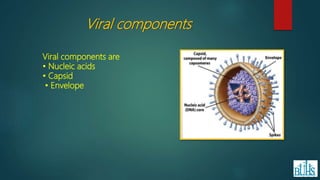
Viral components are
• Nucleic acids
• Capsid
• Envelope
Viral components
Types of Virus
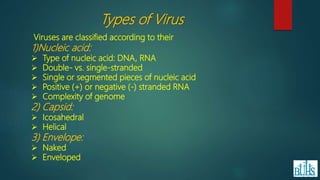
Viruses are classified according to their
1)Nucleic acid:
 Type of nucleic acid: DNA, RNA
 Double- vs. single-stranded
 Single or segmented pieces of nucleic acid
 Positive (+) or negative (-) stranded RNA
 Complexity of genome
2) Capsid:
 Icosahedral
 Helical
3) Envelope:
 Naked
 Enveloped
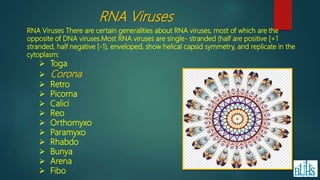
RNA Viruses There are certain generalities about RNA viruses, most of which are the
opposite of DNA viruses.Most RNA viruses are single- stranded (half are positive [+1
stranded, half negative [-1), enveloped, show helical capsid symmetry, and replicate in the
cytoplasm:
 Toga
 Corona
 Retro
 Picorna
 Calici
 Reo
 Orthomyxo
 Paramyxo
 Rhabdo
 Bunya
 Arena
 Fibo
RNA Viruses
 The name "coronavirus" is derived from the Latin corona,
meaning crown or halo, which refers to the characteristic
appearance of the virus particles (virions): they have a fringe
reminiscent of a royal crown or of the solar.
 Corona Coronaviruses are a group of viruses that cause
diseases in mammals and birds.
Coronavirus
 Human coronaviruses:
 Severe acute respiratory syndrome (SARS)
 Middle East respiratory syndrome
 Novel coronavirus (2019-nCoV)
Coronaviruses were discovered in the 1960s.[6] The earliest ones
discovered were infectious bronchitis virus in chickens and two viruses
from the nasal cavities of human patients with the common cold that
were subsequently named human coronavirus 229E and human
coronavirus OC43.[7] Other members of this family have since been
identified, including SARS-CoV in 2003, HCoV NL63 in 2004, HKU1 in
2005, MERS-CoV in 2012, and 2019-nCoV in 2019; most of these have
been involved in serious respiratory tract infections.
History of the Coronavirus
What is a novel coronavirus
 Novel coronavirus (nCoV) is a new coronavirus that has not
been previously identified. The 2019 novel coronavirus
(2019-nCoV), is not that same as the coronaviruses that
commonly circulate among humans and cause mild illness,
like the common cold.
 Diagnosis with coronavirus 229E, NL63, OC43, or HKU1 is
not the same as a 2019-nCoV diagnosis. These are different
viruses and patients with 2019-nCoV will be evaluated and
cared for differently than patients with common coronavirus
diagnosis.
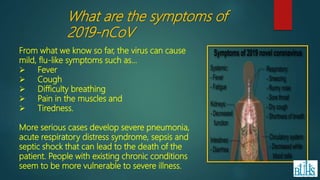
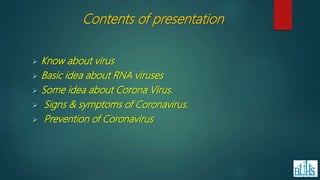
From what we know so far, the virus can cause
mild, flu-like symptoms such as…
 Fever
 Cough
 Difficulty breathing
 Pain in the muscles and
 Tiredness.
More serious cases develop severe pneumonia,
acute respiratory distress syndrome, sepsis and
septic shock that can lead to the death of the
patient. People with existing chronic conditions
seem to be more vulnerable to severe illness.
What are the symptoms of
2019-nCoV
Viral serotypes — Coronaviruses are widespread among birds and
mammals, with bats being host.
Direct contact with infected secretions or large aerosol droplets.
Immunity develops soon after infection but wanes gradually over
time. Reinfection is common, presumably because of waning
immunity, but possibly because of antigenic variation within
species .In hospital settings, spread among pediatric patients
probably occurs through shedding by their infected caretakers
.Outbreaks are common in long-term care facilities for older adults
Rout of Transmission
Coronavirus
There is no specific treatment for this disease so the
approach used to treat patients with coronavirus-
related infections is to treat the clinical symptoms (e.g.
fever). Supportive care (e.g. supportive therapy and
monitoring – oxygen therapy, fluid management and
antivirals) can be highly effective for those infected.
Treatment of Coronavirus
Preventive measures consist of handwashing and the careful disposal of
materials infected with nasal secretions. Several antiseptic/disinfectant solutions
used commonly in hospitals and households, including chloroxylenol,
benzalkonium chloride, and cetrimide/chlorhexidine, have been shown to be
ineffective against coronaviruses.
 Avoid contact with sick people, in particular those with a cough.
 Avoid visiting markets and places where live or dead animals are handled.
 General rules governing hand hygiene and food hygiene apply.
 Wash your hands with soap and water OR use an alcohol-based disinfectant
solution before eating, after using the toilet and after any contact with animals.
 Avoid contact with animals, their excretions or droppings.
Prevention Of Coronavirus
Home message
We have to be aware of the challenge and
concerns brought by 2019-nCoV to our
community. Every effort should be given to
understand and control the disease, and
the time to act is now.
Corona virus

Corona virus

  • 1.
    Novel Coronavirus (2019-nCoV) Mrs.Labony SabrinLipi Mrs.Labony Sabrin Lipi M.Sc In Microbiology, B.Sc (Hon’s) In Laboratory Sciences. Bangladesh University of Health Sciences (BUHS),Dhaka ,Bangladesh .
  • 2.
    Contents of presentation Know about virus  Basic idea about RNA viruses  Some idea about Corona Virus.  Signs & symptoms of Coronavirus.  Prevention of Coronavirus
  • 3.
    Virus is aninfective agent that typically consists of a nucleic acid molecule in a protein coat, is too small to be seen by light microscopy, and is able to multiply only within the living cells of a host. What is Virus
  • 4.
    Viral components are •Nucleic acids • Capsid • Envelope Viral components
  • 5.
    Types of Virus Virusesare classified according to their 1)Nucleic acid:  Type of nucleic acid: DNA, RNA  Double- vs. single-stranded  Single or segmented pieces of nucleic acid  Positive (+) or negative (-) stranded RNA  Complexity of genome 2) Capsid:  Icosahedral  Helical 3) Envelope:  Naked  Enveloped
  • 6.
    RNA Viruses Thereare certain generalities about RNA viruses, most of which are the opposite of DNA viruses.Most RNA viruses are single- stranded (half are positive [+1 stranded, half negative [-1), enveloped, show helical capsid symmetry, and replicate in the cytoplasm:  Toga  Corona  Retro  Picorna  Calici  Reo  Orthomyxo  Paramyxo  Rhabdo  Bunya  Arena  Fibo RNA Viruses
  • 7.
     The name"coronavirus" is derived from the Latin corona, meaning crown or halo, which refers to the characteristic appearance of the virus particles (virions): they have a fringe reminiscent of a royal crown or of the solar.  Corona Coronaviruses are a group of viruses that cause diseases in mammals and birds. Coronavirus  Human coronaviruses:  Severe acute respiratory syndrome (SARS)  Middle East respiratory syndrome  Novel coronavirus (2019-nCoV)
  • 8.
    Coronaviruses were discoveredin the 1960s.[6] The earliest ones discovered were infectious bronchitis virus in chickens and two viruses from the nasal cavities of human patients with the common cold that were subsequently named human coronavirus 229E and human coronavirus OC43.[7] Other members of this family have since been identified, including SARS-CoV in 2003, HCoV NL63 in 2004, HKU1 in 2005, MERS-CoV in 2012, and 2019-nCoV in 2019; most of these have been involved in serious respiratory tract infections. History of the Coronavirus
  • 9.
    What is anovel coronavirus  Novel coronavirus (nCoV) is a new coronavirus that has not been previously identified. The 2019 novel coronavirus (2019-nCoV), is not that same as the coronaviruses that commonly circulate among humans and cause mild illness, like the common cold.  Diagnosis with coronavirus 229E, NL63, OC43, or HKU1 is not the same as a 2019-nCoV diagnosis. These are different viruses and patients with 2019-nCoV will be evaluated and cared for differently than patients with common coronavirus diagnosis.
  • 10.
    From what weknow so far, the virus can cause mild, flu-like symptoms such as…  Fever  Cough  Difficulty breathing  Pain in the muscles and  Tiredness. More serious cases develop severe pneumonia, acute respiratory distress syndrome, sepsis and septic shock that can lead to the death of the patient. People with existing chronic conditions seem to be more vulnerable to severe illness. What are the symptoms of 2019-nCoV
  • 11.
    Viral serotypes —Coronaviruses are widespread among birds and mammals, with bats being host. Direct contact with infected secretions or large aerosol droplets. Immunity develops soon after infection but wanes gradually over time. Reinfection is common, presumably because of waning immunity, but possibly because of antigenic variation within species .In hospital settings, spread among pediatric patients probably occurs through shedding by their infected caretakers .Outbreaks are common in long-term care facilities for older adults Rout of Transmission Coronavirus
  • 12.
    There is nospecific treatment for this disease so the approach used to treat patients with coronavirus- related infections is to treat the clinical symptoms (e.g. fever). Supportive care (e.g. supportive therapy and monitoring – oxygen therapy, fluid management and antivirals) can be highly effective for those infected. Treatment of Coronavirus
  • 13.
    Preventive measures consistof handwashing and the careful disposal of materials infected with nasal secretions. Several antiseptic/disinfectant solutions used commonly in hospitals and households, including chloroxylenol, benzalkonium chloride, and cetrimide/chlorhexidine, have been shown to be ineffective against coronaviruses.  Avoid contact with sick people, in particular those with a cough.  Avoid visiting markets and places where live or dead animals are handled.  General rules governing hand hygiene and food hygiene apply.  Wash your hands with soap and water OR use an alcohol-based disinfectant solution before eating, after using the toilet and after any contact with animals.  Avoid contact with animals, their excretions or droppings. Prevention Of Coronavirus
  • 14.
    Home message We haveto be aware of the challenge and concerns brought by 2019-nCoV to our community. Every effort should be given to understand and control the disease, and the time to act is now.