
Concepts of Intellectual
Property (IP)
By
Dr.N.Gopinathan
Assistant professor
Faculty of pharmacy
SRIHER DU
CHENNAI-INDIA
Creativity
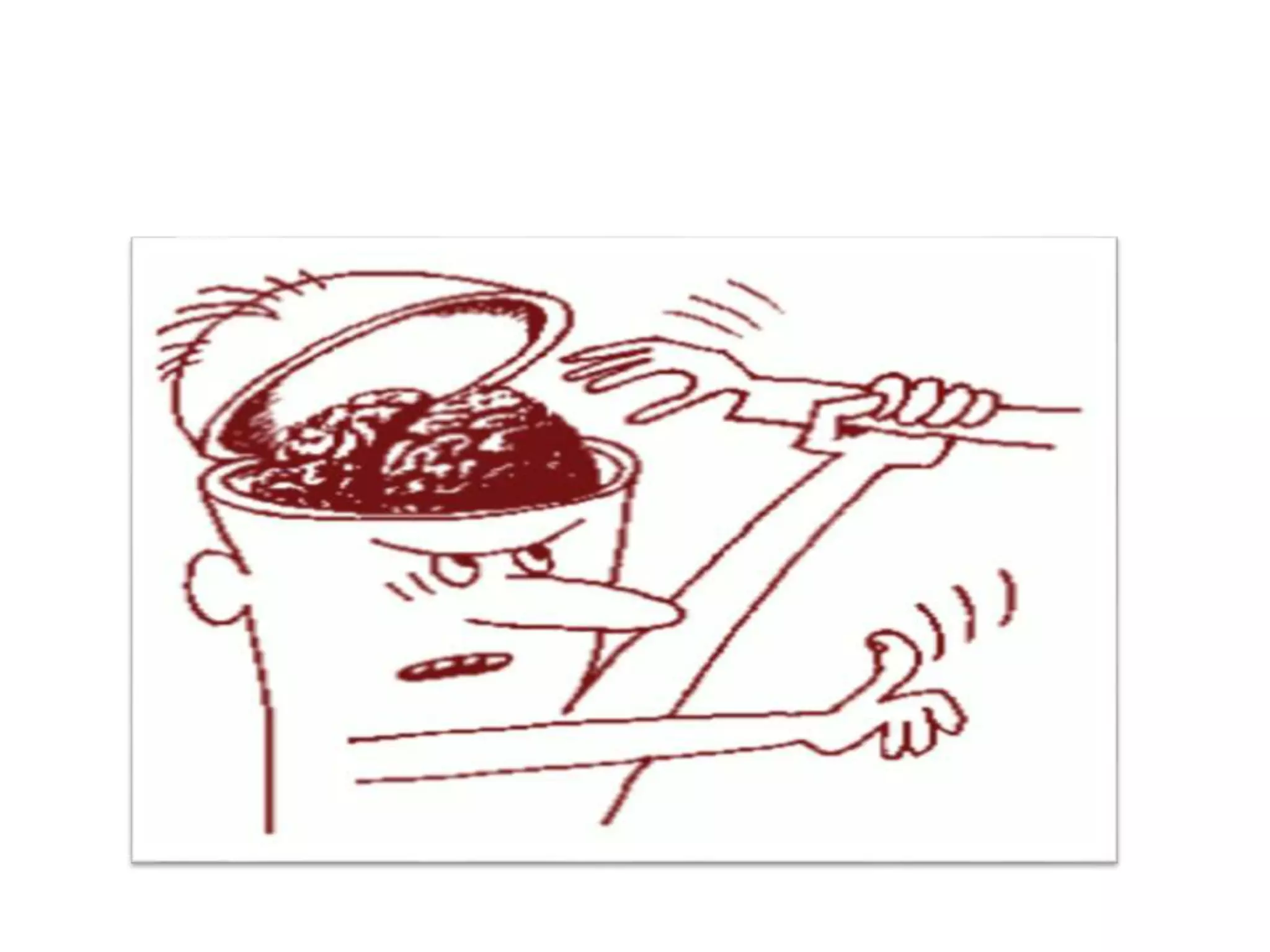
• It is capacity to have new thoughts , create
new things and new expression.
• It is a new way of looking at problems.
• It is the ability to generate novel and useful
ideas and solution to everyday problems and
challanges
Invention
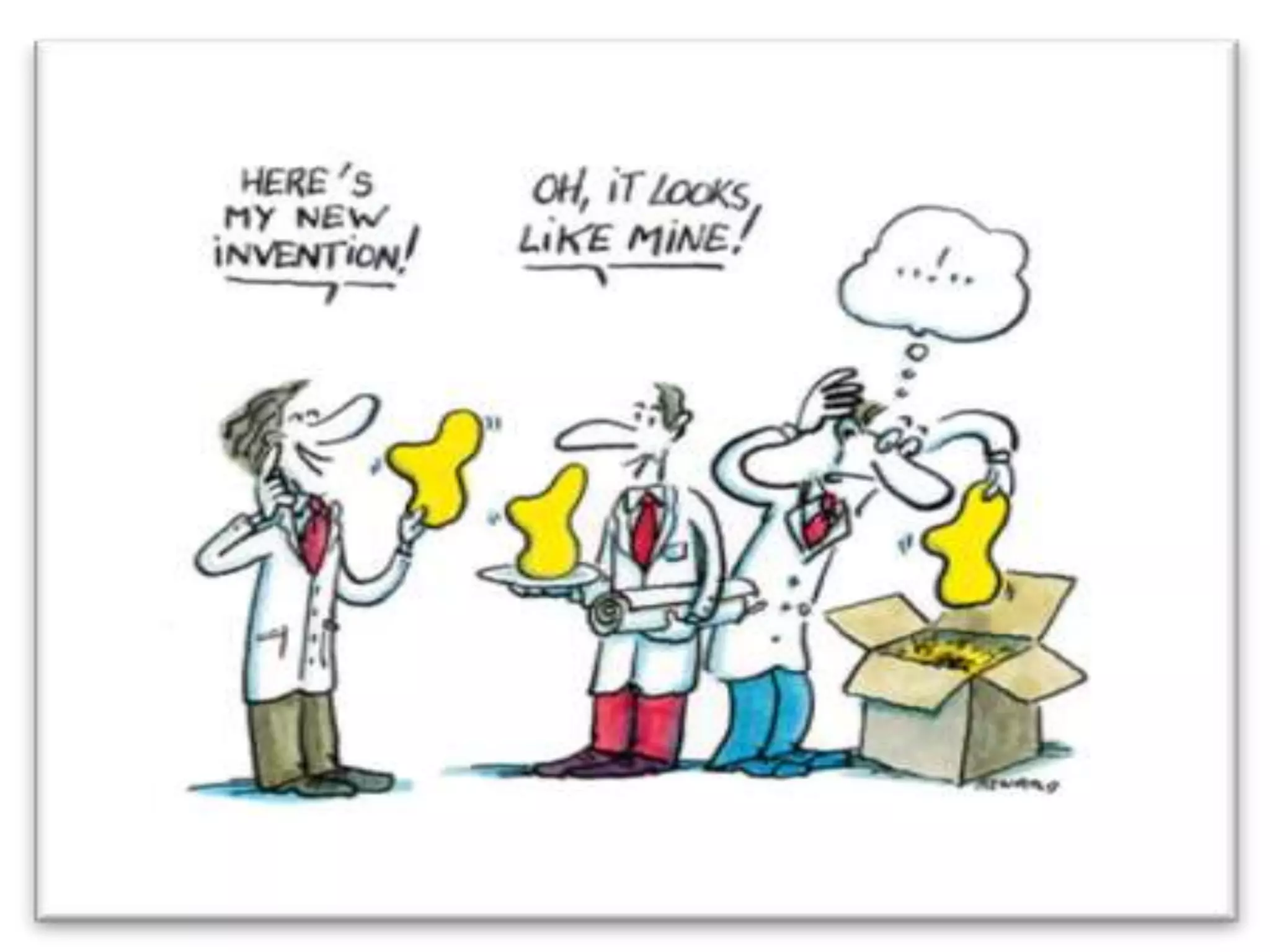
• It is the process through which something is
produced or constructed by original thought.
• It relate to creation of new device, product,
method or process [or]
• It may be an incremental improvement to a
known product or process.
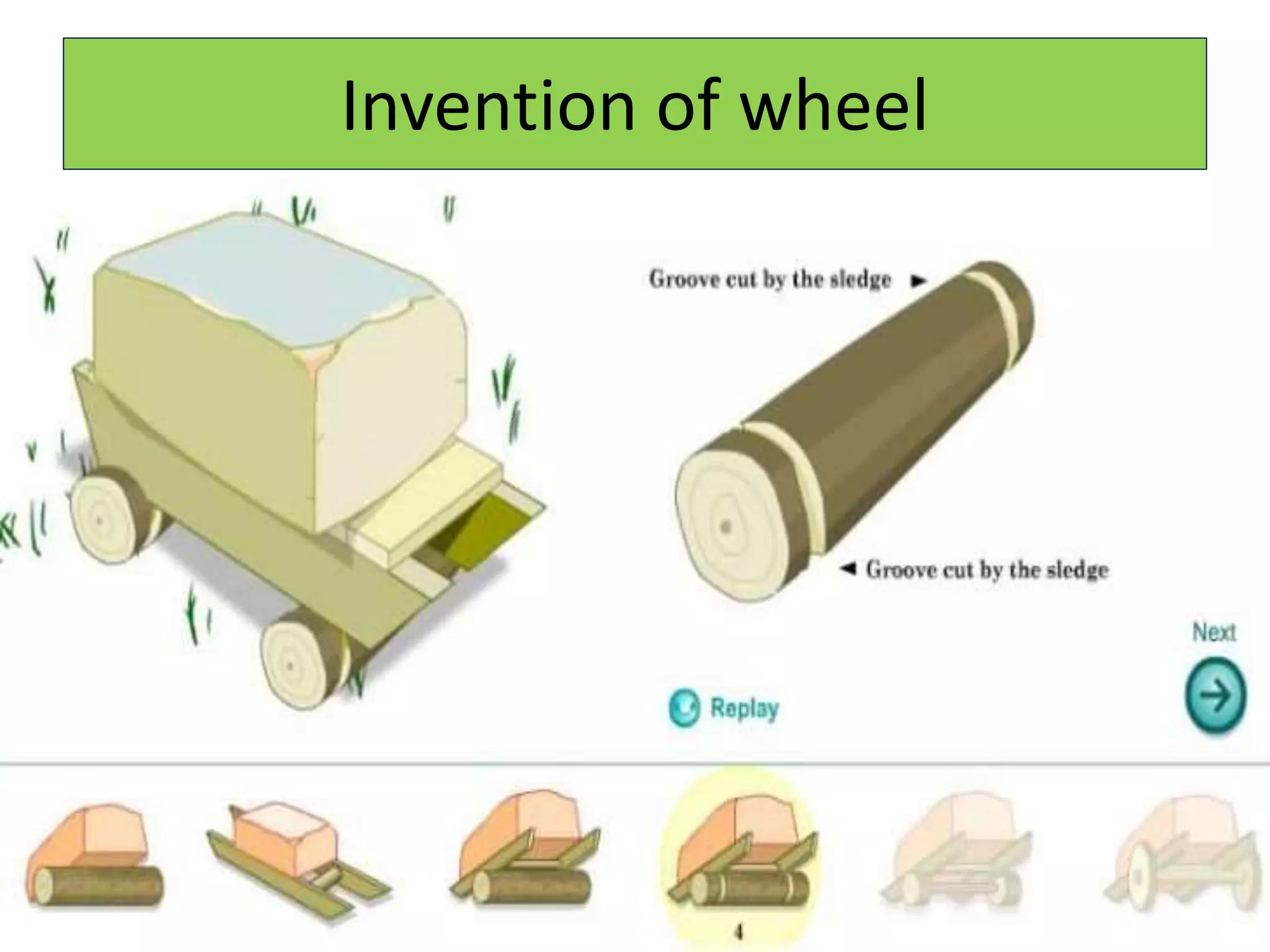
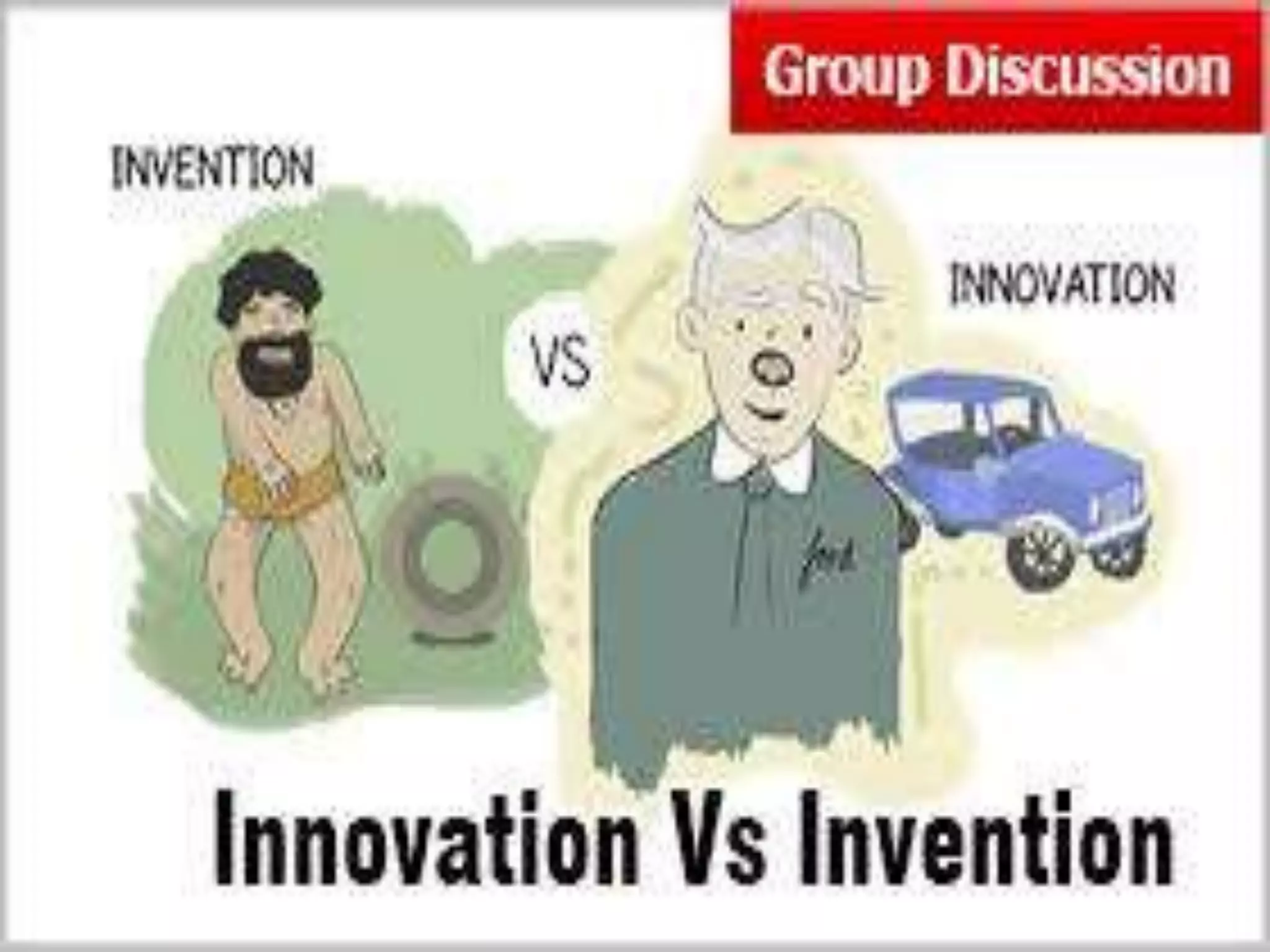
Invention of wheel
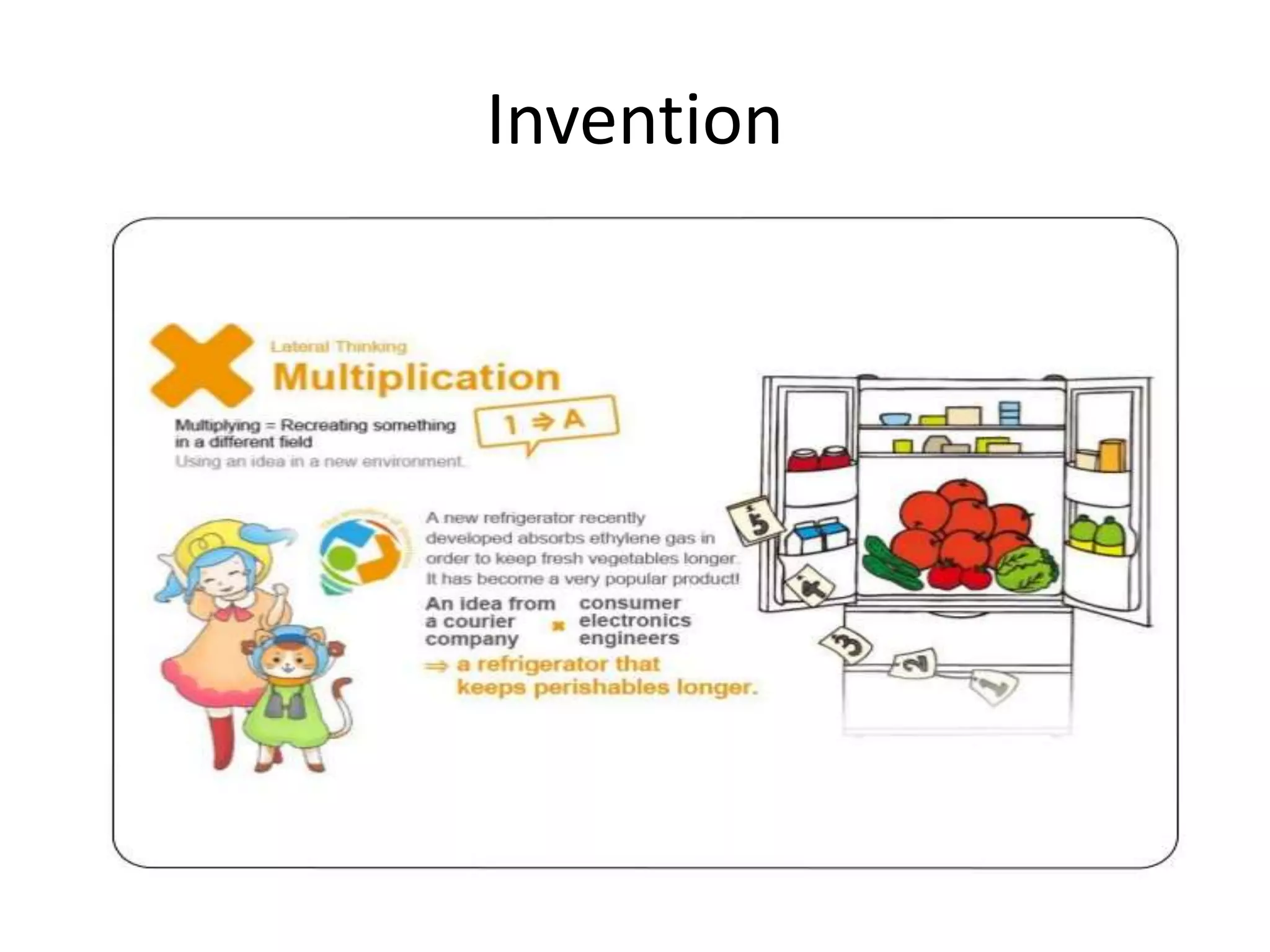
Invention
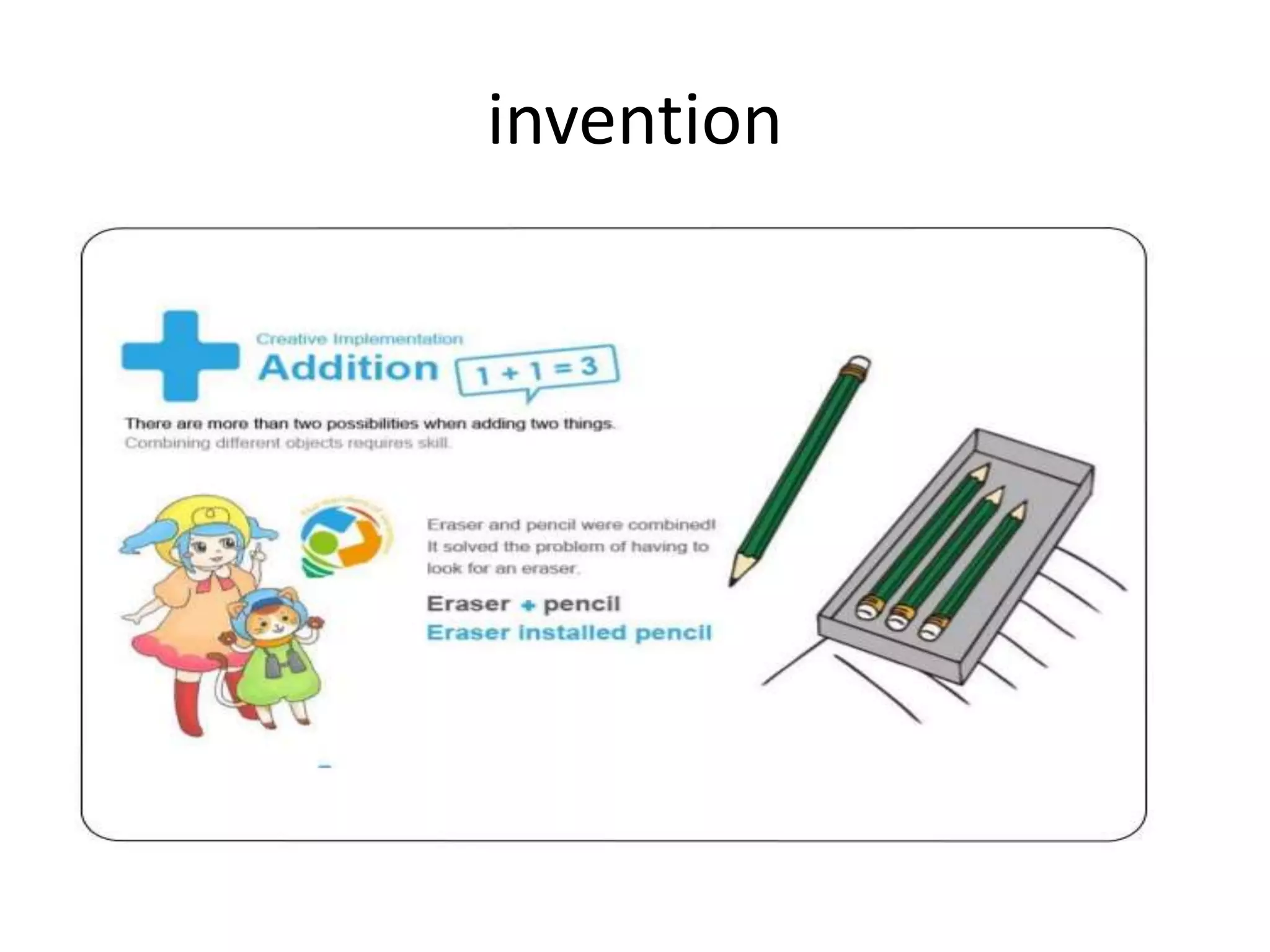
invention
Discovery
• It is something that already existed but had
not been found.
• It is already existing in nature and should not
belong to any particular individual where as
invention is man made.
• It is observation of previously unnoticed
phenomenon
Innovation
• It is successful exploitation of new ideas.
• Implementation is the key to innovation.
• It is implementing the creative idea and
benefiting from it.
• It refers to the translation of the invention into
a marketable product or process.
Protection and encouraging inventions
• Inventions are important to all of us that we
should encourage potential and talented
inventors to keep inventing.
• Patent implies transfer of ownership whereas
licensing implies only permission to use the
licensed invention under specific conditions.
• Inventions that are not patented can be
copied, sold and distributed by anybody.
• Without patent inventors may miss the money
that they could have earned from their
inventions.
• When inventors do not patent their inventions
the new knowledge or technological information ,
which led to those particular inventions
sometimes does not get shared more widely.
• In some case it may limit the availability of new
technology to other scientists and inventors.
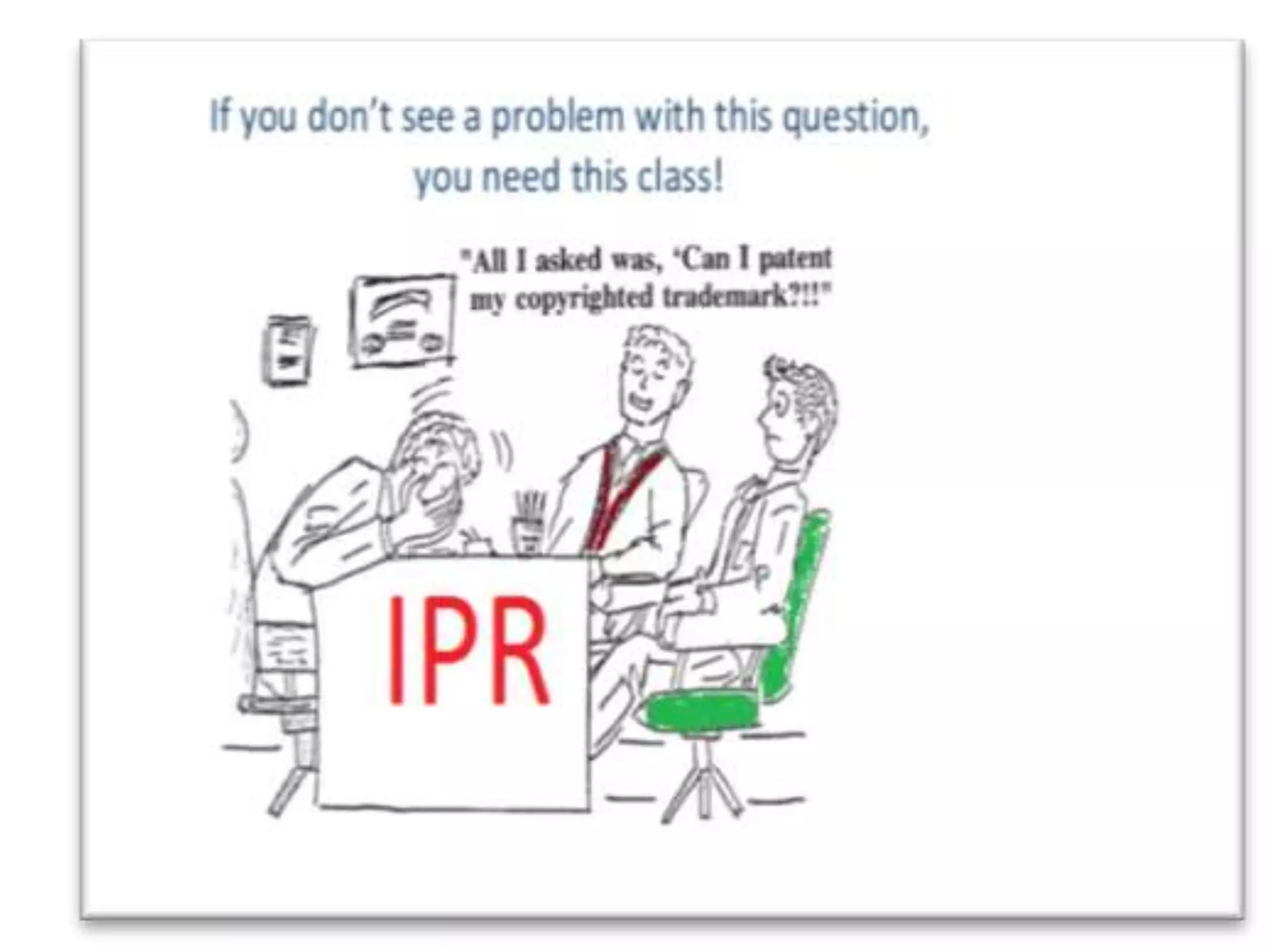
IPR
Intellectual property (IP) refers to
the creations of the human mind
like inventions, literary and artistic
works, and symbols, names,
images and designs used in
commerce.
Intellectual property is divided into
two categories
Industrial property, which includes inventions
(patents), trademarks, industrial designs, and
geographic indications of source.
Copyright, which includes literary and artistic
works such as novels , poems and plays, films,
musical works, artistic works such as drawings,
paintings, photographs and sculptures, and
architectural designs.
• it encompasses four separate and distinct
types of unnoticeable property namely —
• Patents
• Trademarks
• Copyrights
• Trade Secrets
• which collectively are referred to as
“intellectual property.”
The most noticeable difference between
intellectual property and other forms of
property, however, is that intellectual
property is intangible, that is, it cannot be
defined or identified by its own physical
parameters. It must be expressed in some
discernible way to be protectable.
• In recent times,
• geographical indications,
• protection of plant varieties,
• protection for semi-conductors and integrated
circuits, and
undisclosed information have been brought
under the umbrella of intellectual property.
History
• In 1474 a Venetian (northern Italy] Law
was made for the first time is the cradle
of the Intellectual Property system.
• The first systematic attempt to protect
inventions by a form of patent, which
granted an exclusive right to an
individual.
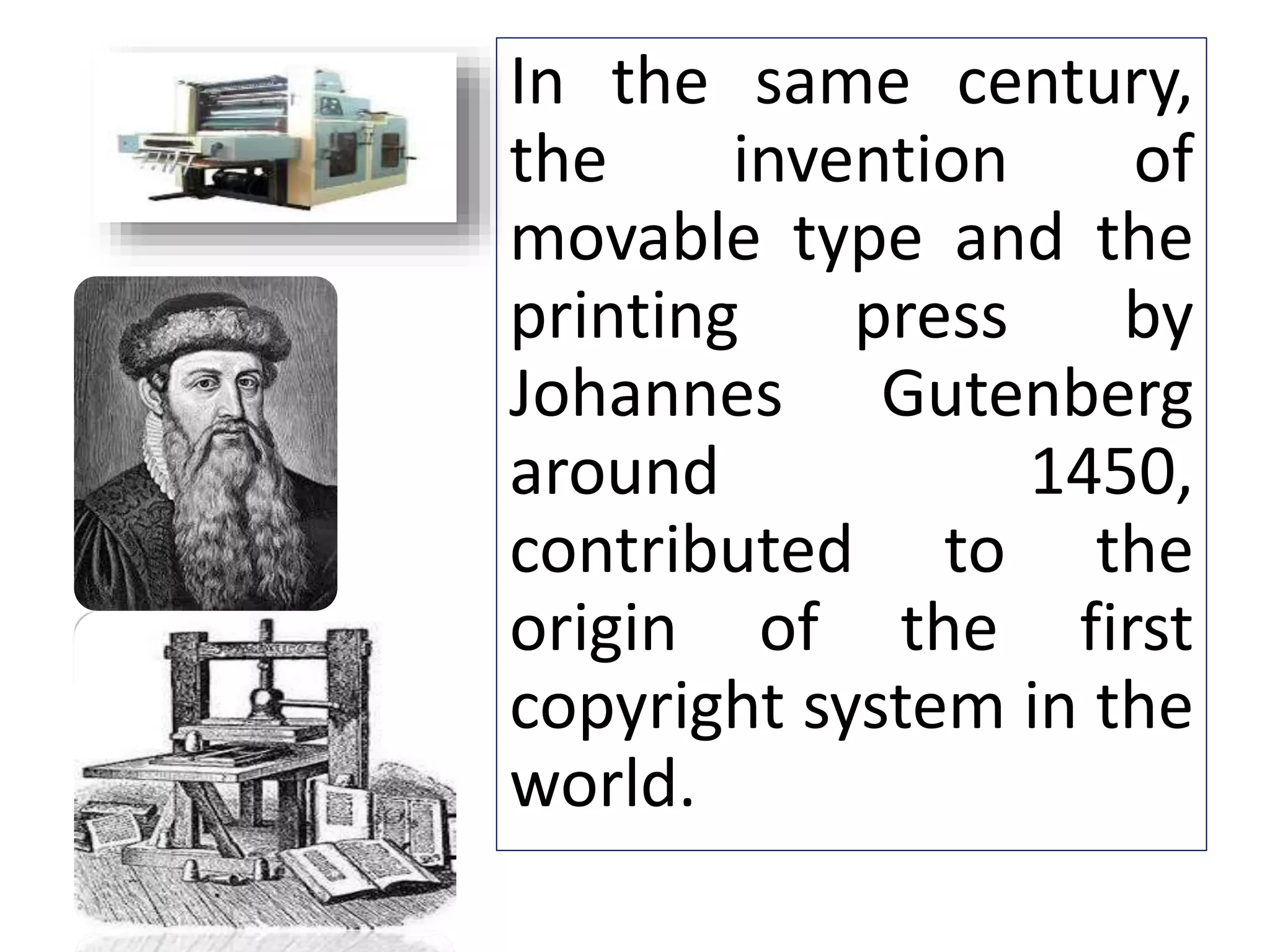
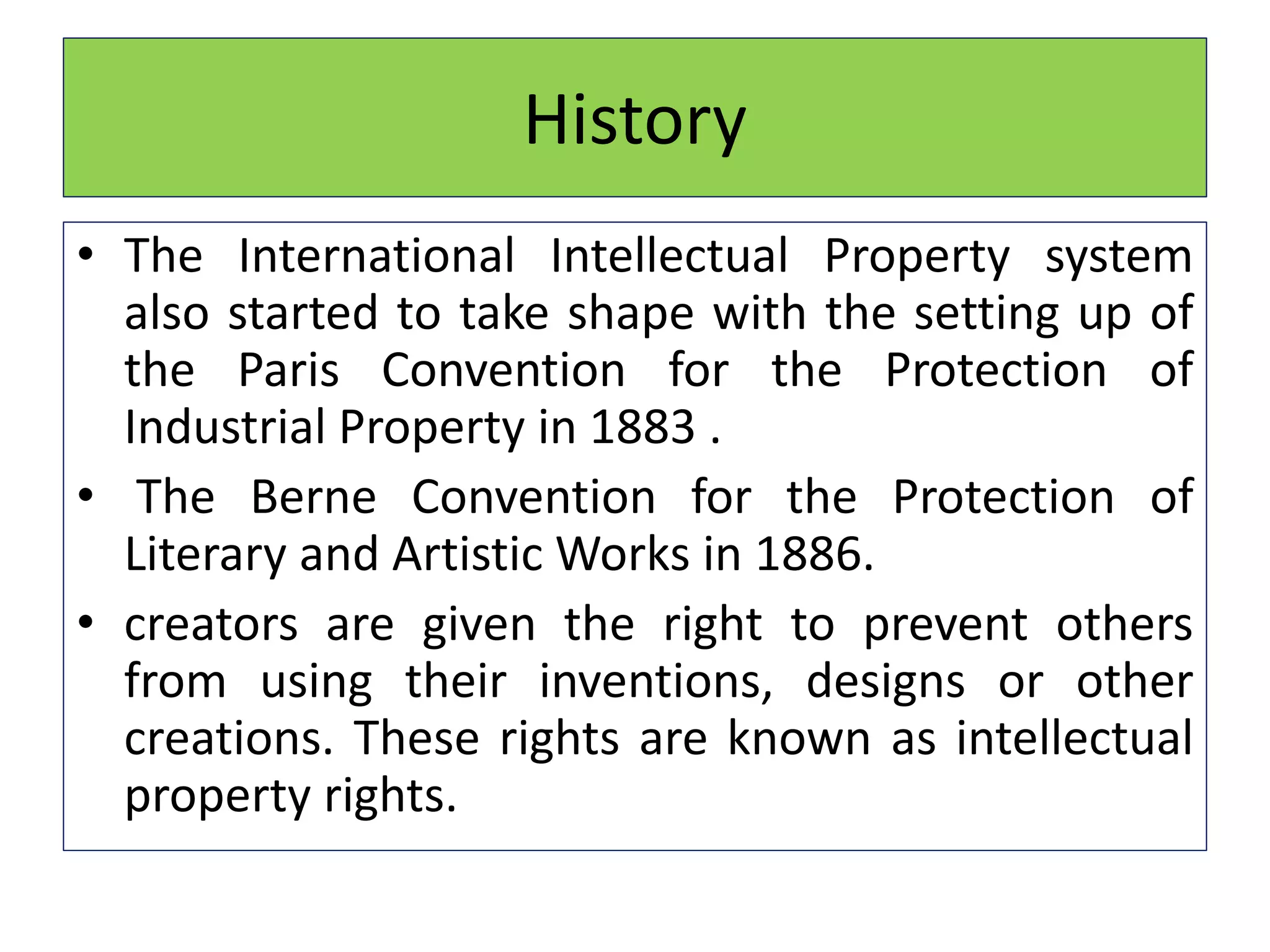
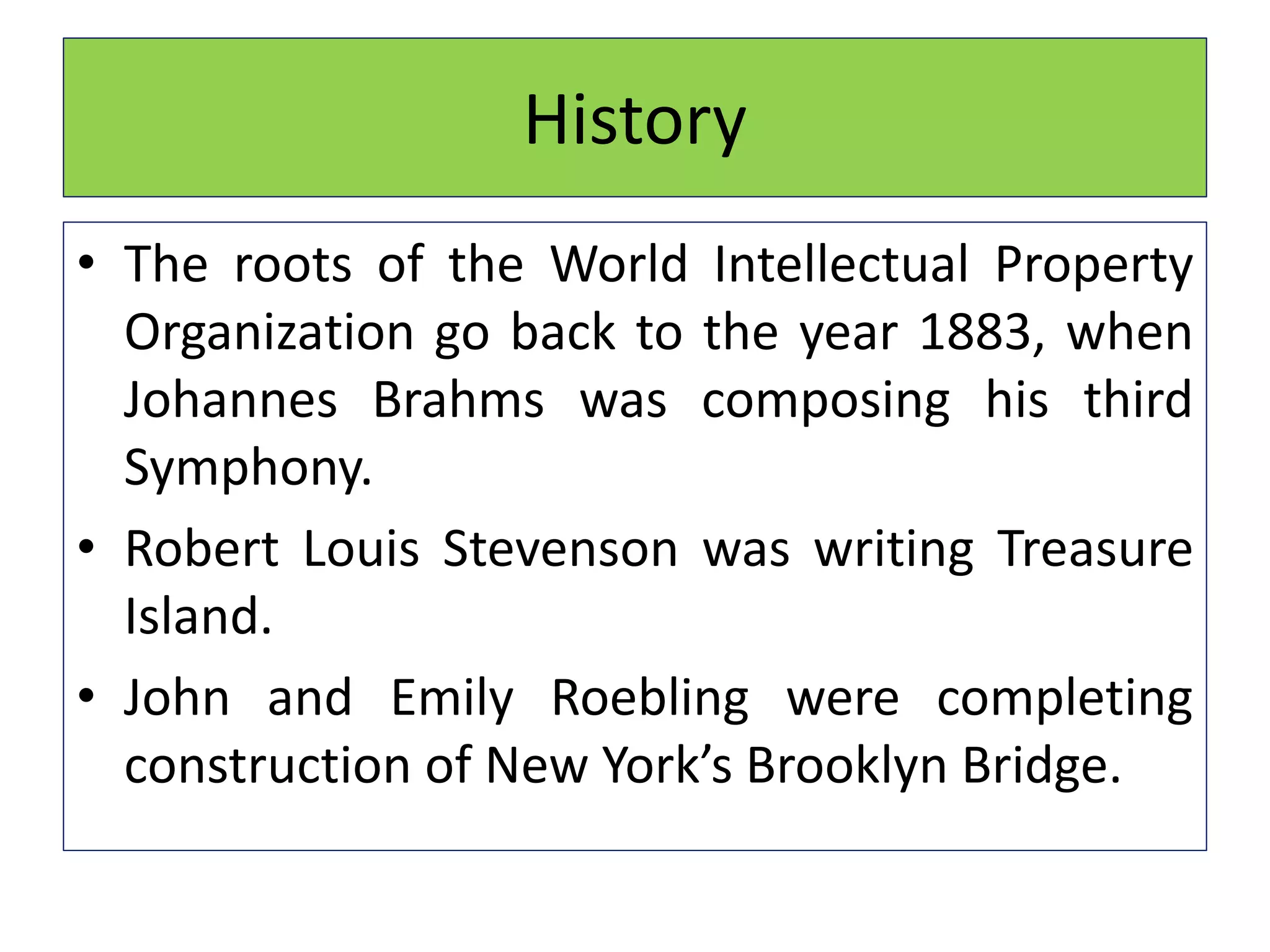
In the same century,
the invention of
movable type and the
printing press by
Johannes Gutenberg
around 1450,
contributed to the
origin of the first
copyright system in the
world.
History
• The International Intellectual Property system
also started to take shape with the setting up of
the Paris Convention for the Protection of
Industrial Property in 1883 .
• The Berne Convention for the Protection of
Literary and Artistic Works in 1886.
• creators are given the right to prevent others
from using their inventions, designs or other
creations. These rights are known as intellectual
property rights.
History
• The roots of the World Intellectual Property
Organization go back to the year 1883, when
Johannes Brahms was composing his third
Symphony.
• Robert Louis Stevenson was writing Treasure
Island.
• John and Emily Roebling were completing
construction of New York’s Brooklyn Bridge.
HISTORY
The need for international protection of
intellectual property became evident when
foreign exhibitors refused to attend the
International Exhibition of Inventions in
Vienna in 1873 because they were afraid
their ideas would be stolen and exploited
commercially in other countries.
History
The year 1883 marked the origin of the Paris
Convention for the Protection of Industrial
Property, the first major international treaty
designed to help the people of one country
obtain protection in other countries for their
intellectual creations in the form of industrial
property rights, known as inventions (patents);
trademarks; industrial designs.
• In the year 1886, copyright also entered the
international arena with the Berne Convention
for the Protection.
• 1893, these two small bureaux united to form
an international organization called the United
International Bureau (BIRPI) for the Protection
of Intellectual Property. The BIRPI indeed was
the predecessor of the World Intellectual
Property Organization.
WIPO
WIPO was established by the WIPO
Convention in 1967 with a mandate from
its Member States to promote the
protection of IP throughout the world
through co-operation among states and in
collaboration with other international
organizations. Its headquarters are in
Geneva, Switzerland.
TRIPS
• Copyright and related rights (i.e. the rights of performers,
producers of sound recordings and broadcasting
organisations);
• Trade marks including service marks;
• Geographical indications including appellations of origin;
• Industrial designs;
• Patents including protection of new varieties of plants;
• The lay-out designs (topographies) of integrated circuits;
• The undisclosed information including trade secrets and
test data.
Patent –in INDIA
• In India Patent Act was introduced in the
year 1856 which remained in force for
over 50 years, which was subsequently
modified.
• After Independence a comprehensive bill
on patent rights was enacted in the year
1970 and was called "The Patents Act,
1970".
In India,
• Copyrights were regulated under the
Copyright Act, 1957;
• patents under Patents Act, 1970;
• trade marks under Trade and
Merchandise Marks Act 1958;
• and designs under Designs Act, 1911.
• These included: Trade Marks, called the Trade
Mark Act,1999;
• Designs Act, 1911 was replaced by the Designs
Act, 2000; the Copyright Act, 1957 amended a
• number of times, the latest is called Copyright
(Amendment) Act, 2012
• The Paris Convention entered into force in
1884 with 14 member States, which set up an
International Bureau to carry out
administrative tasks, such as organizing
meetings of the member States.In the year
1886, copyright also enter
• Thank you

Concepts of intellectual property (ip)

  • 1.
    Concepts of Intellectual Property(IP) By Dr.N.Gopinathan Assistant professor Faculty of pharmacy SRIHER DU CHENNAI-INDIA
  • 4.
    Creativity • It iscapacity to have new thoughts , create new things and new expression. • It is a new way of looking at problems. • It is the ability to generate novel and useful ideas and solution to everyday problems and challanges
  • 5.
    Invention • It isthe process through which something is produced or constructed by original thought. • It relate to creation of new device, product, method or process [or] • It may be an incremental improvement to a known product or process.
  • 6.
  • 7.
  • 8.
  • 9.
    Discovery • It issomething that already existed but had not been found. • It is already existing in nature and should not belong to any particular individual where as invention is man made. • It is observation of previously unnoticed phenomenon
  • 10.
    Innovation • It issuccessful exploitation of new ideas. • Implementation is the key to innovation. • It is implementing the creative idea and benefiting from it. • It refers to the translation of the invention into a marketable product or process.
  • 12.
    Protection and encouraginginventions • Inventions are important to all of us that we should encourage potential and talented inventors to keep inventing. • Patent implies transfer of ownership whereas licensing implies only permission to use the licensed invention under specific conditions. • Inventions that are not patented can be copied, sold and distributed by anybody.
  • 13.
    • Without patentinventors may miss the money that they could have earned from their inventions. • When inventors do not patent their inventions the new knowledge or technological information , which led to those particular inventions sometimes does not get shared more widely. • In some case it may limit the availability of new technology to other scientists and inventors.
  • 17.
    IPR Intellectual property (IP)refers to the creations of the human mind like inventions, literary and artistic works, and symbols, names, images and designs used in commerce.
  • 18.
    Intellectual property isdivided into two categories Industrial property, which includes inventions (patents), trademarks, industrial designs, and geographic indications of source. Copyright, which includes literary and artistic works such as novels , poems and plays, films, musical works, artistic works such as drawings, paintings, photographs and sculptures, and architectural designs.
  • 19.
    • it encompassesfour separate and distinct types of unnoticeable property namely — • Patents • Trademarks • Copyrights • Trade Secrets • which collectively are referred to as “intellectual property.”
  • 20.
    The most noticeabledifference between intellectual property and other forms of property, however, is that intellectual property is intangible, that is, it cannot be defined or identified by its own physical parameters. It must be expressed in some discernible way to be protectable.
  • 21.
    • In recenttimes, • geographical indications, • protection of plant varieties, • protection for semi-conductors and integrated circuits, and undisclosed information have been brought under the umbrella of intellectual property.
  • 22.
    History • In 1474a Venetian (northern Italy] Law was made for the first time is the cradle of the Intellectual Property system. • The first systematic attempt to protect inventions by a form of patent, which granted an exclusive right to an individual.
  • 23.
    In the samecentury, the invention of movable type and the printing press by Johannes Gutenberg around 1450, contributed to the origin of the first copyright system in the world.
  • 24.
    History • The InternationalIntellectual Property system also started to take shape with the setting up of the Paris Convention for the Protection of Industrial Property in 1883 . • The Berne Convention for the Protection of Literary and Artistic Works in 1886. • creators are given the right to prevent others from using their inventions, designs or other creations. These rights are known as intellectual property rights.
  • 25.
    History • The rootsof the World Intellectual Property Organization go back to the year 1883, when Johannes Brahms was composing his third Symphony. • Robert Louis Stevenson was writing Treasure Island. • John and Emily Roebling were completing construction of New York’s Brooklyn Bridge.
  • 26.
    HISTORY The need forinternational protection of intellectual property became evident when foreign exhibitors refused to attend the International Exhibition of Inventions in Vienna in 1873 because they were afraid their ideas would be stolen and exploited commercially in other countries.
  • 27.
    History The year 1883marked the origin of the Paris Convention for the Protection of Industrial Property, the first major international treaty designed to help the people of one country obtain protection in other countries for their intellectual creations in the form of industrial property rights, known as inventions (patents); trademarks; industrial designs.
  • 28.
    • In theyear 1886, copyright also entered the international arena with the Berne Convention for the Protection. • 1893, these two small bureaux united to form an international organization called the United International Bureau (BIRPI) for the Protection of Intellectual Property. The BIRPI indeed was the predecessor of the World Intellectual Property Organization.
  • 29.
    WIPO WIPO was establishedby the WIPO Convention in 1967 with a mandate from its Member States to promote the protection of IP throughout the world through co-operation among states and in collaboration with other international organizations. Its headquarters are in Geneva, Switzerland.
  • 30.
    TRIPS • Copyright andrelated rights (i.e. the rights of performers, producers of sound recordings and broadcasting organisations); • Trade marks including service marks; • Geographical indications including appellations of origin; • Industrial designs; • Patents including protection of new varieties of plants; • The lay-out designs (topographies) of integrated circuits; • The undisclosed information including trade secrets and test data.
  • 31.
    Patent –in INDIA •In India Patent Act was introduced in the year 1856 which remained in force for over 50 years, which was subsequently modified. • After Independence a comprehensive bill on patent rights was enacted in the year 1970 and was called "The Patents Act, 1970".
  • 32.
    In India, • Copyrightswere regulated under the Copyright Act, 1957; • patents under Patents Act, 1970; • trade marks under Trade and Merchandise Marks Act 1958; • and designs under Designs Act, 1911.
  • 33.
    • These included:Trade Marks, called the Trade Mark Act,1999; • Designs Act, 1911 was replaced by the Designs Act, 2000; the Copyright Act, 1957 amended a • number of times, the latest is called Copyright (Amendment) Act, 2012
  • 34.
    • The ParisConvention entered into force in 1884 with 14 member States, which set up an International Bureau to carry out administrative tasks, such as organizing meetings of the member States.In the year 1886, copyright also enter
  • 35.