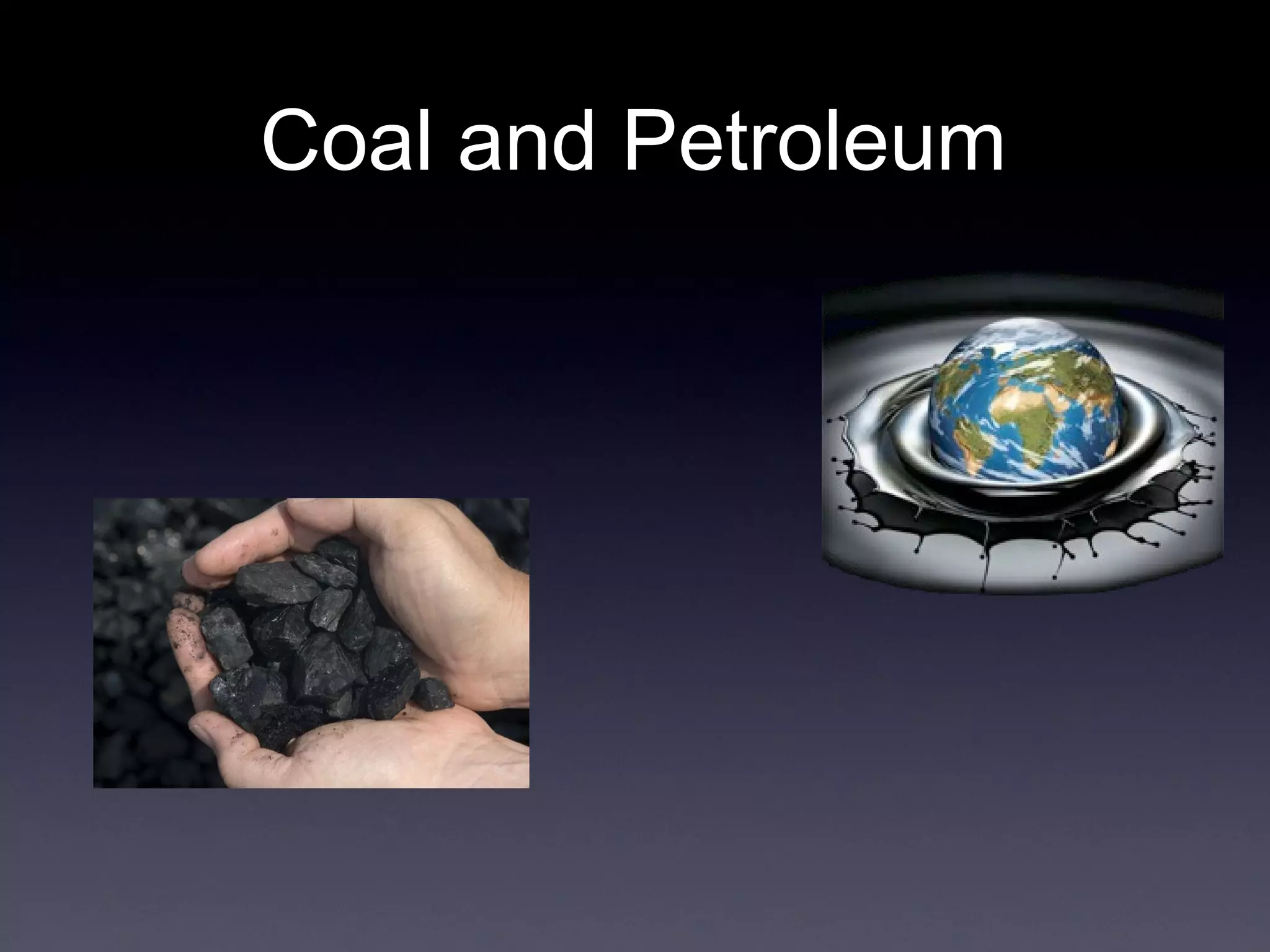



Coal and Petroleum
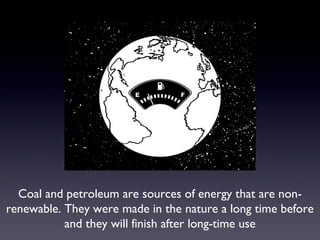
Coal and petroleum are sources of energy that are non-renewable. 
They were made in the nature a long time before 
and they will finish after long-time use
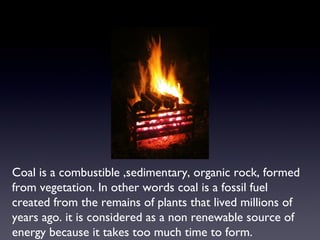
Coal is a combustible ,sedimentary, organic rock, formed 
from vegetation. In other words coal is a fossil fuel 
created from the remains of plants that lived millions of 
years ago. it is considered as a non renewable source of 
energy because it takes too much time to form.
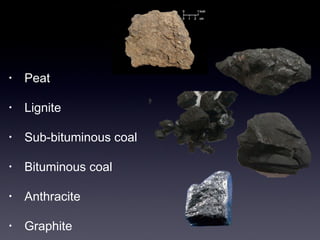
• Peat 
• Lignite 
• Sub-bituminous coal 
• Bituminous coal 
• Anthracite 
• Graphite
• Coal mainly consists of carbon. 
• It also consists some metal compound 
and some other impurities.
General Applications of Coal 
• Coal as fuel 
• Coking and use of coke 
• Ethanol production 
• Coal tar
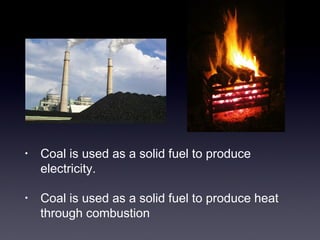
• Coal is used as a solid fuel to produce 
electricity. 
• Coal is used as a solid fuel to produce heat 
through combustion
• Coke is a solid carbonaceous residue derived 
from low-ash, low-sulfur bituminous coal. 
• Coke is used as a fuel and as a reducing 
agent in smelting iron ore in a blast furnace. 
• It is further used in making steel 
• The reaction of coal and natural gas was used 
for making Buna rubber. 
• This reaction makes ethanol and it is used to 
make Buna rubber.
• Coal tar is a brown or black liquid of 
high viscosity, which smells 
of naphthalene and aromatic hydrocarbons. 
• Being flammable, coal tar is sometimes used for 
heating or to fire boilers. 
• Tar is used in treatment of the skin 
disease psoriasis, where coal tar is the most 
effective. 
• It is also used to make roads.
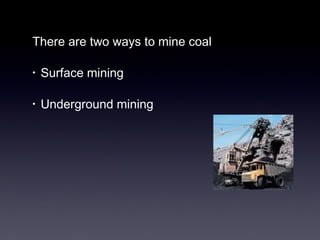
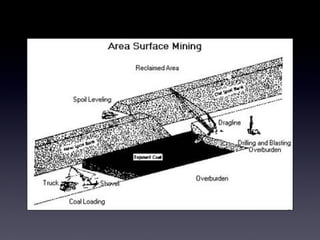
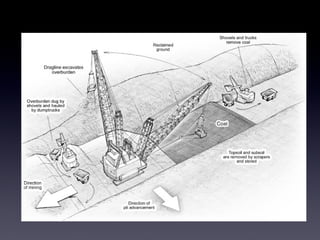
There are two ways to mine coal 
• Surface mining 
• Underground mining
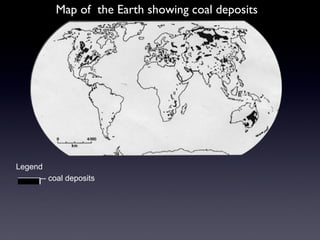
Legend 
Map of the Earth showing coal deposits 
-- coal deposits
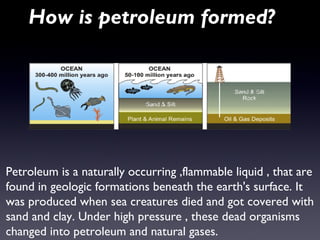
How is petroleum formed? 
Petroleum is a naturally occurring ,flammable liquid , that are 
found in geologic formations beneath the earth's surface. It 
was produced when sea creatures died and got covered with 
sand and clay. Under high pressure , these dead organisms 
changed into petroleum and natural gases.
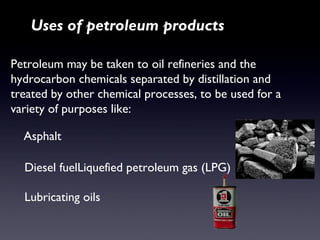
Uses of petroleum products 
Petroleum may be taken to oil refineries and the 
hydrocarbon chemicals separated by distillation and 
treated by other chemical processes, to be used for a 
variety of purposes like: 
Asphalt 
Diesel fuelLiquefied petroleum gas (LPG) 
Lubricating oils
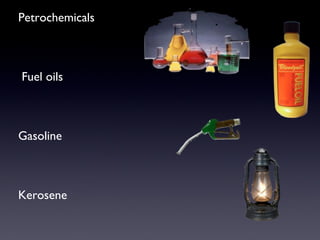
Petrochemicals 
Fuel oils 
Gasoline 
Kerosene
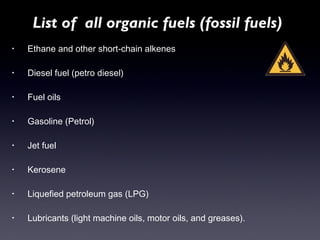
List of all organic fuels (fossil fuels) 
• Ethane and other short-chain alkenes 
• Diesel fuel (petro diesel) 
• Fuel oils 
• Gasoline (Petrol) 
• Jet fuel 
• Kerosene 
• Liquefied petroleum gas (LPG) 
• Lubricants (light machine oils, motor oils, and greases).
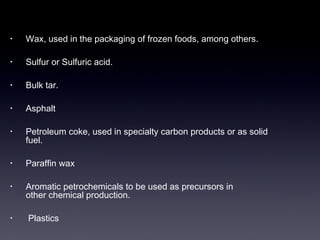
• Wax, used in the packaging of frozen foods, among others. 
• Sulfur or Sulfuric acid. 
• Bulk tar. 
• Asphalt 
• Petroleum coke, used in specialty carbon products or as solid 
fuel. 
• Paraffin wax 
• Aromatic petrochemicals to be used as precursors in 
other chemical production. 
• Plastics
Composition 
Element Percent range 
Carbon 83 to 87% 
Hydrogen 10 to 14% 
Nitrogen 0.1 to 2% 
Oxygen 0.1 to 1.5% 
Sulfur 0.5 to 6% 
Metals < 0.1%
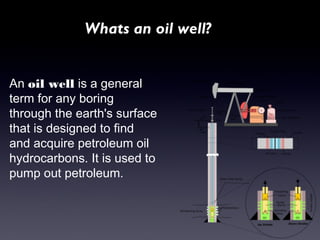
Whats an oil well? 
An oil well is a general 
term for any boring 
through the earth's surface 
that is designed to find 
and acquire petroleum oil 
hydrocarbons. It is used to 
pump out petroleum.
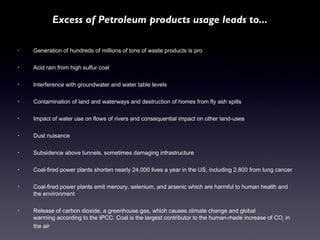
Excess of Petroleum products usage leads to... 
• Generation of hundreds of millions of tons of waste products is pro 
• Acid rain from high sulfur coal 
• Interference with groundwater and water table levels 
• Contamination of land and waterways and destruction of homes from fly ash spills 
• Impact of water use on flows of rivers and consequential impact on other land-uses 
• Dust nuisance 
• Subsidence above tunnels, sometimes damaging infrastructure 
• Coal-fired power plants shorten nearly 24,000 lives a year in the US, including 2,800 from lung cancer 
• Coal-fired power plants emit mercury, selenium, and arsenic which are harmful to human health and 
the environment 
• Release of carbon dioxide, a greenhouse gas, which causes climate change and global 
warming according to the IPCC. Coal is the largest contributor to the human-made increase of CO2 in 
the air
Hazard involved during processing of 
Extraction 
petroleum products 
• Oil extraction is costly and sometimes environmentally damaging, although Dr. John 
Hunt of the Woods Hole Oceanographic Institution pointed out in a 1981 paper that over 
70% of the reserves in the world are associated with visible macro seepages, and many oil 
fields are found due to natural seeps. Offshore exploration and extraction of oil disturbs the 
surrounding marine environment. 
Oil spills 
• Crude oil and refined fuel spills from tanker ship accidents have damaged 
natural ecosystems in Alaska, the Galapagos Islands, France and many other places. 
• The quantity of oil spilled during accidents has ranged from a few hundred tons to several 
hundred thousand tons (e.g., Atlantic Empress, Amoco Cadiz). Smaller spills have already 
proven to have a great impact on ecosystems, such as the Exxon Valdez oil spill.
• Oil spills at sea are generally much more damaging than those on land, since 
they can spread for hundreds of nautical miles in a thin oil slick which can cover 
beaches with a thin coating of oil. This can kill sea birds, mammals, shellfish and 
other organisms it coats. Oil spills on land are more readily containable if a 
makeshift earth dam can be rapidly bulldozed around the spill site before most of 
the oil escapes, and land animals can avoid the oil more easily. 
• Control of oil spills is difficult, requires ad hoc methods, and often a large amount 
of manpower. The dropping of bombs and incendiary devices from aircraft on the 
Torrey Canyon wreck produced poor results; modern techniques would include 
pumping the oil from the wreck, like in the Prestige oil spill or the Erika oil spill.
Conclusion
References 
-wikipedia 
-google images/search 
-www.onepetro.org
Thank you for your patience.
Presentation submitted by: 
Abhinav Singh Bisht (67022) 
Anurag Kumar (67033)

Coalpetroleum

  • 1.
  • 2.
    Coal and petroleumare sources of energy that are non-renewable. They were made in the nature a long time before and they will finish after long-time use
  • 3.
    Coal is acombustible ,sedimentary, organic rock, formed from vegetation. In other words coal is a fossil fuel created from the remains of plants that lived millions of years ago. it is considered as a non renewable source of energy because it takes too much time to form.
  • 4.
    • Peat •Lignite • Sub-bituminous coal • Bituminous coal • Anthracite • Graphite
  • 5.
    • Coal mainlyconsists of carbon. • It also consists some metal compound and some other impurities.
  • 6.
    General Applications ofCoal • Coal as fuel • Coking and use of coke • Ethanol production • Coal tar
  • 7.
    • Coal isused as a solid fuel to produce electricity. • Coal is used as a solid fuel to produce heat through combustion
  • 8.
    • Coke isa solid carbonaceous residue derived from low-ash, low-sulfur bituminous coal. • Coke is used as a fuel and as a reducing agent in smelting iron ore in a blast furnace. • It is further used in making steel • The reaction of coal and natural gas was used for making Buna rubber. • This reaction makes ethanol and it is used to make Buna rubber.
  • 9.
    • Coal taris a brown or black liquid of high viscosity, which smells of naphthalene and aromatic hydrocarbons. • Being flammable, coal tar is sometimes used for heating or to fire boilers. • Tar is used in treatment of the skin disease psoriasis, where coal tar is the most effective. • It is also used to make roads.
  • 10.
    There are twoways to mine coal • Surface mining • Underground mining
  • 13.
    Legend Map ofthe Earth showing coal deposits -- coal deposits
  • 14.
    How is petroleumformed? Petroleum is a naturally occurring ,flammable liquid , that are found in geologic formations beneath the earth's surface. It was produced when sea creatures died and got covered with sand and clay. Under high pressure , these dead organisms changed into petroleum and natural gases.
  • 15.
    Uses of petroleumproducts Petroleum may be taken to oil refineries and the hydrocarbon chemicals separated by distillation and treated by other chemical processes, to be used for a variety of purposes like: Asphalt Diesel fuelLiquefied petroleum gas (LPG) Lubricating oils
  • 16.
    Petrochemicals Fuel oils Gasoline Kerosene
  • 17.
    List of allorganic fuels (fossil fuels) • Ethane and other short-chain alkenes • Diesel fuel (petro diesel) • Fuel oils • Gasoline (Petrol) • Jet fuel • Kerosene • Liquefied petroleum gas (LPG) • Lubricants (light machine oils, motor oils, and greases).
  • 18.
    • Wax, usedin the packaging of frozen foods, among others. • Sulfur or Sulfuric acid. • Bulk tar. • Asphalt • Petroleum coke, used in specialty carbon products or as solid fuel. • Paraffin wax • Aromatic petrochemicals to be used as precursors in other chemical production. • Plastics
  • 19.
    Composition Element Percentrange Carbon 83 to 87% Hydrogen 10 to 14% Nitrogen 0.1 to 2% Oxygen 0.1 to 1.5% Sulfur 0.5 to 6% Metals < 0.1%
  • 20.
    Whats an oilwell? An oil well is a general term for any boring through the earth's surface that is designed to find and acquire petroleum oil hydrocarbons. It is used to pump out petroleum.
  • 21.
    Excess of Petroleumproducts usage leads to... • Generation of hundreds of millions of tons of waste products is pro • Acid rain from high sulfur coal • Interference with groundwater and water table levels • Contamination of land and waterways and destruction of homes from fly ash spills • Impact of water use on flows of rivers and consequential impact on other land-uses • Dust nuisance • Subsidence above tunnels, sometimes damaging infrastructure • Coal-fired power plants shorten nearly 24,000 lives a year in the US, including 2,800 from lung cancer • Coal-fired power plants emit mercury, selenium, and arsenic which are harmful to human health and the environment • Release of carbon dioxide, a greenhouse gas, which causes climate change and global warming according to the IPCC. Coal is the largest contributor to the human-made increase of CO2 in the air
  • 22.
    Hazard involved duringprocessing of Extraction petroleum products • Oil extraction is costly and sometimes environmentally damaging, although Dr. John Hunt of the Woods Hole Oceanographic Institution pointed out in a 1981 paper that over 70% of the reserves in the world are associated with visible macro seepages, and many oil fields are found due to natural seeps. Offshore exploration and extraction of oil disturbs the surrounding marine environment. Oil spills • Crude oil and refined fuel spills from tanker ship accidents have damaged natural ecosystems in Alaska, the Galapagos Islands, France and many other places. • The quantity of oil spilled during accidents has ranged from a few hundred tons to several hundred thousand tons (e.g., Atlantic Empress, Amoco Cadiz). Smaller spills have already proven to have a great impact on ecosystems, such as the Exxon Valdez oil spill.
  • 23.
    • Oil spillsat sea are generally much more damaging than those on land, since they can spread for hundreds of nautical miles in a thin oil slick which can cover beaches with a thin coating of oil. This can kill sea birds, mammals, shellfish and other organisms it coats. Oil spills on land are more readily containable if a makeshift earth dam can be rapidly bulldozed around the spill site before most of the oil escapes, and land animals can avoid the oil more easily. • Control of oil spills is difficult, requires ad hoc methods, and often a large amount of manpower. The dropping of bombs and incendiary devices from aircraft on the Torrey Canyon wreck produced poor results; modern techniques would include pumping the oil from the wreck, like in the Prestige oil spill or the Erika oil spill.
  • 24.
  • 25.
    References -wikipedia -googleimages/search -www.onepetro.org
  • 26.
    Thank you foryour patience.
  • 27.
    Presentation submitted by: Abhinav Singh Bisht (67022) Anurag Kumar (67033)