Downloaded 40 times
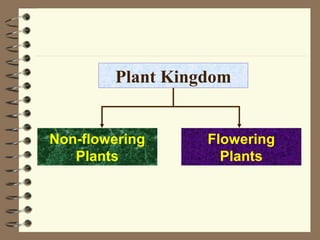
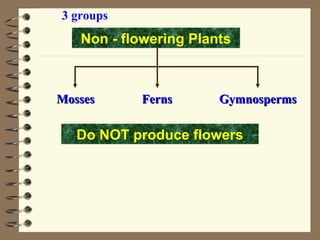
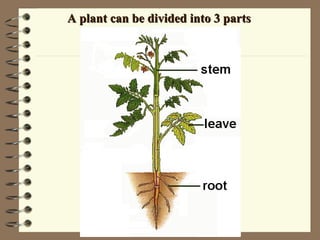
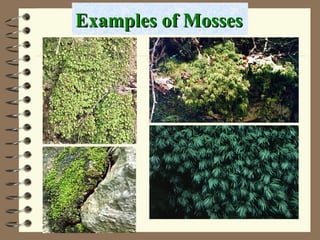
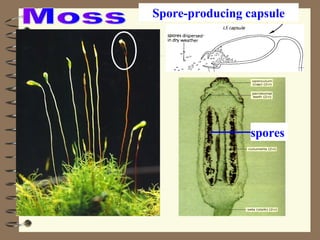
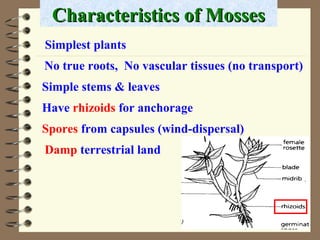
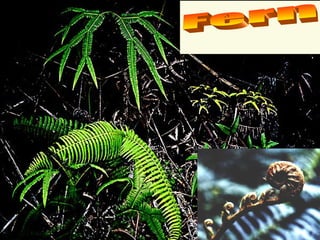
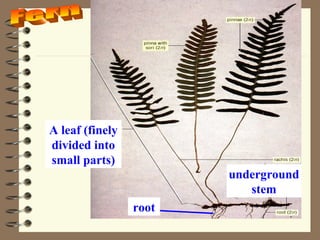
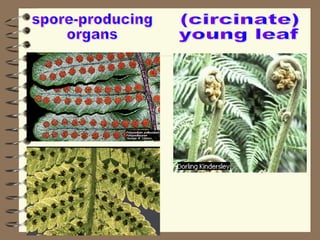
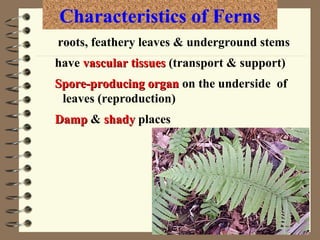
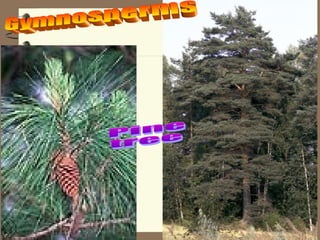
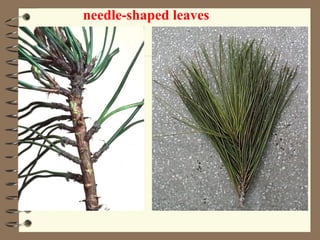
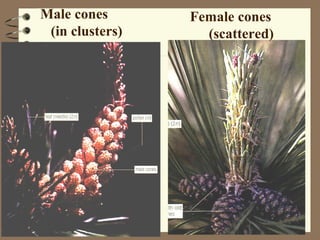

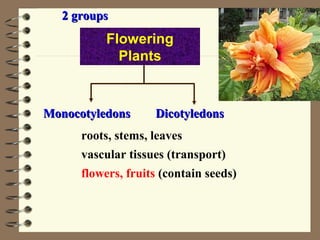
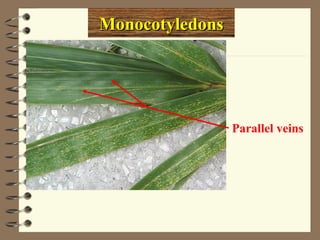
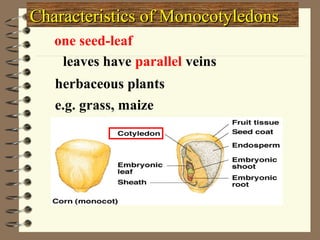
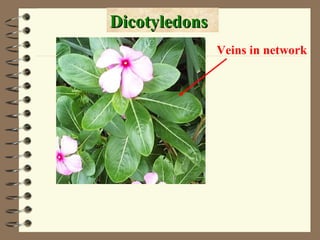
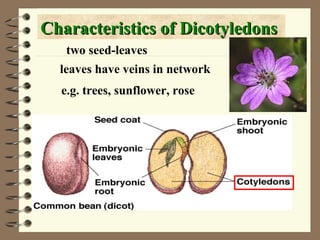
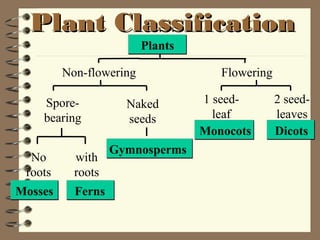

Plants are divided into two main groups: non-flowering plants and flowering plants. Non-flowering plants include mosses, ferns, and gymnosperms. Mosses are the simplest plants and have no roots or vascular tissue, ferns have roots and vascular tissue but reproduce via spores, and gymnosperms are tall trees that bear cones with naked seeds. Flowering plants are further divided into monocots and dicots based on the number of seed leaves and the structure of their leaves.


![Classification of plants 2nd powerpoint [Autosaved].ppt](https://cdn.slidesharecdn.com/ss_thumbnails/classificationofplants2ndpowerpointautosaved-220917061306-4e47cd34-thumbnail.jpg?width=640&height=640&fit=bounds)


