I’M BACK!!!
Gaming and Media Design for
Learning
893.628.9C
Summer Session
5/14/2013 – 6/18/2013
Ryan Schaaf
Assistant Professor of Technology, Notre Dame in Maryland University
Graduate Faculty, Johns Hopkins University SOE
Guiding Questions
•What are the course assignments, expectations, and
logistics?
•What would be the benefits of incorporating digital
games into the classroom?
•How do teachers and students find meaningful digital
games to use in classrooms?
•What are some misconceptions of DGBL?
•What types of digital games are there?
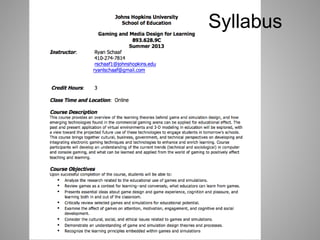
Syllabus
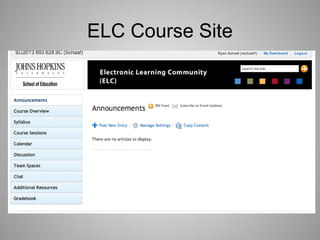
ELC Course Site
Bloom’s Digital Taxonomy
Game Proposal, Game Trailer, Storyboard,
PowerPoint Game, Lesson Seed
Game Diary, Peer Review
Discussion Board Posts,
Readings, Modules
Discussion Board Posts,
Readings, Modules
Discussion Board Posts,
Readings, Modules
Game Diary
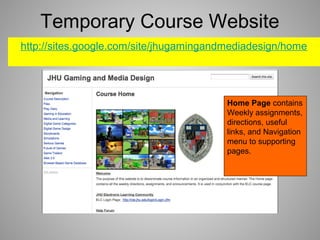
Temporary Course Website
http://sites.google.com/site/jhugamingandmediadesign/home
Home Page contains
Weekly assignments,
directions, useful
links, and Navigation
menu to supporting
pages.
Course Walkthrough &
Learner Profile Survey
• Learner Profile Survey
http://bit.ly/2013JHUGaming1
• I want to hold off on the Course
Walkthrough until the ELC becomes
available. For now, I will try to instruct
you with directions on what to do on
the temporary site.
What is Digital Game-Based Learning?
• Digital game-based learning (DGBL) is
an instructional method that
incorporates educational content or
learning principles into video games
with the goal of engaging learners.
Applications of digital game-based
learning draw upon the constructivist
theory of education.
http://www.learnnc.org/lp/pages/4970
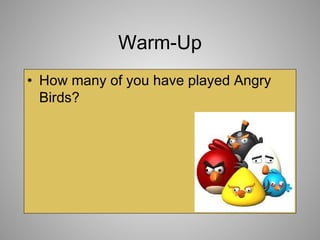
Warm-Up
• How many of you have played Angry
Birds?
The Attraction of DGBL
• mirrors how humans think and how the mind works
• popularity
• motivating and fun
• 21st century learners prefer 21st century methods of
learning
• independence
• game design utilizes multiple intelligences
• versatile platform for learning
• collateral learning in a media rich society
• safe alternative to reality
• collaboration and problem-solving
Gaming and the Mind
“Computer-based games provide simulations that often
mirror cognitive functions in the brain. Humans think and
learn through experiences they have had and via
simulations they run in their heads based on those
experiences, much as if they were playing video games in
their head” (Gee 2007).
Computer-based games present information in a manner
more consistent with how the human brain learns
Gaming and the Mind
Pleasure and Motivation
•people enjoy learning new information
•hard work and deep fun
“Good video games give people pleasure. These
pleasures are connected to control, agency, and
meaningfulness. Good games are problem-solving
spaces that create deep learning.” (Gee 2007)
Gaming in Education Misconceptions
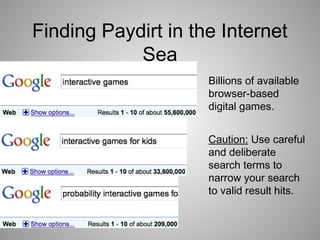
Finding Paydirt in the Internet
Sea
Caution: Use careful
and deliberate
search terms to
narrow your search
to valid result hits.
Billions of available
browser-based
digital games.
Activity
Select a general concept and perform a Google or other
web engine search. Find a digital game that fits your
concept and play it. While you are playing the game:
What does the game teach?
What is the objective of the game?
What are the pros and cons of the game?
Incorporating Digital Game-Based
Learning into Instruction
Motivation
Instructional strategy
Closure
Assessment
Review, Reteach
Interactive Game
Examples
http://www.bravekidgames.com/flash_game_home_compost.php
Compost 4 Fun
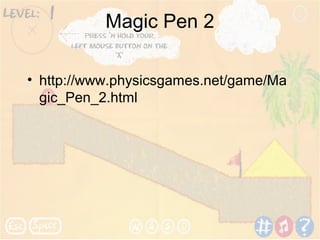
Magic Pen 2
• http://www.physicsgames.net/game/Ma
gic_Pen_2.html
http://labyrinth.thinkport.org/www/index.php
http://www.thinkfinity.org/parent_resource_list.aspx?
feature=onlinegames
Power Play
Spent
http://playspent.org/
Nobel Prize.org
http://www.nobelprize.org/educational/medicine/bloodtypinggame/game/index.html
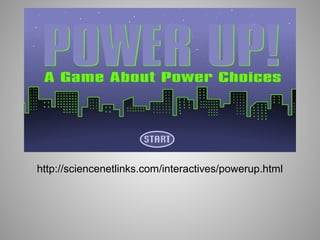
http://sciencenetlinks.com/interactives/powerup.html
http://sciencenetlinks.com/interactives/gravity.html
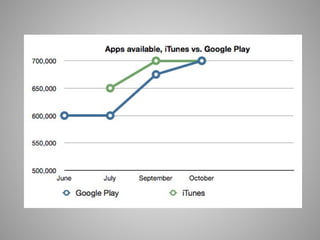
App Wars
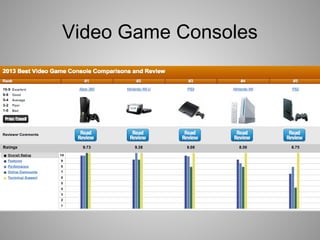
Video Game Consoles
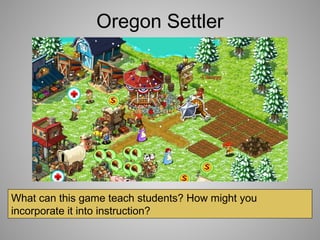
Oregon Settler
What can this game teach students? How might you
incorporate it into instruction?
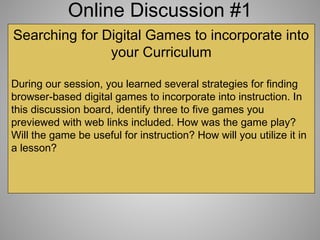
Online Discussion #1
Searching for Digital Games to incorporate into
your Curriculum
During our session, you learned several strategies for finding
browser-based digital games to incorporate into instruction. In
this discussion board, identify three to five games you
previewed with web links included. How was the game play?
Will the game be useful for instruction? How will you utilize it in
a lesson?
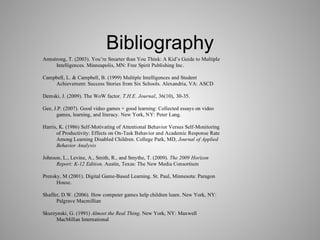
Bibliography
Armstrong, T. (2003). You’re Smarter than You Think: A Kid’s Guide to Multiple
Intelligences. Minneapolis, MN: Free Spirit Publishing Inc.
Campbell, L. & Campbell, B. (1999) Multiple Intelligences and Student
Achievement: Success Stories from Six Schools. Alexandria, VA: ASCD
Demski, J. (2009). The WoW factor. T.H.E. Journal, 36(10), 30-35.
Gee, J.P. (2007). Good video games + good learning: Collected essays on video
games, learning, and literacy. New York, NY: Peter Lang.
Harris, K. (1986) Self-Motivating of Attentional Behavior Versus Self-Monitoring
of Productivity: Effects on On-Task Behavior and Academic Response Rate
Among Learning Disabled Children. College Park, MD, Journal of Applied
Behavior Analysis
Johnson, L., Levine, A., Smith, R., and Smythe, T. (2009). The 2009 Horizon
Report: K-12 Edition. Austin, Texas: The New Media Consortium
Prensky, M (2001). Digital Game-Based Learning. St. Paul, Minnesota: Paragon
House.
Shaffer, D.W. (2006). How computer games help children learn. New York, NY:
Palgrave Macmillian
Skurzynski, G. (1991) Almost the Real Thing. New York, NY: Maxwell
MacMillan International

Class1 dgbl ineducationjhu_summer2013

  • 1.
  • 2.
    Gaming and MediaDesign for Learning 893.628.9C Summer Session 5/14/2013 – 6/18/2013 Ryan Schaaf Assistant Professor of Technology, Notre Dame in Maryland University Graduate Faculty, Johns Hopkins University SOE
  • 3.
    Guiding Questions •What arethe course assignments, expectations, and logistics? •What would be the benefits of incorporating digital games into the classroom? •How do teachers and students find meaningful digital games to use in classrooms? •What are some misconceptions of DGBL? •What types of digital games are there?
  • 4.
  • 5.
  • 6.
    Bloom’s Digital Taxonomy GameProposal, Game Trailer, Storyboard, PowerPoint Game, Lesson Seed Game Diary, Peer Review Discussion Board Posts, Readings, Modules Discussion Board Posts, Readings, Modules Discussion Board Posts, Readings, Modules Game Diary
  • 7.
    Temporary Course Website http://sites.google.com/site/jhugamingandmediadesign/home HomePage contains Weekly assignments, directions, useful links, and Navigation menu to supporting pages.
  • 8.
    Course Walkthrough & LearnerProfile Survey • Learner Profile Survey http://bit.ly/2013JHUGaming1 • I want to hold off on the Course Walkthrough until the ELC becomes available. For now, I will try to instruct you with directions on what to do on the temporary site.
  • 9.
    What is DigitalGame-Based Learning? • Digital game-based learning (DGBL) is an instructional method that incorporates educational content or learning principles into video games with the goal of engaging learners. Applications of digital game-based learning draw upon the constructivist theory of education. http://www.learnnc.org/lp/pages/4970
  • 10.
    Warm-Up • How manyof you have played Angry Birds?
  • 12.
    The Attraction ofDGBL • mirrors how humans think and how the mind works • popularity • motivating and fun • 21st century learners prefer 21st century methods of learning • independence • game design utilizes multiple intelligences • versatile platform for learning • collateral learning in a media rich society • safe alternative to reality • collaboration and problem-solving
  • 13.
    Gaming and theMind “Computer-based games provide simulations that often mirror cognitive functions in the brain. Humans think and learn through experiences they have had and via simulations they run in their heads based on those experiences, much as if they were playing video games in their head” (Gee 2007). Computer-based games present information in a manner more consistent with how the human brain learns
  • 14.
    Gaming and theMind Pleasure and Motivation •people enjoy learning new information •hard work and deep fun “Good video games give people pleasure. These pleasures are connected to control, agency, and meaningfulness. Good games are problem-solving spaces that create deep learning.” (Gee 2007)
  • 15.
    Gaming in EducationMisconceptions
  • 17.
    Finding Paydirt inthe Internet Sea Caution: Use careful and deliberate search terms to narrow your search to valid result hits. Billions of available browser-based digital games.
  • 18.
    Activity Select a generalconcept and perform a Google or other web engine search. Find a digital game that fits your concept and play it. While you are playing the game: What does the game teach? What is the objective of the game? What are the pros and cons of the game?
  • 19.
    Incorporating Digital Game-Based Learninginto Instruction Motivation Instructional strategy Closure Assessment Review, Reteach
  • 20.
  • 21.
    Magic Pen 2 •http://www.physicsgames.net/game/Ma gic_Pen_2.html
  • 22.
  • 23.
  • 24.
  • 25.
  • 26.
  • 27.
  • 28.
  • 31.
  • 32.
    Oregon Settler What canthis game teach students? How might you incorporate it into instruction?
  • 33.
    Online Discussion #1 Searchingfor Digital Games to incorporate into your Curriculum During our session, you learned several strategies for finding browser-based digital games to incorporate into instruction. In this discussion board, identify three to five games you previewed with web links included. How was the game play? Will the game be useful for instruction? How will you utilize it in a lesson?
  • 34.
    Bibliography Armstrong, T. (2003).You’re Smarter than You Think: A Kid’s Guide to Multiple Intelligences. Minneapolis, MN: Free Spirit Publishing Inc. Campbell, L. & Campbell, B. (1999) Multiple Intelligences and Student Achievement: Success Stories from Six Schools. Alexandria, VA: ASCD Demski, J. (2009). The WoW factor. T.H.E. Journal, 36(10), 30-35. Gee, J.P. (2007). Good video games + good learning: Collected essays on video games, learning, and literacy. New York, NY: Peter Lang. Harris, K. (1986) Self-Motivating of Attentional Behavior Versus Self-Monitoring of Productivity: Effects on On-Task Behavior and Academic Response Rate Among Learning Disabled Children. College Park, MD, Journal of Applied Behavior Analysis Johnson, L., Levine, A., Smith, R., and Smythe, T. (2009). The 2009 Horizon Report: K-12 Edition. Austin, Texas: The New Media Consortium Prensky, M (2001). Digital Game-Based Learning. St. Paul, Minnesota: Paragon House. Shaffer, D.W. (2006). How computer games help children learn. New York, NY: Palgrave Macmillian Skurzynski, G. (1991) Almost the Real Thing. New York, NY: Maxwell MacMillan International

Editor's Notes

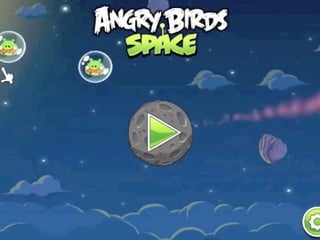
  • #11 Early in 2012, Angry Birds had the distinction of being downloaded over 1 billion times. The executive vice president of Rovio, Andrew Stalbow provided astonishing usage figures. "In any given day, we have 20-30 million people playing our games connected. And in any given month we have up to 200 million people playing our games." (Dredge, 2012)
  • #12 Take the original Angry Birds, which has been used to teach physics. Developer Rovio subsequently worked with NASA on the micro-gravity used in Angry Birds Space to improve its educational value (if you can ignore the exploding pigs in vacuum). That collaboration reached a new orbit with the landing of the Mars Curiosity rover and the release the same month of an Angry Birds Space: Red Planet update with explicit links to NASA educational content about Mars. Newton’s Laws Numeration Data Experimentation trial and error strategic planning, Parabola Trajectory cause and effect the scientific method, goal commitment
  • #29 Combined 1.4 million apps
  • #32 http://video-game-consoles-review.toptenreviews.com/
  • #33 You’ve conquered the trail, now it’s time to tame the frontier! Experience the next step in The Oregon Trail story, where you and your family can finally settle down and build a new home in the Wild West… The Oregon Trail: American Settler is a fun and addictive game stocked with heaps of engaging features to keep you entertained for hours and hours! Build the largest and greatest town the Wild West has ever seen! FEATURES: ✔ Create and manage your own frontier town ✔ Relive memorable moments from The Oregon Trail! ✔ Place hundreds of buildings, livestock and crops ✔ Customize your character with various outfits ✔ Play hunting or fishing mini-games for resources ✔ Go prospectin’ to uncover daily rewards ✔ Face the dangers of the Wild West: stampedes, hurricanes and more! ✔ Visit neighboring villages to gather hearts and use them to grow your village! Social Studies (history, westward expansion, factors of production, opportunity cost, technology from the past) Reading (challenging vocabulary, slang vs formal english, connect with westward expansion novels) Math (adding, subtracting large numbers in real world context, data collection, time management) Writing (narratives, persuasive writing)