REPODUCTIO
N IN
ORGANISMS
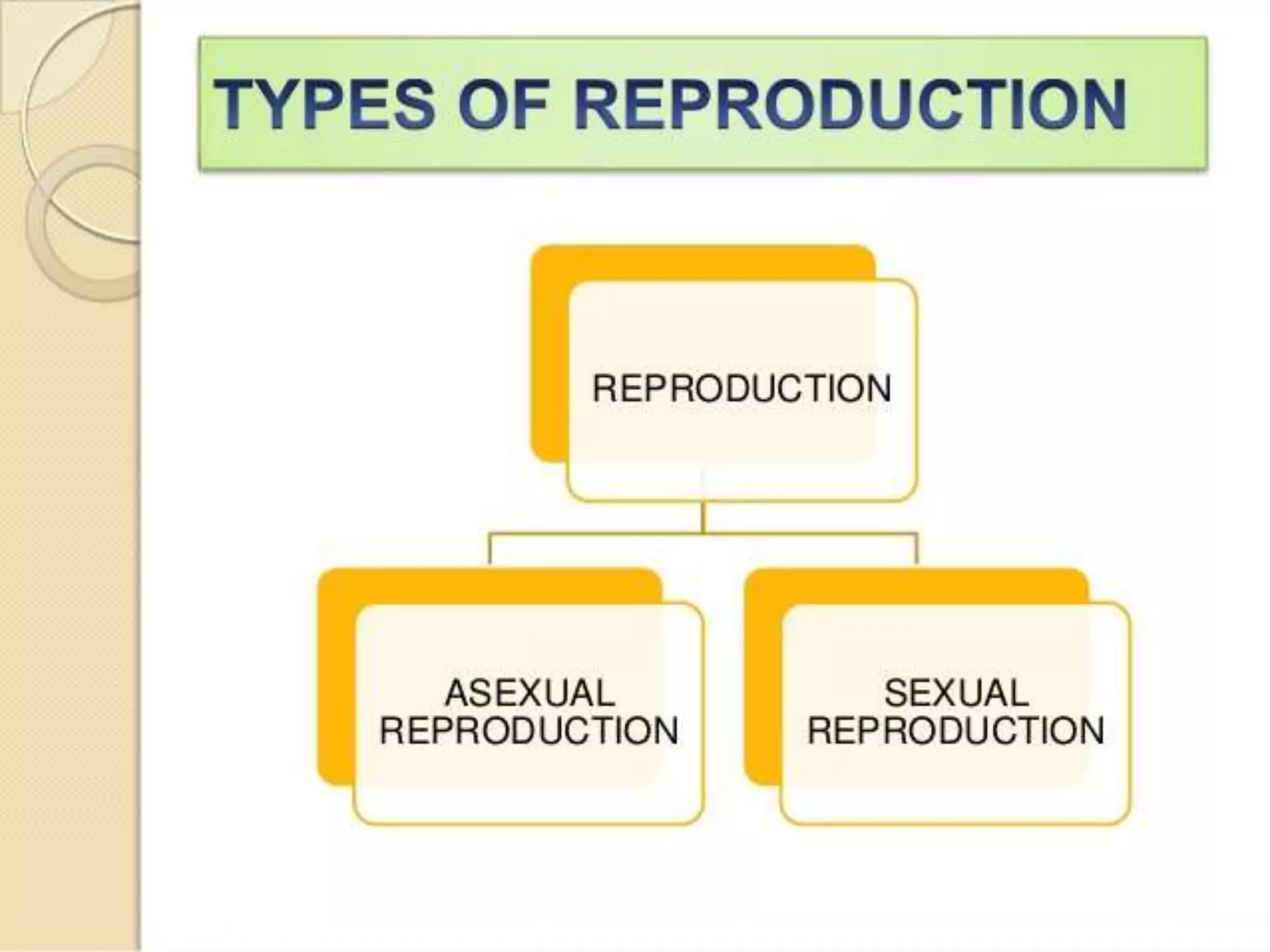
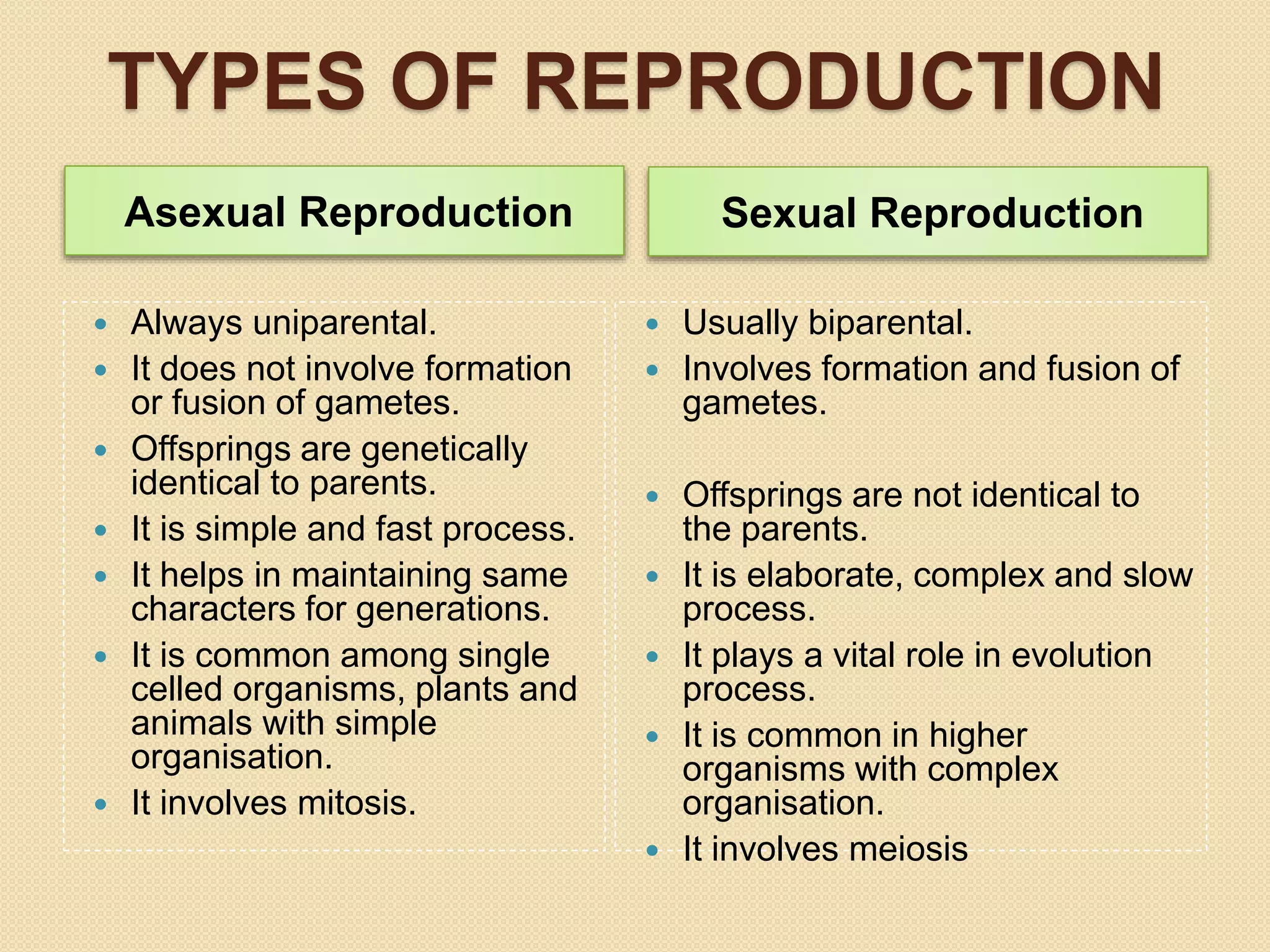
TYPES OF REPRODUCTION
Asexual Reproduction Sexual Reproduction
 Always uniparental.
 It does not involve formation
or fusion of gametes.
 Offsprings are genetically
identical to parents.
 It is simple and fast process.
 It helps in maintaining same
characters for generations.
 It is common among single
celled organisms, plants and
animals with simple
organisation.
 It involves mitosis.
 Usually biparental.
 Involves formation and fusion of
gametes.
 Offsprings are not identical to
the parents.
 It is elaborate, complex and slow
process.
 It plays a vital role in evolution
process.
 It is common in higher
organisms with complex
organisation.
 It involves meiosis
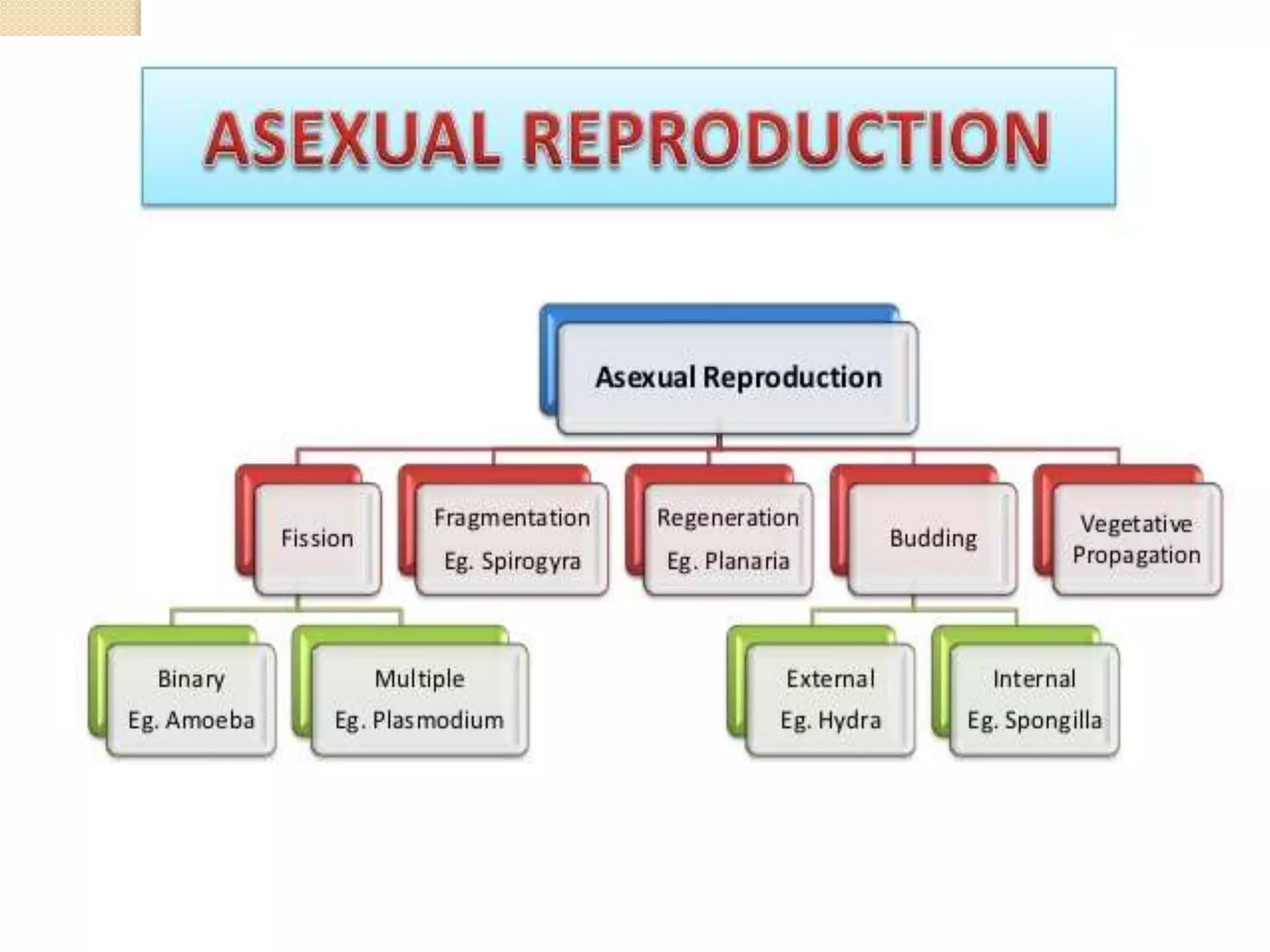
ASEXUAL REPRODUCTION
 FISSION- The splitting up of parental cell
into two or more daughter cells.
a) Binary fission-splitting of parental cell
into two equal daughter cells. Division in
any plane(amoeba),
longitudinal(euglena),
transverse(paramecium) and
oblique(dinoflagellates).
b) Multiple fission-splitting of a parent cell
to numerous daughter cells e.g.
Plasmodium.
Sporulation in amoeba.
Contd.
 Fragmentation- in algae (Spirogyra),
fungi (Rhizopus)
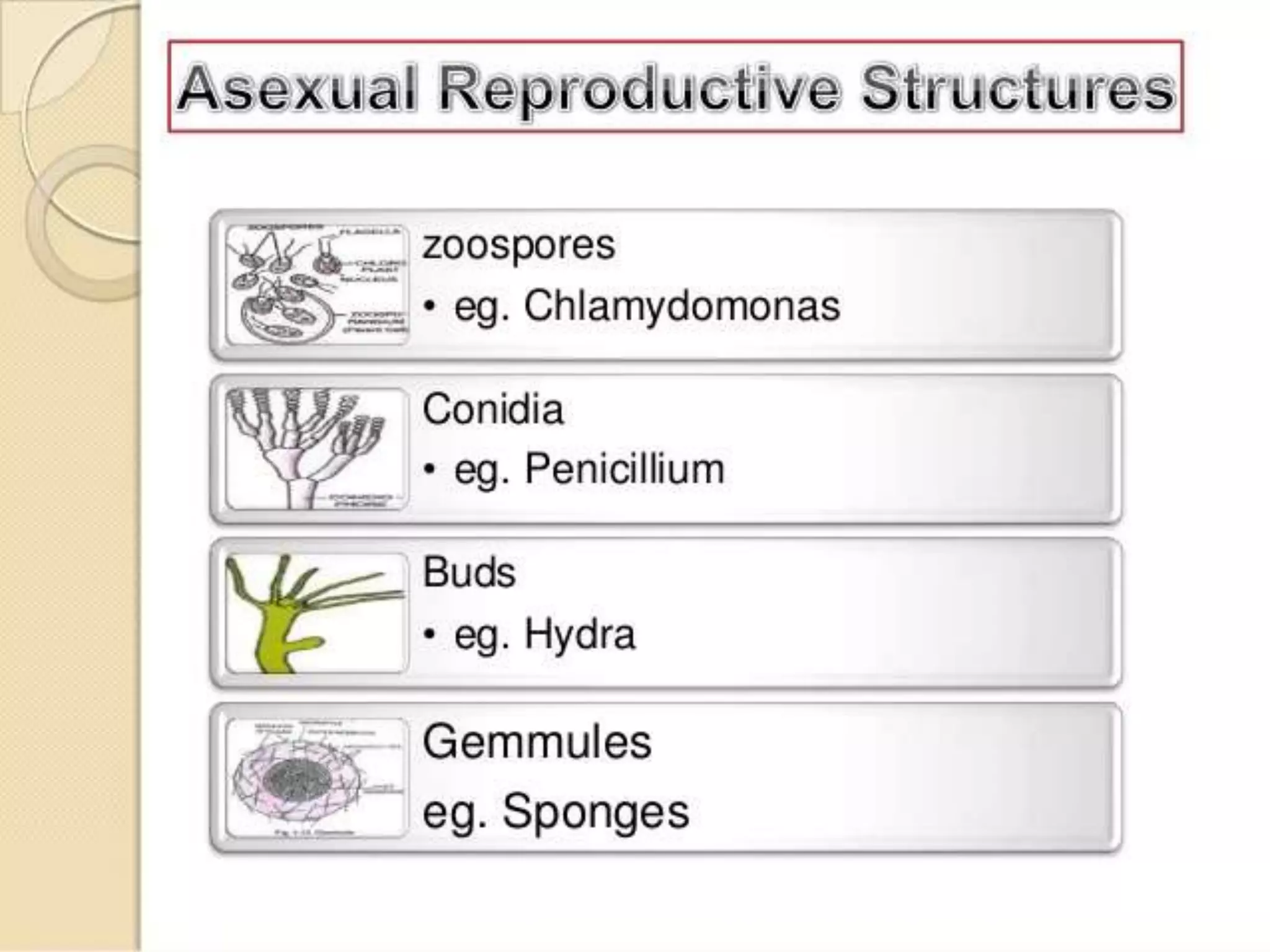
 Budding- External budding in yeast,
hydra. Unequal division during
budding.
Internal budding (Gemmule formation)
in fresh water
sponges(Spongilla)
 Regeneration- regrowth in the injured
region e.g. Planaria, Hydra.
VEGETATIVE
PROPAGATION
 Roots- Both tap roots(e.g. Guava) and adventitious
roots(sweet potato) take part in vegetative
propagation.
 Underground Stems-
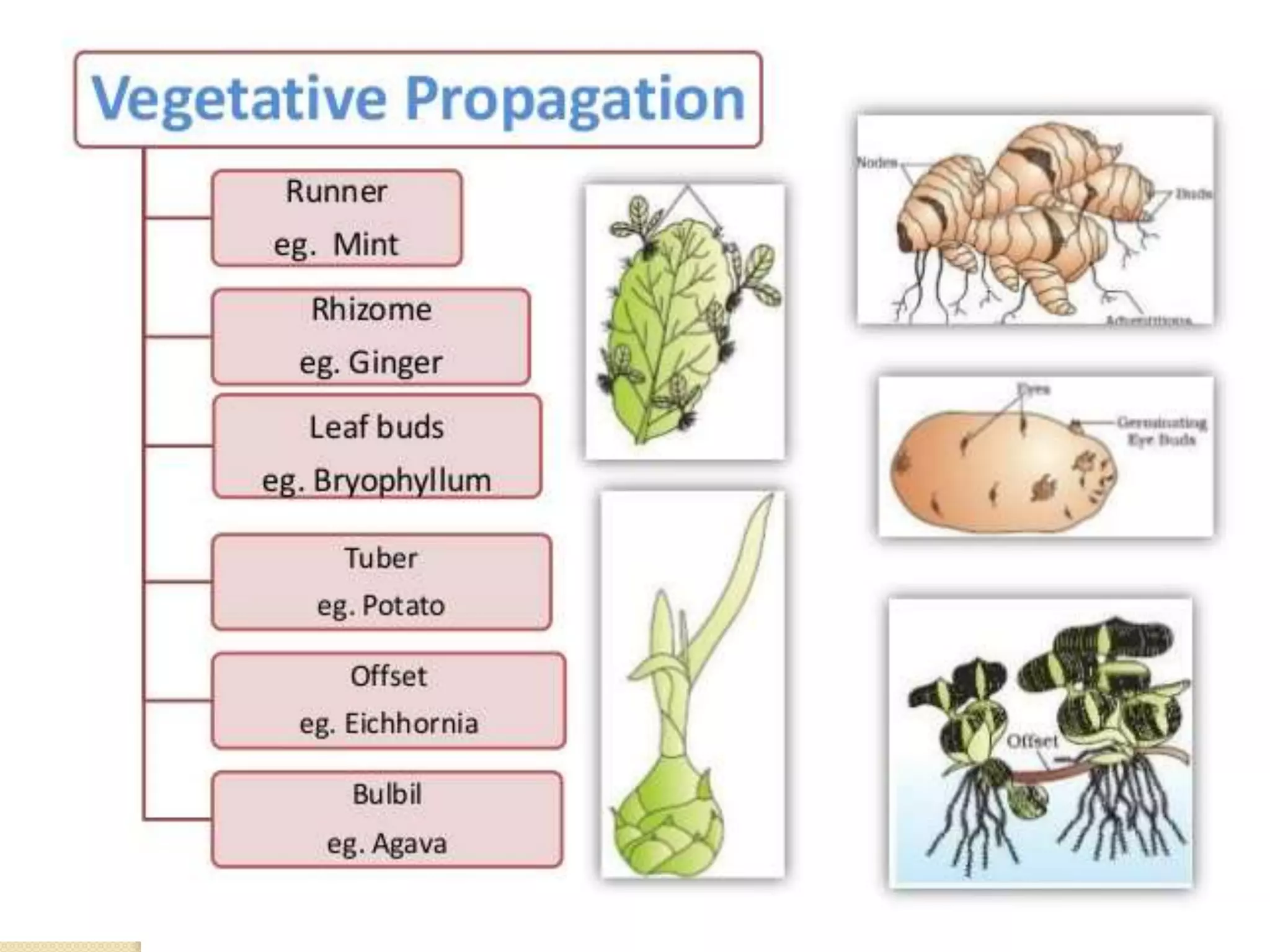
(i) Tubers- Have axillary buds on the nodes e.g.
Potato.
(ii) Bulbs-Underground condensed shoots e.g. garlic,
onion.
(iii) Corms-Unbranched swollen underground stems
e.g. Colocasia
(iv) Rhizomes- store food for perennation during
unfavourable conditions,e.g. banana, ginger,
turmeric
(v) Suckers-These are selender underground
branches that develops from base of aerial shoot.
Contd
.
 Subaerial or creeping stems
(i) Runners-narrow green horizontal branches which
develop at base of crown and root at intervals
where new crowns are formed,e.g. lawn
grass(doob grass)
 Stolons-They are arched horizontal branches that
develop at base of crown,e.g. Strawberry
(i) Offsets-These are one internode long runners
occur in aquatic plants,e.g. Eichhornia(water
hyacinth) and Pistia (Water lettuce)
 Aerial Stems-Fleshy Phylloclades accur in
Opuntia.
 Leaves- of many plants have adventitious buds,
e.g. Bryophyllum.
 Bulbils-these are multicellular fleshy buds, e.g.
Cuttings-roots, stems and
leaves
Layering
Grafting
Micropropagation
Multiple Choice Questions
(i) External fertilisation occurs in majority of
(a) algae (b) fungi (c) liverworts (d) mosses
(ii) Vegetative reproduction in Pistia occurs by (a) stolon
(b)offset (c) runner (d) sucker
(iii) The type of asexual reproduction found in Hydra is
(a) multiple fission (b) budding (c) binary fission (d)
gemmule
formation
(iv) Which of the following pairs is not correctly matched
(a) Conidia-Penicillium (b) Offset- Water hyacinth
(c)Rhizome-Banana (d) Binary fission- Sargassum
Contd.
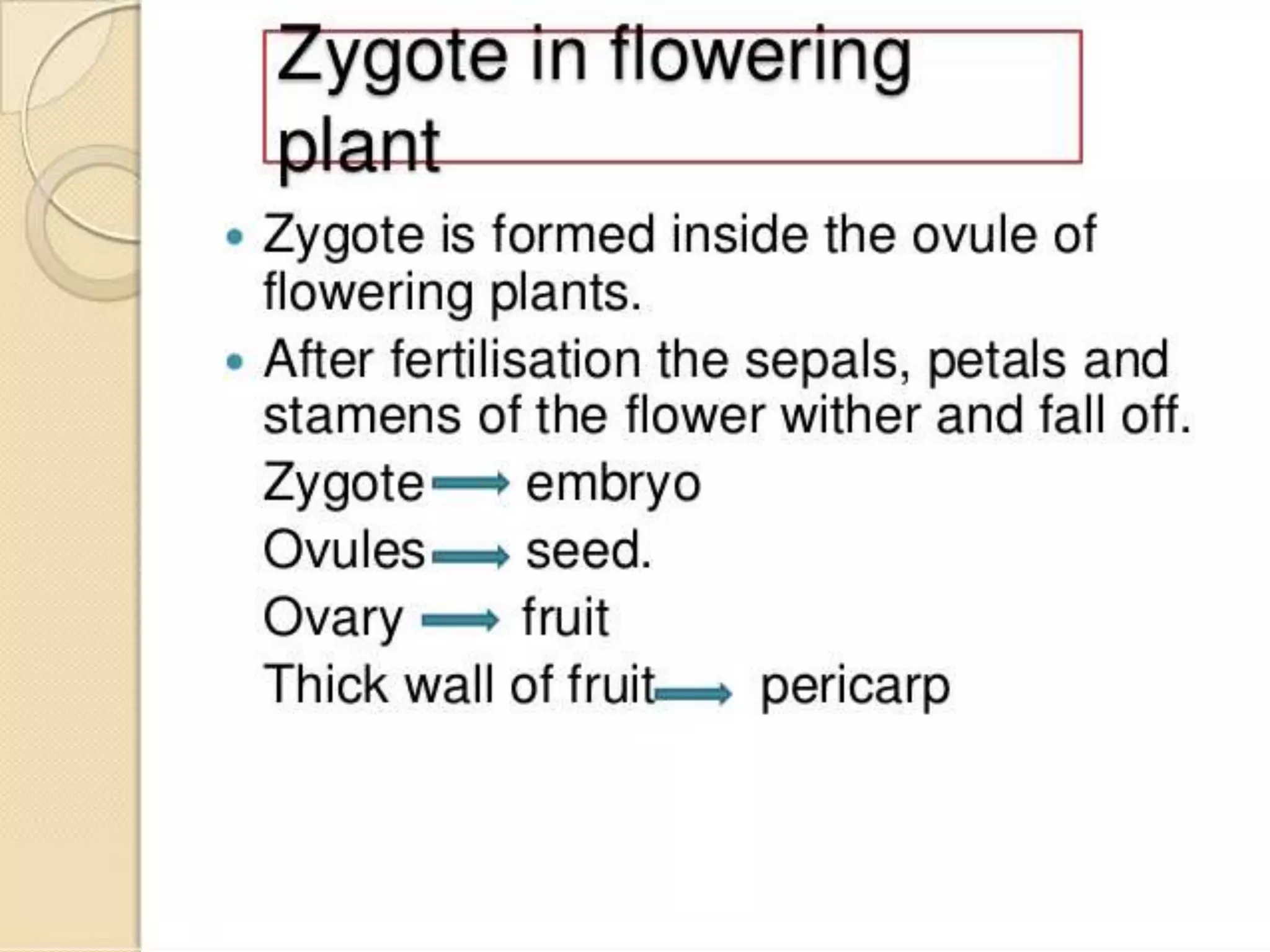
(v) The part of the fruit formed from the wall of ripened
ovary
(a) pericarp (b) nucellus (c) gemmule (d) endosperm
(vi) The eyes of potato tubers are
(a) flower buds (b) shoot bud (c) axillary buds (d) root
buds
(vii) In Bryophyllum adventitious buds arise from
(a) leaves (b) root (c) stems (d) flowers
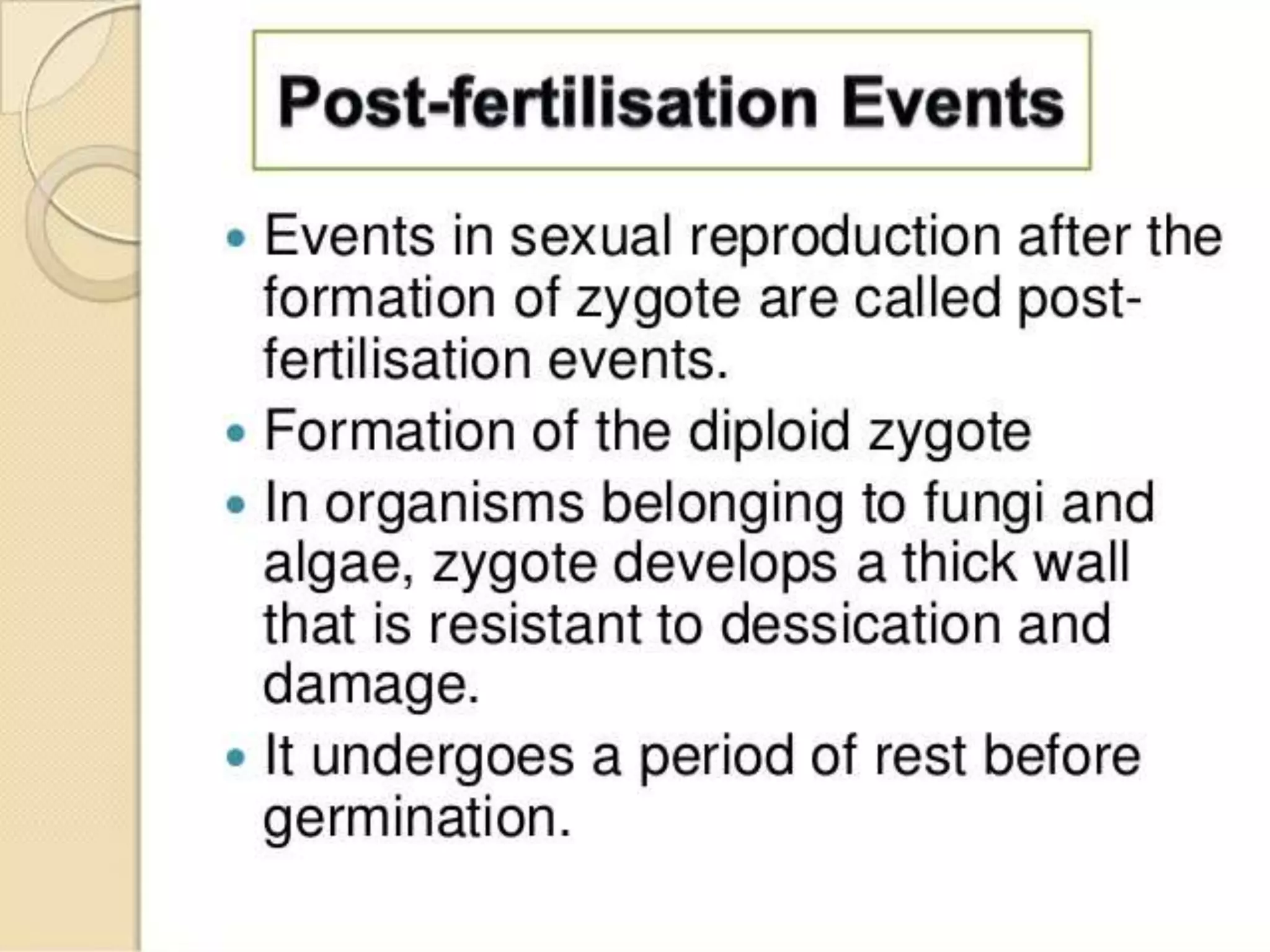
(viii) Which of the following is post- fertilisation event in
flowering plants?
(a) transfer of pollen grains (b) embryo
development (c) formation of flower
(d) formation of pollen grains
QUESTIONS: CHAPTER 1
REPRODUCTION IN ORGANISMS
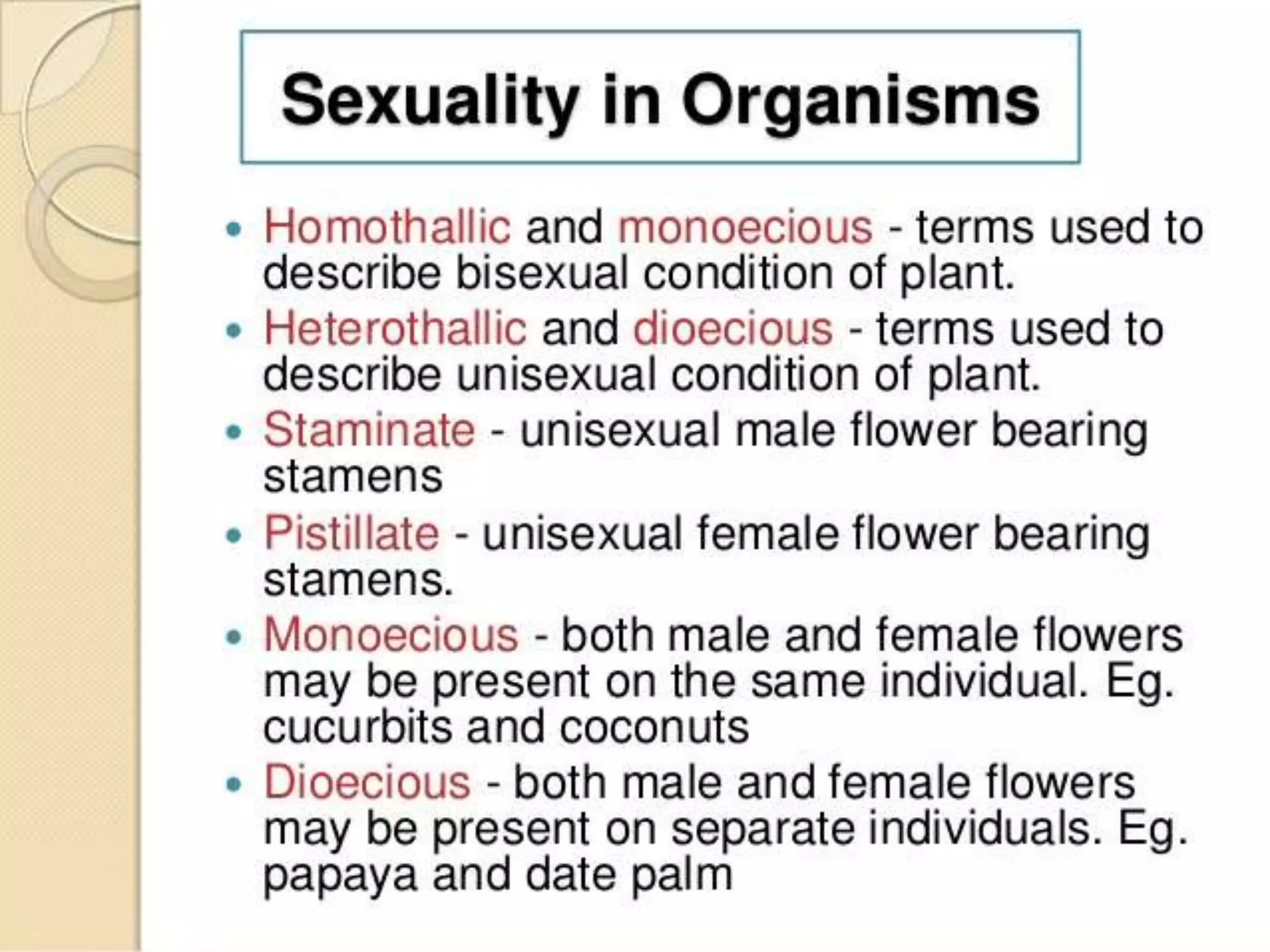
Q1. How are Cucurbita plants different from papaya plants with
reference to the flowers they bear?
Q2. When are the non-flowering plants said to be homothallic and
monoecious; and heterothallic and dioecious? Give an
example of each.
Q3. Name and explain the technique that can be used in
developing improved crop varieties in plants bearing female
flowers only.
Q4. Meiosis is an essential event in the sexual cycle of any
organism. Give two reasons.
Q5. Name the group of organisms that produces non motile male
gametes. How do they reach the female gamete for
fertilisation?
Contd.
Q6. Unicellular organisms are immortal, whereas multicellular
organisms are not. Justify.
Q7. Why is it difficult to get rid of water hyacinth’ from a water body?
Name one abiotic component and one biotic component of the
ecosystem that gets affected by its spread in the water
body.
Q8. Plants like potato and sugarcane do not require seeds for
producing new plants. How do they produce new plants? Give
two other examples, where new plants are produced in the
same way.
Q9. The cell division involved in gamete formation is not of the same
type in different organisms. Justify.
Q10. Why do moss plants produce very large number of male
gametes? Provide one reason. What are these gametes called?
Q11. Describe the process of sporulation seen in Amoeba. What are its
advantages?
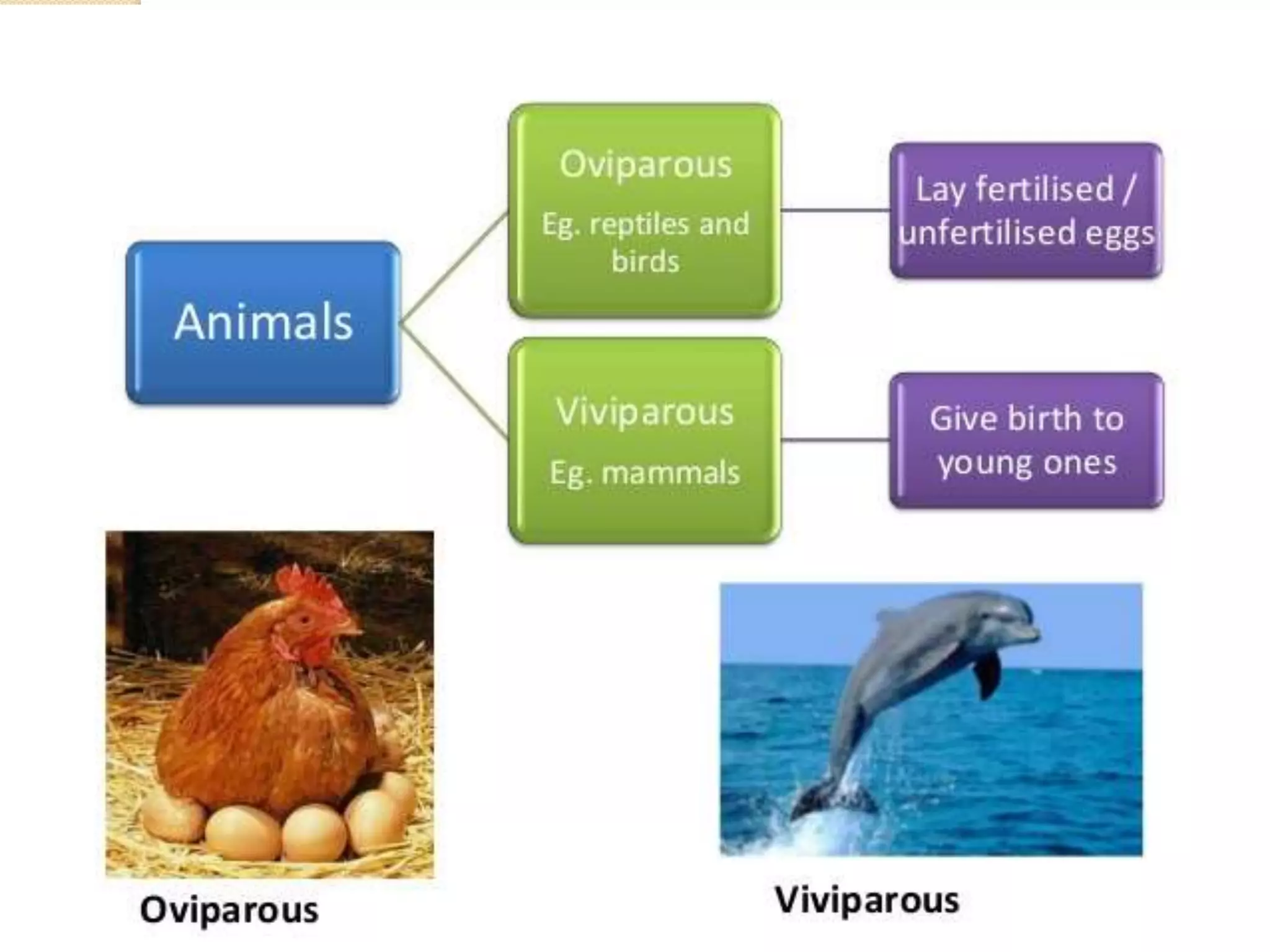
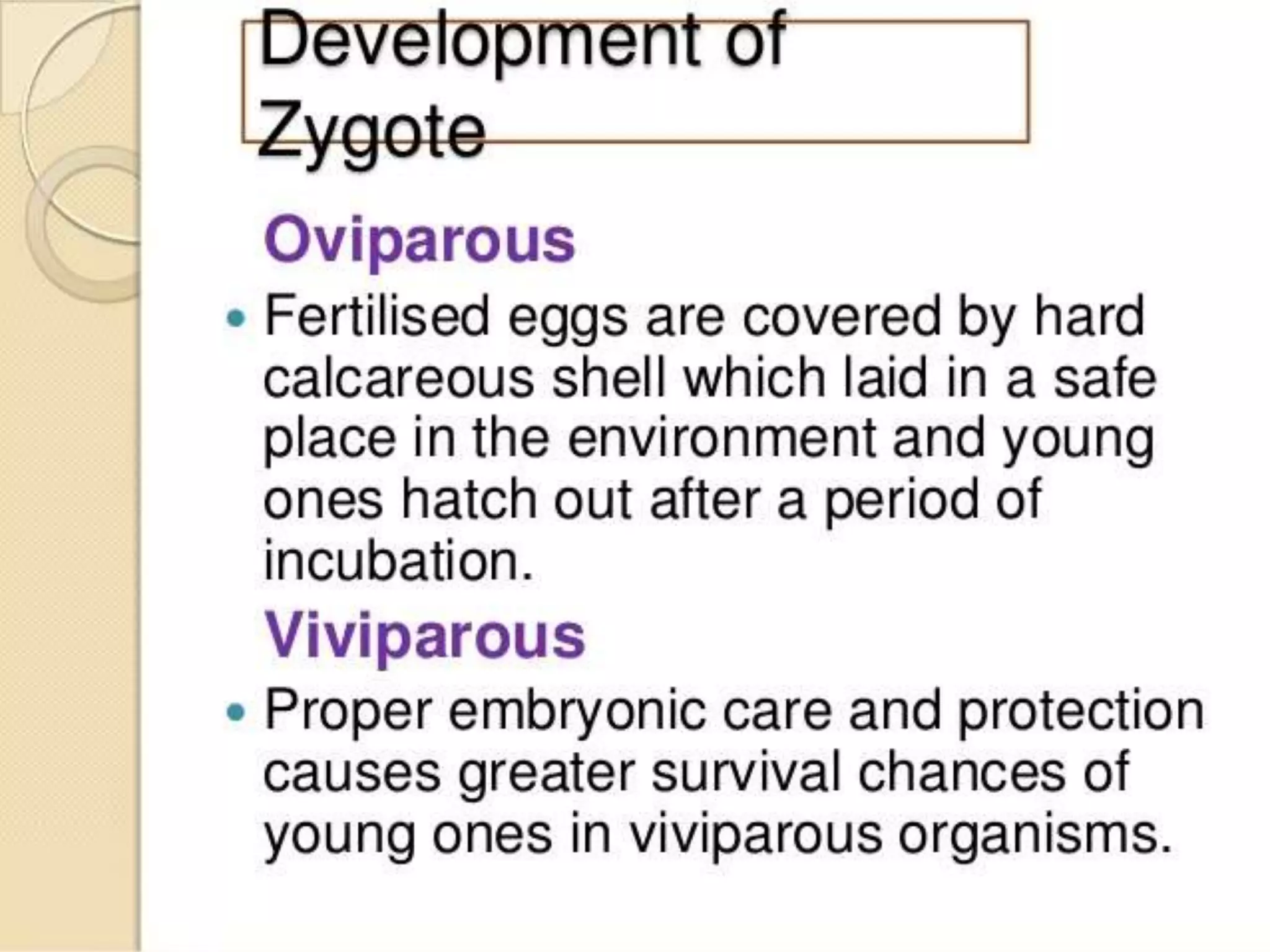
Q12. Differentiate between oviparous and viviparous animals with an
example of each.

Class 10 - Reproduction.pptx

  • 1.
  • 7.
    TYPES OF REPRODUCTION AsexualReproduction Sexual Reproduction  Always uniparental.  It does not involve formation or fusion of gametes.  Offsprings are genetically identical to parents.  It is simple and fast process.  It helps in maintaining same characters for generations.  It is common among single celled organisms, plants and animals with simple organisation.  It involves mitosis.  Usually biparental.  Involves formation and fusion of gametes.  Offsprings are not identical to the parents.  It is elaborate, complex and slow process.  It plays a vital role in evolution process.  It is common in higher organisms with complex organisation.  It involves meiosis
  • 9.
    ASEXUAL REPRODUCTION  FISSION-The splitting up of parental cell into two or more daughter cells. a) Binary fission-splitting of parental cell into two equal daughter cells. Division in any plane(amoeba), longitudinal(euglena), transverse(paramecium) and oblique(dinoflagellates). b) Multiple fission-splitting of a parent cell to numerous daughter cells e.g. Plasmodium. Sporulation in amoeba.
  • 10.
    Contd.  Fragmentation- inalgae (Spirogyra), fungi (Rhizopus)  Budding- External budding in yeast, hydra. Unequal division during budding. Internal budding (Gemmule formation) in fresh water sponges(Spongilla)  Regeneration- regrowth in the injured region e.g. Planaria, Hydra.
  • 12.
    VEGETATIVE PROPAGATION  Roots- Bothtap roots(e.g. Guava) and adventitious roots(sweet potato) take part in vegetative propagation.  Underground Stems- (i) Tubers- Have axillary buds on the nodes e.g. Potato. (ii) Bulbs-Underground condensed shoots e.g. garlic, onion. (iii) Corms-Unbranched swollen underground stems e.g. Colocasia (iv) Rhizomes- store food for perennation during unfavourable conditions,e.g. banana, ginger, turmeric (v) Suckers-These are selender underground branches that develops from base of aerial shoot.
  • 13.
    Contd .  Subaerial orcreeping stems (i) Runners-narrow green horizontal branches which develop at base of crown and root at intervals where new crowns are formed,e.g. lawn grass(doob grass)  Stolons-They are arched horizontal branches that develop at base of crown,e.g. Strawberry (i) Offsets-These are one internode long runners occur in aquatic plants,e.g. Eichhornia(water hyacinth) and Pistia (Water lettuce)  Aerial Stems-Fleshy Phylloclades accur in Opuntia.  Leaves- of many plants have adventitious buds, e.g. Bryophyllum.  Bulbils-these are multicellular fleshy buds, e.g.
  • 14.
  • 37.
    Multiple Choice Questions (i)External fertilisation occurs in majority of (a) algae (b) fungi (c) liverworts (d) mosses (ii) Vegetative reproduction in Pistia occurs by (a) stolon (b)offset (c) runner (d) sucker (iii) The type of asexual reproduction found in Hydra is (a) multiple fission (b) budding (c) binary fission (d) gemmule formation (iv) Which of the following pairs is not correctly matched (a) Conidia-Penicillium (b) Offset- Water hyacinth (c)Rhizome-Banana (d) Binary fission- Sargassum
  • 38.
    Contd. (v) The partof the fruit formed from the wall of ripened ovary (a) pericarp (b) nucellus (c) gemmule (d) endosperm (vi) The eyes of potato tubers are (a) flower buds (b) shoot bud (c) axillary buds (d) root buds (vii) In Bryophyllum adventitious buds arise from (a) leaves (b) root (c) stems (d) flowers (viii) Which of the following is post- fertilisation event in flowering plants? (a) transfer of pollen grains (b) embryo development (c) formation of flower (d) formation of pollen grains
  • 39.
    QUESTIONS: CHAPTER 1 REPRODUCTIONIN ORGANISMS Q1. How are Cucurbita plants different from papaya plants with reference to the flowers they bear? Q2. When are the non-flowering plants said to be homothallic and monoecious; and heterothallic and dioecious? Give an example of each. Q3. Name and explain the technique that can be used in developing improved crop varieties in plants bearing female flowers only. Q4. Meiosis is an essential event in the sexual cycle of any organism. Give two reasons. Q5. Name the group of organisms that produces non motile male gametes. How do they reach the female gamete for fertilisation?
  • 40.
    Contd. Q6. Unicellular organismsare immortal, whereas multicellular organisms are not. Justify. Q7. Why is it difficult to get rid of water hyacinth’ from a water body? Name one abiotic component and one biotic component of the ecosystem that gets affected by its spread in the water body. Q8. Plants like potato and sugarcane do not require seeds for producing new plants. How do they produce new plants? Give two other examples, where new plants are produced in the same way. Q9. The cell division involved in gamete formation is not of the same type in different organisms. Justify. Q10. Why do moss plants produce very large number of male gametes? Provide one reason. What are these gametes called? Q11. Describe the process of sporulation seen in Amoeba. What are its advantages? Q12. Differentiate between oviparous and viviparous animals with an example of each.