Chapter 8 8G Four Terms Emily Ryan
Lavage Lavage is a medical procedure that involves cleaning or washing out a body organ
Types of Lavage Gastric Lavage Bronchoalveolar Lavage Bowel Lavage Ear Lavage
Gastric Lavage This type is often referred to as stomach pumping A tube is placed down the nose or mouth into the stomach and fluid is pushed in and sucked out It  is used to get rid of harmful chemicals or toxins in the stomach such as an alcohol or drug overdose
Bronchoalveolar Lavage This involves the insertion of a bronchoscope through the nose or mouth into the lung Fluid is then pumped in and sucked out to be examined Examination of the extracted fluid can help diagnose some types of lung diseases
Peritoneal Lavage
Bowel Lavage A Bowel lavage involves flushing the colon with liquids to remove any solids in preparation for the diagnostic colonoscopy procedure
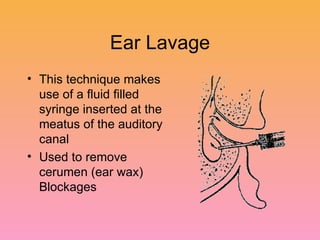
Ear Lavage This technique makes use of a fluid filled syringe inserted at the meatus of the auditory canal  Used to remove cerumen (ear wax) Blockages
Anastomosis Anastomosis is the surgical connection of two organs or vessels
Common places for anastomosis Gastrointestinal tract Blood Vessels Urinary Tract
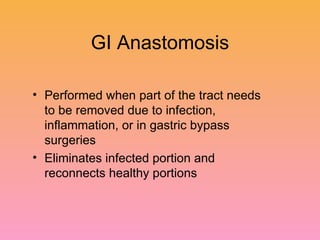
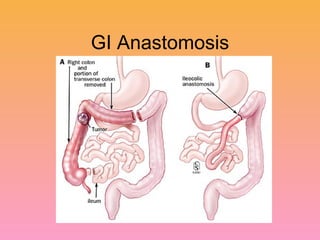
GI Anastomosis Performed when part of the tract needs to be removed due to infection, inflammation, or in gastric bypass surgeries Eliminates infected portion and reconnects healthy portions
GI Anastomosis
Blood Vessels Artery-Vein- used during dialysis Artery-Artery- give insurance that blood can reach capillary beds if one artery is or becomes blocked
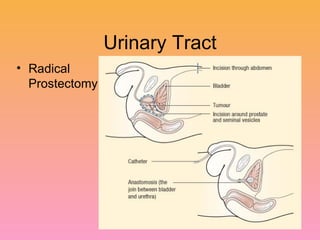
Urinary Tract Radical Prostectomy
Urinary Tract Radical Cystectomy (removal of part of the bladder) Radical Cystectomy
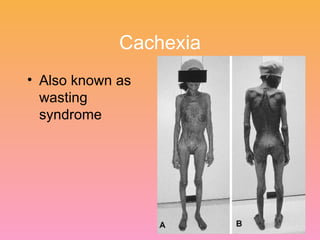
Cachexia Also known as wasting syndrome
Cachexia Cachexia is a loss of body mass due to disease. Weight usually can not be restored even with adequate caloric intake Common in patients with certain diseases and increases the likelihood the disease will lead to death
Cachexia Common in people suffering from the following diseases: Cancer AIDS COPD CHF TB
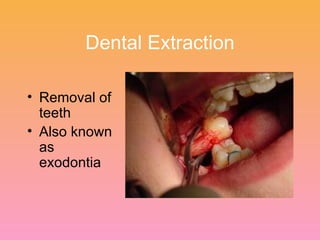
Dental Extraction Removal of teeth Also known as exodontia
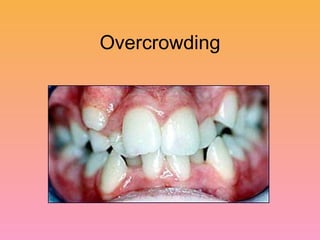
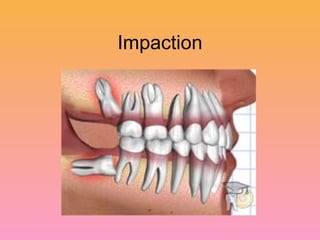
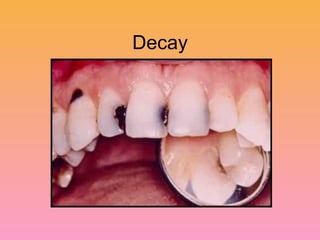
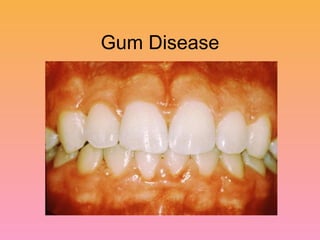
Extraction Commonly performed in the following circumstances: Overcrowding/Extra teeth Impaction Decay Gum disease Preparation for orthodontics
Overcrowding
Impaction
Decay
Gum Disease
 

Chapter 8

  • 1.
    Chapter 8 8GFour Terms Emily Ryan
  • 2.
    Lavage Lavage isa medical procedure that involves cleaning or washing out a body organ
  • 3.
    Types of LavageGastric Lavage Bronchoalveolar Lavage Bowel Lavage Ear Lavage
  • 4.
    Gastric Lavage Thistype is often referred to as stomach pumping A tube is placed down the nose or mouth into the stomach and fluid is pushed in and sucked out It is used to get rid of harmful chemicals or toxins in the stomach such as an alcohol or drug overdose
  • 5.
    Bronchoalveolar Lavage Thisinvolves the insertion of a bronchoscope through the nose or mouth into the lung Fluid is then pumped in and sucked out to be examined Examination of the extracted fluid can help diagnose some types of lung diseases
  • 6.
  • 7.
    Bowel Lavage ABowel lavage involves flushing the colon with liquids to remove any solids in preparation for the diagnostic colonoscopy procedure
  • 8.
    Ear Lavage Thistechnique makes use of a fluid filled syringe inserted at the meatus of the auditory canal Used to remove cerumen (ear wax) Blockages
  • 9.
    Anastomosis Anastomosis isthe surgical connection of two organs or vessels
  • 10.
    Common places foranastomosis Gastrointestinal tract Blood Vessels Urinary Tract
  • 11.
    GI Anastomosis Performedwhen part of the tract needs to be removed due to infection, inflammation, or in gastric bypass surgeries Eliminates infected portion and reconnects healthy portions
  • 12.
  • 13.
    Blood Vessels Artery-Vein-used during dialysis Artery-Artery- give insurance that blood can reach capillary beds if one artery is or becomes blocked
  • 14.
  • 15.
    Urinary Tract RadicalCystectomy (removal of part of the bladder) Radical Cystectomy
  • 16.
    Cachexia Also knownas wasting syndrome
  • 17.
    Cachexia Cachexia isa loss of body mass due to disease. Weight usually can not be restored even with adequate caloric intake Common in patients with certain diseases and increases the likelihood the disease will lead to death
  • 18.
    Cachexia Common inpeople suffering from the following diseases: Cancer AIDS COPD CHF TB
  • 19.
    Dental Extraction Removalof teeth Also known as exodontia
  • 20.
    Extraction Commonly performedin the following circumstances: Overcrowding/Extra teeth Impaction Decay Gum disease Preparation for orthodontics
  • 21.
  • 22.
  • 23.
  • 24.
  • 25.