Changes to ACEM training
Changes to ACEM training - 2015
•
•
•
•
•

Advanced training
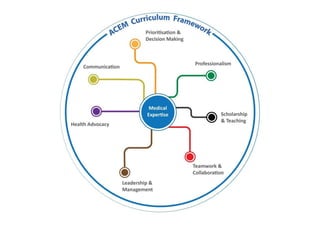
Curriculum
Training time
Workplaced based assessment
Fellowship exam

• Transition arrangements
Curriculum
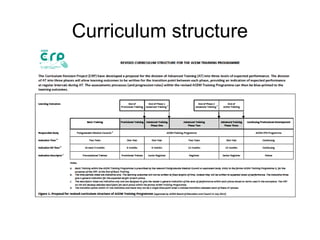
Curriculum structure
Training time
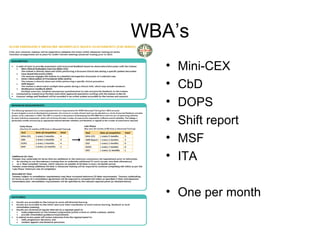
WBA’s
•
•
•
•
•
•

Mini-CEX
CbD
DOPS
Shift report
MSF
ITA

• One per month
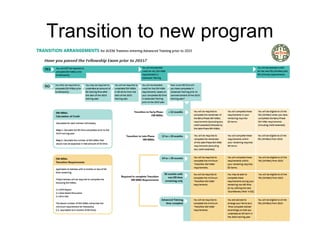
Transition to new program
Fellowship Exam- Written
•

Can sit after completion of early phase

•

Fellowship Examination (FEx) Focus:
The FEx (Written) will:
–
–

•

continue to examine at consultant level, with a focus on knowledge-application.
be a separate assessment from the FEx (Clinical)

Format: The FEx (Written) will comprise two components:
–
–

–

–
–

1. Select-choice Question
Multiple Choice Questions (MCQs)
Each MCQ comprises a stem (i.e. a short lead-in phrase) and a number of alternative
options for response. The correct response is presented, along with a number of plausible
distractors. The MCQs will be written to current best-practice guidelines.
Extended Matching Questions (EMQs)
Each set of EMQs comprise a theme (e.g. a particular presentation, investigation, diagnosis,
or treatment); a list of possible answers (i.e. related to the theme), and a number of stems
requiring a response chosen from the list.
2. Short Answer Question (SAQ)
The SAQ component will incorporate Visual Aid Questions (VAQs) and be structurally
modified to align with current best-practice guidelines. The revised format SAQs will use
questions that are highly structured and specific, with responses that will require single
words or short phrases, rather than mini-essays.
Fellowship Exam- Clinical
•

To be eligible candidates must:
– Have successfully completed FEx written
– Have satisfied research requirement
– be in final 12 months of training

•

Focus: The FEx (Clinical) will:
– continue to examine at consultant-level, with a focus on knowledgeapplication, skills and attributes.
– be a separate assessment from the FEx (written).

•

Format: The FEx (Clinical) will comprise one component:
– 1. Objective Structured Clinical Examination (OSCE)
– A set of clinical examination stations (c.f. the pre-2015 FEx 'Structured
Clinical Examination Stations [SCEs]). The OSCE stations may include
standardised patients, observation stations, clinical scenarios,
communication scenarios and simulations of management of critically ill
patients.
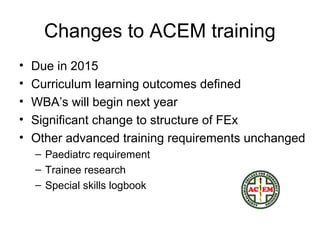
Changes to ACEM training
•
•
•
•
•

Due in 2015
Curriculum learning outcomes defined
WBA’s will begin next year
Significant change to structure of FEx
Other advanced training requirements unchanged
– Paediatrc requirement
– Trainee research
– Special skills logbook

Changes to acem training

  • 1.
  • 2.
    Changes to ACEMtraining - 2015 • • • • • Advanced training Curriculum Training time Workplaced based assessment Fellowship exam • Transition arrangements
  • 4.
  • 5.
  • 6.
  • 7.
  • 8.
  • 9.
    Fellowship Exam- Written • Cansit after completion of early phase • Fellowship Examination (FEx) Focus: The FEx (Written) will: – – • continue to examine at consultant level, with a focus on knowledge-application. be a separate assessment from the FEx (Clinical) Format: The FEx (Written) will comprise two components: – – – – – 1. Select-choice Question Multiple Choice Questions (MCQs) Each MCQ comprises a stem (i.e. a short lead-in phrase) and a number of alternative options for response. The correct response is presented, along with a number of plausible distractors. The MCQs will be written to current best-practice guidelines. Extended Matching Questions (EMQs) Each set of EMQs comprise a theme (e.g. a particular presentation, investigation, diagnosis, or treatment); a list of possible answers (i.e. related to the theme), and a number of stems requiring a response chosen from the list. 2. Short Answer Question (SAQ) The SAQ component will incorporate Visual Aid Questions (VAQs) and be structurally modified to align with current best-practice guidelines. The revised format SAQs will use questions that are highly structured and specific, with responses that will require single words or short phrases, rather than mini-essays.
  • 10.
    Fellowship Exam- Clinical • Tobe eligible candidates must: – Have successfully completed FEx written – Have satisfied research requirement – be in final 12 months of training • Focus: The FEx (Clinical) will: – continue to examine at consultant-level, with a focus on knowledgeapplication, skills and attributes. – be a separate assessment from the FEx (written). • Format: The FEx (Clinical) will comprise one component: – 1. Objective Structured Clinical Examination (OSCE) – A set of clinical examination stations (c.f. the pre-2015 FEx 'Structured Clinical Examination Stations [SCEs]). The OSCE stations may include standardised patients, observation stations, clinical scenarios, communication scenarios and simulations of management of critically ill patients.
  • 11.
    Changes to ACEMtraining • • • • • Due in 2015 Curriculum learning outcomes defined WBA’s will begin next year Significant change to structure of FEx Other advanced training requirements unchanged – Paediatrc requirement – Trainee research – Special skills logbook