Mohamed Abdalla Hassan Hamed
Msc,MBA,PMP,PQP
Projects Manager
Changes “Variations“ in
Construction Projects .
I am more than glad
to be your speaker for
the next 45 minutes
 MOHAMED ABDALLA
 Projects Manager, Public Speaker
 MSC,MBA, PMP,PQP
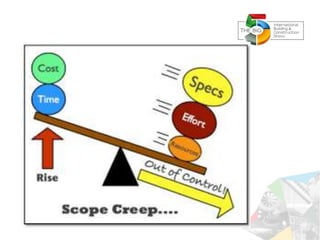
 +971508143450
 pm@ace.ae
The construction industry is one of the most
important sectors in United Arab Emirates, So
it is essential to know the ingredients for
success of construction projects in UAE. While
construction project is unique, projects differ
in objectives, size, budget, timeline and
complexity, but we may find some common
features such as changes and risks concerns.
In Construction Field
How many projects we completed without changes?
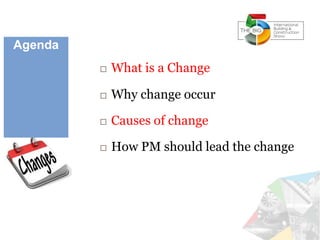
Agenda
 What is a Change
 Why change occur
 Causes of change
 How PM should lead the change
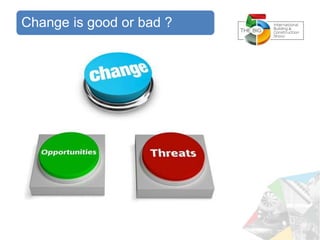
Change is good or bad ?
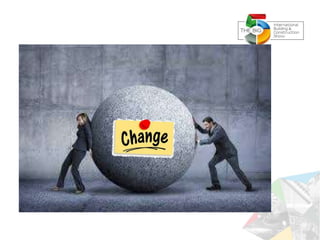
Changes
Changes in construction projects can be
defined as any additions or deduction to
project objectives or project scope are
considered to be unplanned changes, whether
they have positive or negative impact on the
project parameters ; cost, time or quality
Why we Focus on changes ?
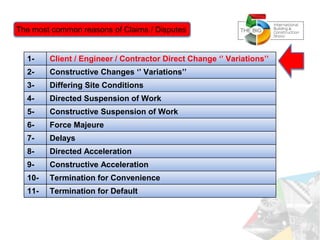
1- Client / Engineer / Contractor Direct Change ‘’ Variations’’
2- Constructive Changes ‘’ Variations’’
3- Differing Site Conditions
4- Directed Suspension of Work
5- Constructive Suspension of Work
6- Force Majeure
7- Delays
8- Directed Acceleration
9- Constructive Acceleration
10- Termination for Convenience
11- Termination for Default
The most common reasons of Claims / Disputes
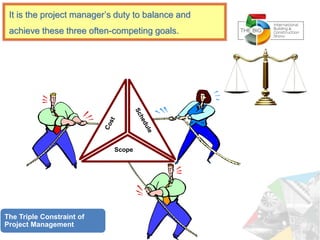
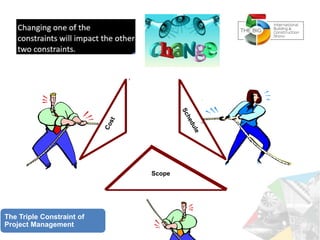
Scope
It is the project manager’s duty to balance and
achieve these three often-competing goals.
The Triple Constraint of
Project Management
Scope
The Triple Constraint of
Project Management
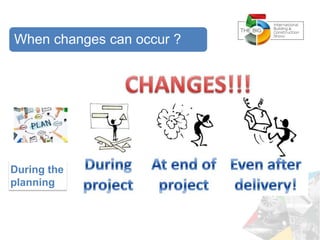
When changes can occur ?
During the
planning
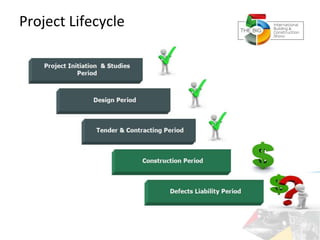
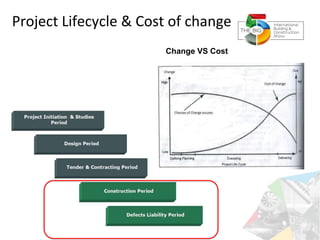
Project Lifecycle
Project Lifecycle & Cost of change
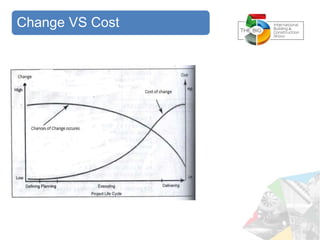
Change VS Cost
Change VS Cost
The nature of construction projects is very
complex due to many variables ,Human and
nonhuman factors, as well as construction
project need a long time for execution ,some
of them continue to a several years
Why changes occur ?
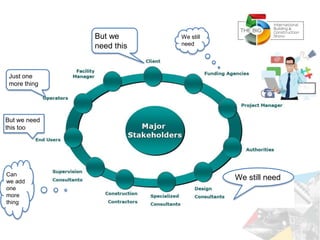
Just one
more thing
We still needCan
we add
one
more
thing
But we
need this
We still
need
But we need
this too
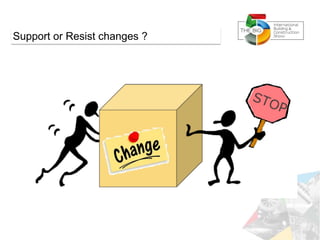
Support or Resist changes ?
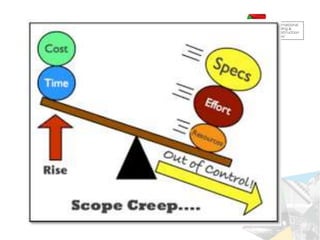
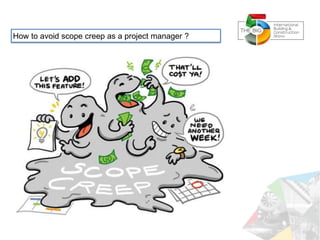
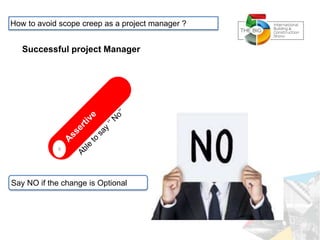
How to avoid scope creep as a project manager ?
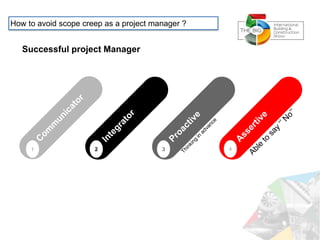
2 3 41
Successful project Manager
How to avoid scope creep as a project manager ?
4
Successful project Manager
How to avoid scope creep as a project manager ?
Say NO if the change is Optional
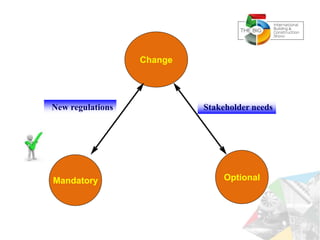
Change
OptionalMandatory
Stakeholder needsNew regulations
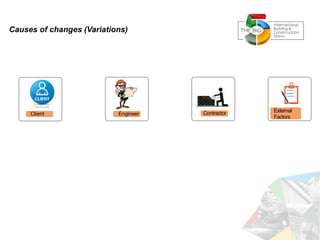
Causes of changes (Variations)
Client Engineer Contractor External
Factors
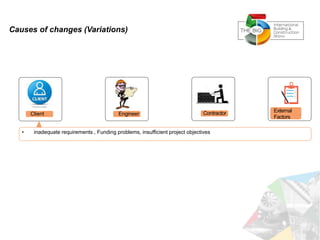
Causes of changes (Variations)
• inadequate requirements , Funding problems, insufficient project objectives
Client Engineer Contractor External
Factors
Causes of changes (Variations)
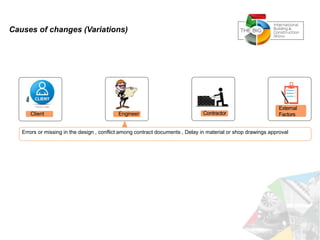
Errors or missing in the design , conflict among contract documents , Delay in material or shop drawings approval
Client Engineer Contractor
External
Factors
Causes of changes (Variations)
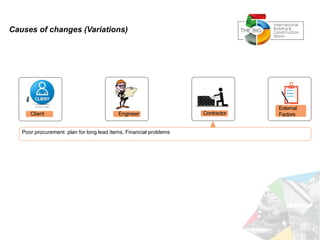
Poor procurement plan for long lead items, Financial problems
Client Engineer Contractor
External
Factors
Causes of changes (Variations)
Client Engineer Contractor
External
Factors
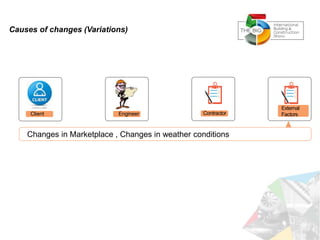
Changes in Marketplace , Changes in weather conditions
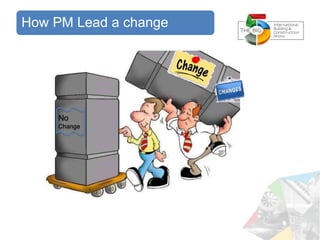
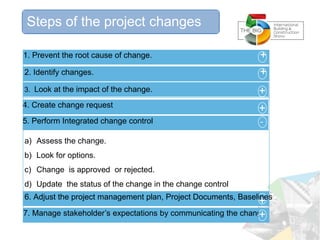
How PM Lead a change
No
Change
Look at the impact of changes
a) Assess the change.
b) Look for options.
c) Change is approved or rejected.
d) Update the status of the change in the change control
system.
2. Identify changes.
7. Manage stakeholder’s expectations by communicating the change
4. Create change request
3. Look at the impact of the change.
1. Prevent the root cause of change. +
+
+
-
+
+
6. Adjust the project management plan, Project Documents, Baselines.
5. Perform Integrated change control
+
-
Steps of the project changes
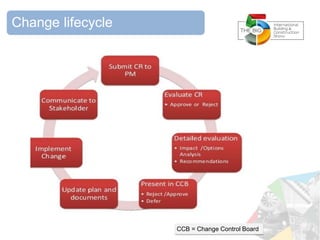
Change lifecycle
CCB = Change Control Board
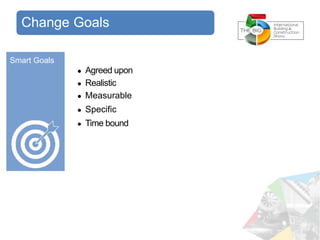
Change Goals
● Realistic
● Measurable
● Specific
● Time bound
Smart Goals
● Agreed upon
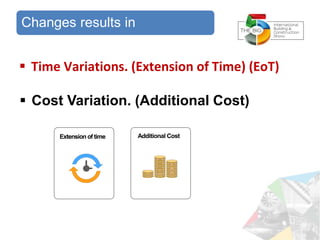
Changes results in
 Time Variations. (Extension of Time) (EoT)
 Cost Variation. (Additional Cost)
Extension of time Additional Cost
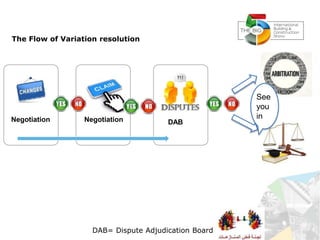
The Flow of Variation resolution
Negotiation DABNegotiation
DAB= Dispute Adjudication Board
See
you
in
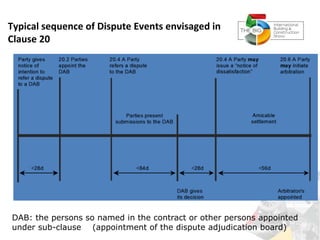
Typical sequence of Dispute Events envisaged in
Clause 20
DAB: the persons so named in the contract or other persons appointed
under sub-clause (appointment of the dispute adjudication board)
A
C
E
B
D
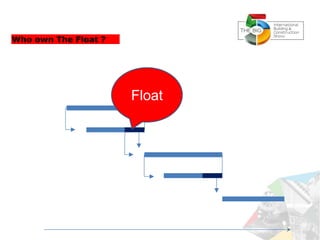
Float
Who own The Float ?
6.5 Develop Schedule
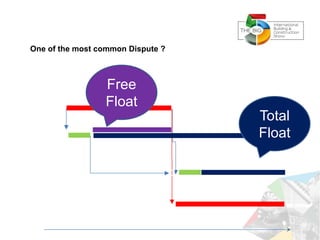
One of the most common Dispute ?
6.5.2.2 Critical Path Method (CPM)
Free
Float
Total
Float
A
B
C
D
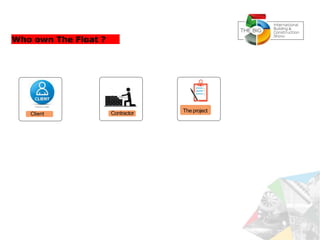
Client Contractor The project
Who own The Float ?
THANK YOU
FOR ATTENDING THE PRESENTATION
Please don't forget to collect your CPD certificate during
the event from the CPD collection area.

Changes in construction

  • 1.
    Mohamed Abdalla HassanHamed Msc,MBA,PMP,PQP Projects Manager Changes “Variations“ in Construction Projects .
  • 2.
    I am morethan glad to be your speaker for the next 45 minutes
  • 3.
     MOHAMED ABDALLA Projects Manager, Public Speaker  MSC,MBA, PMP,PQP  +971508143450  pm@ace.ae
  • 4.
    The construction industryis one of the most important sectors in United Arab Emirates, So it is essential to know the ingredients for success of construction projects in UAE. While construction project is unique, projects differ in objectives, size, budget, timeline and complexity, but we may find some common features such as changes and risks concerns.
  • 5.
    In Construction Field Howmany projects we completed without changes?
  • 6.
    Agenda  What isa Change  Why change occur  Causes of change  How PM should lead the change
  • 7.
  • 8.
    Changes Changes in constructionprojects can be defined as any additions or deduction to project objectives or project scope are considered to be unplanned changes, whether they have positive or negative impact on the project parameters ; cost, time or quality
  • 9.
    Why we Focuson changes ?
  • 10.
    1- Client /Engineer / Contractor Direct Change ‘’ Variations’’ 2- Constructive Changes ‘’ Variations’’ 3- Differing Site Conditions 4- Directed Suspension of Work 5- Constructive Suspension of Work 6- Force Majeure 7- Delays 8- Directed Acceleration 9- Constructive Acceleration 10- Termination for Convenience 11- Termination for Default The most common reasons of Claims / Disputes
  • 11.
    Scope It is theproject manager’s duty to balance and achieve these three often-competing goals. The Triple Constraint of Project Management
  • 12.
    Scope The Triple Constraintof Project Management
  • 13.
    When changes canoccur ? During the planning
  • 15.
  • 16.
    Project Lifecycle &Cost of change Change VS Cost
  • 17.
  • 18.
    The nature ofconstruction projects is very complex due to many variables ,Human and nonhuman factors, as well as construction project need a long time for execution ,some of them continue to a several years Why changes occur ?
  • 19.
    Just one more thing Westill needCan we add one more thing But we need this We still need But we need this too
  • 21.
  • 22.
    How to avoidscope creep as a project manager ?
  • 23.
    2 3 41 Successfulproject Manager How to avoid scope creep as a project manager ?
  • 24.
    4 Successful project Manager Howto avoid scope creep as a project manager ? Say NO if the change is Optional
  • 25.
  • 26.
    Causes of changes(Variations) Client Engineer Contractor External Factors
  • 27.
    Causes of changes(Variations) • inadequate requirements , Funding problems, insufficient project objectives Client Engineer Contractor External Factors
  • 28.
    Causes of changes(Variations) Errors or missing in the design , conflict among contract documents , Delay in material or shop drawings approval Client Engineer Contractor External Factors
  • 29.
    Causes of changes(Variations) Poor procurement plan for long lead items, Financial problems Client Engineer Contractor External Factors
  • 30.
    Causes of changes(Variations) Client Engineer Contractor External Factors Changes in Marketplace , Changes in weather conditions
  • 31.
    How PM Leada change No Change
  • 32.
    Look at theimpact of changes a) Assess the change. b) Look for options. c) Change is approved or rejected. d) Update the status of the change in the change control system. 2. Identify changes. 7. Manage stakeholder’s expectations by communicating the change 4. Create change request 3. Look at the impact of the change. 1. Prevent the root cause of change. + + + - + + 6. Adjust the project management plan, Project Documents, Baselines. 5. Perform Integrated change control + - Steps of the project changes
  • 33.
    Change lifecycle CCB =Change Control Board
  • 35.
    Change Goals ● Realistic ●Measurable ● Specific ● Time bound Smart Goals ● Agreed upon
  • 36.
    Changes results in Time Variations. (Extension of Time) (EoT)  Cost Variation. (Additional Cost) Extension of time Additional Cost
  • 37.
    The Flow ofVariation resolution Negotiation DABNegotiation DAB= Dispute Adjudication Board See you in
  • 38.
    Typical sequence ofDispute Events envisaged in Clause 20 DAB: the persons so named in the contract or other persons appointed under sub-clause (appointment of the dispute adjudication board)
  • 40.
  • 41.
    6.5 Develop Schedule Oneof the most common Dispute ? 6.5.2.2 Critical Path Method (CPM) Free Float Total Float A B C D
  • 42.
    Client Contractor Theproject Who own The Float ?
  • 43.
    THANK YOU FOR ATTENDINGTHE PRESENTATION Please don't forget to collect your CPD certificate during the event from the CPD collection area.