Art 101

Chapter 1: A World of Art
Intro to important terms
• Form- overall structure of the work
• Content- what it means
• Subject matter- what is literally depicted
Questions to ask about art
• What is the purpose of this work of art?
• What does it mean (content)?
• What is my reaction to the work and
  why do I feel this way?
• How do the formal qualities (form) of the
  work—color, organization, size, scale—
  affect my reaction?
• What do I value in works of art?
  (aesthetics)
See page 3 of textbook
The World as the Artist Sees it
Roles of the Artist
1. Artists help us see the world in
     new or innovative ways
1. Artists help us see the world in new or innovative ways

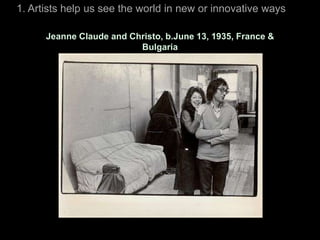
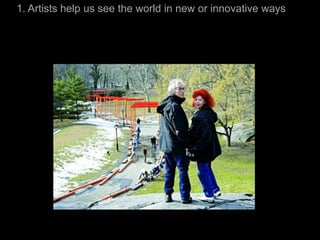
      Jeanne Claude and Christo, b.June 13, 1935, France &
                          Bulgaria
1. Artists help us see the world in new or innovative ways


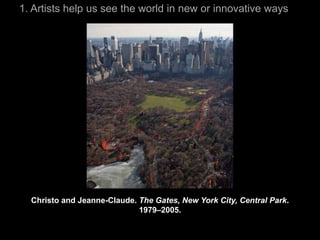
  Christo and Jeanne-Claude. The Gates, New York City, Central Park.
                             1979–2005.
1. Artists help us see the world in new or innovative ways


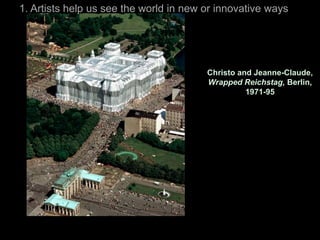
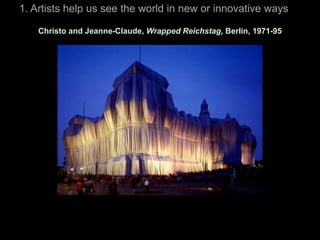
                                        Christo and Jeanne-Claude,
                                        Wrapped Reichstag, Berlin,
                                                  1971-95
1. Artists help us see the world in new or innovative ways


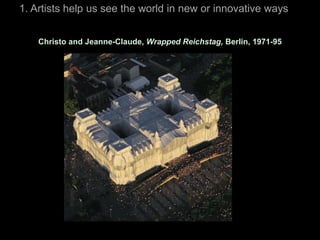
    Christo and Jeanne-Claude, Wrapped Reichstag, Berlin, 1971-95
1. Artists help us see the world in new or innovative ways

    Christo and Jeanne-Claude, Wrapped Reichstag, Berlin, 1971-95
1. Artists help us see the world in new or innovative ways

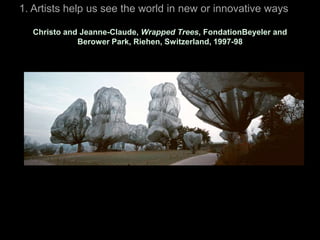
  Christo and Jeanne-Claude, Wrapped Trees, FondationBeyeler and
             Berower Park, Riehen, Switzerland, 1997-98
1. Artists help us see the world in new or innovative ways


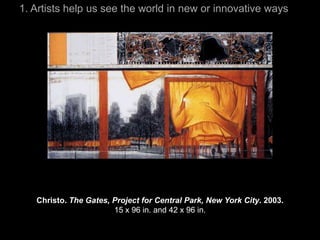
   Christo. The Gates, Project for Central Park, New York City. 2003.
                       15 x 96 in. and 42 x 96 in.
1. Artists help us see the world in new or innovative ways


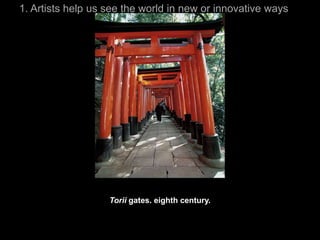
                   Torii gates. eighth century.
1. Artists help us see the world in new or innovative ways


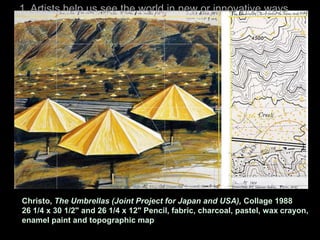
Christo, The Umbrellas (Joint Project for Japan and USA), Collage 1988
26 1/4 x 30 1/2" and 26 1/4 x 12" Pencil, fabric, charcoal, pastel, wax crayon,
enamel paint and topographic map
1. Artists help us see the world in new or innovative ways

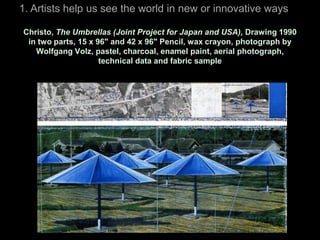
Christo, The Umbrellas (Joint Project for Japan and USA), Drawing 1990
 in two parts, 15 x 96" and 42 x 96" Pencil, wax crayon, photograph by
   Wolfgang Volz, pastel, charcoal, enamel paint, aerial photograph,
                     technical data and fabric sample
1. Artists help us see the world in new or innovative ways

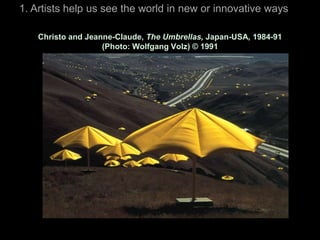
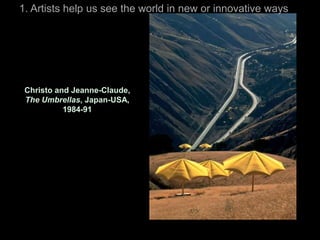
    Christo and Jeanne-Claude, The Umbrellas, Japan-USA, 1984-91
                    (Photo: Wolfgang Volz) © 1991
1. Artists help us see the world in new or innovative ways
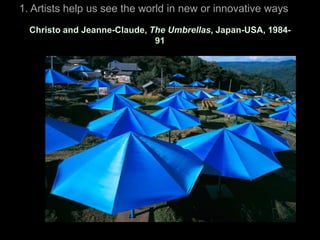
  Christo and Jeanne-Claude, The Umbrellas, Japan-USA, 1984-
                              91
1. Artists help us see the world in new or innovative ways


 Christo and Jeanne-Claude,
 The Umbrellas, Japan-USA,
           1984-91
http://www.artmargins.com/index.php/2-articles/126-christo-in-
bulgaria-the-act-of-wrapping-and-the-communist-legacy-1935-1956

         http://www.christojeanneclaude.net/index.shtml
1. Artists help us see the world in new or innovative ways


            Yayoi Kusama, 1929, Japan


 • City of Wellington Gallery video
 • http://www.youtube.com/watch?v=qjAz
   NDObUZ8
1. Artists help us see the world in new or innovative ways
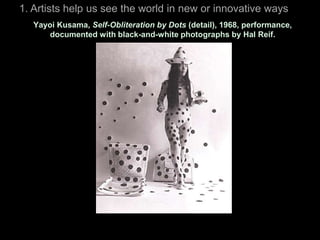
   Yayoi Kusama, Self-Obliteration by Dots (detail), 1968, performance,
       documented with black-and-white photographs by Hal Reif.
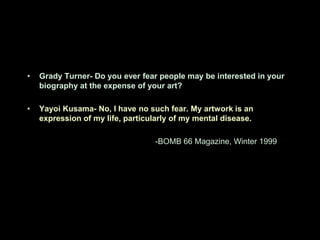
•   Grady Turner- Do you ever fear people may be interested in your
    biography at the expense of your art?

•   Yayoi Kusama- No, I have no such fear. My artwork is an
    expression of my life, particularly of my mental disease.

                                  -BOMB 66 Magazine, Winter 1999
1. Artists help us see the world in new or innovative ways


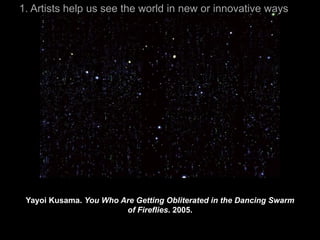
 Yayoi Kusama. You Who Are Getting Obliterated in the Dancing Swarm
                        of Fireflies. 2005.
1. Artists help us see the world in new or innovative ways

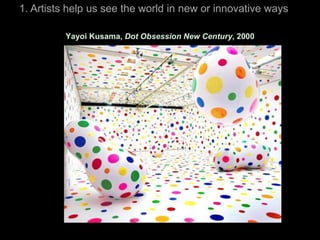
          Yayoi Kusama, Dot Obsession New Century, 2000
1. Artists help us see the world in new or innovative ways
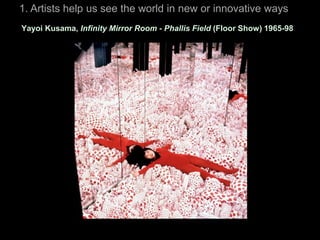
Yayoi Kusama, Infinity Mirror Room - Phallis Field (Floor Show) 1965-98
2. Artists make a Visual Record of
the People, Places, and Events of
       Their Time and Place
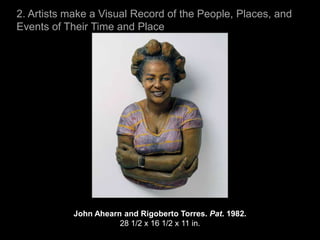
2. Artists make a Visual Record of the People, Places, and
Events of Their Time and Place


            John Ahearn and Rigoberto Torres. Pat. 1982.
                       28 1/2 x 16 1/2 x 11 in.
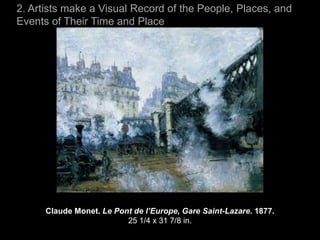
2. Artists make a Visual Record of the People, Places, and
Events of Their Time and Place


      Claude Monet. Le Pont de l’Europe, Gare Saint-Lazare. 1877.
                          25 1/4 x 31 7/8 in.
3. Artists make functional objects and
structures more pleasurable and elevate
   them or embuethem with meaning
3. Artists make functional objects and structures more pleasurable
and elevate them or embue them with meaning


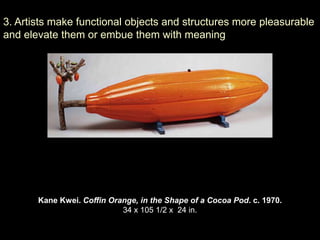
       Kane Kwei. Coffin Orange, in the Shape of a Cocoa Pod. c. 1970.
                            34 x 105 1/2 x 24 in.
3. Artists make functional objects and structures more pleasurable
and elevate them or embue them with meaning


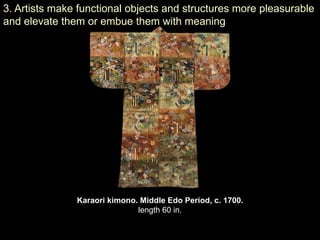
               Karaori kimono. Middle Edo Period, c. 1700.
                              length 60 in.
3. Artists make functional objects and structures more pleasurable
and elevate them or embue them with meaning


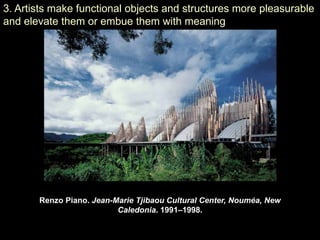
       Renzo Piano. Jean-Marie Tjibaou Cultural Center, Nouméa, New
                          Caledonia. 1991–1998.
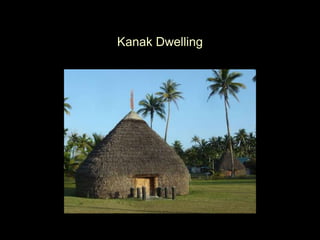
Kanak Dwelling
3. Artists make functional objects and structures more pleasurable
and elevate them or embue them with meaning
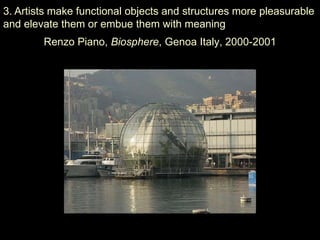
        Renzo Piano, Biosphere, Genoa Italy, 2000-2001
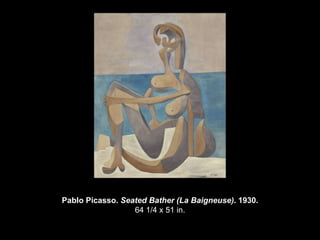
Pablo Picasso. Seated Bather (La Baigneuse). 1930.
                  64 1/4 x 51 in.
4. Artists Give form to the
immaterial- hidden or universal
truths, spiritual forces, personal
              feelings
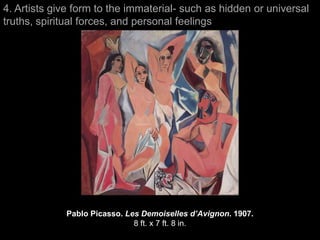
4. Artists give form to the immaterial- such as hidden or universal
truths, spiritual forces, and personal feelings


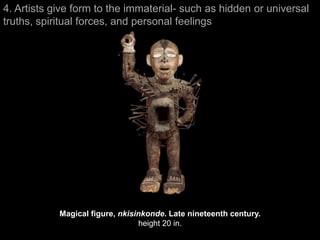
            Magical figure, nkisinkonde. Late nineteenth century.
                                 height 20 in.
Animism- the belief in the existence of souls and the
conviction that nonhuman things can be endowed with a
                         soul.
• Ex. Minkonde

• More information on nkisinkonde at The Brooklyn Museum
  Collection Online Archives
• http://www.brooklynmuseum.org/opencollection/objects/71253/P
  ower_Figure_Nkisi_Nkondi
4. Artists give form to the immaterial- such as hidden or universal
truths, spiritual forces, and personal feelings


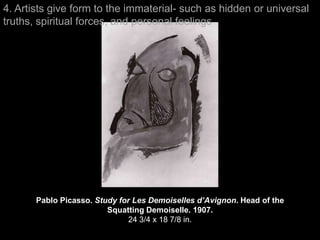
       Pablo Picasso. Study for Les Demoiselles d’Avignon. Head of the
                         Squatting Demoiselle. 1907.
                               24 3/4 x 18 7/8 in.
4. Artists give form to the immaterial- such as hidden or universal
truths, spiritual forces, and personal feelings


             Pablo Picasso. Les Demoiselles d’Avignon. 1907.
                              8 ft. x 7 ft. 8 in.
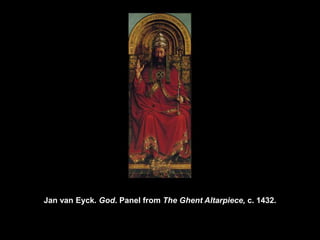
Jan van Eyck. God. Panel from The Ghent Altarpiece, c. 1432.
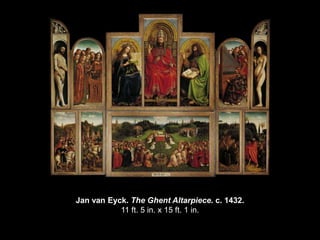
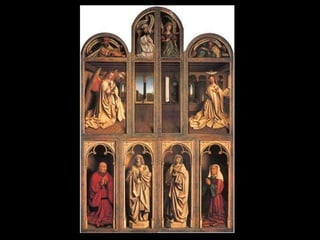
Jan van Eyck. The Ghent Altarpiece. c. 1432.
           11 ft. 5 in. x 15 ft. 1 in.
Achieving Active Sight

THE PROCESS OF SEEING
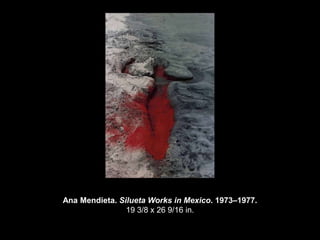
Ana Mendieta. Silueta Works in Mexico. 1973–1977.
                19 3/8 x 26 9/16 in.
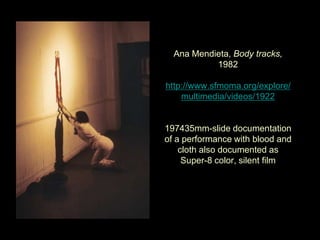
Ana Mendieta, Body tracks,
           1982

http://www.sfmoma.org/explore/
    multimedia/videos/1922


197435mm-slide documentation
of a performance with blood and
    cloth also documented as
     Super-8 color, silent film
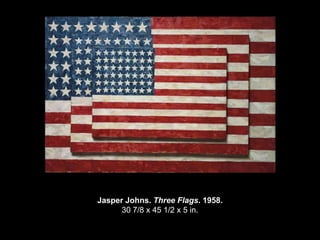
Jasper Johns. Three Flags. 1958.
      30 7/8 x 45 1/2 x 5 in.
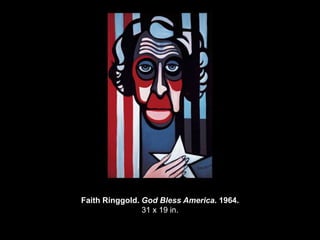
Faith Ringgold. God Bless America. 1964.
                31 x 19 in.
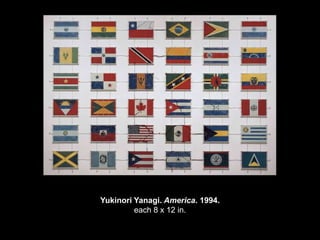
Yukinori Yanagi. America. 1994.
         each 8 x 12 in.
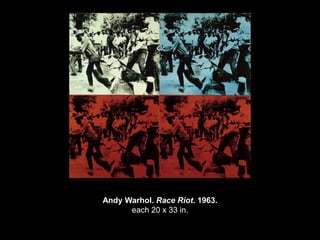
Andy Warhol. Race Riot. 1963.
      each 20 x 33 in.
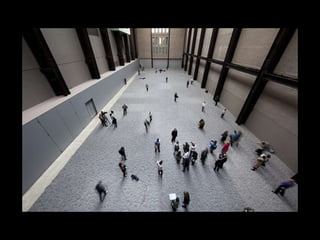
Ai Weiwei

http://www.pbs.org/wgbh/pages/frontline/ai-wei-wei/
http://video.pbs.org/video/1862488102/

http://www.tate.org.uk/modern/exhibitions/unileverseries
2010/
http://aiwwenglish.tumblr.com/
http://freeaiweiwei.posterous.com/

http://www.aiweiweiblog.com/

http://www.aiweiwei.com/editorial/html/concept.htm

http://blog.ted.com/2011/04/04/ai-weiwei-detained-here-
is-his-ted-film/
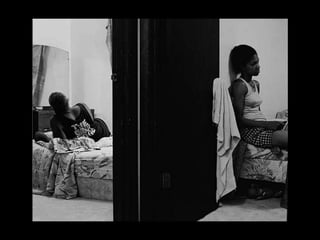
LaToya Ruby Frasier
http://www.art21.org/newyorkcloseup/artists/latoya-
ruby-frazier/

http://www.latoyarubyfrazier.com/
Ch01es

Ch01es

  • 1.
    Art 101 Chapter 1:A World of Art
  • 2.
    Intro to importantterms • Form- overall structure of the work • Content- what it means • Subject matter- what is literally depicted
  • 3.
    Questions to askabout art • What is the purpose of this work of art? • What does it mean (content)? • What is my reaction to the work and why do I feel this way? • How do the formal qualities (form) of the work—color, organization, size, scale— affect my reaction? • What do I value in works of art? (aesthetics) See page 3 of textbook
  • 4.
    The World asthe Artist Sees it
  • 5.
  • 6.
    1. Artists helpus see the world in new or innovative ways
  • 7.
    1. Artists helpus see the world in new or innovative ways Jeanne Claude and Christo, b.June 13, 1935, France & Bulgaria
  • 8.
    1. Artists helpus see the world in new or innovative ways
  • 9.
    1. Artists helpus see the world in new or innovative ways Christo and Jeanne-Claude. The Gates, New York City, Central Park. 1979–2005.
  • 10.
    1. Artists helpus see the world in new or innovative ways Christo and Jeanne-Claude, Wrapped Reichstag, Berlin, 1971-95
  • 11.
    1. Artists helpus see the world in new or innovative ways Christo and Jeanne-Claude, Wrapped Reichstag, Berlin, 1971-95
  • 12.
    1. Artists helpus see the world in new or innovative ways Christo and Jeanne-Claude, Wrapped Reichstag, Berlin, 1971-95
  • 13.
    1. Artists helpus see the world in new or innovative ways Christo and Jeanne-Claude, Wrapped Trees, FondationBeyeler and Berower Park, Riehen, Switzerland, 1997-98
  • 14.
    1. Artists helpus see the world in new or innovative ways Christo. The Gates, Project for Central Park, New York City. 2003. 15 x 96 in. and 42 x 96 in.
  • 15.
    1. Artists helpus see the world in new or innovative ways Torii gates. eighth century.
  • 16.
    1. Artists helpus see the world in new or innovative ways Christo, The Umbrellas (Joint Project for Japan and USA), Collage 1988 26 1/4 x 30 1/2" and 26 1/4 x 12" Pencil, fabric, charcoal, pastel, wax crayon, enamel paint and topographic map
  • 17.
    1. Artists helpus see the world in new or innovative ways Christo, The Umbrellas (Joint Project for Japan and USA), Drawing 1990 in two parts, 15 x 96" and 42 x 96" Pencil, wax crayon, photograph by Wolfgang Volz, pastel, charcoal, enamel paint, aerial photograph, technical data and fabric sample
  • 18.
    1. Artists helpus see the world in new or innovative ways Christo and Jeanne-Claude, The Umbrellas, Japan-USA, 1984-91 (Photo: Wolfgang Volz) © 1991
  • 19.
    1. Artists helpus see the world in new or innovative ways Christo and Jeanne-Claude, The Umbrellas, Japan-USA, 1984- 91
  • 20.
    1. Artists helpus see the world in new or innovative ways Christo and Jeanne-Claude, The Umbrellas, Japan-USA, 1984-91
  • 21.
  • 22.
    1. Artists helpus see the world in new or innovative ways Yayoi Kusama, 1929, Japan • City of Wellington Gallery video • http://www.youtube.com/watch?v=qjAz NDObUZ8
  • 23.
    1. Artists helpus see the world in new or innovative ways Yayoi Kusama, Self-Obliteration by Dots (detail), 1968, performance, documented with black-and-white photographs by Hal Reif.
  • 24.
    Grady Turner- Do you ever fear people may be interested in your biography at the expense of your art? • Yayoi Kusama- No, I have no such fear. My artwork is an expression of my life, particularly of my mental disease. -BOMB 66 Magazine, Winter 1999
  • 25.
    1. Artists helpus see the world in new or innovative ways Yayoi Kusama. You Who Are Getting Obliterated in the Dancing Swarm of Fireflies. 2005.
  • 26.
    1. Artists helpus see the world in new or innovative ways Yayoi Kusama, Dot Obsession New Century, 2000
  • 27.
    1. Artists helpus see the world in new or innovative ways Yayoi Kusama, Infinity Mirror Room - Phallis Field (Floor Show) 1965-98
  • 28.
    2. Artists makea Visual Record of the People, Places, and Events of Their Time and Place
  • 29.
    2. Artists makea Visual Record of the People, Places, and Events of Their Time and Place John Ahearn and Rigoberto Torres. Pat. 1982. 28 1/2 x 16 1/2 x 11 in.
  • 30.
    2. Artists makea Visual Record of the People, Places, and Events of Their Time and Place Claude Monet. Le Pont de l’Europe, Gare Saint-Lazare. 1877. 25 1/4 x 31 7/8 in.
  • 31.
    3. Artists makefunctional objects and structures more pleasurable and elevate them or embuethem with meaning
  • 32.
    3. Artists makefunctional objects and structures more pleasurable and elevate them or embue them with meaning Kane Kwei. Coffin Orange, in the Shape of a Cocoa Pod. c. 1970. 34 x 105 1/2 x 24 in.
  • 33.
    3. Artists makefunctional objects and structures more pleasurable and elevate them or embue them with meaning Karaori kimono. Middle Edo Period, c. 1700. length 60 in.
  • 34.
    3. Artists makefunctional objects and structures more pleasurable and elevate them or embue them with meaning Renzo Piano. Jean-Marie Tjibaou Cultural Center, Nouméa, New Caledonia. 1991–1998.
  • 35.
  • 36.
    3. Artists makefunctional objects and structures more pleasurable and elevate them or embue them with meaning Renzo Piano, Biosphere, Genoa Italy, 2000-2001
  • 37.
    Pablo Picasso. SeatedBather (La Baigneuse). 1930. 64 1/4 x 51 in.
  • 38.
    4. Artists Giveform to the immaterial- hidden or universal truths, spiritual forces, personal feelings
  • 39.
    4. Artists giveform to the immaterial- such as hidden or universal truths, spiritual forces, and personal feelings Magical figure, nkisinkonde. Late nineteenth century. height 20 in.
  • 40.
    Animism- the beliefin the existence of souls and the conviction that nonhuman things can be endowed with a soul. • Ex. Minkonde • More information on nkisinkonde at The Brooklyn Museum Collection Online Archives • http://www.brooklynmuseum.org/opencollection/objects/71253/P ower_Figure_Nkisi_Nkondi
  • 41.
    4. Artists giveform to the immaterial- such as hidden or universal truths, spiritual forces, and personal feelings Pablo Picasso. Study for Les Demoiselles d’Avignon. Head of the Squatting Demoiselle. 1907. 24 3/4 x 18 7/8 in.
  • 42.
    4. Artists giveform to the immaterial- such as hidden or universal truths, spiritual forces, and personal feelings Pablo Picasso. Les Demoiselles d’Avignon. 1907. 8 ft. x 7 ft. 8 in.
  • 43.
    Jan van Eyck.God. Panel from The Ghent Altarpiece, c. 1432.
  • 44.
    Jan van Eyck.The Ghent Altarpiece. c. 1432. 11 ft. 5 in. x 15 ft. 1 in.
  • 46.
    Achieving Active Sight THEPROCESS OF SEEING
  • 47.
    Ana Mendieta. SiluetaWorks in Mexico. 1973–1977. 19 3/8 x 26 9/16 in.
  • 48.
    Ana Mendieta, Bodytracks, 1982 http://www.sfmoma.org/explore/ multimedia/videos/1922 197435mm-slide documentation of a performance with blood and cloth also documented as Super-8 color, silent film
  • 49.
    Jasper Johns. ThreeFlags. 1958. 30 7/8 x 45 1/2 x 5 in.
  • 50.
    Faith Ringgold. GodBless America. 1964. 31 x 19 in.
  • 51.
    Yukinori Yanagi. America.1994. each 8 x 12 in.
  • 52.
    Andy Warhol. RaceRiot. 1963. each 20 x 33 in.
  • 53.
  • 55.