CARCINOMA VAGINA
DR.KIRAN KUMAR BR
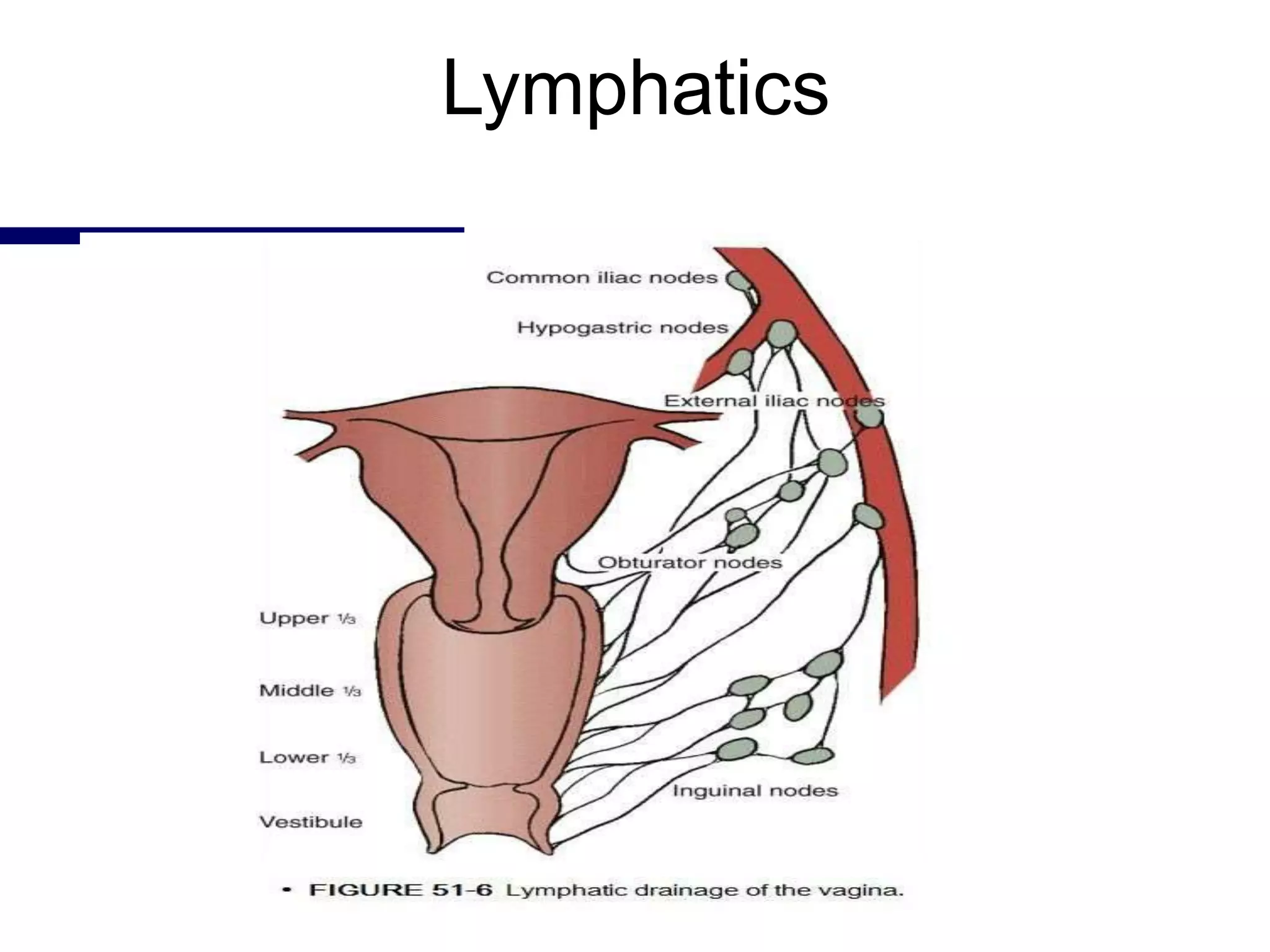
• The vagina is a muscular dilatable tubular
structure averaging 7.5 cm in length that
extends from the cervix to the vulva
RELATIONS
Blood supply
Lymphatics
Carcinoma Vagina:
• Rare tumor representing only 1-2% of all
gynecologic malignancies
• 80-90% are metastatic cervix or endometrium.
• Metastatic cancer from the vulva, ovaries,
choriocarcinoma,rectosigmoid, and bladder, renal
cell carcinoma, melanoma, and breast cancer are
less common
• Mean age of patients with primary vaginal cancer
is 60-65 years
Vaginal Cancer: Predisposing Factors
HPV infection
Low socioeconomic status
History of genital warts
abnormal Pap smear Early
hysterectomy
Previous pelvic
radiation.
In-utero exposure to
DES
Vaginal Cancer precursors
Hallmark of VAIN
– cytologic atypia-Pleomorphisim, irreg nuclear
contours and chromatin clumping
– Abnormal maturation
– nuclear enlargement
▪ 10-30% progress to Vaginal Ca
Vaginal Cancer precursors
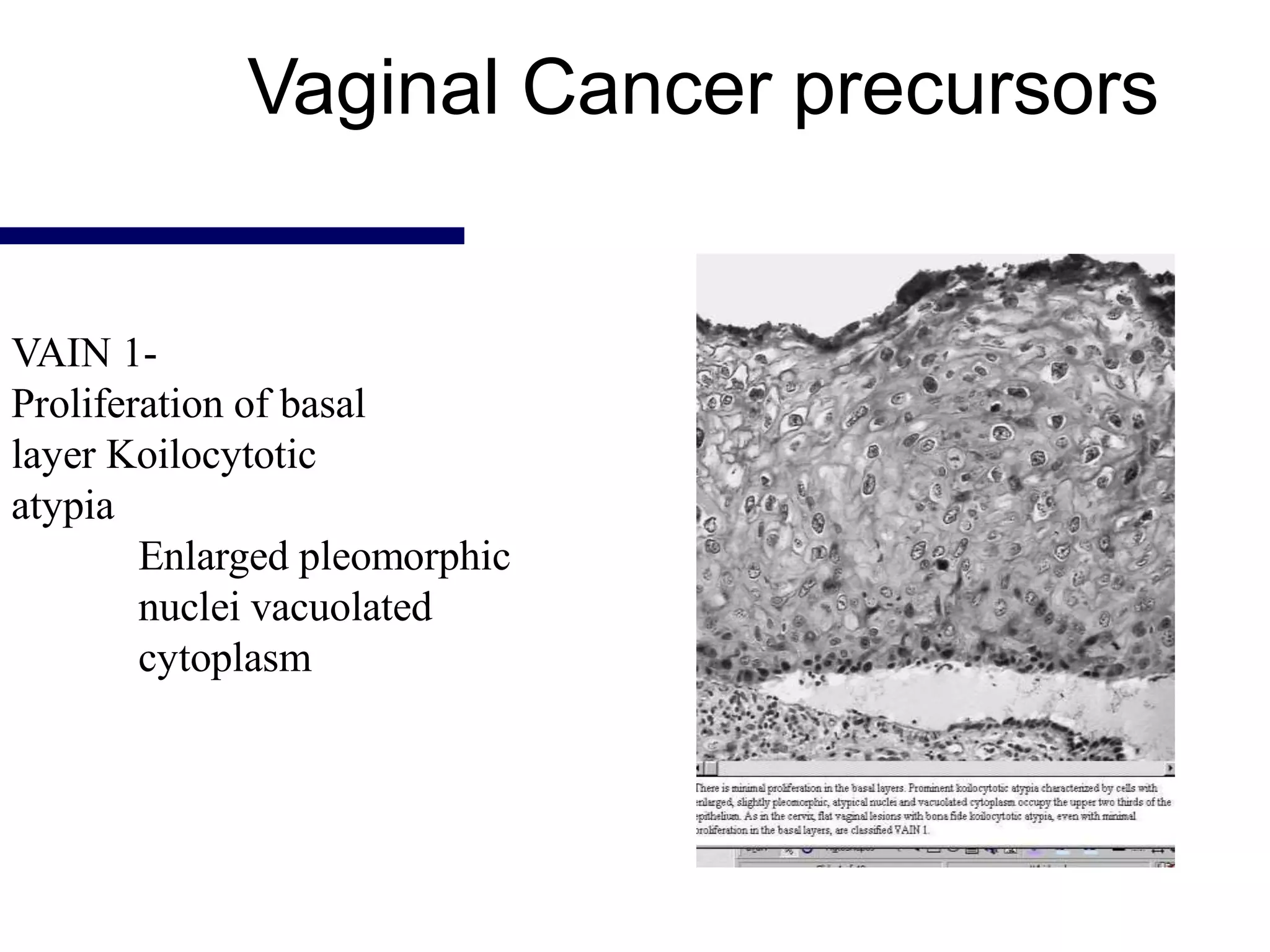
VAIN 1-
Proliferation of basal
layer Koilocytotic
atypia
Enlarged pleomorphic
nuclei vacuolated
cytoplasm
Vaginal Cancer precursors
VAIN 2-
Proliferation of basal
layer,crowding and loss of
polarity
Koilocytotic atypia
Enlarged pleomorphic
nuclei vacuolated
cytoplasm
Vaginal Cancer precursors
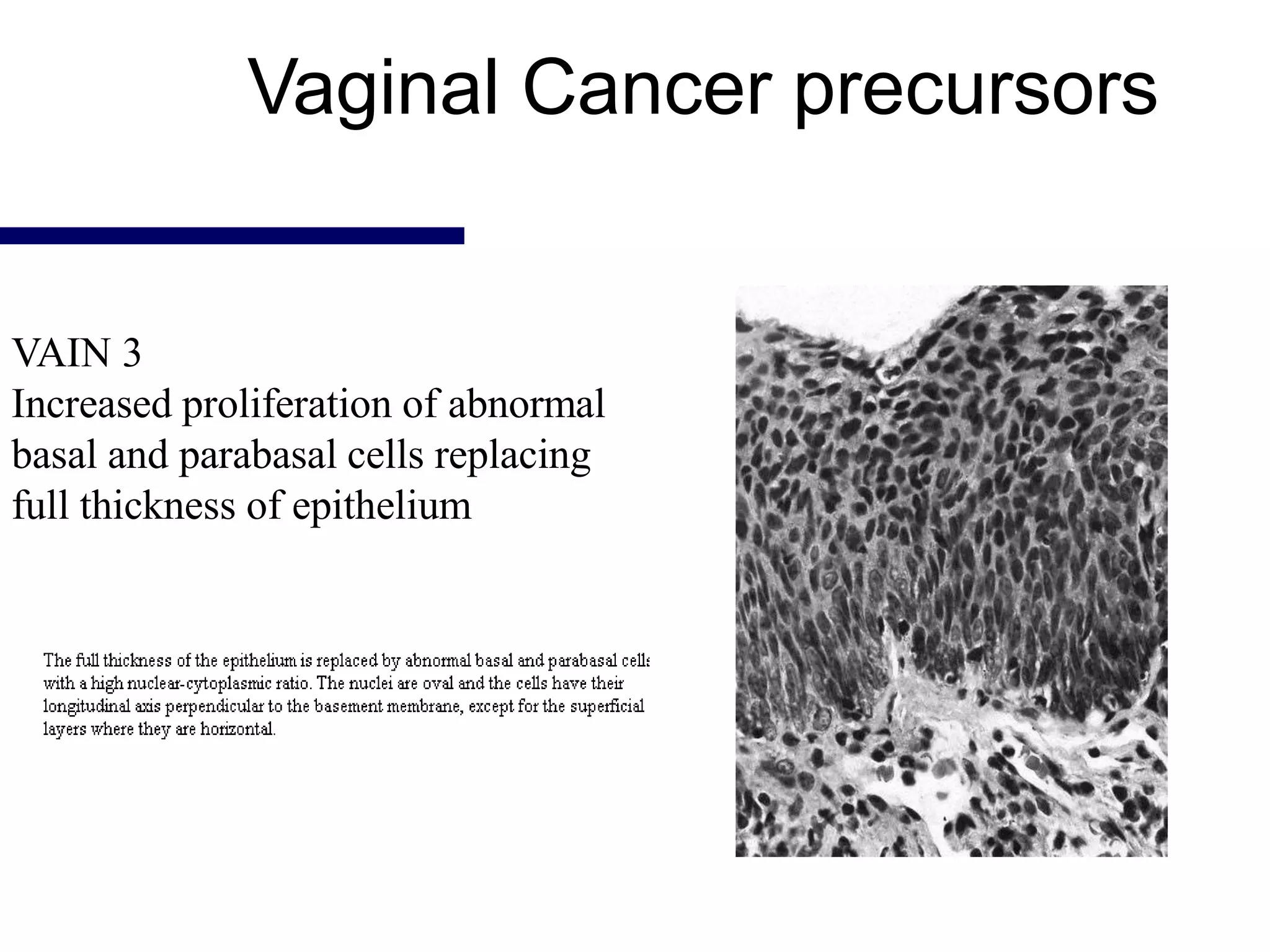
VAIN 3
Increased proliferation of abnormal
basal and parabasal cells replacing
full thickness of epithelium
Vaginal Cancer precursors
VAIN 3
– usually occurs in upper third of vagina
and is multifocal and diffuse in half the
cases.
– 1/3 of patients have a hx/o CIN
– CIN coexists w/ VAIN in 10-20% of pts
– Colposcopic findings are similar to those
of CIN (aceto white epithelium with
punctations and mosaic patterns)
Vaginal Cancer precursors
Treatment Options for
VAIN
– Excisional Bx for small
lesions
– Partial Vaginectomy
– Laser Vaporization
– Electro coagulation
– Intravaginal 5FU cream
– RT
Pathology
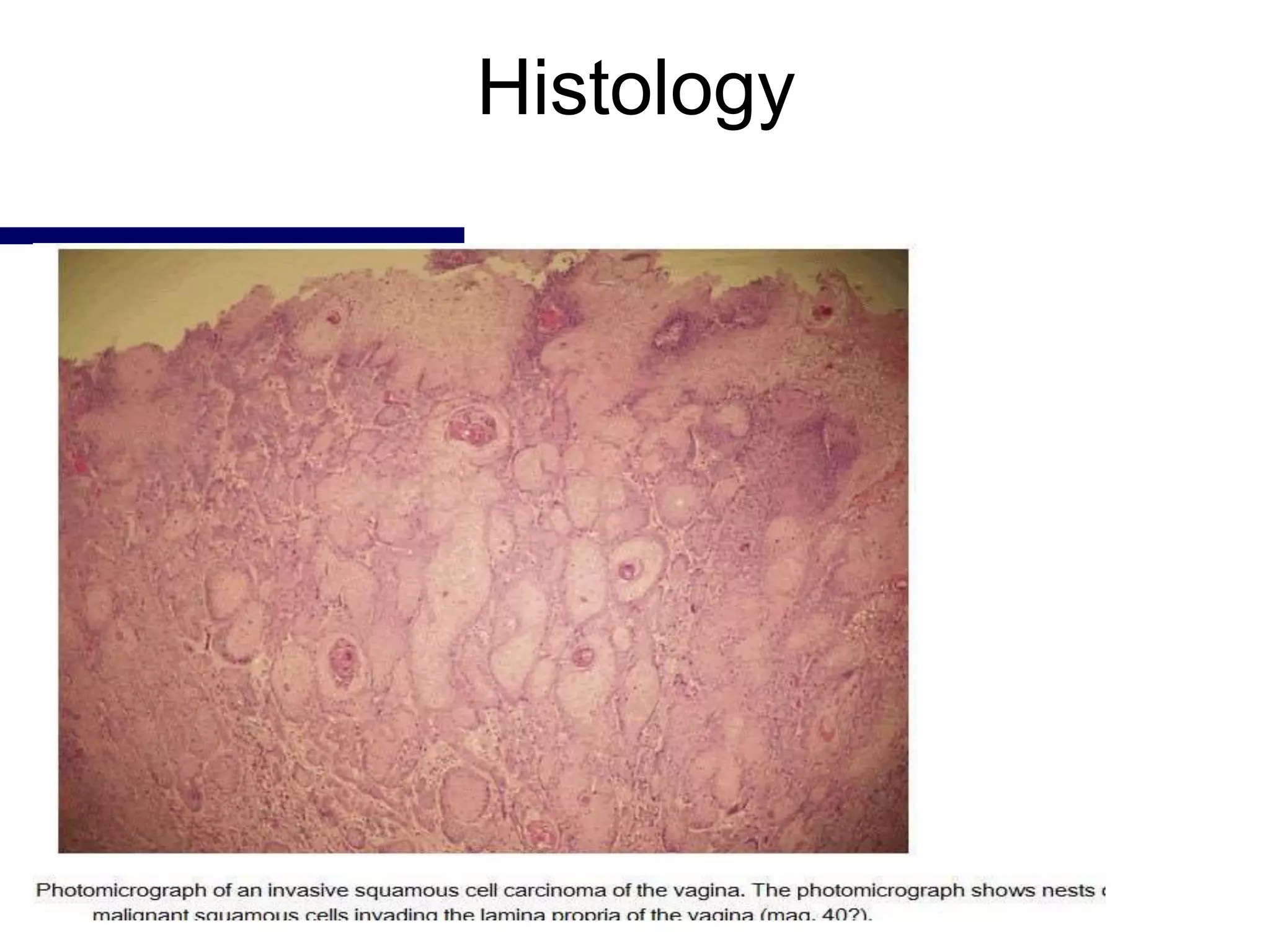
Invasive squamous cell carcinoma is found in 75% to 95% of
primary vaginal carcinomas
The majority of these lesions tend to be nonkeratinizing and
moderately differentiated.
The well-differentiated lesions may demonstrate
keratinization, manifested by squamous pearls and
intracellular bridges
Grossly, these tumors may manifest as nodular, ulcerated,
indurated, exophytic, or endophytic lesions
Histology
Vaginal Adenosis and Adenocarcinoma
Adenocarcinoma is found in 5% to 10% of all
vaginal cancers
The non–clear cell adenocarcinoma frequently
arises in the submucosa.
When a biopsy of a vaginal lesion reveals
adenocarcinoma, it is important to look for a primary
lesion, such as endometrial cancer, elsewhere
Vaginal adenosis defines the abnormal presence of
glandular epithelium in the vagina, which is normally
devoid of glandular elements
The glandular epithelial cells may line glands in the
submucosa or cover or replace surface squamous
cells and are usually located near the surface
epithelium
adenosis is the most common histological
abnormality in women exposed to DES in utero, it is
not strictly confined to this population
The classic gross appearance of adenosis is red,
velvety, grapelike clusters in the vagina
A large cystic focus of adenosis is seen underneath the stratified
squamous epithelium of the vaginal surface
Adenosis is associated with 97% of vaginal clear cell
cancer
DES-associated CCA has a predilection for the upper
third of the vagina and the ectocervix
The most common histologic pattern is tubulocystic
followed by a solid pattern.
The most common cells noted are the clear cell,
hobnail cell, and endometrioid cell
Melanoma
Malignant melanoma of the vagina represents
approximately 5% of all vaginal neoplasms and
approximately 0.7% of all melanomas
Clinically, these tumors present as pigmented
masses, plaques or ulcerative lesions, most
frequently on the distal one-third of the anterior
vaginal wall.
However, they may present in a nonpigmented
manner.
Melanomas may display aggressive biological
behavior with early and rapid local and systemic
failure.
Sarcoma
Leiomyosarcomas
endometrial stromal
sarcomas
malignant mixed mullerian tumors
rhabdomyosarcomas are the major types of primary
vaginal sarcomas
The most common of
these is the embryonal
rhabdomyosarcoma
(sarcoma botryoides)
a highly malignant tumor
that occurs in the vagina
during infancy and early
childhood (mean age 3
years).
This sarcoma has the
characteristic gross
appearance of grape-like
masses that are exophytic
and can protrude from the
vagina.
Lymphomas and small cell carcinomas may also
arise in the vagina.
Small cell carcinomas behave in an aggressive
manner, similar to small cell carcinomas arising in
other parts of the body
Natural History and Patterns of Spread
Lesions usually found in the upper vagina on the posterior
wall
50% of Vag Ca
ulcerative
30% are exophytic
20%are annular and constricting
Vaginal primary tumors may spread along mucosa to cervix or
vulva
Direct extension to bladder, parametria, paracolpos, rectum,
cardinal ligaments, uterosacral ligaments
Natural History and Patterns of Spread
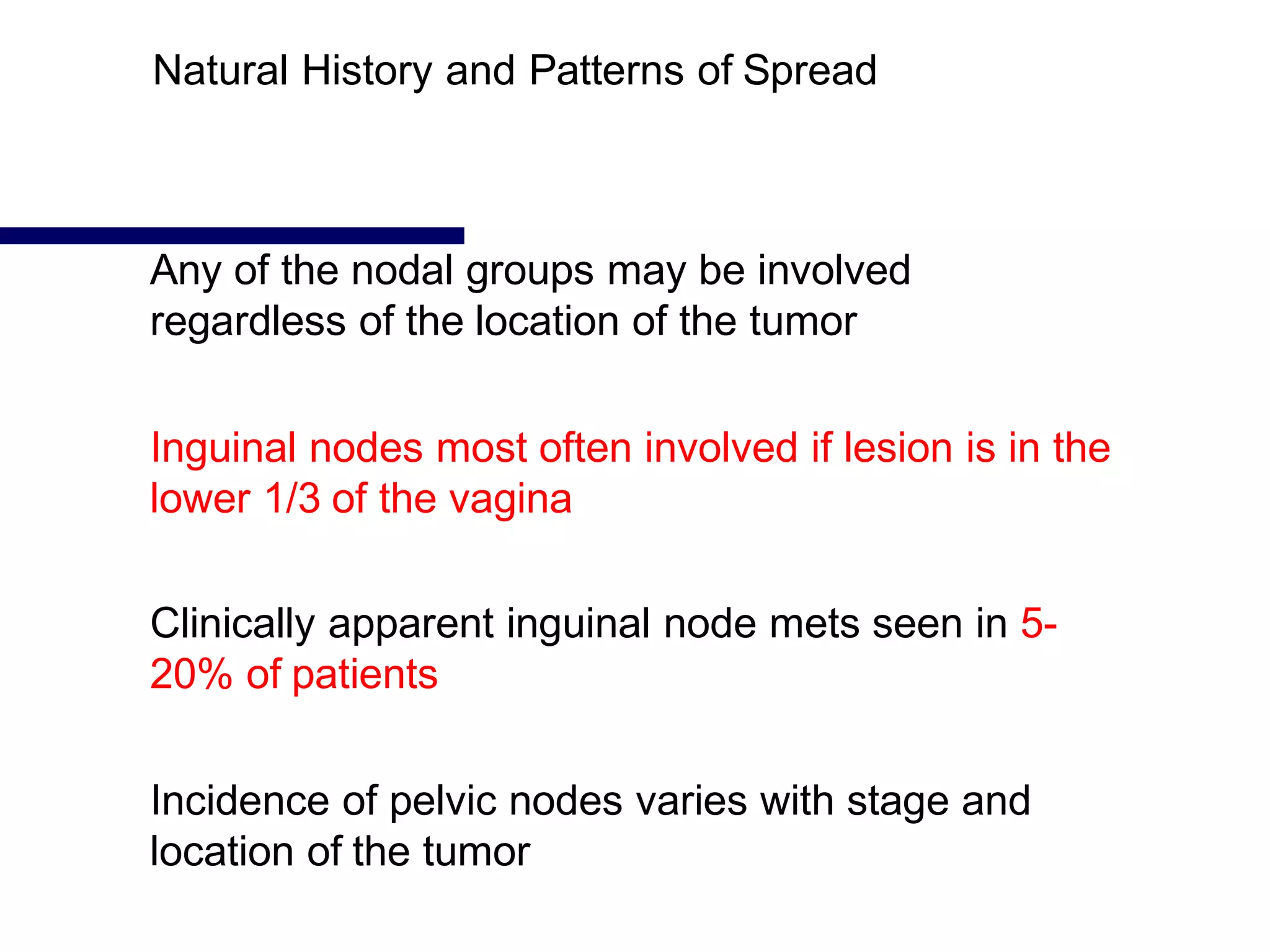
Any of the nodal groups may be involved
regardless of the location of the tumor
Inguinal nodes most often involved if lesion is in the
lower 1/3 of the vagina
Clinically apparent inguinal node mets seen in 5-
20% of patients
Incidence of pelvic nodes varies with stage and
location of the tumor
Clinical Presentation
Abnormal vaginal bleeding
– 50-75% of patients with primary tumors
Discharge
Dysuria
Pain
Diagnostic Work-up
Complete history and physical
Speculum examination and palpation of the
vagina .
Bimanual pelvic and rectovaginal
examination .
Pap smear, colposcopy directed biopsies.
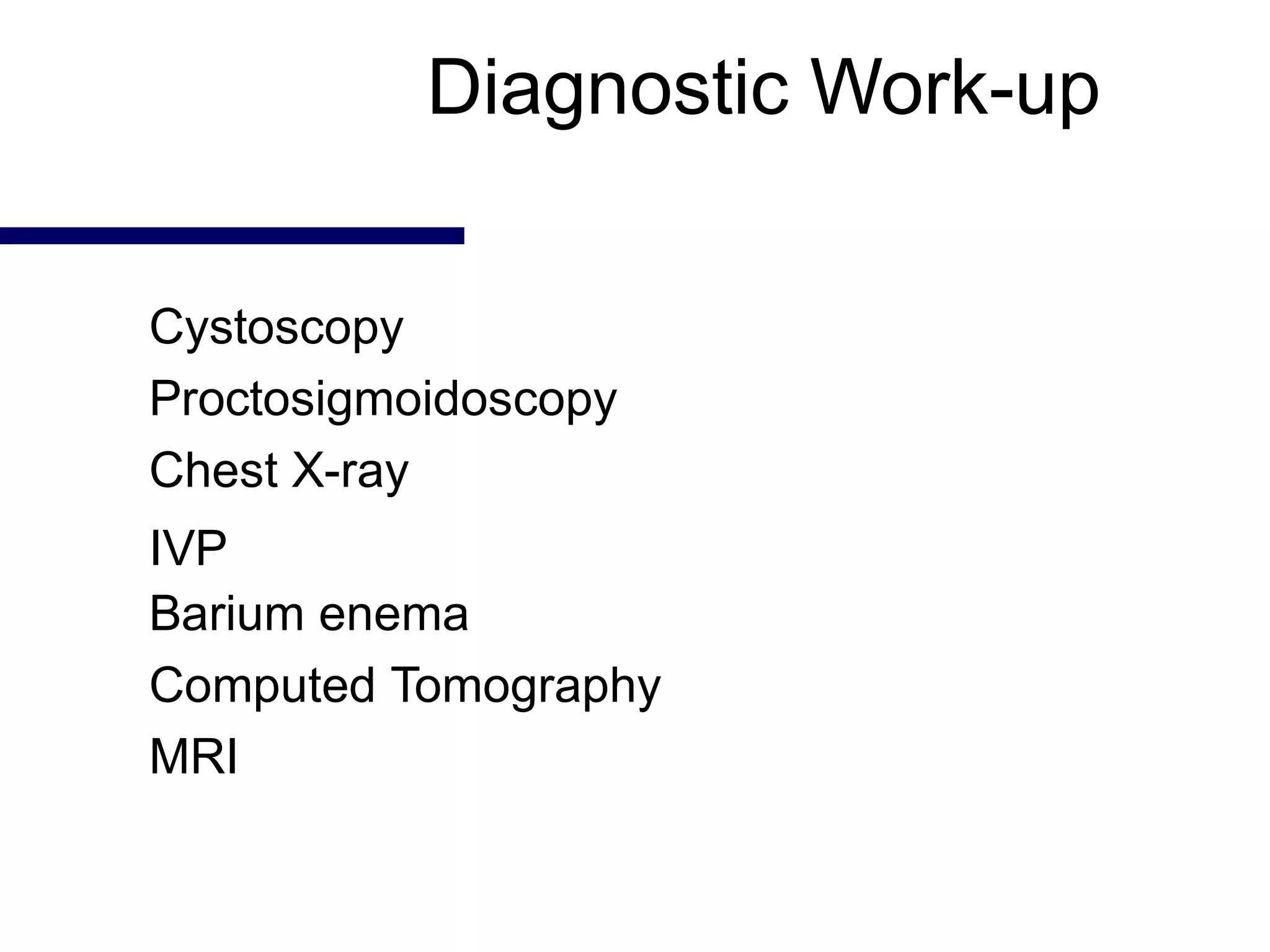
Diagnostic Work-up
Cystoscopy
Proctosigmoidoscopy
Chest X-ray
IVP
Barium enema
Computed Tomography
MRI
Axial T1-weighted magnetic resonance images of a patient with
stage II squamous cell cancer of the vagina located in the left
vaginal fornix with involvement of the left parametria
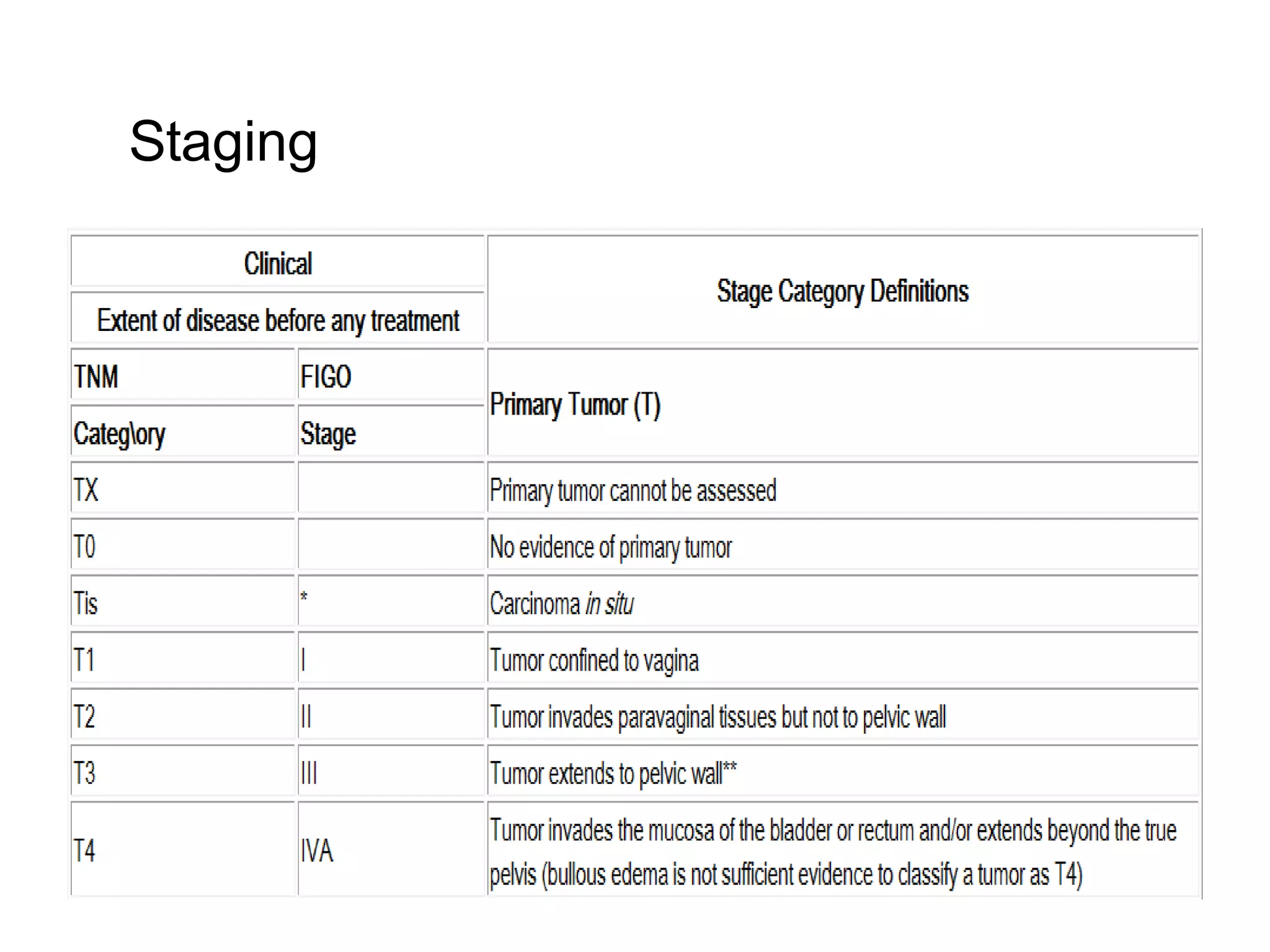
Staging
5 Year Survival
80
70
60
50
40
30
20
10
0
Stage
I
Stage I
I
Stage I I
I
Stage I
V
Natural History and Patterns of Failure
Stage I
– 10-20% pelvic recurrence, 10-20%
distant
Stage II
– 35% pelvic recurrence, 22% distant
Stage III
– 25-45% pelvic recurrence, 23%
distant
Stage IV
– 58% pelvic recurrence, 30% distant
primary vaginal carcinomas treated with definitive
RT, the 10-year actuarial disease-free survival
(DFS)
94% for
stage 0
75% for
stage I
55% for
stage II
32% for
stage III
0% for those with stage IV.
Management
Radiation therapy is the preferred
treatment for most carcinomas of the
vagina
Surgical therapy
– Early stage lesion
– Irradiation failures
– Non-epithelial tumors
– Stage I Clear cell adenocarcinomas in
young women
Management
Surgery
– Wide local excision reserved for carcinoma insitu
or small superficially invasive lesions that r well
demarcated
– Stage I tumors of the middle or upper third of
vagina treated with radical
hysterovaginectomy and PLND
– Stage I tumors of the lower third of vagina
which may encroach on the vulva treated with
radical vulvovaginectomy and bilat. groin node
dissection
Management
Stage I
– Usually managed with RT
– Superficial lesions (<5mm) may be treated with
vaginal cylinder covering the entire vagina
– Thicker lesions may be treated with vaginal
cylinder + single plane implant
– EBRT reserved for aggressive lesions
(infiltrating or poorly differentiated)
RT…
Selected patients with superficial tumors
brachytherapy alone by vaginal cylinders.
60-70Gy 0.5 cm surface LDR
Additional 20-30Gy to tumor alone
HDR, 21-25Gy in 3-5 fractions
Additional 21-25Gy to tumor
RT..
Vaginal cylinder delivers 45Gy LDR or 21-25Gy by HDR
0.5 cm vaginal mucosa
Additional therapy with interstitial BT to tumor
volume 25-35Gy LDR
Stage 1 RT..
Combination of EBRT n BT for more aggressive stage
1 with greater infiltration and poor differentiation
Recent trend towards combination
Possible under estimation of submucosal disease
or nodal status
Stage 2
Radiation is the primary option
EBRT + BT
EBRT 45-50.4Gy
Boost to tumor volume with BT to total dose of 75-80Gy
Stage 3 n 4
EBRT + BT
IMRT
Role of Chemotherapy and
Radiation
The control rate in the pelvis for stages III and IV
patients is relatively low
about 70% to 80% of the patients have persistent
disease or recurrent disease in the pelvis, in spite of
high doses of external beam RT and brachytherapy
Failure in distant sites does occur in about 25% to
30% of the patients with locally advanced tumors
Therefore, there is a need for better
approaches to the management of advanced
disease such as the use of concomitant
chemoradiotherapy
Agents such as 5-FU, mitomycin-C, and
cisplatin have shown promise when combined
with RT
Advanced cervical cancer has improvement in
locoregional control, overall survival, and disease-
free survival for patients receiving cisplatin-based
chemotherapy concurrently with RT
This was interpolated in to therapy of vaginal
cancer.
Radiation Therapy Techniques
EBRT delivered through AP:PA portals or using 4
field “box technique”
It should ensure coverage of vagina common illiac,
external illiac, hypogastric, and obturator node
Field borders
Upper border L5-S1 or L4-L5( if positive lymph nodes)
( some authors 2cm above lower border of SI joint)
Inferior border at introitus to ensure coverage of entire
vagina or 4 cm distal to most caudal aspect of vaginal tumor
Lateral border 1.5-2cm lateral to pelvic brim
Anterior- anterior to pubic symphysis
Posterior- posterior to junction of S2/S3 interspace
Inguinal nodes should be electively covered (4500-
5000cGy) for tumors of the lower 1/3 of vagina
Additional 1500cGy (4-5cm depth) delivered for
palpable inguinal nodes
Radiation Therapy Techniques
Portal for pelvic RT
and elective groin
coverage
Portal for groin
coverage with
palpable inguinal
nodes
Portal to include inguinal nodes
EBRT dose
45-50.4 Gy IN 25-28 fractions
Boost depend on size n site of lesion Vaginal apex >
5mm EBRT OR IBT boost
Mid and distal s treated with IBT
If extensive disease treated with EBRT
Total dose of 70-80Gy
Brachytherapy
Intracavitary brachytherapy
VAIN and highly selective minimally invasive
Boost after EBRT lesion < 5mm total dose
70-80Gy LDR or HDR
LDR ICB was performed using a vaginal cylinder
loaded with Cs-137
Usually 2-3 Cs are placed along central tandem
Vaginal colpostat alone can also be used for fornicial
tumors
HDR-ICB is typically performed using
Ir-192
EBRT 45-50.4Gy followed by HDR 20-28Gy in 3-4
fractions
Applicators
Applicators..
Shielded Cylindrical
Applicator
Interstitial brachytherapy
ICB not suitable > 5mm thickness
Vaginal cylinder fails to deliver sufficient
coverage to paravaginal tissue
Boost after EBRT
IBT..
• Routine preoperative assessment under anaesthesia to
assess disease
• If MRI is available it s superior to assess the thickness
• Patient is positioned in dorsal lithotomy position
• A speculam and digital examination allows assessment of
vaginal width, tumor size and location, amount and thickness
of residual parametrial or paravaginal disease
IBT..
A sterile set up is used at time of insertion
A foley catheter is placed for bladder drainage
Radio opaque markers can be kept for tumor
delineation
Templates..
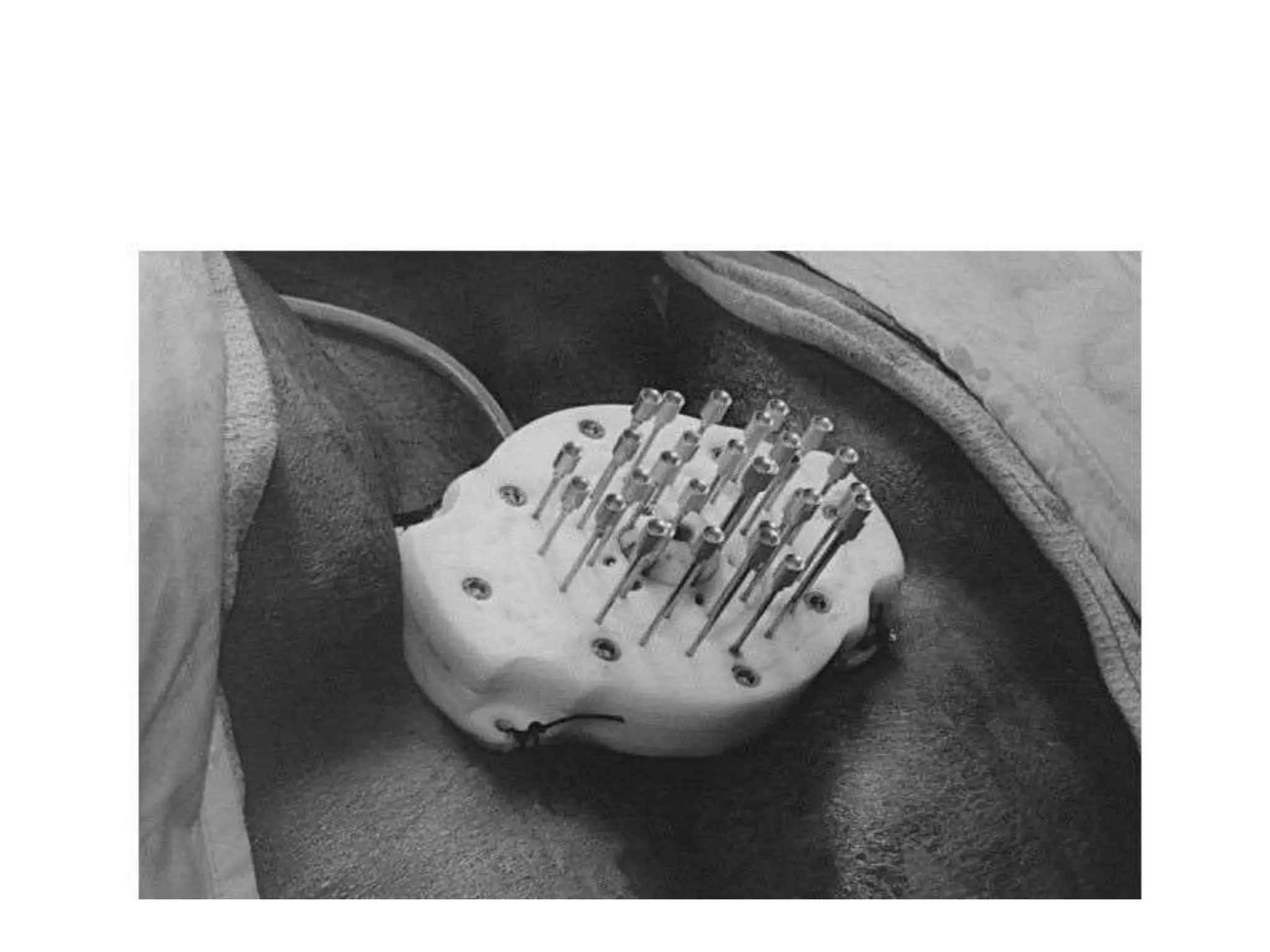
Template systems are available to secure the
position of needles in the target volumes
Syed- Neblette
Modified Syed- Neblette
Martinez-Universal Perineal Implant
IBT..
• These system consist of a perineal template, a
vaginal cylinder obturator, and hollow guides
for loading radionuclide sources.
• So through opening in the template needles
can be inserted Goal is to cover GTV with 1-2
cm margin
IBT..
• It s optimal to place needle under image guidance
• Laparoscopic. CT, USG, MRI
TRUS
• With MRI n CT 3D Image based brachytherapy can be done
Increasing tumor control and decreasing toxicity
Anterior localization film of an interstitial implant used to treat a deeply
invasive stage I lesion. Isodose curves representing dose rates and the
tumor volume have been superimposed
Lateral localization film of an interstitial implant showing its position
relative to the bladder and rectum. Isodose curves representing dose
rates and the tumor volume have been superimposed
TRUS
GUIDED
MRI BASED PLANNING
IBT
HDR is preferred
Limiting exposure to care givers and ability to optimize
dose distribution by 3D image based planning
Permanent implant with I-125 reported in elderly
patients
Management of rare histologies
Small Cell Carcinoma
Poor prognosis (85% die in first year)
– Reasonable local control may be obtained with
surgery or irradiation followed by systemic chemo
– EP
– Cyclophosphamide, Adriamycin, Vincristine (CAV) X
12 cycles (some prior to initiation of RT)
– Doses of RT similar to SCCA
Management
Rhabdomyosarcoma
– Generally treated with a combination of surgery, RT,
and chemotherapy
– Vincristine, Dactinomycin, Cyclophosphamide (VAC)
X 1- 2 years effective adjuvant treatment for stage 1
ds
– Local excision + interstitial/intracavitary RT +
systemic chemo has replaced radical pelvic surgery
as therapy of choice
Sarcoma
Botryoides
Sarcoma Botryoides
Strap cell
Management
Malignant Lymphoma
< 1% of extra nodal lymphoma
– Cyclophosphamide, adriamycin, vincristine,
prednisone (CHOP) X 6 cycles most often used
– Followed by RT
Clear Cell Adenocarcinoma and DES
Exposure
Incidence is between 0.14 to 1.4/1000 women
exposed to DES
Median age at diagnosis 19 years
Lesions found mainly in the upper 1/3 of the anterior
vaginal wall
90% of patients with early stage disease (I
and II) at diagnosis
Management
Clear Cell Adenocarcinoma
– Surgery for stage I lesions has advantage of
ovarian preservation and better vaginal
function following skin graft
– Vaginectomy, radical hysterectomy PLND,
paraaortic LNBx (frozen section of distal
margin)
– Intracavitary or transvaginal radiation can be
used for small lesions
– More extensive lesions: EBRT
Clear cell adenocarcinoma
FAVORABLE FACTORS IN SURVIVALOF PATIENTS WITH
CLEAR CELL ADENOCARCINOMA
Low stage
Older age
Tubulocystic Pattern Small tumor
diameter Reduced depth of invasion
Negative nodal mets
Positive h/o DES
Melanoma
Wide local excision
Radical surgery Radiation
Overall survival s poor 5-20%
Summary
Superficial stage I lesions may be treated with RT or
radical hysterovaginectomy
Stage II-IVA treated with WPRT and brachytherapy
Role of chemotherapy in advanced SCC presently
unknown
Pelvic failures and distant metastases occur in 1/2 of pts
with advanced ds
Thankyou.

Carcinoma vagina dr.kiran

  • 1.
  • 2.
    • The vaginais a muscular dilatable tubular structure averaging 7.5 cm in length that extends from the cervix to the vulva
  • 3.
  • 5.
  • 6.
  • 7.
    Carcinoma Vagina: • Raretumor representing only 1-2% of all gynecologic malignancies • 80-90% are metastatic cervix or endometrium. • Metastatic cancer from the vulva, ovaries, choriocarcinoma,rectosigmoid, and bladder, renal cell carcinoma, melanoma, and breast cancer are less common • Mean age of patients with primary vaginal cancer is 60-65 years
  • 8.
    Vaginal Cancer: PredisposingFactors HPV infection Low socioeconomic status History of genital warts abnormal Pap smear Early hysterectomy Previous pelvic radiation. In-utero exposure to DES
  • 9.
    Vaginal Cancer precursors Hallmarkof VAIN – cytologic atypia-Pleomorphisim, irreg nuclear contours and chromatin clumping – Abnormal maturation – nuclear enlargement ▪ 10-30% progress to Vaginal Ca
  • 10.
    Vaginal Cancer precursors VAIN1- Proliferation of basal layer Koilocytotic atypia Enlarged pleomorphic nuclei vacuolated cytoplasm
  • 11.
    Vaginal Cancer precursors VAIN2- Proliferation of basal layer,crowding and loss of polarity Koilocytotic atypia Enlarged pleomorphic nuclei vacuolated cytoplasm
  • 12.
    Vaginal Cancer precursors VAIN3 Increased proliferation of abnormal basal and parabasal cells replacing full thickness of epithelium
  • 13.
    Vaginal Cancer precursors VAIN3 – usually occurs in upper third of vagina and is multifocal and diffuse in half the cases. – 1/3 of patients have a hx/o CIN – CIN coexists w/ VAIN in 10-20% of pts – Colposcopic findings are similar to those of CIN (aceto white epithelium with punctations and mosaic patterns)
  • 14.
    Vaginal Cancer precursors TreatmentOptions for VAIN – Excisional Bx for small lesions – Partial Vaginectomy – Laser Vaporization – Electro coagulation – Intravaginal 5FU cream – RT
  • 15.
    Pathology Invasive squamous cellcarcinoma is found in 75% to 95% of primary vaginal carcinomas The majority of these lesions tend to be nonkeratinizing and moderately differentiated. The well-differentiated lesions may demonstrate keratinization, manifested by squamous pearls and intracellular bridges Grossly, these tumors may manifest as nodular, ulcerated, indurated, exophytic, or endophytic lesions
  • 16.
  • 18.
    Vaginal Adenosis andAdenocarcinoma Adenocarcinoma is found in 5% to 10% of all vaginal cancers The non–clear cell adenocarcinoma frequently arises in the submucosa. When a biopsy of a vaginal lesion reveals adenocarcinoma, it is important to look for a primary lesion, such as endometrial cancer, elsewhere
  • 19.
    Vaginal adenosis definesthe abnormal presence of glandular epithelium in the vagina, which is normally devoid of glandular elements The glandular epithelial cells may line glands in the submucosa or cover or replace surface squamous cells and are usually located near the surface epithelium adenosis is the most common histological abnormality in women exposed to DES in utero, it is not strictly confined to this population The classic gross appearance of adenosis is red, velvety, grapelike clusters in the vagina
  • 20.
    A large cysticfocus of adenosis is seen underneath the stratified squamous epithelium of the vaginal surface
  • 21.
    Adenosis is associatedwith 97% of vaginal clear cell cancer DES-associated CCA has a predilection for the upper third of the vagina and the ectocervix The most common histologic pattern is tubulocystic followed by a solid pattern. The most common cells noted are the clear cell, hobnail cell, and endometrioid cell
  • 22.
    Melanoma Malignant melanoma ofthe vagina represents approximately 5% of all vaginal neoplasms and approximately 0.7% of all melanomas Clinically, these tumors present as pigmented masses, plaques or ulcerative lesions, most frequently on the distal one-third of the anterior vaginal wall. However, they may present in a nonpigmented manner. Melanomas may display aggressive biological behavior with early and rapid local and systemic failure.
  • 23.
    Sarcoma Leiomyosarcomas endometrial stromal sarcomas malignant mixedmullerian tumors rhabdomyosarcomas are the major types of primary vaginal sarcomas
  • 24.
    The most commonof these is the embryonal rhabdomyosarcoma (sarcoma botryoides) a highly malignant tumor that occurs in the vagina during infancy and early childhood (mean age 3 years). This sarcoma has the characteristic gross appearance of grape-like masses that are exophytic and can protrude from the vagina.
  • 25.
    Lymphomas and smallcell carcinomas may also arise in the vagina. Small cell carcinomas behave in an aggressive manner, similar to small cell carcinomas arising in other parts of the body
  • 26.
    Natural History andPatterns of Spread Lesions usually found in the upper vagina on the posterior wall 50% of Vag Ca ulcerative 30% are exophytic 20%are annular and constricting Vaginal primary tumors may spread along mucosa to cervix or vulva Direct extension to bladder, parametria, paracolpos, rectum, cardinal ligaments, uterosacral ligaments
  • 27.
    Natural History andPatterns of Spread Any of the nodal groups may be involved regardless of the location of the tumor Inguinal nodes most often involved if lesion is in the lower 1/3 of the vagina Clinically apparent inguinal node mets seen in 5- 20% of patients Incidence of pelvic nodes varies with stage and location of the tumor
  • 28.
    Clinical Presentation Abnormal vaginalbleeding – 50-75% of patients with primary tumors Discharge Dysuria Pain
  • 29.
    Diagnostic Work-up Complete historyand physical Speculum examination and palpation of the vagina . Bimanual pelvic and rectovaginal examination . Pap smear, colposcopy directed biopsies.
  • 30.
  • 31.
    Axial T1-weighted magneticresonance images of a patient with stage II squamous cell cancer of the vagina located in the left vaginal fornix with involvement of the left parametria
  • 32.
  • 34.
  • 35.
    Natural History andPatterns of Failure Stage I – 10-20% pelvic recurrence, 10-20% distant Stage II – 35% pelvic recurrence, 22% distant Stage III – 25-45% pelvic recurrence, 23% distant Stage IV – 58% pelvic recurrence, 30% distant
  • 36.
    primary vaginal carcinomastreated with definitive RT, the 10-year actuarial disease-free survival (DFS) 94% for stage 0 75% for stage I 55% for stage II 32% for stage III 0% for those with stage IV.
  • 37.
    Management Radiation therapy isthe preferred treatment for most carcinomas of the vagina Surgical therapy – Early stage lesion – Irradiation failures – Non-epithelial tumors – Stage I Clear cell adenocarcinomas in young women
  • 38.
    Management Surgery – Wide localexcision reserved for carcinoma insitu or small superficially invasive lesions that r well demarcated – Stage I tumors of the middle or upper third of vagina treated with radical hysterovaginectomy and PLND – Stage I tumors of the lower third of vagina which may encroach on the vulva treated with radical vulvovaginectomy and bilat. groin node dissection
  • 39.
    Management Stage I – Usuallymanaged with RT – Superficial lesions (<5mm) may be treated with vaginal cylinder covering the entire vagina – Thicker lesions may be treated with vaginal cylinder + single plane implant – EBRT reserved for aggressive lesions (infiltrating or poorly differentiated)
  • 40.
    RT… Selected patients withsuperficial tumors brachytherapy alone by vaginal cylinders. 60-70Gy 0.5 cm surface LDR Additional 20-30Gy to tumor alone HDR, 21-25Gy in 3-5 fractions Additional 21-25Gy to tumor
  • 41.
    RT.. Vaginal cylinder delivers45Gy LDR or 21-25Gy by HDR 0.5 cm vaginal mucosa Additional therapy with interstitial BT to tumor volume 25-35Gy LDR
  • 42.
    Stage 1 RT.. Combinationof EBRT n BT for more aggressive stage 1 with greater infiltration and poor differentiation Recent trend towards combination Possible under estimation of submucosal disease or nodal status
  • 43.
    Stage 2 Radiation isthe primary option EBRT + BT EBRT 45-50.4Gy Boost to tumor volume with BT to total dose of 75-80Gy
  • 44.
    Stage 3 n4 EBRT + BT IMRT
  • 45.
    Role of Chemotherapyand Radiation The control rate in the pelvis for stages III and IV patients is relatively low about 70% to 80% of the patients have persistent disease or recurrent disease in the pelvis, in spite of high doses of external beam RT and brachytherapy Failure in distant sites does occur in about 25% to 30% of the patients with locally advanced tumors
  • 46.
    Therefore, there isa need for better approaches to the management of advanced disease such as the use of concomitant chemoradiotherapy Agents such as 5-FU, mitomycin-C, and cisplatin have shown promise when combined with RT Advanced cervical cancer has improvement in locoregional control, overall survival, and disease- free survival for patients receiving cisplatin-based chemotherapy concurrently with RT This was interpolated in to therapy of vaginal cancer.
  • 47.
    Radiation Therapy Techniques EBRTdelivered through AP:PA portals or using 4 field “box technique” It should ensure coverage of vagina common illiac, external illiac, hypogastric, and obturator node
  • 48.
    Field borders Upper borderL5-S1 or L4-L5( if positive lymph nodes) ( some authors 2cm above lower border of SI joint) Inferior border at introitus to ensure coverage of entire vagina or 4 cm distal to most caudal aspect of vaginal tumor Lateral border 1.5-2cm lateral to pelvic brim Anterior- anterior to pubic symphysis Posterior- posterior to junction of S2/S3 interspace
  • 50.
    Inguinal nodes shouldbe electively covered (4500- 5000cGy) for tumors of the lower 1/3 of vagina Additional 1500cGy (4-5cm depth) delivered for palpable inguinal nodes
  • 51.
    Radiation Therapy Techniques Portalfor pelvic RT and elective groin coverage Portal for groin coverage with palpable inguinal nodes
  • 52.
    Portal to includeinguinal nodes
  • 53.
    EBRT dose 45-50.4 GyIN 25-28 fractions Boost depend on size n site of lesion Vaginal apex > 5mm EBRT OR IBT boost
  • 54.
    Mid and distals treated with IBT If extensive disease treated with EBRT Total dose of 70-80Gy
  • 55.
    Brachytherapy Intracavitary brachytherapy VAIN andhighly selective minimally invasive Boost after EBRT lesion < 5mm total dose 70-80Gy LDR or HDR
  • 56.
    LDR ICB wasperformed using a vaginal cylinder loaded with Cs-137 Usually 2-3 Cs are placed along central tandem Vaginal colpostat alone can also be used for fornicial tumors
  • 57.
    HDR-ICB is typicallyperformed using Ir-192 EBRT 45-50.4Gy followed by HDR 20-28Gy in 3-4 fractions
  • 58.
  • 59.
  • 60.
    Interstitial brachytherapy ICB notsuitable > 5mm thickness Vaginal cylinder fails to deliver sufficient coverage to paravaginal tissue Boost after EBRT
  • 61.
    IBT.. • Routine preoperativeassessment under anaesthesia to assess disease • If MRI is available it s superior to assess the thickness • Patient is positioned in dorsal lithotomy position • A speculam and digital examination allows assessment of vaginal width, tumor size and location, amount and thickness of residual parametrial or paravaginal disease
  • 62.
    IBT.. A sterile setup is used at time of insertion A foley catheter is placed for bladder drainage Radio opaque markers can be kept for tumor delineation
  • 63.
    Templates.. Template systems areavailable to secure the position of needles in the target volumes Syed- Neblette Modified Syed- Neblette Martinez-Universal Perineal Implant
  • 64.
    IBT.. • These systemconsist of a perineal template, a vaginal cylinder obturator, and hollow guides for loading radionuclide sources. • So through opening in the template needles can be inserted Goal is to cover GTV with 1-2 cm margin
  • 67.
    IBT.. • It soptimal to place needle under image guidance • Laparoscopic. CT, USG, MRI TRUS • With MRI n CT 3D Image based brachytherapy can be done Increasing tumor control and decreasing toxicity
  • 69.
    Anterior localization filmof an interstitial implant used to treat a deeply invasive stage I lesion. Isodose curves representing dose rates and the tumor volume have been superimposed
  • 70.
    Lateral localization filmof an interstitial implant showing its position relative to the bladder and rectum. Isodose curves representing dose rates and the tumor volume have been superimposed
  • 71.
  • 72.
  • 73.
    IBT HDR is preferred Limitingexposure to care givers and ability to optimize dose distribution by 3D image based planning Permanent implant with I-125 reported in elderly patients
  • 74.
    Management of rarehistologies Small Cell Carcinoma Poor prognosis (85% die in first year) – Reasonable local control may be obtained with surgery or irradiation followed by systemic chemo – EP – Cyclophosphamide, Adriamycin, Vincristine (CAV) X 12 cycles (some prior to initiation of RT) – Doses of RT similar to SCCA
  • 75.
    Management Rhabdomyosarcoma – Generally treatedwith a combination of surgery, RT, and chemotherapy – Vincristine, Dactinomycin, Cyclophosphamide (VAC) X 1- 2 years effective adjuvant treatment for stage 1 ds – Local excision + interstitial/intracavitary RT + systemic chemo has replaced radical pelvic surgery as therapy of choice
  • 76.
  • 77.
  • 78.
    Management Malignant Lymphoma < 1%of extra nodal lymphoma – Cyclophosphamide, adriamycin, vincristine, prednisone (CHOP) X 6 cycles most often used – Followed by RT
  • 79.
    Clear Cell Adenocarcinomaand DES Exposure Incidence is between 0.14 to 1.4/1000 women exposed to DES Median age at diagnosis 19 years Lesions found mainly in the upper 1/3 of the anterior vaginal wall 90% of patients with early stage disease (I and II) at diagnosis
  • 80.
    Management Clear Cell Adenocarcinoma –Surgery for stage I lesions has advantage of ovarian preservation and better vaginal function following skin graft – Vaginectomy, radical hysterectomy PLND, paraaortic LNBx (frozen section of distal margin) – Intracavitary or transvaginal radiation can be used for small lesions – More extensive lesions: EBRT
  • 81.
  • 82.
    FAVORABLE FACTORS INSURVIVALOF PATIENTS WITH CLEAR CELL ADENOCARCINOMA Low stage Older age Tubulocystic Pattern Small tumor diameter Reduced depth of invasion Negative nodal mets Positive h/o DES
  • 83.
    Melanoma Wide local excision Radicalsurgery Radiation Overall survival s poor 5-20%
  • 84.
    Summary Superficial stage Ilesions may be treated with RT or radical hysterovaginectomy Stage II-IVA treated with WPRT and brachytherapy Role of chemotherapy in advanced SCC presently unknown Pelvic failures and distant metastases occur in 1/2 of pts with advanced ds
  • 85.