Can I Help You?  ... Retail Selling SkillsDebra Templar: Retail Check ups, Tune Ups & Makeovers....It’s in the bag!
Characteristics         of            a              great                  salesperson
They:never ignore customersgreet the customers by name whenever possiblelook professional understand the importance of serving customers are friendly and willing to listen to customersalways suggest another item if the merchandise the customer wants is not availablelook at each customer as having the potential of buying multiple itemsalways thank the customeralways follow up and make sure the customer was satisfied
Remembering some fundamental rulesor Retail Selling
One of the biggest mistake retailers make is to think they’re just selling merchandise.A customer never buys unless you sell some other things first:Yourself
Your shop
An experienceVery little room for error as customers form their impressions very fast!
Turning lookers into buyers
Your challenge is to make merchandise look good enough to compel customers to buy it. Every customer who comes into your shop is just looking.  Your job is to convert those lookers into buyers by tempting them with things they like in a way they enjoy. That’s the secret to selling.
Soft suggestive selling3 #Fail
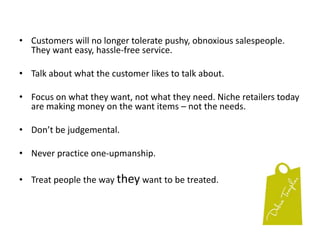
Customers will no longer tolerate pushy, obnoxious salespeople.  They want easy, hassle-free service.Talk about what the customer likes to talk about.Focus on what they want, not what they need. Niche retailers today are making money on the want items – not the needs.Don’t be judgemental.Never practice one-upmanship.Treat people the way they want to be treated.
Getting people to like you...
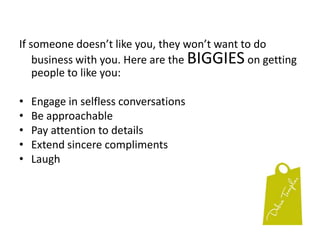
If someone doesn’t like you, they won’t want to do business with you. Here are the BIGGIES on getting people to like you:Engage in selfless conversationsBe approachablePay attention to detailsExtend sincere complimentsLaugh
Making a good impression
First impressions are made very fast and start before your customers enter your shop. Everything sells and everything speaks.Customers make buying decisions based on the smallest of things.The paper on the floor, the mess in the corner tells them that you don’t care about the details.But your friendly greeting and the clean & clear counter-top let them know that you do care about the little things.
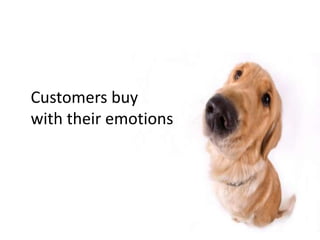
Customers buy with their emotions
Customers buy because they’re depressed or because they’re happy or maybe because they just want something different.The most successful shop isn’t always the one with the best product.It’s the shop that makes customers feel good about doing business with them.If you’re looking for logic, a retail business is not the place to find it.Today’s customers don’t buy things because they need them.  They buy things because they crave them.
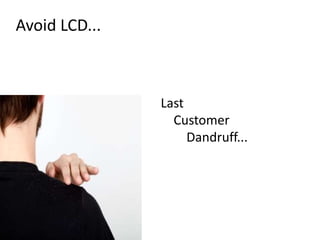
Avoid LCD...Last    Customer        Dandruff...
Don’t take out your frustrations that the last customer caused you on the new customer who just walked in.It’s “show time” every time a customer walks in.Forget the last customer.  Focus on the new one.Don’t say a word to the customer about what just happened.They don’t care, although they’ll pretend to...It will simply make them want to not come back.
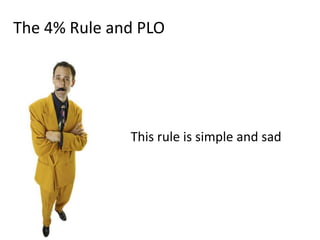
The 4% Rule and PLOThis rule is simple and sad
4% of all the customers who come in to every shop in the world belong to the PLO:  PUSHY, LOUD & OBNOXIOUS!You will never please them.
Don’t drive yourself crazy trying to.
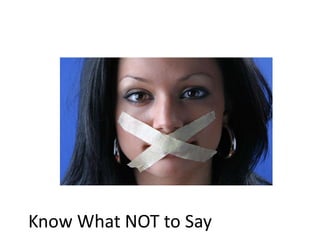
As hard as it to try to sell to everyone, it’s impossible.  So don’t beat yourself up if you lose a sale.Know What NOT to Say
You couldn’t afford that.  How insulting!We would need cash from you. What does this insinuate?It’s over there.  Always go get things for customers.We’re sold out.  At least offer to check out the back.I only work here.  You won’t for long if you use this phrase.
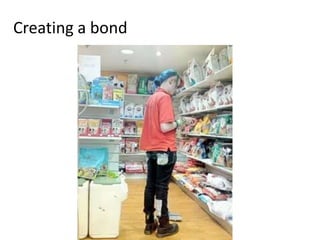
Creating a bond
Ask short questions and let customers do the talking:Who is it for?What is your opinion of this type of merchandise?Where are you planning to store it?When do you want to pick it up?Which type do you prefer?How did you become some knowledgeable about these?Use:Tell me about..Do you think...Which means...
Making Suggestions
Did you see this?A staff member walks past a customer, points to a piece of merchandise and says “Did you see this?” then keeps on walking.  The customer will want to know what the staff member was pointing at.  You’ve piqued their interest.Use it and be amazed with the results.And customers will say things such as “They are so nice here”.  “They aren’t pushy; they suggest things”. “They don’t really have salespeople, just people to    help”.
Handling Objections
Objections to Price: Find out what the customer is objecting to. Have they seen the same item in another shop for less?  If so, you better think about adjusting our price to be competitive.  If it’s simply a matter of something costing more than the customer wants to spend, show them something cheaper.Objections to the product:  When a customer doesn’t like one product, show them another one.  Recognise that some customers need a choice and that some items look better when they’re compared to another.
Always take merchandise that customers are planning to buy out of their hands and place it near the POS.  Doing so reinforces to the customer that they’re buying those items and lets the customer shop with two hands.
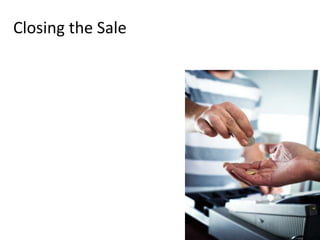
Closing the Sale9 #Fail
“Did you see this?” is the best close (show it as you show another piece of merchandise. Keep trying until the customer determines the sale is finished.You can encourage the customer to buy something by simply saying, “Why not?” Let them tell you why they shouldn’t.You can guide a wishy-washy customer who can’t make up their mind by saying, “Let’s do this”, then selecting the merchandising for them.Just by saying “Everyone’s buying it” you can convince a status customer that they can’t go home without something.

Can I Help You: Retail Selling

  • 1.
    Can I HelpYou? ... Retail Selling SkillsDebra Templar: Retail Check ups, Tune Ups & Makeovers....It’s in the bag!
  • 2.
    Characteristics of a great salesperson
  • 3.
    They:never ignore customersgreetthe customers by name whenever possiblelook professional understand the importance of serving customers are friendly and willing to listen to customersalways suggest another item if the merchandise the customer wants is not availablelook at each customer as having the potential of buying multiple itemsalways thank the customeralways follow up and make sure the customer was satisfied
  • 4.
    Remembering some fundamentalrulesor Retail Selling
  • 5.
    One of thebiggest mistake retailers make is to think they’re just selling merchandise.A customer never buys unless you sell some other things first:Yourself
  • 6.
  • 7.
    An experienceVery littleroom for error as customers form their impressions very fast!
  • 8.
  • 9.
    Your challenge isto make merchandise look good enough to compel customers to buy it. Every customer who comes into your shop is just looking. Your job is to convert those lookers into buyers by tempting them with things they like in a way they enjoy. That’s the secret to selling.
  • 10.
  • 11.
    Customers will nolonger tolerate pushy, obnoxious salespeople. They want easy, hassle-free service.Talk about what the customer likes to talk about.Focus on what they want, not what they need. Niche retailers today are making money on the want items – not the needs.Don’t be judgemental.Never practice one-upmanship.Treat people the way they want to be treated.
  • 12.
  • 13.
    If someone doesn’tlike you, they won’t want to do business with you. Here are the BIGGIES on getting people to like you:Engage in selfless conversationsBe approachablePay attention to detailsExtend sincere complimentsLaugh
  • 14.
    Making a goodimpression
  • 15.
    First impressions aremade very fast and start before your customers enter your shop. Everything sells and everything speaks.Customers make buying decisions based on the smallest of things.The paper on the floor, the mess in the corner tells them that you don’t care about the details.But your friendly greeting and the clean & clear counter-top let them know that you do care about the little things.
  • 16.
    Customers buy withtheir emotions
  • 17.
    Customers buy becausethey’re depressed or because they’re happy or maybe because they just want something different.The most successful shop isn’t always the one with the best product.It’s the shop that makes customers feel good about doing business with them.If you’re looking for logic, a retail business is not the place to find it.Today’s customers don’t buy things because they need them. They buy things because they crave them.
  • 18.
    Avoid LCD...Last Customer Dandruff...
  • 19.
    Don’t take outyour frustrations that the last customer caused you on the new customer who just walked in.It’s “show time” every time a customer walks in.Forget the last customer. Focus on the new one.Don’t say a word to the customer about what just happened.They don’t care, although they’ll pretend to...It will simply make them want to not come back.
  • 20.
    The 4% Ruleand PLOThis rule is simple and sad
  • 21.
    4% of allthe customers who come in to every shop in the world belong to the PLO: PUSHY, LOUD & OBNOXIOUS!You will never please them.
  • 22.
    Don’t drive yourselfcrazy trying to.
  • 23.
    As hard asit to try to sell to everyone, it’s impossible. So don’t beat yourself up if you lose a sale.Know What NOT to Say
  • 24.
    You couldn’t affordthat. How insulting!We would need cash from you. What does this insinuate?It’s over there. Always go get things for customers.We’re sold out. At least offer to check out the back.I only work here. You won’t for long if you use this phrase.
  • 25.
  • 26.
    Ask short questionsand let customers do the talking:Who is it for?What is your opinion of this type of merchandise?Where are you planning to store it?When do you want to pick it up?Which type do you prefer?How did you become some knowledgeable about these?Use:Tell me about..Do you think...Which means...
  • 27.
  • 28.
    Did you seethis?A staff member walks past a customer, points to a piece of merchandise and says “Did you see this?” then keeps on walking. The customer will want to know what the staff member was pointing at. You’ve piqued their interest.Use it and be amazed with the results.And customers will say things such as “They are so nice here”. “They aren’t pushy; they suggest things”. “They don’t really have salespeople, just people to help”.
  • 29.
  • 30.
    Objections to Price:Find out what the customer is objecting to. Have they seen the same item in another shop for less? If so, you better think about adjusting our price to be competitive. If it’s simply a matter of something costing more than the customer wants to spend, show them something cheaper.Objections to the product: When a customer doesn’t like one product, show them another one. Recognise that some customers need a choice and that some items look better when they’re compared to another.
  • 31.
    Always take merchandisethat customers are planning to buy out of their hands and place it near the POS. Doing so reinforces to the customer that they’re buying those items and lets the customer shop with two hands.
  • 32.
  • 33.
    “Did you seethis?” is the best close (show it as you show another piece of merchandise. Keep trying until the customer determines the sale is finished.You can encourage the customer to buy something by simply saying, “Why not?” Let them tell you why they shouldn’t.You can guide a wishy-washy customer who can’t make up their mind by saying, “Let’s do this”, then selecting the merchandising for them.Just by saying “Everyone’s buying it” you can convince a status customer that they can’t go home without something.