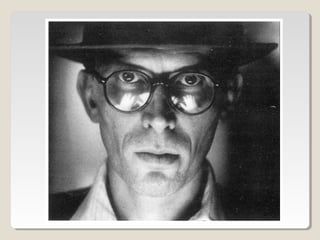
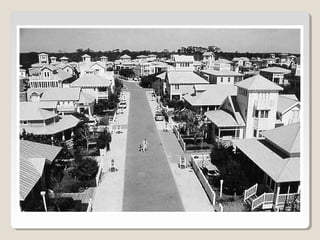
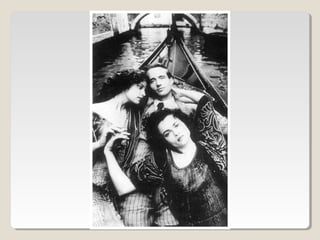
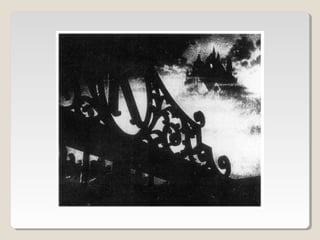
Use of the CameraUse of the Camera
Micro analysis
Camera should beCamera should be
analysed in two ways:analysed in two ways:
Framing
Movement
FramingFraming
Camera’s distance from the subject
Camera angle in relation to the subject
Point of view
DistanceDistance
Extreme long shot
Long shot
Medium Long Shot
Mid shot
Medium Close Up
Close up
Big Close up
Extreme close up
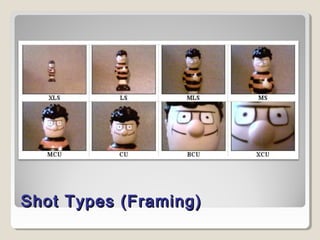
The following are examples ofThe following are examples of
basic framing techniques…basic framing techniques…
Shot Types (Framing)Shot Types (Framing)
Angle in relation toAngle in relation to
subjectsubject
High angle
Low angle
Wide Angle
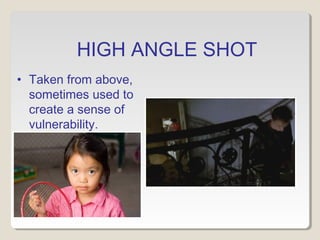
HIGH ANGLE SHOT
• Taken from above,
sometimes used to
create a sense of
vulnerability.
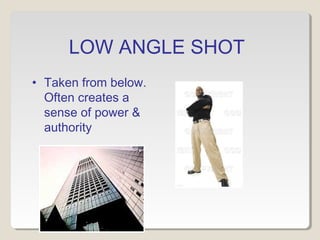
LOW ANGLE SHOT
• Taken from below.
Often creates a
sense of power &
authority
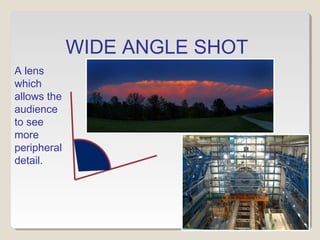
WIDE ANGLE SHOT
A lens
which
allows the
audience
to see
more
peripheral
detail.
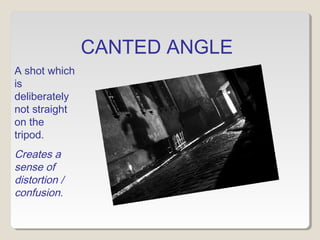
CANTED ANGLE
A shot which
is
deliberately
not straight
on the
tripod.
Creates a
sense of
distortion /
confusion.
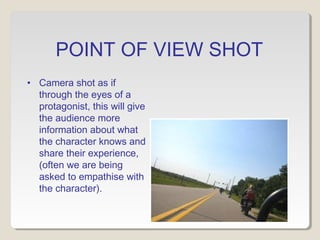
POINT OF VIEW SHOT
• Camera shot as if
through the eyes of a
protagonist, this will give
the audience more
information about what
the character knows and
share their experience,
(often we are being
asked to empathise with
the character).
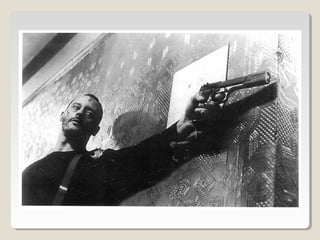
Look at the following stillLook at the following still
What type of shot is it?
What elements of the image are being
emphasised?
What angles are being played upon in this
image?
Why do you think this image has been framed in
this way?
Look at the following, in eachLook at the following, in each
case say…case say…
What type of shot is it
Why it has been framed in this way
Remember you are describing
composition and effect.
Key Terms (Framing)Key Terms (Framing)
 Extreme long shot (ELS)
 Long shot (LS)
 Medium Long Shot (MLS)
 Mid shot (MS)
 Medium Close Up (MCU)
 Big Close Up (BCU)
 Close-up (CU)
 Extreme close-up (ECU)
 High angle
 Low angle
 Wide Angle
 Canted Angle
 Point of view
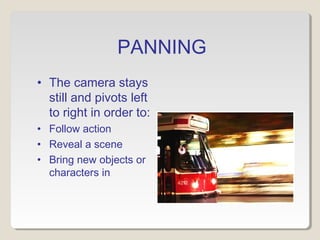
PANNING
• The camera stays
still and pivots left
to right in order to:
• Follow action
• Reveal a scene
• Bring new objects or
characters in
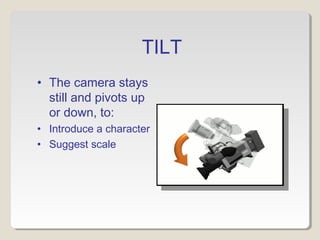
TILT
• The camera stays
still and pivots up
or down, to:
• Introduce a character
• Suggest scale
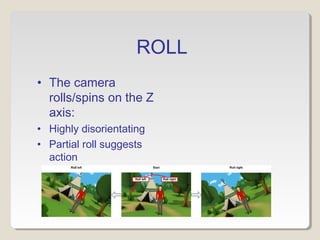
ROLL
• The camera
rolls/spins on the Z
axis:
• Highly disorientating
• Partial roll suggests
action
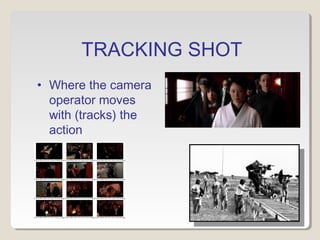
TRACKING SHOT
• Where the camera
operator moves
with (tracks) the
action.
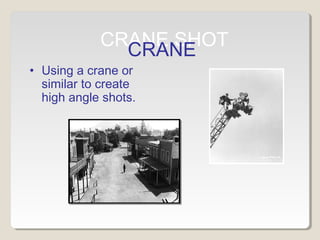
CRANE SHOT
• Using a crane or
similar to create
high angle shots.
CRANE
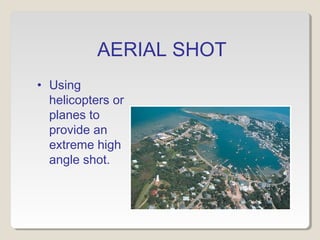
AERIAL SHOT
• Using
helicopters or
planes to
provide an
extreme high
angle shot.
Key TermsKey Terms
(Movement)(Movement)
Pan (Whip Pan)
Tilt
Roll
Dolly/Tracking Shot
Zoom
Crane
Steadicam / Handheld
(Aerial Shot) Flying-Cam
Types of ShotTypes of Shot
There are a number of different shots which
have specific functions within a film or TV
programme:
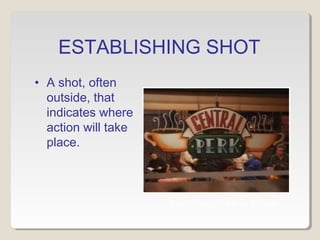
ESTABLISHING SHOT
• A shot, often
outside, that
indicates where
action will take
place.
Establishing shot from Friends
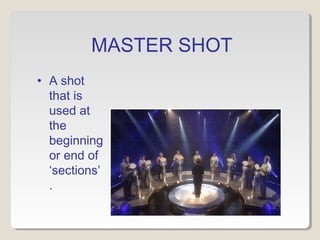
MASTER SHOT
• A shot
that is
used at
the
beginning
or end of
‘sections’
.
Master Shot from The Weakest Link
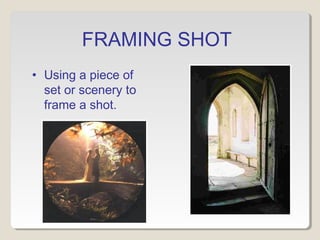
FRAMING SHOT
• Using a piece of
set or scenery to
frame a shot.
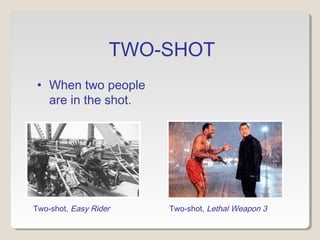
TWO-SHOT
• When two people
are in the shot.
Two-shot, Easy Rider Two-shot, Lethal Weapon 3
ExamplesExamples
Look at the following clip(s) and consider
how the camera is adding meaning to
events.

Camera 2013

  • 1.
    Use of theCameraUse of the Camera Micro analysis
  • 2.
    Camera should beCamerashould be analysed in two ways:analysed in two ways: Framing Movement
  • 3.
    FramingFraming Camera’s distance fromthe subject Camera angle in relation to the subject Point of view
  • 4.
    DistanceDistance Extreme long shot Longshot Medium Long Shot Mid shot Medium Close Up Close up Big Close up Extreme close up
  • 5.
    The following areexamples ofThe following are examples of basic framing techniques…basic framing techniques…
  • 6.
    Shot Types (Framing)ShotTypes (Framing)
  • 7.
    Angle in relationtoAngle in relation to subjectsubject High angle Low angle Wide Angle
  • 8.
    HIGH ANGLE SHOT •Taken from above, sometimes used to create a sense of vulnerability.
  • 9.
    LOW ANGLE SHOT •Taken from below. Often creates a sense of power & authority
  • 10.
    WIDE ANGLE SHOT Alens which allows the audience to see more peripheral detail.
  • 11.
    CANTED ANGLE A shotwhich is deliberately not straight on the tripod. Creates a sense of distortion / confusion.
  • 12.
    POINT OF VIEWSHOT • Camera shot as if through the eyes of a protagonist, this will give the audience more information about what the character knows and share their experience, (often we are being asked to empathise with the character).
  • 13.
    Look at thefollowing stillLook at the following still What type of shot is it? What elements of the image are being emphasised? What angles are being played upon in this image? Why do you think this image has been framed in this way?
  • 15.
    Look at thefollowing, in eachLook at the following, in each case say…case say… What type of shot is it Why it has been framed in this way Remember you are describing composition and effect.
  • 20.
    Key Terms (Framing)KeyTerms (Framing)  Extreme long shot (ELS)  Long shot (LS)  Medium Long Shot (MLS)  Mid shot (MS)  Medium Close Up (MCU)  Big Close Up (BCU)  Close-up (CU)  Extreme close-up (ECU)  High angle  Low angle  Wide Angle  Canted Angle  Point of view
  • 21.
    PANNING • The camerastays still and pivots left to right in order to: • Follow action • Reveal a scene • Bring new objects or characters in
  • 22.
    TILT • The camerastays still and pivots up or down, to: • Introduce a character • Suggest scale
  • 23.
    ROLL • The camera rolls/spinson the Z axis: • Highly disorientating • Partial roll suggests action
  • 24.
    TRACKING SHOT • Wherethe camera operator moves with (tracks) the action.
  • 25.
    CRANE SHOT • Usinga crane or similar to create high angle shots. CRANE
  • 26.
    AERIAL SHOT • Using helicoptersor planes to provide an extreme high angle shot.
  • 27.
    Key TermsKey Terms (Movement)(Movement) Pan(Whip Pan) Tilt Roll Dolly/Tracking Shot Zoom Crane Steadicam / Handheld (Aerial Shot) Flying-Cam
  • 28.
    Types of ShotTypesof Shot There are a number of different shots which have specific functions within a film or TV programme:
  • 29.
    ESTABLISHING SHOT • Ashot, often outside, that indicates where action will take place. Establishing shot from Friends
  • 30.
    MASTER SHOT • Ashot that is used at the beginning or end of ‘sections’ . Master Shot from The Weakest Link
  • 31.
    FRAMING SHOT • Usinga piece of set or scenery to frame a shot.
  • 32.
    TWO-SHOT • When twopeople are in the shot. Two-shot, Easy Rider Two-shot, Lethal Weapon 3
  • 33.
    ExamplesExamples Look at thefollowing clip(s) and consider how the camera is adding meaning to events.

Editor's Notes