Roadmaps Explained
Roadmapping is a planning activity
conducted by Product teams.
“In preparing for battle I have
always found that plans are
useless, but planning is
indispensable.”
Eisenhower
What is a Roadmap?
4
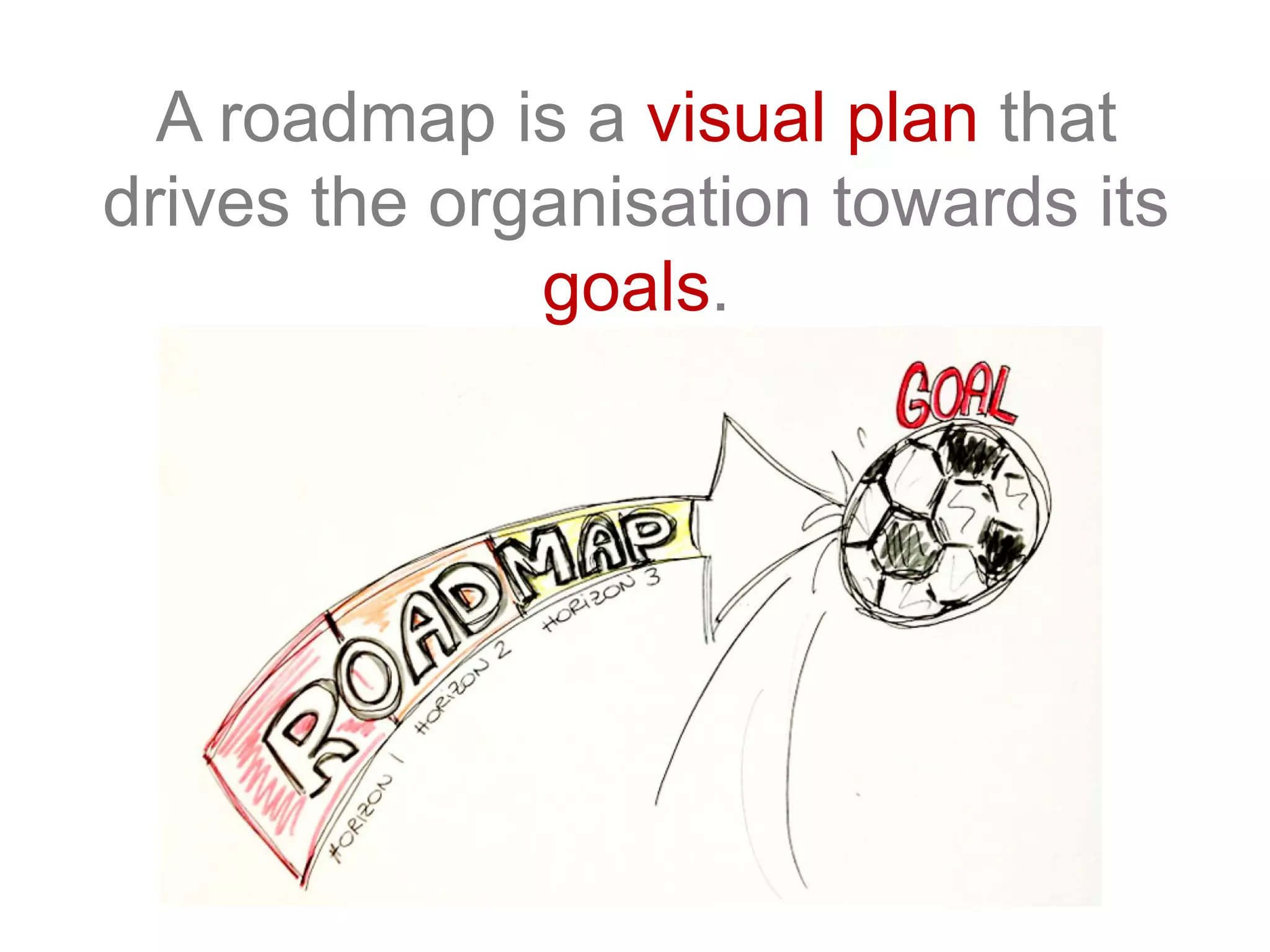
A roadmap is a visual plan that
drives the organisation towards its
goals.
There are many types of
roadmaps…
7
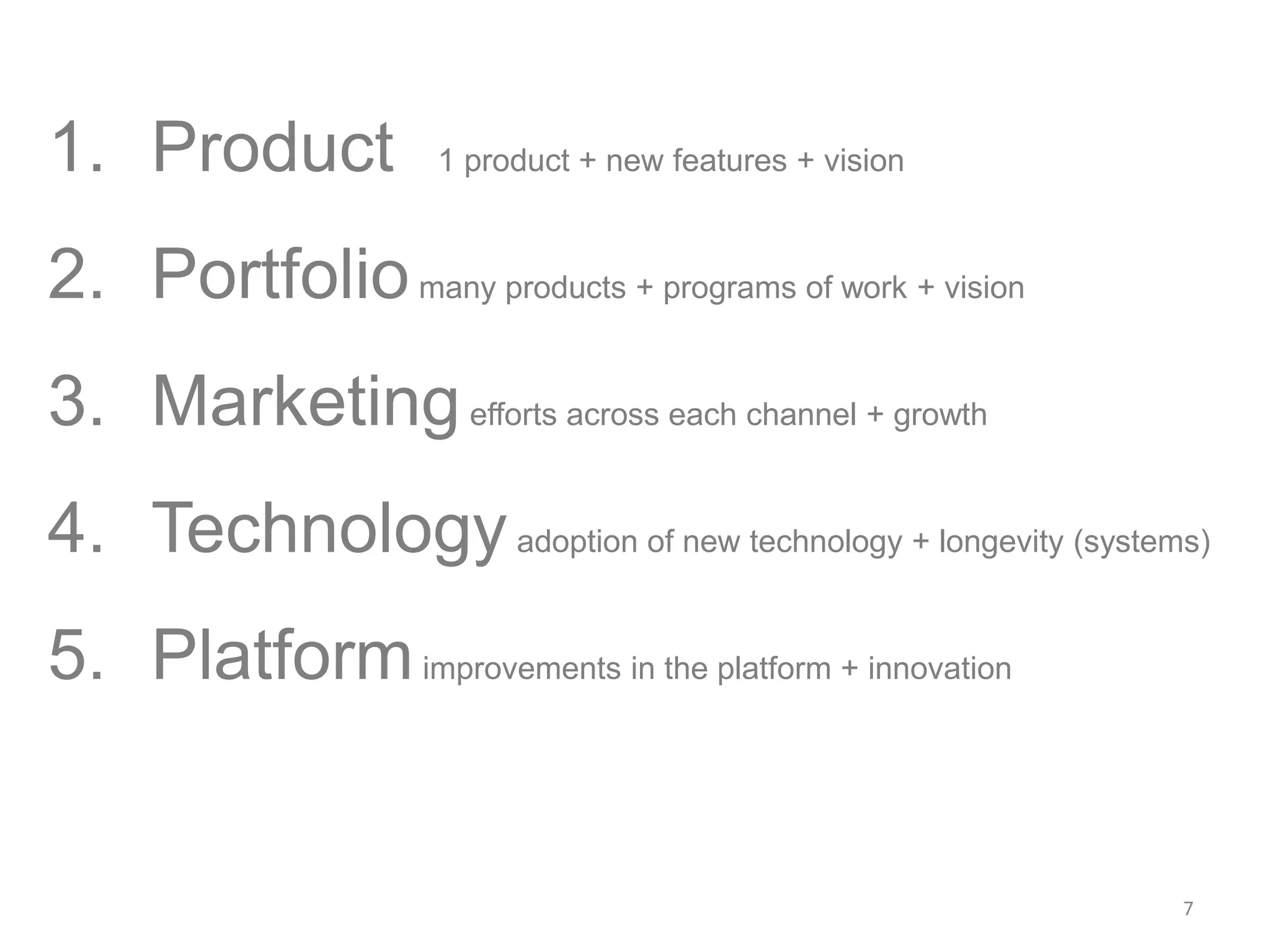
1. Product 1 product + new features + vision
2. Portfoliomany products + programs of work + vision
3. Marketingefforts across each channel + growth
4. Technologyadoption of new technology + longevity (systems)
5. Platformimprovements in the platform + innovation
What a Roadmap isn’t?
8
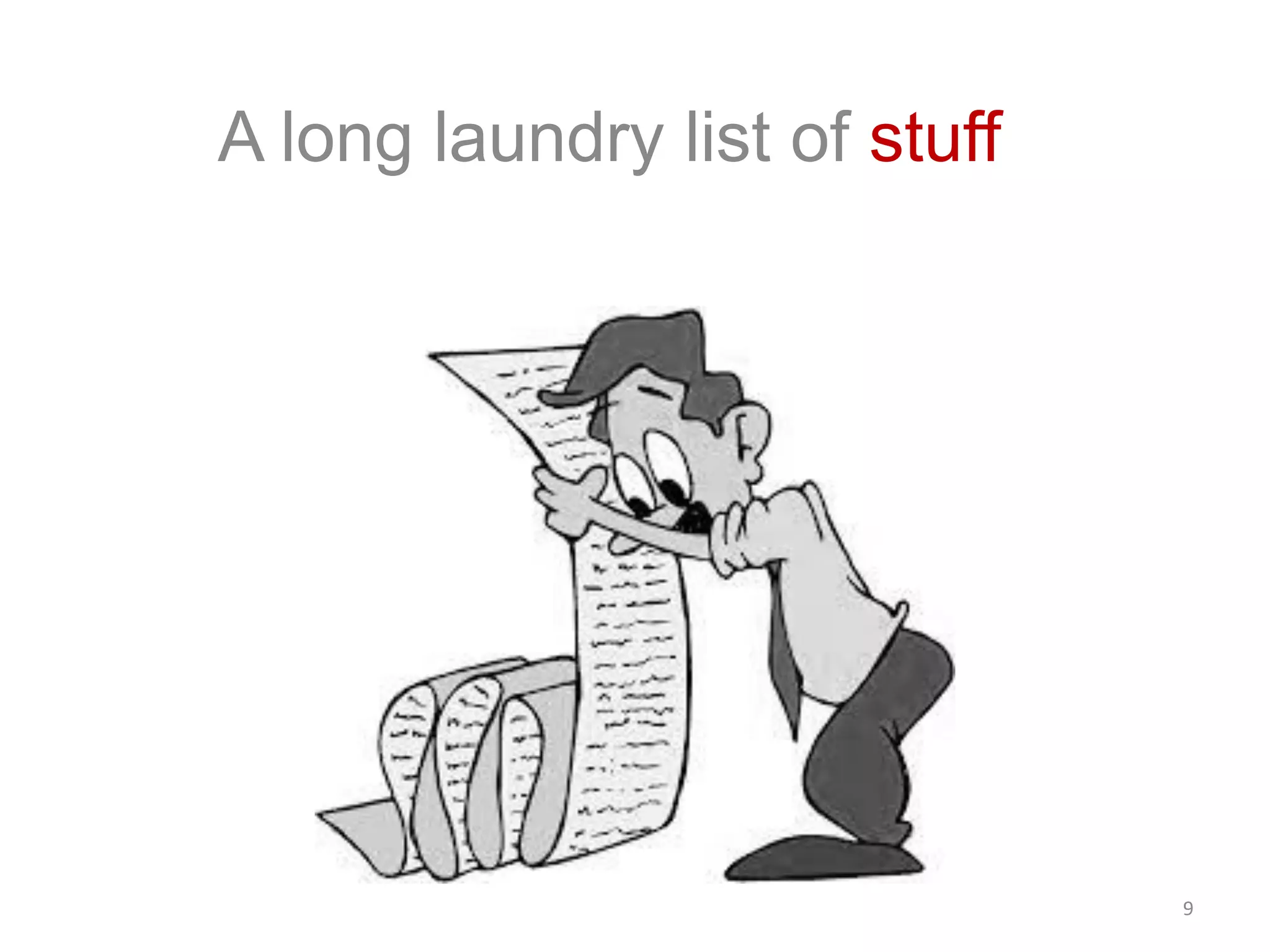
A long laundry list of stuff
9
Why Bother with a Product Roadmap?
10
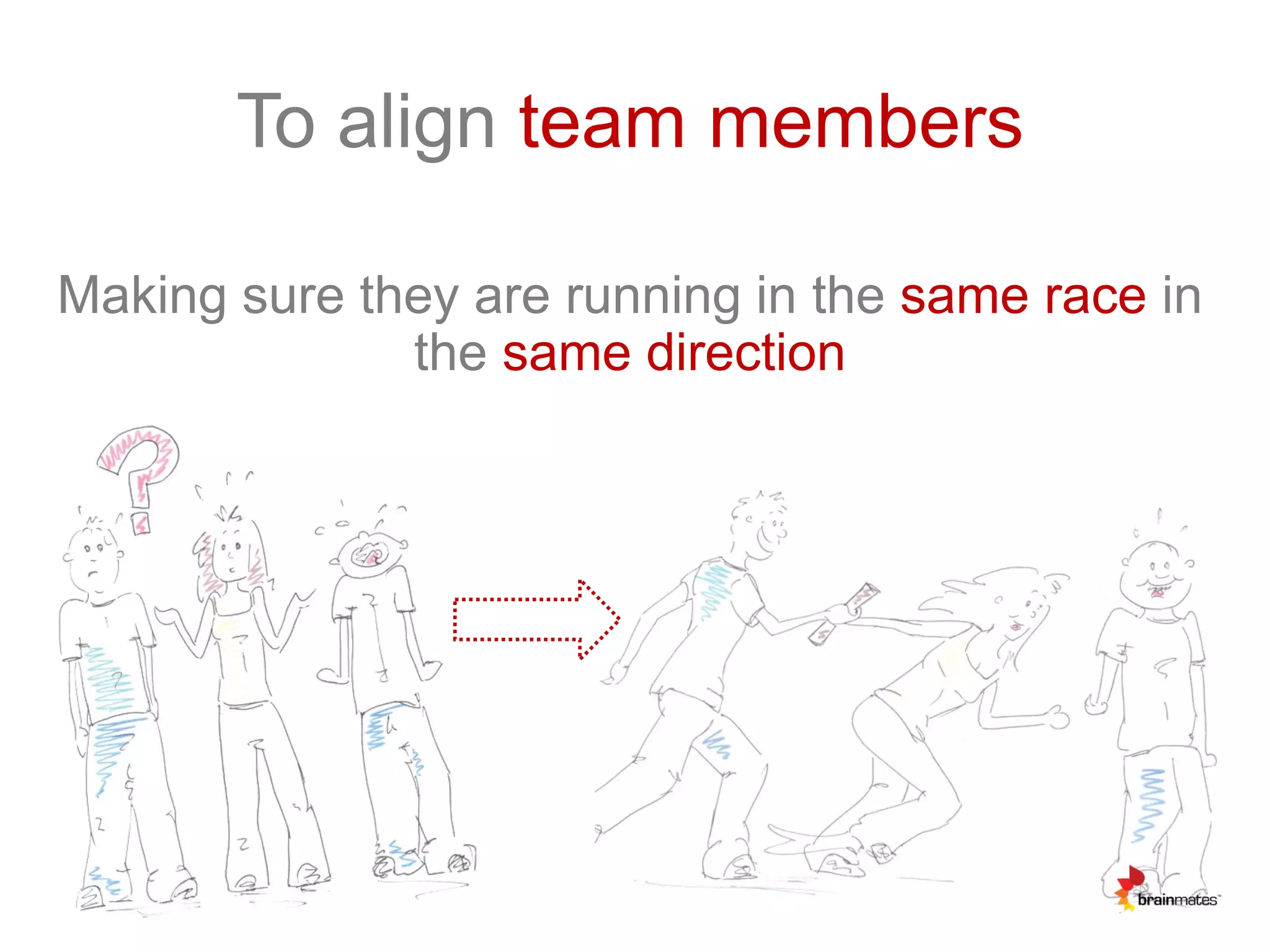
To align team members
Making sure they are running in the same race in
the same direction
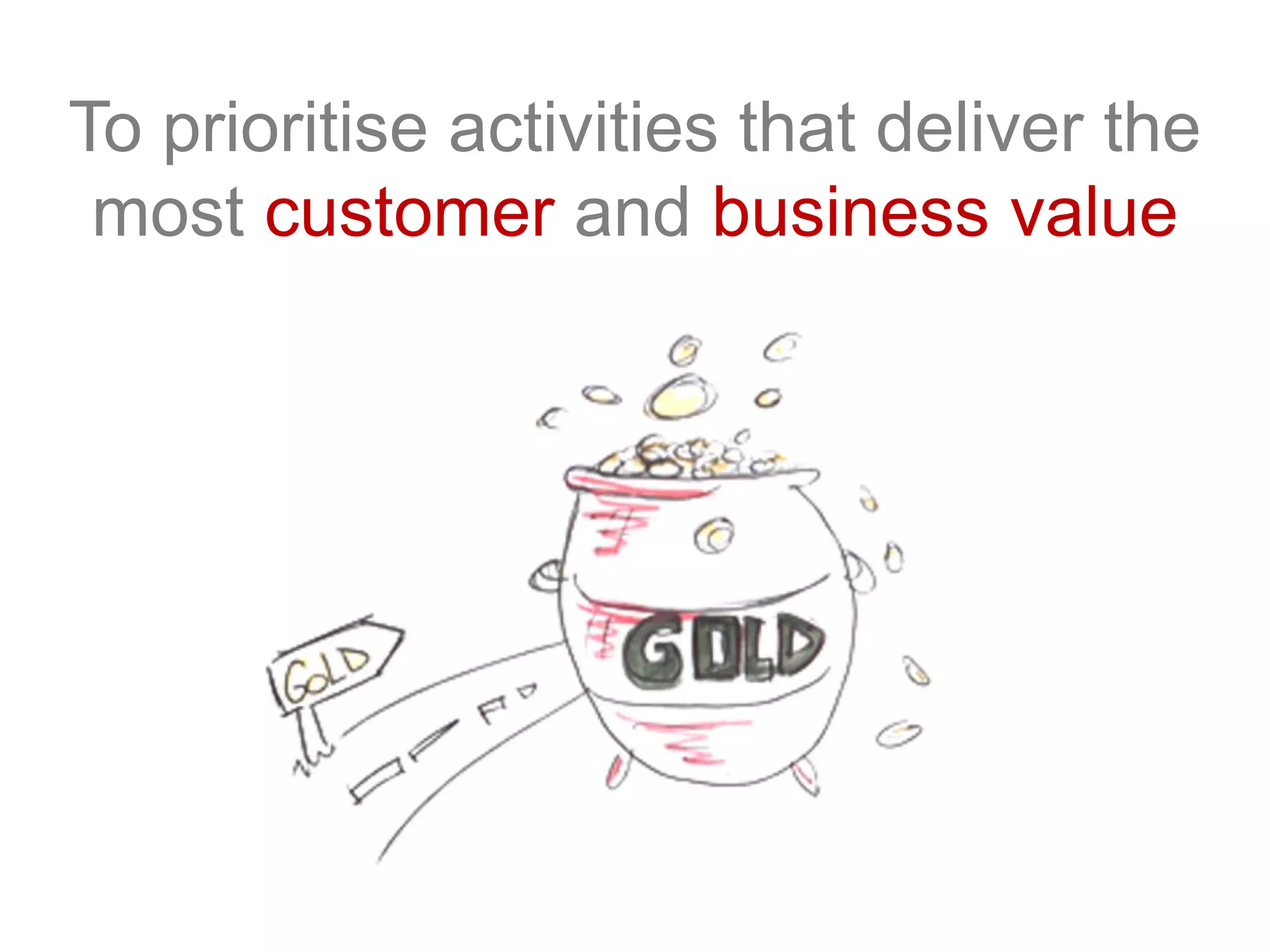
To prioritise activities that deliver the
most customer and business value
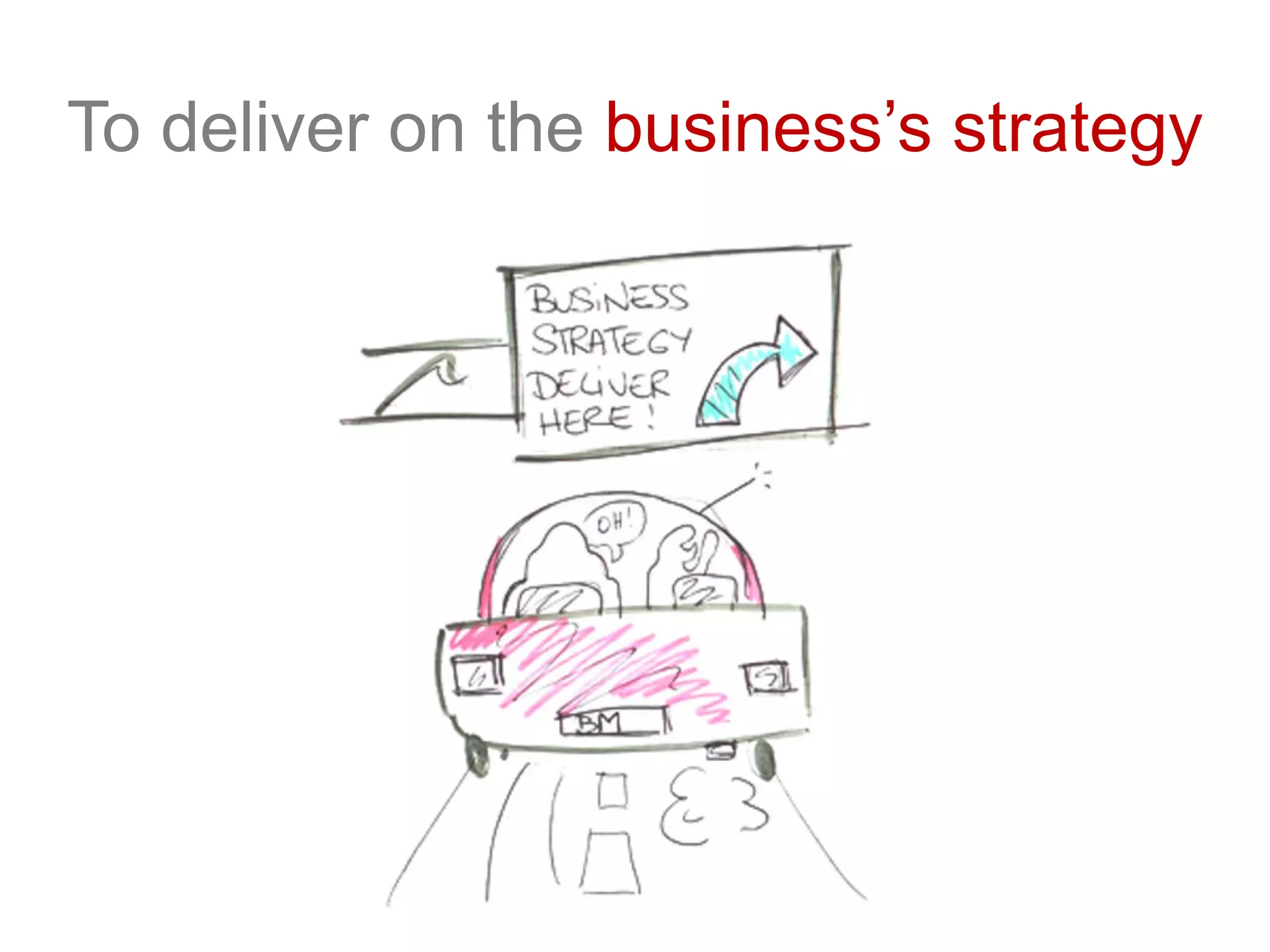
To deliver on the business’s strategy
And achieve the business goals.
How to Create a Roadmap?
15
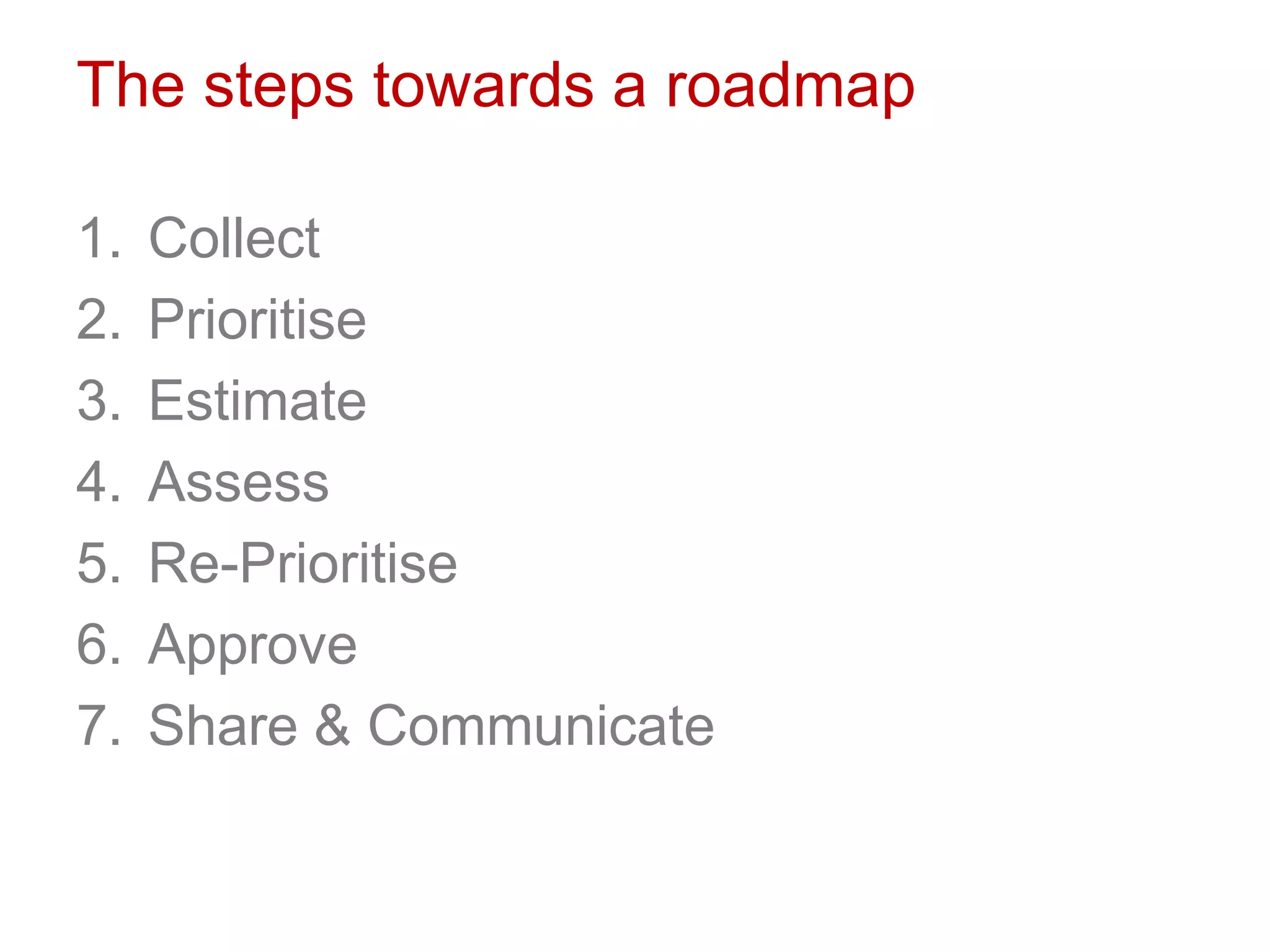
The steps towards a roadmap
1. Collect
2. Prioritise
3. Estimate
4. Assess
5. Re-Prioritise
6. Approve
7. Share & Communicate
Collect1
Collect ideas from various sources:
• Customer service
• Analysis of the market
• Customer visits
• Workshops
• Internal stakeholders
• Research
• Internal strategy papers
Prioritise2
Examine and rank each idea by asking:
• Who will the idea benefit?
• What problem are we solving to deliver that benefit?
• How urgent or important is the problem to them?
• How many people share the problem?
• How does the idea help us meet the business goals?
• What vision does the idea drive towards?
• What tangible or intangible benefits can the business
gain?
Goal driven prioritisation
1. List 3 to 6 business goals. For example:
• New revenue
• New sales
• Reduction in product costs
• Reduction in customer service costs
• Customer retention
• Legal & regulatory
2. Score each roadmap idea to indicate how effective it
will be in progressing towards each business goal.
• A high number is GOOD eg 10 out of 10,
• A low number is POOR, eg 1 out of 10.
3. Total the scores for each idea.
• The ideas with the highest scores should be prioritised over those with lower
scores.
19
Estimate3
Estimate (or guess) the effort required to develop each
idea by:
• Getting a team together (Engineering, UX, Product)
• Assigning relative effort to each idea by using:
• Expert opinion
• Analogy (compares the feature being estimated with other
features)
• Disaggregation (splitting features into smaller pieces)
• A combination of the techniques above
Sources:
On Roadmaps and Roadmapping; Steve Johnson,
Agile Estimating & Planning; Mike Cohn
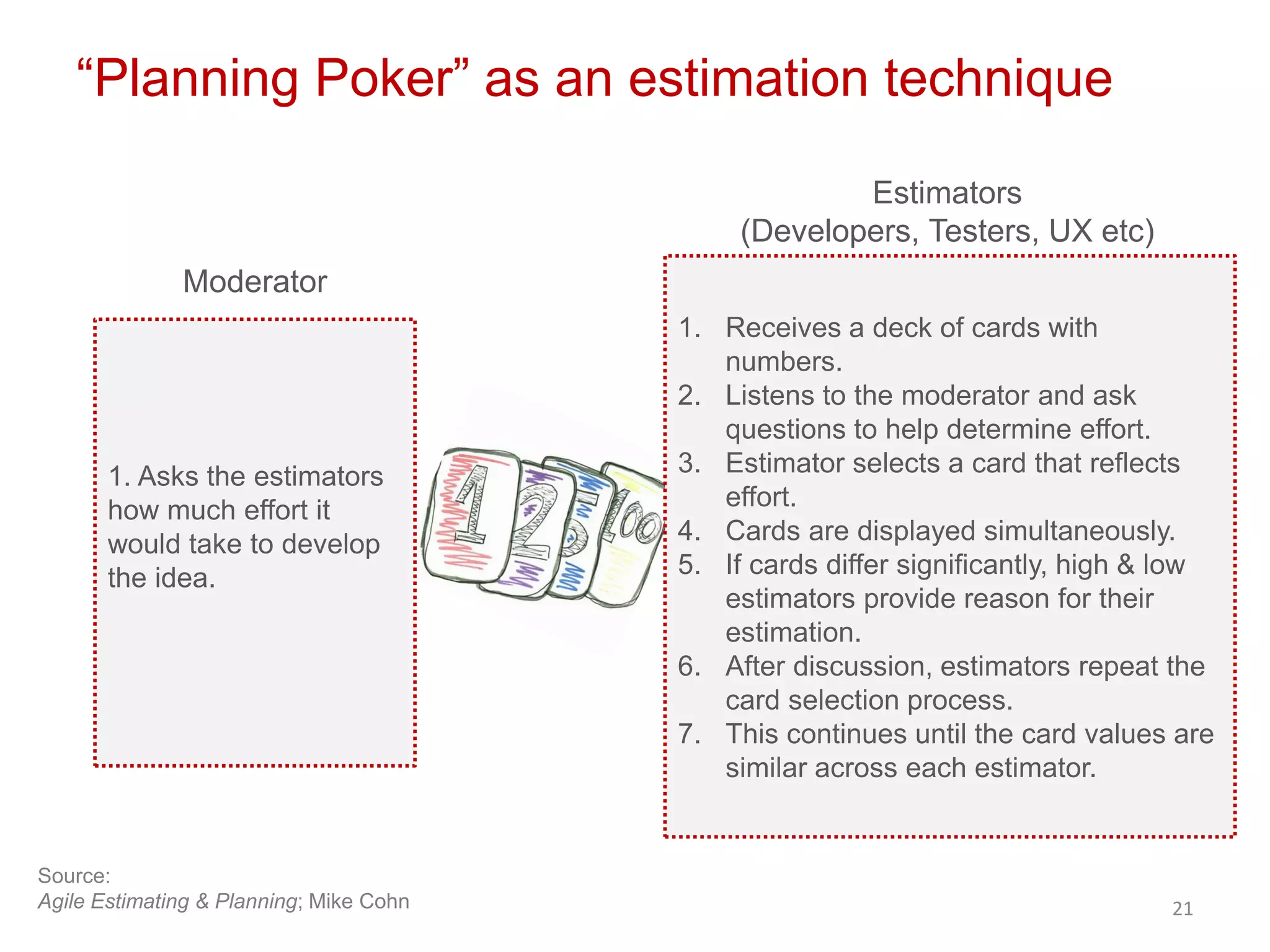
“Planning Poker” as an estimation technique
21
Source:
Agile Estimating & Planning; Mike Cohn
1. Asks the estimators
how much effort it
would take to develop
the idea.
1. Receives a deck of cards with
numbers.
2. Listens to the moderator and ask
questions to help determine effort.
3. Estimator selects a card that reflects
effort.
4. Cards are displayed simultaneously.
5. If cards differ significantly, high & low
estimators provide reason for their
estimation.
6. After discussion, estimators repeat the
card selection process.
7. This continues until the card values are
similar across each estimator.
Moderator
Estimators
(Developers, Testers, UX etc)
Assess4
Assess the list of ideas from the initial analysis based on
the:
• Value to the customer
• Ability to meet business objectives
Re-Prioritise5
With more information at hand, its time to re-prioritise
the ideas and create the roadmap by:
• Re-ranking the ideas based on:
• Effort & time (magnitude) versus customer &
business value (direction)
• Some ideas may require significantly less effort to deliver
but may produce less value than another idea. You might
rank this one over one that delivers enormous value but
takes considerably more effort to deliver.
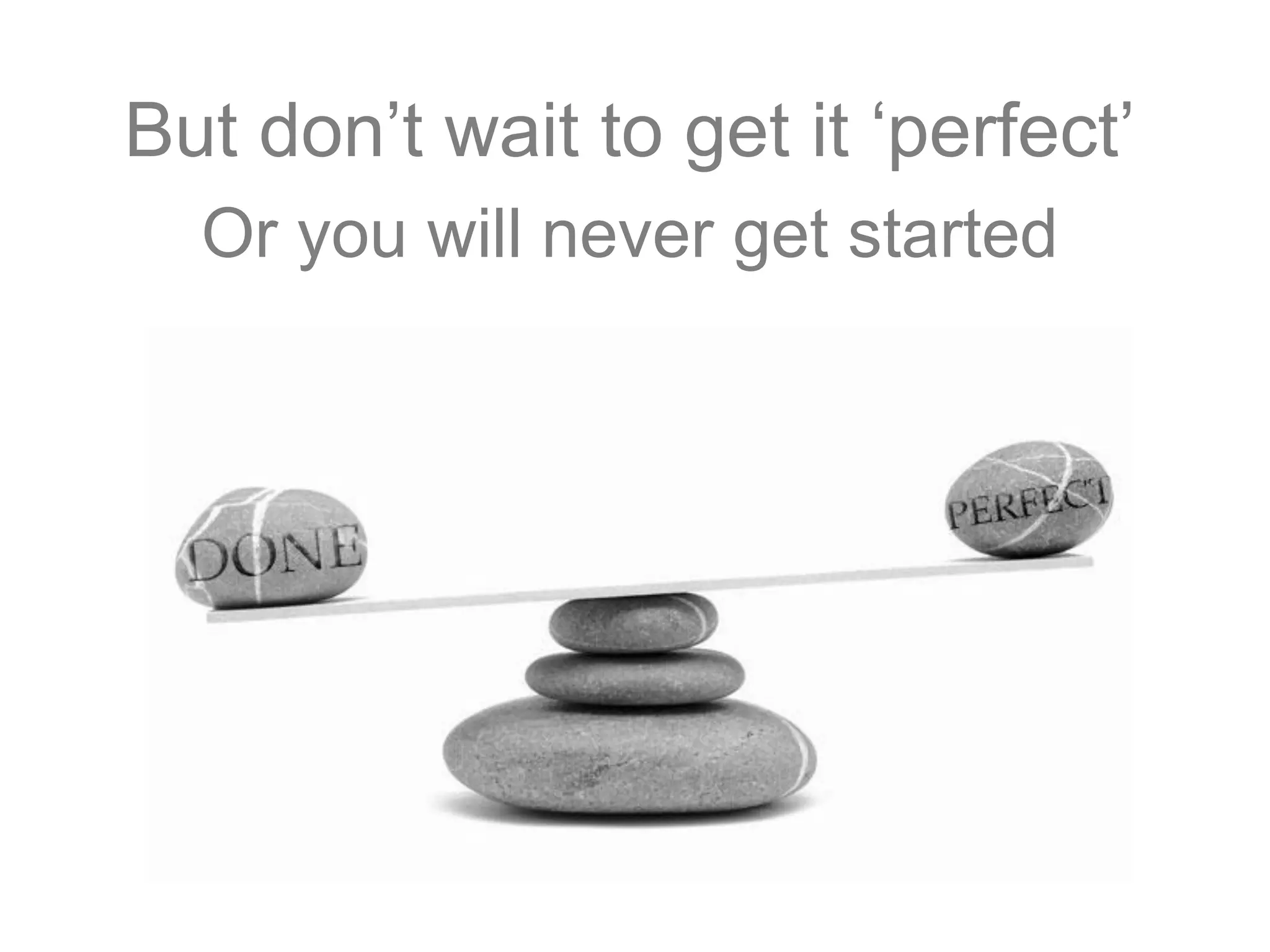
But don’t wait to get it ‘perfect’
Or you will never get started
Approve6
Get approval for the roadmap from:
• Your manager
• Those in charge of strategy
• Those that manage the company’s purse strings
• OR, through the annual planning process
Share & Communicate7
When the roadmap has been approved, create a ‘show
and tell’ version and share with:
• The team that helped with the estimation of the ideas
on the roadmap
• Other internal teams (Marketing, Customer Service)
• External stakeholders (Suppliers, Partners,
Customers)
“I’m okay with sharing the
roadmap… as long as clients and
sales people know that the
roadmap is a plan and not a
commitment.”
Steve Johnson
Connect with Brainmates
28
Brainmates Group @Brainmates
#prodmgmt
Facebook.com/Brainmates
www.brainmates.com.au info@brainmates.com.au + 61 2 9923 8147

Brainmates - Roadmaps, Briefly Explained

  • 1.
  • 2.
    Roadmapping is aplanning activity conducted by Product teams.
  • 3.
    “In preparing forbattle I have always found that plans are useless, but planning is indispensable.” Eisenhower
  • 4.
    What is aRoadmap? 4
  • 5.
    A roadmap isa visual plan that drives the organisation towards its goals.
  • 6.
    There are manytypes of roadmaps…
  • 7.
    7 1. Product 1product + new features + vision 2. Portfoliomany products + programs of work + vision 3. Marketingefforts across each channel + growth 4. Technologyadoption of new technology + longevity (systems) 5. Platformimprovements in the platform + innovation
  • 8.
    What a Roadmapisn’t? 8
  • 9.
    A long laundrylist of stuff 9
  • 10.
    Why Bother witha Product Roadmap? 10
  • 11.
    To align teammembers Making sure they are running in the same race in the same direction
  • 12.
    To prioritise activitiesthat deliver the most customer and business value
  • 13.
    To deliver onthe business’s strategy
  • 14.
    And achieve thebusiness goals.
  • 15.
    How to Createa Roadmap? 15
  • 16.
    The steps towardsa roadmap 1. Collect 2. Prioritise 3. Estimate 4. Assess 5. Re-Prioritise 6. Approve 7. Share & Communicate
  • 17.
    Collect1 Collect ideas fromvarious sources: • Customer service • Analysis of the market • Customer visits • Workshops • Internal stakeholders • Research • Internal strategy papers
  • 18.
    Prioritise2 Examine and rankeach idea by asking: • Who will the idea benefit? • What problem are we solving to deliver that benefit? • How urgent or important is the problem to them? • How many people share the problem? • How does the idea help us meet the business goals? • What vision does the idea drive towards? • What tangible or intangible benefits can the business gain?
  • 19.
    Goal driven prioritisation 1.List 3 to 6 business goals. For example: • New revenue • New sales • Reduction in product costs • Reduction in customer service costs • Customer retention • Legal & regulatory 2. Score each roadmap idea to indicate how effective it will be in progressing towards each business goal. • A high number is GOOD eg 10 out of 10, • A low number is POOR, eg 1 out of 10. 3. Total the scores for each idea. • The ideas with the highest scores should be prioritised over those with lower scores. 19
  • 20.
    Estimate3 Estimate (or guess)the effort required to develop each idea by: • Getting a team together (Engineering, UX, Product) • Assigning relative effort to each idea by using: • Expert opinion • Analogy (compares the feature being estimated with other features) • Disaggregation (splitting features into smaller pieces) • A combination of the techniques above Sources: On Roadmaps and Roadmapping; Steve Johnson, Agile Estimating & Planning; Mike Cohn
  • 21.
    “Planning Poker” asan estimation technique 21 Source: Agile Estimating & Planning; Mike Cohn 1. Asks the estimators how much effort it would take to develop the idea. 1. Receives a deck of cards with numbers. 2. Listens to the moderator and ask questions to help determine effort. 3. Estimator selects a card that reflects effort. 4. Cards are displayed simultaneously. 5. If cards differ significantly, high & low estimators provide reason for their estimation. 6. After discussion, estimators repeat the card selection process. 7. This continues until the card values are similar across each estimator. Moderator Estimators (Developers, Testers, UX etc)
  • 22.
    Assess4 Assess the listof ideas from the initial analysis based on the: • Value to the customer • Ability to meet business objectives
  • 23.
    Re-Prioritise5 With more informationat hand, its time to re-prioritise the ideas and create the roadmap by: • Re-ranking the ideas based on: • Effort & time (magnitude) versus customer & business value (direction) • Some ideas may require significantly less effort to deliver but may produce less value than another idea. You might rank this one over one that delivers enormous value but takes considerably more effort to deliver.
  • 24.
    But don’t waitto get it ‘perfect’ Or you will never get started
  • 25.
    Approve6 Get approval forthe roadmap from: • Your manager • Those in charge of strategy • Those that manage the company’s purse strings • OR, through the annual planning process
  • 26.
    Share & Communicate7 Whenthe roadmap has been approved, create a ‘show and tell’ version and share with: • The team that helped with the estimation of the ideas on the roadmap • Other internal teams (Marketing, Customer Service) • External stakeholders (Suppliers, Partners, Customers)
  • 27.
    “I’m okay withsharing the roadmap… as long as clients and sales people know that the roadmap is a plan and not a commitment.” Steve Johnson
  • 28.
    Connect with Brainmates 28 BrainmatesGroup @Brainmates #prodmgmt Facebook.com/Brainmates www.brainmates.com.au info@brainmates.com.au + 61 2 9923 8147