
Presented By:- Sarthak Gupta
   This case is all about India’s 2nd largest state
    owned oil and gas distribution company Bharat
    Petroleum company limited’s transformation of
    its fuel stations into modern retail outlets that
    sell not only fuel but other variety of goods
    available at any other retail outlet to satisfy
    basic needs of customers.
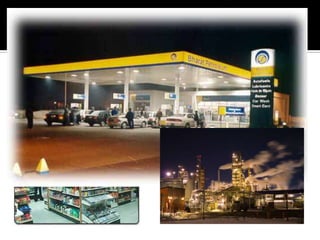
   Penetration of petrol majors into retail Outlets.
   Retail Revolution in the Indian Petroleum Industry.
   BPCL’s Bazaar Concept.
   Petrol Pumps in India existed for the sole purpose of selling
    fuel and lubes manned by shabbily dressed and indifferent
    personnel. There was no interaction between the Pump
    owners and its customers apart from re-filling the fuel tanks
    of their vehicles.
   In the mid 1990’s the oil distribution industry felt a strong
    need to have a strong brand identity to differentiate it from
    its rivals and attract more customers
   With the emergence of organised retailing in the country and
    a growing demand from consumers for a superior shopping
    experience, Bharat Petroleum has launched its convenience
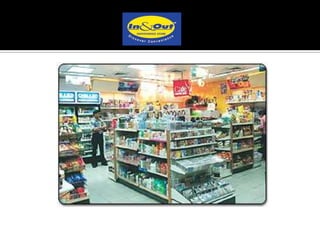
    retailing initiative under the "In & Out Convenience
    Store" brand.
   Came April 2002 and deregulation of the oil industry
    took place , The major players of this industry felt the
    need to be more customer centric.
   BPCL excelled in putting efforts to create brand
    awareness for its products.
   However by the late 1990’s, companies started taking
    major interest in retail outlets.
   BPCL initially ventured into retailing through Bharat
    Shell Ltd. (Shell)
   A joint venture with Shell Overseas Investments of
    Netherlands.
   C-Store (1st Convenience Store) stocked 1000
    different items.
   Store          offered         Eatables,         Soft
    drinks, Stationery, Newspapers, Magazines, Frozen
    foods, CD’s etc.
   By mid 2001, All major petrol pumps in Metros had
    setup Retail Outlets.
   In 1951, Govt. of India entered into an agreement
    with the UK based Burmah Oil Co. & Shell
    Petroleum Co. for establishing an Oil Refinery in
    Bombay.
   Incorporation of Burmah Shell Oil Refineries Ltd. in
    1952.
   Petroleum Business – Classified into 3 parts:
     Production of Crude
     Refining of Crude into saleable products like Petrol,
      Diesel, Kerosene etc.
     Retailing
   High margins in Crude Production but High risk, Long
    Gestation Business.
   Excess capacity worldwide & margins were rather low
   Maximum margins was primary reason for marketing.
    Thus Retail Outlets were renovated.
   Add-on services were expected to help Oil companies
    increase the extent of non-fuel business.
   By July 1999, 35 BPCL’s retail outlets – ‘Bazaar’ stores
    successfully running across the country.
   Pioneered a revolutionary concept In Oct 2000 -
    Launched McDonald’s fast food outlet at a petrol pump
    near Mathura on Delhi-Agra Highway.
   Setup a 4,000 sq.ft., 180 seat outlet costing Rs 40 Million.
   McDonald’s Paid a fixed rent, apart from percentage of
    its Sales to BPCL for using the facility.
BPCL’s Petrol Pump Retail Revolution Case

BPCL’s Petrol Pump Retail Revolution Case

  • 1.
  • 2.
    This case is all about India’s 2nd largest state owned oil and gas distribution company Bharat Petroleum company limited’s transformation of its fuel stations into modern retail outlets that sell not only fuel but other variety of goods available at any other retail outlet to satisfy basic needs of customers.
  • 3.
    Penetration of petrol majors into retail Outlets.  Retail Revolution in the Indian Petroleum Industry.  BPCL’s Bazaar Concept.
  • 5.
    Petrol Pumps in India existed for the sole purpose of selling fuel and lubes manned by shabbily dressed and indifferent personnel. There was no interaction between the Pump owners and its customers apart from re-filling the fuel tanks of their vehicles.  In the mid 1990’s the oil distribution industry felt a strong need to have a strong brand identity to differentiate it from its rivals and attract more customers  With the emergence of organised retailing in the country and a growing demand from consumers for a superior shopping experience, Bharat Petroleum has launched its convenience retailing initiative under the "In & Out Convenience Store" brand.
  • 6.
    Came April 2002 and deregulation of the oil industry took place , The major players of this industry felt the need to be more customer centric.  BPCL excelled in putting efforts to create brand awareness for its products.  However by the late 1990’s, companies started taking major interest in retail outlets.
  • 7.
    BPCL initially ventured into retailing through Bharat Shell Ltd. (Shell)  A joint venture with Shell Overseas Investments of Netherlands.  C-Store (1st Convenience Store) stocked 1000 different items.  Store offered Eatables, Soft drinks, Stationery, Newspapers, Magazines, Frozen foods, CD’s etc.  By mid 2001, All major petrol pumps in Metros had setup Retail Outlets.
  • 8.
    In 1951, Govt. of India entered into an agreement with the UK based Burmah Oil Co. & Shell Petroleum Co. for establishing an Oil Refinery in Bombay.  Incorporation of Burmah Shell Oil Refineries Ltd. in 1952.
  • 10.
    Petroleum Business – Classified into 3 parts:  Production of Crude  Refining of Crude into saleable products like Petrol, Diesel, Kerosene etc.  Retailing  High margins in Crude Production but High risk, Long Gestation Business.  Excess capacity worldwide & margins were rather low  Maximum margins was primary reason for marketing. Thus Retail Outlets were renovated.  Add-on services were expected to help Oil companies increase the extent of non-fuel business.
  • 11.
    By July 1999, 35 BPCL’s retail outlets – ‘Bazaar’ stores successfully running across the country.  Pioneered a revolutionary concept In Oct 2000 - Launched McDonald’s fast food outlet at a petrol pump near Mathura on Delhi-Agra Highway.  Setup a 4,000 sq.ft., 180 seat outlet costing Rs 40 Million.  McDonald’s Paid a fixed rent, apart from percentage of its Sales to BPCL for using the facility.