Insect Biochemistry and Molecular Biology 29 (1999) 481–514
www.elsevier.com/locate/ibmb
Mini-Review
Insect pheromones—an overview of biosynthesis and endocrine
regulation
Julie A. Tillman a,*
, Steven J. Seybold a,1
, Russell A. Jurenka b
, Gary J. Blomquist a
a
Department of Biochemistry/330, University of Nevada, Reno, NV 89557-0014, USA
b
Department of Entomology, Iowa State University, Ames, IA 50011-3222, USA
Received 27 July 1998; received in revised form 2 February 1999; accepted 5 February 1999
Abstract
This overview describes, compares, and attempts to unify major themes related to the biosynthetic pathways and endocrine
regulation of insect pheromone production. Rather than developing and dedicating an entirely unique set of enzymes for pheromone
biosynthesis, insects appear to have evolved to add one or a few tissue-specific auxiliary or modified enzymes that transform the
products of “normal” metabolism to pheromone compounds of high stereochemical and quantitative specificity. This general under-
standing is derived from research on model species from one exopterygote insect order (Blattodea) and three endopterygote insect
orders (Coleoptera, Diptera, and Lepidoptera). For instance, the ketone hydrocarbon contact sex pheromone of the female German
cockroach, Blattella germanica, derives its origins from fatty acid biosynthesis, arising from elongation of a methyl-branched fatty
acyl–CoA moiety followed by decarboxylation, hydroxylation, and oxidation. Coleopteran sex and aggregation pheromones also
arise from modifications of fatty acid biosynthesis or other biosynthetic pathways, such as the isoprenoid pathway (e.g. Cucujidae,
Curculionidae, and Scolytidae), or from simple transformations of amino acids or other highly elaborated host precursors (e.g.
Scarabaeidae and Scolytidae). Like the sex pheromone of B. germanica, female-produced dipteran (e.g. Drosophilidae and Muscidae)
sex pheromone components originate from elongation of fatty acyl–CoA moieties followed by loss of the carbonyl carbon and the
formation of the corresponding hydrocarbon. Female-produced lepidopteran sex pheromones are also derived from fatty acids, but
many moths utilize a species-specific combination of desaturation and chain-shortening reactions followed by reductive modification
of the carbonyl carbon. Carbon skeletons derived from amino acids can also be used as chain initiating units and elongated to
lepidopteran pheromones by this pathway (e.g. Arctiidae and Noctuidae).
Insects utilize at least three hormonal messengers to regulate pheromone biosynthesis. Blattodean and coleopteran pheromone
production is induced by juvenile hormone III (JH III). In the female common house fly, Musca domestica, and possibly other
species of Diptera, it appears that during hydrocarbon sex pheromone biosynthesis, ovarian-produced ecdysteroids regulate synthesis
by affecting the activities of one or more fatty acyl–CoA elongation enzyme(s) (elongases). Lepidopteran sex pheromone biosynth-
esis is often mediated by a 33 or 34 amino acid pheromone biosynthesis activating neuropeptide (PBAN) through alteration of
enzyme activities at one or more steps prior to or during fatty acid synthesis or during modification of the carbonyl group. Although
a molecular level understanding of the regulation of insect pheromone biosynthesis is in its infancy, in the male California fivespined
ips, Ips paraconfusus (Coleoptera: Scolytidae), JH III acts at the transcriptional level by increasing the abundance of mRNA for
3-hydroxy-3-methylglutaryl-CoA reductase, a key enzyme in de novo isoprenoid aggregation pheromone biosynthesis. © 1999
Elsevier Science Ltd. All rights reserved.
Keywords: Insect pheromones; Pheromone biosynthesis; Endocrine regulation; De novo pheromone biosynthesis; Host-derived pheromone biosynth-
esis; Blattodea; Coleoptera; Diptera; Lepidoptera; Pheromone biosynthesis activating neuropeptide; Juvenile hormone; 20-hydroxyecdysone; Ecdys-
teroids
1. Introduction: the role of insect pheromones in
chemical ecology
Studies of the biosynthesis and endocrine regulation
of insect pheromones have been a recent contribution
* Corresponding author. Tel.: +1-775-784-4985; fax: +1-775-784-
1419.
E-mail address: jtillman@med.unr.edu (J.A. Tillman)
1
Current Address: Department of Entomology, University of
Minnesota, St. Paul, MN 55108-6125, USA
0965-1748/99/$ - see front matter. © 1999 Elsevier Science Ltd. All rights reserved.
PII: S0965-1748(99)00016-8
to the broad discipline of chemical ecology. Chemical
ecology is the science that seeks to understand “the ori-
gin, function, and significance of natural chemicals that
mediate interactions within and between organisms.”2
These relationships comprise the most primitive of com-
munication systems in terrestrial and aquatic environ-
ments. Pheromones, a chemical or blend of chemicals
released by an organism that causes a specific behavioral
or physiological reaction in one or more conspecific indi-
viduals (Karlson and Lu
¨
scher, 1959; Nordlund and
Lewis, 1976), are important mediators of communication
482 J.A. Tillman et al. / Insect Biochemistry and Molecular Biology 29 (1999) 481–514
for bacteria, plants, and animals in these environments.
Pheromone systems of insects have proved to be some
of the richest intellectual sources for the nascent science
of chemical ecology.
Over the past four decades, extensive research on
insect pheromones has resulted in the chemical and/or
behavioral elucidation of pheromone components from
over 1500 of the estimated 875,000 described species of
insects (Voerman, 1988; Arn et al., 1992; Daly et al.,
1998). Defining features of insect pheromone systems
are that the pheromones are frequently multicomponent
blends (Silverstein and Young, 1976) of geometric or
optical isomers (Silverstein, 1979; Seybold, 1993; Mori,
1996) that can, in certain systems, function synergisti-
cally (Wood et al., 1967; Borden et al., 1976). Insect
pheromone systems can also vary geographically among
populations of the same species (Klun and Cooperators,
1975; Roelofs et al., 1985; Seybold et al., 1995a; Miller
et al., 1997). In a number of cases, the application of
our newly acquired knowledge of insect pheromones in
integrated pest management tactics is well underway
(Arn and Louis, 1997; Minks, 1997; Sanders, 1997;
Staten et al., 1997).
Although insectan pheromone structures represent a
myriad of chemical functionalities (reviewed in Francke
and Schulz, 1999), the composite pheromones can be
classified into six behaviorally functional groups: sex,
aggregation, dispersal (spacing or epideictic), alarm,
recruitment (trail), and maturation (Birch, 1974; Birch
and Haynes, 1982; Harbourne, 1993). Since little is
known of the genesis of dispersal, alarm, recruitment, or
maturation pheromones, in this overview we will focus
on the origin of sex and aggregation pheromones.
2. Biosynthesis of insect sex and aggregation
pheromones
While much is known about the chemical and
behavioral attributes of insect pheromone systems,
Abbreviations: Ac=fatty acid; CoA=fatty acyl CoA derivative; OAc=a-
cetate ester; OH=alcohol; Al=aldehyde; Hy=hydrocarbon; Ke=ketone;
Ep=epoxide; e.g. Z7,E11-hexadecadienoic acid=Z7,E11-16:Ac; corre-
sponding fatty acyl CoA derivative=Z7,E11-16:CoA; corresponding
acetate ester=Z7,E11-16:OAc; corresponding alcohol=Z7,E11-16:OH;
corresponding aldehyde=Z7,E11-16:Al; corresponding hydro-
carbon=Z7,E11-16:Hy; corresponding ketone=Z7,E11-16:Ke; corre-
sponding epoxide=Z7,E11-16:Ep; 3,11-Dimethylnonacosan-2-
one=3,11-DMN:Ke; 3,11-Dimethylnonacosane=3,11-DMN:Hy; 3,11-
Dimethyltriacontanoic acid=DMT:Ac; Fatty acid synthase=FAS; Gly-
ceraldehyde-3-phosphate=GAP; High pressure liquid chromato-
graphy=HPLC; 20-Hydroxyecdysone=20-E; 3-Hydroxy-3-methylglut-
aryl-CoA=HMG-CoA; HMG-CoA reductase=HMG-R; Juvenile
hormone=JH; JH analog=JHA; Methyldecadienoate=MD; Mixed func-
tion oxidase=MFO; Nicotinamide adenine dinucleotide phos-
phate=NADPH; Pheromone biosynthesis activating neuropeptide=P-
BAN; Polysubstrate mono-oxygenase=PSMO.
2
Frontispiece, Journal of Chemical Ecology, Official organ of
the International Society of Chemical Ecology.
investigations into pheromone biosynthesis, the endo-
crine regulation of this biosynthesis, and the molecular
events involved have been more recent and limited in
scope (Blum, 1987; Prestwich and Blomquist, 1987;
Carde
´
and Minks, 1997). These investigations have
occurred over the past two decades, with an emphasis
on sex and aggregation pheromones in blattodean,
coleopteran, dipteran, and lepidopteran models.
Research on representative species from these orders
was conducted because: (1) the species were economi-
cally significant; (2) the species produced relatively large
quantities of pheromone and were easy to rear; or (3)
studies on pheromone biosynthesis evolved from
research on pheromone-related biochemical systems
(e.g. fatty acid and hydrocarbon metabolism). While the
extreme abundance and diversity of species within these
four orders (Blattodea ෂ4000 species; Coleoptera
Ͼ300,000 species; Diptera ෂ150,000 species; and Lepi-
doptera ෂ150,000 species; Daly et al., 1998) necessarily
precludes overgeneralizations, an understanding of the
biochemistry and endocrinological control of pheromone
production is beginning to emerge for model species
from each of these orders. Given the site of a phero-
mone-producing tissue in an insect, pheromone
biosynthesis ultimately depends on the regulation of cer-
tain biosynthetic enzyme activity(ies) in those tissues
and/or the regulation of gene expression for the biosyn-
thetic enzymes in those tissues.
2.1. De novo synthesis vs. sequestration and/or
conversion of dietary host precursors
Ultimately, all precursors for pheromone biosynthesis
can be traced to carbon derived through dietary intake.
However, one of the initial routes of inquiry into insect
pheromone biosynthesis was whether pheromone
components were synthesized de novo or were derived
from dietary precursors utilized directly or altered mini-
mally by insect enzymatic systems. Although de novo
synthesis is more prevalent in the species studied to date,
there are multiple examples of pheromone components
derived from host precursors. In some cases, such as leu-
cine, used as starting material for fatty-acid derived sex
pheromone biosynthesis by Holomelina spp.
(Lepidoptera: Arctiidae) (Charlton and Roelofs, 1991),
the putative plant-derived precursor is extensively elab-
orated by a typically de novo pathway. In other cases,
a highly elaborated host precursor is converted to a pher-
omone component through a simple chemical transform-
ation. For instance, the male ornate moth, Utetheisa
ornatrix (L.) (Lepidoptera: Arctiidae), produces (R)-(Ϫ)-
hydroxydanaidal (Fig. 1) from dietary pyrrolizidine alka-
loids (e.g. monocrotaline) obtained from Crotalaria spp.
host plants by the larvae (Conner et al. 1981, 1990;
Eisner and Meinwald, 1995). The aldehyde is then
released by the male as a courtship pheromone from
483J.A. Tillman et al. / Insect Biochemistry and Molecular Biology 29 (1999) 481–514
paired, everted scent brushes (coremata). The R con-
figuration at the asymmetric center (C-7) is common to
both the alkaloidal precursor and the pheromone product.
Remarkably, the Asian arctiid moth, Creatonotos trans-
iens (Walker) converts the plant alkaloid heliotrine,
which has the opposite (S) configuration at C-7 to (7R)-
hydroxydanaidal (Bell et al., 1984; Bell and Meinwald,
1986; Schulz et al., 1993) (Fig. 1). The biosynthesis is
achieved by selective oxidation of the 7S precursor to the
ketone followed by reduction to the (7R)-epiheliotrine
followed by aromatization, hydrolysis, and oxidation to
R-hydroxydanaidal (Schulz et al., 1993) (Fig. 1). The
sequestration of pyrrolizidine alkaloids for pheromonal
and other functions appears to be widespread among the
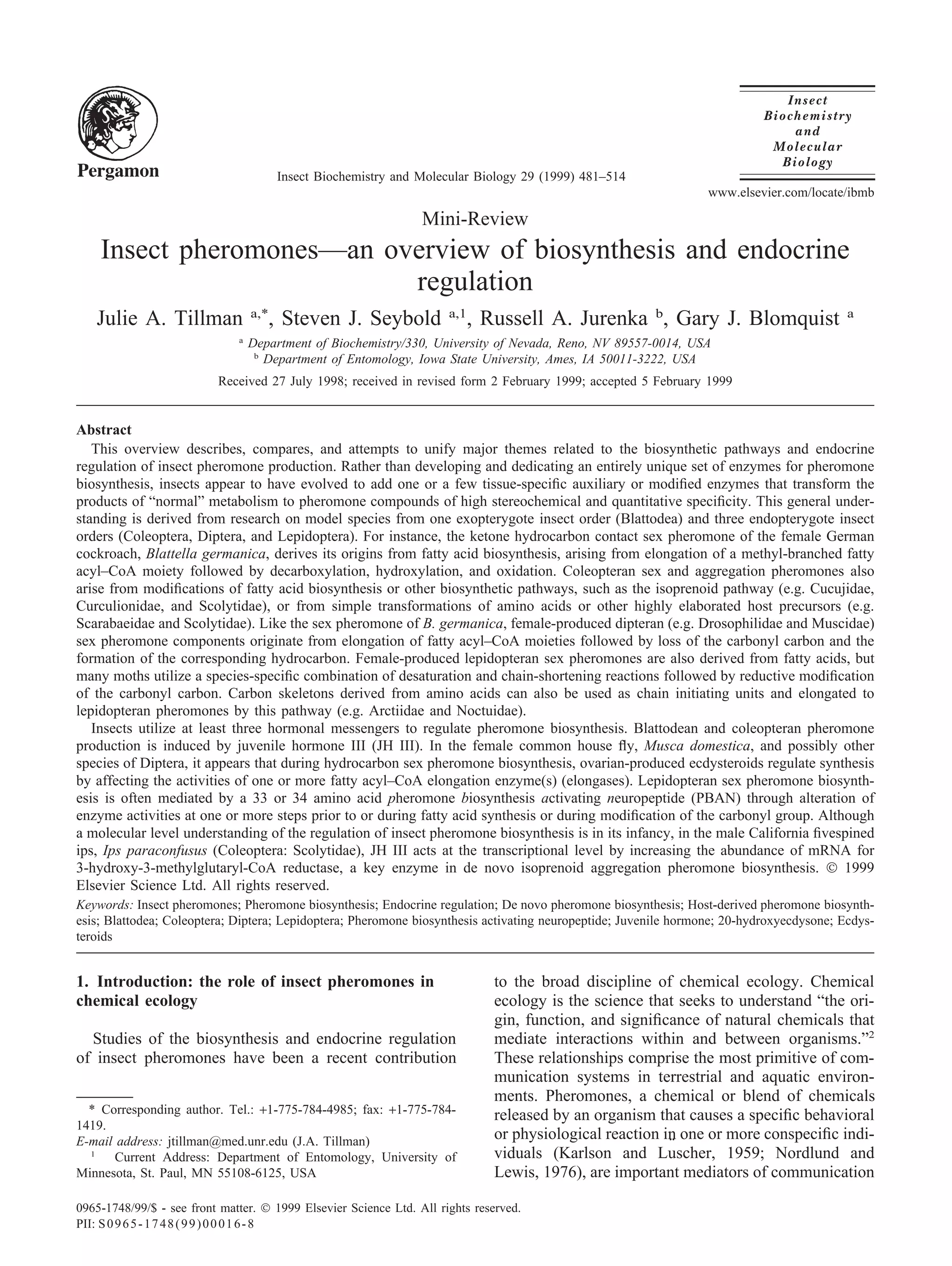
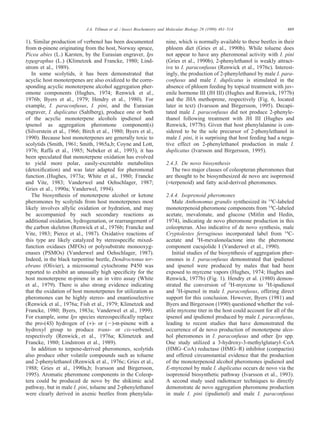
Fig. 1. Examples of biosynthesis of pheromone components from host precursors. (A) Conversion by the male ornate moth, Utetheisa ornatrix
(L.) (Lepidoptera: Arctiidae), of the pyrrolizidine alkaloid monocrotaline from the foodplant Crotalaria spectabilis to (R)-(Ϫ)-hydroxydanaidal, a
courtship pheromone (adapted from Eisner and Meinwald, 1995; Harbourne, 1993). Conversion by the Asian arctiid moth, Creatonotos transiens
(Walker) of the pyrrolizidine alkaloid heliotrine (of unknown host origin) to (R)-(Ϫ)-hydroxydanaidal through inversion of the absolute configuration
at C-7 (Schulz et al., 1993). (B) Conversion by females of the salt marsh caterpillar moth, Estigmene acrea (Drury) and the ruby tiger moth,
Phragmatobia fuliginosa (L.) (Lepidoptera: Arctiidae), of linolenic acid (Z9,Z12,Z15-octadecatrienoic acid; Z9,Z12,Z15–18:Ac) (presumably host
derived) to the sex pheromone component Z3,Z6-cis-9,10-epoxyheneicosadiene. Linolenic acid is elongated by four carbons and then decarboxylated
to the C21 alkatriene, which is then converted to the C21 epoxide. The 18-carbon aldehyde sex pheromone components of E. acrea (Z9,Z12-
octadecadienal and Z9,Z12,Z15-octadecatrienal) are produced from the direct reduction of linoleic (Z9,Z12-octadecadienoic acid; Z9,Z12–18:Ac)
and linolenic acids (adapted from Rule and Roelofs, 1989). (C) Conversion by the male California fivespined ips, Ips paraconfusus Lanier
(Coleoptera: Scolytidae), of myrcene from the xylem and phloem oleoresin of ponderosa pine, Pinus ponderosa Laws., to (S)-(+)-ipsdienol and
(S)-(Ϫ)-ipsenol, components of the aggregation pheromone (Hendry et al., 1980). (D) Conversion by male and female I. paraconfusus of (1S,5S)-
(Ϫ)-α-pinene from the xylem and phloem oleoresin of P. ponderosa to (1S,2S,5S)-(+)-cis-verbenol, an aggregation pheromone synergist. Male and
female western pine beetle, Dendroctonus brevicomis LeConte (Coleoptera: Scolytidae), convert (1S,5S)-(Ϫ)-α-pinene to (1S,2R,5S)-(Ϫ)-trans-
verbenol, an aggregation pheromone interruptant (adapted from Renwick et al., 1976a; Byers, 1983a).
arctiids (Schneider et al., 1982; Weller et al., 1999). A
structurally similar courtship pheromone, danaidone, is
synthesized by male queen butterflies, Danaus gilippus
(Cramer) (Lepidoptera: Danaidae), from host plant pyr-
rolizidine alkaloids acquired by the adult males (Eisner
and Meinwald 1987, 1995). Two other arctiid moths, the
salt marsh caterpillar moth, Estigmene acrea (Drury) and
the ruby tiger moth, Phragmatobia fuliginosa (L.), pro-
duce pheromones derived from linoleic (Z9,Z12-octade-
cadienoic acid; Z9,Z12-18:Ac) and linolenic
(Z9,Z12,Z15-octadecatrienoic acid; Z9,Z12,Z15-18:Ac)
fatty acids (Rule and Roelofs, 1989) (Fig. 1). Since lepi-
dopterans are not thought to be able to synthesize either
linoleic or linolenic acid de novo (de Renobales et al.,
484 J.A. Tillman et al. / Insect Biochemistry and Molecular Biology 29 (1999) 481–514
1987; Blomquist et al., 1991), this appears to be another
case where insects metabolize plant-derived precursors
to pheromone components.
In addition to alkaloids and fatty acids, plant isopreno-
ids can also serve as insect pheromone precursors. 2
H-
Labeling studies showed that the acyclic monoterpene
myrcene, derived from host (Pinus spp.) oleoresin, could
be inhaled and converted to the labeled monoterpene
alcohol pheromone components ipsenol and ipsdienol by
the male California fivespined ips, Ips paraconfusus
Lanier (Coleoptera: Scolytidae) (Hendry et al., 1980)
(Fig. 1). Similarly, cis- and trans-verbenol are produced
by many scolytids that have been exposed to the vapors
of the bicyclic host monoterpene α-pinene (Hughes,
1973a,b; Renwick et al., 1973; Renwick et al., 1976a;
Byers, 1983a; Birgersson et al., 1988; Hunt and Borden,
1989; Gries et al., 1990a) (Fig. 1). Additional examples
of pheromone synthesis from host precursors in the
Coleoptera include the boll weevil, Anthonomus grandis
Boheman (Curculionidae) (Hedin et al., 1971; Thomp-
son and Mitlin, 1979) and possibly the rusty grain beetle,
Cryptolestes ferrugineus (Stephens) (Cucujidae)
(Vanderwel et al., 1992b). Finally, Dawson et al. (1996)
suggested that citronellol, possibly from plants, may be
the precursor of the cyclopentanoid sex pheromones
(nepetalactone and nepetalactol) of the vetch aphid,
Megoura viciae Buckton (Homoptera: Aphididae).
While the utilization of host precursors for pheromone
biosynthesis was originally reported in some insects,
subsequent studies demonstrated that pheromone
biosynthesis was either exclusively or partially de novo.
For example, studies in the mid 1970’s reported that
female tortricid moths sequestered and utilized host-
derived fatty acyl moieties for their pheromones (Hendry
et al., 1975). However, a re-examination of the role of
dietary material as pheromone precursors (Miller et al.,
1976; Hindenlang and Wichmann, 1977) and findings
from radiotracer studies (Bjostad and Roelofs, 1981)
revealed that these lepidopterans produce their phero-
mone components de novo. The exclusive role of dietary
precursors in pheromone biosynthesis has also been re-
evaluated in two model scolytid beetles, Ips para-
confusus and the pine engraver, I. pini (Say). Recent
radiolabeling studies demonstrated that males of both
species are capable of de novo biosynthesis of their
respective acyclic monoterpene alcohol aggregation
pheromone components (ipsenol and ipsdienol/I. para-
confusus; ipsdienol/I. pini) from acetate and mevalonate
(Seybold et al., 1995b; Tillman et al., 1998). It now
appears that many insect species contain the enzymatic
activities and endocrine regulatory factors to biosynthes-
ize their pheromone components de novo. Nonetheless,
a select few species use sequestered dietary components
directly and/or make minimal modifications of dietary
precursors to achieve the same outcome.
2.2. Anatomical location of sex and aggregation
pheromone production or release
There is much variability among and within insect
orders in the anatomical location of the cells or tissues
involved in pheromone biosynthesis, accumulation, and
release (reviewed in Percy-Cunningham and MacDon-
ald, 1987). Definitive proof that pheromone production
and release occurs in certain tissues comes from studies
where the isolated tissue has been shown to incorporate
radiolabeled precursors into pheromone components
(e.g. the Lepidoptera). However, in each of the four
orders covered in this overview, histological and/or bio-
chemical studies have associated a wide range of ana-
tomical locations with pheromone production, accumu-
lation, or release. The abdomen appears to be the most
common location in the species of Blattodea, Coleoptera,
and Lepidoptera studied to date.
2.2.1. Anatomical location: Blattodea
In the female German cockroach, Blattella germanica
(L.) (Blattodea: Blattellidae), the volatile sex pheromone
is produced in a gland located on the anterior of the last
(10th) abdominal tergite called the pygidium (Liang and
Schal, 1993). The contents of secretory vesicles from
cells in the gland are transported through long ducts to
the cuticular surface for release. The non-volatile contact
pheromone present on the cuticle of female B. german-
ica is produced by epidermal cells (Schal et al., 1997b).
2.2.2. Anatomical location: Coleoptera
The sites of sex or aggregation pheromone synthesis,
accumulation, and/or release have been examined in
many species of Coleoptera, with the preponderance of
studies revealing abdominal glands [e.g. in pests of
stored products: Trogoderma spp. (Dermestidae)
(Hammack et al., 1973); the hide beetle, Dermestes mac-
ulatus (De Geer) and the black larder beetle, D. ater De
Geer (both Dermestidae) (Levinson et al., 1978; Imai et
al., 1990); cigarette beetle, Lasioderma serricorne
(Fabricius) (Anobiidae) (Levinson et al., 1983); and
cowpea weevil, Bruchidius atrolineatus (Pic)
(Bruchidae) (Biemont et al., 1992); all reviewed in Lev-
inson and Levinson (1995); in pests of agriculture: west-
ern corn rootworm, Diabrotica virgifera LeConte
(Chrysomelidae) (Lew and Ball, 1978); Selatosomus
latus (Elateridae) (Ivastschenko and Adamenko, 1980);
Agriotes obscurus (L.), and the lined click beetle, A. line-
atus (L.) (both Elateridae) (Borg-Karlson et al., 1988);
and the sap beetle, Carpophilus freemani Dobson
(Nitidulidae) (Dowd and Bartelt, 1993; Nardi et al.,
1996); and in pests of ornamentals: melolonthine and
ruteline scarabs (Tada and Leal, 1997)]. Several
examples reveal interesting diversity among these
abdominal glands. Biemont et al. (1992) used the male
electroantennographic response to localize the female
485J.A. Tillman et al. / Insect Biochemistry and Molecular Biology 29 (1999) 481–514
sex pheromone gland of the cowpea weevil, B. atroline-
atus to the dorsal and ventral intersegmental membranes
that connect the 8th abdominal segment to the oviposi-
tor. In female A. obscurus, and the lined click beetle, A.
lineatus, the sex pheromone accumulates in opalescent,
sacciform glands located in the 7th abdominal segment
(Borg-Karlson et al., 1988). This gland discharges ger-
anyl hexanoate and geranyl octanoate posteriorly into the
outer portion of the oviduct. Finally, in the sap beetle,
C. freemani, it seems that males produce hydrocarbon
aggregation pheromone in large disk-like abdominal
oenocytes that occur within the body cavity (Dowd and
Bartelt, 1993; Nardi et al., 1996). These cells are connec-
ted by tracheae to the integument, with the pheromone
secreted into tracheal-associated ductules eventually
reaching the cuticular surface of the male through the
spiracles. The recruitment of abdominal oenocytes for
pheromone production by both the common house fly,
Musca domestica L. (Diptera: Muscidae) (see below)
and male C. freemani may reflect the biochemical simi-
larities in the hydrocarbon pheromones.
In other coleopteran taxa, abdominal glands are not
the sites of sex or aggregation pheromone synthesis,
accumulation, or release. For example, Faustini et al.
(1981, 1982) Faustini et al. (1982) located a setiferous
patch over exocrine glands in the prothoracic femora of
the male red flour beetle, Tribolium castaneum (Herbst)
(Tenebrionidae). The secretion from this patch was
attractive to both sexes. Remarkably (because the
antenna is typically the organ of pheromone reception,
not production), de Marzo and Vit (1983) hypothesize
that a glandular organ in the apical (10th and 11th)
antennal segments of the male antloving beetle, Batri-
sodes oculatus Aube
`
(Pselaphidae), is involved in
secreting a female attractant or other semiochemicals.
With the exception of the European elm bark beetle,
Scolytus multistriatus (Marsham) (Gore et al., 1977), and
the large elm bark beetle, Scolytus scolytus (Fabricius)
(Gerken and Gru
¨
ne, 1978) (both Scolytidae), where
pheromone production, storage, and release correlate
with accessory glands associated with vaginal palpi,
accumulation of aggregation pheromone in scolytids has
otherwise been generally localized to the alimentary
canal, including the Malpighian tubules (Pitman and
Vite
´
, 1963; Pitman et al., 1965; Zethner-Møller and Rud-
insky, 1967; Borden and Slater, 1969; Borden et al.,
1969; Byers, 1983b; Madden et al., 1988). However, in
these species it is not clear if the digestive tract is the
site of pheromone biosynthesis, the site of pheromone
accumulation, or both. Pheromone release from most of
these scolytids is concomitant with contact with the new
host, occurring either through frass generation during
feeding or vaporous release during colonization (Wood,
1962; Wood and Bushing, 1963; Wood et al., 1966;
Borden, 1985). Recent experiments using radiolabeled
acetate suggest that metathoracic flight muscle may be
the site of biosynthesis of the pheromone precursor
ipsenone by male Ips paraconfusus (Ivarsson et al. 1997,
1998). Because the major pheromone component
(ipsenol) ultimately ends up in the hindgut (Byers,
1983b), a transport mechanism from the metathorax
might be involved. Since curculionids are the closest
phylogenetic relatives to the scolytids (Wood and Bright,
1992), it is surprising that fat body tissue isolated from
Anthonomus grandis synthesized aggregation phero-
mone in culture (Wiygul et al. 1982, 1990).
2.2.3. Anatomical location: Diptera
Hydrocarbon pheromones of the model Diptera (all in
the suborder Brachycera=“higher” flies) studied to date
are synthesized in specialized subcuticular abdominal
epidermal cells (oenocytes) and deposited onto the
cuticular surface (Dillwith and Blomquist, 1982; Ismail
and Kremer, 1983; Langley and Carlson, 1983). For
example, the hydrocarbon pheromones synthesized in
the abdominal oenocytes by the laboratory fruit fly, Dro-
sophila melanogaster Meigen (Diptera: Drosophilidae)
(Coyne and Oyama, 1995; Ferveur et al., 1997), are
transported by lipophorin (Pho et al., 1996) to epidermal
cells for deposition on the cuticular surface.
2.2.4. Anatomical location: Lepidoptera
The majority of lepidopteran females produce and
release sex pheromone components from bulbous
extrudable glands located between the 8th and 9th
abdominal segments (Bjostad et al., 1987). These glands
have secretory cells that are hypertrophied and modified
epidermal cells that typically contain a well-developed
endoplasmic reticulum involved in fatty acid metabolism
(Blum, 1985; Percy-Cunningham and MacDonald,
1987). Indeed, in a survey of females of ten lepidopteran
species, extracts of the ovipositor tips (which contain the
glands) revealed unusual fatty acids that had the same
carbon lengths, double-bond positions, and stereochem-
istries as the acetate, alcohol, or aldehyde pheromone
components for the species (Wolf et al., 1981). An
exception to the normal lepidopteran gland morphology
has been found with the spear-marked black moth, Rheu-
maptera hastata (L.) (Lepidoptera: Geometridae)
(Werner, 1977), in which the gland consists of a pair of
internal tubular organs that extend from their common
opening in the 9th abdominal segment anteriorly into the
7th abdominal segment. Similar paired tubular glands
have been identified from the bog holomelina, Holomel-
ina lamae (Freeman) (Lepidoptera: Arctiidae) (Yin et al.,
1991), while long, coiled tubular glands are present in
the abdominal tip of another female arctiid, Utetheisa
ornatrix (Eisner and Meinwald, 1995).
In contrast to the site of synthesis of the oxygenated
lepidopteran pheromone components, 2-methylheptade-
cane is not synthesized in the pheromone gland of Holo-
melina aurantiaca (Hu
¨
bner) (Lepidoptera: Arctiidae),
486 J.A. Tillman et al. / Insect Biochemistry and Molecular Biology 29 (1999) 481–514
but rather by abdominal epidermal tissue (Schal et al.,
1998). 2-Methylheptadecane is then transported by lipo-
phorin to the pheromone gland for release. A remarkable
specificity exists in this transport phenomenon. While
longer chain hydrocarbons associated with lipophorin
are deposited on the integument to function as cuticular
waxes, 2-methylheptadecane is the only hydrocarbon
component specifically taken up by the pheromone gland
(Schal et al., 1998).
Even when research is sampled from only four of the
twenty-nine orders in the class Insecta, insects in these
four orders use glandular tissue from nearly any anatom-
ical location for the synthesis, accumulation, or release
of sex and aggregation pheromones. These sites range
from stereotypical and uniform abdominal glands in
female B. germanica, some species of Coleoptera, and
female Lepidoptera to modified, disk-like abdominal
oenocytes, glandular organs in antennae or femora, and
wing muscle or fat body sites in other species of Coleop-
tera.
2.3. Sex pheromone biosynthesis in the Blattodea
Methyl-branched hydrocarbons generally comprise
the predominant group of cuticular hydrocarbons found
during most insect life stages (Nelson and Blomquist,
1995). Insects have an abundance and diversity of long
chain methyl-branched hydrocarbons both within the
body and on the cuticular surface (Blomquist et al.
1987b, 1998; Nelson, 1993; Nelson and Blomquist,
1995). The detection of mono- to tetramethyl-branched
hydrocarbons ranging in length from 15 to 55 carbons
on the cuticle of many different insect species illustrates
this structural diversity (Nelson and Blomquist, 1995).
The origin of the contact sex pheromone, 3,11-dime-
thylnonacosan-2-one (3,11-DMN:Ke), in female Blat-
tella germanica is directly linked to one of these methyl-
branched hydrocarbons. This methyl-branched ketone
pheromone arises from the conversion of 20,28-dime-
thyltriacontanoic acid (20,28-DMT:Ac) to the corre-
sponding methyl-branched cuticular hydrocarbon, 3,11-
dimethylnonacosane (3,11-DMN:Hy). 3,11-DMN:Hy is
then converted to 3,11-DMN:Ke via an alcohol inter-
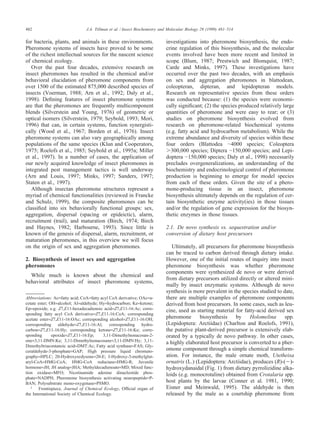
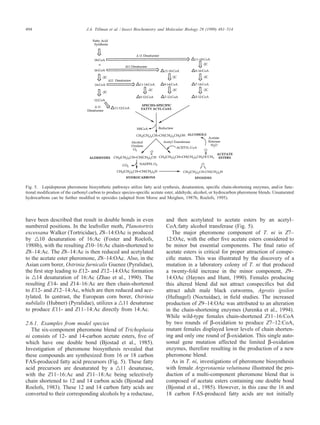
mediate (Chase et al., 1992) (Fig. 2). The biosynthesis
of 3,11-DMN:Ke proceeds analogously to the formation
of the sex pheromone components in female Musca dom-
estica (Fig. 4, located later in text), in which Z9–23:Hyd
is converted to Z9,10–23:Ep and Z14–23:Ke via an alco-
hol intermediate.
The biosynthesis of 20,28-DMT:Ac, an intermediate
precursor to 3,11-DMN:Ke, in female B. germanica
appears to involve a microsomal fatty acid synthase
(mFAS). Methylalkane biosynthesis in insects appears to
occur via the elongation of methyl-branched fatty acids
to very long-chain methyl-branched fatty acids, with
decarboxylation of the fatty acid leading to formation
of the corresponding hydrocarbon. The observation that
methyl-branched hydrocarbon synthesis (de Renobales et
al., 1988) in the pupa of the cabbage looper, Trichoplu-
sia ni Hu
¨
bner (Noctuidae), remained high when cyto-
solic FAS (cFAS) activity was low or negligible fueled
the search for FAS activity functioning in methyl-
branched hydrocarbon synthesis in the microsomal frac-
tion of cells. It was demonstrated that a mFAS in B.
germanica functioned in the synthesis of methyl-
branched fatty acids (Juarez et al., 1992; Gu et al., 1993),
which are precursors to the corresponding methyl-
branched hydrocarbons (Jurenka et al., 1989; Juarez et
al., 1992; Blomquist et al., 1994). Microsomal FAS was
shown to incorporate [methyl-14
C]methylmalonyl–CoA
into methyl-branched fatty acids more efficiently than
cFAS incorporates this substrate (Juarez et al., 1992; Gu
et al., 1993). A mFAS functioning in the same manner
was purified and characterized in female M. domestica
(Gu et al., 1997).
The generation of the two methyl groups in the
biosynthesis of n-3,11-DMT:Ac involves the substitution
of malonyl–CoA with methylmalonyl–CoA at specific
points during fatty acid chain elongation (Blomquist et
al., 1993; Nelson and Blomquist, 1995) (Fig. 2). Studies
with both M. domestica and B. germanica utilizing radi-
otracer and stable isotope techniques (monitoring 13
C
incorporation by 13
C-NMR and mass spectroscopy)
(Dillwith et al. 1981, 1982; Chase et al., 1990) demon-
strated that a propionyl–CoA, derived from one of the
amino acids valine, isoleucine, or methionine, serves as
the precursor to the immediate source of the methyl-
branching unit, methylmalonyl–CoA (Fig. 2). It has been
demonstrated by NMR studies using [1-13
C]propionate
that propionate is inserted early during chain elongation
in M. domestica (Dillwith et al., 1982), in the American
cockroach, Periplaneta americana (L.) (Blattodea:
Blattidae) (Dwyer et al., 1981), and in B. germanica
(Chase et al., 1990). Therefore, fatty acid synthase
(FAS), and not the fatty acyl–CoA elongase system,
likely determines the specificity of methyl branch incor-
poration into the growing chain. In M. domestica, propi-
onyl–CoA can be either directly converted to methylma-
lonyl–CoA or dehydrogenated and hydrated to 3-
hydroxy-propionate, and finally oxidized to acetate with
the loss of C-1 as carbon dioxide (Halarnkar et al.,
1986).
2.4. Sex and aggregation pheromone biosynthesis in
the Coleoptera
With over 300,000 species distributed across ෂ150
families worldwide, the Coleoptera have evolved phero-
mone structural diversity that is commensurate with the
order’s phylogenetic diversity. Classes of compounds
such as isoprenoids, fatty acid derivatives, and amino
acid derivatives have all been found to mediate intras-
487J.A. Tillman et al. / Insect Biochemistry and Molecular Biology 29 (1999) 481–514
Fig. 2. Blattodean pheromone biosynthetic pathways utilize fatty acid biosynthesis from malonyl–CoA and methylmalonyl–CoA substrates fol-
lowed by cytochrome P-450-mediated decarboxylation, hydroxylation, and oxidation. The hydroxylation step is regulated by JH III (adapted from
Chase et al., 1992 for Blattella germanica sex pheromone components).
pecific behavior in the Coleoptera (Vanderwel and
Oehschlager, 1987). Complex, yet diverse, structures
such as bicyclic oxygen heterocycles (of fatty acid or
isoprenoid origin), macrolides (of fatty acid origin), and
aromatics (generally of amino acid origin) are also com-
mon coleopteran pheromone components.
For instance, Anthonomus grandis (Tumlinson et al.,
1969) and Ips spp. and Dendroctonus spp. bark beetles
(Scolytidae) (Wood, 1982; Borden, 1985) typically util-
ize monoterpene isoprenoid pheromone compounds. In
addition, Dendroctonus spp. produce and respond to
bicyclic acetal pheromone compounds, some of which
could be isoprenoid derivatives.
An example of a fatty-acid-derived coleopteran sex
pheromone is (R)-(+)-4-methyl-1-nonanol, which is
secreted by females of the yellow mealworm, Tenebrio
molitor L. (Tenebrionidae) (Tanaka et al. 1986, 1989;
Islam et al., 1999). Also, macrolide (large cyclic lactone)
aggregation pheromone components of fatty acid (e.g.
oleic, linoleic, palmitic) origin have been shown to occur
in cucujid grain beetles in the genera Cryptolestes and
Oryzaephilus (Vanderwel et al., 1990). The male scoly-
tid spruce engraver, Pityogenes chalcographus (L.), pro-
duces E2,Z4-methyldecadienoate (E,Z-MD) as part of its
aggregation pheromone, and surprisingly this compound
accumulates in the head and thorax rather than the abdo-
men (Birgersson et al., 1990). Although the biosynthesis
of E,Z-MD has not been studied, its structural similarity
to lepidopteran pheromone components may suggest a
similar (i.e. fatty acid-derived) biosynthetic origin.
Female Limonius spp. produce short-chain fatty acids as
sex pheromones, while Melanotus spp. (both Elateridae)
produce moth-like tetradecenals and tetradecenylacetates
(Borg-Karlson et al., 1988). The black carpet beetle,
Attagenus megatoma (Fabricius) (Dermestidae), pro-
duces E3,Z5-tetradecadienoic acid as its principal sex
attractant (Silverstein et al., 1967). These occurrences of
the 14-carbon fatty acid derivatives indicate some level
of pheromone evolutionary convergence between the
Coleoptera and Lepidoptera (see below). Females of the
ruteline scarab beetles [e.g. the Japanese beetle, Popillia
japonica Newman (Scarabaeidae), production of (R,Z)-
5-(Ϫ)-(1-decenyl)oxacyclopentan-2-one=japonilure;
Tumlinson et al. (1977)] produce a plethora of lactone
as well as acyclic, unsaturated, oxygenated hydrocarbon
sex pheromone components, some of which have been
488 J.A. Tillman et al. / Insect Biochemistry and Molecular Biology 29 (1999) 481–514
shown experimentally to be derived from fatty acids
(Leal 1997, 1998). Interestingly, female elaterid click
beetles, such as Agriotes obscurus and A. lineatus, pro-
duce geranylhexanoate and octanoate, illustrating the
possibility of combinatorial biochemical joining to achi-
eve a pheromone component from both the isoprenoid
and fatty acid pathways (Borg-Karlson et al., 1988).
Amino acids also frequently provide starting material
for pheromone production in the Coleoptera, especially
the melolonthine scarabs and the ipine scolytids. For
example, the female large black chafer, Holotrichia par-
allela Motschulsky (Scarabaeidae), produces methyl
2S,3S-2-amino-3-methylpentanoate (l-isoleucine methyl
ester) as an amino-acid-derived sex pheromone (Leal et
al., 1992; Leal, 1997). Although it is unclear whether
any beetles directly utilize the shikimic acid pathway for
de novo pheromone biosynthesis, some beetles may con-
vert amino acids such as tyrosine, phenylalanine, or tryp-
tophan to aromatic pheromone components (Gries et al.,
1990b; Leal, 1997). For example, nearly all of the sex
pheromone components produced by melolonthine scar-
abs are hypothesized to originate from amino acids (Leal
1997, 1998), and many of them are aromatics [e.g. phe-
nol produced from the female grass grub, Costelytra zea-
landica (White); Henzell and Lowe (1970)].
Pheromone biosynthesis in the Coleoptera is as
diverse as the taxa and the pheromone structures, and the
utilization of several types of pheromone biosynthetic
pathways has been demonstrated (Vanderwel and
Oehschlager, 1987). As described below, beetles can
generate pheromone compounds in one or more of three
major ways: (1) sequestration of host compounds; (2)
structural modification of dietary host compounds;
and/or (3) de novo biosynthesis.
2.4.1. Sequestration of host compounds
In the Coleoptera, sequestration of host compounds
for later use as pheromones in their unmodified form
appears to be rare (Vanderwel and Oehschlager, 1987).
Since pheromone production is often associated with
feeding, it is experimentally difficult to distinguish
between host compounds that are released from the mas-
ticated food or faeces, and those that are sequestered by
the beetle and released later. For instance, it is possible
that the Douglas-fir beetle, Dendroctonus pseudotsugae
Hopkins (Scolytidae), obtains and sequesters the monot-
erpene limonene from host Douglas-fir, Pseudotsuga
menziesii (Mirb.) Franco, oleoresin during feeding. Both
sexes of D. pseudotsugae release limonene with their
respective aggregation pheromone components in the
presence of acoustic signals from the opposite sex
(Rudinsky et al., 1977). In this situation, limonene func-
tions as a synergist to elicit mass attack of P. menziesii
(Rudinsky et al., 1977). Also, the pine shoot beetle, Tom-
icus piniperda (L.), other Dendroctonus spp., and some
Ips spp. (all Scolytidae) respond at some level to host
(Pinus spp.) monoterpenes in field studies; however,
whether these monoterpenes are sequestered and
released by colonizing beetles is not known (Bedard et
al. 1969, 1970; Byers et al., 1985; Miller and Borden,
1990a,b; Hobson et al., 1993). Additionally, both sexes
of Scolytus multistriatus respond to an attractant that
contains the host (Ulmus spp.) sesquiterpene (Ϫ)-α-cub-
ebene. Perhaps as a result of sequestering and release,
the level of this compound from uninfested and infested
Ulmus spp. logs is augmented by attacking beetles (Gore
et al., 1977). Recent work with the fir engraver, Scolytus
ventralis LeConte, demonstrated that this scolytid is
attracted to and aggregates on host fir trees (Abies spp.)
in response to host volatiles, which are apparently
released when pioneer beetles colonize trees (Macı
´
as-
Sa
´
mano et al., 1998).
2.4.2. Modification of host compounds
The biosynthesis of terpene-derived pheromones via
modification of host compounds has been studied pre-
dominantly in the curculionid Anthonomus grandis, sco-
lytids, and cucujids (Vanderwel and Oehschlager, 1987).
The sex pheromone of male A. grandis is comprised of
four cyclic monoterpenoid components (Tumlinson et
al., 1969). Biosynthetic studies have indicated that two
host plant geometric isomer terpenoids, geraniol (3,7-
dimethyl-E2,6-octadien-1-ol) and nerol (3,7-dimethyl-
Z2,6-octadien-1-ol) (Hedin et al., 1971), are able to serve
as pheromone precursors for A. grandis (Thompson and
Mitlin, 1979). Radiolabel was incorporated into all four
monoterpenoid pheromone components when males
were injected or force-fed with 3
H-geraniol and -nerol.
Biosyntheses of terpene-derived pheromones have also
been investigated with male Cryptolestes ferrugineus.
Label from 2
H-farnesol (administered via feeding) was
incorporated into one of its macrolide aggregation phero-
mone components 4E,8E-4,8-dimethyldecadien-10-olide
(cucujolide I) (Vanderwel et al., 1992b). The sesquiter-
pene precursor may be present in grain fed on by C. fer-
rugineus.
Scolytids also produce monoterpenoid-derived aggre-
gation pheromone components to elicit mass coloniz-
ation of hosts (Vanderwel and Oehschlager, 1987). The
pheromones are generally composed of acyclic and
bicyclic monoterpene alcohols. For example, male Ips
paraconfusus produce the bicyclic monoterpene alcohol
cis-verbenol as part of its pheromone blend (Silverstein
et al., 1966). cis-Verbenol is thought to originate in male
I. paraconfusus from one enantiomer of the monoterpene
α-pinene originating from the oleoresin of hosts (Pinus
spp.) (Renwick et al., 1976a) (Fig. 1). trans-Verbenol is
produced by this beetle from the opposite enantiomer of
α-pinene (Renwick et al., 1976a), whereas both sexes of
western pine beetle, Dendroctonus brevicomis LeConte,
convert each enantiomer of α-pinene to the correspond-
ing enantiomers of trans-verbenol (Byers, 1983a) (Fig.
489J.A. Tillman et al. / Insect Biochemistry and Molecular Biology 29 (1999) 481–514
1). Similar production of verbenol has been documented
from α-pinene originating from the host, Norway spruce,
Picea abies (L.) Karsten, by the Eurasian engraver, Ips
typographus (L.) (Klimetzek and Francke, 1980; Lind-
stro
¨
m et al., 1989).
In some scolytids, it has been demonstrated that
acyclic host monoterpenes are also oxidized to the corre-
sponding acyclic monoterpene alcohol aggregation pher-
omone components (Hughes, 1974; Renwick et al.,
1976b; Byers et al., 1979; Hendry et al., 1980). For
example, I. paraconfusus, I. pini, and the Eurasian
engraver, I. duplicatus (Sahlberg), produce one or both
of the acyclic monoterpene alcohols ipsdienol and
ipsenol as aggregation pheromone component(s)
(Silverstein et al., 1966; Birch et al., 1980; Byers et al.,
1990). Because host monoterpenes are generally toxic to
scolytids (Smith, 1961; Smith, 1965a,b; Coyne and Lott,
1976; Raffa et al., 1985; Nebeker et al., 1993), it has
been speculated that monoterpene oxidation has evolved
to yield more polar, easily-excretable metabolites
(detoxification) and was later adapted for pheromonal
function (Hughes, 1973a; White et al., 1980; Francke
and Vite
´
, 1983; Vanderwel and Oehschlager, 1987;
Gries et al., 1990a; Vanderwel, 1994).
The biosynthesis of monoterpene alcohol or ketone
pheromones by scolytids from host monoterpenes most
likely involves allylic oxidation or hydration, and may
be accompanied by such secondary reactions as
additional oxidation, hydrogenation, or rearrangement of
the carbon skeleton (Renwick et al., 1976b; Francke and
Vite
´
, 1983; Pierce et al., 1987). Oxidative reactions of
this type are likely catalyzed by stereospecific mixed-
function oxidases (MFOs) or polysubstrate monooxyg-
enases (PSMOs) (Vanderwel and Oehschlager, 1987).
Indeed, in the black turpentine beetle, Dendroctonus ter-
ebrans (Olivier), a microsomal cytochrome P450 was
reported to exhibit an unusually high specificity for the
host monoterpene α-pinene in an in vitro assay (White
et al., 1979). There is also strong evidence indicating
that the oxidation of host monoterpenes for utilization as
pheromones can be highly stereo- and enantioselective
(Renwick et al., 1976a; Fish et al., 1979; Klimetzek and
Francke, 1980; Byers, 1983a; Vanderwel et al., 1999).
For example, some Ips species stereospecifically replace
the pro-(4S) hydrogen of (+)- or (Ϫ)-α-pinene with a
hydroxyl group to produce trans- or cis-verbenol,
respectively (Renwick et al., 1976a; Klimetzek and
Francke, 1980; Lindstro
¨
m et al., 1989).
In addition to terpene-derived pheromones, scolytids
also produce other volatile compounds such as toluene
and 2-phenylethanol (Renwick et al., 1976c; Gries et al.,
1988; Gries et al., 1990a,b; Ivarsson and Birgersson,
1995). Aromatic pheromone components in the Coleop-
tera could be produced de novo by the shikimic acid
pathway, but in male I. pini, toluene and 2-phenylethanol
were clearly derived in axenic beetles from phenylala-
nine, which is normally available to these beetles in their
phloem diet (Gries et al., 1990b). While toluene does
not appear to have any pheromonal activity with I. pini
(Gries et al., 1990b), 2-phenylethanol is weakly attract-
ive to I. paraconfusus (Renwick et al., 1976c). Interest-
ingly, the production of 2-phenylethanol by male I. para-
confusus and male I. duplicatus is stimulated in the
absence of phloem feeding by topical treatment with juv-
enile hormone III (JH III) (Hughes and Renwick, 1977b)
and the JHA methoprene, respectively (Fig. 6, located
later in text) (Ivarsson and Birgersson, 1995). Decapi-
tated male I. paraconfusus did not produce 2-phenyle-
thanol following treatment with JH III (Hughes and
Renwick, 1977b). Given that host phenylalanine is con-
sidered to be the sole precursor of 2-phenylethanol in
male I. pini, it is surprising that host feeding had a nega-
tive effect on 2-phenylethanol production in male I.
duplicatus (Ivarsson and Birgersson, 1995).
2.4.3. De novo biosynthesis
The two major classes of coleopteran pheromones that
are thought to be biosynthesized de novo are isoprenoid
(=terpenoid) and fatty acid-derived pheromones.
2.4.4. Isoprenoid pheromones
Male Anthonomus grandis synthesized its 14
C-labeled
monoterpenoid pheromone components from 14
C-labeled
acetate, mevalonate, and glucose (Mitlin and Hedin,
1974), indicating de novo pheromone production in this
coleopteran. Also indicative of de novo synthesis, male
Cryptolestes ferrugineus incorporated label from 14
C-
acetate and 3
H-mevalonolactone into the pheromone
component cucujolide I (Vanderwel et al., 1990).
Initial studies of the biosynthesis of aggregation pher-
omones in I. paraconfusus demonstrated that ipsdienol
and ipsenol were produced by males that had been
exposed to myrcene vapors (Hughes, 1974; Hughes and
Renwick, 1977b) (Fig. 1). Hendry et al. (1980) demon-
strated the conversion of 2
H-myrcene to 2
H-ipsdienol
and 2
H-ipsenol in male I. paraconfusus, offering direct
support for this conclusion. However, Byers (1981) and
Byers and Birgersson (1990) questioned whether the vol-
atile myrcene titer in the host could account for all of the
ipsenol and ipsdienol produced by male I. paraconfusus,
leading to recent studies that have demonstrated the
occurrence of de novo production of monoterpene alco-
hol pheromones in I. paraconfusus and other Ips spp.
One study utilized a 3-hydroxy-3-methylglutaryl–CoA
(HMG–CoA) reductase (HMG–R) inhibitor (compactin)
and offered circumstantial evidence that the production
of the monoterpenoid alcohol pheromones ipsdienol and
E-myrcenol by male I. duplicatus occurs de novo via the
isoprenoid biosynthetic pathway (Ivarsson et al., 1993).
A second study used radiotracer techniques to directly
demonstrate de novo aggregation pheromone production
in male I. pini (ipsdienol) and male I. paraconfusus
490 J.A. Tillman et al. / Insect Biochemistry and Molecular Biology 29 (1999) 481–514
(ipsenol and ipsdienol) from [1-14
C]acetate and (RS)-[2-
14
C]- mevalonolactone (Seybold et al., 1995b). Thus, A.
grandis, C. ferrugineus, and selected Ips spp. provide
examples of Coleoptera with two possible routes of pher-
omone biosynthesis, host terpene modification and de
novo production. A determination of the relative contri-
butions of each of these biosynthetic routes to total pher-
omone production in A. grandis, C. ferrugineus, or Ips,
although of interest, has not occurred.
In the classical isoprenoid pathway, the synthesis of
isopentenyl diphosphate occurs from acetyl–CoA via
HMG–CoA and mevalonate as central intermediates
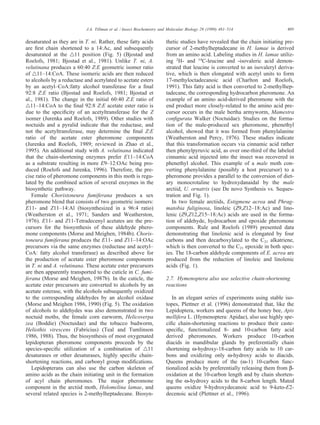
(Fig. 3). The high incorporation of both radiolabeled
acetate and mevalonate into ipsdienol in male I. pini
(Tillman et al., 1998) and the inhibitory effect of com-
pactin on ipsdienol biosynthesis in male I. duplicatus
(Ivarsson et al., 1993) both indicate that Ips spp. utilize
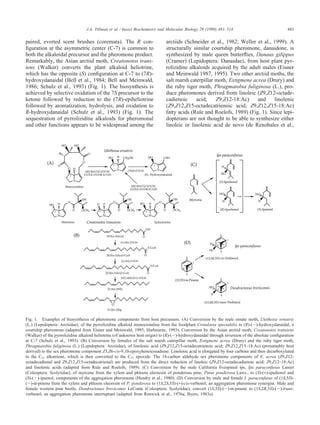
Fig. 3. Coleopteran pheromone biosynthetic pathways as exemplified for Ips spp. [e.g. Ips pini (Say)] and acyclic monoterpenoid (ipsdienol)
pheromone biosynthesis (Tillman et al., 1998). The classical mevalonate-based isoprenoid pathway is regulated by juvenile hormone III (JH III)
at enzymatically catalyzed steps prior to mevalonate. Feeding on host Pinus spp. phloem induces synthesis of JH III by the corpora allata. Hypotheti-
cally, in Ips spp., isopentenyl diphosphate, the key C5 intermediate, is synthesized from mevalonate, whereas in plants and bacteria, isopentenyl
diphosphate is synthesized from glyceraldehyde 3-phosphate and pyruvate (GAP/pyruvate pathway). The comparative biochemical steps from
geranyl diphosphate to monoterpenes in plants (e.g. Abies spp. or Pinus spp.) and to monoterpene alcohols in Ips spp. merit further investigation.
the mevalonate pathway to synthesize isopentenyl
diphosphate and ultimately monoterpene alcohols. How-
ever, over the past five years an alternative route to isop-
entenyl diphosphate has been demonstrated in biological
systems. This new pathway, the non-mevalonate or so-
called “Rohmer” pathway, involves the condensation of
one molecule of glyceraldehyde-3-phosphate (GAP)
with one molecule of pyruvate, indicating an intimate
association between this pathway and glucose metab-
olism. The condensation of these two three-carbon units
occurs with the loss of carbon dioxide to form 1-deoxy-
d-xylulose-5-phosphate, with the eventual formation of
isopentenyl diphosphate (Fig. 3). This GAP/pyruvate
pathway was originally discovered in bacteria (Rohmer
et al. 1993, 1996), but surprisingly has been shown to
prevail in plants as well (Schwender et al. 1996, 1997;
Lichtenthaler et al., 1997a,b; Zeidler et al., 1997). In
491J.A. Tillman et al. / Insect Biochemistry and Molecular Biology 29 (1999) 481–514
higher plants the GAP/pyruvate pathway appears to be
compartmentalized in the plastids, while the
acetate/mevalonate pathway occurs in the cytoplasm
(Lichtenthaler et al., 1997a; Lichtenthaler, 1998). Per-
haps most interesting is that even the monoterpenes, the
most abundant and ubiquitous of plant natural products,
appear to be synthesized via the non-mevalonate path-
way (Eisenreich et al., 1997). Further differences
between monoterpenoid synthesis in higher plants and
Ips spp. may be revealed when comparative biochemical
or molecular studies explore the conversion of geranyl
diphosphate to monoterpenes (Bohlmann et al. 1997,
1998) or monoterpene alcohols (Vanderwel et al., 1999).
Thus, aggregation pheromone production by male Ips
spp. may represent a unique model biological system for
the study of the regulation of classical isoprenoid
biosynthesis of monoterpenoids.
2.4.5. Fatty acid-derived pheromones
Fatty acid-derived aggregation pheromones are the
second main class of de novo-synthesized coleopteran
pheromones. Males in the genera Cryptolestes and Ory-
zaephilus (both Cucujidae) have been shown to produce
several macrolide aggregation pheromones with double
bonds in positions and geometries (Z) that indicate fatty
acid (such as oleate and linoleate) origins. Indeed, it has
been demonstrated that male Cryptolestes ferrugineus
incorporate radiolabeled oleic, linoleic, and palmitic
acids (administered via feeding) into macrolide phero-
mone components (Vanderwel et al., 1990). In another
stored products pest, Tenebrio molitor, females synthe-
size 4-methyl-1-nonanol de novo through a modification
of fatty acid biosynthesis involving initiation with one
unit of propionate followed by incorporation of a second
unit of propionate to provide the methyl branch (Islam
et al., 1999). The biosynthesis of other pheromone
components, likely to be fatty acid-derived, was studied
in males of the mountain pine beetle, Dendroctonus pon-
derosae Hopkins, and the western balsam bark beetle,
Dryocoetes confusus Swaine (both Scolytidae)
(Vanderwel et al., 1992a). These insects produced lab-
eled endo- or exo-brevicomin (endo- or exo-7-ethyl-5-
methyl-6,8-dioxabicyclo[3.2.1]octane) from deutero-lab-
eled E- or Z6-nonen-2-one precursors, respectively.
Stable isotope labeling techniques, involving 18
O incor-
poration from labeled water and oxygen, using male D.
ponderosae (Vanderwel and Oehlschlager, 1992),
revealed that the biochemical mechanism for the trans-
formation of the straight-chain ketone to the bicyclic
ketal proceeds through both enantiomers of a keto-epox-
ide intermediate, with the two oxygen atoms of exo-brev-
icomin derived from molecular oxygen. In a similar
experiment, Perez et al. (1996) demonstrated that (4,4-
2
H2)-6-methyl-6-hepten-2-one could be converted to
2
H2-frontalin (1,5-dimethyl-6,8-dioxabicyclo[3.2.1]octane)
by male and female spruce beetle, Dendroctonus rufip-
ennis (Kirby) (Scolytidae). However, they were unable
to find this precursor in D. rufipennis volatiles or demon-
strate the conversion of unlabeled 6-methyl-5-hepten-2-
one (which was present in D. rufipennis volatiles) to
frontalin. Whether the methyl keto-heptenes are of fatty
acid or isoprenoid origin remains to be resolved.
The female cupreous chafer, Anomala cuprea
(Scarabaeidae), produces two lactone sex pheromone
components: (R,Z)-5-(Ϫ)-(1-octenyl)oxacyclopentan-2-
one and (R,Z)-5-(Ϫ)-(1-decenyl)oxacyclopentan-2-one.
The biosynthetic route to these lactones involves the ⌬9
desaturation of 16 and 18 carbon fatty acids, hydroxyl-
ation at carbon 8, two cycles of β-oxidation and cycliz-
ation (Leal, 1998). The only step that is stereospecific is
the hydroxylation step.
The biosynthesis of a polyunsaturated methyl and
ethyl branched hydrocarbon, 2E,4E,6E-5-ethyl-3-
methyl-2,4,6-nonatriene, was studied in Carpophilus
freemani, using 13
C- and 2
H-labeled substrates (Petroski
et al., 1994). The synthesis of this unusual ethyl-
branched component is initiated with carbons from acet-
ate, elongated first with propionate (to give the methyl
branch), then with butyrate (to give the ethyl branch),
and finally terminated with a second butyrate. The
biosyntheses of 14 additional methyl- and/or ethyl-
branched, tri- and tetraenes were found to proceed in a
similar fashion in the related species C. davidsoni Dob-
son and C. mutilatus Erichson (Bartelt and Weisleder,
1996).
2.5. Sex pheromone biosynthesis in the Diptera
Among the Diptera, cuticular hydrocarbon-associated
sex pheromone biosynthesis has been extensively stud-
ied in the higher flies (suborder Brachycera). The model
species include an acalyptrate schizophoran, the labora-
tory fruit fly, Drosophila melanogaster Meigen
(Drosophilidae) (Wicker and Jallon, 1995a; Pennanec’h
et al., 1997), and two calyptrate schizophorans, the com-
mon house fly, Musca domestica L. (Muscidae), and the
tsetse fly, Glossina morsitans morsitans Newstead
(Muscidae) (Carlson et al., 1978; Langley and Carlson,
1983).
The hydrocarbon-based dipteran pheromone com-
pounds are present on the cuticle and are structurally
similar to components in the epicuticular lipid layer of
all insects (Blomquist et al., 1998). Thus, these phero-
mone components are synthesized through modifications
of the pathways that produce cuticular lipids (Blomquist
et al., 1987a; Nelson and Blomquist, 1995). In the Can-
ton-S strain of D. melanogaster, Z7,Z11-heptacosadiene
(Z7,Z11–27:Hy) is the most abundant female cuticular
hydrocarbon, while Z7-tricosene (Z7–23:Hy) is the most
abundant male cuticular hydrocarbon, and both com-
pounds have pheromonal roles (Jallon, 1984; Ferveur et
al. 1989, 1994). The incorporation of labeled fatty acids
492 J.A. Tillman et al. / Insect Biochemistry and Molecular Biology 29 (1999) 481–514
into cuticular hydrocarbons of male and female D. mel-
anogaster is consistent with a ̅9 desaturase converting
palmitic acid (16:Ac) to palmitoleic acid (the major fatty
acid in both males and females) (Ferveur et al., 1989;
Pennanec’h et al., 1997). To produce the female-specific
Z7,Z11-dienes, a second desaturation step is needed, and
it is not known if it involves ̅9 desaturation of a 20
carbon ̅13-monoenoic fatty acid or ̅7 desaturation of
an 18-carbon, ̅11 monoenoic fatty acid. Wicker-
Thomas et al. (1997) cloned and partially characterized
a desaturase gene from D. melanogaster that appears to
be expressed more in females than males, suggesting a
role for the gene product in the first desaturation step of
D. melanogaster pheromone biosynthesis. In a parti-
cularly exciting approach, the site of synthesis and gen-
etic basis for Z7,Z11–27:Hy biosynthesis were explored
in male D. melanogaster that had been feminized by
crossing in the gene transformer (Ferveur et al., 1997).
This gene appears to be a master regulator that initiates
the synthesis of sexually dimorphic hydrocarbons in the
oenocytes, early in the life of the imago.
In contrast to female D. melanogaster, the main
component of the sex pheromone blend of female M.
domestica is Z9-tricosene (Z9–23:Hy) (Rogoff et al.,
1964; Carlson et al., 1971). Z9,10-Epoxytricosane
(Z9,10–23:Ep), Z14-tricosen-10-one (Z14–23:Ke)
(Uebel et al., 1978), and a specific blend of methylalk-
anes (Uebel et al., 1976; Rogoff et al., 1980; Adams and
Holt, 1987) enhance the activity of Z9–23:Hy.
The in vivo biosynthesis of the pheromone compo-
nents of M. domestica has been studied using [1-
14
C]acetate, -stearate, -oleate, and [9,10-3
H]oleate
(Dillwith et al., 1981). The biosynthesis of Z9–23:Hy
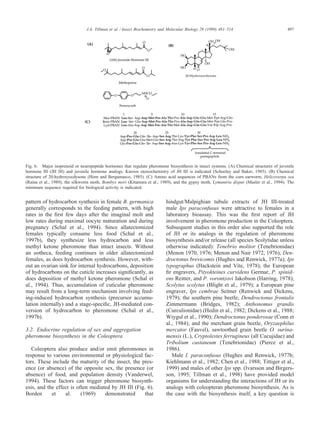
begins with the production of stearic acid (18:Acid),
which originates from the constitutive activity of fatty
acid synthase (FAS) (Fig. 4). Fatty acids such as 18:Acid
are activated prior to enzymatic processing by con-
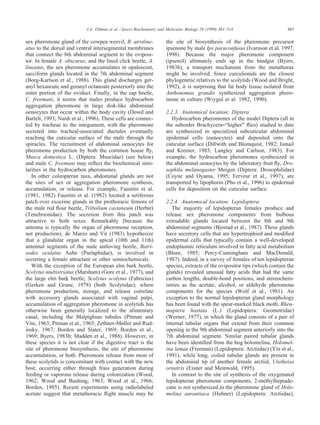
Fig. 4. Dipteran pheromone biosynthetic pathways utilize fatty acid synthesis, desaturation, elongation, and reductive decarboxylation. The pro-
posed regulatory steps for 20-hydroxyecdysone are the secondary elongation system. Unsaturated hydrocarbons can be further modified to the
epoxides (adapted from Blomquist et al., 1987a for the common house fly, Musca domestica L. sex pheromone components).
verting the free acid to a fatty acyl–CoA derivative. Stea-
royl–CoA (18:CoA) is then desaturated at the ̅9 pos-
ition to produce oleoyl–CoA (Z9–18:CoA). A
microsomal acyl–CoA desaturase utilizing NADPH or
NADH as the electron donor catalyzes this reaction
(Wang et al., 1982). Intermediary steps of hydrocarbon
biosynthesis involve elongation of FAS-produced fatty
acids to longer chain acids (Chu and Blomquist, 1980).
Elongation occurs when Z9–18:CoA enters a microso-
mal elongation system, resulting in the formation of
tetracosenoyl–CoA (Z15–24:CoA) and longer chain fatty
acyl–CoAs. It has been demonstrated that the elongation
of Z9–18:CoA to longer chain fatty acyl–CoA moieties
requires malonyl–CoA as the elongating unit and can
utilize either NADPH or NADH as a reducing agent
(Vaz et al., 1987). Z15–24:CoA is then converted to
pheromone, Z9–23:Hy, in a cytochrome-P450 dependent
reaction. Hydrocarbon formation involves a two-step
conversion: (1) reduction of the long chain fatty acid to
an aldehyde intermediate; (2) cytochrome-P450 cata-
lyzed oxidation of the aldehydic carbonyl carbon, which
leaves as carbon dioxide (Reed et al. 1994, 1995; Mpuru
et al., 1996).
The epoxide and ketone pheromone components of M.
domestica, Z9,10–23:Ep and Z14–23:Ke (Fig. 4), appear
on the female cuticle simultaneously with Z9–23:Hy
(Blomquist et al., 1984b; Ahmad et al., 1987). Labeled
Z9,10–23:Ep and Z14–23:Ke were isolated from females
subsequent to topical treatment with [9,10-3
H]Z9–23:Hy,
demonstrating that Z9–23:Hy is converted to these oxy-
genated derivatives. Additionally, male and female
house fly microsomal preparations efficiently converted
Z9–23:Hy to the corresponding Z9,10–23:Ep and Z14–
23:Ke in the presence of NADPH, while the mixed func-
tion oxidase inhibitor piperonyl butoxide markedly
decreased this conversion rate (Ahmad et al., 1987). This
indicates a critical role for mixed-function oxidase
493J.A. Tillman et al. / Insect Biochemistry and Molecular Biology 29 (1999) 481–514
enzymes in the oxidation of Z9–23:Hy to the corre-
sponding epoxide and ketone.
2.6. Sex pheromone biosynthesis in the Lepidoptera
Sex pheromones produced by female Lepidoptera are
generally acyclic, fatty acid-derived compounds, 12 to
18 carbons in chain length with an oxygenated functional
group (alcohol, aldehyde, or acetate ester) and zero to
three double bonds (Tamaki, 1985). In some cases,
straight-chain or methyl-branched hydrocarbons have
been shown to function as lepidopteran pheromones.
Variation in the chain length; the type of oxygenated
functional group; the number, location, and isomeric nat-
ure of the double bond(s); and the precise ratios of
components in multi-component pheromones collec-
tively allow distinct, species-specific pheromone blends
(Jurenka and Roelofs, 1993; Roelofs, 1995).
Lepidopteran pheromone biosynthesis has been
reviewed extensively (Bjostad et al., 1987; Roelofs and
Wolf, 1988; Wolf and Roelofs, 1989; Jurenka and Roel-
ofs, 1993; Roelofs, 1995). Investigations of moth phero-
mone biosynthesis originated in the 1980’s with work on
the cabbage looper, Trichoplusia ni Hu
¨
bner (Noctuidae)
(Bjostad and Roelofs, 1983; Bjostad et al. 1981, 1984),
the redbanded leafroller moth, Argyrotaenia velutinana
(Walker) (Tortricidae) (Bjostad and Roelofs, 1981; Bjos-
tad et al., 1981), and the spruce budworm, Choristoneura
fumiferana (Clemens) (Tortricidae) (Morse and Meighen
1984a,b, 1986; Morse and Meighen 1987a,b, 1990).
Both radiolabeled and stable isotopic acetate and fatty
acid precursors were utilized in studies to examine lepi-
dopteran pheromone biosynthesis (Bjostad et al., 1987).
An early question regarding the biosynthetic origin of
lepidopteran sex pheromones was whether the 12- and
14-carbon chains arose from the premature termination
of a growing fatty acyl group on fatty acid synthase
(FAS) or from specific chain shortening of longer chain
fatty acids. The former pathway would perhaps involve
an enzyme similar to the specific thioesterase involved
in medium chain fatty acid synthesis in aphids (Ryan et
al., 1982) and in mammary glands of rats (Libertini and
Smith, 1978) or uropygial glands of water birds (de
Renobales et al., 1980). The discoveries of a family of
̅11 desaturases that act on fatty acyl–CoAs of 18, 16,
14, or 12 carbons and highly specific chain-shortening
reactions revealed that the origin of carbon chains in lep-
idopteran pheromone components was indeed chain
shortened and desaturated FAS-produced fatty acids
(Bjostad et al., 1987).
The following summarizes the key biosynthetic steps
used to produce specific pheromone blends in model
species of Lepidoptera (Jurenka and Roelofs, 1993) (Fig.
5): (1) acetyl–CoA carboxylase and FAS combine to
make 16- and 18- carbon fatty acid precursors; (2) spe-
cific desaturases (the ̅11 desaturase plays a predomi-
nant role in many species) function on fatty acids of vari-
ous chain lengths; (3) specific chain-shortening enzymes
function to synthesize chains with 16 and fewer carbons;
and (4) one or more of the following enzymes: a
reductase, an acetyl transferase, an alcohol oxidase,
and/or an acetate esterase catalyze(s) the formation of
the specific oxygenated functional group(s). Addition-
ally, specific aldehydes are decarboxylated in an
NADPH- and O2-dependent reaction to form hydro-
carbon pheromones and specific hydrocarbons oxygen-
ated to generate epoxide pheromones. Many lepidopteran
pheromone components can be accounted for by utiliz-
ing differing combinations, temporal orders, and sub-
strate specificities of these key enzyme systems (Jurenka
and Roelofs, 1993). The FAS involved in pheromone
production is present in the cytoplasm, whereas the
desaturation and chain shortening reactions are catalyzed
by enzymes associated with the endoplasmic reticulum
(Jurenka and Roelofs, 1993). The type of oxygenated
functional group (acetate ester, aldehyde, alcohol, or
epoxide) or the absence of any oxygenated functional
group (hydrocarbon) characteristic of the pheromone
molecule is determined by the type and specificity of
enzyme(s) utilized in the final phase [(4) above] of the
biosynthetic pathway.
Along with enzyme systems that mediate functional
group oxidative and reductive modifications of the car-
bonyl and internal carbons in lepidopteran fatty acid-
derived pheromones, desaturases also contribute to the
biosynthesis of species-specific pheromones. Not all of
the double bonds in lepidopteran pheromones arise from
̅11 desaturation. For example, in the female pink
bollworm, Pectinophora gossypiella (Saunders) (Lepi-
doptera: Gelechiidae), the pheromone components
Z7,Z11- and Z7,E11–16:OAc arise from the chain short-
ening of oleic acid (Z9–18:Ac) followed by stereospec-
ific ̅11 desaturation (Foster and Roelofs, 1988a). Thus,
the first double bond is introduced into the 18-carbon
chain by a ubiquitous ̅9 desaturase to form Z9–18:Ac.
Oleic acid is then chain shortened and desaturated by a
̅11 desaturase to form the second double bond. In con-
trast, the Z5–14:OAc pheromone in the tortricid moth,
Ctenopseutis herana (Felder and Rogenhofer)
(Tortricidae), arises directly from the ̅5 desaturation of
a 14-carbon fatty acid (Foster and Roelofs, 1996).
The lepidopteran pheromone components with double
bonds at even numbered positions could not arise from
the activity of ̅5 or ̅11 desaturases. For example, Jur-
enka (1997) recently reported that the female almond
moth, Cadra cautella (Walker) (Pyralidae), and the beet
armyworm, Spodoptera exigua (Hu
¨
bner) (Noctuidae),
biosynthesize their respective acetate ester pheromone
components by converting Z9-tetradecenoic acid to
Z9,E12-tetradecenoic acid with a unique ̅12 desaturase.
The di-unsaturated fatty acid is then reduced and acetyl-
ated to form the acetate ester. Two other desaturases
494 J.A. Tillman et al. / Insect Biochemistry and Molecular Biology 29 (1999) 481–514
Fig. 5. Lepidopteran pheromone biosynthetic pathways utilize fatty acid synthesis, desaturation, specific chain-shortening enzymes, and/or func-
tional modification of the carbonyl carbon to produce species-specific acetate ester, aldehyde, alcohol, or hydrocarbon pheromone blends. Unsaturated
hydrocarbons can be further modified to epoxides (adapted from Morse and Meighen, 1987b; Roelofs, 1995).
have been described that result in double bonds in even
numbered positions. In the leafroller moth, Planotortrix
excessana Walker (Tortricidae), Z8–14:OAc is produced
by ̅10 desaturation of 16:Ac (Foster and Roelofs,
1988b), with the resulting Z10–16:Ac chain-shortened to
Z8–14:Ac. The Z8–14:Ac is then reduced and acetylated
to the acetate ester pheromone, Z8–14:OAc. Also, in the
Asian corn borer, Ostrinia furnicalis Guene
´
e (Pyralidae),
the first step leading to E12- and Z12–14:OAc formation
is ̅14 desaturation of 16:Ac (Zhao et al., 1990). The
resulting E14- and Z14–16:Ac are then chain-shortened
to E12- and Z12–14:Ac, which are then reduced and ace-
tylated. In contrast, the European corn borer, Ostrinia
nubilalis (Hu
¨
bner) (Pyralidae), utilizes a ̅11 desaturase
to produce E11- and Z11–14:Ac directly from 14:Ac.
2.6.1. Examples from model species
The six-component pheromone blend of Trichoplusia
ni consists of 12- and 14-carbon acetate esters, five of
which have one double bond (Bjostad et al., 1985).
Investigation of pheromone biosynthesis revealed that
these compounds are synthesized from 16 or 18 carbon
FAS-produced fatty acid precursors (Fig. 5). These fatty
acid precursors are desaturated by a ̅11 desaturase,
with the Z11–16:Ac and Z11–18:Ac being selectively
chain shortened to 12 and 14 carbon acids (Bjostad and
Roelofs, 1983). These 12 and 14 carbon fatty acids are
converted to their corresponding alcohols by a reductase,
and then acetylated to acetate esters by an acetyl–
CoA:fatty alcohol transferase (Fig. 5).
The major pheromone component of T. ni is Z7–
12:OAc, with the other five acetate esters considered to
be minor but essential components. The final ratio of
acetate esters is critical for proper attraction of conspe-
cific mates. This was illustrated by the discovery of a
mutation in a laboratory colony of T. ni that produced
a twenty-fold increase in the minor component, Z9–
14:OAc (Haynes and Hunt, 1990). Females producing
this altered blend did not attract conspecifics but did
attract adult male black cutworms, Agrotis ipsilon
(Hufnagel) (Noctuidae), in field studies. The increased
production of Z9–14:OAc was attributed to an alteration
in the chain-shortening enzymes (Jurenka et al., 1994).
While wild-type females chain-shortened Z11–16:CoA
by two rounds of β-oxidation to produce Z7–12:CoA,
mutant females displayed lower levels of chain shorten-
ing and only one round of β-oxidation. This single auto-
somal gene mutation affected the limited β-oxidation
enzymes, therefore resulting in the production of a new
pheromone blend.
As in T. ni, investigations of pheromone biosynthesis
with female Argyrotaenia velutinana illustrated the pro-
duction of a multi-component pheromone blend that is
composed of acetate esters containing one double bond
(Bjostad et al., 1985). However, in this case the 16 and
18 carbon FAS-produced fatty acids are not initially
495J.A. Tillman et al. / Insect Biochemistry and Molecular Biology 29 (1999) 481–514
desaturated as they are in T. ni. Rather, these fatty acids
are first chain shortened to a 14:Ac, and subsequently
desaturated at the ̅11 position (Fig. 5) (Bjostad and
Roelofs, 1981; Bjostad et al., 1981). Unlike T. ni, A.
velutinana produces a 60:40 Z:E geometric isomer ratio
of ̅11–14:CoA. These isomeric acids are then reduced
to alcohols by a reductase and acetylated to acetate esters
by an acetyl–CoA:fatty alcohol transferase for a final
92:8 Z:E ratio (Bjostad and Roelofs, 1981; Bjostad et
al., 1981). The change in the initial 60:40 Z:E ratio of
̅11–14:CoA to the final 92:8 Z:E acetate ester ratio is
due to the specificity of an acetyltransferase for the Z
isomer (Jurenka and Roelofs, 1989). Other studies with
noctuids and a pyralid indicate that the reductase, and
not the acetyltransferase, may determine the final Z:E
ratio of the acetate ester pheromone components
(Jurenka and Roelofs, 1989; reviewed in Zhao et al.,
1995). An additional study with A. velutinana indicated
that the chain-shortening enzymes prefer E11–14:CoA
as a substrate resulting in more E9–12:OAc being pro-
duced (Roelofs and Jurenka, 1996). Therefore, the pre-
cise ratio of pheromone components in this moth is regu-
lated by the combined action of several enzymes in the
biosynthetic pathway.
Female Choristoneura fumiferana produces a sex
pheromone blend that consists of two geometric isomers:
E11- and Z11–14:Al (biosynthesized in a 96:4 ratio)
(Weatherston et al., 1971; Sanders and Weatherston,
1976). E11- and Z11-Tetradecenyl acetates are the pre-
cursors for the biosynthesis of these aldehyde phero-
mone components (Morse and Meighen, 1984b). Choris-
toneura fumiferana produces the E11- and Z11–14:OAc
precursors via the same enzymes (reductase and acetyl–
CoA: fatty alcohol transferase) as described above for
the production of acetate ester pheromone components
in T. ni and A. velutinana. These acetate ester precursors
are then apparently transported to the cuticle in C. fumi-
ferana (Morse and Meighen, 1987b). In the cuticle, the
acetate ester precursors are converted to alcohols by an
acetate esterase, with the alcohols subsequently oxidized
to the corresponding aldehydes by an alcohol oxidase
(Morse and Meighen 1986, 1990) (Fig. 5). The oxidation
of alcohols to aldehydes was also demonstrated in two
noctuid moths, the female corn earworm, Helicoverpa
zea (Boddie) (Noctuidae) and the tobacco budworm,
Heliothis virescens (Fabricius) (Teal and Tumlinson
1986, 1988). Thus, the biosynthesis of most oxygenated
lepidopteran pheromone components proceeds by the
species-specific utilization of a combination of ̅11
desaturases or other desaturases, highly specific chain-
shortening reactions, and carbonyl group modifications.
Lepidopterans can also use the carbon skeleton of
amino acids as the chain initiating unit in the formation
of acyl chain pheromones. The major pheromone
component in the arctiid moth, Holomelina lamae, and
several related species is 2-methylheptadecane. Biosyn-
thetic studies have revealed that the chain initiating pre-
cursor of 2-methylheptadecane in H. lamae is derived
from an amino acid. Labeling studies in H. lamae utiliz-
ing 2
H- and 14
C-leucine and -isovaleric acid demon-
strated that leucine is converted to an isovaleryl deriva-
tive, which is then elongated with acetyl units to form
17-methyloctadecanoic acid (Charlton and Roelofs,
1991). This fatty acid is then converted to 2-methylhep-
tadecane, the corresponding hydrocarbon pheromone. An
example of an amino acid-derived pheromone with the
end product more closely-related to the amino acid pre-
cursor occurs in the male bertha armyworm, Mamestra
configurata Walker (Noctuidae). Studies on the forma-
tion of the male-produced sex pheromone, phenethyl
alcohol, showed that it was formed from phenylalanine
(Weatherston and Percy, 1976). These studies indicate
that this transformation occurs via cinnamic acid rather
then phenylpyruvic acid, as over one-third of the labeled
cinnamic acid injected into the insect was recovered in
phenethyl alcohol. This example of a male moth con-
verting phenylalanine (possibly a host precursor) to a
pheromone provides a parallel to the conversion of diet-
ary monocrotaline to hydroxydanaidal by the male
arctiid, U. ornatrix (see De novo Synthesis vs. Seques-
tration and Fig. 1).
In two female arctiids, Estigmene acrea and Phrag-
matobia fuliginosa, linoleic (Z9,Z12–18:Ac) and lino-
lenic (Z9,Z12,Z15–18:Ac) acids are used in the forma-
tion of aldehyde, hydrocarbon and epoxide pheromone
components. Rule and Roelofs (1989) presented data
demonstrating that linolenic acid is elongated by four
carbons and then decarboxylated to the C21 alkatriene,
which is then converted to the C21 epoxide in both spec-
ies. The 18-carbon aldehyde components of E. acrea are
produced from the reduction of linoleic and linolenic
acids (Fig. 1).
2.7. Hymenoptera also use selective chain-shortening
reactions
In an elegant series of experiments using stable iso-
topes, Plettner et al. (1996) demonstrated that, like the
Lepidoptera, workers and queens of the honey bee, Apis
mellifera L. (Hymenoptera: Apidae), also use highly spe-
cific chain-shortening reactions to produce their caste-
specific, functionalized 8- and 10-carbon fatty acid
derived pheromones. Workers produce 10-carbon
diacids in mandibular glands by preferentially chain
shortening ω-hydroxy-18-carbon fatty acids to 10 car-
bons and oxidizing only ω-hydroxy acids to diacids.
Queens produce more of the (ω-1) 10-carbon func-
tionalized acids by preferentially releasing them from β-
oxidation at the 10-carbon length and by chain shorten-
ing the ω-hydroxy acids to the 8-carbon length. Mated
queens oxidize 9-hydroxydecanoic acid to 9-keto-E2-
decenoic acid (Plettner et al., 1996).
496 J.A. Tillman et al. / Insect Biochemistry and Molecular Biology 29 (1999) 481–514
3. Endocrine regulation of insect pheromone
production
It is imperative for evolutionary and ecological suc-
cess that insects regulate production and/or emission of
pheromones. In order to utilize pheromones successfully,
insects must be able to initiate and terminate biosynth-
esis of these chemical signals in response to specific
environmental and physiological cues. Today, this is
generally acknowledged to be true for long-lived as well
as ephemeral insects (cf. Barth, 1965). For instance, the
reproductive receptivity of female Lepidoptera is often
temporally regulated, with pheromone release by an indi-
vidual restricted to a few hours during the scotophase or
photophase (Raina and Menn, 1987; Raina et al., 1989).
In some cases, partitioning of this temporal “space” min-
imizes competition and confusion between closely
related species. Additionally, in female Musca dom-
estica, oogenesis and sex pheromone biosynthesis are
dually regulated by the endocrine system to ensure tem-
poral coordination of sexual maturation and mating
(Blomquist et al., 1987a). Finally, in some scolytids,
aggregation pheromone release by the pioneering sex is
tightly regulated and coordinated with feeding after a
suitable host has been located (Wood 1962, 1982; Wood
and Bushing, 1963; Pitman et al., 1965; Wood et al.,
1966; Vanderwel, 1994).
Reflecting our understanding of pheromone biosynth-
esis in these orders, regulation of pheromone biosynth-
esis has also been studied primarily in the Blattodea
(Schal et al., 1997a,b), Coleoptera (Vanderwel and
Oehschlager, 1987; Vanderwel, 1994), Diptera
(Blomquist et al., 1987a), and Lepidoptera (Raina and
Menn, 1987; Raina et al., 1989; Raina 1993, 1997).
Pheromone biosynthesis in blattodeans, coleopterans,
dipterans, and lepidopterans appears to be largely regu-
lated by the acyclic, isoprenoid sesquiterpene juvenile
hormone (JH), the steroidal hormone 20-hydroxyecdy-
sone (20-E), and a peptide neurohormone called phero-
mone biosynthesis activating neuropeptide (PBAN),
respectively (Fig. 6). By analogy to their respective mol-
ecular modes of action in insect morphogenesis
(Cherbas, 1993; Jones, 1995; Riddiford, 1996; Lafont,
1997), JH and 20-E likely exert their influence on phero-
mone biosynthesis through receptor-mediated effects on
the induction of genes for key biosynthetic enzymes. In
contrast, PBAN appears to exert its effect biochemically
by enhancing the activity of biosynthetic enzymes
through second messengers (Jurenka, 1996; Rafaeli et
al., 1997; Raina, 1997).
3.1. Endocrine regulation of sex pheromone
biosynthesis in the blattodea
In the early 1960’s, it became evident that the corpora
allata (CA), a paired cephalic gland, played a role in
controlling sex pheromone production in cockroaches
(Blattodea). Engelmann (1960) suggested that products
from the CA mediated sex pheromone production or
reception in the female Madeira cockroach, Leucophaea
maderae (Fabricius) (Blattodea: Blaberidae). Barth
(1961,1962) studied the Cuban cockroach, Byrsotria
fumigata [now Panchlora nivea (L.)] (Blattodea:
Blaberidae), and demonstrated a loss of female attract-
iveness to males and a failure to produce pheromone by
females whose CA were removed shortly after the
imaginal molt.
In female Blattella germanica, in vivo synthesis of the
sex pheromone, 3,11-dimethylnonacosan-2-one (3,11-
DMN:Ke), and its accumulation on the cuticle are corre-
lated with the in vitro synthesis of the sesquiterpenoid
juvenile hormone III (JH III) (Fig. 6) by the CA and
oocyte development, suggesting common JH regulation
of sex pheromone production as well as other repro-
ductive events (Schal et al. 1991, 1994). Comparison of
the patterns of pheromone and hydrocarbon production
in starved, allatectomized, and head-ligated females, as
well as in females rescued with hormone-replacement
therapy, suggest two mechanisms of regulation of sex
pheromone production: (1) Hormonal: a JH-induced
conversion of the hydrocarbon precursor to the oxygen-
ated sex pheromone that is related to the CA cycle and
oocyte development (Chase et al., 1992; Schal et al.,
1994); and (2) Non-hormonal: a JH-independent process,
probably related to feeding, that supplies precursors for
hydrocarbon (pheromone) biosynthesis (Schal et al.
1991, 1994).
Dependence of pheromone synthesis on JH levels in
female B. germanica is supported by the following find-
ings: (1) the pattern of accumulation of 3,11-DMN:Ke
and 3,11-dimethylheptacosan-2-one (minor pheromone
component) on the cuticle correlates with the pattern of
JH synthesis through two gonotrophic cycles (Schal et
al., 1994); (2) the rates of synthesis of methyl ketones,
using labeled propionate, correspond to rates of JH syn-
thesis (Schal et al. 1991, 1994); and (3) pheromone pro-
duction declines in allatectomized females or females
with experimentally inhibited CA (e.g., starved, protein
deprived, ootheca implanted), while juvenile hormone
analog (JHA) treatment restores pheromone production
in these females (Schal et al., 1990).
However, whereas pheromone production is com-
pletely suppressed in individuals of other allatectomized
cockroach species (see Schal and Smith, 1990; Smith
and Schal, 1990), allatectomized female B. germanica
produce a small quantity of pheromone (Schal et al.,
1990). Because JHAs are also less effective inducers of
pheromone production in unfed female B. germanica, it
was hypothesized that feeding might indirectly influence
pheromone production by influencing the availability of
pheromone precursor (hydrocarbon) (Schal et al., 1991).
Results from recent studies support this hypothesis. The
497J.A. Tillman et al. / Insect Biochemistry and Molecular Biology 29 (1999) 481–514
Fig. 6. Major isoprenoid or neuropeptide hormones that regulate pheromone biosynthesis in insect systems. (A) Chemical structures of juvenile
hormone III (JH III) and juvenile hormone analogs. Known stereochemistry of JH III is indicated (Schooley and Baker, 1985). (B) Chemical
structure of 20-hydroxyecdysone (Horn and Bergamasco, 1985). (C) Amino acid sequences of PBANs from the corn earworm, Helicoverpa zea
(Raina et al., 1989), the silkworm moth, Bombyx mori (Kitamura et al., 1989), and the gypsy moth, Lymantria dispar (Masler et al., 1994). The
minimum sequence required for biological activity is indicated.
pattern of hydrocarbon synthesis in female B. germanica
generally corresponds to the feeding pattern, with high
rates in the first few days after the imaginal molt and
low rates during maximal oocyte maturation and during
pregnancy (Schal et al., 1994). Since allatectomized
females typically consume less food (Schal et al.,
1997b), they synthesize less hydrocarbon and less
methyl ketone pheromone than intact insects. Without
an ootheca, feeding continues in older allatectomized
females, as does hydrocarbon synthesis. However, with-
out an ovarian sink for internal hydrocarbons, deposition
of hydrocarbons on the cuticle increases significantly, as
does deposition of methyl ketone pheromone (Schal et
al., 1994). Thus, accumulation of cuticular pheromone
may result from a long-term mechanism involving feed-
ing-induced hydrocarbon synthesis (precursor accumu-
lation internally) and a stage-specific, JH-mediated con-
version of hydrocarbon to pheromone (Schal et al.,
1997b).
3.2. Endocrine regulation of sex and aggregation
pheromone biosynthesis in the Coleoptera
Coleoptera also produce and/or emit pheromones in
response to various environmental or physiological fac-
tors. These include the maturity of the insect, the pres-
ence (or absence) of the opposite sex, the presence (or
absence) of food, and population density (Vanderwel,
1994). These factors can trigger pheromone biosynth-
esis, and the effect is often mediated by JH III (Fig. 6).
Borden et al. (1969) demonstrated that
hindgut/Malpighian tubule extracts of JH III-treated
male Ips paraconfusus were attractive to females in a
laboratory bioassay. This was the first report of JH
involvement in pheromone production in the Coleoptera.
Subsequent studies in this order also supported the role
of JH or its analogs in the regulation of pheromone
biosynthesis and/or release (all species Scolytidae unless
otherwise indicated): Tenebrio molitor (Tenebrionidae)
(Menon 1970, 1976; Menon and Nair 1972, 1976); Den-
droctonus brevicomis (Hughes and Renwick, 1977a); Ips
typographus (Hackstein and Vite
´
, 1978); the European
fir engravers, Pityokteines curvidens Germar, P. spinid-
ens Reitter, and P. vorontzovi Jakobson (Harring, 1978);
Scolytus scolytus (Blight et al., 1979); a European pine
engraver, Ips cembrae Seitner (Renwick and Dickens,
1979); the southern pine beetle, Dendroctonus frontalis
Zimmermann (Bridges, 1982); Anthonomus grandis
(Curculionidae) (Hedin et al., 1982; Dickens et al., 1988;
Wiygul et al., 1990); Dendroctonus ponderosae (Conn et
al., 1984); and the merchant grain beetle, Oryzaephilus
mercator (Fauvel), sawtoothed grain beetle O. surina-
mensis (L.), Cryptolestes ferrugineus (all Cucujidae) and
Tribolium castaneum (Tenebrionidae) (Pierce et al.,
1986).
Male I. paraconfusus (Hughes and Renwick, 1977b;
Kiehlmann et al., 1982; Chen et al., 1988; Tittiger et al.,
1999) and males of other Ips spp. (Ivarsson and Birgers-
son, 1995; Tillman et al., 1998) have provided model
organisms for understanding the interactions of JH or its
analogs with coleopteran pheromone biosynthesis. As is
the case with the biosynthesis itself, a key question is
498 J.A. Tillman et al. / Insect Biochemistry and Molecular Biology 29 (1999) 481–514
whether JH stimulates the conversion of host precursors
to pheromone, stimulates de novo synthesis, or stimu-
lates both pathways. For instance, treatment of male I.
paraconfusus with JH III stimulated the production of
the aggregation pheromone components ipsenol and
ipsdienol in individuals exposed to vapors of the host
monoterpene myrcene relative to untreated, myrcene-
exposed beetles (Hughes and Renwick, 1977b). How-
ever, another experiment in this report and experiments
from other laboratories demonstrated JH III induction of
pheromone production in I. paraconfusus in the absence
of treatments with exogenous host precursors (Borden et
al., 1969; Hughes and Renwick, 1977b; Chen et al.,
1988). Indeed, Chen et al. (1988) reported dose-depen-
dent induction of ipsenol and ipsdienol production in the
absence of myrcene in male I. paraconfusus following
treatments with either JH III or the JHA fenoxycarb.
Induction of significant pheromone production by the
non-isoprenoid fenoxycarb (Fig. 6) argues strongly
against the use of topically applied JH III itself as an
exogenous precursor for pheromone biosynthesis. These
authors also proposed that the observed cessation of
pheromone production 20 hours post-JHA treatment in
male I. paraconfusus may have been due to depletion of
sequestered host monoterpene precursors. In a radi-
otracer study in which de novo aggregation pheromone
production was directly demonstrated in male I. para-
confusus and I. pini, Seybold et al. (1995b) speculated
that in all previous studies involving JH III and I. para-
confusus, JH III had likely induced de novo pheromone
biosynthesis in addition to any production from residual
or sequestered host precursors in the experimental
insects. Thus, the cessation in pheromone production
noted by Chen et al. (1988) might be reinterpreted to be
partially or completely due to a depletion of nutritional
reserves (e.g. carbohydrate, lipid, or protein from flight
muscles) utilized as pheromone precursors in de novo
pheromone production.
Ivarsson and Birgersson (1995) utilized compactin
and the JHA methoprene (Fig. 6) to offer indirect evi-
dence that JH regulates de novo pheromone biosynthesis
in male I. duplicatus. Recent studies with male I. pini
offer direct evidence for JH regulation of de novo phero-
mone biosynthesis (Tillman et al., 1998). Radiotracer
studies were conducted with male I. pini using [1-
14
C]acetate and (RS)-[2-14
C]mevalonolactone in vivo
and l-[methyl-3
H]-methionine in vitro to evaluate the
relationship between feeding on host (Pinus jeffreyi
Grev. and Balf.) phloem, JH biosynthesis, and de novo
aggregation pheromone (ipsdienol) biosynthesis. The in
vivo incorporation of radiolabeled acetate into ipsdienol
by male I. pini increased with increasing topical JH III
dose, illustrating the stimulatory role played by JH in
de novo pheromone production. Although the in vivo
incorporation of radiolabeled mevalonolactone into
ipsdienol by male I. pini was not affected by increasing
JH III dose, the injection of radiolabeled mevalonolac-
tone resulted in levels of radiolabeled ipsdienol signifi-
cantly higher than those observed in saline-injected indi-
viduals (control). This constituted direct evidence for the
mevalonate-based isoprenoid pathway in de novo ipsdi-
enol biosynthesis, and suggested that JH influences
enzymes prior to mevalonate in this pathway.
Using in vivo radiolabeling with acetate, Tillman et
al. (1998) also demonstrated that de novo ipsdienol
biosynthesis by male I. pini is stimulated by feeding for
24 hours on host phloem. It has long been known that
maturation (Byers, 1983b) and feeding or contact with
a suitable host is required for aggregation pheromone
production and/or release in Ips spp. (Wood 1962, 1982;
Pitman et al., 1965; Wood et al., 1966; Vanderwel, 1994;
Byers, 1995). Since feeding on host material and
exogenous JH III treatment have each been shown to
stimulate de novo pheromone production in male I. pini
(Tillman et al., 1998), it is likely that these events are
physiologically linked. Tillman et al. (1998) hypothes-
ized that feeding on host material may be the initial
environmental cue that stimulates the intermediary
biosynthesis and release of JH from the CA to result
ultimately in de novo pheromone production in male I.
pini. This question was addressed using an in vitro assay
comparing JH release (likely biosynthesis; Feyereisen,
1985) levels from CA in unfed (incubated for 12 [males
only], 24, 48, or 72 hours) and previously fed (fed for
12 [males only], 24, 48, or 72 hours) male and female
I. pini. The rate of JH III release from the CA was sig-
nificantly higher in male I. pini that had fed for 24 hours
relative to unfed (24-hour incubated) males, while
females displayed overall lower rates of JH release and
no significant differences between fed and unfed at the
time points assayed. This finding indicated that feeding
stimulates JH III biosynthesis and release by the CA in
male I. pini (Tillman et al., 1998). Additionally, HPLC
analysis of CA extracts demonstrated that the type of JH
released by the CA in male I. pini is JH III (Tillman et
al., 1998). These in vivo and in vitro radiolabeling stud-
ies collectively provide evidence for a behavioral and
physiological sequence of events leading to feeding-
induced de novo pheromone biosynthesis in male I. pini:
(1) feeding on host phloem; (2) feeding-induced JH III
release [i.e. biosynthesis (Feyereisen, 1985)] by the CA;
and (3) JH III-stimulated de novo ipsdienol biosynthesis
(Fig. 3).
The mechanism of JH induction of de novo phero-
mone biosynthesis remains an active area of research in
Ips spp. Hughes and Renwick (1977b) proposed that JH
may act indirectly through a brain hormone (BH) to
stimulate pheromone biosynthesis in male I. para-
confusus. Newly-emerged intact or decapitated males
received implants of corpora allata (CA) alone, corpora
cardiaca (CC) alone, or CA/CC combined from unfed
males, unfed females, or males fed previously on host
499J.A. Tillman et al. / Insect Biochemistry and Molecular Biology 29 (1999) 481–514
Pinus ponderosa Laws. phloem. Following exposure to
myrcene volatiles, pheromone production was signifi-
cantly higher in intact males receiving most of the types
of implants from either previously fed or unfed males
and unfed females than it was in non-implanted males.
The most significant increase in pheromone production
in intact males occurred when the CC were implanted
alone, indicating a key role for the CC. Decapitated
males receiving CC or CA/CC implants produced sig-
nificantly higher levels of pheromone than controls or
those receiving CA implants alone. Since JH is released
from the CA and not the CC, the authors hypothesized
that the activity of JH is carried out through an inter-
mediary BH associated with the CC. In addition, the
authors stated that activity in individuals receiving
implants derived from fed as well as newly-emerged
males offers evidence that JH is present in the CA upon
emergence but not released until feeding begins. Since
subsequent studies have established that JH is released
from the CA immediately upon synthesis in most insect
systems (Feyereisen, 1985), it is unlikely that JH is
stored in the CA of I. paraconfusus for later release.
Finally, Hughes and Renwick (1977b) showed that male
insects that had their gut distended by air injection pro-
duced significantly higher levels of pheromone than con-
trol males. These authors presented the following model
for hormonal induction of pheromone production in male
I. paraconfusus: JH acts through the brain-CC, which
releases a BH to stimulate pheromone biosynthesis. The
proposed sequence of behavioral and physiological
events in this model included: (1) a constitutive neural
inhibition of JH release from the CA which is reversed
by feeding and gut distention; (2) the release of a BH
from neurosecretory cells and/or the CC stimulated by
JH; and, (3) the stimulation of the synthesis or activation
of pheromone biosynthetic enzymes by BH. This pro-
posed mechanism is similar to that suggested by Cusson
et al. (1994) for the true armyworm, Pseudaletia
unipuncta (Haworth) (Noctuidae), where JH apparently
stimulates PBAN release to induce pheromone pro-
duction (see below).
Recently, Tittiger et al. (1999) utilized northern blot
analyses with male and female I. paraconfusus to show
that JH III stimulates an increase in the abundance of
the transcript for HMG–CoA reductase (HMG–R). In
order to determine the level of mRNA in the blots, a
section of complementary DNA (cDNA) representing
approximately one-third of I. paraconfusus HMG–R was
isolated for sequencing and hybridization to the blots.
The cDNA was isolated using polymerase chain reaction
(PCR) with a composite primer constructed from the
HMG–R sequences from other organisms (including B.
germanica and D. melanogaster). HMG–CoA reductase
(Fig. 3) catalyzes the reduction of HMG–CoA to meva-
lonate in the isoprenoid pathway and is considered the
key regulated enzyme in vertebrate isoprenoid synthesis
(Goldstein and Brown, 1990; Hampton et al., 1996).
Studies in Ips spp. to determine the mechanism by which
JH III increases HMG–R transcript abundance (i.e.
induces the rate of HMG–R transcription or increases the
stability of transcript) have not been performed. Further-
more, studies on the regulatory role of the enzyme that
catalyzes the formation of HMG–CoA (HMG–CoA syn-
thase; HMG–S) in the JH-mediated regulation of phero-
mone biosynthesis remain to be conducted. Because
HMG–S is highly regulated similarly to HMG–R in
mammalian cholesterol biosynthesis (Goldstein and
Brown, 1990), it is likely that HMG–S is a regulatory
enzyme in de novo pheromone biosynthesis in Ips spp.
Combining the biochemical findings with male I. pini
(Tillman et al., 1998) and the molecular studies with
male I. paraconfusus (Tittiger et al., 1999), the current
picture of endocrine regulation of de novo monoter-
penoid pheromone biosynthesis in these scolytids
involves the feeding-stimulated biosynthesis of JH III,
which likely induces transcription and/or transcript stab-
ility for the regulated enzyme(s) in the de novo isop-
renoid pheromone biosynthetic pathway. Furthermore,
the JH III-regulated enzyme(s) likely function between
the acetate and mevalonate intermediates in this path-
way, with molecular studies indicating that JH III
increases, at least, the transcript abundance of HMG–R.
The role of an intermediary hormone functioning before
or after JH III or a second brain hormone functioning
independently of JH III has yet to be discounted exper-
imentally. Also, JH or another indepently active hor-
mone may also influence the translation or activity of
HMG–R. Additionally, because molecular and in vitro
biochemical studies (Ivarsson et al., 1998) with male I.
paraconfusus suggest that de novo pheromone biosynth-
esis occurs in the thorax, it has been speculated that the
JH III-mediated induction of transcription and/or tran-
script stability of the regulated enzyme(s) in male Ips
spp. may occur in conjunction with flight muscle break-
down (Borden and Slater, 1968). Metabolites from this
catabolism would then be utilized as precursors for de
novo pheromone biosynthesis (Fig. 3).
Two other species of Coleoptera where the relation-
ship between JH or JHAs and pheromone biosynthesis
have been studied are Tenebrio molitor and Anthonomus
grandis. Since its sex pheromone was chemically ident-
ified relatively late (Tanaka et al. 1986, 1989), studies
of endocrine regulation of sex pheromone biosynthesis
by female (or male) T. molitor to date have involved
indirect measurement of pheromone production via lab-
oratory bioassay (Menon 1970, 1976; Menon and Nair
1972, 1976; Hurd and Parry, 1991). Nonetheless, this
work has revealed an interesting interplay between JH
control of vitellogenesis and sex pheromone production
in young females (Menon and Nair 1972, 1976). The
authors hypothesize that younger females (3-day-old)
allocate more JH to pheromone synthesis than vitellog-
500 J.A. Tillman et al. / Insect Biochemistry and Molecular Biology 29 (1999) 481–514
enesis, while older females (5- and 7-day-old) reverse
this allocation. Infection of female T. molitor by the rat
tapeworm, Hymenolepis diminuta, which affects both
vitellogenesis and the endocrine balance in T. molitor,
has provided another indirect study of the regulation of
pheromone biosynthesis in this species (Hurd and Parry,
1991). Studies evaluating the direct impact of treatment
with JH or JHAs on pheromone chemistry are needed
in T. molitor. In contrast, chemical analyses of the four
component monoterpenoid sex pheromone produced by
male A. grandis have shown that JH III (Hedin et al.,
1982; Wiygul et al., 1990) and methoprene (Dickens et
al., 1988) induce pheromone production under a variety
of experimental conditions. Most significantly, JH III
induces pheromone production when added to the incu-
bation medium with male fat bodies in culture (Wiygul
et al., 1990). This strongly suggests that in this coleop-
teran system an intermediary cephalic hormone may not
be involved subsequent to JH (Wiygul et al., 1990; Van-
derwel, 1994).
The molecular details of how JH affects transcription
and ultimately, coleopteran pheromone biosynthesis,
remain to be elucidated. Following release from the CA,
lipophilic JH binds to a specific protein (the JH binding
protein) for transport through the aqueous hemolymph
and protection from degradative enzymes (Riddiford,
1994). Once at the target tissue for pheromone biosynth-
esis, though JH is known to act at the membrane level
in some systems (Riddiford, 1994), it would most likely
cross the cell membrane and bind to intracellular recep-
tors (Henrich and Brown, 1995). The isolation and
identification of an intracellular receptor for JH remains
elusive and controversial (Palli et al. 1990, 1994; Riddi-
ford 1994, 1996; Jones, 1995; Charles et al., 1996; Jones
and Sharp, 1997). Although it is tempting to extend the
intracellular molecular mode of action for steroidal hor-
mones to JH (see Endocrine Regulation of Sex Phero-
mone Biosynthesis in the Diptera), the diverse physio-
logical phenomena regulated by JH may suggest a more
complex interplay involving an ensemble of regulatory
proteins or transcription factors with the putative JH
receptor (Jones, 1995). In fact, genes regulated by JH
may be indirectly induced by secondary transcription
factors derived from distant genes that were induced by
a ligand-bound JH receptor (Jones, 1995). Nonetheless,
nuclear run-on analyses have now verified that JH influ-
ences the rate of target gene transcription in some insects
(Jones, 1995), and this remains the most attractive
hypothesis for the regulation of key enzymes in coleop-
teran pheromone biosynthesis.
3.3. Endocrine regulation of sex pheromone
biosynthesis in the Diptera
In several species of Diptera, ecdysteroids have been
shown to regulate the female reproductive process of vit-
ellogenesis (Huybrechts and DeLoof 1977, 1981; Jowett
and Postlethwait, 1980; Bownes, 1982; Adams et al.,
1985; Hagedorn, 1985). Ecdysteroids have also been
shown to regulate sex pheromone production in female
Musca domestica (Blomquist et al., 1987a). While pher-
omone biosynthesis begins 2 or 3 days after emergence
in female M. domestica, experimental ovariectomization
of newly emerged females prevents pheromone
biosynthesis (Dillwith et al., 1983). However, phero-
mone production can be rescued in ovariectomized
females by injection of 20-hydroxyecdysone (20-E) or
implantation of ovaries (Adams et al., 1984). Addition-
ally, Adams et al. (1984) observed a post-20-E injection,
time-dependent increase in [1-14
C]propionate incorpor-
ation into methylalkanes. These studies indicate that sex
pheromone production in female M. domestica is regu-
lated by ecdysteroids.
In some species of Diptera, hormonally-treated males
also appear to have reproductive or pheromone biosyn-
thetic capability naturally found only in females. For
instance, when injected with 20-E, male Drosophila mel-
anogaster (Bownes, 1982) and male flesh flies, Sarco-
phaga bullata Parker (Sarcophagidae) (Huybrechts and
DeLoof 1977, 1981) were found to produce vitellogenin,
which is normally only produced by females. Experi-
ments such as these were extended to include the evalu-
ation of male M. domestica for pheromone production
after treatment with 20-E or ovarian implantation. Radi-
otracer techniques demonstrated that the biosynthesis of
the 23-carbon sex pheromone components (hydrocarbon,
epoxide, and ketone) were induced in males by 20-E
treatment or ovary implantation (Blomquist et al.,
1984a).
It appears that the endocrine-mediated induction of
sex pheromone biosynthesis in vitellogenic female M.
domestica involves a change in the fate of tetracosenoyl–
CoA (Z15–24:CoA) from one of elongation to one of
decarboxylation to the main sex pheromone component,
Z9-tricosene (Z9–23:Hy) (Fig. 4) (Tillman-Wall et al.,
1992). Two hypothetical points were proposed where 20-
E could influence enzyme(s) in the biosynthetic pathway.
Because fatty acid synthase (FAS) is constitutively pro-
ducing palmitic (16:Ac) and stearic (18:Ac) acids and a
̅9 desaturase is producing oleic acid (Z9–18:Ac) from
18:Ac, FAS and ̅9 desaturase were unlikely regulatory
enzymes for pheromone biosynthesis. More likely regu-
latory points were: (1) the fatty acyl–CoA elongation
step(s), and/or (2) the hydrocarbon formation step(s). In
vitro radiotracer studies addressing this hypothesis in
female M. domestica indicated that ecdysone predomi-
nantly affects the elongation enzyme(s) rather than the
enzyme(s) functioning in the conversion of Z15–24:CoA
to Z9–23:Hy (Fig. 4) (Tillman-Wall et al., 1992).
Mature, vitellogenic (age=four days) female microsomal
preparations elongated Z15–24:CoA to longer fatty acyl–
CoAs with lower efficiency than immature (pre-vitellog-
501J.A. Tillman et al. / Insect Biochemistry and Molecular Biology 29 (1999) 481–514
enic; age=two days) female and male (both ages
assayed) preparations (Tillman-Wall et al., 1992). On the
other hand, males (age=two or four days), pre-vitellog-
enic female, and vitellogenic female M. domestica
microsomal preparations displayed no notable differ-
ences in hydrocarbon (Z9–23:Hy) quantities produced or
in formation kinetics at presumably physiological Z15–
24:CoA concentrations. These results suggested that an
ecdysteroid-mediated change in the fatty acid elongation
reactions is more important than change(s) in the hydro-
carbon formation reactions during the induction of sex
pheromone production in female M. domestica.
Based on these results, Tillman-Wall et al. (1992)
speculated that two or more separate elongation systems
exist (Fig. 4). The first system may elongate Z9–18:CoA
to Z15–24:CoA, while the second would elongate Z15–
24:CoA to fatty acyl–CoAs with carbon chain lengths of
28 and longer. In vitellogenic females, ecdysteroids may
specifically repress expression of the elongase enzyme(s)
that elongates Z15–24:CoA, thereby resulting in an
accumulation of this substrate with a subsequent “for-
ced” kinetic rate increase in the decarboxylation of the
Z15–24:CoA to Z9–23:Hy (Fig. 4).
In Drosophila melanogaster, the regulation of hydro-
carbon sex pheromone production has been less studied
than in M. domestica. However, with D. melanogaster,
JH, 20-E, and an unidentified head factor may all play
regulatory roles (Wicker and Jallon, 1995a, Wicker and
Jallon, 1995b). There may also be an interaction between
the expression of the gene transformer and oenocytic
regulation of 20-E that impacts the regulation of phero-
mone biosynthesis in D. melanogaster (Ferveur et al.,
1997). Further investigation is necessary to elucidate the
factors and mechanisms involved in the endocrine regu-
lation of pheromone production in D. melanogaster.
As is the case with JH III and coleopteran pheromone
biosynthesis, the molecular details of how 20-E influ-
ences the enzymatic reactions in dipteran pheromone
biosynthesis remain to be elucidated. However, by anal-
ogy to steroidal hormones in other systems, it is reason-
able to hypothesize that gene expression would be regu-
lated for key biosynthetic enzymes. In general, steroid
hormones such as 20-E are thought to diffuse freely
through the cell membrane into the cytoplasm and/or
nucleus to bind specific intracellular hormone receptors.
A dimerized form of the receptor/ligand complex then
binds to specific DNA sequences called hormone
responsive elements to affect gene expression (Tsai and
O’Malley, 1994). The steroid hormone receptor super-
family (Evans, 1988) represents the largest known fam-
ily of transcription factors in eukaryotes and the receptor
proteins typically contain a conserved “C” region (66 to
68 amino acids) responsible for DNA-binding and
dimerization (Tsai and O’Malley, 1994; Henrich and
Brown, 1995). This region contains two “zinc fingers,”
with each zinc coordinated to four cysteine residues. The
N-terminal zinc finger contains three amino acids that
bind to DNA, while the C-terminal zinc finger functions
in dimer formation and may interact with other nuclear
proteins (Schwabe and Rhodes, 1991; Riddiford, 1994;
Tsai and O’Malley, 1994). Although the motivation for
their study has been insect morphogenesis, ecdysteroid
receptors have been isolated from species of Diptera,
Lepidoptera, and Coleoptera (Koelle et al., 1991; Riddi-
ford, 1994; Henrich and Brown, 1995; Mouillet et al.,
1997 and references therein). However, these receptors
occur in a surprising variety of isoforms (Tsai and O’M-
alley, 1994; Riddiford, 1994; Mouillet et al., 1997) and
this may have implications for the regulation of phero-
mone biosynthesis in the Diptera.
3.4. Endocrine regulation of sex pheromone
biosynthesis in the Lepidoptera
Based on early observations with cockroaches
(Engelmann, 1960; Barth 1961, 1962), studies of the
regulation of pheromone production in moths were also
initially based upon a mechanism involving the CA, and
their major endocrine product, JH. However, subsequent
research indicated that neither the CA nor another endo-
crine gland (the corpora cardiaca [CC]) play central roles
in the regulation of lepidopteran sex pheromone pro-
duction. For instance, Riddiford and Williams (1971)
assessed calling behaviour of female saturniid moths (as
an indicator of pheromone production) to demonstrate
that allatectomy had no impact on calling behaviour.
However, removal of both the CA and the CC
(allatectomy-cardiactomy) or severing nerves connecting
the brain to the CC dramatically reduced calling behav-
iour (Riddiford and Williams, 1971). Furthermore,
female corn earworm, Helicoverpa zea, ligated between
the head and thorax did not produce sex pheromone
(Raina and Klun, 1984). Although pheromone pro-
duction was restored by the injection of brain homogen-
ates, the injection of pure CA homogenates did not sig-
nificantly increase pheromone titers and injection of pure
CC homogenates increased pheromone titers slightly
relative to titers observed after injection of brain homo-
genates alone (Raina and Klun, 1984). These results
pointed to a role for a brain regulatory factor other than
JH in endocrine regulation of lepidopteran pheromone
biosynthesis.
A brain regulatory peptide (PBAN) (Raina et al.,
1987) was subsequently purified from H. zea brain-
subesophageal ganglion homogenate (Jaffe et al., 1986)
and sequenced (Raina et al., 1989). Similar neuropep-
tides were later purified and characterized from two other
lepidopterans: the silkworm moth, Bombyx mori (L.)
(Bombycidae) (Kitamura et al. 1989, 1990; Nagasawa et
al., 1994), and the gypsy moth, Lymantria dispar
(Masler et al., 1994). Two other PBANs have been
characterized based on the amino acid sequences
502 J.A. Tillman et al. / Insect Biochemistry and Molecular Biology 29 (1999) 481–514
deduced from cDNA isolated from Agrotis ipsilon
(Duportets et al., 1998) and the oriental tobacco bud-
worm, Helicoverpa assulta (Noctuidae) (Choi et al.,
1998). All of the PBANs examined to date are 33- or
34-amino acid peptides that share about 80% homology
and an amidated C-terminus (reviewed in Teal et al.,
1996; Raina, 1997) (Fig. 6). Additionally, structure-
activity studies have shown that the minimum sequence
necessary for biological activity is the C-terminal penta-
peptide (Phenylalanine–Serine–Proline–Arginine–Leu-
cine-NH2) (Kitamura et al., 1989; Raina and Kempe,
1990; Kuniyoshi et al., 1992; Nagasawa et al., 1994; Fig.
6). However, the biological activity of the C-terminal
pentapeptide is one or more (depending upon peptide
dose) orders of magnitude lower than the complete par-
ent peptide.
While PBAN has been shown to function in the regu-
lation of pheromone production in many species of Lepi-
doptera, juvenile hormone (JH) appears also to play a
role in some species. For instance, the CA are necessary
for sex pheromone production in a female migratory
moth, the true armyworm, Pseudaletia unipuncta
(Haworth) (Noctuidae) (Cusson and McNeil, 1989). In
this moth, it appears that JH I (and possibly JH II) regu-
lates both ovarian development and PBAN release from
the neuroendocrine system during post-migratory phero-
mone production (Cusson et al., 1994). This indirect and
stimulatory function for JH has also recently been dem-
onstrated in another migratory moth, Agrotis ipsilon,
where both calling behavior (Gadenne et al., 1993) and
pheromone production (Picimbon et al., 1995) are JH-
mediated. Interestingly, male response to pheromone
also appears to be JH-mediated in both P. unipuncta
(Cusson et al., 1994) and A. ipsilon (Gadenne et al.,
1993; Duportets et al., 1996). In contrast, JH functions
in the cessation of pheromone production in the
omnivorous leafroller, Platynota stultana Walsingham
(Torticidae) (Webster and Carde
´
, 1984). However, JH
apparently had no effect in terminating pheromone pro-
duction in another tortricid, Argyrotaenia velutinana
(Jurenka et al., 1993).
Although PBAN and PBAN-like peptides have been
found in all Lepidoptera and other insects examined to
date, studies have suggested that, in some species, they
do not control pheromone biosynthesis. For instance,
PBAN does not appear to regulate pheromone pro-
duction in Trichoplusia ni (Tang et al., 1989). Instead,
the pheromone glands become competent to produce
pheromone at adult eclosion and pheromone production
continues unregulated for the duration of the life of the
female. Additionally, pheromone gland competency in
T. ni is controlled by 20-E during the pupal stage (Tang
et al., 1991). However, recent studies have suggested
that PBAN may regulate the release of pheromone dur-
ing the calling period in female T. ni (Zhao and
Haynes, 1997).
While the biochemical details of its regulatory mech-
anism are not entirely clear, it appears that PBAN is
released into the hemolymph and acts directly on the
pheromone gland to stimulate pheromone biosynthesis
(Jurenka and Roelofs, 1993; Jurenka, 1996). There is
also evidence from some species (e.g. L. dispar, Tang
et al., 1987; Golubeva et al., 1997) supporting an alterna-
tive and indirect mechanism involving neural transport
of PBAN to the pheromone gland (Teal et al., 1989;
Christensen et al., 1991). Apparently, in both cases,
PBAN is produced in the sub-esophageal ganglia (SEG)
and transported to the CC. In the direct mechanism,
PBAN is then released from the CC and transported to
the pheromone gland through the hemolymph (Raina et
al., 1987; Ramaswamy et al., 1995; Marco et al., 1996).
According to the indirect mechanism, PBAN is trans-
ported from the SEG via the ventral nerve cord to the
terminal abdominal ganglion, and ostensibly stimulates
the pheromone gland through nerves emanating pos-
teriorly from the ganglion to the gland (Teal et al., 1989;
Christensen et al., 1991). Alternatively, neural input
from the ventral nerve cord may be required for the
release of PBAN from the CC (Iglesias et al., 1998). The
latter hypothesis combines both neural and endocrine
regulation of pheromone biosynthesis in these moths.
Continued research is required to fully understand the
mechanisms behind the neuro-endocrine regulation of
lepidopteran pheromone biosynthesis.
The proposed direct PBAN mechanism in H. zea
involves the binding of PBAN to a specific pheromone
gland membrane receptor (Fig. 7) (Jurenka and Roelofs,
1993; Jurenka, 1996). A conformational change in the
receptor upon ligand (PBAN) binding opens a membrane
calcium channel, allowing the entrance of calcium ions
into the cell. Calcium ions stimulate pheromone pro-
duction (Jurenka et al., 1991; Ma and Roelofs, 1995)
through the second messenger adenosine 3,5-cyclic
monophosphate (cAMP) (Rafaeli and Soroker, 1989).
Calcium ions and cAMP then carry out signal transduc-
tion to ultimately result in pheromone production
(Rafaeli and Soroker, 1989; Rafaeli et al. 1990, 1997).
There also appears to be a role for the hydrolysis of
phosphotidyl inositol in transduction of the pheromono-
tropic response (Rafaeli, 1994). Additional enzymes or
factors most likely exist in the transduction of the PBAN
signal, but they have yet to be identified or characterized.
Further studies of the endocrine regulation of lepidop-
teran pheromone biosynthesis have examined the
enzymes in the biosynthetic pathways that are affected
by PBAN. In some species, including Agyrotaenia velut-
inana (Tang et al., 1989), Helicoverpa zea (Jurenka et
al., 1991) and the cabbage moth, Mamestra brassicae L.
(Noctuidae) (Jacquin et al., 1994), PBAN appears to
affect an enzymatic step or steps in or prior to fatty acid
synthesis. PBAN apparently increases acetyl–CoA car-
boxylase activity or the availability of substrate for fatty
503J.A. Tillman et al. / Insect Biochemistry and Molecular Biology 29 (1999) 481–514
Fig. 7. Proposed model for PBAN-mediated stimulation of pheromone biosynthesis at the pheromone gland in the female corn earworm, Helicov-
erpa zea (adapted from Jurenka and Roelofs, 1993; Roelofs, 1995; Roelofs and Jurenka, 1997).
acid synthesis (Jurenka and Roelofs, 1993). Alterna-
tively, in cabbage worm, Spodoptera littoralis
(Boisduval) (Noctuidae) (Martinez et al., 1990; Marco
et al., 1997), pine processionary moth, Thaumetopoea
pityocampa (Denis and Schiffermu
¨
ller) (Notodontidae)
(Fabrias et al., 1995), Bombyx mori (Arima et al., 1991),
and the tobacco hornworm, Manduca sexta (L.)
(Sphingidae) (Fang et al., 1996; Tumlinson et al., 1997),
PBAN was found to control the reduction of fatty acyl
groups to aldehydes or alcohols (reductase). Additional
information on PBAN can be found in recent reviews
and papers by Jurenka (1996), Teal et al. (1996) and
Rafaeli et al. (1997), and Raina (1997).
4. Summary and future directions
Pheromone biosynthesis has been intensively investi-
gated in several representative species from each of four
major orders of insects. In the Blattodea (Blattella
germanica), Diptera (Drosophila melanogaster and
Musca domestica), and Lepidoptera (Agyrotaenia veluti-
nana, Choristoneura fumiferana, Ostrinia nubilalis, and
Trichoplusia ni), the site and biosynthetic pathways of
the fatty acid-derived pheromones have been revealed
over the last two decades. The dominant themes in these
pathways include elongation or chain-shortening reac-
tions in conjunction with functionalization by desatu-
ration and/or reductive modifications of the carbonyl car-
bon. Because of the molecular weight of their respective
sex pheromones, elongation reactions tend to predomi-
nate in the Blattodea and Diptera, while chain-shortening
reactions predominate in the Lepidoptera [and in Apis
mellifera(Hymenoptera)]. In the Coleoptera (Cucujidae,
Curculionidae, Scarabaeidae, Scolytidae, and Tenebri-
onidae), isoprenoid and fatty acid biosynthesis comprise
the principal de novo pheromone biosynthetic pathways.
Unique modifications of these routes include stereospec-
ific cyclization and hydroxylation reactions. In Ips spp.
(Scolytidae), recent studies of de novo isoprenoid
biosynthesis have established an experimental system for
monoterpenoid production via the classical isoprenoid
(acetate/mevalonate) pathway that provides an interest-
ing counterexample to plant systems involving the
GAP/pyruvate pathway. However, perhaps because of
their evolutionary radiation with higher plants and
tremendous diversity, the Coleoptera provide multiple
examples where both de novo synthesis and conversion
of host precursors may play a role in isoprenoid phero-
mone biosynthesis (e.g. Anthonomus grandis, Dendroc-
tonus spp., Ips spp., and Cryptolestes ferrugineus). A
final comparative theme in insect pheromone biosynth-
esis is the utilization of amino acids (possibly in some
cases host-derived). In certain instances, aromatic amino
acids (e.g. phenylalanine) are converted to pheromone
components in the Coleoptera (e.g. Scarabaeidae and
Scolytidae) and Lepidoptera [e.g. Mamestra configurata
(Noctuidae)], while other amino acids (e.g. isoleucine
and valine) are the hypothesized precursors for many sex
pheromone components of the melolonthine scarabs. In
the Lepidoptera, carbon skeletons derived from amino
acids such as leucine can be used as chain initiating units
in the formation of methyl-branched, acyl chain phero-
mone components.
In the representative species studied to date, hormonal
regulation of pheromone production appears to be gener-
ally order specific. Juvenile hormone (e.g. JH III) is the
predominant endocrine factor regulating pheromone pro-
duction in the Blattodea and Coleoptera; ecdysteroids
(e.g. 20-E) appear to be limited to the Diptera; whereas
504 J.A. Tillman et al. / Insect Biochemistry and Molecular Biology 29 (1999) 481–514
PBAN is the regulatory factor in the Lepidoptera. How-
ever, several studies have suggested that in the Diptera
and Lepidoptera, JH may interact with the primary regu-
latory hormones 20-E and PBAN, respectively. In the
Coleoptera (Ips spp.) any role by an intermediary brain
hormone in regulating isoprenoid pheromone biosynth-
esis has yet to be fully revealed. JH and ecdysteroids
apparently function in the repression or induction of
enzymes at the transcriptional level whereas PBAN
apparently regulates the activity of pheromone-produc-
ing enzymes through receptor-mediated membrane trans-
duction. Feeding, whether linked to hormone synthesis
(e.g. Ips spp.) or not (e.g. B. germanica), is a physiologi-
cal factor that regulates pheromone biosynthesis in some
Coleoptera and Blattodea.
Future research on insect pheromone biosynthesis will
undoubtedly be directed both broadly across all insect
taxa and deeply toward the representative species dis-
cussed in this overview. As more pheromones are ident-
ified from species in other large or economically
important orders (i.e. Paleoptera: Odonata; Exopteryg-
ota: Orthoptera, Hemiptera, and Thysanoptera; and
Endopterygota: Neuroptera, Trichoptera, and
Hymenoptera) curiosity will likely motivate workers to
explore the biochemical origins of these behaviorally
active substances. Since B. germanica is one of the few
primitive species whose pheromone system has been
studied biosynthetically, clearly much will be learned
from species in the other exopterygote orders, perhaps
providing an instructive contrast to our current under-
standing of the well-studied endopterygote species.
Indeed, future research on comparative model species in
the same order (e.g. D. melanogaster and M. domestica),
in the same family (e.g. A. velutinana and C.
fumiferana), or even in the same genus (e.g. Ips para-
confusus and I. pini) will continue to elucidate the intri-
cate nuances in synthesis and regulation. For example,
studies of regulation of de novo pheromone biosynthesis
in the Coleoptera have focused on taxa that produce iso-
prenoid pheromones, while comparative research on
other taxa (e.g. Nitidulidae, Scarabaeidae, and
Tenebrionidae) that produce fatty acid-derived phero-
mones is needed to determine if JH III is indeed the
predominant regulatory hormone in this diverse order.
The relationship between physiological or environmental
cues and pheromone biosynthesis also bears further
investigation across all taxa (e.g. Raina, 1988; Raina et
al. 1991, 1992; Schal et al. 1993, 1994, 1997a,b; Tillman
et al., 1998).
In the well-studied species, two themes will likely
determine the future depth of our understanding of pher-
omone biosynthesis and its regulation. The first is the
growth of the knowledgebase of classical genetics and
the genome of D. melanogaster (Merriam et al., 1991;
Dickson, 1998; Ashburner, 1998). The second is the
development and application of the tools of molecular
biology to bridge the gap from D. melanogaster to and
among the other taxa. Already, classical genetic and
molecular genetic manipulations (e.g. P-element
transformation) only practical in D. melanogaster have
led to experimentation in the regulation and evolution of
its sex pheromone system (e.g. Coyne and Oyama, 1995;
Ferveur et al., 1997), and we expect this trend to con-
tinue. Moreover, molecular techniques, such as PCR, uti-
lized to amplify selected genes have recently permitted
a rapid transfer of sequence information on a gene
related to beetle isoprenoid pheromone biosynthesis
from D. melanogaster to a genetically uncharacterized
species in a different order (Ips paraconfusus, Tittiger
et al., 1999). PCR-assisted cloning has also been applied
recently to partially characterize a pheromone biosynth-
esis-related fatty acid desaturase gene in D. melanogas-
ter (Wicker-Thomas et al., 1997) and in Tricholplusia ni
(Knipple et al., 1999) and to characterize PBAN within
and between species of Lepidoptera (Choi et al., 1998;
Duportets et al., 1998; Kawano et al., 1997). It is prob-
able that other important molecular techniques will also
be applied to future studies of pheromone biosynthesis
and, especially, regulation. These include any of the
PCR-based methods for differential or subtractive
screening of nucleic acid libraries to examine life stage-,
sex-, or species-related differences linked to pheromone
biosynthesis [e.g. differential display (Liang et al., 1993)
or representational difference analysis (Lisitsyn et al.,
1993; Hubank and Schatz, 1994)], and in situ hybridiz-
ation and immunochemistry to localize cellular sites of
synthesis (Wilkinson, 1992).
In no model pheromone biosynthetic system is the
molecular mechanism of hormonal regulation com-
pletely understood, and studies to address this should be
emphasized in the representative species. The JH and
ecdysone receptors related to pheromone biosynthesis
need to be isolated and possible hormonal-hormonal
interactions with pheromone biosynthesis could be
explored on a molecular level. Our advanced biochemi-
cal and, in the case of D. melanogaster, genetic under-
standing of pheromone biosynthesis suggest that some
insect pheromone biosynthetic systems may even serve
as non-developmental models for establishing a molecu-
lar-level understanding of isoprenoid hormone action.
The multiple modes of action of PBAN should and
undoubtedly will also be investigated further.
Ultimately, just as behavioral chemicals themselves
have been extended to pest management, research on
pheromone biosynthesis and its regulation may be
directed toward application. This might include the cul-
turing of insect tissues or cells, or the transfer of relevant
genes into expression systems, for production of
behavioral chemicals of high stereochemical purity. Per-
haps eventually, the isolated genes could be transgen-
ically introduced into microorganisms for areawide treat-
ments, or into agriculturally or silviculturally important
505J.A. Tillman et al. / Insect Biochemistry and Molecular Biology 29 (1999) 481–514
plants to produce semiochemicals to disrupt mating or
otherwise interfere with the reproductive biology and
host finding of pest insects.
Acknowledgements
This overview was initiated as an introduction to a
doctoral dissertation submitted by JAT to the University
of Nevada in partial fulfillment of the requirements for
the Ph.D. We thank L.S. Barkawi, F. Lu, and two anony-
mous reviewers for their critical reviews of the manu-
script; and W. Francke for helpful comments on several
biosynthetic schemes. Common and scientific names,
including higher level taxonomic names, used in this
review generally follow “Common Names of Insects and
Related Organisms 1997” published by the Entomologi-
cal Society of America. Recent work from the authors’
laboratories described in this review was funded by NSF
grants IBN-9630916 to GJB and IBN-9728555 to SJS
and GJB, USDA-NRI-CGP grant 9702991 to SJS,
USDA-NRI-CGP grant 9802897 to GJB, SJS, and Claus
R. Tittiger, and a joint Nevada Agricultural Experiment
Station/Nevada Cooperative Extension grant to GJB
and SJS.
References
Adams, T.S., Holt, G.G., 1987. Effect of pheromone components when
applied to different models on male sexual behavior in the housefly,
Musca domestica. J. Insect Physiol. 33, 9–18.
Adams, T.S., Dillwith, J.W., Blomquist, G.J., 1984. The role of 20-
hydroxyecdysone in housefly sex pheromone biosynthesis. J. Insect
Physiol. 30, 287–294.
Adams, T.S., Hagedorn, H.H., Wheelock, G.D., 1985. Haemolymph
ecdysteroid in the housefly, Musca domestica, during oogenesis and
its relationship with vitellogenin levels. J. Insect Physiol. 31, 91–
97.
Ahmad, S., Kirkland, K.E., Blomquist, G.J., 1987. Evidence for a sex
pheromone metabolizing cytochrome P-450 monooxygenase in the
housefly. Arch. Insect Biochem. Physiol. 6, 121–140.
Arima, R., Takahura, K., Kadoshima, T., Numazake, F., Ando, T.,
Uchiyama, H., Nagasawa, H., Kitamura, A., Suzuki, A., 1991. Hor-
monal regulation of pheromone biosynthesis in the silkworm moth,
Bombyx mori (Lepidoptera: Bombycidae). Appl. Ent. Zool. 26,
137–147.
Arn, H., Louis, F., 1997. Mating disruption in European vineyards. In:
Carde
´
, R.T., Minks, A.K. (Eds.), Insect Pheromone Research: New
Directions. Chapman and Hall, New York, pp. 377–382.
Arn, H., To
´
th, M., Priessner, E., 1992. List of sex pheromones of Lepi-
doptera and related attractants, 2nd Ed., International Organization
for Biological Control, West Palearctic Regional Section, Wa
¨
den-
swil. The Pherolist is available at three sites: 1) Cornell University,
Geneva, New York (USA)-http://www.nysaes.cornell.edu/pheronet/; 2)
Institut National de Recherches Agronomiques (INRA), Versailles
(France)-http://quasimodo.versailles.inra.fr/pherolist/ pherolist.htm;
and 3) Max-Planck-Institut fu
¨
r Verhaltensphysiologie, Seewiesen
(Germany)-http://www.mpi-seewiesen.mpg.de/~kaisslin/pheronet/
pherolist.htm
Ashburner, M., 1998. Drosophila genome sequencing projects: Pro-
gress towards the complete genomic sequence of an insect. In:
Brunnhofer, V., Solda
´
n, T. (Eds.), Proc. VIth European Congress
of Entomology. University of South Bohemia, Ceske Budejovice,
Czech Republic, p. 126.
Bartelt, R.J., Weisleder, D., 1996. Polyketide origin of pheromones of
Carpophilus davidsoni and C. mutilatus (Coleoptera: Nitidulidae).
Bioorg. Med. Chem. 4, 429–438.
Barth, R.H. Jr., 1961. Hormonal control of sex attractant production
in the Cuban cockroach. Science 133, 1598–1599.
Barth, R.H. Jr., 1962. The endocrine control of mating behavior in the
cockroach Byrsotria fumigata (Guerin). Gen. Comp. Endocrinol. 2,
53–69.
Barth, R.H. Jr., 1965. Insect mating behavior: Endocrine control of a
chemical communication system. Science 149, 882–883.
Bedard, W.D., Tilden, P.E., Wood, D.L., Silverstein, R.M., Brownlee,
R.G., Rodin, J.O., 1969. Western pine beetle: Field response to its
sex pheromone and a synergistic host terpene, myrcene. Science
164, 1284–1285.
Bedard, W.D., Silverstein, R.M., Wood, D.L., 1970. Bark beetle pher-
mones. Science 167, 1638–1639.
Bell, T.W., Boppre
´
, M., Schneider, D., Meinwald, J., 1984. Stereo-
chemical course of pheromone biosynthesis in the acrtiid moth,
Creatonotos transiens. Experientia 40, 713–714.
Bell, T.W., Meinwald, J., 1986. Pheromones of two arctiid moths
(Creatonotos transiens and C. gangis): Chiral components from
both sexes and achiral female components. J. Chem. Ecol. 12,
385–409.
Biemont, J.C., Chaibou, M., Pouzat, J., 1992. Localization and fine
structure of the female sex pheromone-producing glands in Bruchi-
dius atrolineatus (Pic) (Coleoptera: Bruchidae). Int. J. Insect Mor-
phol. and Embryol. 21, 251–262.
Birch, M.C., 1974. Introduction. In: Birch, M.C. (Ed.), Pheromones.
North Holland, Amsterdam, pp. 1–7.
Birch, M.C., Haynes, K.F., 1982. Insect PheromonesIn:, The Institute
of Biology’s Studies in Biology No. 147. Edward Arnold, London.
Birch, M.C., Light, D.M., Wood, D.L., Browne, L.E., Silverstein,
R.M., Bergot, B.J., Ohloff, G., West, J.R., Young, J.C., 1980. Pher-
omonal attraction and allomonal interruption of Ips pini in Califor-
nia by the two enantiomers of ipsdienol. J. Chem. Ecol. 6, 703–717.
Birgersson, G., Schlyter, F., Bergstro
¨
m, G., Lo
¨
fqvist, J., 1988. Individ-
ual variation in aggregation pheromone content of the bark beetle,
Ips typographus. J. Chem. Ecol. 14, 1737–1761.
Birgersson, G., Byers, J.A., Bergstro
¨
m, G., Lo
¨
fqvist, J., 1990. Pro-
duction of pheromone components, chalcogran and methyl (E,Z)-
2,4-decadienoate, in the spruce engraver Pityogenes chalco-
graphus. J. Insect Physiol. 36, 391–395.
Bjostad, L.B., Roelofs, W.L., 1981. Sex pheromone biosynthesis from
radiolabeled fatty acids in the redbanded leafroller. J. Biol. Chem.
256, 7936–7940.
Bjostad, L.B., Roelofs, W.L., 1983. Sex pheromone biosynthesis in
Trichoplusia ni: Key steps involve delta-11 desaturation and chain
shortening. Science 220, 1387–1389.
Bjostad, L.B., Wolf, W.A., Roelofs, W.L., 1981. Total lipid analysis
of the sex pheromone gland of the redbanded leafroller moth, Argy-
rotaenia velutinana, with reference to pheromone biosynthesis.
Insect Biochem. 11, 73–79.
Bjostad, L.B., Linn, C.E., Du, J.-W., Roelofs, W.L., 1984. Identifi-
cation of new sex pheromone components in Trichoplusia ni, pre-
dicted from biosynthetic precursors. J. Chem. Ecol. 10, 1309–1323.
Bjostad, L.B., Linn, C.E., Du, J.-W., 1985. Identification of new sex
pheromone components in Trichoplusia ni and Argyrotaenia veluti-
nana, predicted from biosynthetic precursors. In: Acree, T.E., Sod-
erland, D.M. (Eds.), Semiochemicals: Flavors and Pheromones.
American Chemical Society, Washington, D.C, pp. 223–237.
Bjostad, L.B., Wolf, W.A., Roelofs, W.L., 1987. Pheromone biosynth-
esis in lepidopterans: Desaturation and chain shortening. In:
506 J.A. Tillman et al. / Insect Biochemistry and Molecular Biology 29 (1999) 481–514
Blomquist, G.J., Prestwich, G.D. (Eds.), Pheromone Biochemistry.
Academic Press, Orlando, Florida, pp. 77–120.
Blight, M.M., Wadhams, L.J., Wenham, M.J., 1979. Chemically
mediated behavior in the large elm bark beetle, Scolytus scolytus.
Bull. Entomol. Soc. Am. 25, 122–124.
Blomquist, G.J., Adams, T.S., Dillwith, J.W., 1984a. Induction of
female sex pheromone production in male houseflies by ovarian
implants or 20-hydroxyecdysone. J. Insect Physiol. 30, 295–302.
Blomquist, G.J., Dillwith, J.W., Pomonis, J.G., 1984b. Sex pheromone
of the housefly: Metabolism of (Z)-9-tricosene to (Z)-9,10-epoxy-
tricosane and (Z)-14-tricosene-10-one. Insect Biochem. 14, 279–
284.
Blomquist, G.J., Dillwith, J.W., Adams, T.S., 1987a. Biosynthesis and
endocrine regulation of sex pheromone production in Diptera. In:
Blomquist, G.J., Prestwich, G.D. (Eds.), Pheromone Biochemistry.
Academic Press, Orlando, Florida, pp. 217–250.
Blomquist, G.J., Nelson, D.R., DeRenobales, M., 1987b. Chemistry,
biochemistry, and physiology of insect cuticular lipids. Arch. Insect
Biochem. Physiol. 6, 227–265.
Blomquist, G.J., Borgeson, C.E., Vundla, M., 1991. Polyunsaturated
fatty acids and eicosanoids in insects. Insect Biochem. 21, 99–106.
Blomquist, G.J., Tillman-Wall, J.A., Guo, L., Quilici, D.R., Gu, P.,
1993. Hydrocarbon and hydrocabon derived sex pheromones in
insects: Biochemistry and endocrine regulation. In: Stanley-
Samuelson, D.W., Nelson, D.R. (Eds.), Insect Lipids: Chemistry,
Biochemistry, and Biology. University of Nebraska Press, Lincoln,
Nebraska, pp. 318–351.
Blomquist, G.J., Guo, L., Gu, P., Blomquist, C., Reitz, R.C., Reed,
J.R., 1994. Methyl-branched fatty acids and their biosynthesis in
the housefly, Musca domestica L. (Diptera: Muscidae). Insect
Biochem. Mol. Biol. 24, 803–810.
Blomquist, G.J., Tillman, J.A., Mpuru, S., 1998. The cuticle and
cuticular hydrocarbons of insects: Structure, function, and bio-
chemistry. In: Vander Meer, R.K., Breed, M.D., Espelie, K.E.,
Winston, M.L. (Eds.), Pheromone Communication in Social
Insects: Ants, Wasps, Bees, and Termites. Westview Press,
Boulder, Colorado, pp. 34–54.
Blum, M.S., 1985. Exocrine systems. In: Blum, M.S. (Ed.), Fundamen-
tals of Insect Physiology. John Wiley and Sons, New York, pp.
535–579.
Blum, M.S., 1987. Biosynthesis of arthropod exocrine compounds.
Ann. Rev. Entomol. 32, 381–413.
Bohlmann, J., Steele, C.L., Croteau, R., 1997. Monoterpene synthases
from grand fir (Abies grandis). J. Biol. Chem. 272, 21784–21792.
Bohlmann, J., Meyer-Gauen, G., Croteau, R., 1998. Plant terpenoid
synthases: Molecular biology and phylogenetic analysis. Proc. Natl.
Acad. Sci. USA 95, 4126–4133.
Borden, J.H., 1985. Aggregation Pheromones. In: Kerkut, G.A., Gil-
bert, L.I. (Eds.), Comprehensive Insect Physiology, Biochemistry,
and Pharmacology, vol. 9. Pergamon Press, Oxford, pp. 257–285.
Borden, J.H., Slater, C.E., 1968. Induction of flight muscle degener-
ation by synthetic juvenile hormone in Ips confusus (Coleoptera:
Scolytidae) Z. vergl. Physiologie 63, 366–368.
Borden, J.H., Slater, C.E., 1969. Sex pheromone of Trypodendron line-
atum: Production in the female hindgut-Malpighian tubule region.
Ann. Ent. Soc. Am. 62, 454–455.
Borden, J.H., Nair, K.K., Slater, C.E., 1969. Synthetic juvenile hor-
mone: Induction of sex pheromone production in Ips confusus.
Science 166, 1626–1627.
Borden, J.H., Chong, L., McLean, J.A., Slessor, K.N., Mori, K., 1976.
Gnathotrichus sulcatus: Synergistic response to enantiomers of the
aggregation pheromone sulcatol. Science 192, 894–896.
Borg-Karlson, A.-K., A
˚
gren, L., Dobson, H., Bergstro
¨
m, G., 1988.
Identification and electroantennographic activity of sex-specific
geranyl esters in an abdominal gland of female Agriotes obscurus
(L.) and A. lineatus (L.) (Coleoptera: Elateridae). Experientia 45,
531–534.
Bownes, M., 1982. The role of 20-hydroxyecdysone in yolk polypep-
tide synthesis by male and female fat bodies of Drosophila mel-
anogaster. J. Insect Physiol. 28, 317–328.
Bridges, J.R., 1982. Effects of juvenile hormone on pheromone syn-
thesis in Dendroctonus frontalis. Environ. Entomol. 11, 417–420.
Byers, J.A., 1981. Pheromone biosynthesis in the bark beetle, Ips para-
confusus, during feeding or exposure to vapours of host plant pre-
cursors. Insect Biochem. 11, 563–569.
Byers, J.A., 1983a. Bark beetle conversion of a plant compound to a
sex-specific inhibitor of pheromone attraction. Science 220, 624–
626.
Byers, J.A., 1983b. Influence of sex, maturity and host substances on
pheromones in the guts of the bark beetles, Ips paraconfusus and
Dendroctonus brevicomis. J. Insect Physiol. 29, 5–13.
Byers, J.A., 1995. Host-tree chemistry affecting colonization in bark
beetles. In: Carde
´
, R.T., Bell, W.J. (Eds.), Chemical Ecology of
Insects 2. Chapman and Hall, New York, pp. 154–213.
Byers, J.A., Birgersson, G., 1990. Pheromone production in a bark
beetle independent of myrcene precursor in host pine species. Nat-
urwissenschaften 77, 385–387.
Byers, J.A., Wood, D.L., Browne, L.E., Fish, R.H., Piatek, B., Hendry,
L.B., 1979. Relationship between a host plant compound, myrcene,
and pheromone production in the bark beetle Ips paraconfusus. J.
Insect Physiol. 25, 477–482.
Byers, J.A., Lanne, B.S., Lo
¨
fqvist, J., Schlyter, F., Bergstro
¨
m, G.,
1985. Olfactory recognition of host-tree susceptibility by pine shoot
beetles. Naturwissenschaften 72, 324–326.
Byers, J.A., Schlyter, F., Birgersson, G., Francke, W., 1990. E-myr-
cenol in Ips duplicatus: An aggregation pheromone component new
for bark beetles. Experientia 46, 1209–1211.
Carde
´
, R.T., Minks, A.K., 1997. Insect Pheromone Research: New
Directions. Chapman and Hall, New York.
Carlson, D.A., Mayer, M.S., Silhacek, D.L., James, J.D., Beroza, M.,
Bierl, B.A., 1971. Sex attractant pheromone of the housefly: Iso-
lation, identification, and synthesis. Science 174, 76–78.
Carlson, D.A., Langley, P.A., Huyton, P., 1978. Sex pheromone of the
tsetse fly: Isolation, identification, and synthesis of contact aphro-
disiacs. Science 201, 750–753.
Charles, J.-P., Wojtasek, H., Lentz, A.J., Thomas, B.A., Bonning, B.C.,
Palli, S.R., Parker, A.G., Dorman, G., Hammock, B.D., Prestwich,
G.D., Riddiford, L.M., 1996. Purification and reassessment of
ligand binding by the recombinant, putative juvenile hormone
receptor of the tobacco hornworm. Arch. Insect Biochem. Physiol.
31, 371–393.
Charlton, R.E., Roelofs, W.L., 1991. Biosynthesis of a volatile,
methyl-branched hydrocarbon sex pheromone from leucine by
arctiid moths (Holomelina spp.). Arch. Insect Biochem. Physiol.
18, 81–97.
Chase, J., Jurenka, R.A., Schal, C., Halarnkar, P.P., Blomquist, G.J.,
1990. Biosynthesis of methyl-branched hydrocarbons of the Ger-
man cockroach, Blattella germanica (L.) (Orthoptera: Blattellidae).
Insect Biochem. 20, 149–156.
Chase, J., Touhara, K., Prestwich, G., Schal, C., Blomquist, G.J., 1992.
Biosynthesis and endocrine regulation of the production of the Ger-
man cockroach sex pheromone, 3,11-dimethylnonacosan-2-one.
Proc. Natl. Acad. Sci. USA 89, 6050–6054.
Chen, N.-M., Borden, J.H., Pierce, H.D. Jr., 1988. Effect of juvenile
hormone analog, fenoxycarb, on pheromone production by Ips par-
aconfusus (Coleoptera: Scolytidae). J. Chem. Ecol. 14, 1087–1098.
Cherbas, P., 1993. The IVth Karlson Lecture: Ecdysone-responsive
genes. Insect Biochem. Molec. Biol. 23, 3–11.
Choi, M.Y., Tanaka, M., Kataoka, H., Boo, K.S., Tatsuki, S., 1998.
Isolation and identification of the cDNA encoding the pheromone
biosynthesis activating neuropeptide and additional neuropeptides
in the oriental tobacco budworm, Helicoverpa assulta (Lepidoptera:
Noctuidae). Insect Biochem. Molec. Biol. 28, 759–766.
Christensen, T.A., Itagaki, H., Teal, P.E.A., Jasensky, R.D., Tumlin-
507J.A. Tillman et al. / Insect Biochemistry and Molecular Biology 29 (1999) 481–514
son, J.H., Hildebrand, J.G., 1991. Innervation and neural regulation
of the sex pheromone gland in female Heliothis moths. Proc. Natl.
Acad. Sci. USA 88, 4971–4975.
Chu, A.J., Blomquist, G.J., 1980. Decarboxylation of tetracosanoic
acid to n-tricosane in the termite Zootermopsis angusticollis. Comp.
Biochem. Physiol. B 66, 313–317.
Conn, J.E., Borden, J.H., Hunt, D.W.A., Holman, J., Whitney, H.S.,
Spanier, O.J., Pierce, H.D. Jr., Oehlschlager, A.C., 1984. Phero-
mone production by axenically reared Dendroctonus ponderosae
and Ips parconfusus (Coleoptera: Scolytidae). J. Chem. Ecol. 10,
281–290.
Conner, W.E., Eisner, T., Vander Meer, R.K., Guerrero, A., Meinwald,
J., 1981. Precopulatory sexual interaction in an arctiid moth,
(Utetheisa ornatirx.): Role of a pheromone derived from dietary
alkaloids. Behav. Ecol. Sociobiol. 9, 227–235.
Conner, W.E., Roach, B., Benedict, E., Meinwald, J., Eisner, T., 1990.
Courtship pheromone production and body size as correlates of
larval diet in males of the arctiid moth Utetheisa ornatirx. J. Chem.
Ecol. 16, 543–552.
Coyne, J.A., Oyama, R., 1995. Localization of pheromonal sexual
dimorphism in Drosophila melanogaster and its effect on sexual
isolation. Proc. Natl. Acad. Sci. USA 92, 9505–9509.
Coyne, J.F., Lott, L.H., 1976. Toxicity of substances in pine oleoresin
to southern pine beetle. J. Georgia Entomol. Soc. 11, 301–305.
Cusson, M., McNeil, J.N., 1989. Involvement of juvenile hormone in
the regulation of pheromone release activities in a moth. Science
243, 210–212.
Cusson, M., Tobe, S.S., McNeil, J.N., 1994. Juvenile hormones: Their
role in the regulation of the pheromonal communication system of
the armyworm moth, Pseudaletia unipuncta. Arch. Insect Biochem.
Physiol. 25, 329–345.
Daly, H.V., Doyen, J.T., Purcell, A.H., 1998. Introduction to insect
biology and diversity. Oxford University Press, Oxford, 680pp.
Dawson, G.W., Pickett, J.A., Smiley, D.W.M., 1996. The aphid sex
pheromone cyclopentanoids: Synthesis in the elucidation of struc-
ture and biosynthetic pathways. Bioorg. Med. Chem. 4, 351–361.
De Marzo, L., Vit, S., 1983. Contribution to the knowledge of Palearc-
tic Batrisinae (Coleoptera: Pselaphidae). Antennal male glands of
Batrisus Aube
`
and Batrisodes Reitter: Morphology, histology and
taxonomical implications. Entomologica 18, 77–110.
De Renobales, M., Rogers, L., Kolattukudy, P.E., 1980. Involvement
of a thioesterase in the production of short-chain fatty acids in the
uropygial gland of mallard ducks (Anas platyrhynchos). Arch.
Biochem. Biophys. 205, 464–477.
De Renobales, M., Nelson, D.R., Mackay, M.E., Zamboni, A.C.,
Blomquist, G.J., 1988. Dynamics of hydrocarbon biosynthesis and
transport to the cuticle during pupal and early adult devlopment in
the cabbage looper Trichoplusia ni (Lepidoptera: Noctuidae). Insect
Biochem. 18, 607–613.
De Renobales, M., Cripps, C., Stanley-Samuelson, D.W., Jurenka,
R.A., Blomquist, G.J., 1987. Biosynthesis of linoleic acid in
insects. Trends Biochem. Sci. 12, 364–366.
Dickens, J.C., McGovern, W.L., Wiygul, G., 1988. Effects of
antennectomy and a juvenile hormone analog on pheromone pro-
duction in the boll weevil (Coleoptera: Curculionidae). J. Entomol.
Sci. 23, 52–58.
Dickson, D., 1998. Drosophila set for fast-track sequencing. Nature
393, 296.
Dillwith, J.W., Blomquist, G.J., Nelson, D.R., 1981. Biosynthesis of
the hydrocarbon components of the sex pheromone of the housefly,
Musca domestica L. Insect Biochem. 11, 247–253.
Dillwith, J.W., Blomquist, G.J., 1982. Site of sex pheromone biosynth-
esis in the female housefly, Musca domestica L. Experientia 38,
471–473.
Dillwith, J.W., Nelson, J.H., Pomonis, J.G., Nelson, D.R., Blomquist,
G.J., 1982. A 13
C-NMR study of methyl-branched hydrocarbon
biosynthesis in the housefly. J. Biol. Chem. 257, 11305–11314.
Dillwith, J.W., Adams, T.S., Blomquist, G.J., 1983. Correlation of
housefly sex pheromone production with ovarian development. J.
Insect Physiol. 29, 377–386.
Dowd, P.F., Bartelt, R.J., 1993. Aggregation pheromone glands of Car-
pophilus freemani (Coleoptera: Nitidulidae) and gland distribution
among other sap beetles. Ann. Ent. Soc. Am. 86, 464–469.
Duportets, L., Dufour, M.-C., Be
´
card, J.-M., Gadenne, C., Couillaud,
F., 1996. Inhibition of male corpora allata activity and sexual pher-
omone responsiveness in the black cutworm, Agrotis ipsilon by
the hypocholesterolemic agent, fluvastatin. Arch. Insect Biochem.
Physiol. 32, 601–611.
Duportets, L., Gadenne, C., Dufour, M.-C., Couillaud, F., 1998. The
pheromone biosynthesis activating neuropeptide (PBAN) of the
black cutworm moth, Agrotis ipsilon: immunohistochemistry, mol-
ecular characterization and bioassay of its peptide sequence. Insect
Biochem. Molec. Biol. 28, 591–599.
Dwyer, L.A., Blomquist, G.J., Nelson, J.H., Pomonis, J.G., 1981. A
13
C-NMR study of the biosynthesis of 3-methylpentacosane in the
American cockroach. Biochim. Biophys. Acta. 663, 536–544.
Eisenreich, W., Sagner, S., Zenk, M.H., Bacher, A., 1997. Monter-
penoid essential oils are not of mevalonoid origin. Tet. Lett. 38,
3889–3892.
Eisner, T., Meinwald, J., 1987. Alkaloid-derived pheromones and sex-
ual selection in Lepidoptera. In: Blomquist, G.J., Prestwich, G.D.
(Eds.), Pheromone Biochemistry. Academic Press, Orlando, Flor-
ida, pp. 251–269.
Eisner, T., Meinwald, J., 1995. The chemistry of sexual selection. Proc.
Natl. Acad. Sci. USA 92, 50–55.
Engelmann, F., 1960. Mechanisms controlling reproduction in two
viviparous cockroaches (Blattaria). Ann. NY Acad. Sci. 89, 516–
536.
Evans, R.M., 1988. The steroid and thyroid hormone receptor super-
family. Science 240, 889–895.
Fabrias, G., Barrot, M., Camps, F., 1995. Control of the sex pheromone
biosynthetic pathway in Thaumetopoea pityocampa by the phero-
mone biosynthesis activating neuropeptide. Insect Biochem. Molec.
Biol. 25, 655–660.
Fang, N., Teal, P.E.A., Tumlinson, J.H., 1996. Effects of decapitation
and PBAN injection on amounts of triacylglycerols in the sex pher-
omone gland of Manduca sexta (L). Arch. Insect Biochem. Physiol.
32, 249–260.
Faustini, D.L., Burkholder, W.E., Laub, R.J., 1981. Sexually dimorphic
setiferous sex patch in the male red flour beetle, Tribolium cas-
taneum (Herbst) (Coleoptera: Tenebrionidae): Site of aggregation
pheromone production. J. Chem. Ecol. 7, 465–480.
Faustini, D.L., Post, D.C., Burkholder, W.E., 1982. Histology of aggre-
gation pheromone gland in the red flour beetle. Ann. Ent. Soc. Am.
75, 187–190.
Ferveur, J.-F., Cobb, M., Jallon, J.-M., 1989. Complex chemical mess-
ages in Drosophila. In: Naresh Singh, R., Strausfeld, N.J. (Eds.),
Neurobiology of Sensory Systems. Plenum Publishing Corp, New
York, pp. 397–409.
Ferveur, J.-F., Cobb, M., Oguma, Y., Jallon, J.-M., 1994. Pheromones:
the fruit fly’s perfumed garden. In: Shortland, R.V., Balaban, E.
(Eds.), The Differences Between the Sexes. Cambridge University
Press, Cambridge, pp. 363–380.
Ferveur, J.-F., Savarit, F., O’Kane, C.J., Sureau, G., Greenspan, R.J.,
Jallon, J.-M., 1997. Genetic feminization of pheromones and its
behavioral consequences in Drosophila males. Science 276,
1555–1558.
Feyereisen, R., 1985. Regulation of juvenile hormone titer: Synthesis.
In: Kerkut, G.A., Gilbert, L.I. (Eds.), Comprehensive Insect Physi-
ology Biochemistry and Pharmacology. Pergamon Press, Oxford,
pp. 391–429.
Fish, R.H., Browne, L.E., Wood, D.L., Hendry, L.B., 1979. Pheromone
biosynthetic pathways: Conversions of deuterium-labelled ipsdi-
508 J.A. Tillman et al. / Insect Biochemistry and Molecular Biology 29 (1999) 481–514
enol with sexual and enantioselectivity in Ips paraconfusus. Tetra-
hedron Lett. 17, 1465–1468.
Foster, S.P., Roelofs, W.L., 1988a. Pink bollworm sex pheromone
biosynthesis from oleic acid. Insect Biochem. 18, 281–286.
Foster, S.P., Roelofs, W.L., 1988b. Sex pheromone biosynthesis in the
leafroller moth Planotortrix excessana by ̅10 desaturation. Arch.
Insect Biochem. Physiol. 8, 1–9.
Foster, S.P., Roelofs, W.L., 1996. Sex pheromone biosynthesis in the
Tortricid moth, Ctenopseustis herana (Felder and Rogenhofer).
Arch. Insect Biochem. Physiol. 33, 135–147.
Francke, W., Schulz, S., 1999. Pheremones. In: Barton, D., Nakanishi,
K. Meth-Cohn, O. (Eds.), Comprehensive Natural Products, Vol.
8 (Including Marine Natural Products, Pheremones, Plant Hor-
mones and Aspects of Ecology). Elsevier Science Ltd., Oxford, pp.
198–261.
Francke, W., Vite
´
, J.P., 1983. Oxygenated terpenes in pheromone sys-
tems of bark beetles, Z. angew. Entomol. 96, 146–156.
Gadenne, C., 1993. Effects of fenoxycarb, juvenile hormone mimetic,
on female sexual behaviour of the black cutworm, Agrotis ipsilon
(Lepidoptera: Noctuidae). J. Insect Physiol 39, 25–29.
Gadenne, C., Renou, M., Sreng, L., 1993. Hormonal control of phero-
mone responsiveness in the male black cutworm, Agrotis ipsilon.
Experientia 49, 721–724.
Gerken, B., Gru
¨
ne, S., 1978. Zur biologischen bedeutung ka
¨
fereigener
duftstoffe des großen ulmensplintka
¨
fers, Scolytus Scolytus F. (Col:
Scolytidae). Mitt. Dtsh. Ges. Allg. Angew. Ent. 1, 38–41.
Goldstein, J.L., Brown, M.S., 1990. Regulation of the mevalonate path-
way. Nature 343, 425–430.
Golubeva, E., Kingan, T.G., Blackburn, M.B., Malser, E.P., Raina,
A.K., 1997. The distribution of PBAN (pheromone biosynthesis
activating neuropeptide)-like immunoreactivity in the nervous sys-
tem of the gypsy moth, Lymantria dispar. Arch. Insect Biochem.
Physiol. 34, 391–408.
Gore, W.E., Pearce, G.T., Lanier, G.N., Simeone, J.B., Silverstein,
R.M., Peacock, J.W., Cuthbert, R.A., 1977. Aggregation attractant
of the European elm bark beetle, Scolytus multistriatus, production
of individual components and related aggregation behavior. J.
Chem. Ecol. 3, 429–446.
Gries, G., Pierce, H.D. Jr., Lindgren, B.S., Borden, J.H., 1988. New
techniques for capturing and analyzing semiochemicals for scolytid
beetles (Coleoptera: Scolytidae). J. Econ. Entomol. 81, 1715–1720.
Gries, G., Leufve
´
n, A., LaFontaine, J.P., Pierce, H.D. Jr., Borden, J.H.,
Vanderwel, D., Oehlschlager, A.C., 1990a. New metabolites of α-
pinene produced by the mountain pine beetle, Dendroctonus pond-
erosae (Coleoptera: Scolytidae). Insect Biochem. 20, 365–371.
Gries, G., Smirle, M.J., Leufve
´
n, A., Miller, D.R., Borden, J.H., Whit-
ney, H.S., 1990b. Conversion of phenylalanine to toluene and 2-
phenylethanol by the pine engraver Ips pini (Say) (Coleoptera:
Scolytidae). Experientia 46, 329–331.
Gu, P., Welch, W.W., Blomquist, G.J., 1993. Methyl-branched fatty
acid biosynthesis in the German cockroach, Blattella germanica:
kinetic studies comparing a microsomal and soluble fatty acid syn-
thetase. Insect Biochem. Molec. Biol. 23, 263–271.
Gu, P., Welch, W.W., Guo, L., Schegg, K.M., Blomquist, G.J., 1997.
Characterization of a novel microsomal fatty acid synthetase (FAS)
compared to a cytosolic FAS in the housefly, Musca domestica.
Comp. Biochem. Physiol. 118, 447–456.
Hackstein, E., Vite
´
, J.P., 1978. Pheromone Biosynthese und Reizkette
in der Besiedlung von Fichten durch den Buchdrucker Ips typo-
graphus. Mitt. Dtsch. Ges. Allg. Angew. Entomol. 1, 185–188.
Hagedorn, H.H., 1985. The role of ecdysteroids in reproduction. In:
Kerkut, G.A., Gilbert, L.I. (Eds.), Comprehensive Insect Physi-
ology, Biochemistry, and Pharmacology, vol. 8. Pergamon Press,
Oxford, pp. 205–262.
Halarnkar, P.P., Heisler, C.R., Blomquist, G.J., 1986. Propionate catab-
olism in the housefly Musca domestica and the termite Zooterm-
opsis nevadensis. Insect Biochem. 16, 455–461.
Hammack, L., Burkholder, W.E., Ma, M., 1973. Sex pheromone local-
ization in females of six Trogoderma species (Coleoptera:
Dermestidae). Ann. Ent. Soc. Am. 66, 545–550.
Hampton, R., Dimpster-Denk, D., Rine, J., 1996. The biology of
HMG–CoA reductase: The pros of contra-regulation. TIBS 21,
140–145.
Harbourne, J.B., 1993. Introduction to Ecological Biochemistry, 4th
ed. Academic Press, London.
Harring, C.M., 1978. Aggregation pheromones of the European fir
engraver beetles Pityokteines curvidens, P. spinidens, and P.
vorontzovi and the role of juvenile hormone in pheromone
biosynthesis Z. angew. Entomol. 85, 281–317.
Haynes, K.F., Hunt, R.E., 1990. A mutation in pheromonal communi-
cation system of cabbage looper moth, Trichoplusia ni. J. Chem.
Ecol. 16, 1249–1257.
Hedin, P.A., Lindig, O.H., Wiygul, G., 1982. Enhancement of boll
weevil Anthonomus grandis Boh. (Coleoptera: Curculionidae)
pheromone biosynthesis with JHIII. Experientia 38, 375–376.
Hedin, P.A., Thompson, A.C., Gueldner, R.C., Minyard, J.P., 1971.
Malvaceae: Constituents of the cotton bud. Phytochemistry 10,
3316–3318.
Hendry, L.B., Wichmann, J.K., Hindenlang, D.M., Mumma, R.D.,
Anderson, M.E., 1975. Evidence for origin of insect sex phero-
mones: Presence in food plants. Science 188, 59–63.
Hendry, L.B., Piatek, B., Browne, L.E., Wood, D.L., Byers, J.A., Fish,
R.H., Hicks, R.A., 1980. In vivo conversion of a labelled host plant
chemical to pheromones of the bark beetle, Ips paraconfusus. Nat-
ure 284, 485.
Henrich, V.C., Brown, N.E., 1995. Insect nuclear receptors: A develop-
mental and comparative perspective. Insect Biochem. Molec. Biol.
25, 881–897.
Henzell, R.F., Lowe, M.D., 1970. Sex attractant of the grass grub
beetle. Science 168, 1005–1006.
Hindenlang, D.M., Wichmann, J.K., 1977. Reexamination of tetrade-
cenyl acetates in oak leafroller sex pheromone and in plants.
Science 195, 86–89.
Hobson, K.R., Wood, D.L., Cool, L.G., White, P.M., Ohtsuka, T.,
Kubo, I., Zavarin, E., 1993. Chiral specificity in responses by the
bark beetle Dendroctonus valens to host kairomones. J. Chem.
Ecol. 19, 1837–1846.
Horn, D.H.S., Bergamasco, R., 1985. Chemistry of Ecdysteroids. In:
Kerkut, G.A., Gilbert, L.I. (Eds.), Insect Physiology, Biochemistry,
and Pharmacology, vol. 7. Pergamon Press, Oxford, pp. 185–248.
Hubank, M., Schatz, D.G., 1994. Identifying differences in mRNA
expression by representational difference analysis of cDNA.
Nucleic Acids Research 22, 5640–5648.
Hughes, P.R., 1973a. Dendroctonus, Production of pheromones and
related compounds in response to host monoterpenes Z. angew.
Entomol. 73, 294–312.
Hughes, P.R., 1973b. Effect of α-pinene exposure on trans-verbenol
synthesis in Dendroctonus ponderosae Hopk. Naturwissenschaften
60, 261–262.
Hughes, P.R., 1974. Myrcene: A precursor of pheromones in Ips
beetles. J. Insect Physiol. 20, 1271–1275.
Hughes, P.R., Renwick, J.A.A., 1977a. Hormonal and host factors sti-
mulating pheromone synthesis in female western pine beetles, Den-
droctonus brevicomis. Physiol. Entomol. 2, 289–292.
Hughes, P.R., Renwick, J.A.A., 1977b. Neural and hormonal control
of pheromone biosynthesis in the bark beetle, Ips paraconfusus.
Physiol. Entomol. 2, 117–123.
Hunt, D.W.A., Borden, J.H., 1989. Terpene alcohol pheromone pro-
duction by Dendroctonus ponderosae and Ips paraconfusus
(Coleoptera: Scolytidae) in the absence of readily culturable micro-
organisms. J. Chem. Ecol. 15, 1433–1463.
Hurd, H., Parry, G., 1991. Metacestode-induced depression of the pro-
duction of, and response to, sex pheromone in the intermediate host
Tenebrio molitor. J. Invert. Path. 58, 82–87.
509J.A. Tillman et al. / Insect Biochemistry and Molecular Biology 29 (1999) 481–514
Huybrechts, R., DeLoof, A., 1977. Induction of vitellogenin synthesis
in male Sarcophaga bullata by ecdysterone. J. Insect Physiol. 23,
1359–1362.
Huybrechts, R., DeLoof, A., 1981. Effect of ecdysterone on vitellog-
enin concentration in haemolymph of male and female Sarcophaga
bullata. Int. J. Invert. Reprod. 3, 157–168.
Iglesias, F., Marco, M.P., Jacquin-Joly, E., Camps, F., Fabrias, G.,
1998. Regulation of sex pheromone biosynthesis in two noctuid
species, S. littoralis and M. brassicae, may involve both PBAN
and the ventral nerve cord. Arch. Insect Biochem. Physiol. 37,
295–304.
Imai, T., Kodama, H., Mori, M., Kohno, M., 1990. Morphological and
chemical studies of male abdominal exocrine glands of the black
larder beetle, Dermestes ater De Geer (Coleoptera: Dermestidae).
Appl. Ent. Zool. 25, 113–118.
Islam, N., Bacala, R., Moore, A., Vanderwel, D., 1999. Biosynthesis
of 4-methyl-1-nonanol: Female-produced sex pheromone of the
yellow mealworm beetle, Tenebrio molitor (Coleoptera:
Tenebrionidae). Insect Biochem. Molec Biol. 29, 201–208.
Ismail, M.T., Kremer, M.I., 1983. Determination of the site of phero-
mone emission in the virgin female Culicoides nubeculosus Meigen
(Diptera: Ceratopogonidae). J. Insect Physiol. 29, 221–224.
Ivarsson, P., Schlyter, F., Birgersson, G., 1993. Demonstration of de
novo pheromone biosynthesis in Ips duplicatus (Coleoptera:
Scolytidae): Inhibition of ipsdienol and E-myrcenol production by
compactin. Insect Biochem. Molec. Biol. 23, 655–662.
Ivarsson, P., Birgersson, G., 1995. Regulation and biosynthesis of
pheromone components in the double spined bark beetle Ips
duplicatus (Coleoptera: Scolytidae). J. Insect Physiol. 41, 843–849.
Ivarsson, P., Blomquist, G.J., Seybold, S.J., 1997. In vitro production
of pheromone intermediates in the bark beetles Ips pini (Say) and I.
paraconfusus Lanier (Coleoptera: Scolytidae). Naturwissenschaften
84, 454–457.
Ivarsson, P., Tittiger, C., Blomquist, C., Borgeson, C.E., Seybold, S.J.,
Blomquist, G.J., Ho
¨
gberg, H.-E., 1998. Pheromone precursor syn-
thesis is localized in the metathorax of Ips paraconfusus Lanier
(Coleoptera: Scolytidae). Naturwissenschaften 85, 507–511.
Ivastschenko, I.I., Adamenko, E.A., 1980. Place of pheromone forma-
tion in females of Selatosomus latus (Coleoptera: Elateridae).
Zoologicheski Zhurnal 59, 225–228.
Jacquin, E., Jurenka, R.A., Ljungberg, H., Nagnan, P., Lo
¨
fstedt, C.,
Descoins, C., Roelofs, W.L., 1994. Control of sex pheromone
biosynthesis in the moth Mamestra brassicae by the pheromone
biosynthesis activating neuropeptide. Insect Biochem. Mol. Biol.
24, 203–211.
Jaffe, H., Raina, A.K., Hayes, D.K., 1986. HPLC isolation and purifi-
cation of pheromone biosynthesis activating neuropeptide of Heli-
othis zea. In: Borkovec, A.C., Gelman, D.B. (Eds.), Insect Neuro-
chemistry and Neurophysiology. Humana Press, New Jersey, pp.
217–224.
Jallon, J.-M., 1984. A few chemical words exchanged by Drosophila
during courtship and mating. Behaviour Genetics 14, 441–478.
Jones, G., 1995. Molecular mechanisms of action of juvenile hormone.
Ann. Rev. Entomol. 40, 147–169.
Jones, G., Sharp, P.A., 1997. Ultraspiracle: An invertebrate nuclear
receptor for juvenile hormones. Proc. Natl. Acad. Sci. USA 94,
13499–13503.
Jowett, T., Postlethwait, J.H., 1980. The regulation of yolk polypeptide
synthesis in Drosophila ovaries and fat body by 20-hydroxyecdy-
sone and a juvenile hormone analog. Dev. Biol. 80, 225–234.
Juarez, P., Chase, J., Blomquist, G.J., 1992. A microsomal fatty acid
synthetase from the integument of Blattella germanica synthesizes
methyl-branched fatty acid, precursors to hydrocarbon and contact
sex pheromone. Arch. Biochem. Biophys. 293, 333–341.
Jurenka, R.A., 1996. Signal transduction in the stimulation of sex pher-
omone biosynthesis in moths. Arch. Insect Biochem. Physiol. 33,
245–258.
Jurenka, R.A., 1997. Biosynthetic pathway for producing the sex pher-
omone component (Z,E)-9,12-tetradecadienyl acetate in moths
involves a ̅12
desaturase. Cell. Mol. Life Sci. 53, 501–505.
Jurenka, R.A., Roelofs, W.L., 1989. Characterization of the acetyl-
transferase involved in pheromone biosynthesis in moths: Speci-
ficity for the Z isomer in Tortricidae. Insect Biochem. 19, 639–644.
Jurenka, R.A., Schal, C., Burns, E., Chase, J., Blomquist, G.J., 1989.
Structural correlation between cuticular hydrocarbons and female
contact sex pheromone of the German cockroach Blattella german-
ica (L.). J. Chem. Ecol. 15, 939–949.
Jurenka, R.A., Jacquin, E., Roelofs, W.L., 1991. Control of the phero-
mone biosynthetic pathway in Helicoverpa zea by the pheromone
biosynthesis activating neuropeptide. Arch. Insect Biochem. Phy-
siol. 17, 81–91.
Jurenka, R.A., Roelofs, W.L., 1993. Biosynthesis and endocrine regu-
lation of fatty acid derived pheromones in moths. In: Stanley-
Samuelson, D.W., Nelson, D.R. (Eds.), Insect Lipids: Chemistry,
Biochemistry, and Biology. University of Nebraska Press, Lincoln,
Nebraska, pp. 353–388.
Jurenka, R.A., Fabria
´
s, G., Ramaswamy, S., Roelofs, W.L., 1993. Con-
trol of sex pheromone biosynthesis in mated redbanded leafroller
moths. Arch. Insect Biochem. Physiol. 24, 129–137.
Jurenka, R.A., Haynes, K.F., Adlof, R.O., Bengtsson, M., Roelofs,
W.L., 1994. Sex pheromone component ratio in the cabbage looper
moth altered by a mutation affecting the fatty acid chain-shortening
reactions in the pheromone biosynthetic pathway. Insect Biochem.
Molec. Biol. 24, 373–381.
Karlson, P., Lu
¨
scher, M., 1959. “Pheromones:” A new term for a class
of biologically active substances. Nature 183, 55–56.
Kawano, T., Kataoka, H., Nagasawa, H., Isogai, A., Suzuki, A., 1997.
Molecular cloning of a new type of cDNA for pheromone biosynth-
esis activating neuropeptide in the silkworm Bombyx mori. Biosci.
Biotech. Biochem. 61, 1745–1747.
Kiehlmann, E., Conn, J.E., Borden, J.H., 1982. 7-Ethoxy-6-methoxy-
2,2-dimethyl-2H-1-benzopyran. Org. Prep. Proc. Int. 14, 337.
Kitamura, A., Nagasawa, H., Kataoka, H., Inoue, T., Matsumoto, S.,
Ando, T., Suzuki, A., 1989. Amino acid sequence of pheromone
biosynthesis activating neuropeptide (PBAN) of the silkworm Bom-
byx mori. Biochem. Biophys. Res. Commun. 163, 520–526.
Kitamura, A., Nagasawa, H., Kataoka, H., Ando, T., Suzuki, A., 1990.
Amino acid sequence pheromone-biosynthesis-activating-neuro-
peptide II (PBAN-II) of the silkworm Bombyx mori. Agric. Biol.
Chem. Tokyo 54, 2495–2497.
Klimetzek, D., Francke, W., 1980. Relationship between enantiomeric
composition of α-pinene in host trees and the production of verben-
ols in Ips species. Experientia 36, 1343–1344.
Klun, J.A. and Cooperators 1975. Insect sex pheromones: intraspecific
pheromonal variability of Ostrinia nubilalis in North America and
Europe. Environ. Entomol. 4, 891–894.
Knipple, D.C., Miller, S.J., Rosenfield, C.L., Liu, W., Tang, J., Ma,
P.W.K., Roelofs, W.L., 1999. Cloning and characterization of a
cDNA encoding a pheromone gland-specific acyl-CoA ̅11-desat-
urase of the cabbage looper moth, Trichoplusia ni, Proc. Natl.
Acad. Sci. USA (in press).
Koelle, M.R., Talbot, W.S., Segraves, W.A., Bender, M.T., Cherbas,
P., Hogness, D.S., 1991. The Drosophila EcR gene encodes an
ecdysone receptor, a new member of the steroid receptor super-
family. Cell 67, 59–77.
Kuniyoshi, H., Nagasawa, H., Ando, T., Suzuki, A., 1992. N-terminal
modified analogs of C-terminal fragments of PBAN with phero-
monotropic activity. Insect Biochem. Molec. Biol. 22, 399–403.
Lafont, R., 1997. Ecdysteroids and related molecules in animals and
plants. Arch. Insect Biochem. Physiol. 35, 3–20.
Langley, P.A., Carlson, D.A., 1983. Biosynthesis of contact sex phero-
mone in the female tsetse fly Glossina morsitans morsitans West-
wood. J. Insect Physiol. 29, 825–831.
Leal, W.S., 1997. Evolution of sex pheromone communication in
510 J.A. Tillman et al. / Insect Biochemistry and Molecular Biology 29 (1999) 481–514
plant-feeding scarab beetles. In: Carde
´
, R.T., Minks, A.K. (Eds.),
Insect Pheromone Research: New Directions. Chapman and Hall,
New York, pp. 505–513.
Leal, W.S., 1998. Chemical ecology of phytophagous scarab beetles.
Annu. Rev. Entomol. 43, 39–61.
Leal, W.S., Matsuyama, S., Kuwahara, Y., Wakamura, S., Hasegawa,
M., 1992. An amino acid derivative as the sex pheromone of a
scarab beetle. Naturwissenschafen 79, 184–185.
Levinson, A.R., Levinson, H.Z., 1995. Reflections of structure and
function of pheromone glands in storage insect species. Anz.
Scha
¨
dlingskunde Pflanzenschutz Umweltschutz 68, 99–118.
Levinson, H.Z., Levinson, A.R., Jen, T.-L., Williams, J.L.D., Kahn,
G., Francke, W., 1978. Production site, partial composition and
olfactory perception of a pheromone in the male Hide beetle. Natur-
wissenschaften 65, 543–544.
Levinson, H.Z., Levinson, A.R., Kahn, G.E., Scha
¨
fer, K., 1983. Occur-
rence of a pheromone-producing gland in female tobacco beetles.
Experientia 39, 1095–1097.
Lew, A.C., Ball, H.J., 1978. The structure of the apparent pheromone-
secreting cells in female Diabrotica virgifera. Ann. Ent. Soc. Am.
71, 685–688.
Liang, D., Schal, C., 1993. Ultrastructure and maturation of a sex pher-
omone gland in the female German cockroach Blattella germanica.
Tissue and Cell 25, 763–776.
Liang, P., Averboukh, L., Pardee, A.B., 1993. Distribution and cloning
of eukaryotic mRNAs by means of differential display: refinements
and optimization. Nucleic Acids Research 21, 3269–3275.
Libertini, L.J., Smith, S., 1978. Purification and properties of a thioes-
terase from lactating rat mammary gland which modifies the pro-
duct specificity of fatty acid synthetase. J. Biol. Chem. 253,
1393–1401.
Lichtenthaler, H.K., 1998. The plants’ 1-deoxy-D-xylulose-5-phos-
phate pathway for biosynthesis of isoprenoids. Fett Lipid 100,
128–138.
Lichtenthaler, H.K., Rohmer, M., Schwender, J., 1997a. Two inde-
pendent biochemical pathways for isopentenyl diphosphate and iso-
prenoid biosynthesis in higher plants. Physiologia Plantarum 101,
643–652.
Lichtenthaler, H.K., Schwender, J., Disch, A., Rohmer, M., 1997b.
Biosynthesis of isoprenoids in higher plant chloroplasts proceeds
via a mevalonate independent pathway. FEBS Letters 400, 271–
274.
Lindstro
¨
m, M., Norin, T., Birgersson, G., Schlyter, F., 1989. Variation
of enantiomeric composition of α-pinene in Norway spruce, Picea
abies, and its influence on production of verbenol isomers by Ips
typographus in the field. J. Chem. Ecol. 15, 541–548.
Lisitsyn, N., Lisitsyn, N., Wigler, M., 1993. Cloning the differences
between two complex genomes. Science 25, 946–951.
Ma, W.K., Roelofs, W.L., 1995. Calcium involvement in the stimu-
lation of sex pheromone production by PBAN in the European corn
borer, Ostrinia nubilalis (Lepidoptera: Pyralidae). Insect Biochem.
Molec. Biol. 25, 467–473.
Macı
´
as-Sa
´
mano, J.E., Borden, J.H., Gries, R., Pierce, H.D. Jr., Gries,
G., King, G.G.S., 1998. Primary attraction of the fir engraver Sco-
lytus ventralis. J. Chem. Ecol. 24, 1049–1075.
Madden, J.L., Pierce, H.D. Jr., Borden, J.H., Butterfield, A., 1988. Sites
of production and occurrence of volatiles in Douglas-fir beetle Den-
droctonus pseudotsugae Hopkins. J. Chem. Ecol. 14, 1305–1317.
Marco, M.-P., Fabria
´
s, G., La
´
zaro, G., Camps, F., 1996. Evidence for
both humoral and neural regulation of sex pheromone biosynthesis
in Spodoptera littoralis. Arch. Insect Biochem. Physiol. 31, 157–
168.
Marco, M.-P., Fabrias, G., 1997. PBAN regulation of sex pheromone
biosynthesis in Spodoptera littoralis. In: Carde
´
, R.T., Minks, A.K.
(Eds.), Insect Pheromone Research: New Directions. Chapman and
Hall, New York, pp. 46–53.
Martinez, T., Fabria
´
s, G., Camps, F., 1990. Sex pheromone biosyn-
thetic pathway in Spodoptera littoralis and its activation by a neu-
rohormone. J. Biol. Chem. 265, 1381–1387.
Masler, E.P., Raina, A.K., Wagner, R.M., Kochansky, J.P., 1994. Iso-
lation and identification of a pheromonotropic neuropeptide from
the brain-subesophageal ganglion complex of Lymantria dispar: A
new member of the PBAN family. Insect Biochem. Mol. Biol. 24,
829–836.
Menon, M., 1970. Hormone-pheromone relationships in the beetle
Tenebrio molitor. J. Insect Physiol. 16, 1123–1139.
Menon, M., 1976. Hormone-pheromone relationships of male Tenebrio
molitor. J. Insect Physiol. 22, 1021–1023.
Menon, M., Nair, K.K., 1972. Sex pheromone production and repro-
ductive behavior in gamma-irradiated Tenebrio molitor. J. Insect
Physiol. 18, 1321–1331.
Menon, M., Nair, K.K., 1976. Age-dependent effects of synthetic juv-
enile hormone on pheromone synthesis in adult females of Tenebrio
molitor. Ann. Ent. Soc. Am. 69, 457–458.
Merriam, J., Ashburner, M., Hartl, D.L., Kafatos, F.C., 1991. Toward
cloning and mapping the genome of Drosophila. Science 254,
221–225.
Miller, D.R., Borden, J.H., 1990a. β-Phellandrene: Kairomone for pine
engraver, Ips pini (Say) (Coleoptera: Scolytidae). J. Chem. Ecol.
16, 2519–2531.
Miller, D.R., Borden, J.H., 1990b. The use of monoterpenes by Ips
latidens (LeConte) (Coleoptera: Scolytidae). Can. Entomol. 122,
301–307.
Miller, J.R., Baker, T.C., Carde
´
, R.T., Roelofs, W.L., 1976. Reinvestig-
ation of oak leafroller sex pheromone components and the hypoth-
esis that they vary with the diet. Science 192, 140–143.
Miller, D.R., Gibson, K.E., Raffa, K.F., Seybold, S.J., Teale, S.A.,
Wood, D.L., 1997. Geographic variation in response of pine
engraver, Ips pini, and associated species to pheromone, lanierone.
J. Chem. Ecol. 23, 2013–2031.
Minks, A.K., 1997. Mating disruption of the codling moth. In: Carde
´
,
R.T., Minks, A.K. (Eds.), Insect Pheromone Research: New Direc-
tions. Chapman and Hall, New York, pp. 372–376.
Mitlin, N., Hedin, P.A., 1974. Biosynthesis of grandlure, the phero-
mone of the boll weevil, Anthonomus grandis, from acetate, meva-
lonate, and glucose. J. Insect Physiol. 20, 1825–1831.
Mori, K., 1996. Molecular asymmetry and pheromone science. Biosci.
Biotech. Biochem. 60, 1925–1932.
Morse, D., Meighen, E.A., 1984a. Detection of pheromone biosyn-
thetic and degradative enzymes in vitro. J. Biol. Chem. 259,
475–480.
Morse, D., Meighen, E.A., 1984b. Aldehyde pheromones in Lepidop-
tera: Evidence for an acetate ester precursor in Choristoneura fumi-
ferana. Science 226, 1434–1436.
Morse, D., Meighen, E.A., 1986. Pheromone biosynthesis and role of
functional groups in pheromone specificity. J. Chem. Ecol. 12,
335–351.
Morse, D., Meighen, E.A., 1987a. Biosynthesis of the acetate ester
precursors of the spruce budworm sex pheromone by an acetyl
CoA:fatty alcohol acetyltransferase. Insect Biochem. 17, 53–59.
Morse, D., Meighen, E.A., 1987b. Pheromone biosynthesis: Enzymatic
studies in Lepidoptera. In: Blomquist, G.J., Prestwich, G.D. (Eds.),
Pheromone Biochemistry. Academic Press, Orlando, Florida, pp.
121–158.
Morse, D., Meighen, E.A., 1990. Differences in oxidase and esterase
activities involved in pheromone biosynthesis in two species of
Choristoneura. J. Chem. Ecol. 16, 1485–1493.
Mouillet, J.-F., Delbecque, J.-P., Quennedey, B., Delachambre, J.,
1997. Cloning of two putative ecdysteroid receptor isoforms from
Tenebrio molitor and their developmental expression in the epider-
mis during metamorphosis. Eur. J. Biochem. 248, 856–863.
Mpuru, S., Reed, J.R., Reitz, R.C., Blomquist, G.J., 1996. Mechanism
of hydrocarbon biosynthesis from aldehyde in selected insect spec-
511J.A. Tillman et al. / Insect Biochemistry and Molecular Biology 29 (1999) 481–514
ies: Requirement for O2 and NADPH and carbonyl group released
as CO2. Insect Biochem. Molec. Biol. 26, 203–208.
Nagasawa, H., Kunihoshi, H., Arima, R., Kawano, T., Ando, T.,
Suzuki, A., 1994. Structure and activity of Bombyx PBAN. Arch.
Insect Biochem. Physiol. 25, 347–362.
Nardi, J.B., Dowd, P.F., Bartelt, R.J., 1996. Fine structure of cells
specialized for secretion of aggregation pheromone in a nitidulid
beetle Carpophilus freemani (Coleoptera: Nitidulidae). Tissue and
Cell 28, 43–52.
Nebeker, T.E., Hodges, J.D., Blanche, C.E., 1993. Host response to
bark beetle and pathogen colonization. In: Schowalter, T.D., Filip,
G.M. (Eds.), Beetle-Pathogen Interactions in Conifer Forests. Aca-
demic Press, London, pp. 157–173.
Nelson, D.R., 1993. Methyl-branched lipids in insects. In: Stanley-
Samuelson, D.W., Nelson, D.R. (Eds.), Insect Lipids: Chemistry,
Biochemistry, and Biology. University of Nebraska, Lincoln, Neb-
raska, pp. 271–351.
Nelson, D.R., Blomquist, G.J., 1995. Insect Waxes. In: Hamilton, R.J.
(Ed.), Waxes: Chemistry, Molecular Biology, and Functions. The
Oily Press, West Ferry, Dundee, Scotland, pp. 1–90.
Nordlund, D.A., Lewis, W.J., 1976. Terminology of chemical releasing
stimuli in intraspecific and interspecific interactions. J. Chem. Ecol.
2, 211–220.
Palli, S.R., Osir, E.O., Eng, W.-S., Boehm, M.F., Edwards, M.,
Kulcsar, P., Ujvary, I., Hiruma, K., Prestwich, G.D., Riddiford,
L.M., 1990. Juvenile hormone receptors in insect larval epidermis:
Identification by photoaffinity labeling. Proc. Natl. Acad. Sci. USA
87, 796–800.
Palli, S.R., Touhara, K., Charles, J.-P., Bonning, B.C., Atkinson, J.K.,
Trowell, S.C., Hiruma, K., Goodman, W.G., Kyriakides, T.,
Prestwich, G.D., Hammock, B.D., Riddiford, L.M., 1994. A
nuclear juvenile hormone-binding protein from larvae of Manduca
sexta: A putative receptor for the metamorphic action of juvenile
hormone. Proc. Natl. Acad. Sci. USA 91, 6191–6195.
Pennanec’h, M., Bricard, L., Kunesch, G., Jallon, J.-M., 1997. Incor-
poration of fatty acids into cuticular hydrocarbons of male and
female Drosophila melanogaster. J. Insect Physiol. 43, 1111–1116.
Percy-Cunningham, J.E., MacDonald, J.A., 1987. Biology and ultras-
tructure of sex pheromone-producing glands. In: Blomquist, G.J.,
Prestwich, G.D. (Eds.), Pheromone Biochemistry. Academic Press,
Orlando, Florida, pp. 27–75.
Perez, A.L., Gries, R., Gries, G., Oehlschlager, A.C., 1996. Transform-
ation of presumptive precursors to frontalin and exo-brevicomin by
bark beetles and the West Indian sugarcane weevil (Coleoptera).
Bioorg. Med. Chem. 4, 445–450.
Petroski, R.J., Bartelt, R.J., Weisleder, D., 1994. Biosynthesis of
(2E,4E,6E)-5-ethyl-3-methyl-2,4,6-nonatriene: The aggregation
pheromone of Carpophilus freemani (Coleoptera: Nitidulidae).
Insect Biochem. Molec. Biol. 24, 69–78.
Pho, D.B., Pennanec’h, M., Jallon, J.-M., 1996. Purification of adult
Drosophila melanogaster lipophorin and its role in hydrocarbon
transport. Arch. Insect Biochem. Physiol. 31, 289–303.
Picimbon, J.-F., Becard, J.-M., Sreng, L., Clement, J.-L., Gadenne, C.,
1995. Juvenile hormone stimulates pheromonotropic brain factor
release in the female black cutworm Agrotis ipsilon. J. Insect Phy-
siol. 41, 377–382.
Pierce, A.M., Pierce, H.D. Jr., Borden, J.H., Oehlschlager, A.C., 1986.
Enhanced production of aggregation pheromones in four stored-
product coleopterans feeding on methoprene-treated oats. Experien-
tia 42, 164–165.
Pierce, H.D. Jr., Conn, J.E., Oehlschlager, A.C., Borden, J.H., 1987.
Monoterpene metabolism in female mountain pine beetles, Den-
droctonus ponderosae Hopkins, attacking ponderosa pine. J. Chem.
Ecol. 13, 1455–1480.
Pitman, G.B., Vite
´
, J.P., 1963. Studies on the pheromone of Ips con-
fusus (LeC.). I. Secondary sexual dimorphism in the hindgut epi-
thelium. Contrib. Boyce Thompson Inst. Plant Res. 22, 221–225.
Pitman, G.B., Kliefoth, R.A., Vite
´
, J.P., 1965. Studies on the phero-
mone of Ips confusus (LeConte). II. Further observations on the
site of production. Contrib. Boyce Thompson Inst. Plant Res. 23,
13–17.
Plettner, E., Slessor, K.N., Winston, M.L., Oliver, J.E., 1996. Caste-
selective pheromone biosynthesis in honeybees. Science 271,
1851–1853.
Prestwich, G.D., Blomquist, G.J., 1987. Pheromone Biochemistry.
Academic Press, Orlando, Florida.
Rafaeli, A., 1994. Pheromonotropic stimulation of moth pheromone
gland cultures in vitro. Arch. Insect Biochem. Physiol. 25, 287–
299.
Rafaeli, A., Soroker, V., 1989. Cyclic AMP mediation of the hormonal
stimulation of 14
C-acetate incorporation by Heliothis armigera
pheromone glands in vitro. Mol. Cell Endocrinol. 65, 43–48.
Rafaeli, A., Soroker, V., Kamensky, B., Raina, A.K., 1990. Action of
pheromone biosynthesis activating neuropeptide on in vitro phero-
mone glands of Heliothis armigera females. Insect Biochem. 36,
641–646.
Rafaeli, A., Soroker, V., Kamensky, B., Gileadi, C., Zisman, U., 1997.
Physiological and cellular mode of action of pheromone biosynth-
esis activating neuropeptide (PBAN) in the control of pheromono-
tropic activity of female moths. In: Carde
´
, R.T., Minks, A.K.
(Eds.), Insect Pheromone Research: New Directions. Chapman and
Hall, New York, pp. 74–82.
Raffa, K.F., Berryman, A.A., Simasko, J.W., Wong, B.L., 1985.
Effects of grand fir monoterpenes on the fir engraver, Scolytus ven-
tralis (Coleoptera: Scolytidae), and its symbiotic fungus. Environ.
Entomol. 14, 552–556.
Raina, A.K., 1988. Selected factors influencing neurohormonal regu-
lation of sex pheromone production in Heliothis species. J. Chem.
Ecol. 14, 2063–2069.
Raina, A.K., 1993. Neuroendocrine control of sex pheromone
biosynthesis in Lepidoptera. Ann. Rev. Entomol. 38, 329–349.
Raina, A.K., 1997. Control of pheromone production in moths. In:
Carde
´
, R.T., Minks, A.K. (Eds.), Insect Pheromone Research: New
Directions. Chapman and Hall, New York, pp. 21–30.
Raina, A.K., Klun, J.A., 1984. Brain factor control of sex pheromone
production in the female corn earworm moth. Science 225, 531–
533.
Raina, A.K., Menn, J.J., 1987. Endocrine regulation of pheromone pro-
duction in Lepidoptera. In: Blomquist, G.J., Prestwich, G.D. (Eds.),
Pheromone Biochemistry. Academic Press, Orlando, Florida, pp.
159–174.
Raina, A.K., Kempe, T.G., 1990. A pentapeptide of the C-terminal
sequence of PBAN with pheromonotropic activity. Insect Biochem.
20, 849–851.
Raina, A.K., Davis, J.C., Stadelbacher, E.A., 1991. Sex pheromone
production and calling in Helicoverpa zea (Lepidoptera:
Noctuidae): Effect of temperature and light. Environ. Entomol. 20,
1451–1456.
Raina, A.K., Jaffe, H., Klun, J.A., Ridgway, R.L., Hayes, D.K., 1987.
Characteristics of a neurohormone that controls sex pheromone
production in Heliothis zea. J. Insect Physiol. 33, 809–814.
Raina, A.K., Jaffe, H., Kempe, T.G., Keim, P., Blacher, R.W., Fales,
H.M., Riley, C.T., Klun, J.A., Ridgway, R.L., Hayes, D.K., 1989.
Identification of a neuropeptide hormone that regulates sex phero-
mone production in female moths. Science 244, 796–798.
Raina, A.K., Kingan, T.G., Mattoo, A.K., 1992. Chemical signals from
host plant and sexual behavior in a moth. Science 255, 592–594.
Ramaswamy, S.B., Jurenka, R.A., Linn, C.E., Roelofs, W.L., 1995.
Evidence for the presence of a pheromonotropic factor in hemo-
lymph and regulation of sex pheromone production in Helicoverpa
zea. J. Insect Physiol. 41, 501–508.
Reed, J.R., Vanderwel, D., Seongwong, C., Pomonis, J.G., Reitz, R.C.,
Blomquist, G.J., 1994. Unusual mechanism of hydrocarbon forma-
tion in the housefly: Cytochrome P450 converts aldehyde to the
512 J.A. Tillman et al. / Insect Biochemistry and Molecular Biology 29 (1999) 481–514
sex pheromone component (Z)-9-tricosene and CO2. Proc. Natl.
Acad. Sci. USA 91, 1000–1004.
Reed, J.R., Quilici, D.R., Blomquist, G.J., Reitz, R.C., 1995. Proposed
mechanism for the cytochrome P-450 catalyzed conversion of alde-
hydes to hydrocarbons in the housefly Musca domestica. Biochem-
istry 34, 26221–26227.
Renwick, J.A.A., Dickens, J.C., 1979. Control of pheromone pro-
duction in the bark beetle Ips cembrae. Physiol. Entomol. 4,
377–381.
Renwick, J.A.A., Hughes, P.R., Ty, T.D.J., 1973. Oxidation products
of pinene in the bark beetle Dendroctonus frontalis. J. Insect Phy-
siol. 19, 1735–1740.
Renwick, J.A.A., Hughes, P.R., Krull, I.S., 1976a. Selective production
of cis- and trans-verbenol from (Ϫ)- and (+)-α-pinene by a bark
beetle. Science 191, 199–201.
Renwick, J.A.A., Hughes, P.R., Pitman, G.B., Vite
´
, J.P., 1976b. Oxi-
dation products of terpenes identified from Dendroctonus and Ips
bark beetles. J. Insect Physiol. 22, 725–727.
Renwick, J.A.A., Pitman, G.B., Vite
´
, J.P., 1976c. 2-Phenylethanol iso-
lated from bark beetles. Naturwissenschaften 63, 198.
Riddiford, L.M., 1994. Cellular and molecular actions of juvenile hor-
mone I. General considerations and premetamorphic actions. Adv.
Insect Physiol. 24, 213–274.
Riddiford, L.M., 1996. Juvenile hormone: The status of its “status quo”
action. Arch. Insect Biochem. Physiol. 32, 271–286.
Riddiford, L.M., Williams, C.M., 1971. Role of corpora cardiaca in
the behaviour of saturniid moths I: Release of sex pheromone. Biol.
Bull. 140, 1–7.
Roelofs, W.L., Wolf, W.A., 1988. Pheromone biosynthesis in Lepidop-
tera. J. Chem. Ecol. 14, 2019–2031.
Roelofs, W.L., 1995. Chemistry of sex attraction. Proc. Natl. Acad.
Sci. USA 92, 44–49.
Roelofs, W.L., Jurenka, R.A., 1996. Biosynthetic enzymes regulating
ratios of sex pheromone components in female redbanded leafroller
moths. Bioorg. Med. Chem. 4, 461–466.
Roelofs, W.L., Jurenka, R.A., 1997. Interaction of PBAN with biosyn-
thetic enzymes. In: Carde
´
, R.T., Minks, A.K. (Eds.), Insect Phero-
mone Research: New Directions. Chapman and Hall, New York,
pp. 42–45.
Roelofs, W.L., Du, J.-W., Tang, X.-H., Robbins, P.S., Eckenrode, C.J.,
1985. Three European corn borer populations in New York based
on sex pheromones and voltinism. J. Chem. Ecol. 11, 829–836.
Rogoff, W.M., Beltz, A.D., Johnsen, J.O., Plapp, F.W., 1964. A sex
pheromone in the housefly Musca domestica L. J. Insect Physiol.
10, 239–246.
Rogoff, W.M., Gretz, G.H., Sonnet, P.E., Schwarz, M., 1980.
Response of male housefly to muscalure and to combinations of
hydrocarbons with and without muscalure. Environ. Entomol. 9,
605–606.
Rohmer, M., Knani, M., Simonin, P., Sutter, B., Sahm, H., 1993. Isop-
renoid biosynthesis in bacteria, a novel pathway for the early steps
leading to isopentenyl diphosphate. Biochem. J. 295, 517–524.
Rohmer, M., Seeman, M., Horbach, S., Bringer-Meyer, S., Sahm, H.,
1996. Glyceraldehyde 3-phosphate and pyruvate as precursors of
isoprenic units in an alternative non-mevalonate pathway for ter-
penoid biosynthesis. J. Am. Chem. Soc. 118, 2564–2566.
Rudinsky, J.A., Morgan, M.E., Libbey, L.M., Putnam, T.B., 1977.
Limonene released by the scolytid beetle Dendroctonus pseudotsu-
gae Z. angew. Entomol. 82, 376–380.
Rule, G.S., Roelofs, W.L., 1989. Biosynthesis of sex pheromone
components from linolenic acid in arctiid moths. Arch. Insect
Biochem. Physiol. 12, 89–97.
Ryan, R.O., De Renobales, M., Dillwith, J.W., Heisler, C.R., Blomqu-
ist, G.J., 1982. Biosynthesis of myristic acid in an aphid: Involve-
ment of a specific acylthioesterase. Arch. Biochem. Biophys. 213,
26–36.
Sanders, C.J., 1997. Mechanisms of mating disruption in moths. In:
Carde
´
, R.T., Minks, A.K. (Eds.), Insect Pheromone Research: New
Directions. Chapman and Hall, New York, pp. 333–346.
Sanders, C.J., Weatherston, J., 1976. Sex pheromone of the eastern
spruce budworm (Lepidoptera: Tortricidae): Optimum blend of
trans- and cis-11-tetradecenal. Can. Entomol. 108, 1285–1290.
Schal, C., Smith, A.F., 1990. Neuroendocrine regulation of pheromone
production in cockroaches. In: Huber, I., Rao, B.R., Masler, E.P.
(Eds.), Cockroaches as Models for Neurobiology: Applications in
Biomedical Research, vol. 2. CRC Press, Boca Raton, Florida, pp.
179–200.
Schal, C., Burns, E.L., Blomquist, G.J., 1990. Endocrine regulation of
female contact sex pheromone production in the German cockroach
Blattella germanica. Physiol. Entomol. 15, 81–91.
Schal, C., Burns, E.L., Gadot, M., Chase, J., Blomquist, G.J., 1991.
Biochemistry and regulation of pheromone production in Blattella
germanica (L.) (Dictyoptera: Blattellidae). Insect Biochem. 21,
39–73.
Schal, C., Chiang, A.-S., Burns, E.L., Gadot, M., Cooper, R.A., 1993.
Role of the brain in juvenile hormone synthesis and oocyte devel-
opment: Effects of dietary protein in the cockroach Blattella germ-
anica (L.). J. Insect Physiol. 39, 303–313.
Schal, C., Gu, X., Burns, E.L., Blomquist, G.J., 1994. Patterns of
biosynthesis and accumulation of hydrocarbons and contact sex
pheromone in the female German cockroach Blattella germanica.
Arch. Insect Biochem. Physiol. 25, 375–391.
Schal, C., Holbrook, G.L., Bachmann, J.A.S., Seva, V.L., 1997a.
Reproductive biology of the German cockroach, Blattella german-
ica. Juvenile hormone as a pleiotropic master regulator. Arch.
Insect Biochem. Physiol. 35, 405–426.
Schal, C., Ling, D., Blomquist, G.J., 1997b. Neural and endocrine con-
trol of pheromone production and release in cockroaches. In: Carde
´
,
R.T., Minks, A.K. (Eds.), Insect Pheromone Research: New Direc-
tions. Chapman and Hall, New York, pp. 3–20.
Schal, C., Sevala, V., Carde
´
, R.T., 1998. Novel and highly specific
transport of a volatile sex pheromone by hemolymph lipophorin in
moths. Naturwissenschaften 85, 339–342.
Schneider, D., Boppre
´
, M., Zweig, J., Horsley, S.B., Bell, T.W., Mein-
wald, J., Hansen, K., Diehl, E.W., 1982. Scent organ development
in Creatonotos moths: Regulation by pyrrolizidine alkaloids.
Science 215, 1264–1265.
Schooley, D.A., Baker, F.C., 1985. Juvenile Hormone Biosynthesis.
In: Kerkut, G.A., Gilbert, L.I. (Eds.), Comprehensive Insect Physi-
ology, Biochemistry, and Pharmacology, vol. 7. Pergamon Press,
Oxford, pp. 363–389.
Schulz, S., Francke, W., Boppre
´
, M., Eisner, T., Meinwald, J., 1993.
Insect pheromone biosynthesis: Stereochemical pathway of
hydroxydanaidal production from alkaloidal precursors in Creaton-
otos transiens (Lepidoptera, Arctiidae). Proc. Natl. Acad Sci. USA
90, 6834–6838.
Schwabe, J.W.R., Rhodes, D., 1991. Beyond zinc fingers: Steriod hor-
mone receptors have a novel structural motif for DNA recognition.
Trends Biochem. Sci. 16, 291–296.
Schwender, J., Seemann, M., Lichtenthaler, H.K., Rohmer, M., 1996.
Biosynthesis of isoprenoids (carotenoids, sterols, prenyl side-chains
of chlorophylls and plastoquinone) via a novel
pyruvate/glyceraldehyde 3-phosphate non-mevalonate pathway in
the green alga Scenedesmus obliquus. Biochem. J. 316, 73–80.
Schwender, J., Zeidler, J., Gro
¨
ner, R., Mu
¨
ller, C., Focke, M., Braun,
S., Lichtenthaler, F.W., Lichtenthaler, H.K., 1997. Incorporation of
1-deoxy-d-xylulose into isoprene and phytol by higher plants and
algae. FEBS Letters 414, 129–134.
Seybold, S.J., 1993. Role of chirality in olfactory-directed behavior:
Aggregation of pine engraver beetles in the genus Ips (Coleoptera:
Scolytidae). J. Chem. Ecol. 19, 1809–1831.
Seybold, S.J., Ohtsuka, T., Wood, D.L., Kubo, I., 1995a. Enantiomeric
composition of ipsdienol: A chemotaxonomic character for North
513J.A. Tillman et al. / Insect Biochemistry and Molecular Biology 29 (1999) 481–514
American populations of Ips spp. in the pini subgeneric group
(Coleoptera: Scolytidae). J. Chem. Ecol. 21, 995–1016.
Seybold, S.J., Quilici, D.R., Tillman, J.A., Vanderwel, D., Wood, D.L.,
Blomquist, G.J., 1995b. De novo biosynthesis of the aggregation
pheromone components ipsenol and ipsdienol by the pine bark
beetles Ips paraconfusus Lanier and Ips pini (Say) (Coleoptera:
Scolytidae). Proc. Natl. Acad. Sci. USA 92, 8393–8397.
Silverstein, R.M., 1979. Enantiomeric composition and bioactivity of
chiral semiochemicals in insects. In: Ritter, F.J. (Ed.), Chemical
Ecology: Odour Communication in Animals. Elsevier/North Hol-
land Biomedical Press, Amsterdam, pp. 133–146.
Silverstein, R.M., Young, J.C., 1976. Insects generally use multi-
component pheromones. In: Beroza, M. (Ed.), Pest Management
with Insect Sex Attractants and Other Behavior-Controlling Chemi-
cals. ACS Symposium Series No. 23. American Chemical Society,
Washington, D.C., pp. 1–29.
Silverstein, R.M., Rodin, J.O., Wood, D.L., 1966. Sex attractants in
frass produced by male Ips confusus in ponderosa pine. Science
154, 509–510.
Silverstein, R.M., Rodin, J.O., Burkholder, W.E., Gorman, J.E., 1967.
Sex attractant of the black carpet beetle. Science 157, 85–87.
Smith, R.H., 1961. The fumigant toxicity of three pine resins to Den-
droctonus brevicomis and D. jeffreyi. J. Econ. Entomol. 54, 365–
369.
Smith, R.H., 1965a. A physiological difference among beetles of Den-
droctonus ponderosae (=D. monticolae) and D. ponderosae (=D.
jeffreyi). Ann. Entomol. Soc. Am. 58, 440–442.
Smith, R.H., 1965b. Effect of monoterpene vapors on the western pine
beetles. J. Econ. Entomol. 58, 509–510.
Smith, A.F., Schal, C., 1990. Corpus allatum control of sex pheromone
production and calling in the female brown-banded cockroach, Sup-
ella longipalpa (F.) (Dictyoptera: Blattellidae). J. Ins. Physiol. 36,
251–257.
Staten, R.R., Osama, E.-L., Antilla, L., 1997. Successful area-wide
program to control pink bollworm by mating disruption. In: Carde
´
,
R.T., Minks, A.K. (Eds.), Insect Pheromone Research: New Direc-
tions. Chapman and Hall, New York, pp. 383–396.
Tada, S., Leal, W.S., 1997. Localization and morphology of sex phero-
mone glands in scarab beetles. J. Chem. Ecol. 23, 903–915.
Tamaki, Y., 1985. Sex Pheromones. In: Kerkut, G.A., Gilbert, L.I.
(Eds.), Comprehensive Insect Physiology, Biochemistry and Phar-
macology, vol. 9. Pergamon Press, Oxford, pp. 145–191.
Tanaka, Y., Honda, H., Ohsawa, K., Yamamoto, I., 1986. A sex attract-
ant of the yellow mealworm, Tenebrio molitor L., and its role in
the mating behavior. J. Pesticide Sci. 11, 49–55.
Tanaka, Y., Honda, H., Ohsawa, K., Yamamoto, I., 1989. Absolute
configuration of 4-methyl-1-nonanol, a sex attractant of the yellow
mealworm Tenebrio molitor L. J. Pesticide Sci. 14, 197–202.
Tang, J.D., Charlton, R.E., Carde
´
, R.T., Yin, C.M., 1987. Effect of
allatectomy and ventral nerve cord transection on calling, phero-
mone emission, and pheromone production in Lymantria dispar. J.
Insect Physiol. 33, 469–476.
Tang, J.D., Charlton, R.E., Jurenka, R.A., Wolf, W.A., Phelan, P.L.,
Sreng, L., Roelofs, W.L., 1989. Regulation of pheromone biosynth-
esis by a brain hormone in two moth species. Proc. Natl. Acad.
Sci. USA 86, 1806–1810.
Tang, J.D., Wolf, W.A., Roelofs, W.L., Knipple, D.C., 1991. Develop-
ment of functionally competent cabbage looper moth sex phero-
mone glands. Insect Biochem. 21, 573–581.
Teal, P.E.A., Tumlinson, J.H., 1986. Terminal steps in pheromone
biosynthesis by Heliothis virescens and H. zea. J. Chem. Ecol. 12,
353–366.
Teal, P.E.A., Tumlinson, J.H., 1988. Properties of cuticular oxidases
used for sex pheromone biosynthesis by Heliothis zea. J. Chem.
Ecol. 14, 2131–2145.
Teal, P.E.A., Tumlinson, J.H., Oberlander, H., 1989. Neural regulation
of sex pheromone biosynthesis in Heliothis moths. Proc. Natl.
Acad. Sci. USA 86, 2488–2492.
Teal, P.E.A., Abernathy, R.L., Nachman, R.J., Fang, N., Meredith,
J.A., Tumlinson, J.H., 1996. Pheromone biosynthesis activating
neuropeptides: Function and chemistry. Peptides 17, 337–344.
Thompson, A.C., Mitlin, N., 1979. Biosynthesis of the sex pheromone
of the male boll weevil from monoterpene precursors. Insect
Biochem. 9, 293–294.
Tillman-Wall, J.A., Vanderwel, D., Kuenzli, M.E., Reitz, R.C.,
Blomquist, G.J., 1992. Regulation of sex pheromone biosynthesis
in the housefly, Musca domestica: Relative contribution of the
elongation and reductive step. Arch. Biochem. Biophys. 299, 92–
99.
Tillman, J.A., Holbrook, G.L., Dallara, P.L., Schal, C., Wood, D.L.,
Blomquist, G.J., Seybold, S.J., 1998. Endocrine regulation of de
novo aggregation pheromone biosynthesis in the pine engraver, Ips
pini (Say) (Coleoptera: Scolytidae). Insect Biochem. Molec. Biol.
28, 705–715.
Tittiger, C., Blomquist, G.J., Ivarsson, P., Borgeson, C.E., Seybold,
S.J., 1999. Juvenile hormone regulation of HMG–R gene
expression in the bark beetle, Ips paraconfusus (Coleoptera:
Scolytidae): Implications for male aggregation pheromone
biosynthesis. Cell. Mol. Life Sci. 55, 121–127.
Tsai, M.-J., O’Malley, B.W., 1994. Molecular mechanisms of action
of steroid/thyroid receptor superfamily members. Ann. Rev.
Biochem. 63, 451–486.
Tumlinson, J.H., Hardee, D.D., Gueldner, R.C., Thompson, A.C.,
Hedin, P.A., Minyard, J.P., 1969. Sex pheromones produced by
male boll weevil: Isolation, identification, and synthesis. Science
166, 1010–1012.
Tumlinson, J.H., Klein, M.G., Doolittle, R.E., Ladd, T.L., Proveaux,
A.T., 1977. Identification of the female Japanese beetle sex phero-
mone: Inhibition of male response by an enantiomer. Science 197,
789–792.
Tumlinson, J.H., Fang, N., Teal, P.E.A., 1997. The effect of PBAN
on conversion of fatty acyls to pheromone aldehydes in female
Manduca sexta. In: Carde
´
, R.T., Mink, A.K. (Eds.), Insect Phero-
mone Research: New Directions. Chapman and Hall, New York,
pp. 54–55.
Uebel, E.C., Sonnet, P.E., Miller, R.W., 1976. Housefly sex phero-
mone: Enhancement of mating strike activity by combination of
(Z)-9-tricosene with branched saturated hydrocarbons. J. Econ.
Entomol. 5, 905–908.
Uebel, E.C., Schwarz, M., Lusby, W.R., Miller, R.W., Sonnet, P.E.,
1978. Cuticular non-hydrocarbons of the female housefly and their
evaluation as mating stimulants. Lloydia 41, 63–67.
Vanderwel, D., 1994. Factors affecting pheromone production in
beetles. Arch. Insect Biochem. Physiol. 25, 347–362.
Vanderwel, D., Oehschlager, A.C., 1987. Biosynthesis of pheromones
and endocrine regulation of pheromone production in Coleoptera.
In: Blomquist, G.J., Prestwich, G.D. (Eds.), Pheromone Biochemis-
try. Academic Press, Orlando, Florida, pp. 175–215.
Vanderwel, D., Pierce, H.D. Jr., Oehlschlager, A.C., Borden, J.H.,
Pierce, A.M., 1990. Macrolide (cucujolide) biosynthesis in the
rusty grain beetle Cryptolestes ferrugineus. Insect Biochem. 20,
567–572.
Vanderwel, D., Oehlschlager, A.C., 1992. Mechanism of brevicomin
biosynthesis from (Z)-6-nonen-2-one in a bark beetle. J. Am. Chem.
Soc. 14, 5081–5086.
Vanderwel, D., Gries, G., Singh, S.M., Borden, J.H., Oehlschlager,
A.C., 1992a. (E)- and (Z)-6-nonen-2-one: Biosynthetic precursor of
endo- and exo-brevicomin in two bark beetles (Coleoptera:
Scolytidae). J. Chem. Ecol. 18, 1389–1404.
Vanderwel, D., Johnston, B., Oehschlager, A.C., 1992b. Cucujolide
biosynthesis in the merchant and rusty grain beetles. Insect
Biochem. Mol. Biol. 22, 875–883.
Vanderwel, D., Seybold, S.J., Oehlschlager, A.C., 1999. A study of
514 J.A. Tillman et al. / Insect Biochemistry and Molecular Biology 29 (1999) 481–514
the terminal steps of ipsdienol and/or ipsenol biosynthesis in Den-
droctonus ponderosae Hopkins, Ips paraconfusus Lanier, and two
populations of Ips pini (Say) (Coleoptera: Scolytidae). J. Chem.
Ecol. (submitted).
Vaz, A.H., Blomquist, G.J., Wakayama, E.J., Reitz, R.C., 1987.
Characterization of the fatty acyl elongation reactions involved in
hydrocarbon biosynthesis in the housefly Musca domestica L.
Insect Biochem. 18, 177–184.
Voerman, S., 1988. The pheromone bank: A collection of unsaturated
compounds indispensible for discovery of sex attractants for Lepi-
doptera. Agric. Ecosys. Environ. 21, 31–41.
Wang, D.L., Dillwith, J.W., Ryan, R.O., Blomquist, G.J., Reitz, R.C.,
1982. Characterization of the acyl-CoA desaturase in the housefly
Musca domestica L. Insect Biochem. 12, 545–551.
Weatherston, J., Percy, J.E., 1976. The biosynthesis of phenethyl alco-
hol in the male brain armyworm Mamestra configurata. Insect
Biochem. 6, 413–417.
Weatherston, J., Roelofs, W.L., Comeau, A., Sanders, C.J., 1971. Stud-
ies of physiologically active arthropod secretions. X. Sex phero-
mone of the eastern spruce budworm Choristoneura fumiferana
(Lepidoptera: Tortricidae). Can. Entomol. 103, 1741–1747.
Webster, R.P., Carde
´
, R.T., 1984. The effects of mating, exogenous
juvenile hormone, and a juvenile hormone analog on pheromone
titer, calling, and oviposition in the omnivorous leafroller moth
(Platynota stultana). J. Insect Physiol. 30, 113–118.
Weller, S.J., Jacobson, N.L., Conner, W.E., 1999. The evolution of
chemical defenses and mating systems in tiger moths (Lepidoptera:
Arctiidae). Biol. J. Linn. Soc. (in press).
Werner, R.A., 1977. Morphology and histology of the sex pheromone
gland of a geometrid Rheumaptera hastata. Ann. Ent. Soc. Am.
70, 264–266.
White, R.A. Jr., Franklin, R.T., Agosin, M., 1979. Conversion of α-
pinene oxide by rat liver and the bark beetle Dendroctonus ter-
ebrans microsomal fractions. Pest Biochem. Physiol. 10, 233–242.
White, R.A. Jr., Agosin, M., Franklin, R.T., Webb, J.W., 1980. Bark
beetle pheromones: Evidence for physiological synthesis mech-
anisms and their ecological implications Z. angew. Entomol. 90,
255–274.
Wicker, C., Jallon, J.-M., 1995a. Hormonal control of sex pheromone
biosynthesis in Drosophila melanogaster. J. Insect Physiol. 41,
65–70.
Wicker, C., Jallon, J.-M., 1995b. Influence of ovary and ecdysteroids
on pheromone biosynthesis in Drosophila melanogaster (Diptera:
Drosophilidae). Eur. J. Entomol. 92, 197–202.
Wicker-Thomas, C., Henriet, C., Dallerac, R., 1997. Partial charac-
terization of a fatty acid desaturase gene in Drosophila melanogas-
ter. Insect Biochem. Molec. Biol. 27, 963–972.
Wilkinson, D.L., 1992. In situ hybridization—a practical approach.
Oxford University Press, New York.
Wiygul, G., MacGown, M.W., Sikorowski, P.P., Wright, J.E., 1982.
Localization of pheromone in male boll weevils Anthonomus
grandis. Ent. Exp. and Appl. 31, 330–331.
Wiygul, G., Dickens, J.C., Smith, J.W., 1990. Effect of juvenile hor-
mone III and beta-bisabolol on pheromone production in fat bodies
from male boll weevils, Anthonomus grandis Boheman
(Coleoptera: Curculionidae). Comp. Biochem. Physiol. 95B, 489–
491.
Wolf, W.A., Roelofs, W.L., 1989. Enzymes involved in the biosynth-
esis of sex pheromones in moths. In: Whitaker, J.R., Sonnet, P.E.
(Eds.), Biocatalysis in Agricultural Biotechnology. American
Chemical Society, Washington, D.C., pp. 323–331.
Wolf, W.A., Bjostad, L.B., Roelofs, W.L., 1981. Correlation of fatty
acid and pheromone component structures in sex pheromone glands
of ten lepidopteran species. Environ. Entomol. 10, 943–946.
Wood, D.L., 1962. The attraction created by males of a bark beetle
Ips confusus (LeConte) attacking ponderosa pine. Pan. Pac. Ento-
mol. 38, 141–145.
Wood, D.L., 1982. The role of pheromones, kairomones, and allo-
mones in the host selection and colonization behavior of bark
beetles. Annu. Rev. Entomol. 27, 411–446.
Wood, D.L., Bushing, R.W., 1963. The olfactory response of Ips con-
fusus (LeConte) (Coleoptera: Scolytidae) to the secondary attrac-
tion in the laboratory. Can. Ent. 95, 1066–1078.
Wood, D.L., Browne, L.E., Silverstein, R.M., Rodin, J.O., 1966. Sex
pheromones of bark beetles–I. Mass production, bio-assay, source,
and isolation of sex pheromone of Ips confusus (LeC.). J. Ins. Phy-
siol. 12, 523–536.
Wood, D.L., Stark, R.W., Silverstein, R.M., Rodin, J.O., 1967. Unique
synergistic effects produced by the principal sex attractant com-
pounds of Ips confusus (LeConte) (Coleoptera: Scolytidae). Nature
215, 206.
Wood, S.L., Bright, D.E., 1992. A catalog of Scolytidae and Platypodi-
dae (Coleoptera), Part 2, Taxonomic index, Volume A. Great Basin
Naturalist No. 13.
Yin, L.R.S., Schal, C., Carde
´
, R.T., 1991. Sex pheromone gland of the
female tiger moth Holomelina lamae (Lepidoptera: Arctiidae). Can.
J. Zool. 69, 1916–1921.
Zethner-Møller, O., Rudinsky, J.A., 1967. Studies on the site of sex
pheromone production in Dendroctonus pseudotsugae (Coleoptera:
Scolytidae). Ann. Ent. Soc. Am. 60, 575–582.
Zeidler, J.G., Lichtenthaler, H.K., May, H.U., Lichtenthaler, F.W.,
1997. Is isoprene emitted by plants synthesized via the novel isop-
entenyl pyrophosphate pathway? Z. Naturforsch. 52, 15–23.
Zhao, C.-H., Lo
¨
fstedt, C., Wang, X., 1990. Sex pheromone biosynth-
esis in the Asian corn borer Ostrinia furnacalis (II): Biosynthesis
of (E)- and (Z)-12-tetradecenyl acetate involves ̅14 desaturation.
Arch. Insect Biochem. Physiol. 15, 57–65.
Zhao, C.-H., Lu, F., Bengtsson, M., Lo
¨
fstedt, C., 1995. Substrate speci-
ficity of acetyltransferase and reductase enzyme systems used in
pheromone biosynthesis by the Asian corn borer Ostrinia furna-
calis. J. Chem. Ecol. 21, 1495–1510.
Zhao, J.Z., Haynes, K.F., 1997. Does PBAN play an alternative role
of controlling pheromone emission in the cabbage looper moth,
Trichoplusia ni (Hu
¨
bner) (Lepidoptera: Noctuidae)? J. Insect Phy-
siol. 43, 695–700.

Biosintesisi

  • 1.
    Insect Biochemistry andMolecular Biology 29 (1999) 481–514 www.elsevier.com/locate/ibmb Mini-Review Insect pheromones—an overview of biosynthesis and endocrine regulation Julie A. Tillman a,* , Steven J. Seybold a,1 , Russell A. Jurenka b , Gary J. Blomquist a a Department of Biochemistry/330, University of Nevada, Reno, NV 89557-0014, USA b Department of Entomology, Iowa State University, Ames, IA 50011-3222, USA Received 27 July 1998; received in revised form 2 February 1999; accepted 5 February 1999 Abstract This overview describes, compares, and attempts to unify major themes related to the biosynthetic pathways and endocrine regulation of insect pheromone production. Rather than developing and dedicating an entirely unique set of enzymes for pheromone biosynthesis, insects appear to have evolved to add one or a few tissue-specific auxiliary or modified enzymes that transform the products of “normal” metabolism to pheromone compounds of high stereochemical and quantitative specificity. This general under- standing is derived from research on model species from one exopterygote insect order (Blattodea) and three endopterygote insect orders (Coleoptera, Diptera, and Lepidoptera). For instance, the ketone hydrocarbon contact sex pheromone of the female German cockroach, Blattella germanica, derives its origins from fatty acid biosynthesis, arising from elongation of a methyl-branched fatty acyl–CoA moiety followed by decarboxylation, hydroxylation, and oxidation. Coleopteran sex and aggregation pheromones also arise from modifications of fatty acid biosynthesis or other biosynthetic pathways, such as the isoprenoid pathway (e.g. Cucujidae, Curculionidae, and Scolytidae), or from simple transformations of amino acids or other highly elaborated host precursors (e.g. Scarabaeidae and Scolytidae). Like the sex pheromone of B. germanica, female-produced dipteran (e.g. Drosophilidae and Muscidae) sex pheromone components originate from elongation of fatty acyl–CoA moieties followed by loss of the carbonyl carbon and the formation of the corresponding hydrocarbon. Female-produced lepidopteran sex pheromones are also derived from fatty acids, but many moths utilize a species-specific combination of desaturation and chain-shortening reactions followed by reductive modification of the carbonyl carbon. Carbon skeletons derived from amino acids can also be used as chain initiating units and elongated to lepidopteran pheromones by this pathway (e.g. Arctiidae and Noctuidae). Insects utilize at least three hormonal messengers to regulate pheromone biosynthesis. Blattodean and coleopteran pheromone production is induced by juvenile hormone III (JH III). In the female common house fly, Musca domestica, and possibly other species of Diptera, it appears that during hydrocarbon sex pheromone biosynthesis, ovarian-produced ecdysteroids regulate synthesis by affecting the activities of one or more fatty acyl–CoA elongation enzyme(s) (elongases). Lepidopteran sex pheromone biosynth- esis is often mediated by a 33 or 34 amino acid pheromone biosynthesis activating neuropeptide (PBAN) through alteration of enzyme activities at one or more steps prior to or during fatty acid synthesis or during modification of the carbonyl group. Although a molecular level understanding of the regulation of insect pheromone biosynthesis is in its infancy, in the male California fivespined ips, Ips paraconfusus (Coleoptera: Scolytidae), JH III acts at the transcriptional level by increasing the abundance of mRNA for 3-hydroxy-3-methylglutaryl-CoA reductase, a key enzyme in de novo isoprenoid aggregation pheromone biosynthesis. © 1999 Elsevier Science Ltd. All rights reserved. Keywords: Insect pheromones; Pheromone biosynthesis; Endocrine regulation; De novo pheromone biosynthesis; Host-derived pheromone biosynth- esis; Blattodea; Coleoptera; Diptera; Lepidoptera; Pheromone biosynthesis activating neuropeptide; Juvenile hormone; 20-hydroxyecdysone; Ecdys- teroids 1. Introduction: the role of insect pheromones in chemical ecology Studies of the biosynthesis and endocrine regulation of insect pheromones have been a recent contribution * Corresponding author. Tel.: +1-775-784-4985; fax: +1-775-784- 1419. E-mail address: jtillman@med.unr.edu (J.A. Tillman) 1 Current Address: Department of Entomology, University of Minnesota, St. Paul, MN 55108-6125, USA 0965-1748/99/$ - see front matter. © 1999 Elsevier Science Ltd. All rights reserved. PII: S0965-1748(99)00016-8 to the broad discipline of chemical ecology. Chemical ecology is the science that seeks to understand “the ori- gin, function, and significance of natural chemicals that mediate interactions within and between organisms.”2 These relationships comprise the most primitive of com- munication systems in terrestrial and aquatic environ- ments. Pheromones, a chemical or blend of chemicals released by an organism that causes a specific behavioral or physiological reaction in one or more conspecific indi- viduals (Karlson and Lu ¨ scher, 1959; Nordlund and Lewis, 1976), are important mediators of communication
  • 2.
    482 J.A. Tillmanet al. / Insect Biochemistry and Molecular Biology 29 (1999) 481–514 for bacteria, plants, and animals in these environments. Pheromone systems of insects have proved to be some of the richest intellectual sources for the nascent science of chemical ecology. Over the past four decades, extensive research on insect pheromones has resulted in the chemical and/or behavioral elucidation of pheromone components from over 1500 of the estimated 875,000 described species of insects (Voerman, 1988; Arn et al., 1992; Daly et al., 1998). Defining features of insect pheromone systems are that the pheromones are frequently multicomponent blends (Silverstein and Young, 1976) of geometric or optical isomers (Silverstein, 1979; Seybold, 1993; Mori, 1996) that can, in certain systems, function synergisti- cally (Wood et al., 1967; Borden et al., 1976). Insect pheromone systems can also vary geographically among populations of the same species (Klun and Cooperators, 1975; Roelofs et al., 1985; Seybold et al., 1995a; Miller et al., 1997). In a number of cases, the application of our newly acquired knowledge of insect pheromones in integrated pest management tactics is well underway (Arn and Louis, 1997; Minks, 1997; Sanders, 1997; Staten et al., 1997). Although insectan pheromone structures represent a myriad of chemical functionalities (reviewed in Francke and Schulz, 1999), the composite pheromones can be classified into six behaviorally functional groups: sex, aggregation, dispersal (spacing or epideictic), alarm, recruitment (trail), and maturation (Birch, 1974; Birch and Haynes, 1982; Harbourne, 1993). Since little is known of the genesis of dispersal, alarm, recruitment, or maturation pheromones, in this overview we will focus on the origin of sex and aggregation pheromones. 2. Biosynthesis of insect sex and aggregation pheromones While much is known about the chemical and behavioral attributes of insect pheromone systems, Abbreviations: Ac=fatty acid; CoA=fatty acyl CoA derivative; OAc=a- cetate ester; OH=alcohol; Al=aldehyde; Hy=hydrocarbon; Ke=ketone; Ep=epoxide; e.g. Z7,E11-hexadecadienoic acid=Z7,E11-16:Ac; corre- sponding fatty acyl CoA derivative=Z7,E11-16:CoA; corresponding acetate ester=Z7,E11-16:OAc; corresponding alcohol=Z7,E11-16:OH; corresponding aldehyde=Z7,E11-16:Al; corresponding hydro- carbon=Z7,E11-16:Hy; corresponding ketone=Z7,E11-16:Ke; corre- sponding epoxide=Z7,E11-16:Ep; 3,11-Dimethylnonacosan-2- one=3,11-DMN:Ke; 3,11-Dimethylnonacosane=3,11-DMN:Hy; 3,11- Dimethyltriacontanoic acid=DMT:Ac; Fatty acid synthase=FAS; Gly- ceraldehyde-3-phosphate=GAP; High pressure liquid chromato- graphy=HPLC; 20-Hydroxyecdysone=20-E; 3-Hydroxy-3-methylglut- aryl-CoA=HMG-CoA; HMG-CoA reductase=HMG-R; Juvenile hormone=JH; JH analog=JHA; Methyldecadienoate=MD; Mixed func- tion oxidase=MFO; Nicotinamide adenine dinucleotide phos- phate=NADPH; Pheromone biosynthesis activating neuropeptide=P- BAN; Polysubstrate mono-oxygenase=PSMO. 2 Frontispiece, Journal of Chemical Ecology, Official organ of the International Society of Chemical Ecology. investigations into pheromone biosynthesis, the endo- crine regulation of this biosynthesis, and the molecular events involved have been more recent and limited in scope (Blum, 1987; Prestwich and Blomquist, 1987; Carde ´ and Minks, 1997). These investigations have occurred over the past two decades, with an emphasis on sex and aggregation pheromones in blattodean, coleopteran, dipteran, and lepidopteran models. Research on representative species from these orders was conducted because: (1) the species were economi- cally significant; (2) the species produced relatively large quantities of pheromone and were easy to rear; or (3) studies on pheromone biosynthesis evolved from research on pheromone-related biochemical systems (e.g. fatty acid and hydrocarbon metabolism). While the extreme abundance and diversity of species within these four orders (Blattodea ෂ4000 species; Coleoptera Ͼ300,000 species; Diptera ෂ150,000 species; and Lepi- doptera ෂ150,000 species; Daly et al., 1998) necessarily precludes overgeneralizations, an understanding of the biochemistry and endocrinological control of pheromone production is beginning to emerge for model species from each of these orders. Given the site of a phero- mone-producing tissue in an insect, pheromone biosynthesis ultimately depends on the regulation of cer- tain biosynthetic enzyme activity(ies) in those tissues and/or the regulation of gene expression for the biosyn- thetic enzymes in those tissues. 2.1. De novo synthesis vs. sequestration and/or conversion of dietary host precursors Ultimately, all precursors for pheromone biosynthesis can be traced to carbon derived through dietary intake. However, one of the initial routes of inquiry into insect pheromone biosynthesis was whether pheromone components were synthesized de novo or were derived from dietary precursors utilized directly or altered mini- mally by insect enzymatic systems. Although de novo synthesis is more prevalent in the species studied to date, there are multiple examples of pheromone components derived from host precursors. In some cases, such as leu- cine, used as starting material for fatty-acid derived sex pheromone biosynthesis by Holomelina spp. (Lepidoptera: Arctiidae) (Charlton and Roelofs, 1991), the putative plant-derived precursor is extensively elab- orated by a typically de novo pathway. In other cases, a highly elaborated host precursor is converted to a pher- omone component through a simple chemical transform- ation. For instance, the male ornate moth, Utetheisa ornatrix (L.) (Lepidoptera: Arctiidae), produces (R)-(Ϫ)- hydroxydanaidal (Fig. 1) from dietary pyrrolizidine alka- loids (e.g. monocrotaline) obtained from Crotalaria spp. host plants by the larvae (Conner et al. 1981, 1990; Eisner and Meinwald, 1995). The aldehyde is then released by the male as a courtship pheromone from
  • 3.
    483J.A. Tillman etal. / Insect Biochemistry and Molecular Biology 29 (1999) 481–514 paired, everted scent brushes (coremata). The R con- figuration at the asymmetric center (C-7) is common to both the alkaloidal precursor and the pheromone product. Remarkably, the Asian arctiid moth, Creatonotos trans- iens (Walker) converts the plant alkaloid heliotrine, which has the opposite (S) configuration at C-7 to (7R)- hydroxydanaidal (Bell et al., 1984; Bell and Meinwald, 1986; Schulz et al., 1993) (Fig. 1). The biosynthesis is achieved by selective oxidation of the 7S precursor to the ketone followed by reduction to the (7R)-epiheliotrine followed by aromatization, hydrolysis, and oxidation to R-hydroxydanaidal (Schulz et al., 1993) (Fig. 1). The sequestration of pyrrolizidine alkaloids for pheromonal and other functions appears to be widespread among the Fig. 1. Examples of biosynthesis of pheromone components from host precursors. (A) Conversion by the male ornate moth, Utetheisa ornatrix (L.) (Lepidoptera: Arctiidae), of the pyrrolizidine alkaloid monocrotaline from the foodplant Crotalaria spectabilis to (R)-(Ϫ)-hydroxydanaidal, a courtship pheromone (adapted from Eisner and Meinwald, 1995; Harbourne, 1993). Conversion by the Asian arctiid moth, Creatonotos transiens (Walker) of the pyrrolizidine alkaloid heliotrine (of unknown host origin) to (R)-(Ϫ)-hydroxydanaidal through inversion of the absolute configuration at C-7 (Schulz et al., 1993). (B) Conversion by females of the salt marsh caterpillar moth, Estigmene acrea (Drury) and the ruby tiger moth, Phragmatobia fuliginosa (L.) (Lepidoptera: Arctiidae), of linolenic acid (Z9,Z12,Z15-octadecatrienoic acid; Z9,Z12,Z15–18:Ac) (presumably host derived) to the sex pheromone component Z3,Z6-cis-9,10-epoxyheneicosadiene. Linolenic acid is elongated by four carbons and then decarboxylated to the C21 alkatriene, which is then converted to the C21 epoxide. The 18-carbon aldehyde sex pheromone components of E. acrea (Z9,Z12- octadecadienal and Z9,Z12,Z15-octadecatrienal) are produced from the direct reduction of linoleic (Z9,Z12-octadecadienoic acid; Z9,Z12–18:Ac) and linolenic acids (adapted from Rule and Roelofs, 1989). (C) Conversion by the male California fivespined ips, Ips paraconfusus Lanier (Coleoptera: Scolytidae), of myrcene from the xylem and phloem oleoresin of ponderosa pine, Pinus ponderosa Laws., to (S)-(+)-ipsdienol and (S)-(Ϫ)-ipsenol, components of the aggregation pheromone (Hendry et al., 1980). (D) Conversion by male and female I. paraconfusus of (1S,5S)- (Ϫ)-α-pinene from the xylem and phloem oleoresin of P. ponderosa to (1S,2S,5S)-(+)-cis-verbenol, an aggregation pheromone synergist. Male and female western pine beetle, Dendroctonus brevicomis LeConte (Coleoptera: Scolytidae), convert (1S,5S)-(Ϫ)-α-pinene to (1S,2R,5S)-(Ϫ)-trans- verbenol, an aggregation pheromone interruptant (adapted from Renwick et al., 1976a; Byers, 1983a). arctiids (Schneider et al., 1982; Weller et al., 1999). A structurally similar courtship pheromone, danaidone, is synthesized by male queen butterflies, Danaus gilippus (Cramer) (Lepidoptera: Danaidae), from host plant pyr- rolizidine alkaloids acquired by the adult males (Eisner and Meinwald 1987, 1995). Two other arctiid moths, the salt marsh caterpillar moth, Estigmene acrea (Drury) and the ruby tiger moth, Phragmatobia fuliginosa (L.), pro- duce pheromones derived from linoleic (Z9,Z12-octade- cadienoic acid; Z9,Z12-18:Ac) and linolenic (Z9,Z12,Z15-octadecatrienoic acid; Z9,Z12,Z15-18:Ac) fatty acids (Rule and Roelofs, 1989) (Fig. 1). Since lepi- dopterans are not thought to be able to synthesize either linoleic or linolenic acid de novo (de Renobales et al.,
  • 4.
    484 J.A. Tillmanet al. / Insect Biochemistry and Molecular Biology 29 (1999) 481–514 1987; Blomquist et al., 1991), this appears to be another case where insects metabolize plant-derived precursors to pheromone components. In addition to alkaloids and fatty acids, plant isopreno- ids can also serve as insect pheromone precursors. 2 H- Labeling studies showed that the acyclic monoterpene myrcene, derived from host (Pinus spp.) oleoresin, could be inhaled and converted to the labeled monoterpene alcohol pheromone components ipsenol and ipsdienol by the male California fivespined ips, Ips paraconfusus Lanier (Coleoptera: Scolytidae) (Hendry et al., 1980) (Fig. 1). Similarly, cis- and trans-verbenol are produced by many scolytids that have been exposed to the vapors of the bicyclic host monoterpene α-pinene (Hughes, 1973a,b; Renwick et al., 1973; Renwick et al., 1976a; Byers, 1983a; Birgersson et al., 1988; Hunt and Borden, 1989; Gries et al., 1990a) (Fig. 1). Additional examples of pheromone synthesis from host precursors in the Coleoptera include the boll weevil, Anthonomus grandis Boheman (Curculionidae) (Hedin et al., 1971; Thomp- son and Mitlin, 1979) and possibly the rusty grain beetle, Cryptolestes ferrugineus (Stephens) (Cucujidae) (Vanderwel et al., 1992b). Finally, Dawson et al. (1996) suggested that citronellol, possibly from plants, may be the precursor of the cyclopentanoid sex pheromones (nepetalactone and nepetalactol) of the vetch aphid, Megoura viciae Buckton (Homoptera: Aphididae). While the utilization of host precursors for pheromone biosynthesis was originally reported in some insects, subsequent studies demonstrated that pheromone biosynthesis was either exclusively or partially de novo. For example, studies in the mid 1970’s reported that female tortricid moths sequestered and utilized host- derived fatty acyl moieties for their pheromones (Hendry et al., 1975). However, a re-examination of the role of dietary material as pheromone precursors (Miller et al., 1976; Hindenlang and Wichmann, 1977) and findings from radiotracer studies (Bjostad and Roelofs, 1981) revealed that these lepidopterans produce their phero- mone components de novo. The exclusive role of dietary precursors in pheromone biosynthesis has also been re- evaluated in two model scolytid beetles, Ips para- confusus and the pine engraver, I. pini (Say). Recent radiolabeling studies demonstrated that males of both species are capable of de novo biosynthesis of their respective acyclic monoterpene alcohol aggregation pheromone components (ipsenol and ipsdienol/I. para- confusus; ipsdienol/I. pini) from acetate and mevalonate (Seybold et al., 1995b; Tillman et al., 1998). It now appears that many insect species contain the enzymatic activities and endocrine regulatory factors to biosynthes- ize their pheromone components de novo. Nonetheless, a select few species use sequestered dietary components directly and/or make minimal modifications of dietary precursors to achieve the same outcome. 2.2. Anatomical location of sex and aggregation pheromone production or release There is much variability among and within insect orders in the anatomical location of the cells or tissues involved in pheromone biosynthesis, accumulation, and release (reviewed in Percy-Cunningham and MacDon- ald, 1987). Definitive proof that pheromone production and release occurs in certain tissues comes from studies where the isolated tissue has been shown to incorporate radiolabeled precursors into pheromone components (e.g. the Lepidoptera). However, in each of the four orders covered in this overview, histological and/or bio- chemical studies have associated a wide range of ana- tomical locations with pheromone production, accumu- lation, or release. The abdomen appears to be the most common location in the species of Blattodea, Coleoptera, and Lepidoptera studied to date. 2.2.1. Anatomical location: Blattodea In the female German cockroach, Blattella germanica (L.) (Blattodea: Blattellidae), the volatile sex pheromone is produced in a gland located on the anterior of the last (10th) abdominal tergite called the pygidium (Liang and Schal, 1993). The contents of secretory vesicles from cells in the gland are transported through long ducts to the cuticular surface for release. The non-volatile contact pheromone present on the cuticle of female B. german- ica is produced by epidermal cells (Schal et al., 1997b). 2.2.2. Anatomical location: Coleoptera The sites of sex or aggregation pheromone synthesis, accumulation, and/or release have been examined in many species of Coleoptera, with the preponderance of studies revealing abdominal glands [e.g. in pests of stored products: Trogoderma spp. (Dermestidae) (Hammack et al., 1973); the hide beetle, Dermestes mac- ulatus (De Geer) and the black larder beetle, D. ater De Geer (both Dermestidae) (Levinson et al., 1978; Imai et al., 1990); cigarette beetle, Lasioderma serricorne (Fabricius) (Anobiidae) (Levinson et al., 1983); and cowpea weevil, Bruchidius atrolineatus (Pic) (Bruchidae) (Biemont et al., 1992); all reviewed in Lev- inson and Levinson (1995); in pests of agriculture: west- ern corn rootworm, Diabrotica virgifera LeConte (Chrysomelidae) (Lew and Ball, 1978); Selatosomus latus (Elateridae) (Ivastschenko and Adamenko, 1980); Agriotes obscurus (L.), and the lined click beetle, A. line- atus (L.) (both Elateridae) (Borg-Karlson et al., 1988); and the sap beetle, Carpophilus freemani Dobson (Nitidulidae) (Dowd and Bartelt, 1993; Nardi et al., 1996); and in pests of ornamentals: melolonthine and ruteline scarabs (Tada and Leal, 1997)]. Several examples reveal interesting diversity among these abdominal glands. Biemont et al. (1992) used the male electroantennographic response to localize the female
  • 5.
    485J.A. Tillman etal. / Insect Biochemistry and Molecular Biology 29 (1999) 481–514 sex pheromone gland of the cowpea weevil, B. atroline- atus to the dorsal and ventral intersegmental membranes that connect the 8th abdominal segment to the oviposi- tor. In female A. obscurus, and the lined click beetle, A. lineatus, the sex pheromone accumulates in opalescent, sacciform glands located in the 7th abdominal segment (Borg-Karlson et al., 1988). This gland discharges ger- anyl hexanoate and geranyl octanoate posteriorly into the outer portion of the oviduct. Finally, in the sap beetle, C. freemani, it seems that males produce hydrocarbon aggregation pheromone in large disk-like abdominal oenocytes that occur within the body cavity (Dowd and Bartelt, 1993; Nardi et al., 1996). These cells are connec- ted by tracheae to the integument, with the pheromone secreted into tracheal-associated ductules eventually reaching the cuticular surface of the male through the spiracles. The recruitment of abdominal oenocytes for pheromone production by both the common house fly, Musca domestica L. (Diptera: Muscidae) (see below) and male C. freemani may reflect the biochemical simi- larities in the hydrocarbon pheromones. In other coleopteran taxa, abdominal glands are not the sites of sex or aggregation pheromone synthesis, accumulation, or release. For example, Faustini et al. (1981, 1982) Faustini et al. (1982) located a setiferous patch over exocrine glands in the prothoracic femora of the male red flour beetle, Tribolium castaneum (Herbst) (Tenebrionidae). The secretion from this patch was attractive to both sexes. Remarkably (because the antenna is typically the organ of pheromone reception, not production), de Marzo and Vit (1983) hypothesize that a glandular organ in the apical (10th and 11th) antennal segments of the male antloving beetle, Batri- sodes oculatus Aube ` (Pselaphidae), is involved in secreting a female attractant or other semiochemicals. With the exception of the European elm bark beetle, Scolytus multistriatus (Marsham) (Gore et al., 1977), and the large elm bark beetle, Scolytus scolytus (Fabricius) (Gerken and Gru ¨ ne, 1978) (both Scolytidae), where pheromone production, storage, and release correlate with accessory glands associated with vaginal palpi, accumulation of aggregation pheromone in scolytids has otherwise been generally localized to the alimentary canal, including the Malpighian tubules (Pitman and Vite ´ , 1963; Pitman et al., 1965; Zethner-Møller and Rud- insky, 1967; Borden and Slater, 1969; Borden et al., 1969; Byers, 1983b; Madden et al., 1988). However, in these species it is not clear if the digestive tract is the site of pheromone biosynthesis, the site of pheromone accumulation, or both. Pheromone release from most of these scolytids is concomitant with contact with the new host, occurring either through frass generation during feeding or vaporous release during colonization (Wood, 1962; Wood and Bushing, 1963; Wood et al., 1966; Borden, 1985). Recent experiments using radiolabeled acetate suggest that metathoracic flight muscle may be the site of biosynthesis of the pheromone precursor ipsenone by male Ips paraconfusus (Ivarsson et al. 1997, 1998). Because the major pheromone component (ipsenol) ultimately ends up in the hindgut (Byers, 1983b), a transport mechanism from the metathorax might be involved. Since curculionids are the closest phylogenetic relatives to the scolytids (Wood and Bright, 1992), it is surprising that fat body tissue isolated from Anthonomus grandis synthesized aggregation phero- mone in culture (Wiygul et al. 1982, 1990). 2.2.3. Anatomical location: Diptera Hydrocarbon pheromones of the model Diptera (all in the suborder Brachycera=“higher” flies) studied to date are synthesized in specialized subcuticular abdominal epidermal cells (oenocytes) and deposited onto the cuticular surface (Dillwith and Blomquist, 1982; Ismail and Kremer, 1983; Langley and Carlson, 1983). For example, the hydrocarbon pheromones synthesized in the abdominal oenocytes by the laboratory fruit fly, Dro- sophila melanogaster Meigen (Diptera: Drosophilidae) (Coyne and Oyama, 1995; Ferveur et al., 1997), are transported by lipophorin (Pho et al., 1996) to epidermal cells for deposition on the cuticular surface. 2.2.4. Anatomical location: Lepidoptera The majority of lepidopteran females produce and release sex pheromone components from bulbous extrudable glands located between the 8th and 9th abdominal segments (Bjostad et al., 1987). These glands have secretory cells that are hypertrophied and modified epidermal cells that typically contain a well-developed endoplasmic reticulum involved in fatty acid metabolism (Blum, 1985; Percy-Cunningham and MacDonald, 1987). Indeed, in a survey of females of ten lepidopteran species, extracts of the ovipositor tips (which contain the glands) revealed unusual fatty acids that had the same carbon lengths, double-bond positions, and stereochem- istries as the acetate, alcohol, or aldehyde pheromone components for the species (Wolf et al., 1981). An exception to the normal lepidopteran gland morphology has been found with the spear-marked black moth, Rheu- maptera hastata (L.) (Lepidoptera: Geometridae) (Werner, 1977), in which the gland consists of a pair of internal tubular organs that extend from their common opening in the 9th abdominal segment anteriorly into the 7th abdominal segment. Similar paired tubular glands have been identified from the bog holomelina, Holomel- ina lamae (Freeman) (Lepidoptera: Arctiidae) (Yin et al., 1991), while long, coiled tubular glands are present in the abdominal tip of another female arctiid, Utetheisa ornatrix (Eisner and Meinwald, 1995). In contrast to the site of synthesis of the oxygenated lepidopteran pheromone components, 2-methylheptade- cane is not synthesized in the pheromone gland of Holo- melina aurantiaca (Hu ¨ bner) (Lepidoptera: Arctiidae),
  • 6.
    486 J.A. Tillmanet al. / Insect Biochemistry and Molecular Biology 29 (1999) 481–514 but rather by abdominal epidermal tissue (Schal et al., 1998). 2-Methylheptadecane is then transported by lipo- phorin to the pheromone gland for release. A remarkable specificity exists in this transport phenomenon. While longer chain hydrocarbons associated with lipophorin are deposited on the integument to function as cuticular waxes, 2-methylheptadecane is the only hydrocarbon component specifically taken up by the pheromone gland (Schal et al., 1998). Even when research is sampled from only four of the twenty-nine orders in the class Insecta, insects in these four orders use glandular tissue from nearly any anatom- ical location for the synthesis, accumulation, or release of sex and aggregation pheromones. These sites range from stereotypical and uniform abdominal glands in female B. germanica, some species of Coleoptera, and female Lepidoptera to modified, disk-like abdominal oenocytes, glandular organs in antennae or femora, and wing muscle or fat body sites in other species of Coleop- tera. 2.3. Sex pheromone biosynthesis in the Blattodea Methyl-branched hydrocarbons generally comprise the predominant group of cuticular hydrocarbons found during most insect life stages (Nelson and Blomquist, 1995). Insects have an abundance and diversity of long chain methyl-branched hydrocarbons both within the body and on the cuticular surface (Blomquist et al. 1987b, 1998; Nelson, 1993; Nelson and Blomquist, 1995). The detection of mono- to tetramethyl-branched hydrocarbons ranging in length from 15 to 55 carbons on the cuticle of many different insect species illustrates this structural diversity (Nelson and Blomquist, 1995). The origin of the contact sex pheromone, 3,11-dime- thylnonacosan-2-one (3,11-DMN:Ke), in female Blat- tella germanica is directly linked to one of these methyl- branched hydrocarbons. This methyl-branched ketone pheromone arises from the conversion of 20,28-dime- thyltriacontanoic acid (20,28-DMT:Ac) to the corre- sponding methyl-branched cuticular hydrocarbon, 3,11- dimethylnonacosane (3,11-DMN:Hy). 3,11-DMN:Hy is then converted to 3,11-DMN:Ke via an alcohol inter- mediate (Chase et al., 1992) (Fig. 2). The biosynthesis of 3,11-DMN:Ke proceeds analogously to the formation of the sex pheromone components in female Musca dom- estica (Fig. 4, located later in text), in which Z9–23:Hyd is converted to Z9,10–23:Ep and Z14–23:Ke via an alco- hol intermediate. The biosynthesis of 20,28-DMT:Ac, an intermediate precursor to 3,11-DMN:Ke, in female B. germanica appears to involve a microsomal fatty acid synthase (mFAS). Methylalkane biosynthesis in insects appears to occur via the elongation of methyl-branched fatty acids to very long-chain methyl-branched fatty acids, with decarboxylation of the fatty acid leading to formation of the corresponding hydrocarbon. The observation that methyl-branched hydrocarbon synthesis (de Renobales et al., 1988) in the pupa of the cabbage looper, Trichoplu- sia ni Hu ¨ bner (Noctuidae), remained high when cyto- solic FAS (cFAS) activity was low or negligible fueled the search for FAS activity functioning in methyl- branched hydrocarbon synthesis in the microsomal frac- tion of cells. It was demonstrated that a mFAS in B. germanica functioned in the synthesis of methyl- branched fatty acids (Juarez et al., 1992; Gu et al., 1993), which are precursors to the corresponding methyl- branched hydrocarbons (Jurenka et al., 1989; Juarez et al., 1992; Blomquist et al., 1994). Microsomal FAS was shown to incorporate [methyl-14 C]methylmalonyl–CoA into methyl-branched fatty acids more efficiently than cFAS incorporates this substrate (Juarez et al., 1992; Gu et al., 1993). A mFAS functioning in the same manner was purified and characterized in female M. domestica (Gu et al., 1997). The generation of the two methyl groups in the biosynthesis of n-3,11-DMT:Ac involves the substitution of malonyl–CoA with methylmalonyl–CoA at specific points during fatty acid chain elongation (Blomquist et al., 1993; Nelson and Blomquist, 1995) (Fig. 2). Studies with both M. domestica and B. germanica utilizing radi- otracer and stable isotope techniques (monitoring 13 C incorporation by 13 C-NMR and mass spectroscopy) (Dillwith et al. 1981, 1982; Chase et al., 1990) demon- strated that a propionyl–CoA, derived from one of the amino acids valine, isoleucine, or methionine, serves as the precursor to the immediate source of the methyl- branching unit, methylmalonyl–CoA (Fig. 2). It has been demonstrated by NMR studies using [1-13 C]propionate that propionate is inserted early during chain elongation in M. domestica (Dillwith et al., 1982), in the American cockroach, Periplaneta americana (L.) (Blattodea: Blattidae) (Dwyer et al., 1981), and in B. germanica (Chase et al., 1990). Therefore, fatty acid synthase (FAS), and not the fatty acyl–CoA elongase system, likely determines the specificity of methyl branch incor- poration into the growing chain. In M. domestica, propi- onyl–CoA can be either directly converted to methylma- lonyl–CoA or dehydrogenated and hydrated to 3- hydroxy-propionate, and finally oxidized to acetate with the loss of C-1 as carbon dioxide (Halarnkar et al., 1986). 2.4. Sex and aggregation pheromone biosynthesis in the Coleoptera With over 300,000 species distributed across ෂ150 families worldwide, the Coleoptera have evolved phero- mone structural diversity that is commensurate with the order’s phylogenetic diversity. Classes of compounds such as isoprenoids, fatty acid derivatives, and amino acid derivatives have all been found to mediate intras-
  • 7.
    487J.A. Tillman etal. / Insect Biochemistry and Molecular Biology 29 (1999) 481–514 Fig. 2. Blattodean pheromone biosynthetic pathways utilize fatty acid biosynthesis from malonyl–CoA and methylmalonyl–CoA substrates fol- lowed by cytochrome P-450-mediated decarboxylation, hydroxylation, and oxidation. The hydroxylation step is regulated by JH III (adapted from Chase et al., 1992 for Blattella germanica sex pheromone components). pecific behavior in the Coleoptera (Vanderwel and Oehschlager, 1987). Complex, yet diverse, structures such as bicyclic oxygen heterocycles (of fatty acid or isoprenoid origin), macrolides (of fatty acid origin), and aromatics (generally of amino acid origin) are also com- mon coleopteran pheromone components. For instance, Anthonomus grandis (Tumlinson et al., 1969) and Ips spp. and Dendroctonus spp. bark beetles (Scolytidae) (Wood, 1982; Borden, 1985) typically util- ize monoterpene isoprenoid pheromone compounds. In addition, Dendroctonus spp. produce and respond to bicyclic acetal pheromone compounds, some of which could be isoprenoid derivatives. An example of a fatty-acid-derived coleopteran sex pheromone is (R)-(+)-4-methyl-1-nonanol, which is secreted by females of the yellow mealworm, Tenebrio molitor L. (Tenebrionidae) (Tanaka et al. 1986, 1989; Islam et al., 1999). Also, macrolide (large cyclic lactone) aggregation pheromone components of fatty acid (e.g. oleic, linoleic, palmitic) origin have been shown to occur in cucujid grain beetles in the genera Cryptolestes and Oryzaephilus (Vanderwel et al., 1990). The male scoly- tid spruce engraver, Pityogenes chalcographus (L.), pro- duces E2,Z4-methyldecadienoate (E,Z-MD) as part of its aggregation pheromone, and surprisingly this compound accumulates in the head and thorax rather than the abdo- men (Birgersson et al., 1990). Although the biosynthesis of E,Z-MD has not been studied, its structural similarity to lepidopteran pheromone components may suggest a similar (i.e. fatty acid-derived) biosynthetic origin. Female Limonius spp. produce short-chain fatty acids as sex pheromones, while Melanotus spp. (both Elateridae) produce moth-like tetradecenals and tetradecenylacetates (Borg-Karlson et al., 1988). The black carpet beetle, Attagenus megatoma (Fabricius) (Dermestidae), pro- duces E3,Z5-tetradecadienoic acid as its principal sex attractant (Silverstein et al., 1967). These occurrences of the 14-carbon fatty acid derivatives indicate some level of pheromone evolutionary convergence between the Coleoptera and Lepidoptera (see below). Females of the ruteline scarab beetles [e.g. the Japanese beetle, Popillia japonica Newman (Scarabaeidae), production of (R,Z)- 5-(Ϫ)-(1-decenyl)oxacyclopentan-2-one=japonilure; Tumlinson et al. (1977)] produce a plethora of lactone as well as acyclic, unsaturated, oxygenated hydrocarbon sex pheromone components, some of which have been
  • 8.
    488 J.A. Tillmanet al. / Insect Biochemistry and Molecular Biology 29 (1999) 481–514 shown experimentally to be derived from fatty acids (Leal 1997, 1998). Interestingly, female elaterid click beetles, such as Agriotes obscurus and A. lineatus, pro- duce geranylhexanoate and octanoate, illustrating the possibility of combinatorial biochemical joining to achi- eve a pheromone component from both the isoprenoid and fatty acid pathways (Borg-Karlson et al., 1988). Amino acids also frequently provide starting material for pheromone production in the Coleoptera, especially the melolonthine scarabs and the ipine scolytids. For example, the female large black chafer, Holotrichia par- allela Motschulsky (Scarabaeidae), produces methyl 2S,3S-2-amino-3-methylpentanoate (l-isoleucine methyl ester) as an amino-acid-derived sex pheromone (Leal et al., 1992; Leal, 1997). Although it is unclear whether any beetles directly utilize the shikimic acid pathway for de novo pheromone biosynthesis, some beetles may con- vert amino acids such as tyrosine, phenylalanine, or tryp- tophan to aromatic pheromone components (Gries et al., 1990b; Leal, 1997). For example, nearly all of the sex pheromone components produced by melolonthine scar- abs are hypothesized to originate from amino acids (Leal 1997, 1998), and many of them are aromatics [e.g. phe- nol produced from the female grass grub, Costelytra zea- landica (White); Henzell and Lowe (1970)]. Pheromone biosynthesis in the Coleoptera is as diverse as the taxa and the pheromone structures, and the utilization of several types of pheromone biosynthetic pathways has been demonstrated (Vanderwel and Oehschlager, 1987). As described below, beetles can generate pheromone compounds in one or more of three major ways: (1) sequestration of host compounds; (2) structural modification of dietary host compounds; and/or (3) de novo biosynthesis. 2.4.1. Sequestration of host compounds In the Coleoptera, sequestration of host compounds for later use as pheromones in their unmodified form appears to be rare (Vanderwel and Oehschlager, 1987). Since pheromone production is often associated with feeding, it is experimentally difficult to distinguish between host compounds that are released from the mas- ticated food or faeces, and those that are sequestered by the beetle and released later. For instance, it is possible that the Douglas-fir beetle, Dendroctonus pseudotsugae Hopkins (Scolytidae), obtains and sequesters the monot- erpene limonene from host Douglas-fir, Pseudotsuga menziesii (Mirb.) Franco, oleoresin during feeding. Both sexes of D. pseudotsugae release limonene with their respective aggregation pheromone components in the presence of acoustic signals from the opposite sex (Rudinsky et al., 1977). In this situation, limonene func- tions as a synergist to elicit mass attack of P. menziesii (Rudinsky et al., 1977). Also, the pine shoot beetle, Tom- icus piniperda (L.), other Dendroctonus spp., and some Ips spp. (all Scolytidae) respond at some level to host (Pinus spp.) monoterpenes in field studies; however, whether these monoterpenes are sequestered and released by colonizing beetles is not known (Bedard et al. 1969, 1970; Byers et al., 1985; Miller and Borden, 1990a,b; Hobson et al., 1993). Additionally, both sexes of Scolytus multistriatus respond to an attractant that contains the host (Ulmus spp.) sesquiterpene (Ϫ)-α-cub- ebene. Perhaps as a result of sequestering and release, the level of this compound from uninfested and infested Ulmus spp. logs is augmented by attacking beetles (Gore et al., 1977). Recent work with the fir engraver, Scolytus ventralis LeConte, demonstrated that this scolytid is attracted to and aggregates on host fir trees (Abies spp.) in response to host volatiles, which are apparently released when pioneer beetles colonize trees (Macı ´ as- Sa ´ mano et al., 1998). 2.4.2. Modification of host compounds The biosynthesis of terpene-derived pheromones via modification of host compounds has been studied pre- dominantly in the curculionid Anthonomus grandis, sco- lytids, and cucujids (Vanderwel and Oehschlager, 1987). The sex pheromone of male A. grandis is comprised of four cyclic monoterpenoid components (Tumlinson et al., 1969). Biosynthetic studies have indicated that two host plant geometric isomer terpenoids, geraniol (3,7- dimethyl-E2,6-octadien-1-ol) and nerol (3,7-dimethyl- Z2,6-octadien-1-ol) (Hedin et al., 1971), are able to serve as pheromone precursors for A. grandis (Thompson and Mitlin, 1979). Radiolabel was incorporated into all four monoterpenoid pheromone components when males were injected or force-fed with 3 H-geraniol and -nerol. Biosyntheses of terpene-derived pheromones have also been investigated with male Cryptolestes ferrugineus. Label from 2 H-farnesol (administered via feeding) was incorporated into one of its macrolide aggregation phero- mone components 4E,8E-4,8-dimethyldecadien-10-olide (cucujolide I) (Vanderwel et al., 1992b). The sesquiter- pene precursor may be present in grain fed on by C. fer- rugineus. Scolytids also produce monoterpenoid-derived aggre- gation pheromone components to elicit mass coloniz- ation of hosts (Vanderwel and Oehschlager, 1987). The pheromones are generally composed of acyclic and bicyclic monoterpene alcohols. For example, male Ips paraconfusus produce the bicyclic monoterpene alcohol cis-verbenol as part of its pheromone blend (Silverstein et al., 1966). cis-Verbenol is thought to originate in male I. paraconfusus from one enantiomer of the monoterpene α-pinene originating from the oleoresin of hosts (Pinus spp.) (Renwick et al., 1976a) (Fig. 1). trans-Verbenol is produced by this beetle from the opposite enantiomer of α-pinene (Renwick et al., 1976a), whereas both sexes of western pine beetle, Dendroctonus brevicomis LeConte, convert each enantiomer of α-pinene to the correspond- ing enantiomers of trans-verbenol (Byers, 1983a) (Fig.
  • 9.
    489J.A. Tillman etal. / Insect Biochemistry and Molecular Biology 29 (1999) 481–514 1). Similar production of verbenol has been documented from α-pinene originating from the host, Norway spruce, Picea abies (L.) Karsten, by the Eurasian engraver, Ips typographus (L.) (Klimetzek and Francke, 1980; Lind- stro ¨ m et al., 1989). In some scolytids, it has been demonstrated that acyclic host monoterpenes are also oxidized to the corre- sponding acyclic monoterpene alcohol aggregation pher- omone components (Hughes, 1974; Renwick et al., 1976b; Byers et al., 1979; Hendry et al., 1980). For example, I. paraconfusus, I. pini, and the Eurasian engraver, I. duplicatus (Sahlberg), produce one or both of the acyclic monoterpene alcohols ipsdienol and ipsenol as aggregation pheromone component(s) (Silverstein et al., 1966; Birch et al., 1980; Byers et al., 1990). Because host monoterpenes are generally toxic to scolytids (Smith, 1961; Smith, 1965a,b; Coyne and Lott, 1976; Raffa et al., 1985; Nebeker et al., 1993), it has been speculated that monoterpene oxidation has evolved to yield more polar, easily-excretable metabolites (detoxification) and was later adapted for pheromonal function (Hughes, 1973a; White et al., 1980; Francke and Vite ´ , 1983; Vanderwel and Oehschlager, 1987; Gries et al., 1990a; Vanderwel, 1994). The biosynthesis of monoterpene alcohol or ketone pheromones by scolytids from host monoterpenes most likely involves allylic oxidation or hydration, and may be accompanied by such secondary reactions as additional oxidation, hydrogenation, or rearrangement of the carbon skeleton (Renwick et al., 1976b; Francke and Vite ´ , 1983; Pierce et al., 1987). Oxidative reactions of this type are likely catalyzed by stereospecific mixed- function oxidases (MFOs) or polysubstrate monooxyg- enases (PSMOs) (Vanderwel and Oehschlager, 1987). Indeed, in the black turpentine beetle, Dendroctonus ter- ebrans (Olivier), a microsomal cytochrome P450 was reported to exhibit an unusually high specificity for the host monoterpene α-pinene in an in vitro assay (White et al., 1979). There is also strong evidence indicating that the oxidation of host monoterpenes for utilization as pheromones can be highly stereo- and enantioselective (Renwick et al., 1976a; Fish et al., 1979; Klimetzek and Francke, 1980; Byers, 1983a; Vanderwel et al., 1999). For example, some Ips species stereospecifically replace the pro-(4S) hydrogen of (+)- or (Ϫ)-α-pinene with a hydroxyl group to produce trans- or cis-verbenol, respectively (Renwick et al., 1976a; Klimetzek and Francke, 1980; Lindstro ¨ m et al., 1989). In addition to terpene-derived pheromones, scolytids also produce other volatile compounds such as toluene and 2-phenylethanol (Renwick et al., 1976c; Gries et al., 1988; Gries et al., 1990a,b; Ivarsson and Birgersson, 1995). Aromatic pheromone components in the Coleop- tera could be produced de novo by the shikimic acid pathway, but in male I. pini, toluene and 2-phenylethanol were clearly derived in axenic beetles from phenylala- nine, which is normally available to these beetles in their phloem diet (Gries et al., 1990b). While toluene does not appear to have any pheromonal activity with I. pini (Gries et al., 1990b), 2-phenylethanol is weakly attract- ive to I. paraconfusus (Renwick et al., 1976c). Interest- ingly, the production of 2-phenylethanol by male I. para- confusus and male I. duplicatus is stimulated in the absence of phloem feeding by topical treatment with juv- enile hormone III (JH III) (Hughes and Renwick, 1977b) and the JHA methoprene, respectively (Fig. 6, located later in text) (Ivarsson and Birgersson, 1995). Decapi- tated male I. paraconfusus did not produce 2-phenyle- thanol following treatment with JH III (Hughes and Renwick, 1977b). Given that host phenylalanine is con- sidered to be the sole precursor of 2-phenylethanol in male I. pini, it is surprising that host feeding had a nega- tive effect on 2-phenylethanol production in male I. duplicatus (Ivarsson and Birgersson, 1995). 2.4.3. De novo biosynthesis The two major classes of coleopteran pheromones that are thought to be biosynthesized de novo are isoprenoid (=terpenoid) and fatty acid-derived pheromones. 2.4.4. Isoprenoid pheromones Male Anthonomus grandis synthesized its 14 C-labeled monoterpenoid pheromone components from 14 C-labeled acetate, mevalonate, and glucose (Mitlin and Hedin, 1974), indicating de novo pheromone production in this coleopteran. Also indicative of de novo synthesis, male Cryptolestes ferrugineus incorporated label from 14 C- acetate and 3 H-mevalonolactone into the pheromone component cucujolide I (Vanderwel et al., 1990). Initial studies of the biosynthesis of aggregation pher- omones in I. paraconfusus demonstrated that ipsdienol and ipsenol were produced by males that had been exposed to myrcene vapors (Hughes, 1974; Hughes and Renwick, 1977b) (Fig. 1). Hendry et al. (1980) demon- strated the conversion of 2 H-myrcene to 2 H-ipsdienol and 2 H-ipsenol in male I. paraconfusus, offering direct support for this conclusion. However, Byers (1981) and Byers and Birgersson (1990) questioned whether the vol- atile myrcene titer in the host could account for all of the ipsenol and ipsdienol produced by male I. paraconfusus, leading to recent studies that have demonstrated the occurrence of de novo production of monoterpene alco- hol pheromones in I. paraconfusus and other Ips spp. One study utilized a 3-hydroxy-3-methylglutaryl–CoA (HMG–CoA) reductase (HMG–R) inhibitor (compactin) and offered circumstantial evidence that the production of the monoterpenoid alcohol pheromones ipsdienol and E-myrcenol by male I. duplicatus occurs de novo via the isoprenoid biosynthetic pathway (Ivarsson et al., 1993). A second study used radiotracer techniques to directly demonstrate de novo aggregation pheromone production in male I. pini (ipsdienol) and male I. paraconfusus
  • 10.
    490 J.A. Tillmanet al. / Insect Biochemistry and Molecular Biology 29 (1999) 481–514 (ipsenol and ipsdienol) from [1-14 C]acetate and (RS)-[2- 14 C]- mevalonolactone (Seybold et al., 1995b). Thus, A. grandis, C. ferrugineus, and selected Ips spp. provide examples of Coleoptera with two possible routes of pher- omone biosynthesis, host terpene modification and de novo production. A determination of the relative contri- butions of each of these biosynthetic routes to total pher- omone production in A. grandis, C. ferrugineus, or Ips, although of interest, has not occurred. In the classical isoprenoid pathway, the synthesis of isopentenyl diphosphate occurs from acetyl–CoA via HMG–CoA and mevalonate as central intermediates (Fig. 3). The high incorporation of both radiolabeled acetate and mevalonate into ipsdienol in male I. pini (Tillman et al., 1998) and the inhibitory effect of com- pactin on ipsdienol biosynthesis in male I. duplicatus (Ivarsson et al., 1993) both indicate that Ips spp. utilize Fig. 3. Coleopteran pheromone biosynthetic pathways as exemplified for Ips spp. [e.g. Ips pini (Say)] and acyclic monoterpenoid (ipsdienol) pheromone biosynthesis (Tillman et al., 1998). The classical mevalonate-based isoprenoid pathway is regulated by juvenile hormone III (JH III) at enzymatically catalyzed steps prior to mevalonate. Feeding on host Pinus spp. phloem induces synthesis of JH III by the corpora allata. Hypotheti- cally, in Ips spp., isopentenyl diphosphate, the key C5 intermediate, is synthesized from mevalonate, whereas in plants and bacteria, isopentenyl diphosphate is synthesized from glyceraldehyde 3-phosphate and pyruvate (GAP/pyruvate pathway). The comparative biochemical steps from geranyl diphosphate to monoterpenes in plants (e.g. Abies spp. or Pinus spp.) and to monoterpene alcohols in Ips spp. merit further investigation. the mevalonate pathway to synthesize isopentenyl diphosphate and ultimately monoterpene alcohols. How- ever, over the past five years an alternative route to isop- entenyl diphosphate has been demonstrated in biological systems. This new pathway, the non-mevalonate or so- called “Rohmer” pathway, involves the condensation of one molecule of glyceraldehyde-3-phosphate (GAP) with one molecule of pyruvate, indicating an intimate association between this pathway and glucose metab- olism. The condensation of these two three-carbon units occurs with the loss of carbon dioxide to form 1-deoxy- d-xylulose-5-phosphate, with the eventual formation of isopentenyl diphosphate (Fig. 3). This GAP/pyruvate pathway was originally discovered in bacteria (Rohmer et al. 1993, 1996), but surprisingly has been shown to prevail in plants as well (Schwender et al. 1996, 1997; Lichtenthaler et al., 1997a,b; Zeidler et al., 1997). In
  • 11.
    491J.A. Tillman etal. / Insect Biochemistry and Molecular Biology 29 (1999) 481–514 higher plants the GAP/pyruvate pathway appears to be compartmentalized in the plastids, while the acetate/mevalonate pathway occurs in the cytoplasm (Lichtenthaler et al., 1997a; Lichtenthaler, 1998). Per- haps most interesting is that even the monoterpenes, the most abundant and ubiquitous of plant natural products, appear to be synthesized via the non-mevalonate path- way (Eisenreich et al., 1997). Further differences between monoterpenoid synthesis in higher plants and Ips spp. may be revealed when comparative biochemical or molecular studies explore the conversion of geranyl diphosphate to monoterpenes (Bohlmann et al. 1997, 1998) or monoterpene alcohols (Vanderwel et al., 1999). Thus, aggregation pheromone production by male Ips spp. may represent a unique model biological system for the study of the regulation of classical isoprenoid biosynthesis of monoterpenoids. 2.4.5. Fatty acid-derived pheromones Fatty acid-derived aggregation pheromones are the second main class of de novo-synthesized coleopteran pheromones. Males in the genera Cryptolestes and Ory- zaephilus (both Cucujidae) have been shown to produce several macrolide aggregation pheromones with double bonds in positions and geometries (Z) that indicate fatty acid (such as oleate and linoleate) origins. Indeed, it has been demonstrated that male Cryptolestes ferrugineus incorporate radiolabeled oleic, linoleic, and palmitic acids (administered via feeding) into macrolide phero- mone components (Vanderwel et al., 1990). In another stored products pest, Tenebrio molitor, females synthe- size 4-methyl-1-nonanol de novo through a modification of fatty acid biosynthesis involving initiation with one unit of propionate followed by incorporation of a second unit of propionate to provide the methyl branch (Islam et al., 1999). The biosynthesis of other pheromone components, likely to be fatty acid-derived, was studied in males of the mountain pine beetle, Dendroctonus pon- derosae Hopkins, and the western balsam bark beetle, Dryocoetes confusus Swaine (both Scolytidae) (Vanderwel et al., 1992a). These insects produced lab- eled endo- or exo-brevicomin (endo- or exo-7-ethyl-5- methyl-6,8-dioxabicyclo[3.2.1]octane) from deutero-lab- eled E- or Z6-nonen-2-one precursors, respectively. Stable isotope labeling techniques, involving 18 O incor- poration from labeled water and oxygen, using male D. ponderosae (Vanderwel and Oehlschlager, 1992), revealed that the biochemical mechanism for the trans- formation of the straight-chain ketone to the bicyclic ketal proceeds through both enantiomers of a keto-epox- ide intermediate, with the two oxygen atoms of exo-brev- icomin derived from molecular oxygen. In a similar experiment, Perez et al. (1996) demonstrated that (4,4- 2 H2)-6-methyl-6-hepten-2-one could be converted to 2 H2-frontalin (1,5-dimethyl-6,8-dioxabicyclo[3.2.1]octane) by male and female spruce beetle, Dendroctonus rufip- ennis (Kirby) (Scolytidae). However, they were unable to find this precursor in D. rufipennis volatiles or demon- strate the conversion of unlabeled 6-methyl-5-hepten-2- one (which was present in D. rufipennis volatiles) to frontalin. Whether the methyl keto-heptenes are of fatty acid or isoprenoid origin remains to be resolved. The female cupreous chafer, Anomala cuprea (Scarabaeidae), produces two lactone sex pheromone components: (R,Z)-5-(Ϫ)-(1-octenyl)oxacyclopentan-2- one and (R,Z)-5-(Ϫ)-(1-decenyl)oxacyclopentan-2-one. The biosynthetic route to these lactones involves the ⌬9 desaturation of 16 and 18 carbon fatty acids, hydroxyl- ation at carbon 8, two cycles of β-oxidation and cycliz- ation (Leal, 1998). The only step that is stereospecific is the hydroxylation step. The biosynthesis of a polyunsaturated methyl and ethyl branched hydrocarbon, 2E,4E,6E-5-ethyl-3- methyl-2,4,6-nonatriene, was studied in Carpophilus freemani, using 13 C- and 2 H-labeled substrates (Petroski et al., 1994). The synthesis of this unusual ethyl- branched component is initiated with carbons from acet- ate, elongated first with propionate (to give the methyl branch), then with butyrate (to give the ethyl branch), and finally terminated with a second butyrate. The biosyntheses of 14 additional methyl- and/or ethyl- branched, tri- and tetraenes were found to proceed in a similar fashion in the related species C. davidsoni Dob- son and C. mutilatus Erichson (Bartelt and Weisleder, 1996). 2.5. Sex pheromone biosynthesis in the Diptera Among the Diptera, cuticular hydrocarbon-associated sex pheromone biosynthesis has been extensively stud- ied in the higher flies (suborder Brachycera). The model species include an acalyptrate schizophoran, the labora- tory fruit fly, Drosophila melanogaster Meigen (Drosophilidae) (Wicker and Jallon, 1995a; Pennanec’h et al., 1997), and two calyptrate schizophorans, the com- mon house fly, Musca domestica L. (Muscidae), and the tsetse fly, Glossina morsitans morsitans Newstead (Muscidae) (Carlson et al., 1978; Langley and Carlson, 1983). The hydrocarbon-based dipteran pheromone com- pounds are present on the cuticle and are structurally similar to components in the epicuticular lipid layer of all insects (Blomquist et al., 1998). Thus, these phero- mone components are synthesized through modifications of the pathways that produce cuticular lipids (Blomquist et al., 1987a; Nelson and Blomquist, 1995). In the Can- ton-S strain of D. melanogaster, Z7,Z11-heptacosadiene (Z7,Z11–27:Hy) is the most abundant female cuticular hydrocarbon, while Z7-tricosene (Z7–23:Hy) is the most abundant male cuticular hydrocarbon, and both com- pounds have pheromonal roles (Jallon, 1984; Ferveur et al. 1989, 1994). The incorporation of labeled fatty acids
  • 12.
    492 J.A. Tillmanet al. / Insect Biochemistry and Molecular Biology 29 (1999) 481–514 into cuticular hydrocarbons of male and female D. mel- anogaster is consistent with a ̅9 desaturase converting palmitic acid (16:Ac) to palmitoleic acid (the major fatty acid in both males and females) (Ferveur et al., 1989; Pennanec’h et al., 1997). To produce the female-specific Z7,Z11-dienes, a second desaturation step is needed, and it is not known if it involves ̅9 desaturation of a 20 carbon ̅13-monoenoic fatty acid or ̅7 desaturation of an 18-carbon, ̅11 monoenoic fatty acid. Wicker- Thomas et al. (1997) cloned and partially characterized a desaturase gene from D. melanogaster that appears to be expressed more in females than males, suggesting a role for the gene product in the first desaturation step of D. melanogaster pheromone biosynthesis. In a parti- cularly exciting approach, the site of synthesis and gen- etic basis for Z7,Z11–27:Hy biosynthesis were explored in male D. melanogaster that had been feminized by crossing in the gene transformer (Ferveur et al., 1997). This gene appears to be a master regulator that initiates the synthesis of sexually dimorphic hydrocarbons in the oenocytes, early in the life of the imago. In contrast to female D. melanogaster, the main component of the sex pheromone blend of female M. domestica is Z9-tricosene (Z9–23:Hy) (Rogoff et al., 1964; Carlson et al., 1971). Z9,10-Epoxytricosane (Z9,10–23:Ep), Z14-tricosen-10-one (Z14–23:Ke) (Uebel et al., 1978), and a specific blend of methylalk- anes (Uebel et al., 1976; Rogoff et al., 1980; Adams and Holt, 1987) enhance the activity of Z9–23:Hy. The in vivo biosynthesis of the pheromone compo- nents of M. domestica has been studied using [1- 14 C]acetate, -stearate, -oleate, and [9,10-3 H]oleate (Dillwith et al., 1981). The biosynthesis of Z9–23:Hy begins with the production of stearic acid (18:Acid), which originates from the constitutive activity of fatty acid synthase (FAS) (Fig. 4). Fatty acids such as 18:Acid are activated prior to enzymatic processing by con- Fig. 4. Dipteran pheromone biosynthetic pathways utilize fatty acid synthesis, desaturation, elongation, and reductive decarboxylation. The pro- posed regulatory steps for 20-hydroxyecdysone are the secondary elongation system. Unsaturated hydrocarbons can be further modified to the epoxides (adapted from Blomquist et al., 1987a for the common house fly, Musca domestica L. sex pheromone components). verting the free acid to a fatty acyl–CoA derivative. Stea- royl–CoA (18:CoA) is then desaturated at the ̅9 pos- ition to produce oleoyl–CoA (Z9–18:CoA). A microsomal acyl–CoA desaturase utilizing NADPH or NADH as the electron donor catalyzes this reaction (Wang et al., 1982). Intermediary steps of hydrocarbon biosynthesis involve elongation of FAS-produced fatty acids to longer chain acids (Chu and Blomquist, 1980). Elongation occurs when Z9–18:CoA enters a microso- mal elongation system, resulting in the formation of tetracosenoyl–CoA (Z15–24:CoA) and longer chain fatty acyl–CoAs. It has been demonstrated that the elongation of Z9–18:CoA to longer chain fatty acyl–CoA moieties requires malonyl–CoA as the elongating unit and can utilize either NADPH or NADH as a reducing agent (Vaz et al., 1987). Z15–24:CoA is then converted to pheromone, Z9–23:Hy, in a cytochrome-P450 dependent reaction. Hydrocarbon formation involves a two-step conversion: (1) reduction of the long chain fatty acid to an aldehyde intermediate; (2) cytochrome-P450 cata- lyzed oxidation of the aldehydic carbonyl carbon, which leaves as carbon dioxide (Reed et al. 1994, 1995; Mpuru et al., 1996). The epoxide and ketone pheromone components of M. domestica, Z9,10–23:Ep and Z14–23:Ke (Fig. 4), appear on the female cuticle simultaneously with Z9–23:Hy (Blomquist et al., 1984b; Ahmad et al., 1987). Labeled Z9,10–23:Ep and Z14–23:Ke were isolated from females subsequent to topical treatment with [9,10-3 H]Z9–23:Hy, demonstrating that Z9–23:Hy is converted to these oxy- genated derivatives. Additionally, male and female house fly microsomal preparations efficiently converted Z9–23:Hy to the corresponding Z9,10–23:Ep and Z14– 23:Ke in the presence of NADPH, while the mixed func- tion oxidase inhibitor piperonyl butoxide markedly decreased this conversion rate (Ahmad et al., 1987). This indicates a critical role for mixed-function oxidase
  • 13.
    493J.A. Tillman etal. / Insect Biochemistry and Molecular Biology 29 (1999) 481–514 enzymes in the oxidation of Z9–23:Hy to the corre- sponding epoxide and ketone. 2.6. Sex pheromone biosynthesis in the Lepidoptera Sex pheromones produced by female Lepidoptera are generally acyclic, fatty acid-derived compounds, 12 to 18 carbons in chain length with an oxygenated functional group (alcohol, aldehyde, or acetate ester) and zero to three double bonds (Tamaki, 1985). In some cases, straight-chain or methyl-branched hydrocarbons have been shown to function as lepidopteran pheromones. Variation in the chain length; the type of oxygenated functional group; the number, location, and isomeric nat- ure of the double bond(s); and the precise ratios of components in multi-component pheromones collec- tively allow distinct, species-specific pheromone blends (Jurenka and Roelofs, 1993; Roelofs, 1995). Lepidopteran pheromone biosynthesis has been reviewed extensively (Bjostad et al., 1987; Roelofs and Wolf, 1988; Wolf and Roelofs, 1989; Jurenka and Roel- ofs, 1993; Roelofs, 1995). Investigations of moth phero- mone biosynthesis originated in the 1980’s with work on the cabbage looper, Trichoplusia ni Hu ¨ bner (Noctuidae) (Bjostad and Roelofs, 1983; Bjostad et al. 1981, 1984), the redbanded leafroller moth, Argyrotaenia velutinana (Walker) (Tortricidae) (Bjostad and Roelofs, 1981; Bjos- tad et al., 1981), and the spruce budworm, Choristoneura fumiferana (Clemens) (Tortricidae) (Morse and Meighen 1984a,b, 1986; Morse and Meighen 1987a,b, 1990). Both radiolabeled and stable isotopic acetate and fatty acid precursors were utilized in studies to examine lepi- dopteran pheromone biosynthesis (Bjostad et al., 1987). An early question regarding the biosynthetic origin of lepidopteran sex pheromones was whether the 12- and 14-carbon chains arose from the premature termination of a growing fatty acyl group on fatty acid synthase (FAS) or from specific chain shortening of longer chain fatty acids. The former pathway would perhaps involve an enzyme similar to the specific thioesterase involved in medium chain fatty acid synthesis in aphids (Ryan et al., 1982) and in mammary glands of rats (Libertini and Smith, 1978) or uropygial glands of water birds (de Renobales et al., 1980). The discoveries of a family of ̅11 desaturases that act on fatty acyl–CoAs of 18, 16, 14, or 12 carbons and highly specific chain-shortening reactions revealed that the origin of carbon chains in lep- idopteran pheromone components was indeed chain shortened and desaturated FAS-produced fatty acids (Bjostad et al., 1987). The following summarizes the key biosynthetic steps used to produce specific pheromone blends in model species of Lepidoptera (Jurenka and Roelofs, 1993) (Fig. 5): (1) acetyl–CoA carboxylase and FAS combine to make 16- and 18- carbon fatty acid precursors; (2) spe- cific desaturases (the ̅11 desaturase plays a predomi- nant role in many species) function on fatty acids of vari- ous chain lengths; (3) specific chain-shortening enzymes function to synthesize chains with 16 and fewer carbons; and (4) one or more of the following enzymes: a reductase, an acetyl transferase, an alcohol oxidase, and/or an acetate esterase catalyze(s) the formation of the specific oxygenated functional group(s). Addition- ally, specific aldehydes are decarboxylated in an NADPH- and O2-dependent reaction to form hydro- carbon pheromones and specific hydrocarbons oxygen- ated to generate epoxide pheromones. Many lepidopteran pheromone components can be accounted for by utiliz- ing differing combinations, temporal orders, and sub- strate specificities of these key enzyme systems (Jurenka and Roelofs, 1993). The FAS involved in pheromone production is present in the cytoplasm, whereas the desaturation and chain shortening reactions are catalyzed by enzymes associated with the endoplasmic reticulum (Jurenka and Roelofs, 1993). The type of oxygenated functional group (acetate ester, aldehyde, alcohol, or epoxide) or the absence of any oxygenated functional group (hydrocarbon) characteristic of the pheromone molecule is determined by the type and specificity of enzyme(s) utilized in the final phase [(4) above] of the biosynthetic pathway. Along with enzyme systems that mediate functional group oxidative and reductive modifications of the car- bonyl and internal carbons in lepidopteran fatty acid- derived pheromones, desaturases also contribute to the biosynthesis of species-specific pheromones. Not all of the double bonds in lepidopteran pheromones arise from ̅11 desaturation. For example, in the female pink bollworm, Pectinophora gossypiella (Saunders) (Lepi- doptera: Gelechiidae), the pheromone components Z7,Z11- and Z7,E11–16:OAc arise from the chain short- ening of oleic acid (Z9–18:Ac) followed by stereospec- ific ̅11 desaturation (Foster and Roelofs, 1988a). Thus, the first double bond is introduced into the 18-carbon chain by a ubiquitous ̅9 desaturase to form Z9–18:Ac. Oleic acid is then chain shortened and desaturated by a ̅11 desaturase to form the second double bond. In con- trast, the Z5–14:OAc pheromone in the tortricid moth, Ctenopseutis herana (Felder and Rogenhofer) (Tortricidae), arises directly from the ̅5 desaturation of a 14-carbon fatty acid (Foster and Roelofs, 1996). The lepidopteran pheromone components with double bonds at even numbered positions could not arise from the activity of ̅5 or ̅11 desaturases. For example, Jur- enka (1997) recently reported that the female almond moth, Cadra cautella (Walker) (Pyralidae), and the beet armyworm, Spodoptera exigua (Hu ¨ bner) (Noctuidae), biosynthesize their respective acetate ester pheromone components by converting Z9-tetradecenoic acid to Z9,E12-tetradecenoic acid with a unique ̅12 desaturase. The di-unsaturated fatty acid is then reduced and acetyl- ated to form the acetate ester. Two other desaturases
  • 14.
    494 J.A. Tillmanet al. / Insect Biochemistry and Molecular Biology 29 (1999) 481–514 Fig. 5. Lepidopteran pheromone biosynthetic pathways utilize fatty acid synthesis, desaturation, specific chain-shortening enzymes, and/or func- tional modification of the carbonyl carbon to produce species-specific acetate ester, aldehyde, alcohol, or hydrocarbon pheromone blends. Unsaturated hydrocarbons can be further modified to epoxides (adapted from Morse and Meighen, 1987b; Roelofs, 1995). have been described that result in double bonds in even numbered positions. In the leafroller moth, Planotortrix excessana Walker (Tortricidae), Z8–14:OAc is produced by ̅10 desaturation of 16:Ac (Foster and Roelofs, 1988b), with the resulting Z10–16:Ac chain-shortened to Z8–14:Ac. The Z8–14:Ac is then reduced and acetylated to the acetate ester pheromone, Z8–14:OAc. Also, in the Asian corn borer, Ostrinia furnicalis Guene ´ e (Pyralidae), the first step leading to E12- and Z12–14:OAc formation is ̅14 desaturation of 16:Ac (Zhao et al., 1990). The resulting E14- and Z14–16:Ac are then chain-shortened to E12- and Z12–14:Ac, which are then reduced and ace- tylated. In contrast, the European corn borer, Ostrinia nubilalis (Hu ¨ bner) (Pyralidae), utilizes a ̅11 desaturase to produce E11- and Z11–14:Ac directly from 14:Ac. 2.6.1. Examples from model species The six-component pheromone blend of Trichoplusia ni consists of 12- and 14-carbon acetate esters, five of which have one double bond (Bjostad et al., 1985). Investigation of pheromone biosynthesis revealed that these compounds are synthesized from 16 or 18 carbon FAS-produced fatty acid precursors (Fig. 5). These fatty acid precursors are desaturated by a ̅11 desaturase, with the Z11–16:Ac and Z11–18:Ac being selectively chain shortened to 12 and 14 carbon acids (Bjostad and Roelofs, 1983). These 12 and 14 carbon fatty acids are converted to their corresponding alcohols by a reductase, and then acetylated to acetate esters by an acetyl– CoA:fatty alcohol transferase (Fig. 5). The major pheromone component of T. ni is Z7– 12:OAc, with the other five acetate esters considered to be minor but essential components. The final ratio of acetate esters is critical for proper attraction of conspe- cific mates. This was illustrated by the discovery of a mutation in a laboratory colony of T. ni that produced a twenty-fold increase in the minor component, Z9– 14:OAc (Haynes and Hunt, 1990). Females producing this altered blend did not attract conspecifics but did attract adult male black cutworms, Agrotis ipsilon (Hufnagel) (Noctuidae), in field studies. The increased production of Z9–14:OAc was attributed to an alteration in the chain-shortening enzymes (Jurenka et al., 1994). While wild-type females chain-shortened Z11–16:CoA by two rounds of β-oxidation to produce Z7–12:CoA, mutant females displayed lower levels of chain shorten- ing and only one round of β-oxidation. This single auto- somal gene mutation affected the limited β-oxidation enzymes, therefore resulting in the production of a new pheromone blend. As in T. ni, investigations of pheromone biosynthesis with female Argyrotaenia velutinana illustrated the pro- duction of a multi-component pheromone blend that is composed of acetate esters containing one double bond (Bjostad et al., 1985). However, in this case the 16 and 18 carbon FAS-produced fatty acids are not initially
  • 15.
    495J.A. Tillman etal. / Insect Biochemistry and Molecular Biology 29 (1999) 481–514 desaturated as they are in T. ni. Rather, these fatty acids are first chain shortened to a 14:Ac, and subsequently desaturated at the ̅11 position (Fig. 5) (Bjostad and Roelofs, 1981; Bjostad et al., 1981). Unlike T. ni, A. velutinana produces a 60:40 Z:E geometric isomer ratio of ̅11–14:CoA. These isomeric acids are then reduced to alcohols by a reductase and acetylated to acetate esters by an acetyl–CoA:fatty alcohol transferase for a final 92:8 Z:E ratio (Bjostad and Roelofs, 1981; Bjostad et al., 1981). The change in the initial 60:40 Z:E ratio of ̅11–14:CoA to the final 92:8 Z:E acetate ester ratio is due to the specificity of an acetyltransferase for the Z isomer (Jurenka and Roelofs, 1989). Other studies with noctuids and a pyralid indicate that the reductase, and not the acetyltransferase, may determine the final Z:E ratio of the acetate ester pheromone components (Jurenka and Roelofs, 1989; reviewed in Zhao et al., 1995). An additional study with A. velutinana indicated that the chain-shortening enzymes prefer E11–14:CoA as a substrate resulting in more E9–12:OAc being pro- duced (Roelofs and Jurenka, 1996). Therefore, the pre- cise ratio of pheromone components in this moth is regu- lated by the combined action of several enzymes in the biosynthetic pathway. Female Choristoneura fumiferana produces a sex pheromone blend that consists of two geometric isomers: E11- and Z11–14:Al (biosynthesized in a 96:4 ratio) (Weatherston et al., 1971; Sanders and Weatherston, 1976). E11- and Z11-Tetradecenyl acetates are the pre- cursors for the biosynthesis of these aldehyde phero- mone components (Morse and Meighen, 1984b). Choris- toneura fumiferana produces the E11- and Z11–14:OAc precursors via the same enzymes (reductase and acetyl– CoA: fatty alcohol transferase) as described above for the production of acetate ester pheromone components in T. ni and A. velutinana. These acetate ester precursors are then apparently transported to the cuticle in C. fumi- ferana (Morse and Meighen, 1987b). In the cuticle, the acetate ester precursors are converted to alcohols by an acetate esterase, with the alcohols subsequently oxidized to the corresponding aldehydes by an alcohol oxidase (Morse and Meighen 1986, 1990) (Fig. 5). The oxidation of alcohols to aldehydes was also demonstrated in two noctuid moths, the female corn earworm, Helicoverpa zea (Boddie) (Noctuidae) and the tobacco budworm, Heliothis virescens (Fabricius) (Teal and Tumlinson 1986, 1988). Thus, the biosynthesis of most oxygenated lepidopteran pheromone components proceeds by the species-specific utilization of a combination of ̅11 desaturases or other desaturases, highly specific chain- shortening reactions, and carbonyl group modifications. Lepidopterans can also use the carbon skeleton of amino acids as the chain initiating unit in the formation of acyl chain pheromones. The major pheromone component in the arctiid moth, Holomelina lamae, and several related species is 2-methylheptadecane. Biosyn- thetic studies have revealed that the chain initiating pre- cursor of 2-methylheptadecane in H. lamae is derived from an amino acid. Labeling studies in H. lamae utiliz- ing 2 H- and 14 C-leucine and -isovaleric acid demon- strated that leucine is converted to an isovaleryl deriva- tive, which is then elongated with acetyl units to form 17-methyloctadecanoic acid (Charlton and Roelofs, 1991). This fatty acid is then converted to 2-methylhep- tadecane, the corresponding hydrocarbon pheromone. An example of an amino acid-derived pheromone with the end product more closely-related to the amino acid pre- cursor occurs in the male bertha armyworm, Mamestra configurata Walker (Noctuidae). Studies on the forma- tion of the male-produced sex pheromone, phenethyl alcohol, showed that it was formed from phenylalanine (Weatherston and Percy, 1976). These studies indicate that this transformation occurs via cinnamic acid rather then phenylpyruvic acid, as over one-third of the labeled cinnamic acid injected into the insect was recovered in phenethyl alcohol. This example of a male moth con- verting phenylalanine (possibly a host precursor) to a pheromone provides a parallel to the conversion of diet- ary monocrotaline to hydroxydanaidal by the male arctiid, U. ornatrix (see De novo Synthesis vs. Seques- tration and Fig. 1). In two female arctiids, Estigmene acrea and Phrag- matobia fuliginosa, linoleic (Z9,Z12–18:Ac) and lino- lenic (Z9,Z12,Z15–18:Ac) acids are used in the forma- tion of aldehyde, hydrocarbon and epoxide pheromone components. Rule and Roelofs (1989) presented data demonstrating that linolenic acid is elongated by four carbons and then decarboxylated to the C21 alkatriene, which is then converted to the C21 epoxide in both spec- ies. The 18-carbon aldehyde components of E. acrea are produced from the reduction of linoleic and linolenic acids (Fig. 1). 2.7. Hymenoptera also use selective chain-shortening reactions In an elegant series of experiments using stable iso- topes, Plettner et al. (1996) demonstrated that, like the Lepidoptera, workers and queens of the honey bee, Apis mellifera L. (Hymenoptera: Apidae), also use highly spe- cific chain-shortening reactions to produce their caste- specific, functionalized 8- and 10-carbon fatty acid derived pheromones. Workers produce 10-carbon diacids in mandibular glands by preferentially chain shortening ω-hydroxy-18-carbon fatty acids to 10 car- bons and oxidizing only ω-hydroxy acids to diacids. Queens produce more of the (ω-1) 10-carbon func- tionalized acids by preferentially releasing them from β- oxidation at the 10-carbon length and by chain shorten- ing the ω-hydroxy acids to the 8-carbon length. Mated queens oxidize 9-hydroxydecanoic acid to 9-keto-E2- decenoic acid (Plettner et al., 1996).
  • 16.
    496 J.A. Tillmanet al. / Insect Biochemistry and Molecular Biology 29 (1999) 481–514 3. Endocrine regulation of insect pheromone production It is imperative for evolutionary and ecological suc- cess that insects regulate production and/or emission of pheromones. In order to utilize pheromones successfully, insects must be able to initiate and terminate biosynth- esis of these chemical signals in response to specific environmental and physiological cues. Today, this is generally acknowledged to be true for long-lived as well as ephemeral insects (cf. Barth, 1965). For instance, the reproductive receptivity of female Lepidoptera is often temporally regulated, with pheromone release by an indi- vidual restricted to a few hours during the scotophase or photophase (Raina and Menn, 1987; Raina et al., 1989). In some cases, partitioning of this temporal “space” min- imizes competition and confusion between closely related species. Additionally, in female Musca dom- estica, oogenesis and sex pheromone biosynthesis are dually regulated by the endocrine system to ensure tem- poral coordination of sexual maturation and mating (Blomquist et al., 1987a). Finally, in some scolytids, aggregation pheromone release by the pioneering sex is tightly regulated and coordinated with feeding after a suitable host has been located (Wood 1962, 1982; Wood and Bushing, 1963; Pitman et al., 1965; Wood et al., 1966; Vanderwel, 1994). Reflecting our understanding of pheromone biosynth- esis in these orders, regulation of pheromone biosynth- esis has also been studied primarily in the Blattodea (Schal et al., 1997a,b), Coleoptera (Vanderwel and Oehschlager, 1987; Vanderwel, 1994), Diptera (Blomquist et al., 1987a), and Lepidoptera (Raina and Menn, 1987; Raina et al., 1989; Raina 1993, 1997). Pheromone biosynthesis in blattodeans, coleopterans, dipterans, and lepidopterans appears to be largely regu- lated by the acyclic, isoprenoid sesquiterpene juvenile hormone (JH), the steroidal hormone 20-hydroxyecdy- sone (20-E), and a peptide neurohormone called phero- mone biosynthesis activating neuropeptide (PBAN), respectively (Fig. 6). By analogy to their respective mol- ecular modes of action in insect morphogenesis (Cherbas, 1993; Jones, 1995; Riddiford, 1996; Lafont, 1997), JH and 20-E likely exert their influence on phero- mone biosynthesis through receptor-mediated effects on the induction of genes for key biosynthetic enzymes. In contrast, PBAN appears to exert its effect biochemically by enhancing the activity of biosynthetic enzymes through second messengers (Jurenka, 1996; Rafaeli et al., 1997; Raina, 1997). 3.1. Endocrine regulation of sex pheromone biosynthesis in the blattodea In the early 1960’s, it became evident that the corpora allata (CA), a paired cephalic gland, played a role in controlling sex pheromone production in cockroaches (Blattodea). Engelmann (1960) suggested that products from the CA mediated sex pheromone production or reception in the female Madeira cockroach, Leucophaea maderae (Fabricius) (Blattodea: Blaberidae). Barth (1961,1962) studied the Cuban cockroach, Byrsotria fumigata [now Panchlora nivea (L.)] (Blattodea: Blaberidae), and demonstrated a loss of female attract- iveness to males and a failure to produce pheromone by females whose CA were removed shortly after the imaginal molt. In female Blattella germanica, in vivo synthesis of the sex pheromone, 3,11-dimethylnonacosan-2-one (3,11- DMN:Ke), and its accumulation on the cuticle are corre- lated with the in vitro synthesis of the sesquiterpenoid juvenile hormone III (JH III) (Fig. 6) by the CA and oocyte development, suggesting common JH regulation of sex pheromone production as well as other repro- ductive events (Schal et al. 1991, 1994). Comparison of the patterns of pheromone and hydrocarbon production in starved, allatectomized, and head-ligated females, as well as in females rescued with hormone-replacement therapy, suggest two mechanisms of regulation of sex pheromone production: (1) Hormonal: a JH-induced conversion of the hydrocarbon precursor to the oxygen- ated sex pheromone that is related to the CA cycle and oocyte development (Chase et al., 1992; Schal et al., 1994); and (2) Non-hormonal: a JH-independent process, probably related to feeding, that supplies precursors for hydrocarbon (pheromone) biosynthesis (Schal et al. 1991, 1994). Dependence of pheromone synthesis on JH levels in female B. germanica is supported by the following find- ings: (1) the pattern of accumulation of 3,11-DMN:Ke and 3,11-dimethylheptacosan-2-one (minor pheromone component) on the cuticle correlates with the pattern of JH synthesis through two gonotrophic cycles (Schal et al., 1994); (2) the rates of synthesis of methyl ketones, using labeled propionate, correspond to rates of JH syn- thesis (Schal et al. 1991, 1994); and (3) pheromone pro- duction declines in allatectomized females or females with experimentally inhibited CA (e.g., starved, protein deprived, ootheca implanted), while juvenile hormone analog (JHA) treatment restores pheromone production in these females (Schal et al., 1990). However, whereas pheromone production is com- pletely suppressed in individuals of other allatectomized cockroach species (see Schal and Smith, 1990; Smith and Schal, 1990), allatectomized female B. germanica produce a small quantity of pheromone (Schal et al., 1990). Because JHAs are also less effective inducers of pheromone production in unfed female B. germanica, it was hypothesized that feeding might indirectly influence pheromone production by influencing the availability of pheromone precursor (hydrocarbon) (Schal et al., 1991). Results from recent studies support this hypothesis. The
  • 17.
    497J.A. Tillman etal. / Insect Biochemistry and Molecular Biology 29 (1999) 481–514 Fig. 6. Major isoprenoid or neuropeptide hormones that regulate pheromone biosynthesis in insect systems. (A) Chemical structures of juvenile hormone III (JH III) and juvenile hormone analogs. Known stereochemistry of JH III is indicated (Schooley and Baker, 1985). (B) Chemical structure of 20-hydroxyecdysone (Horn and Bergamasco, 1985). (C) Amino acid sequences of PBANs from the corn earworm, Helicoverpa zea (Raina et al., 1989), the silkworm moth, Bombyx mori (Kitamura et al., 1989), and the gypsy moth, Lymantria dispar (Masler et al., 1994). The minimum sequence required for biological activity is indicated. pattern of hydrocarbon synthesis in female B. germanica generally corresponds to the feeding pattern, with high rates in the first few days after the imaginal molt and low rates during maximal oocyte maturation and during pregnancy (Schal et al., 1994). Since allatectomized females typically consume less food (Schal et al., 1997b), they synthesize less hydrocarbon and less methyl ketone pheromone than intact insects. Without an ootheca, feeding continues in older allatectomized females, as does hydrocarbon synthesis. However, with- out an ovarian sink for internal hydrocarbons, deposition of hydrocarbons on the cuticle increases significantly, as does deposition of methyl ketone pheromone (Schal et al., 1994). Thus, accumulation of cuticular pheromone may result from a long-term mechanism involving feed- ing-induced hydrocarbon synthesis (precursor accumu- lation internally) and a stage-specific, JH-mediated con- version of hydrocarbon to pheromone (Schal et al., 1997b). 3.2. Endocrine regulation of sex and aggregation pheromone biosynthesis in the Coleoptera Coleoptera also produce and/or emit pheromones in response to various environmental or physiological fac- tors. These include the maturity of the insect, the pres- ence (or absence) of the opposite sex, the presence (or absence) of food, and population density (Vanderwel, 1994). These factors can trigger pheromone biosynth- esis, and the effect is often mediated by JH III (Fig. 6). Borden et al. (1969) demonstrated that hindgut/Malpighian tubule extracts of JH III-treated male Ips paraconfusus were attractive to females in a laboratory bioassay. This was the first report of JH involvement in pheromone production in the Coleoptera. Subsequent studies in this order also supported the role of JH or its analogs in the regulation of pheromone biosynthesis and/or release (all species Scolytidae unless otherwise indicated): Tenebrio molitor (Tenebrionidae) (Menon 1970, 1976; Menon and Nair 1972, 1976); Den- droctonus brevicomis (Hughes and Renwick, 1977a); Ips typographus (Hackstein and Vite ´ , 1978); the European fir engravers, Pityokteines curvidens Germar, P. spinid- ens Reitter, and P. vorontzovi Jakobson (Harring, 1978); Scolytus scolytus (Blight et al., 1979); a European pine engraver, Ips cembrae Seitner (Renwick and Dickens, 1979); the southern pine beetle, Dendroctonus frontalis Zimmermann (Bridges, 1982); Anthonomus grandis (Curculionidae) (Hedin et al., 1982; Dickens et al., 1988; Wiygul et al., 1990); Dendroctonus ponderosae (Conn et al., 1984); and the merchant grain beetle, Oryzaephilus mercator (Fauvel), sawtoothed grain beetle O. surina- mensis (L.), Cryptolestes ferrugineus (all Cucujidae) and Tribolium castaneum (Tenebrionidae) (Pierce et al., 1986). Male I. paraconfusus (Hughes and Renwick, 1977b; Kiehlmann et al., 1982; Chen et al., 1988; Tittiger et al., 1999) and males of other Ips spp. (Ivarsson and Birgers- son, 1995; Tillman et al., 1998) have provided model organisms for understanding the interactions of JH or its analogs with coleopteran pheromone biosynthesis. As is the case with the biosynthesis itself, a key question is
  • 18.
    498 J.A. Tillmanet al. / Insect Biochemistry and Molecular Biology 29 (1999) 481–514 whether JH stimulates the conversion of host precursors to pheromone, stimulates de novo synthesis, or stimu- lates both pathways. For instance, treatment of male I. paraconfusus with JH III stimulated the production of the aggregation pheromone components ipsenol and ipsdienol in individuals exposed to vapors of the host monoterpene myrcene relative to untreated, myrcene- exposed beetles (Hughes and Renwick, 1977b). How- ever, another experiment in this report and experiments from other laboratories demonstrated JH III induction of pheromone production in I. paraconfusus in the absence of treatments with exogenous host precursors (Borden et al., 1969; Hughes and Renwick, 1977b; Chen et al., 1988). Indeed, Chen et al. (1988) reported dose-depen- dent induction of ipsenol and ipsdienol production in the absence of myrcene in male I. paraconfusus following treatments with either JH III or the JHA fenoxycarb. Induction of significant pheromone production by the non-isoprenoid fenoxycarb (Fig. 6) argues strongly against the use of topically applied JH III itself as an exogenous precursor for pheromone biosynthesis. These authors also proposed that the observed cessation of pheromone production 20 hours post-JHA treatment in male I. paraconfusus may have been due to depletion of sequestered host monoterpene precursors. In a radi- otracer study in which de novo aggregation pheromone production was directly demonstrated in male I. para- confusus and I. pini, Seybold et al. (1995b) speculated that in all previous studies involving JH III and I. para- confusus, JH III had likely induced de novo pheromone biosynthesis in addition to any production from residual or sequestered host precursors in the experimental insects. Thus, the cessation in pheromone production noted by Chen et al. (1988) might be reinterpreted to be partially or completely due to a depletion of nutritional reserves (e.g. carbohydrate, lipid, or protein from flight muscles) utilized as pheromone precursors in de novo pheromone production. Ivarsson and Birgersson (1995) utilized compactin and the JHA methoprene (Fig. 6) to offer indirect evi- dence that JH regulates de novo pheromone biosynthesis in male I. duplicatus. Recent studies with male I. pini offer direct evidence for JH regulation of de novo phero- mone biosynthesis (Tillman et al., 1998). Radiotracer studies were conducted with male I. pini using [1- 14 C]acetate and (RS)-[2-14 C]mevalonolactone in vivo and l-[methyl-3 H]-methionine in vitro to evaluate the relationship between feeding on host (Pinus jeffreyi Grev. and Balf.) phloem, JH biosynthesis, and de novo aggregation pheromone (ipsdienol) biosynthesis. The in vivo incorporation of radiolabeled acetate into ipsdienol by male I. pini increased with increasing topical JH III dose, illustrating the stimulatory role played by JH in de novo pheromone production. Although the in vivo incorporation of radiolabeled mevalonolactone into ipsdienol by male I. pini was not affected by increasing JH III dose, the injection of radiolabeled mevalonolac- tone resulted in levels of radiolabeled ipsdienol signifi- cantly higher than those observed in saline-injected indi- viduals (control). This constituted direct evidence for the mevalonate-based isoprenoid pathway in de novo ipsdi- enol biosynthesis, and suggested that JH influences enzymes prior to mevalonate in this pathway. Using in vivo radiolabeling with acetate, Tillman et al. (1998) also demonstrated that de novo ipsdienol biosynthesis by male I. pini is stimulated by feeding for 24 hours on host phloem. It has long been known that maturation (Byers, 1983b) and feeding or contact with a suitable host is required for aggregation pheromone production and/or release in Ips spp. (Wood 1962, 1982; Pitman et al., 1965; Wood et al., 1966; Vanderwel, 1994; Byers, 1995). Since feeding on host material and exogenous JH III treatment have each been shown to stimulate de novo pheromone production in male I. pini (Tillman et al., 1998), it is likely that these events are physiologically linked. Tillman et al. (1998) hypothes- ized that feeding on host material may be the initial environmental cue that stimulates the intermediary biosynthesis and release of JH from the CA to result ultimately in de novo pheromone production in male I. pini. This question was addressed using an in vitro assay comparing JH release (likely biosynthesis; Feyereisen, 1985) levels from CA in unfed (incubated for 12 [males only], 24, 48, or 72 hours) and previously fed (fed for 12 [males only], 24, 48, or 72 hours) male and female I. pini. The rate of JH III release from the CA was sig- nificantly higher in male I. pini that had fed for 24 hours relative to unfed (24-hour incubated) males, while females displayed overall lower rates of JH release and no significant differences between fed and unfed at the time points assayed. This finding indicated that feeding stimulates JH III biosynthesis and release by the CA in male I. pini (Tillman et al., 1998). Additionally, HPLC analysis of CA extracts demonstrated that the type of JH released by the CA in male I. pini is JH III (Tillman et al., 1998). These in vivo and in vitro radiolabeling stud- ies collectively provide evidence for a behavioral and physiological sequence of events leading to feeding- induced de novo pheromone biosynthesis in male I. pini: (1) feeding on host phloem; (2) feeding-induced JH III release [i.e. biosynthesis (Feyereisen, 1985)] by the CA; and (3) JH III-stimulated de novo ipsdienol biosynthesis (Fig. 3). The mechanism of JH induction of de novo phero- mone biosynthesis remains an active area of research in Ips spp. Hughes and Renwick (1977b) proposed that JH may act indirectly through a brain hormone (BH) to stimulate pheromone biosynthesis in male I. para- confusus. Newly-emerged intact or decapitated males received implants of corpora allata (CA) alone, corpora cardiaca (CC) alone, or CA/CC combined from unfed males, unfed females, or males fed previously on host
  • 19.
    499J.A. Tillman etal. / Insect Biochemistry and Molecular Biology 29 (1999) 481–514 Pinus ponderosa Laws. phloem. Following exposure to myrcene volatiles, pheromone production was signifi- cantly higher in intact males receiving most of the types of implants from either previously fed or unfed males and unfed females than it was in non-implanted males. The most significant increase in pheromone production in intact males occurred when the CC were implanted alone, indicating a key role for the CC. Decapitated males receiving CC or CA/CC implants produced sig- nificantly higher levels of pheromone than controls or those receiving CA implants alone. Since JH is released from the CA and not the CC, the authors hypothesized that the activity of JH is carried out through an inter- mediary BH associated with the CC. In addition, the authors stated that activity in individuals receiving implants derived from fed as well as newly-emerged males offers evidence that JH is present in the CA upon emergence but not released until feeding begins. Since subsequent studies have established that JH is released from the CA immediately upon synthesis in most insect systems (Feyereisen, 1985), it is unlikely that JH is stored in the CA of I. paraconfusus for later release. Finally, Hughes and Renwick (1977b) showed that male insects that had their gut distended by air injection pro- duced significantly higher levels of pheromone than con- trol males. These authors presented the following model for hormonal induction of pheromone production in male I. paraconfusus: JH acts through the brain-CC, which releases a BH to stimulate pheromone biosynthesis. The proposed sequence of behavioral and physiological events in this model included: (1) a constitutive neural inhibition of JH release from the CA which is reversed by feeding and gut distention; (2) the release of a BH from neurosecretory cells and/or the CC stimulated by JH; and, (3) the stimulation of the synthesis or activation of pheromone biosynthetic enzymes by BH. This pro- posed mechanism is similar to that suggested by Cusson et al. (1994) for the true armyworm, Pseudaletia unipuncta (Haworth) (Noctuidae), where JH apparently stimulates PBAN release to induce pheromone pro- duction (see below). Recently, Tittiger et al. (1999) utilized northern blot analyses with male and female I. paraconfusus to show that JH III stimulates an increase in the abundance of the transcript for HMG–CoA reductase (HMG–R). In order to determine the level of mRNA in the blots, a section of complementary DNA (cDNA) representing approximately one-third of I. paraconfusus HMG–R was isolated for sequencing and hybridization to the blots. The cDNA was isolated using polymerase chain reaction (PCR) with a composite primer constructed from the HMG–R sequences from other organisms (including B. germanica and D. melanogaster). HMG–CoA reductase (Fig. 3) catalyzes the reduction of HMG–CoA to meva- lonate in the isoprenoid pathway and is considered the key regulated enzyme in vertebrate isoprenoid synthesis (Goldstein and Brown, 1990; Hampton et al., 1996). Studies in Ips spp. to determine the mechanism by which JH III increases HMG–R transcript abundance (i.e. induces the rate of HMG–R transcription or increases the stability of transcript) have not been performed. Further- more, studies on the regulatory role of the enzyme that catalyzes the formation of HMG–CoA (HMG–CoA syn- thase; HMG–S) in the JH-mediated regulation of phero- mone biosynthesis remain to be conducted. Because HMG–S is highly regulated similarly to HMG–R in mammalian cholesterol biosynthesis (Goldstein and Brown, 1990), it is likely that HMG–S is a regulatory enzyme in de novo pheromone biosynthesis in Ips spp. Combining the biochemical findings with male I. pini (Tillman et al., 1998) and the molecular studies with male I. paraconfusus (Tittiger et al., 1999), the current picture of endocrine regulation of de novo monoter- penoid pheromone biosynthesis in these scolytids involves the feeding-stimulated biosynthesis of JH III, which likely induces transcription and/or transcript stab- ility for the regulated enzyme(s) in the de novo isop- renoid pheromone biosynthetic pathway. Furthermore, the JH III-regulated enzyme(s) likely function between the acetate and mevalonate intermediates in this path- way, with molecular studies indicating that JH III increases, at least, the transcript abundance of HMG–R. The role of an intermediary hormone functioning before or after JH III or a second brain hormone functioning independently of JH III has yet to be discounted exper- imentally. Also, JH or another indepently active hor- mone may also influence the translation or activity of HMG–R. Additionally, because molecular and in vitro biochemical studies (Ivarsson et al., 1998) with male I. paraconfusus suggest that de novo pheromone biosynth- esis occurs in the thorax, it has been speculated that the JH III-mediated induction of transcription and/or tran- script stability of the regulated enzyme(s) in male Ips spp. may occur in conjunction with flight muscle break- down (Borden and Slater, 1968). Metabolites from this catabolism would then be utilized as precursors for de novo pheromone biosynthesis (Fig. 3). Two other species of Coleoptera where the relation- ship between JH or JHAs and pheromone biosynthesis have been studied are Tenebrio molitor and Anthonomus grandis. Since its sex pheromone was chemically ident- ified relatively late (Tanaka et al. 1986, 1989), studies of endocrine regulation of sex pheromone biosynthesis by female (or male) T. molitor to date have involved indirect measurement of pheromone production via lab- oratory bioassay (Menon 1970, 1976; Menon and Nair 1972, 1976; Hurd and Parry, 1991). Nonetheless, this work has revealed an interesting interplay between JH control of vitellogenesis and sex pheromone production in young females (Menon and Nair 1972, 1976). The authors hypothesize that younger females (3-day-old) allocate more JH to pheromone synthesis than vitellog-
  • 20.
    500 J.A. Tillmanet al. / Insect Biochemistry and Molecular Biology 29 (1999) 481–514 enesis, while older females (5- and 7-day-old) reverse this allocation. Infection of female T. molitor by the rat tapeworm, Hymenolepis diminuta, which affects both vitellogenesis and the endocrine balance in T. molitor, has provided another indirect study of the regulation of pheromone biosynthesis in this species (Hurd and Parry, 1991). Studies evaluating the direct impact of treatment with JH or JHAs on pheromone chemistry are needed in T. molitor. In contrast, chemical analyses of the four component monoterpenoid sex pheromone produced by male A. grandis have shown that JH III (Hedin et al., 1982; Wiygul et al., 1990) and methoprene (Dickens et al., 1988) induce pheromone production under a variety of experimental conditions. Most significantly, JH III induces pheromone production when added to the incu- bation medium with male fat bodies in culture (Wiygul et al., 1990). This strongly suggests that in this coleop- teran system an intermediary cephalic hormone may not be involved subsequent to JH (Wiygul et al., 1990; Van- derwel, 1994). The molecular details of how JH affects transcription and ultimately, coleopteran pheromone biosynthesis, remain to be elucidated. Following release from the CA, lipophilic JH binds to a specific protein (the JH binding protein) for transport through the aqueous hemolymph and protection from degradative enzymes (Riddiford, 1994). Once at the target tissue for pheromone biosynth- esis, though JH is known to act at the membrane level in some systems (Riddiford, 1994), it would most likely cross the cell membrane and bind to intracellular recep- tors (Henrich and Brown, 1995). The isolation and identification of an intracellular receptor for JH remains elusive and controversial (Palli et al. 1990, 1994; Riddi- ford 1994, 1996; Jones, 1995; Charles et al., 1996; Jones and Sharp, 1997). Although it is tempting to extend the intracellular molecular mode of action for steroidal hor- mones to JH (see Endocrine Regulation of Sex Phero- mone Biosynthesis in the Diptera), the diverse physio- logical phenomena regulated by JH may suggest a more complex interplay involving an ensemble of regulatory proteins or transcription factors with the putative JH receptor (Jones, 1995). In fact, genes regulated by JH may be indirectly induced by secondary transcription factors derived from distant genes that were induced by a ligand-bound JH receptor (Jones, 1995). Nonetheless, nuclear run-on analyses have now verified that JH influ- ences the rate of target gene transcription in some insects (Jones, 1995), and this remains the most attractive hypothesis for the regulation of key enzymes in coleop- teran pheromone biosynthesis. 3.3. Endocrine regulation of sex pheromone biosynthesis in the Diptera In several species of Diptera, ecdysteroids have been shown to regulate the female reproductive process of vit- ellogenesis (Huybrechts and DeLoof 1977, 1981; Jowett and Postlethwait, 1980; Bownes, 1982; Adams et al., 1985; Hagedorn, 1985). Ecdysteroids have also been shown to regulate sex pheromone production in female Musca domestica (Blomquist et al., 1987a). While pher- omone biosynthesis begins 2 or 3 days after emergence in female M. domestica, experimental ovariectomization of newly emerged females prevents pheromone biosynthesis (Dillwith et al., 1983). However, phero- mone production can be rescued in ovariectomized females by injection of 20-hydroxyecdysone (20-E) or implantation of ovaries (Adams et al., 1984). Addition- ally, Adams et al. (1984) observed a post-20-E injection, time-dependent increase in [1-14 C]propionate incorpor- ation into methylalkanes. These studies indicate that sex pheromone production in female M. domestica is regu- lated by ecdysteroids. In some species of Diptera, hormonally-treated males also appear to have reproductive or pheromone biosyn- thetic capability naturally found only in females. For instance, when injected with 20-E, male Drosophila mel- anogaster (Bownes, 1982) and male flesh flies, Sarco- phaga bullata Parker (Sarcophagidae) (Huybrechts and DeLoof 1977, 1981) were found to produce vitellogenin, which is normally only produced by females. Experi- ments such as these were extended to include the evalu- ation of male M. domestica for pheromone production after treatment with 20-E or ovarian implantation. Radi- otracer techniques demonstrated that the biosynthesis of the 23-carbon sex pheromone components (hydrocarbon, epoxide, and ketone) were induced in males by 20-E treatment or ovary implantation (Blomquist et al., 1984a). It appears that the endocrine-mediated induction of sex pheromone biosynthesis in vitellogenic female M. domestica involves a change in the fate of tetracosenoyl– CoA (Z15–24:CoA) from one of elongation to one of decarboxylation to the main sex pheromone component, Z9-tricosene (Z9–23:Hy) (Fig. 4) (Tillman-Wall et al., 1992). Two hypothetical points were proposed where 20- E could influence enzyme(s) in the biosynthetic pathway. Because fatty acid synthase (FAS) is constitutively pro- ducing palmitic (16:Ac) and stearic (18:Ac) acids and a ̅9 desaturase is producing oleic acid (Z9–18:Ac) from 18:Ac, FAS and ̅9 desaturase were unlikely regulatory enzymes for pheromone biosynthesis. More likely regu- latory points were: (1) the fatty acyl–CoA elongation step(s), and/or (2) the hydrocarbon formation step(s). In vitro radiotracer studies addressing this hypothesis in female M. domestica indicated that ecdysone predomi- nantly affects the elongation enzyme(s) rather than the enzyme(s) functioning in the conversion of Z15–24:CoA to Z9–23:Hy (Fig. 4) (Tillman-Wall et al., 1992). Mature, vitellogenic (age=four days) female microsomal preparations elongated Z15–24:CoA to longer fatty acyl– CoAs with lower efficiency than immature (pre-vitellog-
  • 21.
    501J.A. Tillman etal. / Insect Biochemistry and Molecular Biology 29 (1999) 481–514 enic; age=two days) female and male (both ages assayed) preparations (Tillman-Wall et al., 1992). On the other hand, males (age=two or four days), pre-vitellog- enic female, and vitellogenic female M. domestica microsomal preparations displayed no notable differ- ences in hydrocarbon (Z9–23:Hy) quantities produced or in formation kinetics at presumably physiological Z15– 24:CoA concentrations. These results suggested that an ecdysteroid-mediated change in the fatty acid elongation reactions is more important than change(s) in the hydro- carbon formation reactions during the induction of sex pheromone production in female M. domestica. Based on these results, Tillman-Wall et al. (1992) speculated that two or more separate elongation systems exist (Fig. 4). The first system may elongate Z9–18:CoA to Z15–24:CoA, while the second would elongate Z15– 24:CoA to fatty acyl–CoAs with carbon chain lengths of 28 and longer. In vitellogenic females, ecdysteroids may specifically repress expression of the elongase enzyme(s) that elongates Z15–24:CoA, thereby resulting in an accumulation of this substrate with a subsequent “for- ced” kinetic rate increase in the decarboxylation of the Z15–24:CoA to Z9–23:Hy (Fig. 4). In Drosophila melanogaster, the regulation of hydro- carbon sex pheromone production has been less studied than in M. domestica. However, with D. melanogaster, JH, 20-E, and an unidentified head factor may all play regulatory roles (Wicker and Jallon, 1995a, Wicker and Jallon, 1995b). There may also be an interaction between the expression of the gene transformer and oenocytic regulation of 20-E that impacts the regulation of phero- mone biosynthesis in D. melanogaster (Ferveur et al., 1997). Further investigation is necessary to elucidate the factors and mechanisms involved in the endocrine regu- lation of pheromone production in D. melanogaster. As is the case with JH III and coleopteran pheromone biosynthesis, the molecular details of how 20-E influ- ences the enzymatic reactions in dipteran pheromone biosynthesis remain to be elucidated. However, by anal- ogy to steroidal hormones in other systems, it is reason- able to hypothesize that gene expression would be regu- lated for key biosynthetic enzymes. In general, steroid hormones such as 20-E are thought to diffuse freely through the cell membrane into the cytoplasm and/or nucleus to bind specific intracellular hormone receptors. A dimerized form of the receptor/ligand complex then binds to specific DNA sequences called hormone responsive elements to affect gene expression (Tsai and O’Malley, 1994). The steroid hormone receptor super- family (Evans, 1988) represents the largest known fam- ily of transcription factors in eukaryotes and the receptor proteins typically contain a conserved “C” region (66 to 68 amino acids) responsible for DNA-binding and dimerization (Tsai and O’Malley, 1994; Henrich and Brown, 1995). This region contains two “zinc fingers,” with each zinc coordinated to four cysteine residues. The N-terminal zinc finger contains three amino acids that bind to DNA, while the C-terminal zinc finger functions in dimer formation and may interact with other nuclear proteins (Schwabe and Rhodes, 1991; Riddiford, 1994; Tsai and O’Malley, 1994). Although the motivation for their study has been insect morphogenesis, ecdysteroid receptors have been isolated from species of Diptera, Lepidoptera, and Coleoptera (Koelle et al., 1991; Riddi- ford, 1994; Henrich and Brown, 1995; Mouillet et al., 1997 and references therein). However, these receptors occur in a surprising variety of isoforms (Tsai and O’M- alley, 1994; Riddiford, 1994; Mouillet et al., 1997) and this may have implications for the regulation of phero- mone biosynthesis in the Diptera. 3.4. Endocrine regulation of sex pheromone biosynthesis in the Lepidoptera Based on early observations with cockroaches (Engelmann, 1960; Barth 1961, 1962), studies of the regulation of pheromone production in moths were also initially based upon a mechanism involving the CA, and their major endocrine product, JH. However, subsequent research indicated that neither the CA nor another endo- crine gland (the corpora cardiaca [CC]) play central roles in the regulation of lepidopteran sex pheromone pro- duction. For instance, Riddiford and Williams (1971) assessed calling behaviour of female saturniid moths (as an indicator of pheromone production) to demonstrate that allatectomy had no impact on calling behaviour. However, removal of both the CA and the CC (allatectomy-cardiactomy) or severing nerves connecting the brain to the CC dramatically reduced calling behav- iour (Riddiford and Williams, 1971). Furthermore, female corn earworm, Helicoverpa zea, ligated between the head and thorax did not produce sex pheromone (Raina and Klun, 1984). Although pheromone pro- duction was restored by the injection of brain homogen- ates, the injection of pure CA homogenates did not sig- nificantly increase pheromone titers and injection of pure CC homogenates increased pheromone titers slightly relative to titers observed after injection of brain homo- genates alone (Raina and Klun, 1984). These results pointed to a role for a brain regulatory factor other than JH in endocrine regulation of lepidopteran pheromone biosynthesis. A brain regulatory peptide (PBAN) (Raina et al., 1987) was subsequently purified from H. zea brain- subesophageal ganglion homogenate (Jaffe et al., 1986) and sequenced (Raina et al., 1989). Similar neuropep- tides were later purified and characterized from two other lepidopterans: the silkworm moth, Bombyx mori (L.) (Bombycidae) (Kitamura et al. 1989, 1990; Nagasawa et al., 1994), and the gypsy moth, Lymantria dispar (Masler et al., 1994). Two other PBANs have been characterized based on the amino acid sequences
  • 22.
    502 J.A. Tillmanet al. / Insect Biochemistry and Molecular Biology 29 (1999) 481–514 deduced from cDNA isolated from Agrotis ipsilon (Duportets et al., 1998) and the oriental tobacco bud- worm, Helicoverpa assulta (Noctuidae) (Choi et al., 1998). All of the PBANs examined to date are 33- or 34-amino acid peptides that share about 80% homology and an amidated C-terminus (reviewed in Teal et al., 1996; Raina, 1997) (Fig. 6). Additionally, structure- activity studies have shown that the minimum sequence necessary for biological activity is the C-terminal penta- peptide (Phenylalanine–Serine–Proline–Arginine–Leu- cine-NH2) (Kitamura et al., 1989; Raina and Kempe, 1990; Kuniyoshi et al., 1992; Nagasawa et al., 1994; Fig. 6). However, the biological activity of the C-terminal pentapeptide is one or more (depending upon peptide dose) orders of magnitude lower than the complete par- ent peptide. While PBAN has been shown to function in the regu- lation of pheromone production in many species of Lepi- doptera, juvenile hormone (JH) appears also to play a role in some species. For instance, the CA are necessary for sex pheromone production in a female migratory moth, the true armyworm, Pseudaletia unipuncta (Haworth) (Noctuidae) (Cusson and McNeil, 1989). In this moth, it appears that JH I (and possibly JH II) regu- lates both ovarian development and PBAN release from the neuroendocrine system during post-migratory phero- mone production (Cusson et al., 1994). This indirect and stimulatory function for JH has also recently been dem- onstrated in another migratory moth, Agrotis ipsilon, where both calling behavior (Gadenne et al., 1993) and pheromone production (Picimbon et al., 1995) are JH- mediated. Interestingly, male response to pheromone also appears to be JH-mediated in both P. unipuncta (Cusson et al., 1994) and A. ipsilon (Gadenne et al., 1993; Duportets et al., 1996). In contrast, JH functions in the cessation of pheromone production in the omnivorous leafroller, Platynota stultana Walsingham (Torticidae) (Webster and Carde ´ , 1984). However, JH apparently had no effect in terminating pheromone pro- duction in another tortricid, Argyrotaenia velutinana (Jurenka et al., 1993). Although PBAN and PBAN-like peptides have been found in all Lepidoptera and other insects examined to date, studies have suggested that, in some species, they do not control pheromone biosynthesis. For instance, PBAN does not appear to regulate pheromone pro- duction in Trichoplusia ni (Tang et al., 1989). Instead, the pheromone glands become competent to produce pheromone at adult eclosion and pheromone production continues unregulated for the duration of the life of the female. Additionally, pheromone gland competency in T. ni is controlled by 20-E during the pupal stage (Tang et al., 1991). However, recent studies have suggested that PBAN may regulate the release of pheromone dur- ing the calling period in female T. ni (Zhao and Haynes, 1997). While the biochemical details of its regulatory mech- anism are not entirely clear, it appears that PBAN is released into the hemolymph and acts directly on the pheromone gland to stimulate pheromone biosynthesis (Jurenka and Roelofs, 1993; Jurenka, 1996). There is also evidence from some species (e.g. L. dispar, Tang et al., 1987; Golubeva et al., 1997) supporting an alterna- tive and indirect mechanism involving neural transport of PBAN to the pheromone gland (Teal et al., 1989; Christensen et al., 1991). Apparently, in both cases, PBAN is produced in the sub-esophageal ganglia (SEG) and transported to the CC. In the direct mechanism, PBAN is then released from the CC and transported to the pheromone gland through the hemolymph (Raina et al., 1987; Ramaswamy et al., 1995; Marco et al., 1996). According to the indirect mechanism, PBAN is trans- ported from the SEG via the ventral nerve cord to the terminal abdominal ganglion, and ostensibly stimulates the pheromone gland through nerves emanating pos- teriorly from the ganglion to the gland (Teal et al., 1989; Christensen et al., 1991). Alternatively, neural input from the ventral nerve cord may be required for the release of PBAN from the CC (Iglesias et al., 1998). The latter hypothesis combines both neural and endocrine regulation of pheromone biosynthesis in these moths. Continued research is required to fully understand the mechanisms behind the neuro-endocrine regulation of lepidopteran pheromone biosynthesis. The proposed direct PBAN mechanism in H. zea involves the binding of PBAN to a specific pheromone gland membrane receptor (Fig. 7) (Jurenka and Roelofs, 1993; Jurenka, 1996). A conformational change in the receptor upon ligand (PBAN) binding opens a membrane calcium channel, allowing the entrance of calcium ions into the cell. Calcium ions stimulate pheromone pro- duction (Jurenka et al., 1991; Ma and Roelofs, 1995) through the second messenger adenosine 3,5-cyclic monophosphate (cAMP) (Rafaeli and Soroker, 1989). Calcium ions and cAMP then carry out signal transduc- tion to ultimately result in pheromone production (Rafaeli and Soroker, 1989; Rafaeli et al. 1990, 1997). There also appears to be a role for the hydrolysis of phosphotidyl inositol in transduction of the pheromono- tropic response (Rafaeli, 1994). Additional enzymes or factors most likely exist in the transduction of the PBAN signal, but they have yet to be identified or characterized. Further studies of the endocrine regulation of lepidop- teran pheromone biosynthesis have examined the enzymes in the biosynthetic pathways that are affected by PBAN. In some species, including Agyrotaenia velut- inana (Tang et al., 1989), Helicoverpa zea (Jurenka et al., 1991) and the cabbage moth, Mamestra brassicae L. (Noctuidae) (Jacquin et al., 1994), PBAN appears to affect an enzymatic step or steps in or prior to fatty acid synthesis. PBAN apparently increases acetyl–CoA car- boxylase activity or the availability of substrate for fatty
  • 23.
    503J.A. Tillman etal. / Insect Biochemistry and Molecular Biology 29 (1999) 481–514 Fig. 7. Proposed model for PBAN-mediated stimulation of pheromone biosynthesis at the pheromone gland in the female corn earworm, Helicov- erpa zea (adapted from Jurenka and Roelofs, 1993; Roelofs, 1995; Roelofs and Jurenka, 1997). acid synthesis (Jurenka and Roelofs, 1993). Alterna- tively, in cabbage worm, Spodoptera littoralis (Boisduval) (Noctuidae) (Martinez et al., 1990; Marco et al., 1997), pine processionary moth, Thaumetopoea pityocampa (Denis and Schiffermu ¨ ller) (Notodontidae) (Fabrias et al., 1995), Bombyx mori (Arima et al., 1991), and the tobacco hornworm, Manduca sexta (L.) (Sphingidae) (Fang et al., 1996; Tumlinson et al., 1997), PBAN was found to control the reduction of fatty acyl groups to aldehydes or alcohols (reductase). Additional information on PBAN can be found in recent reviews and papers by Jurenka (1996), Teal et al. (1996) and Rafaeli et al. (1997), and Raina (1997). 4. Summary and future directions Pheromone biosynthesis has been intensively investi- gated in several representative species from each of four major orders of insects. In the Blattodea (Blattella germanica), Diptera (Drosophila melanogaster and Musca domestica), and Lepidoptera (Agyrotaenia veluti- nana, Choristoneura fumiferana, Ostrinia nubilalis, and Trichoplusia ni), the site and biosynthetic pathways of the fatty acid-derived pheromones have been revealed over the last two decades. The dominant themes in these pathways include elongation or chain-shortening reac- tions in conjunction with functionalization by desatu- ration and/or reductive modifications of the carbonyl car- bon. Because of the molecular weight of their respective sex pheromones, elongation reactions tend to predomi- nate in the Blattodea and Diptera, while chain-shortening reactions predominate in the Lepidoptera [and in Apis mellifera(Hymenoptera)]. In the Coleoptera (Cucujidae, Curculionidae, Scarabaeidae, Scolytidae, and Tenebri- onidae), isoprenoid and fatty acid biosynthesis comprise the principal de novo pheromone biosynthetic pathways. Unique modifications of these routes include stereospec- ific cyclization and hydroxylation reactions. In Ips spp. (Scolytidae), recent studies of de novo isoprenoid biosynthesis have established an experimental system for monoterpenoid production via the classical isoprenoid (acetate/mevalonate) pathway that provides an interest- ing counterexample to plant systems involving the GAP/pyruvate pathway. However, perhaps because of their evolutionary radiation with higher plants and tremendous diversity, the Coleoptera provide multiple examples where both de novo synthesis and conversion of host precursors may play a role in isoprenoid phero- mone biosynthesis (e.g. Anthonomus grandis, Dendroc- tonus spp., Ips spp., and Cryptolestes ferrugineus). A final comparative theme in insect pheromone biosynth- esis is the utilization of amino acids (possibly in some cases host-derived). In certain instances, aromatic amino acids (e.g. phenylalanine) are converted to pheromone components in the Coleoptera (e.g. Scarabaeidae and Scolytidae) and Lepidoptera [e.g. Mamestra configurata (Noctuidae)], while other amino acids (e.g. isoleucine and valine) are the hypothesized precursors for many sex pheromone components of the melolonthine scarabs. In the Lepidoptera, carbon skeletons derived from amino acids such as leucine can be used as chain initiating units in the formation of methyl-branched, acyl chain phero- mone components. In the representative species studied to date, hormonal regulation of pheromone production appears to be gener- ally order specific. Juvenile hormone (e.g. JH III) is the predominant endocrine factor regulating pheromone pro- duction in the Blattodea and Coleoptera; ecdysteroids (e.g. 20-E) appear to be limited to the Diptera; whereas
  • 24.
    504 J.A. Tillmanet al. / Insect Biochemistry and Molecular Biology 29 (1999) 481–514 PBAN is the regulatory factor in the Lepidoptera. How- ever, several studies have suggested that in the Diptera and Lepidoptera, JH may interact with the primary regu- latory hormones 20-E and PBAN, respectively. In the Coleoptera (Ips spp.) any role by an intermediary brain hormone in regulating isoprenoid pheromone biosynth- esis has yet to be fully revealed. JH and ecdysteroids apparently function in the repression or induction of enzymes at the transcriptional level whereas PBAN apparently regulates the activity of pheromone-produc- ing enzymes through receptor-mediated membrane trans- duction. Feeding, whether linked to hormone synthesis (e.g. Ips spp.) or not (e.g. B. germanica), is a physiologi- cal factor that regulates pheromone biosynthesis in some Coleoptera and Blattodea. Future research on insect pheromone biosynthesis will undoubtedly be directed both broadly across all insect taxa and deeply toward the representative species dis- cussed in this overview. As more pheromones are ident- ified from species in other large or economically important orders (i.e. Paleoptera: Odonata; Exopteryg- ota: Orthoptera, Hemiptera, and Thysanoptera; and Endopterygota: Neuroptera, Trichoptera, and Hymenoptera) curiosity will likely motivate workers to explore the biochemical origins of these behaviorally active substances. Since B. germanica is one of the few primitive species whose pheromone system has been studied biosynthetically, clearly much will be learned from species in the other exopterygote orders, perhaps providing an instructive contrast to our current under- standing of the well-studied endopterygote species. Indeed, future research on comparative model species in the same order (e.g. D. melanogaster and M. domestica), in the same family (e.g. A. velutinana and C. fumiferana), or even in the same genus (e.g. Ips para- confusus and I. pini) will continue to elucidate the intri- cate nuances in synthesis and regulation. For example, studies of regulation of de novo pheromone biosynthesis in the Coleoptera have focused on taxa that produce iso- prenoid pheromones, while comparative research on other taxa (e.g. Nitidulidae, Scarabaeidae, and Tenebrionidae) that produce fatty acid-derived phero- mones is needed to determine if JH III is indeed the predominant regulatory hormone in this diverse order. The relationship between physiological or environmental cues and pheromone biosynthesis also bears further investigation across all taxa (e.g. Raina, 1988; Raina et al. 1991, 1992; Schal et al. 1993, 1994, 1997a,b; Tillman et al., 1998). In the well-studied species, two themes will likely determine the future depth of our understanding of pher- omone biosynthesis and its regulation. The first is the growth of the knowledgebase of classical genetics and the genome of D. melanogaster (Merriam et al., 1991; Dickson, 1998; Ashburner, 1998). The second is the development and application of the tools of molecular biology to bridge the gap from D. melanogaster to and among the other taxa. Already, classical genetic and molecular genetic manipulations (e.g. P-element transformation) only practical in D. melanogaster have led to experimentation in the regulation and evolution of its sex pheromone system (e.g. Coyne and Oyama, 1995; Ferveur et al., 1997), and we expect this trend to con- tinue. Moreover, molecular techniques, such as PCR, uti- lized to amplify selected genes have recently permitted a rapid transfer of sequence information on a gene related to beetle isoprenoid pheromone biosynthesis from D. melanogaster to a genetically uncharacterized species in a different order (Ips paraconfusus, Tittiger et al., 1999). PCR-assisted cloning has also been applied recently to partially characterize a pheromone biosynth- esis-related fatty acid desaturase gene in D. melanogas- ter (Wicker-Thomas et al., 1997) and in Tricholplusia ni (Knipple et al., 1999) and to characterize PBAN within and between species of Lepidoptera (Choi et al., 1998; Duportets et al., 1998; Kawano et al., 1997). It is prob- able that other important molecular techniques will also be applied to future studies of pheromone biosynthesis and, especially, regulation. These include any of the PCR-based methods for differential or subtractive screening of nucleic acid libraries to examine life stage-, sex-, or species-related differences linked to pheromone biosynthesis [e.g. differential display (Liang et al., 1993) or representational difference analysis (Lisitsyn et al., 1993; Hubank and Schatz, 1994)], and in situ hybridiz- ation and immunochemistry to localize cellular sites of synthesis (Wilkinson, 1992). In no model pheromone biosynthetic system is the molecular mechanism of hormonal regulation com- pletely understood, and studies to address this should be emphasized in the representative species. The JH and ecdysone receptors related to pheromone biosynthesis need to be isolated and possible hormonal-hormonal interactions with pheromone biosynthesis could be explored on a molecular level. Our advanced biochemi- cal and, in the case of D. melanogaster, genetic under- standing of pheromone biosynthesis suggest that some insect pheromone biosynthetic systems may even serve as non-developmental models for establishing a molecu- lar-level understanding of isoprenoid hormone action. The multiple modes of action of PBAN should and undoubtedly will also be investigated further. Ultimately, just as behavioral chemicals themselves have been extended to pest management, research on pheromone biosynthesis and its regulation may be directed toward application. This might include the cul- turing of insect tissues or cells, or the transfer of relevant genes into expression systems, for production of behavioral chemicals of high stereochemical purity. Per- haps eventually, the isolated genes could be transgen- ically introduced into microorganisms for areawide treat- ments, or into agriculturally or silviculturally important
  • 25.
    505J.A. Tillman etal. / Insect Biochemistry and Molecular Biology 29 (1999) 481–514 plants to produce semiochemicals to disrupt mating or otherwise interfere with the reproductive biology and host finding of pest insects. Acknowledgements This overview was initiated as an introduction to a doctoral dissertation submitted by JAT to the University of Nevada in partial fulfillment of the requirements for the Ph.D. We thank L.S. Barkawi, F. Lu, and two anony- mous reviewers for their critical reviews of the manu- script; and W. Francke for helpful comments on several biosynthetic schemes. Common and scientific names, including higher level taxonomic names, used in this review generally follow “Common Names of Insects and Related Organisms 1997” published by the Entomologi- cal Society of America. Recent work from the authors’ laboratories described in this review was funded by NSF grants IBN-9630916 to GJB and IBN-9728555 to SJS and GJB, USDA-NRI-CGP grant 9702991 to SJS, USDA-NRI-CGP grant 9802897 to GJB, SJS, and Claus R. Tittiger, and a joint Nevada Agricultural Experiment Station/Nevada Cooperative Extension grant to GJB and SJS. References Adams, T.S., Holt, G.G., 1987. Effect of pheromone components when applied to different models on male sexual behavior in the housefly, Musca domestica. J. Insect Physiol. 33, 9–18. Adams, T.S., Dillwith, J.W., Blomquist, G.J., 1984. The role of 20- hydroxyecdysone in housefly sex pheromone biosynthesis. J. Insect Physiol. 30, 287–294. Adams, T.S., Hagedorn, H.H., Wheelock, G.D., 1985. Haemolymph ecdysteroid in the housefly, Musca domestica, during oogenesis and its relationship with vitellogenin levels. J. Insect Physiol. 31, 91– 97. Ahmad, S., Kirkland, K.E., Blomquist, G.J., 1987. Evidence for a sex pheromone metabolizing cytochrome P-450 monooxygenase in the housefly. Arch. Insect Biochem. Physiol. 6, 121–140. Arima, R., Takahura, K., Kadoshima, T., Numazake, F., Ando, T., Uchiyama, H., Nagasawa, H., Kitamura, A., Suzuki, A., 1991. Hor- monal regulation of pheromone biosynthesis in the silkworm moth, Bombyx mori (Lepidoptera: Bombycidae). Appl. Ent. Zool. 26, 137–147. Arn, H., Louis, F., 1997. Mating disruption in European vineyards. In: Carde ´ , R.T., Minks, A.K. (Eds.), Insect Pheromone Research: New Directions. Chapman and Hall, New York, pp. 377–382. Arn, H., To ´ th, M., Priessner, E., 1992. List of sex pheromones of Lepi- doptera and related attractants, 2nd Ed., International Organization for Biological Control, West Palearctic Regional Section, Wa ¨ den- swil. The Pherolist is available at three sites: 1) Cornell University, Geneva, New York (USA)-http://www.nysaes.cornell.edu/pheronet/; 2) Institut National de Recherches Agronomiques (INRA), Versailles (France)-http://quasimodo.versailles.inra.fr/pherolist/ pherolist.htm; and 3) Max-Planck-Institut fu ¨ r Verhaltensphysiologie, Seewiesen (Germany)-http://www.mpi-seewiesen.mpg.de/~kaisslin/pheronet/ pherolist.htm Ashburner, M., 1998. Drosophila genome sequencing projects: Pro- gress towards the complete genomic sequence of an insect. In: Brunnhofer, V., Solda ´ n, T. (Eds.), Proc. VIth European Congress of Entomology. University of South Bohemia, Ceske Budejovice, Czech Republic, p. 126. Bartelt, R.J., Weisleder, D., 1996. Polyketide origin of pheromones of Carpophilus davidsoni and C. mutilatus (Coleoptera: Nitidulidae). Bioorg. Med. Chem. 4, 429–438. Barth, R.H. Jr., 1961. Hormonal control of sex attractant production in the Cuban cockroach. Science 133, 1598–1599. Barth, R.H. Jr., 1962. The endocrine control of mating behavior in the cockroach Byrsotria fumigata (Guerin). Gen. Comp. Endocrinol. 2, 53–69. Barth, R.H. Jr., 1965. Insect mating behavior: Endocrine control of a chemical communication system. Science 149, 882–883. Bedard, W.D., Tilden, P.E., Wood, D.L., Silverstein, R.M., Brownlee, R.G., Rodin, J.O., 1969. Western pine beetle: Field response to its sex pheromone and a synergistic host terpene, myrcene. Science 164, 1284–1285. Bedard, W.D., Silverstein, R.M., Wood, D.L., 1970. Bark beetle pher- mones. Science 167, 1638–1639. Bell, T.W., Boppre ´ , M., Schneider, D., Meinwald, J., 1984. Stereo- chemical course of pheromone biosynthesis in the acrtiid moth, Creatonotos transiens. Experientia 40, 713–714. Bell, T.W., Meinwald, J., 1986. Pheromones of two arctiid moths (Creatonotos transiens and C. gangis): Chiral components from both sexes and achiral female components. J. Chem. Ecol. 12, 385–409. Biemont, J.C., Chaibou, M., Pouzat, J., 1992. Localization and fine structure of the female sex pheromone-producing glands in Bruchi- dius atrolineatus (Pic) (Coleoptera: Bruchidae). Int. J. Insect Mor- phol. and Embryol. 21, 251–262. Birch, M.C., 1974. Introduction. In: Birch, M.C. (Ed.), Pheromones. North Holland, Amsterdam, pp. 1–7. Birch, M.C., Haynes, K.F., 1982. Insect PheromonesIn:, The Institute of Biology’s Studies in Biology No. 147. Edward Arnold, London. Birch, M.C., Light, D.M., Wood, D.L., Browne, L.E., Silverstein, R.M., Bergot, B.J., Ohloff, G., West, J.R., Young, J.C., 1980. Pher- omonal attraction and allomonal interruption of Ips pini in Califor- nia by the two enantiomers of ipsdienol. J. Chem. Ecol. 6, 703–717. Birgersson, G., Schlyter, F., Bergstro ¨ m, G., Lo ¨ fqvist, J., 1988. Individ- ual variation in aggregation pheromone content of the bark beetle, Ips typographus. J. Chem. Ecol. 14, 1737–1761. Birgersson, G., Byers, J.A., Bergstro ¨ m, G., Lo ¨ fqvist, J., 1990. Pro- duction of pheromone components, chalcogran and methyl (E,Z)- 2,4-decadienoate, in the spruce engraver Pityogenes chalco- graphus. J. Insect Physiol. 36, 391–395. Bjostad, L.B., Roelofs, W.L., 1981. Sex pheromone biosynthesis from radiolabeled fatty acids in the redbanded leafroller. J. Biol. Chem. 256, 7936–7940. Bjostad, L.B., Roelofs, W.L., 1983. Sex pheromone biosynthesis in Trichoplusia ni: Key steps involve delta-11 desaturation and chain shortening. Science 220, 1387–1389. Bjostad, L.B., Wolf, W.A., Roelofs, W.L., 1981. Total lipid analysis of the sex pheromone gland of the redbanded leafroller moth, Argy- rotaenia velutinana, with reference to pheromone biosynthesis. Insect Biochem. 11, 73–79. Bjostad, L.B., Linn, C.E., Du, J.-W., Roelofs, W.L., 1984. Identifi- cation of new sex pheromone components in Trichoplusia ni, pre- dicted from biosynthetic precursors. J. Chem. Ecol. 10, 1309–1323. Bjostad, L.B., Linn, C.E., Du, J.-W., 1985. Identification of new sex pheromone components in Trichoplusia ni and Argyrotaenia veluti- nana, predicted from biosynthetic precursors. In: Acree, T.E., Sod- erland, D.M. (Eds.), Semiochemicals: Flavors and Pheromones. American Chemical Society, Washington, D.C, pp. 223–237. Bjostad, L.B., Wolf, W.A., Roelofs, W.L., 1987. Pheromone biosynth- esis in lepidopterans: Desaturation and chain shortening. In:
  • 26.
    506 J.A. Tillmanet al. / Insect Biochemistry and Molecular Biology 29 (1999) 481–514 Blomquist, G.J., Prestwich, G.D. (Eds.), Pheromone Biochemistry. Academic Press, Orlando, Florida, pp. 77–120. Blight, M.M., Wadhams, L.J., Wenham, M.J., 1979. Chemically mediated behavior in the large elm bark beetle, Scolytus scolytus. Bull. Entomol. Soc. Am. 25, 122–124. Blomquist, G.J., Adams, T.S., Dillwith, J.W., 1984a. Induction of female sex pheromone production in male houseflies by ovarian implants or 20-hydroxyecdysone. J. Insect Physiol. 30, 295–302. Blomquist, G.J., Dillwith, J.W., Pomonis, J.G., 1984b. Sex pheromone of the housefly: Metabolism of (Z)-9-tricosene to (Z)-9,10-epoxy- tricosane and (Z)-14-tricosene-10-one. Insect Biochem. 14, 279– 284. Blomquist, G.J., Dillwith, J.W., Adams, T.S., 1987a. Biosynthesis and endocrine regulation of sex pheromone production in Diptera. In: Blomquist, G.J., Prestwich, G.D. (Eds.), Pheromone Biochemistry. Academic Press, Orlando, Florida, pp. 217–250. Blomquist, G.J., Nelson, D.R., DeRenobales, M., 1987b. Chemistry, biochemistry, and physiology of insect cuticular lipids. Arch. Insect Biochem. Physiol. 6, 227–265. Blomquist, G.J., Borgeson, C.E., Vundla, M., 1991. Polyunsaturated fatty acids and eicosanoids in insects. Insect Biochem. 21, 99–106. Blomquist, G.J., Tillman-Wall, J.A., Guo, L., Quilici, D.R., Gu, P., 1993. Hydrocarbon and hydrocabon derived sex pheromones in insects: Biochemistry and endocrine regulation. In: Stanley- Samuelson, D.W., Nelson, D.R. (Eds.), Insect Lipids: Chemistry, Biochemistry, and Biology. University of Nebraska Press, Lincoln, Nebraska, pp. 318–351. Blomquist, G.J., Guo, L., Gu, P., Blomquist, C., Reitz, R.C., Reed, J.R., 1994. Methyl-branched fatty acids and their biosynthesis in the housefly, Musca domestica L. (Diptera: Muscidae). Insect Biochem. Mol. Biol. 24, 803–810. Blomquist, G.J., Tillman, J.A., Mpuru, S., 1998. The cuticle and cuticular hydrocarbons of insects: Structure, function, and bio- chemistry. In: Vander Meer, R.K., Breed, M.D., Espelie, K.E., Winston, M.L. (Eds.), Pheromone Communication in Social Insects: Ants, Wasps, Bees, and Termites. Westview Press, Boulder, Colorado, pp. 34–54. Blum, M.S., 1985. Exocrine systems. In: Blum, M.S. (Ed.), Fundamen- tals of Insect Physiology. John Wiley and Sons, New York, pp. 535–579. Blum, M.S., 1987. Biosynthesis of arthropod exocrine compounds. Ann. Rev. Entomol. 32, 381–413. Bohlmann, J., Steele, C.L., Croteau, R., 1997. Monoterpene synthases from grand fir (Abies grandis). J. Biol. Chem. 272, 21784–21792. Bohlmann, J., Meyer-Gauen, G., Croteau, R., 1998. Plant terpenoid synthases: Molecular biology and phylogenetic analysis. Proc. Natl. Acad. Sci. USA 95, 4126–4133. Borden, J.H., 1985. Aggregation Pheromones. In: Kerkut, G.A., Gil- bert, L.I. (Eds.), Comprehensive Insect Physiology, Biochemistry, and Pharmacology, vol. 9. Pergamon Press, Oxford, pp. 257–285. Borden, J.H., Slater, C.E., 1968. Induction of flight muscle degener- ation by synthetic juvenile hormone in Ips confusus (Coleoptera: Scolytidae) Z. vergl. Physiologie 63, 366–368. Borden, J.H., Slater, C.E., 1969. Sex pheromone of Trypodendron line- atum: Production in the female hindgut-Malpighian tubule region. Ann. Ent. Soc. Am. 62, 454–455. Borden, J.H., Nair, K.K., Slater, C.E., 1969. Synthetic juvenile hor- mone: Induction of sex pheromone production in Ips confusus. Science 166, 1626–1627. Borden, J.H., Chong, L., McLean, J.A., Slessor, K.N., Mori, K., 1976. Gnathotrichus sulcatus: Synergistic response to enantiomers of the aggregation pheromone sulcatol. Science 192, 894–896. Borg-Karlson, A.-K., A ˚ gren, L., Dobson, H., Bergstro ¨ m, G., 1988. Identification and electroantennographic activity of sex-specific geranyl esters in an abdominal gland of female Agriotes obscurus (L.) and A. lineatus (L.) (Coleoptera: Elateridae). Experientia 45, 531–534. Bownes, M., 1982. The role of 20-hydroxyecdysone in yolk polypep- tide synthesis by male and female fat bodies of Drosophila mel- anogaster. J. Insect Physiol. 28, 317–328. Bridges, J.R., 1982. Effects of juvenile hormone on pheromone syn- thesis in Dendroctonus frontalis. Environ. Entomol. 11, 417–420. Byers, J.A., 1981. Pheromone biosynthesis in the bark beetle, Ips para- confusus, during feeding or exposure to vapours of host plant pre- cursors. Insect Biochem. 11, 563–569. Byers, J.A., 1983a. Bark beetle conversion of a plant compound to a sex-specific inhibitor of pheromone attraction. Science 220, 624– 626. Byers, J.A., 1983b. Influence of sex, maturity and host substances on pheromones in the guts of the bark beetles, Ips paraconfusus and Dendroctonus brevicomis. J. Insect Physiol. 29, 5–13. Byers, J.A., 1995. Host-tree chemistry affecting colonization in bark beetles. In: Carde ´ , R.T., Bell, W.J. (Eds.), Chemical Ecology of Insects 2. Chapman and Hall, New York, pp. 154–213. Byers, J.A., Birgersson, G., 1990. Pheromone production in a bark beetle independent of myrcene precursor in host pine species. Nat- urwissenschaften 77, 385–387. Byers, J.A., Wood, D.L., Browne, L.E., Fish, R.H., Piatek, B., Hendry, L.B., 1979. Relationship between a host plant compound, myrcene, and pheromone production in the bark beetle Ips paraconfusus. J. Insect Physiol. 25, 477–482. Byers, J.A., Lanne, B.S., Lo ¨ fqvist, J., Schlyter, F., Bergstro ¨ m, G., 1985. Olfactory recognition of host-tree susceptibility by pine shoot beetles. Naturwissenschaften 72, 324–326. Byers, J.A., Schlyter, F., Birgersson, G., Francke, W., 1990. E-myr- cenol in Ips duplicatus: An aggregation pheromone component new for bark beetles. Experientia 46, 1209–1211. Carde ´ , R.T., Minks, A.K., 1997. Insect Pheromone Research: New Directions. Chapman and Hall, New York. Carlson, D.A., Mayer, M.S., Silhacek, D.L., James, J.D., Beroza, M., Bierl, B.A., 1971. Sex attractant pheromone of the housefly: Iso- lation, identification, and synthesis. Science 174, 76–78. Carlson, D.A., Langley, P.A., Huyton, P., 1978. Sex pheromone of the tsetse fly: Isolation, identification, and synthesis of contact aphro- disiacs. Science 201, 750–753. Charles, J.-P., Wojtasek, H., Lentz, A.J., Thomas, B.A., Bonning, B.C., Palli, S.R., Parker, A.G., Dorman, G., Hammock, B.D., Prestwich, G.D., Riddiford, L.M., 1996. Purification and reassessment of ligand binding by the recombinant, putative juvenile hormone receptor of the tobacco hornworm. Arch. Insect Biochem. Physiol. 31, 371–393. Charlton, R.E., Roelofs, W.L., 1991. Biosynthesis of a volatile, methyl-branched hydrocarbon sex pheromone from leucine by arctiid moths (Holomelina spp.). Arch. Insect Biochem. Physiol. 18, 81–97. Chase, J., Jurenka, R.A., Schal, C., Halarnkar, P.P., Blomquist, G.J., 1990. Biosynthesis of methyl-branched hydrocarbons of the Ger- man cockroach, Blattella germanica (L.) (Orthoptera: Blattellidae). Insect Biochem. 20, 149–156. Chase, J., Touhara, K., Prestwich, G., Schal, C., Blomquist, G.J., 1992. Biosynthesis and endocrine regulation of the production of the Ger- man cockroach sex pheromone, 3,11-dimethylnonacosan-2-one. Proc. Natl. Acad. Sci. USA 89, 6050–6054. Chen, N.-M., Borden, J.H., Pierce, H.D. Jr., 1988. Effect of juvenile hormone analog, fenoxycarb, on pheromone production by Ips par- aconfusus (Coleoptera: Scolytidae). J. Chem. Ecol. 14, 1087–1098. Cherbas, P., 1993. The IVth Karlson Lecture: Ecdysone-responsive genes. Insect Biochem. Molec. Biol. 23, 3–11. Choi, M.Y., Tanaka, M., Kataoka, H., Boo, K.S., Tatsuki, S., 1998. Isolation and identification of the cDNA encoding the pheromone biosynthesis activating neuropeptide and additional neuropeptides in the oriental tobacco budworm, Helicoverpa assulta (Lepidoptera: Noctuidae). Insect Biochem. Molec. Biol. 28, 759–766. Christensen, T.A., Itagaki, H., Teal, P.E.A., Jasensky, R.D., Tumlin-
  • 27.
    507J.A. Tillman etal. / Insect Biochemistry and Molecular Biology 29 (1999) 481–514 son, J.H., Hildebrand, J.G., 1991. Innervation and neural regulation of the sex pheromone gland in female Heliothis moths. Proc. Natl. Acad. Sci. USA 88, 4971–4975. Chu, A.J., Blomquist, G.J., 1980. Decarboxylation of tetracosanoic acid to n-tricosane in the termite Zootermopsis angusticollis. Comp. Biochem. Physiol. B 66, 313–317. Conn, J.E., Borden, J.H., Hunt, D.W.A., Holman, J., Whitney, H.S., Spanier, O.J., Pierce, H.D. Jr., Oehlschlager, A.C., 1984. Phero- mone production by axenically reared Dendroctonus ponderosae and Ips parconfusus (Coleoptera: Scolytidae). J. Chem. Ecol. 10, 281–290. Conner, W.E., Eisner, T., Vander Meer, R.K., Guerrero, A., Meinwald, J., 1981. Precopulatory sexual interaction in an arctiid moth, (Utetheisa ornatirx.): Role of a pheromone derived from dietary alkaloids. Behav. Ecol. Sociobiol. 9, 227–235. Conner, W.E., Roach, B., Benedict, E., Meinwald, J., Eisner, T., 1990. Courtship pheromone production and body size as correlates of larval diet in males of the arctiid moth Utetheisa ornatirx. J. Chem. Ecol. 16, 543–552. Coyne, J.A., Oyama, R., 1995. Localization of pheromonal sexual dimorphism in Drosophila melanogaster and its effect on sexual isolation. Proc. Natl. Acad. Sci. USA 92, 9505–9509. Coyne, J.F., Lott, L.H., 1976. Toxicity of substances in pine oleoresin to southern pine beetle. J. Georgia Entomol. Soc. 11, 301–305. Cusson, M., McNeil, J.N., 1989. Involvement of juvenile hormone in the regulation of pheromone release activities in a moth. Science 243, 210–212. Cusson, M., Tobe, S.S., McNeil, J.N., 1994. Juvenile hormones: Their role in the regulation of the pheromonal communication system of the armyworm moth, Pseudaletia unipuncta. Arch. Insect Biochem. Physiol. 25, 329–345. Daly, H.V., Doyen, J.T., Purcell, A.H., 1998. Introduction to insect biology and diversity. Oxford University Press, Oxford, 680pp. Dawson, G.W., Pickett, J.A., Smiley, D.W.M., 1996. The aphid sex pheromone cyclopentanoids: Synthesis in the elucidation of struc- ture and biosynthetic pathways. Bioorg. Med. Chem. 4, 351–361. De Marzo, L., Vit, S., 1983. Contribution to the knowledge of Palearc- tic Batrisinae (Coleoptera: Pselaphidae). Antennal male glands of Batrisus Aube ` and Batrisodes Reitter: Morphology, histology and taxonomical implications. Entomologica 18, 77–110. De Renobales, M., Rogers, L., Kolattukudy, P.E., 1980. Involvement of a thioesterase in the production of short-chain fatty acids in the uropygial gland of mallard ducks (Anas platyrhynchos). Arch. Biochem. Biophys. 205, 464–477. De Renobales, M., Nelson, D.R., Mackay, M.E., Zamboni, A.C., Blomquist, G.J., 1988. Dynamics of hydrocarbon biosynthesis and transport to the cuticle during pupal and early adult devlopment in the cabbage looper Trichoplusia ni (Lepidoptera: Noctuidae). Insect Biochem. 18, 607–613. De Renobales, M., Cripps, C., Stanley-Samuelson, D.W., Jurenka, R.A., Blomquist, G.J., 1987. Biosynthesis of linoleic acid in insects. Trends Biochem. Sci. 12, 364–366. Dickens, J.C., McGovern, W.L., Wiygul, G., 1988. Effects of antennectomy and a juvenile hormone analog on pheromone pro- duction in the boll weevil (Coleoptera: Curculionidae). J. Entomol. Sci. 23, 52–58. Dickson, D., 1998. Drosophila set for fast-track sequencing. Nature 393, 296. Dillwith, J.W., Blomquist, G.J., Nelson, D.R., 1981. Biosynthesis of the hydrocarbon components of the sex pheromone of the housefly, Musca domestica L. Insect Biochem. 11, 247–253. Dillwith, J.W., Blomquist, G.J., 1982. Site of sex pheromone biosynth- esis in the female housefly, Musca domestica L. Experientia 38, 471–473. Dillwith, J.W., Nelson, J.H., Pomonis, J.G., Nelson, D.R., Blomquist, G.J., 1982. A 13 C-NMR study of methyl-branched hydrocarbon biosynthesis in the housefly. J. Biol. Chem. 257, 11305–11314. Dillwith, J.W., Adams, T.S., Blomquist, G.J., 1983. Correlation of housefly sex pheromone production with ovarian development. J. Insect Physiol. 29, 377–386. Dowd, P.F., Bartelt, R.J., 1993. Aggregation pheromone glands of Car- pophilus freemani (Coleoptera: Nitidulidae) and gland distribution among other sap beetles. Ann. Ent. Soc. Am. 86, 464–469. Duportets, L., Dufour, M.-C., Be ´ card, J.-M., Gadenne, C., Couillaud, F., 1996. Inhibition of male corpora allata activity and sexual pher- omone responsiveness in the black cutworm, Agrotis ipsilon by the hypocholesterolemic agent, fluvastatin. Arch. Insect Biochem. Physiol. 32, 601–611. Duportets, L., Gadenne, C., Dufour, M.-C., Couillaud, F., 1998. The pheromone biosynthesis activating neuropeptide (PBAN) of the black cutworm moth, Agrotis ipsilon: immunohistochemistry, mol- ecular characterization and bioassay of its peptide sequence. Insect Biochem. Molec. Biol. 28, 591–599. Dwyer, L.A., Blomquist, G.J., Nelson, J.H., Pomonis, J.G., 1981. A 13 C-NMR study of the biosynthesis of 3-methylpentacosane in the American cockroach. Biochim. Biophys. Acta. 663, 536–544. Eisenreich, W., Sagner, S., Zenk, M.H., Bacher, A., 1997. Monter- penoid essential oils are not of mevalonoid origin. Tet. Lett. 38, 3889–3892. Eisner, T., Meinwald, J., 1987. Alkaloid-derived pheromones and sex- ual selection in Lepidoptera. In: Blomquist, G.J., Prestwich, G.D. (Eds.), Pheromone Biochemistry. Academic Press, Orlando, Flor- ida, pp. 251–269. Eisner, T., Meinwald, J., 1995. The chemistry of sexual selection. Proc. Natl. Acad. Sci. USA 92, 50–55. Engelmann, F., 1960. Mechanisms controlling reproduction in two viviparous cockroaches (Blattaria). Ann. NY Acad. Sci. 89, 516– 536. Evans, R.M., 1988. The steroid and thyroid hormone receptor super- family. Science 240, 889–895. Fabrias, G., Barrot, M., Camps, F., 1995. Control of the sex pheromone biosynthetic pathway in Thaumetopoea pityocampa by the phero- mone biosynthesis activating neuropeptide. Insect Biochem. Molec. Biol. 25, 655–660. Fang, N., Teal, P.E.A., Tumlinson, J.H., 1996. Effects of decapitation and PBAN injection on amounts of triacylglycerols in the sex pher- omone gland of Manduca sexta (L). Arch. Insect Biochem. Physiol. 32, 249–260. Faustini, D.L., Burkholder, W.E., Laub, R.J., 1981. Sexually dimorphic setiferous sex patch in the male red flour beetle, Tribolium cas- taneum (Herbst) (Coleoptera: Tenebrionidae): Site of aggregation pheromone production. J. Chem. Ecol. 7, 465–480. Faustini, D.L., Post, D.C., Burkholder, W.E., 1982. Histology of aggre- gation pheromone gland in the red flour beetle. Ann. Ent. Soc. Am. 75, 187–190. Ferveur, J.-F., Cobb, M., Jallon, J.-M., 1989. Complex chemical mess- ages in Drosophila. In: Naresh Singh, R., Strausfeld, N.J. (Eds.), Neurobiology of Sensory Systems. Plenum Publishing Corp, New York, pp. 397–409. Ferveur, J.-F., Cobb, M., Oguma, Y., Jallon, J.-M., 1994. Pheromones: the fruit fly’s perfumed garden. In: Shortland, R.V., Balaban, E. (Eds.), The Differences Between the Sexes. Cambridge University Press, Cambridge, pp. 363–380. Ferveur, J.-F., Savarit, F., O’Kane, C.J., Sureau, G., Greenspan, R.J., Jallon, J.-M., 1997. Genetic feminization of pheromones and its behavioral consequences in Drosophila males. Science 276, 1555–1558. Feyereisen, R., 1985. Regulation of juvenile hormone titer: Synthesis. In: Kerkut, G.A., Gilbert, L.I. (Eds.), Comprehensive Insect Physi- ology Biochemistry and Pharmacology. Pergamon Press, Oxford, pp. 391–429. Fish, R.H., Browne, L.E., Wood, D.L., Hendry, L.B., 1979. Pheromone biosynthetic pathways: Conversions of deuterium-labelled ipsdi-
  • 28.
    508 J.A. Tillmanet al. / Insect Biochemistry and Molecular Biology 29 (1999) 481–514 enol with sexual and enantioselectivity in Ips paraconfusus. Tetra- hedron Lett. 17, 1465–1468. Foster, S.P., Roelofs, W.L., 1988a. Pink bollworm sex pheromone biosynthesis from oleic acid. Insect Biochem. 18, 281–286. Foster, S.P., Roelofs, W.L., 1988b. Sex pheromone biosynthesis in the leafroller moth Planotortrix excessana by ̅10 desaturation. Arch. Insect Biochem. Physiol. 8, 1–9. Foster, S.P., Roelofs, W.L., 1996. Sex pheromone biosynthesis in the Tortricid moth, Ctenopseustis herana (Felder and Rogenhofer). Arch. Insect Biochem. Physiol. 33, 135–147. Francke, W., Schulz, S., 1999. Pheremones. In: Barton, D., Nakanishi, K. Meth-Cohn, O. (Eds.), Comprehensive Natural Products, Vol. 8 (Including Marine Natural Products, Pheremones, Plant Hor- mones and Aspects of Ecology). Elsevier Science Ltd., Oxford, pp. 198–261. Francke, W., Vite ´ , J.P., 1983. Oxygenated terpenes in pheromone sys- tems of bark beetles, Z. angew. Entomol. 96, 146–156. Gadenne, C., 1993. Effects of fenoxycarb, juvenile hormone mimetic, on female sexual behaviour of the black cutworm, Agrotis ipsilon (Lepidoptera: Noctuidae). J. Insect Physiol 39, 25–29. Gadenne, C., Renou, M., Sreng, L., 1993. Hormonal control of phero- mone responsiveness in the male black cutworm, Agrotis ipsilon. Experientia 49, 721–724. Gerken, B., Gru ¨ ne, S., 1978. Zur biologischen bedeutung ka ¨ fereigener duftstoffe des großen ulmensplintka ¨ fers, Scolytus Scolytus F. (Col: Scolytidae). Mitt. Dtsh. Ges. Allg. Angew. Ent. 1, 38–41. Goldstein, J.L., Brown, M.S., 1990. Regulation of the mevalonate path- way. Nature 343, 425–430. Golubeva, E., Kingan, T.G., Blackburn, M.B., Malser, E.P., Raina, A.K., 1997. The distribution of PBAN (pheromone biosynthesis activating neuropeptide)-like immunoreactivity in the nervous sys- tem of the gypsy moth, Lymantria dispar. Arch. Insect Biochem. Physiol. 34, 391–408. Gore, W.E., Pearce, G.T., Lanier, G.N., Simeone, J.B., Silverstein, R.M., Peacock, J.W., Cuthbert, R.A., 1977. Aggregation attractant of the European elm bark beetle, Scolytus multistriatus, production of individual components and related aggregation behavior. J. Chem. Ecol. 3, 429–446. Gries, G., Pierce, H.D. Jr., Lindgren, B.S., Borden, J.H., 1988. New techniques for capturing and analyzing semiochemicals for scolytid beetles (Coleoptera: Scolytidae). J. Econ. Entomol. 81, 1715–1720. Gries, G., Leufve ´ n, A., LaFontaine, J.P., Pierce, H.D. Jr., Borden, J.H., Vanderwel, D., Oehlschlager, A.C., 1990a. New metabolites of α- pinene produced by the mountain pine beetle, Dendroctonus pond- erosae (Coleoptera: Scolytidae). Insect Biochem. 20, 365–371. Gries, G., Smirle, M.J., Leufve ´ n, A., Miller, D.R., Borden, J.H., Whit- ney, H.S., 1990b. Conversion of phenylalanine to toluene and 2- phenylethanol by the pine engraver Ips pini (Say) (Coleoptera: Scolytidae). Experientia 46, 329–331. Gu, P., Welch, W.W., Blomquist, G.J., 1993. Methyl-branched fatty acid biosynthesis in the German cockroach, Blattella germanica: kinetic studies comparing a microsomal and soluble fatty acid syn- thetase. Insect Biochem. Molec. Biol. 23, 263–271. Gu, P., Welch, W.W., Guo, L., Schegg, K.M., Blomquist, G.J., 1997. Characterization of a novel microsomal fatty acid synthetase (FAS) compared to a cytosolic FAS in the housefly, Musca domestica. Comp. Biochem. Physiol. 118, 447–456. Hackstein, E., Vite ´ , J.P., 1978. Pheromone Biosynthese und Reizkette in der Besiedlung von Fichten durch den Buchdrucker Ips typo- graphus. Mitt. Dtsch. Ges. Allg. Angew. Entomol. 1, 185–188. Hagedorn, H.H., 1985. The role of ecdysteroids in reproduction. In: Kerkut, G.A., Gilbert, L.I. (Eds.), Comprehensive Insect Physi- ology, Biochemistry, and Pharmacology, vol. 8. Pergamon Press, Oxford, pp. 205–262. Halarnkar, P.P., Heisler, C.R., Blomquist, G.J., 1986. Propionate catab- olism in the housefly Musca domestica and the termite Zooterm- opsis nevadensis. Insect Biochem. 16, 455–461. Hammack, L., Burkholder, W.E., Ma, M., 1973. Sex pheromone local- ization in females of six Trogoderma species (Coleoptera: Dermestidae). Ann. Ent. Soc. Am. 66, 545–550. Hampton, R., Dimpster-Denk, D., Rine, J., 1996. The biology of HMG–CoA reductase: The pros of contra-regulation. TIBS 21, 140–145. Harbourne, J.B., 1993. Introduction to Ecological Biochemistry, 4th ed. Academic Press, London. Harring, C.M., 1978. Aggregation pheromones of the European fir engraver beetles Pityokteines curvidens, P. spinidens, and P. vorontzovi and the role of juvenile hormone in pheromone biosynthesis Z. angew. Entomol. 85, 281–317. Haynes, K.F., Hunt, R.E., 1990. A mutation in pheromonal communi- cation system of cabbage looper moth, Trichoplusia ni. J. Chem. Ecol. 16, 1249–1257. Hedin, P.A., Lindig, O.H., Wiygul, G., 1982. Enhancement of boll weevil Anthonomus grandis Boh. (Coleoptera: Curculionidae) pheromone biosynthesis with JHIII. Experientia 38, 375–376. Hedin, P.A., Thompson, A.C., Gueldner, R.C., Minyard, J.P., 1971. Malvaceae: Constituents of the cotton bud. Phytochemistry 10, 3316–3318. Hendry, L.B., Wichmann, J.K., Hindenlang, D.M., Mumma, R.D., Anderson, M.E., 1975. Evidence for origin of insect sex phero- mones: Presence in food plants. Science 188, 59–63. Hendry, L.B., Piatek, B., Browne, L.E., Wood, D.L., Byers, J.A., Fish, R.H., Hicks, R.A., 1980. In vivo conversion of a labelled host plant chemical to pheromones of the bark beetle, Ips paraconfusus. Nat- ure 284, 485. Henrich, V.C., Brown, N.E., 1995. Insect nuclear receptors: A develop- mental and comparative perspective. Insect Biochem. Molec. Biol. 25, 881–897. Henzell, R.F., Lowe, M.D., 1970. Sex attractant of the grass grub beetle. Science 168, 1005–1006. Hindenlang, D.M., Wichmann, J.K., 1977. Reexamination of tetrade- cenyl acetates in oak leafroller sex pheromone and in plants. Science 195, 86–89. Hobson, K.R., Wood, D.L., Cool, L.G., White, P.M., Ohtsuka, T., Kubo, I., Zavarin, E., 1993. Chiral specificity in responses by the bark beetle Dendroctonus valens to host kairomones. J. Chem. Ecol. 19, 1837–1846. Horn, D.H.S., Bergamasco, R., 1985. Chemistry of Ecdysteroids. In: Kerkut, G.A., Gilbert, L.I. (Eds.), Insect Physiology, Biochemistry, and Pharmacology, vol. 7. Pergamon Press, Oxford, pp. 185–248. Hubank, M., Schatz, D.G., 1994. Identifying differences in mRNA expression by representational difference analysis of cDNA. Nucleic Acids Research 22, 5640–5648. Hughes, P.R., 1973a. Dendroctonus, Production of pheromones and related compounds in response to host monoterpenes Z. angew. Entomol. 73, 294–312. Hughes, P.R., 1973b. Effect of α-pinene exposure on trans-verbenol synthesis in Dendroctonus ponderosae Hopk. Naturwissenschaften 60, 261–262. Hughes, P.R., 1974. Myrcene: A precursor of pheromones in Ips beetles. J. Insect Physiol. 20, 1271–1275. Hughes, P.R., Renwick, J.A.A., 1977a. Hormonal and host factors sti- mulating pheromone synthesis in female western pine beetles, Den- droctonus brevicomis. Physiol. Entomol. 2, 289–292. Hughes, P.R., Renwick, J.A.A., 1977b. Neural and hormonal control of pheromone biosynthesis in the bark beetle, Ips paraconfusus. Physiol. Entomol. 2, 117–123. Hunt, D.W.A., Borden, J.H., 1989. Terpene alcohol pheromone pro- duction by Dendroctonus ponderosae and Ips paraconfusus (Coleoptera: Scolytidae) in the absence of readily culturable micro- organisms. J. Chem. Ecol. 15, 1433–1463. Hurd, H., Parry, G., 1991. Metacestode-induced depression of the pro- duction of, and response to, sex pheromone in the intermediate host Tenebrio molitor. J. Invert. Path. 58, 82–87.
  • 29.
    509J.A. Tillman etal. / Insect Biochemistry and Molecular Biology 29 (1999) 481–514 Huybrechts, R., DeLoof, A., 1977. Induction of vitellogenin synthesis in male Sarcophaga bullata by ecdysterone. J. Insect Physiol. 23, 1359–1362. Huybrechts, R., DeLoof, A., 1981. Effect of ecdysterone on vitellog- enin concentration in haemolymph of male and female Sarcophaga bullata. Int. J. Invert. Reprod. 3, 157–168. Iglesias, F., Marco, M.P., Jacquin-Joly, E., Camps, F., Fabrias, G., 1998. Regulation of sex pheromone biosynthesis in two noctuid species, S. littoralis and M. brassicae, may involve both PBAN and the ventral nerve cord. Arch. Insect Biochem. Physiol. 37, 295–304. Imai, T., Kodama, H., Mori, M., Kohno, M., 1990. Morphological and chemical studies of male abdominal exocrine glands of the black larder beetle, Dermestes ater De Geer (Coleoptera: Dermestidae). Appl. Ent. Zool. 25, 113–118. Islam, N., Bacala, R., Moore, A., Vanderwel, D., 1999. Biosynthesis of 4-methyl-1-nonanol: Female-produced sex pheromone of the yellow mealworm beetle, Tenebrio molitor (Coleoptera: Tenebrionidae). Insect Biochem. Molec Biol. 29, 201–208. Ismail, M.T., Kremer, M.I., 1983. Determination of the site of phero- mone emission in the virgin female Culicoides nubeculosus Meigen (Diptera: Ceratopogonidae). J. Insect Physiol. 29, 221–224. Ivarsson, P., Schlyter, F., Birgersson, G., 1993. Demonstration of de novo pheromone biosynthesis in Ips duplicatus (Coleoptera: Scolytidae): Inhibition of ipsdienol and E-myrcenol production by compactin. Insect Biochem. Molec. Biol. 23, 655–662. Ivarsson, P., Birgersson, G., 1995. Regulation and biosynthesis of pheromone components in the double spined bark beetle Ips duplicatus (Coleoptera: Scolytidae). J. Insect Physiol. 41, 843–849. Ivarsson, P., Blomquist, G.J., Seybold, S.J., 1997. In vitro production of pheromone intermediates in the bark beetles Ips pini (Say) and I. paraconfusus Lanier (Coleoptera: Scolytidae). Naturwissenschaften 84, 454–457. Ivarsson, P., Tittiger, C., Blomquist, C., Borgeson, C.E., Seybold, S.J., Blomquist, G.J., Ho ¨ gberg, H.-E., 1998. Pheromone precursor syn- thesis is localized in the metathorax of Ips paraconfusus Lanier (Coleoptera: Scolytidae). Naturwissenschaften 85, 507–511. Ivastschenko, I.I., Adamenko, E.A., 1980. Place of pheromone forma- tion in females of Selatosomus latus (Coleoptera: Elateridae). Zoologicheski Zhurnal 59, 225–228. Jacquin, E., Jurenka, R.A., Ljungberg, H., Nagnan, P., Lo ¨ fstedt, C., Descoins, C., Roelofs, W.L., 1994. Control of sex pheromone biosynthesis in the moth Mamestra brassicae by the pheromone biosynthesis activating neuropeptide. Insect Biochem. Mol. Biol. 24, 203–211. Jaffe, H., Raina, A.K., Hayes, D.K., 1986. HPLC isolation and purifi- cation of pheromone biosynthesis activating neuropeptide of Heli- othis zea. In: Borkovec, A.C., Gelman, D.B. (Eds.), Insect Neuro- chemistry and Neurophysiology. Humana Press, New Jersey, pp. 217–224. Jallon, J.-M., 1984. A few chemical words exchanged by Drosophila during courtship and mating. Behaviour Genetics 14, 441–478. Jones, G., 1995. Molecular mechanisms of action of juvenile hormone. Ann. Rev. Entomol. 40, 147–169. Jones, G., Sharp, P.A., 1997. Ultraspiracle: An invertebrate nuclear receptor for juvenile hormones. Proc. Natl. Acad. Sci. USA 94, 13499–13503. Jowett, T., Postlethwait, J.H., 1980. The regulation of yolk polypeptide synthesis in Drosophila ovaries and fat body by 20-hydroxyecdy- sone and a juvenile hormone analog. Dev. Biol. 80, 225–234. Juarez, P., Chase, J., Blomquist, G.J., 1992. A microsomal fatty acid synthetase from the integument of Blattella germanica synthesizes methyl-branched fatty acid, precursors to hydrocarbon and contact sex pheromone. Arch. Biochem. Biophys. 293, 333–341. Jurenka, R.A., 1996. Signal transduction in the stimulation of sex pher- omone biosynthesis in moths. Arch. Insect Biochem. Physiol. 33, 245–258. Jurenka, R.A., 1997. Biosynthetic pathway for producing the sex pher- omone component (Z,E)-9,12-tetradecadienyl acetate in moths involves a ̅12 desaturase. Cell. Mol. Life Sci. 53, 501–505. Jurenka, R.A., Roelofs, W.L., 1989. Characterization of the acetyl- transferase involved in pheromone biosynthesis in moths: Speci- ficity for the Z isomer in Tortricidae. Insect Biochem. 19, 639–644. Jurenka, R.A., Schal, C., Burns, E., Chase, J., Blomquist, G.J., 1989. Structural correlation between cuticular hydrocarbons and female contact sex pheromone of the German cockroach Blattella german- ica (L.). J. Chem. Ecol. 15, 939–949. Jurenka, R.A., Jacquin, E., Roelofs, W.L., 1991. Control of the phero- mone biosynthetic pathway in Helicoverpa zea by the pheromone biosynthesis activating neuropeptide. Arch. Insect Biochem. Phy- siol. 17, 81–91. Jurenka, R.A., Roelofs, W.L., 1993. Biosynthesis and endocrine regu- lation of fatty acid derived pheromones in moths. In: Stanley- Samuelson, D.W., Nelson, D.R. (Eds.), Insect Lipids: Chemistry, Biochemistry, and Biology. University of Nebraska Press, Lincoln, Nebraska, pp. 353–388. Jurenka, R.A., Fabria ´ s, G., Ramaswamy, S., Roelofs, W.L., 1993. Con- trol of sex pheromone biosynthesis in mated redbanded leafroller moths. Arch. Insect Biochem. Physiol. 24, 129–137. Jurenka, R.A., Haynes, K.F., Adlof, R.O., Bengtsson, M., Roelofs, W.L., 1994. Sex pheromone component ratio in the cabbage looper moth altered by a mutation affecting the fatty acid chain-shortening reactions in the pheromone biosynthetic pathway. Insect Biochem. Molec. Biol. 24, 373–381. Karlson, P., Lu ¨ scher, M., 1959. “Pheromones:” A new term for a class of biologically active substances. Nature 183, 55–56. Kawano, T., Kataoka, H., Nagasawa, H., Isogai, A., Suzuki, A., 1997. Molecular cloning of a new type of cDNA for pheromone biosynth- esis activating neuropeptide in the silkworm Bombyx mori. Biosci. Biotech. Biochem. 61, 1745–1747. Kiehlmann, E., Conn, J.E., Borden, J.H., 1982. 7-Ethoxy-6-methoxy- 2,2-dimethyl-2H-1-benzopyran. Org. Prep. Proc. Int. 14, 337. Kitamura, A., Nagasawa, H., Kataoka, H., Inoue, T., Matsumoto, S., Ando, T., Suzuki, A., 1989. Amino acid sequence of pheromone biosynthesis activating neuropeptide (PBAN) of the silkworm Bom- byx mori. Biochem. Biophys. Res. Commun. 163, 520–526. Kitamura, A., Nagasawa, H., Kataoka, H., Ando, T., Suzuki, A., 1990. Amino acid sequence pheromone-biosynthesis-activating-neuro- peptide II (PBAN-II) of the silkworm Bombyx mori. Agric. Biol. Chem. Tokyo 54, 2495–2497. Klimetzek, D., Francke, W., 1980. Relationship between enantiomeric composition of α-pinene in host trees and the production of verben- ols in Ips species. Experientia 36, 1343–1344. Klun, J.A. and Cooperators 1975. Insect sex pheromones: intraspecific pheromonal variability of Ostrinia nubilalis in North America and Europe. Environ. Entomol. 4, 891–894. Knipple, D.C., Miller, S.J., Rosenfield, C.L., Liu, W., Tang, J., Ma, P.W.K., Roelofs, W.L., 1999. Cloning and characterization of a cDNA encoding a pheromone gland-specific acyl-CoA ̅11-desat- urase of the cabbage looper moth, Trichoplusia ni, Proc. Natl. Acad. Sci. USA (in press). Koelle, M.R., Talbot, W.S., Segraves, W.A., Bender, M.T., Cherbas, P., Hogness, D.S., 1991. The Drosophila EcR gene encodes an ecdysone receptor, a new member of the steroid receptor super- family. Cell 67, 59–77. Kuniyoshi, H., Nagasawa, H., Ando, T., Suzuki, A., 1992. N-terminal modified analogs of C-terminal fragments of PBAN with phero- monotropic activity. Insect Biochem. Molec. Biol. 22, 399–403. Lafont, R., 1997. Ecdysteroids and related molecules in animals and plants. Arch. Insect Biochem. Physiol. 35, 3–20. Langley, P.A., Carlson, D.A., 1983. Biosynthesis of contact sex phero- mone in the female tsetse fly Glossina morsitans morsitans West- wood. J. Insect Physiol. 29, 825–831. Leal, W.S., 1997. Evolution of sex pheromone communication in
  • 30.
    510 J.A. Tillmanet al. / Insect Biochemistry and Molecular Biology 29 (1999) 481–514 plant-feeding scarab beetles. In: Carde ´ , R.T., Minks, A.K. (Eds.), Insect Pheromone Research: New Directions. Chapman and Hall, New York, pp. 505–513. Leal, W.S., 1998. Chemical ecology of phytophagous scarab beetles. Annu. Rev. Entomol. 43, 39–61. Leal, W.S., Matsuyama, S., Kuwahara, Y., Wakamura, S., Hasegawa, M., 1992. An amino acid derivative as the sex pheromone of a scarab beetle. Naturwissenschafen 79, 184–185. Levinson, A.R., Levinson, H.Z., 1995. Reflections of structure and function of pheromone glands in storage insect species. Anz. Scha ¨ dlingskunde Pflanzenschutz Umweltschutz 68, 99–118. Levinson, H.Z., Levinson, A.R., Jen, T.-L., Williams, J.L.D., Kahn, G., Francke, W., 1978. Production site, partial composition and olfactory perception of a pheromone in the male Hide beetle. Natur- wissenschaften 65, 543–544. Levinson, H.Z., Levinson, A.R., Kahn, G.E., Scha ¨ fer, K., 1983. Occur- rence of a pheromone-producing gland in female tobacco beetles. Experientia 39, 1095–1097. Lew, A.C., Ball, H.J., 1978. The structure of the apparent pheromone- secreting cells in female Diabrotica virgifera. Ann. Ent. Soc. Am. 71, 685–688. Liang, D., Schal, C., 1993. Ultrastructure and maturation of a sex pher- omone gland in the female German cockroach Blattella germanica. Tissue and Cell 25, 763–776. Liang, P., Averboukh, L., Pardee, A.B., 1993. Distribution and cloning of eukaryotic mRNAs by means of differential display: refinements and optimization. Nucleic Acids Research 21, 3269–3275. Libertini, L.J., Smith, S., 1978. Purification and properties of a thioes- terase from lactating rat mammary gland which modifies the pro- duct specificity of fatty acid synthetase. J. Biol. Chem. 253, 1393–1401. Lichtenthaler, H.K., 1998. The plants’ 1-deoxy-D-xylulose-5-phos- phate pathway for biosynthesis of isoprenoids. Fett Lipid 100, 128–138. Lichtenthaler, H.K., Rohmer, M., Schwender, J., 1997a. Two inde- pendent biochemical pathways for isopentenyl diphosphate and iso- prenoid biosynthesis in higher plants. Physiologia Plantarum 101, 643–652. Lichtenthaler, H.K., Schwender, J., Disch, A., Rohmer, M., 1997b. Biosynthesis of isoprenoids in higher plant chloroplasts proceeds via a mevalonate independent pathway. FEBS Letters 400, 271– 274. Lindstro ¨ m, M., Norin, T., Birgersson, G., Schlyter, F., 1989. Variation of enantiomeric composition of α-pinene in Norway spruce, Picea abies, and its influence on production of verbenol isomers by Ips typographus in the field. J. Chem. Ecol. 15, 541–548. Lisitsyn, N., Lisitsyn, N., Wigler, M., 1993. Cloning the differences between two complex genomes. Science 25, 946–951. Ma, W.K., Roelofs, W.L., 1995. Calcium involvement in the stimu- lation of sex pheromone production by PBAN in the European corn borer, Ostrinia nubilalis (Lepidoptera: Pyralidae). Insect Biochem. Molec. Biol. 25, 467–473. Macı ´ as-Sa ´ mano, J.E., Borden, J.H., Gries, R., Pierce, H.D. Jr., Gries, G., King, G.G.S., 1998. Primary attraction of the fir engraver Sco- lytus ventralis. J. Chem. Ecol. 24, 1049–1075. Madden, J.L., Pierce, H.D. Jr., Borden, J.H., Butterfield, A., 1988. Sites of production and occurrence of volatiles in Douglas-fir beetle Den- droctonus pseudotsugae Hopkins. J. Chem. Ecol. 14, 1305–1317. Marco, M.-P., Fabria ´ s, G., La ´ zaro, G., Camps, F., 1996. Evidence for both humoral and neural regulation of sex pheromone biosynthesis in Spodoptera littoralis. Arch. Insect Biochem. Physiol. 31, 157– 168. Marco, M.-P., Fabrias, G., 1997. PBAN regulation of sex pheromone biosynthesis in Spodoptera littoralis. In: Carde ´ , R.T., Minks, A.K. (Eds.), Insect Pheromone Research: New Directions. Chapman and Hall, New York, pp. 46–53. Martinez, T., Fabria ´ s, G., Camps, F., 1990. Sex pheromone biosyn- thetic pathway in Spodoptera littoralis and its activation by a neu- rohormone. J. Biol. Chem. 265, 1381–1387. Masler, E.P., Raina, A.K., Wagner, R.M., Kochansky, J.P., 1994. Iso- lation and identification of a pheromonotropic neuropeptide from the brain-subesophageal ganglion complex of Lymantria dispar: A new member of the PBAN family. Insect Biochem. Mol. Biol. 24, 829–836. Menon, M., 1970. Hormone-pheromone relationships in the beetle Tenebrio molitor. J. Insect Physiol. 16, 1123–1139. Menon, M., 1976. Hormone-pheromone relationships of male Tenebrio molitor. J. Insect Physiol. 22, 1021–1023. Menon, M., Nair, K.K., 1972. Sex pheromone production and repro- ductive behavior in gamma-irradiated Tenebrio molitor. J. Insect Physiol. 18, 1321–1331. Menon, M., Nair, K.K., 1976. Age-dependent effects of synthetic juv- enile hormone on pheromone synthesis in adult females of Tenebrio molitor. Ann. Ent. Soc. Am. 69, 457–458. Merriam, J., Ashburner, M., Hartl, D.L., Kafatos, F.C., 1991. Toward cloning and mapping the genome of Drosophila. Science 254, 221–225. Miller, D.R., Borden, J.H., 1990a. β-Phellandrene: Kairomone for pine engraver, Ips pini (Say) (Coleoptera: Scolytidae). J. Chem. Ecol. 16, 2519–2531. Miller, D.R., Borden, J.H., 1990b. The use of monoterpenes by Ips latidens (LeConte) (Coleoptera: Scolytidae). Can. Entomol. 122, 301–307. Miller, J.R., Baker, T.C., Carde ´ , R.T., Roelofs, W.L., 1976. Reinvestig- ation of oak leafroller sex pheromone components and the hypoth- esis that they vary with the diet. Science 192, 140–143. Miller, D.R., Gibson, K.E., Raffa, K.F., Seybold, S.J., Teale, S.A., Wood, D.L., 1997. Geographic variation in response of pine engraver, Ips pini, and associated species to pheromone, lanierone. J. Chem. Ecol. 23, 2013–2031. Minks, A.K., 1997. Mating disruption of the codling moth. In: Carde ´ , R.T., Minks, A.K. (Eds.), Insect Pheromone Research: New Direc- tions. Chapman and Hall, New York, pp. 372–376. Mitlin, N., Hedin, P.A., 1974. Biosynthesis of grandlure, the phero- mone of the boll weevil, Anthonomus grandis, from acetate, meva- lonate, and glucose. J. Insect Physiol. 20, 1825–1831. Mori, K., 1996. Molecular asymmetry and pheromone science. Biosci. Biotech. Biochem. 60, 1925–1932. Morse, D., Meighen, E.A., 1984a. Detection of pheromone biosyn- thetic and degradative enzymes in vitro. J. Biol. Chem. 259, 475–480. Morse, D., Meighen, E.A., 1984b. Aldehyde pheromones in Lepidop- tera: Evidence for an acetate ester precursor in Choristoneura fumi- ferana. Science 226, 1434–1436. Morse, D., Meighen, E.A., 1986. Pheromone biosynthesis and role of functional groups in pheromone specificity. J. Chem. Ecol. 12, 335–351. Morse, D., Meighen, E.A., 1987a. Biosynthesis of the acetate ester precursors of the spruce budworm sex pheromone by an acetyl CoA:fatty alcohol acetyltransferase. Insect Biochem. 17, 53–59. Morse, D., Meighen, E.A., 1987b. Pheromone biosynthesis: Enzymatic studies in Lepidoptera. In: Blomquist, G.J., Prestwich, G.D. (Eds.), Pheromone Biochemistry. Academic Press, Orlando, Florida, pp. 121–158. Morse, D., Meighen, E.A., 1990. Differences in oxidase and esterase activities involved in pheromone biosynthesis in two species of Choristoneura. J. Chem. Ecol. 16, 1485–1493. Mouillet, J.-F., Delbecque, J.-P., Quennedey, B., Delachambre, J., 1997. Cloning of two putative ecdysteroid receptor isoforms from Tenebrio molitor and their developmental expression in the epider- mis during metamorphosis. Eur. J. Biochem. 248, 856–863. Mpuru, S., Reed, J.R., Reitz, R.C., Blomquist, G.J., 1996. Mechanism of hydrocarbon biosynthesis from aldehyde in selected insect spec-
  • 31.
    511J.A. Tillman etal. / Insect Biochemistry and Molecular Biology 29 (1999) 481–514 ies: Requirement for O2 and NADPH and carbonyl group released as CO2. Insect Biochem. Molec. Biol. 26, 203–208. Nagasawa, H., Kunihoshi, H., Arima, R., Kawano, T., Ando, T., Suzuki, A., 1994. Structure and activity of Bombyx PBAN. Arch. Insect Biochem. Physiol. 25, 347–362. Nardi, J.B., Dowd, P.F., Bartelt, R.J., 1996. Fine structure of cells specialized for secretion of aggregation pheromone in a nitidulid beetle Carpophilus freemani (Coleoptera: Nitidulidae). Tissue and Cell 28, 43–52. Nebeker, T.E., Hodges, J.D., Blanche, C.E., 1993. Host response to bark beetle and pathogen colonization. In: Schowalter, T.D., Filip, G.M. (Eds.), Beetle-Pathogen Interactions in Conifer Forests. Aca- demic Press, London, pp. 157–173. Nelson, D.R., 1993. Methyl-branched lipids in insects. In: Stanley- Samuelson, D.W., Nelson, D.R. (Eds.), Insect Lipids: Chemistry, Biochemistry, and Biology. University of Nebraska, Lincoln, Neb- raska, pp. 271–351. Nelson, D.R., Blomquist, G.J., 1995. Insect Waxes. In: Hamilton, R.J. (Ed.), Waxes: Chemistry, Molecular Biology, and Functions. The Oily Press, West Ferry, Dundee, Scotland, pp. 1–90. Nordlund, D.A., Lewis, W.J., 1976. Terminology of chemical releasing stimuli in intraspecific and interspecific interactions. J. Chem. Ecol. 2, 211–220. Palli, S.R., Osir, E.O., Eng, W.-S., Boehm, M.F., Edwards, M., Kulcsar, P., Ujvary, I., Hiruma, K., Prestwich, G.D., Riddiford, L.M., 1990. Juvenile hormone receptors in insect larval epidermis: Identification by photoaffinity labeling. Proc. Natl. Acad. Sci. USA 87, 796–800. Palli, S.R., Touhara, K., Charles, J.-P., Bonning, B.C., Atkinson, J.K., Trowell, S.C., Hiruma, K., Goodman, W.G., Kyriakides, T., Prestwich, G.D., Hammock, B.D., Riddiford, L.M., 1994. A nuclear juvenile hormone-binding protein from larvae of Manduca sexta: A putative receptor for the metamorphic action of juvenile hormone. Proc. Natl. Acad. Sci. USA 91, 6191–6195. Pennanec’h, M., Bricard, L., Kunesch, G., Jallon, J.-M., 1997. Incor- poration of fatty acids into cuticular hydrocarbons of male and female Drosophila melanogaster. J. Insect Physiol. 43, 1111–1116. Percy-Cunningham, J.E., MacDonald, J.A., 1987. Biology and ultras- tructure of sex pheromone-producing glands. In: Blomquist, G.J., Prestwich, G.D. (Eds.), Pheromone Biochemistry. Academic Press, Orlando, Florida, pp. 27–75. Perez, A.L., Gries, R., Gries, G., Oehlschlager, A.C., 1996. Transform- ation of presumptive precursors to frontalin and exo-brevicomin by bark beetles and the West Indian sugarcane weevil (Coleoptera). Bioorg. Med. Chem. 4, 445–450. Petroski, R.J., Bartelt, R.J., Weisleder, D., 1994. Biosynthesis of (2E,4E,6E)-5-ethyl-3-methyl-2,4,6-nonatriene: The aggregation pheromone of Carpophilus freemani (Coleoptera: Nitidulidae). Insect Biochem. Molec. Biol. 24, 69–78. Pho, D.B., Pennanec’h, M., Jallon, J.-M., 1996. Purification of adult Drosophila melanogaster lipophorin and its role in hydrocarbon transport. Arch. Insect Biochem. Physiol. 31, 289–303. Picimbon, J.-F., Becard, J.-M., Sreng, L., Clement, J.-L., Gadenne, C., 1995. Juvenile hormone stimulates pheromonotropic brain factor release in the female black cutworm Agrotis ipsilon. J. Insect Phy- siol. 41, 377–382. Pierce, A.M., Pierce, H.D. Jr., Borden, J.H., Oehlschlager, A.C., 1986. Enhanced production of aggregation pheromones in four stored- product coleopterans feeding on methoprene-treated oats. Experien- tia 42, 164–165. Pierce, H.D. Jr., Conn, J.E., Oehlschlager, A.C., Borden, J.H., 1987. Monoterpene metabolism in female mountain pine beetles, Den- droctonus ponderosae Hopkins, attacking ponderosa pine. J. Chem. Ecol. 13, 1455–1480. Pitman, G.B., Vite ´ , J.P., 1963. Studies on the pheromone of Ips con- fusus (LeC.). I. Secondary sexual dimorphism in the hindgut epi- thelium. Contrib. Boyce Thompson Inst. Plant Res. 22, 221–225. Pitman, G.B., Kliefoth, R.A., Vite ´ , J.P., 1965. Studies on the phero- mone of Ips confusus (LeConte). II. Further observations on the site of production. Contrib. Boyce Thompson Inst. Plant Res. 23, 13–17. Plettner, E., Slessor, K.N., Winston, M.L., Oliver, J.E., 1996. Caste- selective pheromone biosynthesis in honeybees. Science 271, 1851–1853. Prestwich, G.D., Blomquist, G.J., 1987. Pheromone Biochemistry. Academic Press, Orlando, Florida. Rafaeli, A., 1994. Pheromonotropic stimulation of moth pheromone gland cultures in vitro. Arch. Insect Biochem. Physiol. 25, 287– 299. Rafaeli, A., Soroker, V., 1989. Cyclic AMP mediation of the hormonal stimulation of 14 C-acetate incorporation by Heliothis armigera pheromone glands in vitro. Mol. Cell Endocrinol. 65, 43–48. Rafaeli, A., Soroker, V., Kamensky, B., Raina, A.K., 1990. Action of pheromone biosynthesis activating neuropeptide on in vitro phero- mone glands of Heliothis armigera females. Insect Biochem. 36, 641–646. Rafaeli, A., Soroker, V., Kamensky, B., Gileadi, C., Zisman, U., 1997. Physiological and cellular mode of action of pheromone biosynth- esis activating neuropeptide (PBAN) in the control of pheromono- tropic activity of female moths. In: Carde ´ , R.T., Minks, A.K. (Eds.), Insect Pheromone Research: New Directions. Chapman and Hall, New York, pp. 74–82. Raffa, K.F., Berryman, A.A., Simasko, J.W., Wong, B.L., 1985. Effects of grand fir monoterpenes on the fir engraver, Scolytus ven- tralis (Coleoptera: Scolytidae), and its symbiotic fungus. Environ. Entomol. 14, 552–556. Raina, A.K., 1988. Selected factors influencing neurohormonal regu- lation of sex pheromone production in Heliothis species. J. Chem. Ecol. 14, 2063–2069. Raina, A.K., 1993. Neuroendocrine control of sex pheromone biosynthesis in Lepidoptera. Ann. Rev. Entomol. 38, 329–349. Raina, A.K., 1997. Control of pheromone production in moths. In: Carde ´ , R.T., Minks, A.K. (Eds.), Insect Pheromone Research: New Directions. Chapman and Hall, New York, pp. 21–30. Raina, A.K., Klun, J.A., 1984. Brain factor control of sex pheromone production in the female corn earworm moth. Science 225, 531– 533. Raina, A.K., Menn, J.J., 1987. Endocrine regulation of pheromone pro- duction in Lepidoptera. In: Blomquist, G.J., Prestwich, G.D. (Eds.), Pheromone Biochemistry. Academic Press, Orlando, Florida, pp. 159–174. Raina, A.K., Kempe, T.G., 1990. A pentapeptide of the C-terminal sequence of PBAN with pheromonotropic activity. Insect Biochem. 20, 849–851. Raina, A.K., Davis, J.C., Stadelbacher, E.A., 1991. Sex pheromone production and calling in Helicoverpa zea (Lepidoptera: Noctuidae): Effect of temperature and light. Environ. Entomol. 20, 1451–1456. Raina, A.K., Jaffe, H., Klun, J.A., Ridgway, R.L., Hayes, D.K., 1987. Characteristics of a neurohormone that controls sex pheromone production in Heliothis zea. J. Insect Physiol. 33, 809–814. Raina, A.K., Jaffe, H., Kempe, T.G., Keim, P., Blacher, R.W., Fales, H.M., Riley, C.T., Klun, J.A., Ridgway, R.L., Hayes, D.K., 1989. Identification of a neuropeptide hormone that regulates sex phero- mone production in female moths. Science 244, 796–798. Raina, A.K., Kingan, T.G., Mattoo, A.K., 1992. Chemical signals from host plant and sexual behavior in a moth. Science 255, 592–594. Ramaswamy, S.B., Jurenka, R.A., Linn, C.E., Roelofs, W.L., 1995. Evidence for the presence of a pheromonotropic factor in hemo- lymph and regulation of sex pheromone production in Helicoverpa zea. J. Insect Physiol. 41, 501–508. Reed, J.R., Vanderwel, D., Seongwong, C., Pomonis, J.G., Reitz, R.C., Blomquist, G.J., 1994. Unusual mechanism of hydrocarbon forma- tion in the housefly: Cytochrome P450 converts aldehyde to the
  • 32.
    512 J.A. Tillmanet al. / Insect Biochemistry and Molecular Biology 29 (1999) 481–514 sex pheromone component (Z)-9-tricosene and CO2. Proc. Natl. Acad. Sci. USA 91, 1000–1004. Reed, J.R., Quilici, D.R., Blomquist, G.J., Reitz, R.C., 1995. Proposed mechanism for the cytochrome P-450 catalyzed conversion of alde- hydes to hydrocarbons in the housefly Musca domestica. Biochem- istry 34, 26221–26227. Renwick, J.A.A., Dickens, J.C., 1979. Control of pheromone pro- duction in the bark beetle Ips cembrae. Physiol. Entomol. 4, 377–381. Renwick, J.A.A., Hughes, P.R., Ty, T.D.J., 1973. Oxidation products of pinene in the bark beetle Dendroctonus frontalis. J. Insect Phy- siol. 19, 1735–1740. Renwick, J.A.A., Hughes, P.R., Krull, I.S., 1976a. Selective production of cis- and trans-verbenol from (Ϫ)- and (+)-α-pinene by a bark beetle. Science 191, 199–201. Renwick, J.A.A., Hughes, P.R., Pitman, G.B., Vite ´ , J.P., 1976b. Oxi- dation products of terpenes identified from Dendroctonus and Ips bark beetles. J. Insect Physiol. 22, 725–727. Renwick, J.A.A., Pitman, G.B., Vite ´ , J.P., 1976c. 2-Phenylethanol iso- lated from bark beetles. Naturwissenschaften 63, 198. Riddiford, L.M., 1994. Cellular and molecular actions of juvenile hor- mone I. General considerations and premetamorphic actions. Adv. Insect Physiol. 24, 213–274. Riddiford, L.M., 1996. Juvenile hormone: The status of its “status quo” action. Arch. Insect Biochem. Physiol. 32, 271–286. Riddiford, L.M., Williams, C.M., 1971. Role of corpora cardiaca in the behaviour of saturniid moths I: Release of sex pheromone. Biol. Bull. 140, 1–7. Roelofs, W.L., Wolf, W.A., 1988. Pheromone biosynthesis in Lepidop- tera. J. Chem. Ecol. 14, 2019–2031. Roelofs, W.L., 1995. Chemistry of sex attraction. Proc. Natl. Acad. Sci. USA 92, 44–49. Roelofs, W.L., Jurenka, R.A., 1996. Biosynthetic enzymes regulating ratios of sex pheromone components in female redbanded leafroller moths. Bioorg. Med. Chem. 4, 461–466. Roelofs, W.L., Jurenka, R.A., 1997. Interaction of PBAN with biosyn- thetic enzymes. In: Carde ´ , R.T., Minks, A.K. (Eds.), Insect Phero- mone Research: New Directions. Chapman and Hall, New York, pp. 42–45. Roelofs, W.L., Du, J.-W., Tang, X.-H., Robbins, P.S., Eckenrode, C.J., 1985. Three European corn borer populations in New York based on sex pheromones and voltinism. J. Chem. Ecol. 11, 829–836. Rogoff, W.M., Beltz, A.D., Johnsen, J.O., Plapp, F.W., 1964. A sex pheromone in the housefly Musca domestica L. J. Insect Physiol. 10, 239–246. Rogoff, W.M., Gretz, G.H., Sonnet, P.E., Schwarz, M., 1980. Response of male housefly to muscalure and to combinations of hydrocarbons with and without muscalure. Environ. Entomol. 9, 605–606. Rohmer, M., Knani, M., Simonin, P., Sutter, B., Sahm, H., 1993. Isop- renoid biosynthesis in bacteria, a novel pathway for the early steps leading to isopentenyl diphosphate. Biochem. J. 295, 517–524. Rohmer, M., Seeman, M., Horbach, S., Bringer-Meyer, S., Sahm, H., 1996. Glyceraldehyde 3-phosphate and pyruvate as precursors of isoprenic units in an alternative non-mevalonate pathway for ter- penoid biosynthesis. J. Am. Chem. Soc. 118, 2564–2566. Rudinsky, J.A., Morgan, M.E., Libbey, L.M., Putnam, T.B., 1977. Limonene released by the scolytid beetle Dendroctonus pseudotsu- gae Z. angew. Entomol. 82, 376–380. Rule, G.S., Roelofs, W.L., 1989. Biosynthesis of sex pheromone components from linolenic acid in arctiid moths. Arch. Insect Biochem. Physiol. 12, 89–97. Ryan, R.O., De Renobales, M., Dillwith, J.W., Heisler, C.R., Blomqu- ist, G.J., 1982. Biosynthesis of myristic acid in an aphid: Involve- ment of a specific acylthioesterase. Arch. Biochem. Biophys. 213, 26–36. Sanders, C.J., 1997. Mechanisms of mating disruption in moths. In: Carde ´ , R.T., Minks, A.K. (Eds.), Insect Pheromone Research: New Directions. Chapman and Hall, New York, pp. 333–346. Sanders, C.J., Weatherston, J., 1976. Sex pheromone of the eastern spruce budworm (Lepidoptera: Tortricidae): Optimum blend of trans- and cis-11-tetradecenal. Can. Entomol. 108, 1285–1290. Schal, C., Smith, A.F., 1990. Neuroendocrine regulation of pheromone production in cockroaches. In: Huber, I., Rao, B.R., Masler, E.P. (Eds.), Cockroaches as Models for Neurobiology: Applications in Biomedical Research, vol. 2. CRC Press, Boca Raton, Florida, pp. 179–200. Schal, C., Burns, E.L., Blomquist, G.J., 1990. Endocrine regulation of female contact sex pheromone production in the German cockroach Blattella germanica. Physiol. Entomol. 15, 81–91. Schal, C., Burns, E.L., Gadot, M., Chase, J., Blomquist, G.J., 1991. Biochemistry and regulation of pheromone production in Blattella germanica (L.) (Dictyoptera: Blattellidae). Insect Biochem. 21, 39–73. Schal, C., Chiang, A.-S., Burns, E.L., Gadot, M., Cooper, R.A., 1993. Role of the brain in juvenile hormone synthesis and oocyte devel- opment: Effects of dietary protein in the cockroach Blattella germ- anica (L.). J. Insect Physiol. 39, 303–313. Schal, C., Gu, X., Burns, E.L., Blomquist, G.J., 1994. Patterns of biosynthesis and accumulation of hydrocarbons and contact sex pheromone in the female German cockroach Blattella germanica. Arch. Insect Biochem. Physiol. 25, 375–391. Schal, C., Holbrook, G.L., Bachmann, J.A.S., Seva, V.L., 1997a. Reproductive biology of the German cockroach, Blattella german- ica. Juvenile hormone as a pleiotropic master regulator. Arch. Insect Biochem. Physiol. 35, 405–426. Schal, C., Ling, D., Blomquist, G.J., 1997b. Neural and endocrine con- trol of pheromone production and release in cockroaches. In: Carde ´ , R.T., Minks, A.K. (Eds.), Insect Pheromone Research: New Direc- tions. Chapman and Hall, New York, pp. 3–20. Schal, C., Sevala, V., Carde ´ , R.T., 1998. Novel and highly specific transport of a volatile sex pheromone by hemolymph lipophorin in moths. Naturwissenschaften 85, 339–342. Schneider, D., Boppre ´ , M., Zweig, J., Horsley, S.B., Bell, T.W., Mein- wald, J., Hansen, K., Diehl, E.W., 1982. Scent organ development in Creatonotos moths: Regulation by pyrrolizidine alkaloids. Science 215, 1264–1265. Schooley, D.A., Baker, F.C., 1985. Juvenile Hormone Biosynthesis. In: Kerkut, G.A., Gilbert, L.I. (Eds.), Comprehensive Insect Physi- ology, Biochemistry, and Pharmacology, vol. 7. Pergamon Press, Oxford, pp. 363–389. Schulz, S., Francke, W., Boppre ´ , M., Eisner, T., Meinwald, J., 1993. Insect pheromone biosynthesis: Stereochemical pathway of hydroxydanaidal production from alkaloidal precursors in Creaton- otos transiens (Lepidoptera, Arctiidae). Proc. Natl. Acad Sci. USA 90, 6834–6838. Schwabe, J.W.R., Rhodes, D., 1991. Beyond zinc fingers: Steriod hor- mone receptors have a novel structural motif for DNA recognition. Trends Biochem. Sci. 16, 291–296. Schwender, J., Seemann, M., Lichtenthaler, H.K., Rohmer, M., 1996. Biosynthesis of isoprenoids (carotenoids, sterols, prenyl side-chains of chlorophylls and plastoquinone) via a novel pyruvate/glyceraldehyde 3-phosphate non-mevalonate pathway in the green alga Scenedesmus obliquus. Biochem. J. 316, 73–80. Schwender, J., Zeidler, J., Gro ¨ ner, R., Mu ¨ ller, C., Focke, M., Braun, S., Lichtenthaler, F.W., Lichtenthaler, H.K., 1997. Incorporation of 1-deoxy-d-xylulose into isoprene and phytol by higher plants and algae. FEBS Letters 414, 129–134. Seybold, S.J., 1993. Role of chirality in olfactory-directed behavior: Aggregation of pine engraver beetles in the genus Ips (Coleoptera: Scolytidae). J. Chem. Ecol. 19, 1809–1831. Seybold, S.J., Ohtsuka, T., Wood, D.L., Kubo, I., 1995a. Enantiomeric composition of ipsdienol: A chemotaxonomic character for North
  • 33.
    513J.A. Tillman etal. / Insect Biochemistry and Molecular Biology 29 (1999) 481–514 American populations of Ips spp. in the pini subgeneric group (Coleoptera: Scolytidae). J. Chem. Ecol. 21, 995–1016. Seybold, S.J., Quilici, D.R., Tillman, J.A., Vanderwel, D., Wood, D.L., Blomquist, G.J., 1995b. De novo biosynthesis of the aggregation pheromone components ipsenol and ipsdienol by the pine bark beetles Ips paraconfusus Lanier and Ips pini (Say) (Coleoptera: Scolytidae). Proc. Natl. Acad. Sci. USA 92, 8393–8397. Silverstein, R.M., 1979. Enantiomeric composition and bioactivity of chiral semiochemicals in insects. In: Ritter, F.J. (Ed.), Chemical Ecology: Odour Communication in Animals. Elsevier/North Hol- land Biomedical Press, Amsterdam, pp. 133–146. Silverstein, R.M., Young, J.C., 1976. Insects generally use multi- component pheromones. In: Beroza, M. (Ed.), Pest Management with Insect Sex Attractants and Other Behavior-Controlling Chemi- cals. ACS Symposium Series No. 23. American Chemical Society, Washington, D.C., pp. 1–29. Silverstein, R.M., Rodin, J.O., Wood, D.L., 1966. Sex attractants in frass produced by male Ips confusus in ponderosa pine. Science 154, 509–510. Silverstein, R.M., Rodin, J.O., Burkholder, W.E., Gorman, J.E., 1967. Sex attractant of the black carpet beetle. Science 157, 85–87. Smith, R.H., 1961. The fumigant toxicity of three pine resins to Den- droctonus brevicomis and D. jeffreyi. J. Econ. Entomol. 54, 365– 369. Smith, R.H., 1965a. A physiological difference among beetles of Den- droctonus ponderosae (=D. monticolae) and D. ponderosae (=D. jeffreyi). Ann. Entomol. Soc. Am. 58, 440–442. Smith, R.H., 1965b. Effect of monoterpene vapors on the western pine beetles. J. Econ. Entomol. 58, 509–510. Smith, A.F., Schal, C., 1990. Corpus allatum control of sex pheromone production and calling in the female brown-banded cockroach, Sup- ella longipalpa (F.) (Dictyoptera: Blattellidae). J. Ins. Physiol. 36, 251–257. Staten, R.R., Osama, E.-L., Antilla, L., 1997. Successful area-wide program to control pink bollworm by mating disruption. In: Carde ´ , R.T., Minks, A.K. (Eds.), Insect Pheromone Research: New Direc- tions. Chapman and Hall, New York, pp. 383–396. Tada, S., Leal, W.S., 1997. Localization and morphology of sex phero- mone glands in scarab beetles. J. Chem. Ecol. 23, 903–915. Tamaki, Y., 1985. Sex Pheromones. In: Kerkut, G.A., Gilbert, L.I. (Eds.), Comprehensive Insect Physiology, Biochemistry and Phar- macology, vol. 9. Pergamon Press, Oxford, pp. 145–191. Tanaka, Y., Honda, H., Ohsawa, K., Yamamoto, I., 1986. A sex attract- ant of the yellow mealworm, Tenebrio molitor L., and its role in the mating behavior. J. Pesticide Sci. 11, 49–55. Tanaka, Y., Honda, H., Ohsawa, K., Yamamoto, I., 1989. Absolute configuration of 4-methyl-1-nonanol, a sex attractant of the yellow mealworm Tenebrio molitor L. J. Pesticide Sci. 14, 197–202. Tang, J.D., Charlton, R.E., Carde ´ , R.T., Yin, C.M., 1987. Effect of allatectomy and ventral nerve cord transection on calling, phero- mone emission, and pheromone production in Lymantria dispar. J. Insect Physiol. 33, 469–476. Tang, J.D., Charlton, R.E., Jurenka, R.A., Wolf, W.A., Phelan, P.L., Sreng, L., Roelofs, W.L., 1989. Regulation of pheromone biosynth- esis by a brain hormone in two moth species. Proc. Natl. Acad. Sci. USA 86, 1806–1810. Tang, J.D., Wolf, W.A., Roelofs, W.L., Knipple, D.C., 1991. Develop- ment of functionally competent cabbage looper moth sex phero- mone glands. Insect Biochem. 21, 573–581. Teal, P.E.A., Tumlinson, J.H., 1986. Terminal steps in pheromone biosynthesis by Heliothis virescens and H. zea. J. Chem. Ecol. 12, 353–366. Teal, P.E.A., Tumlinson, J.H., 1988. Properties of cuticular oxidases used for sex pheromone biosynthesis by Heliothis zea. J. Chem. Ecol. 14, 2131–2145. Teal, P.E.A., Tumlinson, J.H., Oberlander, H., 1989. Neural regulation of sex pheromone biosynthesis in Heliothis moths. Proc. Natl. Acad. Sci. USA 86, 2488–2492. Teal, P.E.A., Abernathy, R.L., Nachman, R.J., Fang, N., Meredith, J.A., Tumlinson, J.H., 1996. Pheromone biosynthesis activating neuropeptides: Function and chemistry. Peptides 17, 337–344. Thompson, A.C., Mitlin, N., 1979. Biosynthesis of the sex pheromone of the male boll weevil from monoterpene precursors. Insect Biochem. 9, 293–294. Tillman-Wall, J.A., Vanderwel, D., Kuenzli, M.E., Reitz, R.C., Blomquist, G.J., 1992. Regulation of sex pheromone biosynthesis in the housefly, Musca domestica: Relative contribution of the elongation and reductive step. Arch. Biochem. Biophys. 299, 92– 99. Tillman, J.A., Holbrook, G.L., Dallara, P.L., Schal, C., Wood, D.L., Blomquist, G.J., Seybold, S.J., 1998. Endocrine regulation of de novo aggregation pheromone biosynthesis in the pine engraver, Ips pini (Say) (Coleoptera: Scolytidae). Insect Biochem. Molec. Biol. 28, 705–715. Tittiger, C., Blomquist, G.J., Ivarsson, P., Borgeson, C.E., Seybold, S.J., 1999. Juvenile hormone regulation of HMG–R gene expression in the bark beetle, Ips paraconfusus (Coleoptera: Scolytidae): Implications for male aggregation pheromone biosynthesis. Cell. Mol. Life Sci. 55, 121–127. Tsai, M.-J., O’Malley, B.W., 1994. Molecular mechanisms of action of steroid/thyroid receptor superfamily members. Ann. Rev. Biochem. 63, 451–486. Tumlinson, J.H., Hardee, D.D., Gueldner, R.C., Thompson, A.C., Hedin, P.A., Minyard, J.P., 1969. Sex pheromones produced by male boll weevil: Isolation, identification, and synthesis. Science 166, 1010–1012. Tumlinson, J.H., Klein, M.G., Doolittle, R.E., Ladd, T.L., Proveaux, A.T., 1977. Identification of the female Japanese beetle sex phero- mone: Inhibition of male response by an enantiomer. Science 197, 789–792. Tumlinson, J.H., Fang, N., Teal, P.E.A., 1997. The effect of PBAN on conversion of fatty acyls to pheromone aldehydes in female Manduca sexta. In: Carde ´ , R.T., Mink, A.K. (Eds.), Insect Phero- mone Research: New Directions. Chapman and Hall, New York, pp. 54–55. Uebel, E.C., Sonnet, P.E., Miller, R.W., 1976. Housefly sex phero- mone: Enhancement of mating strike activity by combination of (Z)-9-tricosene with branched saturated hydrocarbons. J. Econ. Entomol. 5, 905–908. Uebel, E.C., Schwarz, M., Lusby, W.R., Miller, R.W., Sonnet, P.E., 1978. Cuticular non-hydrocarbons of the female housefly and their evaluation as mating stimulants. Lloydia 41, 63–67. Vanderwel, D., 1994. Factors affecting pheromone production in beetles. Arch. Insect Biochem. Physiol. 25, 347–362. Vanderwel, D., Oehschlager, A.C., 1987. Biosynthesis of pheromones and endocrine regulation of pheromone production in Coleoptera. In: Blomquist, G.J., Prestwich, G.D. (Eds.), Pheromone Biochemis- try. Academic Press, Orlando, Florida, pp. 175–215. Vanderwel, D., Pierce, H.D. Jr., Oehlschlager, A.C., Borden, J.H., Pierce, A.M., 1990. Macrolide (cucujolide) biosynthesis in the rusty grain beetle Cryptolestes ferrugineus. Insect Biochem. 20, 567–572. Vanderwel, D., Oehlschlager, A.C., 1992. Mechanism of brevicomin biosynthesis from (Z)-6-nonen-2-one in a bark beetle. J. Am. Chem. Soc. 14, 5081–5086. Vanderwel, D., Gries, G., Singh, S.M., Borden, J.H., Oehlschlager, A.C., 1992a. (E)- and (Z)-6-nonen-2-one: Biosynthetic precursor of endo- and exo-brevicomin in two bark beetles (Coleoptera: Scolytidae). J. Chem. Ecol. 18, 1389–1404. Vanderwel, D., Johnston, B., Oehschlager, A.C., 1992b. Cucujolide biosynthesis in the merchant and rusty grain beetles. Insect Biochem. Mol. Biol. 22, 875–883. Vanderwel, D., Seybold, S.J., Oehlschlager, A.C., 1999. A study of
  • 34.
    514 J.A. Tillmanet al. / Insect Biochemistry and Molecular Biology 29 (1999) 481–514 the terminal steps of ipsdienol and/or ipsenol biosynthesis in Den- droctonus ponderosae Hopkins, Ips paraconfusus Lanier, and two populations of Ips pini (Say) (Coleoptera: Scolytidae). J. Chem. Ecol. (submitted). Vaz, A.H., Blomquist, G.J., Wakayama, E.J., Reitz, R.C., 1987. Characterization of the fatty acyl elongation reactions involved in hydrocarbon biosynthesis in the housefly Musca domestica L. Insect Biochem. 18, 177–184. Voerman, S., 1988. The pheromone bank: A collection of unsaturated compounds indispensible for discovery of sex attractants for Lepi- doptera. Agric. Ecosys. Environ. 21, 31–41. Wang, D.L., Dillwith, J.W., Ryan, R.O., Blomquist, G.J., Reitz, R.C., 1982. Characterization of the acyl-CoA desaturase in the housefly Musca domestica L. Insect Biochem. 12, 545–551. Weatherston, J., Percy, J.E., 1976. The biosynthesis of phenethyl alco- hol in the male brain armyworm Mamestra configurata. Insect Biochem. 6, 413–417. Weatherston, J., Roelofs, W.L., Comeau, A., Sanders, C.J., 1971. Stud- ies of physiologically active arthropod secretions. X. Sex phero- mone of the eastern spruce budworm Choristoneura fumiferana (Lepidoptera: Tortricidae). Can. Entomol. 103, 1741–1747. Webster, R.P., Carde ´ , R.T., 1984. The effects of mating, exogenous juvenile hormone, and a juvenile hormone analog on pheromone titer, calling, and oviposition in the omnivorous leafroller moth (Platynota stultana). J. Insect Physiol. 30, 113–118. Weller, S.J., Jacobson, N.L., Conner, W.E., 1999. The evolution of chemical defenses and mating systems in tiger moths (Lepidoptera: Arctiidae). Biol. J. Linn. Soc. (in press). Werner, R.A., 1977. Morphology and histology of the sex pheromone gland of a geometrid Rheumaptera hastata. Ann. Ent. Soc. Am. 70, 264–266. White, R.A. Jr., Franklin, R.T., Agosin, M., 1979. Conversion of α- pinene oxide by rat liver and the bark beetle Dendroctonus ter- ebrans microsomal fractions. Pest Biochem. Physiol. 10, 233–242. White, R.A. Jr., Agosin, M., Franklin, R.T., Webb, J.W., 1980. Bark beetle pheromones: Evidence for physiological synthesis mech- anisms and their ecological implications Z. angew. Entomol. 90, 255–274. Wicker, C., Jallon, J.-M., 1995a. Hormonal control of sex pheromone biosynthesis in Drosophila melanogaster. J. Insect Physiol. 41, 65–70. Wicker, C., Jallon, J.-M., 1995b. Influence of ovary and ecdysteroids on pheromone biosynthesis in Drosophila melanogaster (Diptera: Drosophilidae). Eur. J. Entomol. 92, 197–202. Wicker-Thomas, C., Henriet, C., Dallerac, R., 1997. Partial charac- terization of a fatty acid desaturase gene in Drosophila melanogas- ter. Insect Biochem. Molec. Biol. 27, 963–972. Wilkinson, D.L., 1992. In situ hybridization—a practical approach. Oxford University Press, New York. Wiygul, G., MacGown, M.W., Sikorowski, P.P., Wright, J.E., 1982. Localization of pheromone in male boll weevils Anthonomus grandis. Ent. Exp. and Appl. 31, 330–331. Wiygul, G., Dickens, J.C., Smith, J.W., 1990. Effect of juvenile hor- mone III and beta-bisabolol on pheromone production in fat bodies from male boll weevils, Anthonomus grandis Boheman (Coleoptera: Curculionidae). Comp. Biochem. Physiol. 95B, 489– 491. Wolf, W.A., Roelofs, W.L., 1989. Enzymes involved in the biosynth- esis of sex pheromones in moths. In: Whitaker, J.R., Sonnet, P.E. (Eds.), Biocatalysis in Agricultural Biotechnology. American Chemical Society, Washington, D.C., pp. 323–331. Wolf, W.A., Bjostad, L.B., Roelofs, W.L., 1981. Correlation of fatty acid and pheromone component structures in sex pheromone glands of ten lepidopteran species. Environ. Entomol. 10, 943–946. Wood, D.L., 1962. The attraction created by males of a bark beetle Ips confusus (LeConte) attacking ponderosa pine. Pan. Pac. Ento- mol. 38, 141–145. Wood, D.L., 1982. The role of pheromones, kairomones, and allo- mones in the host selection and colonization behavior of bark beetles. Annu. Rev. Entomol. 27, 411–446. Wood, D.L., Bushing, R.W., 1963. The olfactory response of Ips con- fusus (LeConte) (Coleoptera: Scolytidae) to the secondary attrac- tion in the laboratory. Can. Ent. 95, 1066–1078. Wood, D.L., Browne, L.E., Silverstein, R.M., Rodin, J.O., 1966. Sex pheromones of bark beetles–I. Mass production, bio-assay, source, and isolation of sex pheromone of Ips confusus (LeC.). J. Ins. Phy- siol. 12, 523–536. Wood, D.L., Stark, R.W., Silverstein, R.M., Rodin, J.O., 1967. Unique synergistic effects produced by the principal sex attractant com- pounds of Ips confusus (LeConte) (Coleoptera: Scolytidae). Nature 215, 206. Wood, S.L., Bright, D.E., 1992. A catalog of Scolytidae and Platypodi- dae (Coleoptera), Part 2, Taxonomic index, Volume A. Great Basin Naturalist No. 13. Yin, L.R.S., Schal, C., Carde ´ , R.T., 1991. Sex pheromone gland of the female tiger moth Holomelina lamae (Lepidoptera: Arctiidae). Can. J. Zool. 69, 1916–1921. Zethner-Møller, O., Rudinsky, J.A., 1967. Studies on the site of sex pheromone production in Dendroctonus pseudotsugae (Coleoptera: Scolytidae). Ann. Ent. Soc. Am. 60, 575–582. Zeidler, J.G., Lichtenthaler, H.K., May, H.U., Lichtenthaler, F.W., 1997. Is isoprene emitted by plants synthesized via the novel isop- entenyl pyrophosphate pathway? Z. Naturforsch. 52, 15–23. Zhao, C.-H., Lo ¨ fstedt, C., Wang, X., 1990. Sex pheromone biosynth- esis in the Asian corn borer Ostrinia furnacalis (II): Biosynthesis of (E)- and (Z)-12-tetradecenyl acetate involves ̅14 desaturation. Arch. Insect Biochem. Physiol. 15, 57–65. Zhao, C.-H., Lu, F., Bengtsson, M., Lo ¨ fstedt, C., 1995. Substrate speci- ficity of acetyltransferase and reductase enzyme systems used in pheromone biosynthesis by the Asian corn borer Ostrinia furna- calis. J. Chem. Ecol. 21, 1495–1510. Zhao, J.Z., Haynes, K.F., 1997. Does PBAN play an alternative role of controlling pheromone emission in the cabbage looper moth, Trichoplusia ni (Hu ¨ bner) (Lepidoptera: Noctuidae)? J. Insect Phy- siol. 43, 695–700.