BIOCEMENT
By
Akash V Karkar
M.Sc. Biotechnology(Sem-II)
Enrollment no. 201604101110008
Construction Biotechnology
• A new area of science and engineering that includes microbially-
mediated construction processes and microbial production of
construction materials.
• Two major directions:
1. The microbial production of construction materials
2. The applications of microorganisms in construction process(1)
Biocement
 Biocement production refers to CaCo3 deposit that is formed due to the
microorganisms activity in the system which is rich in calcium ions.
 Bacillus pasteurii with urea hydrolysis mechanism. The cementation
process occurs in pipe columns filled with commercial sand contained
silica.
 Urea/calcium solution and bacteria solution were mixed immediately and
put in the pressurized vessel to be injected to the sand core in pipe column
for several time until the sand core fully saturated. Bio cementation takes
about 24 hours to complete the reaction, after that the bio cement were dried
in temperature of 60˚C.(2)
Biocementation
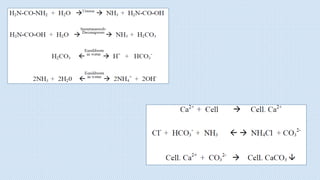
Biocementation is a process to produce binding material (Biocement)
based on microbial induced calcium carbonate precipitation (MICCP)
mechanism.
MICCP is majorly studied process for production of calcium
carbonate. It is catalysed by many Bacterial spp. Including Bacillus
pasteurii, Pseudomonas spp, Variovorax spp, Micrococcus, Bacillus
subtilis.
MICCP is catalysed through urea hydrolysis(within the cell) and
cementation process(on the surface of the cell).
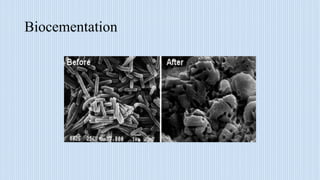
Biocementation
Difference
Scanning micrographs of a) Conventional cement; b) Biocement
Advantages
It needs a much shorter time for production and the in-situ process
raw material of bio cement are produced at low temperature.
 It consume less energy and less CO2 emission in the production
process as compared to other ordinary cement.
 It increases compressive strength of mortar by up to 38%(4).
Biocement can remediate cracks in building materials and
monumental stones and regain strength within 28 days which is known
as self healing bioconcrete (5,6).
Self Healing Bioconcrete
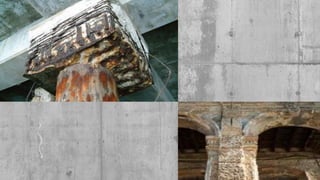
The cracks are formed on the surface of concrete due to many reasons like
shrinkage, Inadequate water for hydration …etc,
The water is deliberately forced into the crack and the precursor is activated
Ca(C3H5O3)2 + 7O2 —> CaCO3 + 5CO2 + 5H2O
Calcium Lactate Oxygen Limestone Carbon Dioxide Water
5CO2 + 5Ca(OH)2 —> 5CaCO3 + 5H2O
Carbon Dioxide Calcium Hydroxide Limestone Water
The activated precursor inturn induces the bacteria to react with that precursor
and form a base of calcium carbonate called as limestone, the chemical equation
is given above.(3)
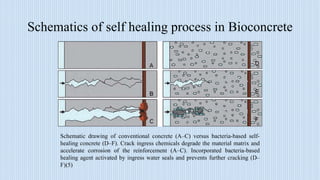
Schematics of self healing process in Bioconcrete
Schematic drawing of conventional concrete (A–C) versus bacteria-based self-
healing concrete (D–F). Crack ingress chemicals degrade the material matrix and
accelerate corrosion of the reinforcement (A–C). Incorporated bacteria-based
healing agent activated by ingress water seals and prevents further cracking (D–
F)(5)
Process of self healing
(a) 3 days (b) 7 days (c) 14 days (d) 28 days
(e) 40 days (f) 200 days
Process of self healing
Drawbacks
oThis method is more complex than the chemical one as the microbial
activity depends on many environmental factors including
temperature, pH, concentrations and diffusion rates of nutrients and
metabolites etc.
oSuccessful commercialization of the technique requires economical
alternatives of the medium ingredients that cost as high as 60% of the
total operating costs.
References
1. Stabnikov, V., Ivanov, V., & Chu, J. (2015). Construction Biotechnology: a new area of biotechnological
research and applications. World Journal of Microbiology and Biotechnology, 31(9), 1303-1314.
2. Bang, S. S., Galinat, J. K., & Ramakrishnan, V. (2001). Calcite precipitation induced by polyurethane-
immobilized Bacillus pasteurii. Enzyme and microbial technology, 28(4), 404-409.
3. Achal, V., Mukherjee, A., & Reddy, M. S. (2010). Microbial concrete: way to enhance the durability of
building structures. Journal of materials in civil engineering, 23(6), 730-734.
4. Achal, V., Mukherjee, A., & Reddy, M. S. (2011). Effect of calcifying bacteria on permeation properties of
concrete structures. Journal of industrial microbiology & biotechnology, 38(9), 1229-1234.
5. Wiktor, V., & Jonkers, H. M. (2011). Quantification of crack-healing in novel bacteria-based self-healing
concrete. Cement and Concrete Composites, 33(7), 763-770.
6. Dhami, N. K., Reddy, S. M., & Mukherjee, A. (2012). Biofilm and microbial applications in
biomineralized concrete. In Advanced topics in Biomineralization. InTech.
So
Now we can say that
ईस सीमेंट में जान है

Biocement

  • 1.
    BIOCEMENT By Akash V Karkar M.Sc.Biotechnology(Sem-II) Enrollment no. 201604101110008
  • 2.
    Construction Biotechnology • Anew area of science and engineering that includes microbially- mediated construction processes and microbial production of construction materials. • Two major directions: 1. The microbial production of construction materials 2. The applications of microorganisms in construction process(1)
  • 3.
    Biocement  Biocement productionrefers to CaCo3 deposit that is formed due to the microorganisms activity in the system which is rich in calcium ions.  Bacillus pasteurii with urea hydrolysis mechanism. The cementation process occurs in pipe columns filled with commercial sand contained silica.  Urea/calcium solution and bacteria solution were mixed immediately and put in the pressurized vessel to be injected to the sand core in pipe column for several time until the sand core fully saturated. Bio cementation takes about 24 hours to complete the reaction, after that the bio cement were dried in temperature of 60˚C.(2)
  • 4.
    Biocementation Biocementation is aprocess to produce binding material (Biocement) based on microbial induced calcium carbonate precipitation (MICCP) mechanism. MICCP is majorly studied process for production of calcium carbonate. It is catalysed by many Bacterial spp. Including Bacillus pasteurii, Pseudomonas spp, Variovorax spp, Micrococcus, Bacillus subtilis. MICCP is catalysed through urea hydrolysis(within the cell) and cementation process(on the surface of the cell).
  • 6.
  • 7.
    Difference Scanning micrographs ofa) Conventional cement; b) Biocement
  • 8.
    Advantages It needs amuch shorter time for production and the in-situ process raw material of bio cement are produced at low temperature.  It consume less energy and less CO2 emission in the production process as compared to other ordinary cement.  It increases compressive strength of mortar by up to 38%(4). Biocement can remediate cracks in building materials and monumental stones and regain strength within 28 days which is known as self healing bioconcrete (5,6).
  • 10.
    Self Healing Bioconcrete Thecracks are formed on the surface of concrete due to many reasons like shrinkage, Inadequate water for hydration …etc, The water is deliberately forced into the crack and the precursor is activated Ca(C3H5O3)2 + 7O2 —> CaCO3 + 5CO2 + 5H2O Calcium Lactate Oxygen Limestone Carbon Dioxide Water 5CO2 + 5Ca(OH)2 —> 5CaCO3 + 5H2O Carbon Dioxide Calcium Hydroxide Limestone Water The activated precursor inturn induces the bacteria to react with that precursor and form a base of calcium carbonate called as limestone, the chemical equation is given above.(3)
  • 11.
    Schematics of selfhealing process in Bioconcrete Schematic drawing of conventional concrete (A–C) versus bacteria-based self- healing concrete (D–F). Crack ingress chemicals degrade the material matrix and accelerate corrosion of the reinforcement (A–C). Incorporated bacteria-based healing agent activated by ingress water seals and prevents further cracking (D– F)(5)
  • 12.
  • 13.
    (a) 3 days(b) 7 days (c) 14 days (d) 28 days (e) 40 days (f) 200 days Process of self healing
  • 14.
    Drawbacks oThis method ismore complex than the chemical one as the microbial activity depends on many environmental factors including temperature, pH, concentrations and diffusion rates of nutrients and metabolites etc. oSuccessful commercialization of the technique requires economical alternatives of the medium ingredients that cost as high as 60% of the total operating costs.
  • 15.
    References 1. Stabnikov, V.,Ivanov, V., & Chu, J. (2015). Construction Biotechnology: a new area of biotechnological research and applications. World Journal of Microbiology and Biotechnology, 31(9), 1303-1314. 2. Bang, S. S., Galinat, J. K., & Ramakrishnan, V. (2001). Calcite precipitation induced by polyurethane- immobilized Bacillus pasteurii. Enzyme and microbial technology, 28(4), 404-409. 3. Achal, V., Mukherjee, A., & Reddy, M. S. (2010). Microbial concrete: way to enhance the durability of building structures. Journal of materials in civil engineering, 23(6), 730-734. 4. Achal, V., Mukherjee, A., & Reddy, M. S. (2011). Effect of calcifying bacteria on permeation properties of concrete structures. Journal of industrial microbiology & biotechnology, 38(9), 1229-1234. 5. Wiktor, V., & Jonkers, H. M. (2011). Quantification of crack-healing in novel bacteria-based self-healing concrete. Cement and Concrete Composites, 33(7), 763-770. 6. Dhami, N. K., Reddy, S. M., & Mukherjee, A. (2012). Biofilm and microbial applications in biomineralized concrete. In Advanced topics in Biomineralization. InTech.
  • 16.
    So Now we cansay that ईस सीमेंट में जान है