Downloaded 50 times

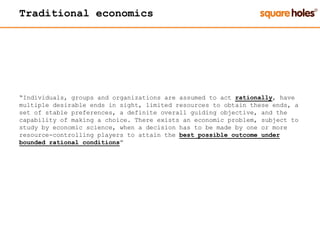
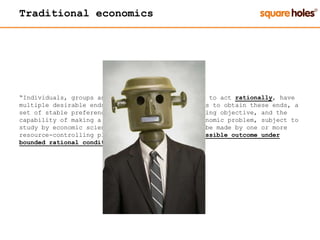
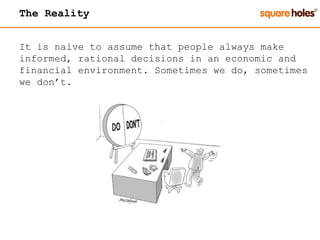
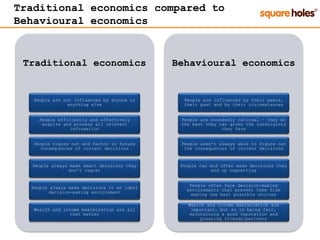
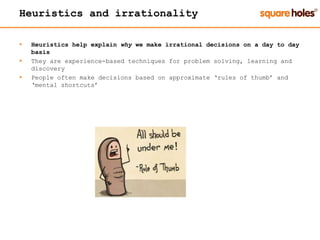
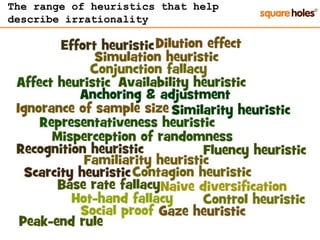
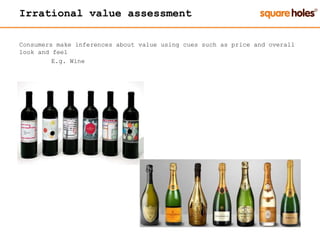
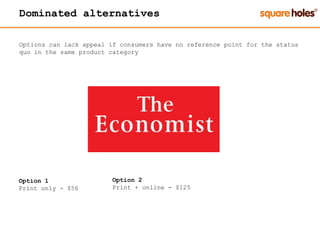
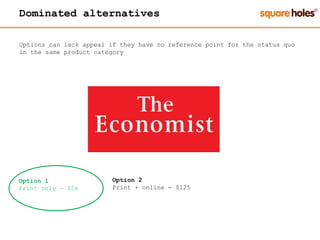
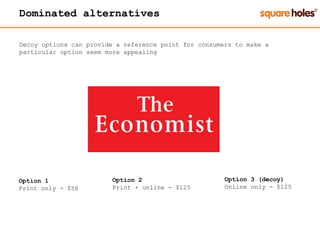
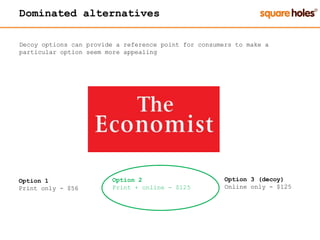



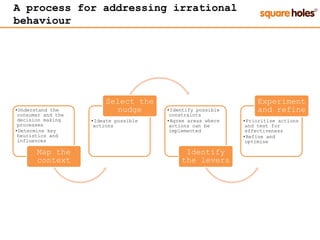
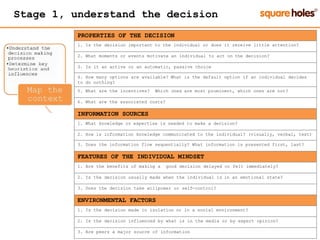
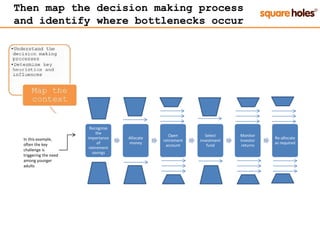
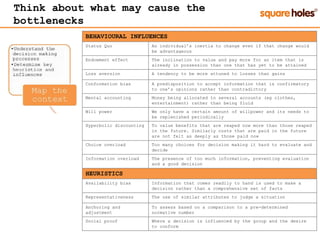
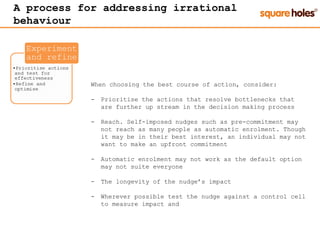
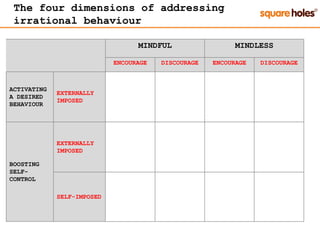
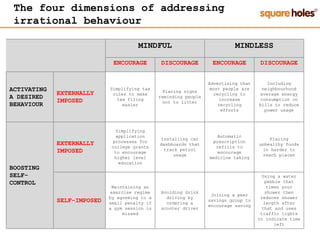
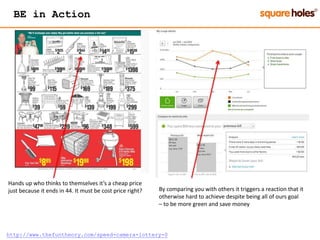


The document discusses behavioural economics and how it differs from traditional economics. Traditional economics assumes people act rationally to maximize wealth and income. Behavioural economics recognizes people do not always make rational decisions due to things like biases, limited willpower, and outside influences. It provides examples of how heuristics and irrational behaviors can influence decisions. The document advocates applying insights from behavioural economics, such as understanding decision-making processes and identifying bottlenecks, to help address irrational behaviors and encourage positive outcomes through "nudges" like simplifying choices and using social influences. It categorizes approaches as mindful or mindless, and externally imposed or self-imposed. The goal is to harness behavioral economics to help achieve strategic objectives.


