 Learning through observable
interactions of the learner with
the environment
 Use of stimulus-response
situations
 Students are rewarded for
successful answers.
 Instruction focuses on
conditioning the learner's
behavior.
Behaviorist
Teacher
 provides stimulus material
 prompts the correct response
Learner
 receives information
BF Skinner’s Operant
Conditioning
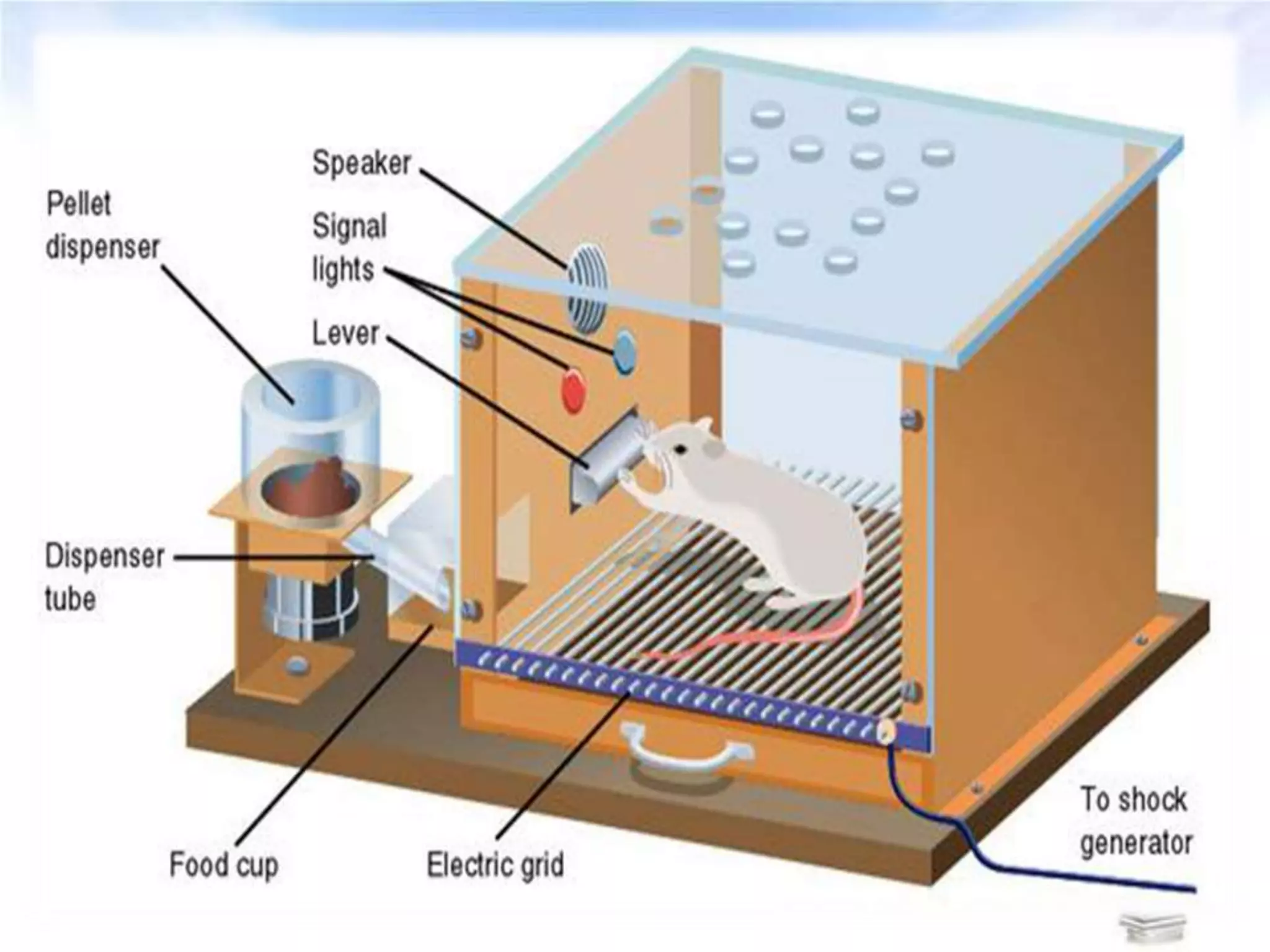
 Operant conditioning
involves learning through the
consequences of behavioral
responses.
Positive Reinforcement
 Presenting the subject with
something that it likes.
Negative Reinforcement
 Reward – in the sense of
removing or avoiding some
aversive (painful) stimulus..
Punishment
 Imposing an aversive or
painful stimulus.
Primary Reinforcers
 These are stimuli which are
naturally reinforcing because
they directly satisfy a need.
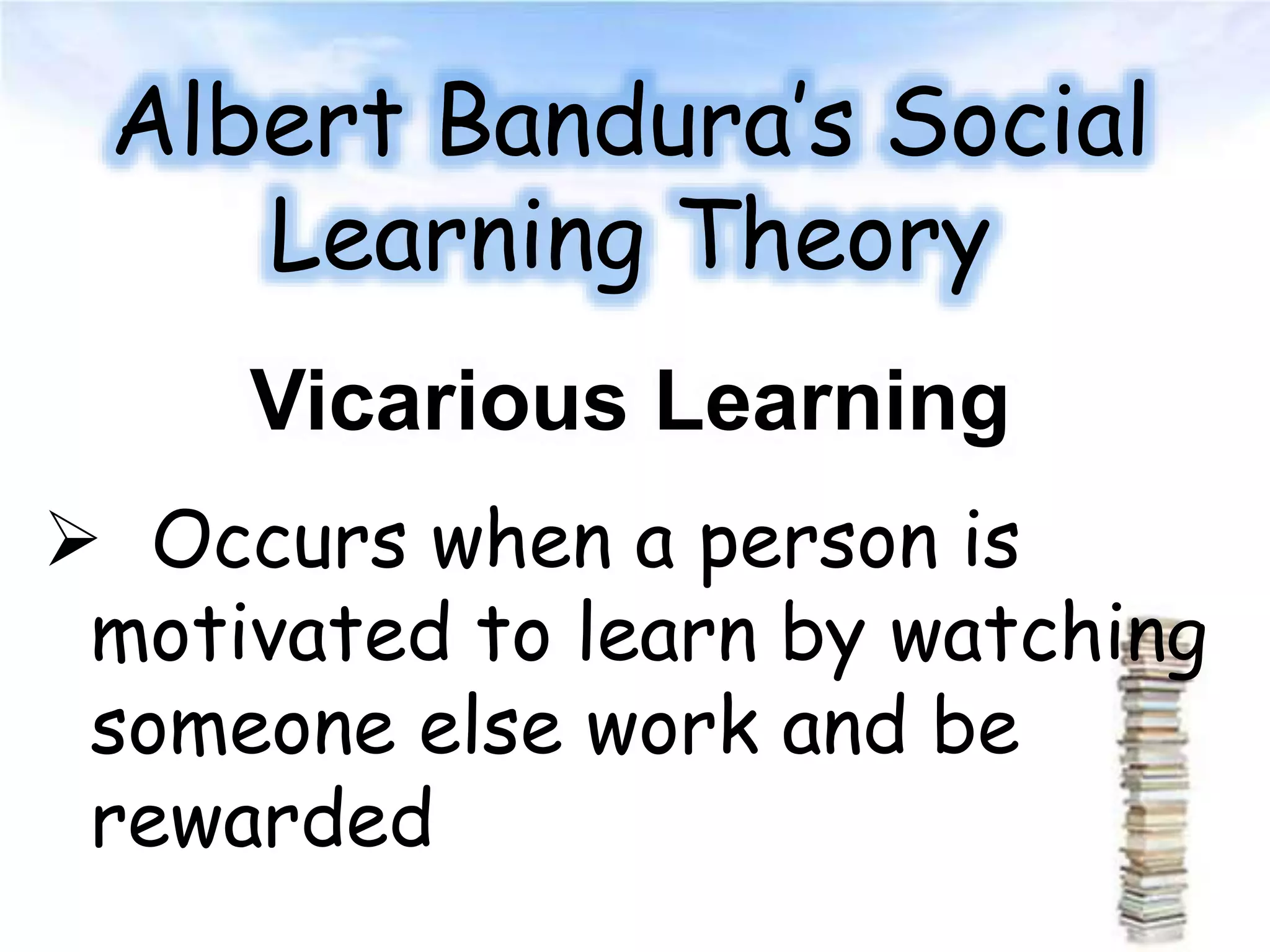
Albert Bandura’s Social
Learning Theory
 Occurs when a person is
motivated to learn by watching
someone else work and be
rewarded
Vicarious Learning
Self-Reinforcers
 Desired outcomes a person
can give themselves
Self-Efficacy
 Refers to a person’s belief
about their ability to perform a
behavior successfully
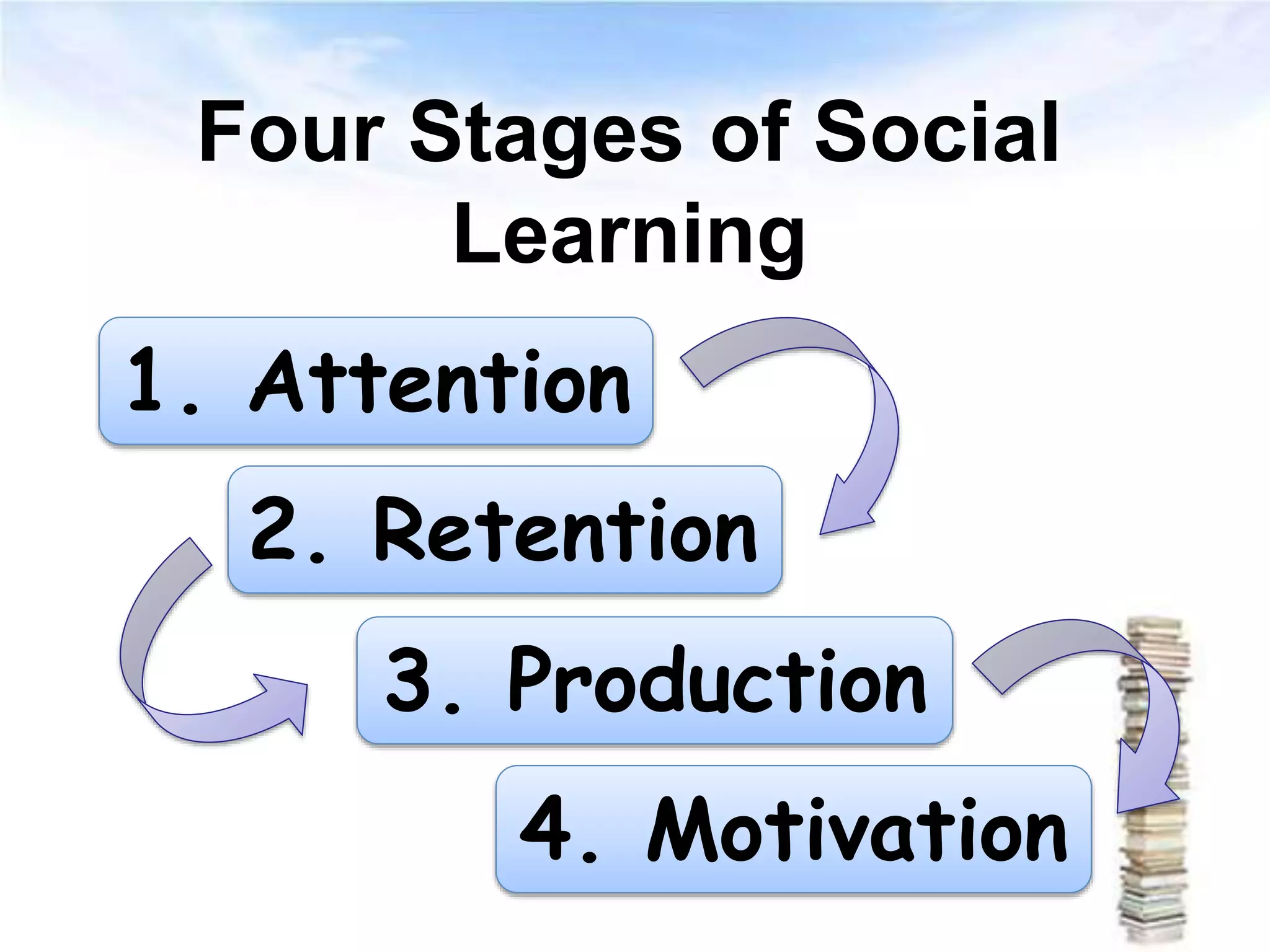
4. Motivation
3. Production
2. Retention
1. Attention
Four Stages of Social
Learning
Behavioral Approaches on
Teaching
1. Breaking down the skills
and information
2. Checking student's work
regularly and providing
feedback
3. Teaching "out of context."
4. Direct or "teacher
centered" instruction.
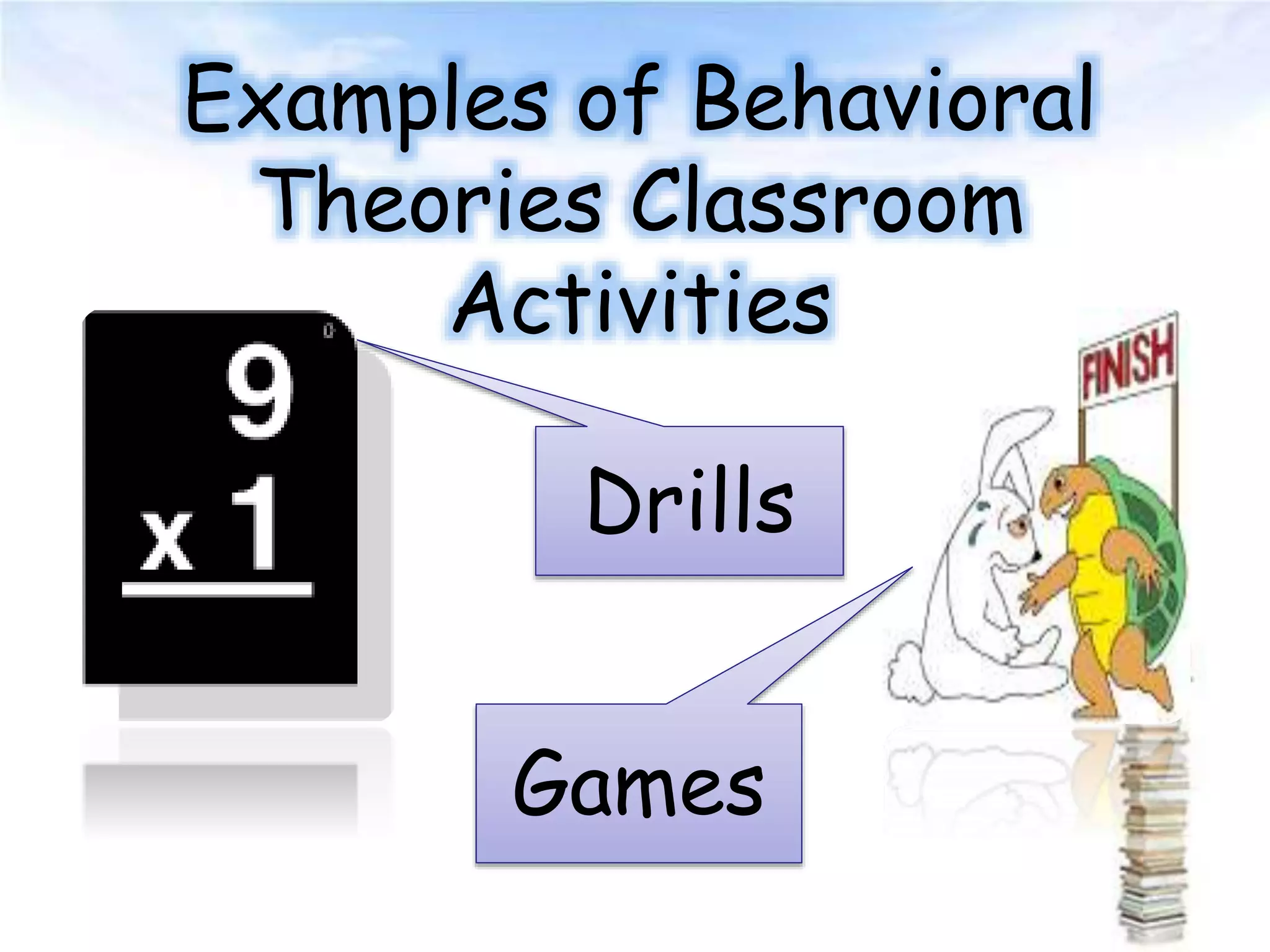
Examples of Behavioral
Theories Classroom
Activities
Drills
Games
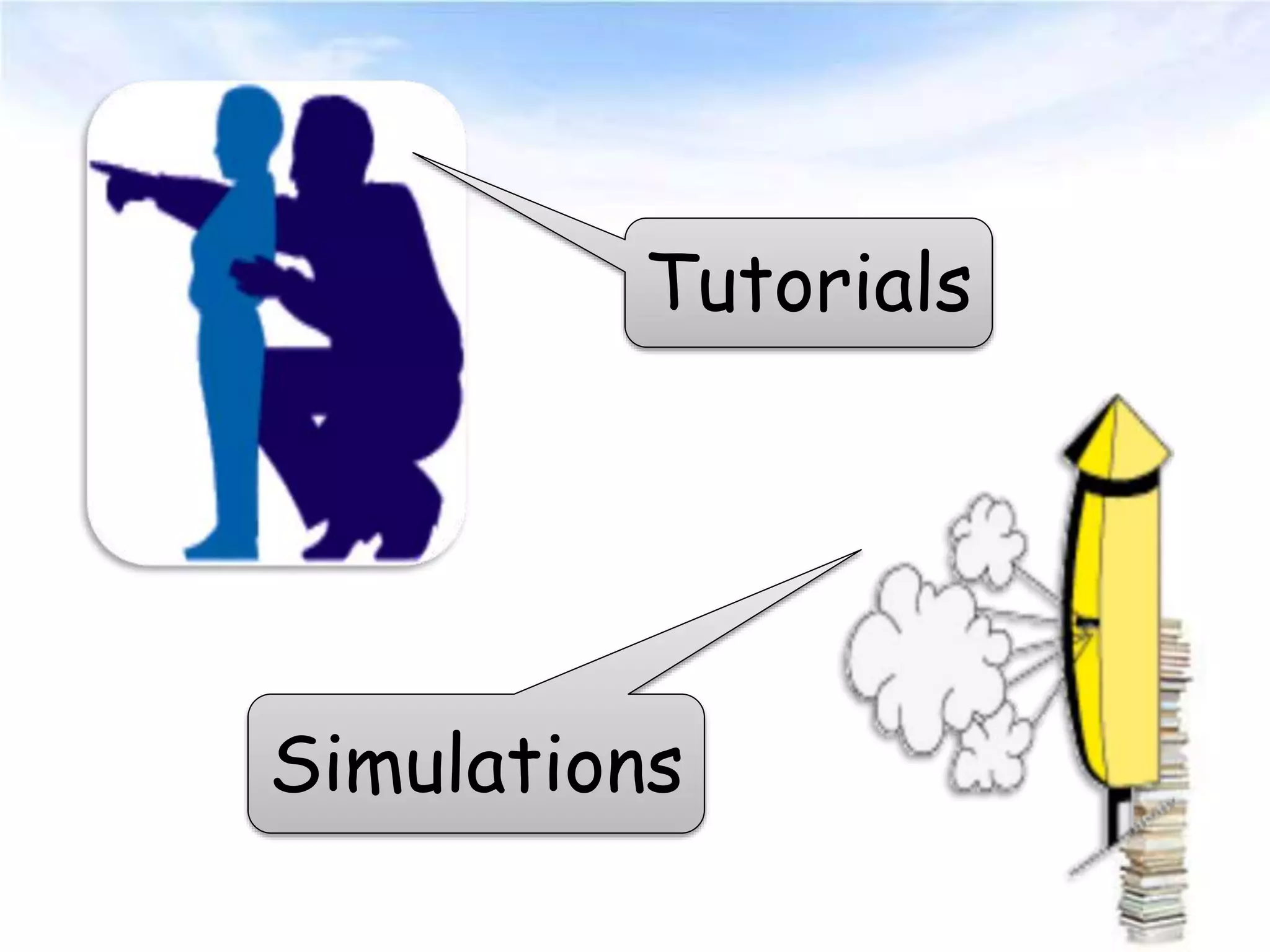
Tutorials
Simulations
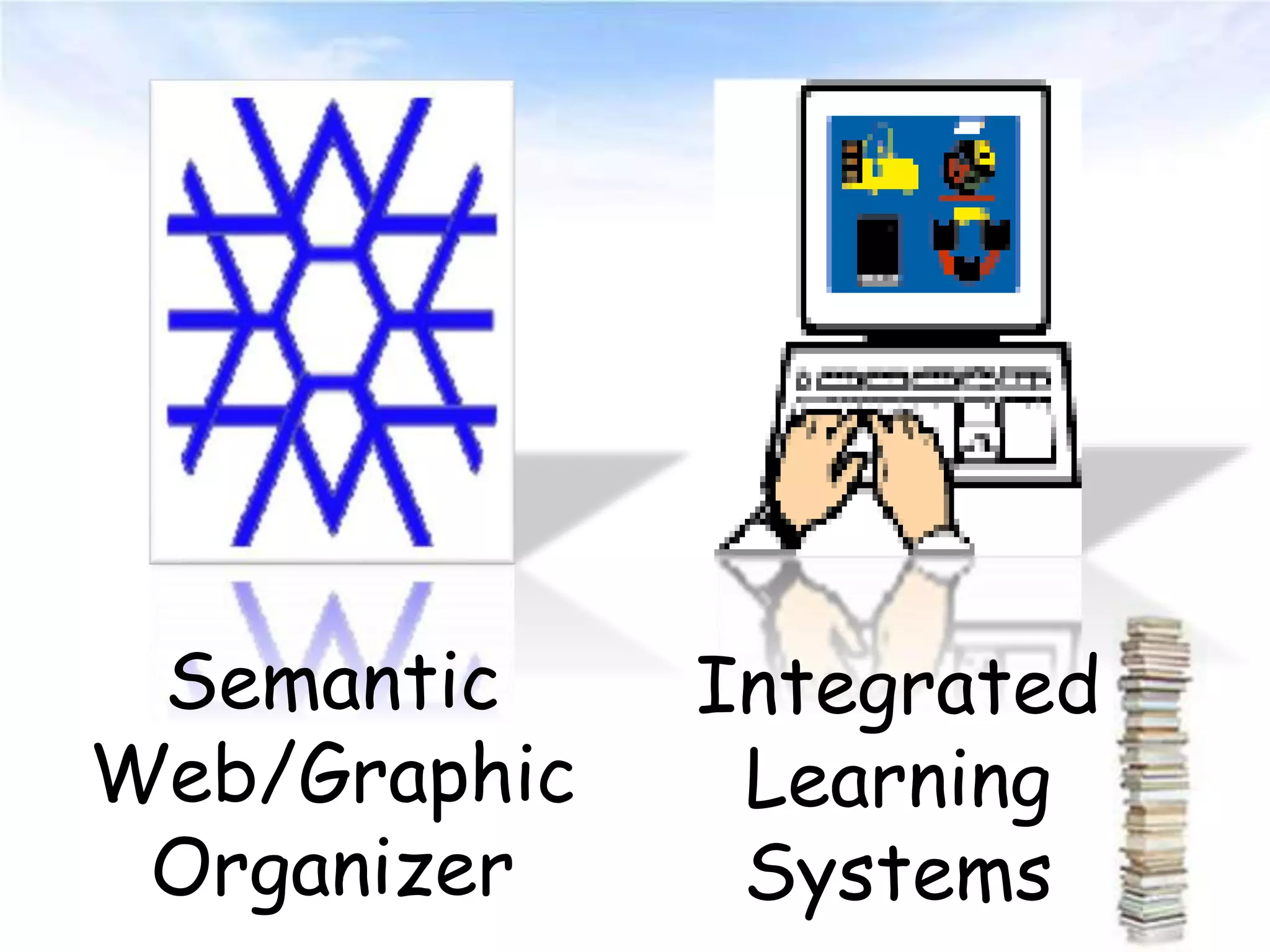
Semantic
Web/Graphic
Organizer
Integrated
Learning
Systems
Thank You for Listening
Presented by Mark Rommiel
Medalla
BSE 2-2 Math

Behaviorism Learning Theory