BASIC OF
TELECOMMUNICA
     TION
PREPARED BY: HANNAH MAY
        ROSALES
      PREPARED TO:
  MS. GERALDINE MALLO
What is telecommunication?

•The  transmission of information
that allows for communication
between people who are separated
by distance.
Examples of
Telecommunication :
•telephone system
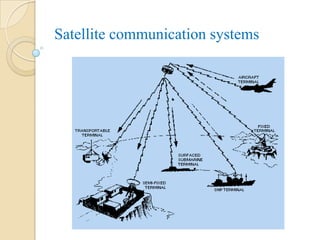
•satellitecommunication system
•mobile cellular system
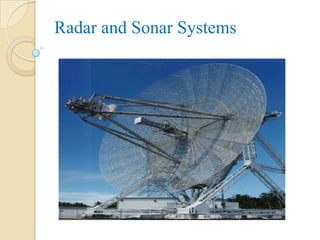
•radar and sonar systems
•microwave radio systems
•TV and radio broadcasting systems
•space discovery using telecommunications
•oil exploration using radio frequency
analysis warfare communications
•information and intelligent gathering
Three units of telecommunication:
A) A transmitter that takes
information and converts it to a
signal.
B) A transmission medium, also
called the “physical channel” that
carries the signal.
C) A receiver that takes the signal
from the channel and converts it
back into usable information.
Basic Elements of
       Telecommunication
Sender
•who uses a transmitter which converts
the message into a signal.
Transmitter
• transmits the information through a
medium to the receiver which transmits
the signals into information that can be
used and understood by people.
Transmission medium
•   carries the signal
Sender
•receives the signal and converts it back
into usable information
Channel
• responsible to transfer the information
from the source to the destination without
distortion or loss of information. Channels
tend to be affected by external signals or
noise. To achieve this a variety of
"protocols" or rules are used.
Telecommunication network
• represent all the players that make
telecommunication possible, from the
transmitters and receivers to the
communication mediums that make it
possible for the messages to be
transmitted.
Telecommunication medium
•refersto the channel that carries the signal
between a transmitter and a receiver.
Examples of telecommunication media in
our modern times are optical fibre as well
as cables.
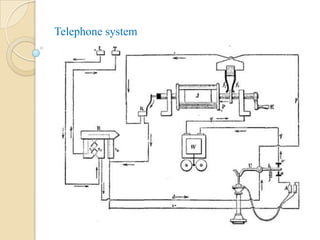
Telephone system
Satellite communication systems
Mobile Cellular System
Radar and Sonar Systems
Microwave radio system

Basic of telecommunication presentation

  • 1.
    BASIC OF TELECOMMUNICA TION PREPARED BY: HANNAH MAY ROSALES PREPARED TO: MS. GERALDINE MALLO
  • 2.
    What is telecommunication? •The transmission of information that allows for communication between people who are separated by distance.
  • 3.
    Examples of Telecommunication : •telephonesystem •satellitecommunication system •mobile cellular system •radar and sonar systems •microwave radio systems •TV and radio broadcasting systems •space discovery using telecommunications •oil exploration using radio frequency analysis warfare communications •information and intelligent gathering
  • 4.
    Three units oftelecommunication: A) A transmitter that takes information and converts it to a signal. B) A transmission medium, also called the “physical channel” that carries the signal. C) A receiver that takes the signal from the channel and converts it back into usable information.
  • 5.
    Basic Elements of Telecommunication Sender •who uses a transmitter which converts the message into a signal. Transmitter • transmits the information through a medium to the receiver which transmits the signals into information that can be used and understood by people.
  • 6.
    Transmission medium • carries the signal Sender •receives the signal and converts it back into usable information Channel • responsible to transfer the information from the source to the destination without distortion or loss of information. Channels tend to be affected by external signals or noise. To achieve this a variety of "protocols" or rules are used.
  • 7.
    Telecommunication network • representall the players that make telecommunication possible, from the transmitters and receivers to the communication mediums that make it possible for the messages to be transmitted. Telecommunication medium •refersto the channel that carries the signal between a transmitter and a receiver. Examples of telecommunication media in our modern times are optical fibre as well as cables.
  • 8.
  • 9.
  • 10.
  • 11.
  • 12.