Assistive Devices for
Hearing Impairment
Muhammad Faizan
Objectives of this topic
After the session students must be able to know about
 Definition of hearing impairment.
 What is total communication.
 What is cued speech.
 What are assistive learning devices.
 What is oral and aural approach.
Hearing Impairment
An impairment in hearing, whether permanent
or fluctuating, that adversely affects a child’s
educational performance but is not included
under the definition of ‘deafness’
[IDEA]
Total Communication
Total Communication (TC) is philosophy of educating
children with hearing loss that incorporates all means
of communication; formal signs, natural gestures,
fingerspelling, body language, listening, lipreading
and speech.
• Total communication starts in 1967
• Originally developed by David Denton at the Maryland
School for the Deaf
• Total communication is the combination of oralism,
manualism, auditory training and visual aids.
• Total Communication welcomes all methods in one
classroom
• Total communication refers to an educational phiolosphy
as well as to a mode of communication
History of Total Communication
Characteristics of total
communication
Fundamental to this approach is the recognition that
children have different styles of learning
Provide alternate mode to choose from
Helps to ensure that each child will find ways to
meet his or her own communication needs
Total communication is used to bridge the gap
between strict oralism and strict manualism
Cued Speech
Cued Speech is a visual mode of communication that
uses handshapes and placements in combination
with the mouth movements of speech to make the
phonemes of a spoken language look different from
each other.
[National Cude Speech Association]
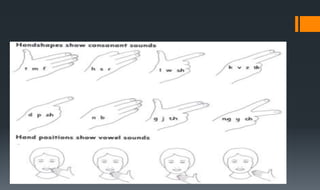
Cued speech is composed of three
elements
 Shape of the hand
Indicate the consonant group
 Location or position of the hands
Indicate the vowel group
 Mouth shapes
Show which vowel or consonant sound within each group is said
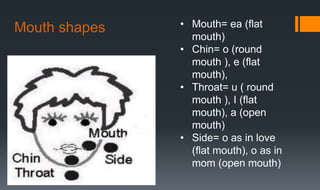
• Mouth= ea (flat
mouth)
• Chin= o (round
mouth ), e (flat
mouth),
• Throat= u ( round
mouth ), I (flat
mouth), a (open
mouth)
• Side= o as in love
(flat mouth), o as in
mom (open mouth)
Mouth shapes
Benefits of Cued Speech
Once every sound is made visible deaf children can
gain an understanding of spoken language
Lip reading becomes accurate
Helps listening—research has shown that deaf
children familiar with cued speech use their residual
hearing to greater effect (B.L. Charlier &
D.palissen,1986)
Basic principles of cued speech
Every sound in the language must look different
either in the hand or in the moth
When sound looks alike on the lips they are cued
differently
example meat, beat
Assistive devices For H.I.C
The terms assistive device or assistive
technology can refer to any device that helps a
person with hearing loss or a voice, speech, or
language disorder to communicate. These terms
often refer to devices that help a person to hear and
understand what is being said more clearly or to
express thoughts more easily.
Types of assistive devices
 Assistive listening devices (ALDs) help amplify the sounds
you want to hear, especially where there’s a lot of background
noise.
 Augmentative and alternative communication (AAC)
devices help people with communication disorders to express
themselves.
 Alerting devices connect to a doorbell, telephone, or alarm that
emits a loud sound or blinking light to let someone with hearing
loss know that an event is taking place.
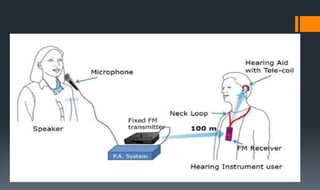
FM system
Use radio signals to transmit sound
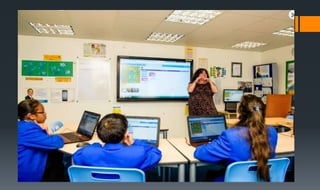
They are often used in classroom where the
instructor wears a small microphone connected to a
transmitter and the students wears the reciever.
Assistive listening devices (ALDs)
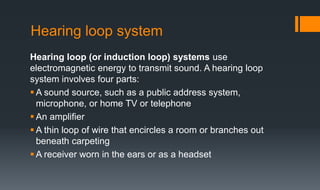
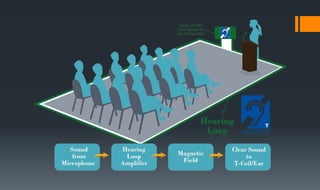
Hearing loop system
Hearing loop (or induction loop) systems use
electromagnetic energy to transmit sound. A hearing loop
system involves four parts:
 A sound source, such as a public address system,
microphone, or home TV or telephone
 An amplifier
 A thin loop of wire that encircles a room or branches out
beneath carpeting
 A receiver worn in the ears or as a headset
 The simplest AAC device is a picture board or touch screen
that uses pictures or symbols of typical items and activities
that make up a person’s daily life.
 Speech-generating devices go one step further by
translating words or pictures into speech.
 For many years, people with hearing loss have used text
telephone or telecommunications devices, called TTY or
TDD machines, to communicate by phone.
Augmentative and alternative
communication (AAC) devices
Alerting devices
 Alerting or alarm devices use sound, light, vibrations, or a
combination of these techniques to let someone know when a
particular event is occurring.
 When the phone rings, the visual alert signaler will be activated
and will vibrate or flash a light to let people know.
ORAL APPROCH
“ An approach that teaches a child to use his/her
residual hearing through amplification and the use
of speechreading /natural gesture/ visual cues to
aid the child’s understanding of language. ’’
The use of any form of sign language
communication is not encourged.
GOALS OF ORAL APPROACH
There are some primary goals of oral approach:
To develop spoken language through listening and
visual cues
To develop spoken language and communication skills
necessary for school success and integration into the
hearing community.
The ultimate goal is to be able to respond quickly and
accurately.
METHODS FOR DEVELOPING
SPOKEN LANGUAGE
To help develop spoken language, different methods
can be used:
An auditory-oral approach
An auditory-verbal therapy
AURAL APPROACH
The Aural Approach focuses on developing listening
and speaking with the effective use of hearing
technology, to make the most of a child’s residual
hearing.
HOW DOES AURAL APPROACH
WORK?
Uses hearing and listening to develop communication skills.
Relies on the use of amplification including hearing aids and
implants and other technology that supports their use.
Doesn’t use sign language.
Discourages children from relying on lip-reading (although
the use of natural gestures and facial expressions is
encouraged)
Thankyou

Assistive devices for hearing impairment

  • 1.
    Assistive Devices for HearingImpairment Muhammad Faizan
  • 2.
    Objectives of thistopic After the session students must be able to know about  Definition of hearing impairment.  What is total communication.  What is cued speech.  What are assistive learning devices.  What is oral and aural approach.
  • 3.
    Hearing Impairment An impairmentin hearing, whether permanent or fluctuating, that adversely affects a child’s educational performance but is not included under the definition of ‘deafness’ [IDEA]
  • 4.
    Total Communication Total Communication(TC) is philosophy of educating children with hearing loss that incorporates all means of communication; formal signs, natural gestures, fingerspelling, body language, listening, lipreading and speech.
  • 5.
    • Total communicationstarts in 1967 • Originally developed by David Denton at the Maryland School for the Deaf • Total communication is the combination of oralism, manualism, auditory training and visual aids. • Total Communication welcomes all methods in one classroom • Total communication refers to an educational phiolosphy as well as to a mode of communication History of Total Communication
  • 6.
    Characteristics of total communication Fundamentalto this approach is the recognition that children have different styles of learning Provide alternate mode to choose from Helps to ensure that each child will find ways to meet his or her own communication needs Total communication is used to bridge the gap between strict oralism and strict manualism
  • 8.
    Cued Speech Cued Speechis a visual mode of communication that uses handshapes and placements in combination with the mouth movements of speech to make the phonemes of a spoken language look different from each other. [National Cude Speech Association]
  • 9.
    Cued speech iscomposed of three elements  Shape of the hand Indicate the consonant group  Location or position of the hands Indicate the vowel group  Mouth shapes Show which vowel or consonant sound within each group is said
  • 11.
    • Mouth= ea(flat mouth) • Chin= o (round mouth ), e (flat mouth), • Throat= u ( round mouth ), I (flat mouth), a (open mouth) • Side= o as in love (flat mouth), o as in mom (open mouth) Mouth shapes
  • 12.
    Benefits of CuedSpeech Once every sound is made visible deaf children can gain an understanding of spoken language Lip reading becomes accurate Helps listening—research has shown that deaf children familiar with cued speech use their residual hearing to greater effect (B.L. Charlier & D.palissen,1986)
  • 13.
    Basic principles ofcued speech Every sound in the language must look different either in the hand or in the moth When sound looks alike on the lips they are cued differently example meat, beat
  • 14.
    Assistive devices ForH.I.C The terms assistive device or assistive technology can refer to any device that helps a person with hearing loss or a voice, speech, or language disorder to communicate. These terms often refer to devices that help a person to hear and understand what is being said more clearly or to express thoughts more easily.
  • 15.
    Types of assistivedevices  Assistive listening devices (ALDs) help amplify the sounds you want to hear, especially where there’s a lot of background noise.  Augmentative and alternative communication (AAC) devices help people with communication disorders to express themselves.  Alerting devices connect to a doorbell, telephone, or alarm that emits a loud sound or blinking light to let someone with hearing loss know that an event is taking place.
  • 16.
    FM system Use radiosignals to transmit sound They are often used in classroom where the instructor wears a small microphone connected to a transmitter and the students wears the reciever. Assistive listening devices (ALDs)
  • 18.
    Hearing loop system Hearingloop (or induction loop) systems use electromagnetic energy to transmit sound. A hearing loop system involves four parts:  A sound source, such as a public address system, microphone, or home TV or telephone  An amplifier  A thin loop of wire that encircles a room or branches out beneath carpeting  A receiver worn in the ears or as a headset
  • 20.
     The simplestAAC device is a picture board or touch screen that uses pictures or symbols of typical items and activities that make up a person’s daily life.  Speech-generating devices go one step further by translating words or pictures into speech.  For many years, people with hearing loss have used text telephone or telecommunications devices, called TTY or TDD machines, to communicate by phone. Augmentative and alternative communication (AAC) devices
  • 21.
    Alerting devices  Alertingor alarm devices use sound, light, vibrations, or a combination of these techniques to let someone know when a particular event is occurring.  When the phone rings, the visual alert signaler will be activated and will vibrate or flash a light to let people know.
  • 22.
    ORAL APPROCH “ Anapproach that teaches a child to use his/her residual hearing through amplification and the use of speechreading /natural gesture/ visual cues to aid the child’s understanding of language. ’’ The use of any form of sign language communication is not encourged.
  • 23.
    GOALS OF ORALAPPROACH There are some primary goals of oral approach: To develop spoken language through listening and visual cues To develop spoken language and communication skills necessary for school success and integration into the hearing community. The ultimate goal is to be able to respond quickly and accurately.
  • 24.
    METHODS FOR DEVELOPING SPOKENLANGUAGE To help develop spoken language, different methods can be used: An auditory-oral approach An auditory-verbal therapy
  • 25.
    AURAL APPROACH The AuralApproach focuses on developing listening and speaking with the effective use of hearing technology, to make the most of a child’s residual hearing.
  • 26.
    HOW DOES AURALAPPROACH WORK? Uses hearing and listening to develop communication skills. Relies on the use of amplification including hearing aids and implants and other technology that supports their use. Doesn’t use sign language. Discourages children from relying on lip-reading (although the use of natural gestures and facial expressions is encouraged)
  • 27.