THEORY OF
ARCHITECTURE
ARCHITECTURAL
STYLES
ART DECO ARCHITECTURE
Art Deco or Deco, is an
influential visual arts design style which
first appeared in France after World
War I, flourishing internationally in the
1925s and 1940s before its popularity
waned after World War II
The style is often characterized by rich
colors, bold geometric shapes, and
lavish ornamentation.
Art Deco represented luxury, glamour,
exuberance, and faith in social and
technological progress.
Art deco, also called style moderne.
Art Deco design represented modernism turned
into fashion. Art Deco was first applied to
public and commercial buildings in the 1920s.
Although individual homes were rarely
designed in the Art Deco style, architects and
developers, especially in Greater Washington,
DC, found that the style adapted quite well to
apartment buildings. Most of these buildings
are still in use, a testament to the city’s richly
varied architectural history.
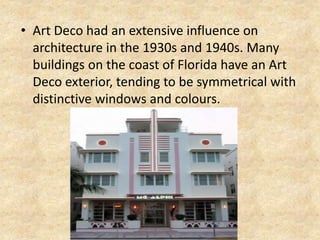
• Art Deco had an extensive influence on
architecture in the 1930s and 1940s. Many
buildings on the coast of Florida have an Art
Deco exterior, tending to be symmetrical with
distinctive windows and colours.
ART DECO MOVEMENT
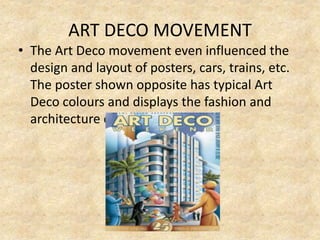
• The Art Deco movement even influenced the
design and layout of posters, cars, trains, etc.
The poster shown opposite has typical Art
Deco colours and displays the fashion and
architecture of the 1930s.
Art Deco's
Identifying
Characteristics
• Rounded Corners:
Technology Allowed For Construction To Be
Built With Rounded Corners. In The 1930' s
And 1940's, The Design Of Airplanes, Ships,
Trains, And Automobiles Influenced
Architecture. Rounded Corners Made
Buildings Appear Aerodynamic, Fast And
Sleek.
• Threes:
In Art Deco, Everything Seems To Come In
Threes. Three Windows, Or Three Bandings Or
Three Steps Up. Etc
• Banding Or Racing Stripes:
Horizontal Banding On The Facades Of
Buildings, Which Can Be Incised Or Applied In
Decorative Materials Such As Tile. Banding
Usually Comes In Groups Of "threes". This
Simplified Ornamentation Reinforces
Aerodynamic Concepts Of Streamline
Moderne. A Great Way To Accent The
Architectural Elements Of An Art Deco
Building Is To Paint The Banding In A
Contrasting Color.
• Columns:
Many Art Deco Buildings Feature Either Whole
Columns, Which Stand Away From The
Building Or Sliced Columns Attached To The
Front Doorway Facade Acting As An Archway.
• Glass Block:
Cool, Translucent Squares Of Glass Used
Instead Of Brick. Allows For Light Penetration.
Glass Block Easily Creates A Ziggurat "Step"
Design. Glass Block Has Made A Tremendous
Come-Back In Contemporary Design.
• Ziggurat or Stepped Pediment:
Profiled Like A Staircase - Up Down, Up Down.
Also Known As "Zig-Zag" Or "Lightning Bolt."
Ziggurats Are Seen On The Roofline Of
Buildings Recreating Egyptian Motifs.
• Materials
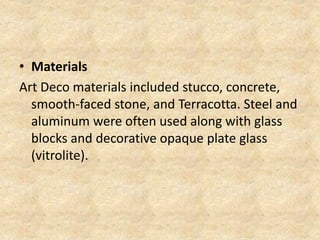
Art Deco materials included stucco, concrete,
smooth-faced stone, and Terracotta. Steel and
aluminum were often used along with glass
blocks and decorative opaque plate glass
(vitrolite).
• Windows
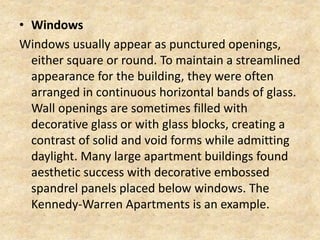
Windows usually appear as punctured openings,
either square or round. To maintain a streamlined
appearance for the building, they were often
arranged in continuous horizontal bands of glass.
Wall openings are sometimes filled with
decorative glass or with glass blocks, creating a
contrast of solid and void forms while admitting
daylight. Many large apartment buildings found
aesthetic success with decorative embossed
spandrel panels placed below windows. The
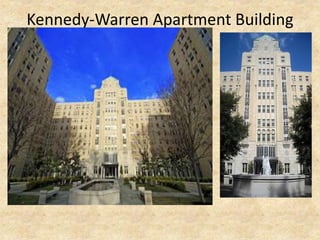
Kennedy-Warren Apartments is an example.
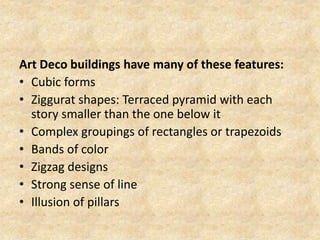
Art Deco buildings have many of these features:
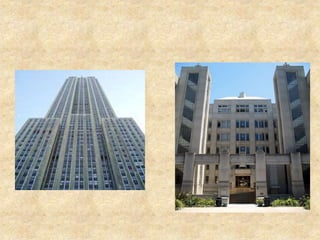
• Cubic forms
• Ziggurat shapes: Terraced pyramid with each
story smaller than the one below it
• Complex groupings of rectangles or trapezoids
• Bands of color
• Zigzag designs
• Strong sense of line
• Illusion of pillars
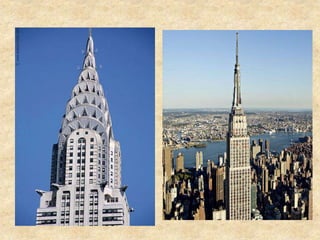
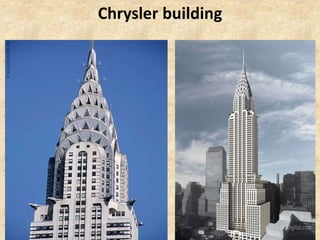
Chrysler building
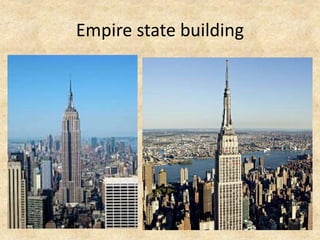
Empire state building
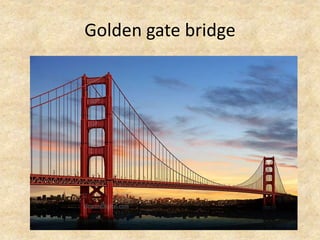
Golden gate bridge
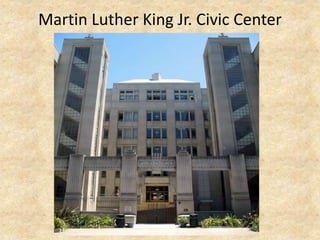
Martin Luther King Jr. Civic Center
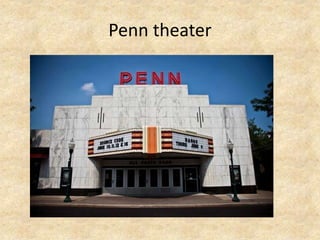
Penn theater
Kennedy-Warren Apartment Building
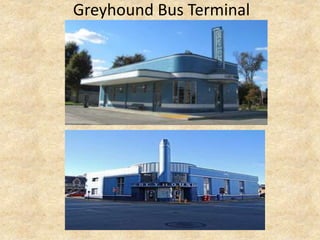
Greyhound Bus Terminal
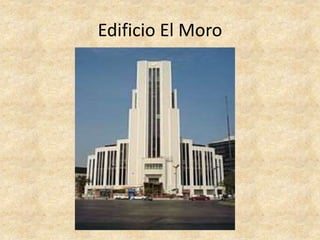
Edificio El Moro
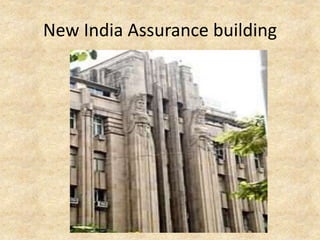
New India Assurance building
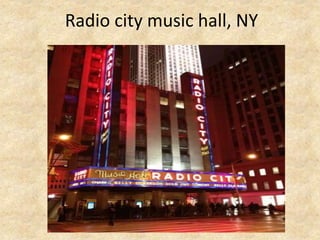
Radio city music hall, NY
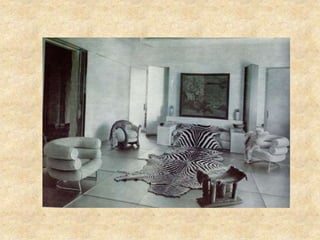
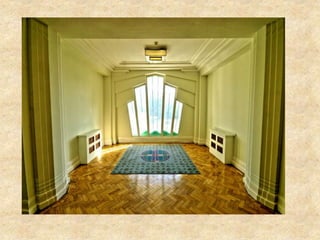
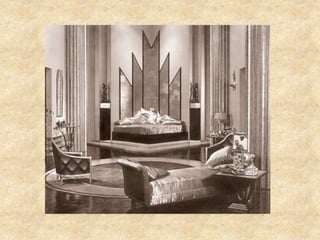
ART DECO -
INTERIOR
LARGEST ART DECO STATUE IN THE
WORLD
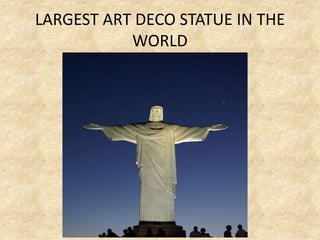
LARGEST ART DECO STATUE IN THE
WORLD
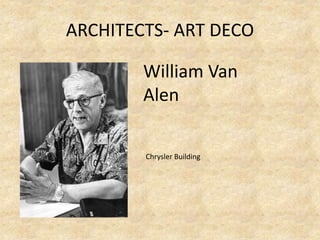
ARCHITECTS- ART DECO
William Van
Alen
Chrysler Building
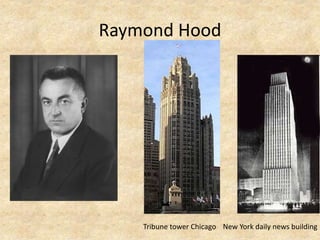
Raymond Hood
New York daily news buildingTribune tower Chicago

art deco style

  • 1.
  • 4.
    ART DECO ARCHITECTURE ArtDeco or Deco, is an influential visual arts design style which first appeared in France after World War I, flourishing internationally in the 1925s and 1940s before its popularity waned after World War II
  • 5.
    The style isoften characterized by rich colors, bold geometric shapes, and lavish ornamentation. Art Deco represented luxury, glamour, exuberance, and faith in social and technological progress.
  • 6.
    Art deco, alsocalled style moderne. Art Deco design represented modernism turned into fashion. Art Deco was first applied to public and commercial buildings in the 1920s. Although individual homes were rarely designed in the Art Deco style, architects and developers, especially in Greater Washington, DC, found that the style adapted quite well to apartment buildings. Most of these buildings are still in use, a testament to the city’s richly varied architectural history.
  • 7.
    • Art Decohad an extensive influence on architecture in the 1930s and 1940s. Many buildings on the coast of Florida have an Art Deco exterior, tending to be symmetrical with distinctive windows and colours.
  • 8.
    ART DECO MOVEMENT •The Art Deco movement even influenced the design and layout of posters, cars, trains, etc. The poster shown opposite has typical Art Deco colours and displays the fashion and architecture of the 1930s.
  • 9.
  • 11.
    • Rounded Corners: TechnologyAllowed For Construction To Be Built With Rounded Corners. In The 1930' s And 1940's, The Design Of Airplanes, Ships, Trains, And Automobiles Influenced Architecture. Rounded Corners Made Buildings Appear Aerodynamic, Fast And Sleek.
  • 12.
    • Threes: In ArtDeco, Everything Seems To Come In Threes. Three Windows, Or Three Bandings Or Three Steps Up. Etc
  • 14.
    • Banding OrRacing Stripes: Horizontal Banding On The Facades Of Buildings, Which Can Be Incised Or Applied In Decorative Materials Such As Tile. Banding Usually Comes In Groups Of "threes". This Simplified Ornamentation Reinforces Aerodynamic Concepts Of Streamline Moderne. A Great Way To Accent The Architectural Elements Of An Art Deco Building Is To Paint The Banding In A Contrasting Color.
  • 15.
    • Columns: Many ArtDeco Buildings Feature Either Whole Columns, Which Stand Away From The Building Or Sliced Columns Attached To The Front Doorway Facade Acting As An Archway.
  • 16.
    • Glass Block: Cool,Translucent Squares Of Glass Used Instead Of Brick. Allows For Light Penetration. Glass Block Easily Creates A Ziggurat "Step" Design. Glass Block Has Made A Tremendous Come-Back In Contemporary Design.
  • 17.
    • Ziggurat orStepped Pediment: Profiled Like A Staircase - Up Down, Up Down. Also Known As "Zig-Zag" Or "Lightning Bolt." Ziggurats Are Seen On The Roofline Of Buildings Recreating Egyptian Motifs.
  • 18.
    • Materials Art Decomaterials included stucco, concrete, smooth-faced stone, and Terracotta. Steel and aluminum were often used along with glass blocks and decorative opaque plate glass (vitrolite).
  • 19.
    • Windows Windows usuallyappear as punctured openings, either square or round. To maintain a streamlined appearance for the building, they were often arranged in continuous horizontal bands of glass. Wall openings are sometimes filled with decorative glass or with glass blocks, creating a contrast of solid and void forms while admitting daylight. Many large apartment buildings found aesthetic success with decorative embossed spandrel panels placed below windows. The Kennedy-Warren Apartments is an example.
  • 20.
    Art Deco buildingshave many of these features: • Cubic forms • Ziggurat shapes: Terraced pyramid with each story smaller than the one below it • Complex groupings of rectangles or trapezoids • Bands of color • Zigzag designs • Strong sense of line • Illusion of pillars
  • 21.
  • 22.
  • 23.
  • 24.
    Martin Luther KingJr. Civic Center
  • 25.
  • 26.
  • 27.
  • 28.
  • 29.
  • 30.
  • 31.
  • 35.
    LARGEST ART DECOSTATUE IN THE WORLD
  • 36.
    LARGEST ART DECOSTATUE IN THE WORLD
  • 37.
    ARCHITECTS- ART DECO WilliamVan Alen Chrysler Building
  • 38.
    Raymond Hood New Yorkdaily news buildingTribune tower Chicago