Downloaded 65 times




This document discusses the application of ordinary differential equations. It begins with a brief history of differential equations, noting they were independently invented by Newton and Leibniz. It then defines an ordinary differential equation as one that contains derivatives of dependent variables with respect to a single independent variable. The document goes on to list several examples of applying ordinary differential equations, including Newton's Law of Cooling, modeling mechanical oscillations, radioactive decay, electrical circuits, and bending beams. It provides the specific differential equation that models Newton's Law of Cooling and radioactive decay of elements.
Introduction to the topic of Ordinary Differential Equations (ODE), including presenter information.
Overview of the invention and historical development of differential equations from calculus, initiated by Newton and Leibniz.
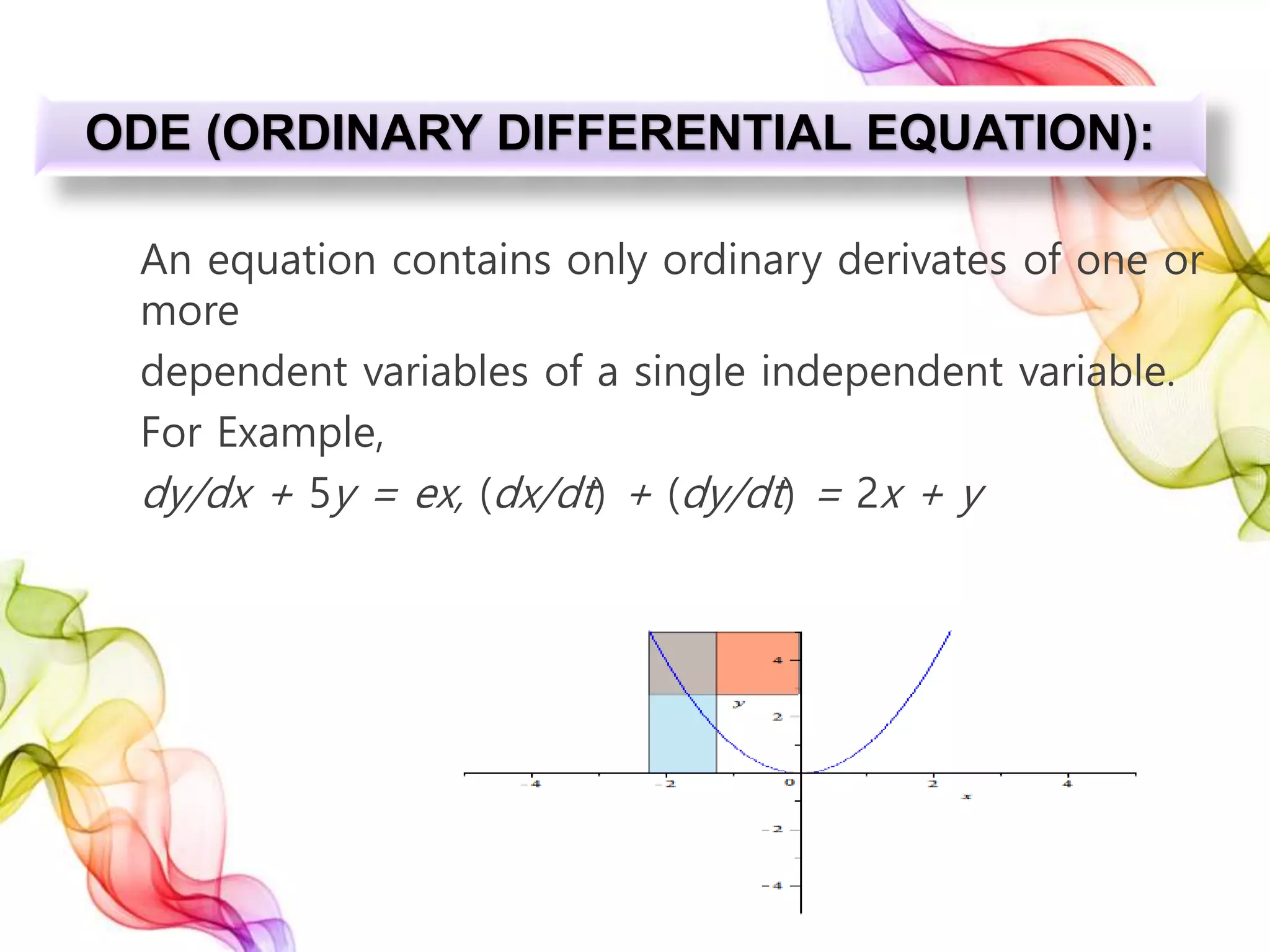
Definition and examples of Ordinary Differential Equations, highlighting their structure with dependent and independent variables.
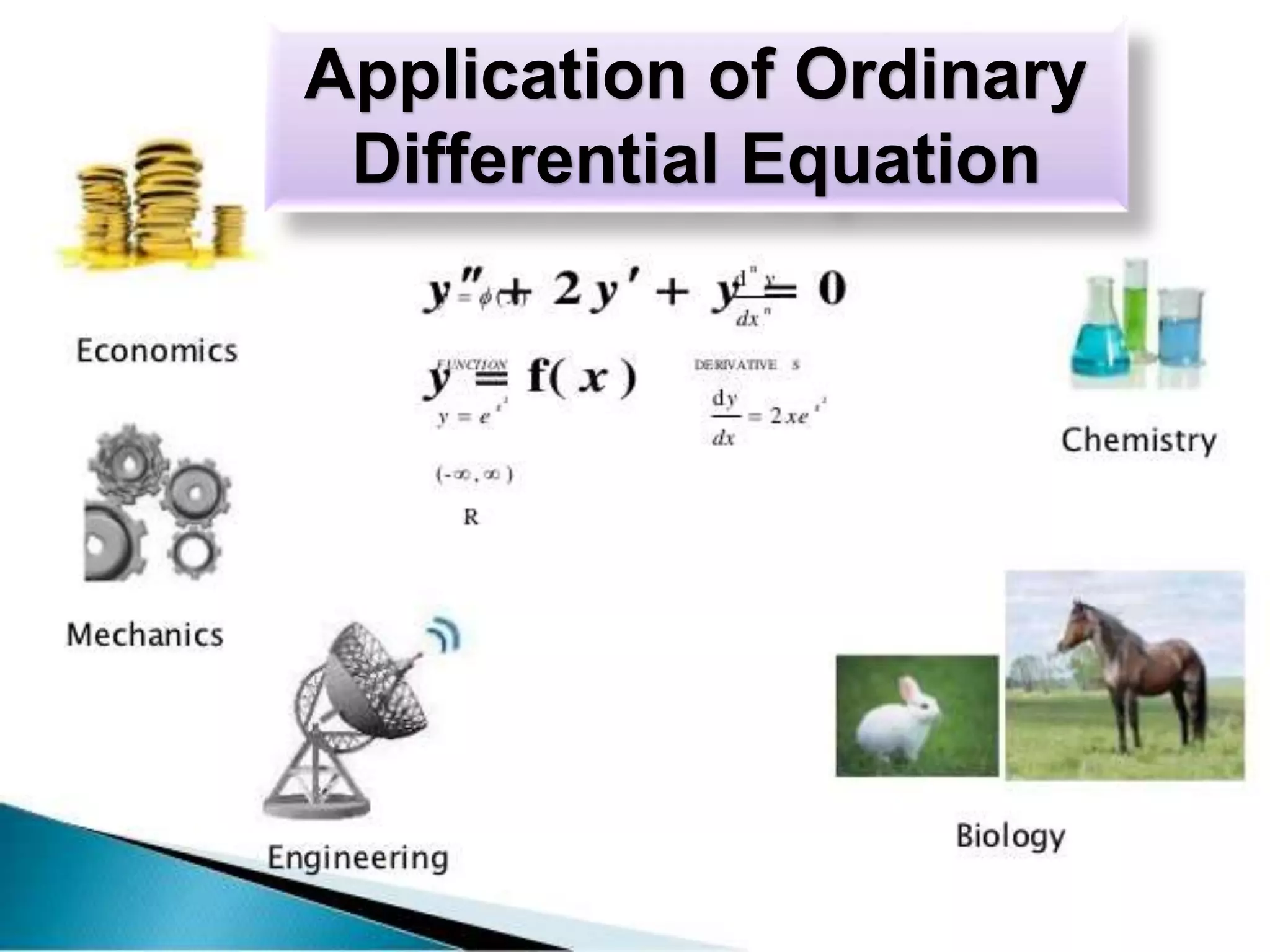
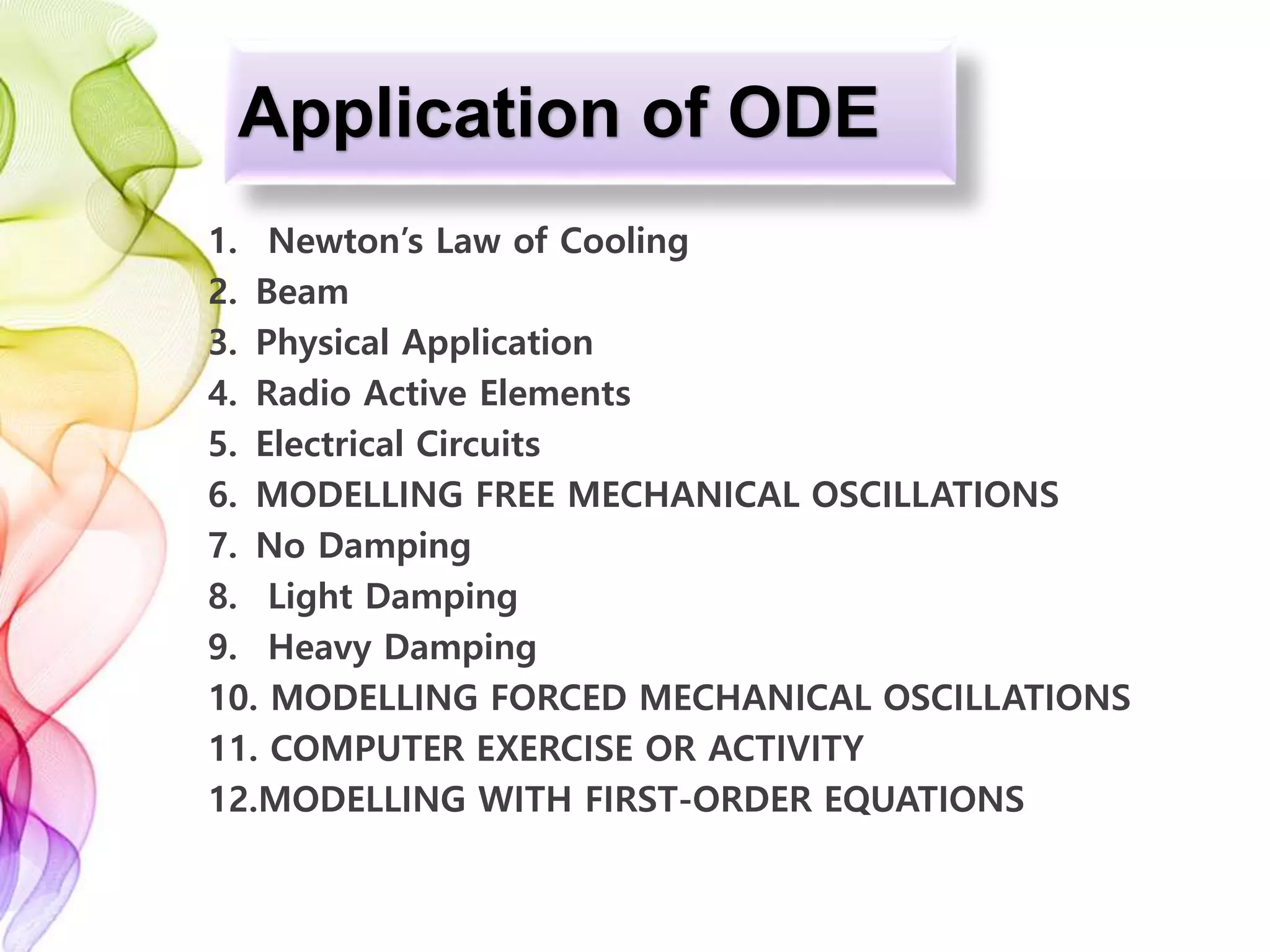
Listing various applications of Ordinary Differential Equations in real-world scenarios like cooling, beams, radioactive decay, and more.
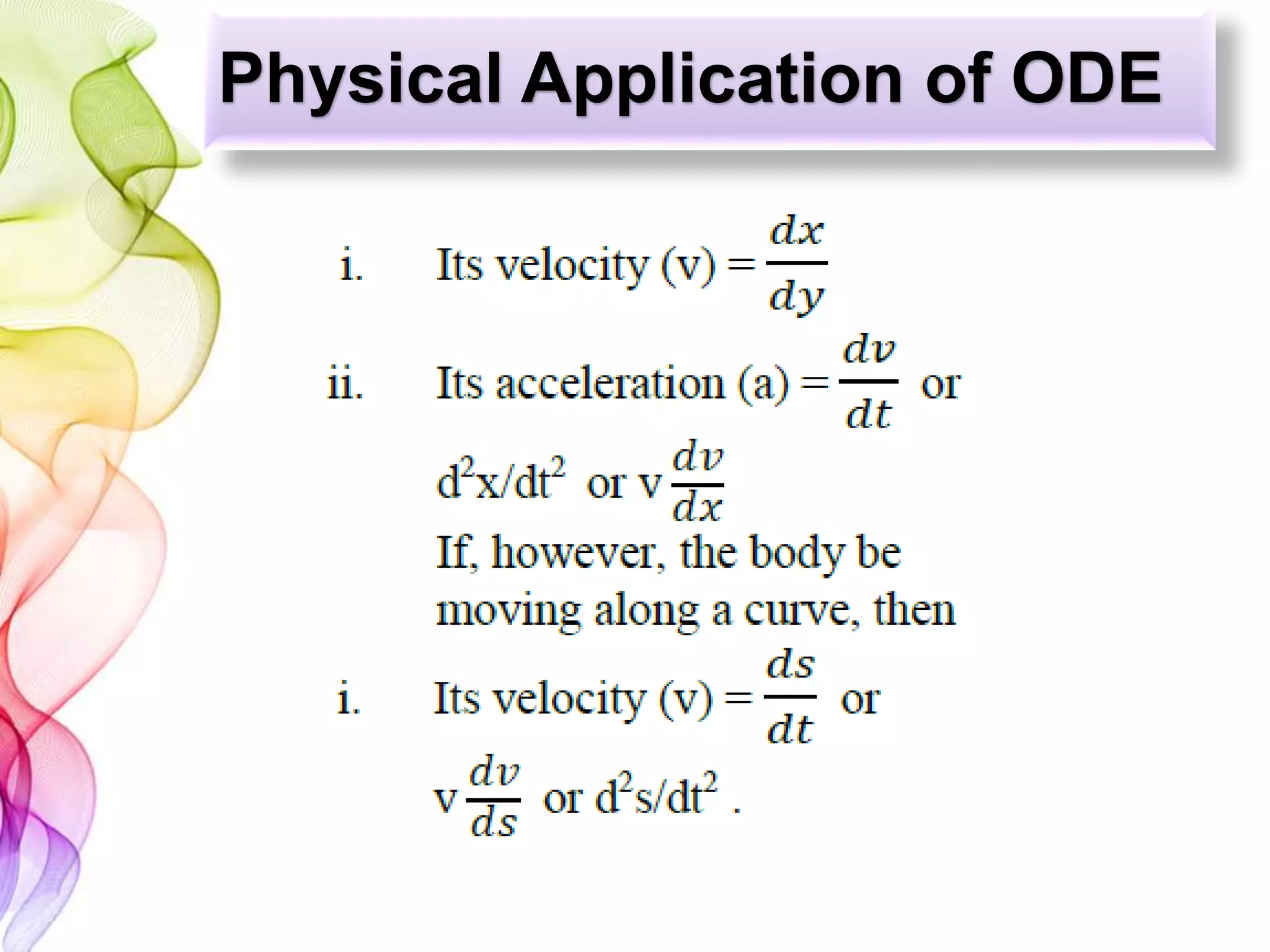
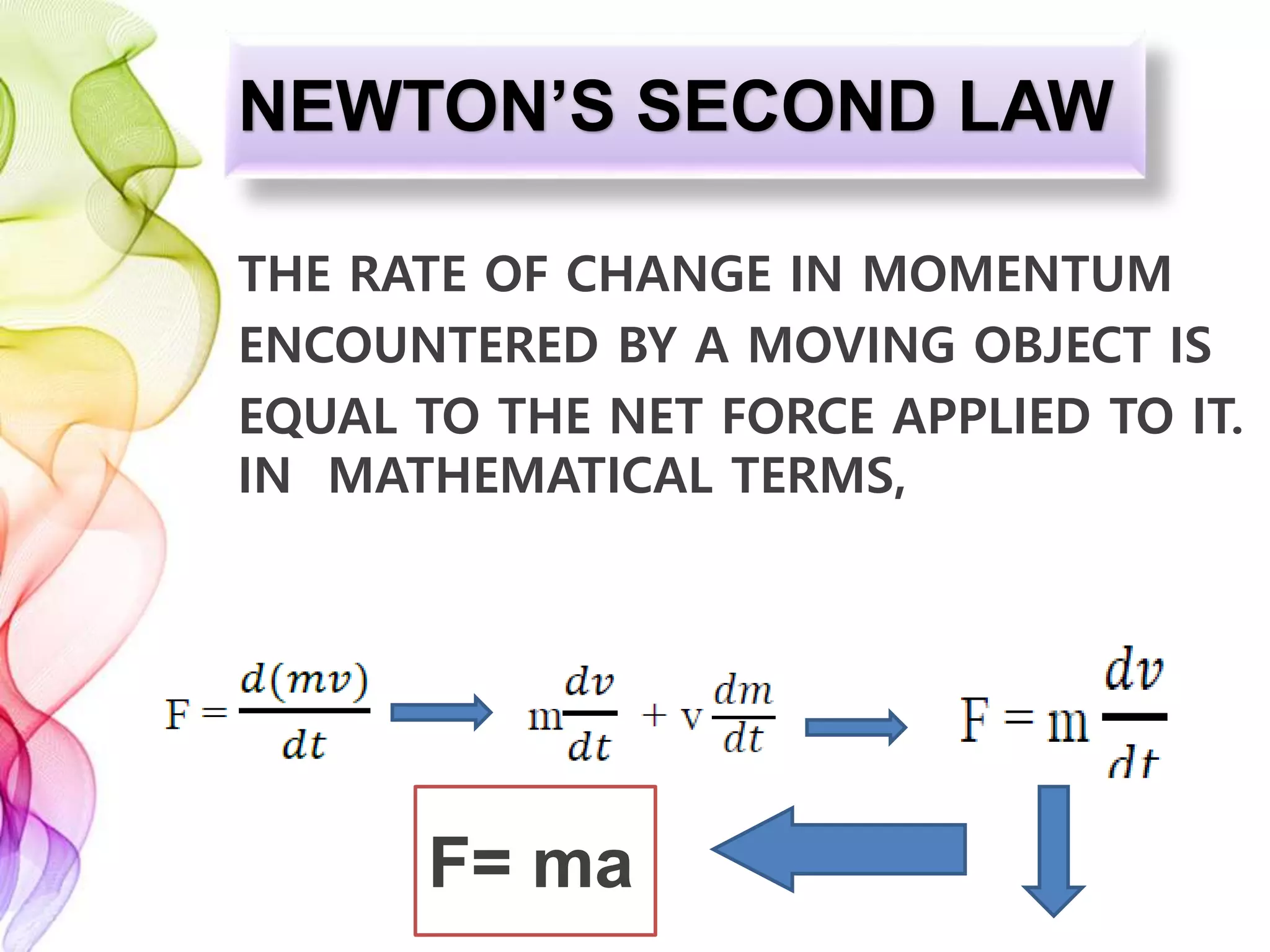
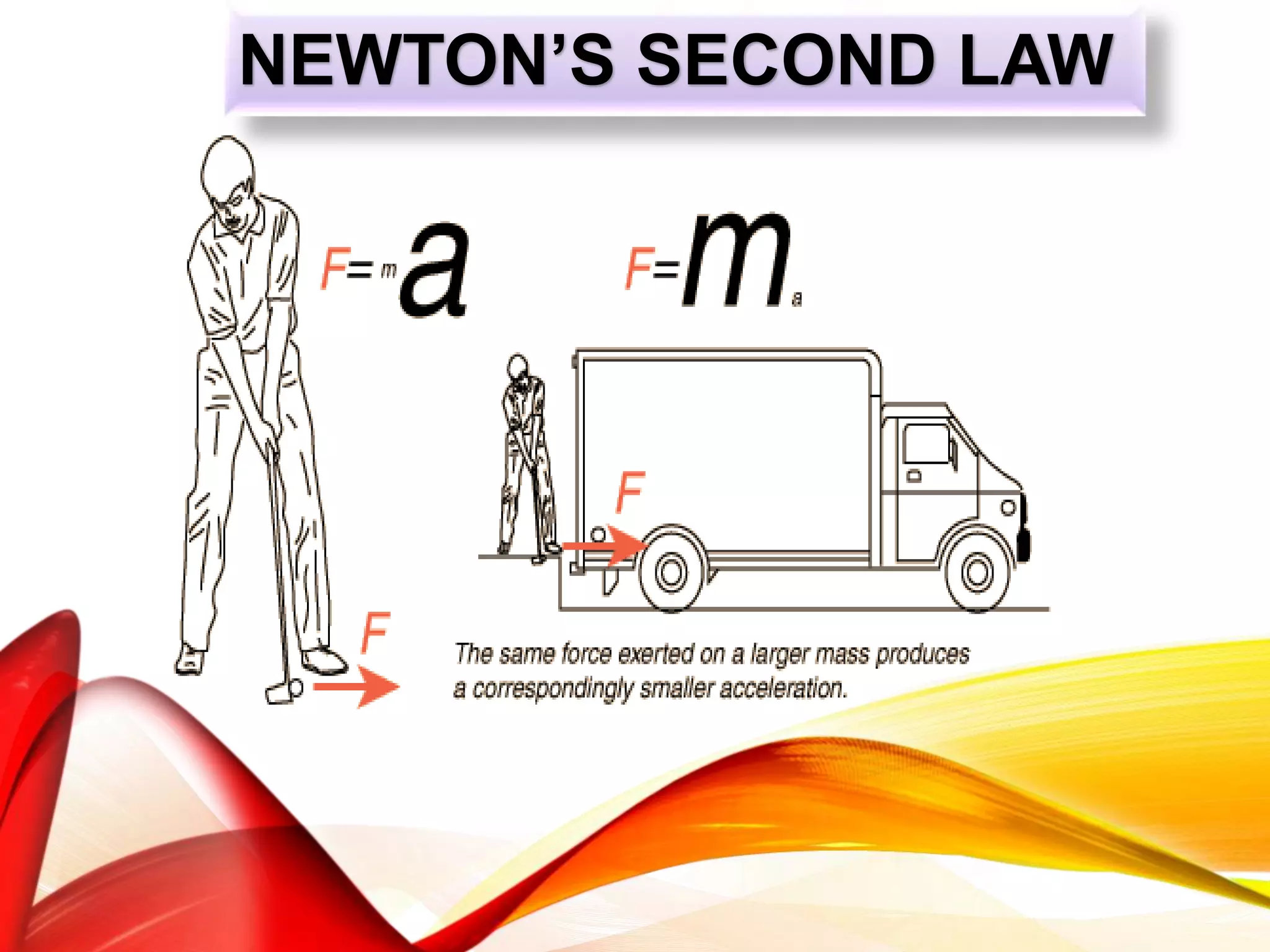
Emphasis on physical contexts of ODEs, particularly Newton's second law relating force and momentum.
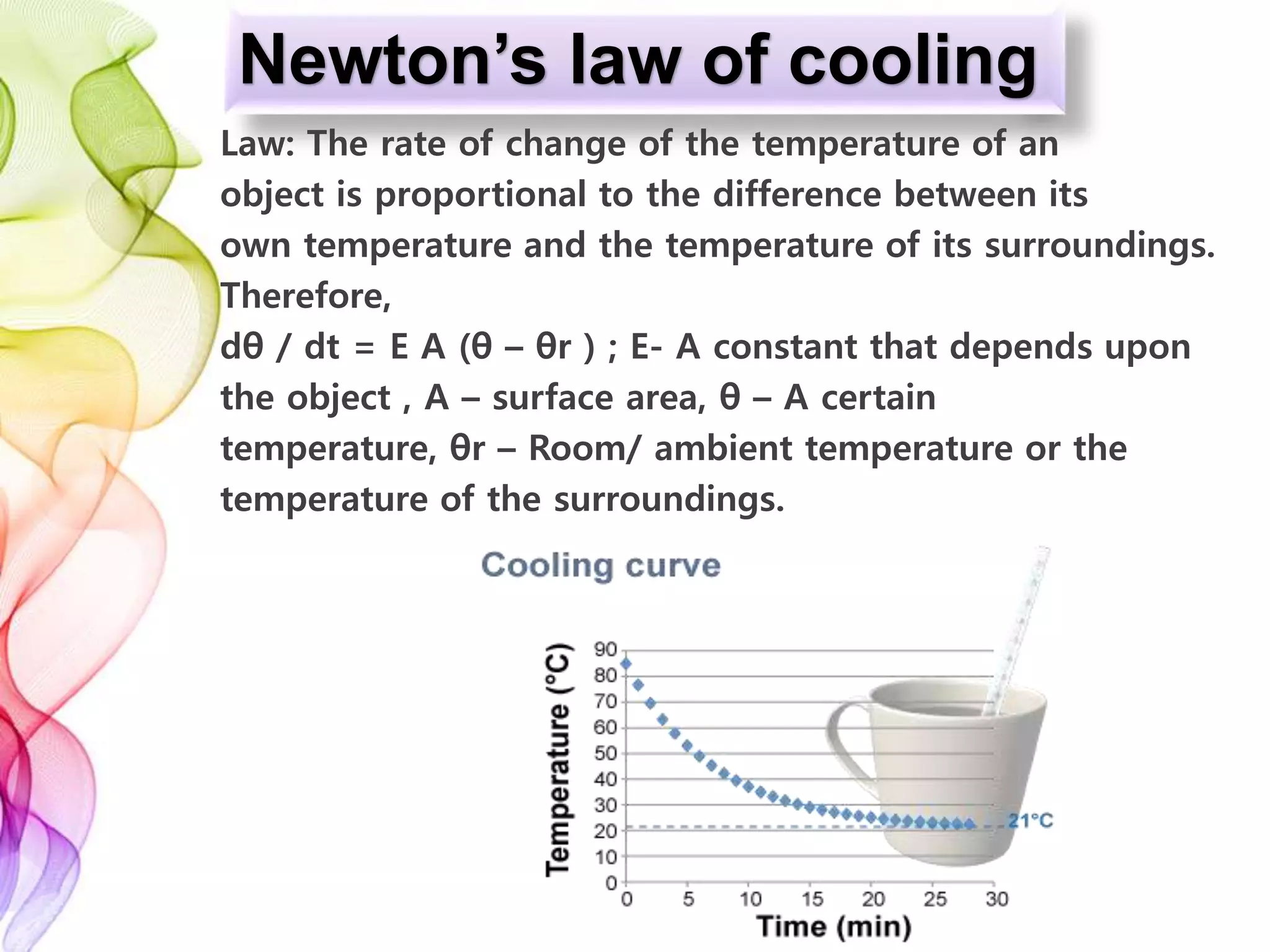
Detailed explanation of Newton's law of cooling with its mathematical representation using an ODE.
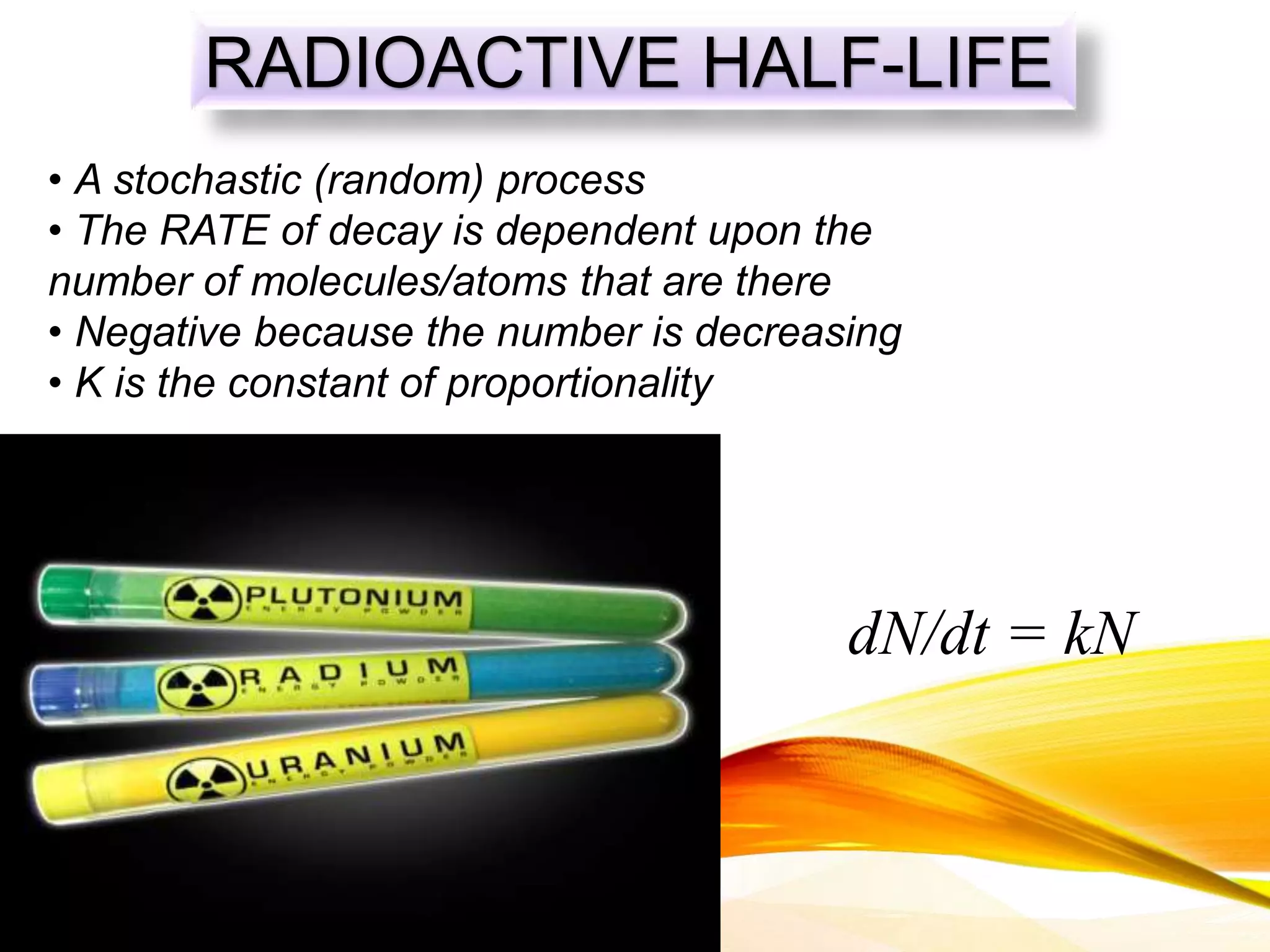
Mathematical formulation of radioactive decay using differential equations, emphasizing the stochastic nature of decay.
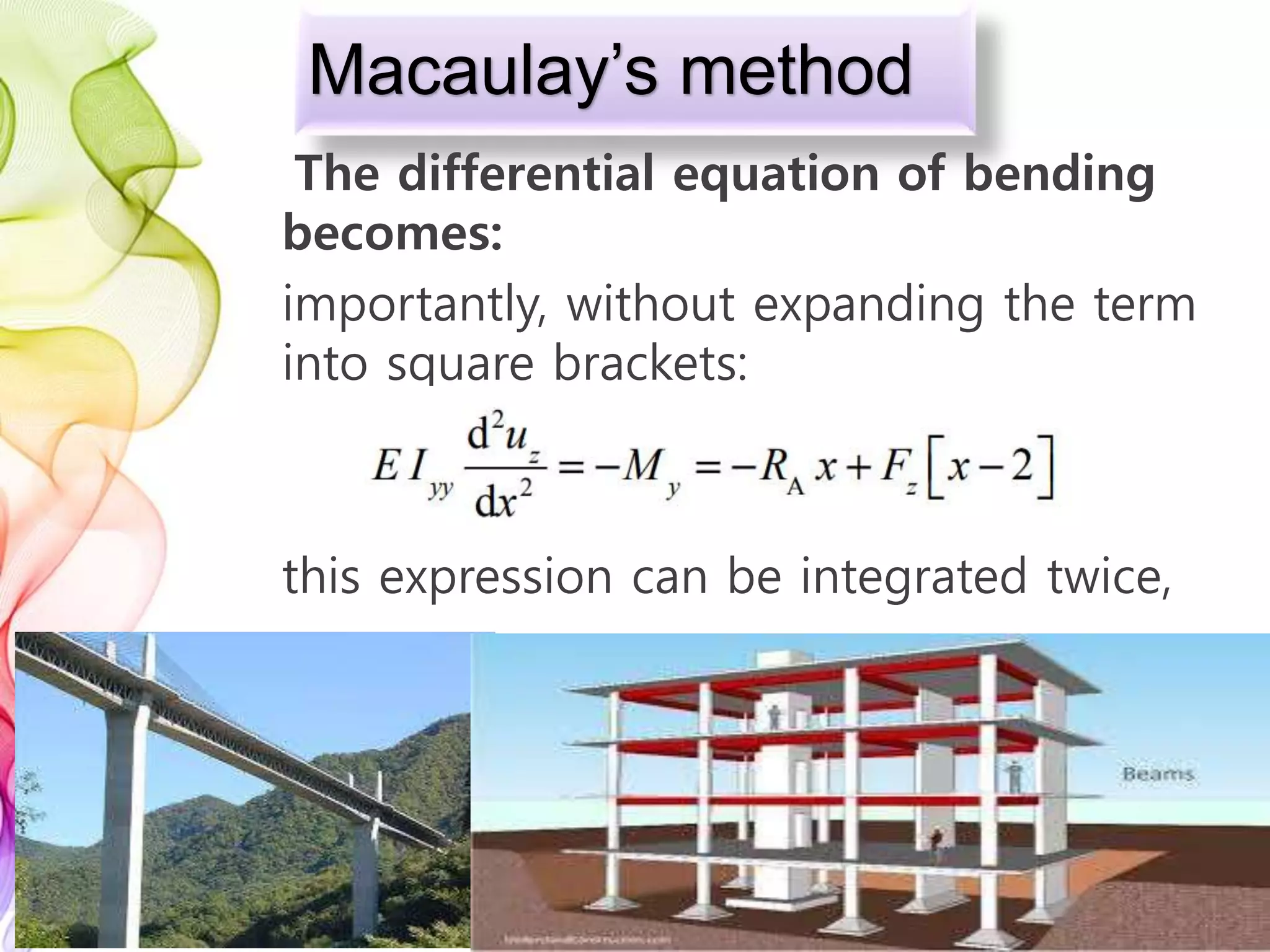
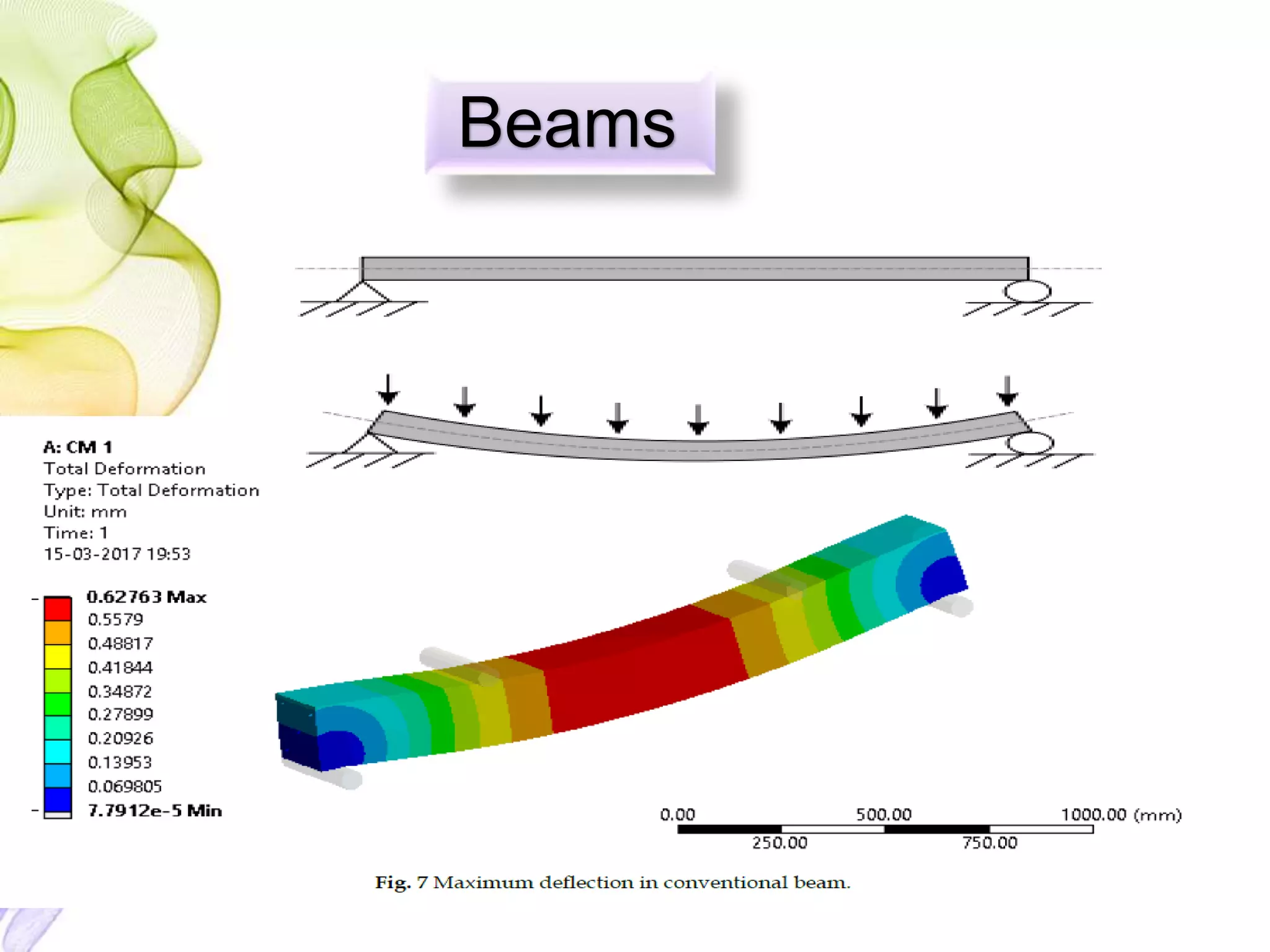
Application of differential equations in engineering contexts, particularly in the study of beams.


